
Mesh Sportswear Manufacturer for Breathable, Repeatable Teamwear
EDVORIN helps brands, teams and private-label buyers develop mesh jerseys, shorts and performance collections with controlled fit and production-ready standards.
Featured Products for Mesh Sportswear Development
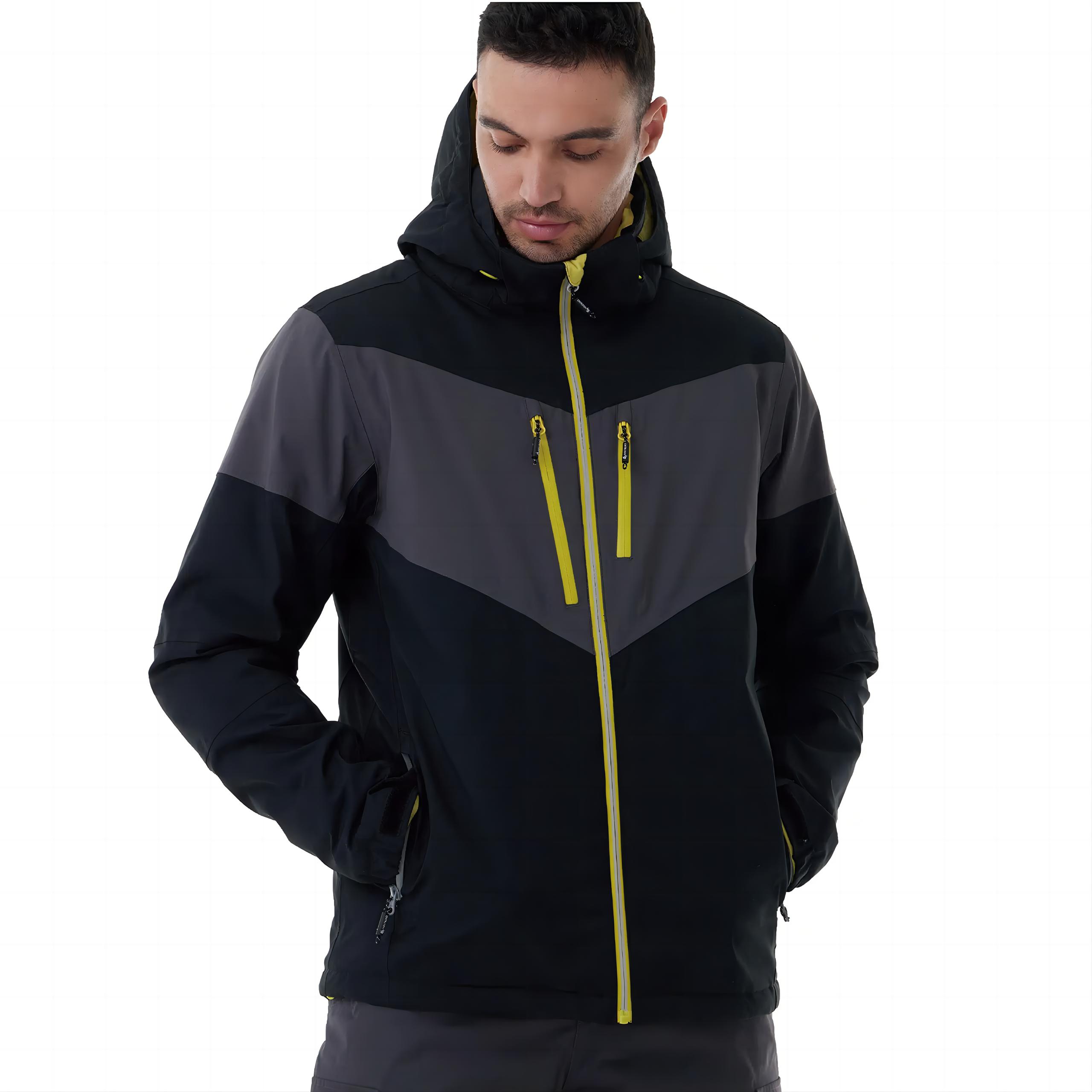
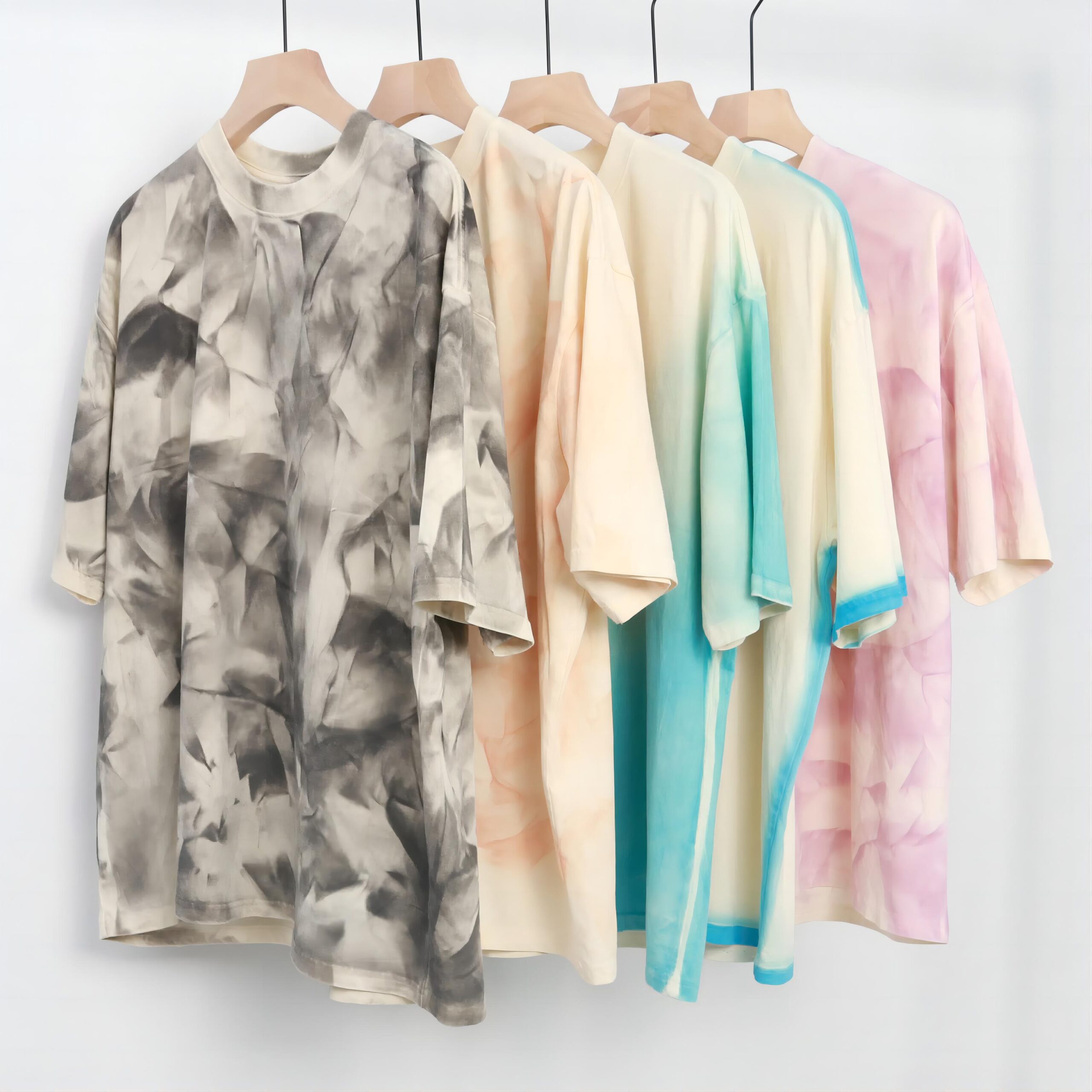
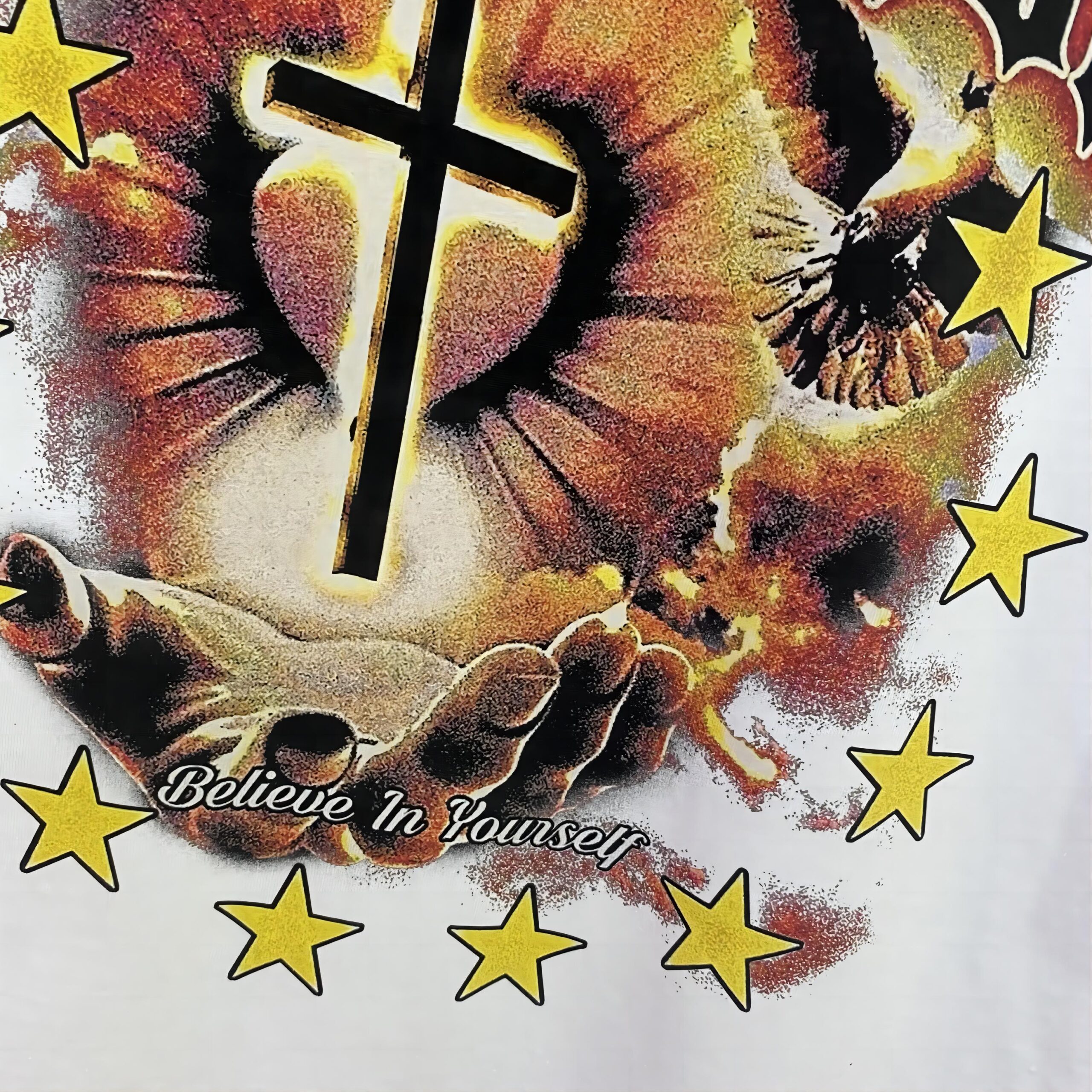


Mesh Sportswear Manufacturer Capabilities That Protect Performance
EDVORIN develops mesh teamwear and active apparel around documented material, fit, construction, color and decoration standards that carry from sample to bulk.
Ventilation by Design
Select mesh constructions and panel placements around airflow, coverage and garment purpose before sampling begins.
Lightweight Wear
Balance fabric weight, handfeel and structure to create comfortable jerseys, training tops and mesh shorts.
Consistent Team Fit
Build approved fit blocks, grading and measurement standards for men’s and women’s programs across every size.
Reinforced Construction
Specify seams, binding and stress-point reinforcement to support active movement and dependable repeated wear.
Controlled Color Matching
Coordinate color references across mesh, trims, prints and embroidery so coordinated teamwear stays visually consistent.
Decoration-Ready Development
Test print, embroidery, numbers and names against the selected mesh before bulk production sets the standard.
Teamwear, Jerseys and OEM Manufacturing
Compare construction, materials and decoration routes across coordinated apparel categories developed for repeatable bulk production.
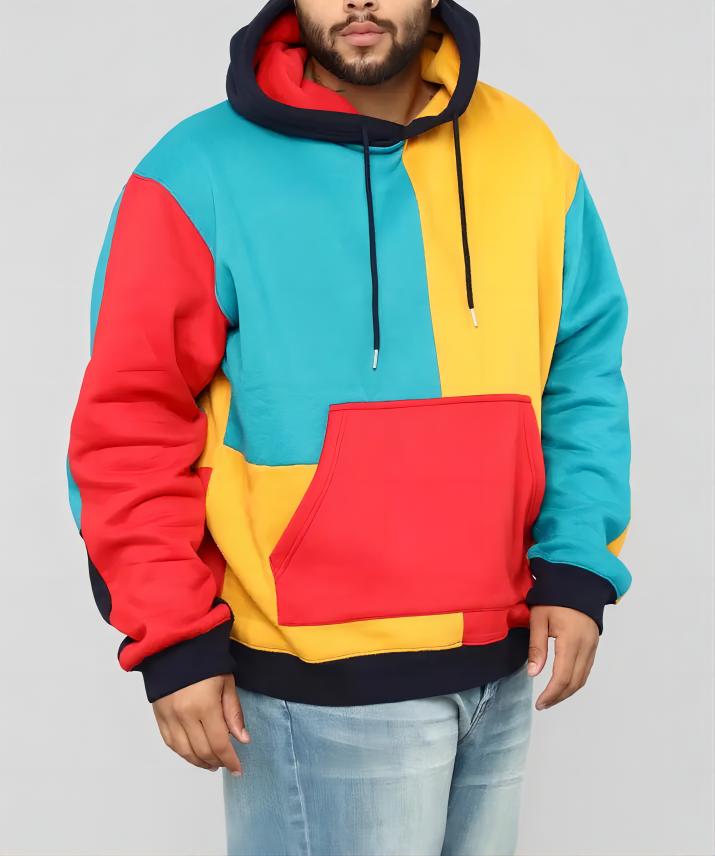
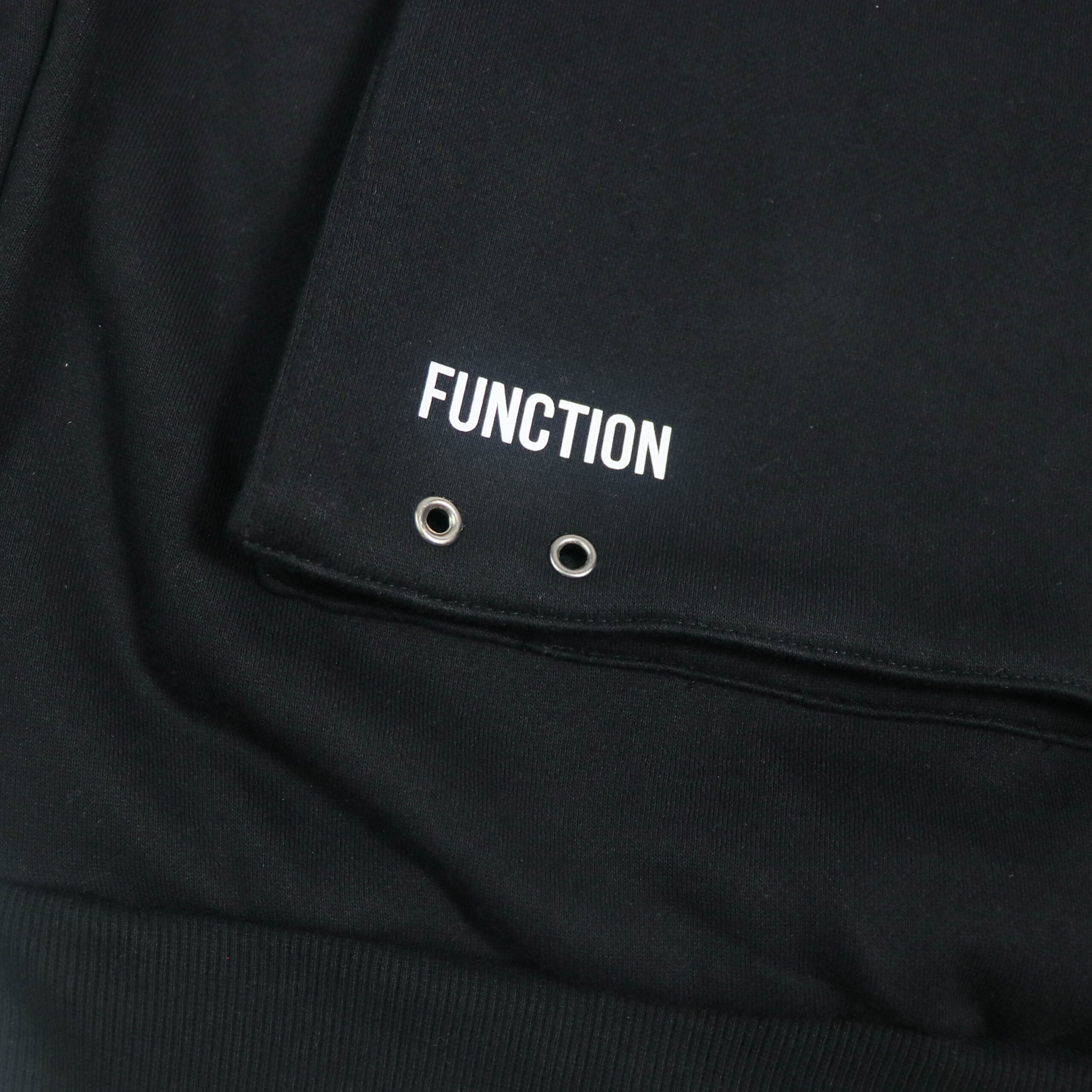
Custom Hoodies
As a custom hoodie manufacturer, EDVORIN develops fleece weight, rib construction, hoods, drawcords, pockets, print placement and labels into approved standards for repeat OEM and private-label production.
Get a Quote
Pullover Sweatshirts
EDVORIN supports sweatshirt manufacturer programs with pullover fit blocks, fleece or French terry options, neck rib specifications, embroidery, printing and wash treatments for men’s and women’s collections.
Get a Quote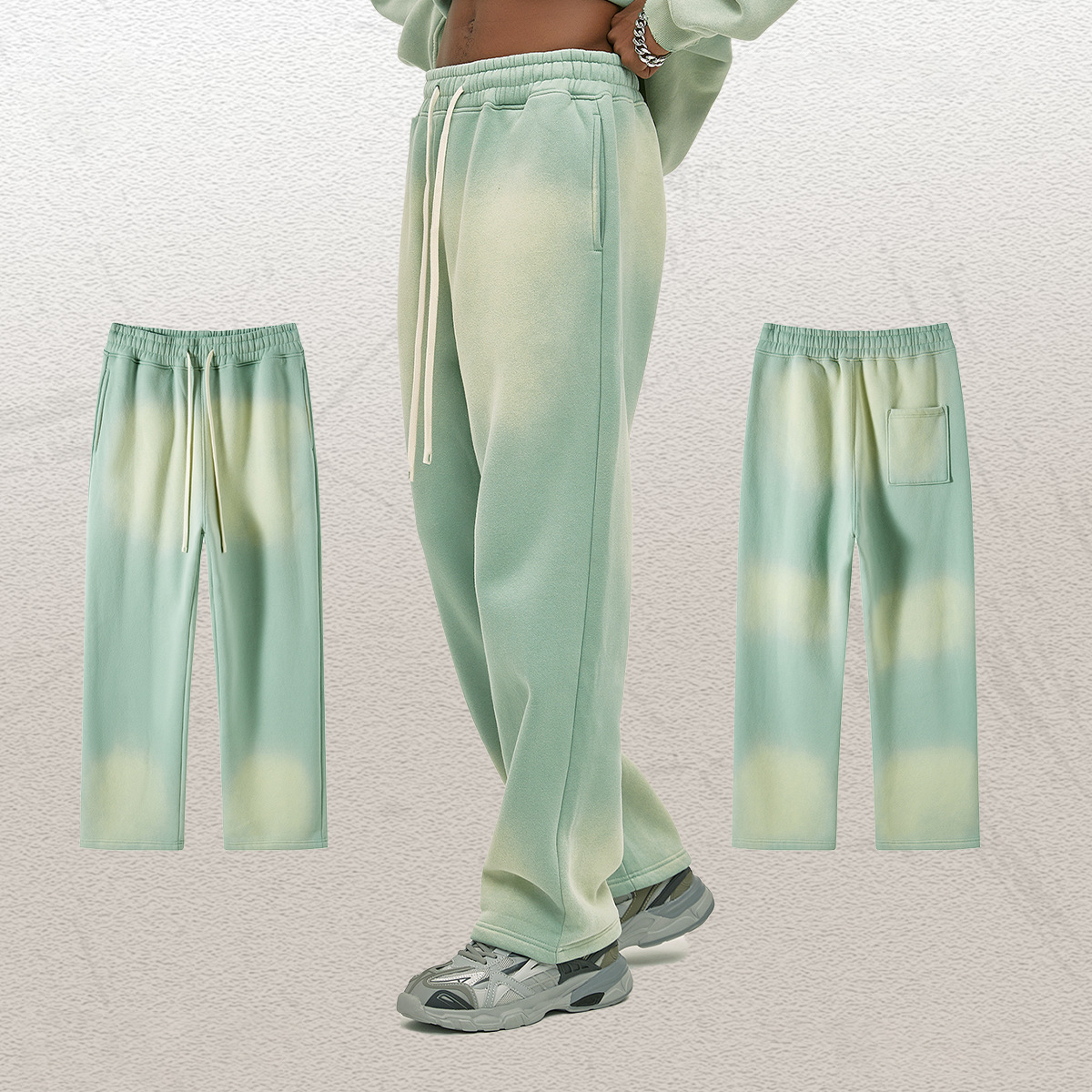
Sweatpants & Joggers
For sweatpants manufacturer requirements, EDVORIN coordinates fabric weight, waistband and cuff recovery, pocket construction, drawcords, grading, decoration and matching hoodie or sweatshirt programs.
Get a Quote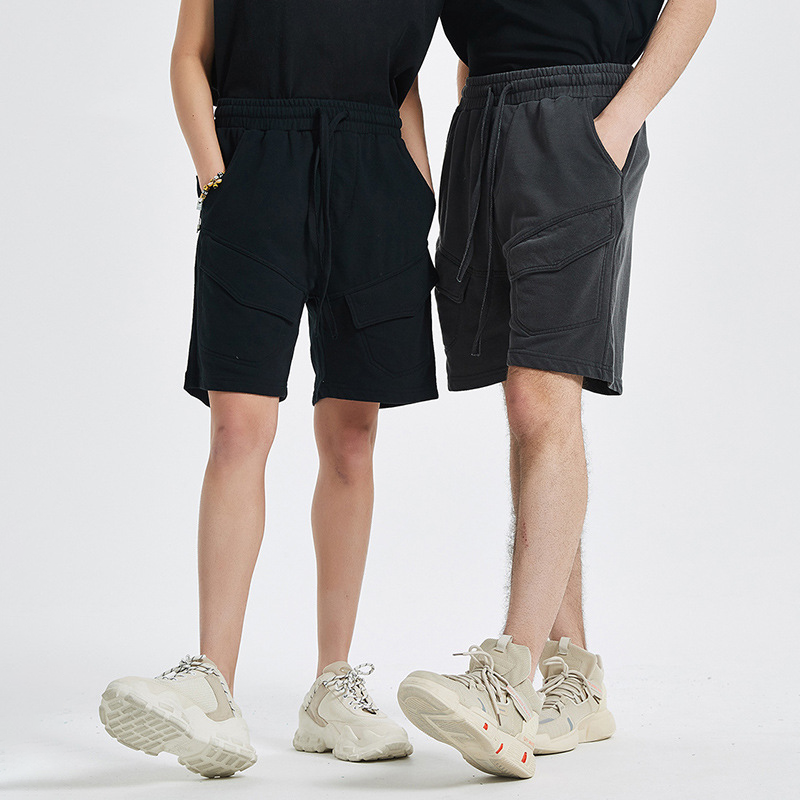
Custom Shorts
As a custom shorts manufacturer, EDVORIN develops knit and woven shorts with defined inseams, waist constructions, pockets, linings, mesh options, prints, embroidery and coordinated sizing for fashion or teamwear orders.
Get a Quote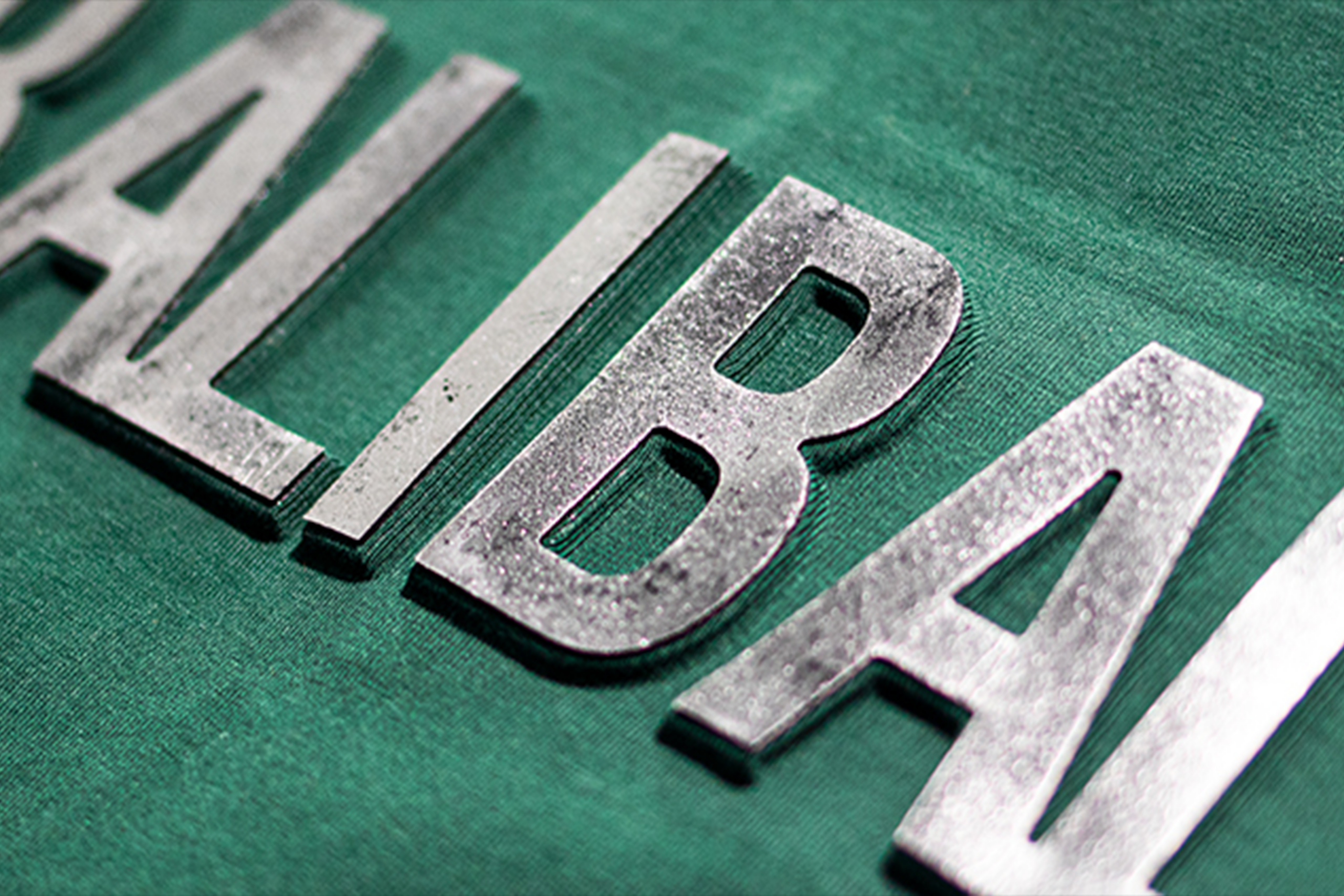
Varsity & Baseball Jackets
EDVORIN manages varsity jacket manufacturer programs through body and sleeve material selection, ribbing, snaps, lining, chenille patches, embroidery and placement records that support consistent repeat production.
Get a Quote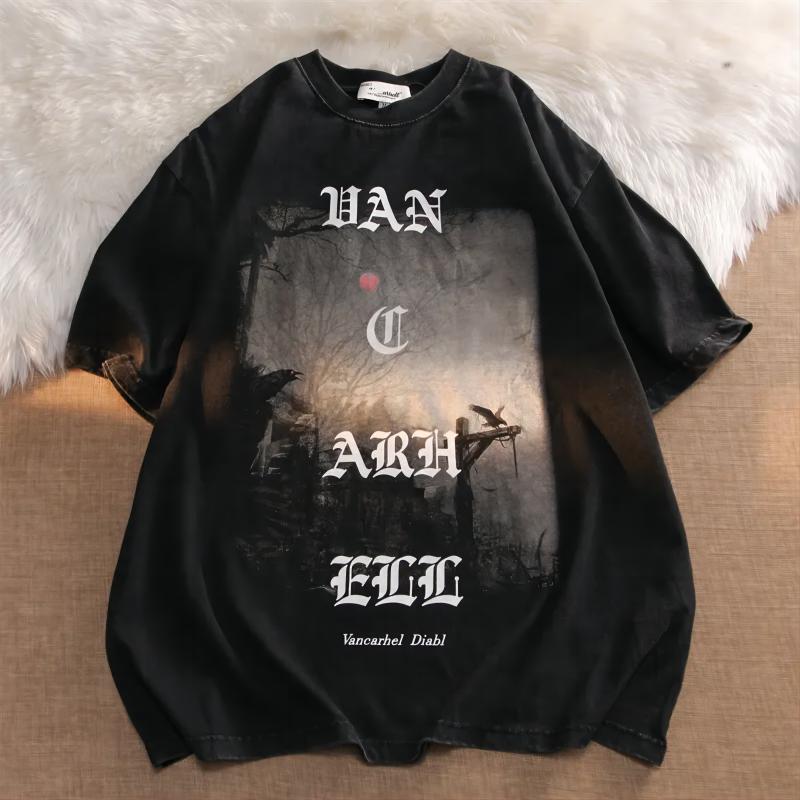
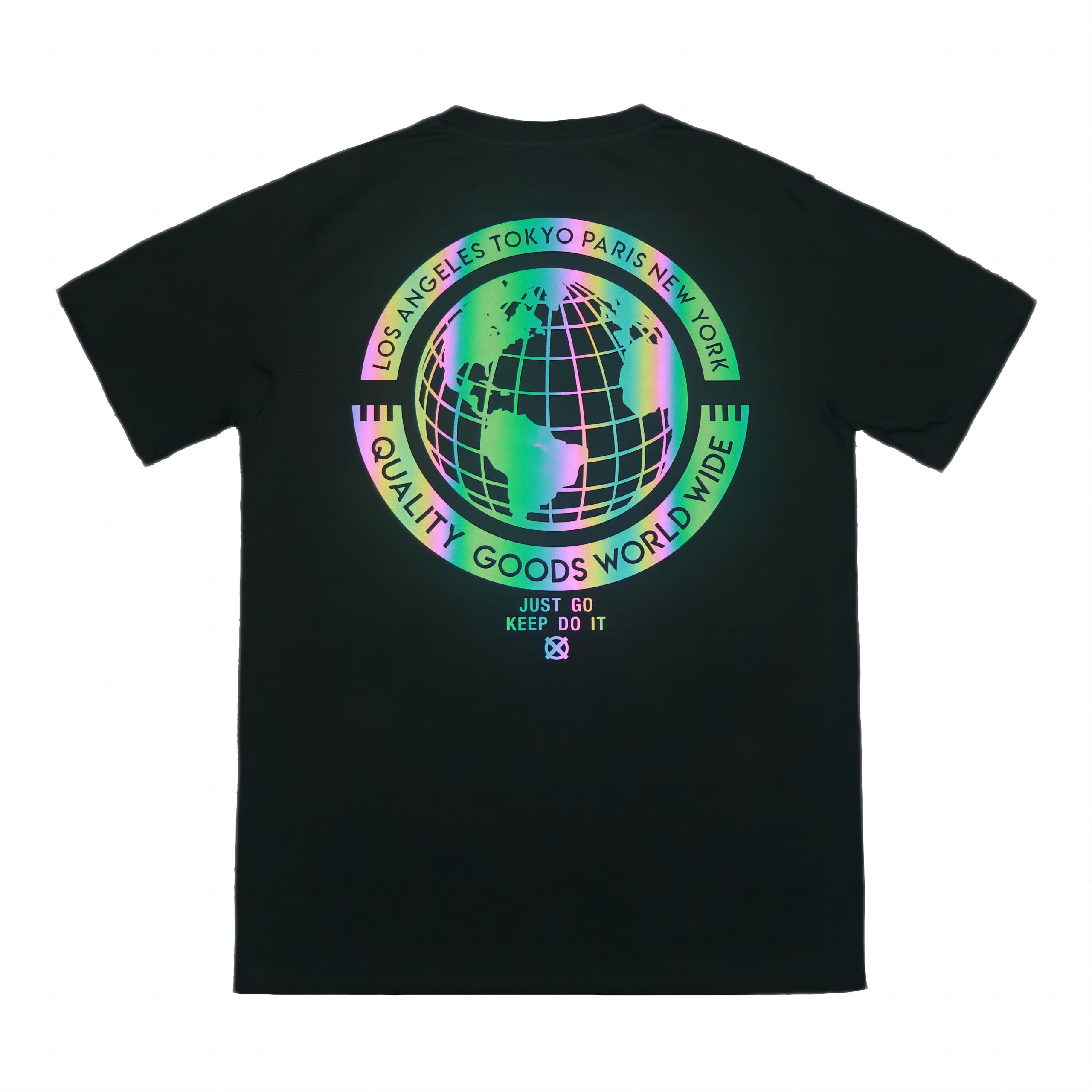
Custom T-Shirts
As a custom T-shirt manufacturer, EDVORIN develops jersey weight, collar construction, fit, print method, embroidery, wash effects, labels and packaging for private-label and promotional apparel programs.
Get a Quote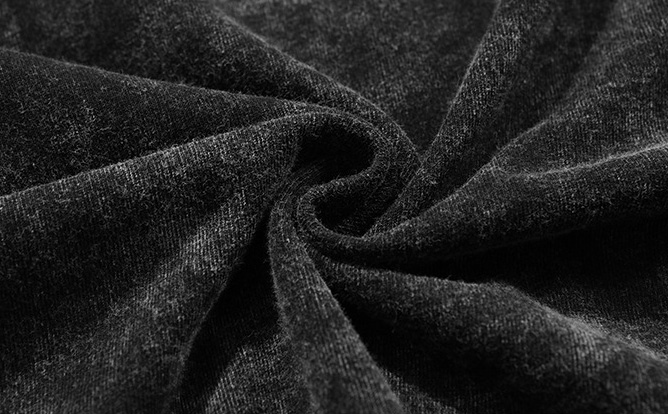
Custom Polo Shirts
EDVORIN supports polo shirt manufacturer projects with piqué or jersey fabric, collar and placket construction, button selection, embroidery, print placement and graded fit specifications for uniforms or branded apparel.
Get a Quote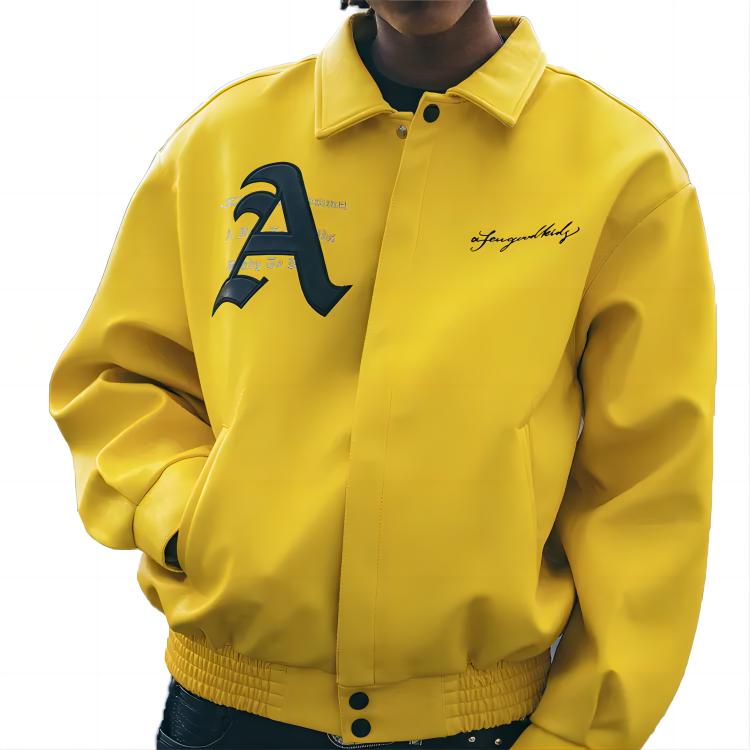
Windbreaker Jackets
For windbreaker manufacturer programs, EDVORIN coordinates shell fabric, lining or mesh, zippers, hood construction, ventilation, water-resistance requirements, reflective details and decoration methods suitable for lightweight outerwear.
Get a Quote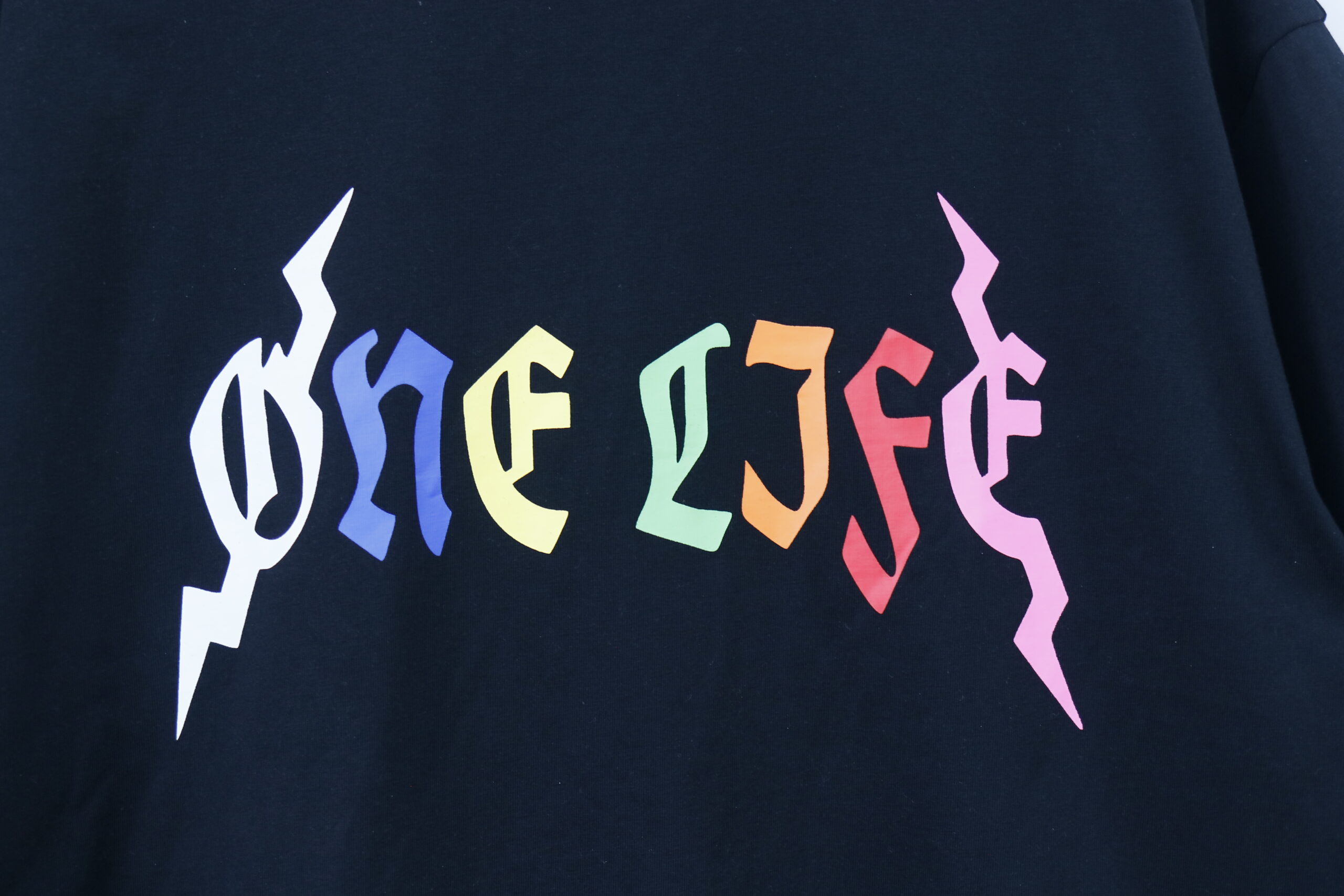
Quilted Jackets
EDVORIN develops quilted jacket manufacturer programs around shell, lining, insulation, quilting patterns, zipper and pocket details, fit, labeling and packing standards for structured seasonal outerwear.
Get a Quote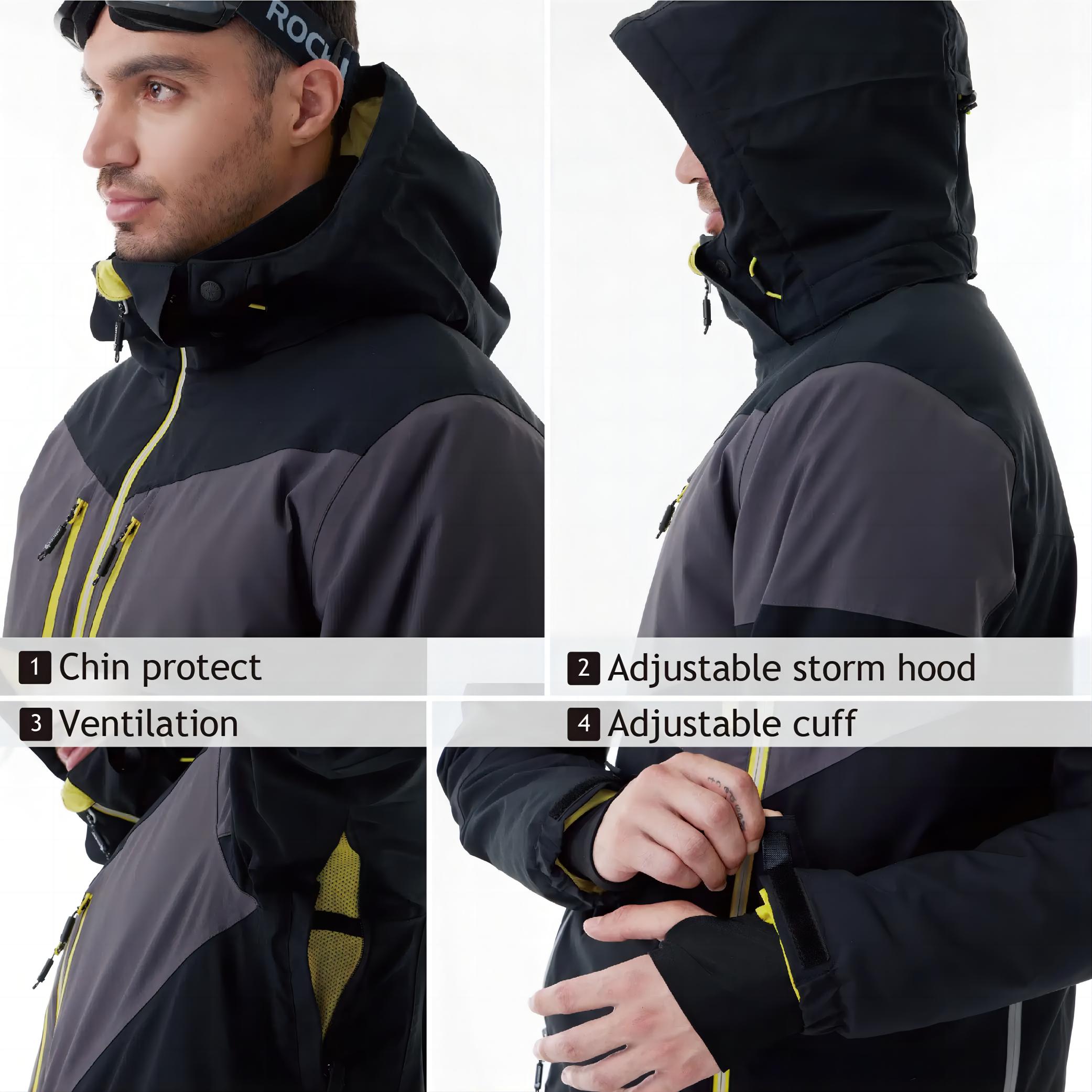
Bomber Jackets
As a bomber jacket manufacturer, EDVORIN aligns shell fabric, lining, rib trims, zippers, pockets, embroidery, patches and finishing details into an approved bulk-production specification.
Get a Quote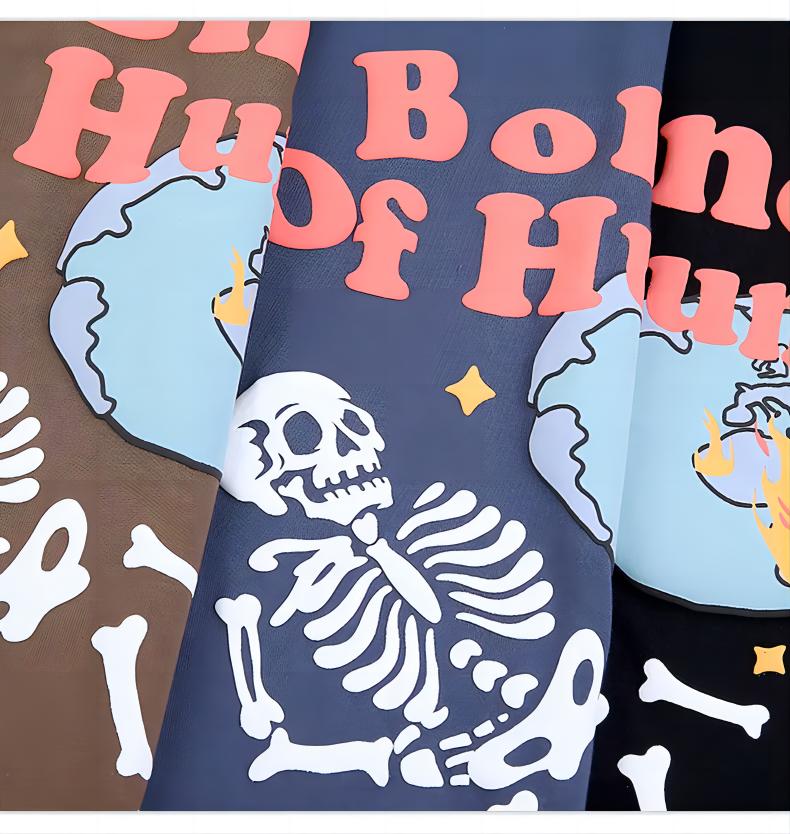
Custom Shirts
EDVORIN supports custom woven shirt manufacturer projects with fabric selection, collar and cuff construction, plackets, buttons, pocket options, garment washes, embroidery and men’s or women’s fit development.
Get a Quote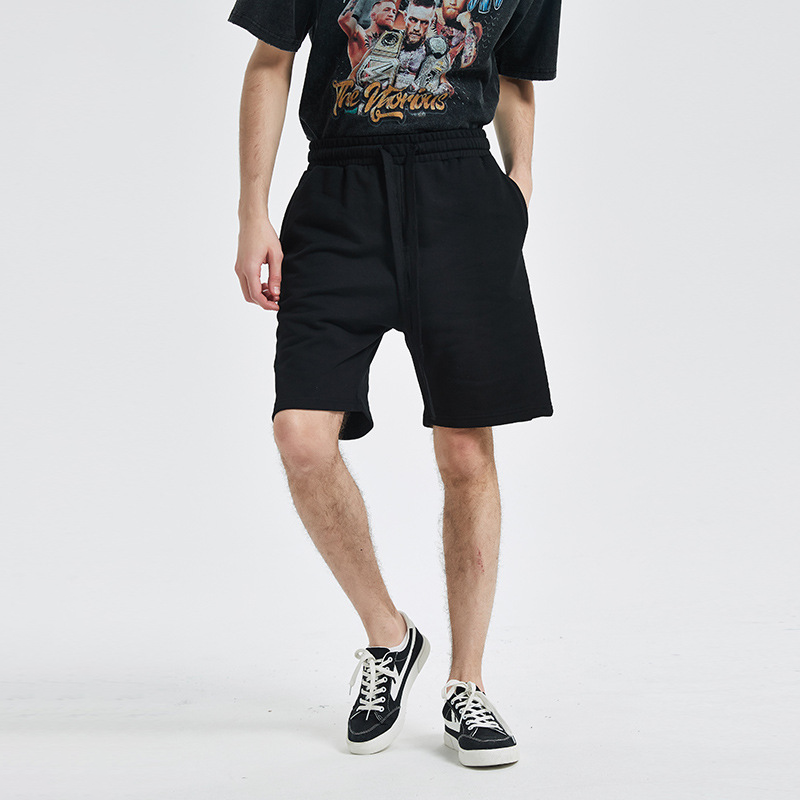
Custom Jerseys
As a custom jersey manufacturer, EDVORIN develops breathable fabrics, panel construction, color matching, sublimation or print routes, name-and-number control, grading and repeatable team order specifications.
Get a Quote
Tank Tops
EDVORIN handles custom tank top manufacturer requirements with jersey or performance fabrics, armhole and neck binding, fit blocks, print placement, embroidery options and coordinated men’s and women’s sizing.
Get a Quote
Soccer Uniforms
For soccer uniform manufacturer programs, EDVORIN coordinates jerseys, shorts and optional socks with performance fabric, club colors, sublimation, crests, player names, numbers and organized size-set control.
Get a Quote
Basketball Uniforms
As a basketball uniform manufacturer, EDVORIN develops jerseys and shorts with breathable materials, contrast panels, sublimation or printing, reversible options, team identifiers and production-ready measurement standards.
Get a Quote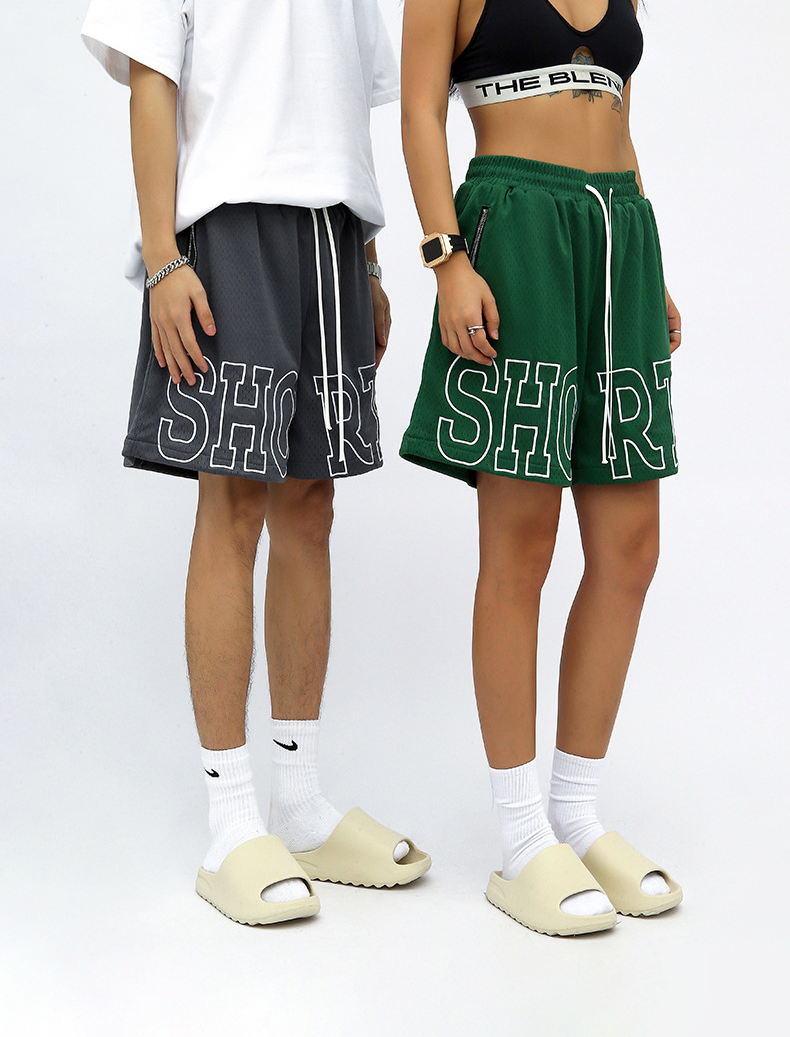
Streetwear Collections
EDVORIN works as a streetwear clothing manufacturer across coordinated hoodies, tees, bottoms, jackets and accessories, linking fabric sourcing, custom details, decoration, washes, labels and packaging under one production workflow.
Get a QuoteMesh Sportswear Manufacturer Since 2000
Founded by Edvorin Zeng in 2000, EDVORIN helps brands turn mesh sportswear concepts into production-ready programs. As a mesh sportswear manufacturer, we support OEM, ODM and private-label buyers with material selection, fit development, patterns and samples built around the intended sport, wearer and market.
Our connected workflow coordinates breathable mesh fabrics, trims, printing, embroidery, name-and-number details, labels and packaging under one accountable production path. We develop men’s and women’s jerseys, tank tops, shorts and coordinated teamwear for sports clubs, schools, active brands, wholesalers and growing labels.
What sets EDVORIN apart is the discipline after sample approval. We document measurements, artwork placement, color references and construction details so bulk production follows a visible standard. With MOQs from 200 pieces per style, we help buyers build consistent mesh teamwear programs they can confidently reorder and grow.
Mesh Sportswear Manufacturer Controls That Protect Performance
Purpose-Matched Mesh Selection
EDVORIN matches mesh structure, weight, stretch and hand feel to the garment’s intended use, from breathable team jerseys to training shorts and panelled streetwear. Material options are reviewed alongside opacity, recovery, durability and decoration requirements before sampling begins.
- Mesh construction matched to garment use
- Weight, stretch and coverage reviewed early
- Fabric choices documented for sample approval
- Men’s and women’s fit requirements considered
Panel Placement With Intent
Mesh panels must improve ventilation without weakening the garment’s shape or disrupting movement. EDVORIN develops panel lines around fit, cutting efficiency and artwork zones, helping brands balance airflow, coverage and a clean visual identity across repeatable size runs.
- Ventilation zones planned around movement
- Panel lines aligned with fit and grading
- Artwork areas protected during development
- Construction reviewed through sampling
Reinforced Seams for Wear
High-motion areas need construction that supports the selected mesh rather than pulling against it. EDVORIN reviews seam type, reinforcement and joining details during development, then uses the approved sample as the reference for consistent assembly and in-line quality checks during bulk production.
- Seams selected for fabric behavior
- High-stress areas reviewed in sampling
- Approved construction guides bulk assembly
- In-line checks help catch variation early
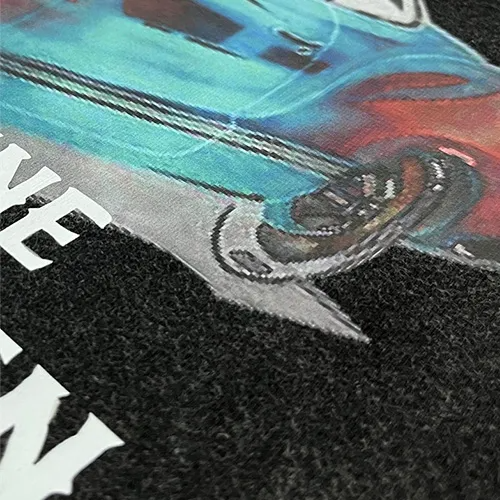
Decoration Planned Around Fabric
A mesh sportswear manufacturer should plan logos, names, numbers and embellishment with the base fabric in mind. EDVORIN coordinates placement, artwork scale and suitable decoration methods so teamwear and private-label programs retain legibility, comfort and production consistency from sample to packed order.
- Logo and number positions documented
- Decoration evaluated with the mesh base
- Artwork scale checked across size ranges
- Labels and packaging coordinated in one workflow
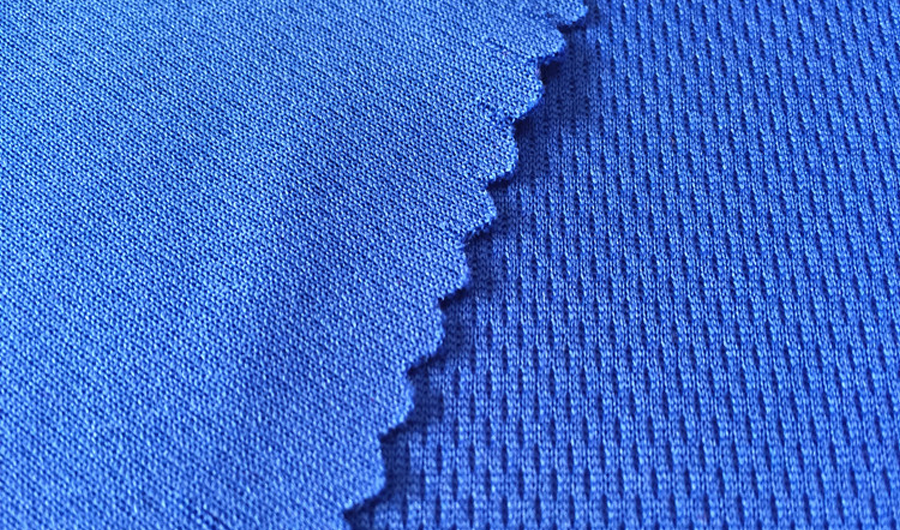
Mesh Sportswear Manufacturer vs. Solid-Knit Teamwear
Choose mesh sportswear manufacturing when airflow, lightweight wear and ventilated placement define the product; choose solid-knit construction when opacity and a denser body are the priority.
← Swipe left or right to view →
Mesh Sportswear Manufacturer Production Process
EDVORIN turns each approved mesh sportswear specification into a controlled production standard designed for consistent repeat orders.
Review Technical Requirements
We review tech packs, artwork, size charts and intended use, then clarify construction, fit, performance and branding details before development begins.
Select Materials and Trims
Our team coordinates mesh construction, fabric weight, color references, trims and decoration compatibility to establish materials suitable for the approved product direction.
Develop Patterns and Samples
Patterns, grading and sample garments are developed for review, allowing fit, placement, stitching and material behavior to be refined before bulk standards are set.
Control Bulk Production
After approval, cutting, sewing, printing, embroidery and finishing follow documented specifications, with in-line checks helping identify variation while production is underway.
Inspect Pack and Release
Final inspection verifies measurements, workmanship, decoration and packing details against approved references before labeled goods are prepared for shipment and repeat ordering.
How to Start a Mesh Sportswear Order
Share your requirements, approve a production-ready sample, and move into controlled bulk manufacturing from 200 pieces per style.
Send Your Product Brief
Provide artwork, garment references, target quantities, and intended use so EDVORIN can review the mesh sportswear construction and development needs.
Confirm Technical Specifications
Align size charts, Pantone references, mesh fabric, trims, decoration method, fit requirements, labels, and packaging details before sample development begins.
Review Your Development Sample
Assess the sample for fit, fabric hand feel, color, artwork placement, and decoration quality; document revisions to establish a clear approved standard.
Approve Bulk Production
Confirm the final sample and order details, then begin controlled bulk production with in-line checks and final inspection against approved specifications.
What Buyers Achieved with Their Mesh Sportswear Manufacturer
EDVORIN matched our club colors across 480 jerseys, shorts, and training tops. The approved sample became a clear bulk standard, so our three squad size sets arrived consistent and ready for distribution before preseason.
Our first mesh capsule needed a lighter feel without losing the streetwear silhouette. EDVORIN refined the fit and panel construction through two sample rounds, then delivered 600 units with embroidery, labels, and packed size assortments.
For our academy program, durability and reliable repeat ordering mattered most. EDVORIN documented the number placements and measurements for 320 kits, making our second order straightforward and keeping the new intake visually aligned with the first.
Mesh Sportswear Manufacturer FAQs
Clear answers on mesh selection, decoration, sampling and production planning for custom teamwear and activewear programs.
What mesh fabrics are suitable for custom sportswear?
Can you combine printing, embroidery and patches on one mesh garment?
What artwork size and number of colors can I use on mesh sportswear?
Will printed or decorated mesh sportswear hold up to repeated washing?
What is the minimum order quantity?
How long does custom mesh sportswear production take?
How does sampling work for custom mesh jerseys or shorts?
What files should I send to start a mesh sportswear order?
Complete Buyer’s Guide to Mesh Sportswear Manufacturing
Use this practical framework to compare mesh sportswear suppliers, specify performance fabrics and customization, evaluate quality and costs, and avoid sourcing errors before placing an OEM or private-label order.
1. What Is a Mesh Sportswear Manufacturer?
A 200-piece OEM program can turn an approved mesh-sportswear specification into repeatable jerseys, shorts, training tops and coordinated uniforms. A mesh sportswear manufacturer manages the garment—not just the fabric—by aligning patterns, cutting, sewing, decoration, labels, packaging and bulk quality checks.
Three supplier roles should be separated early. A fabric supplier sells rolls to specification; a garment factory assembles buyer-ready components; a full-service partner can also translate a sketch or reference into patterns, samples, material selections and documented production standards.
OEM reproduces a buyer’s defined product, ODM adds development input, and private-label production applies the buyer’s brand identity to the finished program. Brands, teams, schools, distributors and corporate buyers should expect a workflow of technical review, sample approval, pre-production confirmation, in-line control, final inspection and packing verification.
2. How Mesh Sportswear Manufacturing Evolved
1950s-era mesh uniforms prioritized open holes and ventilation; current performance programs specify knit geometry, filament polyester, stretch recovery, and abrasion resistance together. Bird’s-eye, interlock-mesh, and spacer constructions now let buyers place airflow, opacity, and support by garment zone rather than select one generic mesh.
100% polyester remains common because it is lightweight and durable, but moisture management depends on yarn shape, knit density, finish, and laundering—not the fiber name alone. Source claims about wicking, airflow, colorfastness, and dimensional stability should therefore be tied to the approved fabric specification and test method.
2020s digital decoration and small-batch labeling have made names, numbers, sponsor art, neck labels, and packaging practical earlier in a launch. A mesh sportswear manufacturer should lock artwork files, Pantone references, placement measurements, and variable-data rules during sampling so branded repeats remain controlled. Reference: https://www.mh-chine.com/blog/products/sports-mesh
3. Types of Mesh Sportswear Manufacturer Products
A mesh sportswear manufacturer should match the garment to its wearer, sport, and decoration plan before sampling. EDVORIN can translate each concept into fit, material, and production specifications.
Jerseys And Training Tees
Jerseys suit clubs, schools, and event teams needing player identification and coordinated colors. Specify number placement, collar shape, sleeve length, and a breathable knit appropriate to the sport.
Training tees suit gyms, academies, and performance brands. Prioritize mobility, low bulk, durable seams, and artwork that will not restrict stretch.
Shorts And Court Uniforms
Mesh shorts serve basketball programs, training collections, and streetwear labels. Define inseam, liner requirement, pocket construction, waistband recovery, and side-panel contrast before grading.
Basketball uniforms require a matched jersey-and-short set with stable color blocking. Confirm number locations and binding dimensions on the approved sample.
Kits, Layers And Streetwear
Football kits need coordinated tops, shorts, and optional socks for clubs and academies. Plan crest, sponsor, player-name, and number zones so decoration remains legible.
Warm-up layers and streetwear mesh pieces serve travel, fanwear, and fashion-led collections. Use relaxed proportions, layered panels, or oversized silhouettes when performance is secondary.
4. Mesh Sportswear Manufacturer Fabric Options
100% polyester is the default for quick-dry jerseys, but yarn denier and knit openness determine real airflow. A mesh sportswear manufacturer should approve swatches under light, stretch, and sweat conditions before locking bulk fabric.
| Fabric Type | Relative Weight | Best Use | Strengths | Tradeoffs |
|---|---|---|---|---|
| Polyester mesh | Light | Jerseys | Quick dry, durable | Can be sheer |
| Birdseye | Light–medium | Soccer tops | Airflow, printability | Less structured |
| Interlock plus panels | Medium | Training kits | Opaque, smooth | Lower overall airflow |
| Spandex blend | Light–medium | Fitted wear | Stretch recovery | Higher cost |
| Spacer mesh | Medium–heavy | Structured zones | Cushioning, shape | Bulky |
Match Knit To Sport
120–160 GSM birdseye suits running and soccer tops; its fine texture balances airflow and printability.
160–220 GSM interlock with mesh panels gives basketball and training garments a smoother, more opaque body.
Specify Stretch And Coverage
5–12% spandex improves recovery for fitted training pieces, but can complicate sublimation and raise cost.
2-layer spacer mesh adds structure for collars, protective zones, and bag panels; it is less suitable for full lightweight jerseys.
Check The Hand
75–100 denier polyester generally feels lighter than heavier filament constructions. Compare softness, snag resistance, opacity, and airflow on finished, decorated fabric—not only greige swatches.
5. Customization Options From a Mesh Sportswear Manufacturer
A mesh sportswear manufacturer should lock customization into the tech pack before sampling. EDVORIN can develop silhouettes, panels, colorways, names, numbers, logos, labels, trims, hangtags, and packaging as one controlled specification.
| Method | Best Placement | Detail | Constraint |
|---|---|---|---|
| Sublimation | All-over panels | High | Polyester only |
| Screen print | Chest or back | Medium | Limited fine detail |
| Heat transfer | Names and numbers | High | Heat-sensitive mesh risk |
| Embroidery | Crests | Medium | Can pucker lightweight mesh |
| Appliqué | Varsity marks | Low | Adds bulk |
Build The Garment Standard
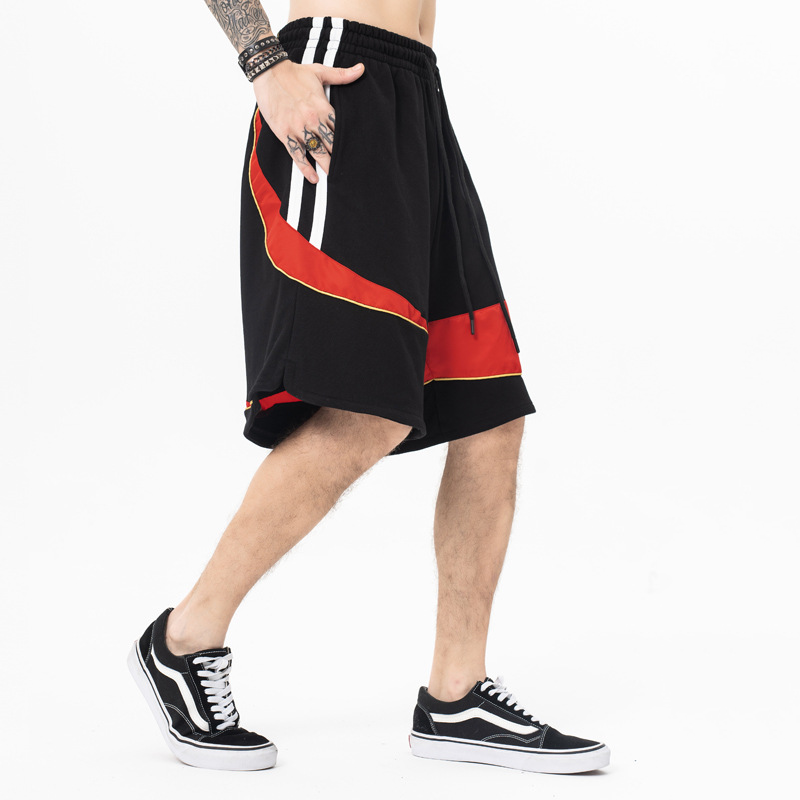
One approved measurement chart should define fit, contrast-panel seams, and placement coordinates. Record Pantone references, player-number fonts, neck labels, woven trims, hangtags, and carton or polybag requirements before bulk approval.
Choose Decoration By Use
Five decoration routes suit different artwork and mesh constructions. Submit vector logos, final colors, size-specific name lists, and placement files; approve a production-representative sample before release.
Approve Artwork And Samples
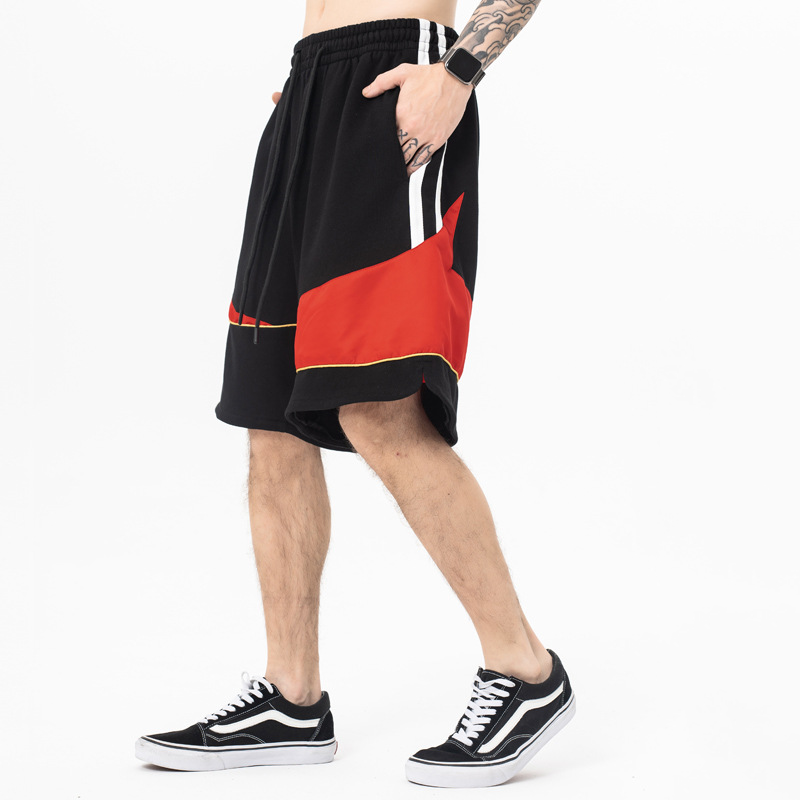
One approval sample should show finished decoration, color, placement, and wash behavior on the selected mesh. Revision notes must become the bulk standard rather than remain only in email threads.
6. Construction Details That Define Quality
Mesh’s open knit can shift, snag, or distort under needle pressure, so construction requires a documented standard. A mesh sportswear manufacturer should approve that standard before bulk cutting.
Seams And Reinforcement
One approved seam sample should confirm overlock or flatlock construction and stitch density without cutting mesh yarns.
Each stress point should receive specified reinforcement; inspect panel alignment, collar recovery, waistband elastic, drawcord exits, and hem coverage.
Print And Size Control
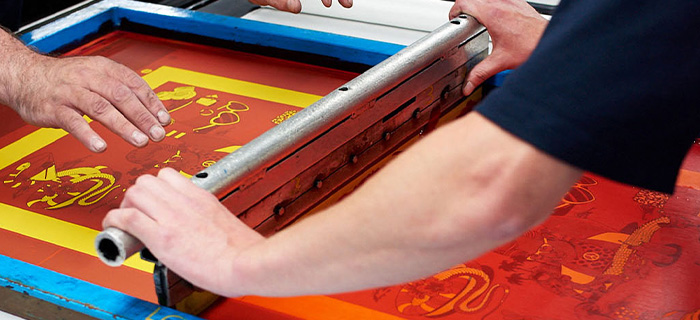
Each sample should verify print registration across panels and colorfastness after the agreed wash test. Open holes make misregistration and snagging more visible than on closed knits.
Every final inspection should measure chest, length, inseam, and waistband against the approved graded specification.
Production Inspection Checklist
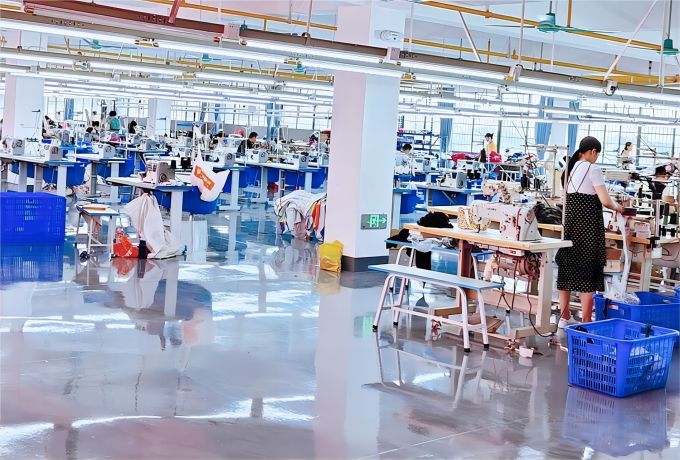
One pre-production file should seal the approved sample, measurement chart, artwork placement, color standard, and construction notes.
Each final inspection should check random units under tension and after laundering, recording defects by size, color, and operation.
- Confirm seam type and reinforcement
- Check collar, waistband, and drawcord execution
- Inspect snags, holes, and hem finish
- Verify print registration and colorfastness
- Measure sizes against approved tolerances
7. How to Choose a Mesh Sportswear Manufacturer
Three pre-quote comparisons expose risks that a unit-price comparison misses: product relevance, approval discipline, and delivered-order terms. Choose a mesh sportswear manufacturer that can document each before committing a deposit.
Verify Product Relevance
Two recent, comparable mesh garments reveal more than a general factory portfolio. Ask for construction details, size ranges, decoration methods, and references for jerseys, training tops, or shorts similar to yours.
- Request comparable samples or production photos
- Confirm technical support for patterns and grading
- Check capacity for your color and size mix
Test The Development Process
One approved sample should become a controlled bulk standard. Ask who records measurement tolerances, Pantone references, artwork placement, revision history, in-line checks, and final inspection criteria.
- Confirm sample stages and approval owners
- Ask for realistic sample and bulk timelines
- Request available compliance or test documentation
Compare Delivered Value
EDVORIN’s MOQ starts at 200 pieces per style. A 200-piece program needs an MOQ that fits each style, color, and size run—not merely the total order. Compare quotations by fabric, trims, decoration, packaging, defect handling, Incoterms, freight responsibility, and payment schedule.
- Ask whether pricing is EXW, FOB, or DDP
- Identify excluded testing, labels, and freight
- Evaluate communication speed and clarity
8. Common Mesh Sportswear Manufacturer Buying Mistakes
Most preventable mesh-program failures begin before cutting. A mesh sportswear manufacturer needs physical standards and documented decisions, not visual assumptions.
Verify Fabric Performance
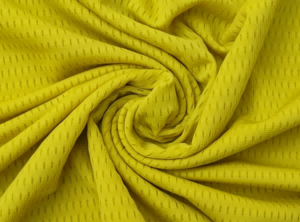
Two fabric checks matter before approval: opacity under stretch and dimensional change after washing. Request swatches, test garments when wet and dry, and record the approved mesh, GSM, stretch, and shrinkage tolerance in the specification.
Document Color And Decoration
One Pantone reference does not guarantee a match across polyester mesh, rib, transfer film, and thread. Approve material-specific color lab dips, then test the chosen screen print, heat transfer, or embroidery for adhesion, puckering, and airflow.
Control Fit And Schedule
Three production documents reduce bulk surprises: a tech pack, graded measurement chart, and approved washed sample. Confirm size tolerances, artwork placements, material arrival, sample revisions, bulk lead time, and shipping date in one production calendar.
9. Steps to Launch Custom Mesh Sportswear
A launch calendar should begin with the wearer, selling season, channel, and planned units per color. A mesh sportswear manufacturer can convert that commercial brief into production checkpoints before materials or artwork create costly commitments.
Lock The Product Brief
1 target customer defines fit, sport, price position, size range, and color count. Lock the silhouette, mesh zones, lining, decoration method, labels, and packaging in a tech pack before sampling.
Approve Materials And Prototype
2 physical reviews should cover fabric hand, weight, stretch, opacity, color, and wash behavior. Submit Pantone references, vector artwork, placement dimensions, and number/name rules; then approve the prototype and graded fit sample.
Control Bulk And Reorders
3 pre-production controls should freeze the approved sample, measurement tolerances, artwork, trims, carton marks, inspection level, and freight date. Review sales by size and color after launch so the next buy corrects allocation instead of repeating excess inventory.
10. Mesh Sportswear Pricing and Cost Drivers
200-piece programs spread pattern, sample, and setup costs across fewer units, while larger repeat orders usually improve material and cutting efficiency. EDVORIN should quote against an approved specification, not a generic jersey price.
3 cost layers determine landed cost: garment ex-factory, branding and packing, then freight and destination charges. Fabric weight and fiber content, panel count, flatlock seams, decoration colors and placements, labels, packaging, sampling revisions, and shipping method all change the result.
| Quantity tier | Indicative unit-cost driver | Typical lead-time stage |
|---|---|---|
| 200–499 pieces | Development and setup weigh heavily; simplify panels and placements | Sample approval, then bulk scheduling |
| 500–999 pieces | Fabric yield and decoration efficiency improve | Material booking, pre-production, bulk |
| 1,000+ pieces | Repeatable specifications can improve purchasing efficiency | Bulk production, final inspection, freight |
Request Your Mesh Sportswear Manufacturer Quote
Send your artwork, references, or tech pack to start a sample review and receive an OEM production quote.