
Apparel Manufacturing Resources for Repeatable Collections
Turn concepts into production-ready apparel with coordinated development, sourcing, sampling, decoration, and quality control built for reliable bulk orders.
Apparel Manufacturing Resources for Every Production Stage
Coordinate the decisions that turn a concept, reference garment, or approved tech pack into a repeatable collection.
Product Development
Translate sketches, references, and tech packs into fit blocks, patterns, measurements, and sample specifications ready for buyer review.
Fabric and Trim Sourcing
Align fabric weight, color, rib, hardware, labels, and packaging with the construction, wear expectations, and market position of each style.
Decoration Planning
Coordinate printing, embroidery, patches, washing, names, and numbers around base materials, artwork placement, and intended garment performance.
Category-Specific Construction
Develop casualwear, streetwear, outerwear, and teamwear with construction details suited to hoodies, jackets, jerseys, uniforms, and coordinated collections.
Approved Sample Control
Document approved materials, measurements, trims, placements, and revisions so bulk production follows a visible standard rather than assumptions.
Bulk Production Oversight
Connect material control, in-line inspection, final quality checks, labeling, and packing into one accountable path from sample to shipment.
Manufacturing Paths by Apparel Category
Develop casualwear, streetwear, outerwear and teamwear with category-specific materials, construction, decoration and production controls.
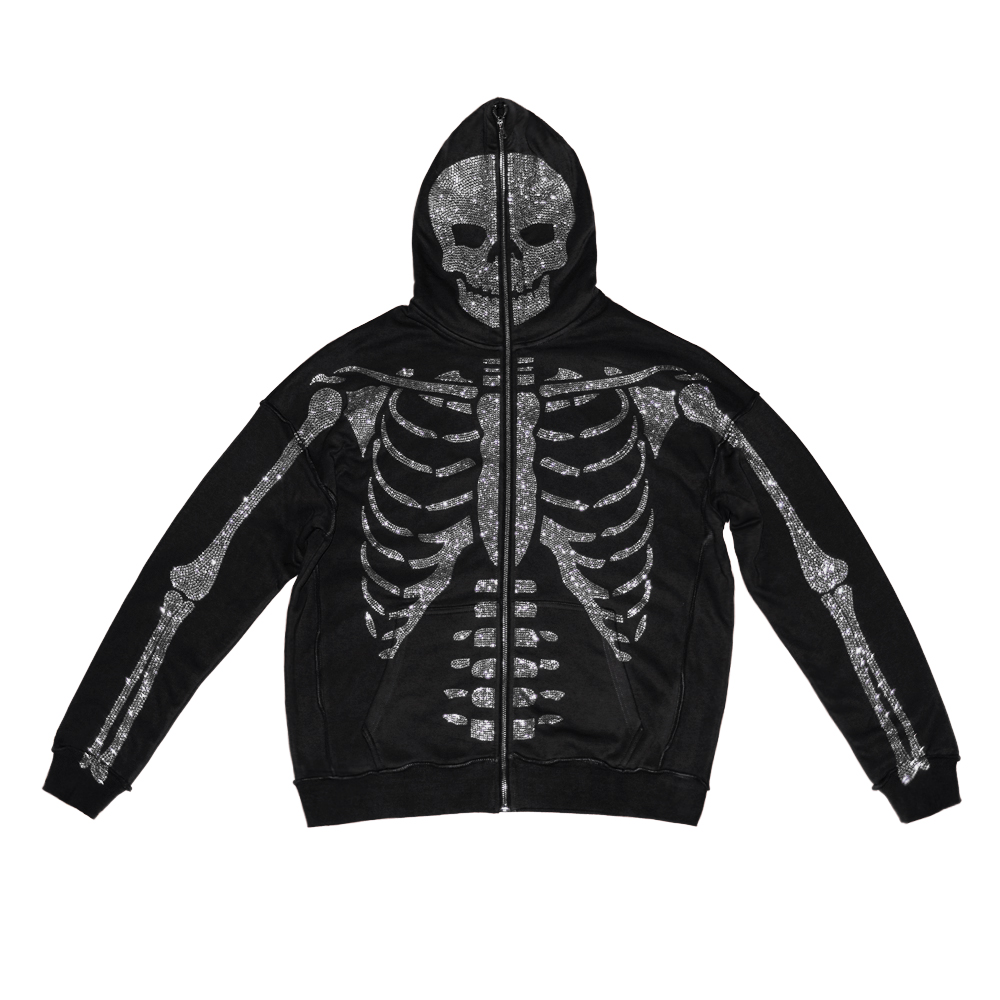
Custom Hoodies
Develop custom hoodies with fleece selection, fit blocks, rib specifications, hood construction, drawcords, pockets, labels and print or embroidery placement documented for repeat bulk production.
Get a Quote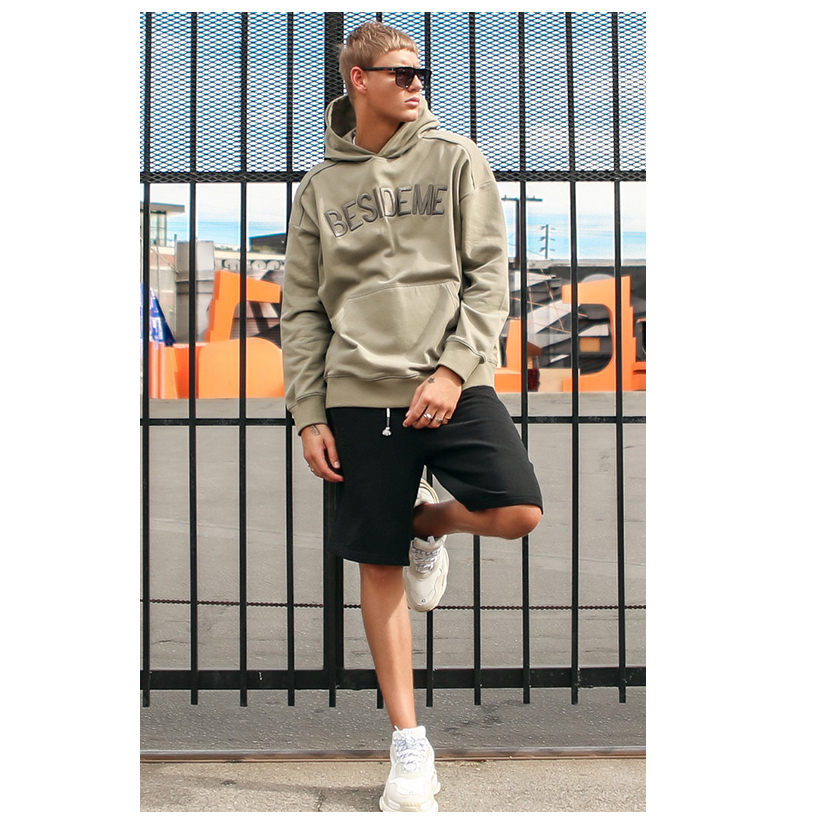
Pullover Sweatshirts
Produce pullover sweatshirts around the right fabric weight, neckline, rib recovery, fit, grading and decoration method. Samples establish the approved construction and measurement standard before bulk production.
Get a Quote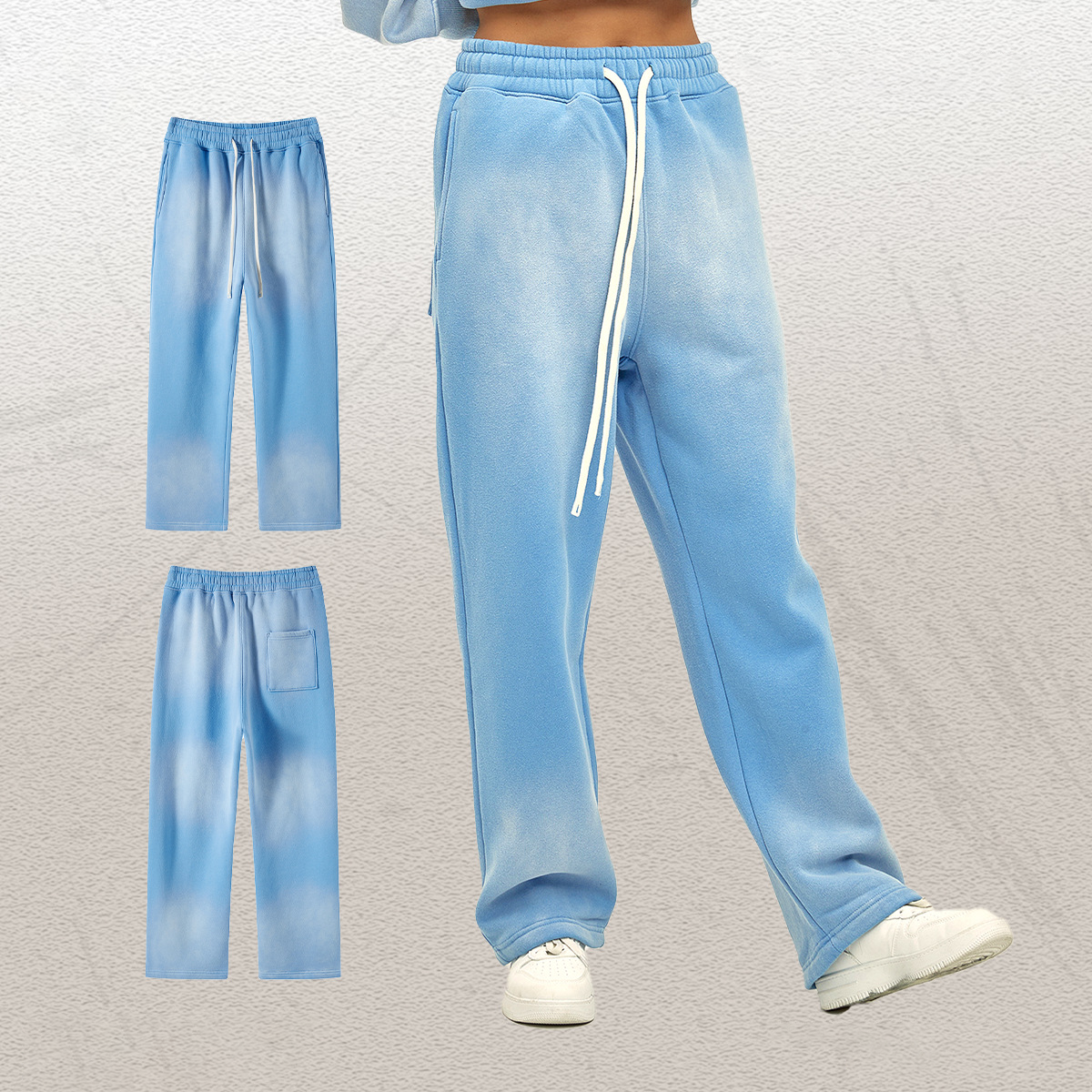
Sweatpants & Joggers
Build sweatpants and joggers with coordinated fabric, waistband, drawcord, pocket, cuff and fit specifications. Men’s and women’s proportions, grading and decoration placements can be developed for matched programs.
Get a Quote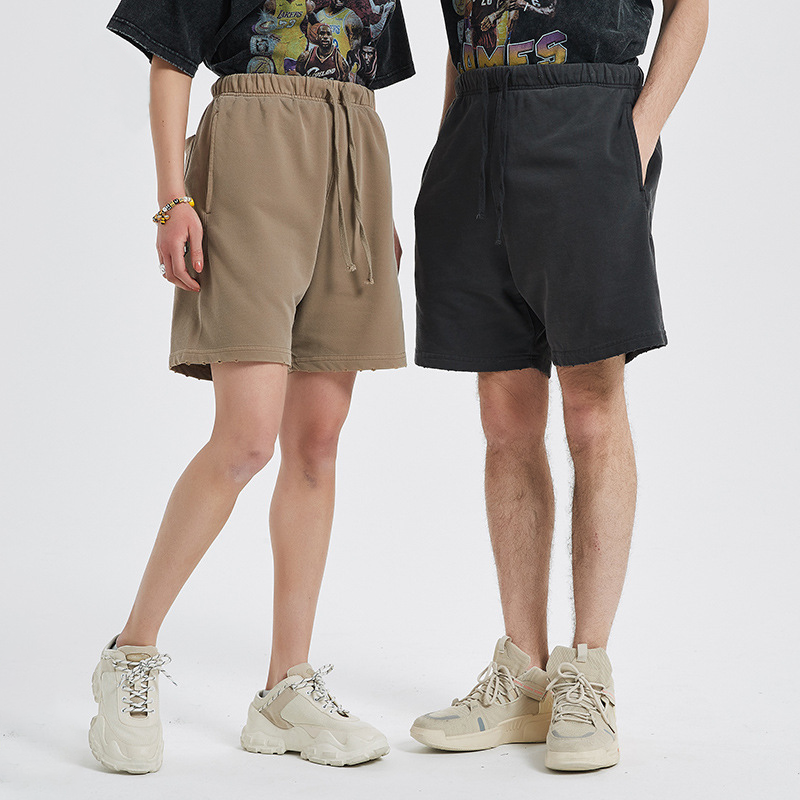
Custom Shorts
Create custom shorts for casual, athletic or streetwear programs with fabric, inseam, waistband, pocket, liner and finishing requirements aligned to the intended use. Samples confirm fit and construction before production.
Get a Quote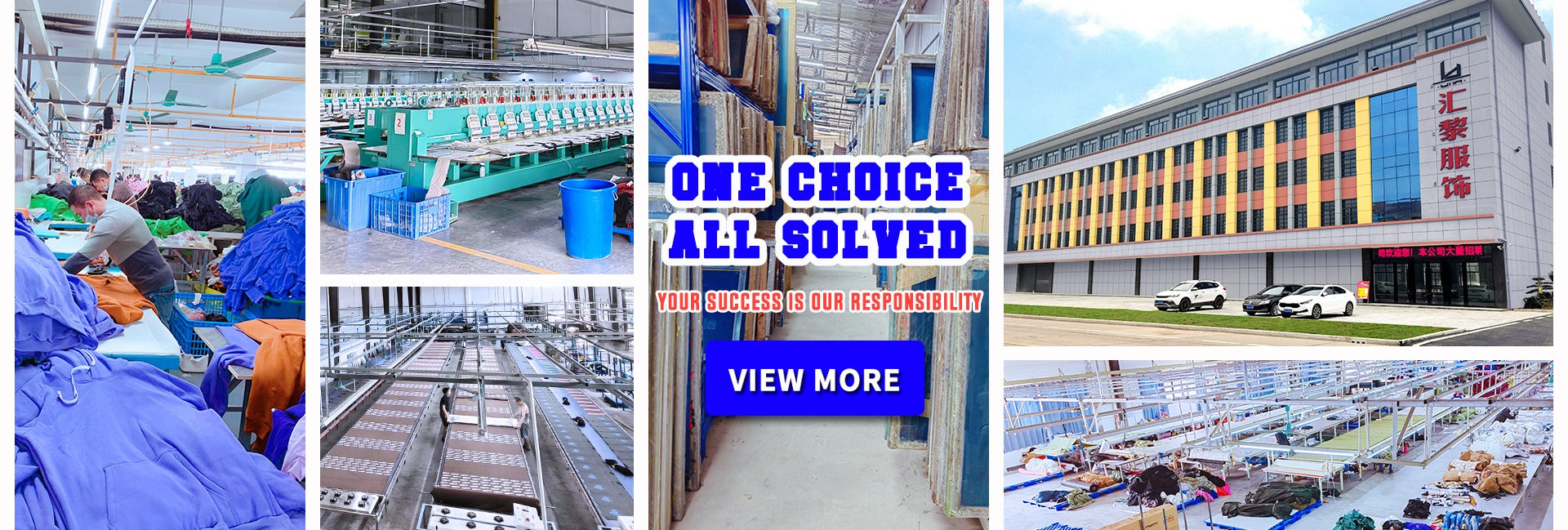
Varsity & Baseball Jackets
Develop varsity and baseball jackets by coordinating body and sleeve materials, rib, lining, snaps, patches, embroidery and appliqué. Construction and decoration details are approved as one production standard.
Get a Quote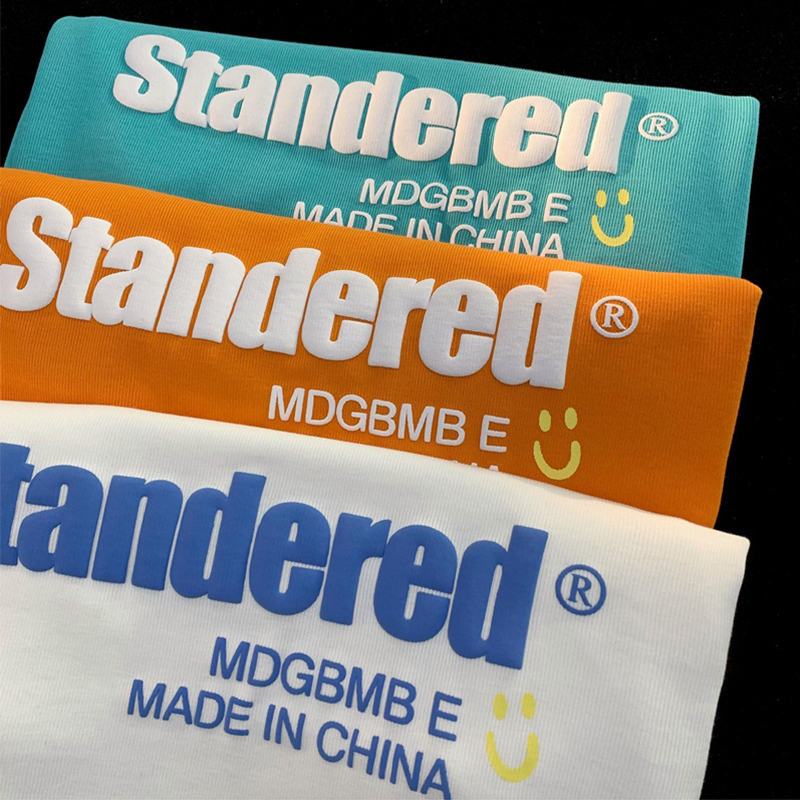
Custom T-Shirts
Manufacture custom T-shirts with fabric weight, knit type, collar construction, fit, grading, wash treatment and print or embroidery requirements defined for the target market and repeat orders.
Get a Quote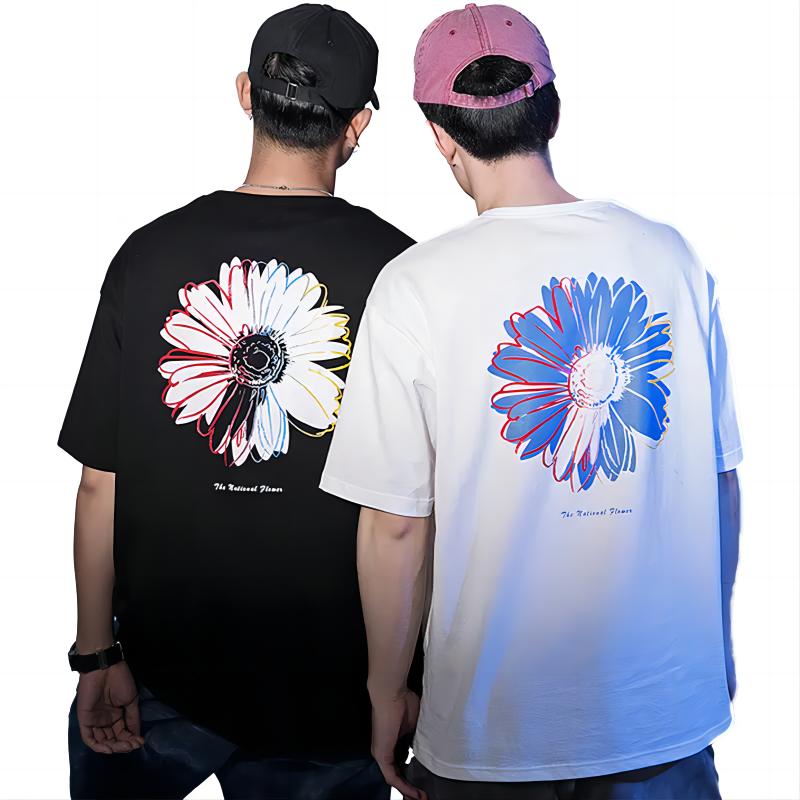
Custom Polo Shirts
Produce polo shirts with piqué or jersey fabric, collar and placket construction, cuff details, fit, embroidery placement and labeling coordinated for uniforms, retail programs or private-label collections.
Get a Quote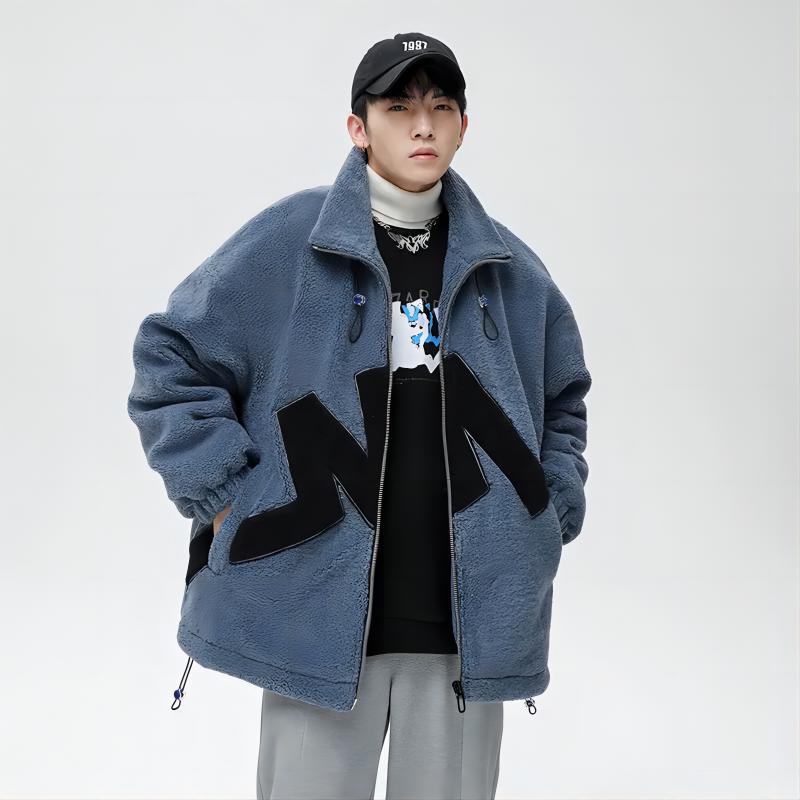
Windbreaker Jackets
Develop windbreaker jackets with shell fabric, lining, zipper, hood, pocket, cuff and water-resistant finishing specifications. Construction is tailored to lightweight outerwear, training apparel or branded event programs.
Get a Quote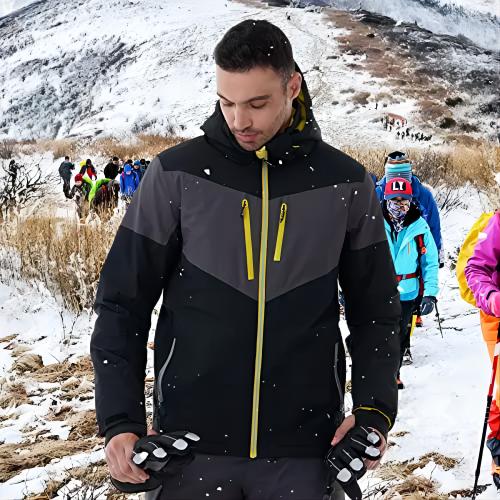
Quilted Jackets
Produce quilted jackets by coordinating shell, lining, insulation, quilting pattern, hardware and finishing. Sampling verifies warmth, bulk distribution, fit and construction before the approved style moves to bulk.
Get a Quote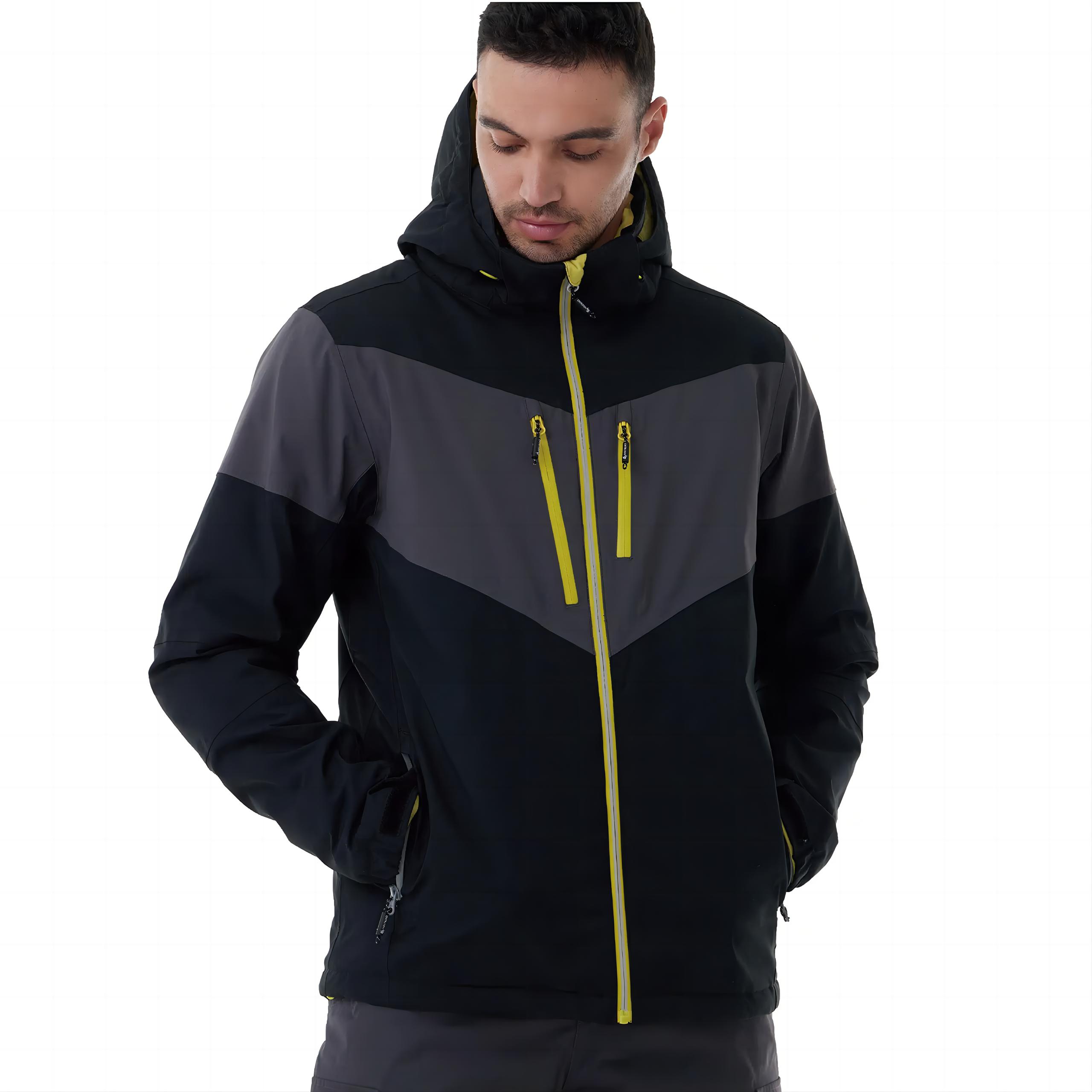
Bomber Jackets
Develop bomber jackets with the appropriate shell, lining, rib, zipper, pocket and insulation specifications. Embroidery, patches, prints and wash effects are tested against the selected materials during sampling.
Get a Quote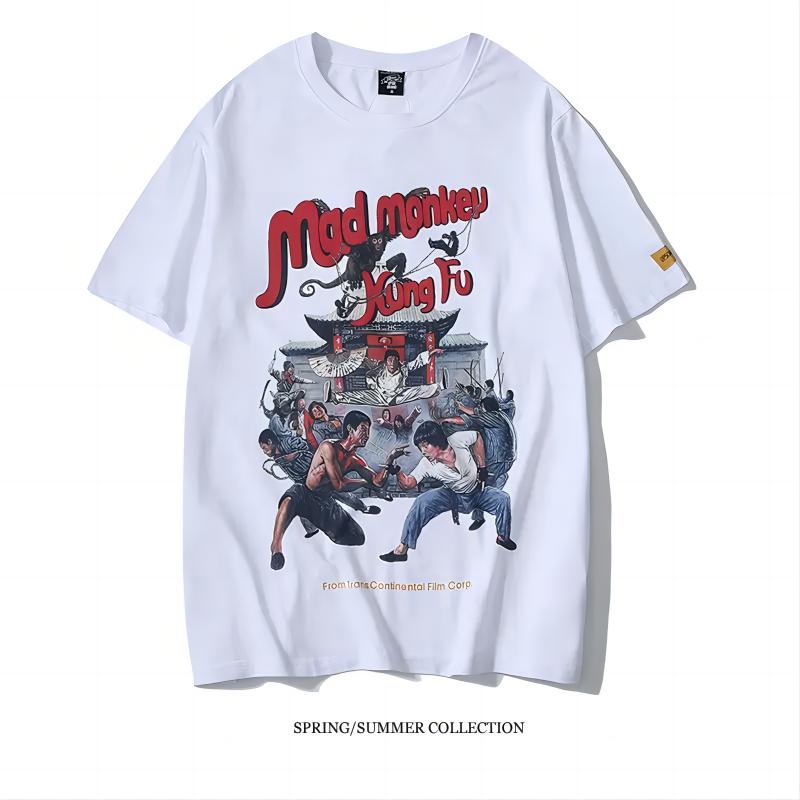
Custom Shirts
Manufacture custom woven shirts with fabric selection, collar, placket, cuff, pocket, fit and finishing requirements specified for men’s or women’s programs, corporate apparel or private-label collections.
Get a Quote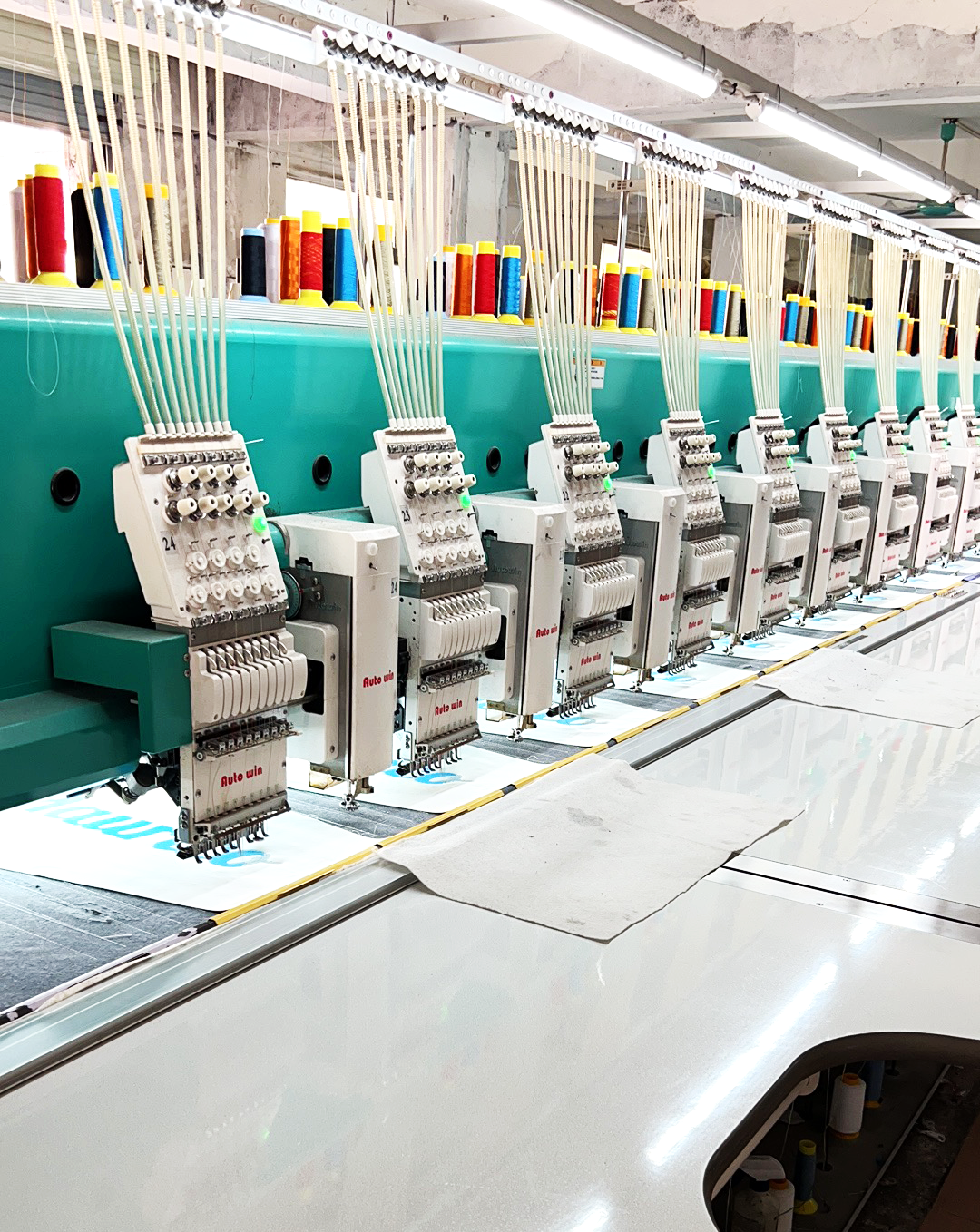
Custom Jerseys
Produce custom jerseys with breathable fabrics, color panels, sublimation, prints, embroidery, names and numbers controlled through clear artwork, placement and size-set standards.
Get a Quote
Tank Tops
Develop tank tops for active, teamwear or casual collections with fabric weight, armhole and neckline construction, fit, grading and decoration requirements adapted to the intended wearer and use.
Get a Quote
Soccer Uniforms
Produce soccer uniforms with performance fabrics, color-blocking, team crests, sponsor artwork, player names and numbers coordinated across jerseys, shorts and size ranges for organized team orders.
Get a Quote
Basketball Uniforms
Develop basketball uniforms with breathable jersey materials, reversible or single-layer construction, contrast panels, team graphics, player numbers and coordinated shorts produced to approved team standards.
Get a Quote
Streetwear Collections
Build streetwear collections across hoodies, tees, sweatpants, jackets, shorts and woven styles. EDVORIN coordinates fabrics, fits, washes, trims, decoration, labels and packaging from development through bulk production.
Get a QuoteHow EDVORIN Turns Concepts Into Repeatable Production
Use EDVORIN’s apparel manufacturing resources to turn an initial concept or complete tech pack into an approved, controlled production standard.
Define Your Product Standard
Share a sketch, reference garment, or tech pack. We align fit, materials, measurements, trims, decoration, and packaging requirements for your intended market.
Develop and Review Samples
We create patterns, source components, and build samples so you can evaluate construction, hand feel, fit, artwork placement, and finishing before bulk production.
Approve Every Key Detail
Confirm the sample and documented specifications, including color references, measurements, trims, wash effects, labels, and decoration details that will guide the production team.
Control Bulk Production
EDVORIN coordinates cutting, sewing, decoration, finishing, and in-line quality checks against the approved standard, helping keep each production stage accountable and consistent.
Inspect and Prepare Delivery
Final checks verify the packed order reflects your approved product standard before labeling, packaging, and shipment preparation for repeatable future programs.
Founder-Led Apparel Manufacturing Built to Grow With Your Brand
Founder-led development and production support that turns approved concepts into repeatable apparel programs.
Apparel Manufacturing Resources: Complete OEM Buyer’s Guide
EDVORIN’s MOQ starts at 200 pieces per style. Use a practical decision framework to evaluate apparel manufacturing resources, compare supplier capabilities and costs, prepare production-ready specifications, and avoid sampling, quality, MOQ, and lead-time mistakes before placing an order.
1. What Are Apparel Manufacturing Resources?
200-piece apparel programs depend on more than a factory floor. Apparel manufacturing resources are the people, documents, material sources, production services, and quality controls that convert a sketch, reference garment, or tech pack into repeatable bulk goods.
1 complete specification path typically records measurements, grading, bill of materials, Pantone references, artwork placement, trim details, sample revisions, labels, and packing requirements. Fashion labels use it to protect fit and design; teams and schools use it to control colors, names, numbers, and size sets; distributors and private-label buyers use it to standardize repeat orders.
2 resource categories should be kept separate during supplier evaluation. Information resources—construction glossaries, fabric guidance, tech-pack templates, compliance references, and costing frameworks—help buyers make informed decisions, while factory capabilities are the operational means to source, pattern, sample, cut, sew, decorate, inspect, label, pack, and deliver the approved product.
2000 marks EDVORIN’s founding, grounded in coordinating those operational steps into one accountable production path. The practical test is whether approved materials, fit, decoration, and inspection standards can be communicated clearly enough to reproduce across bulk production.
2. How Apparel Manufacturing Resources Evolved
Before the 1990s, many apparel programs were managed through local cut-and-sew workshops, paper patterns, physical swatches, and in-person approvals. Sourcing relationships were often regional, so buyers could inspect fabric, trims, and workmanship directly but had fewer production options.
By the 2000s, global supply networks connected brands with specialized mills, trim suppliers, decorators, and factories across multiple countries. Digital tech packs made measurements, BOMs, Pantone references, artwork placement, grading, and construction notes easier to circulate, while virtual reviews shortened sample-round decisions.
Today, buyers should retain version-controlled specifications, material and trim records, test requirements, inspection criteria, and supplier due-diligence evidence. A polished sample alone cannot verify repeatability, compliance, or the origin of every input.
3. Types of Apparel Manufacturing Resources
Six resource categories turn a concept into a controlled order: development, patterns, sourcing, sampling, operations, and delivery control. Assemble them before committing bulk quantities.
Development Documents
A complete tech pack records measurements, construction, Pantone references, artwork placement, labels, and packaging. Create it before quotation; the output is a revision-controlled production standard.
Patterns And Sourcing

One approved pattern and size grade establish fit across the size run, while fabric and trim approvals establish the bill of materials. Startups can outsource patternmaking and supplier coordination until repeat volume supports an internal technical team.
Sampling Through Delivery
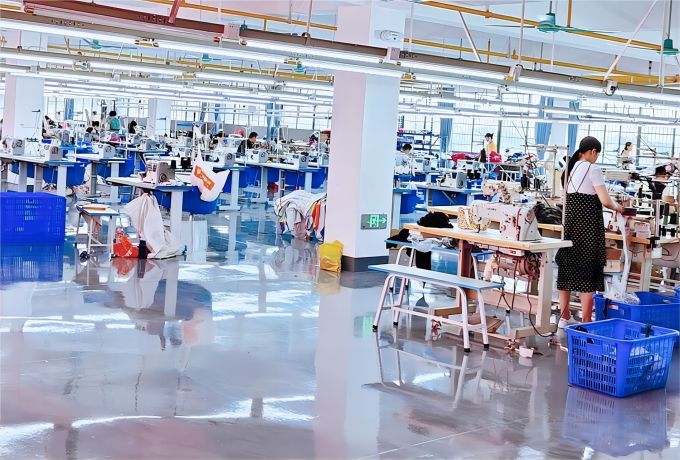
A pre-production sample confirms the approved standard before cutting, then production operations track cutting, sewing, decoration, and packing. Quality inspections and logistics documents should be scheduled before shipment so cartons, labels, and final checks match the purchase order.
4. Apparel Manufacturing Resources for Fabrics
Fabric decisions should be documented before sampling: fiber blend, construction, GSM, stretch, hand feel, color standard, shrinkage target, and end use. These apparel manufacturing resources turn a swatch choice into a repeatable bulk specification.
| Fabric | Typical GSM | Best Use | Key Check |
|---|---|---|---|
| Cotton jersey | 160–220 | Promotional tees | Hand feel, shrinkage |
| French terry | 280–360 | Streetwear sets | Loopback, rib recovery |
| Brushed fleece | 320–450 | Hoodies, joggers | Warmth, pilling |
| Polyester interlock | 150–220 | Activewear, uniforms | Stretch, colorfastness |
Specify Construction And Performance
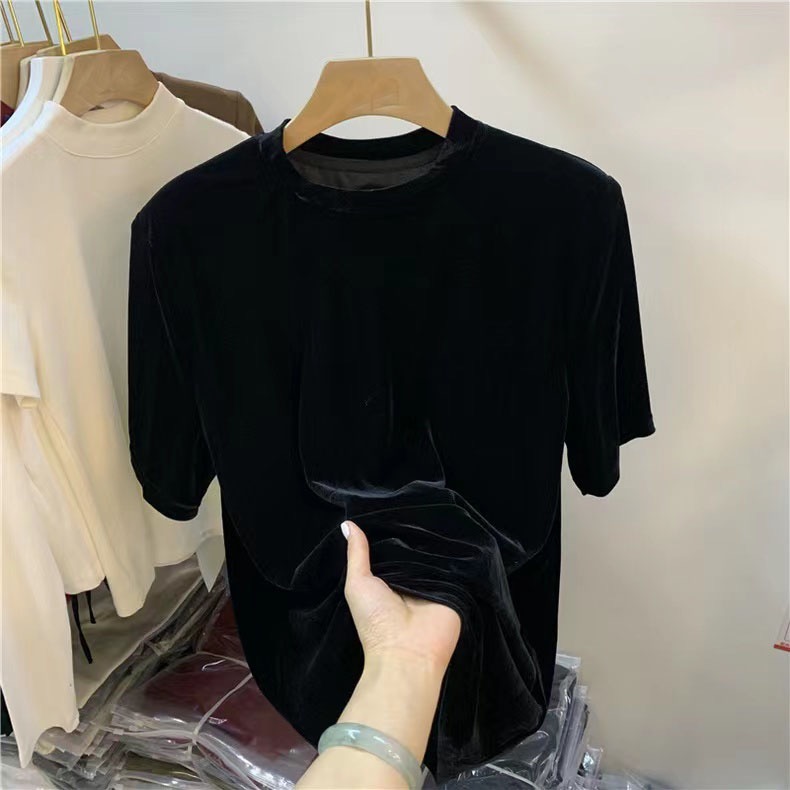
100% cotton jersey gives a familiar dry hand; ring-spun yarn is typically smoother than open-end. French terry suits loopback comfort, while brushed fleece adds warmth.
2-way or 4-way stretch should be stated with recovery expectations. Polyester or nylon blends can support moisture management, abrasion resistance, and teamwear durability.
Control Bulk Consistency
Pantone references and approved lab dips establish the color target before cutting. Compare shade under relevant lighting and retain a sealed swatch.
Shrinkage allowance is a common development discussion, but test the actual fabric and wash method. Record width, weight tolerance, pilling, and dimensional change on the approval sheet.
5. Customization and Decoration Options
Four decoration routes—screen printing, digital printing, embroidery, and heat transfer—change cost, hand feel, and production setup. EDVORIN coordinates custom apparel printing and embroidery as documented specifications, so approved artwork can guide repeat orders.
| Method | Best For | Durability | Setup And Volume |
|---|---|---|---|
| Screen print | Bold spot-color graphics | High when cured correctly | Screens favor repeat or larger runs |
| Digital print | Fine detail and gradients | Depends on ink and fabric | Minimal setup; useful for smaller runs |
| Embroidery | Logos and premium marks | High; stitch density matters | Digitizing required; suits repeat branding |
| Heat transfer | Names, numbers, small graphics | Film and adhesion must be tested | Fast variable data; teamwear-friendly |
| Patches | Dimensional identity marks | Attachment method determines life | Requires patch sample and placement |
Match Method To Artwork
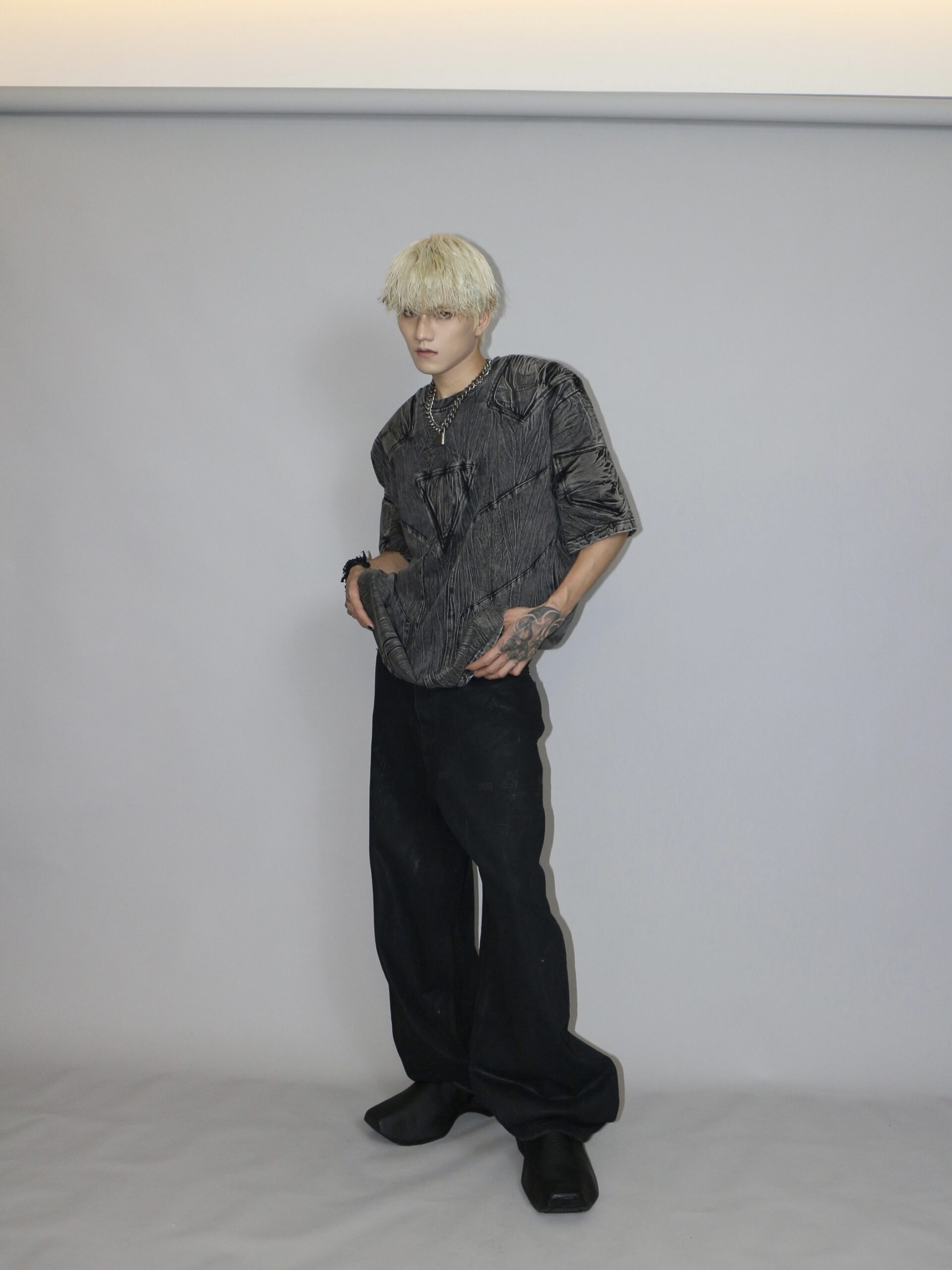
1-color logos and broad graphic areas suit screen printing; photographic artwork or short runs may favor digital printing. Stitch-count-heavy embroidery, heat transfers, and patches need their own durability and placement review.
Provide Quote-Ready Files
2 files prevent avoidable revisions: editable vector artwork for spot colors and a high-resolution raster file for digital output. State Pantone references, finished width and height, placement from a fixed seam, garment color, and print locations.
Specify Brand Components
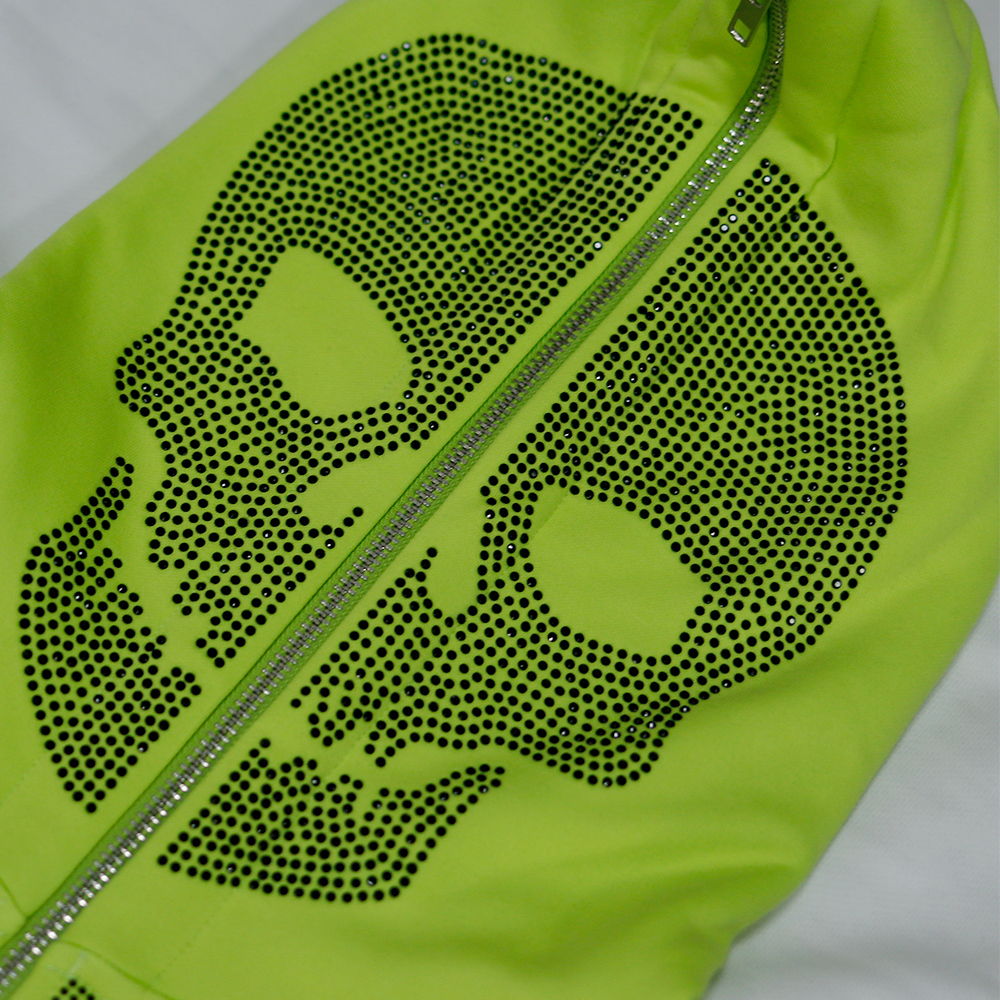
Main labels, size labels, hangtags, and packaging need approved artwork, dimensions, materials, attachment methods, and copy. Define polybag size, barcode position, carton assortment, and any individual folding standard so custom clothing labels and packaging can be repeated accurately.
6. Construction and Quality Control Essentials
Two standards should govern approval: the sealed sample and a written, measurable inspection checklist. EDVORIN converts construction, fit and finish decisions into production references before bulk cutting.
Stitches And Reinforcement
Stitch density should be specified for the fabric weight, seam construction, and required stretch rather than applied as a universal figure.
Check for skipped stitches, puckering, and thread-tension issues. Reinforce pocket corners, crotch joins, and high-stress openings with bartacks or appropriate backtacks.
Fit, Fabric And Trims
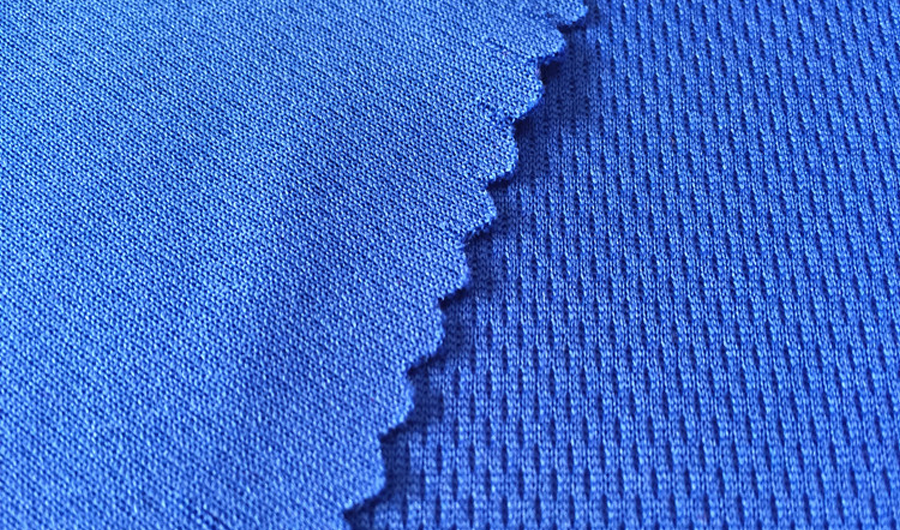
±1 cm is a common tolerance for many critical garment measurements, but buyers should set style-specific tolerances by point of measure.
100% of samples should be checked for holes, stains, shade variation, trim function, label placement and readable care content before approval.
Wash Test And Final Inspection
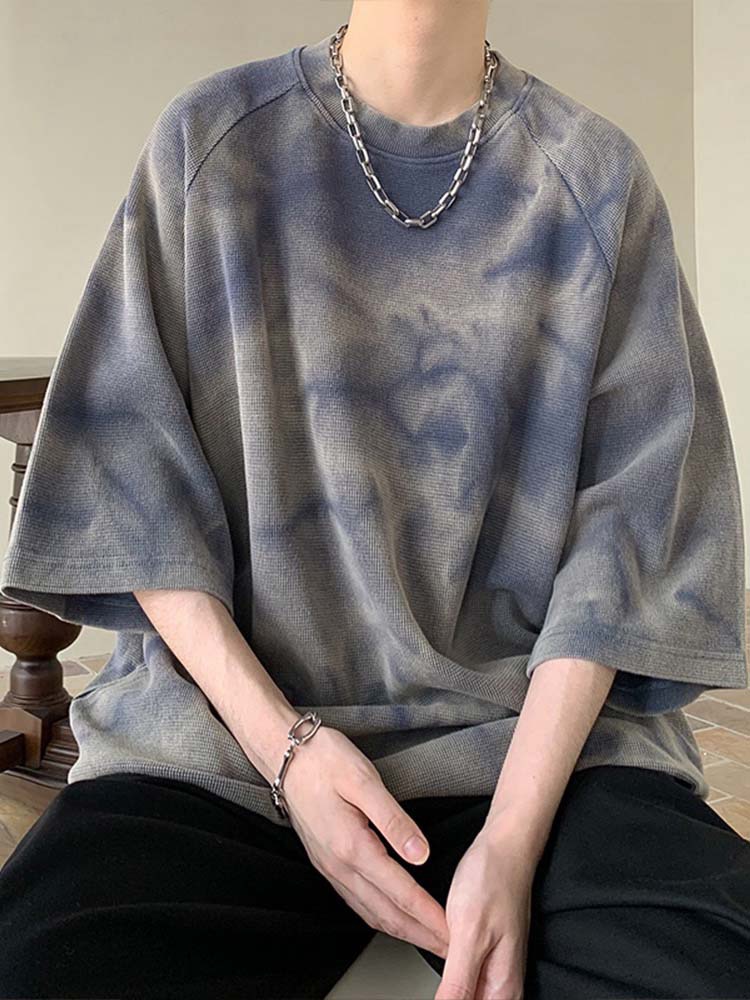
Wash testing can reveal shrinkage, twisting, color loss, and decoration failure before bulk approval. Record the wash method, temperature, number of cycles, and post-wash measurements.
AQL-based final inspection should compare packed goods against the approved sample, measurement chart, artwork placement, and packaging specification.
7. Choosing Apparel Manufacturing Resources and Partners
A 200-piece order can expose gaps that a polished website never shows. Compare apparel manufacturing resources against the same product brief, approval path, commercial assumptions, and delivery requirement.
Match Product Expertise
Two portfolio examples should match your garment type, such as heavyweight hoodie, varsity jacket, or numbered jersey.
One specification sheet should show measurements, construction, fabric, trims, decoration, and grading—not only finished photos.
Test The Working Process
One paid sample should test fit, fabric hand, artwork placement, wash behavior, and revision discipline before bulk commitment.
Three checkpoints—pre-production, in-line, and final inspection—should have defined tolerances, reporting, and corrective-action ownership.
Compare Commercial Assumptions
EDVORIN’s MOQ starts at 200 pieces per style. Three written quotes should use identical quantities, colorways, packaging, Incoterms, and destination so unit costs are comparable.
Two lead-time dates should separate sample approval from bulk ex-factory readiness; confirm MOQ flexibility, material sourcing access, capacity, and shipping support.
8. Common Buyer Mistakes to Avoid
One unchecked assumption can turn an approved sample into a costly bulk correction. Before purchase-order approval, convert each decision into a measurable, dated standard shared by development, sourcing, and production.
Specify the Product Fully
One missing measurement, stitch detail, or Pantone reference invites factory interpretation and quote changes. Complete the tech pack with BOM, graded measurements, placement dimensions, construction callouts, and approved artwork before comparing offers.
Validate Cost and Performance
EDVORIN’s MOQ starts at 200 pieces per style. One low unit price can exclude development, molds, screens, color matching, or freight, while an untested sample can shrink, bleed, or fail decoration wear. Request an itemized quote, MOQ by color and size, and wash, abrasion, and measurement checks against agreed tolerances.
Freeze Changes and Dates
One late fabric, fit, or logo revision can restart sampling, disrupt material booking, and move delivery. Freeze the approved sample and revision log, then document sample, material, production, inspection, and shipment dates with accountable owners.
9. Steps to Launch an Apparel Program
A launch becomes controllable when every handoff has an approval gate and a written output. Use apparel manufacturing resources to convert a concept into a repeatable production standard.
| Step | Decision Gate | Required Deliverable | Buyer Focus |
|---|---|---|---|
| 1. Brief | Scope approved | Product brief | OEM, private label, teamwear, merchandise |
| 2. Tech pack | Specification complete | Tech pack | OEM fit and construction |
| 3. Materials | Color and quality approved | Swatches, Pantone, trim list | All programs |
| 4. Inquiry | Factory capability confirmed | RFQ | Capacity, MOQ, lead time |
| 5. Quote | Landed assumptions accepted | Cost sheet | Price and payment terms |
| 6. Prototype | Design direction approved | Prototype comments | OEM and private label |
| 7. Fit sample | Fit and grading approved | Measurement approval | Menswear and womenswear |
| 8. PPS | Bulk standard approved | Signed PPS | Teamwear artwork; merchandise details |
| 9. Purchase order | Commercial release | PO | Quantities and delivery |
| 10. Bulk | Production release | Production plan | Approved PPS reference |
| 11. Inspection | Quality accepted | Inspection report | Measurements, decoration, packing |
| 12. Delivery | Shipment released | Packing list and shipping documents | Final destination |
Define The Brief
Step 1: Confirm customer, product, quantity, target price, channel, and launch date.
Step 2: Freeze the product brief before technical development begins.
Approve Development
Step 3: Complete the tech pack and material direction, including Pantone references and measurement tolerances.
Steps 4–8: Confirm factory capability, approve the quote, prototype, fit sample, and pre-production sample in writing.
Control The Order
Step 9: Release a purchase order only against the approved pre-production standard.
Steps 10–12: Track bulk, inspect against approval, and confirm packing before delivery.
10. Apparel Manufacturing Pricing and Cost
200-piece orders should be quoted from a locked specification, not a target unit price. Compare like-for-like apparel manufacturing resources: fabric composition and GSM, construction, decoration, labels, packing, freight terms, duties, and sample or revision charges.
4 cost buckets usually change fastest after sampling: material yield, sewing minutes, decoration complexity, and packaging. EDVORIN can turn approved measurements, artwork placement, trims, and packing instructions into a quote basis that is easier to repeat and audit.
1 landed-cost comparison should state the Incoterm, destination, currency, duty assumption, and whether development costs are amortized. A lower ex-factory figure may cost more after freight, rework, or unplanned revisions.
| Quantity tier | Primary cost drivers | Setup-cost exposure | Planning lead time |
|---|---|---|---|
| 200–499 units | Fabric MOQ, pattern work, colorways | Higher per unit; samples, screens, embroidery files | 4–8 weeks after approvals |
| 500–999 units | Fabric yield, sewing complexity, decoration | Shared across more units | 5–9 weeks after approvals |
| 1,000+ units | Material booking, capacity, packaging, freight mode | Lower setup share; higher inventory commitment | 6–10 weeks after approvals |
Buyer Questions About OEM, ODM and Private-Label Apparel
Clear answers for buyers planning OEM, ODM, private-label, and repeat-order apparel programs.
What apparel manufacturing resources do I need before requesting a quote?
EDVORIN’s MOQ starts at 200 pieces per style. What is the minimum order quantity for custom apparel production?
What is the difference between OEM and ODM apparel manufacturing?
Can apparel manufacturing resources help if I only have a sketch or reference garment?
Do you develop both men’s and women’s apparel?
How do you control quality after the sample is approved?
Which decoration methods can you coordinate for custom apparel?
What certifications and compliance programs are available?
Make Your Apparel Program Production-Ready
Bring a complete tech pack or an early concept. EDVORIN will help turn it into a clear, repeatable production standard.