
How to Choose a Clothing Manufacturer for Your Next Collection
EDVORIN is a B2B custom clothing manufacturer helping fashion brands, streetwear labels, teams and private-label buyers develop repeatable apparel programs from concept to bulk production.
What to Look for in an Apparel Manufacturing Partner
Evaluate the development, sourcing, decoration and quality systems behind a reliable apparel production partner.
Product Development Support
From sketch or tech pack to patterns, samples and grading, EDVORIN turns product concepts into clear, production-ready specifications.
Materials And Trims
Coordinate fabric, trims, custom clothing labels and packaging through one accountable workflow, matched to menswear and womenswear fit, function and market requirements.
Category-Specific Decoration
Coordinate custom apparel printing, custom apparel embroidery, garment wash services and category-specific finishing for hoodies, outerwear, streetwear, jerseys and teamwear programs.
Sample-To-Bulk Control
Compare approved samples against bulk standards through documented measurements, materials, artwork placement, in-line checks and final inspection before packing.
Flexible Production Models
EDVORIN operates as an OEM clothing manufacturer, ODM apparel manufacturer and private label clothing manufacturer with MOQ starting at 200 pieces per style for emerging brands, wholesalers and established buyers.
Clothing Manufacturing for Every Buyer Type
Develop repeatable apparel programs for fashion labels, teams, schools, wholesalers and private-label buyers through one coordinated production system.
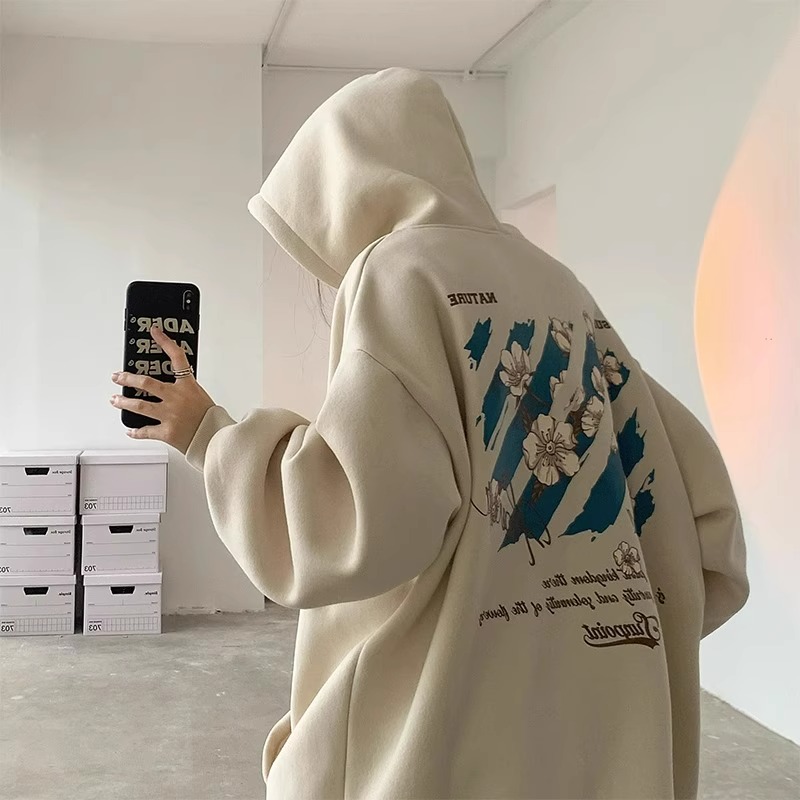
Custom Hoodies
EDVORIN develops custom hoodies from fleece selection and fit blocks through sampling, printing, embroidery, washing, labeling and packaging. The custom hoodie manufacturer supports emerging labels, established fashion programs and private-label buyers with approved standards for repeatable bulk production.
Get a Quote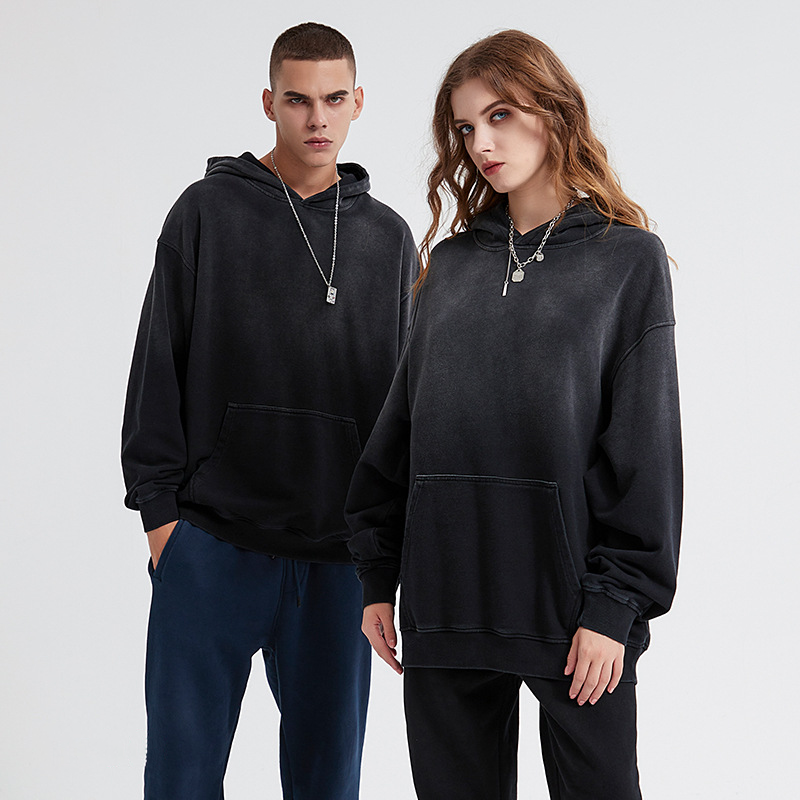
Pullover Sweatshirts
Pullover sweatshirts are developed around fabric weight, rib construction, neckline shape, fit and decoration requirements. As a sweatshirt manufacturer, EDVORIN coordinates patterns, samples, printing, embroidery, quality control and packaging for men’s and women’s casualwear, streetwear and wholesale programs.
Get a Quote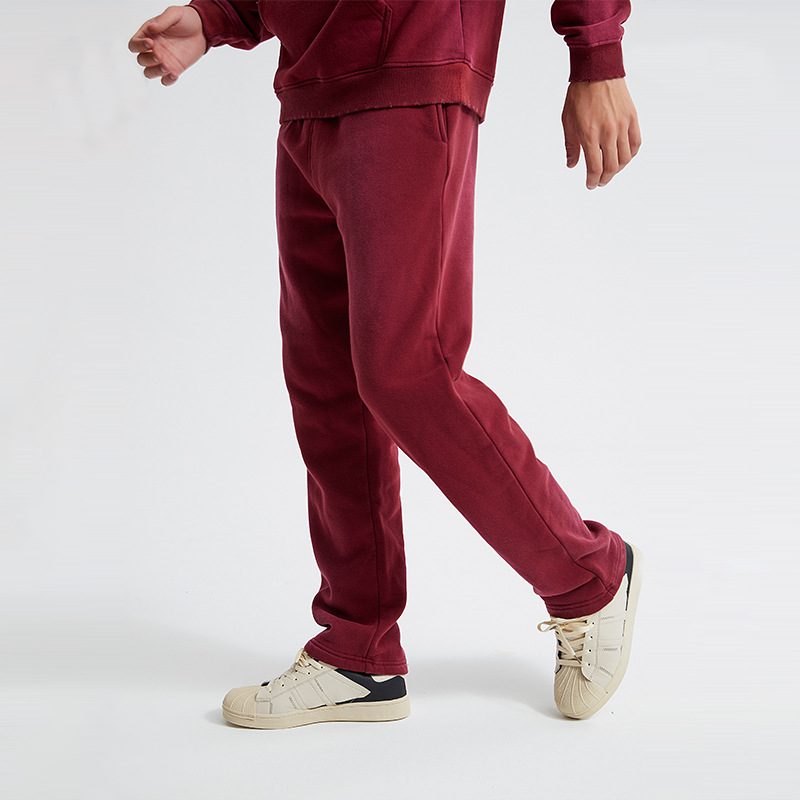
Sweatpants & Joggers
EDVORIN develops sweatpants and joggers with attention to fleece or jersey weight, waistband recovery, pocket construction, leg shape, cuffs and measurement grading. The sweatpants manufacturer can coordinate matching sets, branding, washing, labeling and bulk inspection for fashion, streetwear and private-label collections.
Get a Quote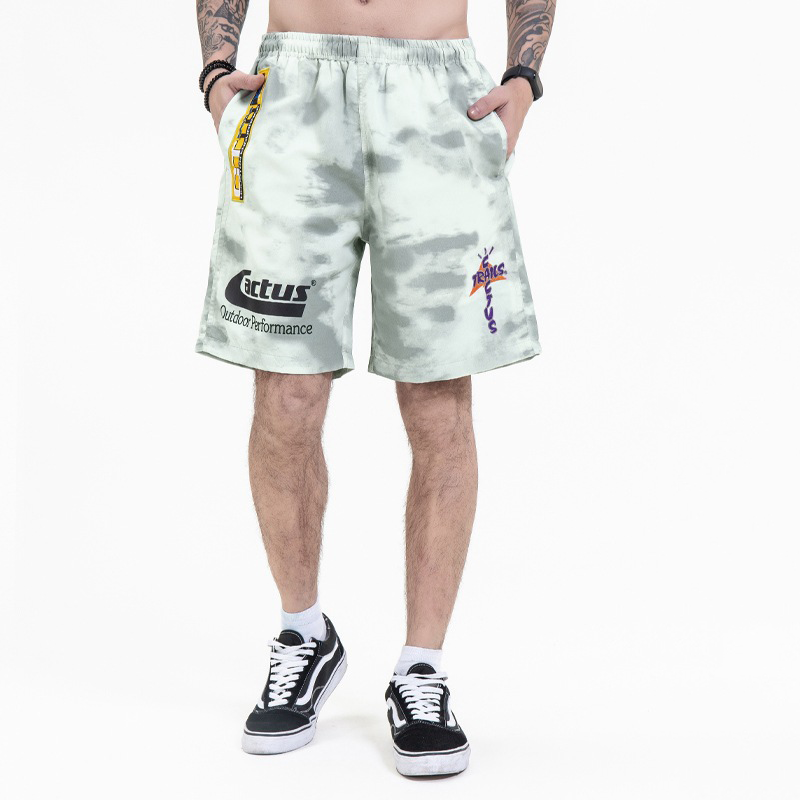
Custom Shorts
Custom shorts are developed for casualwear, streetwear, sports and promotional programs with specifications for fabric, length, waistband, pockets, lining and decoration. EDVORIN coordinates sampling and production standards so custom shorts can be reproduced consistently across men’s and women’s size ranges.
Get a Quote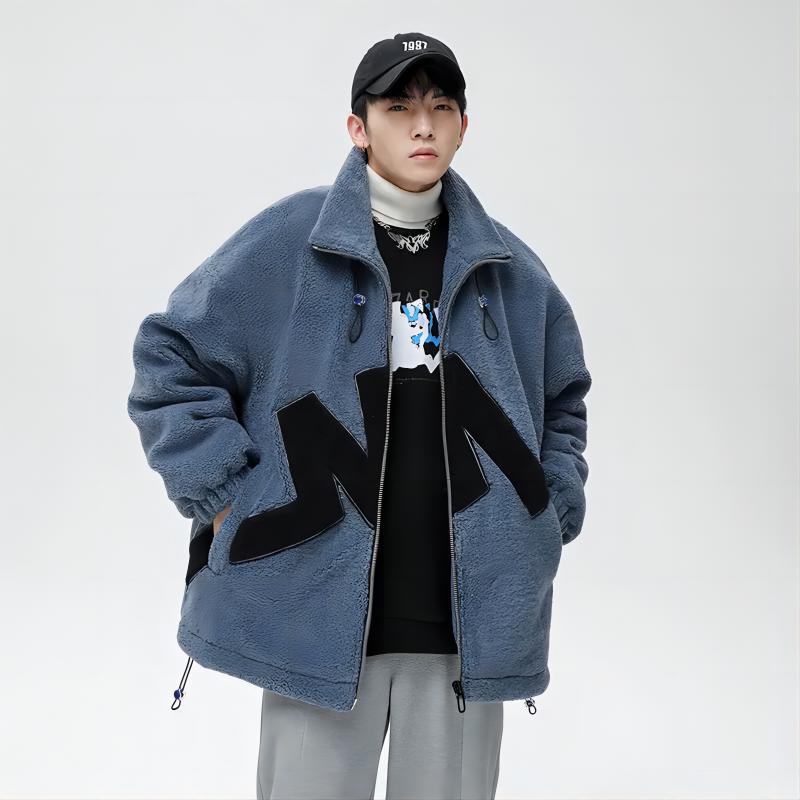
Varsity & Baseball Jackets
Varsity and baseball jackets require coordinated control of shell fabric, lining, rib, snaps, patches, embroidery and fit. EDVORIN’s varsity jacket manufacturing process documents these details through development and approved samples for school programs, streetwear labels, sports organizations and private-label collections.
Get a Quote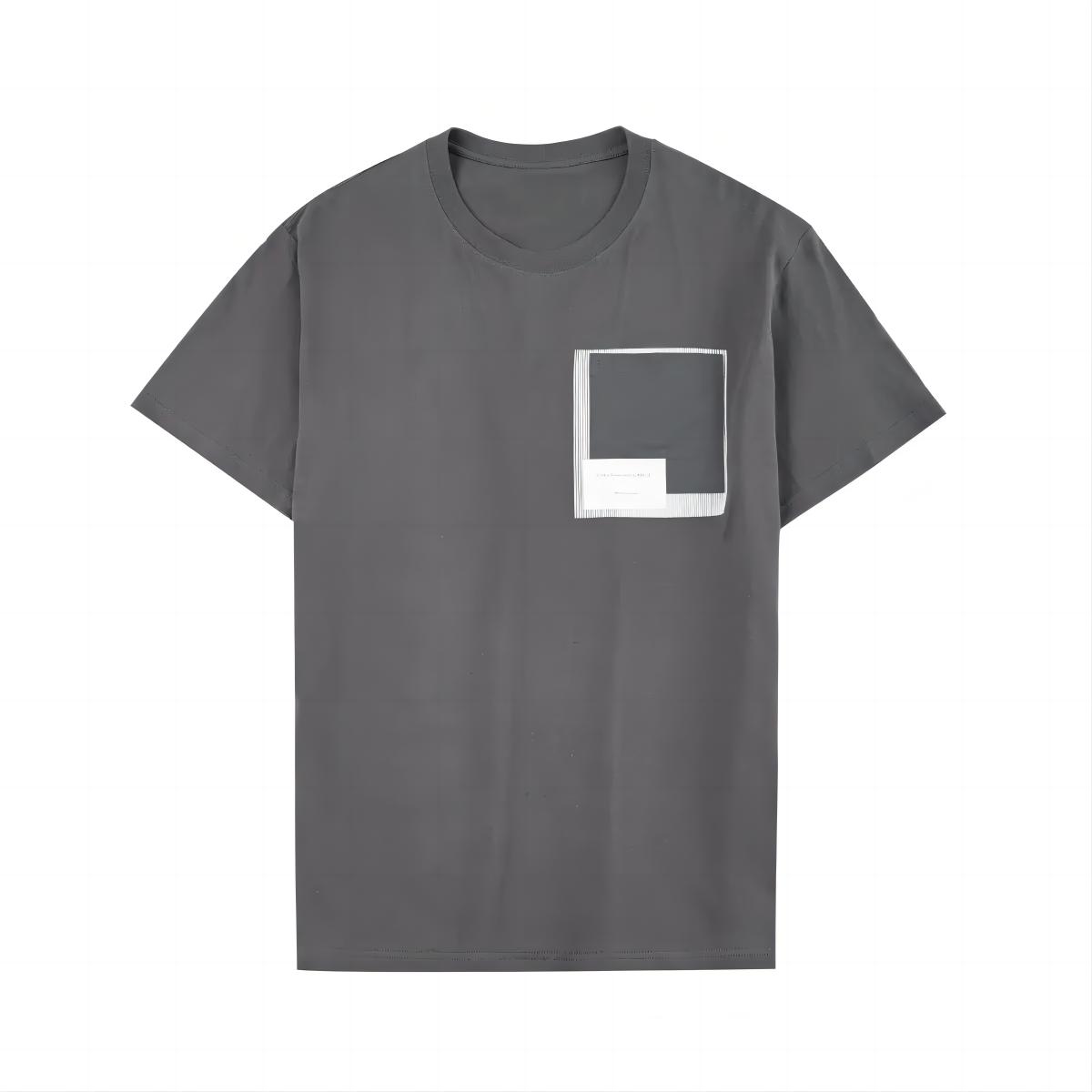
Custom T-Shirts
Custom T-shirts are developed around fabric composition, weight, hand feel, neck rib, silhouette, grading and artwork placement. As a custom T-shirt manufacturer, EDVORIN supports screen printing, embroidery, labeling, packaging and repeat orders for fashion brands, merchandise programs and wholesalers.
Get a Quote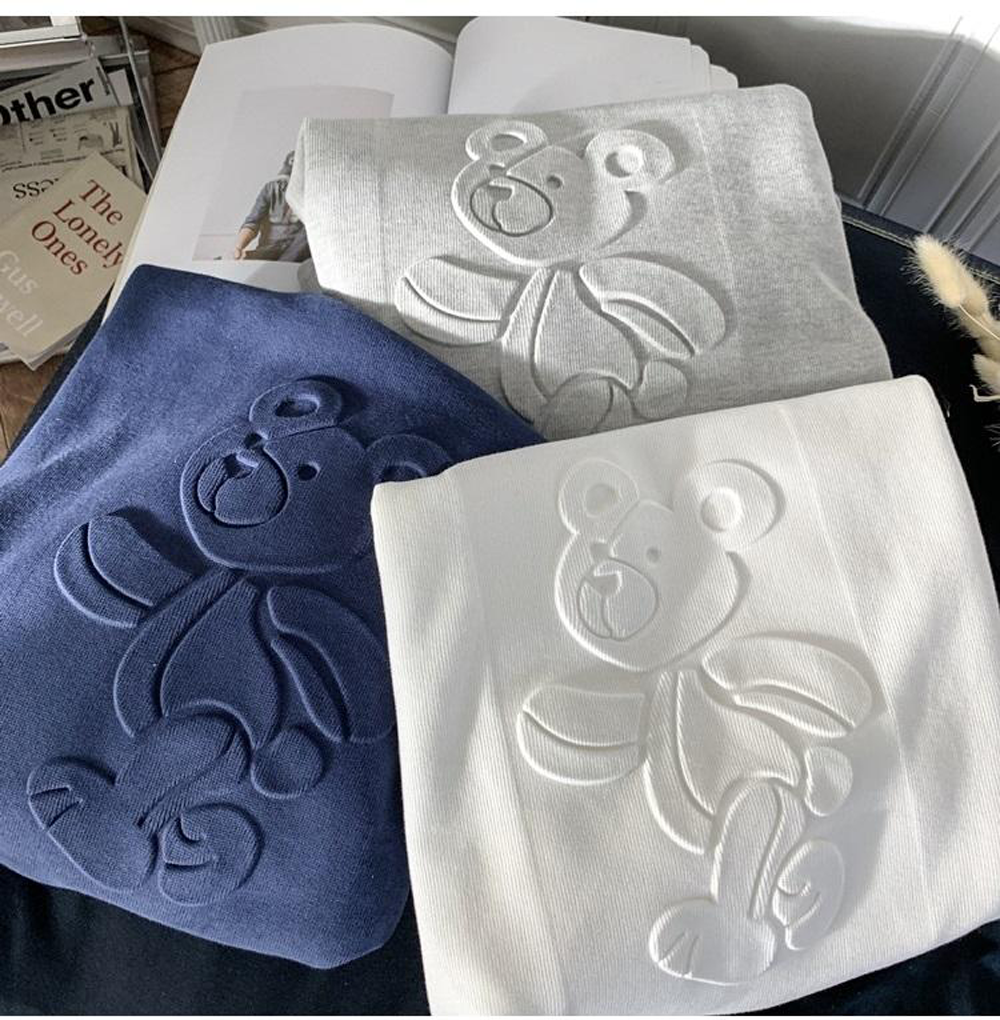
Custom Polo Shirts
Custom polo shirts can be developed in cotton, blended or performance fabrics with defined collar, placket, cuff, button, fit and decoration specifications. EDVORIN coordinates sampling and bulk control for corporate apparel, schools, sports clubs, private-label buyers and wholesale collections.
Get a Quote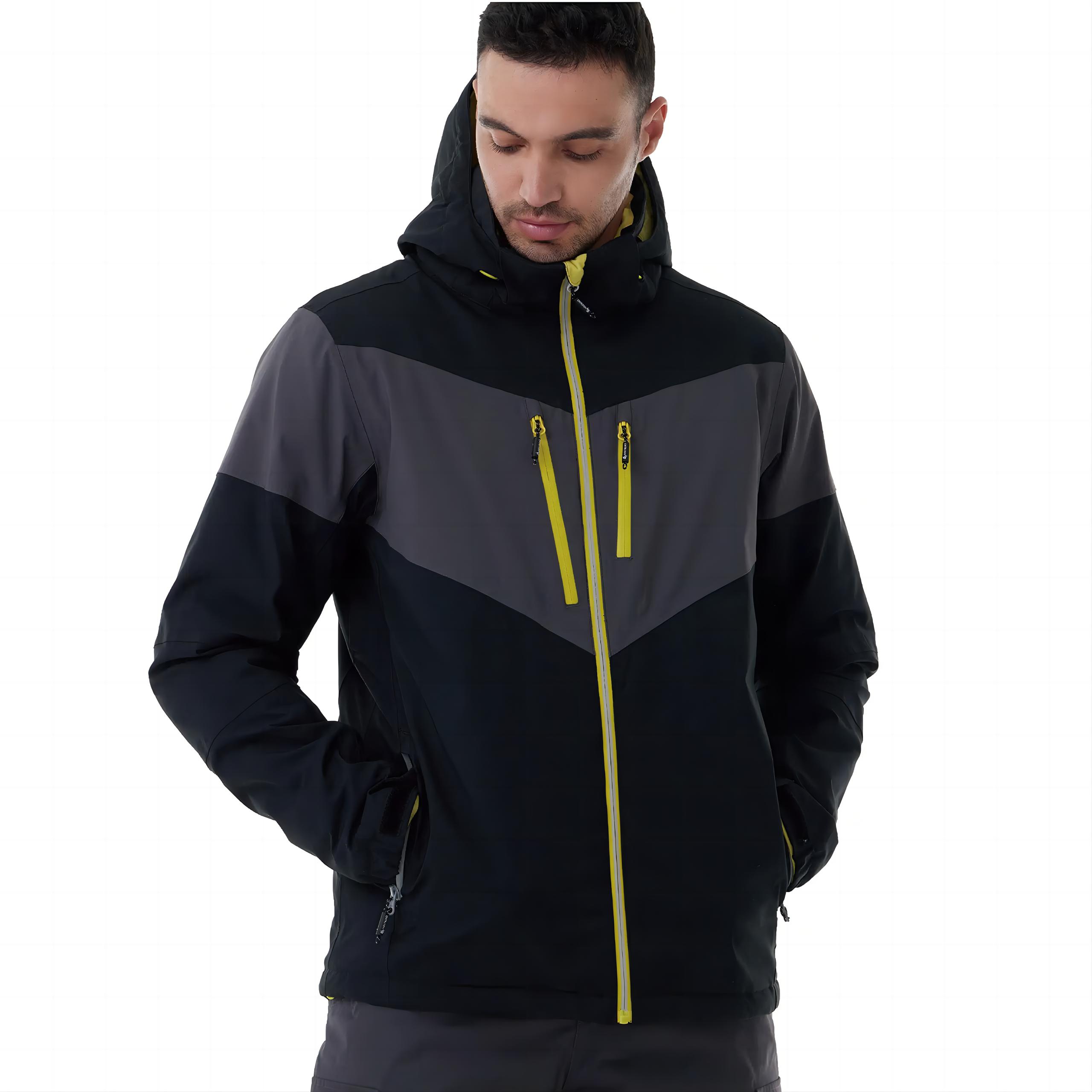
Windbreaker Jackets
Windbreaker jackets are developed with attention to shell performance, lining, hood construction, closures, pockets, seam finishing and decoration compatibility. EDVORIN coordinates material sourcing, pattern development, sampling and quality control for streetwear, teamwear, outdoor-inspired collections and private-label programs.
Get a Quote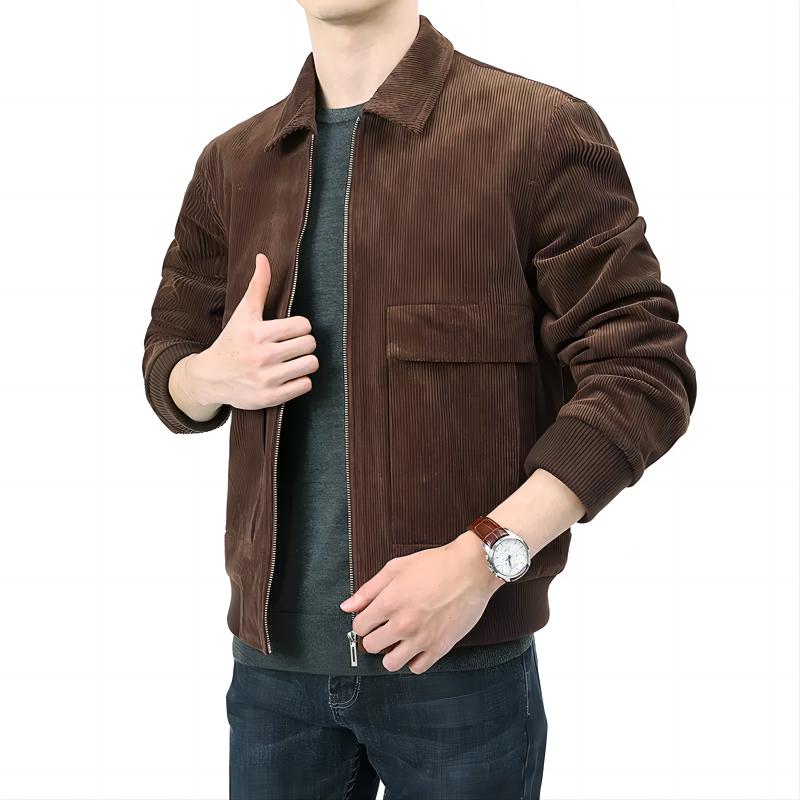
Quilted Jackets
Quilted jackets require controlled decisions on shell fabric, insulation, quilting pattern, lining, hardware, fit and finishing. EDVORIN manages these specifications through sampling and bulk production for fashion brands, outerwear programs, wholesalers and private-label buyers seeking consistent seasonal collections.
Get a Quote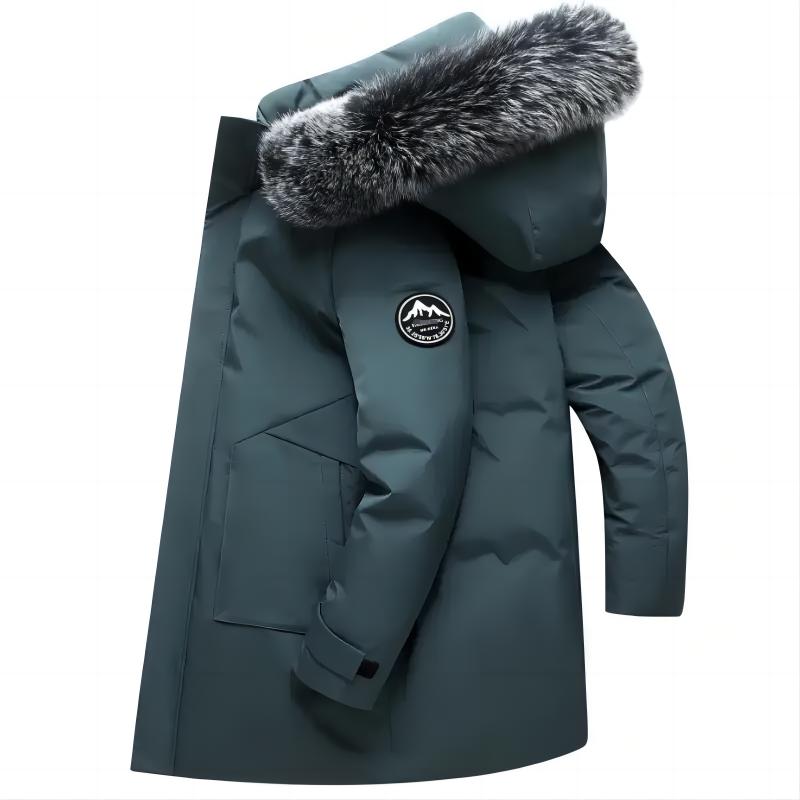
Bomber Jackets
Bomber jackets are developed around shell and lining materials, insulation, rib recovery, zipper or snap selection, pocket construction and decoration placement. EDVORIN supports fashion, streetwear and teamwear buyers with documented samples and production controls for repeatable men’s and women’s programs.
Get a Quote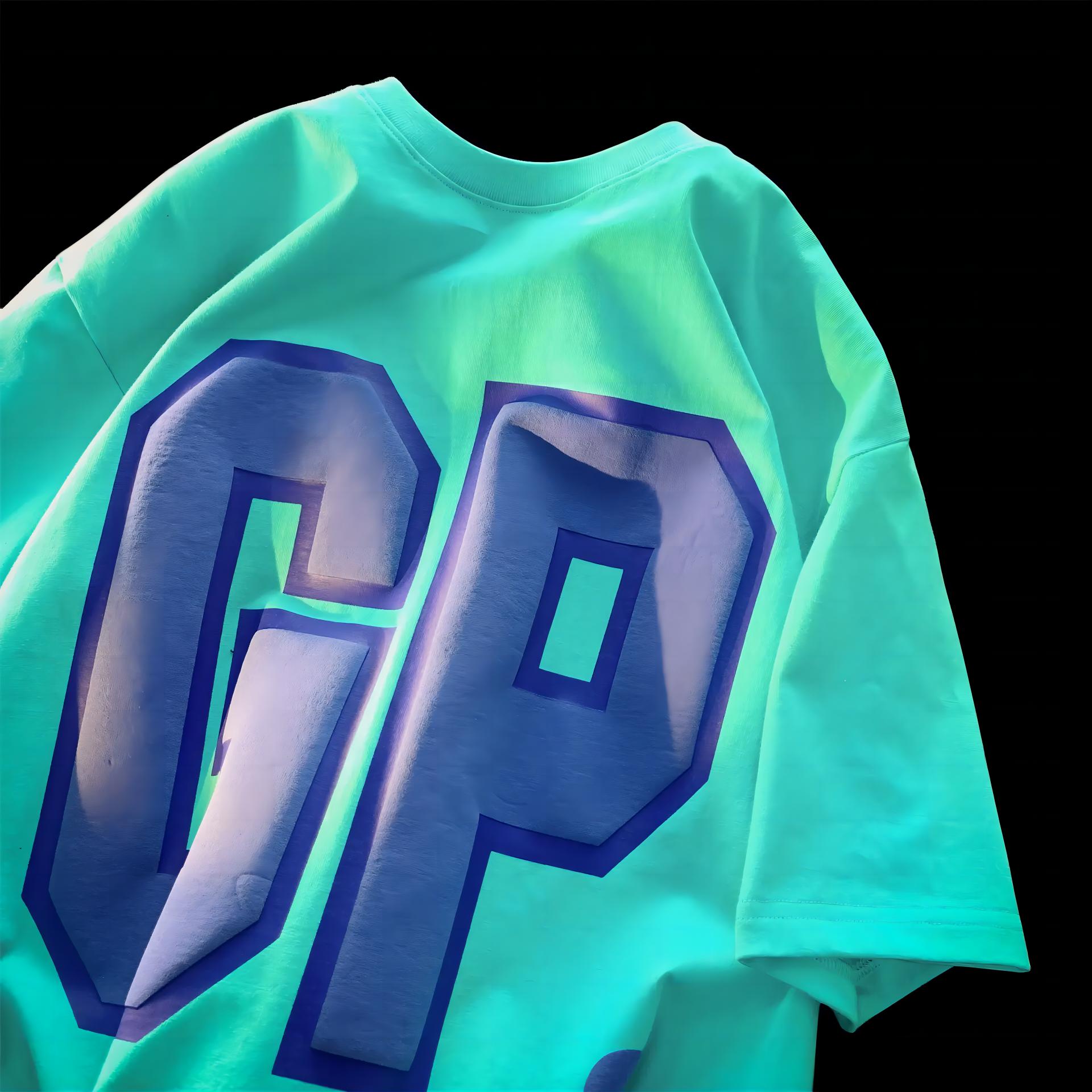
Custom Shirts
Custom woven shirts are developed through fabric selection, collar and cuff construction, plackets, buttons, pocket details, proportions and finishing. EDVORIN coordinates patterns, samples, labels, packaging and bulk quality control for fashion brands, uniforms, wholesale programs and private-label collections.
Get a Quote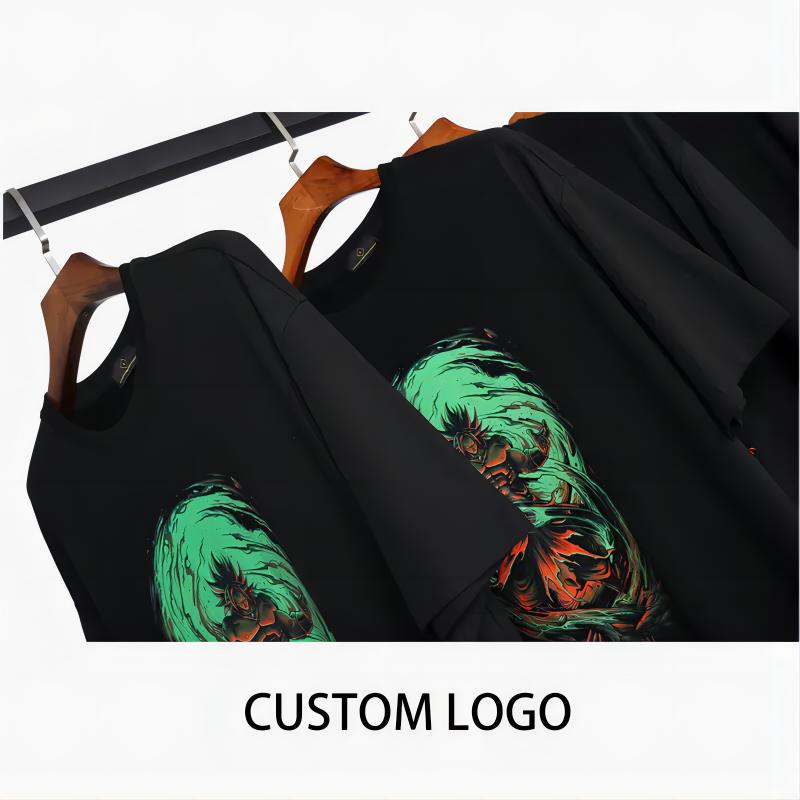
Custom Jerseys
Custom jerseys are developed for breathable performance fabrics, panel construction, color blocking, artwork, names, numbers, sponsor marks and size grading. EDVORIN supports sports clubs, teams, schools and apparel brands with sample approval and organized production standards for repeat orders.
Get a Quote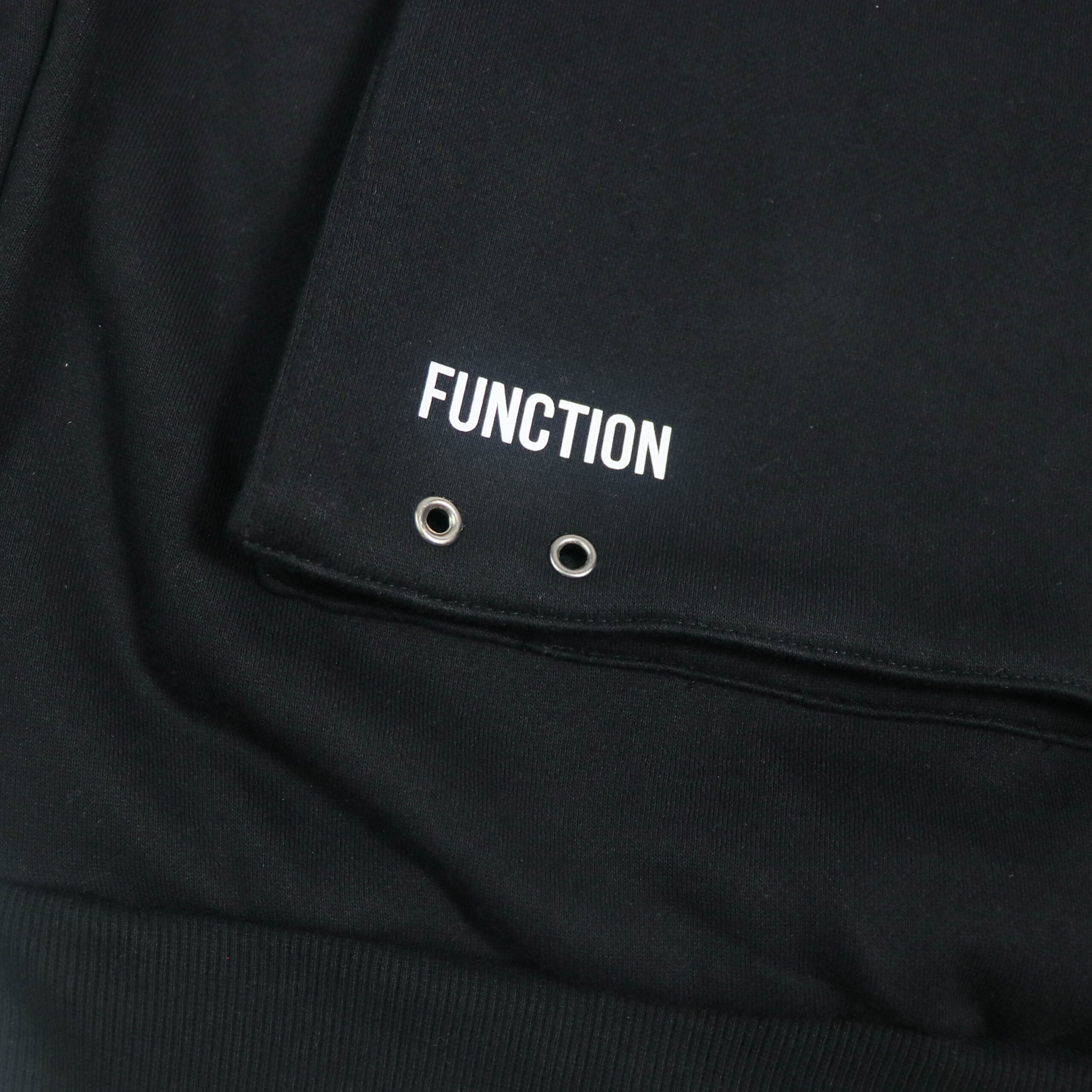
Tank Tops
Tank tops can be developed in casual, streetwear or performance constructions with defined fabric weight, armhole shape, neckline, length, fit and decoration. EDVORIN coordinates custom tank top development for men’s and women’s programs, private labels, wholesalers and team-related apparel ranges.
Get a Quote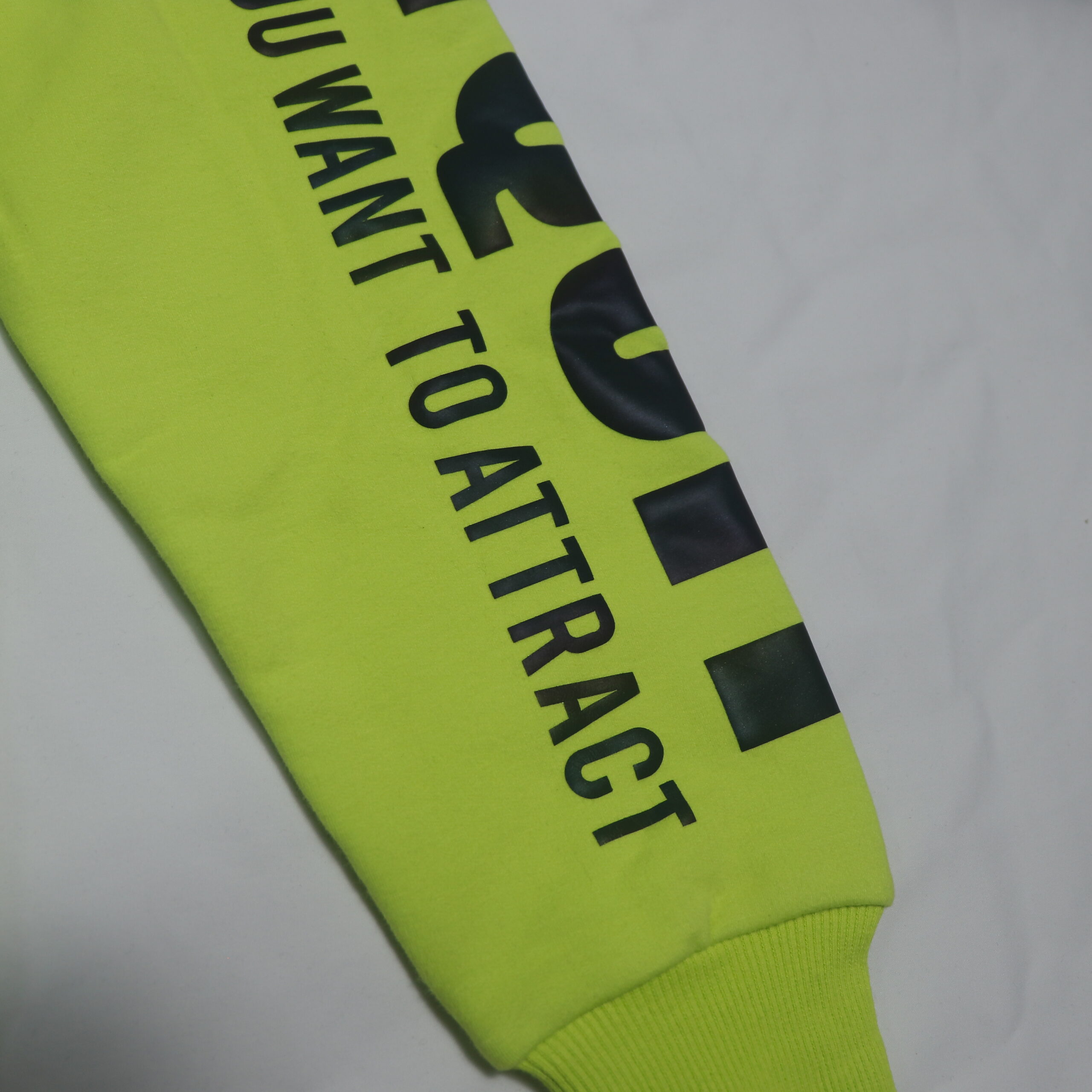
Soccer Uniforms
Soccer uniforms require coordinated control of breathable fabric, shirt and short construction, color matching, crests, sponsor artwork, names, numbers and size grading. EDVORIN supports clubs, academies, schools and distributors with sample-to-bulk quality control and organized repeat-order standards.
Get a Quote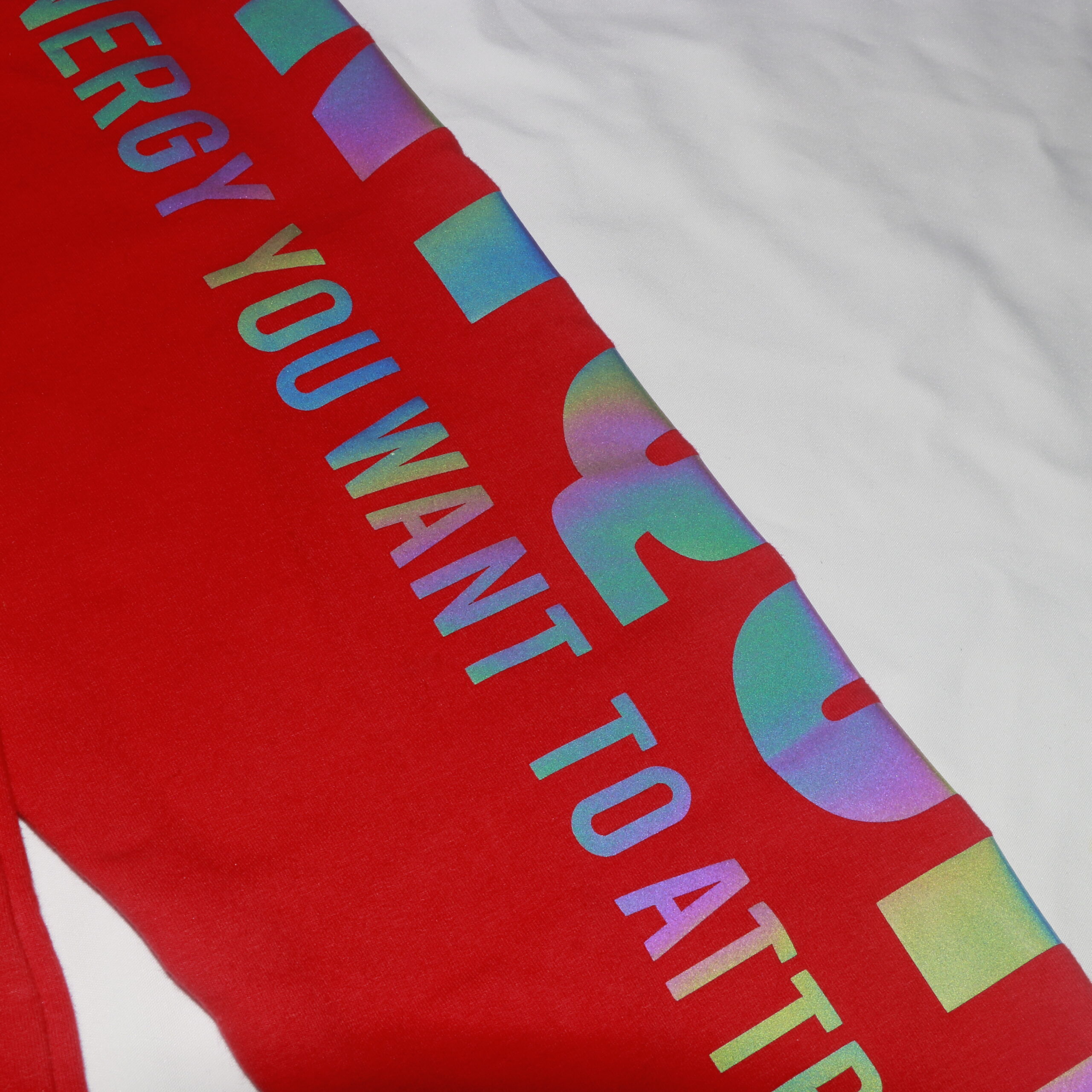
Basketball Uniforms
Basketball uniforms are developed around lightweight performance fabric, armhole and neckline construction, short proportions, color blocking, numbers, names, team marks and grading. EDVORIN coordinates development and production for clubs, schools, academies, wholesalers and sportswear buyers requiring consistent size sets.
Get a Quote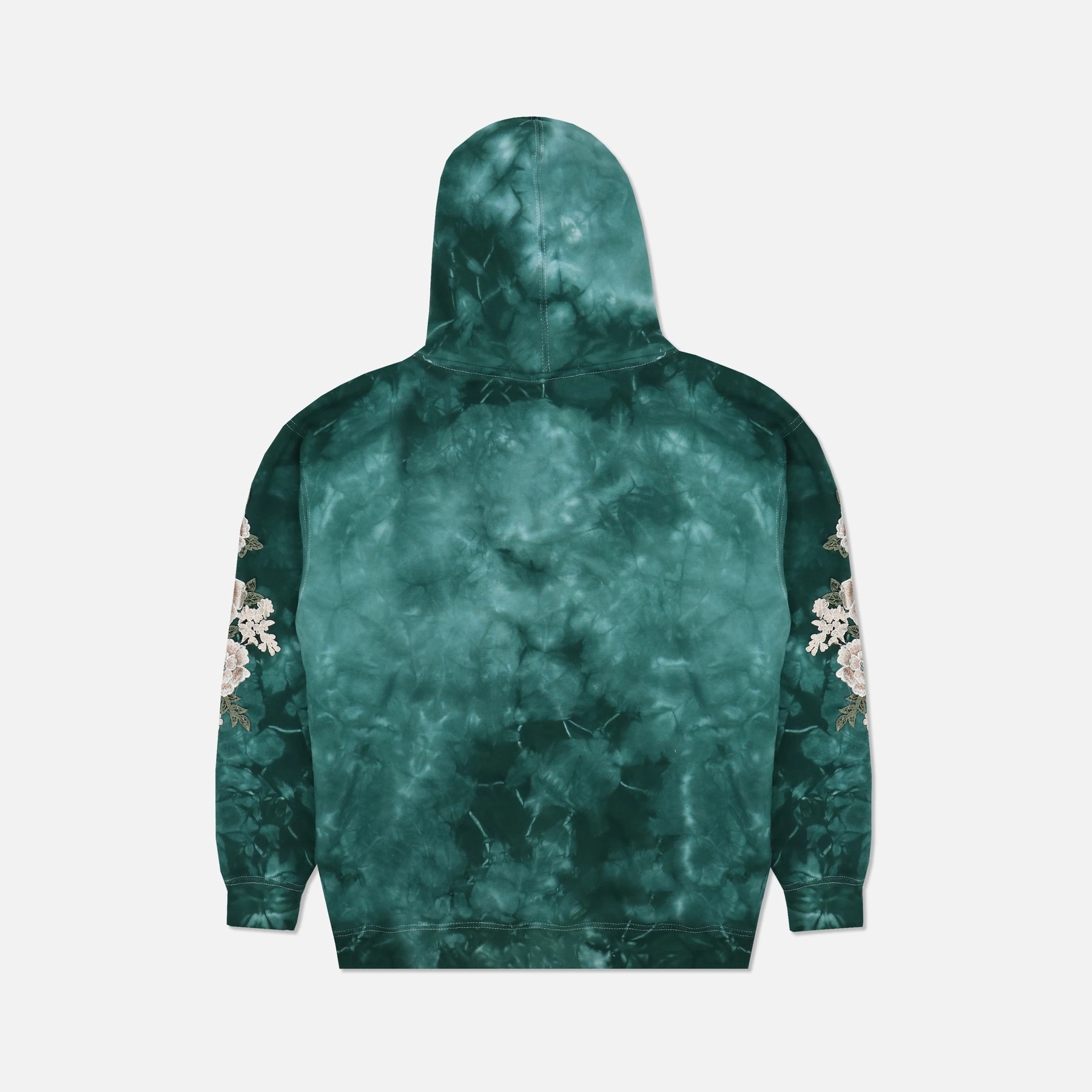
Streetwear Collections
Streetwear collections require coordination across hoodies, T-shirts, sweatshirts, jackets, woven shirts, bottoms and decoration methods. EDVORIN helps labels develop a consistent material, fit, artwork, wash, trim and packaging system across connected styles, supporting emerging brands, established programs and private-label buyers.
Get a QuoteA Repeatable Apparel Manufacturing Process
See how EDVORIN turns an apparel concept into an approved, repeatable and packed order through one accountable OEM, ODM and private-label workflow.
Define Product Requirements
Share your sketch, reference garment or tech pack, target wearer, fit, materials, decoration, size range and quantity so development starts with visible requirements.
Develop And Sample
EDVORIN coordinates patterns, fabric and trim sourcing, construction details and decoration, then creates samples for fit, appearance and performance review.
Approve Production Standard
Revise the sample, confirm measurements, colors, artwork placement, trims and labeling, then lock an approved standard that guides every bulk-production decision.
Control Bulk Production
During cutting, sewing, washing and decoration, EDVORIN performs in-line checks to catch variation early and protect consistency across the complete order.
Inspect Pack And Repeat
Final inspection verifies workmanship, measurements, decoration, labels, quantities and packaging before shipment, creating a documented standard for confident reorders and future collection growth.
The Clothing Manufacturer Selection Guide
Use a practical decision framework to compare manufacturer types, materials, capabilities, MOQs, samples, quality systems, costs, and compliance—while avoiding common sourcing mistakes that can delay launches or weaken product consistency.
1. What Does How to Choose a Clothing Manufacturer Mean?
200 pieces is the page’s stated MOQ, but the right manufacturing decision is broader than finding a factory willing to accept that quantity. It means selecting a production partner whose capabilities match the product category, required quality, timeline, budget, and realistic growth path. 4 decisions should be made before contacting factories: identify the garments involved, define the target customer and wearer, estimate the first order and likely repeat quantity, and list required customization. For EDVORIN programs, that may include hoodies, jerseys, uniforms, jackets, or coordinated streetwear, plus fit adjustments, fabric sourcing, printing, embroidery, labels, washing, and packaging. 1 approved sample still has to become a repeatable manufacturing standard.
2. The Evolution of Clothing Manufacturing
Before the 20th century, apparel was largely made through local workshops, where makers controlled cutting, sewing and finishing close to the customer. Later, vertically integrated factories combined these steps under one roof, improving scale and consistency but often favoring larger, standardized orders. By the late 20th century, global supply chains separated design, fabric production, decoration, assembly and logistics across specialist facilities. Private-label production expanded access to ready-developed styles, while cut-and-sew and category specialists supported more original designs; full-service partners then reconnected development, sourcing, sampling and bulk production. Since 2000, digital tech packs, video approvals, shared artwork files and production tracking have made distributed manufacturing easier to coordinate across time zones.
3. Types of Clothing Manufacturers to Compare
Five manufacturing models shape how to choose a clothing manufacturer: control, technical support, and launch risk vary substantially.
Cut-And-Sew Manufacturing
Tech packs, patterns, and approved materials define the garment, giving fashion and streetwear brands high control.
Private Label Manufacturing
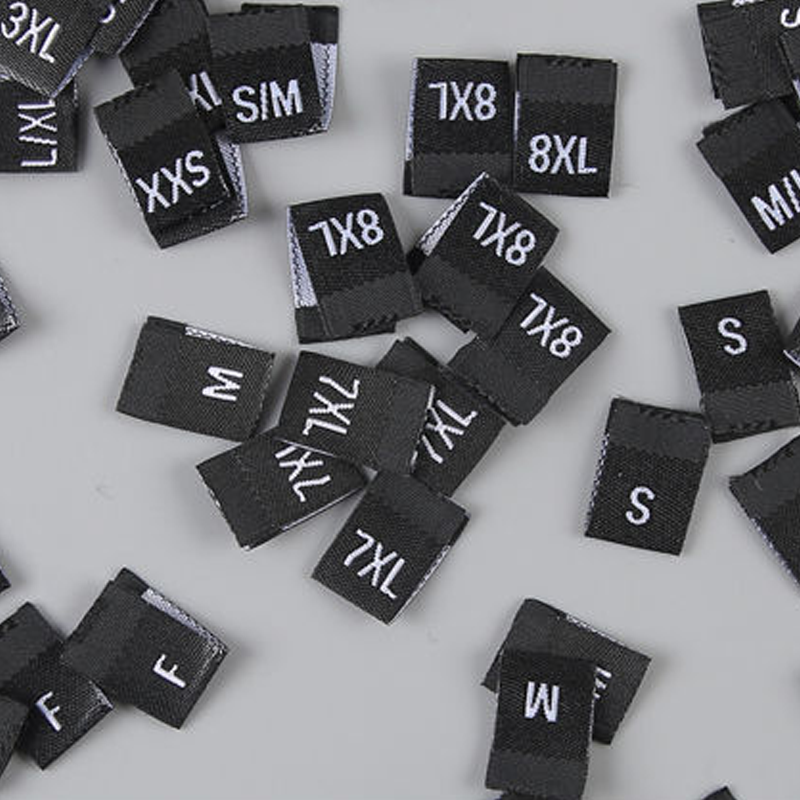
Existing blocks are relabeled with selected colors, trims, or decoration, making this practical for wholesalers and first-time private-label buyers.
Full-Service Manufacturing
One partner can coordinate sourcing, patterns, samples, decoration, production, quality control, labeling, and packaging.
CMT Manufacturing
CMT factories cut and sew buyer-supplied materials and specifications, giving experienced brands strong process control.
Sportswear And Uniform Specialists
Category specialists understand jerseys, team sets, school uniforms, grading, decoration, and repeat color control.
4. Materials and Fabrics for Clothing Production
GSM, fiber content, and finishing determine how a garment looks, feels, fits, wears, and washes.
| Fabric option | Typical use | Primary advantage | Key check |
|---|---|---|---|
| Cotton jersey | T-shirts, polos | Breathability and soft hand | Shrinkage, pilling |
| Cotton blend | Hoodies, joggers | Recovery and durability | Fiber ratio, colorfastness |
| Polyester technical | Teamwear, activewear | Moisture management | Performance tests, shade stability |
Fiber And Fabric Behavior
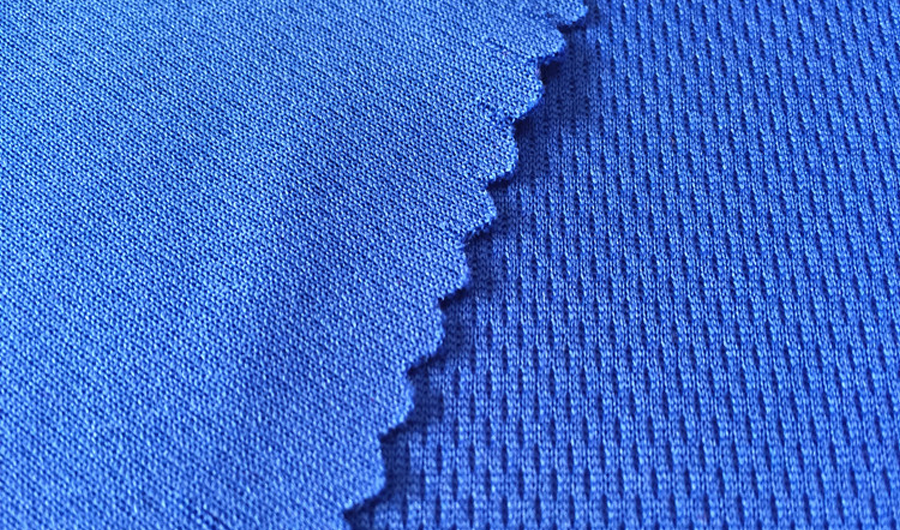
100% cotton offers natural hand feel and breathability; cotton-polyester blends improve recovery, durability, and price control.
Weight, Stretch, And Stability
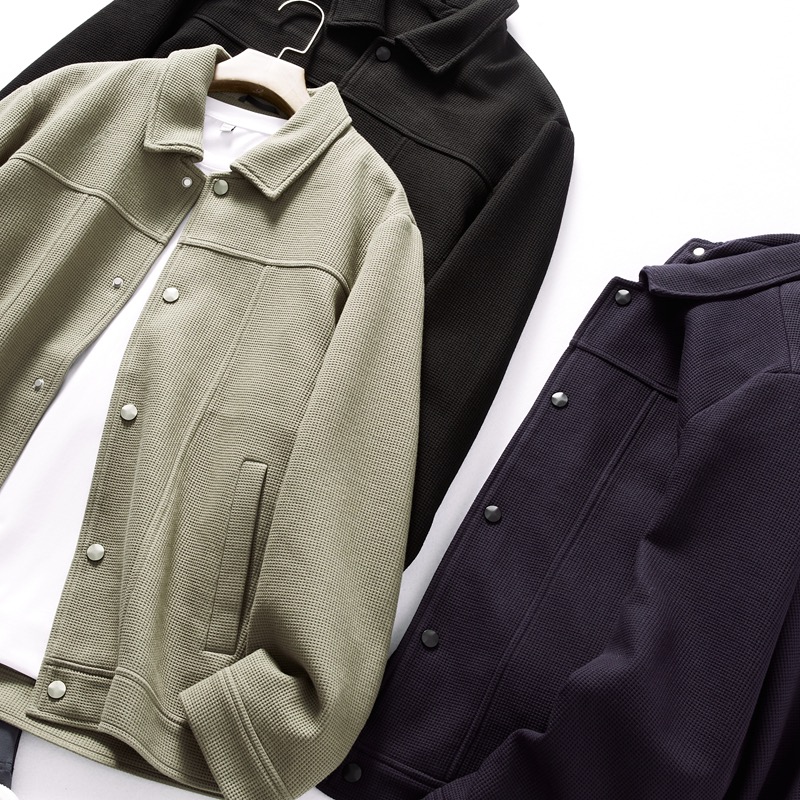
180–240 GSM jersey often suits T-shirts, while 280–450 GSM fleece supports heavier hoodies and sweatpants.
Specify For The End Use
Climate, activity, decoration, and target price should guide the specification.
- Request fiber composition, GSM, width, and finish.
- Confirm shrinkage and colorfastness test results.
- Request OEKO-TEX or GOTS documentation where required.
- Record approved shade references and care instructions.
5. Customization and Decoration Options
Artwork, fabric, placement and wash requirements determine which decoration method will reproduce reliably.
| Method | Best Suited For | Visual Effect | Main Cost Drivers |
|---|---|---|---|
| Screen printing | Bold graphics; cotton | Opaque, flat ink | Screens; colors; quantity |
| DTG / DTF | Detailed or short-run artwork | Soft print / transfer film | Garment color; artwork; setup |
| Embroidery | Logos; caps; jackets | Raised, textured finish | Digitizing; stitch count; backing |
| Patches / appliqué | Varsity and streetwear | Layered, dimensional | Shape; edges; attachment |
| Labels / packaging | Branding and presentation | Woven, printed or customized | Artwork; tooling; minimums |
Match Method To Product
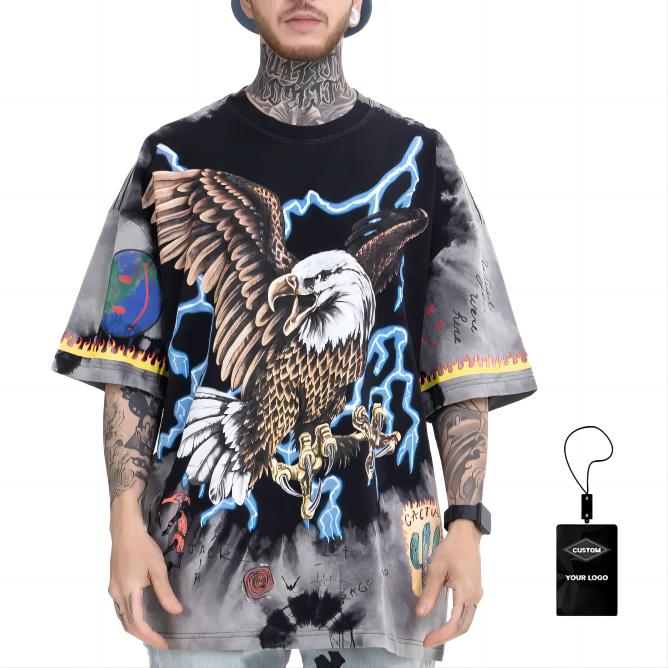
Screen printing suits bold graphics on cotton jerseys and fleece; DTG handles detailed artwork on cotton; DTF and heat transfer suit smaller runs, names and multi-color placements. Embroidery, appliqué and patches add texture but require backing, stitch-density and placement checks. Woven labels, printed labels and custom trims carry brand information with different hand-feel and durability.
Compare Cost And Durability
200 pieces can support several decoration routes, but setup, screens, digitizing, transfer films, patch molds, color count and stitch count change the unit cost. Screen printing usually benefits from repeated quantities, while DTF, heat transfer and printed labels can reduce setup for varied artwork. Wash testing should reflect the final fabric and care method.
Approve Placement Precisely
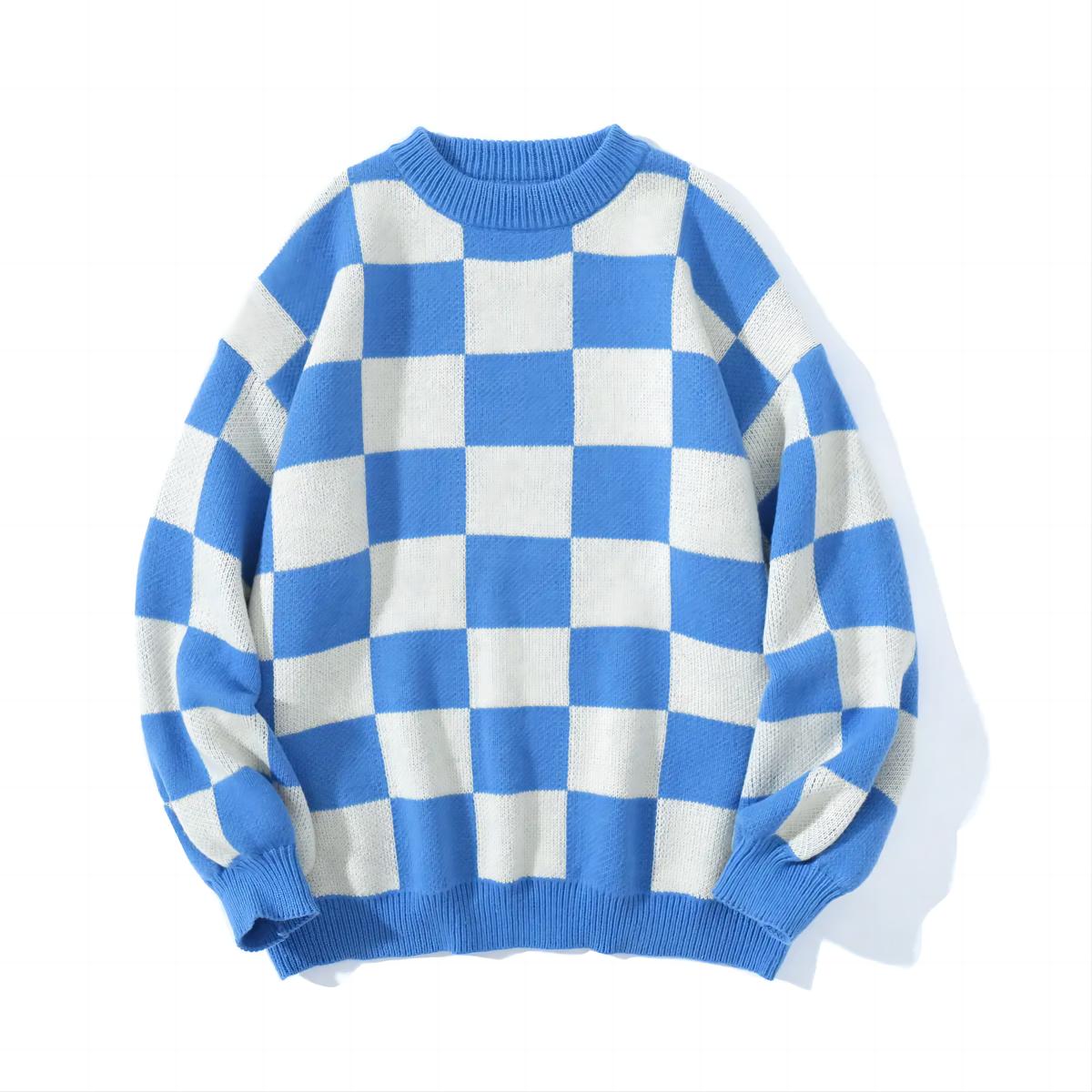
A 2-centimeter placement shift can change the appearance of a chest logo, sleeve graphic or back print, especially across graded sizes. Artwork files should specify dimensions, Pantone references where relevant, placement from seams, label positions and acceptable tolerances.
6. Key Clothing Construction and Quality Elements
A reliable production standard begins with measurable construction details, not visual approval alone.
Pattern And Measurement Control

A final pattern, graded size set, and measurement chart should identify key points, seam allowances, and tolerances for each size. Record approved measurements after fitting, including chest, length, sleeve, waist, and rise. A signed sample or sealed reference garment becomes the production standard.
Construction And Hardware Checks
A pre-production sample should confirm seam construction, stitch density, seam strength, rib recovery, zipper operation, trims, labels, and reinforcement at stress points. Inspect decoration for print or embroidery placement, scale, color, registration, and compatibility with the garment surface.
- Check stitch consistency and skipped stitches
- Verify label position, care content, and attachment
- Confirm pressing removes distortion without shine
Inspection And Defect Handling
Three checkpoints reduce risk: incoming-material inspection, in-line inspection during sewing and decoration, and final inspection before packing. Compare measurements against agreed tolerances, then record defects by type, location, size, and corrective action. A written defect procedure should define repair, replacement, rework, or rejection.
Document The Approved Standard
One controlled production file should contain the approved sample photographs, measurement chart, tolerance table, construction notes, artwork placement, trim list, label files, finishing requirements, and packing plan. Each revision needs a date and approval owner. For repeat orders, compare new bulk samples and inspection records against that file.
7. How to Choose a Clothing Manufacturer Step by Step
A repeatable selection process turns how to choose a clothing manufacturer into a controlled buying decision.
Define The Product Standard
Step 1 is a product brief covering category, wearer, fabric, fit, decoration, size range, color count, target quantity, delivery date, and target landed cost. A hoodie, jersey, and varsity jacket require different construction knowledge. Step 2 is a tech pack with measurements, tolerances, artwork placement, trims, labels, packaging, and approved references.
Shortlist And Verify Specialists
Contact three to five manufacturers whose product experience matches your category and decoration needs. Ask whether they handle patterns, sourcing, sampling, printing, embroidery, washing, labeling, and packing in the required workflow.
- What is your MOQ per style, color, and size?
- What capacity is available during my delivery window?
- Which operations are performed in-house?
- What is included in the quoted price?
Compare Samples And Communication
Review a sample against the tech pack, checking fit, GSM, shrinkage, stitching, seam strength, color, print or embroidery, trims, and finishing. Request revisions in writing and confirm that the approved sample becomes the bulk reference. Measure responsiveness as a production capability: are answers specific, dated, and consistent?
Negotiate And Pilot
Compare quotations by total landed cost: garment price, sampling, tooling, packaging, freight, duties, inspection, payment terms, and remake or shortage procedures. Confirm Incoterms, currency, deposit, balance trigger, tolerances, and delivery responsibility. Place a controlled first order sized to test quality, packing, quantity accuracy, and repeatability.
8. Common Mistakes Buyers Make When Choosing Manufacturers
A 200-piece MOQ makes avoidable assumptions expensive.
Price Is Not The Whole Cost
EDVORIN’s MOQ starts at 200 pieces per style. A low unit price can conceal sampling, rework, freight, decoration, or packaging costs. Compare the complete delivered specification, not one quoted number. A 200-piece program may also fall below a factory’s practical MOQ by style, color, or size.
- Request a line-item quotation.
- Confirm MOQ by style, color, and size.
- Ask which costs are excluded.
Incomplete Specifications Create Rework
A sketch without fabric, measurements, construction, artwork, and trim details leaves production decisions open to interpretation. The result may fit, feel, or look different from the intended product. A sample exposes these gaps before bulk production.
- Send a tech pack or structured reference brief.
- Approve a pre-production sample.
- Record every revision in writing.
Vague Timing And Decoration Assumptions
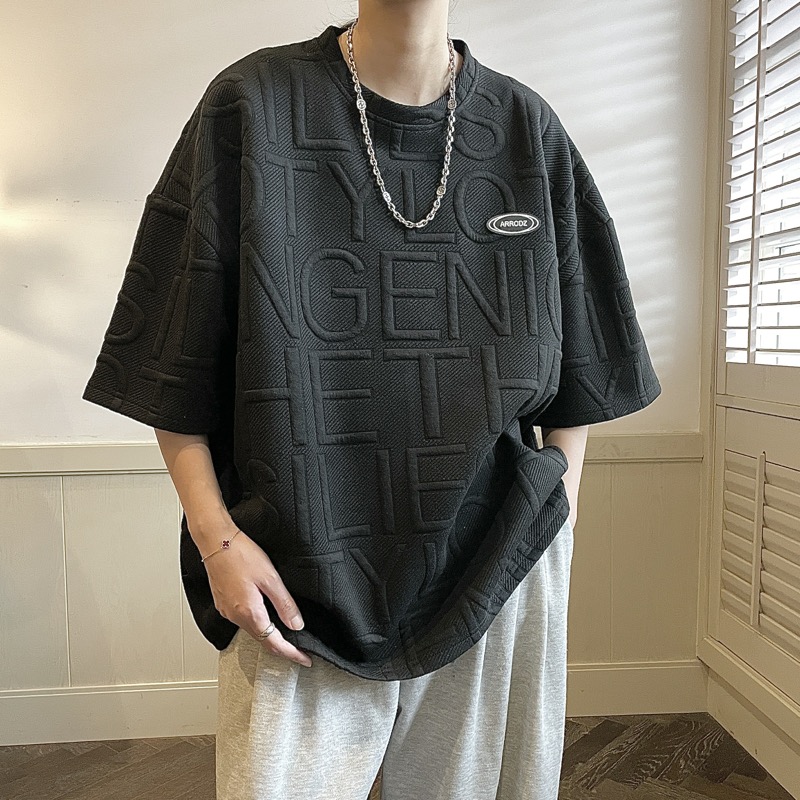
A promised lead time is incomplete unless it separates sampling, material sourcing, production, inspection, and shipping. Unclear dates make launches and team deliveries vulnerable to delay. Screen printing, embroidery, heat transfer, and sublimation have different artwork, fabric, color, and durability limits.
- Request milestone dates.
- Confirm the production start trigger.
- Test decoration on the actual fabric.
Weak Controls And Payment Terms
A certification logo is not proof that a specific facility, material, or order is covered; verify the certificate, scope, and validity directly. Also define inspection checkpoints, measurement tolerances, defect handling, and final approval.
- Agree inspection standards before production.
- Verify certification scope and expiry.
- Use written payment and approval terms.
9. Steps to Launch Your Brand with a Manufacturer
A 200-piece launch works best as a controlled sequence: define the product, approve the physical standard, then release production against documented terms.
Prepare The Product Standard
Step 1 is to finalize designs, tech packs, measurement charts, artwork, labels and packaging instructions. Buyers without complete files can develop them with EDVORIN from sketches or reference garments. Two material decisions require early confirmation: fabric construction and decoration method.
Sample, Revise And Approve
One approved sample is the physical benchmark for fit, construction, decoration and finishing. Review measurements, grading, stitching, print or embroidery, wash result and wearer comfort before accepting it.
Confirm Terms And Monitor Production
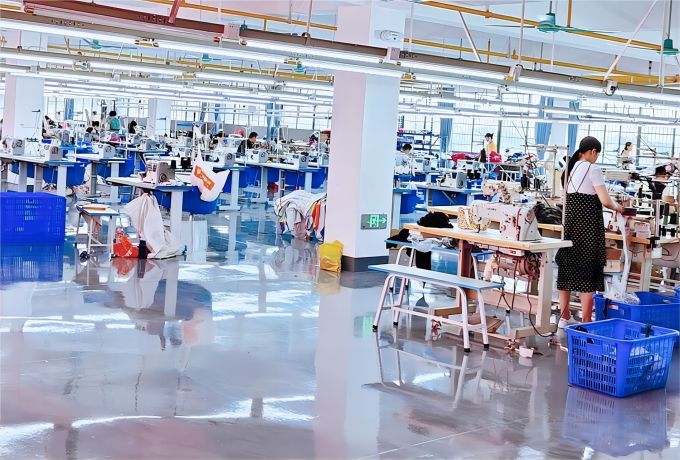
Before placing the 200-piece order, confirm written costing, payment schedule, lead time, delivery terms, size and color breakdown, inspection expectations and shipping responsibilities. The purchase order should identify the approved version of every file. During production, track material arrival, cutting, sewing, decoration and finishing.
Inspect, Learn And Replenish
Before shipment, inspect finished goods against the approved standard and reconcile quantities, packing lists, labels, export documents and delivery details. Keep inspection records with the final production files. After delivery, collect customer feedback on fit, fabric, decoration and demand by size or color.
10. Pricing and Cost Considerations
200 pieces is the stated MOQ for this guide, but the lowest unit price is not automatically the lowest landed cost. Request an itemized quote covering sampling, patterns, fabric, trims, labor, decoration setup, packaging, inspection, shipping, duties and payment terms. 8–12 weeks is a practical planning range for development and bulk production when fabric, artwork and approvals are ready; revisions, custom dyeing and complex outerwear can extend it. Compare deposits, balance timing, currency, freight basis and whether inspection or export documentation is included.
| Quantity Tier | Estimated Unit-Cost Drivers | Lead-Time Implications |
|---|---|---|
| 200–499 pieces | Higher pattern, sampling, setup and inspection cost spread across fewer units | Typically longest per-unit planning cycle; allow approval time |
| 500–1,999 pieces | Better labor and fabric utilization; packaging and freight spread more efficiently | Standard development plus scheduled bulk production |
| 2,000+ pieces | Lower setup share and stronger material-buying efficiency; verify storage and cash flow | May require earlier booking, fabric allocation and capacity confirmation |
Buyer FAQs About Apparel Manufacturing
EDVORIN’s MOQ starts at 200 pieces per style. Clear answers on MOQ, development, decoration, certifications and communication before you start an apparel production program with EDVORIN.
Can EDVORIN support a first collection that is still in development?
What MOQ should I expect for an apparel program?
Can EDVORIN develop both men’s and women’s apparel?
Can one manufacturing partner handle different apparel categories?
Why is sample approval important before bulk production?
Can EDVORIN coordinate printing, embroidery and washing?
Which certifications and compliance programs are available?
What should I prepare before contacting EDVORIN?
Ready to Choose a Clothing Manufacturer That Can Deliver?
Share your apparel concept, product category, quantity, and development needs with EDVORIN to plan your next production-ready collection.