
EDVORIN’s MOQ starts at 200 pieces per style. Clothing Manufacturer MOQ Guide: Plan Your First Production Run
Plan EDVORIN production from concept to approved bulk orders, with a starting MOQ of 200 pieces per style and support for repeatable growth.
What Really Sets Your Apparel MOQ
EDVORIN reviews these production variables before quoting and confirming a first bulk run.
Style and Color Count
Each style and colorway can create separate planning requirements, so a focused launch helps protect budget, consistency, and reorder flexibility.
Materials and Trims
Fabric availability, custom development, labels, zippers, and packaging choices can influence sourcing minimums before cutting and sewing begin.
Decoration Complexity
Printing, embroidery, patches, appliqués, and washing each add setup decisions that should be confirmed before the production quantity is finalized.
Size Range Planning
A practical size curve supports efficient cutting, accurate grading, and balanced inventory across men’s and women’s apparel programs.
Production Requirements
EDVORIN’s MOQ starts at 200 pieces per style. Construction details, performance fabrics, quality standards, and inspection needs determine how EDVORIN turns a 200-piece MOQ into a repeatable production standard.
Apparel Categories EDVORIN Develops for B2B Buyers
Apply EDVORIN’s 200-piece minimum to startup drops, team uniforms, wholesale programs and private-label collections across core apparel categories.
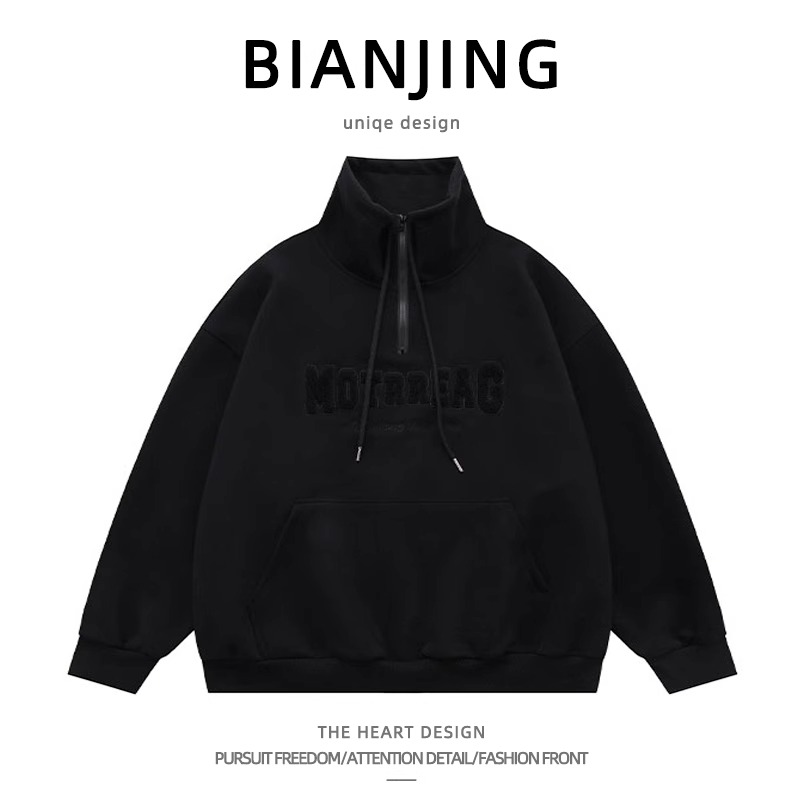
Custom Hoodies
EDVORIN develops custom hoodies for streetwear drops, branded uniforms and private-label collections, from fleece selection and fit blocks through sampling, printing, embroidery, labeling and bulk production. As a custom hoodie manufacturer, we coordinate approved specifications so repeat orders remain consistent.
Get a Quote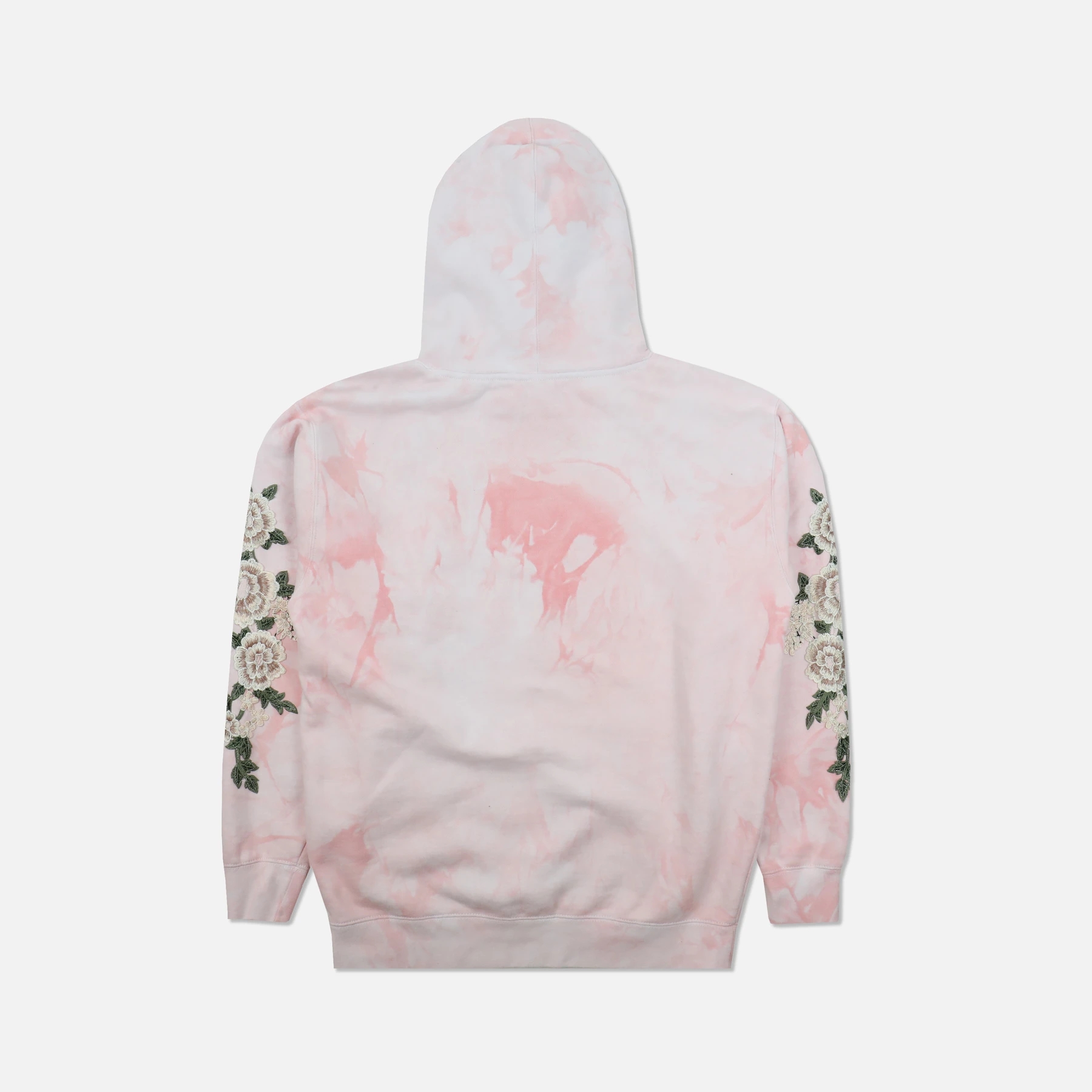
Pullover Sweatshirts
Pullover sweatshirts can be developed in fleece, French terry or other selected fabrics for fashion, wholesale and private-label programs. EDVORIN manages pattern development, rib construction, decoration, washing, labeling and packaging as a sweatshirt manufacturer, with MOQ starting at 200 pieces per style.
Get a Quote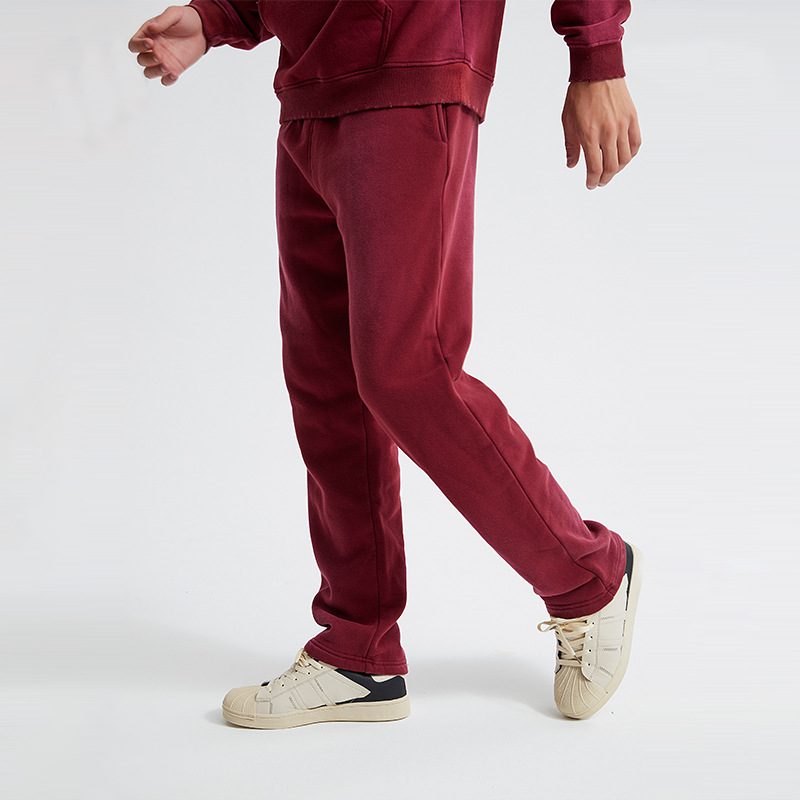
Sweatpants & Joggers
EDVORIN develops sweatpants and joggers for coordinated casualwear, streetwear sets, team programs and wholesale collections. Fabric weight, waistband construction, pocket details, cuff recovery, fit grading and decoration are documented before bulk production, supporting reliable repeat orders from a sweatpants manufacturer.
Get a Quote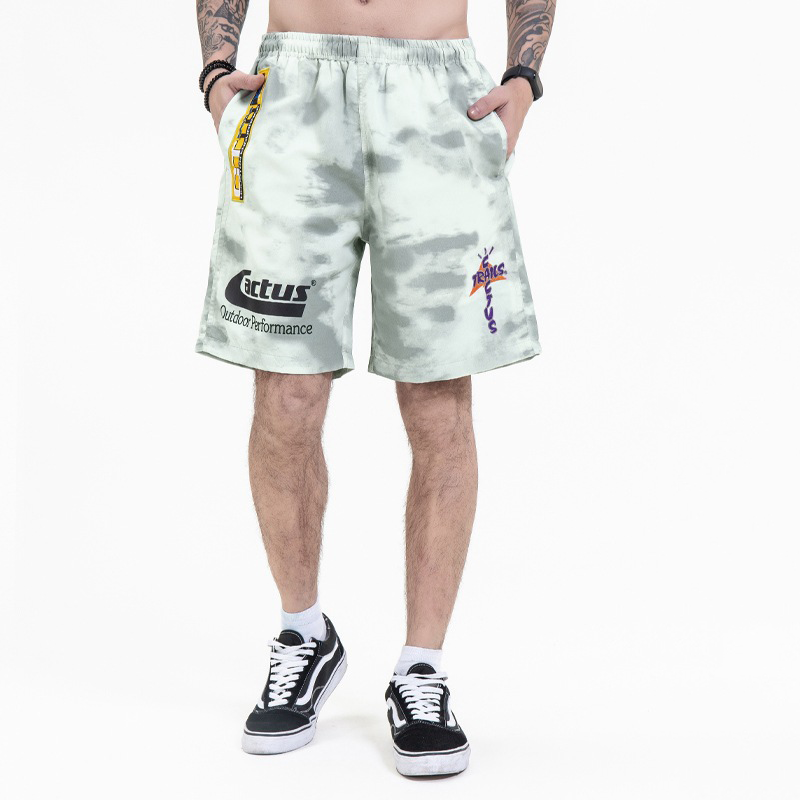
Custom Shorts
Custom shorts can be developed for casualwear, streetwear, training, teamwear and private-label collections. EDVORIN coordinates fabric selection, inseam and fit development, waistbands, pockets, lining, printing, embroidery, labels and packaging through one custom shorts manufacturer workflow.
Get a Quote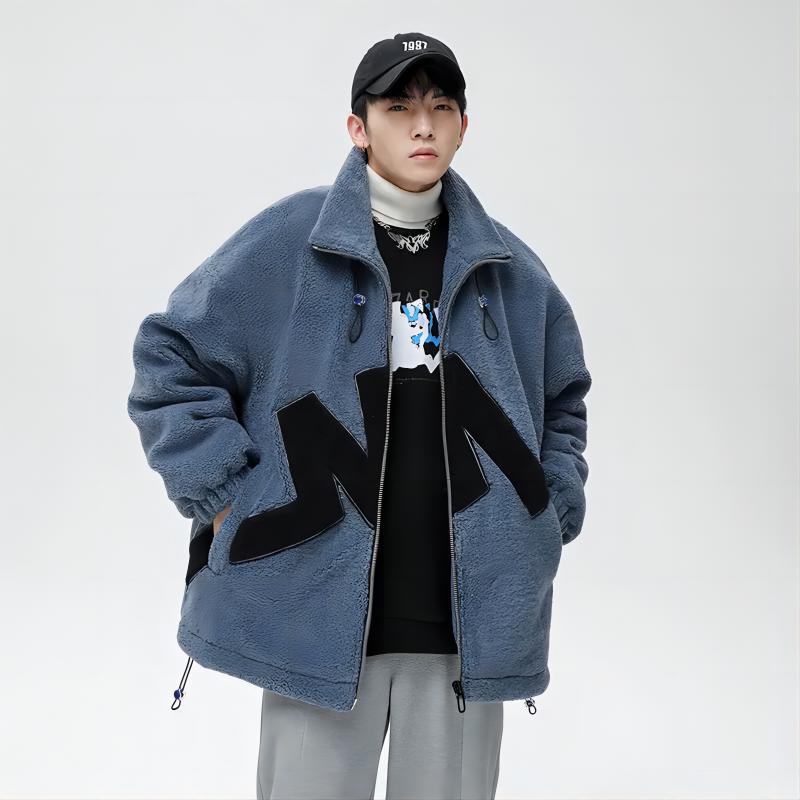
Varsity & Baseball Jackets
Varsity and baseball jackets require coordination between body fabric, sleeves, lining, rib, snaps, patches and embroidery. EDVORIN develops these details as a varsity jacket manufacturer for fashion brands, schools, sports organizations and private labels, with approved samples guiding bulk production.
Get a Quote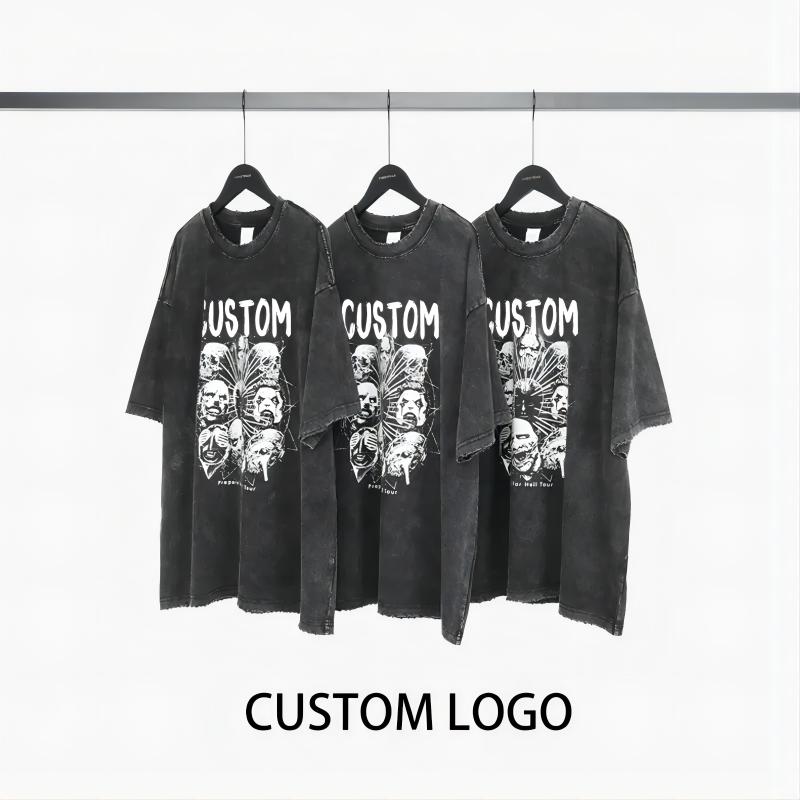
Custom T-Shirts
EDVORIN develops custom T-shirts for promotional programs, streetwear launches, wholesale basics and private-label collections. Buyers can specify fabric, weight, fit, neck rib, garment washing and decoration, while the custom T-shirt manufacturer records artwork placement, measurements and quality standards for repeat production.
Get a Quote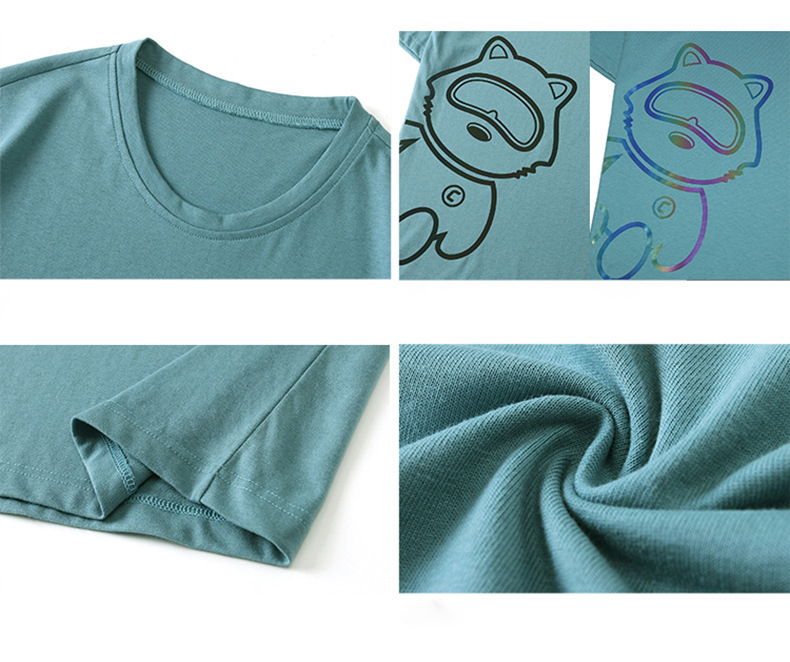
Custom Polo Shirts
Custom polo shirts can be developed for corporate apparel, schools, sports clubs, hospitality programs and private labels. EDVORIN coordinates fabric performance, collar and cuff construction, plackets, buttons, embroidery or printing, then verifies measurements and decoration against the approved polo shirt standard.
Get a Quote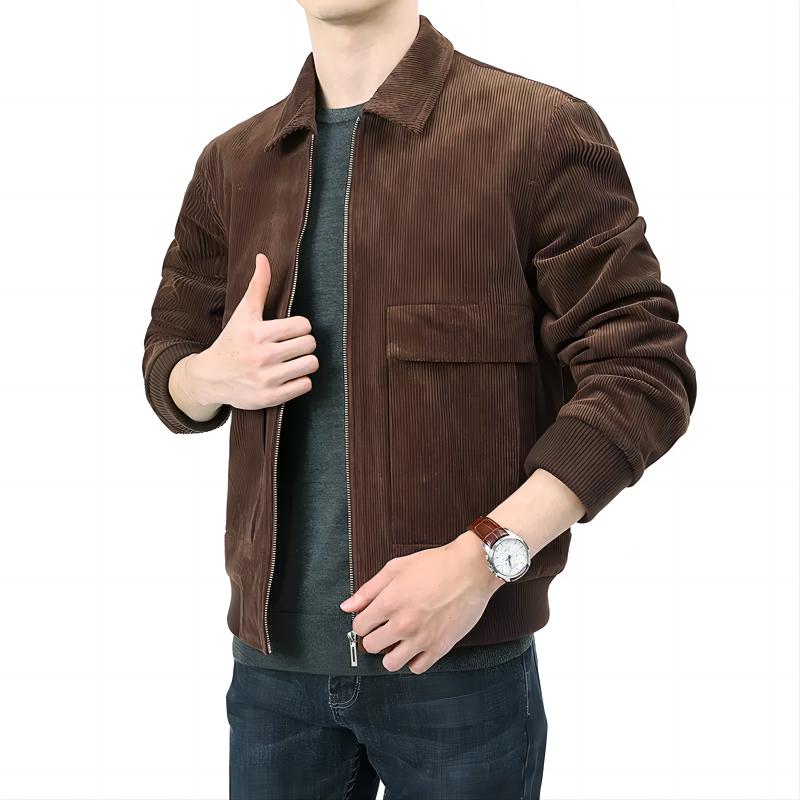
Windbreaker Jackets
Windbreaker jackets are developed around shell fabric, lining or mesh, water-resistant performance, zippers, hoods, pockets and elastic details. EDVORIN supports fashion, outdoor, team and private-label programs as a windbreaker manufacturer, coordinating sampling, decoration, labels and packaging before bulk production.
Get a Quote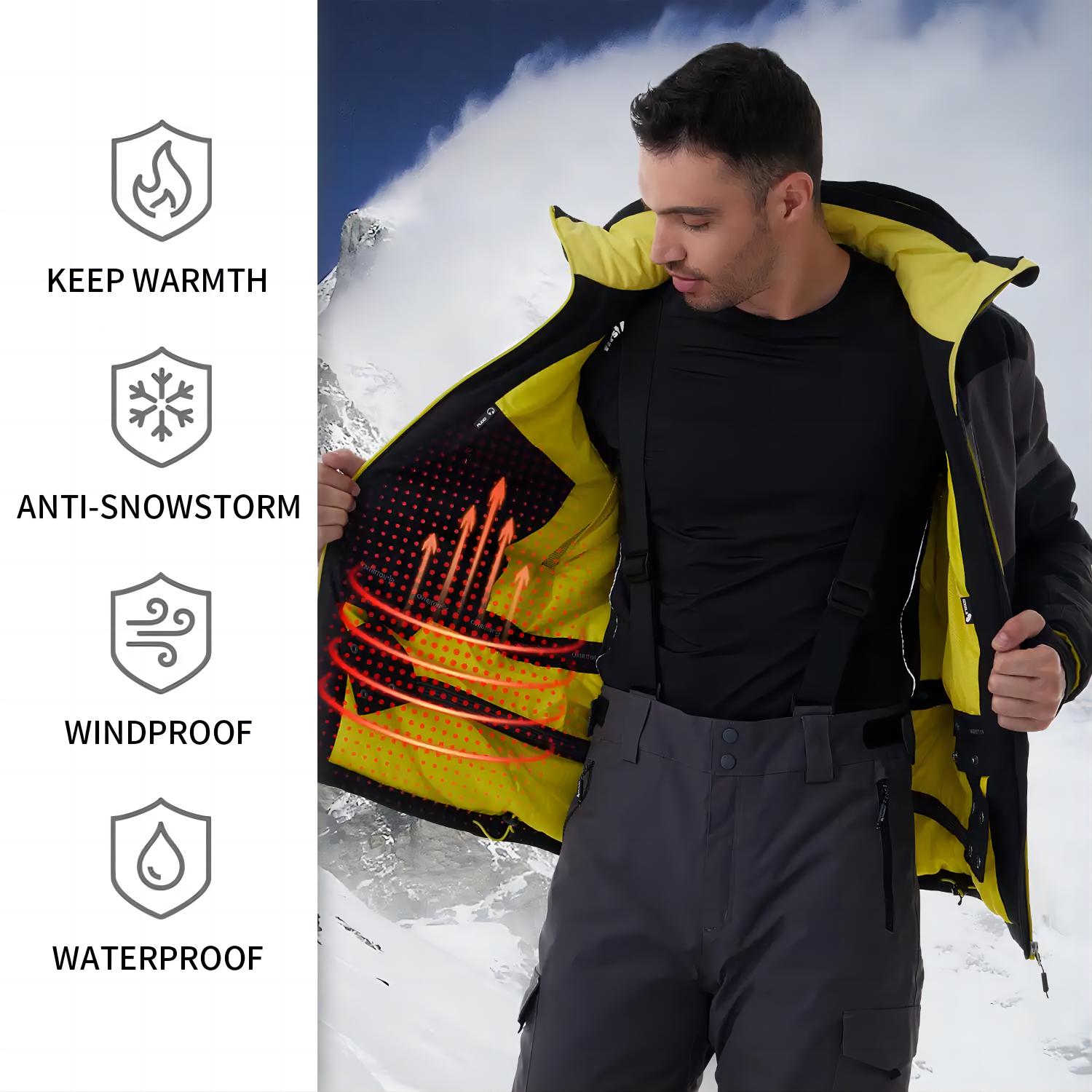
Quilted Jackets
Quilted jackets require controlled decisions on shell fabric, insulation, quilting pattern, lining, trims and finishing. As a quilted jacket manufacturer, EDVORIN develops these elements for seasonal fashion, outerwear and private-label collections, with sample-to-bulk checks covering measurements, quilting consistency, warmth requirements and final presentation.
Get a Quote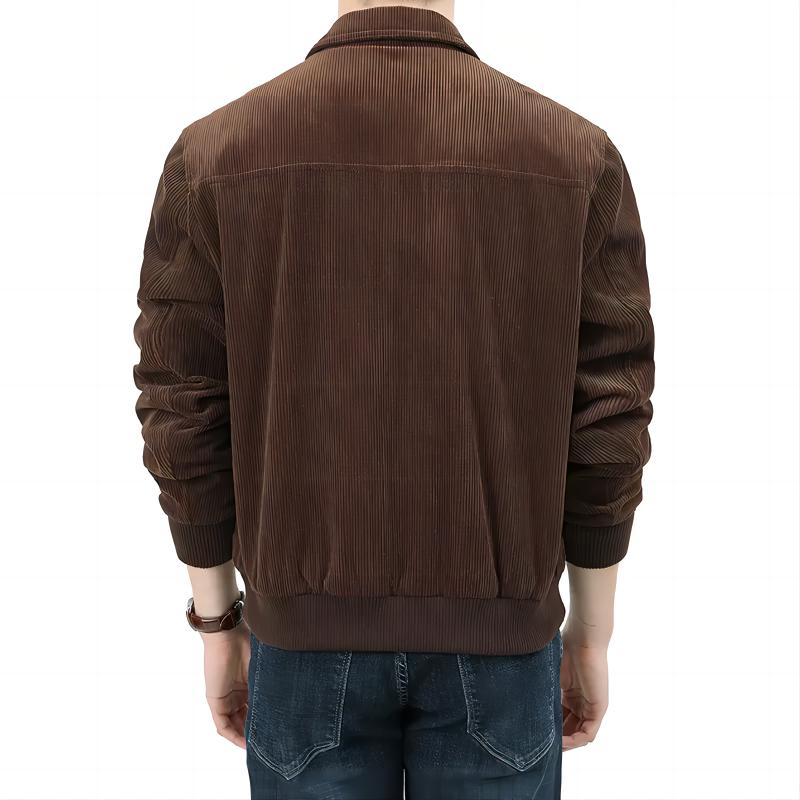
Bomber Jackets
EDVORIN develops bomber jackets for streetwear, fashion, team and private-label buyers, coordinating shell materials, lining, rib trims, zippers, pockets, patches and embroidery. As a bomber jacket manufacturer, we convert approved design details into documented construction and quality standards for repeat orders.
Get a Quote
Custom Shirts
Custom woven shirts can be developed in cotton, blends or other buyer-selected fabrics for fashion labels, uniforms, wholesale programs and private labels. EDVORIN coordinates collars, cuffs, plackets, buttons, pockets, fit, embroidery or printing as a custom woven shirt manufacturer.
Get a Quote
Custom Jerseys
Custom jerseys are developed for sports clubs, schools, teams, fanwear programs and streetwear collections. EDVORIN coordinates performance fabrics, panel construction, color references, sublimation or other decoration, names, numbers, size grading and packaging through a custom jersey manufacturer workflow.
Get a Quote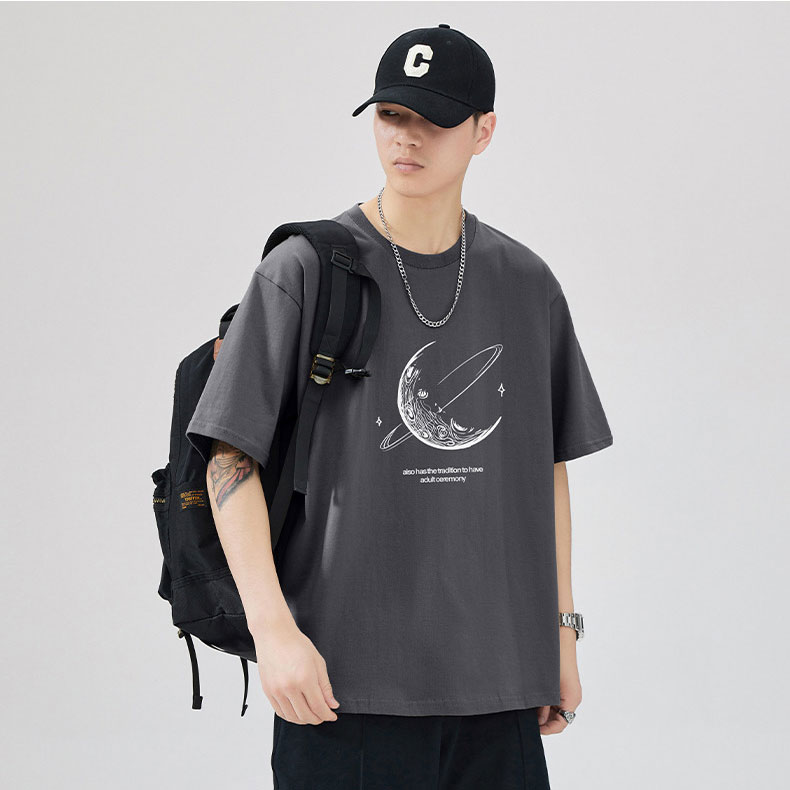
Tank Tops
Tank tops can be developed for casualwear, training, streetwear, promotional and private-label programs. EDVORIN manages fabric selection, fit, binding or rib construction, armhole proportions, printing, embroidery, labels and packaging, with approved measurements supporting consistent repeat production.
Get a Quote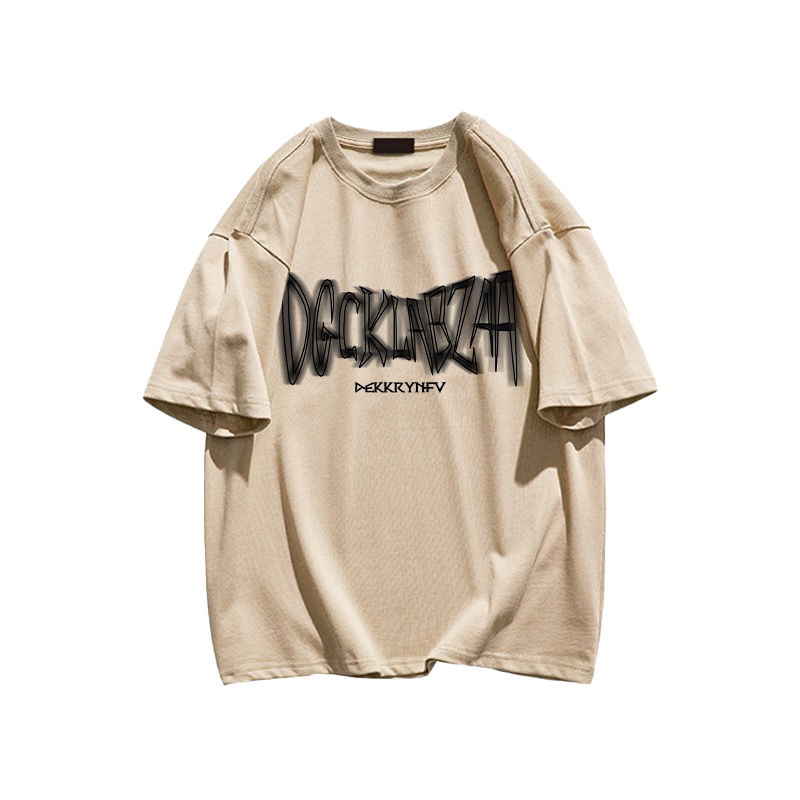
Soccer Uniforms
Soccer uniforms require coordinated development of jerseys, shorts and optional socks, including breathable fabrics, color control, team graphics, names, numbers and size grading. EDVORIN supports clubs, academies, schools and wholesalers as a soccer uniform manufacturer, organizing approved standards for repeat orders.
Get a Quote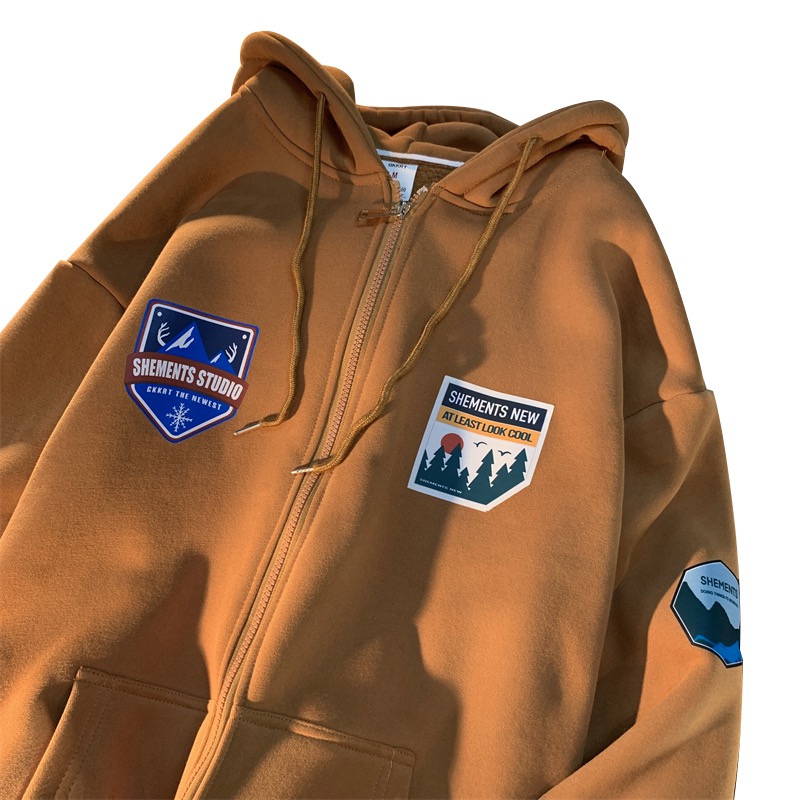
Basketball Uniforms
Basketball uniforms are developed for clubs, schools, academies, leagues and teamwear distributors. EDVORIN coordinates lightweight performance fabrics, jersey and short construction, color references, player names, numbers, size grading, decoration and packaging, with bulk checks based on the approved basketball uniform standard.
Get a Quote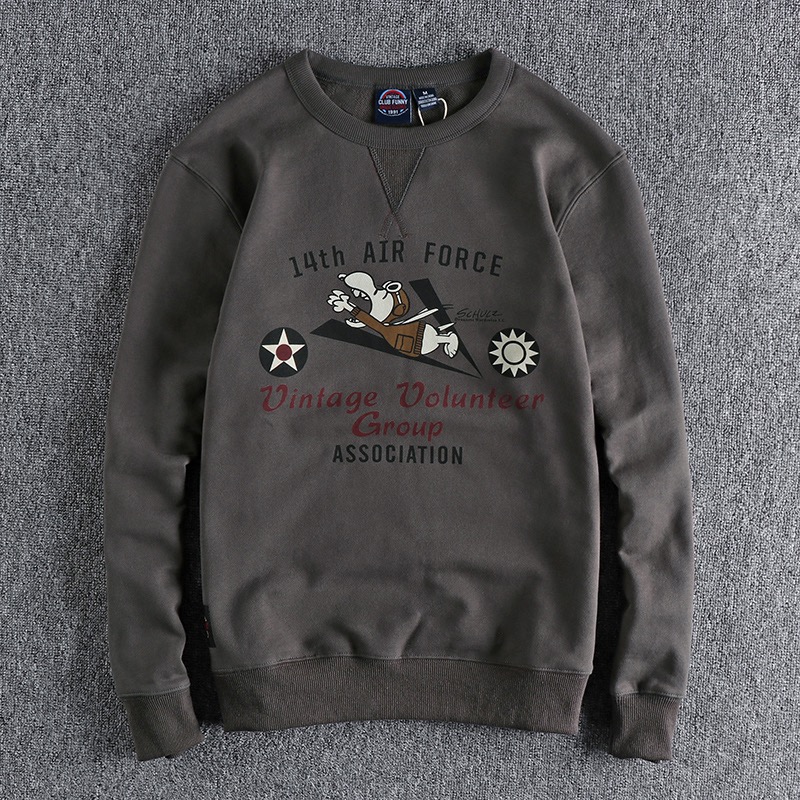
Streetwear Collections
EDVORIN develops streetwear collections across hoodies, T-shirts, sweatshirts, joggers, jackets, jerseys and coordinated separates. A streetwear clothing manufacturer can align fabrics, silhouettes, washes, prints, embroidery, labels and packaging across a collection, supporting startup drops, wholesale programs and established private-label buyers.
Get a QuoteFrom Concept to Bulk Production
EDVORIN turns your apparel idea, sketch or tech pack into an approved production standard built for consistent bulk orders and repeat growth.
Define Your Production Brief
Share a sketch, reference garment or tech pack; EDVORIN clarifies fit, fabric, trims, decoration, quantities and target use before development begins.
Develop and Sample
Build patterns, source materials and create samples for men’s or women’s programs, aligning construction and fit with the approved product direction.
Confirm the Standard
Review measurements, colors, artwork placement, trims and finishing details until one approved sample becomes the reference for repeatable bulk production.
Plan the MOQ Run
EDVORIN’s MOQ starts at 200 pieces per style. Set quantities by style and color, coordinate labels and packaging, and align decoration and material choices with EDVORIN’s 200-piece-per-style starting MOQ.
Inspect and Repeat
EDVORIN checks production against approved standards through in-line quality control, final inspection and coordinated packing, protecting consistency for reorders and growth.
EDVORIN Apparel Production at a Glance
EDVORIN’s MOQ starts at 200 pieces per style. Plan a clearer first order with EDVORIN’s stated MOQ, product development options and coordinated apparel manufacturing services.
MOQ and development
- Starting MOQ
- 200 pieces per styleEDVORIN’s stated minimum starting quantity for apparel production.
- Development routes
- OEM, ODM and private-label developmentSupport is available for buyers with a complete tech pack, a reference garment, a sketch or an early collection concept.
- Fit programs
- Men’s and women’s developmentFit blocks, proportions, materials and performance requirements are adjusted to the intended wearer and market.
Supported product categories
- Casualwear and streetwear
- Hoodies, sweatshirts, sweatpants, joggers, shorts, T-shirts, polo shirts and coordinated collectionsCategory development is matched to the garment’s construction, material and decoration requirements.
- Outerwear
- Varsity jackets, windbreakers, quilted outerwear, bomber jackets and woven shirtsDevelopment can coordinate shell fabrics, linings, insulation, hardware, trims and finishing requirements.
- Teamwear
- Jerseys, tank tops, soccer uniforms and basketball uniformsPrograms can include coordinated sizing, decoration and repeat-order requirements.
Coordinated production services
- Product development
- Materials, patterns, samples and technical production standardsApproved samples and documented specifications create a reference for bulk production.
- Decoration and finishing
- Printing, embroidery, washing, labeling and packagingServices are coordinated with the garment category and the buyer’s brand requirements.
- Quality control
- Sample-to-bulk quality controlIn-line checks and final inspection are organized around approved standards before packing.
Certification programs
- Available programs
- ISO 9001, BSCI, WRAP, SEDEX, OEKO-TEX Standard 100, GRS and GOTSConfirm the applicable certification, scope and product requirements for your production program with EDVORIN.
Clothing Manufacturer MOQ Guide: A Practical Buyer’s Guide
EDVORIN’s MOQ starts at 200 pieces per style. Use this decision framework to match order quantities with demand, cash flow, and product complexity; compare supplier criteria, understand cost drivers, prepare a stronger apparel RFQ, and avoid common MOQ planning mistakes.
1. What Is a Clothing Manufacturer MOQ Guide?
1 unit is the basic measure behind MOQ: minimum order quantity is the fewest finished garments a manufacturer will accept for a production run. The quoted minimum may apply to the entire order, one style, each colorway, a size range, a fabric lot, or a specific trim, so ‘200 pieces’ is incomplete without its calculation basis. 2 cost layers usually sit behind the number: fabric purchasing, cutting and sewing setup, decoration, labels, packaging, and production-line efficiency. A higher minimum can reduce unit cost through scale, but it also increases upfront cash use, inventory exposure, storage needs, and the risk of carrying slow-moving sizes or colors; these trade-offs shape launch timing and reorder planning.
2. Evolution and History of Clothing Manufacturer MOQs
EDVORIN’s MOQ starts at 200 pieces per style. 2000s apparel production commonly treated MOQ as a factory-efficiency threshold: setup, pattern cutting, machine changes and labor had to be spread across enough units to make a run viable. Larger batches also improved fabric utilization during spreading and cutting, while repeated operations helped sewing lines reach steadier output. com/blog/what-is-moq)
500–1,000 meters is a frequently cited range for specialty or custom fabric minimums, before trims such as zippers, labels, patches and packaging are purchased. Those upstream quantities explain why a simple stocked-fabric T-shirt may carry a lower minimum than a fleece hoodie, uniform, or performance garment requiring dedicated materials and decoration.
3. Types of Clothing Manufacturer MOQ Guides
EDVORIN’s MOQ starts at 200 pieces per style. Six MOQ layers can govern one apparel program: order, style, colorway, size run, fabric or dye lot, and decoration or trim.
MOQ Layers That Stack
One manufacturer may require 200 pieces per style, 50 per colorway, and a defined size run. A 400-piece hoodie order split across four colors can satisfy the order minimum yet fail the color minimum.
- Per order: total units released together
- Per style: one garment design
- Per colorway: one color within that style
- Per size run: a required size distribution
- Per fabric, dye lot, decoration, or trim: supplier-specific setup
Production Route Differences
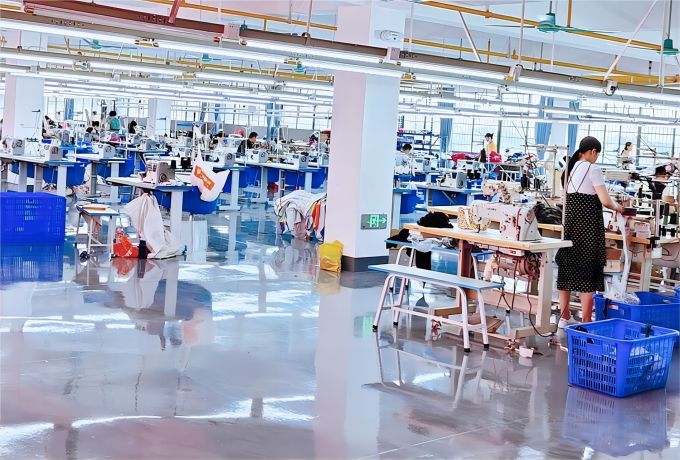
EDVORIN’s MOQ starts at 200 pieces per style. Stock-fabric and private-label routes usually offer the simplest MOQ structure because materials or base garments already exist. Low-MOQ programs suit testing, while cut-and-sew adds pattern, cutting, and sewing setup.
- Low MOQ: market tests and limited drops
- Stock fabric: faster, narrower material choices
- Private label: existing blocks with branding changes
- Cut-and-sew: new patterns and construction
- Fully custom: highest specification and coordination load
Best Model By Buyer Type
EDVORIN’s MOQ starts at 200 pieces per style. Startups and niche streetwear labels generally benefit from low-MOQ or stock-fabric models, while established fashion brands may justify cut-and-sew or fully custom routes. Wholesalers usually need per-style and per-color efficiency across repeatable core products.
EDVORIN’s MOQ starts at 200 pieces per style. 4. Materials and Fabrics in a Clothing Manufacturer MOQ Guide
Fabric choice can determine whether a 200-piece program is practical.
| Fabric Choice | Production Implications | Suitable Applications | Planning Risk |
|---|---|---|---|
| Stock cotton jersey, 160–220 GSM | Lower sourcing friction; supports smaller runs and faster replenishment | Wholesale basics, T-shirts, uniforms | Limited color or performance options |
| French terry or fleece, 280–500 GSM | Higher fabric usage and freight weight; manageable in standard qualities | Streetwear, hoodies, joggers | Roll balance and GSM variation |
| Polyester-elastane performance knit | Requires stretch, recovery, moisture, and colorfastness checks | Sportswear, jerseys, team uniforms | Testing failures or composition mismatch |
| Custom-dyed or specialty fabric | Mill and dye-house minimums; added lab dips, lead time, and leftover material | Distinctive collections, premium private label | MOQ may exceed 200 pieces; residual yardage |
Available Versus Custom Fabrics
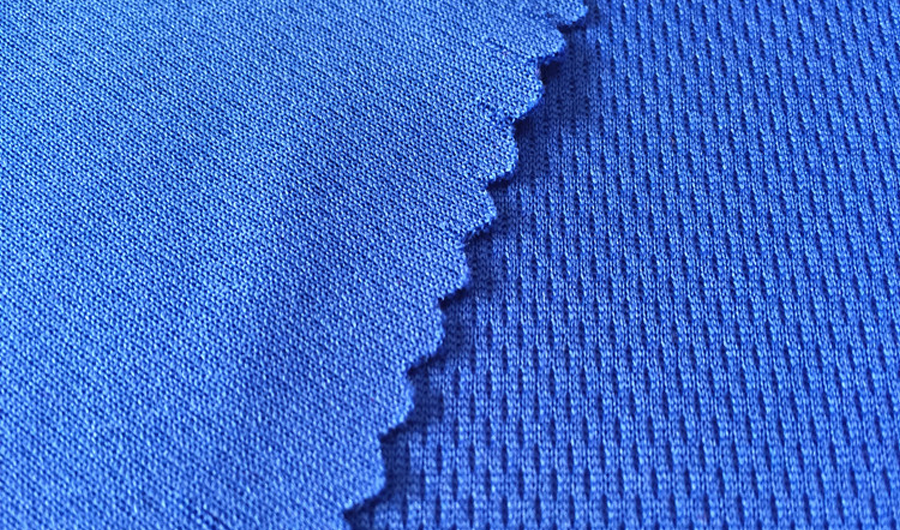
Stock cotton jersey, French terry, fleece, and polyester blends usually support faster sourcing and smaller commitments. Custom dyeing, jacquard, bamboo, or specialized performance knits may introduce mill minimums of roughly 500–1,000 meters and longer approvals.
Match Material To Product
Streetwear often favors 280–500 GSM fleece or French terry, while wholesale basics commonly use readily available 160–220 GSM jersey. Uniforms require durability and repeatable color; sportswear adds moisture management, stretch, breathability, and colorfastness requirements.
Plan MOQ And Cost Together
EDVORIN’s MOQ starts at 200 pieces per style. Treat each material as a separate production decision: one style MOQ does not automatically cover every color, fabric, or finish. Consolidating colors, using shared stock fabrics, or planning repeat orders can reduce exposure, but may limit launch variety.
EDVORIN’s MOQ starts at 200 pieces per style. 5. Customization Options in a Clothing Manufacturer MOQ Guide
EDVORIN’s MOQ starts at 200 pieces per style. A 200-piece first drop becomes more expensive when each style adds separate pattern, decoration, trim, or packaging setup. com/guides/custom-clothing-moq-guide).
| Customization Element | Setup Requirement | MOQ/Cost Effect | Can Share Across Styles? |
|---|---|---|---|
| Pattern and fit | Blocks, grading, samples | Separate for new silhouettes | Sometimes |
| Screen print or embroidery | Artwork, screens or digitizing | Varies by artwork and placement | Artwork may share |
| Washing or appliqué | Testing and process approval | Usually style-specific | Rarely |
| Labels, trims, packaging | Supplier and packing setup | May create independent minimums | Stock options often |
Pattern And Fit Development
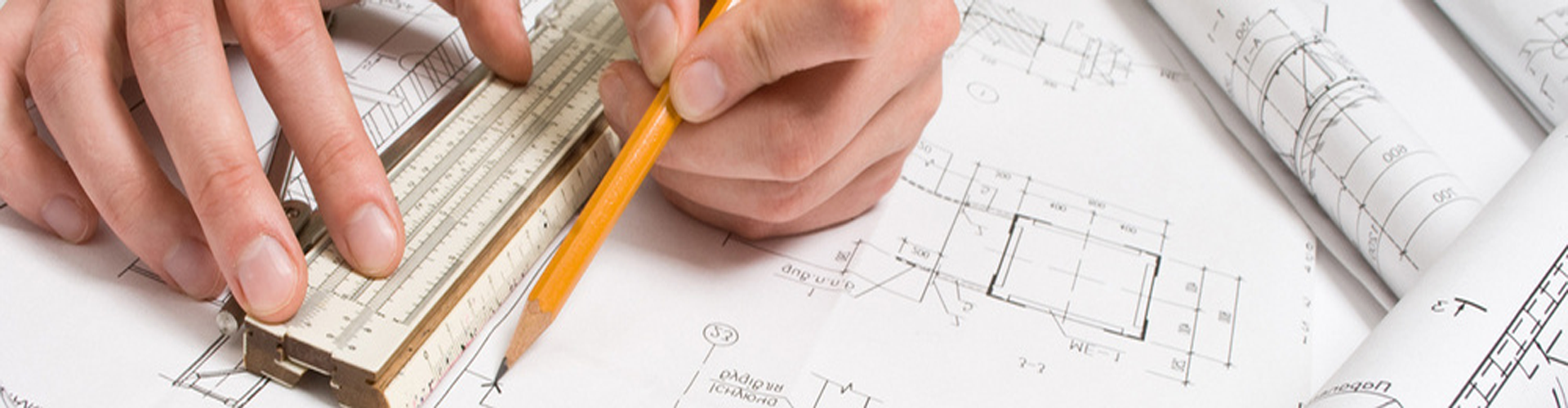
One approved block can often support several colorways, while a new silhouette, sleeve shape, pocket system, or gender-specific fit requires separate pattern work, grading, and sample review. Share core blocks where possible, but keep fit-critical details documented by style.
Decoration And Surface Treatments
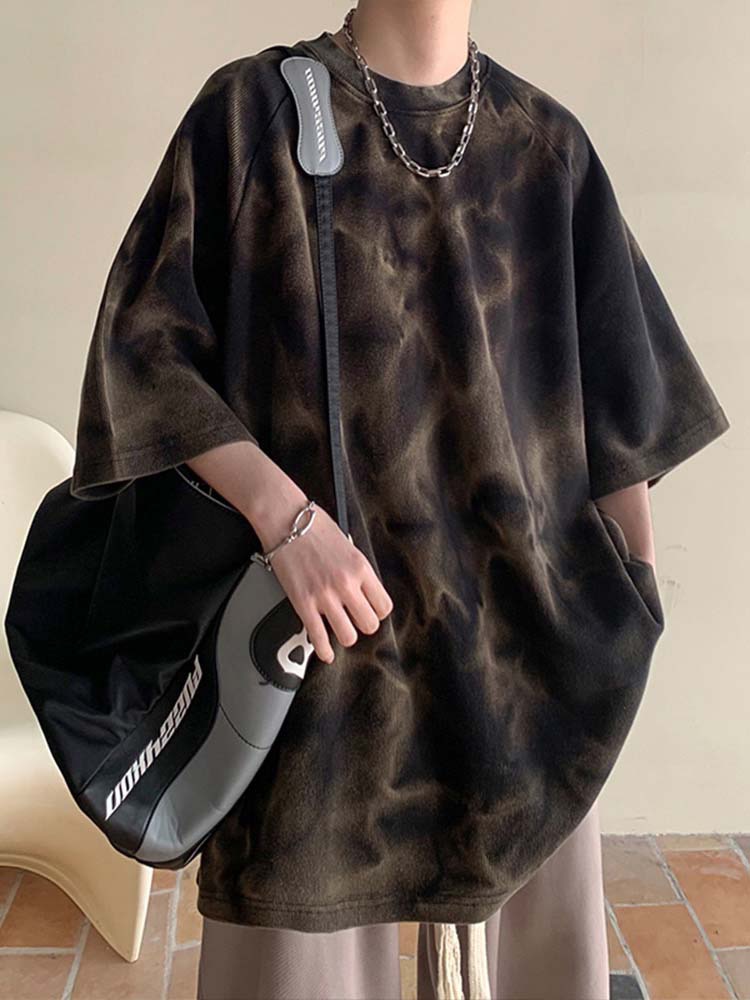
Screen printing, embroidery, appliqué, patches, and garment washing each add artwork preparation, machine or chemical setup, testing, and approval steps. Placement, stitch density, color count, and wash effect can create separate costs even on the same body.
Labels Trims And Packing
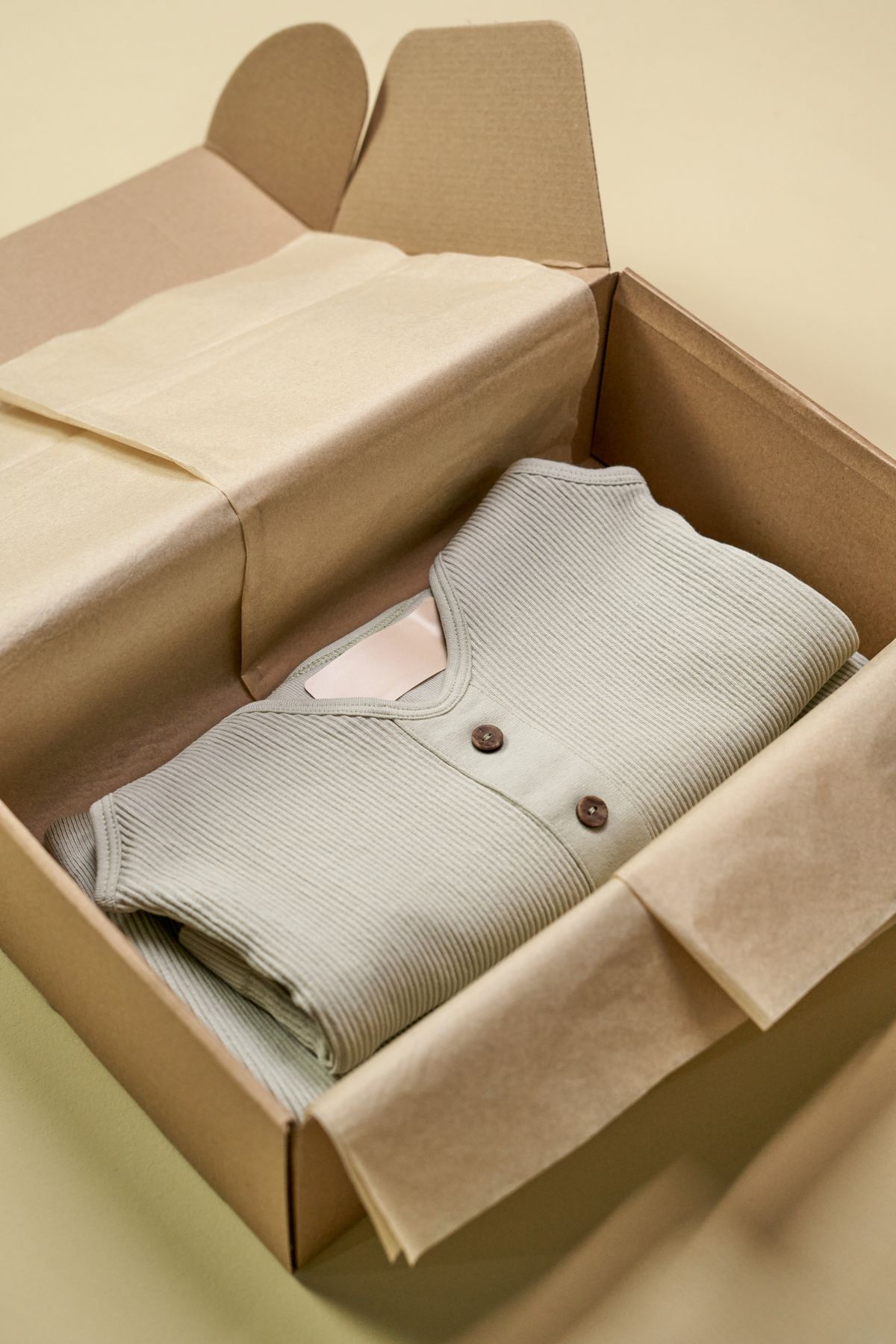
Main labels, care labels, hangtags, polybags, cartons, zippers, snaps, drawcords, and custom hardware may have supplier minimums independent of sewing quantity. Shared branding and stock trims can be reused across styles; custom woven labels, molded hardware, and printed packaging usually create separate commitments.
6. Key Construction Quality Elements for MOQ Buyers
EDVORIN’s MOQ starts at 200 pieces per style. A clothing manufacturer MOQ guide should define quality before quantity.
Measurements And Grading
0 cm tolerances should be assigned to key points such as chest, body length, sleeve length, and waistband. Without agreed tolerances, minor variation can become costly rework.
Seams And Fabric Stability
10–12 stitches per inch is a practical reference for many apparel seams, but stitch density must match fabric weight and stretch. Flatlock, coverstitch, or reinforced seams should be specified by location. 3–5% shrinkage can materially change fit after washing.
Decoration, Hardware, And Labels
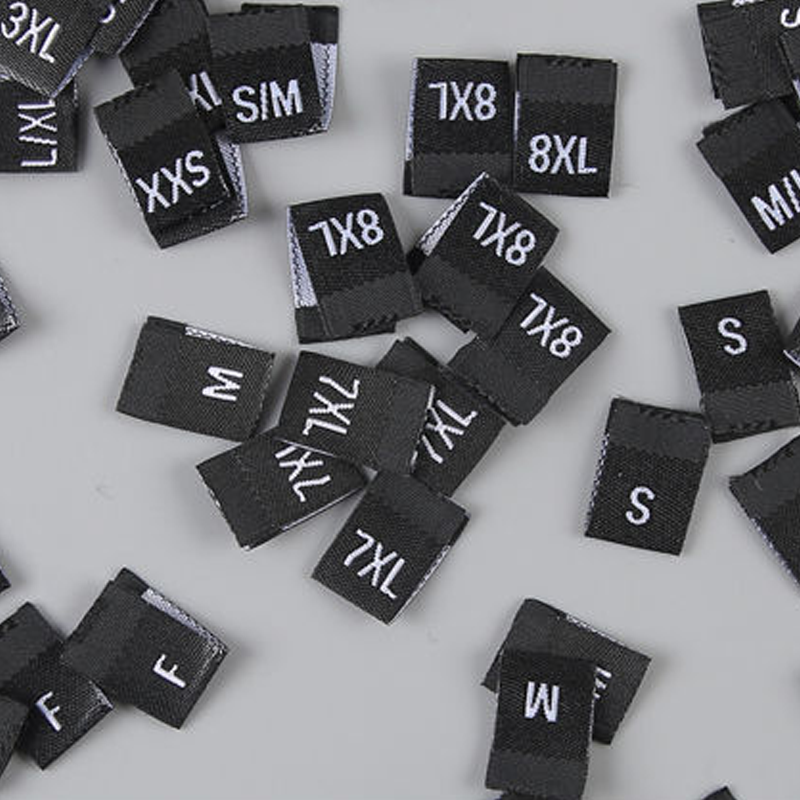
1–2 cm placement tolerances should be recorded for prints, embroidery, patches, names, and numbers, with artwork dimensions linked to the approved sample. Colorfastness and adhesion should be checked on the actual fabric.
Finishing And Pre-Shipment Checks
100% visual checking is appropriate for obvious defects, while measurement sampling should follow an agreed inspection plan. Check loose threads, stains, pressing, folding, labeling, carton marks, and quantity reconciliation.
7. How to Choose a Clothing Manufacturer MOQ Partner
EDVORIN’s MOQ starts at 200 pieces per style. A fair clothing manufacturer MOQ guide starts with comparable evidence, not a low headline number.
Verify MOQ Scope
EDVORIN’s MOQ starts at 200 pieces per style. Ask whether the MOQ applies per order, style, color, fabric, or decoration. Request the same breakdown for samples, labels, packaging and reorders.
- What triggers the MOQ?
- Are mixed sizes and colors allowed?
- Which setup costs are separate?
Check Product And Process Fit
Review relevant experience in your category: fleece hoodies, jerseys, varsity jackets or woven outerwear require different construction, sourcing and inspection knowledge. Ask for comparable sample examples and approve a physical pre-production sample.
- Who approves the final sample?
- What is the bulk lead-time range?
- Which materials are stocked or custom-sourced?
Audit Risk And Total Cost
Request quality-control checkpoints from incoming materials through in-line and final inspection, plus evidence for relevant compliance claims such as OEKO-TEX, GOTS, WRAP or BSCI. Verify payment milestones, defect handling and inspection rights in writing.
- What is included in the quoted price?
- How are defects resolved?
- Can the factory support larger repeat orders?
8. Common Clothing Manufacturer MOQ Mistakes Buyers Make
EDVORIN’s MOQ starts at 200 pieces per style. A 200-piece headline MOQ can conceal separate requirements by style, color, fabric, trim, or order value.
Clarify The Quantity Basis
A 200-piece MOQ may mean 200 pieces per style or per color, not 200 pieces across the collection. Confirm the manufacturer’s calculation in writing; this prevents the buyer question, ‘How many pieces must I commit to for each SKU?’ A 1:2:2:1 size ratio may suit one market but not another.
Audit The Full Production Minimum
A 500-unit fabric-roll minimum can make a 200-piece garment order uneconomic, especially with custom dyeing, labels, zippers, patches, or packaging. Ask which material and trim minimums apply separately, and whether stock fabric or shared trims are acceptable.
Validate Demand Before Scaling
One physical sample should confirm fit, fabric behavior, decoration placement, measurements, and construction before bulk approval. A digital mockup cannot reveal shrinkage, hand feel, or embroidery distortion. A 1,000-piece order can exceed realistic sell-through and storage capacity.
9. Steps to Launch with a Clothing Manufacturer MOQ Guide
EDVORIN’s MOQ starts at 200 pieces per style. A 3-stage launch plan keeps a clothing manufacturer moq guide practical: forecast demand, define the assortment, then convert decisions into production documents.
Estimate Demand And Assortment
1 first drop should begin with expected sell-through, available cash, storage capacity, and launch timing. Group the assortment by style, color, size range, and target market before requesting factory capacity. A focused size-color plan reduces unnecessary setup exposure.
Prepare The RFQ
7 RFQ inputs should be complete before suppliers quote: styles, colors, quantities, sizes, fabrics, decoration, delivery date, and target market. Attach sketches or tech packs, measurement charts, artwork, label details, packaging needs, and any approved references.
- Styles and colorways
- Units and size ratio
- Fabric composition and weight
- Print, embroidery, patches, or washing
- Required delivery date and target market
Sample, Quote And Negotiate
1 approved sample should establish fit, construction, materials, decoration placement, and workmanship before bulk pricing is finalized. Review quotations for unit cost, development charges, tooling, trims, packaging, freight terms, lead time, and payment milestones.
Approve, Monitor And Reorder
1 signed purchase order should reference the approved sample, final specifications, quantities, delivery terms, and inspection requirements. During production, track material approval, cutting, sewing, decoration, finishing, and packing against that standard. At shipment, verify inspection results, carton details, freight documents, and received quantities.
10. Clothing Manufacturer MOQ Pricing and Cost
200 pieces and 200 pieces can produce very different economics: fixed pattern, cutting, machine setup, sampling, and decoration charges are spread across fewer garments at the lower tier. Treat any unit figures as planning examples only; EDVORIN pricing is quote-dependent on style, fabric, labor complexity, artwork, labels, packaging, inspection, freight, duties, and payment terms. 2–4 weeks of development time may cover sampling and revisions before bulk production, while fabric sourcing, custom dyeing, trims, and complex operations such as quilting, washing, embroidery, or taped seams can extend the schedule. com/blog/moq-in-clothing-manufacturing. 200 pieces may reduce cash exposure, but excess inventory remains the buyer’s risk if the size curve, color mix, or demand forecast is weak.
| Quantity Tier | Indicative Cost Structure | Lead-Time Considerations | Inventory Risk |
|---|---|---|---|
| 50–99 units | Highest unit cost; setup and sampling diluted across few pieces | Short run, but setup and material availability can constrain timing | Low volume; higher cost per piece |
| 100–199 units | Moderate unit cost; decoration, labels, and packaging still add fixed charges | Allow time for fabric, trims, approvals, and line scheduling | Manageable test quantity |
| 200–499 units | Lower unit cost when fabric and labor repeat efficiently | Often supports a more efficient bulk plan; quote-dependent | Balanced cash commitment and stock exposure |
| 500+ units | Best scale potential; custom fabric or trims may require larger commitments | Plan earlier for sourcing, production, inspection, and freight | Highest overstock exposure if forecasts miss |
Clothing Manufacturer MOQ Guide FAQs for B2B Buyers
Clear answers about EDVORIN’s 200-piece minimum, custom development, sampling and repeat production planning.
EDVORIN’s MOQ starts at 200 pieces per style. What does the clothing manufacturer MOQ guide mean for my first order?
EDVORIN’s MOQ starts at 200 pieces per style. Is the clothing manufacturer MOQ guide based on total units or each style?
EDVORIN’s MOQ starts at 200 pieces per style. Can the clothing manufacturer MOQ guide support multiple colors and sizes?
Can I order samples before committing to the MOQ?
Does EDVORIN accept custom clothing development from a sketch or reference garment?
Can repeat orders use the same approved specifications?
What information should I provide before requesting an apparel manufacturing quote?
MOQ FAQs for B2B Apparel Buyers
Share your styles, quantities, fabrics and decoration needs with EDVORIN for a tailored production quote and practical next steps.