
Custom Rib Cuff Manufacturer for Hoodies, Jackets & Teamwear
EDVORIN is a custom rib cuff manufacturer coordinating fit, edge recovery, color, and construction with your main garment order from sample to bulk.
Related Apparel Programs with Custom Rib Cuffs




Why Choose a Custom Rib Cuff Manufacturer for Your Collection
EDVORIN coordinates cuff construction with your garment, helping protect fit, color and brand consistency from sample approval through bulk production.
Controlled Stretch Recovery
Specify rib construction, yarn blend and cuff dimensions around the intended garment so sleeves retain a secure, balanced finish after wear.
Coordinated Color Matching
Align rib cuffs with body fabric, stripes and contrast details through documented color references and approved samples before bulk production.
Brand-Ready Details
Develop striped ribs, jacquard-inspired details and custom proportions that support the visual identity of your fashion, streetwear or teamwear program.
Garment-Compatible Construction
Coordinate cuff weight, handfeel and attachment requirements with hoodies, jackets, joggers and teamwear rather than treating trim as a separate afterthought.
Repeatable Bulk Standards
Turn approved cuff specifications into clear production references, with sample-to-bulk checks that help maintain consistency across your order.
Flexible Production Support
From early concepts to complete tech packs, EDVORIN supports OEM, ODM and private-label apparel programs with MOQs starting at 200 pieces per style.
Apparel Programs Built Around the Details
Explore garment categories where rib cuffs, collars, drawcords, labels and coordinated trims are specified as part of a repeatable production standard.
Custom Hoodies
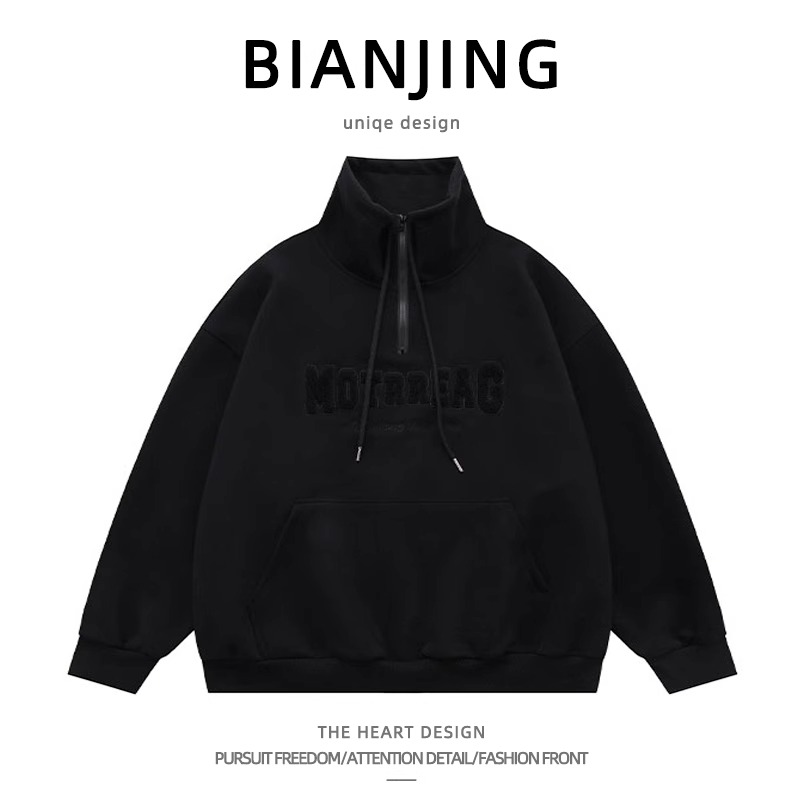
As a custom hoodie manufacturer, EDVORIN develops hoodies with specified fleece weight, rib cuffs and hems, drawcords, eyelets, labels and decoration placement. Men’s and women’s fit blocks can be developed from a tech pack, reference garment or early concept.
Get a Quote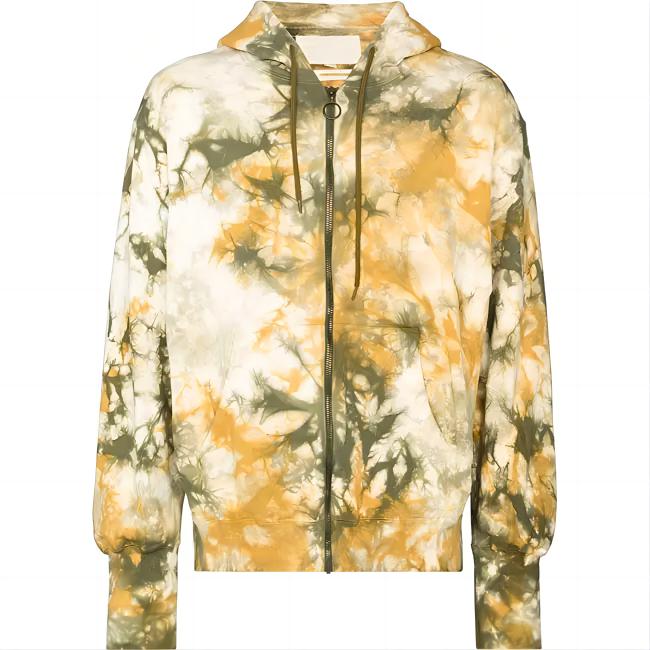
Pullover Sweatshirts
EDVORIN supports pullover sweatshirt programs with defined body fabric, neck rib, cuff and hem construction, grading, print or embroidery requirements, labels and packaging. Approved samples establish the standard for repeatable bulk production.
Get a Quote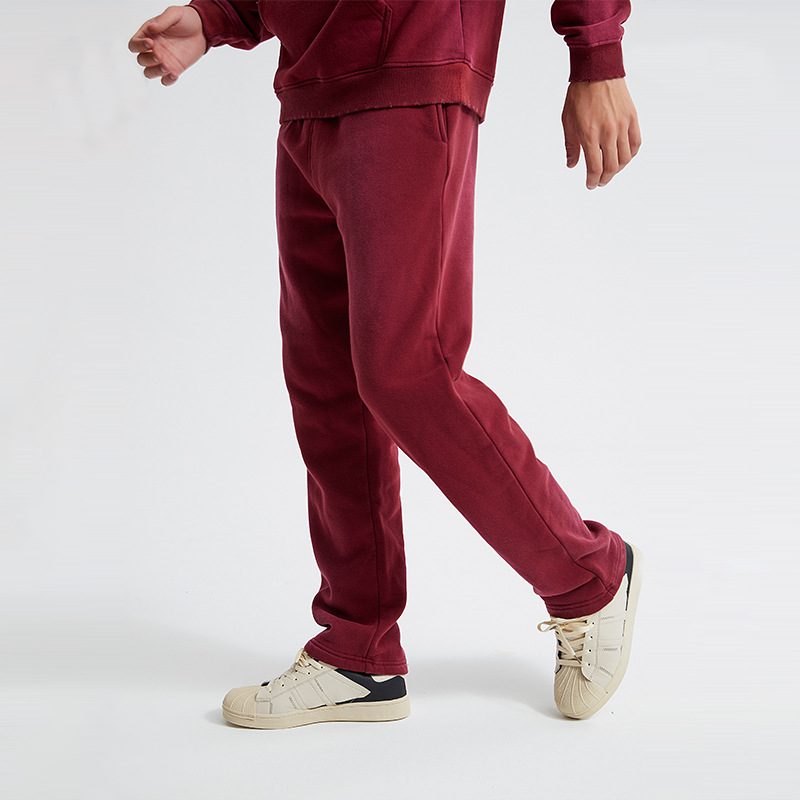
Sweatpants & Joggers
For sweatpants and joggers, EDVORIN coordinates fabric weight, waistband elastic, drawcords, rib cuffs or open hems, pocket construction and branding details. Development can be aligned with matching hoodies or sweatshirts for coordinated sets.
Get a Quote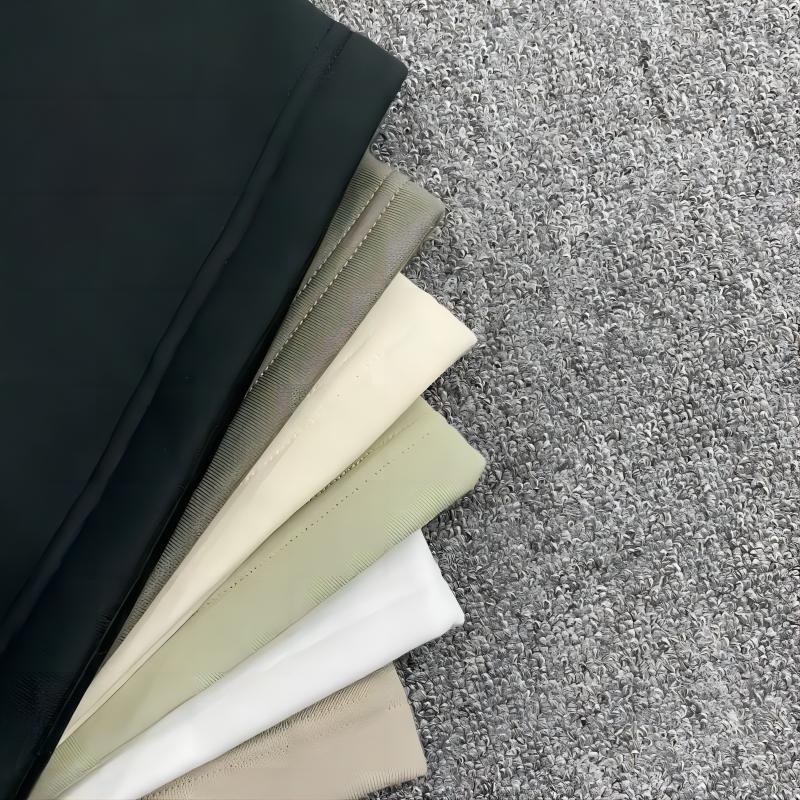
Custom Shorts
Custom shorts can be developed for casualwear, streetwear, training or uniform programs. Specify inseam, waistband, drawcords, pockets, mesh or woven fabric, lining, hem finish, labels and decoration to create a clear production standard.
Get a Quote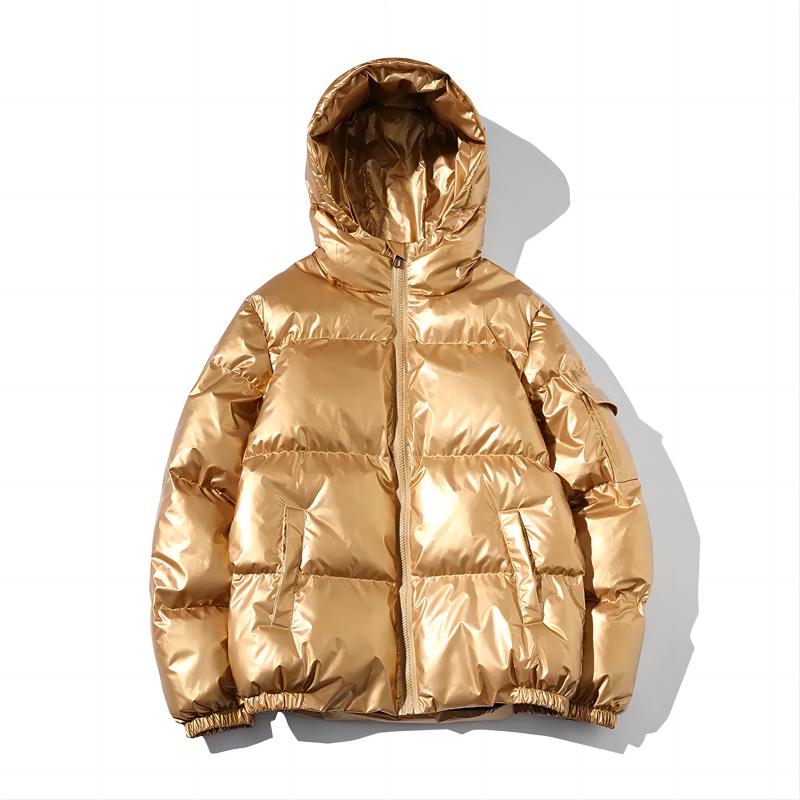
Varsity & Baseball Jackets
As a varsity jacket manufacturer, EDVORIN coordinates body and sleeve materials, rib collar, cuffs and waistband, snaps, lining, patches, embroidery and labels. Each element is reviewed together so the jacket maintains its intended balance in bulk.
Get a Quote
Custom T-Shirts
EDVORIN develops custom T-shirts with defined jersey fabric, collar rib, neck tape, sleeve and body proportions, wash treatments and decoration methods. Men’s and women’s fits can be graded separately for the intended market.
Get a Quote
Custom Polo Shirts
For custom polo shirt programs, EDVORIN specifies collar construction, placket, buttons, cuff treatment, pique or jersey fabric, embroidery placement and labels. Samples confirm fit, color and trim details before production begins.
Get a Quote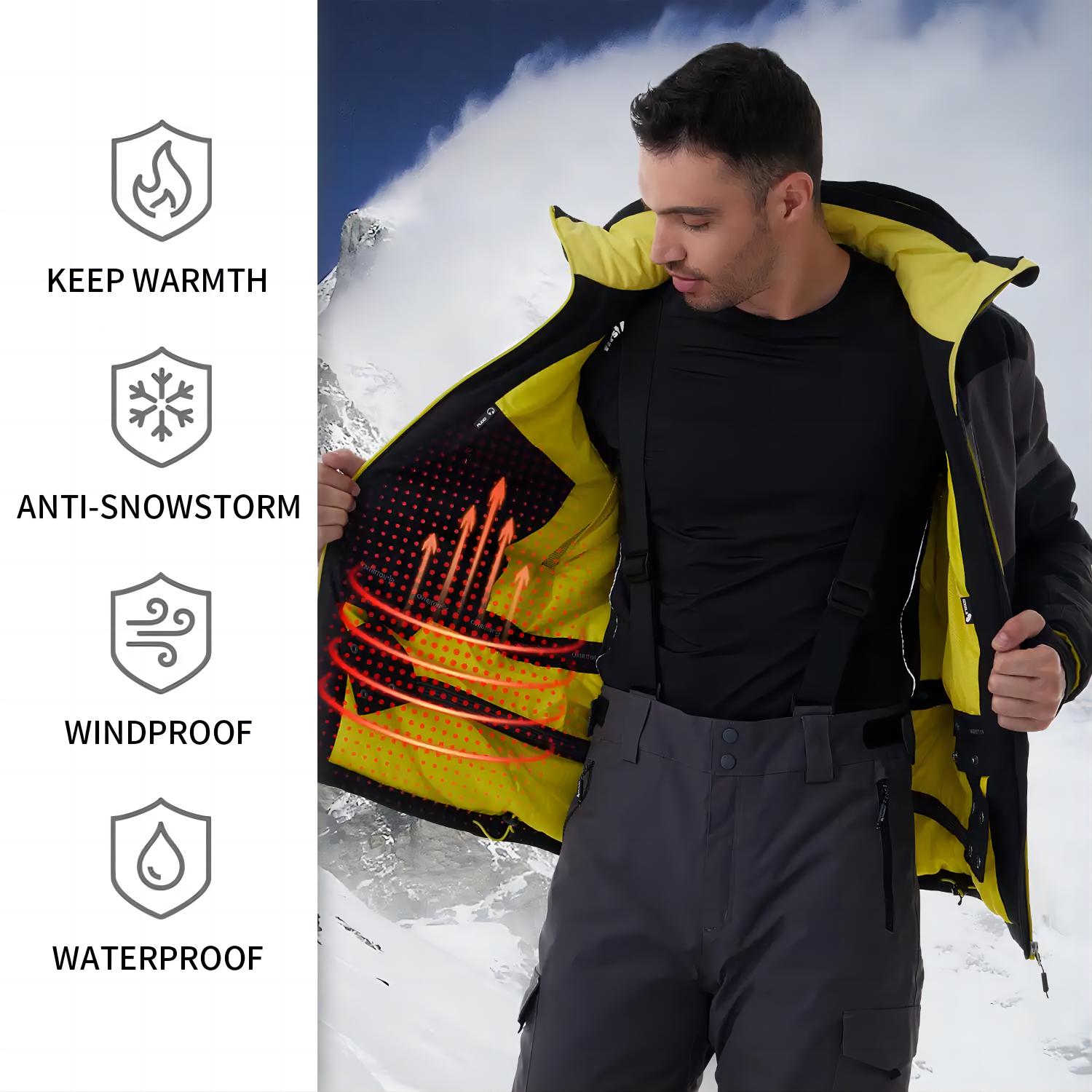
Windbreaker Jackets
As a windbreaker manufacturer, EDVORIN develops lightweight outerwear with selected shell fabric, lining or mesh, zippers, hood components, elastic or rib cuffs, pockets and print or embroidery details. Construction is documented for consistent repeat orders.
Get a Quote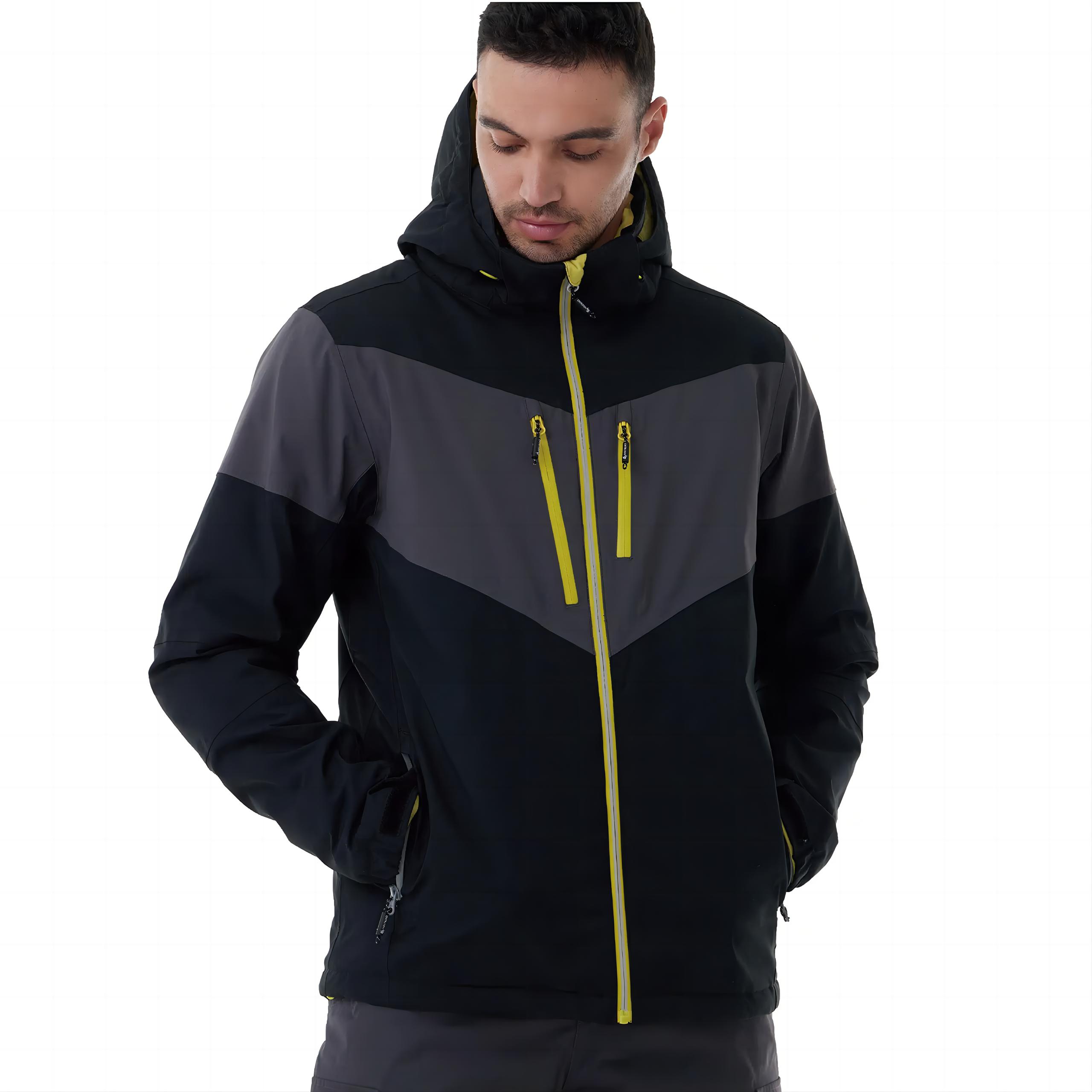
Quilted Jackets
Quilted jacket development includes shell and lining selection, insulation type and weight, quilting pattern, collar, closures, pockets, cuffs and labeling. EDVORIN evaluates these components during sampling to establish bulk-ready construction standards.
Get a Quote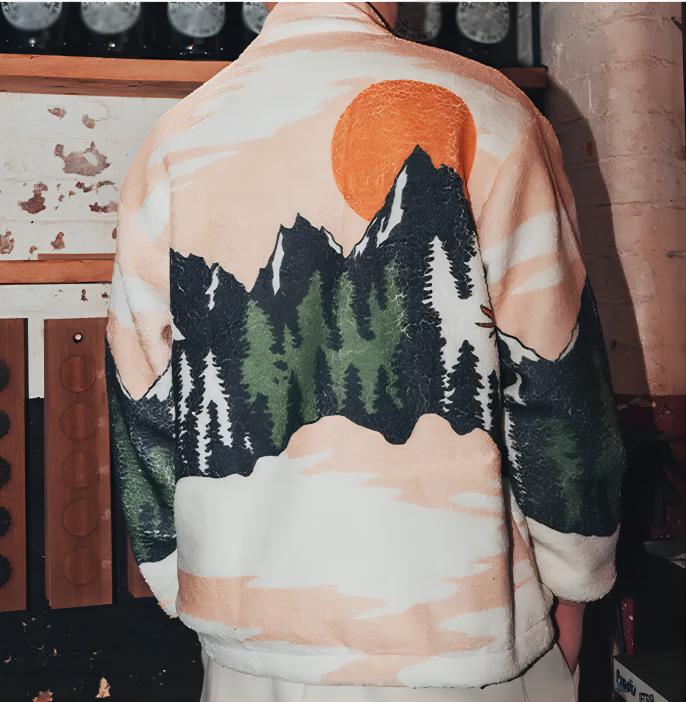
Bomber Jackets
As a bomber jacket manufacturer, EDVORIN coordinates shell fabric, lining, rib collar, cuffs and waistband, zipper or snap closures, pocket details and decoration. Material and trim selections are reviewed against the garment’s intended structure and finish.
Get a Quote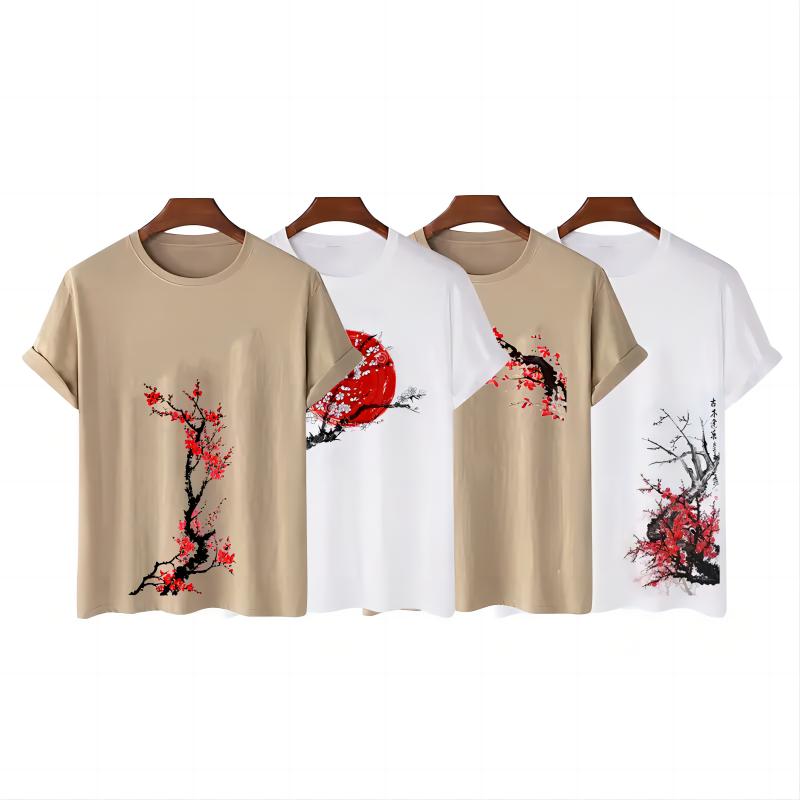
Custom Shirts
EDVORIN develops custom woven shirts with specified fabric, collar style, placket, buttons, cuffs, pocket details, labels and fit measurements. Programs can be built for men’s or women’s assortments with separate proportions and grading.
Get a Quote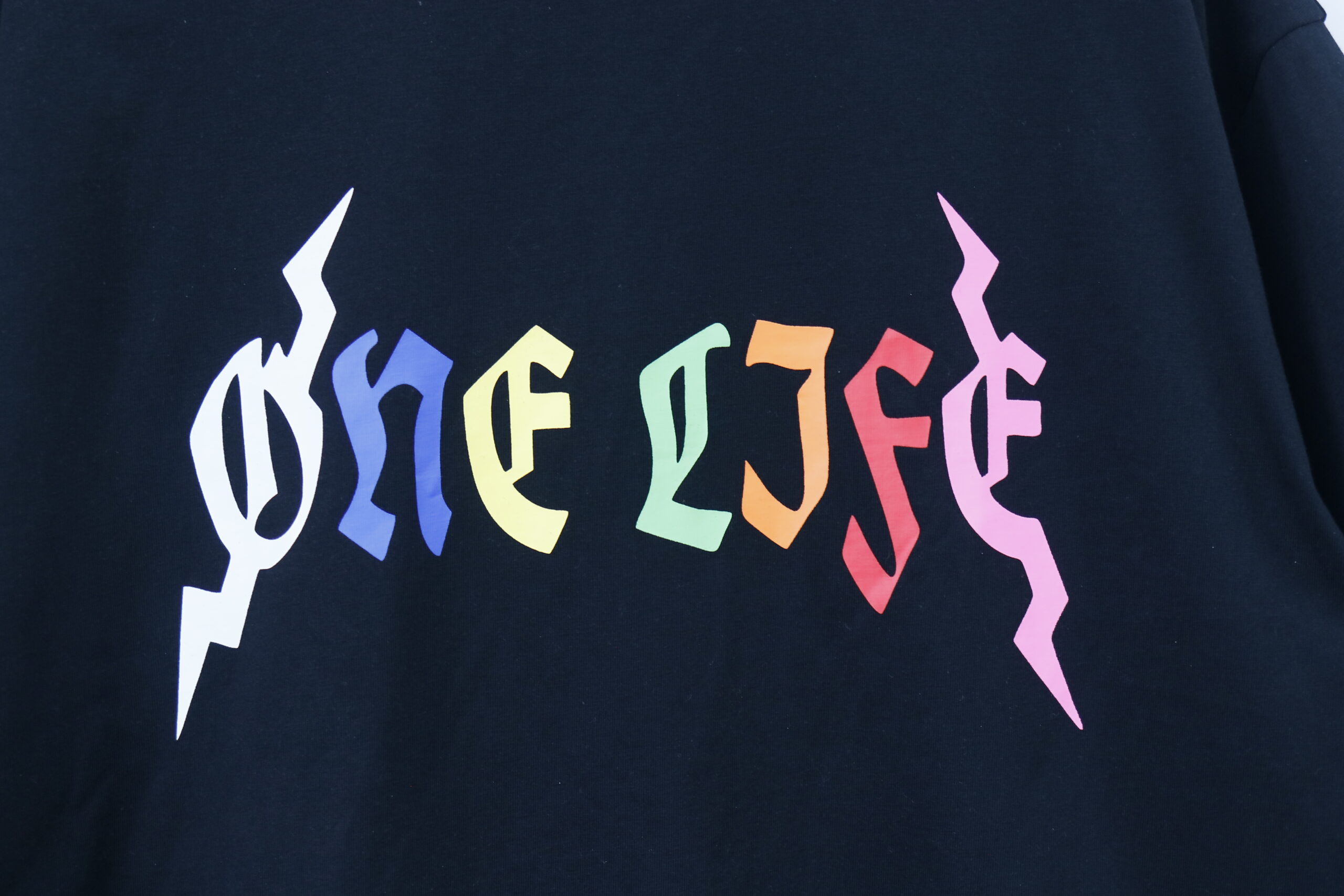
Custom Jerseys
Custom jerseys are developed around fabric performance, color application, collar and armhole construction, name and number placement, team marks and size grading. EDVORIN documents approved artwork and measurements to support organized repeat production.
Get a Quote
Tank Tops
For tank tops, EDVORIN specifies jersey or performance fabric, neck and armhole binding, body length, side seams, labels and decoration. Men’s and women’s programs can use distinct fit blocks, proportions and finishing requirements.
Get a Quote
Soccer Uniforms
Soccer uniform development covers jerseys, shorts and coordinated trims, including breathable fabrics, collar options, player names and numbers, crest application and color control. EDVORIN organizes sizing, artwork placement and approved samples for team-order consistency.
Get a Quote
Basketball Uniforms
Basketball uniform programs include jersey and short construction, breathable fabric, neck and armhole binding, side-panel options, player identification, team graphics and size sets. Production follows approved color, placement and measurement standards.
Get a Quote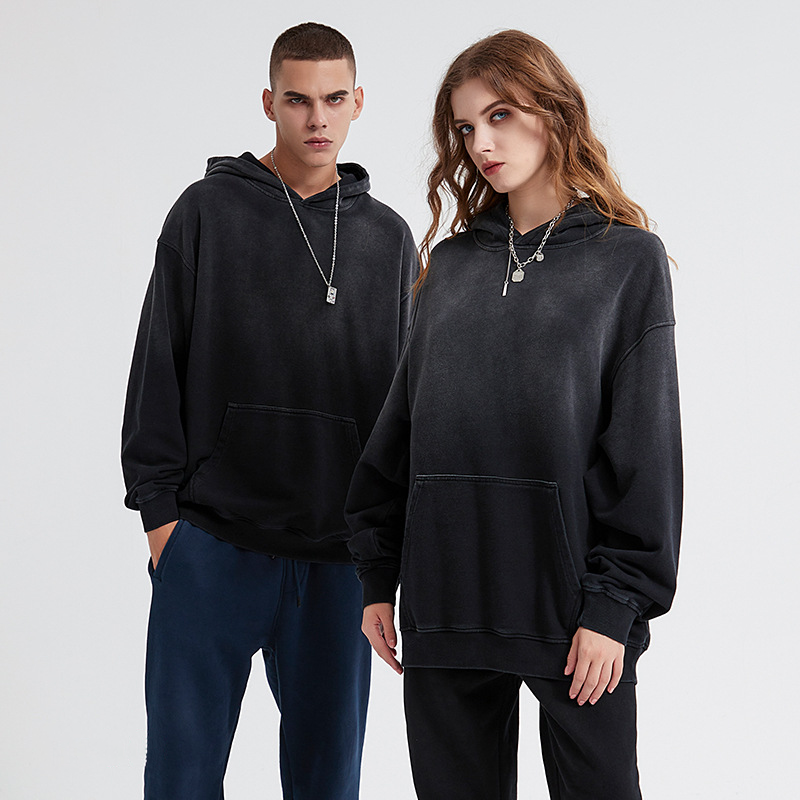
Streetwear Collections
As a streetwear clothing manufacturer, EDVORIN helps build coordinated collections across hoodies, tees, bottoms, outerwear and accessories. Fabric, rib, labels, washes, printing, embroidery and packaging are managed as connected product decisions.
Get a QuoteCustom Rib Cuff Manufacturer Since 2000
EDVORIN is a founder-led apparel manufacturing partner built on the idea that strong concepts need equally strong production standards. Since 2000, we have helped brands translate specifications, references and early ideas into repeatable garments and custom rib cuff programs that retain the intended fit, finish and identity.
Our connected workflow brings material sourcing, pattern development, sampling, decoration, sewing, quality control, labeling and packing under one accountable production path. Whether a rib cuff supports a hoodie, varsity jacket, jogger or teamwear style, we coordinate it with the main garment rather than treating it as an isolated trim.
What makes EDVORIN different is the discipline after sample approval. We document measurements, color references, placement and construction details so bulk production follows a visible standard. With OEM, ODM and private-label support from 200 pieces per style, we support emerging labels, wholesale programs and established buyers; men’s and women’s development is available across every listed product category.

Custom Rib Cuff Manufacturer Details That Protect Fit
Structure Matched to Garment
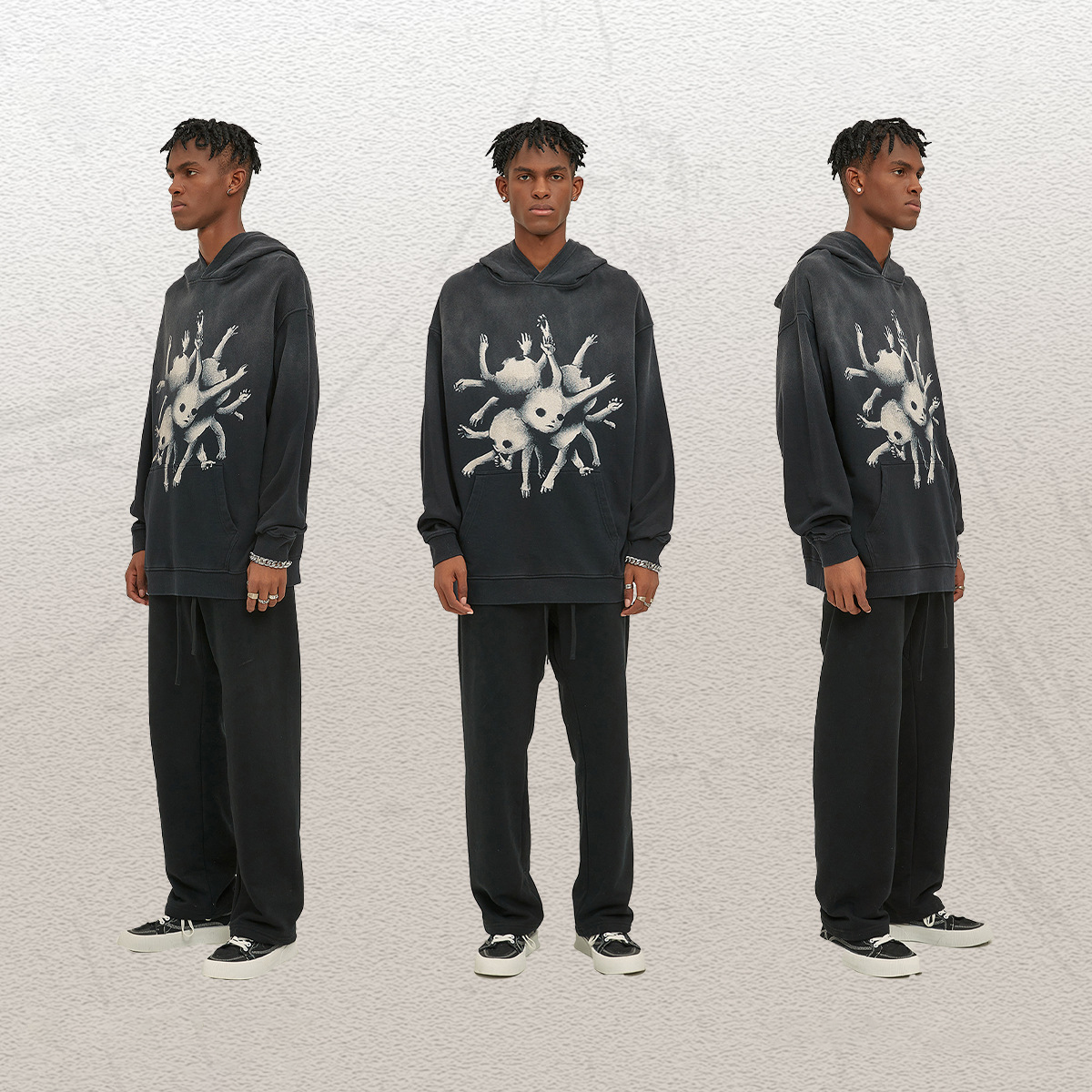
EDVORIN selects rib structure around the garment’s intended use, body fabric, and edge tension. A hoodie cuff, varsity jacket cuff, and teamwear finish each need a different balance of compression, visual definition, and sewing stability.
- Choose 1×1, 2×2, or custom knit structures
- Coordinate rib weight with fleece, jersey, or outerwear shells
- Review handfeel and edge support during sampling
- Develop men’s and women’s proportions as required
Recovery Built Into the Blend
As a custom rib cuff manufacturer, EDVORIN helps define yarn blends and stretch targets before bulk production. The goal is a cuff that returns cleanly after wear while remaining comfortable and compatible with the garment’s construction.
- Align fiber blend with comfort and recovery needs
- Test cuff tension against the approved body fabric
- Plan for wash and wear performance during development
- Record approved material details for repeat orders
Dimensions, Stripes, and Sewing
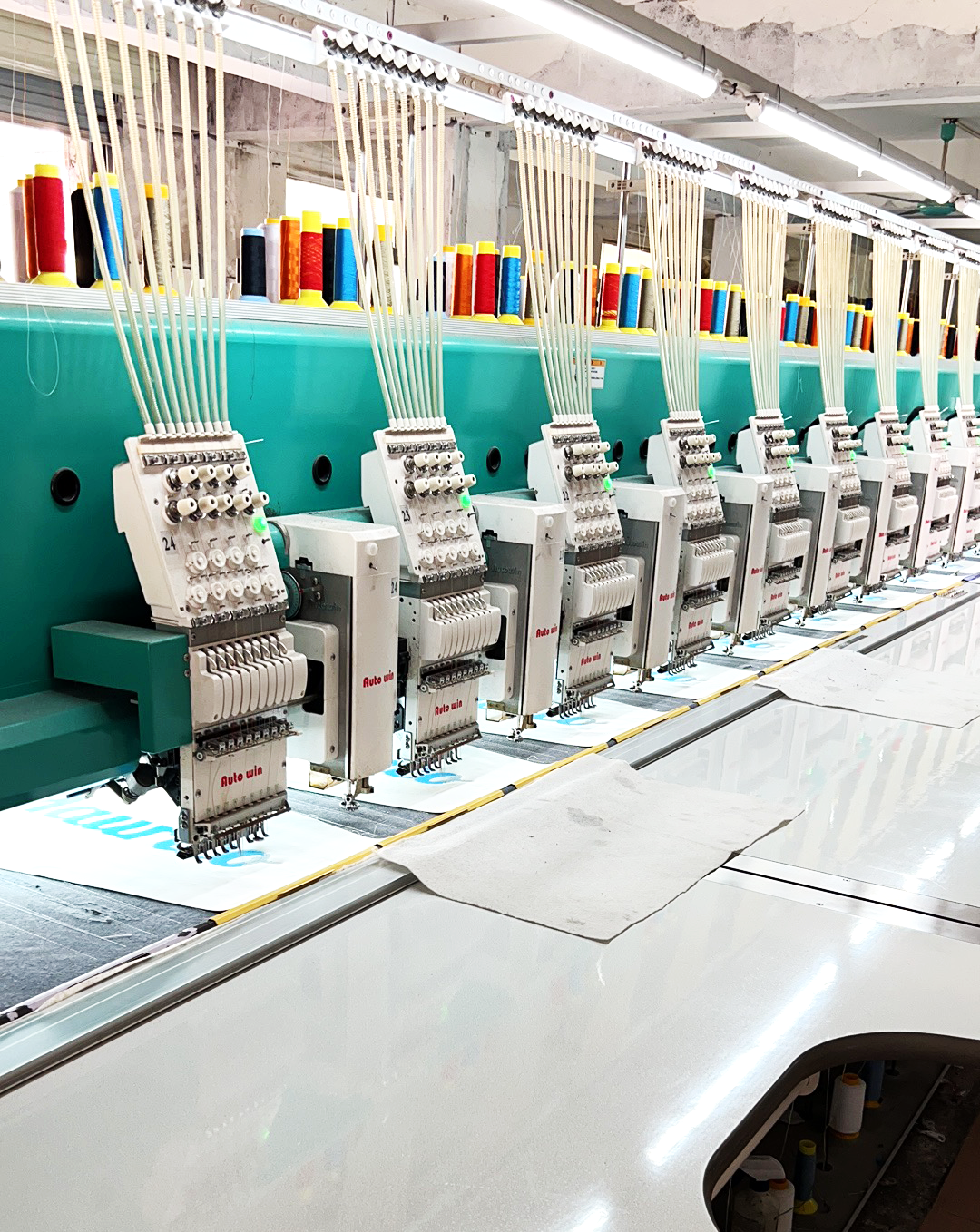
Cuff height, finished circumference, stripe placement, and seam construction all affect the final garment. EDVORIN documents these details alongside the approved sample, so the rib cuff supports consistent assembly from the first production run to reorders.
- Set finished height and opening measurements
- Specify stripe widths, colors, and alignment
- Check sewing compatibility with body-fabric thickness
- Use approved samples as bulk production standards
Custom Rib Cuffs vs. Elastic-Bound Cuffs
Choose the sleeve finish that matches your garment’s silhouette, recovery needs, and brand direction.
← Swipe left or right to view →
How a Custom Rib Cuff Manufacturer Moves from Spec to Bulk
EDVORIN translates cuff requirements into approved, repeatable trim standards coordinated with your garment production.
Confirm Cuff Specifications
We review garment use, cuff height, finished width, rib construction, stretch target, color references, body-fabric compatibility, size range, and attachment method before development begins.
Develop Yarn and Knit
Yarn composition, gauge, rib structure, stripe layout, and elastic recovery are developed around the intended garment, whether for hoodies, varsity jackets, outerwear, or teamwear.
Match Color Standards
Lab dips and knit submissions are checked against approved color references and body fabric, helping control shade alignment across cuffs, collars, hems, and the full garment program.
Sample Finished Cuffs
Prototype cuffs are knitted, cut or linked to the required construction, then reviewed for handfeel, dimensions, rib definition, recovery, seam appearance, and garment balance.
Approve Production Standards
Approved samples become the working standard for measurements, color, construction, placement, and packing. Revisions are documented before bulk scheduling to reduce uncertainty across repeat orders.
Coordinate Bulk and QC
Bulk cuffs are produced alongside the main garment workflow, with checks for dimensions, stretch recovery, shade variation, defects, and attachment readiness before final inspection and packing.
Add Custom Rib Cuffs to Your Main Product Order
Coordinate cuff specifications with the garment from development through bulk approval.
Submit Your Cuff Specifications
Share cuff height, width, rib construction, colors, artwork, quantities, and the main garment details so EDVORIN can review the complete production requirement.
Confirm Garment Compatibility
Review cuff placement, body-fabric matching, stretch and recovery needs, seam construction, and intended fit before technical details are locked for sampling.
Approve the Production Sample
Evaluate the cuff with the main product sample, confirm color, proportions, handfeel, and placement, then record approved details as the bulk-production standard.
Run Bulk Production Together
EDVORIN coordinates cuff materials and garment production under one accountable workflow, helping maintain approved specifications from cutting through final packing.
Custom Rib Cuff Manufacturer Results in Real Apparel Programs
EDVORIN matched the cuff color and stripe layout across our 3-piece varsity program. The finished jackets gave our retail launch a more unified look, and every one of the 480 units arrived packed and ready for allocation.
After 20 wash tests, the cuffs on our heavyweight hoodies still returned cleanly without the loose, tired edge we had seen before. That consistency helped us approve the same construction for our next 600-piece drop.
Having the rib cuffs coordinated with the jerseys, labels and packaging removed a major sourcing gap for us. EDVORIN delivered our 12-team academy order on schedule, with size sets organized exactly as our distribution team requested.
Custom Rib Cuff Manufacturer FAQ
Clear answers for brands planning rib cuffs as part of a coordinated apparel program.
What can you customize in rib cuffs?
Can you match our Pantone colors?
Can you make striped or jacquard rib cuffs with our logo?
What files should I send for rib-cuff development?
How does a custom rib cuff manufacturer control fit from sample to bulk?
Will rib cuffs hold up after washing?
EDVORIN’s MOQ starts at 200 pieces per style. What is the MOQ, and which certification programs can you support?
The Complete Buyer’s Guide to custom rib cuff manufacturer
Use this decision framework to specify rib cuffs, compare supplier capabilities, evaluate quality and costs, and avoid sourcing mistakes before placing an OEM or private-label order.
1. What Is a custom rib cuff manufacturer?
1×1 and 2×2 are common rib-knit structures used at sleeve ends, hems, collars, and waistbands. A custom rib cuff manufacturer develops these finished trim components to a specified construction, size, color, handfeel, and recovery target—not merely a roll of rib fabric.
EDVORIN can coordinate rib specifications within a finished apparel program, while a trim specialist concentrates on knitted components and a fabric mill supplies yardage. Properly matched cuffs draw an opening back toward the body, stabilize the cut edge, and create recognizable contrast stripes, jacquard details, or tonal finishes.
200-piece development is most useful for brands, teams, schools, and private-label buyers whose garment needs a non-stock color, proportion, or identity detail. To quote accurately, a manufacturer typically needs the garment type, cuff measurements, rib structure, fiber blend, Pantone reference, body fabric, quantity, and a sketch, tech pack, or reference sample.
2. Evolution of Rib Cuffs in Apparel
1×1 rib began as a practical knitted finish: alternating knit and purl wales created stretch at garment openings while helping cuffs return toward shape. That legacy still drives specification choices for cuff height, rib gauge, body-fabric compatibility, and seam bulk.
1930s-era branded sportswear and polo programs turned striped cuffs and collars into visible team identifiers, while varsity jackets made heavier contrast rib a defining trim. Modern buyers should therefore approve stripe sequence, Pantone references, finished width, and pairing tolerance—not just a color name.
95/5 cotton-spandex blends and programmed jacquard knitting now support stronger recovery, logos, lettering, and repeat motifs; a custom rib cuff manufacturer should test these against the garment’s intended wear and washing. Rib remains widely used across sweatshirt cuffs, polo collars, and waistband applications: https://starkefabric.com/custom-rib-fabric
3. Types from a custom rib cuff manufacturer
Seven cuff formats cover most sweatshirt, jacket, polo, and teamwear programs. A custom rib cuff manufacturer should match construction to the intended opening, silhouette, and repeat-order specification.
| Format | Appearance | Stretch | Common Use | Key Specification |
|---|---|---|---|---|
| 1×1 rib | Fine, compact | High | Tees, polos | Rib count, height |
| 2×2 rib | Bold, fuller | High | Hoodies, jackets | Recovery, weight |
| Flat-knit | Panel-like | Controlled | Polos, varsity | Width, seam |
| Tubular | Seamless | Even | Sleeves, joggers | Circumference |
| Striped | Graphic bands | Depends on base | Varsity, teamwear | Color sequence |
| Jacquard | Knit-in motif | Moderate | Premium polos | Artwork repeat |
| Cuff-and-hem set | Coordinated edge | Matched | Sweatshirts | Yarn and shade |
Rib Gauge Choices
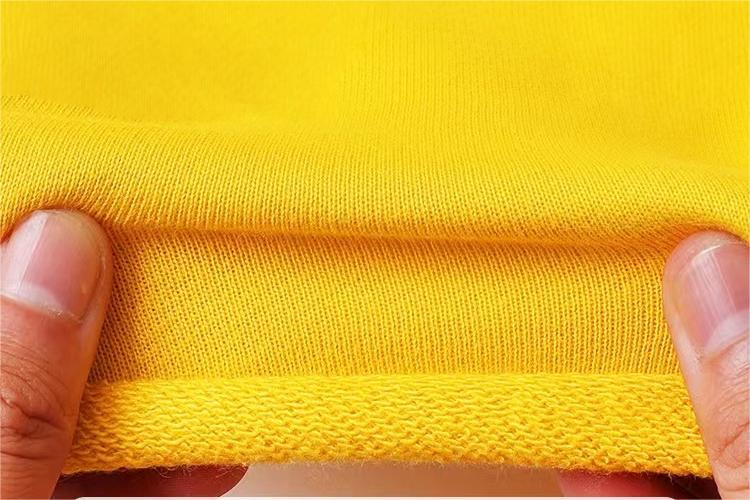
1×1 rib reads finer and suits close openings; 2×2 creates a bolder, fuller edge. Specify finished height, relaxed circumference, and recovery target against the body fabric.
Seamless And Flat Forms
Tubular cuffs eliminate a side seam and give sleeves a continuous finish. Flat-knit cuffs allow shaped panels or engineered stripes, but require clear stitch, width, and joining specifications.
Patterned Sets

Striped cuffs need approved stripe widths and color sequence. Jacquard cuffs can carry knit-in motifs, while cuff-and-hem sets require matched yarn, color, and rib scale.
4. Rib Cuff Materials and Fabric Specifications
Rib specification begins with the body fabric: weight, fiber blend, dye route, and target stretch must be reviewed together. A custom rib cuff manufacturer should approve a knit swatch against the finished garment before bulk.
| Blend | Weight | Best Use |
|---|---|---|
| Cotton/elastane | 260–320 GSM | Fleece hoodies, joggers |
| Polyester/elastane | 220–280 GSM | Teamwear, polos |
| Nylon/elastane | 280–380 GSM | Varsity jackets |
| Viscose/nylon/elastane | 240–300 GSM | Fashion knits |
| Recycled polyester/elastane | 220–280 GSM | Performance programs |
Fiber Performance
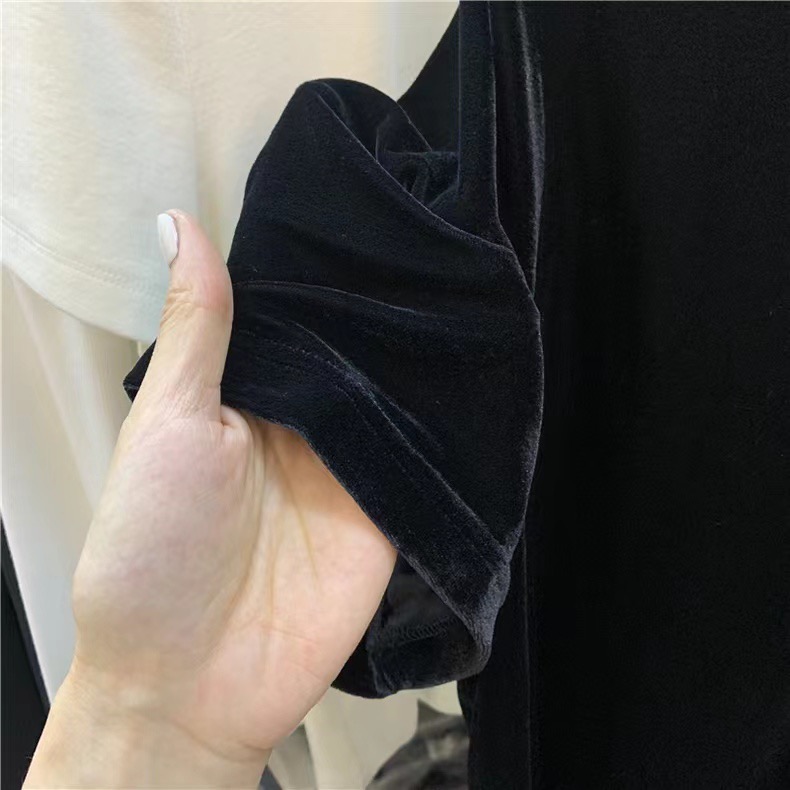
100% cotton feels breathable and natural but may pill and recover less than elastane blends; polyester improves abrasion resistance and dye consistency. Nylon adds toughness, viscose adds softness and drape, while recycled fibers require lot-to-lot shade review.
Knit Parameters
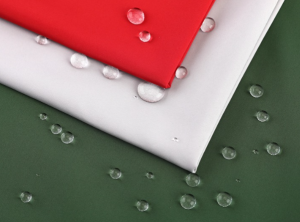
1×1 rib lies flatter; 2×2 rib gives a fuller cuff and stronger visual channel. Typical cuffs run 220–380 GSM; confirm gauge, yarn count, relaxed width, stretch, and recovery on the approved sample.
Body Fabric Matching
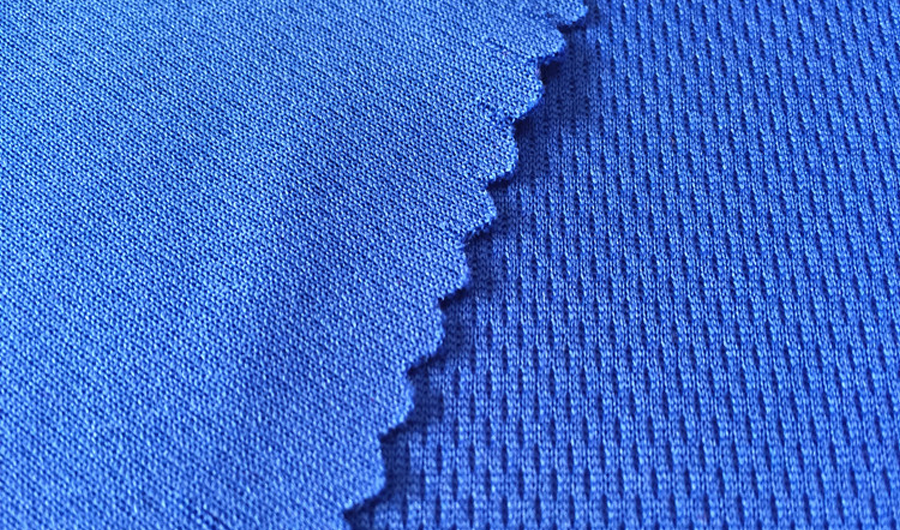
5–8% elastane is a common starting range for cuffs needing recovery, but the final percentage depends on body weight and opening circumference. Match handfeel, thickness, and color under the same light source; cotton and polyester dye differently.
5. Customization and Decoration Options
Two color references—Pantone codes or physical swatches—should define the ground, contrast stripes, and coordinated collar or hem. An approved cuff sample fixes shade, handfeel, and placement before bulk production.
| Option | Visual Impact | Durability | Development Complexity |
|---|---|---|---|
| Contrast stripes | High | High | Low |
| Jacquard logo | High | High | High |
| Post-production print | Medium | Method-dependent | Medium |
Knitted-In Design Control
Jacquard lettering, logos, and engineered patterns are knitted into the cuff, giving durable identity without a separate decoration step.
Small lettering, fine gradients, and photographic artwork can lose definition in knit structure; simplify artwork into clear shapes and color blocks.
Dimensional Customization
Three dimensions—finished height, relaxed circumference, and rib depth—should be specified alongside the garment opening.
One label plan should state woven-label position or printed care-mark placement so the cuff, collar, and hem read as one system.
6. Construction Details That Define Quality
A cuff’s quality is decided at the knitting, joining and wash stages—not by appearance alone. EDVORIN records the approved sample as the reference for repeatable bulk checks.
Knit And Edge Inspection
Each cuff should show even rib definition, consistent stitch density and a clean cast-off edge. Check for yarn slubs, dropped stitches, oil marks, loose elastane and uneven stripe alignment.
Measure Recovery Correctly
Two measurements matter: record cuff width and height relaxed, then record width at an agreed stretched force. After release, compare recovery, twisting and shape against the approved sample; permanent growth signals weak elastic performance.
Approve Sample And Bulk
100% of first-off cuffs should be matched to the body fabric before bulk release, because thickness, stretch and seam allowance affect puckering and return. Wash-test the joined garment for shrinkage, color consistency and seam distortion.
- Confirm rib definition and stitch consistency
- Check relaxed and stretched dimensions
- Inspect seam compatibility and edge finish
- Compare shade to approved body fabric
- Review wash recovery before packing
7. Choosing a custom rib cuff manufacturer
Three documents should precede a quote: cuff drawing, body-fabric swatch, and Pantone reference. A capable custom rib cuff manufacturer translates them into measurable sampling and bulk controls.
Verify Relevant Experience
Two comparable programs—hoodie, varsity, polo, or teamwear—are stronger evidence than a broad catalog. Brands need fit continuity; teams and schools need repeatable colors and size runs; wholesalers need replenishment capacity.
- Ask for comparable cuff constructions
- Confirm MOQ by color and design
- Request realistic monthly capacity
Control Sampling And Color
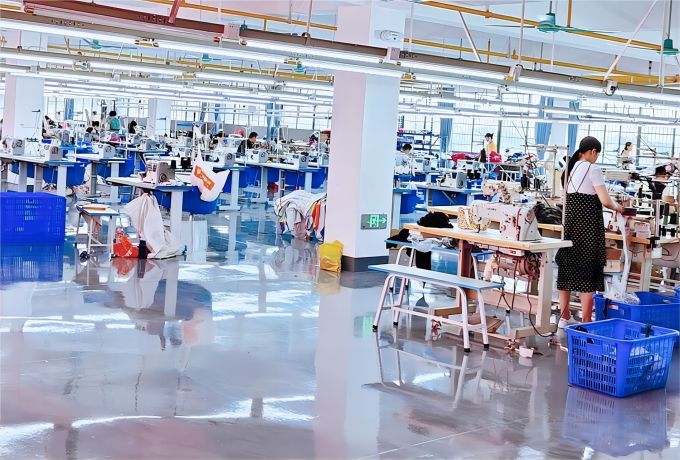
One approved sample should record composition, rib gauge, finished dimensions, recovery, Pantone target, and wash result. Require lab dips or strike-offs before bulk, plus retained approval samples for repeat orders.
- Define revision count and sample timing
- Approve shade under agreed lighting
- Specify tolerance and test methods
Compare The Entire Offer
Four quote lines—sampling, cuff unit cost, freight, and tooling—expose costs hidden by a low unit price. Ask for production-calendar milestones, inspection records, packing specifications, export documents, and logistics support before awarding private-label volume.
- Compare lead time from approval
- Confirm in-line and final inspection
- Name the production contact
8. Common Rib Cuff Sourcing Mistakes
A photo communicates appearance, not the production standard. A clear tech pack and documented sign-off prevent small rib-cuff assumptions from becoming bulk-order defects.
Replace Photo-Only Briefs
1 reference photo can hide rib gauge, finished height, composition, and stripe repeat. The result is an attractive but incompatible cuff; specify each construction detail and attach an approved swatch.
Specify Performance And Compatibility
2 recovery checks matter: ignoring stretch return can leave cuffs bagged after wear, while a light cuff on heavy fleece can twist or feel unstable. State recovery expectations, body-fabric GSM, cuff GSM, and wash test requirements.
Control Bulk Approval
Four controls protect repeatability: standardized color, measurement tolerances, supplier evaluation beyond price, and pre-production approval. Use Pantone or approved lab dips, tolerance ranges, material specifications, and signed pre-production samples before cutting.
9. Steps to Launch Custom Rib Cuffs
A 200-piece program is large enough to require a controlled development path. Involve EDVORIN when the garment brief, reference sample, target quantity, and delivery market are known.
Define The Cuff Brief
First, submit the garment style, body-fabric swatch, reference cuff, size range, and intended use. Lock cuff height, finished opening, rib structure, stretch direction, and recovery expectation before material sourcing.
Approve Materials And Artwork
Next, confirm fiber blend, weight, Pantone color, stripe layout, and logo method with the garment factory. Record artwork scale, repeat, placement, and tolerance in the tech pack so the cuff and body fabric are evaluated together.
Control Samples Through Delivery
Then, review the prototype on the actual sleeve; revise fit, color, and seam behavior before approving a pre-production sample. Bulk production should follow that approved standard, with in-line measurement and shade checks, final inspection, packing approval, and delivery documentation.
10. Custom Rib Cuff Pricing and Cost Drivers
2×2 cotton-spandex ribs, engineered jacquards, extra colors, wider or longer cuffs, and paired collars or waistbands each change yarn use, machine time, and setup allocation. Sampling, lab testing, individual packing, and destination freight should be costed separately from the cuff itself.
200-piece programs typically carry more development cost per unit than repeat bulk orders. EDVORIN should quote against an approved specification covering composition, dimensions, color references, knit repeat, packaging, and delivery terms.
| Illustrative order tier | Unit-cost direction | Planning consideration |
|---|---|---|
| 200–499 pairs | Highest | Sample and custom-color setup weigh heavily; allow approval time. |
| 500–999 pairs | Declining | Setup spreads across more pairs; consolidate paired trims. |
| 1,000–2,999 pairs | Lower | Confirm repeat quantities, testing scope, packing, and freight early. |
| 3,000+ pairs | Most efficient | Volume can improve allocation, but jacquard complexity and yarn choice remain drivers. |
Choose a Custom Rib Cuff Manufacturer Built for Production
Send your garment brief and cuff design for coordinated development, sampling and a clear OEM quotation from EDVORIN.