
Custom Apparel Manufacturing Built to Repeat
EDVORIN is an OEM clothing manufacturer, ODM apparel manufacturer and private-label clothing manufacturer for fashion brands, streetwear labels, teams, schools and wholesale buyers.
Clothing Printing Method Guide: Compare What Matters
Compare fabric, decoration, garment construction, quality control and order volume with a custom clothing manufacturer supporting OEM, ODM and private-label programs.
Fabric Compatibility
Match the method to cotton, polyester, blends, fleece, or performance fabrics before confirming artwork, color standards, and production specifications.
Artwork Complexity
Assess solid logos, fine detail, gradients, photographic graphics, and repeat patterns so the selected decoration preserves clarity at production scale.
Durability and Wear
Consider wash frequency, stretch, abrasion, and end use across everyday apparel, outerwear, uniforms, and teamwear before approving a finish.
Order Volume
Balance setup requirements, repeatability, and unit economics across samples, 200-piece minimum programs, seasonal drops, wholesale runs, and replenishment orders.
Garment Category
Choose decoration around garment construction, available surface area, seams, trims, and fit requirements for hoodies, jackets, jerseys, polos, and more.
Our Apparel Manufacturing Capabilities
Develop hoodies, sweatshirts, uniforms, outerwear and coordinated collections with a custom clothing manufacturer offering custom apparel printing, custom apparel embroidery, garment wash services, and custom clothing labels and packaging.
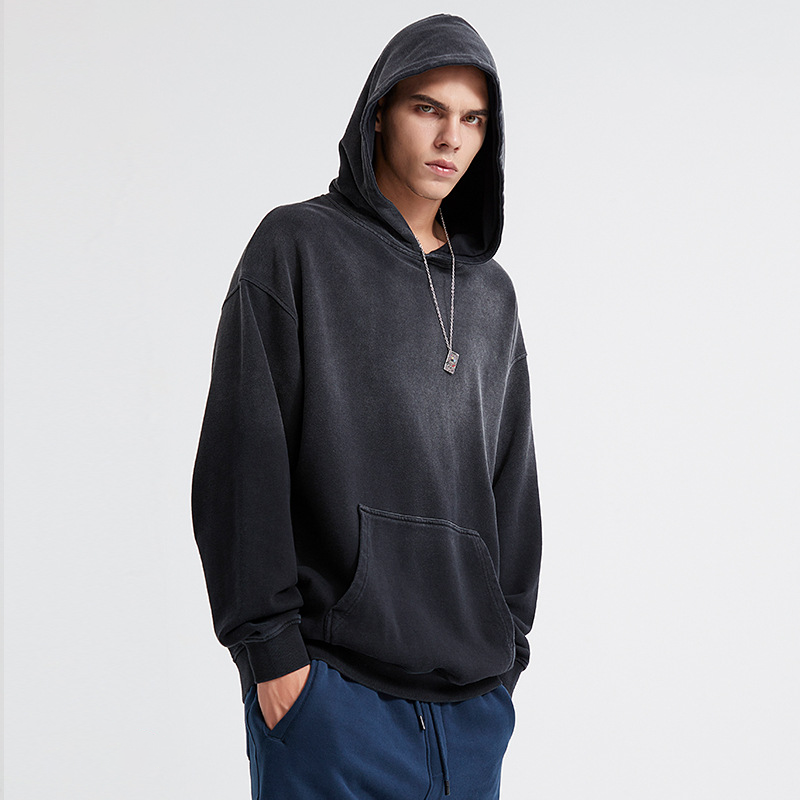
Custom Hoodies
As a custom hoodie manufacturer, EDVORIN develops pullover and zip-up hoodies with fleece or cotton blends, custom fits, rib construction, drawcords, labels and decoration. Samples are refined against approved measurements before bulk production for emerging brands, wholesale programs and established apparel buyers.
Get a Quote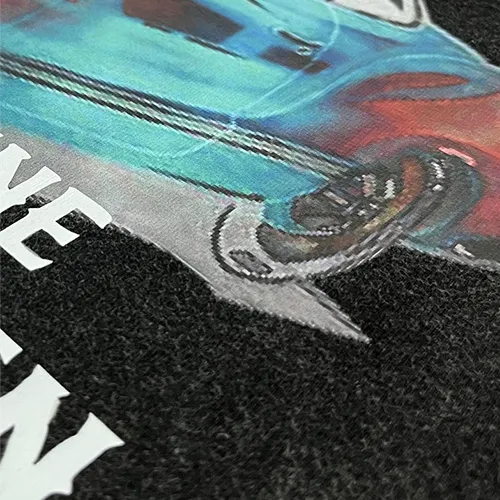
Pullover Sweatshirts
EDVORIN operates as a sweatshirt manufacturer for pullover styles across men’s and women’s programs. Development can include fleece weight, brushed or unbrushed interiors, neckline and cuff construction, fit blocks, artwork placement, labels and packaging, with approved samples guiding repeatable bulk production.
Get a Quote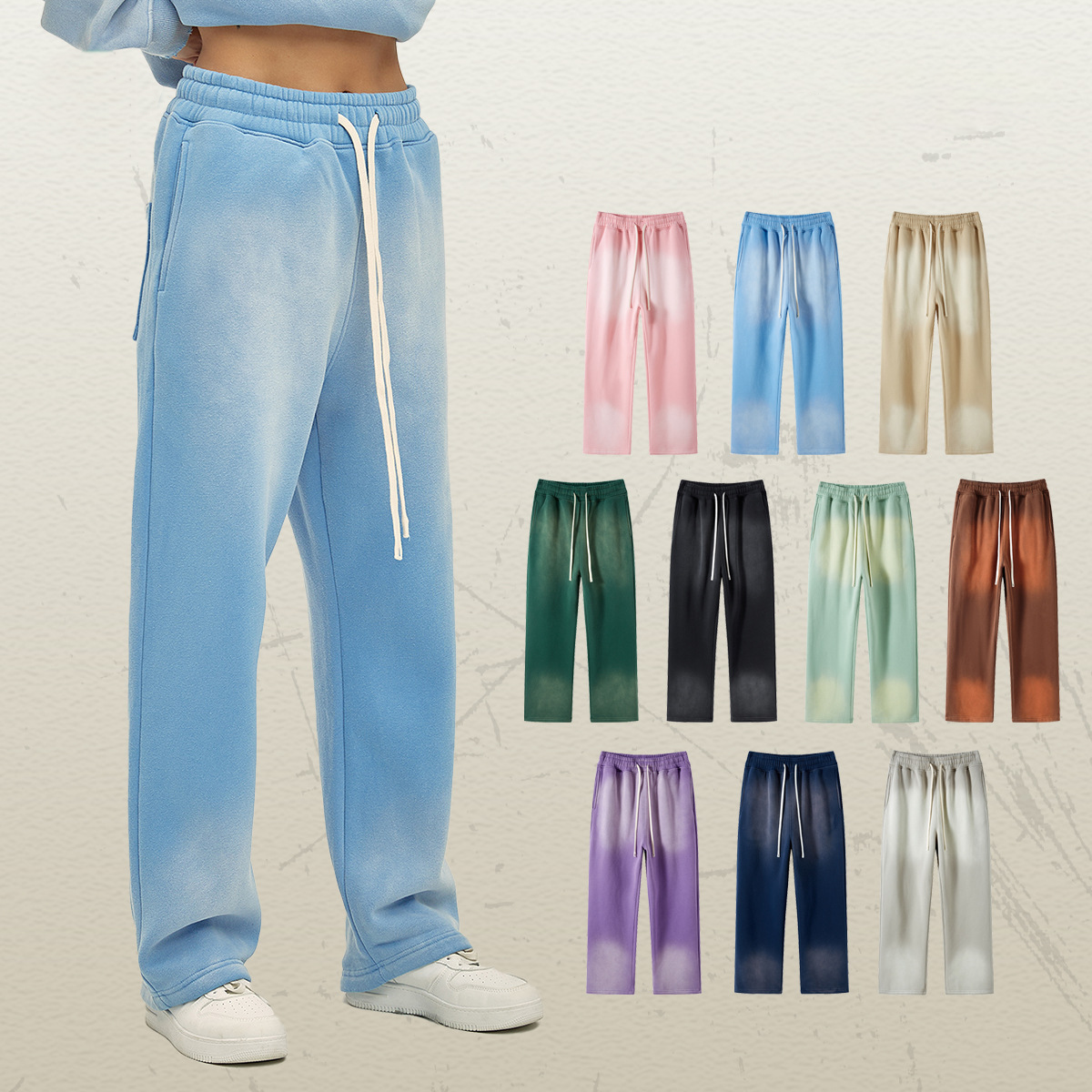
Sweatpants & Joggers
As a sweatpants manufacturer, EDVORIN develops joggers and sweatpants with tailored or relaxed silhouettes, fleece and jersey options, elastic waistbands, drawcords, pockets and cuff details. Fit, grading and decoration are adjusted for men’s and women’s collections, private-label programs and coordinated sets.
Get a Quote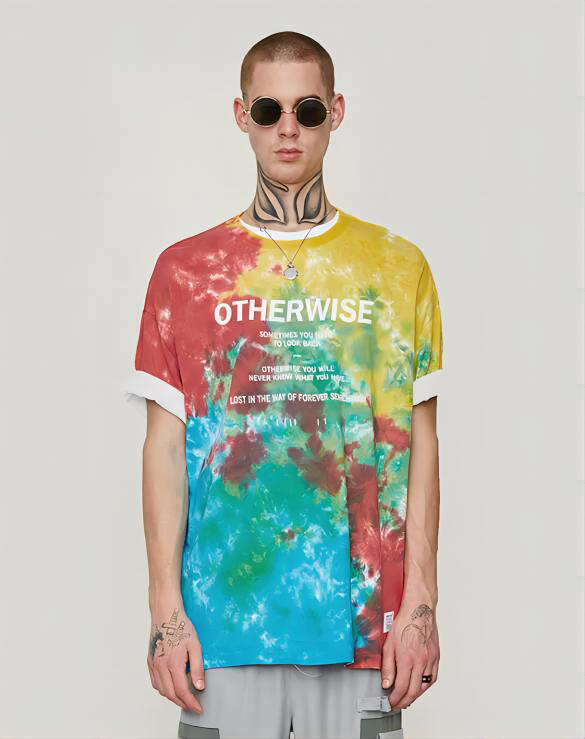
Custom Shorts
EDVORIN develops custom shorts for casualwear, streetwear, training and team programs. Options include fleece, jersey, woven and performance fabrics, elastic or fixed waistbands, pockets, lining, trims, printing and embroidery. Construction, measurements and grading are documented for consistent sample-to-bulk production.
Get a Quote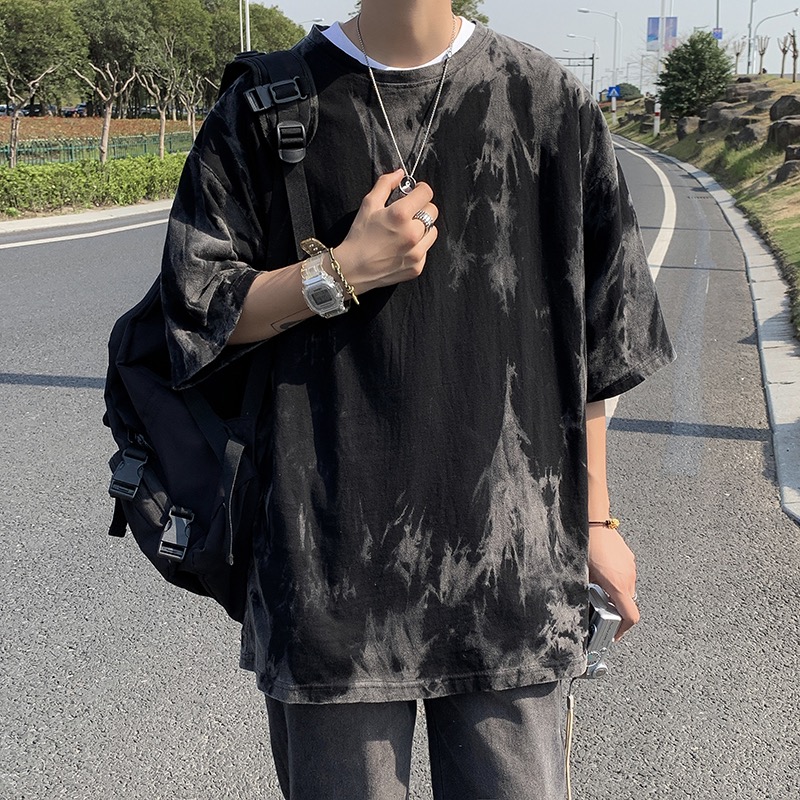
Varsity & Baseball Jackets
As a varsity jacket manufacturer, EDVORIN coordinates wool-blend or synthetic bodies, leather-look sleeves, rib trims, snaps, linings, insulation, embroidery and chenille-style patches. Baseball jacket variations can be developed with the same attention to proportions, hardware, decoration placement and repeatable quality standards.
Get a Quote
Custom T-Shirts
EDVORIN works as a custom T-shirt manufacturer for fashion, streetwear, promotional and private-label programs. Development covers cotton and blended fabrics, weights, fits, neck rib, garment washing, screen printing, digital printing, embroidery, labels and packaging, with men’s and women’s blocks available.
Get a Quote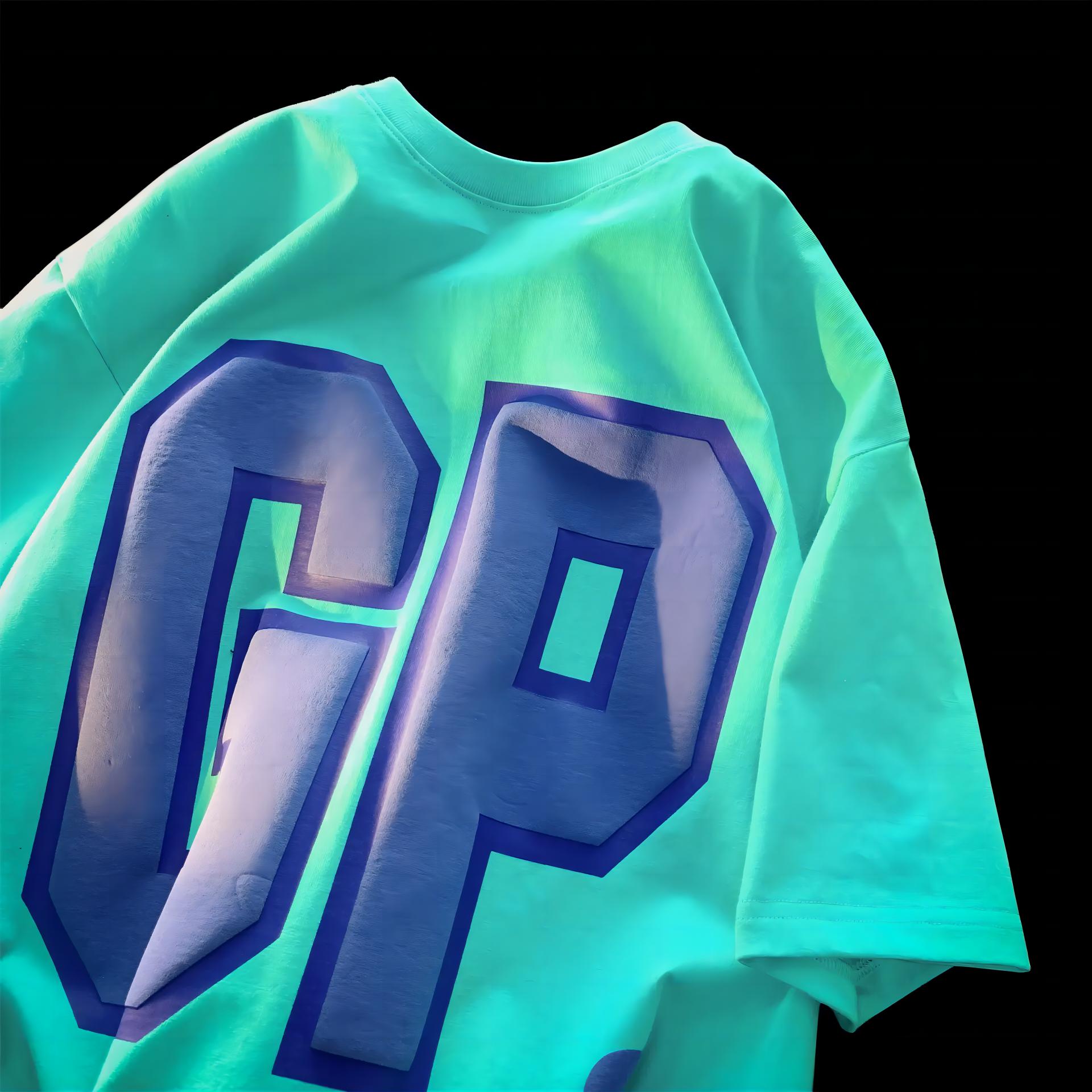
Custom Polo Shirts
As a polo shirt manufacturer, EDVORIN develops piqué, jersey and performance polos with custom collars, cuffs, plackets, buttons, side vents and branded trims. Material selection, fit, embroidery or printing, color control and size grading are coordinated for corporate, fashion, school and teamwear programs.
Get a Quote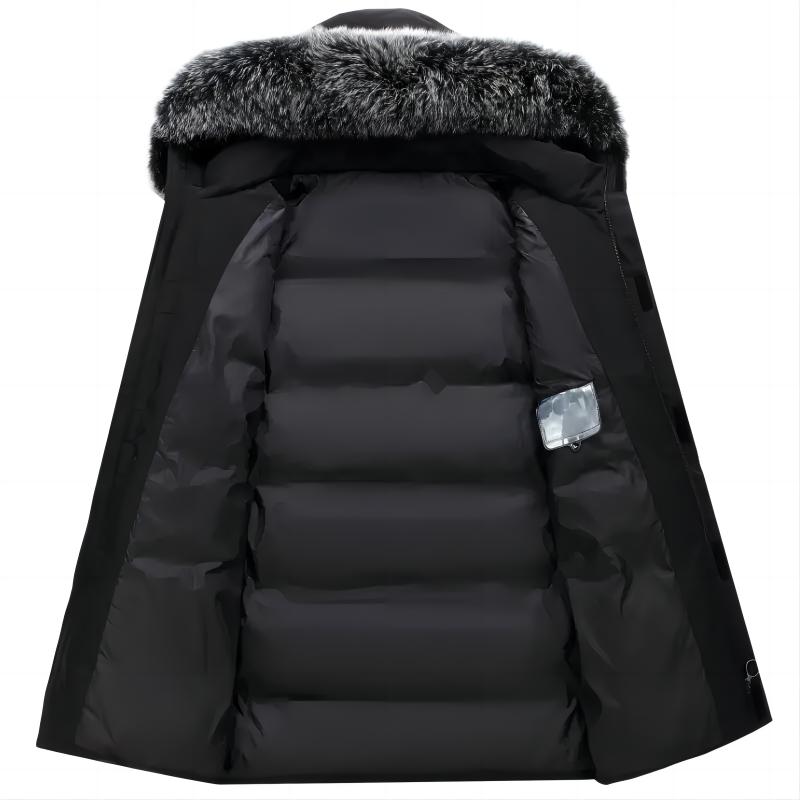
Windbreaker Jackets
EDVORIN develops windbreaker jackets with lightweight woven shells, linings or mesh interiors, zippers, hoods, elastic details, pockets and weather-conscious finishes. As a windbreaker manufacturer, the company coordinates fabric, trims, decoration, washing and packaging for streetwear, activewear, team and private-label collections.
Get a Quote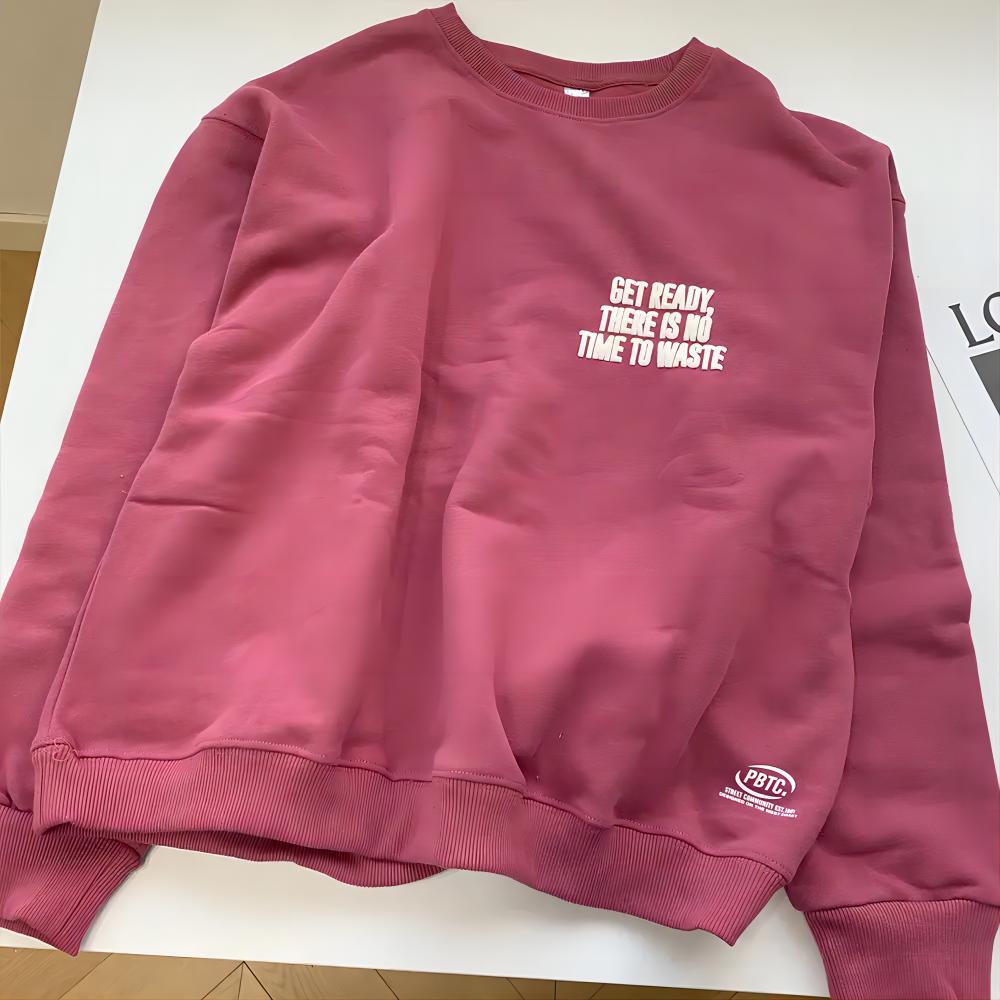
Quilted Jackets
As a quilted jacket manufacturer, EDVORIN coordinates shell fabrics, lining, insulation, quilting patterns, collars, cuffs, hardware and pocket construction. Each program is developed around intended warmth, fit, proportions and finishing requirements, with approved samples and inspection standards supporting dependable bulk production.
Get a Quote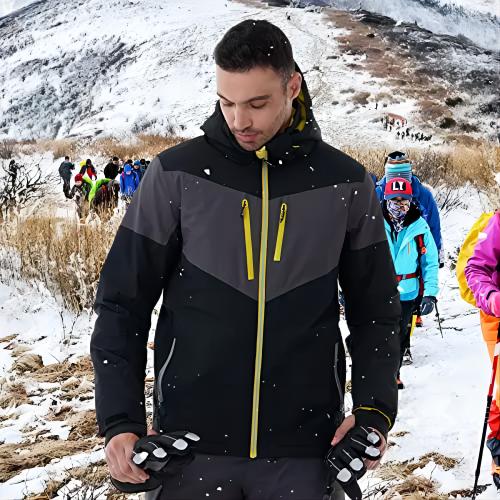
Bomber Jackets
EDVORIN develops bomber jackets for streetwear, fashion and private-label buyers using woven shells, linings, insulation, rib collars, cuffs, waistbands, zippers and utility pockets. Decoration may include embroidery, patches or print, with construction details recorded for consistent men’s and women’s production.
Get a Quote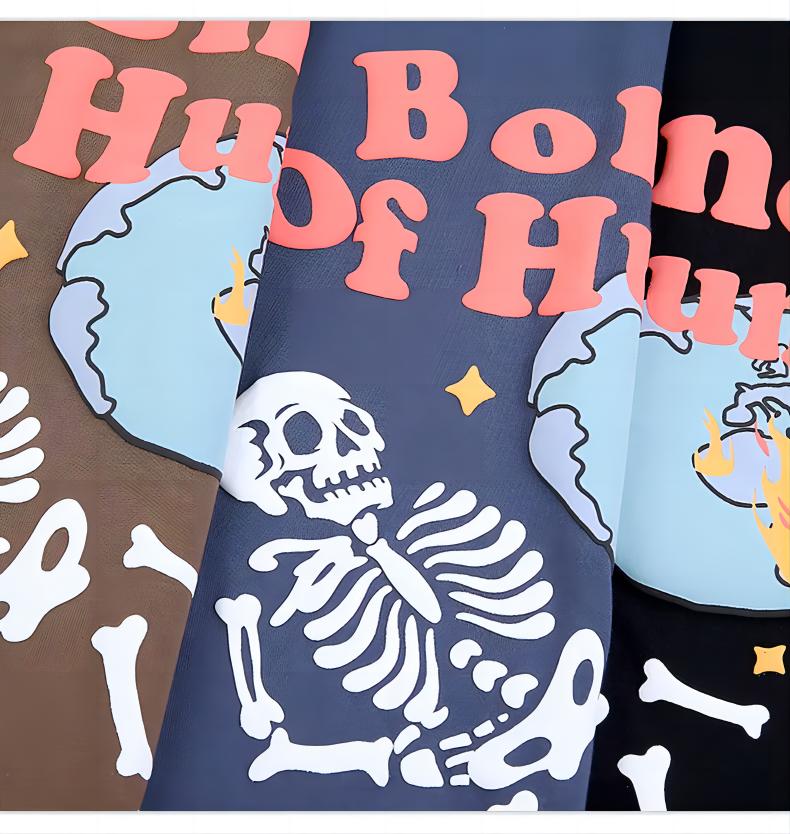
Custom Shirts
As a custom woven shirt manufacturer, EDVORIN develops casual, workwear and fashion shirts in cotton, polyester, rayon and blended fabrics. Programs can include collars, cuffs, plackets, buttons, pockets, garment washing, embroidery, printing, labels and custom grading based on the buyer’s approved fit.
Get a Quote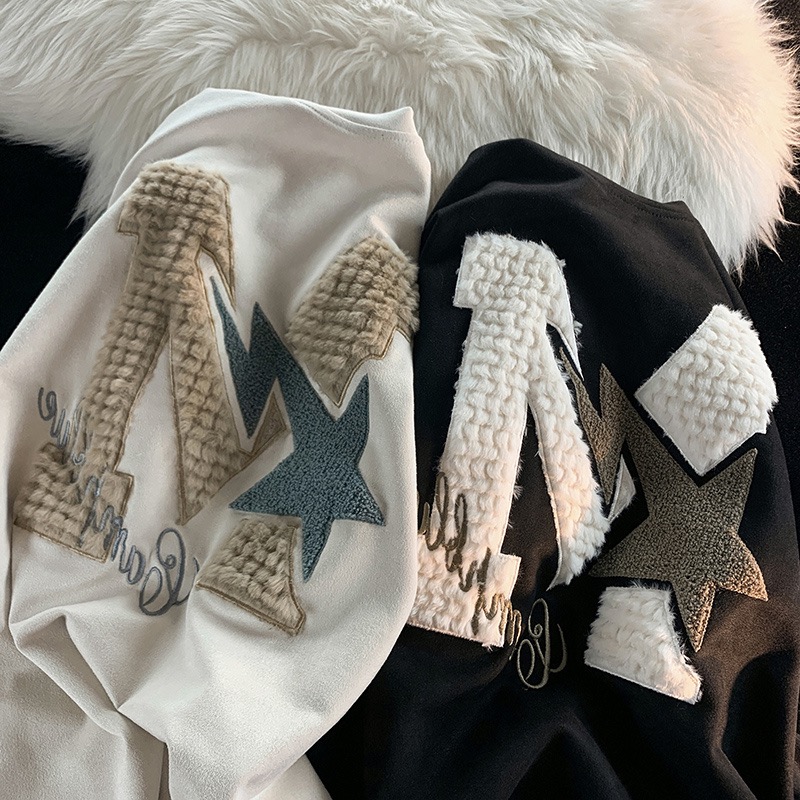
Custom Jerseys
EDVORIN develops custom jerseys for clubs, teams, schools, sports organizations and apparel brands. Polyester and performance fabrics can be coordinated with breathable construction, sublimation, printing, embroidery, names, numbers, sponsor artwork, size grading and organized repeat orders under documented production standards.
Get a Quote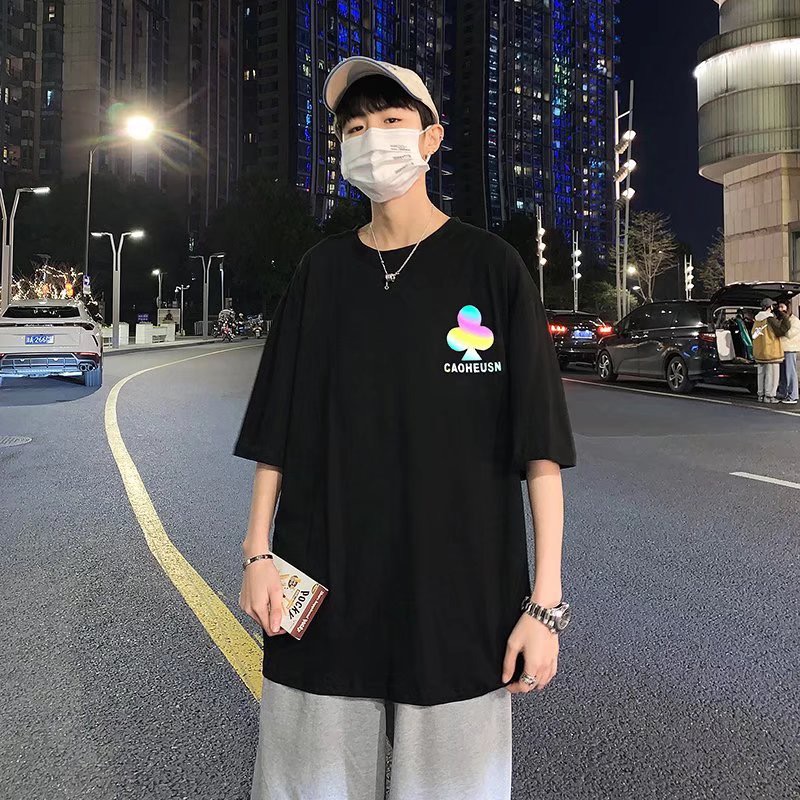
Tank Tops
As a custom tank top manufacturer, EDVORIN develops casual, streetwear, fitness and team styles in cotton, jersey and performance fabrics. Fit, armhole shape, neck binding, lengths, washing, printing, embroidery, labels and men’s or women’s grading are coordinated from sample approval through bulk production.
Get a Quote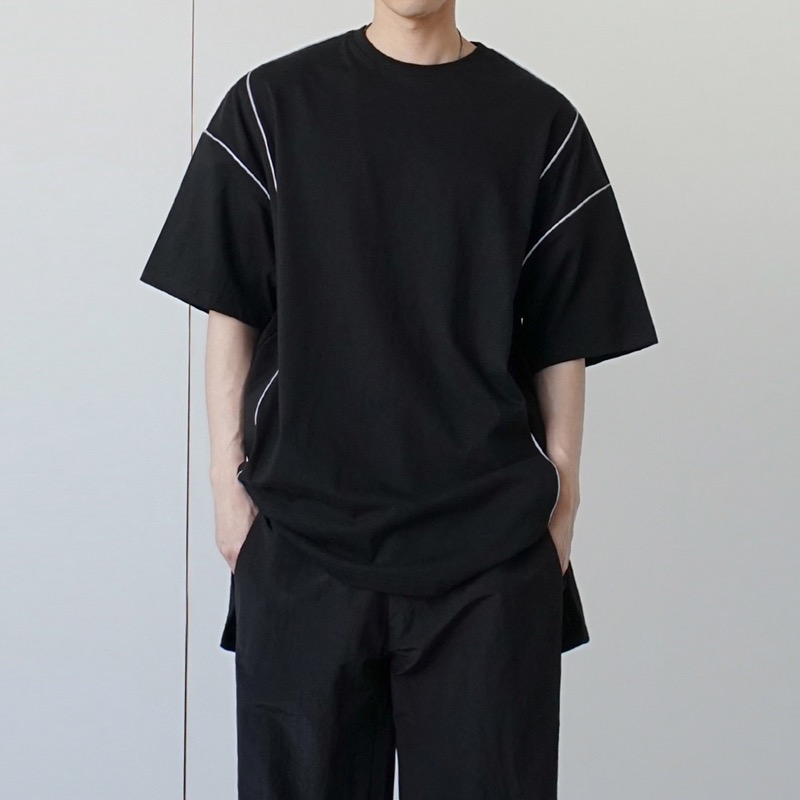
Soccer Uniforms
EDVORIN supports soccer uniform programs with coordinated shirts, shorts and optional socks or training pieces. Development covers breathable performance fabrics, sublimation or printed artwork, club colors, names, numbers, badges, sponsor placement, size sets and repeat-order controls for teams, academies and wholesalers.
Get a Quote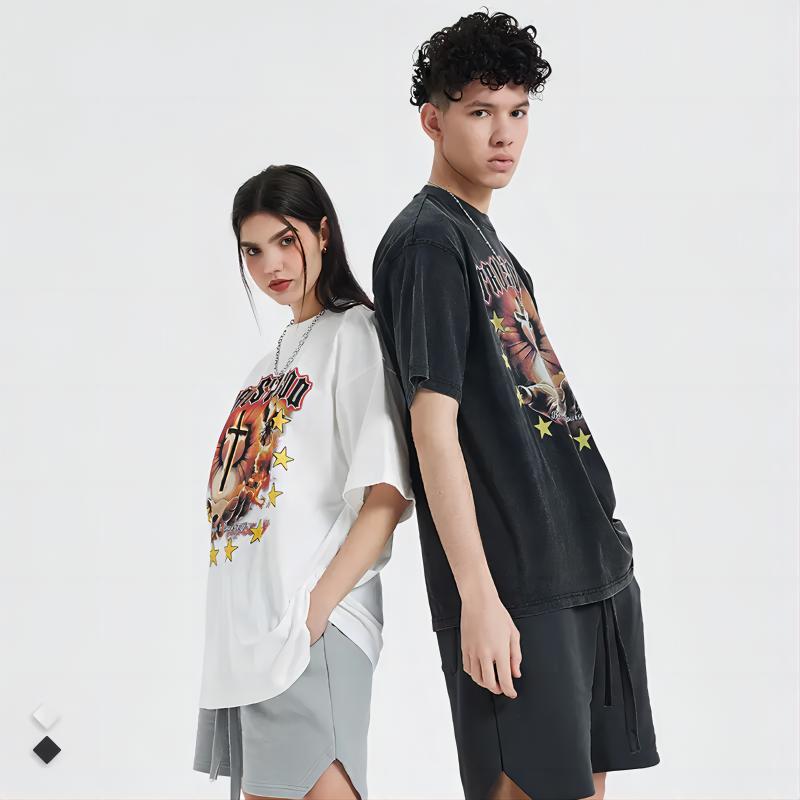
Basketball Uniforms
As a basketball uniform manufacturer, EDVORIN develops jerseys and shorts with breathable performance fabrics, athletic cuts, mesh construction, sublimation, printed graphics, names, numbers, team marks and sponsor artwork. Size grading and color control are organized for schools, clubs, academies, sports organizations and wholesale programs.
Get a Quote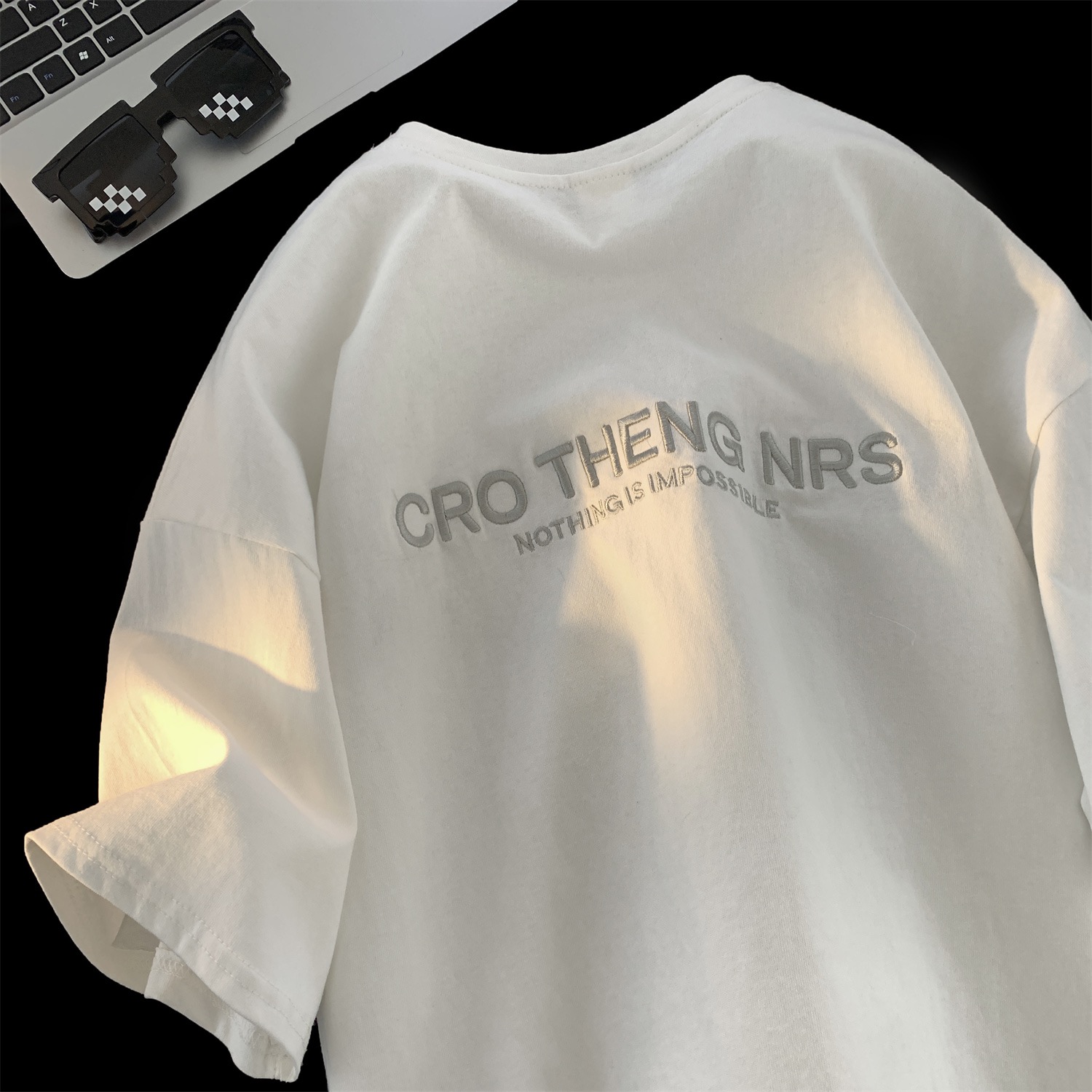
Streetwear Collections
EDVORIN develops complete streetwear collections across hoodies, sweatshirts, T-shirts, shorts, woven shirts, jackets and coordinated separates. As a streetwear clothing manufacturer, the company connects fabric, fit, washing, printing, embroidery, patches, trims, labels and packaging into a documented system that supports repeatable seasonal production.
Get a QuoteClothing Printing Method Guide: Compare by Fabric, Design and Volume
Evaluate decoration choices alongside materials, product category, order volume and repeat-production requirements.
← Swipe left or right to view →
Clothing Printing Method Guide: From Artwork to Approval
EDVORIN turns the selected decoration method into a documented, repeatable production standard for consistent apparel collections.
Review Artwork and Specs
EDVORIN checks artwork, placement, color references, fabric, garment construction and intended use to identify the decoration method and production requirements.
Develop and Sample Method
Our team applies the selected print, embroidery, or transfer approach to a representative sample, checking hand feel, coverage, color, placement, and compatibility.
Approve Production Standard
You review the sample against the artwork and specifications; EDVORIN records approved measurements, colors, materials, decoration details, and revisions for bulk production.
Control Bulk Quality
During production, in-line and final inspections compare garments with the approved standard, helping protect consistency across sizes, placements, colors, finishing, labeling, and packing.
Clothing Printing Method Guide: The Complete Buyer’s Guide
Compare seven clothing printing methods by fabric, artwork, order volume, durability, and budget, then use practical supplier criteria, sampling checkpoints, and repeat-order guidance to avoid costly production mistakes.
1. What Is a Clothing Printing Method Guide?
Six variables shape a practical clothing printing method guide: decoration technique, garment type, artwork requirements, production quantity, quality expectations and budget. It helps buyers convert a visual concept into production criteria before requesting quotations or samples. One design can require different solutions depending on whether it is applied to a cotton T-shirt, fleece hoodie, polyester jersey or varsity jacket. Artwork size, color count, gradients, fine text, placement, wash exposure and intended hand feel must be evaluated alongside expected quantity and acceptable setup cost; therefore, no printing method is universally best. EDVORIN uses this decision framework to connect the decoration choice with the complete garment specification.
2. Clothing Printing Methods: Evolution and History
EDVORIN’s MOQ starts at 200 pieces per style. Centuries of block printing, resist dyeing and screen-based textile work established the basic principle: force color through a controlled surface onto fabric. Screen printing industrialized that idea for apparel, using separate screens for each color; setup favored repeatable medium and large runs, while bold graphics remained more practical than photographic detail. com/hub/how-to-print-a-t-shirt
The 2000s accelerated digital production. Direct-to-garment (DTG) made detailed, full-color artwork viable for samples, one-offs and low-MOQ programs, while dye sublimation enabled edge-to-edge graphics on polyester sportswear; heat transfer and vinyl remained useful for names, numbers and short-run personalization. These methods reduced screen preparation and shortened development cycles, although fabric compatibility still governed results. com/en/blog/textile-printing
Seven modern options coexist because no process optimizes cost, speed, durability, fabric range and image complexity simultaneously.
3. Clothing Printing Method Guide: Seven Methods Compared
Fabric, artwork, and order scale determine the right decoration route.
| Method | Works / Fabric | Artwork / Volume | Feel, Limits, Best Fit |
|---|---|---|---|
| Screen printing | Stencil ink; cotton, blends | Bold, limited colors; medium-large runs | Raised or soft; durable; bulk fashion and teams; setup required |
| DTG | Inkjet ink; mainly cotton | Photos and gradients; small runs | Soft; moderate wash durability; limited on synthetics; boutiques |
| DTF | Printed film heat-pressed; broad fabric range | Detailed full color; small-medium runs | Slight film hand; versatile; transfer feel; brands needing flexibility |
| Dye sublimation | Dye gas; white polyester | All-over, complex graphics; teamwear volume | No surface layer; durable; unsuitable for cotton or dark bases |
| Heat transfer / vinyl | Cut film or pressed transfer; cotton and blends | Names, numbers, simple shapes; low-medium runs | Raised; variable durability; schools, personalization, prototypes |
| Embroidery | Stitched thread; polos, jackets, outerwear | Simple logos and text; repeat orders | Textured, premium, durable; dense detail and large areas are limited |
| Discharge / plastisol transfer | Dye-removing ink or transfer film; cotton/blends | Soft dark-base graphics or detailed transfers; medium runs | Discharge soft, plastisol brighter; testing needed; streetwear and specialty programs |
Start With Production Variables
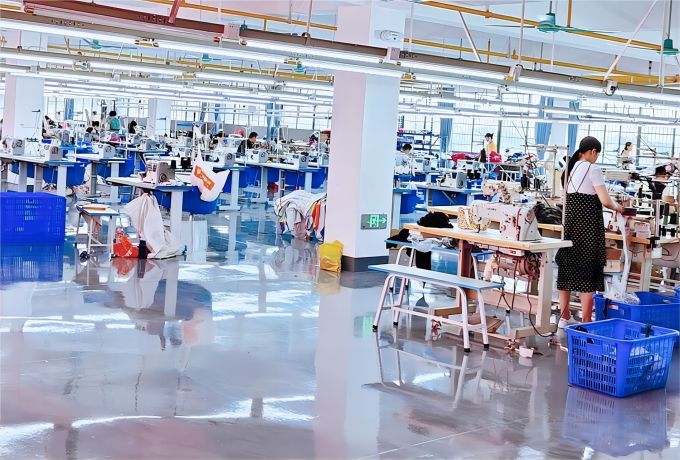
Cotton, polyester, blends, garment color, artwork detail, and quantity should be confirmed before sampling.
Match Method To Use Case
Screen printing favors repeatable bulk graphics; DTG and DTF reduce setup for detailed artwork.
Confirm The Sample Standard
Approve color, placement, stretch recovery, wash appearance, and hand feel on the actual garment.
4. Clothing Printing Method Guide: Fabrics and Materials
100% cotton, polyester, blends, and synthetics change how ink bonds, stretches, breathes, and survives washing.
| Fabric / GSM | Typical Use | Suitable Methods |
|---|---|---|
| Cotton, 140–220 GSM | T-shirts, retail graphics | Screen print, DTG, DTF |
| Polyester, 120–180 GSM | Jerseys, performance wear | Sublimation, DTF |
| Cotton blend, 180–280 GSM | Polos, casual sweatshirts | Screen print, DTF |
| Fleece, 280–450 GSM | Hoodies, joggers | Screen print, embroidery, DTF |
| Nylon, 80–160 GSM | Windbreakers, outerwear | Tested transfer or compatible screen ink |
Fiber And Surface Behavior
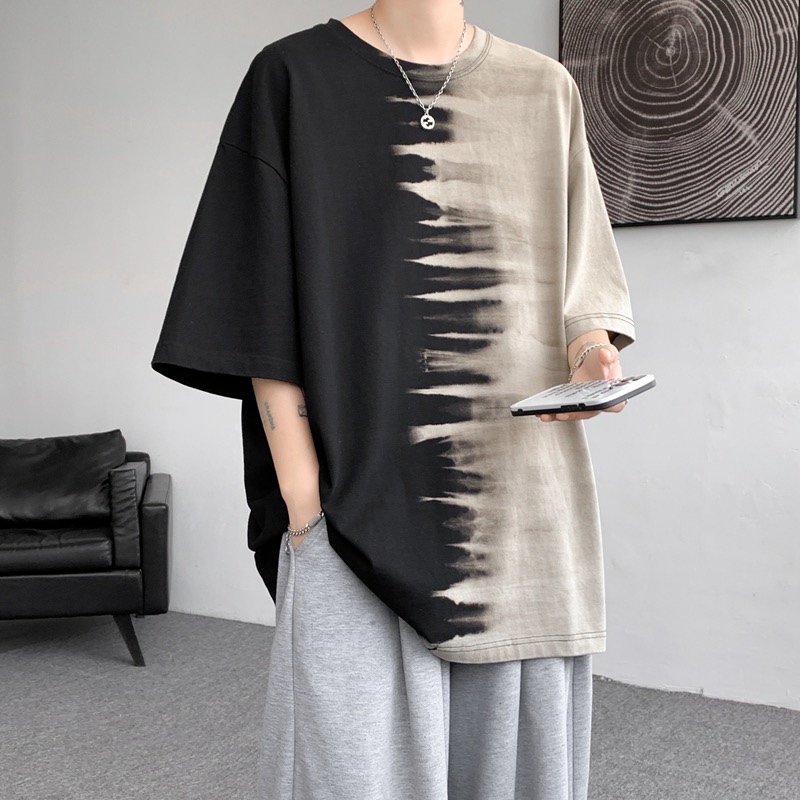
100% cotton usually accepts water-based and plastisol inks well, while polyester supports sublimation and performance prints but may cause dye migration. Cotton blends balance softness and stability; nylon needs compatible inks or bonding agents.
Weight, Color, And Pretreatment
140–180 GSM T-shirts suit lightweight retail programs; 280–400 GSM fleece supports hoodies and heavier streetwear. Higher GSM can improve opacity and durability, but dense surfaces may need adjusted curing and pressure. White or light bases generally reproduce color more accurately.
Match Fabric To Method
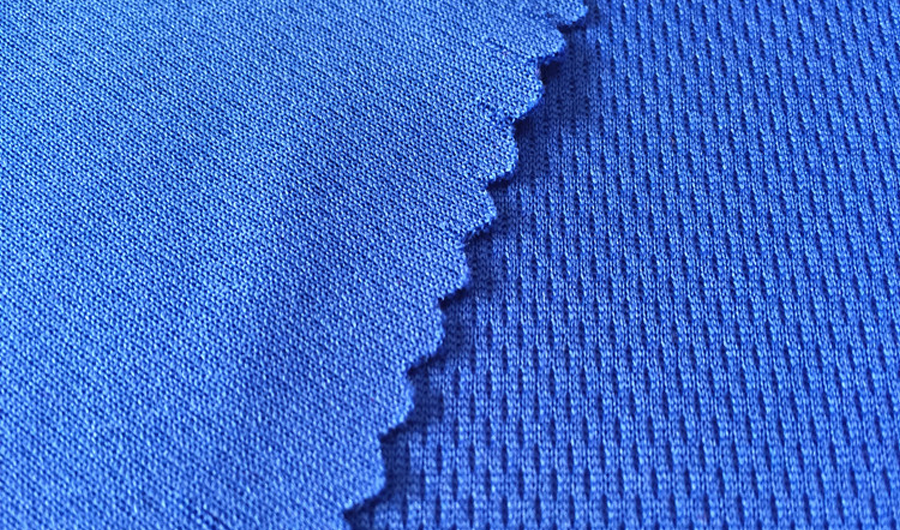
Three production variables—fiber, GSM, and end use—should be recorded in the tech pack.
5. Customization and Clothing Decoration Options
Three variables—placement, artwork complexity, and intended brand position—determine whether decoration looks purposeful or overloaded. com/hub/how-to-print-a-t-shirt).
Placement And Scale
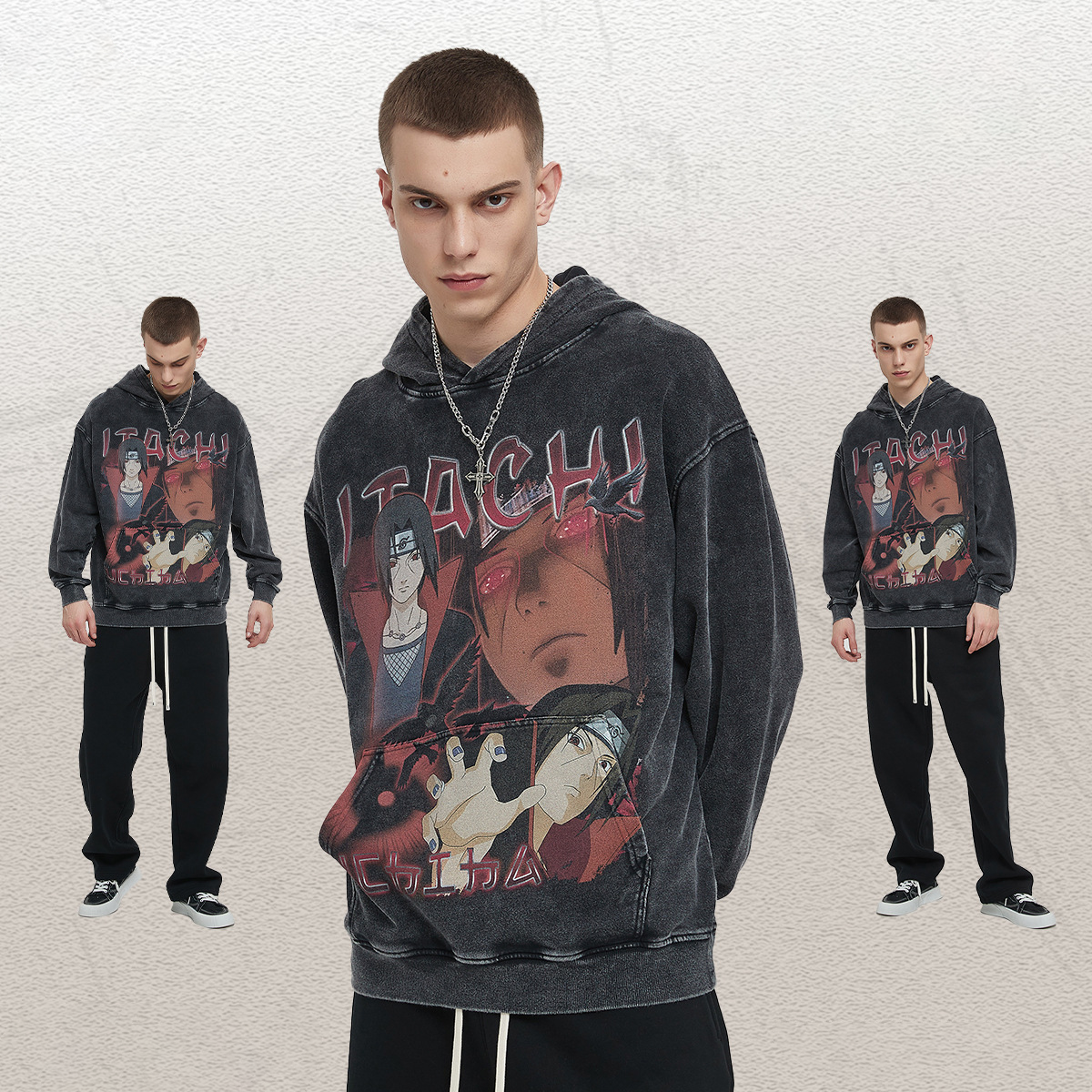
Front, back, sleeve, and neck locations require separate artwork files with measured print areas. Small left-chest marks suit logos; oversized front or back graphics need controlled proportions and adequate negative space.
Effects And Personalization
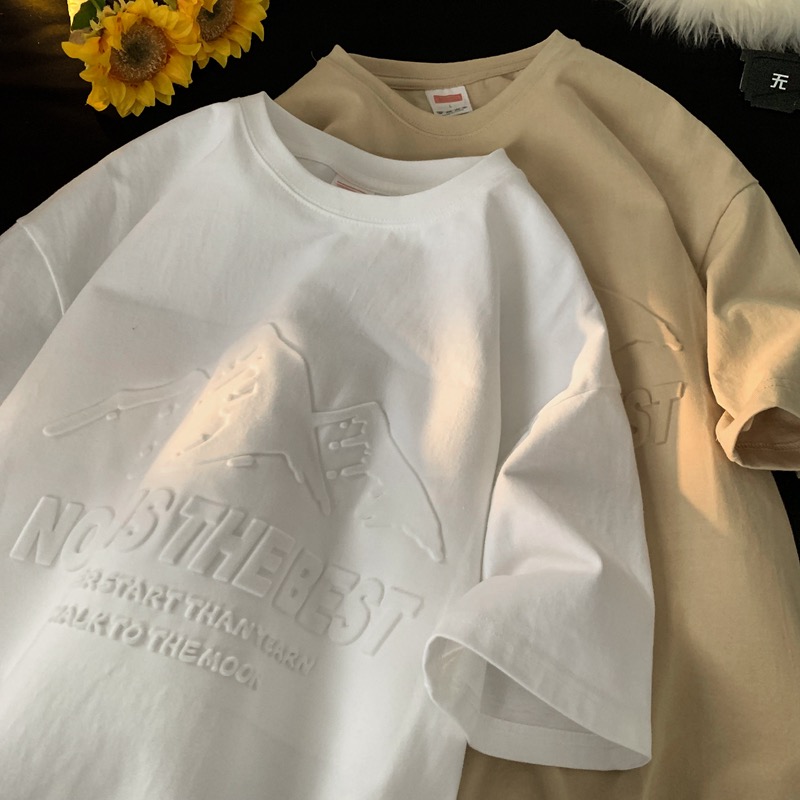
One to three solid colors usually favor screen printing, while gradients, photographic detail, and individualized names often favor digital transfers or DTG. Puff effects add raised volume; metallic inks and reflective details change both appearance and hand feel. Embroidery gives polos, jackets, caps, and uniforms a structured premium signal, but dense artwork should be simplified before digitizing.
- Puff: raised tactile emphasis
- Metallic: reflective fashion finish
- Reflective: visibility-focused detail
- Embroidery: textured premium branding
Combining Techniques Efficiently
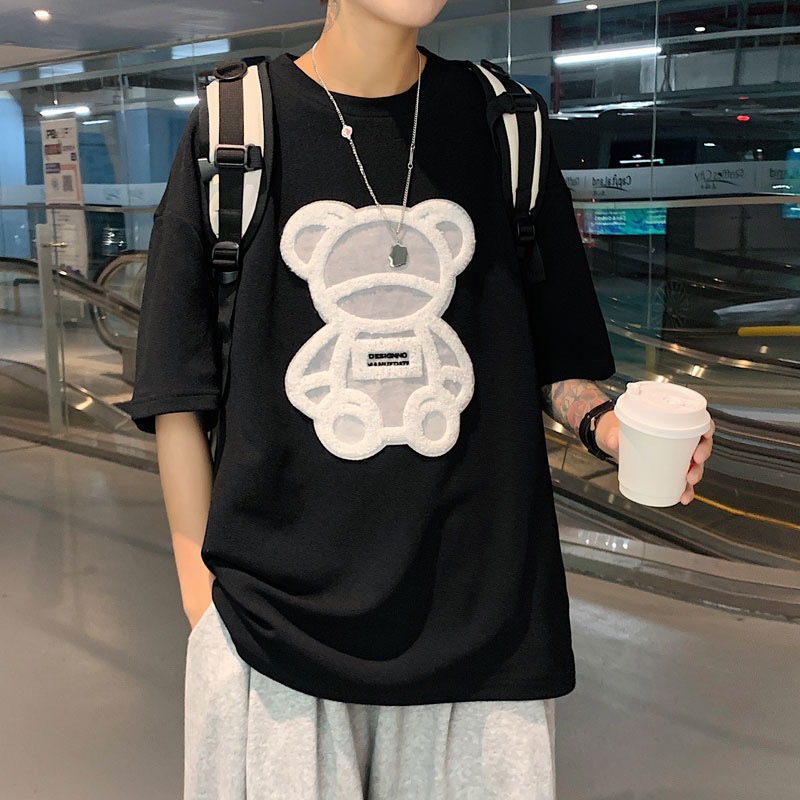
A two-method program can remain consistent when color references, artwork dimensions, thread or ink specifications, and approval samples are centralized. For example, pair a screen-printed body graphic with an embroidered chest mark and woven hem label. All-over decoration suits coordinated sportswear or statement collections, but it demands pattern-aware artwork and tighter color control.
| Technique | Best Role | Main Constraint |
|---|---|---|
| Screen print | Bold front/back graphics | Color setup |
| Embroidery | Logos and patches | Detail and density |
| Transfer | Names, numbers, detail | Heat application |
| Sublimation | All-over polyester artwork | Fabric dependence |
6. Key Construction and Print Quality Elements
A professional sample is judged as a complete system: garment construction, decoration, finishing, and repeatability.
Blank Construction And Stitching
A 280–500 GSM hoodie or 160–220 GSM T-shirt should show consistent fabric weight, stable dimensions, clean seams, and no skipped stitches. Check shoulder joins, side seams, hems, and collar recovery after stretching. Document fabric composition, GSM tolerance, shrinkage allowance, stitch type, SPI, seam allowance, measurements, and approved fit sample.
Print Surface And Color Control
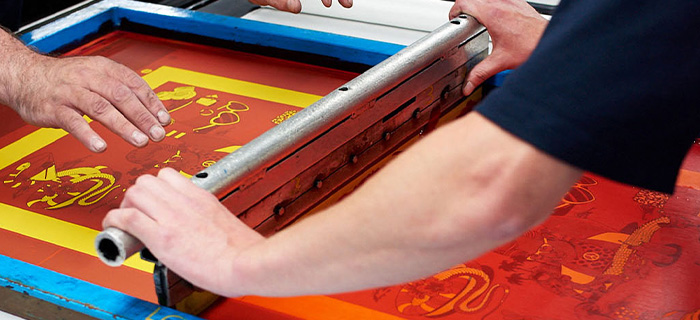
A 1–3 mm registration shift can make layered artwork look unprofessional, especially around small type and numbers. Inspect opacity on dark blanks, edge sharpness, halftones, curing, hand feel, and color matching against approved Pantone references.
Wash And Embroidery Testing
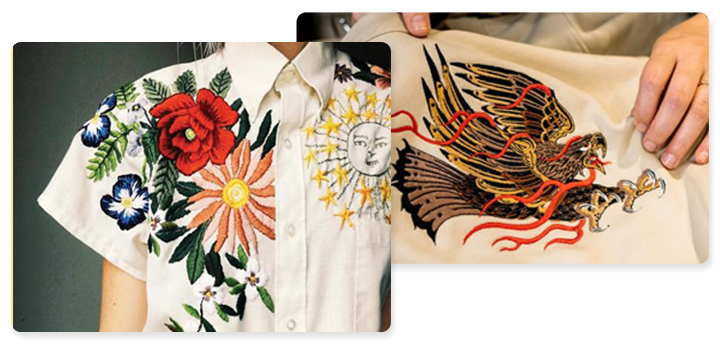
A three-cycle wash test can expose cracking, fading, shrinkage, dye migration, and collar distortion before bulk approval. Compare the washed sample with the approved standard under consistent lighting. For embroidery, inspect stitch density, backing, thread tension, registration, and puckering.
Labels And Packaging
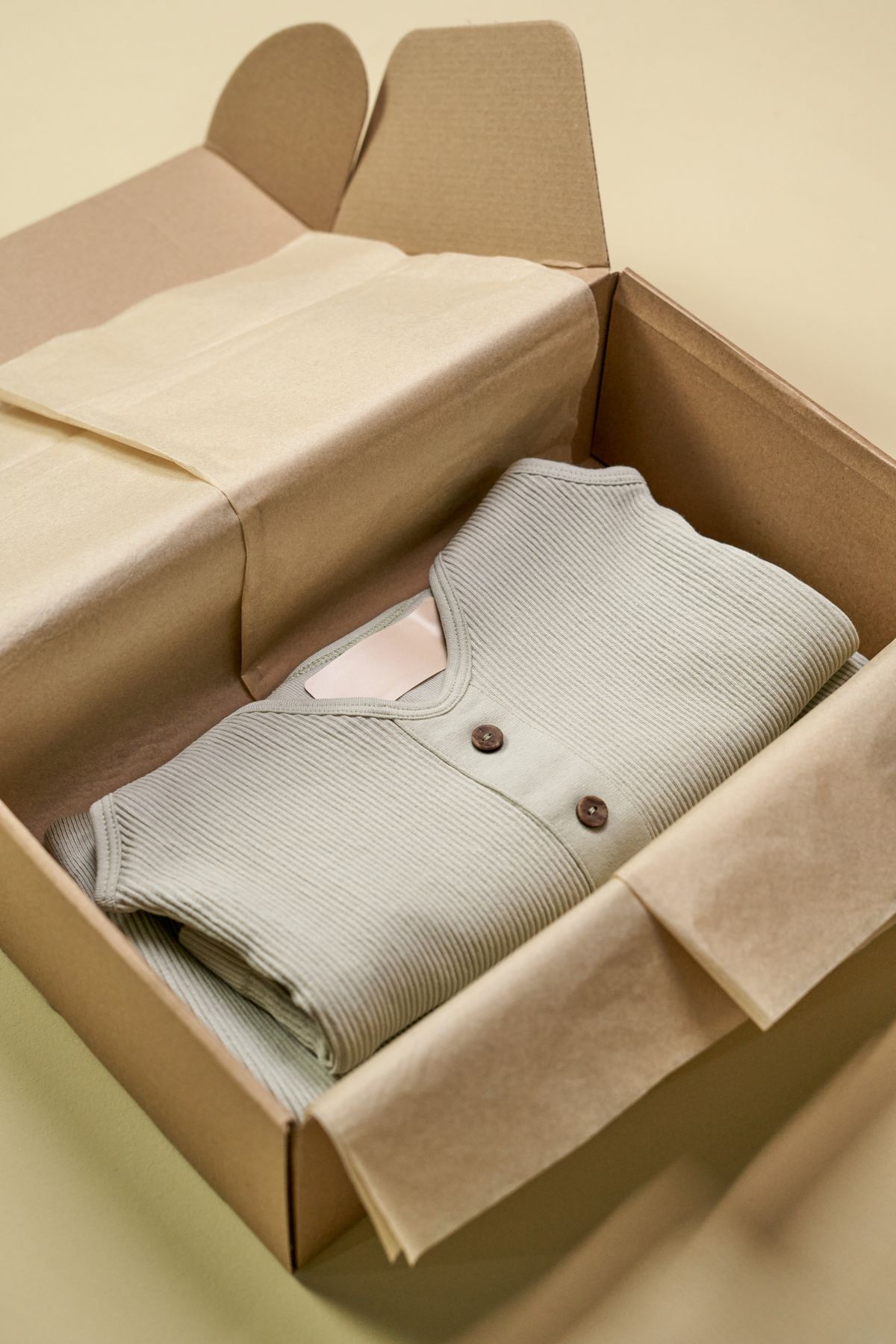
A final sample should include care, fiber-content, size, origin, and brand labels in their production positions. Verify label readability, attachment strength, barcode or SKU accuracy, folding, polybag dimensions, carton marks, and quantity per carton. Record the approved packaging specification, labeling artwork, carton configuration, inspection checkpoints, and defect tolerance.
7. How to Choose a Clothing Printing Manufacturer
A capable manufacturer should match decoration expertise to fabric, artwork complexity, order volume and end use.
Method And Garment Capability
Seven method categories require different controls: screen printing needs color separation and registration, DTG favors cotton, sublimation suits polyester, and embroidery needs stitch-density judgment.
- Which methods suit this fabric, artwork and quantity?
- Can you provide comparable samples on the proposed garment?
- What GSM, fiber blend and shrinkage limits will you quote?
Sampling And Artwork Control
A pre-production sample should confirm garment, decoration, placement, color, size grading and wash behavior before bulk approval. Require artwork checks for Pantone references, separations, embroidery files and print dimensions. Use one revision log identifying file versions, approval dates, strike-offs and milestone owners.
- What file formats and resolution do you require?
- How are revisions, approvals and rejected samples recorded?
- Will you issue a pre-production proof or strike-off?
Quality And Compliance
Three checkpoints—pre-production, in-line and final inspection—should cover print adhesion, registration, color, measurements, sewing, labels and packaging. Ask for the inspection standard, defect tolerance and corrective-action process.
- What tests and inspection reports are supplied?
- Which facility performs cutting, printing, sewing and packing?
Quote Logistics And Repeatability
EDVORIN’s MOQ starts at 200 pieces per style. A comparable quote should separate garment cost, decoration setup, screens or digitizing, sampling, labels, packaging, freight, duties, MOQ and payment terms. Compare lead times for sampling, production and shipping rather than one combined promise. Confirm carton dimensions, packing ratios, shipping options and reorder handling.
- What capacity is reserved for the requested delivery window?
- How are delays, shortages and repeat-order changes communicated?
8. Common Clothing Printing Buyer Mistakes
A low quote can become expensive when fabric, artwork, sizing, or approvals are incomplete.
Compare Total Cost
1 unit price can hide setup, sampling, rework, freight, and rejected-garment costs. Compare the complete landed cost at the intended quantity, not the decoration price alone.
Match Fabric And Artwork
100% cotton, polyester, fleece, French terry, and blends can accept decoration differently. Ignoring compatibility may cause poor adhesion, dye migration, bleeding, or an unsuitable hand feel.
Approve A Physical Standard
1 approved sample is cheaper than correcting an entire bulk run. Skipping it leaves placement, scale, color, print texture, and garment fit open to interpretation.
Control Timing, Sizes, And Repeats
2 checkpoints—pre-production and final inspection—help expose delays, incorrect size ratios, and inconsistent repeat batches. Underestimating lead time is especially risky when sampling, fabric booking, curing, and freight are separate stages.
9. Steps to Launch Your Clothing Brand
A launch sequence turns a clothing printing method guide into an operating plan.
Define The Product Program
Step 1 identifies the customer, channel and product brief: collection, teamwear, wholesale or private-label. Record target wearer, silhouettes, fabric direction, quantity, retail position and required labels. Step 2 selects garments and decoration together.
Prepare And Quote
EDVORIN’s MOQ starts at 200 pieces per style. Step 3 converts artwork into production-ready files with dimensions, placement measurements, color references, print layers and size-specific instructions. Teamwear should also lock names, numbers, sponsor marks and player-size data. Step 4 requests comparable quotes covering garment, decoration, trims, labels, packaging, sampling, MOQ, lead time and freight.
Sample, Test, Approve
Step 5 orders a sample or size set before bulk production. Check fit, grading, print hand, color, seam construction, shrinkage and wash performance against the intended use. Step 6 approves the size range and records corrections in writing.
Place And Document
Step 7 places the first order only after the approved sample, artwork, measurements, materials and packaging are signed off. Inspect delivered cartons, quantities, sizes, labels, decoration placement and visible defects before distribution.
10. Clothing Printing Pricing and Cost Guide
3 cost bands usually matter most: garment base, decoration, and order scale. Compare fabric and weight, print method, artwork setup, color count, print area, personalization, sampling, labels, packaging, shipping, and any rush-production premium as separate quote lines. 10–14 business days is a common planning window for standard production, but supplier quotes vary by specification, approval timing, quantity, and freight route.
| Quantity Tier | Screen Print / Setup | DTG or DTF | Embroidery / Add-ons |
|---|---|---|---|
| 1–24 units | Setup often $15–$60; unit quote required | Approx. $8–$25 per print | Digitizing $20–$75; unit quote required |
| 25–99 units | Approx. $3–$10 per print, plus setup | Approx. $6–$18 per print | Approx. $4–$12 per placement |
| 100–499 units | Approx. $1.50–$5 per print; colors and area affect price | Approx. $4–$12 per print | Approx. $3–$9 per placement |
| 500+ units | Quote field: negotiated by colors, panels, and repeatability | Quote field: artwork complexity and throughput | Quote field: stitch count, placements, trims, and packaging |
Clothing Printing Method Guide FAQs
Clear answers for buyers comparing decoration methods, materials, quantities and production requirements.
What should I look for in a clothing printing method guide?
Which clothing printing method guide is best for dark fabrics?
Can a clothing printing method guide help me choose a method for teamwear?
Which clothing printing method guide option lasts longest after washing?
What minimum quantity is required for custom clothing printing?
Can I request samples before choosing a clothing printing method guide option?
Can printing and embroidery be combined in one apparel program?
Ready to Select Your Clothing Printing Method?
Turn your approved decoration direction into a production-ready apparel program with EDVORIN’s OEM, ODM and private-label support.