
Clothing Reorder Planning for Repeatable Apparel Collections
Clothing reorder planning with approved standards, coordinated decoration, and accountable OEM/ODM production for consistent seasonal repeat orders.
Clothing Reorder Planning Starts With Production-Ready Standards
EDVORIN turns approved apparel details into coordinated specifications that support consistent reorders across fashion, streetwear, teamwear and private-label programs.
Controlled Product Specifications
Approved measurements, fit blocks, materials, trims and construction details create a clear standard buyers can review and reproduce.
Coordinated Materials And Trims
Fabric, rib, hardware, custom clothing labels and packaging are aligned during development to reduce variation between approved samples and repeat orders.
Decoration Matched To Category
Custom apparel printing, custom apparel embroidery and garment wash services are coordinated with each garment’s fabric, construction and intended performance requirements.
Sample-To-Bulk Quality Control
EDVORIN uses approved samples and documented standards to guide in-line checks, final inspection and dependable bulk production.
Flexible OEM And ODM Support
As an OEM clothing manufacturer, ODM apparel manufacturer and private label clothing manufacturer, EDVORIN supports emerging brands, wholesale programs and established buyers from concept development through repeat production.
Reorder-Ready Apparel Manufacturing for Every Program
From first concept to repeat bulk orders, EDVORIN coordinates development, decoration and quality standards across fashion, teamwear and private-label apparel.
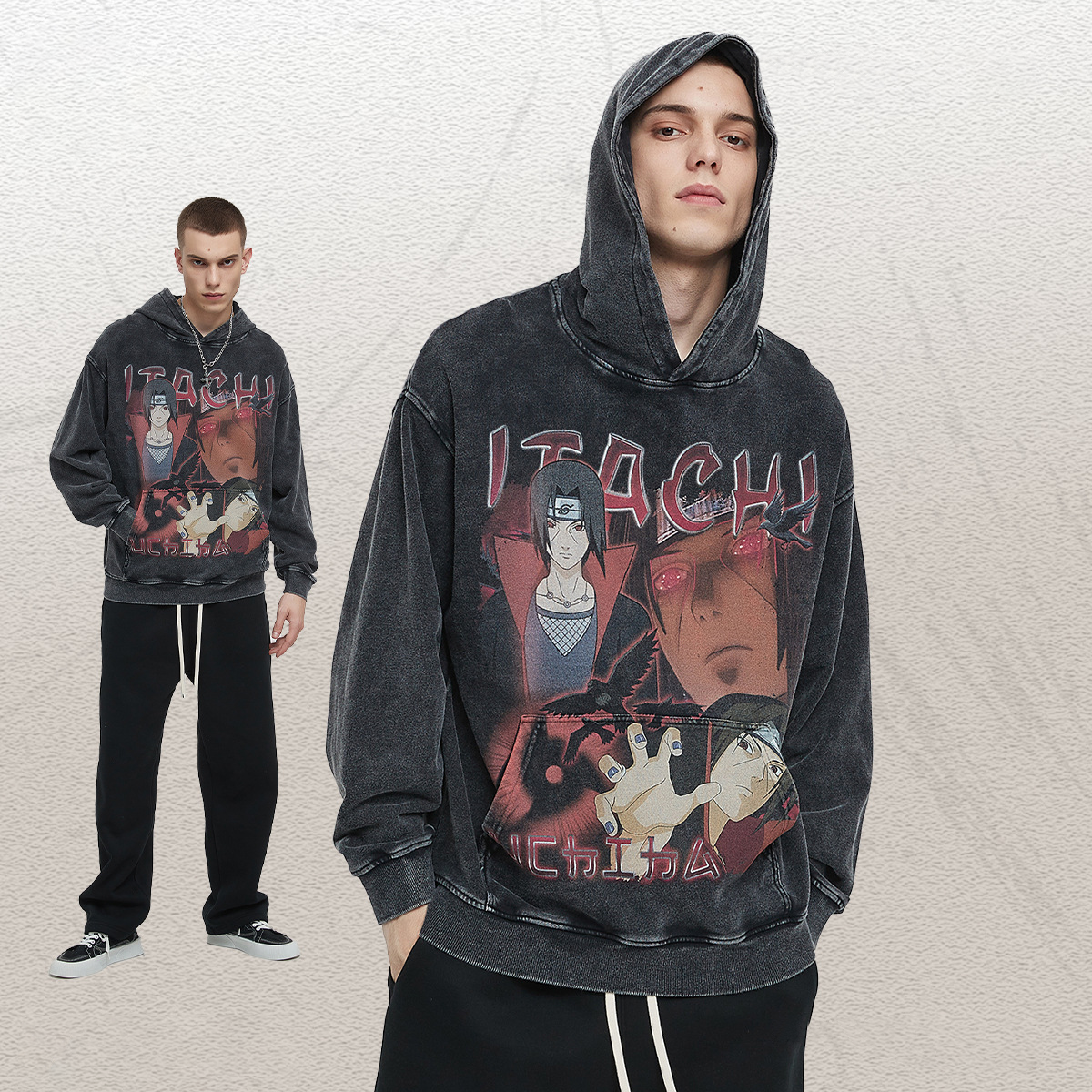
Custom Hoodies
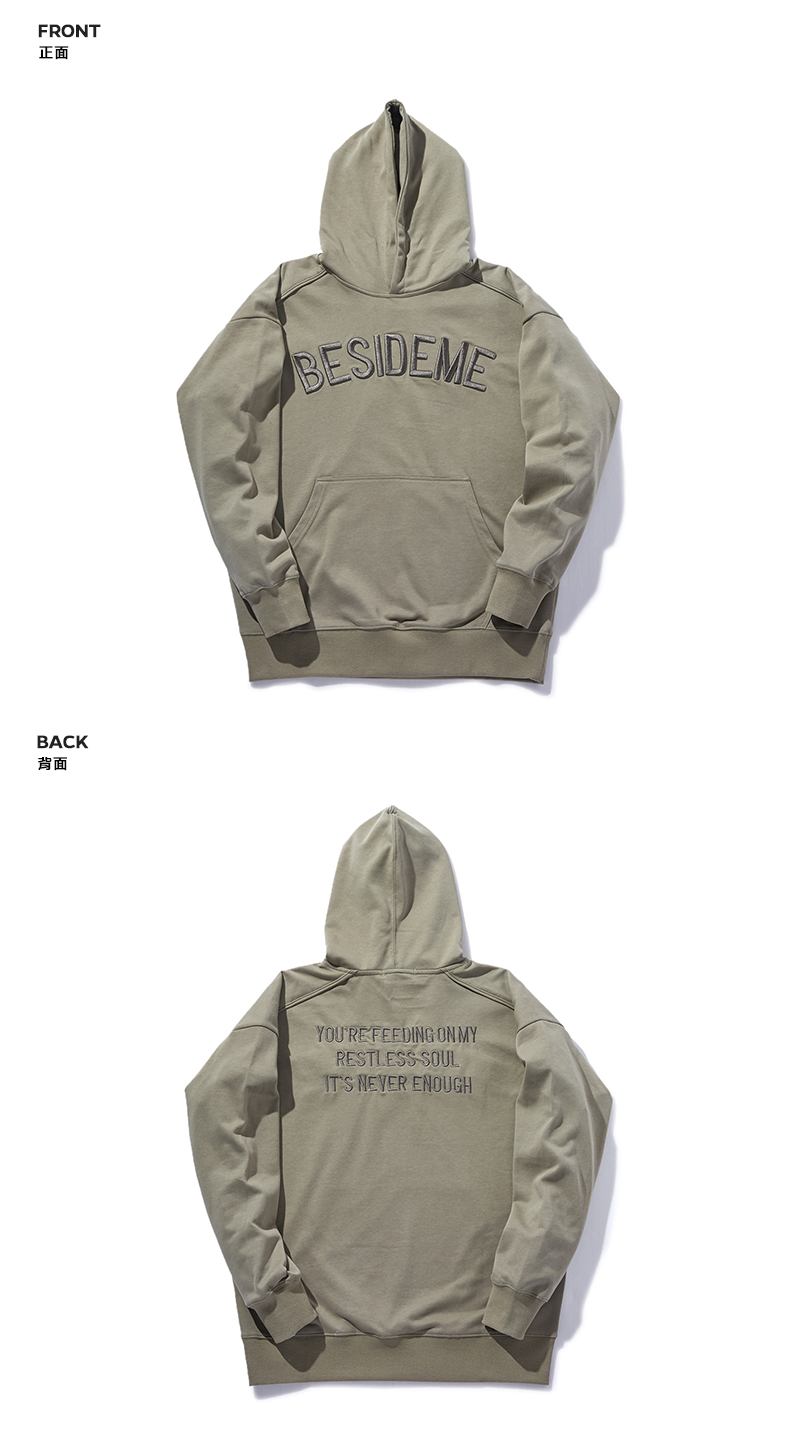
As a custom hoodie manufacturer, EDVORIN develops fleece weights, rib specifications, drawcords, artwork placement and fit blocks for men’s and women’s programs. Approved samples and documented construction details create a repeatable standard for fashion labels, streetwear brands, wholesalers and private-label buyers.
Get a Quote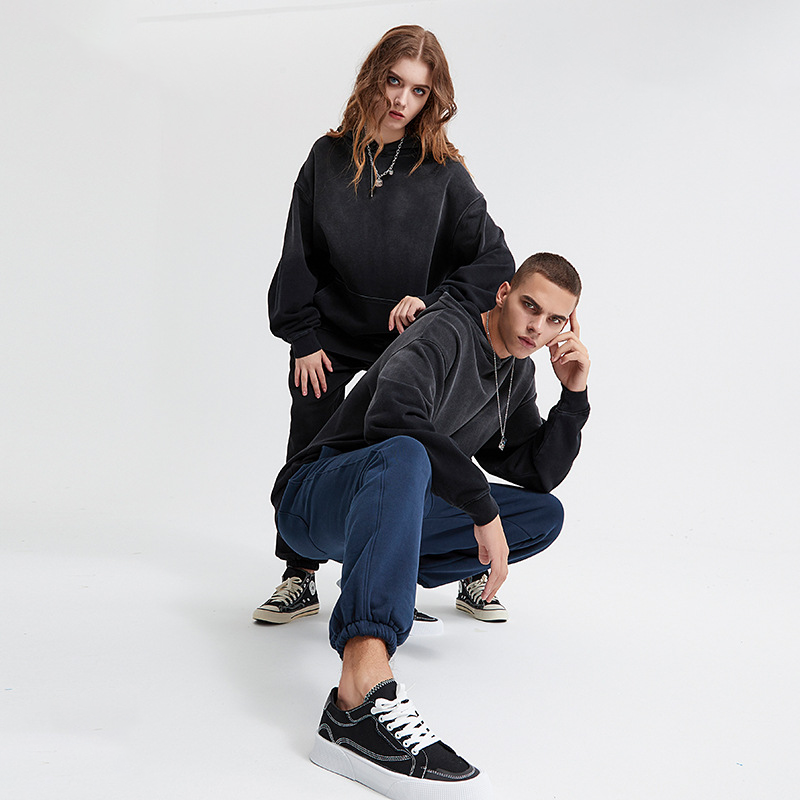
Pullover Sweatshirts
EDVORIN supports sweatshirt programs from fabric selection and pattern development through printing, embroidery, washing, labeling and packaging. As a sweatshirt manufacturer, the company coordinates fit, neckline, cuffs, decoration and bulk quality checks so approved styles can be reordered with consistent specifications.
Get a Quote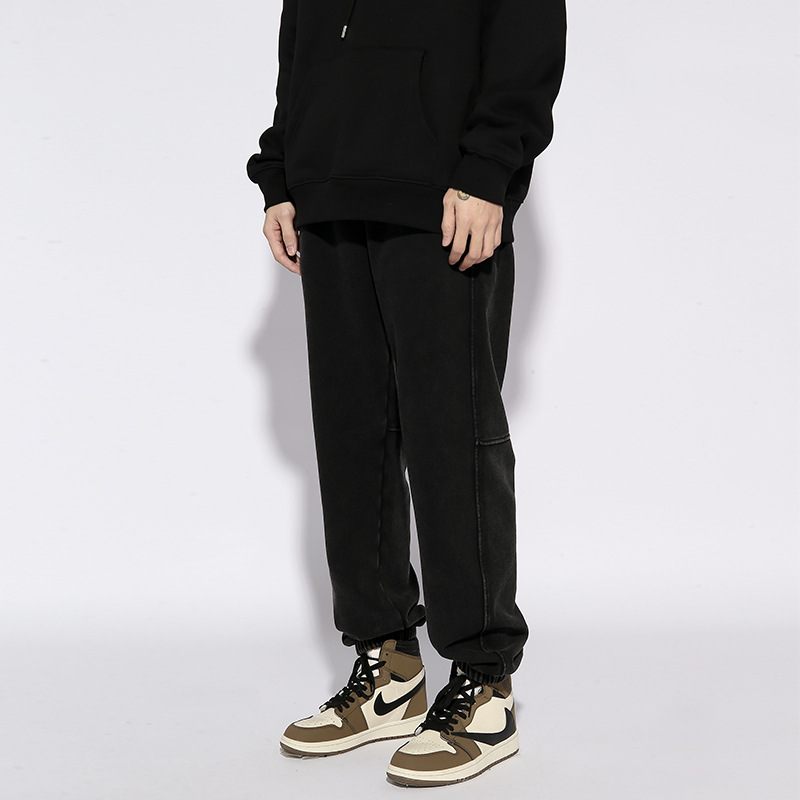
Sweatpants & Joggers
As a sweatpants manufacturer, EDVORIN develops joggers and sweatpants with attention to fleece or jersey weight, waistband recovery, pocket construction, drawcords, cuffs and grading. Matching sets can be coordinated with hoodies or sweatshirts for casualwear, streetwear, wholesale and private-label collections.
Get a Quote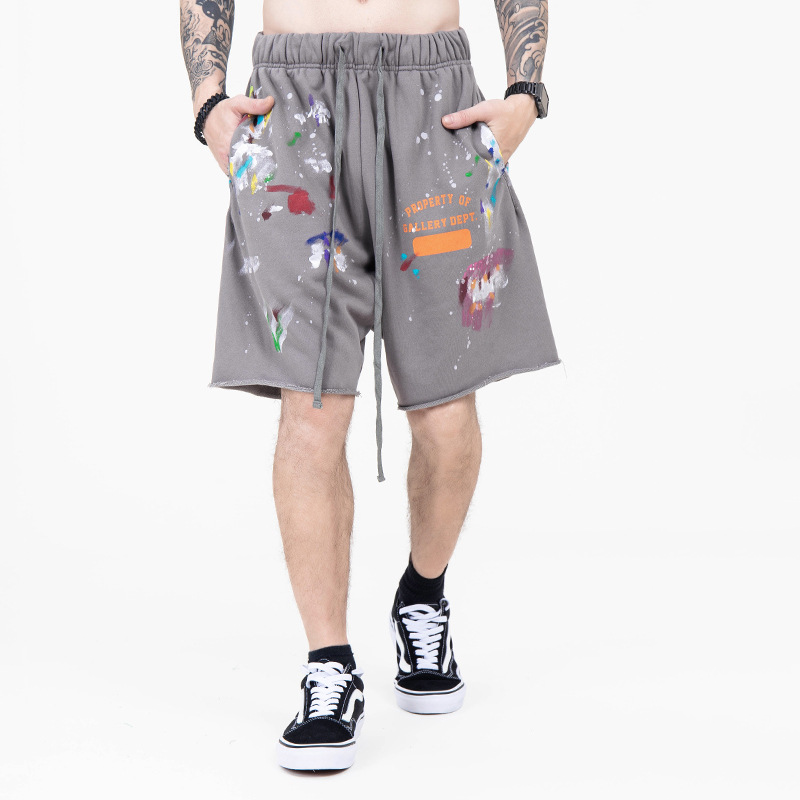
Custom Shorts
EDVORIN develops custom shorts for casualwear, training, teamwear and streetwear programs. Product decisions include fabric performance, inseam, waistband construction, pocket details, lining, artwork placement and size grading. The approved sample becomes the reference for repeat production and coordinated collection orders.
Get a Quote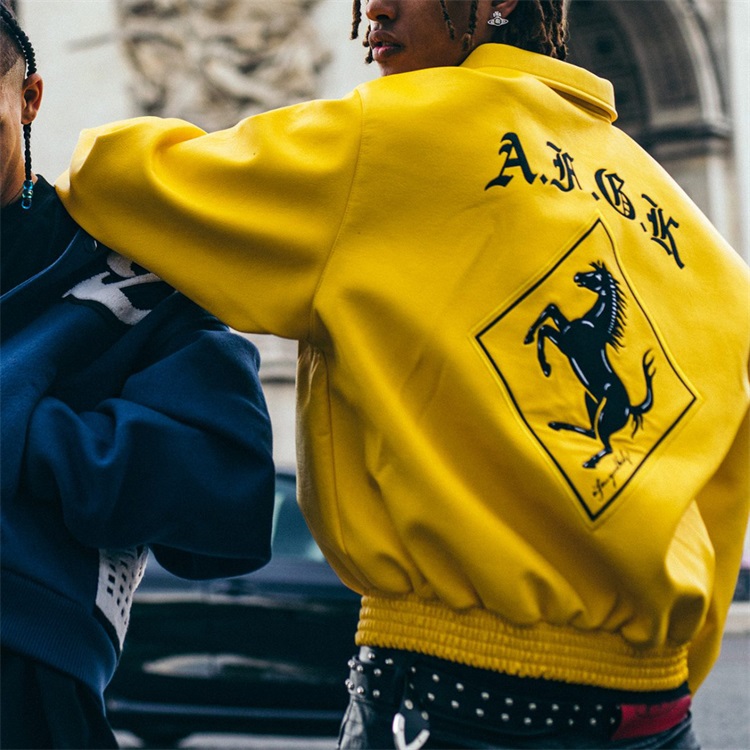
Varsity & Baseball Jackets
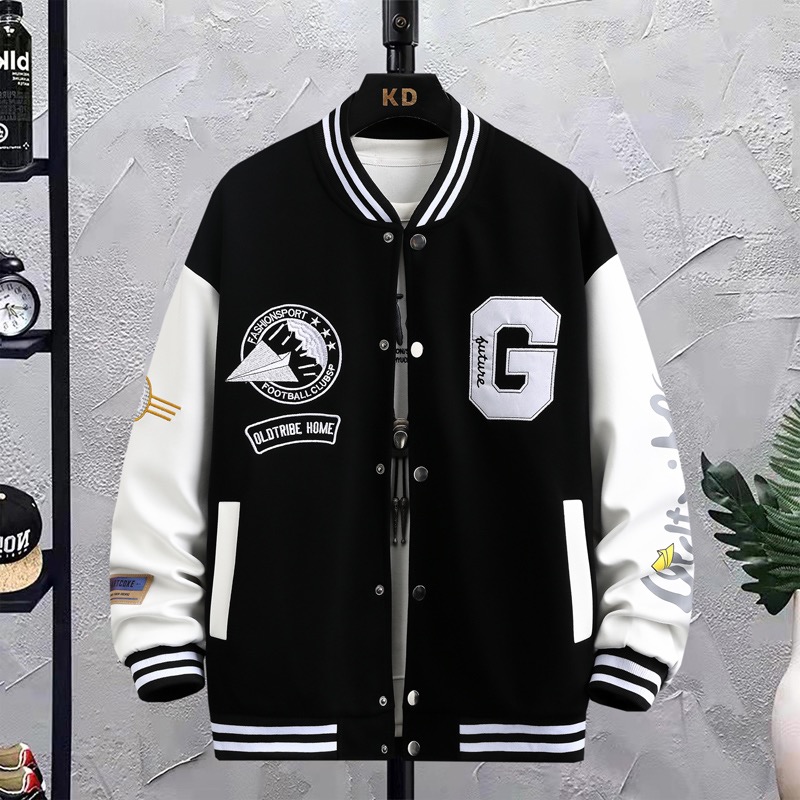
As a varsity jacket manufacturer, EDVORIN coordinates body fabric, sleeves, rib, snaps, lining, insulation, patches, embroidery and appliqué. Baseball-inspired silhouettes can be developed for schools, streetwear labels, sports organizations and private-label buyers, with documented construction and decoration standards for reorder control.
Get a Quote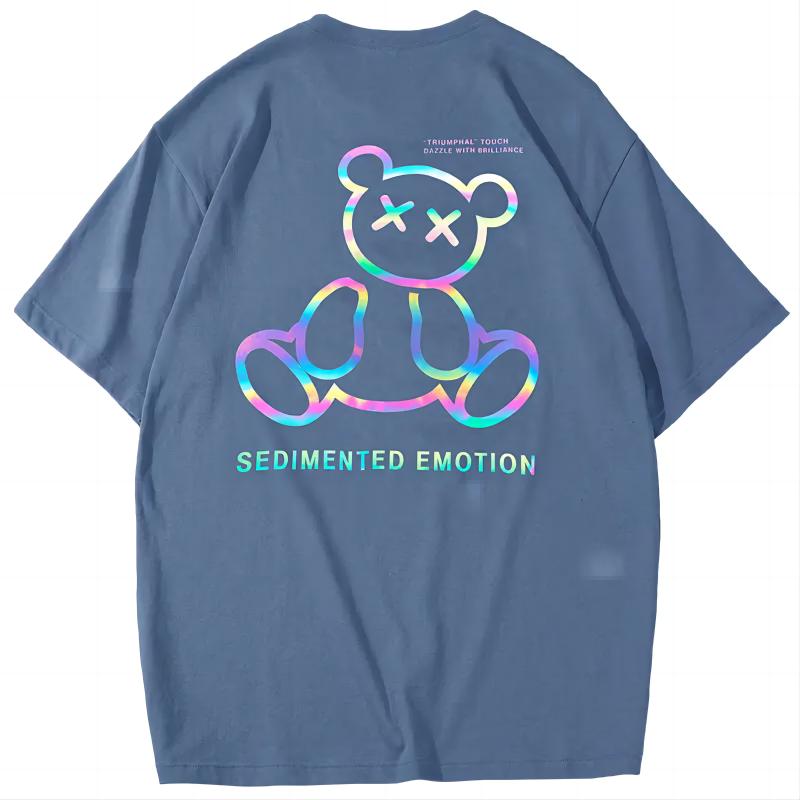
Custom T-Shirts
EDVORIN produces custom T-shirts around the intended fabric weight, fit, neckline, sewing details and decoration method. Screen printing, digital printing, embroidery, labels and packaging can be coordinated from one production path, supporting men’s and women’s programs from emerging brands through established wholesale buyers.
Get a Quote
Custom Polo Shirts
As a polo shirt manufacturer, EDVORIN develops pique, jersey and performance options with attention to collar construction, plackets, buttons, cuffs, embroidery and color control. Styles can be prepared for corporate apparel, private labels, schools, clubs, wholesalers and repeat programs requiring consistent fit and decoration.
Get a Quote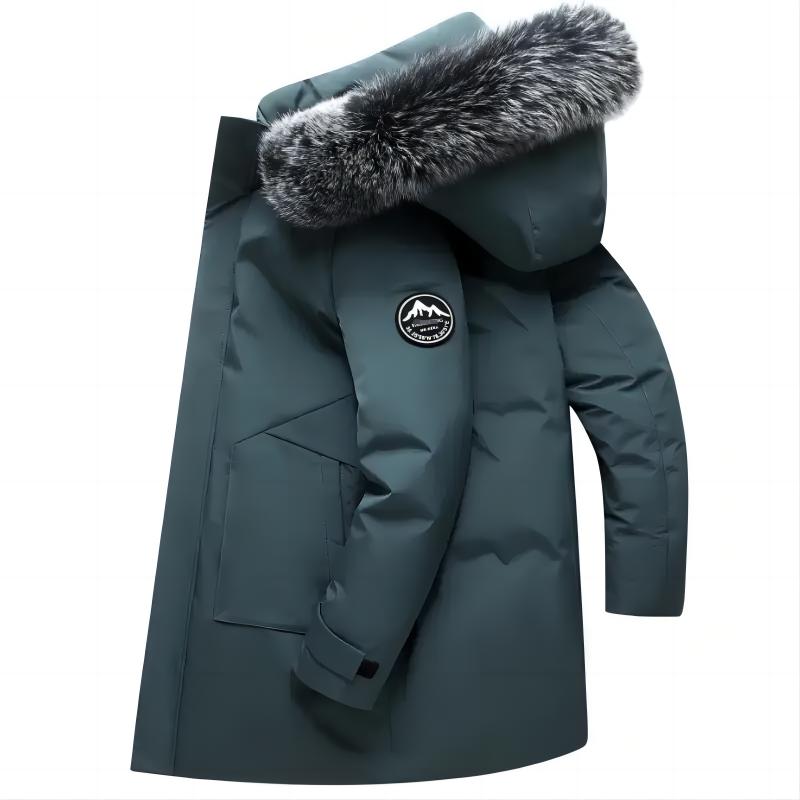
Windbreaker Jackets
EDVORIN develops windbreaker jackets with coordinated shell fabrics, linings, zippers, hoods, elastic details, reflective elements and printed or embroidered branding. Product specifications are tested during sampling and recorded for bulk production, supporting lightweight outerwear programs for fashion, streetwear, teams and private-label buyers.
Get a Quote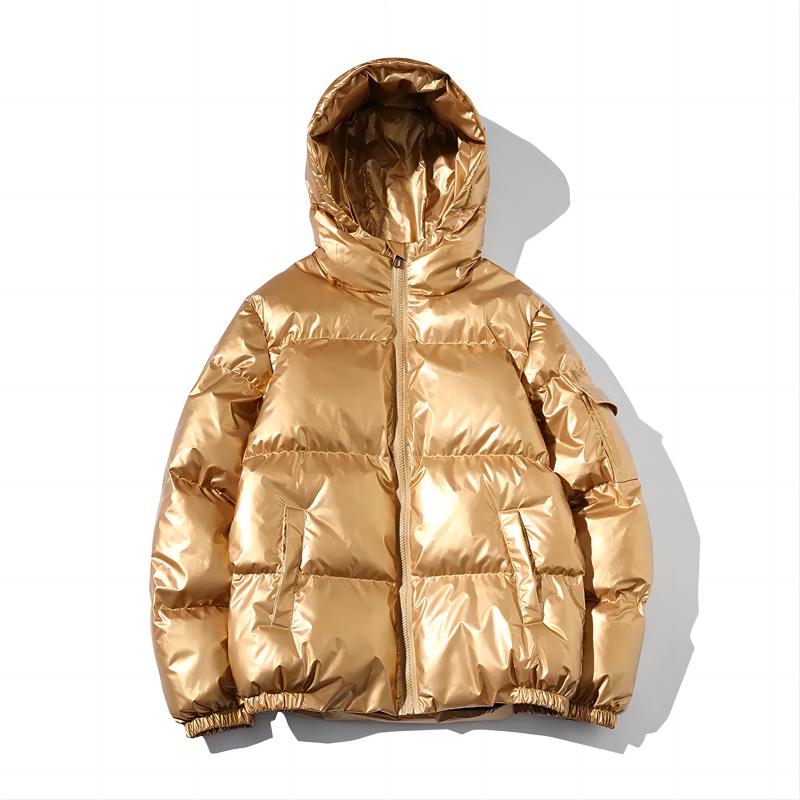
Quilted Jackets
As a quilted jacket manufacturer, EDVORIN coordinates shell fabric, lining, insulation weight, quilting patterns, seam construction, hardware, labels and packaging. Development can be adapted to seasonal fashion collections, private-label outerwear and wholesale programs, with approved samples guiding measurements, materials and repeat bulk orders.
Get a Quote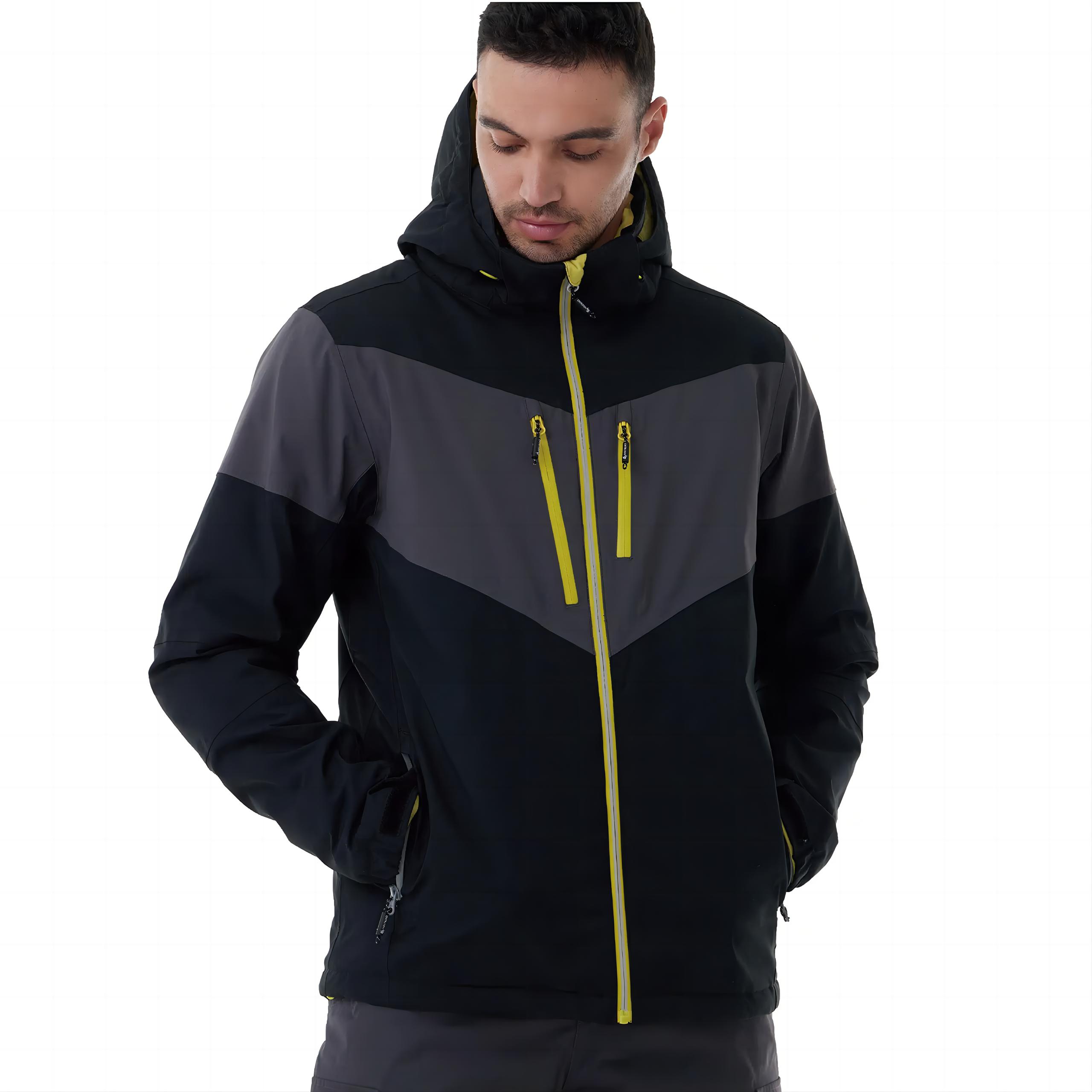
Bomber Jackets
EDVORIN develops bomber jackets by coordinating shell or knit fabrics, rib construction, lining, insulation, zippers, pockets, patches and embroidery. The company supports fashion, streetwear, school and private-label programs with documented specifications that help protect silhouette, decoration placement and quality from sample approval through reorder.
Get a Quote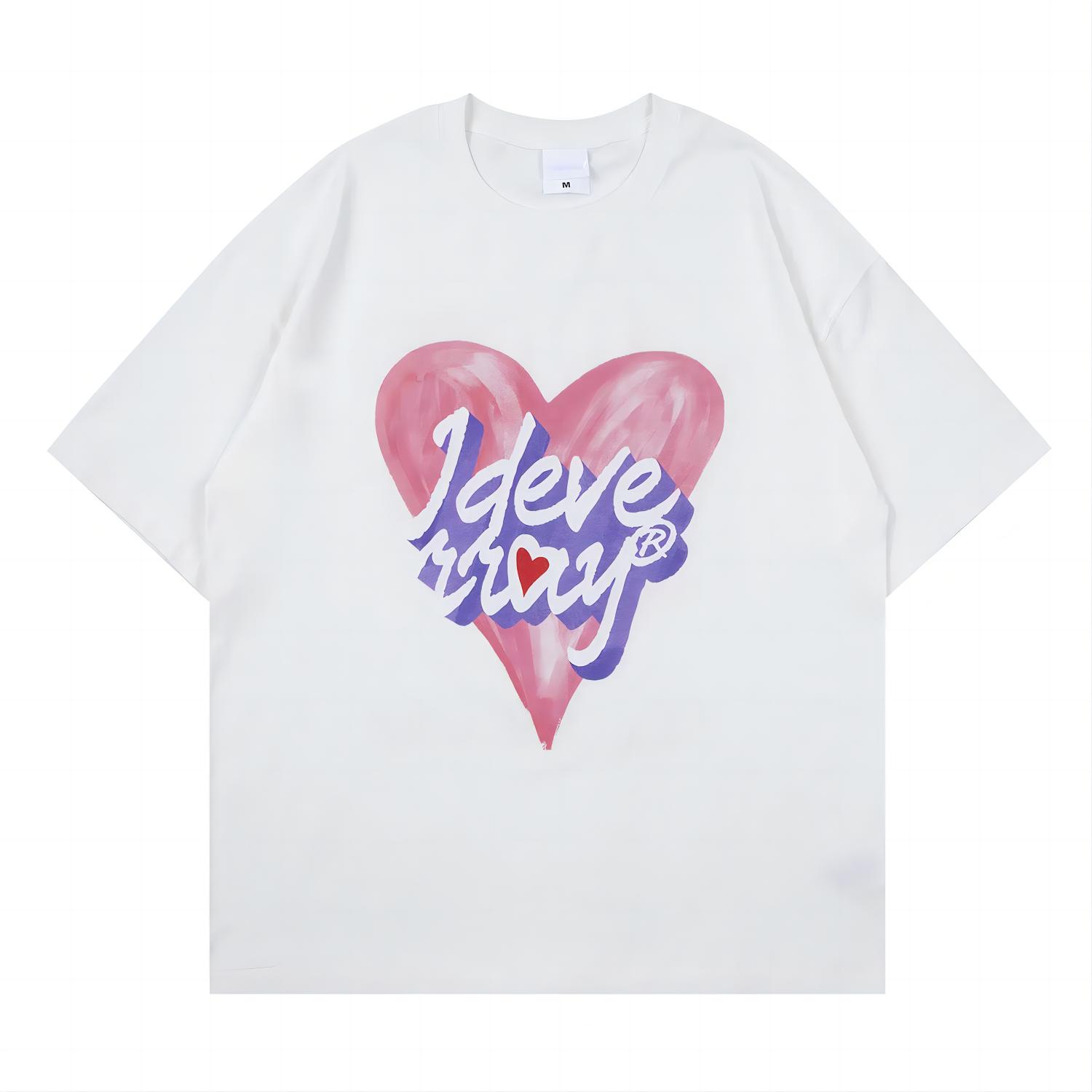
Custom Shirts
As a custom woven shirt manufacturer, EDVORIN develops shirts in cotton, blends and other selected woven materials with attention to collars, cuffs, plackets, buttons, pockets, fit and finishing. Custom labels, embroidery, printing and packaging can be aligned for fashion brands, wholesalers and private-label collections.
Get a Quote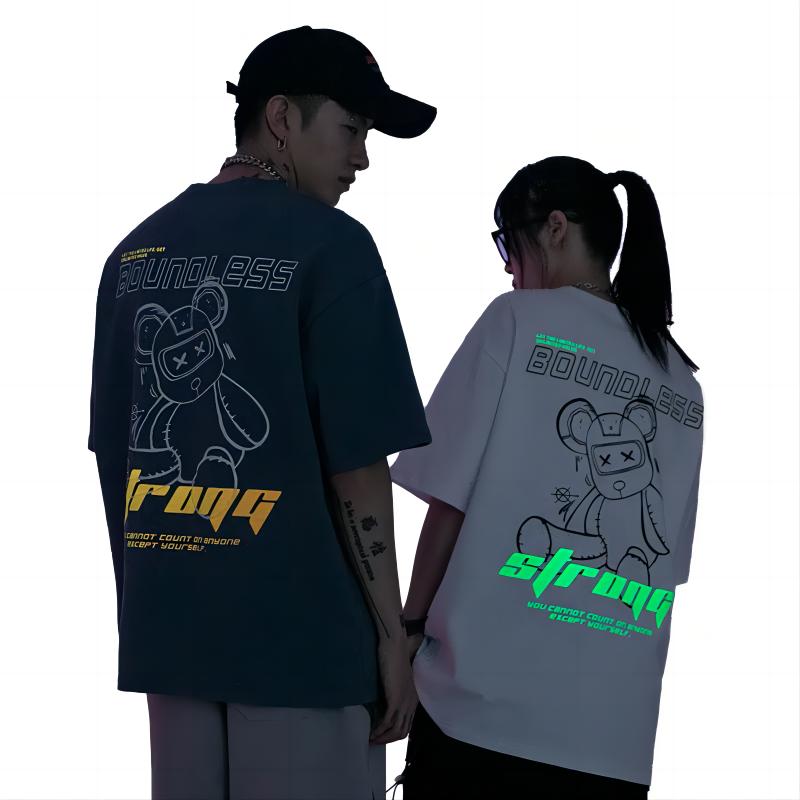
Custom Jerseys
EDVORIN develops custom jerseys for clubs, schools, academies, sports organizations and lifestyle brands. Fabric selection, breathable construction, color matching, team graphics, names, numbers, badges and size grading are coordinated into an approved standard that supports organized team orders and repeat production.
Get a Quote
Tank Tops
As a custom tank top manufacturer, EDVORIN develops casual, training and streetwear tank tops with attention to fabric weight, armholes, necklines, hems, fit, printing and embroidery. Men’s and women’s styles can be graded and documented for private-label collections, wholesale programs and reorder-ready basics.
Get a Quote
Soccer Uniforms
EDVORIN develops soccer uniforms with coordinated jerseys, shorts and optional socks or training pieces. Performance fabrics, breathable panels, color references, sponsor graphics, badges, names, numbers and size sets are controlled through approved standards for schools, clubs, academies, distributors and repeat team orders.
Get a Quote
Basketball Uniforms
As a basketball uniform manufacturer, EDVORIN coordinates performance fabrics, breathable construction, jersey and short proportions, trims, team colors, graphics, names, numbers and size grading. Development supports schools, clubs, academies and sports organizations that need organized approvals, consistent player sets and dependable repeat production.
Get a Quote
Streetwear Collections
EDVORIN supports streetwear collections across hoodies, T-shirts, sweatshirts, joggers, jackets, woven shirts and coordinated accessories. As a streetwear clothing manufacturer, the company aligns fabrics, oversized or standard fits, washes, prints, embroidery, labels and packaging into a documented system for seasonal drops and reorders.
Get a QuoteA Clear Clothing Reorder Planning Workflow
Move from concept or existing tech pack to an approved sample, documented production standard, and dependable repeat bulk orders with EDVORIN.
Define the Product Standard
Share a sketch, reference garment, or tech pack so EDVORIN can confirm construction, materials, fit requirements, decoration, and intended production goals.
Develop and Test the Sample
Build patterns, source fabrics and trims, then produce a sample that tests proportions, comfort, decoration placement, wash behavior, and category-specific performance.
Document the Approved Standard
Record approved measurements, materials, colors, artwork placement, trims, labels, packaging, and revision details to create a clear reference for bulk production.
Repeat Production With Control
Coordinate repeat orders through material control, in-line inspections, final checks, and organized packing, protecting consistency across sizes, colors, quantities, and future replenishment.
Clothing Reorder Planning Questions Buyers Ask
Answers for brands, teams and private-label buyers planning repeat apparel orders with an OEM-ready manufacturing partner.
What does clothing reorder planning include at EDVORIN?
Can EDVORIN support clothing reorder planning for low-volume brands?
How early should we begin clothing reorder planning?
Can you manage men’s and women’s fits for the same reorder program?
Can EDVORIN reorder styles made from custom materials?
What decoration options can be repeated on reorder garments?
How does EDVORIN control quality on repeat apparel orders?
Can EDVORIN help if we do not have a complete tech pack?
The Complete Buyer’s Guide to Clothing Reorder Planning
Use this decision framework to set reorder levels, evaluate OEM supplier criteria, compare materials and decoration options, control repeat-order costs, and avoid inventory, quality, timing, and specification mistakes.
1. What Is Clothing Reorder Planning?
A SKU is the practical unit of clothing reorder planning: a proven garment, color, size and decoration combination that can be ordered again without reopening the product concept. The objective is continuous availability across e-commerce, wholesale, retail, team, school or corporate channels while preserving the approved manufacturing standard. Start with a reorder point based on expected demand during supplier lead time plus safety stock, then define minimum and maximum levels for replenishment. Replenishment is usually justified by stable sell-through, a complete size curve, repeatable decoration and demand that remains above the reorder point. Redesign when fit, fabric, styling or decoration repeatedly limits conversion; discontinue when demand stays weak or stock becomes dead; wait for more data when sales history is too short or demand is distorted by a one-time event.
2. Evolution and History of Reorder Planning
When EDVORIN was founded in 2000, replenishment decisions commonly began with physical stock counts, buyer experience and supplier conversations. Informal records could work for narrow wholesale or teamwear programs, but size, color and decoration details were easy to lose between orders, making the approved sample and production notes essential repeat-order references. As ecommerce and marketplace sales grew, brands began tracking each SKU variant across online shops, wholesale accounts, boutiques and event demand. Buyers increasingly used sell-through, inventory turnover and broken-size data to decide whether to replenish, rebalance or discontinue. Today, planning is increasingly multi-channel and data-informed across seasonal drops, capsules, uniforms, private-label programs and recurring wholesale buys.
3. Types of Clothing Reorder Planning
Six reorder models cover different levels of demand certainty, inventory risk, and buyer control.
Stock-Level Models
Minimum-maximum planning suits schoolwear, wholesalers, and private-label basics with stable usage. It needs current stock, target levels, and size-by-color SKU counts; a school may reorder polos when inventory reaches 20 units, restoring stock to 80. Its simplicity is useful, but fixed levels can ignore sudden demand changes. Reorder-point planning fits fashion and teamwear programs with known supplier lead times.
Demand-Led Models
Forecast-based replenishment suits fashion brands and wholesalers with reliable historical sales. It uses sell-through, seasonality, promotions, size curves, and lead times; a streetwear label can forecast a black hoodie replenishment from weekly channel data. Forecast error remains the main limitation, especially for new styles. Seasonal or event-based reorders fit school intake periods, tournaments, launches, and holiday capsules.
Core And Automated Triggers
Evergreen core-style planning suits repeatable T-shirts, polos, joggers, and uniform pieces with year-round demand. Buyers track stable size curves, approved materials, and minimum runs; a wholesaler replenishes a proven polo color monthly. The model supports availability, but ties capital to slower variants. Automated or vendor-managed triggers fit larger multi-channel buyers with shared inventory data.
4. Materials and Fabrics for Repeat Orders
Fabric composition and GSM determine how closely a reorder matches the approved sample.
| Material | Typical Use | Hand Feel | Sizing Stability | Reorder Risk |
|---|---|---|---|---|
| Cotton jersey | T-shirts | Natural, breathable | Medium | Medium shrinkage |
| Cotton blend | Uniforms, tees | Soft, resilient | Higher | Medium |
| Polyester performance | Teamwear | Smooth, technical | High | Low to medium |
| French terry | Light sweatshirts | Loopback, soft | Medium | Medium |
| Fleece | Hoodies, joggers | Brushed, warm | Medium | Medium |
| Heavy sweatshirt | Premium hoodies | Dense, structured | Higher | Higher mill dependence |
Composition And Construction
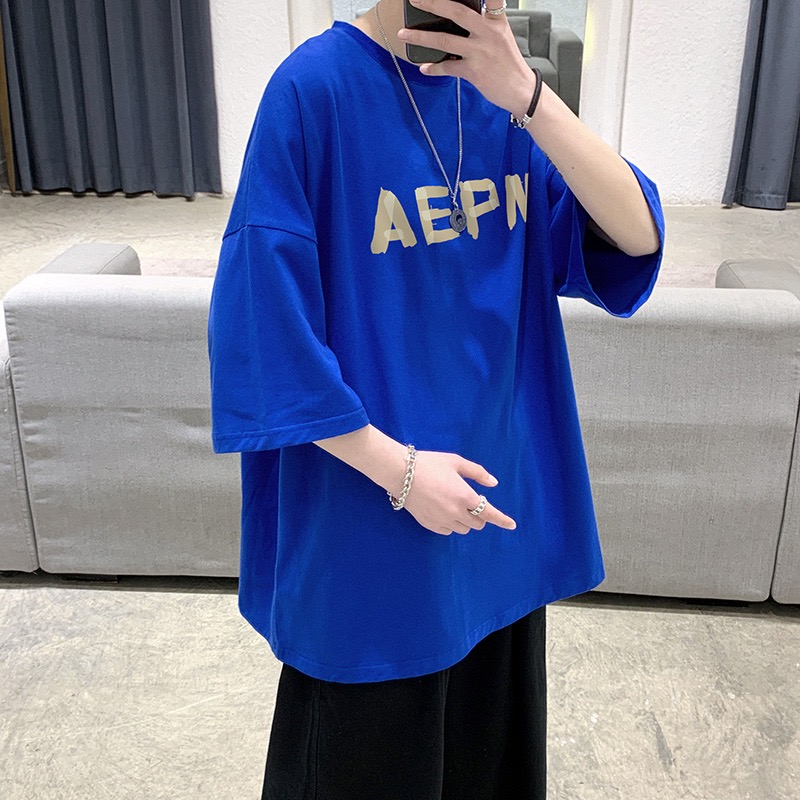
100% cotton offers a natural hand feel, while cotton-polyester blends usually improve durability and dimensional stability. Ring-spun yarn feels smoother than open-end yarn; French terry and fleece also require different shrinkage and surface checks.
- Record fiber percentages and yarn type.
- Specify knit construction, GSM tolerance, and finish.
- Approve wash testing before bulk production.
Material Comparison
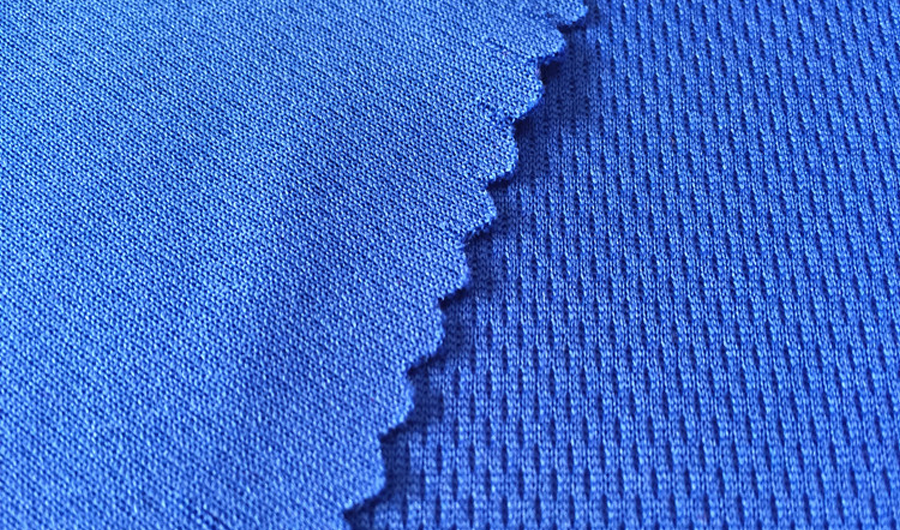
Three reorder risks recur across programs: unstable sizing after washing, color variation between dye lots, and discontinued or allocated base fabric.
Buyer Matching Checks
Measure the approved sample after conditioning and compare bulk swatches for GSM, width, shade, hand feel, stretch recovery, and shrinkage. Confirm Pantone references, dye-lot controls, and the mill’s continuing availability before approving a repeat.
- Wash-test original and bulk fabric side by side.
- Check shade under consistent lighting.
- Reconfirm composition and availability each reorder.
5. Customization and Decoration Options
Eight decoration routes can change a reorder’s appearance, cost, feel, and approval risk.
Match Method To Artwork
Embroidery suits logos, names, and textured marks; screen printing handles bold artwork and larger runs; direct-to-garment suits detailed, short-run graphics.
| Method | Best Fit | Key Constraint | Repeatability |
|---|---|---|---|
| Embroidery | Logos, names | Stitch density; raised hand | High with digitized file |
| Screen Printing | Bold graphics | Screens and spot-color setup | High with ink references |
| Direct-To-Garment | Detailed short runs | Fabric pretreatment | Moderate |
| Heat Transfer | Names, small batches | Transfer film and pressure | High with approved sample |
| Sublimation | Polyester all-over prints | Light polyester base | High with color profile |
| Woven Labels | Brand identifiers | Label weave and fold | High |
| Patches | Emblems, varsity graphics | Backing and edge finish | High |
| Private-Label Finishing | Labels, packaging | Exact trim specifications | High with approved standard |
Control Feel And Durability
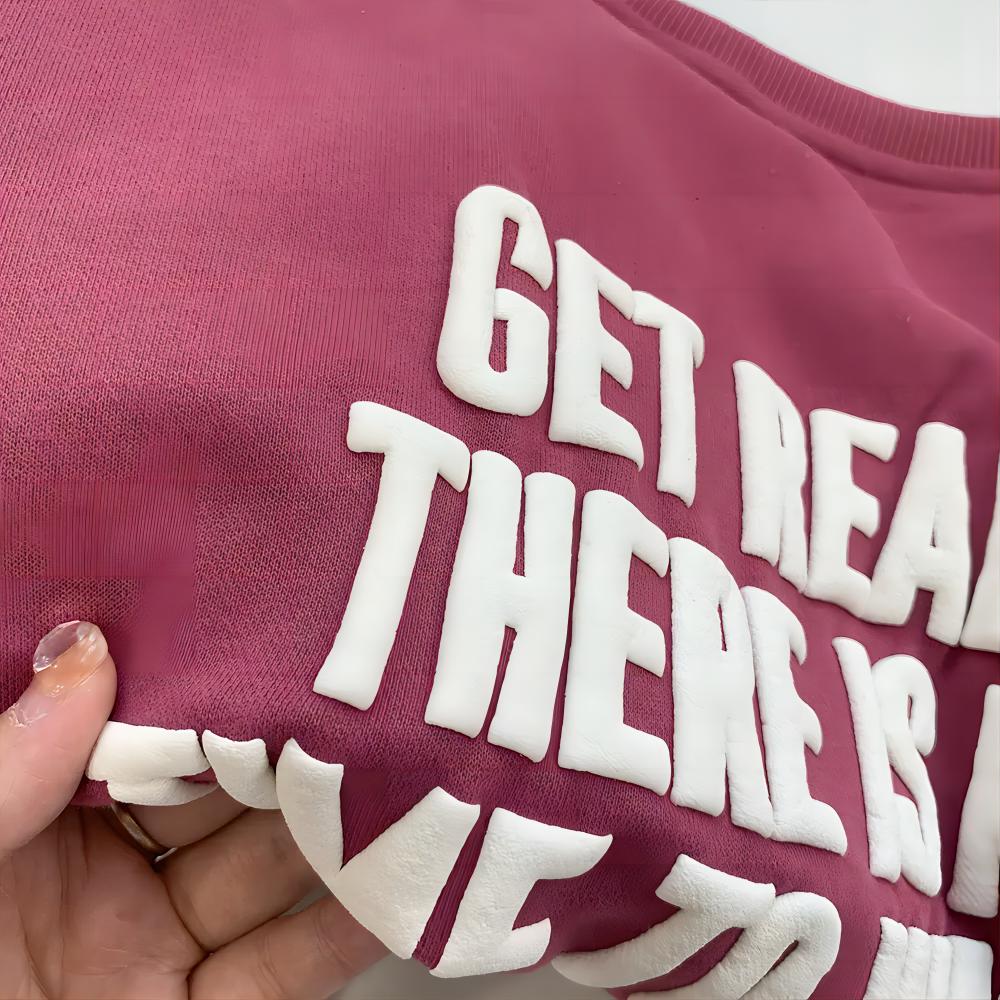
Five variables deserve approval: artwork complexity, order quantity, wash durability, hand feel, and color requirements.
- Record Pantone or ink references.
- Confirm thread color and stitch density.
- Approve placement, size, and tolerance.
- Check wash performance on the actual garment.
Build A Reorder Standard
One approved sample should remain the physical benchmark, supported by vector artwork, editable source files, placement measurements, thread or ink references, and label specifications.
- Archive front, back, and close-up photos.
- Record decoration method and supplier reference.
- Reapprove artwork after any fabric or fit change.
6. Key Construction Quality Elements
A repeat order matches the approved garment only when construction details are recorded as production standards.
Fit, Grading, And Seams

A measurement chart should state points of measure, base size, grading increments and tolerances, commonly ±1 cm for key dimensions. Record shrinkage allowances separately so post-wash measurements are not confused with sewing variation.
Rib, Trims, And Closures
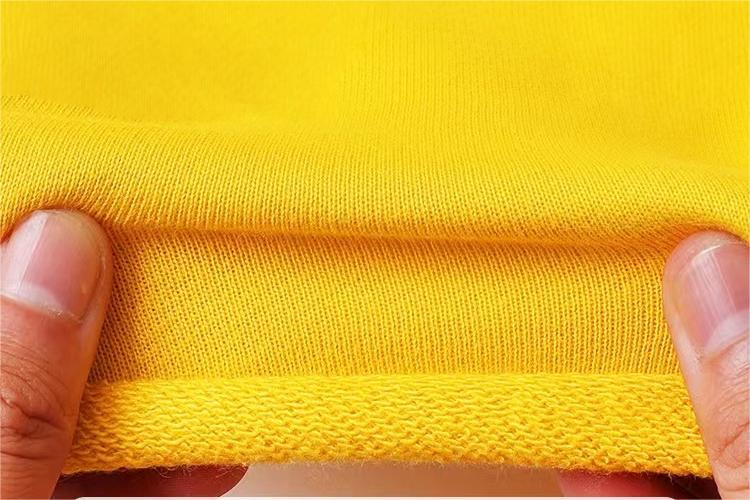
A rib specification should identify composition, width, weight, recovery expectation and color reference; test cuffs and waistbands after stretching and laundering. Trims must list drawcords, snaps, patches, labels and thread details by approved material and placement.
Decoration, Testing, And Packing
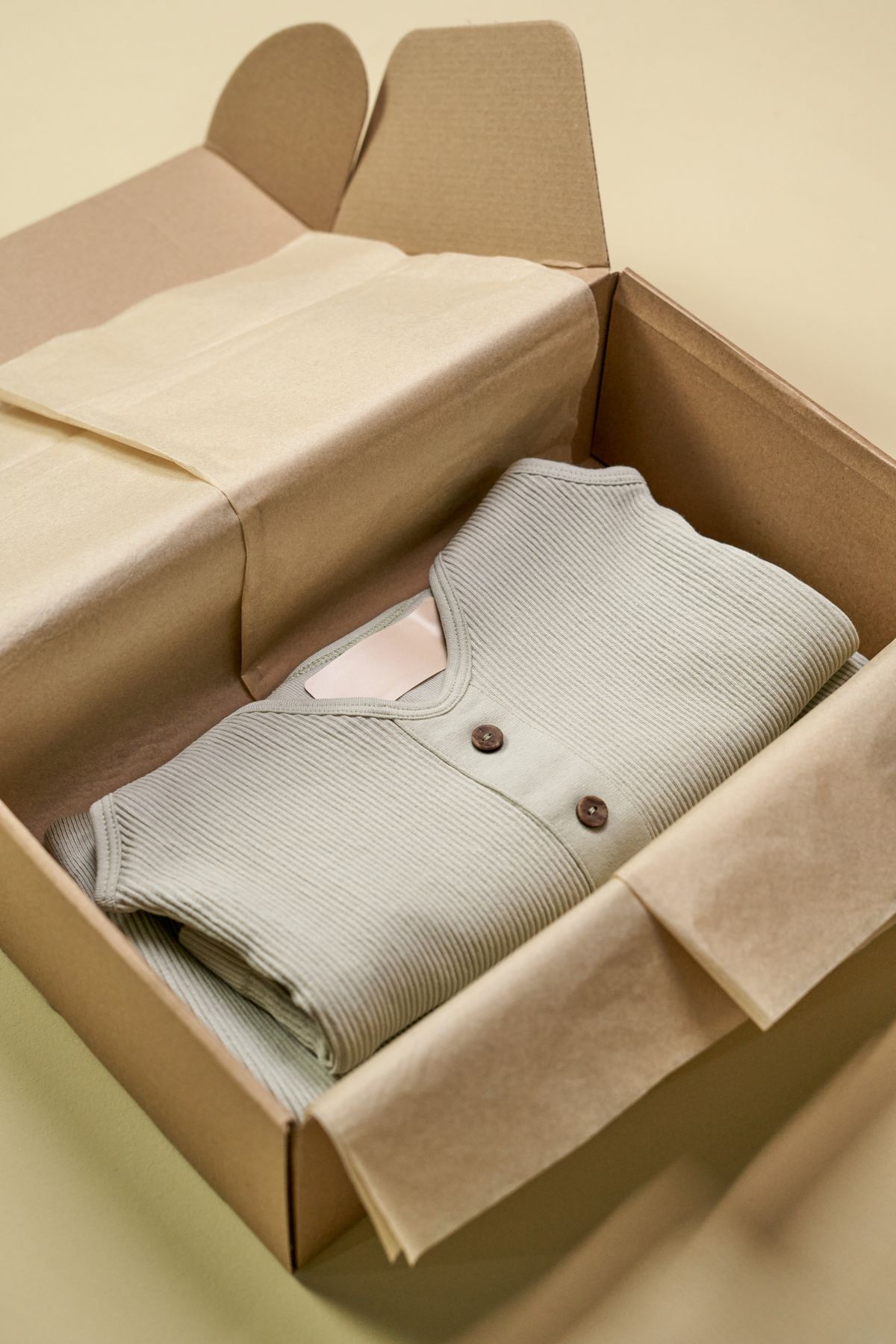
A placement chart should define artwork dimensions, reference points, technique, colors and tolerances for print or embroidery. Pre-production approval should include colorfastness and wash-performance checks, especially where pigment, fleece, jerseys or dark garments are involved.
7. How to Choose a Clothing Reorder Manufacturer
Three checkpoints separate a dependable reorder partner from a cheap first-order supplier: approved-sample fidelity, repeatable inputs, and visible delivery controls.
Verify The Production Standard

1 approved sample should define measurements, construction, decoration placement, Pantone references, labels, trims and packaging. Ask how revisions are logged and whether corrections are confirmed before bulk cutting.
- Can you reproduce this sample after six months?
- Who signs off measurement and artwork corrections?
- How are rejected or corrected units handled?
Test Capacity And Continuity
EDVORIN’s MOQ starts at 200 pieces per style. 3 reorder questions should cover MOQ flexibility, monthly capacity and realistic lead-time ranges from material booking through inspection. Require separate timing for fabric, trims, production, washing and freight.
- What capacity is reserved during peak season?
- Can the same fabric and rib be sourced again?
- What is the reorder lead time by stage?
Audit Quality And Documentation
4 control points should be visible: incoming-material inspection, in-line checks, final measurement, decoration inspection and packing verification. Request applicable OEKO-TEX, GOTS, WRAP or BSCI documentation only when relevant and verifiable. Communication quality is operational evidence.
- Which records accompany each shipment?
- How are nonconformities escalated?
- Can you provide current compliance documents?
Compare Total Reorder Risk
20% lower pricing can disappear through remakes, missed launches, substitute fabrics, broken size runs, relabeling, storage or expedited freight. Compare quotes using identical specifications, tolerances, packaging, Incoterms, inspection scope and correction responsibility.
- What costs are excluded from the quotation?
- Who pays when approved specifications are missed?
- How is urgent freight coordinated?
8. Common Clothing Reorder Planning Mistakes
Eight recurring errors can turn a proven garment into an unreliable reorder.
Plan At Size Level
A style-level sales total can hide a broken size curve: selling 80 hoodies does not show whether M or 2XL caused the stockout. Track units by SKU, color, and size, then set reorder points for each meaningful variant.
Respect Lead Times
A 45-day supplier lead time makes a reorder decision based only on current stock dangerously late. Record sampling, material booking, production, inspection, and freight stages separately before setting the trigger date. A seasonal or tournament deadline should be loaded into the forecast before purchasing begins.
Protect Specification Consistency
One missing measurement, Pantone reference, trim detail, or decoration placement can create a different garment on the second order. Lock the approved sample, tech pack, fabric composition, GSM, grading, artwork file, labels, and packaging instructions as the repeat standard.
Unify Demand And Value
A spreadsheet, marketplace report, warehouse file, and wholesale order book can each show a different balance. Reconcile one source of truth for sales, returns, commitments, on-hand stock, and inbound quantities before approving replenishment. A low unit price is not economical if fabric, color, fit, or decoration changes between batches.
9. Steps to Launch a Reorder Program
1 reorder program starts with a small group of repeatable core SKUs, not the entire assortment.
Select Core SKUs
3–10 proven styles should normally anchor the first program: repeatable hoodies, T-shirts, jerseys or joggers with stable materials, decoration and size demand.
Document The Standard
1 approved sample, tech pack and measurement chart should define every reorder reference. Designers record fabric composition, GSM, color standard, artwork placement, trims, labels, packaging and allowed tolerances.
Set Triggers And Order
2 thresholds are essential: a reorder point based on demand during supplier lead time plus safety stock, and a target level after replenishment. Operations owns alerts; finance validates the purchase budget.
Inspect And Review
4 checkpoints protect repeatability: pre-production approval, in-line inspection, final inspection and receiving count. Operations records shortages, defects, labeling errors and delivered quantities before stock is released.
10. Clothing Reorder Planning Pricing and Cost
Repeat-order cost is rarely just the garment base price: decoration or finishing, setup and sampling, packaging, freight, duties, inspection, rush charges and inventory carrying cost can materially change landed cost. Treat approved specifications, artwork placement, trims, labels and packing instructions as cost-control documents.
| Quantity Tier | Indicative Cost Components | Lead-Time Considerations | Buyer Notes |
|---|---|---|---|
| Small repeat | Base garment; decoration; setup or sampling; inspection; packaging | Existing materials may shorten development; production capacity still requires confirmation | EDVORIN’s MOQ starts at 200 pieces per style. Higher per-unit cost; verify MOQ, size curve, and artwork records |
| Mid-volume repeat | Base garment; decoration or finishing; packaging; freight allocation; inspection | Often more efficient after approvals; reserve fabric, trims, and line capacity early | Compare unit price with carrying cost and expected sell-through |
| Large repeat | Base garment; decoration; packaging; freight; duties; inspection | May improve tier economics but can require longer production and booking windows | Check color continuity, size balance, warehouse space, and cash tied in stock |
| Rush reorder | Base garment; decoration; packaging; expedited freight; rush charge | Rush fees and material availability can dominate; sampling may be limited | Use only for documented demand; confirm inspection scope and delivery commitment |
Plan Your Next Clothing Reorder With EDVORIN
Share your current collection, tech pack or initial concept and let EDVORIN build a clear path to repeatable production.