
Clothing Manufacturing Cost: Build a Smarter Production Budget
EDVORIN is an OEM clothing manufacturer and ODM apparel manufacturer supporting private label clothing brands from product development through bulk production, with MOQ starting at 200 pieces per style.
What Shapes an Apparel Production Budget
Evaluate each cost driver together—from fabric and construction to decoration, sampling, order quantity, packaging and quality control.
Materials And Trims
Fabric weight, fiber choice, trims and performance requirements shape unit cost, durability and the final specification for every garment.
Construction Complexity
Patterns, panels, hardware and sewing operations affect labor time, fit development and repeatability across casualwear, outerwear and teamwear.
Decoration Methods
Custom apparel printing, custom apparel embroidery, patches, washing and specialty finishes add process steps, testing needs and placement controls to the production budget.
Sampling And Approval
Proto samples, revisions and approval standards expose cost risks early, helping buyers confirm construction before committing to bulk production.
Order Quantity
With MOQ starting at 200 pieces per style, planned quantities influence setup efficiency, unit economics and inventory exposure.
Packaging And Quality
Custom clothing labels and packaging, polybags, cartons, in-line checks and final inspection protect consistency while keeping fulfillment requirements visible in the quote.
Apparel Categories for Repeat Production
From first sample to bulk order, EDVORIN develops and manufactures category-specific apparel for fashion, streetwear, teamwear and private-label programs.
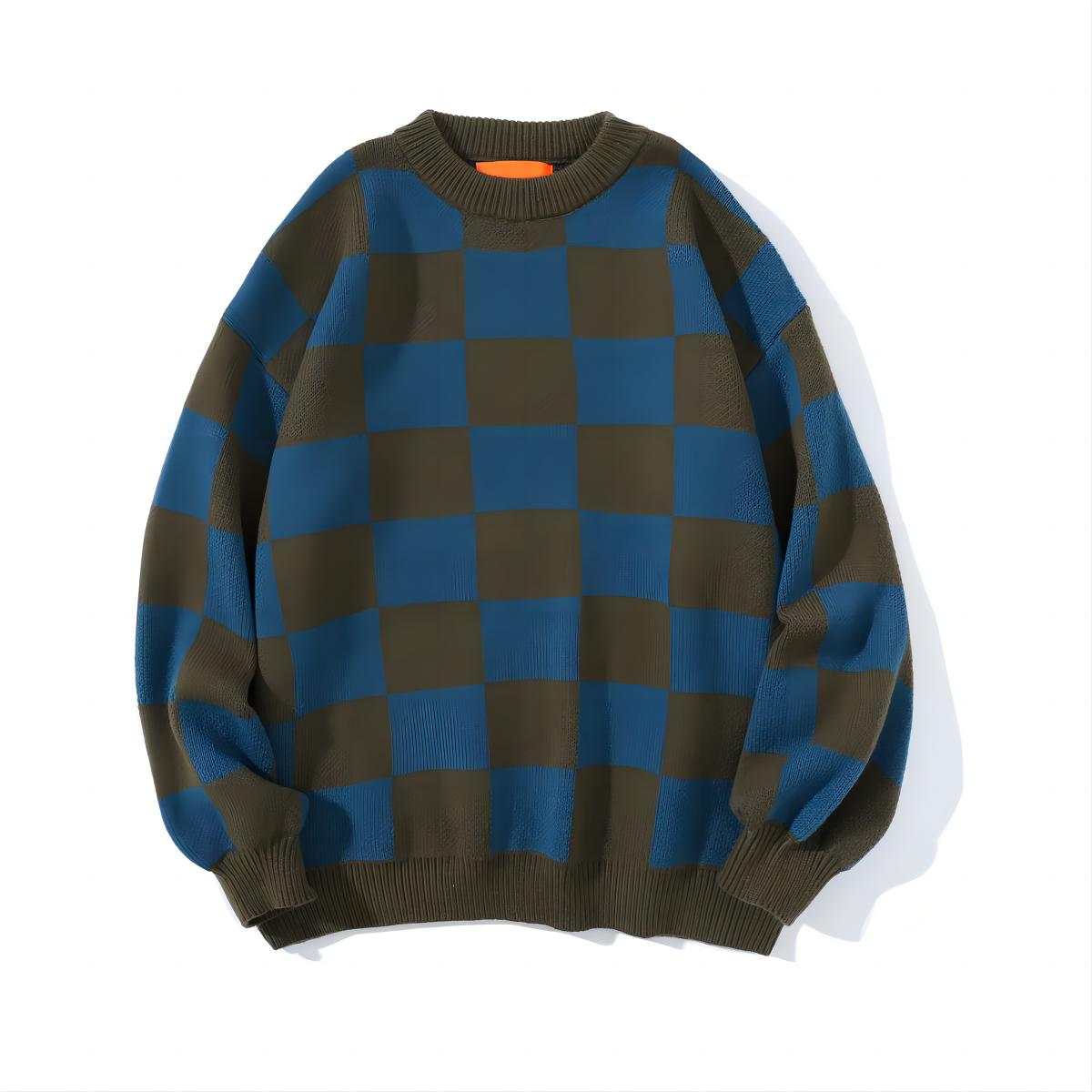
Custom Hoodies
As a custom hoodie manufacturer, EDVORIN develops fleece weights, fit blocks, rib specifications, drawcords, trims and decoration for men’s and women’s programs. Samples are reviewed against approved construction and measurements before bulk production, supporting repeatable private-label, streetwear and wholesale orders.
Get a Quote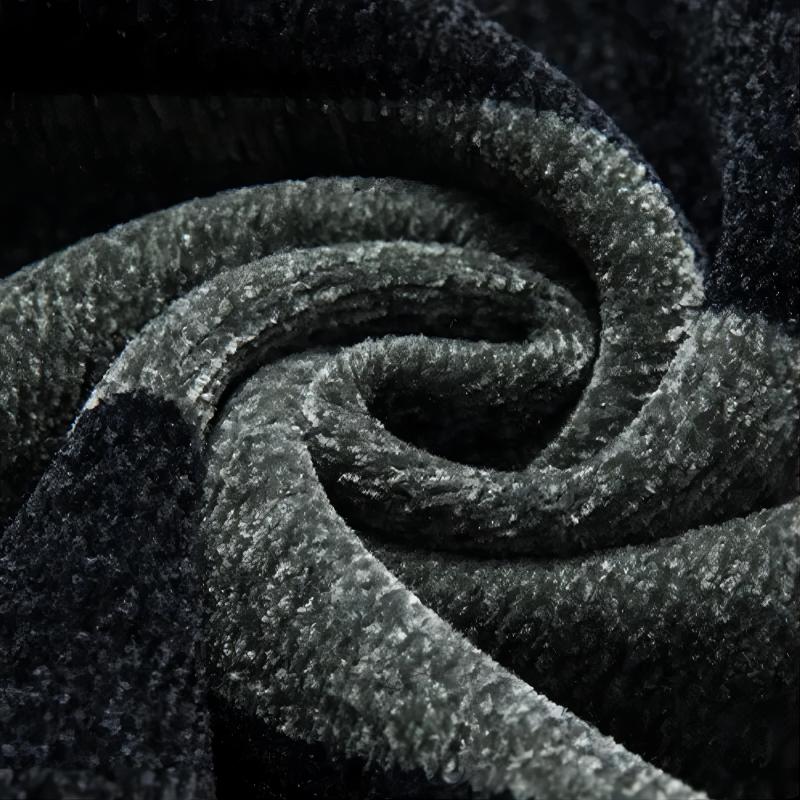
Pullover Sweatshirts
EDVORIN works as a sweatshirt manufacturer for pullover styles across different fleece weights, silhouettes and finishing requirements. Product development can include fit adjustment, brushed or unbrushed fabric, rib recovery, embroidery, printing, labeling and packaging, with standards documented from sample approval through bulk production.
Get a Quote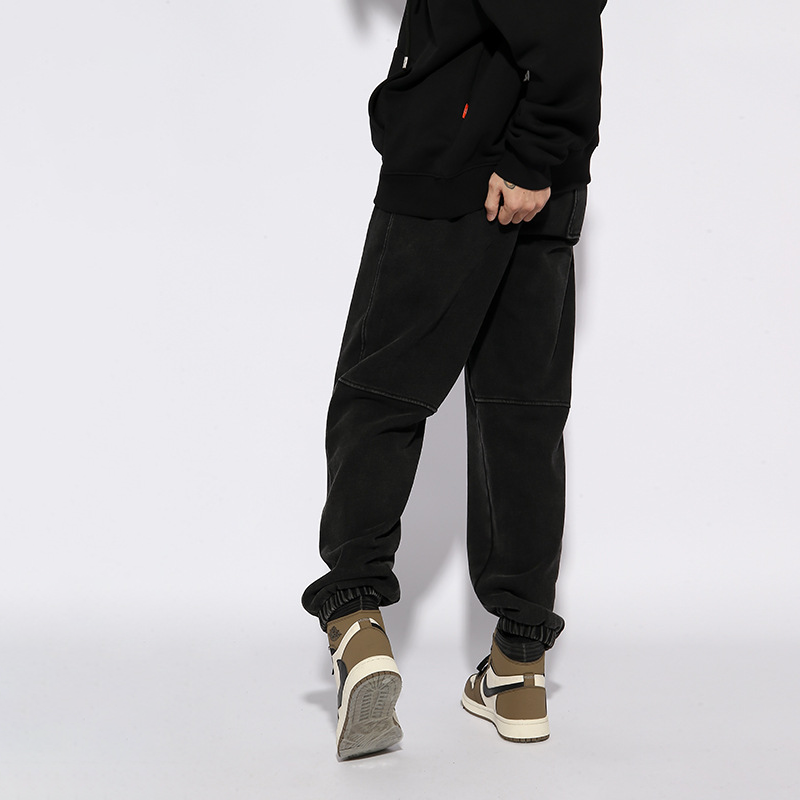
Sweatpants & Joggers
As a sweatpants manufacturer, EDVORIN develops joggers and sweatpants with tailored or relaxed fits, fleece or jersey materials, waistband construction, drawcords, pockets, cuffs and branding details. Men’s and women’s blocks can be adjusted for intended use, from coordinated streetwear sets to wholesale basics.
Get a Quote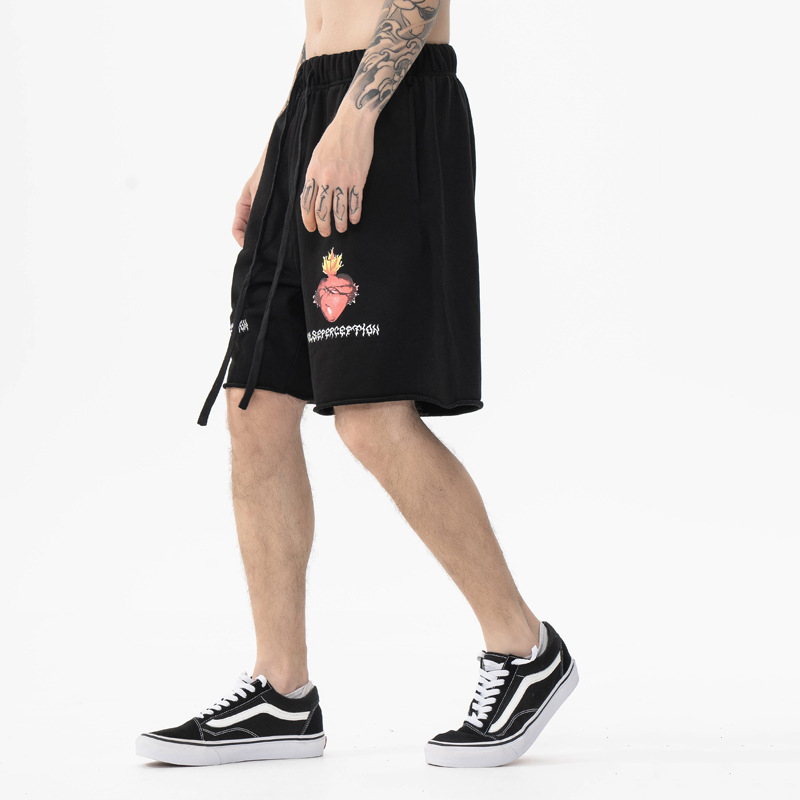
Custom Shorts
EDVORIN develops custom shorts for casualwear, streetwear, sports and private-label programs. Options include fleece, jersey, woven and performance materials, with attention to inseam, waistband, pocket layout, lining, trims, printing and embroidery. Approved samples establish the specifications used for repeat bulk orders.
Get a Quote
Varsity & Baseball Jackets
As a varsity jacket manufacturer, EDVORIN coordinates body fabric, sleeves, rib, snaps, lining, patches, embroidery and appliqué within one production path. Baseball-inspired constructions and men’s or women’s fit blocks can be developed for schools, streetwear labels, sports organizations and private-label collections.
Get a Quote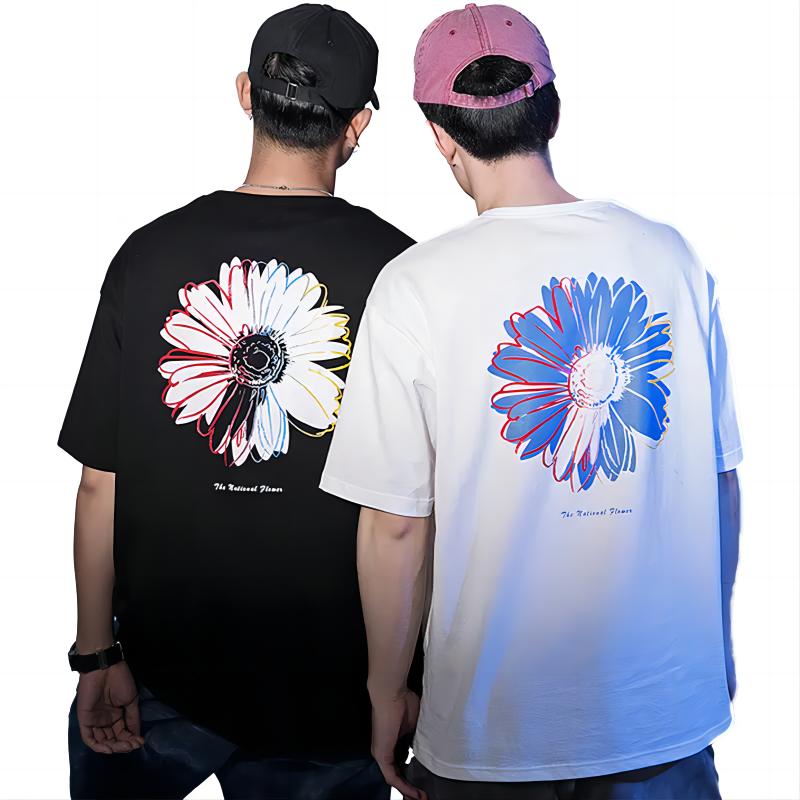
Custom T-Shirts
EDVORIN develops custom T-shirts with selected fabric weights, yarn qualities, fits, neck rib, seam construction and finishing requirements. Product programs may include screen printing, digital printing, embroidery, labels, washes and packaging, with men’s and women’s specifications reviewed against an approved sample before bulk production.
Get a Quote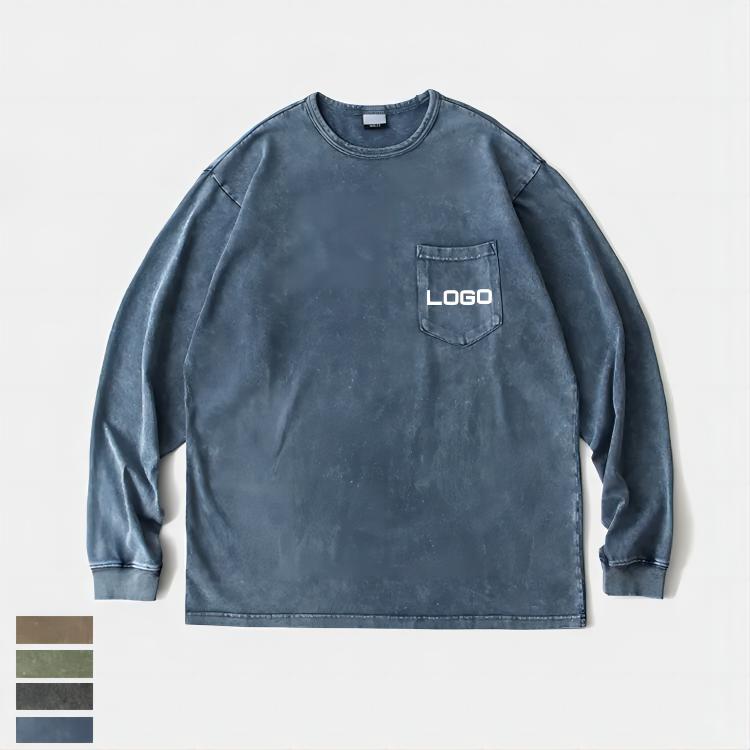
Custom Polo Shirts
As a polo shirt manufacturer, EDVORIN develops pique, jersey and performance polo programs for brands, clubs, schools and corporate buyers. Collar and cuff construction, plackets, buttons, fit, color, embroidery, printing and labeling are coordinated to create a documented standard for repeat orders.
Get a Quote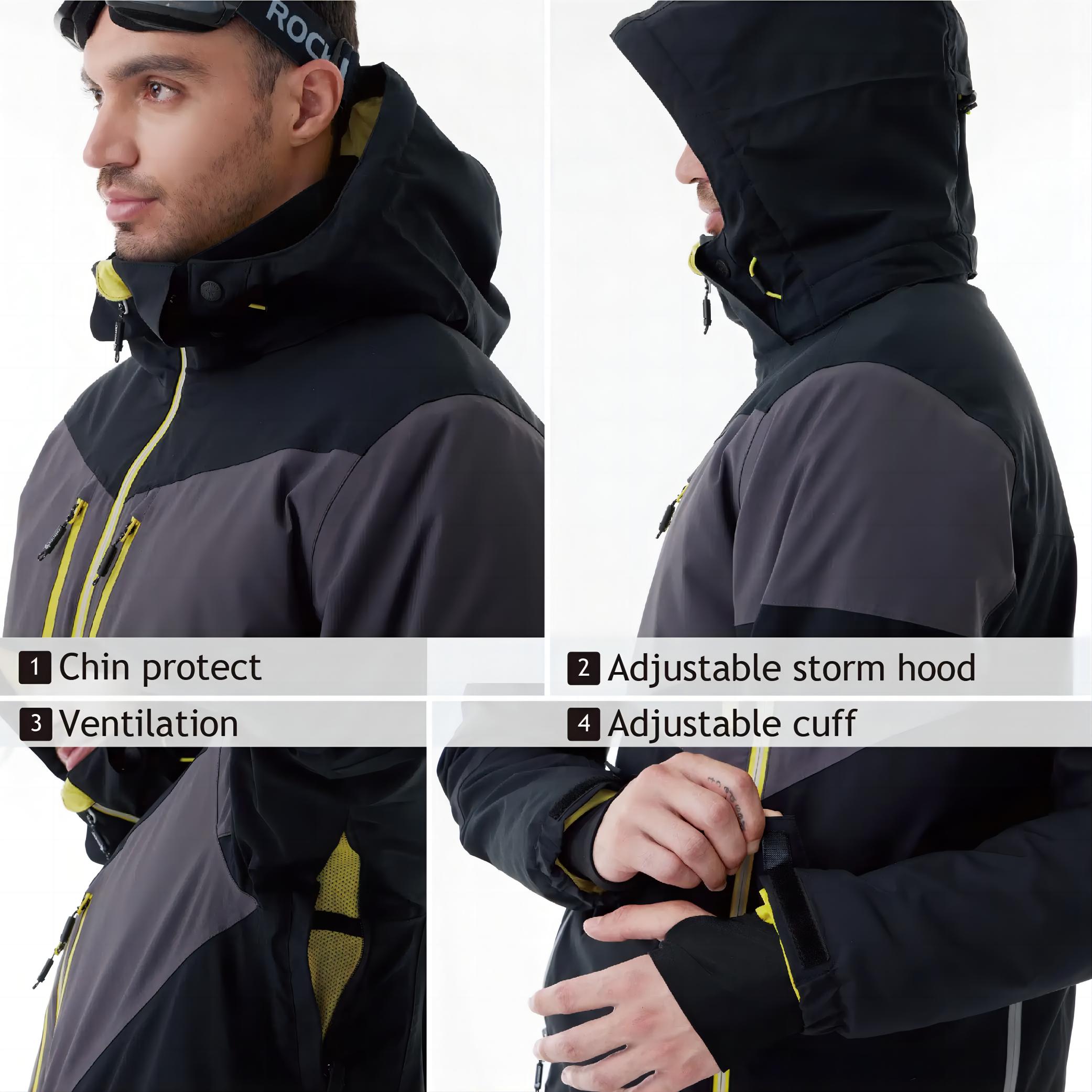
Windbreaker Jackets
EDVORIN develops windbreaker jackets for lightweight outerwear, teamwear and streetwear programs. Shell fabric, lining or mesh, hood construction, waterproofing requirements, zippers, elastic details, pockets, reflective elements and decoration are evaluated together, with fit and performance specifications adjusted for men’s or women’s use.
Get a Quote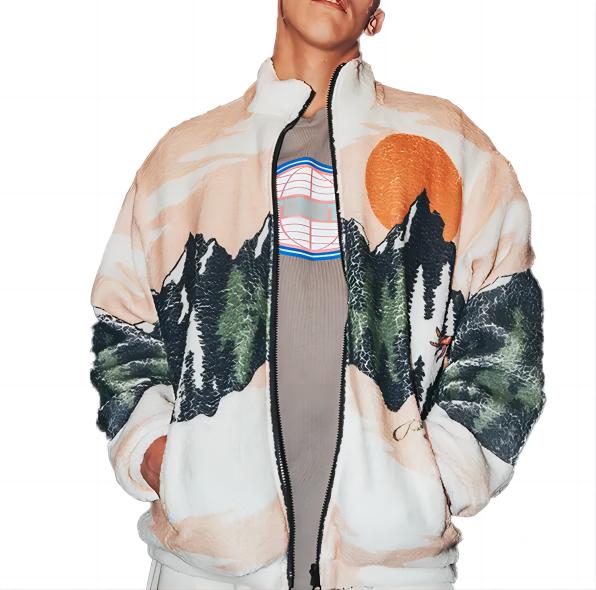
Quilted Jackets
As a quilted jacket manufacturer, EDVORIN coordinates shell fabric, lining, insulation, quilting pattern, panels, closures, pockets, labels and packaging. Development can support lightweight transitional styles or warmer outerwear, with construction and measurements documented through sampling, inspection and approval before bulk production.
Get a Quote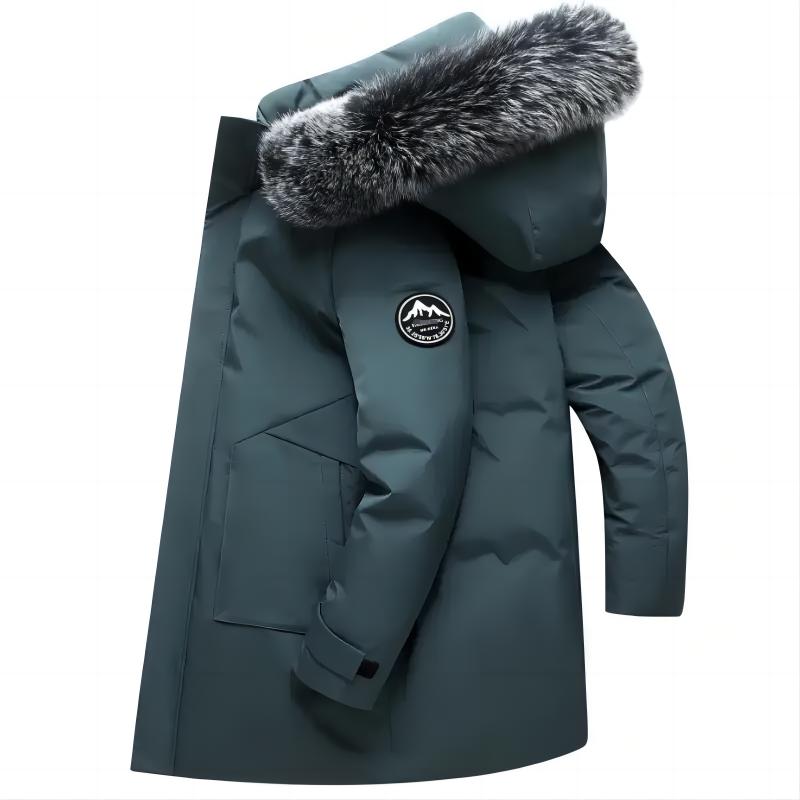
Bomber Jackets
EDVORIN develops bomber jackets with attention to shell material, lining, insulation, rib collar, cuffs, hem, hardware, pockets and decoration. Product specifications can be adapted for fashion, streetwear, teamwear or private-label programs, with approved samples providing the reference for consistent bulk manufacturing.
Get a Quote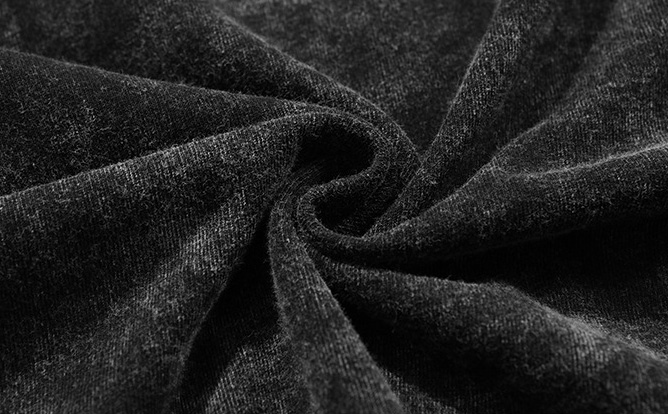
Custom Shirts
As a custom woven shirt manufacturer, EDVORIN develops woven shirts with selected fabric, collar, cuff, placket, button, pocket and hem constructions. Fit blocks and proportions can be adjusted for men’s and women’s collections, while embroidery, printing, labels, washing and packaging are coordinated with the production standard.
Get a Quote
Custom Jerseys
EDVORIN develops custom jerseys for sports clubs, teams, schools and streetwear programs using performance fabrics and category-specific construction. Artwork, colors, numbers, names, sponsor marks, size grading, placement and finishing are controlled against approved specifications to support organized team orders and repeat production.
Get a Quote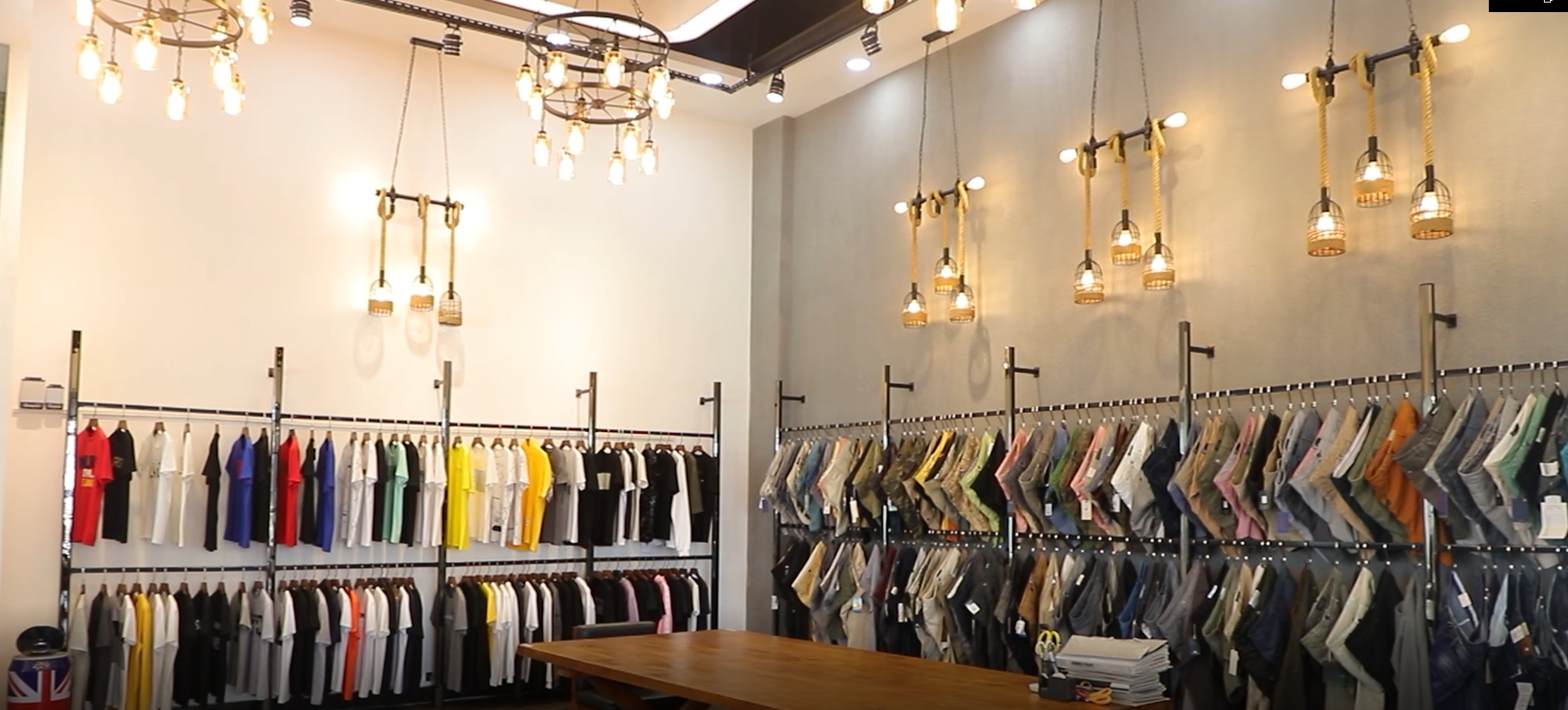
Tank Tops
As a custom tank top manufacturer, EDVORIN develops tank tops in jersey, rib or performance materials for casualwear, activewear, streetwear and teamwear. Fit, armhole shape, neckline, binding, hem, decoration, labels and packaging are adjusted to the intended market and documented for repeatable production.
Get a Quote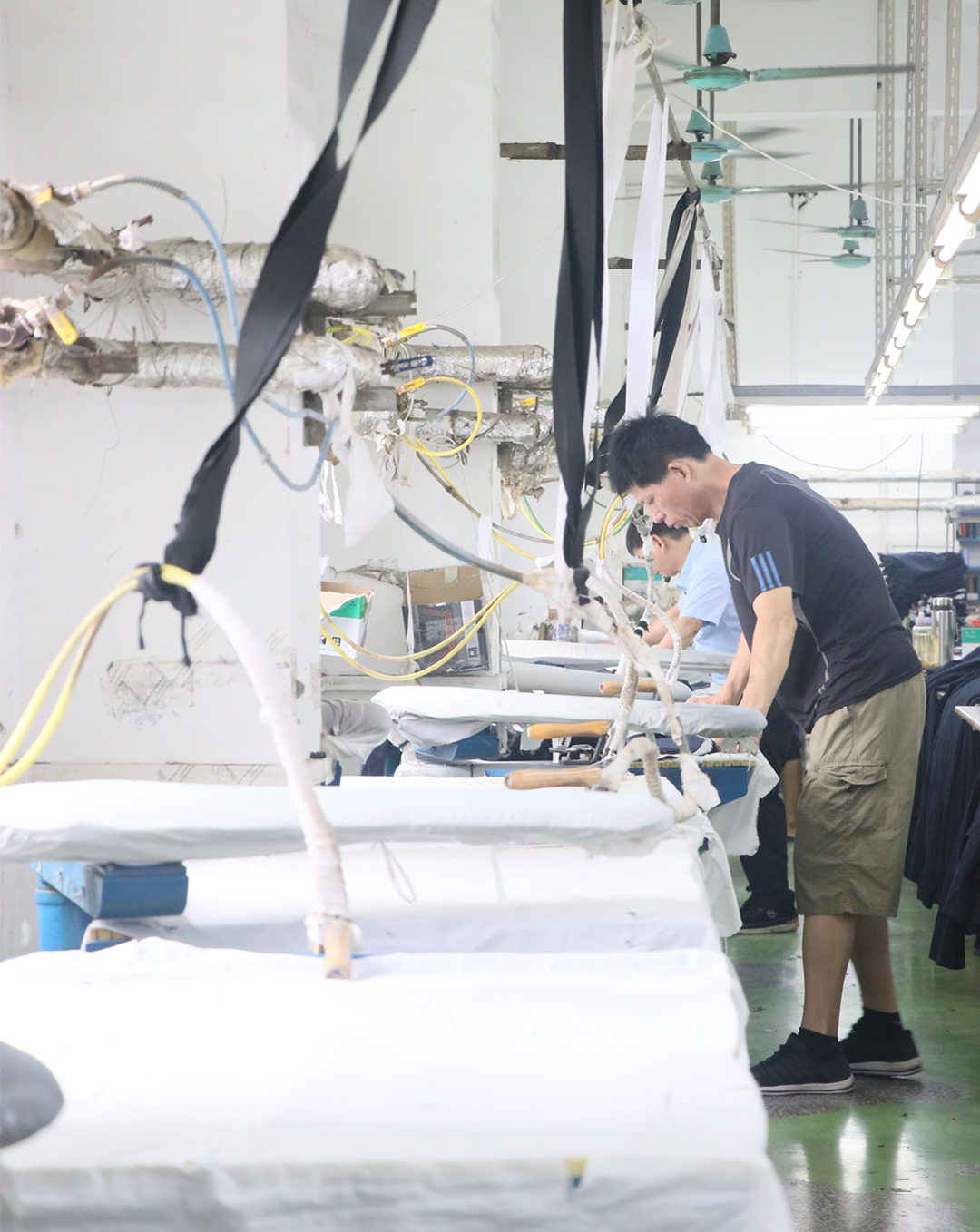
Soccer Uniforms
EDVORIN develops soccer uniforms with coordinated jerseys, shorts and optional accessories for clubs, academies, schools and private-label sports programs. Performance fabric, ventilation, color, sublimation or other decoration, names, numbers, sponsor marks and size sets are organized against approved artwork and production standards.
Get a Quote
Basketball Uniforms
As a basketball uniform manufacturer, EDVORIN develops coordinated jerseys and shorts with performance fabrics, breathable construction and sport-specific proportions. Team colors, player names, numbers, logos, trim, artwork placement and size grading are reviewed and controlled for schools, clubs, academies, sports organizations and repeat team orders.
Get a Quote
Streetwear Collections
EDVORIN develops streetwear collections across hoodies, sweatshirts, T-shirts, bottoms, jackets, woven shirts and coordinated sets. Product development connects fabric, fit, washes, trims, graphics, embroidery, labeling and packaging across styles, helping emerging brands and established buyers turn a collection concept into a repeatable manufacturing standard.
Get a QuoteHow EDVORIN Controls Apparel Production Costs
A connected workflow turns apparel concepts into approved, repeatable production standards with clearer decisions from development through final inspection.
Define the Product Standard
Start with sketches, tech packs or reference garments, then align fit, fabric, trims, decoration and packaging requirements before development begins.
Build a Realistic Cost Plan
Source suitable materials and map construction, decoration, sampling and finishing inputs so the clothing manufacturing cost reflects the approved product requirements.
Approve the Production Sample
Review fit, measurements, color, artwork placement and workmanship through sample revisions, creating a physical standard for repeatable bulk production.
Confirm the Bulk Order
Place orders from MOQ 200 pieces per style, with specifications, quantities and packaging details carried forward into coordinated manufacturing.
Inspect Before Shipment
Use in-line and final checks to compare garments against approved standards, helping reduce rework, variation and unexpected costs before packing.
A Practical Guide to Apparel Production Costs
EDVORIN’s MOQ starts at 200 pieces per style. Use this decision framework to estimate clothing manufacturing cost by product, fabric, decoration, MOQ, and supplier location—then compare manufacturers, protect quality, and avoid budget mistakes that create delays, hidden fees, or excess inventory.
1. What Is Clothing Manufacturing Cost?
Clothing manufacturing cost is the complete expense of turning an approved design into finished, packed apparel. It includes direct costs such as fabric, trims, cutting, sewing, printing or embroidery, labels, washing and labor; indirect costs include supervision, utilities, quality control, equipment and production administration. Separate one-time development fees for patterns, grading, prototypes, samples and revisions from recurring production costs, logistics such as cartons, freight, insurance, duties and customs, and commercial overhead such as payment fees, warehousing, compliance work and contingency. This structure helps buyers compare a hoodie, jersey or jacket on the same financial basis. Landed cost—the amount required to receive sellable goods at the intended warehouse or delivery point—matters more than a quoted unit price alone.
2. How Clothing Manufacturing Cost Evolved
EDVORIN’s MOQ starts at 200 pieces per style. 1950s apparel production was often organized through local workshops or vertically integrated factories, where cutting, sewing, finishing and sometimes fabric production sat within one regional network. This structure supported close supervision and fast communication, but labor, capacity and product variety were constrained by local economics. 1980s–2000s globalization shifted large programs toward cross-border sourcing, where lower labor costs and factory specialization reduced unit prices but added freight, coordination, compliance and longer replenishment cycles. The same garment can receive very different quotes because regions differ in wage rates, productivity, infrastructure, certification requirements and access to fabric mills; business models also allocate development, inspection and overhead costs differently. 2020s low-MOQ production and nearshoring have restored value to shorter supply chains, smaller launches and faster response, especially for streetwear capsules, uniforms and private-label tests.
3. Types of Clothing Manufacturing Cost
A clothing manufacturing cost becomes easier to control when each charge is separated by its production trigger.
Development And Sampling
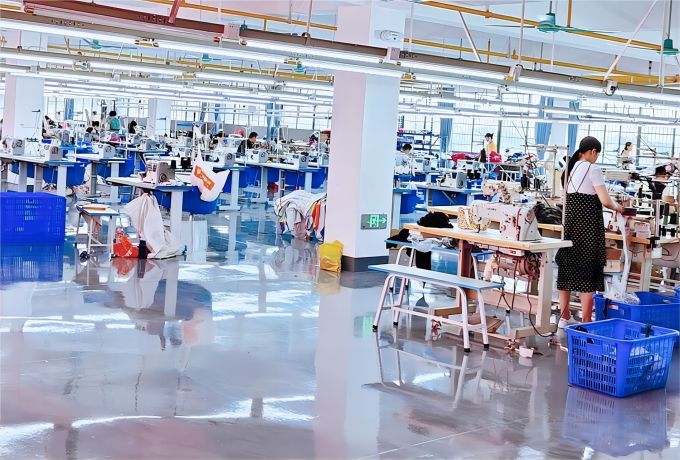
1 style may require design refinement, tech-pack preparation, pattern making, grading, and fit samples before approval. These are mainly fixed or semi-fixed costs, although extra revisions add development labor.
Materials And Production Labor
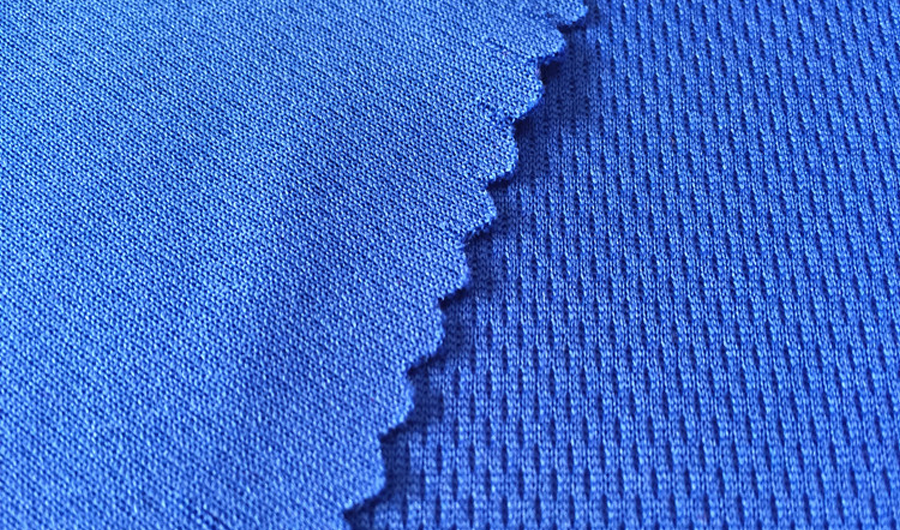
Fabric, rib, lining, insulation, zippers, buttons, labels, and packaging components form the material cost. Consumption changes with size range and marker efficiency, while category choices such as fleece, quilted outerwear, or performance polyester change the base price. 200 units may spread setup costs across fewer garments than a larger order, but cutting and sewing remain variable costs.
Decoration And Final Handling
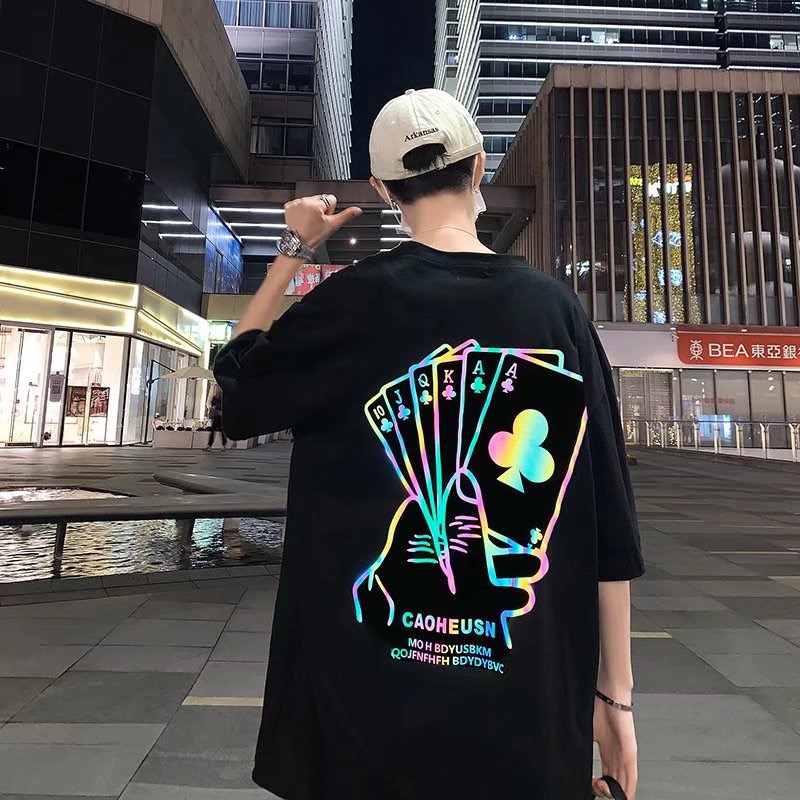
1 decoration plan can combine screen printing, embroidery, heat transfer, appliqué, washing, or name-and-number application. Artwork setup may be fixed per design, while ink, thread, placement count, and garment quantity drive variable charges. 3 control points—inline inspection, final inspection, and packing verification—help contain defects before shipment.
Logistics, Duties, And Fees
Freight, insurance, import duties, brokerage, and destination charges sit outside the factory unit cost but still affect landed clothing manufacturing cost. Freight changes with carton volume, route, service level, season, and product weight. Fixed fees can include sampling charges, pattern digitization, molds, custom hardware, or payment-processing costs; variable fees usually follow units or order value.
4. Materials That Shape Clothing Manufacturing Cost
200–320 GSM shifts fabric spend, sewing behavior and finished weight across an apparel program.
| Fabric | GSM | Typical Use | Cost And Performance Effect |
|---|---|---|---|
| Cotton jersey | 160–220 | T-shirts, polos | Lower material cost; breathable, moderate structure |
| Cotton-poly jersey | 180–240 | Uniforms, teamwear | Improved durability and shade stability |
| French terry | 240–360 | Sweatshirts, joggers | Loopback comfort; mid-to-high fabric cost |
| Brushed fleece | 280–450 | Hoodies, winter joggers | Warmth and softness; higher weight and cost |
| Polyester interlock | 140–220 | Activewear, jerseys | Moisture management; efficient performance construction |
| Nylon or polyester shell | 70–180 | Windbreakers, outerwear | Lightweight protection; coatings and hardware add cost |
Fiber And Fabric Construction
Ring-spun cotton offers a smoother hand than open-end cotton, while polyester supports moisture management and color stability. French terry uses unbrushed loops; fleece adds a brushed, warmer interior.
Weight, Finish, And Shrinkage
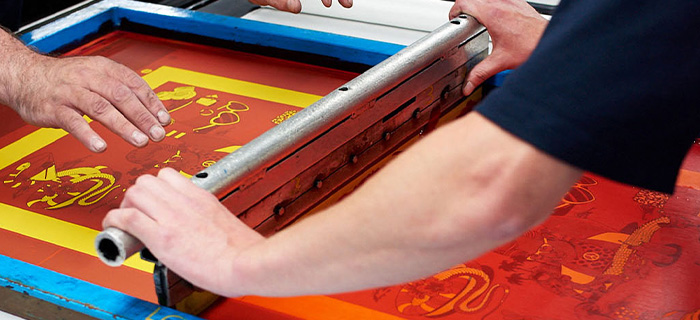
160–220 GSM suits many T-shirts; 280–450 GSM commonly supports hoodies and premium sweatshirts. Higher GSM generally increases material consumption, freight weight and sewing demands.
Fabric Options By Application
The same silhouette can carry very different costs when a buyer changes GSM, fiber, finish or performance target.
5. Customization Options and Clothing Manufacturing Cost
EDVORIN’s MOQ starts at 200 pieces per style. At MOQ 200, decoration choice can shift clothing manufacturing cost through setup, labor, rejects, and repeatability.
| Method | Setup / Minimums | Durability / Design Limits | Per-Unit Impact |
|---|---|---|---|
| Screen printing | Screens; best from 200+ units | Strong; color count and placement matter | Low at volume; setup-heavy |
| Digital printing | Low setup; short runs possible | Detailed artwork; test adhesion and wash | Moderate to high |
| Embroidery, appliqué, patches, labels | Digitizing, backing, custom trims; minimums may apply | Durable; fine detail and stitch density limited | Moderate to high |
| Dyeing, washes, reflective, sublimation | Fabric compatibility and approval tests | Variation, polyester limits, or finish wear | Moderate to high |
Match Method To Volume
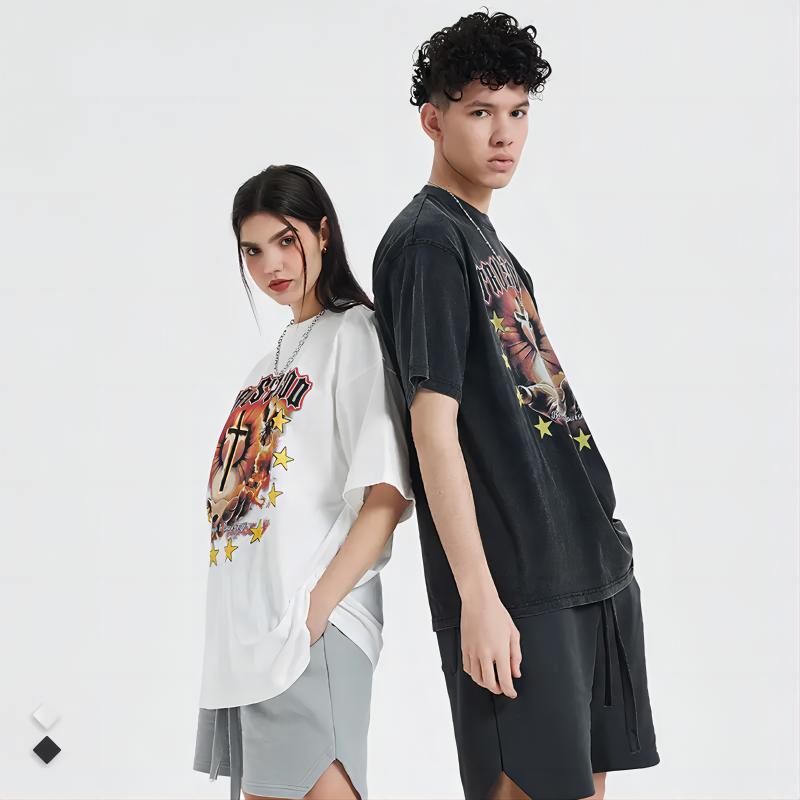
1-color screen printing suits repeat artwork and medium-to-large runs; screens add setup cost, while simple graphics remain economical per unit. Digital printing reduces setup and supports short runs, gradients, and detailed artwork, but usually costs more per piece.
Add Durable Brand Details
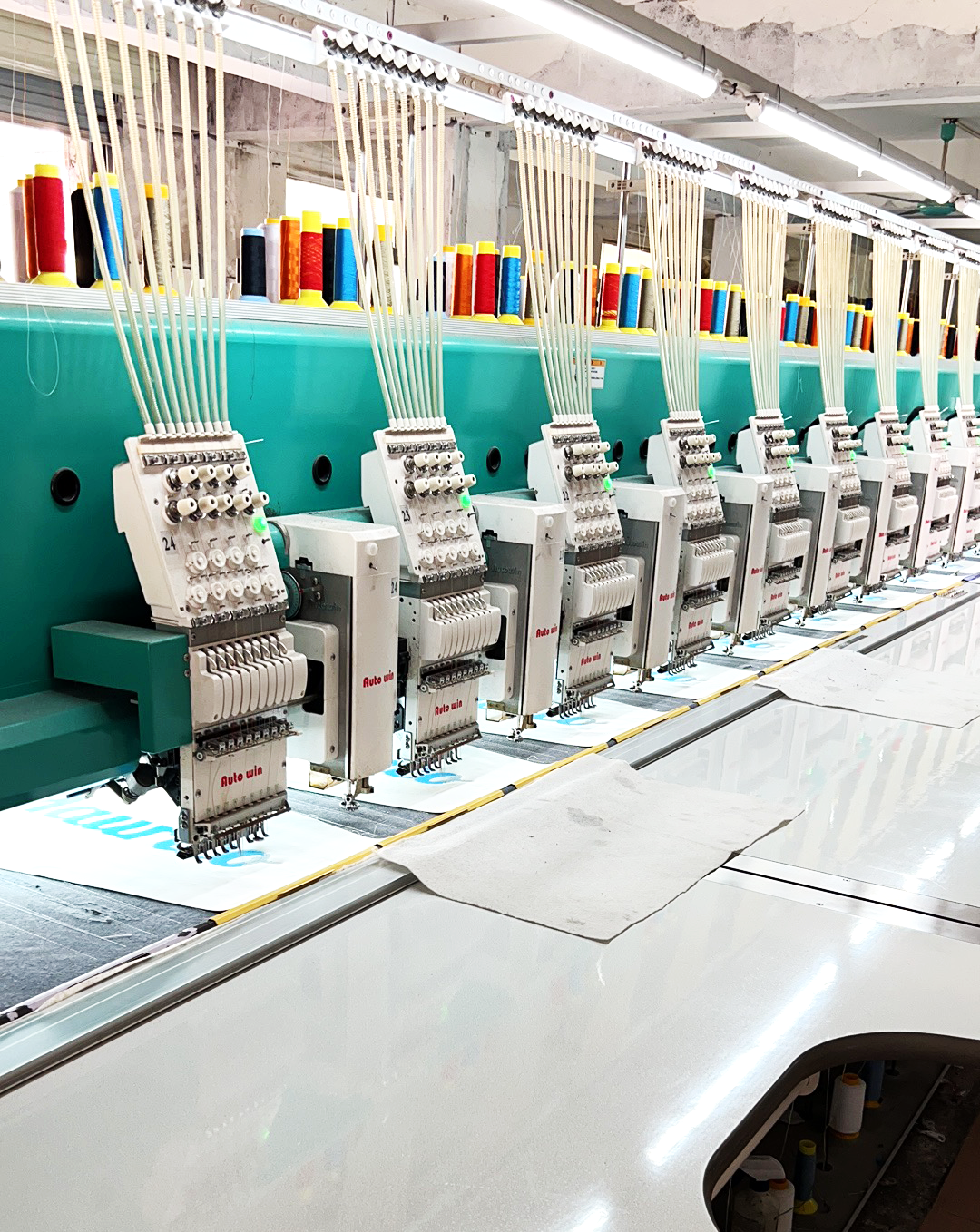
3D embroidery, appliqué, woven patches, and labels require digitizing, cutting, backing, or custom trim development. They add labor and may require minimum quantities, but improve perceived durability and brand recognition. Embroidery is limited by stitch density and fine detail; appliqué and patches suit bold shapes.
Specify Performance Finishes
Heat-transfer reflective details, sublimation, garment dyeing, washes, and specialty finishes require compatibility testing with the base fabric. Sublimation suits polyester and all-over color; garment dyeing and washes can create shade variation and higher sampling costs. Reflective trims support teamwear and safety use but add material and application cost.
6. Construction Quality Elements That Affect Cost
A 1% defect rate can erase savings when construction details were never defined.
Seams And Reinforcement
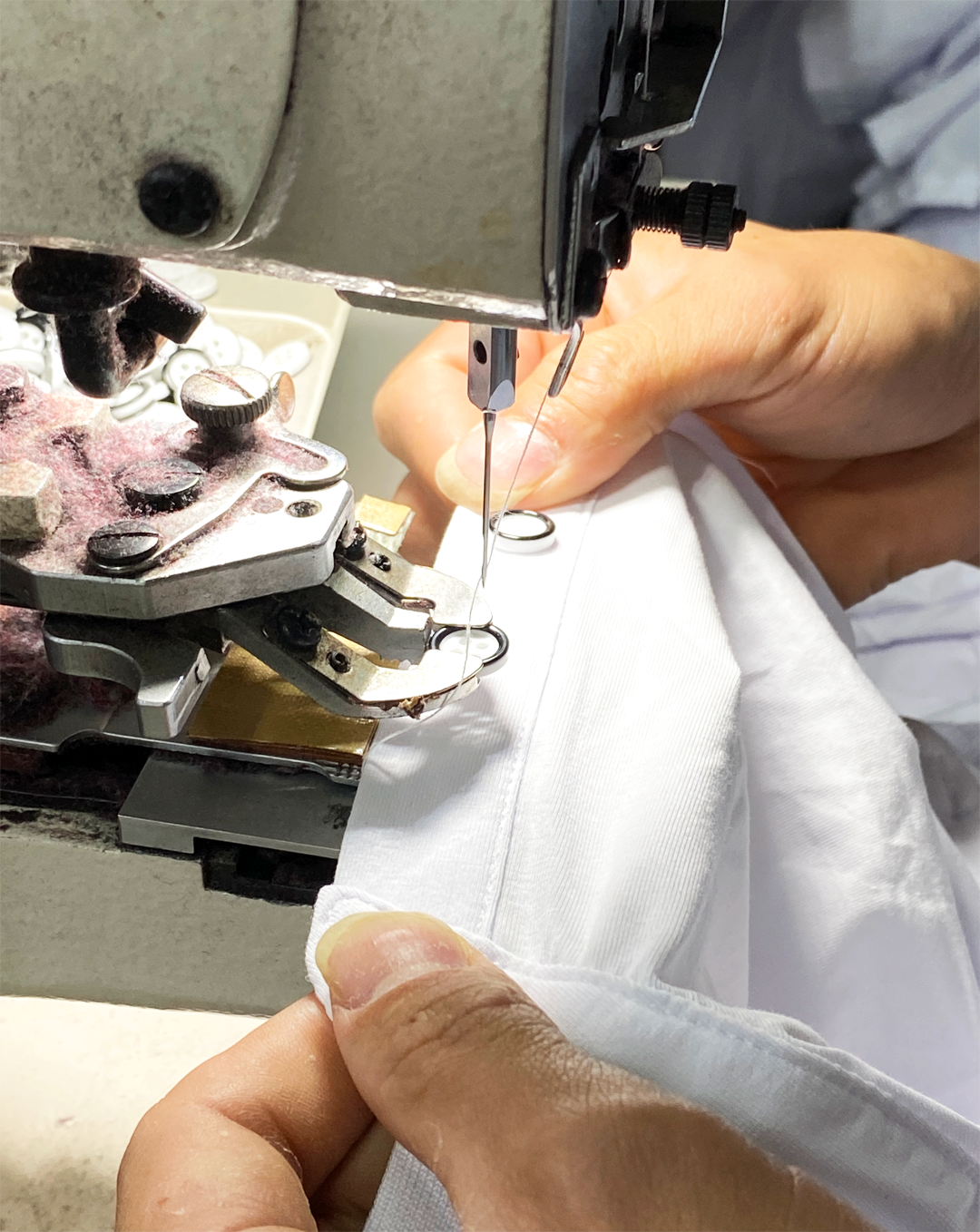
A 2-needle seam, flatlock seam, or overlock finish changes sewing time, appearance, and failure risk. State seam type, stitch density, seam allowance, and stress points for each style rather than assuming a higher-priced build is automatically stronger. Three reinforcement areas commonly deserve explicit review: pocket corners, crotch joins, and pocket openings.
- Check skipped stitches, puckering, and loose thread tails.
- Test stretch seams after washing and pressing.
Fit, Grading And Recovery
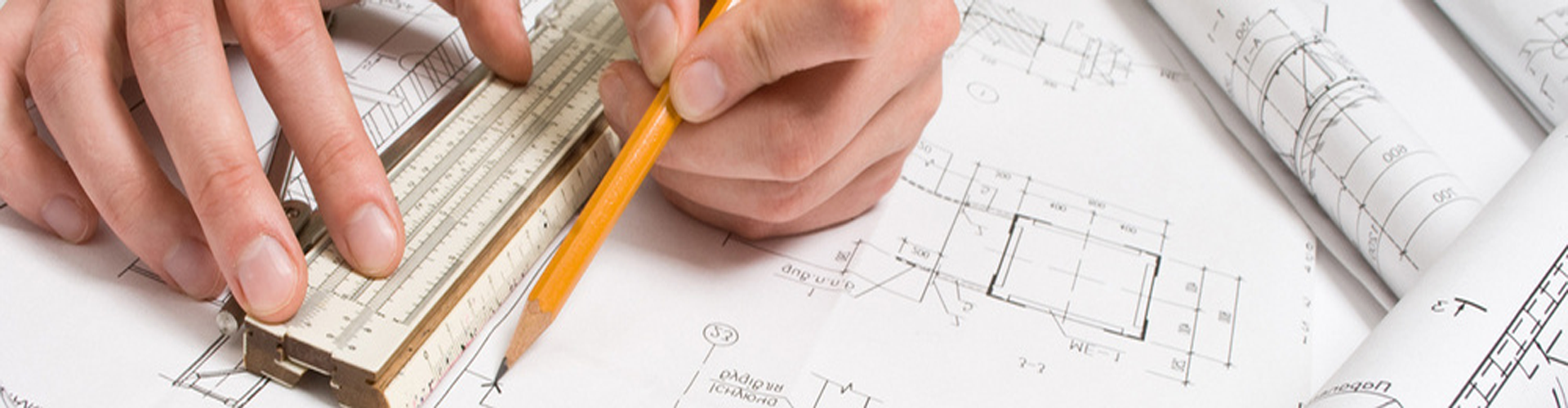
One approved size does not validate an entire size range. Confirm the measurement chart, grading increments, balance, sleeve pitch, and measurement tolerance across the size set; inaccurate grading creates returns even when sewing is clean. A 5% stretch-recovery check is useful for elastic components and rib, while wash testing reveals shrinkage and distortion.
- Measure before and after laundering.
- Record tolerance by measurement point, not by garment category.
Trims, Finishing And Packing
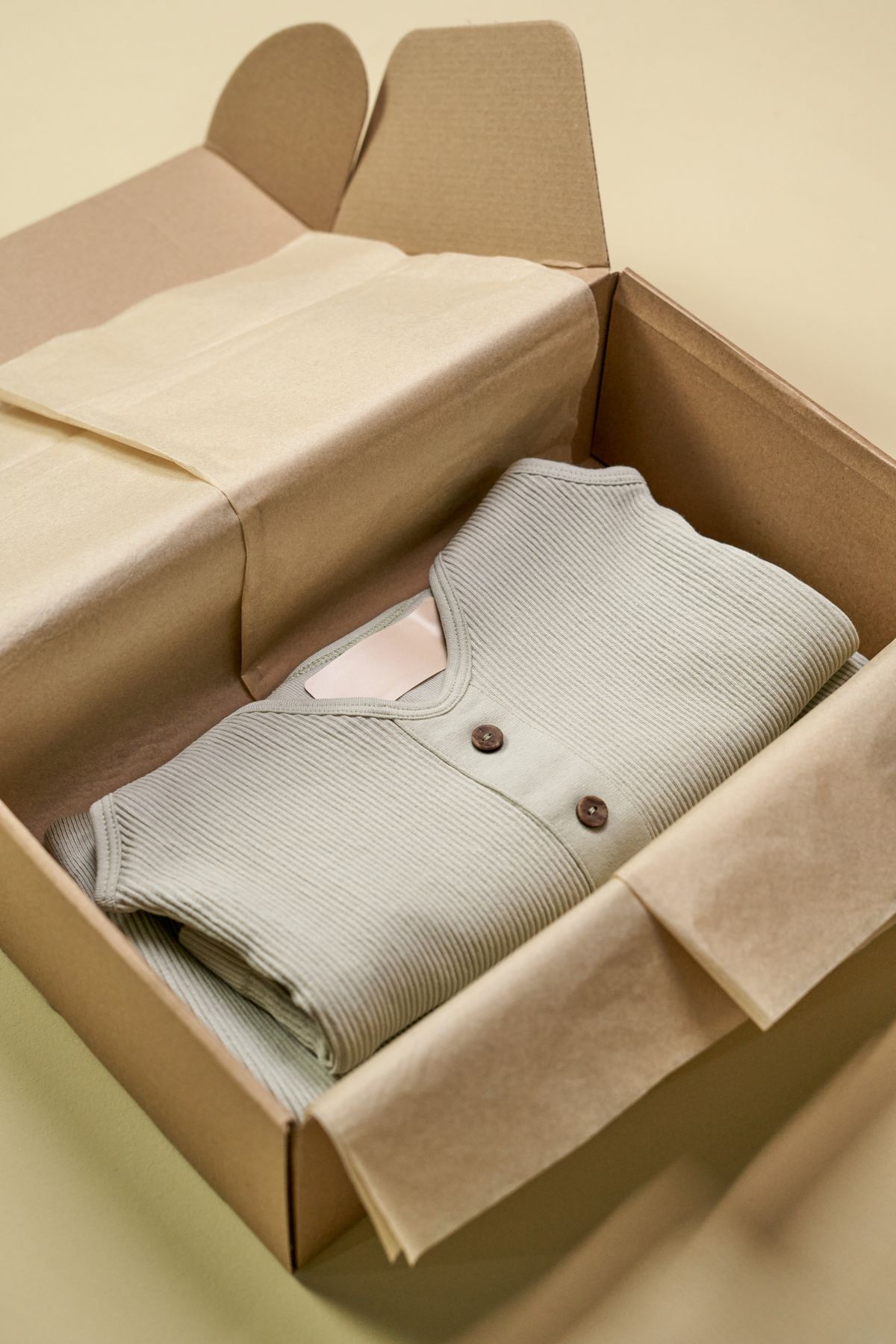
YKK zippers, snaps, labels, care marks, and woven badges should be named in the specification, including finish, placement, and attachment method. Hardware substitutions or inaccurate labels create customer complaints and may require sorting or relabeling. Final pressing, thread trimming, folding, polybagging, carton marks, and size segregation add handling time.
- Verify hardware operation and label spelling.
- Check folded dimensions, carton counts, and size separation.
7. How to Choose a Clothing Manufacturer
A reliable supplier should match your product category, order scale and documentation needs.
Match Product Specialization
A hoodie, jersey and quilted jacket require different machinery, materials and construction controls. Ask whether the factory regularly produces your category and both intended men’s and women’s fit blocks.
Check MOQ And Sampling
EDVORIN’s MOQ starts at 200 pieces per style. MOQ 200 can suit an initial test, but confirm whether minimums apply per style, color, size or fabric. Ask how quantity changes affect setup fees and unit pricing.
Verify Controls And Capacity
A documented process should cover measurement checks, fabric inspection, artwork placement, in-line inspection and final packing review. Request relevant OEKO-TEX, GOTS, WRAP or BSCI documentation where required. Ask for realistic monthly capacity, current queue, peak-season lead times and contingency plans.
Compare The Landed Offer
A final quote should separate garment, trims, decoration, labels, packaging, sampling, freight, duties and payment milestones. Confirm whether prices are EXW, FOB, CIF or delivered.
8. Common Clothing Manufacturing Cost Mistakes
A complete clothing manufacturing cost review must cover development, production and delivery.
Compare Complete Quotes
A low unit price can exclude sampling, labels, packaging, decoration, freight, duties or inspection. Compare quotes line by line using the same garment specification, quantity, Incoterm and delivery destination. A practical prevention tactic is requesting an itemized cost sheet before approving development.
Validate Materials And Decoration
One approved sample can expose an unsuitable fabric before bulk production. French terry, fleece, ring-spun cotton and open-end yarn behave differently in shrinkage, recovery, hand feel and decoration compatibility. A prevention tactic is testing fabric, print or embroidery together, then approving the exact trim list.
Control Grading And Demand
A single approved size does not validate the full size range. Pattern grading, proportions and measurement tolerances must be reviewed across the intended men’s or women’s program before cutting. Overordering to obtain a lower unit cost can tie up cash in unsold stock.
Freeze Specifications Early
Vague tolerances turn small measurement, color or placement differences into bulk disputes. Record approved measurements, Pantone references, artwork positions, wash standards and acceptable tolerances in the production file. Late changes to fabric, fit, hardware or decoration can trigger new sampling, material waste and schedule charges.
9. Steps to Launch Your Clothing Brand
EDVORIN’s MOQ starts at 200 pieces per style. MOQ 200 rewards disciplined sequencing because development, setup and freight costs are spread across a limited run.
Define Product And Customer
EDVORIN’s MOQ starts at 200 pieces per style. MOQ 200 starts with the wearer, sales channel and product brief: a streetwear hoodie, school uniform, team jersey or private-label basic needs different fit, performance and decoration decisions. A tech pack should record measurements, grading, fabric, trims, Pantone references, artwork placement, labels, packaging and tolerance limits.
Compare Quotes And Approve Prototype
Three comparable quotes should separate fabric, cut-and-sew, decoration, sampling, packaging and shipping assumptions; otherwise a low unit price can hide setup charges or exclusions. Approve a physical prototype, then test fit, shrinkage, colorfastness, print or embroidery durability and wash performance.
Lock Purchase Order And Production
Before issuing the purchase order, confirm the 200-piece size breakdown, color quantities, approved materials, delivery window, payment terms, inspection method and carton labeling. Production should follow the approved sample and documented tolerances.
Inspect, Ship And Review Reorders
Final inspection checks measurements, workmanship, decoration, labels, packing and carton counts against the approved standard before shipment. Resolve shortages or defects while the production record is still available. After delivery, compare sell-through, returns, fit feedback, defects and landed clothing manufacturing cost.
10. Clothing Manufacturing Cost Pricing Guide
EDVORIN’s MOQ starts at 200 pieces per style. Two hundred pieces is a useful planning MOQ, but these are indicative ranges—not an EDVORIN quotation. Fabric, construction, decoration, color count, testing, destination and Incoterms can move the result materially. Request an itemized quote that separates product, development, packaging, freight, duties and inspection assumptions, and confirm the appropriate contingency for the specific order.
| Category / MOQ 200 | Planning unit range | Main cost drivers | Setup or sampling | Bulk lead time | Landed additions |
|---|---|---|---|---|---|
| T-shirt | $6–$14 | 180–240 GSM fabric; print; labels | $100–$350 | 25–45 days | Freight, duty, cartons: 10–25% |
| Hoodie / sweatshirt | $12–$28 | 320–500 GSM fleece; rib; embroidery | $150–$500 | 35–55 days | Freight, duty, cartons: 12–28% |
| Jogger / shorts | $10–$24 | Pattern panels; trims; washing; decoration | $150–$500 | 35–60 days | Freight, duty, cartons: 12–30% |
| Jacket / team jersey | $18–$45 | Shell or performance fabric; hardware; names and numbers | $200–$700 | 45–75 days | Freight, duty, testing: 15–35% |
Apparel Manufacturing FAQs for Buyers
EDVORIN’s MOQ starts at 200 pieces per style. Get practical answers about MOQ, sampling, materials, decoration and repeat production with EDVORIN.
What affects apparel manufacturing cost the most?
EDVORIN’s MOQ starts at 200 pieces per style. What is the minimum order quantity for clothing manufacturing?
How can I reduce clothing manufacturing cost without lowering quality?
Does clothing manufacturing cost include sampling and tech pack development?
How do printing and embroidery change clothing manufacturing cost?
Which materials should I choose to control my clothing manufacturing cost?
Will repeat orders have the same clothing manufacturing cost?
What should I include when requesting a clothing manufacturing cost quote?
Ready to Plan Your Next Apparel Order?
Share your concept, tech pack or reference garment and get a clearer production path for your next apparel order.