
Apparel Quality Control Checklist for Repeatable Production
Use a clothing quality control checklist to align materials, fit, decoration, inspections, and packing from approved sample to bulk.
What Apparel Quality Control Should Cover
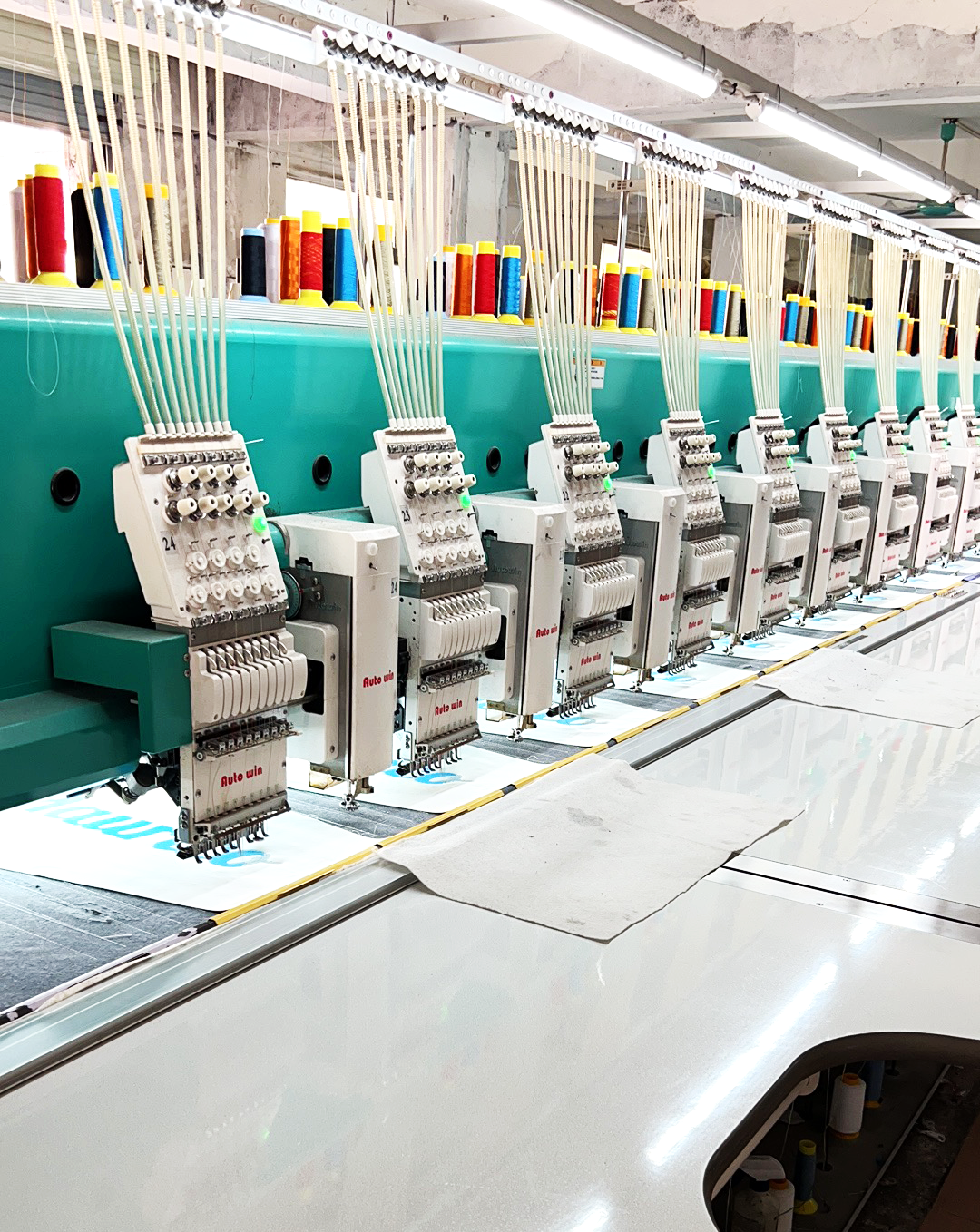
Coordinate approved standards across fabric, trims, custom apparel printing, custom apparel embroidery, garment wash services, fit, labels and packaging.
Materials and Fabric
Confirm composition, weight, color, hand feel and visible defects before cutting, using approved materials as the production reference.
Construction Workmanship
Check seams, stitching, panels, hems, pockets, hardware and finishing details against the approved sample and construction specifications.
Decoration Accuracy
Verify print, embroidery, patches, washing and other decoration for placement, color, scale, adhesion and clean execution.
Measurements and Fit
Measure key points across size sets to confirm tolerances, grading, proportions and intended fit for men’s or women’s programs.
Labels and Trims
Review brand labels, care instructions, size markers, hangtags, zippers, snaps and other trims for accuracy and function.
Packing and Shipment
Confirm folding, polybags, cartons, assortments, barcodes and packing instructions so finished goods arrive organized and ready for distribution.
Our Manufacturing Capabilities
From individual garments to coordinated collections, EDVORIN develops and produces apparel with category-specific materials, construction, decoration and quality controls.
Custom Hoodies
EDVORIN develops custom hoodies from concept, sketch or tech pack through fabric selection, fit, sampling and bulk production. Fleece weight, rib construction, drawcords, labels, printing and embroidery are coordinated for repeatable men’s and women’s programs, with MOQ starting at 200 pieces per style.
Get a Quote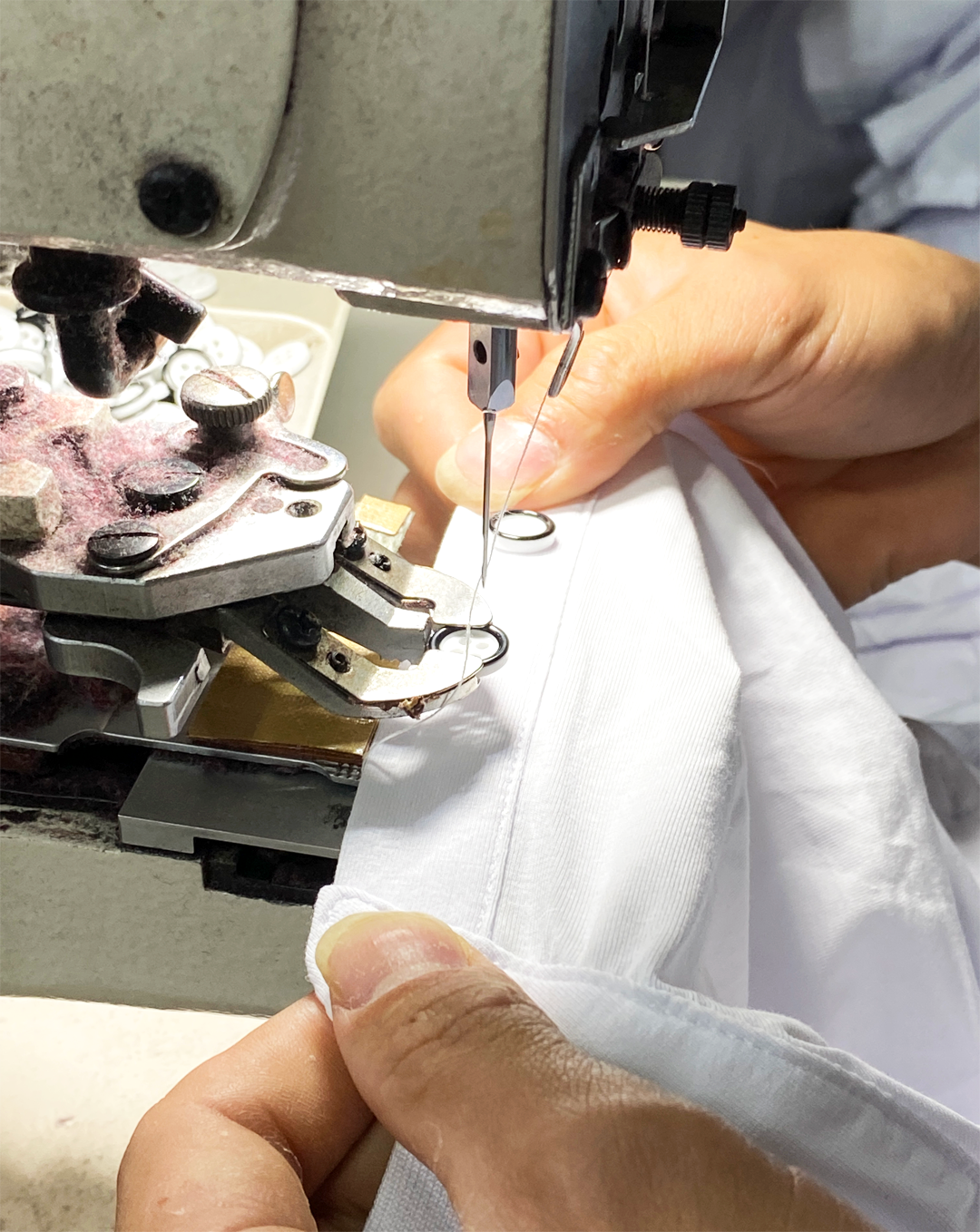
Pullover Sweatshirts
As a sweatshirt manufacturer, EDVORIN develops pullover sweatshirts around the intended fabric weight, silhouette, fit block and finishing details. Buyers can specify fleece, French terry, brushed interiors, rib trims, artwork and labeling, with approved samples used to control measurements and decoration during bulk production.
Get a Quote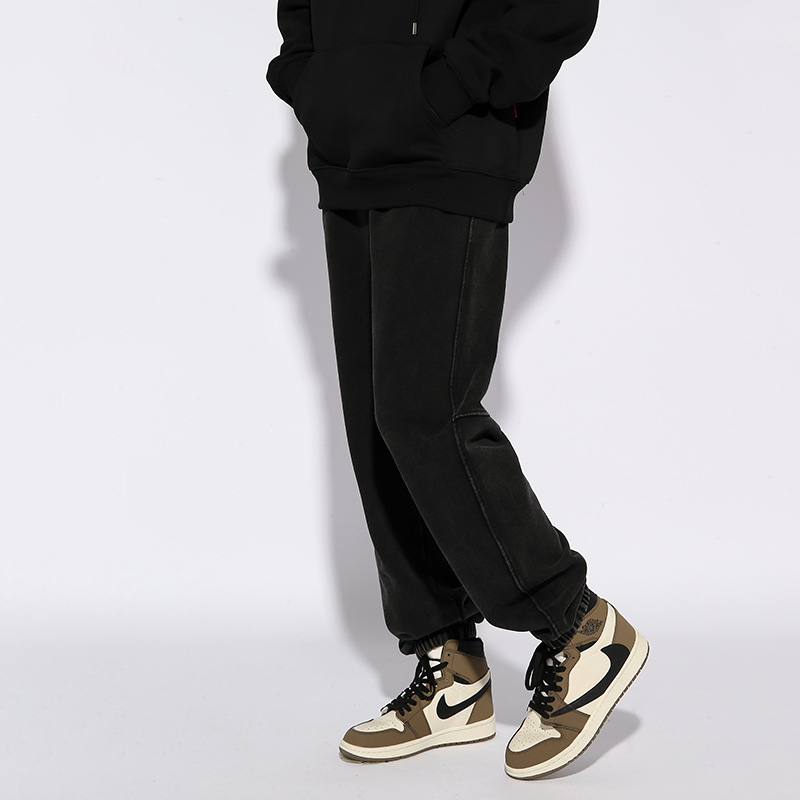
Sweatpants & Joggers
EDVORIN produces sweatpants and joggers with attention to fit, rise, leg shape, waistband recovery, pocket construction and cuff proportions. Fabric, drawcords, trims, washing and decoration are coordinated for casualwear, streetwear and team programs, with grading available for both men’s and women’s collections.
Get a Quote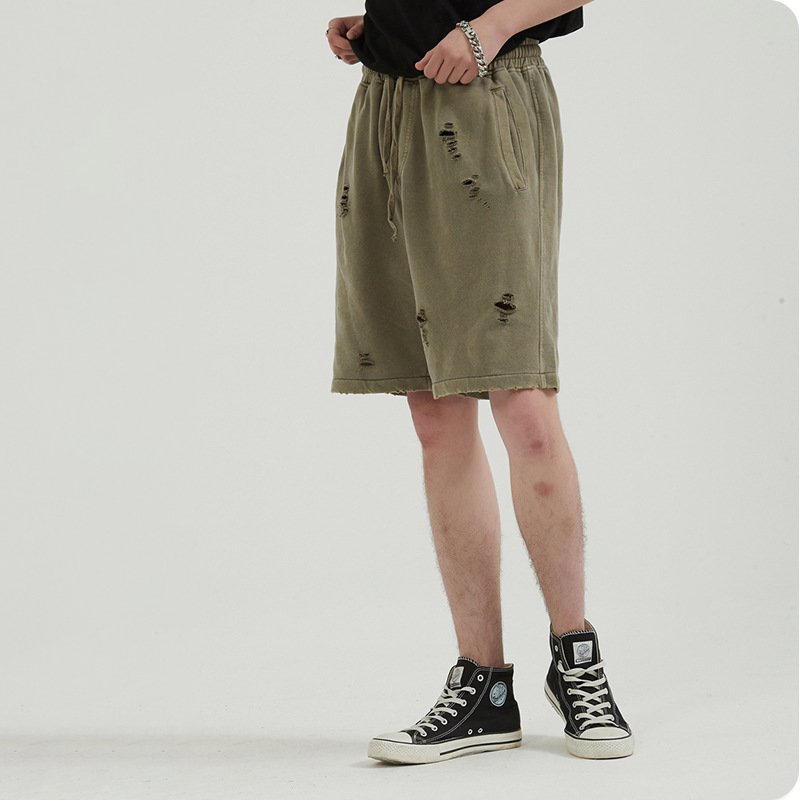
Custom Shorts
As a custom shorts manufacturer, EDVORIN develops casual, streetwear, training and team shorts with category-specific fabrics and construction. Length, waistband, pockets, lining, mesh panels, artwork placement, embroidery and size grading are documented during sampling so approved specifications remain consistent in bulk.
Get a Quote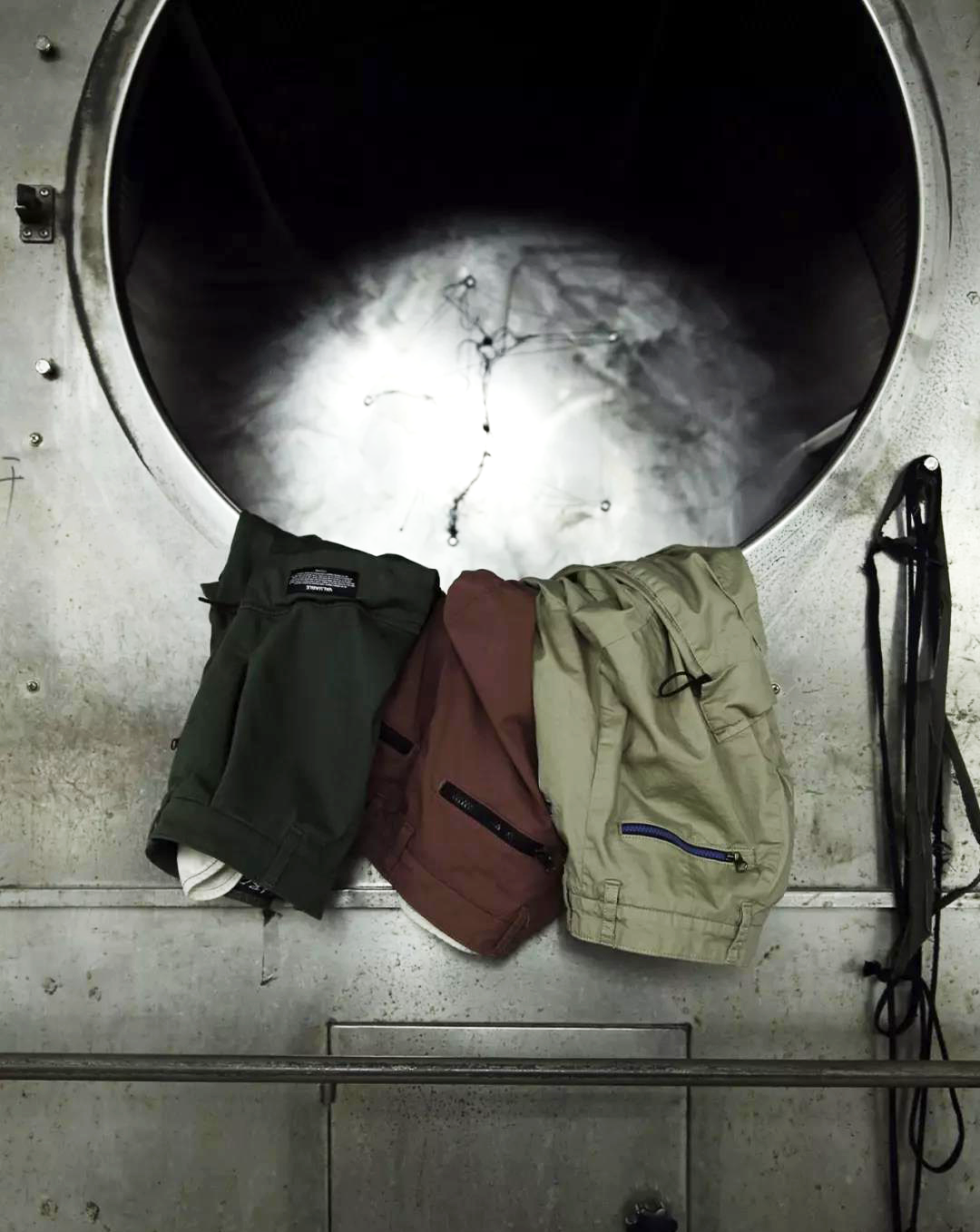
Varsity & Baseball Jackets
EDVORIN develops varsity and baseball jackets by coordinating body fabric, sleeves, lining, rib, snaps or zippers, patches, embroidery and finishing. The production process accounts for the balance between structure, comfort and decoration, supporting private-label, streetwear, school, club and teamwear programs.
Get a Quote
Custom T-Shirts
As a custom T-shirt manufacturer, EDVORIN develops tees using appropriate knit weights, fiber blends, silhouettes and finishing methods for the target market. Neck construction, fit, grading, printing, embroidery, labels, washing and packaging are reviewed through sampling before bulk production for men’s and women’s programs.
Get a Quote
Custom Polo Shirts
EDVORIN develops polo shirts with attention to pique or performance fabrics, collar structure, placket construction, cuffs, buttons, fit and color stability. Custom embroidery, printing, labels and packaging can be coordinated for fashion, corporate, school, club, wholesale and private-label programs.
Get a Quote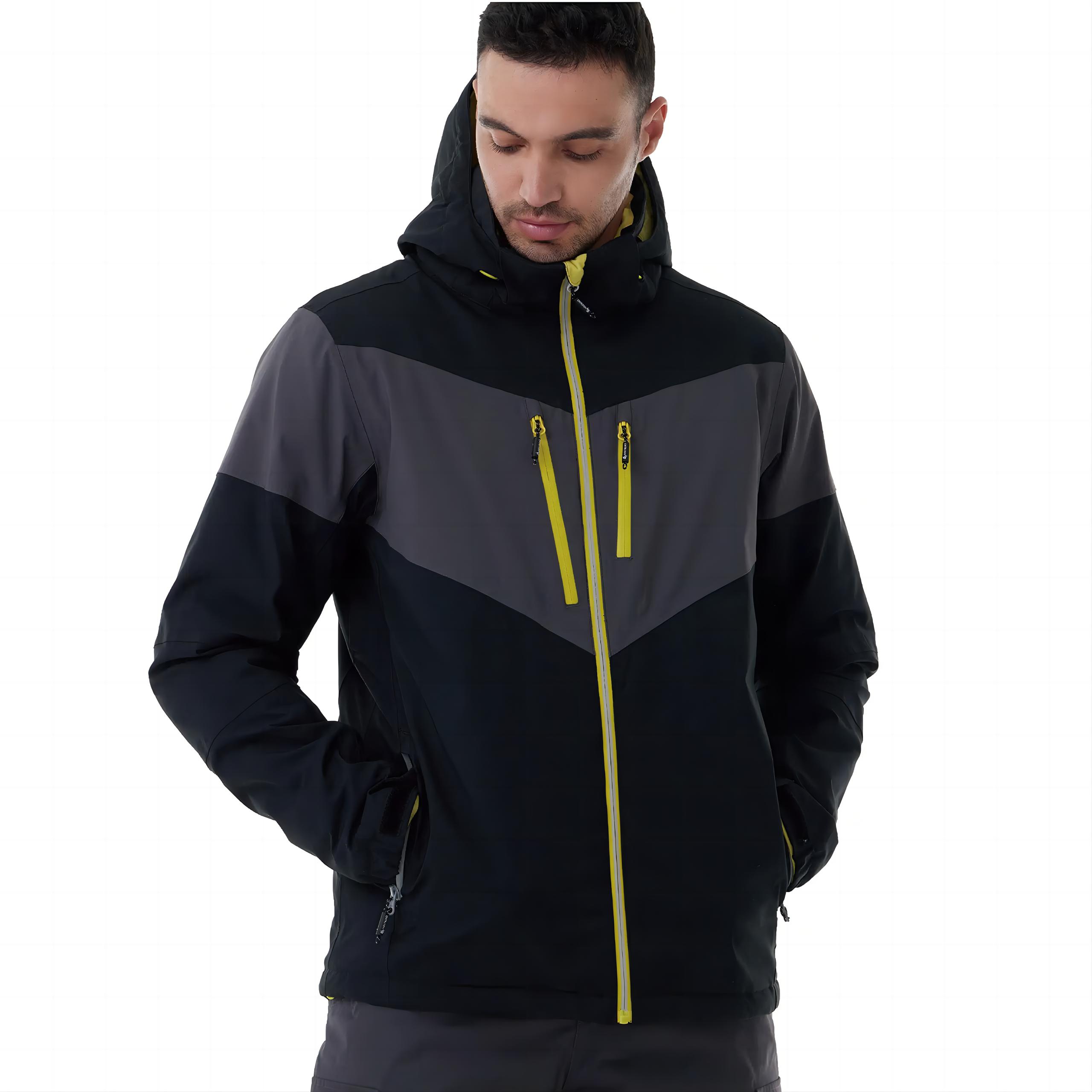
Windbreaker Jackets
As a windbreaker manufacturer, EDVORIN develops lightweight outerwear around shell performance, lining, water resistance requirements, ventilation, hood construction, pockets and hardware. Patterns, trims, decoration, labeling and packaging are coordinated through approved samples for streetwear, teamwear, promotional and private-label collections.
Get a Quote
Quilted Jackets
EDVORIN develops quilted jackets by coordinating shell fabric, lining, insulation weight, quilting pattern, fit, pockets and hardware. Sampling establishes warmth, proportions and finishing details before bulk production, supporting fashion, outerwear, private-label and wholesale programs with men’s and women’s development available.
Get a Quote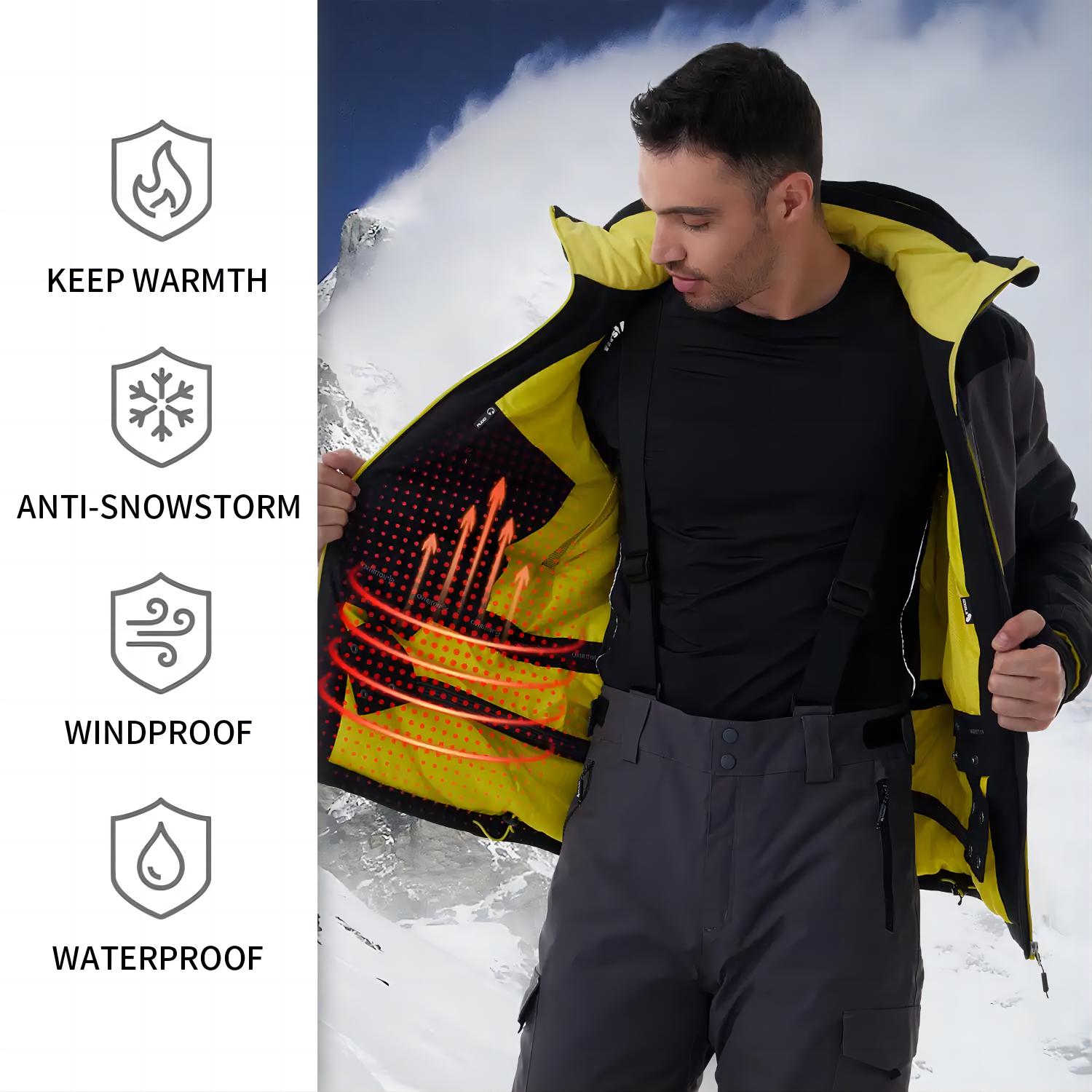
Bomber Jackets
As a bomber jacket manufacturer, EDVORIN develops bomber silhouettes with category-specific shell fabrics, lining, insulation, rib trims, zippers, pockets and decoration. Approved samples establish fit, construction and artwork placement for repeatable streetwear, fashion, team, school and private-label production.
Get a Quote
Custom Shirts
EDVORIN develops custom woven shirts with control over fabric hand feel, weave, collar, cuffs, plackets, hems, pockets and fit. Buyers can develop overshirts, casual button-ups or coordinated collection pieces with embroidery, printing, labels, washing and packaging documented for consistent repeat orders.
Get a Quote
Custom Jerseys
As a custom jersey manufacturer, EDVORIN develops jerseys for sports, clubs, schools and lifestyle collections using performance or casual fabrics suited to the application. Color blocking, panels, names, numbers, logos, decoration methods, size grading and packaging are organized around an approved production standard.
Get a Quote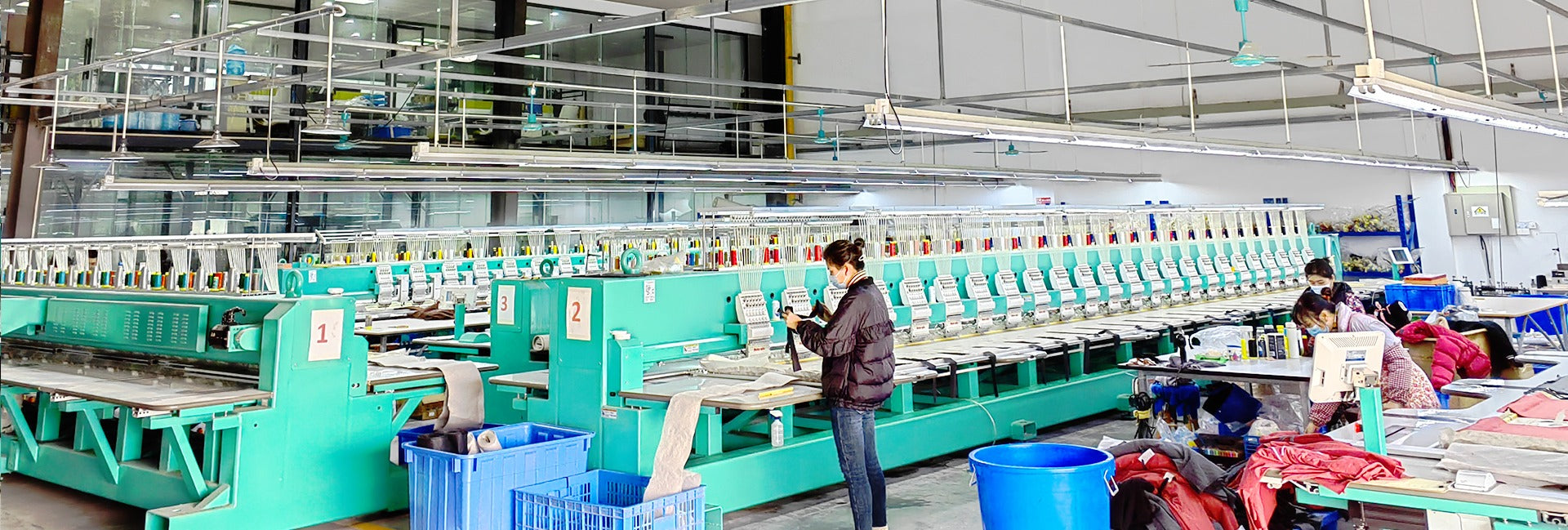
Tank Tops
EDVORIN develops custom tank tops for activewear, streetwear, casualwear and team programs. Fabric selection, armhole and neckline proportions, body length, fit, printing, embroidery, labels and packaging are reviewed during sampling, with grading available for men’s and women’s product ranges.
Get a Quote
Soccer Uniforms
As a soccer uniform manufacturer, EDVORIN coordinates jerseys, shorts and related teamwear components around breathable fabrics, color consistency, player names, numbers, crests and size grading. Approved artwork and size sets guide decoration, bulk production, inspection and organized packing for clubs, academies, schools and distributors.
Get a Quote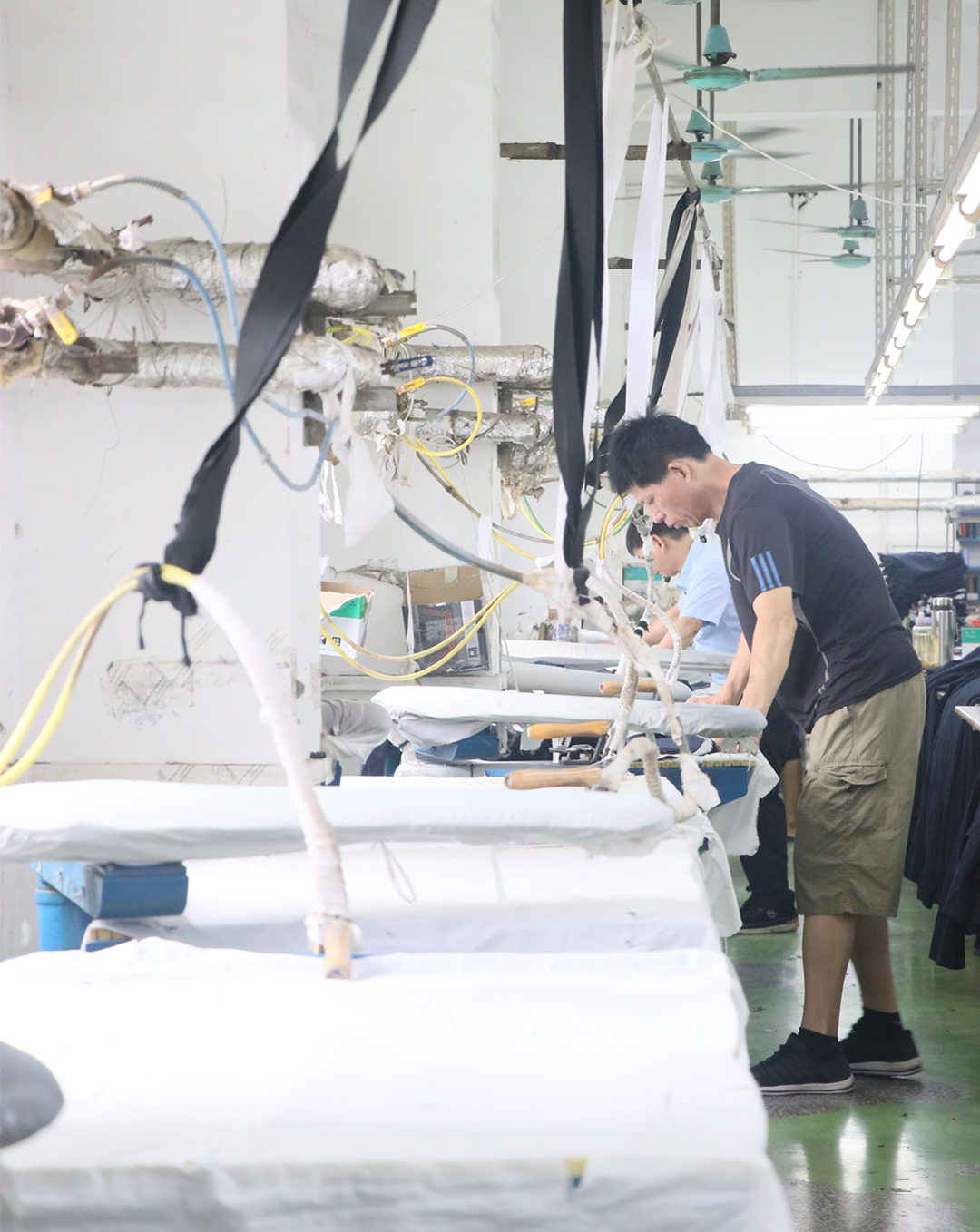
Basketball Uniforms
EDVORIN develops basketball uniforms with performance-focused fabrics, suitable construction, coordinated jerseys and shorts, and controlled placement of team colors, names, numbers and logos. Sampling confirms fit, grading and decoration before bulk production, supporting schools, clubs, academies, sports organizations and wholesale teamwear programs.
Get a Quote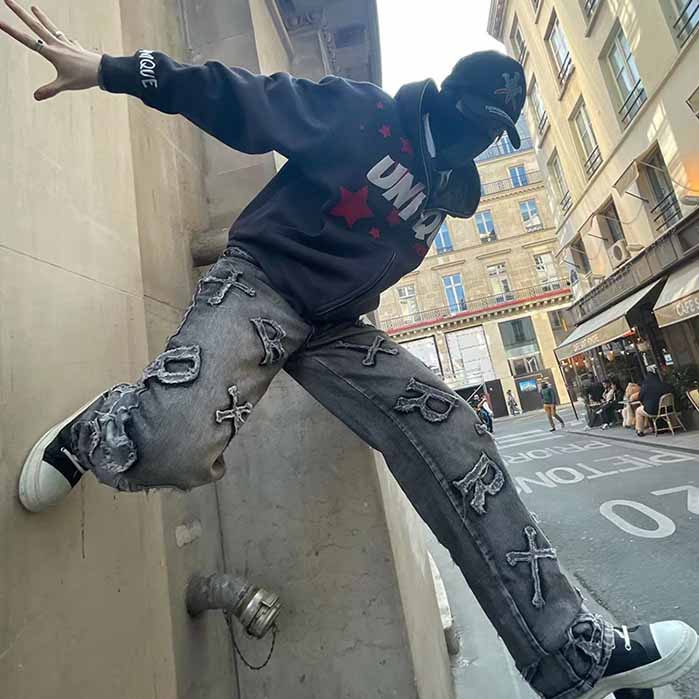
Streetwear Collections
As a streetwear clothing manufacturer, EDVORIN connects hoodies, sweatshirts, tees, bottoms, jackets and woven pieces into coordinated collections. Product development, fabric and trim sourcing, patterns, printing, embroidery, washing, labeling, packaging and sample-to-bulk quality control are managed within one production system.
Get a QuoteHow EDVORIN Turns Approved Standards Into Repeatable Production
Turn buyer specifications, approved samples and inspection checkpoints into a clear, repeatable apparel production workflow.
Define the Standard
Translate buyer specifications, tech packs, material choices, artwork placement, trims, labels and packaging requirements into one reviewable production standard for approval.
Approve the Sample
Develop and review samples for fit, construction, fabric, decoration and finishing, then record approved measurements and revisions before bulk production begins.
Check In-Line Production
Use the clothing quality control checklist during cutting, sewing, decoration and washing to identify variation early and correct issues before they multiply.
Verify Finished Garments
Compare finished garments against approved standards, checking measurements, workmanship, color, trims, labels and decoration across representative units from the order.
Release Repeatable Orders
Confirm final inspection findings, packaging accuracy and corrective actions, creating a documented benchmark that supports dependable replenishment for men’s, women’s and teamwear programs.
Clothing Quality Control Checklist: A Practical Guide for Apparel Buyers
Build a practical clothing quality control checklist with stage-by-stage inspections, supplier evaluation criteria, documentation standards, and common mistakes to avoid across apparel production and sourcing.
1. What Is a Clothing Quality Control Checklist?
One document defines the quality target: a clothing quality control checklist records the approved specifications and inspection criteria for a style or shipment. It covers product details, materials, workmanship, measurements, labeling, packaging, sampling instructions, defect classifications, and shipment readiness so ‘acceptable’ is not left to interpretation.
Two groups must work from the same version: the supplier’s production and quality teams, and the buyer’s internal or third-party inspectors. The checklist links the tech pack, approved sample, measurement chart, color standard, trim details, packing ratio, and required tests into one reference that can be checked during development, production, and final inspection.
2. How Clothing Quality Control Evolved
Before the 2000s, many apparel programs relied heavily on end-of-line visual checking: inspectors reviewed finished garments, then separated obvious defects after most value had already been added. That approach could identify problems, but it offered limited control over recurring causes such as fabric variation, pattern errors, sewing inconsistency or decoration misplacement. Three modern control points—material approval, sample approval and in-line inspection—move quality management upstream. A clothing quality control checklist now links the tech pack, approved sample, measurement chart and construction instructions, giving production and inspection teams one documented reference instead of relying on memory or verbal updates.
3. Types of Clothing Quality Control Checklists
Five checklist types align quality checks with production timing, from incoming materials to packed cartons.
Fabric And Trim Inspection
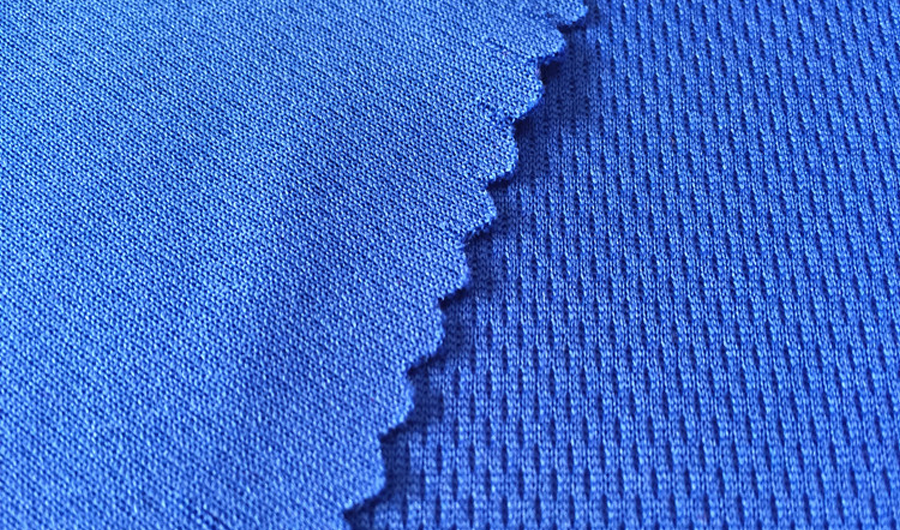
Before cutting, verify composition, GSM, shade against the approved sample or Pantone reference, defects, hand feel and shrinkage risk. Incoming trims require quantity, color, dimensions and function checks. Capture mill documents, lot numbers, shade-band photos, test results and rejected-roll details.
In-Line And Workmanship Checks
During cutting, sewing and finishing, inspect construction before defects multiply: panel matching, seam allowance, SPI, skipped stitches, puckering, raw edges and decoration placement.
Measurement And Final Inspection

After pressing, measure defined points of measure flat against the approved chart, including critical tolerances for chest, length, waist and inseam. Check fit, symmetry, zipper or snap operation and overall appearance.
Packaging And Labeling Review
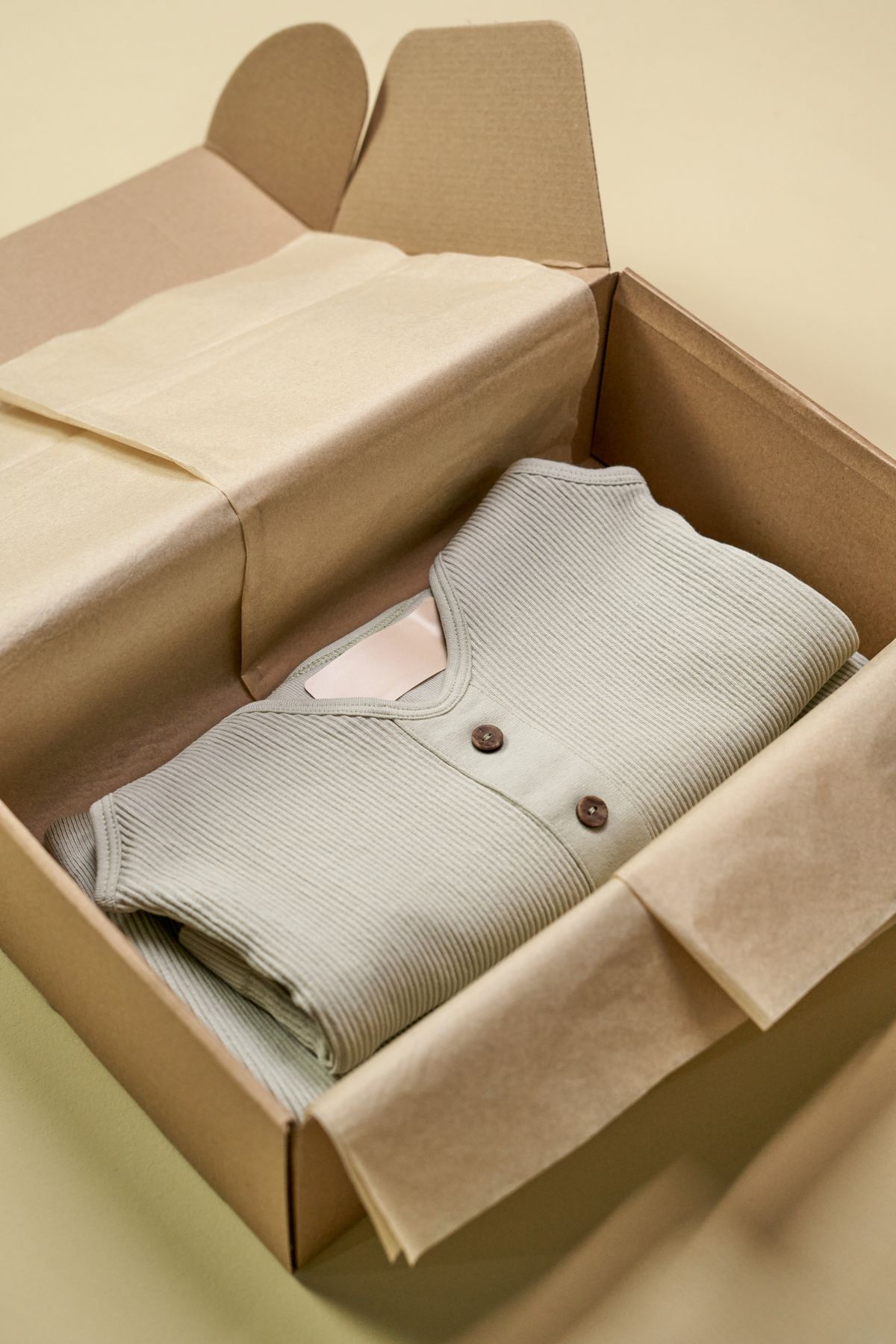
Before carton sealing, verify care labels, fiber content, country-of-origin marks, hangtags, barcodes, polybags, carton markings and packing ratios against the purchase order.
Specialized Product Checks

Activewear needs stretch, recovery, colorfastness and seam-performance checks; uniforms need name, number, badge, size-set and team-color verification. Decorated products require artwork, placement and adhesion checks. Children’s garments add needle detection, secure trims and drawcord safety review.
4. Materials and Fabrics in a Clothing Quality Control Checklist
Five fabric controls should be fixed before cutting: composition, GSM, construction, color and hand feel.
| Fabric category | Common end use | Buyer QC priorities |
|---|---|---|
| French terry, 240–360 GSM | Hoodies and joggers | Loop construction, GSM, shrinkage, hand feel |
| Fleece, 280–450 GSM | Heavy hoodies and sweatpants | Pile consistency, pilling, GSM, colorfastness |
| Nylon or polyester shell, 80–150 GSM | Windbreakers and teamwear | Weave, shade, snagging, coating performance |
Verify Fabric Against Approval
100% cotton, cotton-polyester fleece and nylon shell fabrics require separate composition standards; confirm fiber content against the specification or mill certificate.
Control Color And Hand Feel
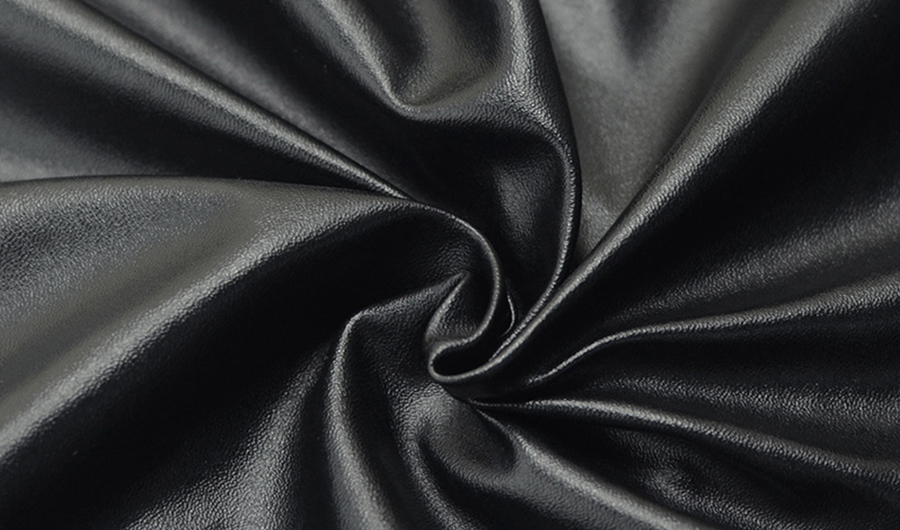
D65 light-box comparison should confirm shade against the approved Pantone reference, lab dip or sample; record lot-to-lot variation and reject unapproved shading.
Test Durability And Cleanliness
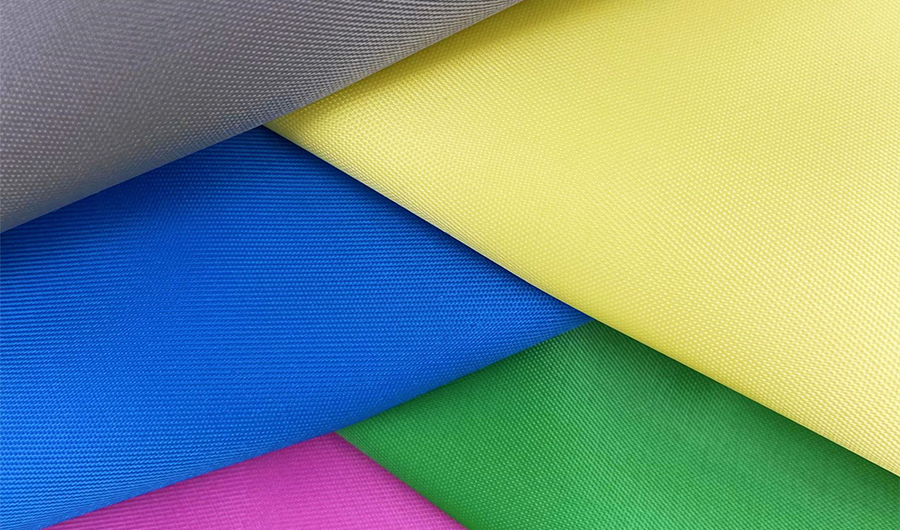
Three checks—shrinkage after the specified wash, pilling resistance and seam-area snagging—should be measured against stated limits, not general expectations.
5. Customization and Decoration Quality Checks
1 approved artwork file and 1 physical sample should control every decoration decision.
Embroidery, Patches, And Appliqué
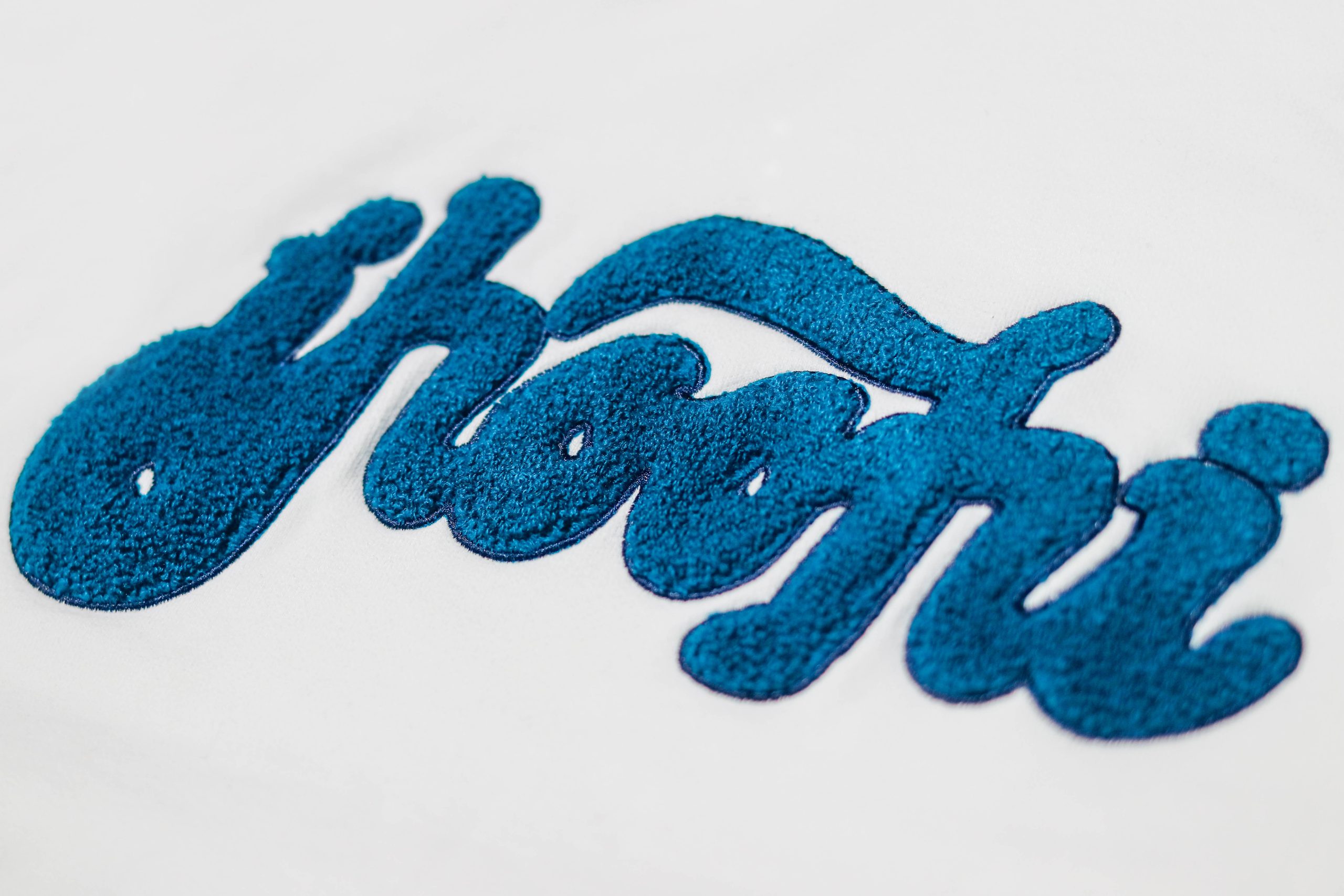
1 stitch sample should confirm thread color, digitized artwork, scale, placement, density, and registration. Check satin edges, backing, skipped stitches, loose threads, patch borders, and appliqué adhesion or stitch security. 2 wash cycles can expose puckering, thread breakage, edge lifting, or distortion.
Screen, Digital, And Heat Transfer
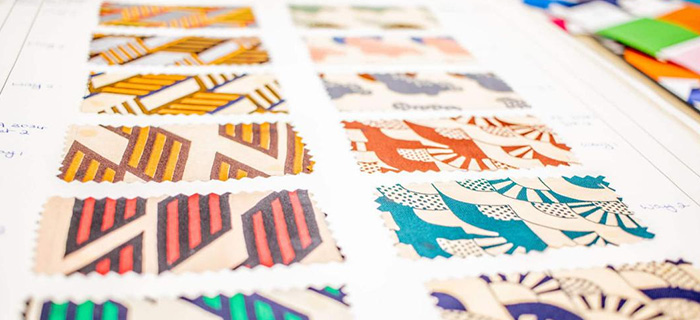
3 print checks should compare artwork, Pantone or approved color, placement, registration, and coverage. Screen printing requires checks for bleeding, pinholes, ink cracking, and uneven deposit; digital printing requires banding, sharpness, and shade consistency.
Labels And Specialty Finishes
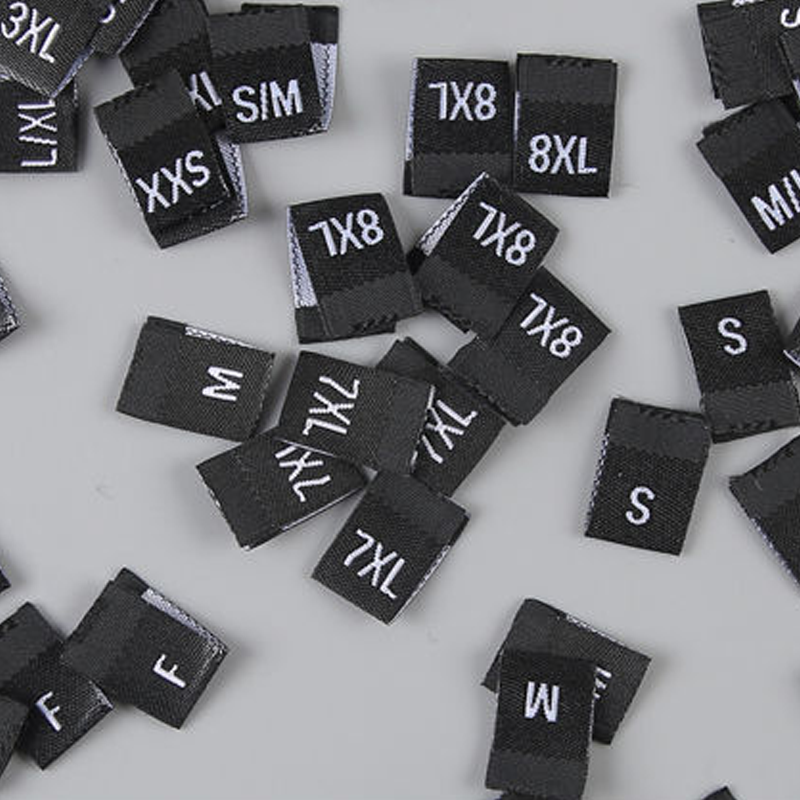
5 label checks should verify wording, size information, fiber content, care symbols, barcode readability, position, and secure stitching or bonding. Contrast must remain legible after washing and pressing.
Set Priorities By Use
7 priorities change with method, fabric, quantity, and use. Small premium runs justify 100% decoration review; larger repeat orders need first-piece approval, in-line sampling, and lot-level color control.
6. Key Construction Quality Elements to Inspect
Three inspection layers—measurement, workmanship, and function—turn an approved sample into a repeatable production standard.
Measurements And Points Of Measure
Every size requires defined points of measure (POM), including chest, body length, sleeve, rise, inseam, waist, and hem opening. Measure garments flat without stretching and compare against the approved measurement chart.
Seams, Stitching, And Hems
Each seam should match the approved construction: consistent stitch density, secure seam strength, no skipped stitches, loose threads, puckering, or exposed raw edges. Check overlock, flatlock, coverstitch, and bartack areas according to the garment style.
Closures, Trims, And Hardware
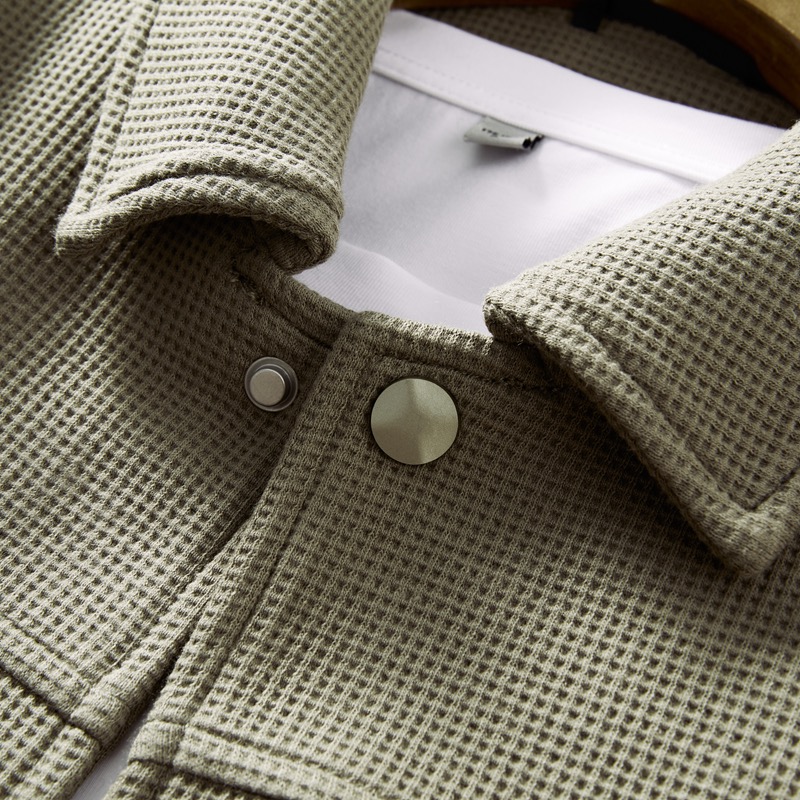
Every zipper, button, snap, drawcord, eyelet, label, patch, and buckle should match the approved component specification and function repeatedly without sticking, loosening, or damaging fabric. Check placement, attachment strength, finish, and cleanliness.
Defect Severity And Safety
One broken needle or sharp metal fragment can create a critical safety defect, particularly in children’s or close-to-skin products; apply needle detection or hand checks where the program requires it.
7. How to Choose a Clothing Manufacturer
A 10-point supplier review should test more than a polished sample: verify the controls that can reproduce it in bulk.
Relevant Product Experience
1 comparable product family—such as fleece, jerseys, varsity jackets, or outerwear—should be supported by previous construction examples. Ask which fabrics, trims, washes, and performance requirements the factory routinely manages.
- Which similar styles have you produced recently?
- Can you support men’s and women’s fit blocks?
- What are your MOQ tiers by style and color?
Sample And Measurement Control
3 approval gates are useful: prototype, fit sample, and pre-production sample. Require a signed tech pack, measurement chart, approved sample, artwork placement sheet, and revision history before bulk cutting.
- Who owns measurement approval?
- How are changes version-controlled?
- Can you provide a size-set review?
Materials And Decoration
1 traceable material record should identify composition, GSM, color standard, lot, supplier documentation, and testing status. Ask whether claims such as OEKO-TEX, GOTS, WRAP, or BSCI apply to the actual facility and order.
- Can you trace fabric lots to finished cartons?
- Who approves lab dips and strike-offs?
- What testing supports the decoration method?
Inspection And Delivery Ownership
4 control points—material receipt, cutting, in-line sewing, and pre-shipment—should have named owners, records, and corrective-action deadlines. Ask who can stop production, how defects are quarantined, and whether photo evidence accompanies the report. 7–21 days is a useful planning range to question for bulk lead time, but reliability matters more than a promise.
- Who issues and closes corrective actions?
- What is the realistic lead time at peak season?
- When will you receive production and inspection updates?
8. Common Clothing Quality Control Checklist Mistakes
Six recurring mistakes can turn an approved garment into an inconsistent shipment.
Define Pass And Fail Criteria
1. Vague terms such as ‘good stitching’ leave inspectors and suppliers applying different judgments, causing disputes, rework and inconsistent approvals. Replace them with defect definitions, severity levels and measurable acceptance limits. 2.
- State pass, minor-defect and major-defect rules
- Add tolerances beside every critical measurement
- Reference the approved sample and tech pack version
Control Changes Before Production

3. A final inspection alone discovers problems after fabric, labor and decoration costs are already committed. Add fabric, cutting, first-piece, in-line and pre-shipment checkpoints so recurring defects are stopped early. 4.
- Assign approval gates before cutting and sewing
- Log every revision with date and approver
- Quarantine superseded artwork and specifications
Document The Approved Result
5. An undocumented sample approval leaves production without a reliable physical reference, making later disagreements difficult to resolve. Photograph the approved garment, record measurements, materials, decoration, labels, packaging and sample date. 6. Ignoring labels and packaging can cause mispacked cartons, barcode errors, compliance failures and delayed warehouse intake.
- Attach photos to the inspection record
- Verify labels, hangtags and carton markings
- Track corrective actions to verified closure
9. Steps to Launch Your Brand’s QC Process
A reliable clothing quality control checklist starts before cutting: convert customer requirements into measurable standards, then connect those standards to approval gates.
Define Requirements And Build The Tech Pack
1 approved brief should state fabric composition, target weight, measurements, tolerances, colors, decoration, trims, labeling, packaging, and acceptance criteria. Record customer-specific risks, such as team-number placement or women’s fit proportions.
Approve Samples And Set Inspection Gates
2 approval gates should cover the development sample and pre-production sample before bulk cutting. Check fit, construction, hand feel, color, decoration, wash result, and every critical point of measure against the documented standard.
Train Teams And Check Pilot Production
1 trained responsible person per production area should know how to read the checklist, identify major and critical defects, measure garments, and record evidence. Demonstrate checks using the approved sample rather than verbal descriptions alone.
Review Bulk Goods And Improve
Each bulk review should identify style, size, color, supplier, lot, inspector, quantity checked, defect type, location, disposition, and corrective action. Separate rework, hold, replacement, and approval decisions so unresolved issues cannot disappear into packing.
10. Clothing Quality Control Checklist Pricing and Costs
2 inspection stages usually change the cost curve: an in-line check can catch sewing, measurement, or decoration issues before completion, while a pre-shipment inspection verifies finished goods, packing, labels, and carton quantities. Adding fabric or trim checks earlier may cost more upfront but can reduce downstream rework. 3 variables—shipment size, sampling depth, and product complexity—drive the inspection quote. A basic T-shirt order may need visual and measurement checks; a quilted jacket, varsity jacket, or team uniform may also require color, seam, hardware, print, wash, stretch, or safety testing. Travel, urgent scheduling, and an independent third-party inspector add separate charges.
| Planning scenario | Inspection cost category | Potential defect or delay impact |
|---|---|---|
| Small, simple order | Basic visual, measurement, and packing review; lower fixed fee | Rework may consume a meaningful share of order value |
| Large repeat shipment | Sampling-based in-line and pre-shipment checks; fee scales with scope and travel | A small defect rate can affect hundreds or thousands of units |
| Complex or tested product | Expanded testing, specialist review, or third-party inspection | Rejected goods, remake materials, missed launch, and expedited freight |
Clothing Quality Control Checklist FAQs
Practical answers for brands planning consistent apparel production, from first sample approval through repeat orders.
What is included in a clothing quality control checklist?
When should I use a clothing quality control checklist?
Can a clothing quality control checklist define acceptable variation?
Does the clothing quality control checklist work for hoodies, jerseys and jackets?
What documentation do I need for a clothing quality control checklist?
How does a clothing quality control checklist support repeat orders?
Can EDVORIN help if I do not have a finished tech pack?
Apparel Quality Control Checklist FAQs
Share your product vision, approved standards, and target category with EDVORIN for development, OEM/ODM, or private-label manufacturing.