
Clothing Size Grading Guide for Production-Ready Apparel
EDVORIN’s clothing size grading guide helps align fit, patterns, and bulk production across every apparel size.
Production Decisions for Consistent Apparel Fit
From base size selection to pre-production validation, EDVORIN connects grading decisions with sampling, bulk control, and repeatable apparel programs.
Base Size and Fit Block
Start with an approved base size, target wearer, and fit intent before extending measurements across men’s or women’s programs.
Grade Rules by Measurement
Define proportionate increments for chest, body length, sleeve, rise, and other points so each size preserves the intended silhouette.
Category-Specific Construction
Adjust grading decisions for fleece, jerseys, outerwear, and structured garments, accounting for fabric behavior, ease, decoration, and construction.
Sample-to-Bulk Validation
Use fit samples, size sets, and approved measurements to confirm grading before cutting bulk production and repeating the style.
Production Control and Repeatability
Connect patterns, tech packs, inspections, labeling, and packaging so approved sizing remains clear across orders, channels, and reorder cycles.
Our Apparel Manufacturing Capabilities
EDVORIN’s MOQ starts at 200 pieces per style. From custom basics to coordinated teamwear, EDVORIN is an OEM clothing manufacturer and ODM apparel manufacturer for repeatable wholesale, private-label and low-MOQ apparel programs.
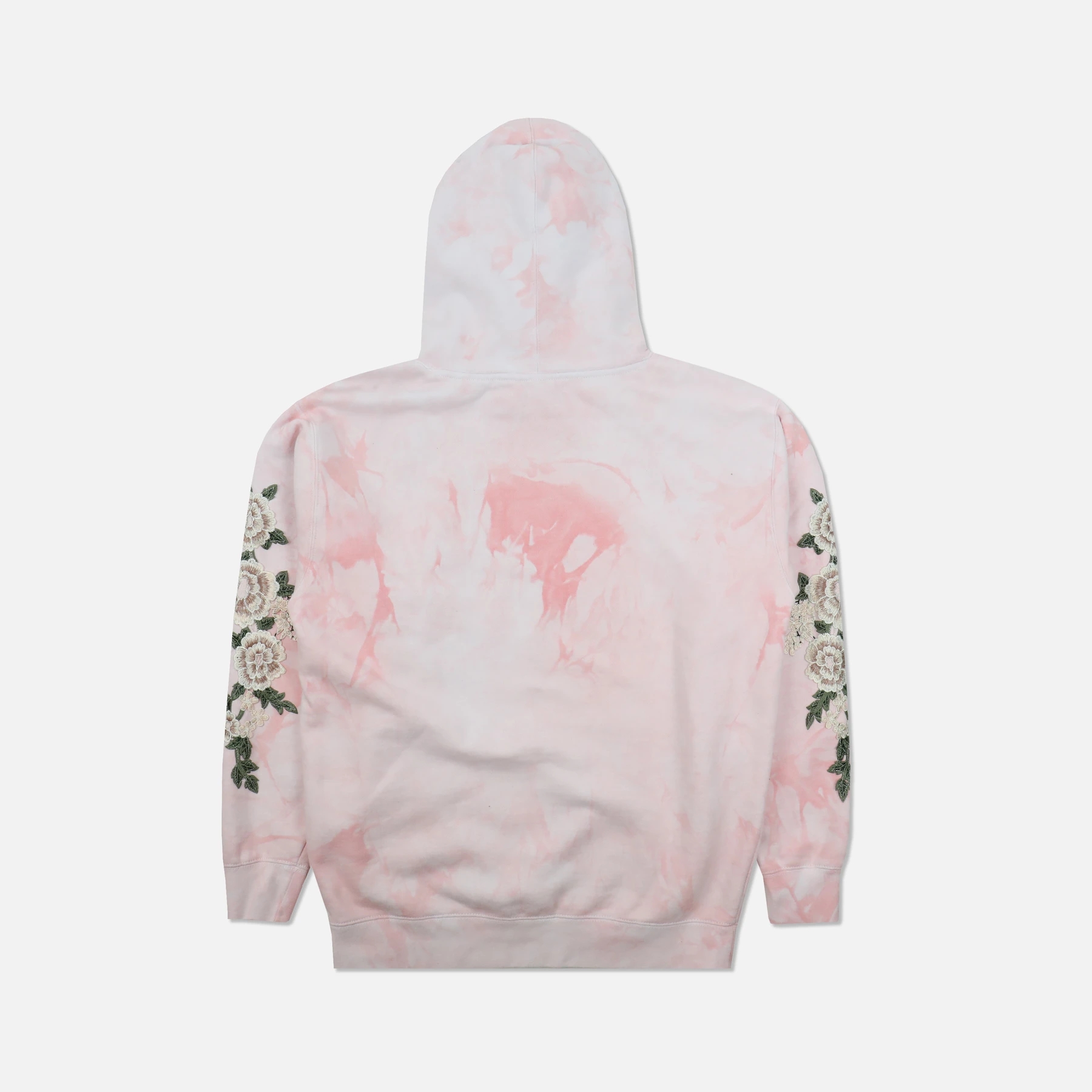
Custom Hoodies
As a custom hoodie manufacturer, EDVORIN develops fleece weight, fit blocks, rib, drawcords, labels and decoration for men’s and women’s programs. Approved samples establish construction and placement standards for bulk production, supporting emerging labels, wholesale ranges and private-label collections.
Get a Quote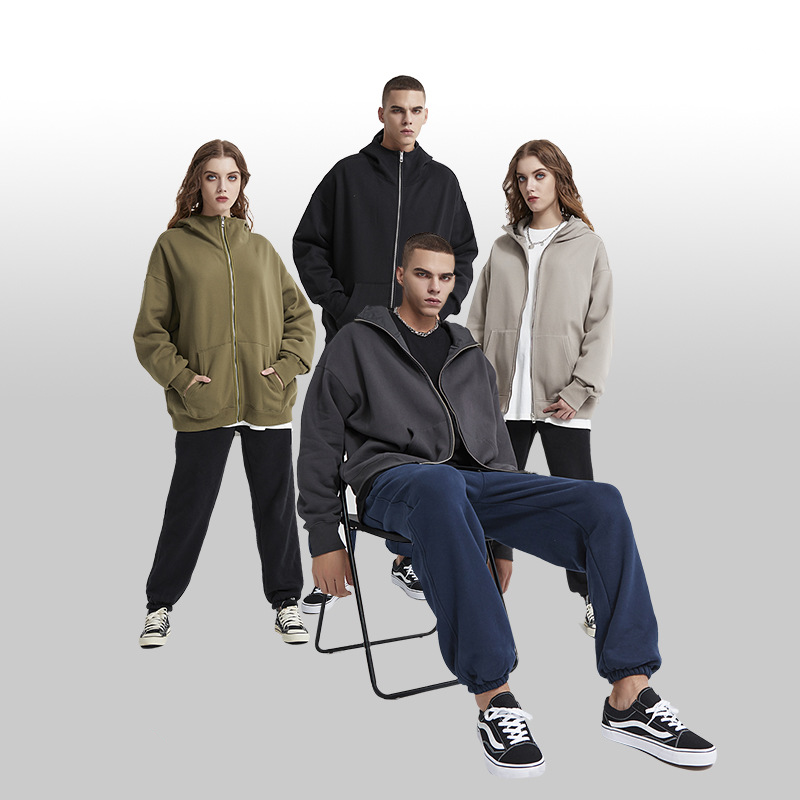
Pullover Sweatshirts
EDVORIN works as a sweatshirt manufacturer for pullover styles with tailored fabric, fit, rib and finishing requirements. Product development can include brushed or unbrushed fleece, artwork placement, embroidery, labels and packaging, with sample approval guiding consistent production across repeat orders.
Get a Quote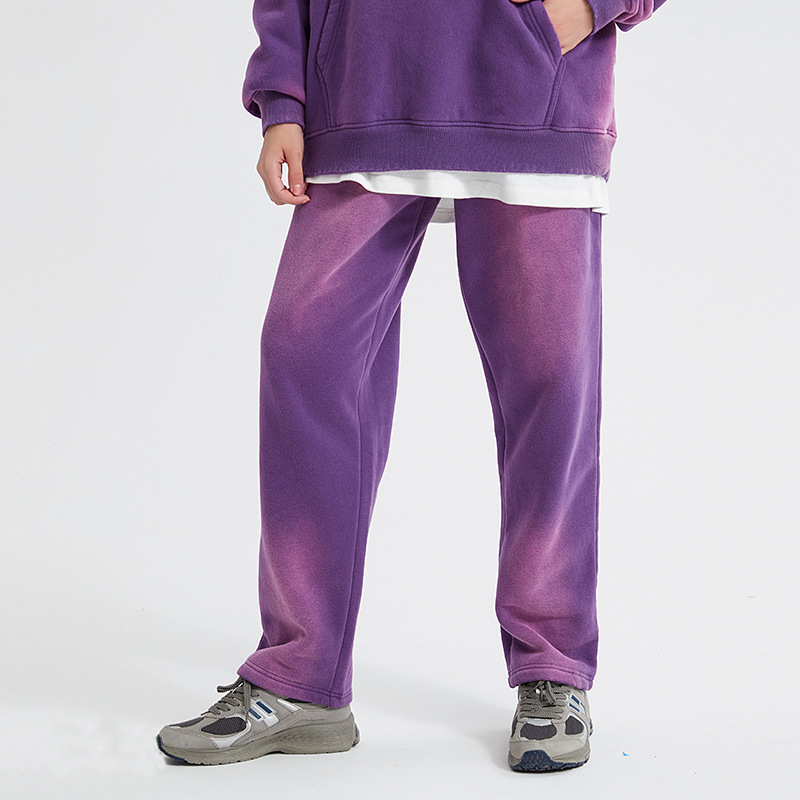
Sweatpants & Joggers
As a sweatpants manufacturer, EDVORIN develops joggers and sweatpants around fabric weight, rise, leg shape, waistband recovery, cuffs and pocket construction. Men’s and women’s grading, decoration, washing, labeling and packaging are coordinated against an approved standard for reliable bulk production.
Get a Quote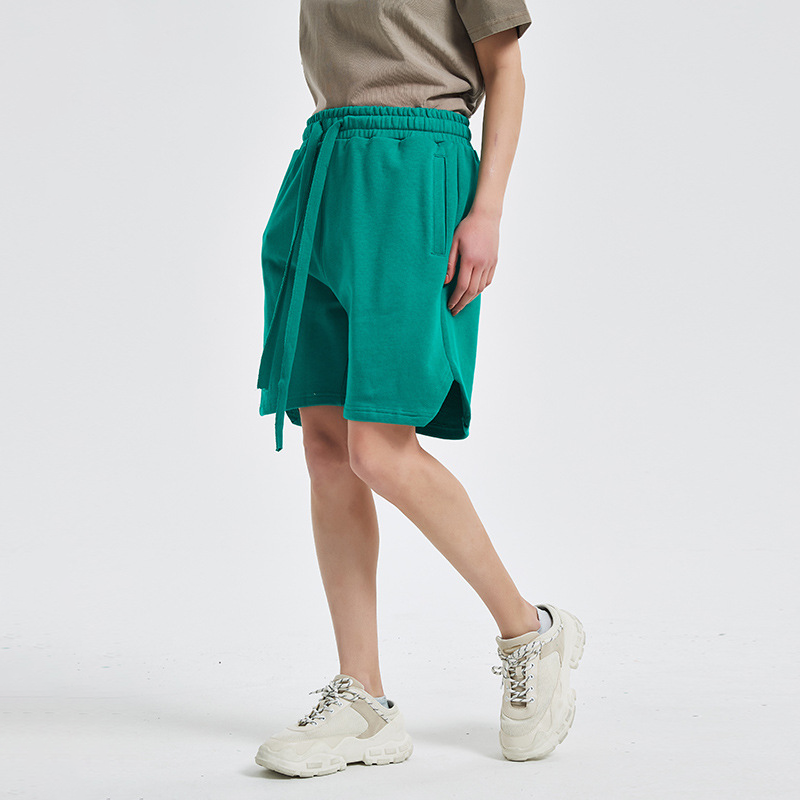
Custom Shorts
As a custom shorts manufacturer, EDVORIN develops casualwear, streetwear, sports and private-label shorts. Development covers fleece, jersey or woven fabrics, inseam, waistband, pockets, trims and decoration. Size grading and approved measurements help maintain consistency across wholesale quantities and repeat production.
Get a Quote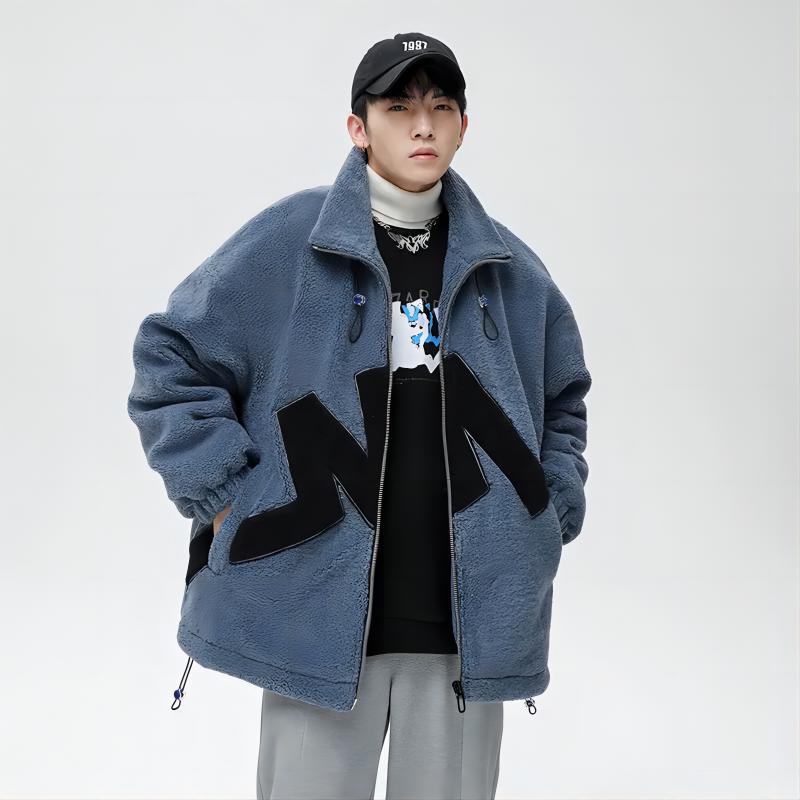
Varsity & Baseball Jackets
As a varsity jacket manufacturer, EDVORIN coordinates body fabric, sleeves, lining, insulation, rib, snaps, patches, embroidery and finishing. Baseball-inspired constructions can be developed for fashion, streetwear, school and team programs, with approved samples documenting the complete production standard.
Get a Quote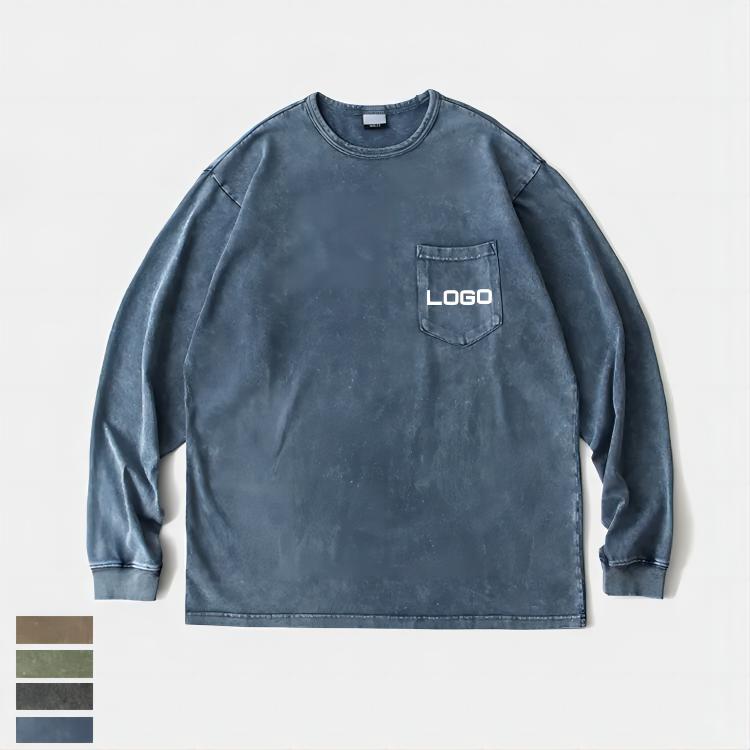
Custom T-Shirts
EDVORIN develops custom T-shirts using selected jersey fabrics, fit blocks, neck construction, color references and decoration methods. Screen printing, digital printing, embroidery, labels and packaging are coordinated for men’s and women’s programs, from concept-led samples to repeatable wholesale production.
Get a Quote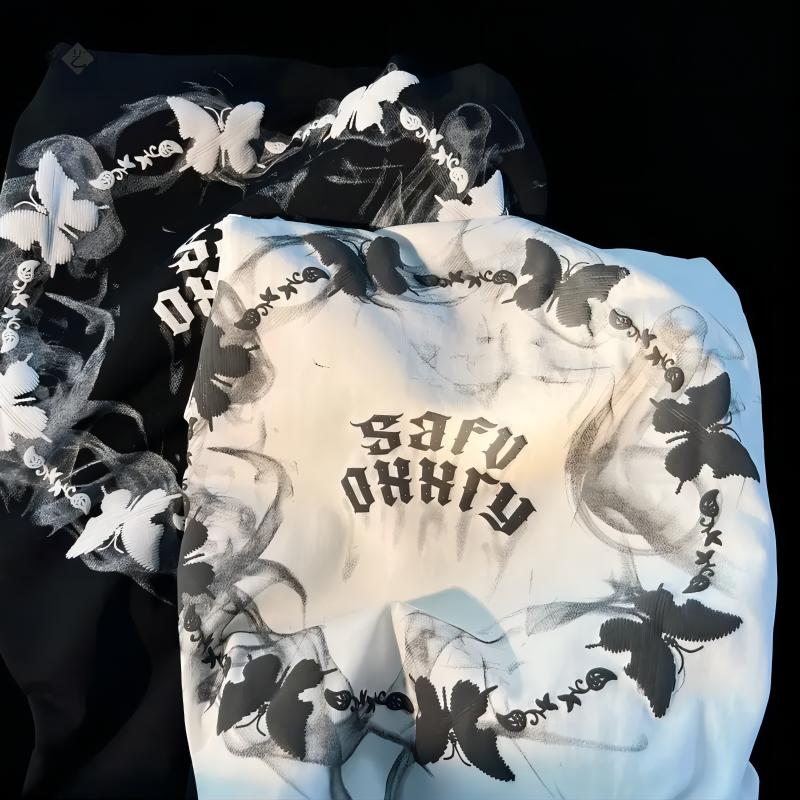
Custom Polo Shirts
As a polo shirt manufacturer, EDVORIN develops pique or performance constructions around collar, placket, cuffs, buttons, fit and branding requirements. Programs can support corporate apparel, private labels, schools, clubs and wholesale buyers, with grading and decoration controlled through approved specifications.
Get a Quote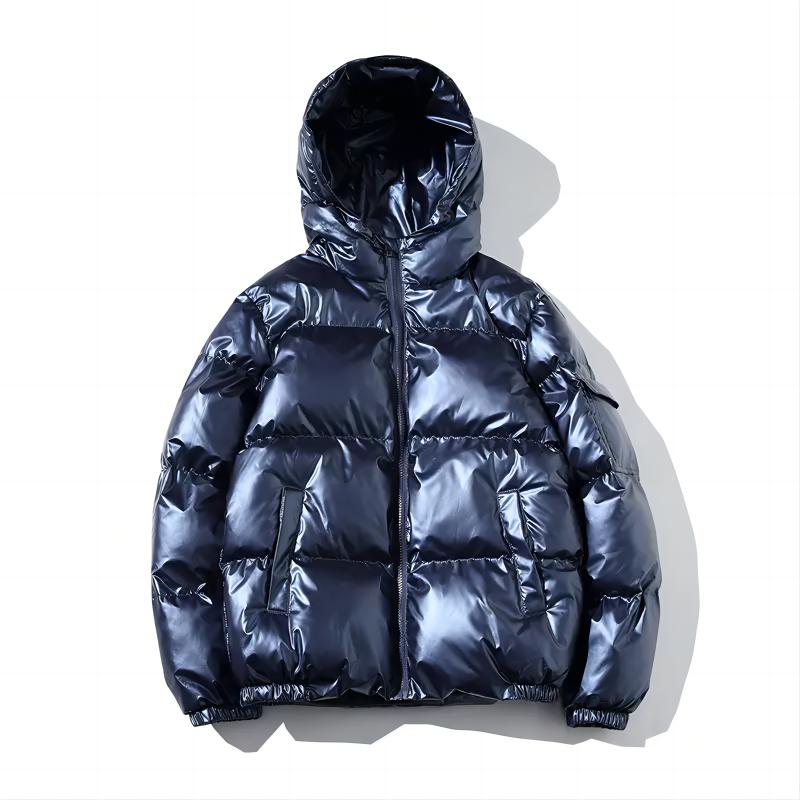
Windbreaker Jackets
EDVORIN develops windbreaker jackets with attention to shell fabric, lining, water-resistant finishes, hoods, pockets, zippers, elastic details and packability. Custom color, printing, embroidery, labeling and size grading can be coordinated for streetwear, outdoor, team and private-label programs.
Get a Quote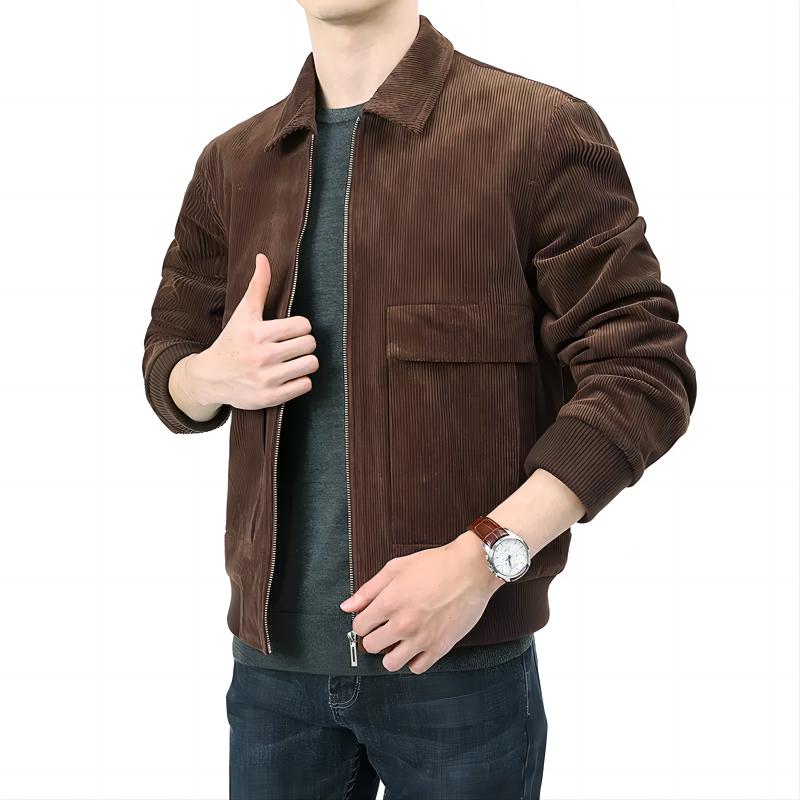
Quilted Jackets
As a quilted jacket manufacturer, EDVORIN coordinates shell fabric, lining, fill, quilting pattern, insulation weight, hardware and finishing. Development supports lightweight transitional pieces and warmer outerwear for men’s and women’s collections, with sample approval confirming construction, proportions and decoration before bulk production.
Get a Quote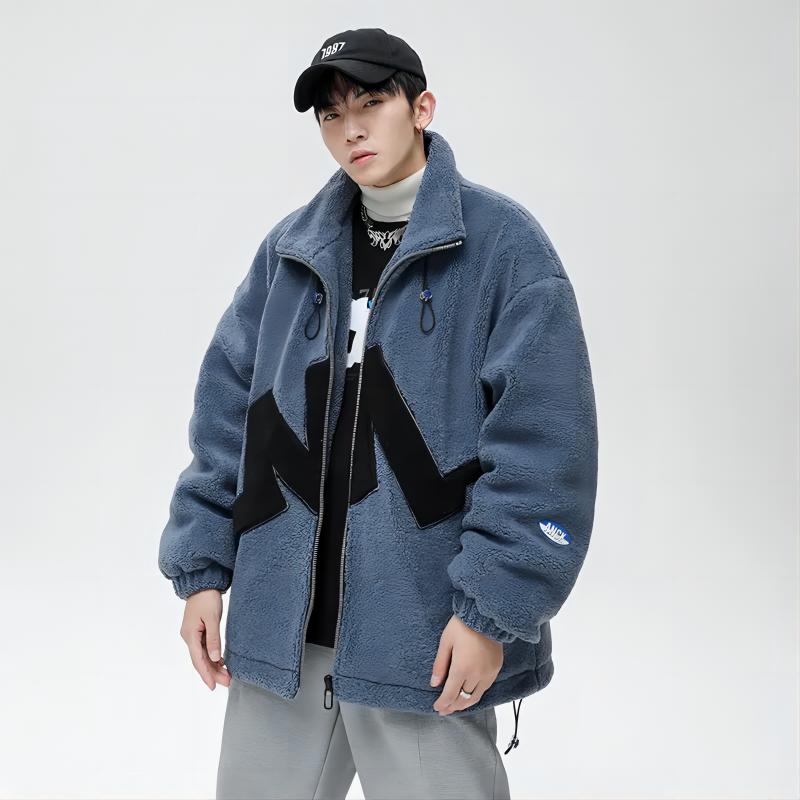
Bomber Jackets
EDVORIN develops bomber jackets around shell materials, lining, insulation, rib balance, zipper selection, pocket construction and branded details. Fashion, streetwear, school and private-label buyers can review samples covering fit, trims, embroidery, patches, labeling and packaging before production approval.
Get a Quote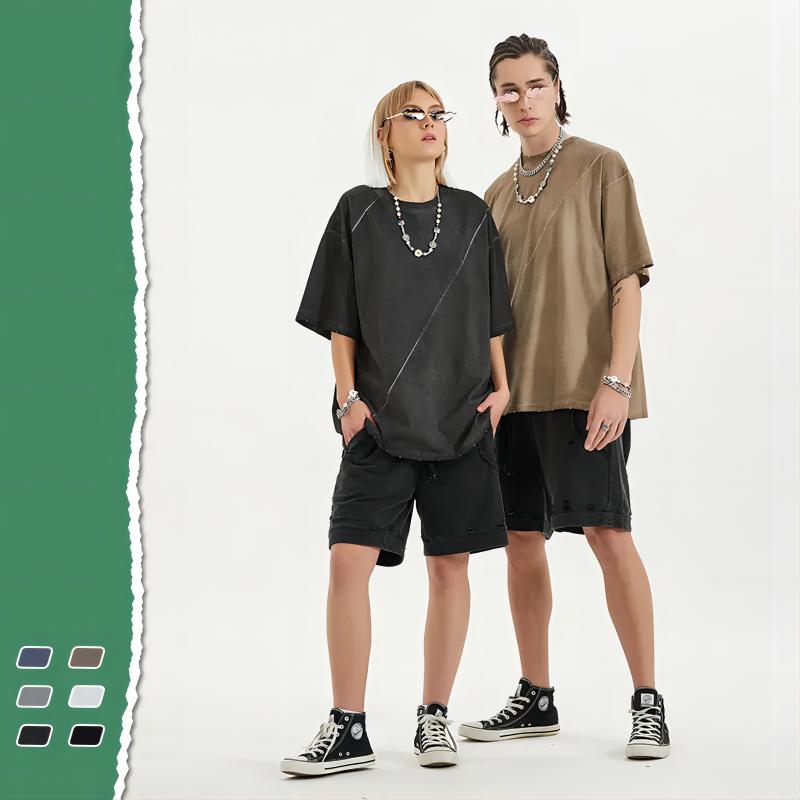
Custom Shirts
As a custom woven shirt manufacturer, EDVORIN develops shirts in cotton, blended, flannel, twill and other woven fabrics. Product decisions include collar, cuffs, placket, buttons, pocketing, fit, artwork and wash treatment, with men’s and women’s grading aligned to the intended market.
Get a Quote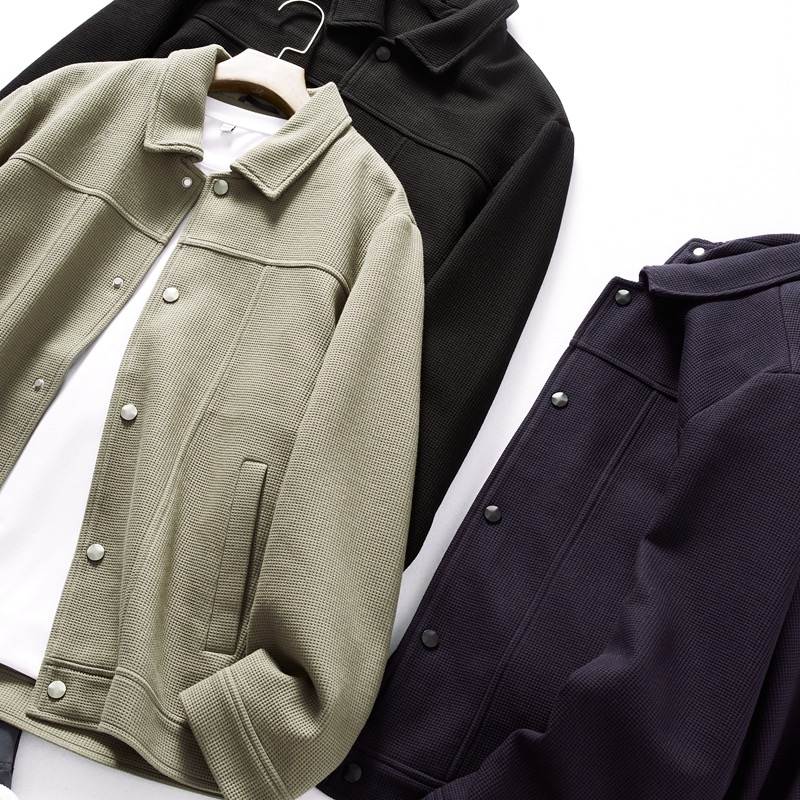
Custom Jerseys
As a custom jersey manufacturer, EDVORIN produces jerseys for sports clubs, teams, schools and streetwear programs. Development can cover breathable performance fabrics, panel construction, color blocking, sublimation, heat-transfer decoration, names, numbers, badges, labeling and size sets, with artwork and placement recorded for repeat orders.
Get a Quote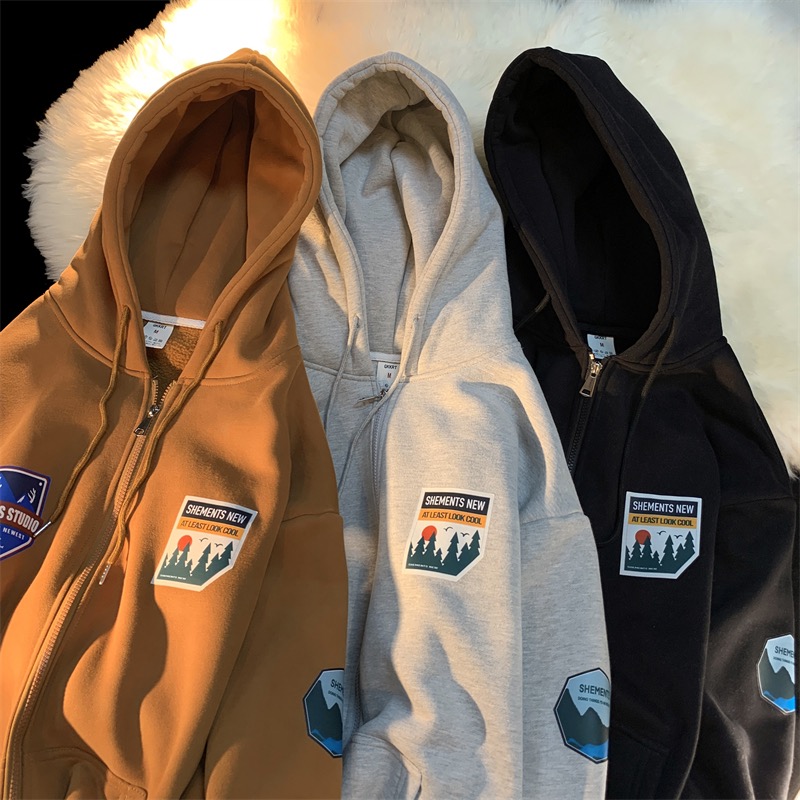
Tank Tops
As a soccer uniform manufacturer, EDVORIN develops coordinated jerseys, shorts and optional socks or training pieces. Performance fabric, sublimation, color control, player names, numbers, badges, sponsor artwork and size grading are managed against approved references for clubs, academies, schools and wholesale teamwear programs.
Get a Quote
Soccer Uniforms
EDVORIN develops soccer uniforms with coordinated jerseys, shorts and optional socks or training pieces. Performance fabric, sublimation, color control, player names, numbers, badges, sponsor artwork and size grading are managed against approved references for clubs, academies, schools and wholesale teamwear programs.
Get a Quote
Basketball Uniforms
As a basketball uniform manufacturer, EDVORIN develops coordinated jerseys and shorts using breathable performance fabrics, athletic proportions and durable decoration. Sublimation, names, numbers, team colors, badges, sponsor graphics, size sets and packaging are controlled for clubs, schools, academies and repeat team orders.
Get a Quote
Streetwear Collections
EDVORIN operates as a custom clothing manufacturer for coordinated streetwear collections and provides custom apparel printing, custom apparel embroidery, garment wash services, and custom clothing labels and packaging. OEM, ODM and private-label buyers can connect fabrics, fits, washes, graphics, trims and production controls into a consistent standard for repeatable wholesale orders.
Get a QuoteHow EDVORIN Makes Apparel Size Grading Production-Ready
EDVORIN connects measurement standards, graded patterns, physical validation and approved references so your apparel program can repeat fit decisions confidently across bulk production.
Define Your Base Standard
Confirm the target wearer, base size, points of measurement, fit intent and approved measurement chart before grading begins across the collection.
Build the Graded Patterns
Apply size-specific grade rules to the approved base pattern, adapting proportions for each garment category, fabric behavior and intended men’s or women’s program.
Validate the Size Set
Review graded samples against measurements, fit, balance and construction details, then adjust patterns where physical results differ from the approved standard.
Approve the Production Reference
Document final measurements, patterns, materials, decoration and revision details in a clear reference package that guides quality control through bulk production.
The Complete Clothing Size Grading Guide for Apparel Buyers
Use this decision framework to select grading methods, validate measurement points, compare supplier capabilities, and avoid costly fit, sampling, production, and sizing mistakes across fashion, teamwear, schoolwear, and private-label programs.
1. What Is a Clothing Size Grading Guide?
A base size anchors the process: clothing size grading systematically scales an approved pattern up and down across a size range while preserving its intended proportions, construction, and fit. The base size is the approved reference, while grade rules define how much each measurement point—such as chest, waist, shoulder, body length, sleeve, or inseam—changes between adjacent sizes. Ease is the space between the body and garment, while grading changes the pattern dimensions used to create standard sizes. Individual pattern alteration corrects one garment for a specific body or fit issue; grading applies documented rules across all relevant pattern pieces for repeatable production. Business outcomes depend on consistency.
2. Evolution of the Clothing Size Grading Guide
Manual methods such as slash-and-spread and shift grading once required pattern makers to adjust paper pieces with rulers, marks, and repeated calculations. Local size conventions varied widely, so a successful sample did not guarantee consistent proportions across markets or production runs. By the late 20th century, standardized body-measurement charts and computer-aided pattern systems made grade rules easier to document, revise, and reproduce. Fit models then connected those charts to real posture, proportions, and ease, helping teams test a base size plus smaller and larger sizes before bulk approval. Modern grading still depends on regional standards, brand positioning, garment category, and target-customer measurements.
3. Types of Clothing Size Grading Guide Systems
Five grading approaches cover most apparel programs, but the correct choice depends on pattern format, fit intent, fabric category and size range.
| Approach | Best Fit | Required Inputs |
|---|---|---|
| Manual | Prototype or small range | Paper pattern, chart, grade increments |
| CAD-assisted | Multiple styles or revisions | Digital pattern, POM chart, nested sizes |
| Coordinate | Stable proportions | Point coordinates, horizontal and vertical rules |
| Custom | Brand-specific or extended sizing | Fit model, ease, market and size targets |
| Category-specific | Knits, uniforms or oversized styles | Fabric behavior, use case and proportion intent |
Manual And CAD-Assisted Grading

Manual grading uses slash-and-spread or shift techniques on paper patterns, making it practical for early prototypes, small runs or suppliers without digital files. CAD-assisted grading applies digital grade rules faster across many pattern pieces and simplifies revisions. A supplier needs the approved base pattern, measurement chart, points of measurement, seam construction and target size range.
Coordinate Rules And Custom Grading
Straight-line or coordinate grading assigns horizontal and vertical increments to defined points, such as chest, body length, shoulder and sleeve. It works well when proportions are stable, but complex jackets, shaped waists and articulated sleeves often need separate rules. Custom grade rules begin with the brand’s fit model, target market, ease, reference garments and size chart.
Category-Specific Systems
Knits usually require grading that considers stretch and recovery; woven garments depend more heavily on structure and ease. Uniforms need coordinated rules for youth, adult and team sizes, while oversized streetwear may increase width faster than length.
4. Clothing Size Grading Guide: Fabrics and Material Behavior
Fabric behavior changes the measurement a grade rule must protect: stretch alters ease, while shrinkage and laundering alter finished dimensions.
| Fabric property | Grading implication | Validation test | Buyer use case |
|---|---|---|---|
| Cotton jersey | Protect stretch ease | Wash and recovery check | T-shirts |
| Fleece | Allow for loft and shrinkage | Laundered size set | Hoodies |
| Performance knit | Control recovery and torque | Stretch and recovery test | Team jerseys |
| Woven cotton | Maintain stable proportions | Wash dimensional test | Woven shirts |
| Polyester blend | Check heat and recovery | Wash and heat test | Sportswear |
| Rigid denim | Grade structure and rise carefully | Laundered fit sample | Denim jackets |
Stretch And Recovery
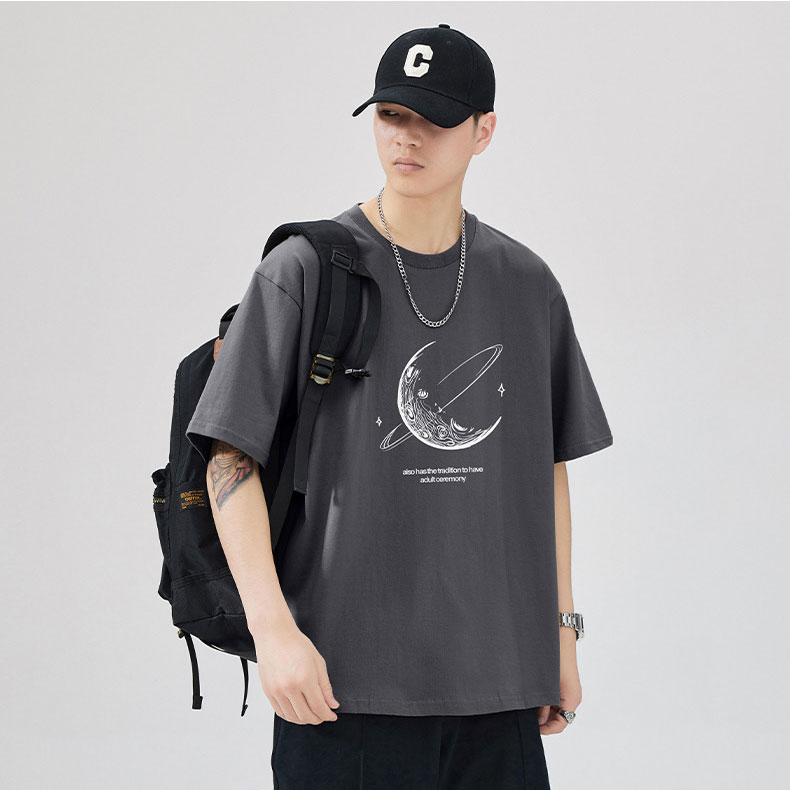
Cotton jersey and performance knits can accommodate the body, but recovery determines whether the garment returns to its approved chest, waist, and opening measurements. Grade rules should preserve intended ease, not simply add equal width at every size.
Shrinkage And Structure
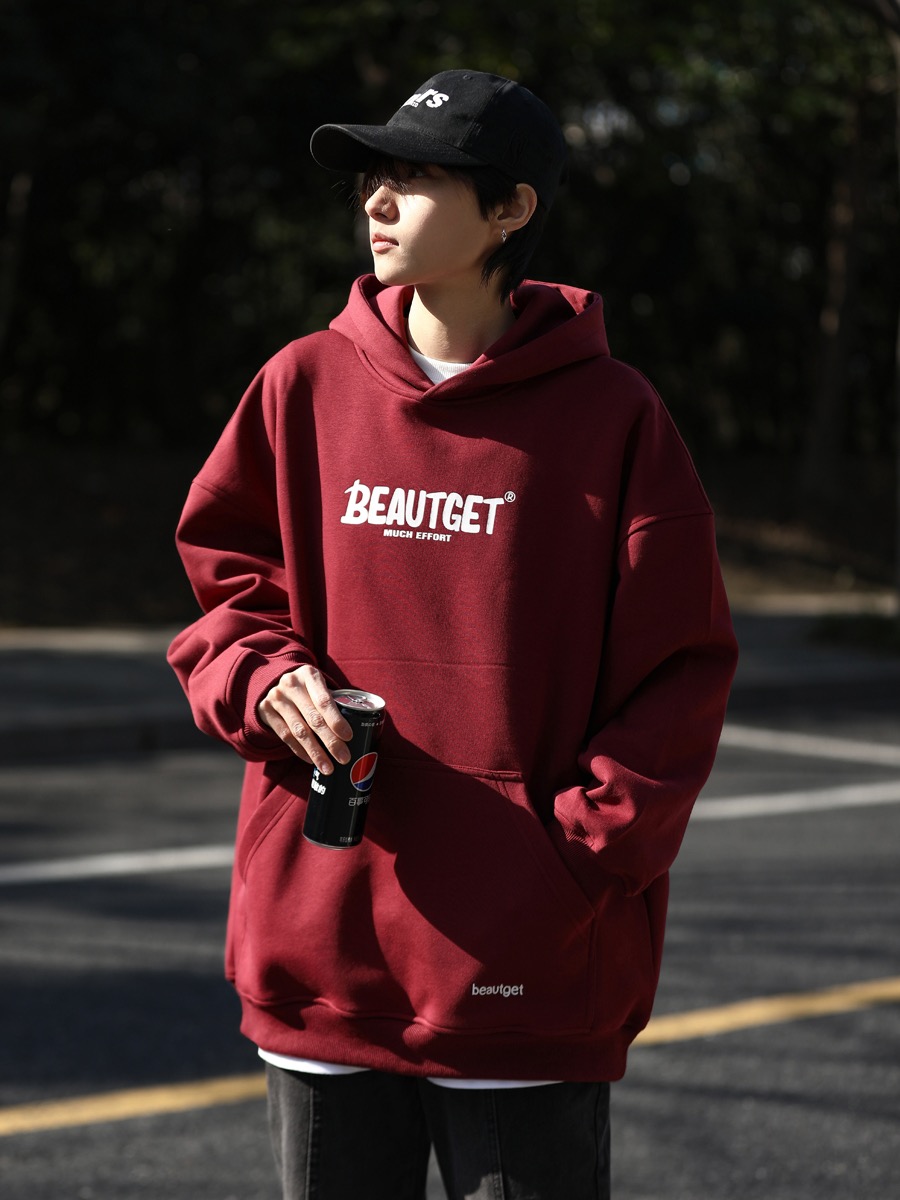
Woven cotton, fleece, and rigid denim resist stretch, so grading must account for stable proportions, seam balance, and post-laundering measurements. Fabric weight and structure affect drop, sleeve hang, waistband tension, and perceived fit.
Validate Before Production

A wash test should record length, width, twist, spirality, and recovery against the approved measurement chart. Test the actual fabric, trims, decoration, and laundering process because each can change finished dimensions.
5. Clothing Size Grading Guide: Customization and Decoration
One approved base size does not guarantee decoration will remain correct across the range.
Scale Artwork By Garment Type
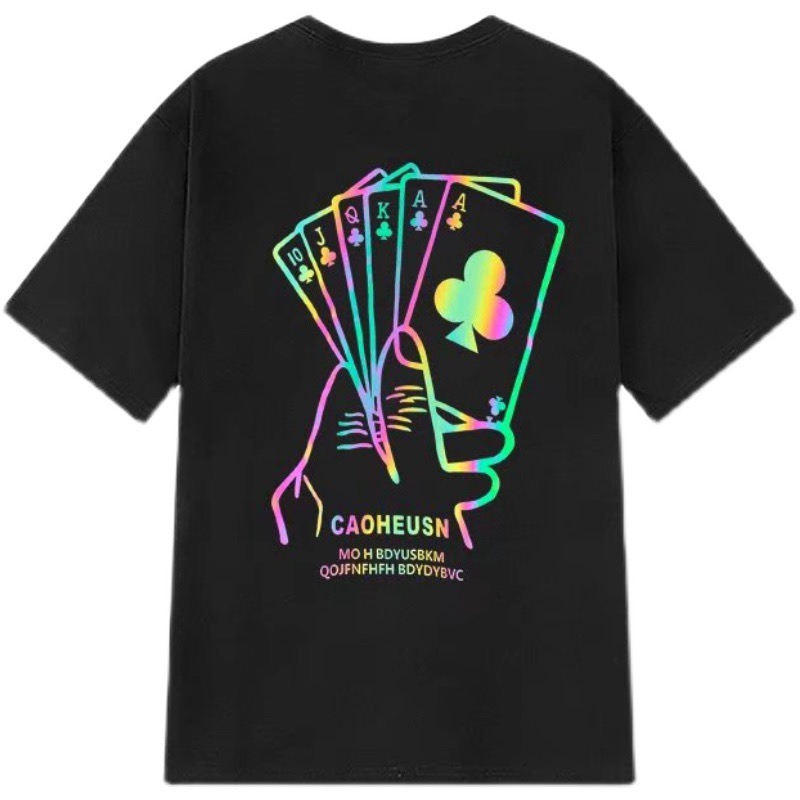
Screen prints and heat transfers often remain the same size for core sizes, but oversized hoodies or extended sizes may need proportional scaling to prevent weak visual balance.
Control Embroidery Weight
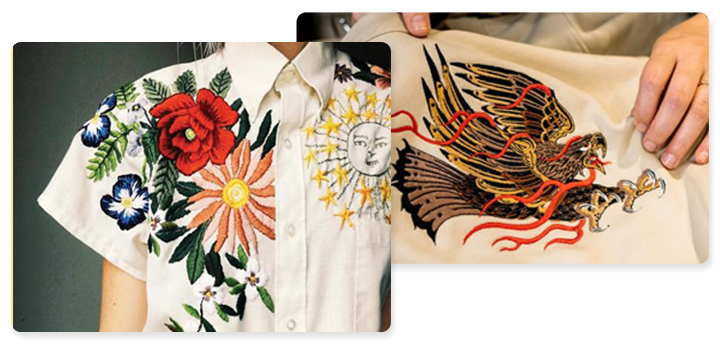
Embroidery adds concentrated weight that can affect drape, especially on lightweight T-shirts, polos, and stretch jerseys. Large fills may require backing, reduced stitch density, or a smaller design in smaller sizes.
Protect Seams And Patches
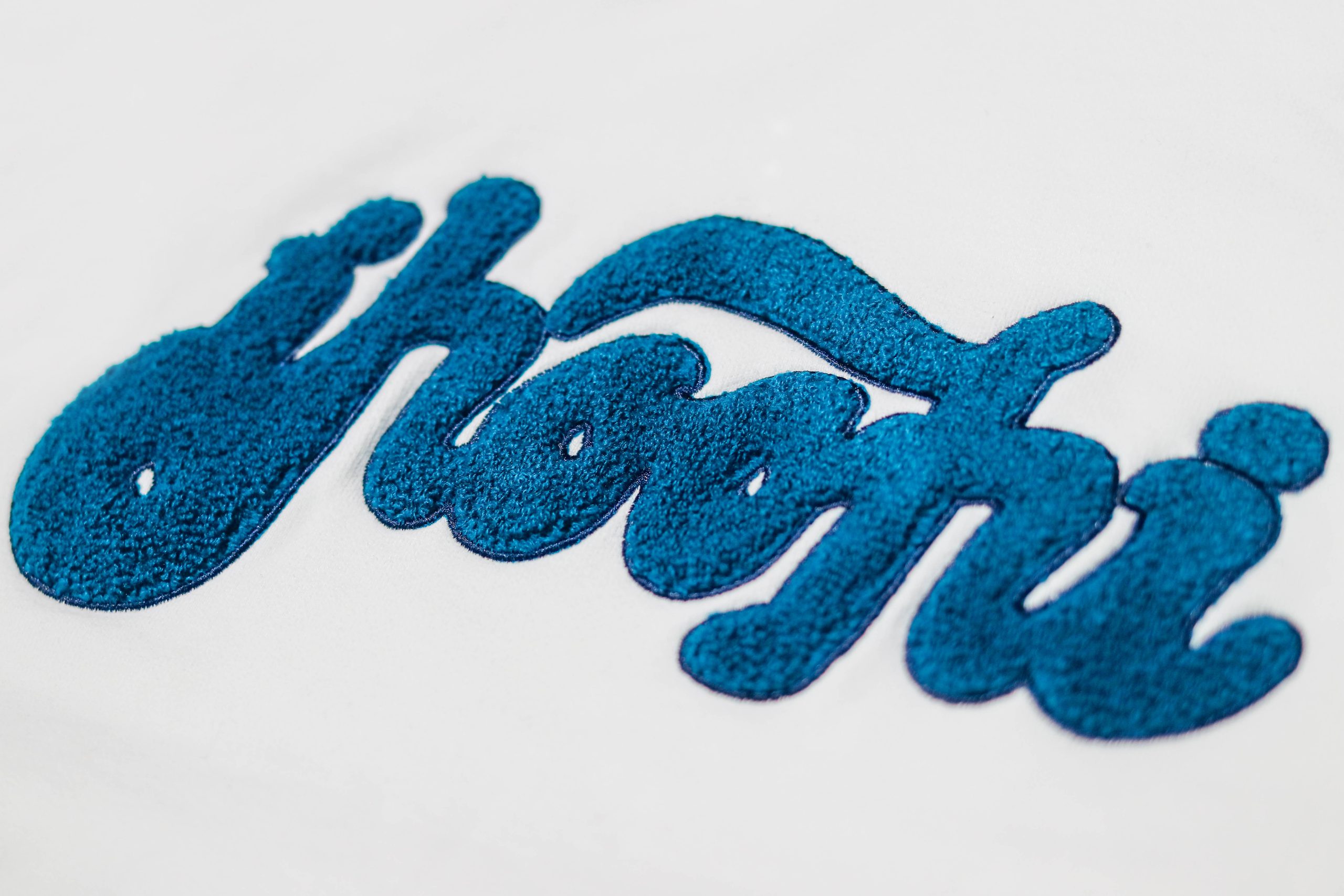
Patch dimensions and attachment methods must account for graded panels, curved seams, and wash movement. A patch positioned safely on a medium may cross a princess seam or pocket on another size.
Standardize Labels And Trims
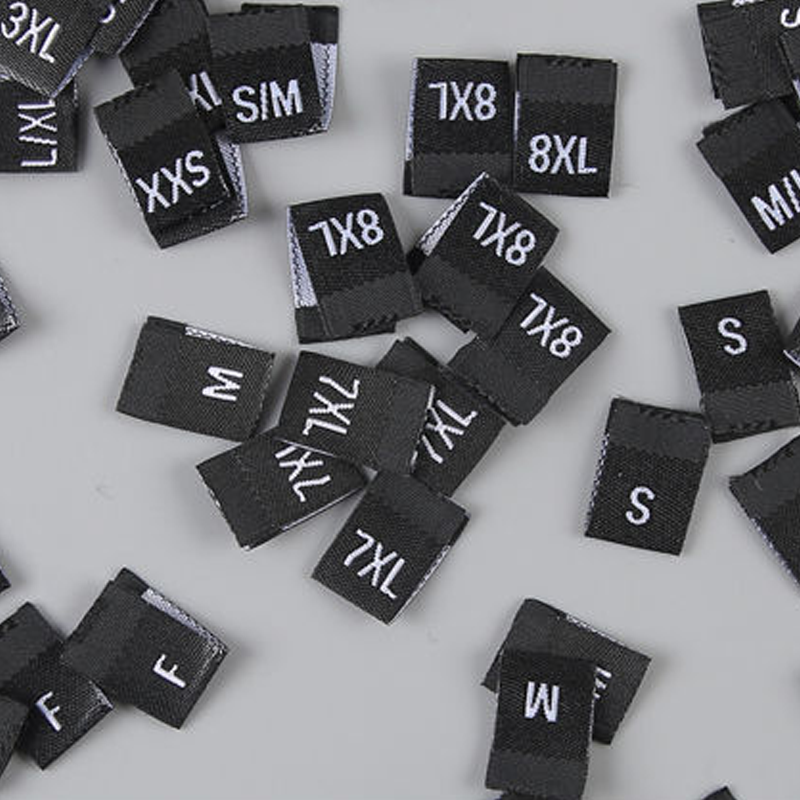
Neck labels, woven tabs, drawcords, and reflective trims should follow a stated anchor point rather than an approximate visual position. Grading can alter neckline width, hood depth, and side-seam length. Specify whether placement stays fixed from the neck or scales proportionally from the garment edge.
6. Key Construction Quality Elements in Graded Apparel
Three checks protect graded apparel: construction balance, measured consistency, and post-wash stability.
Balance Core Proportions
Shoulder width, sleeve length, armhole depth, and neck opening must change coherently between sizes. For bottoms, compare rise, inseam, leg opening, and pocket position so grading does not create a distorted silhouette.
- Compare shoulder-to-sleeve ratios across the complete size set.
- Check pocket placement from both side seams and hem.
- Confirm collars and rib openings remain functional after grading.
Inspect Graded Samples
Three checkpoints are practical: measure the approved base size, one size below, and one size above. Record chest, length, sleeve, rise, inseam, and opening measurements against the tech pack, using the buyer-approved tolerance rather than an assumed universal limit. Two garments of the same size should match within the agreed tolerance, while paired components should remain visibly symmetrical.
- Measure before washing and after the specified wash test.
- Verify seam allowances remain consistent at curved and joined seams.
- Inspect stress points while the garment is worn or gently tensioned.
Approve After Washing
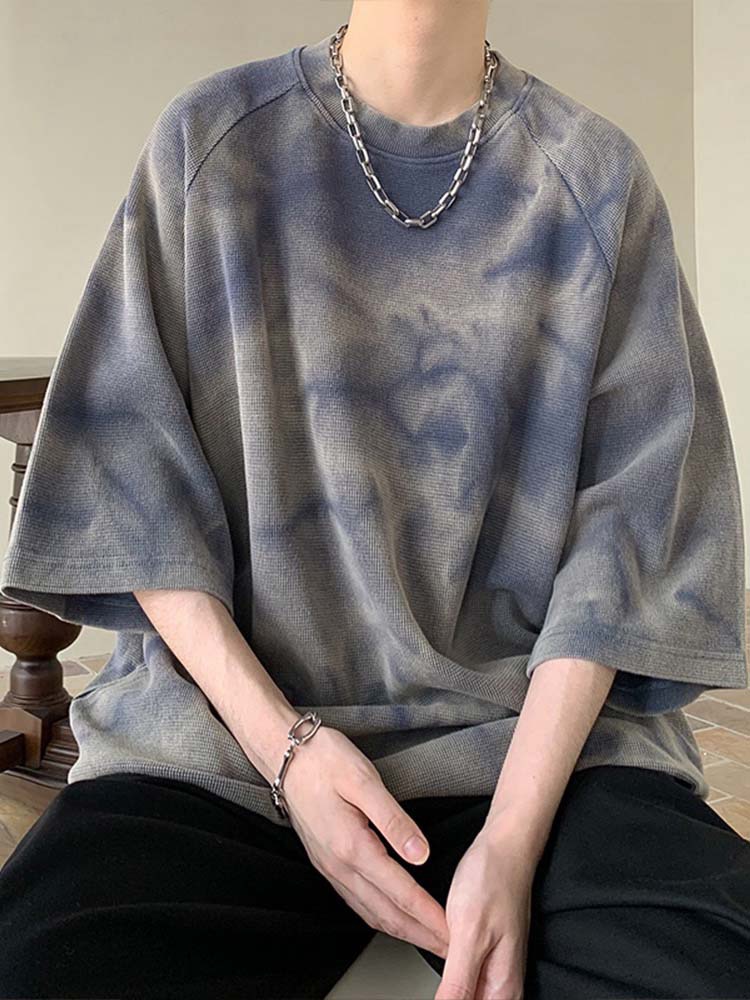
One complete wash-and-dry cycle can change length, width, rib recovery, and panel alignment, especially in knit garments. Recheck the graded samples after the actual care process and compare shrinkage, twisting, puckering, and color-related appearance before bulk approval. Final approval should cover every ordered size, not only the fit sample.
7. How to Choose a Clothing Size Grading Manufacturer
A reliable manufacturer turns one approved fit into a controlled size range through documented patterns, testing, and repeatable production.
Pattern And Category Expertise
One base pattern should show documented grade rules for every relevant point of measurement, not only chest and length. Ask who handles pattern engineering and request anonymized examples for hoodies, jerseys, jackets, or your actual category. Three questions matter: Which sizes can you grade accurately? How are men’s and women’s blocks separated?
Fit And Sample Workflow
Two fit-model checkpoints—base size and size-range verification—can expose grading problems before bulk cutting. Confirm access to suitable fit models, sample quantities, fitting responsibilities, and approval gates. A complete sample file should include pre-production samples, spec measurements, tolerance limits, fabric details, and signed comments.
Materials And Decoration Control
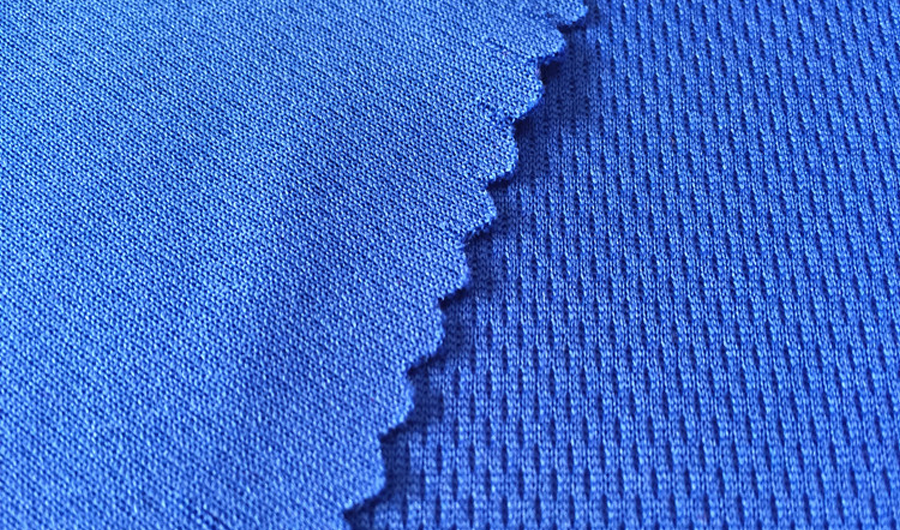
Every fabric should be tested for shrinkage, stretch, recovery, and dimensional stability before final grading, especially fleece, French terry, and performance knits. Request test reports or recorded results tied to the approved fabric lot. One decoration plan should coordinate print, embroidery, patches, labels, and placement tolerances with garment measurements.
Quality, MOQ, And Traceability
EDVORIN’s MOQ starts at 200 pieces per style. A production-ready supplier should define in-line inspection points, final AQL or internal acceptance criteria, measurement audits, and corrective-action records. Ask how defects are logged and escalated across a size set. Confirm MOQ by style, color, and size range, plus lead-time assumptions and reorder handling.
8. Common Clothing Size Grading Guide Mistakes Buyers Make
Recurring errors can undermine an otherwise workable clothing size grading guide.
Approve The Base Size First
1 base size must fit and measure correctly before grading begins; otherwise every size inherits the original error. Prevention: approve the fit sample, measurement chart, and ease before releasing grade rules.
Validate Charts Against Your Product
2 references—a competitor chart and a body-measurement chart—cannot replace a fit check on your garment. Copying competitor dimensions may misrepresent your intended silhouette, market, or ease. Prevention: compare the proposed chart with a measured sample and target wearer.
Grade For Fabric And Garment Type
3 variables—stretch, recovery, drape, and shrinkage—can change how the same grade rule performs. A French terry hoodie, woven shirt, jersey, and quilted jacket should not automatically share one grading logic.
Sample The Full Size Range
4 checkpoints matter: base size, one smaller size, one larger size, and the extreme offered sizes. Skipping the ends can hide sleeve, rise, proportion, or decoration-placement failures. Prevention: make representative extreme-size samples and measure them after finishing.
9. Steps to Launch Your Clothing Size Grading Guide
The following checkpoints turn a draft clothing size grading guide into a production standard.
Define Fit Intent
1 customer profile should anchor the range: streetwear buyers may expect relaxed ease, while school uniforms and teamwear require movement, durability and consistent replacement sizing. 2 fit decisions should identify the base size, intended wearer, garment ease and acceptable tolerance before pattern work begins.
Build And Approve The Standard
1 fit model in the target base size provides the reference for body measurements, garment measurements and proportion decisions. Record posture, key dimensions and fit comments rather than relying on photographs alone. The measurement chart should list every point of measure, tolerance and grading increment.
Test Key Sizes
At least 3 representative sizes—base, smallest or near-smallest, and largest or near-largest—should be sampled in production fabric and construction. This exposes proportion problems that a base-size approval can miss. Fit tests should cover movement and styling; wash tests should check shrinkage, twisting, recovery and decoration response.
Lock Production Controls
The final tech pack should combine approved patterns, measurement charts, grade rules, materials, artwork placement, labels, packaging and revision status. Wholesalers should add carton, assortment and replenishment requirements; private-label buyers should confirm branding and compliance documents. Before release, define in-line measurement checks, approval samples, color references and final inspection points.
10. Clothing Size Grading Guide Pricing and Cost Factors
EDVORIN has supported apparel production since 2000, but grading cost remains quote-dependent because each program starts with its own base pattern, fabric, fit intent, and size range. Pattern setup, digital grading, and measurement-point documentation typically form the technical foundation before sampling begins. Two or three sample rounds may be required when fit corrections, fabric shrinkage, stretch recovery, or proportion changes affect the approved block.
| Service or Quantity Tier | Estimated Cost Category | Lead-Time Impact | What Is Included |
|---|---|---|---|
| Pattern setup and digital grading | Supplier-specific; quote-dependent | Adds development time | Base pattern, grade rules, measurement chart, digital files |
| Sample round and fit correction | Supplier-specific; quote-dependent | Usually adds each revision cycle | Sample sewing, measurement review, correction notes |
| Fabric testing and size-range expansion | Supplier-specific; quote-dependent | May require additional validation | Shrinkage or recovery checks, added sizes, proportion review |
| Decoration setup | Supplier-specific; quote-dependent | Depends on artwork complexity | Print or embroidery setup, placement confirmation, size-specific checks |
| Production quantity | Per-unit cost varies by MOQ and order size | Larger orders may absorb setup more efficiently | Bulk grading application, inspection, labeling, and packing coordination |
Apparel Size Grading Questions Buyers Ask
Clear answers on fit blocks, technical specifications, approvals and repeatable production with EDVORIN.
What should a clothing size grading guide include?
How does EDVORIN use a clothing size grading guide for production?
Can you create separate men’s and women’s clothing size grading guides?
Do I need a complete tech pack before requesting size grading?
How does sample approval affect grading revisions?
Can EDVORIN revise the grading after the first size set?
How do you keep sizing consistent on repeat orders?
EDVORIN’s MOQ starts at 200 pieces per style. What is the minimum order quantity for custom graded apparel?
Build a More Consistent Collection With a Clothing Size Grading Guide
Turn approved patterns into repeatable fits with EDVORIN’s product development, sampling, decoration and OEM/ODM manufacturing support.