
Plan Your Clothing Production Timeline From Concept to Packed Order
EDVORIN’s MOQ starts at 200 pieces per style. EDVORIN is a founder-led custom clothing manufacturer and low MOQ clothing manufacturer, connecting development, sampling and repeatable 200-piece production for fashion, streetwear, teamwear and private-label programs.
What Shapes a Clothing Production Timeline
EDVORIN coordinates OEM, ODM and private-label apparel manufacturing, including custom apparel printing, custom apparel embroidery, garment wash services, and custom clothing labels and packaging for dependable 200-piece runs.
Technical Foundations
Clear tech packs and graded patterns establish construction, measurements, and repeatable standards before materials are ordered or samples are cut.
Materials And Trims
Fabric, trims, labels, hardware, and packaging must be confirmed early so availability, color accuracy, and supplier lead times support the planned run.
Sampling And Approval
Fit, construction, and wear testing turn concepts into approved standards, with consolidated feedback helping reduce revisions before bulk production begins.
Decoration And Washing
Printing, embroidery, patches, and washing affect placement, color, hand feel, measurements, and appearance, so treatments require approval before scaling.
Bulk Production
Once materials and samples are approved, cutting, sewing, finishing, and production scheduling convert the standard into a consistent apparel run.
Quality And Packaging
EDVORIN’s MOQ starts at 200 pieces per style. In-line checks, final inspection, folding, labeling, and packing help keep every 200-piece MOQ order aligned with the approved production standard.
The EDVORIN Apparel Manufacturing Workflow
Move from concept or tech pack to an approved, repeatable bulk order through one accountable apparel manufacturing workflow.
Define Your Product Standard
Share a tech pack, sketch, or reference garment so EDVORIN can align fit, materials, construction, trims, decoration, labeling, and packaging requirements.
Approve Development Samples
Review patterns, materials, and samples with EDVORIN, refining measurements, proportions, artwork placement, and finishing until the garment matches your intended men’s or women’s program.
Lock Production Inputs
Confirm approved fabrics, trims, decoration methods, size grading, quantities, and packaging before scheduling the 200-piece-per-style minimum bulk run.
Control And Repeat
EDVORIN coordinates cutting, sewing, decoration, washing, inspection, labeling, and packing against approved standards, creating a dependable reference for repeat orders and growth.
Apparel Programs EDVORIN Develops
Plan development, sampling, decoration and bulk production around the specific requirements of fashion, streetwear, teamwear, school and private-label programs.
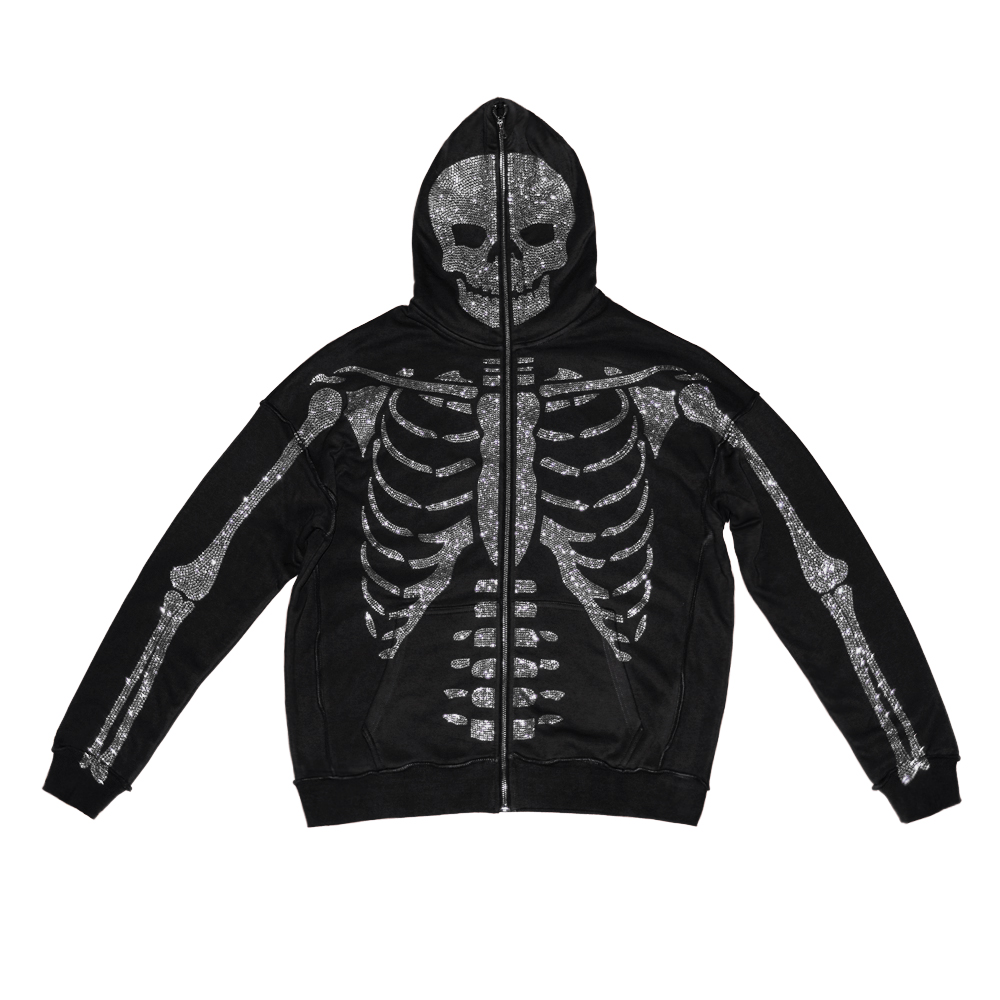
Custom Hoodies
A custom hoodie manufacturer coordinates fleece selection, fit blocks, rib recovery, drawcords, artwork placement and decoration before bulk cutting. Fashion brands may require detailed sampling, while school and team programs typically prioritize size coverage, repeatable colors, names, numbers and dependable reorder standards.
Get a Quote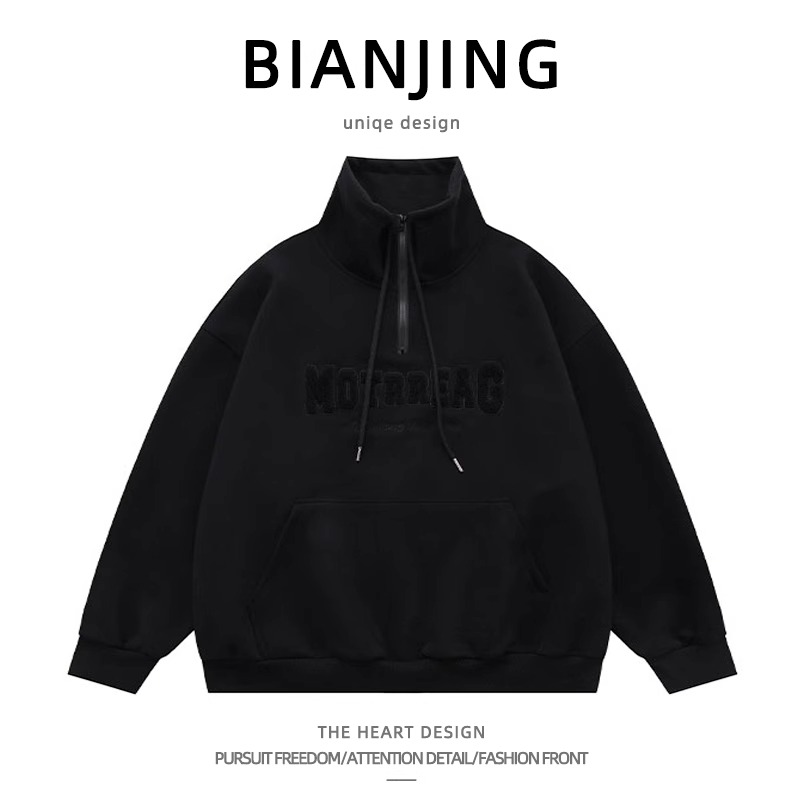
Pullover Sweatshirts
A sweatshirt manufacturer develops pullover silhouettes around fleece weight, shrinkage, rib construction and finishing. Streetwear labels often need proportion and wash testing, while wholesalers and private-label buyers require documented measurements, repeatable materials, labeling and packaging for consistent multi-size production.
Get a Quote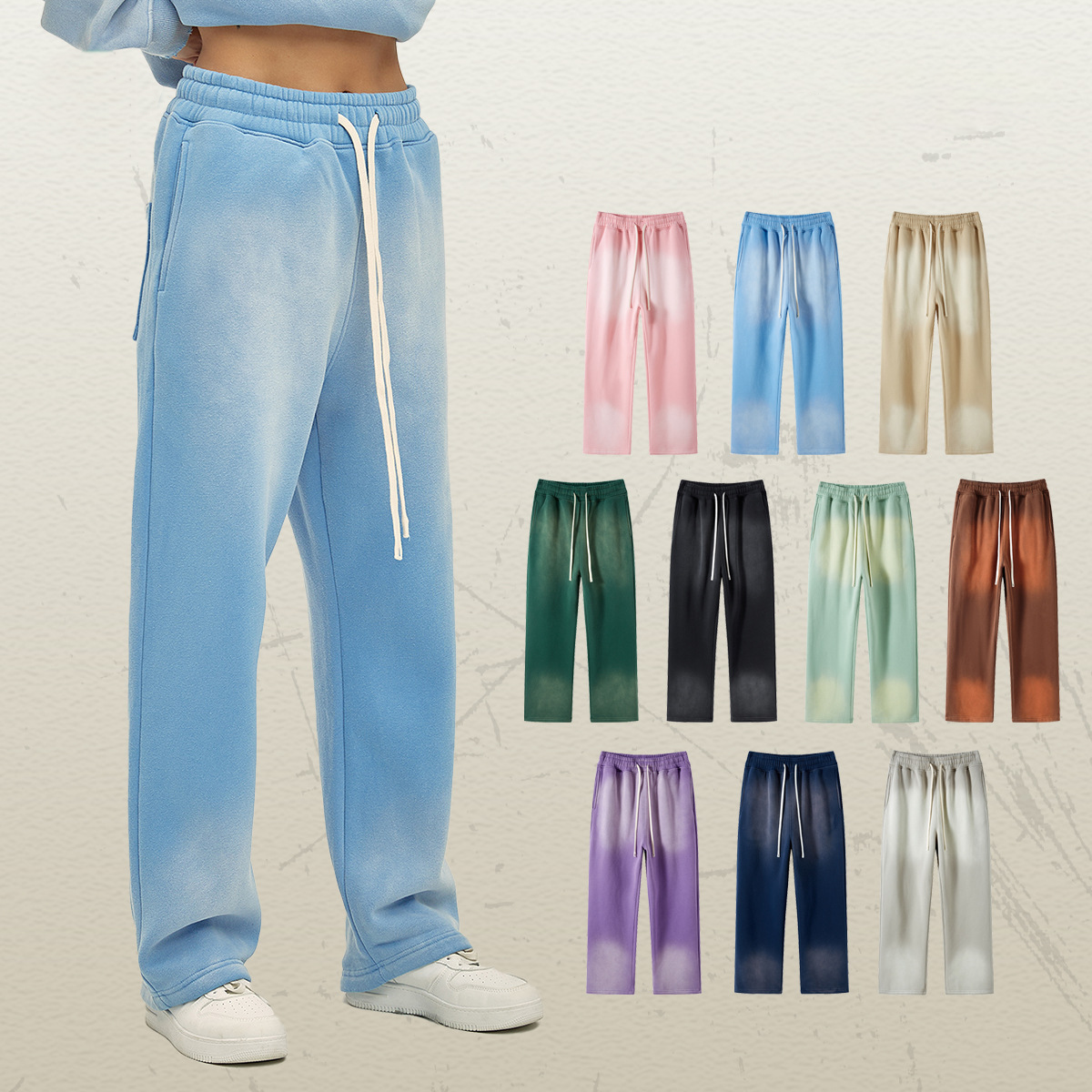
Sweatpants & Joggers
A sweatpants manufacturer balances fabric weight, waistband recovery, pocket construction, leg shape and grading. Collection programs may include several fits and washes, while teamwear and wholesale buyers need stable specifications, coordinated colorways and sample-to-bulk checks that support repeat orders across sizes.
Get a Quote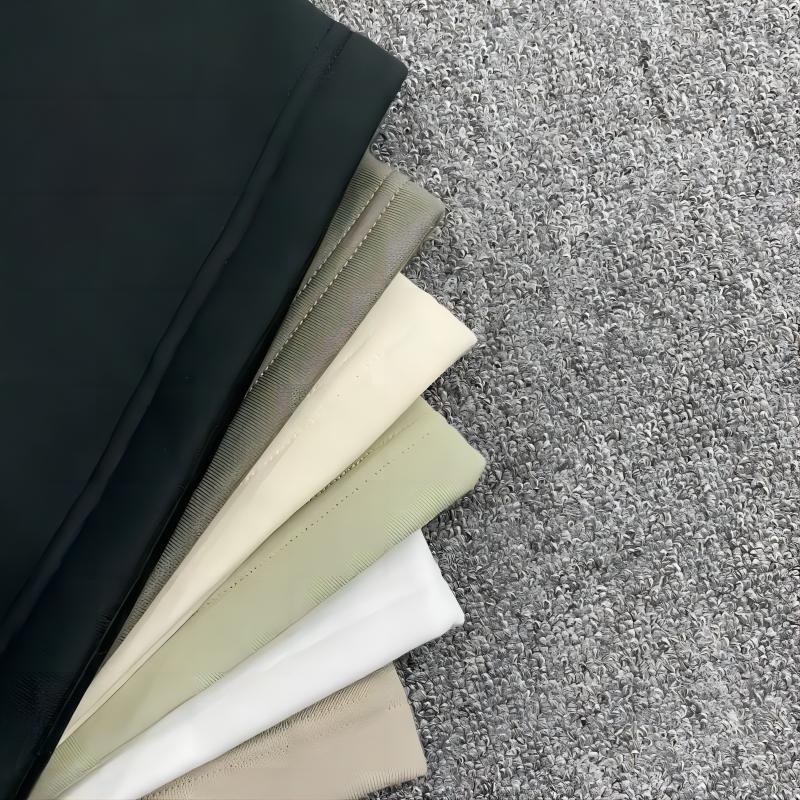
Custom Shorts
A custom shorts manufacturer adapts construction to lounge, streetwear, athletic or team use. Development can include fleece or performance fabrics, elastic waistbands, drawcords, pockets, liners, trims and decoration placement, with timelines shaped by fit approval, artwork confirmation and the required size range.
Get a Quote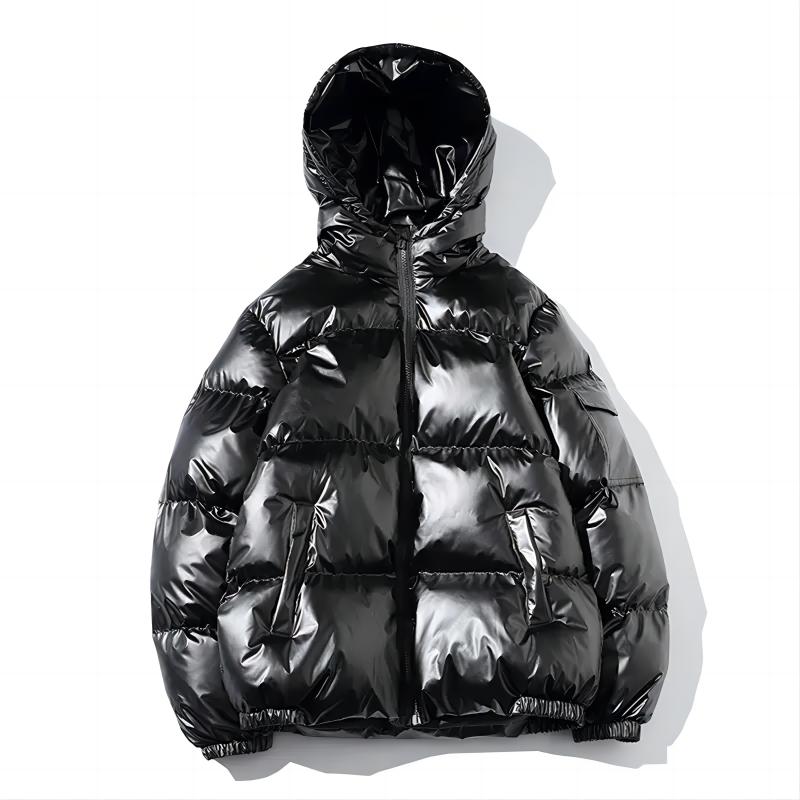
Varsity & Baseball Jackets
A varsity jacket manufacturer coordinates body and sleeve materials, rib sections, snaps, lining, patches, embroidery and size grading. Fashion programs often require multiple construction rounds, while schools, teams and private-label buyers need approved color, trim and decoration standards that can be reproduced across an organized order.
Get a Quote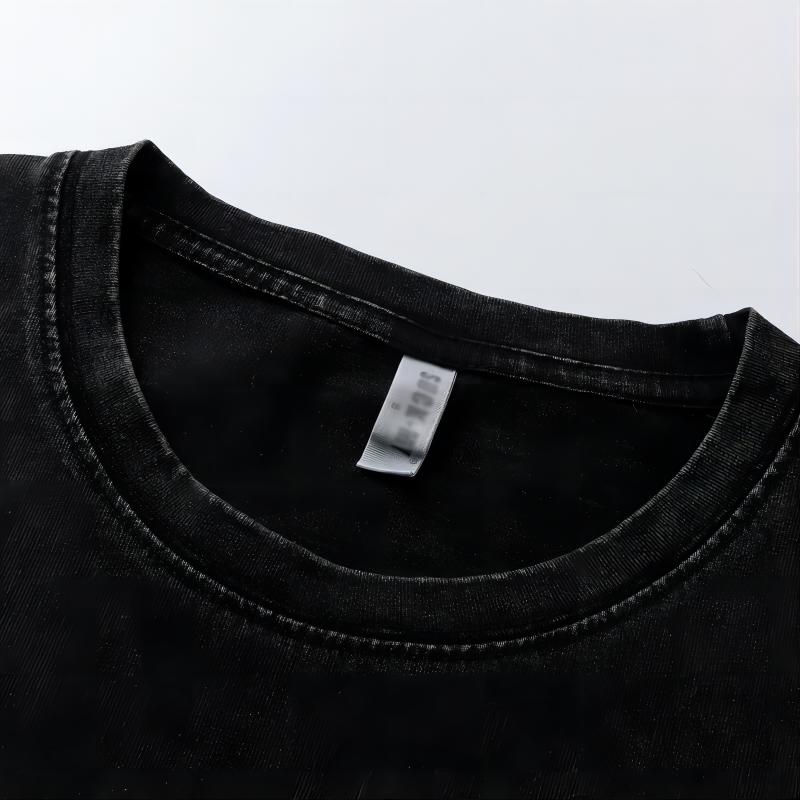
Custom T-Shirts
A custom T-shirt manufacturer manages fabric selection, hand feel, fit, neck construction, shrinkage, printing and labeling. Emerging brands may begin from a sketch or reference garment, while wholesalers and established buyers typically need approved samples, artwork files, measurement charts and packaging instructions before bulk production.
Get a Quote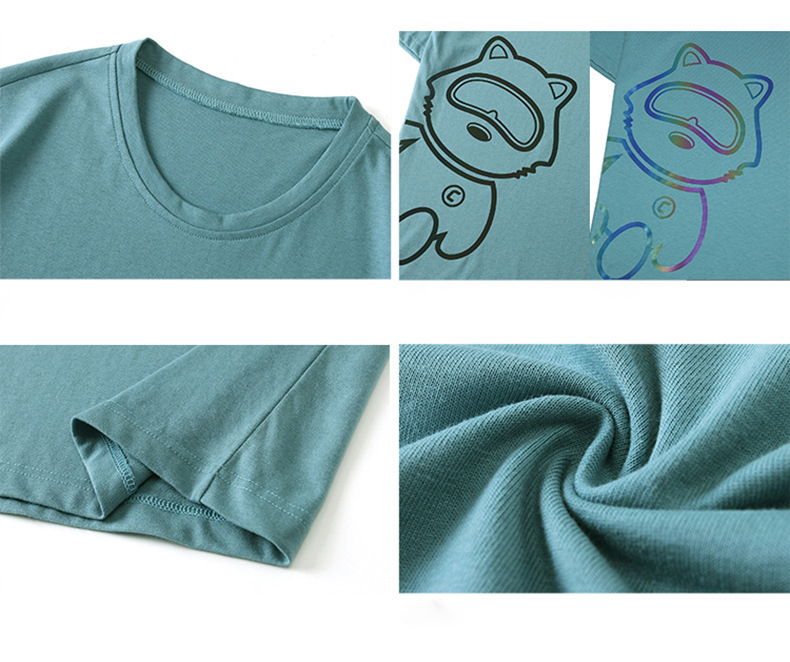
Custom Polo Shirts
A polo shirt manufacturer develops collar shape, placket construction, buttons, fabric performance and fit for lifestyle, corporate, school or team programs. Timelines depend on material approval, embroidery or print testing, size grading and confirmation that the finished garment maintains its appearance through washing and repeated wear.
Get a Quote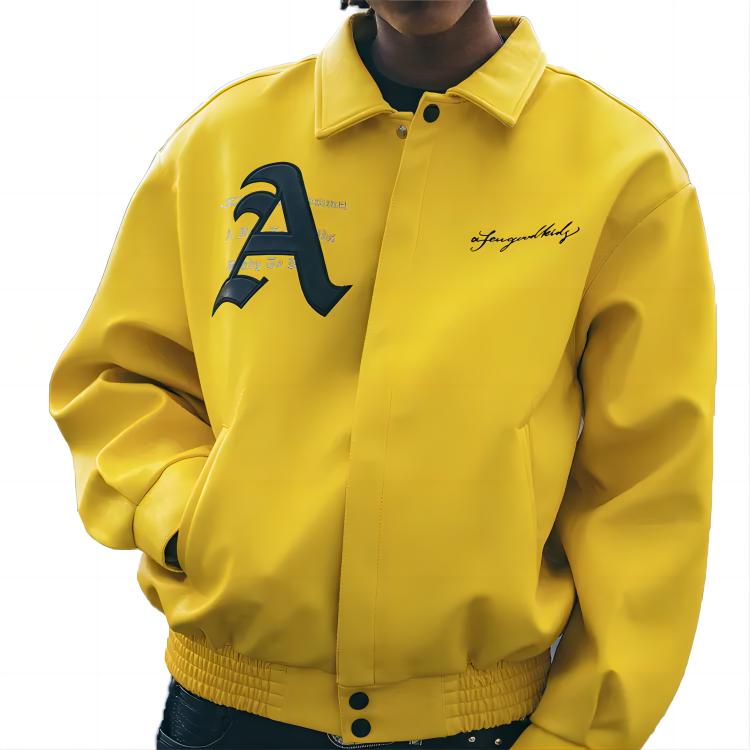
Windbreaker Jackets
A windbreaker manufacturer coordinates shell fabric, lining or mesh, zippers, elastic details, hood construction and water-resistant finishing where required. Fashion and streetwear programs may involve custom paneling and decoration, while team or school orders require clear color blocking, size sets and repeatable specifications.
Get a Quote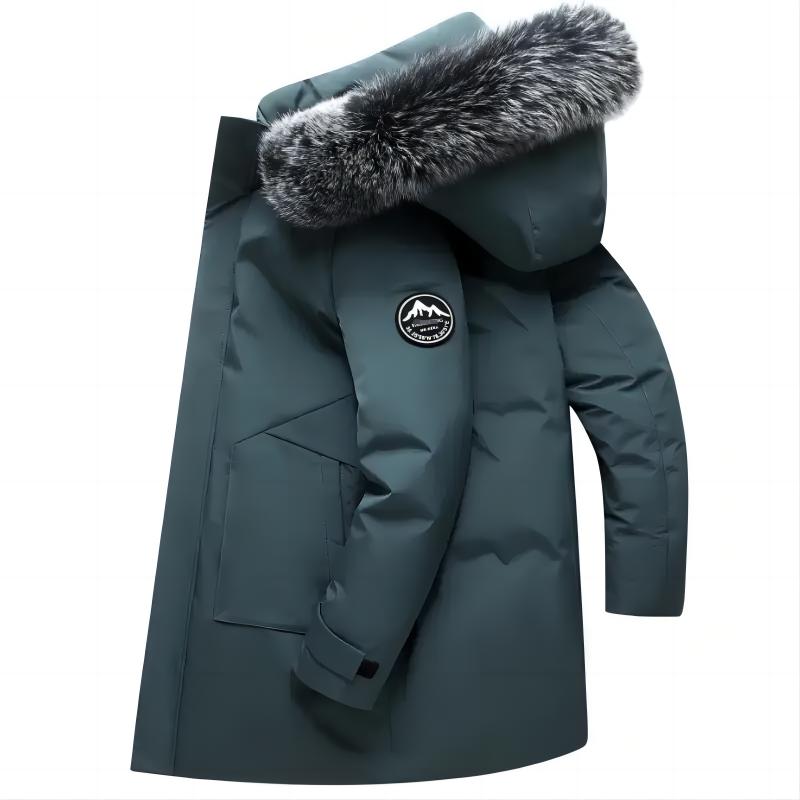
Quilted Jackets
A quilted jacket manufacturer plans shell fabric, insulation, quilting layout, lining, closures and finishing together. Buyers must approve warmth, loft, weight, fit and trim details before bulk production, with timelines varying between seasonal fashion collections, private-label outerwear programs and larger wholesale size assortments.
Get a Quote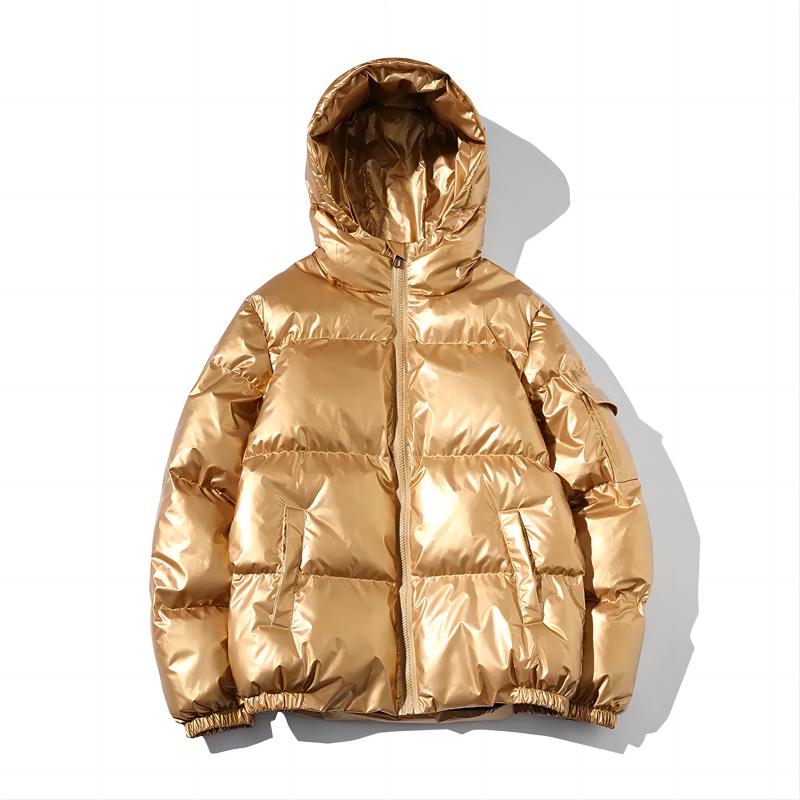
Bomber Jackets
A bomber jacket manufacturer aligns shell, lining, rib collar and cuffs, zipper or snap hardware, pockets, patches and embroidery. Streetwear and fashion buyers may require proportion and decoration refinement, while wholesalers and private-label customers need documented construction, approved trims and stable production standards.
Get a Quote
Custom Shirts
A custom woven shirt manufacturer develops fabric, collar, cuffs, placket, buttons, pocket details and fit for casual, fashion or private-label collections. Timelines include fabric and trim sourcing, pattern approval, sample revisions, wash or shrinkage checks, decoration confirmation and final measurement control before bulk cutting.
Get a Quote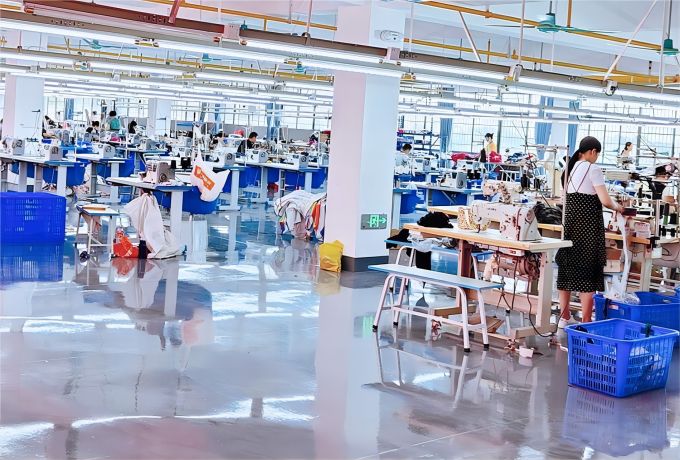
Custom Jerseys
A custom jersey manufacturer coordinates breathable performance fabric, panel construction, color blocking, sublimation or other decoration, and player name and number application. Clubs and teams need organized size sets and repeatable artwork control, while brands and wholesalers may require broader styling, labeling and packaging development.
Get a Quote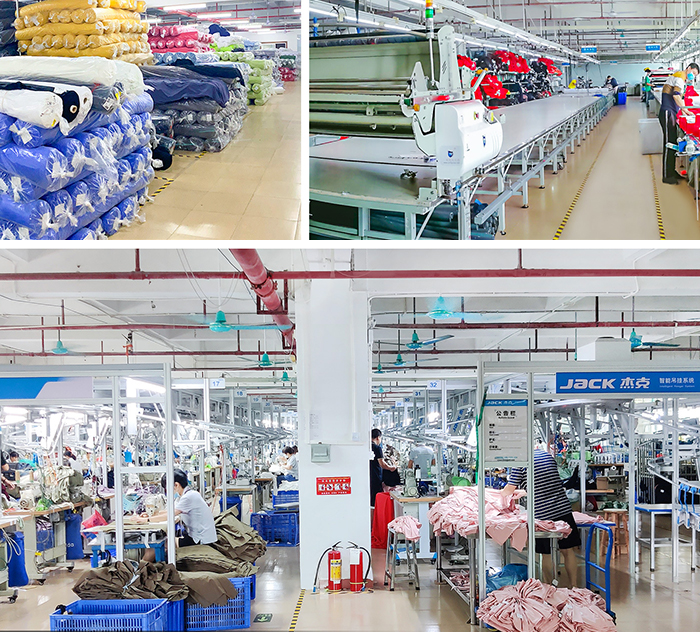
Tank Tops
A custom tank top manufacturer adjusts fabric, armhole shape, neckline, hem finish and fit for training, lifestyle or streetwear use. Timelines depend on material behavior, artwork placement, size grading and sample approval, with team, school and wholesale programs requiring consistent color and replenishment standards.
Get a Quote
Soccer Uniforms
A soccer uniform manufacturer manages performance fabric, shirt and short construction, numbering, names, badges, sponsor artwork and coordinated sizing. Club and school timelines depend on roster finalization and artwork approval, while repeat programs require documented colors, decoration placement, size organization and quality checks across every set.
Get a Quote
Basketball Uniforms
A basketball uniform manufacturer develops breathable jerseys and shorts with coordinated panels, trims, numbers, names and team artwork. Production planning depends on roster and size information, approved color references, decoration testing and sample confirmation, helping clubs, schools and academies maintain consistency across players and reorder cycles.
Get a Quote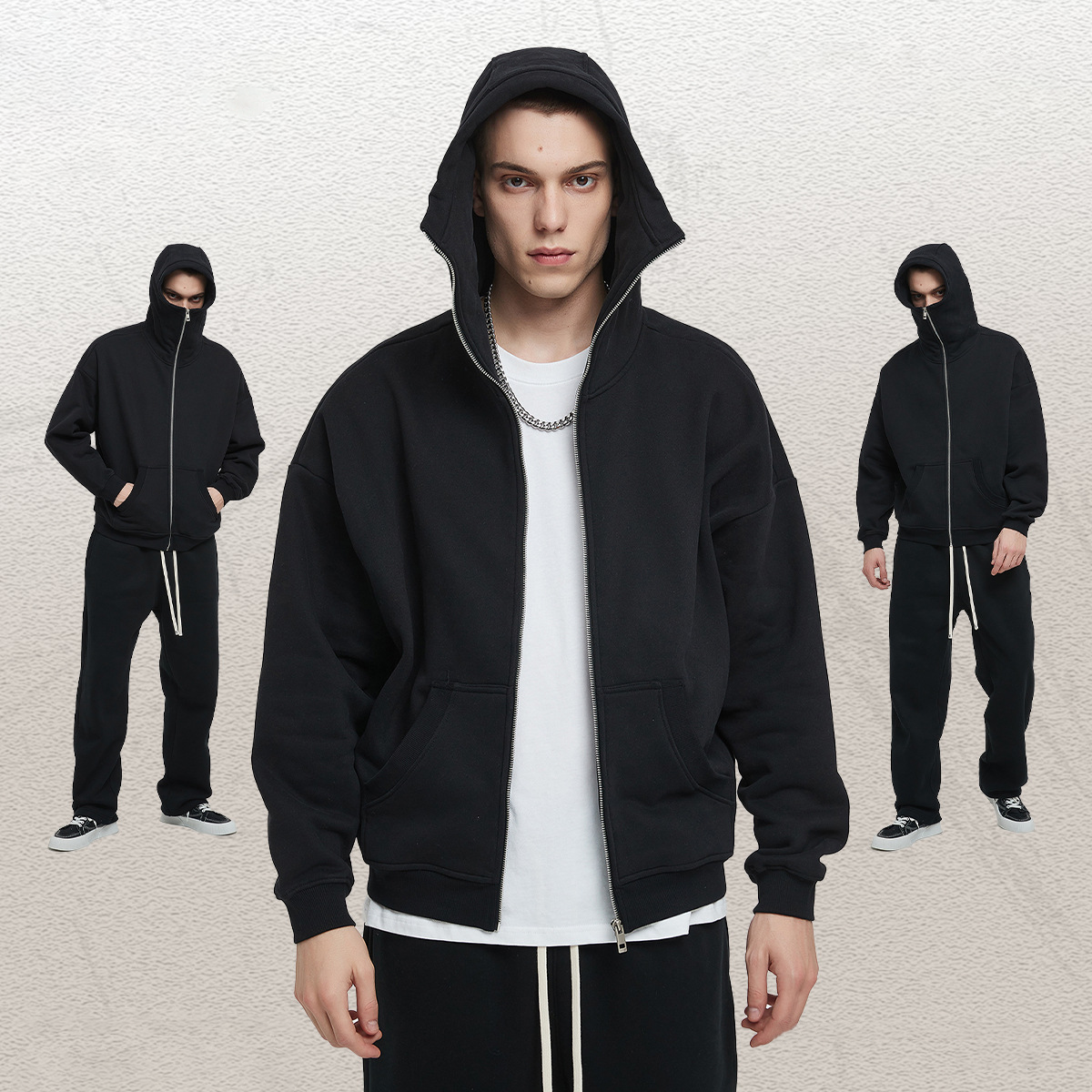
Streetwear Collections
A streetwear clothing manufacturer develops coordinated collections across hoodies, T-shirts, sweatshirts, jackets, pants and accessories. Timelines are shaped by concept refinement, fabric and wash development, sampling, decoration testing, size grading, labeling and packaging, with each approved style documented for repeatable seasonal production.
Get a QuoteClothing Production Timeline: Plan 200-Piece MOQ Runs
Use a practical decision framework to map each production stage, compare supplier and material criteria, plan decoration and quality checks, and avoid approval, sourcing, and scheduling mistakes that delay your clothing launch.
1. What Is a Clothing Production Timeline?
EDVORIN’s MOQ starts at 200 pieces per style. A 200-piece run is enough to expose every approval dependency in a small production order. A clothing production timeline is the complete path from concept approval to delivered inventory: technical specifications, material and trim confirmation, pattern and sample approval, decoration sign-off, bulk manufacturing, inspection, packing and transport. Three separate clocks must be planned: development time covers sourcing, patterns, sampling and revisions; manufacturing lead time covers cutting, sewing, decoration, washing, finishing and quality control; shipping time covers freight, customs clearance and final delivery. Five approvals should be complete before a 200-piece MOQ run is scheduled: the final tech pack and measurement chart, approved fit sample, fabric and color standard such as Pantone, artwork and placement, and labels or packaging.
2. How Clothing Production Timelines Evolved
EDVORIN’s MOQ starts at 200 pieces per style. In the 20th century, apparel production was often organized around local workshops, regional suppliers and seasonal collection calendars. Buyers could work closely with makers, but capacity, fabric choice and repeatability were constrained by geography and limited specialization. Since the 1990s, sourcing has become more globally coordinated: specialized factories may handle pattern development, cutting, sewing, decoration, washing or quality control, while materials and trims move through separate supply networks. Digital tech packs, grading files and artwork specifications now reduce ambiguity during handoffs and make revisions easier to document.
Today, a 200-piece program can demand the responsiveness once associated with local production, including customization, smaller MOQ planning and clear status updates.
3. Types of Clothing Production Timelines
Four timeline models mainly differ in how much is already approved before production starts.
Ready-Stock Or Blank Customization
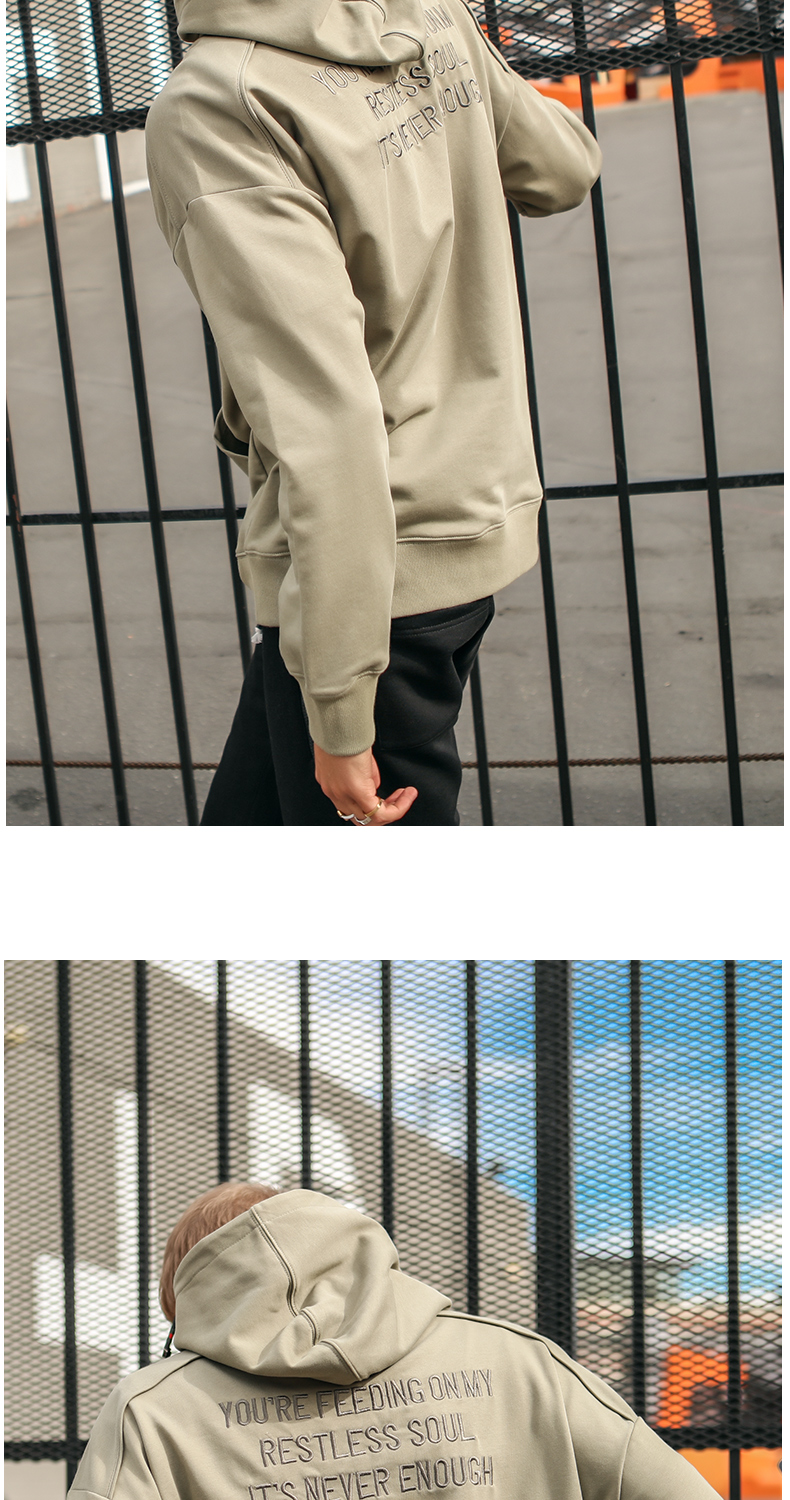
Stock blanks usually need approval of the garment, size set, artwork placement, decoration method, and packaging. Material dependence is low because the base style is already available. Teams, schools, corporate buyers, and wholesalers often use this model for smaller or faster programs.
Private Label And Full Custom
Cut-and-sew private label requires approval of patterns, measurements, fabric, trims, labels, and a pre-production sample. Full custom development adds more rounds for fit, construction, and performance details. Material availability strongly affects timing, especially for custom colors or imported fabrics.
Made-To-Order Programs
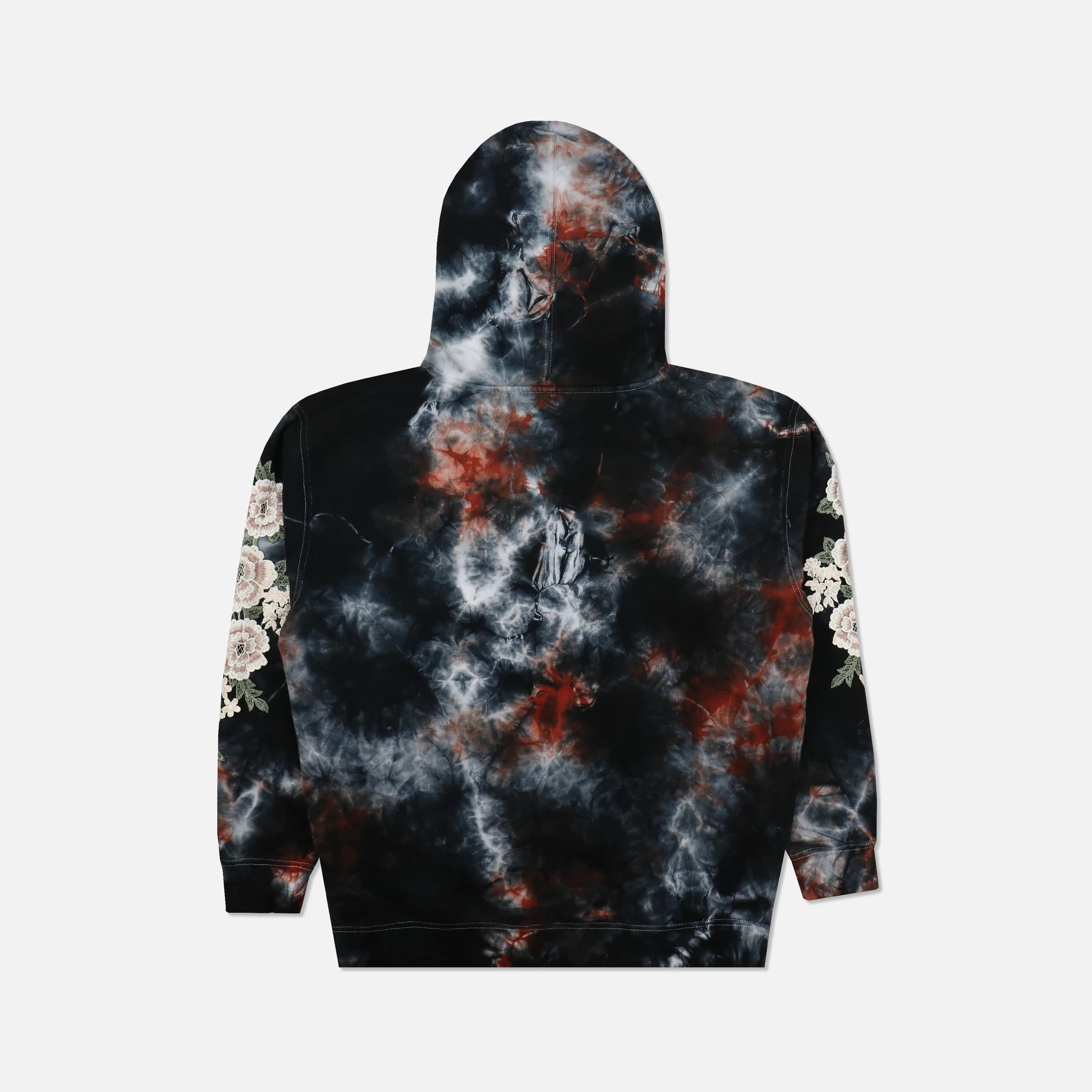
Made-to-order production usually confirms the product standard, size chart, order window, and decoration artwork before each manufacturing batch. Material commitment can be lower, but production cannot begin until demand is consolidated. This model suits niche fashion collections, private-label tests, and limited team or school drops.
Repeat Production
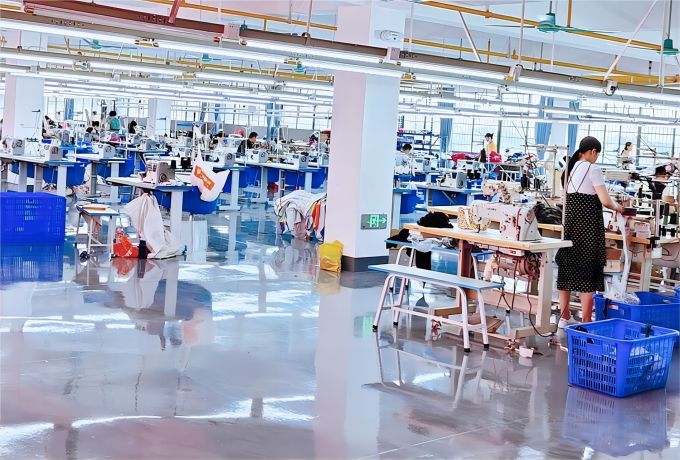
Repeat production begins with an approved sample, retained specifications, confirmed materials, and a purchase order rather than complete redevelopment. Approval usually focuses on color, quantity, artwork changes, and any revised trims. Material dependence remains important when fabrics or hardware are replenished.
4. Materials and Fabrics That Affect Timing
A 200-piece run exposes material decisions quickly: availability, minimum dye lots, and imported components can move sampling and bulk dates.
| Fabric Choice | Practical Characteristics | Timing Risk | Suitable Applications |
|---|---|---|---|
| Stock cotton jersey | Comfortable, familiar, readily available | Low; verify GSM and color stock | T-shirts, polos, tanks |
| French terry or fleece | Warmth, structure, varied GSM and recovery | Medium; brushing or washing needs testing | Hoodies, sweatshirts, joggers |
| Custom or imported performance fabric | Special hand feel, stretch, moisture control, or finish | High; dyeing, testing, freight, and customs | Teamwear, outerwear, technical capsules |
Stock Versus Custom Fabric
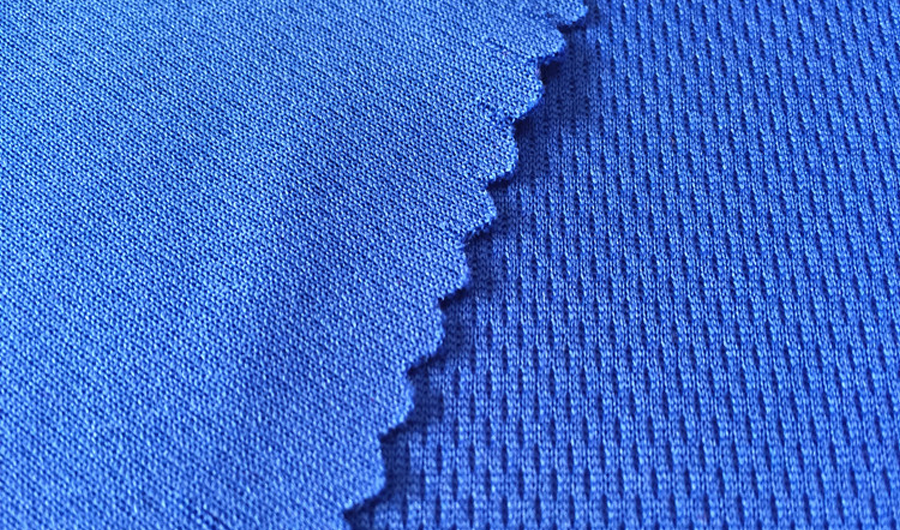
Stock French terry, fleece, jersey, or woven fabric can enter sampling quickly because construction and GSM are already available. Custom knitting, dyeing, or imported rolls add supplier coordination, color-lot approval, freight, and customs risk.
Fiber, Weight, And Performance
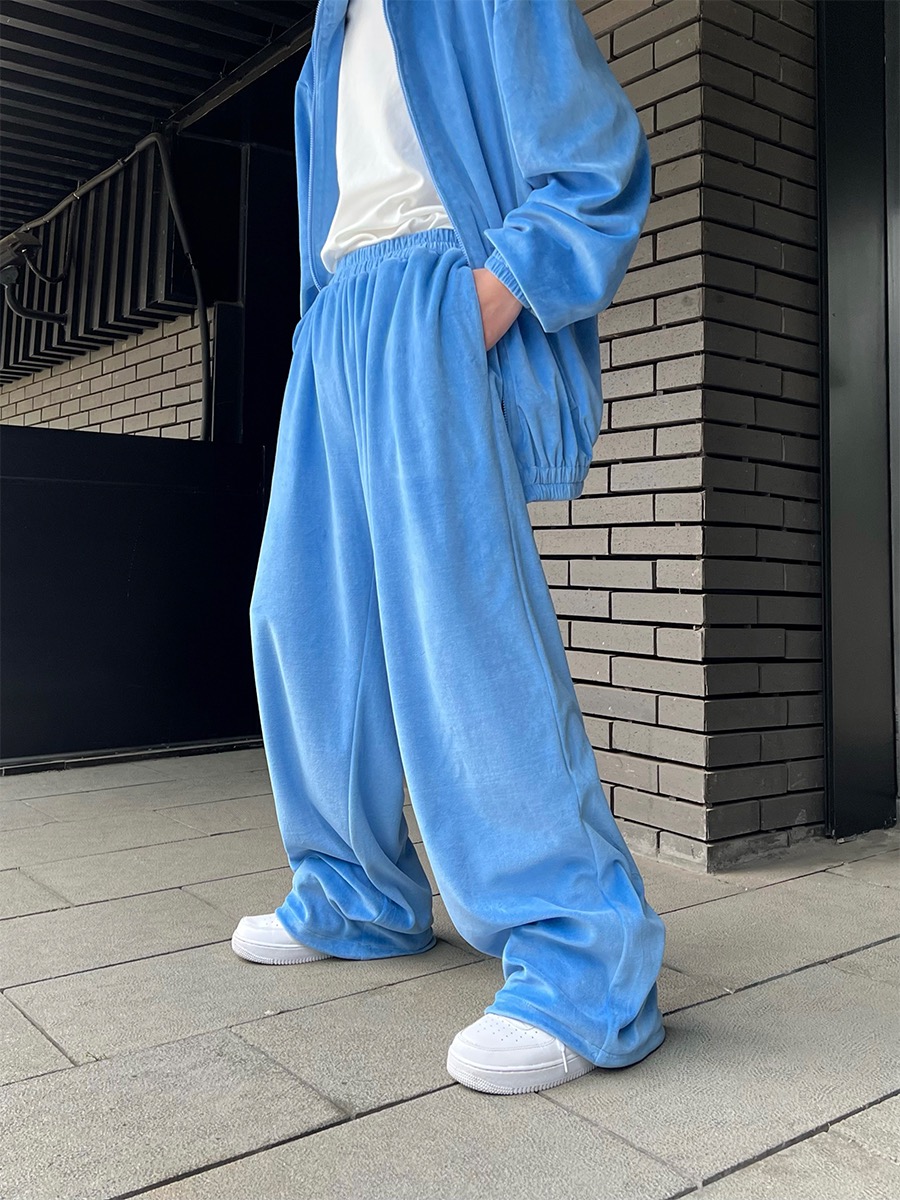
Cotton, polyester, and blends balance comfort, durability, drying speed, and shrinkage differently. GSM also changes cost and sewing behavior: lighter jersey suits T-shirts, while heavier fleece supports structured hoodies and sweatpants.
Color, Trims, And Labels
Pantone matching, lab dips, rib, elastic, drawcords, zippers, woven labels, and hangtags can become separate purchasing tracks. YKK hardware or imported trims may require longer replenishment and freight windows than domestic stock alternatives.
5. Customization and Decoration Options
Three variables drive decoration timing: artwork readiness, approval rounds, and whether the method needs screens, digitized files, or special finishing.
Match Method To Order Type
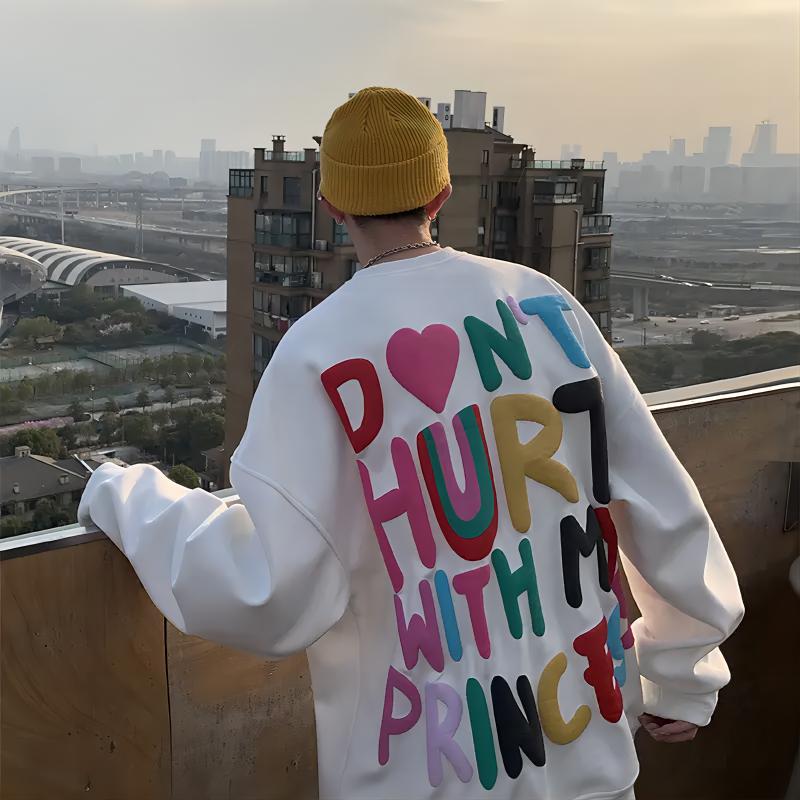
Screen printing suits repeat graphics and larger runs; digital printing fits detailed artwork or smaller quantities. Embroidery and patches add dimensional branding for polos, jackets, uniforms, and streetwear. Sublimation works best on suitable polyester programs, while heat transfer supports names, numbers, and variable personalization.
- Repeat graphics: screen printing
- Small, detailed artwork: digital printing
- Team names and numbers: heat transfer
- Premium logos: embroidery or patches
Approval And Production Impact
One decoration method still requires production-ready artwork, placement measurements, color references such as Pantone, and a physical or digital approval standard. Embroidery needs digitizing; screen printing needs screen setup; patches and appliqué require edge, backing, and attachment decisions. Two or more techniques create separate strike-offs or approval rounds.
- Confirm artwork before sampling
- Approve placement on the actual garment
- Record thread, ink, transfer, and backing specifications
Decoration Comparison
The matrix below shows the usual trade-offs EDVORIN reviews during development.
| Method | Setup | Durability | Timing Impact |
|---|---|---|---|
| Screen printing | Screens; separations | High when cured correctly | Moderate |
| Digital printing | Print-ready artwork | Good; substrate-dependent | Low to moderate |
| Embroidery | Digitized stitch file | High | Moderate |
| Heat transfer | Cut or printed transfer | Good; method-dependent | Low to moderate |
| Sublimation | Polyester artwork file | High on suitable fabric | Moderate |
| Labels, patches, appliqué | Artwork plus backing and attachment specs | High when secured | Moderate to high |
6. Key Construction and Quality Elements
Three approval gates protect a 200-piece run: the pre-production sample, in-line inspection, and final QC.
Measurements And Grading

A complete measurement chart should identify body length, chest, sleeve, rise, inseam, and tolerance limits. Confirm grading across every size, because one approved sample does not prove that proportions remain correct throughout the size set. A pre-production sample should be checked on the intended wearer or fit model before cutting bulk fabric.
Seams, Shrinkage, And Color
A 2-step check—after washing and before bulk cutting—helps verify dimensional stability, seam appearance, stitch density, and recovery. Specify operations such as flatlock, coverstitch, or reinforced stress points according to the garment’s use.
Decoration, Trims, And Inspection
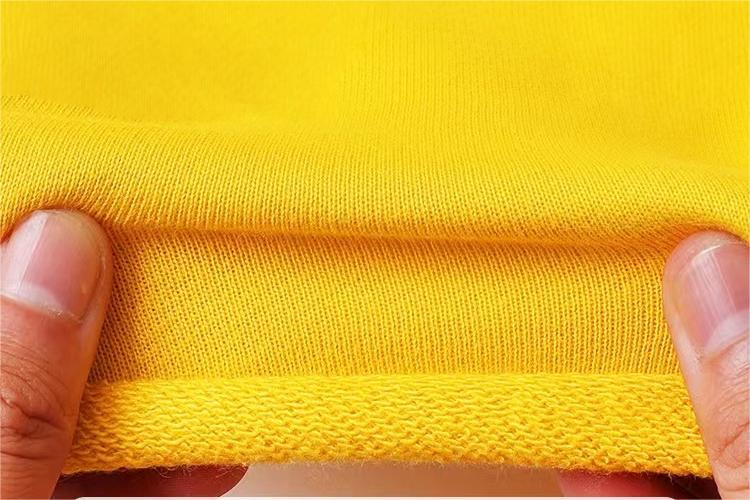
Every print or embroidery should have a placement measurement, artwork version, thread or ink reference, and a physical approval sample. Confirm labels, drawcords, snaps, zippers, hangtags, folding method, carton markings, and polybag requirements before packing materials are ordered. Three checkpoints—pre-production, in-line, and final inspection—catch different risks.
7. How to Choose a Clothing Manufacturer
2000 marks EDVORIN’s manufacturing foundation, but a supplier should be judged by current process evidence.
Match Product Experience
3 questions reveal fit: Which comparable hoodies, jerseys, jackets or uniforms have you produced? Can you show construction, measurement and decoration examples? Does your team understand men’s and women’s fit blocks? A relevant portfolio matters more than a broad product list.
Test MOQ And Sampling
200 pieces may suit an initial run, but confirm MOQ by style, color, size ratio and fabric. Ask whether sampling, grading, labeling and packaging are included or quoted separately. A sound workflow identifies sample rounds, approval gates and revision ownership.
- What starts the production clock?
- How many sample revisions are allowed?
- Which changes reset the timeline?
Audit Control And Capacity
Capacity should be supported by a production plan, not a verbal date. Request material sourcing status, decoration controls for screen print, embroidery or heat transfer, in-line inspection points and final QC records. Ask how defects, shade variation, measurement tolerance and rework are documented.
Compare The Full Quote
Five cost lines deserve visibility: garment, materials, decoration, packaging and freight. Confirm payment terms, sampling charges, inspection responsibility, shipping method, customs documents and the destination included in the quote. A credible clothing production timeline names dependencies and buffers rather than promising one fixed date.
- Who books freight and provides tracking?
- What is excluded from the quoted price?
- What happens if an approval is late?
8. Common Clothing Production Timeline Mistakes
Four avoidable mistakes can push a 200-piece run beyond its planned clothing production timeline.
Lock The Technical Brief
An incomplete tech pack leaves measurements, construction, trims, and labels open to interpretation, creating rework during sampling or cutting. Vague approvals have the same effect because ‘looks good’ does not define fit, color, placement, or workmanship.
Control Artwork And Materials
Late artwork delays screens, embroidery files, names, numbers, and placement checks, while changing fabric after sampling can invalidate fit, shrinkage, decoration, and costing decisions. The result is another sample round or production stoppage.
Build A Realistic Launch Plan
A fixed launch date without capacity confirmation encourages rushed approvals and missed handoffs. Ignoring factory holidays, customs, ocean or air transit, and final-mile delivery can leave finished goods unavailable when the campaign starts. For 200 pieces, confirm the production window in writing and add a two-week contingency after inspection and shipping.
Allow Revisions And Inspection
One sample is rarely a safe assumption; fit, fabric behavior, construction, and decoration may require multiple revision rounds. Skipping pre-shipment inspection can move size, color, stitching, or packing defects directly to customers. Budget at least two review cycles and hold one schedule block for corrective work.
9. Steps to Launch Your Clothing Run
A 200-piece run still needs a controlled clothing production timeline.
Brief, Budget, And Supplier Shortlist
EDVORIN’s MOQ starts at 200 pieces per style. Step 1 starts with the product brief, target wearer, quantities by size and color, launch date, budget ceiling and complete tech pack. Lock measurements, artwork, fabric target, trims, labels and packaging before requesting comparable quotations. Step 2 shortlists manufacturers against product capability, MOQ fit, communication and realistic capacity.
Quotation, Materials, And Sample Approval
Step 3 confirms the quotation, payment terms, development charges, decoration method and shipping basis. Approve the exact fabric composition, GSM, color references, rib, hardware and trims; stock materials may move faster than custom dyeing or imported components. Step 4 reviews the sample on fit, construction, measurements, artwork placement and finishing.
Purchase Order Through Production
Step 5 issues the purchase order only after price, quantity, size ratio, delivery address, approved sample and packaging specification are signed off. Changes after release can restart material or production work. Step 6 tracks material arrival, cutting, sewing, decoration and finishing against dated checkpoints.
Shipping, Receiving, And Launch Buffer
Step 7 confirms carton details, commercial documents, freight method, customs responsibility and destination timing. Treat transit and clearance as separate schedule items, not part of factory production. Step 8 checks received cartons against the purchase order and inspection records before releasing inventory.
10. Clothing Production Timeline Pricing and Cost
200 pieces is a useful planning baseline, but it does not create one universal price: development, sampling, fabric, trims, decoration, manufacturing, packaging, inspection, freight, and revisions each contribute separately. The figures below are indicative planning categories, not EDVORIN quotes; confirm scope, currency, Incoterms, materials, and decoration method before budgeting.
| Service Tier | Indicative Cost Category | Timing Impact | Buyer Planning Note |
|---|---|---|---|
| Development + sampling | Pattern, tech-pack clarification, sample labor | 1–4 weeks | Budget separately; revisions are usually additional rounds. |
| Materials for 200 pieces | Fabric, rib, lining, labels, trims, wastage | 1–4 weeks | Stock materials may shorten timing; custom dyeing can extend it. |
| Decoration setup | Screens, embroidery files, transfers, placement approvals | 2–7 days | Confirm artwork, Pantone references, quantities, and test approval. |
| Bulk production | Cutting, sewing, finishing, packaging, in-line and final inspection | 4–8 weeks | Per-unit pricing depends on style complexity, fabric, and SKU mix. |
| Delivery + changes | Freight, customs handling, rework, post-sample revisions | Variable | Compare freight terms and reserve contingency for approved changes. |
Apparel Production Questions Buyers Ask
EDVORIN’s MOQ starts at 200 pieces per style. Get practical answers about sampling, materials, decoration, MOQ planning and repeat production with EDVORIN.
What affects the clothing production timeline for a custom apparel order?
How long does a clothing production timeline usually take?
Can EDVORIN support the clothing production timeline from concept to delivery?
EDVORIN’s MOQ starts at 200 pieces per style. Does a 200-piece MOQ change the clothing production timeline?
How many samples are included before bulk production?
Can I revise my design after receiving the first sample?
How do fabrics, trims and decoration affect production timing?
What should I prepare before contacting EDVORIN about production?
Plan Your Next Apparel Run With EDVORIN
Share your product category, specifications, target quantity, and launch needs to build a clear path from approved sample to packed order.