
Fabric Color Matching Guide for Production-Ready Apparel
Align materials, samples, decoration, production runs and repeat orders with a documented color standard for reliable apparel manufacturing.
A Complete Guide to Repeatable Fabric Color for Apparel Production
Use a practical decision framework to align color references, substrates, approvals, tolerances, and bulk controls while evaluating supplier capabilities and avoiding costly mismatches across branded apparel and private-label production.
1. What Is a Fabric Color Matching Guide?
A target color is not yet a production standard; fabric color matching translates a visual or physical reference into a repeatable textile specification. A fabric color matching guide should connect the target to an approved swatch, Pantone reference where applicable, substrate, tolerance and sample-approval record. Six variables can shift perceived color: screen calibration, lighting, fiber content, surface texture, dye method and finishing. Cotton, polyester and blends absorb or reflect dye differently, while fleece, French terry, brushing, washing and softeners can alter depth, brightness and hand; instrumental color measurement helps control lot-to-lot variation.
EDVORIN was founded in 2000, and its production approach treats approval as a documented manufacturing standard.
2. Evolution and History of Fabric Color Matching
One visual swatch once carried most of the decision: artisans judged hue, depth and undertone by eye under available light. That approach could work for one fabric lot, but it left mills, dye houses and decorators with limited documentation when a color had to be reproduced. Pantone references and other standardized shade systems introduced a shared language between design and production. Buyers could identify an intended color, record an approval, and compare lab dips or decorated panels against the same reference instead of relying on descriptive terms such as navy or brick red. A spectrophotometer and CIE L*a*b* data then moved matching into laboratory measurement, while ΔE tolerances made pass/fail decisions more explicit.
3. Types of Fabric Color Matching Guide
Five matching approaches cover the path from quick visual decisions to measurable production standards.
Visual Matching
One approved garment or mood-board image can guide early color direction for sampling and collection planning. It is fast and useful when exact shade control is not yet critical. Lighting, screens, texture, and fabric finish can distort perception.
Physical Swatch Matching
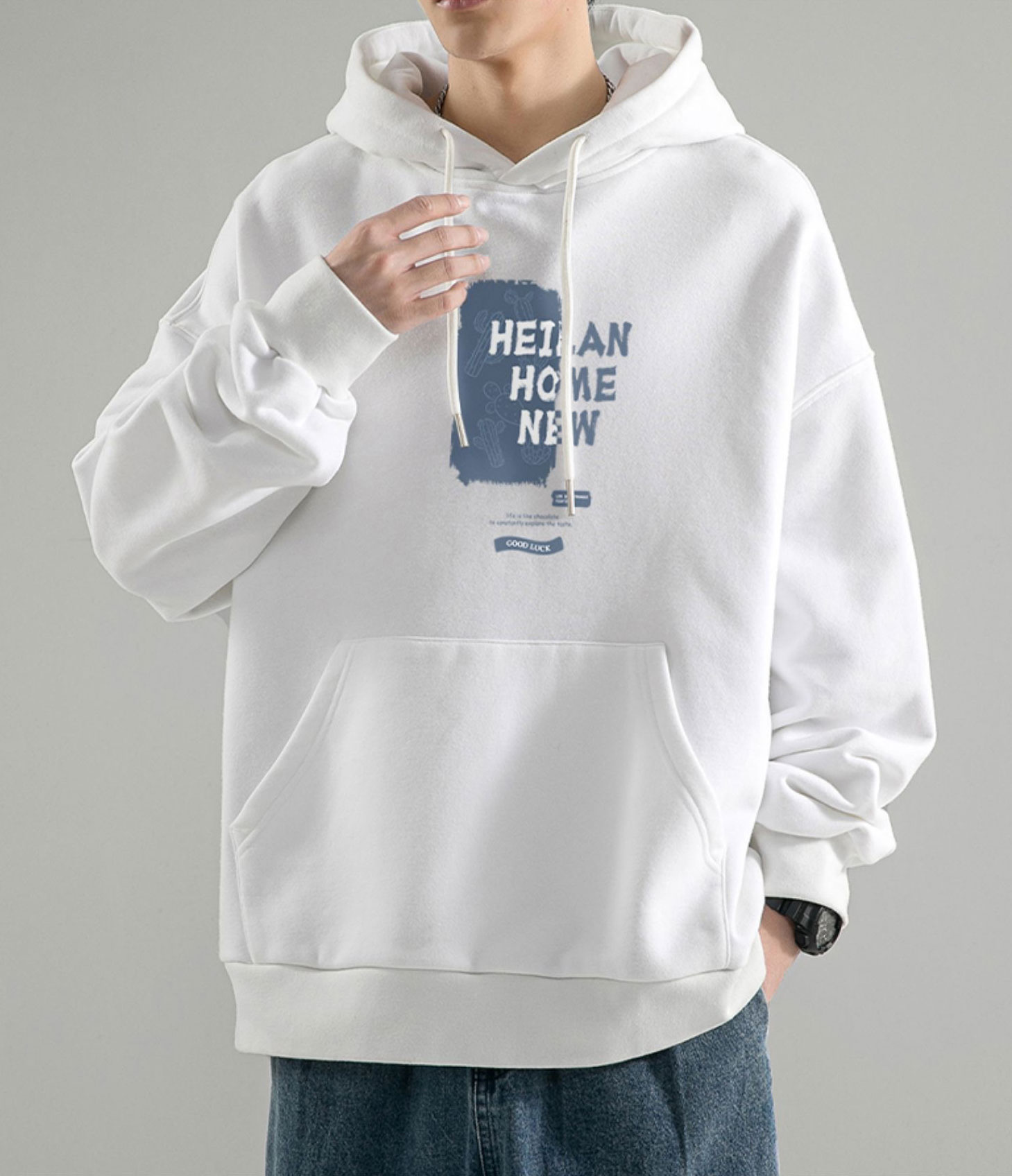
A 5 × 5 cm fabric swatch gives buyers a closer basis for comparing shade, texture, and surface reflection. It suits fleece, French terry, jersey, and trim coordination before bulk ordering. Different fiber contents and finishes may still shift the result after dyeing or washing.
Standardized Reference Matching
Pantone or another agreed color standard converts a visual target into a shared reference for designers, mills, and factories. It works well for brand palettes, team uniforms, and repeat programs. Printed references are not identical to dyed fabric under every light or substrate.
Spectrophotometer-Assisted Matching
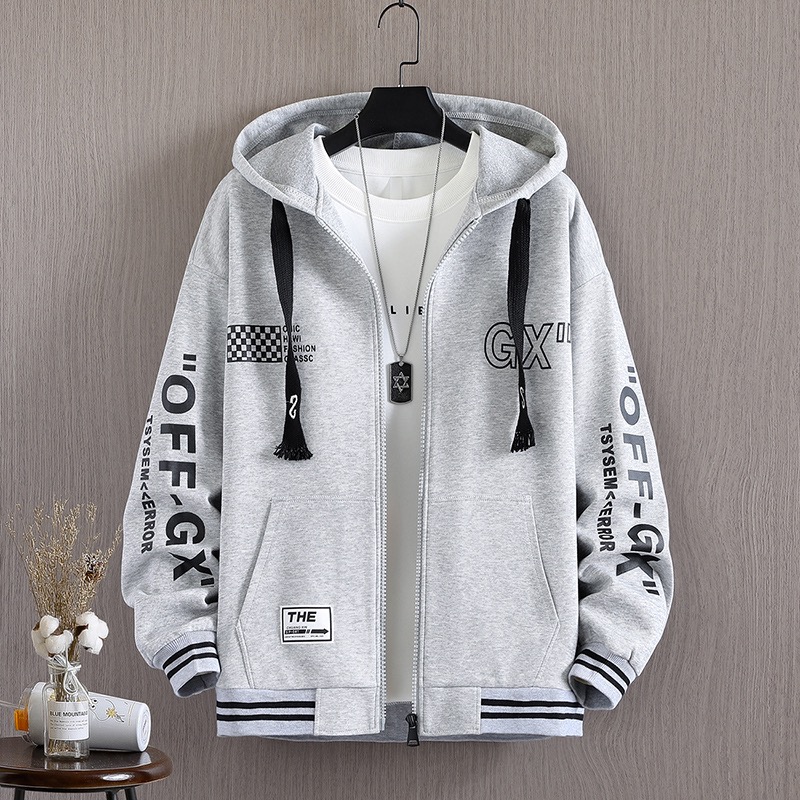
A spectrophotometer measures reflected color data and supports ΔE-based comparison between a target and production sample. It is most useful for larger programs, recurring shades, and batch-to-batch control. Instrument readings do not replace visual review because texture, metamerism, and end-use lighting matter.
Digital Color Workflow Matching
A digital color file, tech pack, and cloud approval record connect design teams with sampling and production decisions. This approach helps manage multiple styles, revisions, and geographically separated stakeholders. RGB or screen color remains an on-screen approximation until tied to a physical standard.
4. Materials and Fabrics in a Fabric Color Matching Guide
Fiber content and fabric construction determine whether an approved shade looks deep, dull, bright, or uneven in production.
| Substrate | Typical color behavior | Record for comparison |
|---|---|---|
| Cotton | Absorbent, soft, often matte | Fiber, GSM, yarn, finish |
| Polyester | Bright, durable, dye-system dependent | Fiber, dye method, heat-set |
| Nylon | Smooth, saturated, finish-sensitive | Fiber, weave, coating |
| Recycled fibers | May vary by feedstock and lot | Source, blend, lot history |
| Blends | Mixed uptake and appearance | Exact ratio, dye sequence |
| Performance fabrics | Finish and moisture effects matter | Construction, finish, wash result |
Fiber And Blend Effects
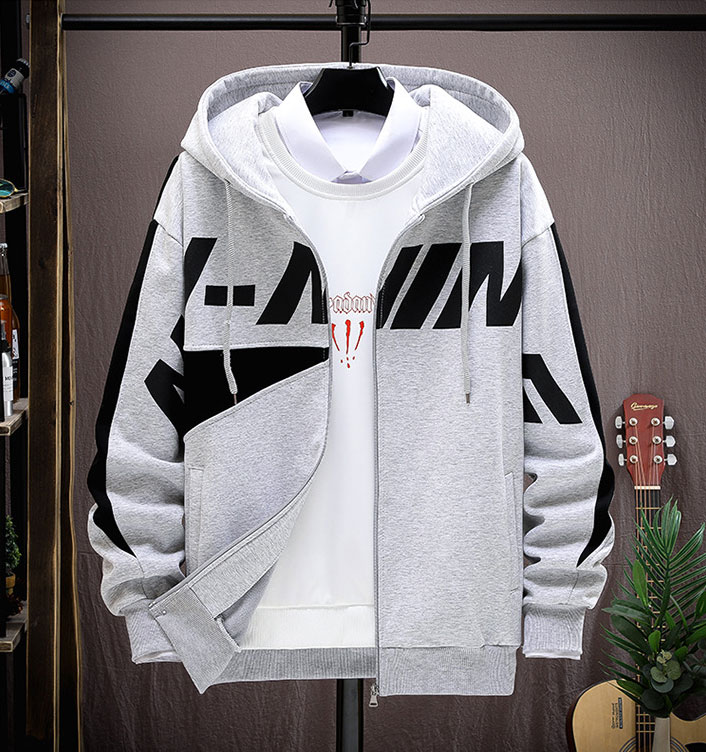
Cotton absorbs dye readily, while polyester and nylon require different dye systems and can show sharper or more synthetic-looking color. Recycled fibers may vary by feedstock and processing history. Blend ratios matter: a 60/40 cotton-polyester fleece cannot be evaluated like either fiber alone.
Construction And Surface Factors
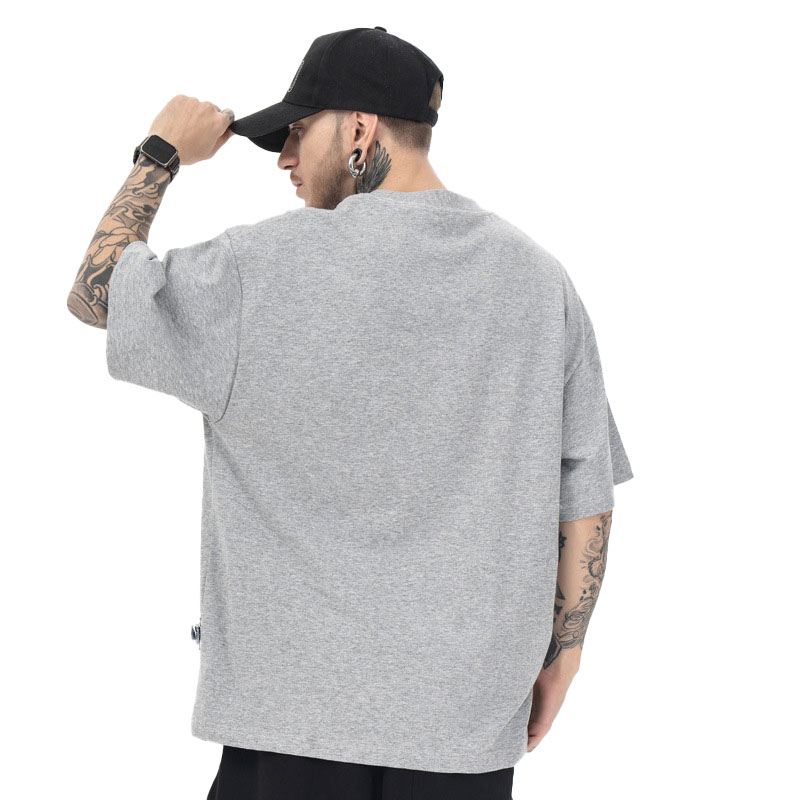
GSM, knit or woven construction, and surface texture change reflectance and apparent depth. Brushed fleece, French terry, rib, jersey, and tightly woven nylon may display the same color reference differently. Finishing also affects repeatability.
Compare Before Bulk Approval
A lab dip or strike-off must be tested on the target substrate, then reviewed under consistent lighting and against the approved standard. Useful comparison fields include fiber composition, blend ratio, GSM, construction, finish, absorbency, color system, tolerance and wash result.
5. Customization and Decoration Options
Color decisions depend on both the substrate and the decoration method, so material, artwork and finishing approvals should be reviewed together before bulk production.
| Method | Color Control | Fabric Fit | Approval Focus |
|---|---|---|---|
| Piece dyeing | High before cutting | Cotton, blends | Lab dip and lot shade |
| Garment dyeing | Moderate; wash variation | Assembled cotton garments | Finished wash sample |
| Sublimation | High on polyester | Polyester performance fabric | Printed panel and color |
| Screen print / transfer | Ink-dependent | Cotton, blends, polyester | Strike-off, adhesion, curing |
| Embroidery | Thread-chart controlled | Woven and heavier knits | Stitch sample, backing, density |
Dyeing And Garment Dyeing
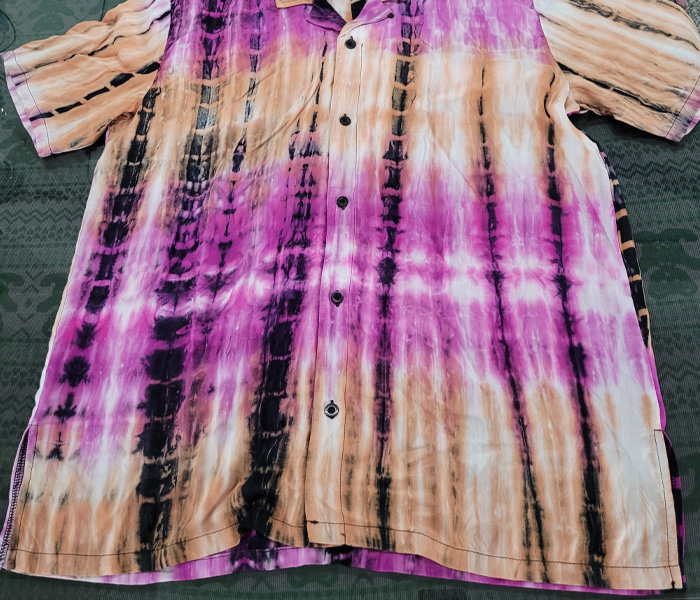
Piece dyeing colors fabric before cutting, supporting more even panels when fiber content and construction are controlled. Garment dyeing colors the assembled product, creating wash variation across seams and rib.
Printing And Sublimation
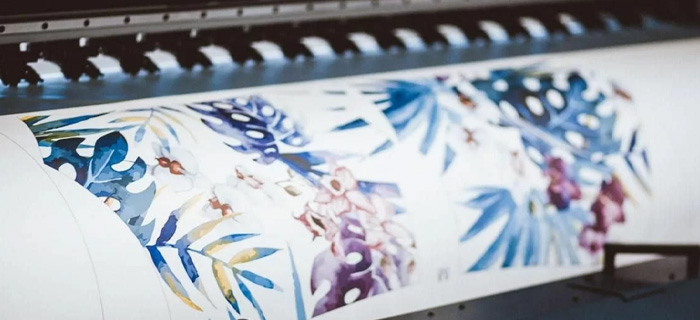
Sublimation gives strong artwork control on polyester, while screen printing suits cotton and blends but can shift with ink, mesh, curing, and fabric texture. Heat transfer produces crisp small graphics but needs adhesion testing.
Embroidery And Approval Samples
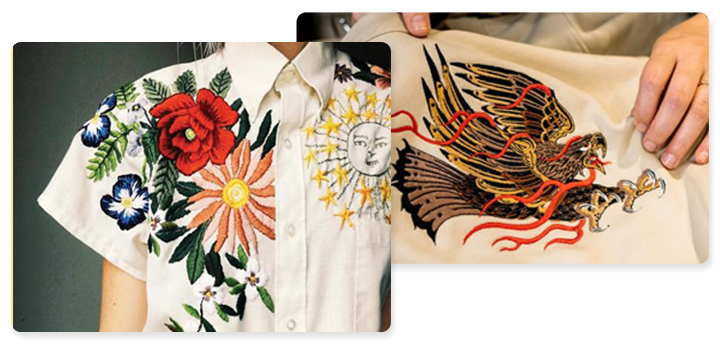
Embroidery adds thread color, density, and sheen rather than a flat printed surface. It works across jackets, polos, caps, and heavier knitwear, but backing and stitch count affect the result. Approve a fabric swatch, decorated strike-off, and finished garment sample.
6. Key Construction Quality Elements
Two approvals are needed: the shade standard and the garment standard.
Control The Substrate
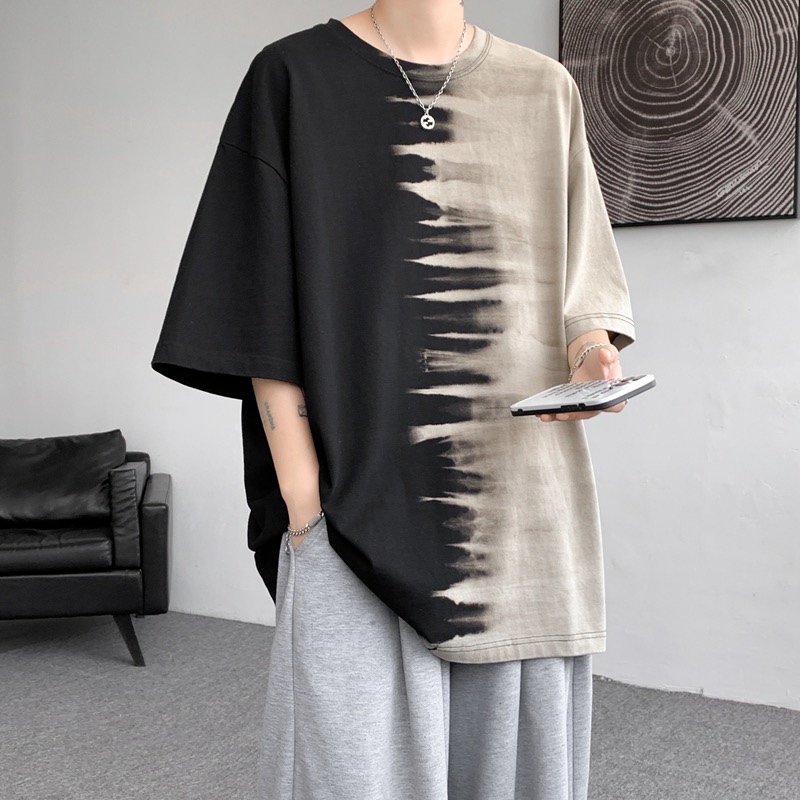
1 substrate specification should define fiber content, construction, weight, finish and color reference. Ring-spun cotton, open-end cotton, French terry and fleece can accept dye differently, so substitutions require renewed approval. 2 dye lots should be identified and segregated from cutting through packing.
Build Consistent Panels
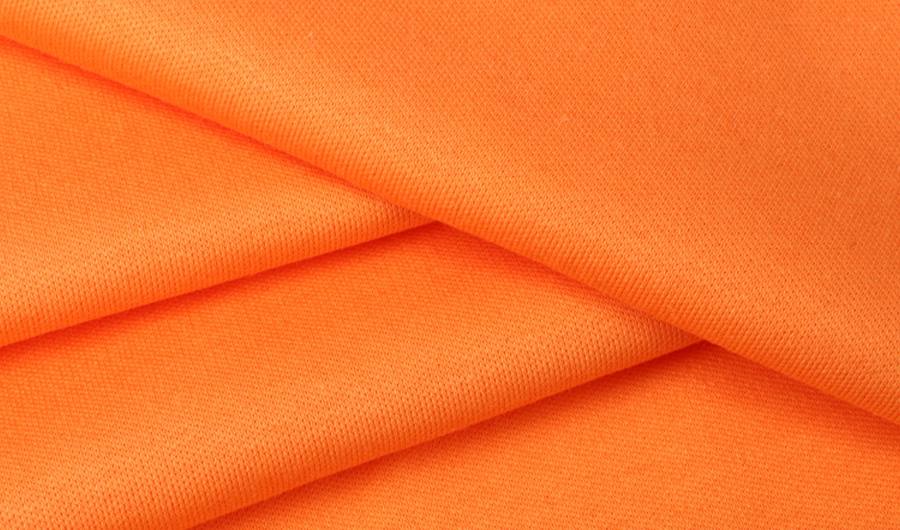
3 panel checks should compare body, sleeves, rib, pockets and trims under the same light source. Seam allowance, tension, thread choice and panel orientation affect how much surface is visible and whether adjacent pieces appear mismatched. 4 wash testing should cover the approved construction, not loose fabric alone.
Measure And Set Tolerance
5 evaluation should use a defined measurement method: controlled lighting, a clean viewing area, a physical standard and, where available, spectrophotometer readings. Pantone references support communication but do not replace an approved fabric or finished-garment standard. 6 written tolerances should state acceptable visual and instrumental variation by material and product.
Close With Records
7 final inspection records should link purchase order, dye lot, sample approval, wash result, measurement method, tolerance decision and inspector sign-off. This connects shade approval to traceable construction quality.
7. How to Choose a Fabric Color Matching Manufacturer
Three checkpoints—development, approval, and bulk control—separate a dependable color partner from a sample-only supplier.
Verify Development And References
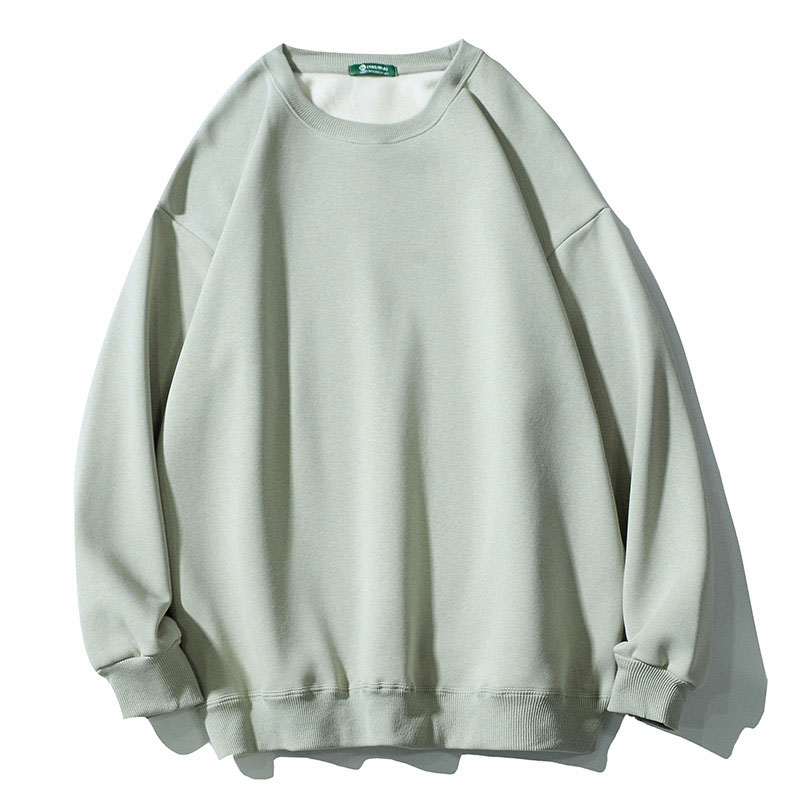
Start with a physical standard: Pantone reference, approved garment, or controlled swatch. Ask how the supplier records substrate, finish, lighting conditions, and revision history. Require lab dips for dyed fabrics and strike-offs for decoration before approval.
- Fashion brands: test color across seasonal fabrics and washes.
- Teamwear and schools: confirm repeatability for uniforms, names, and numbers.
- Private-label buyers: require approval samples tied to the purchase order.
Check Measurement And Tolerances

A spectrophotometer, calibrated light booth, and documented pass/fail tolerances provide stronger control than visual judgment alone. Ask which illuminants, observer settings, ΔE method, and acceptance limits are used. Confirm testing covers shade variation between lots, panels, trims, and decorated areas.
- Request equipment calibration records.
- Define tolerance by material and application.
- Check wash and lightfastness requirements where relevant.
Compare Operations And Assurance
EDVORIN’s MOQ starts at 200 pieces per style. Lead-time quotes should separate lab dips, strike-offs, sampling, production, inspection, and rework. Record MOQ by color, fabric, decoration method, and size range rather than accepting one headline figure. Ask who approves bulk shade, when in-line checks occur, and how rejected lots are isolated.
- Confirm communication owner and response cadence.
- Review pre-production approval gates.
- Require final inspection and packing records.
8. Common Fabric Color Matching Mistakes Buyers Make
Eight recurring errors can turn an approved shade into rejected bulk goods.
Approving Images Instead Of Samples
One screen image cannot establish production color; display calibration, photography, and compression can shift hue and lightness. Approve against physical fabric swatches under agreed lighting. Two inconsistent light sources can make one swatch appear to match or fail depending on location.
Changing Material After Approval
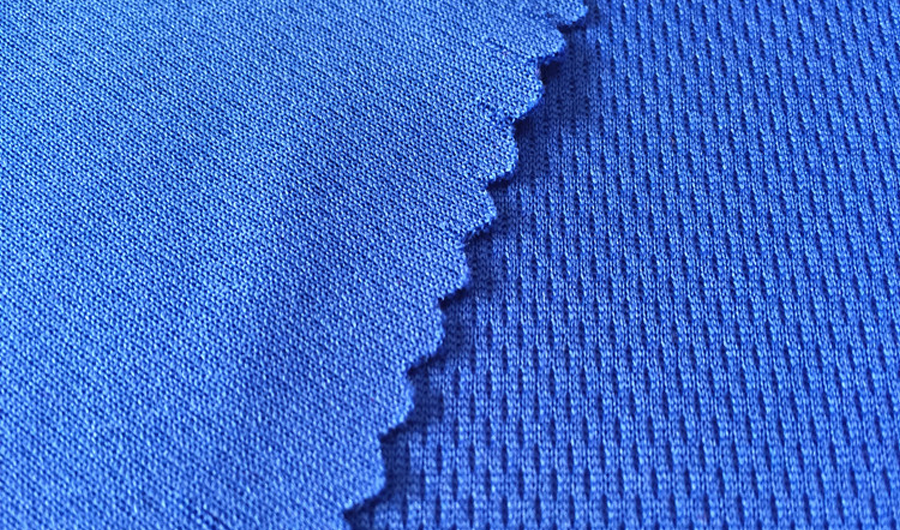
One fiber or finish change can alter dye uptake, reflectance, and perceived saturation. Confirm composition, construction, GSM, and finish before approval; never substitute French terry, fleece, or blends without a new match. One unwashed approval may hide shrinkage or shade movement.
Leaving Standards Undefined
One missing tolerance range leaves inspection teams without a pass-or-fail boundary. Record acceptable variation with the physical standard and specify whether visual or instrumental evaluation governs. Two dye lots can create visible panel or garment variation when combined.
9. Steps to Launch Your Brand with Matched Fabrics
Nine checkpoints turn a color idea into a repeatable manufacturing standard.
Define Palette And Substrate
Step 1 starts with the palette and use case: assign color roles for body fabric, rib, lining, trims, and decoration across every style. Step 2 selects the substrate, because fleece, French terry, jersey, and woven shells can display the same target differently. Record fiber content, GSM, finish, and intended market before sampling.
Prepare References And Samples
Step 3 sends physical references with the tech pack: approved swatches, Pantone target, prior garment, and location labels. Step 4 requests development samples covering the actual substrate, dye lot, wash, and decoration route. Review samples under agreed lighting, such as D65 daylight, and compare panels side by side.
Approve Tolerances And Decoration
Step 5 approves measurable tolerances and the pass/fail method for bulk. Confirm whether color control applies separately to shell, rib, thread, labels, prints, embroidery, and hardware. Step 6 runs a pre-production check using the final materials and artwork.
Document And Monitor Production

Step 7 documents the approved standard with photos, swatches, lab-dip status, lighting conditions, tolerance, revision date, and approval signatures. EDVORIN can use this record to align repeat orders and new styles.
10. Fabric Color Matching Pricing and Cost
3 cost layers usually shape a fabric color matching guide quotation: development, production setup, and bulk execution. Compare lab dips, custom dyeing, shade testing, decoration setup, minimum quantities, and revisions as separate lines rather than accepting one blended price. 7–14 days is a common planning allowance for color approval, while expedited production can add surcharges and compress inspection time.
| Process Component | Indicative Cost Category | Lead-Time Implication | Buyer Comparison Point |
|---|---|---|---|
| Development samples and lab dips | Sample, color-card, and lab-work fees | Several days to 2 weeks | Number of rounds included; revision charges |
| Custom dyeing and minimum quantity | Dyeing premium plus MOQ exposure | Adds scheduling before cutting | Fiber, GSM, shade count, and leftover risk |
| Testing and decoration setup | Colorfastness, shrinkage, print, embroidery, or setup fees | Testing may precede bulk approval | Required standards and artwork complexity |
| Bulk production and expedited service | Unit price plus rush surcharge | Shorter queue; higher execution risk | Quantity tier, capacity, and realistic ship date |
| Quality inspection and packaging | Inspection, labeling, and packing costs | Final checks protect release timing | AQL or buyer checklist, rework responsibility |
6 Decisions That Protect Apparel Color Consistency
Turn color targets into documented standards for fabric, decoration and repeatable apparel production across fashion, streetwear and teamwear programs.
Define the Fabric Base
Select fabric composition, weight, texture and finish before approving color, because the same shade can appear different across surfaces.
Use Physical References
Compare lab dips and fabric swatches against an approved physical reference under consistent lighting before confirming the production color standard.
Control Color Across Materials
Check shell fabric, rib, trims, lining and thread together so coordinated garments maintain a deliberate, production-ready appearance.
Match Decoration Precisely
Review print, embroidery, patches and numbers against the garment base, recording artwork colors, placement and application requirements.
Document Every Approval
Capture references, tolerances, fabric details, decoration notes and revision status in the tech pack for clear buyer and factory alignment.
Verify Sample to Bulk
Use the approved sample as the benchmark for in-line checks and final inspection, protecting consistency from development through packed order.
Our Apparel Capabilities
EDVORIN is an OEM, ODM and private-label clothing manufacturer coordinating casualwear, streetwear, outerwear and teamwear under one production system, with MOQ starting at 200 pieces per style and support for emerging and established buyers.
Custom Hoodies
As a custom hoodie manufacturer, EDVORIN develops fleece weights, fit blocks, ribbing, drawcords, labels and decoration for men’s and women’s programs. Buyers can move from a sketch or tech pack through approved samples, bulk production and repeat orders under one controlled standard.
Get a Quote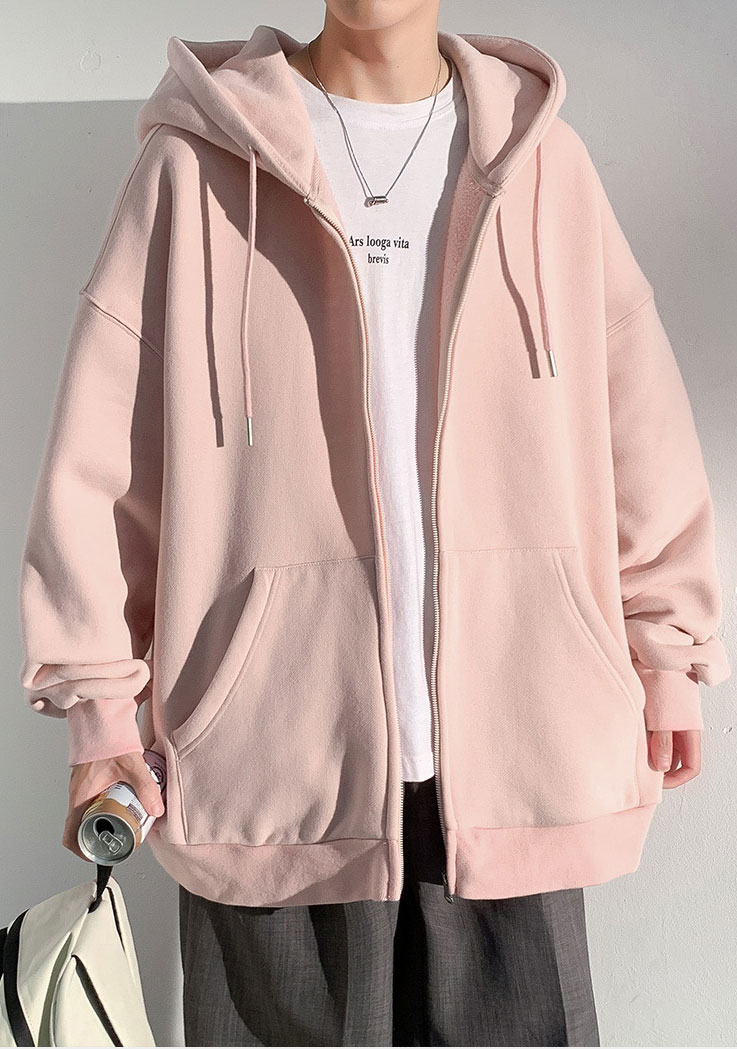
Pullover Sweatshirts
EDVORIN operates as a sweatshirt manufacturer for pullover programs requiring consistent fleece, brushed or unbrushed interiors, rib recovery and dependable sizing. Construction, artwork placement, trims, washing and packaging are coordinated from sample development through inspected bulk production.
Get a Quote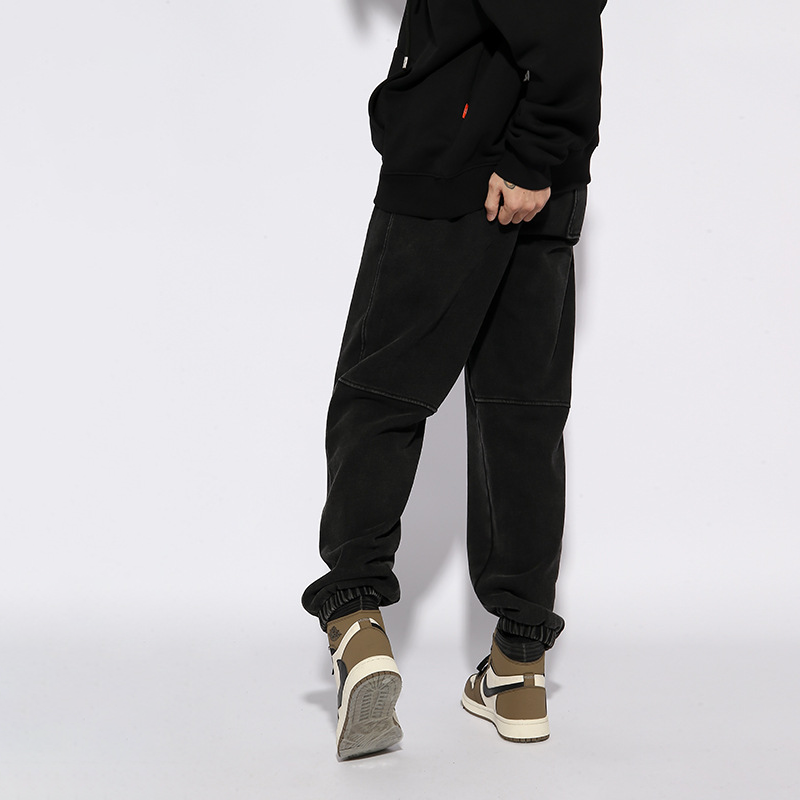
Sweatpants & Joggers
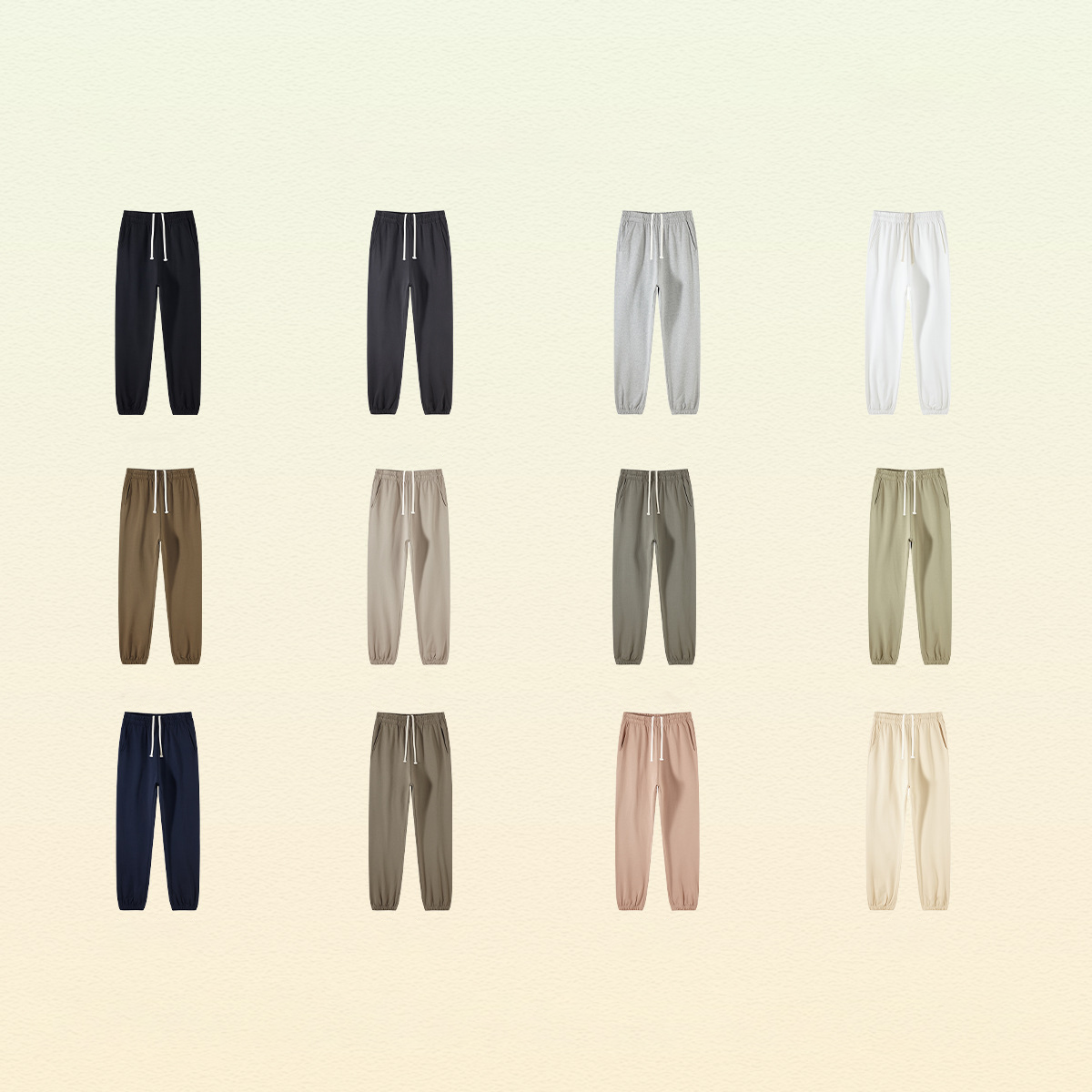
As a sweatpants manufacturer, EDVORIN develops joggers and sweatpants with suitable fleece or jersey weights, waistbands, drawcords, cuffs, pockets and finishing. Fit, grading and decoration can be adjusted for men’s and women’s casualwear, streetwear, wholesale and private-label programs.
Get a Quote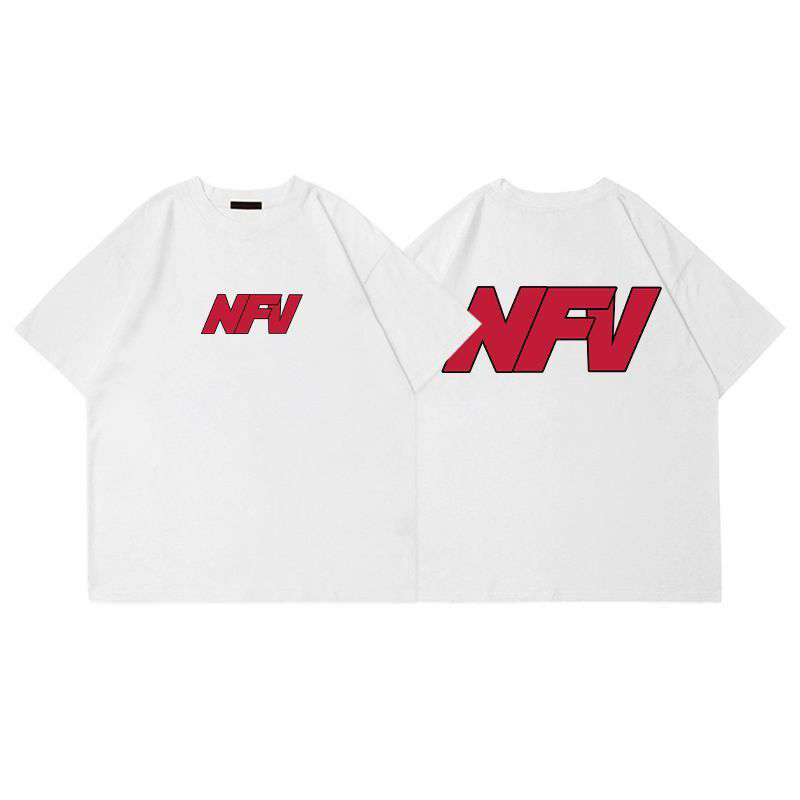
Custom Shorts
EDVORIN develops custom shorts for casualwear, streetwear, sports and private-label buyers. Fabric selection, inseam, waistband construction, pocket details, trims, artwork placement and size grading are documented during sampling, then controlled through decoration, finishing, inspection and bulk packing.
Get a Quote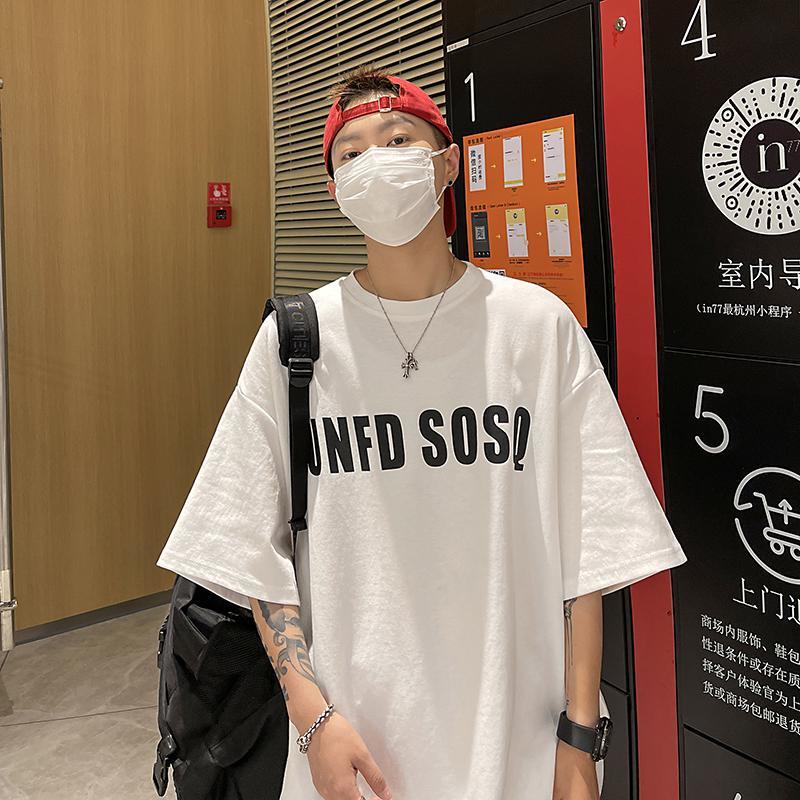
Varsity & Baseball Jackets
As a varsity jacket manufacturer, EDVORIN coordinates body fabrics, sleeves, lining, insulation, rib, snaps, patches, embroidery and appliqué. Baseball-inspired construction and custom branding are developed into an approved standard suitable for fashion labels, schools, teams and repeat production.
Get a Quote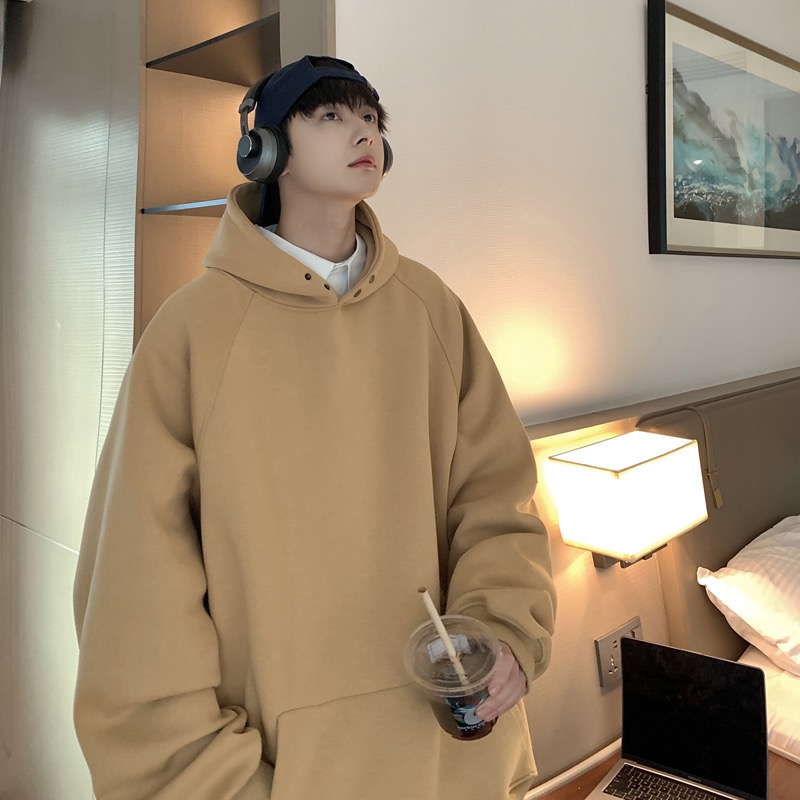
Custom T-Shirts
EDVORIN works as a custom T-shirt manufacturer for programs using cotton, blends, performance fabrics and varied weights. Pattern development, fit, neck construction, screen printing, digital printing, embroidery, labels, washing and packaging are managed against an approved sample for consistent bulk output.
Get a Quote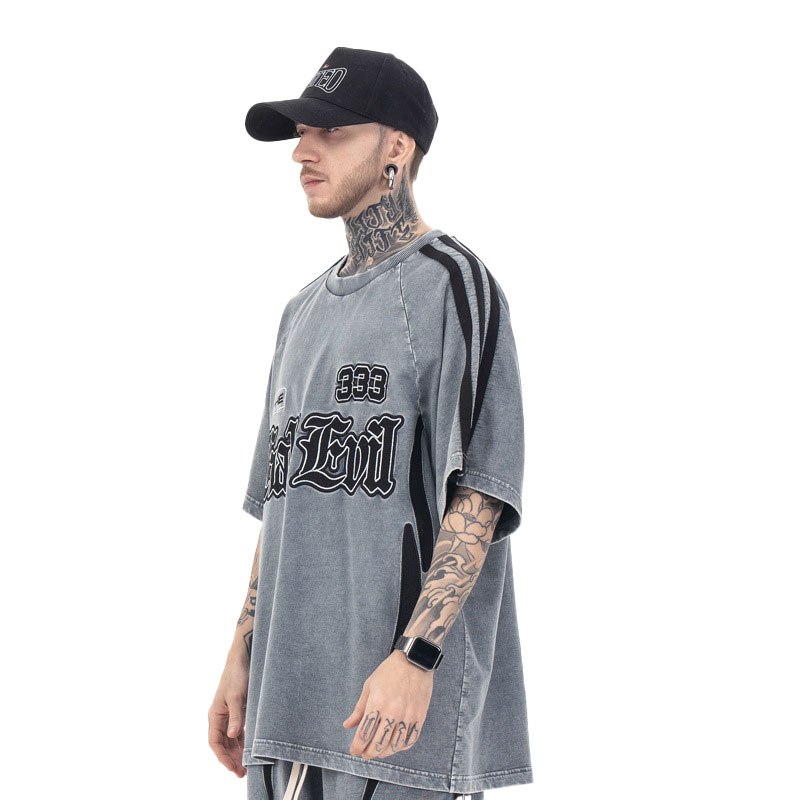
Custom Polo Shirts
As a polo shirt manufacturer, EDVORIN develops knitted and performance polo programs with suitable collars, plackets, cuffs, buttons, fabrics and branding. Fit blocks, color standards, embroidery or printing and grading are coordinated for corporate, school, teamwear, wholesale and private-label buyers.
Get a Quote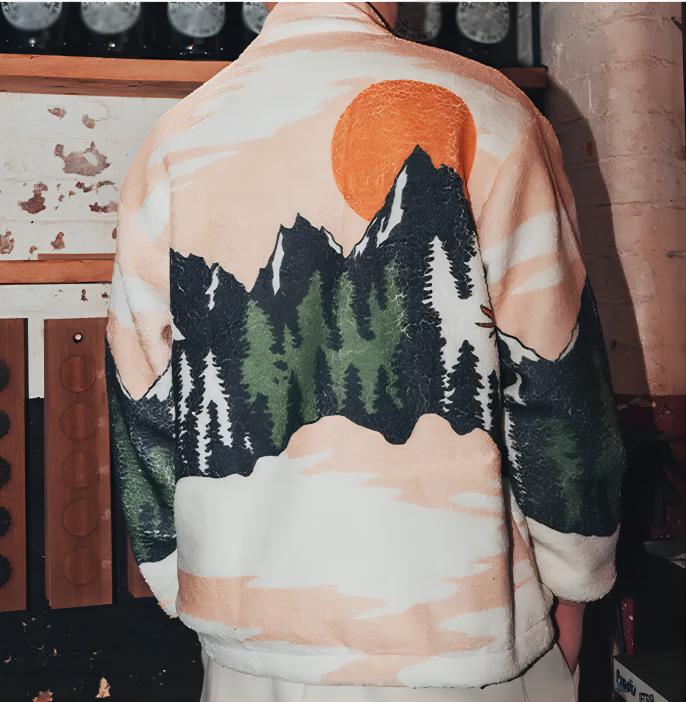
Windbreaker Jackets
EDVORIN develops windbreaker jackets with lightweight woven shells, linings, hoods, zippers, elastic details and weather-conscious finishing. As a windbreaker manufacturer, the company coordinates materials, construction, decoration, fit and packaging for streetwear, outdoor, teamwear and private-label collections.
Get a Quote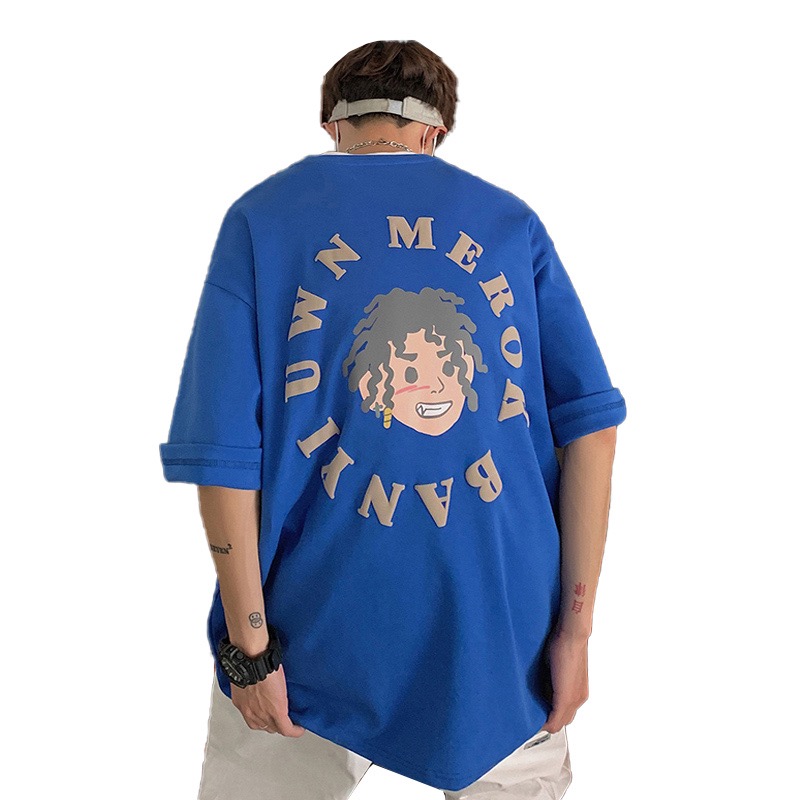
Quilted Jackets
As a quilted jacket manufacturer, EDVORIN coordinates shell fabric, lining, insulation, quilting patterns, collars, cuffs, zippers and finishing details. Product development covers fit, warmth, proportions and decoration for men’s and women’s outerwear programs, from early concept through quality-controlled bulk production.
Get a Quote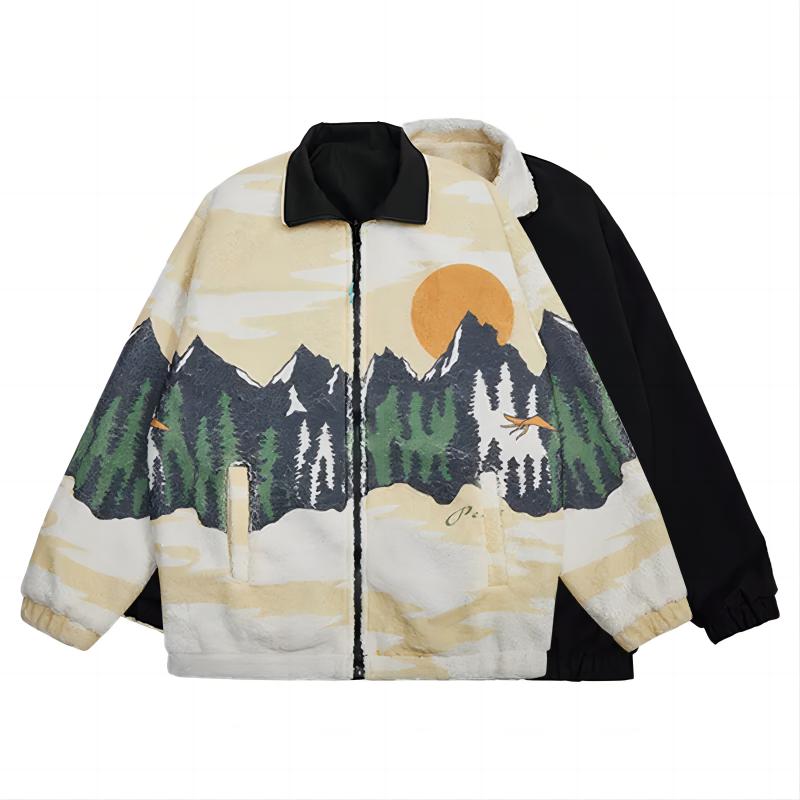
Bomber Jackets
EDVORIN develops bomber jackets with appropriate shell fabrics, linings, insulation, rib trims, hardware, pockets and decoration. As a bomber jacket manufacturer, the company converts references or tech packs into approved construction and measurement standards for fashion, streetwear and private-label production.
Get a Quote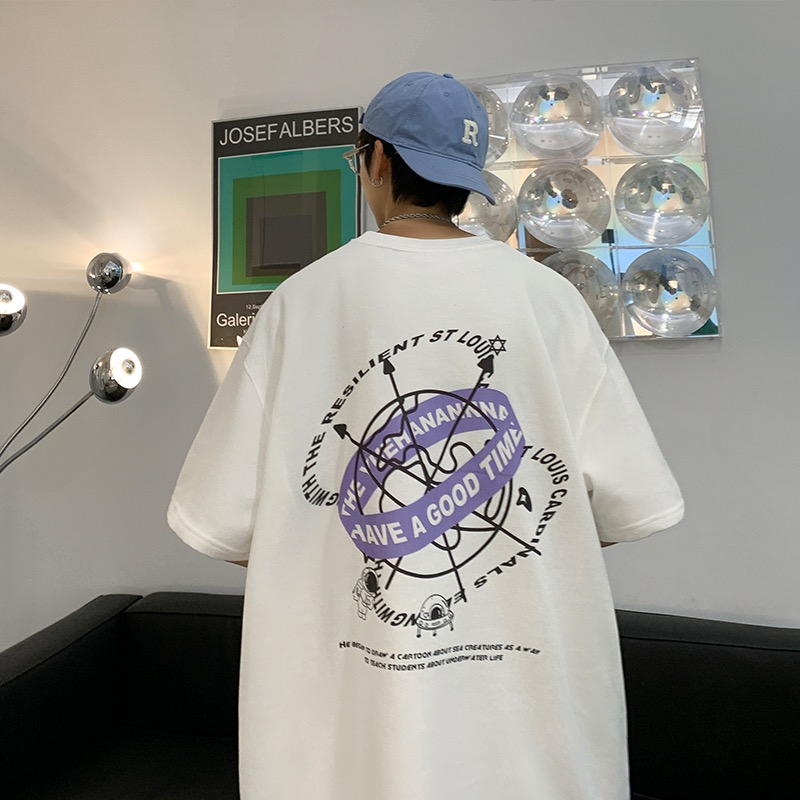
Custom Shirts
As a custom woven shirt manufacturer, EDVORIN develops shirts using selected woven fabrics, collars, cuffs, plackets, buttons, pockets and finishing details. Fit, grading, labels, embroidery, printing and packaging are coordinated for fashion brands, uniforms, wholesale programs and private-label collections.
Get a Quote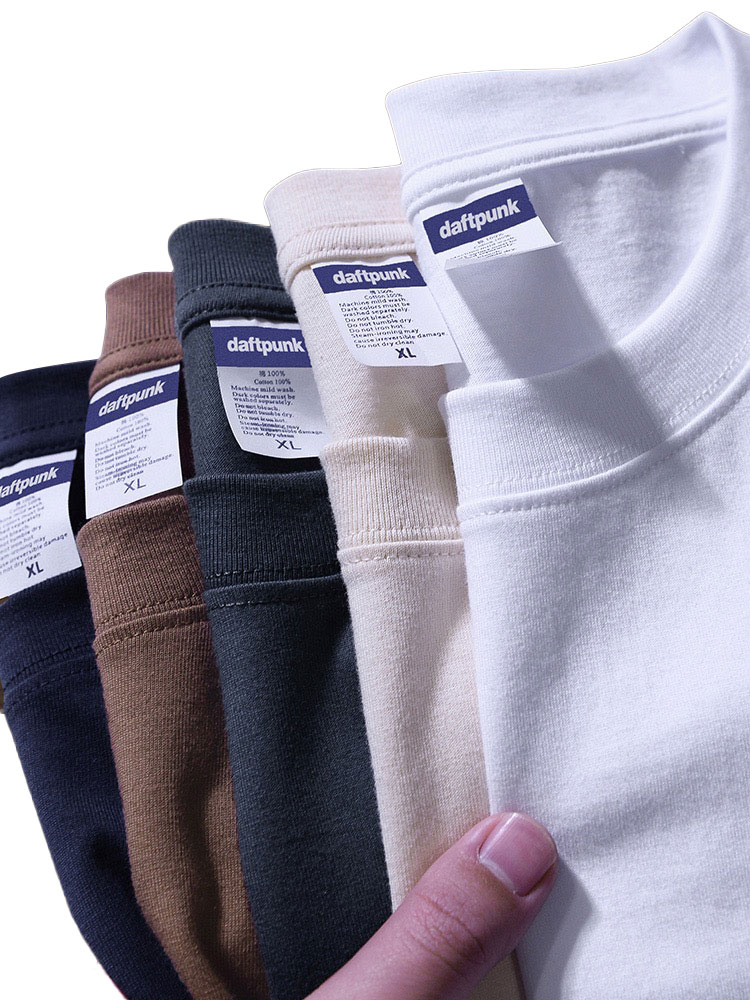
Custom Jerseys
EDVORIN manufactures custom jerseys for clubs, teams, schools and sportswear buyers. Fabric performance, breathable construction, color control, panels, collars, cuffs, names, numbers, badges and size grading are documented so decorated garments remain consistent across organized orders and repeat production.
Get a Quote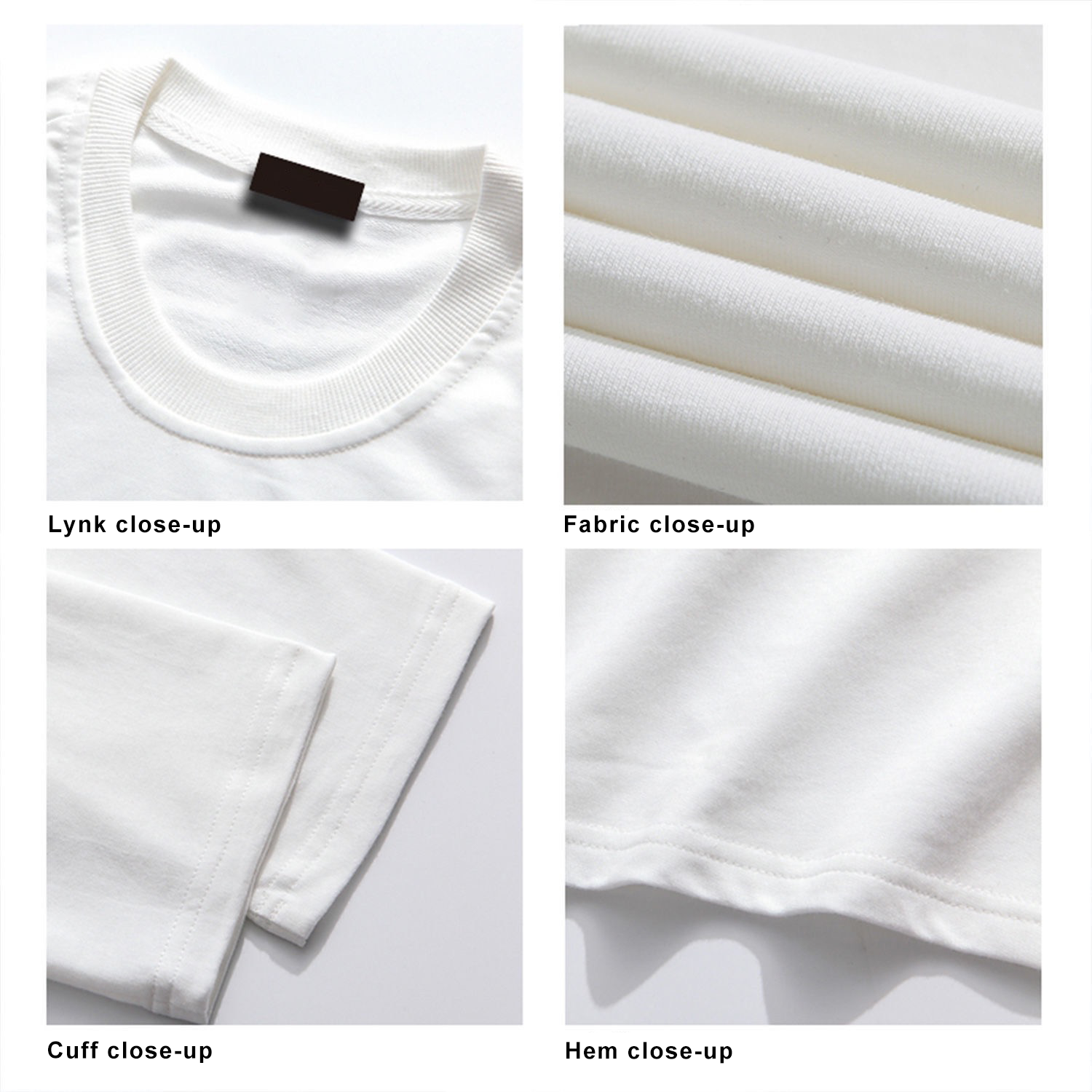
Tank Tops
As a custom tank top manufacturer, EDVORIN develops casual, streetwear and performance tank tops with suitable fabrics, armholes, necklines, bindings, fit blocks and decoration. Men’s and women’s proportions, artwork placement, labels, washing and packaging are controlled from sample approval through bulk inspection.
Get a Quote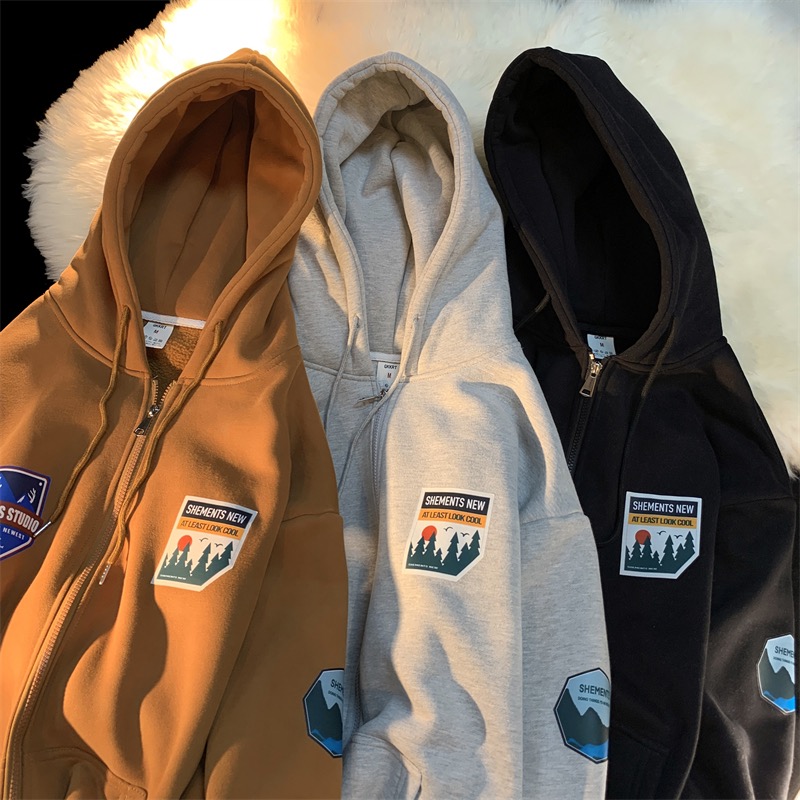
Soccer Uniforms
EDVORIN develops soccer uniforms with coordinated jerseys, shorts and optional accessories for clubs, schools and academies. A soccer uniform manufacturer must manage breathable fabrics, color matching, player names, numbers, badges, sponsor artwork, size sets and repeat-order consistency across complete team programs.
Get a Quote
Basketball Uniforms
As a basketball uniform manufacturer, EDVORIN coordinates breathable performance fabrics, relaxed proportions, jerseys, shorts, trim details, team colors, names, numbers, logos and grading. Programs for clubs, schools and academies are developed around approved artwork and size standards before decoration and bulk production.
Get a Quote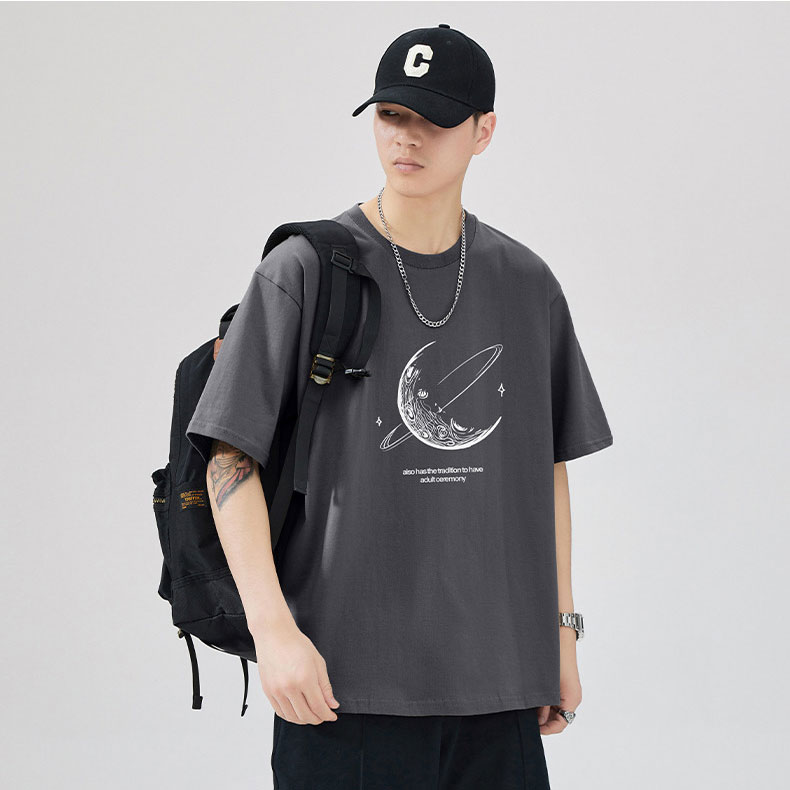
Streetwear Collections
EDVORIN builds streetwear collections across hoodies, sweatshirts, T-shirts, joggers, shorts, jackets, woven shirts and coordinated outerwear. As a streetwear clothing manufacturer, the company aligns materials, silhouettes, washes, printing, embroidery, labels and packaging into a repeatable collection system for emerging and established brands.
Get a QuoteHow EDVORIN Uses a Fabric Color Matching Guide for Repeatable Production
Move from concept or reference color to an approved, documented standard that protects consistency across samples, decoration and bulk apparel production.
Define the Color Target
Use the fabric color matching guide to define the target color, reference material, intended fabric, decoration method and wearer requirements for development.
Request Controlled Lab Dips
Compare controlled lab dips against the approved reference, reviewing undertone, depth and fabric response before selecting the closest production-ready option.
Approve the Complete Sample
Check the approved color on the actual garment sample, including trims, prints, embroidery and washes that may change visual balance or perceived shade.
Document the Production Standard
Record color references, material details, placement notes and approval revisions in production documentation that suppliers and quality teams can follow consistently.
Control Bulk Production
Monitor bulk production through sample-to-bulk checks and final inspection, confirming color consistency, decoration accuracy and packed goods against the approved standard.
Fabric Color Matching Guide FAQs for Apparel Buyers
Clear answers on color references, fabric differences, decorated garments, approvals, repeat orders and production quality control.
What should a fabric color matching guide include for apparel production?
Can EDVORIN match fabric colors to a Pantone reference?
Why can the same color look different on different fabrics?
How does a fabric color matching guide help with printed or embroidered garments?
How are color approvals handled before bulk apparel production?
How can repeat orders maintain the same fabric color?
What happens if color variation is found during production?
Ready to Set a Repeatable Color Standard?
Work with EDVORIN to turn approved color targets into repeatable apparel standards for sampling, bulk production and future orders.