
Incoterms for clothing importers: control cost, risk, and delivery
Connect Incoterms for clothing importers with EDVORIN‘s OEM, ODM and private-label apparel manufacturing, from approved product standards through quality-controlled delivery.
Our Apparel Manufacturing Capabilities
From core fleece and uniforms to outerwear and coordinated collections, EDVORIN develops repeatable products for brands, teams, wholesalers and private-label buyers.
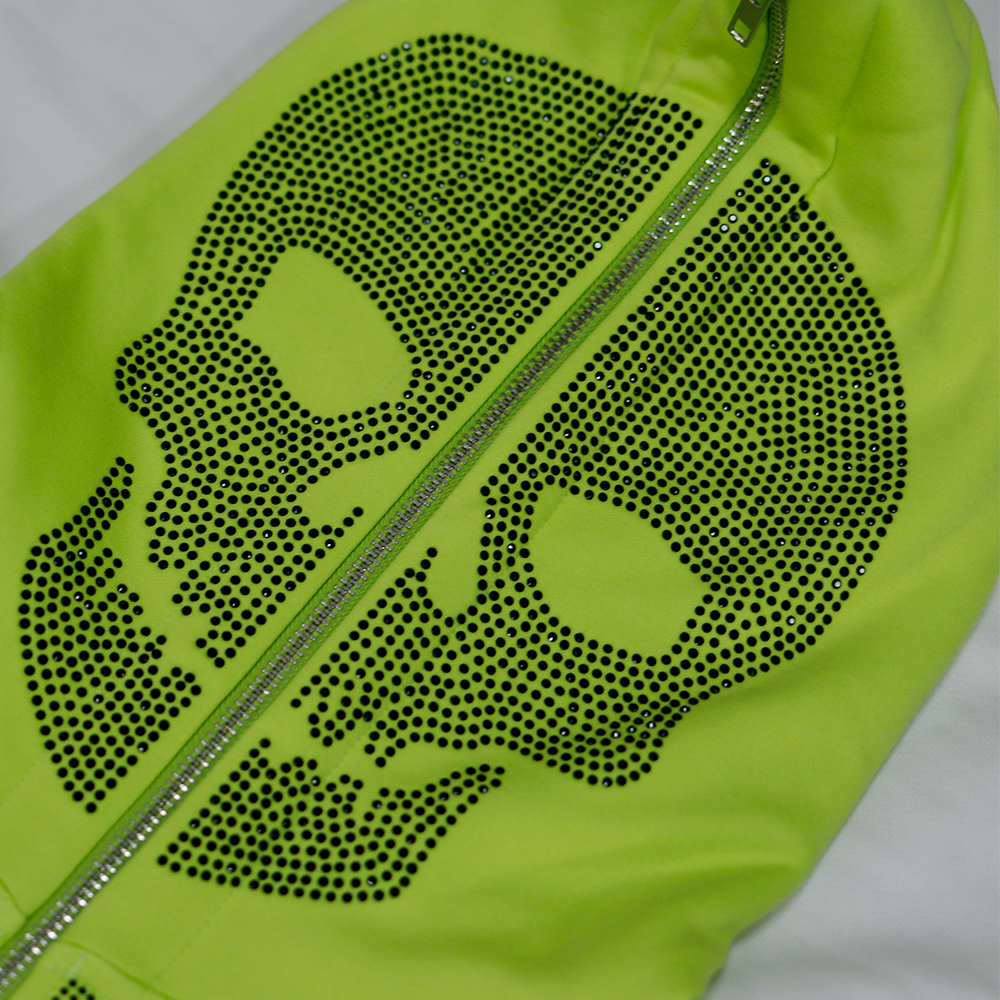
Custom Hoodies
As a custom hoodie manufacturer, EDVORIN develops pullover and zip styles with fleece or French terry, custom fit blocks, rib specifications, drawcords, labels and decoration. Approved samples establish the construction, artwork placement and measurements required for consistent bulk production.
Get a Quote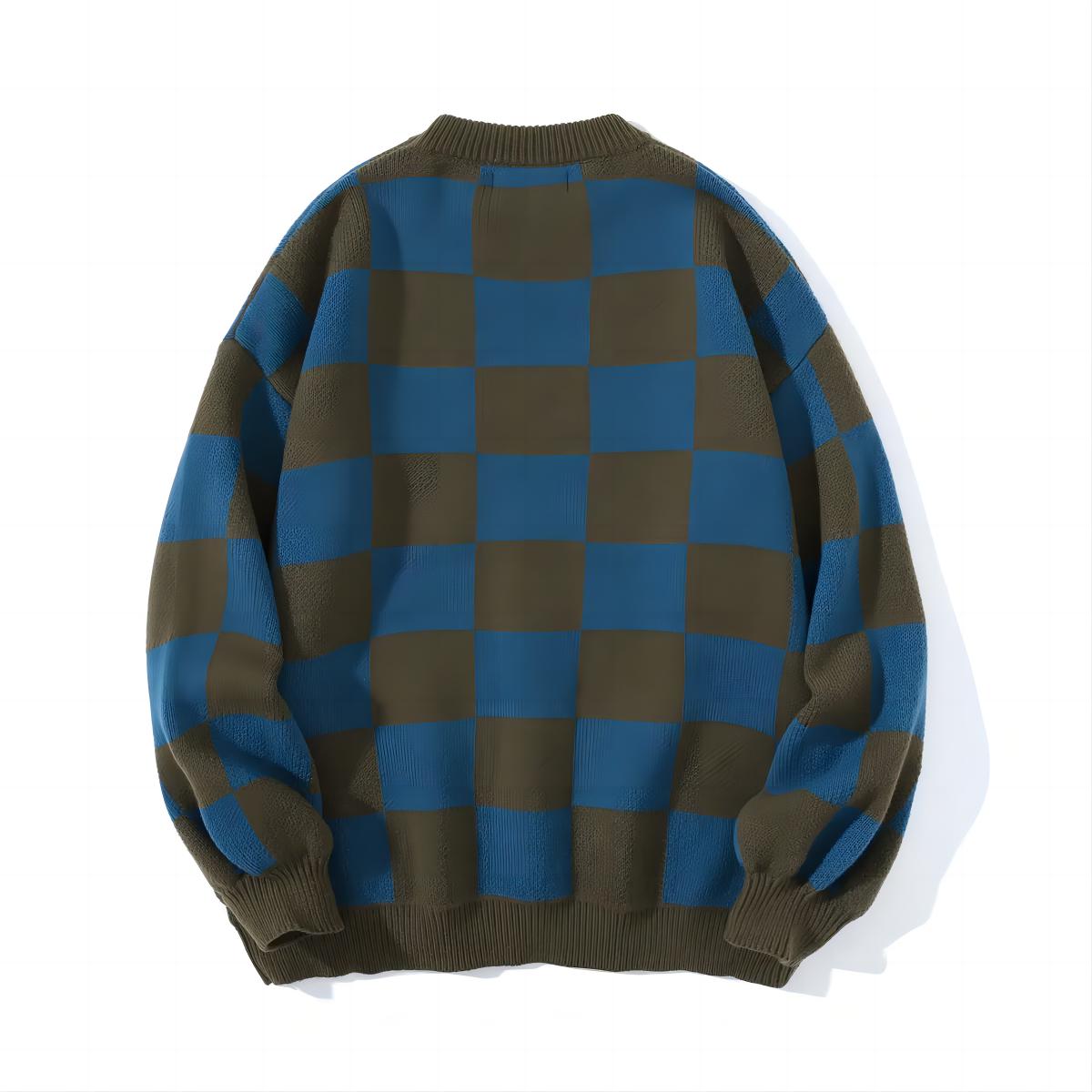
Pullover Sweatshirts
EDVORIN supports sweatshirt programs from fabric selection through sampling and bulk production. A sweatshirt manufacturer for fashion, streetwear and private-label buyers, the company coordinates fleece weight, brushed or unbrushed finishes, rib recovery, trims, fit development and printing or embroidery.
Get a Quote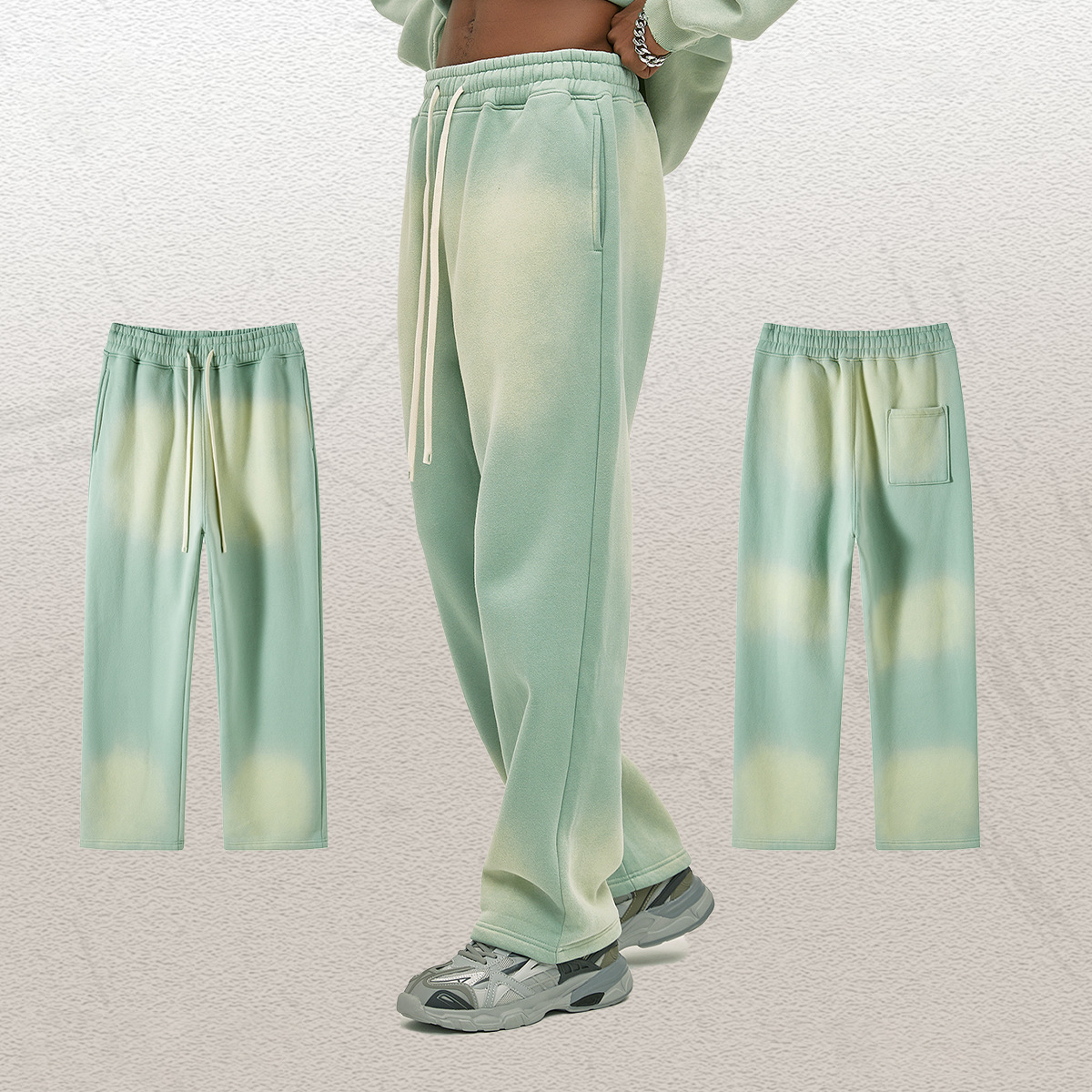
Sweatpants & Joggers
As a sweatpants manufacturer, EDVORIN develops joggers and sweatpants with tailored or relaxed proportions, fleece or terry fabrics, elastic waistbands, drawcords, cuffs and pocket configurations. Men’s and women’s blocks can be adjusted for intended fit, decoration and repeat-order requirements.
Get a Quote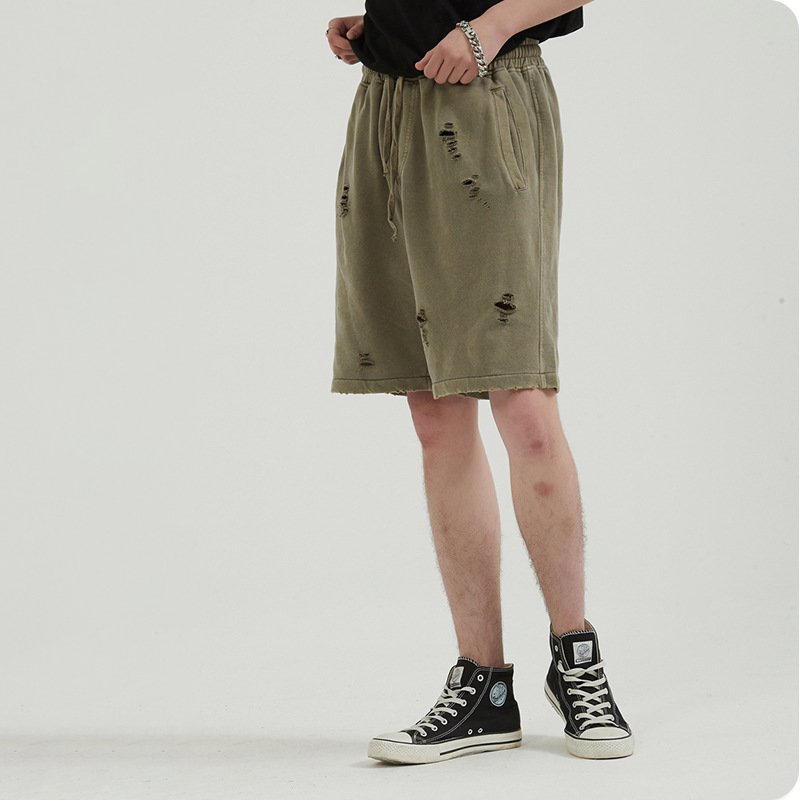
Custom Shorts
EDVORIN develops custom shorts for casualwear, streetwear, sports and private-label programs. Construction may include fleece, terry, woven or performance fabrics, with options for elastic or fixed waistbands, pockets, liners, trims, printing and embroidery documented for sample-to-bulk consistency.
Get a Quote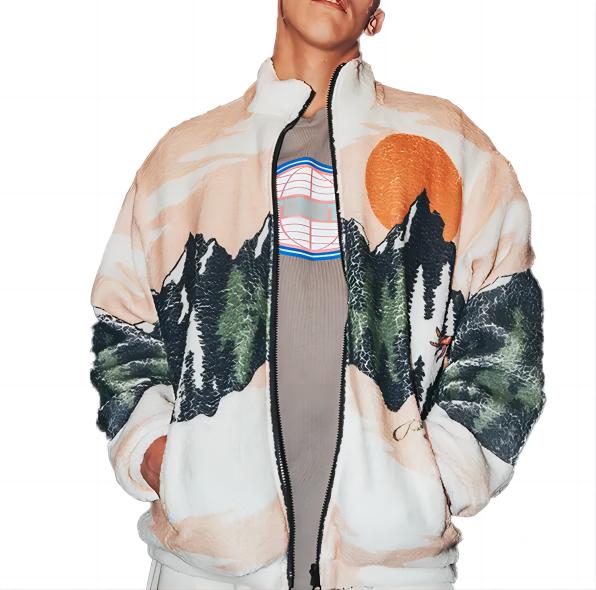
Varsity & Baseball Jackets
As a varsity jacket manufacturer, EDVORIN coordinates wool-look or synthetic bodies, leather-look sleeves, rib collars and cuffs, snap closures, linings, patches and embroidery. Baseball jacket variations can be developed with different shell fabrics, decoration layouts and fit specifications for men’s and women’s programs.
Get a Quote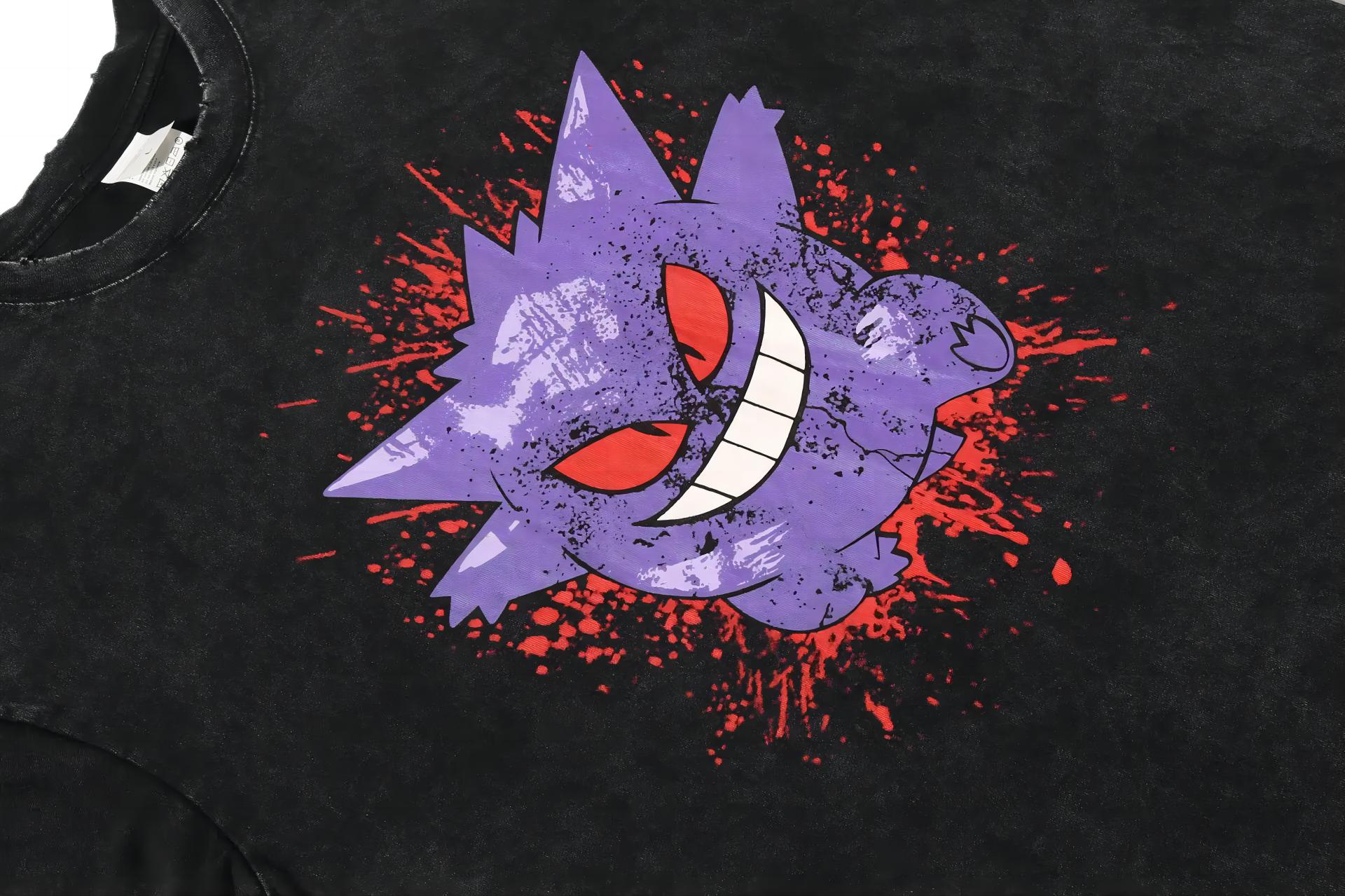
Custom T-Shirts
EDVORIN develops custom T-shirts in cotton, blends and performance fabrics, with fit, weight, neck rib, seam construction and finishing selected for the intended market. A custom T-shirt manufacturer for brands and wholesalers, the company coordinates screen printing, transfers, embroidery, labels and packaging.
Get a Quote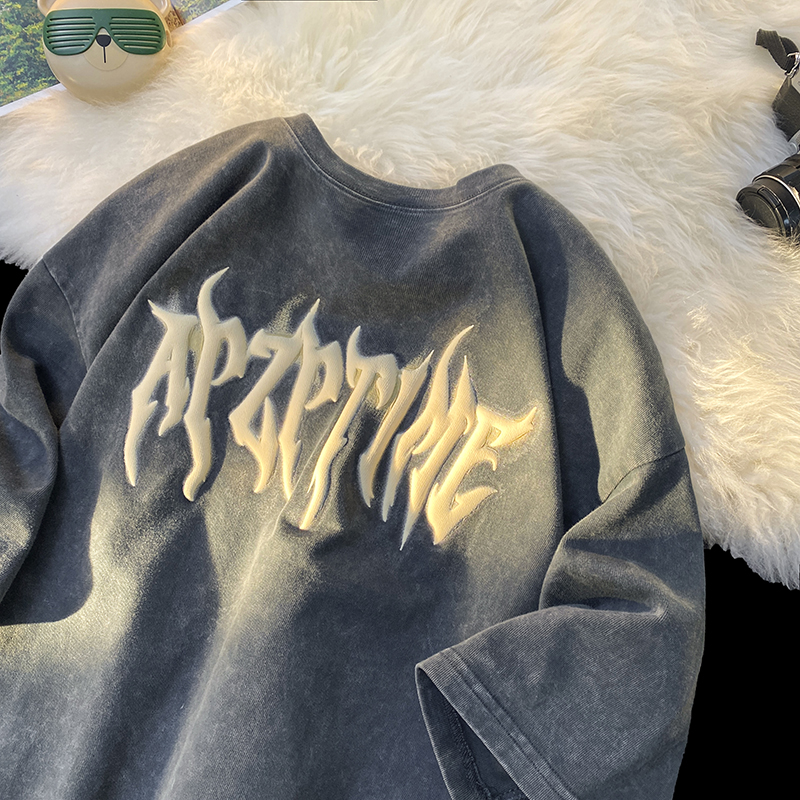
Custom Polo Shirts
As a polo shirt manufacturer, EDVORIN develops piqué, jersey and performance polo programs with collar construction, plackets, buttons, cuffs, side vents and branding details specified during development. Fit blocks, fabric performance, embroidery and color standards can be adapted for corporate, fashion, team and private-label buyers.
Get a Quote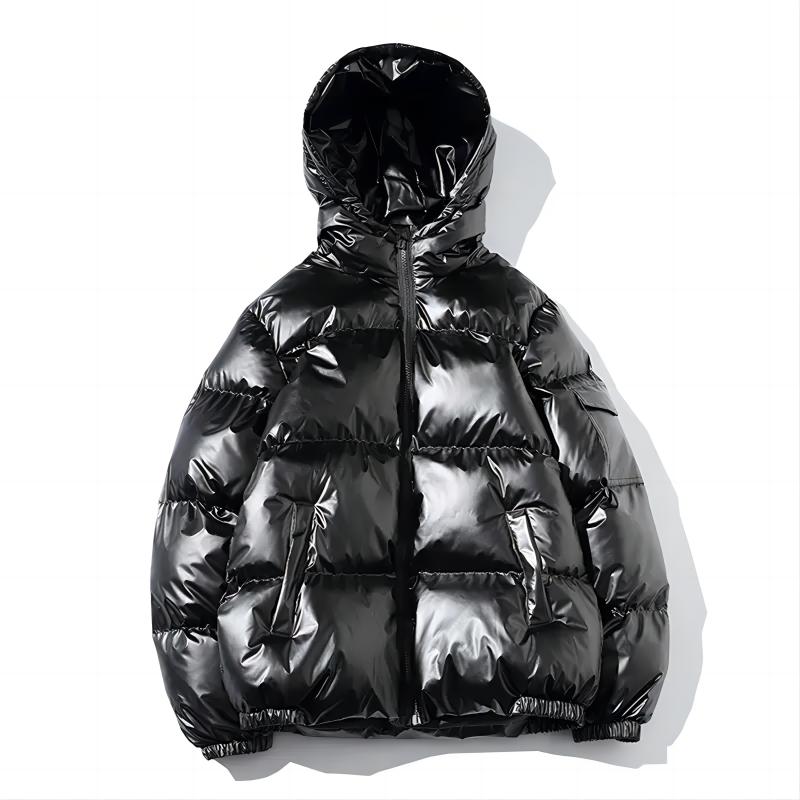
Windbreaker Jackets
EDVORIN develops windbreaker jackets with lightweight woven shells, linings or mesh panels, zippers, hoods, elastic finishes and functional pocket layouts. As a windbreaker manufacturer, the company coordinates water-resistant fabric options, color blocking, reflective details, print or embroidery placement and bulk inspection standards.
Get a Quote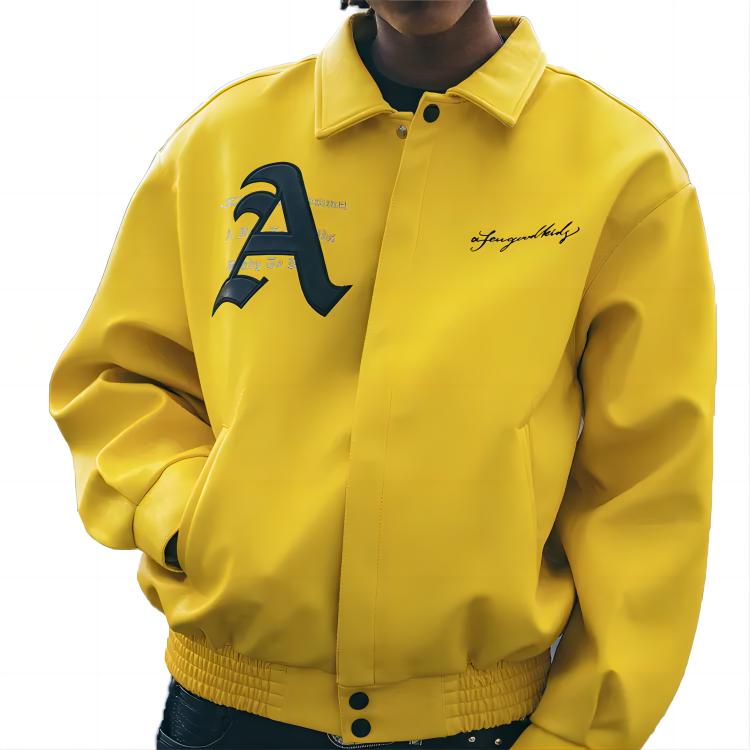
Quilted Jackets
As a quilted jacket manufacturer, EDVORIN develops insulated outerwear with shell fabrics, lining, fill, quilting patterns, collars, cuffs, hardware and pocket construction matched to the intended use. Sampling confirms warmth, proportions, appearance and decoration before production standards are released for bulk manufacturing.
Get a Quote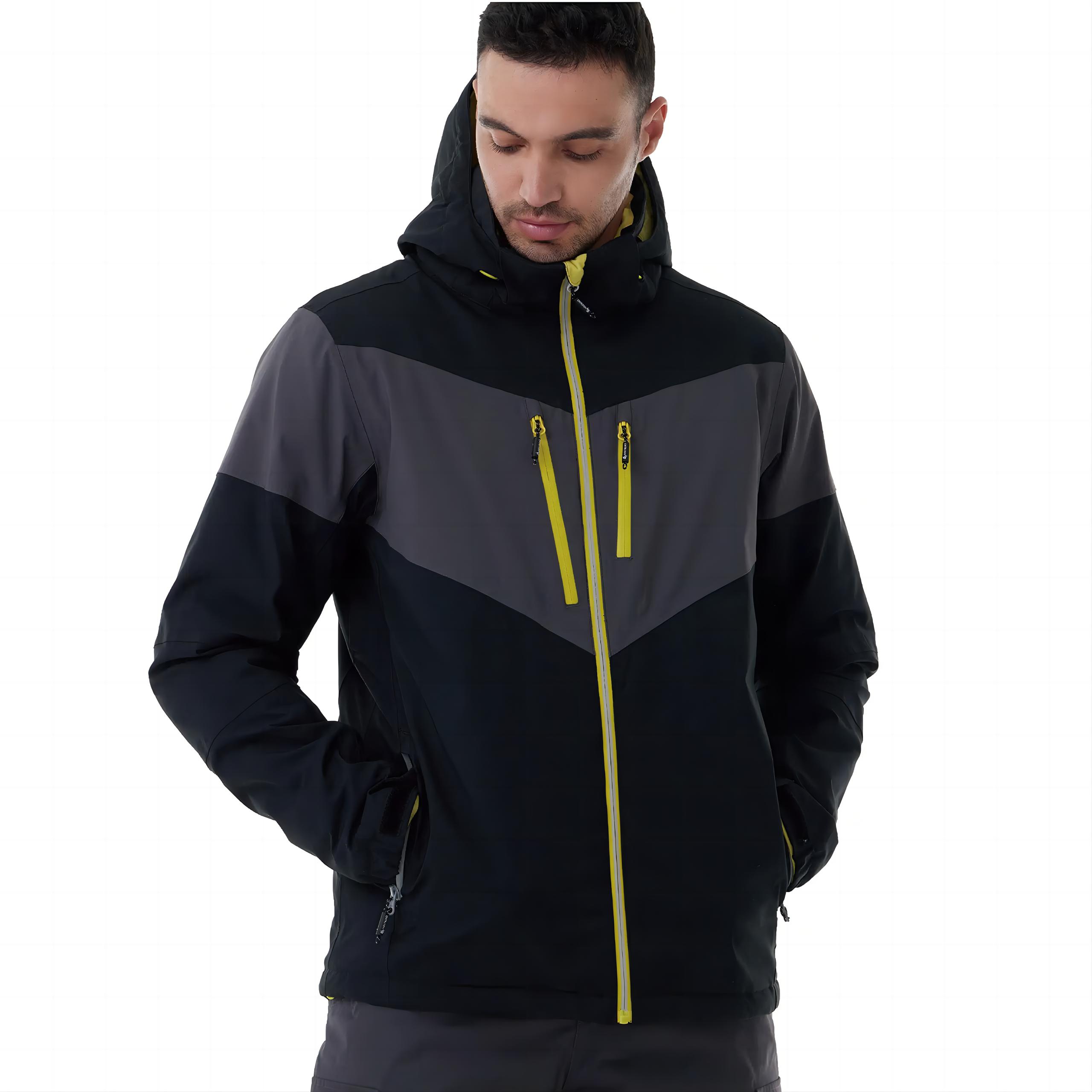
Bomber Jackets
EDVORIN develops bomber jackets with woven, quilted or insulated bodies, rib collars and cuffs, front zippers, linings and utility or welt pockets. A bomber jacket manufacturer for fashion, streetwear and private-label programs, the company coordinates trims, decoration, measurements and finishing through approved production references.
Get a Quote
Custom Shirts
As a custom woven shirt manufacturer, EDVORIN develops shirts in cotton, blends, flannel, twill and other woven fabrics. Product development covers collars, cuffs, plackets, buttons, pockets, seam construction, washes, labels and decoration for casualwear, streetwear, uniforms and private-label collections.
Get a Quote
Custom Jerseys
EDVORIN develops custom jerseys for clubs, teams, streetwear brands and promotional programs. A custom jersey manufacturer, the company coordinates breathable performance fabrics, panel construction, sublimation or other decoration, names, numbers, badges, size grading and color references so repeat orders remain organized and consistent.
Get a Quote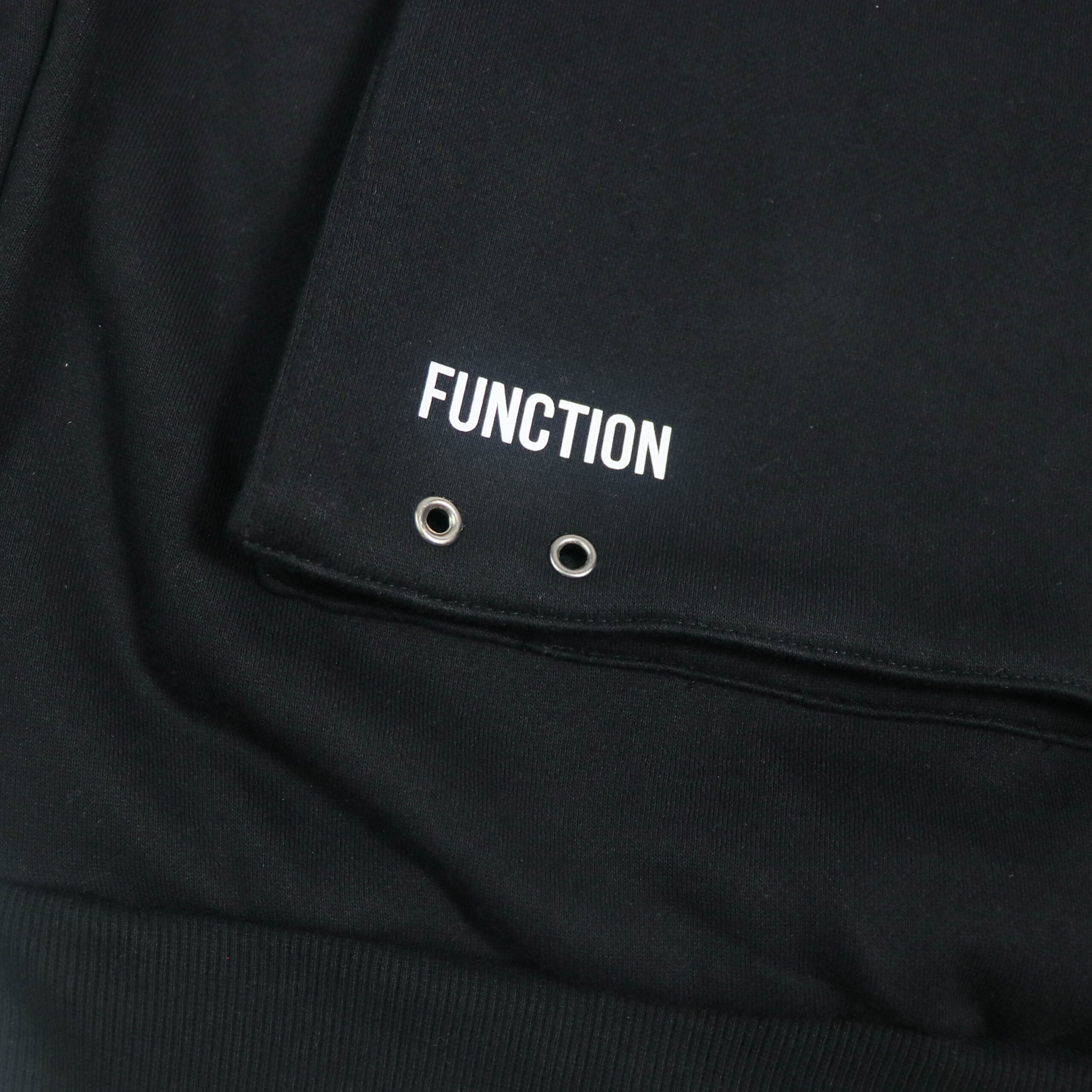
Tank Tops
EDVORIN develops tank tops in cotton, blends and performance fabrics for casualwear, streetwear, training and team programs. A custom tank top manufacturer, the company coordinates neckline and armhole binding, fit, fabric weight, panel details, printing, embroidery, labels and packaging according to the approved sample.
Get a Quote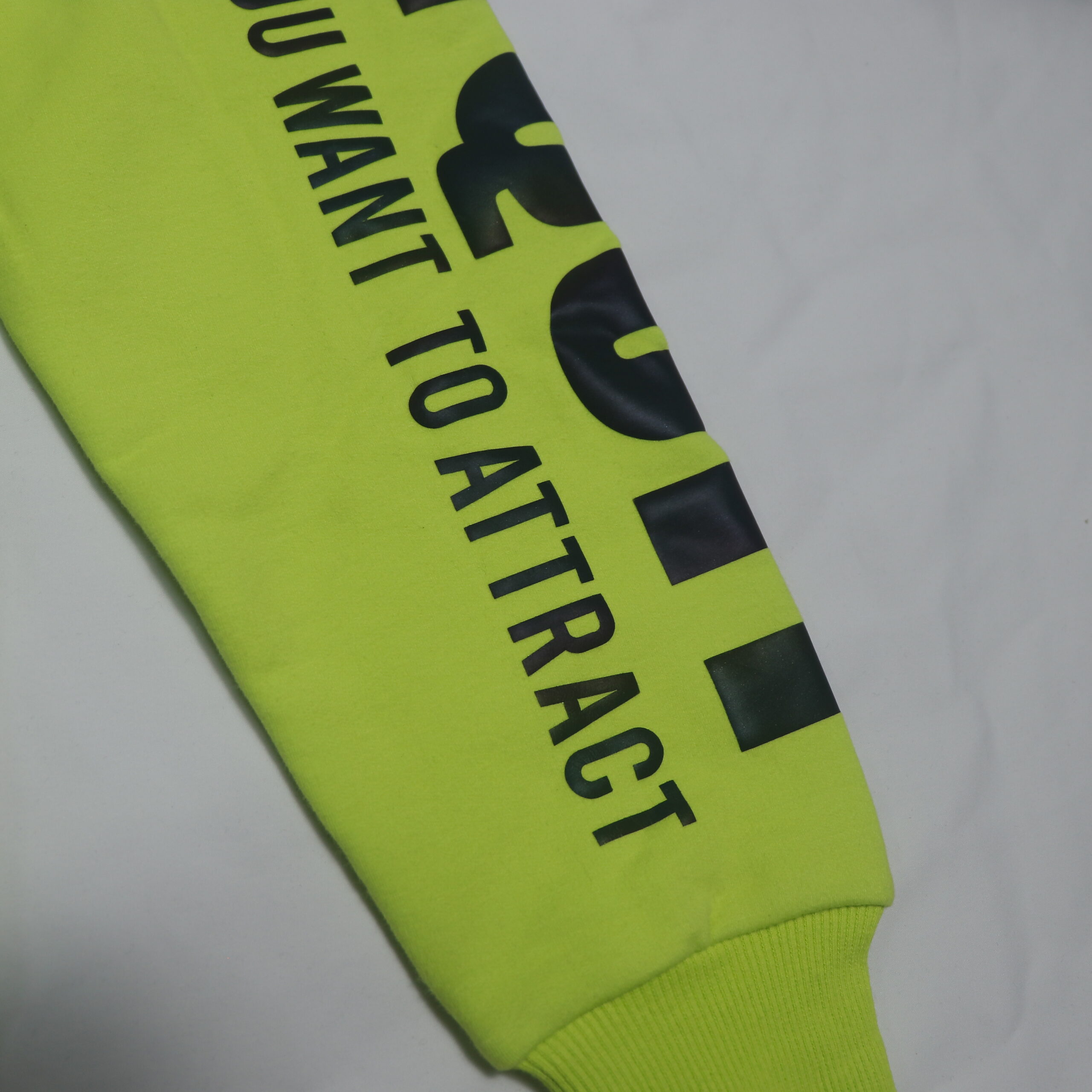
Soccer Uniforms
As a soccer uniform manufacturer, EDVORIN develops coordinated jerseys, shorts and related teamwear with breathable performance fabrics, player names, numbers, badges, sponsor artwork and organized size sets. Color references, grading, decoration placement and final inspection are recorded to support dependable team orders and reorders.
Get a Quote
Basketball Uniforms
EDVORIN develops basketball uniforms with performance jerseys and shorts engineered around movement, breathability and coordinated team presentation. As a basketball uniform manufacturer, the company manages mesh or technical fabrics, color blocking, names, numbers, logos, sponsor marks, size grading and decoration standards for repeat production.
Get a Quote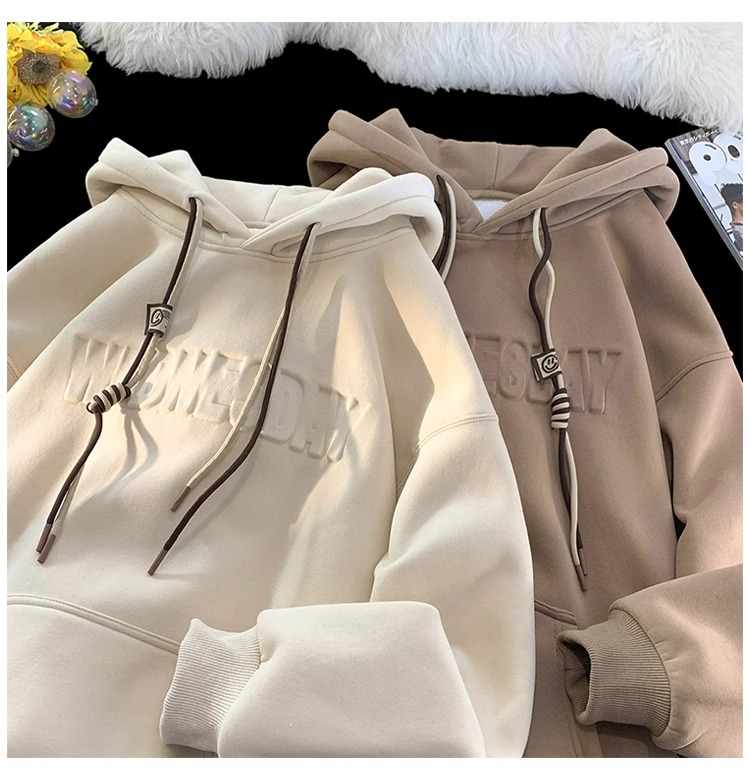
Streetwear Collections
As a streetwear clothing manufacturer, EDVORIN develops coordinated collections across hoodies, sweatshirts, T-shirts, pants, shorts, jackets and woven pieces. OEM, ODM and private-label support covers materials, fit blocks, trims, washing, printing, embroidery, labeling, packaging and the approved standards needed to reproduce the collection.
Get a QuoteIncoterms for clothing importers: 11 rules explained
Use this practical decision framework to match each Incoterm to your shipping lane, buyer profile, and risk tolerance, compare supplier responsibilities, estimate landed costs, and avoid documentation, customs, insurance, and delivery mistakes.
1. What Are Incoterms for Clothing Importers?
11 three-letter Incoterms rules standardize how a seller and buyer divide delivery tasks, transport costs, customs responsibilities, and risk of loss. For an EDVORIN apparel order, the rule should identify who moves approved garments from the production site through the agreed transport chain and where responsibility changes. Incoterms 2020 do not decide ownership or title, payment timing, currency, deposits, product quality, intellectual property, or governing contract law. One named rule and one precise delivery point should appear on every purchase order—for example, FCA EDVORIN facility, China, Incoterms 2020, or another accurately agreed location.
2. Incoterms History and the 2020 Rules
1936 marks the first publication of Incoterms by the International Chamber of Commerce, creating a shared vocabulary for allocating delivery responsibilities in international sales. The rules have been updated periodically as transport practices and commercial documentation evolved; Incoterms 2020 is the current framework relevant to apparel purchase orders.
Incoterms 2020 retains 11 rules divided by transport scope. EXW, FCA, CPT, CIP, DAP, DPU and DDP can apply to any transport mode, including multimodal shipments commonly used for garments; FAS, FOB, CFR and CIF are limited to sea or inland-waterway transport. A named place is part of the rule, not optional wording.
3. Types of Incoterms for Clothing Importers
Eleven Incoterms 2020 rules divide into seven multimodal options and four sea-only options.
| Rule | Transport, Clearance, Delivery | Insurance | Risk Transfers |
|---|---|---|---|
| EXW | Buyer arranges pickup, export/import clearance, and all transport. | Buyer | At seller premises |
| FCA | Seller clears export; buyer arranges main transport and import; delivery to carrier. | Buyer | At carrier handover |
| CPT | Seller clears export and pays carriage; buyer handles import and delivery onward. | Buyer | At first carrier |
| CIP | Seller clears export, pays carriage, and insures; buyer handles import. | Seller | At first carrier |
| DAP | Seller transports to destination; buyer handles import clearance and duties. | Seller | At destination, before unloading |
| DPU | Seller transports and unloads at destination; buyer handles import. | Seller | After unloading |
| DDP | Seller arranges transport, export/import clearance, duties, and delivery. | Seller | At destination |
| FAS | Seller clears export and places goods alongside vessel; buyer handles loading, freight, import. | Buyer | Alongside vessel |
| FOB | Seller clears export and loads vessel; buyer pays freight and import. | Buyer | On board vessel |
| CFR | Seller clears export and pays sea freight; buyer handles import and onward delivery. | Buyer | On board vessel |
| CIF | Seller clears export, pays sea freight, and insures; buyer handles import. | Seller | On board vessel |
Multimodal Rules
EXW, FCA, CPT, CIP, DAP, DPU, and DDP work with road, air, rail, or multimodal freight.
Sea-Only Rules
FAS, FOB, CFR, and CIF apply only to sea or inland-waterway transport.
Buyer-Focused Comparison
EXW and DDP deserve particular caution: EXW can complicate export clearance, while DDP requires the seller to manage destination import obligations correctly.
4. Incoterms for Clothing Importers: Goods, Packing, and Documents
Finished garments, cartons, and export paperwork must match the named Incoterm and the purchase order.
| Term | Seller’s Main Scope | Buyer’s Main Scope |
|---|---|---|
| EXW | Goods available at premises | Pickup, export, freight, import |
| FOB | Export and vessel loading | Main carriage, import, delivery |
| DDP | Transport, clearance, delivery | Receive goods and verify documents |
Match Goods To The Term
1. EXW generally leaves pickup and export arrangements with the buyer; FOB places seller obligations through vessel loading at the named port; DDP extends delivery responsibility to the destination.
Control Packing And Documents
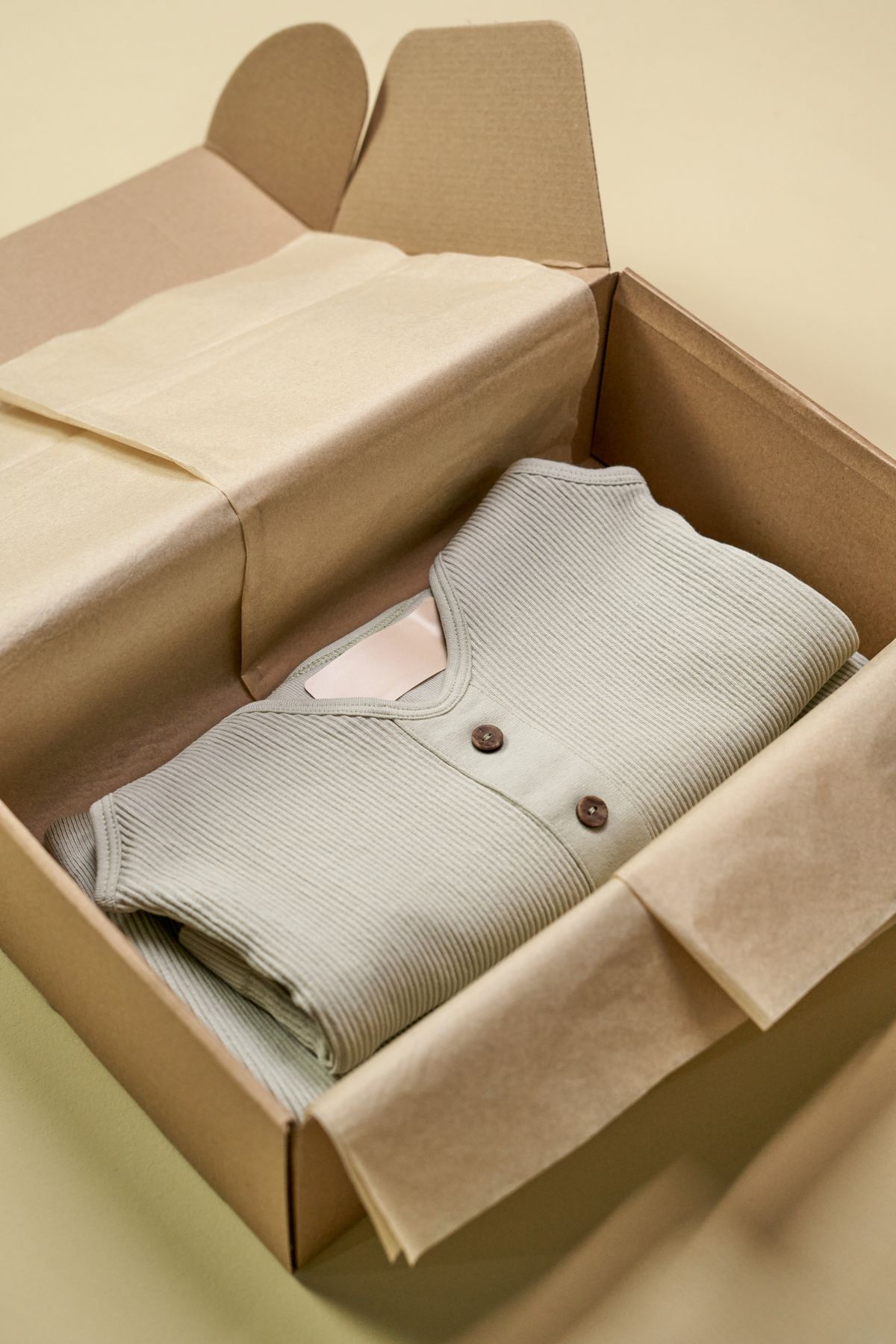
2. Carton markings, size stickers, care labels, hangtags, folding method, and inner packing should follow the approved specification. A packing list must reconcile carton contents and quantities by style, color, and size. The commercial invoice should align with the order and shipment.
Plan Landed Cost Variables
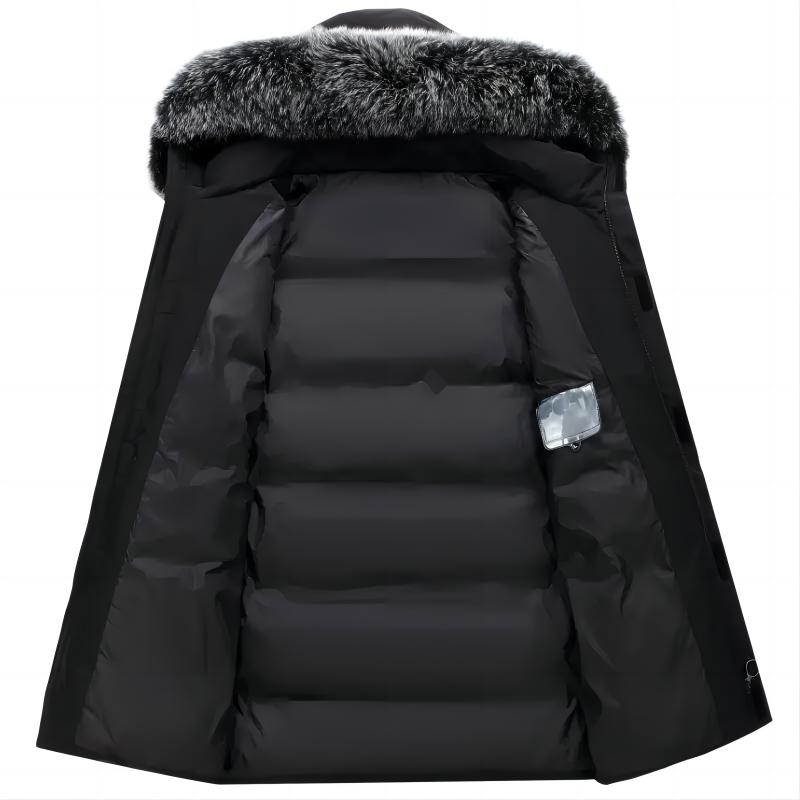
3. Fabric type affects garment weight and volume: fleece, French terry, woven shells, and quilted outerwear can produce different carton utilization and freight exposure. Higher-value garments also change insurance and duty assumptions. Air, sea, courier, and multimodal shipments allocate timing and handling differently.
5. Incoterms for Clothing Importers: Customization and Compliance
EDVORIN, founded in 2000, treats customization as part of shipment readiness, not a cosmetic afterthought.
| Customization Area | Shipment Confirmation | Document Accuracy Check |
|---|---|---|
| Labels and Branding | Approved artwork, placement and quantities | Style description and origin match |
| Prints, Embroidery and Patches | Color, method, size and inspection approval | Product description reflects finished goods |
| Trims and Packaging | Hardware, polybags, cartons and markings approved | Carton counts, weights and marks reconcile |
Lock The Approved Production Standard
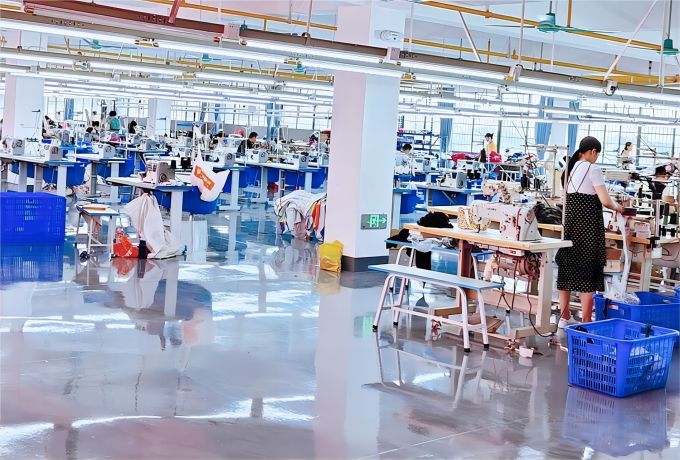
Before production, approve the size set, fabric, labels, print or embroidery method, patches, trims, packaging, artwork placement and private-label details. Record revisions against a physical or digitally signed sample.
Match Goods To Documents
Carton markings should show style, color, size range, quantity, gross and net weight, and purchase-order references. Product descriptions, fiber content, quantities, origin information and labeling must accurately reflect the finished shipment. Manufacturing specifications define what EDVORIN produces; the Incoterm defines transport, cost and risk responsibilities.
Check Destination Compliance
Destination requirements may cover care labels, language, fiber disclosure, safety rules, packaging materials, restricted chemicals and importer records. Confirm these requirements before sampling, not after cartons are sealed.
6. Key Cost, Risk, Insurance, and Delivery Elements
Four cost checkpoints determine the delivered apparel cost: factory handover, export movement, destination clearance, and final delivery.
| Cost Element | Usually Paid By | Risk Checkpoint | Buyer Evidence |
|---|---|---|---|
| Pickup and export clearance | Seller under FOB/FCA; buyer under EXW | Named handover point | Pickup record; export filing |
| Freight and insurance | Depends on rule; insurance may be separate | First-carrier or onboard transfer | Policy; transport document |
| Import, tax, port, delivery | Buyer under most terms; seller under DDP | Destination receipt | Entry; duty bill; delivery receipt |
Cost Chain To Destination
Four cost groups should appear separately on the purchase order: origin pickup and export clearance, international freight, destination port handling and import clearance, then duties, taxes, and inland delivery.
Risk And Cargo Insurance
CIP requires seller-arranged cargo insurance, while other carriage terms may leave insurance to the buyer; transport cost can therefore continue to the destination after risk has already transferred at an earlier handover point.
Damage, Loss, And Claims
Photograph cartons, labels, pallet condition, seal numbers, loading, and visible damage before acceptance. Keep the commercial invoice, packing list, bill of lading or airway bill, delivery receipt, inspection report, and carrier notice together.
7. How to Choose a Manufacturer and Incoterm
Choose the manufacturer and Incoterm together: the right term depends on your logistics capability, shipment mode, destination customs, cash flow, and desired control.
Match Term To Capability
EXW suits experienced importers controlling pickup, export clearance, freight, and customs; FCA is often more practical for containerized shipments. FOB fits established sea-freight programs, while DAP or DDP can simplify early orders when local customs capability is limited.
Compare Quotes On One Basis
A 500-piece hoodie order quoted EXW cannot be compared directly with a DDP quote. Rebuild each offer into product cost, origin handling, freight, insurance, duty, tax, brokerage, delivery, and bank charges. Use the same carton count, gross weight, HS classification, destination, currency, validity period, and shipment mode.
Adjust For Buyer Type
Emerging brands and schools often value predictable cash flow and simpler delivery; DAP or carefully verified DDP may reduce operational workload. Established wholesalers usually gain more control with FCA or FOB and a nominated forwarder. Sports programs should confirm delivery deadlines, split shipments, names and numbers, and customs documents.
Get An Independent View
Obtain a freight-forwarder comparison when the order is large, the destination has complex duty rules, or the quote combines freight and customs without itemization. An independent view can test routing, transit assumptions, clearance responsibility, and insurance gaps.
8. Common Incoterm Mistakes Clothing Buyers Make
Three letters do not define a complete apparel delivery obligation.
Unexplained Terms And Missing Places
EXW, FOB, or DDP without a named place leaves the delivery point ambiguous. Ask: ‘Which exact facility, port, terminal, or warehouse applies, and where does risk transfer?’
Confusing Cost, Payment, And Title
A 30% deposit, balance deadline, and ownership transfer are contract terms—not Incoterms.
Treating DDP As Compliance Protection
DDP may simplify delivery but does not remove importer compliance risk.
Using The Wrong Mode Or Insurance
Sea-only terms such as FOB are unsuitable for every air, courier, rail, or multimodal shipment.
9. Steps to Launch Your Clothing Import Program
A 10-step launch sequence turns an apparel concept into a controlled import program.
Define And Quote The Program
Step 1 starts with the product brief: styles, fabrics, fit blocks, decoration, size range, quantities, destination, and target delivery date. Step 2 shortlists capable suppliers and requests comparable quotations from the same specification.
Approve Samples And Place Orders
Step 1 starts with the product brief: styles, fabrics, fit blocks, decoration, size range, quantities, destination, and target delivery date. Step 2 shortlists capable suppliers and requests comparable quotations from the same specification. Step 3 confirms the Incoterm, named place, transport mode, importer of record, and responsibility split.
Monitor Production And Export
Step 4 compares samples against measurements, fabric composition, color references, artwork placement, trims, labels, and workmanship. Step 5 approves a dated sample or written revision record before bulk cutting.
Prepare Customs And Review Delivery
Step 6 monitors material arrival, cutting, sewing, decoration, washing, packing, and in-line quality checks against the approved standard. Step 7 uses pre-shipment inspection to verify quantities, measurements, color, defects, cartons, labels, and assortment. Step 8 confirms the shipping documents and handover details before dispatch.
- Rule
- Named place
- Transport mode
- Importer of record
- Duties and taxes
- Insurance
- Delivery date
- Claims process
10. Incoterms for Clothing Importers: Pricing and Landed Cost
2020 rules make the named place and term essential to a comparable apparel quote. Ask EDVORIN to show the garment price separately from every logistics allowance, using buyer-entered freight, duty, tax and delivery figures where applicable. 5 quote lines should be requested for the same SKU, quantity, packing standard and ship date. Confirm whether taxes, customs brokerage, destination delivery and insurance are included, excluded or estimated; do not treat the Incoterm as a payment term.
| Term | Supplier quote includes | Buyer-paid variables | Risk and control | Predictability | Illustrative quote input |
|---|---|---|---|---|---|
| EXW | Garments; factory packing | Pickup, export, freight, insurance, clearance, duties, taxes, delivery | Maximum buyer control; risk starts at seller premises | Low | Unit price: buyer-entered |
| FCA or FOB | Garments; agreed export handover or vessel loading | Main freight after handover, insurance, import clearance, duties, taxes, delivery | Good control with buyer forwarder | Medium | Unit price + freight allowance |
| CIF or CPT | Garments; carriage to named destination; CIF adds insurance | Import clearance, duties, taxes, destination delivery | Freight arranged by seller; import control remains buyer | Medium | Unit price + quoted carriage |
| DAP | Garments, carriage and destination delivery | Import clearance, duties and taxes | Seller controls transport; buyer controls import entry | Medium-high | Delivered price + buyer tax estimate |
| DDP | Garments, freight, clearance, duties, taxes and delivery | Check exclusions, local fees and tax recovery | Least logistics control; highest quote dependence | High if scope is documented | All-in price: buyer-verified |
Incoterms for clothing importers: EXW vs FOB vs CIF vs DDP
Compare shipping responsibility, insurance, customs, risk transfer and apparel-order suitability before requesting a quote.
← Swipe left or right to view →
Make Incoterms for clothing importers clear from concept to shipment
EDVORIN connects product development, shipping-term decisions, production controls, and documentation into one accountable apparel sourcing workflow.
Define the Product Program
Share your concept, tech pack, reference garment, target fit, materials, decoration needs, quantities, and intended market so EDVORIN can structure production requirements.
Confirm the Shipping Term
Compare EXW, FOB, CIF, DAP, or DDP against your forwarder access, destination, customs responsibilities, insurance expectations, and landed-cost priorities before approving the quote.
Align Production Documentation
Record the selected term alongside product specifications, commercial details, packing requirements, labeling, transport documents, and agreed responsibilities so every party works from one reference.
Approve the Production Standard
Review samples, measurements, materials, artwork placement, trims, color references, and decoration results, then approve the standard that will guide repeatable bulk production.
Coordinate Packing and Dispatch
Track production, quality checks, packing, final documentation, and handover details together, keeping the agreed Incoterm visible through dispatch and future reorders.
Incoterms for clothing importers: questions to answer before ordering
Clarify freight, customs, insurance, quality control and repeat-order responsibilities before approving your apparel production plan.
What are the best incoterms for clothing importers placing a first order?
How do incoterms for clothing importers affect freight and customs responsibility?
Which incoterms for clothing importers are commonly used for apparel shipments?
Do incoterms for clothing importers include cargo insurance?
Can EDVORIN handle customs duties and final delivery under DDP?
Do Incoterms cover apparel quality, defects or sample approval?
Which shipping term works best for repeat apparel orders and private-label programs?
Plan Your Next Order With Incoterms for Clothing Importers
Share your apparel concept, target quantities, and delivery requirements with EDVORIN for a clearer, production-ready manufacturing quote.