
Custom Apparel Manufacturing Built for Repeatable Production
EDVORIN supports OEM, ODM and private-label apparel development—from materials, patterns and samples to decoration, quality control, labeling and packaging.
Production Details That Keep Apparel Consistent
Define each production decision clearly so EDVORIN can develop, sample, decorate and reproduce your garment with fewer assumptions.
Technical Sketches
Show front, back and detail views with seams, panels, proportions and design features clearly marked for development and sampling.
Materials and Trims
List fabric composition, weight, color, rib, lining, hardware, labels and every component required to build the approved garment.
Measurements and Fit
Define points of measure, size grading, tolerances and fit intent for consistent results across men’s and women’s programs.
Construction Details
Document stitch types, seam treatments, finishing methods, pocket construction and critical assembly requirements for reliable bulk production.
Decoration and Placement
Specify artwork, embroidery, print method, thread or ink colors, dimensions and exact placement on each garment panel.
Labels and Packaging
Record branding labels, care information, hangtags, folding, polybags, carton marks and packaging requirements before final approval.
Our Apparel Manufacturing Capabilities
From everyday essentials to coordinated teamwear, EDVORIN develops, decorates and produces repeatable apparel programs for emerging and established buyers.
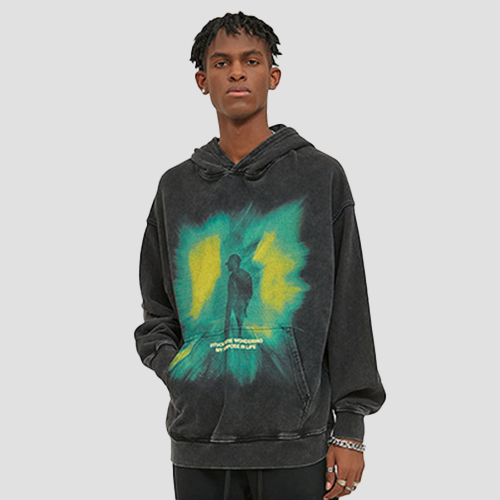
Custom Hoodies
As a custom hoodie manufacturer, EDVORIN develops fleece weights, fit blocks, ribbing, hoods, drawcords, trims and decoration for men’s and women’s programs. Buyers can begin with a tech pack, reference garment or concept, then move through sampling, approval and controlled bulk production.
Get a Quote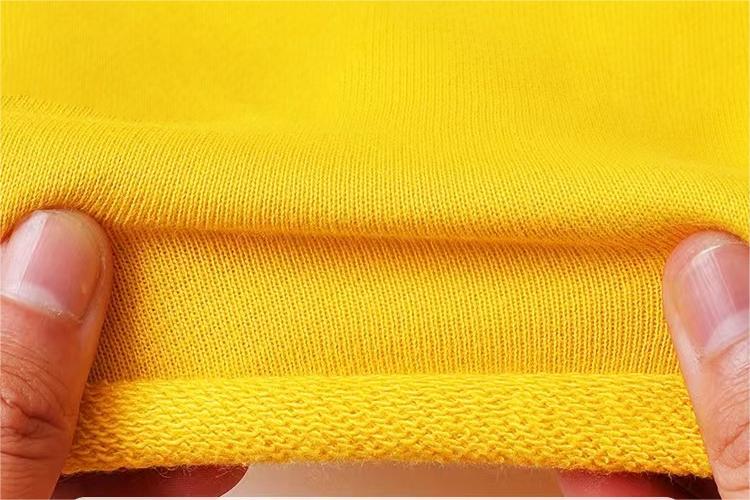
Pullover Sweatshirts
EDVORIN works as a sweatshirt manufacturer for pullover styles requiring dependable fleece selection, neckline construction, cuffs, hems and fit grading. Printing, embroidery, labels and packaging are coordinated around the approved sample so wholesale, private-label and branded collections can be reproduced consistently.
Get a Quote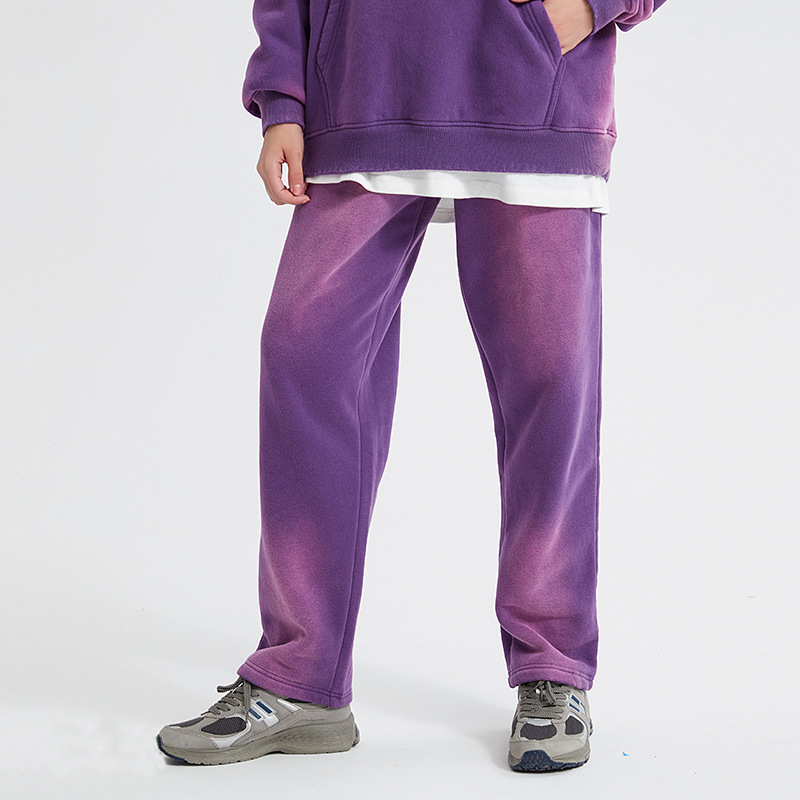
Sweatpants & Joggers
As a sweatpants manufacturer, EDVORIN develops joggers and sweatpants with attention to fleece or jersey weight, waistband recovery, drawcords, pocket construction, cuffs and proportion. Men’s and women’s fits can be graded for casualwear, streetwear and coordinated sets, with decoration and finishing managed within the production program.
Get a Quote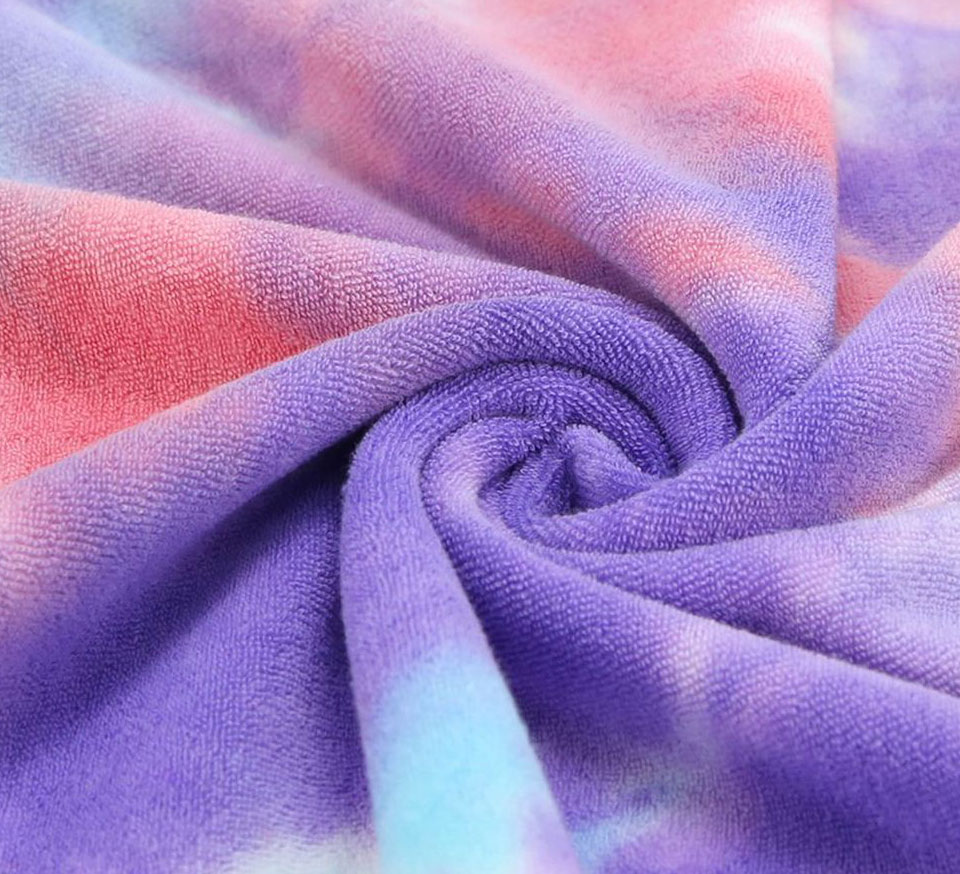
Custom Shorts
EDVORIN develops custom shorts for casualwear, streetwear, sports and private-label programs. Product decisions include woven or knit fabric, inseam, waistband, pockets, lining, trims and artwork placement. Samples establish the construction and measurements before repeatable production, labeling, inspection and packing.
Get a Quote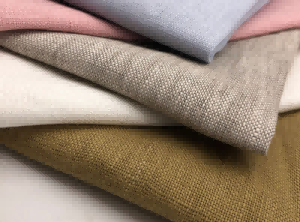
Varsity & Baseball Jackets
As a varsity jacket manufacturer, EDVORIN coordinates body fabric, sleeves, lining, insulation, rib, snaps, patches, embroidery and other identity details. Baseball jacket variations can be developed for fashion labels, schools, clubs and private-label buyers, with construction and decoration documented for bulk consistency.
Get a Quote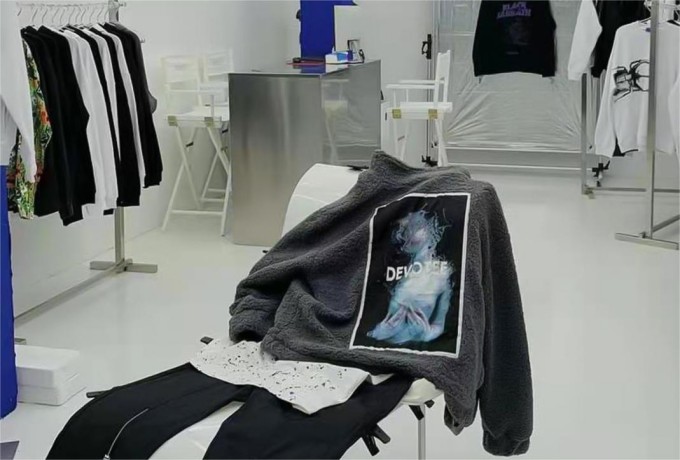
Custom T-Shirts
EDVORIN is a custom T-shirt manufacturer supporting jersey, cotton and performance-oriented programs across men’s and women’s ranges. Development covers fabric weight, fit, neckline, sleeve proportions, printing, embroidery, labels and packaging, with approved measurements and artwork placement used to control repeat orders.
Get a Quote
Custom Polo Shirts
As a polo shirt manufacturer, EDVORIN develops knit or performance polos with defined fabric, collar, placket, cuff, button, fit and branding specifications. Programs can be built for corporate apparel, fashion collections, schools, clubs and private labels, with sampling and bulk inspection aligned to the approved standard.
Get a Quote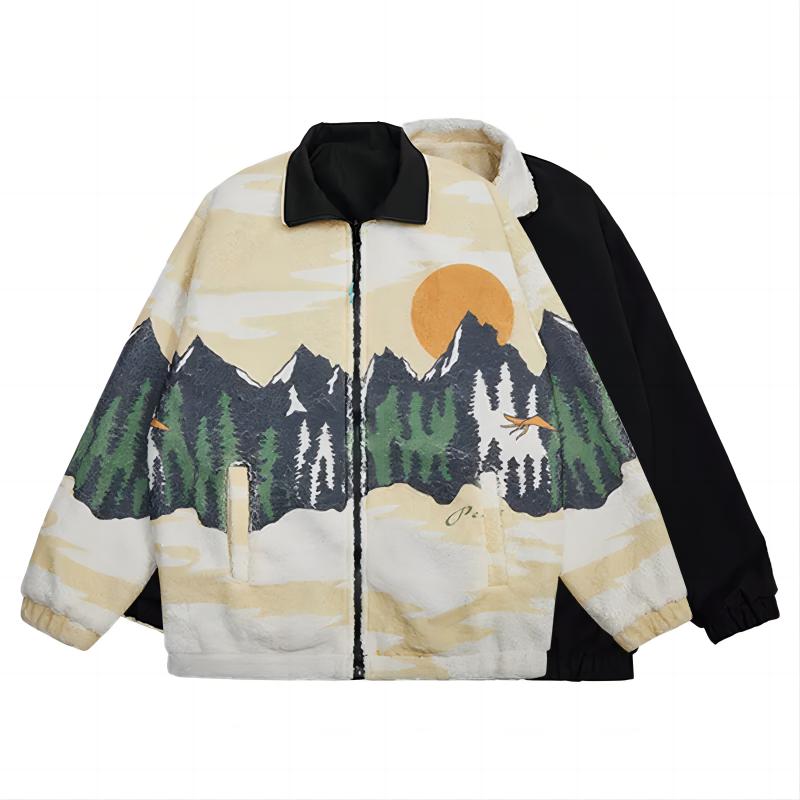
Windbreaker Jackets
EDVORIN works as a windbreaker manufacturer for lightweight outerwear requiring coordinated shell fabric, lining or mesh, zippers, hoods, cuffs, hems, pockets and water-resistant finishing where specified. Men’s and women’s styles can be developed for streetwear, teamwear, promotional programs and private-label collections.
Get a Quote
Quilted Jackets
As a quilted jacket manufacturer, EDVORIN coordinates shell fabric, lining, insulation, quilting pattern, collars, cuffs, closures, pockets and finishing details. Development is suited to outerwear programs that require controlled warmth, proportion and repeatability, with materials, construction and measurements confirmed before bulk production.
Get a Quote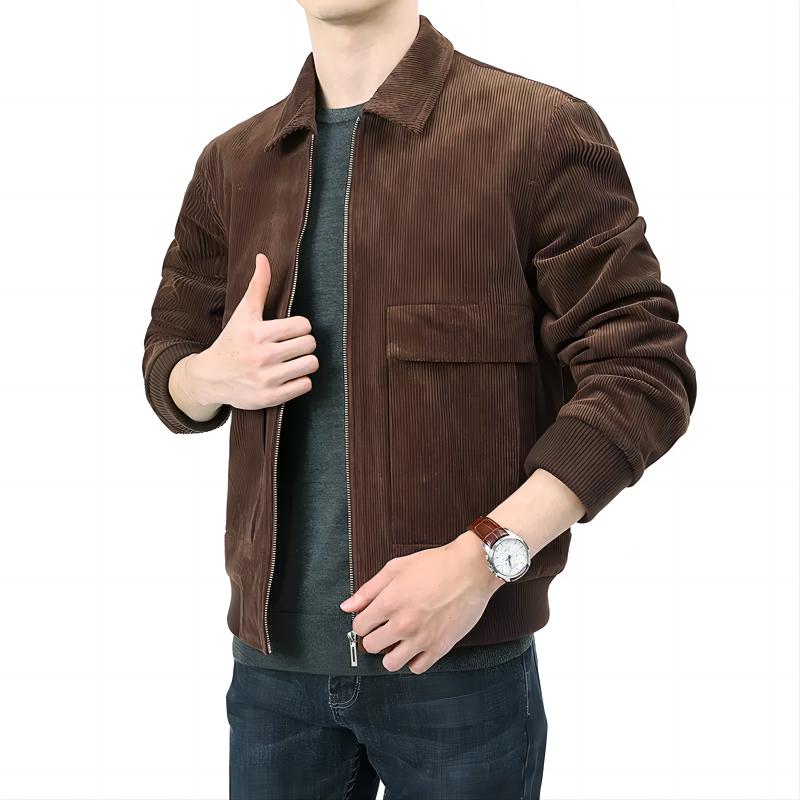
Bomber Jackets
EDVORIN develops bomber jackets with attention to shell material, lining, insulation, rib structure, zipper or snap closure, pocket design and decoration. Fashion, streetwear, teamwear and private-label buyers can establish a complete sample standard covering fit, trims, artwork placement, labeling and packaging.
Get a Quote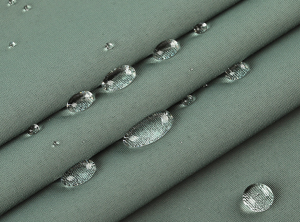
Custom Shirts
As a custom woven shirt manufacturer, EDVORIN develops shirts around fabric hand feel, weight, collar, placket, cuffs, buttons, pocket details, fit and grading. Buyers can create casual, streetwear or private-label programs with embroidery, printing, woven labels and packaging coordinated through one production workflow.
Get a Quote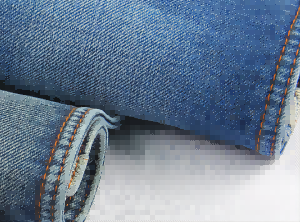
Custom Jerseys
EDVORIN is a custom jersey manufacturer for sports clubs, schools, academies, teams and branded apparel programs. Development can cover breathable performance fabrics, panels, collars, sleeves, sublimation or other decoration, names, numbers, badges and size grading, with color and placement controls established for repeat orders.
Get a Quote
Tank Tops
EDVORIN develops tank tops for casualwear, streetwear, training and teamwear programs in men’s and women’s fits. Fabric selection, armholes, necklines, body length, binding, decoration, labels and packaging are defined during development, allowing buyers to approve a clear standard before bulk manufacturing.
Get a Quote
Soccer Uniforms
As a soccer uniform manufacturer, EDVORIN coordinates jerseys, shorts and related teamwear around breathable fabrics, color matching, panel construction, crests, sponsors, names, numbers and size grading. Clubs, academies, schools and distributors can develop organized sets with repeatable decoration and quality checks across the order.
Get a Quote
Basketball Uniforms
EDVORIN develops basketball uniforms with attention to performance fabric, jersey and short construction, fit, armholes, side panels, color blocking, numbers, names, team marks and grading. Programs for clubs, schools, academies and distributors are built around approved artwork, measurements, decoration and repeat-order requirements.
Get a Quote
Streetwear Collections
As a streetwear clothing manufacturer, EDVORIN connects hoodies, sweatshirts, tees, bottoms, jackets and coordinated pieces within one production system. Product development can include fabric and trim sourcing, pattern work, washing, printing, embroidery, labeling and packaging, helping brands turn a collection concept into a repeatable range.
Get a QuoteFrom Concept to Approved Bulk Production
Build a clear manufacturing standard with EDVORIN, from your first concept or reference garment through sampling, approval and repeatable bulk production.
Define Concept and Requirements
Start with a sketch, reference garment or collection brief, then clarify category, fit, fabric direction, colorways, decoration, intended wearer and target market.
Build Technical Specifications
Translate the approved direction into technical flats, measurements, tolerances, bill of materials, construction notes, labels, trims, artwork placement and packaging requirements.
Develop and Review Samples
EDVORIN coordinates patterns, materials, decoration and sampling, then reviews fit, construction, color, wash and performance details against the documented production standard.
Approve Every Revision
Record fit comments, update specifications and confirm the final sample, measurement chart, materials and artwork so production teams work from one approved reference.
Control Bulk Production
Use the approved standard for sourcing, cutting, sewing, decoration, in-line inspection, final quality control, labeling and packaging, supporting consistent repeat orders.
A Practical Guide to Production-Ready Tech Packs
Use this practical decision framework to structure a production-ready tech pack, compare supplier capabilities, control quality and costs, and avoid the measurement, materials, construction, and revision mistakes that delay apparel launches.
1. What Is a Clothing Tech Pack?
A clothing tech pack is the controlled production blueprint for a garment: it translates a brand’s design intent into measurable instructions for pattern makers, sample rooms and manufacturers. It typically records style identity, technical flats, construction notes, materials, trims, measurements, tolerances, artwork placement, labeling, packaging and approval revisions. This shared reference supports quoting, sampling, fit approval, quality control and repeat orders. A manufacturer can assess fabric and trim requirements, build a sample against defined points of measure, compare bulk garments with the approved standard and trace changes instead of relying on emails or memory. Each style should have its own controlled specification document, with documented updates for any changes to fabric, dye standard, artwork, trims, construction, measurements or packaging.
2. How Clothing Tech Packs Evolved
Apparel development once commonly relied on sketches, verbal instructions and paper notes passed between designers, pattern makers and factories. Those methods could communicate intent, but revisions were easy to miss and production knowledge often remained scattered across emails, notebooks and marked-up samples. Today, technical flats, measurement spreadsheets and product-lifecycle systems help centralize product data, control revisions and preserve approved decisions for repeat orders or expanded size ranges.
3. How to Make a Clothing Tech Pack: Core Components
A production-ready pack turns one garment idea into a controlled manufacturing standard.
Style Identity And Visual Definition
One cover page should state style number, product name, season, target wearer, sample size, version date and buyer contact. Technical flats then show front, back and interior views at consistent scale.
- Style number, name, season and version
- Front, back and interior technical flats
- Detail callouts for construction-critical areas
- Colorways, artwork and placement measurements
Specifications And Materials
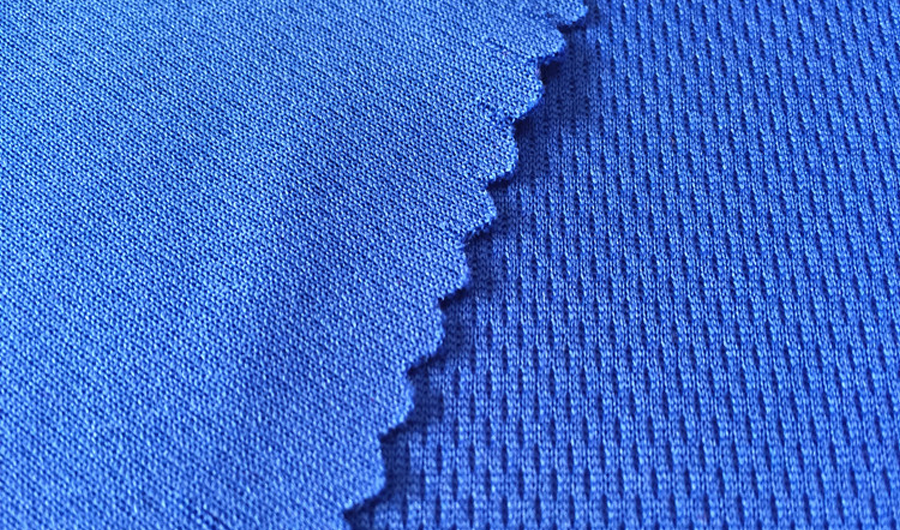
Three measurement pages define numbered points of measure, sample size, full size chart, grading increments, measurement method and tolerances. These values give pattern makers and quality teams an objective fit standard. Four BOM pages list every component: shell fabric, lining, interlining, trims, thread, labels and packaging.
- POM diagram, size chart, grading and tolerances
- BOM with component descriptions and quantities
- Construction notes by garment area
- Labels, care content and packaging instructions
Commercial And Approval Control
EDVORIN’s MOQ starts at 200 pieces per style. Five costing fields should capture target quantity, size breakdown, decoration, packaging and requested quote assumptions; the manufacturer can then price the same specification being sampled. Include MOQ expectations when known. Six development records should log fit comments, sample dates, requested changes, approvals and approver names.
- Costing assumptions and quantity breakdown
- Fit comments linked to sample versions
- Approval sign-offs and dates
- Revision history with change descriptions
4. How to Make a Clothing Tech Pack for Fabrics and Materials
A complete BOM turns material choices into controlled production inputs.
Build The Material BOM
Seven core groups should appear: main fabric, lining, interlining, trims, thread, labels, and packaging. Record fiber content, construction, GSM or weight, usable width, finish, stretch percentage, recovery expectation, color reference, supplier, and supplier code. Assign each item a material number and status such as approved, development, or substitute.
- Main fabric: fiber blend, construction, GSM, width, finish
- Lining and interlining: composition, weight, bonding or stability requirement
- Trims and thread: material, size, color, supplier code
- Labels and packaging: artwork, dimensions, placement, folding, bagging
Match Materials To Use
A 280 GSM cotton-polyester fleece may suit a structured hoodie, while a lighter 180 GSM jersey may suit a T-shirt.
| Material specification | Typical use | Buyer decision |
|---|---|---|
| 180–220 GSM ring-spun jersey | T-shirts and tanks | Soft hand feel versus cost |
| 280–450 GSM fleece or French terry | Hoodies and sweatshirts | Warmth, structure, and shrinkage |
| 90–150 GSM woven shell | Windbreakers and lining | Weather resistance versus breathability |
Control Testing And Substitutions
Each BOM should state required testing, including colorfastness, dimensional stability, pilling, stretch recovery, and restricted-substance checks such as OEKO-TEX or buyer-specific standards. Record test method, acceptance limit, and responsible party. Approved substitutions need written equivalence, not a vague ‘similar fabric’ note.
5. Customization and Decoration in a Clothing Tech Pack
1 artwork file should define the decoration before sampling: include vector AI, EPS, or PDF artwork, raster resolution, Pantone references, dimensions, placement coordinates, and colorway.
| Method | Appearance And Cost | Risk Notes |
|---|---|---|
| Screen print | Opaque graphics; screens and color count drive setup cost | Ink adhesion, cracking, and hand feel vary by fabric |
| DTG | Detailed short runs; pretreatment and coverage drive cost | Best on compatible cotton substrates; wash durability needs testing |
| Sublimation | All-over color; polyester content and setup drive cost | Limited mainly to polyester; color changes with fabric |
| Embroidery | Raised premium effect; stitch count drives cost | Dense designs can pucker lightweight fabrics |
| Heat transfer | Flexible names, numbers, and small runs | Film hand feel, peeling, and heat compatibility require testing |
| Appliqué or patches | Layered dimensional branding; cutting and sewing drive cost | Edges, attachment, and wash durability need approval |
| Washes and dyeing | Vintage shade and altered hand feel | Shade variation and shrinkage can affect decoration |
Specify Artwork And Placement
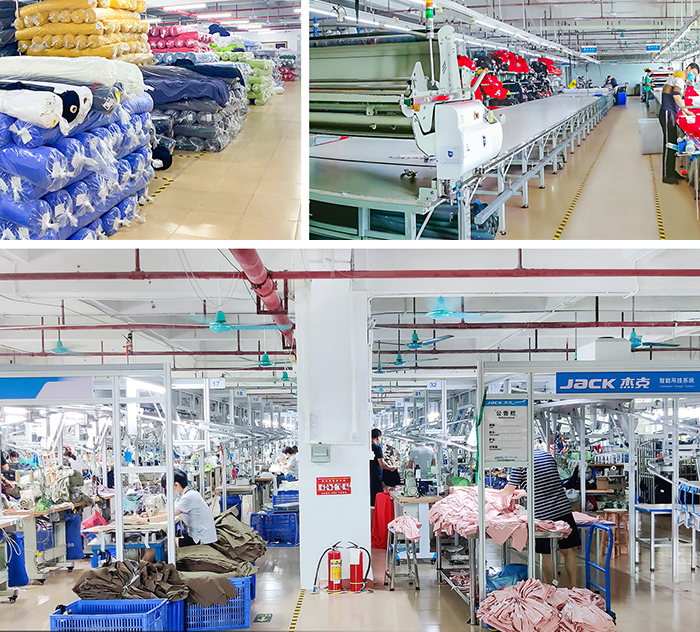
Front, back, sleeve, and leg placements need measured distances from seams, hems, or center lines. Record finished width and height, print coverage, thread colors, stitch count when known, and whether artwork scales by size.
- Vector artwork with linked fonts or outlined text
- Pantone or approved physical color references
- Placement measurements and finished dimensions
- Hand-feel, stretch, wash, and durability notes
Compare Decoration Methods
1 technique rarely suits every garment.
Document Washes And Dyeing
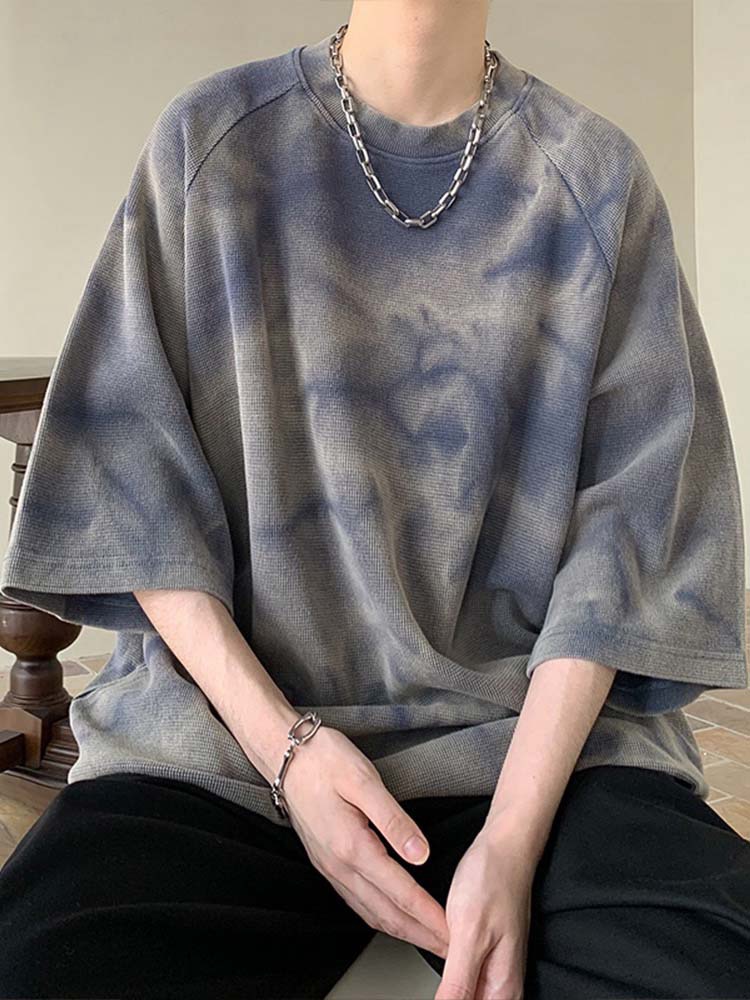
1 wash or dye process can change color, shrinkage, hand feel, and decoration appearance. Specify garment dye, pigment dye, enzyme wash, stone wash, acid wash, or silicone finish, including target shade and acceptable variation.
6. Construction, Measurements, Grading, and Quality Checks
A production-ready tech pack converts visual intent into measurable, repeatable instructions.
Number Points Of Measure
1. Number POMs directly on the front and back flats, then define each start and end point: chest, body length, shoulder, sleeve, inseam, rise, waistband, and opening measurements. 2.
Construction Notes Remove Ambiguity
3. Specify seam allowance widths, stitch types, SPI where critical, and seam construction such as lockstitch, overlock, or flatlock. Describe hems, cuffs, closures, pocket bags, bartacks, and reinforcement at stress points. 4.
Base Size, Grading, And Tolerances

5. Identify the sample base size and provide grade rules for every produced size. Grade body length, width, sleeve, rise, and opening measurements independently where fit requires it. 6.
Quality Gates Before Bulk
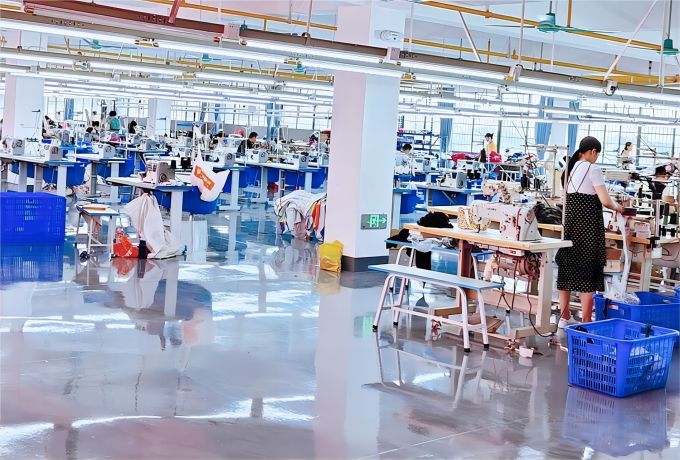
7. Check critical points during sample review and inline production: symmetry, seam strength, stitch consistency, hem appearance, closure function, pocket alignment, reinforcement, and measurement tolerance. 8. Approve a sealed reference sample and final measurement sheet before cutting bulk.
7. How to Choose a Manufacturer Using Your Tech Pack
A finished tech pack gives buyers a practical test for supplier capability.
Match Product Experience
3 questions should anchor the first review: Have you produced this garment category? Which fabrics, trims, and decoration methods do you routinely handle? Can you show comparable samples or construction references? A hoodie, varsity jacket, soccer uniform, and woven shirt each create different risks.
Test Development And Flexibility
EDVORIN’s MOQ starts at 200 pieces per style. 1 sample should be developed from the submitted pack before any bulk commitment. Check whether the supplier asks precise questions, records revisions, follows the measurement chart, and returns a sample that matches artwork placement, trims, construction, and hand feel. MOQ, color minimums, and size-breakdown rules should be confirmed in writing.
Verify Controls And Capacity
4 evidence areas matter: fabric and decoration sourcing, in-line inspection, final inspection, and production capacity. Request material approvals, test reports where relevant, inspection records, and a clear explanation of how deviations are quarantined and corrected. Lead time should be separated into development, approval, material booking, production, and shipping.
Audit The Quotation
5 quotation fields should reconcile with the pack: garment construction, fabric specification, decoration, packaging, and quantity. A useful quote identifies assumptions, exclusions, sample charges, tooling, size surcharges, payment terms, and lead-time triggers. Send one controlled revision and check whether the supplier quotes the latest version.
8. Common Clothing Tech Pack Mistakes Buyers Make
One unclear page can distort a quote, sample, or repeat order.
Incomplete Visual Direction
One front sketch is not enough: missing back views, vague callouts, or artistic proportions leave construction and placement open to interpretation. Review front, back, and detail flats together.
Weak Materials And Measurement Data
A BOM missing fiber content, fabric weight, trims, labels, or packaging prevents dependable costing. Review each component, supplier reference, color, quantity assumption, and substitute approval requirement.
Uncontrolled Color And Artwork
One unapproved logo file or unclear color reference can produce the wrong print, embroidery, or teamwear repeat. Review artwork dimensions, placement, decoration method, color standard, and approval status.
Version And Consumption Errors
Three conflicting measurement values can trigger fit failures, production delays, and inconsistent repeats. Compare every revision against the latest approved sample, then archive superseded files and name the release clearly. Excess material assumptions also inflate quotes and waste.
9. How to Make a Clothing Tech Pack and Launch Your Brand
One approved concept becomes a launchable product only when each decision has an owner, deadline, and approval gate.
Prepare The Quote Package
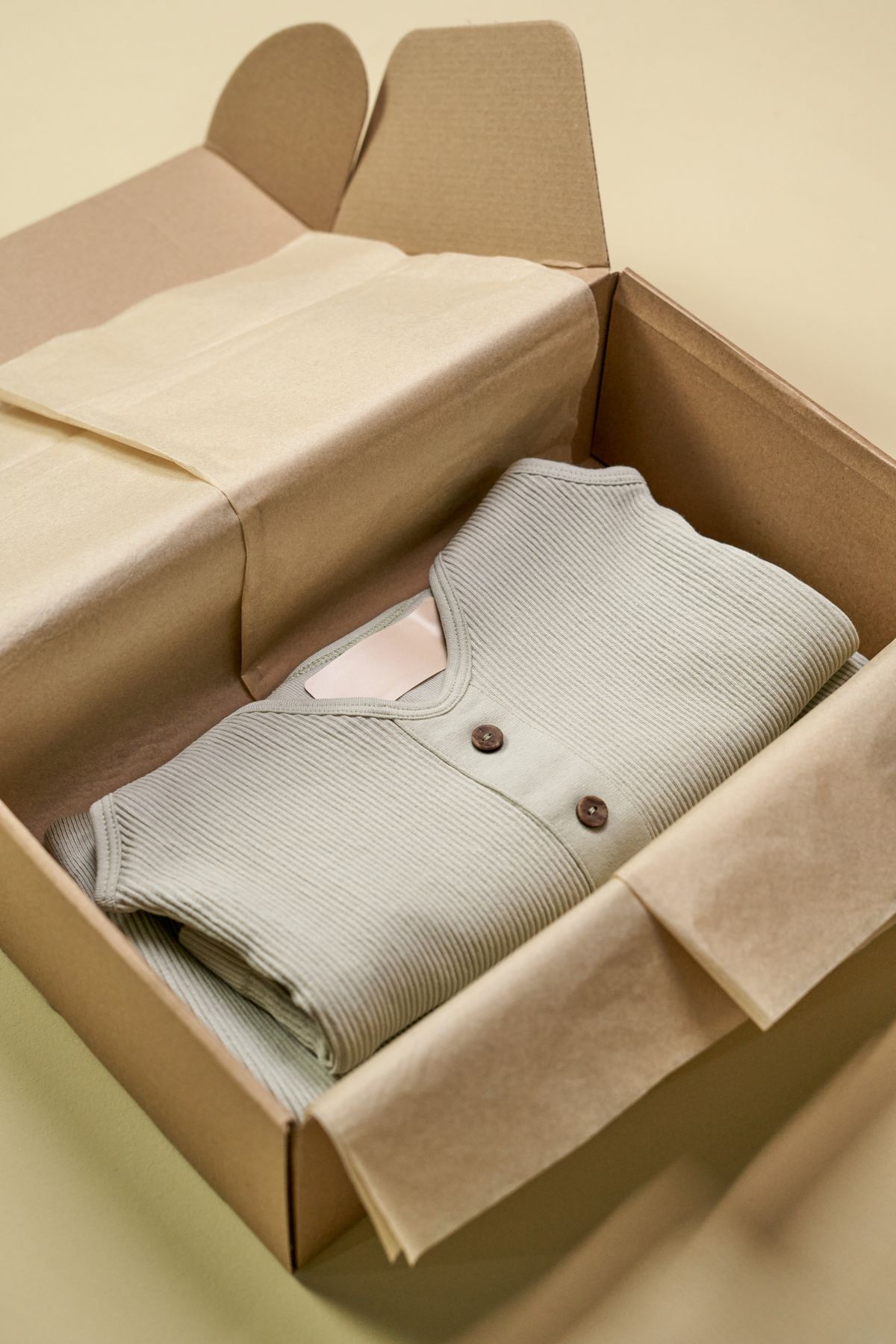
Before supplier outreach, assign one buyer-side owner and prepare the style code, target quantity, size range, colorways, delivery window, reference sample, artwork, packaging needs, and known material preferences. Send the same versioned pack to each supplier.
- Confirm size breakdown and color quantities.
- State target price, MOQ expectations, and ship date.
- Identify required labels, testing, and packaging.
Control Sampling And Approvals
Three checkpoints usually protect the launch: quotation review, prototype or fit sample approval, and pre-production sample approval. Record every sample with a date, size, color, courier reference, and written fit comments. Increment the version after each agreed change.
- Separate design changes from factory corrections.
- Approve fit, materials, decoration, and measurements.
- Archive superseded versions as read-only.
Release And Verify Bulk
One purchase order should reference the final tech-pack version, approved sample, quantities by size and color, delivery terms, and inspection requirements. During production, check materials, measurements, decoration placement, workmanship, and packing against those references.
- Confirm the pre-production sample before cutting bulk.
- Use in-line checks before defects multiply.
- Review repeat-order changes through a new revision.
10. Clothing Tech Pack Pricing and Production Costs
A tech pack can be built in-house with Illustrator, spreadsheets and disciplined version control, or outsourced to a technical designer. Outsourcing adds a service fee; DIY shifts cost into staff time, pattern knowledge, artwork preparation and correction risk. The main cost drivers are technical complexity, development scope and production volume. A basic T-shirt needs fewer construction callouts than a quilted jacket, while each added size, colorway, fabric or trim option increases grading, BOM, sampling and approval work. Artwork, decoration setup, revisions and sample iterations should be costed separately. EDVORIN’s MOQ starts at 200 pieces per style, subject to product and program requirements.
| Scenario | Indicative cost categories | Assumptions and lead-time considerations |
|---|---|---|
| Small pilot, 50–100 units | Higher unit cost; one-time tech pack, sample, grading, and decoration setup | Limited colorways; allow development plus production scheduling time |
| Mid-volume, 250–500 units | Balanced unit cost; material sourcing, sampling, artwork, and setup spread across units | Several sizes and colorways; confirm fabric availability and approval deadlines |
| Larger run, 1,000+ units | Lower setup allocation per unit; bulk materials, inspection, labeling, and packing dominate | EDVORIN’s MOQ starts at 200 pieces per style. MOQ commitments may improve efficiency, but custom trims or complex decoration can extend lead time |
Tech Pack FAQs for Apparel Buyers
Practical answers for brands, teams, schools, wholesalers and private-label buyers preparing apparel for sampling and repeat production.
How to make a clothing tech pack if I only have a sketch or reference garment?
How to make a clothing tech pack for hoodies, T-shirts or team uniforms?
How to make a clothing tech pack without technical design software?
How to make a clothing tech pack with accurate measurements and tolerances?
What should a complete clothing tech pack include?
Do I need a finished tech pack before contacting an apparel manufacturer?
Can EDVORIN help turn an approved tech pack into repeat production?
Turn Your Apparel Concept Into Approved Production
Bring your concept, tech pack or revision questions to EDVORIN for product development, OEM/ODM manufacturing and dependable repeat production.