
Custom Apparel Manufacturing for Brands, Teams and Private Labels
Develop production-ready apparel through coordinated materials, patterns, samples, decoration, washing, quality control, labels and packaging—with MOQ from 200 pieces per style.
Pique fabric guide: Materials, Uses and Buying Decisions
Use this pique fabric guide to compare construction, fibers, weights, decoration methods, supplier capabilities, and production costs while avoiding common sourcing mistakes that affect fit, durability, consistency, and launch timelines.
1. What Is Pique Fabric?
Two constructions define pique: knitted pique uses textured double-knit structures, while woven pique uses dobby or jacquard methods to create raised cords, waffles, or honeycomb geometry. Knit pique is most commonly associated with polo shirts, but its cleaner surface and moderate structure also suit uniforms, dresses, and structured casualwear. Learn more: /blog/what-is-pique-fabric
Three performance effects matter to buyers: the raised surface reduces continuous skin contact, supporting airflow and a drier hand feel, while the textured construction generally resists losing shape better than flat jersey. It can feel slightly firmer or thicker, and the surface may shift or distort during cutting unless rolls are relaxed, pattern direction is controlled, and spreading tension is minimized.
2. Pique Fabric Evolution and History
Two yarn systems historically distinguished piqué from flat cloth: woven versions used dobby or jacquard structures to create raised cords, waffles, or honeycomb effects. Modern apparel production shifted much of that texture into double-knit construction, which made piqué more practical for repeatable polo and cut-and-sew programs. Learn more: /blog/what-is-pique-fabric
The French term piqué means ‘quilted,’ reflecting the fabric’s raised surface and structured appearance. By the twentieth century, polo shirts turned knitted piqué into a mainstream uniform and casualwear standard, while cotton-polyester developments helped brands balance breathability, durability, color retention, and easier care. Four major end uses—polo shirts, uniforms, sportswear, and premium casualwear—continue to shape demand.
3. Types of Pique Fabric Guide
Six pique constructions cover most apparel briefs, from smooth lightweight polos to structured performance and statement fabrics.
| Type | Texture / behavior | Strength | Limitation | Best-fit programs |
|---|---|---|---|---|
| Classic cotton | Honeycomb; 180–240 GSM typical | Breathable, stable | Less stretch | Polos, schoolwear, corporate |
| Baby pique | Fine, softer surface; lighter | Comfortable, refined | Lower structure | Fashion, summer uniforms |
| Birdseye | Small geometric texture | Airflow, polished look | Texture can snag | Teamwear, performance polos |
| Heavyweight / double | Dense, pronounced; structured | Durable, shape-retentive | Warmer, heavier | Premium, corporate, outerwear |
| Stretch | Textured with elastic recovery | Mobility, fitted comfort | Recovery may decline | Sports clubs, active polos |
| Jacquard / patterned | Woven-in motifs or repeats | Distinctive visual identity | Higher development complexity | Fashion, premium teams |
Everyday Polo Options
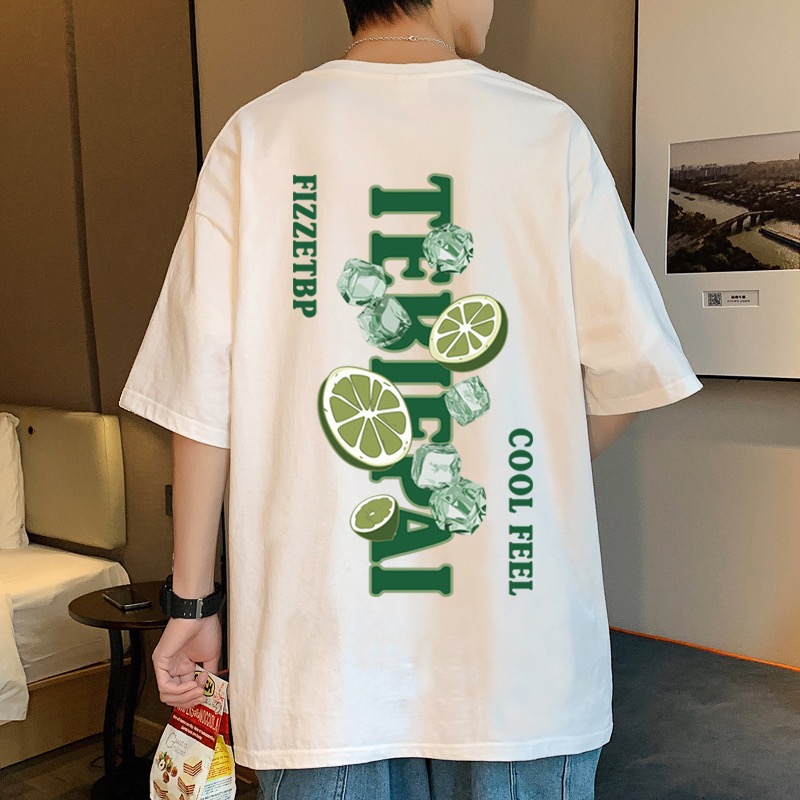
Classic cotton pique offers the familiar honeycomb surface and breathable, stable hand for dependable polos.
Performance And Structure
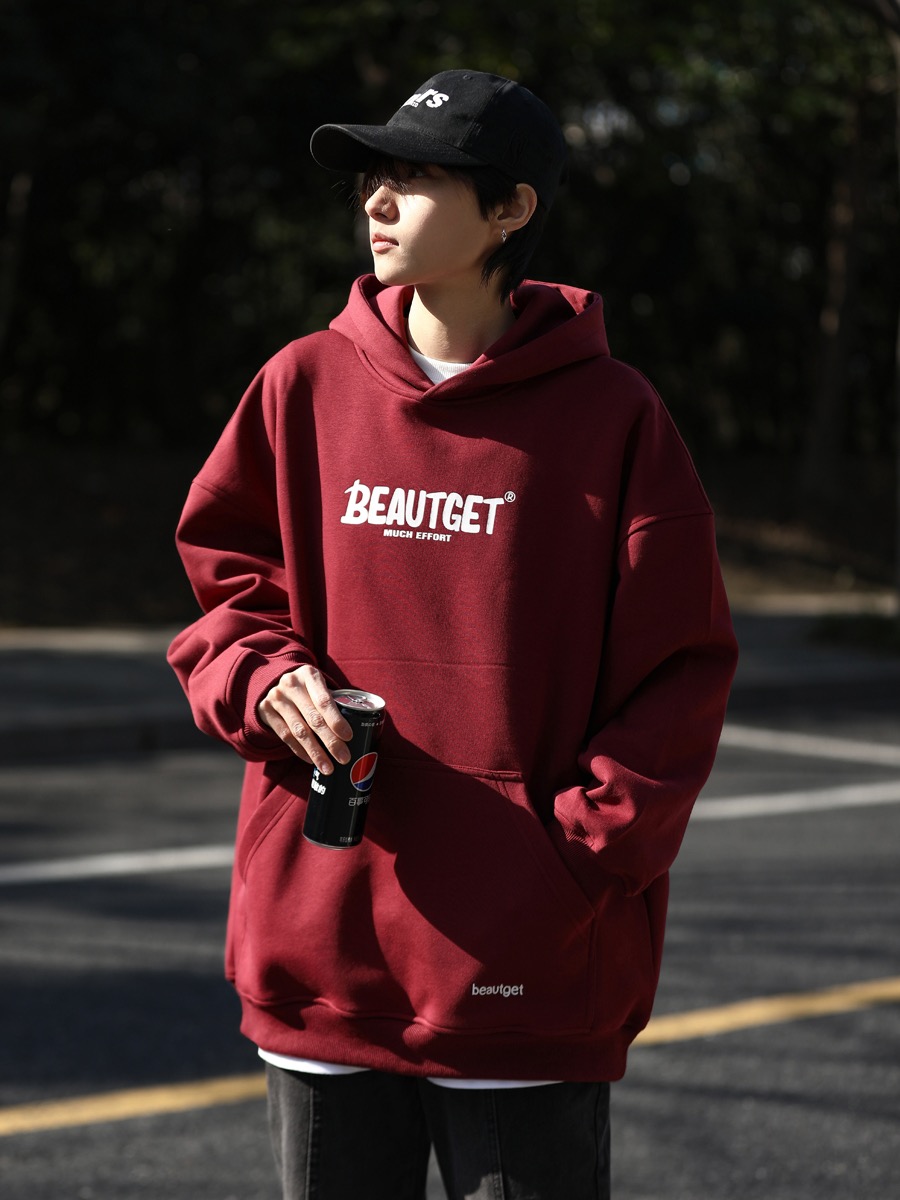
Birdseye pique has a small geometric texture and often supports breathable teamwear with a cleaner visual surface.
Specialty Surface Effects
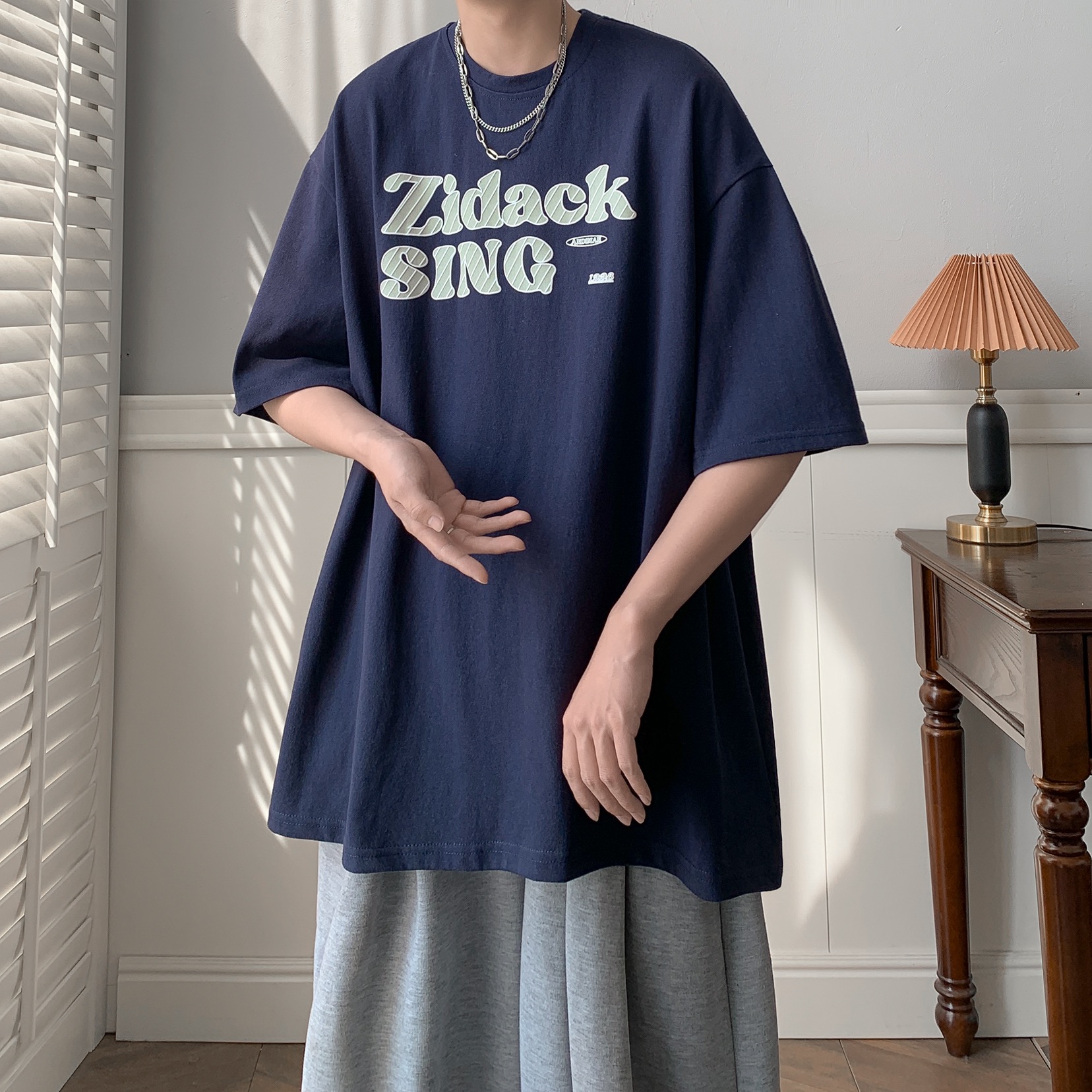
Stretch pique improves movement through elastane or engineered recovery, while jacquard pique builds patterns directly into the textile.
4. Pique Fabric Materials and Fiber Choices
A 180–240 GSM range suits most apparel-grade pique, while lighter or heavier weights shift drape, structure and climate comfort.
| Fiber choice | Strengths | Watch-outs | Typical positioning |
|---|---|---|---|
| Cotton | Soft, breathable | Shrinkage, slower drying | Premium casual |
| Polyester | Durable, moisture management, colorfast | Less natural hand feel | Performance and uniform |
| Cotton-polyester | Balanced comfort and care | Compromise in softness | Value and volume |
| Elastane blend | Stretch recovery and mobility | Heat and laundering sensitivity | Fitted activewear |
| Recycled synthetic | Durability and sustainability story | Claim verification required | Conscious performance |
Fiber Performance Comparison
Cotton offers the softest hand and strongest natural breathability, but it can shrink and lose color faster without controlled finishing.
Stretch, Recovery And Recycled Options
Elastane-containing pique improves mobility and stretch recovery for fitted uniforms or active programs, but requires testing after washing.
Match Fiber To The Program
Warm climates favor breathable cotton or lighter 160–200 GSM constructions; high-activity teamwear usually benefits from polyester or blends.
- Cotton: premium comfort and casual positioning.
- Polyester: performance, repeat washing and color stability.
- Cotton-polyester: balanced price, comfort and durability.
- Elastane blend: mobility and closer fit.
5. Pique Fabric Guide to Customization and Decoration
200-piece programs should lock decoration choices against pique’s raised surface before bulk approval.
| Method | Best Use | Main Control |
|---|---|---|
| Embroidery | Corporate and premium fashion | Logo scale, stitch density, puckering |
| Screen print | Schoolwear and bold graphics | Color count, opacity, registration |
| Heat transfer | Sports names and numbers | Adhesion, stretch, wash durability |
| Woven label or patch | Streetwear and restrained branding | Edge security, placement, thickness |
| Jacquard | Integrated premium pattern | Repeat accuracy, surface definition |
Match Method To Surface
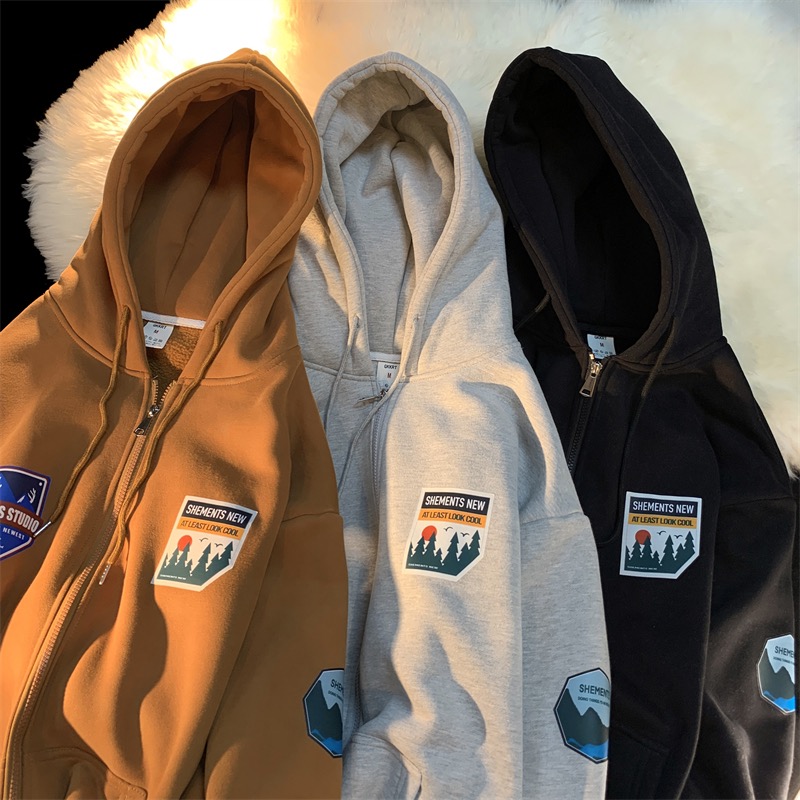
1–3 mm texture can interrupt fine artwork, especially on small logos. Screen printing suits bold, low-color graphics; heat transfer handles names and numbers; direct-to-garment methods require testing because ink coverage can vary across the relief. 5–8 mm lettering is generally safer than micro-detail.
- Fashion: embroidery, woven labels, or tonal jacquard effects.
- Sports: heat transfer for names, numbers, and team marks.
- Schools: screen print for economical multi-color spiritwear.
- Corporate: restrained embroidery or woven branding.
Control Artwork And Placement
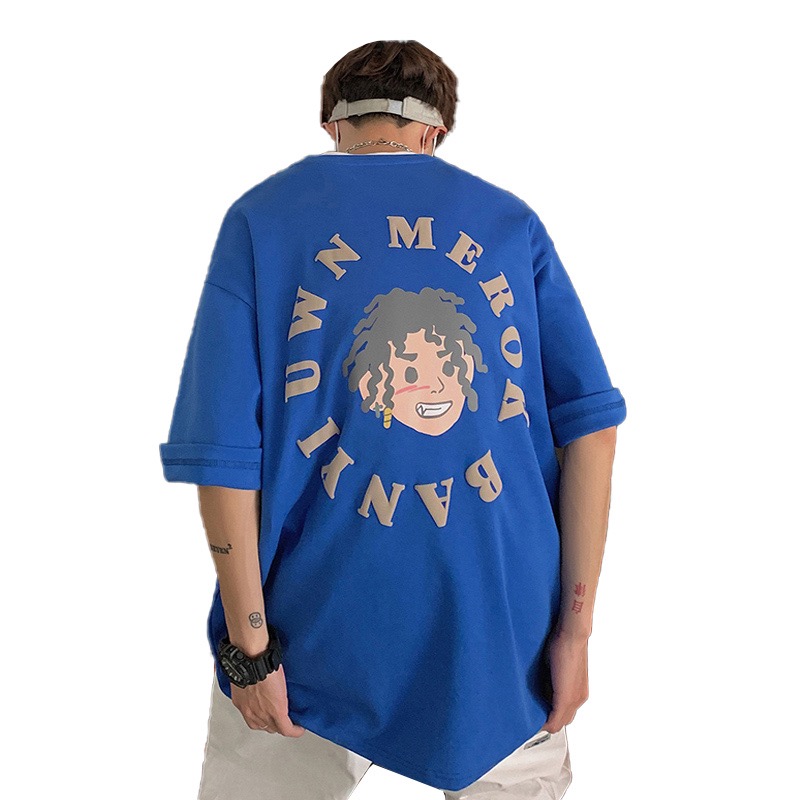
6–10 cm chest logos usually provide enough scale for recognizable artwork without excessive puckering. Keep stitch counts moderate, reduce narrow gaps, and specify Pantone references or approved lab dips for repeat orders. 2–4 placement points should be recorded in the tech pack, including center-back, sleeve, chest, and hem distances.
Sample, Wash, And Approve
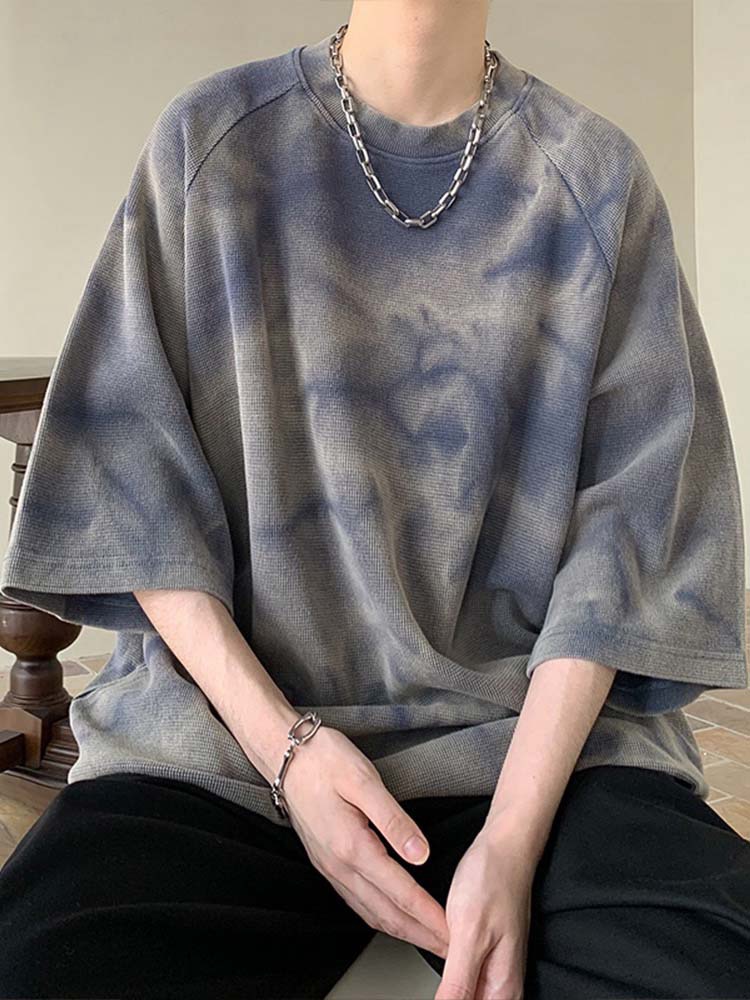
1 pre-production sample should represent the actual pique composition, color, and finished garment. Check adhesion, edge lifting, thread coverage, print opacity, puckering, and registration before approving bulk decoration. 5 wash cycles are a useful internal screen for early comparison, followed by the buyer’s intended care method.
6. Key Pique Construction and Quality Elements
180–240 GSM is a common apparel range for pique, but buyers should approve the actual roll standard, not a nominal specification.
Fabric Roll Inspection
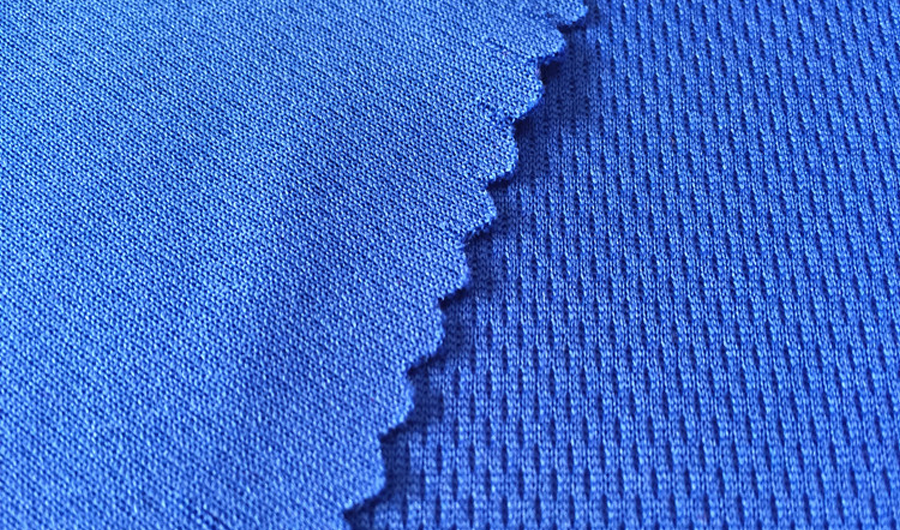
±5% GSM tolerance should be agreed in writing, alongside usable width, texture uniformity, skew, and spirality limits. Inspect multiple rolls, because surface geometry and width can vary between dye lots. Three wash cycles are a practical checkpoint for shrinkage, pilling, colorfastness, and dimensional stability.
- GSM and usable width
- Texture and color consistency
- Skew and spirality
- Shrinkage and pilling
Garment Construction Checks
10–12 stitches per inch is a useful starting point for many polo seams, subject to fabric weight and machine setup. Check skipped stitches, seam allowance, thread tension, bartacks, and needle damage across the approved size set.
- Seam strength and appearance
- Stitch density and tension
- Collar recovery
- Size-set consistency
Approval Before Bulk
A sealed reference sample should show the approved fabric, color, measurements, artwork placement, labels, trims, and wash result. The production file should also identify acceptable tolerances and the inspection sampling plan.
- Approve pre-production sample
- Record wash-performance results
- Sign measurement and color standards
- Release bulk only after review
7. How to Choose a Pique Manufacturer
A reliable pique supplier should be evaluated as a development partner, not only by fabric swatches.
Confirm Product Fit
200 pieces is enough to expose weak systems. Ask whether the factory regularly produces polo shirts, textured knits and teamwear, and whether it supports men’s and women’s fit blocks.
- Which pique products do you produce routinely?
- Who handles cutting, sewing and decoration?
- Can you support repeat production?
Audit Development Support
One approved sample should include fabric composition, GSM, shrinkage results, measurements, grading, trims, artwork placement and revision history. Ask who owns the pattern and whether grading is included for the required size range.
- Can you provide a complete measurement chart?
- What happens when the sample needs revision?
- Are patterns and specifications documented for repeats?
Verify Materials And Testing
Every roll should be traceable to composition, color, lot and supplier documentation. Ask for OEKO-TEX, GOTS or recycled-content evidence only when relevant, and verify certificates rather than accepting labels in a quotation.
- What documents identify each fabric lot?
- Which tests are included before bulk production?
- Can you provide reports with the approved sample?
Control Production Communication
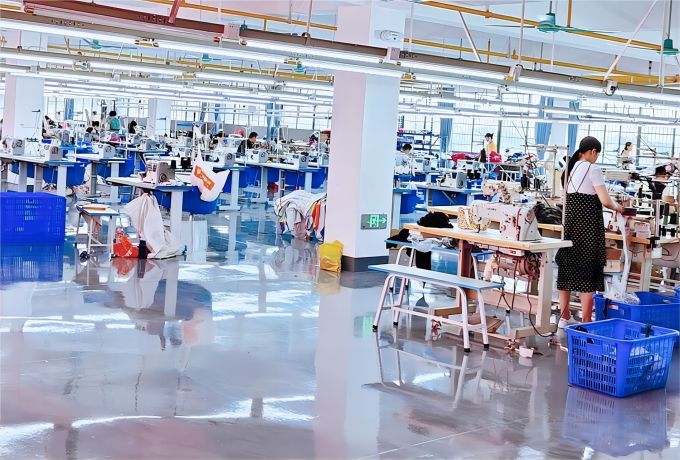
A 200-piece order still needs a written QC checklist covering measurements, shade variation, defects, labels, decoration placement, packing and final inspection. Ask for inspection points, tolerance ranges and the person responsible for approval.
- What is the MOQ per color and style?
- What are the development and bulk lead times?
- How are approvals, changes and nonconformities recorded?
8. Common Pique Fabric Buying Mistakes
Eight checks prevent most avoidable pique sourcing problems: define construction, weight, finish, color, decoration and testing requirements before comparing factories.
Specify More Than Fiber
100% cotton does not define performance. Record GSM, knit type, yarn choice, stretch, finish and shrinkage target; otherwise two suppliers can quote materially different fabrics under the same fiber description.
Separate Pique From Jersey
One construction error can change the garment completely: jersey is generally smoother and stretchier, while pique has a raised textured surface and more structured handle. Confirm the fabric swatch, weight and construction before approving a polo program. Skipping wash testing compounds the risk.
Control Color And Decoration
One approved lab dip is not a bulk color standard. Use Pantone references where appropriate, retain an approved strike-off or fabric standard, and define acceptable shade variation before production; otherwise shade disputes can stop packing or trigger rework. Test embroidery, screen printing or heat transfer on the actual textured surface.
Match Cutting And Quotations
Textured knits can shift during spreading and cutting, so confirm relaxation time, nap or texture direction, panel matching and marker handling. Ignoring these controls can produce uneven appearance, measurement variation and higher cutting waste.
9. Steps to Launch a Pique Product Line
Three approval gates keep a pique launch controlled: define the wearer and use case, lock the material standard, then prove fit, decoration, cost and repeatability before production.
Define The Product Standard
1 use case determines the brief: fashion, teamwear, school uniforms, wholesale basics or private label. Record target wearer, size range, season, color count, performance needs and intended retail position. 180–240 GSM is a common apparel pique range, but confirm fiber blend, stretch, finish, shrinkage and colorfastness through testing.
Develop And Approve Samples
EDVORIN’s MOQ starts at 200 pieces per style. 1 complete tech pack should show measurements, construction, fabric, rib, labels, artwork placement, Pantone references and packing requirements. Shortlist suppliers able to develop the required product and communicate MOQ, sample timing and production capacity. 2 sample stages are practical: first prototype for construction, then revised fit sample for approval.
Release And Control Bulk
3 commercial gates remain: approve decoration, confirm landed costing, and issue the purchase order only after fit and wash results pass. Teams and schools should verify size sets, names, numbers and color consistency; brands and wholesalers should confirm repeatable packaging and labeling. A pre-production sample becomes the bulk reference.
10. Pique Fabric Pricing and Cost Guide
200 pieces is a practical starting tier for a branded pique run, but the unit-cost category depends on fiber, finish, GSM, color count, and garment complexity. Compare ring-spun cotton, cotton-polyester, stretch content, mercerized finishes, and approximately 180–240 GSM against the intended fit and use. 3 decoration variables affect the quote: artwork color count, method, and placement. Screen printing and embroidery may carry setup charges; heat transfer, woven labels, neck labels, packaging, testing, and individual polybags should be itemized separately rather than buried in the garment price.
| Quantity Tier | Indicative Unit-Cost Category | Setup Charges | Lead-Time Implication | Quote Assumptions |
|---|---|---|---|---|
| 200–499 | Higher; sampling and small-run overhead spread across fewer units | Pattern, sample, artwork, and decoration setup itemized | Longer planning window; confirm fabric availability | Final tech pack, size ratio, colors, packaging, shipping term |
| 500–1,999 | Middle; better spreading of development and production overhead | Decoration setup usually amortizes more efficiently | Standard bulk schedule after approvals | GSM, fiber blend, finish, color count, testing scope |
| 2,000–4,999 | Lower; stronger material and labor efficiency | Repeat artwork may reduce new setup work | Capacity booking becomes important | Approved sample, inspection level, carton plan, freight basis |
| 5,000+ | Quoted after capacity, material, and program review | Reconfirm setup, testing, and compliance requirements | May require staged delivery and earlier reservation | Reorder forecast, color continuity, shipping schedule, payment terms |
Pique Fabric Guide Essentials for Better Product Development
Turn pique fabric research into clear specifications, coordinated development and repeatable apparel programs for fashion, teamwear and private-label buyers.
Choose the Right Fabric
Compare cotton, polyester and blended pique options against hand feel, breathability, stretch, weight and intended end use.
Build Consistent Fit
Translate approved measurements into men’s or women’s fit blocks, graded size sets and production-ready patterns for consistent repeat orders.
Coordinate Decoration Details
Match embroidery, printing, labels and trims to pique texture, placement requirements and the visual standards of your collection.
Validate Before Bulk
Test shrinkage, color, recovery and decoration performance before bulk production, then document the approved standard for quality control.
Organize Final Presentation
EDVORIN’s MOQ starts at 200 pieces per style. Coordinate garment wash services, custom clothing labels and packaging through one accountable workflow, supporting 200-piece MOQ programs for growing brands.
Pique Apparel Applications by Buyer Type
Match pique construction, fit, decoration and production control to fashion, teamwear, wholesale and private-label apparel programs.
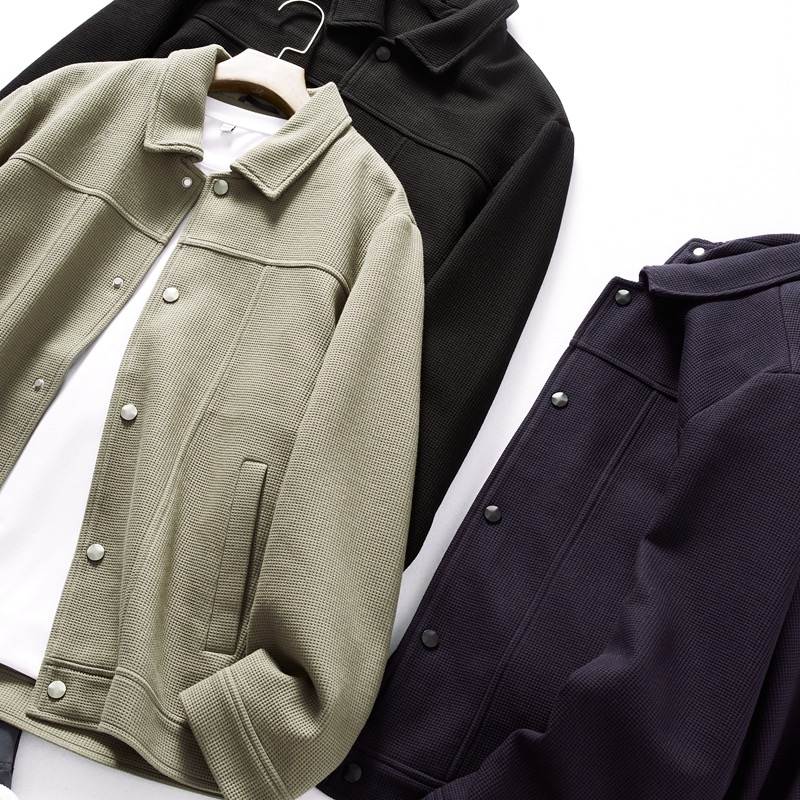
Custom Hoodies
EDVORIN develops custom hoodies from fleece or structured pique-inspired constructions, with fit blocks, rib specifications, hood details, artwork placement and approved samples documented for repeat production. Suitable for fashion labels, streetwear brands, wholesale programs and private-label buyers requiring consistent sizing and decoration.
Get a Quote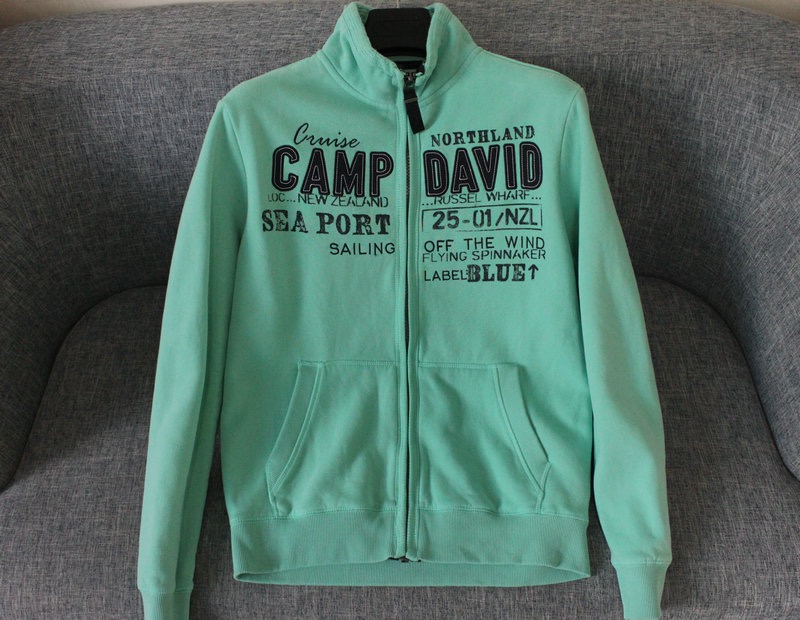
Pullover Sweatshirts
As a sweatshirt manufacturer, EDVORIN develops pullover sweatshirts with controlled fabric weight, brushed or unbrushed interiors, rib recovery, neckline construction and decoration placement. Pique-based options can support more structured casualwear collections, while sample approval establishes the standard for repeat wholesale or private-label orders.
Get a Quote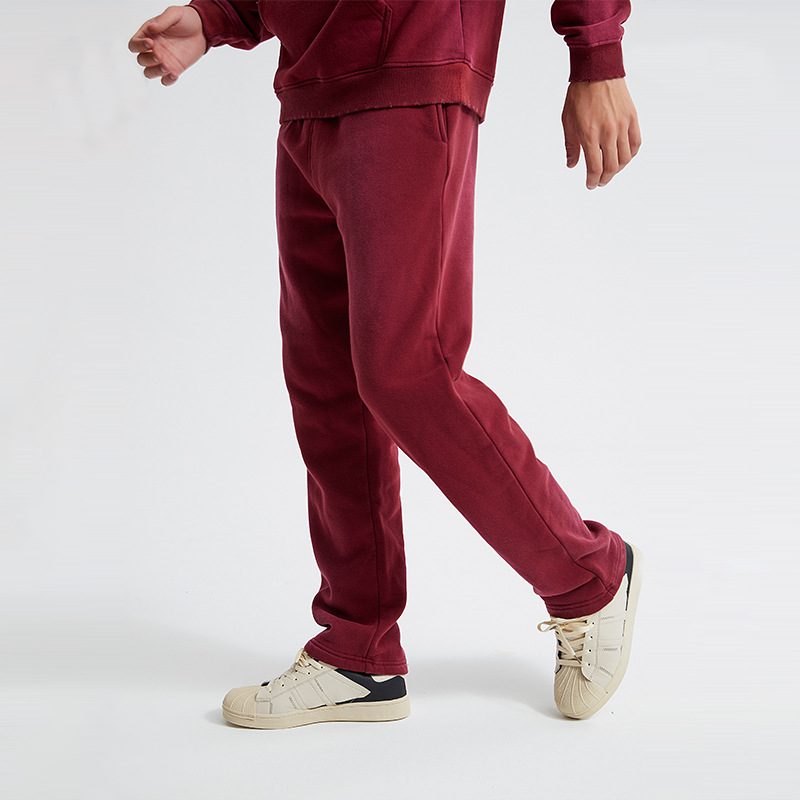
Sweatpants & Joggers
EDVORIN develops sweatpants and joggers with coordinated fabric selection, waistband construction, drawcords, pocket details, cuff proportions and graded measurements. Pique can provide a structured athletic appearance for teamwear or lifestyle programs. Approved fit and construction standards support consistent repeat orders for brands, schools and distributors.
Get a Quote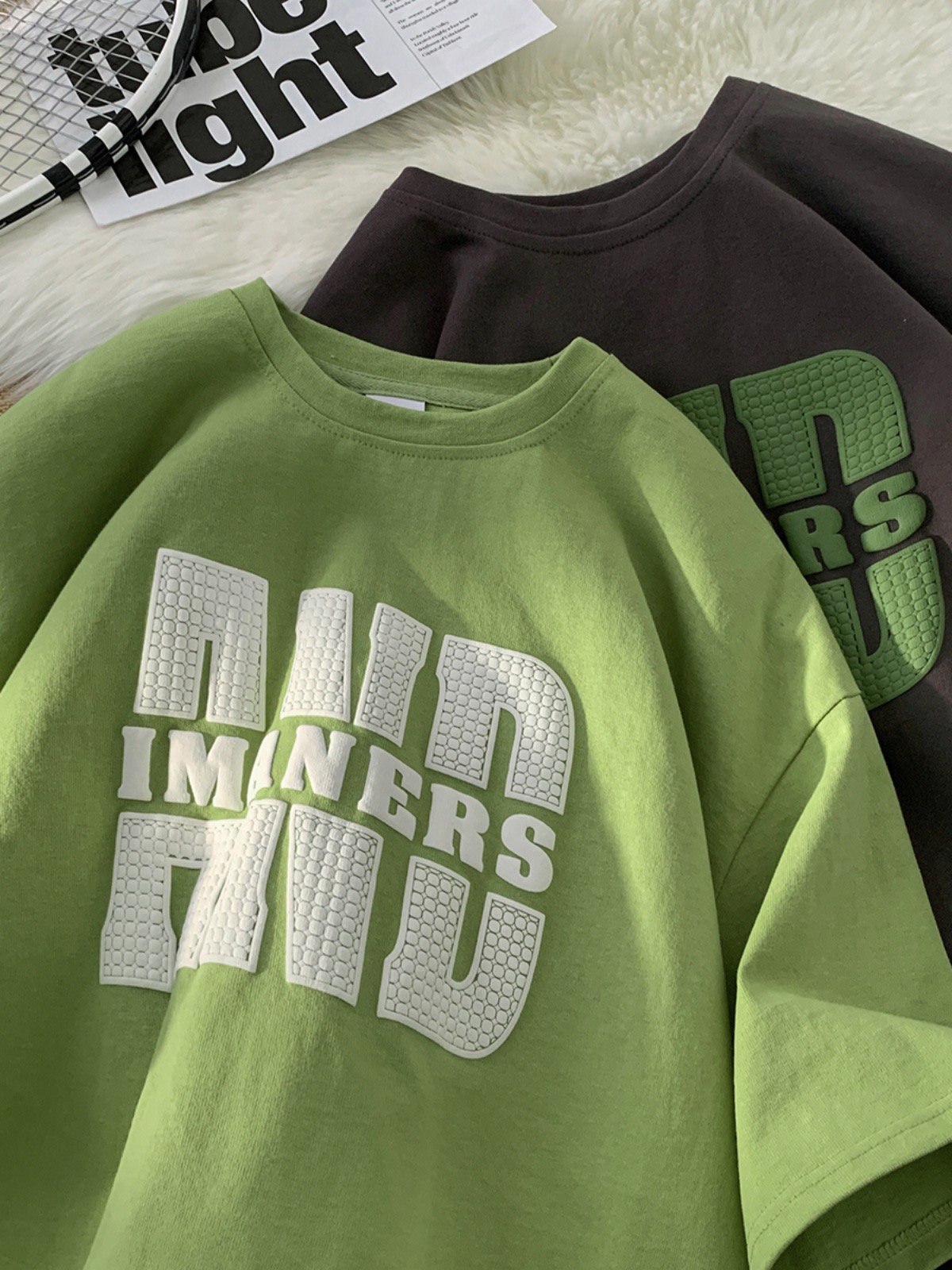
Custom Shorts
As a custom shorts manufacturer, EDVORIN develops casual, athletic and teamwear shorts with appropriate fabric weight, pocket construction, waist finishes, liners, trims and decoration. Pique options suit structured sports and lifestyle programs, with size grading, artwork placement and bulk quality checks defined before production.
Get a Quote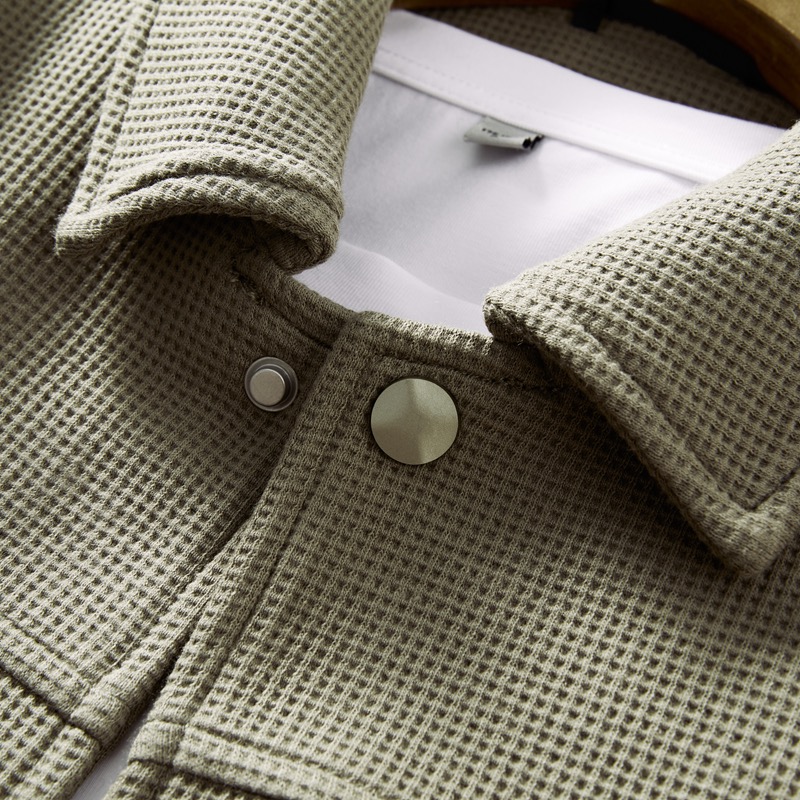
Varsity & Baseball Jackets
EDVORIN develops varsity and baseball jackets by coordinating shell fabric, lining, rib, snaps or zippers, patches, embroidery and fit. Structured pique may be evaluated for selected panels or coordinated garments, while approved samples control proportions and decoration across school, streetwear, team and private-label programs.
Get a Quote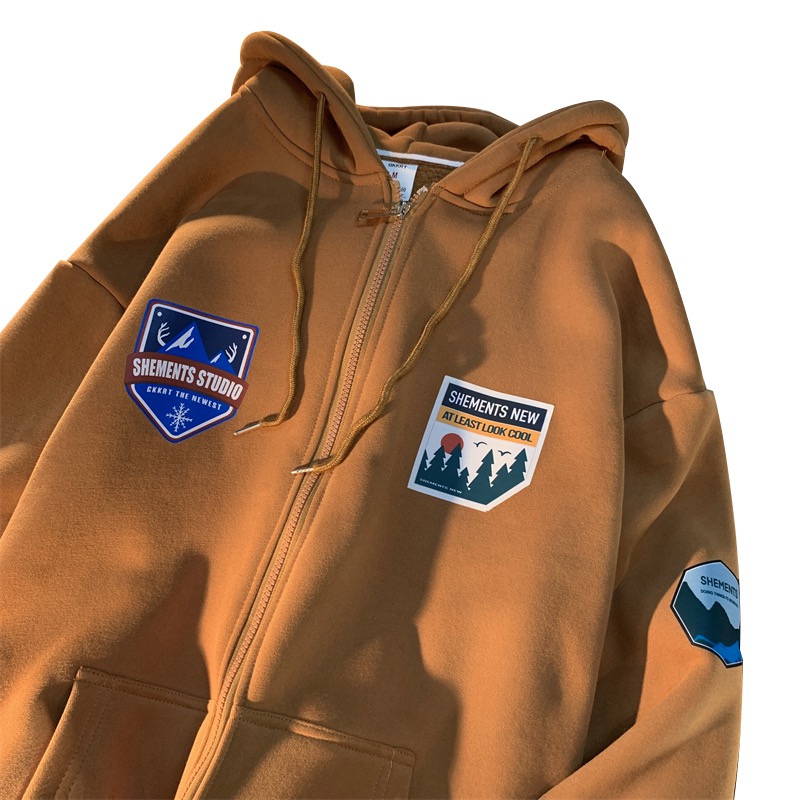
Custom T-Shirts
As a custom T-shirt manufacturer, EDVORIN develops jersey, pique and other knit constructions according to hand feel, weight, breathability and intended use. Fit, collar, sleeve proportions, print or embroidery placement and grading are documented for fashion collections, uniforms, wholesale assortments and repeat private-label production.
Get a Quote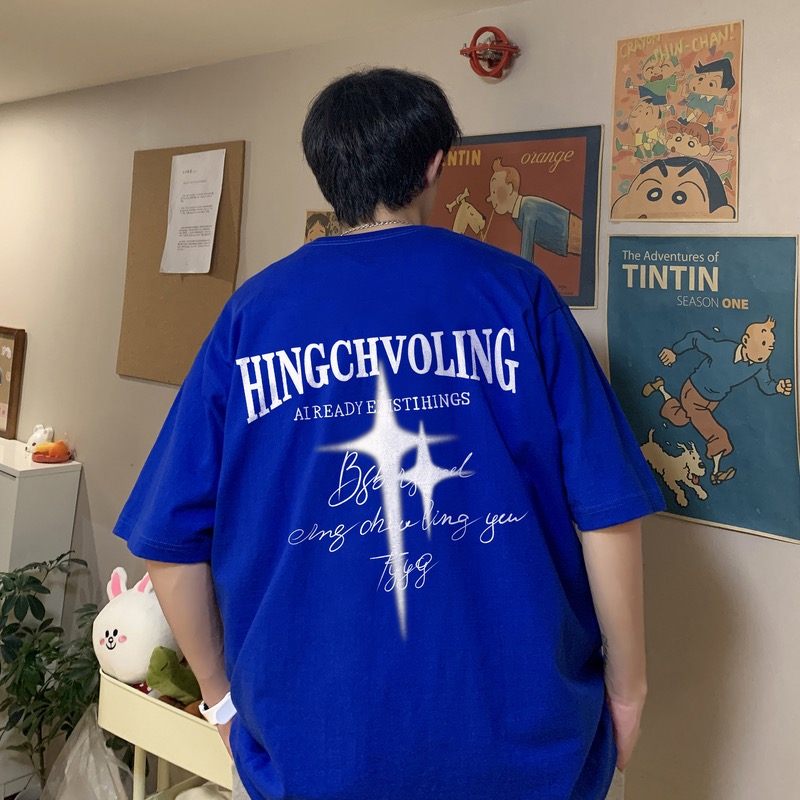
Custom Polo Shirts
EDVORIN develops custom polo shirts with pique or other performance-oriented knits, balancing collar construction, placket details, rib or self-fabric finishes, fit and color consistency. The process supports fashion, corporate, school and sports programs, with embroidery, printing, labeling and approved standards coordinated for bulk production.
Get a Quote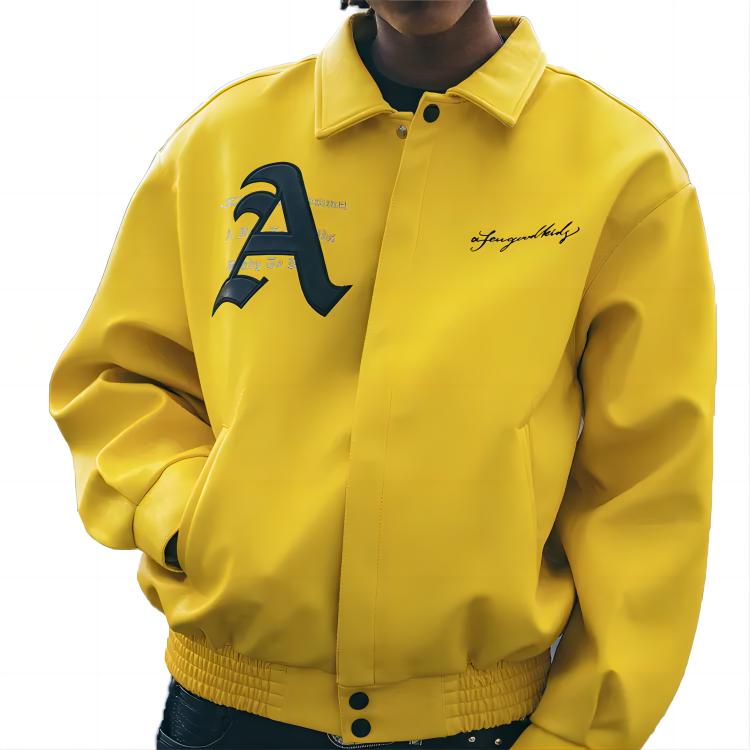
Windbreaker Jackets
As a windbreaker manufacturer, EDVORIN coordinates shell fabric, lining or mesh, water-resistant finishes, zippers, elastic, hoods, pockets and reflective or printed details. Pique may be used in coordinated layering programs rather than the shell itself. Samples establish fit, function and decoration requirements for repeat orders.
Get a Quote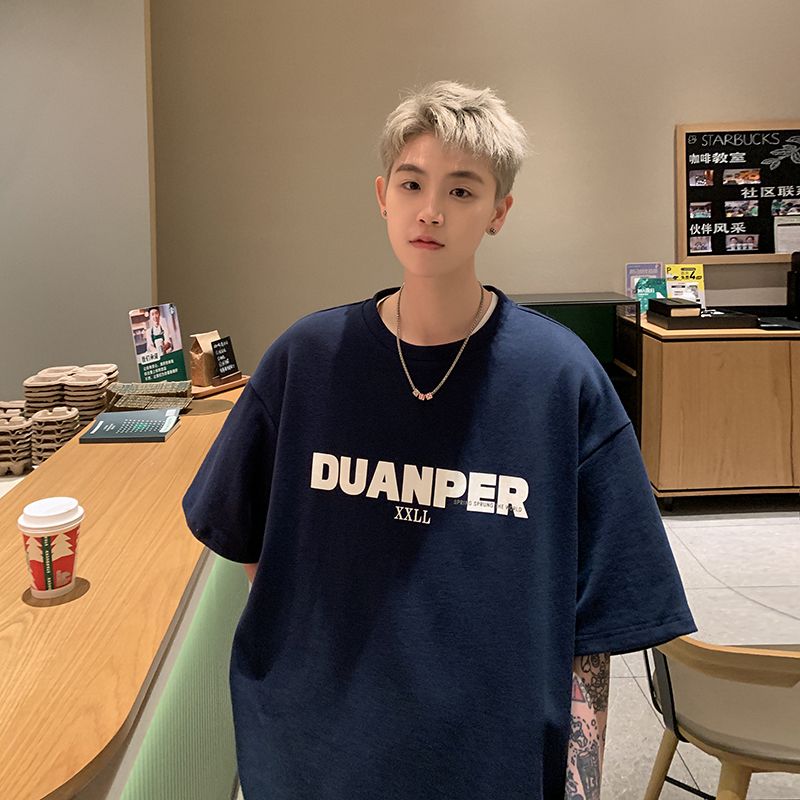
Quilted Jackets
EDVORIN develops quilted jackets by specifying shell, lining, insulation weight, quilting pattern, hardware, pockets, labels and finishing. Pique can be incorporated selectively into coordinated casualwear programs where structure or texture is required. Development records the approved construction for fashion, wholesale and private-label production.
Get a Quote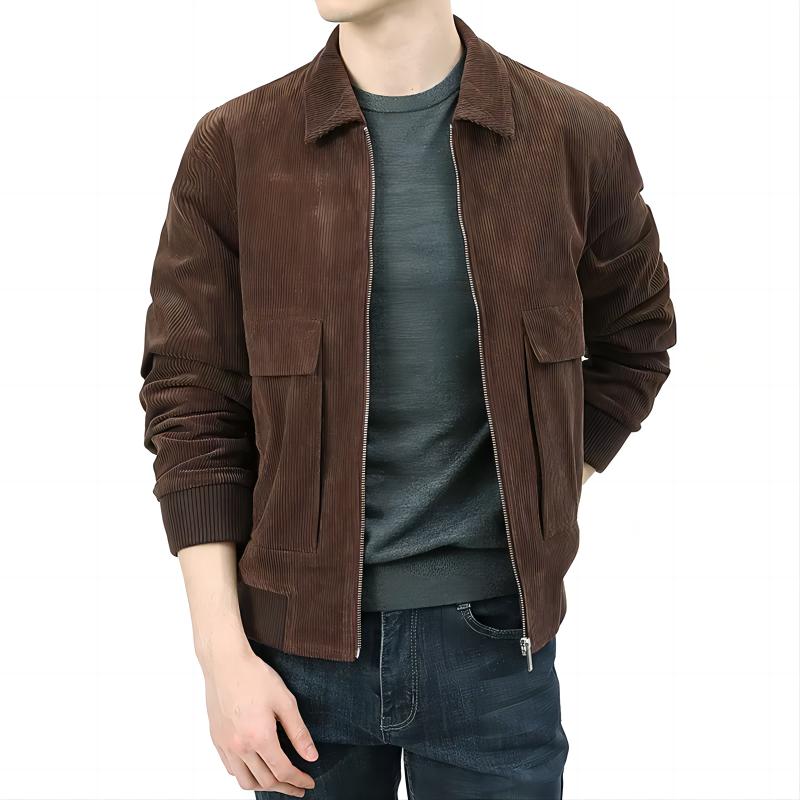
Bomber Jackets
As a bomber jacket manufacturer, EDVORIN coordinates shell and lining materials, insulation where required, rib cuffs and hem, zipper hardware, pockets, patches and embroidery. Pique may support matching or contrast components in lifestyle programs. Fit, trim specifications and decoration placement are confirmed before bulk manufacturing.
Get a Quote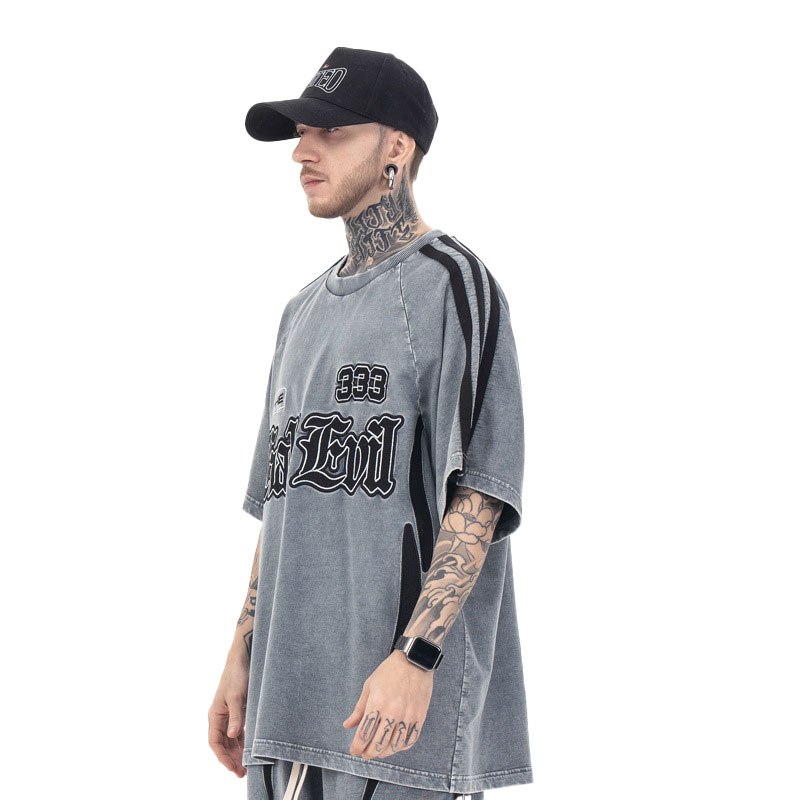
Custom Shirts
EDVORIN develops custom woven shirts with fabric sourcing, collar and cuff construction, button selection, pocket placement, fit blocks and grading. These shirts can complement pique polos or knit collections for coordinated private-label and wholesale assortments, with artwork, labels, packaging and approved measurements controlled through production.
Get a Quote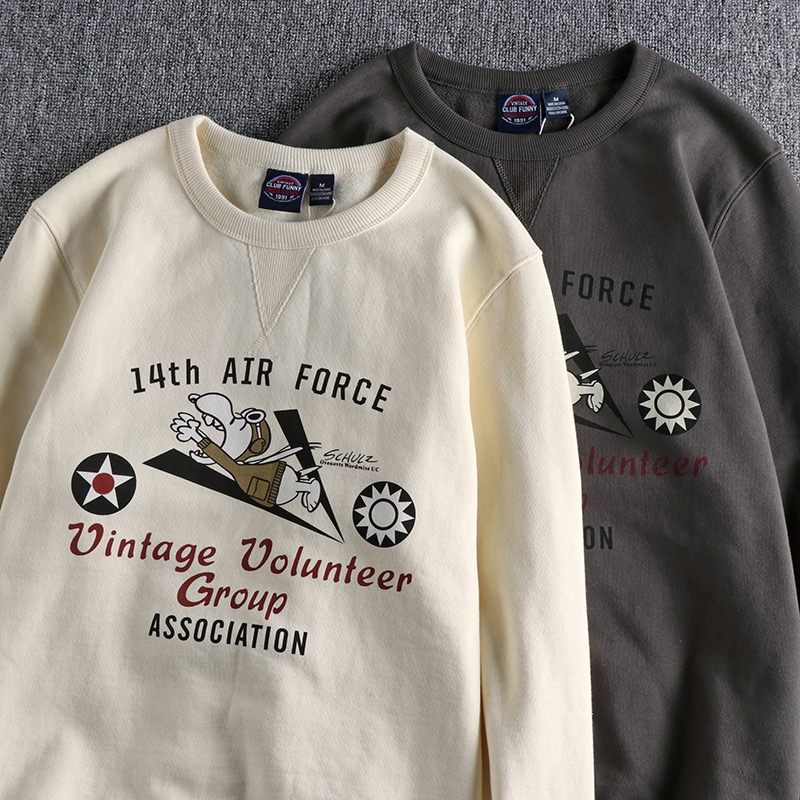
Custom Jerseys
As a custom jersey manufacturer, EDVORIN develops team and lifestyle jerseys with breathable knit or pique-compatible structures, stable color, reinforced seams, name and number placement, sponsor artwork and size grading. Approved color references and decoration standards help clubs, schools and distributors manage organized repeat orders.
Get a Quote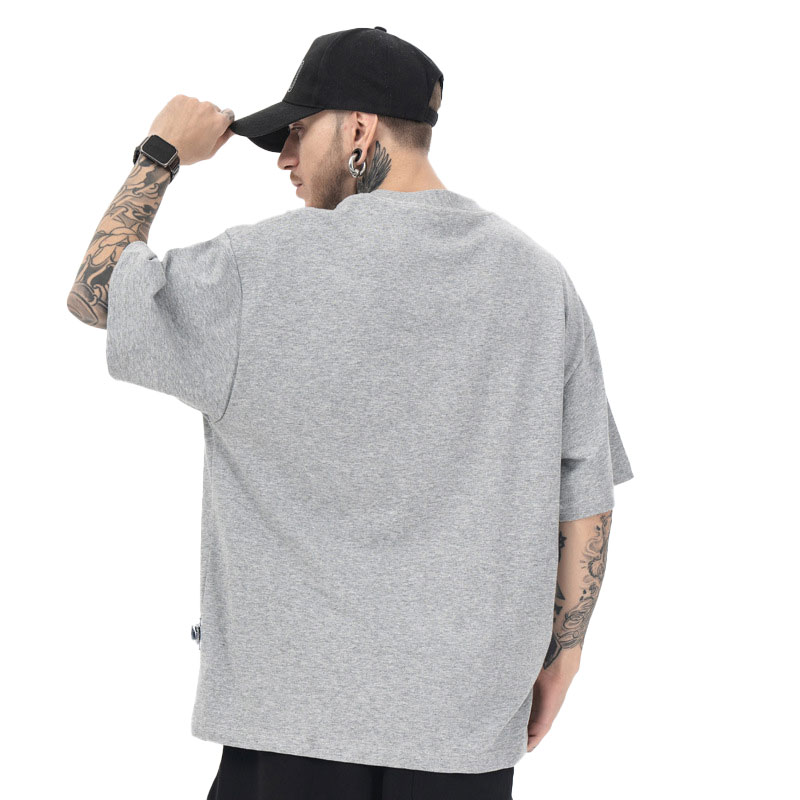
Tank Tops
EDVORIN develops tank tops for training, teamwear, streetwear and warm-weather collections, selecting fabric weight, stretch, binding, armhole proportions and print or embroidery methods for the intended use. Pique may suit structured lifestyle styles, while approved fit and grading support consistent wholesale and private-label production.
Get a Quote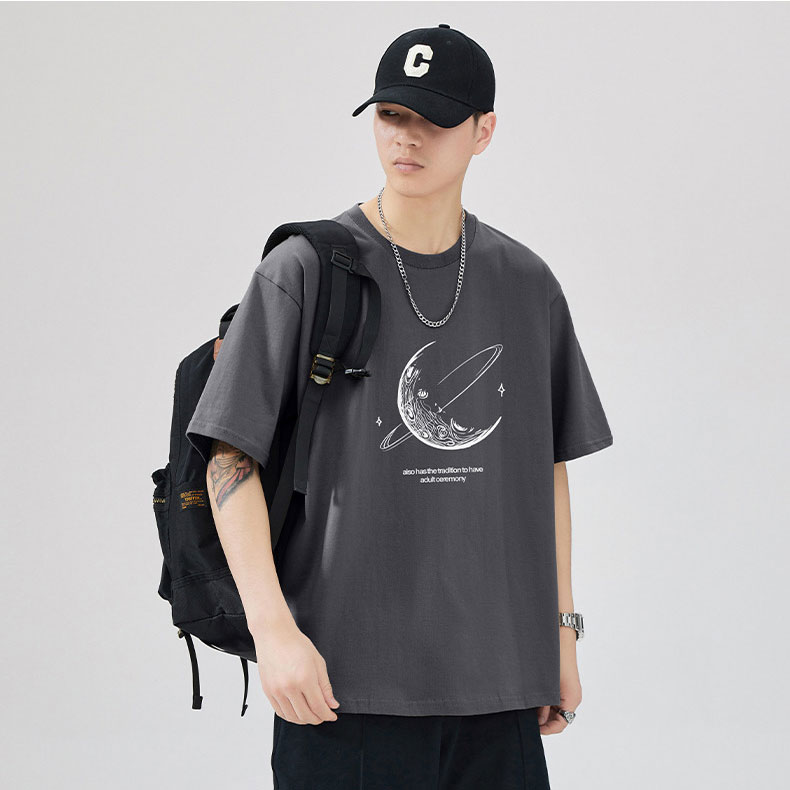
Soccer Uniforms
As a soccer uniform manufacturer, EDVORIN coordinates breathable performance fabrics, jersey and short construction, color blocking, sublimation or other decoration, player names, numbers, badges and size sets. Pique may apply to coordinated teamwear pieces. Production standards help clubs, schools and distributors repeat organized uniform programs accurately.
Get a Quote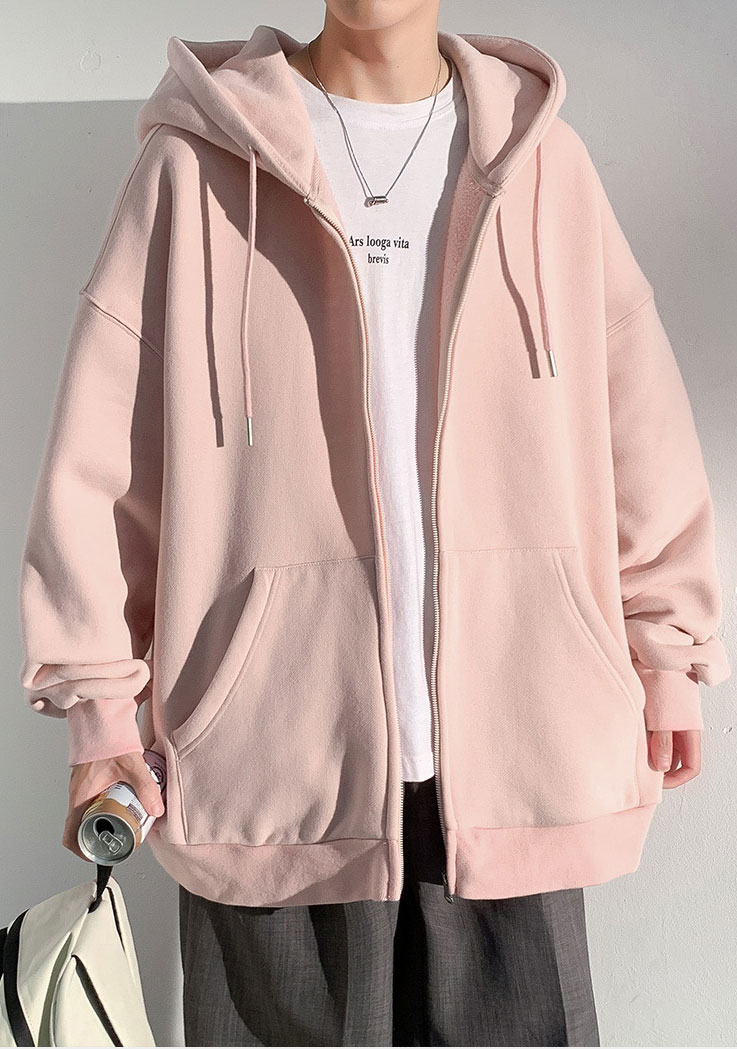
Basketball Uniforms
EDVORIN develops basketball uniforms with lightweight performance fabrics, coordinated jerseys and shorts, armhole and side-panel construction, color placement, numbers, names, logos and graded sizing. Pique may support related lifestyle or warm-up pieces. Artwork files, approved samples and inspection standards are recorded for repeat team orders.
Get a Quote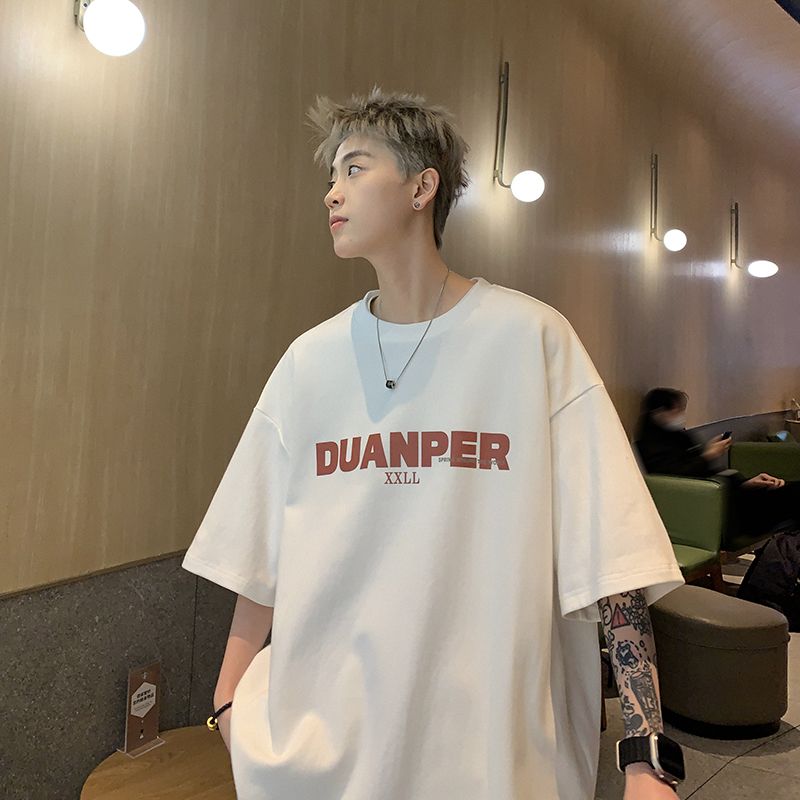
Streetwear Collections
As a streetwear clothing manufacturer, EDVORIN connects hoodies, sweatshirts, tees, polos, outerwear, woven shirts and coordinated bottoms through one development and production system. Pique decisions are matched to structure, breathability and styling, while fit, decoration, labels, packaging and sample-to-bulk controls protect the collection standard.
Get a QuotePique Fabric Guide FAQs for OEM Buyers
EDVORIN’s MOQ starts at 200 pieces per style. Get practical answers on fabric selection, decoration, sampling, MOQ and repeat-order control for production-ready pique apparel.
What is a pique fabric guide for apparel brands?
What fiber composition should I choose in a pique fabric guide?
What GSM should I specify in a pique fabric guide?
Does pique fabric shrink after washing?
Which decoration methods work best on pique fabric?
Can EDVORIN make and approve a pique sample before bulk production?
What is the MOQ for custom pique apparel?
How does EDVORIN keep repeat pique orders consistent?
Ready to Turn Your Pique Fabric Guide Research Into Production?
Share your concept, reference garment or tech pack with EDVORIN and move from fabric decisions to a repeatable apparel program.