
Your OEM, ODM and Private-Label Apparel Manufacturing Partner
EDVORIN develops custom clothing for fashion brands, streetwear labels, sports teams, schools, wholesalers and private-label buyers—from concept and sampling to repeatable bulk production.
One Production System for Custom Apparel Programs
Coordinate fabrics, trims, patterns, sampling, printing, embroidery, garment washing, quality control, labels and packaging through one accountable production path.
Hydrostatic Pressure Explained
Rating numbers indicate water pressure resistance, helping buyers match shell materials to light rain, sustained exposure, or demanding conditions.
Breathability Balances Comfort
Breathable construction helps release moisture vapor, supporting comfort during active wear while the outer layer protects against rain.
Seam Construction Matters
Taped seams, protected closures, and reinforced stress points help prevent leakage where stitching and component joins can weaken protection.
Layers Shape Performance
Two-layer, two-and-a-half-layer, and three-layer constructions influence durability, hand feel, protection, weight, and the jacket’s intended use.
Production Standards Protect Consistency
EDVORIN converts approved materials, construction details, measurements, and inspection points into repeatable standards for dependable sample-to-bulk quality.
Why Buyers Choose EDVORIN for Custom Apparel Manufacturing
Match waterproof ratings, construction details and comfort priorities to the conditions your customers will face.
← Swipe left or right to view →
Custom Apparel Categories for Every Buyer Program
Develop production-ready apparel programs with coordinated materials, decoration, fit, quality control and packaging for fashion, teamwear and wholesale buyers.
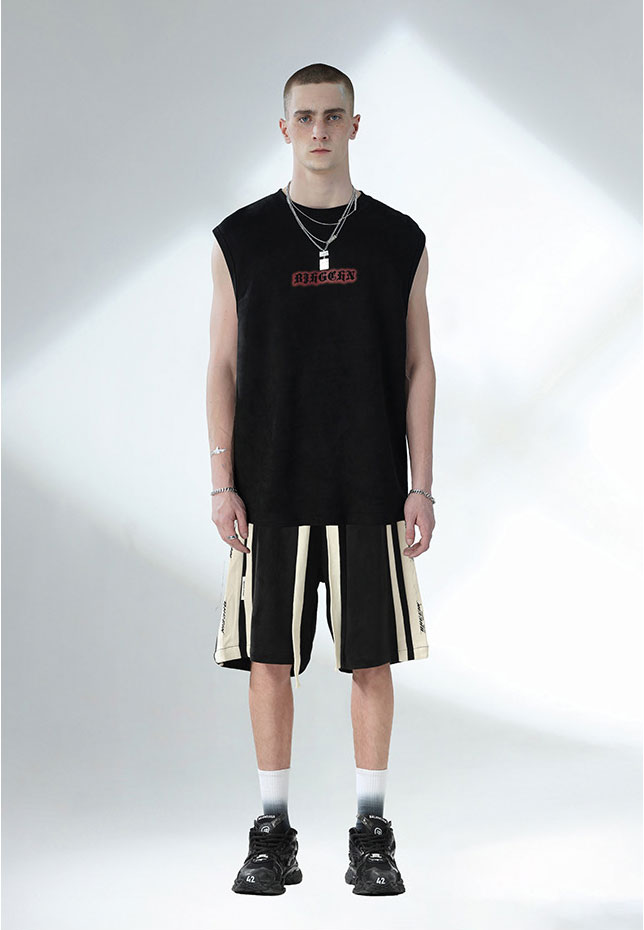
Custom Hoodies
EDVORIN develops custom hoodies from sketches, references or complete tech packs, coordinating fleece weight, fit blocks, rib construction, drawcords, labels and decoration. As a custom hoodie manufacturer, it supports men’s and women’s programs, sample approval and repeatable bulk production from 200 pieces per style.
Get a Quote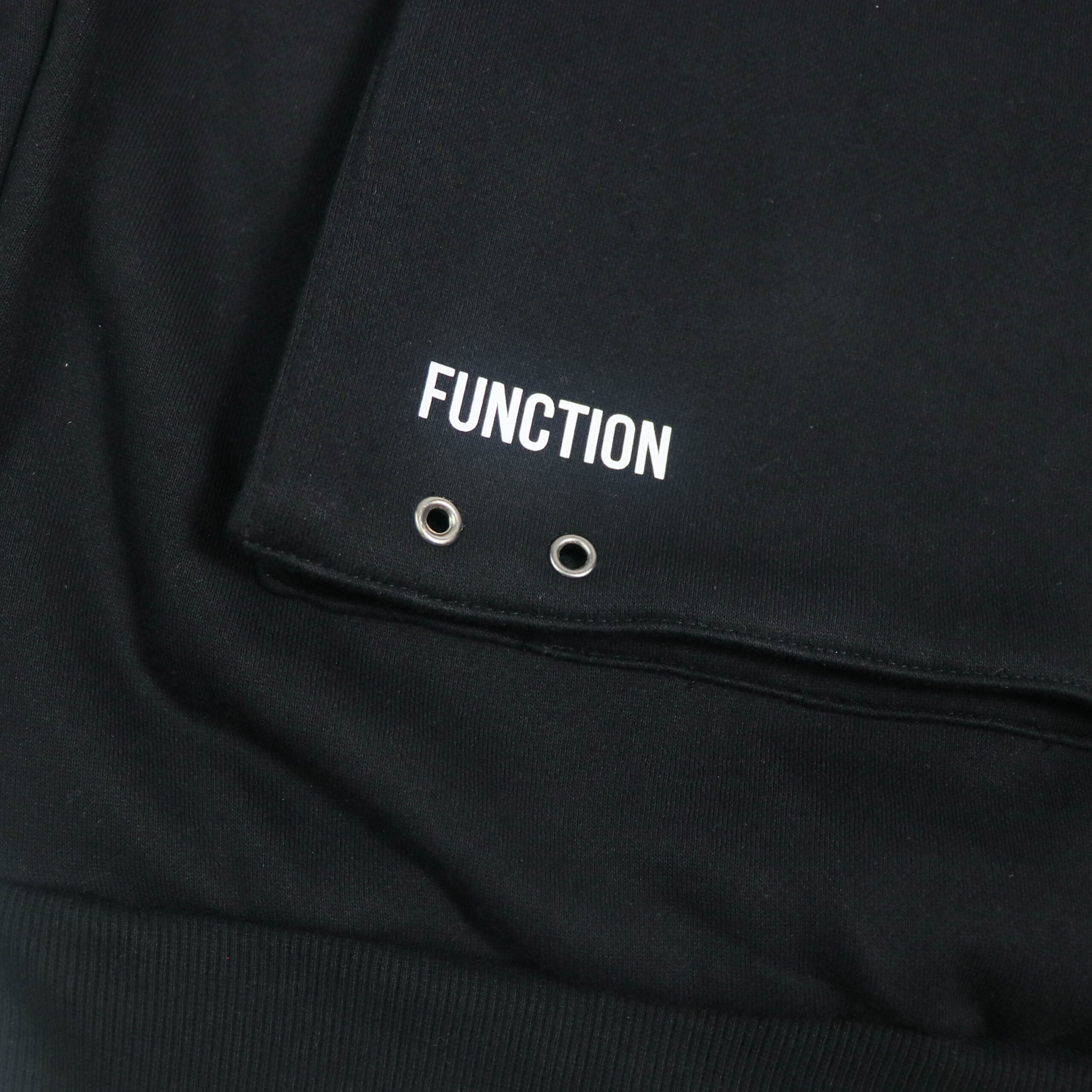
Pullover Sweatshirts
Pullover sweatshirts are developed around fabric weight, brushed or unbrushed fleece, neckline construction, cuffs, hem recovery and decoration compatibility. EDVORIN works as a sweatshirt manufacturer for emerging labels, private-label buyers and wholesale programs, converting approved measurements and materials into consistent production standards.
Get a Quote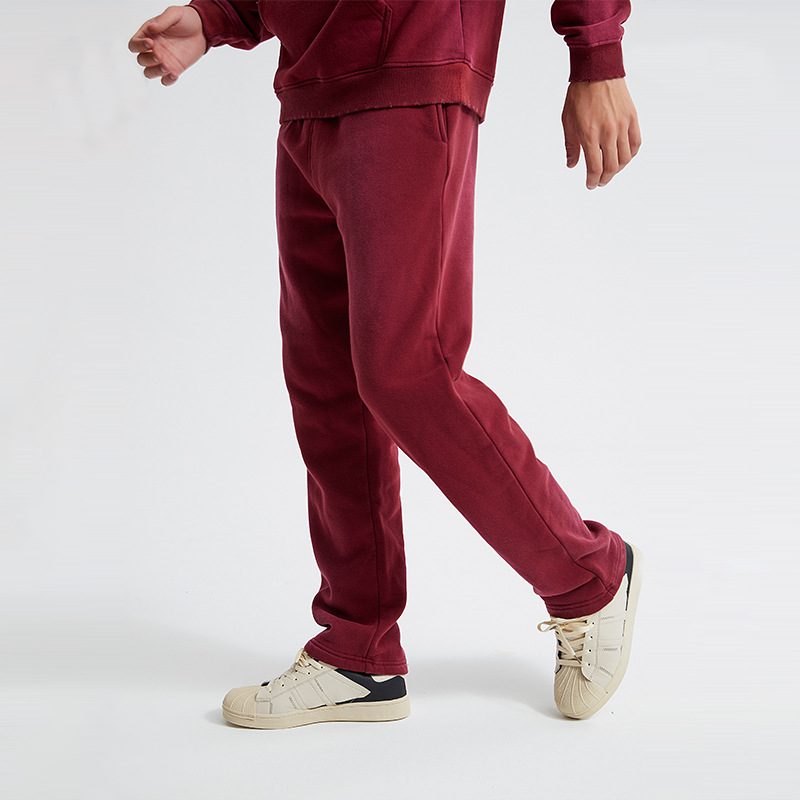
Sweatpants & Joggers
EDVORIN develops sweatpants and joggers with attention to fleece or jersey weight, waistband recovery, pocket construction, rise, leg shape, cuffs and drawcord specifications. As a sweatpants manufacturer, it supports coordinated men’s and women’s sets, decoration requirements, sampling, grading and sample-to-bulk quality control.
Get a Quote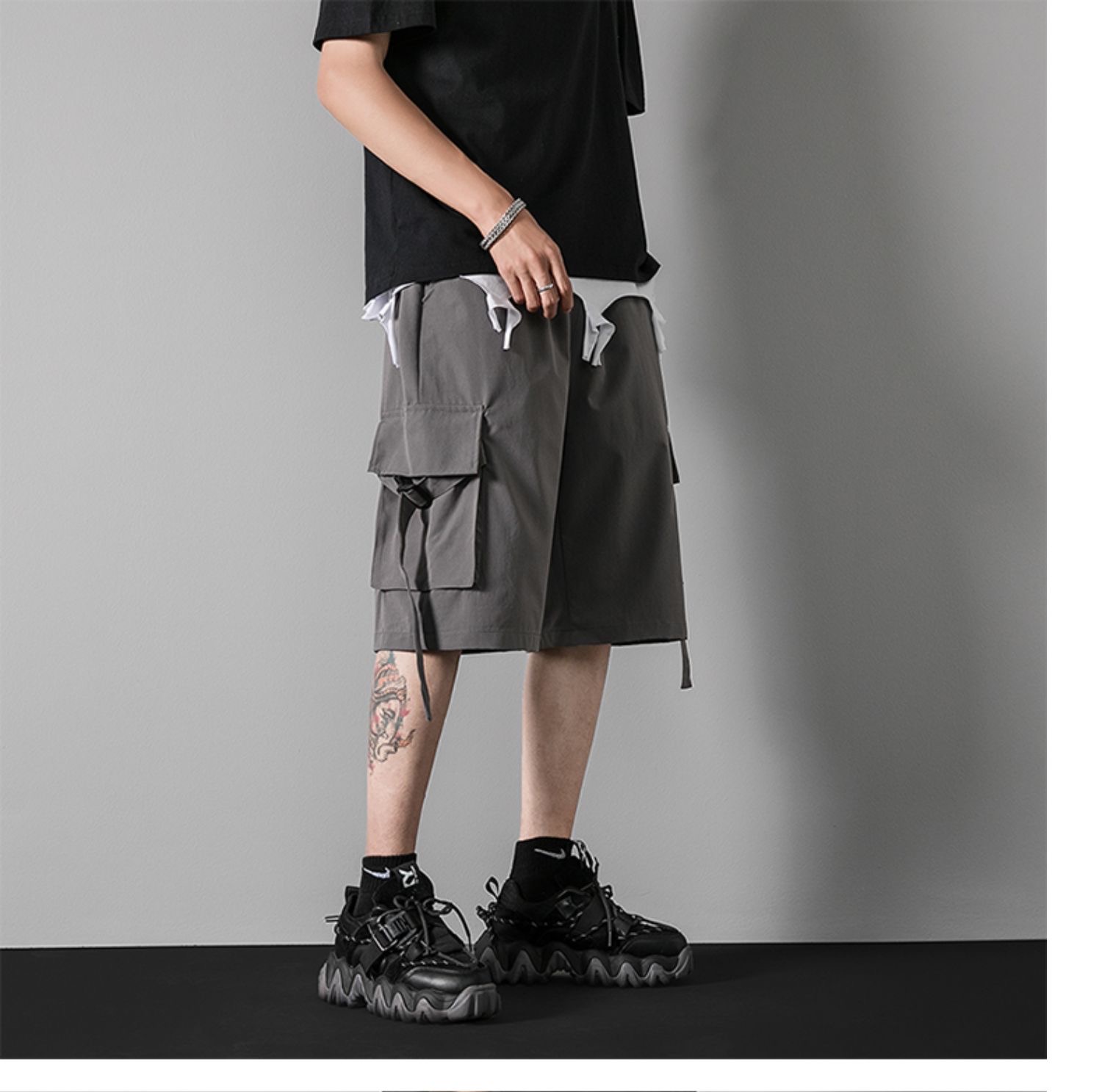
Custom Shorts
Custom shorts can be developed in fleece, jersey, woven or performance fabrics according to the intended collection or team program. EDVORIN coordinates inseam, waistband, pockets, liners, trims, artwork and size grading, supporting private-label, streetwear, sports and wholesale orders from 200 pieces per style.
Get a Quote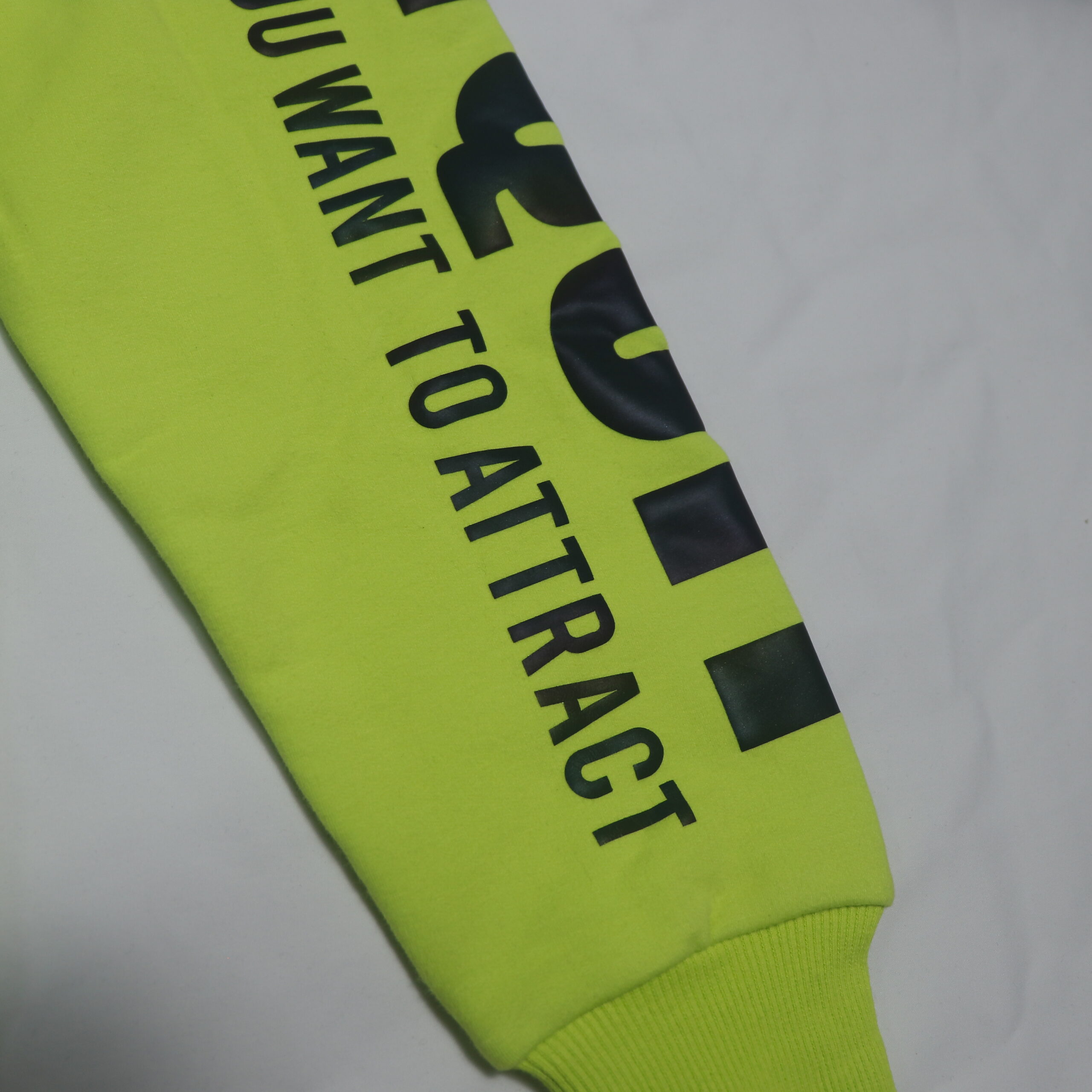
Varsity & Baseball Jackets
Varsity and baseball jackets require balanced shell fabrics, lining, insulation, rib, snaps, sleeves, patches and embroidery. EDVORIN develops these details as a varsity jacket manufacturer, aligning construction and decoration with approved samples for fashion labels, schools, teams, private-label buyers and repeat wholesale programs.
Get a Quote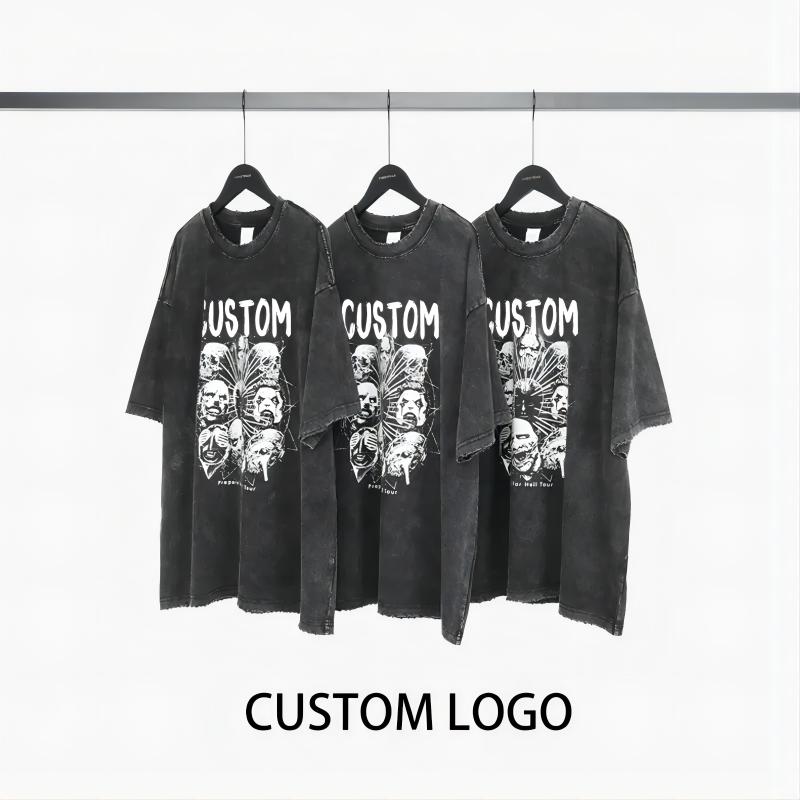
Custom T-Shirts
Custom T-shirts are developed around fabric composition, weight, hand feel, neckline, fit, shrinkage, color standards and decoration method. As a custom T-shirt manufacturer, EDVORIN supports screen printing, embroidery and other specified applications, with men’s and women’s fit development and documented bulk inspection standards.
Get a Quote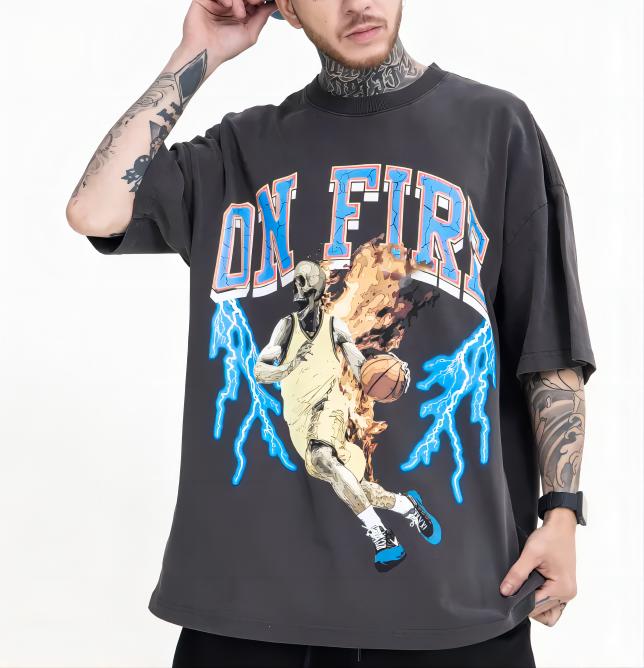
Custom Polo Shirts
Custom polo shirts are coordinated through fabric selection, collar and cuff construction, placket details, buttons, fit, grading and decoration placement. EDVORIN supports corporate, school, teamwear, private-label and wholesale programs as a polo shirt manufacturer, using approved samples and specifications to control repeat orders.
Get a Quote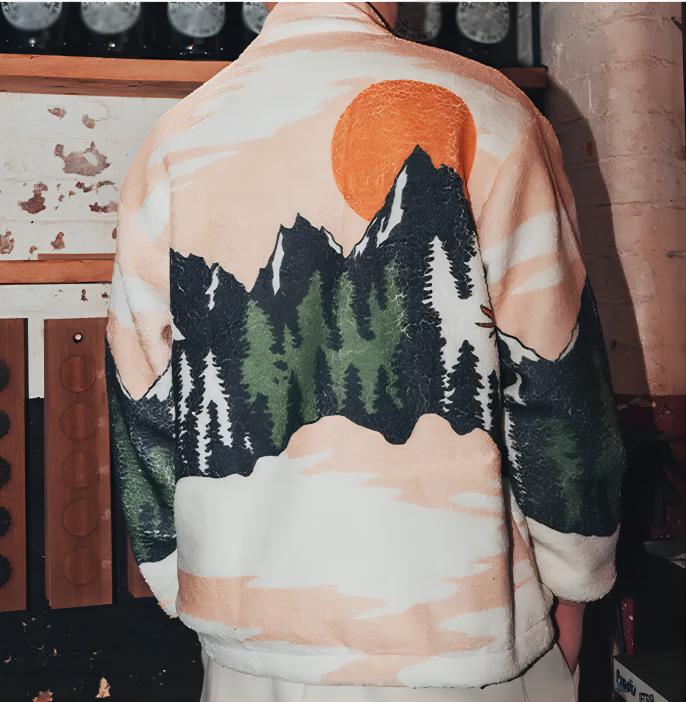
Windbreaker Jackets
Windbreaker jackets are developed for lightweight protection, packability, lining, hood construction, elastic or adjustable openings, zippers and decoration. As a windbreaker manufacturer, EDVORIN aligns shell material, water-repellent requirements, color references and fit for streetwear, outdoor-inspired collections, schools and team programs.
Get a Quote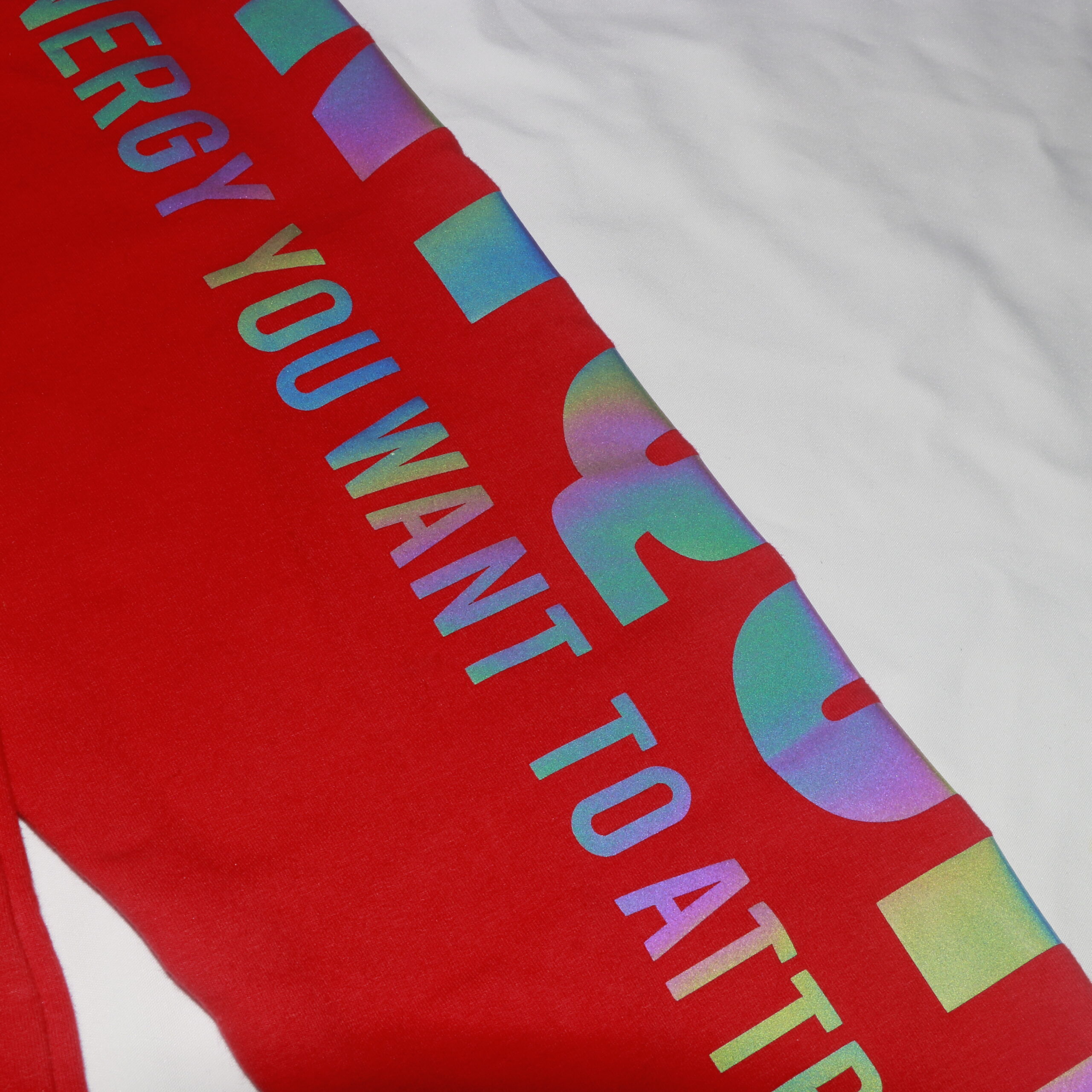
Quilted Jackets
Quilted jackets are developed around shell fabric, lining, insulation weight, quilting pattern, baffles, hardware, pockets and finishing. EDVORIN coordinates these variables as a quilted jacket manufacturer, supporting men’s and women’s outerwear programs with documented samples, material controls, inspection points and packaging requirements.
Get a Quote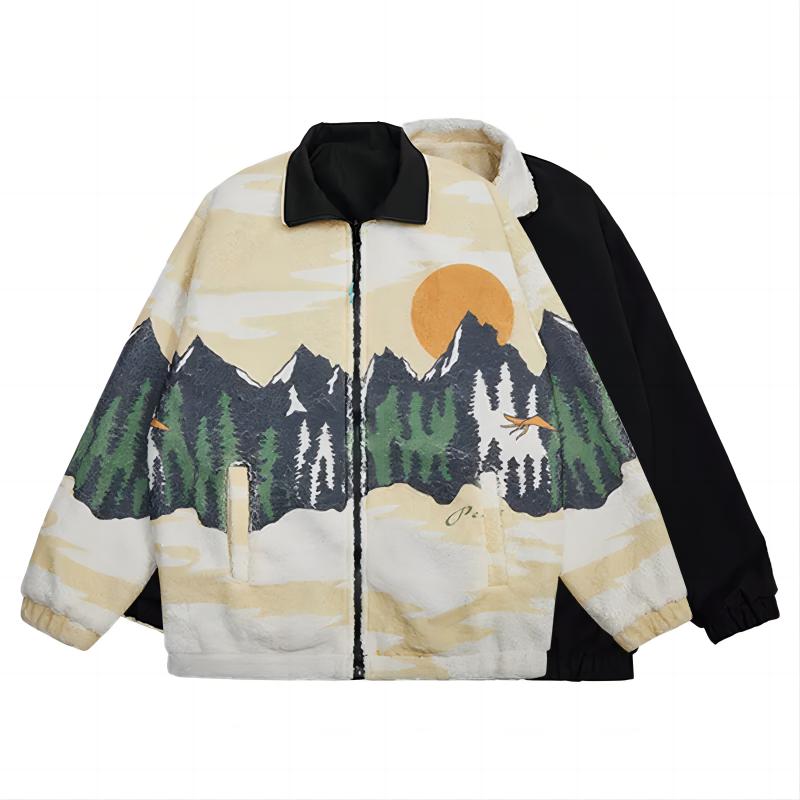
Bomber Jackets
Bomber jackets combine shell, lining, rib, zipper, pocket and trim specifications that must remain balanced through production. EDVORIN develops bomber programs for fashion and streetwear labels, coordinating embroidery, patches, printing, fit and material sourcing as a bomber jacket manufacturer from concept through bulk delivery.
Get a Quote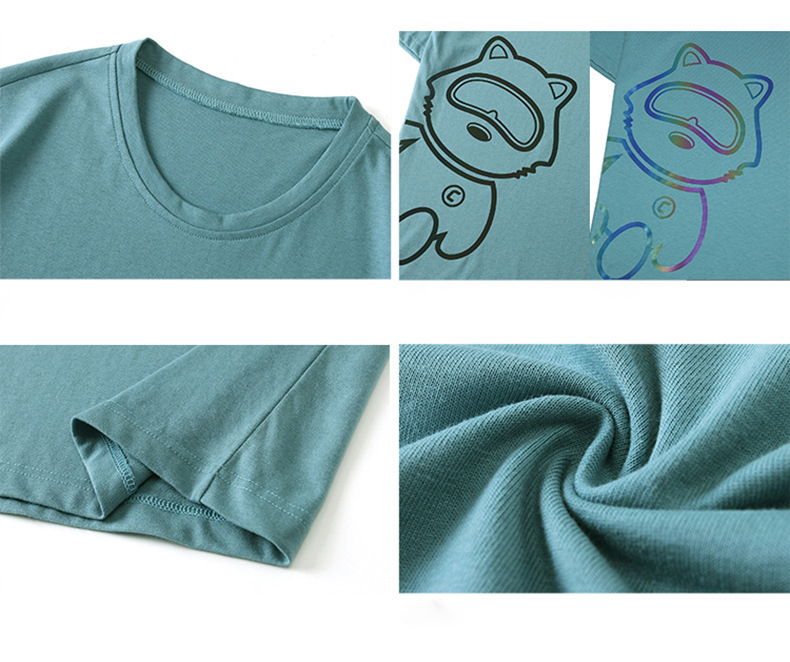
Custom Shirts
Custom woven shirts are developed around fabric composition, weave, weight, collar, cuffs, plackets, buttons, pocket details and finishing. As a custom woven shirt manufacturer, EDVORIN supports fashion, private-label and wholesale buyers with pattern development, men’s and women’s fit blocks, sampling and repeatable production standards.
Get a Quote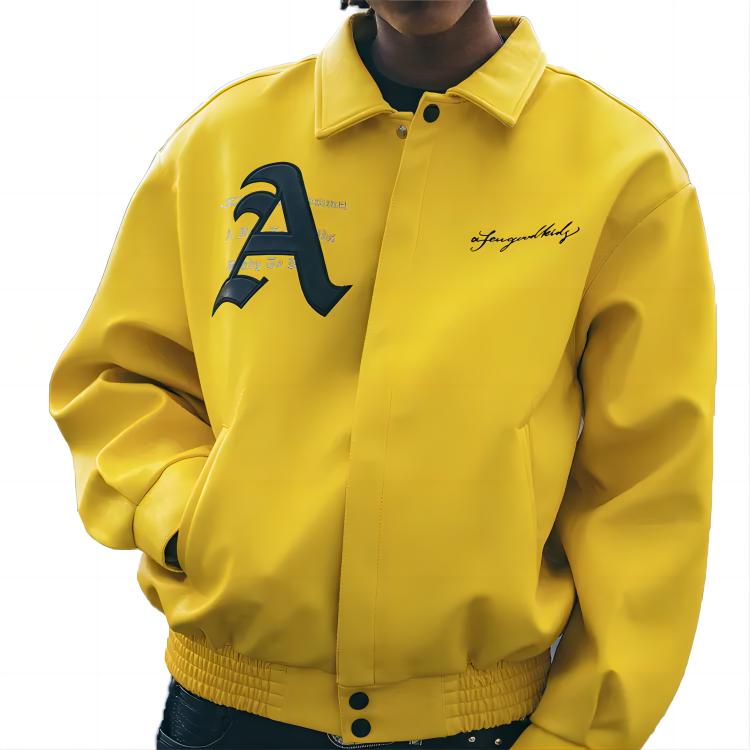
Custom Jerseys
Custom jerseys are developed around breathable performance fabrics, panel construction, color blocking, collars, sleeve details, names, numbers and sponsor artwork. EDVORIN supports clubs, schools, academies and sports brands as a custom jersey manufacturer, coordinating decoration placement, size grading, color control and organized team order production.
Get a Quote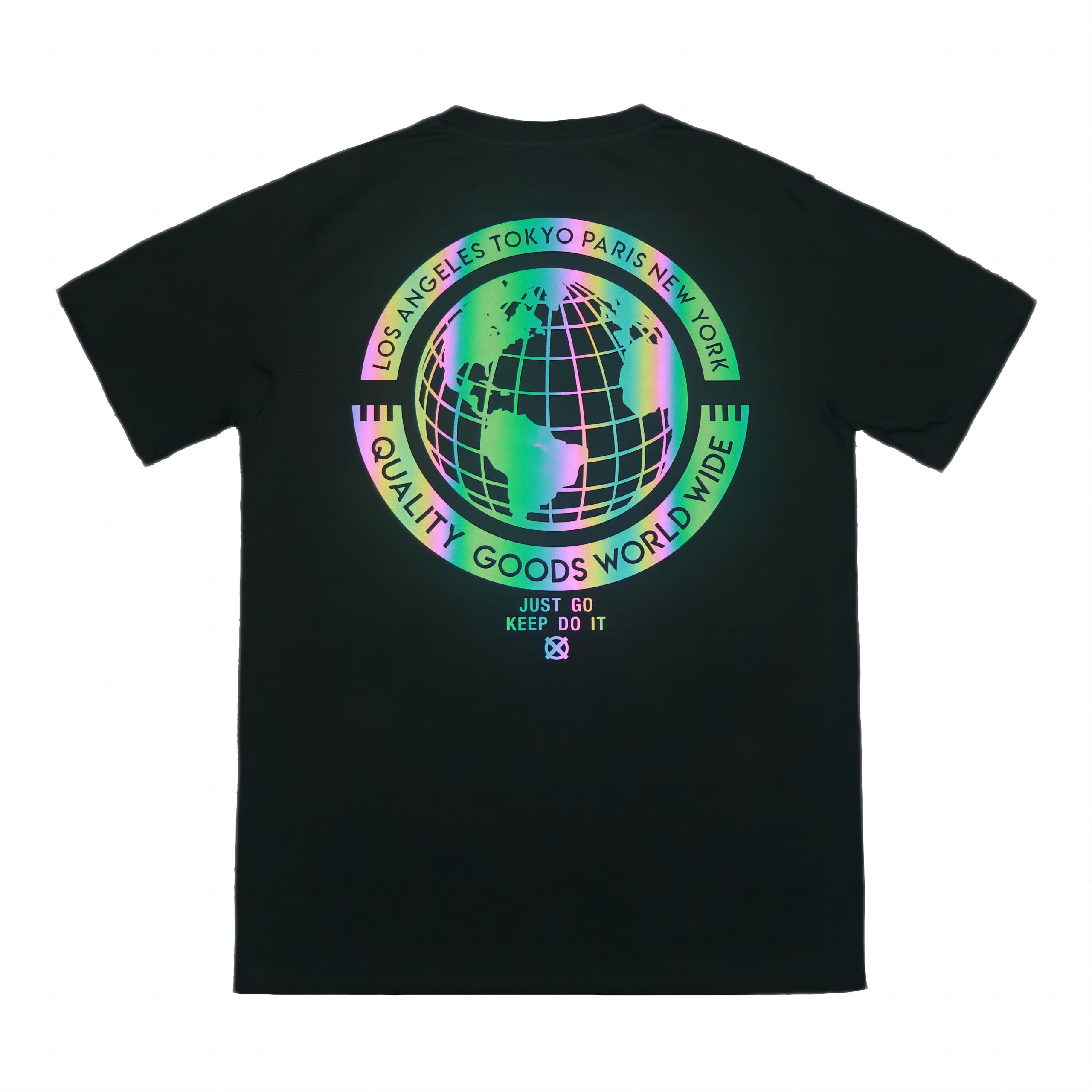
Tank Tops
Tank tops can be developed in cotton, blended jersey or performance materials with specifications for fit, armholes, neck binding, hems and decoration. EDVORIN supports fashion, streetwear, fitness and teamwear programs as a custom tank top manufacturer, providing men’s and women’s development, sampling and bulk quality control.
Get a Quote
Soccer Uniforms
Soccer uniforms require coordinated jerseys, shorts and optional socks, with breathable materials, color standards, player names, numbers, badges and sponsor artwork. EDVORIN develops soccer programs for clubs, schools and academies, controlling size sets, decoration placement, repeat colors, packaging and reorder requirements.
Get a Quote
Basketball Uniforms
Basketball uniforms are developed around lightweight breathable fabrics, athletic fit, armhole and side-panel construction, team colors, names, numbers and logos. EDVORIN supports clubs, schools and academies with coordinated samples, size grading, decoration specifications, inspection standards and organized packaging for complete team orders.
Get a Quote
Streetwear Collections
EDVORIN develops streetwear collections across hoodies, sweatshirts, T-shirts, woven shirts, shorts, outerwear and coordinated sets. As a streetwear clothing manufacturer, it connects fabric, trims, washes, printing, embroidery, fit blocks, labeling and packaging into one production system for emerging labels, established brands and wholesale assortments.
Get a QuoteFrom Concept to Approved Bulk Production
Move from a sketch, reference garment or tech pack to materials, patterns, samples, decoration, inspection and repeatable bulk standards.
Define the Weather Use Case
Translate target markets, activities, exposure time, and weather conditions into a clear performance brief for casualwear, streetwear, outerwear, or teamwear programs.
Select Materials and Construction
Match the required rating with shell fabric, membrane, lining, trims, breathability, seam sealing, closures, and decoration methods suited to the intended jacket use.
Build the Technical Standard
Document fabric targets, measurements, color references, artwork placement, labeling, packaging, and inspection points so the approved jacket can be reproduced consistently in bulk.
Validate the Production Sample
Test the sample against weather expectations, fit, construction, decoration, and finishing requirements, then convert approved revisions into a repeatable standard for production.
Apparel Manufacturing Support for Growing and Established Buyers
EDVORIN supports emerging brands, wholesale programs, sports organizations, schools and established buyers with flexible OEM, ODM and private-label development.
1. What Is a jacket waterproof rating guide?
5,000–20,000mm describes hydrostatic-head resistance: the water pressure a fabric withstands before moisture penetrates, measured as the height of a millimetre water column. A 10,000mm result is a laboratory benchmark, not a promise that the finished jacket remains dry in every storm. html
1,500mm and above is commonly treated as waterproof in basic testing, while lower-rated garments are generally water-resistant. Water resistance usually means a Durable Water Repellent finish that encourages droplets to bead; waterproof garments require a barrier system, with seam treatment and construction determining whether water bypasses the fabric. com/community/expert-advice/waterproof-jacket-guide
Four factors can change real-world performance: garment construction, applied pressure, exposure duration, and the testing method.
2. Evolution and history of waterproof jacket ratings
19th-century rainwear relied on treated and coated fabrics, making practical water resistance possible but often adding weight, stiffness and limited comfort. Later membrane films and laminated constructions separated weather protection from the face fabric, enabling lighter, more performance-focused shells. 1,500 mm became a widely recognized benchmark through hydrostatic-head testing, which measures the water pressure a fabric withstands before penetration. Ratings expressed in millimetres gave buyers a simple comparison shorthand as outdoor clothing moved from basic rainwear toward standardized performance claims.
3. Types covered by this jacket waterproof rating guide
Five rating bands map more usefully to exposure, activity and decoration risk than to waterproofness alone. com/community/expert-advice/waterproof-jacket-guide.
| Type | Typical users and protection | Breathability and construction | Commercial trade-off |
|---|---|---|---|
| Water-resistant urban | Fashion labels, schools; light showers | Moderate breathability; DWR, basic seams | Lowest cost and weight; limited storm durability |
| Entry-level waterproof | Teams, commuters; intermittent rain | Critical seam protection; simple closures | Affordable, but less durable and breathable |
| 10,000mm everyday | Clubs, wholesalers, active commuters | Balanced breathability; taped seams | Mid-range weight, cost and performance |
| 15,000mm sustained rain | Hikers, sideline crews; prolonged rain | Higher MVTR; full taping, adjustable hood | More durable and protective; higher cost |
| 20,000mm technical | Expeditions, marine and severe-weather users | High MVTR; membrane, full taping, protected zips | Highest performance and price; heavier, decoration-restricted |
Urban And Entry-Level Shells
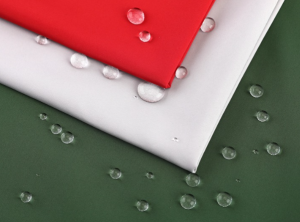
1,500–5,000mm styles suit commuters, schools and casual streetwear for light showers. DWR-treated fabric, simple seams and moderate breathability keep weight and price controlled.
Everyday Outdoor Protection
10,000mm jackets fit clubs, teams, wholesalers and active commuters facing changing weather. Prioritize balanced breathability, taped critical seams, reliable zippers and enough durability for repeated wear. 15,000mm shells suit sustained rain, hiking and sideline use.
Technical And Severe-Weather Shells
20,000mm options target expedition, alpine, marine or severe-weather programs. Membranes, fully taped seams, protected closures and high MVTR become more important than minimal cost.
4. Materials and fabrics in a jacket waterproof rating guide
A jacket’s waterproof rating depends on the fabric system, not coating alone.
Base Fabrics And Coatings
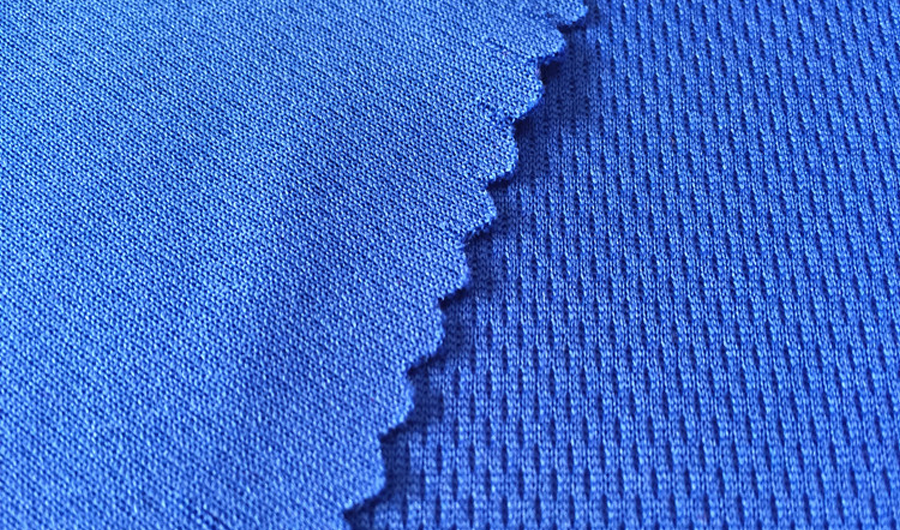
Polyester is often economical, stable and easy to source; nylon generally offers a softer hand and strong abrasion resistance, but may cost more. PU coatings create the waterproof barrier, while DWR makes water bead on the face surface rather than replacing that barrier.
Membrane Layer Configurations
Two-layer fabrics bond a membrane to the face fabric and typically use a separate lining for comfort and protection. 5-layer systems print or apply a lightweight protective pattern, reducing weight and pack size.
Weight, Lining And Market Position
60–80D face fabrics can suit lightweight packable shells, while 100–150D options provide greater abrasion resistance for team, workwear or outdoor use. Heavier fabrics usually improve structure but reduce packability and raise freight cost. Mesh linings improve comfort and protect coatings; tricot linings feel smoother and more substantial.
| Construction | Primary Advantage | Typical Trade-Off |
|---|---|---|
| Coated polyester | Cost and stability | Lower breathability |
| Coated nylon | Soft hand and abrasion resistance | Higher material cost |
| 2.5-layer membrane | Light weight and packability | Less comfortable next to skin |
| Three-layer membrane | Durability and performance | Higher MOQ and retail price |
5. Customization and decoration options for rated jackets
Waterproof construction limits where decoration can be safely applied, especially around seam tape, membranes, zips, and high-flex zones.
Decoration Placement And Construction
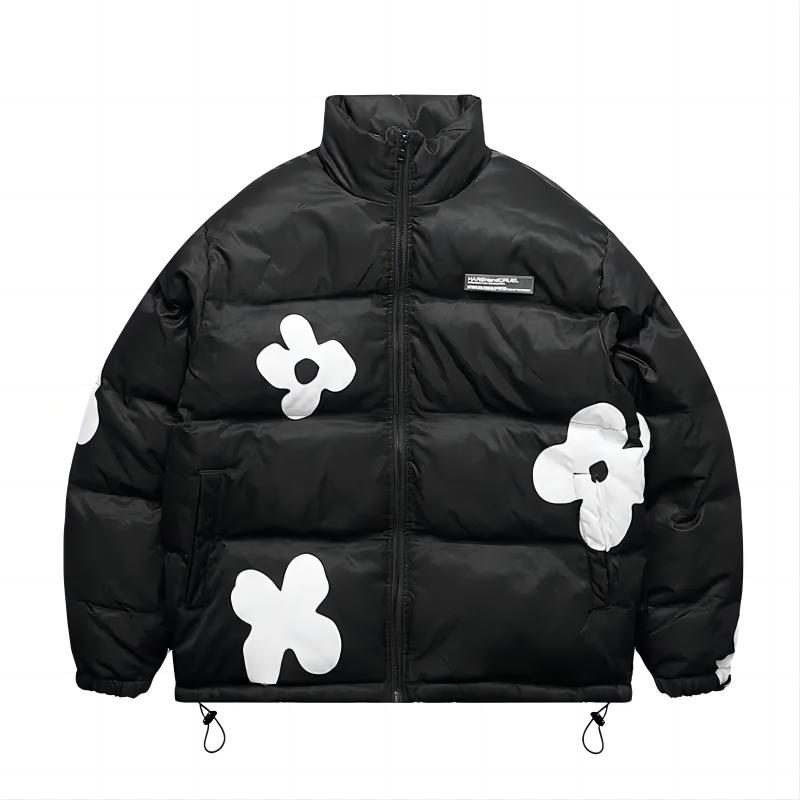
Embroidery, screen printing, transfer graphics, and woven labels should stay clear of seam-taped paths, waterproof zips, and membrane-critical panels. Needle penetration, heat, adhesive, or added stiffness can create leakage or reduce comfort when placed on high-flex areas.
- Embroidery: use stable panels and avoid membrane-sensitive zones.
- Heat transfers: confirm temperature, pressure, and adhesive compatibility.
- Reflective trims: test attachment after washing and flexing.
- Woven labels: position away from taped seams and zipper garages.
Artwork Approval And Durability
Pantone references, placement measurements, artwork files, and approved strike-offs should be recorded before production. Screen or transfer colors can shift across shell fabrics, while reflective and high-density graphics may require separate approval standards.
Cost, Lead Time, And Packaging
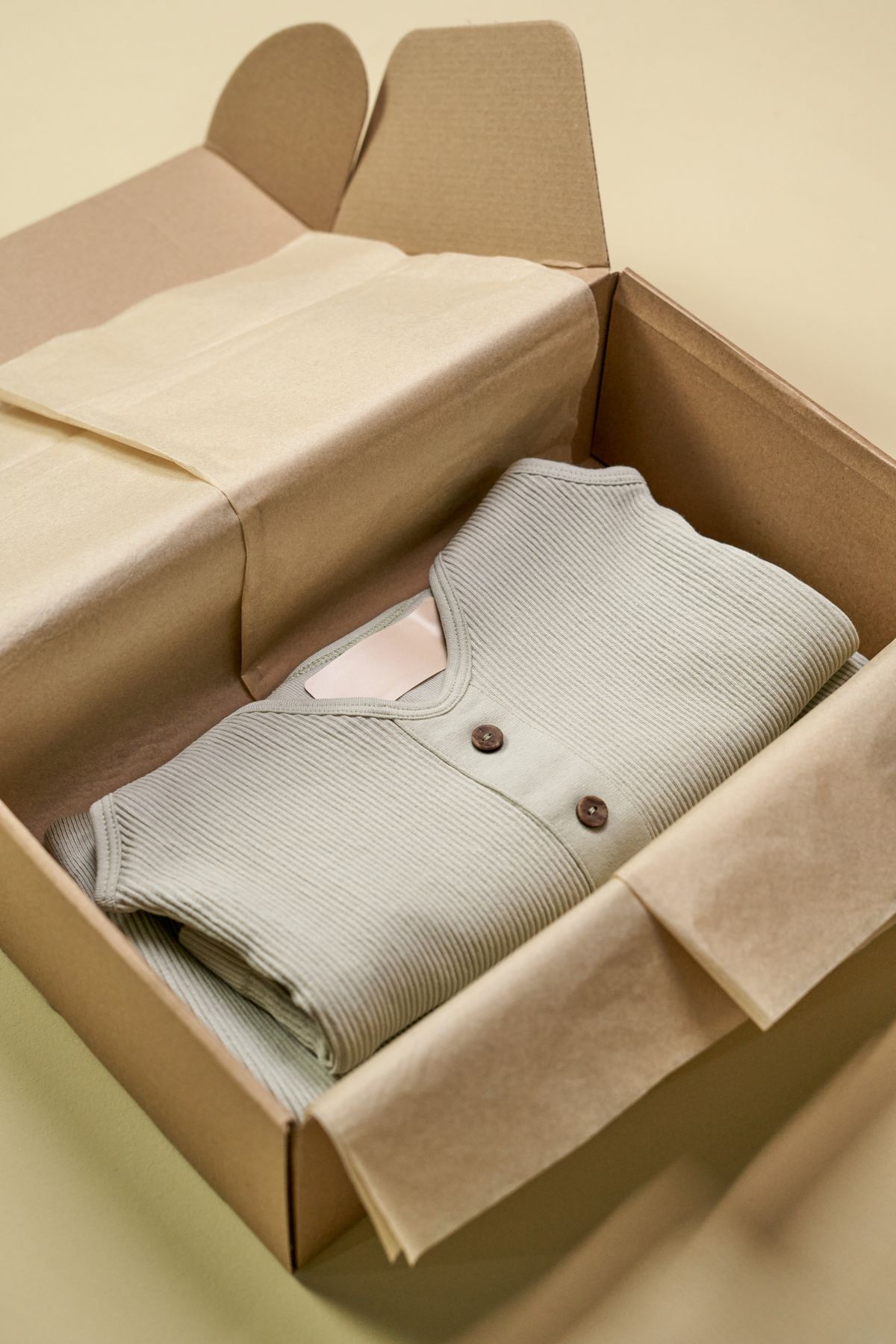
One decoration method can add sampling, testing, setup, and production time, while multi-color graphics, embroidery size, reflective components, and custom trims generally increase unit cost. Final pricing depends on artwork complexity, order quantity, placement count, and packaging requirements.
6. Key construction quality elements beyond the rating
A 20,000mm fabric can still leak if seams, closures, or adjustment points are poorly engineered.
Seal The Water Entry Points
100% taped seams are the clearest construction benchmark for prolonged rain; partial taping leaves stitch lines and panel joins exposed. Specify seam-tape width, coverage map, overlap, stitch density, and needle-hole control in the tech pack.
Protect Comfort And Durability
Underarm vents can release heat without opening the main front closure, while lining protection prevents abrasion against the membrane and taped seams. Pocket bags should avoid obstructing vents, hem adjusters, or internal waterproof construction. Bar-tacks or reinforcement patches belong at pocket corners, hood cords, cuff tabs, and other stress points.
Verify Beyond Laboratory Results
Hydrostatic-head testing measures fabric water pressure, not complete garment behavior. com/en-us/blogs/guides/waterproof-ratings-explained-performance-pressure-and-breathability. Use laboratory reports alongside wear trials, wash cycles, and inspection of closures and seam tape. com/community/expert-advice/waterproof-jacket-guide.
- Specify seam-taping coverage and tape dimensions.
- Record zip, flap, hood, cuff, hem, pocket, and vent details.
- Define stitch density and reinforcement locations.
- Approve layered fit through movement and wear testing.
- Attach lab reports and final inspection criteria.
7. How to choose a manufacturer using this jacket waterproof rating guide
A dependable manufacturer should connect waterproof performance to documented production controls, from fabric selection through packed goods.
Review The Technical Pack
A complete tech pack should define target rating, membrane or coating, seam-sealing map, hardware, construction, measurements, tolerances, decoration placement and packaging. Ask the supplier to mark ambiguities before sampling.
Verify Materials And Testing
Each shell, membrane, lining and tape should have composition, weight, supplier traceability and performance documentation. Request current hydrostatic-head and breathability reports tied to the proposed fabric, not a generic certificate.
- Ask which laboratory issued each report.
- Confirm reports identify fabric construction and test method.
- Request a sealed-seam sample before approval.
Check Production Control
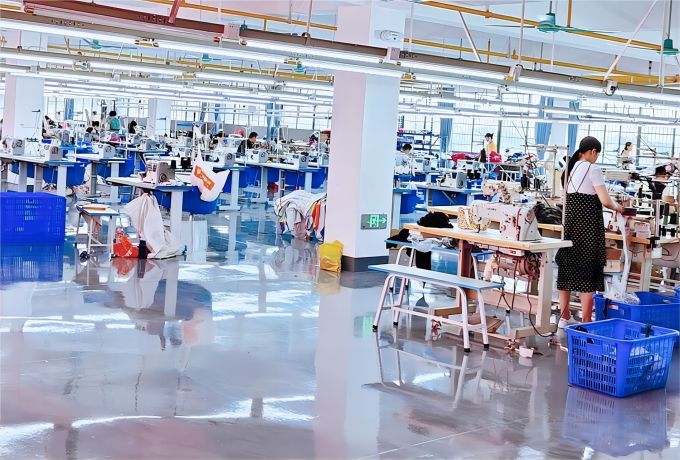
A reliable factory grades every size from an approved block, records decoration artwork and placement, and controls color references such as Pantone across repeats.
Test Commercial Reliability
EDVORIN’s MOQ starts at 200 pieces per style. Document MOQ by color and style, available capacity, development and bulk lead times, packaging details, labeling capability and communication ownership. Compare answers against a realistic launch calendar rather than a best-case promise.
8. Common mistakes buyers make when comparing waterproof ratings
A 10,000mm label describes hydrostatic pressure, not complete garment performance.
Read The Number In Context
10,000mm is a fabric test result, not a universal performance score. Confirm the laboratory method, specimen condition and whether the figure applies to finished fabric or the assembled jacket.
- Request the test standard and report date.
- Specify the target market and weather scenario.
- Avoid paying for expedition-level performance unnecessarily.
Separate DWR From Waterproofing
DWR makes droplets bead on the face fabric; it does not replace a waterproof membrane or sealed seams. Treating beading as proof of waterproofness can conceal leakage through stitching or panels.
- Verify whether seams are fully or partially taped.
- Check DWR durability after laundering.
- Record the approved rain-test procedure.
Balance Breathability And Pressure
MVTR results depend on the test method, so compare like with like; otherwise, breathability figures can mislead. Ask for moisture-vapour units, method and test conditions alongside hydrostatic-head data. A backpack, seated posture or bent elbow applies concentrated pressure beyond static rain.
- Use one breathability method across suppliers.
- Test under backpack straps and while seated.
- Repeat waterproofing after wash and abrasion cycles.
Plan Decoration Before Construction
Decoration added after finalizing construction can pierce membranes, cover seam tape or create weak heat zones. Lock artwork size, placement, ink, embroidery backing and application temperature during sampling.
- Map decoration away from critical seam zones.
- Test print and embroidery on the actual shell.
- Approve decorated samples before grading and bulk cutting.
9. Steps to launch a jacket collection with the right rating
A 5,000–20,000mm launch begins with the wearer, climate and exposure duration, not a headline rating.
Research Climate And Customer Use
Three inputs set the starting point: customer activity, regional weather and expected exposure duration. Streetwear labels may prioritize packability, while teams, schools and wholesalers may need durable protection across commuting, training or daily uniform use.
Build The Technical Package
One approved specification should identify shell construction, hydrostatic-head target, MVTR method, seam sealing, lining, hood, cuffs, zips and trims. List fabric composition, weight, color reference, tolerance and intended men’s or women’s fit block. Attach supplier test reports, material approvals and revision dates.
Test Prototype And Decoration
The prototype must pass fit review before performance testing, including movement, layering and size-set checks for clubs, academies and private-label programs. Test waterproofness and breathability on the selected construction, not fabric alone, because seams and closures affect results.
Control Production And Feedback
The pre-production sample becomes the physical master for bulk production, supported by an inspection plan covering measurements, fabric shade, seam sealing, trims, decoration, labels and packaging. Record checkpoints for in-line and final inspection before shipment. Care labels must match the tested materials and approved treatment.
10. Jacket waterproof rating guide pricing and cost planning
3 cost layers usually determine a rated jacket quotation: shell fabric and membrane complexity, plus GSM, seam taping, zips, trims and finishing. Higher waterproof targets may also require additional laboratory testing, construction revisions and compliance documentation before bulk approval. 1 approved sample should be costed separately from production.
| Quantity Tier | Indicative Cost Components | Lead-Time Range | Quotation Assumptions |
|---|---|---|---|
| 1–3 development samples | Fabric minimums, membrane sourcing, pattern work, seam-tape trials, trims, decoration tests and sample freight | 3–6 weeks | Prototype pricing; testing and compliance work quoted separately; no bulk economies |
| 100–499 units | Higher fabric and trim impact, sampling amortization, decoration setup, packaging and freight | 8–12 weeks | EDVORIN’s MOQ starts at 200 pieces per style. MOQ, color count, size ratio and approved materials confirmed before costing |
| 500–1,999 units | More efficient cutting and production, but GSM, membrane, seam taping, zips, labels and cartons remain key drivers | 10–14 weeks | Indicative planning range only; freight, testing and certification requirements vary by destination |
| 2,000+ units | Better unit economics with planned materials; custom trims, laboratory testing, compliance files and packaging still add fixed costs | 12–18 weeks | Subject to capacity, material availability, inspection scope and final quotation |
Jacket Waterproof Rating Guide: Frequently Asked Questions
Clear answers for buyers developing waterproof outerwear specifications that can move from approved sample to repeat production.
What does a jacket waterproof rating guide measure?
Is a 5,000mm jacket waterproof rating enough for everyday use?
What does a 10,000mm jacket waterproof rating guide recommend?
When should a buyer choose a 15,000mm or 20,000mm jacket waterproof rating?
How important is breathability alongside a jacket waterproof rating guide?
Does a high jacket waterproof rating guarantee a durable jacket?
How is a jacket waterproof rating tested before repeat production?
Frequently Asked Questions About Custom Apparel Manufacturing
Share your target rating, materials, fit, decoration and order needs with EDVORIN for production-ready OEM or ODM development.