
Choose the Right Jacket Fill for Your Collection
Use this jacket insulation guide to compare fill options, align warmth and performance with your market, and move from concept to repeatable production.
Match Jacket Fill to Brand Use Cases
Compare insulation choices by warmth, weight, moisture performance, packability, durability and the demands of each apparel program.
Match Warmth to Use
Compare fill by expected warmth, climate and layering role so each jacket delivers the right comfort level for its intended market.
Balance Weight and Value
Balance insulation weight against target retail positioning, shipping efficiency and wearer mobility across men’s and women’s jacket programs.
Plan for Moisture
Select down, synthetic or hybrid fills according to moisture exposure, drying needs and the performance expectations of each use case.
Protect Packability
Review compressibility and recovery when packability matters, while confirming shell, lining and construction choices protect the approved insulation standard.
Build for Durability
Plan durability around abrasion, laundering, repeated wear and decoration, then document materials and trims for consistent bulk production.
Develop by Category
Translate outdoor, streetwear, teamwear or private-label requirements into tested samples, clear specifications and repeatable quality checks.
Apparel Categories for Brands, Teams and Private-Label Buyers
Compare construction, material, decoration and production requirements across apparel categories for brands, teams, schools, wholesalers and private-label buyers.
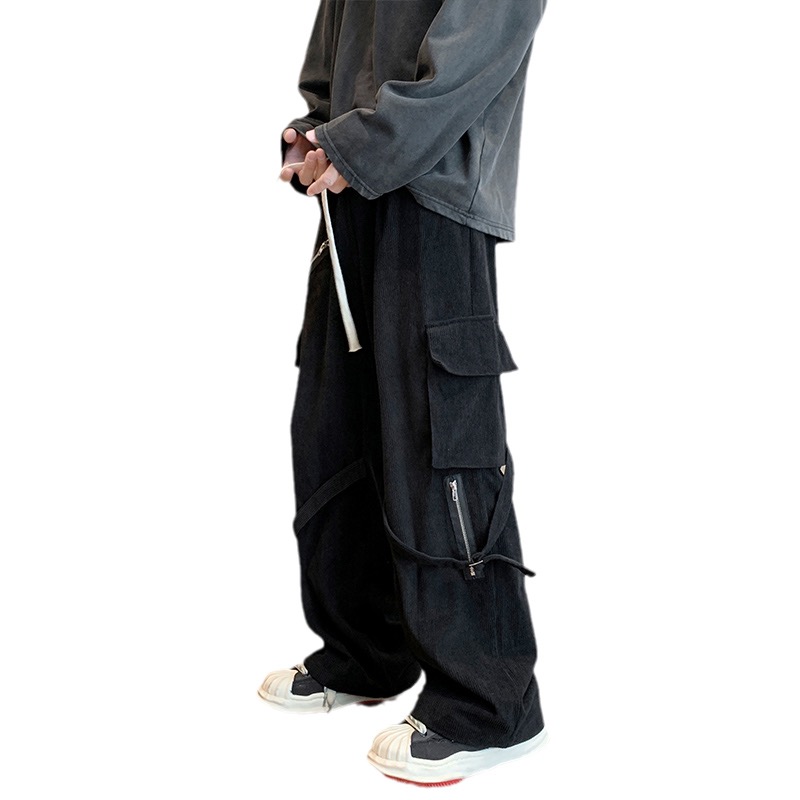
Custom Hoodies
As a custom hoodie manufacturer, EDVORIN develops fleece and heavyweight hoodie programs with fit blocks, rib specifications, drawcords, trims, printing, embroidery and wash testing. Men’s and women’s options support streetwear collections, wholesale basics and private-label ranges, with approved samples guiding repeat bulk production.
Get a Quote
Pullover Sweatshirts
As a sweatshirt manufacturer, EDVORIN develops pullover sweatshirts in selected fleece weights, brushed or unbrushed interiors, and tailored men’s or women’s fits. Product development covers neckline, cuffs, hems, artwork placement, labeling, packaging and sample-to-bulk quality control for brand and wholesale programs.
Get a Quote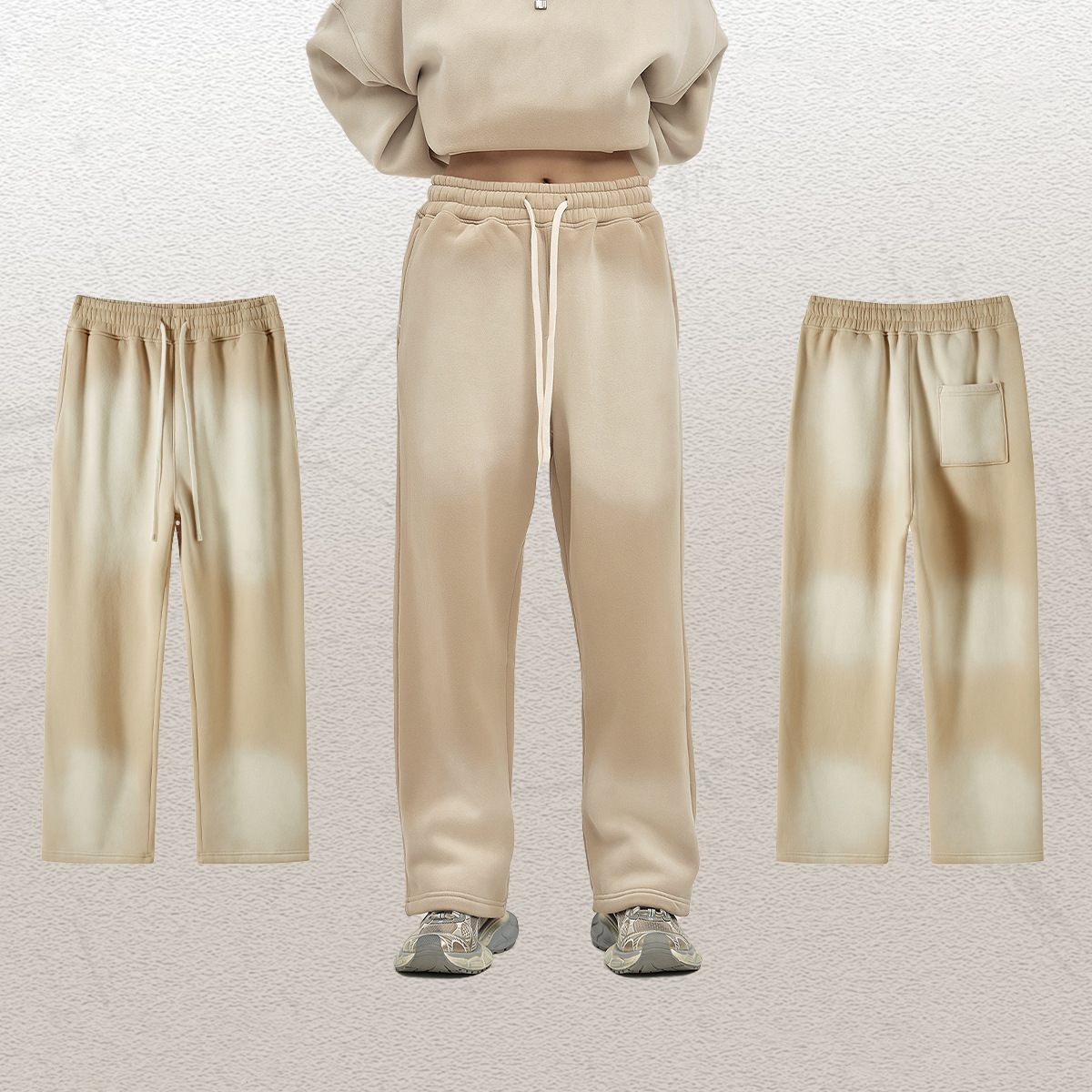
Sweatpants & Joggers
As a sweatpants manufacturer, EDVORIN coordinates fleece or terry materials, waistband construction, drawcords, pockets, cuffs and grading for men’s and women’s sweatpants and joggers. Programs can be developed for coordinated streetwear, teamwear, school merchandise, wholesale essentials and private-label collections.
Get a Quote
Custom Shorts
As a custom shorts manufacturer, EDVORIN develops fleece, terry, woven and performance shorts with appropriate waistbands, pocket layouts, lengths, trims and decoration. Fit, fabric weight and construction can be adjusted for streetwear, training, school programs, team merchandise and private-label apparel.
Get a Quote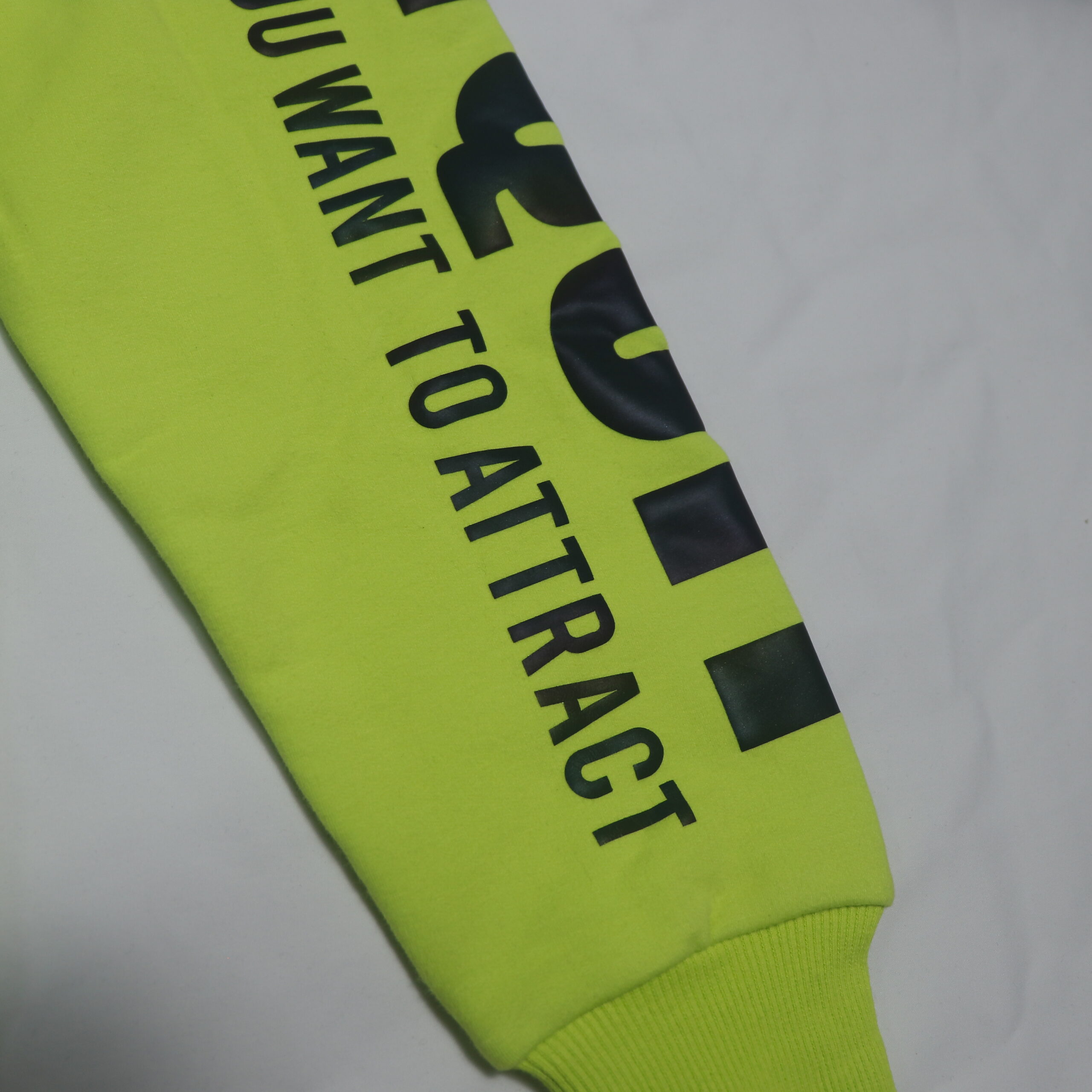
Varsity & Baseball Jackets
As a varsity jacket manufacturer, EDVORIN coordinates wool or synthetic bodies, sleeves, rib, snaps, lining, insulation, patches and embroidery. Baseball jacket programs can be developed for schools, sports clubs, streetwear labels and private-label buyers, with construction and decoration recorded for repeat production.
Get a Quote
Custom T-Shirts
As a custom T-shirt manufacturer, EDVORIN develops jersey T-shirts around fabric composition, weight, fit, neckline, grading and decoration requirements. Screen printing, digital printing, embroidery, labels and packaging are coordinated for men’s and women’s fashion, streetwear, promotional, wholesale and private-label programs.
Get a Quote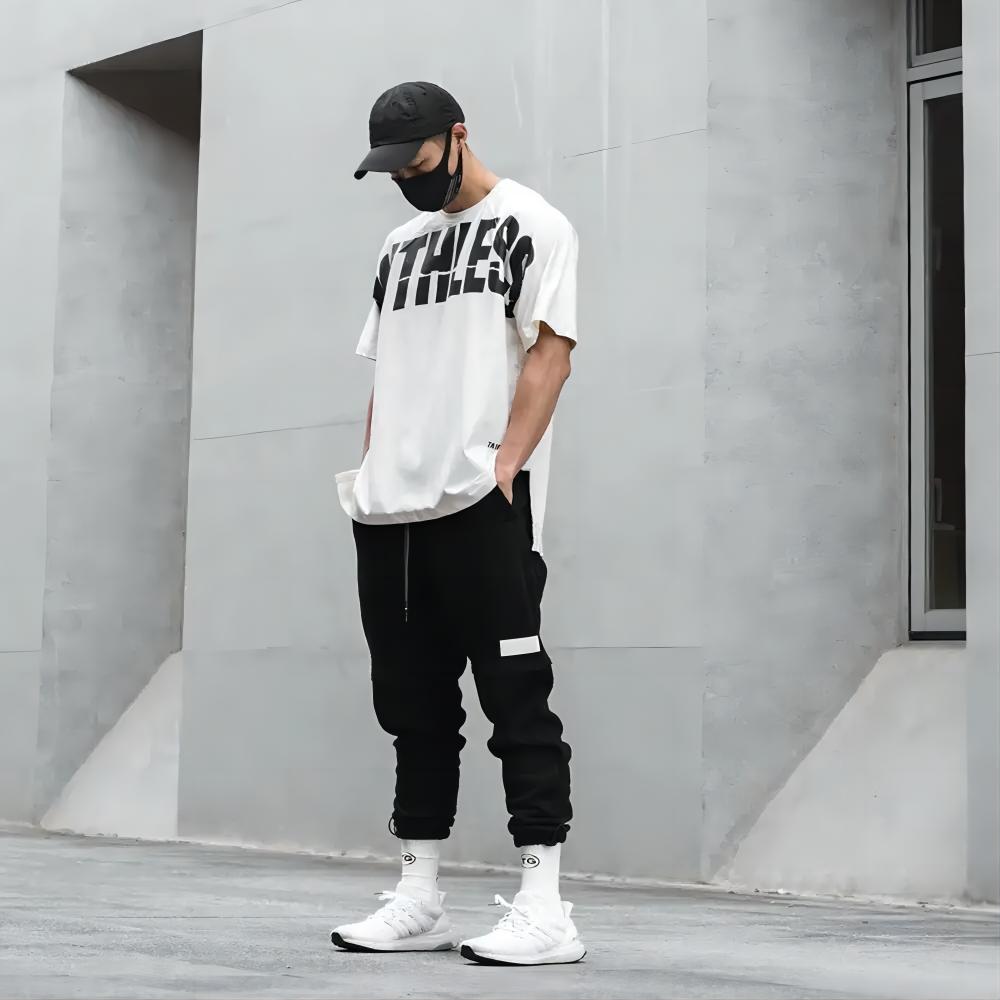
Custom Polo Shirts
As a polo shirt manufacturer, EDVORIN develops cotton, blended and performance polo shirts with defined collar, placket, cuff, button, fit and fabric specifications. Decoration, labeling, packaging and quality checks support corporate apparel, schools, sports organizations, wholesalers and private-label buyers.
Get a Quote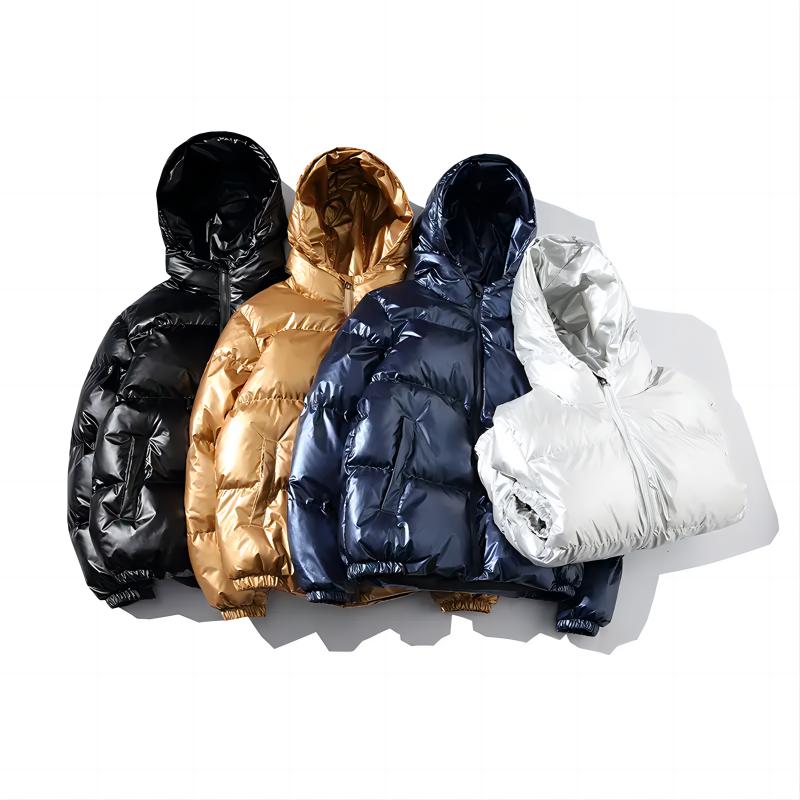
Windbreaker Jackets
As a windbreaker manufacturer, EDVORIN develops lightweight outerwear with shell fabrics, lining or mesh, water-resistant finishes, hoods, elastic or adjustable cuffs, pockets and zippers. Men’s and women’s programs can be adapted for streetwear, teamwear, school uniforms, promotional ranges and private-label outerwear.
Get a Quote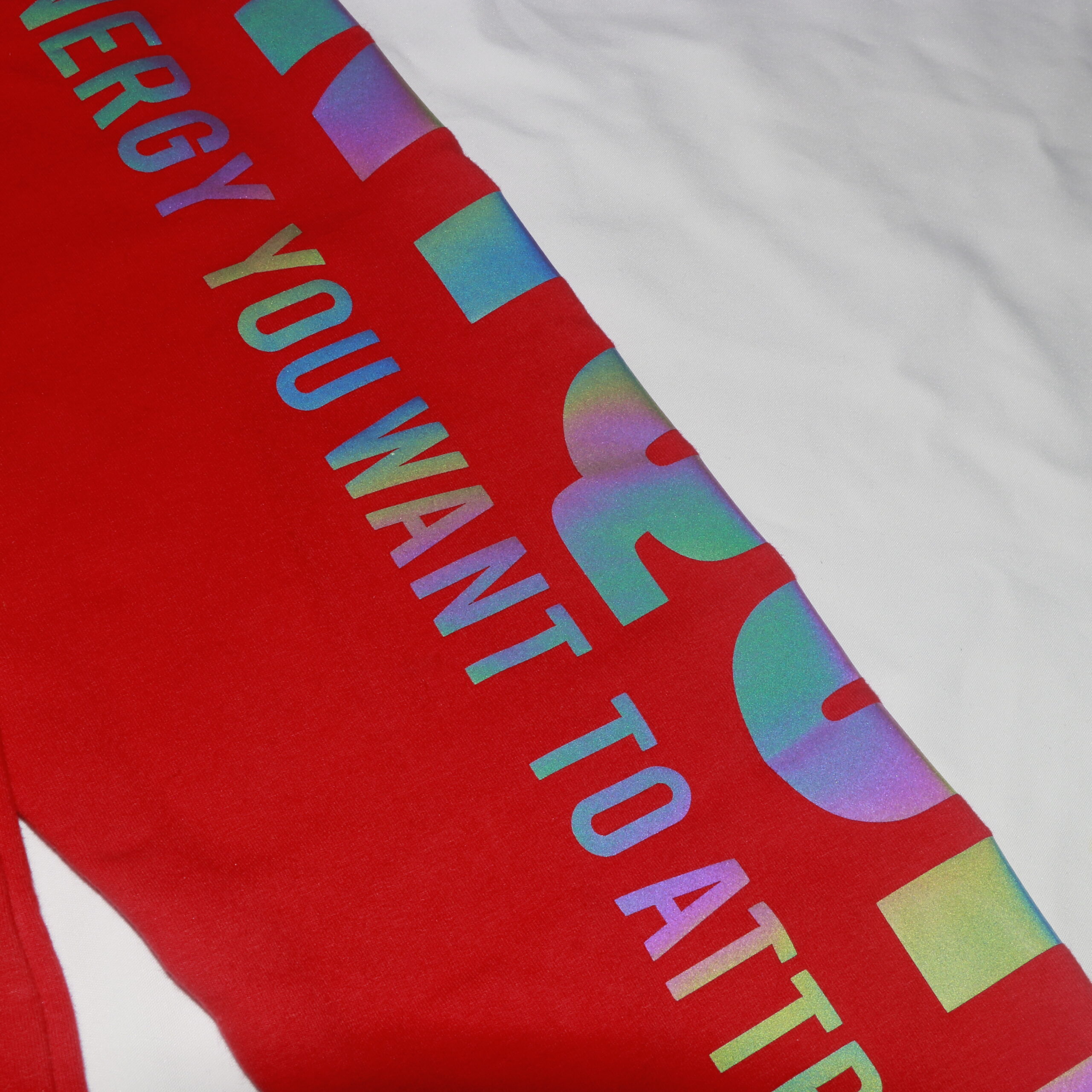
Quilted Jackets
As a quilted jacket manufacturer, EDVORIN coordinates shell fabric, lining, insulation weight, quilting layout, collar, cuffs, pockets and hardware. Development can target lightweight layering or warmer outerwear for streetwear labels, wholesalers, private-label buyers and coordinated men’s or women’s collections.
Get a Quote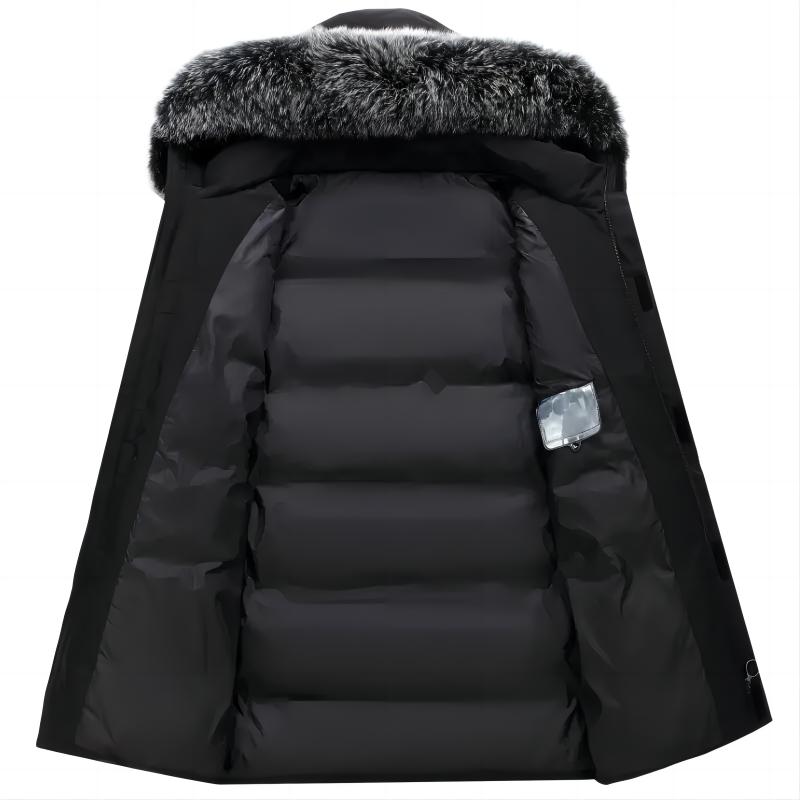
Bomber Jackets
As a bomber jacket manufacturer, EDVORIN develops bomber silhouettes using suitable shell materials, lining, insulation, rib trims, zippers, pockets and decoration. Construction is adjusted for fashion, streetwear, teamwear and private-label programs, with approved measurements, materials and finishing standards supporting repeat orders.
Get a Quote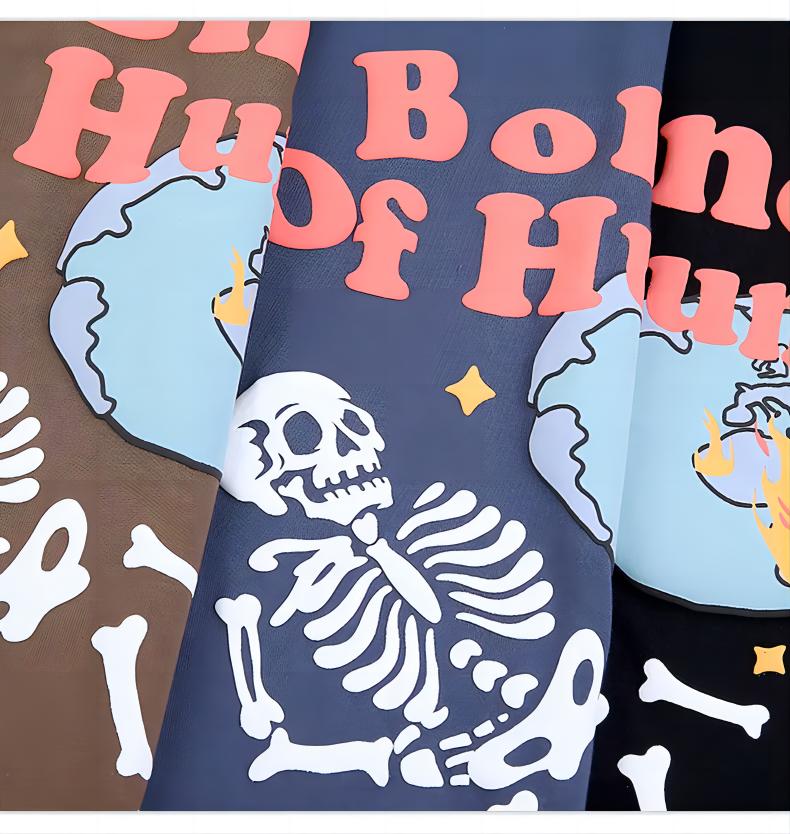
Custom Shirts
As a custom woven shirt manufacturer, EDVORIN develops shirts in cotton, blends, flannel, twill and other woven fabrics, with defined collars, plackets, cuffs, buttons, pockets and fit blocks. Men’s and women’s styles can support fashion collections, workwear-inspired ranges, wholesale programs and private labels.
Get a Quote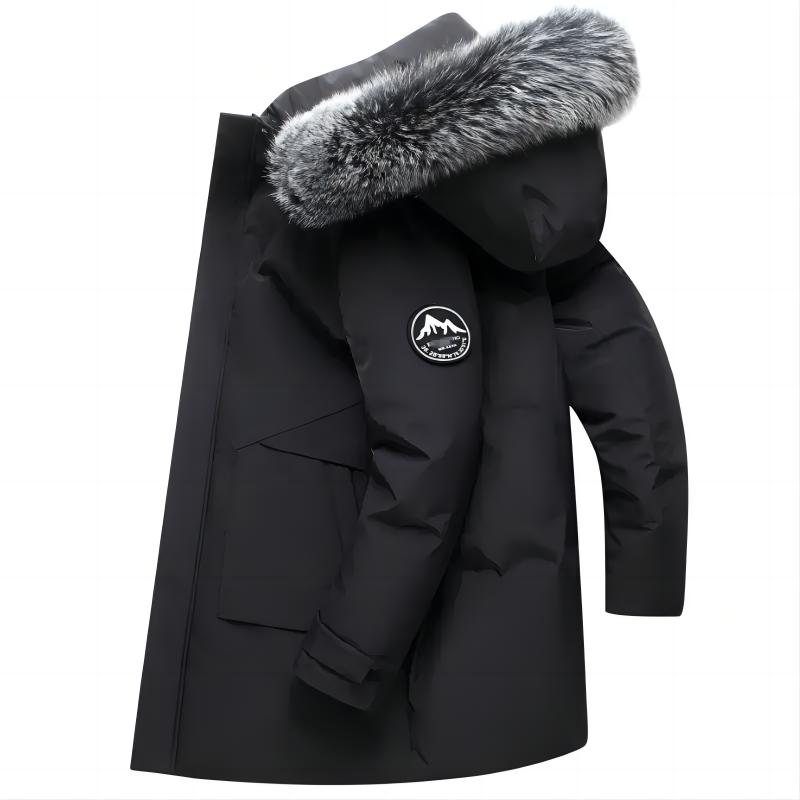
Custom Jerseys
As a custom jersey manufacturer, EDVORIN develops performance jerseys with breathable fabrics, color specifications, panel construction, collars, cuffs, names, numbers, logos and sponsor artwork. Size grading and decoration placement are controlled for sports clubs, schools, academies, teamwear distributors and repeat uniform programs.
Get a Quote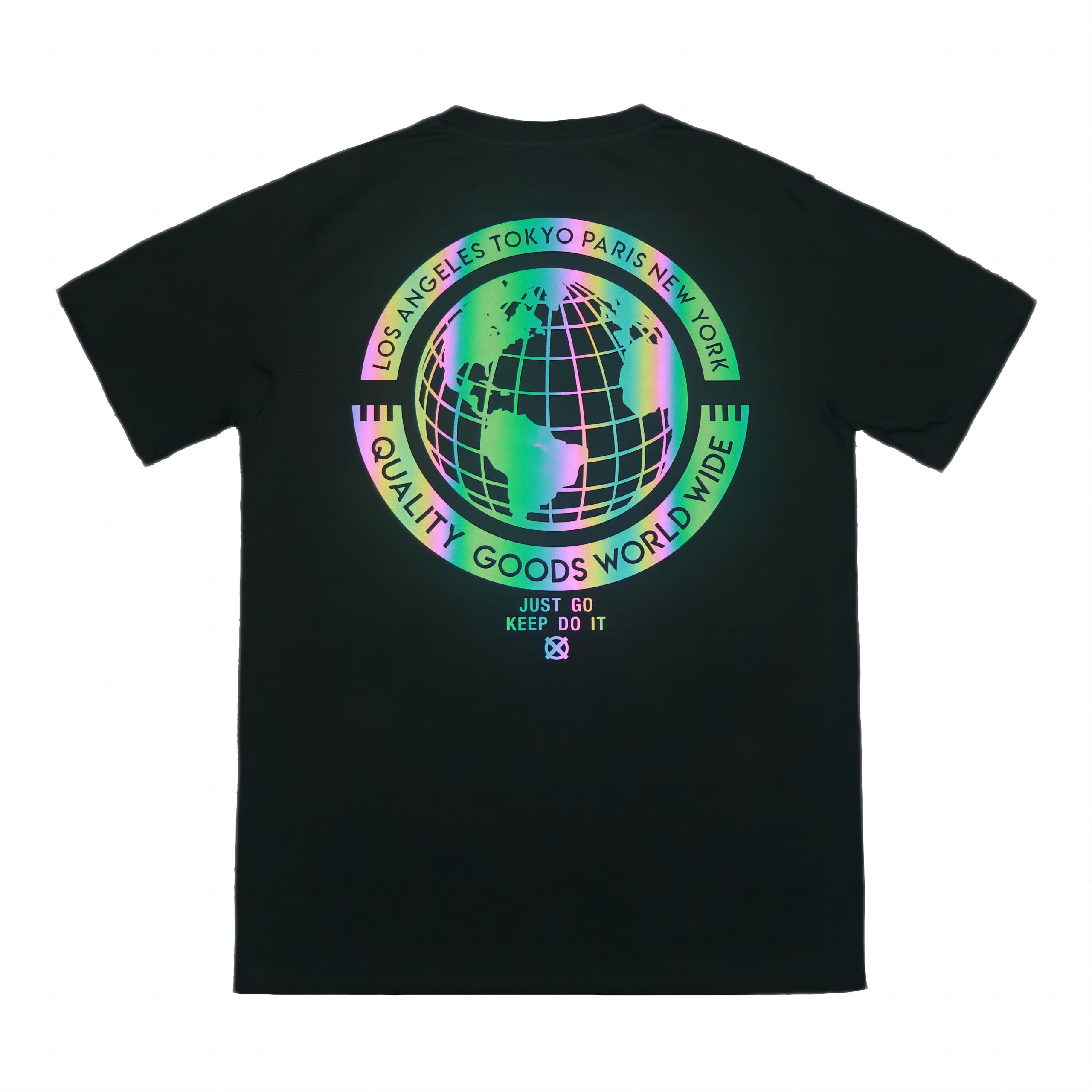
Tank Tops
As a custom tank top manufacturer, EDVORIN develops jersey or performance tanks with defined fabric weight, armhole shape, neckline, hem, fit and decoration. Options support training apparel, summer streetwear, schools, sports clubs, wholesale basics and coordinated men’s or women’s private-label collections.
Get a Quote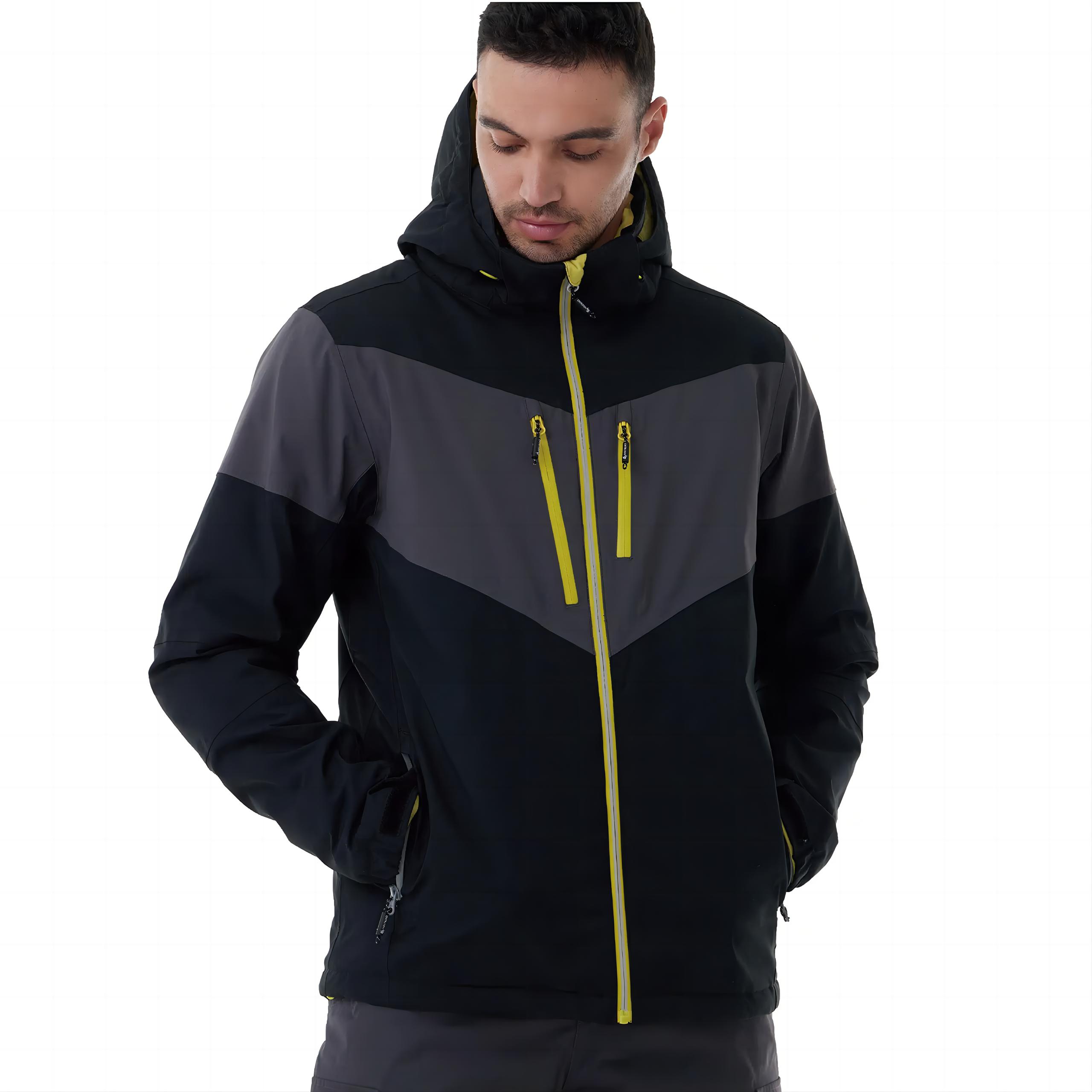
Soccer Uniforms
As a soccer uniform manufacturer, EDVORIN coordinates performance fabric, jersey and short construction, color matching, names, numbers, crests, sponsor marks and size grading. Complete kits can be developed for clubs, schools, academies and distributors, with approved artwork and samples guiding repeat production.
Get a Quote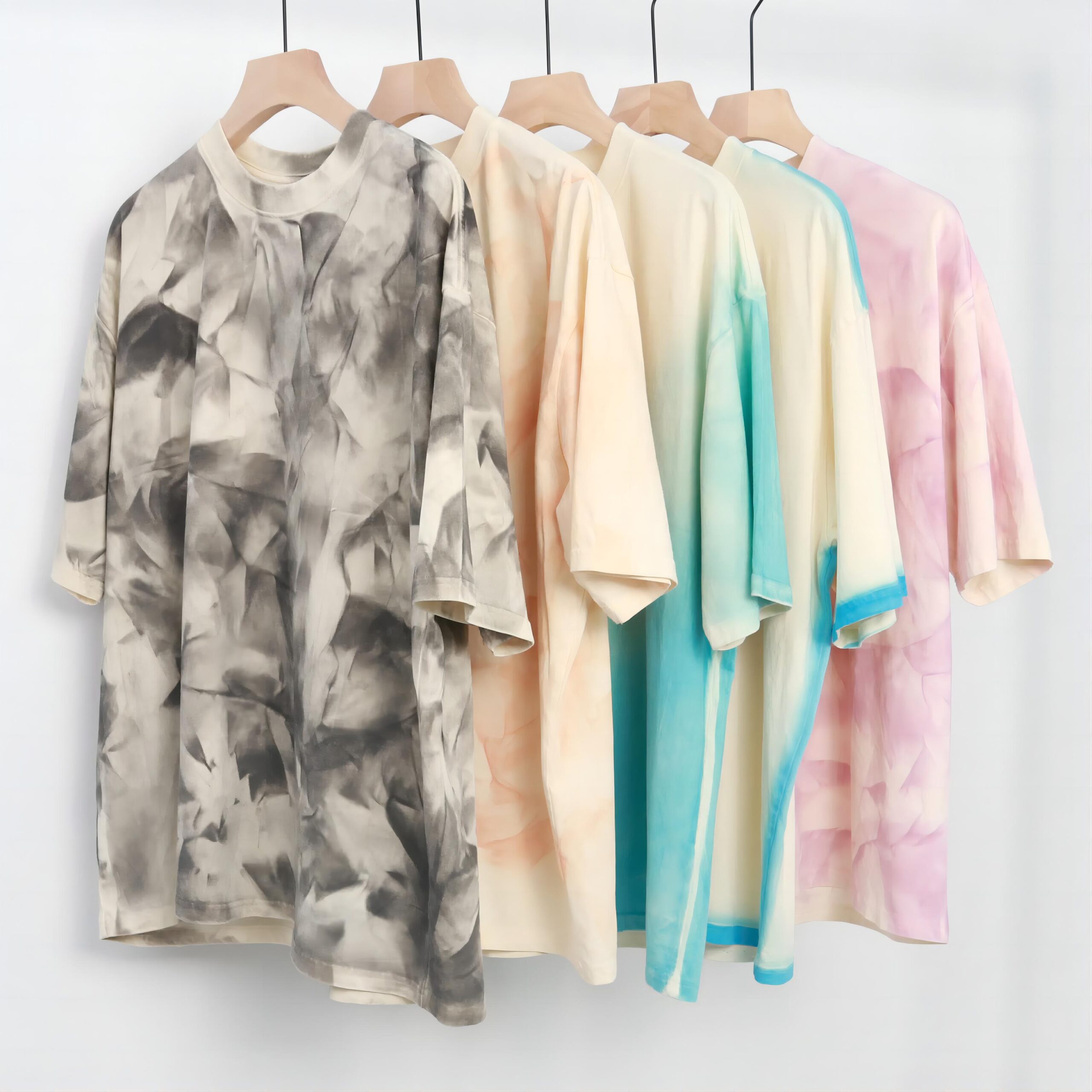
Basketball Uniforms
EDVORIN’s MOQ starts at 200 pieces per style. As an OEM clothing manufacturer, ODM apparel manufacturer and private-label clothing manufacturer, EDVORIN develops coordinated collections across hoodies, sweatshirts, bottoms, T-shirts, jackets, woven shirts and jerseys. Support includes low-MOQ clothing manufacturing, custom apparel printing, custom apparel embroidery, garment wash services, custom clothing labels and packaging, and sample-to-bulk standards for emerging and established brands.
Get a Quote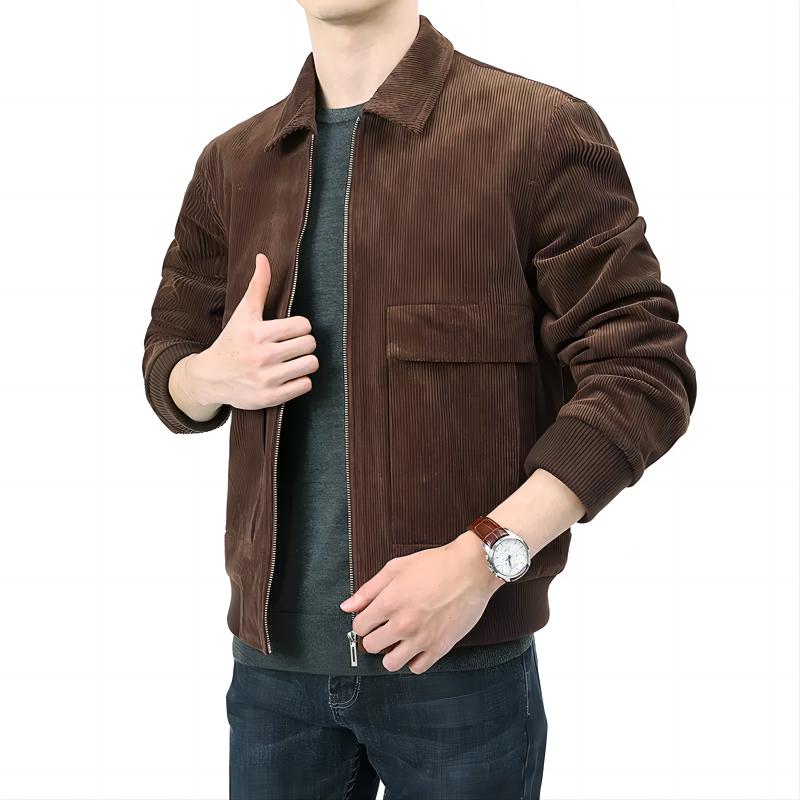
Streetwear Collections
As a streetwear clothing manufacturer, EDVORIN develops coordinated collections across hoodies, sweatshirts, bottoms, T-shirts, jackets, woven shirts and jerseys. OEM, ODM and private-label support covers fabrics, trims, decoration, washing, labeling, packaging and sample-to-bulk standards for emerging and established brands.
Get a QuoteJacket Insulation Guide for OEM and Private-Label Buyers
Use a practical decision framework to match fill, shell, construction, decoration, sampling, and production requirements—while evaluating suppliers clearly and avoiding costly insulation, quality, compliance, and ordering mistakes.
1. What Is a Jacket Insulation Guide?
2 core decisions define a jacket insulation guide: identify the intended climate and activity, then specify the insulation system that can deliver the required warmth without unacceptable weight or bulk. In sourcing terms, insulation is the fill or panel material that traps air inside the garment; its loft, fill quantity, construction, and recovery influence thermal performance and hand feel. 3 practical trade-offs separate common systems. Down generally offers strong warmth-to-weight and packability in cold, dry use, while synthetic fill usually retains more warmth when damp and dries faster; hybrid builds combine those behaviors. These differences also affect care instructions, target retail price, and the brand’s performance or sustainability positioning. com/en-us/guides/insulated-jacket-guide
1 shell-and-fill decision must be tested as a complete garment, not approved independently.
2. The Evolution of Jacket Insulation
Down, wool, and cotton established the original vocabulary of jacket warmth: natural fibers trapped air effectively but varied in moisture handling, weight, and consistency. Down remained valued for warmth-to-weight and compressibility, while wool and cotton suited less technical, more traditional garments. Polyester synthetic insulation changed the decision framework by offering quicker drying, easier care, and more dependable warmth in damp conditions. Technical outerwear pushed manufacturers to balance loft, breathability, packability, and durability rather than optimize warmth alone; hybrid jackets emerged by combining down’s lightness with synthetic protection. com/en-us/guides/insulated-jacket-guide
Recycled polyester and recycled down now connect insulation performance with sustainability goals, although buyers still need documented fiber content and supply-chain standards.
3. Types of Jacket Insulation Guide
Three core insulation systems cover most jacket programs: down maximizes warmth-to-weight, synthetic prioritizes damp-weather reliability, and hybrid combines performance characteristics. Lightweight and high-loft constructions are specification directions that can apply across these systems.
| Type | Strength | Best Applications |
|---|---|---|
| Down | Warmth-to-weight, packability | Premium fashion, dry cold |
| Synthetic | Damp performance, easy care | Teams, schools, corporate |
| Hybrid | Balanced warmth and resilience | Streetwear, variable weather |
| Recycled fill | Material-positioning flexibility | Wholesale, private-label collections |
| Lightweight/high-loft | Layering or maximum loft | Active use or cold-weather outerwear |
Core Insulation Differences
Down offers excellent warmth-to-weight and packability but loses performance when wet and usually requires gentler care. Synthetic retains warmth when damp, dries faster and is generally more economical for repeat programs.
Weight, Loft, And Durability
Lightweight insulation suits active teams and layering; high-loft fills create greater warmth with more bulk. Shell construction, quilting and fill distribution influence abrasion resistance as much as insulation choice.
Best Fit By Buyer
Fashion labels often choose down or hybrid for premium handfeel and packability; schools and corporate programs commonly favor synthetic for simpler care and consistent pricing. Active teams benefit from lightweight synthetic or hybrid systems that tolerate movement and variable weather.
- Down: premium, cold and dry
- Synthetic: damp weather, uniforms, volume
- Hybrid: changing conditions, elevated collections
- Recycled fill: material-led programs
4. Materials and Fabrics for Jacket Insulation
A 90/10 down-to-feather ratio, fill power, and fill weight define warmth differently, while shell weave, lining, and coatings determine weather protection.
| Material | Performance | Application | Sourcing Considerations |
|---|---|---|---|
| Down | High warmth-to-weight; loses performance when wet | Premium lightweight outerwear | Verify ratio, fill power, fill weight, and traceability |
| Synthetic fiber | Reliable when damp; quick drying; durable | Teamwear, streetwear, variable weather | Specify fiber structure, recycled content, and loft tests |
| Hybrid fill | Balances loft, moisture tolerance, and durability | Versatile fashion and outdoor capsules | Control blend ratio, baffle layout, and supplier consistency |
Fill Specifications

A 90/10 down-to-feather ratio generally offers higher loft than blends with more feather; fill power measures loft, while fill weight measures the actual insulation quantity. Recycled down may use a different ratio, so require test reports and traceable sourcing.
- Record fill type, ratio, fill power, and fill weight.
- Specify recycled content percentage and documentation.
- Match insulation weight to climate and intended activity.
Shell And Lining Compatibility
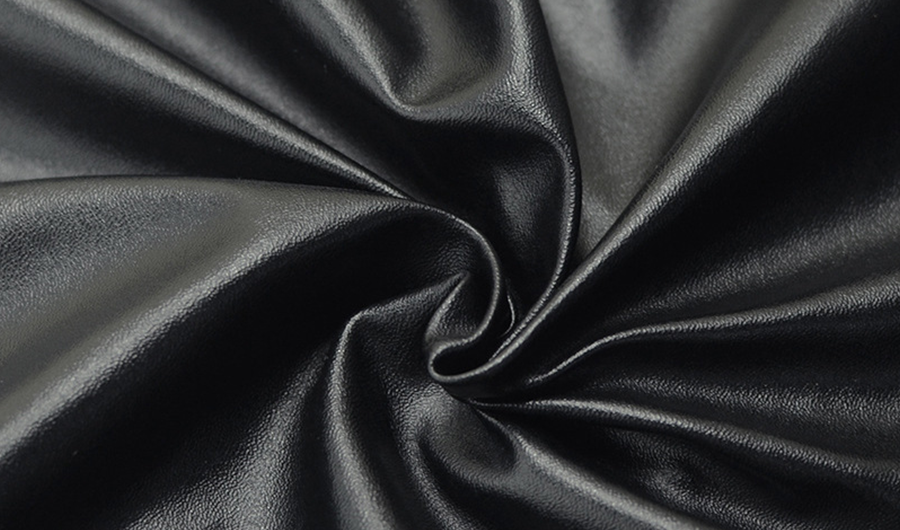
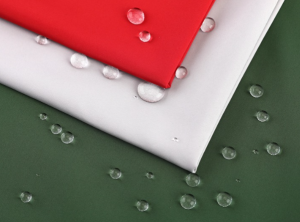
A 20D–40D woven shell can support lightweight insulation, while denser weaves improve wind resistance but may reduce breathability and alter hand feel. A smooth polyester or nylon lining helps the garment slide over layers and reduces fiber migration.
- Test shell, fill, and lining as one package.
- Check moisture vapor transfer after coating.
- Control needle holes and seam leakage.
Decoration And Sourcing
Embroidery, heat transfer, and screen printing can compress loft or stiffen lightweight shells, so decoration placement should be tested on the approved insulated panel. Flat, reinforced zones are safer than high-loft baffles.
- Test decoration after quilting and washing.
- Specify shell weave, coating, lining, and hand feel.
- Confirm supplier documentation before bulk approval.
5. Jacket Insulation Guide: Customization and Decoration
A jacket insulation guide should treat decoration as part of construction, not a final graphic step.
Quilting, Baffles, And Panels
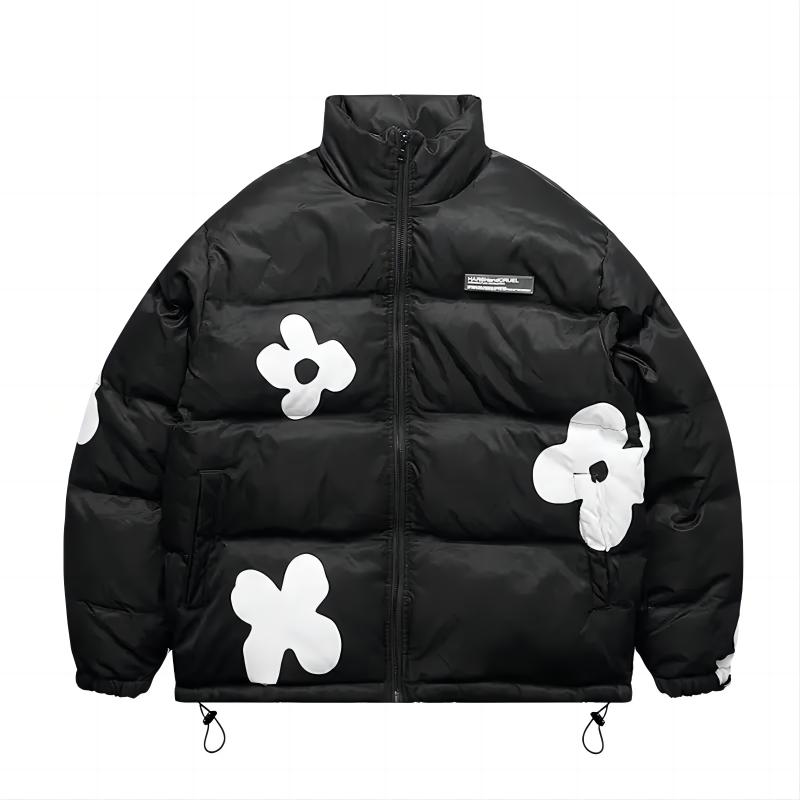
3 construction zones—shell, insulation, and lining—must be reviewed together before quilting or baffle dimensions are approved. Dense stitching can compress loft, while oversized panels may shift fill or create uneven warmth.
- Keep embroidery away from narrow baffles and seam intersections.
- Use panel seams to create stable color-block boundaries.
- Check loft recovery after washing and compression.
Decoration Method And Risk
4 common branding methods—embroidery, screen printing, heat transfer, and patches—have different effects on insulated garments. Heavy stitch density may flatten insulation; screen-print ink can stiffen shell fabric; heat and adhesive can damage coatings or synthetic fill.
- Use low-density embroidery for lighter shells.
- Test adhesive and heat-transfer settings on production fabric.
- Position labels where seams will not irritate the wearer.
Minimums And Sample Approval
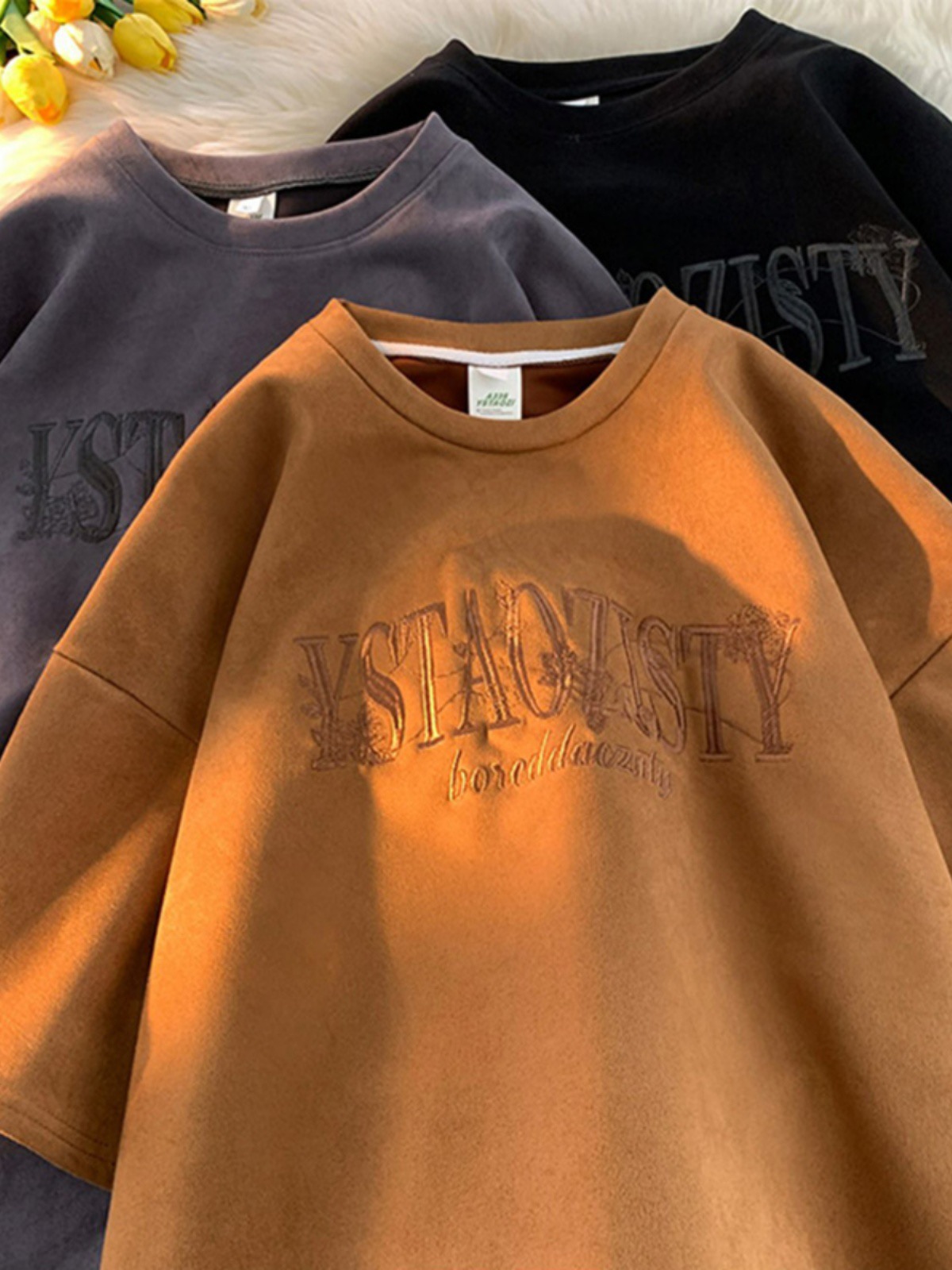
1 decorated sample is the minimum practical checkpoint before bulk commitment, even when the jacket pattern is already approved. Buyers should review visibility, loft, comfort, wash response, reflective brightness, and color accuracy under normal lighting.
- Approve front, back, sleeve, and interior label placement.
- Record Pantone references and decoration dimensions.
- Request a size-set check for branding across graded sizes.
6. Key Construction Quality Elements
Three approval points control an insulated jacket’s real performance: the physical sample, measured specification, and documented pre-production standard.
Baffle And Fill Control
Baffle width, stitch spacing, and fill quantity determine whether insulation stays evenly distributed instead of forming cold spots. Inspect corners, hood channels, and lower hems on the sample, then compare filled weight and loft against the approved specification.
Seams, Hardware, And Sealing
Seam strength depends on stitch density, reinforcement, and compatible shell, lining, and insulation layers. Pull-test high-stress points such as armholes, pocket openings, quilting intersections, and zipper ends; verify that no leakage or skipped stitches appears.
Testing And Inspection Standards
Three wash cycles are a useful minimum for checking shrinkage, seam distortion, lining torque, color change, and insulation migration, with the approved care method documented. Test the finished sample after washing rather than relying only on fabric data.
7. How to Choose a Jacket Insulation Manufacturer
Choose a manufacturer by verifying the complete path from insulation specification to packed goods.
Development And Materials
2000 is EDVORIN’s founding year, but current capability matters more: ask who owns technical development, pattern engineering, grading, and revision control. Confirm whether the supplier can build from a tech pack, sketch, or reference garment.
- Can you provide graded patterns and a complete measurement chart?
- How are insulation lots, substitutions, and revisions recorded?
- Which decoration methods suit the shell and insulation?
Testing And Quality
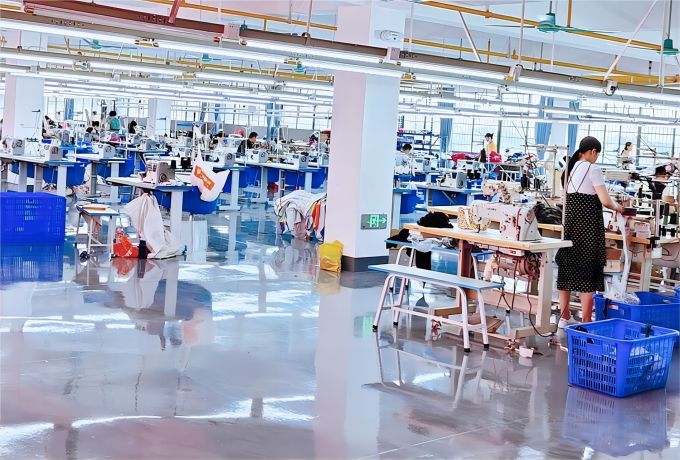
Three checkpoints—pre-production, in-line, and final inspection—should be defined before ordering. Ask for dimensional stability, colorfastness, seam, zipper, wash, and insulation-performance testing appropriate to the end use.
- Which tests are internal, and which use an independent laboratory?
- Who signs off on first production and shipment release?
- Can certificates be traced to the supplied materials and factory?
Commercial Execution
EDVORIN’s MOQ starts at 200 pieces per style. MOQ tiers, sample timing, bulk lead time, and packaging rules should be written into the quotation. Ask whether the supplier can support size sets, private labels, polybags, carton marks, hangtags, and wholesale-ready packing.
- What are MOQs by style, color, and size ratio?
- What is the lead time after sample and material approval?
- How are packing lists, labels, and carton inspections verified?
8. Common Jacket Insulation Buying Mistakes
Nine recurring errors can undermine an otherwise sound jacket program, from misreading insulation specifications to approving an unrepresentative sample.
Reading Fill Specifications Correctly
Three labels—fill name, fill power and fill weight—describe different decisions. Choosing only ‘down’ or ‘synthetic’ can hide the actual warmth, moisture behavior and packed volume required by the end use.
Matching Climate And Activity
Two wear scenarios can require opposite specifications: high-output activity needs breathable, lighter insulation, while static use in cold weather needs greater coverage and loft. Climate, wind, moisture and layering must be assessed together.
Testing Shells And Decoration
One shell fabric may compress, abrade or trap moisture differently from another, changing insulation performance and appearance. Embroidery, screen printing, patches and heat transfers can also affect loft, needle holes and hand feel.
Controlling Fit And Production Approval
A single approved size does not guarantee consistent grading. Unchecked measurements, seam allowances and insulation bulk can create visible variation across sizes and cartons.
9. Steps to Launch Your Insulated Jacket Brand
Launch an insulated jacket program by converting the intended wearer, climate, activity and order purpose into decisions a factory can measure.
Define The Commercial Brief
1 decision is the target use: streetwear, sideline warmth, school uniform, distribution, or corporate outerwear. Record climate, activity level, branding needs, target retail or issue price, expected order volume and required delivery date. 2 outputs should be a design brief and size strategy.
Specify Materials And Construction
Four core choices are insulation type, insulation weight, shell fabric and lining. Define down or synthetic fill, water resistance, hand feel, breathability, quilting layout, hardware, rib or cuff details, pocketing and hood requirements before requesting quotations.
Prototype And Approve
Three checkpoints are prototype review, fit testing and performance testing. Test movement, layering, warmth, seam appearance, zipper operation, wash response, colorfastness and decoration durability on the intended wearer group; clubs and schools should test size coverage across teams or classes.
Book Production And Reorders
EDVORIN’s MOQ starts at 200 pieces per style. Six commercial inputs are unit cost, MOQ, size breakdown, deposit schedule, production window and freight plan. Distributors should confirm carton assortment, while corporate buyers should confirm delivery locations and branding allocation before booking capacity. Four controls are pre-production confirmation, in-line inspection, final inspection and reorder notes.
10. Jacket Insulation Pricing and Cost Factors
Insulation type, fill weight, loft and thermal target establish the base cost; down, synthetic and hybrid constructions require different sourcing and testing decisions. Shell and lining fiber content, GSM, coatings, quilting, seam design and garment complexity then determine material usage and labor. Trims such as YKK hardware, snaps, rib cuffs, labels, patches, embroidery and print add separate setup or decoration charges.
| Quantity Tier | Indicative Cost Structure | Setup or Sampling Costs | Lead-Time Considerations |
|---|---|---|---|
| 1–20 development pieces | Highest unit cost; insulation, shell, trims, decoration, and freight priced in small quantities | Pattern/sample revisions, lab dips, trim sourcing, and testing are usually separate planning costs | Allow time for material approval and multiple sample rounds |
| 50–199 units | Medium-high unit cost; limited quantity leverage and packaging allocation | Decoration setup and custom trims remain meaningful per order | Confirm materials before seasonal capacity tightens |
| 200–999 units | Medium unit cost; better spread of sampling, setup, packaging, and freight costs | One approved sample and artwork standard reduce repeat setup | Plan bulk production, inspection, and freight together |
| 1,000+ units | Lower indicative unit cost; strongest leverage on materials and labor, subject to specification | Development costs amortize across the order; testing may still be style-specific | Reserve capacity early and allow production, QC, packing, and transit time |
Insulated Jacket Sourcing FAQs
Clear answers on fill selection, sampling, customization and repeatable outerwear production with EDVORIN.
What does a jacket insulation guide cover when developing a private-label collection?
How does a jacket insulation guide help choose between down, synthetic and hybrid fill?
Does a jacket insulation guide explain performance in wet weather?
Can EDVORIN develop insulated jackets from a sketch or reference sample?
What is the MOQ for custom insulated jacket production?
Can insulated jackets be customized with branding, patches or private-label details?
How does EDVORIN keep insulation quality consistent across repeat orders?
Turn Your Jacket Requirements Into a Production-Ready Program
Share your concept, fill direction, and target quantities with EDVORIN for coordinated development, sampling, decoration, and repeatable bulk production.