
Clothing Shrinkage Control for Repeatable Apparel Production
EDVORIN builds clothing shrinkage control into fabric, fit, washing and quality checks for repeatable bulk apparel.
Clothing Shrinkage Control Across Apparel Categories
EDVORIN connects material decisions, testing, fit engineering, washing, measurement standards, and inspection to reduce dimensional variation from sample to bulk.
Material Selection & Stability
Select fabrics, blends, and trims around intended fit, performance, wash conditions, and dimensional stability before sampling begins.
Fabric & Garment Testing
Test fabric and finished garments to identify directional shrinkage, recovery, distortion, and changes that could affect approved measurements.
Pattern Allowances
Translate test results into pattern allowances, grading decisions, and construction details that protect fit across men’s and women’s programs.
Wash Process Coordination
Coordinate washing, drying, softening, and finishing requirements so post-process dimensions remain aligned with the approved sample and care expectations.
Measurement Standards
Document measurement points, tolerances, size grading, and reference standards so production teams can reproduce the intended fit consistently.
Sample-to-Bulk Inspection
Compare bulk garments with approved samples through in-line and final checks, catching dimensional variation before packing and shipment.
Apparel Categories Built for Consistent Fit
EDVORIN coordinates fabric testing, fit development, approved samples and bulk inspections so apparel brands, teams and private-label buyers receive consistent products order after order.
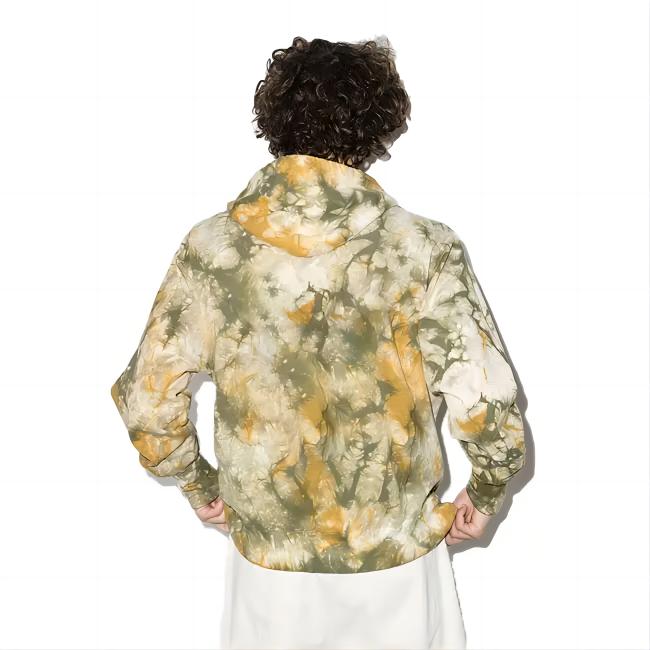
Custom Hoodies
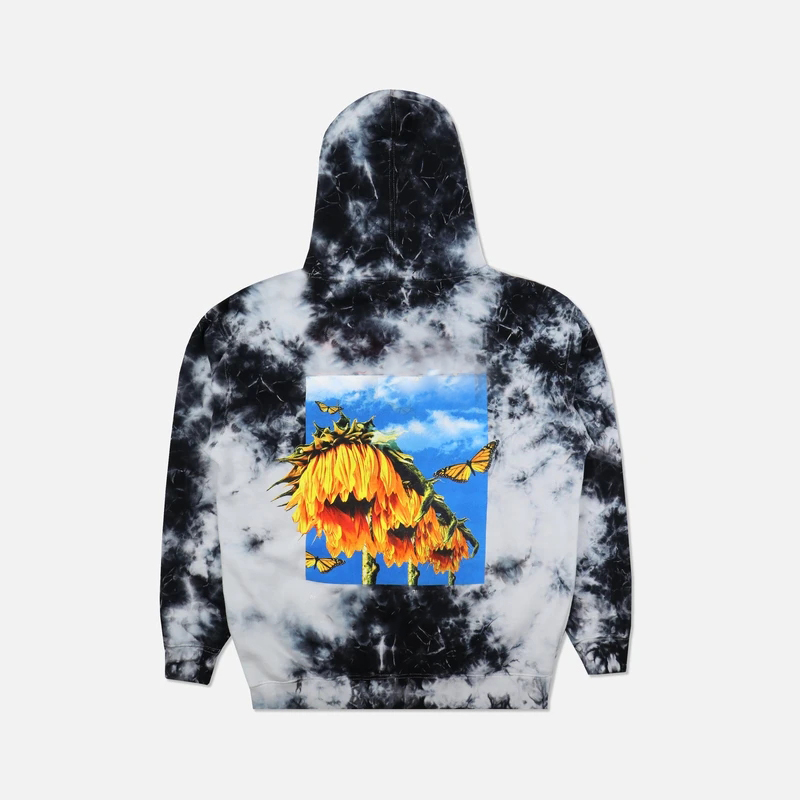
As a custom hoodie manufacturer, EDVORIN develops fleece weight, rib recovery, measurements, decoration, garment wash services and care standards around your approved fit. Shrinkage checks help protect proportions across repeat production for fashion labels, streetwear brands, school programs and private-label collections.
Get a Quote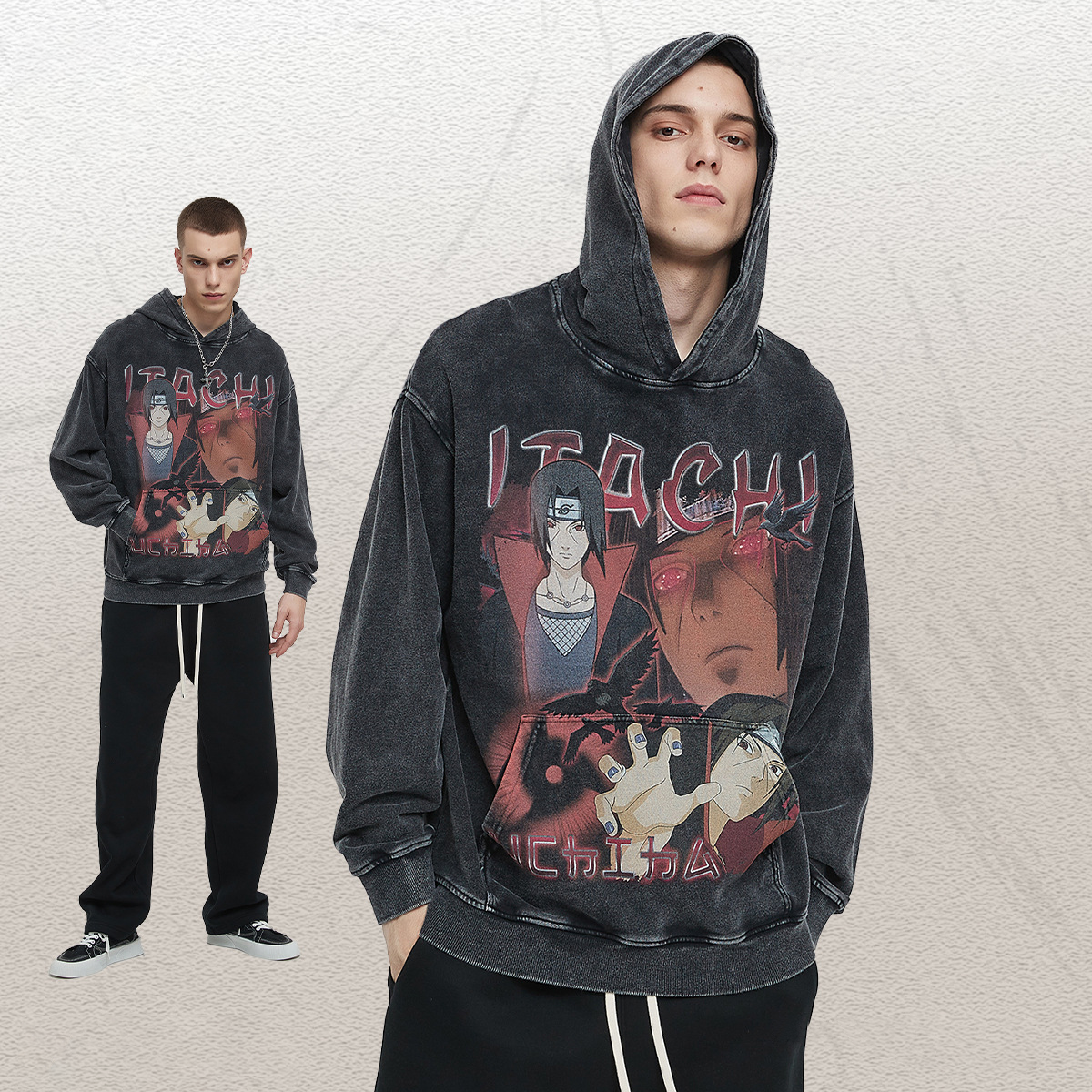
Pullover Sweatshirts
EDVORIN works as a sweatshirt manufacturer for brushed fleece, French terry and other pullover constructions. Material testing, pattern refinement, print or embroidery placement and sample-to-bulk checks help buyers maintain consistent fit, handle and appearance across wholesale and branded programs.
Get a Quote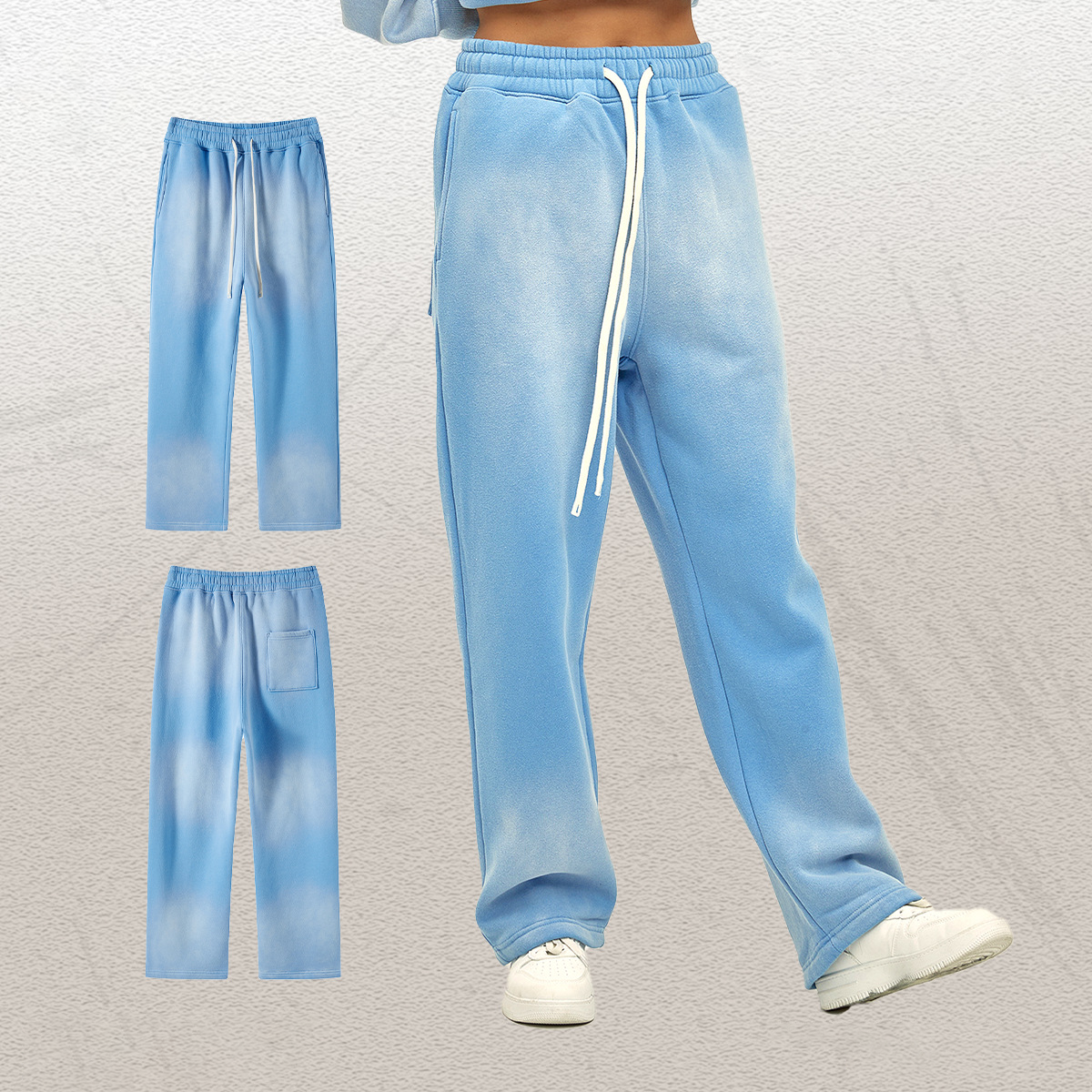
Sweatpants & Joggers
As a sweatpants manufacturer, EDVORIN coordinates fleece or terry fabrics, elastic recovery, waistband construction, pockets, drawcords and leg proportions. Shrinkage and measurement controls support dependable grading for casualwear collections, streetwear capsules, team programs and repeat wholesale orders.
Get a Quote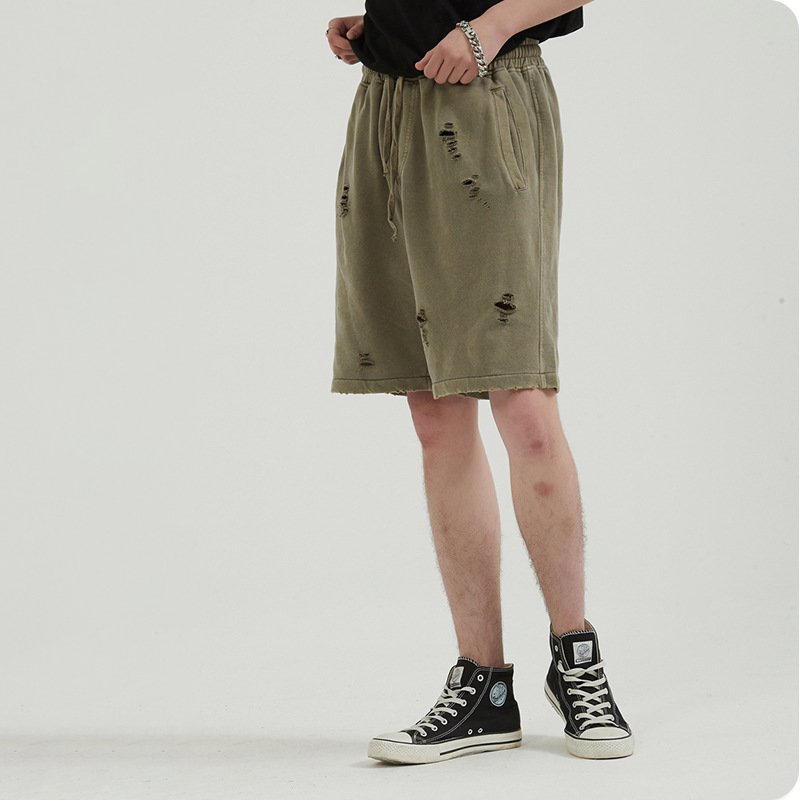
Custom Shorts
EDVORIN develops custom shorts with fabric, inseam, waistband, pocket and decoration specifications suited to lifestyle, sports or private-label use. Approved samples and bulk measurement checks help preserve fit and proportion across size sets, repeat orders and coordinated apparel collections.
Get a Quote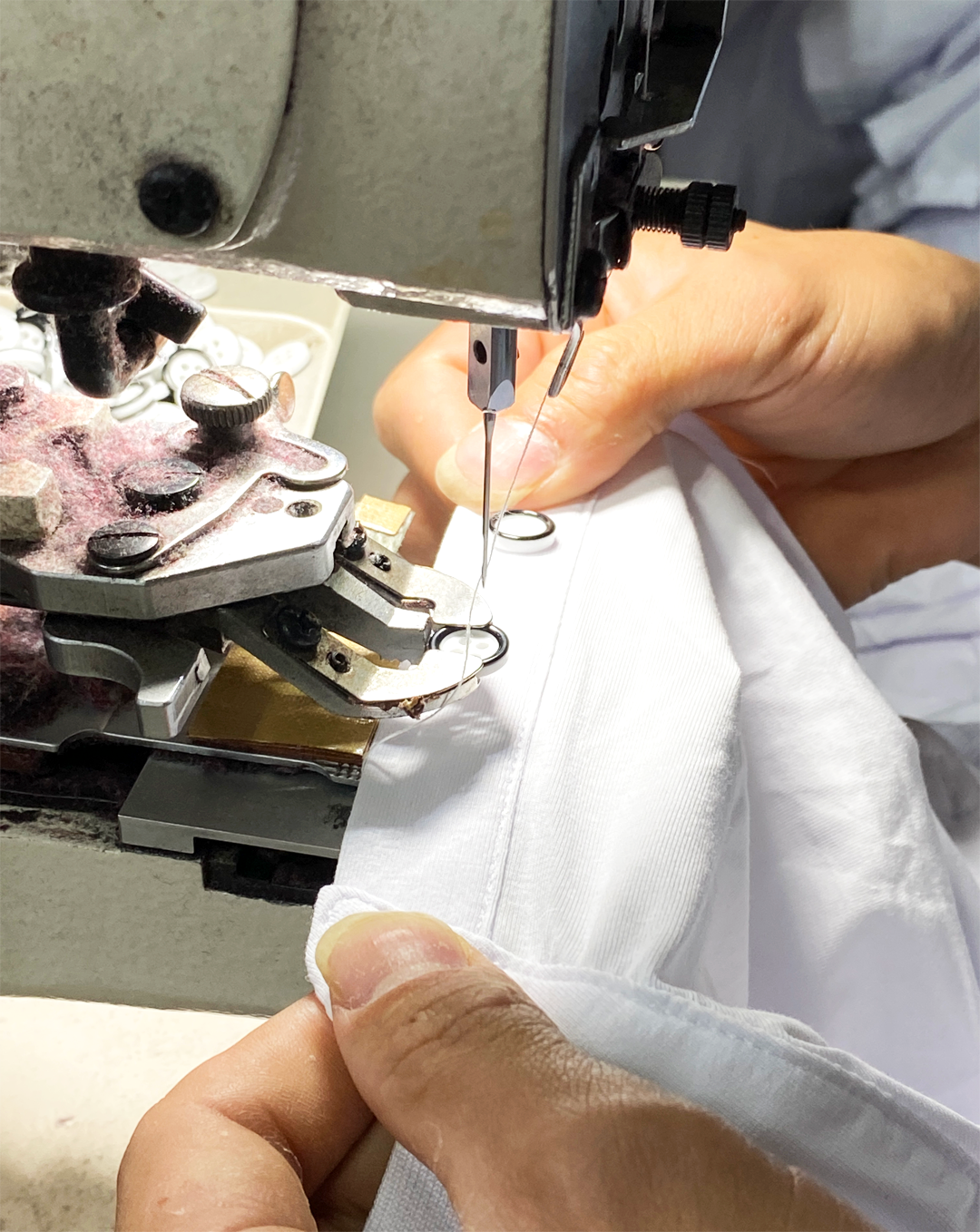
Varsity & Baseball Jackets
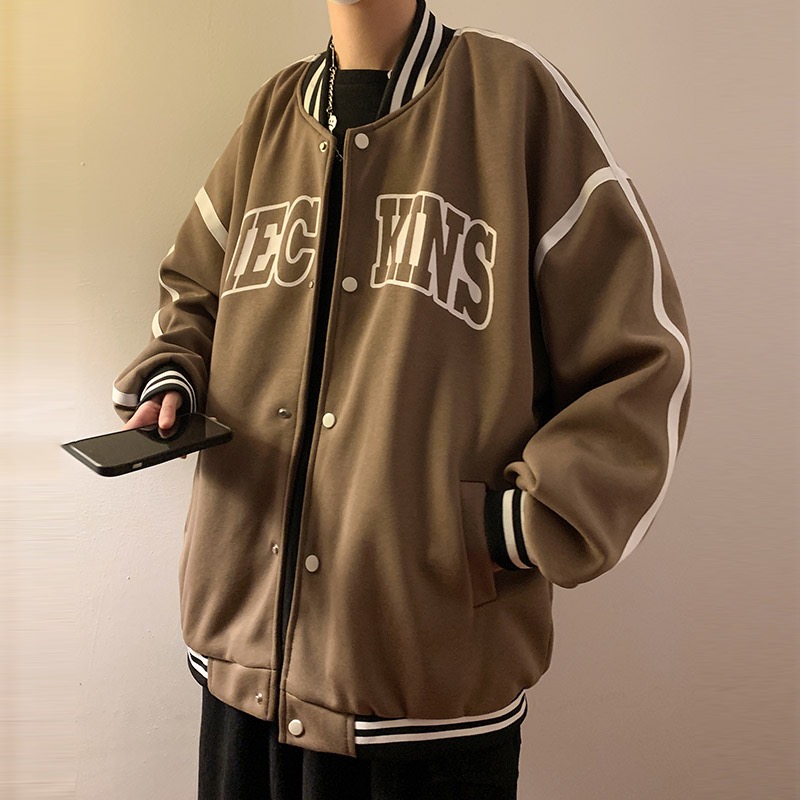
As a varsity jacket manufacturer, EDVORIN manages body fabric, sleeves, rib, lining, snaps, patches, embroidery and insulation as one specification. Fit and shrinkage controls help protect the jacket’s structure for schools, sports clubs, streetwear labels and branded outerwear programs.
Get a Quote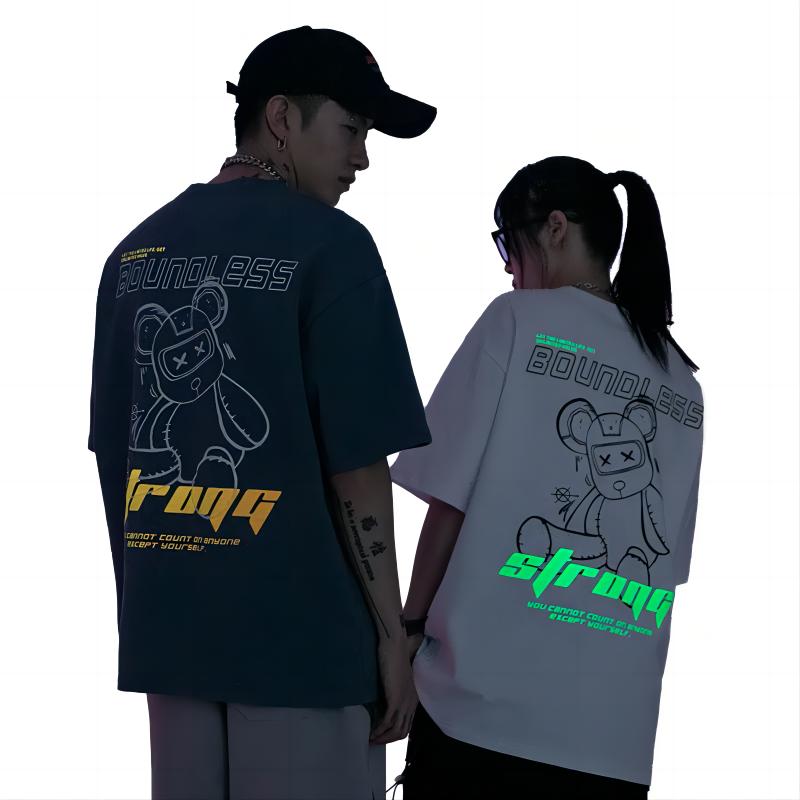
Custom T-Shirts
EDVORIN serves as a custom T shirt manufacturer with support for cotton, blends and performance fabrics, fit blocks, grading, custom apparel printing, custom apparel embroidery, labels and packaging. Fabric testing and approved artwork placement help maintain consistent hand feel, dimensions and decoration through bulk production.
Get a Quote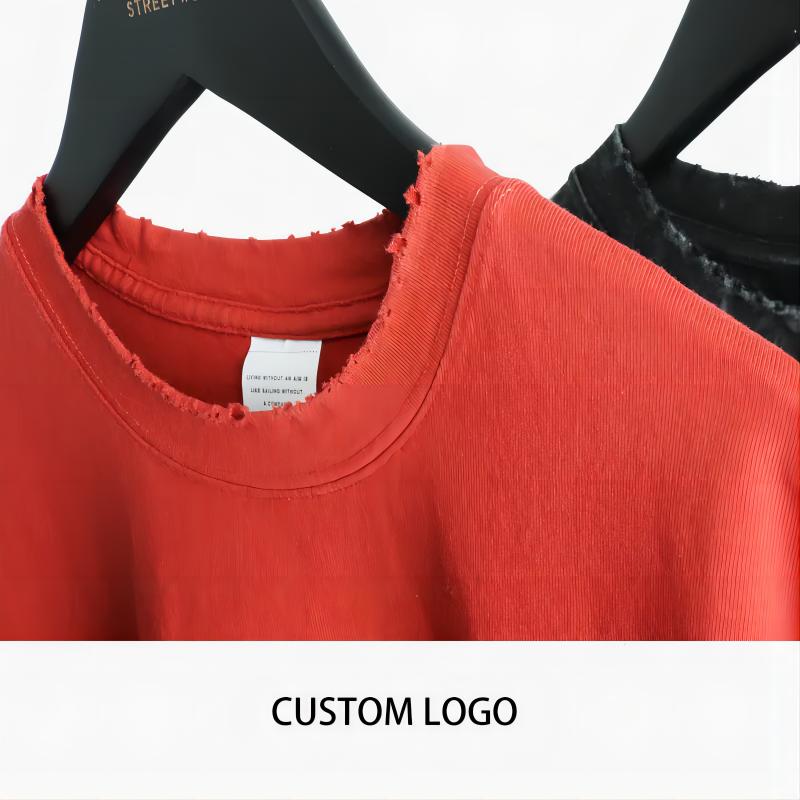
Custom Polo Shirts
As a polo shirt manufacturer, EDVORIN develops piqué or performance constructions with collar, cuff, placket, button, logo and fit requirements clearly documented. Testing and inspection support stable proportions and color across corporate uniforms, schools, sports organizations, wholesalers and private-label ranges.
Get a Quote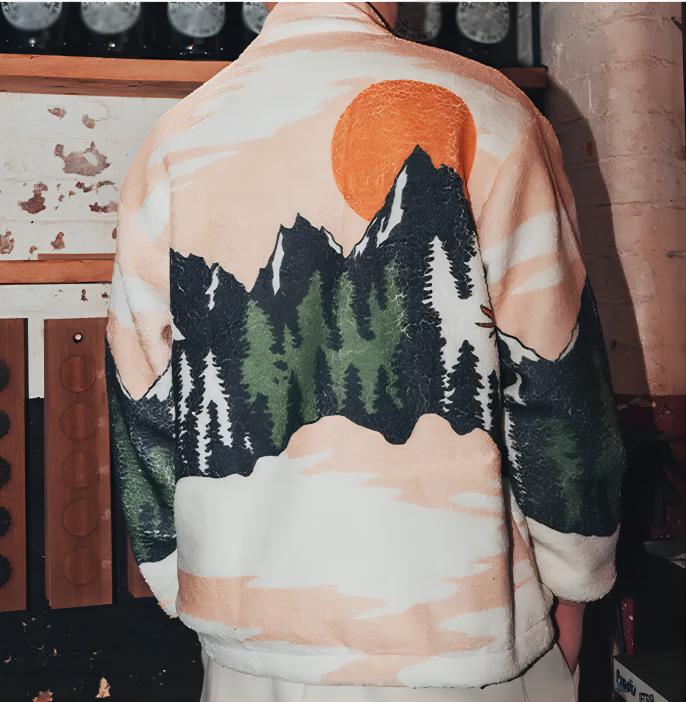
Windbreaker Jackets
EDVORIN develops windbreakers with coordinated shell fabrics, linings, hoods, zippers, pockets, elastic details and decoration. Material and measurement controls help buyers achieve consistent protection, fit and finish across streetwear outerwear, team apparel, school programs and branded wholesale collections.
Get a Quote
Quilted Jackets
As a quilted jacket manufacturer, EDVORIN coordinates shell fabric, lining, insulation, quilting pattern, panels, trims and finishing. Development focuses on balanced loft, stable dimensions and repeatable construction for fashion collections, private-label outerwear, wholesale programs and seasonal replenishment orders.
Get a Quote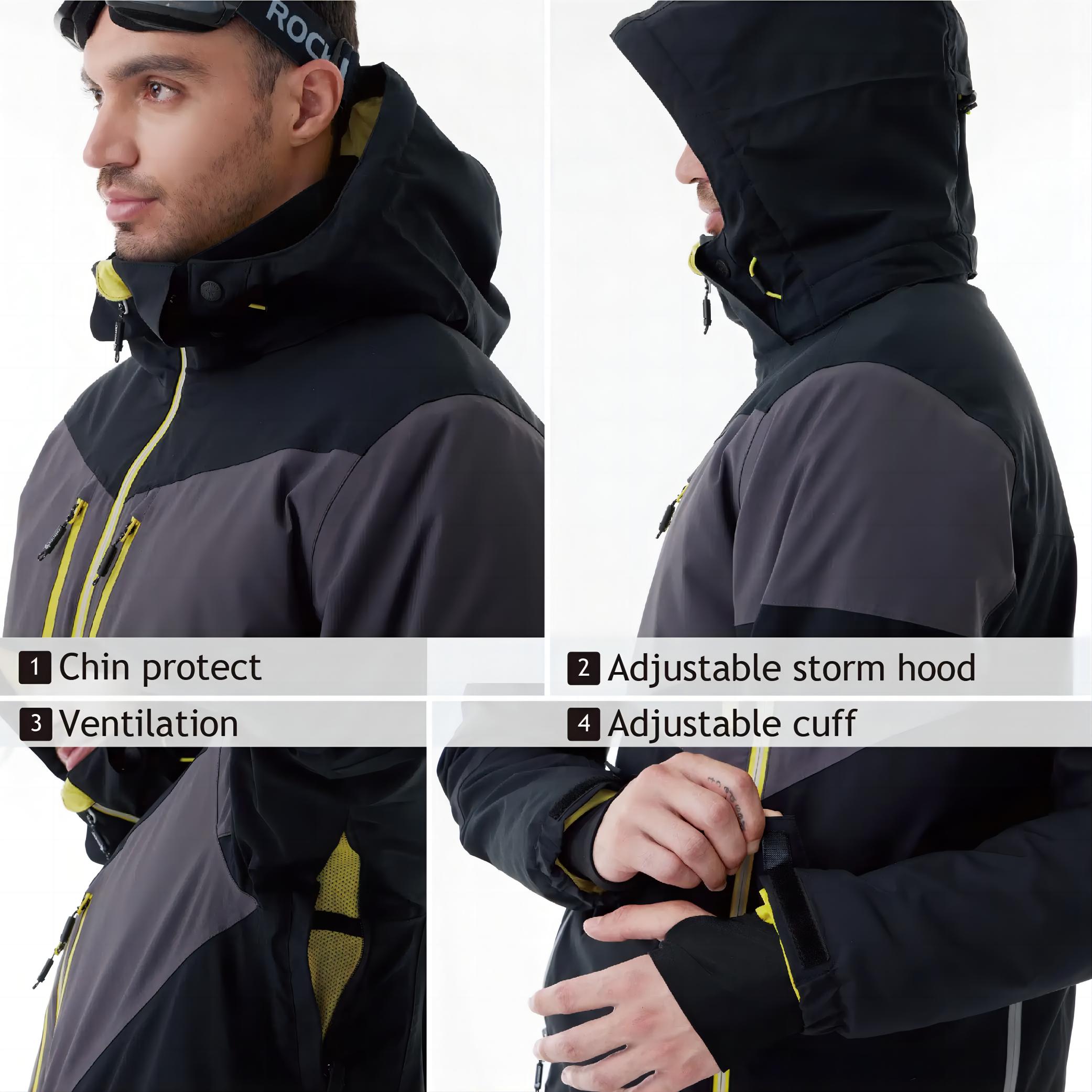
Bomber Jackets
EDVORIN manufactures bomber jackets with defined shell, lining, rib, zipper, pocket, embroidery and patch specifications. Approved standards and in-line quality checks help preserve the intended silhouette and detailing for streetwear labels, fashion brands, clubs and private-label outerwear programs.
Get a Quote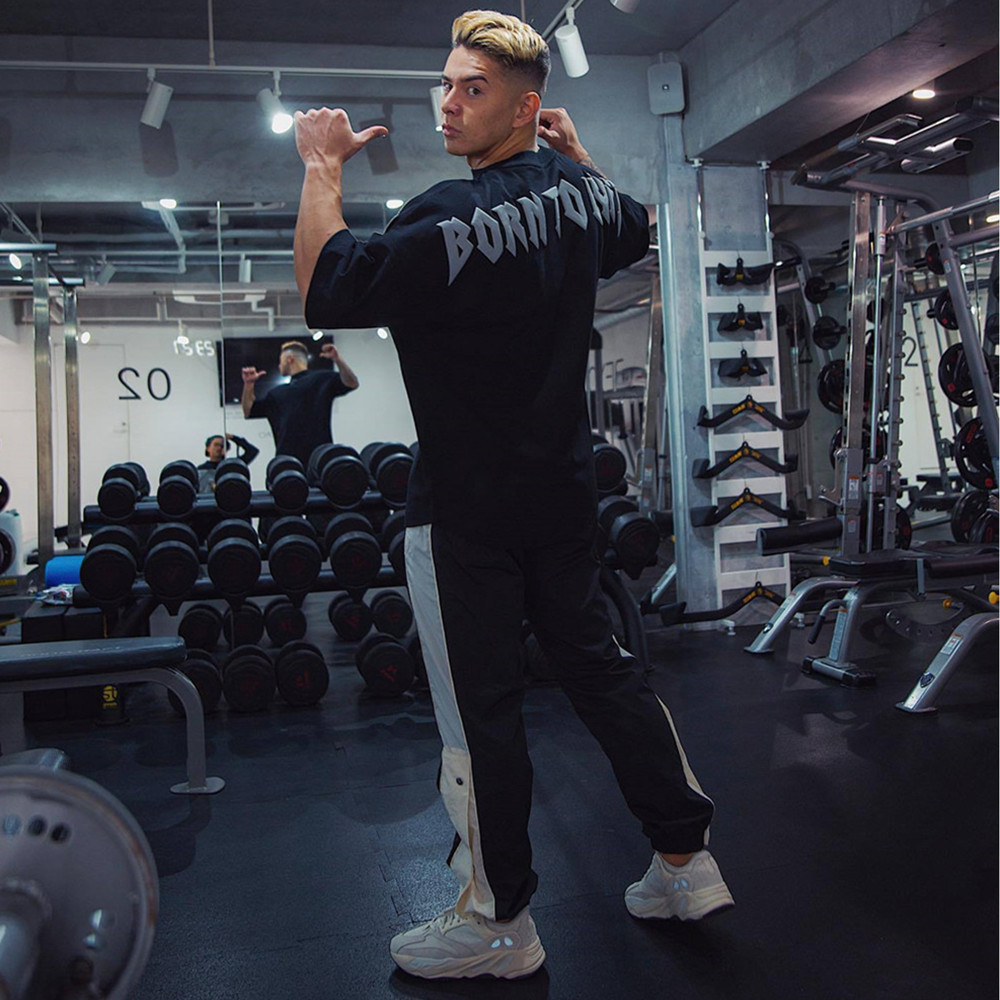
Custom Shirts
As a custom woven shirt manufacturer, EDVORIN develops fabric, collar, cuff, placket, buttons, seam construction, labels and finishing around the intended market. Pattern approval and bulk inspection support consistent drape, measurements and detailing for fashion, uniform, wholesale and private-label buyers.
Get a Quote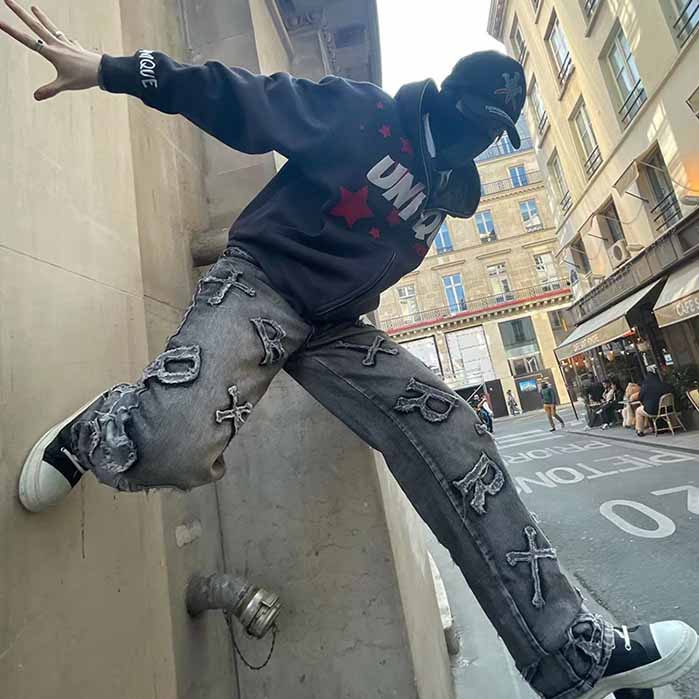
Custom Jerseys
EDVORIN develops custom jerseys using performance fabrics, team colors, breathable constructions, artwork, names, numbers and sponsor placements. Production standards cover size grading and decoration control, helping sports clubs, schools, distributors and teamwear buyers manage organized repeat orders.
Get a Quote
Tank Tops
As a custom tank top manufacturer, EDVORIN coordinates fabric weight, stretch, neckline, armholes, fit, labels and decoration for lifestyle or performance use. Approved samples and measurement checks help maintain consistent proportions across women’s and men’s programs, retail collections and team orders.
Get a Quote
Soccer Uniforms
EDVORIN produces soccer uniforms with coordinated jerseys, shorts and optional socks, using performance fabrics, team colors, player names, numbers and sponsor artwork. Size-set approval and decoration checks help clubs, schools, academies and distributors receive organized, repeatable teamwear programs.
Get a Quote
Basketball Uniforms
As a basketball uniform manufacturer, EDVORIN develops breathable jerseys and shorts with athletic fit, color blocking, names, numbers and sponsor details. Pattern grading, approved artwork and bulk inspection help teams, schools, academies and wholesalers maintain consistent sets across players and repeat seasons.
Get a Quote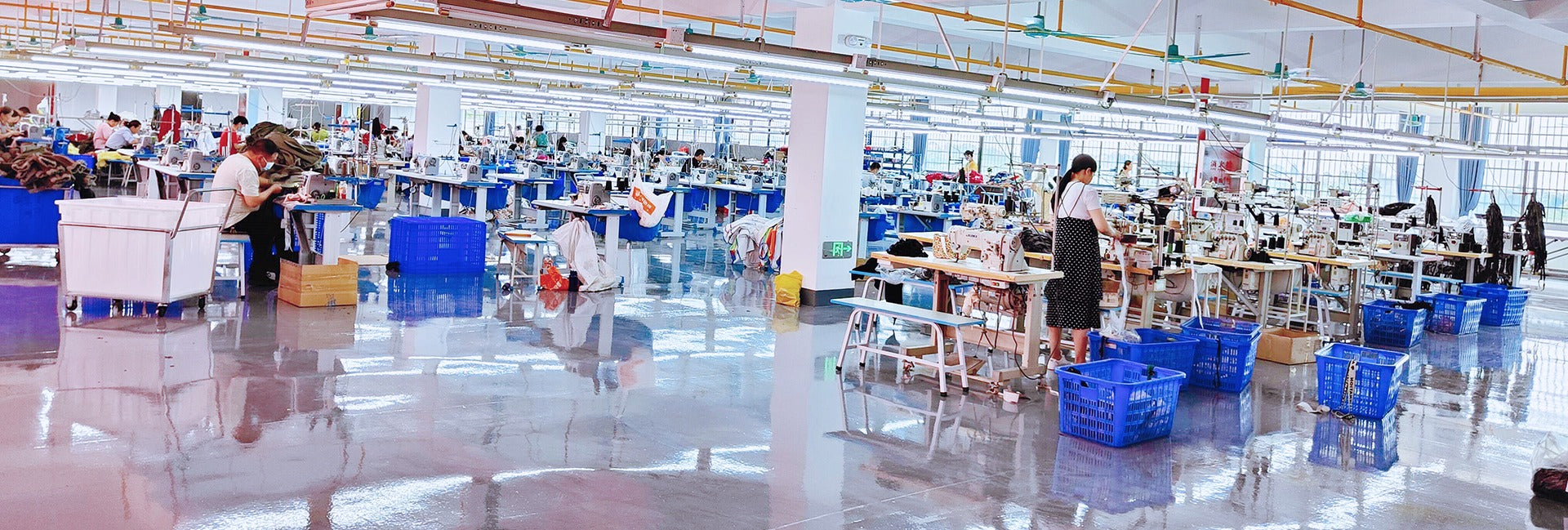
Streetwear Collections
As an OEM clothing manufacturer, ODM apparel manufacturer and private label clothing manufacturer, EDVORIN supports streetwear collections through connected development of hoodies, sweatshirts, tees, bottoms, jackets, woven shirts and coordinated decoration. Buyers can align materials, fit blocks, washes, graphics, custom clothing labels and packaging under one repeatable production system.
Get a QuoteHow EDVORIN Builds Clothing Shrinkage Control Into Production
EDVORIN manages shrinkage risk from material selection through approved samples, bulk production, quality control, labeling, and packing.
Define Shrinkage Requirements
Align fabric composition, target measurements, intended care, fit blocks, and category requirements before development so shrinkage expectations become documented production standards.
Select and Test Materials
Source suitable fabrics and trims, then evaluate dimensional behavior through testing and handling to guide pattern allowances, finishing choices, and care instructions.
Approve Production Samples
Review washed measurements, fit, construction, decoration, and labeling against the approved standard, resolving shrinkage-related adjustments before bulk cutting and sewing begin.
Control Bulk Production
Monitor material handling, in-line measurements, washing, finishing, final inspection, labeling, and packing so approved dimensions remain consistent across sizes, colors, and repeat orders.
The Buyer’s Guide to Clothing Shrinkage Control
Use this decision framework to evaluate fabric stability, testing methods, production specifications, supplier capabilities, and total cost while avoiding common shrinkage-control mistakes that create inconsistent sizing, rework, returns, and customer dissatisfaction.
1. What Is Clothing Shrinkage Control?
2000 marked EDVORIN’s start in apparel manufacturing, where controlling dimensional change meant managing fabric behavior before it became a fit problem. Clothing shrinkage control is the coordinated management of size and shape changes from fabric sourcing through finishing, cutting, sewing, washing, inspection, and delivery—not a correction made after customers receive the garment.
Three mechanisms require separate attention: relaxation shrinkage releases tension introduced during knitting or weaving; felting shrinkage occurs when heat, moisture, and agitation interlock scaly wool fibers; consolidation shrinkage develops when processing forces, moisture, heat, and movement compact the textile structure. Cotton Incorporated describes shrinkage as dimensional change in fabric or garments: https://www.cottonworks.com/wp-content/uploads/2017/11/ISP_1009_Guide_to_Improved_Shrinkage_Performance_of_Cotton_Fabrics.pdf
Three measurement views matter in bulk production: lengthwise change affects body length, inseams, and sleeve drop; widthwise change affects chest, hem, waist, and leg openings; garment-level change includes twisting, skew, puckering, or altered proportions. For EDVORIN buyers, uncontrolled shrinkage is therefore a fit, quality, and consistency risk—one style can miss the approved measurement standard, vary across sizes, and undermine repeat-order reliability.
2. Evolution and History of Shrinkage Control
Early textile production often treated shrinkage as a post-wash correction: garments were measured after processing, then patterns, grading, or finished dimensions were adjusted. As mills recognized that knitting, weaving, heat, moisture, and agitation created dimensional change, control moved upstream into fabric handling and finishing.
By the 2000s, preshrinking, compacting, and controlled finishing became practical tools for reducing residual shrinkage before cutting. Standardized wash-and-dry testing also made fabric behavior measurable; Cotton Incorporated recommends repeated cycles for reliable results, supporting realistic tolerances instead of unattainable specifications (https://www.cottonworks.com/wp-content/uploads/2017/11/ISP_1009_Guide_to_Improved_Shrinkage_Performance_of_Cotton_Fabrics.pdf).
Today, supplier quality agreements connect those controls to commercial accountability. Buyers expect approved test methods, pre-production reports, lot consistency, measurement records, and documented corrective actions so sizing remains repeatable across bulk orders.
The result is a preventive clothing shrinkage control workflow: verify fabric performance, confirm post-wash measurements, align tolerances with the product, and inspect production before packing. This reduces claims, replacement orders, and rework while giving fashion, teamwear, and private-label programs evidence they can retain for compliance and future repeat orders.
3. Types of Clothing Shrinkage Control
Five control routes address different causes of dimensional change. EDVORIN selects the combination according to fabric behavior, end use, decoration and repeat-order risk.
Preshrinking And Compacting
Before cutting, compacting or controlled washing reduces residual relaxation in cotton knits and fleece.
This improves first-wash accuracy but adds processing cost; fashion brands and wholesalers benefit most when repeat sizing matters.
Mechanical Finishing

Compaction, tentering and controlled drying stabilize width, length and skew without adding chemical finish.
The trade-off is equipment cost and possible hand-feel change; streetwear and sportswear buyers gain more predictable panels.
Chemical Stabilization
Resin-based or other chemical finishes can limit dimensional movement where fabric construction remains unstable.
They may alter softness, breathability or compliance requirements, so private-label and performance buyers need documented testing.
Pattern And Size Allowances

A measured shrinkage allowance is built into patterns after fabric testing, protecting finished measurements.
This costs little compared with rework but can distort proportions if assumptions are wrong; schools and uniform programs benefit from approved size sets.
Wash-Process Controls
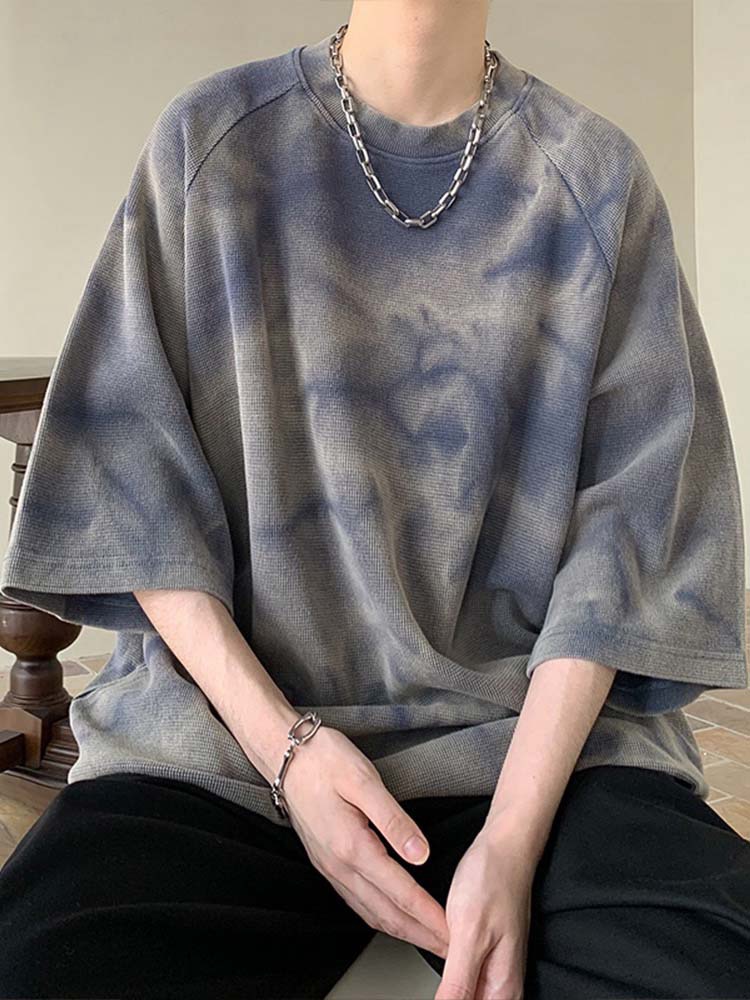
Temperature, moisture, agitation, drying and garment-wash recipes determine processing shrinkage after sewing.
A locked recipe improves batch consistency but can extend lead time; teamwear and decorated collections benefit from controlled repeat washing.
4. Materials, Fabrics, and Shrinkage Behavior
Fabric behavior determines whether an approved fit survives washing, drying, and repeat production. EDVORIN evaluates fiber, construction, finishing, and test conditions together before setting a bulk standard.
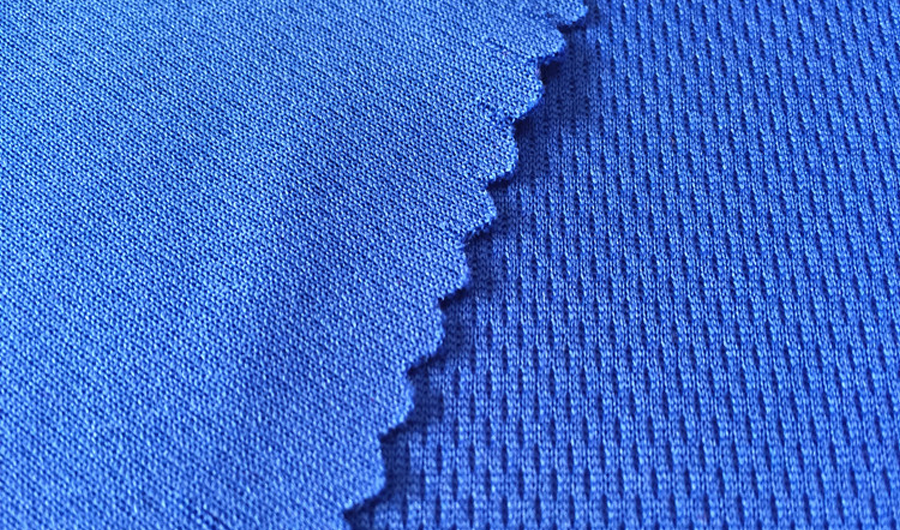
Fiber And Construction Behavior
Cotton, wool, linen, and viscose generally need tighter shrinkage controls than polyester. Heat, moisture, and agitation can relax fibers; wool may felt, while loosely knitted structures usually move more than compact wovens.
Blends can balance comfort and stability, but the ratio matters. GSM alone is not a performance guarantee: yarn type, stitch or weave density, finishing, and garment washing also affect dimensional change.
| Material | Stability | Heat/Agitation | Suitable Uses |
|---|---|---|---|
| Cotton | Medium | High sensitivity | T-shirts, fleece |
| Wool | Low | Felting risk | Knitwear, outerwear |
| Linen | Medium | Moderate | Shirts, summerwear |
| Viscose/Rayon | Low-medium | Heat sensitive | Dresses, tops |
| Polyester | High | Lower sensitivity | Sportswear, shells |
| Blends | Variable | Ratio dependent | Uniforms, casualwear |
| Knits | Variable | Agitation-sensitive | Jerseys, hoodies |
| Wovens | Usually higher | More stable | Shirts, jackets |
What To Put In The Fabric Specification
Request fiber content, yarn type, GSM, width, construction, color standard, finishing, and whether the fabric is compacted, preshrunk, or garment-washed. Record shrinkage separately by length and width.
Define test temperature, detergent, agitation, drying method, cycle count, sample conditioning, and allowable tolerance. Cotton Incorporated notes that test methods and processing stresses materially affect acceptance results: https://www.cottonworks.com/wp-content/uploads/2017/11/ISP_1009_Guide_to_Improved_Shrinkage_Performance_of_Cotton_Fabrics.pdf
Match Stability To The End Use
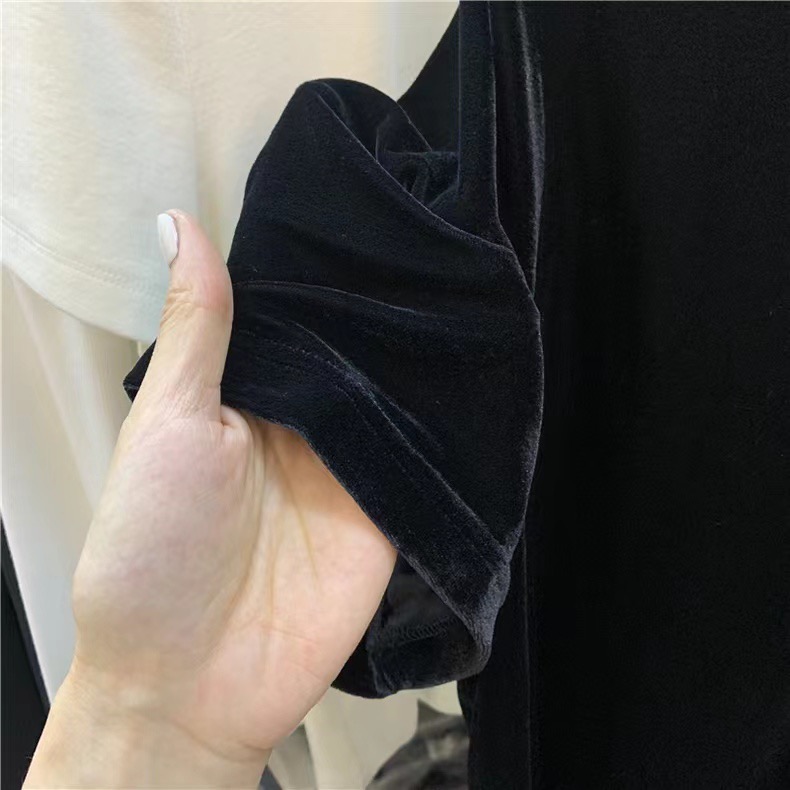
A heavyweight cotton hoodie, a viscose blouse, and a polyester soccer jersey should not share one shrinkage target. Set tolerances against the approved sample, measurement chart, care label, and intended laundering route.
For EDVORIN programs, confirm fabric and garment test results before grading and bulk cutting. Recheck high-risk materials after decoration or washing, since added processing can change dimensions.
5. Customization and Decoration Options
Printing, embroidery, appliqué, heat transfers, garment dyeing, washing, and special finishes can change both garment dimensions and decoration alignment. Clothing shrinkage control therefore requires testing the decorated sample through the intended finishing route before bulk approval.
Decoration And Dimensional Change
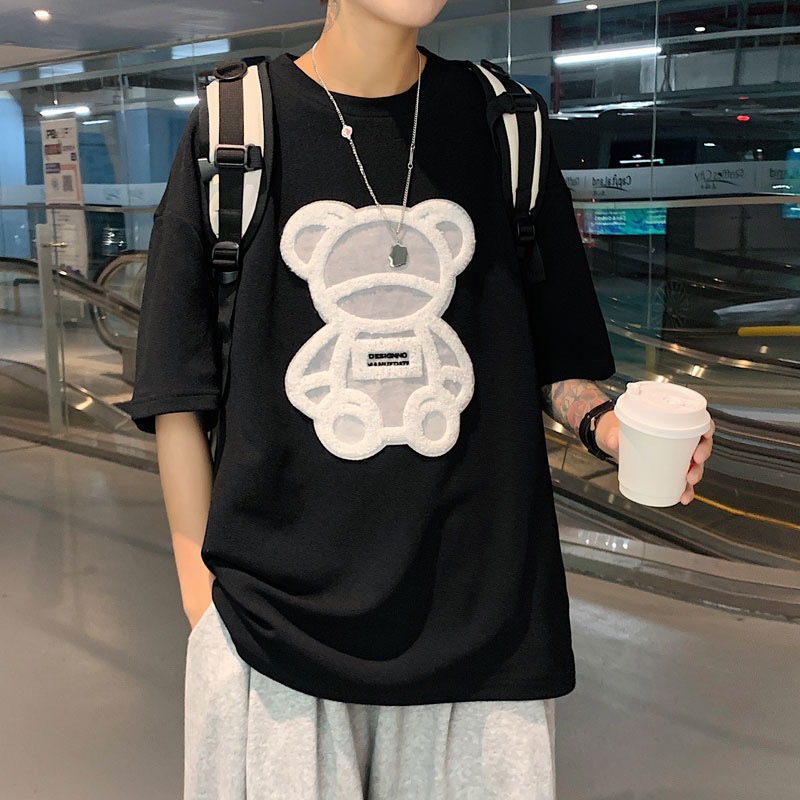
Screen printing and heat transfers can crack, distort, or shift when knit panels change size during washing. Embroidery and appliqué may create puckering if stabilizers, stitch density, backing, or attachment tension do not suit the fabric.
Garment dyeing, enzyme washing, and special finishes should be evaluated with the final decoration method. EDVORIN can align fabric, decoration, washing, and inspection requirements during development for repeatable production.
Placement Before Bulk Production
Artwork placement should be recorded from fixed reference points, such as the neckline, side seam, pocket edge, or sleeve hem. This protects logo scale and registration when panels relax, shrink, or distort during processing.
Pre-wash application suits some programs, while post-wash application may better preserve registration after aggressive finishing. The correct sequence should be confirmed with decorated samples, measurement checks, and wash testing.
Approvals By Program

Branded uniforms and teamwear require approved size sets, color references, name-and-number layouts, and decoration positions before production. Schoolwear and private-label programs also need clear rules for labels, badges, care marks, and repeat-order matching.
Streetwear collections may combine print, embroidery, patches, and washed effects, making one final approval sample insufficient. EDVORIN documents the approved construction, artwork, finishing route, and inspection points as one manufacturing standard.
6. Key Construction Quality Elements
Approved construction details determine whether clothing shrinkage control remains repeatable after washing. Buyers should evaluate both the garment’s physical balance and its post-wash measurements before releasing bulk production.
Seams, Stitching, And Thread
Flatlock, overlock, and coverstitch choices affect seam movement, bulk, and resistance to puckering. Match stitch density and thread tension to fabric weight; excessive tension can draw panels inward after washing.
Inspect shoulder, side, inseam, and armhole seams for twisting, skipped stitches, uneven margins, and thread breakage. Record the approved construction in the tech pack so production units follow the same standard.
Recovery, Alignment, And Grading
Rib collars, cuffs, and waistbands must recover evenly after stretching; weak recovery can exaggerate measurement drift even when the main fabric remains stable. Check rib attachment for waviness, seam torque, and uneven circumference.
Compare left and right panels, stripes, pockets, and artwork alignment against the approved sample. Review grading across the full size set, with pattern allowances confirmed at collars, cuffs, hems, and high-tension seams.
Wash Testing And Production Checks
Five repeated wash-and-dry cycles are recommended in Cotton Incorporated’s shrinkage bulletin: https://www.cottonworks.com/wp-content/uploads/2017/11/ISP_1009_Guide_to_Improved_Shrinkage_Performance_of_Cotton_Fabrics.pdf. Measure length, chest, sleeve, and opening dimensions before and after testing.
For production units, sample multiple sizes and cartons rather than one garment. Flag skew, twisting, puckering, uneven shrinkage, collar or cuff collapse, and any measurement drift beyond the approved tolerance.
7. How to Choose a Clothing Shrinkage Control Manufacturer
A manufacturer should prove clothing shrinkage control through documented process evidence, not catalog images or broad capability claims. Compare how each supplier converts fabric behavior into approved measurements, repeatable production controls, and accountable corrective action.
Traceability And Development
1. Require lot-level fabric identification, fiber composition, supplier records, and revision-controlled tech packs. Confirm whether EDVORIN can develop patterns and samples from a tech pack, sketch, or reference garment.
2. Review pre-production decisions for fabric finishing, garment washing, grading, and post-wash measurements. Written tolerances should distinguish length, width, and measurement points.
Testing And Approval
3. Ask what in-house testing equipment or independent laboratory access supports dimensional-change checks. The supplier should document wash temperature, detergent, cycle, drying method, and number of cycles.
4. Approve a measured sample after the defined wash protocol, then retain the sample, measurement chart, and signed comments as the bulk-production reference.
Production Evidence
5. Compare cutting checks, panel measurement controls, in-line inspections, and final inspection records rather than relying on finished-product photos. Records should identify quantities checked, failures, disposition, and responsible staff.
6. Confirm how production communicates deviations before shipment, including escalation timing and lot traceability for repeat orders.
Commercial Fit And Recovery
7. Evaluate minimum order quantities, realistic sample and bulk lead times, communication cadence, and response ownership alongside price. A lower quote is weak value if approval delays or unstable capacity threaten launch dates.
8. Require a corrective-action process covering root cause, containment, rework or replacement, verification, and prevention on the next order.
8. Common Buyer Mistakes in Shrinkage Control
A 2% tolerance is more useful than the label ‘pre-shrunk’ when approving bulk apparel. Most avoidable failures begin when testing, decoration, fabric identity, and care instructions are treated as separate decisions.
Define Measurable Tolerances
A 2% claim without length and width limits cannot guide acceptance. Record dimensional-change tolerances by garment measurement, fabric lot, wash cycle, and test temperature.
Buyer checkpoint: require the supplier to show post-wash measurements against the approved size chart before bulk cutting.
Test More Than One Sample
One hoodie or T-shirt cannot represent an entire production lot. Test multiple pieces across relevant sizes, positions, and fabric lots, then review both vertical and horizontal change.
Buyer checkpoint: approve a size-set result, not a single attractive sample.
Control Lots And Direction
Three fabric lots can produce different shrinkage even under the same nominal composition. Record lot numbers, grain direction, wale or course direction, and relaxation results before marker planning.
Buyer checkpoint: quarantine or retest replacement lots instead of assuming the original approval transfers.
Wash-Test Decoration And Labels
A screen print, embroidery, patch, or heat transfer can distort when the base garment changes. Wash-test decoration on the approved fabric and finish before confirming placement, adhesion, puckering, or color stability.
Buyer checkpoint: match the care label to the tested method, and compare results only when wash temperature, detergent, agitation, drying, and measurement method are identical.
9. Steps to Launch Your Brand With Shrinkage Control
Three controlled gates turn clothing shrinkage control into a launch process: define the target garment, verify post-wash measurements, then freeze the approved standard. EDVORIN can align each gate to the buyer’s end use and repeat-order risk.
Define The Product Standard
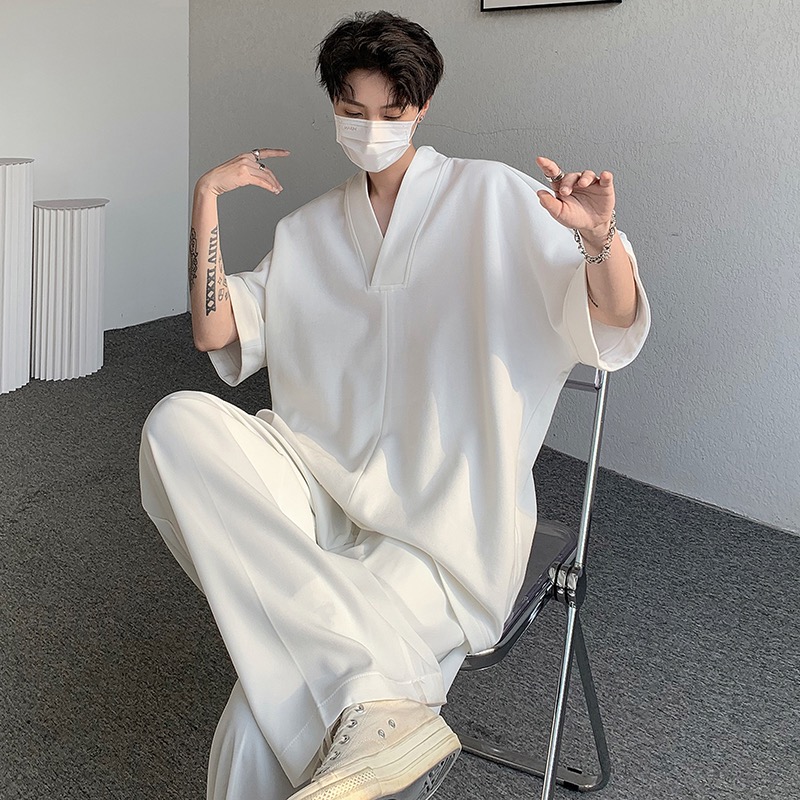
1 fit block should reflect the wearer and use: oversized streetwear, athletic teamwear, school uniforms, wholesale basics, or private-label retail. Record finished measurements, fabric composition, GSM, decoration zones, and intended care route.
2–3 fabric candidates should be compared for dimensional stability, hand feel, color, and cost. Set realistic length and width tolerances before sampling; the buyer should approve these limits before bulk development.
Test And Approve Samples
Five wash-and-dry cycles provide a stronger stability check than judging an unwashed sample. Measure key points before and after testing, then review fit, seam torque, print or embroidery distortion, rib recovery, and color change.
One approved pattern and decoration layout becomes the reference for grading and production. Brands and private-label buyers should approve the size set; clubs and schools should confirm names, numbers, logos, and team-color placement before release.
Lock Production And Repeat Control
1 production specification should combine the approved pattern, fabric lot requirements, tolerances, artwork files, trim details, wash route, packing method, and care label wording. EDVORIN should inspect pilot units before authorizing the full order.
Every repeat order should be checked against the same baseline, not memory. Wholesalers should review size consistency and carton packing; teams and academies should verify personalization, while all buyers should log shrinkage results and approve any material or process change.
10. Clothing Shrinkage Control Pricing and Cost
3 cost layers usually determine clothing shrinkage control: fabric selection, stabilization finishes, and verification. Cotton fleece, French terry, and blended knits may require different finishing and wash protocols; laboratory or repeated wash testing adds cost before bulk production.
2 to 4 development rounds can affect the final budget when measurements change after testing. Pattern revisions, sample iterations, decoration approvals, and post-wash checks are cheaper before cutting bulk fabric than after fit problems reach production.
1 approved standard should govern cutting, sewing, decoration, and final inspection. Minimum order quantities spread setup and testing costs across more units, while expedited production typically increases labor coordination, testing priority, and freight risk.
| Quantity Tier | Control Scope | Estimated Cost Category | Lead-Time Impact |
|---|---|---|---|
| Prototype / small run | Fabric screening, stabilization option, wash testing, one or two samples | Higher per-unit development cost | Adds approximately 1–3 weeks |
| Mid-volume order | Approved fabric, pattern revision, decoration approval, inline inspection | Moderate control cost spread across units | Adds approximately 1–2 weeks |
| Large bulk order | Full testing record, size-set confirmation, production inspection, final audit | Lower per-unit control cost; higher total testing exposure | Standard production schedule |
| Expedited order | Compressed approvals, prioritized sampling, accelerated inspection | Premium coordination and expedited production cost | Shorter calendar, higher execution risk |
Clothing Shrinkage Control Questions Buyers Ask
Get practical answers about fabric behavior, testing, fit consistency and repeat production with EDVORIN.
What does clothing shrinkage control include during apparel production?
Can EDVORIN provide clothing shrinkage control without a complete tech pack?
How does clothing shrinkage control differ by fabric type?
Will shrinkage change the garment measurements after washing?
How can buyers reduce shrinkage complaints after delivery?
Can EDVORIN support clothing shrinkage control for repeat orders?
What quality checks help verify shrinkage control before shipment?
EDVORIN’s MOQ starts at 200 pieces per style. What is the minimum order quantity for shrinkage-controlled apparel programs?
Build a More Consistent Apparel Production Plan With EDVORIN
Share your concept, tech pack, reference sample, or collection requirements for a production-ready path from development through bulk manufacturing.