
Fabric Colorfastness for Production-Ready Apparel
Use this fabric colorfastness guide to assess wash, light, rubbing and perspiration risks before approving bulk apparel production.
Colorfastness Controls for Bulk Apparel
Use the right tests for each apparel category, from everyday washing and rubbing to light exposure and perspiration in performance wear.
Washing Color Retention
Evaluate shade change and staining after laundering, then align fabric selection, wash instructions and bulk approval with the intended product.
Dry and Wet Rubbing
Check whether color transfers during dry or wet friction, especially on layered garments, dark shades, printed panels and high-contact teamwear.
Light Exposure Stability
Assess fading risk for outerwear, uniforms and outdoor programs by matching light exposure expectations with suitable materials, dyes and documented test requirements.
Perspiration Performance
For activewear and teamwear, review color response to perspiration alongside fabric comfort, decoration choices and the demands of repeated wear.
Standards Into Production
Translate approved colorfastness expectations into tech packs, sample reviews and in-line checks so the finished order reflects the buyer’s standard.
Our Apparel Manufacturing Capabilities
EDVORIN is an OEM clothing manufacturer, ODM apparel manufacturer and private label clothing manufacturer developing coordinated apparel for fashion, streetwear, teamwear and wholesale programs.
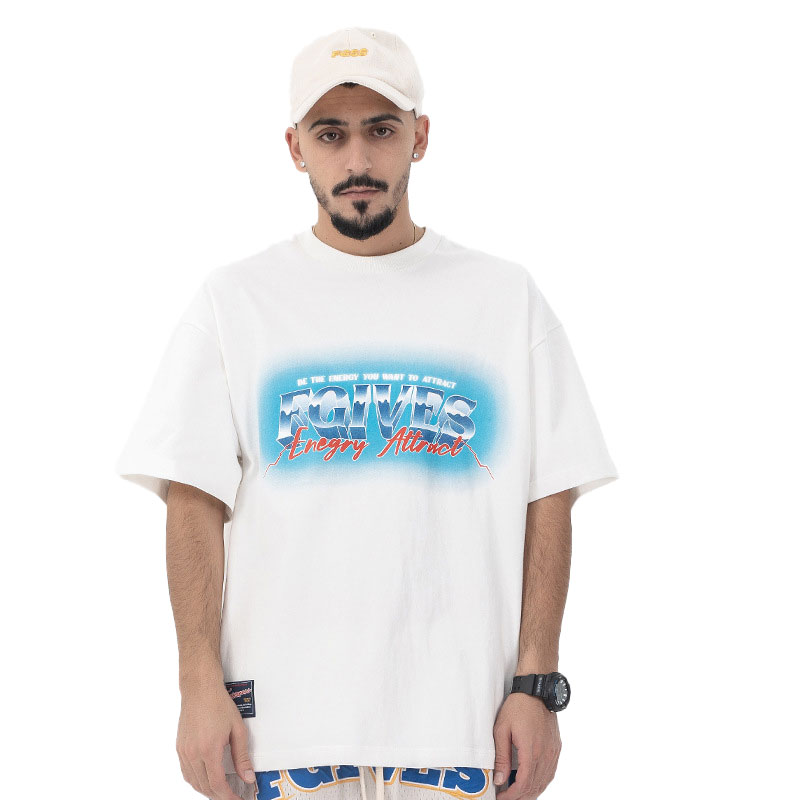
Custom Hoodies
As a custom hoodie manufacturer, EDVORIN develops fleece and lightweight hoodie programs with tailored fit blocks, rib specifications, drawcords, labels and decoration. Buyers can start from a tech pack, reference garment or concept and take approved samples through controlled bulk production.
Get a Quote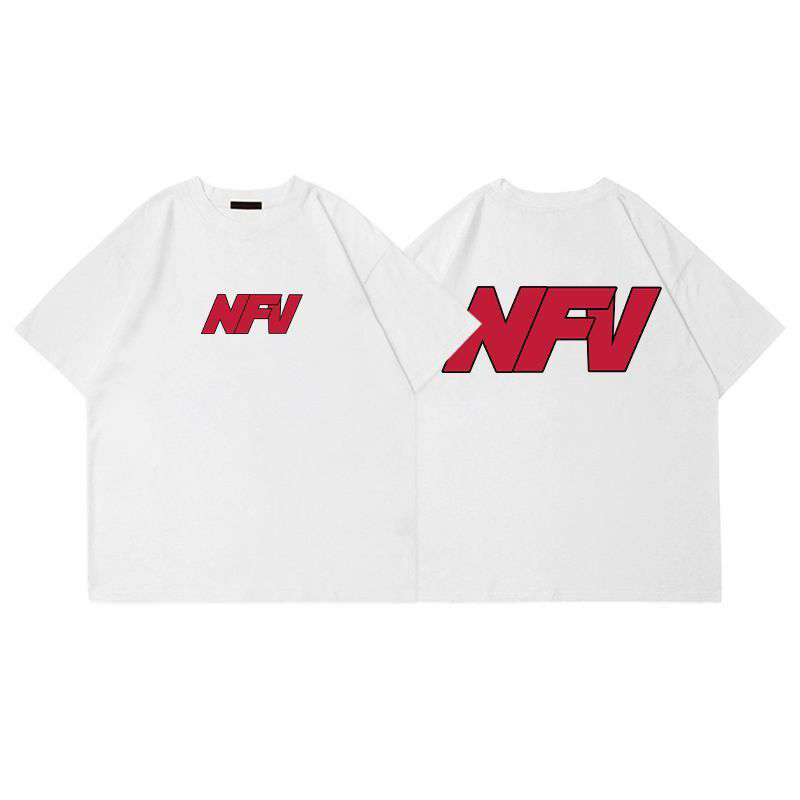
Pullover Sweatshirts
EDVORIN works as a sweatshirt manufacturer for pullover programs requiring reliable fleece selection, balanced proportions and repeatable construction. Development can include fabric weight, rib recovery, neckline details, printing, embroidery, washing, labeling and packaging for men’s and women’s collections.
Get a Quote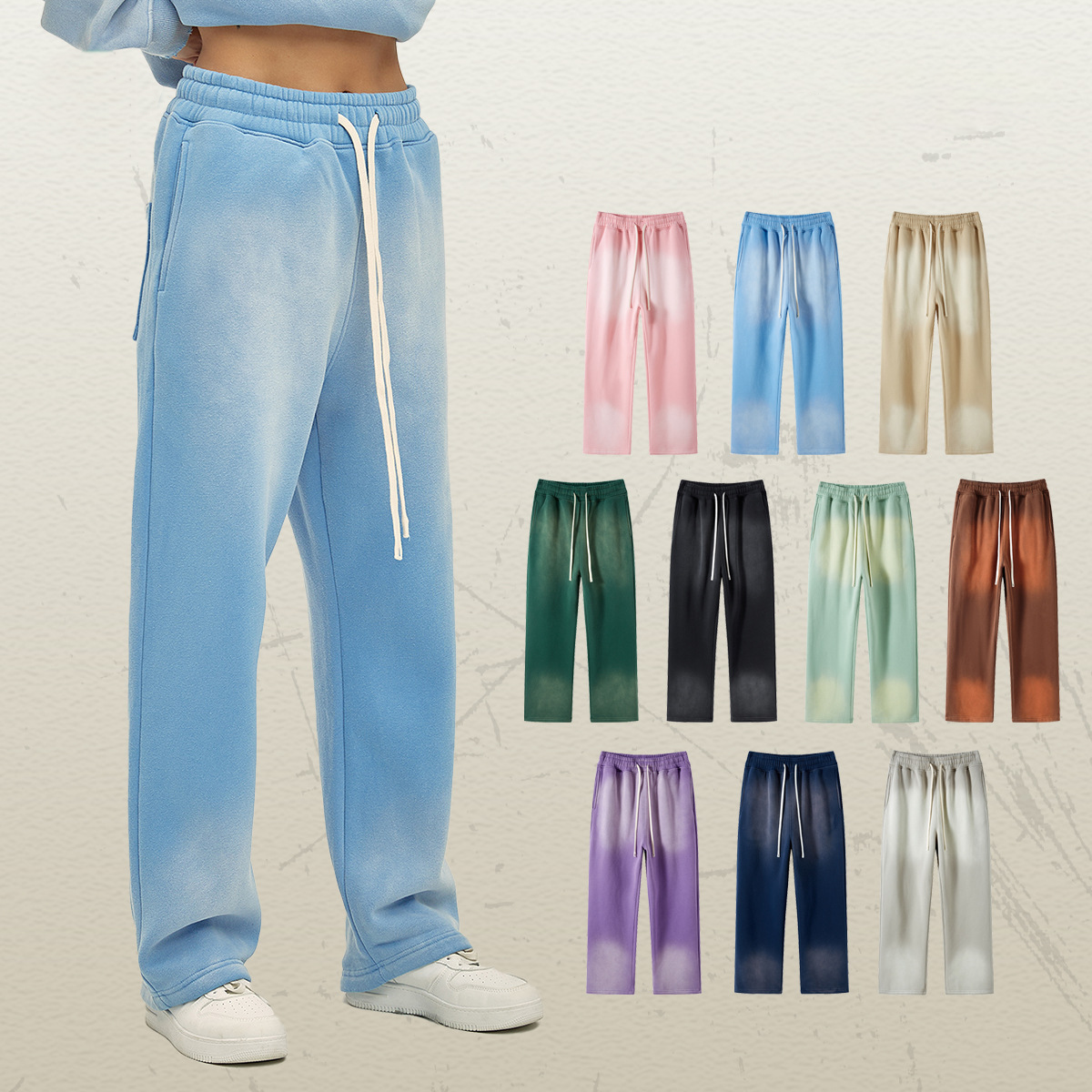
Sweatpants & Joggers
As a sweatpants manufacturer, EDVORIN develops joggers and sweatpants with attention to fabric behavior, waistband recovery, pocket construction, cuffs, drawcords and fit grading. Styles can be coordinated with hoodies or sweatshirts for casualwear, streetwear and private-label programs.
Get a Quote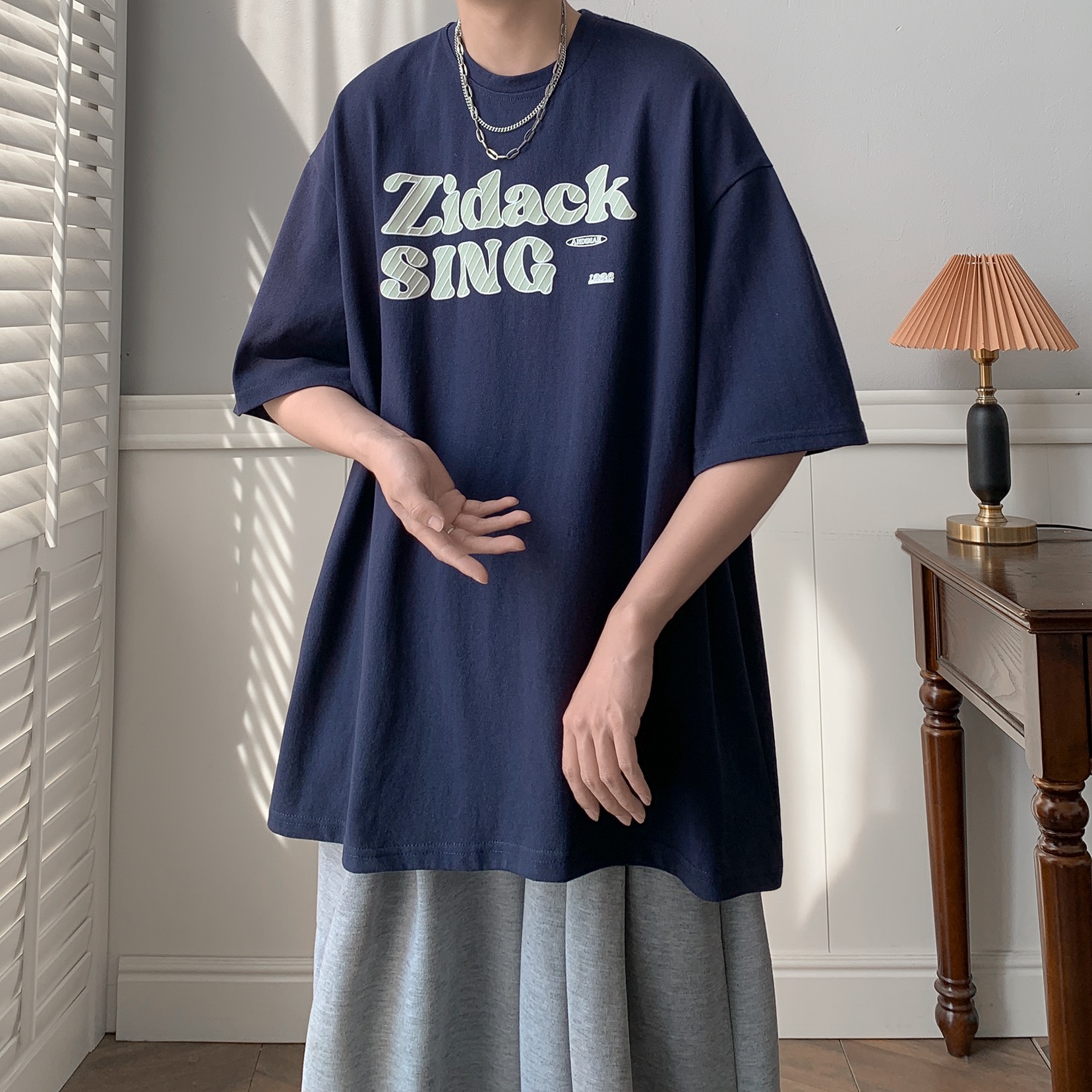
Custom Shorts
EDVORIN develops custom shorts for casualwear, streetwear, sports and private-label buyers. Specifications may include fleece or woven fabrics, inseam length, waistband construction, pockets, trims, artwork placement and size grading, followed by sample approval and sample-to-bulk quality control.
Get a Quote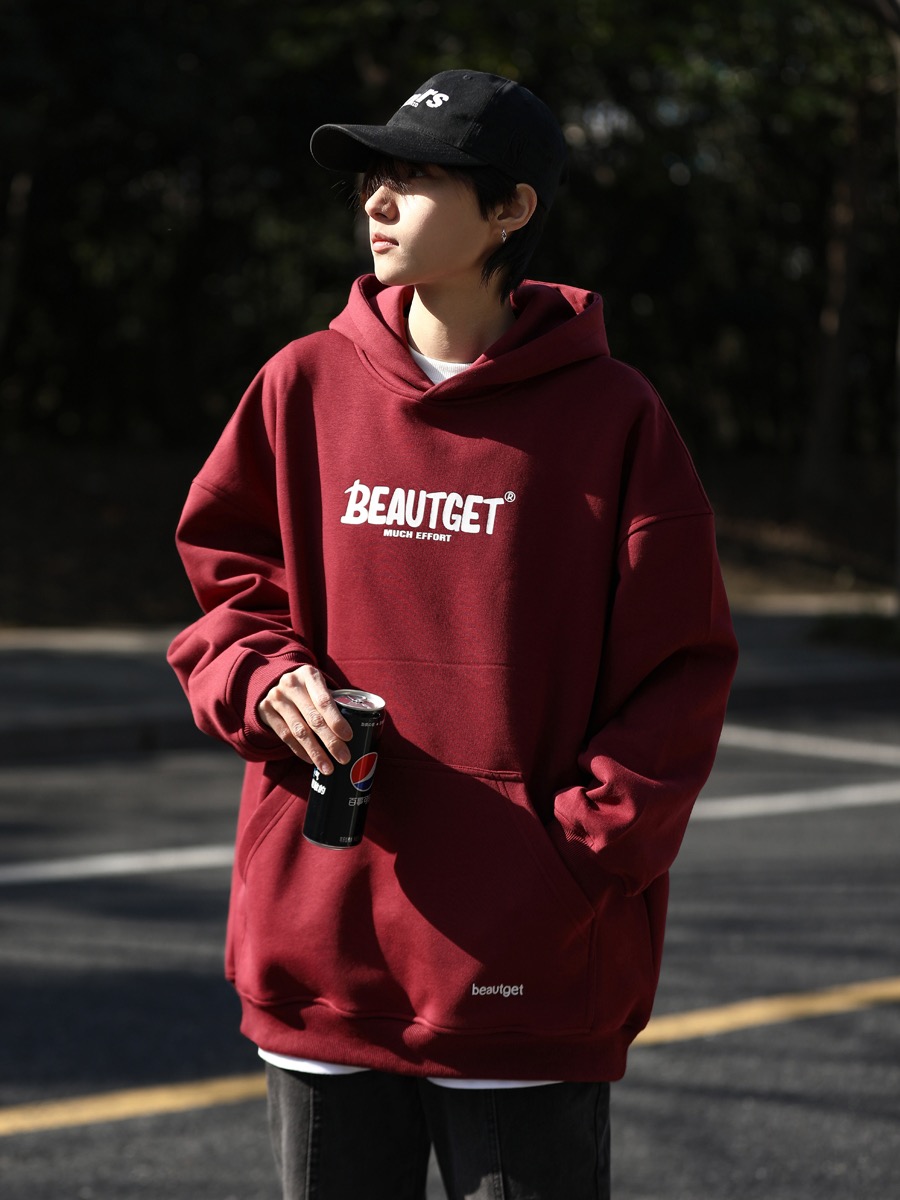
Varsity & Baseball Jackets
As a varsity jacket manufacturer, EDVORIN coordinates body fabric, sleeves, rib, lining, snaps, patches, embroidery and appliqué within one production program. Baseball jacket variations can be developed for fashion labels, schools, teams and private-label buyers with documented construction and decoration standards.
Get a Quote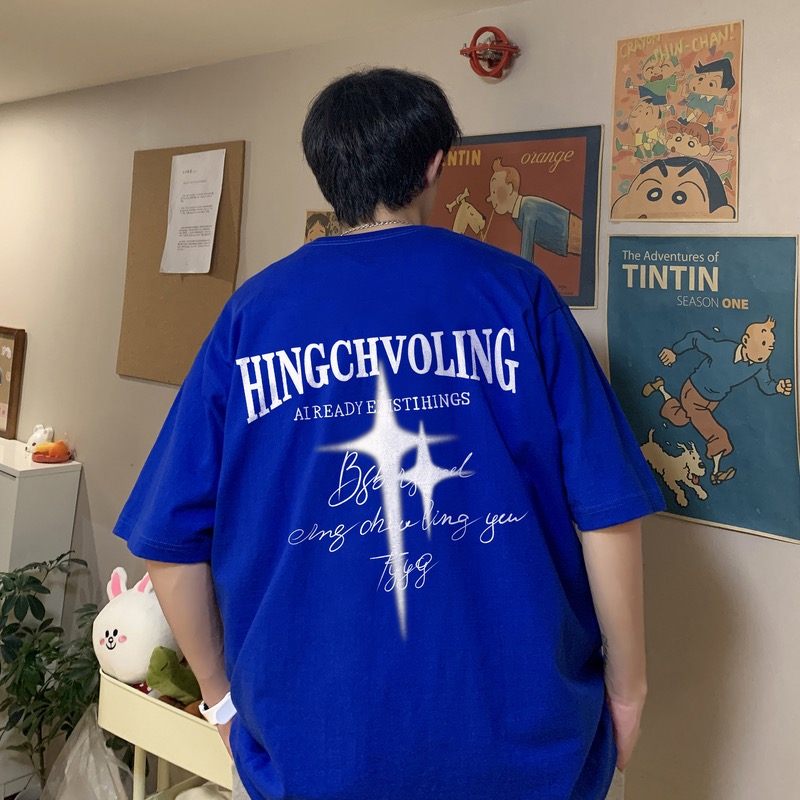
Custom T-Shirts
EDVORIN serves as a custom T-shirt manufacturer for programs using different fabric weights, fits and decoration methods. Development can cover cotton or blended materials, neck rib, garment washing, screen printing, embroidery, labels, packaging and men’s or women’s proportions for repeat orders.
Get a Quote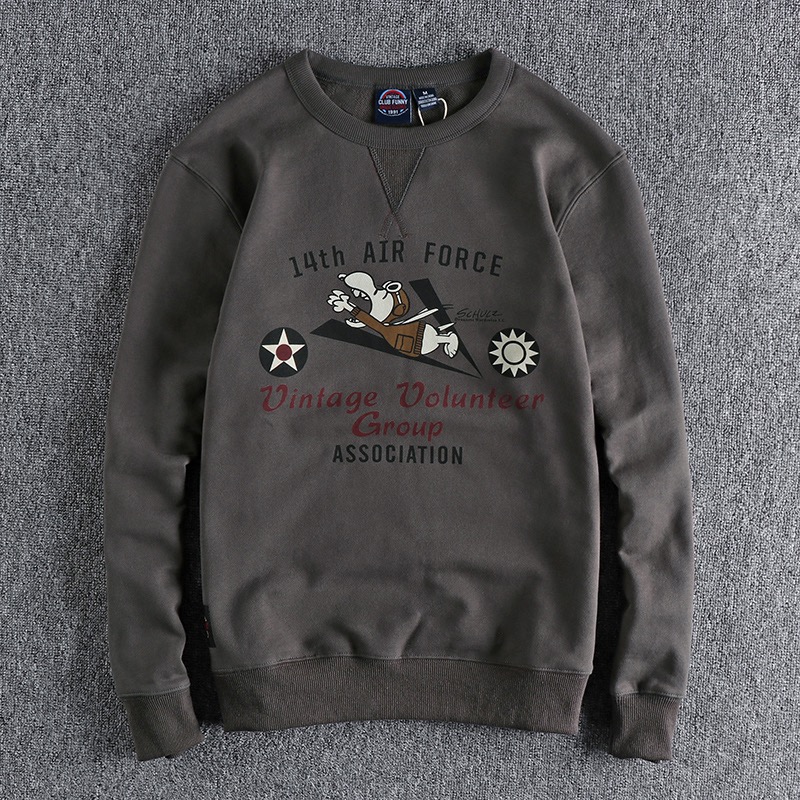
Custom Polo Shirts
As a polo shirt manufacturer, EDVORIN develops knit and performance polo programs with attention to collar structure, plackets, cuffs, fabric hand, breathability and color consistency. Styles can be prepared for corporate apparel, school programs, sports organizations, wholesalers and private-label collections.
Get a Quote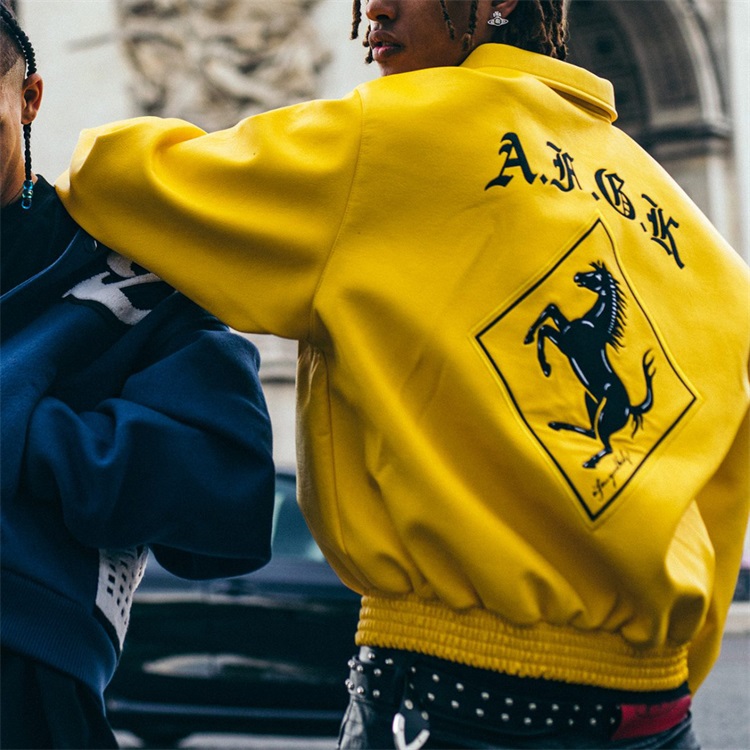
Windbreaker Jackets
EDVORIN develops windbreaker jackets with coordinated shell fabrics, linings, closures, pockets, hoods, elastic details and decoration. As a windbreaker manufacturer, the company helps buyers define lightweight construction, fit, color and finishing requirements before approving samples for repeatable bulk production.
Get a Quote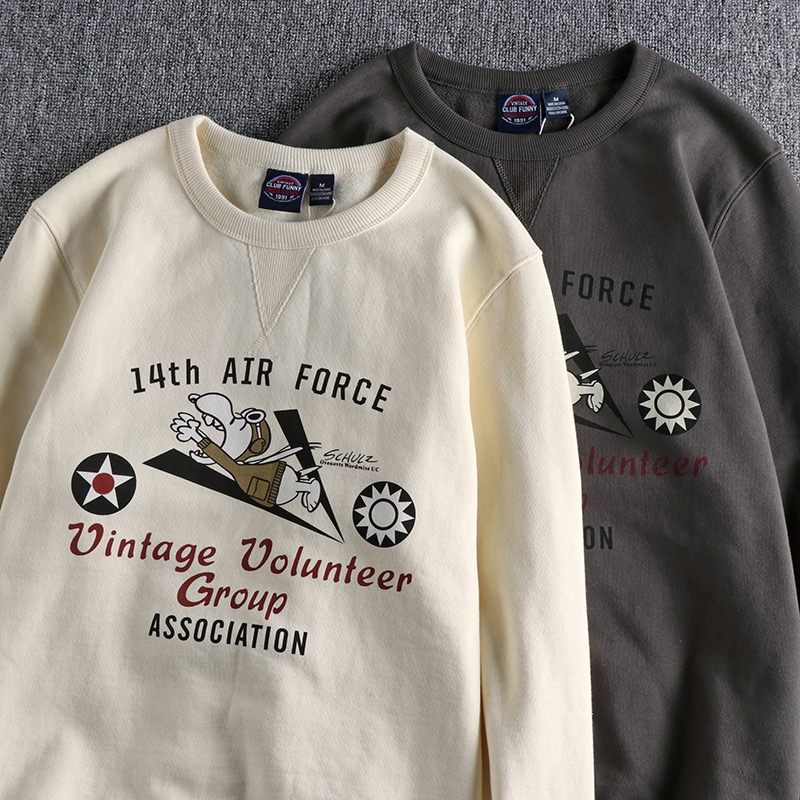
Quilted Jackets
As a quilted jacket manufacturer, EDVORIN coordinates shell fabric, lining, insulation, quilting pattern, hardware, pockets and finishing details. Development can support seasonal outerwear, lightweight transitional styles and private-label programs, with specifications documented for sampling, inspection, labeling and packaging.
Get a Quote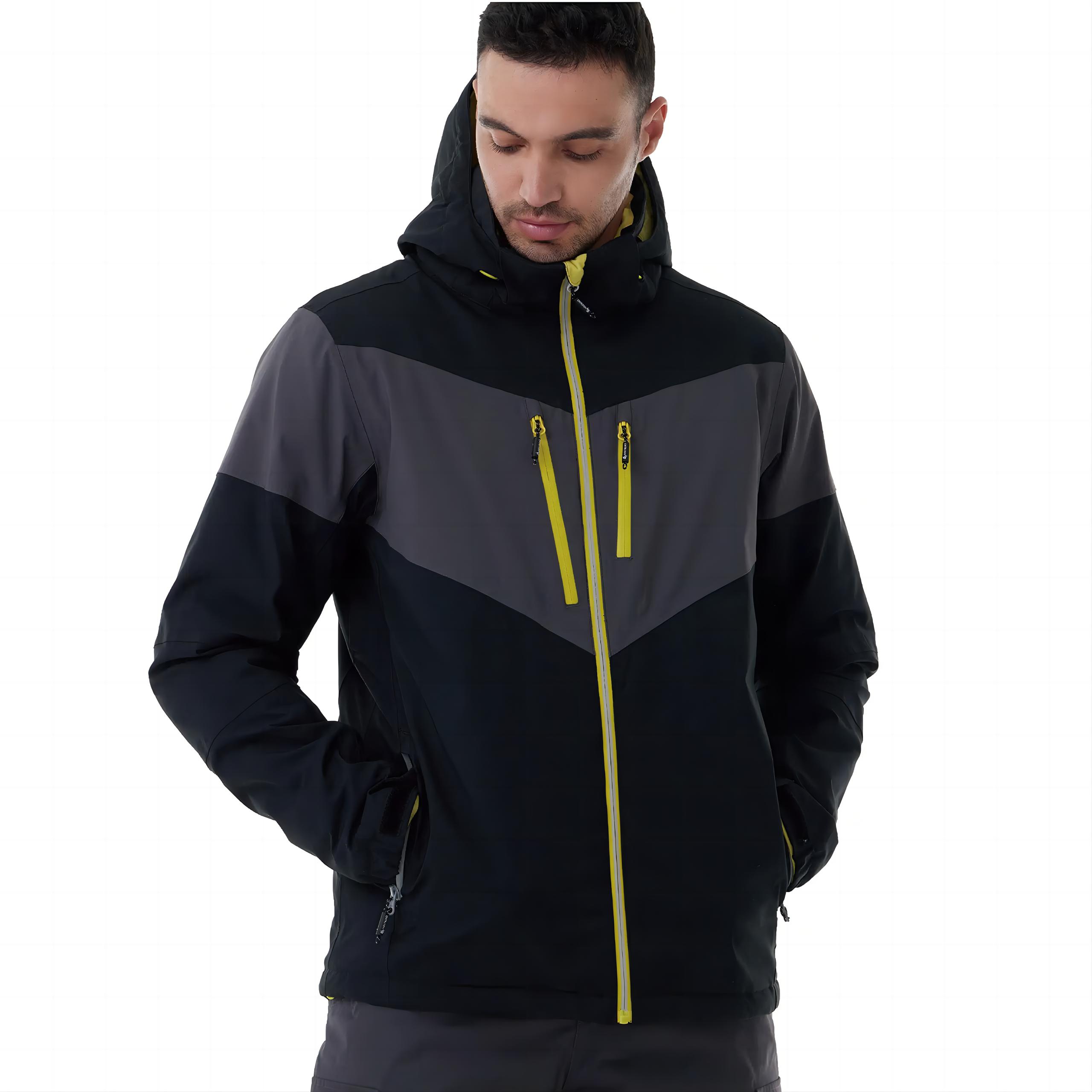
Bomber Jackets
EDVORIN develops bomber jackets for fashion, streetwear, teamwear and private-label buyers. Product development may include shell and lining selection, insulation, rib balance, zippers, pockets, embroidery, patches and washing, with approved samples used as the reference for bulk consistency.
Get a Quote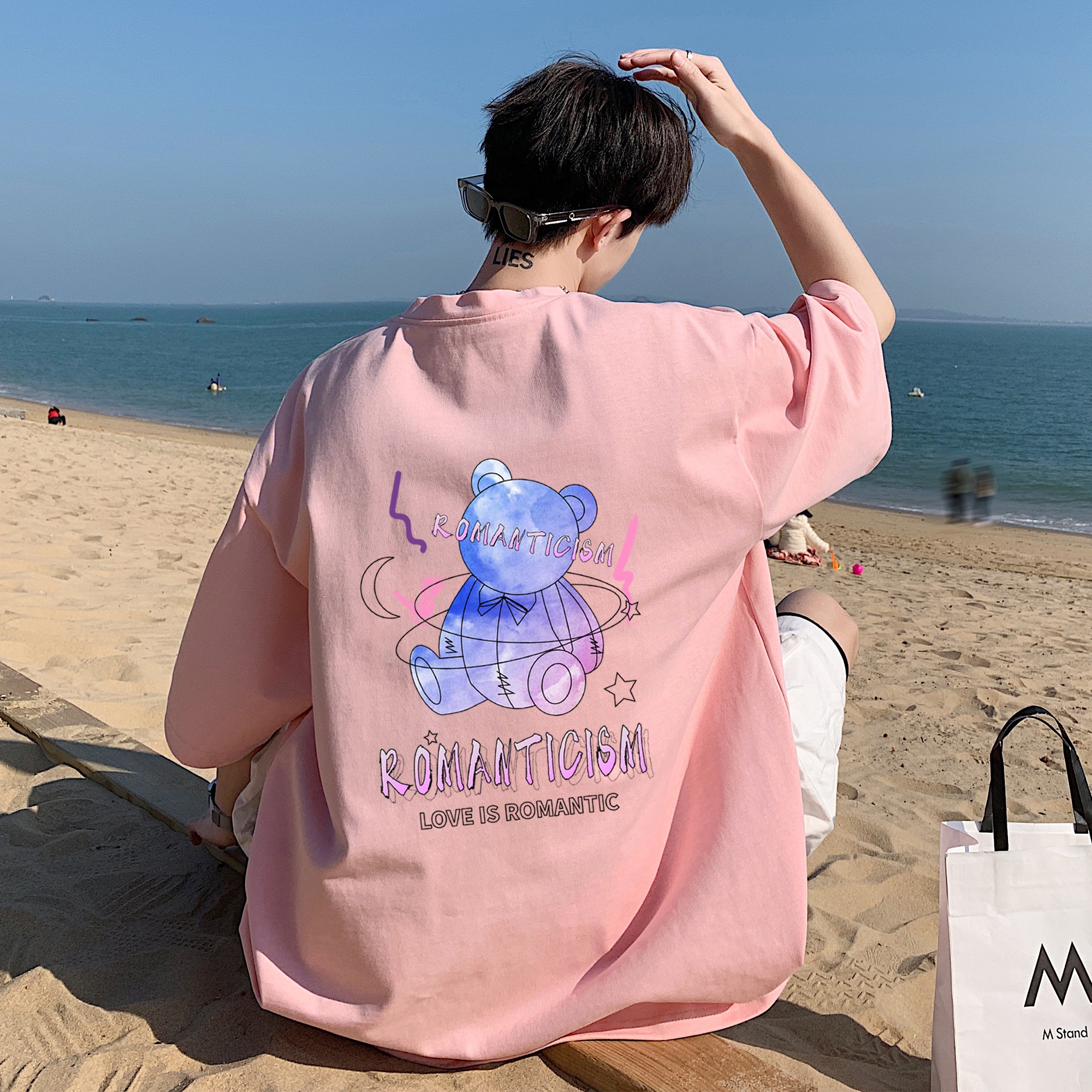
Custom Shirts
As a custom woven shirt manufacturer, EDVORIN develops shirts using defined fabric composition, weight, collar, cuff, placket, button, pocket and hem specifications. Programs can include overshirts, casual button-ups and coordinated streetwear styles for men’s and women’s collections.
Get a Quote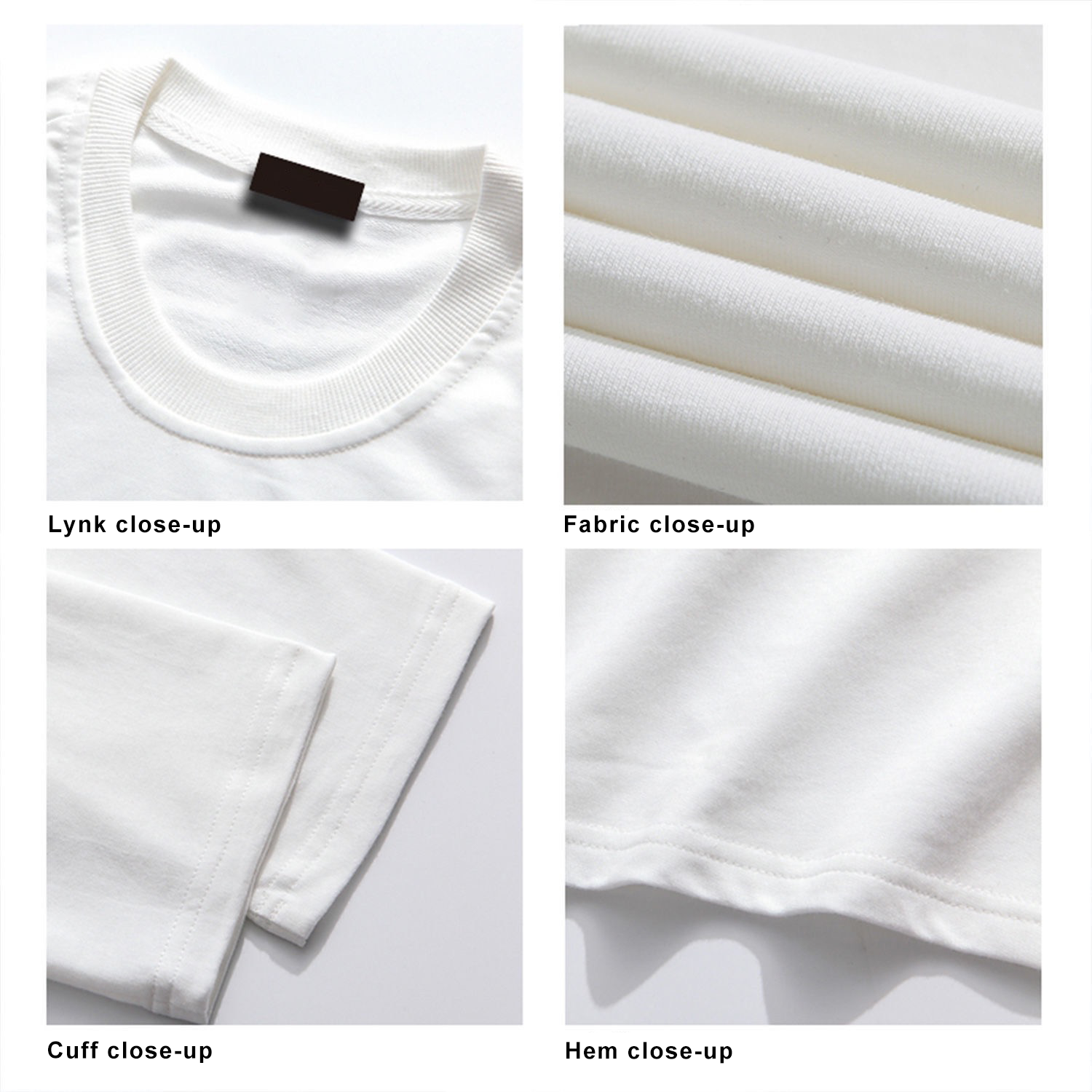
Custom Jerseys
EDVORIN works as a custom jersey manufacturer for sports clubs, schools, academies and apparel brands. Development can include breathable performance fabrics, panel construction, color blocking, sublimation or other decoration, name and number placement, size grading and organized repeat-order standards.
Get a Quote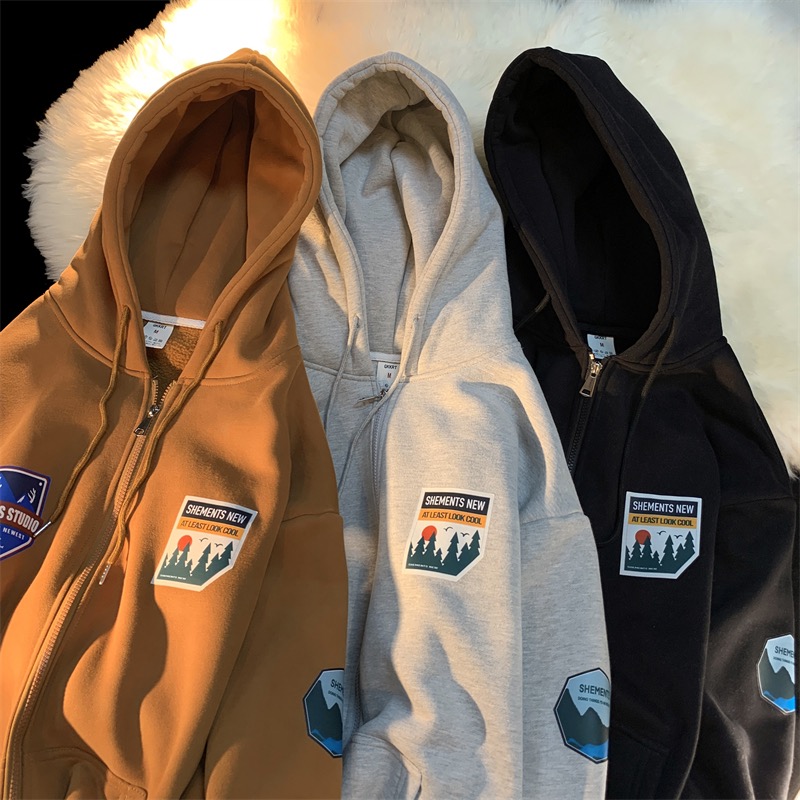
Tank Tops
EDVORIN develops tank tops for casualwear, streetwear, training and teamwear programs. Buyers can specify knit or performance fabrics, neckline and armhole proportions, fit blocks, hems, artwork, labels and packaging, with men’s and women’s development available across different market requirements.
Get a Quote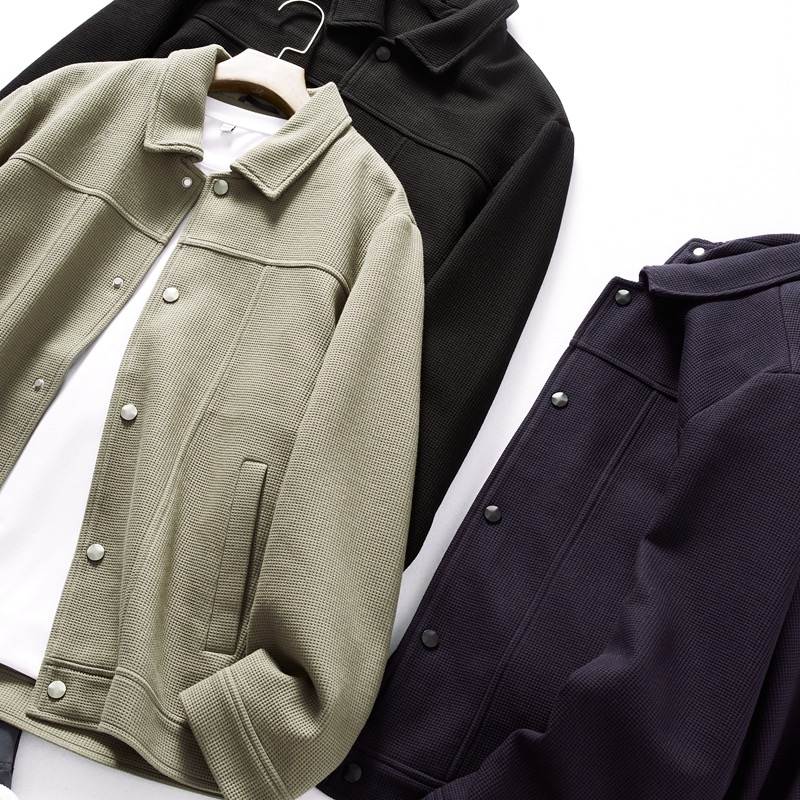
Soccer Uniforms
As a soccer uniform manufacturer, EDVORIN coordinates jerseys, shorts and related teamwear using performance fabrics, stable color references and documented decoration placement. Programs can include names, numbers, badges, sponsor artwork, size sets and repeat-order controls for clubs, schools and academies.
Get a Quote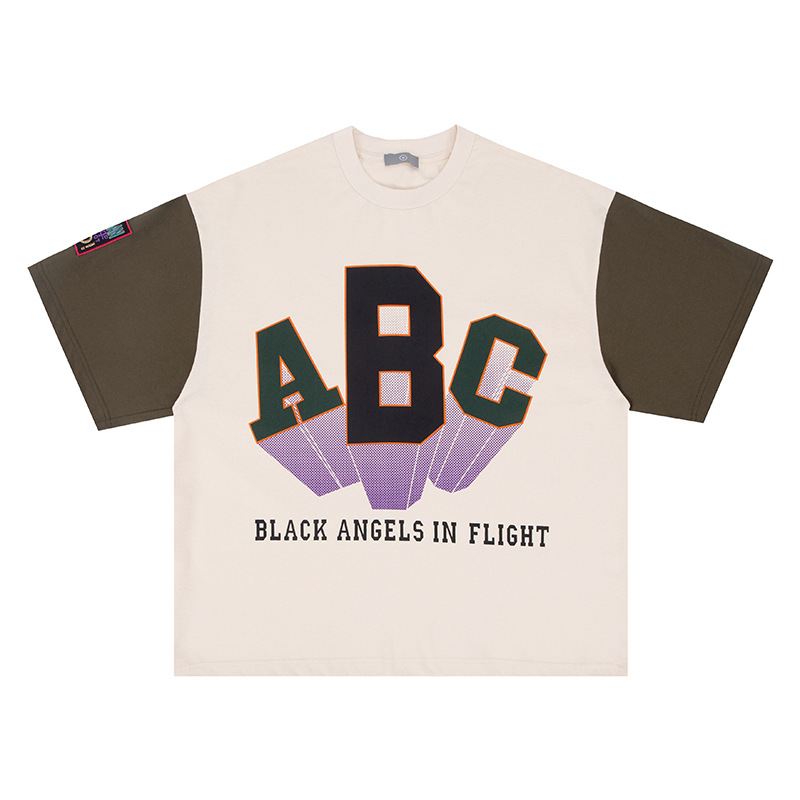
Basketball Uniforms
EDVORIN develops basketball uniforms with attention to breathable performance fabrics, relaxed athletic proportions, panel construction, trims and decoration. As a basketball uniform manufacturer, the company can coordinate jerseys and shorts with team colors, names, numbers, logos, size grading and approved production standards.
Get a Quote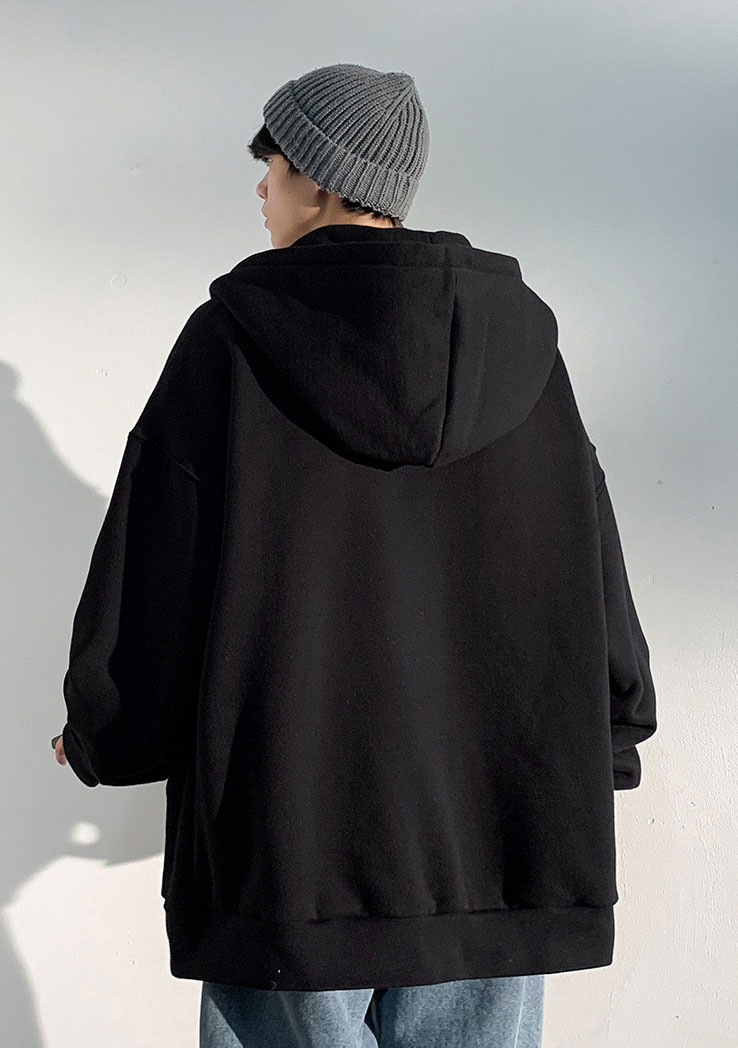
Streetwear Collections
As a streetwear clothing manufacturer, EDVORIN develops connected collections across hoodies, sweatshirts, T-shirts, pants, jackets, woven shirts and jerseys. The production system coordinates materials, trims, printing, embroidery, washing, labels and packaging so emerging and established brands can reproduce a consistent collection.
Get a QuoteFabric Colorfastness: Tests, Standards, and Buying Decisions
Use this buyer-focused framework to match colorfastness tests to end use, compare supplier evidence and fabric choices, specify purchase-order requirements, and avoid costly quality, compliance, and color-transfer mistakes.
1. What Is a Fabric Colorfastness Guide?
A 1-to-5 rating commonly communicates how well a textile resists color change, bleeding, staining, or transfer under a defined condition. Colorfastness is therefore not a permanent promise that a garment will never fade; it is measured performance against stresses such as washing, rubbing, perspiration, water, or light. Four variables shape the result: end use, fiber type, dye or print system, and test method. A cotton fleece hoodie, polyester soccer jersey, pigment-printed sweatshirt, and dark denim may require different controls. ISO 105 or AATCC evidence should be requested before approving a fabric or garment.
2. Evolution and History of Fabric Colorfastness Testing
Early textile quality checks relied on visual comparison, hand rubbing, and informal wash trials. Results varied with water temperature, detergent, pressure, lighting, and evaluator judgment. AATCC and ISO later formalized colorfastness methods, specimen preparation, exposure conditions, and rating scales, making results more consistent across global apparel supply chains.
3. Types of Fabric Colorfastness Tests Buyers Need
Seven test families cover the exposures apparel faces in use, from laundering and rubbing to sunlight, sweat, water, saliva, and heat.
| Test | Exposure | Main Risk | Buyer Evidence |
|---|---|---|---|
| Washing | Home or commercial laundering | Fading; staining adjacent panels | ISO 105-C06 or AATCC 61 report |
| Rubbing | Dry and wet crocking | Color transfer to skin or layers | ISO 105-X12 or AATCC 8 results |
| Light | Sunlight or xenon arc | Fading in outerwear and jerseys | ISO 105-B02 or AATCC 16 report |
| Perspiration | Acidic and alkaline sweat | Body-area fading or staining | ISO 105-E04 or AATCC 15 report |
| Water | Rain, wet handling, immersion | Bleeding or migration | Specified ISO/AATCC water test |
| Saliva | Mouth contact; relevant to infant goods | Dye transfer or ingestion concern | Applicable saliva test, such as DIN 53160-1 |
| Ironing/Heat | Pressing or heat finishing | Shade change or sublimation | Ironing test conditions and report |
Read Results As A Matrix
Grade 1–5 ratings commonly assess color change and staining, but each test measures a different exposure.
Match Tests To Use
Activewear, dark streetwear, outerwear, baby goods, and decorated teamwear need different priorities.
Request Traceable Evidence
A passing claim without conditions is weak evidence; the report should identify washing temperature, rubbing state, light exposure, or chemical solution.
4. Fabric Colorfastness Guide by Fiber and Fabric
Fiber chemistry and fabric construction determine whether color survives washing, rubbing, perspiration, or sunlight.
Fiber Behavior
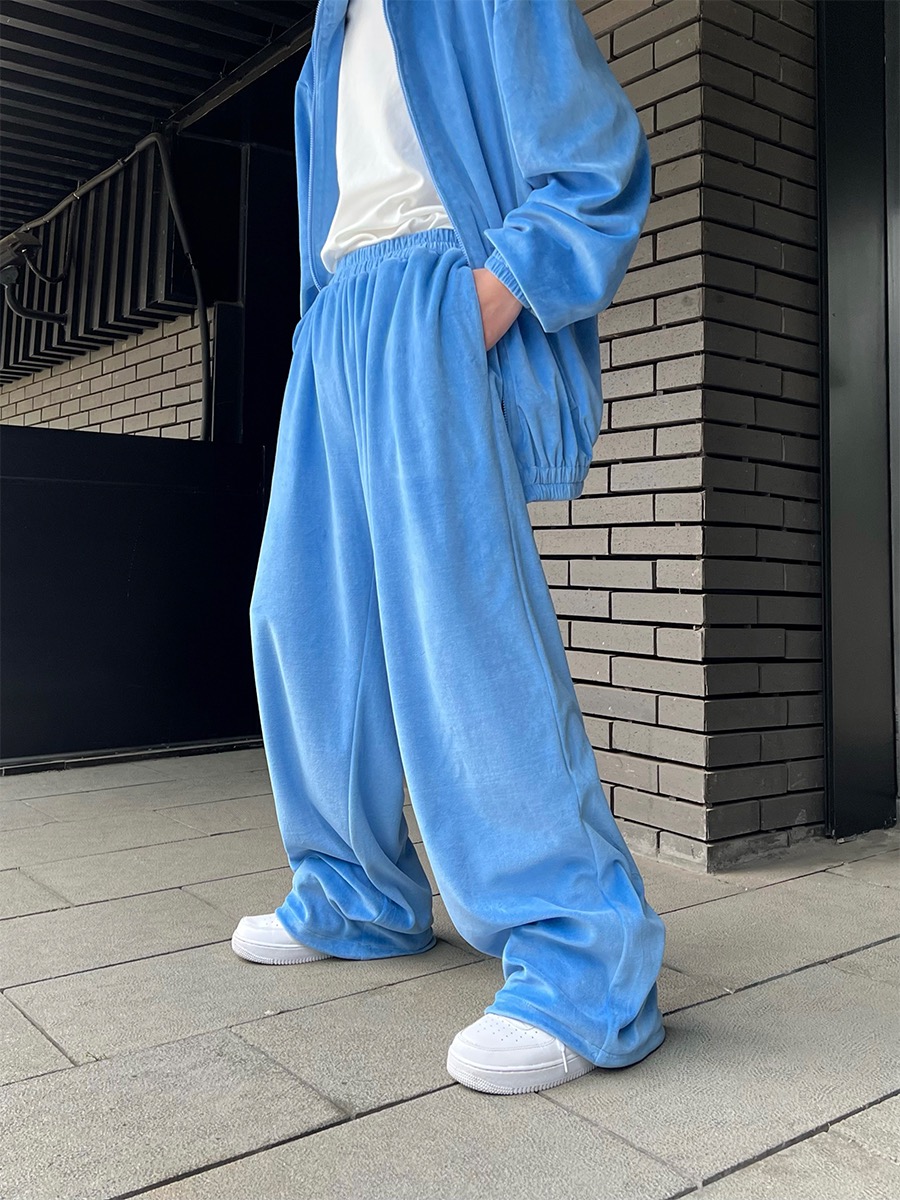
Cotton and viscose absorb dyes readily but can show wash-down, crocking, or light shift, especially in deep shades. Polyester generally holds disperse dyes well, while nylon and wool require dye systems matched to their chemistry.
Construction And Surface Risk
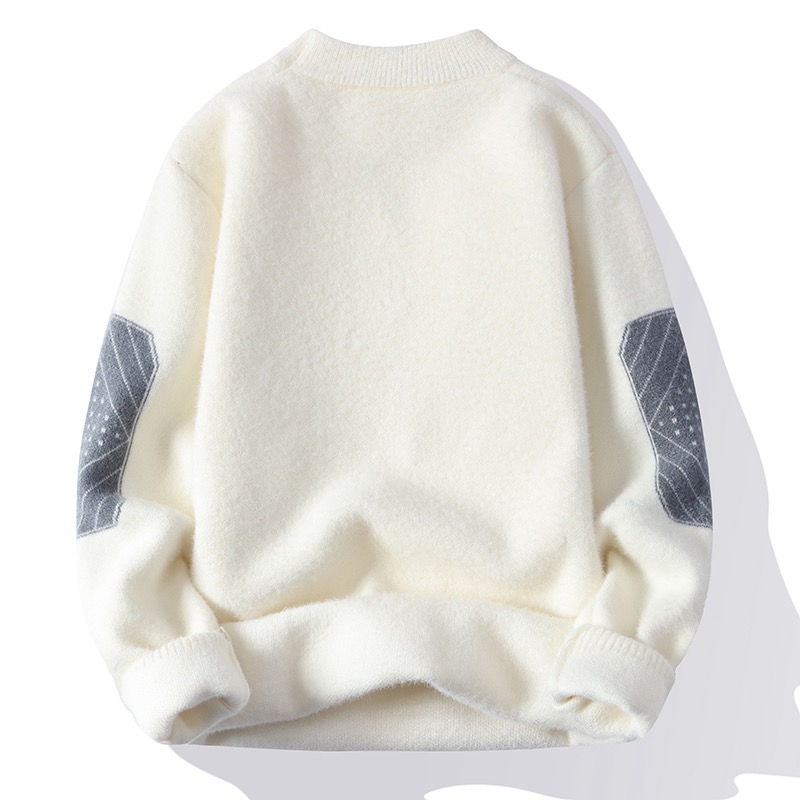
160–220 GSM T-shirts, 280–400 GSM fleece, and dense denim do not present identical test risk. Higher GSM can retain more dye, while raised fleece, brushed surfaces, and rough denim increase dry or wet rubbing transfer.
Buyer Application Matrix
Application determines the practical priority: team jerseys face sweat and repeated washing, outerwear faces light and wet rubbing, and streetwear denim often faces crocking and wash variation.
| Material | Typical Application | Priority Risk |
|---|---|---|
| Cotton knit | T-shirts, hoodies | Wash, crocking |
| Polyester knit | Jerseys, sportswear | Perspiration, heat |
| Nylon or coated | Windbreakers, outerwear | Light, wet rubbing |
| Denim or pigment print | Streetwear | Crocking, abrasion |
5. Customization, Dyeing, and Decoration Options
Dye selection sets the starting color, while decoration and finishing determine how that color behaves in use.
Dyeing Routes And Visual Control
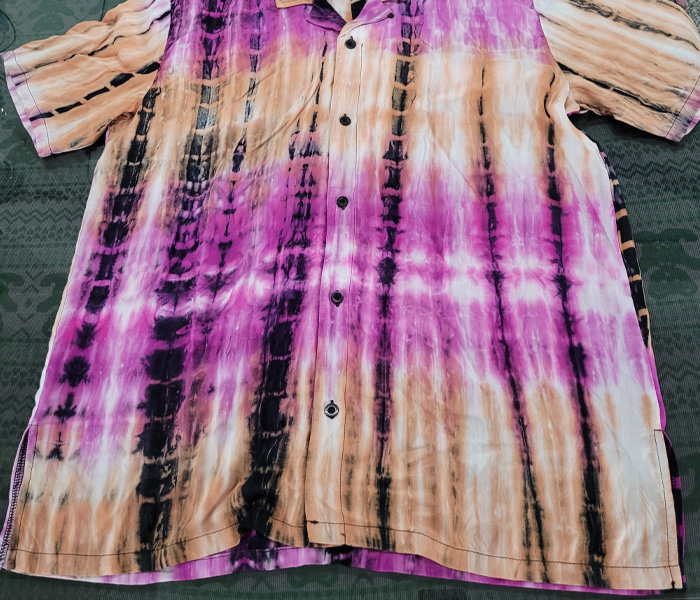
Solution dyeing embeds color before synthetic fiber formation, supporting strong light and wash resistance but usually requiring larger minimums. Piece dyeing offers flexible color changes after fabric formation; yarn dyeing creates controlled stripes, checks, and engineered patterns. Reactive dyes suit cotton and cellulosics; disperse dyes suit polyester; acid dyes suit nylon, wool, and other protein fibers.
- Confirm fiber, dye class, shade tolerance, and intended end use before approval.
- Specify lab-dip or garment-dye approval before bulk cutting.
Decoration And Finishing Effects

Screen printing can add crocking, cracking, or wash-change risk, especially with dark pigment prints. Sublimation primarily affects polyester and can deliver durable all-over color, while heat transfers require adhesion, stretch, and laundering checks. Embroidery and patches may not change base-fabric dye performance, but backing, adhesive, thread, and abrasion can create localized risks.
- Test print-to-fabric adhesion and wet/dry rubbing.
- Check transfer edges, embroidery abrasion, and patch bonding after laundering.
Decision Matrix For Buyers
Use the production route that matches the visual target, order flexibility, and risk tolerance. Record the selected dyeing, decoration, and finishing process together with the finished-garment testing required for approval.
| Option | Visual Effect | Main Risk | Testing Need |
|---|---|---|---|
| Solution dyeing | Deep, uniform color | Higher minimums | Light and wash |
| Piece or yarn dyeing | Solid or patterned control | Lot variation | Wash and crocking |
| Pigment or garment dye | Faded, vintage character | Rubbing and shade change | Wash, crocking, seam areas |
| Decoration and washes | Graphics or engineered aging | Adhesion, transfer, abrasion | Finished-garment testing |
6. Key Quality Elements Behind Colorfast Fabric
Fiber, dye, and finishing choices determine whether color remains in the substrate or moves during use.
Match Fiber, Dye, And Pretreatment
Cotton, polyester, nylon, and blends require compatible dye classes; pretreatment must remove oils, waxes, and sizing so fixation is even. Record fiber content, dye type, bath conditions, pH, temperature, and dwell time. A complete lab-dip record should identify the approved standard, shade reference, and test result.
Control Fixation And Washing-Off
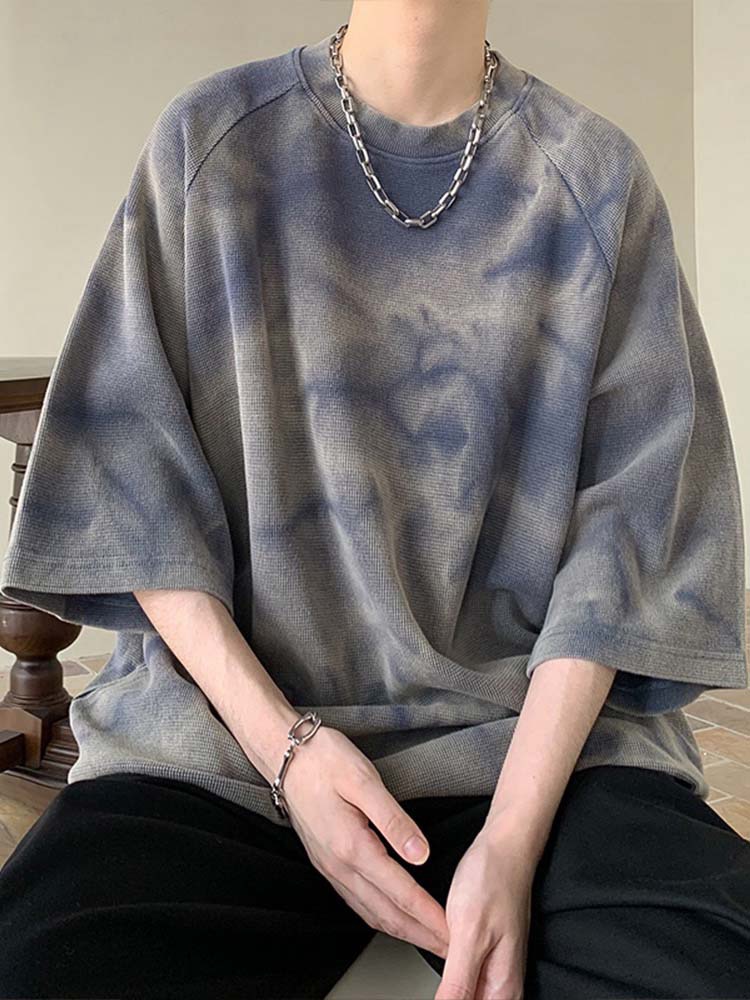
Fixation binds dye to the fiber; washing-off removes unfixed color that can cause crocking, bleeding, or staining. Finishing chemicals, softeners, resin, and silicone can also change shade and test performance.
Verify Shade And Lot Consistency

Three controls matter: the approved lab dip, a signed bulk swatch, and a lot-to-lot shade report. Compare them under consistent lighting, preferably with a light box, and record Pantone or instrument readings where required. Separate shade approval from performance approval.
Manage Printing And Dimensional Stability
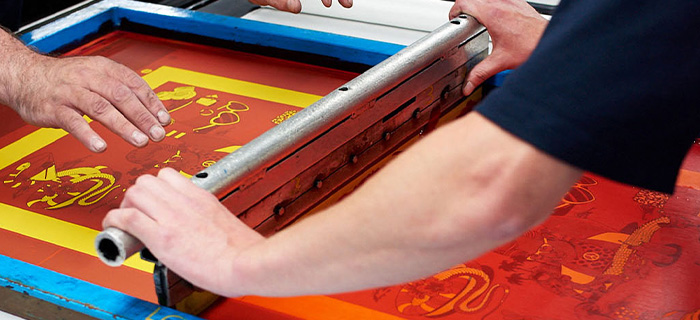
Print curing requires controlled time and temperature suited to the ink and substrate; retain curing logs and wash-test evidence for screen, transfer, or digital decoration. Poor curing commonly appears as cracking, tackiness, or color transfer.
7. How to Choose a Fabric Manufacturer
A 4-part supplier review should connect laboratory evidence to the exact garment program, not rely on a generic certificate.
Define The Test Contract
ISO 105 or AATCC methods must be named in the purchase order, including the procedure and revision where relevant. State the rating, specimen construction, conditioning, and acceptance limit for washing, rubbing, perspiration, or light.
- Fashion brands: Can you test the approved dye lot and decoration combination?
- Sports teams: What sweat, rubbing, and wash methods match repeated kit use?
- Schools: Are dark colors tested against light adjacent fabrics?
- Wholesalers: Which report applies to every color and size range?
- Private-label buyers: Who approves substitutions before production?
Verify Reports And Traceability
A dated report from an accredited or independent laboratory should identify the method, specimen, fiber content, color, lot, and result. Match those identifiers to the lab dip, approved strike-off, purchase order, and bulk roll.
Control Approval And Corrections
Two physical standards should be retained: the approved color reference and the signed production sample. Define who may approve Pantone deviations, artwork changes, washing effects, and replacement materials.
Test Communication Before Bulk
One named contact should confirm specifications, test booking, report review, and shipment release. Require shared records for comments, revision numbers, approvals, and unanswered risks.
8. Common Fabric Colorfastness Buying Mistakes
Seven recurring specification gaps can make a passing lab result irrelevant to the finished garment.
Generic Claims Without Test Scope
One word—’colorfast’—does not identify washing, light, crocking or perspiration performance. Prevention: require the test property, standard, procedure and acceptance grade in the tech pack.
Ratings Without Methods
A grade such as 4 is incomplete because AATCC and ISO procedures can use different conditions and evaluations. com/blog/textile/colorfastness-test-methods-for-textiles-guide. Buyer question resolved: what exactly does the rating measure?
Wrong Color Or Decoration Tested
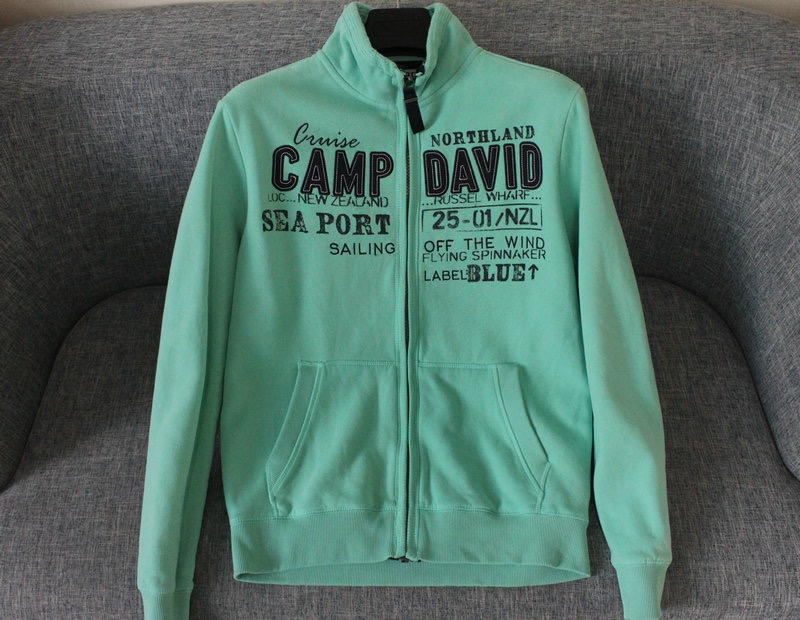
Dark navy, neon shades, garment-dyed fleece and screen prints can behave differently from a light lab dip or undecorated fabric. Prevention: test every risk color and the finished print, embroidery or heat-transfer construction.
Use Conditions Left Unchecked
Wet rubbing and perspiration expose risks that dry rubbing alone can miss, especially in activewear, jerseys and dark garments. com/blog/textile/colorfastness-test-methods-for-textiles-guide.
Sample Results Treated As Final
A development sample confirms direction, not necessarily bulk consistency across dye lots, panels or production decoration.
9. Steps to Launch a Color-Safe Apparel Program
Step 1 starts with the garment’s end use: map washing, perspiration, sunlight, rubbing, layering, and decoration exposure before selecting standards or fabrics.
Define Risk And Select Fabric
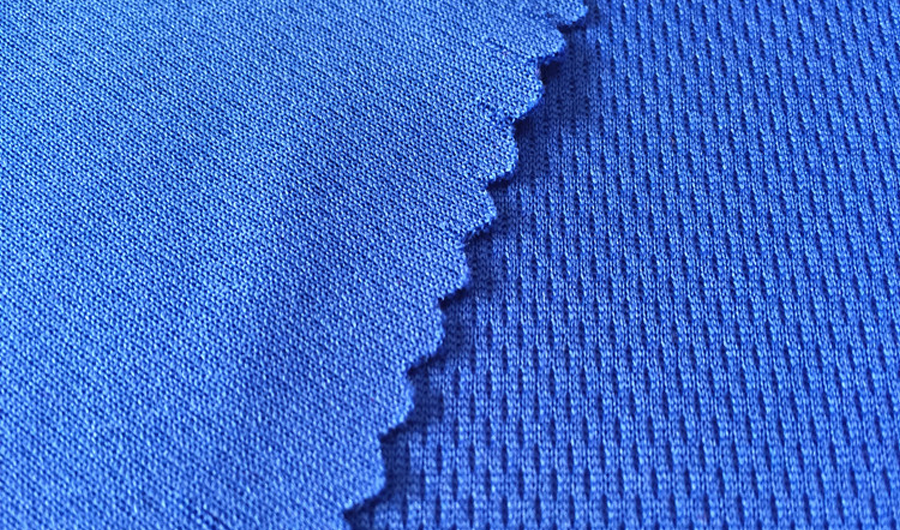
Step 2 matches fiber blend, construction, dye class, finish, and decoration to the product’s exposure profile. Specify the applicable AATCC or ISO method and acceptance grade rather than requesting generic colorfastness.
Build The Test Plan
Step 4 tests the prototype after printing, washing, embroidery, or finishing, because the complete garment can behave differently from greige or dyed fabric. Include washing, crocking, perspiration, and light where end use warrants them. Step 5 records method, specimen, conditioning, rating, laboratory, and report date.
Lock Requirements In The Purchase Order
Step 6 places the approved shade, test methods, minimum grades, care label, decoration process, and corrective-action rules in the purchase order. Attach the signed lab-dip approval and prototype test report.
- Approved lab dip and shade standard
- Named AATCC or ISO procedures
- Prototype report accepted
- Change-control and retest trigger
Inspect Bulk And Retain Samples
Step 7 samples bulk rolls and finished garments by lot, comparing shade, staining, crocking, and decoration against the approved standard before shipment. Segregate failures and document disposition.
10. Fabric Colorfastness Guide Pricing and Cost Factors
3 cost layers usually shape a colorfastness budget: development, verification, and production control. Laboratory testing follows the selected AATCC or ISO method; sample development and Pantone color matching add iterations when fabric, dye, rib, thread, or decoration behaves differently than expected. 2 checkpoints matter most: before bulk approval and during production.
| Requirement | Likely Cost Category | Lead-Time Effect | When Added Assurance Is Worth Paying For |
|---|---|---|---|
| Laboratory colorfastness testing | Per-method lab fee; additional specimens for fabric and decoration | Typically adds several working days | Always for export programs, dark shades, teamwear, and performance claims |
| Sample development and color matching | Lab dips, strike-offs, Pantone matching, revised samples | Adds iteration time before approval | Worth it for multi-color collections or tight brand-color tolerances |
| Special dyes or finishes | Higher material or processing cost; possible minimums | May extend dye-house scheduling | Useful for high-visibility, outerwear, sun-exposed, or heavily washed products |
| Decoration setup and MOQ | Screens, embroidery files, heat-transfer setup, setup minimums, small-run premiums | Can delay first production if artwork changes | Pay when placement, names, numbers, or repeatability are commercially critical |
| Inspection, retesting, and failure recovery | Inspection labor, repeat lab tests, corrective samples, rescheduling | Failure can add days or weeks | Worth budgeting for large orders, dark garments, regulated markets, and launch deadlines |
How to Apply a Fabric Colorfastness Guide to Bulk Apparel
Translate color requirements into approved materials, documented standards and consistent bulk production across apparel programs.
Define Requirements
Set wash, rubbing, light, water and perspiration expectations around the garment’s end use, color palette, decoration and buyer standards before material approval.
Approve Materials
EDVORIN coordinates fabric, trims and decoration trials, then reviews lab results and handfeel so the selected construction supports both appearance and performance.
Confirm the Standard
Record approved shade references, test methods, acceptance criteria, artwork placement and care details in a production-ready standard that teams can follow consistently.
Validate Bulk Production
Use pre-production samples and in-line checks to compare color, transfer, construction and finishing against approval before EDVORIN releases the order for packing.
Fabric Colorfastness Guide FAQs for Apparel Buyers
Clear answers on testing, approvals and repeat-order color control for production-ready apparel.
What does a fabric colorfastness guide cover?
Which tests should be included in a fabric colorfastness guide for apparel?
How are grades interpreted in a fabric colorfastness guide?
Can dark or saturated colors still bleed after testing?
Should colorfastness testing use the approved sample or bulk fabric?
How does EDVORIN control color consistency on repeat orders?
Does colorfastness apply to printed and embroidered apparel too?
Protect Your Colors with a Fabric Colorfastness Guide
Let EDVORIN validate materials, decoration, and production standards before your next apparel program reaches bulk manufacturing.