
Custom Polo Uniform Guide for Production-Ready Programs
EDVORIN’s MOQ starts at 200 pieces per style. Use this custom polo uniform guide to align fit, fabrics, decoration and bulk production with EDVORIN, a custom clothing manufacturer providing OEM, ODM and private-label development from a 200-piece MOQ.
What the custom polo uniform guide should help you decide
Turn polo concepts into clear, reviewable standards for sampling, decoration and repeatable bulk production.
Select Performance Fabrics
Match fiber, weight, stretch and performance needs to the intended wearer, climate and repeat-order requirements before sampling.
Build Consistent Fit
Set men’s and women’s blocks, measurements, grading and proportions so every size supports comfort, movement and consistent bulk production.
Plan Custom Decoration
Choose custom apparel printing or custom apparel embroidery based on the fabric, artwork, placement and performance requirements, with artwork, thread, ink and color references documented for approval.
Coordinate Brand Labels
Coordinate custom clothing labels and packaging—including neck labels, care labels, hangtags, polybags and cartons—as part of the approved production standard.
Protect Bulk Quality
Use approved samples, in-line checks and final inspection to protect measurements, decoration, color and finish from sample to bulk.
Custom Apparel by Buyer and Use Case
Develop consistent garments for fashion brands, teams, schools, wholesalers and corporate programs through one coordinated production system.
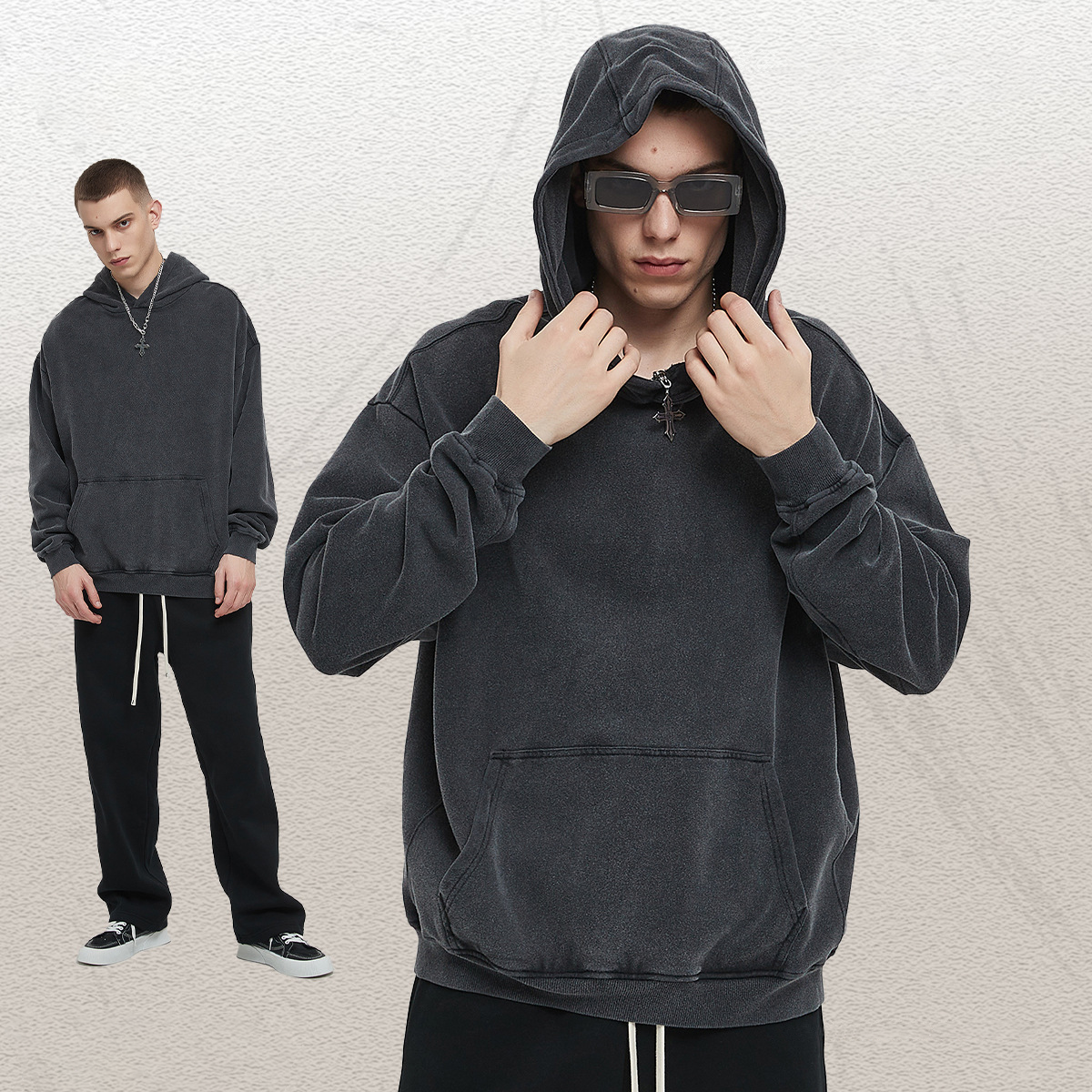
Custom Hoodies
As a custom hoodie manufacturer, EDVORIN develops fleece weight, fit blocks, rib construction, drawcords, artwork placement and finishing for men’s and women’s collections, school programs, teamwear and private-label orders. Approved samples establish the construction and decoration standards required for repeatable bulk production.
Get a Quote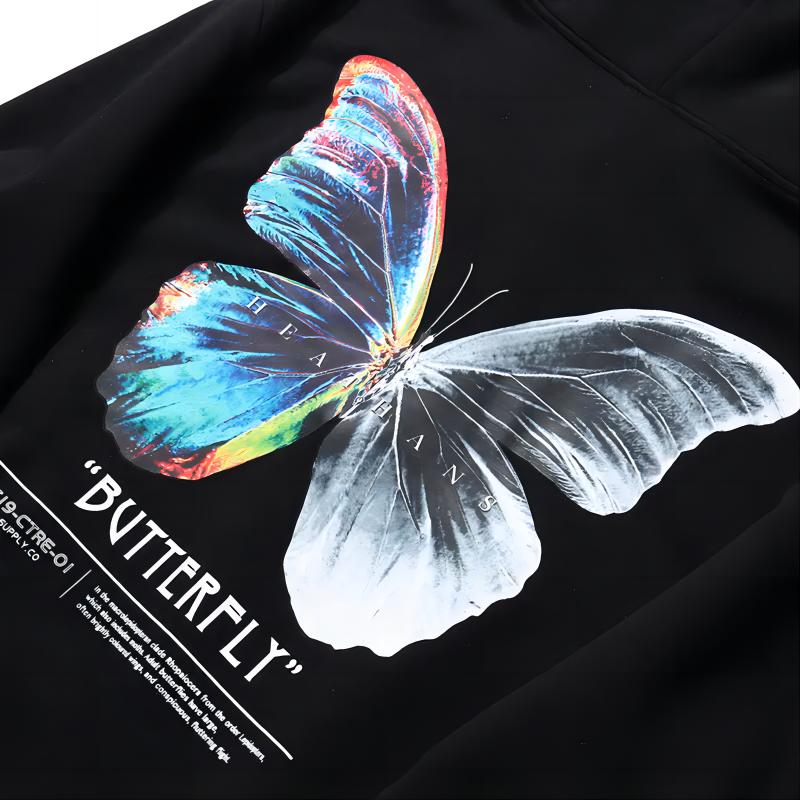
Pullover Sweatshirts
As a sweatshirt manufacturer, EDVORIN supports pullover programs with fabric sourcing, construction, rib specifications, sizing and decoration coordination. Fashion brands can develop distinctive silhouettes, while schools, clubs, wholesalers and corporate buyers can standardize dependable styles across size ranges and repeat orders.
Get a Quote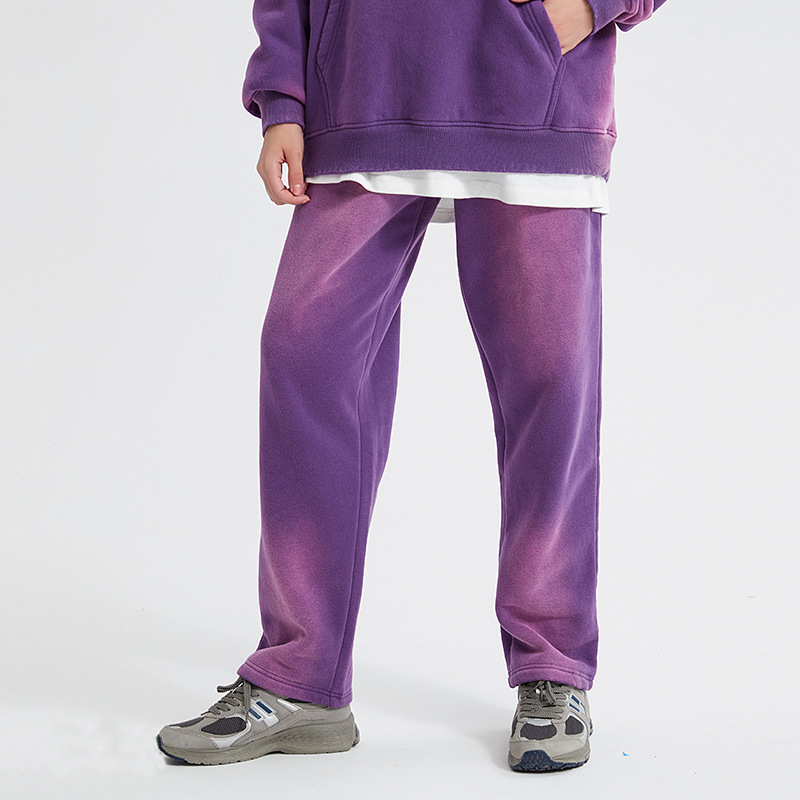
Sweatpants & Joggers
As a sweatpants manufacturer, EDVORIN coordinates fleece or jersey selection, waistband recovery, drawcords, pocket construction, leg shape and grading. Joggers and sweatpants can be developed for coordinated streetwear sets, team programs, school apparel, wholesale ranges and private-label casualwear.
Get a Quote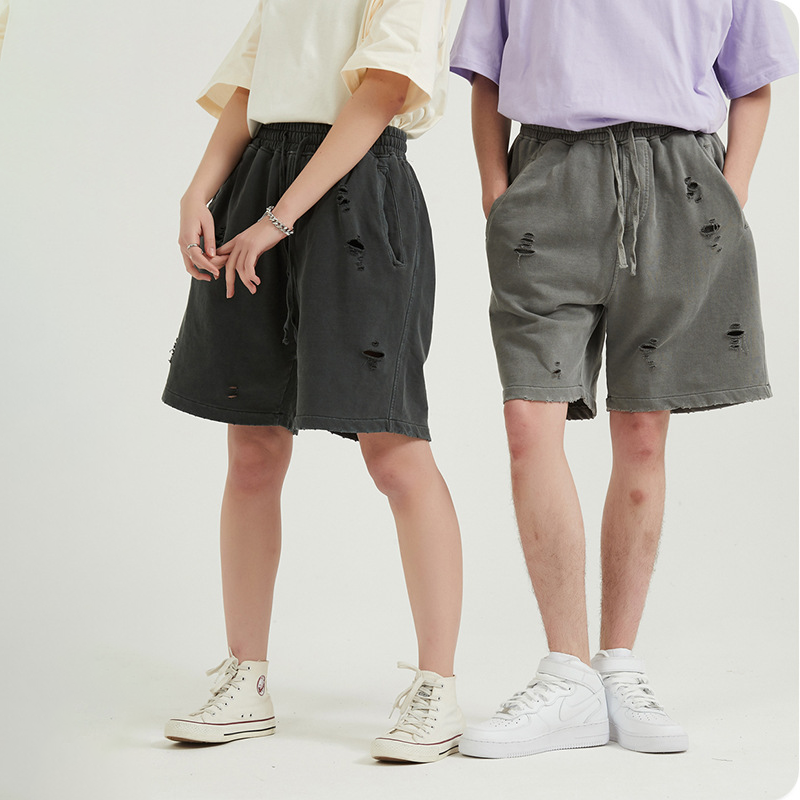
Custom Shorts
As a custom shorts manufacturer, EDVORIN develops shorts around fabric weight, length, waistband construction, pockets, lining and decoration for fashion collections, training programs, school uniforms, teamwear and wholesale capsules.
Get a Quote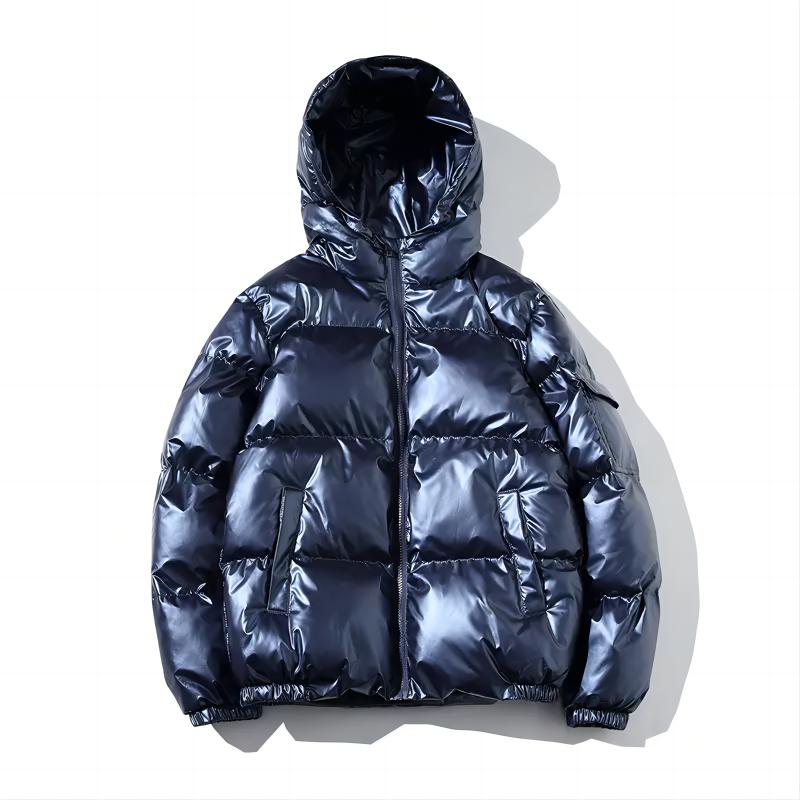
Varsity & Baseball Jackets
As a varsity jacket manufacturer, EDVORIN develops varsity and baseball jackets by coordinating body fabric, sleeves, lining, insulation, rib, snaps, patches, embroidery and finishing for streetwear labels, schools, sports clubs, wholesalers and private-label buyers.
Get a Quote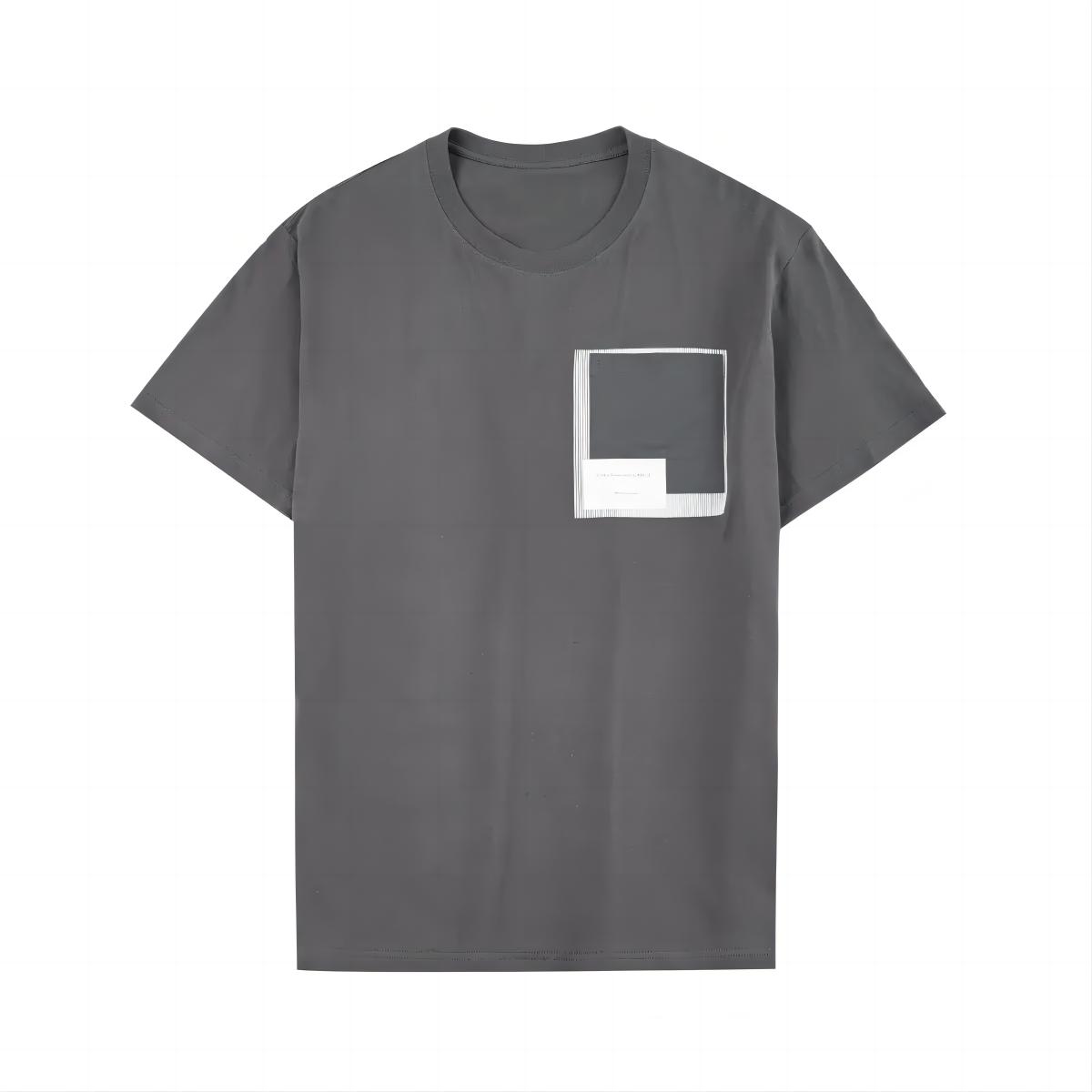
Custom T-Shirts
As a custom T-shirt manufacturer, EDVORIN manages jersey selection, weight, fit, neck rib, seams, printing, embroidery, labeling and packaging for basic uniform tees, branded retail styles and coordinated men’s and women’s collections.
Get a Quote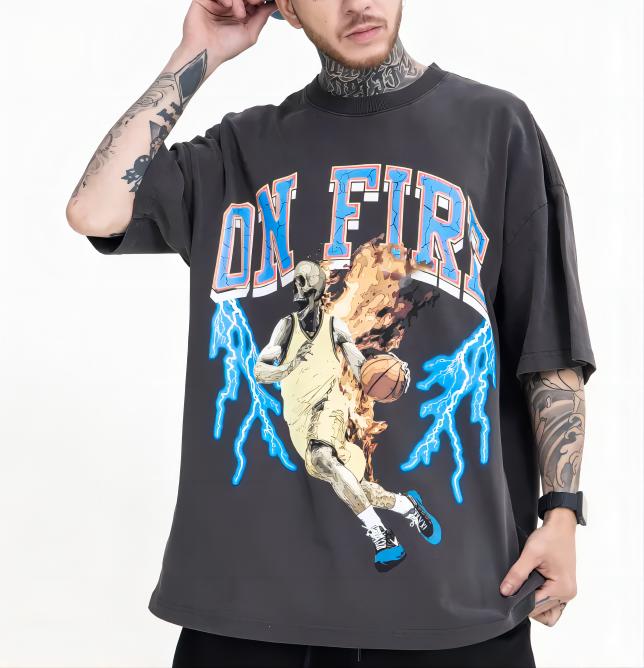
Custom Polo Shirts
As a polo shirt manufacturer, EDVORIN controls collar construction, plackets, buttons, fabric performance, color consistency and decoration placement for fashion brands, sports teams, schools, corporate uniforms, wholesalers and private-label buyers.
Get a Quote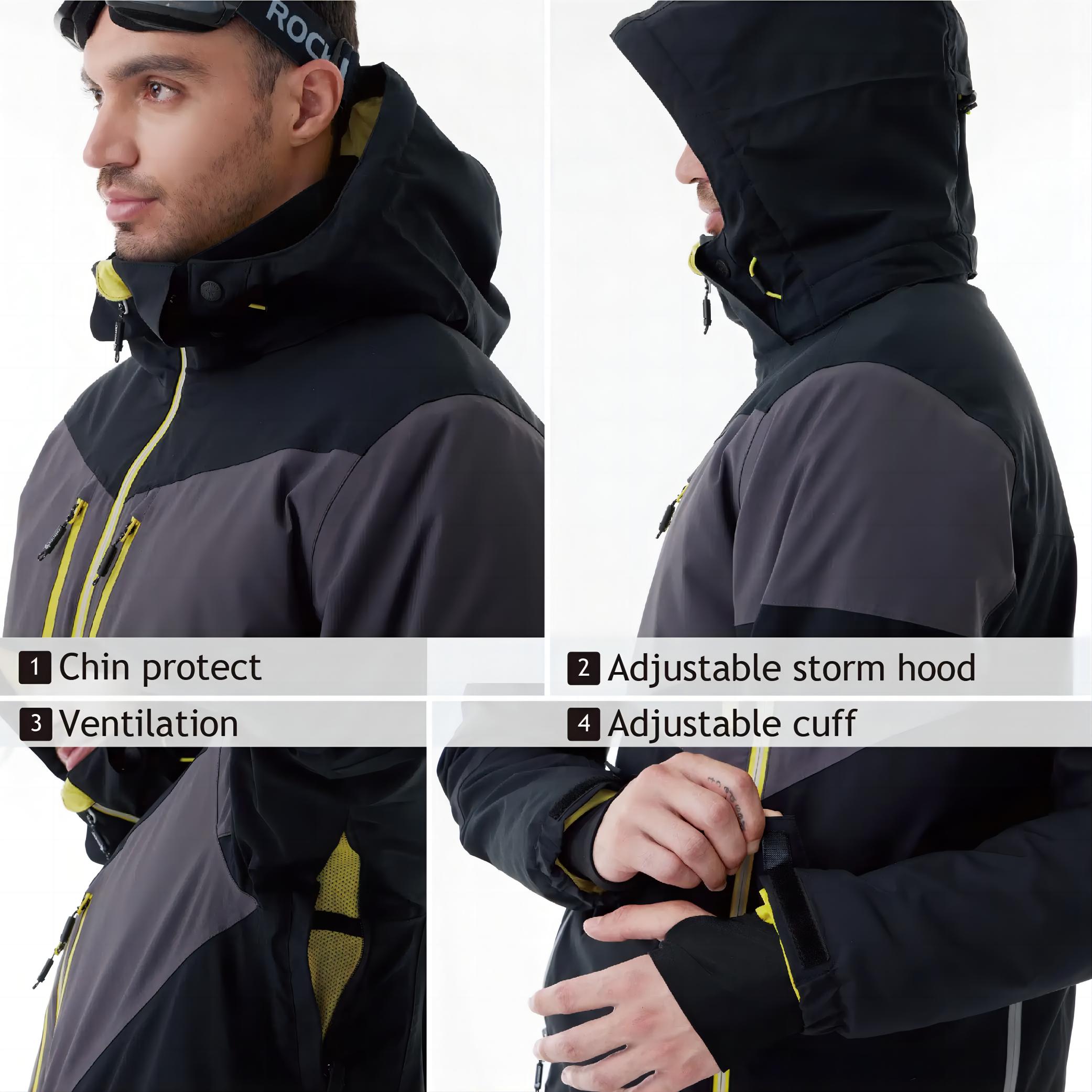
Windbreaker Jackets
As a windbreaker manufacturer, EDVORIN develops windbreakers with attention to shell fabric, water resistance, lining, hood construction, zippers, elastic details and packability, with decoration, labeling and size grading matched to the intended use.
Get a Quote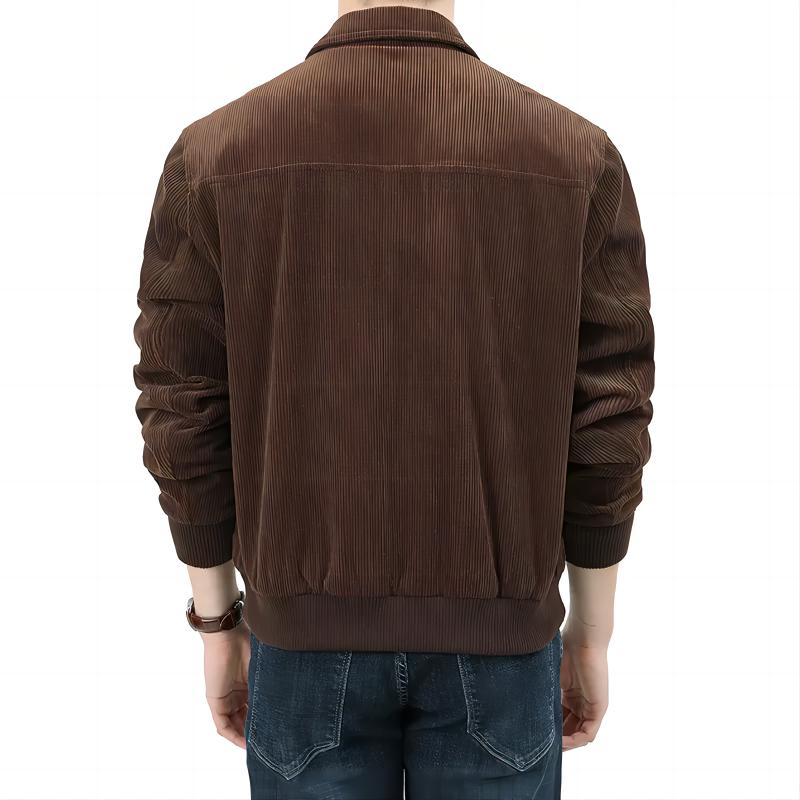
Quilted Jackets
As a quilted jacket manufacturer, EDVORIN coordinates shell fabric, insulation, quilting pattern, lining, hardware, fit and finishing for men’s and women’s outerwear, private-label collections, wholesale ranges and uniform programs.
Get a Quote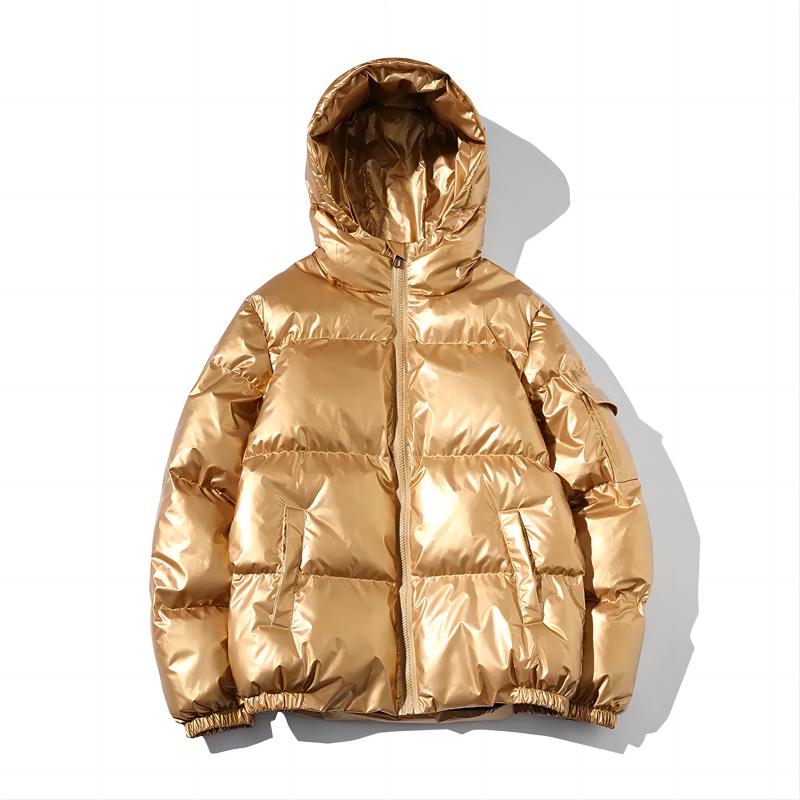
Bomber Jackets
As a bomber jacket manufacturer, EDVORIN coordinates shell materials, lining, insulation, rib, zippers, pockets, patches and embroidery. Buyers can develop fashion or streetwear silhouettes, team and school jackets, or private-label outerwear with the approved sample used as the bulk reference.
Get a Quote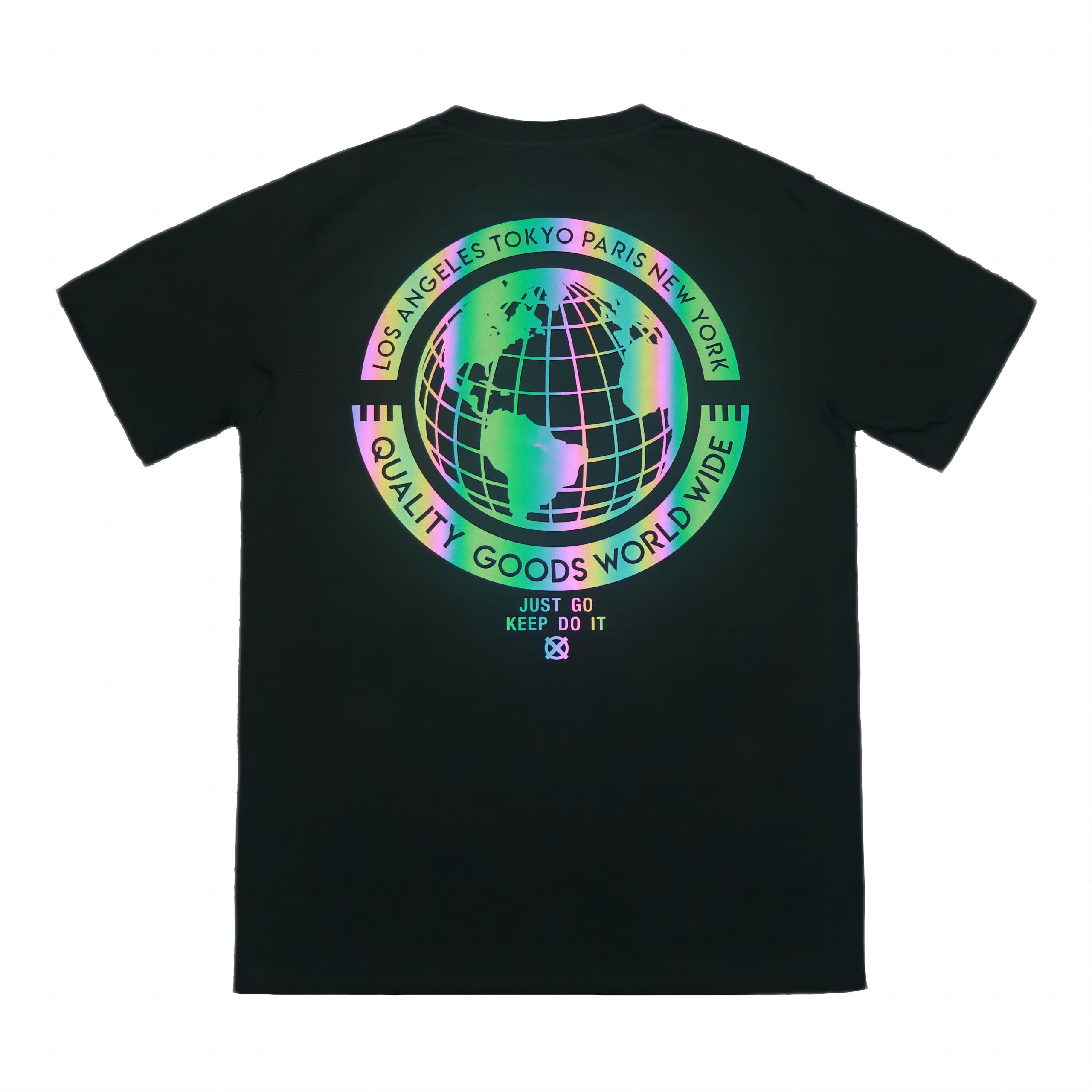
Custom Shirts
As a custom woven shirt manufacturer, EDVORIN controls fabric composition, yarn or weave, collar, cuffs, plackets, buttons, pocket placement and finishing for men’s and women’s fashion collections, uniforms, wholesale programs and private labels.
Get a Quote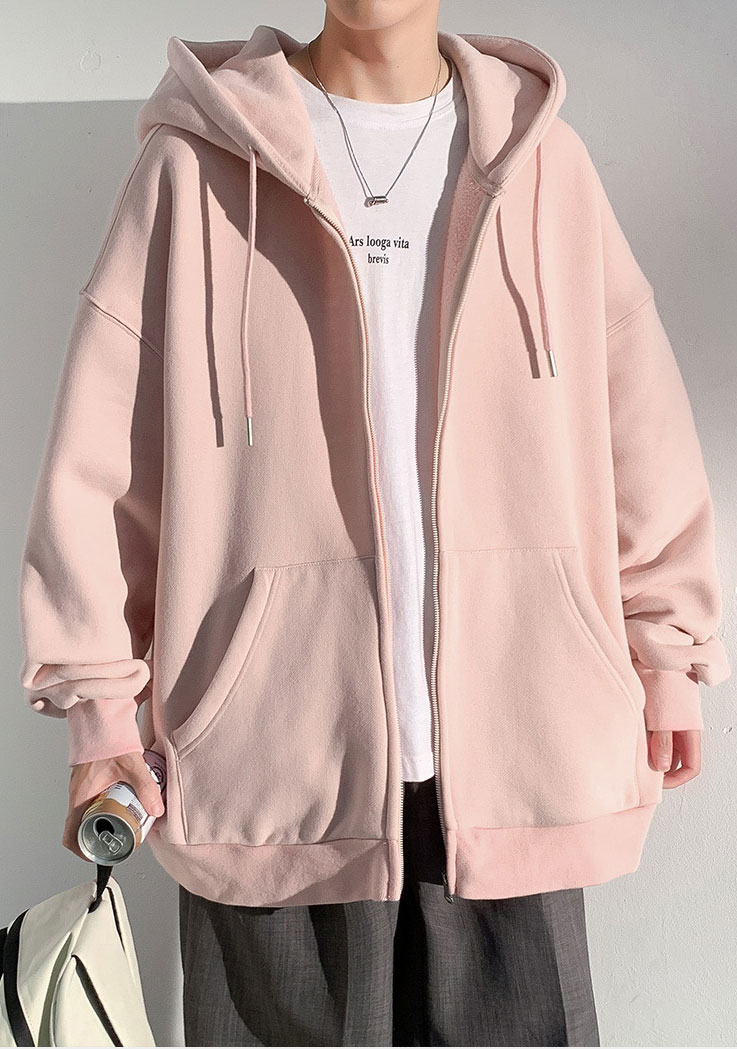
Custom Jerseys
As a custom jersey manufacturer, EDVORIN develops jerseys around breathability, stretch, panel construction, color blocking, collars, cuffs, sponsor artwork, names, numbers and size grading for sports clubs, schools, leagues, wholesalers and streetwear brands.
Get a Quote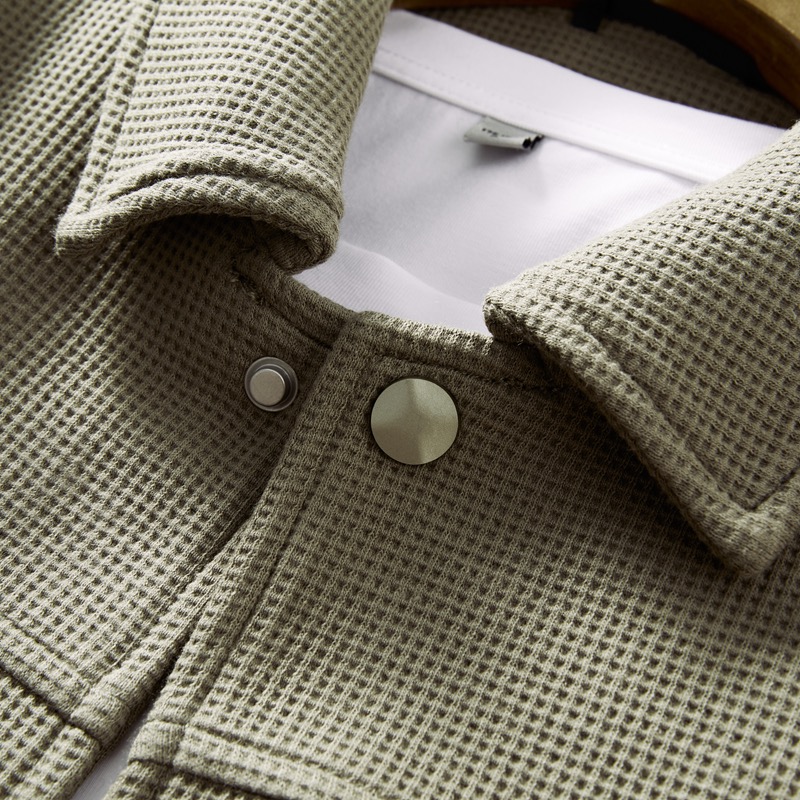
Tank Tops
As a soccer uniform manufacturer, EDVORIN coordinates breathable fabric, jersey panels, shorts, socks or related components, team colors, crests, sponsor marks, names, numbers and size grading for clubs, schools, academies, wholesalers and private-label buyers.
Get a Quote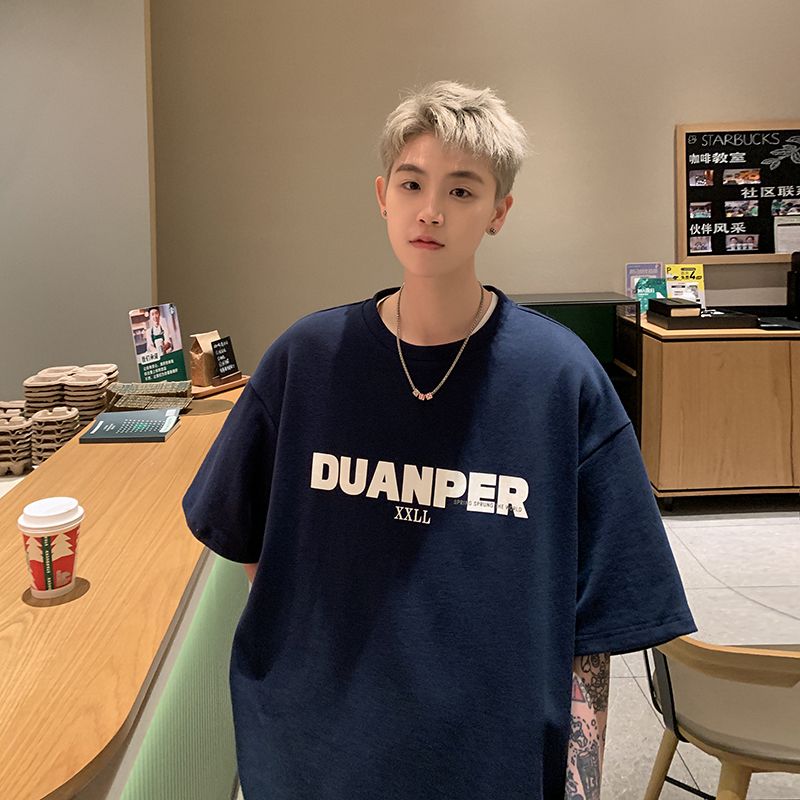
Soccer Uniforms
As a basketball uniform manufacturer, EDVORIN coordinates lightweight performance fabric, breathable construction, cut, trim, color blocking, player numbers, names, team marks and grading for sports clubs, schools, academies, leagues, wholesalers and branded teamwear programs.
Get a Quote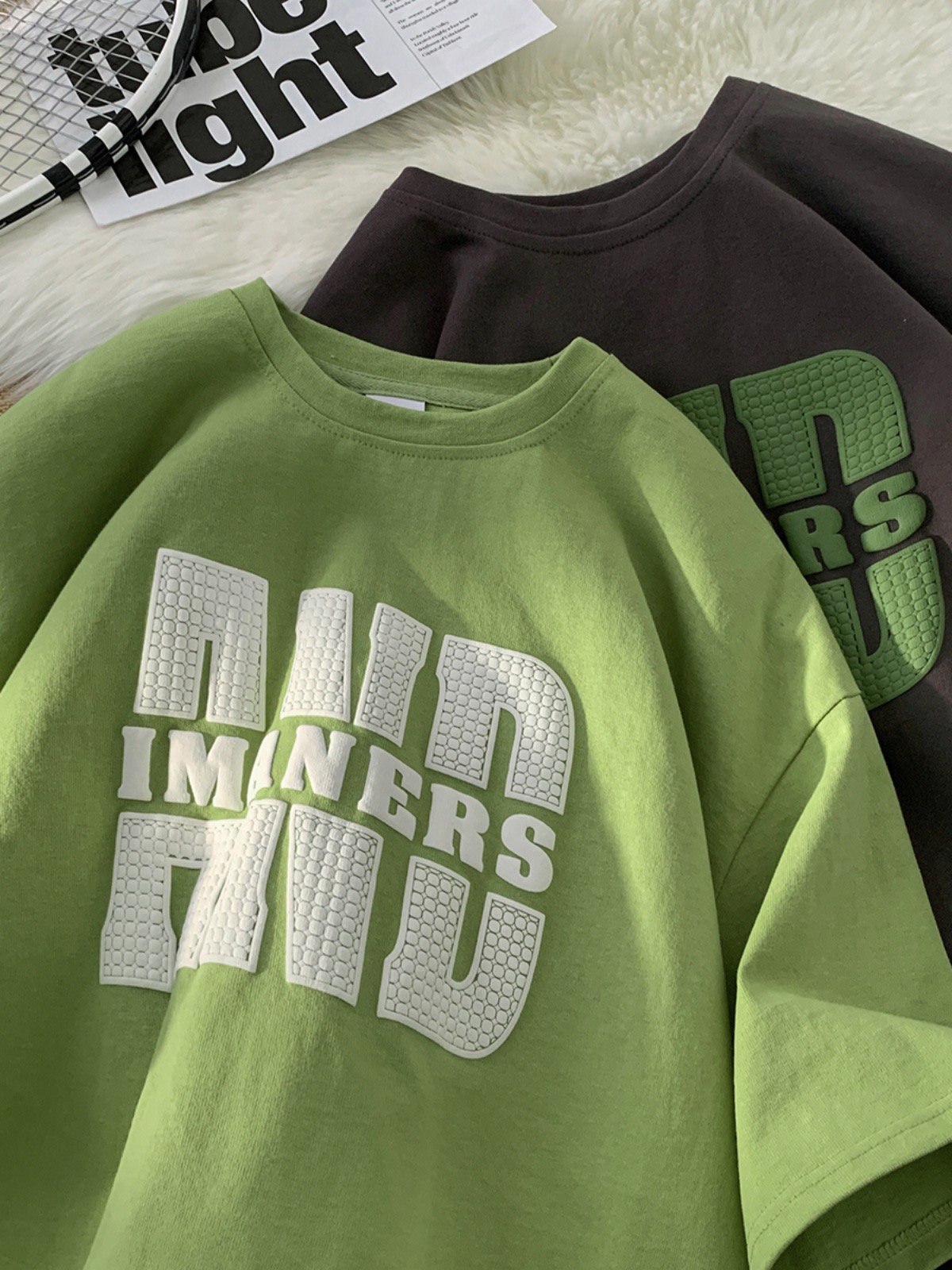
Basketball Uniforms
Basketball uniform development focuses on lightweight performance fabric, breathable construction, cut, trim, color blocking, player numbers, names, team marks and grading. EDVORIN coordinates these requirements for sports clubs, schools, academies, leagues, wholesalers and branded teamwear programs through an approved standard.
Get a Quote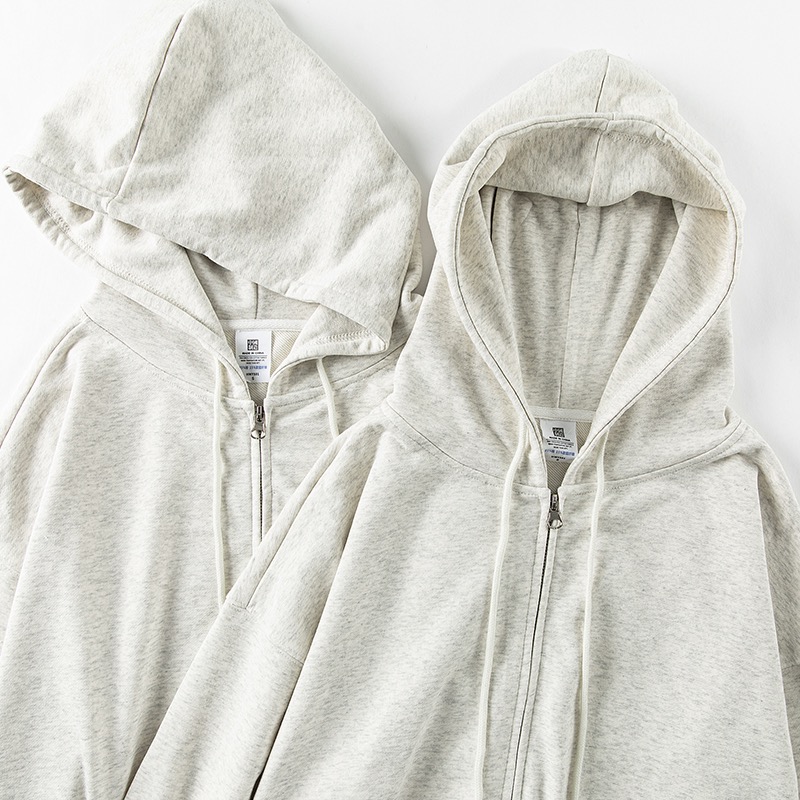
Streetwear Collections
EDVORIN develops streetwear collections by coordinating hoodies, tees, sweatshirts, bottoms, jackets and decoration under one production system. Streetwear labels can align fabrics, silhouettes, graphics, washes, trims, labels and packaging across a collection while maintaining clear specifications for repeat orders.
Get a QuoteFrom concept to approved bulk: custom polo uniform guide
EDVORIN turns your polo concept, sketch, or tech pack into a documented uniform standard ready for repeatable production.
Define the product standard
Share a sketch, reference garment, or tech pack; EDVORIN aligns fit, fabric, trims, construction, decoration, and men’s or women’s grading requirements.
Approve the working sample
Review sample fit, materials, collar and placket construction, artwork placement, wash response, labels, and packaging details before confirming the production standard.
Record every repeatable detail
EDVORIN converts approved decisions into documented specifications, color references, measurement points, decoration files, trim notes, and inspection criteria for the order.
Control bulk against approval
During production, EDVORIN coordinates sourcing, decoration, quality checks, final inspection, and packing so the finished polo uniform matches the approved sample.
The Complete custom polo uniform guide for Confident Bulk Buying
EDVORIN’s MOQ starts at 200 pieces per style. Use this decision framework to compare fabrics, fit blocks, decoration, MOQ, sampling, quality control, pricing, and supplier capabilities—while avoiding costly sizing, production, and repeat-order mistakes.
1. What Is a custom polo uniform guide?
200 pieces is the starting order quantity for EDVORIN’s custom polo uniform programs, making the project a coordinated apparel system rather than a one-off logo shirt. The program aligns polos across a defined wearer group, with decisions covering intended use, gender-specific fit, fabric performance, decoration, size distribution and color standards. 8 checkpoints should be clarified before requesting quotations: application, fit block, material, artwork method, size range, MOQ, sample requirements and delivery window. Buyers should also specify whether the order is for a fashion collection, streetwear label, sports club, school, academy, wholesaler, distributor or corporate team, because wear conditions and presentation standards differ. 200-piece production is only useful when the approved sample becomes a repeatable standard.
2. Evolution and history of custom polo uniforms
20th-century sportswear established the polo as a practical alternative to both formal shirts and basic athletic tops. Its collar, placket and mobility made it suitable for golf and club activity, while modern buyers now translate that heritage into performance specifications such as moisture-wicking polyester, cotton pique or stretch blends. com/blog/faq/custom-polo-shirts
2000s workplace and school programs broadened the polo into a uniform platform for corporate teams, academies and service staff. The sourcing decision shifted from selecting a standard blank to defining a fit block, size grading, collar construction, color standard and decoration method that can remain consistent across departments or student groups. Today, streetwear labels, sports clubs and private-label buyers use polos as collection pieces as well as uniforms.
3. Types covered in this custom polo uniform guide
Four uniform directions cover most buyer requirements, from breathable cotton pique to branded streetwear silhouettes.
Classic Cotton Pique
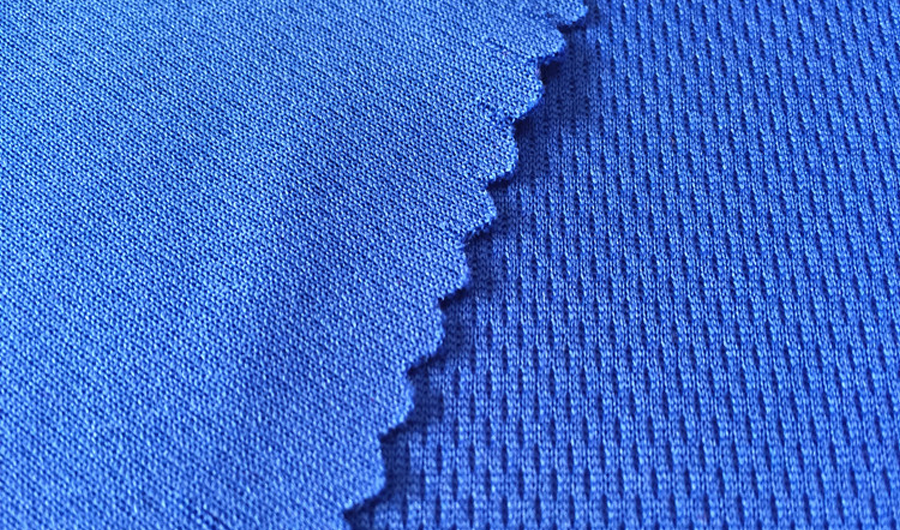
Best for everyday uniforms, hospitality, retail, and clubs, cotton pique gives a structured, familiar fit with strong embroidery and left-chest branding flexibility.
Performance And Athletic Polos
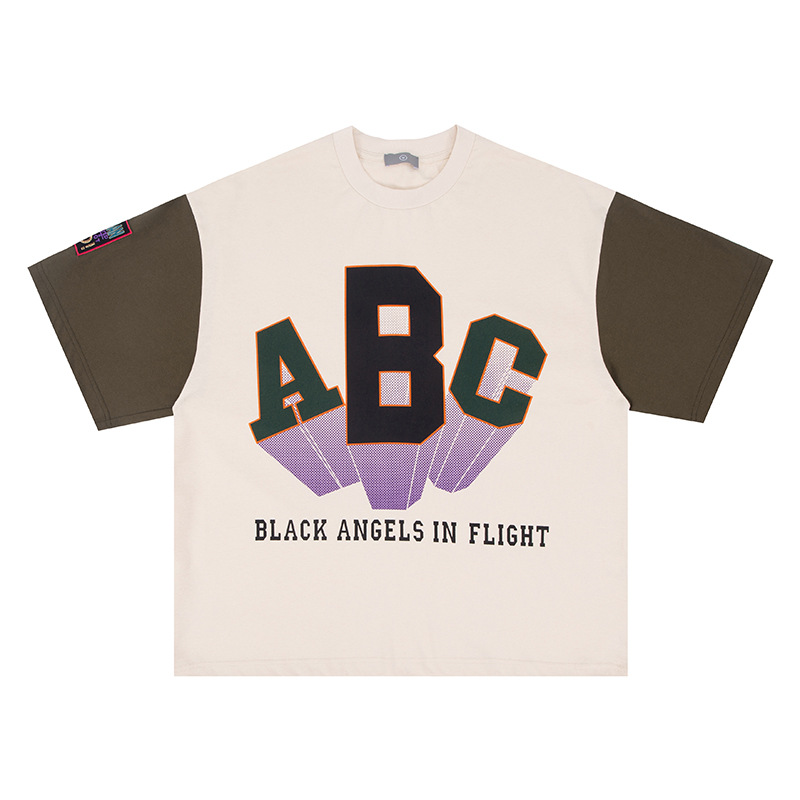
Performance polos suit outdoor staff, golf programs, and active teams. Athletic polos use a closer fit, stretch, moisture management, and lighter construction for movement.
School And Corporate Polos
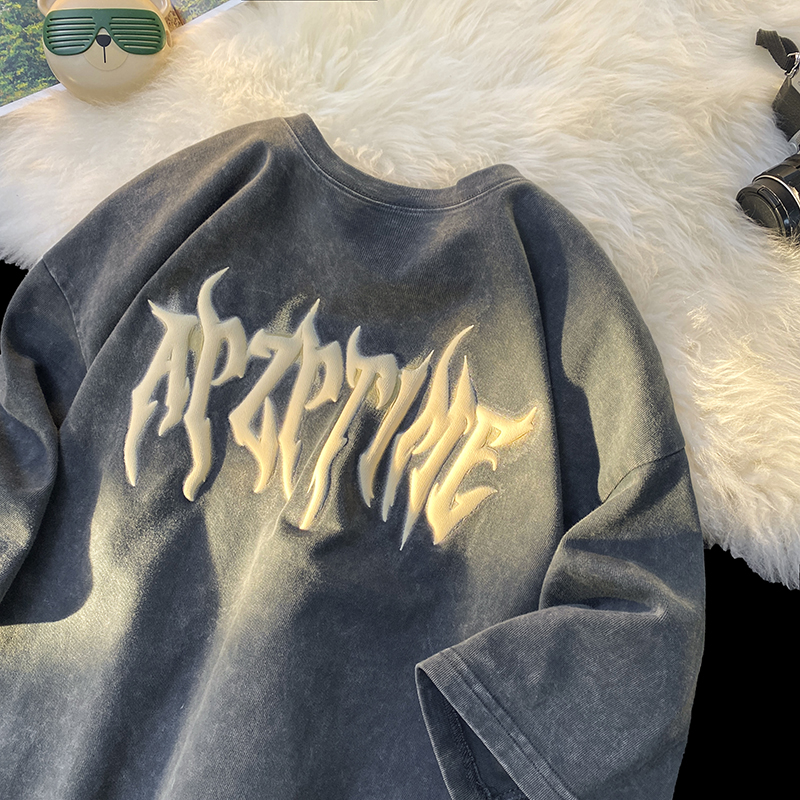
School polos prioritize durable color, repeatable sizing, modest proportions, and easy-care performance across student groups. Corporate polos favor polished collars, wrinkle resistance, and restrained logo placement.
Fashion And Streetwear Silhouettes
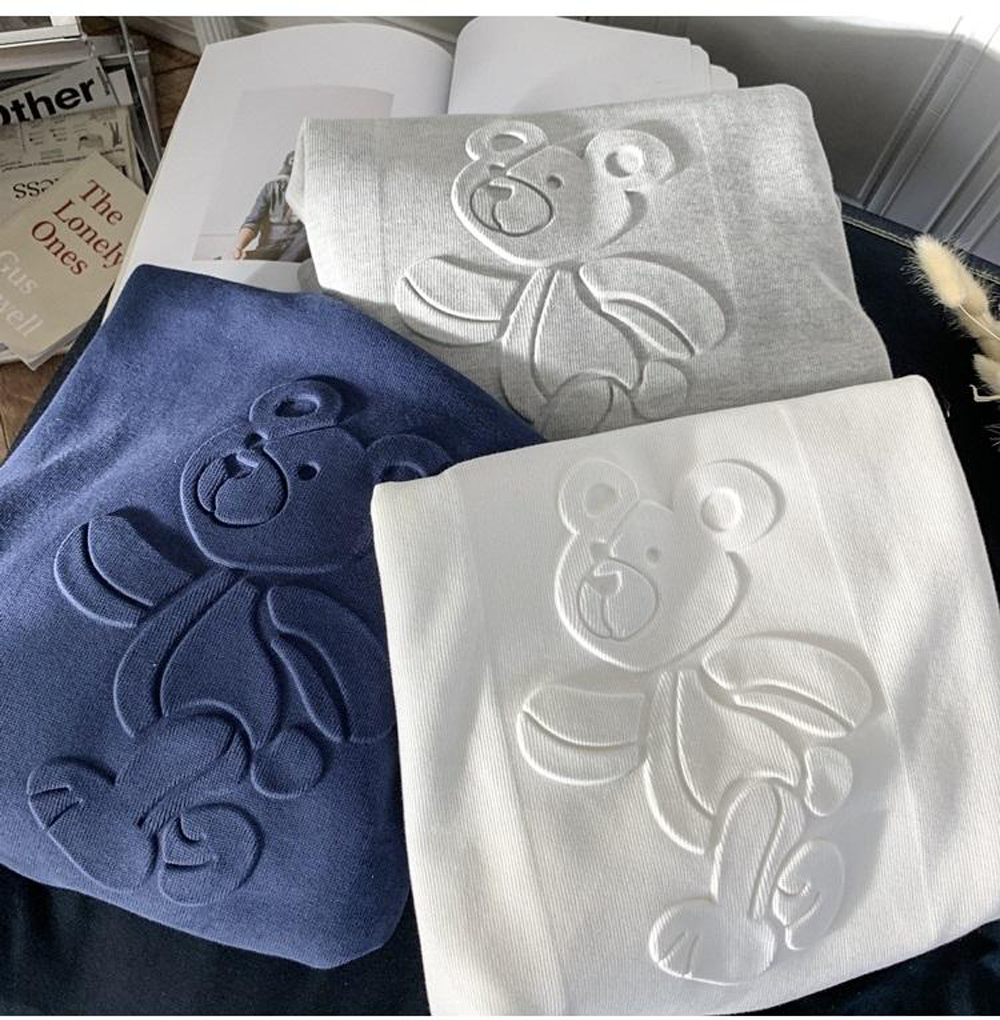
Fashion and streetwear polos work for labels seeking oversized, cropped, dropped-shoulder, contrast-panel, or heavyweight silhouettes. Their branding can extend beyond the chest to collars, plackets, sleeves, and large back artwork.
Choosing The Direction
A 200-piece program should first define wearer activity, fit block, decoration scale, and washing environment. EDVORIN can develop the selected direction for men’s or women’s programs and convert the approved sample into a repeatable production standard.
4. Fabrics and materials in a custom polo uniform guide
180–220 GSM is a practical starting range for most custom polo uniform programs; climate, activity level and laundering determine the final choice.
Fiber Choices And Performance
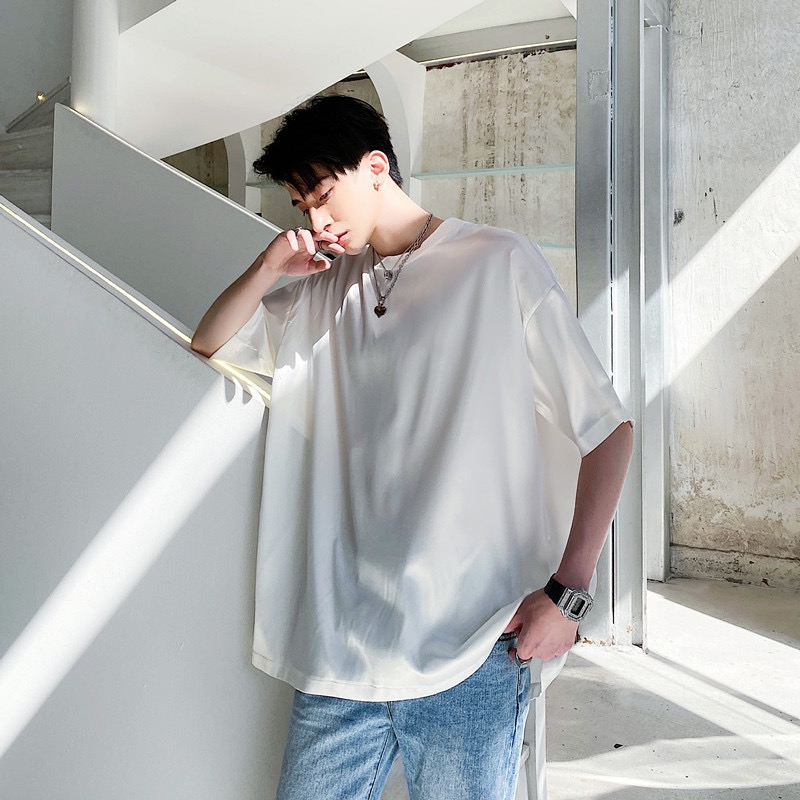
100% cotton offers the softest hand and good breathability but can shrink and wrinkle; ring-spun versions generally feel smoother than open-end. Polyester improves colorfastness, wrinkle resistance, drying speed and moisture management, while cotton-poly blends balance comfort, durability and dimensional stability. Recycled polyester can support material targets, but buyers should verify recycled content rather than assume it.
- Ask for fiber percentages by weight and test method.
- Confirm wash temperature, tumble-dry limits and expected shrinkage.
- Request colorfastness to washing, rubbing and perspiration.
Knit Structures And Climate
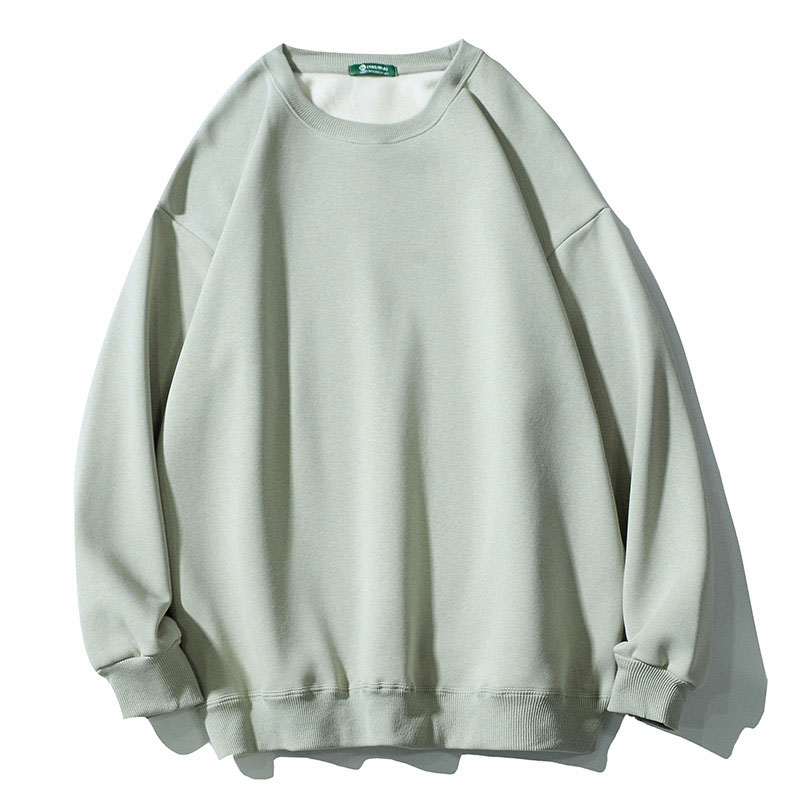
180–220 GSM pique gives a textured, breathable surface and structured appearance; 140–180 GSM jersey feels smoother and lighter. Mesh at roughly 130–170 GSM suits hot, active programs, while elastane blends add stretch but require recovery testing. For cool climates or heavier-duty uniforms, 220–260 GSM may improve coverage and durability.
- Pique: structured everyday uniforms.
- Jersey: lightweight layering and retail programs.
- Mesh: hot-weather teams and active use.
Match GSM To Use
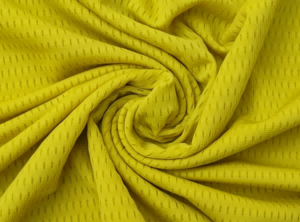
GSM should follow the wearer’s climate and workload, not marketing labels.
- Verify whether GSM is prewash or postwash.
- Test hand feel, breathability and pilling on washed samples.
- Check stretch recovery after repeated wear.
| Fabric / GSM | Best Use | Key Trade-Off |
|---|---|---|
| Cotton pique / 180–220 GSM | Office, school, retail | Soft and breathable; may shrink |
| Polyester mesh / 130–170 GSM | Sports, hot climates | Light and moisture-managing; less natural hand |
| Cotton-poly jersey / 160–200 GSM | General uniforms, teams | Balanced comfort; blend ratio matters |
5. Customization and decoration options
Three decisions control decoration results: artwork complexity, garment placement, and repeatability.
| Method | Detail And Color | Feel And Durability | Best Placement |
|---|---|---|---|
| Embroidery | Strong small logos; limited gradients | Raised texture; durable | Left chest, sleeve, cap |
| Screen print | Bold spot colors; sharp graphics | Soft to textured; durable when cured | Chest, back, panels |
| Heat transfer | Fine detail; broad color range | Smooth or plastic-like; test adhesion | Small logos, names, numbers |
| Sublimation | Photographic detail; all-over color | Dye-in; compatible polyester | Full body panels and artwork |
Choose The Decoration Method
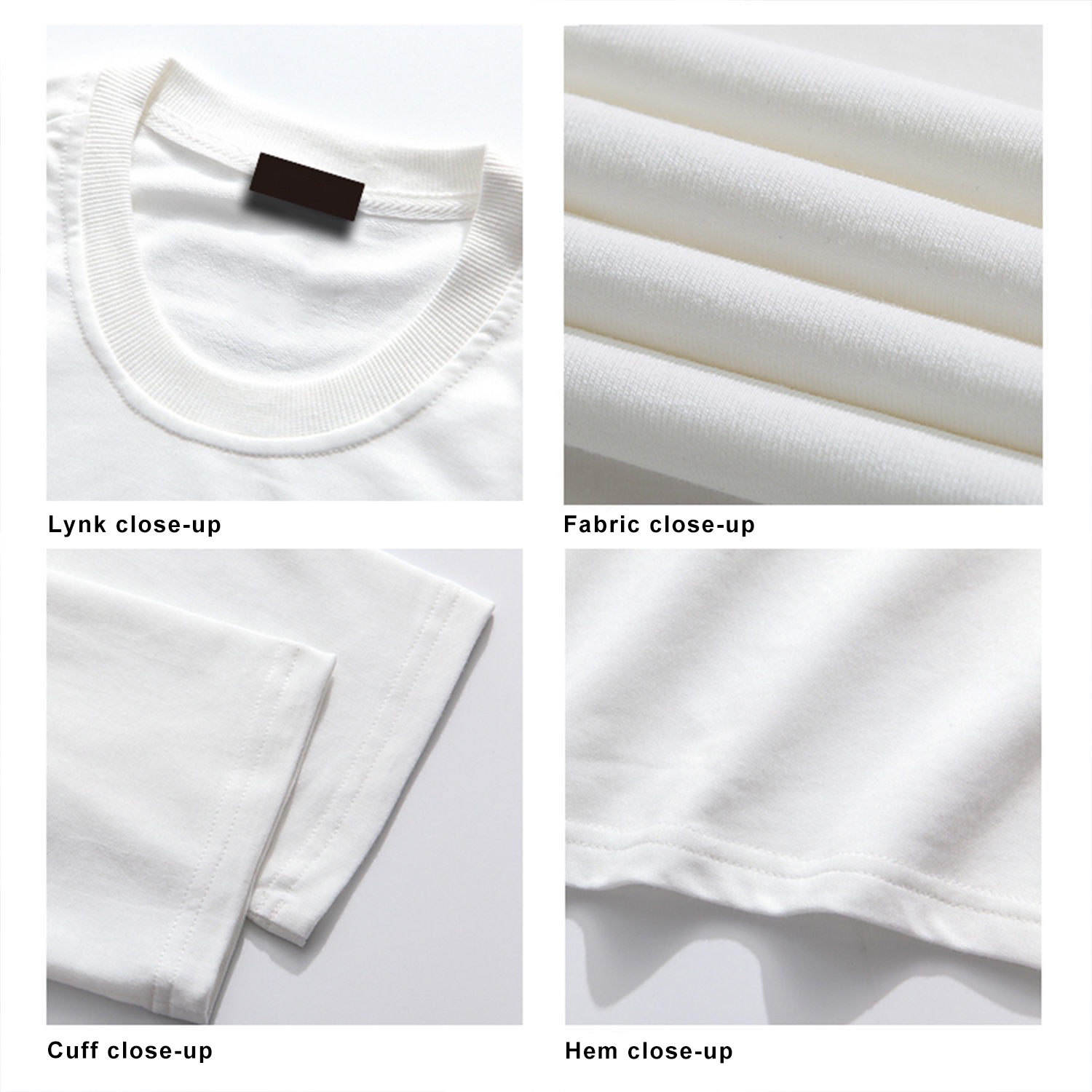
1-color marks suit embroidery or screen printing; heat transfer handles multicolor detail, while sublimation supports all-over artwork on compatible polyester.
Build The Garment Identity
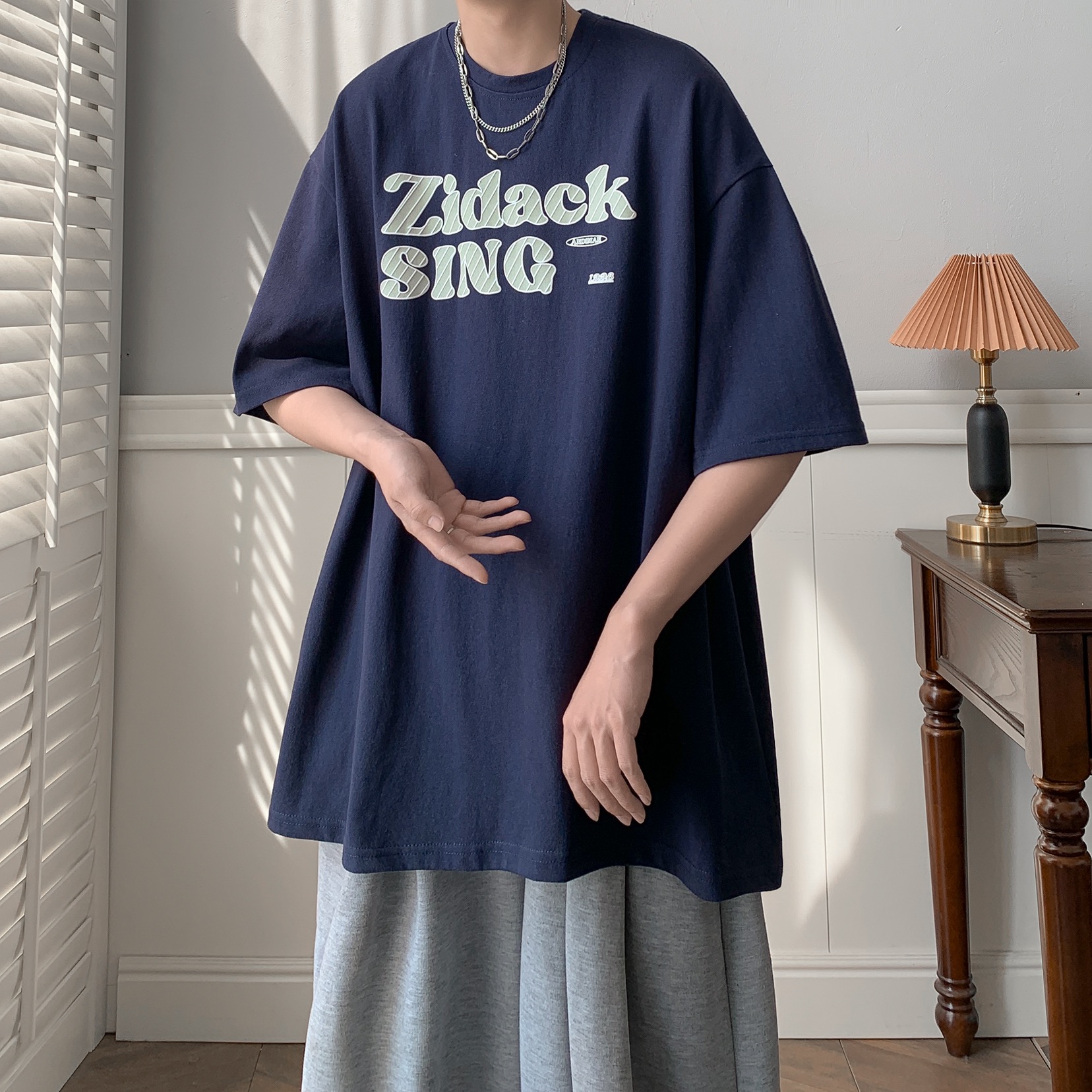
Contrast panels, tipping, custom buttons, and neck tape establish a coordinated uniform system beyond the logo.
Approve Files And Finishing
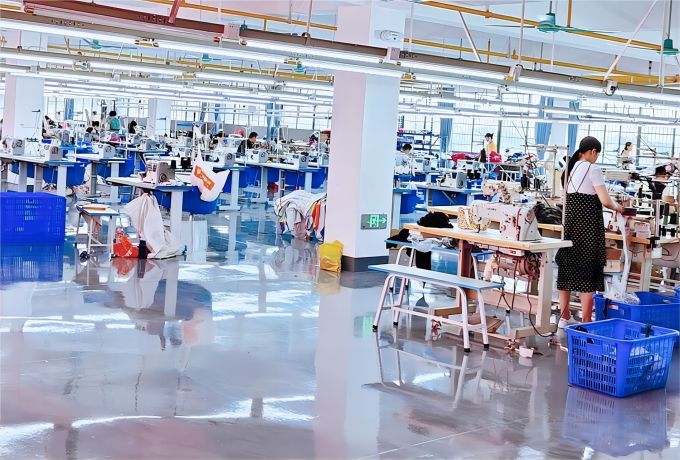
Before sampling, submit AI, EPS, or high-resolution PDF artwork with fonts outlined, color codes, dimensions, and placement measurements.
- Record front, sleeve, chest, and back placements separately.
- Confirm hangtags, folded labels, polybags, cartons, and assortment marks.
- Check color, registration, texture, adhesion, and wash appearance.
6. Construction, fit, and sizing quality elements
A 200-piece program should be approved against a physical standard, not a sketch alone.
Construction Checkpoints
Eight areas expose weak construction quickly: collar recovery, firm two-layer plackets, securely bartacked buttons, clean shoulder seams, continuous neck tape, even sleeve hems, reinforced side vents, and balanced split hems. Inspect stitching density, seam allowance, skipped stitches, puckering, and thread tension on the approved sample.
Fit Blocks And Measurements

Six fit choices should be separated: men’s, women’s, unisex, relaxed, slim, and athletic. Each needs its own block, proportions, grading rules, and intended ease; one shared chart creates predictable fit complaints. Use finished-garment measurements for chest, shoulder, body length, sleeve length, hem, and opening.
Preventing Fit Variation
Three controls reduce inconsistency: one dated measurement chart, one sealed reference sample, and one tolerance schedule. Mark measurement points clearly, define seam allowance, and require pattern revisions to be version-controlled. After washing, compare shrinkage, collar recovery, hem torque, seam distortion, and button security against the approved standard.
7. How to choose a custom polo manufacturer
A reliable manufacturer should make product, process, and evidence visible before deposit.
Match Product And Development Experience
EDVORIN’s MOQ starts at 200 pieces per style. When comparing a custom clothing manufacturer, OEM clothing manufacturer, ODM apparel manufacturer, private label clothing manufacturer or low MOQ clothing manufacturer, ask for comparable samples, fit blocks, tech-pack support, pattern revisions and material recommendations for men’s and women’s ranges. EDVORIN’s founding in 2000 provides a relevant reference point for this evaluation.
Check Materials, Decoration, And MOQ
2–3 fabric options should be compared by fiber content, GSM, shrinkage, colorfastness, and testing evidence; specify ring-spun or open-end yarn, pique or performance knit, and Pantone references where relevant. 200 pieces is the stated page MOQ, but confirm MOQ by style, color, and decoration method.
Verify Capacity And Quality Controls
3 checkpoints should be documented: pre-production approval, in-line inspection, and final inspection before packing. Request measurement records, artwork placement tolerances, shade-control procedures, needle or seam checks, and defect-resolution rules. Lead times should be separated into development, sampling, bulk production, and freight.
Require Evidence For Repeat Orders
4 document groups deserve verification: compliance certifications, test reports, labeling records, and packaging specifications. Treat OEKO-TEX, GOTS, WRAP, BSCI, YKK hardware, or audit claims as unverified until current certificates or traceable records are supplied. Repeat-order consistency requires retained patterns, approved trims, color standards, packing lists, and revision history.
8. Common mistakes buyers make
Four practical checks commonly decide whether a polo program scales cleanly or creates avoidable rework.
Validate Fabric Beyond Price
A lower fabric quote can hide weaker recovery, inconsistent shade or unsuitable weight. Compare hand feel, stretch, colorfastness and laundering performance against the intended uniform use. Ask: Which test results and wash conditions support this fabric choice?
Approve Physical Samples
One screen-rendered design cannot confirm fit, collar behavior, decoration scale or seam comfort. Request a physical sample and inspect it on the intended wearer group before approving production. Ask: What exactly has been measured and tested on the sample?
Control Fit, Color, And Shrinkage
Generic size charts often miss the proportions of a specific men’s or women’s block. Measure a size set, test post-wash dimensions and approve grading across the full size range. Ask: Are these measurements pre-wash or post-wash?
Document Decoration And Packing
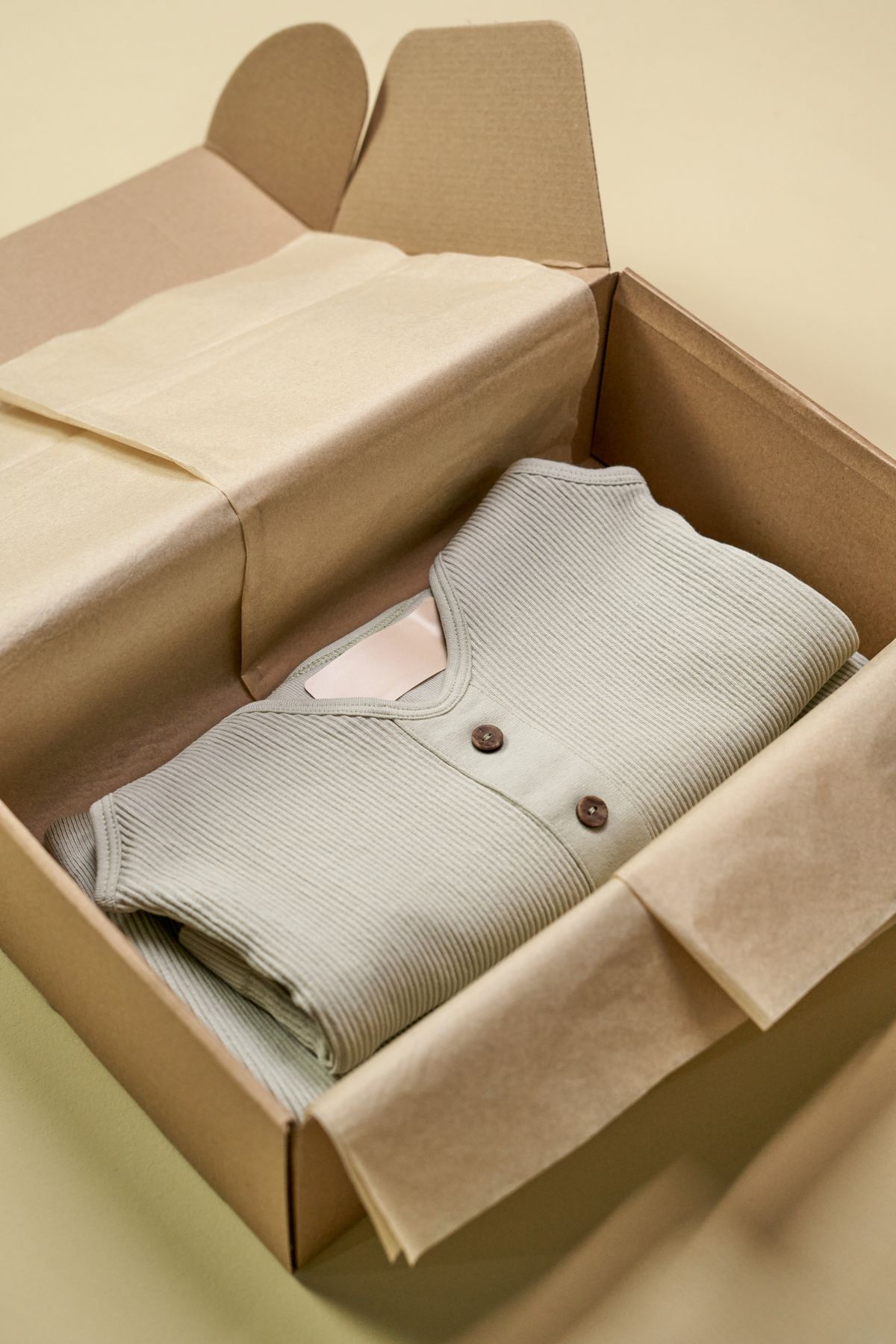
A logo can shift, distort or feel unbalanced when placement is described only as ‘left chest.’ Specify coordinates, artwork size, stitch or print method, thread or ink colors, and tolerances. Ask: Could another production team reproduce this order without interpretation?
9. Steps to launch your custom polo uniform program
Phase 1 establishes who will wear the polo, where it will be used, and when it must launch.
Define Scope And Quantities
EDVORIN’s MOQ starts at 200 pieces per style. 1–2 wearer groups should be separated by role, gender program, activity, climate, and laundering demands. Record use cases before selecting fit, fabric, colors, decoration, and performance details. A 200-piece MOQ should be allocated with a provisional size curve, replacement allowance, and color split.
Build The Approval File
EDVORIN’s MOQ starts at 200 pieces per style. 1 design brief should lead to one tech pack covering sketches, measurements, grading, materials, trims, artwork files, placement, labels, packaging, and inspection points. 3–5 qualified suppliers can be shortlisted against relevant product experience, development responsiveness, MOQ flexibility, quotation detail, and production controls.
Prototype And Wear-Test
1 prototype tests the design direction; a complete size set tests grading across the planned range. Check collar recovery, placket alignment, mobility, sleeve balance, shrinkage, color, and decoration after laundering.
Order, Inspect, And Reorder
1 purchase order should reference the approved sample, tech pack revision, size curve, quantities, delivery address, carton marks, and inspection standard. Schedule in-line checks and final inspection before shipment.
10. Pricing and cost planning for custom polo uniforms
200 pieces is EDVORIN’s stated MOQ for this program, but the quoted unit cost remains a quotation variable. Model fabric type and GSM, fit development, collar and cuff trims, decoration method, artwork placements, sampling, packaging, freight, duties, inspection, and any rush premium as separate cost lines. 3 major decoration variables are stitch count for embroidery, print coverage, and the number of placements. A ring-spun pique polo with custom grading, branded buttons, woven labels, individual polybags, and pre-shipment inspection will cost differently from an open-end polyester style with one chest transfer.
| Quantity Tier | Estimated Unit-Cost Structure | Lead-Time Implications |
|---|---|---|
| 200–499 pieces | Planning band: $16–$28/unit; quotation variable; setup and sampling spread across fewer units | Approx. 35–50 days after approvals |
| 500–999 pieces | Planning band: $13–$23/unit; quotation variable; better allocation of development and setup costs | Approx. 30–45 days after approvals |
| 1,000+ pieces | Planning band: $11–$20/unit; quotation variable; negotiate fabric, trim, and packaging efficiencies | Approx. 30–40 days after approvals |
| Rush order, any tier | Add expedited sampling, production, freight, and inspection premiums; quotation variable | Confirm capacity before committing to the delivery date |
Custom polo uniform guide FAQs for B2B buyers
Clear answers on development, decoration, quality control and repeat ordering for fashion brands, teams, schools, wholesalers and private-label buyers.
What is included in a custom polo uniform guide?
What is the MOQ for a custom polo uniform order?
How does the custom polo uniform guide help with samples?
Can EDVORIN develop men’s and women’s custom polo uniforms?
Which decoration methods work best for custom polo uniforms?
Can a custom polo uniform guide include certifications and compliance requirements?
How does EDVORIN keep repeat polo orders consistent?
Ready to Turn Your Custom Polo Uniform Guide Into Production?
EDVORIN’s MOQ starts at 200 pieces per style. Share your requirements with EDVORIN for OEM/ODM development, sampling and repeatable bulk production from our 200-piece MOQ.