
DTF vs Screen Printing: Choose the Right Method for Your Brand
Compare DTF vs screen printing by artwork, fabric, order size and durability—then develop a repeatable decoration standard with EDVORIN.
DTF vs Screen Printing: Key Differences at a Glance
This DTF vs screen printing comparison helps apparel buyers align artwork, fabric, order volume and production control with the right manufacturing path.
← Swipe left or right to view →
DTF vs Screen Printing for Cost, Detail and Durability
Use the DTF vs screen printing comparison to align artwork, garments, order quantities and repeatable production requirements.
Artwork Detail
DTF supports detailed, full-color artwork and gradients; screen printing suits bold graphics with controlled spot colors and fewer layers.
Order Quantity
Choose DTF for samples, short runs and design testing; screen printing becomes increasingly efficient when approved artwork scales across larger orders.
Garment Compatibility
Match decoration to fabric, color and construction across T-shirts, hoodies, performance jerseys and coordinated men’s or women’s programs.
Repeatable Standards
EDVORIN records artwork placement, color references, garment specifications and approved samples so decoration remains consistent from first order to repeat production.
Connected Production
Coordinate custom apparel printing, custom apparel embroidery, fabric, trims, garment wash services, quality control, custom clothing labels and packaging through one accountable OEM, ODM and private-label workflow.
DTF vs Screen Printing for Every Apparel Program
Choose decoration methods by order volume, artwork complexity, fabric, color requirements and repeatability across fashion, teamwear, school and private-label collections.
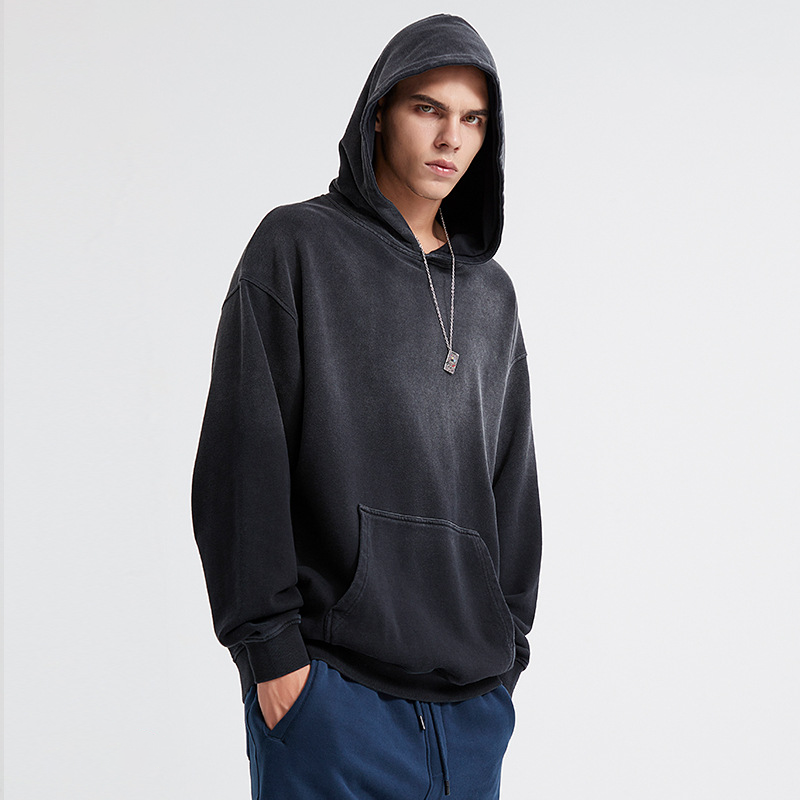
Custom Hoodies
As a custom hoodie manufacturer, EDVORIN develops fleece weight, fit, trims and artwork placement together. DTF suits limited streetwear drops and detailed graphics, while screen printing is typically more efficient for larger runs with bold, repeatable artwork.
Get a Quote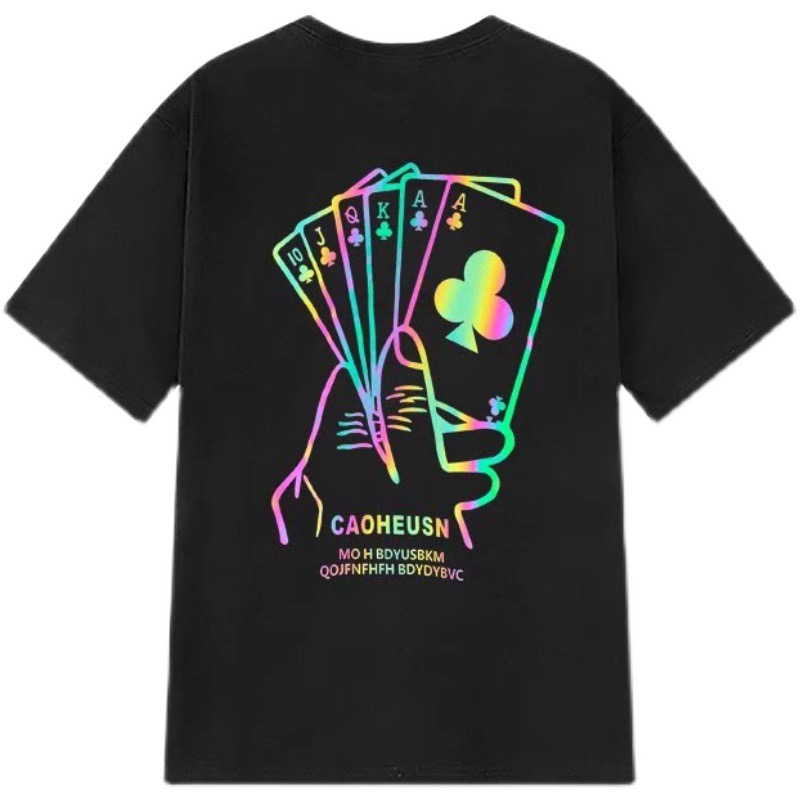
Pullover Sweatshirts
A sweatshirt manufacturer must balance fabric hand feel, coverage and production volume. DTF supports short runs, names and complex artwork across pullover styles; screen printing is well suited to wholesale basics and repeat orders using simpler designs and consistent color separation.
Get a Quote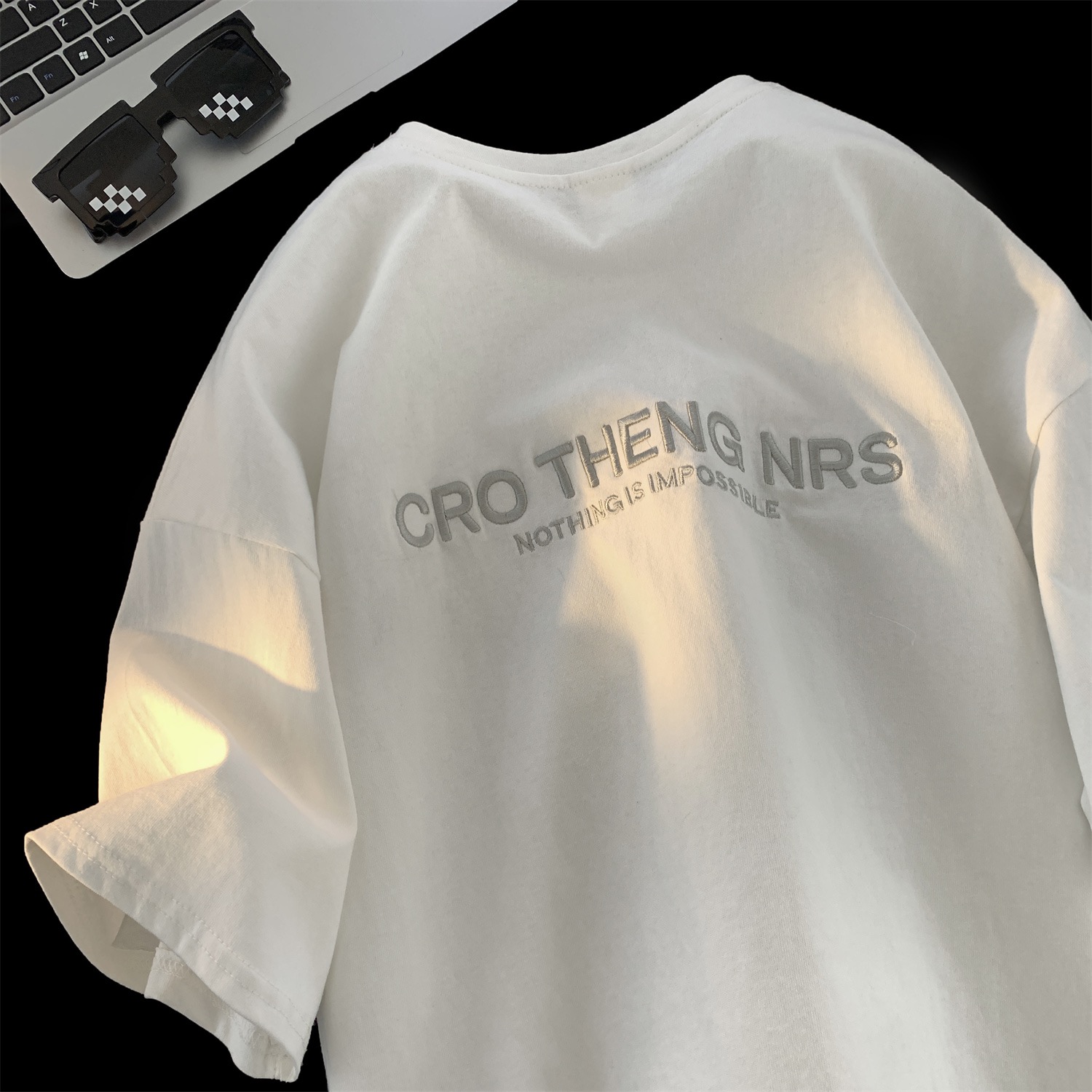
Sweatpants & Joggers
As a sweatpants manufacturer, EDVORIN coordinates fleece or French terry, rib details, pockets and decoration placement. DTF works for small-batch logos and individualized graphics, while screen printing can provide efficient, durable decoration for larger uniformed or wholesale programs.
Get a Quote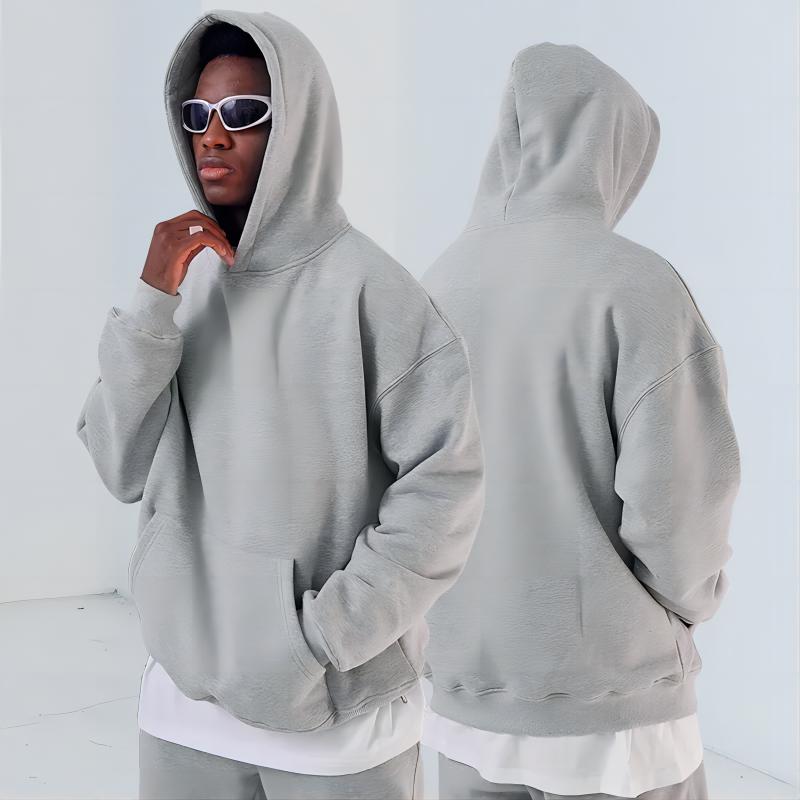
Custom Shorts
A custom shorts manufacturer needs to consider lightweight fabric, stretch, pocket construction and print placement. DTF accommodates detailed graphics and smaller quantities, while screen printing is often preferred for larger runs with bold artwork positioned on stable panels.
Get a Quote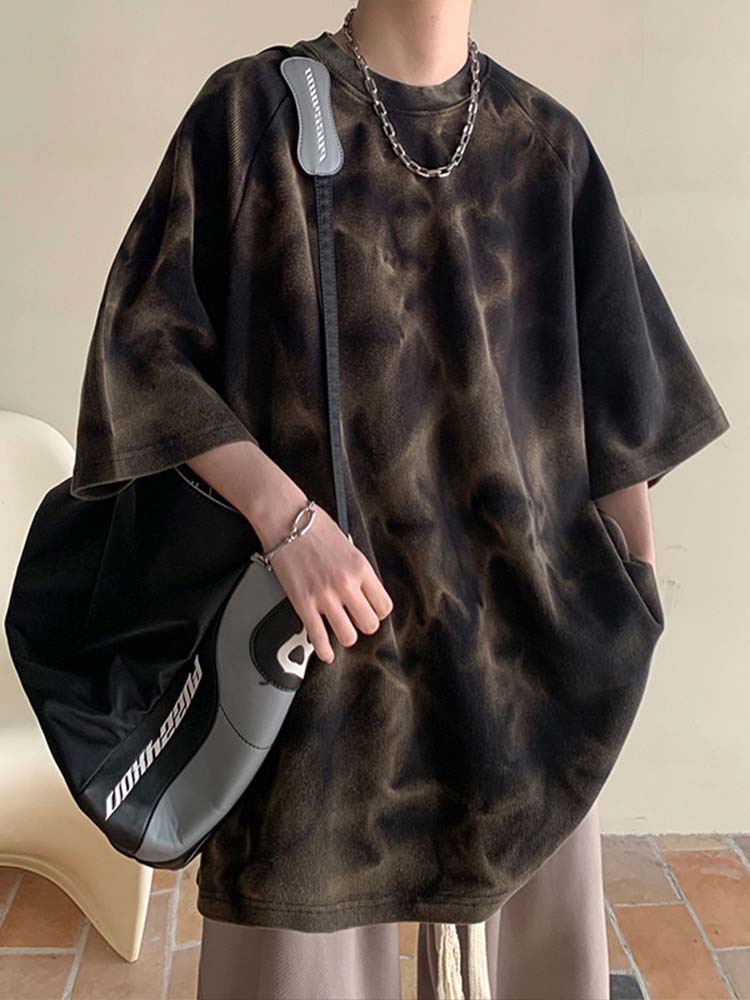
Varsity & Baseball Jackets
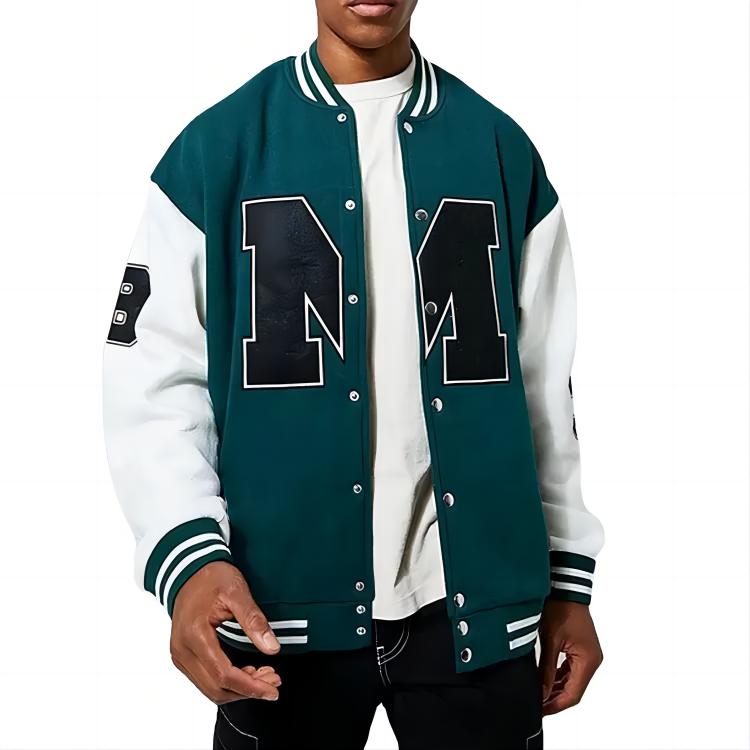
As a varsity jacket manufacturer, EDVORIN coordinates shell fabric, lining, rib, snaps, patches and embroidery. DTF can support limited custom graphics on suitable panels, while screen printing is more practical for simpler artwork and controlled larger-volume applications.
Get a Quote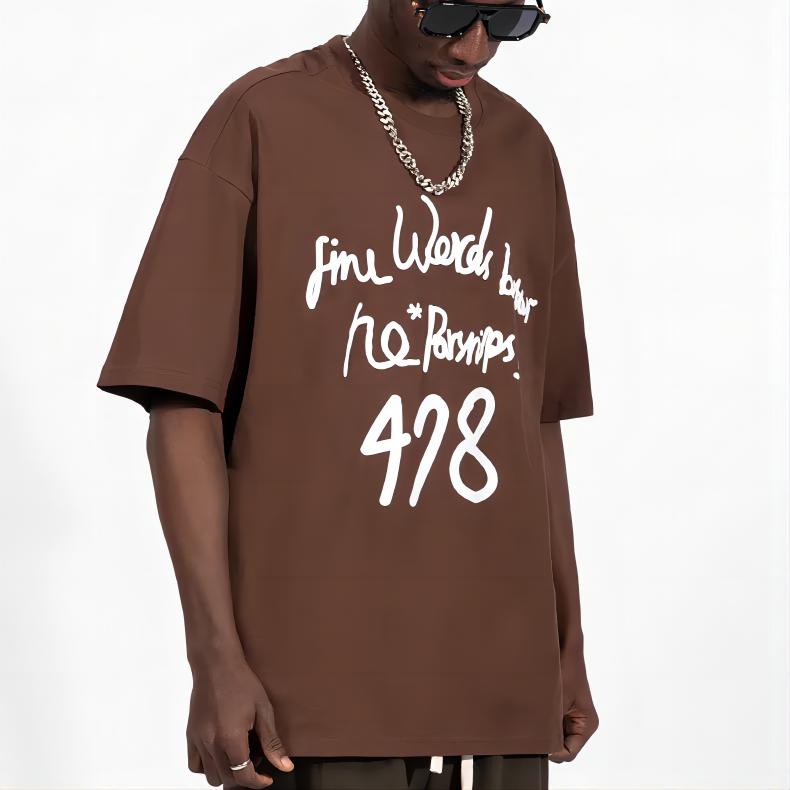
Custom T-Shirts
A custom T-shirt manufacturer can match decoration to fabric weight, quantity and artwork complexity. DTF is useful for short runs, full-color graphics and varied sizes; screen printing remains efficient for larger orders, bold designs and repeat wholesale programs.
Get a Quote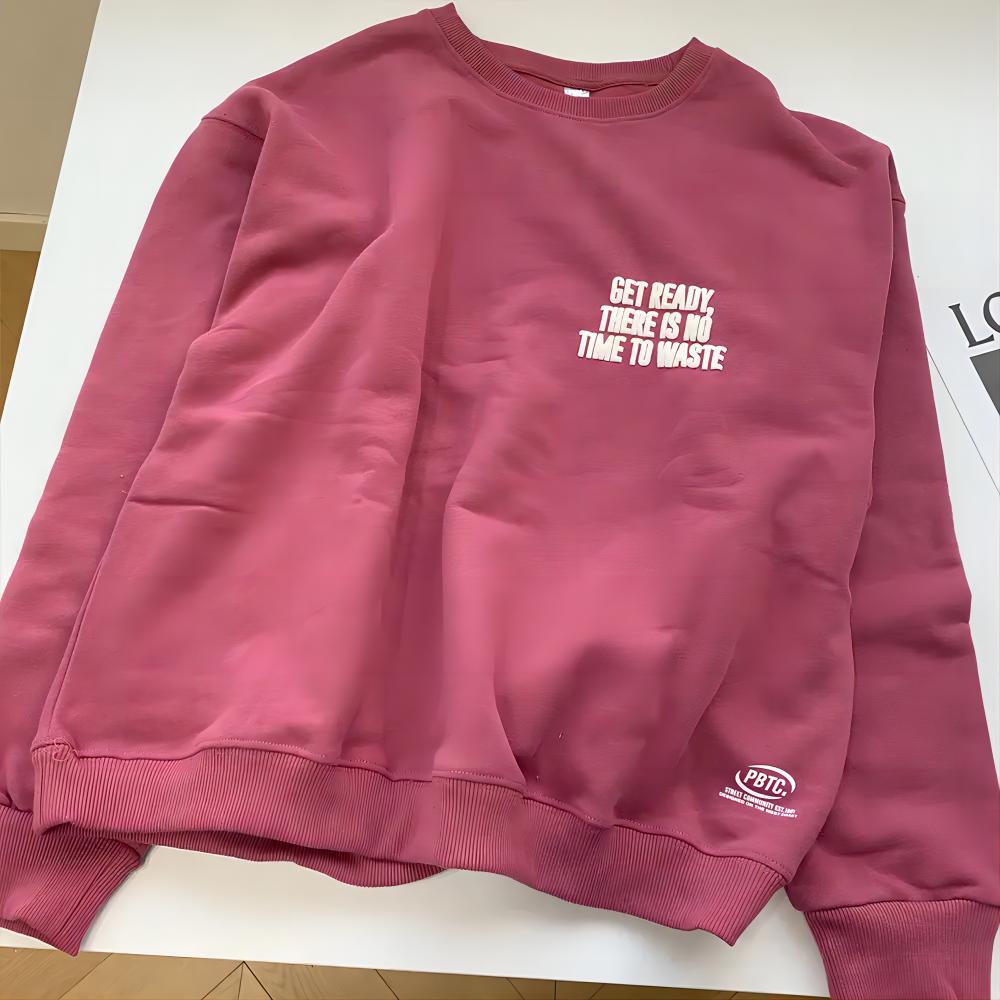
Custom Polo Shirts
As a polo shirt manufacturer, EDVORIN considers piqué or performance fabric, collar structure, stretch and logo placement. DTF suits detailed small-batch branding on compatible materials, while screen printing can work for larger runs with simple, consistent graphics.
Get a Quote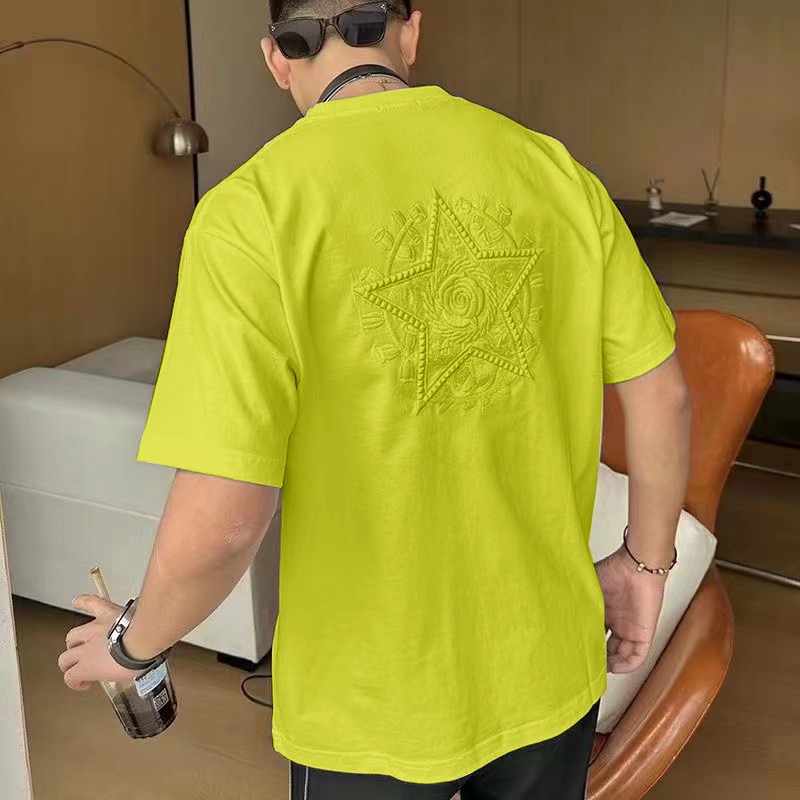
Windbreaker Jackets
A windbreaker manufacturer must evaluate shell fabric, coating, heat sensitivity and seam placement before selecting decoration. DTF can support detailed graphics on compatible areas and limited quantities; screen printing requires tested adhesion and is better suited to stable, repeatable applications.
Get a Quote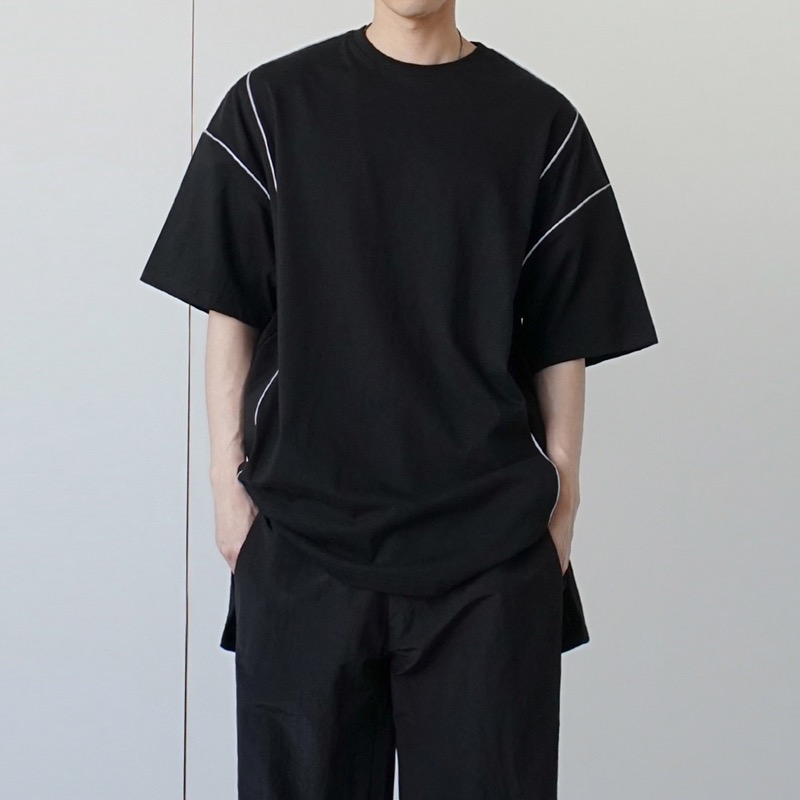
Quilted Jackets
As a quilted jacket manufacturer, EDVORIN coordinates shell, insulation, lining, quilting and decoration zones. DTF may suit small logos on smooth compatible panels, while screen printing requires careful testing to avoid uneven surfaces, heat issues or compromised garment performance.
Get a Quote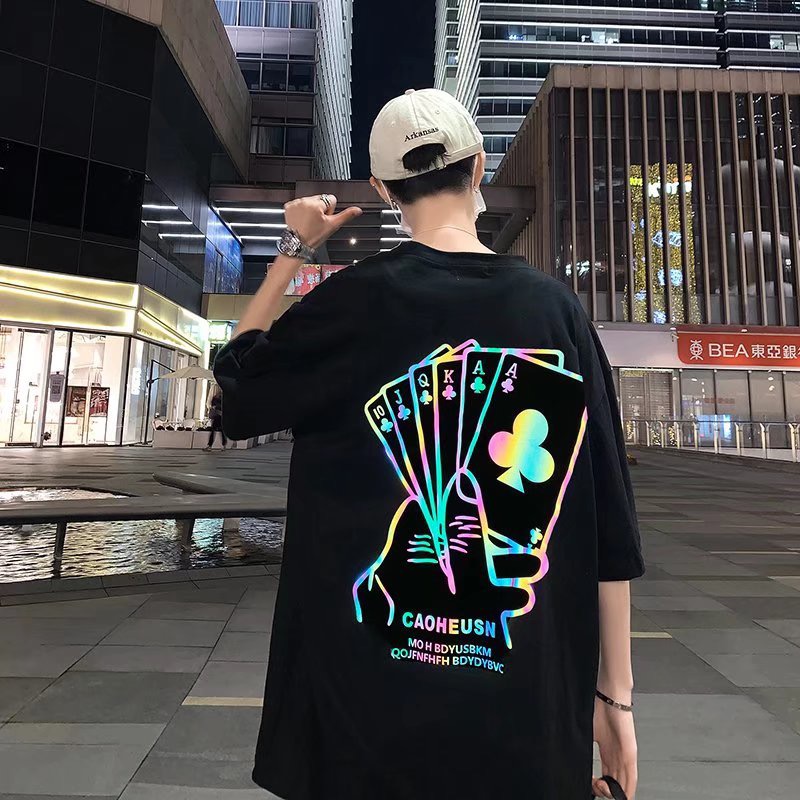
Bomber Jackets
A bomber jacket manufacturer manages shell construction, lining, rib, hardware and branding details. DTF can support short-run graphics on suitable smooth panels; screen printing is appropriate when artwork is simple, the surface is compatible and quantities justify setup.
Get a Quote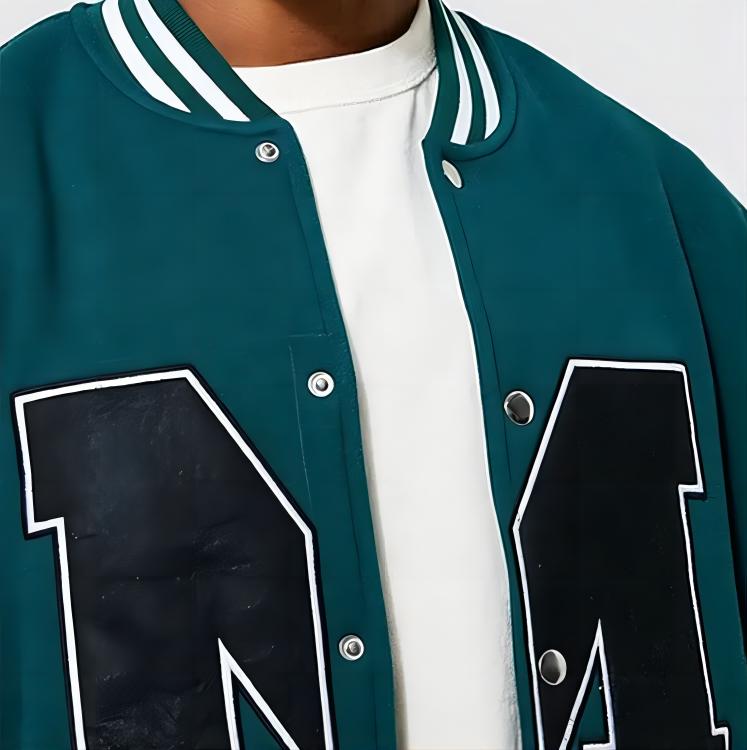
Custom Shirts
As a custom woven shirt manufacturer, EDVORIN develops fabric, collar, placket, buttons, fit and decoration placement as one specification. DTF can suit detailed graphics on compatible panels, while screen printing requires testing for hand feel, bleeding and adhesion on the selected woven fabric.
Get a Quote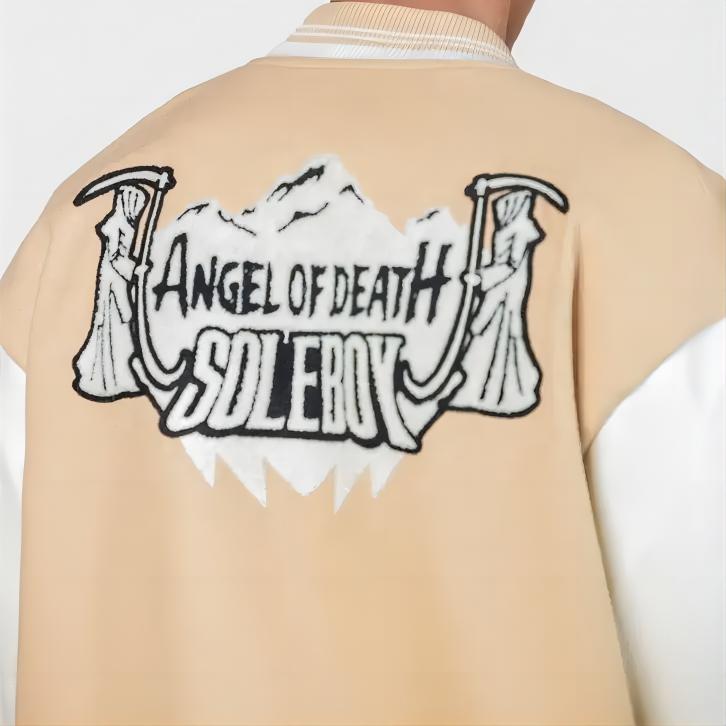
Custom Jerseys
A custom jersey manufacturer must coordinate breathable performance fabric, stretch, color blocking, numbering and player personalization. DTF is practical for short runs and variable names or numbers; screen printing can suit larger team orders with standardized graphics and controlled placement.
Get a Quote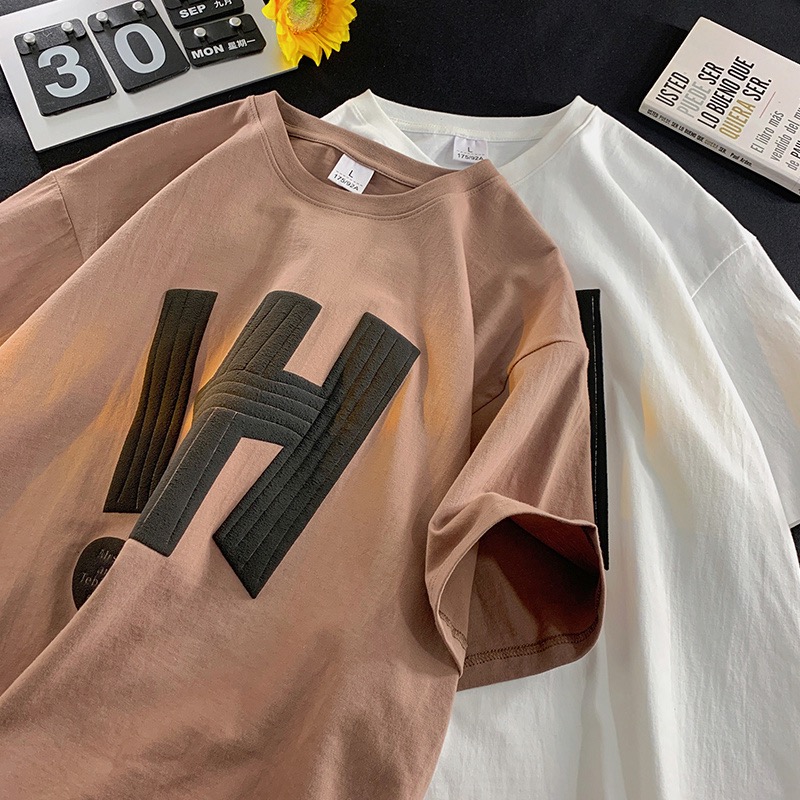
Tank Tops
As a custom tank top manufacturer, EDVORIN considers lightweight knits, stretch, armhole proportions and placement near seams. DTF supports detailed artwork and limited drops, while screen printing is efficient for larger quantities using bold graphics on compatible fabric.
Get a Quote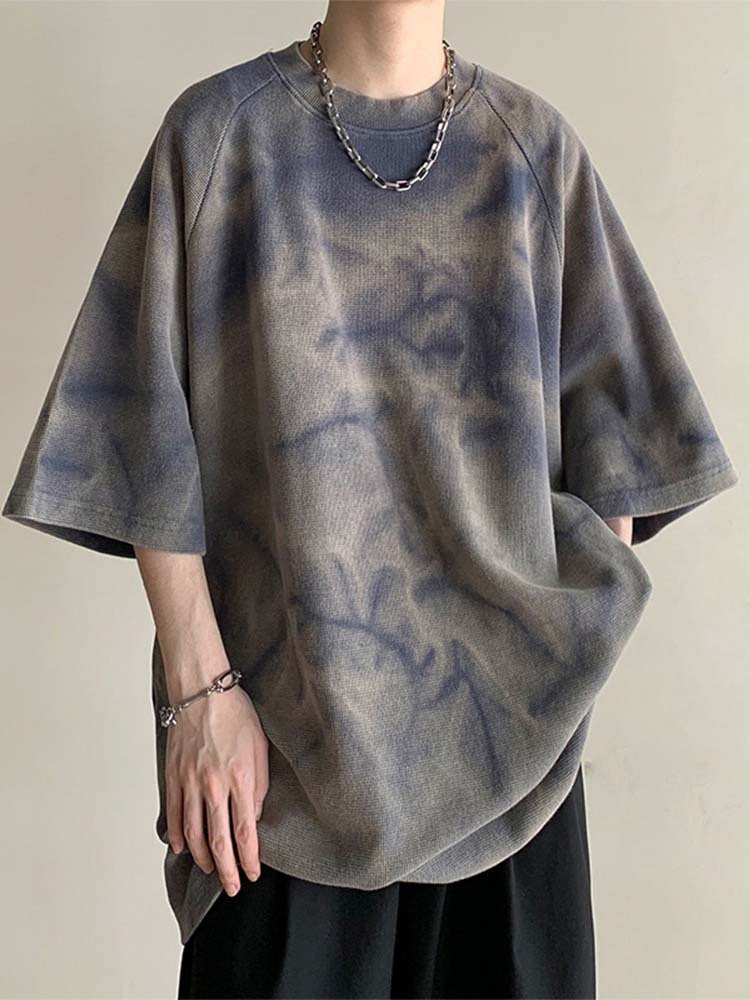
Soccer Uniforms
A soccer uniform manufacturer coordinates performance fabric, sublimation or applied decoration, sponsor marks, names, numbers and size grading. DTF can support personalized short runs when compatible with the garment; screen printing suits standardized team graphics and larger repeat orders.
Get a Quote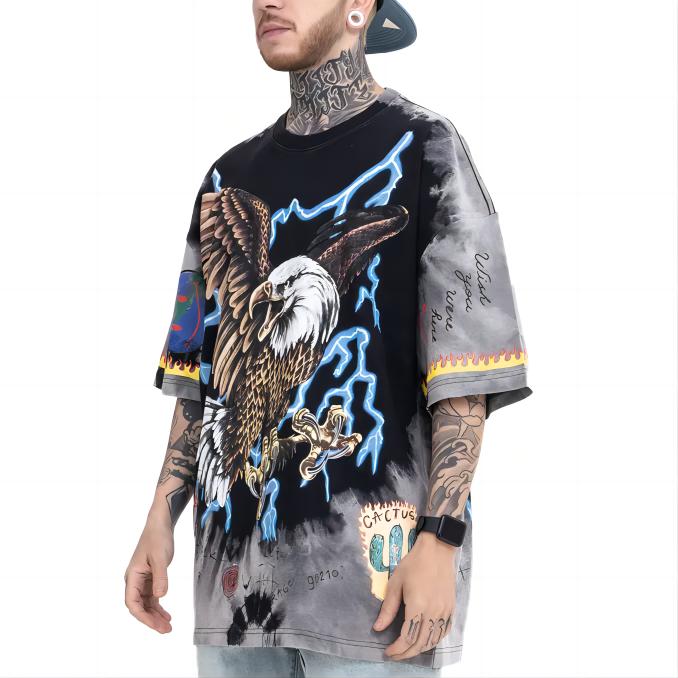
Basketball Uniforms
As an OEM clothing manufacturer and private label clothing manufacturer, EDVORIN can combine hoodies, T-shirts, jackets, woven shirts and coordinated bottoms under one production system. DTF fits limited drops, detailed artwork and changing graphics; screen printing supports scalable collections with repeat designs, larger quantities and controlled color standards.
Get a Quote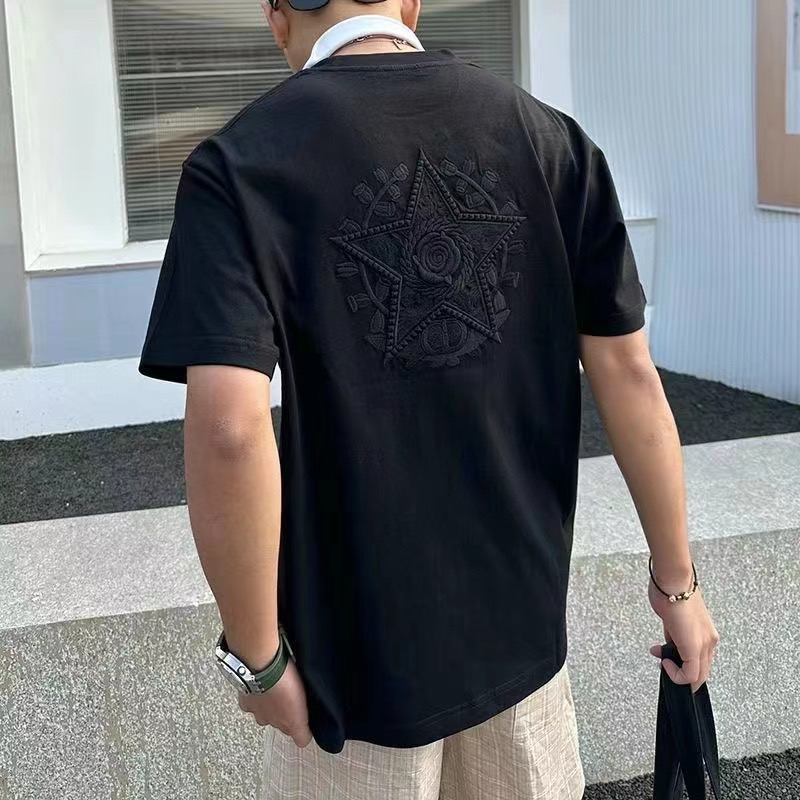
Streetwear Collections
A streetwear clothing manufacturer can combine hoodies, T-shirts, jackets, woven shirts and coordinated bottoms under one production system. DTF fits limited drops, detailed artwork and changing graphics; screen printing supports scalable collections with repeat designs, larger quantities and controlled color standards.
Get a QuoteHow EDVORIN Makes DTF vs Screen Printing Repeatable
From artwork and garment selection to approved samples and bulk production, EDVORIN turns the right decoration method into a documented, repeatable standard.
Define Artwork and Garment
EDVORIN reviews artwork, garment category, fabric, color, fit, and intended quantity to identify whether DTF or screen printing best supports the program.
Test the Decoration Method
We test placement, scale, color behavior, hand feel, and adhesion on the selected material, documenting results before approving the decoration standard.
Approve a Production Sample
Buyers review a finished sample against artwork, measurements, trims, and print expectations; EDVORIN records revisions so approval becomes a clear manufacturing reference.
Repeat the Approved Standard
During bulk production, EDVORIN coordinates decoration, sewing, washing, labeling, inspection, and packaging around the approved standard for consistent repeat orders.
dtf vs screen printing: Choose the Right Method for Brands
Use this practical decision framework to compare print quality, fabrics, durability, costs, lead times, and supplier capabilities—then avoid common specification and sampling mistakes when sourcing commercial apparel for your brand.
1. What Is dtf vs screen printing?
DTF and screen printing are two core apparel-decoration workflows. Screen printing uses a separate screen for each separated color, while DTF uses a digital artwork file to create a transfer. Small orders and complex graphics generally favor DTF because artwork changes do not require new screens, while large repeat runs can favor screen printing once setup is spread across units.
2. The Evolution of dtf vs screen printing
1 screen per ink color made screen printing a dependable foundation for apparel production, especially for bold logos, teamwear and repeat bulk orders. Its economics improved as screens were reused across scalable runs, while curing and registration practices made results increasingly repeatable. com/blog/dtf-vs-screen-printing
1 digital artwork file can drive a DTF transfer without preparing a separate screen for every color. The newer film-and-powder process emerged to support short runs, customization, gradients, photo-like graphics and decoration across cotton, fleece, blends and many performance fabrics. com/pages/dtf-vs-screen-printing
2 sourcing paths now serve different commercial priorities: DTF helps brands test designs, fulfill personalized orders and manage lower quantities, while screen printing remains efficient for standardized artwork at volume.
3. Types of dtf vs screen printing methods
Four common method groups differ mainly in artwork complexity, fabric response, setup economics and surface feel.
DTF Transfer Options
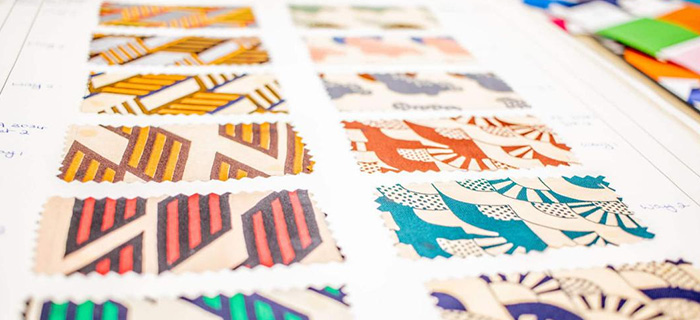
1-color to full-color DTF transfers suit gradients, photographs, fine details, names, and small-to-medium runs on cotton, fleece, polyester, and blends. The film creates a slightly raised finish, so check stretch, adhesion, edge lifting, and wash samples. Gang-sheet DTF arranges multiple graphics on one film to improve utilization for size sets, team names, or mixed SKUs.
Plastisol And Water-Based Ink
Plastisol screen printing suits bold artwork, repeat logos, and larger orders; it delivers opaque color and a defined hand on cotton-heavy garments. Water-based ink gives a softer, more integrated finish but requires tighter control of fabric absorbency, mesh, curing, and color consistency. Specify ink system, underbase, cure verification, Pantone references, and wash testing.
Spot And Simulated Process
2–6 spot colors work well for clean typography, athletic marks, and flat illustrations, with separate screens and strong repeatability at volume. Simulated process uses multiple halftone screens to reproduce shaded, photographic, or highly detailed art on production garments. Request separations, screen count, halftone frequency, registration tolerance, and strike-offs.
Discharge And Screen Transfers
Discharge printing removes or replaces dye in suitable cotton fabrics, creating a soft, low-build finish; test each dyed fabric because results vary by dye chemistry. Screen print transfers suit distributed decoration, later application, or mixed-size programs, but depend on accurate heat-press settings. Approve a physical strike-off and wash test for every fabric family. com/blog/dtf-vs-screen-printing.
4. dtf vs screen printing: Materials and fabrics
Fiber content, garment weight, surface texture, and color all change how DTF and screen printing behave.
Fiber Content And Color
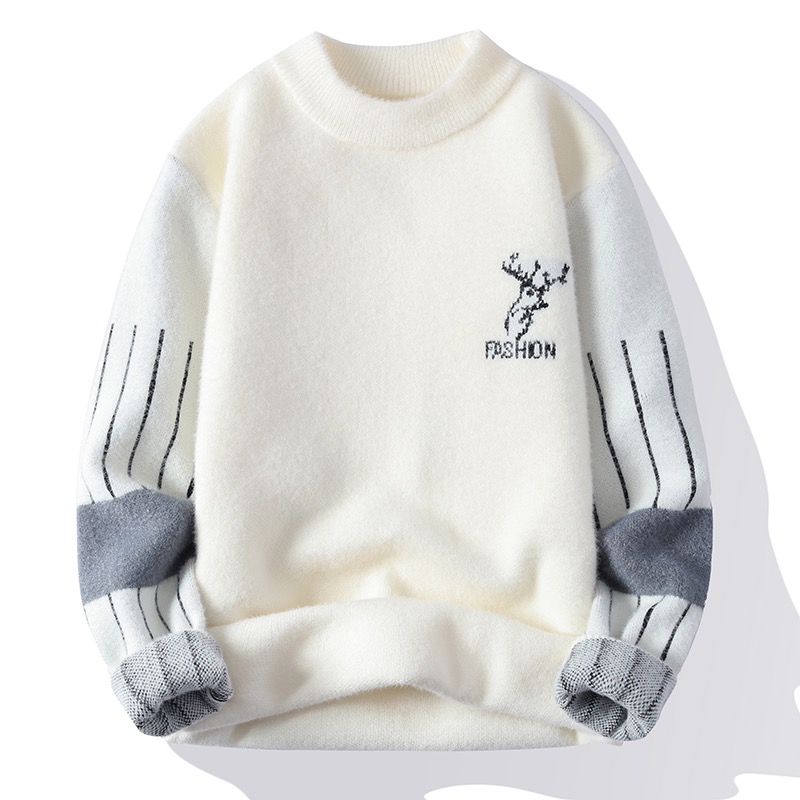
100% cotton usually gives screen printing a reliable first test because its absorbent surface supports strong ink anchoring. Polyester and performance jerseys require dye-migration control; DTF is often the safer first trial for dark synthetics. Cotton-polyester blends can combine cotton hand feel with polyester migration risk.
GSM, Texture, And Stretch
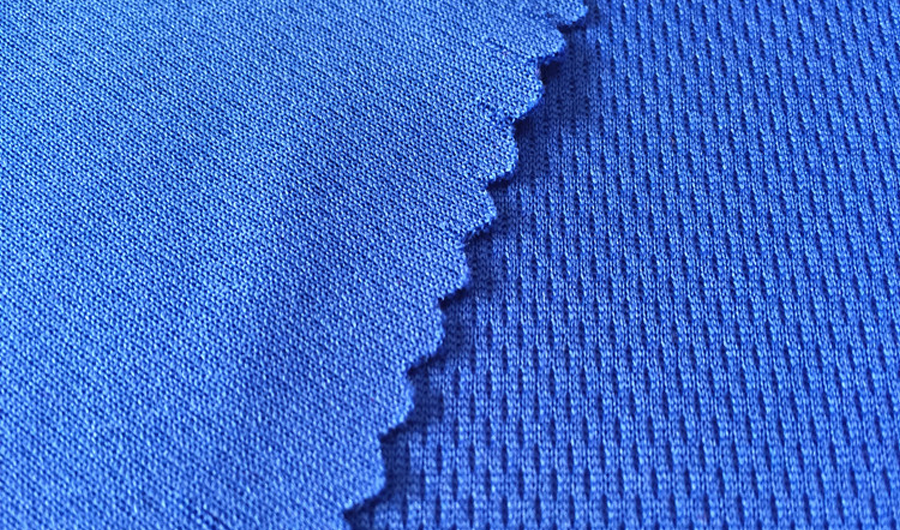
180–220 GSM T-shirts suit detailed graphics, while 280–400 GSM fleece and French terry need testing for pressure, heat penetration, and hand feel. Brushed fleece can reduce surface contact compared with smooth jersey. Stretch fabrics need strong adhesion and recovery without cracking.
Fabric Test Matrix
A four-point test should cover adhesion, color, stretch recovery, and laundering before bulk approval.
| Fabric / GSM | Typical Use | Test First | Primary Risk |
|---|---|---|---|
| Cotton, 180–220 | T-shirts, uniforms | Screen printing | Ink feel or cracking |
| Polyester, 140–220 | Jerseys, sportswear | DTF | Dye migration |
| Fleece, 280–400 | Hoodies, sweatpants | Screen printing | Uneven coverage |
| Stretch blend, 180–260 | Fashion and activewear | DTF | Peeling under recovery |
5. Customization and decoration options
One-color logos and typography reward controlled ink coverage, while gradients, photographs, and fine detail demand digital artwork handling.
Artwork Range And Personalization
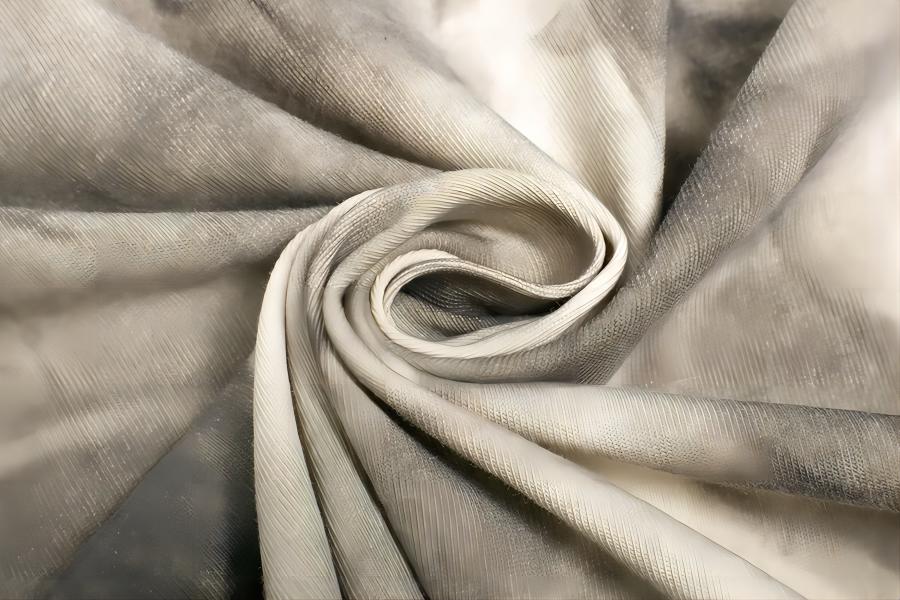
DTF supports gradients, photographs, fine details, opacity changes, layered graphics, metallic-effect artwork, oversized placements, sleeves, labels, and individualized names or numbers. It suits limited-edition drops and complex multi-color designs. Screen printing excels at bold logos, typography, flat color blocks, and repeat artwork.
Color, Texture, And Hand
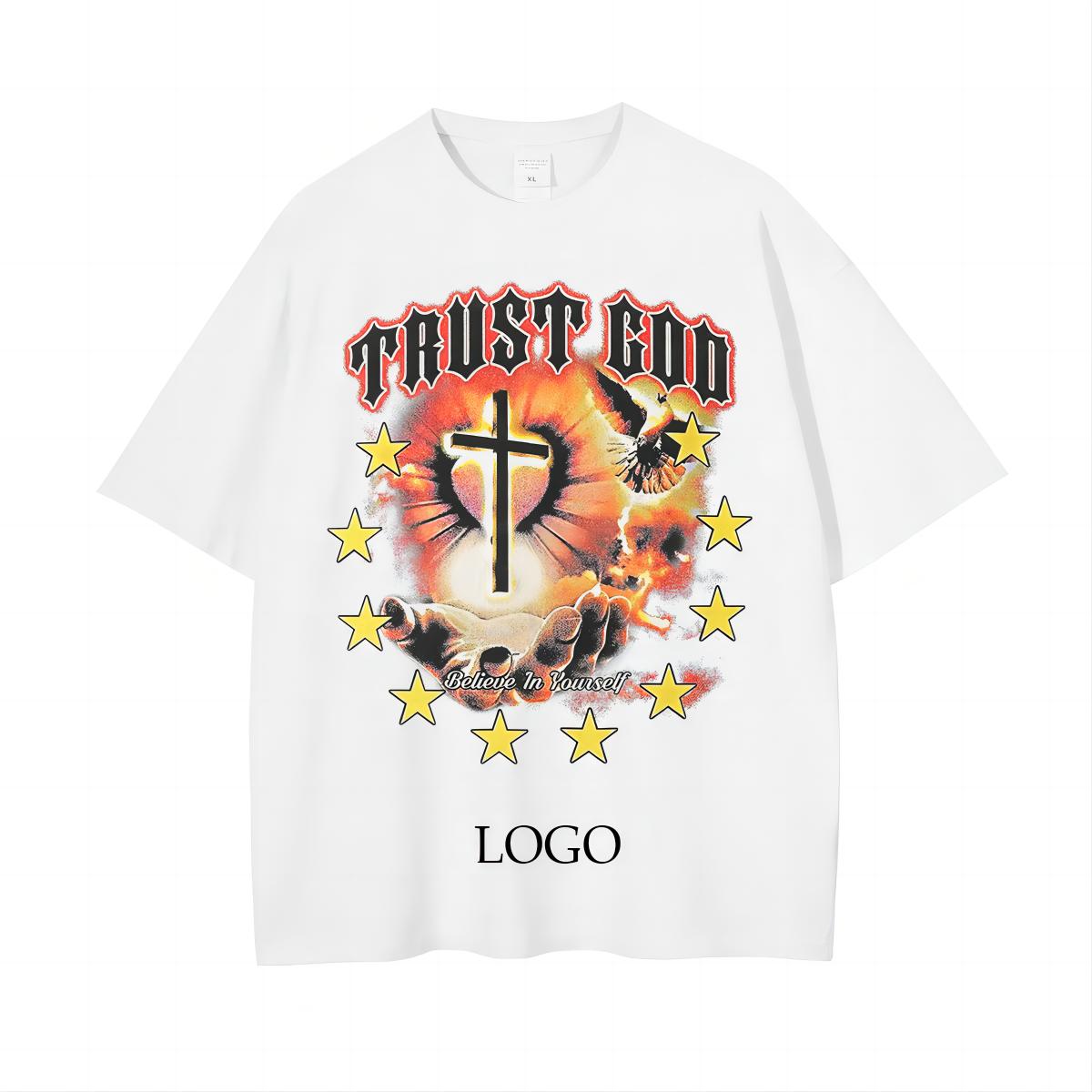
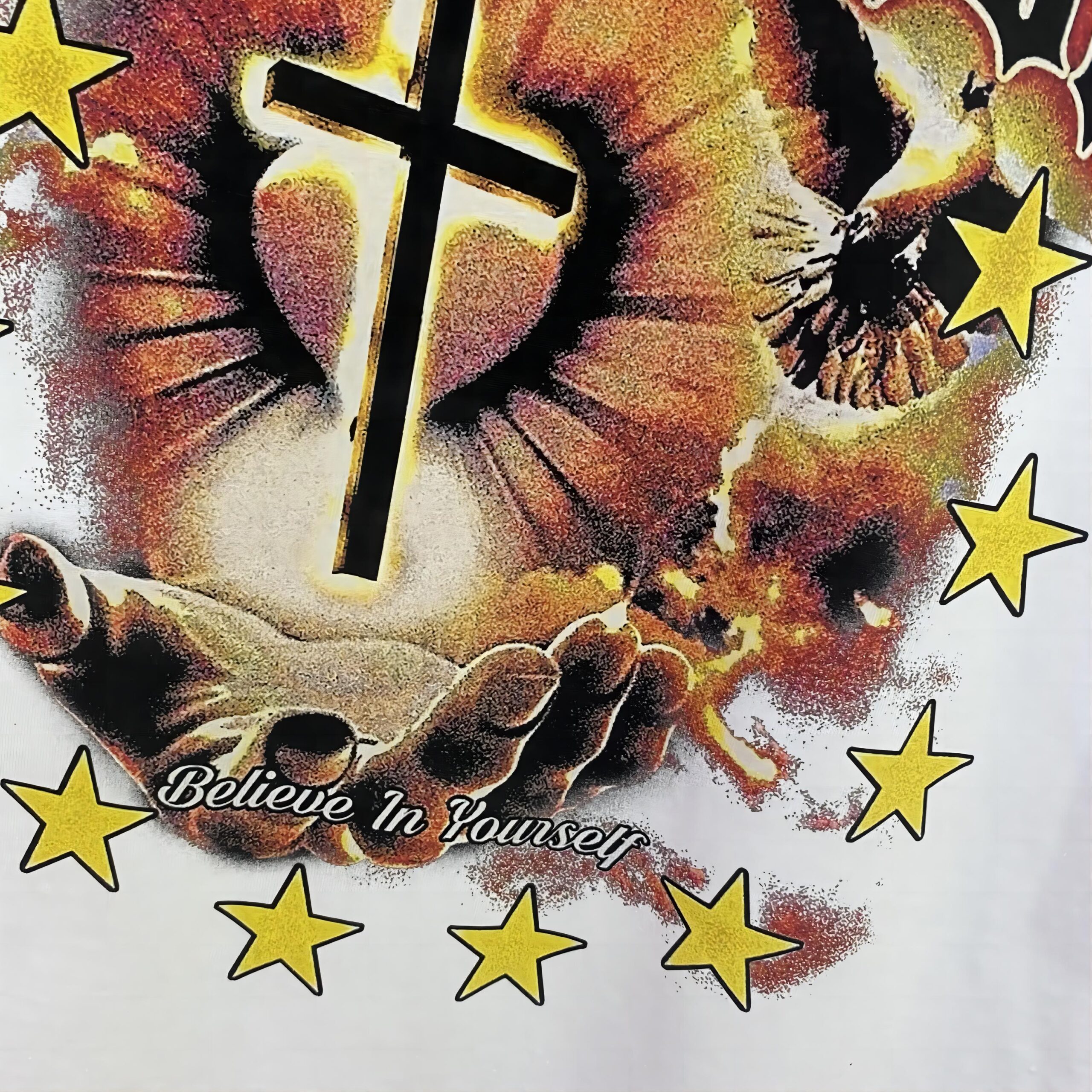
DTF delivers sharp full-color reproduction with a smooth, raised transfer hand; opacity and gradients are easier to preserve digitally. Color matching still requires approved artwork, fabric tests, and a physical strike-off.
Best Fit By Program
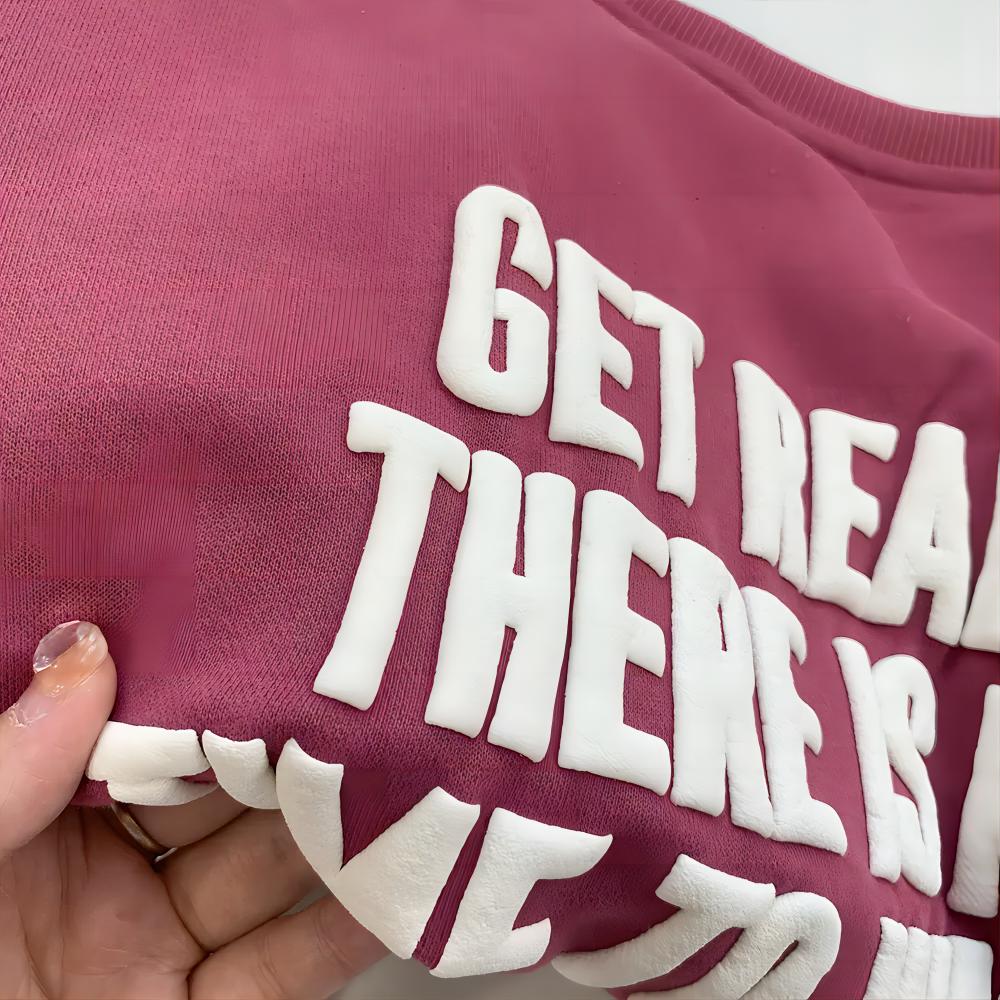
Limited-edition drops and personalized uniforms usually favor DTF because artwork changes do not require a new screen for every colorway or name set. Private-label basics and recurring bulk uniforms often favor screen printing for stable, bold repeat artwork and efficient production at volume.
6. Key construction and quality elements
Artwork files, press settings, and garment specifications jointly determine finished performance.
Artwork And Color Control
300 DPI artwork, clean vector edges, and documented color separations give production a measurable starting point. Screen printing requires one screen per spot color; DTF files should preserve fine detail and transparent gradients. Pantone references, approved strike-offs, and color-separation proofs should be signed before bulk production.
- Approve artwork proof and color references.
- Check underbase opacity on dark garments.
- Review registration and fine-detail photos.
Application And Placement
Heat-press temperature, pressure, dwell time, and curing conditions must be recorded for each fabric and decoration method. Incorrect settings can cause peeling, cracking, bleed-through, or an overly heavy hand feel. Placement tolerances should be measured from fixed points, with documented seam clearance for collars, hems, pockets, zippers, and rib panels.
- Record curing or pressing parameters.
- Define placement tolerance in millimeters.
- Confirm clearance from seams and hardware.
Testing And Inspection
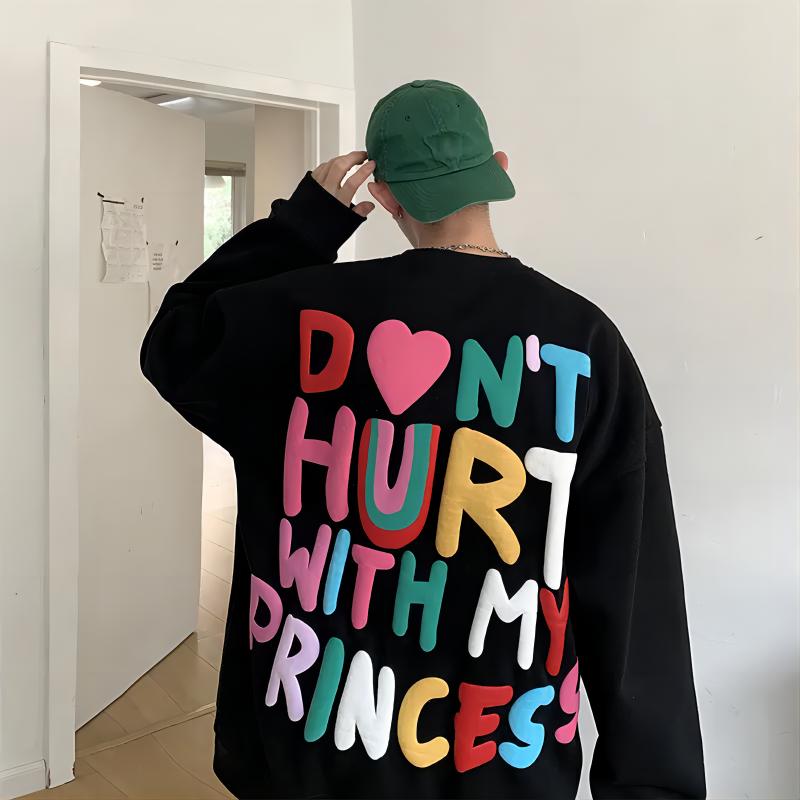
Three checks—stretch, wash, and visual inspection—separate print quality from garment quality. Test decorated panels through repeated stretching and laundering, then inspect adhesion, cracking, fading, distortion, measurements, stitching, and fabric defects. Require dated photos, test reports, size-set samples, and a signed approval record.
- Request wash-test and stretch-test evidence.
- Inspect print and garment separately.
- Approve sealed samples and inspection criteria.
7. How to choose a dtf vs screen printing manufacturer
A 3-part supplier review should test technical capability, commercial fit, and production control.
Verify Technical Experience
3 questions establish relevance: Which DTF and screen-printing equipment is used, what garments have you produced, and can you show comparable finished samples? Confirm experience with cotton, fleece, polyester blends, and performance fabrics. A pre-production sample should verify artwork scale, placement, hand feel, wash performance, and construction.
Test Color And Capacity
EDVORIN’s MOQ starts at 200 pieces per style. Pantone references, lab dips or strike-offs, and a defined tolerance are stronger evidence than screen images. Ask how color is checked across DTF transfers, screen inks, fabric lots, and repeat orders. Capacity must match your calendar: confirm monthly output, peak-season allocation, MOQ by style and color, production lead time, and realistic buffer for approvals.
Audit Control And Communication
2 checkpoints matter before commitment: request compliance documents such as OEKO-TEX, GOTS, WRAP, or BSCI where relevant, and ask who owns in-line and final inspection. Verify reports, corrective-action records, labeling controls, carton details, and packing lists. A reliable contact should confirm response times, escalation paths, artwork approvals, inspection release, and change control in writing.
8. Common buyer mistakes in dtf vs screen printing
A supplier review should test technical capability, commercial fit and production control.
Compare Total Program Cost
1 unit price can hide screens, color setup, film, adhesive, sampling, folding, labeling, or freight. A lower DTF or screen-printing quote may simply exclude different production steps. Request an itemized quotation showing setup, decoration, sampling, reprints, packaging, and delivery.
Approve The Actual Production Standard
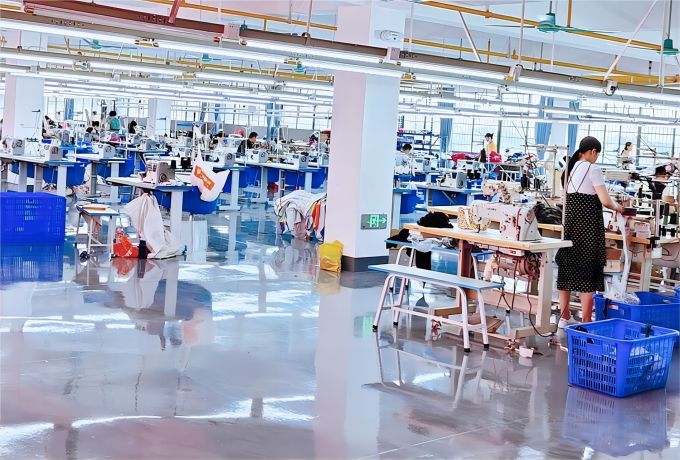
1 pre-production sample should confirm artwork scale, placement, hand feel, color, and construction before a commercial run. Skipping it leaves fabric compatibility, print adhesion, and screen registration unresolved. Supply vector artwork where possible, specify Pantone references, and approve a physical strike-off on the intended fabric.
Test Performance Before Bulk
2 variables—fabric and decoration—can change wash performance. Cotton fleece, French terry, polyester jerseys, blends, rib panels, and stretch zones may require different settings or methods. Run wash and wear tests on the finished garment, not only on loose fabric.
9. Steps to launch your apparel program
A quote is only useful when the decoration brief, garment, testing plan and inclusions are comparable.
Define The Product Brief
1 product brief should state the wearer, use case, target retail position, size range, decoration method, expected quantity, and launch date. Record whether the program serves streetwear, teamwear, schoolwear, or private label.
- Audience and end use
- Garment category and fit block
- Fabric composition and weight
- Decoration placement and color references
Prepare And Quote
3 artwork files should be production-ready, with vector logos, print dimensions, placement measurements, color references, and separate files for DTF or screen printing. Shortlist suppliers that can document sourcing, decoration, quality control, labeling, and packaging. 4 comparable quotes should use identical garment, fabric, artwork, quantity, size ratio, packaging, and delivery assumptions.
- Approved tech pack
- Artwork and Pantone references
- Itemized quote comparison
- Supplier capability checklist
Sample And Test
5 samples should be ordered against the same specification from each serious supplier. Check measurements, construction, print registration, hand feel, stretch recovery, color, and trims before requesting revisions. A wash-test record should state cycle, temperature, detergent, drying method, and observed changes.
- Fit sample and graded measurements
- Wash and wear test
- Decoration adhesion and appearance
- Revision log
Seal And Pilot The Order
6 approval documents should include the sealed sample, final tech pack, artwork, measurement chart, material details, labels, folding method, carton marks, and packing list. The sealed sample becomes the physical standard for bulk inspection. 7 a pilot order should test the production route before a full launch.
- Signed approval gate
- Final packaging specification
- Pilot quantity and inspection plan
- First-run corrective-action log
10. dtf vs screen printing pricing and cost
1 screen per ink color means screen printing setup rises with color count, separations, artwork complexity and sampling, while DTF usually shifts more cost into transfer film, adhesive powder and heat-press labor. Garment choice—such as a 180–240 GSM T-shirt versus a heavier fleece hoodie—can outweigh decoration cost. 3 landed-cost checks should include garment, decoration, labor, sampling, waste, labels, packaging, freight and applicable duties.
| Print Method | Quantity Tier | Setup Cost | Estimated Per-Unit Cost | Lead Time | Quote Assumptions |
|---|---|---|---|---|---|
| DTF | 1–24 units | Low; artwork check and transfer setup | Higher | 3–7 business days | Full-color artwork; transfer film, powder, pressing labor, garment, basic packing and shipping listed separately |
| DTF | 100–499 units | Low; artwork check and transfer setup | Medium | 5–10 business days | Approved print size; transfer material, pressing, 2% waste allowance, garment, labels, packaging and freight itemized |
| Screen printing | 24–99 units | Medium–high; screens and separations per color | Medium–high | 7–14 business days | Color count, underbase, ink, sampling, curing, garment, setup labor, waste and shipping specified |
| Screen printing | 500+ units | Higher initial setup; reusable screens | Lower | 10–20 business days | Simple artwork, stable color references, bulk garment buy, screen reuse, production labor, packaging and freight included |
DTF vs Screen Printing Questions Apparel Buyers Ask
Get practical guidance on decoration, fabric, quantities and repeat production before approving your next collection.
DTF vs screen printing: which method is better for small apparel orders?
DTF vs screen printing: which method is better for detailed artwork?
DTF vs screen printing: which fabrics can each method handle?
DTF vs screen printing: which print lasts longer after washing?
EDVORIN’s MOQ starts at 200 pieces per style. What is the minimum order quantity for custom printed apparel at EDVORIN?
Can EDVORIN provide a sample before a DTF or screen printing bulk order?
Can EDVORIN repeat the same print quality on future orders?
Ready to Choose DTF vs Screen Printing for Production?
Talk with EDVORIN about OEM/ODM development, decoration coordination and reliable sample-to-bulk manufacturing for your next apparel collection.