
Custom Apparel Manufacturing, Built to Repeat
EDVORIN is a custom clothing manufacturer helping fashion brands, streetwear labels, teams and private-label buyers move from concept to approved, repeatable production.
Production Decisions That Protect Quality
Coordinate materials, fit, custom apparel printing, custom apparel embroidery, garment wash services, and custom clothing labels and packaging through one accountable path, with OEM, ODM and private-label support from 200 pieces per style.
Define Fabric Standards
Select fabric weight, fiber content, color and finishing requirements around the shirt’s intended fit, market and performance needs.
Build the Right Fit
Translate references into patterns, measurement charts and graded men’s or women’s specifications that production teams can review and reproduce.
Coordinate Decoration
Match screen printing, embroidery or other decoration to the fabric, artwork, placement and durability expectations of each collection.
Specify Labels and Packing
Record labels, care instructions, trims and packaging details so approved shirts remain identifiable, compliant and ready for wholesale delivery.
Protect Approved Standards
Use EDVORIN’s sample-to-bulk checks to protect measurements, colors, decoration and finishing from approval through final packing.
Our Apparel Manufacturing Capabilities
EDVORIN is an OEM clothing manufacturer and ODM apparel manufacturer for fashion, streetwear, outerwear, teamwear and private-label programs, coordinating materials, decoration, quality control and packaging.
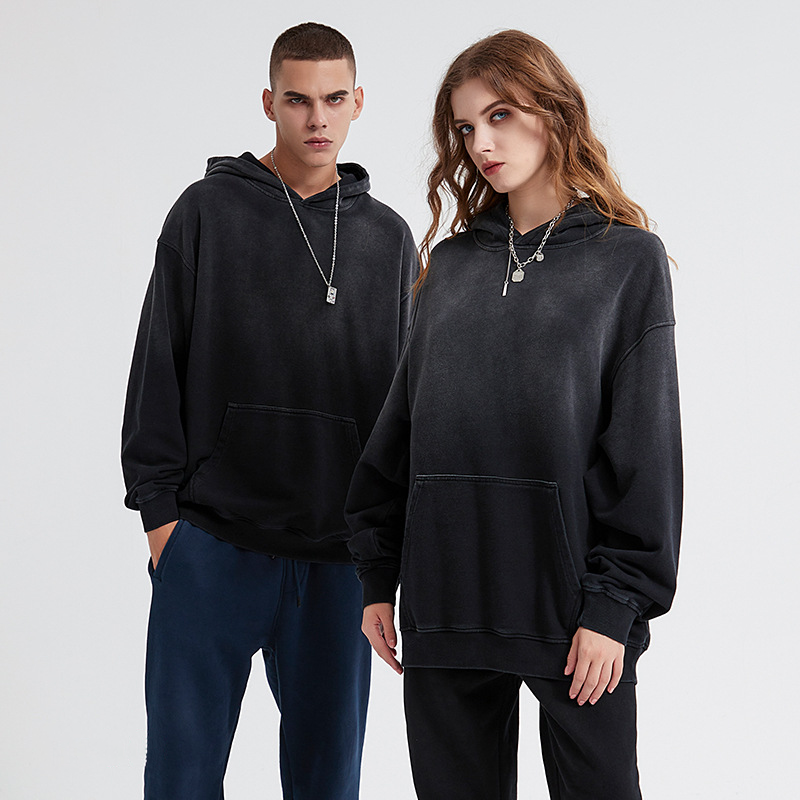
Custom Hoodies
As a custom hoodie manufacturer, EDVORIN develops fleece weights, fit blocks, rib construction, drawcords, artwork placement and labeling for men’s and women’s programs. Buyers can begin with a tech pack, reference garment or concept and progress through sampling, approval and repeatable bulk production.
Get a Quote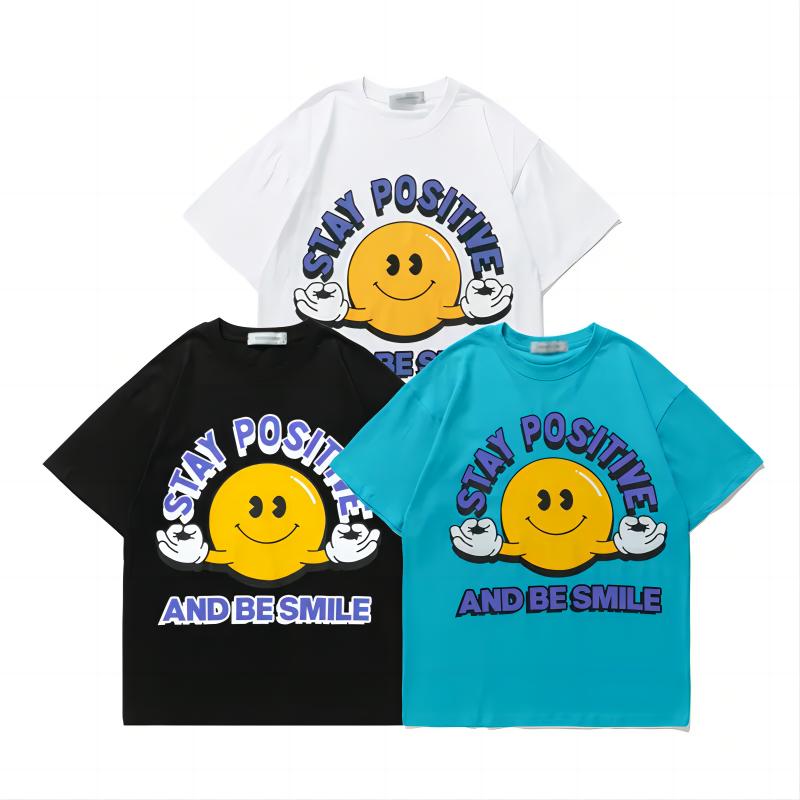
Pullover Sweatshirts
EDVORIN supports sweatshirt programs with fleece selection, pullover construction, fit development, rib details, trims and decoration. As a sweatshirt manufacturer, the company coordinates patterns, samples, printing, embroidery, quality checks and packaging for fashion brands, private labels, wholesalers and repeat wholesale orders.
Get a Quote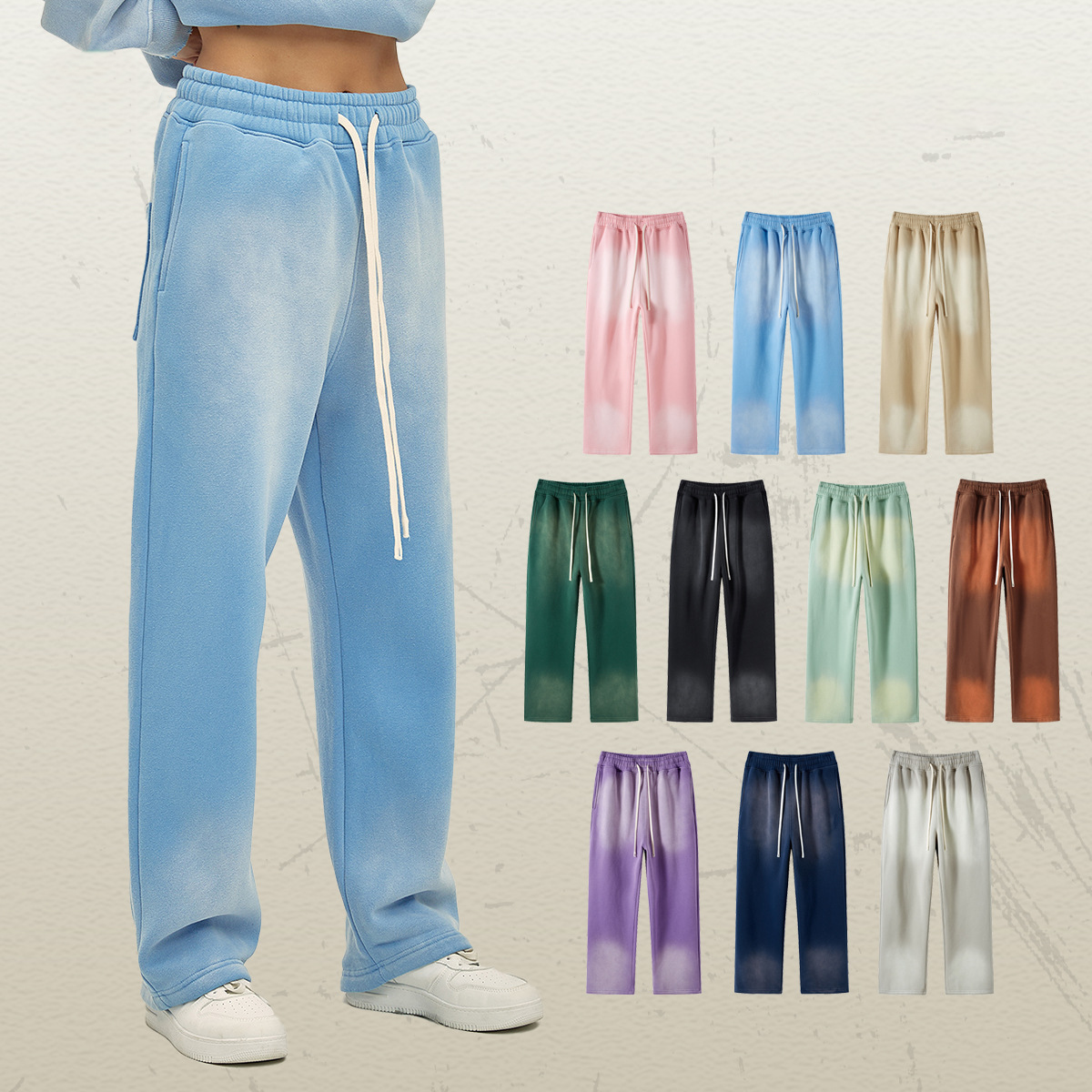
Sweatpants & Joggers
EDVORIN develops sweatpants and joggers around fabric weight, waistband construction, cuffs, pockets, rise, leg shape and intended fit. As a sweatpants manufacturer, it supports coordinated sets, men’s and women’s grading, decoration, washing, labeling and sample-to-bulk quality control.
Get a Quote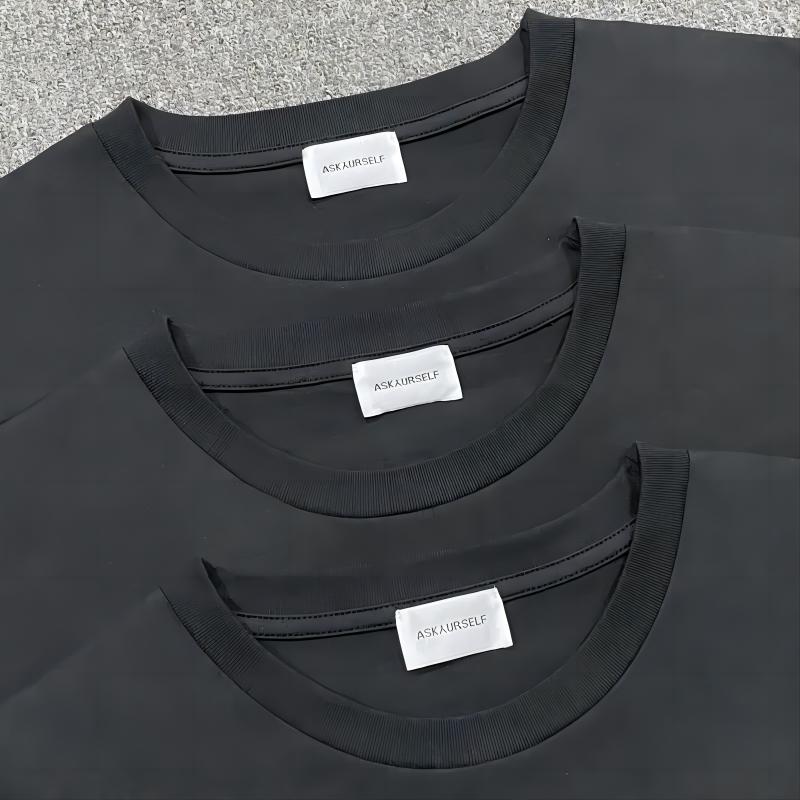
Custom Shorts
As a custom shorts manufacturer, EDVORIN develops casual, streetwear and teamwear shorts with appropriate fabrics, waistbands, drawcords, pockets, trims and fit blocks. Product programs can include printed or embroidered details, coordinated tops, size grading, packaging and repeat production against approved standards.
Get a Quote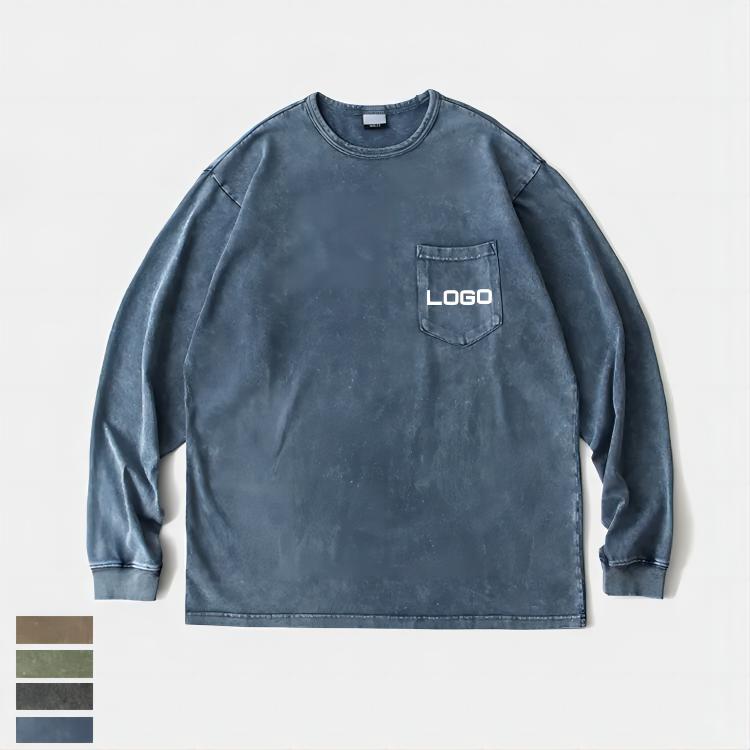
Varsity & Baseball Jackets
EDVORIN develops varsity and baseball jackets with coordinated body fabrics, sleeves, lining, insulation, rib, snaps, patches and embroidery. As a varsity jacket manufacturer, it manages construction details from pattern and sample development through decoration, inspection, labeling and bulk production for apparel and teamwear programs.
Get a Quote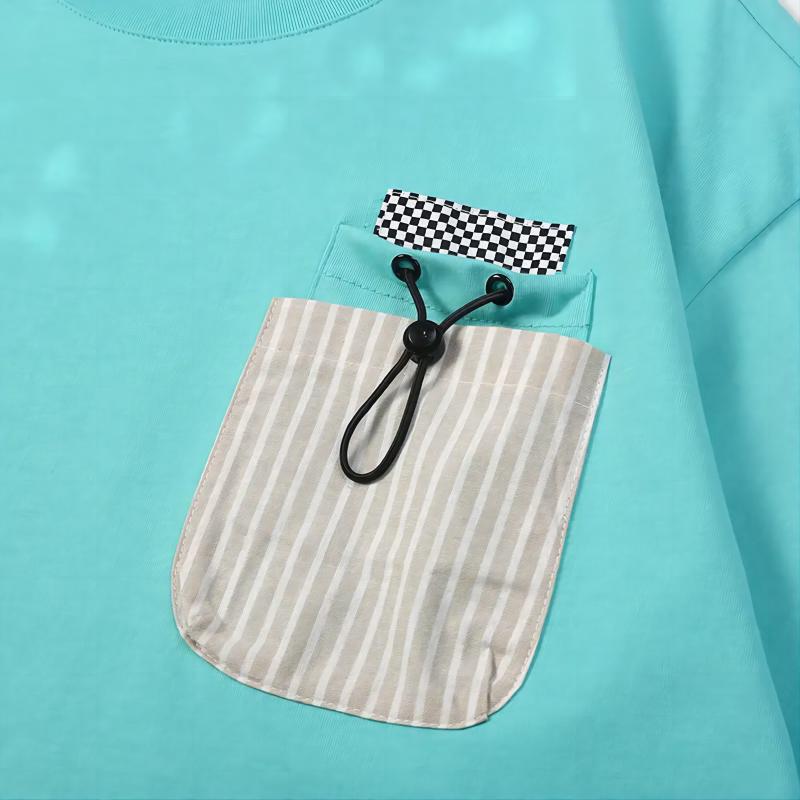
Custom T-Shirts
As a custom T-shirt manufacturer, EDVORIN develops jersey weights, silhouettes, neck rib, sleeve proportions, fit blocks and decoration methods for men’s and women’s collections. Buyers can specify screen printing, embroidery, labels, washes and packaging while maintaining approved measurements and artwork placement through bulk production.
Get a Quote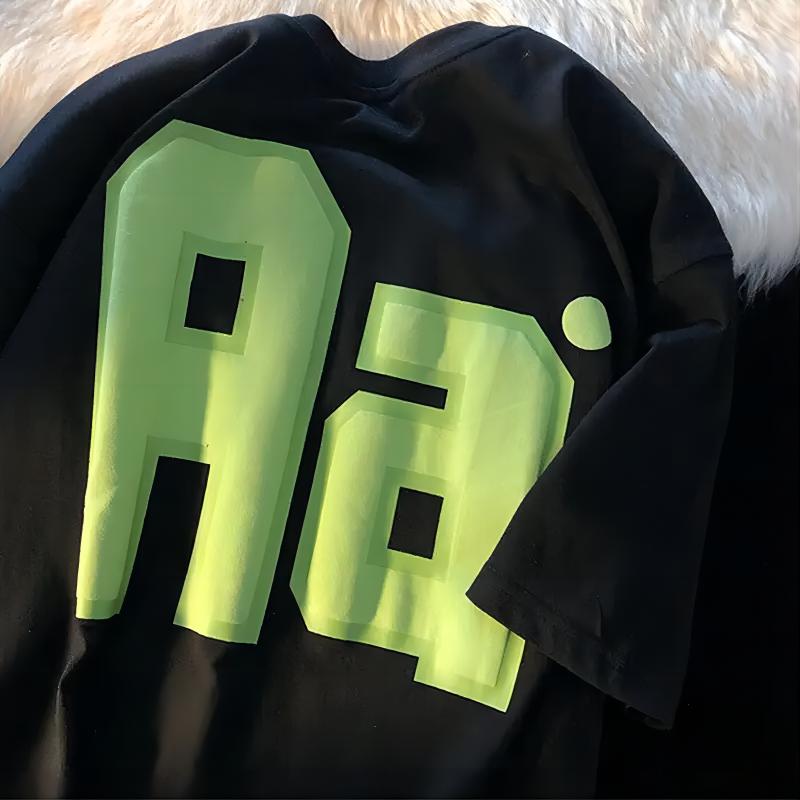
Custom Polo Shirts
EDVORIN develops custom polo shirts with fabric selection, collar and cuff construction, plackets, buttons, fit blocks and branding details. As a polo shirt manufacturer, it supports casualwear, uniforms and private-label programs through sampling, embroidery or printing, size grading, quality control and coordinated packaging.
Get a Quote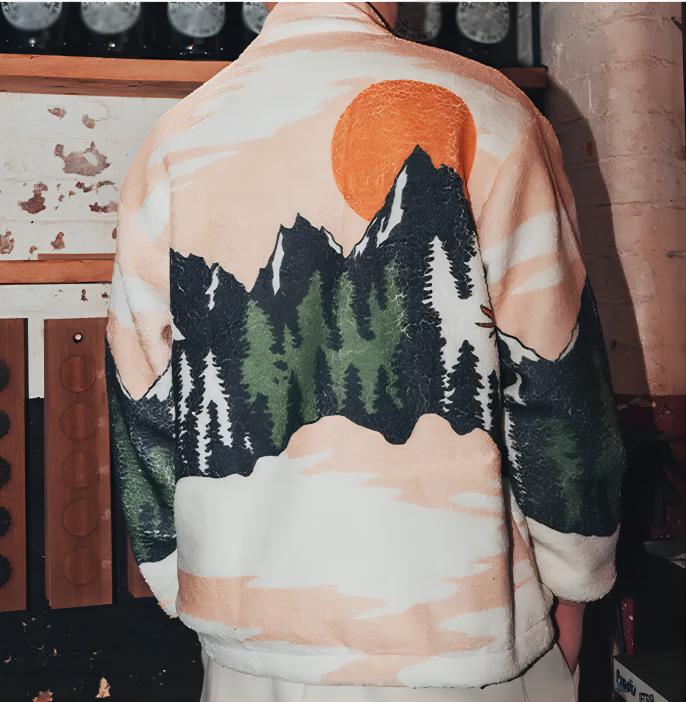
Windbreaker Jackets
As a windbreaker manufacturer, EDVORIN develops lightweight outerwear with shell fabrics, lining, hoods, closures, pockets, elastic details and weather-oriented construction. Product development can include men’s and women’s fits, printed or embroidered branding, sample approval, labeling, inspection and bulk production for fashion or teamwear.
Get a Quote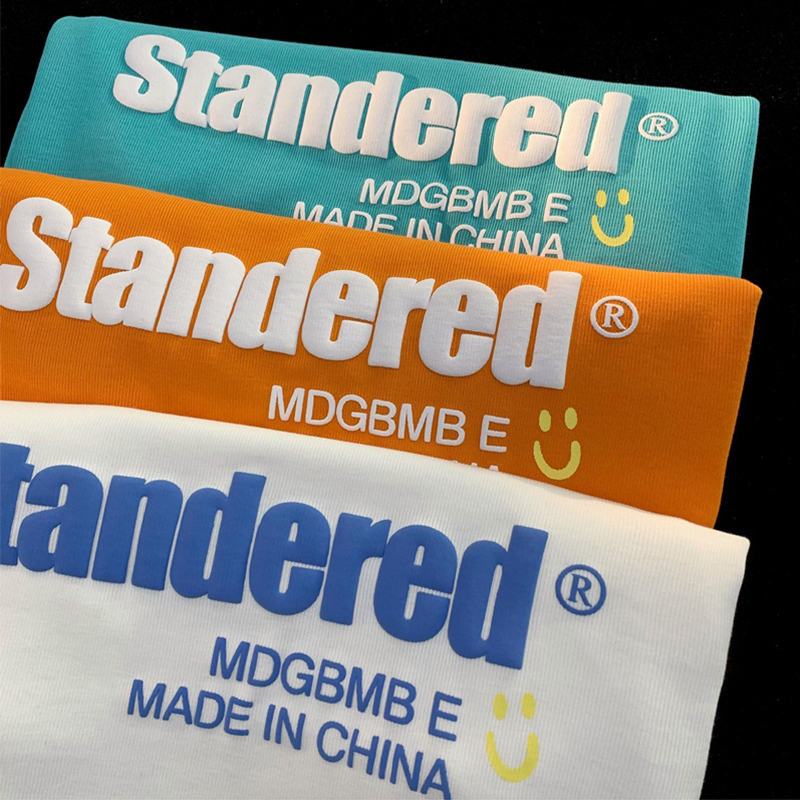
Quilted Jackets
EDVORIN develops quilted jackets by coordinating shell fabric, lining, insulation, quilting patterns, collars, closures, pockets and finishing details. As a quilted jacket manufacturer, it supports seasonal outerwear programs with sample development, men’s and women’s fit adjustments, decoration coordination, inspection and packaging against approved specifications.
Get a Quote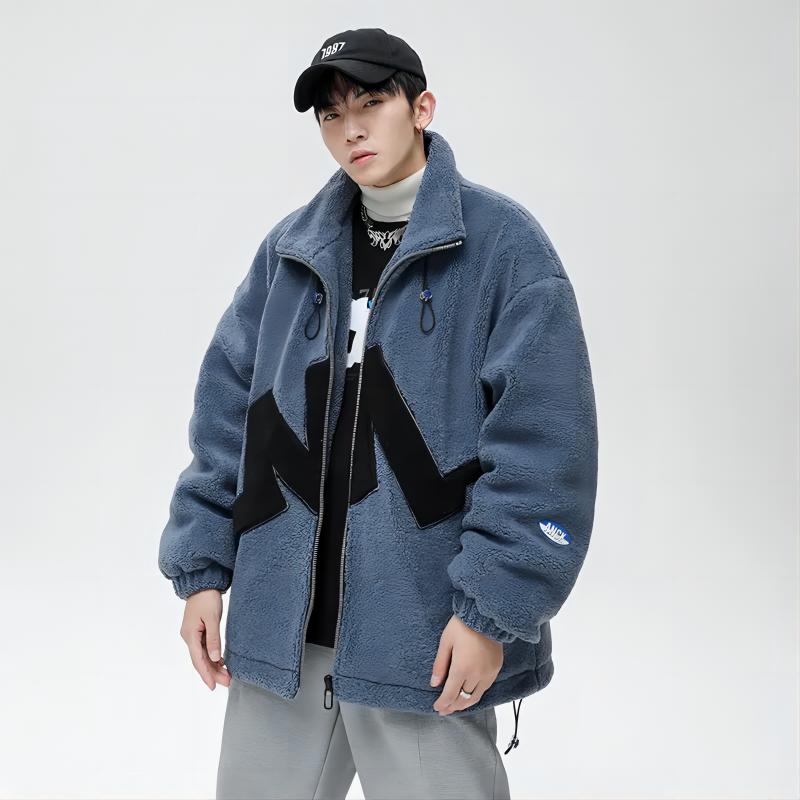
Bomber Jackets
As a bomber jacket manufacturer, EDVORIN develops body and sleeve materials, lining, insulation, rib, zippers, pockets and proportion details for fashion, streetwear and private-label programs. The production path includes patterns, samples, decoration, quality checks, labeling and packaging, with standards documented for repeat orders.
Get a Quote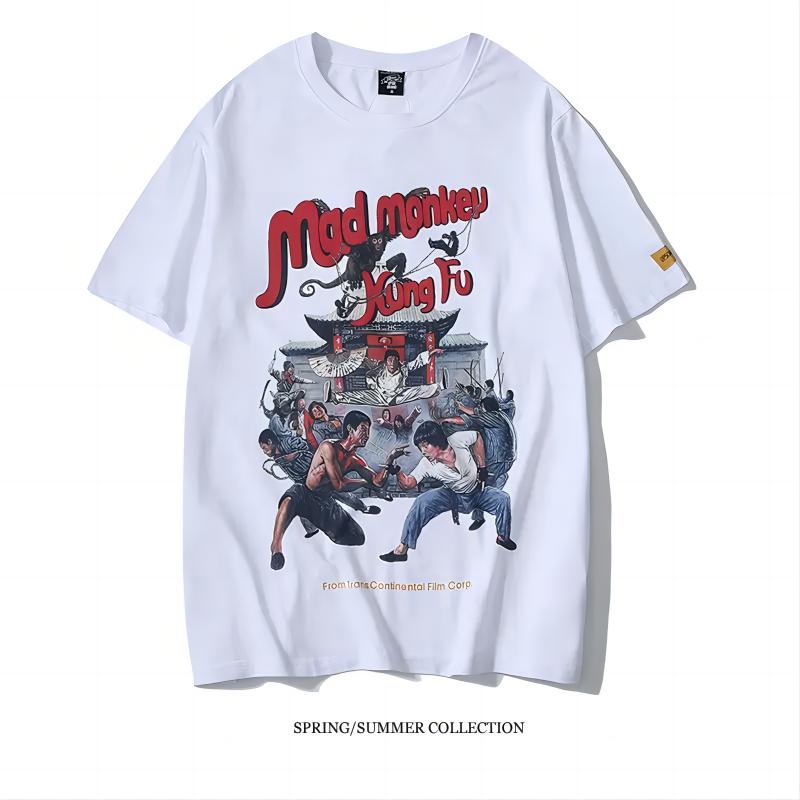
Custom Shirts
EDVORIN develops custom woven shirts with fabric, collar, cuff, placket, button, pocket and silhouette specifications. As a custom woven shirt manufacturer, it supports men’s and women’s casualwear, streetwear and private-label programs through pattern development, samples, decoration, washing, inspection, labeling and packaging.
Get a Quote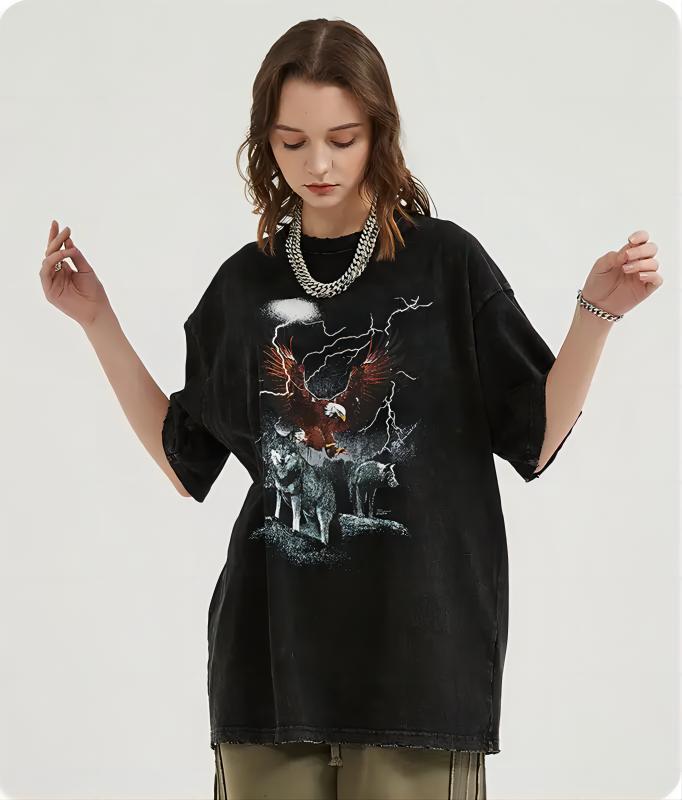
Custom Jerseys
As a custom jersey manufacturer, EDVORIN develops performance-oriented tops with suitable fabrics, breathable construction, paneling, collars, cuffs and decoration zones. Buyers can coordinate team colors, names, numbers, logos, size grading, samples, quality checks and packaging for sports clubs, schools, academies and organized wholesale programs.
Get a Quote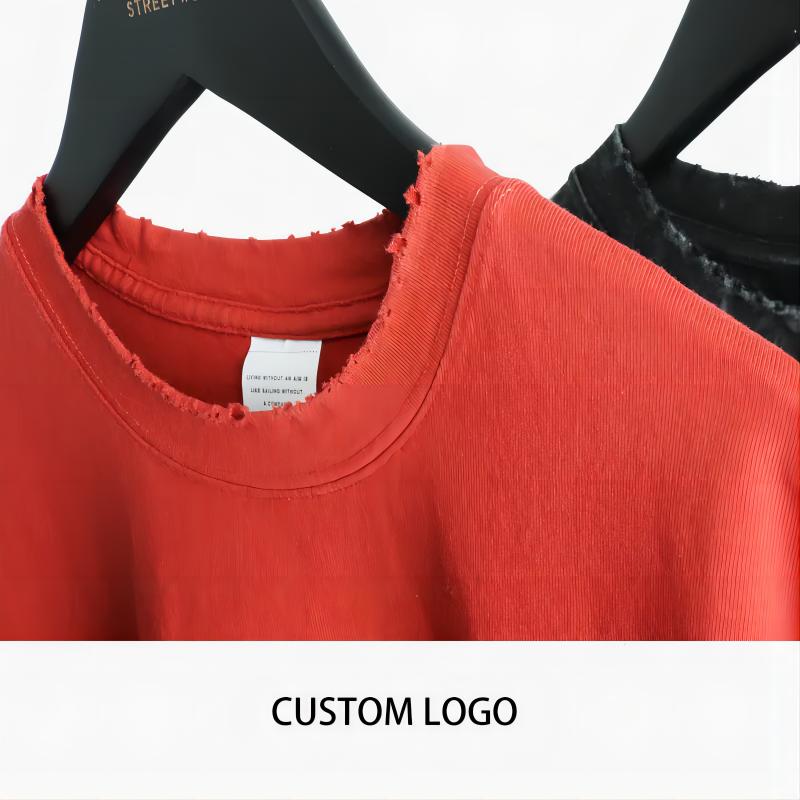
Tank Tops
EDVORIN develops tank tops with appropriate jersey or performance fabrics, armhole and neckline construction, fit proportions and decoration requirements. As a custom tank top manufacturer, it supports men’s and women’s casualwear, streetwear and teamwear programs with samples, graded sizing, branding, labeling, inspection and packaging.
Get a Quote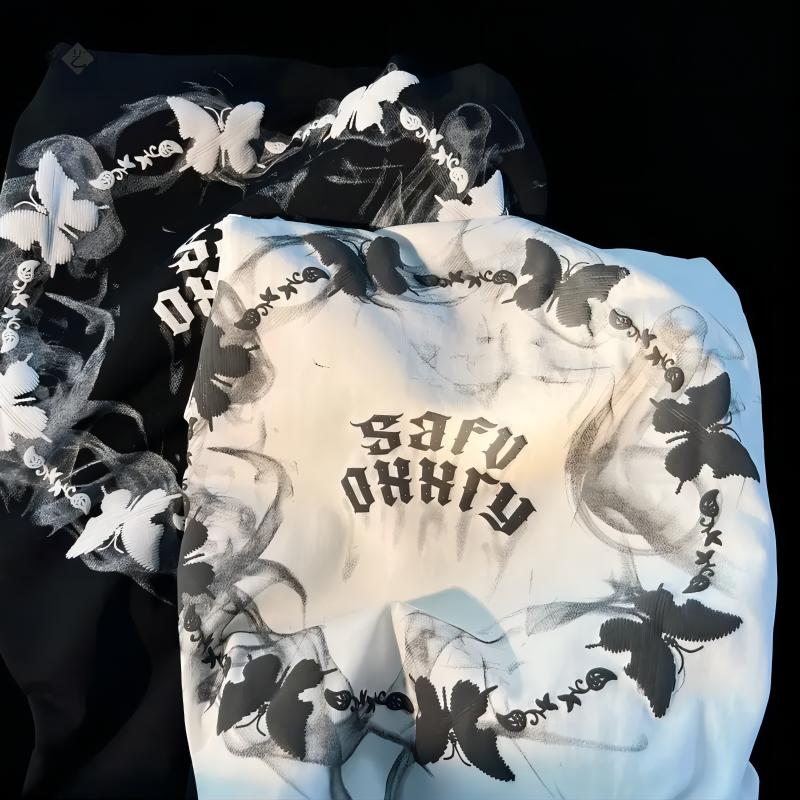
Soccer Uniforms
As a soccer uniform manufacturer, EDVORIN coordinates performance fabrics, breathable panels, collars, shorts, socks or related components, team colors, crests, sponsors, names and numbers. Development includes size grading, sample approval, decoration placement, quality control and organized packaging for clubs, schools, academies and repeat team orders.
Get a Quote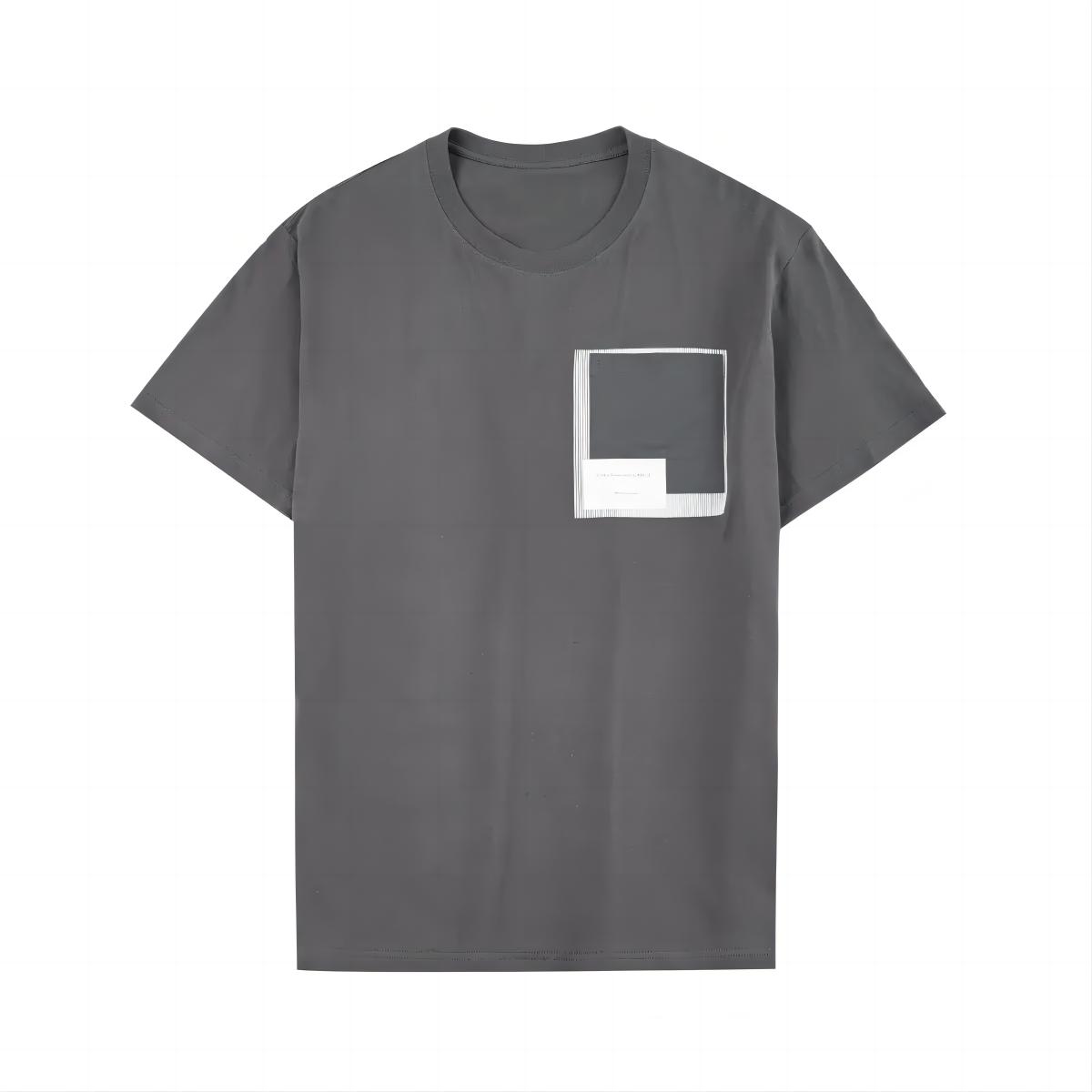
Basketball Uniforms
EDVORIN develops basketball uniforms with lightweight performance fabrics, breathable construction, coordinated jerseys and shorts, team colors, logos, names and numbers. As a basketball uniform manufacturer, it supports sample sets, size grading, decoration control, inspection and packaging for clubs, schools, academies, sports organizations and wholesale buyers.
Get a Quote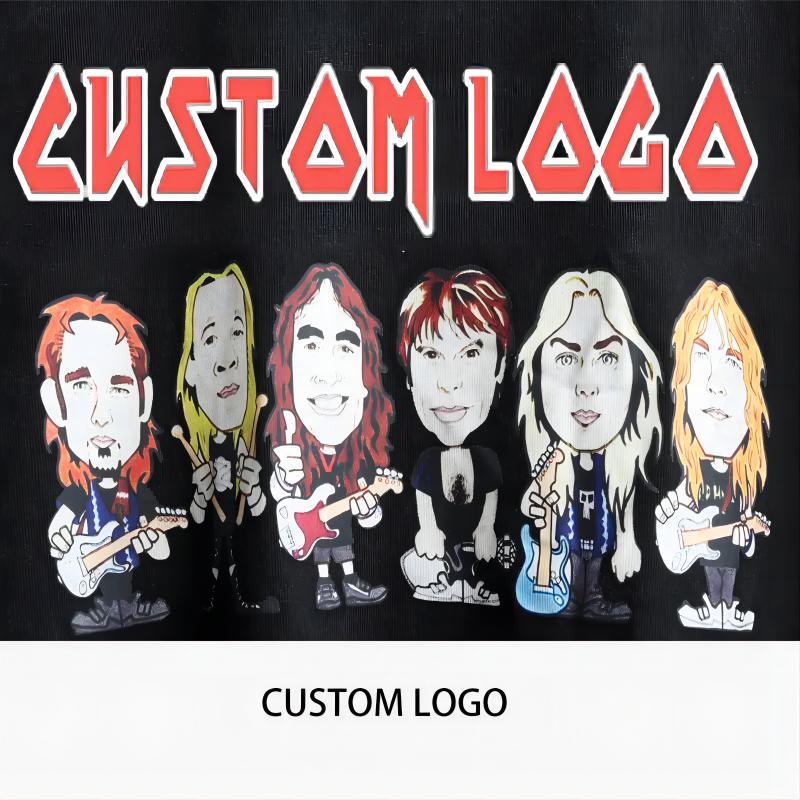
Streetwear Collections
As a streetwear clothing manufacturer, EDVORIN combines hoodies, sweatshirts, joggers, T-shirts, jackets, woven shirts and coordinated pieces within one production system. The company supports concept development, material and trim sourcing, patterns, decoration, washing, men’s and women’s fits, approved standards, labeling and repeatable collection production.
Get a QuoteFrom Concept to Approved Bulk Production
This custom shirt manufacturing guide maps EDVORIN’s connected workflow for OEM, ODM and private-label programs, with MOQ starting at 200 pieces per style.
Share the Product Direction
From your concept, sketch, tech pack, or reference garment, EDVORIN clarifies style, fit, target wearer, quantities, and intended market before development begins.
Source Materials and Details
We align fabric, trims, labels, decoration, wash, and packaging requirements with the product category, balancing handfeel, performance, appearance, and commercial objectives for the program.
Develop and Approve Samples
Patterns, grading, construction, artwork placement, and decoration are developed into samples for review. Fit, measurements, materials, colors, and finishing details are revised until the approved standard is clear.
Release for Bulk Production
Once the sample and specifications are approved, EDVORIN coordinates cutting, sewing, decoration, washing, finishing, and packaging through one accountable production path for repeatable output.
Inspect, Pack, and Deliver
In-line and final checks compare garments with approved standards, including measurements, workmanship, color, decoration, labels, and packing before cartons are prepared for delivery.
A Practical Guide to Custom Apparel Manufacturing
Use this practical decision framework to compare shirt construction, fabrics, decoration, MOQs, sampling, quality controls, supplier capabilities, and cost drivers while avoiding common sourcing mistakes that delay launches or weaken margins.
1. What Is a Custom Shirt Manufacturing Guide?
1. A custom shirt manufacturing guide is a working framework for converting an apparel idea into a documented, repeatable product. It explains what fashion brands, streetwear labels, sports teams, schools, wholesalers, distributors, and private-label buyers must define across fit, fabric, measurements, artwork, trims, labeling, packaging, inspection, and approval standards. 3 production models require different decisions. Blank-shirt customization decorates an existing garment with methods such as screen printing or embroidery; cut-and-sew manufacturing develops the pattern, fabric, fit, construction, and decoration as one product; private-label production adds the buyer’s branding, labels, packaging, and commercial specifications to a manufactured garment. EDVORIN supports development from sketches, reference garments, or complete tech packs.
2. Evolution of Custom Shirt Manufacturing
2000 marked EDVORIN’s starting point in garment manufacturing. Today, buyers can choose among decorated blanks, cut-and-sew production, private-label development, streetwear programs and teamwear, with the right approach depending on fabric, construction, decoration and order requirements.
3. Types in a Custom Shirt Manufacturing Guide
Six production models cover most shirt programs, from decorated blanks to engineered teamwear.
Decorated Blanks And Basics
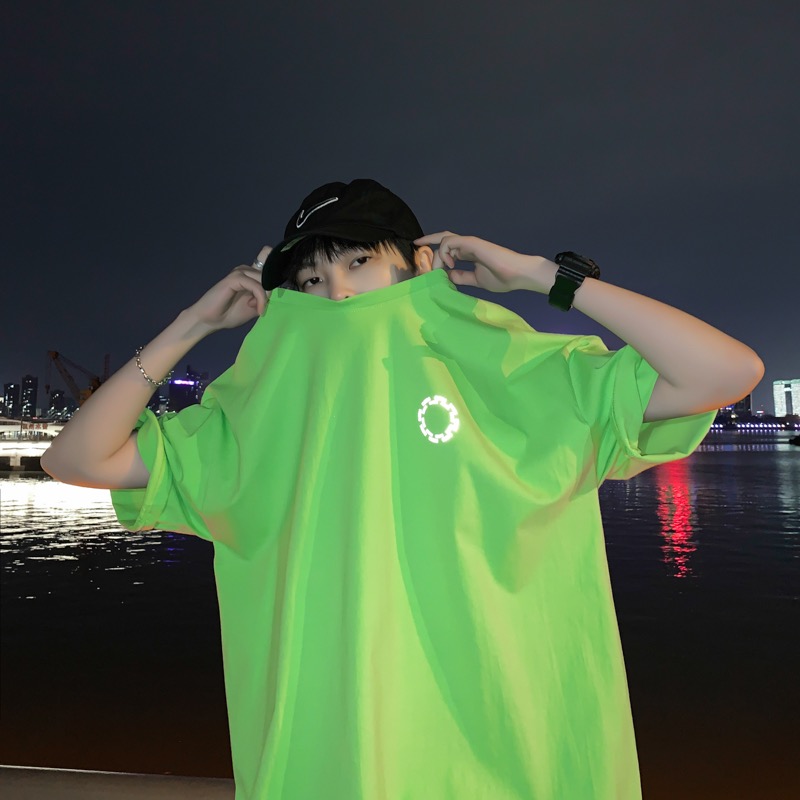
EDVORIN’s MOQ starts at 200 pieces per style. 1–3 artwork colors and stock blanks suit event buyers, small brands, and schools needing fast launches; MOQ and development effort stay low.
- Blank decoration: low development, moderate scalability, inspect print placement and garment consistency.
- Wholesale basics: limited design flexibility, low development, high scalability when colors and sizes are standardized.
Cut-And-Sew And Private Label
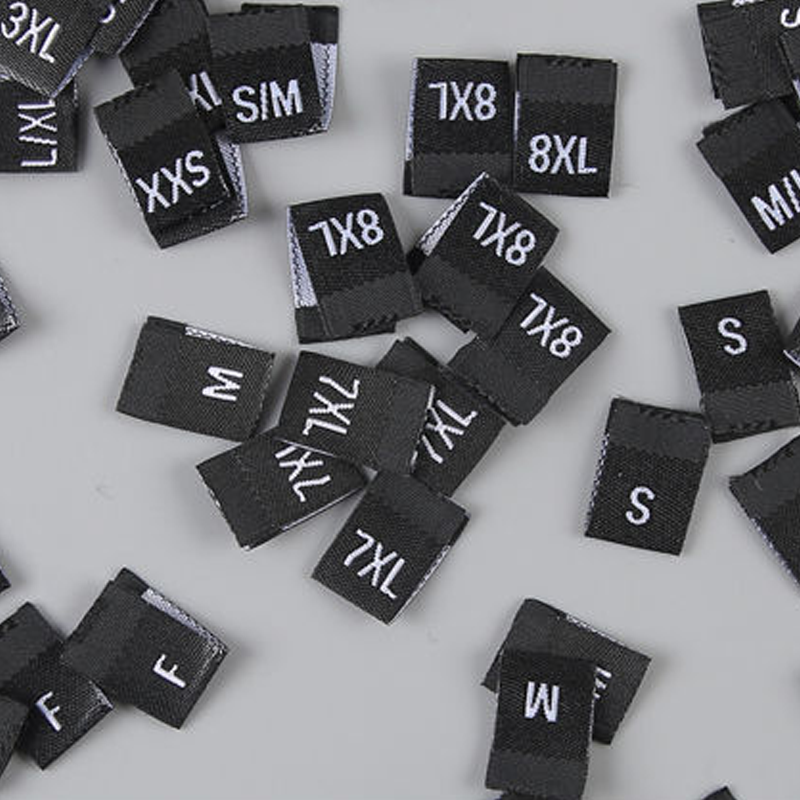
200-piece programs can support cut-and-sew shirts with custom blocks, collars, labels, and proportions; ideal for fashion brands, but sampling and measurement QC are extensive.
- EDVORIN’s MOQ starts at 200 pieces per style. Cut-and-sew: highest flexibility, higher MOQ pressure, detailed pattern and shrinkage control.
- Private label: moderate flexibility, moderate development, strong repeatability across seasonal collections.
Teamwear And Streetwear
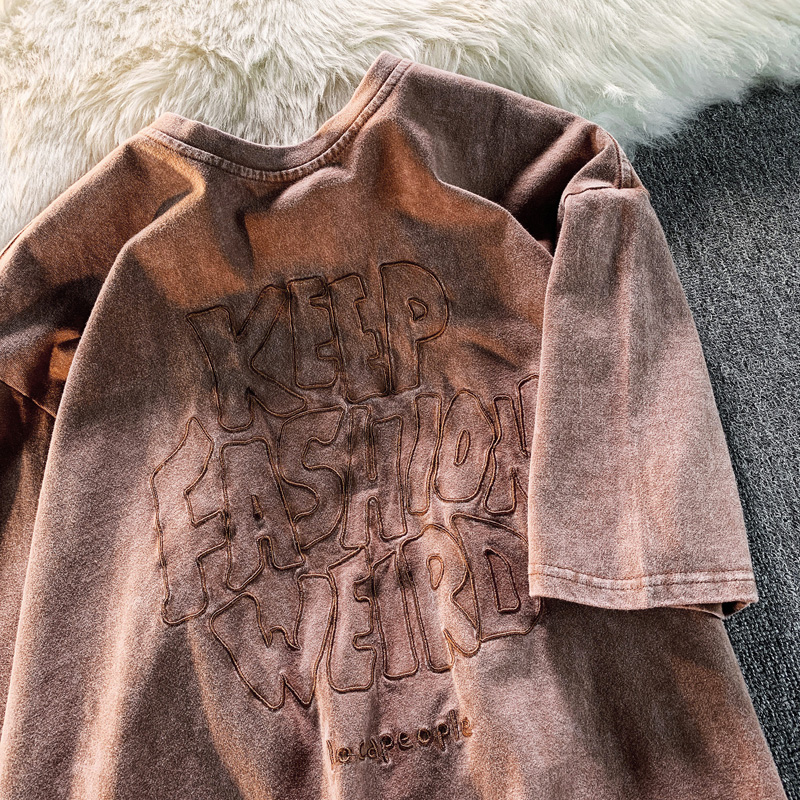
Performance teamwear suits clubs, academies, and sports programs needing graded sizes, stable colors, names, and numbers; decoration and final-order checks are critical.
- Teamwear: specialized QC, medium-to-high volume potential, organized personalization control.
- Oversized streetwear: high design flexibility, higher sampling effort, scalable through repeatable fit blocks.
4. Materials in a Custom Shirt Manufacturing Guide
200–240 GSM is a practical starting range for retail-weight shirts, but fiber and construction determine whether that weight feels breathable, structured, stretchy, or soft.
Fiber And Construction
100% cotton offers natural softness and breathability; combed or ring-spun cotton generally gives a smoother, cleaner hand than open-end yarns. Cotton blends improve recovery and durability, while tri-blends prioritize lightweight softness. Polyester performance fabrics suit teamwear because they manage moisture and retain color, while heavyweight jersey creates structure for streetwear.
Weight And Application
180–220 GSM commonly suits everyday tees, 220–260 GSM supports premium retail styles, and 280–350 GSM heavyweight jersey delivers a more substantial silhouette. Higher GSM can increase fabric cost, warmth, and sewing demands.
| Fabric | Typical GSM | Best Application |
|---|---|---|
| Cotton | 160–220 | Everyday basics |
| Cotton blend | 160–240 | Durable uniforms |
| Polyester | 120–180 | Sports and teamwear |
| Tri-blend | 120–180 | Soft lifestyle programs |
| Heavyweight jersey | 240–350 | Structured streetwear |
Sampling Confirmation
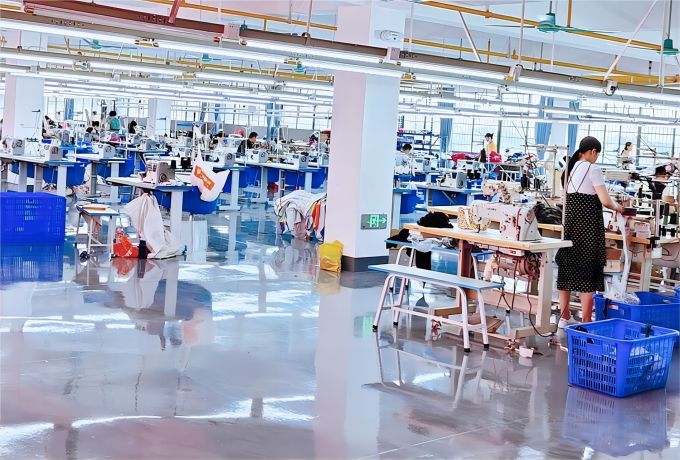
After washing, confirm chest width, body length, sleeve length, spirality, shrinkage, stretch recovery, colorfastness, pilling, and hand feel against the approved sample. Record fabric composition, GSM tolerance, finish, and Pantone color reference. A production sample should also verify decoration compatibility, seam behavior, and size grading.
5. Customization Options in a Custom Shirt Manufacturing Guide
Artwork complexity, fabric type, placement, color count, order size, durability, and hand feel determine the right branding method.
Match Decoration To The Garment
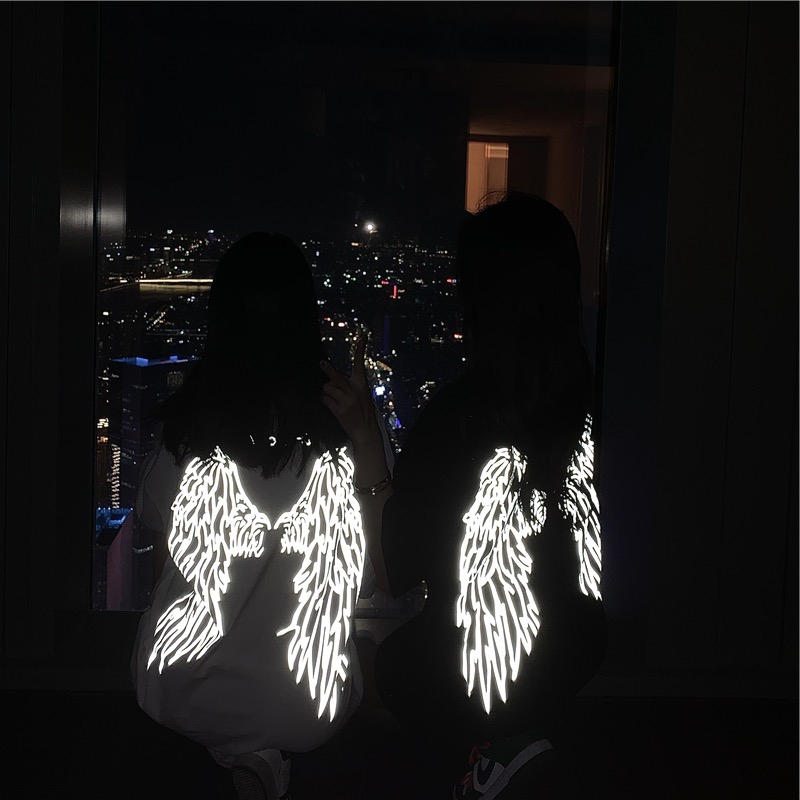
Screen printing suits bold graphics and repeat orders; each ink color adds setup and alignment requirements. DTG handles detailed, full-color artwork on cotton, while DTF transfers suit varied fabrics but may feel more film-like.
Build The Brand System
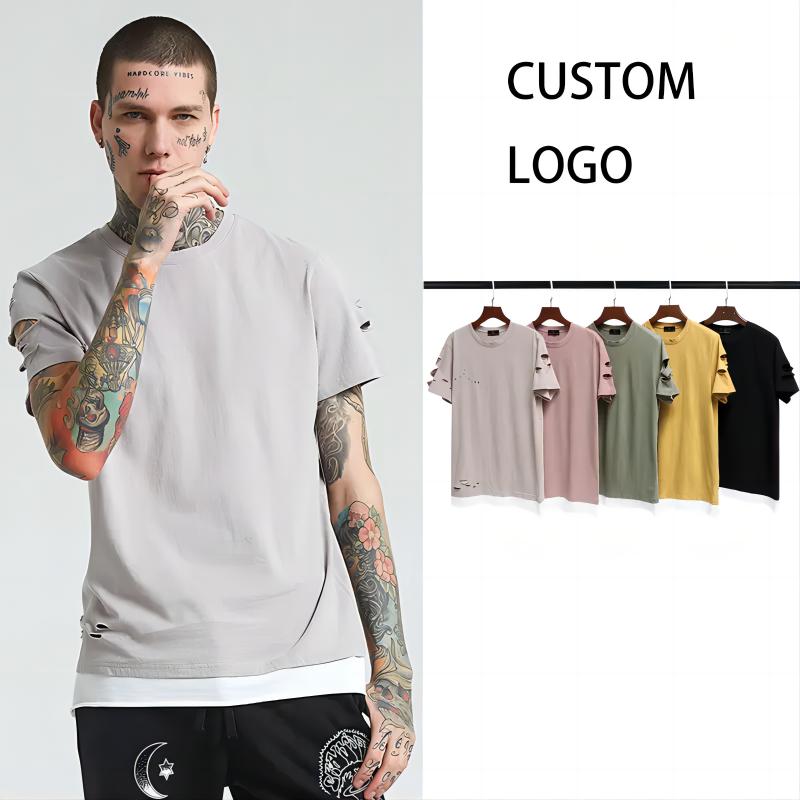
Woven labels and neck prints support a cleaner private-label finish, while hangtags identify the brand, size, composition, or care information. Embroidered patches can be applied where direct embroidery is unsuitable. Packaging should specify polybags, folded presentation, carton marks, barcode labels, and assortment by size.
Compare Quotes On Evidence
Request method, artwork limits, color count, placement measurements, setup charges, unit cost by quantity, expected durability, and hand-feel notes. Ask whether pricing changes for dark garments, multiple locations, or individual names and numbers. Require a decorated strike-off or pre-production sample showing color, scale, registration, adhesion, wash response, and label placement.
| Method | Best Fit | Main Cost Variable |
|---|---|---|
| Screen print | Bold, scalable graphics | Ink colors and setup |
| DTG or DTF | Detailed artwork, smaller runs | Artwork coverage and garment |
| Embroidery, appliqué, patches | Tactile branding | Stitch count, size, backing |
6. Key Shirt Construction and Quality Elements
Three inspection gates protect a shirt specification after artwork is approved.
Measurement And Construction

Four core measurements—body length, chest, sleeve length and hem opening—need named points, size-by-size grading and agreed tolerances. Compare the production sample with the sealed approval sample, not memory.
Decoration And Wash Performance
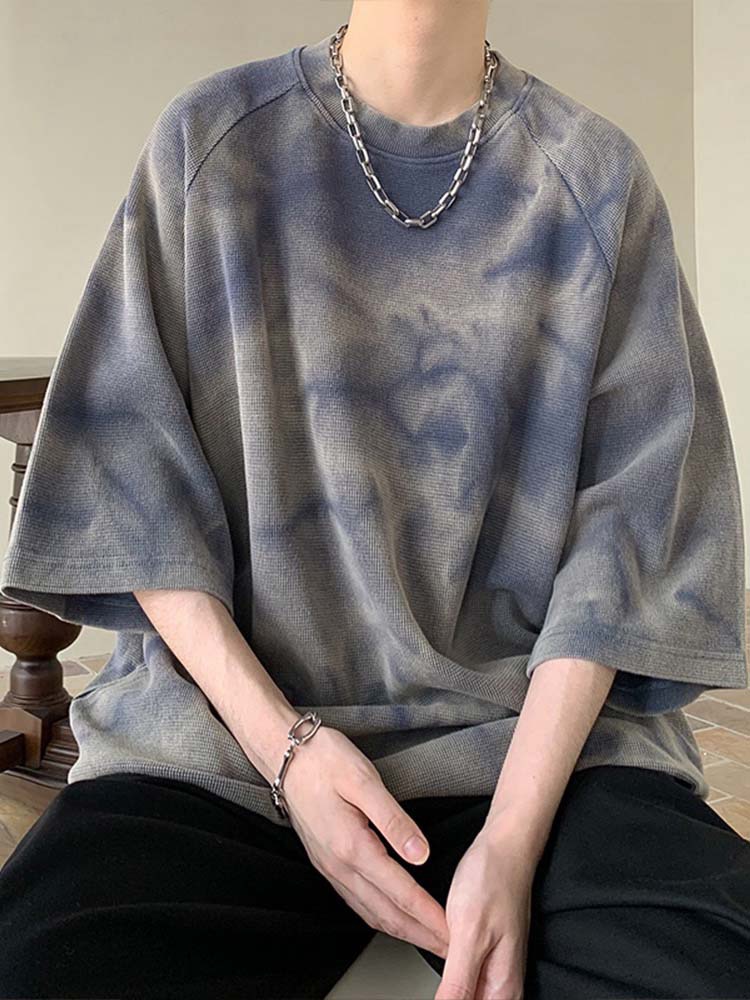
One approved artwork file should control print registration, placement measurements, color references and label position. Inspect edges, alignment and surface adhesion, especially where decoration crosses seams or textured fabric. Three wash risks require testing before bulk release: shrinkage, pilling and twisting.
Two Inspection Gates
Gate one, pre-production approval, confirms materials, graded patterns, trims, artwork, measurements and a wearable sample before cutting bulk fabric. Gate two, inline and final inspection, checks sewing, seams, rib recovery, decoration, measurements and size consistency during production and before packing.
7. How to Choose a Custom Shirt Manufacturer
EDVORIN’s MOQ starts at 200 pieces per style. A 200-piece MOQ is only useful when the supplier can also protect fit, materials, decoration, delivery and repeatability.
Verify Development Experience
2000 is EDVORIN’s founding year, with development support spanning patterns, sourcing, samples, decoration, washing and packaging. Ask for relevant shirt examples, not generic product photos.
Test Commercial Fit
Three numbers belong in every RFQ: MOQ by style and color, sample charges, and expected bulk lead time after approval. Ask whether 200 pieces is feasible across sizes, colorways and decoration methods. Five practical questions expose hidden constraints: Which fabrics are stock-supported? Can you develop ring-spun cotton, French terry or performance blends?
Audit Production Controls
ISO-style checkpoints are less important than visible controls: incoming-fabric checks, measurement audits, color approval, in-line inspection, final inspection and carton verification. Request sample reports and tolerance standards. OEKO-TEX, GOTS, WRAP or BSCI documents may matter to your market; verify scope, validity and issuing organization.
Compare Total Value
Four quote lines deserve comparison beyond unit price: development cost, decoration setup, freight-ready packaging and payment terms. A lower shirt price can lose its advantage through rework, weak communication, delays or inconsistent grading. Two repeat-order questions matter: Can approved patterns, fabrics, trims and artwork be retained, and how are future lots matched?
8. Common Custom Shirt Manufacturing Mistakes
EDVORIN’s MOQ starts at 200 pieces per style. A 200-piece MOQ can still produce expensive rework when specifications remain open.
Lock The Product Standard
A vague tech pack forces production assumptions, causing inconsistent construction, fit and pricing. Choosing fabric by price alone can also create poor hand feel, durability or shrinkage performance. Approve a complete specification covering fabric composition and weight, measurements, trims, artwork placement and wash requirements.
Approve Fit And Tolerances
One ungraded sample can leave larger or smaller sizes unbalanced, increasing returns and unusable inventory. Unchecked shrinkage or unclear tolerances can make bulk garments differ from the approved piece. Review a physical pre-production sample, size set and graded measurement chart.
Control Decoration Complexity
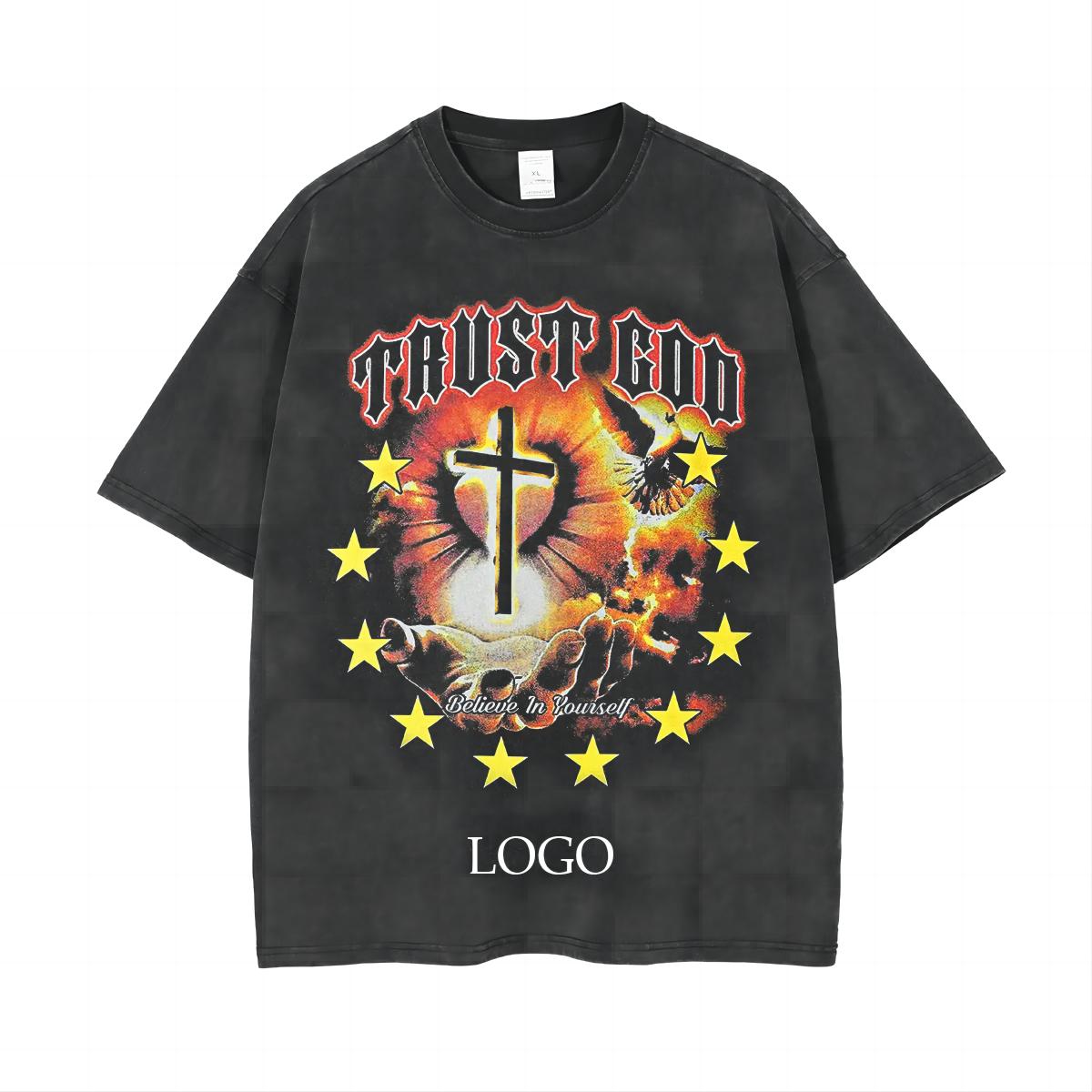
Every added print placement, embroidery file, ink color or specialty finish increases setup risk and review points. Too many colorways can split quantities, weaken purchasing efficiency and leave slow-moving stock. Confirm decoration artwork, Pantone references, placement measurements and test samples.
Plan Inspection And Replenishment
A final inspection alone may discover defects after an entire order is complete, while no replenishment plan can leave a successful style unavailable. Both problems disrupt launches and sales continuity. Set checkpoints for fabric, cutting, sewing, decoration, measurement and packing.
9. Steps to Launch With a Custom Shirt Manufacturer
A 200-piece launch should begin with a defined customer, use case, price position and size range.
Define The Product Brief
1 brief should state the target customer, shirt silhouette, fabric direction, decoration, colorways, size range, launch quantity and delivery date. A sketch or reference garment is useful, but it must become measurable requirements. A tech pack should record measurements, tolerances, construction, artwork placement, labels, trims and packaging.
Shortlist And Sample
EDVORIN’s MOQ starts at 200 pieces per style. 3–5 qualified suppliers can be compared on relevant product experience, communication, MOQ, quote detail and development timing. Request a line-item quotation covering fabric, decoration, sampling, packaging and freight assumptions. Approve a sample only after fit testing and wash testing.
Approve And Manufacture
1 signed purchase order should match the final tech pack, approved sample, quantity breakdown, price, delivery terms and inspection requirements. Before cutting, approve pre-production materials, artwork, trims and a production sample or sealed reference. Bulk manufacturing should include in-line checks for measurements, shade, sewing, decoration and labeling.
Document The Reorder Standard
1 controlled approval file should contain the dated tech pack, graded measurements, tolerance chart, fabric composition and weight, color references, artwork files, trim list, wash results, sealed sample photos and inspection checklist. After delivery, review returns, fit feedback, defects, sell-through and remaining stock.
10. Custom Shirt Manufacturing Guide Pricing and Cost
200 pieces can carry a higher unit cost because pattern development, sampling, decoration setup, inspection and packing are spread across fewer garments. Fabric minimums, custom dyeing, cutting, sewing, trims, labels, packaging and freight then add separate cost layers. Quote checkpoints should cover fabric composition and GSM, pattern and grading, sample revisions, dyeing, sewing, decoration method and setup, trims, labels, packaging, inspection and freight. Three commercial details must be verified before approval: whether sampling and setup fees are refundable, which tests and inspections are included, and whether freight, duties, carton dimensions, size ratios, wastage, rework and payment terms are excluded. Ask for validity dates, currency, Incoterm, color-count assumptions and the cost impact of quantity changes.
| Quantity Tier | Indicative Cost Components | Lead-Time Considerations |
|---|---|---|
| 200 pieces | Highest allocation of development, sampling, setup, inspection, and packing costs; custom fabric or dyeing may require separate minimums. | Allow sampling plus bulk scheduling; confirm capacity and material availability before deposit. |
| 500–999 pieces | Lower development cost per unit; fabric, decoration, trims, labels, and packaging remain specification-dependent. | More efficient cutting and sewing planning; confirm colorway and size-ratio deadlines. |
| 1,000–2,999 pieces | Better spreading of fixed costs and stronger purchasing efficiency; freight depends on carton volume. | Reserve production capacity and approve pre-production standards on time. |
| 3,000+ pieces | Potentially lowest unit cost, but added colorways, testing, cartons, and freight can offset savings. | Plan material booking, staged inspection, and shipment windows in advance. |
Custom Shirt Manufacturing Guide: Questions Buyers Ask
Clear answers for brands planning custom shirts, from first specifications to repeat bulk orders.
What services does EDVORIN provide for custom apparel programs?
What is EDVORIN’s MOQ?
Do I need a tech pack for a custom shirt manufacturing guide project?
How does sampling work before bulk production?
What customization can be included in a custom shirt manufacturing guide?
Can EDVORIN support certifications and responsible sourcing requirements?
How does EDVORIN protect repeat-order consistency?
Turn Your Concept into a Repeatable Collection
Share your concept, tech pack or reference garment and connect with EDVORIN’s team for OEM, ODM or private-label support.