
Streetwear Garment Wash Guide for Production-Ready Collections
Use this streetwear garment wash guide to evaluate finishes, control quality, and move from concept to repeatable bulk production.
What the Streetwear Garment Wash Guide Helps You Decide
Make informed wash decisions around fabric behavior, visual effects, decoration compatibility and repeatable bulk production.
Evaluate Fabric Behavior
Compare cotton, fleece, jersey and blended constructions by weight, surface, shrinkage risk and intended hand feel before approving a wash.
Select the Right Effect
Choose vintage, faded, pigment, enzyme or softening effects that support the collection concept without obscuring graphics, trims or construction details.
Set Repeatable Standards
Define wash parameters, sample checkpoints and measurement tolerances so approved color, texture, fit and proportions remain aligned through bulk production.
Protect Decoration Details
Coordinate printing, embroidery, labels and trims with the wash process to reduce cracking, distortion, color shift and avoidable rework.
Prepare for Repeat Orders
Build men’s and women’s size sets around tested blocks, then document revisions for repeat orders, wholesale programs and private-label growth.
Our Apparel Capabilities
From custom basics to coordinated teamwear, EDVORIN develops production-ready products for emerging brands, wholesale programs and established buyers.
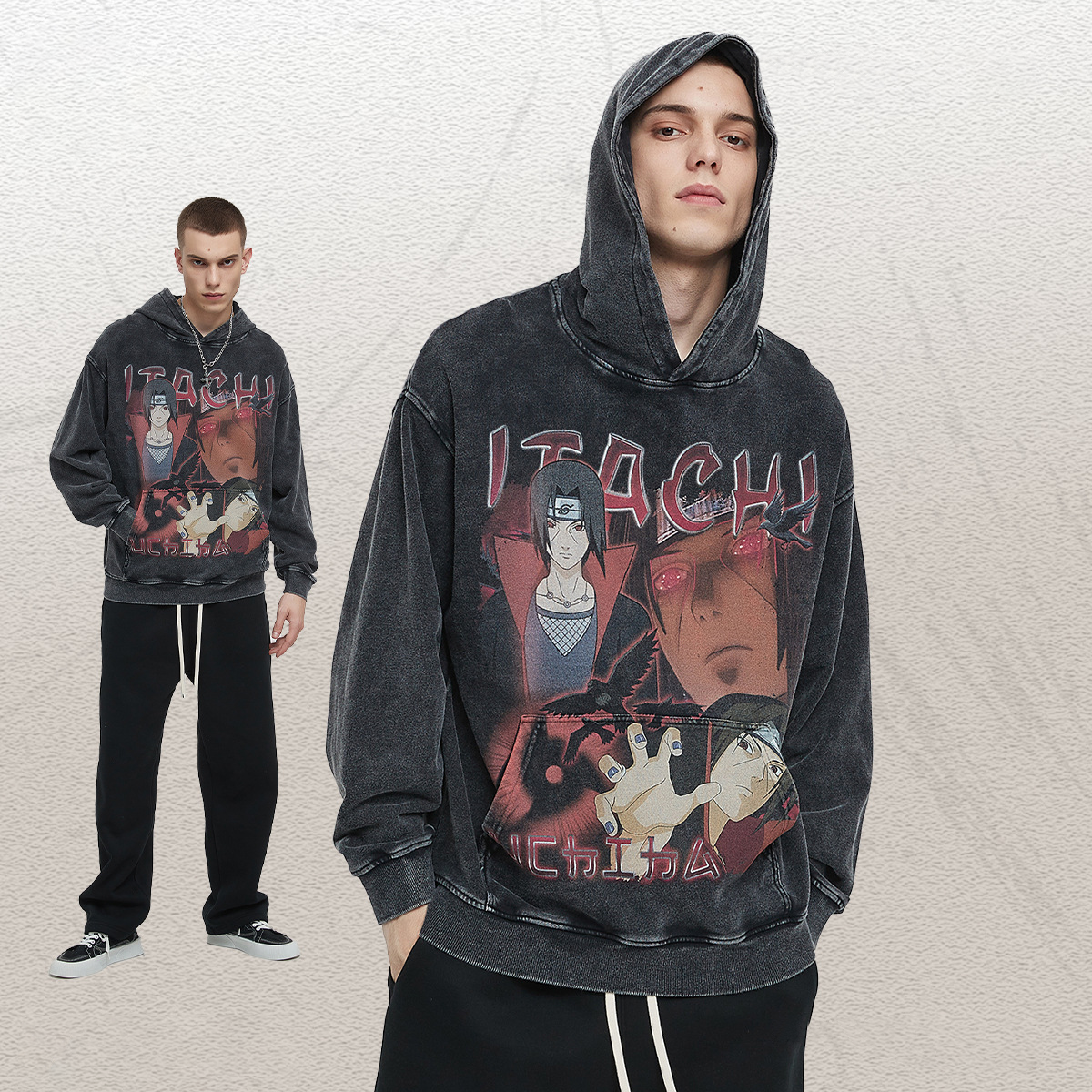
Custom Hoodies
As a custom hoodie manufacturer, EDVORIN develops pullover and zip-up styles with fleece or French terry, customized fit blocks, rib construction, drawcords, labels and decoration. Approved samples establish the measurements and finishing standards required for consistent bulk production.
Get a Quote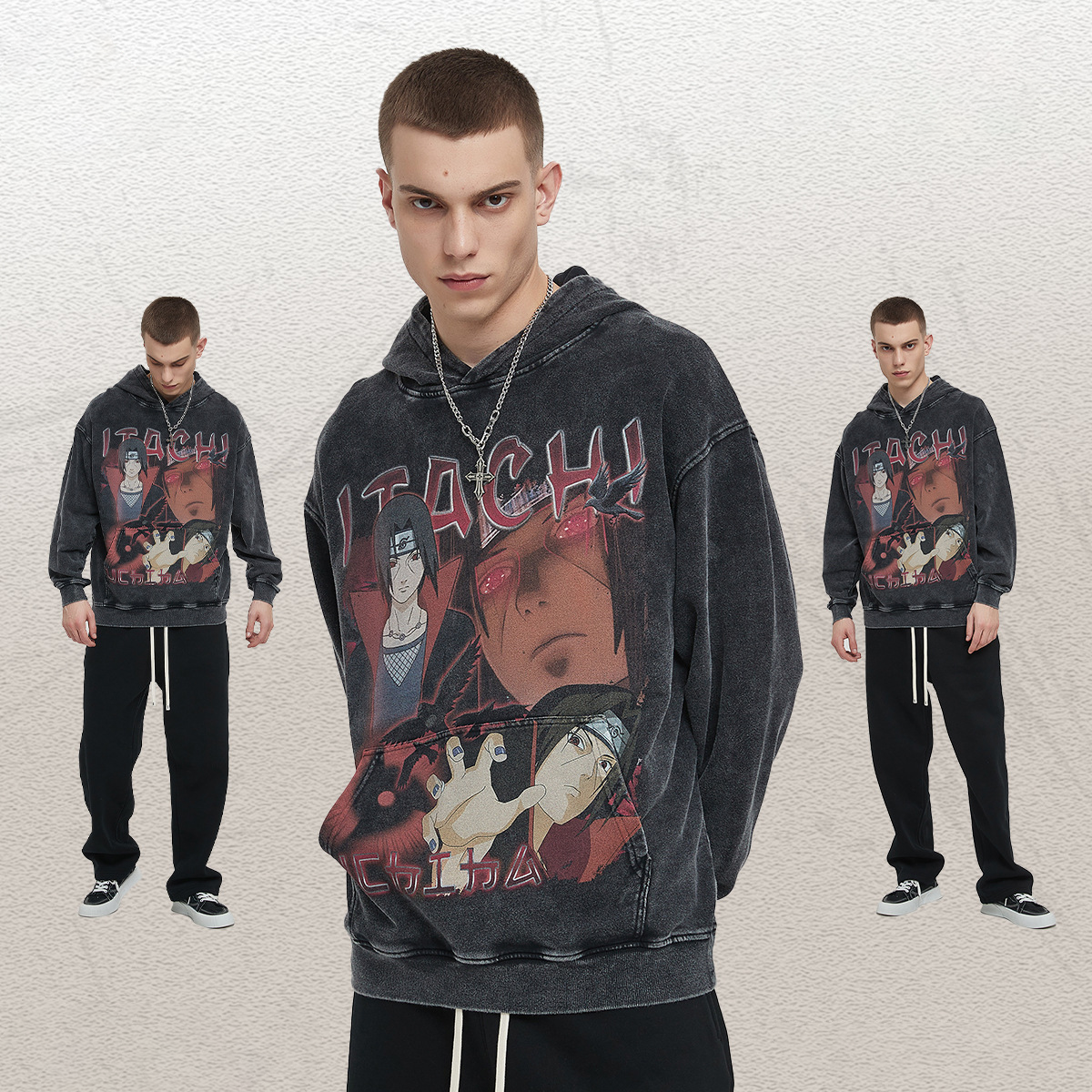
Pullover Sweatshirts
EDVORIN supports sweatshirt programs with fleece or French terry pullovers, crew necks, mock necks and structured silhouettes. Buyers can coordinate fabric weight, rib specifications, pattern grading, printing, embroidery, washing, labeling and packaging through one development and production process.
Get a Quote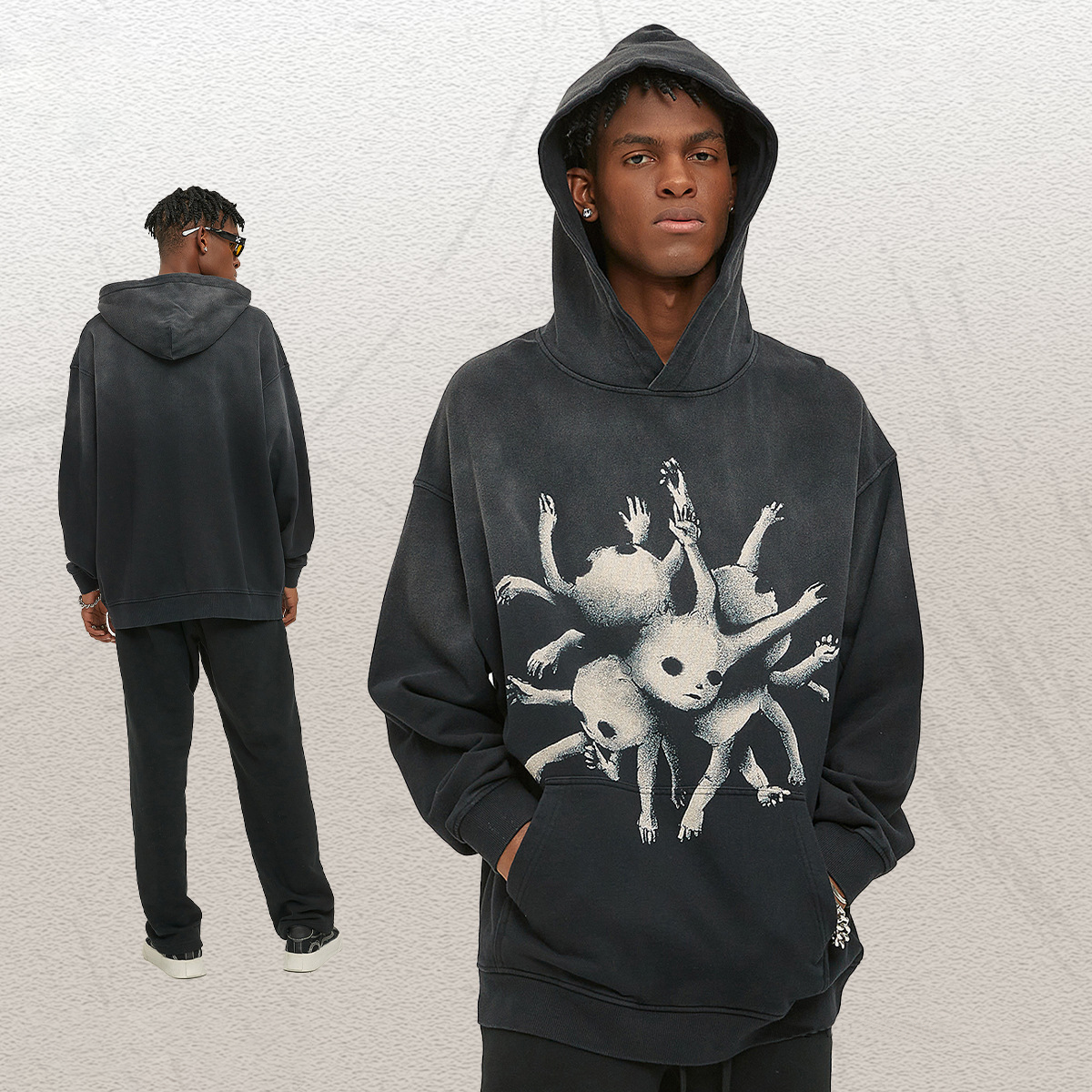
Sweatpants & Joggers
As a sweatpants manufacturer, EDVORIN develops joggers and sweatpants with different rises, leg shapes, waistbands, cuffs and pocket configurations. Fabric selection, garment washing, embroidery, printing, size grading and approved measurement standards are coordinated for repeat wholesale or private-label orders.
Get a Quote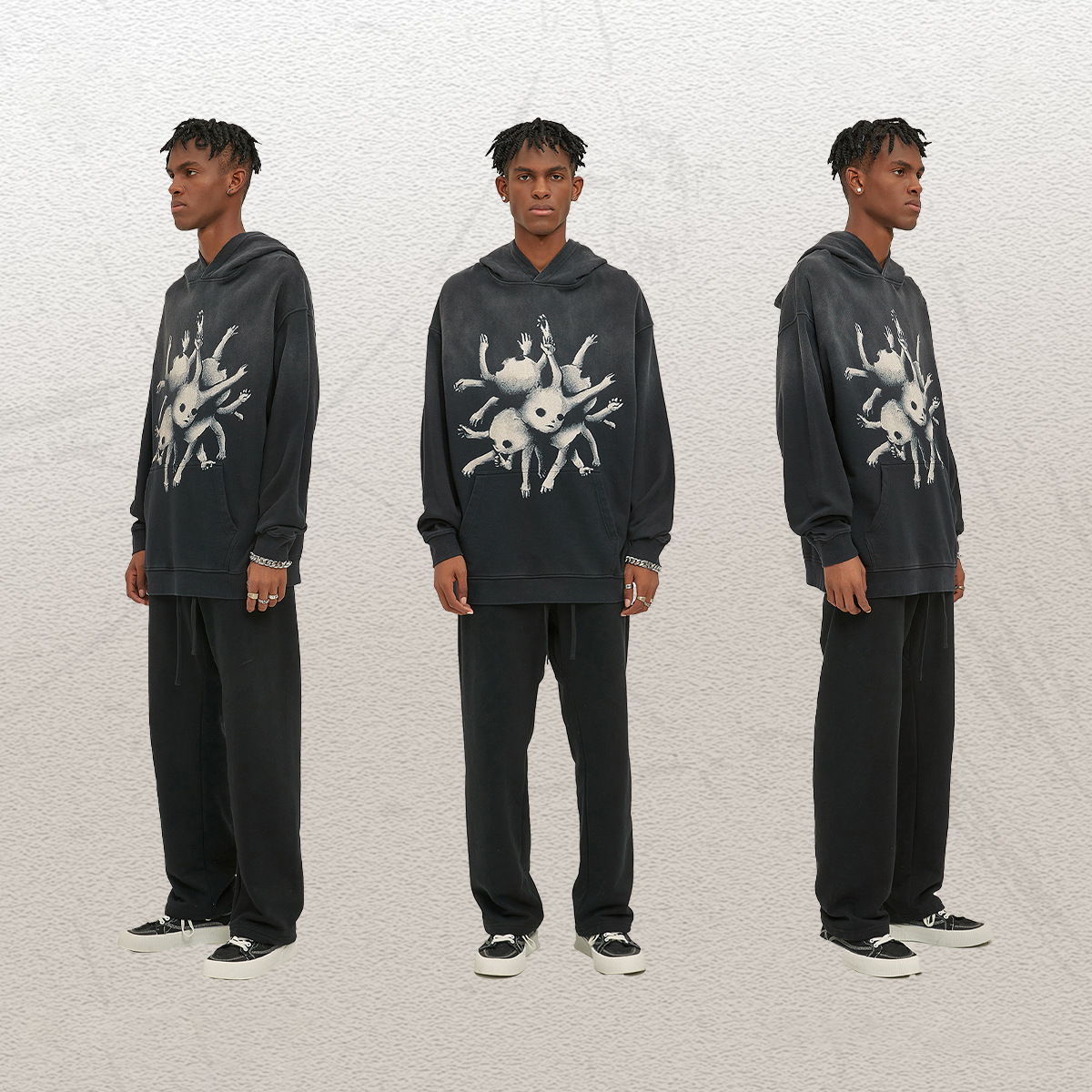
Custom Shorts
As a custom shorts manufacturer, EDVORIN develops custom shorts for casualwear, streetwear, sports and team programs. Options include fleece, French terry, woven or performance fabrics, elastic or drawstring waists, side pockets, trims and decoration. Fit, grading, artwork placement and packaging are documented before bulk production.
Get a Quote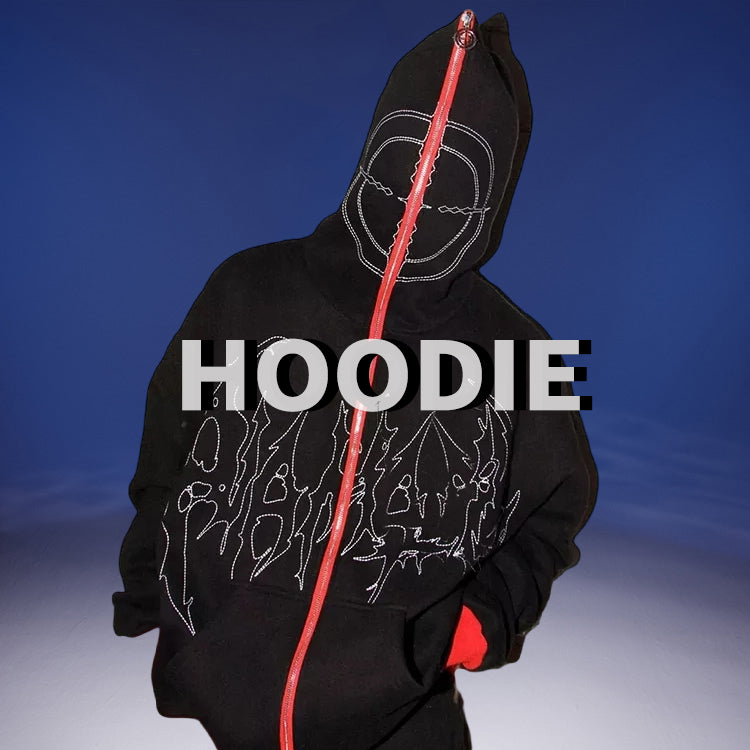
Varsity & Baseball Jackets
As a varsity jacket manufacturer, EDVORIN coordinates wool-look or woven bodies, sleeves, rib collars and cuffs, snaps, linings, patches and embroidery. Baseball-inspired constructions can be developed for fashion labels, schools, clubs and private-label buyers with sample-approved specifications for repeat orders.
Get a Quote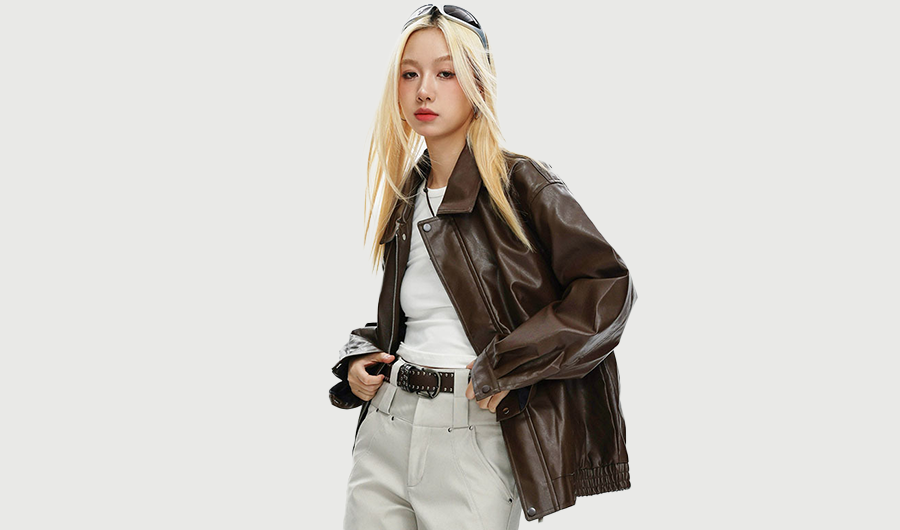
Custom T-Shirts
As a custom T shirt manufacturer, EDVORIN develops custom T-shirts in cotton, blends and performance fabrics, with options for different weights, fits, neck rib, hems and finishing. Screen printing, digital printing, embroidery, labels and packaging are coordinated around the approved artwork, measurements and color standards.
Get a Quote
Custom Polo Shirts
As a polo shirt manufacturer, EDVORIN develops cotton, pique, jersey and performance polo programs for brands, uniforms and private labels. Collar construction, plackets, buttons, fit, embroidery, printing, color matching and size grading are reviewed during sampling before bulk production.
Get a Quote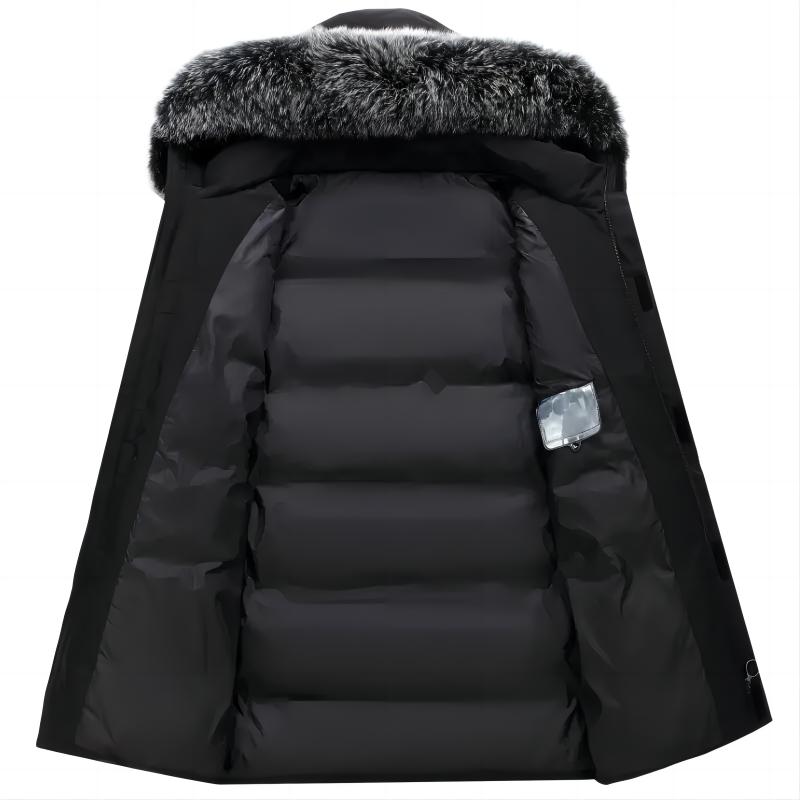
Windbreaker Jackets
As a windbreaker manufacturer, EDVORIN develops windbreaker jackets using lightweight woven or technical fabrics, with options for hoods, mesh linings, zippers, elastic details, pockets and water-resistant finishes. Styling, fabric performance, decoration, labeling and packaging are coordinated for streetwear, outdoor-inspired and team programs.
Get a Quote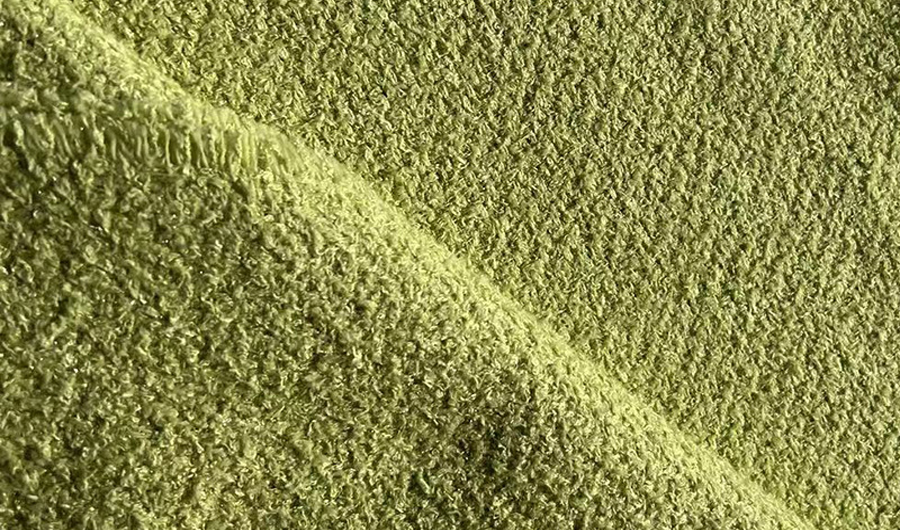
Quilted Jackets
As a quilted jacket manufacturer, EDVORIN coordinates shell fabrics, lining, insulation, quilting patterns, collars, cuffs, pockets and hardware. Development can be adjusted for lightweight transitional styles or warmer outerwear, with approved samples guiding construction, measurements, finishing and quality checks.
Get a Quote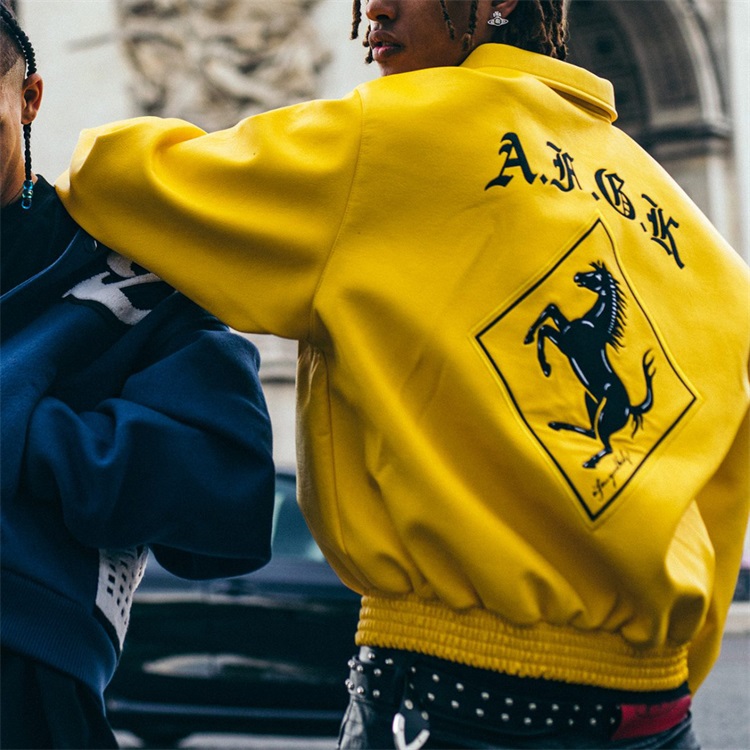
Bomber Jackets
As a bomber jacket manufacturer, EDVORIN develops bomber jackets with selected shell and lining fabrics, insulation options, rib trims, zippers, pockets and decorative details. Buyers can specify embroidery, patches, printing, labels and garment finishing for fashion, streetwear, school and private-label programs.
Get a Quote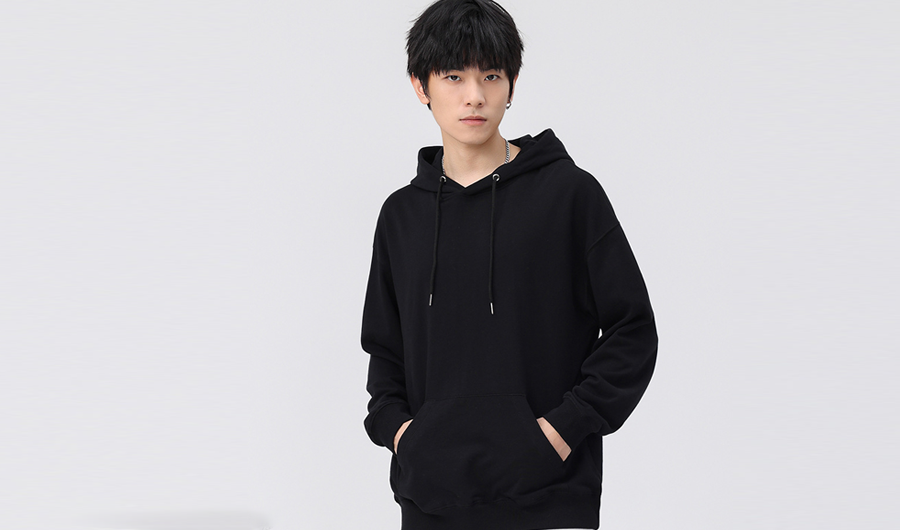
Custom Shirts
As a custom woven shirt manufacturer, EDVORIN develops shirts in cotton, rayon, polyester and blended woven fabrics. Construction may include collars, cuffs, plackets, buttons, pockets and relaxed or tailored fits, with patterns, grading, decoration, labeling and packaging aligned to the buyer’s specification.
Get a Quote
Custom Jerseys
As a custom jersey manufacturer, EDVORIN develops custom jerseys for clubs, teams, brands and retail programs using performance knits or other selected fabrics. Sublimation, heat transfer, embroidery, appliqué, names, numbers, color blocking, breathable panels and size grading are controlled against approved artwork and production standards.
Get a Quote
Tank Tops
As a custom tank top manufacturer, EDVORIN develops cotton, jersey and performance tank tops for casualwear, activewear, streetwear and team programs. Buyers can define neckline, armhole, body length, fit, fabric weight, decoration, labels and packaging for men’s or women’s ranges.
Get a Quote
Soccer Uniforms
As a soccer uniform manufacturer, EDVORIN develops soccer uniforms with coordinated jerseys, shorts and optional socks or training pieces. Performance fabrics, breathable construction, color standards, sublimation, heat transfer, names, numbers, crests and organized size sets are reviewed and documented for clubs, academies and repeat team orders.
Get a Quote
Basketball Uniforms
As a basketball uniform manufacturer, EDVORIN develops jerseys and shorts with performance knits, breathable construction, coordinated color blocking and athletic fit. Sublimation, heat transfer, names, numbers, logos, trim details and size grading are managed from approved artwork through bulk production and inspection.
Get a Quote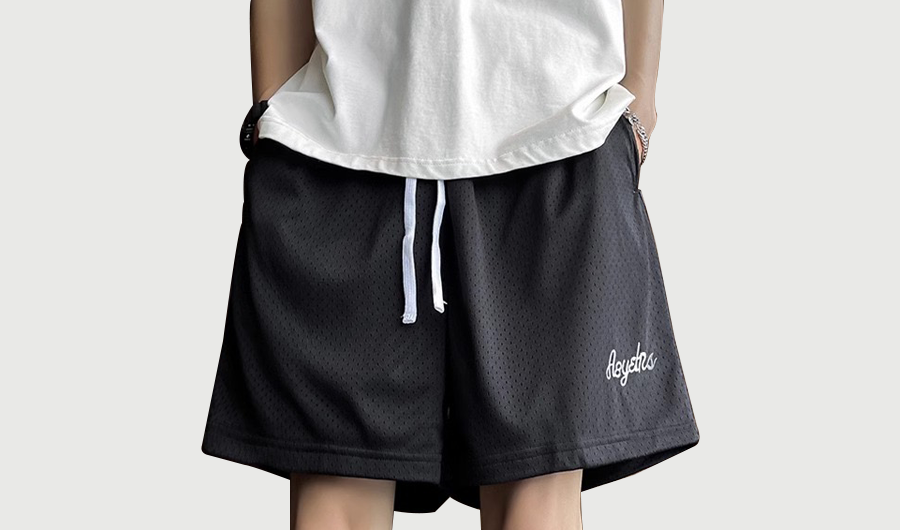
Streetwear Collections
EDVORIN develops streetwear clothing programs across hoodies, sweatshirts, T-shirts, bottoms, jackets and coordinated sets. Product development can begin from a tech pack, sketch or reference garment, then progress through fabrics, patterns, decoration, washing, samples, quality control and packaging under one production system.
Get a QuoteStreetwear Garment Wash Guide: From Concept to Repeatable Bulk Production
EDVORIN coordinates materials, wash development, sampling and inspection to turn a desired streetwear finish into an approved manufacturing standard.
Define The Wash Direction
Align fabric, garment construction, target hand feel, color effect and wash objectives with the collection concept, wearer and intended market.
Select Materials And Trims
Review fabric composition, weight, rib, labels, hardware and decoration so each component can withstand the planned wash and preserve design intent.
Develop And Approve Samples
Create wash samples, assess appearance, measurements, shade and finish, then record revisions until the buyer approves a clear production reference.
Control Bulk Production
Apply the approved standard through washing, finishing and quality checks, verifying consistency across garments before labeling, packing and shipment.
The Complete Streetwear Garment Wash Guide: 10 Steps to Better Results
Use this decision framework to match wash effects with fabrics, decoration, and production goals while evaluating suppliers, testing colorfastness, controlling shrinkage, and avoiding costly quality mistakes.
1. What Is a Streetwear Garment Wash Guide?
One controlled finishing process can change a garment’s hand feel, color, shrinkage, softness, surface character and perceived age after sewing. A streetwear garment wash guide defines the target result and the variables—water temperature, chemical route, time, mechanical action, drying and measurement tolerance—that must be tested before bulk production. Three terms describe different manufacturing stages. Garment washing is applied to the completed garment; garment dyeing colors the sewn product and can create tonal variation; fabric finishing treats material before cutting to modify properties such as softness, stability or surface appearance. Confusing these stages can produce incorrect color, handle, shrinkage or decoration results.
2. Evolution and History of Garment Washing
Early workwear and denim washing were driven by function: removing stiffness, improving comfort and revealing wear at stress points. Pumice, enzyme and stone processes later transformed that practical aging into recognizable faded and softened denim aesthetics. The 1980s and 1990s brought distressed, vintage and garment-dyed treatments into broader fashion, while streetwear adopted abrasion, sanding, whiskering, over-dyeing and pigment-washed surfaces as design language. These finishes made controlled imperfection commercially valuable, but each effect still depends on fabric composition, construction, temperature, liquor ratio and mechanical action. Today, buyers expect authenticity without uncontrolled variation.
3. Types Covered in a Streetwear Garment Wash Guide
Seven wash categories create distinct surface effects, from controlled softness to high-contrast abrasion.
| Wash | Appearance / Feel | Best Use | Main Limits |
|---|---|---|---|
| Enzyme | Clean fade; soft | Cotton basics | Lower contrast |
| Stone | Abraded fade; dry | Heavy cotton | Wear, shrinkage |
| Acid | Mottled contrast | Statement fleece | Unevenness |
| Bleach | Strong lightening | Graphic styles | Weakness, shade shift |
| Pigment | Broken shade; soft | Fashion jersey | Lot variation |
| Vintage | Aged, worn hand | Retro collections | Recipe variability |
| Softener | Smooth hand | Comfort programs | Print adhesion risk |
Low-Impact Washes
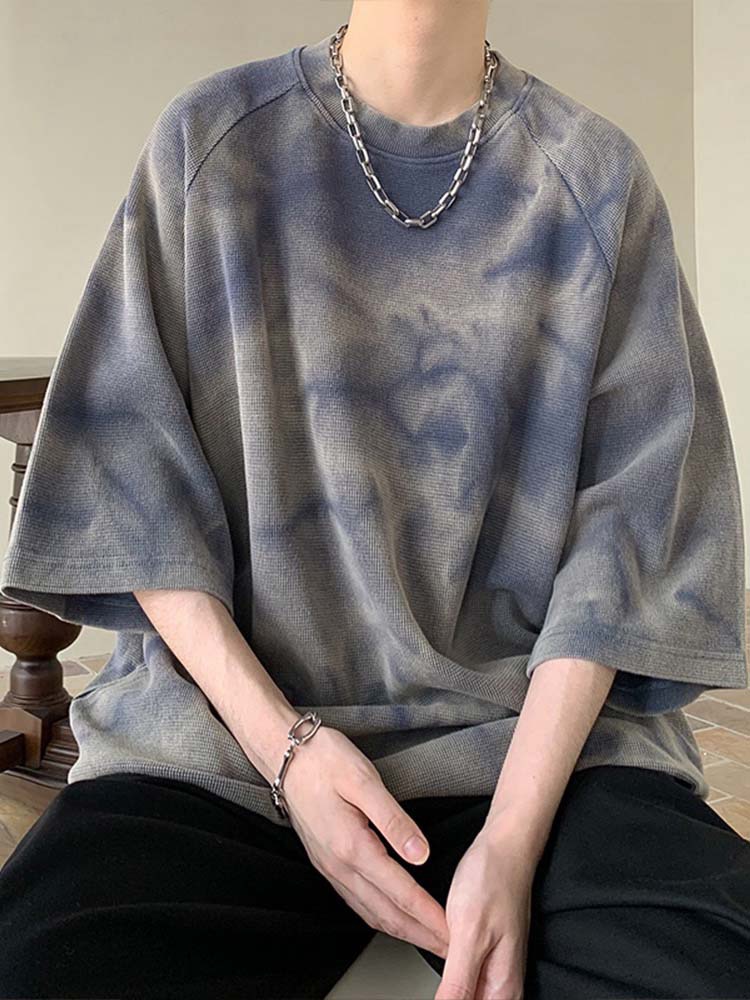
Enzyme wash softens cotton and gently reduces fuzz, suiting hoodies, T-shirts and French terry with lower abrasion risk. Softener wash mainly improves slip and hand feel, but can reduce print adhesion or mask fabric defects. Pigment wash creates a broken, uneven shade suited to fashion fleece and jersey.
Abrasion And Contrast Washes
Stone wash uses pumice or substitutes to produce fading and surface wear, especially on denim-weight or robust cotton garments. Acid wash creates sharper mottling and requires tighter control of chemical exposure.
Risk And Approval Controls
Vintage wash usually combines fading, softening and localized wear to simulate age; the exact recipe varies by fabric and target look. Higher intensity generally increases abrasion, shrinkage and color variation, narrowing compatibility with delicate blends, coatings and detailed decoration.
4. Materials and Fabrics for a Streetwear Garment Wash Guide
Fabric weight, yarn type, and construction determine how aggressively a streetwear garment can be washed.
Weight And Construction
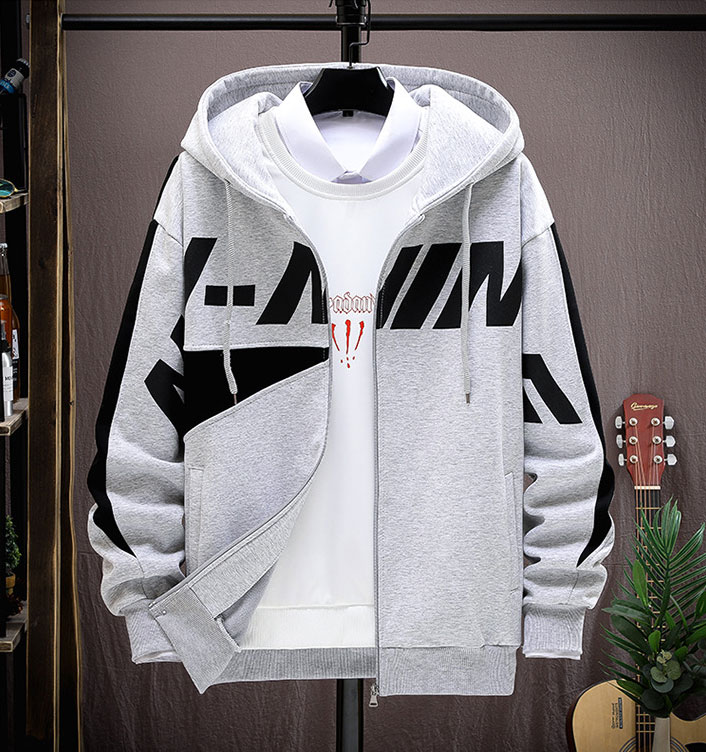
180–240 GSM cotton jersey suits T-shirts, while 400–500 GSM fleece supports structured hoodies and joggers. Ring-spun yarn gives a cleaner surface; open-end yarn is more economical but typically feels coarser. 3–8% shrinkage allowance should be confirmed through testing, not assumed.
Wash And Color Behavior
Cold enzyme or softener washes are generally more controllable on cotton jersey and French terry than aggressive stone or bleach treatments. Denim can accept stronger abrasion, but seam contrast, indigo transfer, and panel variation require approval standards. Dark reactive dyes may show surface fading, while pigment dyes develop a deliberately uneven cast.
Buyer Fabric Matrix
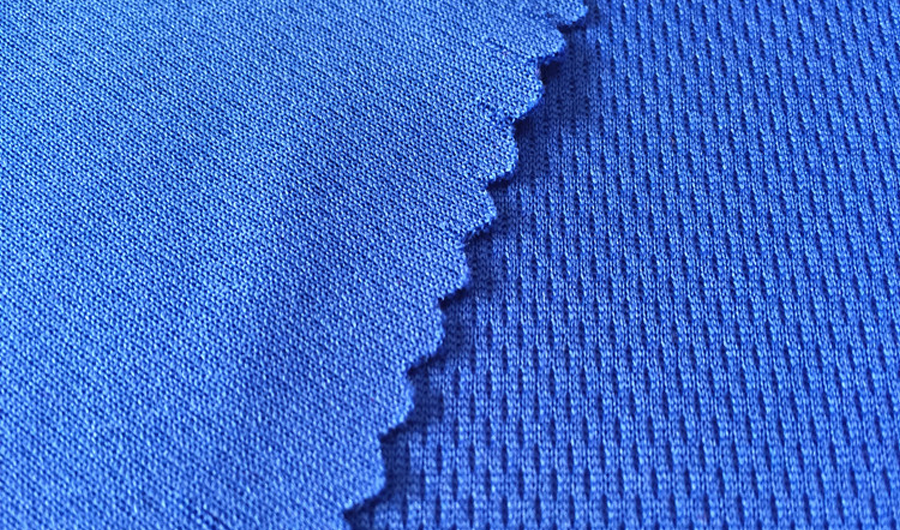
300–380 GSM French terry usually preserves loopback texture better than brushed fleece during light washing. Cotton-rich blends balance comfort with dimensional stability, making them practical when the buyer needs softer handfeel and more consistent repeat sizing.
| Fabric | Typical GSM | Compatible Washes | Primary Risks | Recommended Use |
|---|---|---|---|---|
| Cotton jersey | 160–240 | Enzyme, softener | Shrinkage, twisting | T-shirts, tanks |
| Heavyweight fleece | 400–500 | Softener, light enzyme | Pilling, nap loss | Hoodies, joggers |
| French terry | 280–380 | Enzyme, softener | Loop damage, shrinkage | Sweatshirts, shorts |
| Denim | 300–450 | Stone, enzyme, bleach | Abrasion, transfer | Jeans, jackets |
| Polyester blend | 180–320 | Low-heat, softener | Heat shine, poor dyeing | Sportswear, windbreakers |
| Cotton-rich blend | 200–350 | Enzyme, softener | Uneven shrinkage | Polos, streetwear sets |
5. Customization and Decoration Compatibility
Decoration changes how a garment wash behaves, especially on pigment-dyed cotton and fleece.
Match Decoration To Wash
Screen printing and discharge printing usually perform best when tested on the approved fabric; discharge can create a naturally softened vintage graphic. DTG suits controlled artwork but requires checks for surface fuzz and color shift. Embroidery, appliqué and patches add localized weight and stiffness.
| Decoration | Wash Consideration | Typical Timing |
|---|---|---|
| Screen or discharge | Check cracking, hand feel and color change | Before or after wash, per approved effect |
| DTG | Check ink adhesion and image distortion | Usually after wash testing |
| Embroidery, appliqué or patches | Check puckering, lifting and shape retention | Often after garment wash |
| Labels and specialty effects | Check adhesion, bleeding and hardware response | Confirm with final wash sequence |
Test Failure Before Approval
Three checks should be recorded on every decorated sample: cracking after stretch, bleeding after wet exposure and distortion after the complete wash-and-dry cycle. Compare artwork placement and measurements against the pre-wash sample.
Build A Vintage Graphic
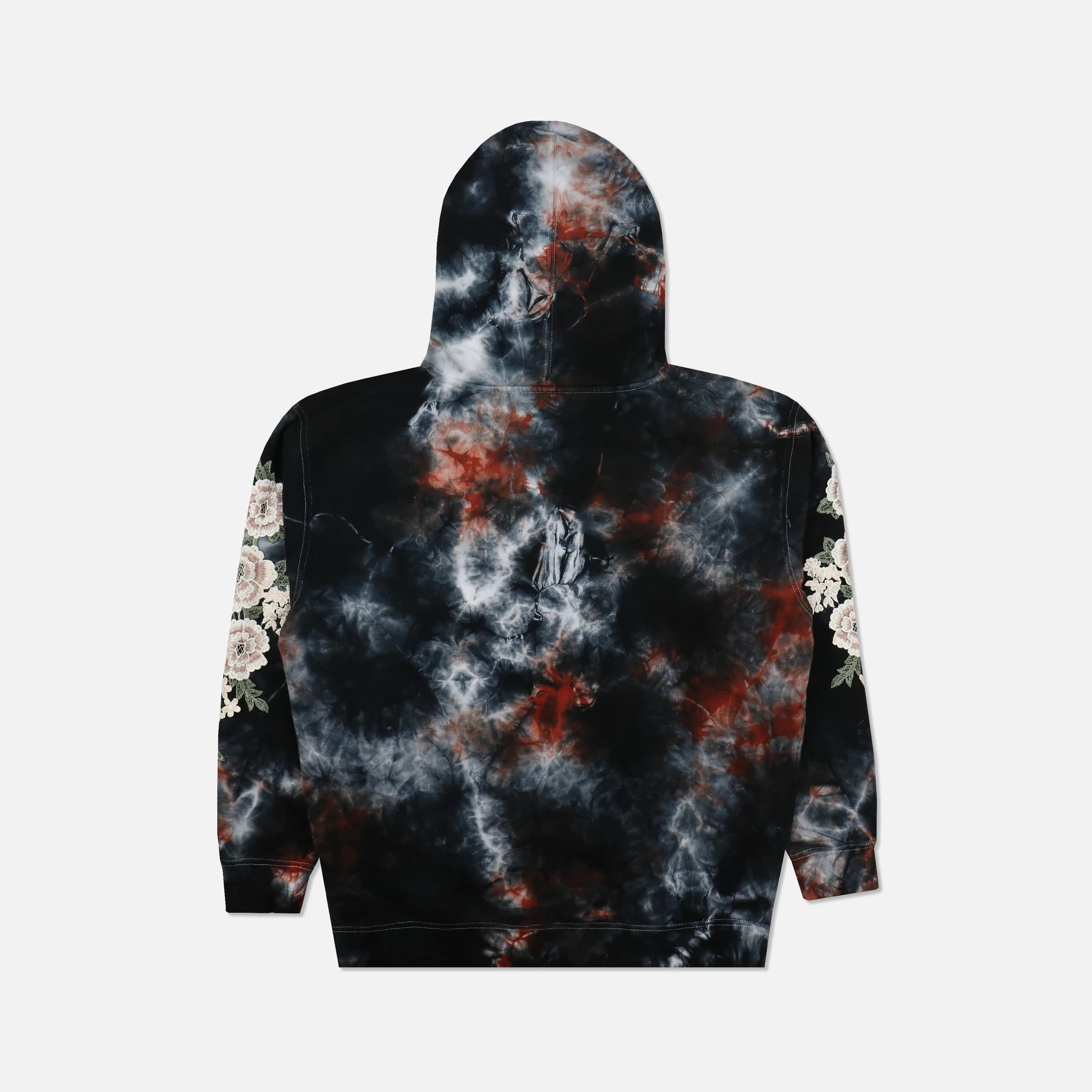
One to three controlled wash effects—such as enzyme, softener or light abrasion—can support a vintage graphic aesthetic without making the print appear accidentally damaged. Excessive abrasion may weaken edges, seams or patch attachment.
6. Key Construction and Quality Elements
A washed garment is only as reliable as the construction standard recorded before bulk production.
Seams, Ribs, And Collars
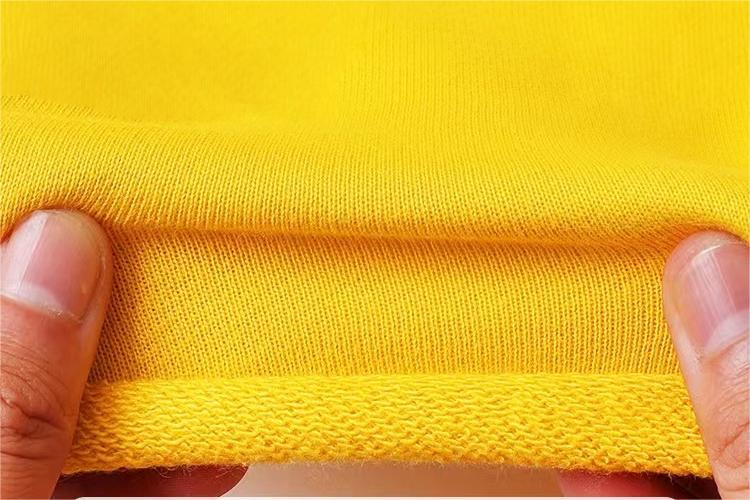
Inspection starts with seam strength, stitch density and skipped-stitch control at shoulders, armholes, pocket openings and crotch seams. The approved sample should define seam allowance, thread type and reinforcement points.
- Check bartacks and pocket corners for secure reinforcement.
- Compare rib recovery after the specified wash and dry process.
- Measure collar opening and symmetry against the approved sample.
Hardware, Panels, And Decoration
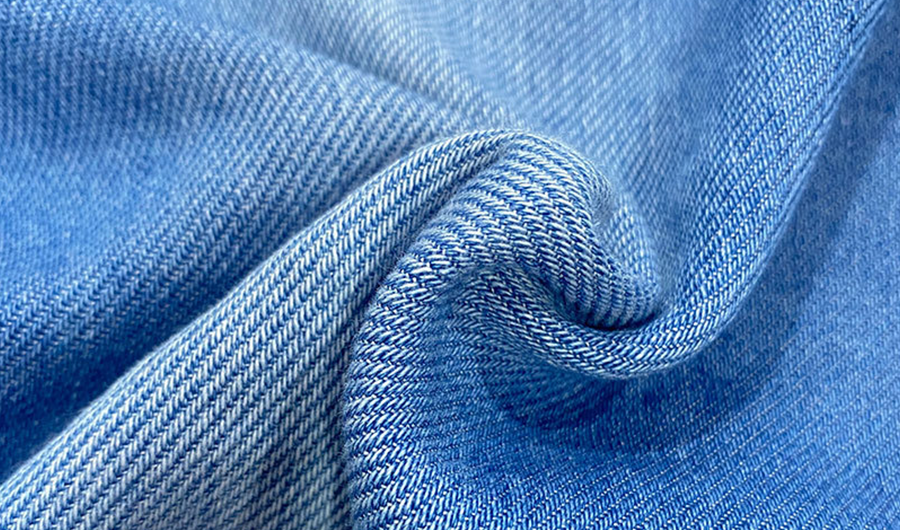
Hardware checks should cover zipper travel, slider locking, pull attachment, snap security and corrosion or finish damage after washing. YKK or equivalent hardware must be specified by size, finish and approved reference. Panel matching is critical on plaids, color-blocked bodies and coordinated sets.
- Inspect zipper tape alignment and smooth opening.
- Match panel colors, stripes and directional grain.
- Verify print position, scale and edge definition.
Wash Inspection And Tolerance
Inspection should compare every production lot for color consistency, wash marks, pilling, holes, skewing and uneven abrasion. Separate lighting and wash references help distinguish intended variation from defects. Dimensional tolerance should be stated for key points of measure, including chest, body length, sleeve length and waistband.
- Check shade against the approved color standard.
- Measure washed garments from a defined size set.
- Record defect type, location and lot for corrective action.
7. How to Choose a Streetwear Wash Manufacturer
A written wash standard should connect fabric behavior, appearance and repeatability before any bulk commitment.
Verify Wash And Fabric Capability
1–3 lab or production trials should test shrinkage, spirality, shade change, hand feel and print or embroidery compatibility on the actual fabric. Ask whether the factory has handled French terry, fleece, jersey or woven garments using your intended wash effect. Request test reports, before-and-after measurements, approved swatches and wash recipes.
- Which wash types are performed in-house?
- What tolerance is accepted for shrinkage and shade variation?
- Can you provide dated test samples?
Assess Development And Capacity
One approved sample should define measurements, construction, decoration placement, color references and care labeling before production. Ask how revisions are logged and whether the factory can produce a graded size set for men’s, women’s or teamwear programs.
- What is the MOQ per color and style?
- What are sample and bulk lead times?
- Can you show a comparable production run?
Check Controls And Accountability
Three checkpoints—inline inspection, final inspection and packing review—should be defined with measurable tolerances for shade, measurements, stains, decoration and missing components. Request the inspection checklist, defect classification and escalation contact before ordering.
- Who approves wash and rework decisions?
- What evidence is supplied with each shipment?
- How are nonconforming garments corrected?
8. Common Mistakes Buyers Make
Four recurring specification gaps can turn an approved concept into inconsistent bulk production.
Define More Than Appearance
1 visual reference cannot define fabric composition, weight, hand feel, construction, or wash intensity. Missing details invite substitutions and inconsistent results.
Set Measurable Approval Limits
1 approved sample is insufficient when no tolerance ranges exist for measurements, shade, spirality, or surface effect. Bulk garments may pass appearance review but fail fit control.
Test Decoration Through Washing
1 untested print, embroidery, patch, or label can crack, bleed, peel, distort, or damage the washed base fabric. Decoration compatibility must be proven before bulk.
Control Shrinkage And Rework
3 measurements should be checked after washing because cotton and fleece can change length, width, and shape. Ignoring shrinkage creates short bodies, tight cuffs, and mismatched sets.
9. Steps to Launch a Washed Streetwear Product
A repeatable launch sequence turns a washed concept into a documented manufacturing standard.
Define The Product Standard
Stage 1 starts with the concept, reference garment, target wearer, silhouette, artwork and intended wash character. Lock the sketch, construction priorities, fabric direction and decoration brief before sampling. Stage 2 confirms fabric, typically by composition, weight, knit structure and color.
Run Wash And Decoration Trials
Stage 3 uses a wash trial to measure shrinkage, color change, hand feel, seam torque and surface character. Lock the wash recipe, temperature, time, finishing method and acceptable tolerance from the tested result. Stage 4 tests screen print, embroidery, applique or heat transfer on the washed base.
Approve Fit And Size Set
Stage 5 verifies post-wash measurements against the approved chart, including body length, chest, sleeve, rise and leg opening. Lock the measurement tolerances, grading rules, labels and care instructions before bulk cutting. Stage 6 reviews a complete size set across the intended range.
Control Production And Feedback
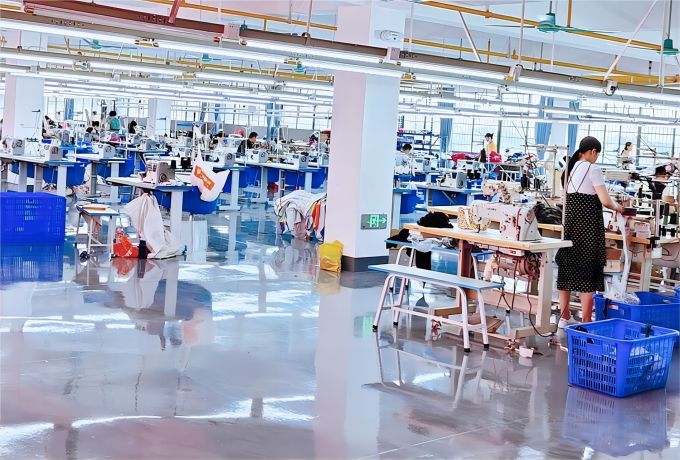
Stage 7 confirms bulk production, in-line inspection points, final inspection criteria, packing and carton identification. Check wash consistency, shade grouping, decoration placement, measurements, trims and care-label accuracy before shipment. Within 30 days of launch, record returns, fit comments, wash performance and buyer feedback.
10. Streetwear Garment Wash Pricing and Cost Factors
3 cost levers usually move a washed streetwear quote: garment complexity, fabric weight and wash intensity. Heavy fleece, multi-panel construction, enzyme or bleach effects, garment dyeing, and abrasion require more labor, chemical control, testing, and shrinkage management than a basic cotton jersey. 2 approvals should be budgeted before bulk production: a wash standard and a decorated sample.
| Quantity Tier | Indicative Cost Category | Setup and Lead-Time Impact | Buyer Questions |
|---|---|---|---|
| 1–20 units | Highest unit cost; sampling, wash trials, and testing concentrated | Allow lab approval, decoration trials, and revision time | Which wash recipe, GSM, shrinkage tolerance, and artwork placement are approved? |
| 50–199 units | Medium-high; limited volume absorbs setup and rework risk | Moderate setup; complex washes may add days | Are chemical intensity, color variation, and testing included in the quote? |
| 200–999 units | Medium; setup spreads across production | Standard planning, subject to fabric and wash capacity | What inspection points protect size, shade, print, and hand-feel consistency? |
| 1,000+ units | Lower unit cost potential; larger exposure if standards fail | Longer booking window and stricter pre-production control | What is the confirmed lead time, reorder standard, and rework responsibility? |
Streetwear Garment Wash Guide FAQs for Apparel Buyers
EDVORIN’s MOQ starts at 200 pieces per style. Practical answers about shrinkage, color control, decoration, samples, MOQ and wash approval for repeatable streetwear production.
What does a streetwear garment wash guide help apparel buyers decide?
How can a streetwear garment wash guide reduce shrinkage risk?
Can a streetwear garment wash guide control color variation between samples and bulk?
How does EDVORIN approve a washed streetwear sample before bulk production?
Does garment washing affect screen printing, embroidery or other decoration?
EDVORIN’s MOQ starts at 200 pieces per style. What MOQ applies when developing a washed streetwear collection?
Can EDVORIN create a streetwear garment wash guide for hoodies, tees and teamwear?
Plan Your Next Streetwear Garment Wash Collection
Share your concept, target fabric, wash direction, and production requirements with EDVORIN to build a repeatable streetwear program.