
Custom Apparel Manufacturing for Production-Ready Collections
EDVORIN’s MOQ starts at 200 pieces per style. EDVORIN develops and manufactures decorated apparel for fashion brands, streetwear labels, teams, schools, wholesalers and private-label buyers from a 200-piece MOQ per style.
Decoration and Development Built for Repeatable Apparel Production
Align artwork, fabrics, garment categories and quality controls before sampling, then carry the approved standard into bulk production.
Match Decoration to Garment
Compare print and embroidery options against garment weight, construction, placement, and visual effect before approving a streetwear sample.
Prepare Artwork for Production
Confirm artwork size, detail, colors, and placement so specifications remain clear across sampling, grading, decoration, and bulk production.
Check Fabric Compatibility
Review fabric surface, stretch, texture, and wash expectations to select decoration methods that support appearance, performance, and durability.
Design for Intended Use
Choose decoration based on whether the product serves fashion, teamwear, wholesale, school, corporate, or private-label requirements.
Build a Repeatable Standard
Document approved materials, artwork placement, thread or ink details, measurements, and inspection points for confident repeat orders.
Plan the First Production Run
EDVORIN’s MOQ starts at 200 pieces per style. Use EDVORIN’s 200-piece-per-style MOQ to structure sampling, size planning, decoration approvals, and initial wholesale or private-label production.
Custom Apparel Categories for Brands, Teams and Private Labels
Apply the right materials, decoration methods and production controls across fashion, teamwear, school, wholesale and private-label programs.
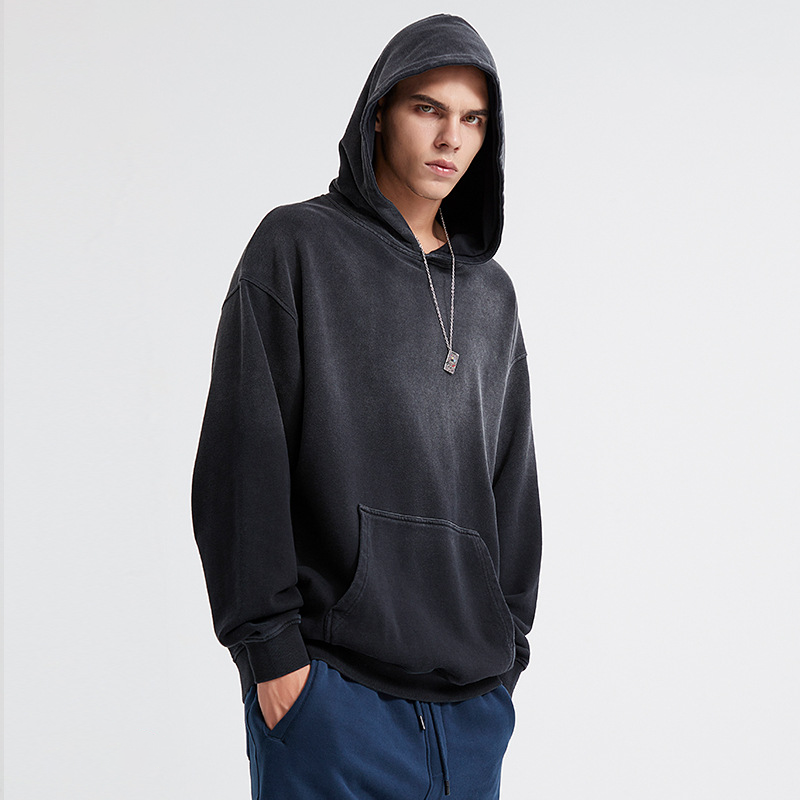
Custom Hoodies
Develop custom hoodies around fleece weight, rib recovery, fit blocks and decoration compatibility. EDVORIN coordinates screen printing, embroidery, appliqué, labels and packaging so fashion labels and private-label buyers can approve a repeatable standard before bulk production.
Get a Quote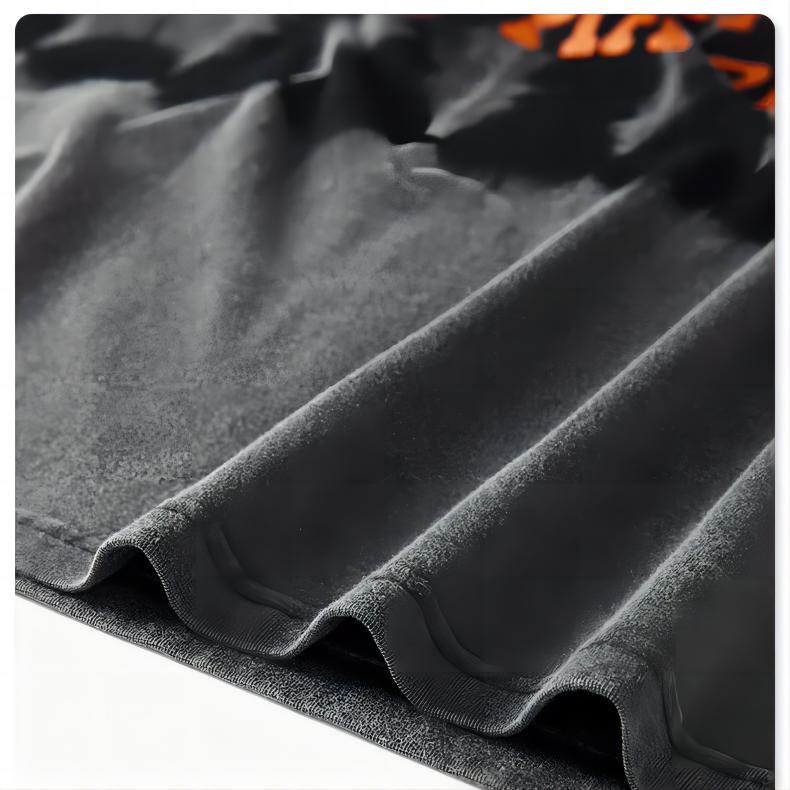
Pullover Sweatshirts
Pullover sweatshirts require consistent fabric behavior, neckline construction and decoration placement. EDVORIN supports material sourcing, pattern development, sampling and bulk quality control for wholesale programs, streetwear labels and schools building dependable branded apparel.
Get a Quote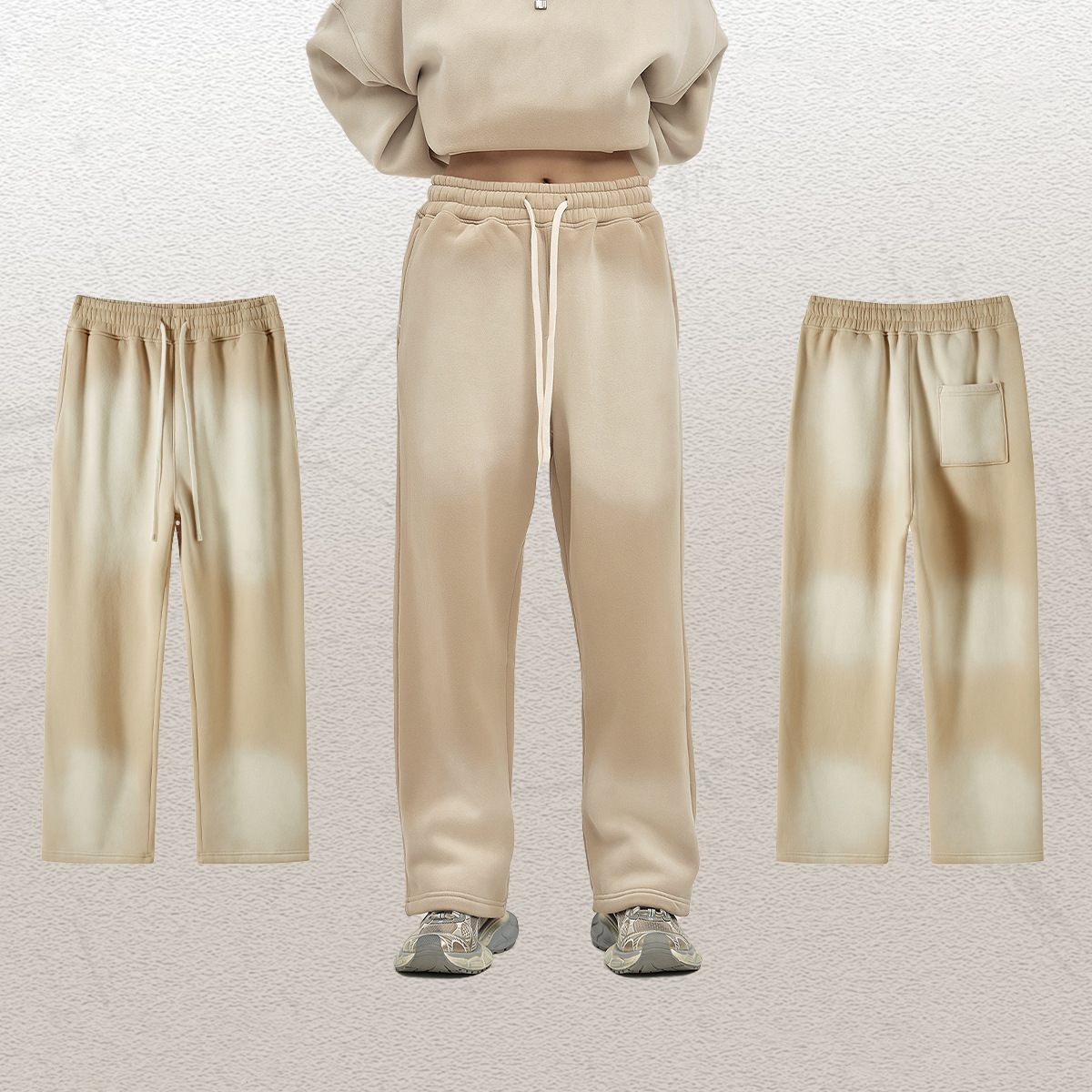
Sweatpants & Joggers
For sweatpants and joggers, fit, fabric weight, waistband recovery, drawcord construction and pocket details must work together. EDVORIN develops decoration and labeling around the garment’s structure, supporting coordinated casualwear collections, team programs and repeat wholesale orders.
Get a Quote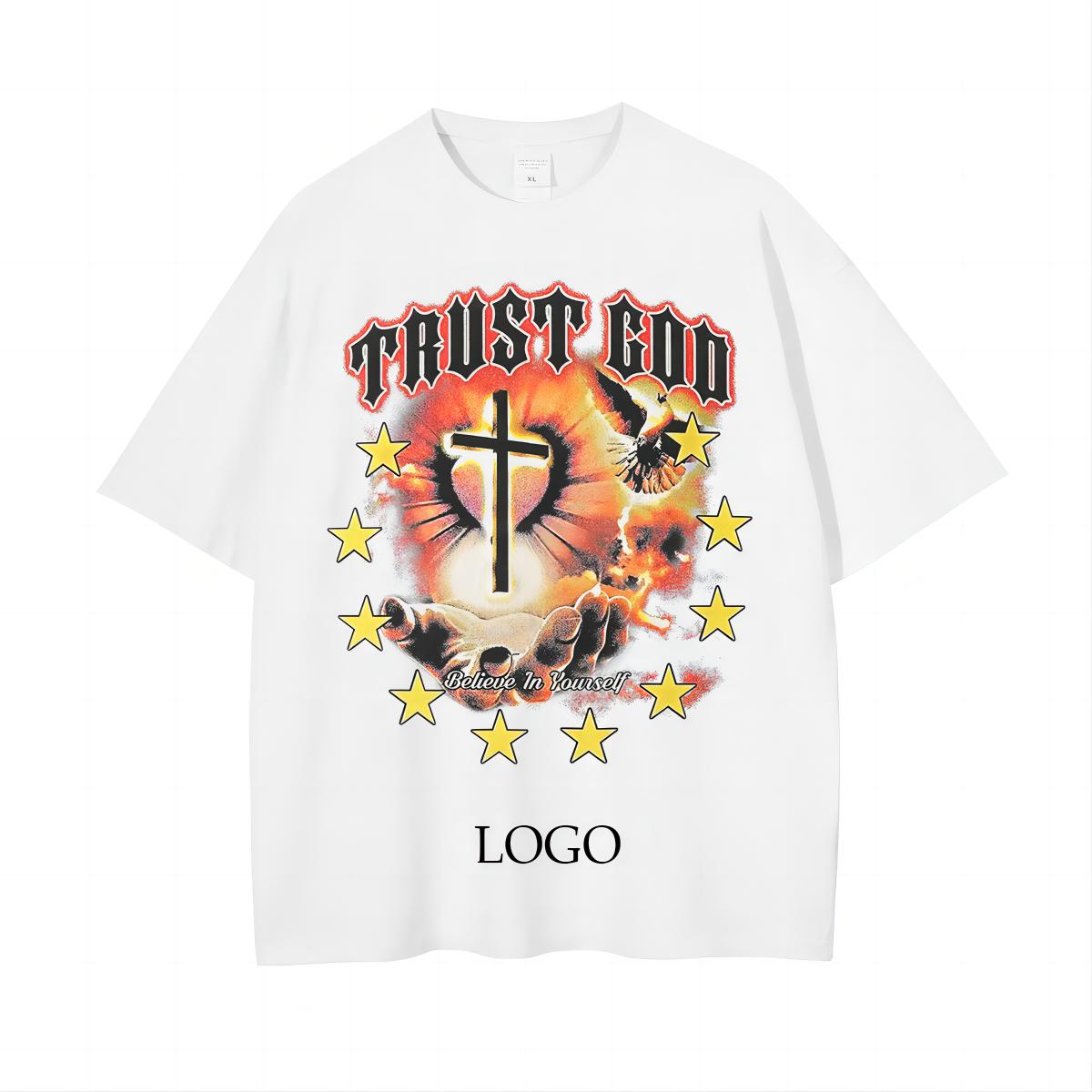
Custom Shorts
Custom shorts can be developed for casualwear, training, school and teamwear applications. EDVORIN coordinates fabric selection, inseam and grading, waist construction, print or embroidery placement, trims and packaging to maintain consistency across size runs and repeat production.
Get a Quote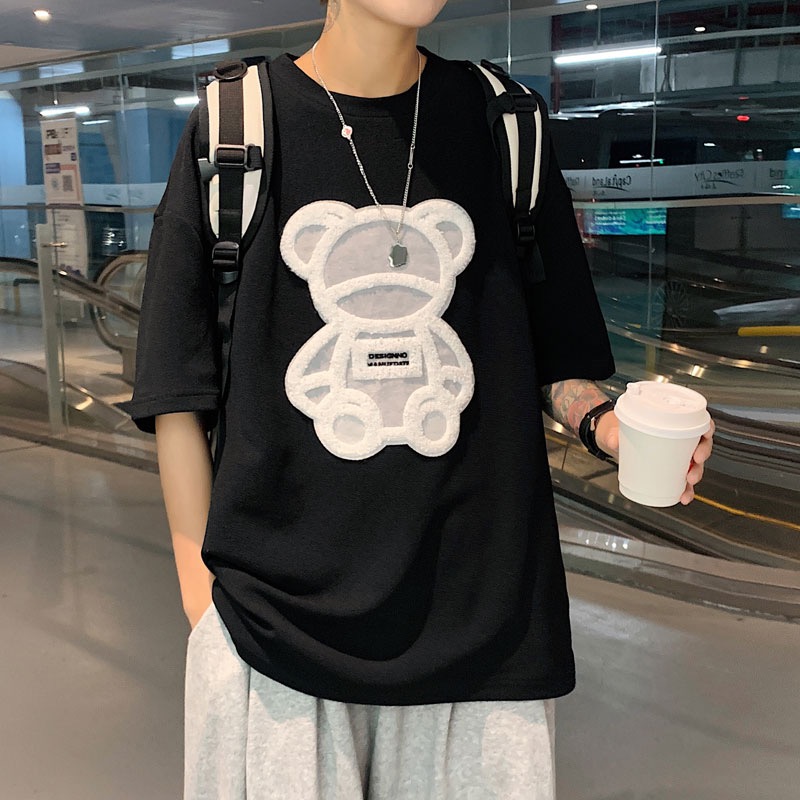
Varsity Jackets
Varsity and baseball jackets demand careful coordination of shell fabric, lining, rib, snaps, patches, embroidery and fit. EDVORIN helps buyers document these specifications clearly, from approved sample through bulk inspection, for fashion, school, sports and private-label programs.
Get a Quote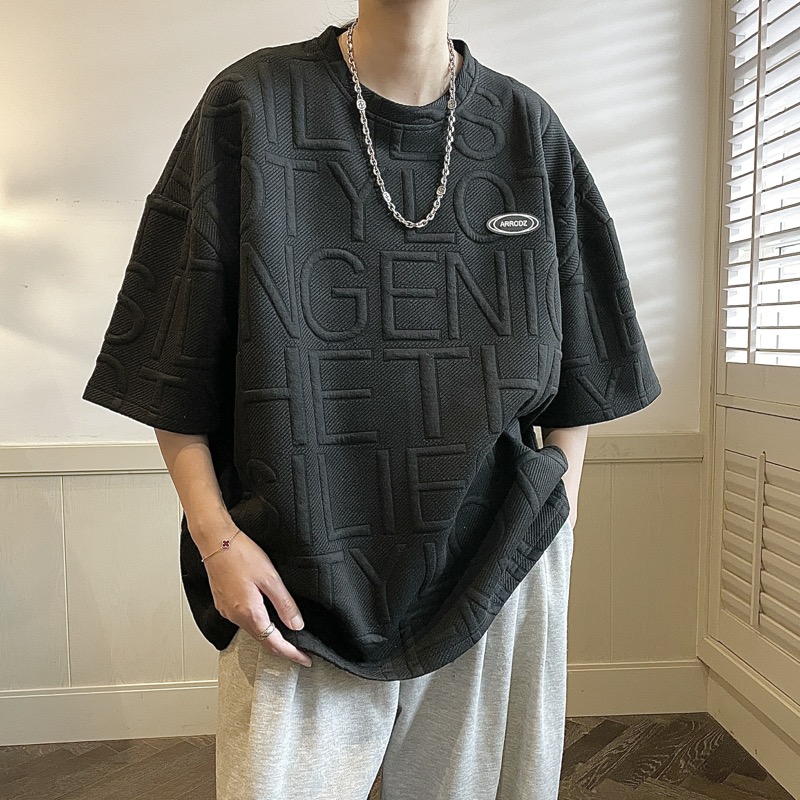
Custom T-Shirts
Custom T-shirts are developed around fabric handfeel, weight, shrinkage, neckline recovery and decoration performance. EDVORIN coordinates screen printing, embroidery, woven labels and packaging for streetwear brands, promotional programs, wholesalers and private-label buyers requiring repeatable results.
Get a Quote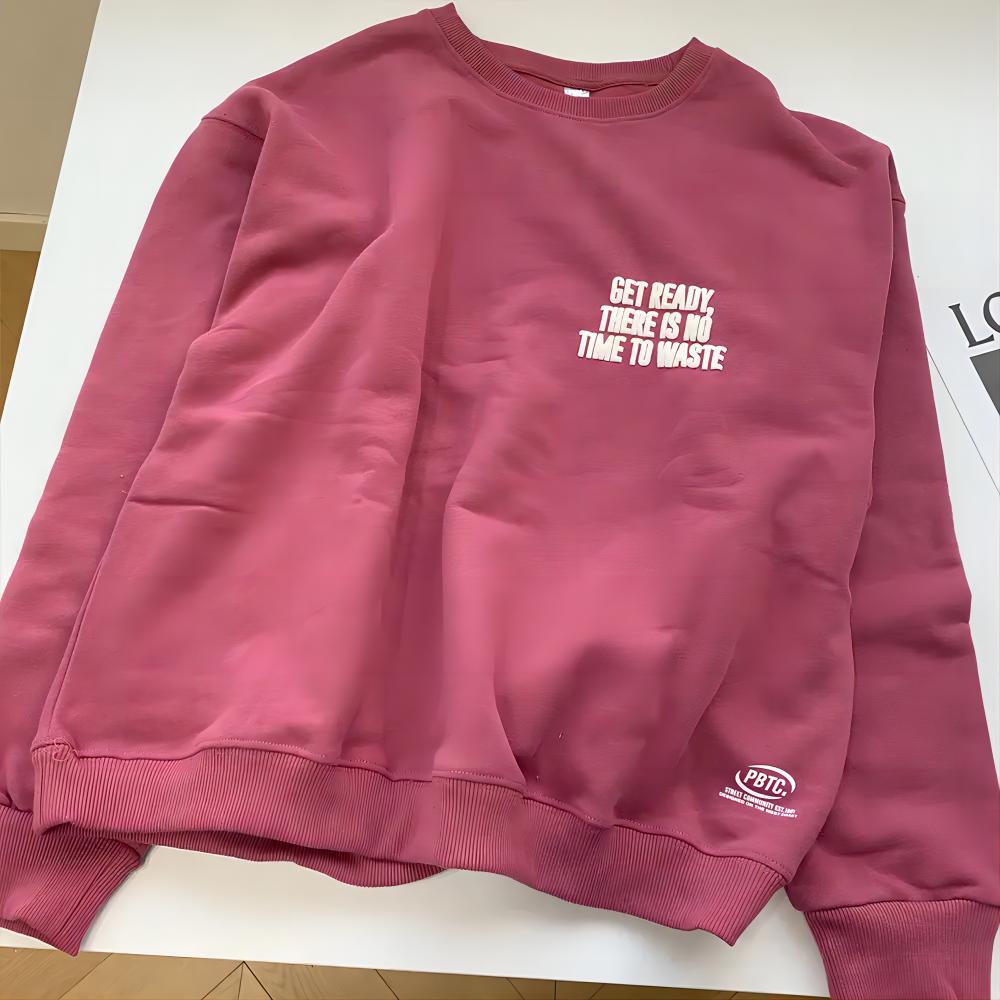
Custom Polo Shirts
Custom polo shirts combine collar construction, placket details, fabric performance and decoration requirements. EDVORIN develops men’s and women’s fit options, coordinates embroidery or printing, and controls approved standards for corporate, school, sports, wholesale and private-label orders.
Get a Quote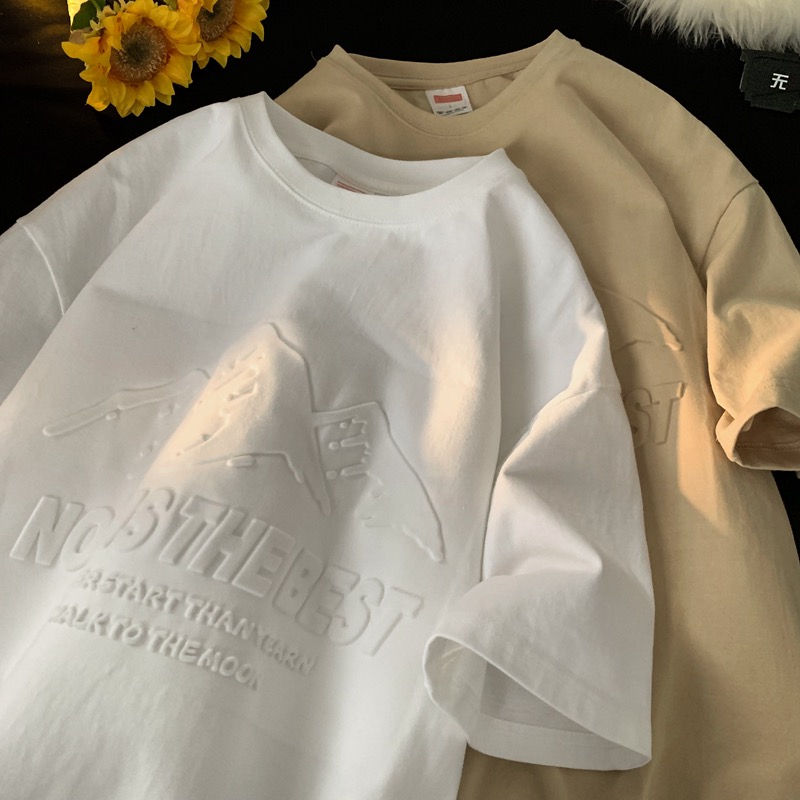
Windbreaker Jackets
Windbreaker jackets require attention to shell fabric, water resistance, lining, hardware, seam construction and print compatibility. EDVORIN coordinates development and sampling for streetwear, school and teamwear buyers, with production records that support consistent repeat orders.
Get a Quote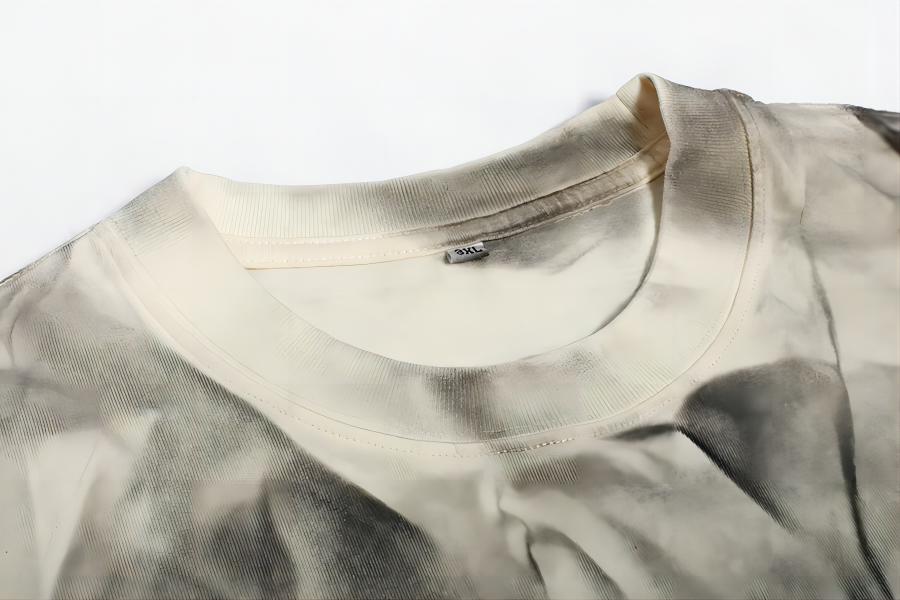
Quilted Jackets
Quilted jackets depend on insulation, quilting pattern, shell and lining selection, hardware and finishing quality. EDVORIN manages these decisions through development, sampling and inspection for fashion labels, private-label collections and wholesale outerwear programs in men’s and women’s fits.
Get a Quote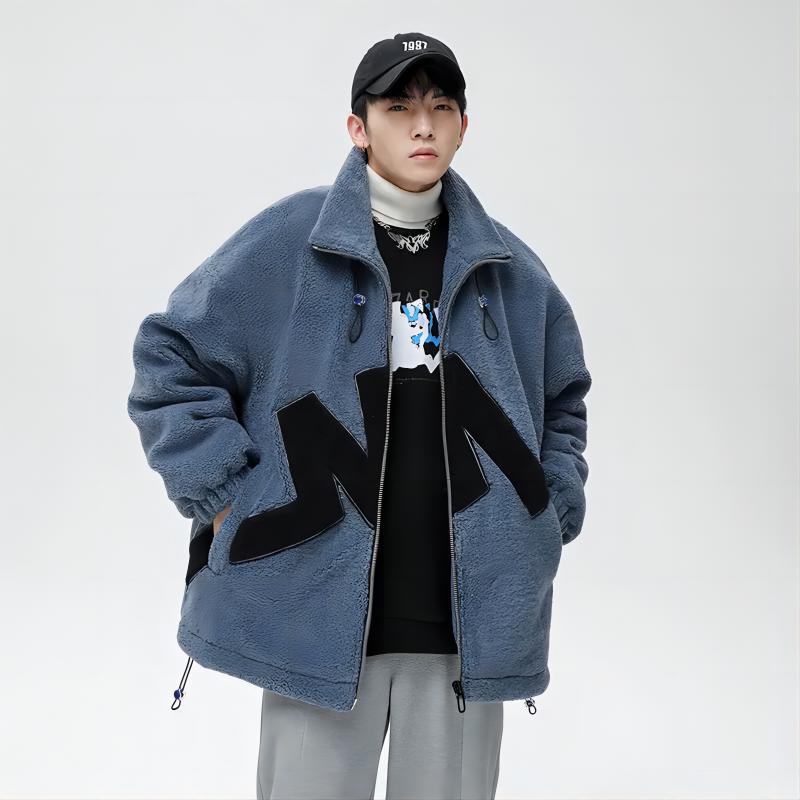
Bomber Jackets
Bomber jackets require balanced proportions, rib construction, shell and lining coordination, hardware and decoration placement. EDVORIN supports fashion and streetwear buyers with material sourcing, pattern development, embroidery or patches, approved samples and sample-to-bulk quality control.
Get a Quote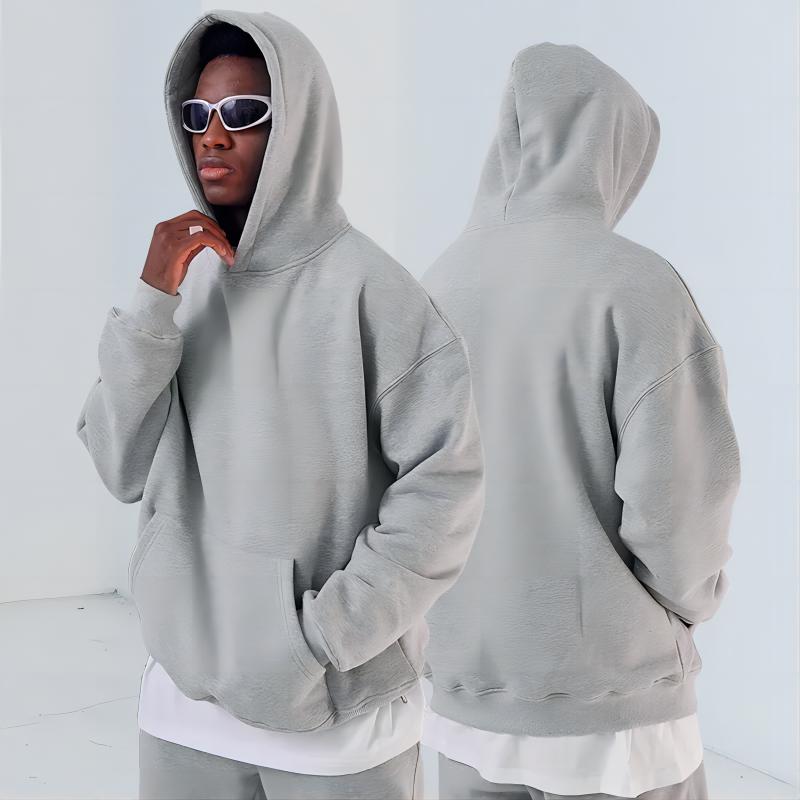
Custom Woven Shirts
Custom woven shirts are developed through fabric selection, collar and cuff construction, button specifications, fit grading and finishing. EDVORIN coordinates embroidery, printing, labels and packaging for fashion labels, private-label brands, wholesalers and uniform-oriented programs.
Get a Quote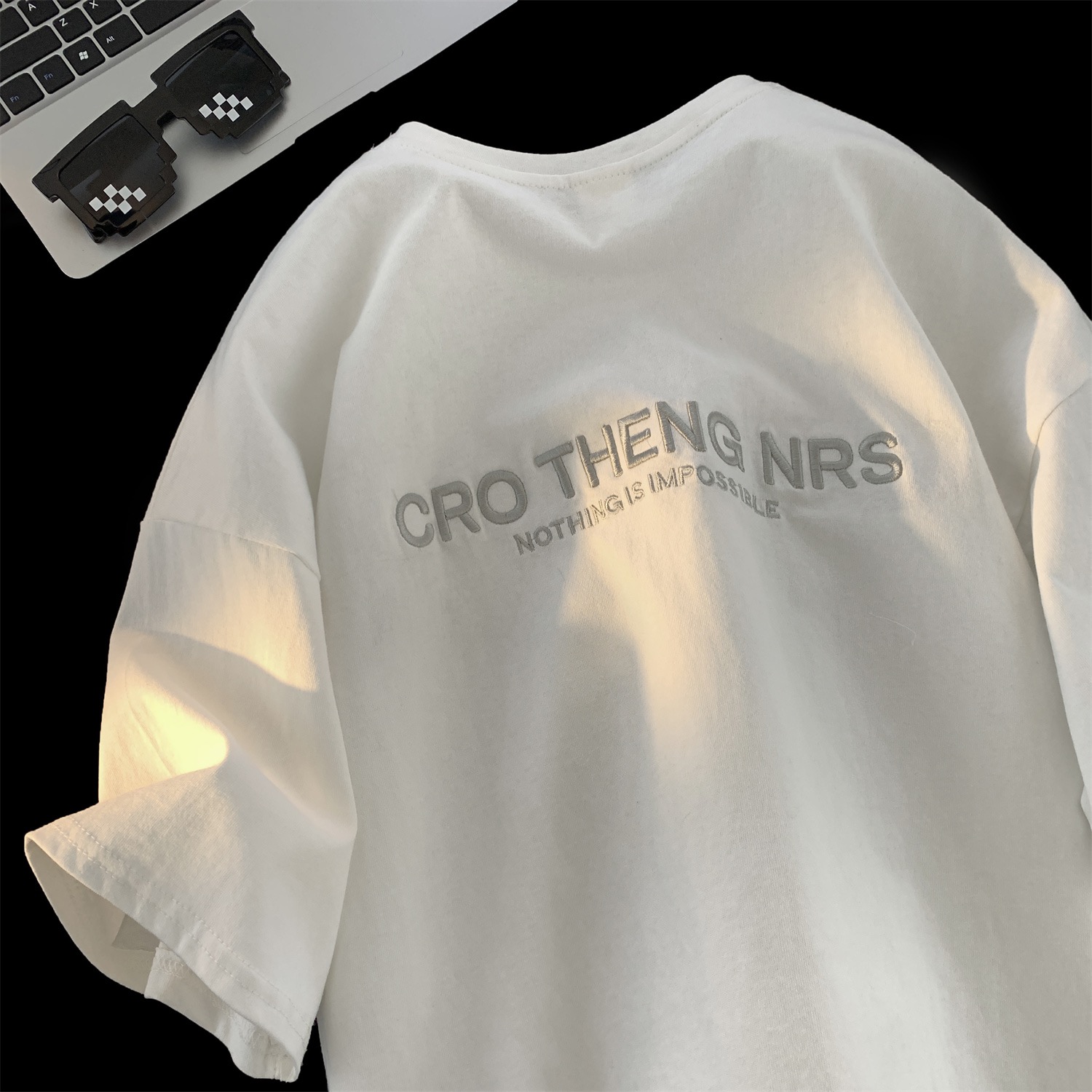
Custom Jerseys
Custom jerseys require breathable performance fabrics, stable color, accurate artwork placement and dependable size grading. EDVORIN supports sports clubs, schools and teamwear buyers with names, numbers, trims, samples and bulk controls designed for organized repeat orders.
Get a Quote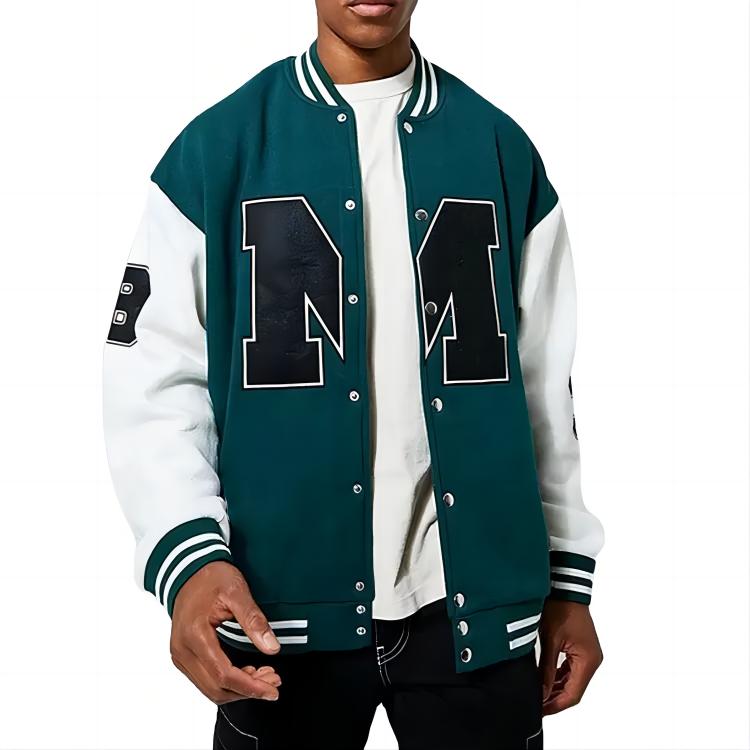
Tank Tops
Tank tops can be developed for streetwear, training, school and casualwear programs. EDVORIN coordinates fabric weight, armhole and neckline finishing, men’s and women’s fit, decoration placement, labels and packaging before approving a standard for bulk production.
Get a Quote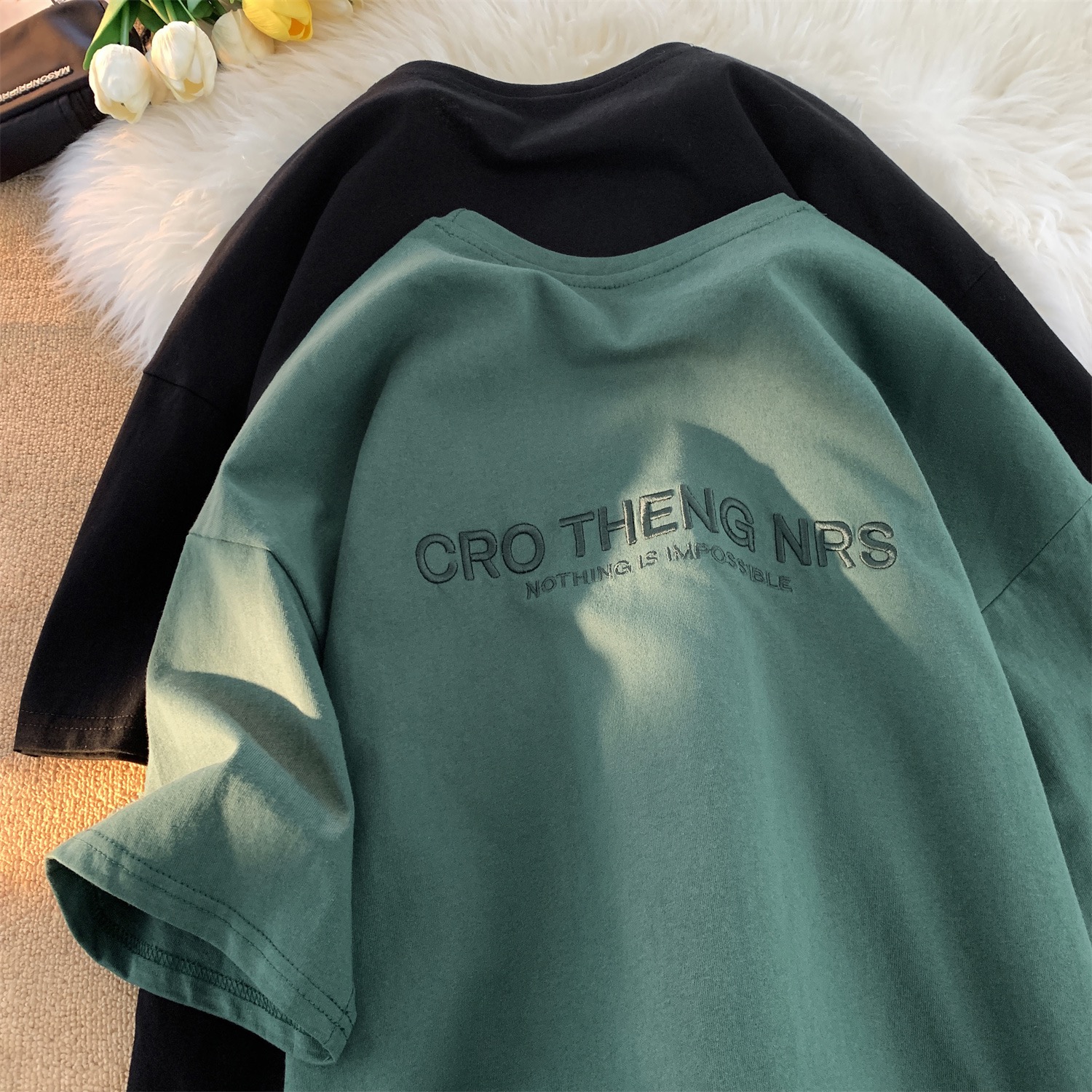
Soccer Uniforms
Soccer uniforms require coordinated jerseys, shorts and optional accessories, with breathable materials, stable team colors, names, numbers and size grading. EDVORIN manages artwork, samples, decoration and inspection for clubs, schools, academies, wholesalers and repeat teamwear programs.
Get a Quote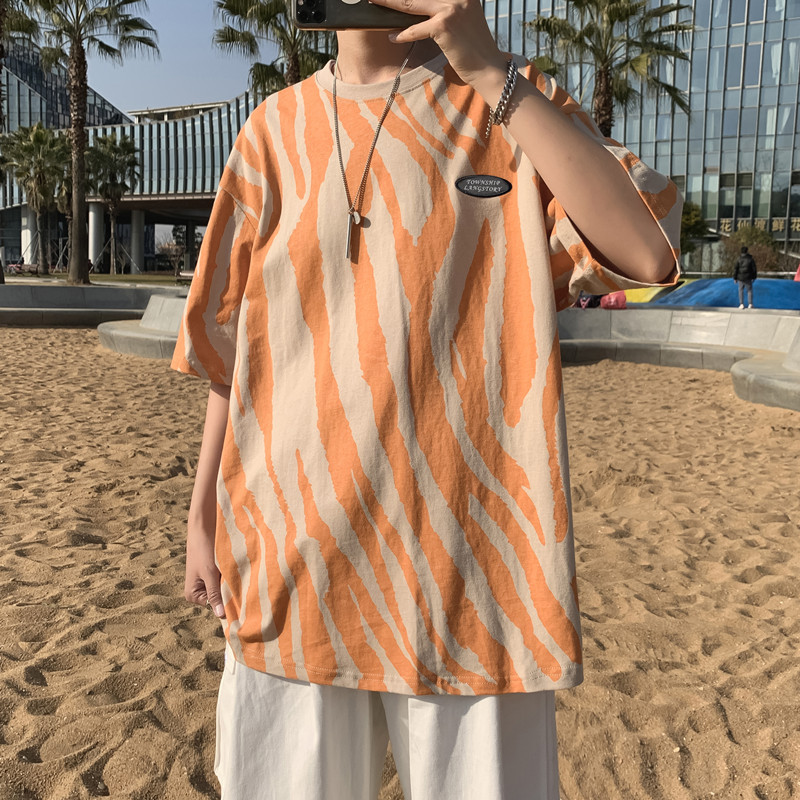
Basketball Uniforms
Basketball uniforms require movement-friendly construction, breathable fabrics, color control, accurate names and numbers, and consistent grading across sizes. EDVORIN coordinates development and decoration for sports clubs, schools, academies and distributors, with approved standards guiding repeat production.
Get a Quote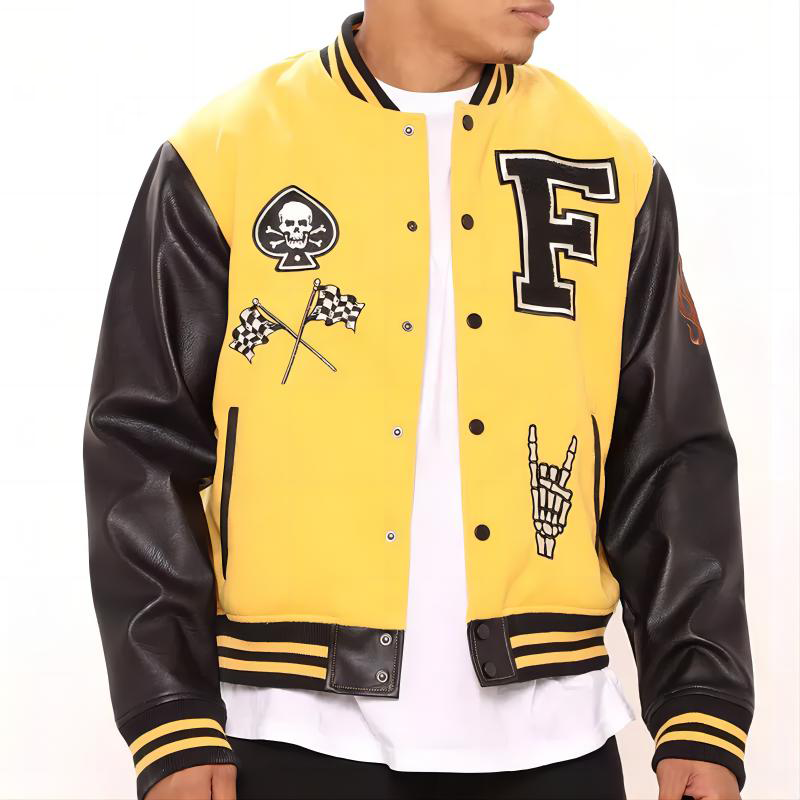
Streetwear Collections
Streetwear collections require consistency across multiple garments, fabrics, decorations, labels and packaging. EDVORIN connects product development, OEM or ODM manufacturing and quality control across hoodies, tees, jackets, bottoms and team-inspired pieces for growing and established brands.
Get a QuoteFrom Product Concept to Approved Bulk Production
A controlled path from artwork and product development through approved decoration, bulk manufacturing and quality inspection.
Define the Product
Share your artwork, reference garment or sketch. EDVORIN clarifies the product category, fit, fabric, trims and decoration goals for a production-ready starting point.
Develop and Sample
We develop patterns, materials and decoration specifications, then create samples for review. Men’s and women’s fit blocks can be adjusted to the intended market.
Approve the Standard
After approval, EDVORIN records artwork placement, stitch or print details, colors, measurements and trims so the decorated garment becomes a repeatable manufacturing standard.
Produce the Order
EDVORIN’s MOQ starts at 200 pieces per style. Production begins at a 200-piece MOQ per style, with coordinated fabric, printing, embroidery, washing, labeling and packaging managed across the approved order.
Inspect and Repeat
In-line checks and final inspection compare workmanship, decoration, measurements and packing against approved standards, helping protect consistency across bulk orders and future repeat programs.
Apparel Manufacturing FAQs for Brands, Teams and Buyers
EDVORIN’s MOQ starts at 200 pieces per style. Answers about product development, decoration, MOQ, quality control and repeat production with EDVORIN.
What should I compare in a streetwear printing and embroidery guide before choosing a decoration method?
Does the streetwear printing and embroidery guide apply to hoodies, T-shirts and jackets?
How does the streetwear printing and embroidery guide help prepare artwork for production?
Do I need a complete tech pack to start custom streetwear printing or embroidery?
What happens before EDVORIN approves a decorated streetwear sample?
EDVORIN’s MOQ starts at 200 pieces per style. What is EDVORIN’s minimum order quantity for streetwear printing and embroidery?
How does EDVORIN maintain quality on repeat streetwear decoration orders?
streetwear printing and embroidery guide for confident sourcing
Use this decision framework to match decoration methods, fabrics, artwork, quantities, and quality controls with your brand goals while evaluating suppliers, controlling costs, avoiding sampling mistakes, and planning reliable repeat orders.
1. What Is a Streetwear Printing and Embroidery Guide?
200 pieces is the stated MOQ context for this buyer’s guide: it explains how fashion brands, streetwear labels, sports teams, schools, wholesalers, and private-label buyers should define a decoration program before contacting a manufacturer. The goal is a production-ready brief, not a catalogue of print and embroidery techniques. 7 inputs shape the result: decoration method, garment category, artwork, fabric, quantity, quality requirements, and supplier capability. A dense embroidered crest behaves differently from a large screen-printed graphic; a fleece hoodie, jersey, woven shirt, or varsity jacket also changes placement, backing, thread or ink selection, handling, and inspection needs. 1 approved standard should exist before samples or quotes are requested.
2. Evolution of Streetwear Printing and Embroidery
2000s streetwear brought workwear’s practical screen printing into a sharper brand language, while sports uniforms established durable numbering, team marks and repeatable color systems. Music merchandise and skate graphics then made large back prints, limited artwork and intentionally imperfect texture commercially recognizable. 1980s and 1990s youth culture also accelerated embroidery and patches from uniforms, varsity jackets and work jackets into identity-focused apparel. Flat embroidery, chenille patches and woven badges added tactile depth, while digital decoration later made photographic graphics, short runs and highly customized pieces more accessible. Today’s oversized silhouettes give decoration more visual area, but scale changes the production problem: artwork must remain balanced across larger panels, heavier fleece and varied size grades.
3. Types in This Streetwear Printing and Embroidery Guide
Six decoration families cover most streetwear programs, but each answers a different balance of artwork detail, garment feel, durability and scale.
Screen Printing
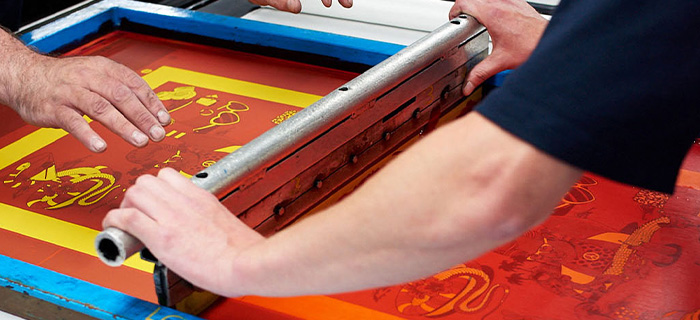
1–6 colors suit bold graphics, typography and vintage artwork on cotton, fleece and many polyester blends. The ink layer feels noticeable and can deliver strong wash durability when cured correctly.
Digital Printing
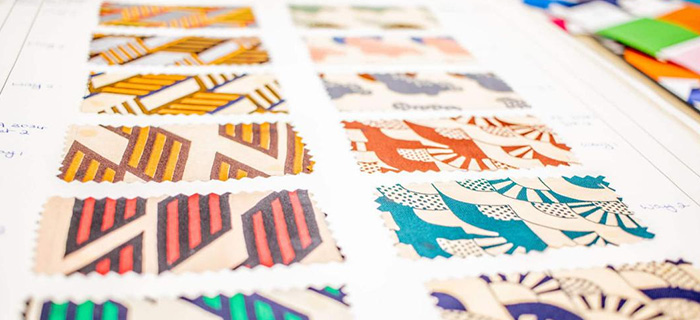
Full-color gradients, photographs and small runs suit direct-to-garment or other digital methods, especially on cotton-rich surfaces. The hand is usually softer than thick screen ink, but dark garments may require pretreatment or a white underbase.
Heat-Transfer Methods
Heat transfers suit names, numbers, logos and variable artwork on cotton, polyester and performance jerseys. Depending on film or transfer type, the result may feel smooth, rubbery or slightly raised and can crack if heat, pressure or stretch are mismatched.
Flat Embroidery
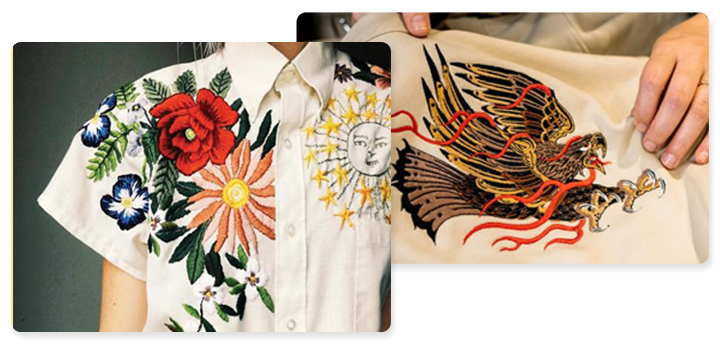
Flat embroidery works for logos, lettering and line art on hoodies, jackets, polos and structured caps. Thread creates a tactile surface with good abrasion resistance, but dense stitches can stiffen lightweight fabric or distort very small details.
3D Raised Embroidery
Foam-backed 3D embroidery gives bold, simple logos a raised profile on caps, varsity jackets and heavier garments. It adds visual impact, but tiny lettering, fine detail and flexible lightweight fabrics are poor matches.
Patches And Woven Badges
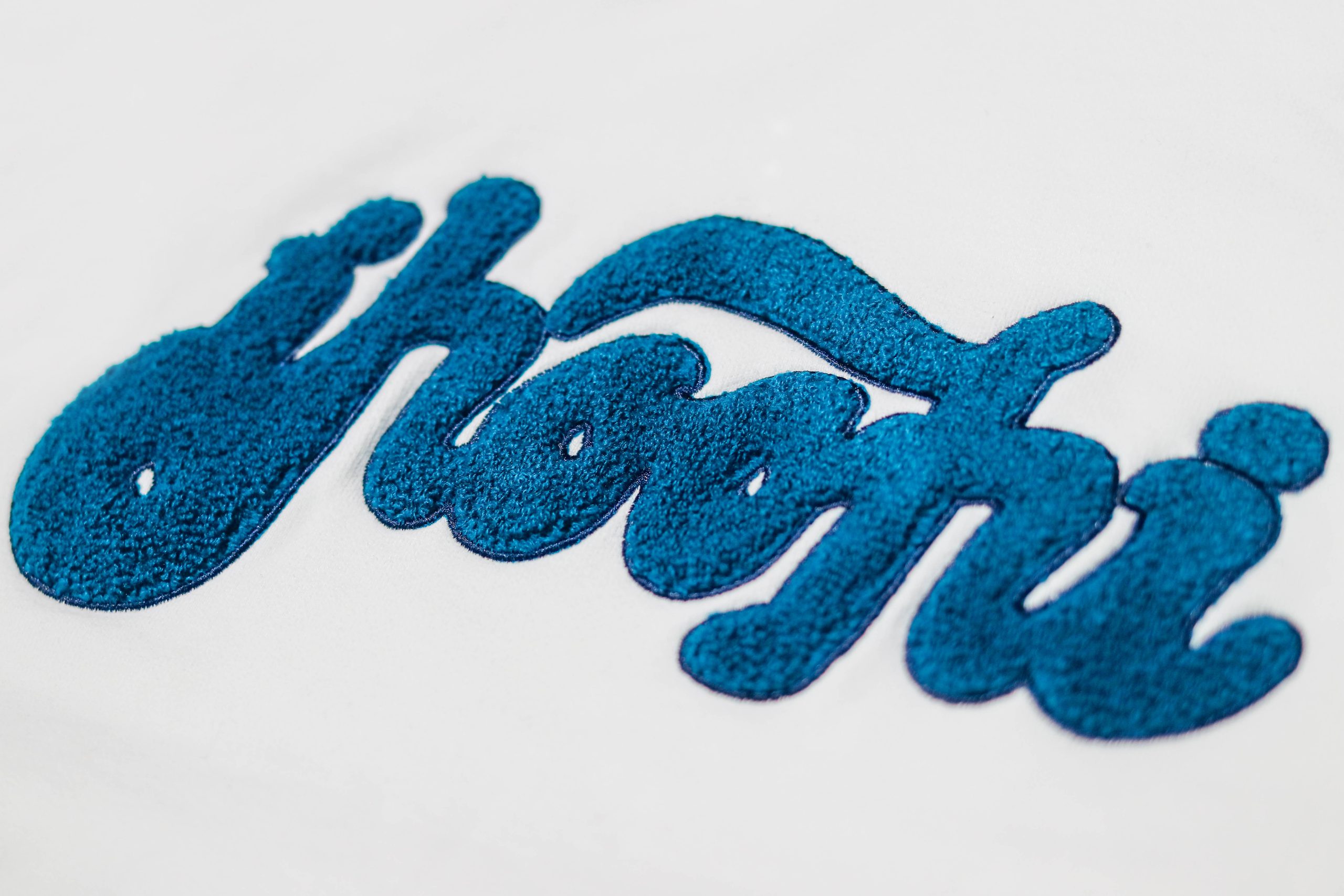
Woven badges preserve small text and clean edges more consistently than dense stitched detail, while embroidered patches add a textured, heritage feel. Sew-on or heat-applied construction works across jackets, uniforms and outerwear, subject to backing and wash testing.
4. Materials and Fabrics for Streetwear Decoration
A 180–240 GSM tee behaves differently from a 400 GSM hoodie because fiber, surface, and construction control decoration results.
Fiber Behavior And Decoration
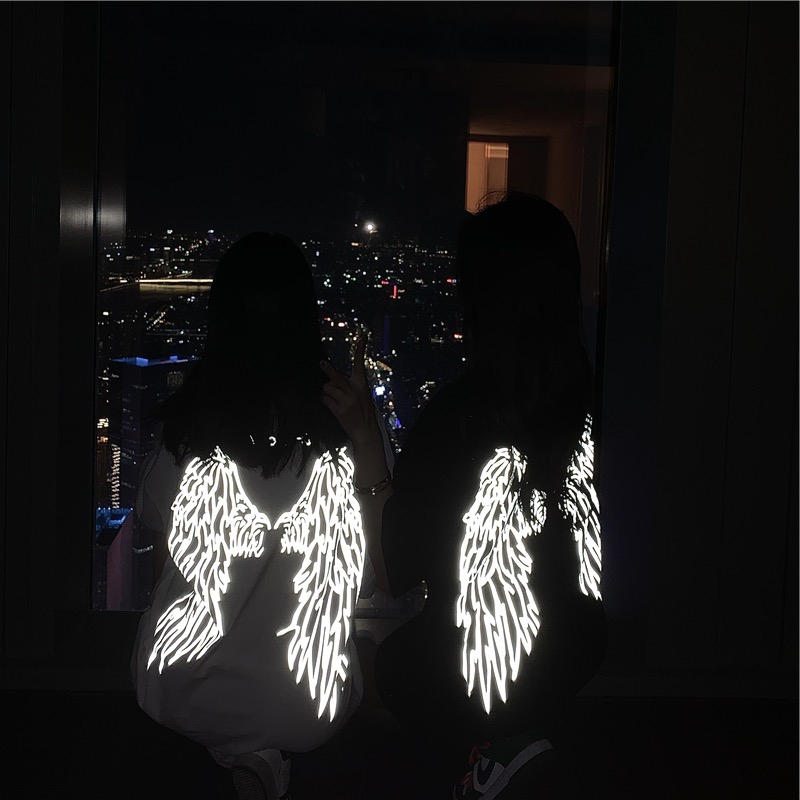
Cotton generally accepts screen-print ink well and gives embroidery a stable, natural surface, but pre-shrink testing is essential. Ring-spun yarns usually produce a smoother print than open-end yarns.
Weight And Construction Choices
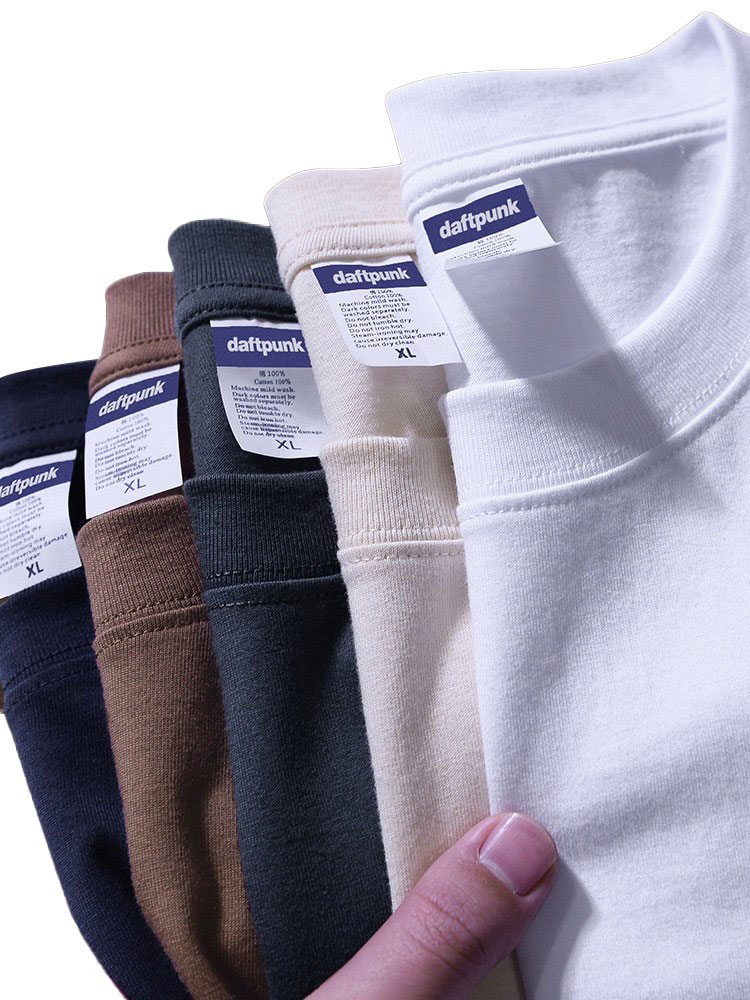
180–220 GSM heavyweight jersey suits premium tees; 280–360 GSM French terry suits sweatshirts, while 320–500 GSM fleece supports structured hoodies. Denser surfaces improve registration and reduce distortion during stitching.
Fabric Comparison For Buyers
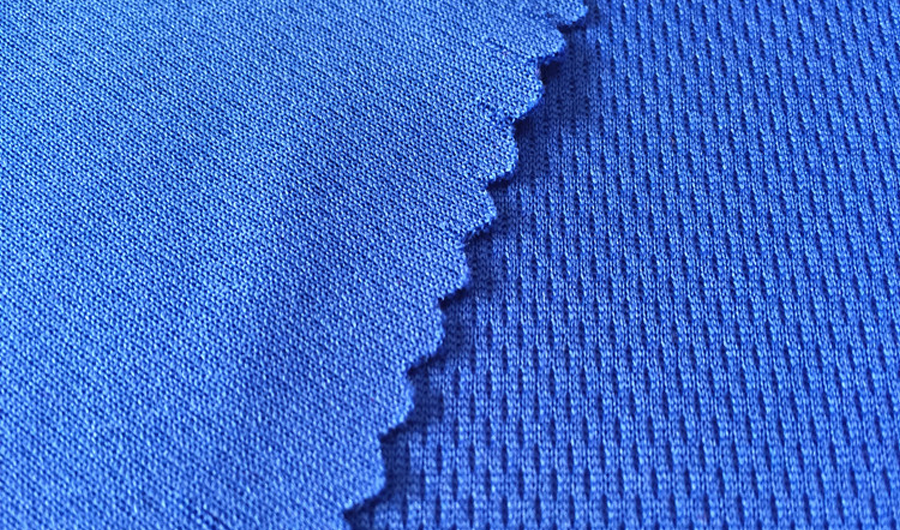
A 200-piece program should approve decorated fabric swatches, wash tests, and size-set samples before production.
| Fabric | GSM / Weight | Best Use | Primary Check |
|---|---|---|---|
| Cotton jersey | 180–240 GSM | Tees | Shrinkage, ink hand |
| Cotton blend | 200–320 GSM | Tees, sweatshirts | Color and softness |
| Polyester | 140–220 GSM | Uniforms, jerseys | Dye migration |
| Fleece | 320–500 GSM | Hoodies | Pile compression |
| Denim | 8–12 oz | Jackets, caps | Needle penetration |
| Nylon | 80–150 GSM | Windbreakers | Ink adhesion |
5. Customization Options in the Streetwear Printing and Embroidery Guide
EDVORIN’s MOQ starts at 200 pieces per style. A 200-piece MOQ makes decoration choices worth standardizing before sampling.
Artwork And Placement Specifications
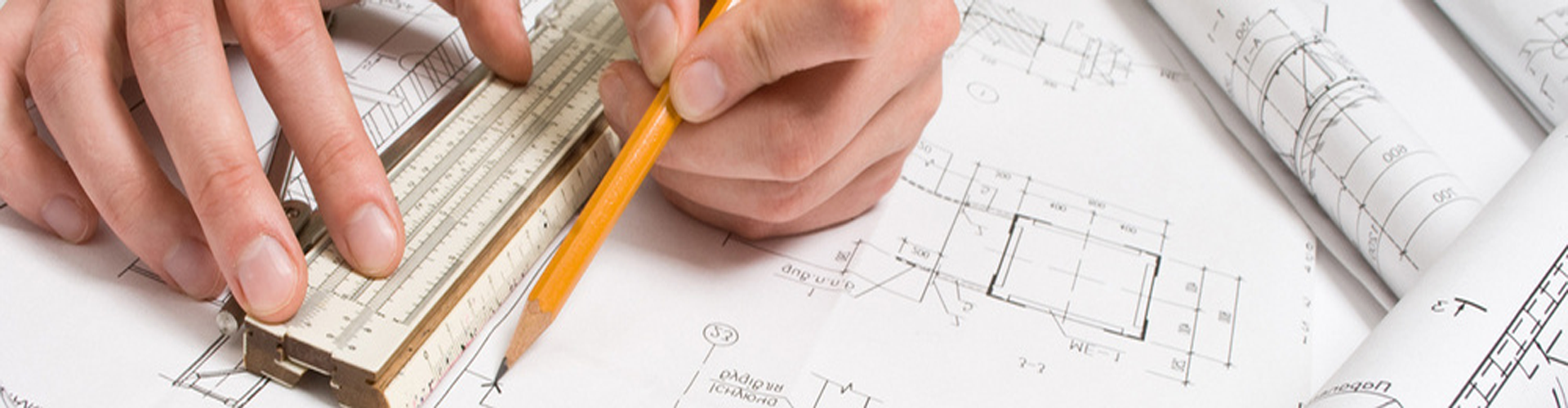
1–3 artwork files should be supplied as editable vector artwork, preferably AI, EPS, or PDF, with fonts outlined and separations clearly defined. Specify finished width, height, placement from seams, and orientation for every size range. Pantone references or approved physical swatches should identify ink and thread colors.
Effects, Appliqué, And Patches
3D puff embroidery, high-density ink, appliqué, and woven or embroidered patches add depth but increase material, labor, and approval variables. Puff effects suit bold lettering; fine details can distort when raised.
Combined Decoration Strategies
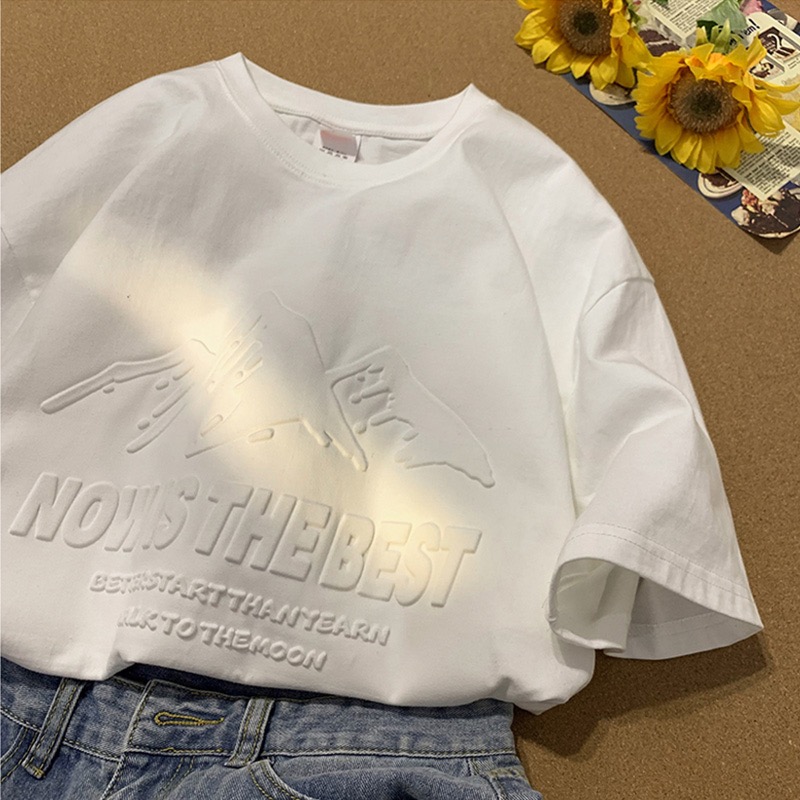
Two or more techniques can separate brand identity from supporting information: screen printing for broad graphics, embroidery for compact logos, and woven labels for internal or side-seam branding. Keep overlaps away from bulky seams and high-friction zones.
| Technique | Best Use | Main Constraint |
|---|---|---|
| Screen print | Large graphics; controlled color counts | Ink hand feel and registration |
| Flat embroidery | Logos and lettering | Thread density can stiffen fabric |
| Puff embroidery | Bold raised marks | Limited fine detail |
| Patch or appliqué | Badges and emblems | Adds layers and attachment steps |
6. Key Construction and Decoration Quality Elements
A 200-piece order should be approved only against a documented physical standard.
Garment Construction
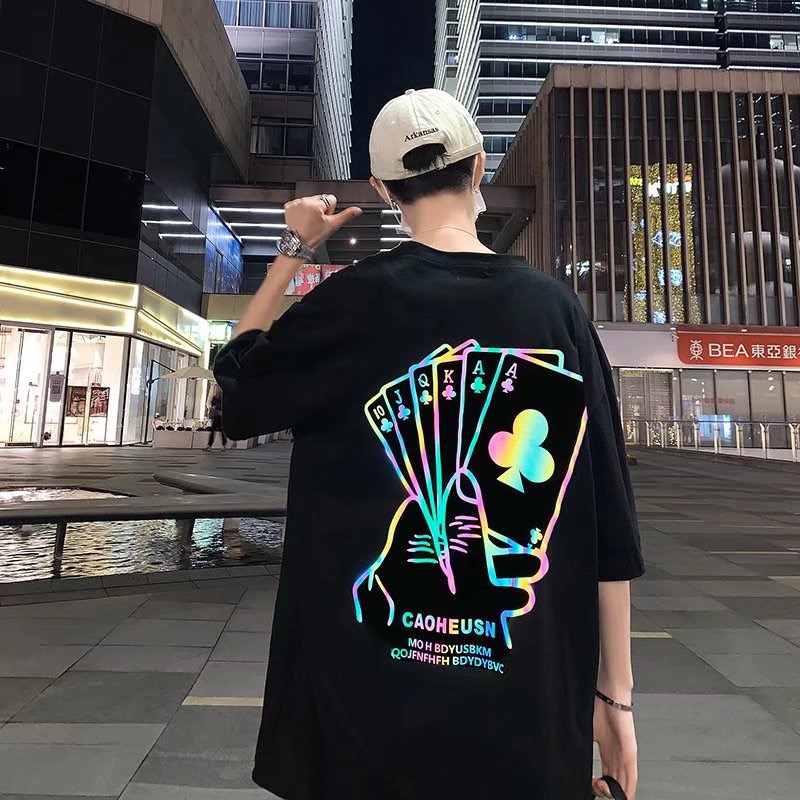
1 sample should show even seams, secure thread ends and consistent stitching density. Check shoulder joins, side seams, hems, cuffs and ribbing for twisting, skipped stitches, puckering or weak recovery.
Decoration Inspection
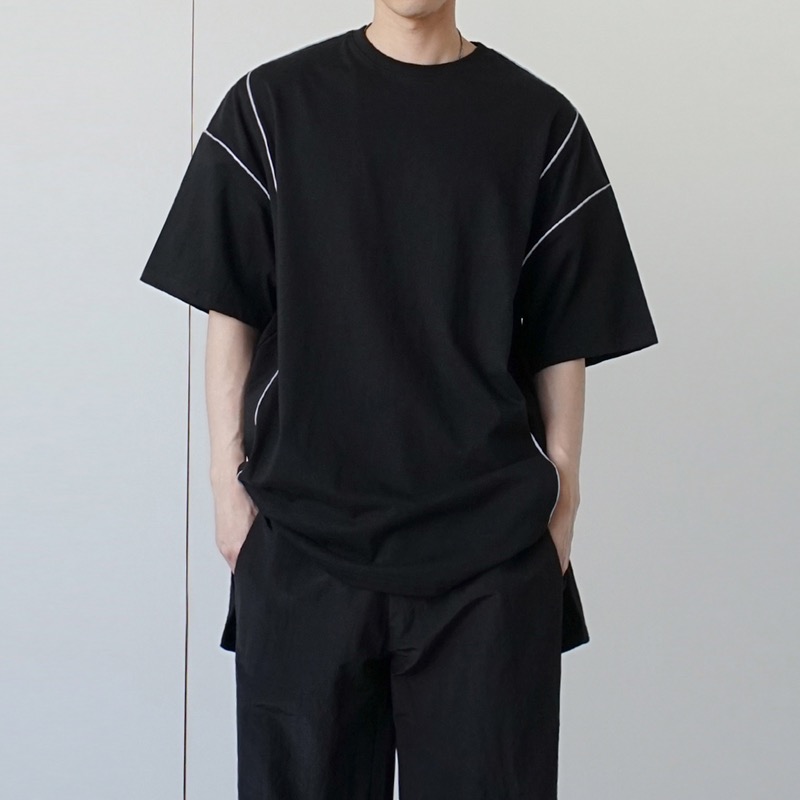
2 viewing conditions—flat inspection and worn or stretched inspection—help reveal registration errors, soft edges and uneven opacity. Check multicolor alignment, edge sharpness, coverage on dark fabric, thread trimming and embroidery density. 1 wash test should check cracking, peeling, color change and puckering before approval.
Final Approval Controls
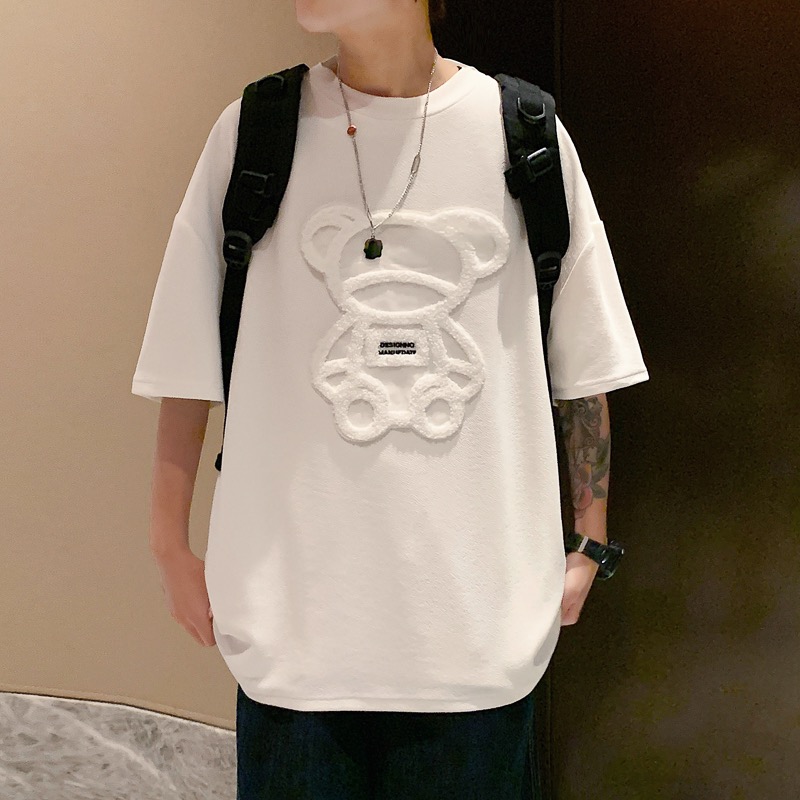
100% of labels should match the approved size, fiber, care and branding information, with placement measured from a fixed seam. Production photos should show front, back, detail and packed views, including color consistency across size sets.
7. How to Choose a Streetwear Printing and Embroidery Manufacturer
A 200-piece order should test a supplier’s repeatability, not only its first sample.
Relevant Production Experience
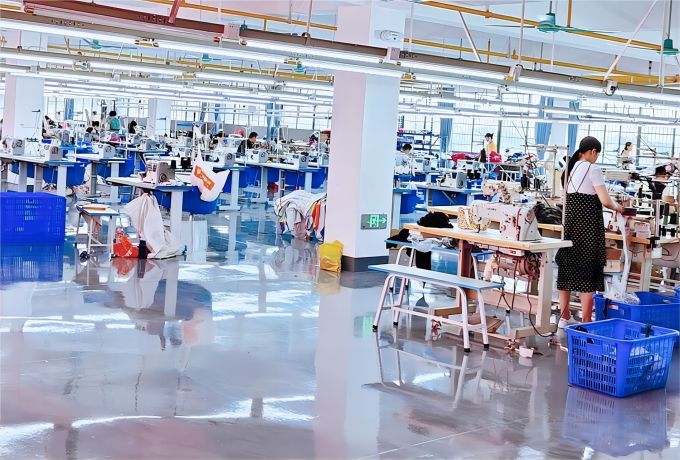
200 pieces is enough to reveal whether a factory understands your garment category, fit block and decoration demands. Ask for comparable hoodies, varsity jackets, jerseys or coordinated streetwear programs.
Decoration And Development
One approved sample should show the actual fabric, decoration method and placement—not a substitute blank. Confirm screen printing, digital transfer, flat or 3D embroidery, patches, washing and color testing capabilities.
Controls, Capacity And Delivery
Three checkpoints matter: material inspection, in-line production checks and final inspection before packing. Ask how defects, measurement tolerances, print registration, embroidery quality, labeling and size assortments are recorded. Lead time should be separated into sampling, material sourcing, production, inspection and shipping.
Quote Comparison Checklist
A comparable quote must describe the complete delivered scope, not just the garment price.
- MOQ by style, color and size
- Fabric composition, GSM, trims and decoration method
- Sample fee, revisions, production lead time and shipping terms
- Inspection, labeling, packaging and documentation responsibilities
8. Common Buyer Mistakes in Streetwear Printing and Embroidery
Ten recurring errors can turn a workable design into an inconsistent order.
Match Decoration To Fabric
Fabric selection comes first: fleece, French terry, polyester jerseys and coated shells react differently to ink, heat and embroidery. Specify the base material before selecting screen printing, transfer, sublimation or stitching.
- Test decoration on the actual fabric and color.
- Confirm shrinkage risk before final placement approval.
Control Artwork And Color
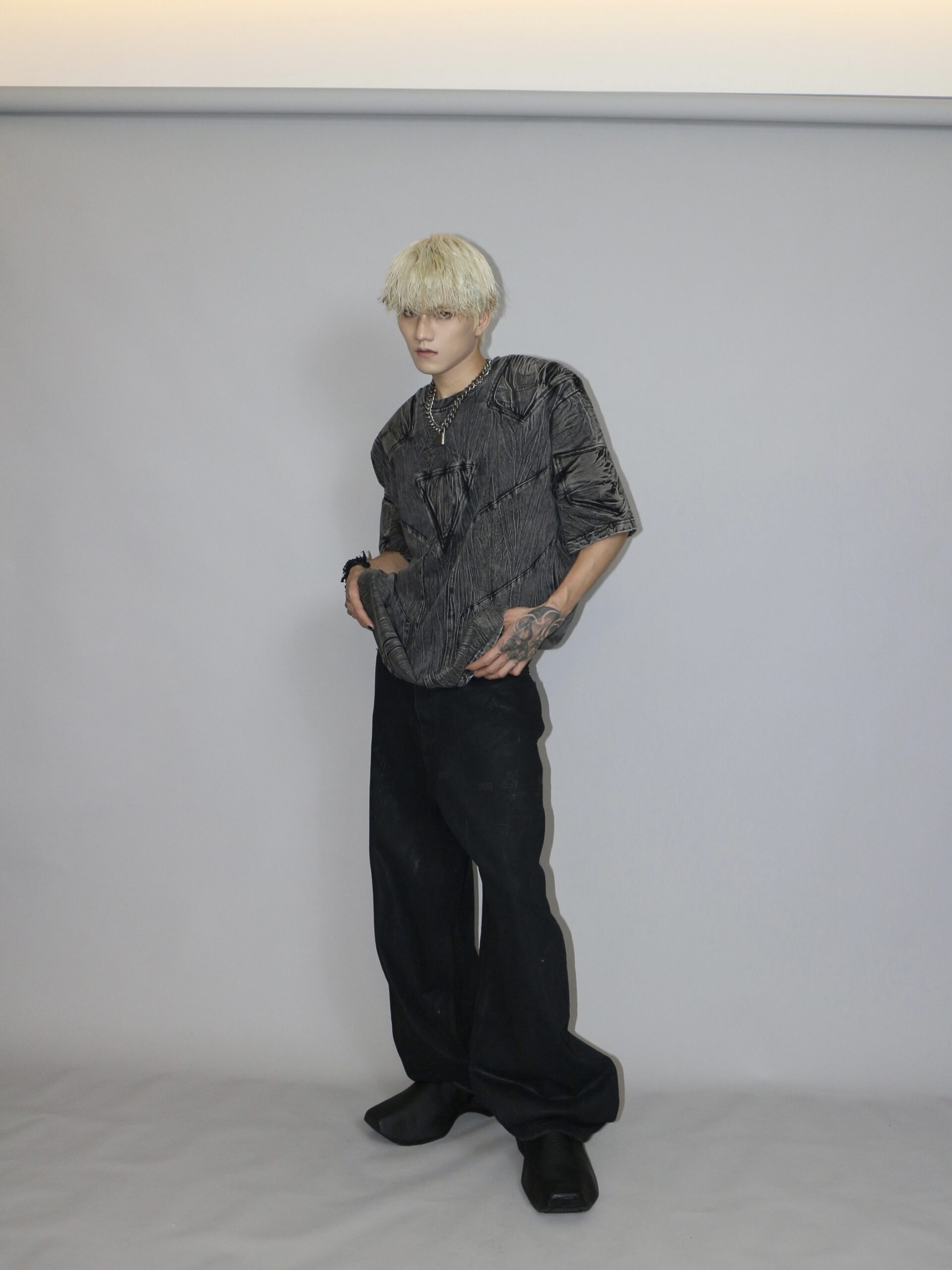
Artwork resolution determines edge quality; submit vector files or production-ready raster artwork rather than low-resolution screenshots. Record print dimensions, stitch areas, thread colors and placement measurements. Pantone references, lab dips or approved physical standards prevent avoidable color drift.
- Provide editable artwork with exact dimensions.
- Approve color against a physical or named standard.
Approve Samples And Tolerances
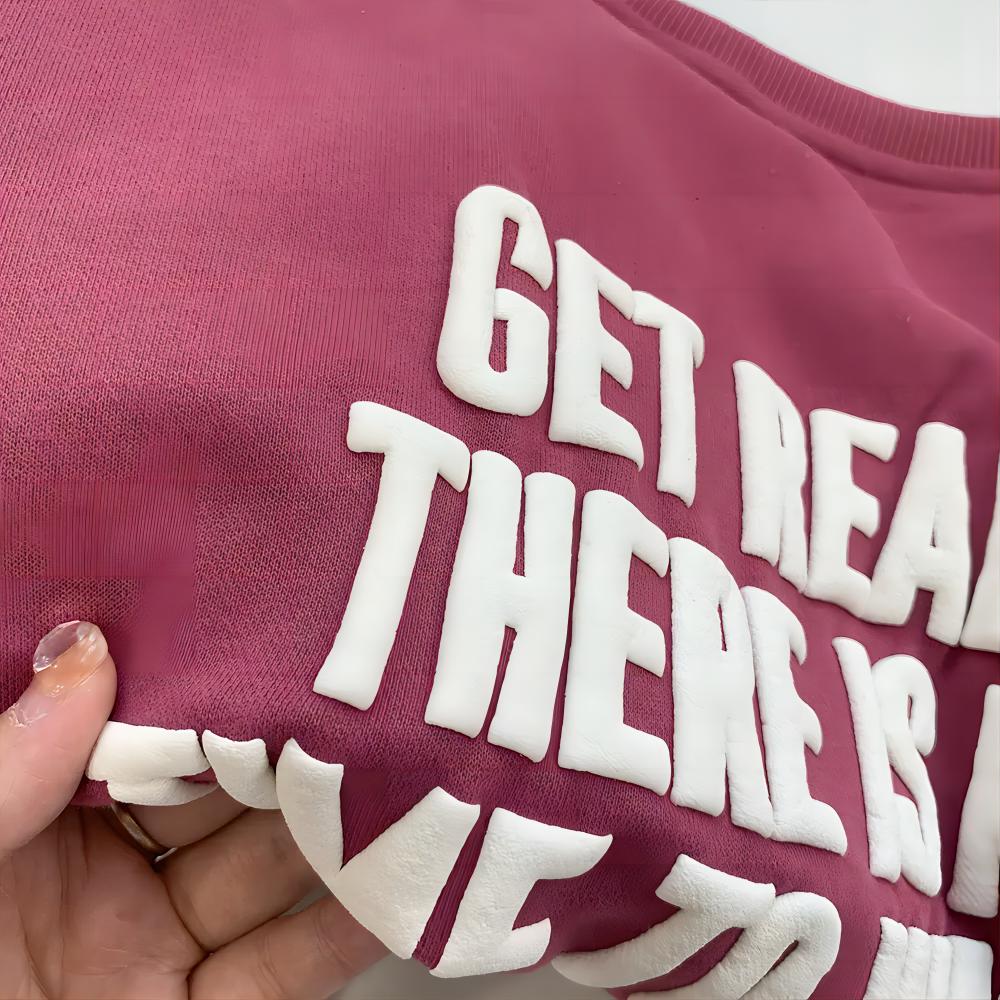
One physical sample exposes problems that a digital mockup cannot, including puckering, hand feel, placement, shrinkage and fit. Wash-test the decorated garment when laundering may change measurements or appearance.
- Review a physical sample before bulk cutting.
- Write tolerances beside every critical measurement.
Budget Inventory And Documentation
EDVORIN’s MOQ starts at 200 pieces per style. Setup costs can include screens, digitizing, sampling, color approvals and special trims; excluding them distorts unit economics. Separate one-time development charges from repeat-order costs before confirming the purchase. A 200-piece MOQ does not justify excessive inventory.
- Confirm setup charges before issuing the purchase order.
- Document every approved specification and revision.
- Use a demand-based size and color breakdown.
9. Steps to Launch Your Streetwear Brand
Start with a defined customer, use case and launch quantity, then convert the concept into specifications a supplier can reproduce.
Define The Program
1 audience statement should identify whether the buyer is a streetwear label, team, school, wholesaler or private-label program. Record target wearer, selling channel, launch date, price position and required product categories. 2 product references, sketches or a tech pack should become a preliminary range plan.
Specify Product And Artwork
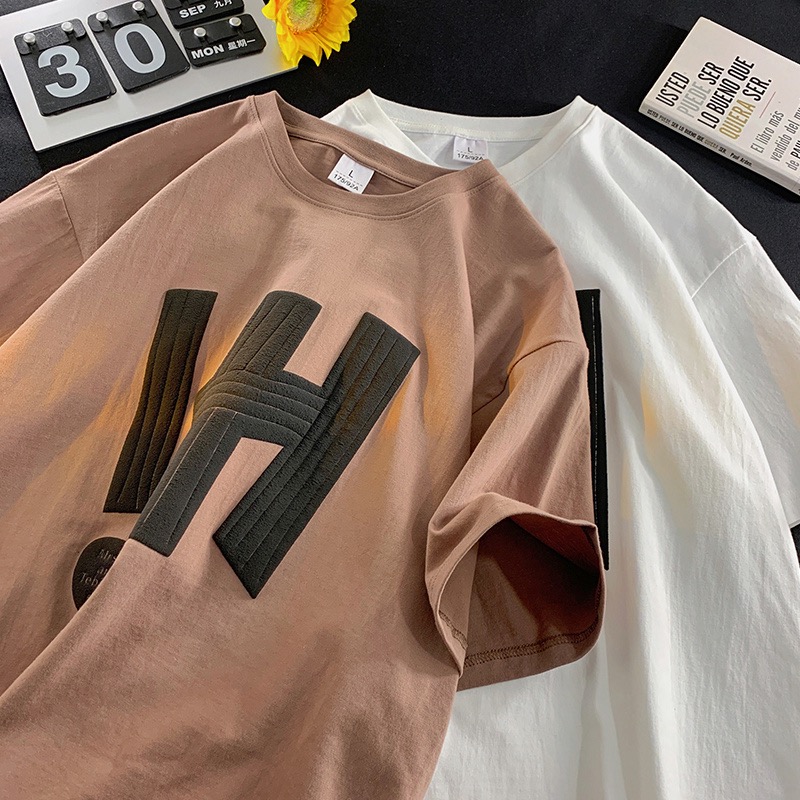
3 core specifications should cover fabric, GSM, fit block, measurements, trims, construction, decoration method and placement. Compare ring-spun cotton, open-end cotton, French terry or fleece against the intended hand feel and performance. 4 artwork files should include vector logos, Pantone references, print dimensions, embroidery limits and placement measurements.
Shortlist And Approve
EDVORIN’s MOQ starts at 200 pieces per style. 5 supplier quotes should be compared line by line at the 200-piece MOQ, including sample costs, decoration, labeling, packaging, tooling, lead time and shipping assumptions. Shortlist suppliers that can document revisions and manage the full production path. 6 one approved sample should be checked for fit, color, decoration position, trims and workmanship.
Order, Monitor And Repeat
7 the purchase order should lock style numbers, size ratios, quantities, artwork version, delivery date, tolerances, packing instructions and approved references. Confirm size planning separately for teams, schools, wholesalers and private-label assortments. 8 production monitoring should include in-line checks, final inspection and carton verification before launch.
10. Streetwear Printing and Embroidery Pricing and Cost
200 pieces is the stated MOQ for this program, but unit cost still depends on the garment, decoration area and approval path. Request separate lines for the blank garment, artwork or embroidery digitizing, screens or setup, ink or thread, specialty effects, sampling, packaging, freight, taxes and a rework allowance. USD figures below are planning ranges only, not universal prices or an EDVORIN quotation.
| Quantity Tier | Estimated Unit-Price Components (USD) | Setup / Sampling Implication | Lead-Time Implication |
|---|---|---|---|
| 200–299 pieces | Blank $6–18; print/embroidery $3–10; packaging $0.50–2; freight/tax quoted separately | Artwork or digitizing, screens, samples and specialty effects quoted separately; include rework allowance | Typically longer per-unit handling; confirm production calendar after sample approval |
| 300–999 pieces | Blank $5–16; decoration $2.50–8; packaging $0.40–1.50; freight/tax quoted separately | Setup spread across more units; sampling and revised artwork remain separate | EDVORIN’s MOQ starts at 200 pieces per style. Usually more efficient than MOQ tier, subject to fabric and decoration capacity |
| 1,000+ pieces | Blank $4–14; decoration $1.50–6; packaging $0.30–1; freight/tax quoted separately | Lower setup impact per unit; negotiate repeat artwork and approved standards | Bulk scheduling can improve efficiency, but inspection and rework buffers remain essential |
Ready to develop your collection with this streetwear printing and embroidery guide?
Share your concept, artwork, or tech pack with EDVORIN for coordinated decoration, product development, and bulk production from 200 pieces per style.