
Custom Clothing Manufacturing: From Concept to Bulk Delivery
EDVORIN is an OEM clothing manufacturer and ODM apparel manufacturer supporting fashion, streetwear, teamwear and private-label programs from product development and sampling through quality-checked bulk delivery, starting at 200 pieces per style.
What Shapes a Reliable Streetwear Production Timeline
EDVORIN connects development, sourcing, custom apparel printing, custom apparel embroidery, garment wash services, approvals, labels and packaging into one accountable path from concept to repeatable bulk production.
Product Development First
Product development turns sketches, reference garments or tech packs into approved patterns, measurements and construction details before bulk scheduling begins.
Coordinated Materials
Material coordination aligns fabrics, trims, labels and packaging with the approved product standard, reducing avoidable substitutions and purchasing delays.
Decoration Control
Decoration planning records artwork placement, print or embroidery methods, color references and finishing requirements for consistent execution across every size.
Clear Approval Points
Approval checkpoints establish one shared standard for samples, revisions and size sets, giving production a clear release point for bulk.
Sample-to-Bulk Quality
Sample-to-bulk quality control uses approved standards, in-line checks and final inspection to protect fit, workmanship and repeat-order consistency.
A Clear Four-Stage Apparel Manufacturing Workflow
Move from product brief to approved sample, controlled bulk production and shipment through one accountable apparel manufacturing workflow.
Define Your Product Brief
Share your concept, tech pack, reference garment or collection goals so EDVORIN can align fit, fabrics, trims, decoration and intended wearer.
Develop And Sample
Build patterns, source materials, coordinate decoration and produce samples for fit, construction, color, wash and performance review before bulk scheduling.
Approve The Production Standard
Confirm the approved sample, measurements, artwork placement, labels, packaging and revisions, creating one clear reference for consistent sample-to-bulk quality control.
Produce And Ship
EDVORIN manages cutting, sewing, decoration, finishing, inspection and packing, then coordinates shipment of your completed order from a controlled production path.
Streetwear Production Timelines for Every Buyer Program
From first concept to repeat bulk orders, EDVORIN coordinates development, decoration, quality control and packaging through one accountable production path.
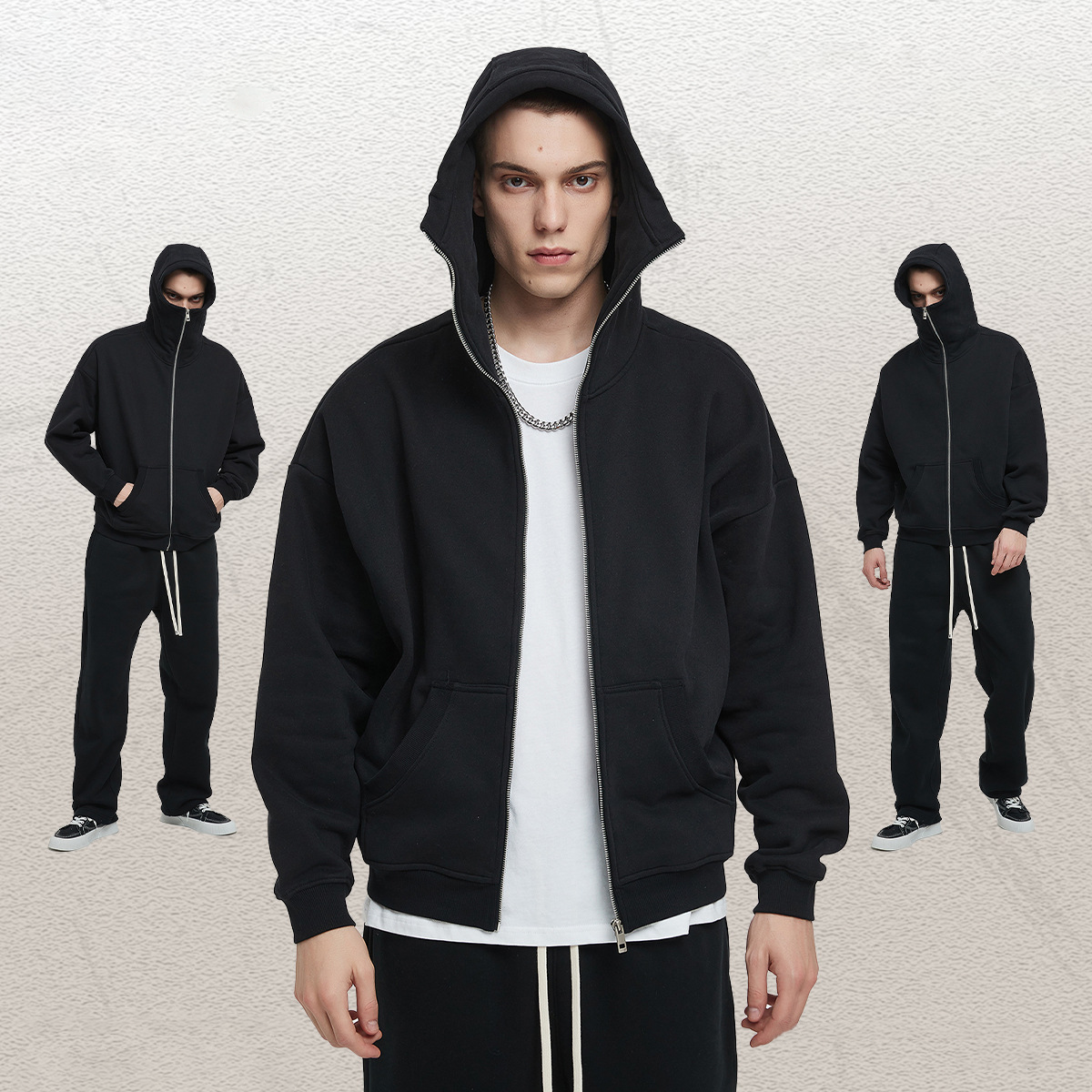
Custom Hoodies
As a custom hoodie manufacturer, EDVORIN develops fleece weight, fit blocks, rib, drawcords, labels and decoration around each program. Emerging brands can begin from a sketch or reference garment, while established buyers can move from approved tech packs to repeatable bulk production.
Get a Quote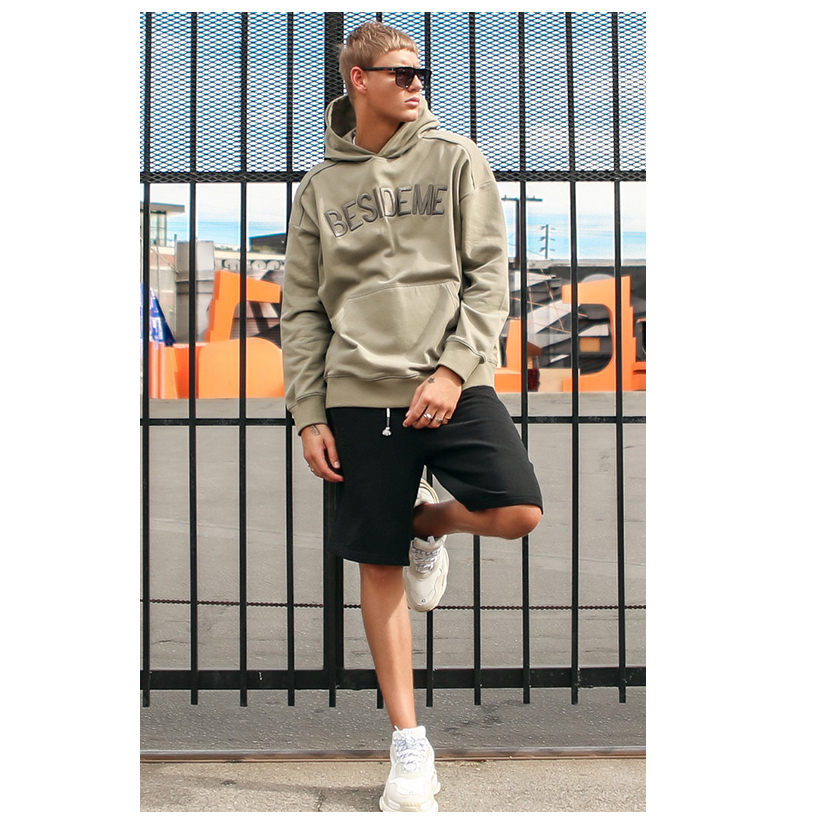
Pullover Sweatshirts
As a sweatshirt manufacturer, EDVORIN supports pullover programs with fabric selection, pattern development, fit approval, printing, embroidery and finishing. The production workflow is organized around the buyer’s starting point, whether a school, wholesaler or fashion label needs a repeat style or a fully developed new product.
Get a Quote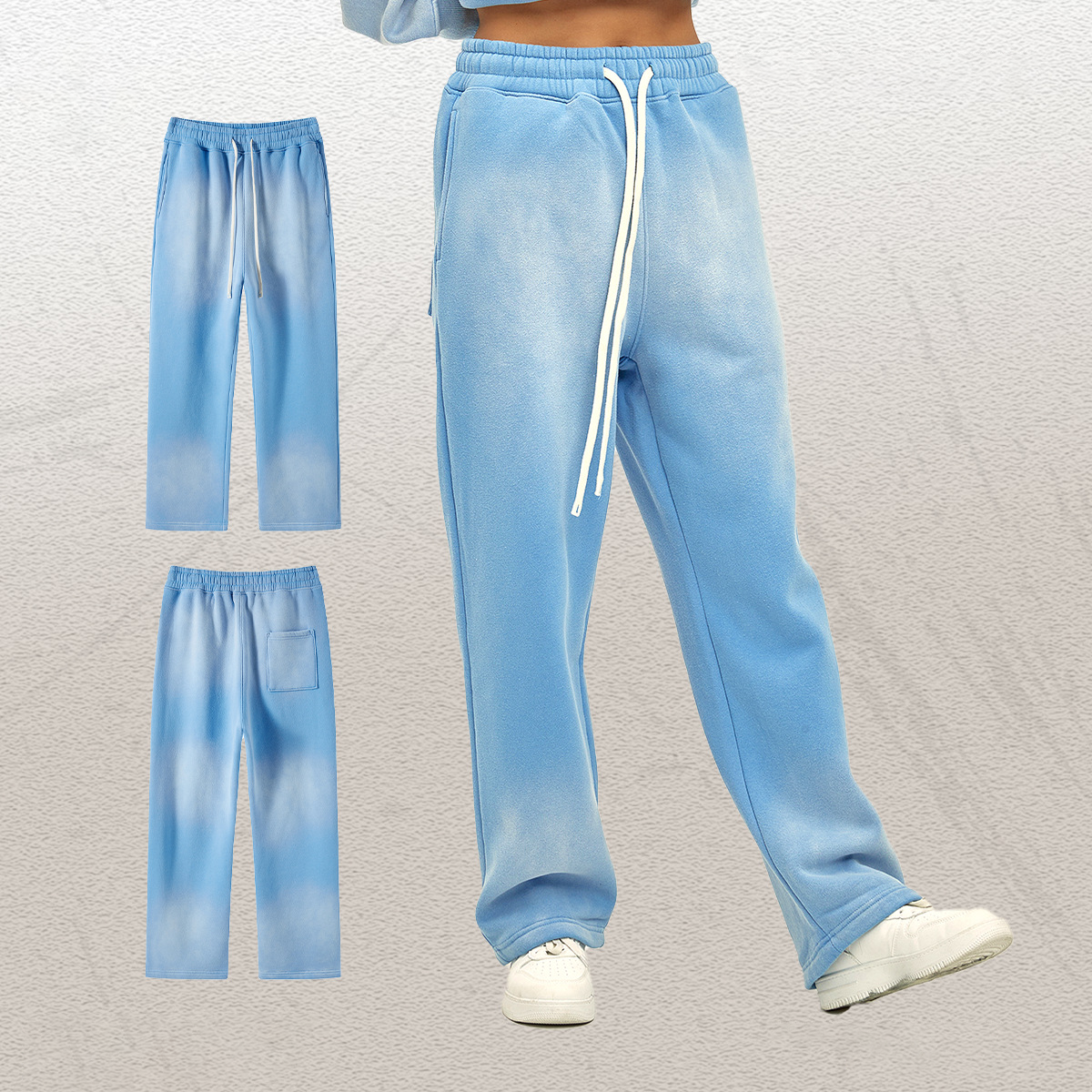
Sweatpants & Joggers
As a sweatpants manufacturer, EDVORIN coordinates fleece or French terry, waistband construction, pocket details, drawcords, grading and decoration. Matching jogger programs can be developed alongside hoodies or independently, with approved measurements and materials used to control consistency across repeat wholesale and private-label orders.
Get a Quote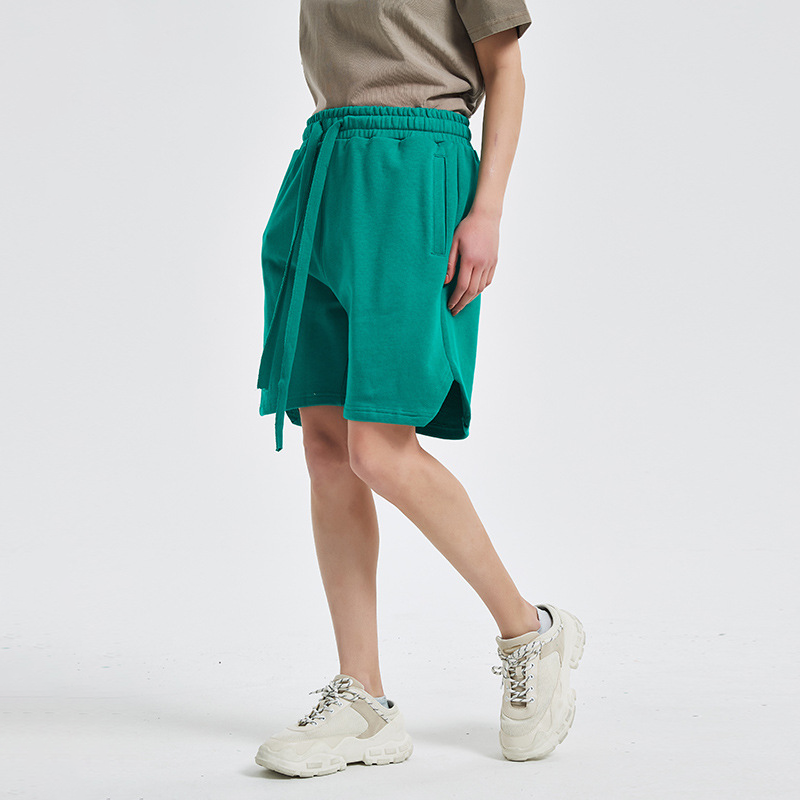
Custom Shorts
Custom shorts require decisions on fabric weight, length, waistband construction, pockets, lining, artwork and size grading. EDVORIN supports fashion, sports, school and private-label buyers from initial concept through sampling, decoration, inspection and packaging, keeping style specifications clear as the program moves toward bulk.
Get a Quote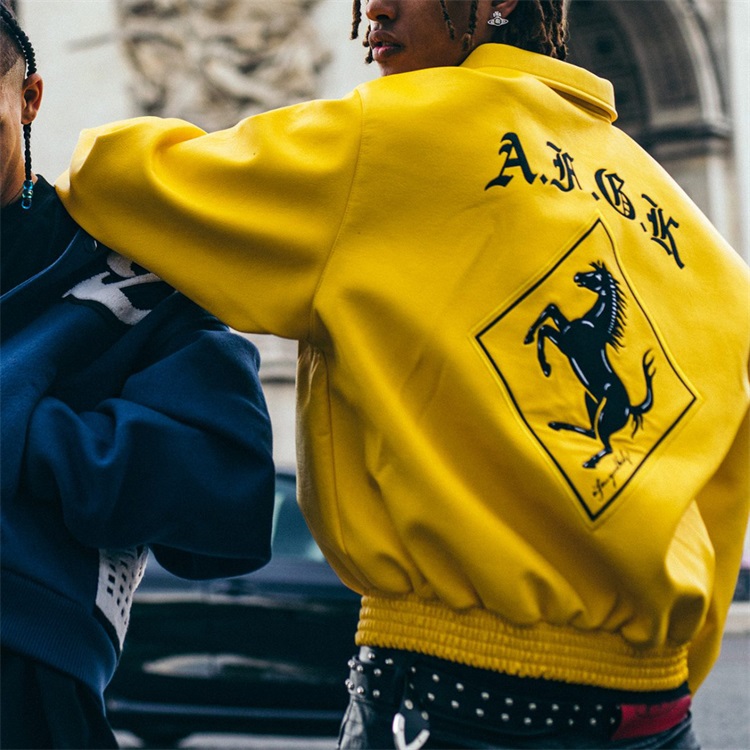
Varsity & Baseball Jackets
As a varsity jacket manufacturer, EDVORIN coordinates body fabric, sleeves, lining, insulation, rib, snaps, patches, embroidery and appliqué. Baseball jacket variations can be developed for fashion labels, schools and teams, with construction details documented against an approved sample before bulk production.
Get a Quote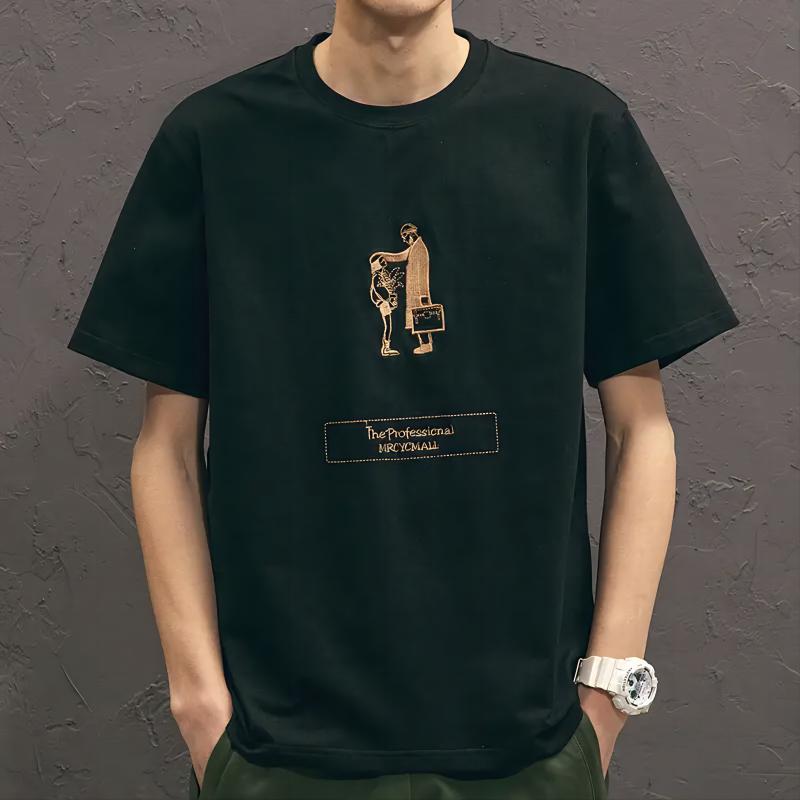
Custom T-Shirts
EDVORIN develops custom T-shirts around fabric composition, weight, fit, collar construction, color standards and print or embroidery requirements. A custom T shirt manufacturer must control both the base garment and artwork placement, supporting seasonal fashion drops, promotional programs, wholesale lines and repeat private-label orders.
Get a Quote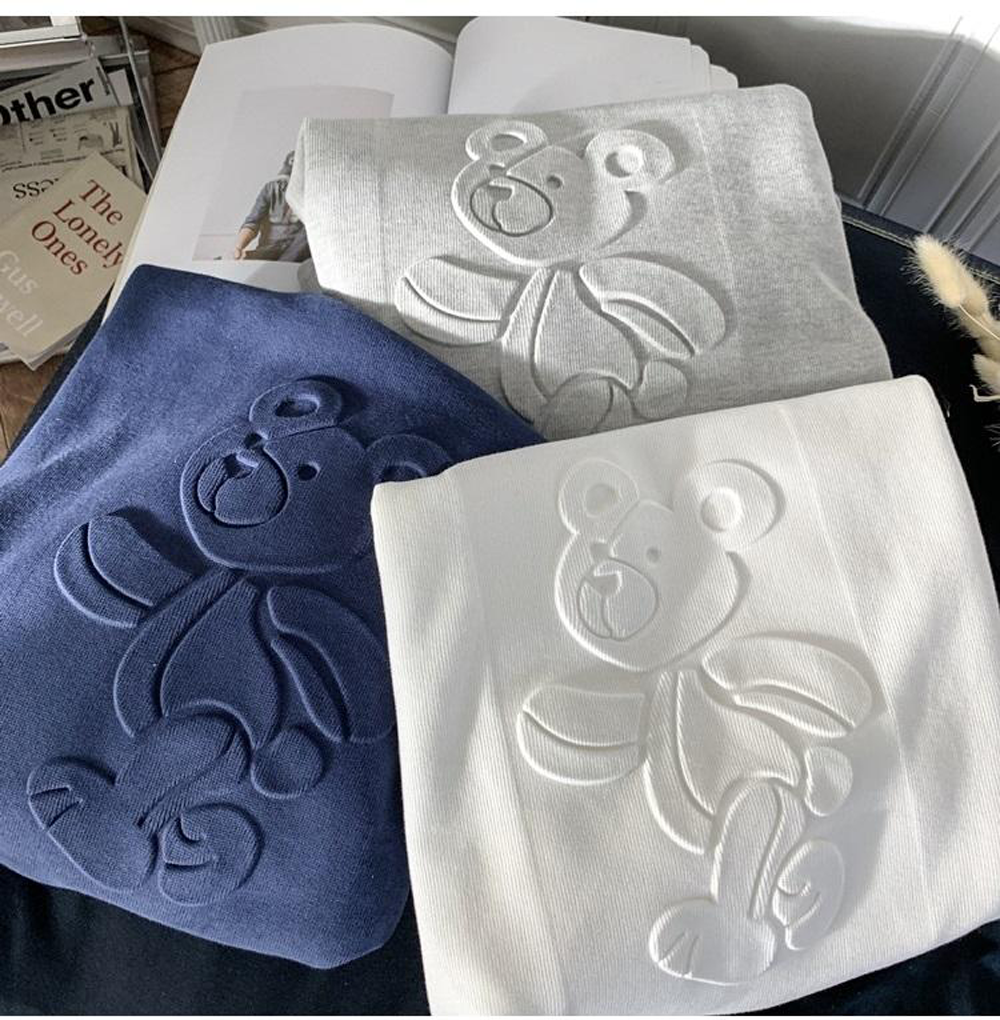
Custom Polo Shirts
As a polo shirt manufacturer, EDVORIN coordinates pique or other selected fabrics, collar and cuff construction, plackets, buttons, fit blocks, embroidery and labeling. Programs can be developed for corporate buyers, schools, sports organizations, wholesalers and private labels with standards defined for repeat production.
Get a Quote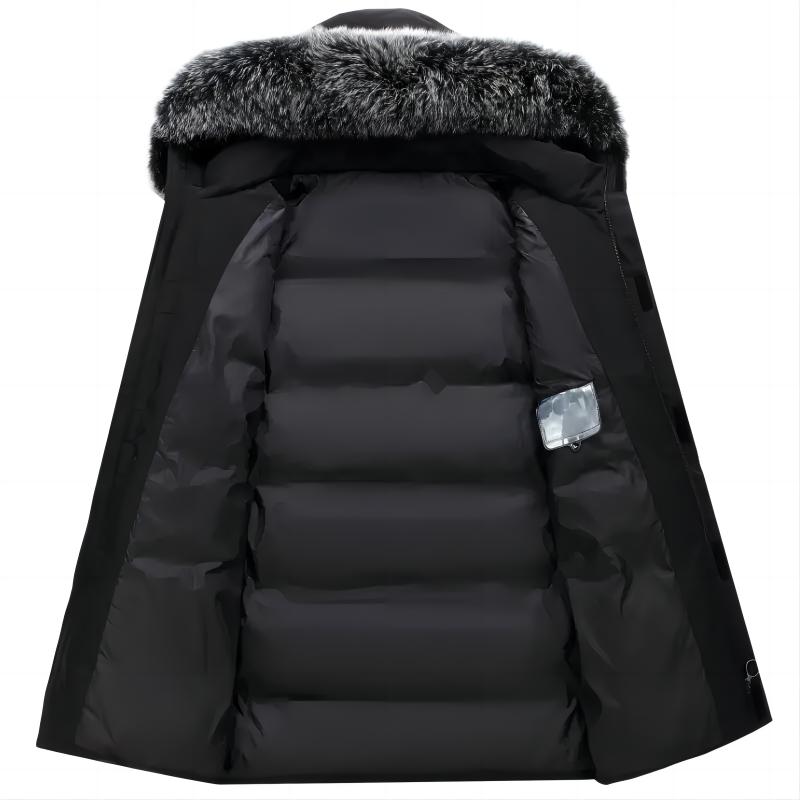
Windbreaker Jackets
EDVORIN develops windbreaker programs by coordinating shell fabric, lining or mesh, water-repellent requirements, zippers, hoods, elastic details, pockets and decoration. As a windbreaker manufacturer, the company supports streetwear, teamwear and private-label timelines from concept review through sample approval, inspection and packed bulk orders.
Get a Quote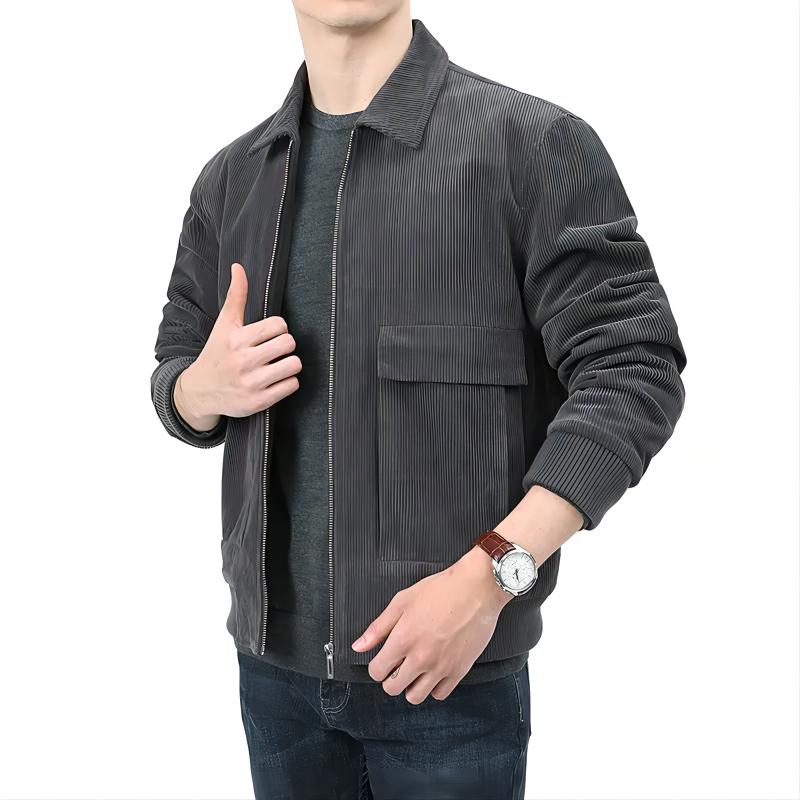
Quilted Jackets
As a quilted jacket manufacturer, EDVORIN coordinates shell fabric, lining, insulation, quilting pattern, hardware, fit and finishing within one production system, helping fashion brands, wholesalers and private-label buyers move from concept or tech pack to an approved, repeatable outerwear standard.
Get a Quote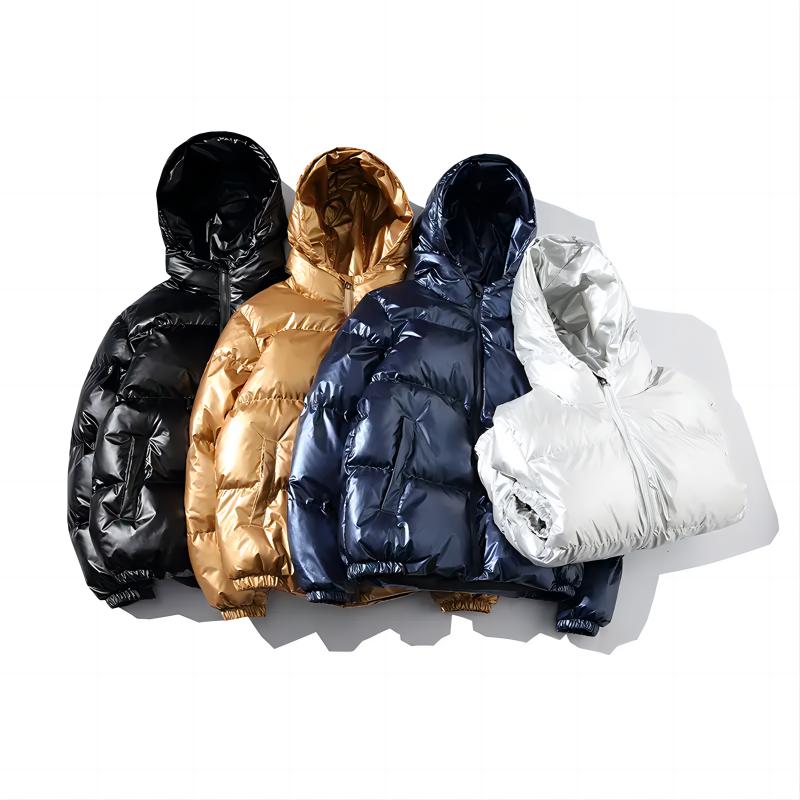
Bomber Jackets
As a bomber jacket manufacturer, EDVORIN aligns shell and lining materials, insulation, rib, zipper or snap hardware, pockets, trims, decoration and grading. The workflow supports streetwear labels, fashion collections and private-label programs, with sample revisions and bulk quality checks tied to documented construction requirements.
Get a Quote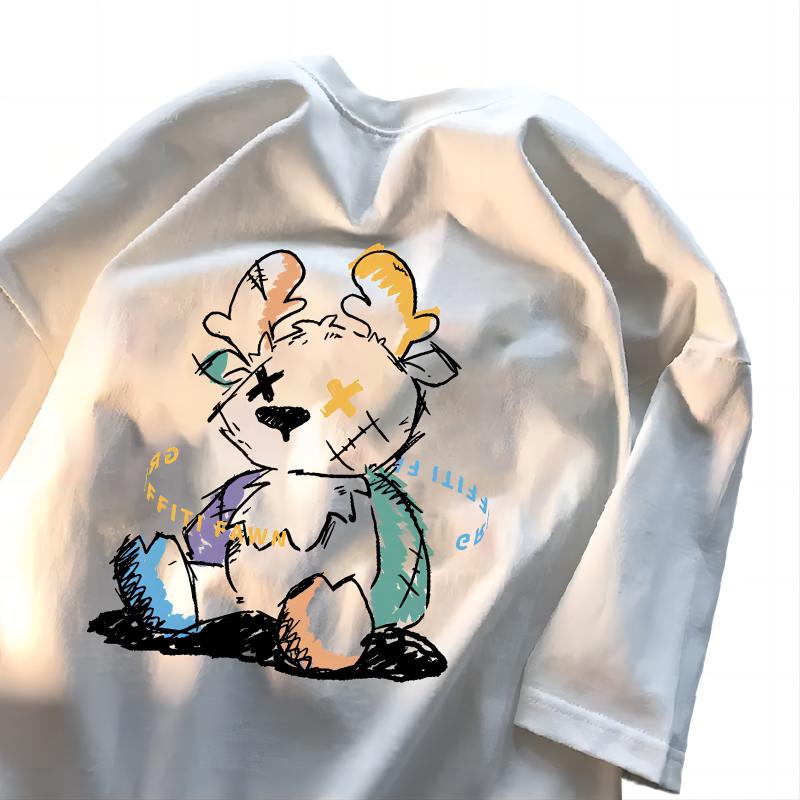
Custom Shirts
EDVORIN develops custom woven shirts with attention to fabric hand, weave, collar, cuff, placket, buttons, seams, fit and finishing. As a custom woven shirt manufacturer, it supports fashion brands, wholesalers and private-label buyers from reference garment or tech pack through sampling, approval and repeat production.
Get a Quote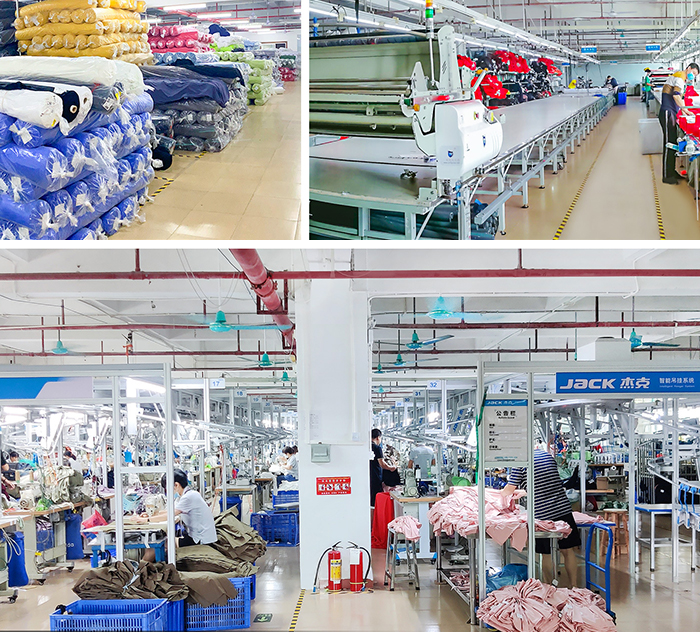
Custom Jerseys
Custom jerseys are developed around performance fabric, breathability, color control, panels, collars, cuffs, printing, names, numbers and size grading. EDVORIN supports clubs, teams, schools and sports wholesalers as a custom jersey manufacturer, organizing artwork approval and production checks for both initial and repeat orders.
Get a Quote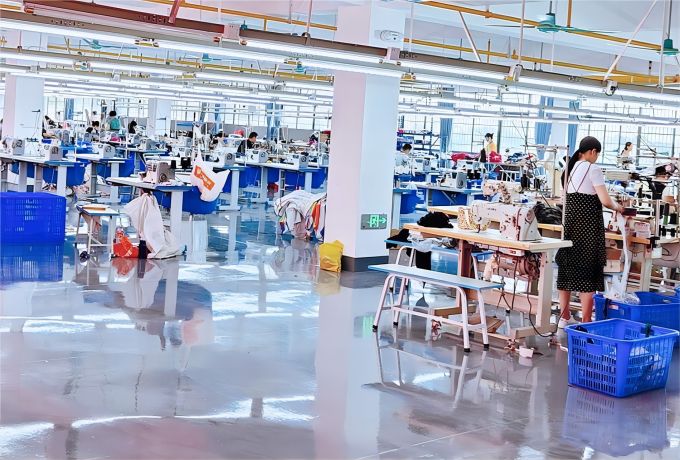
Tank Tops
Tank tops can be developed for casualwear, streetwear, training and team programs with decisions covering fabric weight, stretch, neckline, armholes, fit, artwork and labels. As a custom tank top manufacturer, EDVORIN connects sampling, decoration, grading, inspection and packaging to the buyer’s required launch timeline.
Get a Quote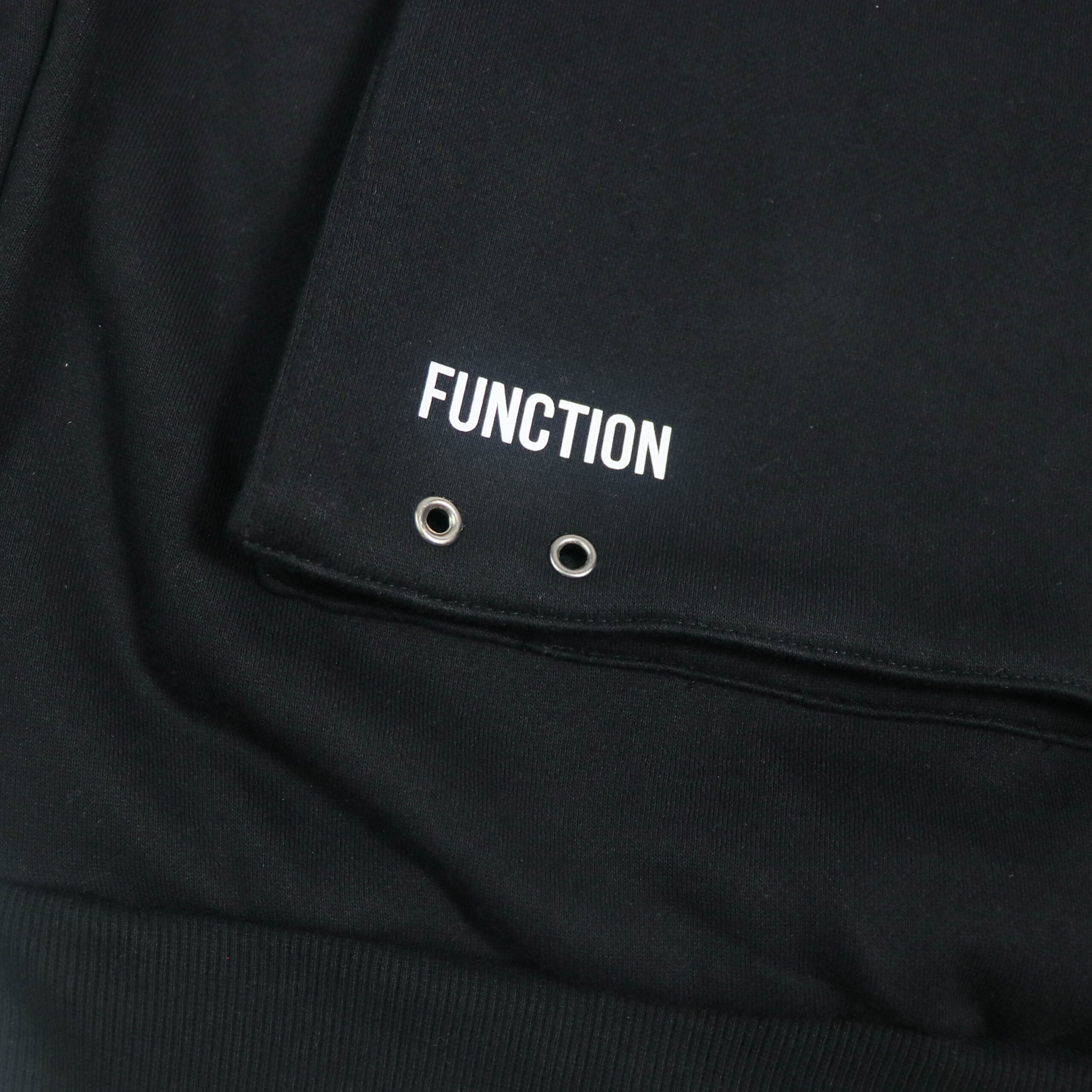
Soccer Uniforms
EDVORIN develops soccer uniforms around breathable performance fabrics, coordinated tops and shorts, color standards, sponsor artwork, names, numbers and organized size sets. As a soccer uniform manufacturer, the company supports clubs, academies, schools and distributors with documented approvals that help protect consistency across team orders and reorders.
Get a Quote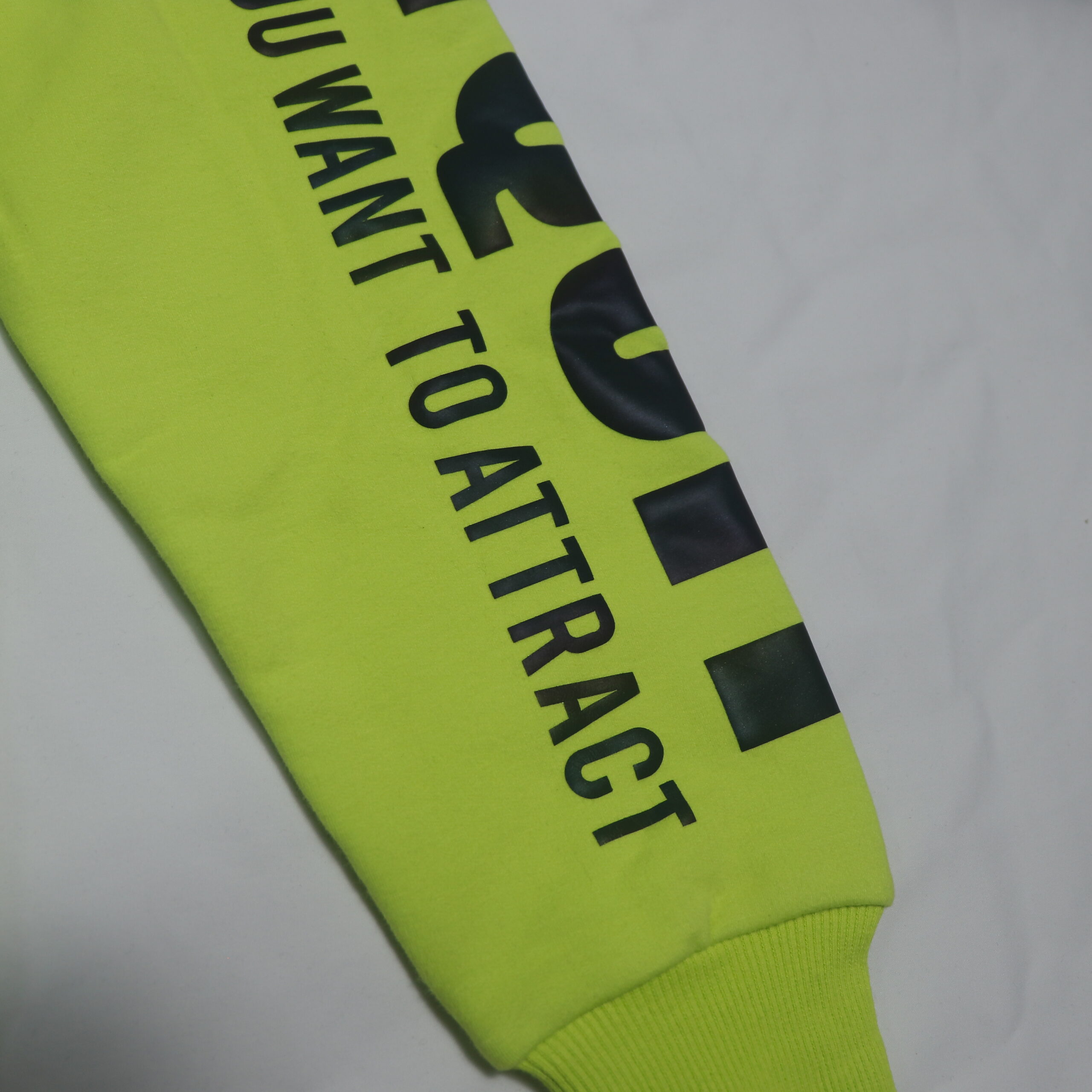
Basketball Uniforms
As a private label clothing manufacturer, EDVORIN coordinates multi-style collections across hoodies, T-shirts, sweatpants, jackets, shirts and decoration methods. Fashion labels and private-label buyers can align fabrics, trims, artwork, fit blocks, sampling, quality control, custom clothing labels and packaging within one accountable production path.
Get a Quote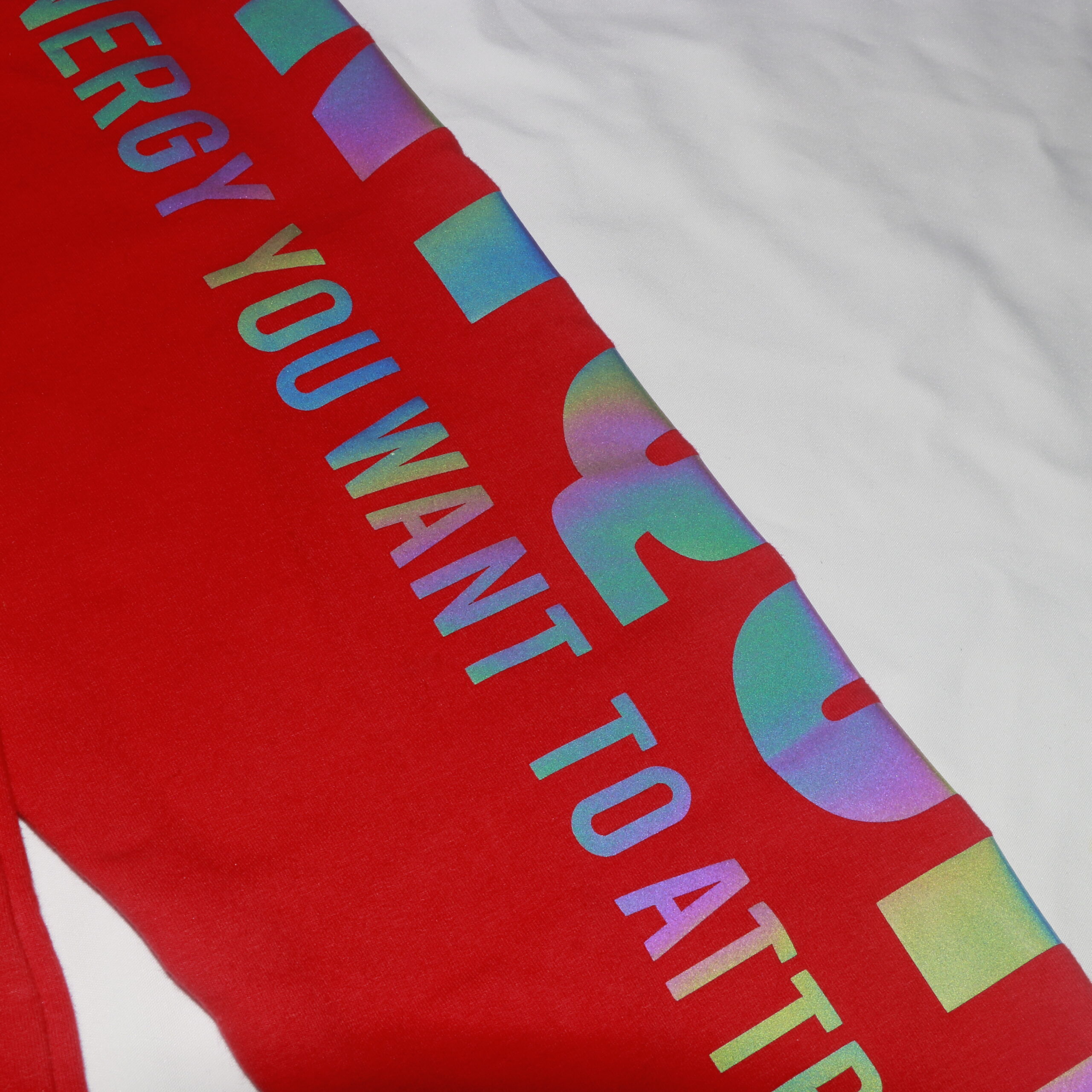
Streetwear Collections
As a streetwear clothing manufacturer, EDVORIN coordinates multi-style collections across hoodies, T-shirts, sweatpants, jackets, shirts and decoration methods. Fashion labels and private-label buyers can align fabrics, trims, artwork, fit blocks, sampling, quality control and packaging within one accountable production path for seasonal launches and repeat programs.
Get a QuoteThe Complete Apparel Production Planning Guide
Build a realistic launch schedule with a stage-by-stage decision framework, supplier criteria, material and decoration checkpoints, approval dependencies, and practical ways to avoid costly delays, rework, and missed delivery windows.
1. What Is a Streetwear Production Timeline?
EDVORIN’s MOQ starts at 200 pieces per style. Eight stages typically define a streetwear production timeline: brief and tech pack, sampling, approvals, material procurement, bulk manufacturing, quality control, packaging, and delivery. The schedule converts a concept into a documented manufacturing standard covering measurements, fabrics, trims, decoration, labels, packing instructions, and ship-to details. A 200-piece MOQ is a planning threshold, not a guaranteed completion date. Estimated dates cover development, sourcing, and production capacity; confirmed milestones begin only after the tech pack, sample, materials, purchase order, artwork, and deposit are approved and available. Colorways, size ratios, custom fleece or trims, embroidery, washing, and freight can extend the estimate. Before placing an order, require a schedule listing each stage, owner, dependency, approval deadline, inspection point, packing completion, and dispatch date.
2. Streetwear Production Timeline: History and Evolution
Late-1970s South Bronx hip-hop, surf, skateboarding, and sportswear helped establish streetwear as a practical, graphic-led category built around personal identity. By the 1980s and 1990s, skate brands, DIY graphics, oversized silhouettes, and logo-driven pieces made decoration and fit part of the product standard, not afterthoughts. The 2000s brought luxury collaborations and global visibility, expanding streetwear from subculture into coordinated collections with more colorways, trims, licensed artwork, and limited launches. For a buyer, that evolution increased the need to approve patterns, fabrics, artwork placement, labels, and decoration methods before production capacity is reserved. Today, a 200-piece private-label or teamwear program may combine custom fit blocks, performance jerseys, fleece, woven outerwear, embroidery, screen printing, names, numbers, and branded packaging.
3. Types of Streetwear Production Timelines
Three practical models cover most streetwear production timelines: decorated ready-stock blanks, semi-custom garments, and fully custom cut-and-sew collections.
Ready-Stock Decoration
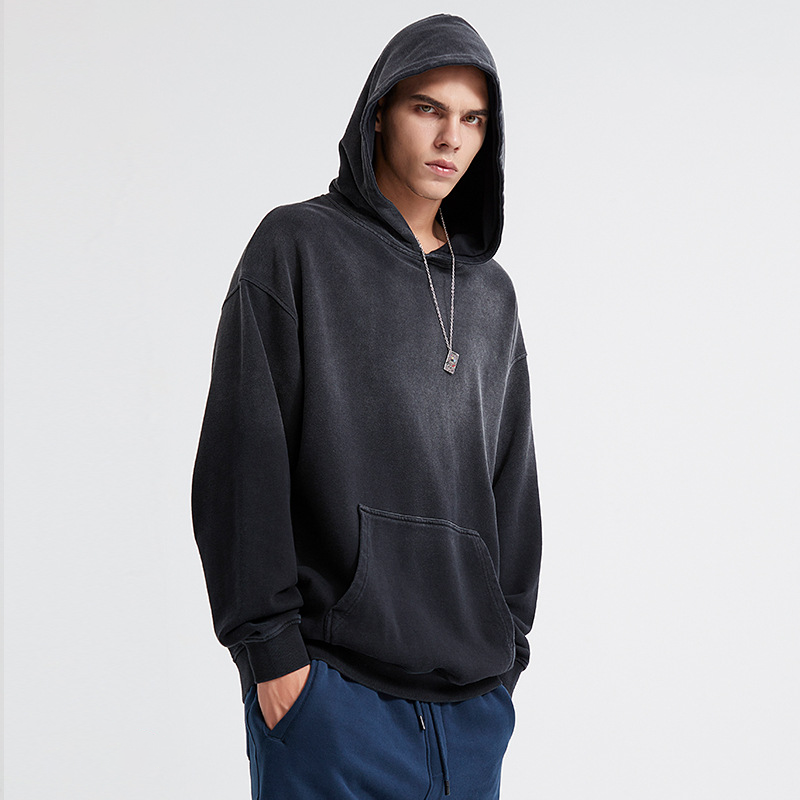
1–3 weeks is common when approved blanks are available and only printing, embroidery, labels, or packing remain. Bottlenecks include artwork approval, decoration capacity, color matching, and packaging materials. Simple T-shirts suit first-time brands, schools, and event buyers.
Semi-Custom Development
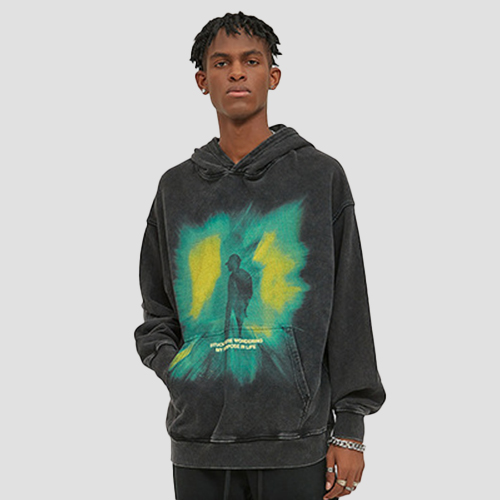
3–6 weeks often fits garments using an existing block with modified fabric, fit, trims, or decoration. Dependencies include material availability, pattern adjustments, sample approval, and size grading; revisions can extend the schedule. Simple hoodies or joggers move faster than multi-panel jackets.
Fully Custom Collections
6–12 weeks is a realistic planning range for new patterns, custom fabrics, multiple colorways, and coordinated cut-and-sew styles. Bottlenecks include fabric minimums, trim sourcing, fit approvals, production capacity, and multi-style quality control. Standard planning is safer for private-label collections and seasonal launches.
4. Materials and Fabrics in the Production Timeline
180 GSM jersey can sample quickly; a 500 GSM fleece or custom-developed fabric may require new sourcing, testing, and approval cycles.
| Fabric | Weight | Use | Timeline impact |
|---|---|---|---|
| Cotton jersey | 160–240 GSM | T-shirts, polos | Short if stocked |
| Fleece | 300–500 GSM | Hoodies, joggers | Shrinkage and dyeing |
| French terry | 250–450 GSM | Sweatshirts, shorts | Moderate approval |
| Polyester performance | 120–220 GSM | Jerseys, uniforms | Testing and color |
| Denim or twill | 220–450 GSM | Jackets, overshirts | Finishing and MOQ |
| Ribbing | Different by trim | Cuffs, collars, waist | Recovery matching |
| Specialty/custom | Project-specific | Unique capsules | Longest sourcing |
Weight And Construction
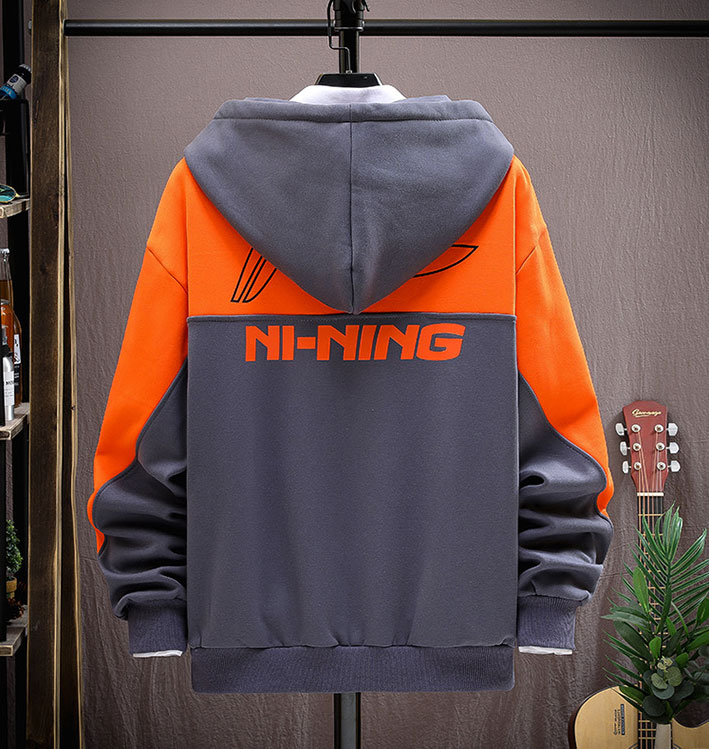
180–220 GSM cotton jersey suits T-shirts, while 350–500 GSM fleece changes drape, seam bulk, and grading. French terry usually keeps a cleaner interior than fleece, but both require shrinkage checks before fit approval.
Sourcing And Testing
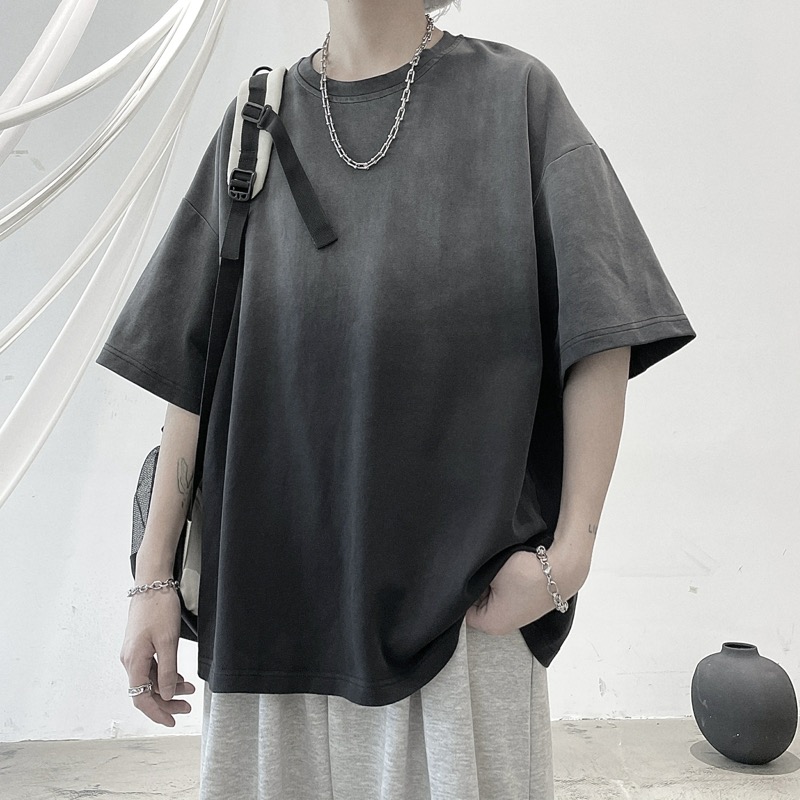
7–14 days is a practical allowance for stocked fabric; custom colors, specialty finishes, or exclusive development can extend sourcing to several weeks. Color availability depends on mill stock, dye-lot control, and the required Pantone reference. MOQ matters at 200 pieces: a mill minimum may force extra meters, color compromises, or a different supplier.
Timeline Comparison
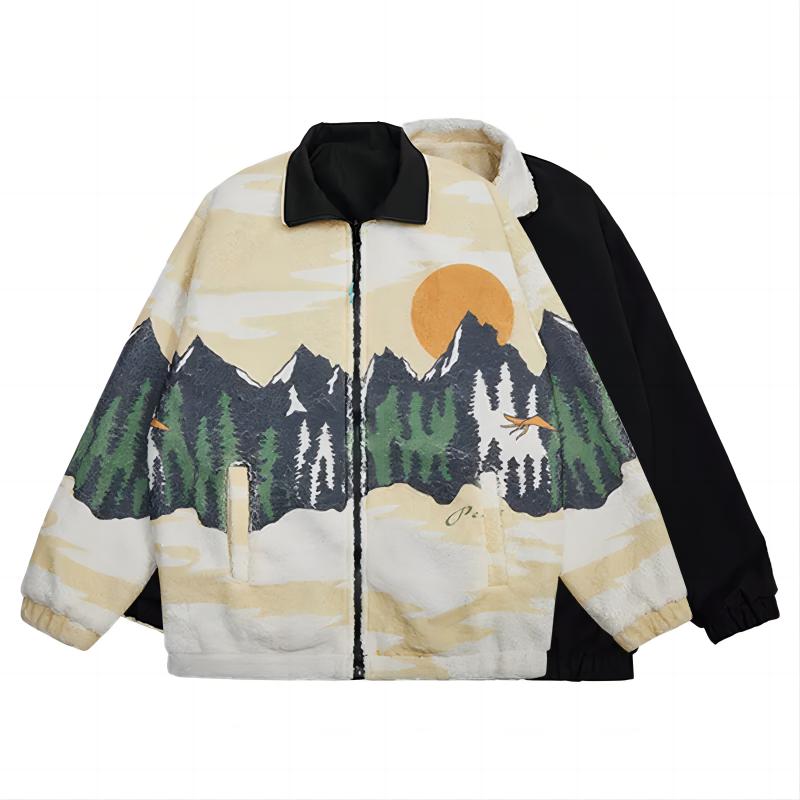
30–45 days is a common planning range for fabric-dependent development when materials are not immediately available.
5. Customization and Decoration Timeline Options
A decoration choice can add artwork, sampling, approval and inspection stages to a streetwear production timeline.
| Method | Best suited to | Setup need | Schedule impact |
|---|---|---|---|
| Screen printing | Bold graphics | Screens and strike-off | Moderate |
| DTG or DTF | Detailed artwork | Color proof and test print | Low to moderate |
| Embroidery | Logos and text | Digitizing and sew-out | Moderate |
| Chenille or appliqué | Varsity graphics | Pattern and placement sample | High |
Prepare Artwork And Approvals
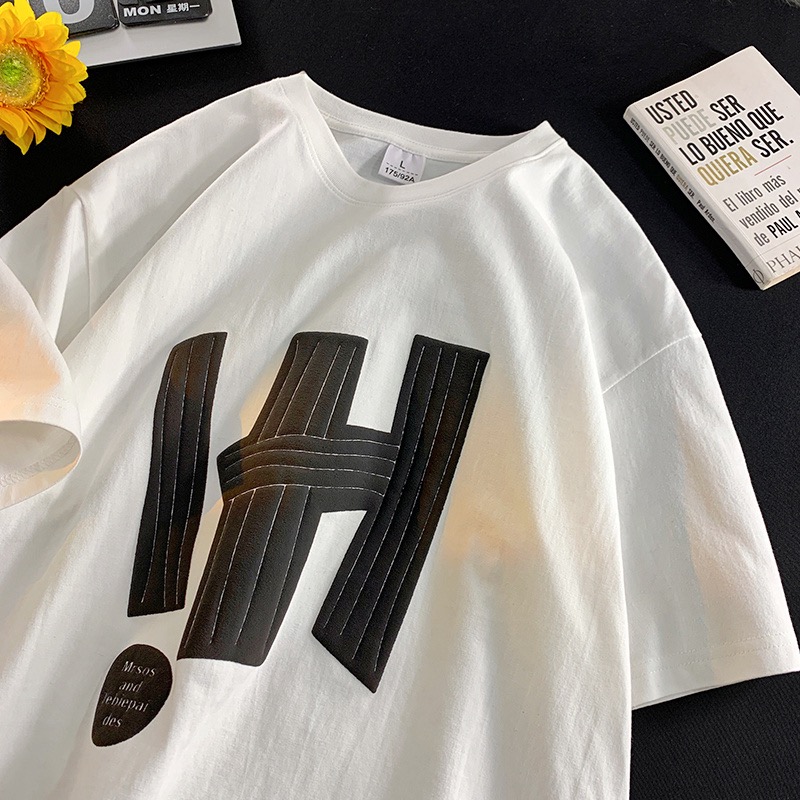
1 file set should include vector artwork, dimensions, placement measurements and Pantone references where applicable. Screen printing, DTG, DTF and heat transfer require color matching and a physical strike-off before approval.
Build Decoration Complexity
3-dimensional or stitched details add specialist preparation. Embroidery requires digitizing; chenille, appliqué and patches require artwork separation, backing, edge finishing and placement checks.
Compare Methods And Schedule
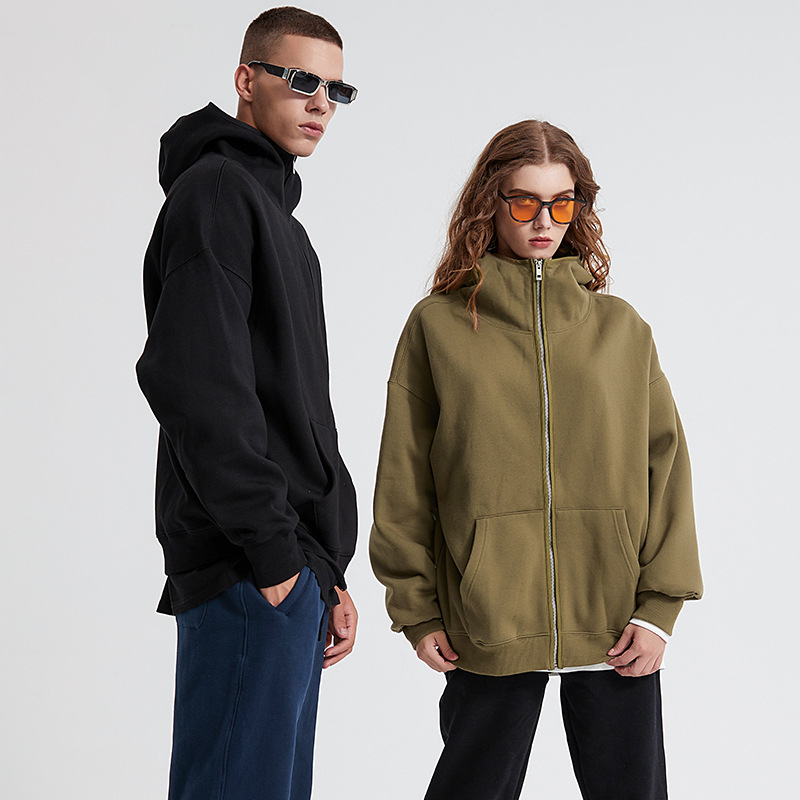
Each method suits a different surface, quantity and design effect.
6. Key Construction Quality Elements to Protect the Schedule
A controlled streetwear production timeline depends on catching construction errors before they reach bulk cutting.
Sample Fit And Pattern Control

Sample approval should confirm pattern accuracy, grading logic, seam construction, stitch density, and measurement tolerances. Check the base size first, then verify proportional changes across the size range rather than approving one garment in isolation. A 2–3 mm seam variation can alter fit or alignment on panels, cuffs, and waistbands.
Pre-Production Materials And Decoration
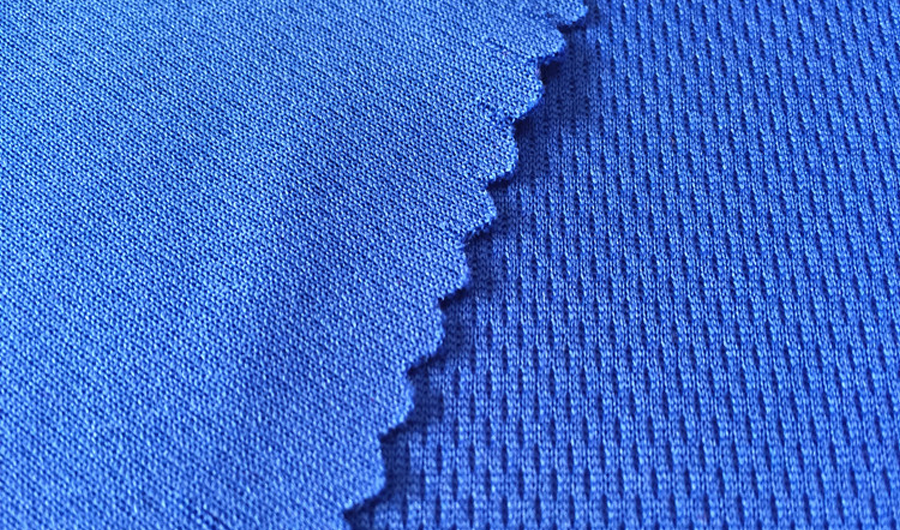
Pre-production approval should test zipper and hardware performance, rib recovery, color consistency, and wash response using the intended materials. Confirm print or embroidery placement with measured artwork coordinates, not visual approximation. Pantone references, trim samples, wash results, and decoration strike-offs should accompany the approved garment.
In-Line And Final Inspection
In-line quality control should check seam strength, stitch density, measurements, panel matching, decoration registration, and hardware function while production is running. Early correction limits the number of garments requiring rework. Final inspection should verify measurements, color, wash appearance, labels, packaging, and order quantities against the approved standard.
7. How to Choose a Streetwear Manufacturer
A 200-piece order should be evaluated against the supplier’s actual development, sourcing, decoration and shipping workflow.
Match Product Experience
200 pieces can expose whether a factory truly understands your product category. Ask for comparable hoodies, varsity jackets, jerseys or coordinated collections, plus construction photos and anonymized measurement documents.
Audit Sampling And Sourcing
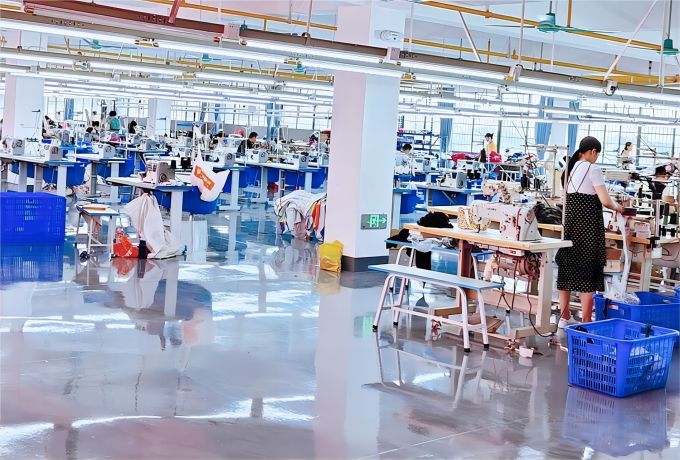
Two checkpoints matter: the development sample and the pre-production sample. Ask how revisions are recorded, who approves them, and whether fabric, rib, trims, labels and hardware are sourced before bulk cutting. Request fabric composition, GSM, color references such as Pantone, trim specifications and availability notes.
Verify Capacity And Quality
A credible supplier explains current capacity, line allocation and decoration capability across screen printing, embroidery, patches and washing. Ask for an inspection checklist covering measurements, color, artwork placement, stitching and packing accuracy.
Test Schedule And Communication
A reliable timeline names each stage: approvals, material arrival, production, quality control, packaging and shipping coordination. Ask what event starts the clock, what dependencies can move it, and how exceptions are reported. Packaging artwork, labeling, carton details and freight responsibility should be written into the schedule.
8. Common Streetwear Production Timeline Mistakes
A missed dependency can add days to a streetwear production timeline before sewing begins.
Incomplete Specifications And Artwork
A complete tech pack should define measurements, tolerances, fabric, trims, construction, labels, packaging, and decoration placement. Prevent delay by using a version-controlled checklist; ask, ‘Could production cut and decorate this style without guessing?’ Artwork approved after sampling can hold screens, embroidery files, or placement checks.
Late Fit And Approval Changes
Two or more measurement revisions after sample approval can trigger pattern updates, grading changes, and another sample. Freeze the measurement chart at approval; ask, ‘Who owns final fit approval, and what changes remain open?’ One named decision-maker prevents conflicting comments from design, merchandising, and team buyers.
Rush Requests And Material Gaps
A rush request is unsupported when fabric, rib, zippers, labels, or trims are not physically available. Check supplier stock, minimums, and replenishment dates before promising speed; ask, ‘Which inputs are confirmed and which remain at risk?’ Custom fabrics and specialty trims may require longer procurement than sewing.
Packaging, Launch, And Inspection
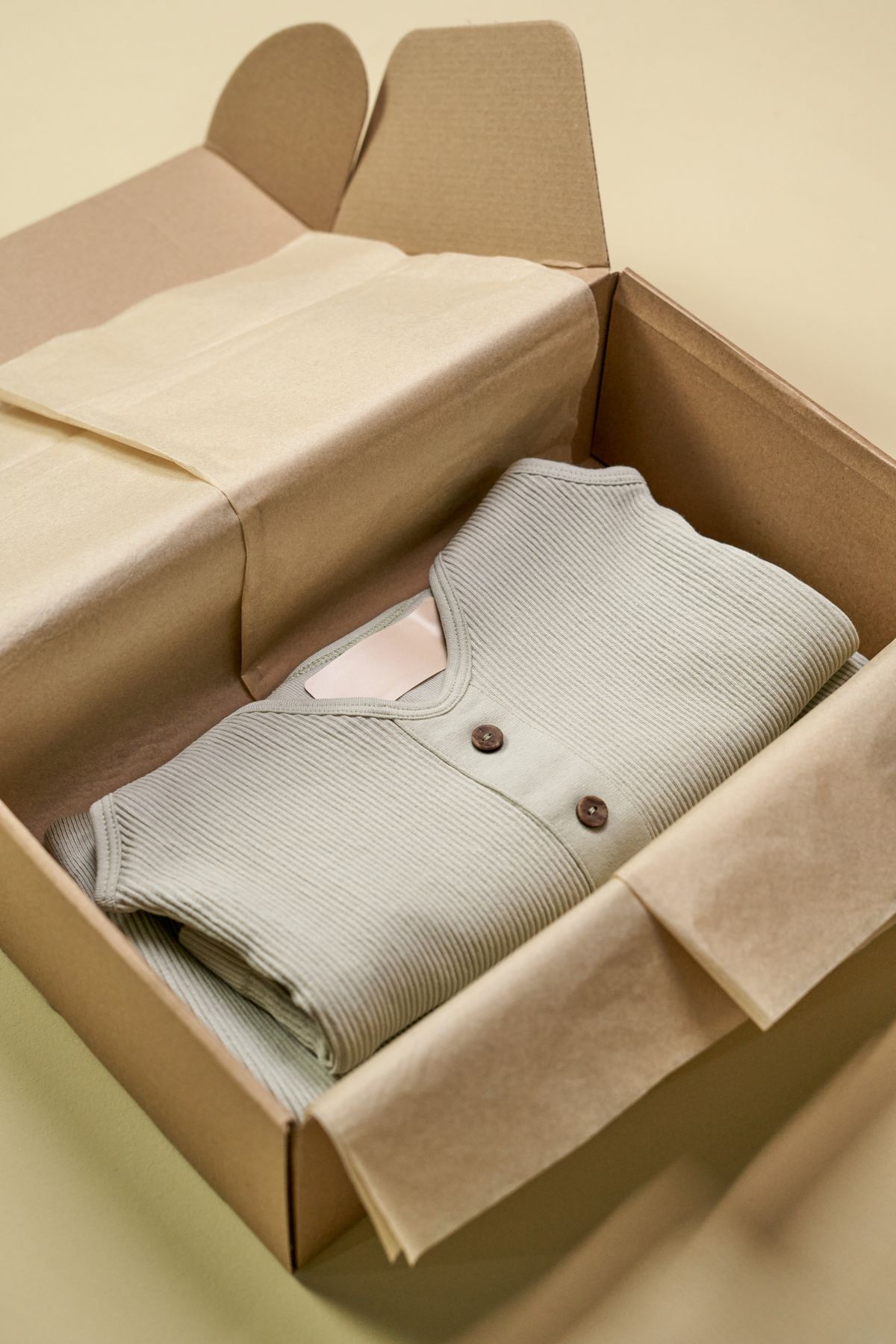
Packaging suppliers can add lead time for woven labels, hangtags, bags, cartons, or custom boxes. Approve packaging artwork early; ask, ‘Is packing material scheduled to arrive before finishing?’ A launch date set immediately after production leaves no buffer for freight or corrections, while skipped inspection hides defects until delivery.
9. Steps to Launch Your Brand on Schedule
A 200-piece launch stays on schedule when every approval has an owner and deadline.
Lock Demand And Scope
Week 1 starts with demand planning: confirm 200 pieces, size and color ratios, sales channel, target launch date, and acceptable overage. Turn the design brief into a supplier shortlist matched to garment category, decoration, fit, and order complexity. Before requesting a quote, confirm construction, fabric, trims, labels, packaging, delivery terms, and inspection expectations.
Approve Before Booking Materials
Days 5–10 should cover the quote, pattern development, sample, and decoration review. Record every revision against measurements, artwork placement, color references, and trim specifications; one consolidated comment round is faster than scattered changes. Set a hard approval deadline before booking fabric and trims.
Control Production And Launch
For a 200-piece order, reserve contingency before bulk cutting: allow time for material variance, rework, inspection, and freight disruption. In-line checks should verify measurements, sewing, decoration, labels, and color before final packing. Use this milestone checklist:
– Fashion brands: approve fit, artwork, and launch content. – Clubs: approve roster names, numbers, and size distribution. – Schools: confirm uniforms, grades, and delivery groups. – Wholesalers: validate carton ratios and replenishment needs. – Private-label buyers: approve labels, packaging, and compliance files.
10. Streetwear Production Timeline Pricing and Costs
200 pieces is the working MOQ for this guide, but unit cost still changes with quantity because cutting, setup, fabric allocation and freight are spread across more units. A 200-piece order may cost more per garment than 500 or 1,200 pieces, while larger quantities can extend cutting, sewing and inspection capacity. Seven to fourteen business days is a practical sampling allowance when patterns, fabric, GSM, fit, artwork and trims require approval. Custom dyeing, heavyweight fleece, complex panels, embroidery or multi-location printing add supplier coordination; labels, hang tags and custom packaging can also become schedule dependencies. Two to five inspection days should be planned before freight, with shipping time determined by destination and service.
| Cost component | Cost basis | Timeline effect | Buyer planning implication |
|---|---|---|---|
| Quantity | Units, colorways and size mix | Higher volume may lengthen production but lower unit overhead | EDVORIN’s MOQ starts at 200 pieces per style. Confirm forecast, MOQ and size ratio before booking capacity |
| Fabric and GSM | Stock fabric versus custom mill or dyeing | Custom color, GSM and testing can add weeks | Approve Pantone references and material standard early |
| Decoration and development | Print, embroidery, patches, samples and revisions | Complex placement or repeated approvals slow release | Lock artwork, placement and pre-production sample |
| Labels, packaging, QC and freight | Trim count, packaging format, inspection scope and shipping mode | Separate suppliers or slower freight can delay dispatch | Finalize packaging files and reserve inspection and freight time |
| Rush production | Expedited capacity, overtime or priority handling | May reduce queue time but not material lead time | Request a written recovery schedule and contingency budget |
Streetwear Production Timeline FAQs
EDVORIN’s MOQ starts at 200 pieces per style. Clear answers on MOQ, sampling, materials, decoration, quality control and repeat production with EDVORIN.
What does a typical streetwear production timeline include?
EDVORIN’s MOQ starts at 200 pieces per style. How does the streetwear production timeline work with EDVORIN’s 200-piece MOQ?
Can I start the streetwear production timeline without a complete tech pack?
How long does sampling take in a streetwear production timeline?
What materials can EDVORIN source for a streetwear production timeline?
Do revisions delay the streetwear production timeline?
How are printing and embroidery handled in the streetwear production timeline?
What quality checks happen before a streetwear production timeline is complete?
Can EDVORIN support repeat orders after the first streetwear production timeline?
Ready to Plan Your Streetwear Production Timeline?
Share your concept, tech pack, or reference garment with EDVORIN and move confidently toward a production-ready collection.