
Streetwear Manufacturing Cost: Build a Repeatable First Run
EDVORIN’s MOQ starts at 200 pieces per style. Understand streetwear manufacturing cost across development, sampling, decoration and MOQ planning with EDVORIN’s OEM, ODM and private-label product development support.
Streetwear Manufacturing Cost by Production Stage
Use this decision framework to compare development, materials, decoration, quantity, quality control, packaging, and supplier capabilities while avoiding hidden fees, weak samples, unrealistic MOQs, and costly production mistakes.
1. What Is Streetwear Manufacturing Cost?
Three cost layers define streetwear manufacturing cost: product development and sampling, physical production, and delivery. The production total can include materials, pattern work, cutting and sewing, decoration, washing, quality control, labels, packaging, freight, and quantity-related pricing. One factory unit cost covers the manufacturer’s charge to produce each approved garment, often excluding international freight, duties, taxes, destination handling, and sometimes packaging or decoration. Landed cost adds those delivery-related charges, giving buyers a more realistic per-unit figure at the receiving warehouse.
2. How Streetwear Manufacturing Cost Has Evolved
EDVORIN’s MOQ starts at 200 pieces per style. EDVORIN was founded in 2000, when many streetwear programs still depended on local cut-and-sew workshops, stock graphic blanks and direct production relationships. That model offered hands-on control but limited fabric choice, decoration complexity, repeatability and geographic reach. By the 2010s, global sourcing expanded access to specialized mills, trim suppliers, decoration houses and factories, while small-batch manufacturing lowered the commitment required to test a collection. Today, buyers balance speed against MOQ, customization against cost and sustainability against sampling, shipping and excess inventory; the strongest fit is usually a supplier specialized in the garment, fabric, wash and decoration requirements involved.
3. Types of Streetwear Manufacturing Cost
Six cost categories shape the streetwear manufacturing cost of a product program.
| Cost Category | Main Cost Drivers | When Charged | Cost-Reducing Decision |
|---|---|---|---|
| Development and tech packs | Patterns, grading, measurements, construction notes | Before sampling | Supply complete references and one measurement standard |
| Sampling and revisions | Sample count, fit changes, wash or decoration tests | Per development round | Consolidate feedback before each revision |
| Fabric and trims | GSM, fiber, custom colors, rib, zippers, labels | Sourcing and bulk booking | Use proven stock materials and shared trims |
| Construction and finishing | Panel count, pockets, seam work, pressing, QC | Per bulk unit | Simplify features that do not improve wear or fit |
| Decoration and washing | Print colors, embroidery area, wash recipe, setup | Sampling and per bulk unit | Limit color count and test one approved method |
| Fulfillment-related costs | Packaging, cartons, freight, duties, labeling | Packing and shipment | Standardize packaging and consolidate compatible orders |
Development And Sampling
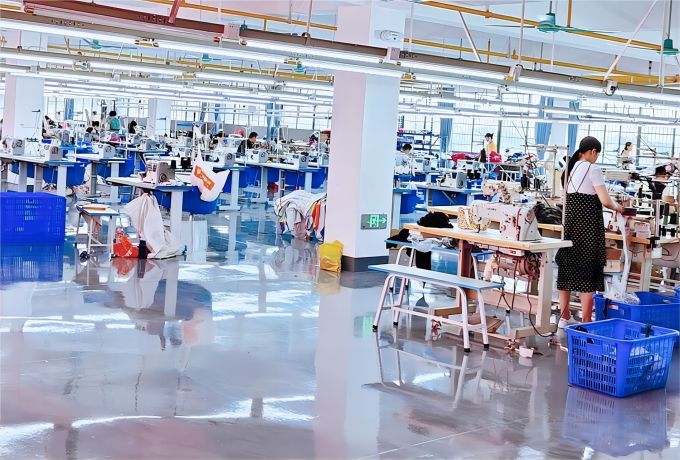
2000 marks EDVORIN’s manufacturing foundation, but each current program still begins with a technical standard. Clear measurements, construction notes, and approved artwork reduce avoidable revisions.
Production Inputs And Workmanship
280–400 GSM fleece, rib recovery, hardware, lining, and seam details can change the unit cost materially. Buyers save by standardizing compatible materials across styles without weakening fit or durability.
Decoration And Delivery
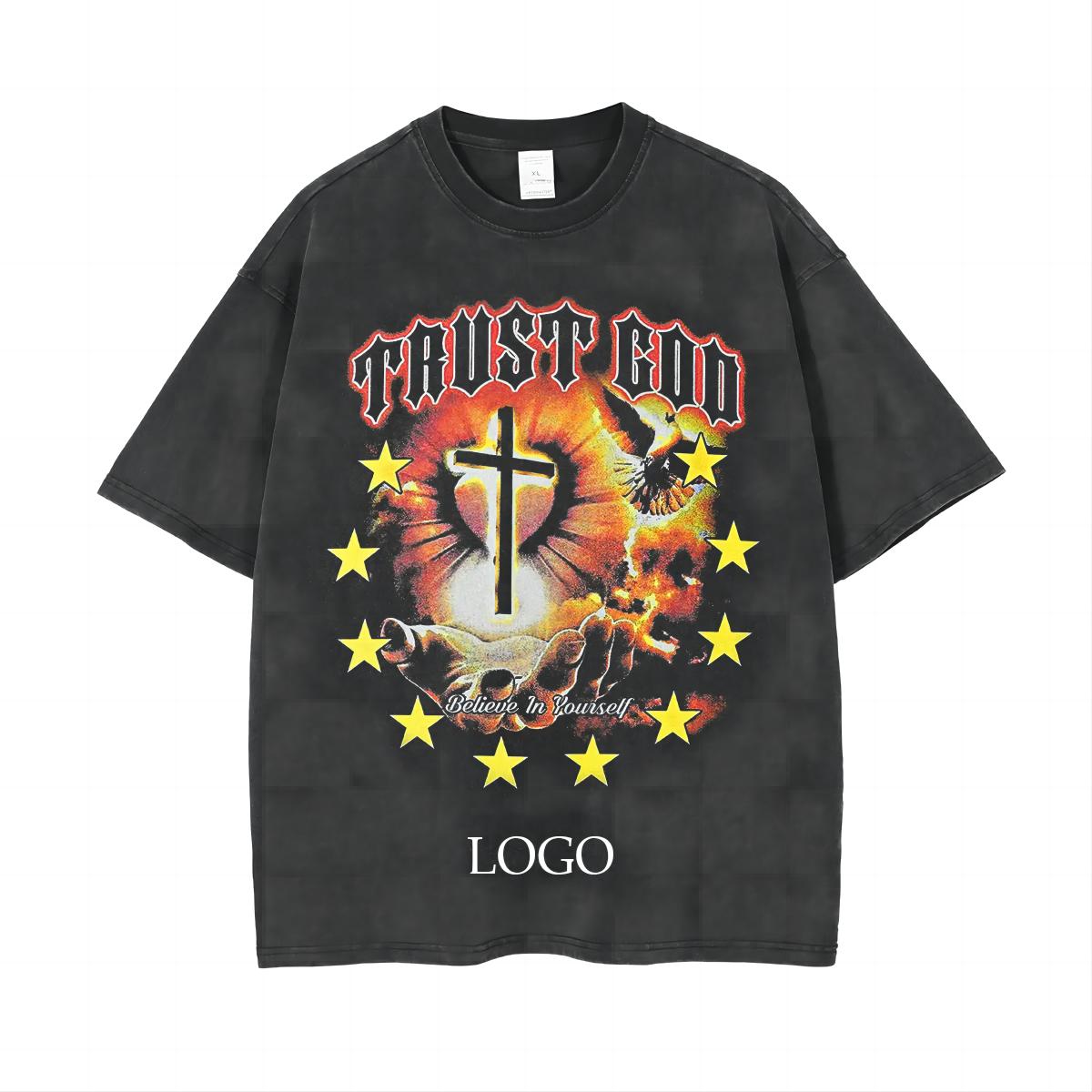
Screen printing, embroidery, labels, garment dyeing, enzyme washing, and distressing add setup or per-piece charges. Confirm artwork size, color count, placement, and wash effect before sampling.
4. Materials, Fabrics, and Streetwear Manufacturing Cost
Fabric selection sets both the garment’s hand feel and its streetwear manufacturing cost.
Fabric Cost And Use
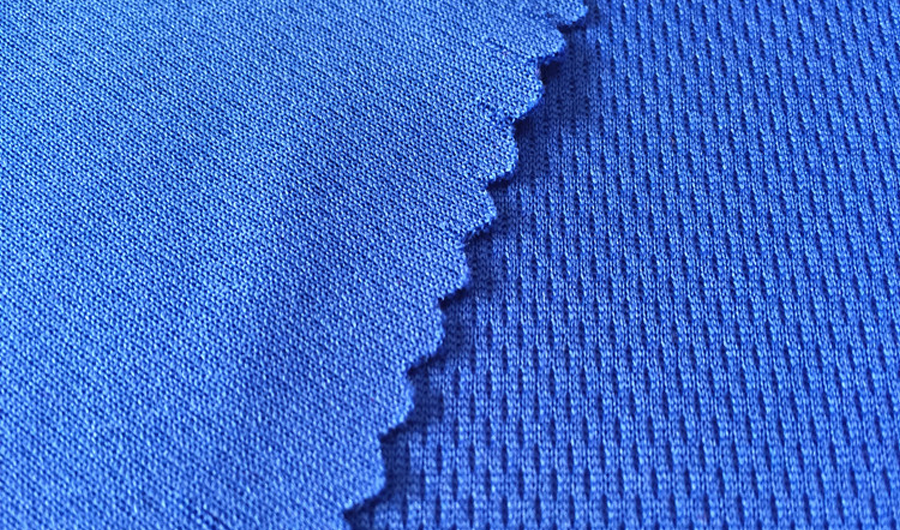
180–220 GSM cotton jersey suits T-shirts; 280–450 GSM fleece suits hoodies and joggers. French terry usually feels cleaner and less bulky than fleece at comparable weights.
| Fabric | Typical Weight | Hand Feel / Durability | MOQ / Use Implication |
|---|---|---|---|
| Cotton jersey | 180–220 GSM | Soft; moderate durability; shrinkage risk | Lower MOQ; tees and polos |
| Heavyweight fleece | 280–450 GSM | Dense, warm, durable | Higher material commitment; hoodies |
| French terry | 240–400 GSM | Loopback, structured, breathable | Moderate MOQ; sweatshirts |
| Denim | 10–14 oz | Firm, abrasion-resistant | Higher MOQ; jackets and jeans |
| Nylon | 70–150 GSM | Smooth, lightweight, wind-resistant | Color and coating tests; outerwear |
| Polyester | 120–220 GSM | Stable, resilient, fast-drying | Efficient repeats; jerseys |
| Recycled blends | Varies by blend | Variable hand feel and strength | Certificate and testing lead time |
| Specialty fabrics | Varies | Technical or distinctive finish | Higher MOQ; limited applications |
GSM, Dyeing, And Trims
A 50–100 GSM increase can change drape, sewing behavior, freight weight, and fabric cost. Custom dyeing also adds lab dips, color approval, dye-lot risk, and often a higher minimum than stock colors.
Testing Before Bulk Approval
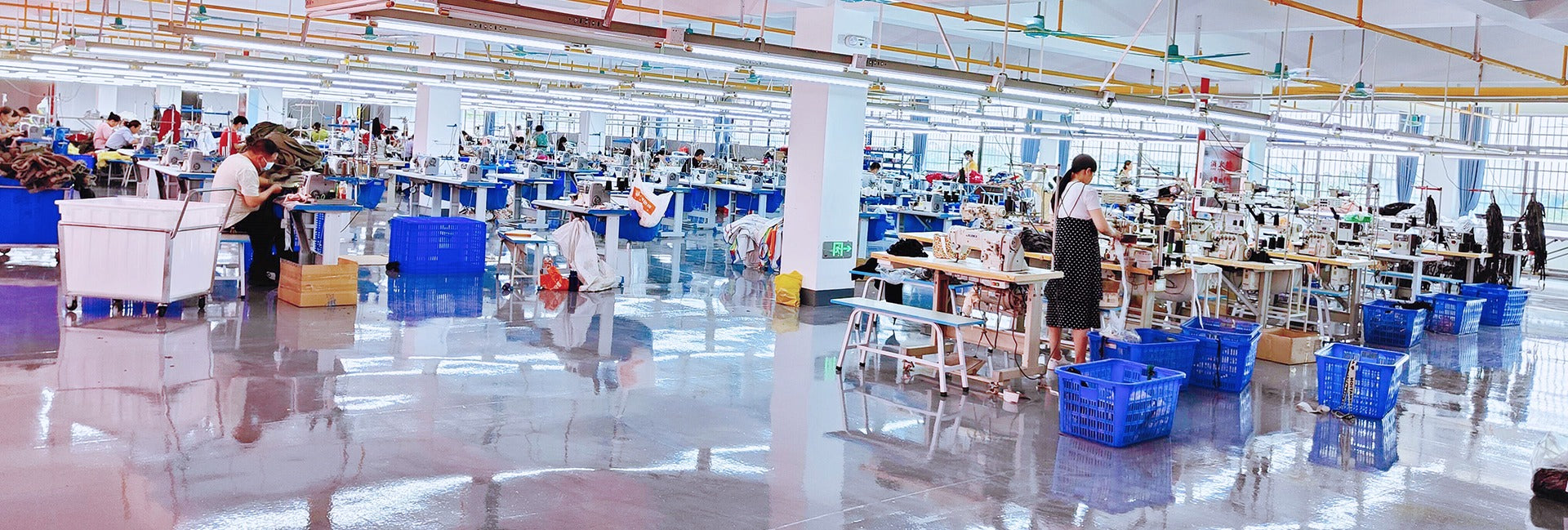
Shrinkage testing should precede final sample approval for cotton and cotton-rich blends; compare wash measurements against the approved spec. Nylon coatings and recycled fibers may require colorfastness, strength, pilling, or composition testing.
5. Customization and Decoration Options
Decoration choices can shift streetwear manufacturing cost as sharply as fabric or construction.
| Method | Cost Pattern | Best Fit | Approval Need |
|---|---|---|---|
| Screen print | Setup plus low unit cost | Bold, repeat graphics | Strike-off and wash test |
| Embroidery | Digitizing plus stitch cost | Logos and textured marks | Thread and backing sample |
| DTG or DTF | Low setup; moderate unit cost | Small runs and detail | Hand-feel and adhesion test |
| Patches or appliqué | Higher labor and attachment | Varsity and statement pieces | Placement and edge sample |
| Dyeing or washing | Processing surcharge | Vintage or worn effects | Color, shrinkage, and wash sample |
Print Methods And Artwork
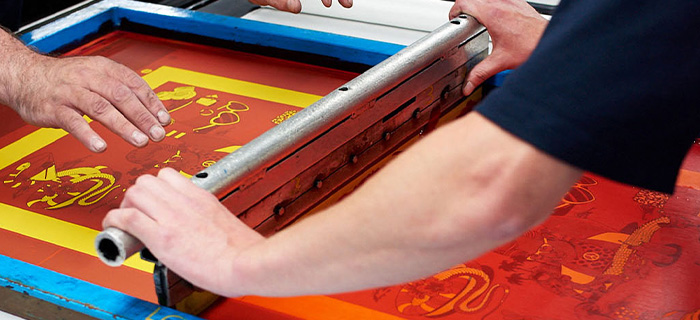
Screen printing suits bold graphics and repeat orders; setup is front-loaded, while per-unit cost falls with quantity. DTG handles detailed artwork on cotton but is less suitable for dark bases and high-volume runs.
Embroidery And Applications
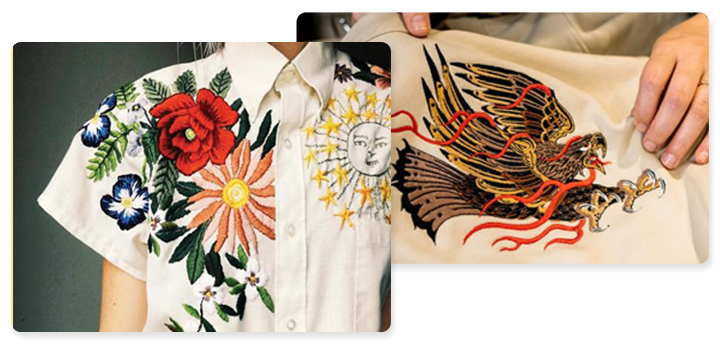
Embroidery gives durable texture for polos, caps, jackets, and hoodies, but stitch count, backing, and small lettering affect cost. Appliqué and woven or chenille patches add labor, cutting, and attachment steps.
Washes And Surface Treatments
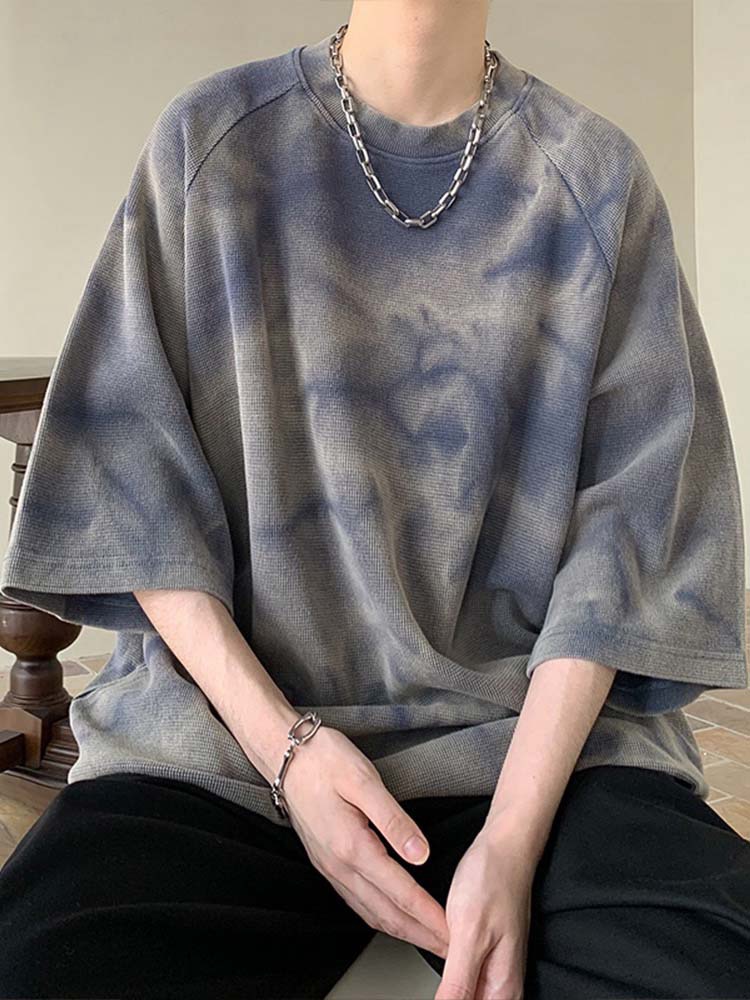
EDVORIN provides garment wash services including garment dyeing, enzyme washing, stone washing, pigment effects and distressing. These treatments change hand feel, color variation and shrinkage; each needs a wash sample before bulk approval. They usually add per-unit processing and can require higher quantities for consistent results.
6. Construction Quality Elements That Affect Cost
Patterns, fit blocks, and construction details directly shape streetwear manufacturing cost.
Fit And Pattern Control
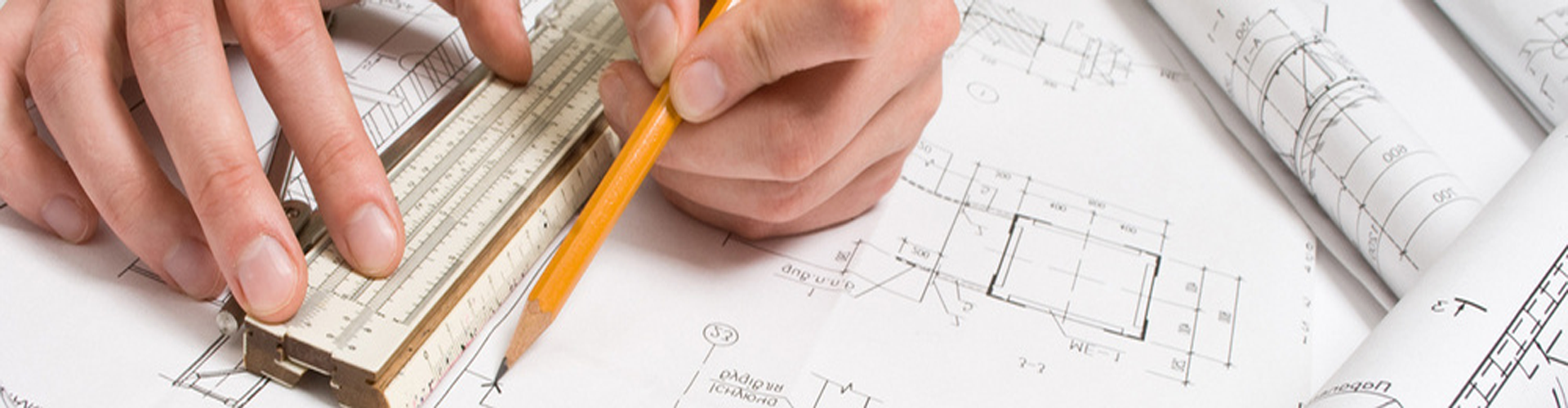
A complete tech pack should identify the fit block, graded measurements, measurement tolerances, and approved sample. Oversized, womenswear, and menswear blocks require different proportions; copying one block across categories can create fit corrections and return costs.
- Specify chest, length, shoulder, rise, sleeve, and hem tolerances.
- Approve a measured sample before bulk cutting.
- Record post-wash measurements and shrinkage limits.
Construction And Hardware
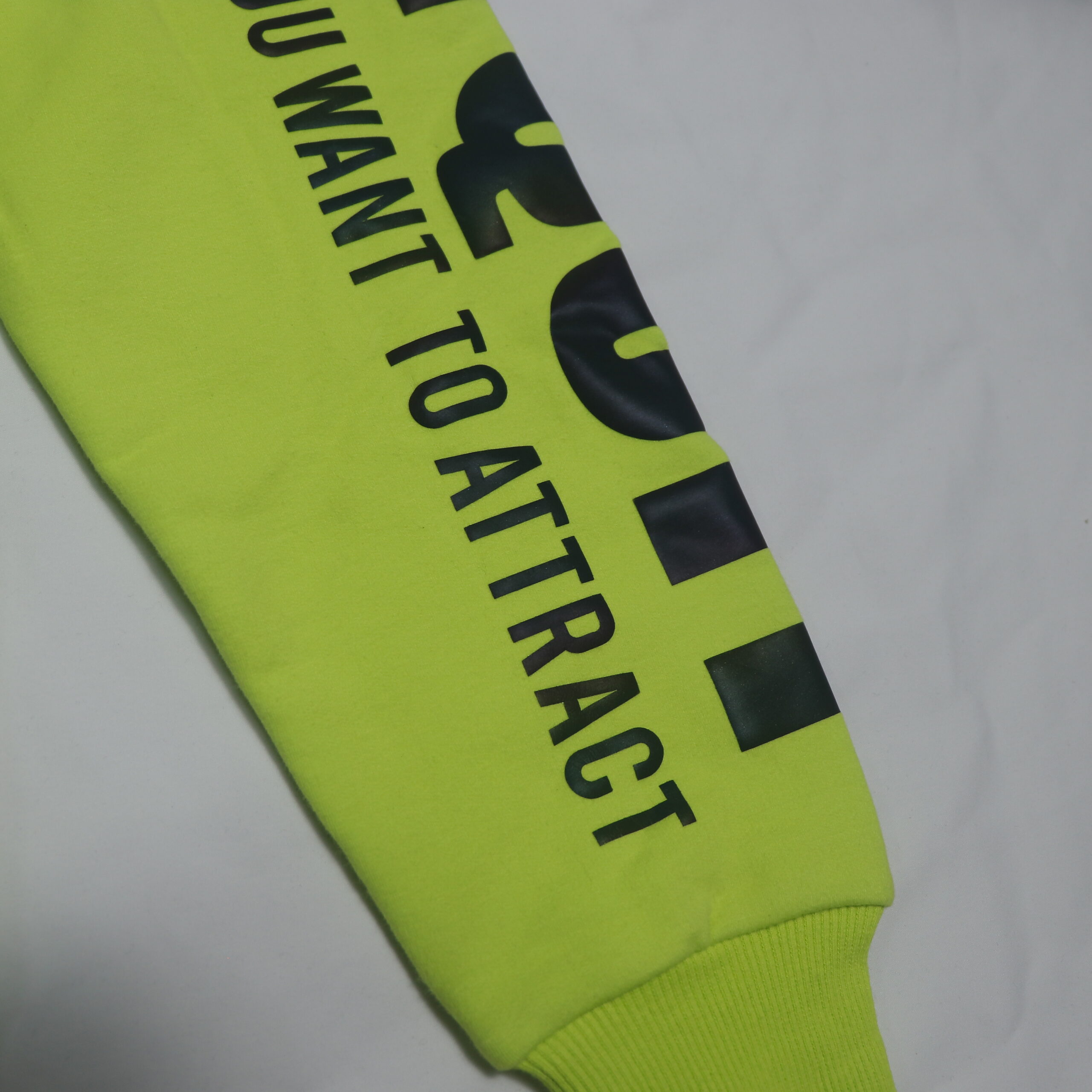
280–400 GSM fleece, French terry, and lighter jersey each require suitable seam construction, ribbing, and stitch density. Flatlock or reinforced seams, stronger cuffs, pocket bartacks, and stable rib recovery add labor but reduce distortion and seam failure.
- Define seam type, SPI, thread, and bartack locations.
- Specify rib composition, width, recovery, and color.
- List zipper brand, gauge, puller, and test requirement.
Testing And Finishing
Three checkpoints—wash testing, colorfastness testing, and final inspection—protect the approved standard. Washing can expose shrinkage, twisting, print cracking, shade variation, or poor seam performance before those defects reach customers.
- Set wash method, cycles, temperature, and acceptance criteria.
- Test colorfastness to washing, rubbing, and perspiration.
- Define loose-thread, stain, measurement, and packing limits.
7. How to Choose a Manufacturer for Streetwear Manufacturing Cost
A reliable comparison starts with production evidence, not the lowest unit quote.
Match Product And Process Experience
Three proof points matter: ask for comparable hoodies, jerseys, jackets or uniforms, then review construction, fit and finishing against your specification. Confirm capabilities for screen printing, embroidery, sublimation, garment washing and private labeling.
- Brands: Can you reproduce our fit and decoration consistently?
- Teams and schools: Can you manage names, numbers, size sets and color continuity?
Test Commercial Flexibility
EDVORIN’s MOQ starts at 200 pieces per style. Three quantity bands should be quoted separately: development samples, pilot orders and repeat bulk production. Compare MOQ by style, color and decoration, because a flexible MOQ can matter more than a nominally low price for a new label. Ask wholesalers and distributors about capacity at peak season, replenishment timing and fabric reservation.
- Brands: What changes between 50, 150 and 500 units per style?
- Wholesalers: What monthly capacity is available for repeat orders?
Verify Quality And Compliance
Four control points should be documented: incoming-material inspection, in-line measurement checks, decoration approval and final inspection before packing. Ask for the inspection checklist, tolerance policy, defect classification and corrective-action process. Compliance files should match the buyer’s market and claim requirements.
- Schools: Which safety, labeling and fiber-content documents accompany delivery?
- Private-label buyers: Who owns test reports, labels and traceability records?
Compare Quotes On Equal Scope
Two quotes are comparable only when they use the same fabric composition, GSM, trims, decoration method, wash treatment, packaging and inspection standard. Request an itemized breakdown showing sample fees, pattern work, freight assumptions, taxes and payment terms.
- What is included in the quoted streetwear manufacturing cost?
- Which lead times are calendar days, and which begin after approval?
- What production capacity is reserved for our order?
- What evidence supports your quality and compliance claims?
8. Common Streetwear Manufacturing Cost Mistakes
Nine avoidable decisions can distort streetwear manufacturing cost before bulk production begins.
Development And Quote Discipline
1 development budget should cover patterns, tech-pack clarification, samples and revisions; underbudgeting these steps pushes correction costs into bulk production. Compare quotes only when fabric composition, GSM, decoration, trims, testing and quantities match. 2 approved samples should be checked against measurements, hand feel, artwork placement and construction before sign-off.
Quantity And Landed Cost
3 landed-cost calculations must include freight, duties, insurance, inspection, packaging and payment charges, not only the factory unit price. A low quote can become expensive when these omitted costs consume the margin. 4 unrealistic MOQs tie cash into slow inventory or force expensive small-batch pricing.
Controls And Continuity
5 skipped inspections can turn a correct sample into a defective shipment, creating rework, credits or missed launches. Set checkpoints for fabric, cutting, decoration, sewing, measurements and final packing, with records tied to the approved standard.
9. Steps to Launch a Streetwear Product Line
Three approval gates protect streetwear manufacturing cost: define the product, validate the sample, then authorize production.
Define The Product Brief
Step 1 starts with the audience, use case, price target and launch quantity. Approve a product brief covering silhouettes, size range, colorways, fabric direction, decoration, labeling and target retail position. Step 2 converts the brief into a tech pack.
Shortlist And Quote Suppliers
EDVORIN’s MOQ starts at 200 pieces per style. Step 3 compares suppliers against product capability, MOQ, sampling process, lead time and communication. Send the same tech pack and artwork package to each candidate so quotations remain comparable.
Approve Samples Before Bulk
Step 4 begins with a prototype, followed by a fit sample in the intended size set. Check fabric hand, measurements, proportions, decoration placement, trims and wash behavior against the tech pack and reference artwork. Step 5 closes revisions through dated comments and a corrected sample.
Control Production And Review
Step 6 places the bulk order against the approved sample and purchase order. Step 7 uses in-line and final inspection to verify workmanship, measurements, color, decoration, labeling, quantity and packing before release. Step 8 confirms carton details, shipping documents, freight booking and delivery responsibility.
10. Streetwear Manufacturing Cost by Quantity and Stage
50–150 units per style is a common small-batch planning tier, while 300+ units can improve cutting, material and labor efficiency. For streetwear manufacturing cost, treat every figure below as an indicative budgeting range, not an EDVORIN quotation.
| Production Stage | Quantity Tier | Indicative Cost / Timing | MOQ Consideration |
|---|---|---|---|
| Development | 1 style | USD 50–300; tech pack, pattern or grading scope | Existing patterns can reduce setup work |
| Sampling | 1–3 samples | USD 80–250 each; 1–3 weeks before revisions | Wash, embroidery and complex trims may add rounds |
| Bulk garment | 50–150 / 300+ units | Basic T-shirt: USD 6–15; hoodie: USD 15–35; 4–8 weeks | Higher volume may lower unit cost; fabric MOQ can apply |
| Decoration and washing | Per finished unit | Decoration: USD 2–15; washing: USD 4–10; add 1–3 weeks | Artwork count, color count, wash recipe and test approval matter |
| QC, packaging and delivery | Entire order | QC and packing are quoted separately; total lead time often 6–12 weeks | Confirm inspection standard, labels, polybags, cartons and destination freight |
What Shapes Streetwear Manufacturing Cost?
Understand the variables behind each quote and connect every production decision to a clearer, more repeatable apparel program.
Fabric Weight & Composition
Compare the variables behind streetwear manufacturing cost before selecting fleece, jersey or shell specifications; EDVORIN coordinates sourcing for aligned performance and target cost.
Construction Complexity
Define silhouettes, panels, trims and hardware before sampling; clearer construction decisions help convert design ambition into a production-ready quote.
Decoration & Finishing
Select custom apparel printing, custom apparel embroidery, washing and labeling requirements by category; EDVORIN coordinates methods and placement details before bulk production begins.
Quantity & Size Mix
Plan quantities across sizes and styles with MOQ starting at 200 pieces per style, supporting a clearer unit-cost comparison.
Sampling & Quality Control
Approve fit, materials and decoration through sampling; documented standards help EDVORIN repeat the approved result consistently during bulk production.
Manufacturing Options for Every Buyer Need
From emerging streetwear labels to organized teamwear programs, EDVORIN aligns materials, decoration, minimums and quality control with each product category.
Custom Hoodies
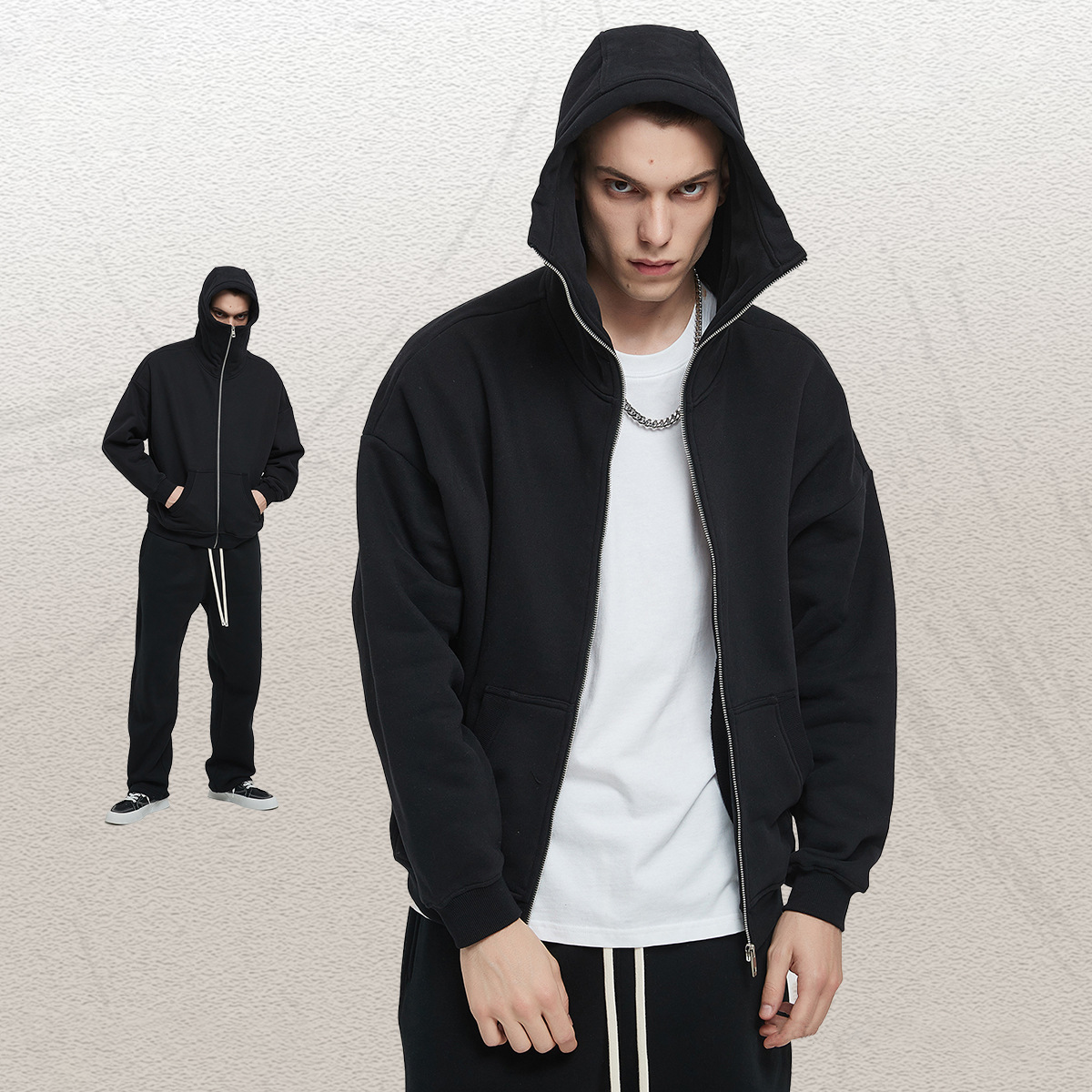
EDVORIN develops custom hoodies from fleece selection and fit blocks through artwork placement, embroidery, printing, trims and packaging. As a custom hoodie manufacturer, the company supports emerging labels and established programs, including buyers seeking a private label clothing manufacturer, with approved samples, repeatable measurements and MOQ starting at 200 pieces per style.
Get a Quote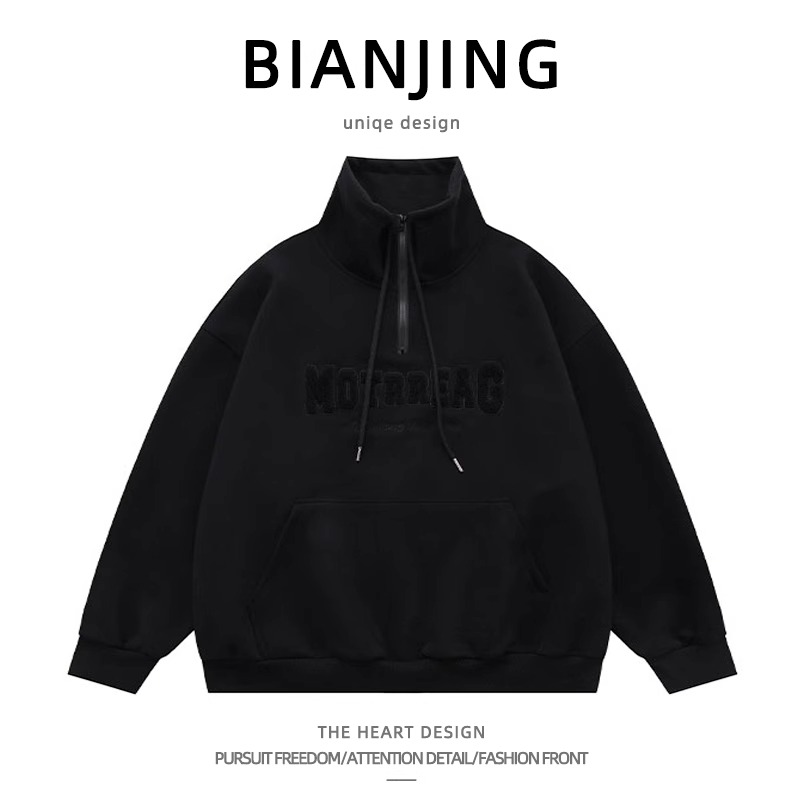
Pullover Sweatshirts
Pullover sweatshirts can be developed in different fleece weights, silhouettes and finishes for casualwear, streetwear and private-label collections. EDVORIN coordinates fabric, rib construction, decoration, labeling and inspection as a sweatshirt manufacturer, helping buyers establish a clear standard before bulk production.
Get a Quote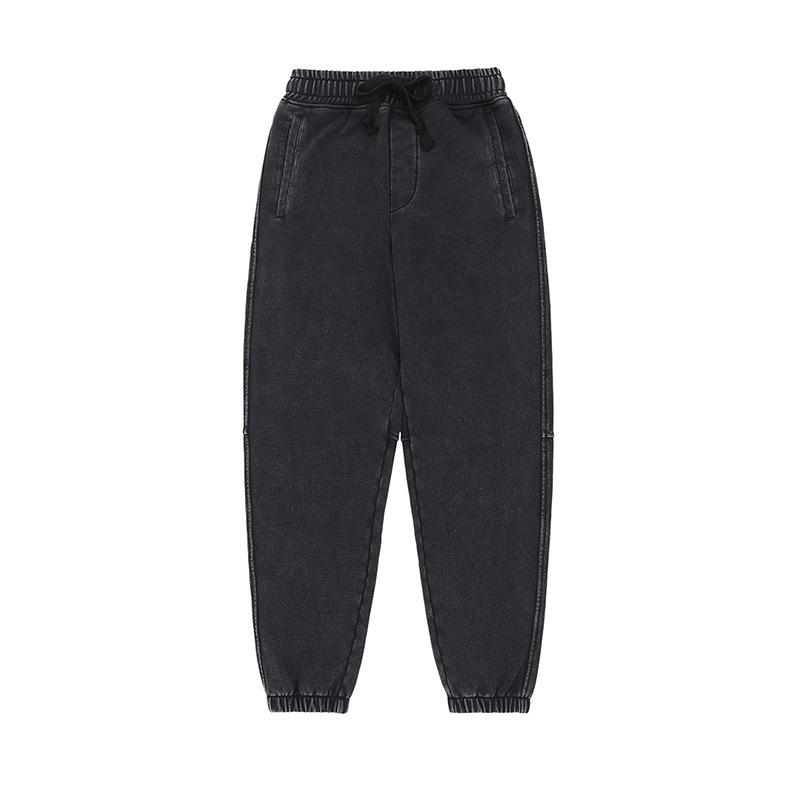
Sweatpants & Joggers
EDVORIN’s MOQ starts at 200 pieces per style. EDVORIN develops sweatpants and joggers with attention to fleece or jersey weight, waistband recovery, pocket construction, cuffs, drawcords and grading. As a sweatpants manufacturer supporting low MOQ clothing manufacturer programs, the company serves coordinated sets, streetwear labels and wholesale orders with sample-to-bulk controls for consistent fit and finish.
Get a Quote
Custom Shorts
Custom shorts can be developed for casualwear, streetwear, training and team programs using fleece, jersey, woven or performance fabrics. EDVORIN coordinates inseam, waistband, pockets, decoration, labels and packaging as a custom shorts manufacturer, with specifications adjusted for men’s and women’s collections.
Get a Quote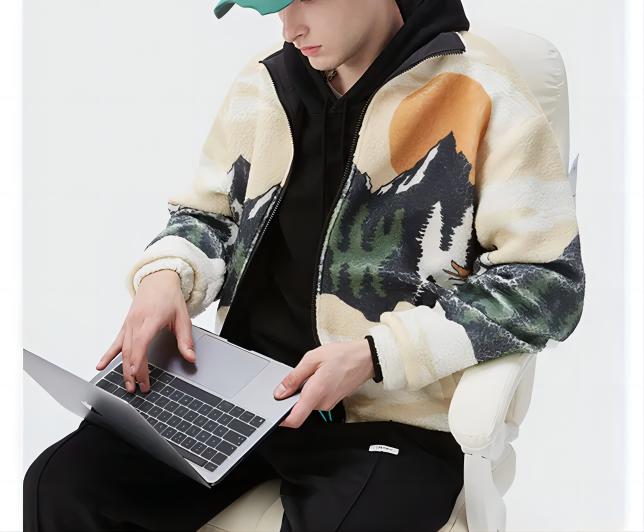
Varsity & Baseball Jackets
Varsity and baseball jackets require coordination between body fabric, sleeves, lining, rib, snaps, patches, embroidery and fit. EDVORIN develops these details for fashion labels, schools, clubs and private-label buyers as a varsity jacket manufacturer, documenting approved construction and decoration for repeat orders.
Get a Quote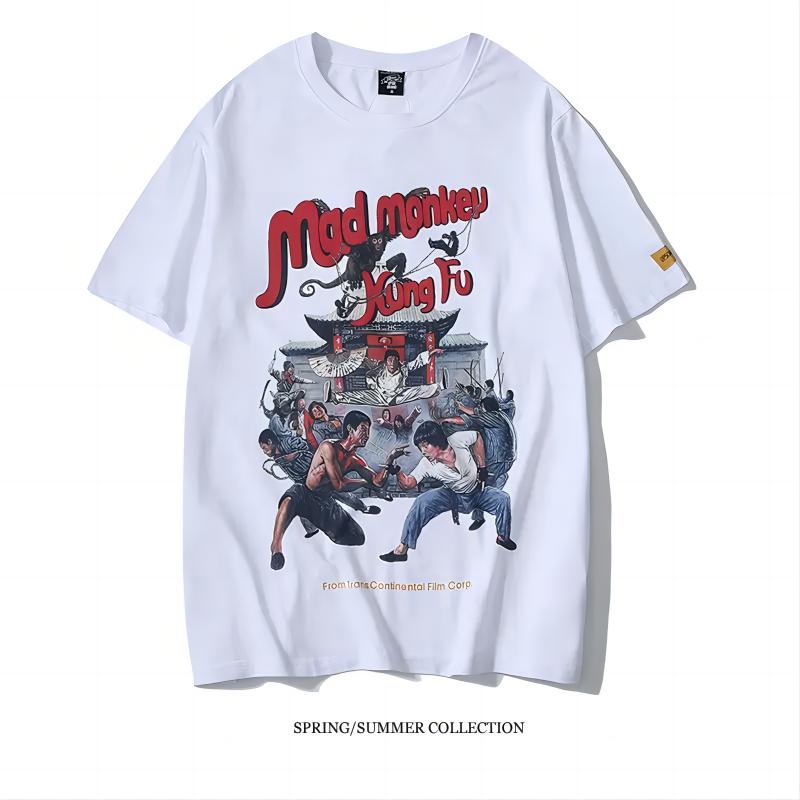
Custom T-Shirts
EDVORIN develops custom T-shirts in cotton, blends and performance fabrics, with options for different weights, neck treatments, fits, washes and artwork methods. As a custom t shirt manufacturer, the company supports promotional, wholesale, streetwear and private-label programs through controlled sampling and bulk inspection.
Get a Quote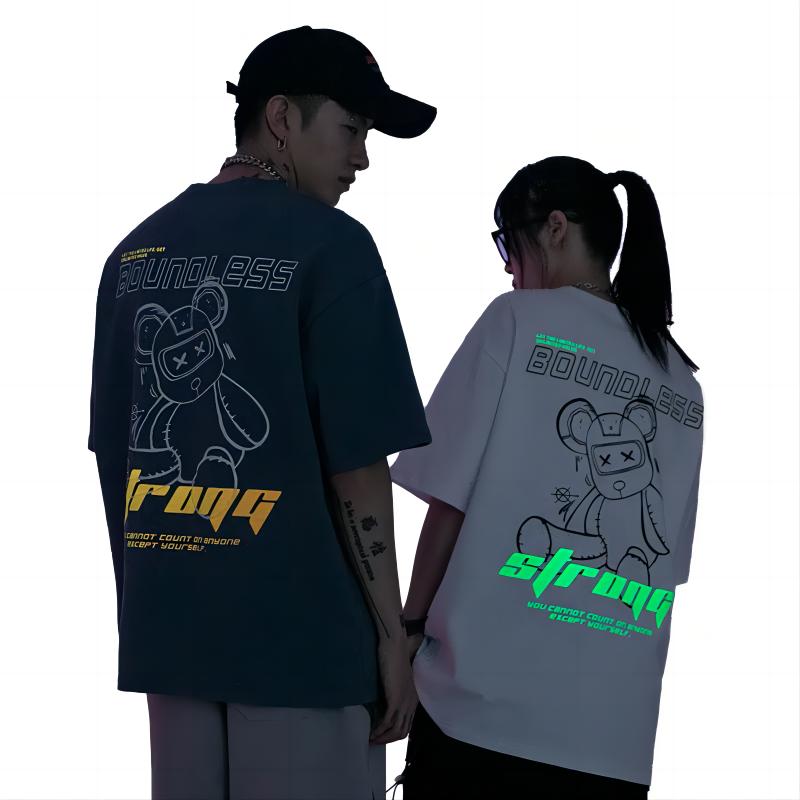
Custom Polo Shirts
Custom polo shirts can be developed for corporate apparel, schools, sports organizations, casualwear labels and wholesale programs. EDVORIN coordinates pique or jersey fabrics, collars, plackets, buttons, embroidery, printing and grading as a polo shirt manufacturer, with specifications matched to the intended use.
Get a Quote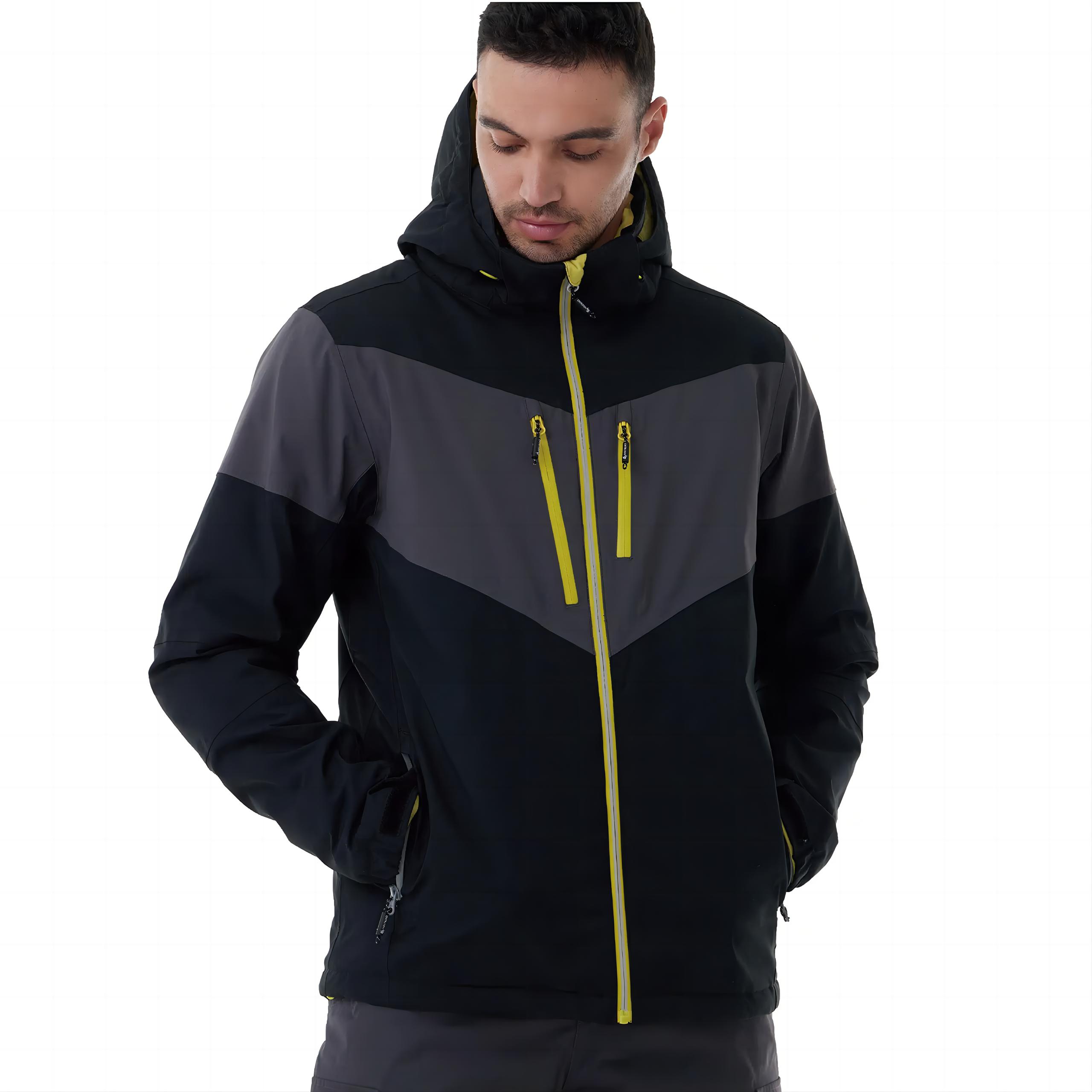
Windbreaker Jackets
Windbreaker jackets require practical decisions around shell fabric, lining, water resistance, ventilation, zippers, hoods, pockets and packability. EDVORIN develops these details for streetwear, sports and corporate programs as a windbreaker manufacturer, coordinating decoration and quality checks against approved performance and appearance standards.
Get a Quote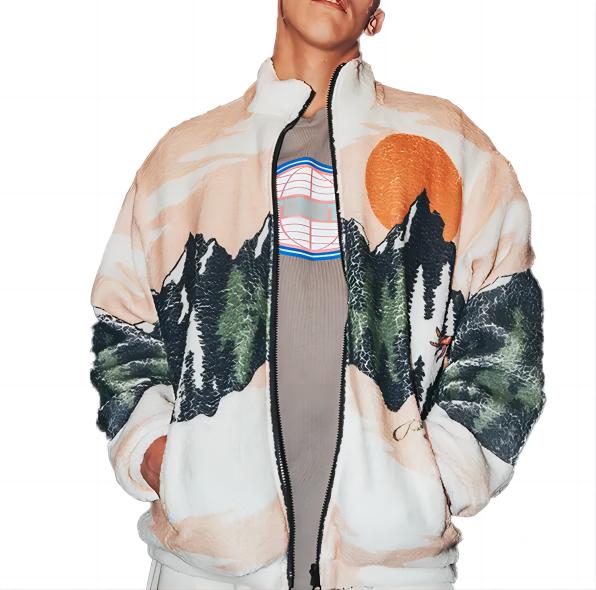
Quilted Jackets
EDVORIN develops quilted jackets with coordinated shell fabrics, lining, insulation, quilting patterns, hardware and finishing details. As a quilted jacket manufacturer, the company supports fashion labels and private-label buyers through material sourcing, fit development, sample approval and bulk controls for consistent warmth, proportions and appearance.
Get a Quote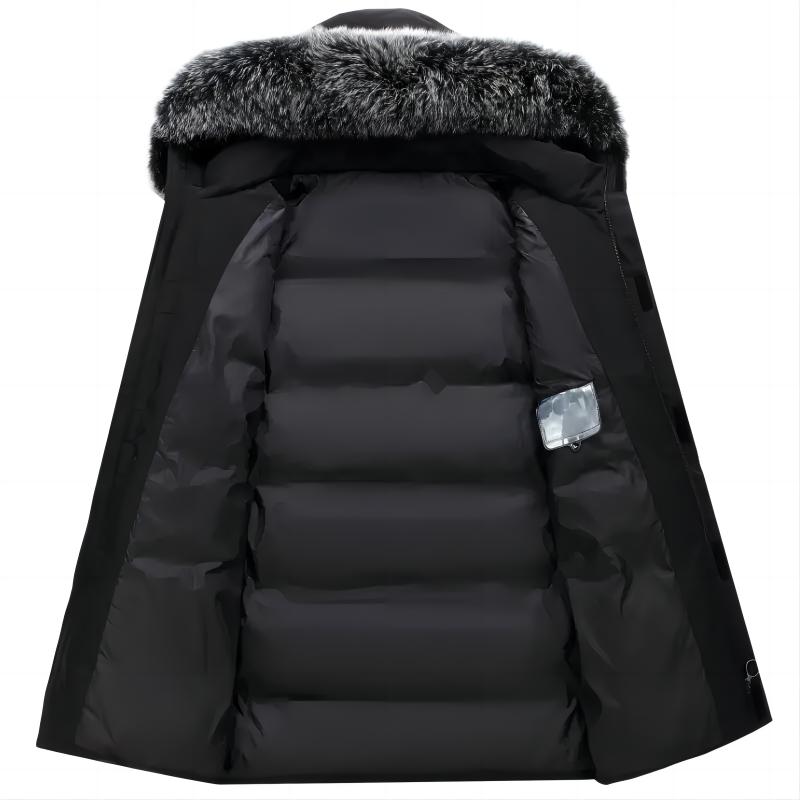
Bomber Jackets
Bomber jackets can be developed in nylon, polyester, cotton or blended fabrics with options for lining, insulation, rib, zippers, pockets, patches and embroidery. EDVORIN acts as a bomber jacket manufacturer for streetwear and fashion programs, recording construction details so approved designs can be reproduced accurately.
Get a Quote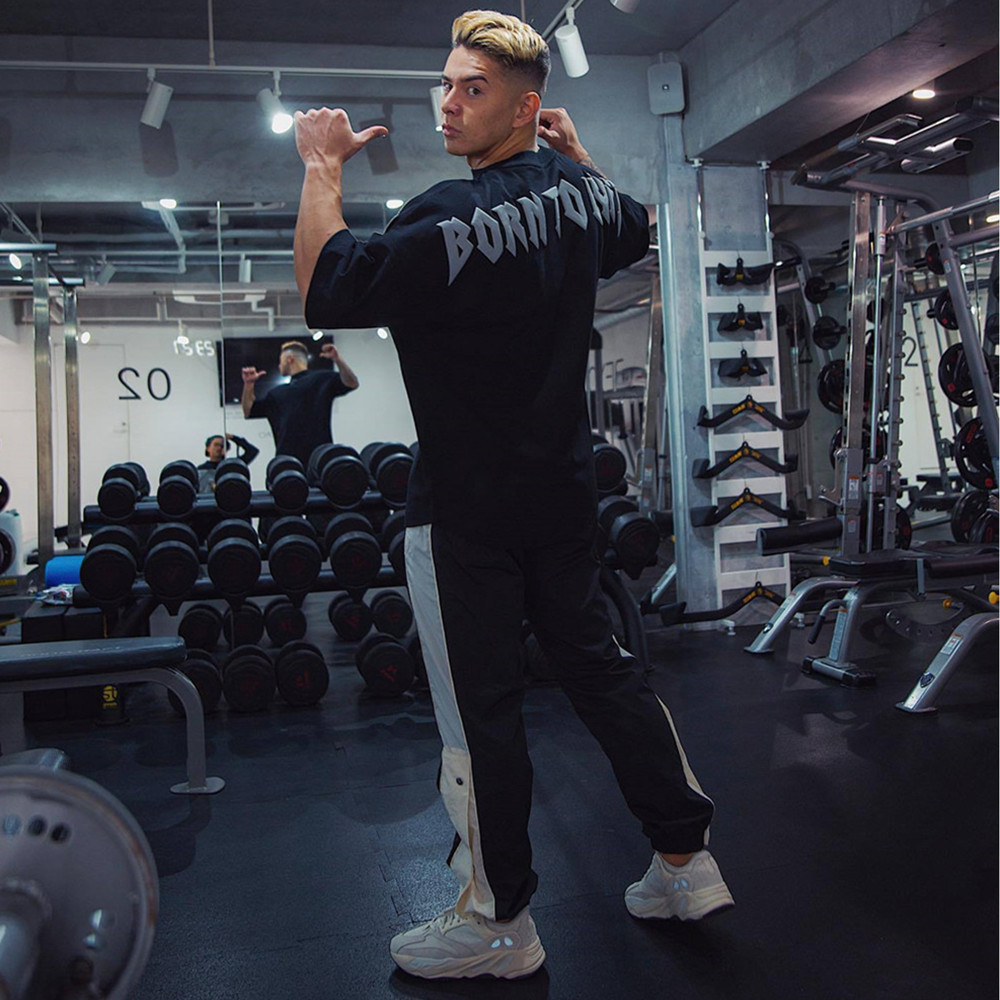
Custom Shirts
Custom woven shirts involve fabric selection, collar and cuff construction, button specifications, pocket placement, seam details, fit and finishing. EDVORIN develops these requirements as a custom woven shirt manufacturer for fashion brands, wholesalers and private-label buyers, supporting both men’s and women’s product programs.
Get a Quote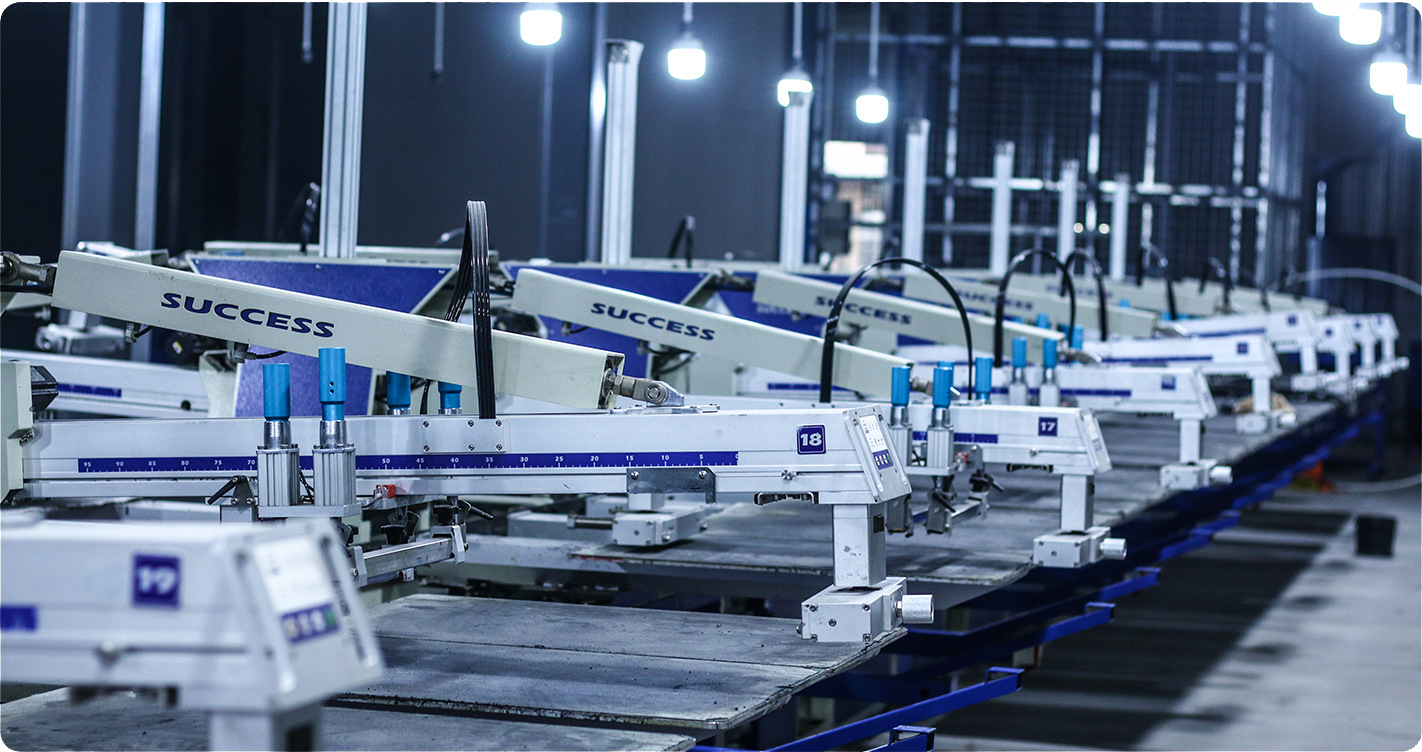
Custom Jerseys
EDVORIN develops custom jerseys for clubs, schools, sports teams and apparel brands using breathable performance fabrics and application-specific decoration. As a custom jersey manufacturer, the company coordinates colors, logos, names, numbers, size grading, labeling and packaging to support organized team orders and repeat programs.
Get a Quote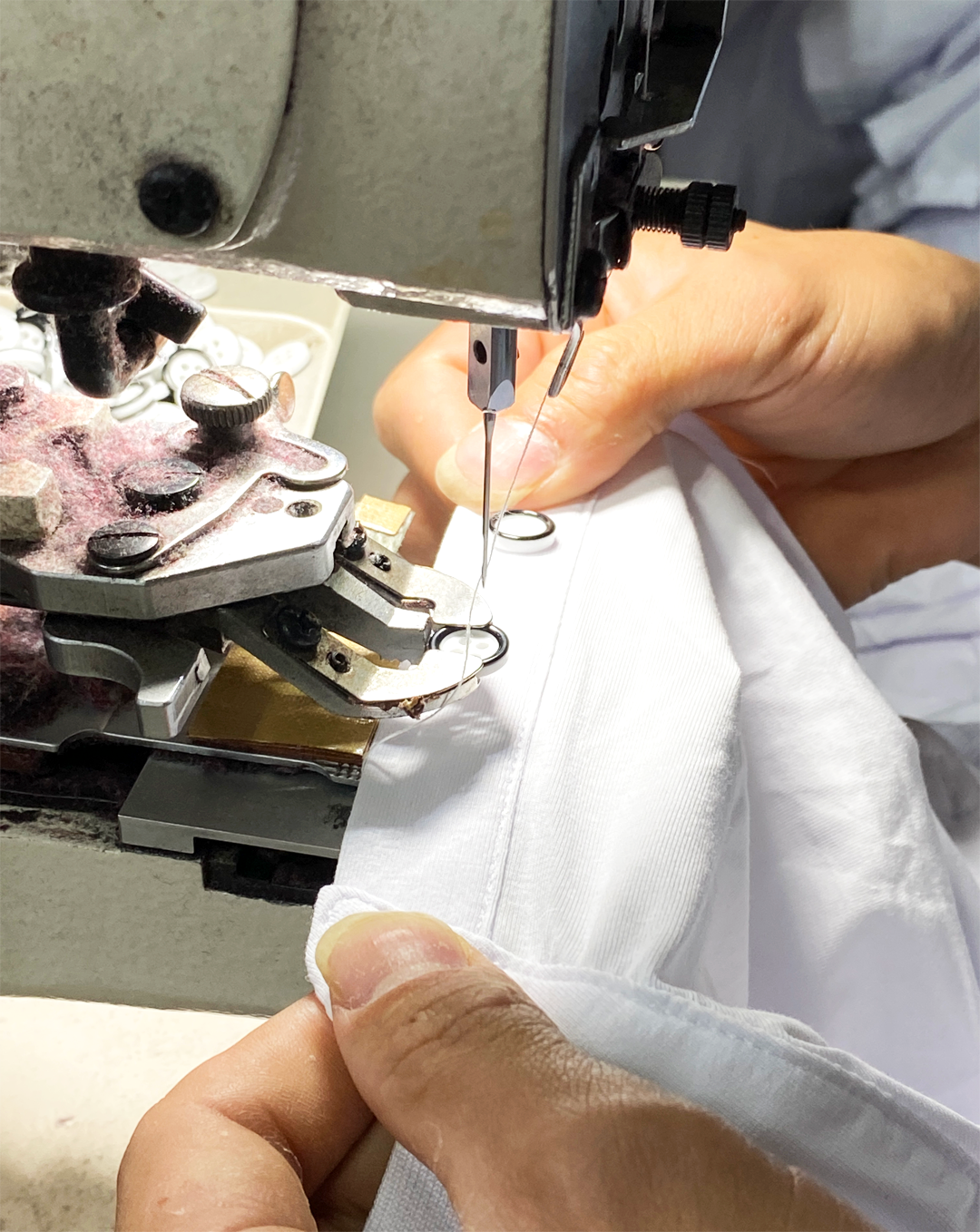
Tank Tops
Custom tank tops can be developed for streetwear, fitness, teamwear and seasonal collections in cotton, jersey or performance materials. EDVORIN coordinates armhole shape, neckline, fit, hems, artwork and labeling as a custom tank top manufacturer, with men’s and women’s specifications developed for the intended market.
Get a Quote
Soccer Uniforms
Soccer uniforms require coordinated jerseys, shorts and optional socks with breathable fabrics, stable color, player names, numbers, badges and size sets. EDVORIN supports schools, clubs and sports organizations as a soccer uniform manufacturer, managing artwork placement, grading, decoration and repeat-order standards across organized team programs.
Get a Quote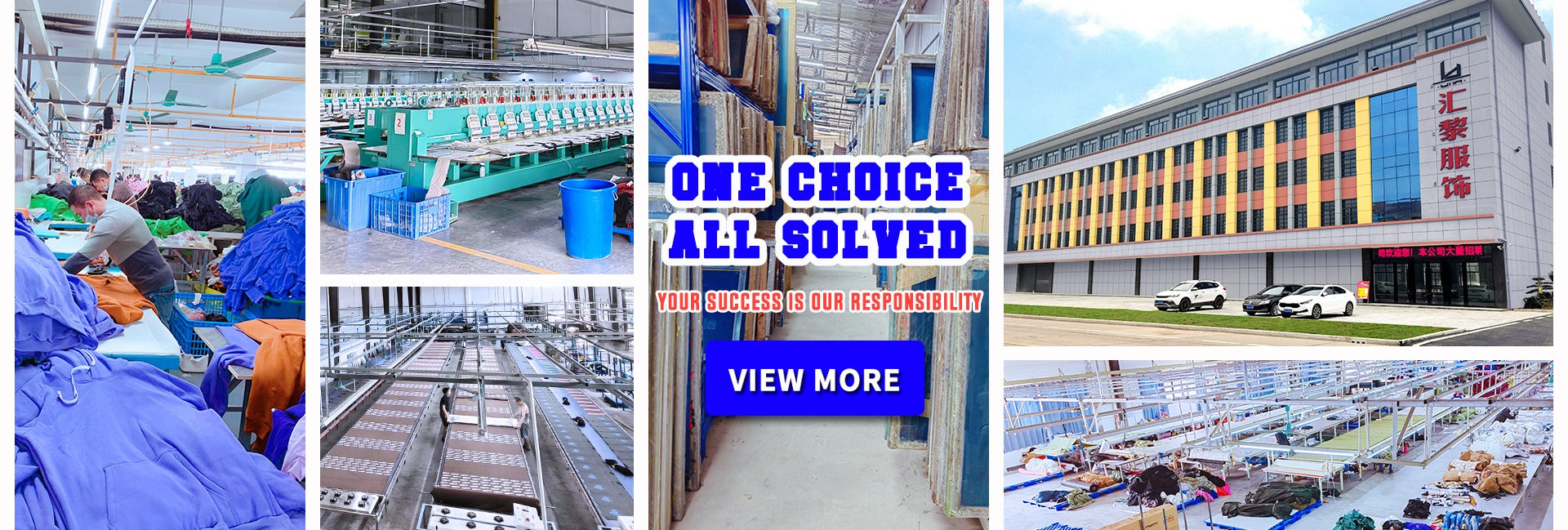
Basketball Uniforms
Basketball uniforms are developed around lightweight performance fabrics, mobility, coordinated tops and shorts, readable numbers, team graphics and consistent size grading. As a basketball uniform manufacturer, EDVORIN supports schools, clubs and sports programs with approved samples, decoration control, organized packaging and repeatable production standards.
Get a Quote
Streetwear Collections
EDVORIN develops streetwear collections across hoodies, T-shirts, sweatpants, jackets, woven shirts and coordinated separates. As a custom clothing manufacturer, OEM clothing manufacturer and ODM apparel manufacturer, the company connects product development, fabric and trim sourcing, decoration, washing, labeling, packaging and quality control for emerging labels, established brands and wholesale programs. Buyers can also coordinate custom clothing labels and packaging within the same production path.
Get a QuoteHow EDVORIN Turns Streetwear Manufacturing Cost Into a Repeatable Order
From concept or tech pack to final inspection, EDVORIN keeps specifications, approvals and cost decisions visible throughout your production program.
Define Your Product
Share a concept, reference garment or tech pack so EDVORIN can clarify fabrics, fit, construction, decoration and production requirements.
Develop And Sample
EDVORIN coordinates patterns, materials, trims and decoration to create a sample that reflects your intended design, fit and manufacturing standard.
Approve The Standard
Review measurements, colors, artwork placement, trims and finishing details, then confirm the approved sample as the reference for bulk production.
Produce And Inspect
EDVORIN manages bulk manufacturing, in-line quality checks, final inspection, labeling and packaging to support consistent repeat orders at your approved standard.
Streetwear Manufacturing Cost FAQs
EDVORIN’s MOQ starts at 200 pieces per style. Clear answers on MOQ, samples, materials, decoration and repeat production before you request an EDVORIN quote.
What affects streetwear manufacturing cost the most?
What is EDVORIN’s minimum order quantity?
How much do streetwear samples cost?
How can I get an accurate production quote?
Does fabric choice change streetwear manufacturing cost?
Can EDVORIN develop men’s and women’s streetwear styles?
How do printing and embroidery affect streetwear manufacturing cost?
How does EDVORIN keep repeat orders consistent?
Ready to Clarify Your Streetwear Manufacturing Cost?
Share your concept, tech pack or reference garment with EDVORIN for a tailored path from development through repeatable production.