
Custom Clothing Manufacturing Built to Repeat
Turn approved apparel concepts into repeatable private-label collections with OEM, ODM and controlled sample-to-bulk production.
Featured Apparel Categories
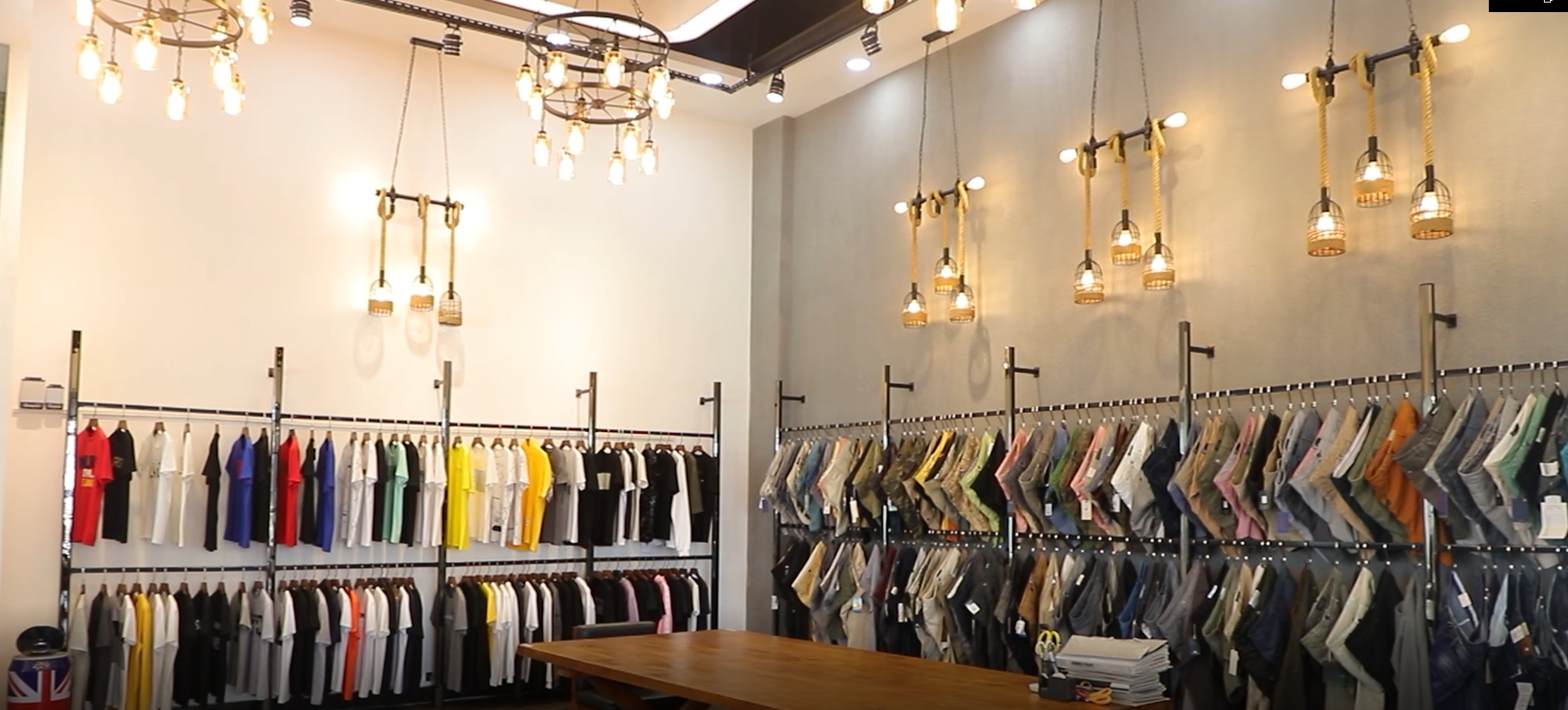
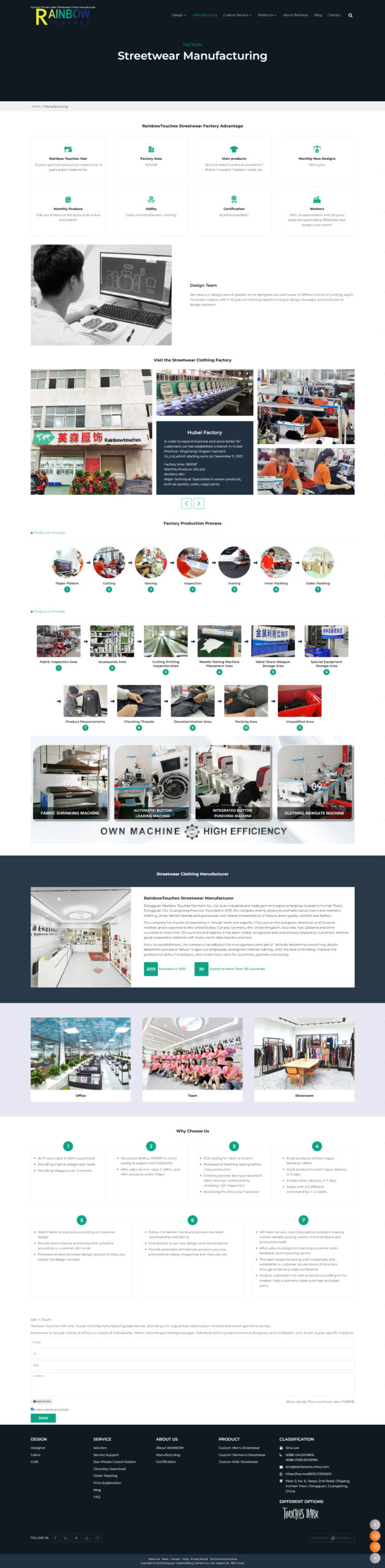
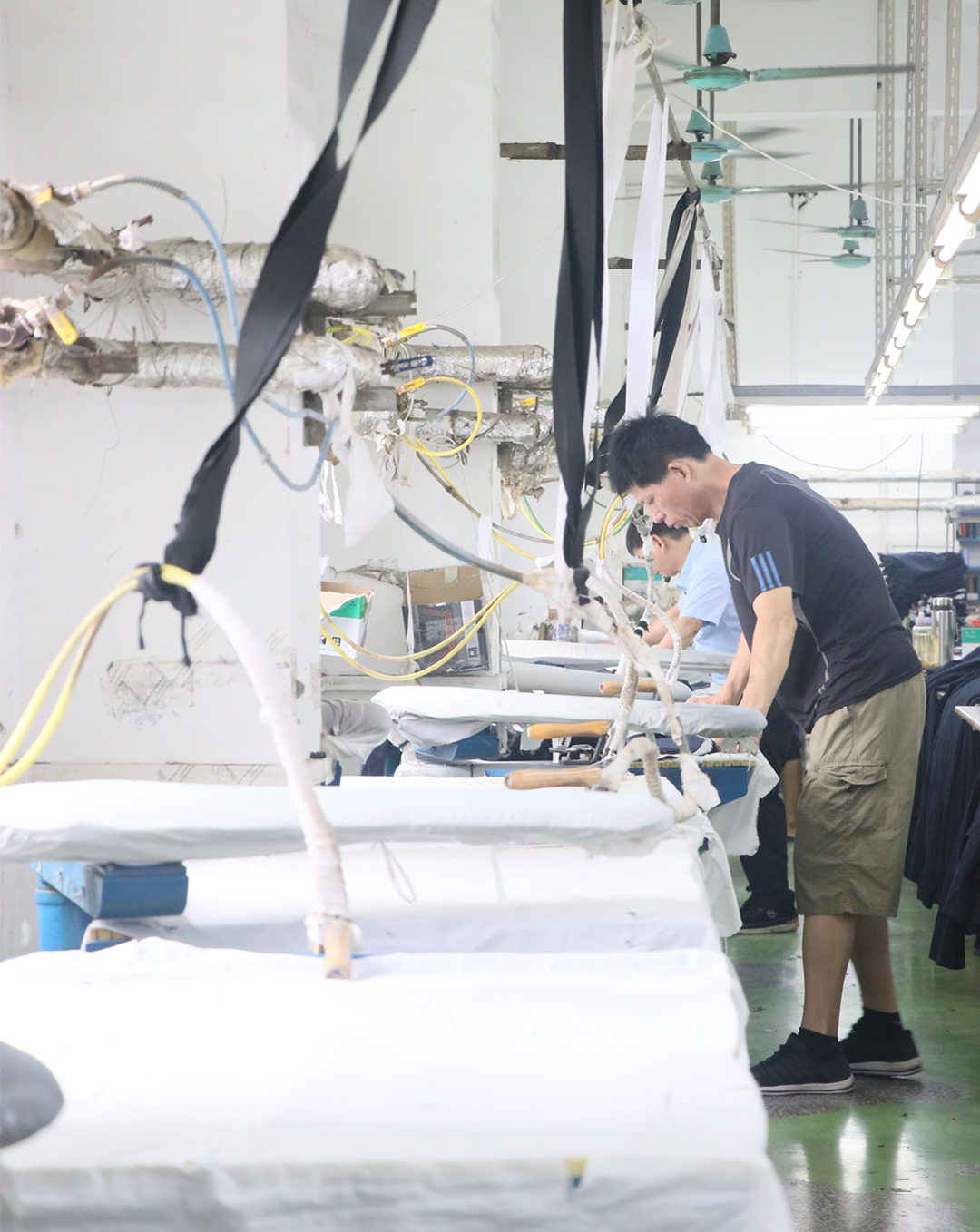
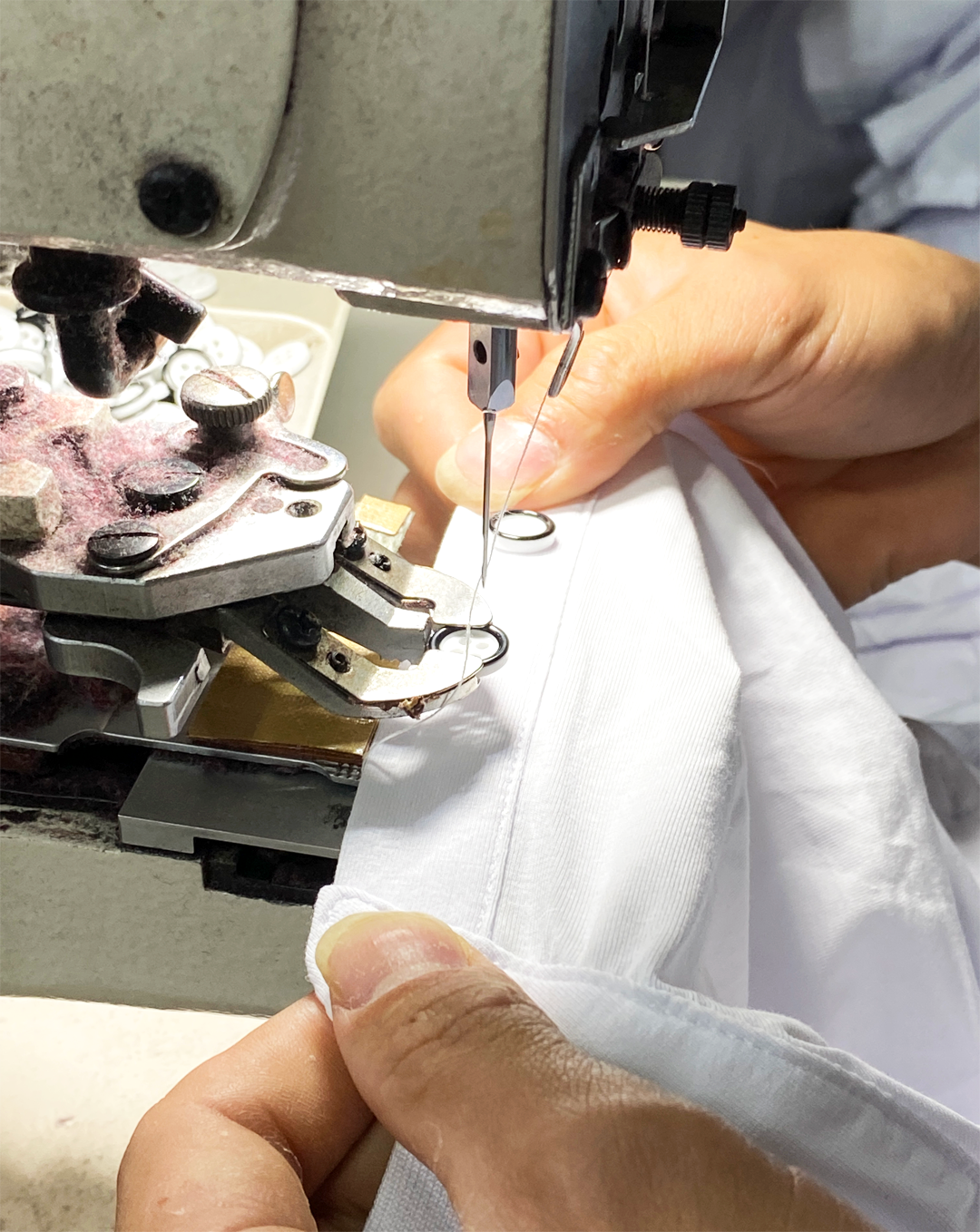




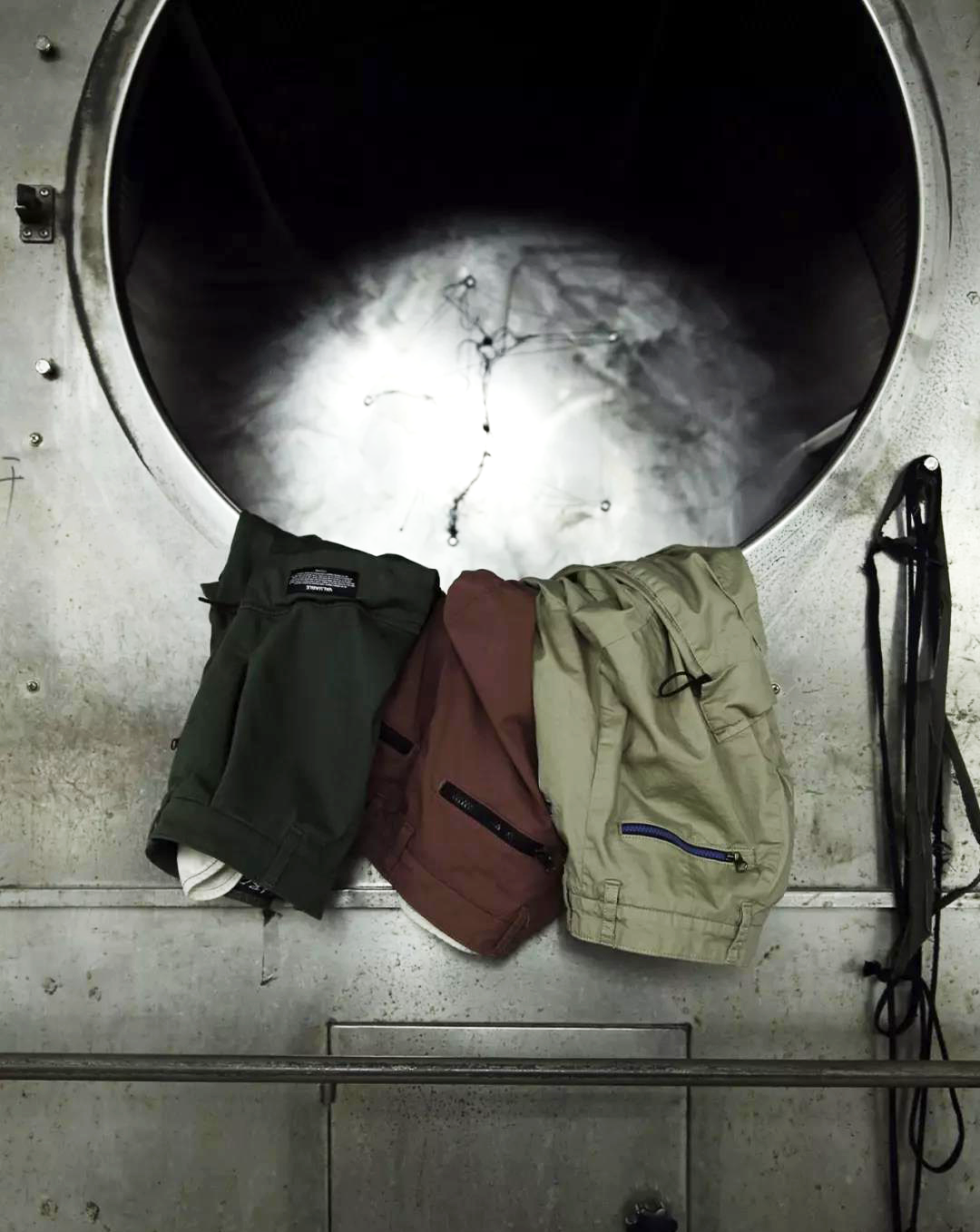
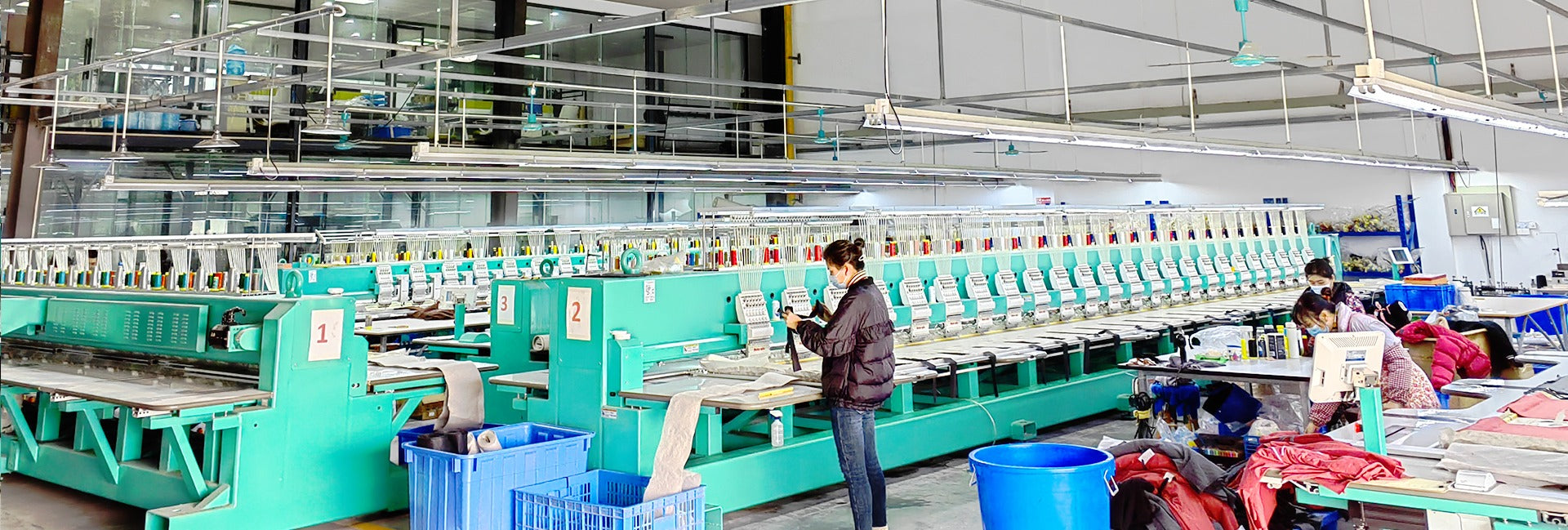
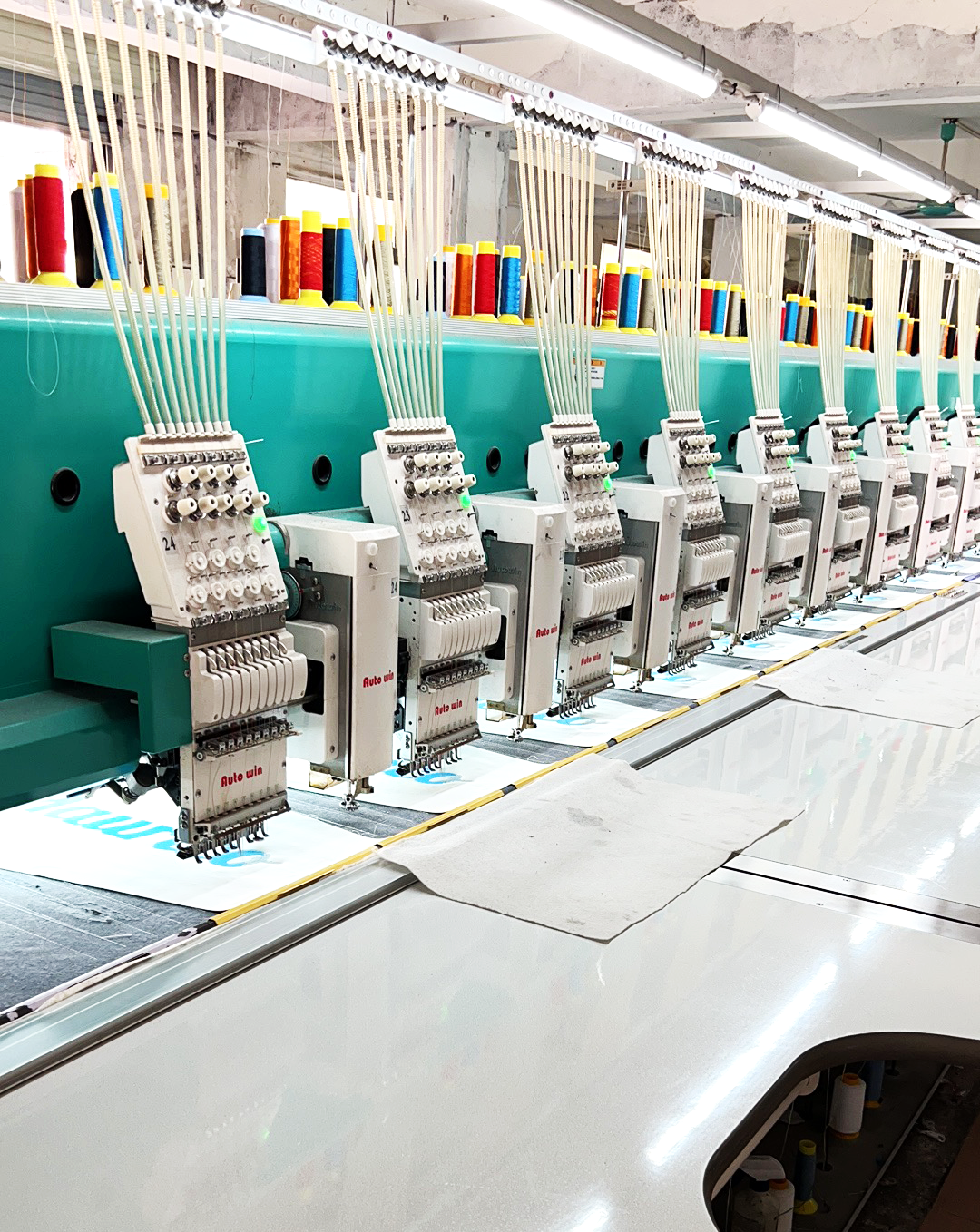
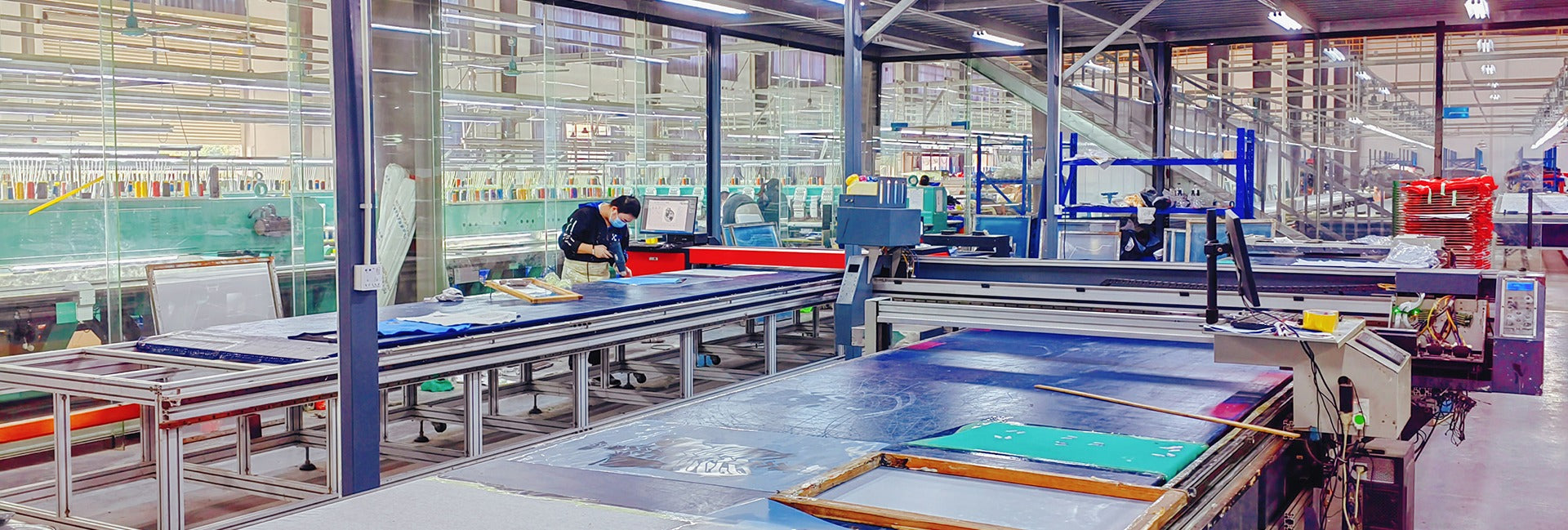
Production Features Buyers Can Specify
Define the materials, records, controls and production standards that make each approved collection easier to reproduce responsibly.
Material Traceability
Specify preferred materials, certification programs and supplier documentation so sourcing decisions remain visible from development through bulk production.
Development-Led Sampling
Test fit, fabric weight, trims, decoration and wash effects before approval, turning your concept into a repeatable production standard.
Documented Specifications
Record measurements, artwork placement, labels, packaging and construction details to reduce assumptions between the approved sample and every production run.
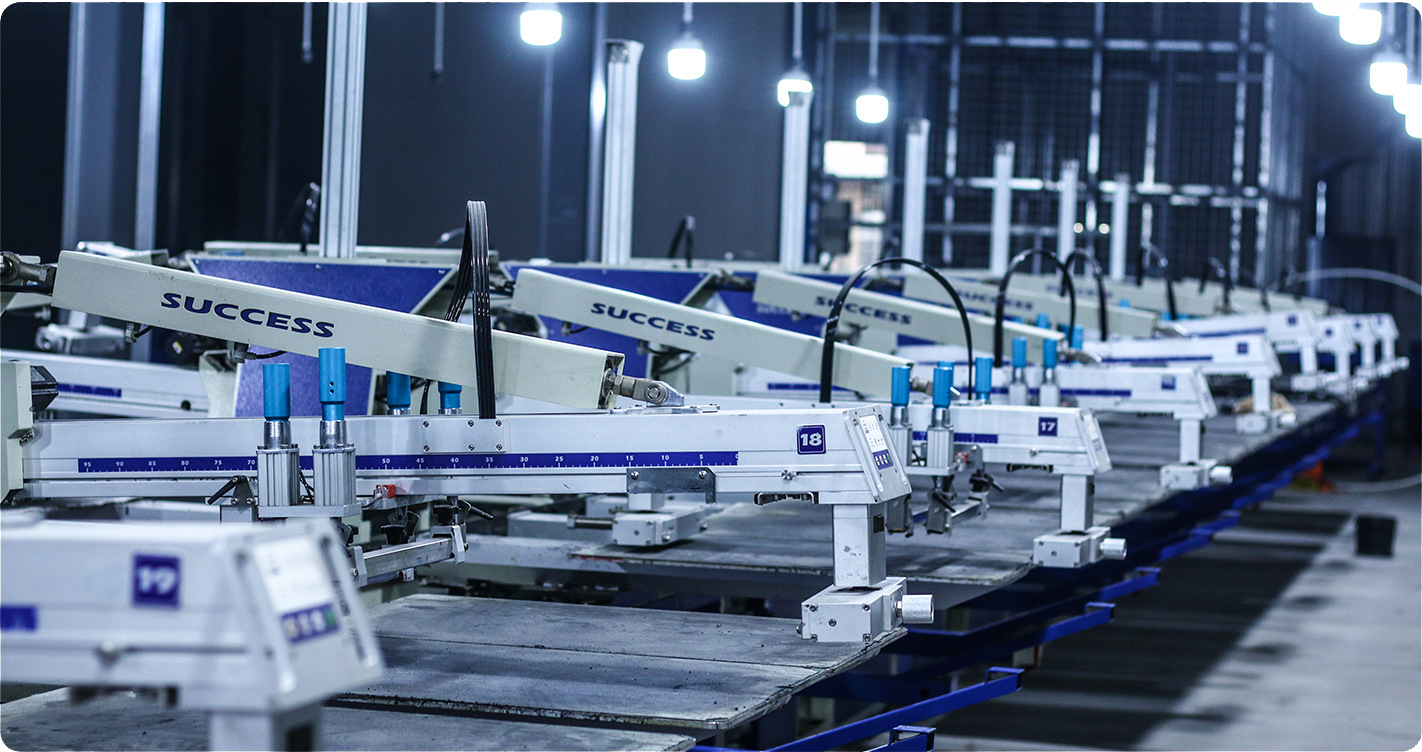
Coordinated Decoration
Align printing, embroidery, washing and base fabrics early to protect appearance, performance and consistency across casualwear, streetwear and teamwear.
Sample-to-Bulk Checks
Use approved standards for in-line and final inspection, helping identify variation before finished garments are packed for delivery.
Flexible Program Scale
Start at 200 pieces per style, then build repeatable men’s or women’s programs for emerging labels, wholesale buyers and established teams.
Apparel Manufacturing Capabilities
Explore category-specific development, decoration and production support for fashion, streetwear, teamwear and private-label apparel programs.
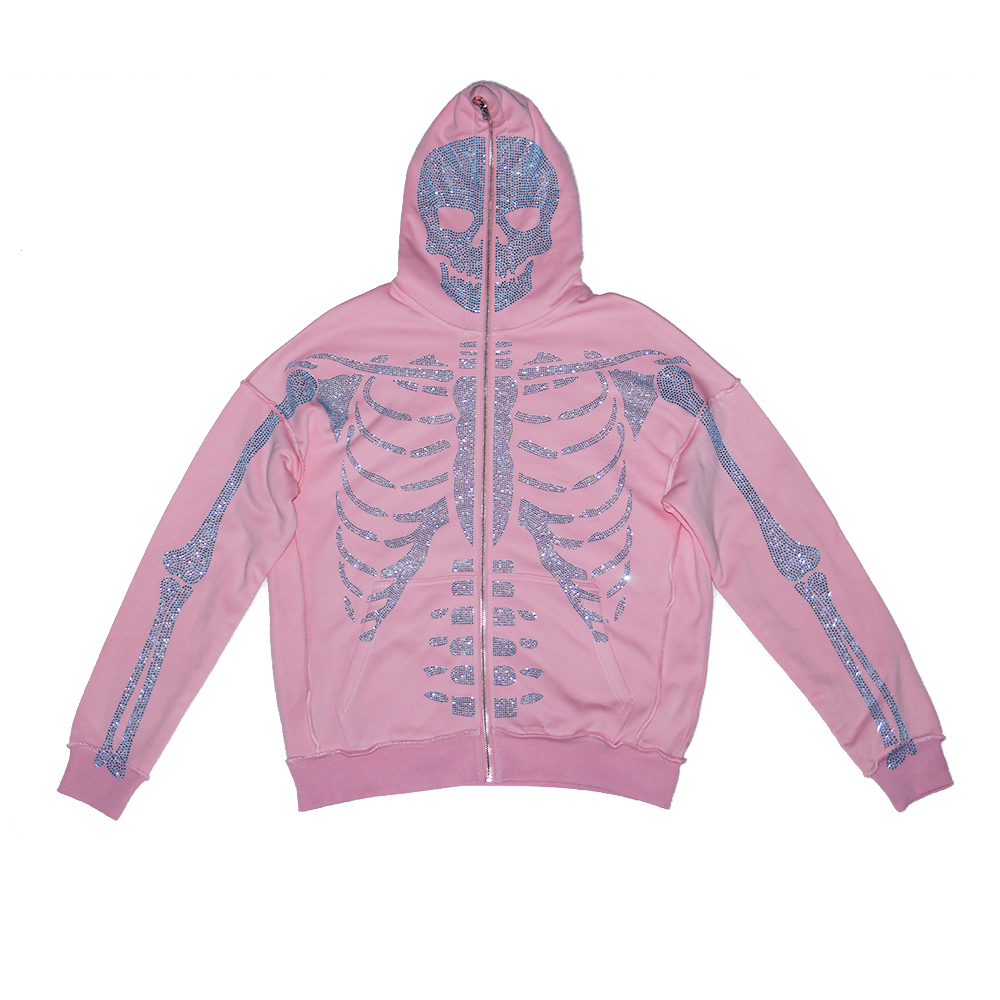
Custom Hoodies
EDVORIN develops custom hoodies with fleece selection, fit blocks, rib construction, drawcords, pockets, labels and print or embroidery specifications documented for repeat bulk production.
Get a Quote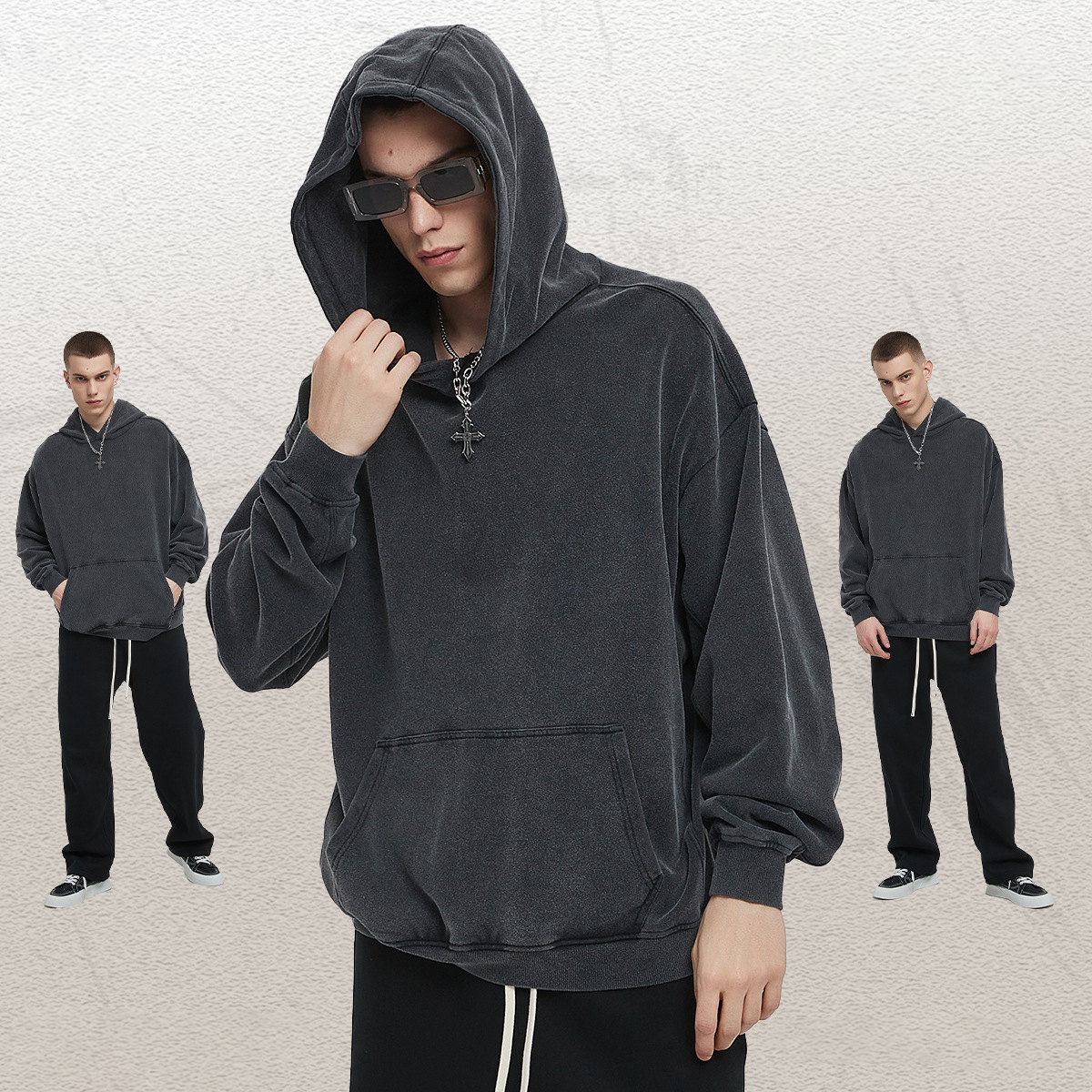
Pullover Sweatshirts
As a sweatshirt manufacturer, EDVORIN supports pullover styles with defined fabric weight, neckline, cuff and hem rib, grading, decoration placement and finishing requirements for men’s and women’s programs.
Get a Quote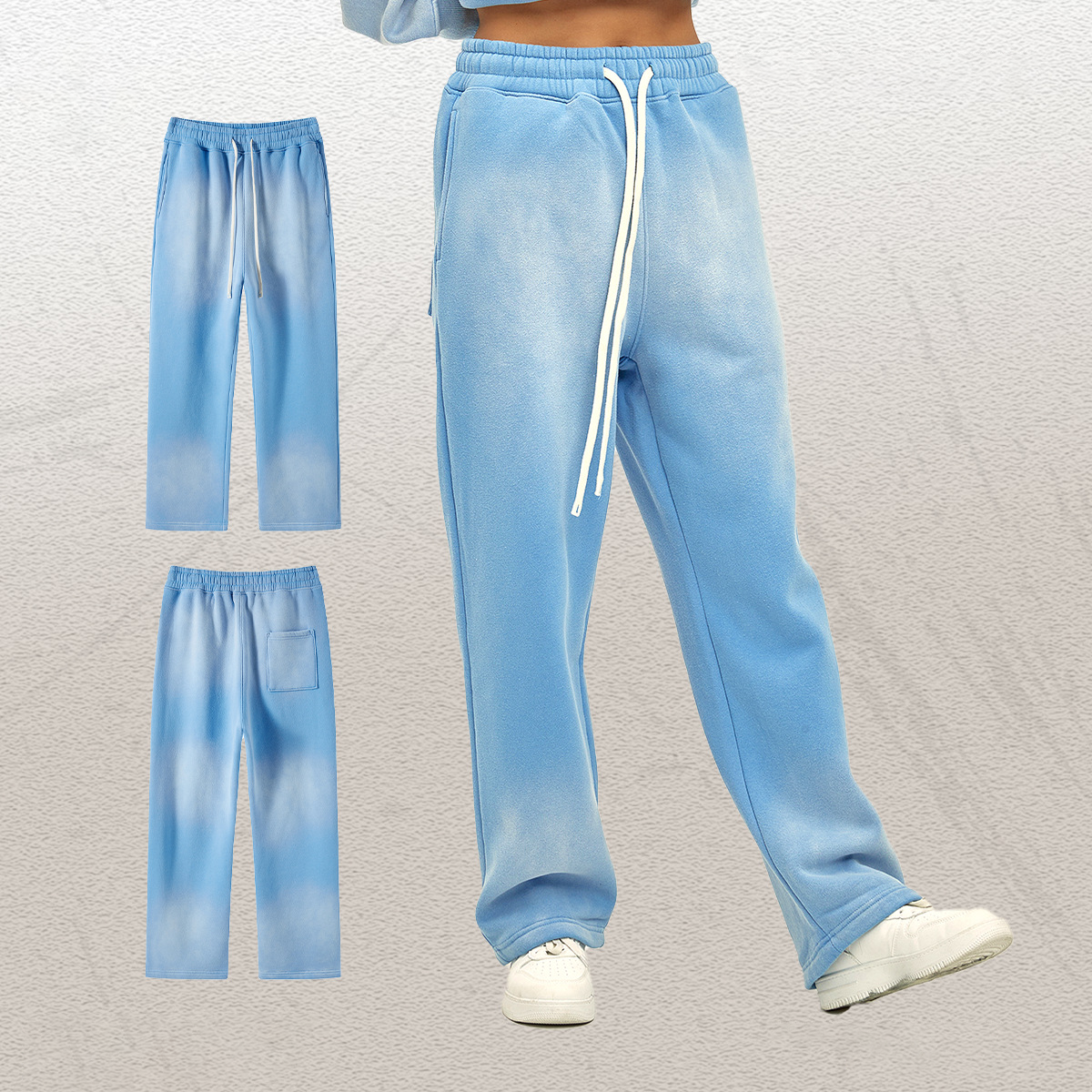
Sweatpants & Joggers
Develop sweatpants and joggers with coordinated fleece, waistband and cuff construction, drawcords, pocket details, fit grading and wash specifications aligned with matching tops or standalone bottoms programs.
Get a Quote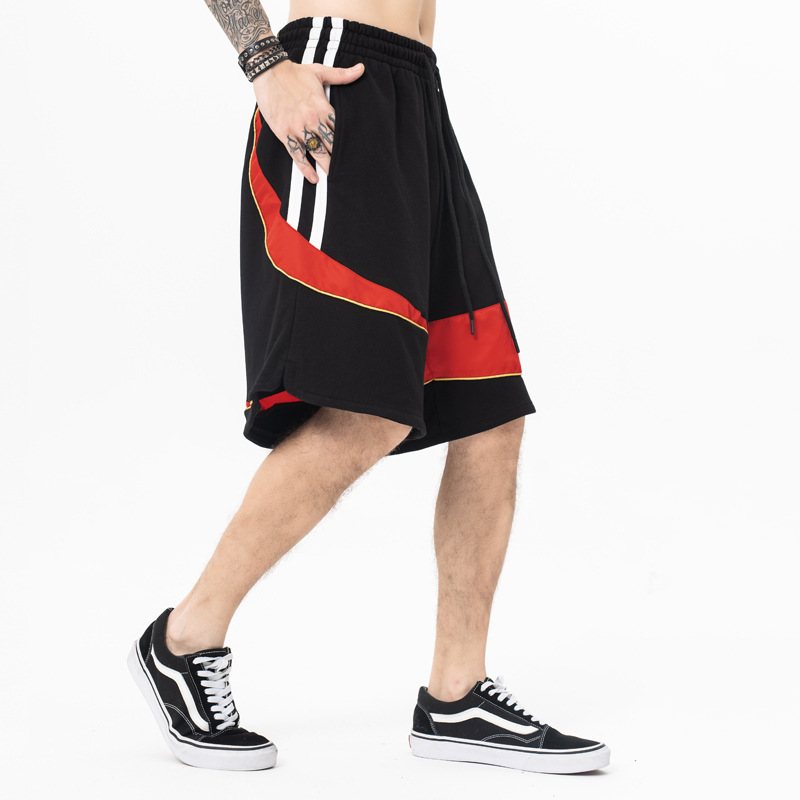
Custom Shorts
EDVORIN produces custom shorts across fleece, jersey and woven constructions, coordinating inseams, waistbands, pockets, lining, decoration and size grading for casualwear, sport and private-label collections.
Get a Quote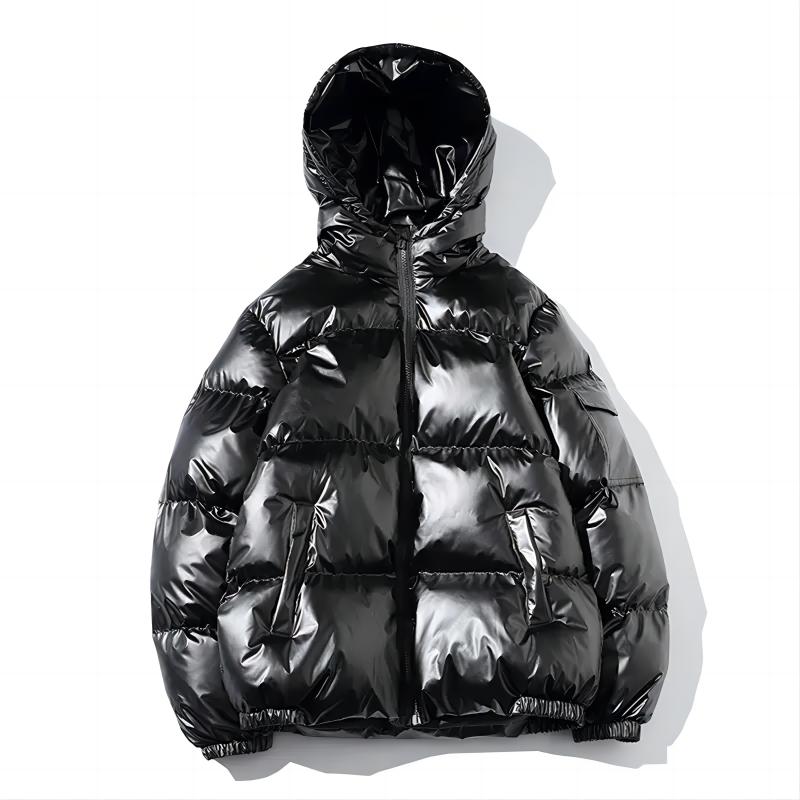
Varsity & Baseball Jackets
For varsity and baseball jackets, EDVORIN coordinates body and sleeve materials, rib trim, snaps, linings, patches, embroidery and fit details into an approved production standard.
Get a Quote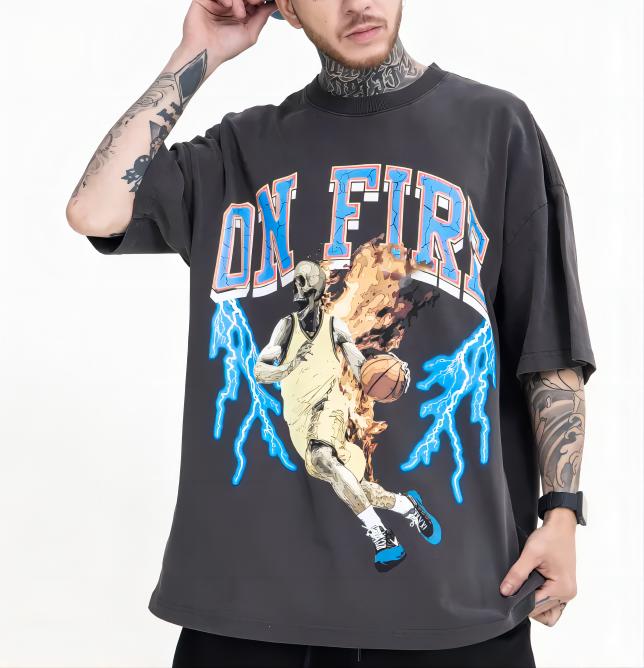
Custom T-Shirts
EDVORIN manufactures custom T-shirts with fabric weight, neckline, sleeve proportions, fit, print method, wash treatment, labels and packaging specified for reliable repeat orders.
Get a Quote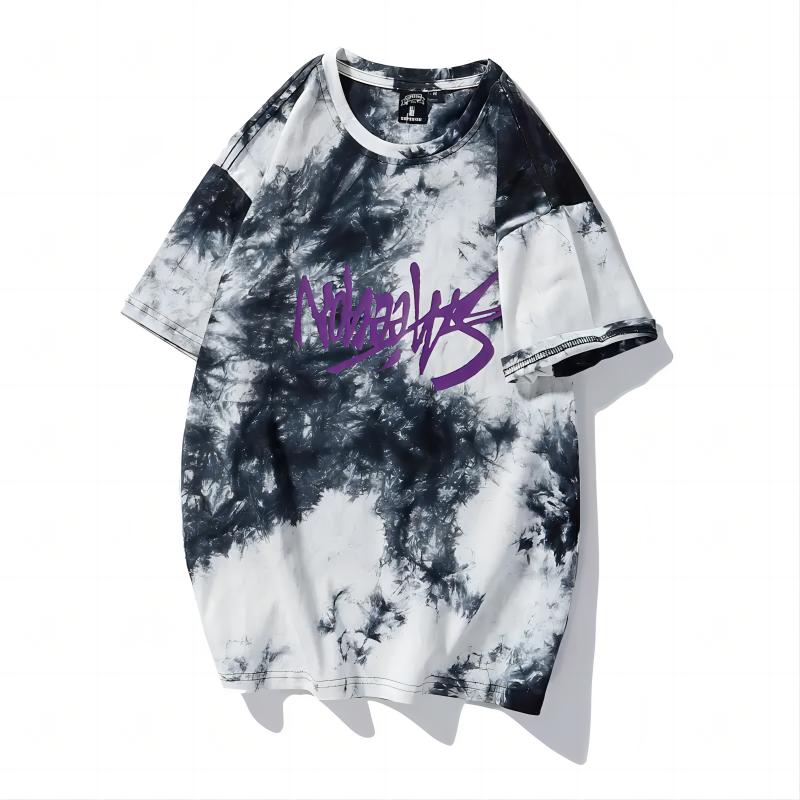
Custom Polo Shirts
As a polo shirt manufacturer, EDVORIN develops pique and jersey polos with collar construction, plackets, buttons, cuff options, embroidery placement and graded sizing for branded uniforms or retail programs.
Get a Quote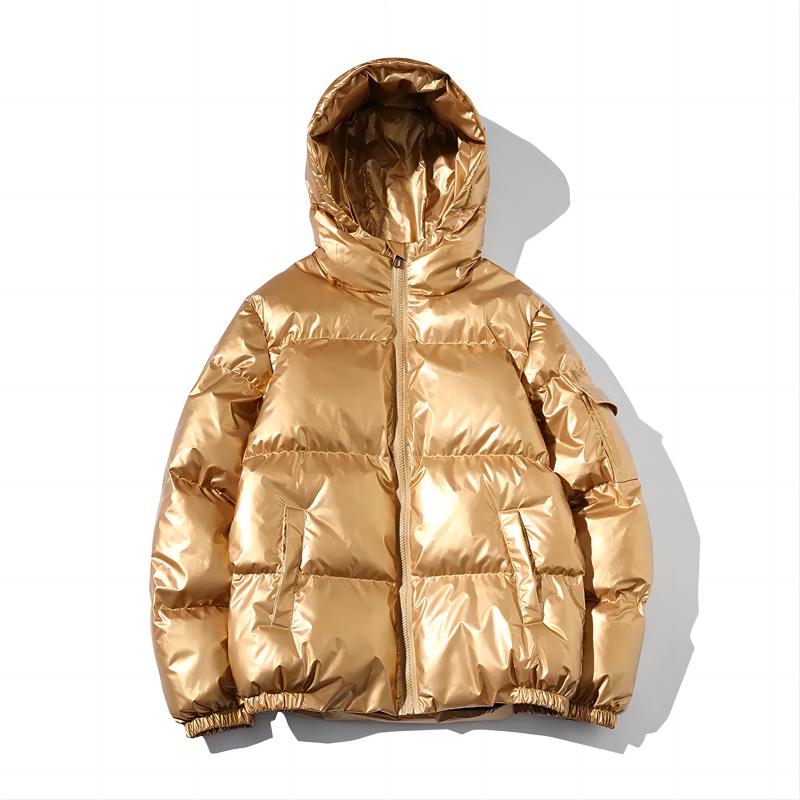
Windbreaker Jackets
Windbreaker development includes shell fabric, lining or mesh, zippers, hood construction, pocket details, elastic or adjustable finishes, print placement and weather-performance requirements.
Get a Quote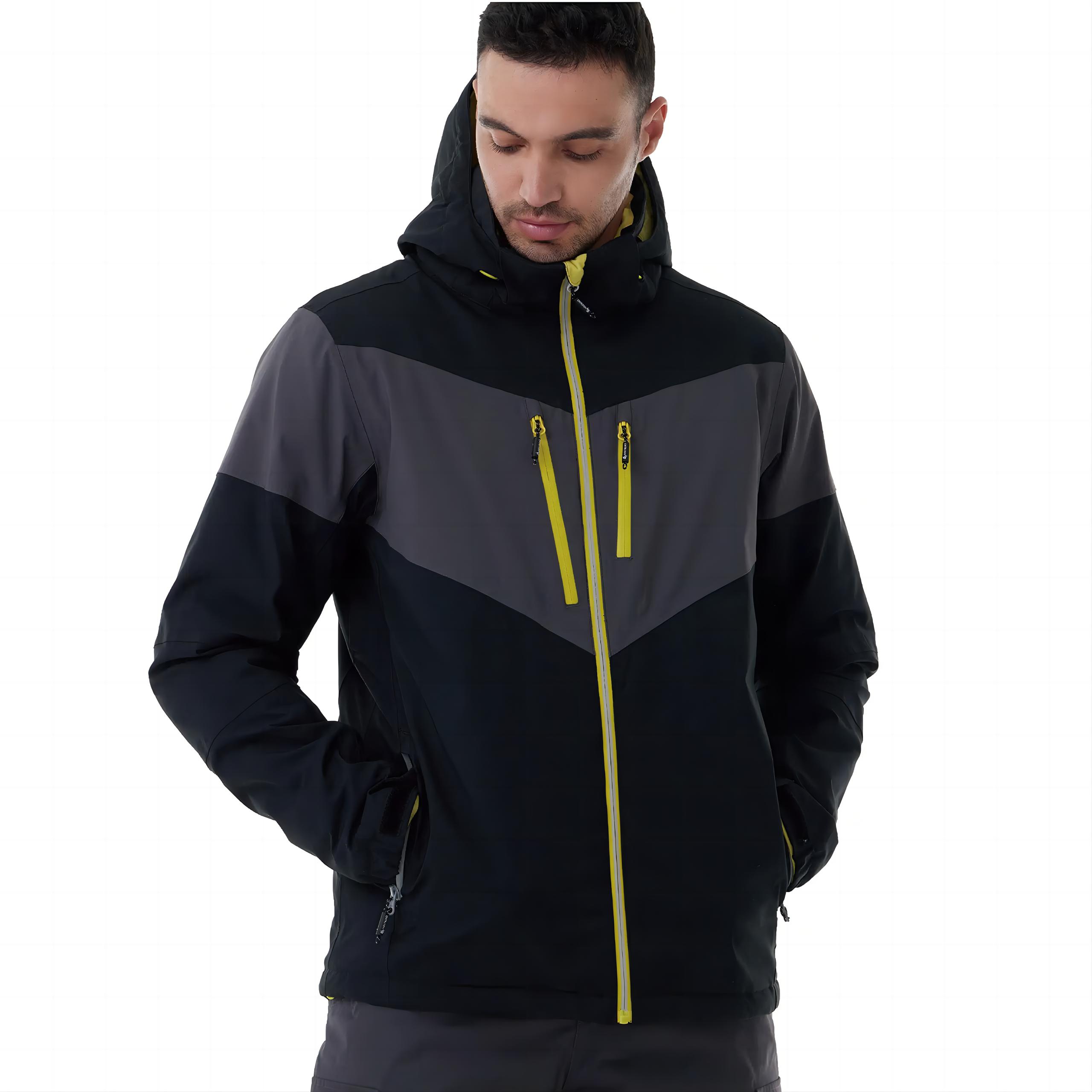
Quilted Jackets
EDVORIN produces quilted jackets by coordinating shell and lining fabrics, insulation, quilting pattern, hardware, pockets, binding and finishing details before bulk production begins.
Get a Quote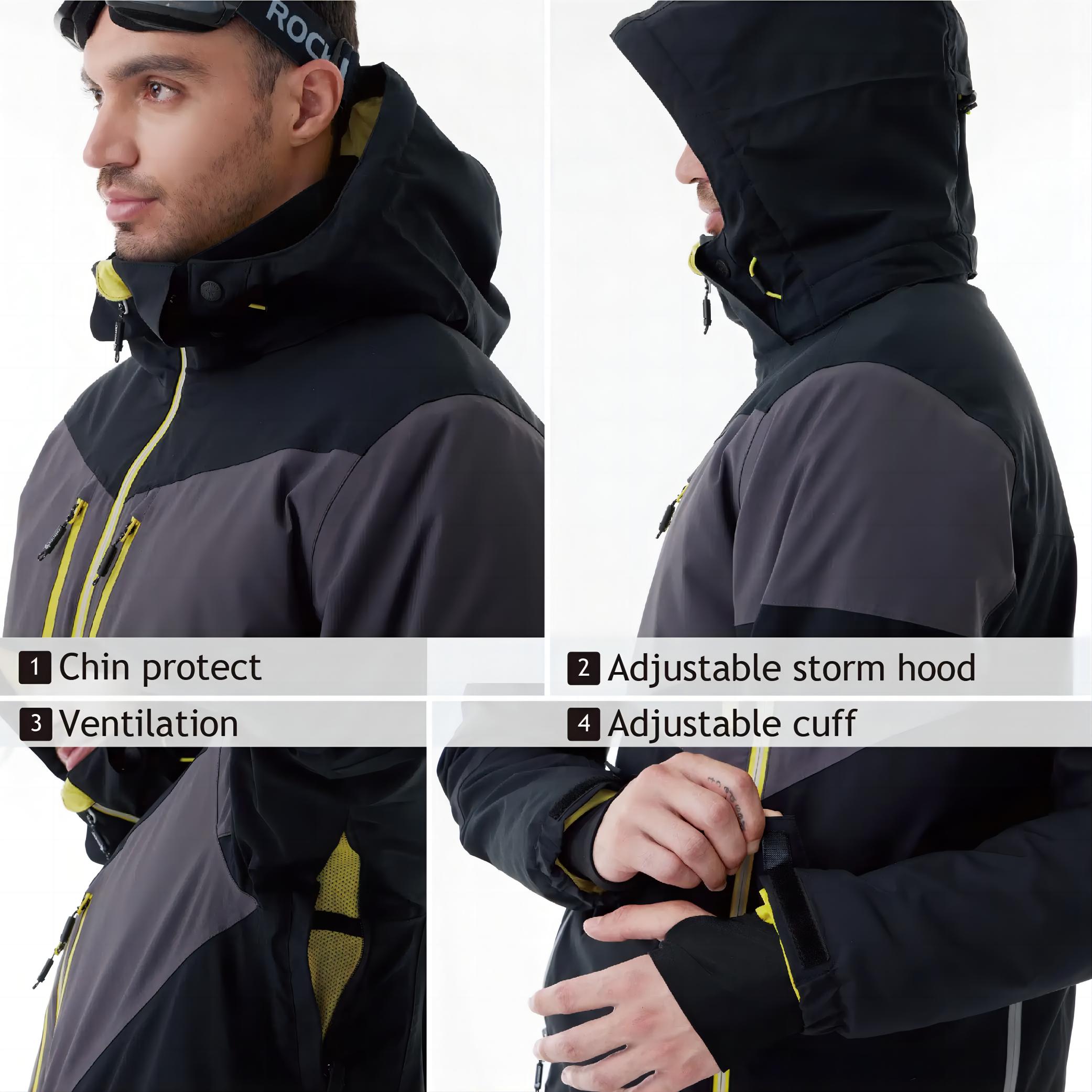
Bomber Jackets
Bomber jacket programs are developed around shell weight, lining, insulation, rib specifications, zipper or snap hardware, pocket construction, patches and embroidery for consistent repeat production.
Get a Quote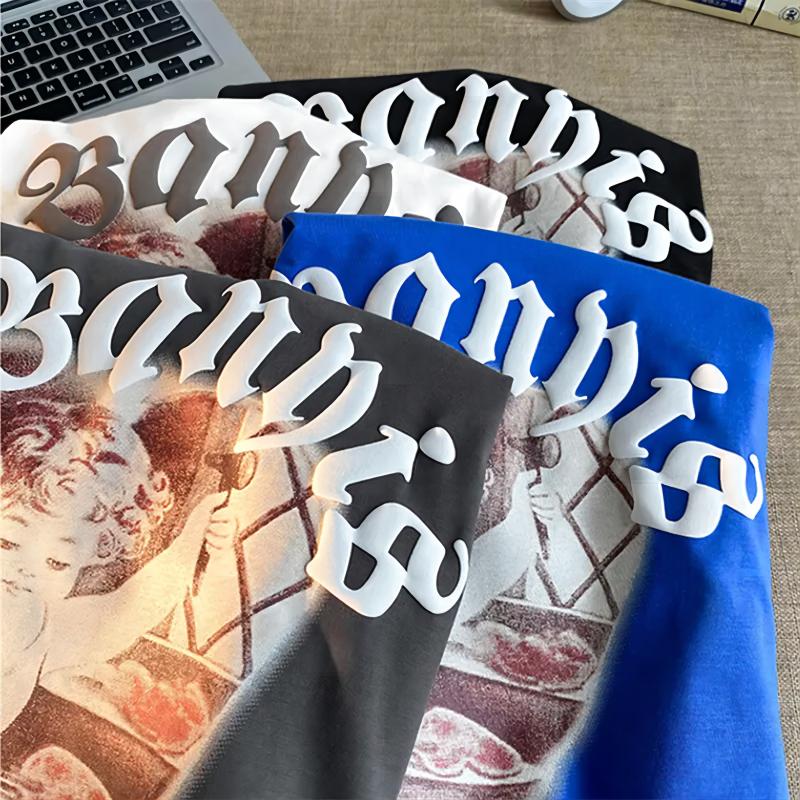
Custom Shirts
Custom woven shirts are developed with fabric selection, collar and cuff construction, plackets, buttons, pocket options, fit grading and branded labels for men’s and women’s collections.
Get a Quote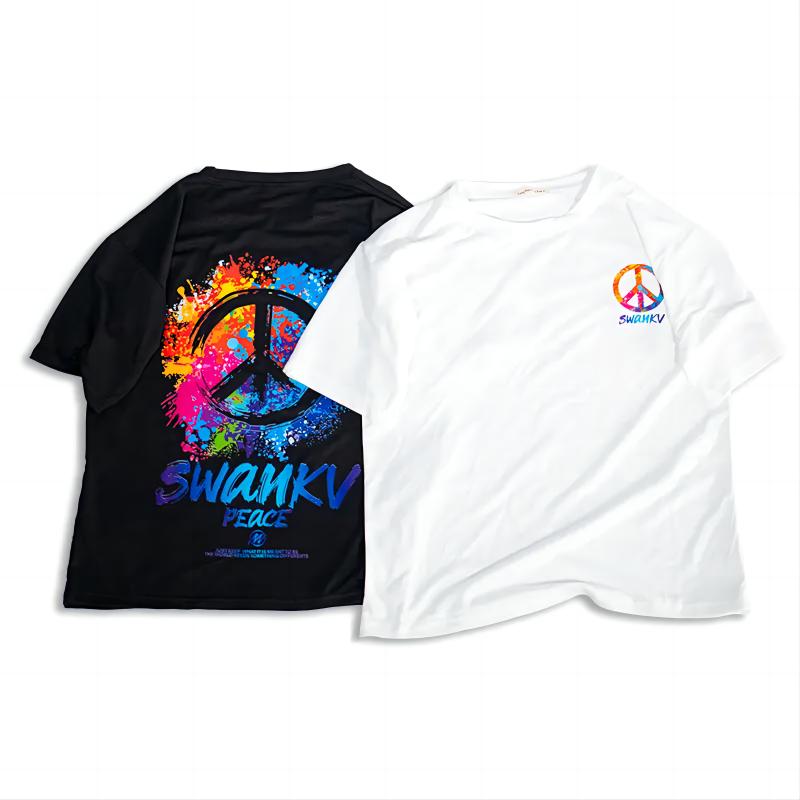
Custom Jerseys
EDVORIN manufactures custom jerseys with breathable fabric options, color control, panel construction, name and number decoration, logos, size sets and repeat-order specifications for teams and clubs.
Get a Quote
Tank Tops
Tank top development covers jersey or performance fabric selection, armhole and neckline binding, fit proportions, print or embroidery placement, labels and grading for men’s and women’s programs.
Get a Quote
Soccer Uniforms
Soccer uniform production combines performance fabrics, team color references, jersey and short construction, crest placement, player names and numbers, size sets and coordinated packing.
Get a Quote
Basketball Uniforms
Basketball uniforms are developed with breathable fabric, jersey and short proportions, contrast panels, sublimation or print artwork, number placement, size grading and team-set organization.
Get a Quote
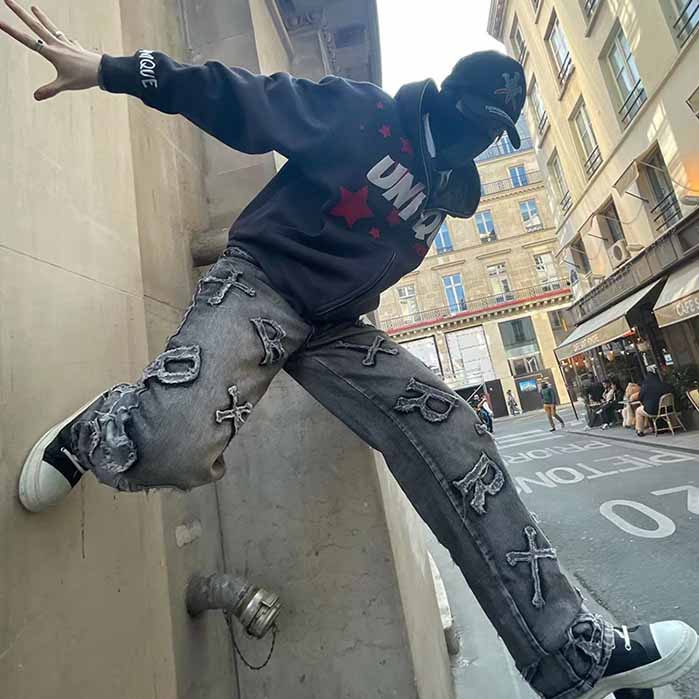
Streetwear Collections
EDVORIN supports streetwear collections from concept and sampling through fabrics, trims, cut-and-sew construction, prints, embroidery, washes, labeling, packaging and bulk quality control.
Get a QuoteFounder-Led Apparel Manufacturing Since 2000
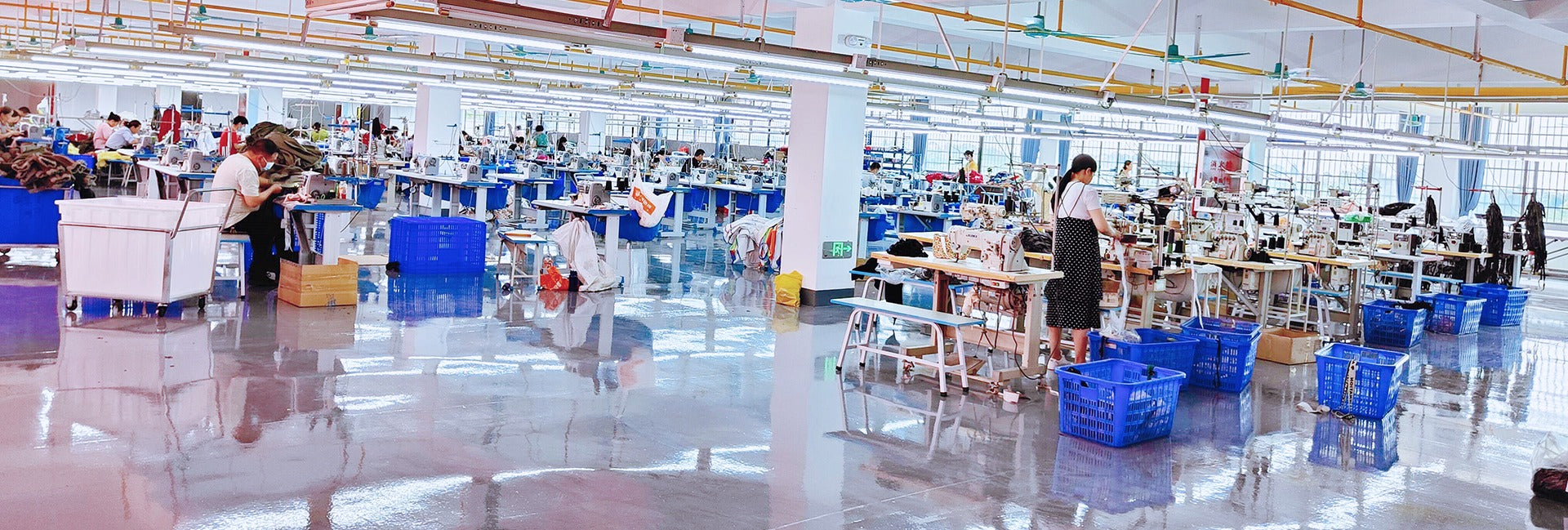
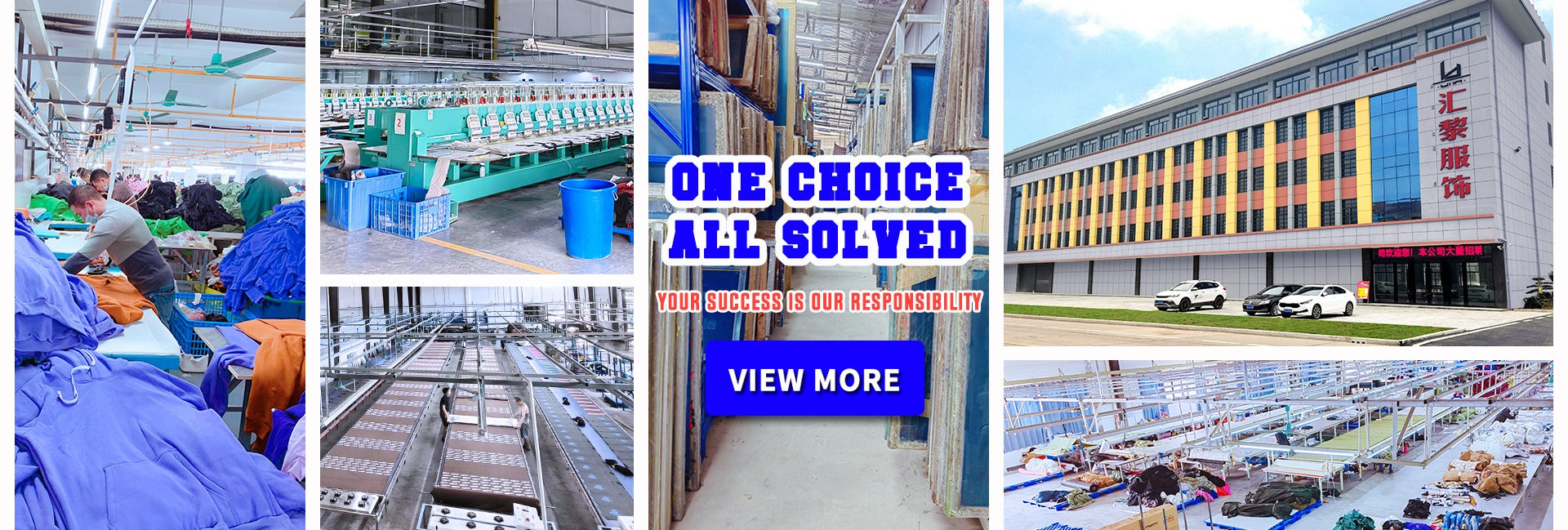
Founded by Edvorin Zeng in 2000, EDVORIN helps brands turn apparel concepts into production-ready collections. Our founder-led approach brings practical garment knowledge to sustainable clothing manufacturing, identifying material, construction and decoration decisions early so they can be tested, approved and repeated with confidence.
Our connected OEM, ODM and private-label workflow coordinates product development, fabric and trim sourcing, patterns, sampling, printing, embroidery, washing, bulk production, labeling and packaging. From casualwear and streetwear to outerwear and teamwear, men’s and women’s programs are developed around the fit, performance and visual requirements of each category.
What makes EDVORIN different is control after the sample is approved. We document standards for materials, measurements, artwork placement and trims, then use in-line and final inspections to protect consistency. EDVORIN supports ISO 9001, BSCI, WRAP, SEDEX, OEKO-TEX Standard 100, GRS and GOTS certification programs where applicable, with MOQs starting at 200 pieces per style.
Production Controls for Repeatable Apparel Programs
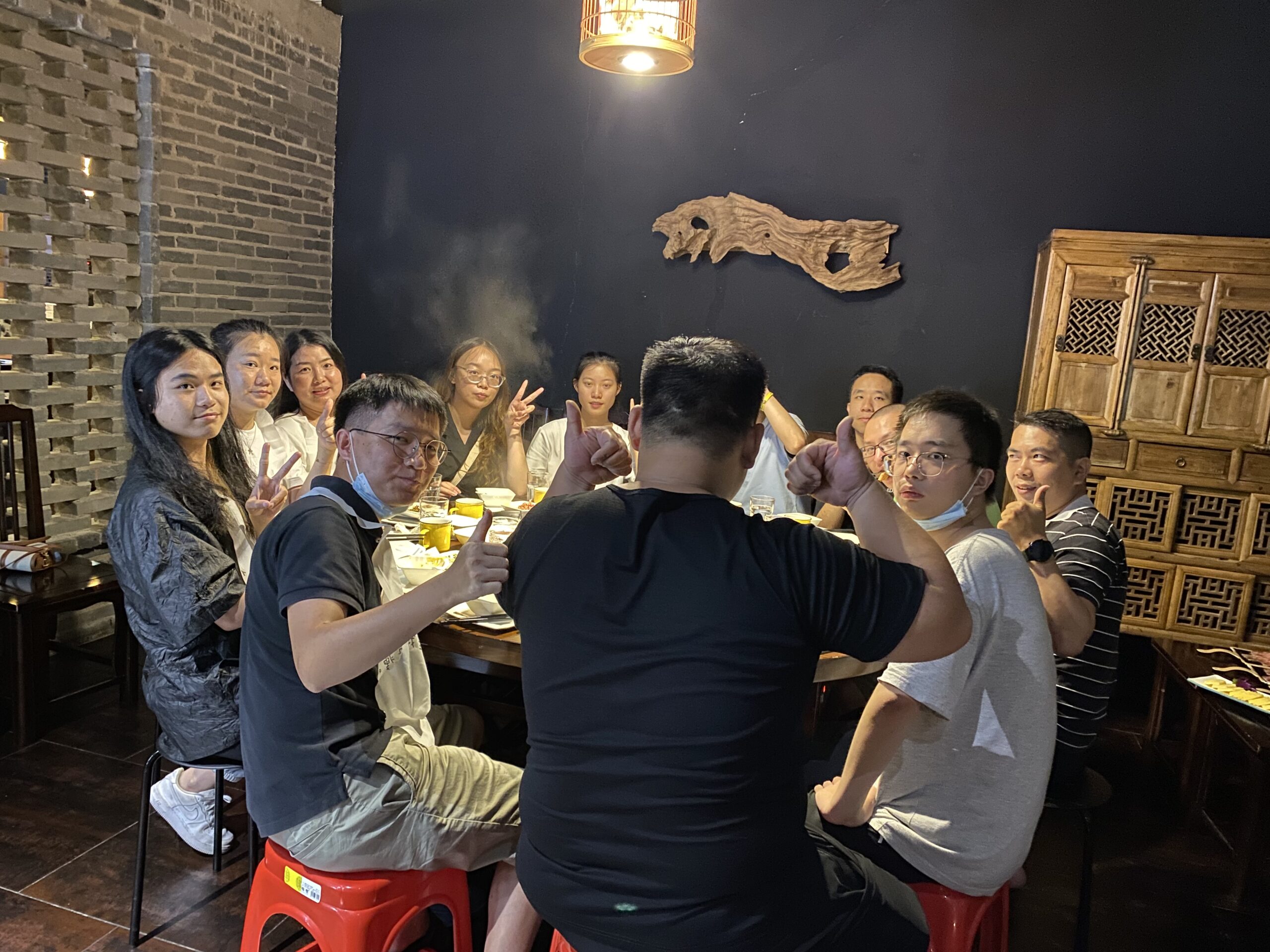
Materials Matched to Purpose
EDVORIN helps turn material direction into workable specifications for casualwear, streetwear, outerwear and teamwear. Fabric weight, hand feel, recovery, performance needs and available certification programs are discussed early so the selected material supports the intended garment, not just the concept.
- Material options reviewed against garment use and construction
- Men's and women's fit requirements considered by category
- GRS, GOTS and OEKO-TEX Standard 100 programs available where applicable
- Fabric, rib, lining and trim choices coordinated together
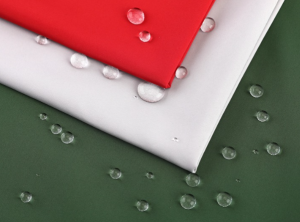
Specifications That Travel to Bulk
A responsible collection needs decisions that can be checked after the sample is approved. EDVORIN records measurements, construction details, artwork placement, trims, labels and packaging so bulk production follows a defined standard instead of relying on interpretation between stages.
- Tech-pack support for sketches, references or finished briefs
- Approved samples establish a physical production benchmark
- Placement, measurement and trim details documented clearly
- Revisions organized before bulk production begins
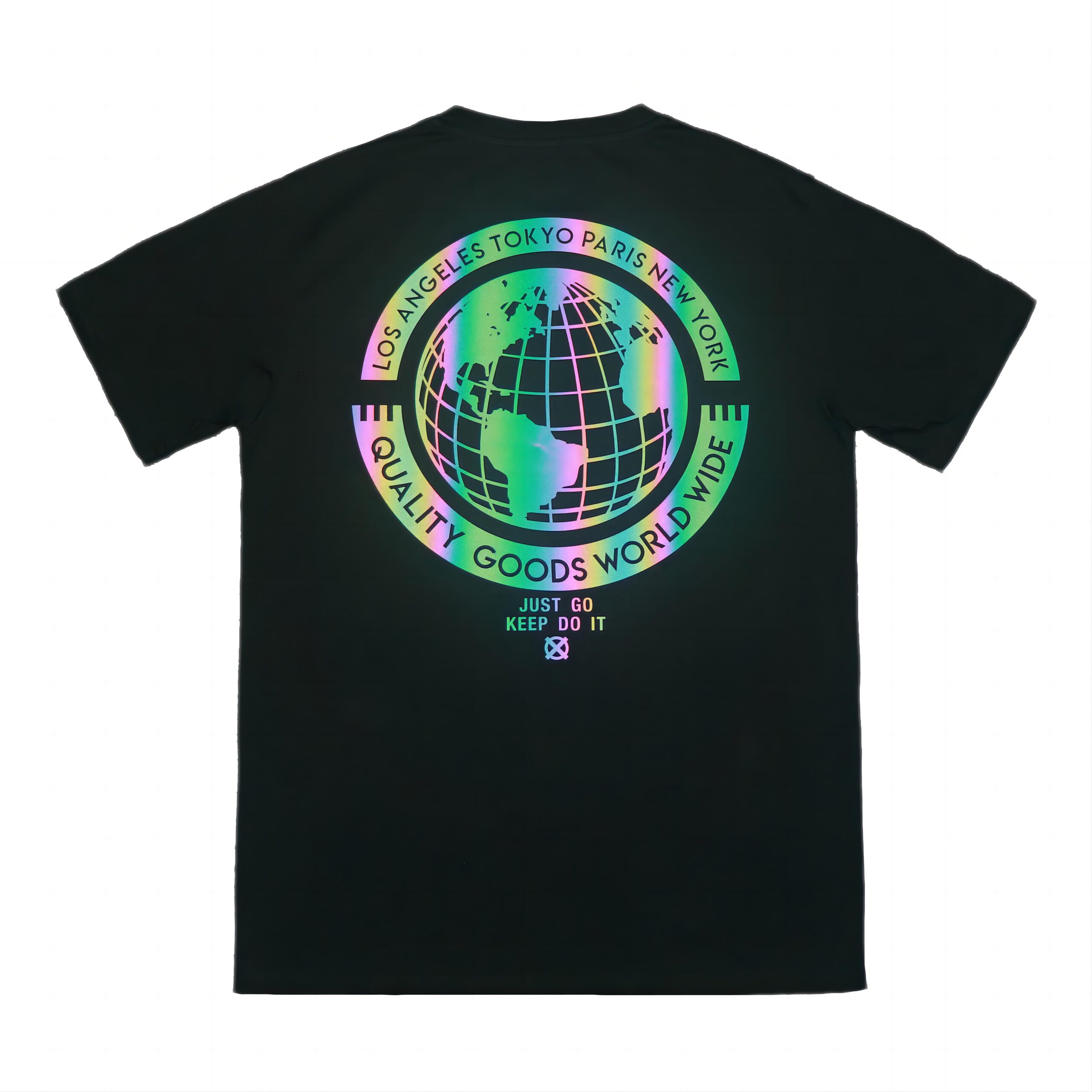
Decoration Built Around Fabric
Printing, embroidery, washing and base fabric must work as one system. EDVORIN evaluates decoration direction during development, helping buyers align artwork, garment construction and material behavior before the approved sample becomes the standard for a repeatable order.
- Print and embroidery considered alongside base-material selection
- Artwork placement specified for repeat production
- Wash direction coordinated with garment construction
- Labels and packaging planned within the same workflow
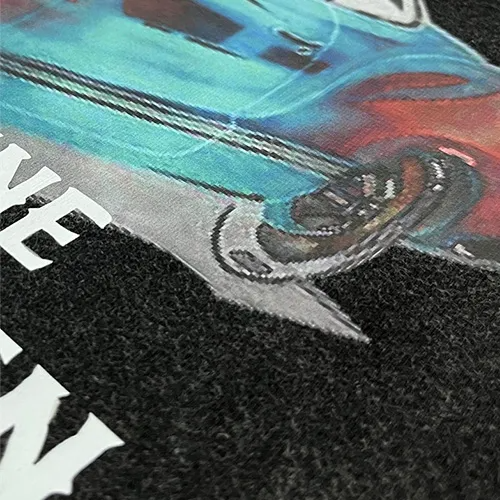
Quality From Sample to Shipment
Sustainable clothing manufacturing depends on preventing avoidable variation, not merely approving a first sample. EDVORIN connects material control, in-line checks and final inspection to the approved standard, giving brands a clearer path from development through packed bulk orders starting at 200 pieces per style.
- Sample-to-bulk checks built around approved requirements
- In-line inspection helps identify variation early
- Final inspection confirms packed-order consistency
- Flexible 200-piece MOQ per style for production programs
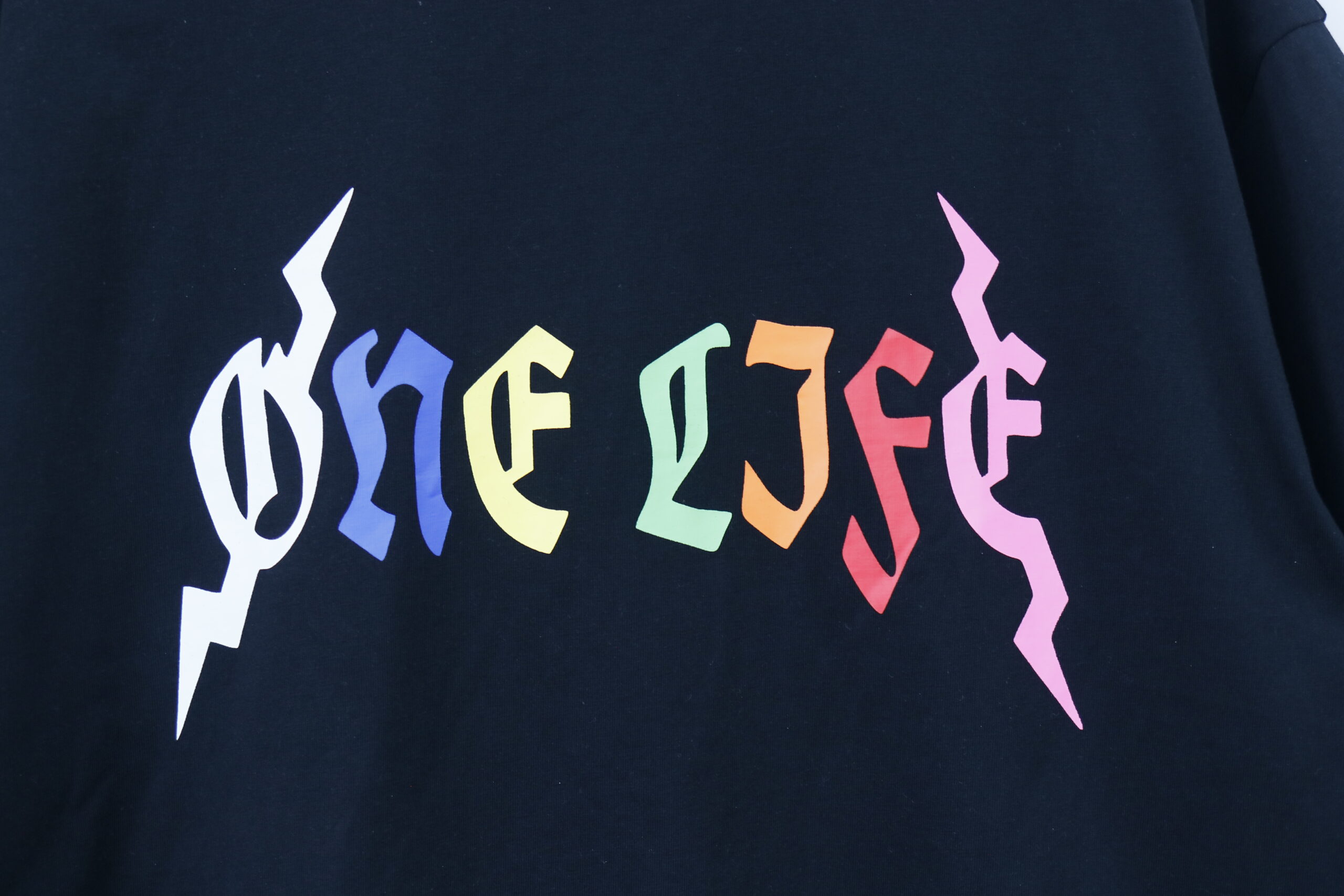
EDVORIN vs. Conventional Apparel Production
Compare the controls that help turn responsible material choices into repeatable apparel programs.
← Swipe left or right to view →
A Documented Apparel Production Process
A documented workflow that connects material decisions, technical approval and bulk controls for repeatable apparel programs.
Review Materials and Requirements
Align fabric, trims, certifications, decoration needs and product requirements with the collection brief before development specifications are finalized.
Develop Patterns and Specifications
Translate approved design direction into fit blocks, measurement charts, construction details, artwork placements and material standards for men’s or women’s programs.
Sample, Test and Approve
Produce samples to review fit, fabric behavior, decoration compatibility and finishing, then document revisions into a clear approved production standard.
Coordinate Bulk Production
Source approved components, schedule cutting and sewing, and coordinate printing, embroidery, washing and finishing under the confirmed specification.
Inspect, Label and Pack
Conduct in-line and final checks against approved standards, then complete labeling, packaging and packing verification before shipment preparation.
How to Start Your Apparel Program
Move from concept to a documented, repeatable production standard with EDVORIN.
Share Your Product Direction
Send a tech pack, measurement chart, sketch, reference garment, or collection brief. EDVORIN reviews construction, fit, decoration, and intended market requirements.
Specify Materials and Requirements
Confirm preferred fabrics, trims, recycled or organic material requirements, certification program needs, wash effects, labeling, packaging, and target performance expectations.
Approve the Production Sample
Review the developed sample for fit, materials, measurements, color, artwork placement, and finishing. Revisions are recorded before the approved version becomes the bulk standard.
Release Documented Bulk Production
Finalize specifications, size grading, approved materials, decoration details, quality checkpoints, and packaging. Bulk production can begin from 200 pieces per style.
Apparel Manufacturing FAQ
Practical answers for sourcing, development, decoration and repeat production.
What materials can be used for sustainable clothing manufacturing?
Can sustainable clothing manufacturing include certified materials?
What decoration methods work with sustainable clothing manufacturing?
Can I combine printing, embroidery and patches on one garment?
EDVORIN’s MOQ starts at 200 pieces per style. What is EDVORIN’s minimum order quantity for sustainable apparel?
Do I need a complete tech pack to start?
What artwork files should I provide for prints, embroidery or team numbers?
How do you protect quality on repeat orders?
Buyer’s Guide to Responsible Apparel Manufacturing
Use this decision framework to assess sustainable clothing manufacturing partners, compare materials and production methods, verify supplier claims, control costs, and avoid sourcing mistakes before placing your next apparel order.
1. What Is Sustainable Clothing Manufacturing?
EDVORIN’s MOQ starts at 200 pieces per style. 200-piece MOQ programs make sustainability a purchasing system, not a fabric label. Sustainable clothing manufacturing evaluates material origin, energy and water use, chemical controls, labor conditions, cutting waste, garment life, and records that connect each claim to its source.
1 recycled-polyester shell does not make a finished varsity jacket sustainable if its lining, rib, snaps, dyes, packaging, or subcontracted processes are undocumented. Buyers should request fiber composition by component, chemical-standard evidence such as OEKO-TEX, and traceable supplier and batch records rather than rely on eco language alone.
3 production checkpoints matter: approved material records, in-line quality checks, and final packing inspection. Durable seams, stable grading, repairable trims, and realistic order quantities reduce avoidable replacement and excess inventory; labor and supply-chain accountability should be verified independently. https://createfashionbrand.com/sustainable-clothing-manufacturers
2. How Sustainable Apparel Production Evolved
Since the 1990s, conventional apparel supply chains have been organized primarily around cost, speed, and high-volume repeatability; environmental and labor impacts were often managed separately from product development. Growing scrutiny moved responsible sourcing, safe working conditions, and chemical controls into supplier selection.
In the 2000s, recycled polyester, recycled cotton, organic fibers, and lower-impact dyeing became practical sourcing options, while standards such as GOTS, OEKO-TEX, WRAP, and GRS gave buyers common verification language. GRS is designed to address recycled-content traceability and related environmental and social requirements across the supply chain: https://createfashionbrand.com/sustainable-clothing-manufacturers
By 2026, sustainable clothing manufacturing is judged less by a single material claim than by evidence: fiber records, transaction certificates where applicable, audit scope, chemical documentation, and production controls. Circular design also shifts attention to durable construction, repairable components, clear fiber composition, and garments that can remain in use longer.
3. Types of Sustainable Clothing Manufacturing
EDVORIN’s MOQ starts at 200 pieces per style. Five production models let buyers match sustainability goals to product risk, volume and design freedom. For a 200-piece MOQ, choose the model that answers the program’s most urgent constraint.
Organic And Preferred Fibers
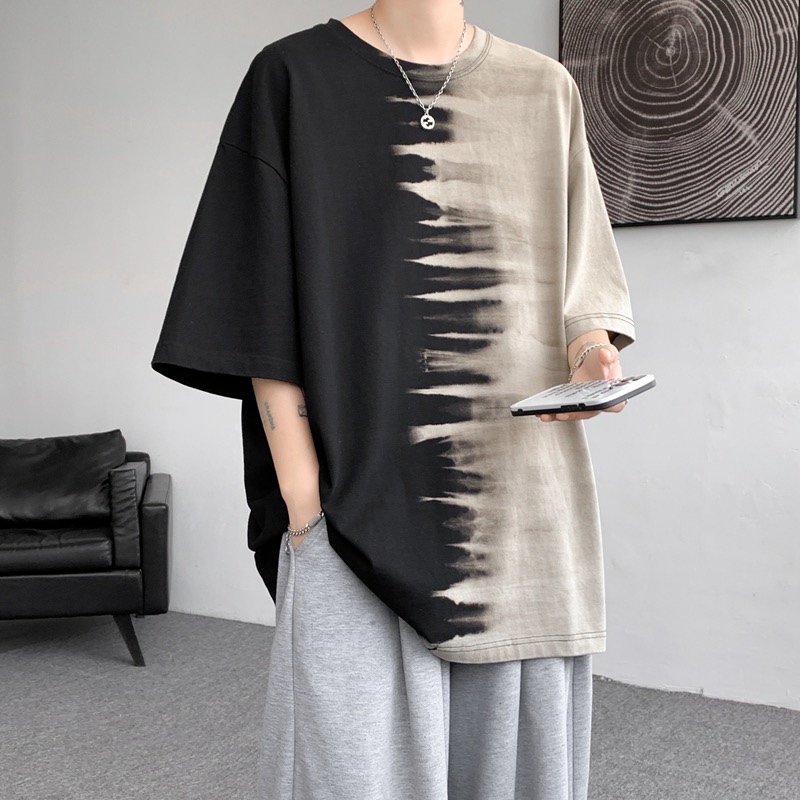
Organic cotton jerseys and French-terry hoodies suit repeatable core programs.
This model answers: can we specify preferred inputs without redesigning the collection?
- Scales well after fabric approval
- Requires documented fiber claims
Recycled-Content Production
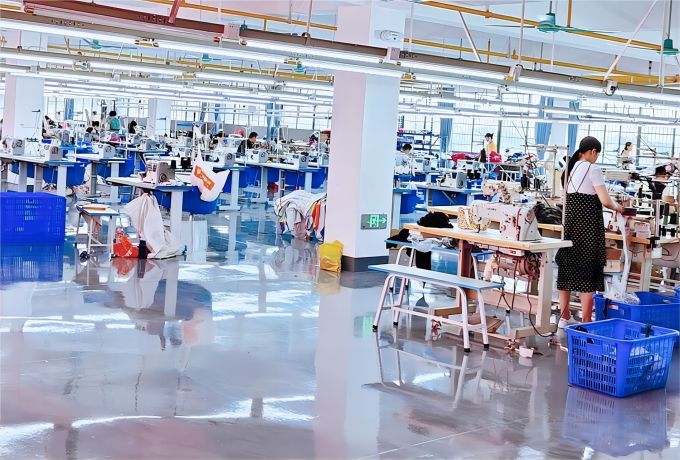
Recycled polyester jerseys and recycled-cotton sweats fit teamwear and casual basics.
This model answers: can recovered content meet performance and color needs?
- Confirm composition and traceability
- Test pilling and colorfastness
Deadstock And Upcycling
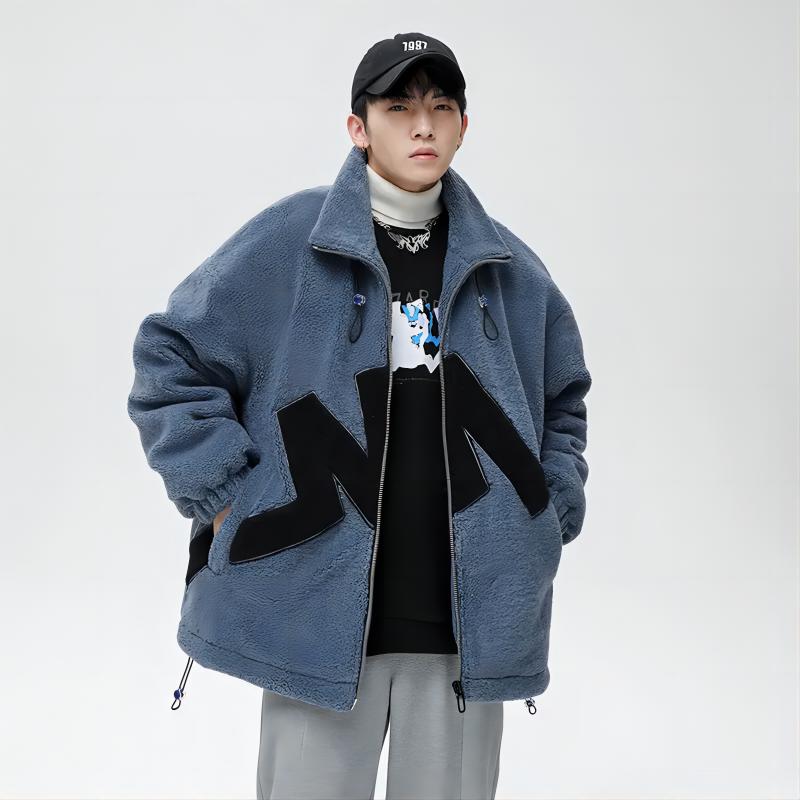
Deadstock jackets and panelled overshirts use available rolls or reclaimed garments.
This model answers: can scarcity become a design feature?
- Limited color continuity
- Harder to repeat at scale
Made-To-Order Small Batches
Small runs of 200 pieces suit launch tests and school capsules.
This model answers: can demand be tested before committing to deeper inventory?
- Reduces unsold-stock exposure
- Raises unit handling costs
Circular And Repair Programs
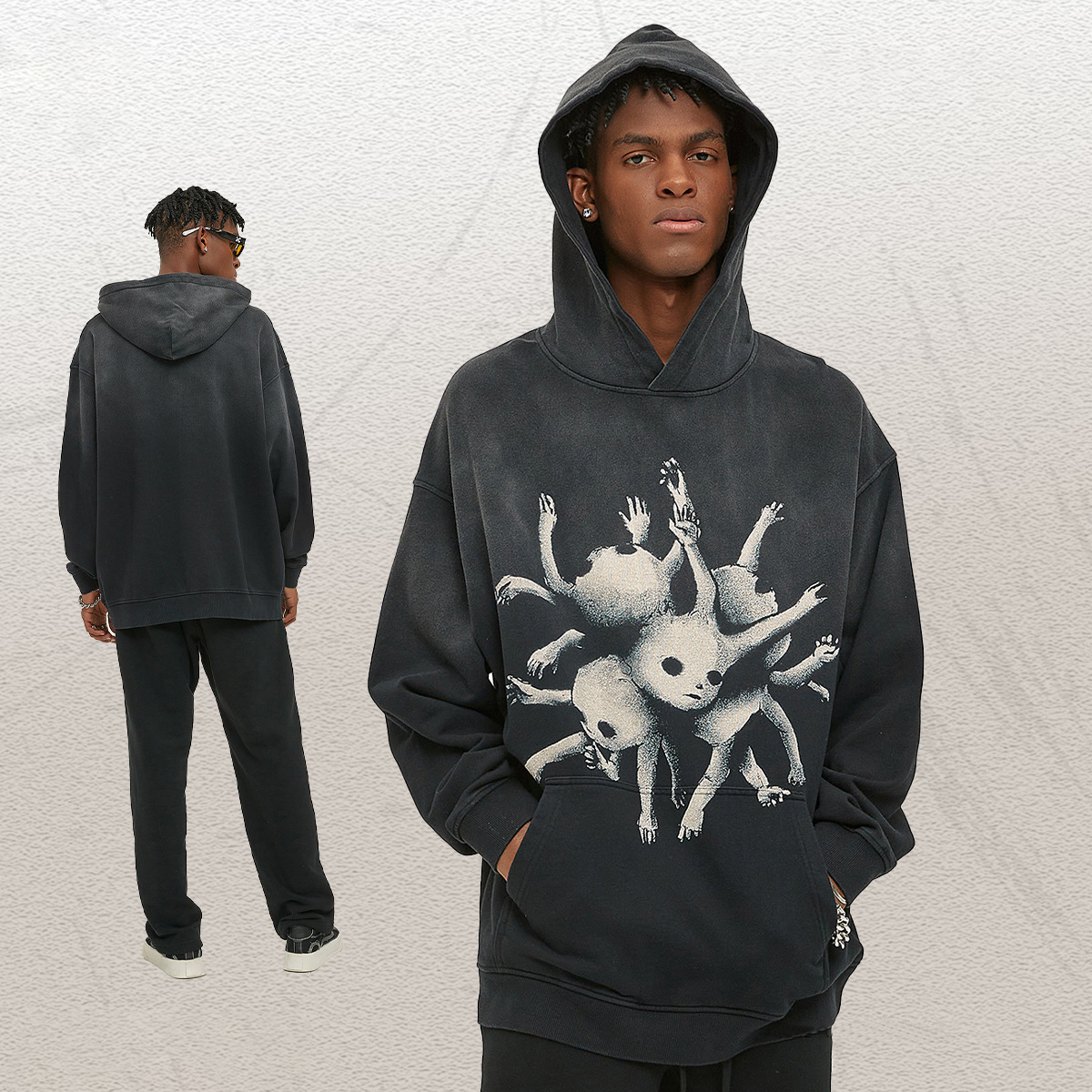
Reinforced hoodies and repairable outerwear prioritize longer service life.
This model answers: can construction support resale, repair or return pathways?
- Use replaceable trims
- Record material specifications
4. Sustainable Clothing Manufacturing Materials
Fabric choice determines hand feel, wear life, and the documentation a buyer must retain. For sustainable clothing manufacturing, specify fiber content, supplier records, and the intended recovery path before sampling.
| Material | Strengths | Constraints | Recommended Use |
|---|---|---|---|
| Organic cotton | Soft, breathable, durable | Traceability required | Streetwear tees, fleece |
| Recycled cotton | Uses recovered fiber | Lower yarn strength | Blended sweatshirts |
| Recycled polyester | Durable, quick-drying | Microfiber and end-of-life limits | Jerseys, teamwear |
| Hemp, linen, Lyocell | Breathable, distinctive hand | Cost and wrinkle trade-offs | Uniforms, woven private label |
Match Fiber To Product
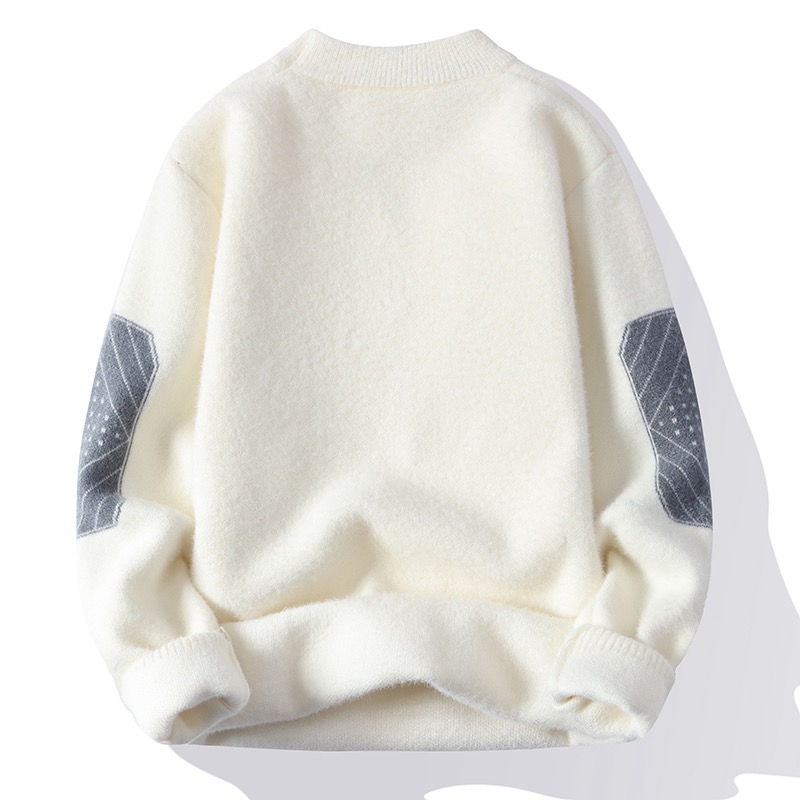
300–400 GSM organic-cotton fleece gives streetwear hoodies a substantial, soft hand; recycled cotton may need a virgin-fiber blend to protect yarn strength.
Recycled polyester adds abrasion resistance and moisture management for jerseys and teamwear, but blended garments are harder to recycle at end of life.
Verify The Claim
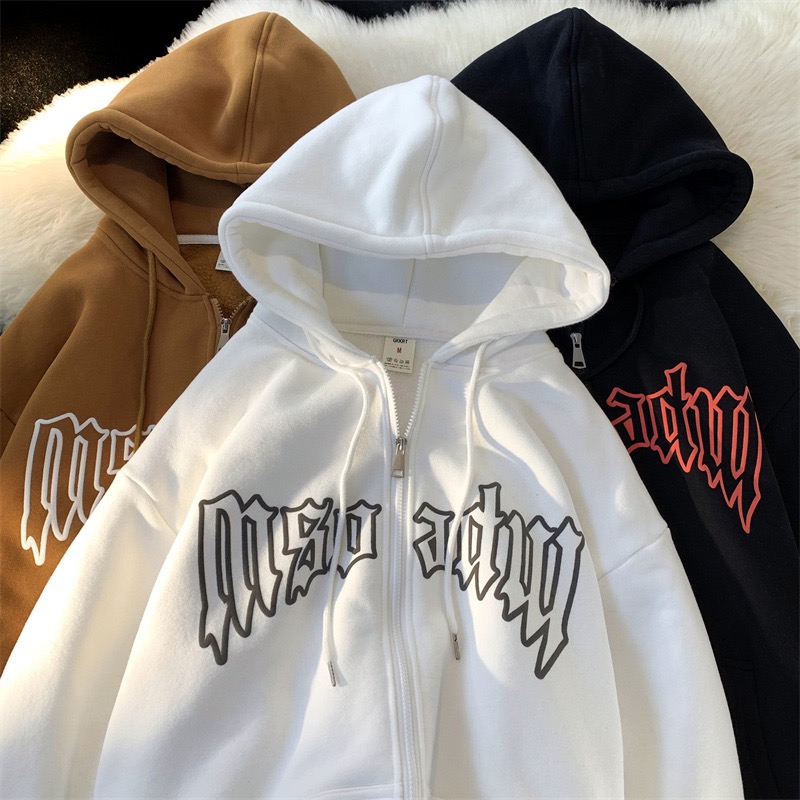
100% fiber claims are not enough: retain transaction certificates, composition tests, and trim specifications for each production lot.
TENCEL™ Lyocell, hemp, linen, and responsibly sourced blends suit breathable uniforms and private-label shirting, while fiber blends trade recyclability for performance.
5. Lower-Impact Customization and Decoration
Two variables—artwork complexity and order volume—should be locked before decoration testing. Sustainable clothing manufacturing depends on matching the process to fabric, placement, and an approved production standard.
| Method | Visual Outcome | Setup And Volume | Material And Waste |
|---|---|---|---|
| Embroidery | Textured, dimensional | Digitized file; efficient for repeat logos | Stable fabrics; thread offcuts |
| Screen Print | Opaque spot color | Screens suit repeat runs | Cotton blends; color changes add cleanup |
| Digital Print | Fine gradients | Minimal setup; flexible art | Smooth panels; print-to-order reduces excess |
| Heat Transfer | Sharp names and numbers | Low setup; variable data | Many fabrics; carrier-film waste |
| Woven Labels | Fine branded detail | Loom setup favors repeats | Seam or hem placement; trim remnants |
Process Fit
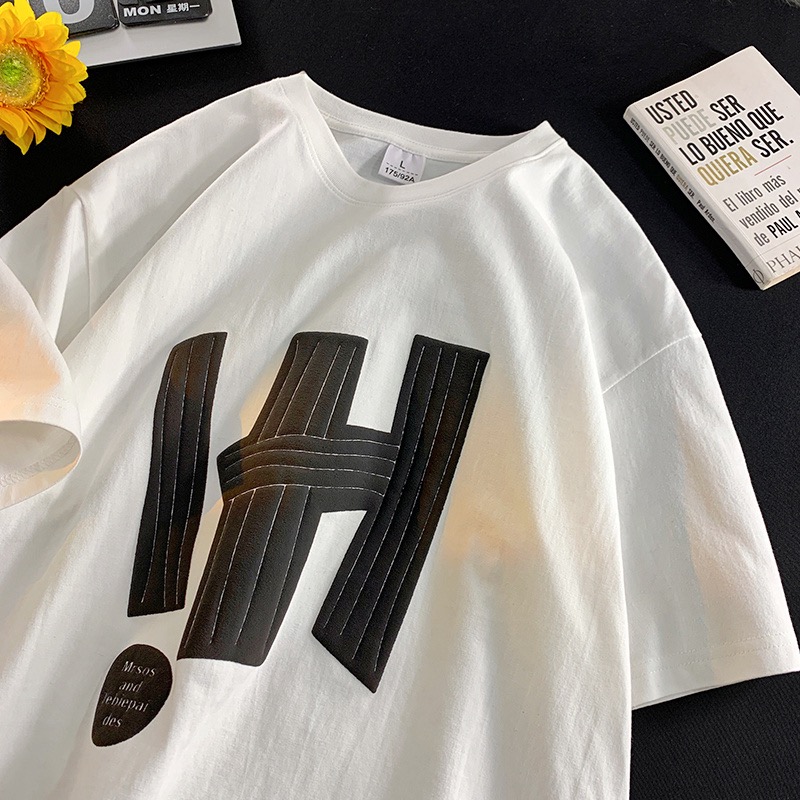
Four-color spot artwork on cotton jerseys often suits screen printing; water-based systems can reduce heavy-hand feel when fabric and curing requirements are compatible.
One-off gradients and photographic artwork favor digital printing, while heat transfers suit names, numbers, and short-run variable data.
Details That Last
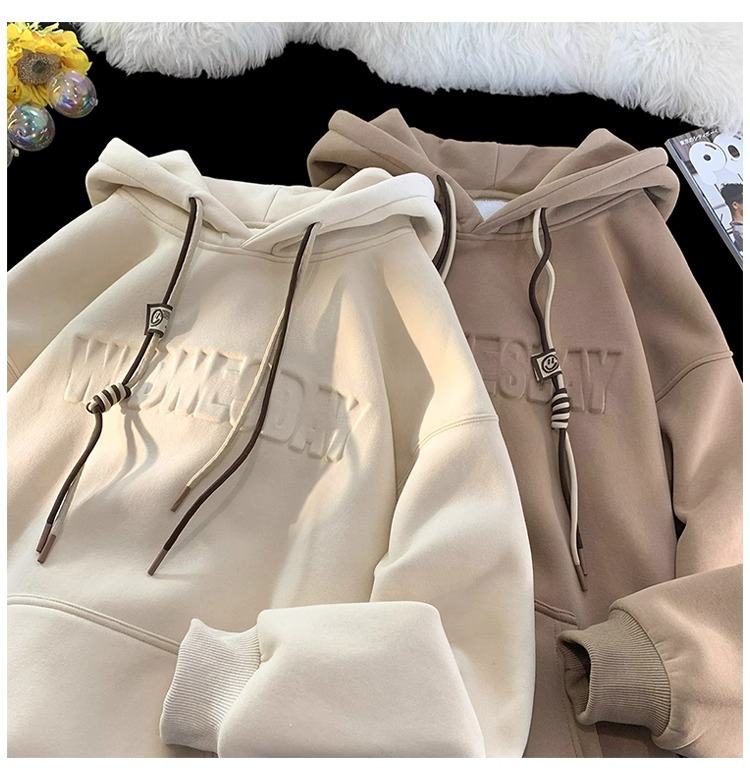
Three-dimensional logos generally favor embroidery on stable knits or woven panels, but dense stitching can distort lightweight fabric.
Two repeatable details—woven labels and specified trims—need approved color, placement, attachment method, and pull-strength expectations before bulk production.
6. Construction Quality That Extends Wear
300–360 GSM fleece suits many durable hoodies, while 180–220 GSM jersey fits everyday tees. Sustainable clothing manufacturing lasts longer when performance requirements are approved as production standards, not assumed from a sample.
Fabric, Recovery, And Shrinkage
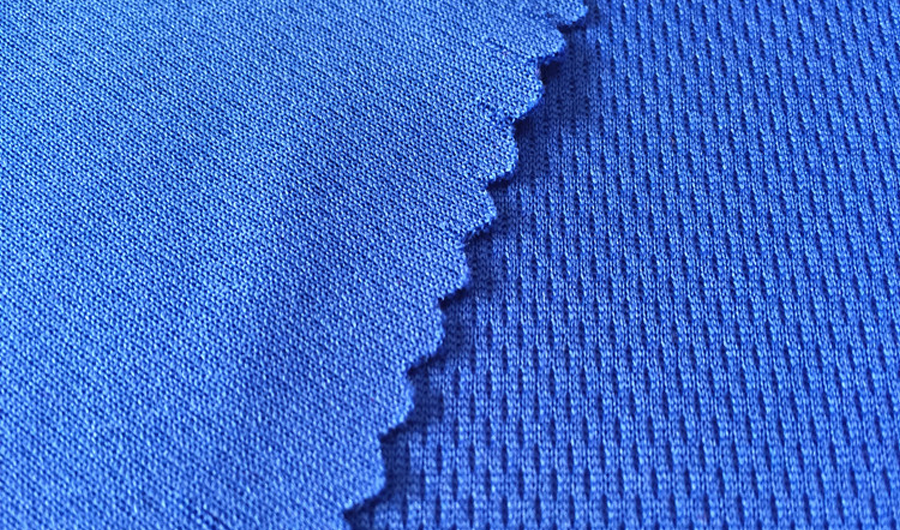
5% is a practical maximum wash-shrinkage target to specify by style, fabric, and care method. Request washed sample measurements, fabric composition, GSM tolerance, and stretch-recovery results before bulk approval.
Seams And Reinforcement
2-needle coverstitch hems, bar tacks at pocket ends, and reinforced crotch seams reduce failure at high-stress points. Specify seam type for everyday apparel, flatlock or stretch seams for activewear, and durable plackets for schoolwear and uniforms.
Approval Tests That Matter
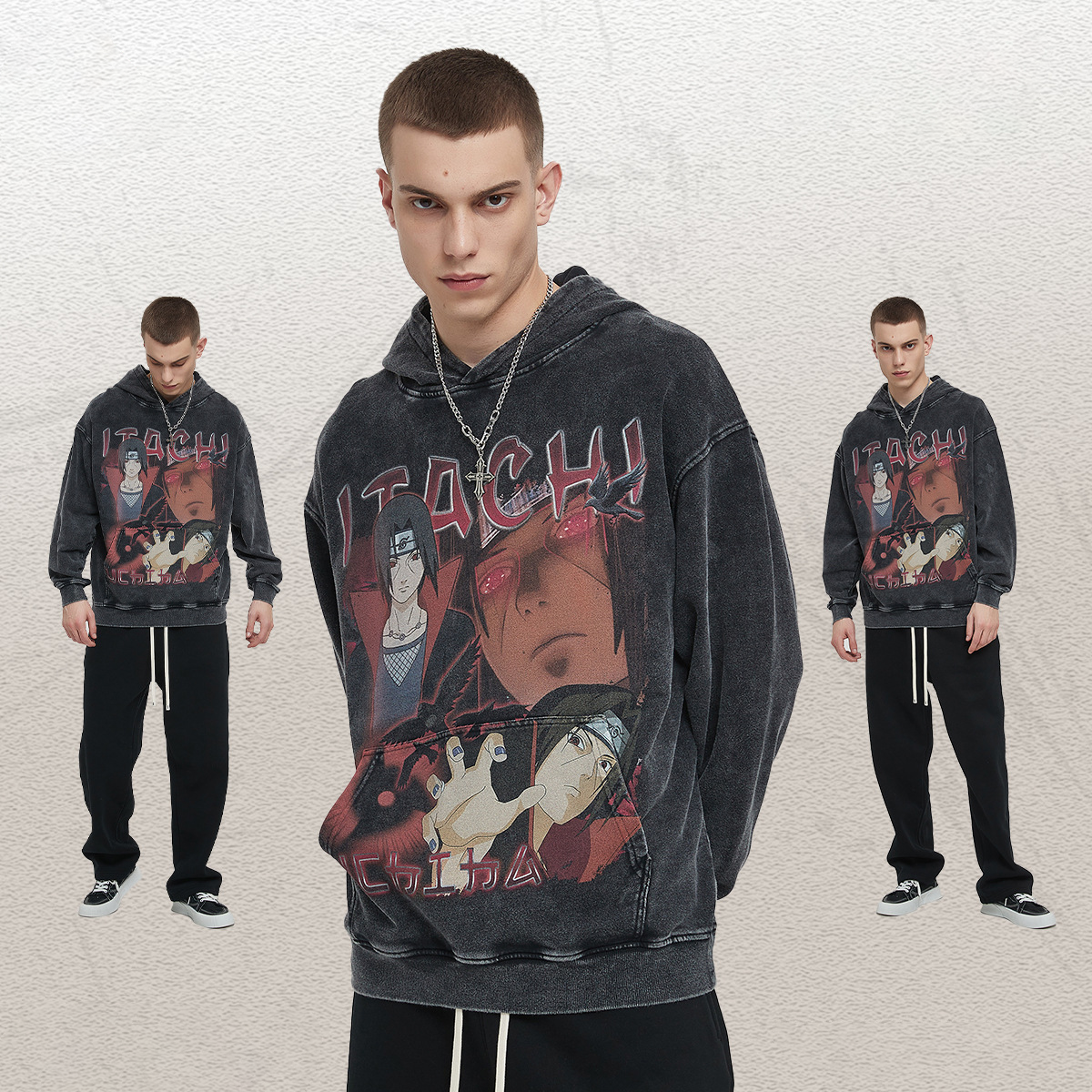
3–5 wash cycles should check measurement change, colorfastness, pilling, print adhesion, label legibility, and trim security. EDVORIN buyers should approve a graded size set, Pantone reference, artwork placement record, and sealed pre-production sample.
7. Choosing a Sustainable Clothing Manufacturing Partner
Select a partner whose product capability and records match your program, not one relying on broad eco claims. For sustainable clothing manufacturing, evidence should be reviewable before a purchase order.
Verify The Production Fit
200-piece MOQs can work when the factory supports your category, fabric, decoration, and size range. Confirm development support, sample revisions, bulk lead time, and Incoterms before approval.
- Which steps are produced in-house?
- What is the MOQ by color and style?
- What is the sample-to-bulk timeline?
Request Evidence, Not Promises
1 current certificate is not proof for every fabric or order. Request scope, expiry date, transaction documentation where relevant, recent audit evidence, named subcontractors, material mill details, inspection checkpoints, and shipping responsibility.
- Is certification facility-, material-, or product-specific?
- Who performs printing, washing, and embroidery?
- What are the AQL, defect remedy, and inspection terms?
8. Sustainable Sourcing Mistakes to Avoid
EDVORIN’s MOQ starts at 200 pieces per style. A 200-piece MOQ makes early sourcing choices unusually consequential. In sustainable clothing manufacturing, each claim, component and approval must be specific enough to repeat in bulk.
Verify Certificates And Traceability
One certificate is not blanket proof: confirm its scope, valid supplier, material and transaction documentation. Unclear fiber origin or subcontracting weakens buyer claims; request a component-level traceability record before approval.
Test The Complete Product
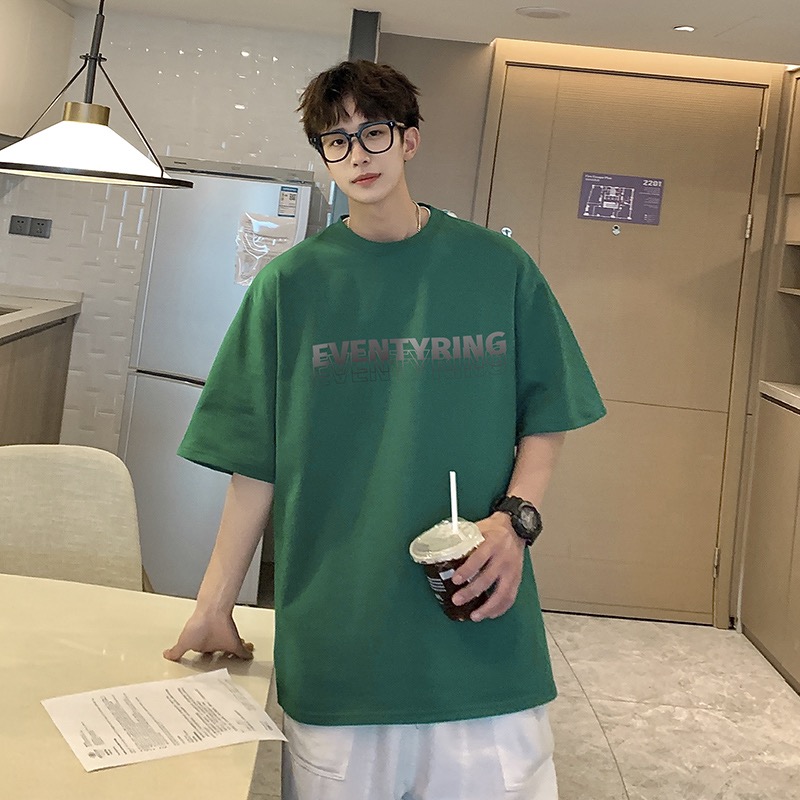
280 GSM fleece can suit a hoodie yet perform poorly if rib recovery, print adhesion or wash shrinkage are untested. Sample the fabric, decoration, trims and packaging together; otherwise a compliant main fabric can yield a disappointing finished garment.
Plan Volume And Claims
200 pieces across too many colors and sizes can create excess stock, while special fabrics and trims may extend lead times. Build a size-color forecast, confirm MOQ by material and component, and use only consumer claims supported by documented evidence.
9. Launching a More Responsible Apparel Line
A 200-piece launch is easiest to control when one buyer, one product brief, and a defined price target guide every decision. Sustainable clothing manufacturing works best when development evidence is retained for the reorder.
Define The First Drop
Two or three colorways per style keep fabric commitments, size curves, and inventory exposure manageable. Specify target wearer, channel, season, fit, retail price, and performance needs before requesting quotes.
Develop And Test
One complete tech pack should record Pantone references, fabric composition and GSM, measurements, artwork placement, trims, labels, and packaging. Review a first sample, then fit and wear-test it before approving a sealed production standard.
Approve, Ship, Learn
Three document sets—material declarations, applicable test reports, and certification transaction records—should be matched to the exact ordered inputs before bulk release. Use sales by color and size after launch to plan demand-informed reorders instead of broad speculative replenishment.
10. Sustainable Clothing Manufacturing Pricing
200 pieces is a practical starting point for many custom programs, but it rarely delivers the lowest unit cost. Fabric weight and fiber content, custom trims, complex panels, washing, embroidery or multi-color printing, certification/traceability documents, sampling, packaging, freight, and rush lead times all change the quote.
1 approved sample should become the bulk reference before a buyer compares suppliers. For sustainable clothing manufacturing, request an itemized quote covering development, ex-factory pricing, packing, freight terms, and any certification-related transaction costs; specifications—not sustainability labels alone—determine the final price.
| Order quantity | Unit-price direction | Development cost | Lead-time implication |
|---|---|---|---|
| 200–499 | Highest | Spread across fewer units | Sampling and material booking dominate |
| 500–999 | Lower | Better amortization | More efficient bulk planning |
| 1,000+ | Lowest, if specification stays fixed | Least impact per unit | May require earlier fabric commitment |
Start Your EDVORIN Apparel Manufacturing Program
Send your concept, tech pack, or reference garment to develop a production-ready collection with clear material, trim, decoration, and quality standards.