
Clothing Quality Control That Keeps Apparel Repeatable
EDVORIN protects your approved garment standard from sample through packed bulk production with clothing quality control across materials, measurements, decoration, labeling, and finishing.
Featured Apparel Categories with Built-In Quality Control
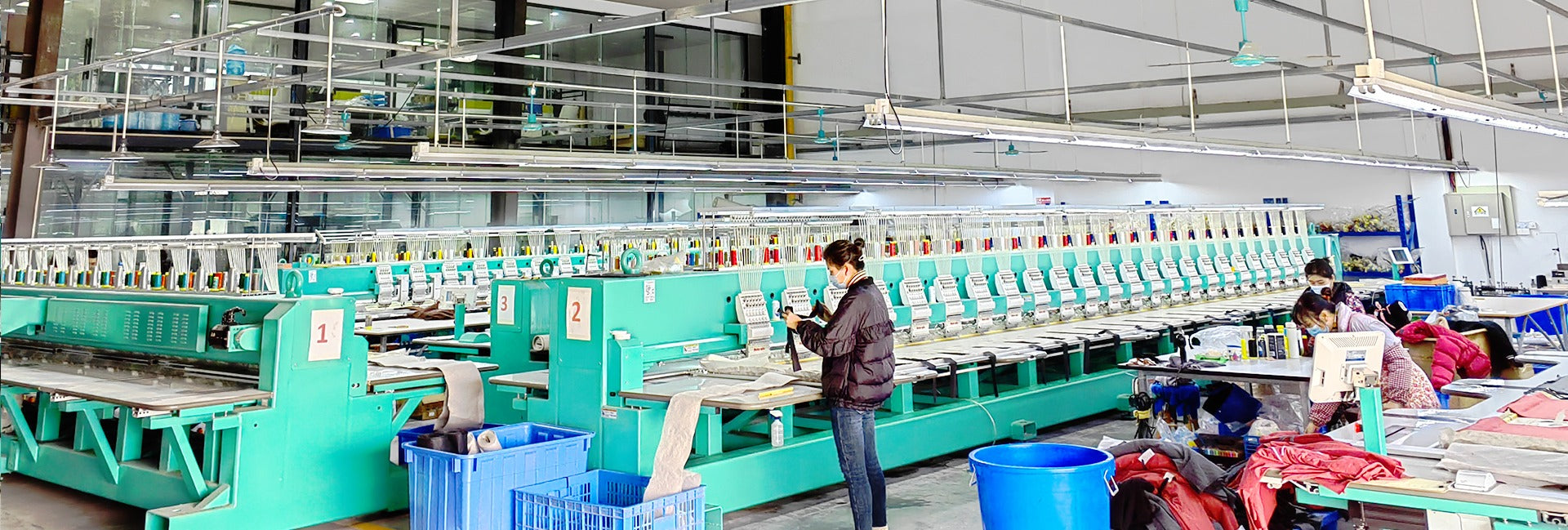

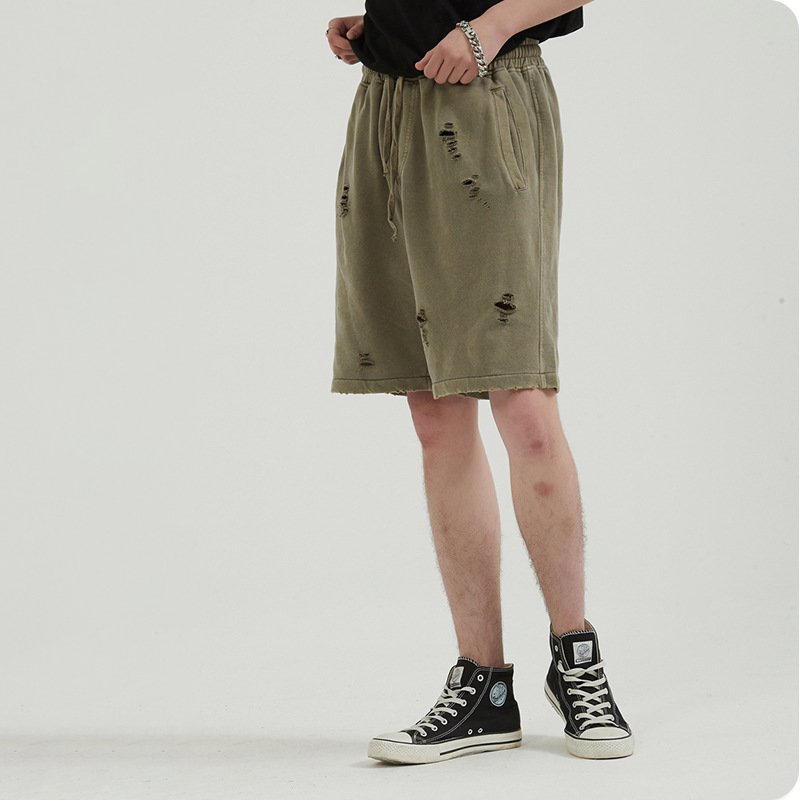

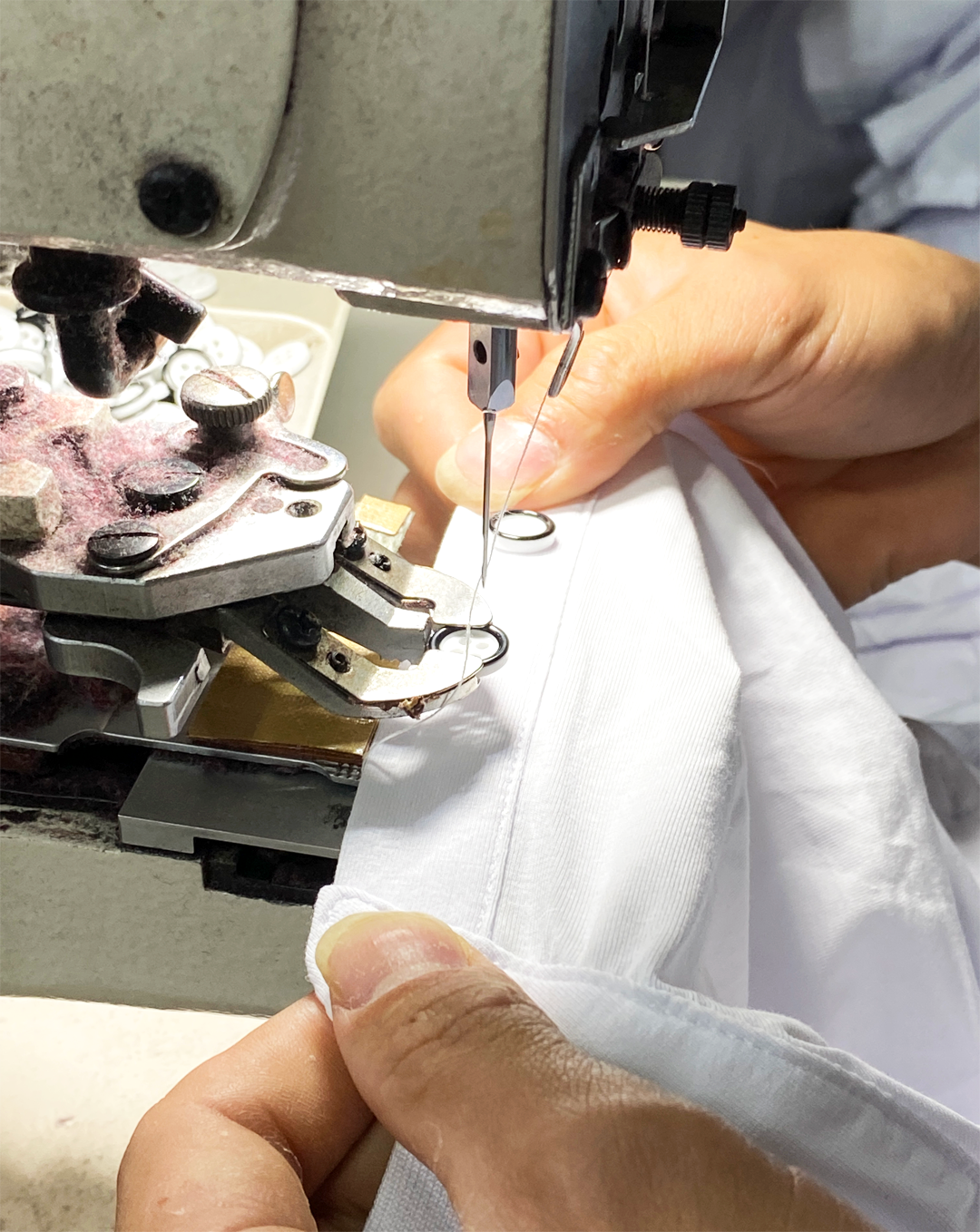
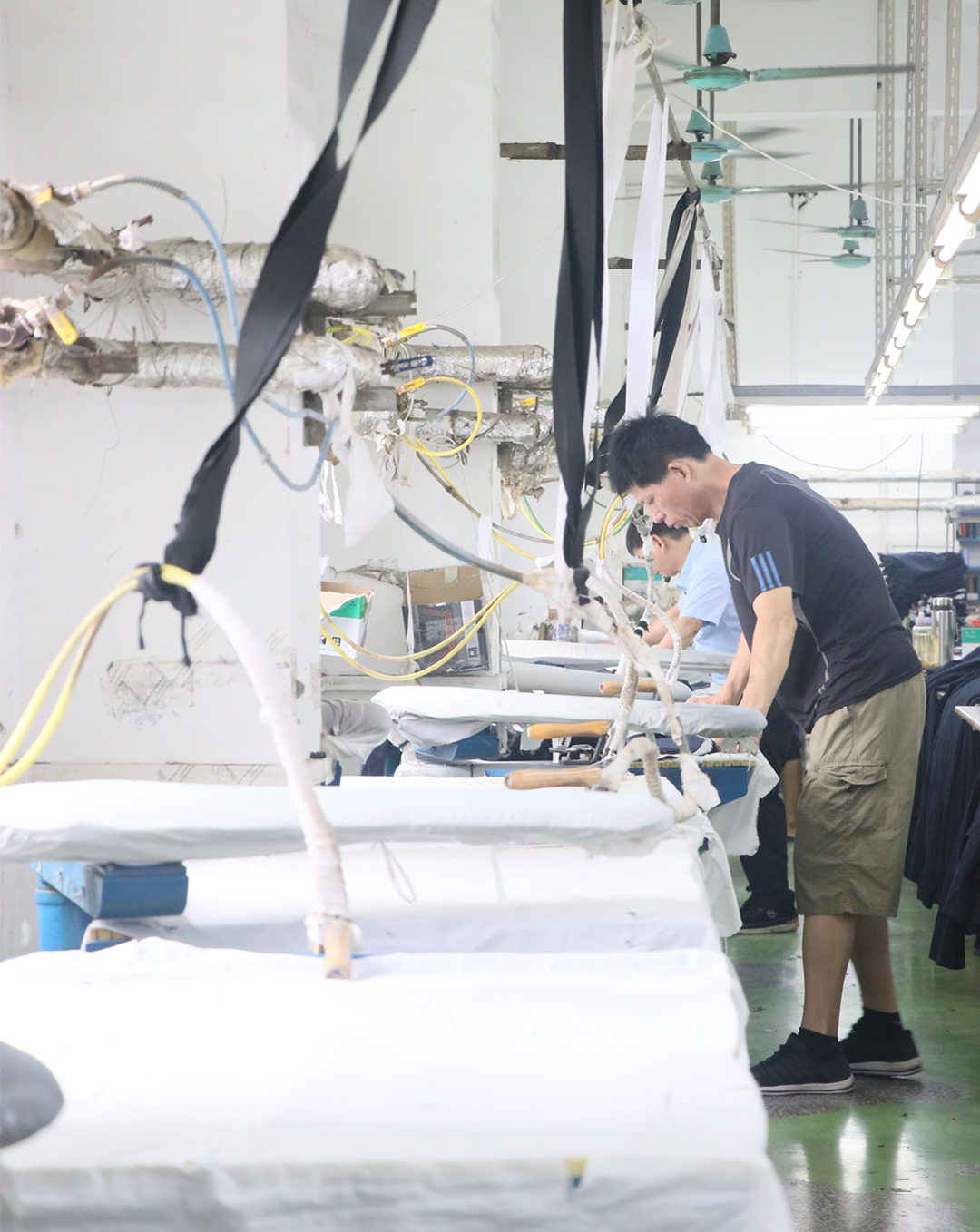
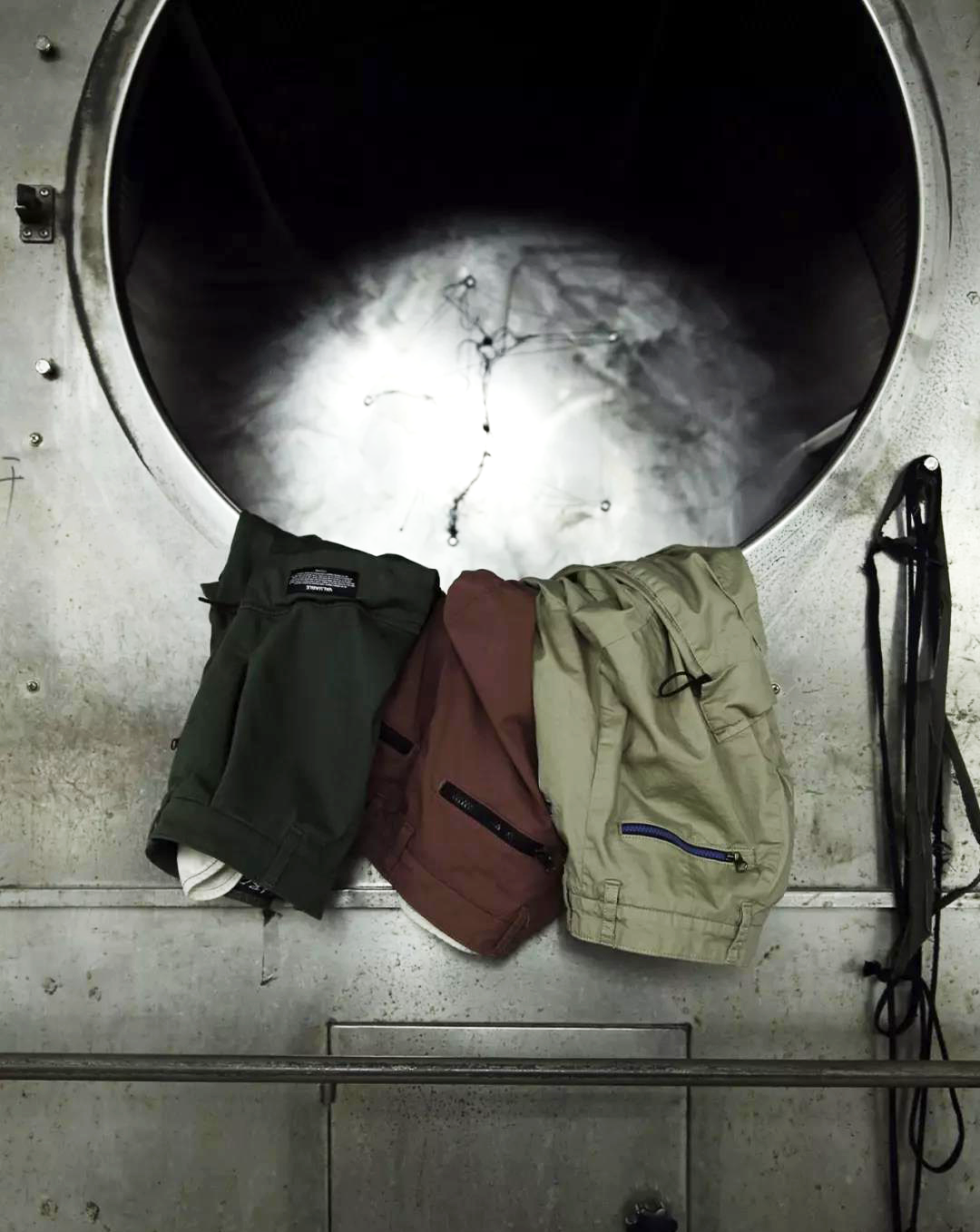
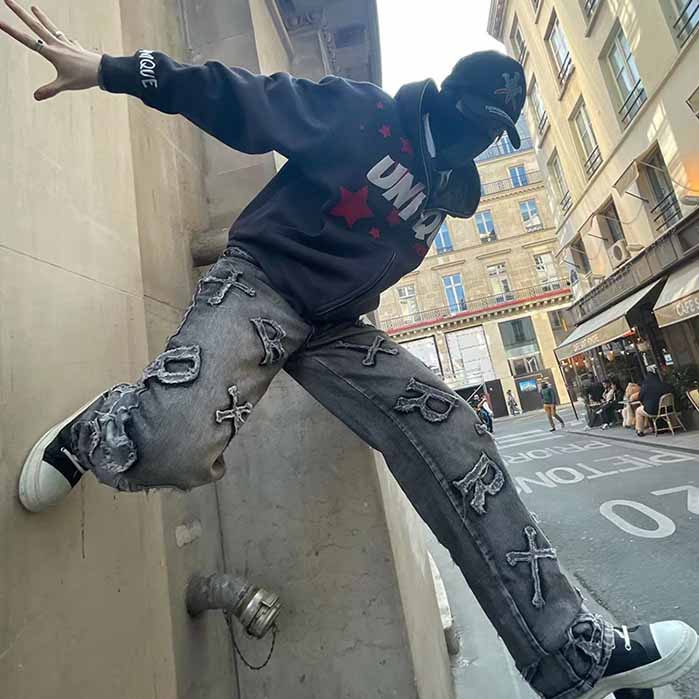
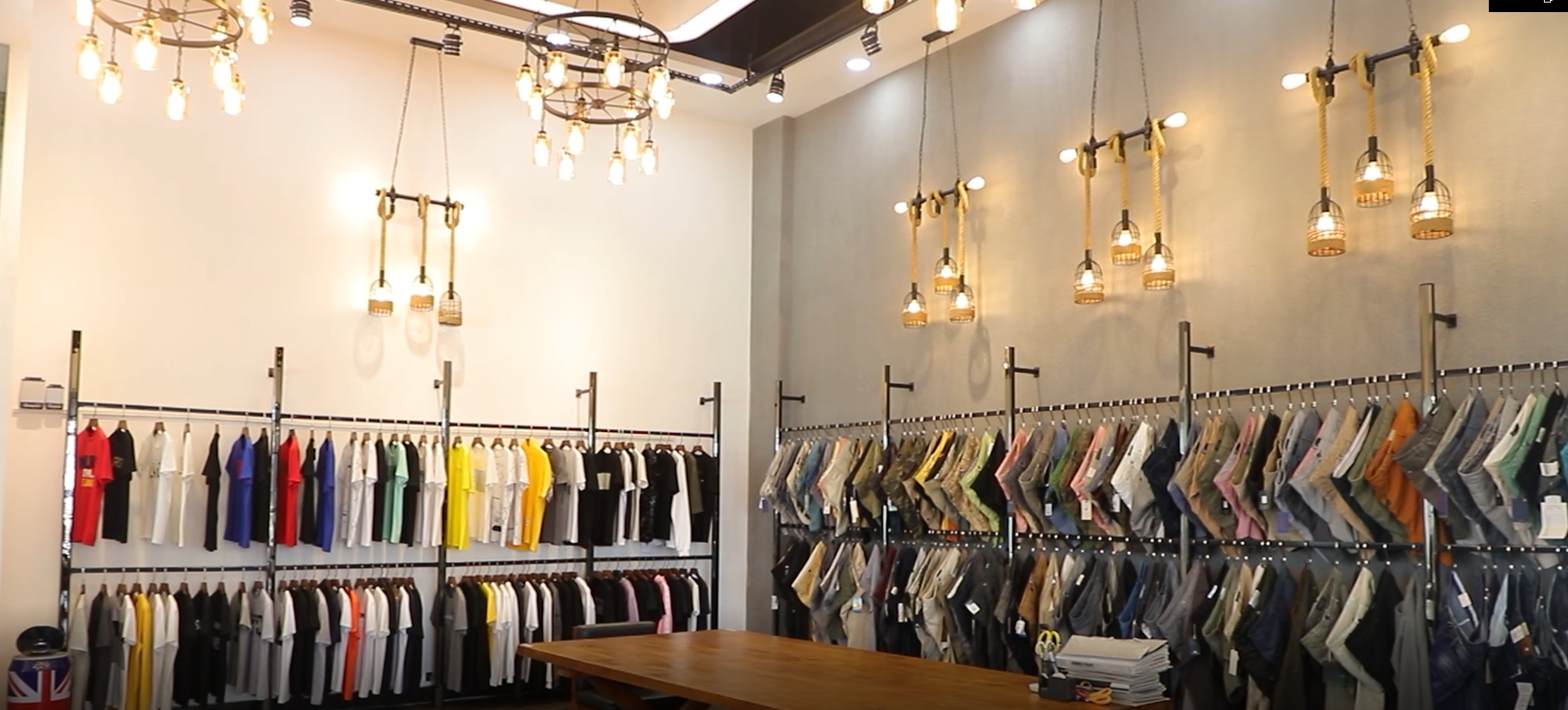

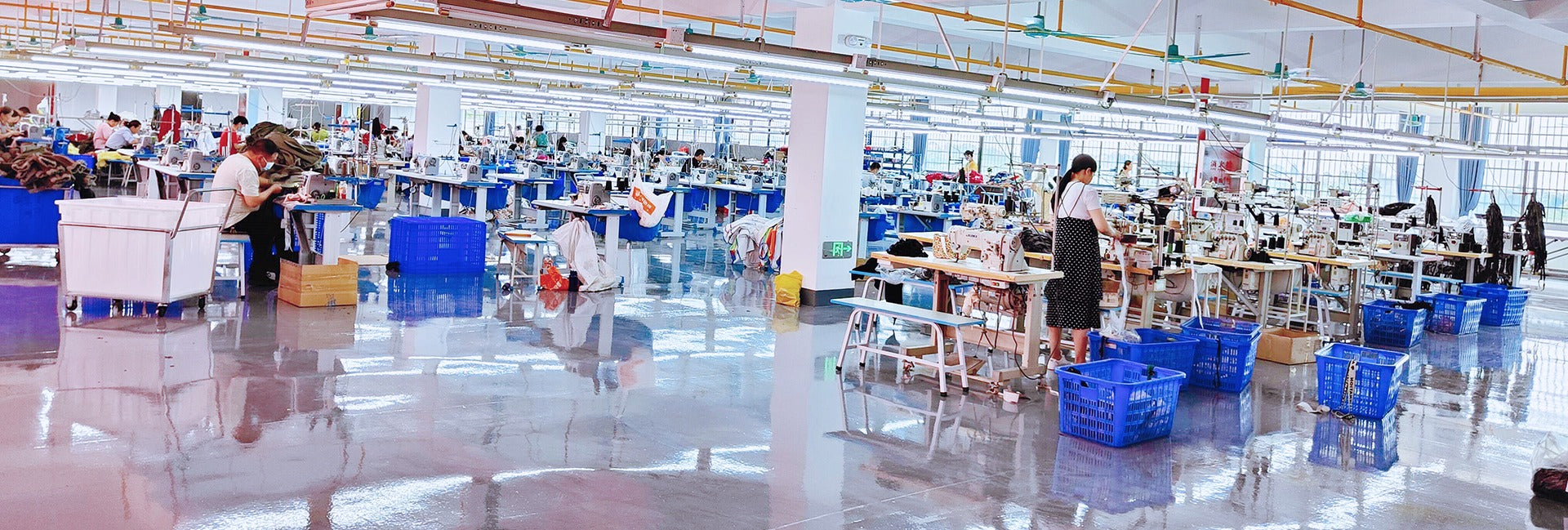
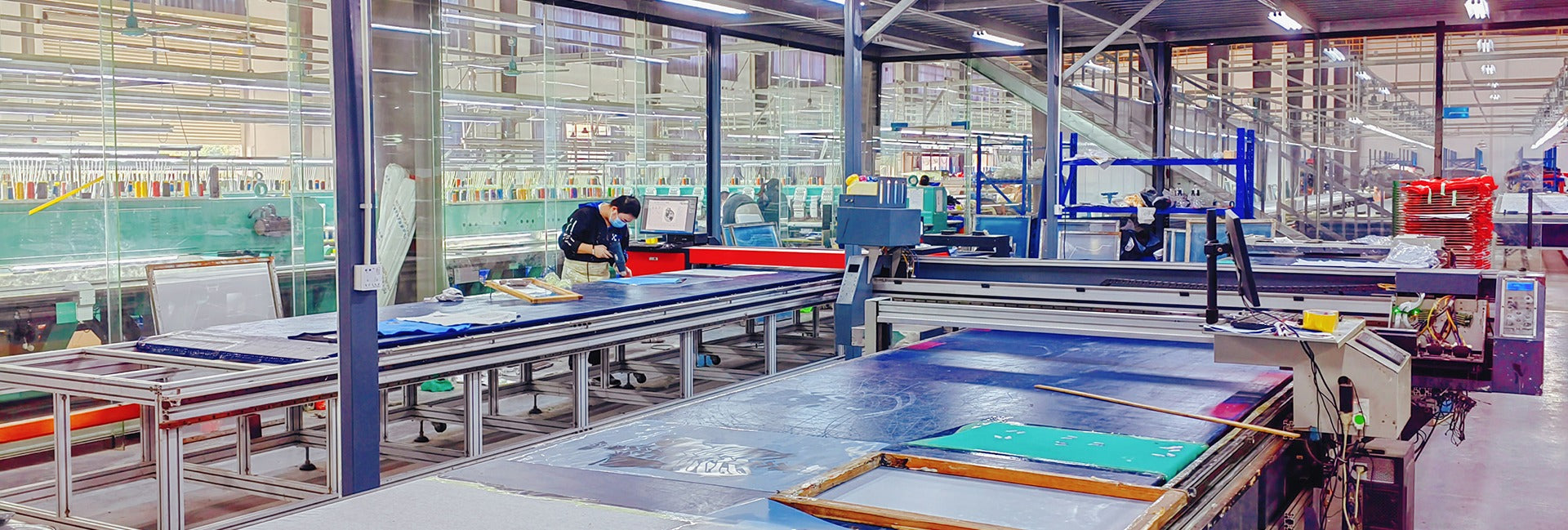
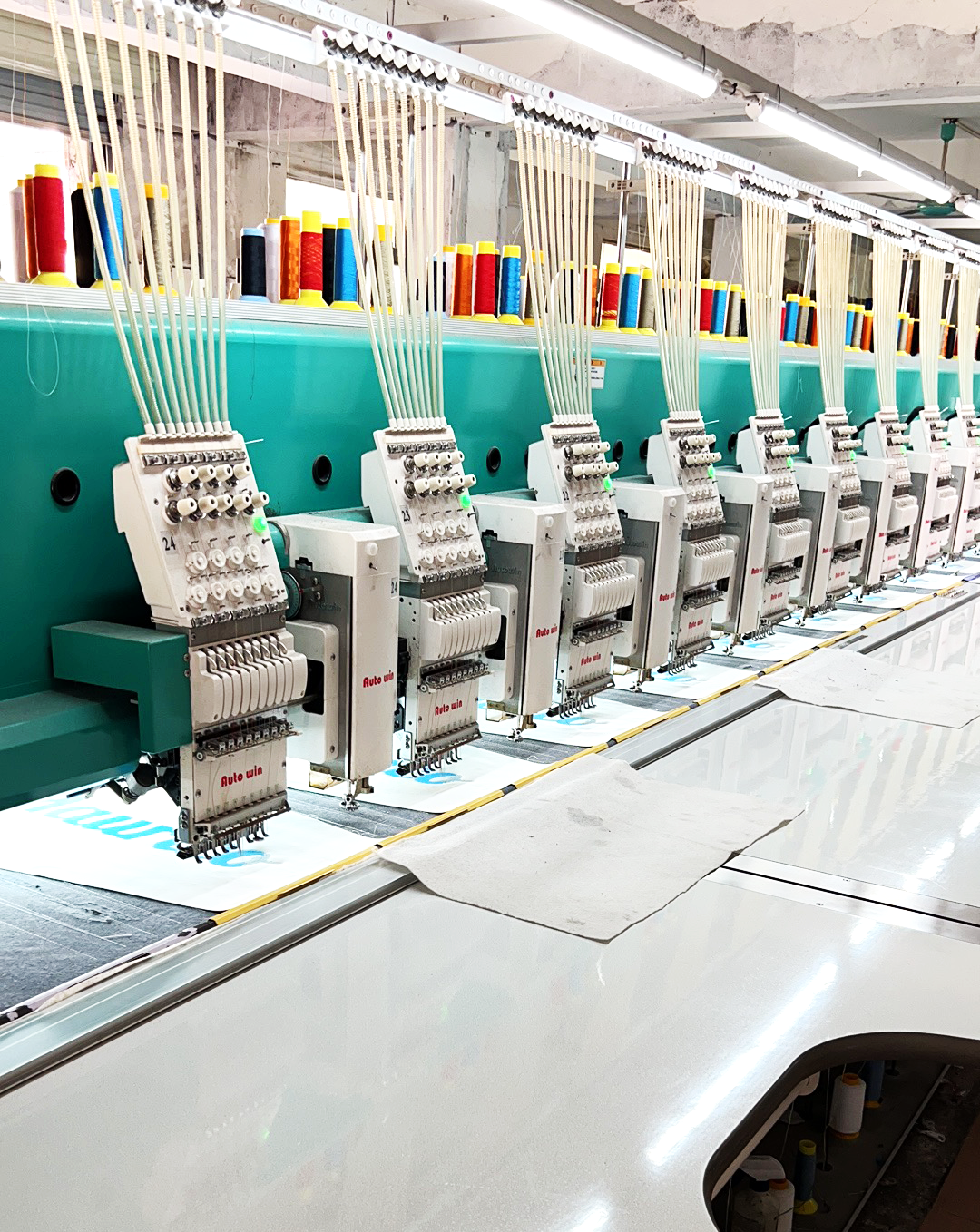

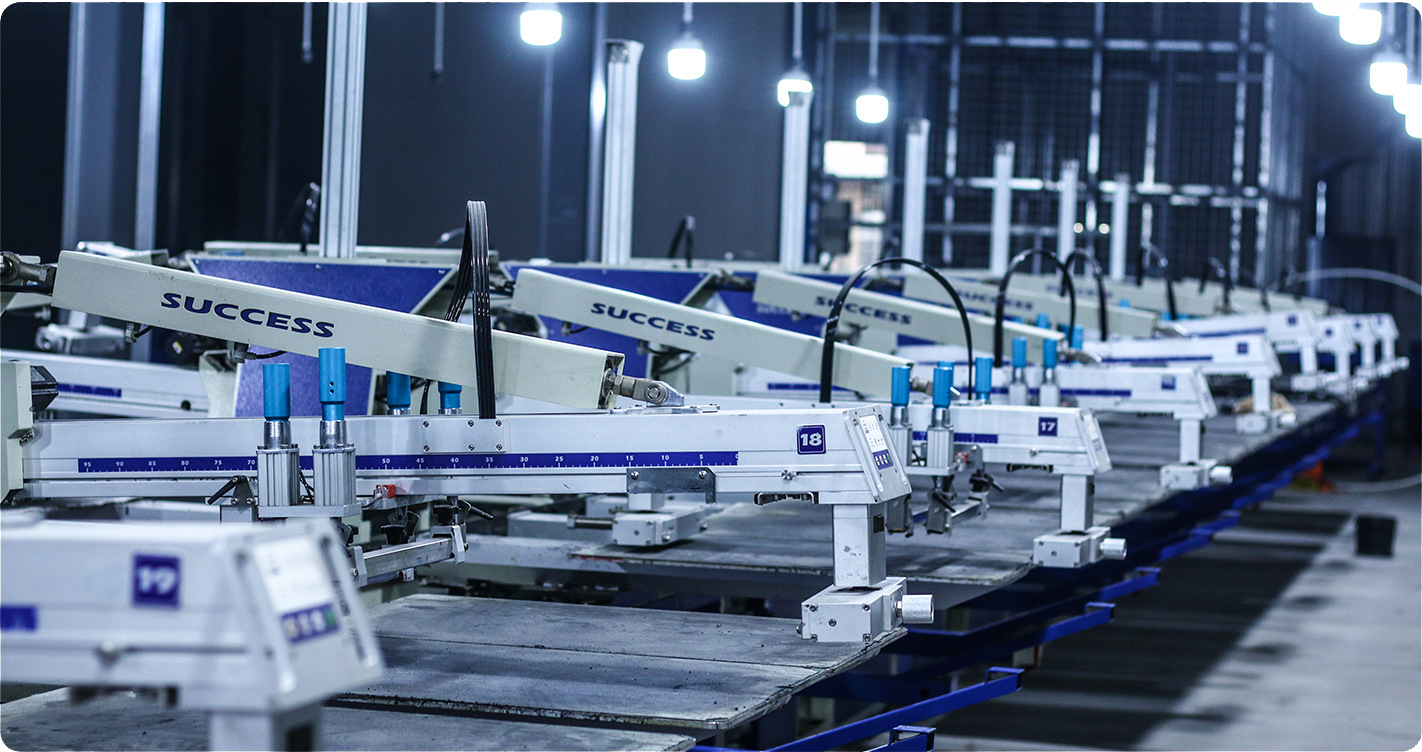
What Clothing Quality Control Covers at EDVORIN
From approved materials to packed garments, EDVORIN records and checks the details that protect consistency across your bulk order.
Material Consistency
Confirm fabric, color, weight, trims, and wash details against approved references before they move into bulk production.
Measurement Accuracy
Check key points of measurement and tolerances against approved size specifications to help maintain intended fit across size runs.
Decoration Placement
Review print, embroidery, patches, names, and numbers against approved artwork, placement measurements, and garment-specific construction details.
Construction Review
Monitor stitching, seams, panels, rib, hardware, and finishing during production so variation can be identified before final completion.
Final Packing Checks
Inspect finished garments, labels, assortments, folding, and packaging before shipment to confirm the order reflects the approved production standard.
Explore Apparel Manufacturing Capabilities
Compare category-specific development, decoration and bulk-production requirements alongside the sourcing, sampling and quality-control support behind each program.

Custom Hoodies
Develop custom hoodies with defined fleece weight, rib recovery, hood construction, drawcords, pockets, labels and print or embroidery placement. EDVORIN converts approved specifications into controlled sample-to-bulk production for men’s and women’s programs.
Get a Quote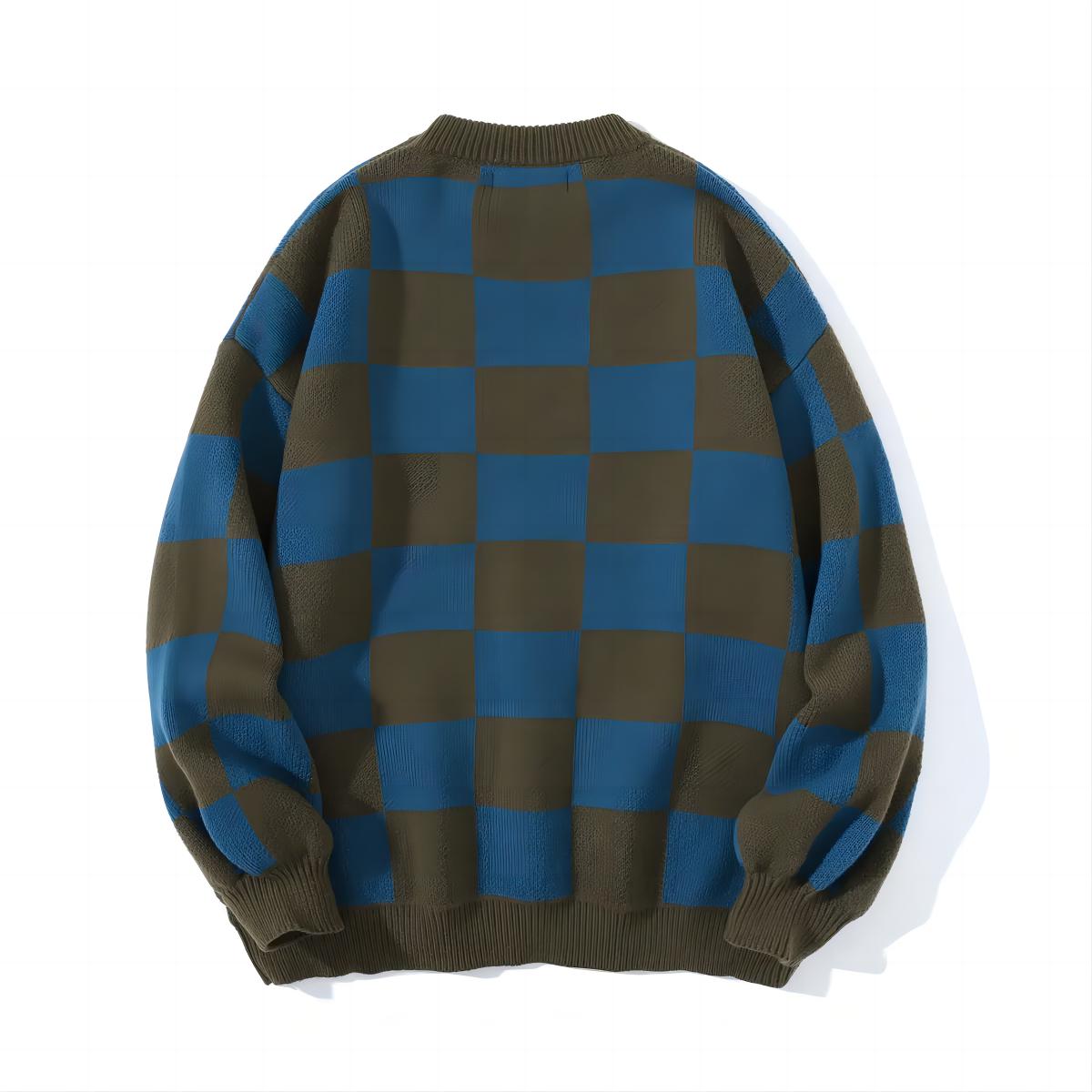
Pullover Sweatshirts
Build pullover sweatshirts around fabric weight, neckline shape, rib specifications, fit blocks and decoration requirements. As a sweatshirt manufacturer, EDVORIN supports technical development, sampling, material coordination and repeatable bulk production from approved standards.
Get a Quote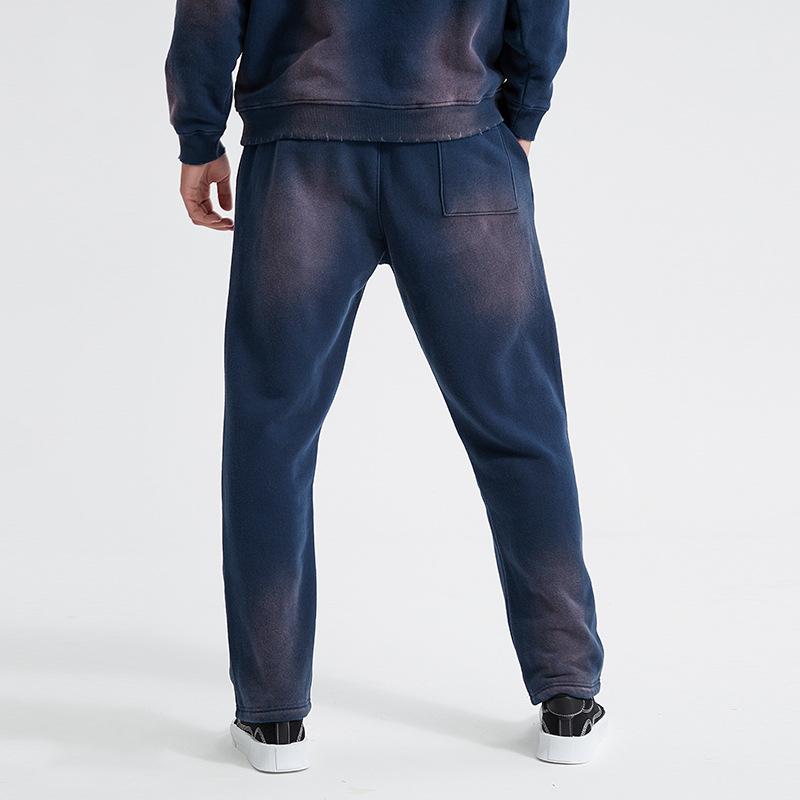
Sweatpants & Joggers
Develop sweatpants and joggers with coordinated fabric, waistband, drawcord, pocket, cuff and grading specifications. EDVORIN supports matching sets, men’s and women’s fits, decoration placement and production controls for wholesale, private-label and brand programs.
Get a Quote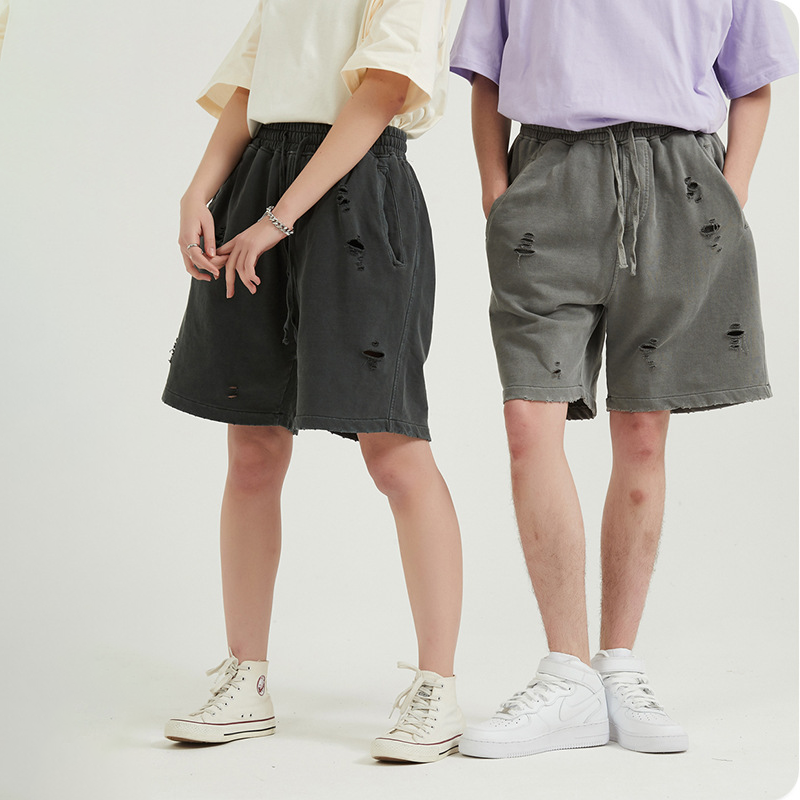
Custom Shorts
Create custom shorts with the required inseam, waistband, pocket construction, lining, fabric weight and decoration method. EDVORIN develops casual, athletic and coordinated collection styles through sampling, material sourcing and documented bulk-production specifications.
Get a Quote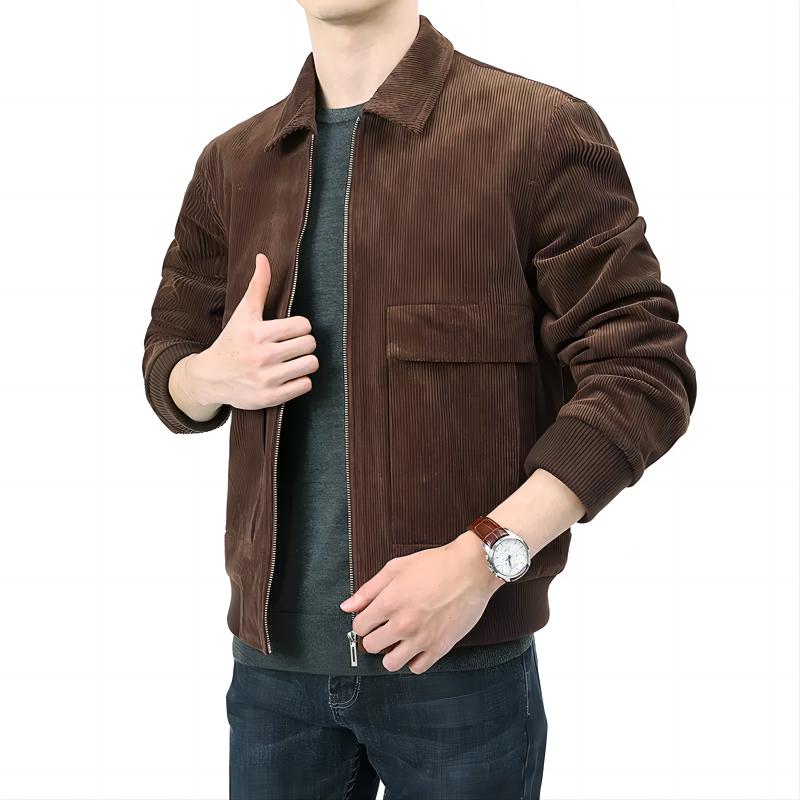
Varsity & Baseball Jackets
Produce varsity and baseball jackets with balanced body fabric, sleeves, rib, snaps, lining, patches and embroidery. EDVORIN coordinates construction and decoration details so approved jacket standards can be repeated through bulk production.
Get a Quote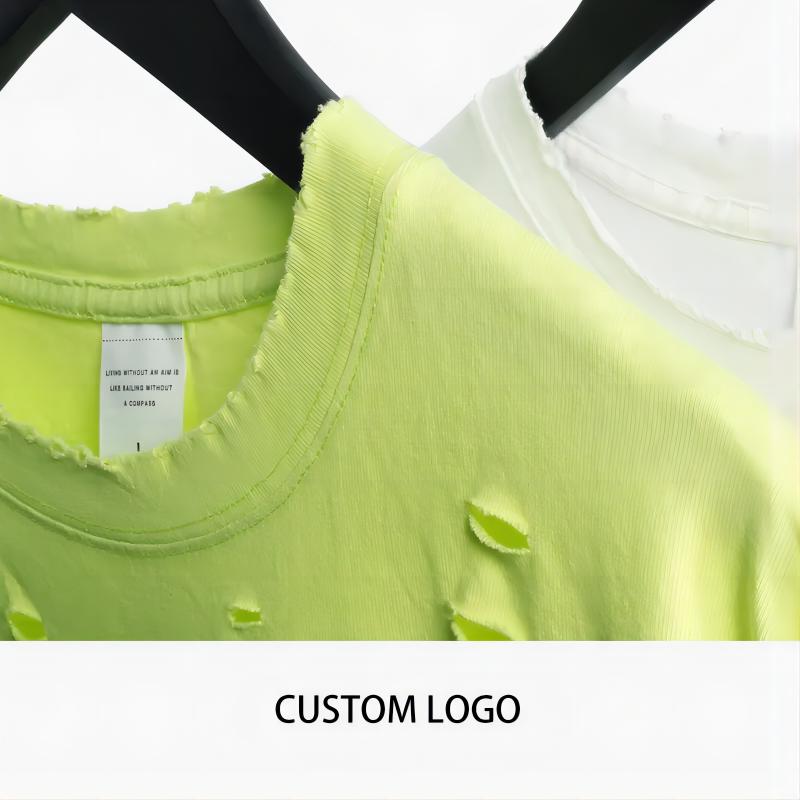
Custom T-Shirts
Develop custom T-shirts with selected jersey fabric, neck rib, fit, sleeve proportions, wash treatment, labels and artwork placement. EDVORIN supports men’s and women’s programs from sample review through controlled screen printing, embroidery or other decoration.
Get a Quote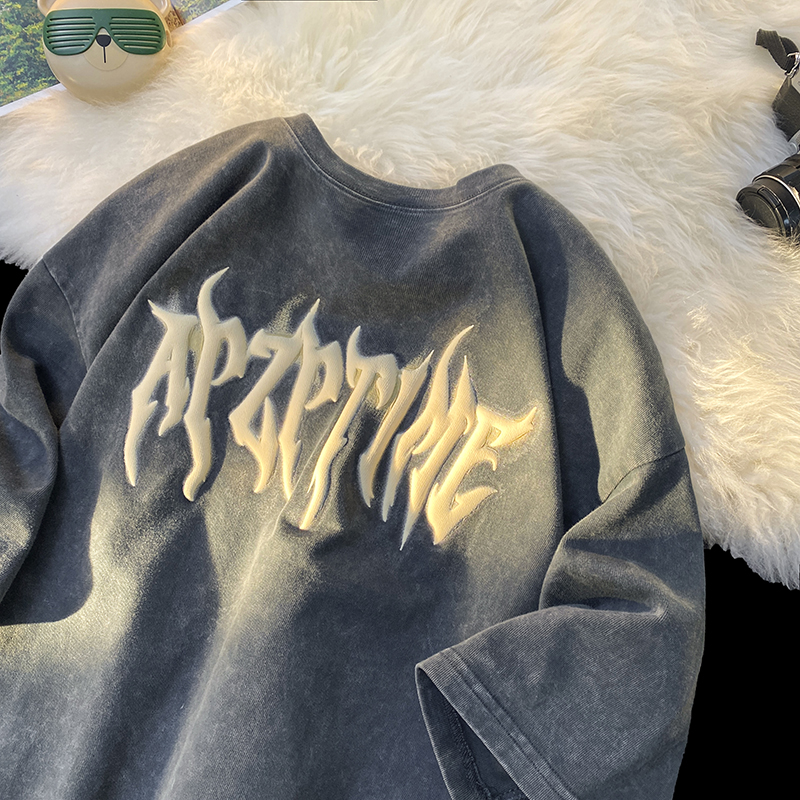
Custom Polo Shirts
Produce custom polo shirts with appropriate pique or jersey fabric, collar construction, placket details, buttons, cuffs and embroidery placement. EDVORIN manages sampling, trims, grading and quality checks for corporate, private-label and wholesale apparel programs.
Get a Quote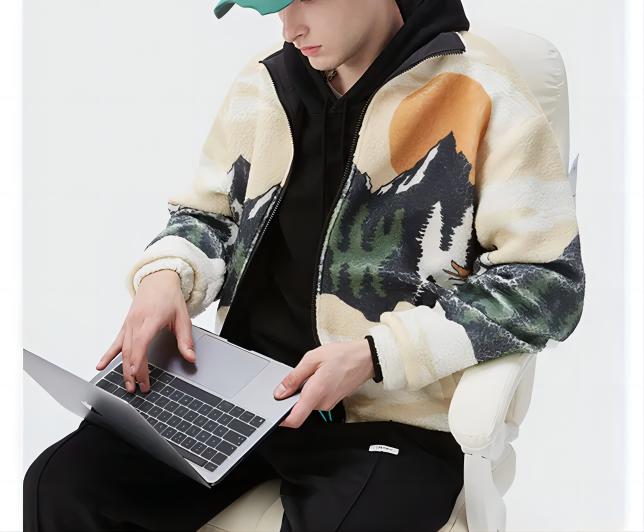
Windbreaker Jackets
Develop windbreakers with shell fabric, lining, zipper, hood, pocket and elastic or cuff specifications matched to intended use. EDVORIN coordinates decoration, fit development and bulk inspection requirements for fashion, teamwear and promotional programs.
Get a Quote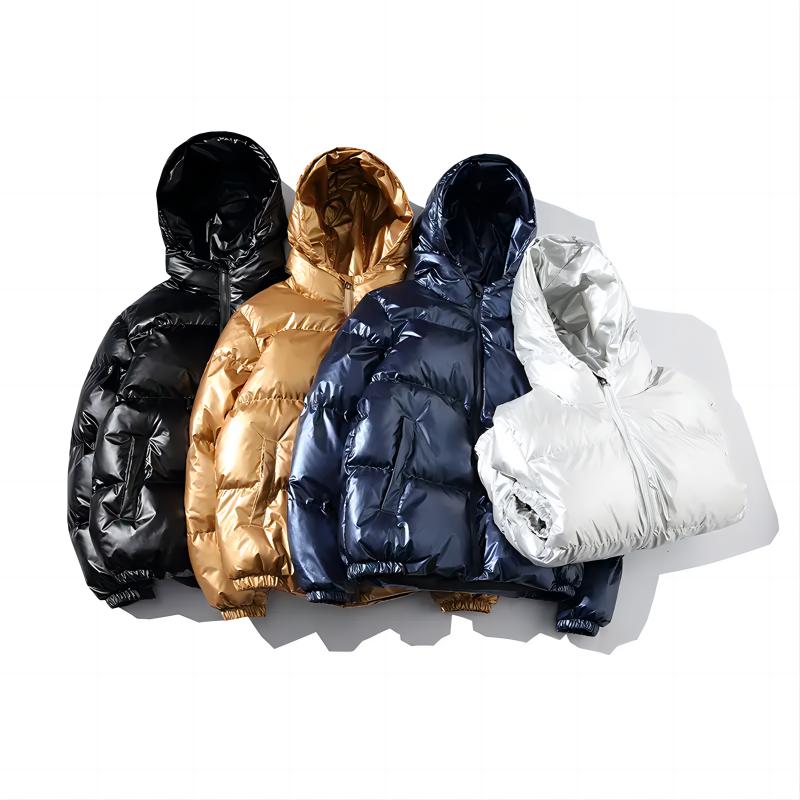
Quilted Jackets
Produce quilted jackets with coordinated shell, lining, insulation, quilting pattern, hardware and finishing details. EDVORIN tests construction during sampling and records approved materials and measurements to support consistent outerwear bulk production.
Get a Quote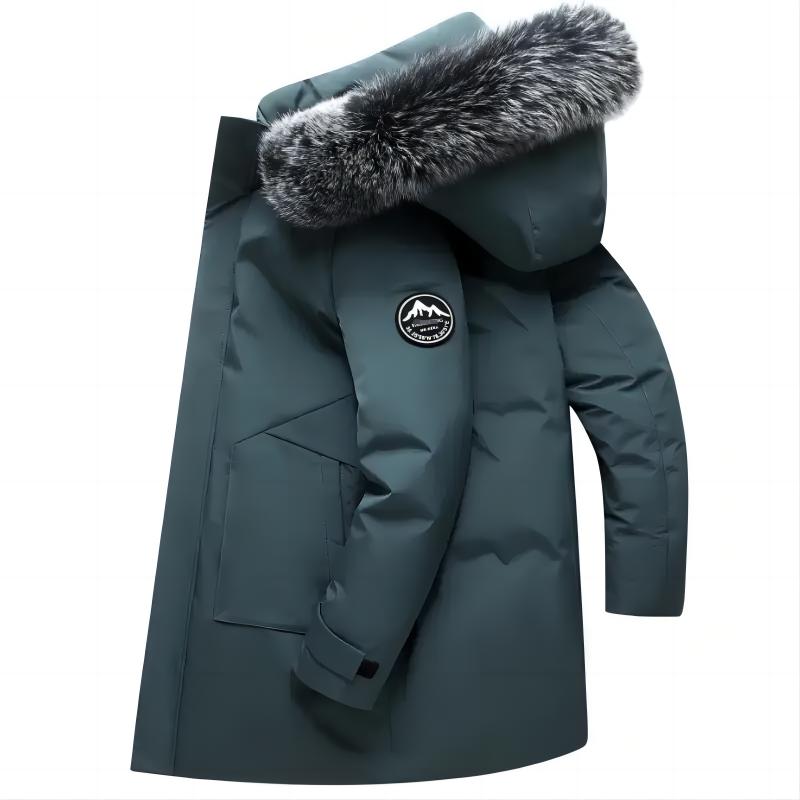
Bomber Jackets
Develop bomber jackets with specified shell fabric, lining, rib, zipper, pockets and decoration treatments. EDVORIN helps brands translate reference garments or tech packs into production-ready standards for men’s and women’s outerwear programs.
Get a Quote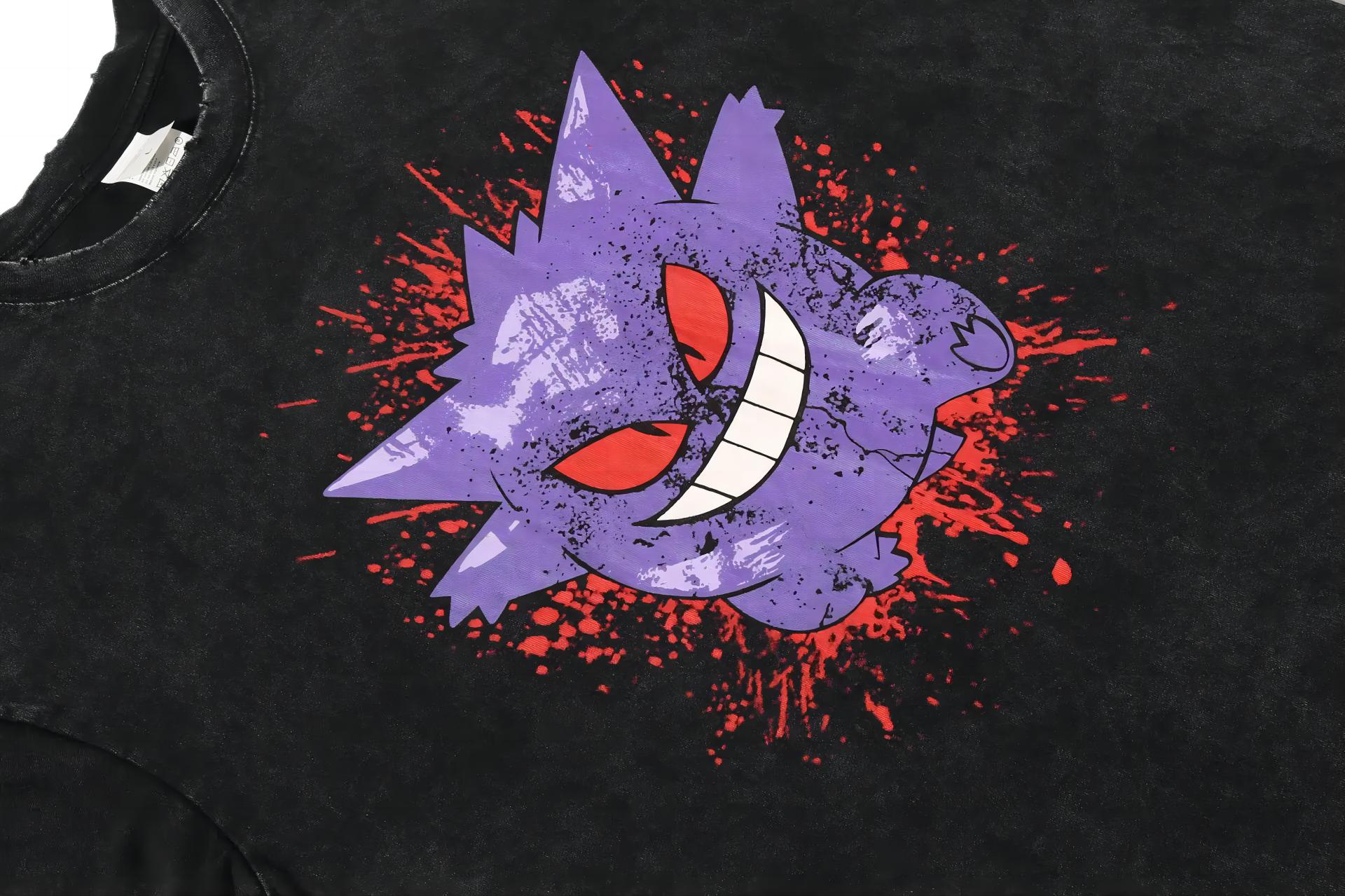
Custom Shirts
Create custom woven shirts with fabric selection, collar and cuff construction, placket details, buttons, pocket options and fit specifications. EDVORIN supports sampling, grading, labeling and quality control for private-label, uniform and fashion collections.
Get a Quote
Custom Jerseys
Produce custom jerseys with breathable fabrics, color control, name and number application, sizing and durable construction. EDVORIN coordinates artwork placement and team-set requirements so every approved jersey can be reproduced consistently in bulk.
Get a Quote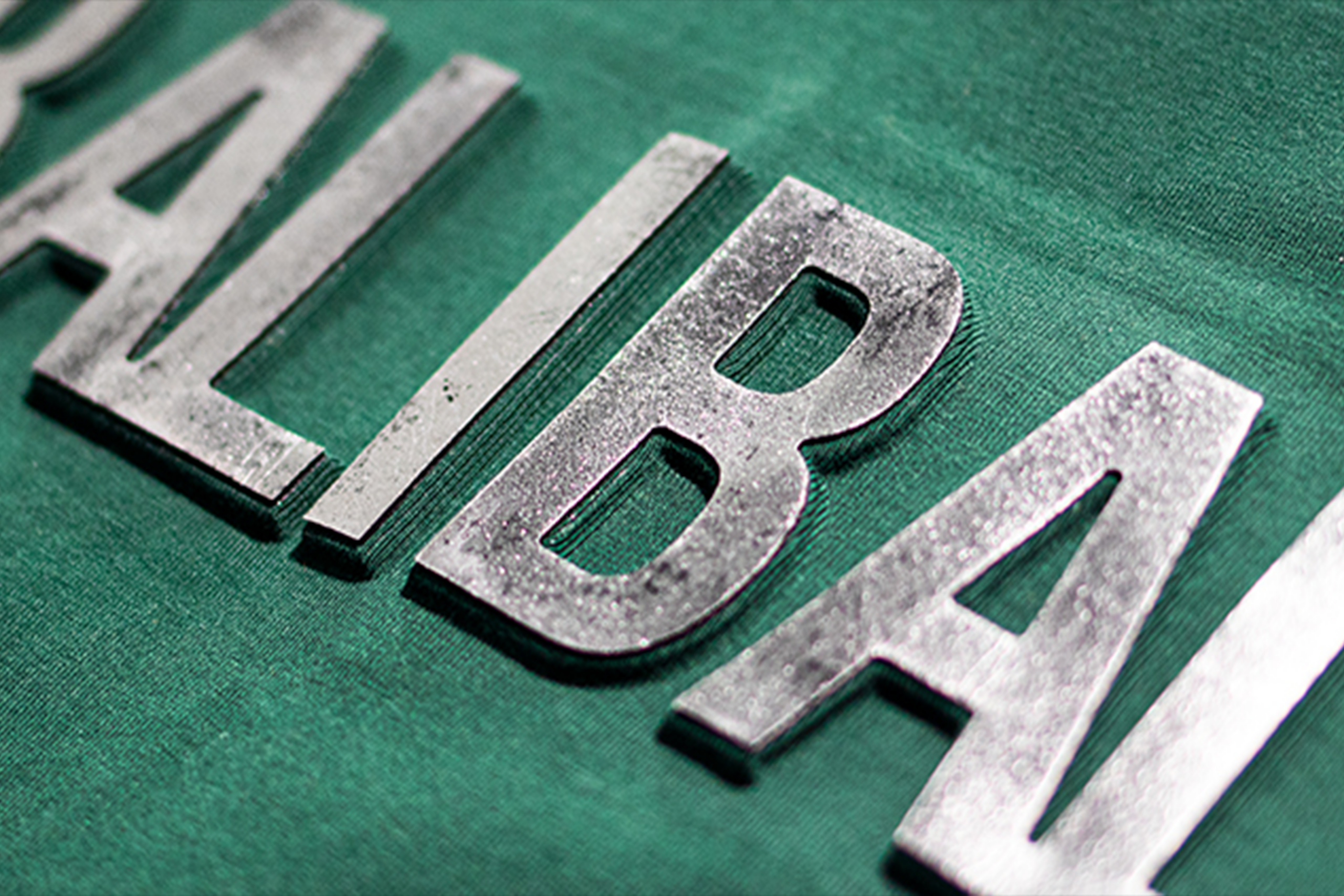
Tank Tops
Develop tank tops with appropriate knit fabric, armhole and neckline binding, fit, length, labels and decoration placement. EDVORIN supports casualwear, activewear and teamwear programs with men’s and women’s development across samples and production.
Get a Quote
Soccer Uniforms
Produce soccer uniforms with breathable performance fabrics, coordinated jerseys and shorts, color matching, player names, numbers and club marks. EDVORIN manages size sets, decoration specifications and quality checks for organized team and repeat-order programs.
Get a Quote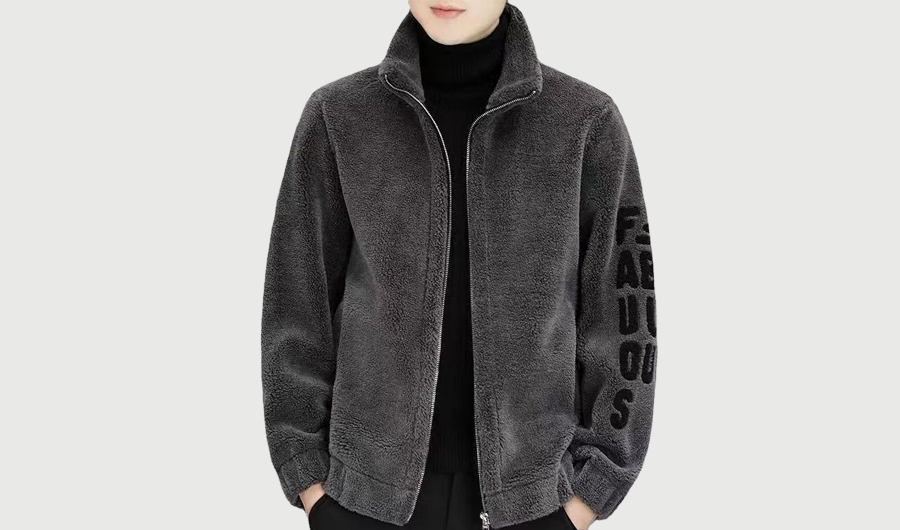
Basketball Uniforms
Develop basketball uniforms with performance fabric, jersey and short proportions, neck and armhole finishing, color panels, numbers and team graphics. EDVORIN documents approved specifications for consistent sizing, decoration and bulk production across team orders.
Get a Quote
Streetwear Collections
Build streetwear collections across hoodies, tees, sweatpants, jackets, shorts and woven styles under one production system. EDVORIN coordinates fabrics, trims, washes, printing, embroidery, labels and packaging from product development through repeatable bulk production.
Get a QuoteClothing Quality Control, Built In
Founded by Edvorin Zeng in 2000, EDVORIN was built from the production floor outward. We help fashion brands, streetwear labels, teamwear buyers, wholesalers and private-label programs turn concepts into clear, repeatable manufacturing standards from development through packed delivery.
Our connected workflow coordinates fabric, patterns, samples, trims, printing, embroidery, washing, labeling and packaging. Clothing quality control follows the approved standard through bulk production, with measurements, construction details and artwork placement made visible before variation can become an order-wide issue.
What makes EDVORIN different is accountable continuity between sample and bulk. We support men’s and women’s apparel across casualwear, streetwear, outerwear and teamwear, with flexible programs from 200 pieces per style and certification programs including ISO 9001, BSCI, WRAP, SEDEX, OEKO-TEX Standard 100, GRS and GOTS.

Clothing Quality Control for Repeatable Garments
Approved Samples Set the Standard
EDVORIN uses the approved sample as the working reference for bulk production, translating its fit, construction, fabric hand and finishing into visible standards. This gives production teams and buyers one shared benchmark before quantities move forward.
- Approved fit, construction and finishing reference
- Documented revisions before bulk production
- Shared benchmark for production review
- Applicable to men’s and women’s programs
Materials and Trims Verified
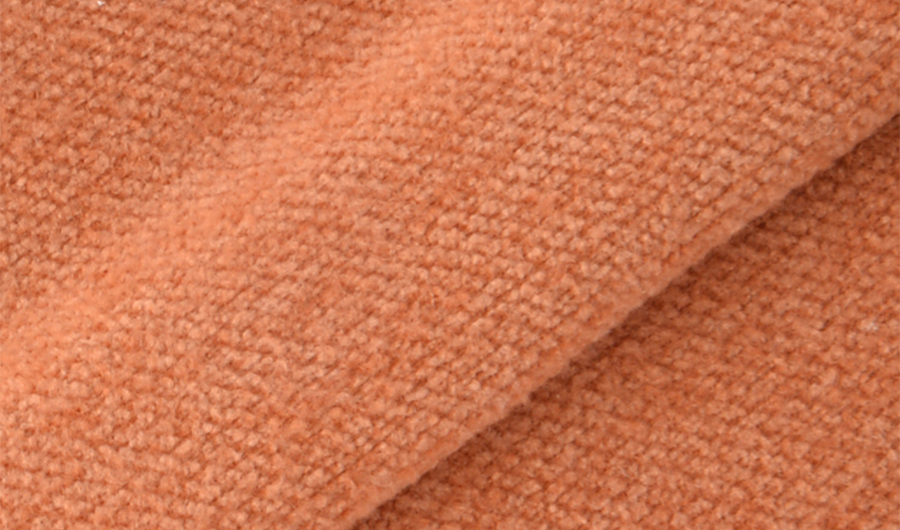
Fabric, rib, lining, labels, drawcords, zippers, snaps and other components are checked against the approved specification before and during production. This helps protect the intended weight, color, feel and function of each casualwear, streetwear, outerwear or teamwear style.
- Fabric and color matched to approval
- Trims checked for correct specification
- Decoration matched to base material
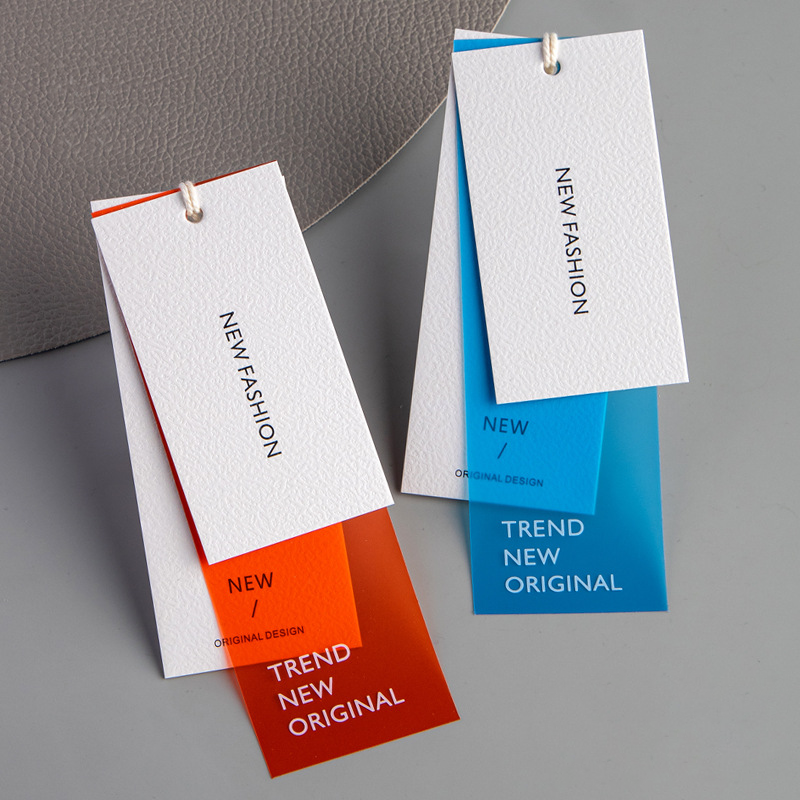
- Labels and packaging reviewed
Measurements and Placement Controlled
Clothing quality control relies on clear points of measurement, graded size standards and agreed tolerances. EDVORIN also records artwork, embroidery, patch, name and number placement so visual details remain aligned from the approved sample through the full size range.
- Points of measurement defined clearly
- Size grading reviewed across the range
- Tolerances communicated for key dimensions
- Decoration placement recorded precisely
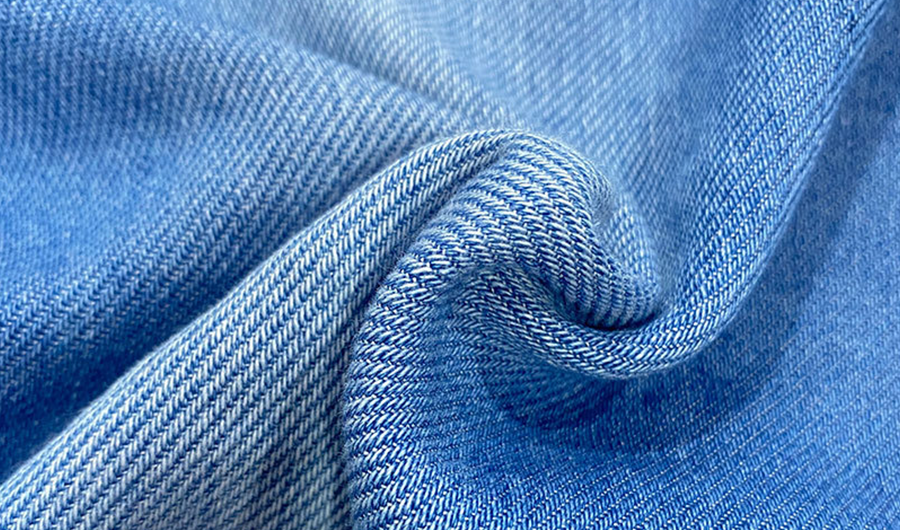
In-Line Checks Before Packing
EDVORIN reviews garments during production rather than leaving every decision until the end. In-line checks help surface sewing, measurement, material and decoration variation while adjustments are still practical; final pre-packing review confirms the completed order reflects the approved standard.
- In-line review during bulk production
- Sewing and appearance checked
- Variation addressed before packing
- Final order reviewed before shipment
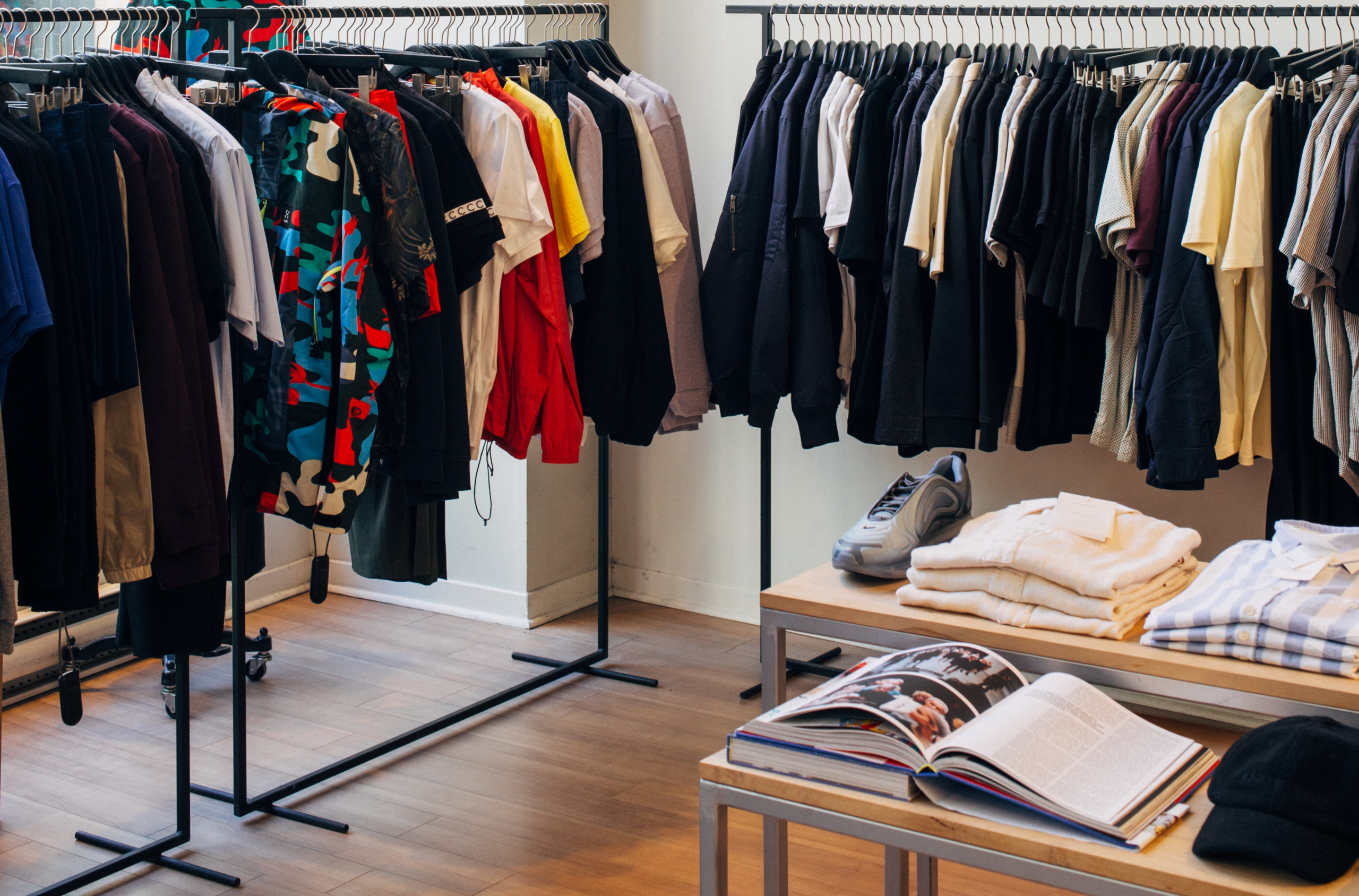
Clothing Quality Control vs. Final Inspection
Compare a continuous, approved-standard workflow with checks that happen only after the garments are complete.
← Swipe left or right to view →
Our Clothing Quality Control Production Flow
EDVORIN turns approved product details into controlled checkpoints that protect fit, construction, decoration, labeling and presentation through every production stage.
Lock Approved Production Standards
We confirm the approved tech pack, sample, measurement chart, materials, trims and artwork references so every team works from the same production standard.
Check Materials Before Cutting
Fabric, color, trims and key components are reviewed against approved references before cutting begins, helping prevent incorrect inputs from moving into bulk production.
Review Cutting And Sewing
During assembly, teams check measurements, construction details, seam quality and fit against the approved sample, addressing variation while production remains actionable.
Verify Decoration And Finishing
Print placement, embroidery, washing and finishing are checked for alignment with approved artwork, color references and garment-specific requirements before final completion.
Conduct In-Line Checks
In-line inspections review production consistency across the order, allowing identified defects or specification gaps to be corrected before they affect more finished garments.
Verify Decoration, Finishing and Packing
Final clothing quality control covers finished appearance, measurements, labels, packaging and carton details before packing release, confirming the order reflects buyer-approved standards.
Start Your Clothing Quality Control Program
Give EDVORIN a clear approved standard before production so each material, construction, decoration, and packing detail can be controlled from sample to bulk.
Share Your Product Brief
Send your tech pack, sketch, reference garment, target quantities, and intended market so we can define the development and production requirements.
Set Approved Standards
Provide approved samples, measurement charts, color references, fabric details, trims, and fit expectations to establish the production standard for every size.
Confirm Decoration Details
Specify artwork files, logo placement measurements, print or embroidery methods, wash effects, and jersey names or numbers before bulk production is released.
Define Packing Requirements
Share label content, hangtags, folding instructions, polybag details, carton marks, and packaging specifications so finished goods are checked against your delivery requirements.
Approve Production Readiness
Review the consolidated specifications and approved sample with our team, then move into a controlled production path built for repeatable bulk results.
Clothing Quality Control FAQ for Apparel Buyers
Practical answers on approval standards, decoration, sampling and production requirements for repeatable apparel programs.
What does clothing quality control cover at EDVORIN?
When does clothing quality control happen during production?
Can clothing quality control be combined with screen printing, embroidery and patches?
Which fabrics can be used for a quality-controlled apparel program?
How are measurement tolerances handled for clothing quality control?
EDVORIN’s MOQ starts at 200 pieces per style. What is the minimum order quantity for custom apparel production?
What files do I need to begin sampling and quality planning?
Complete Buyer’s Guide to Clothing Quality Control
Use a practical decision framework to set apparel standards, evaluate supplier controls, compare inspection options, and avoid costly quality mistakes before production, shipment, and customer delivery.
1. What Is Clothing Quality Control?
Four production checkpoints define clothing quality control: materials, sewing and decoration, finishing, and packed goods. It is the buyer’s verification system for confirming that each lot matches the approved fabric, measurements, workmanship, color, trims, labels, and presentation—not merely that a sample looked correct.
One written tech pack, paired with a sealed approval sample, turns intent into an inspectable standard: points of measure, tolerances, Pantone references, artwork placement, construction, care labels, and packaging. Quality assurance is preventive—the process, training, and controls designed to avoid defects—while QC finds and records defects in actual goods.
Before accepting inventory, buyers should inspect representative units for measurement tolerance, fit against the approved reference, seam and loose-thread defects, stains or shade variation, functioning zippers/snaps, accurate fiber-content and care labels, barcode readability, quantities, and carton condition. QIMA’s garment-inspection guidance likewise stresses size-by-size measurement checks, fitting review, accessory testing, labeling, and packaging checks: https://www.qima.com/blog/inspection/garment-quality-inspection-procedures
2. How Apparel Quality Control Evolved
One final inspection can identify a defective garment, but it cannot recover the fabric, cutting, or decoration decisions already locked into a bulk order. Modern clothing quality control therefore starts with an approved tech pack, sample, measurement tolerances, color references, and trim specifications.
Three control points—pre-production approval, in-line inspection, and pre-shipment review—shift responsibility upstream. Buyers should require each finding to name the lot, operation, corrective action, and recheck result, so a factory can prevent recurrence rather than simply sort rejects.
ISO 2859-1 sampling, laboratory test reports, and digital production records give sourcing teams auditable evidence instead of verbal assurances. Traceable fabric lots, approved artwork files, and revision-controlled records make supplier comparisons clearer and make repeat orders less dependent on memory.
3. Types of Clothing Quality Control
Six linked controls make clothing quality control preventive rather than purely final. Stage-based inspection is standard apparel practice: https://www.hqts.com/apparel-quality-control-standards-and-procedures.
| Control Point | Timing And Purpose | Evidence | Escalation Decision |
|---|---|---|---|
| Pre-production | Before cutting; lock standard | Approved sample, tech pack | Hold bulk pending approval |
| Raw materials | Before use; verify inputs | Fabric, trim, color records | Quarantine or replace |
| In-line | During sewing; stop drift | Defect log, measurements | Correct line and recheck |
| Final random | Finished goods; assess lot | Inspection report, photos | Rework, sort, or release |
| Pre-shipment | Before dispatch; verify packing | Carton count, labels, barcodes | Hold shipment |
| Post-delivery | After receipt; improve repeats | Returns codes, customer photos | Update specifications |
Approval And Materials
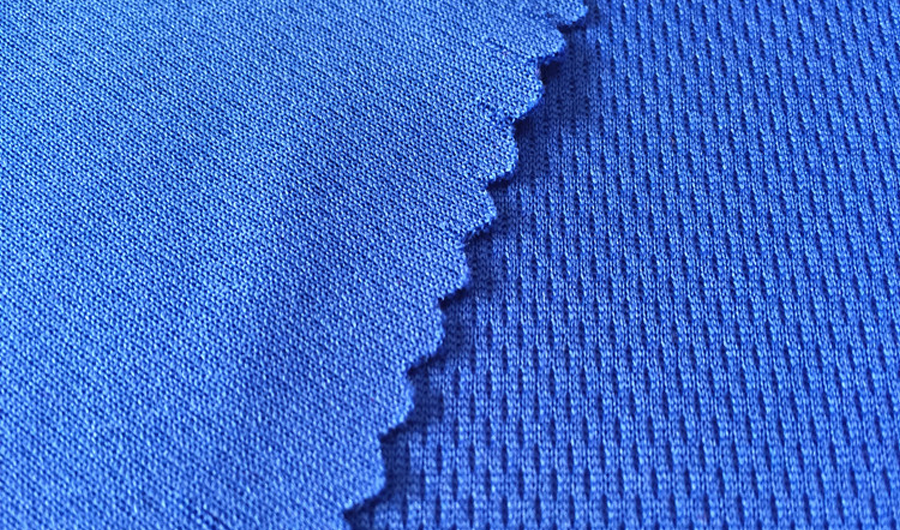
1 approved sample anchors construction, measurements, artwork, and trims.
2 material checks compare received fabric and components with approved references.
Production And Final Checks

3 in-line checks catch repeatable sewing or placement drift early.
4 final random inspection evaluates a defined sample, not every unit.
Shipment And Learning
5 pre-shipment review confirms packed-order readiness.
6 returns feedback converts field defects into revised specifications or corrective action.
4. Fabric Standards for Clothing Quality Control
Fabric approval starts with a signed standard, not a fabric name. For clothing quality control, specify composition, GSM tolerance, Pantone or swatch, hand feel, and allowable roll defects before cutting.
| Fabric Category | Critical Tests | Likely Risks | Suitable End Use |
|---|---|---|---|
| Heavy fleece | GSM, shrinkage, pilling | Weight variation, twisting | Streetwear |
| Performance knit | Stretch, recovery, colorfastness | Bagging, dye bleed | Activewear |
| Polyester jersey | Color consistency, snagging | Shading, pulls | Uniforms |
| Cotton blend | Shrinkage, pilling | Growth, fuzzing | Schoolwear |
| Single jersey | GSM, hand feel | Sheerness, torque | Private-label basics |
Verify Before Bulk
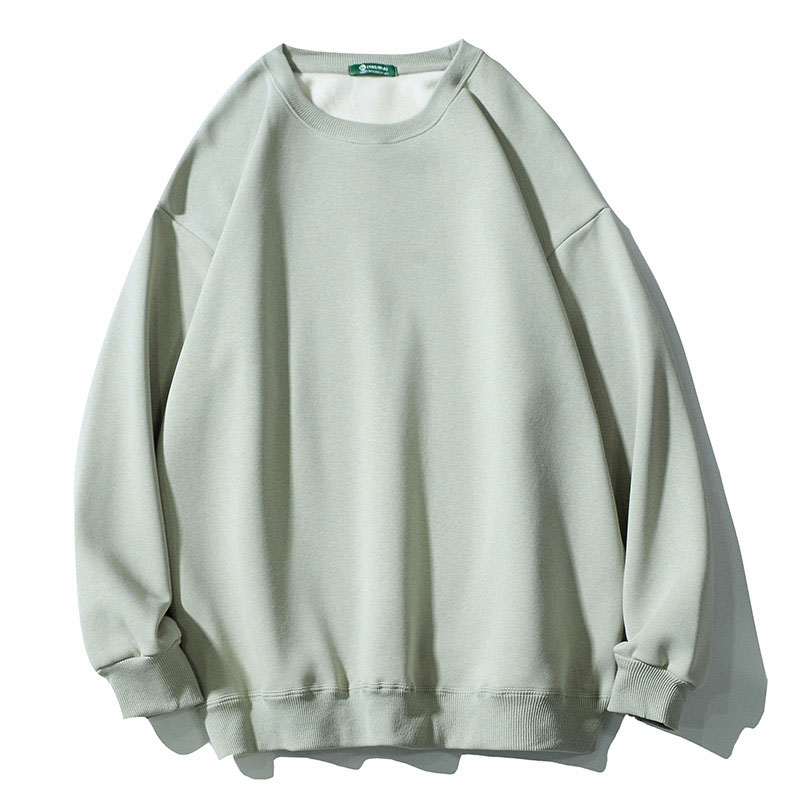
Bulk fabric should be checked against the approved fiber composition and target GSM before cutting.
Three tests commonly inform usability: wash shrinkage, pilling, and colorfastness. Stretch fabrics also need recovery checks after extension.
Set End-Use Priorities
1 approved hand-feel swatch prevents a soft fleece or crisp jersey from becoming subjective.
2 defect limits should cover holes, stains, barre, shading, and yarn faults; test requirements depend on the product and destination market.
5. Decoration and Branding Quality Checks
Artwork approval should lock the production file, Pantone references, print size, and placement from fixed garment points. Clothing quality control then compares bulk pieces to that signed standard before packing.
| Method | Visual Risk | Durability Check |
|---|---|---|
| Screen Print | Pinholes or color shift | Wash and stretch |
| DTG | Faded detail | Wash |
| Heat Transfer | Edge lift | Wash and adhesion |
| Embroidery | Puckering | Thread and backing |
Print And Transfer Checks
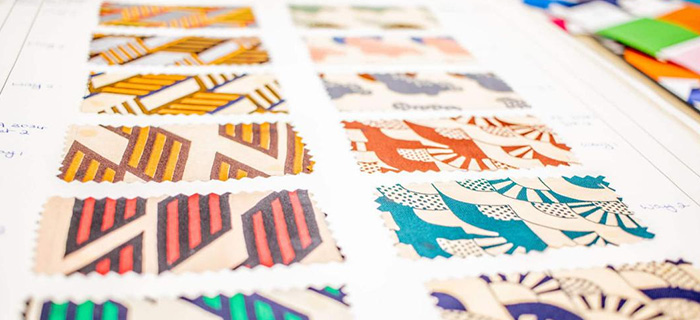
Two wash-test samples should be reviewed for cracking, peeling, dye migration, and edge lift. Screen print, DTG, and heat transfers need placement measurements and approved color references; https://tetrainspection.com/quality-control-clothing
- Approve artwork at production scale.
- Measure from neck, seam, or center front.
- Test adhesion after intended care cycles.
Embroidery And Patch Control
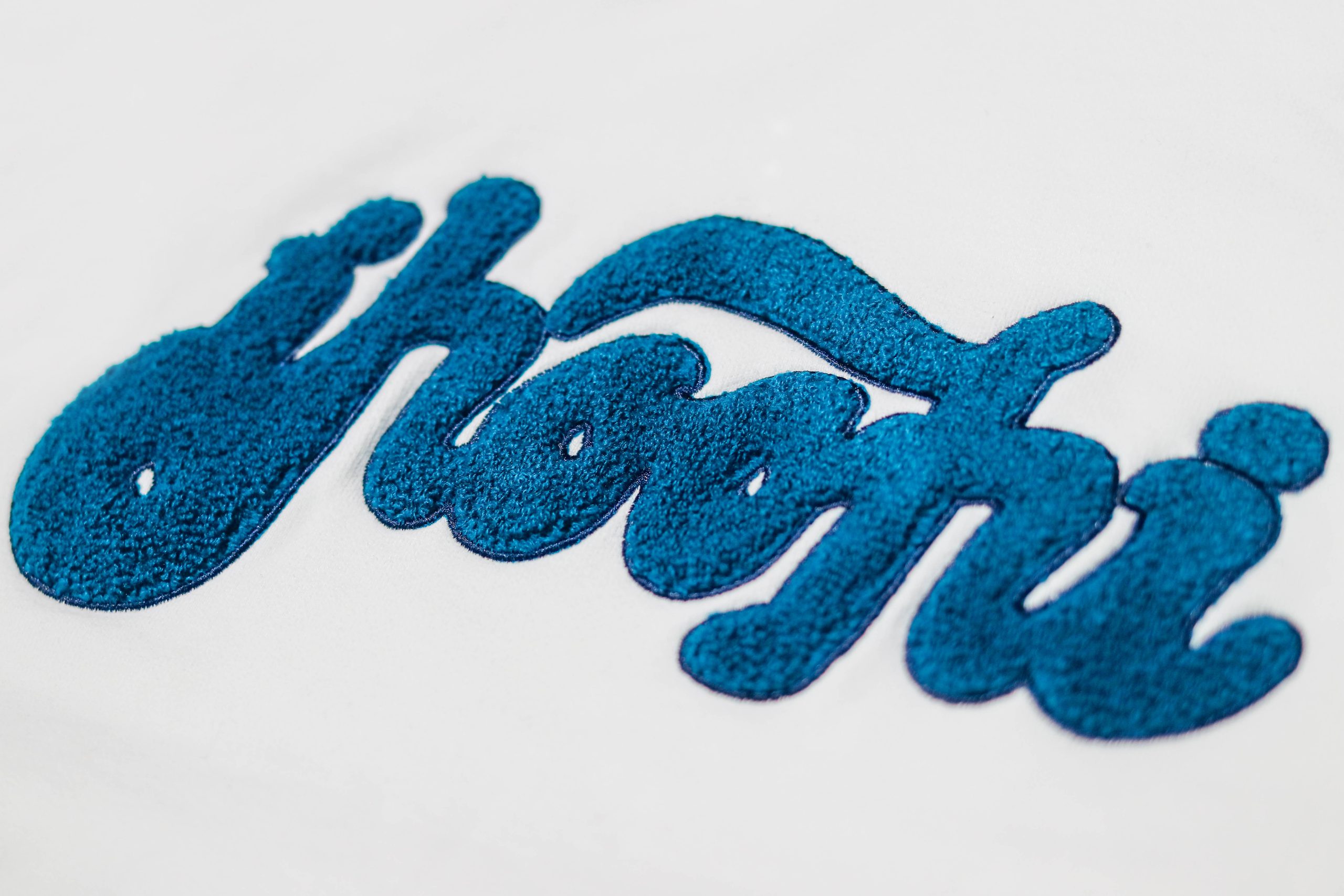
One approved strike-off should confirm thread shades, stitch direction, backing, and patch edge quality. Excessive embroidery density can pucker lightweight knits, while low density can expose the ground fabric.
- Check registration on multi-color designs.
- Inspect loose threads and trim damage.
- Match patch placement across sizes.
Labels Packaging And Barcodes
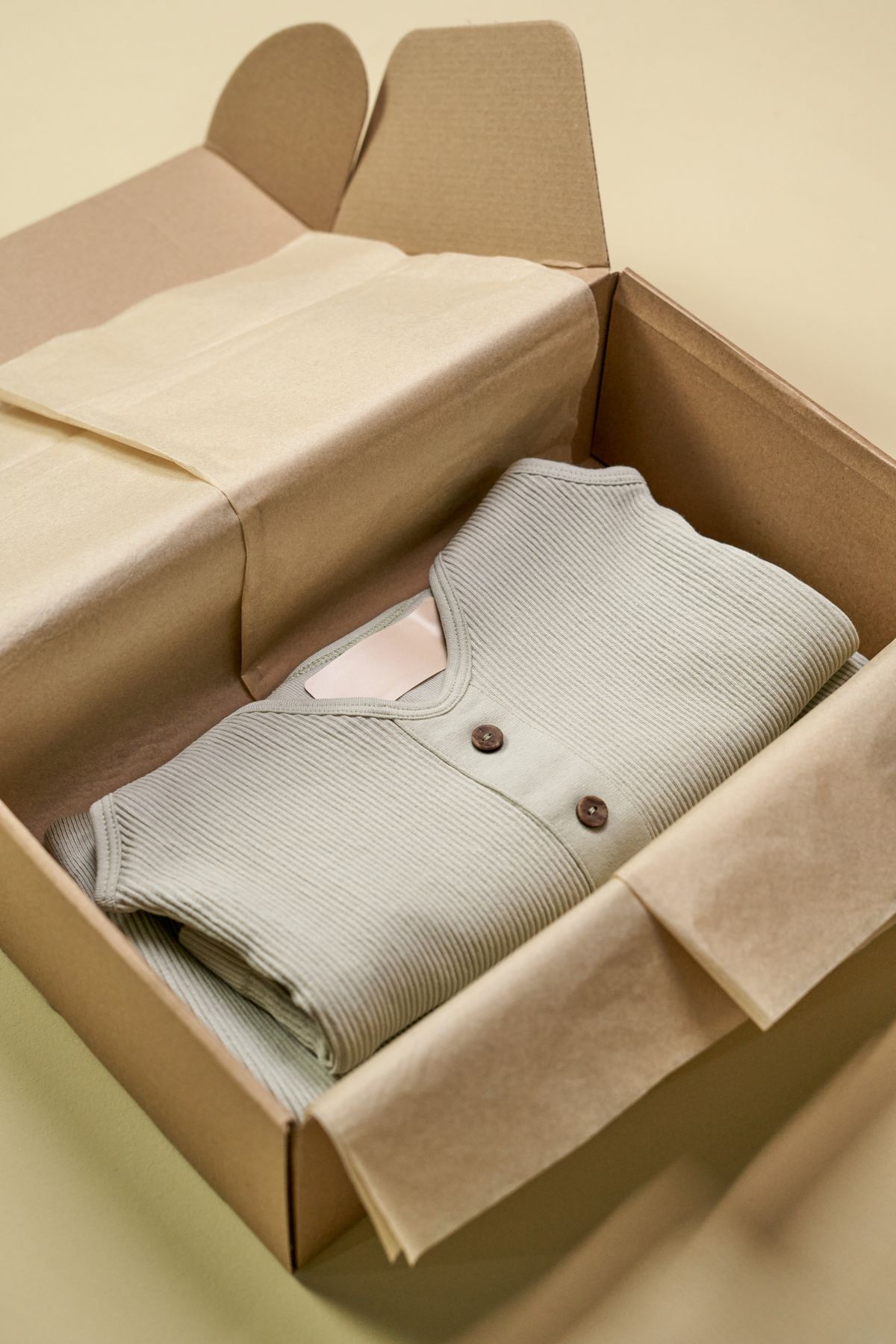
100% label checks should verify size, fiber content, care, origin, and SKU against the purchase order. Retail and carton barcodes should scan cleanly; barcode tests belong in both labeling and packaging checks: https://www.qima.com/blog/inspection/garment-quality-inspection-procedures
- Match neck print and woven-label artwork.
- Confirm hangtag attachment and SKU.
- Protect decorated surfaces during packing.
6. Construction Details That Determine Durability
Two details separate a showroom-ready sample from repeatable bulk quality: documented construction and measurable acceptance limits. Clothing quality control should inspect the garment against both the approved sample and its production specification.
Specify Seams And Reinforcement
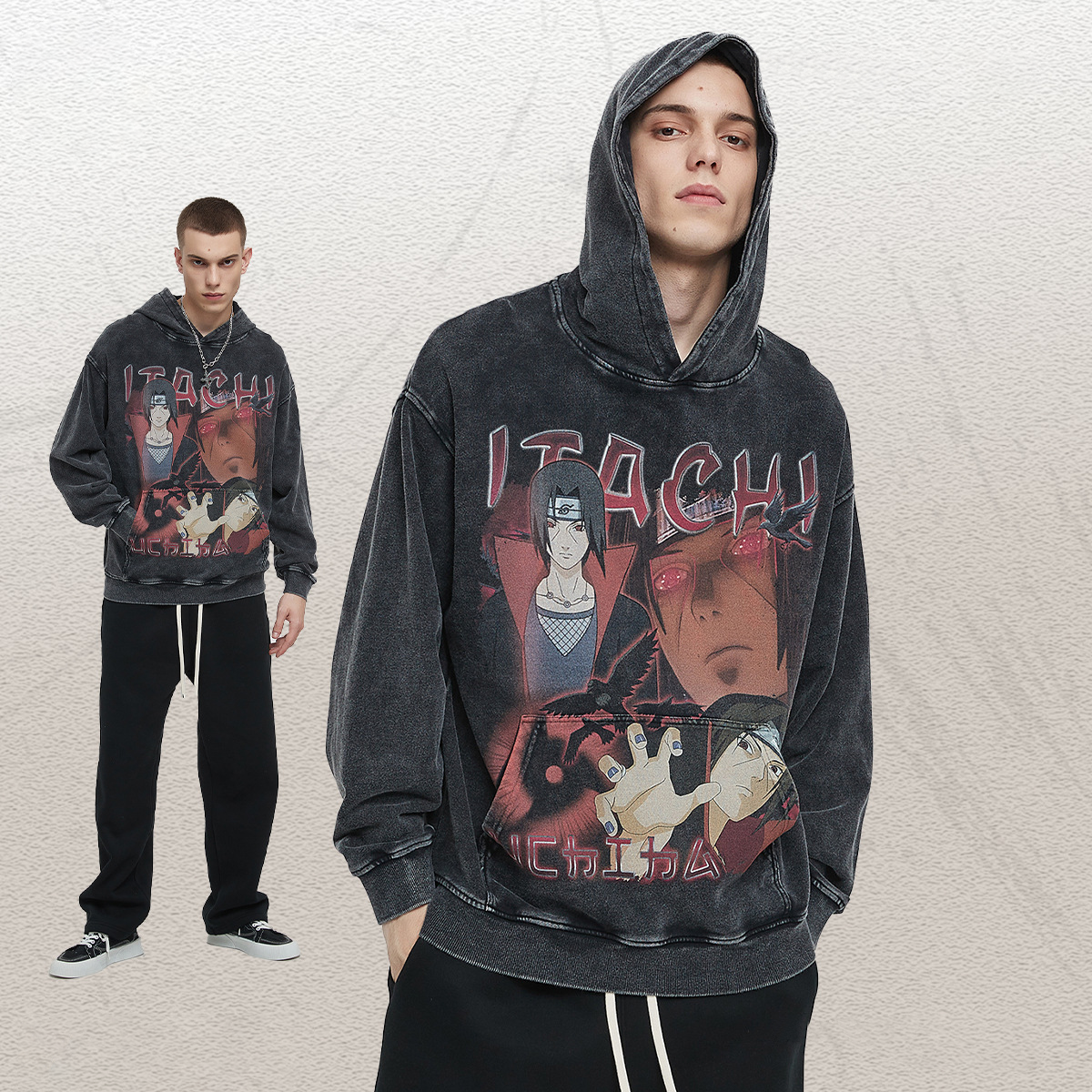
8–12 stitches per inch is a useful starting range for many knit seams, but the tech pack must name the seam type, stitch class, thread, and any bar-tack location. Define pass/fail rules for skipped stitches, open seams, loose threads, puckering, seam allowance, and left-right alignment.
Test Closures And Finishing
On inspected units, check zippers, snaps, buttons, drawcord exits, hems, and cuffs for operation and appearance. Record the approved hardware reference, attachment method, smooth-operation requirement, hem width, and whether exposed thread tails are acceptable.
Lock Measurements To Approval

Every size needs named points of measure, target dimensions, and tolerances; QIMA likewise advises defining each point and acceptable tolerance. https://www.qima.com/blog/inspection/garment-quality-inspection-procedures Fit approval should also capture front, back, and on-body balance, because correct measurements alone do not guarantee the intended silhouette.
7. Choosing Clothing Quality Control Suppliers
Two approved samples should match the signed specification before bulk work begins. Evaluate a clothing quality control supplier on evidence, ownership, and whether its controls can be repeated across sizes and reorder lots.
Questions Before Deposit
Before a deposit, ask who reviews the tech pack, when checkpoints occur, how deviations are approved, and which records you receive. Ask for a realistic critical-path schedule rather than a single promised ship date.
- Can you compare bulk materials to approved swatches?
- Who authorizes sample and artwork revisions?
- What triggers a corrective-action report?
Documents That Prove Control
Three records matter: material lot identification, inspection reports with defect photos, and a corrective-action log showing owner and closure date. Request test access for relevant requirements such as colorfastness, pilling, or restricted substances.
Verify Beyond The Factory
One independent inspection can complement factory controls by sampling finished goods against the approved specification before shipment. Request recent buyer references or audit evidence, then confirm that the reporting format identifies quantities checked, defects, measurements, and disposition.
8. Clothing Quality Control Mistakes to Avoid
Two preventable errors can turn an approved concept into costly returns. Emerging labels and repeat wholesale programs need written checkpoints before cutting begins.
Lock the Production Standard
One vague tech pack invites different interpretations of fabric, seams, and placement. Record points of measurement, tolerances, Pantone references, trim codes, and an approval sample that matches bulk materials.
Control Fit and Presentation
Every ordered size needs its own tolerance; a perfect medium does not validate grading. Check care labels, size labels, barcode scans, polybags, and carton marks against a packing standard before shipment.
Inspect Before Final Audit
Three checkpoints—pre-production, in-line, and final—find variation while correction is possible. Freeze artwork before production; late print changes can create mismatched inventory or delayed deliveries.
Document Cost Decisions
Any material or trim substitution without written approval can alter handfeel, color, durability, or compliance. Compare unit price with rework, rejected units, freight, and returns; the lowest quote rarely defines total defect cost.
9. Build a Quality-Ready Apparel Launch Plan
A quality-ready launch assigns one owner to every approval before cutting begins. For EDVORIN buyers, clothing quality control becomes manageable when each gate has a dated record and release decision.
Define The Production Standard
One product brief should name wearer, fit block, color, decoration, packaging, and target delivery.
Two files—the tech pack and measurement chart—should identify tolerances, artwork placement, label copy, and buyer approval owner.
Approve Materials And Samples
One material card should record fiber content, GSM, color reference, trim, and test requirements before sampling.
Two sample rounds can resolve fit or decoration changes; seal the final approved sample and revision log before bulk cutting.
Control Bulk And Release
Three checkpoints—pre-production, in-line, and final inspection—should compare goods against the sealed sample. Review defect photos, measurements, carton counts, and corrective actions before shipment release.
Four post-launch records—returns reason, size, SKU, defect type—show what to correct on reorders.
- Named buyer approver
- Signed tech pack
- Sealed approval sample
- Inspection report reviewed
- Shipment release confirmed
10. Clothing Quality Control Costs and Timelines
EDVORIN’s MOQ starts at 200 pieces per style. Orders near the 200-piece MOQ may carry higher unit costs because pattern work, markers, color approvals, and line changeovers are spread across fewer garments. Budget prevention before cut-and-sew: an approved size set, fabric review, and decoration strike-off cost less than correcting packed stock or processing returns.
Key quote variables include garment complexity, fabric, decoration, testing, order size, and destination. EDVORIN should price each program from its approved specifications; lead time also changes with material availability, wash development, and required testing.
| Illustrative tier | Unit-price drivers | Sampling or setup | Quality-control budget | Lead-time consideration |
|---|---|---|---|---|
| 200–499 pieces | Setup share; fabric MOQ | Sample, pattern, strike-off | Pre-production approval; measurement checks | Allow development plus material confirmation |
| 500–1,999 pieces | Fabric yield; colorways | Size set; artwork setup | In-line checks; final inspection | Book capacity after approvals |
| 2,000+ pieces | Material volume; packaging | Repeat sample changes | Lot consistency; packing audit | Plan testing and shipment window |
Request Your Clothing Quality Control Manufacturing Review
Send your tech pack, approved sample, or apparel concept for a practical review of specifications, sampling, and production controls.