
Clothing Manufacturing Compliance, Built Into Every Production Run
EDVORIN carries approved materials, measurements, decoration, labels and packing standards from development through bulk production for fashion, teamwear and private-label programs.
Featured Products Developed to Controlled Standards

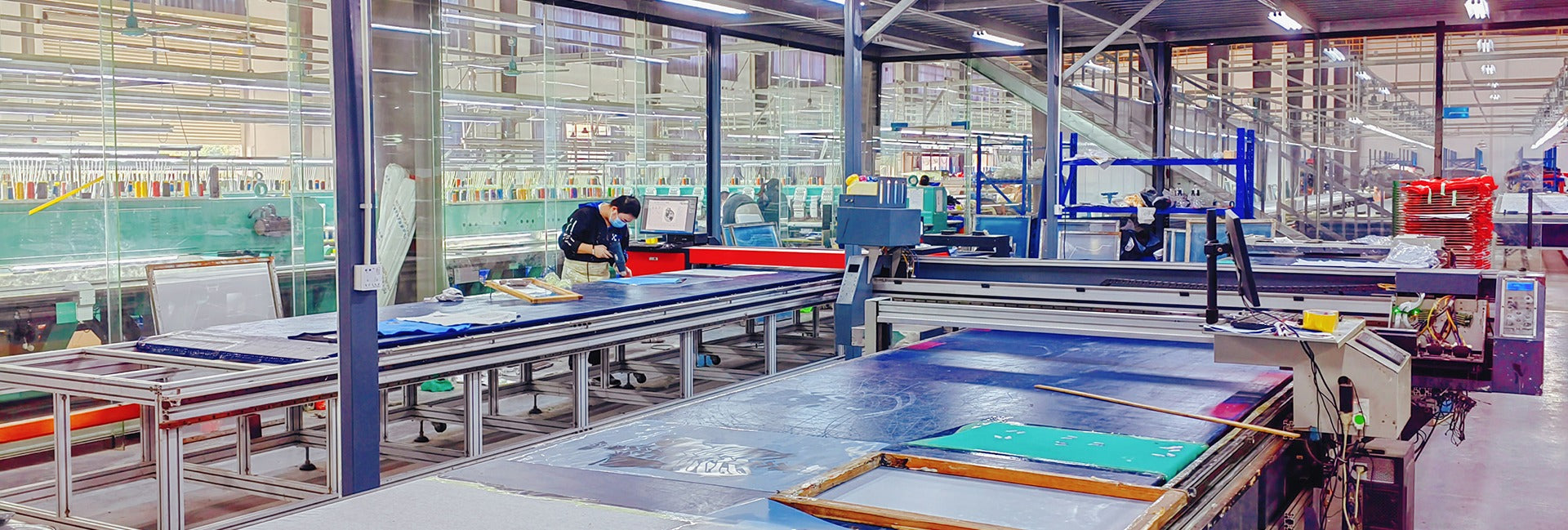


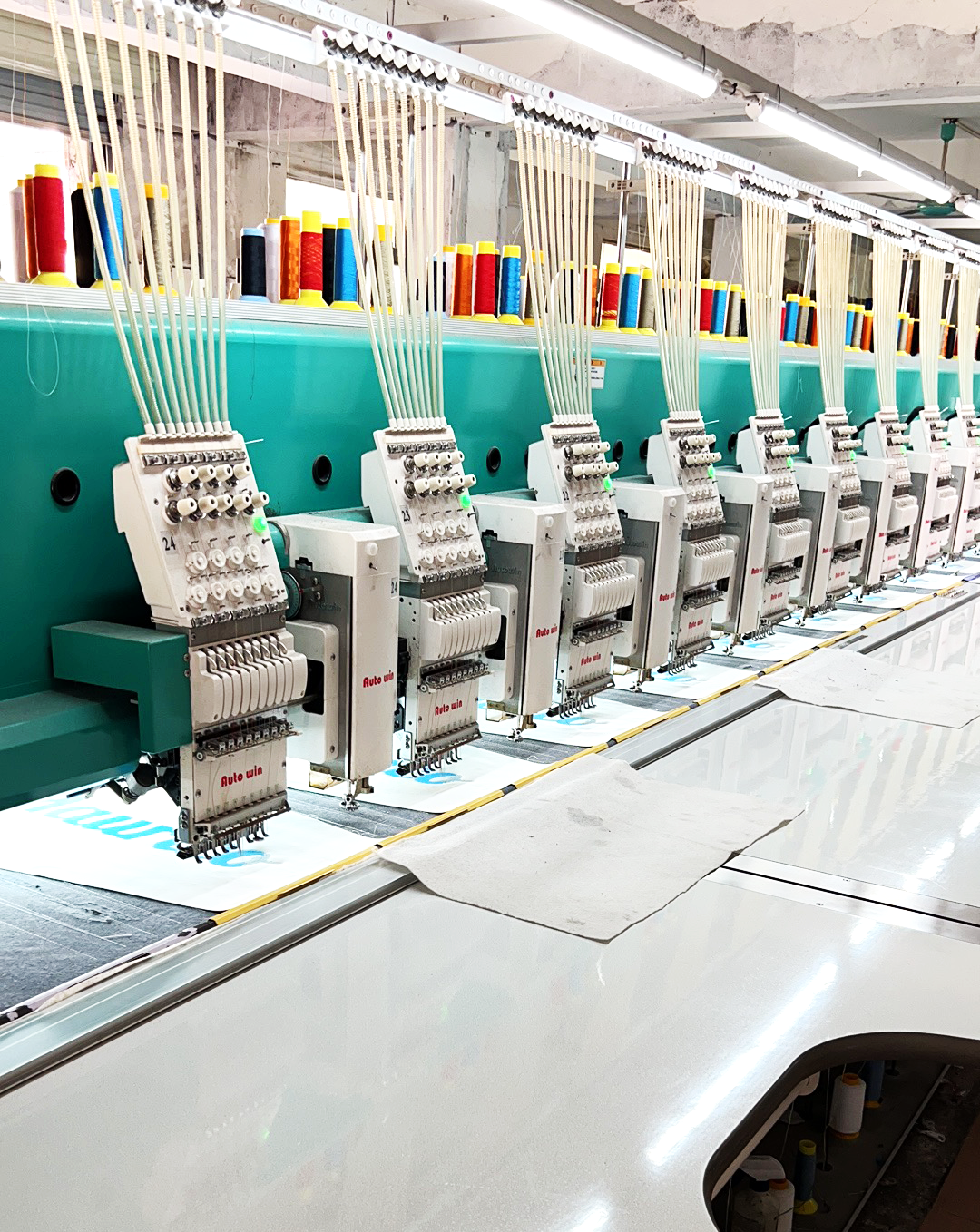
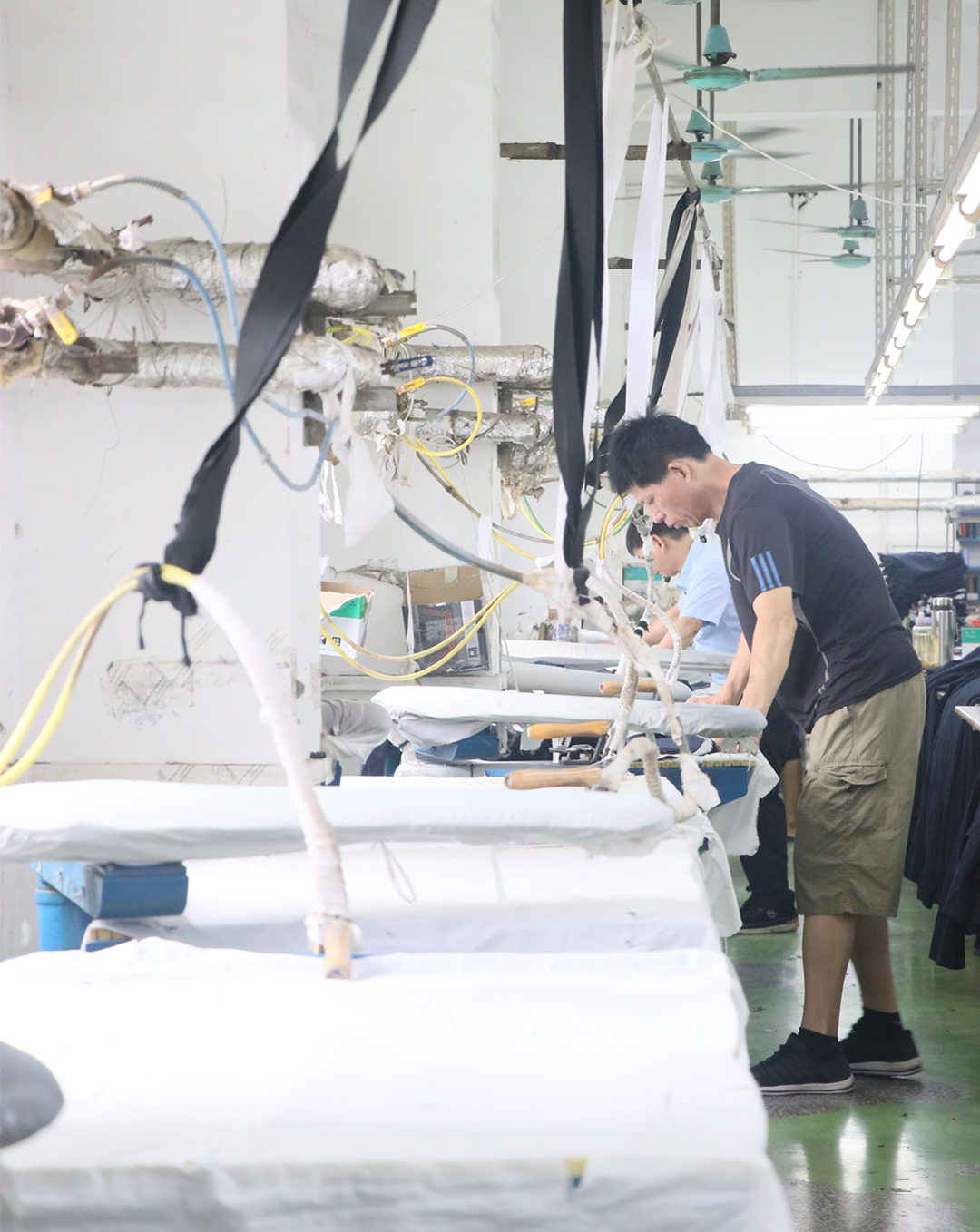
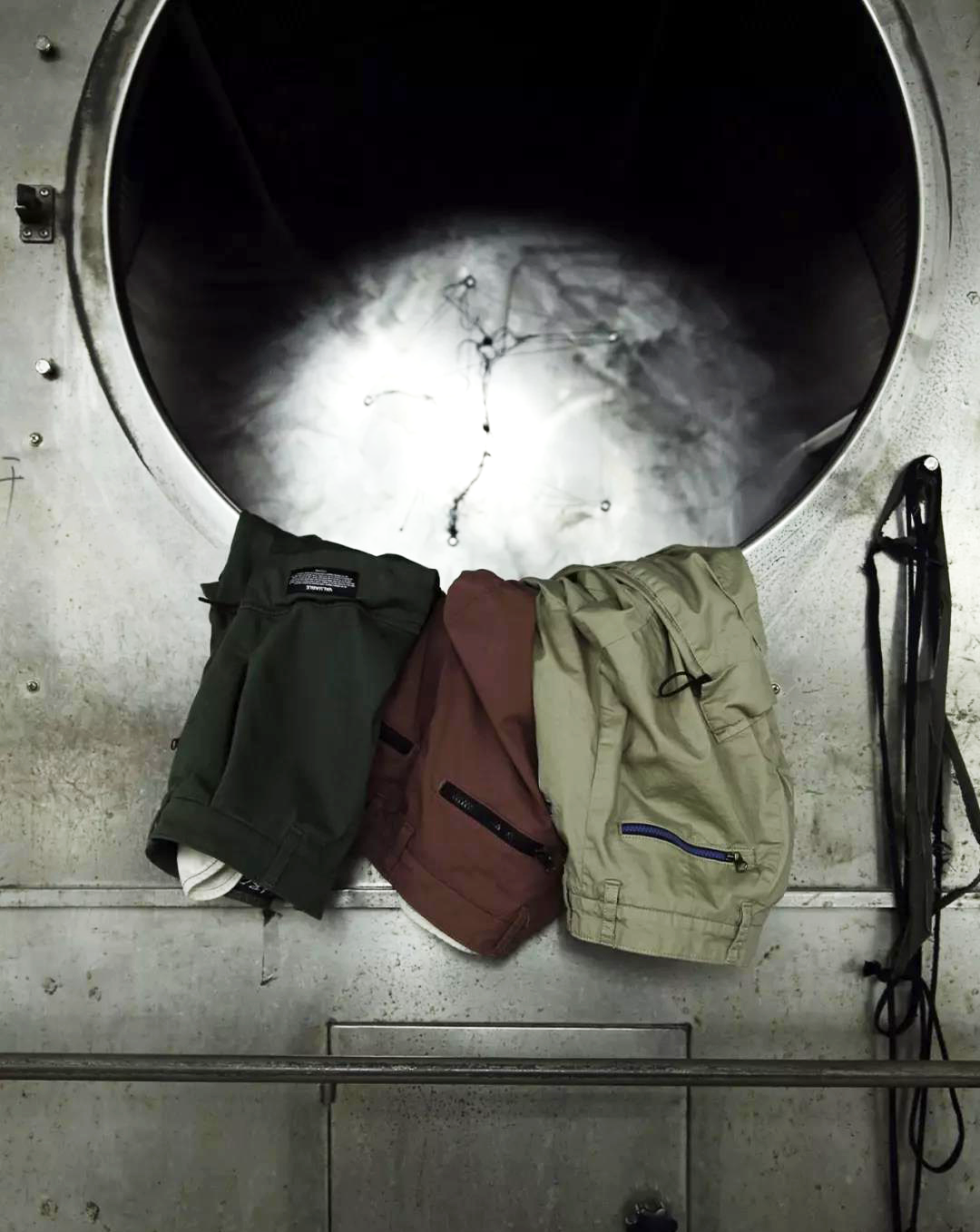


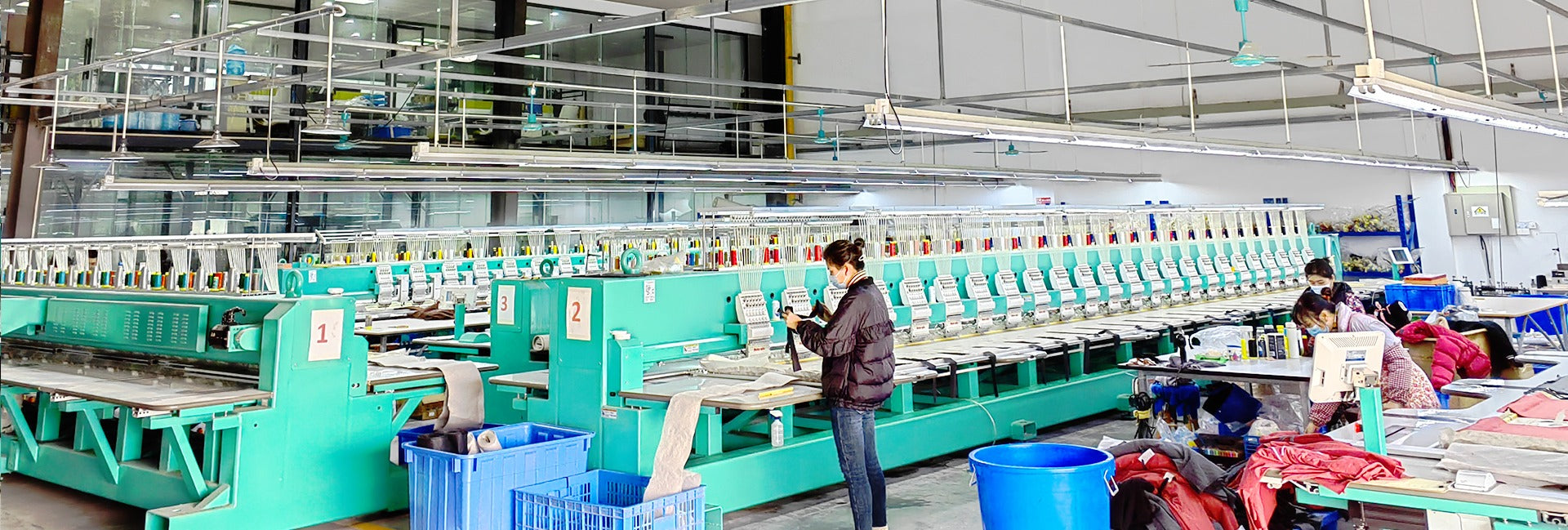


What Clothing Manufacturing Compliance Controls
EDVORIN organizes the buyer-facing standards that keep approved apparel specifications clear from development through packed bulk orders.
Documented Specifications
Tech packs, measurement charts, artwork placements and trim details are recorded so production teams work from one approved standard.
Coordinated Materials
Fabric, rib, lining, labels, hardware and decoration choices are aligned early to support construction, performance and buyer requirements.
Approval-Led Sampling
Samples turn design decisions into a physical reference, helping confirm fit, materials, color and finishing before bulk production begins.
In-Line Inspection Visibility
Quality checks during production help identify measurement, construction and decoration variation while corrections can still protect the order.
Repeatable Bulk Standards
Approved samples, controlled specifications and final checks help carry the intended result from first order to repeat production.
Related Manufacturing Capabilities
Compare category-specific development, decoration and quality-control requirements before planning a repeatable OEM, ODM or private-label apparel program.
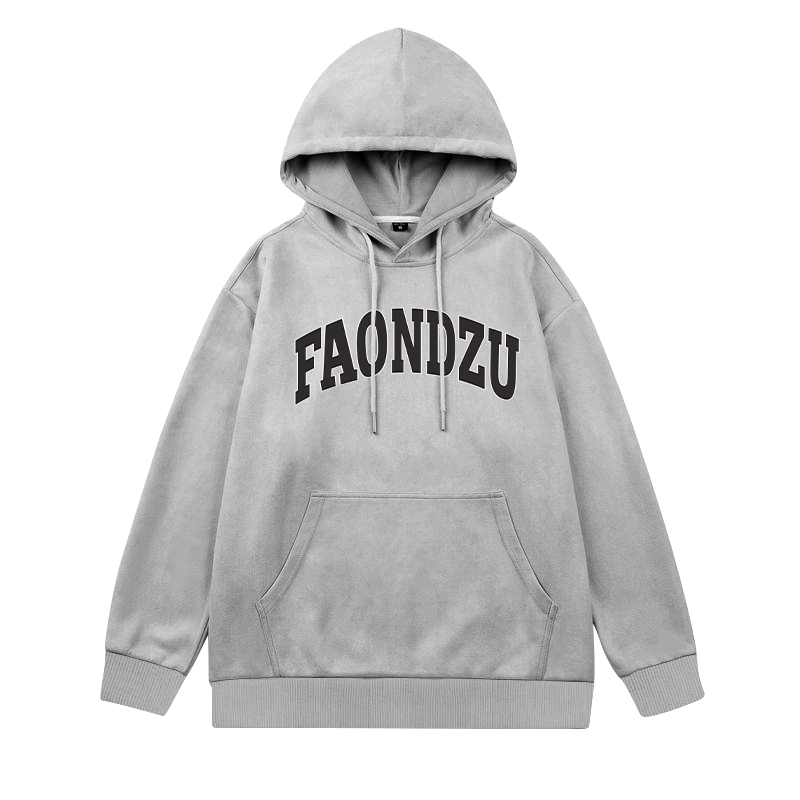
Custom Hoodies
As a custom hoodie manufacturer, EDVORIN develops fleece weight, fit blocks, rib construction, hoods, drawcords, labels and print or embroidery specifications for men’s and women’s programs.
Get a Quote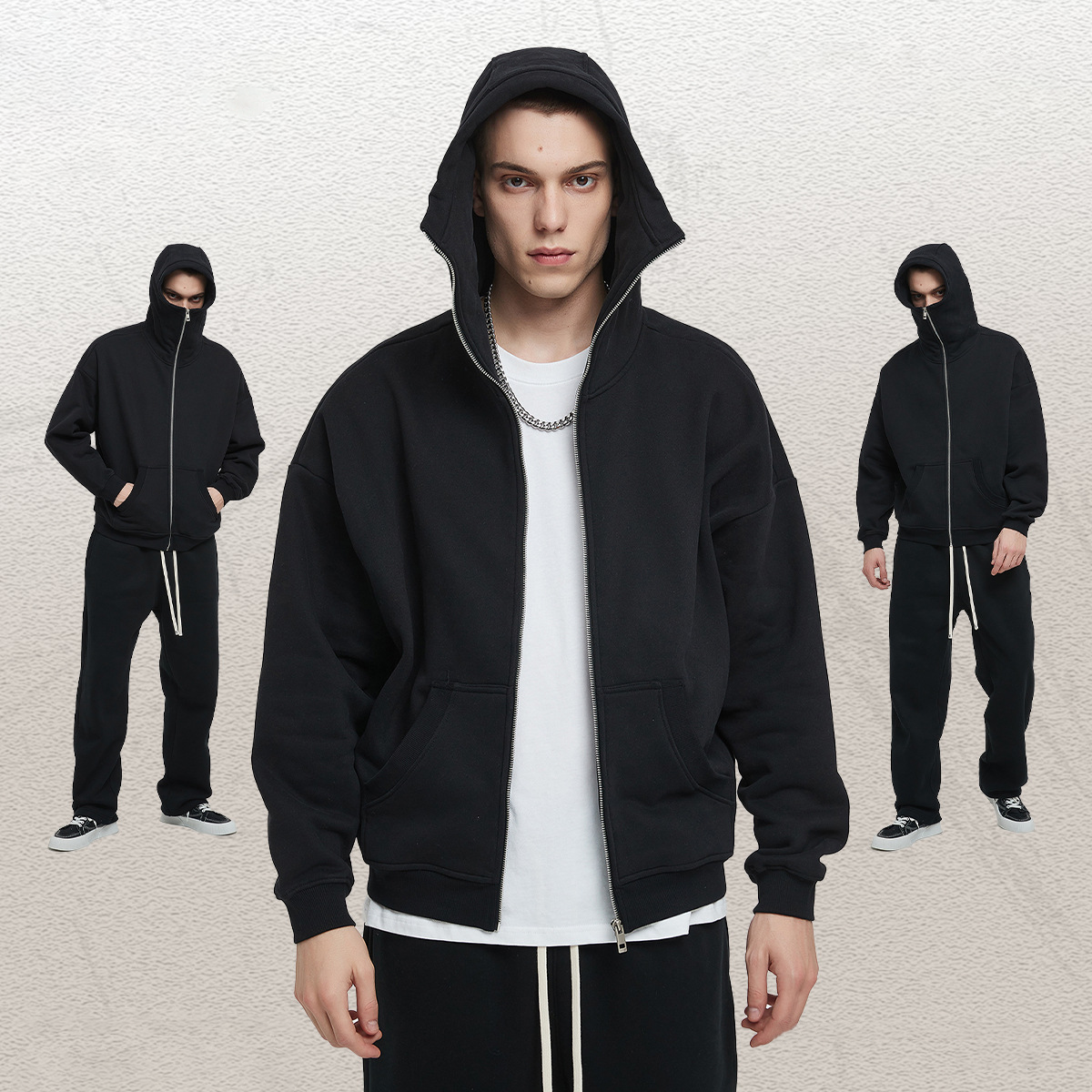
Pullover Sweatshirts
EDVORIN supports pullover sweatshirts with fabric selection, neckline and rib details, pattern development, decoration placement and sample approval standards that carry into bulk production.
Get a Quote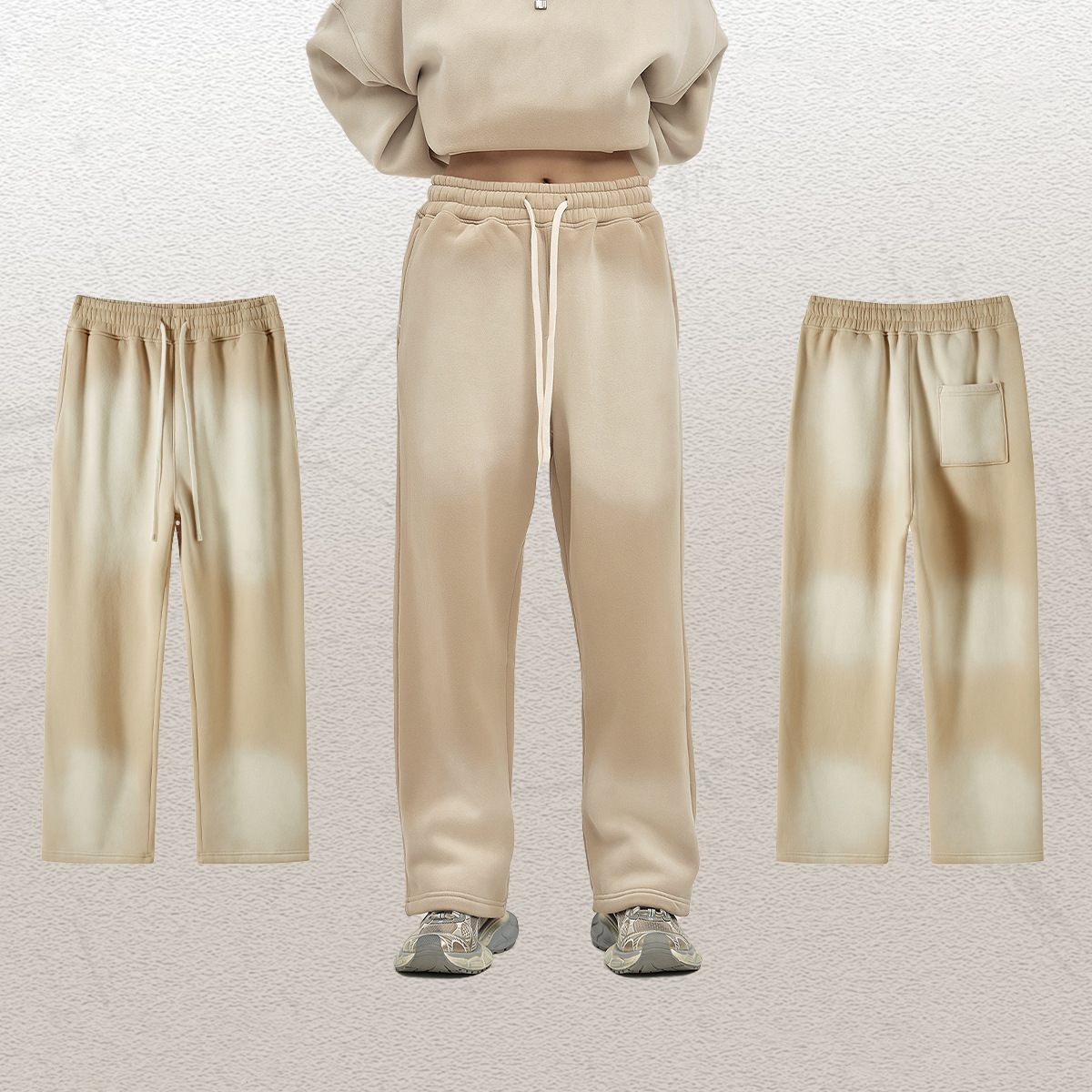
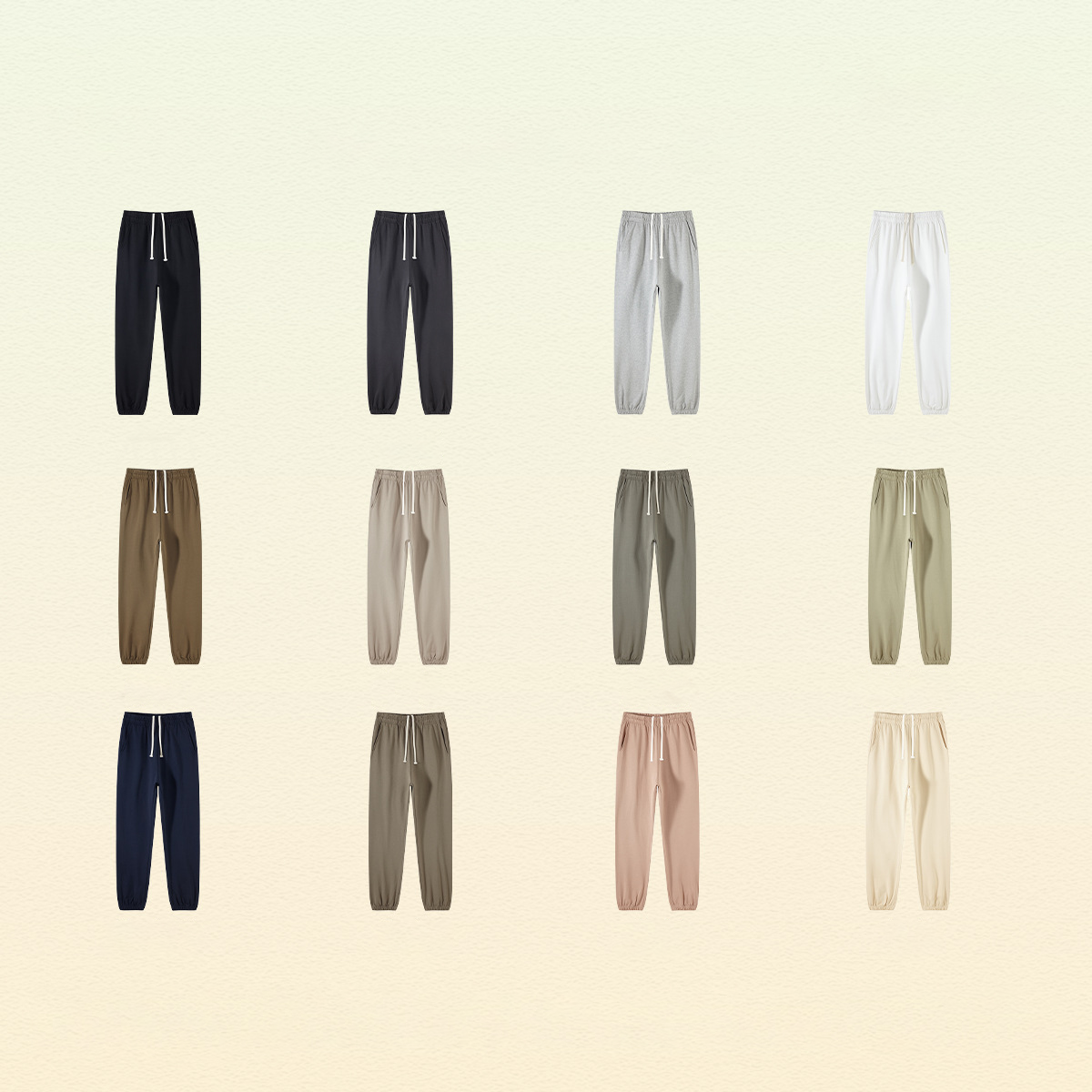
Sweatpants & Joggers
Develop sweatpants and joggers with coordinated fabrics, elastic or cuff construction, pocket details, drawcords, grading and decoration methods suited to casualwear, streetwear and team programs.
Get a Quote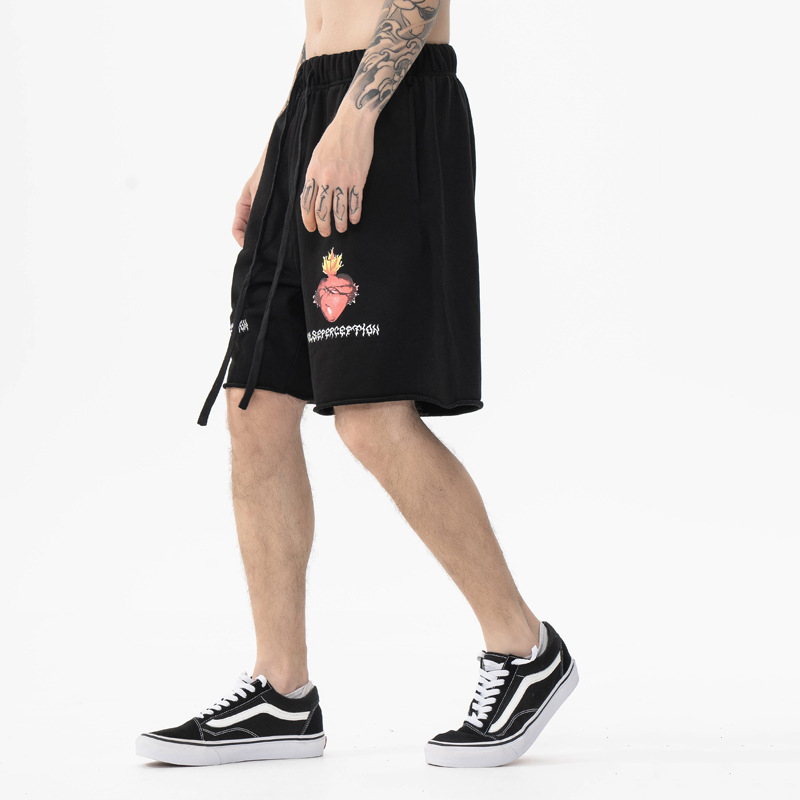
Custom Shorts
EDVORIN produces custom shorts across fleece, jersey, woven and performance constructions, coordinating inseams, waistbands, pockets, liners, trims, prints, embroidery and size grading.
Get a Quote
Varsity & Baseball Jackets
For varsity and baseball jackets, EDVORIN coordinates body and sleeve materials, lining, rib, snaps, patches, embroidery and appliqué into documented standards for repeatable production.
Get a Quote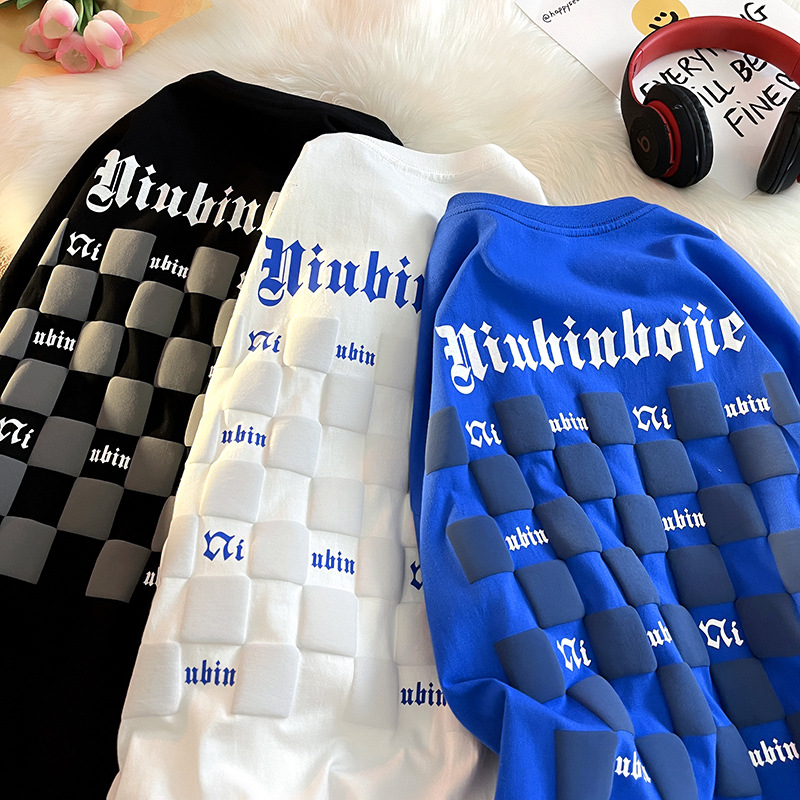
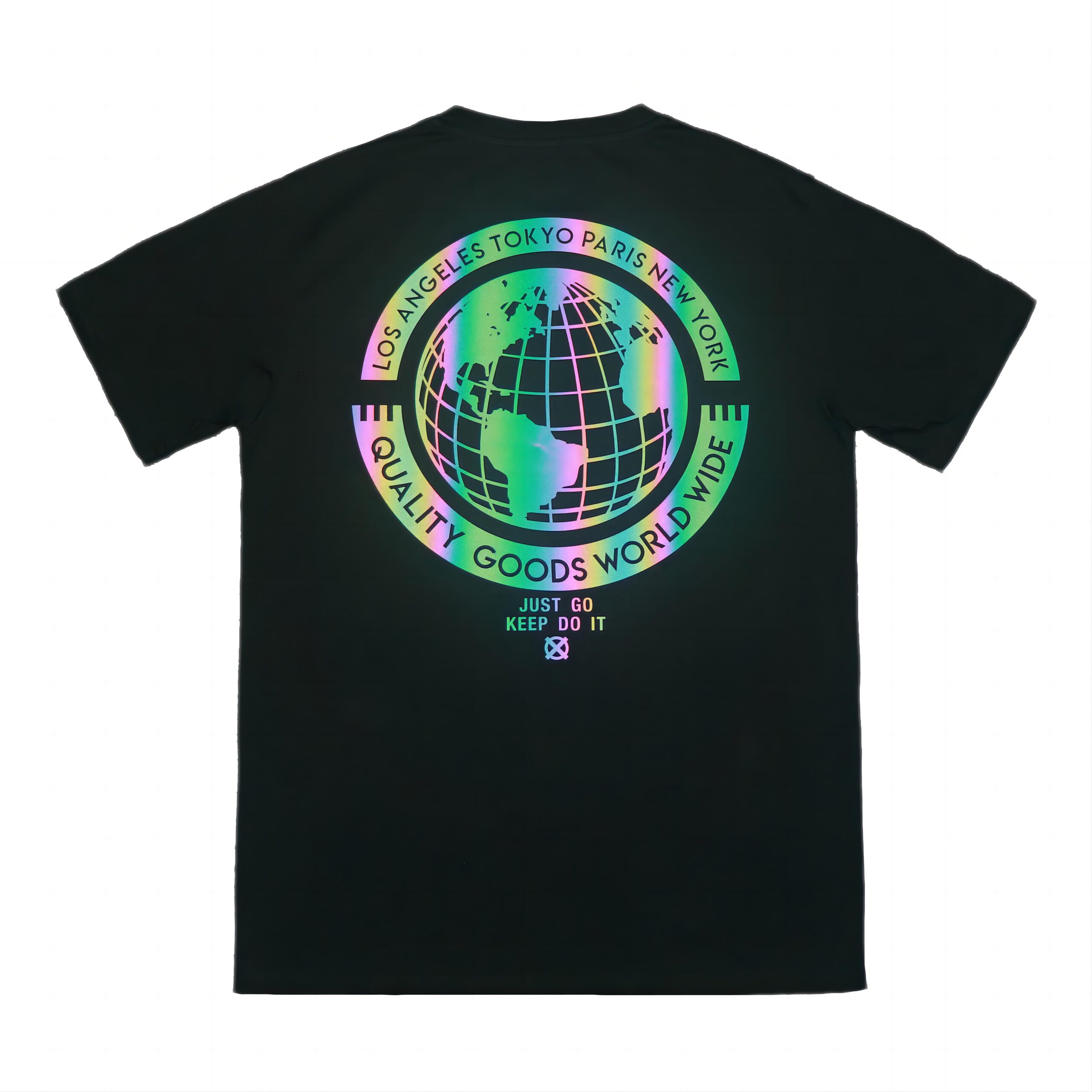
Custom T-Shirts
As a custom T-shirt manufacturer, EDVORIN develops jersey weight, fit, collar construction, stitching, wash effects, print compatibility, labels and packaging for private-label and wholesale programs.
Get a Quote
Custom Polo Shirts
Custom polo shirt development includes piqué or jersey selection, collar and placket construction, buttons, rib details, embroidery placement, fit grading and coordinated labeling.
Get a Quote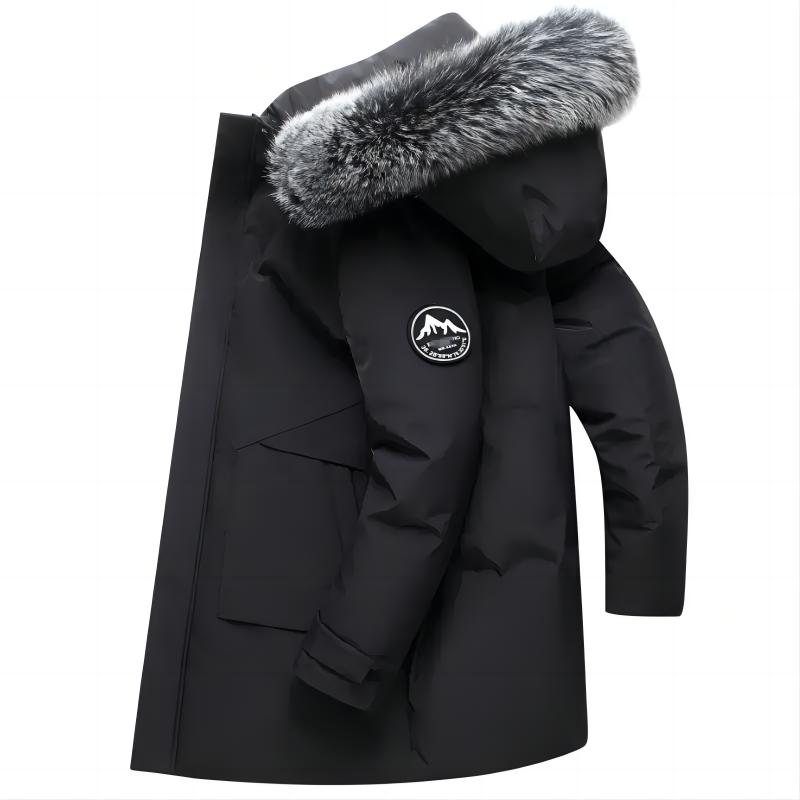
Windbreaker Jackets
EDVORIN develops windbreakers with shell fabric, lining or mesh, zippers, hoods, ventilation, water-resistance requirements, print or embroidery placement and packing specifications.
Get a Quote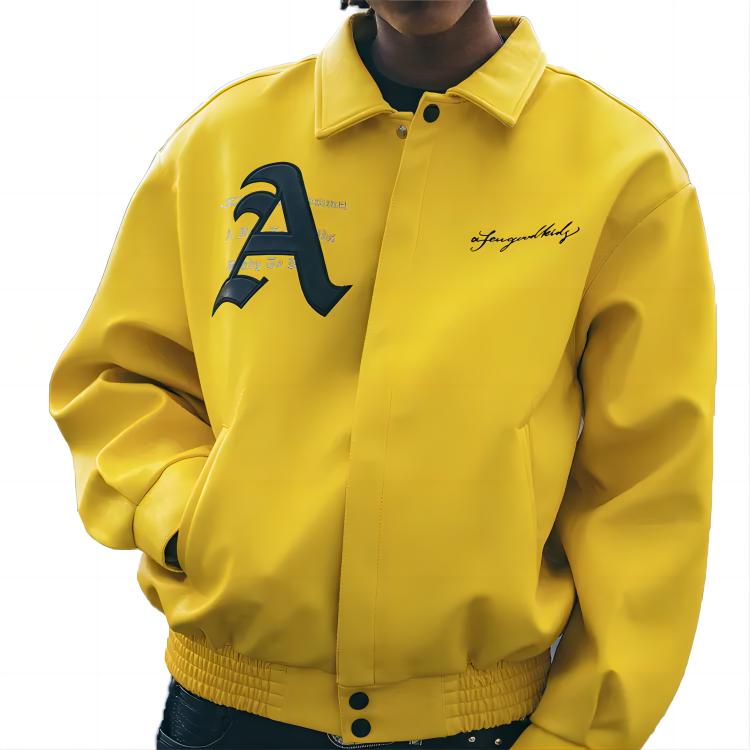
Quilted Jackets
Quilted jacket programs are developed around shell and lining materials, insulation, quilting patterns, pocket construction, hardware, fit and decoration requirements before bulk approval.
Get a Quote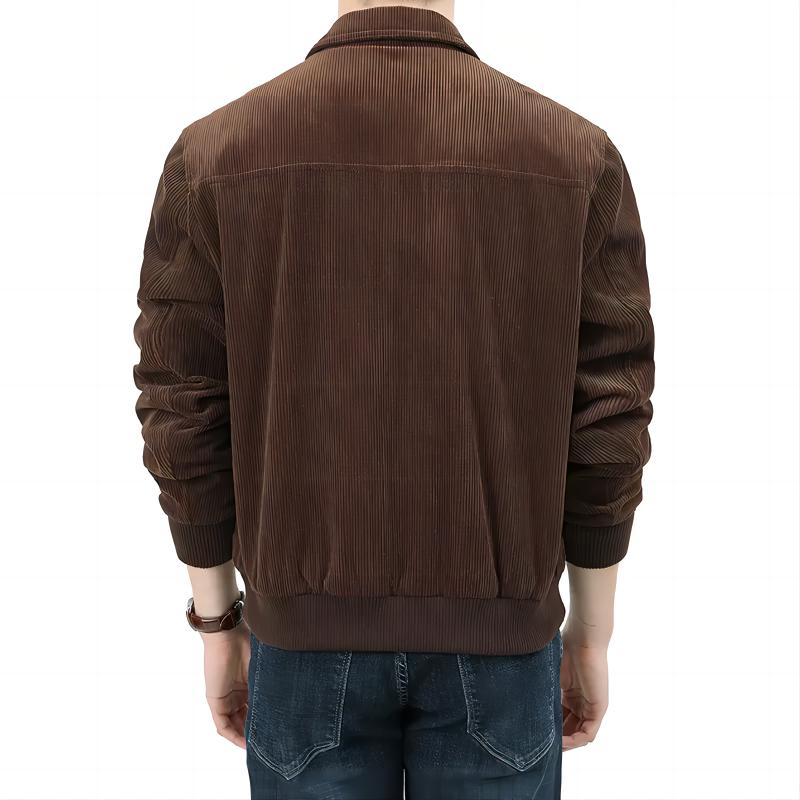
Bomber Jackets
EDVORIN coordinates bomber jacket construction from shell, lining, rib and zipper selection through pockets, insulation, patches, embroidery, labels and final quality checks.
Get a Quote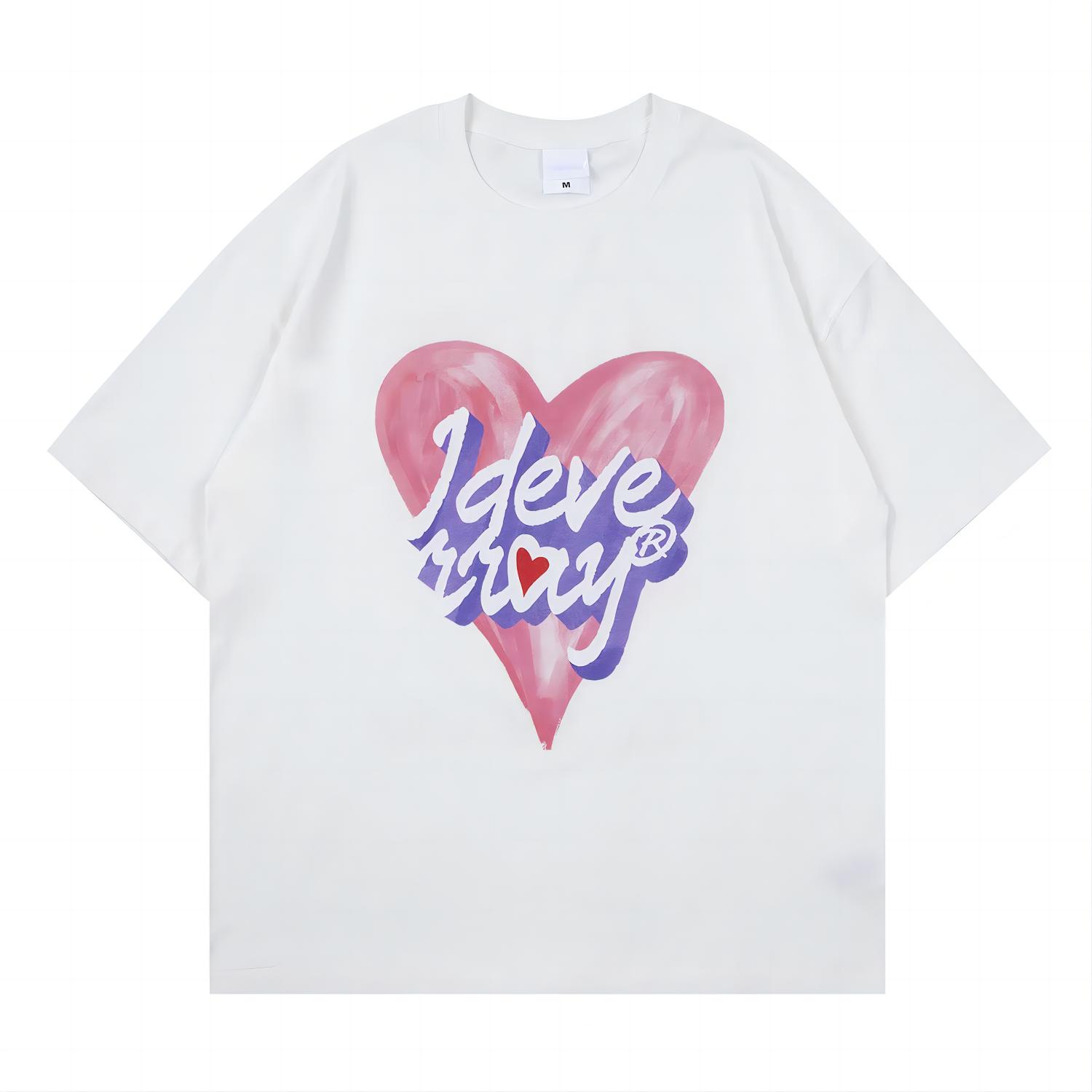
Custom Shirts
Custom woven shirts can be developed with fabric weight, collar and cuff construction, plackets, buttons, fit blocks, grading, embroidery and private-label finishing for men’s and women’s ranges.
Get a Quote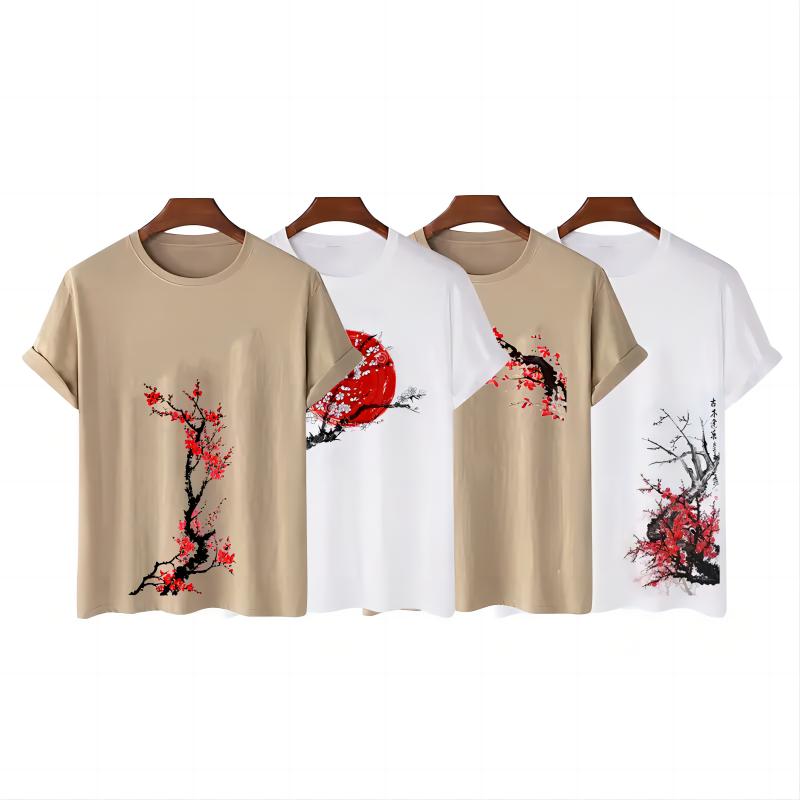
Custom Jerseys
As a custom jersey manufacturer, EDVORIN supports breathable fabric selection, color control, sublimation or decoration methods, name and number placement, size sets and repeat-order consistency.
Get a Quote
Tank Tops
Tank top development covers jersey or performance fabrics, armhole and neckline binding, fit proportions, print placement, embroidery options, labels and packaging for activewear and casualwear programs.
Get a Quote
Soccer Uniforms
Soccer uniform programs combine performance fabric, club colors, sublimation or print layouts, crests, player names and numbers, coordinated shorts and organized size-set control.
Get a Quote
Basketball Uniforms
Basketball uniform development includes breathable jersey construction, reversible or single-layer options, contrast panels, team graphics, numbers, names, shorts coordination and durable finishing.
Get a Quote
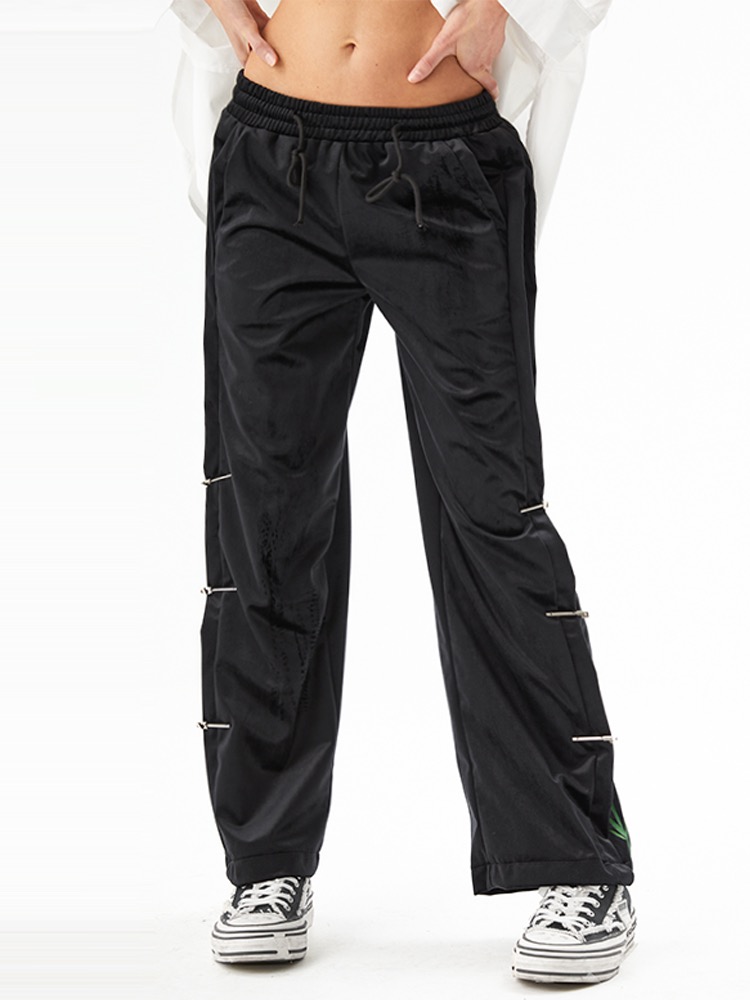
Streetwear Collections
EDVORIN develops streetwear collections as connected programs, aligning silhouettes, fabrics, washes, trims, print and embroidery methods, labeling, packaging and approved sample standards across multiple styles.
Get a QuoteClothing Manufacturing Compliance Since 2000
Founded by Edvorin Zeng in 2000, EDVORIN is a founder-led custom clothing manufacturer supporting OEM, ODM and private-label buyers across casualwear, streetwear, outerwear and teamwear, from early product development to finished, packed orders.
Our connected workflow brings material sourcing, patterns, samples, printing, embroidery, washing, bulk production, quality control, labeling and packaging into one accountable path. Clothing manufacturing compliance is supported through clear specifications, approved references, documented placements and in-line checks that help protect the standard established during development.
EDVORIN can coordinate buyer-required documentation for ISO 9001, BSCI, WRAP, SEDEX, OEKO-TEX Standard 100, GRS and GOTS programs where applicable to the product, material and buyer brief. Requirements are addressed during development rather than as a final-stage check, with MOQs starting at 200 pieces per style.

Key Controls Behind Clothing Manufacturing Compliance
Approved Samples Set the Standard
EDVORIN turns approved samples into the reference for bulk production, aligning construction, fit, materials, decoration and finishing before production begins. This gives teams a shared physical and documented benchmark for repeat orders.
- Approved sample retained as the bulk-production reference
- Fit, measurements, construction, and finish recorded before release
- Artwork placement and decoration details confirmed against the garment
- Revisions documented before production moves forward
Specifications Travel With Production
Clear records reduce assumptions between development, sourcing, cutting, sewing, decoration, and packing. EDVORIN organizes tech-pack details, measurement charts, material selections, trims, labels, and packaging requirements into a practical production standard that teams can review and execute.
- Tech-pack and measurement-chart review
- Fabric, rib, lining, and trim specifications coordinated
- Labels, care information, and packaging requirements recorded
- Men’s and women’s fit requirements developed by category

Materials and Trims Stay Aligned
A compliant garment depends on coordination beyond the shell fabric. EDVORIN reviews material and trim choices alongside intended construction, print, embroidery, wash, and end-market requirements, helping buyers keep product decisions visible before they become production variables.
- Fabric and trim choices reviewed together
- Print and embroidery matched to garment surfaces
- Wash and finishing requirements defined early
- Certification programs supported where applicable
Checks Continue Through Packing
Quality control is stronger when checks happen during production, not only at the end. EDVORIN uses in-line inspection checkpoints and final-order review to compare workmanship, measurements, decoration and packing against the approved production standard.
- In-line checks identify variation during production
- Measurement and workmanship reviewed against approval
- Decoration, labels, and packing checked before release
- Final inspection supports consistent packed orders
Clothing Manufacturing Compliance vs. Final Inspection
EDVORIN coordinates documented controls from material selection through packing, while final inspection checks only the completed order.
← Swipe left or right to view →
Compliance Workflow From Tech Pack to Packed Order
EDVORIN connects specifications, sourcing, production checks and release records into one accountable path for repeatable apparel manufacturing.
Review Technical Specifications
We review tech packs, measurement charts, artwork, materials, trims and market requirements, identifying open decisions before patterns and samples move forward.
Approve Sample Standards
Fit, construction, decoration, wash effects and placement details are sampled, revised and approved as the physical reference for bulk production.
Control Materials and Trims
Approved fabrics, colors, labels, hardware and decoration inputs are coordinated against documented specifications before cutting and production begin.
Inspect Production In Line
In-line checks monitor measurements, sewing, artwork placement, color consistency and workmanship so variation can be addressed while production remains active.
Verify Packing Release
Final inspection confirms finished garments, labeling, size assortments, packaging and carton details align with approved standards before order release.
Start Your Clothing Manufacturing Compliance Program
Bring a complete tech pack or an early concept; EDVORIN helps turn the details into a clear, production-ready standard.
Share Your Product Brief
Send your tech pack, sketches, reference garments, measurement charts, material requirements, artwork, labels, and packaging specifications so the development scope is clear from the start.
Define Production Requirements
Review fit, fabric, trims, decoration, wash, labeling, packaging, and market needs with our team to align your clothing manufacturing compliance requirements before sampling begins.
Approve the Production Standard
Assess the sample and documented revisions, then confirm the approved construction, measurements, colors, artwork placement, and components that will guide repeatable bulk production.
Launch Your Bulk Order
Move into coordinated production with quality controls built around the approved standard. MOQ starts at 200 pieces per style for flexible brand and private-label programs.
Clothing Manufacturing Compliance FAQ
Practical answers on documentation, materials, labeling, approvals and production controls for private-label apparel programs.
What does clothing manufacturing compliance include for an apparel order?
Which certifications are relevant to clothing manufacturing compliance at EDVORIN?
Can EDVORIN support clothing manufacturing compliance for recycled or organic material programs?
What labeling details should I provide before production?
How does EDVORIN control quality from sample to bulk production?
EDVORIN’s MOQ starts at 200 pieces per style. What is the minimum order quantity for a compliant apparel program?
What files do I need to start sampling?
Can I combine printing, embroidery, patches and washing on one garment?
The Complete Buyer’s Guide to clothing manufacturing compliance
Use this decision framework to evaluate supplier documentation, testing, traceability, and quality controls, compare compliance criteria by product and market, and avoid costly sourcing, labeling, and production mistakes.
1. What Is Clothing Manufacturing Compliance?
Six control areas define clothing manufacturing compliance: product safety, labor, environmental controls, labeling, customs, and the buyer’s documented requirements. It is evidence—not a verbal promise—that the applicable rules, test records, supplier documents, and shipment information can be reviewed. Textile obligations can include chemical controls, fiber and care labels, and market-specific product information (https://www.productcomplianceinstitute.com/global-regulatory-compliance-for-textile-products-and-clothing).
Three layers must be separated. Laws and regulations are mandatory; voluntary programs such as OEKO-TEX, GOTS, WRAP, or BSCI can substantiate defined practices but do not automatically replace legal duties; retailer and brand manuals may add stricter specifications, audits, or documentation.
Five variables determine the compliance plan: product category, destination market, intended age group, materials and components, and advertised claims. A children’s printed tee, water-resistant jacket, and adult cotton hoodie can therefore require different testing, labels, chemical review, and customs documentation. EDVORIN should convert the approved product specification into a production record that supports repeatable review before bulk release.
2. How Clothing Manufacturing Compliance Evolved
1971: U.S. textile rules centered on durable quality, fiber disclosure, care information, and country-of-origin marking. A supplier assurance could once seem adequate when the production chain was shorter and requirements focused mainly on the finished garment.
2007: chemical controls and worker-welfare review became routine buyer concerns alongside product quality. REACH, restricted-substance lists, safety data, audit findings, corrective actions, and laboratory reports changed clothing manufacturing compliance from a factory promise into a documentable process. https://www.productcomplianceinstitute.com/global-regulatory-compliance-for-textile-products-and-clothing
2026: a hoodie may involve fiber suppliers, spinning, knitting, dyeing, printing, trims, cut-and-sew, and packing across several tiers. Buyers should request traceable material records, test reports for the destination market, chemical declarations, and social-compliance evidence; a legacy certificate or final-factory statement cannot verify every upstream risk. https://getenviropass.com/textile-compliance
3. Types of Clothing Manufacturing Compliance
Clothing manufacturing compliance is a set of separate controls, not one factory certificate. Buyers should match evidence to the garment, selling market, supply-chain exposure, and retailer requirements.
Product Safety And Chemicals
RSL and lab reports address restricted substances in fabric, prints, and trims; they reduce recall risk. They matter most for children’s wear, coated garments, and regulated markets. https://getenviropass.com/textile-compliance
Environmental Controls
Wastewater records, chemical inventories, and environmental permits show process oversight; they reduce pollution and sourcing risk. They matter most when dyeing, washing, or sustainability claims are involved.
Labeling And Market Access
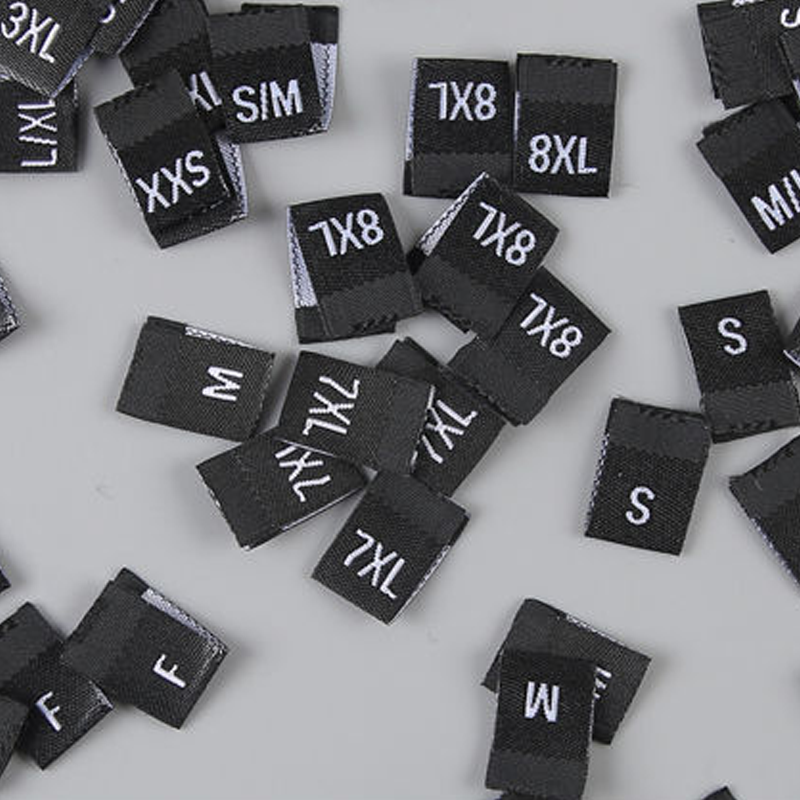
Fiber-content, care, origin, and flammability records support lawful market entry; they reduce relabeling and sales-block risk. They matter before packaging is approved. https://www.productcomplianceinstitute.com/global-regulatory-compliance-for-textile-products-and-clothing
Trade, Origin, And Customs
Commercial invoices, packing lists, HS classifications, and origin declarations support clearance; they reduce customs-hold and duty risk. They matter for every cross-border shipment.
Customer-Specific Standards
Approved tech packs, test protocols, inspection plans, and packaging manuals prove buyer requirements are controlled; they reduce chargeback risk. They matter when supplying private label or chain retail.
4. Clothing Manufacturing Compliance for Materials
Three material decisions—fiber, chemistry, and proof—shape clothing manufacturing compliance before cutting begins. EDVORIN records approved materials, trims, and packaging against the buyer’s market requirements.
| Decision | Verification | Risk | Suitable Use |
|---|---|---|---|
| Organic cotton | Certificate and fiber declaration | Unsupported claim | T-shirts, fleece |
| Water-repellent coating | RSL and PFAS test | Restricted chemistry | Windbreakers |
| Recycled polyester | Chain-of-custody evidence | Broken traceability | Jerseys, outerwear |
| Metal snaps | Heavy-metal report | Skin-contact exposure | Varsity jackets |
Control Chemical Inputs
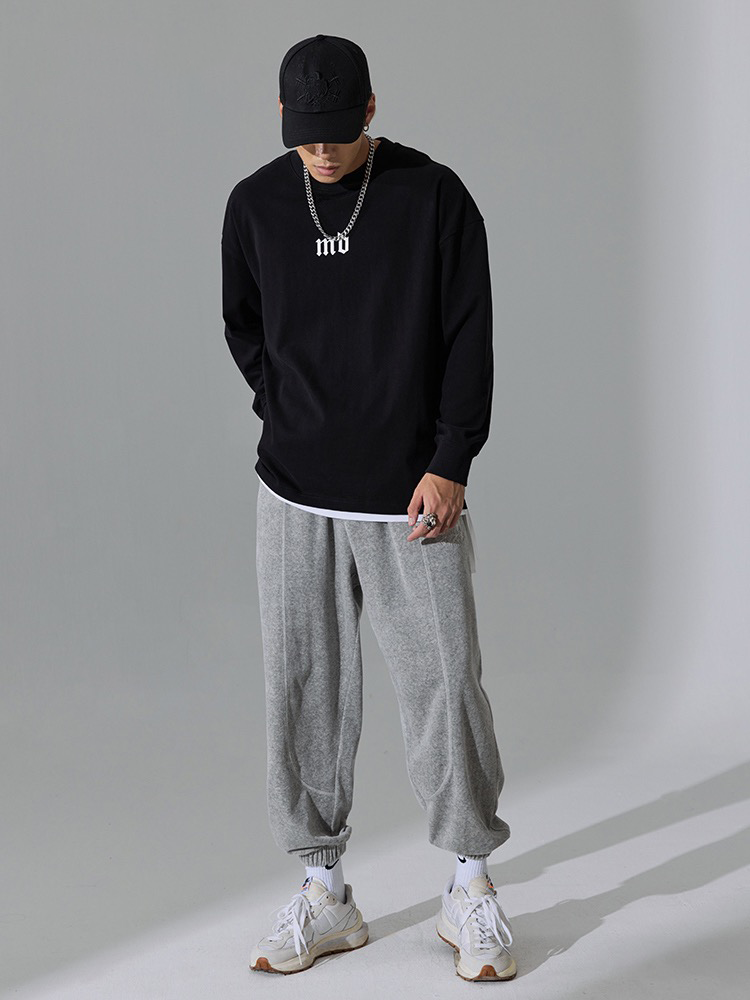
REACH-style RSLs should cover fabric, print bases, coatings, dyes, and hardware. Request supplier declarations and laboratory reports for azo amines, formaldehyde, phthalates, heavy metals, and PFAS risks. https://getenviropass.com/textile-compliance
Trace Claims To Source
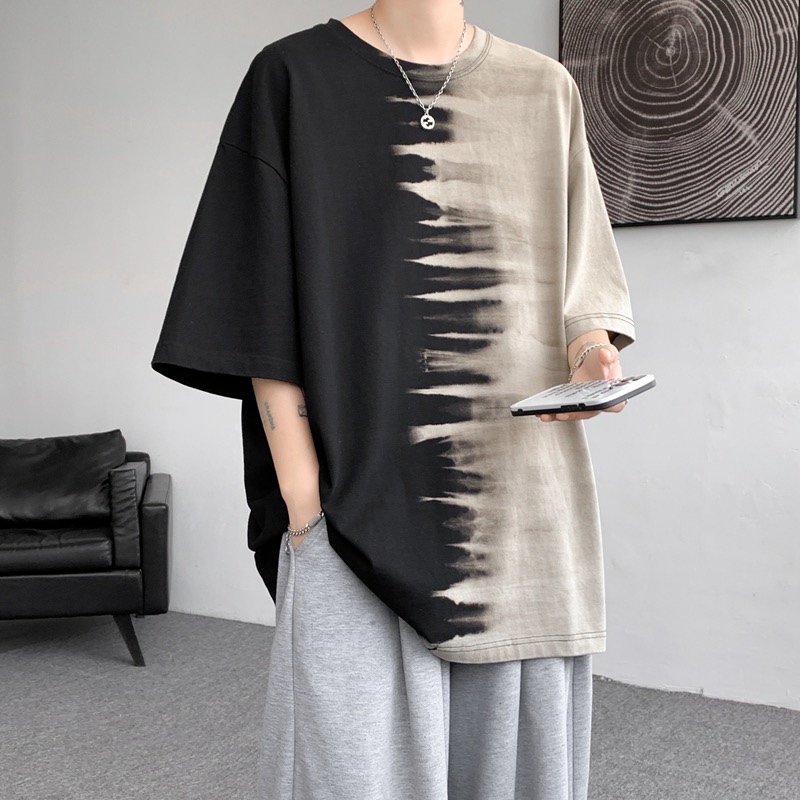
100% recycled or organic claims need transaction-level evidence, fiber-content records, and scope-valid certificates; a hangtag alone is not proof. Keep mill, dye-lot, trim, and packaging records linked to each production order.
Verify Before Bulk

2 pre-production checkpoints—material approval and lab testing—reduce late substitutions. EDVORIN can align test requests with the destination market, garment use, and buyer RSL before bulk release.
5. Compliant Customization and Decoration Options
Decoration is a separate control point in clothing manufacturing compliance: the approved artwork must be tied to a defined ink, adhesive, temperature, and wash-performance standard. EDVORIN records those decisions with the sample and production specification.
| Method | Key Control | Evidence To Confirm |
|---|---|---|
| Embroidery | Thread, backing, attachment | Wash durability; loose-thread review |
| Screen Print | Ink system, cure | RSL declaration; wash and crack test |
| Heat Transfer | Film, adhesive, heat | Peel test; temperature record |
| DTG | Ink, pretreatment | Colorfastness; wash test |
| Sublimation | Ink and polyester content | Color migration and wash test |
| Patches And Labels | Adhesive, stitch, small parts | Pull/attachment check; hazard review |
| Specialty Finishes | Coating or effect claim | Chemical declaration; claim substantiation |
Method Comparison
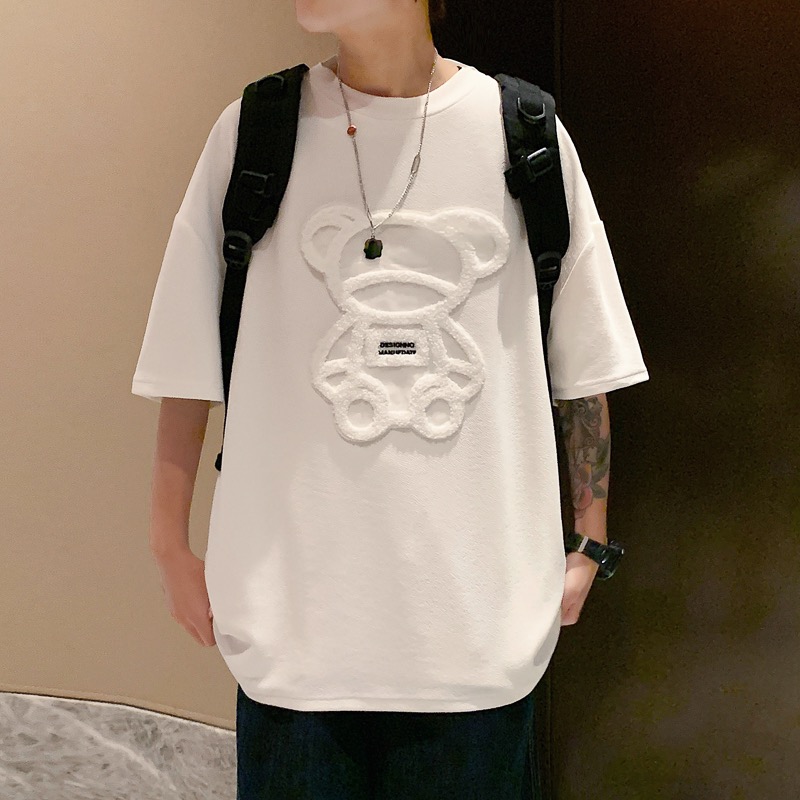
8 common methods need different evidence before bulk approval.
Approval Evidence
3 records should accompany a decorated approval: material and chemical declaration, test report or test plan, and signed artwork-placement standard.
1 claim such as water-resistant, reflective, recycled, or antimicrobial needs supplier evidence tied to the finished construction.
- Confirm wash, rub, and colorfastness criteria.
- Record curing temperature and dwell time.
- Check patch, label, and embellishment attachment.
- Assess small-part hazards for children’s products.
Program-Specific Checks

2 repeat risks are artwork drift and decoration failure after laundering. Uniforms need number-legibility and color controls; streetwear needs print-handfeel and cracking criteria.
6. Construction Quality That Supports Compliance
An approved sample turns clothing manufacturing compliance into a production reference, not a verbal expectation. EDVORIN records construction, measurements, trims, and finishing before bulk cutting begins.
Seams And Fit Control
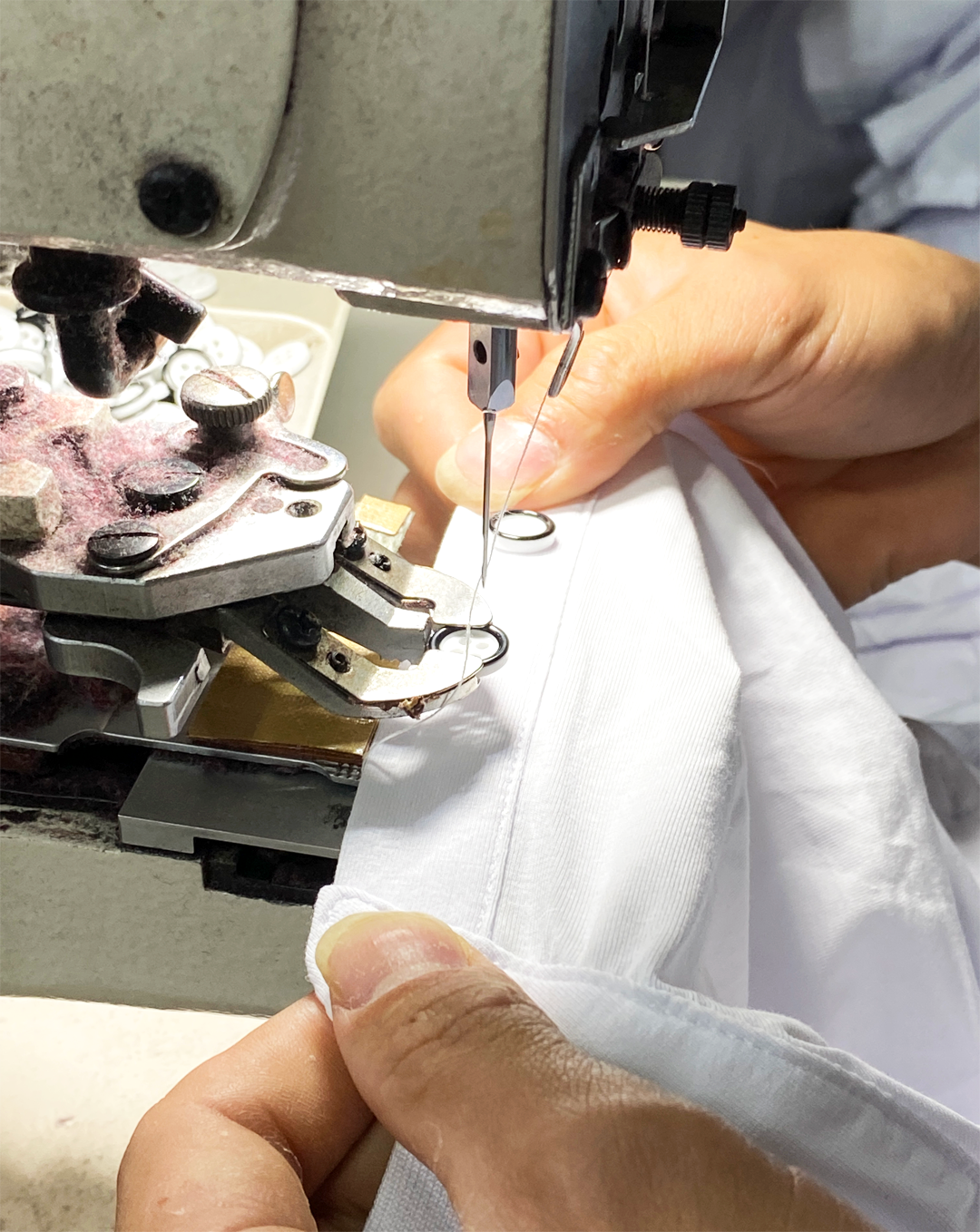
Two checks matter before a line scales: seam performance and measurement tolerance. Tech packs specify stitch type, seam allowance, stress points, and finished-garment points of measure; size-set reviews catch grading drift before packing.
Safety And Wash Verification

100% of accessible snaps, zippers, cords, patches, and labels should be checked for secure attachment, sharp edges, and intended use. Wash testing verifies shrinkage, color change, seam distortion, print adhesion, and trim performance; flammability requirements depend on the product and destination market.
AQL-Style Final Inspection
AQL-style sampling gives inspectors a defined method for classifying critical, major, and minor defects against the approved sample. Final inspection compares workmanship, measurements, decoration placement, labels, and packing with the signed standard, while in-line checks allow corrections before defects multiply.
7. Choosing a Clothing Manufacturing Compliance Partner
A compliance partner should be evaluated against the product, destination market, and process map—not a logo wall. For EDVORIN-style development, the useful question is whether approved standards remain visible through bulk production.
Verify Scope And Experience
Three checks matter: comparable apparel categories, destination-market experience, and audit scope.
One certificate alone is insufficient; request the issuer, facility address, expiration date, and covered activities.
- Which garment categories and markets match our program?
- Does the audit cover this factory or only a supplier?
- May we verify the certificate with its issuer?
Trace Documents To Materials
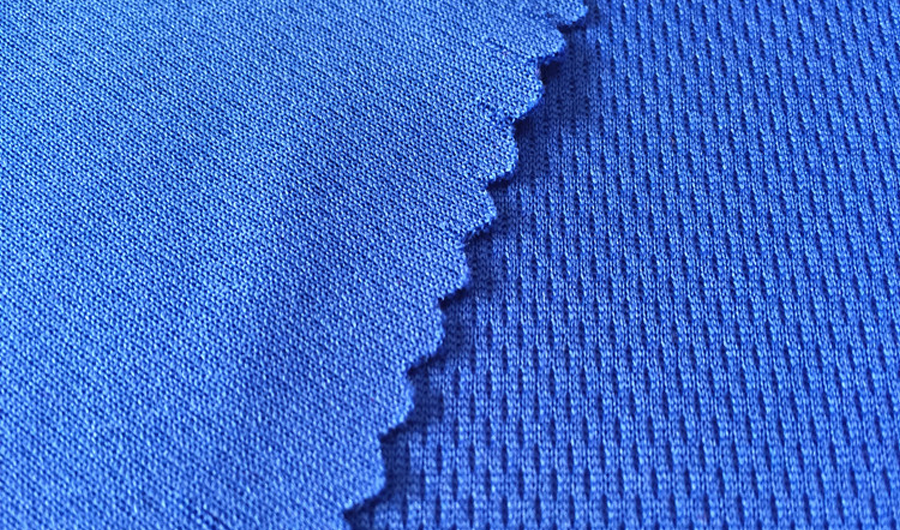
Four records should connect purchase order, fabric lot, trims, test report, and finished-carton batch.
One transparent supplier can show approved specifications, lab coordination, and corrective-action records rather than broad clothing manufacturing compliance claims.
- Can each fabric lot be linked to our order?
- Which lab tests are coordinated before shipment?
Map Control And Capacity
Two process maps reveal whether cutting, sewing, printing, embroidery, washing, and packing are in-house or outsourced.
One capacity discussion should cover line allocation, inspection ownership, escalation timing, and peak-season constraints.
- Who owns corrective actions at each process?
- What capacity is reserved for our delivery window?
- How quickly are test failures communicated?
8. Clothing Manufacturing Compliance Mistakes to Avoid
Three approval controls catch most avoidable failures before cutting begins. Build them into supplier onboarding and the pre-production meeting, with the destination market and product category recorded.
Treating Certificates As Universal
OEKO-TEX, GOTS, WRAP, and BSCI address different scopes; none automatically approves every market, garment, or claim. The consequence is a false release decision.
1 preventive action: map each certificate, scope, expiry, and product requirement against the buyer’s destination-market checklist before approval.
Copying Labels And Claims
2 common shortcuts—reusing another market’s care label and calling a garment recycled without supporting records—can trigger relabeling, claim challenges, or customs delays. Fiber, origin, care, and environmental claims require market-specific review.
1 preventive action: approve label artwork and claim evidence as controlled pre-production documents.
Skipping Controls For Cost
3 unchecked areas—material testing, subcontractors, and lowest-unit-cost sourcing—can conceal restricted substances, unapproved processing, and later rework. Testing after bulk production leaves few correction options.
1 preventive action: set an RSL-linked test plan, disclose every mill, dye house, printer, and sewing site, and compare total landed risk rather than unit price alone.
9. Launching a Compliant Apparel Brand
A compliant launch starts with the selling market, wearer, and product category—not a generic factory checklist. EDVORIN turns those decisions into an approval path before bulk production is released.
Build The Compliance Brief
One brief should name destination countries, adult or children’s use, fiber claims, required tests, labeling language, and retailer rules.
Two buyer paths matter: a 100-piece school kit needs roster and size-set control; a wholesale private-label program needs SKU, carton, and traceability fields.
Approve Materials And Presentation
Three controls—approved fabric swatch, trim specification, and Pantone reference—should precede samples. Record composition, supplier documents, print chemistry, and any performance requirement.
One sewn label and one packed sample should verify fiber content, care, origin marking, size label, polybag warnings, and barcode placement; labeling rules vary by market. https://www.productcomplianceinstitute.com/global-regulatory-compliance-for-textile-products-and-clothing
Release, Retain, Monitor
One pre-production sample becomes the bulk reference after measurement, decoration, wash, and applicable laboratory results are approved.
Thirty-day post-launch review is practical for brands selling direct, clubs issuing uniforms, and distributors receiving cartons: log returns, color complaints, label errors, and sizing feedback against the production records.
10. Clothing Manufacturing Compliance Costs and Lead Times
7 cost checkpoints should be priced before a purchase order is released. Actual clothing manufacturing compliance spend and timing vary by destination market, garment complexity, order quantity, and required evidence.
2–6 weeks is a practical planning window for pre-production verification, excluding bulk manufacturing and retesting. Treat failed tests, audit findings, and corrective actions as separate contingencies; a passed sample alone is not production release.
| Stage | Cost driver | Lead-time effect | Budget guidance |
|---|---|---|---|
| Sample stage | Patterns, revisions, trims | 1–3 weeks | Fund one approved standard |
| Material verification | Mill documents, shade review | 3–10 days | Reserve per fabric and colorway |
| Lab testing | Test scope, components | 1–3 weeks | Include retest contingency |
| Labels | Market claims, translations | 3–7 days | Approve artwork before printing |
| Audits | Protocol, site, findings | 1–2 weeks | Price buyer-required audits separately |
| Corrective actions | Root cause, rework | Variable | Hold contingency funds |
| Production release | Evidence review, approvals | 2–5 days | Do not book shipment early |
Build Your Clothing Manufacturing Compliance Program
Submit your product brief for OEM, ODM, or private-label development built around documented standards from sample approval through packed order.
Social And Labor Practices
WRAP, BSCI, or SMETA audit reports document working conditions and corrective actions; they reduce worker-welfare and delivery-disruption risk. They matter most for retailer programs and high-volume orders. https://www.intouch-quality.com/blog/social-compliance-for-garment-factories-how-you-can-avoid-disasters