
Clothing Manufacturing FAQ for Confident Apparel Sourcing
EDVORIN’s MOQ starts at 200 pieces per style. Explore our clothing manufacturing FAQ for clear answers on development, samples, MOQ, decoration, quality control, and repeatable OEM production.
What EDVORIN Coordinates for Your Apparel Program
From first development decisions to repeat bulk orders, EDVORIN connects the production details that protect your product standard.
200-Piece Starting MOQ
Launch focused apparel programs with minimum order quantities starting at 200 pieces per style. As a low MOQ clothing manufacturer, EDVORIN supports emerging labels and established buyers.
Development From Any Stage
Bring a complete tech pack or an early sketch; EDVORIN helps translate concepts into clear, reviewable production specifications.
Category-Specific Construction
Develop casualwear, streetwear, outerwear and teamwear with construction, fit, materials and performance requirements matched to each category.
Decoration and Trim Coordination
Coordinate fabric, labels, packaging, printing, embroidery and washing so every visual and functional detail supports the approved garment.
Sample-to-Bulk Control
Approved samples, documented measurements, placement details and in-line checks create a repeatable standard for every production run.
Production Capabilities by Category
From individual styles to coordinated collections, EDVORIN develops men’s and women’s apparel with documented standards for repeatable bulk production.
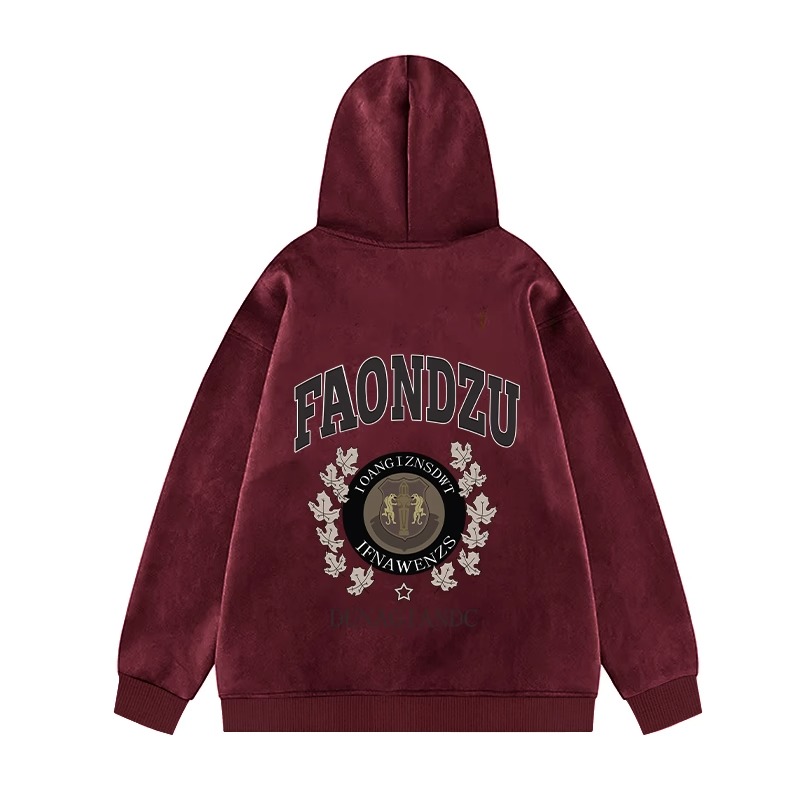
Custom Hoodies
Custom hoodies developed around fleece weight, fit block, rib recovery, hood construction, drawcords, pockets and decoration. As a custom hoodie manufacturer, EDVORIN coordinates sampling, labels, washes and bulk quality control from approved specifications.
Get a Quote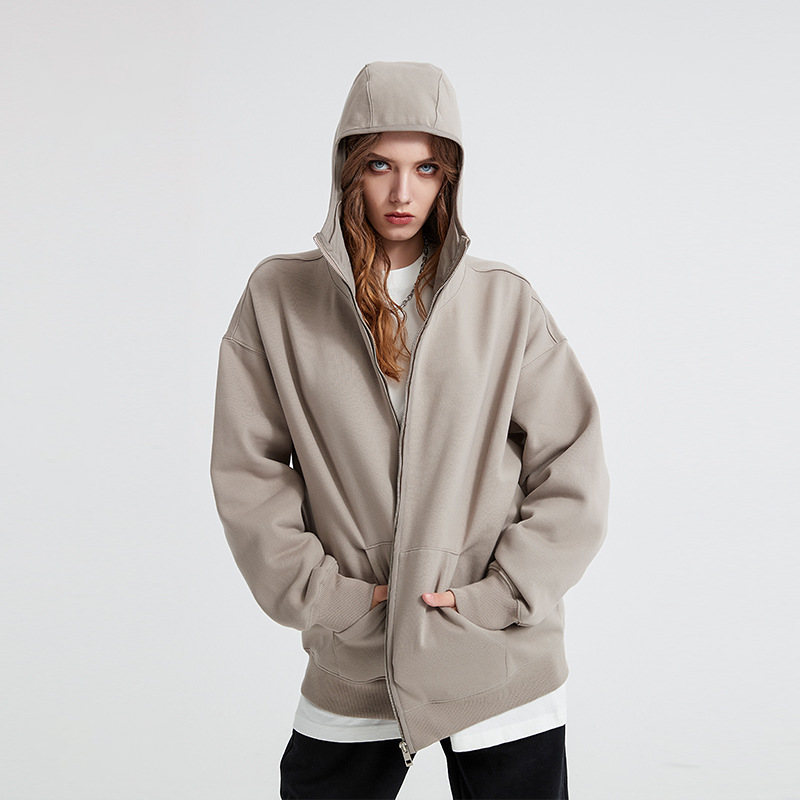
Pullover Sweatshirts
Pullover sweatshirts manufactured with defined body proportions, neck rib, cuff and hem construction, fabric weight and finishing. As a sweatshirt manufacturer, EDVORIN can develop brushed fleece, French terry, pigment dyeing, embroidery, screen printing and private-label packaging.
Get a Quote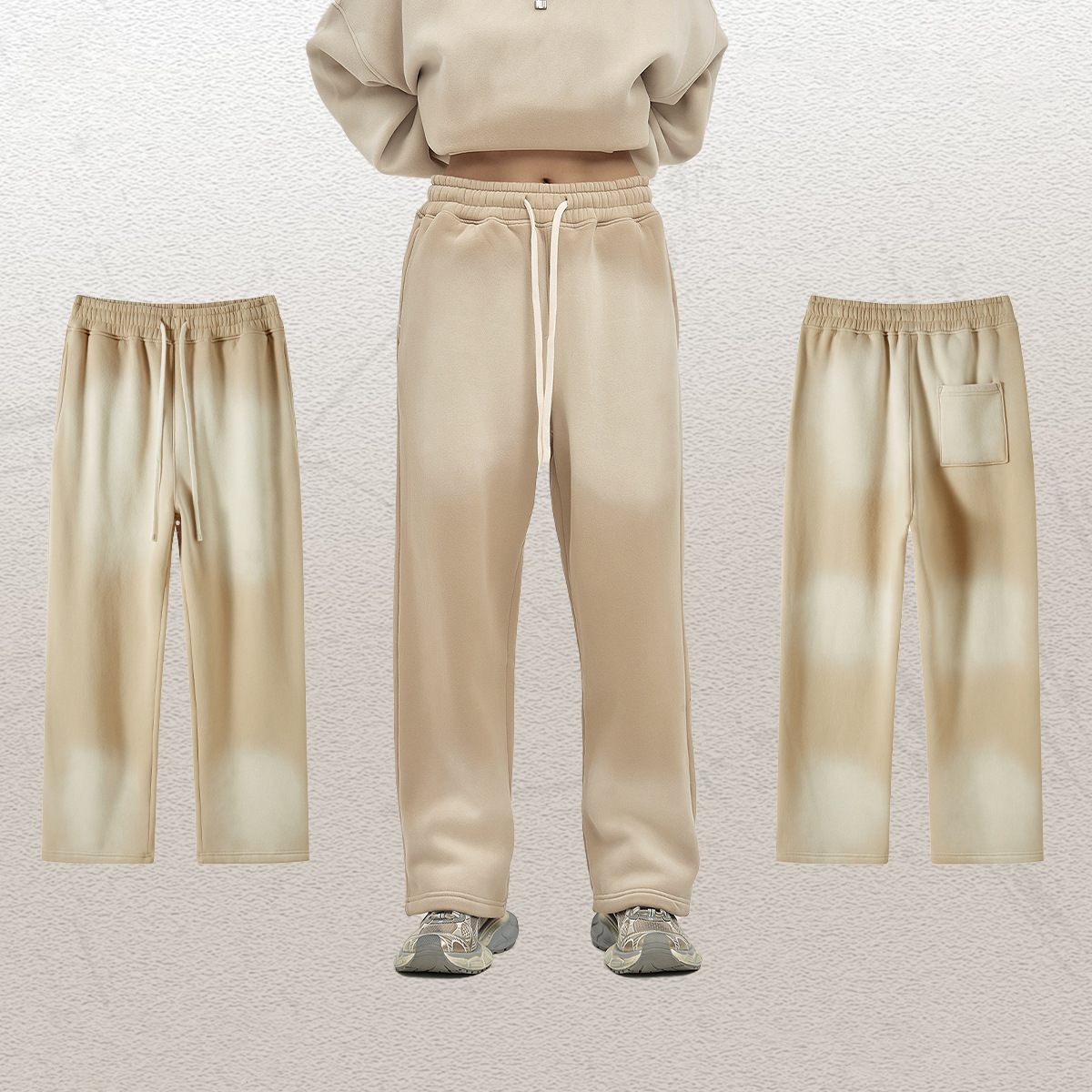
Sweatpants & Joggers
Sweatpants and joggers built with category-specific fit, waistband construction, elastic, drawcords, pockets, cuffs and fabric recovery. EDVORIN supports matching sets, graded men’s and women’s programs, decoration placement and repeat bulk orders.
Get a Quote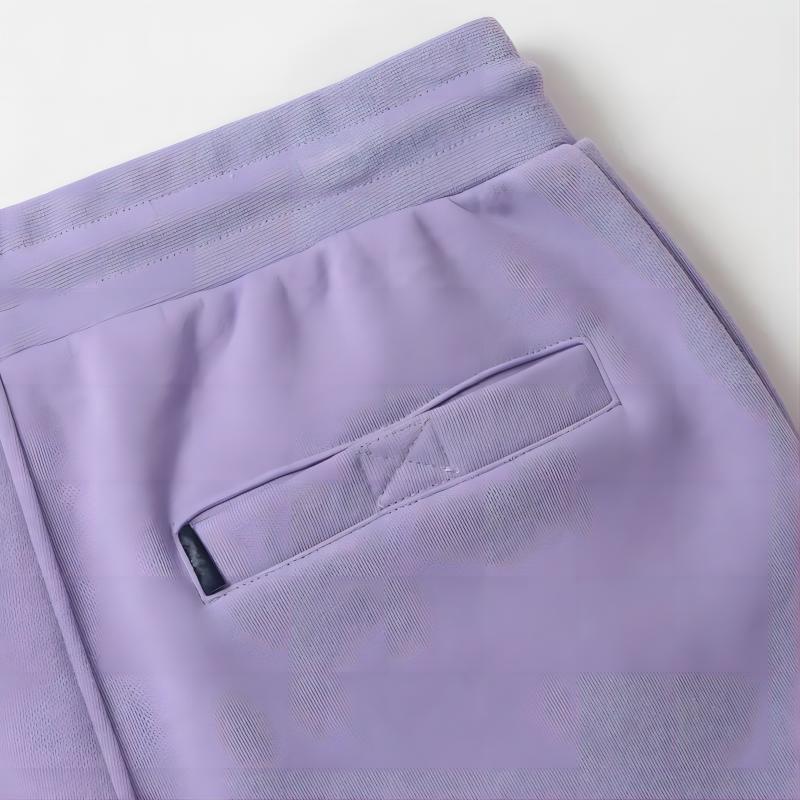
Custom Shorts
Custom shorts for casualwear, active programs and teamwear, with options for inseams, waist treatments, mesh lining, pockets, side panels and decoration. Material selection and construction are documented to support consistent sampling and production.
Get a Quote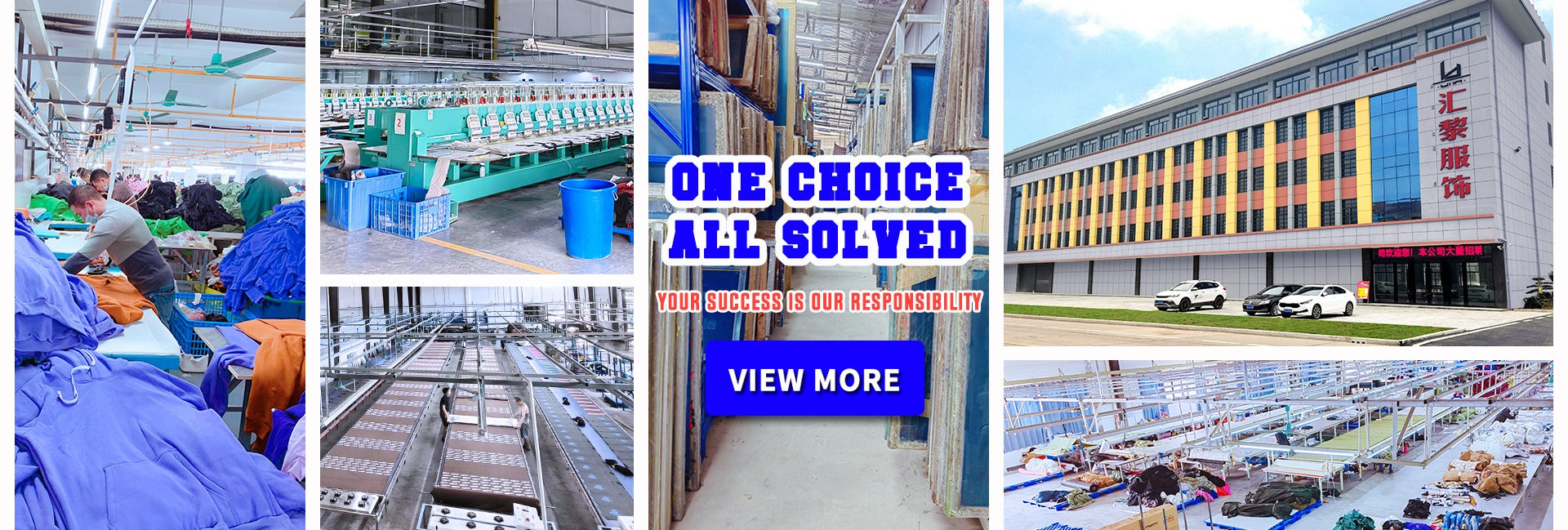
Varsity & Baseball Jackets
Varsity and baseball jackets developed by balancing body fabric, sleeves, lining, rib, snaps, patches, embroidery and appliqué. EDVORIN records construction and placement details so the approved jacket can guide repeatable bulk production.
Get a Quote
Custom T-Shirts
Custom T-shirts developed from fabric selection through fit, collar construction, sleeve proportions, print method, wash and labeling. Options include jersey and heavier streetwear weights, oversized or standard blocks, and men’s and women’s grading.
Get a Quote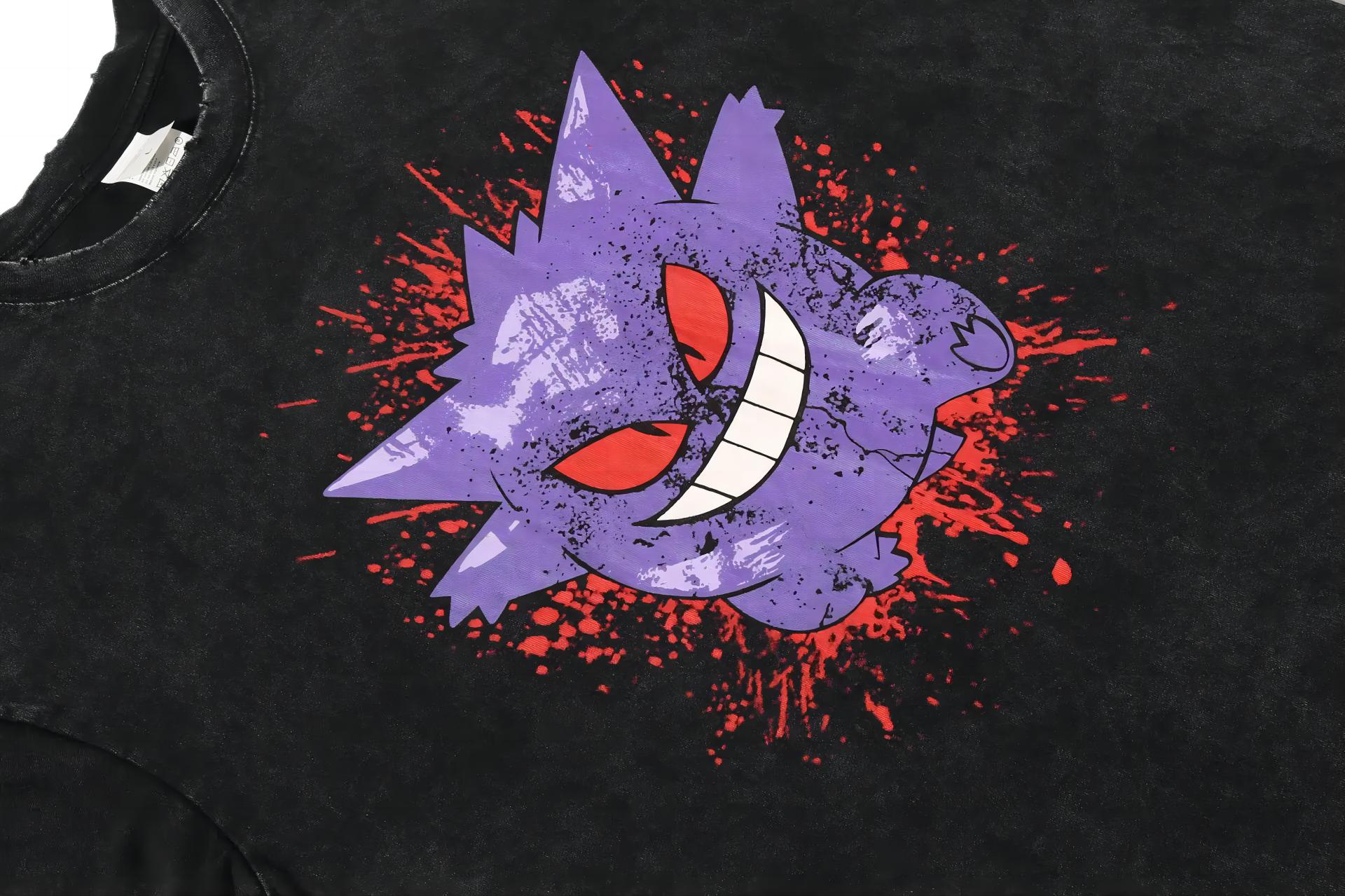
Custom Polo Shirts
Custom polo shirts produced with piqué or jersey fabrics, collar and placket specifications, cuff construction, embroidery placement and color control. Suitable for corporate, wholesale, school and private-label programs requiring consistent repeat orders.
Get a Quote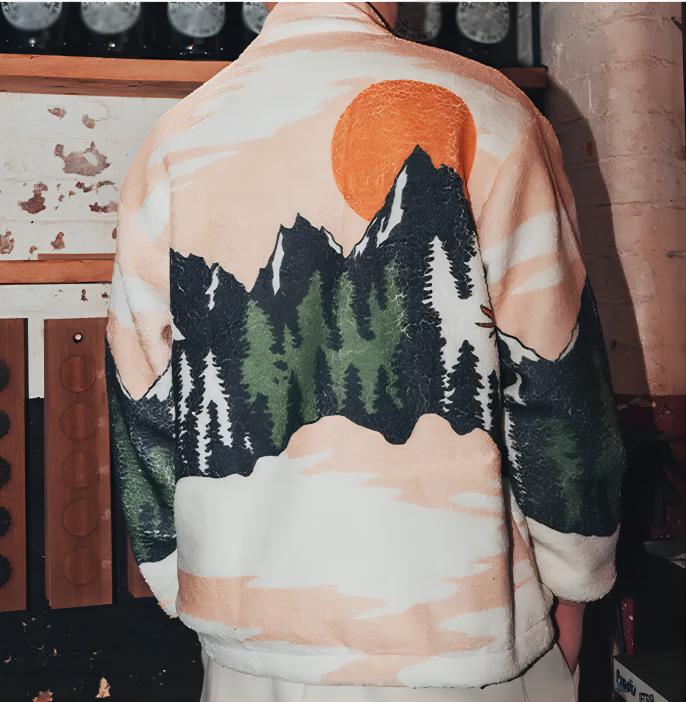
Windbreaker Jackets
Windbreaker jackets developed with shell, lining, mesh, zipper, hood, pocket and cuff specifications matched to intended use. EDVORIN coordinates water-resistant materials, printed graphics, embroidery and packaging within one production workflow.
Get a Quote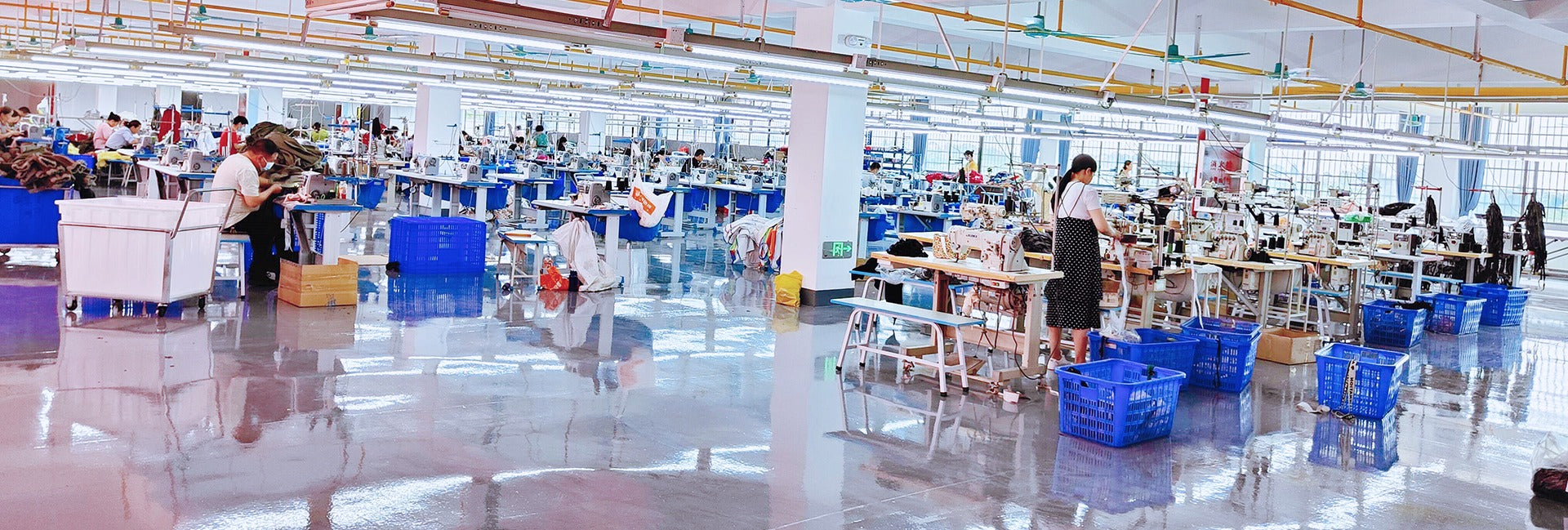
Quilted Jackets
Quilted jackets produced with defined shell and lining materials, insulation, quilting pattern, stitch density, hardware and binding details. Development includes sample testing to confirm balance, warmth, appearance and construction before bulk production.
Get a Quote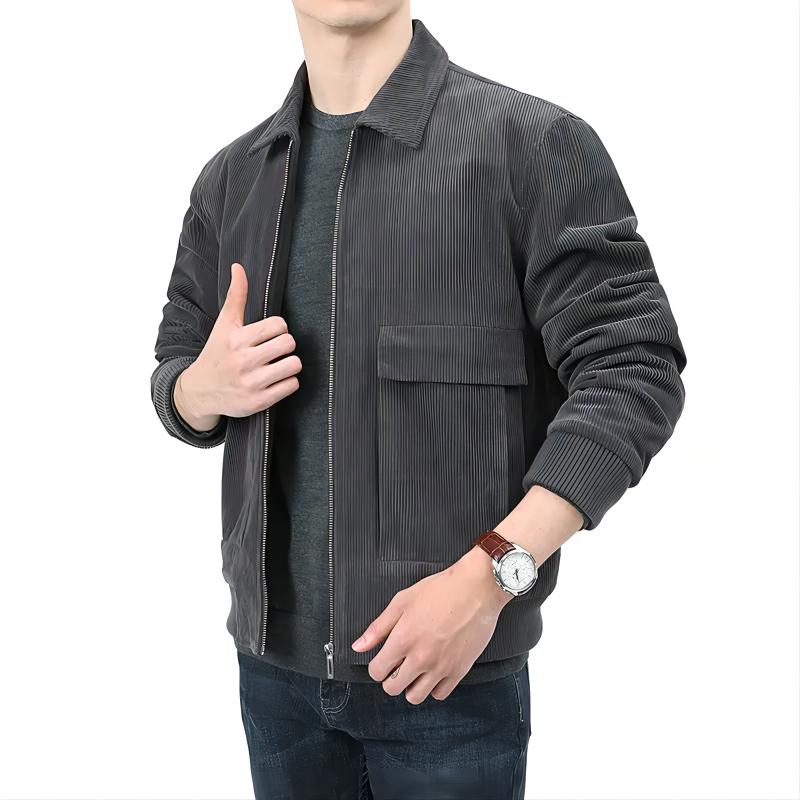
Bomber Jackets
Bomber jackets manufactured with coordinated shell fabric, lining, rib, zipper, pockets, quilting and decoration. EDVORIN translates approved samples into clear production standards for fashion, streetwear and private-label outerwear programs.
Get a Quote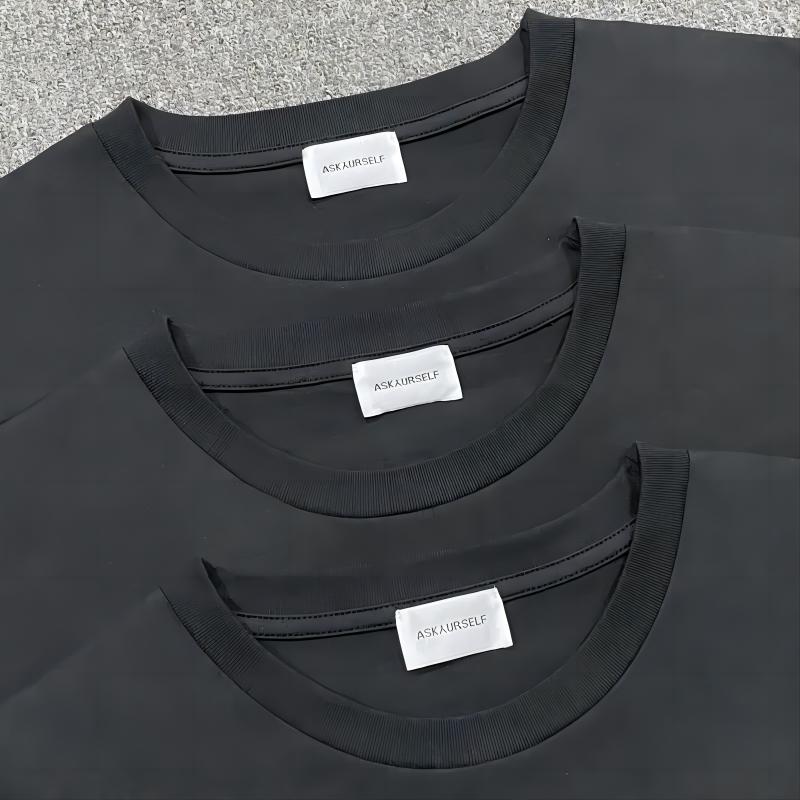
Custom Shirts
Custom woven shirts developed with fabric, collar, placket, cuff, pocket, seam and fit specifications. Options include casual overshirts, button-down styles and workwear-inspired designs, with men’s and women’s development available.
Get a Quote
Custom Jerseys
Custom jerseys developed for club, school, promotional and private-label programs with breathable fabrics, panel construction, color matching, names, numbers and logos. Size sets, decoration placement and repeat-order standards are controlled from approval.
Get a Quote
Tank Tops
Tank tops produced for casualwear, streetwear, training and team programs with defined armhole shape, neckline, binding, fabric weight and fit. EDVORIN supports print, embroidery, labels and coordinated men’s and women’s size grading.
Get a Quote
Soccer Uniforms
Soccer uniforms developed as coordinated jerseys, shorts and optional socks, with breathable performance fabrics, color blocking, club badges, player names and numbers. Production standards support organized team size runs and future reorders.
Get a Quote
Basketball Uniforms
Basketball uniforms built around jersey and short proportions, breathable fabrics, side panels, binding, team colors, names, numbers and logo decoration. EDVORIN manages sample approval, size sets and consistent team-order production.
Get a Quote
Streetwear Collections
Streetwear collections developed across hoodies, tees, sweats, shorts, jackets and woven styles under one production system. EDVORIN coordinates fabrics, trims, washes, graphics, embroidery, labels and packaging from concept through bulk production.
Get a QuoteFrom Concept to Repeatable Production
Bring a tech pack, sketch, or reference garment. EDVORIN turns approved decisions into a clear standard for reliable bulk production.
Share Your Product Direction
Send your tech pack, sketch, reference garment, target quantity, and delivery needs. We review construction, fit, materials, decoration, and packaging requirements.
Define Production Specifications
Align fabric weight, trims, measurements, grading, artwork placement, wash effects, labels, and packaging into specifications that can guide sampling and production.
Approve the Development Sample
Review the sample against your intended fit, materials, construction, and decoration. Revisions are documented so the approved result becomes the production reference.
Control Bulk Production
Coordinate material checks, cutting, sewing, decoration, and in-line inspections against approved standards, helping protect consistency from the first pieces through final packing.
Receive a Repeatable Standard
Finalize quality checks, labeling, and packaging with documented specifications ready to support future orders. MOQ starts at 200 pieces per style.
Built to Repeat
Founded by Edvorin Zeng in 2000, EDVORIN is a custom clothing manufacturer and private label clothing manufacturer for fashion brands, streetwear labels, teamwear programs and private-label buyers. From a complete tech pack to a sketch or reference garment, we develop a clear standard for manufacturing men’s and women’s apparel.
Our connected OEM clothing manufacturer and ODM apparel manufacturer workflow coordinates fabric, trims, patterns, samples, custom apparel printing, custom apparel embroidery, garment wash services, custom clothing labels and packaging across casualwear, outerwear and teamwear. MOQ starts at 200 pieces per style, giving emerging brands, wholesale programs and established buyers a flexible route to custom production.
This clothing manufacturing FAQ reflects the principle behind our work: an approved sample is only useful when its measurements, materials, artwork placement and construction details remain visible through bulk production. In-line and final quality checks help protect the approved standard, so each reorder has a dependable foundation.
Clothing Manufacturing FAQ for B2B Buyers
Practical answers on MOQs, development, materials, decoration and production control for custom apparel programs.
EDVORIN’s MOQ starts at 200 pieces per style. What is EDVORIN’s minimum order quantity for custom apparel?
Do I need a tech pack to start a clothing manufacturing project?
Can I order a sample before placing a bulk order?
What should I provide to request a quote?
Can EDVORIN source fabrics, trims, labels and packaging?
Which certification programs can EDVORIN support?
How does EDVORIN keep bulk production aligned with the approved sample?
Does EDVORIN develop both men’s and women’s apparel?
Can private-label and emerging brands use EDVORIN’s OEM or ODM support?
Plan Your Apparel Program
Use this decision framework to compare supplier capabilities, materials, fit, decoration, sampling, and quality controls—so you can request clearer quotes, reduce production risk, and avoid costly apparel sourcing mistakes.
1. What Is a Clothing Manufacturing FAQ?
Since 2000, EDVORIN has treated a clothing manufacturing faq as a buyer-facing reference for the recurring choices that turn an apparel idea into a repeatable production standard. It connects early development—such as fit, fabric weight, pattern details and decoration—to the controls required for bulk production.
Five buyer groups commonly rely on these answers: fashion brands, sports teams, schools, wholesalers and private-label programs. A useful FAQ clarifies what the supplier needs before quoting or sampling, including a tech pack or reference garment, size breakdown, color direction, material target, artwork, labels and packaging.
One approved sample is not a complete production instruction. The guide should set expectations for sample revisions, material approval, measurement tolerances, artwork placement, production timing, quality checks, minimum quantities, payment milestones and shipping terms, so both parties can identify open decisions before an order is placed.
2. How Clothing Manufacturing FAQs Evolved
2000 marked an era when many garment discussions began and ended with a style photo, quantity, and unit-price request. That transaction-first approach left critical decisions—fabric composition, measurement tolerances, artwork placement, labels, and packing—scattered across informal messages.
6 production checkpoints now shape a more useful clothing manufacturing faq: technical specifications, material traceability, sample approval, in-line quality checks, shipment planning, and cost review. A tech pack and bill of materials give the factory a controlled reference; a signed sample alone cannot record every revision needed for bulk repetition.
1 custom apparel program may involve French terry or fleece selection, Pantone color references, embroidery or print files, size grading, care labels, and carton marks. EDVORIN converts those inputs into an accountable path from development through final inspection, so future reorders can follow documented standards instead of relying on memory or chat history.
3. Clothing Manufacturing FAQ: Production Models
Five routes differ mainly in who owns the specification and supply chain. This clothing manufacturing faq comparison helps buyers match control, workload, and order scale before requesting quotes.
| Model | Buyer Control | Flexibility | Development Workload | Typical Fit | Deciding Question |
|---|---|---|---|---|---|
| Private-label blanks | Low | Limited | Low | Small runs | Can an existing fit work? |
| Print-on-demand | Low | Artwork-led | Low | Testing demand | Do you need inventory-free fulfillment? |
| CMT | High | High | High | Prepared buyers | Can you supply approved materials and specs? |
| Full-package | Shared | High | Medium | Growing programs | Do you need one accountable production path? |
| Custom cut-and-sew | High | Highest | High | Distinct collections | Does the product require its own pattern and construction? |
Start With Ownership
1 decision comes first: are you buying an existing garment or creating a controlled product standard? Blank and print-on-demand routes reduce development; CMT and custom routes increase buyer responsibility.
Match Model To Readiness
2 inputs—an approved tech pack and material plan—usually determine whether CMT is practical. Full-package production suits buyers who need coordinated sourcing, patterns, samples, decoration, labeling, and bulk control.
Ask The Deciding Question
5 routes answer different questions, not different quality levels. EDVORIN can help translate a sketch or reference garment into a documented standard before bulk production.
4. Clothing Manufacturing FAQ: Materials and Fabrics
Fabric choice should start with wear, climate, decoration, and target cost—not a swatch alone. For a clothing manufacturing faq, approve the material specification before sampling.
| Use Case | Fabric | Typical Specification | Key Watchpoint |
|---|---|---|---|
| Premium tee | Cotton jersey | 180 GSM, 100% cotton | Shrinkage, print hand |
| Hoodie | Cotton-poly fleece | 320 GSM, brushed | Pilling, rib recovery |
| Teamwear | Polyester knit | 150 GSM, stretch | Colorfastness, sublimation |
| Value basics | Cotton-poly blend | 200 GSM, 60/40 | Hand feel, durability |
Specify Performance First
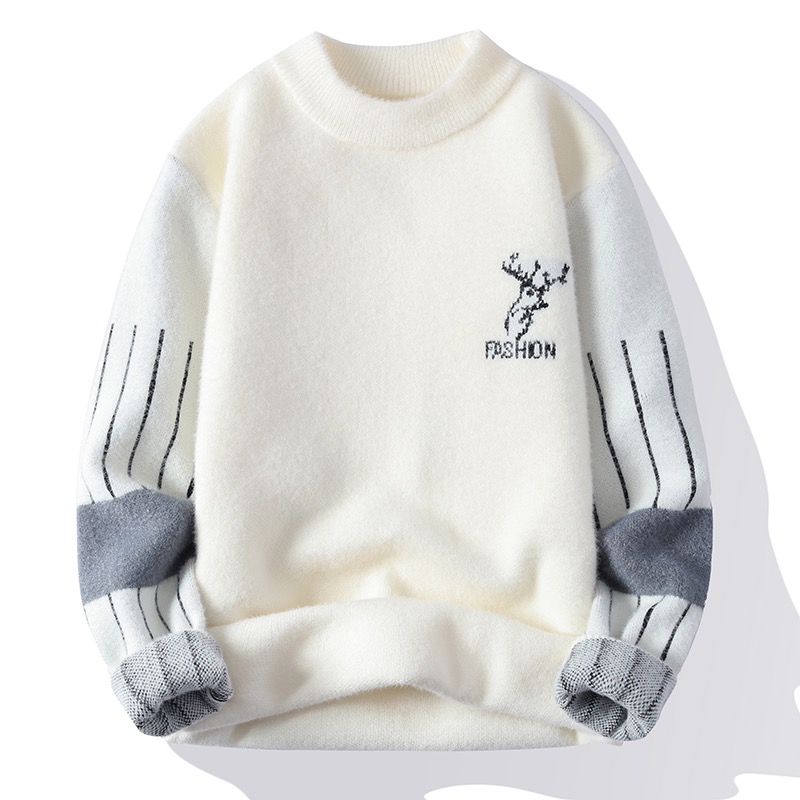
160–220 GSM cotton jersey suits soft T-shirts; ring-spun yarn gives a smoother print surface.
280–360 GSM French terry or brushed fleece supports hoodies, with composition and rib recovery documented.
Control Bulk Variables
3–5% shrinkage targets should be tested after the agreed wash method; record tolerances by fabric direction.
Pantone-referenced color, colorfastness testing, hand feel, and stretch recovery should match the approved sample.
Request Material Evidence
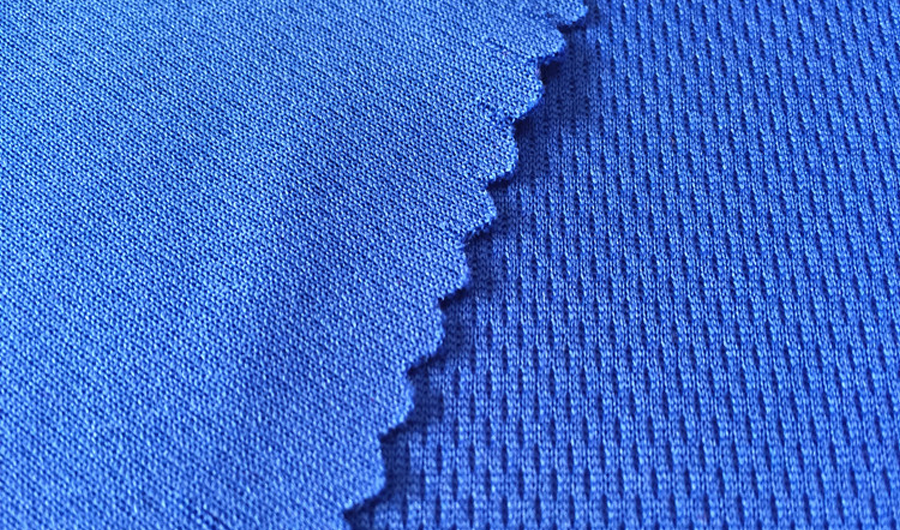
OEKO-TEX, GOTS, recycled-content, or other certification claims require current supplier documentation and scope confirmation.
100% polyester performance knits need fiber content, GSM, stretch, moisture-management expectations, and decoration compatibility specified.
5. Customization and Decoration Options
Decoration choices should be locked before bulk production because fabric, artwork, placement, and repeatability affect both cost and appearance. In a clothing manufacturing faq, request a physical strike-off or sewn sample for every visible treatment.
| Method | Best Fit | Key Constraint |
|---|---|---|
| Screen print | Bold art; larger runs | Color screens and setup |
| DTG or DTF | Detailed multicolor graphics | Test adhesion and hand feel |
| Embroidery or patches | Dimensional logos | Density affects fabric drape |
| Sublimation | Polyester performancewear | Requires suitable light base fabric |
| Labels, tags, trims | Private-label identity | Approve material and attachment |
Select the Decoration Method
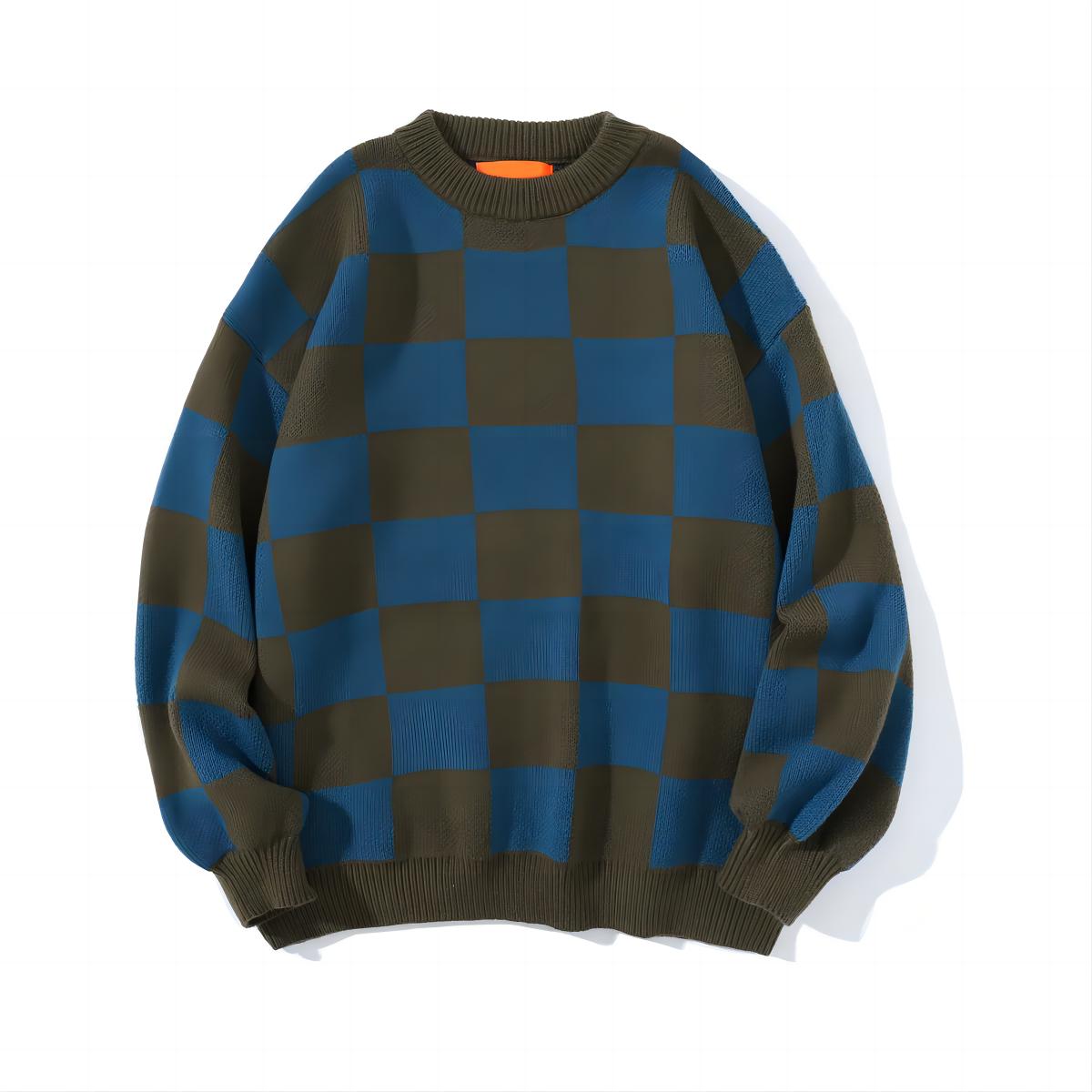
1–2 color, bold artwork on cotton fleece commonly suits screen printing; each color requires screen setup. Fine multicolor art or variable small runs may suit DTG or DTF, while polyester teamwear is typically evaluated for sublimation.
Match Durability And Placement
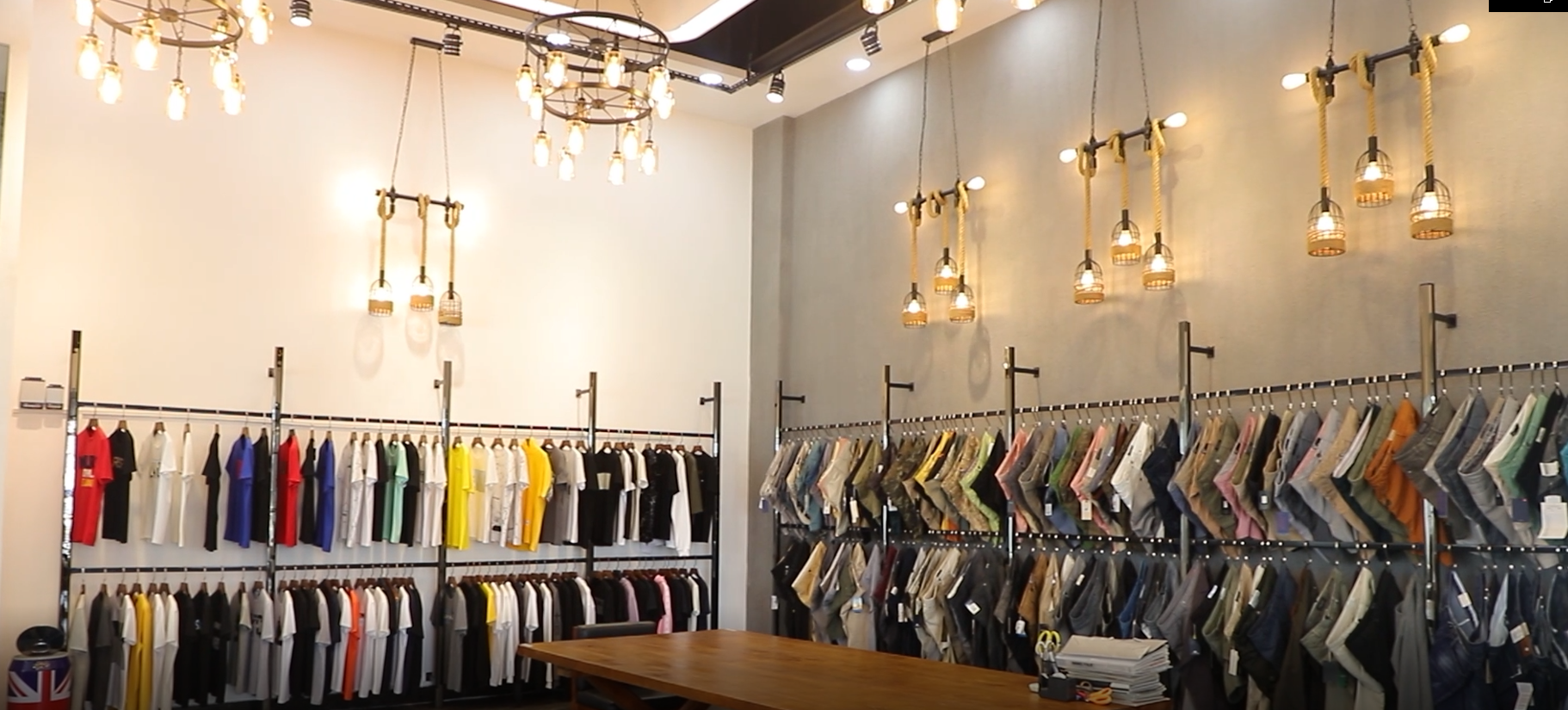
3D logos and textured branding can use embroidery or patches, but dense stitches may pucker lightweight jersey. Specify placement from a fixed reference point, finished logo dimensions, thread or patch edge, and acceptable tolerance in writing.
Finish The Brand System
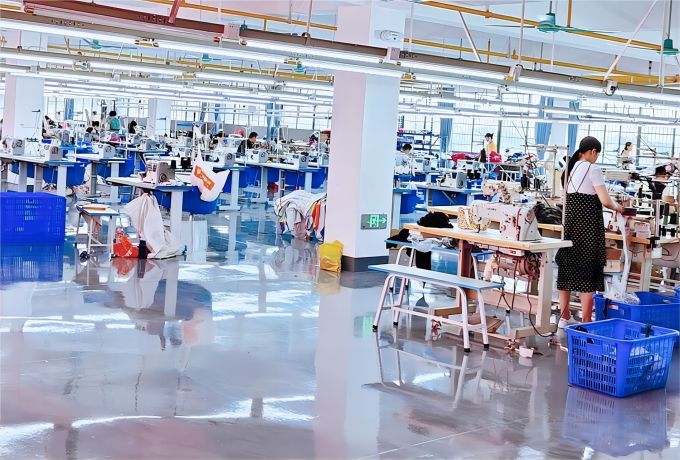
1 approved artwork file is not enough: submit label content, hangtag stock, polybag requirements, and custom-trim specifications with the sample. Confirm wash durability, color match, attachment method, and packing sequence before production.
6. Construction and Quality Control Essentials
One approved pre-production sample should become the physical reference for bulk cutting, sewing, decoration, finishing, and packing. In a clothing manufacturing faq, written controls prevent that reference from being interpreted differently across production stages.
Pattern, Grading, And Measurements

A tech pack should state the base-size pattern, grade rules, point-of-measure diagram, finished measurements, and tolerance for every size. A 1–2 cm tolerance may be acceptable only where the buyer has specified it; fit-critical points need tighter review.
Seams And Stress Points
Each construction callout should name the seam type, stitch class, stitch density, seam allowance, and reinforcement location. Bar tacks at pocket openings, crotch joins, drawcord exits, and stress-prone attachment points should be checked against the approved sample.
Bulk Inspection And Packing
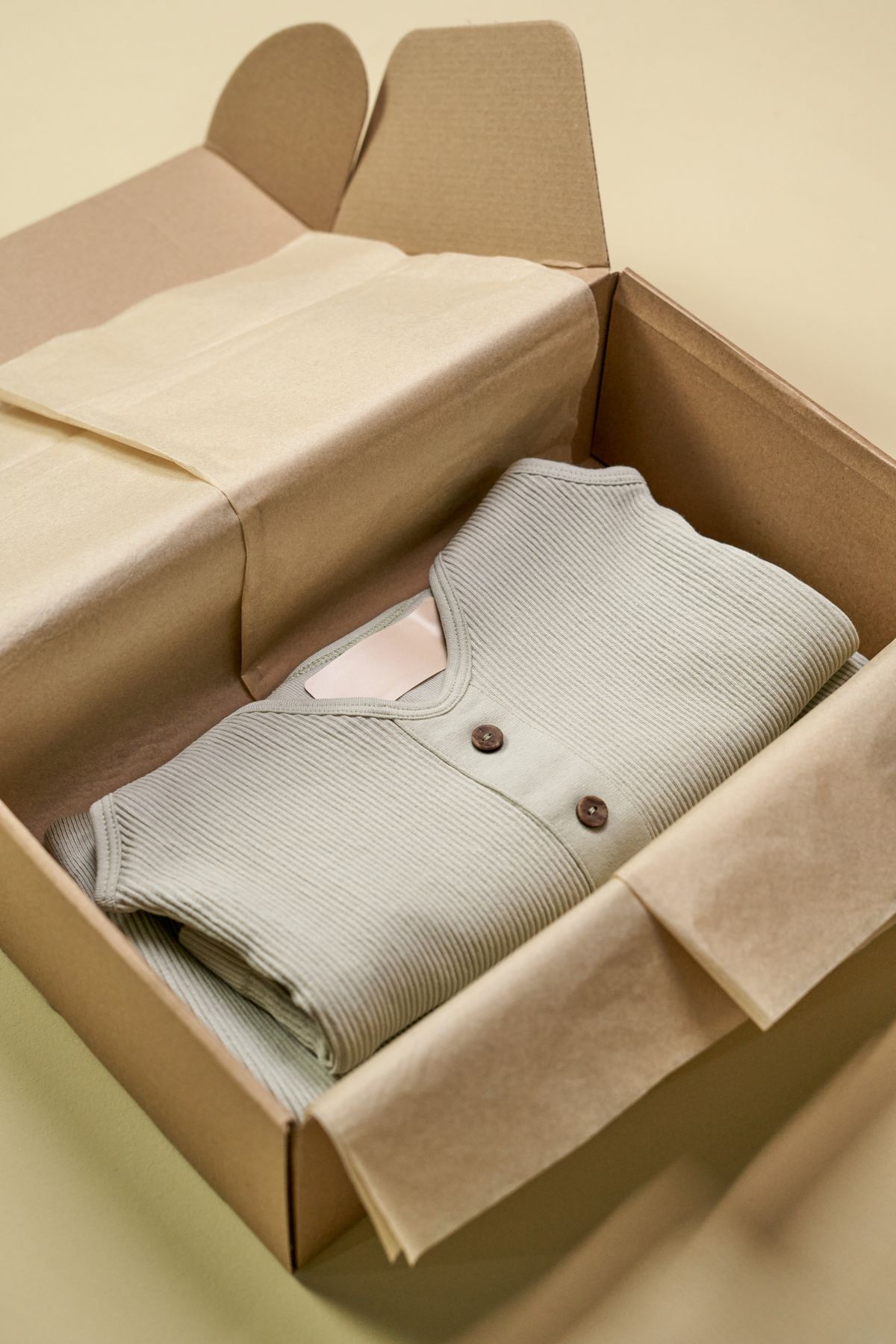
A bulk checklist should record fabric shrinkage results, measurement findings, print placement and adhesion, embroidery coverage, loose threads, labeling, polybag size, carton marks, and packing ratio. Before production, EDVORIN can use the approved pre-production sample and documented artwork placement as the inspection standard.
7. Choosing a Clothing Manufacturer
Since 2000, EDVORIN has treated manufacturer selection as a production-control decision, not a catalog comparison. A useful clothing manufacturing faq asks suppliers for evidence tied to the buyer’s exact product, order size, and delivery route.
| Evaluation Area | Ask For | Verifiable Evidence |
|---|---|---|
| Specialization | Comparable product | Sample and construction details |
| MOQ and capacity | Style-color breakdown | Written production plan |
| Sourcing | Fabric and trim origin | Approved swatches or supplier data |
| Compliance | Applicable certificates | Current certificate copies |
| Shipping | FOB, CIF, or DDP terms | Named cost and risk transfer point |
Match Product Capability
One varsity jacket, jersey, or heavyweight hoodie sample reveals more than a broad category list. Request comparable construction details, material options, decoration records, and a development path from tech pack or reference garment.
Verify The Operating System
Two checkpoints—pre-production approval and in-line inspection—should be documented before bulk cutting. Ask for sample revision records, measurement tolerances, incoming-material controls, and current compliance certificates rather than relying on logo claims.
Compare The Commercial Details
EDVORIN’s MOQ starts at 200 pieces per style. One complete quote should identify fabric, trims, decoration, packaging, development charges, quantities, Incoterm, and freight responsibility. Confirm reply cadence, available capacity, sample timing, MOQ by color or style, and shipment handoff in writing.
8. Common Apparel Sourcing Mistakes
Eight preventable decisions cause most bulk-order disputes: vague briefs, untested materials, incomplete approvals, and incomplete landed-cost planning. Treat each sample and quote as a production record before committing quantities.
Quote Every Construction Detail
One quote should specify style, fabric composition and GSM, color, size quantities, decoration, trims, labels, packaging, Incoterm, and target delivery date.
Before comparing suppliers, issue the same bill of materials and ask what is excluded; a low unit price cannot reveal omitted work.
Lock Fit And Fabric Performance
One approved sample is insufficient without a measurement chart, tolerances, grading rules, and wash method.
Two fabric tests—shrinkage and colorfastness—should be reviewed before bulk, alongside pilling, recovery, and print or embroidery compatibility.
Approve Production Controls
One pre-production sample should match the approved fabric, trims, artwork placement, labels, and packing standard.
Before cutting, confirm size ratios by market demand and document ownership of patterns, artwork, labels, and any custom tooling.
Calculate Landed Cost
Three cost layers matter: ex-factory product cost, freight and insurance, and destination duties or taxes.
Before placing bulk, request carton data and a shipment estimate, then compare suppliers on compliant specification, inspection plan, and total landed cost—not unit price alone.
9. Steps to Launch Your Apparel Program
Two decisions—target wearer and launch date—should precede development. This clothing manufacturing faq sequence helps EDVORIN buyers review each decision before it becomes a bulk-production commitment.
Develop The Technical Standard
First, confirm garment category, target customer, fit block, size range, colorways and planned volume. A tech pack should record measurements, construction, bill of materials, artwork placement and labeling.
Second, approve fabric composition, GSM, shrinkage allowance and decoration method before requesting a quote. French terry, fleece, screen print and embroidery require different costing and testing assumptions.
Quote And Sample Gate
Third, submit quantities by size and color, destination, Incoterm and required delivery date for a comparable quote. Confirm what is included: development, materials, trims, decoration, packing and freight.
Fourth, assess the prototype against fit, handfeel, colors, placement and wash behavior; issue revisions in writing. One signed pre-production sample should lock the bulk reference.
Release, Inspect, Replenish
Fifth, release the purchase order only after approving the PP sample, price, specifications, payment schedule and delivery plan. Bulk control should check incoming materials, in-line measurements, decoration, finishing and final packing.
Sixth, confirm inspection outcome, carton marks, shipping documents and delivery handoff. After launch, compare sell-through, returns and size demand before replenishing.
10. Clothing Manufacturing FAQ: Pricing and Cost
200 pieces is the stated starting MOQ for this program, so unit cost typically falls as fixed pattern, sampling, setup, and handling work is spread across more garments. Request an itemized quote that separates development, materials, cut-and-sew, decoration, trims, packing, inspection, and the selected Incoterm.
2 identical-looking hoodie quotes can differ materially when one uses 400 GSM ring-spun fleece, woven labels, embroidery, and individual polybags while another uses lighter open-end fleece and a basic print. Compare the same tech pack, Pantone references, size ratio, artwork, packaging, quality standard, destination, and delivery date before judging price.
| Cost driver | Lower-cost specification | Higher-cost specification | Quote impact |
|---|---|---|---|
| Quantity | 200-piece launch run | 1,000+ pieces per style | Fixed costs spread over more units |
| Garment and fabric | Basic T-shirt; 180 GSM jersey | Lined jacket; 400 GSM fleece or quilted shell | Construction, yield, and materials rise |
| Decoration and trims | One-color screen print; printed neck label | Multi-location embroidery; woven labels; custom hardware | Setup, stitch count, and components add cost |
| Sampling and packaging | One fit sample; bulk polybag | Multiple revisions; hangtags; inserts; individual boxes | Development and packing are separate cost lines |
| Freight and timing | FOB; standard production window | DDP or air freight; compressed delivery | Logistics and rush capacity increase total landed cost |
Ready to Build Your Collection?
Share your concept, specifications and target quantity for OEM, ODM or private-label guidance built around a repeatable production standard.