
Screen Printed Shorts Manufacturer for Production That Repeats
EDVORIN develops, prints and controls custom shorts from sample to bulk, with 200-piece-per-style MOQs for fashion brands, teams and private-label buyers.
Featured EDVORIN Apparel Programs



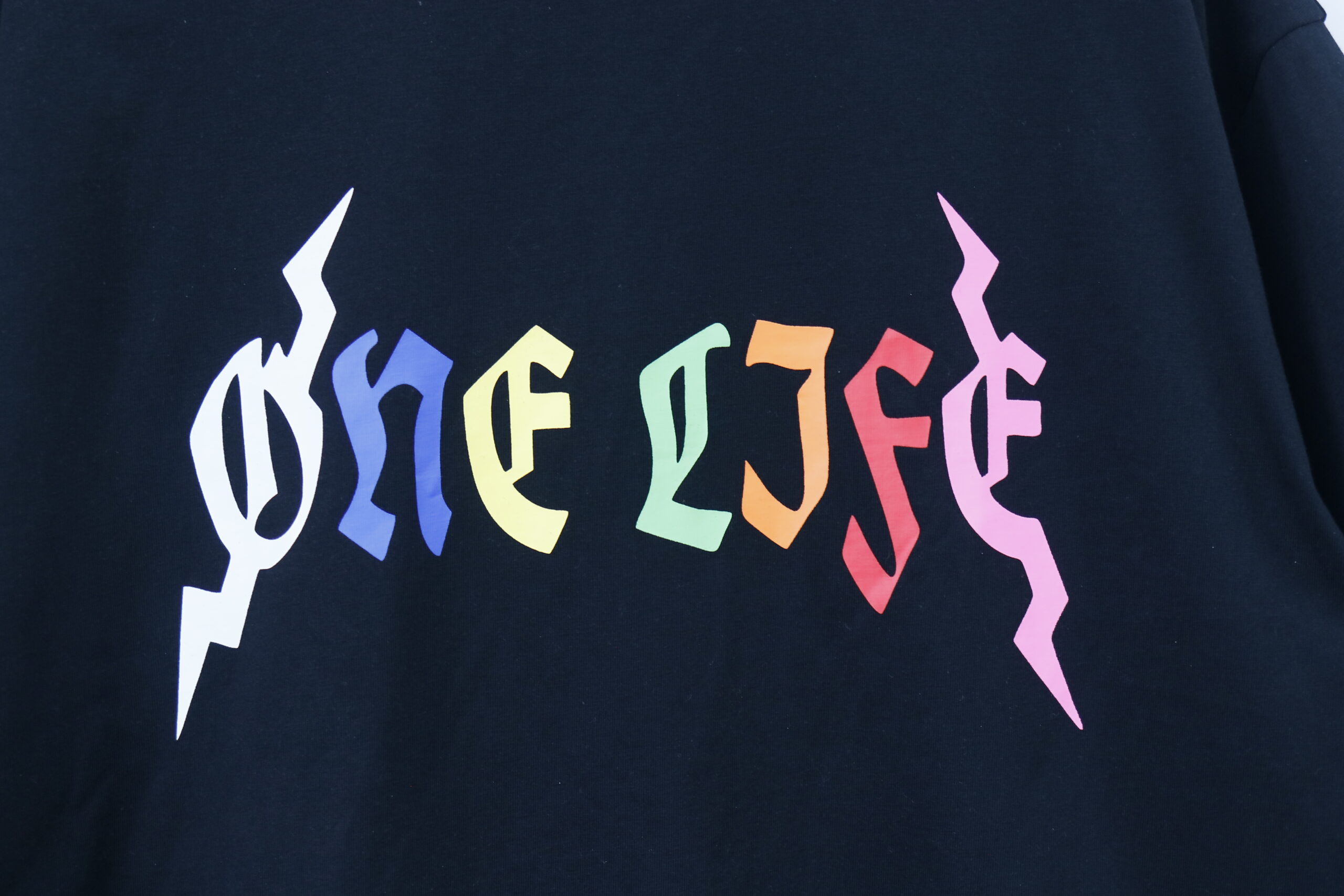
A Screen Printed Shorts Manufacturer Built Around Approved Standards
EDVORIN connects development, decoration, materials and bulk control so your approved shorts specification stays clear from sample through repeat orders.
Connected OEM/ODM Development
Bring a tech pack, reference garment or early concept; EDVORIN develops the construction, specifications and production path into a reviewable standard.
Print-Aware Decoration Planning
Screen print placement, artwork scale and base-fabric compatibility are considered alongside the shorts construction before production details are finalized.
Materials and Trims Aligned
Fabric weight, waistband, drawcords, labels and packaging are coordinated as one program, helping the finished shorts reflect the approved sample.
Men’s and Women’s Fit Blocks
Every shorts program can be developed for men’s or women’s markets, with proportions, grading and material choices adjusted to the intended wearer.
Sample-to-Bulk Control
Approved measurements, artwork placement, materials and finishing details guide in-line checks and final inspection for a more repeatable bulk order.
Production-Ready Apparel Programs
OEM, ODM and private-label development for brands, teams, schools, wholesale programs and repeatable collections.
Custom Hoodies
Custom hoodies developed with fit blocks, fleece weight, rib specifications, drawcords, pockets, labels and print or embroidery placement documented for sample approval and bulk production.
Get a Quote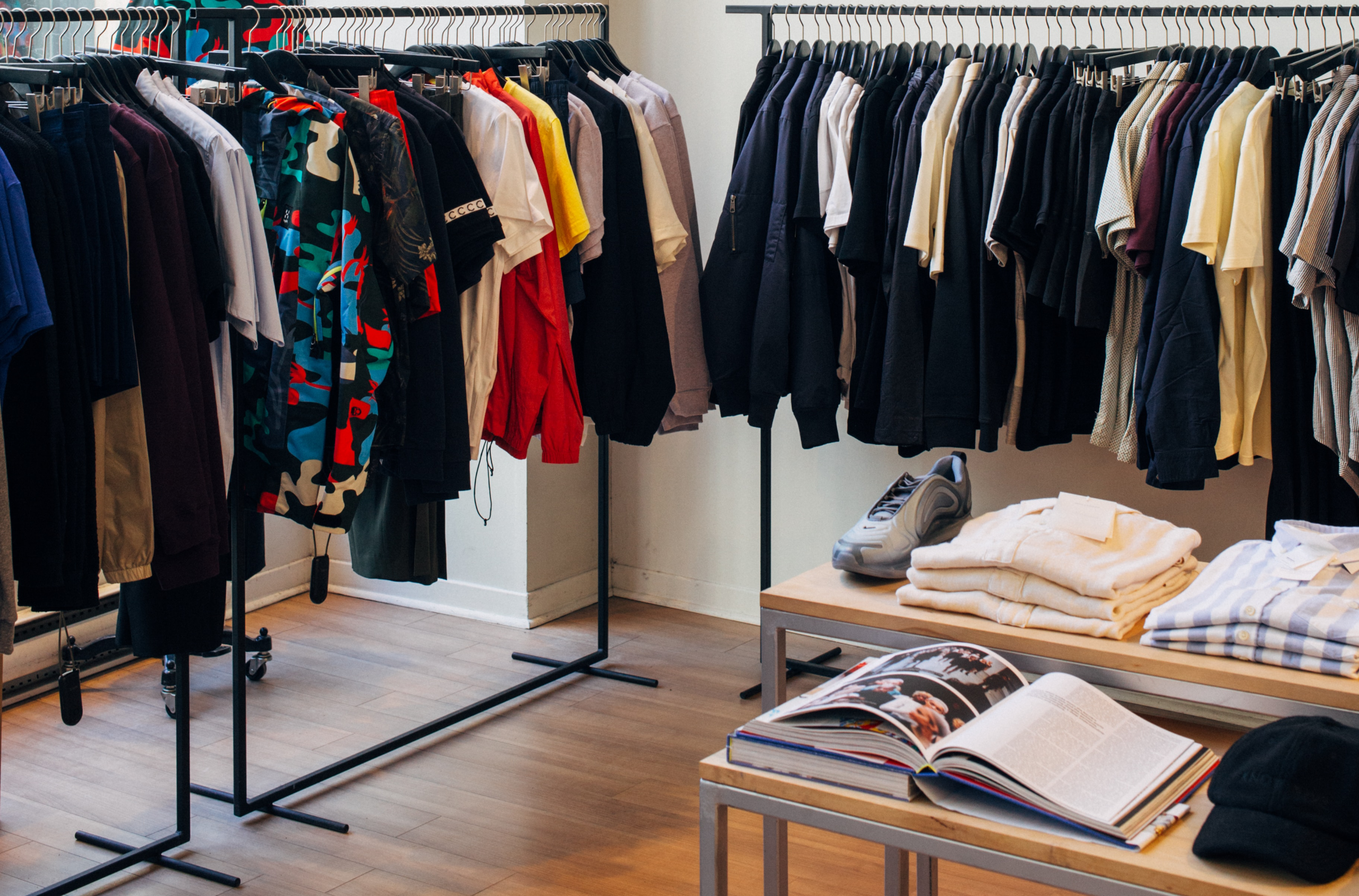
Pullover Sweatshirts
Pullover sweatshirts built around fabric weight, neckline, rib recovery, pattern balance and decoration requirements. Suitable for men’s and women’s programs, with specifications carried from approved sample through repeat orders.
Get a Quote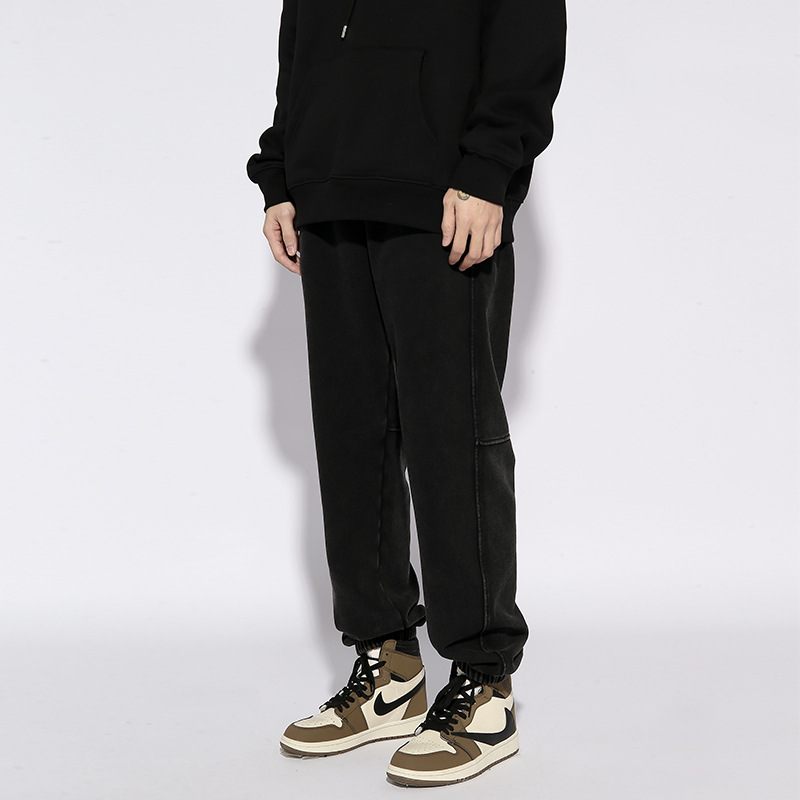
Sweatpants & Joggers
Sweatpants and joggers produced with coordinated fits, waistband construction, pocket details, cuffs, fabric weight and decoration placement. Development supports casualwear, athletic programs and matching sets.
Get a Quote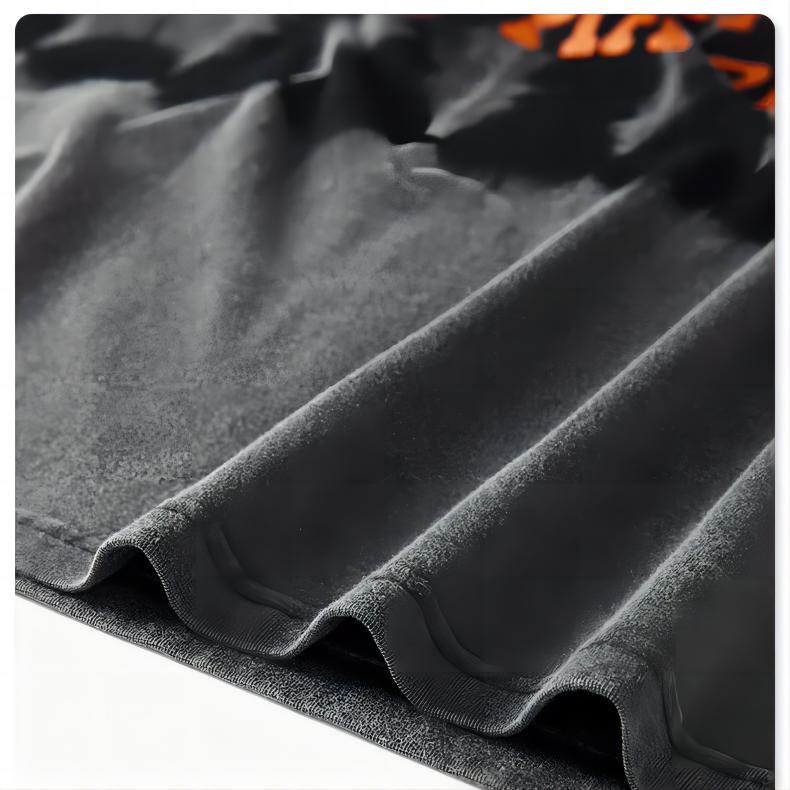
Custom Shorts
Custom shorts developed for streetwear, training, school and wholesale programs. Fabric, inseam, waistband, pockets, mesh or fleece construction, prints and labels are specified to create a production-ready standard.
Get a Quote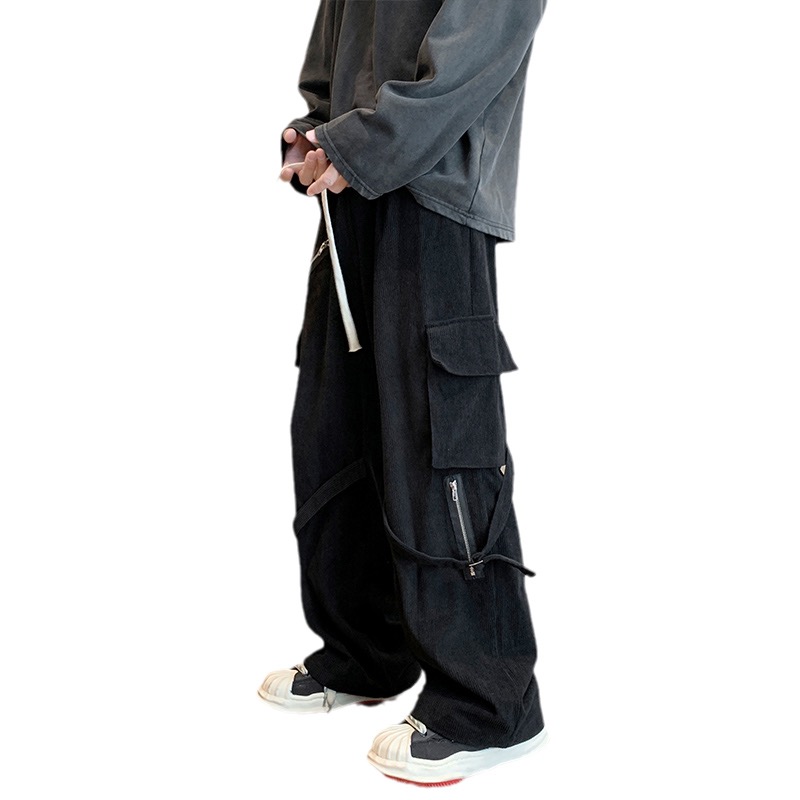
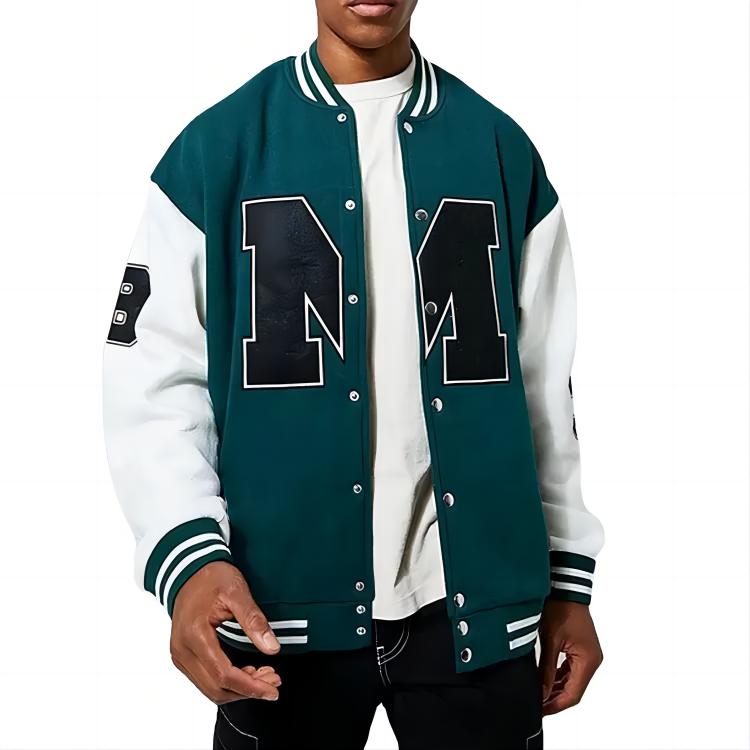
Varsity & Baseball Jackets
Varsity and baseball jackets coordinated across body fabric, sleeves, lining, rib, snaps, patches, embroidery and appliqué. Each component is reviewed during sampling before bulk production begins.
Get a Quote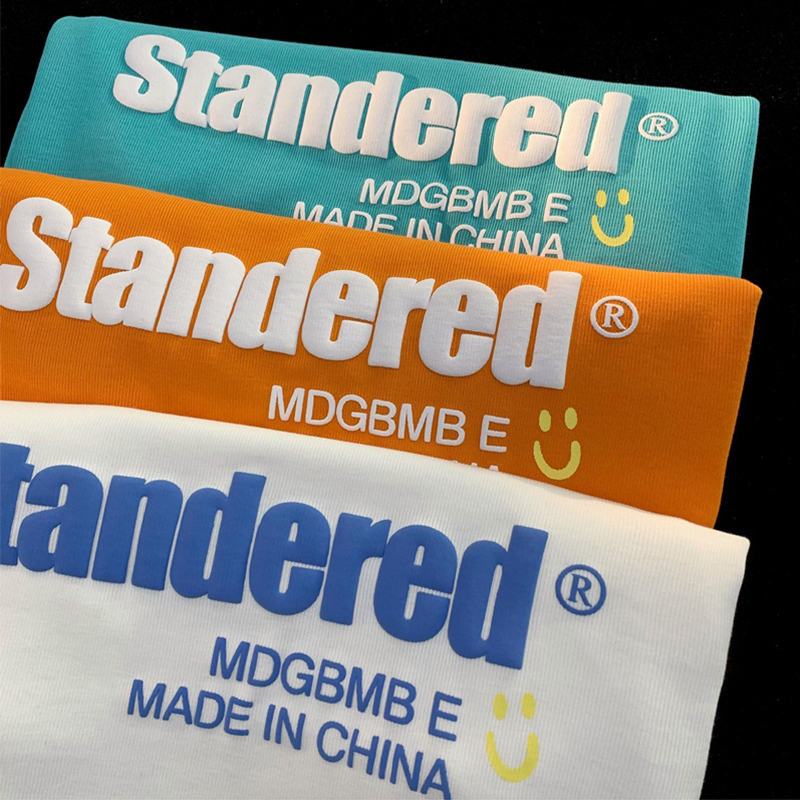
Custom T-Shirts
Custom T-shirts developed with appropriate jersey weight, fit, collar construction, print method, wash treatment and labeling. Available for men’s and women’s collections, promotions and private-label programs.
Get a Quote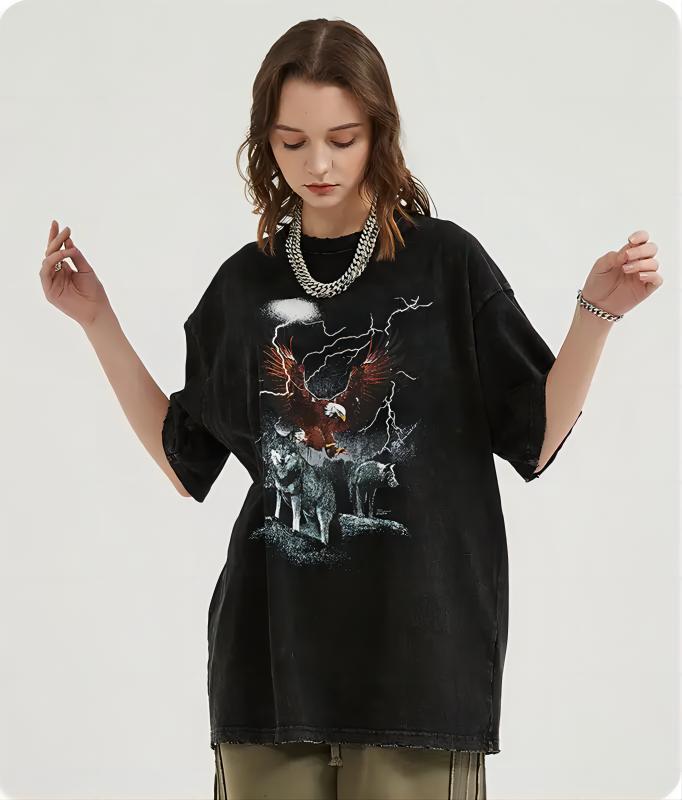
Custom Polo Shirts
Custom polo shirts produced with piqué or performance fabrics, collar and placket construction, embroidery placement, color blocking and sizing requirements. Suitable for uniforms, corporate buyers, schools and branded merchandise.
Get a Quote
Windbreaker Jackets
Windbreaker jackets developed with shell fabric, lining or mesh, zipper selection, hood construction, pockets, elastic details and decoration methods matched to the intended weather and use case.
Get a Quote
Quilted Jackets
Quilted jackets built around shell, lining, insulation, quilting pattern, hardware and finishing requirements. Sampling verifies warmth, construction balance and decoration compatibility before production is released.
Get a Quote
Bomber Jackets
Bomber jackets developed with shell fabric, lining, rib, zipper or snap closures, pocket construction, embroidery and patches. Specifications protect the intended silhouette and details across bulk quantities.
Get a Quote
Custom Shirts
Custom woven shirts produced with fabric selection, collar shape, placket construction, cuff details, fit, grading and labeling aligned to fashion, uniform and private-label requirements.
Get a Quote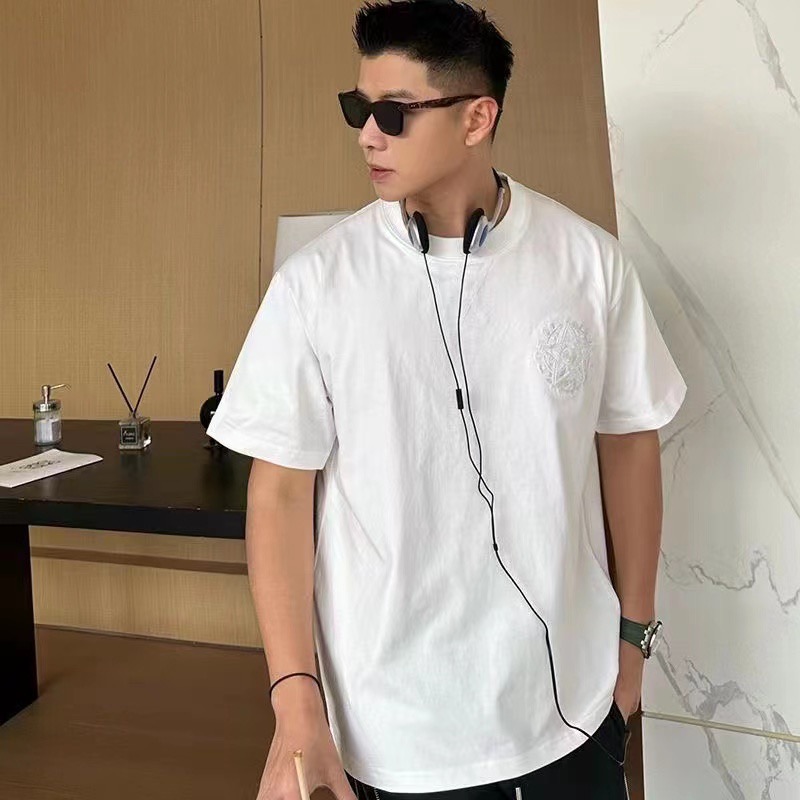
Custom Jerseys
Custom jerseys developed with breathable fabric, panel construction, color matching, sublimation or print placement, names, numbers and organized size sets for teams, clubs and branded programs.
Get a Quote
Tank Tops
Tank tops developed in jersey, mesh or performance fabrics with neckline, armhole, fit and decoration specifications adjusted for athletic, casualwear and streetwear applications.
Get a Quote
Soccer Uniforms
Soccer uniforms coordinated across jerseys, shorts and optional socks, with breathable materials, color consistency, crest placement, names, numbers and sizing managed as one teamwear program.
Get a Quote
Basketball Uniforms
Basketball uniforms developed with performance mesh, jersey and short proportions, side panels, color blocking, sublimation or print artwork, player numbering and team size runs.
Get a Quote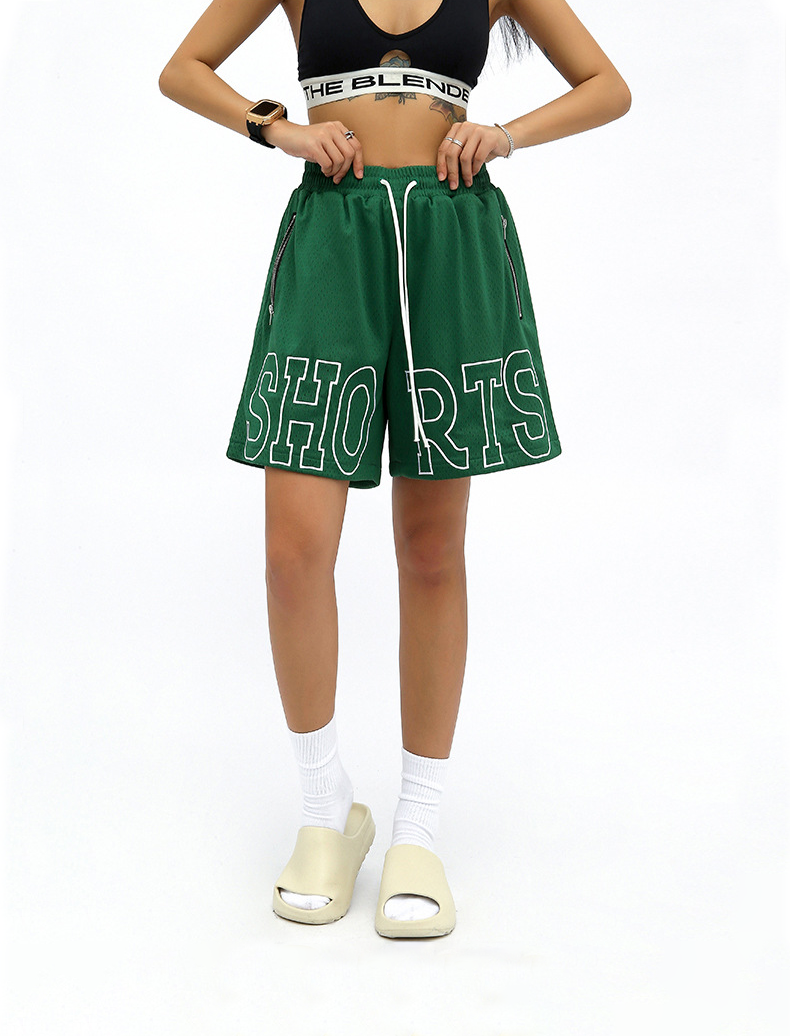
Streetwear Collections
Streetwear collections developed as connected programs across hoodies, T-shirts, sweatpants, shorts, outerwear and woven pieces. EDVORIN coordinates materials, trims, washes, decoration and packaging into repeatable production standards.
Get a QuoteScreen Printed Shorts Manufacturer Materials
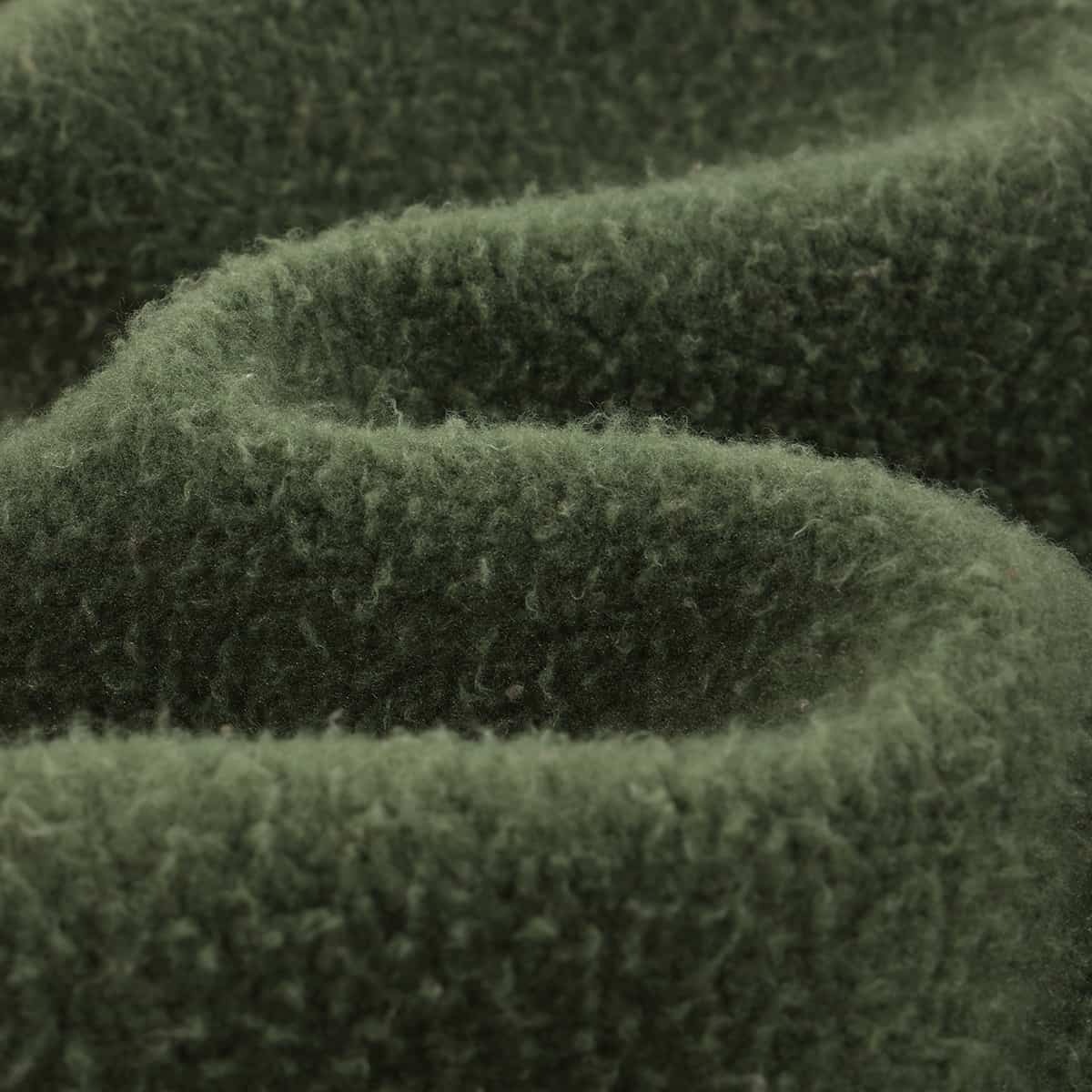
Cotton Fleece
Soft, brushed-back cotton fleece gives sweat shorts a substantial, familiar hand for streetwear and casual collections. Midweight constructions provide an opaque print ground and comfortable warmth, while rib and waistband components can be coordinated for recovery.
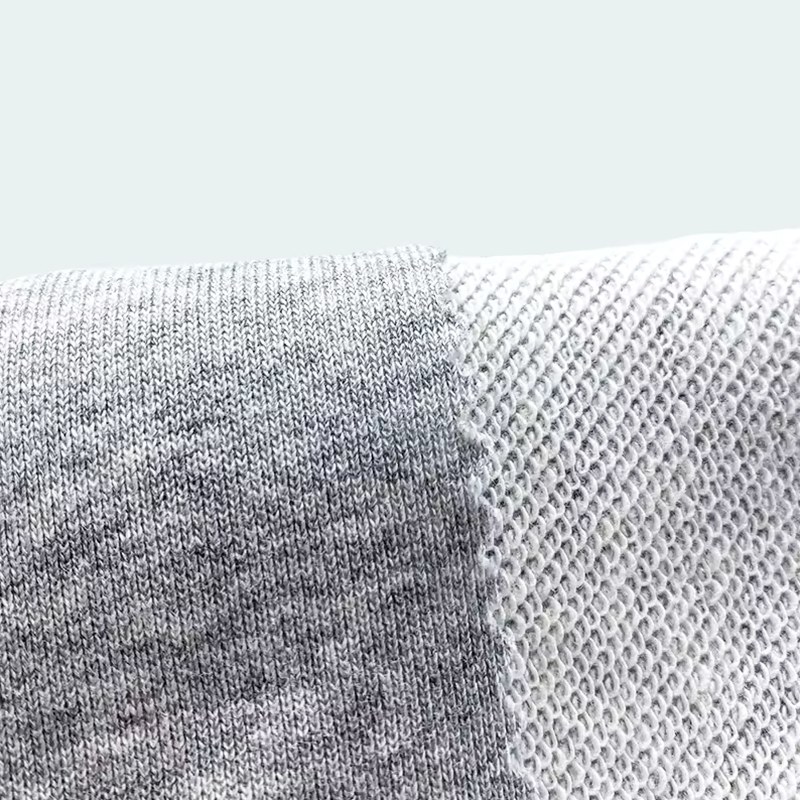
French Terry
French terry has a smooth face with unbrushed loops inside, creating a lighter, breathable feel for everyday shorts. Its stable surface supports clean screen-print placement, while midweight options balance drape, comfort, and year-round wear.

Polyester Mesh
Open-hole polyester mesh feels airy and lightweight for basketball, training, and warm-weather teamwear shorts. The breathable construction helps airflow, and lining or panel choices can be developed to support coverage, color blocking, and intended decoration areas.
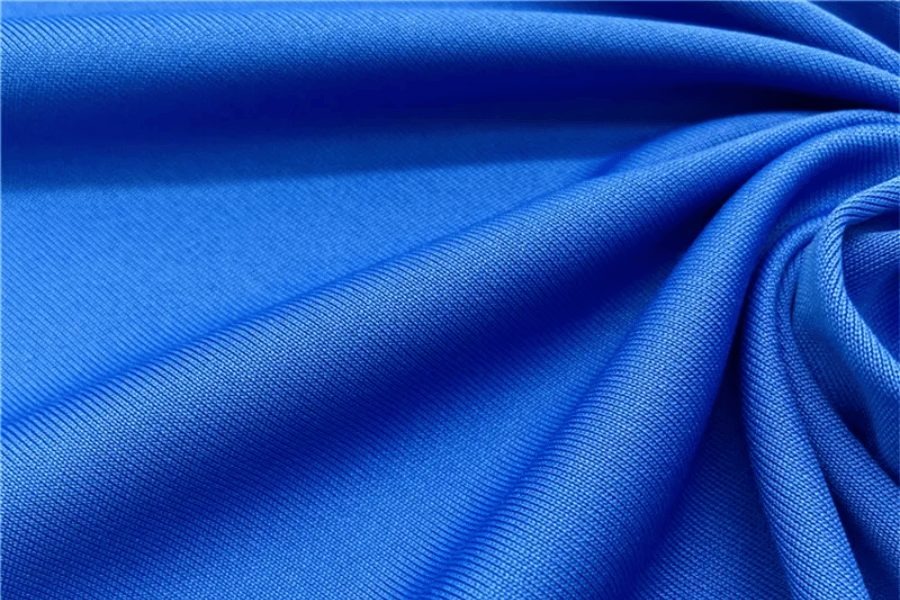
Performance Interlock
Performance interlock offers a smooth, dense knit face with a resilient hand for athletic and team shorts. Polyester-based options are lightweight and quick-drying, helping maintain shape through active wear while providing a consistent surface for graphics.

Nylon Cotton Blend
Nylon-cotton blends combine a crisp, durable outer hand with the natural comfort of cotton for utility and streetwear shorts. The woven construction offers abrasion resistance and structure, making it well suited to cargo pockets and panelled designs.
Screen Printed Shorts Manufacturer Decoration Processes
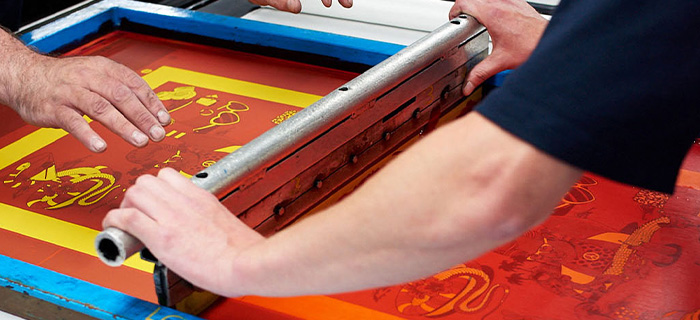
Screen Printing
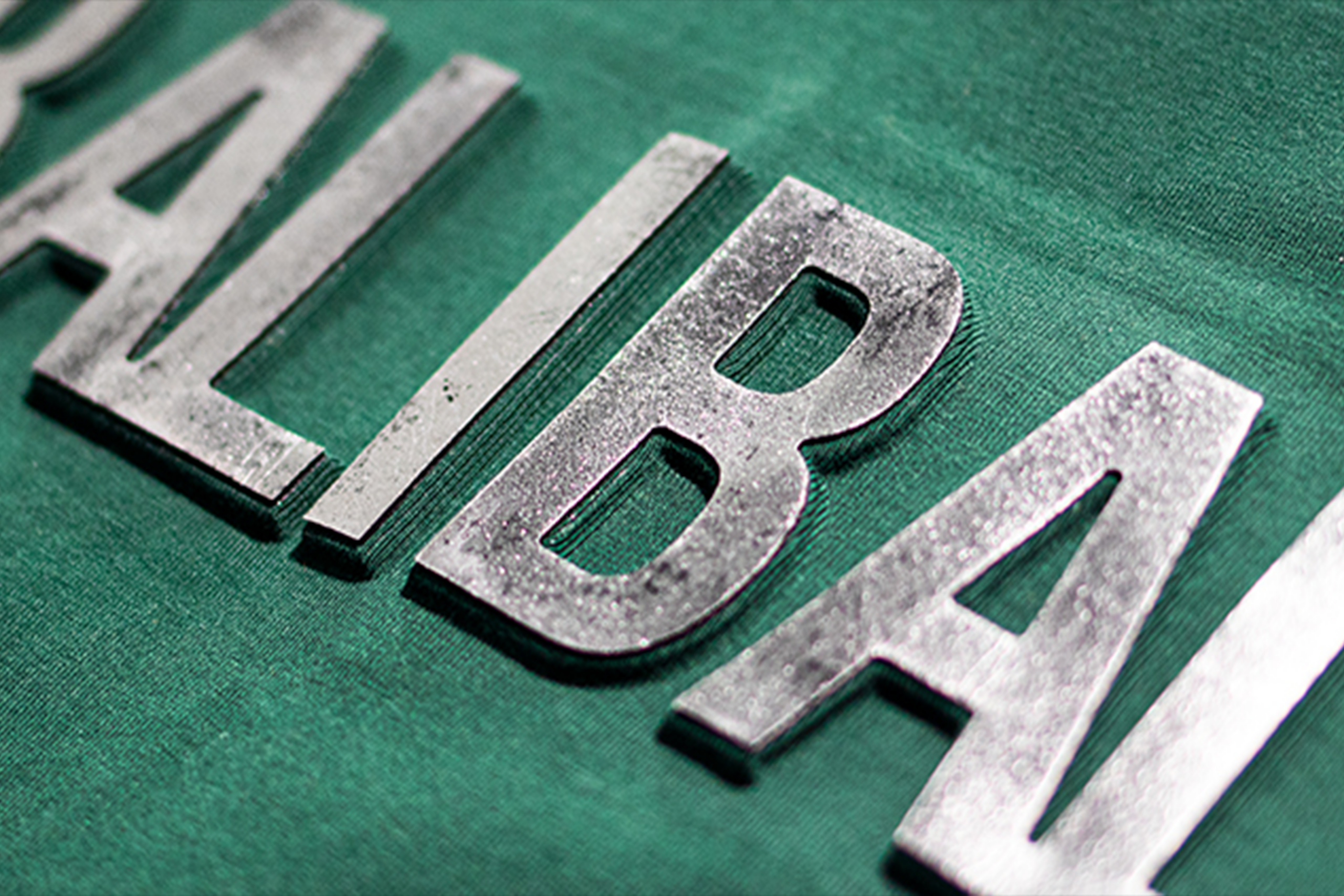
A reliable choice for bold logos, type and spot-color graphics on fleece, jersey and cotton-blend shorts. We review artwork placement, ink coverage and fabric compatibility to create a clear, durable branded result.
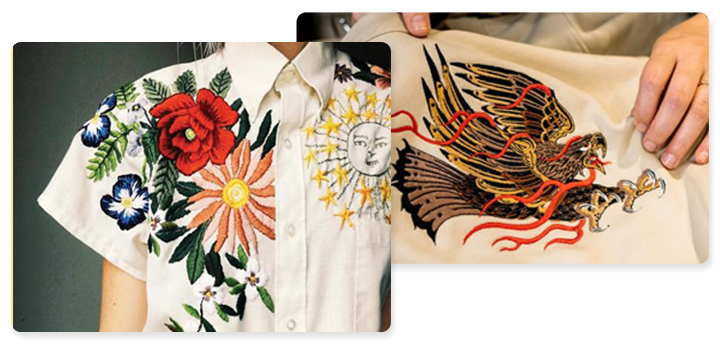
Embroidery Details
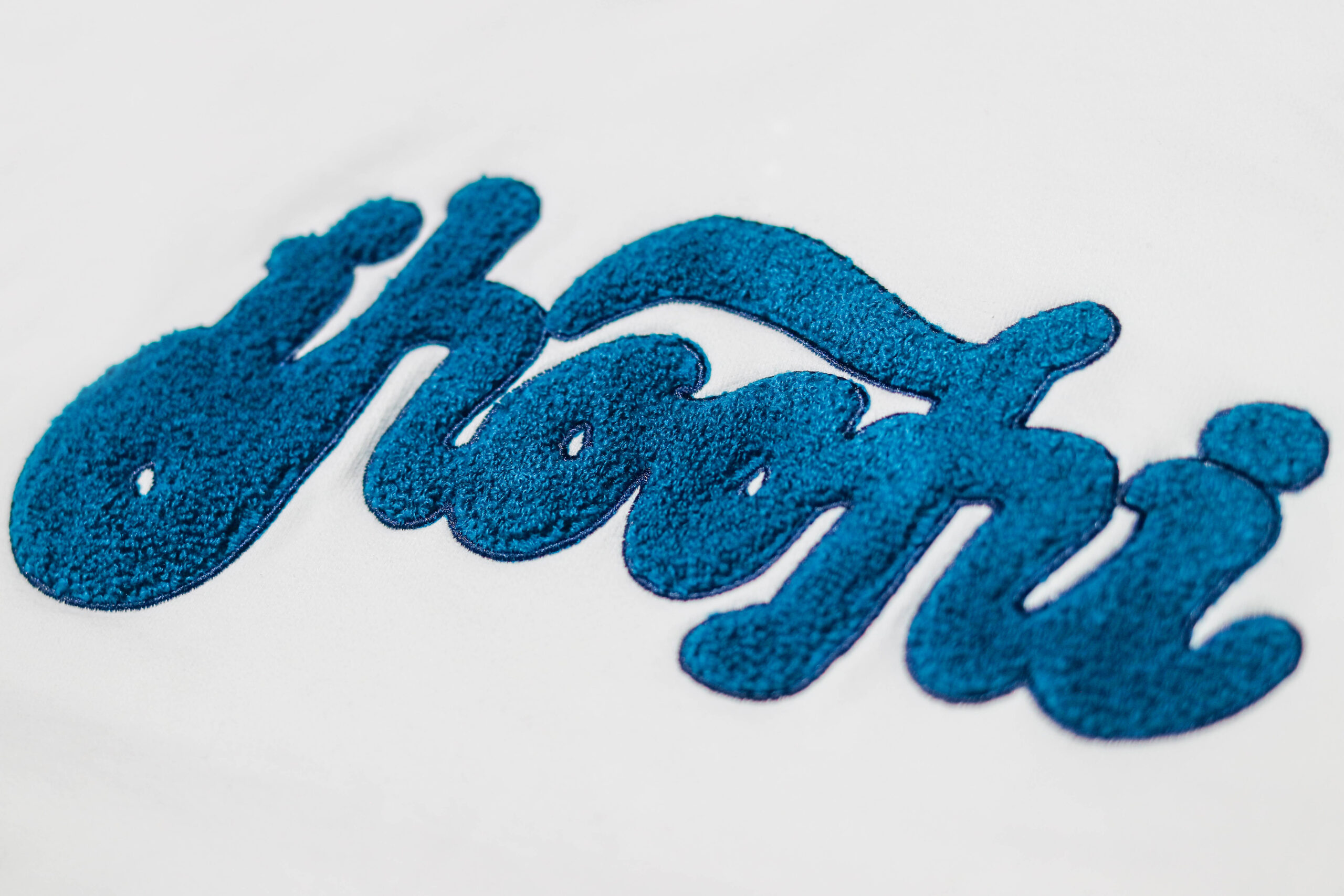
Embroidery adds dimensional logos and refined small-area branding for casualwear, teamwear and premium streetwear shorts. Stitch density, backing and placement are developed around the garment so the finished detail remains clean and stable.
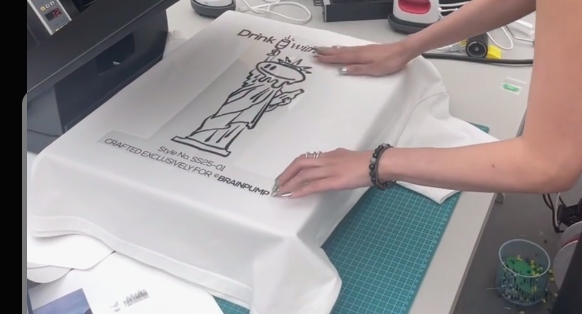
Heat Transfer
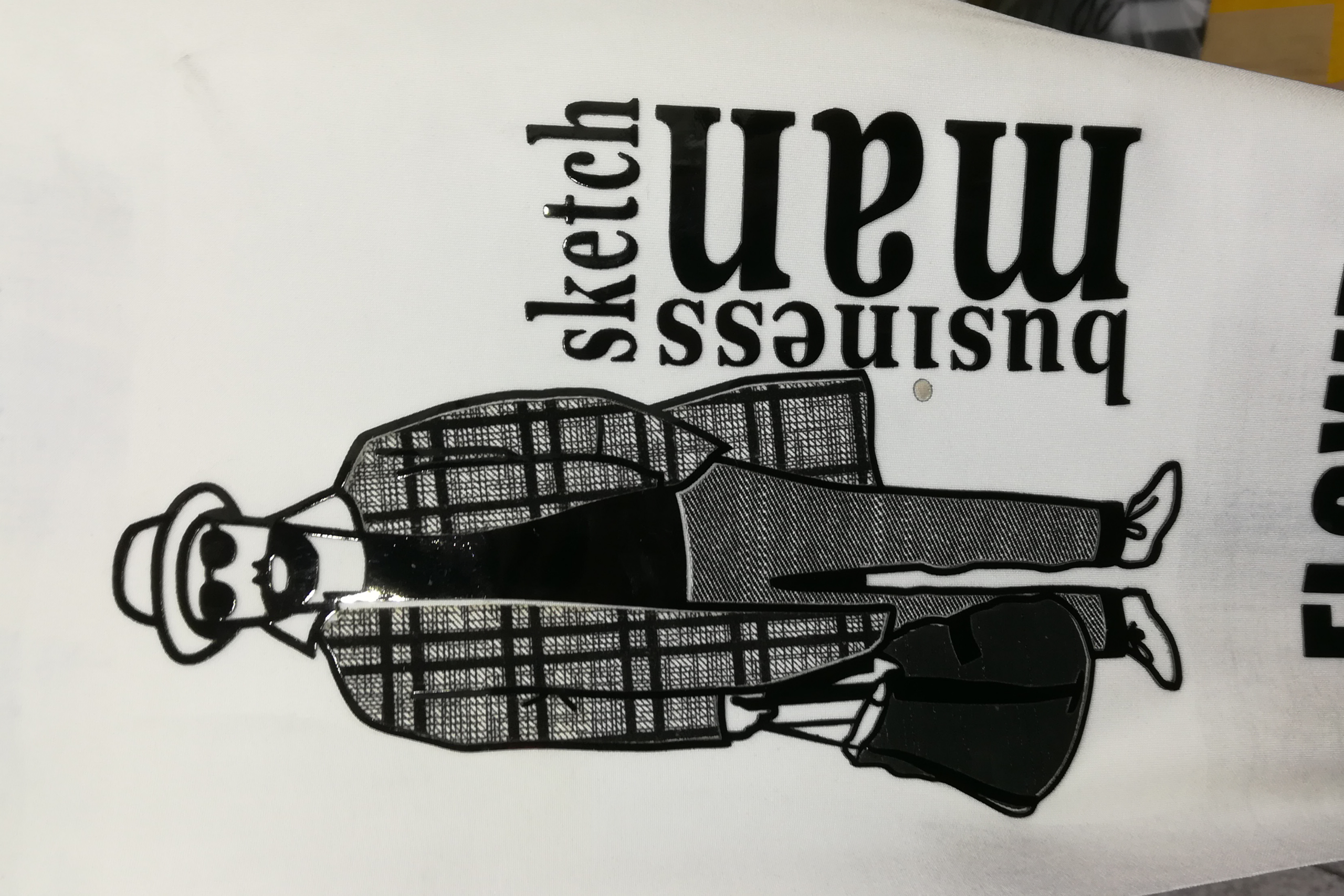
Heat transfers support detailed graphics, player names, numbers and smaller production runs where precise multicolor artwork is needed. EDVORIN tests the application against the selected fabric to help protect adhesion, flexibility and appearance.
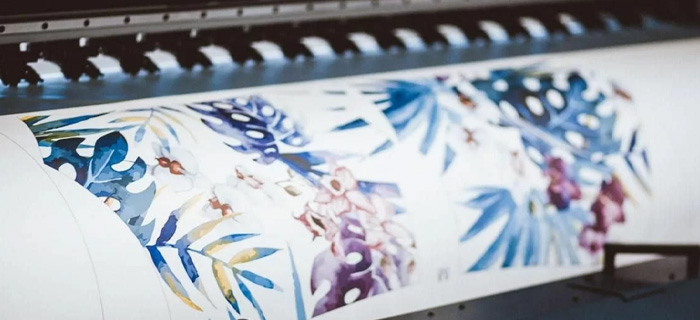
Sublimation Printing
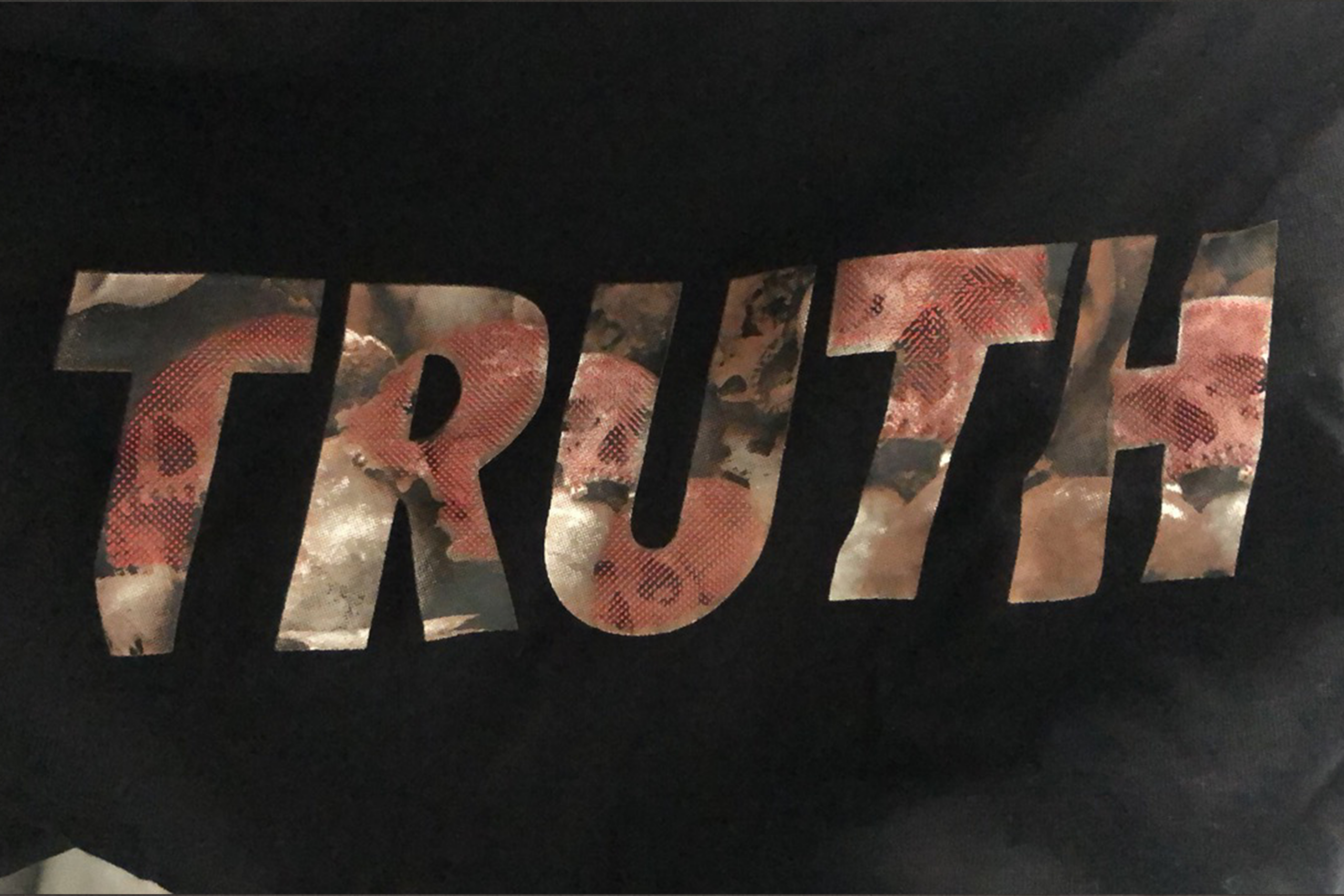
Sublimation is suited to polyester-based athletic shorts requiring all-over color, patterns or integrated team graphics. The process produces lightweight decoration with no added surface layer, while artwork and panel placement are confirmed before bulk cutting.
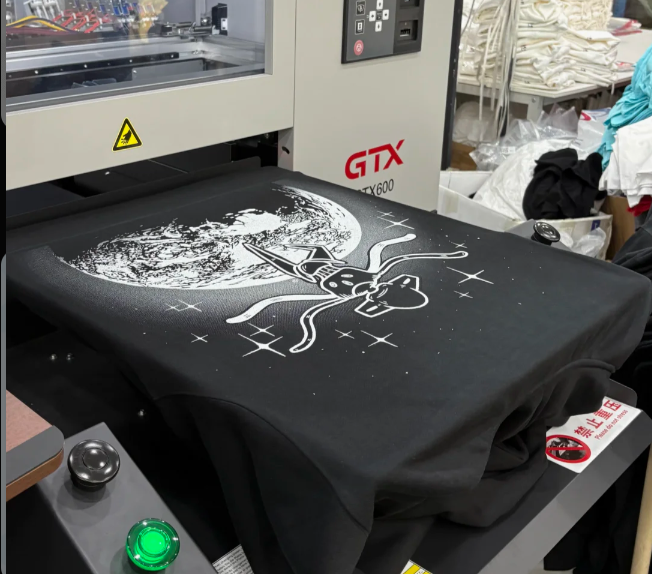
DTG Printing
Direct-to-garment printing is useful for detailed, full-color artwork on compatible cotton-rich short fabrics. Sample review helps confirm color rendering, hand feel and print placement before the approved standard moves into production.
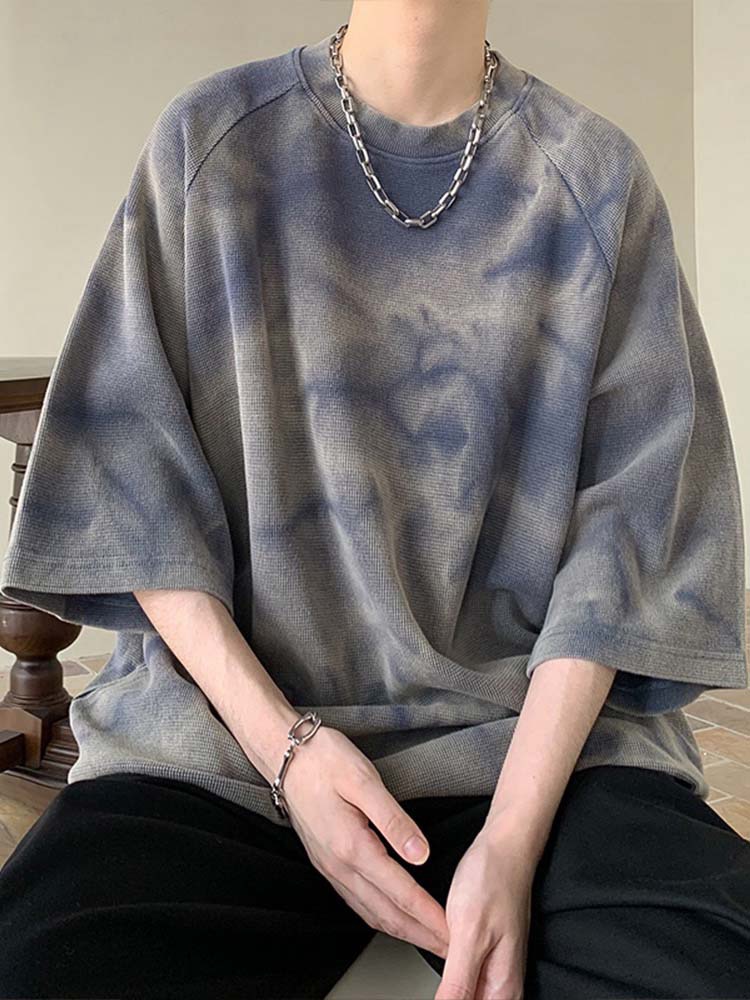
Wash Effects
Wash effects can give fleece and cotton shorts a faded, vintage or softened character after construction. EDVORIN coordinates wash testing with print and trim choices so the intended look remains aligned with the approved sample.
Screen Printed Shorts Manufacturer Accessories and Branding
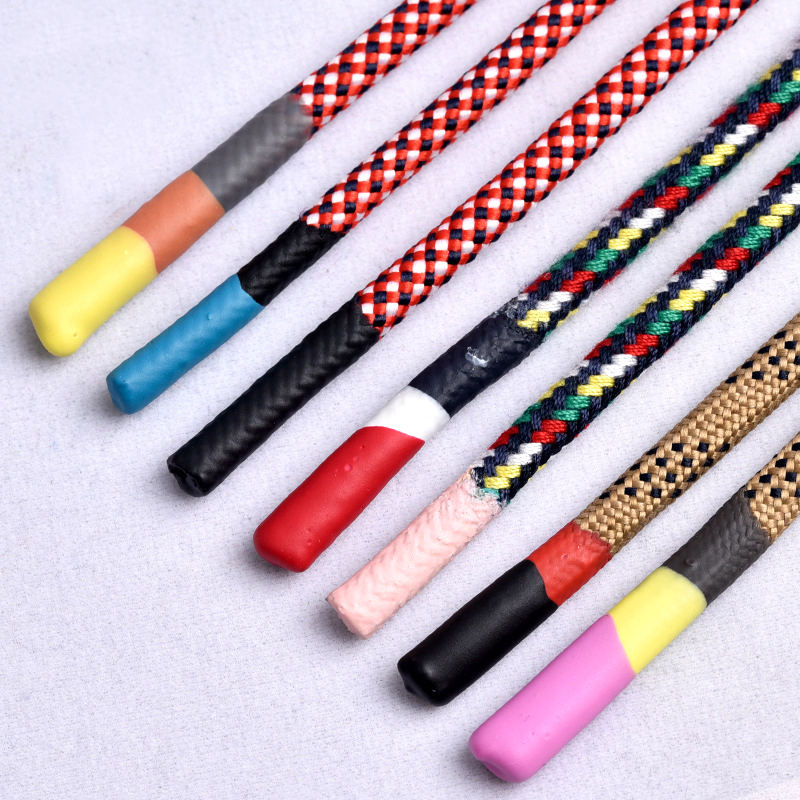
Drawcord and Tipping
Select drawcord material, color, length and tipped finish to complement elastic-waist shorts. EDVORIN records the approved construction so fit adjustment and branded visual details remain consistent across repeat production.
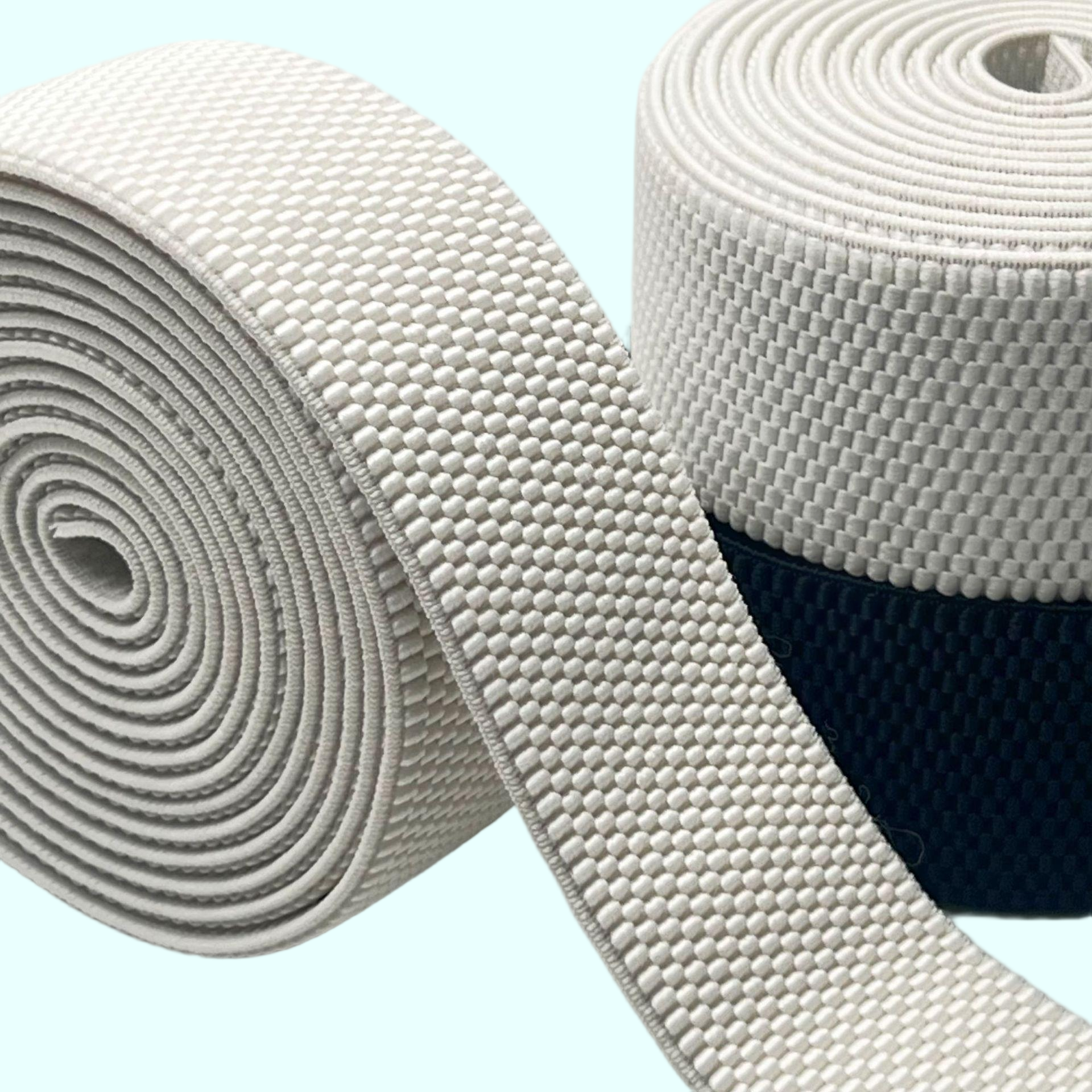
Elastic Waistbands
Match waistband width, recovery and stitch construction to the fabric weight and intended wear. This helps casual, streetwear and team shorts hold their shape while supporting reliable grading across men’s and women’s programs.
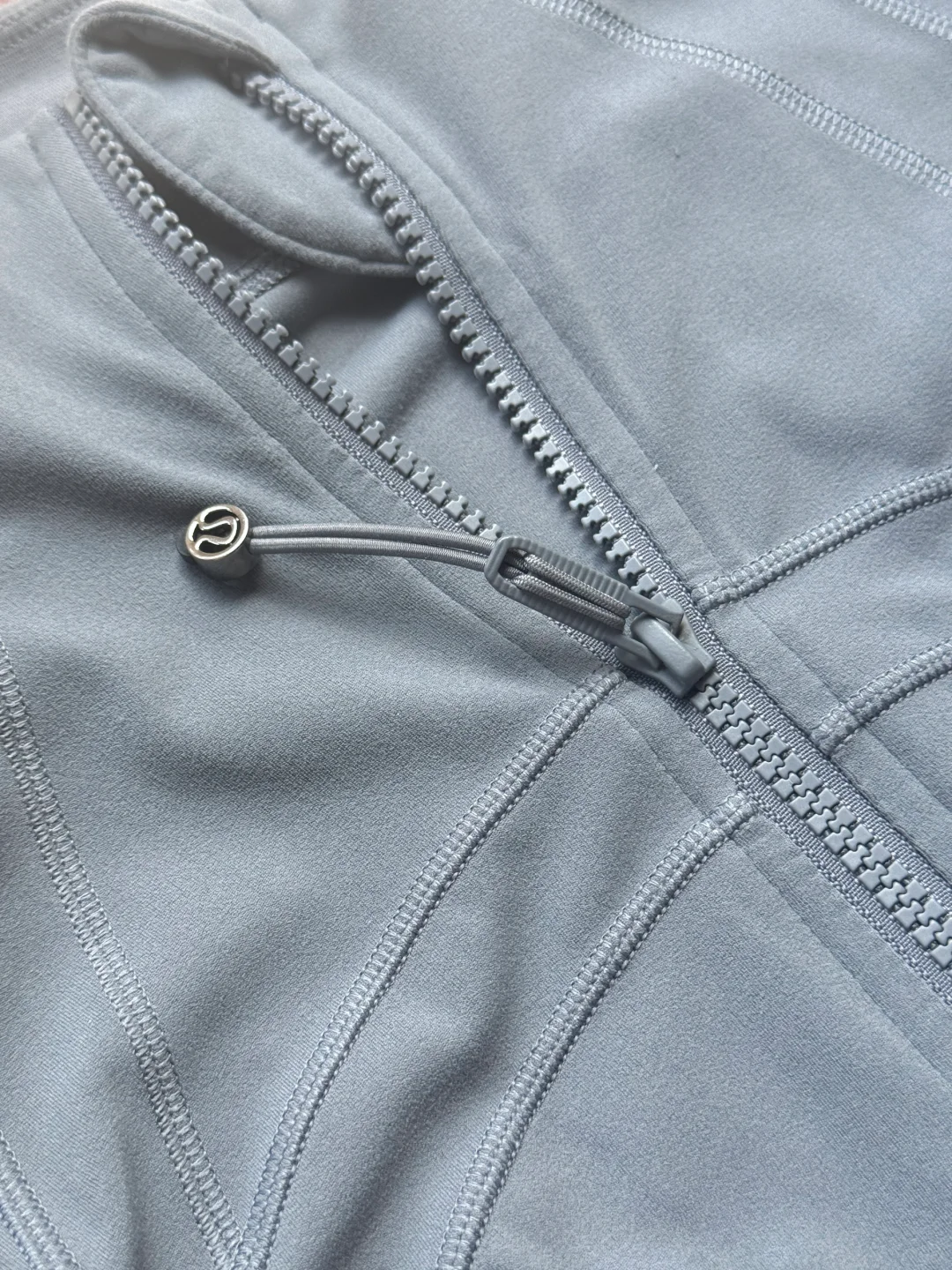
Pocket Zippers
Add zipper closures where secure storage and a more technical finish support the design. Zipper type, tape color, puller and placement are confirmed during development before bulk sewing begins.
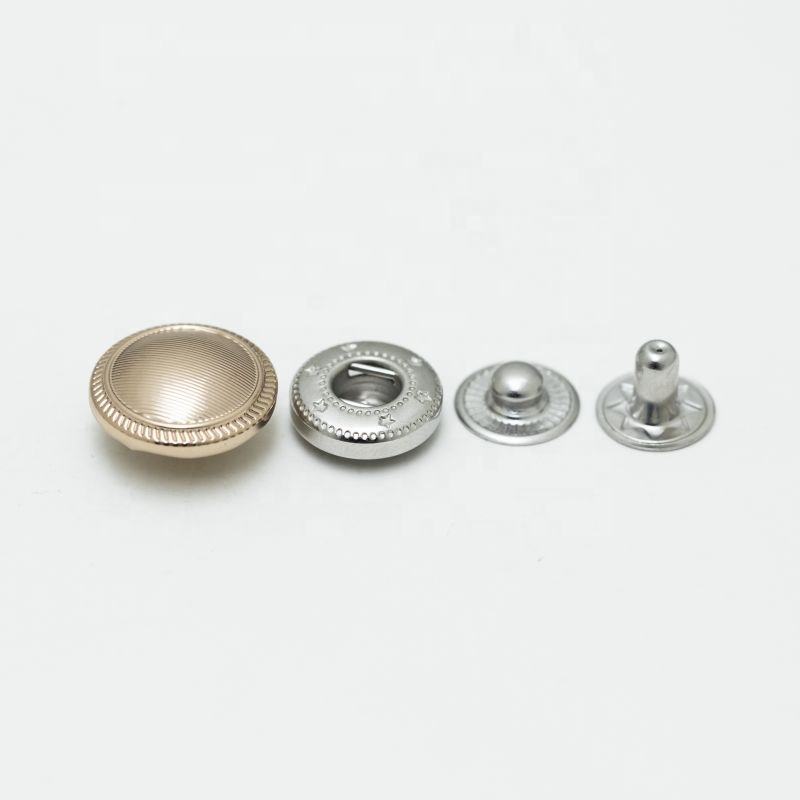
Snap Button Details
Use snap buttons for utility pockets, side openings or convertible styling details. EDVORIN coordinates the hardware finish, attachment position and reinforcement requirements with the garment construction and approved sample.
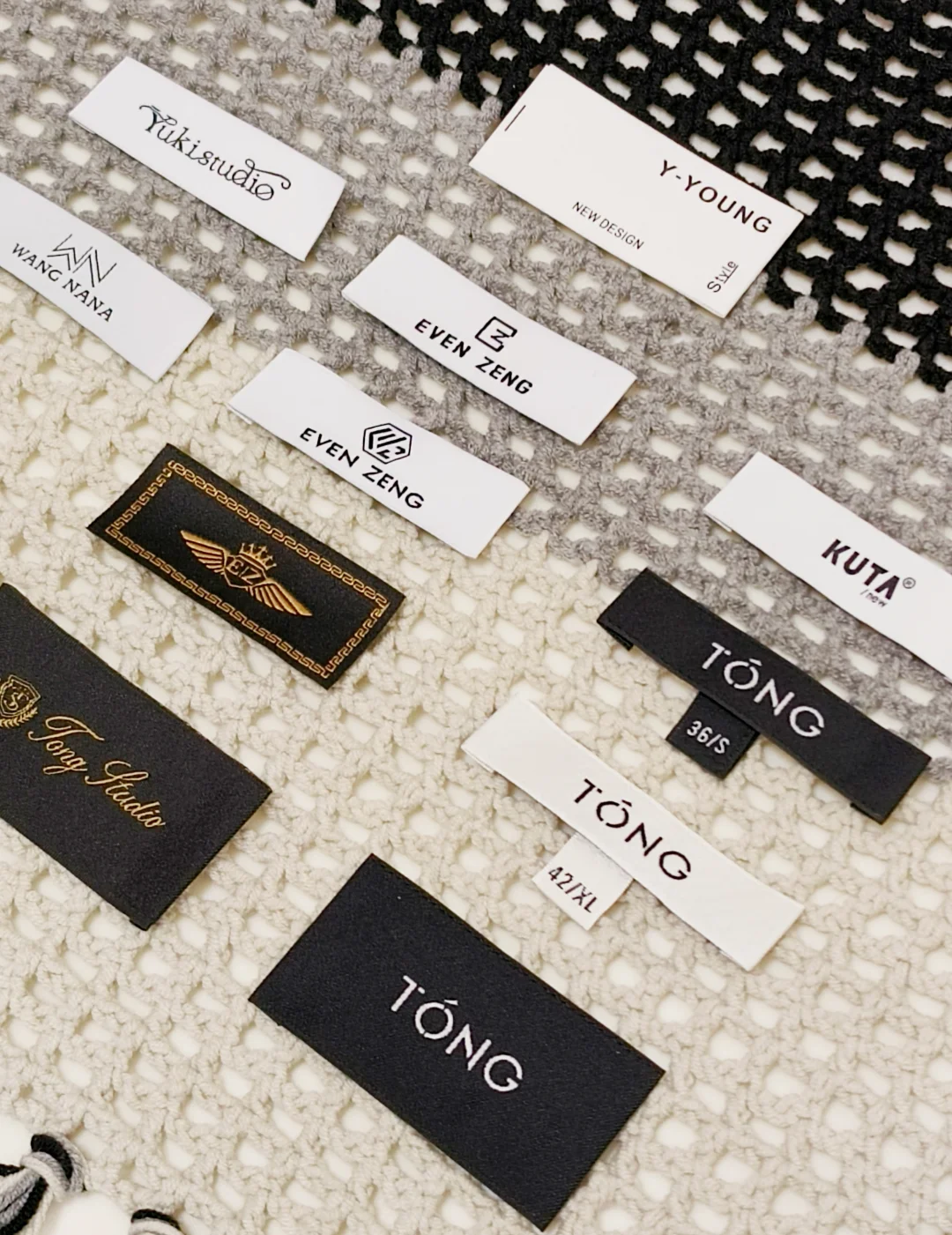
Woven Brand Labels
Woven main labels, size labels and hem tabs give private-label shorts a clear brand signature. Label artwork, fold method, placement and sewing instructions are documented to protect consistency through production.
About EDVORIN: Built to Repeat
Founded in 2000 by Edvorin Zeng, EDVORIN helps fashion brands, streetwear labels and teamwear buyers turn apparel concepts into production-ready programs. As a screen printed shorts manufacturer, we begin by making the important decisions visible: fabric behavior, fit, artwork placement, trims and construction standards.
Our connected workflow brings product development, sourcing, patterns, sampling, screen printing, washing, bulk production, quality control, labeling and packaging under one accountable path. We develop men’s and women’s shorts alongside casualwear, streetwear, outerwear and teamwear, adapting each program to its intended wearer and market.
What distinguishes EDVORIN is the discipline after sample approval. We record the approved standard, coordinate materials and decoration, check production in line and inspect finished orders before packing. That creates a clearer route from first concept to repeat orders for emerging labels, wholesale programs and established private-label buyers.
How EDVORIN Controls Screen Printed Shorts from Sample to Bulk
Technical Development That Holds
EDVORIN turns sketches, reference garments, or complete tech packs into production-ready shorts specifications. Fit, grading, pocket construction, waistband details, fabric weight, and print areas are aligned before sampling so the approved design can guide repeatable bulk manufacturing.
- Men’s and women’s fit development
- Measurement charts and construction details
- Placement dimensions recorded for each graphic
- MOQ starts at 200 pieces per style

Print and Fabric Matched
As a screen printed shorts manufacturer, EDVORIN reviews the base fabric, garment color, artwork coverage, and intended wear before confirming a print approach. This helps protect opacity, hand feel, adhesion, and visual consistency across casualwear, streetwear, and teamwear programs.
- Fabric weight and surface reviewed
- Artwork scale and placement checked
- Ink approach matched to the garment
- Print samples assessed before approval
Approvals Become Production Standards
An approved sample is documented as the working reference for bulk production, not treated as a one-time result. EDVORIN records material choices, measurements, artwork placement, trims, labels, wash requirements, and packaging details so production teams work from the same standard.
- Approved sample retained as reference
- Revision history clarified before bulk
- Labels, trims, and packaging coordinated
- Private-label specifications organized together

Checks Through Packing
EDVORIN builds quality control around the approved standard, with in-line checks designed to catch variation while production is still underway. Final inspection verifies measurements, construction, print appearance, labeling, and packing before the order is released for shipment.
- In-line measurement and construction checks
- Print placement and appearance reviewed
- Final order inspection before packing
- Packed goods checked against specifications
Why Choose EDVORIN as Your Screen Printed Shorts Manufacturer
Compare one accountable production path with a typical fragmented supplier setup.
← Swipe left or right to view →
Screen Printed Shorts Manufacturer Production Timeline
EDVORIN moves each approved shorts program through one accountable path, from technical review and sourcing to packing readiness.
Review the Production Brief
We review your tech pack, artwork, measurements, fit requirements, placement details and commercial targets, then identify decisions needed before development begins.
Source Materials and Sample
Fabric, elastic, drawcords, labels and print specifications are coordinated into a sample for fit, hand feel, color and decoration approval.
Cut and Apply Prints
After approval, production materials are checked, panels are cut, and screen-print artwork is applied according to documented placement and color standards.
Sew and Inspect Garments
Cut panels move through sewing and assembly, with in-line checks focused on construction, measurements, print condition and consistency against the approved sample.
Finish Pack and Prepare
Completed shorts receive final inspection, labeling and packaging review before orders are packed to the agreed specification and prepared for shipment.
How to Start with a Screen Printed Shorts Manufacturer
Send a finished specification or an early concept; EDVORIN turns it into an approved, production-ready shorts program with clear checkpoints from quote to delivery.
Share Your Brief
Send your tech pack, sketch, reference garment or artwork, along with target quantities, sizing, fabric direction and required print placement.
Confirm the Production Plan
EDVORIN’s MOQ starts at 200 pieces per style. Review the quotation, MOQ, materials, construction, decoration approach, trims and packaging details so the program has a clear manufacturing standard.
Approve Your Sample
Assess fit, fabric, color, screen-print result and finishing on the developed sample, then document revisions before releasing the approved standard.
Release Bulk Production
EDVORIN coordinates sourcing, cutting, sewing, printing, quality checks, labeling and packing against the approved sample for repeatable bulk execution.
Coordinate Final Delivery
Confirm final inspection, packed quantities and delivery requirements with your team, keeping the completed shorts order organized through dispatch coordination.
Certified Standards for Responsible Apparel Production



Customer Testimonial Status
Customer testimonial to be added after written approval is received.
Customer testimonial to be added after written approval is received.
Customer testimonial to be added after written approval is received.
Screen Printed Shorts Manufacturer FAQ
Clear answers for buyers planning a custom shorts program with EDVORIN.
What is the MOQ for a screen printed shorts manufacturer?
Can a screen printed shorts manufacturer make a sample before bulk production?
How do I choose the right screen printed shorts manufacturer for my brand?
How long does custom screen printed shorts production take?
What artwork files are needed for screen-printed shorts?
Which print method is best for custom shorts?
How does a screen printed shorts manufacturer protect my tech pack and specifications?
Can EDVORIN arrange payment and shipping for a shorts order?
The Complete Screen Printed Shorts Manufacturer Buyer’s Guide
Use this practical framework to compare supplier capabilities, fabrics, print quality, pricing, and production controls—while avoiding sourcing mistakes that can erode margins, delay launches, or weaken your brand presentation.
1. What Is a Screen Printed Shorts Manufacturer?
200-piece programs commonly need more than a logo printed on a stocked blank. A screen printed shorts manufacturer converts a buyer’s specification into a repeatable product standard: fabric and color selection, pattern and grading, pockets, waistband, print placement, sample approval, bulk sewing, inspection, labels, and packing.
2 sourcing models are often confused. A blank-garment decorator buys finished shorts and applies artwork within the existing garment’s fit, colors, seams, and available sizes; a cut-and-sew or private-label partner can develop those variables before production. For branded collections, the latter should document measurement tolerances, Pantone references, artwork size and placement, ink/fabric compatibility, and labeling requirements.
EDVORIN supports that connected path from development through bulk fulfillment. Buyers should expect an approved sample to become the control reference for printing, construction, in-line quality checks, final inspection, size sorting, and shipment-ready packaging.
2. Evolution of Screen-Printed Shorts
1970s teamwear and promotional shorts commonly relied on straightforward spot-color logos, where screen printing suited repeat graphics and organized uniform orders. Cotton jersey and basic polyester constructions kept artwork, placement, and color control relatively simple.
1990s streetwear expanded shorts into a graphic product: heavier fleece and French terry, longer silhouettes, oversized leg prints, and specialty effects such as puff or high-density ink made the garment itself part of the brand statement. Performance programs moved in parallel toward lightweight polyester and mesh, requiring ink choices that preserve stretch, breathability, and hand feel.
2026 private-label buyers should source from a screen printed shorts manufacturer with a production-ready brief: fabric composition and weight, Pantone references, artwork separations, exact placement measurements, and an approved sample. That documentation turns a visually ambitious short into a standard that can be repeated across sizes and reorder cycles.
3. Types of Screen Printed Shorts Manufacturers
Five partner models cover most screen-printed shorts sourcing. Match the model to whether speed, a proprietary garment, branded finishing, or performance construction is the priority.
| Model | Best Use | Customization |
|---|---|---|
| Blank-stock printer | Fast graphic test | Low |
| Cut-and-sew factory | Proprietary product | High |
| Private-label specialist | Branded range | Medium-high |
| Sportswear producer | Teams and clubs | High performance |
| Sourcing intermediary | Multi-factory access | Variable |
Blank-Stock Printers
Blank-stock printers decorate ready-made shorts quickly. They suit event, promo, and early retail tests, but fit, fabric, and pocket specifications remain largely fixed.
Custom Production Partners
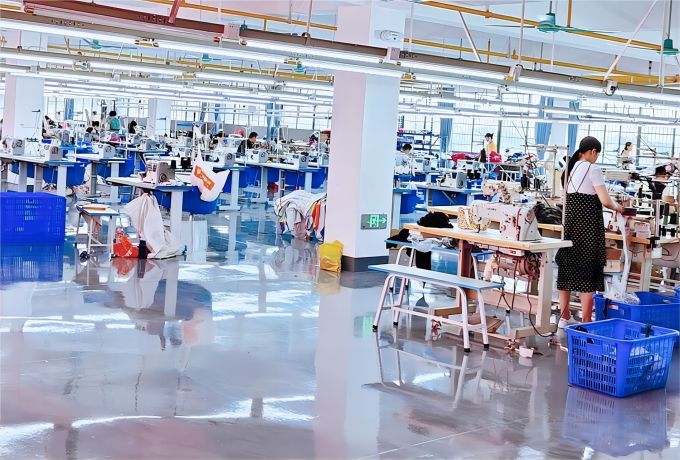
Cut-and-sew factories build the short from an approved pattern and material. Private-label specialists add labels, packaging, and repeatable brand specifications for growing collections.
Performance And Sourcing Models
Sportswear producers prioritize team sizing, durable graphics, and technical fabrics. Sourcing intermediaries coordinate factories, but buyers should confirm who owns sampling, quality control, and accountability.
4. Fabrics for Screen-Printed Shorts
200–320 GSM fabrics suit structured streetwear shorts, while 120–180 GSM fabrics prioritize airflow. A screen printed shorts manufacturer should test ink, opacity, and wash behavior on the approved fabric before bulk.
| Fabric | GSM | Hand And Function | Best Use |
|---|---|---|---|
| Cotton fleece | 280–320 | Plush, opaque; moderate breathability | Streetwear |
| Cotton jersey | 160–220 | Soft, breathable; good print surface | Casual or promotional |
| Polyester mesh | 120–160 | Airy; lower opacity | Teams |
| Performance polyester | 140–180 | Smooth, moisture-managing | Training |
| Nylon | 100–160 | Crisp, lightweight; low absorbency | Activewear |
| Cotton-poly blend | 200–280 | Balanced feel and durability | Everyday programs |
Match Fabric To End Use
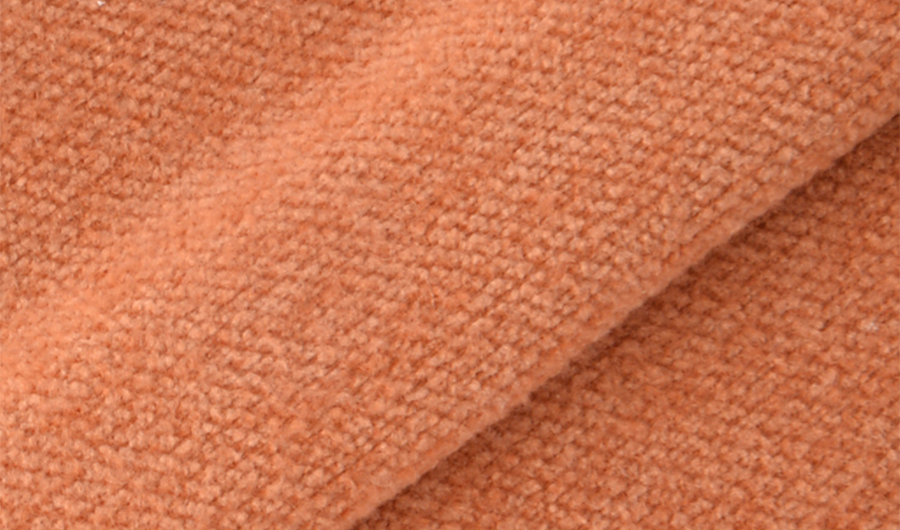
280 GSM fleece gives a substantial, opaque hand for streetwear and casual programs. Cotton jersey feels softer and lighter, making it practical for promotional shorts.
Control Print Results
150 GSM mesh needs an underbase for bright artwork because its open construction can reduce opacity. Nylon requires compatible low-cure ink and testing because smooth surfaces can challenge adhesion.
5. Screen Print and Branding Options
EDVORIN’s MOQ starts at 200 pieces per style. At a 200-piece MOQ, screen printing usually gives the best unit economics for repeated spot-color artwork. EDVORIN records ink type, Pantone target, placement, and approved artwork before bulk production.
| Method | Effect | Best Use | Cost Driver |
|---|---|---|---|
| Plastisol | Opaque, durable | Bold logos | Colors and screens |
| Water-based | Soft hand | Cotton graphics | Fabric absorbency |
| Transfer | Fine detail | Small runs | Per-piece application |
| Embroidery | Textured logo | Small chest or leg marks | Stitch count |
Print Method Selection
Plastisol delivers opaque color and strong wash durability; water-based gives a softer hand. Puff and high-density add raised texture, while discharge suits dischargeable dark cotton.
Artwork And Placement
Four-color designs increase setup and registration demands, especially on seams, pockets, and stretch panels. Transfers suit small runs or photo-detail art; embroidery works best for compact logos.
Branding Finish
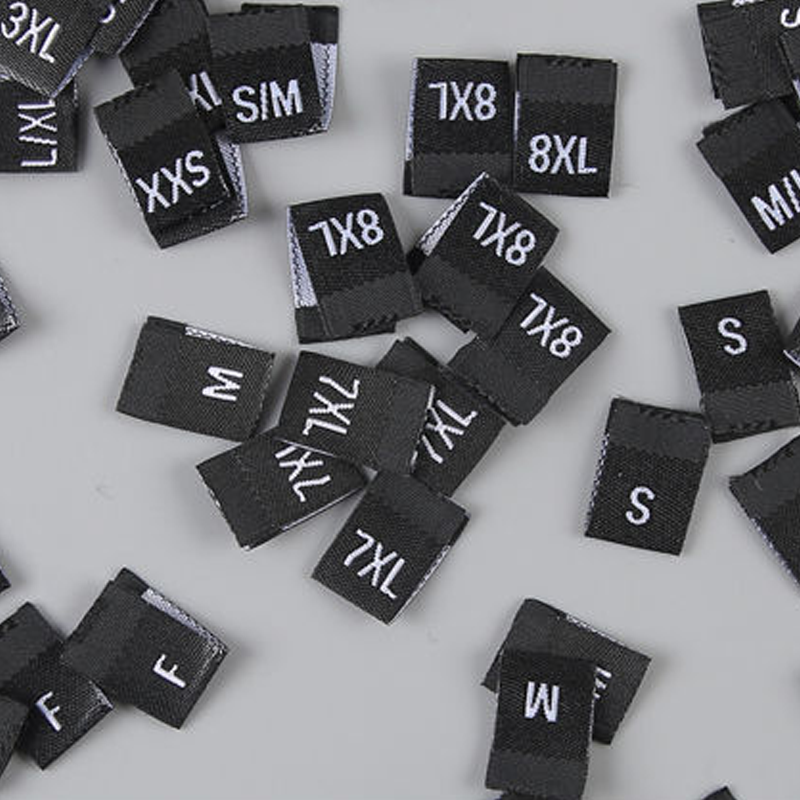
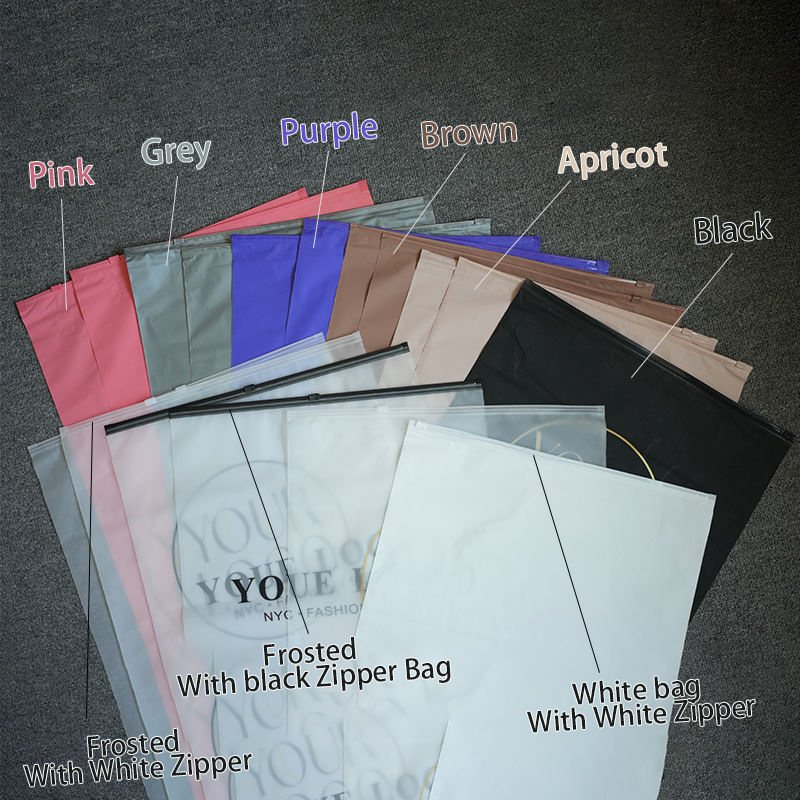
Three touchpoints—woven label, hangtag, and retail-ready packaging—make the product identifiable after decoration. Specify label position, barcode data, bag size, and folding method in the packing standard.
6. Construction Quality for Printed Shorts
One approved pre-production sample should become the signed reference for repeat bulk orders. A screen printed shorts manufacturer should record measurable construction and decoration tolerances before cutting begins.
Fabric And Waistband Recovery
Two recovery checks—stretch, then 30-minute relaxation—should confirm the fabric returns without bagging. Elastic waistband length, width, stitch channel, drawcord exit points, and knot or tip retention should match the approved sample.
Seams, Pockets And Measurements

Three inspection points per pocket should verify opening width, bag depth, bartacks, and secure attachment. Inseam and outseam measurements need graded tolerances, while consistent stitch density and seam strength should be checked on both leg seams.
Print Durability Checks
One placement sheet should specify artwork dimensions, registration marks, and distances from seams or hems. Curing must be verified with a wash test: inspect cracking, color loss, adhesion, and print distortion after laundering the approved sample.
7. Choosing a Screen Printed Shorts Manufacturer
A capable screen printed shorts manufacturer proves its process with shorts-specific samples, dated approvals, and production records. Evaluate evidence against your artwork, fabric, size range, and delivery window.
Verify Shorts Experience
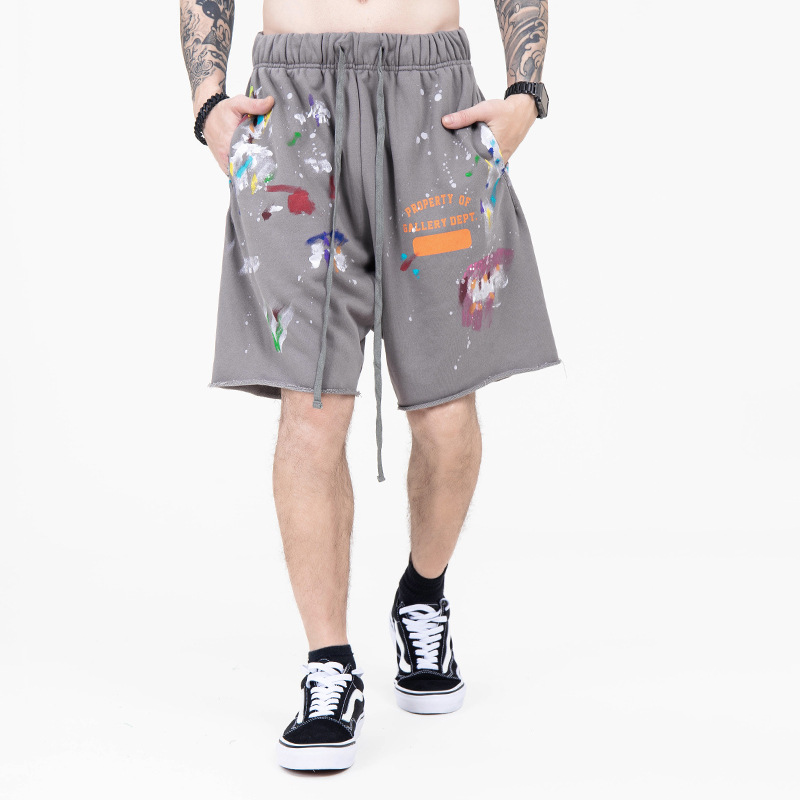
EDVORIN’s MOQ starts at 200 pieces per style. 2 comparable shorts samples reveal more than a category list. Ask for inside-seam, pocket, waistband, and print photos.
200-piece programs need clarity on size and color splits. Ask whether MOQ applies per style, colorway, or print design.
Test Prepress And Sampling
Pantone references, print dimensions, and placement points should appear on prepress approvals. Ask who checks separations, underbase requirements, and artwork revisions before screens are made.
1 approved sample should become the bulk standard. Ask for the sample timeline, revision limit, and how approval changes are logged.
Confirm Production Controls
7–14-day sample windows and bulk lead times should be written estimates, not promises. Ask about line capacity, in-line inspection, final AQL method, and delay escalation.
PO documents should connect measurements, labels, packing, cartons, and shipping terms. Ask for a production schedule, inspection report, carton marks, and freight handoff support.
8. Common Screen-Printed Shorts Sourcing Mistakes
Seven preventable specification gaps can turn an approved short into delayed inventory, rework, or margin loss. A capable screen printed shorts manufacturer needs decisions recorded before bulk cutting, not resolved on the line.
Lock The Technical Standard
One tech pack should state fabric, GSM, Pantone references, measurements, print size, placement, labels, and packaging. Missing callouts create quote assumptions; prevent this with a dated approval file and revision log.
Sequence Fabric And Artwork
Fabric must be selected before artwork approval because fleece, French terry, and mesh accept ink differently. Confirm the printable panel dimensions and seam clearance on the pattern; otherwise artwork may require resizing or relocation.
Test Samples And Grading
One pre-production sample is insufficient without wash testing for shrinkage, print cracking, and color change. Review the full size grade, including waist stretch and inseam, so extended sizes do not distort fit.
Compare Like For Like
Two quotes are comparable only when quantity, fabric, color count, print method, trims, inspection level, and delivery terms match. Define acceptable defects, rework responsibility, and claim timing before deposit to avoid disputed shortages.
9. Launching a Screen-Printed Shorts Collection
A launch calendar should begin with the target wearer, selling channel, price point, and required delivery date. A capable screen printed shorts manufacturer converts those decisions into gated approvals before fabric or production capacity is committed.
Brief And Technical Standard
Week 1: define silhouette, inseam, pockets, fit, colorway, and target customer in a product brief.
Week 2: lock measurements, construction, labels, packaging, Pantone references, and placement dimensions in the tech pack.
Artwork And Sample Gates
Prototype stage: submit vector artwork with spot colors, print size, and underbase requirements.
Sample review: approve fabric handfeel, print adhesion, wash test, and a graded size set before production.
Bulk Release And Delivery
Production sample: compare approved measurements, color, placement, stitching, and trims against the signed standard.
Purchase order: confirm quantity, inspection level, packaging, freight cutoff, and delivery buffer before bulk release.
10. Screen Printed Shorts Manufacturer Pricing
200 units is a practical quote baseline: compare FOB unit cost, one-time screen setup, and freight separately before approving. Fabric weight, fiber blend, pocket construction, labels, and retail-ready packaging all change the factory cost.
1 to 4 spot colors usually add screens and make-ready; two print locations multiply handling, registration, and inspection time. Water-based, plastisol, puff, and discharge inks should be quoted by artwork and fabric compatibility, not assumed interchangeable.
15 to 35 days is an indicative bulk-production range after material and sample approval; international freight, duties, and destination delivery complete landed cost. A screen printed shorts manufacturer should show each component so higher volumes can be evaluated against inventory risk.
| Illustrative order tier | Cost emphasis | Setup treatment | Indicative production lead time |
|---|---|---|---|
| 200–499 units | Higher unit labor and material allocation | Spread across fewer units | 25–35 days |
| 500–999 units | Better fabric and cutting efficiency | Lower setup per unit | 20–30 days |
| 1,000+ units | Volume-based unit-cost leverage | Lowest setup per unit | 15–25 days |
Start Your Screen Printed Shorts Manufacturing Program
Send your tech pack, reference garment, or collection concept to EDVORIN for development, sampling, and repeatable bulk production from 200 pieces per style.