
Lightweight T Shirt Manufacturer for OEM and Private Label
Work with a lightweight t shirt manufacturer offering product development, fabric and decoration coordination, and 200-piece-per-style MOQs.
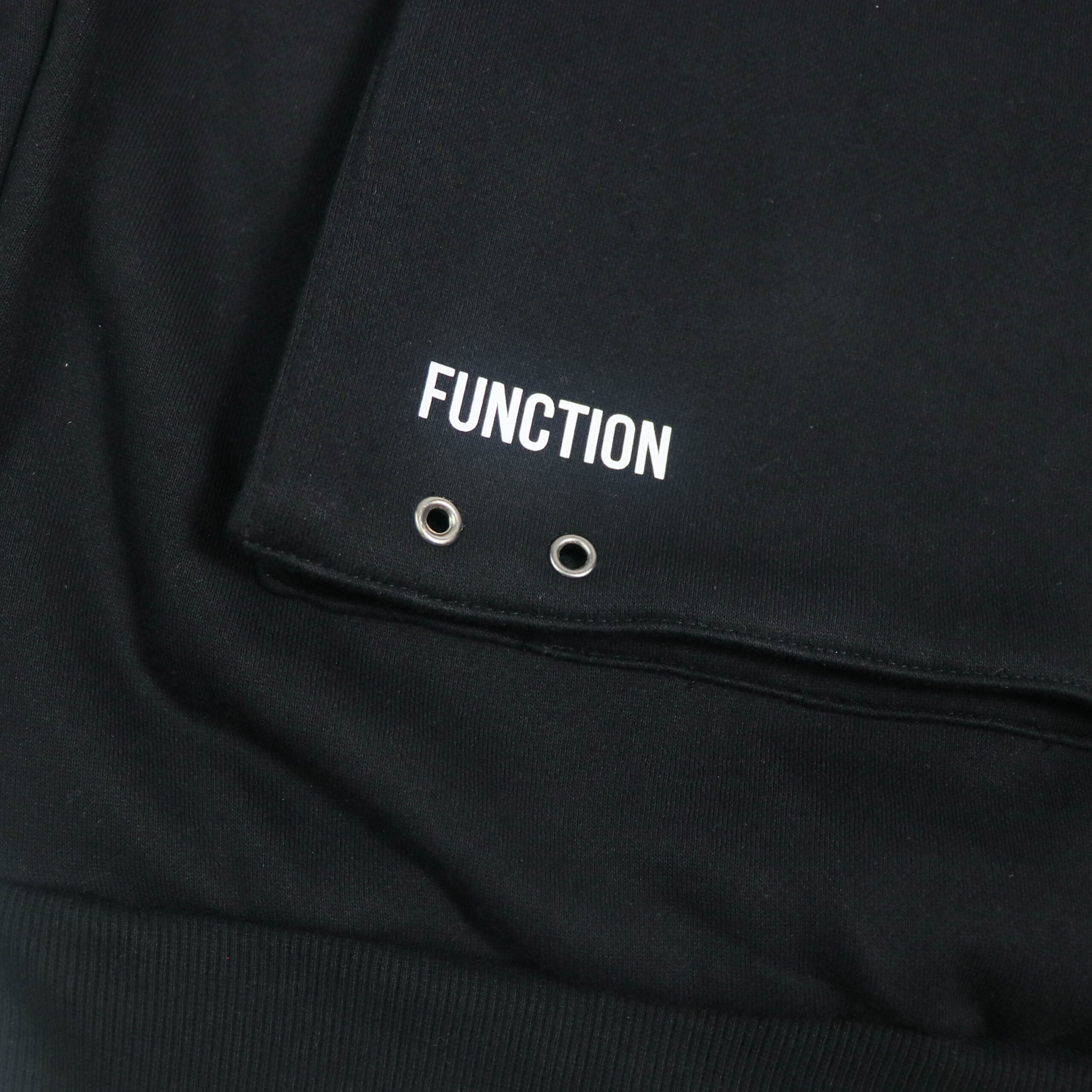
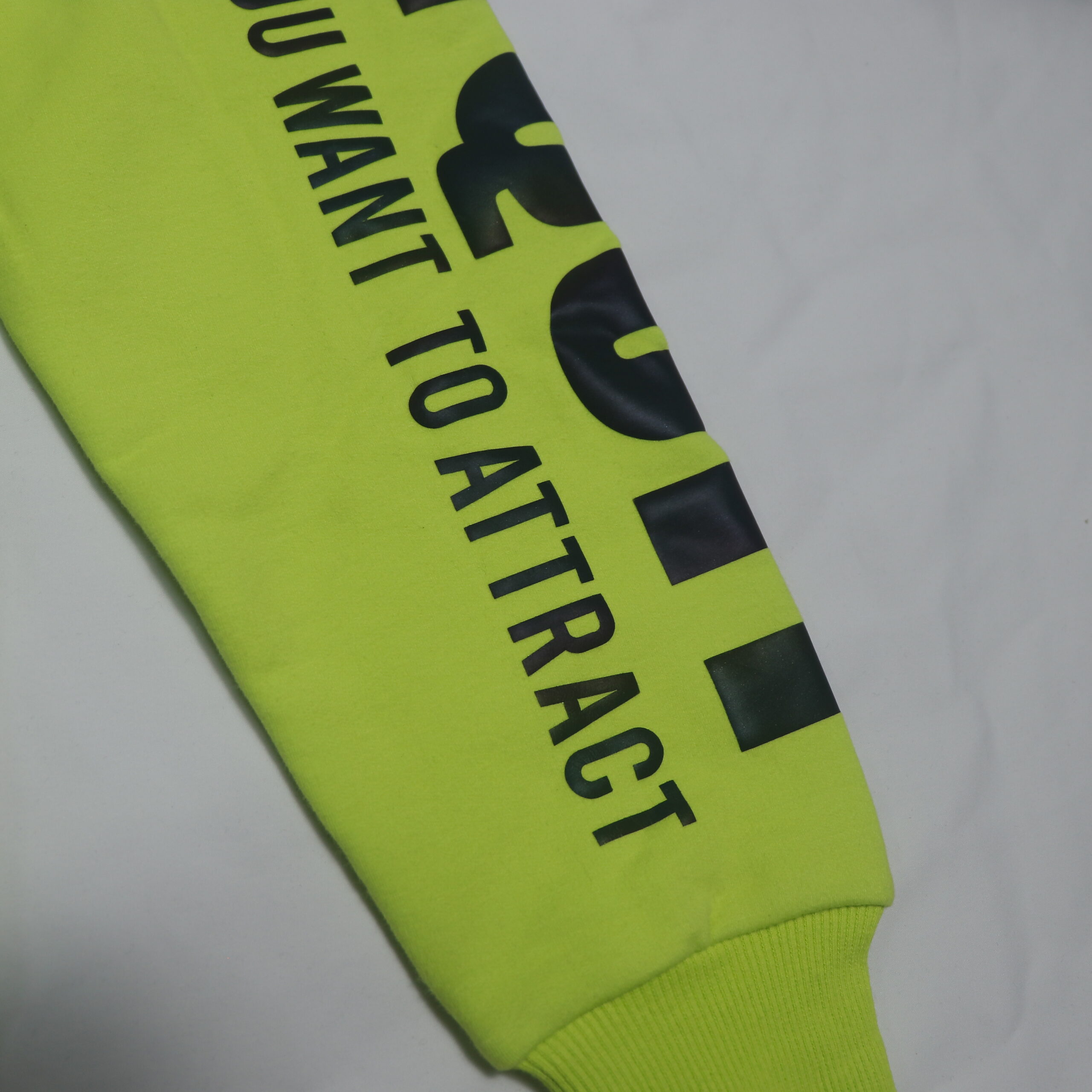
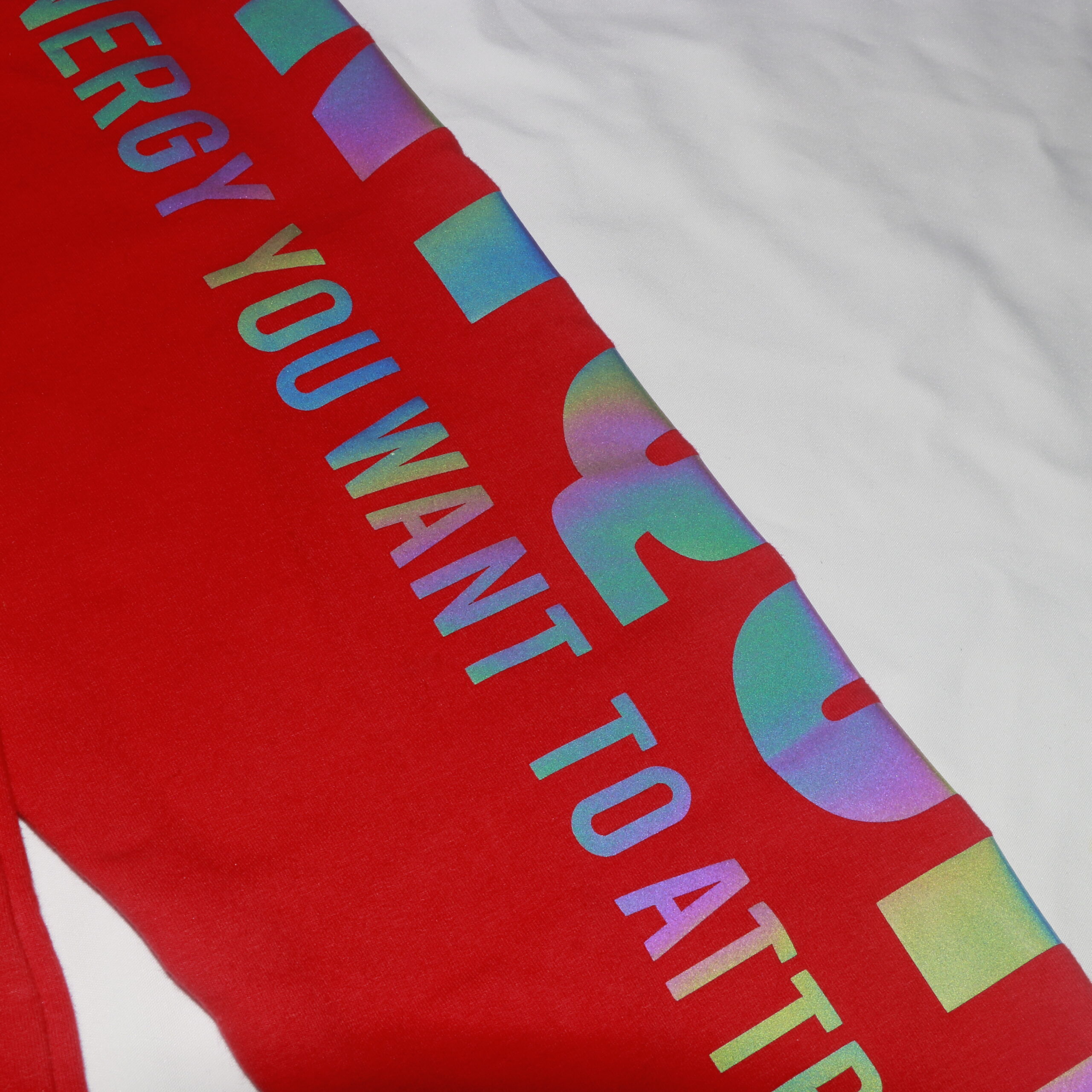
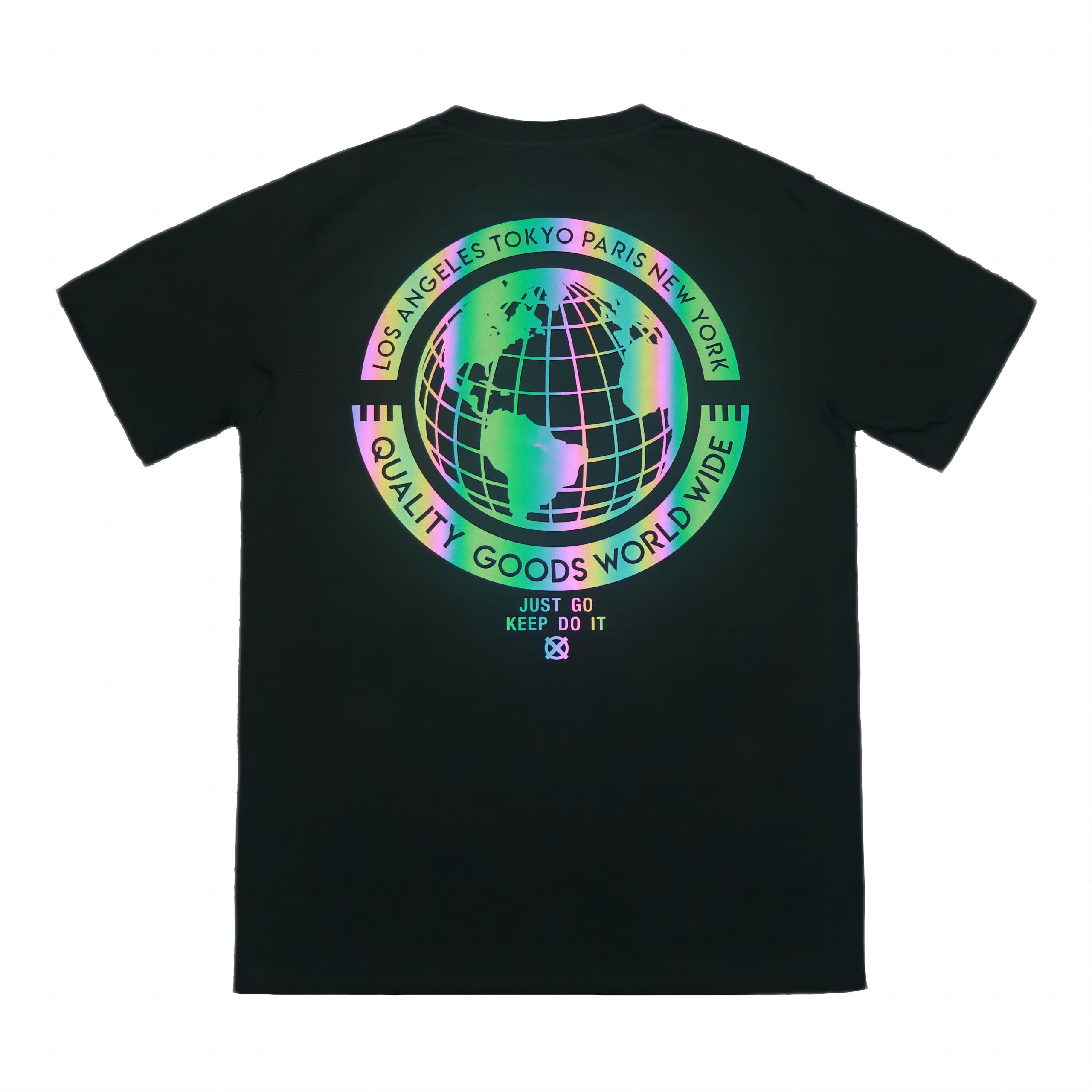
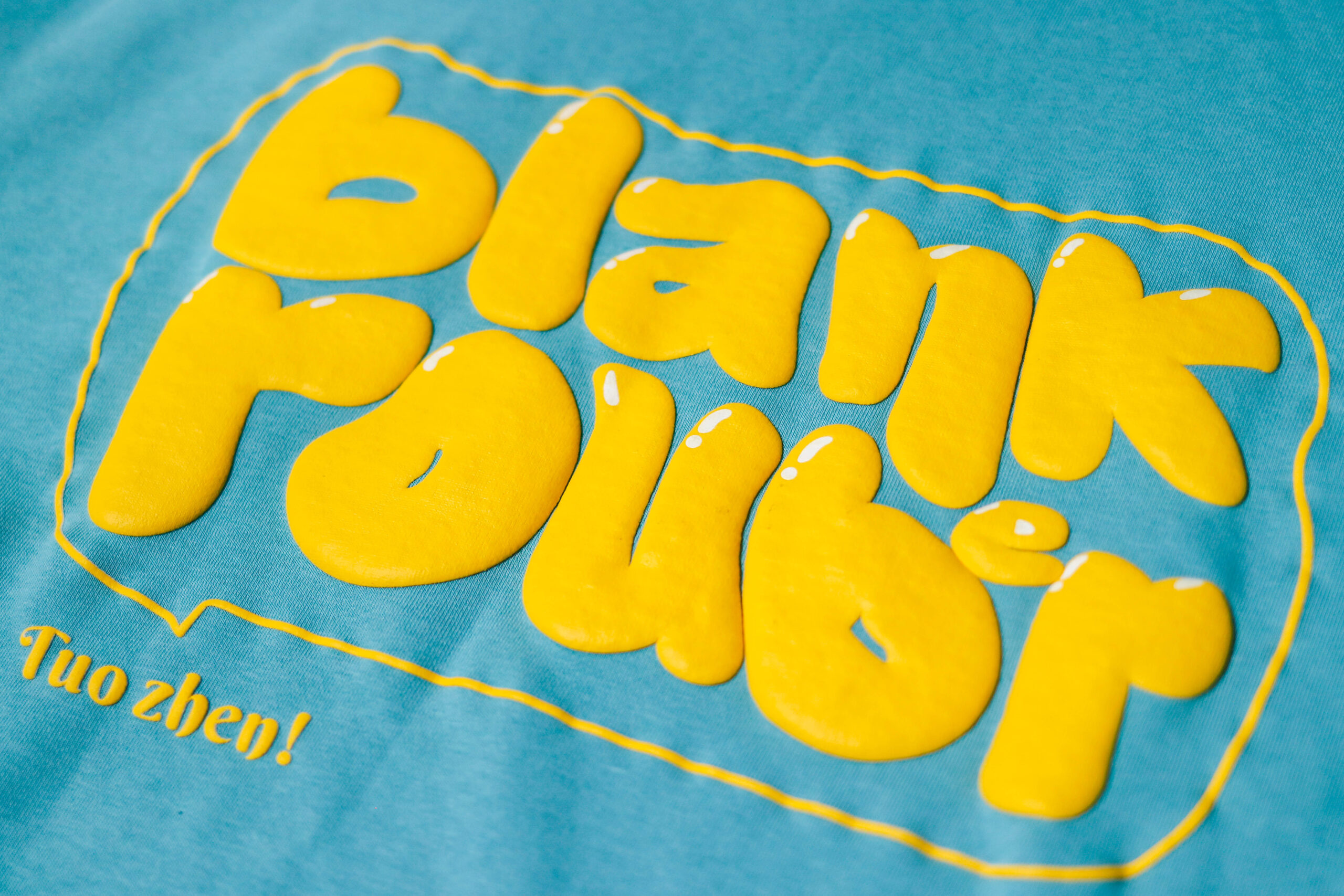
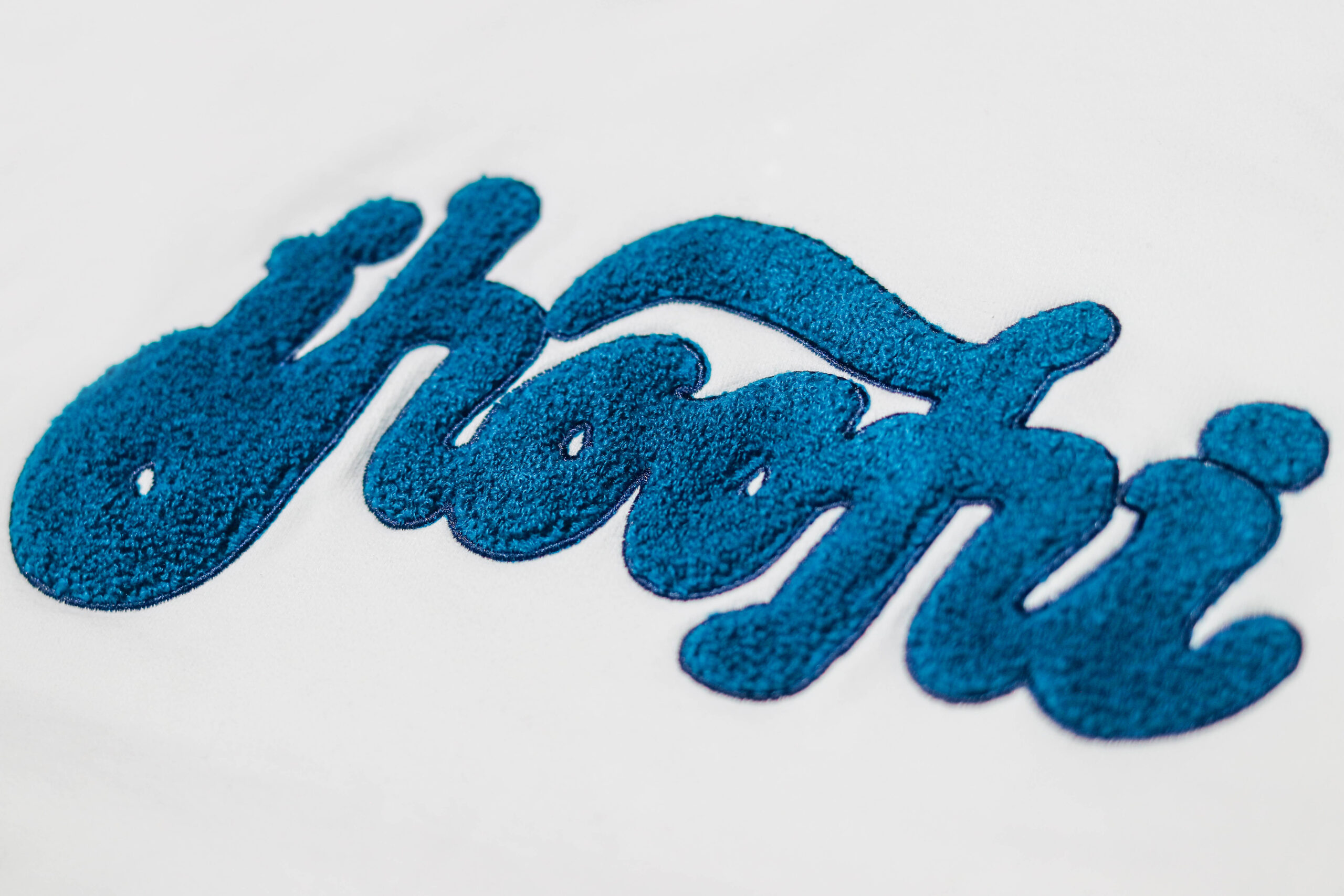
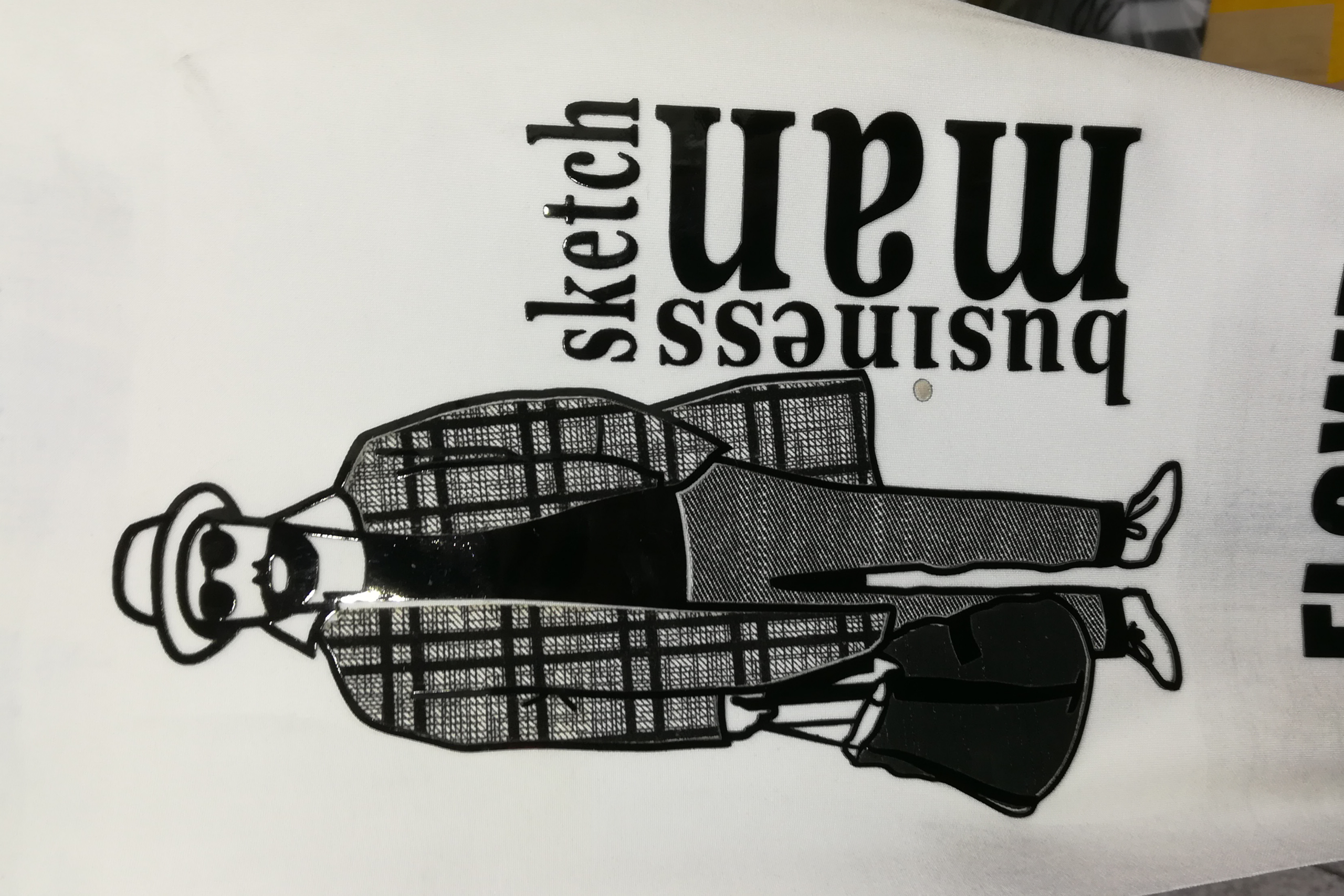
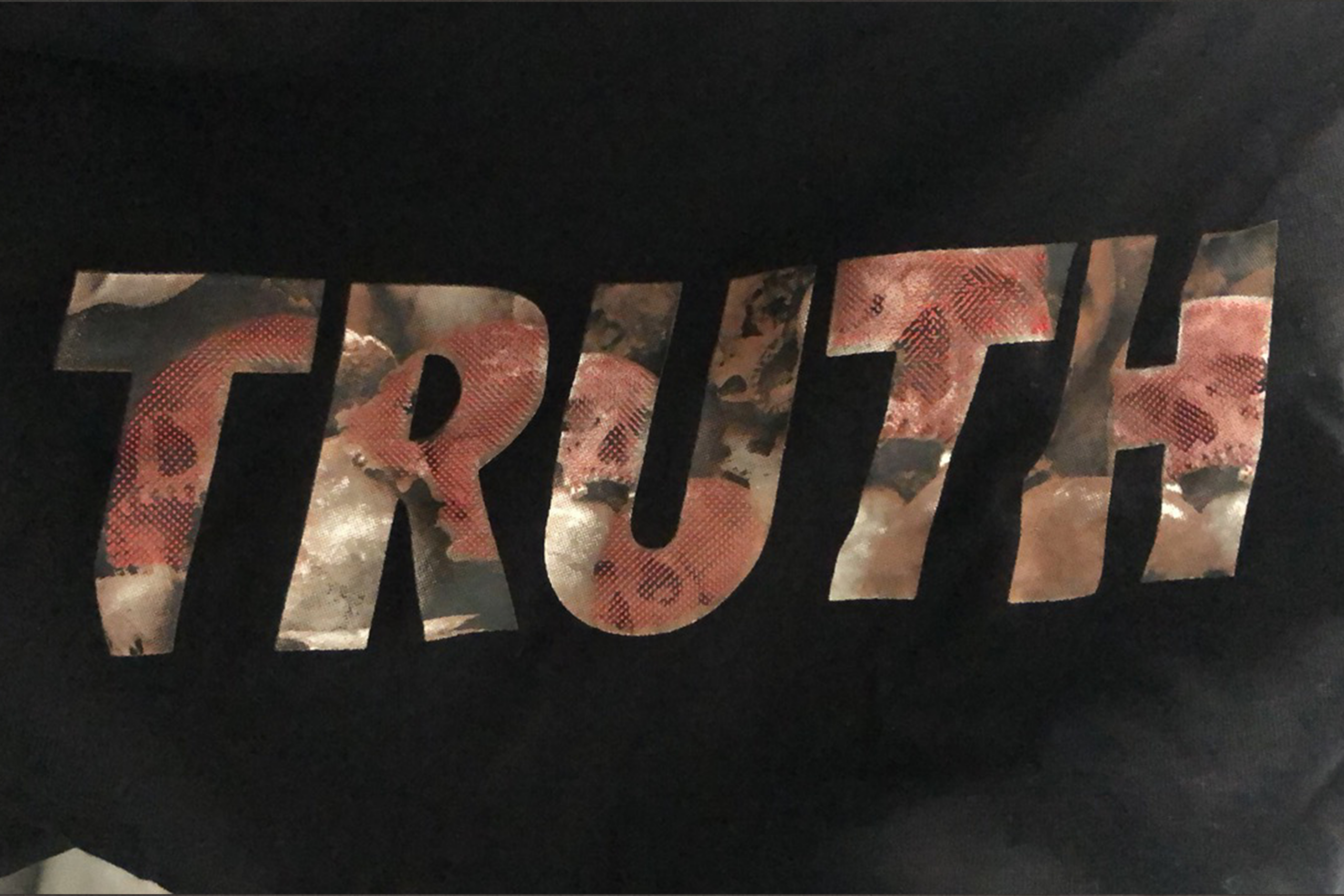
Lightweight T-Shirt Manufacturing Gallery




Lightweight T Shirt Manufacturer Built to Repeat
EDVORIN connects development, OEM/ODM support, decoration, and quality control into one accountable path from first sample to bulk delivery.
Product Development
Turn sketches, reference garments, or complete tech packs into production-ready specifications, including fit blocks, measurements, materials, trims, and construction details.
Flexible OEM and ODM
Build private-label lightweight T-shirt programs with support scaled to your stage, from early concepts to established wholesale and repeat-order collections.
Decoration Coordination
Coordinate printing, embroidery, washes, artwork placement, labels, and packaging with the base fabric so each branded detail supports the intended result.
Approved Sample Standards
Use approved samples, measurement records, and construction details as clear production references before bulk cutting, sewing, finishing, and final inspection.
200-Piece Starting MOQ
Start lightweight T-shirt production from 200 pieces per style, giving emerging brands and established buyers a practical path to custom programs.
Apparel Programs Built for Repeat Production
From lightweight T-shirts to coordinated teamwear and outerwear, EDVORIN develops category-specific specifications that carry approved designs reliably into bulk production.
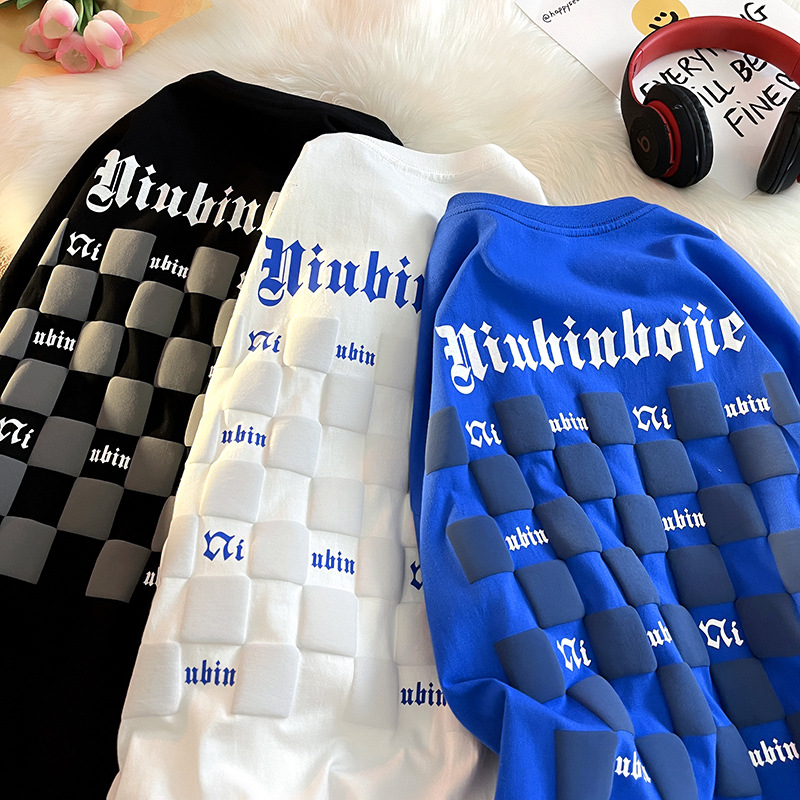
Custom Hoodies
As a custom hoodie manufacturer, EDVORIN develops fleece weight, hood shape, rib recovery, pocket construction, drawcords, labels and decoration placement into clear specifications for fashion, promotional and private-label programs.
Get a Quote
Pullover Sweatshirts
As a sweatshirt manufacturer, EDVORIN supports pullover programs with fit blocks, collar and rib construction, fabric selection, embroidery, printing and wash options. Approved samples establish the construction and measurement standard for repeat bulk orders.
Get a Quote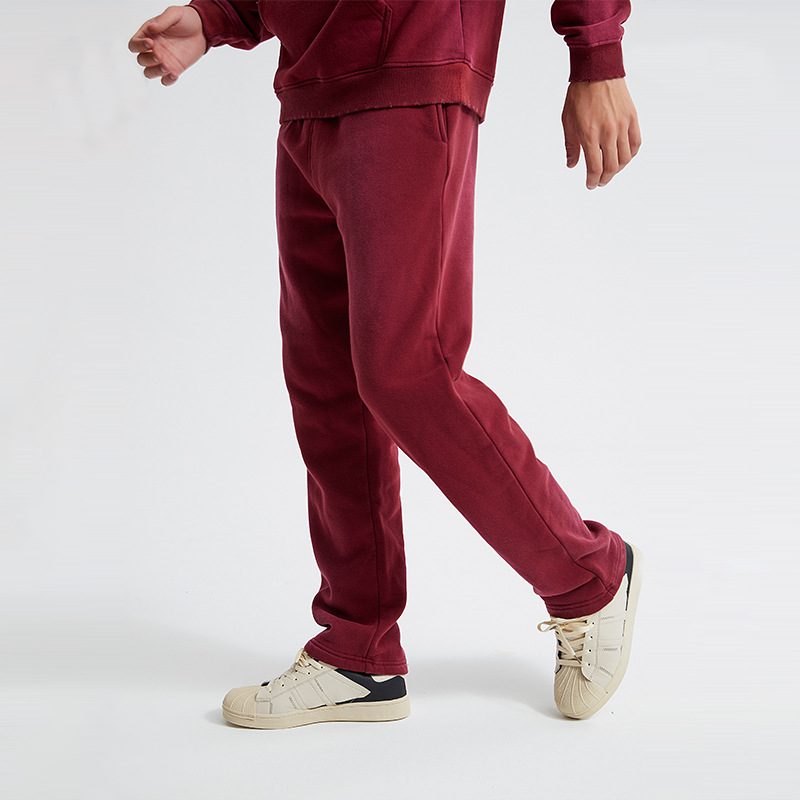
Sweatpants & Joggers
Our sweatpants manufacturer process covers joggers, straight-leg sweats and coordinated sets. Buyers can define fleece weight, waistband and cuff construction, pocket layouts, drawcords, embroidery, prints and grading for men’s or women’s programs.
Get a Quote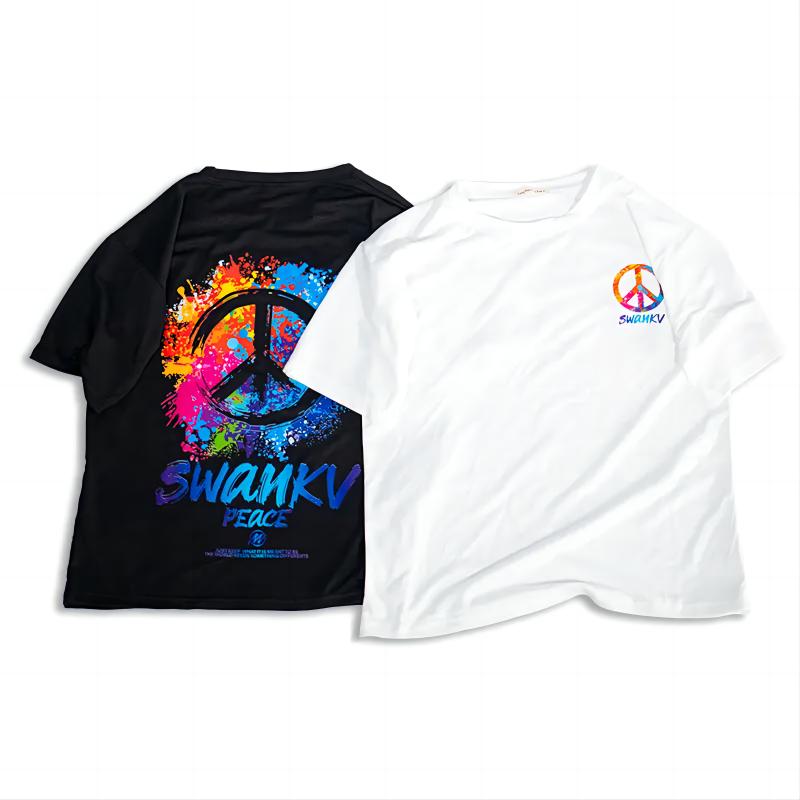
Custom Shorts
As a custom shorts manufacturer, EDVORIN develops jersey, fleece, woven and performance shorts around inseam, rise, waistband, pockets, lining and decoration requirements. Specifications are prepared for consistent sizing and bulk production across retail, team and private-label orders.
Get a Quote
Varsity & Baseball Jackets
As a varsity jacket manufacturer, EDVORIN coordinates body and sleeve materials, ribbing, snaps, lining, patches, embroidery and appliqué. Each approved sample records the details needed to preserve the intended balance in production.
Get a Quote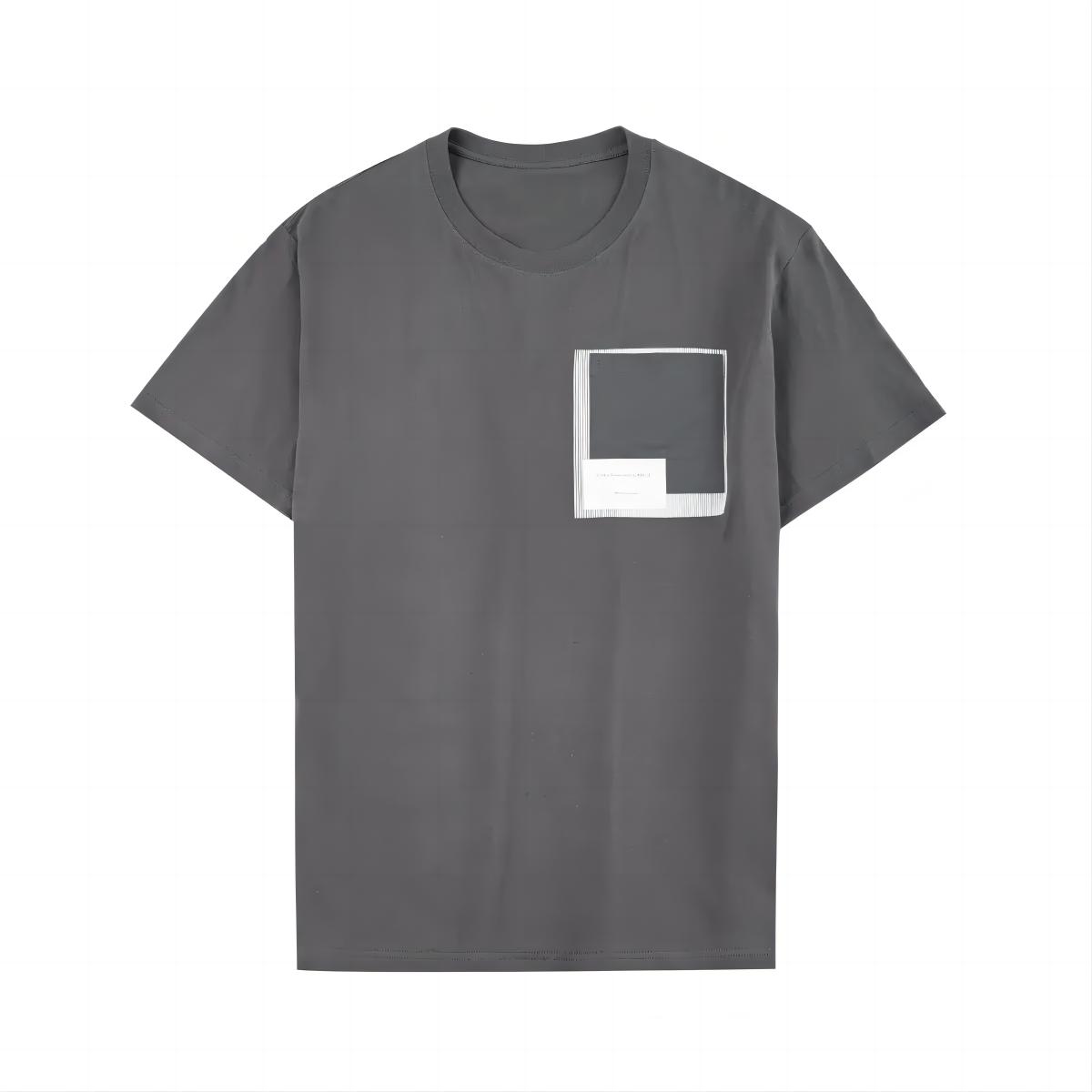
Custom T-Shirts
As a custom T-shirt manufacturer, EDVORIN produces lightweight jersey programs with defined fabric weight, neck rib, fit, sleeve proportion, print method and labeling. Men’s and women’s specifications can be developed for retail, events, wholesale and private-label distribution.
Get a Quote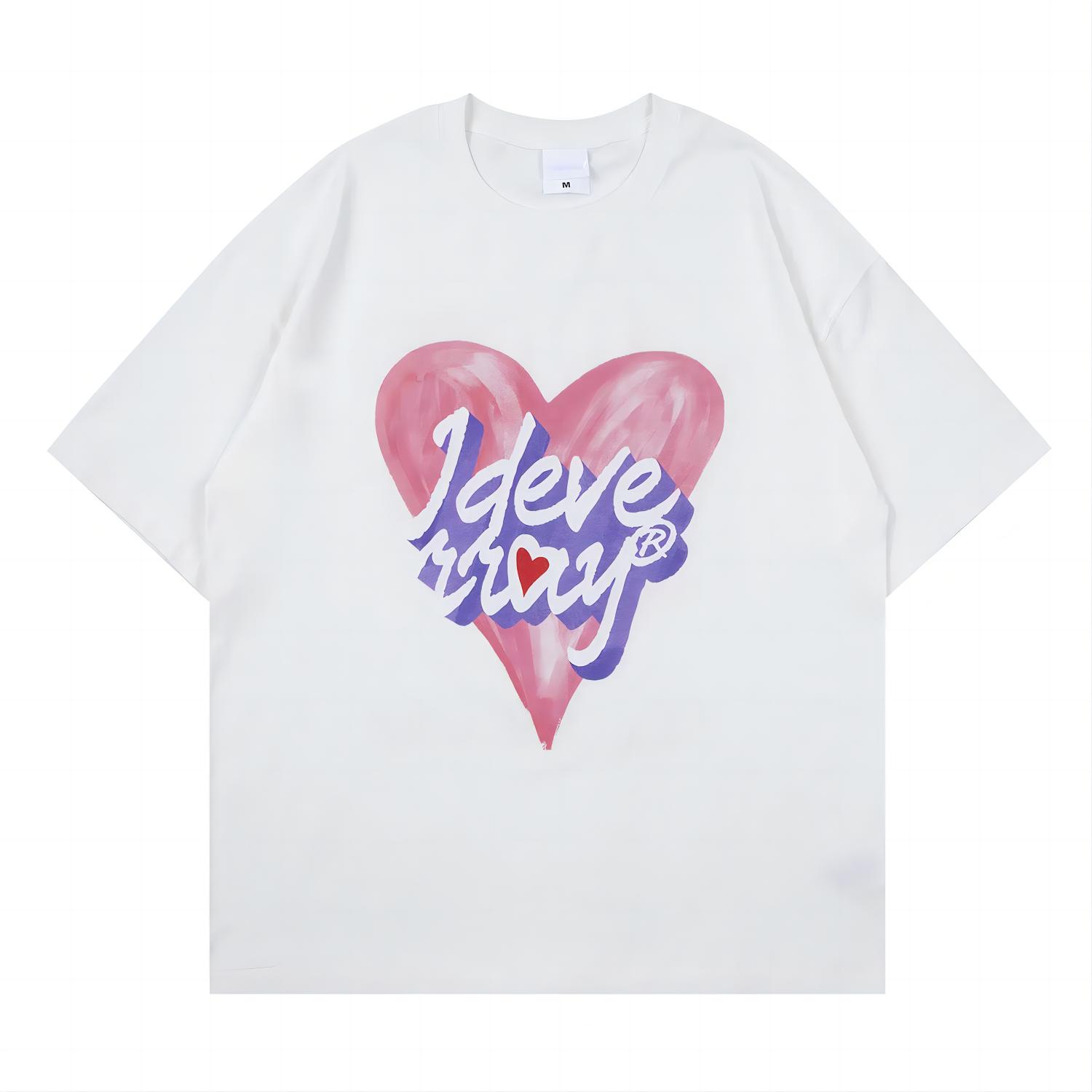
Custom Polo Shirts
Our polo shirt manufacturer capabilities include pique and jersey fabric selection, collar and placket construction, buttons, cuffs, embroidery and color matching. Programs are structured for uniforms, corporate apparel, schools and branded retail collections.
Get a Quote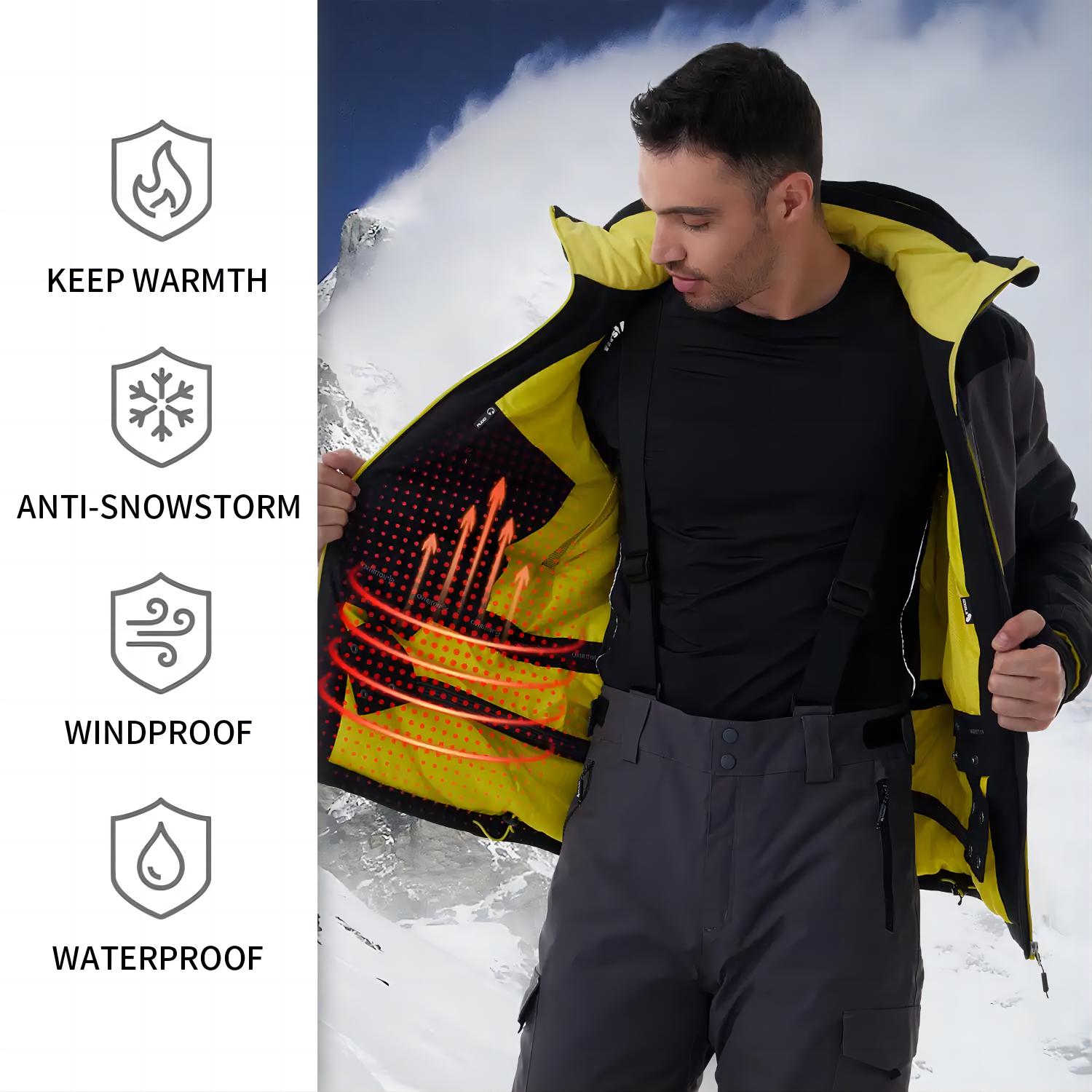
Windbreaker Jackets
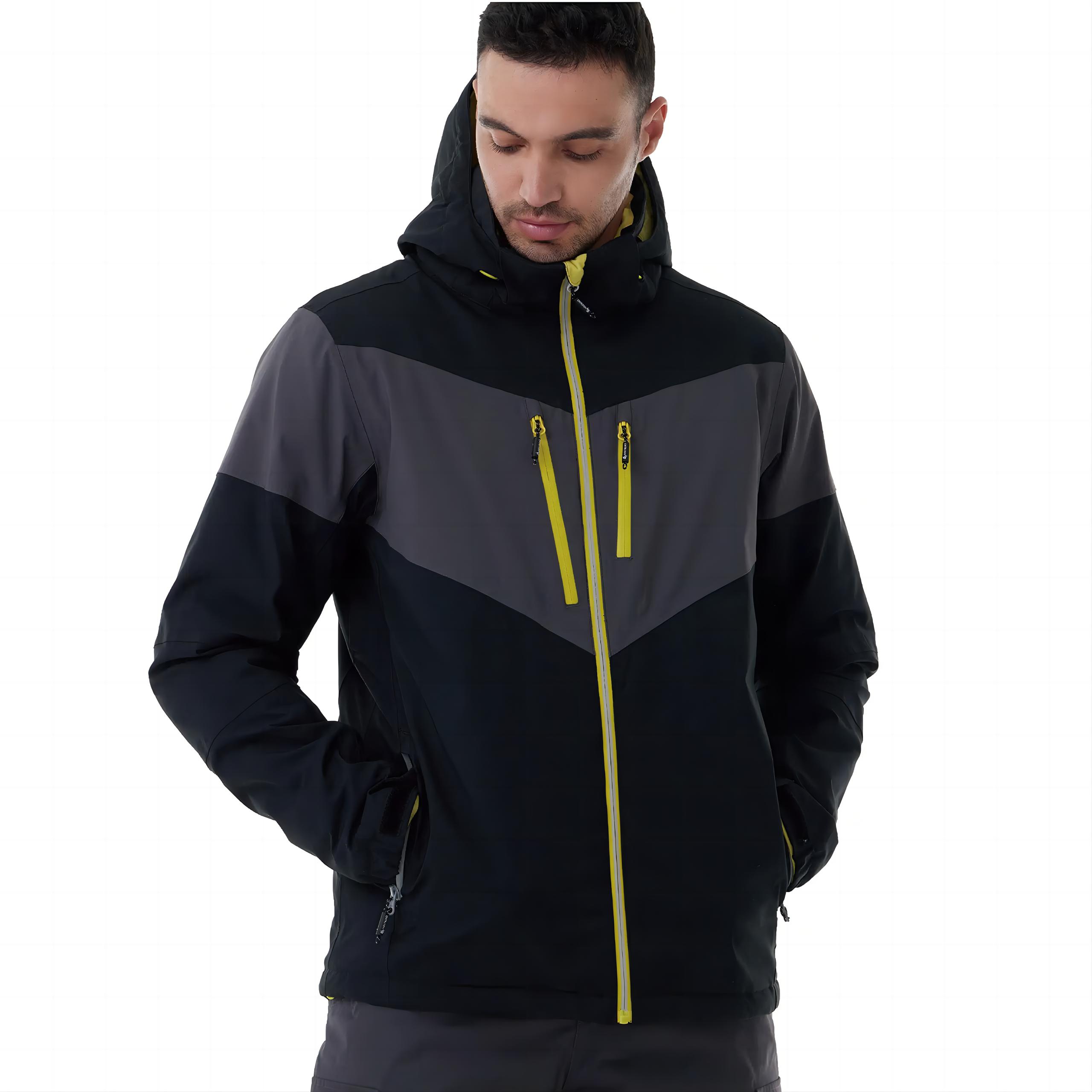
As a windbreaker manufacturer, EDVORIN develops jackets with shell fabric, lining or mesh options, zipper selection, hood construction, pockets, elastic finishes and print or embroidery placement. The result is a documented outerwear standard suitable for repeat orders.
Get a Quote
Quilted Jackets
As a quilted jacket manufacturer, EDVORIN coordinates shell, lining, insulation, quilting pattern, hardware and finishing requirements. Sampling verifies warmth, construction and fit before materials and details are released for bulk production.
Get a Quote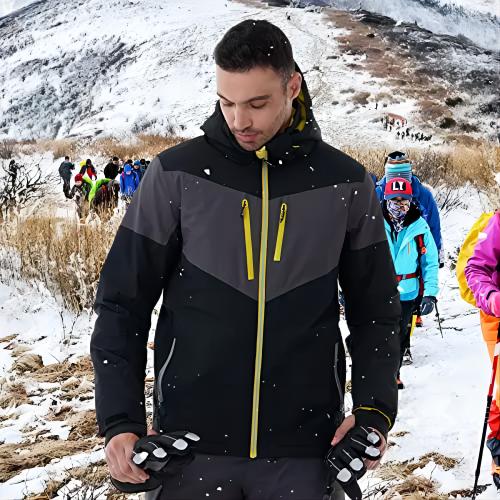
Bomber Jackets
As a bomber jacket manufacturer, EDVORIN develops shell fabric, lining, rib trims, zippers, pockets and decoration for fashion, streetwear and uniform programs, with approved standards for consistent replenishment.
Get a Quote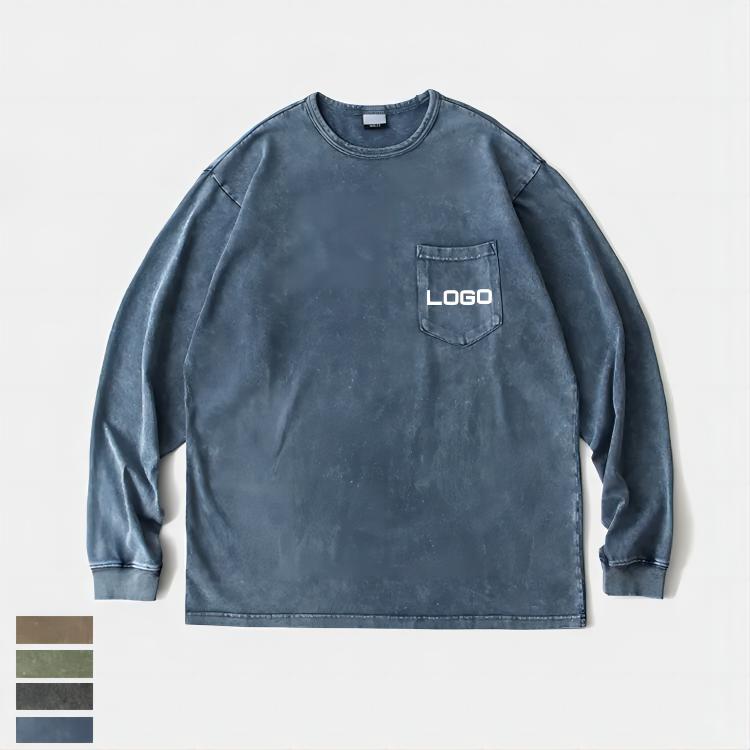
Custom Shirts
Our custom woven shirt manufacturer service covers casual, overshirt and uniform styles, including fabric selection, collar, placket, cuffs, pocket details, buttons and embroidery. Patterns and grading are adjusted for the intended men’s or women’s market.
Get a Quote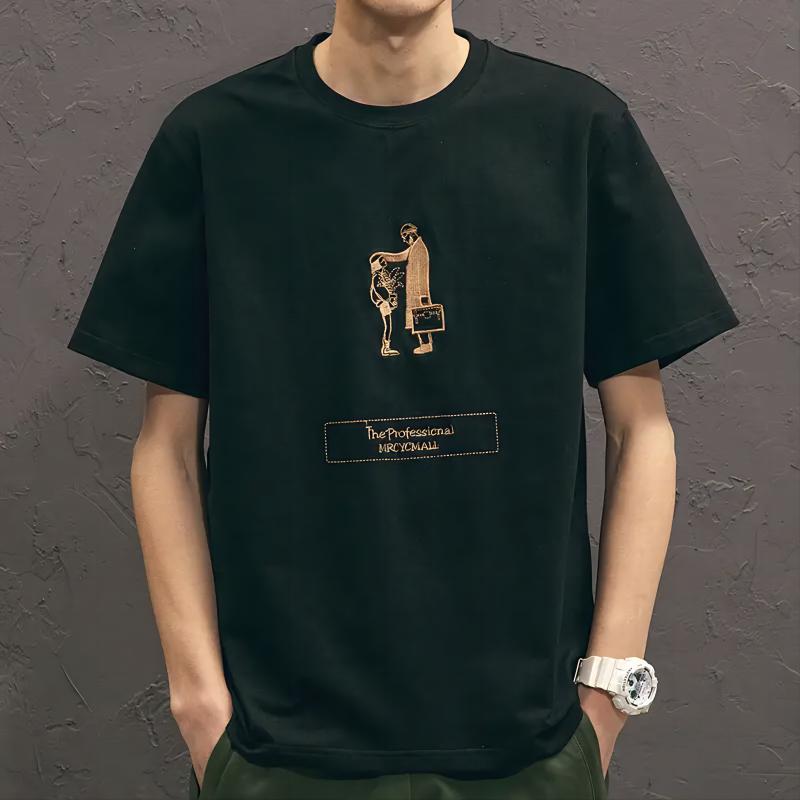
Custom Jerseys
As a custom jersey manufacturer, EDVORIN develops breathable fabric, panel construction, color blocking, neck finishes, names, numbers and sponsor artwork. Placement references and size sets help keep team and club orders organized across every garment.
Get a Quote
Tank Tops
EDVORIN manufactures custom tank tops for activewear, teamwear, streetwear and promotional programs. Buyers can specify jersey weight, armhole and neckline binding, fit, side panels, print or embroidery, and men’s or women’s proportions.
Get a Quote
Soccer Uniforms
Our soccer uniform manufacturer process manages jerseys, shorts and coordinated training pieces with breathable materials, color matching, crest application, names, numbers and sponsor graphics. Production follows approved samples and recorded placement standards.
Get a Quote
Basketball Uniforms
EDVORIN develops basketball uniforms with performance fabrics, jersey and short proportions, neck and armhole finishes, color blocking, player numbers and team graphics. Size grading and decoration controls support organized school, club and league programs.
Get a Quote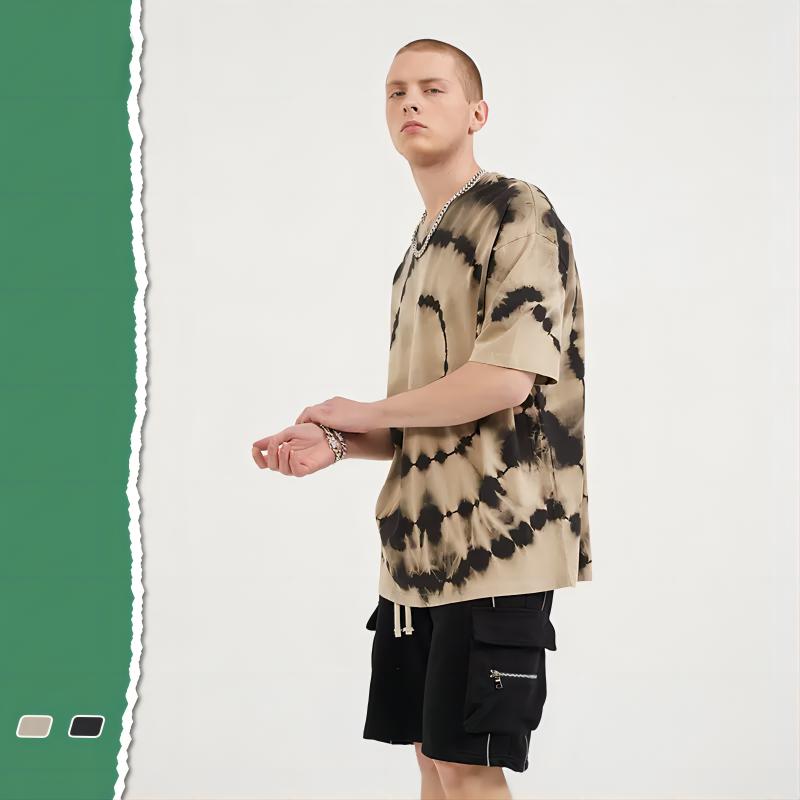
Streetwear Collections
As a basketball uniform manufacturer, EDVORIN develops performance fabrics, jersey and short proportions, neck and armhole finishes, color blocking, player numbers and team graphics. Size grading and decoration controls support organized school, club and league programs.
Get a QuoteMaterials from a Lightweight T Shirt Manufacturer
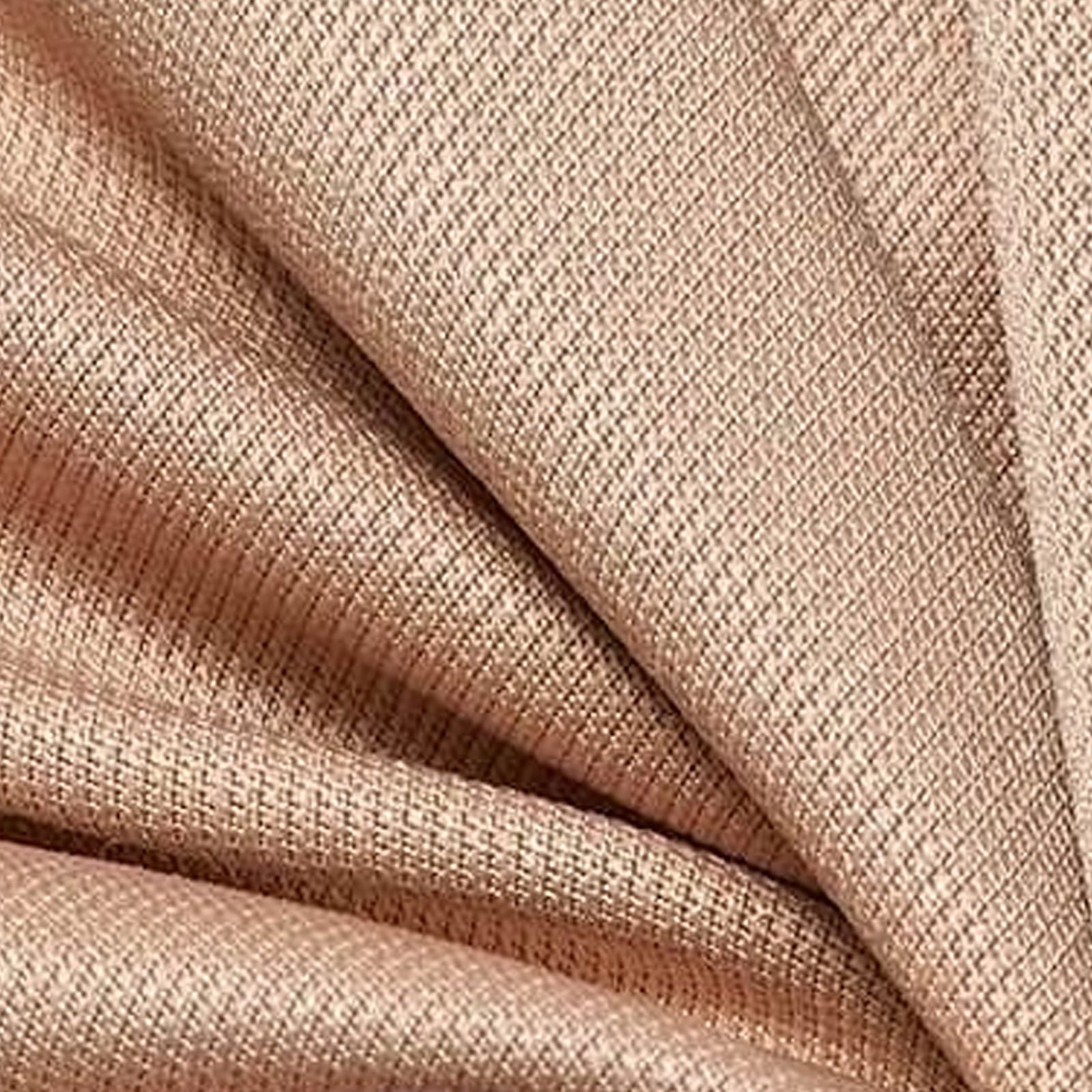
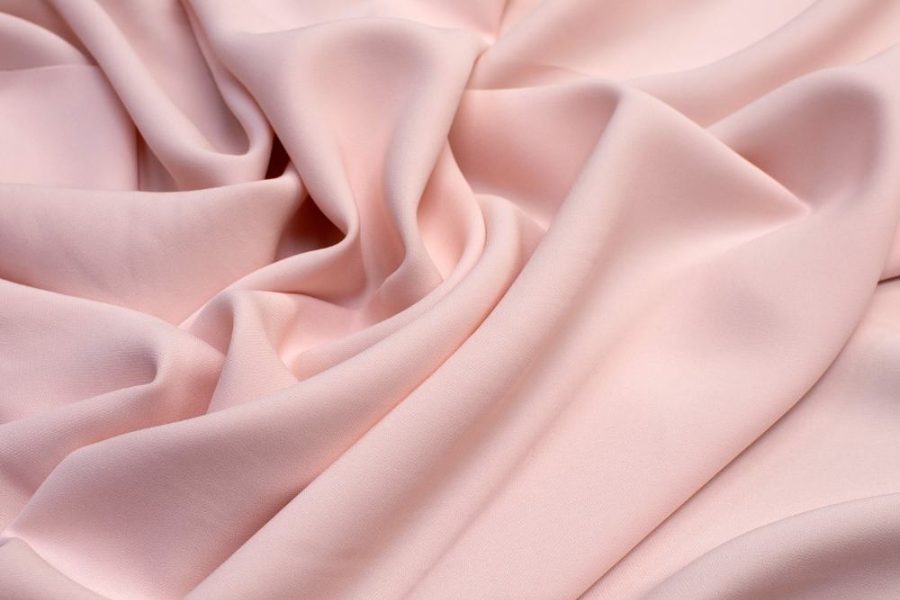
Combed Cotton Jersey
Soft, breathable and familiar against the skin, combed cotton jersey suits everyday fashion tees and branded essentials. Its clean, smooth face supports detailed screen printing, while lighter constructions create an easy, natural drape.
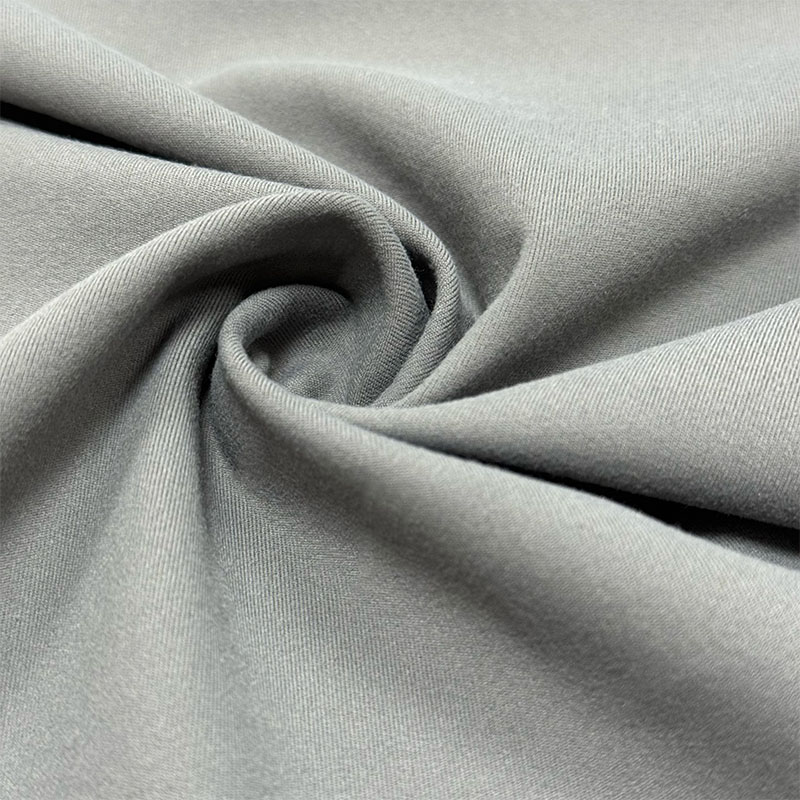
Cotton Modal Jersey
Cotton-modal jersey delivers a notably smooth, fluid hand feel for elevated basics, women’s programs and fitted silhouettes. The blend adds softness and drape while retaining breathable comfort for lightweight, close-to-body T-shirts.
Cotton Polyester Blend
A cotton-polyester blend balances a natural hand feel with improved shape retention and durability. It works well for promotional apparel, uniforms and repeat programs where lightweight comfort and consistent color performance matter.
Performance Polyester Knit
Lightweight polyester knit is designed for active teamwear, training shirts and event apparel. Its quick-drying character helps manage moisture, while the stable surface is suitable for sports graphics, names and numbers.
Stretch Jersey Blend
Stretch jersey combines a soft lightweight base with added recovery for movement-focused fits. It is a practical choice for fitted fashion tees, training layers and women’s programs requiring flexibility without a heavy feel.
Custom Apparel Printing, Embroidery and Wash Options
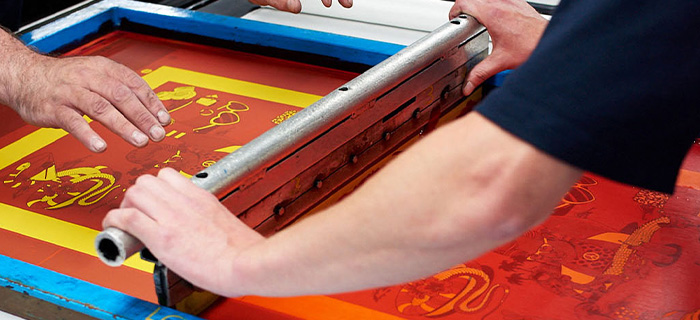
Screen Printing
A versatile option for bold logos, graphics, and large placements. EDVORIN coordinates ink, artwork preparation, and print testing to achieve clean color coverage and a durable finish suited to lightweight T-shirt fabrics.
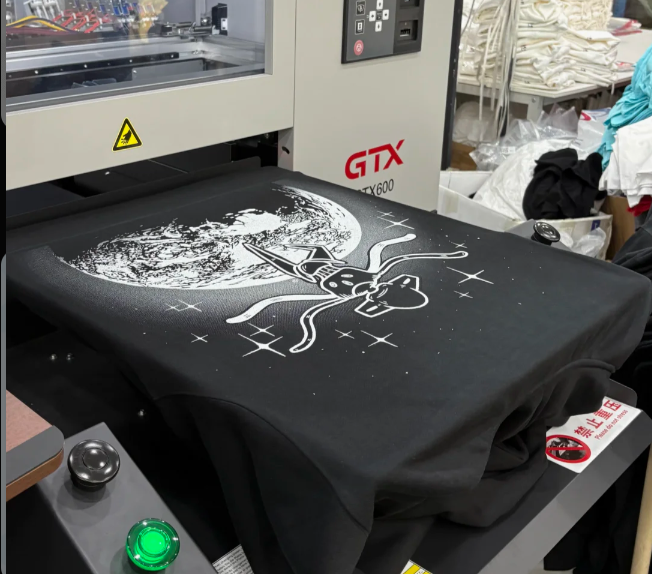
DTG Printing
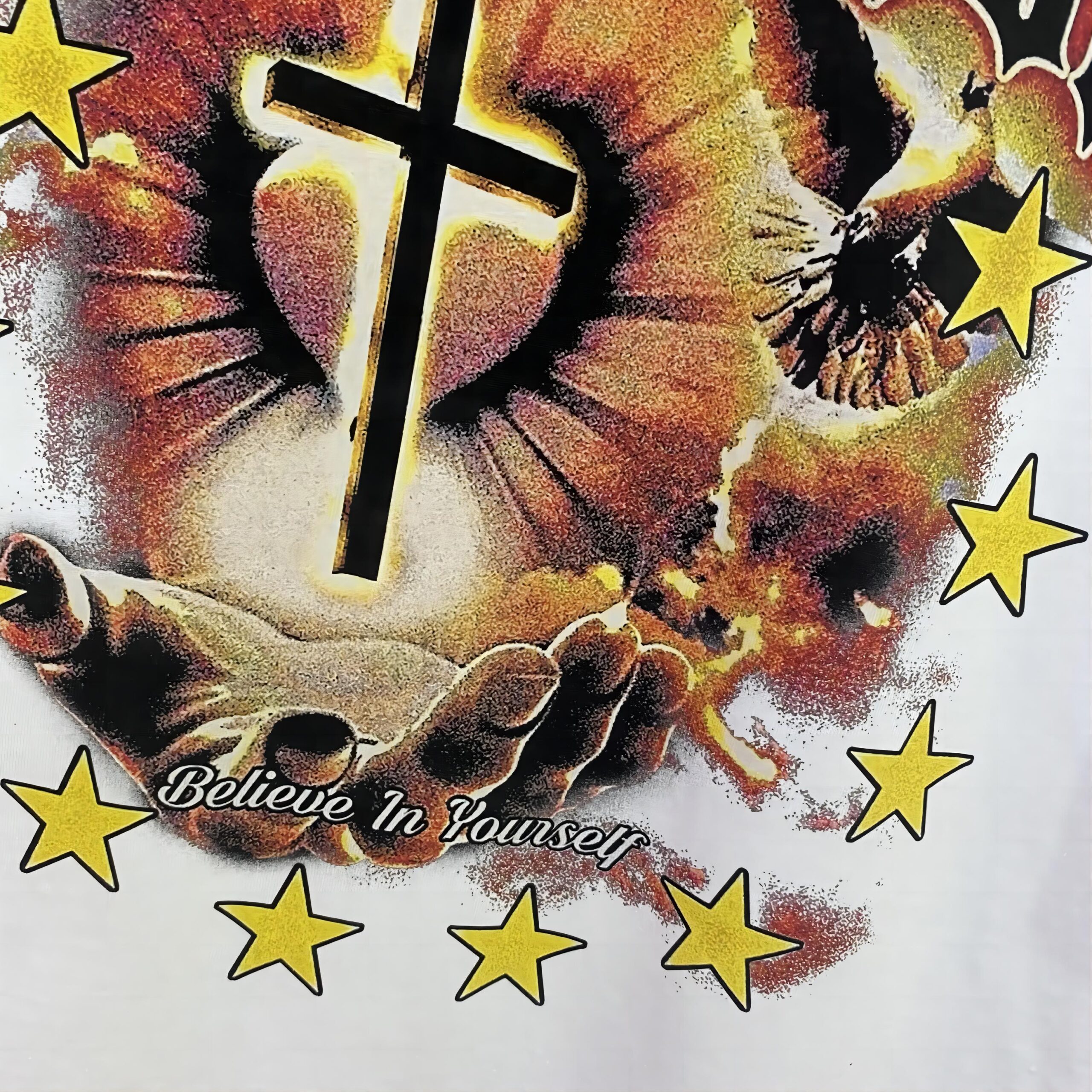
Direct-to-garment printing applies detailed, full-color artwork directly to compatible garments. It is well suited to illustrations, tonal graphics, and small runs requiring a soft-hand result without the setup of traditional screens.
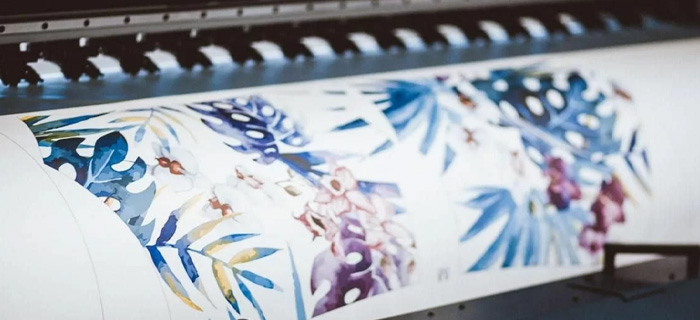
Sublimation Printing
Sublimation transfers color into compatible performance fabrics for all-over graphics, team designs, and repeat patterns. The result remains lightweight and breathable because the decoration becomes part of the fabric rather than sitting on top.
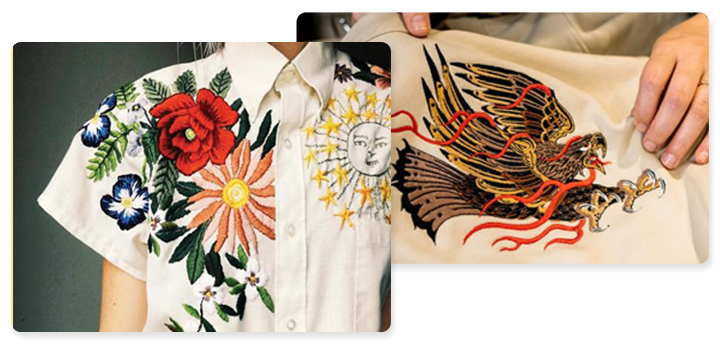
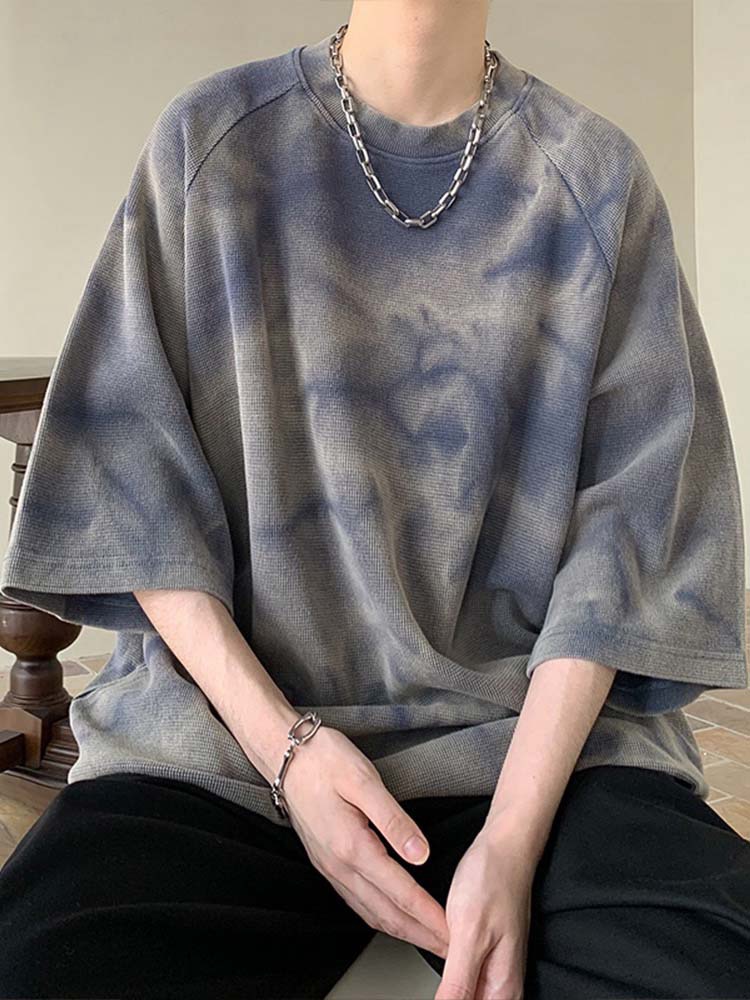
Garment Wash Services
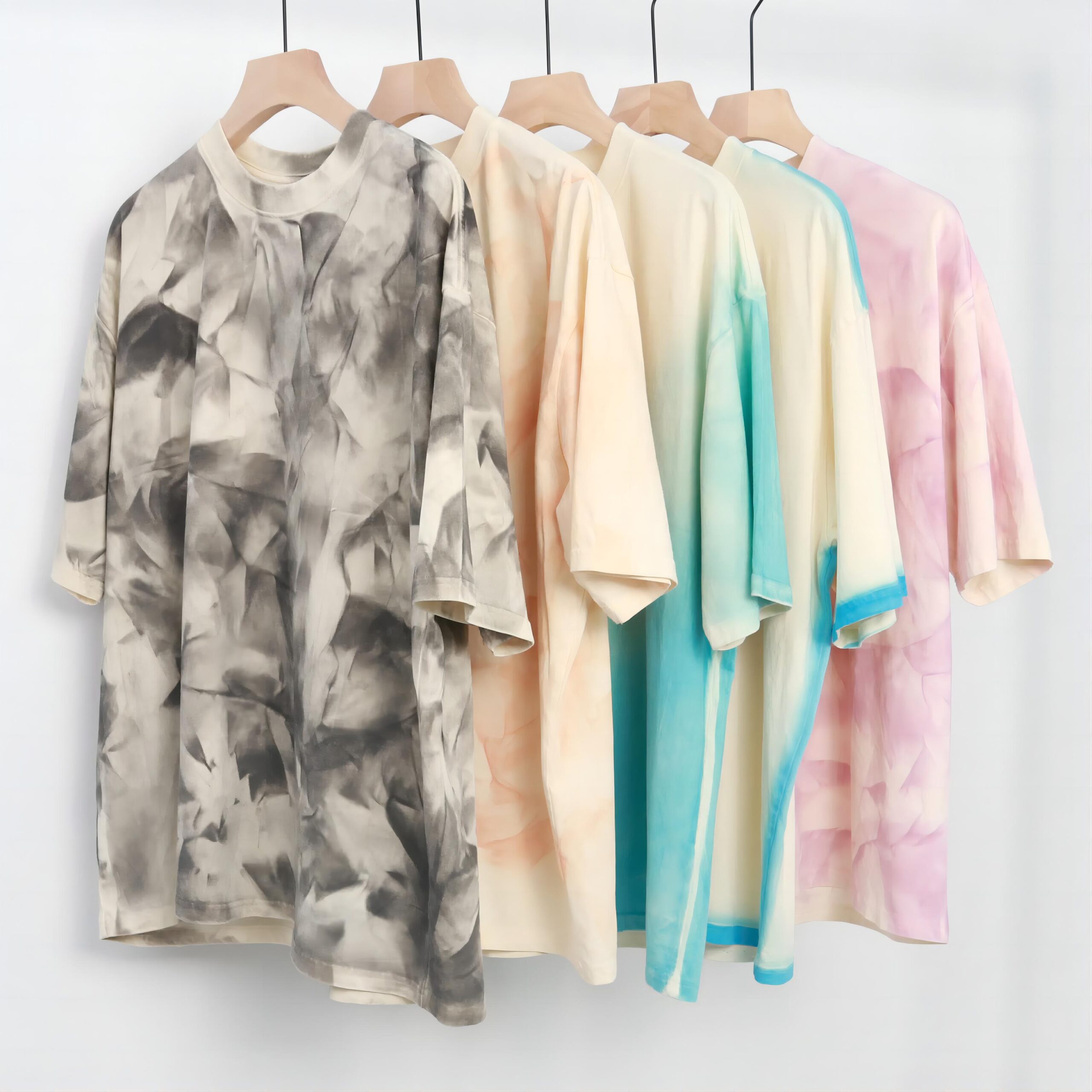
Garment washing can soften the hand feel, reduce a new-garment appearance, or create a more lived-in character. Wash development is reviewed during sampling so the approved color, shrinkage, and surface effect can guide bulk production.
Custom Clothing Labels and Packaging for Lightweight T-Shirts
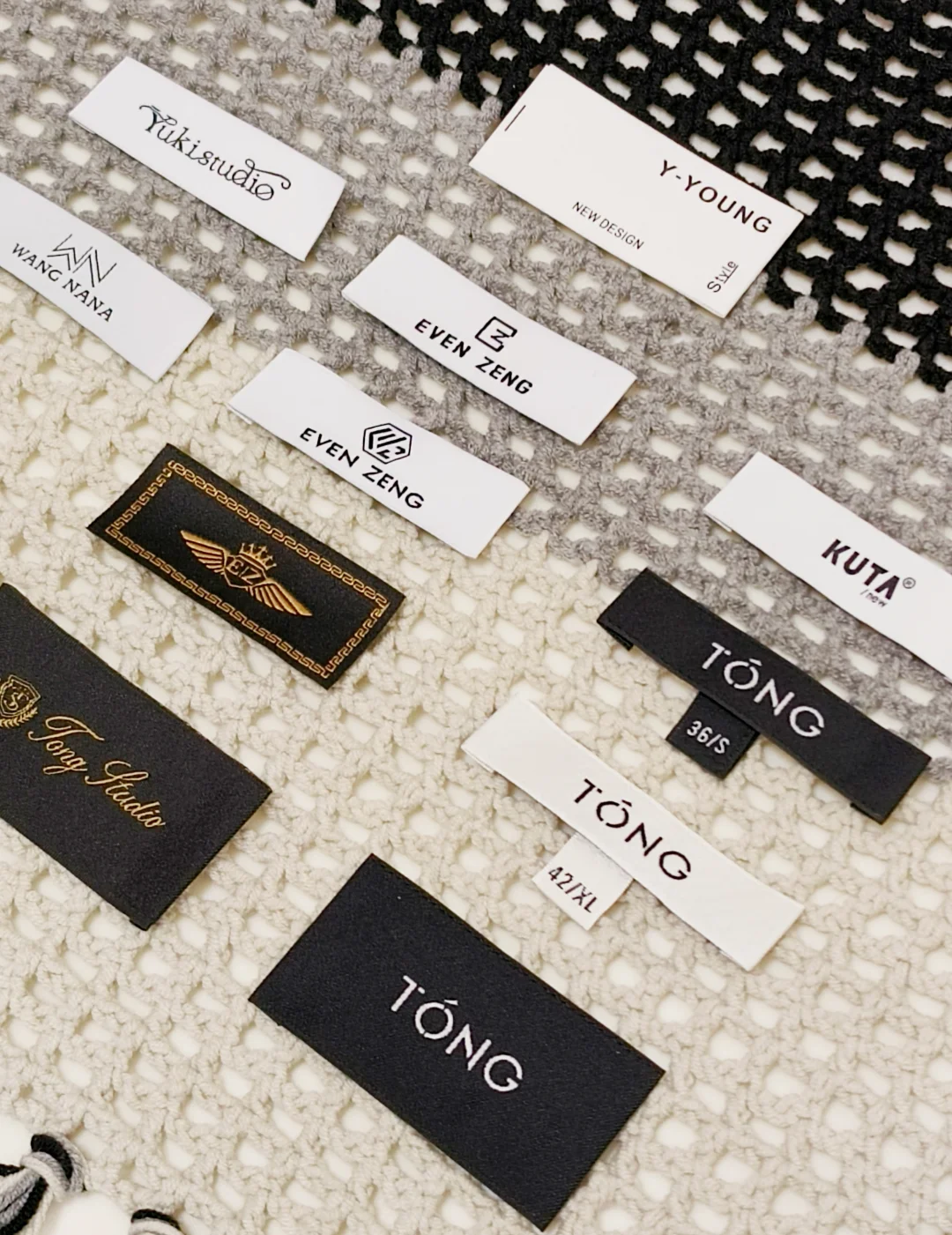
Woven Labels
Custom woven main, size, and care labels give each lightweight T-shirt a consistent brand signature while keeping fiber content, care instructions, and sizing organized for your intended market.
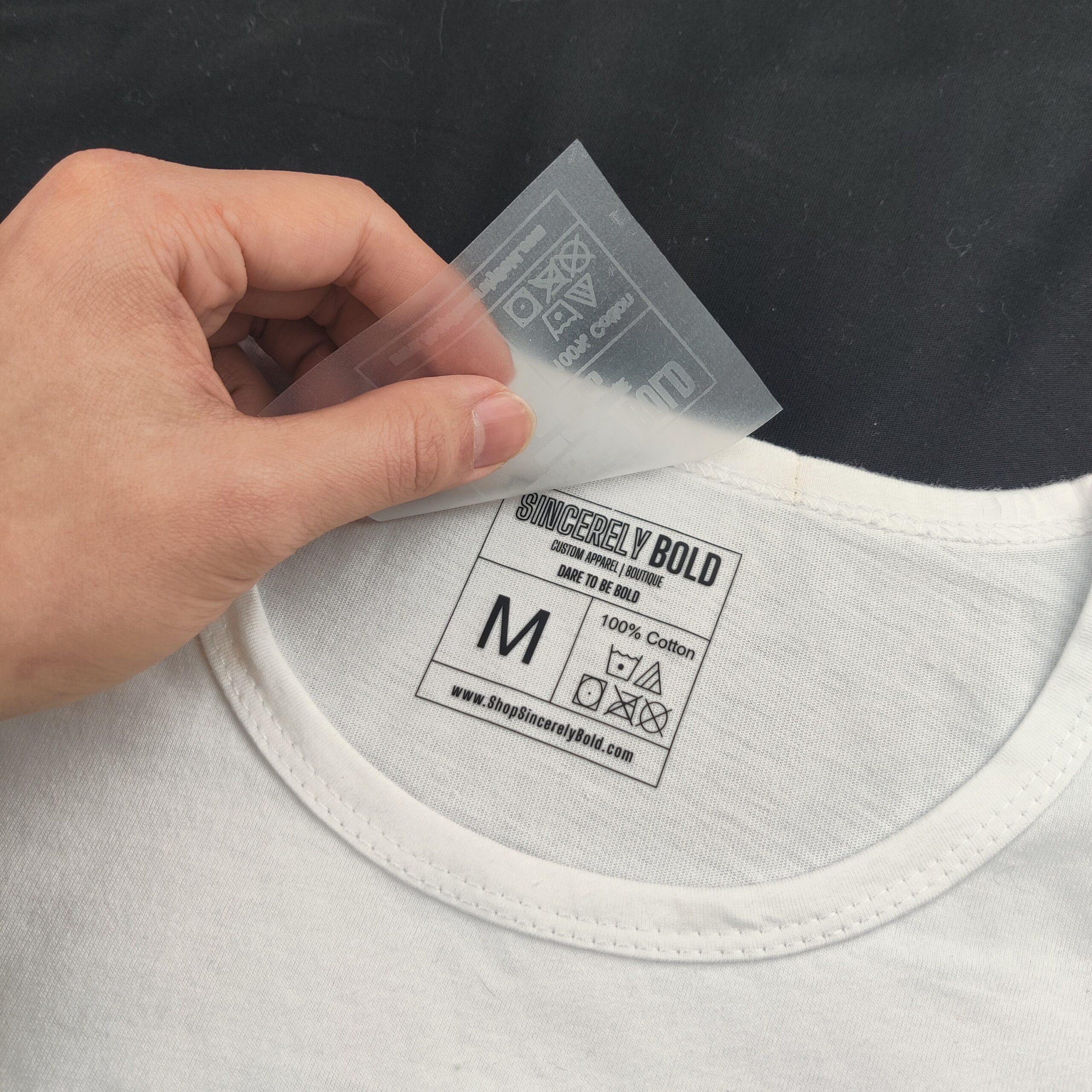
Heat-Transfer Labels
Heat-transfer neck labels create a clean, low-bulk finish for lightweight jerseys and performance tees. They can carry your logo, size, care information, and country-of-origin details without a sewn label.
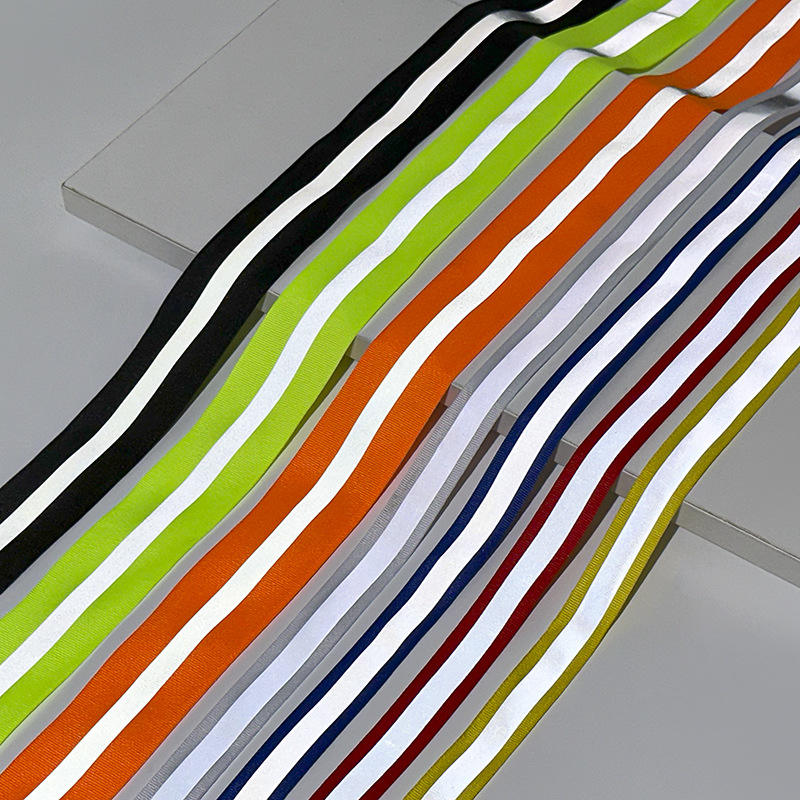
Custom Neck Tape
Printed or contrast neck tape reinforces the back-neck seam while adding a subtle branded detail. Select the tape material, color, logo repeat, and placement to complement the shirt’s fabric and construction.
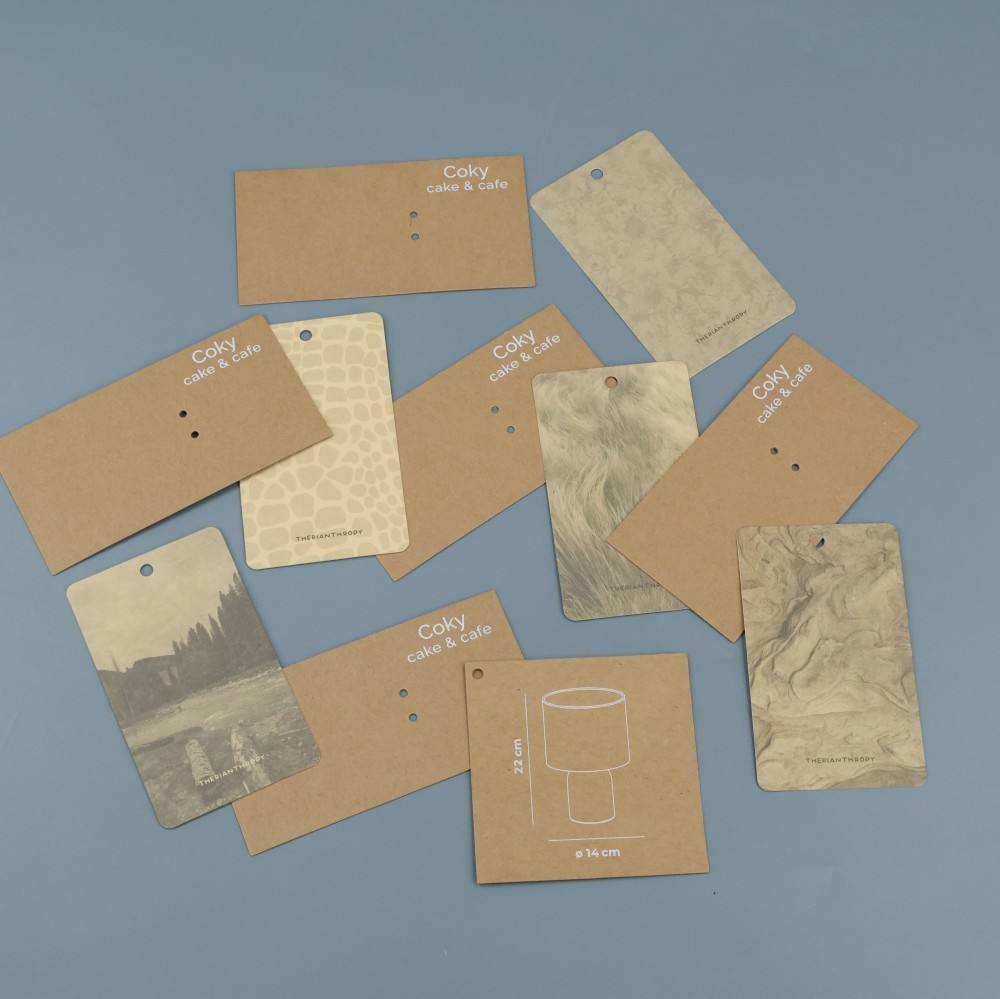
Branded Hangtags
Custom hangtags present product information at retail and support a cohesive private-label program. EDVORIN can coordinate tag stock, shape, finish, strings, barcodes, and attachment methods with your garment packaging.
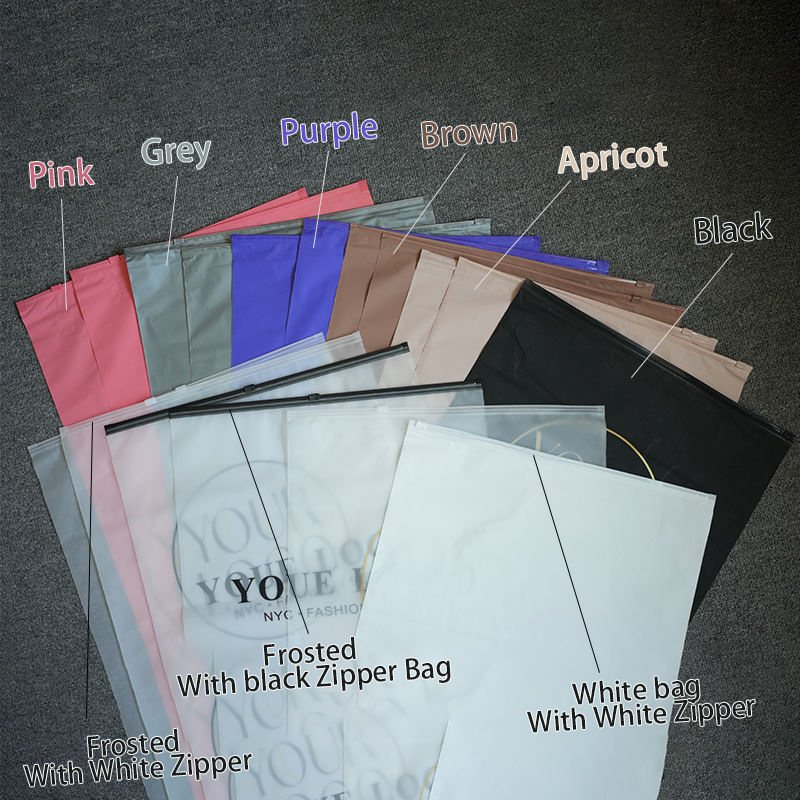
Custom Packaging
Choose polybags, tissue paper, size stickers, folding standards, and carton markings that suit your sales channel. Clear packing specifications help protect lightweight T-shirts and keep fulfillment presentation consistent across bulk orders.
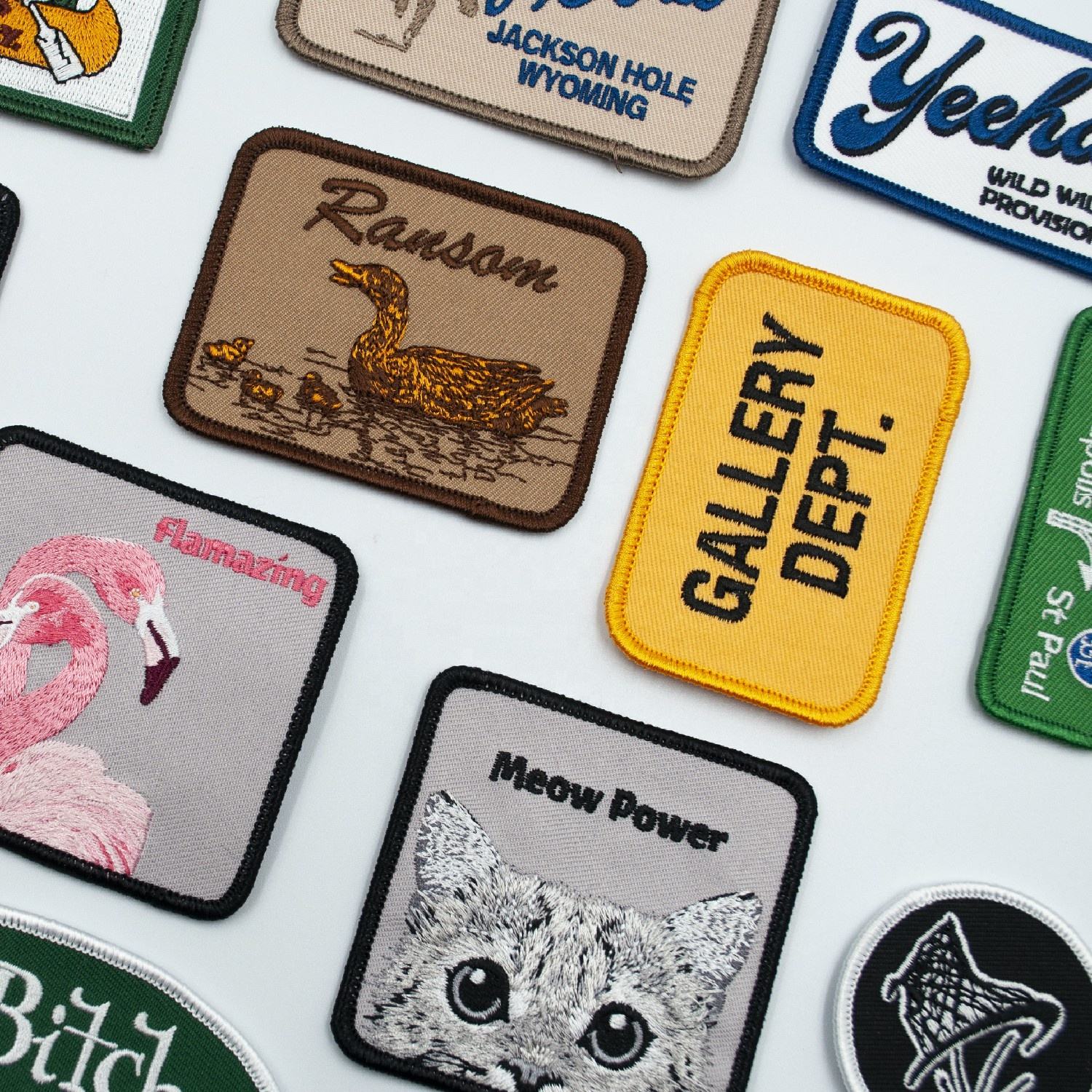
Custom Brand Patches
Woven, embroidered, silicone, or heat-applied patches add a distinct identity to selected lightweight T-shirt styles. Placement, backing, edge finish, and attachment method are reviewed during development for reliable repeat production.
Your Lightweight T Shirt Manufacturer
Founded in 2000 by Edvorin Zeng, EDVORIN is a founder-led custom clothing manufacturer that helps buyers turn a sketch, reference garment or complete tech pack into a clear production standard.
Our connected OEM clothing manufacturer, ODM apparel manufacturer and private label clothing manufacturer workflow coordinates material sourcing, patterns, samples, printing, embroidery, washing, bulk production, quality control, labeling and packing. Fashion brands, streetwear labels, teams, schools and wholesale buyers can develop men’s and women’s programs across casualwear, outerwear and teamwear through one accountable system.
What distinguishes EDVORIN is the discipline after sample approval. Measurements, artwork placement, trims and finishing details are recorded so in-line checks and final inspection can protect the approved result throughout bulk production. As a low MOQ clothing manufacturer, EDVORIN starts at 200 pieces per style to support emerging collections and established repeat programs.
Lightweight T Shirt Manufacturer Standards That Hold Up
Technical Development Before Sampling
EDVORIN turns a sketch, reference garment or complete tech pack into a production-ready lightweight T-shirt standard. Fit, grading, construction and material choices are reviewed early so the approved sample can guide a repeatable men’s or women’s program.
- Pattern and measurement development
- Fit blocks tailored by wearer
- Construction details clarified before bulk
- Sample revisions recorded for approval
Materials Matched to the Design
A lightweight T-shirt depends on more than a lower fabric weight. EDVORIN coordinates fabric selection, trims and intended decoration so hand feel, drape, breathability and artwork requirements work together before production commitments are finalized.
- Fabric options aligned to intended wear
- Trims specified with the garment
- Print and embroidery compatibility reviewed
- Wash and finishing requirements coordinated
Decoration Details Kept Visible
For branded lightweight T-shirts, placement and execution need clear control from sample through packing. EDVORIN documents artwork references, placement measurements, color requirements and label details to reduce assumptions between development, decoration and the sewing line.
- Artwork placement measurements recorded
- Color references shared with production
- Private-label details specified clearly
- Packaging requirements coordinated
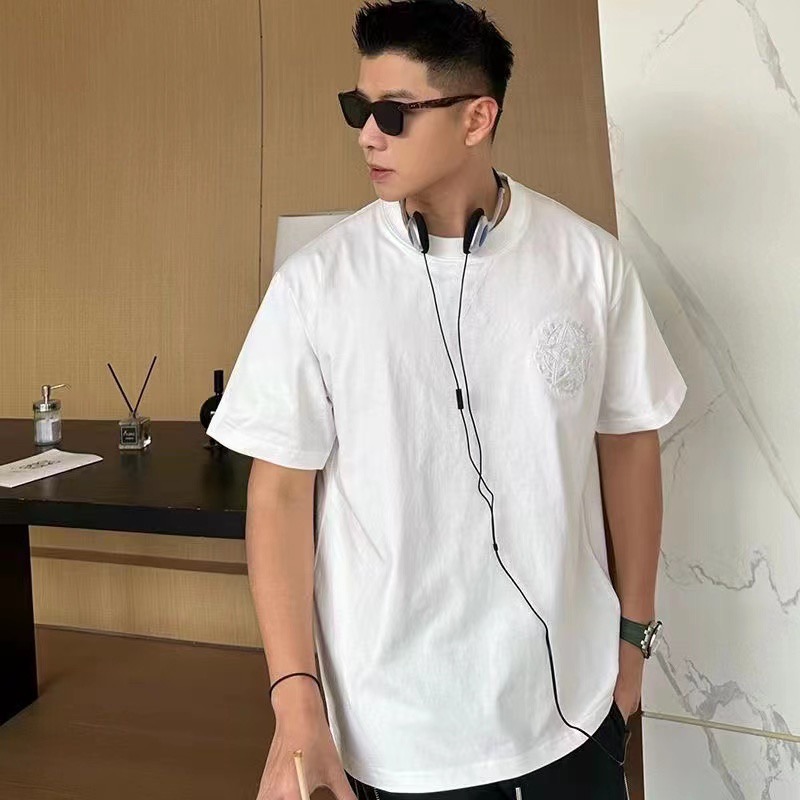
Quality Checks Against Approval
EDVORIN uses the approved sample and documented specifications as the working standard for bulk production. In-line checks help identify variation while it can be addressed, and final inspection confirms measurements, construction, decoration and packing before shipment.
- In-line inspection during production
- Measurements checked against specifications
- Decoration and construction reviewed
- Final packed-order inspection
Why Buyers Choose EDVORIN as Their Lightweight T Shirt Manufacturer
Compare EDVORIN’s connected lightweight t shirt manufacturer workflow with common supplier gaps that can affect approval, bulk consistency and repeat orders.
← Swipe left or right to view →
Lightweight T Shirt Manufacturer: From Concept to Packed Orders
A clear, accountable path from early development through final inspection, labeling, packing and shipment.
Define Product Requirements
We review your concept, target wearer, fit direction, fabric weight, color, branding and order requirements to build a practical production brief.
Source Materials and Trims
EDVORIN coordinates suitable lightweight fabrics, rib, labels, neck tape, threads and packaging components around the approved product and intended market.
Develop Patterns and Samples
Patterns, measurements and construction details are refined through sampling, giving your team a physical standard to review before bulk production begins.
Approve Decoration and Details
Print, embroidery, wash and artwork placement are tested with the garment, while approved references document colors, positions and finishing expectations.
Produce and Inspect Bulk
Cutting, sewing, decoration and finishing follow the approved standard, supported by in-line checks that identify variation before it affects the order.
Pack and Prepare Shipment
Final inspection confirms measurements, appearance and packing details before private-label products are packed, carton-marked and prepared for shipment.
How to Work With a Lightweight T Shirt Manufacturer
Move from concept or approved specifications to a production-ready lightweight T-shirt program with clear review points at every stage.
Share Your Product Brief
Send a tech pack, reference garment, sketch, or collection concept. EDVORIN reviews fit, fabric, decoration, labeling, packaging, and target quantities.
Confirm Specifications and Quote
Align material options, construction details, artwork placement, trims, size grading, and delivery requirements. Receive a quotation built around your approved production scope.
Develop and Approve Samples
Review the sample against your intended fit, handfeel, color, and branding. Record approved revisions so the garment becomes a usable bulk-production standard.
Launch Controlled Bulk Production
After approval, EDVORIN coordinates sourcing, cutting, sewing, decoration, and in-line checks to keep lightweight T-shirts aligned with the confirmed sample.
Inspect and Pack Your Order
Final quality checks verify measurements, workmanship, artwork, labels, and packing before your order is prepared for shipment and repeat-order reference.
Certified Standards for Responsible Apparel Production



What Buyers Say About EDVORIN, a Lightweight T Shirt Manufacturer
EDVORIN turned our reference tee into a documented production standard in two sample rounds. The final size set and print-placement files made our 1,200-piece launch much easier to approve and repeat.
For our club program, the team coordinated breathable fabric, player names, numbers, and packing by size. All 480 shirts arrived organized for distribution, which saved our staff several days before the season opener.
We needed a lighter streetwear tee that kept its intended fit after wash testing. EDVORIN recorded the approved measurements and fabric details, and our second 800-piece order matched the first program closely.
Lightweight T Shirt Manufacturer FAQs
Clear answers for buyers planning a custom OEM, ODM, or private-label T-shirt program with EDVORIN.
EDVORIN’s MOQ starts at 200 pieces per style. What is the minimum order quantity for a lightweight t shirt manufacturer?
Can a lightweight t shirt manufacturer make samples before bulk production?
How do I choose materials with a lightweight t shirt manufacturer?
What decoration methods work best on lightweight T-shirts?
How long does custom lightweight T-shirt production take?
Can EDVORIN provide private labels, hangtags, and custom packaging?
How are payments and shipping handled for a custom order?
How can I protect my designs when working with an OEM T-shirt supplier?
The Complete Buyer’s Guide to lightweight t shirt manufacturer
Use this decision framework to evaluate fabrics, construction, customization, supplier capabilities, pricing, and launch readiness—so your team can choose the right production partner and avoid costly sampling, quality, and ordering mistakes.
1. What Is a Lightweight T Shirt Manufacturer?
Two distinct businesses can sell a lightweight tee: a blank-stock printer fulfills an existing shirt, while a lightweight t shirt manufacturer develops a repeatable B2B product specification. For fashion labels, streetwear drops, sports teams, schools, wholesalers, and private-label programs, that specification connects fit, fabric weight, measurements, decoration, labels, and packing requirements.
Five production stages should be separated before a purchase order: garment development converts a sketch or reference into construction details; sampling tests the approved direction; bulk manufacturing repeats it at scale; branding adds private labels, neck prints, and packaging; fulfillment support organizes packed goods for delivery. The core sourcing question is whether a supplier can turn the buyer’s approved lightweight-tee standard into consistent bulk units, rather than merely print a design onto an available blank.
2. Evolution of Lightweight T Shirt Manufacturing
1900s cotton undershirts established the lightweight tee as an economical base layer; later fashion and promotional programs turned the blank into a visible branded product. Finer yarns and ring-spun cotton improved surface smoothness and hand feel versus coarser open-end constructions.
120–160 GSM single jersey is a common lightweight range, while cotton-polyester and stretch blends widened options for faster drying, recovery, and active use. Knit gauge, yarn count, and finishing now influence drape, opacity, shrinkage, and print readiness alongside fiber content.
Digital direct-to-garment and transfer workflows made short artwork runs and variable graphics more practical than traditional high-volume decoration alone. Modern private-label buyers expect a lightweight t shirt manufacturer to combine repeatable fit, scalable customization, softer feel, and traceable material options such as certified organic or recycled inputs—without treating sustainability as a substitute for product testing.
3. Types of Lightweight T Shirt Manufacturer Products
Six product briefs cover most lightweight tee programs. A lightweight t shirt manufacturer should match silhouette, fabric behavior, and decoration method to the buyer’s wearer and sales channel before sampling.
Fashion And Fitted Retail Tees
150–170 GSM cotton jersey suits everyday fashion basics: regular silhouettes, soft handfeel, and screen print or small embroidery.
140–160 GSM combed ring-spun jersey supports fitted retail tees, where cleaner drape, closer sleeves, and neck recovery matter most.
Streetwear And Performance Tees
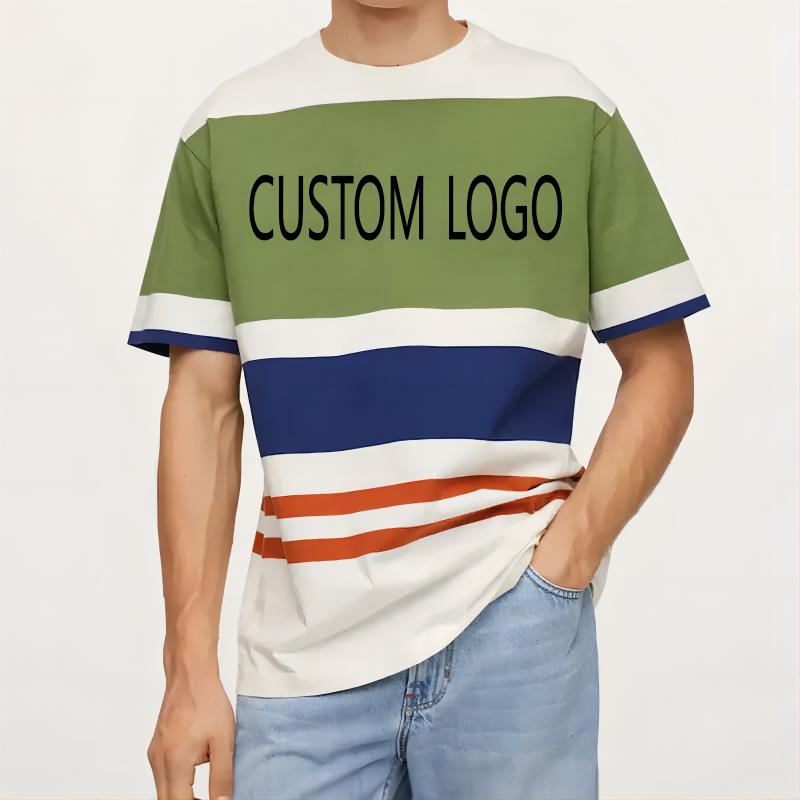
180 GSM lightweight jersey can support an oversized streetwear block with dropped shoulders, large back prints, and wash-ready graphics.
120–150 GSM polyester or polyester-spandex knits suit training tees, using athletic cuts with sublimation, heat transfer, or low-weight logos.
Uniform And Layering Styles
150–180 GSM cotton or cotton-poly tees suit uniforms and promotional programs, prioritizing stable sizing, clear logos, and repeatable color matching.
140–160 GSM long-sleeve or hooded tees serve layering assortments; specify sleeve length, hood shape, and print zones before requesting samples.
4. Lightweight T Shirt Manufacturer Fabric Options
140–180 GSM is the usual lightweight-tee window; lower weights improve airflow but can expose dark underlayers. A lightweight t shirt manufacturer should approve the fabric after wash testing, not only from a swatch.
| Fabric | Typical GSM | Best Use | Key Trade-Off |
|---|---|---|---|
| Combed cotton jersey | 150–180 | Premium casual tees | Soft; may shrink |
| Ringspun cotton | 140–170 | Retail graphics | Smooth print face |
| Organic cotton | 150–180 | Responsible basics | Higher material cost |
| Polyester | 120–160 | Training tees | Less natural hand |
| Cotton-poly blend | 150–180 | Uniforms | Balanced performance |
| Tri-blend | 130–160 | Vintage retail | Lower opacity |
| Recycled polyester | 120–160 | Performance lines | Test coverage |
Fiber And Yarn Choices
30-singles combed or ringspun cotton gives a smoother, softer jersey and cleaner print face than coarser open-end yarn. Organic cotton changes sourcing credentials, not automatically hand feel; verify yarn quality and shrinkage.
50/50 cotton-poly improves durability and drying speed, while tri-blends add drape. Recycled polyester suits performance programs but needs opacity and dye-sublimation testing.
Knit Weight And Coverage
150 GSM single jersey typically drapes well for fashion basics, whereas 180 GSM improves coverage and retail substance. Fine yarn and tighter knitting can increase opacity without making the tee feel heavy.
3–5% residual shrinkage after wash is a practical approval checkpoint; specify finished measurements after laundering.
Position The Fabric
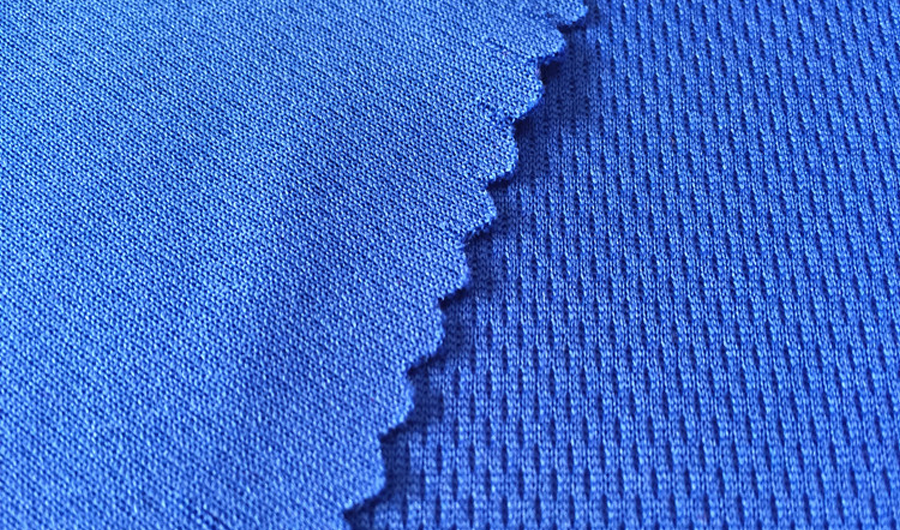
100% cotton supports premium softness and water-based printing; polyester-led constructions favor moisture management and sublimation. Match the hand feel, print method, durability target, and delivered cost to the intended retail tier.
5. Customization and Decoration Options
A lightweight t shirt manufacturer should match decoration to fabric weight, stretch, and intended wear. EDVORIN records approved artwork, placements, colors, trims, and packaging as production specifications.
| Method | Best Run | Artwork | Hand Feel |
|---|---|---|---|
| Screen print | 200+ | Spot colors | Soft if controlled |
| DTG | Small runs | Full color | Light |
| DTF | Small runs | Detailed color | Heavier |
| Sublimation | Polyester | All-over color | No ink hand |
Choose the Print Method
Screen printing suits 200-piece runs with simple spot-color artwork and a soft, durable ink system; oversized solid prints can reduce breathability.
DTG handles detailed artwork and smaller color changes, while DTF adds opacity but may create a heavier hand on fine jersey.
Finish The Brand System
Pantone references support repeatable color approvals, but fabric, dye lot, and print method still require a physical strike-off.
Garment dyeing suits compatible cotton programs; approve wash appearance before bulk because seams, labels, and trims can shade differently.
- Woven labels: durable brand identity
- Neck prints: lower bulk than labels
- Hangtags and packaging: specify materials and placement
- Embroidery: use light backing to protect drape
6. Construction Quality That Protects Lightweight Tees
At 120–160 GSM, minor construction defects become highly visible: jersey can turn transparent, seams can pucker, and the body can twist after laundering. A capable lightweight t shirt manufacturer should control these risks from approved sample through final packing.
Sample Construction Checks
Check 1×1 neck rib recovery after stretch, shoulder tape coverage, stitch density, seam alignment, and double-needle hem finish. Confirm whether the body is tubular or side-seamed; each requires a defined measurement standard.
- Stretch-test neckline recovery
- Inspect shoulder reinforcement
- Compare hem and seam alignment
Bulk Control Records
Request 3 records: approved measurement chart with tolerances, wash-test shrinkage results, and Pantone or lab-dip color approval. Label placement should be dimensioned from fixed neckline or side-seam reference points.
- Pre-production sample approval
- In-line measurement inspection
- Final random inspection report
Grading And Wash Stability
Grade 5–6 core sizes against the approved block, then verify shrinkage allowance before cutting. Lightweight knit exposes uneven shrinkage quickly through torque, skewed side seams, and off-center graphics.
7. Choosing a Lightweight T Shirt Manufacturer
Three comparable quotes reveal more than a low unit price. Evaluate each lightweight t shirt manufacturer against the same brief, target volume, delivery window, and inspection expectations.
Before Sampling
1 tech pack should state fit, 140 GSM target, color references, artwork, and wash expectations. Ask who owns pattern revisions, how fabric lots are approved, and which sample stages are charged.
- Request composition, GSM tolerance, and mill origin.
- Confirm sample turnaround and revision limits.
- Ask for relevant lightweight-jersey examples.
Before Bulk Approval
200-piece minimums can suit a launch, while repeat programs need confirmed monthly capacity. Obtain a written production calendar, AQL inspection approach, packing specification, shipment terms, and document availability before paying a deposit.
- Confirm MOQ by color, size, and decoration.
- Verify compliance documents for the actual factory.
- Define Incoterms, freight responsibility, and delivery date.
Compare Supplier Responses
24-hour acknowledgement is less useful than complete answers with assumptions identified. Score responsiveness, development clarity, sourcing traceability, sample accuracy, capacity evidence, and commercial terms using one weighted comparison sheet.
- Fashion brands: prioritize fit and finishing control.
- Teams: prioritize color, numbering, and size-set accuracy.
- Wholesalers: prioritize repeatability and replenishment planning.
8. Common Lightweight T Shirt Sourcing Mistakes
Lightweight tees expose small specification gaps quickly. A sourcing team should turn each approval into a measurable production standard before committing a 200-piece or larger run.
Fabric And Fit Assumptions
120 GSM alone does not predict opacity, drape, shrinkage, or recovery; the result can be a see-through tee or distorted fit. Approve fabric composition, knit structure, color-specific opacity, measurements, and wash-test results together.
Decoration And Specification Gaps

1 oversized plastisol print can stiffen a light jersey, while unrecorded placement and tolerances create inconsistent bulk pieces. Match artwork to fabric and print method, then sign off placement dimensions, acceptable measurement variance, labels, folding, and polybag requirements.
Cost And Timing Shortcuts
2 weeks rarely covers material booking, sampling, approvals, production, inspection, and freight; rushed orders reduce correction time. Compare total landed cost instead of unit price, lock a milestone calendar, and order enough units to pull representative in-line and final inspection samples.
9. Steps to Launch a Lightweight Tee Brand
A 200-piece opening order needs a defined customer, price tier, and color plan before development begins. A lightweight t shirt manufacturer can turn those choices into approvals that protect repeat production.
Build The Production Brief
Two wearer profiles, three competitor price points, and a target retail margin should define the tee’s role. Specify whether it is a layering basic, fashion fit, or team garment.
One tech pack should record measurements, graded sizes, 140–180 GSM fabric, neck rib, stitch details, Pantone colors, labels, and packaging. Attach placement artwork at final print size.
Sample Before Committing
One development sample should test drape, shrinkage, collar recovery, and artwork compatibility before bulk fabric is reserved. Consolidate fit comments into one dated revision list.
One approved pre-production sample should match the final fabric, trims, print method, and packing standard. Approve it against the tech pack, not memory.
Control Launch Risk
Two checkpoints—in-line inspection and final inspection—should verify measurements, shade consistency, decoration placement, and carton counts. Photograph defects and agree corrective action before shipment.
Three launch inputs—sell-through forecast, size curve, and replenishment lead time—should set inventory by color. Start narrower than the full concept, then repeat proven sizes and shades.
10. Lightweight T Shirt Manufacturer Pricing and Costs
200 pieces is a practical starting point for comparing a lightweight t shirt manufacturer quote, but it does not make two specifications equivalent. EDVORIN prices each program against approved construction, sourcing requirements, decoration, and delivery plan rather than a generic tee description.
2 production routes can use the same silhouette yet cost differently: ring-spun cotton versus open-end cotton, 120 GSM versus 180 GSM jersey, or one-color screen print versus multi-location artwork. Sampling, custom neck labels, hangtags, folding, polybags, and shorter production windows should be stated separately.
6 inputs produce a usable quote: tech pack or reference, fabric composition and GSM, colorways and size breakdown, artwork placements, labeling and packaging, target quantity, and delivery date. Request a tailored EDVORIN quote after these details are confirmed.
| Cost driver | Simpler brief | More complex brief |
|---|---|---|
| Fabric | Stock jersey, limited colors | Custom composition, GSM, or dye match |
| Decoration | One placement, few ink colors | Multiple placements or embroidery |
| Quantity and lead time | Larger run, standard schedule | Small run, sampling, or accelerated delivery |
Ready to Partner With a Lightweight T Shirt Manufacturer?
Send your tech pack, reference garment, or collection concept to EDVORIN for a clear production quote and accountable development path.