
Cotton Polyester T Shirt Manufacturer for Repeatable OEM Production
EDVORIN takes cotton-poly T-shirts from concept to controlled bulk production, with OEM and private-label support starting at 200 pieces per style.
Cotton-Poly Fabric References for T-Shirt Development
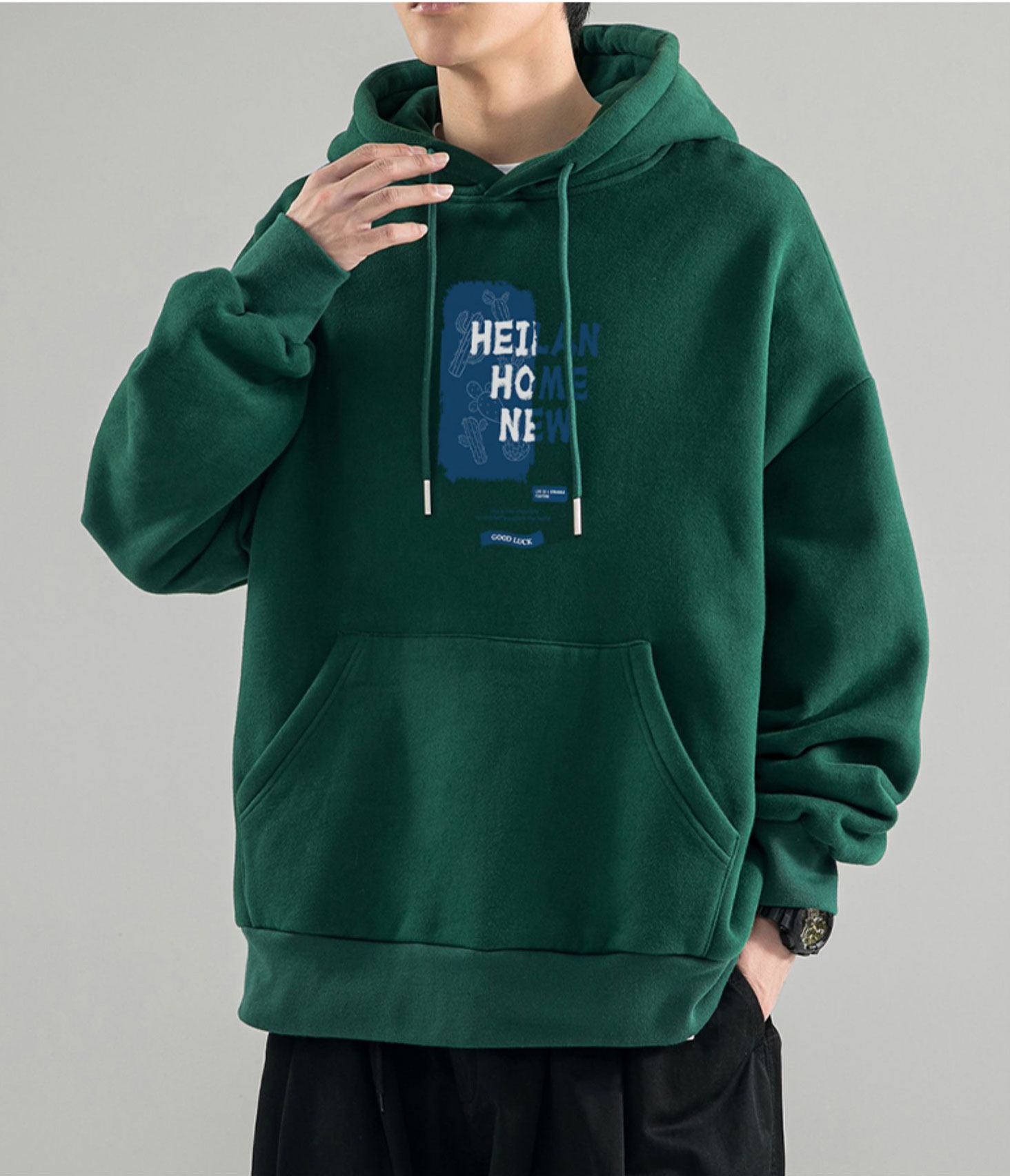
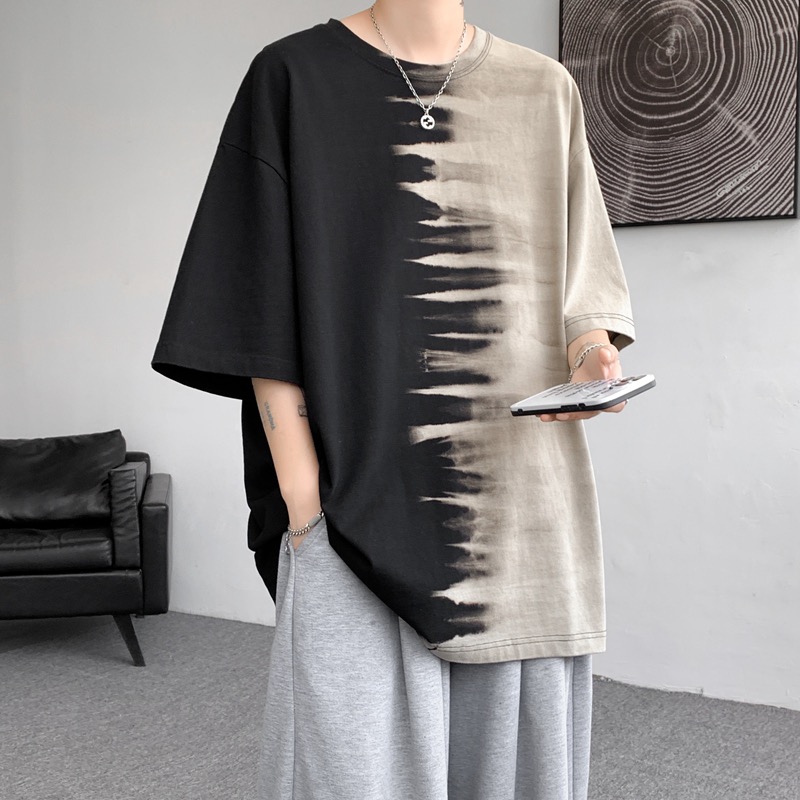
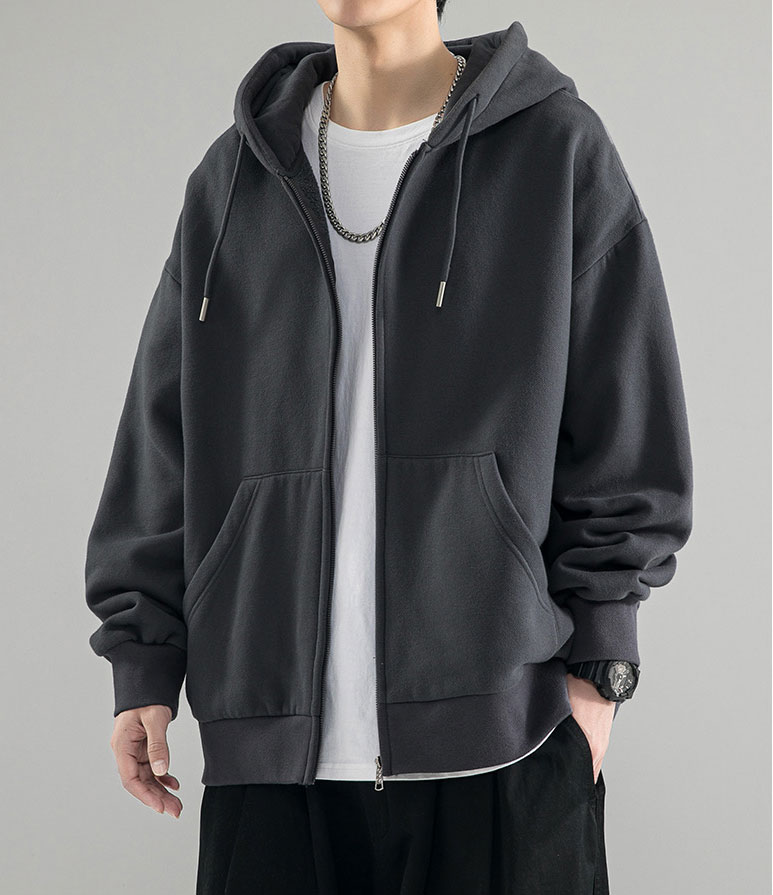
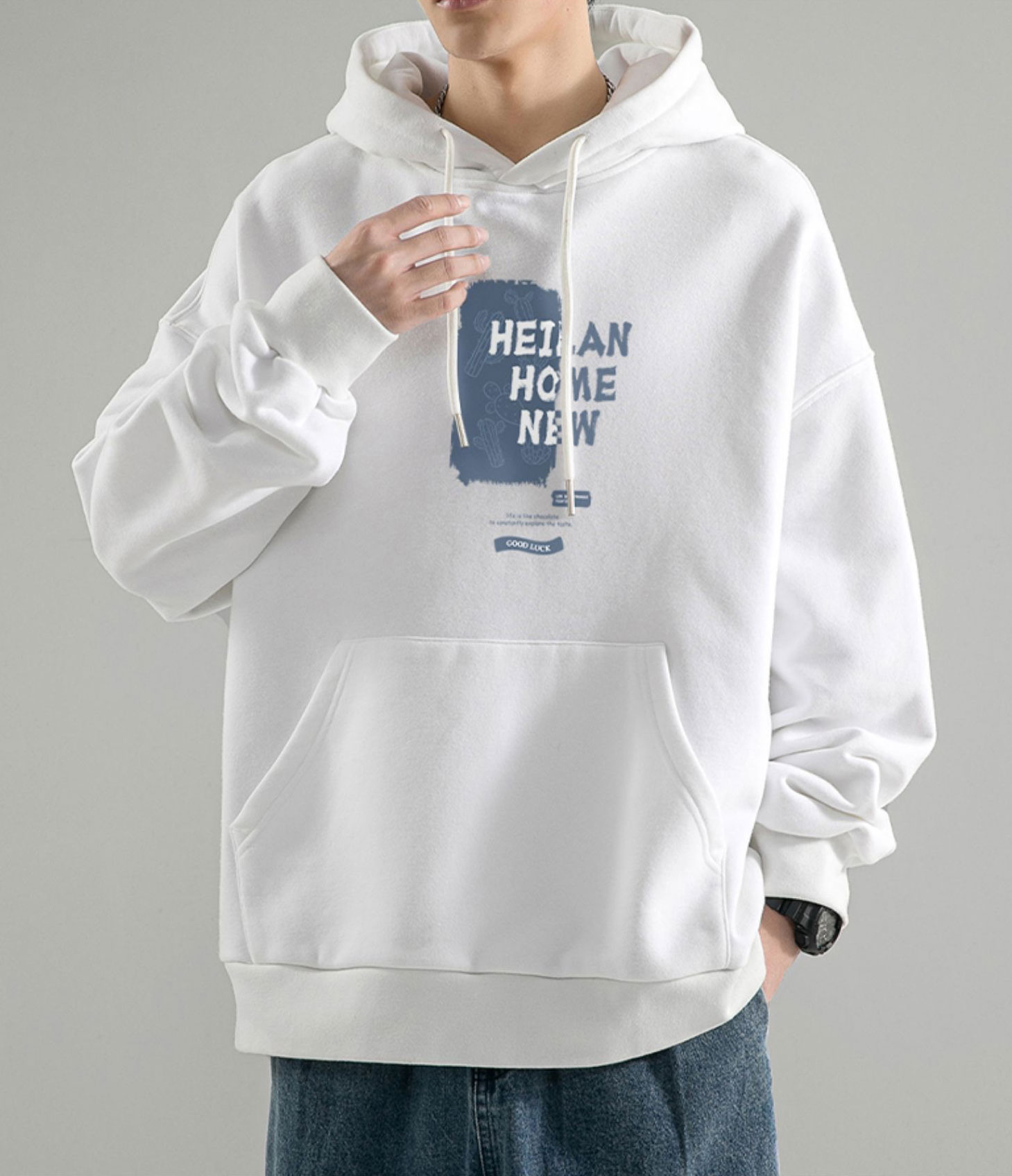
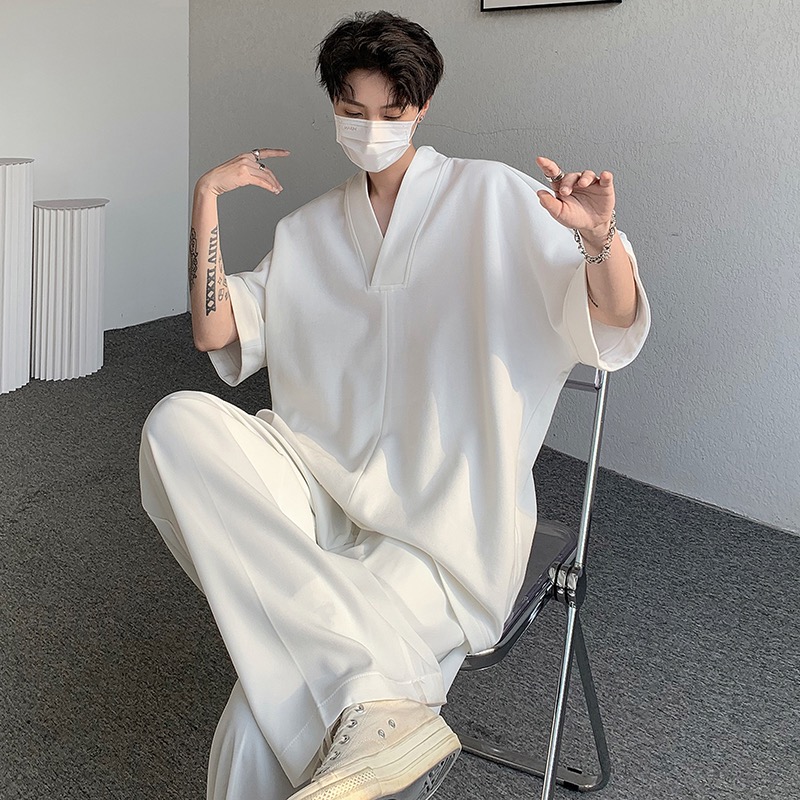
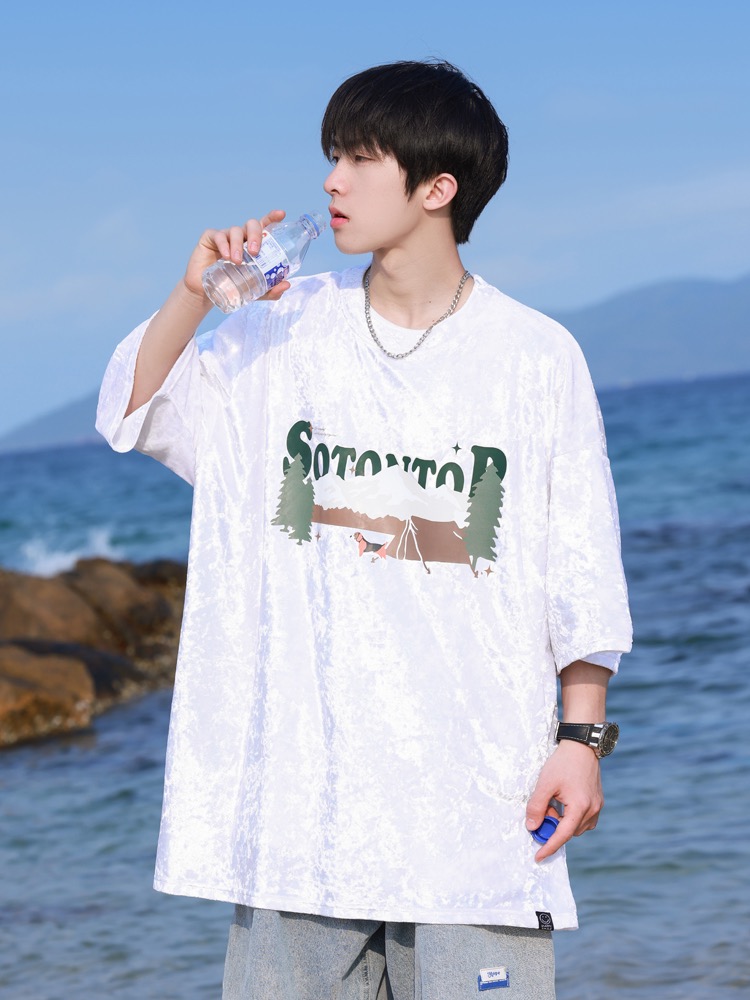
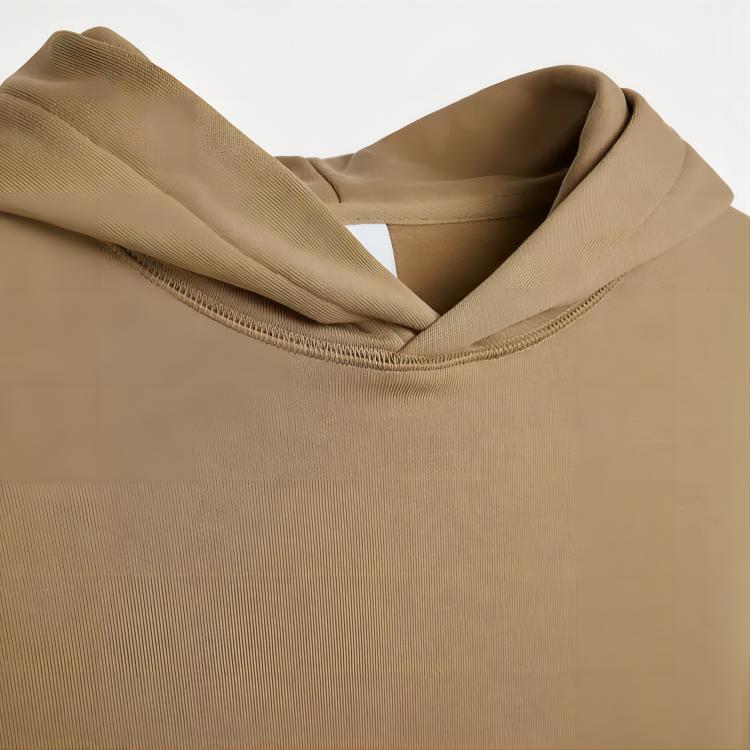
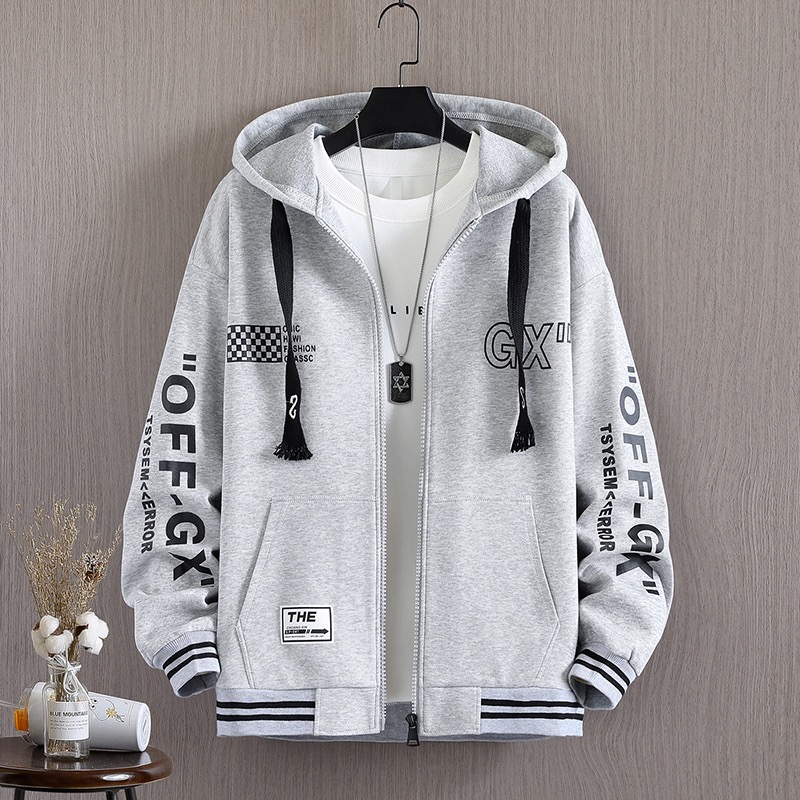
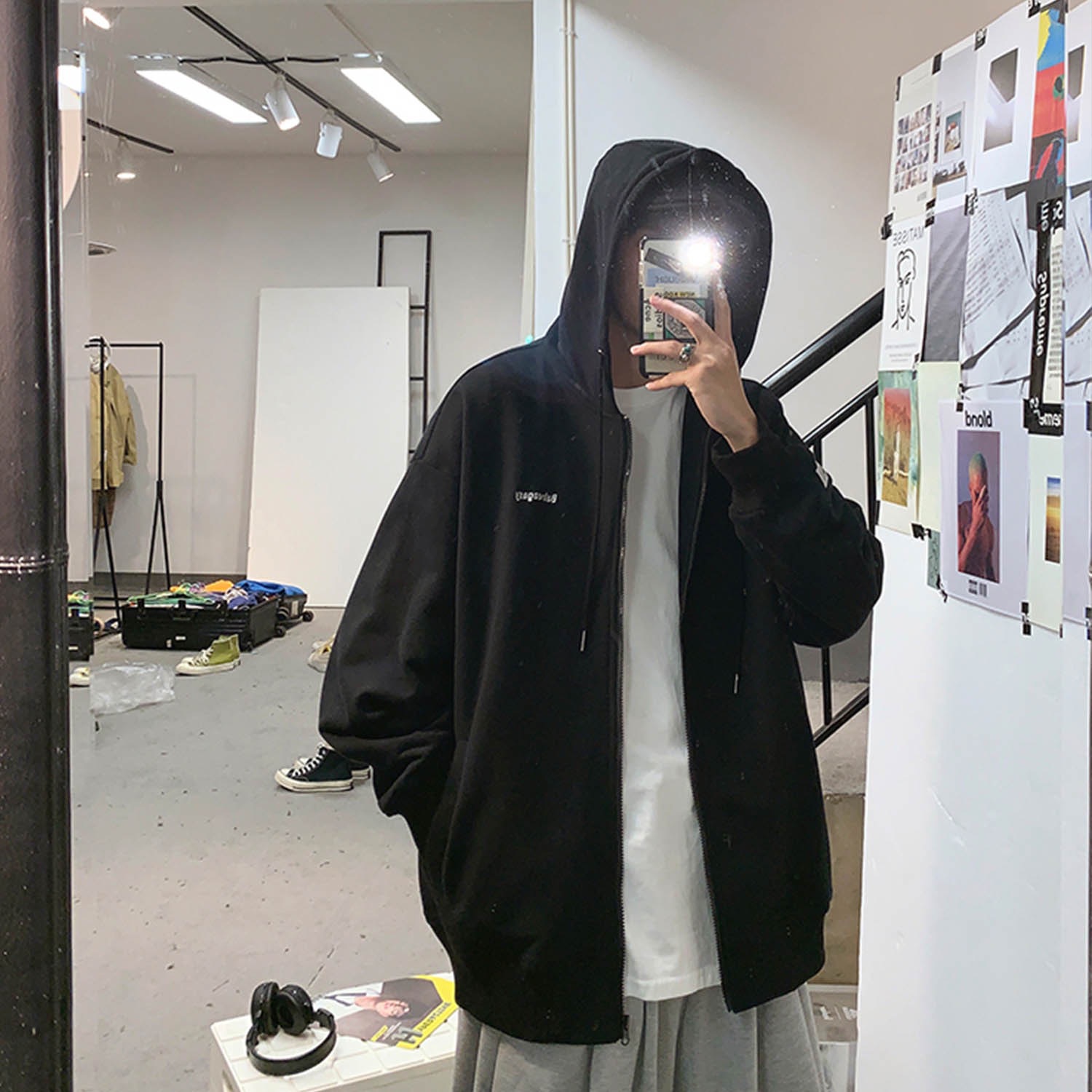
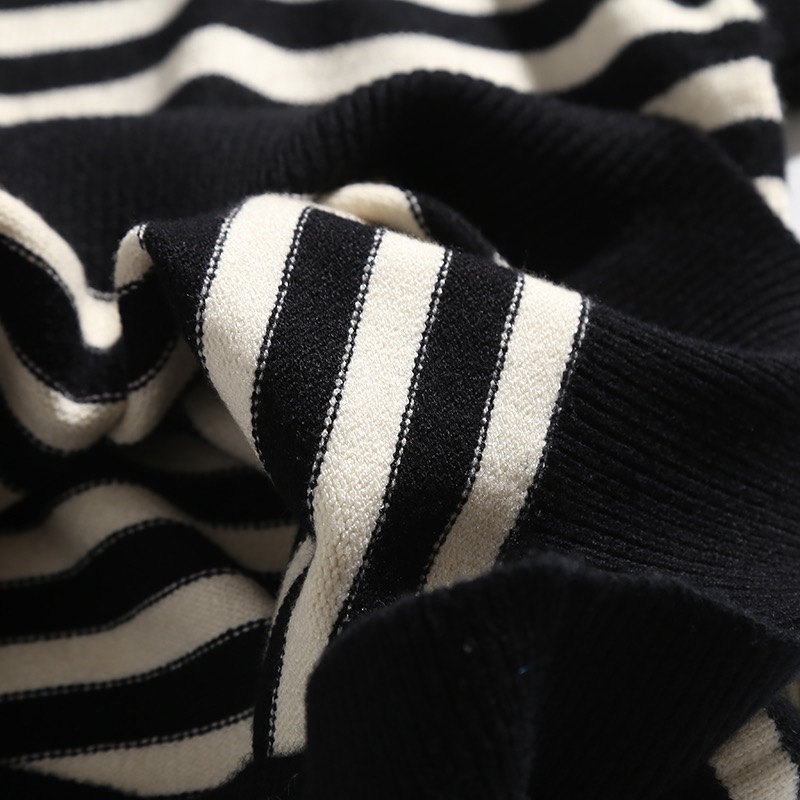
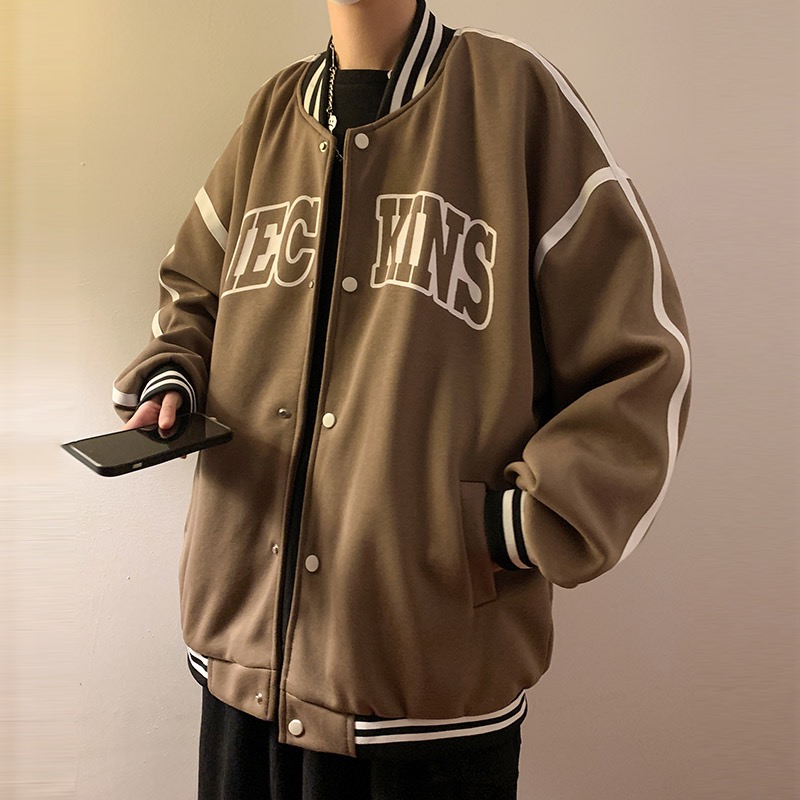
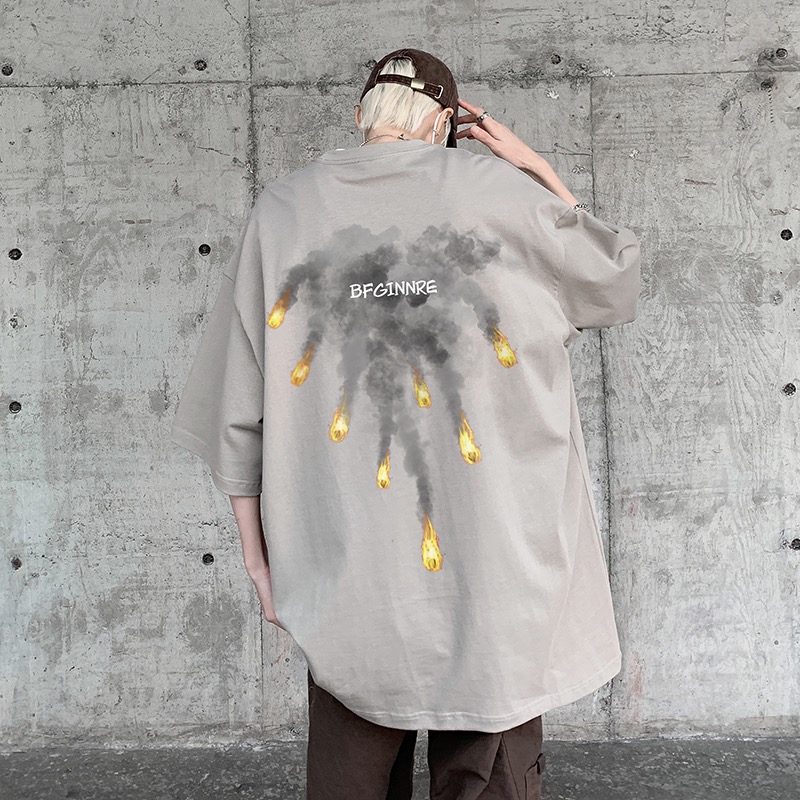
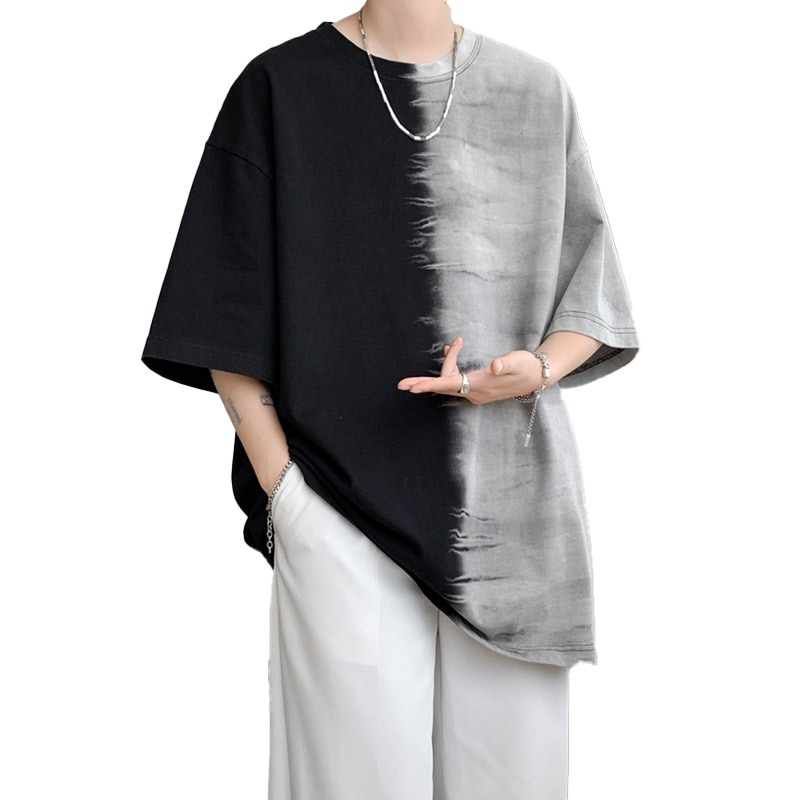
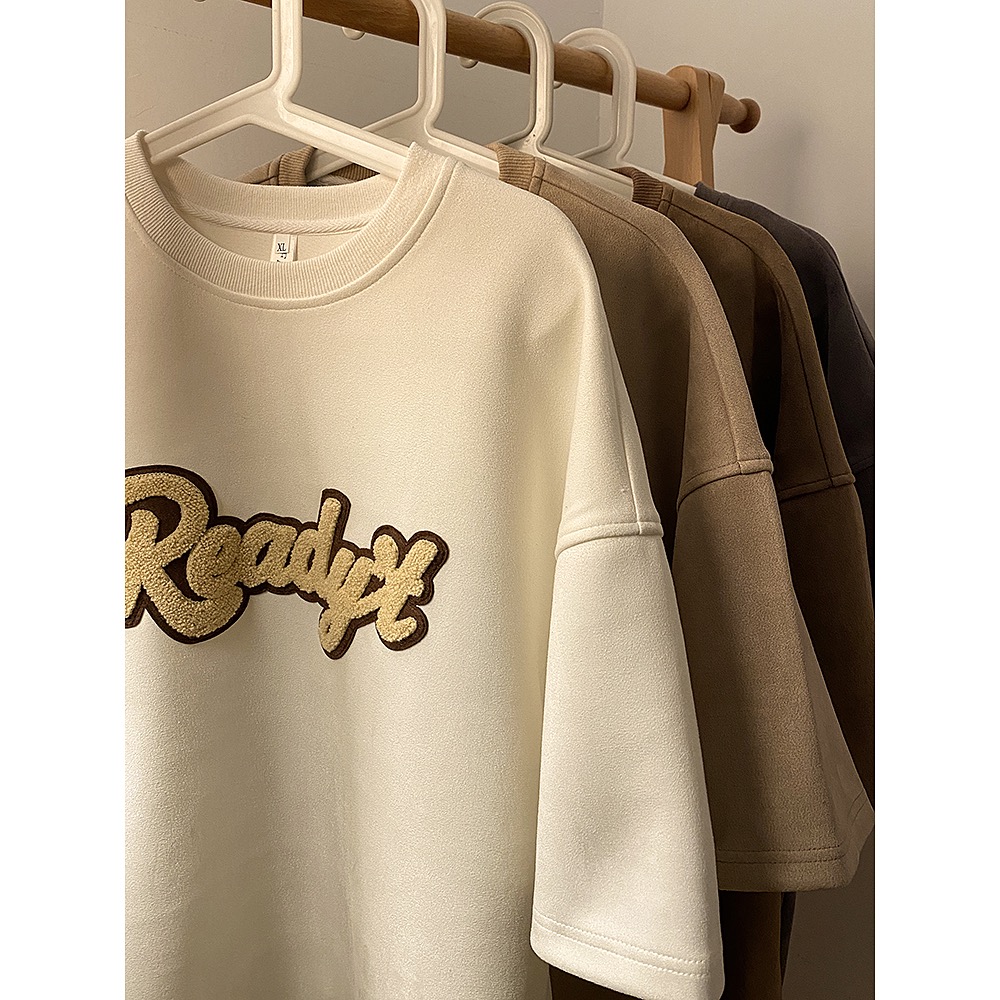
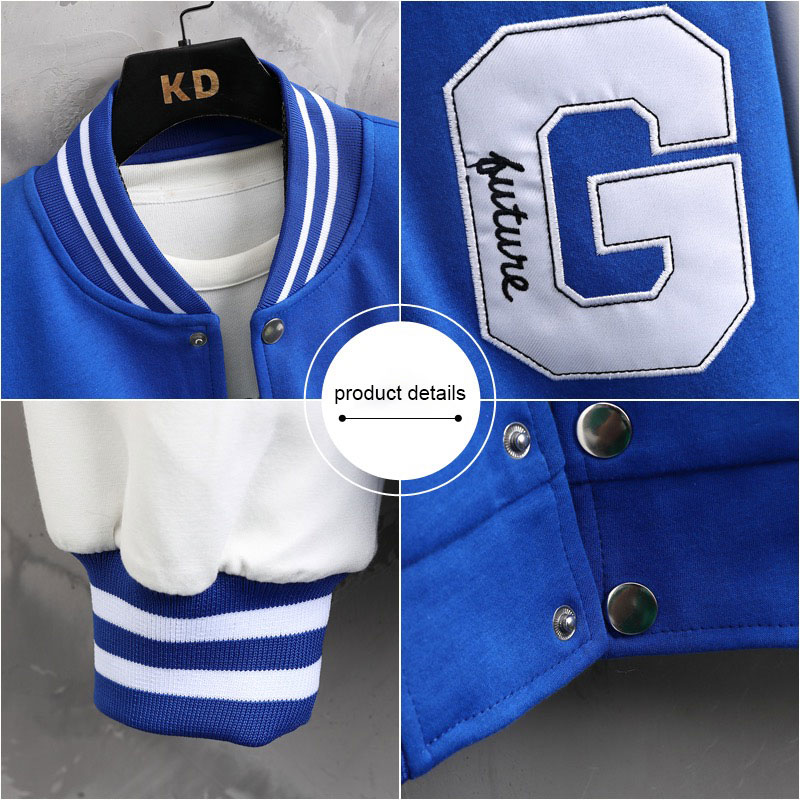
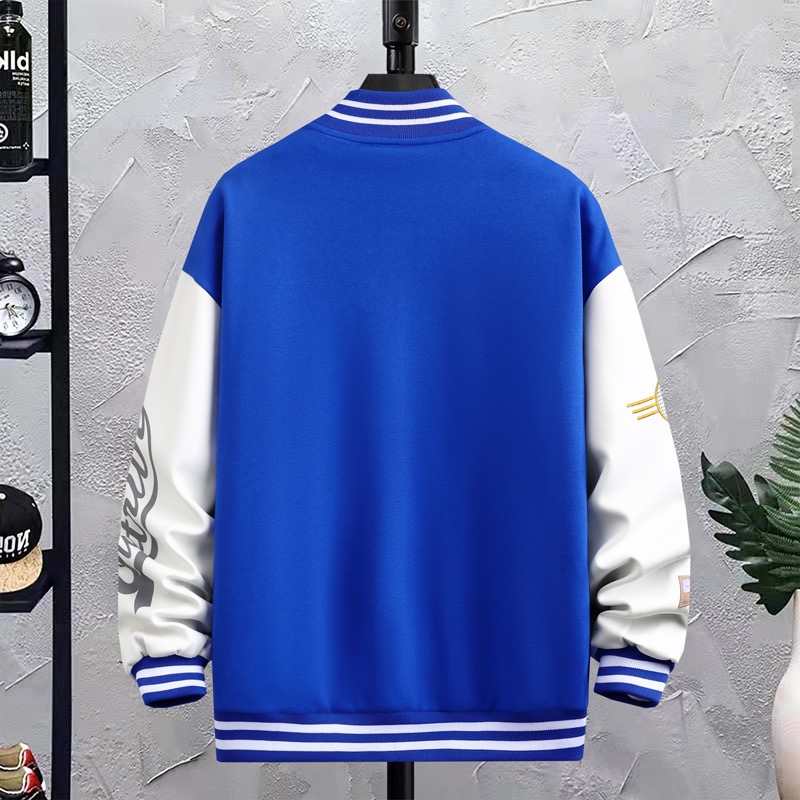
Cotton Polyester T Shirt Manufacturer Built to Repeat
EDVORIN connects development, decoration and quality control so approved cotton-poly T-shirts can move into bulk production with clear accountability.
Development to Bulk
Fabric selection, fit development, patterns, samples and production details stay connected from the first concept through final packed units.
Flexible OEM and ODM
Bring a complete tech pack or an early concept; our team helps turn either starting point into production-ready specifications.
Blend-Matched Decoration
Printing, embroidery and wash options are coordinated with your cotton-poly blend, artwork and intended wear to support a consistent finish.
Documented Approvals
Approved samples, measurement standards, trim details and artwork placement records give production a shared reference before bulk manufacturing begins.
Accountable Production Path
Material checks, in-line inspection and final quality control help protect the approved standard across your OEM or private-label order.
Apparel Manufacturing by Buyer Need
From cotton-poly essentials to technical teamwear, EDVORIN develops category-specific specifications that carry approved samples into controlled bulk production.
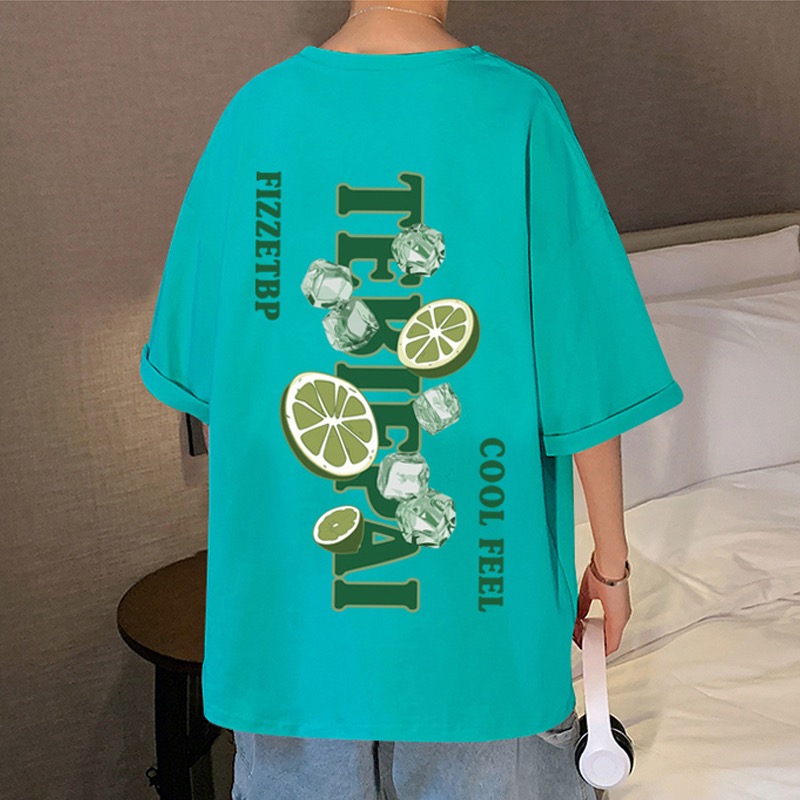
Custom Hoodies
EDVORIN develops custom hoodies with cotton-poly fleece selection, fit blocks, rib specifications, drawcord details, print or embroidery placement, and labeling. Each approved sample becomes the reference for repeatable bulk production across men’s and women’s programs.
Get a Quote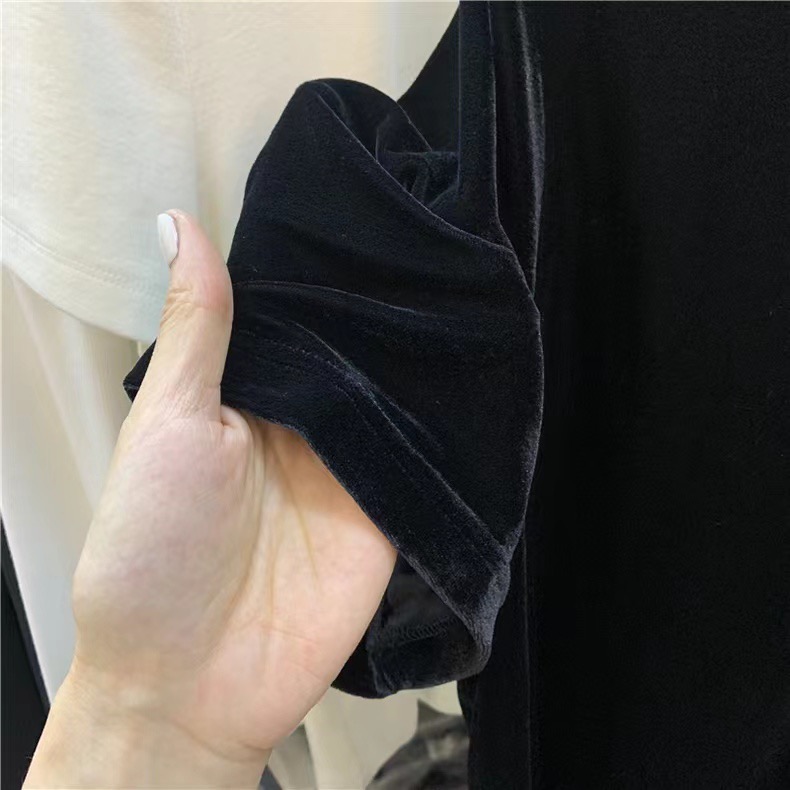
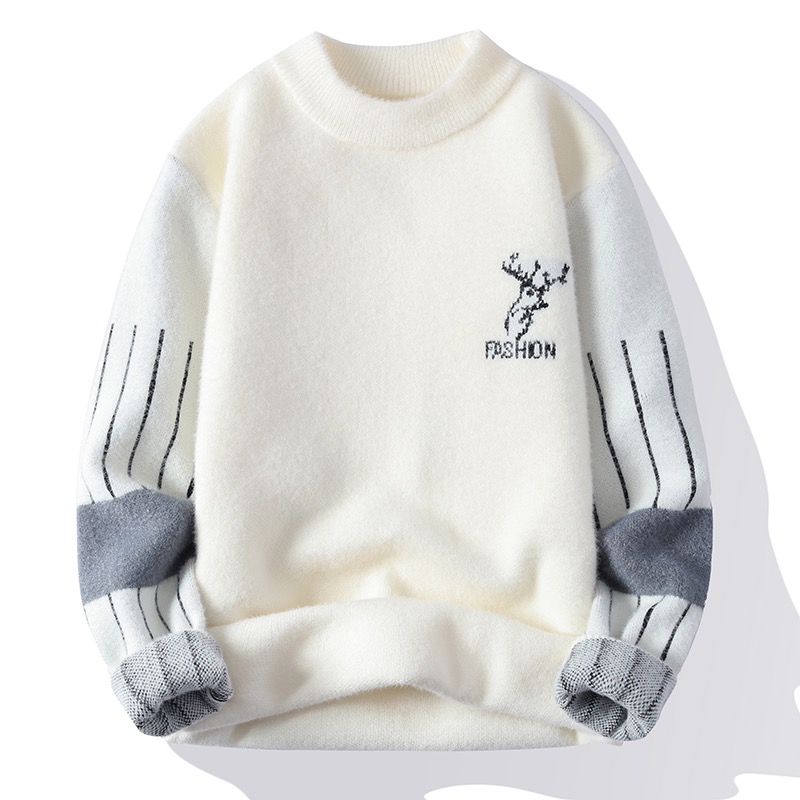
Pullover Sweatshirts
As a sweatshirt manufacturer, EDVORIN coordinates fleece weight, neckline and rib recovery, seam construction, wash effects, decoration, and grading. Pullover sweatshirts can be developed for fashion collections, school programs, wholesale assortments, and private-label orders.
Get a Quote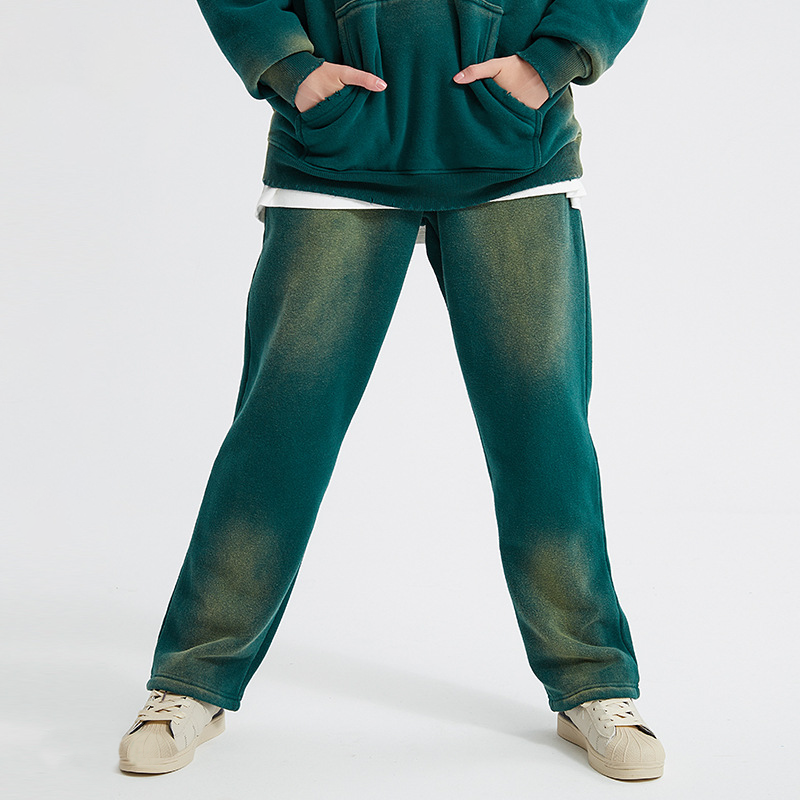
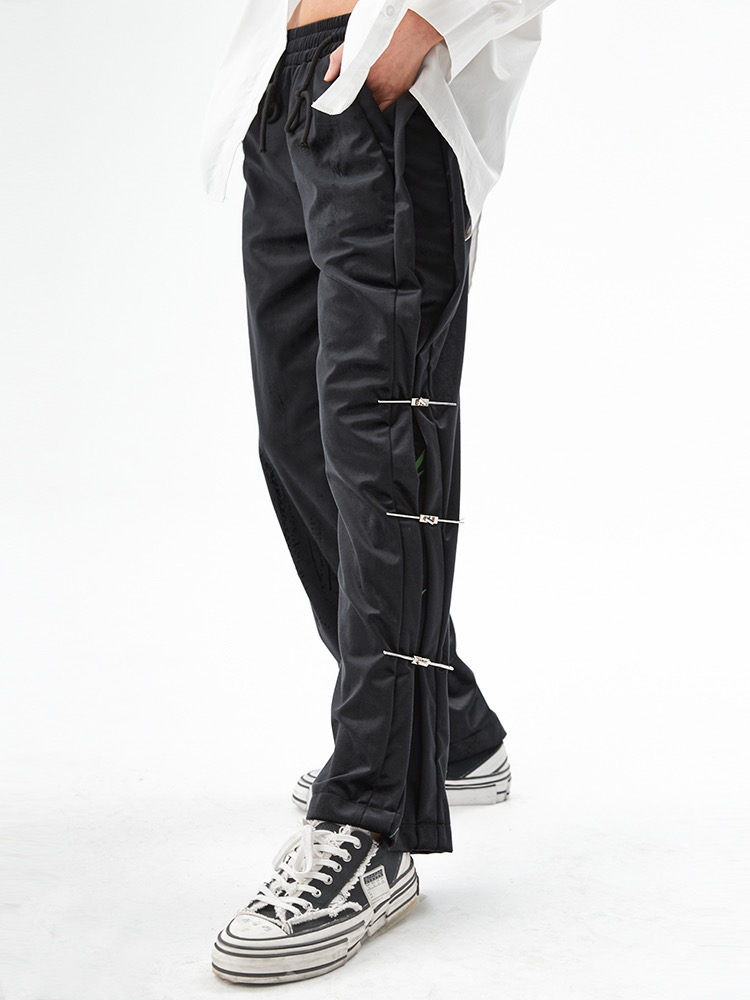
Sweatpants & Joggers
Our sweatpants manufacturer program covers joggers, open-hem sweatpants, elastic or rib cuffs, waistband construction, pockets, drawcords, and matching-fleece coordination. Fit, fabric weight, and decoration standards are documented before bulk production for men’s and women’s ranges.
Get a Quote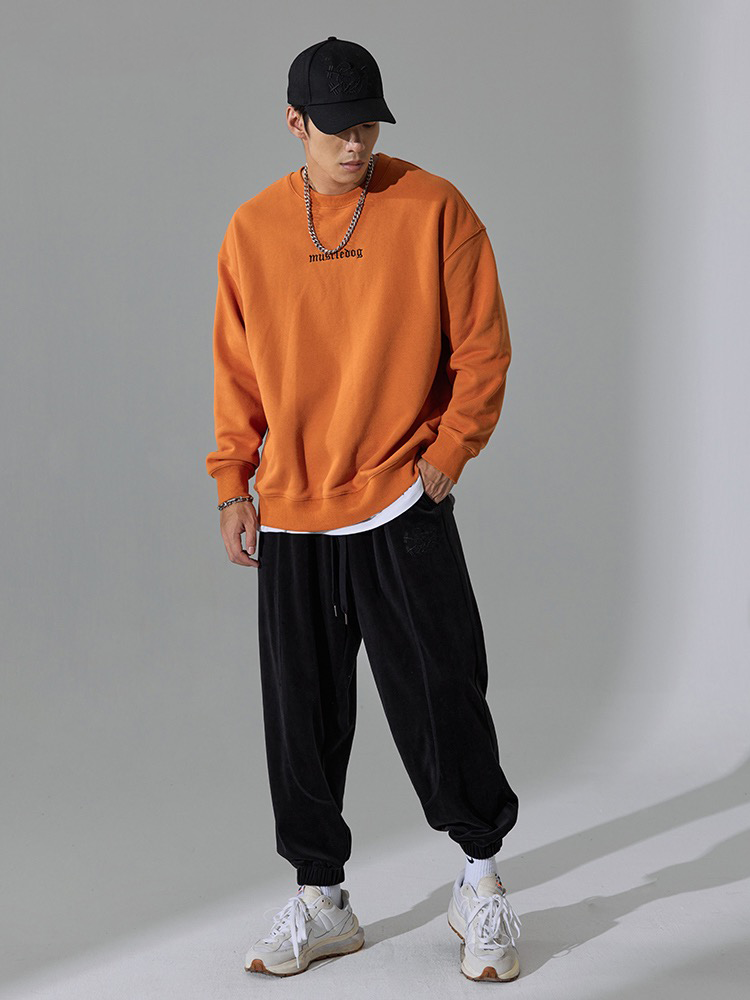
Custom Shorts
EDVORIN produces custom shorts for casualwear, streetwear, team programs, and branded promotions. Development can include cotton-poly fleece, jersey, woven fabric, elastic waists, pockets, inseams, mesh lining, prints, embroidery, labels, and packaging specifications.
Get a Quote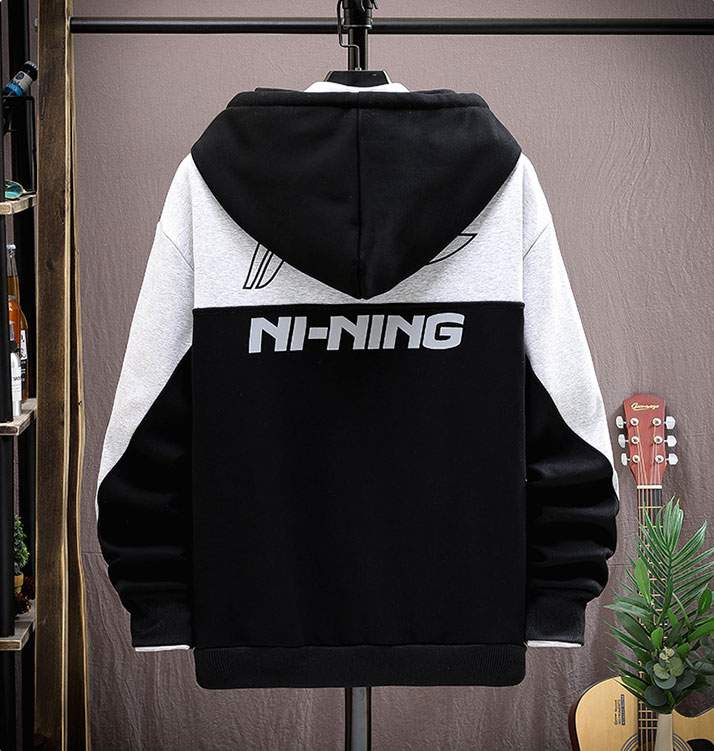
Varsity & Baseball Jackets
As a varsity jacket manufacturer, EDVORIN coordinates body and sleeve materials, linings, ribbing, snaps, chenille patches, embroidery, and appliqué. Construction and decoration are sampled together so the jacket’s proportions and finish remain consistent in bulk.
Get a Quote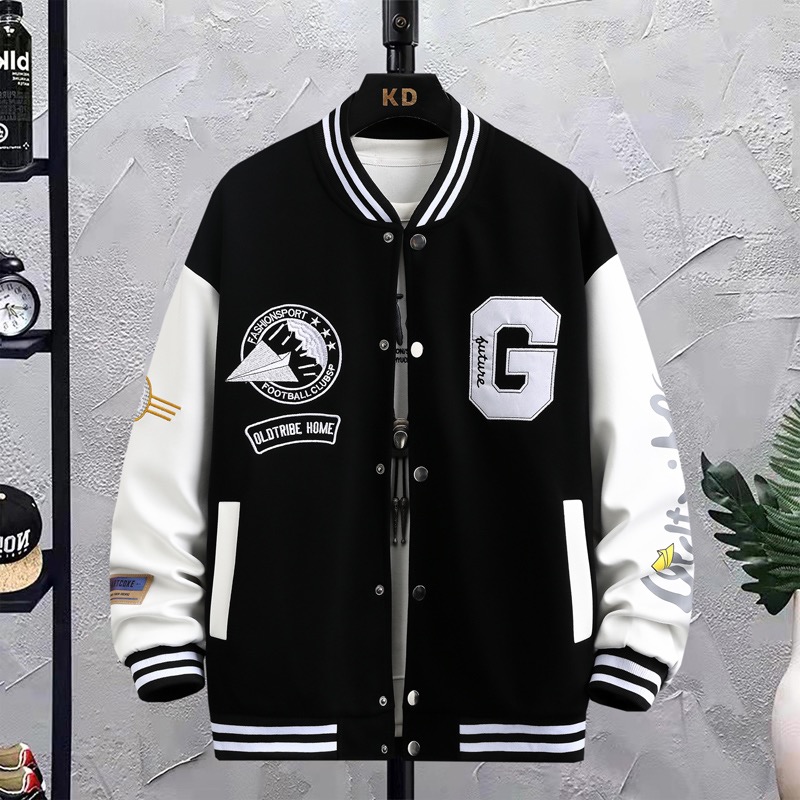
Custom T-Shirts
Our custom T-shirt manufacturer program supports cotton-poly jersey options, collar construction, fit grading, print methods, embroidery, wash treatments, neck labels, and packaging. It is suited to branded basics, event merchandise, school orders, wholesale lines, and streetwear drops.
Get a Quote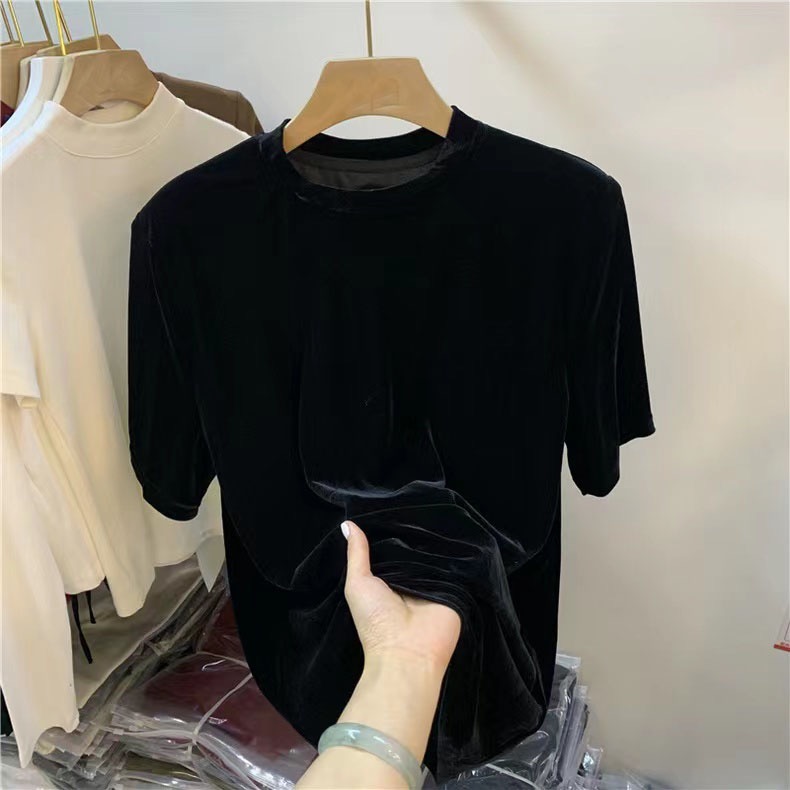
Custom Polo Shirts
EDVORIN develops custom polo shirts with cotton-poly piqué or jersey fabrics, collar and placket construction, button selection, embroidery placement, and size grading. Programs can be specified for corporate uniforms, schools, clubs, wholesale, and private-label collections.
Get a Quote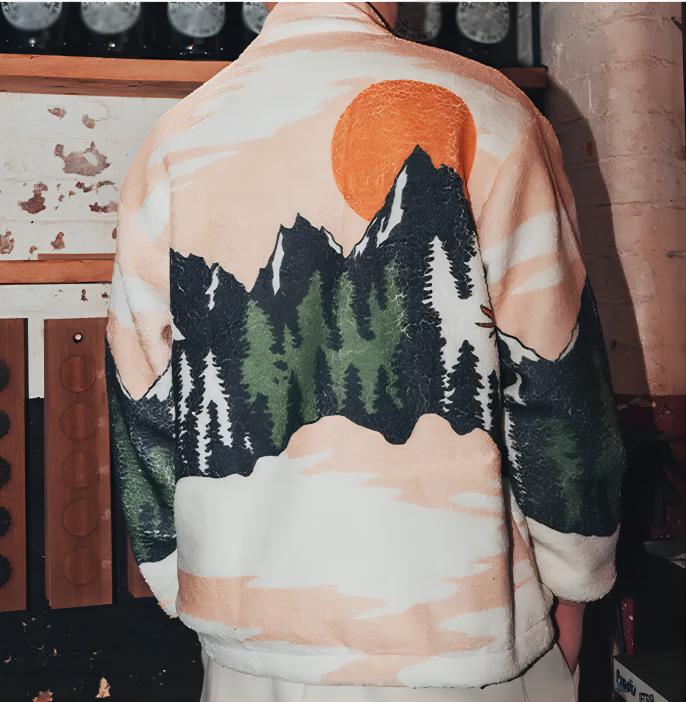
Windbreaker Jackets
As a windbreaker manufacturer, EDVORIN manages shell fabric, lining or mesh, zipper and pocket construction, hood details, elastic components, print or embroidery, and packing. Development considers movement, weather protection, and consistent decoration across the order.
Get a Quote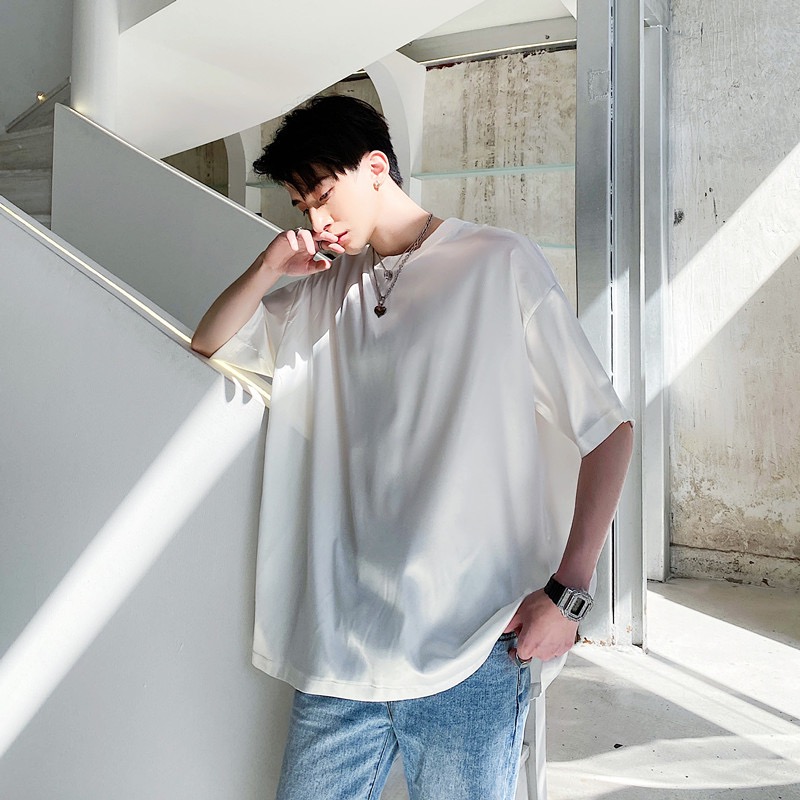
Quilted Jackets
Our quilted jacket manufacturer program coordinates shell fabric, lining, insulation, quilt pattern, binding, hardware, pockets, and decoration. Samples confirm loft, balance, and construction before materials and production standards are locked for bulk delivery.
Get a Quote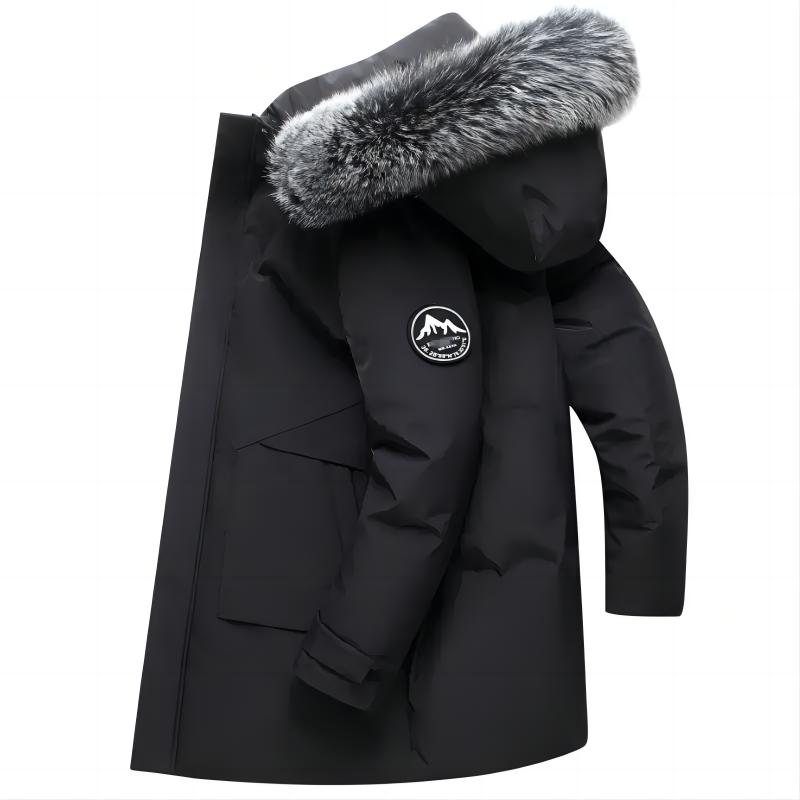
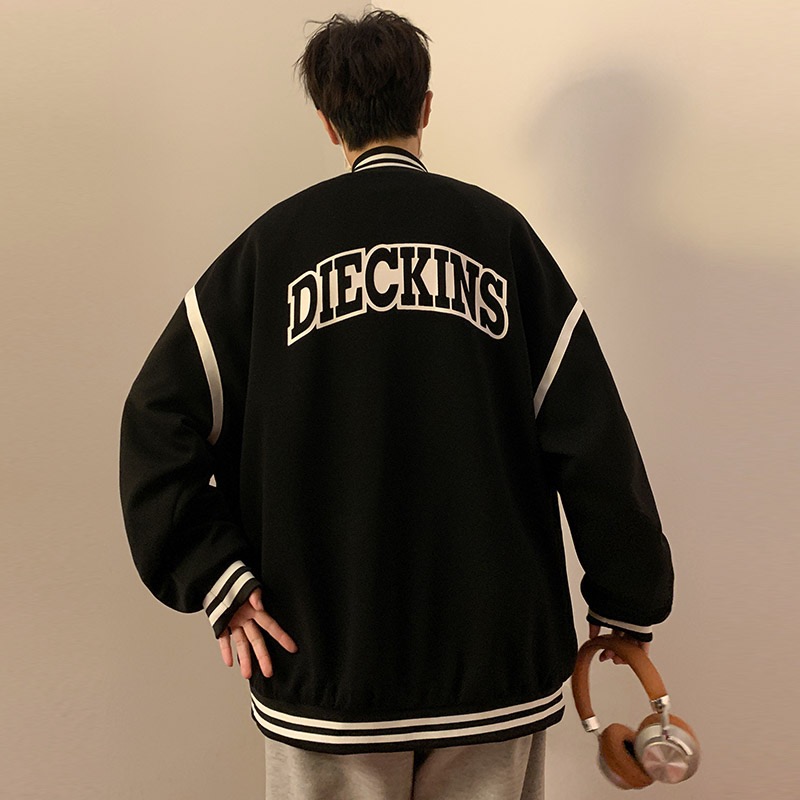
Bomber Jackets
EDVORIN produces bomber jackets with coordinated shell, lining, rib, zipper, pocket, and embroidery specifications. Whether developed for fashion, streetwear, clubs, or corporate programs, the approved sample establishes the construction and placement standard for repeat orders.
Get a Quote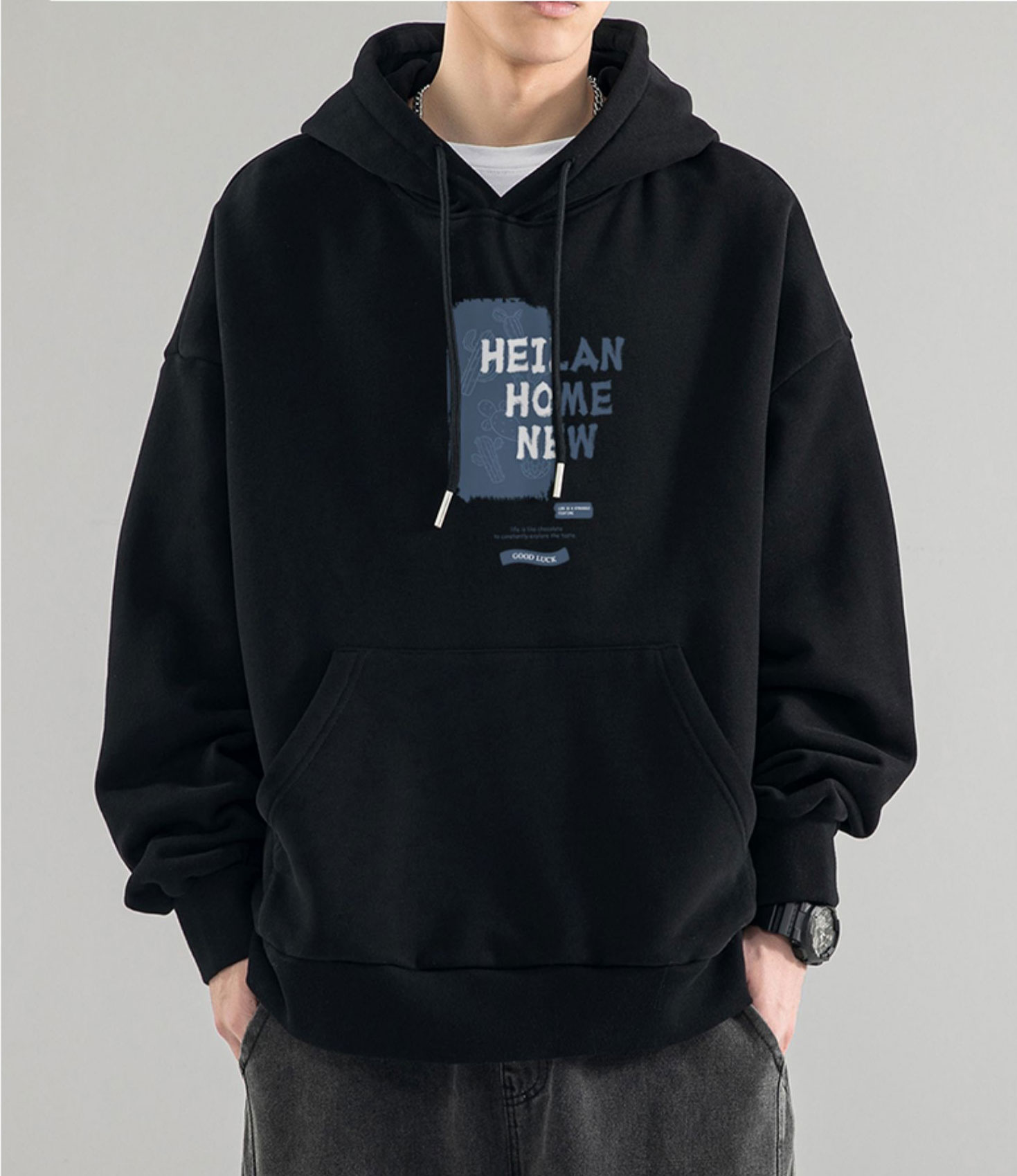
Custom Shirts
As a custom woven shirt manufacturer, EDVORIN develops fabric, collar, placket, cuff, pocket, button, fit, and branding details into a documented production standard. Men’s and women’s proportions can be developed separately for uniform, wholesale, and private-label programs.
Get a Quote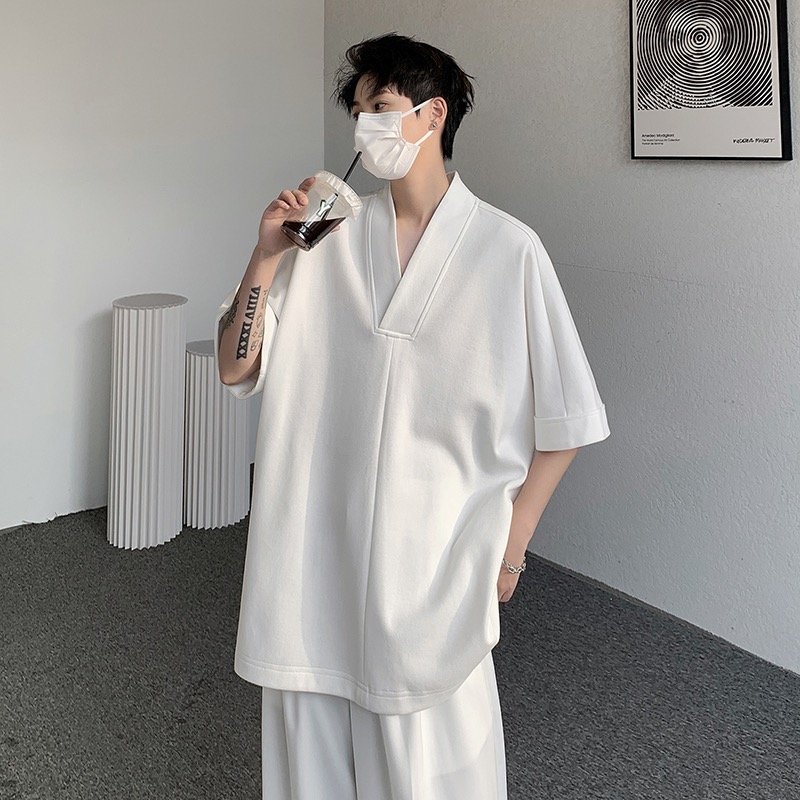
Custom Jerseys
Our custom jersey manufacturer program supports breathable fabrics, color matching, panel construction, sublimation, screen printing, embroidery, names, numbers, and organized size sets. Each program is built around the sport, wearer, and repeat-order requirements of the buyer.
Get a Quote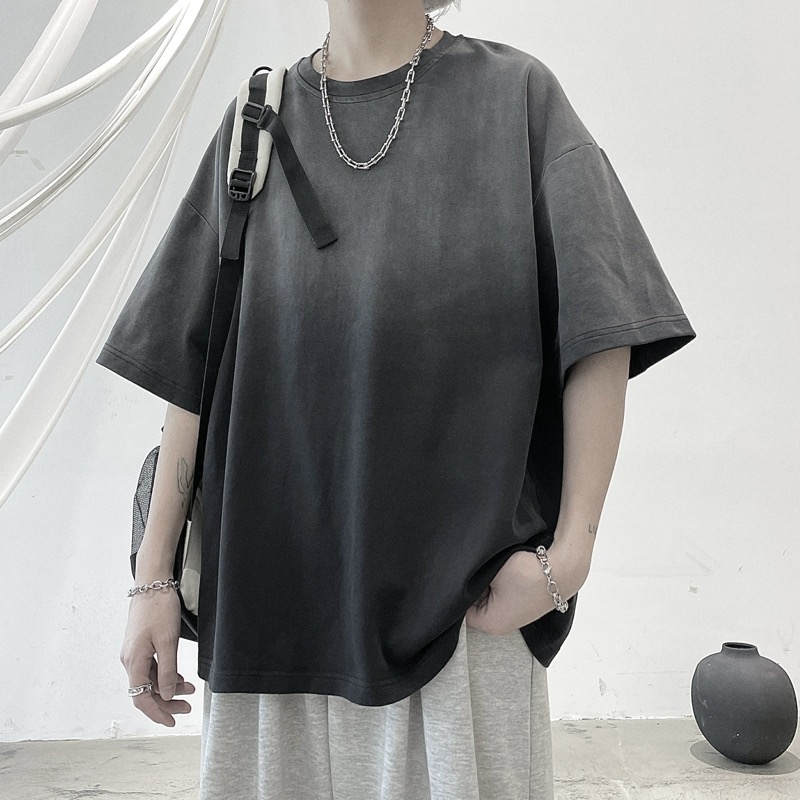
Tank Tops
EDVORIN manufactures custom tank tops in cotton-poly jersey, performance knit, or other specified fabrics. Armhole and neckline finishing, fit, print placement, embroidery, labels, and grading are developed for fashion, gym, team, promotional, and private-label programs.
Get a Quote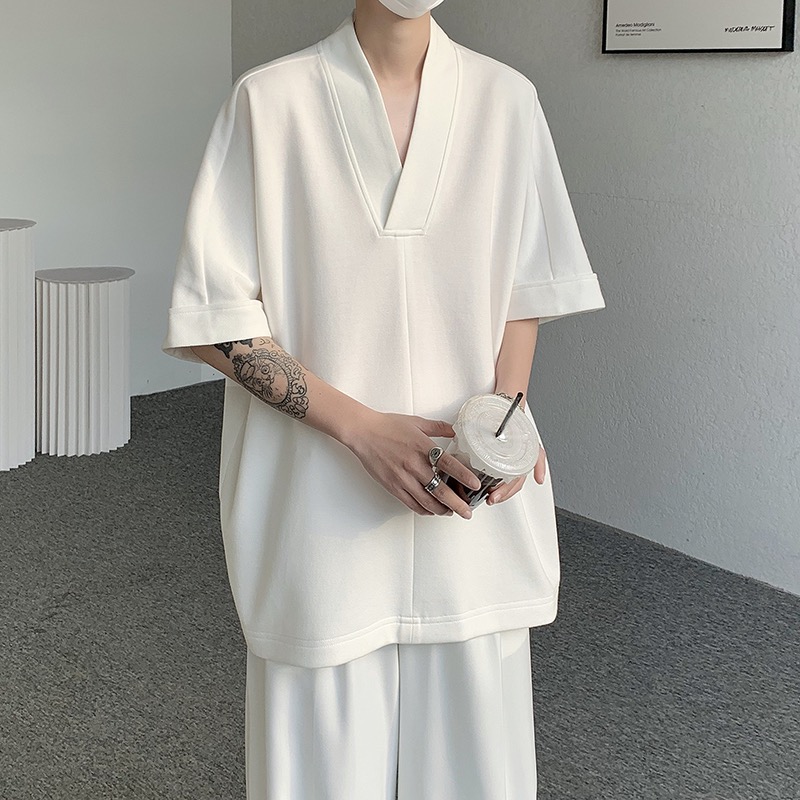
Soccer Uniforms
As a soccer uniform manufacturer, EDVORIN coordinates lightweight performance fabrics, team colors, sublimation or print, crest application, player names and numbers, shorts, and size sets. Production standards support consistent visual identity across clubs, schools, and academies.
Get a Quote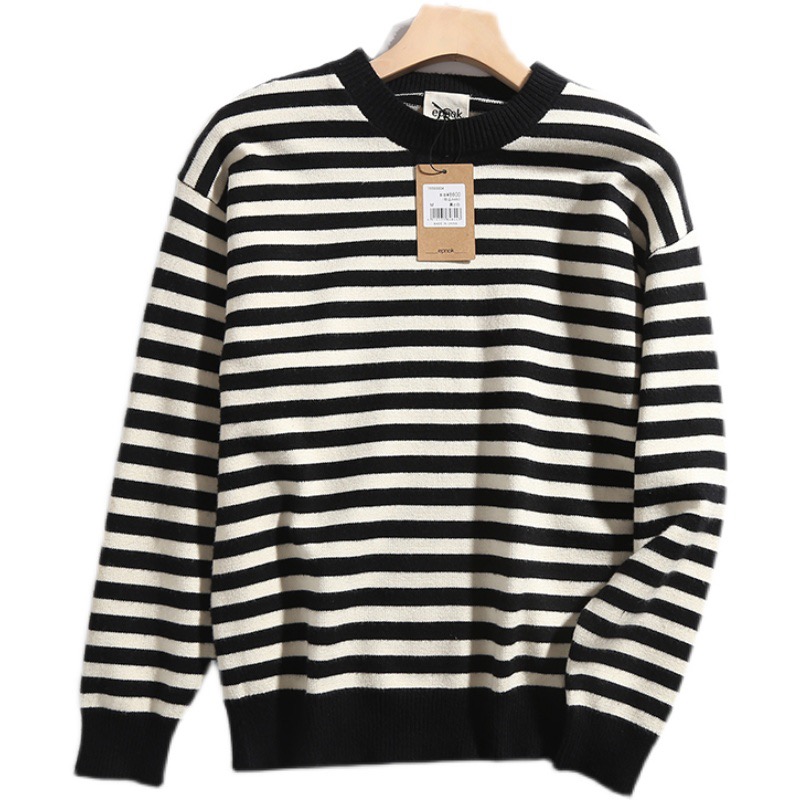
Basketball Uniforms
Our basketball uniform manufacturer program covers jersey and short fabric, breathable construction, color blocking, sublimation, team marks, numbers, names, and grading. Samples verify movement, placement, and color before bulk production for teams, schools, and leagues.
Get a Quote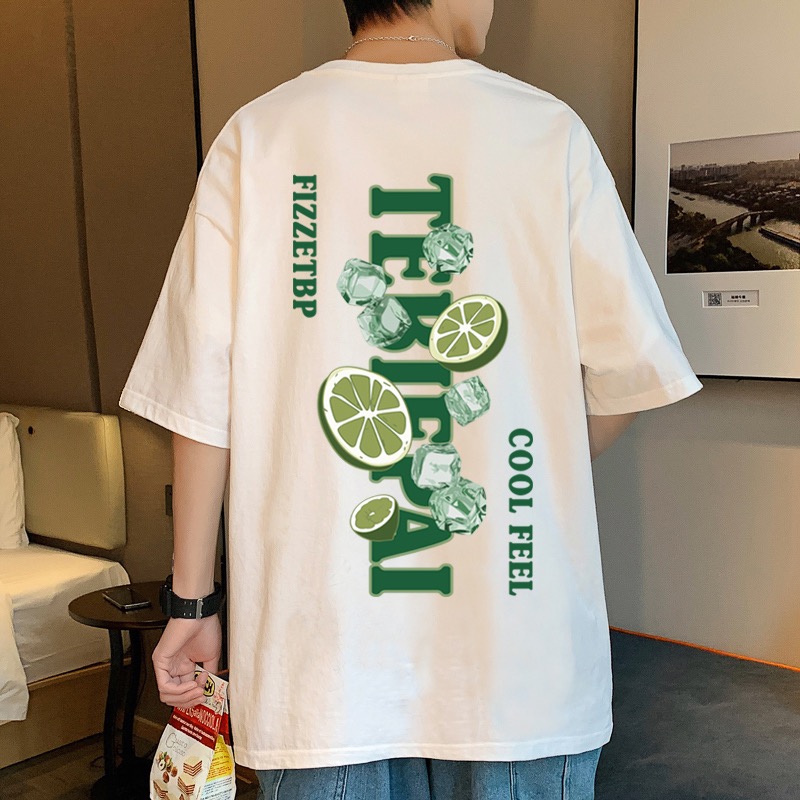
Streetwear Collections
As a streetwear clothing manufacturer, EDVORIN connects hoodies, tees, sweatpants, jackets, shorts, and woven pieces under one development system. Fabric, trims, washes, decoration, labels, and packaging are coordinated so a collection can move from concept to repeatable production.
Get a QuoteCotton-Poly Fabrics Developed for Feel, Performance & Print
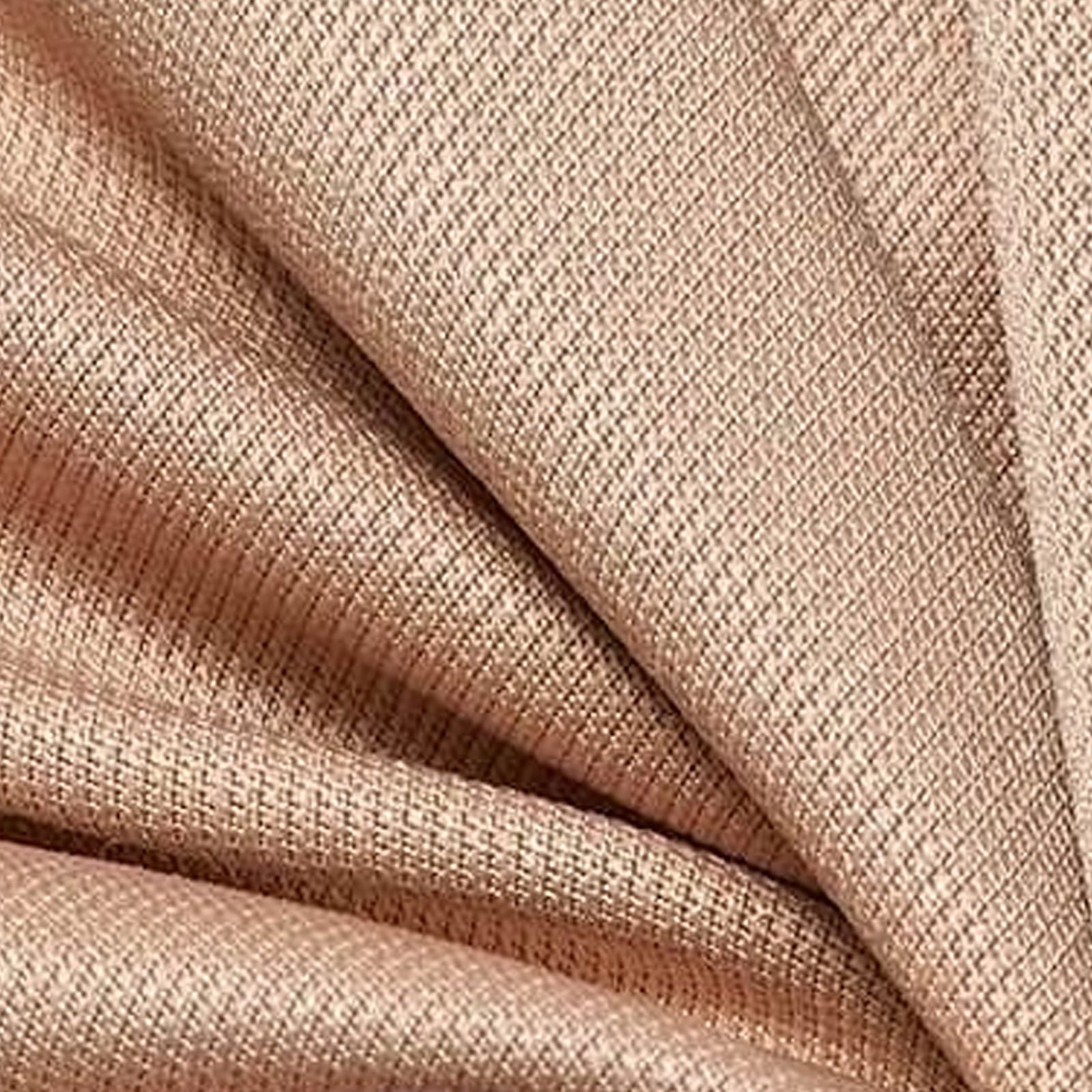
CVC Jersey
Cotton-rich CVC jersey delivers a soft, familiar hand-feel with added polyester durability. A versatile choice for everyday retail tees, promotional programs and branded uniforms, typically developed in lightweight to midweight constructions.
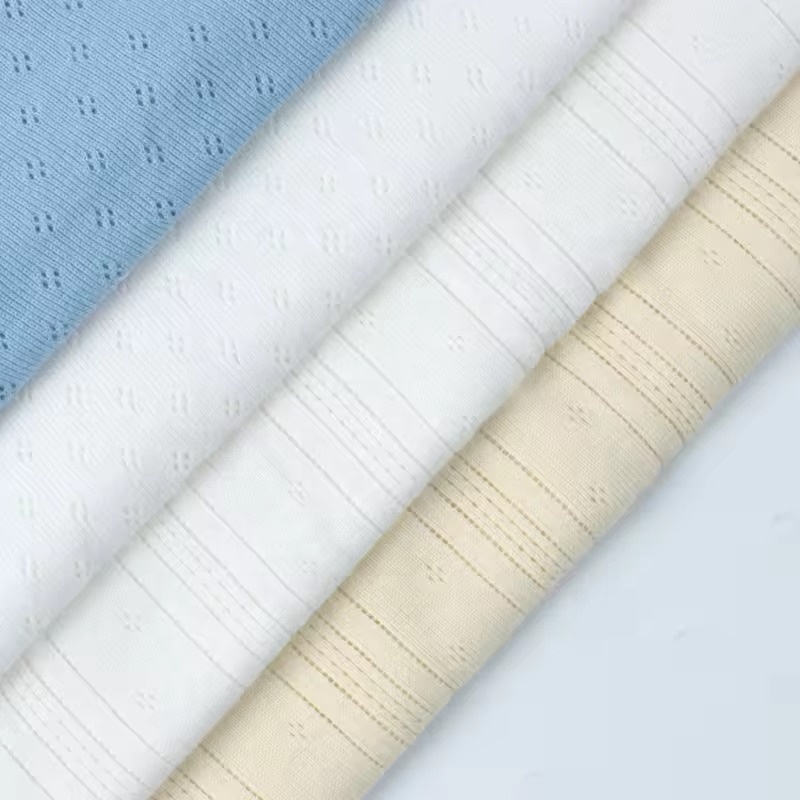
50/50 Cotton Poly
A balanced cotton-polyester blend combines natural comfort with dependable shape retention and quick-drying performance. Well suited to teamwear, corporate apparel and high-volume graphic tees where wearability and print consistency both matter.
Tri-Blend Jersey
Tri-blend jersey adds rayon to cotton and polyester for a notably soft, fluid hand and subtle heather character. It works well for fashion-led fitted or relaxed T-shirts with lightweight drape and vintage-inspired decoration.
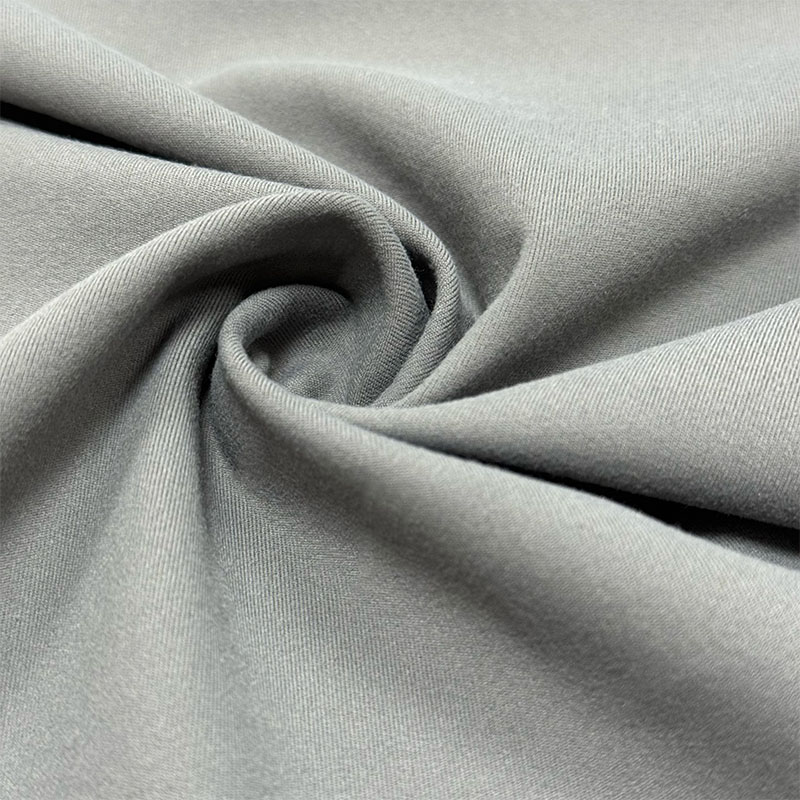
Performance Poly Blend
Performance polyester blends are developed for active use, with moisture management, breathable construction and controlled stretch where required. They suit training shirts, event apparel and team programs that need a lighter technical feel.
Heavyweight Cotton Poly
Heavyweight cotton-poly jersey creates a more substantial hand-feel and structured silhouette for streetwear collections. Higher fabric weight supports oversized fits, drop shoulders and bold decoration while polyester helps maintain the garment shape.
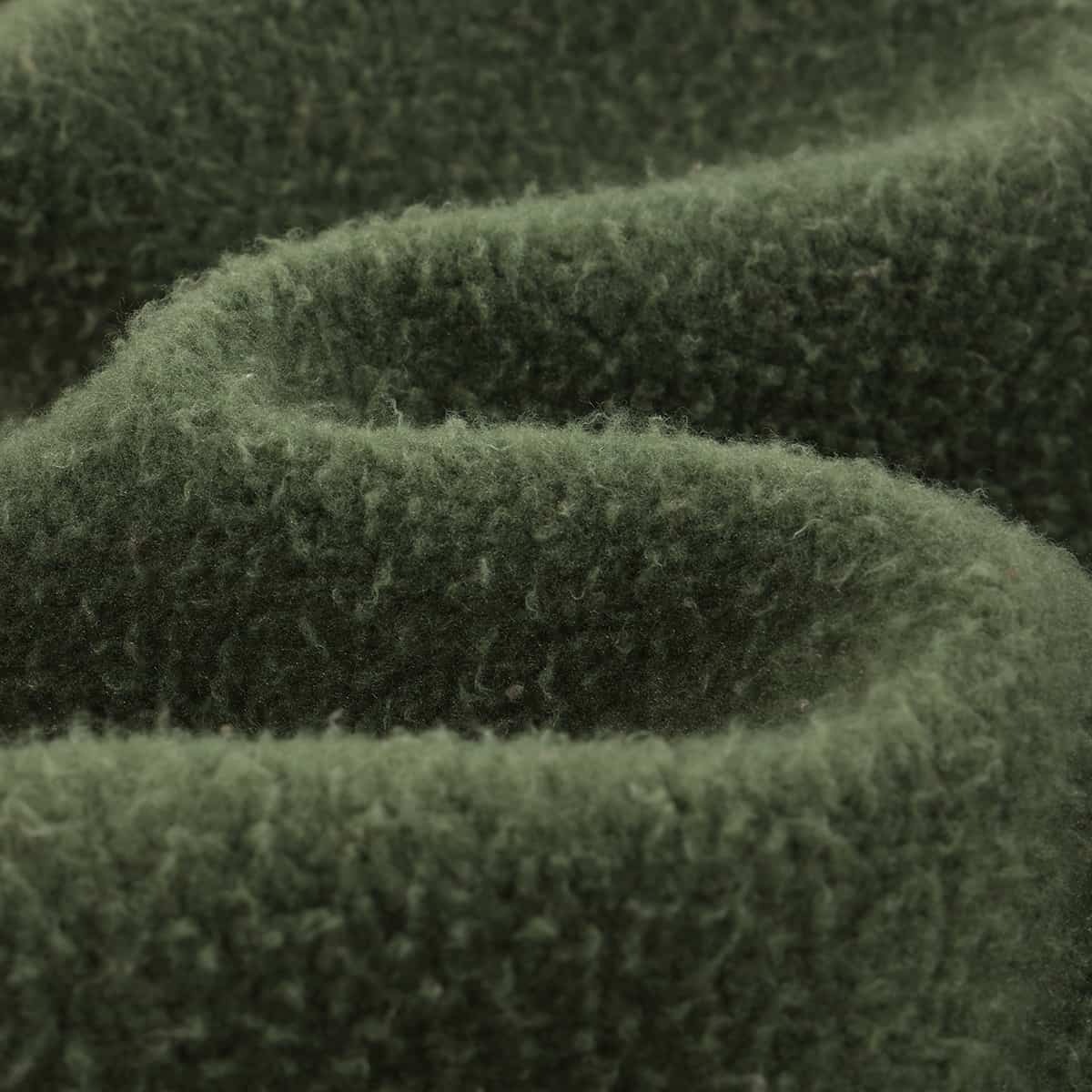
Fleece-Backed Knit
Fleece-backed cotton-poly knit offers a smooth outer face with soft interior warmth. It is better suited to sweatshirts, layered pieces, and coordinated collections than to a standard short-sleeve T-shirt.
Cotton Polyester T Shirt Manufacturer Decoration Methods
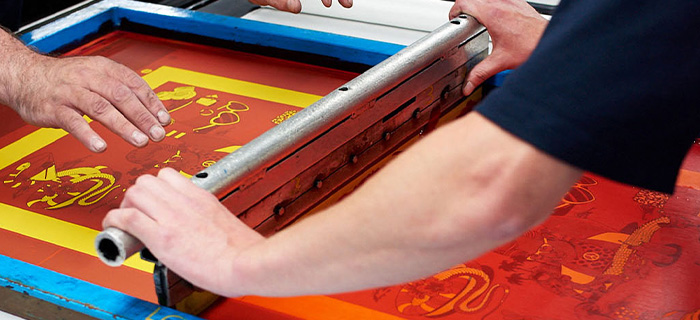
Screen Printing
A versatile choice for bold graphics and repeat orders, screen printing is matched to cotton-poly blend behavior, artwork coverage and hand feel. EDVORIN reviews ink compatibility and placement before approving the production standard.
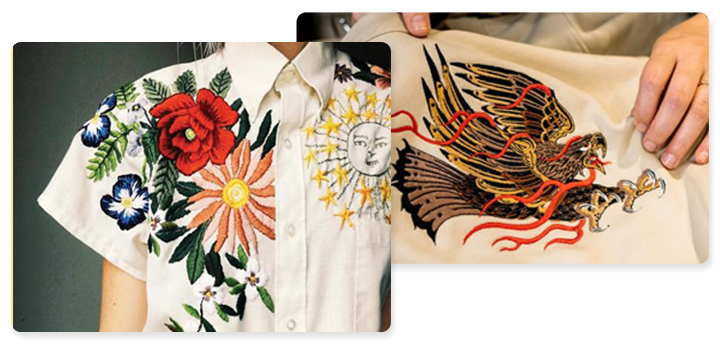
Embroidery Details
Embroidery adds dimensional logos, crests and small-format branding with a durable, premium finish. We assess stitch density, backing, placement and fabric weight so the decoration supports the T-shirt without unwanted distortion.
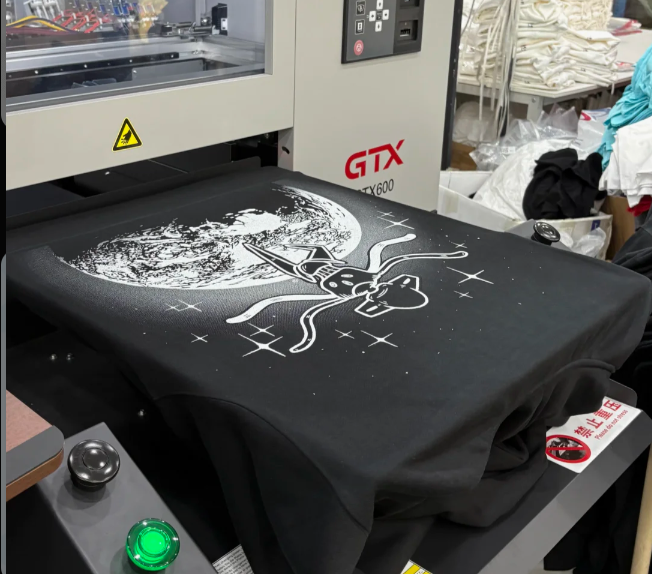
DTG and Transfers
DTG and transfer applications suit detailed artwork, color variation and selected placement needs. EDVORIN evaluates the cotton-poly ratio, artwork resolution and expected wear result to choose an application approach appropriate for the program.
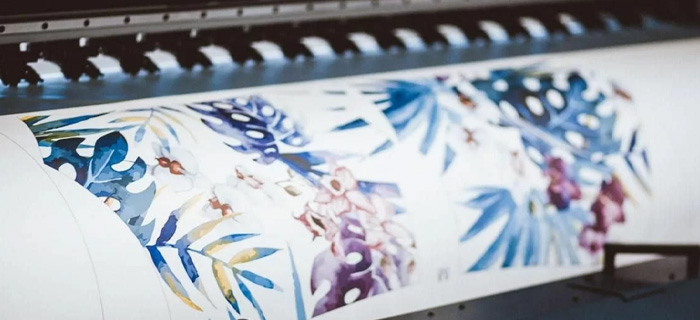
Sublimation Printing
For suitable polyester-rich panels and performance-oriented designs, sublimation creates integrated color with no added print layer. We confirm fabric suitability, panel construction and artwork requirements during development before this process enters bulk production.
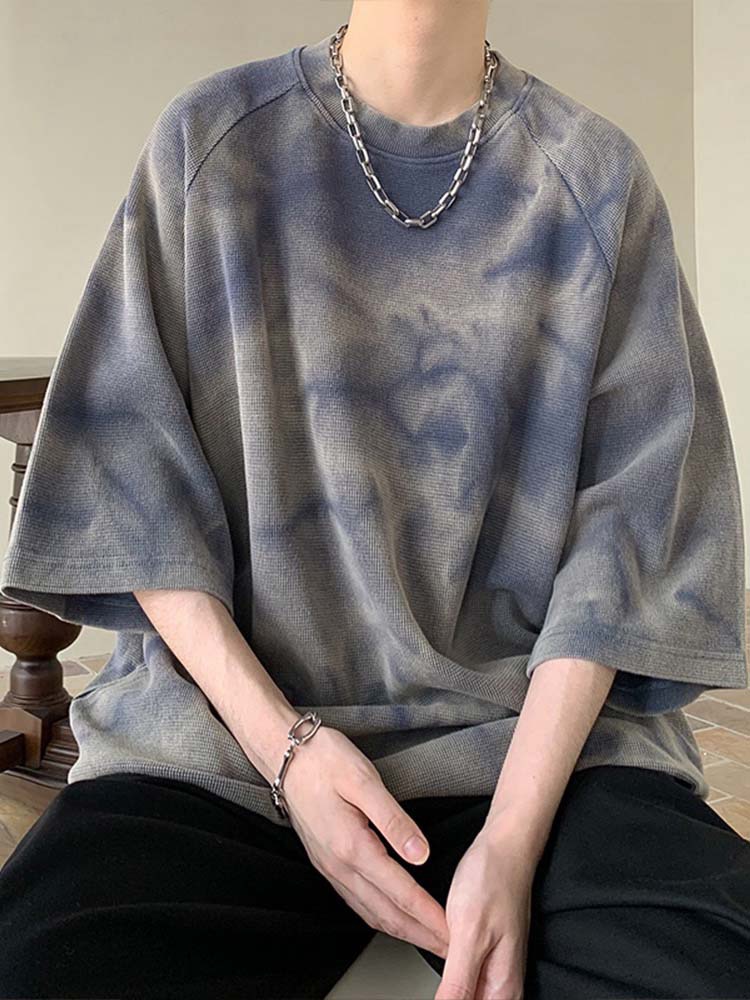
Garment Washing
Garment washing can soften the hand, create a lived-in character or support a specific streetwear direction. Wash trials help establish the intended appearance, shrinkage expectations and approved reference for repeatable production.
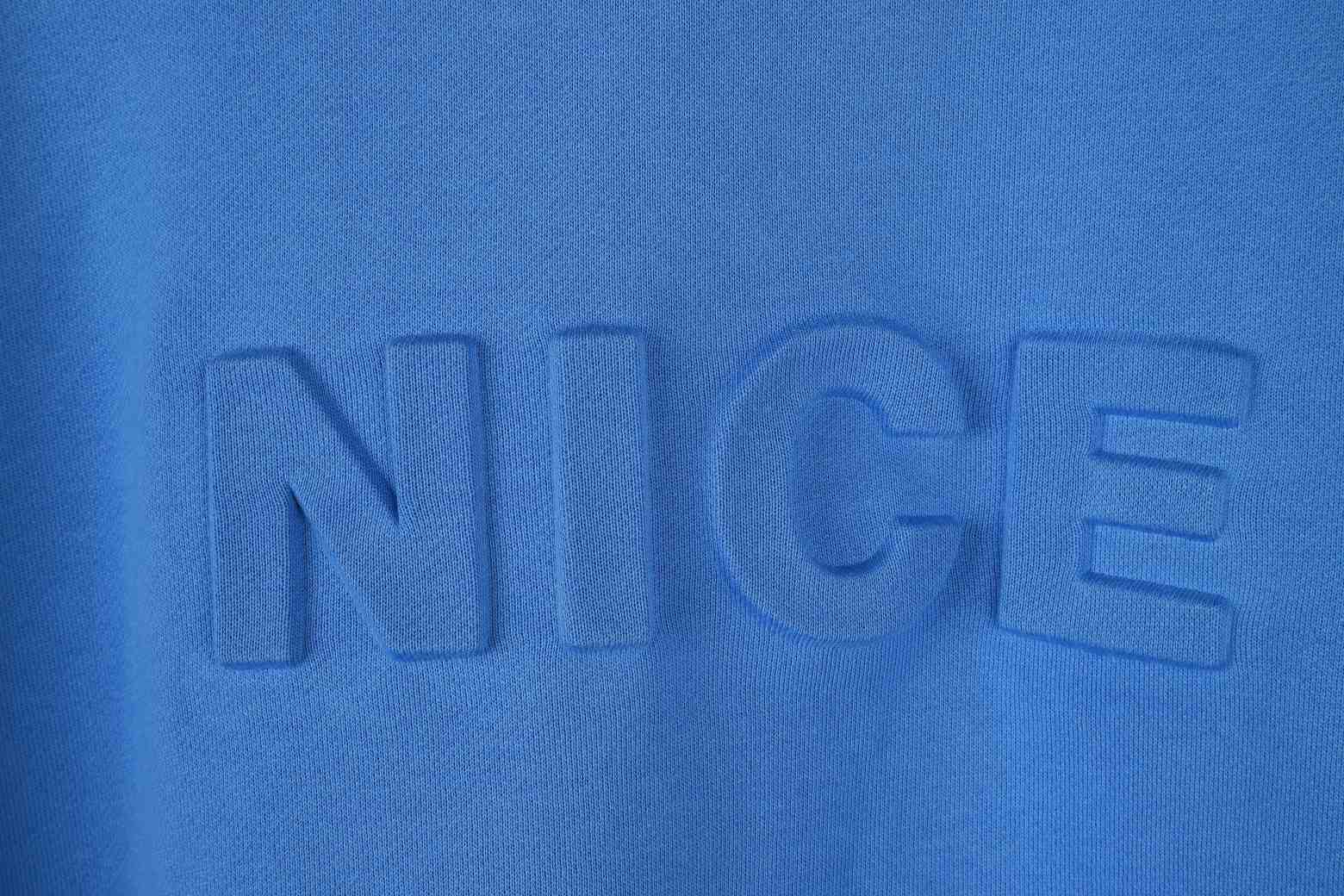
Specialty Finishes
Puff, high-density and other specialty effects can give artwork texture and visual contrast. EDVORIN tests the finish against the selected cotton-poly fabric, print area and wash expectations to protect the approved design intent.
Cotton Polyester T-Shirt Manufacturer for Brand-Ready Trims
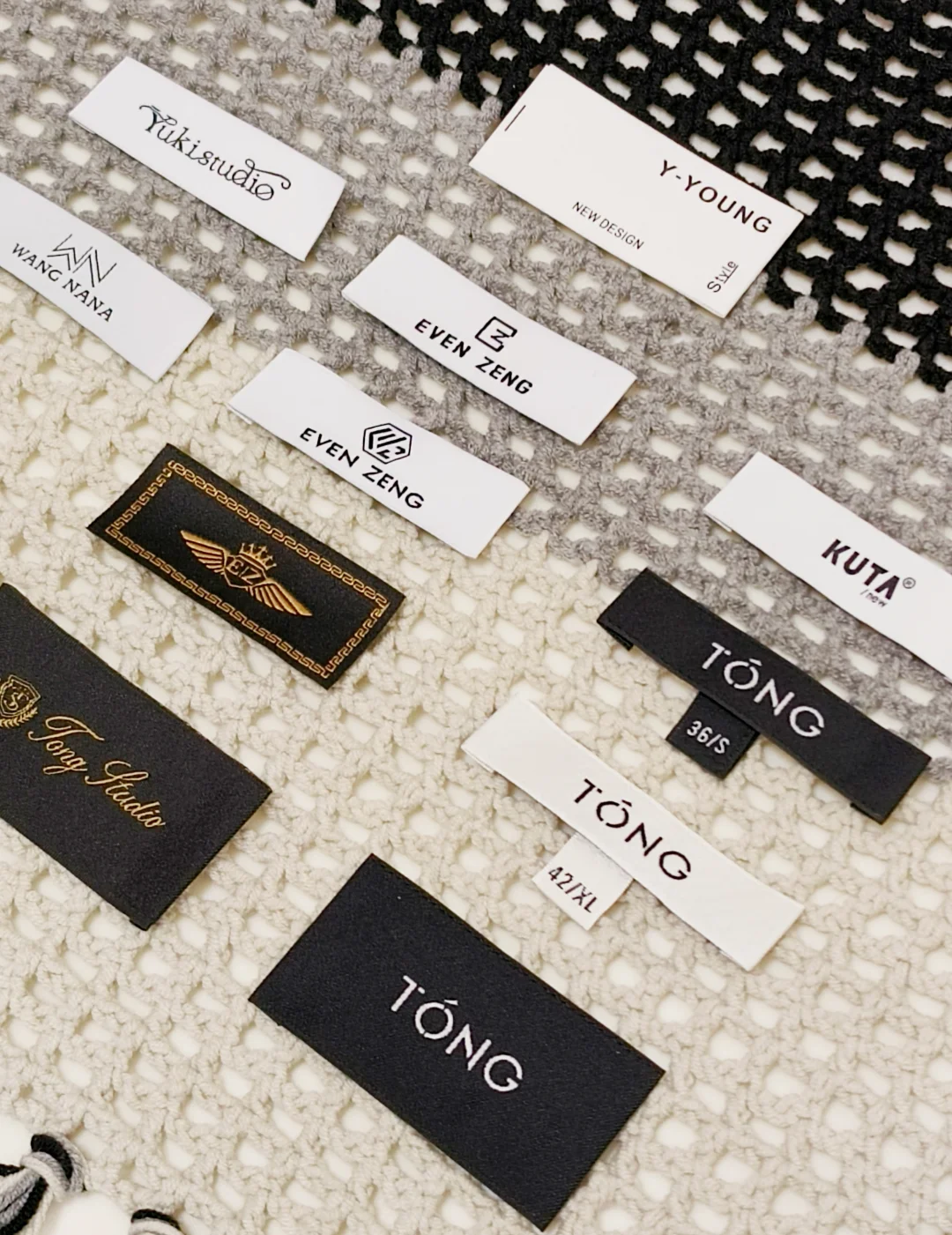
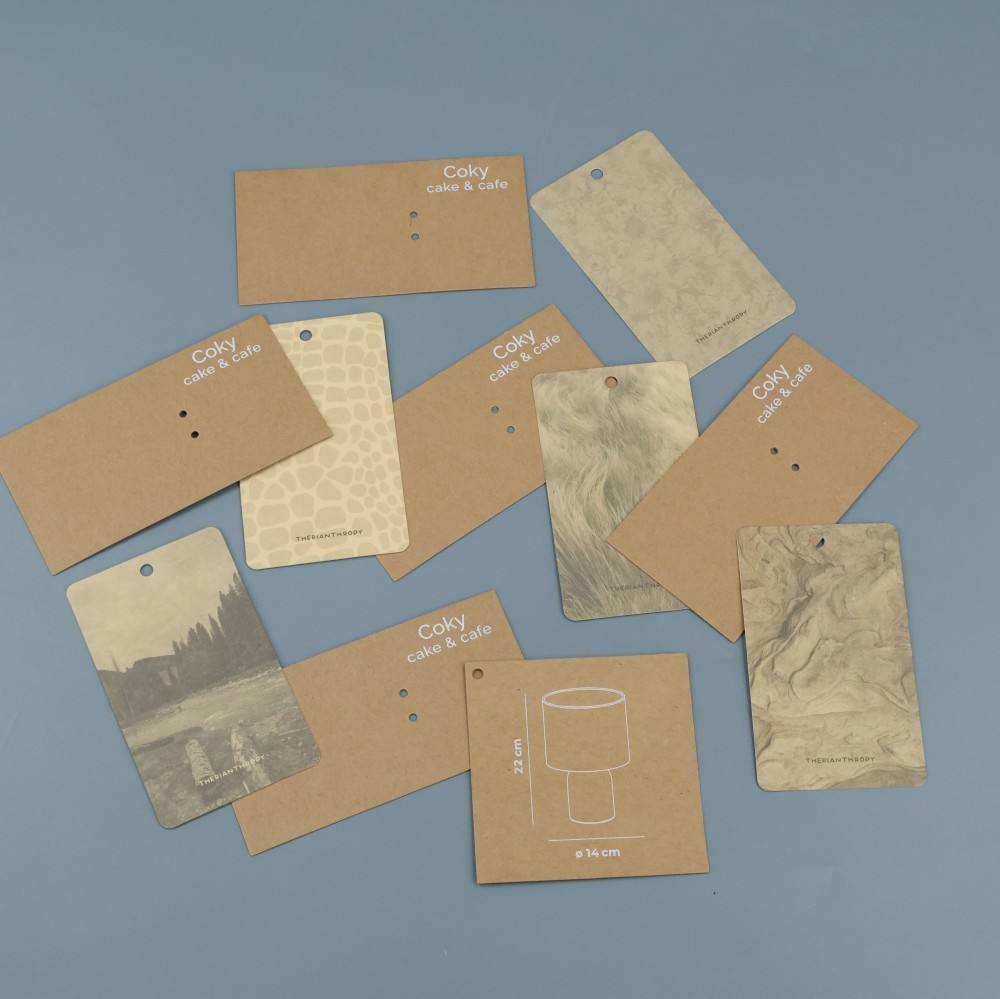
Woven Labels
Add woven main labels, size tabs or side labels for a durable branded finish. EDVORIN coordinates placement, fold style and attachment details against the approved cotton-poly T-shirt sample.
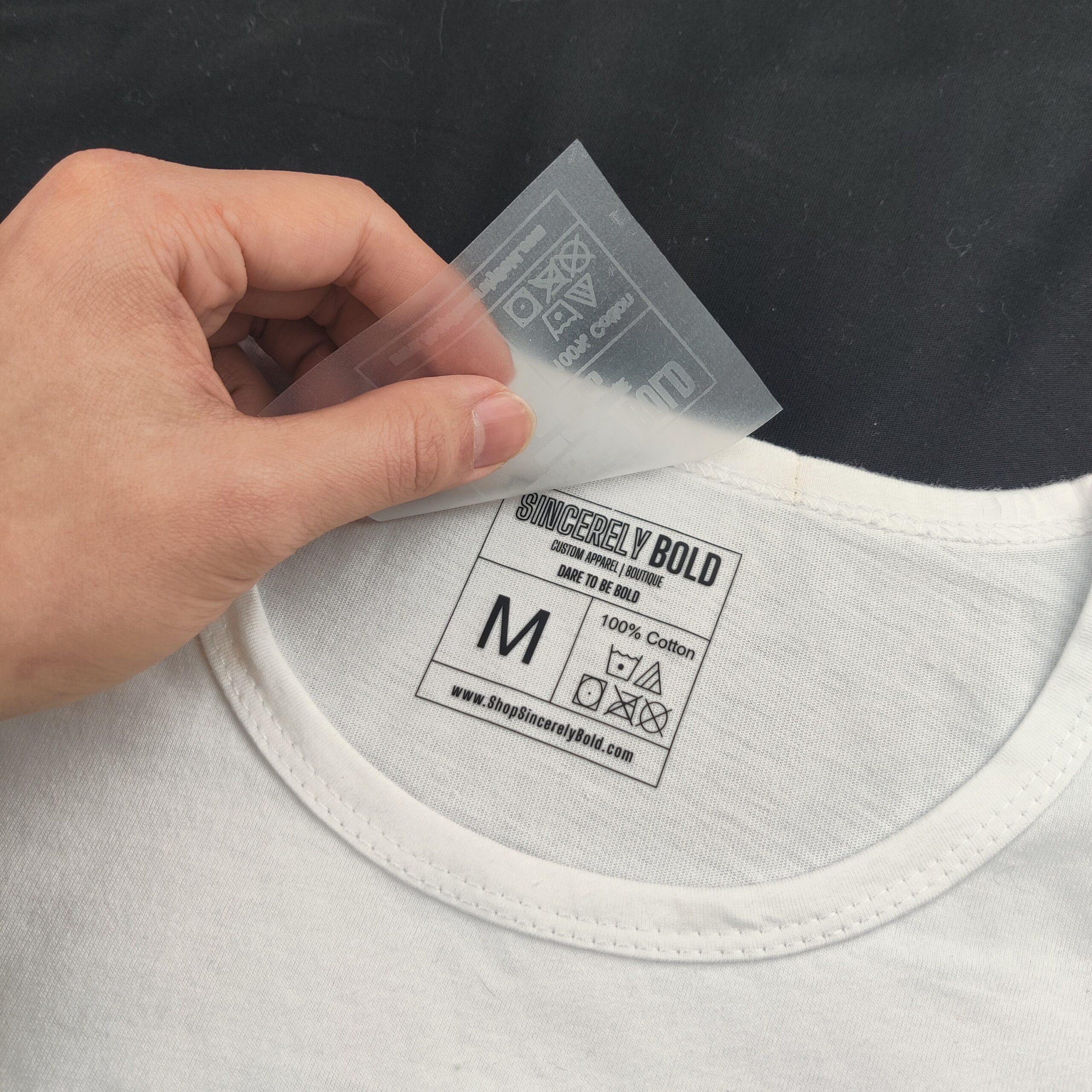
Heat-Transfer Neck Labels
Heat-transfer neck labels create a clean, low-bulk alternative to sewn labels. They suit cotton-poly T-shirts where comfort, clear care information and a smooth inside neckline are priorities.
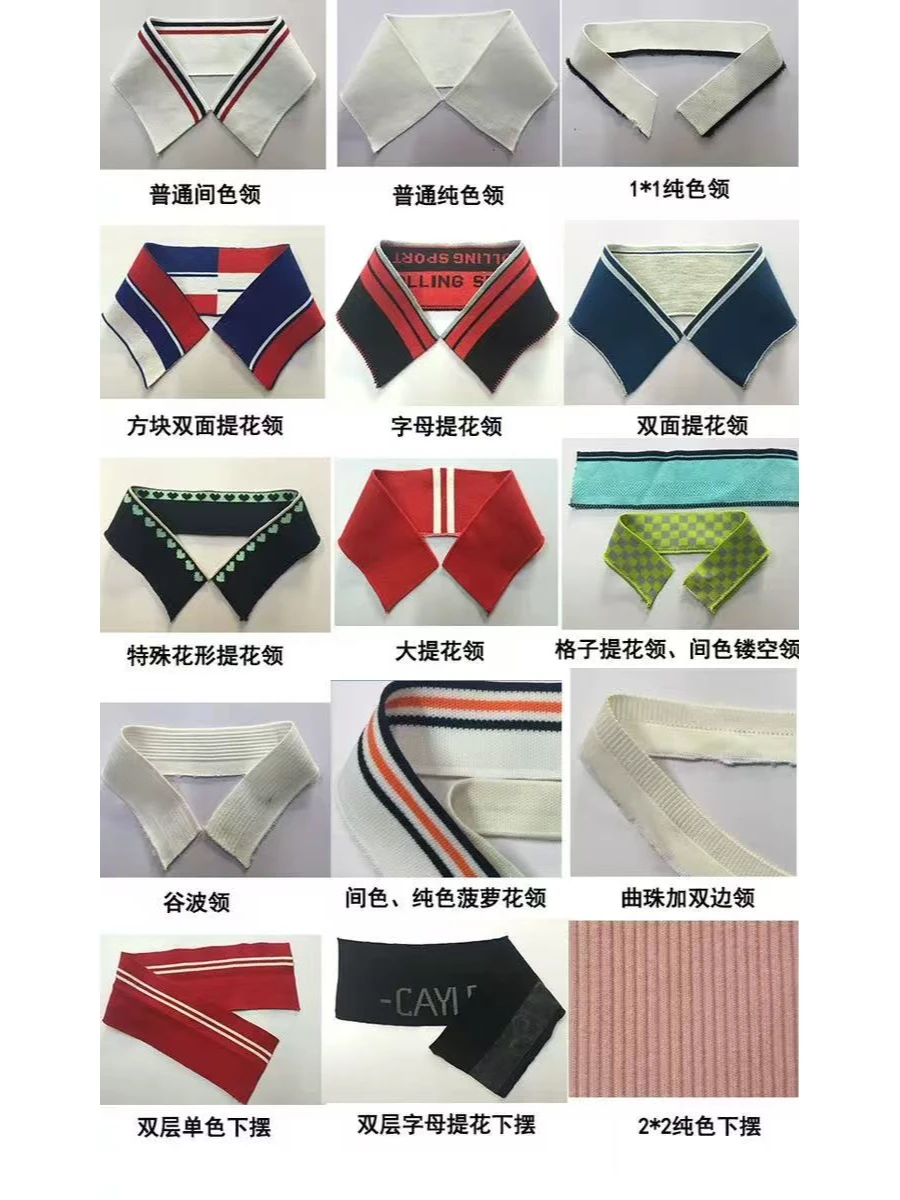
Collection Trim Coordination
For coordinated hoodies and matching sets, drawcords and tipping can reinforce collection consistency. Specify color, end finish, and length during development so trims align with the approved program.
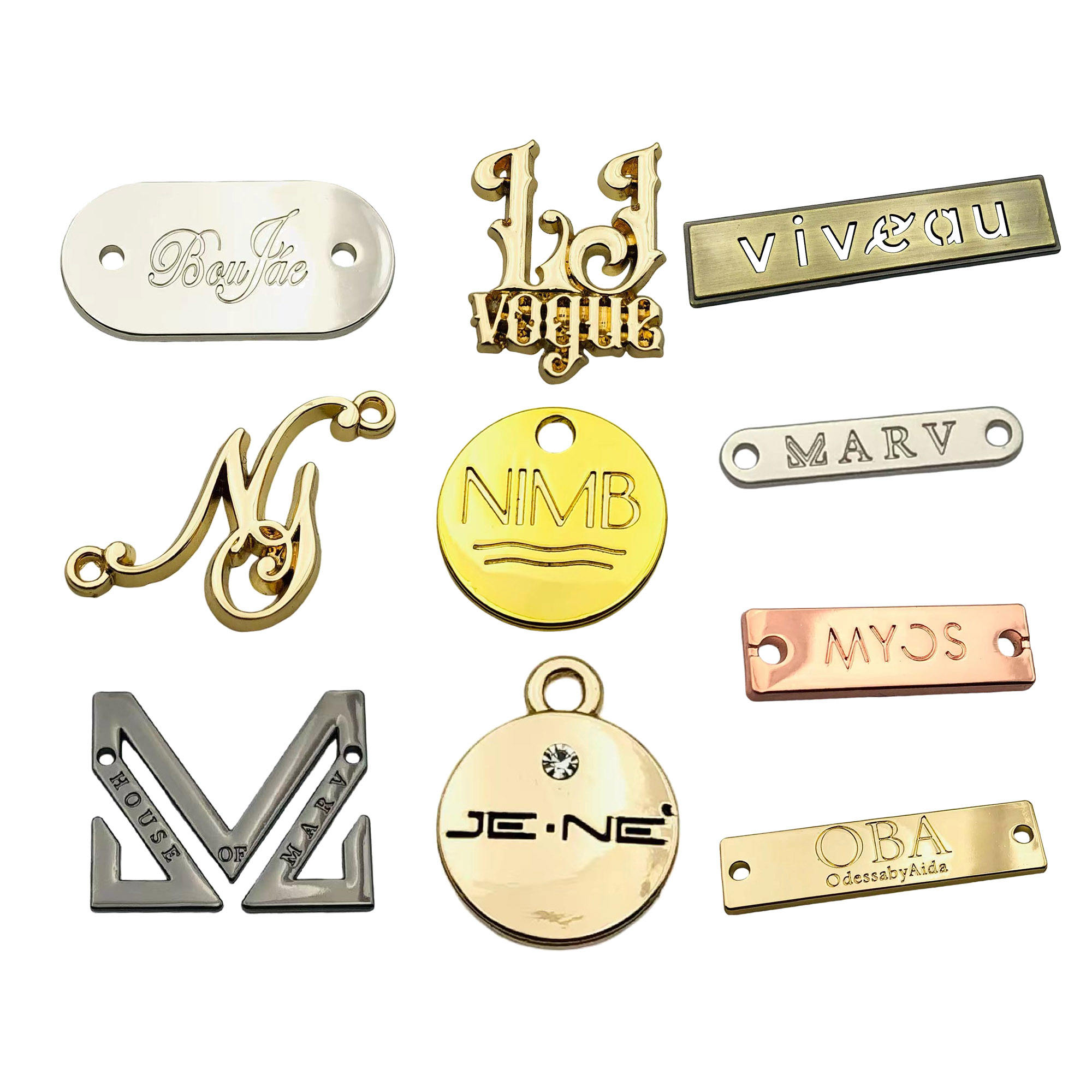
Coordinated Outerwear Hardware
For jackets and fashion pieces developed alongside your tees, zippers and snaps can add functional or design-led detail. Hardware choices are reviewed against construction, placement, and intended garment use.
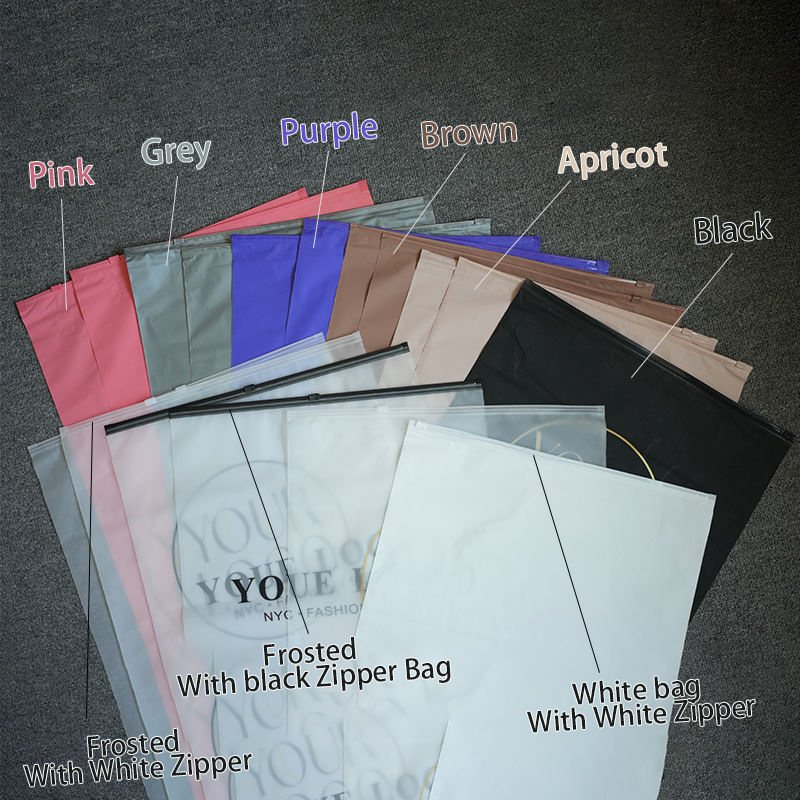
Custom Packaging
Complete the order with branded polybags, size stickers, barcode labels or folded packing instructions. Packaging specifications are coordinated with final inspection and packing requirements for a more consistent delivery.
Your Cotton Polyester T Shirt Manufacturer Since 2000
Founded by Edvorin Zeng in 2000, EDVORIN was built around one responsibility: translating an apparel idea into a standard that can be made accurately again and again. For cotton-poly T-shirt programs, we help buyers move from a sketch, reference garment, or complete tech pack to a production-ready specification.
Our connected workflow brings fabric sourcing, fit development, pattern work, sampling, decoration, labeling, packaging, and quality control into one accountable path. Fashion labels, streetwear brands, teams, schools, and private-label buyers can develop men’s or women’s cotton-poly T-shirts with the construction, print performance, and finishing their market requires.
What makes EDVORIN different is the discipline after sample approval. We record materials, measurements, artwork placement, trims, and revisions so bulk output follows a visible approved standard. With OEM, ODM, and private-label support from 200 pieces per style, we create a reliable base for collections that need to grow.
Cotton Polyester T Shirt Manufacturer: From Sample to Bulk
Technical Development That Transfers
We convert your sketch, reference garment, or tech pack into measurable construction standards for cotton-poly T-shirts, covering fit, grading, neckline, stitch details, fabric weight, and tolerances before sampling begins.
- Men’s and women’s fit development
- Measurement charts and grading guidance
- Construction details recorded for production
- MOQ starts at 200 pieces per style
Materials and Decoration Aligned
Cotton and polyester behave differently through printing, embroidery, washing, and wear. EDVORIN coordinates blend selection, fabric handfeel, decoration method, and finishing requirements so the approved look can perform as intended in production.
- Blend and GSM selection support
- Print compatibility reviewed with fabric
- Embroidery and placement coordination
- Wash and finishing options evaluated
Specifications Made Visible
An approved sample becomes more reliable when its decisions are documented. EDVORIN records artwork placement, color references, trims, labels, packaging, and revision history to give production teams one clear standard to follow.
- Approved sample used as a physical benchmark
- Artwork positions and dimensions documented
- Labels, hangtags, and packaging specified
- Revisions tracked before bulk release
Quality Control Through Packing
As a cotton polyester t shirt manufacturer, EDVORIN checks production against approved standards during manufacturing and again before packing. This helps identify measurement, construction, decoration, and presentation variation while there is still time to address it.
- In-line inspection during production
- Measurement and workmanship checks
- Decoration and color consistency review
- Final inspection before packing

Why Choose EDVORIN as Your Cotton Polyester T Shirt Manufacturer
One accountable path from development through repeat production, built for private-label programs starting at 200 pieces per style.
← Swipe left or right to view →
Our Cotton-Poly T-Shirt Production Process
A documented production path that carries approved specifications through material, decoration, bulk production and final packing.
Brief and Material Planning
We review your tech pack, reference garment or concept, then align cotton-poly blend, weight, fit, color, trims and decoration requirements.
Pattern and Sample Development
Patterns, measurements and construction details are developed into a sample, with revisions recorded until the garment becomes an approved production standard.
Source and Prepare Components
Approved fabrics, labels, trims and artwork are coordinated before cutting, helping protect material consistency and decoration placement across the order.
Cut, Decorate and Sew
Panels move through controlled cutting, printing or embroidery, and sewing according to documented construction, measurement and placement specifications.
Inspect, Pack and Dispatch
In-line and final checks compare bulk output with the approved standard before folding, private-label packing and shipment preparation for your delivery plan.
Start Your Cotton-Poly T-Shirt Program
Move from concept or tech pack to an approved, repeatable production standard with one accountable OEM workflow.
Share Your Direction
Send your tech pack, reference garment, artwork, or collection concept. We review fit, blend requirements, decoration, trims, labeling, quantities, and intended market.
Confirm Scope and Sampling
Align on quotation, MOQ from 200 pieces per style, material options, measurements, sample requirements, and the production details needed before development begins.
Approve Production Standards
Review the developed sample and confirm fabric, construction, grading, artwork placement, colors, trims, wash, labels, and packaging as the bulk-production reference.
Begin Controlled Bulk Production
EDVORIN coordinates sourcing, cutting, sewing, decoration, and in-line quality checks against approved standards, keeping important specifications visible throughout the production path.
Arrange Final Delivery
After final inspection, garments are packed to your agreed private-label requirements and prepared for delivery, giving your team a documented base for repeat orders.
Certified Standards for Responsible Apparel Production



What Apparel Buyers Say About Working With EDVORIN
EDVORIN helped us turn a loose streetwear concept into a 3-style cotton-poly tee program with approved measurements and print placements. Our second order matched the first sample standard, which made planning our retail drop much easier.
We needed 480 team shirts with player names, numbers, and consistent color across two size runs. EDVORIN organized the artwork files and approval points clearly, and the finished order arrived ready for distribution to our clubs.
The team gave practical guidance on blend selection, neck labels, and wash testing before bulk production. We launched our first 600-piece private-label order with fewer revisions than previous programs and placed a repeat order the following season.
Complete Buyer’s Guide to Cotton-Poly T-Shirt Manufacturing
Clear answers on minimums, development, approvals and controls for private-label cotton-poly programs.
EDVORIN’s MOQ starts at 200 pieces per style. What is the MOQ for a cotton polyester t shirt manufacturer?
Can a cotton polyester t shirt manufacturer make a sample before bulk production?
How much does a custom cotton-poly T-shirt sample cost?
How long does cotton-poly T-shirt production take?
What payment terms do you offer for OEM T-shirt orders?
Can you arrange shipping for private-label T-shirt orders?
How does a cotton polyester t shirt manufacturer handle specification changes?
How do you protect designs and control quality in bulk production?
Complete cotton polyester t shirt manufacturer Buyer’s Guide
EDVORIN’s MOQ starts at 200 pieces per style. Use a practical framework to compare blend specifications, customization choices, quality controls, MOQ and pricing signals, supplier communication, and the sourcing mistakes that can derail a private-label T-shirt program.
1. What Is a cotton polyester t shirt manufacturer?
200 pieces is a practical point at which a cotton polyester t shirt manufacturer can coordinate OEM or private-label production: translating a buyer’s approved design into repeatable patterns, fabric, cutting, sewing, decoration, labels, packaging, and bulk inspection. The partner’s job is to turn a concept or tech pack into a controlled production standard.
Four supplier types serve different roles. A garment factory makes the finished garment; a blank-garment wholesaler sells stocked, pre-made tees; a printer decorates supplied blanks; and a sourcing intermediary coordinates vendors without necessarily operating the production line.
One accountable manufacturing path should help buyers align the blend ratio, GSM, fit block and grading, Pantone references, artwork placement, print method, trims, care labels, pack ratios, sample approval, and inspection criteria. For sports clubs and fashion labels, documenting those decisions before bulk production matters more than simply placing a logo on a stock shirt.
2. Evolution of cotton polyester t shirt manufacturer Supply
50/50 cotton-polyester blends became a practical middle ground as buyers needed tees that kept cotton’s familiar hand while adding polyester’s abrasion resistance and faster drying behavior. The blend also helps limit the shape change associated with repeated laundering, though final performance still depends on yarn, knit, finishing, and care conditions (https://www.apparelbus.com/wholesale-t-shirts/polyester).
3 buyer groups now commonly frame the requirement differently: streetwear teams protect handfeel and silhouette; uniform and school programs prioritize repeatable appearance; clubs and branded-merchandise programs need decoration-compatible, wearable garments. A cotton polyester t shirt manufacturer should translate those use cases into an approved fabric and construction standard, rather than treating one blend as suitable for every program.
3. Types of cotton polyester t shirt manufacturer Services
Six service paths differ chiefly in speed, design control, and coordination load. A cotton polyester t shirt manufacturer should match the model to the buyer’s approved assets and repeat-order plan.
Stock Blanks And Printing
1 ready-made blank reduces development work and supports fast event, promotion, or test orders. Printing adds artwork control, while the existing fit, colors, and fabric remain fixed.
Private Label And OEM
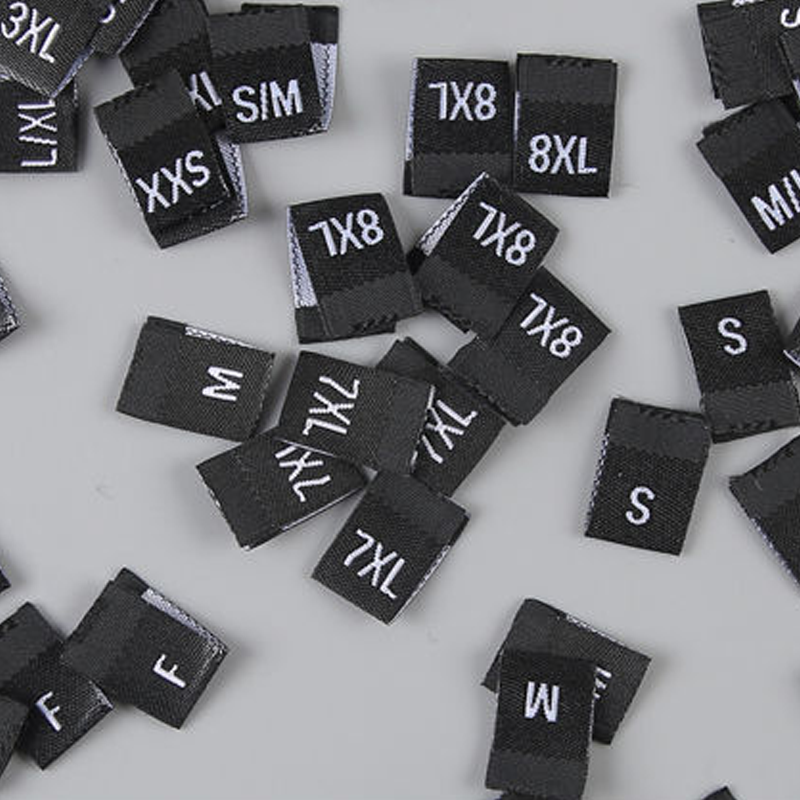
2 branding layers—neck labels and packaging—turn an existing base into a private-label program. Cut-and-sew OEM adds control over pattern, ratio, GSM, and construction, but requires samples and clearer specifications.
Performance And Teamwear
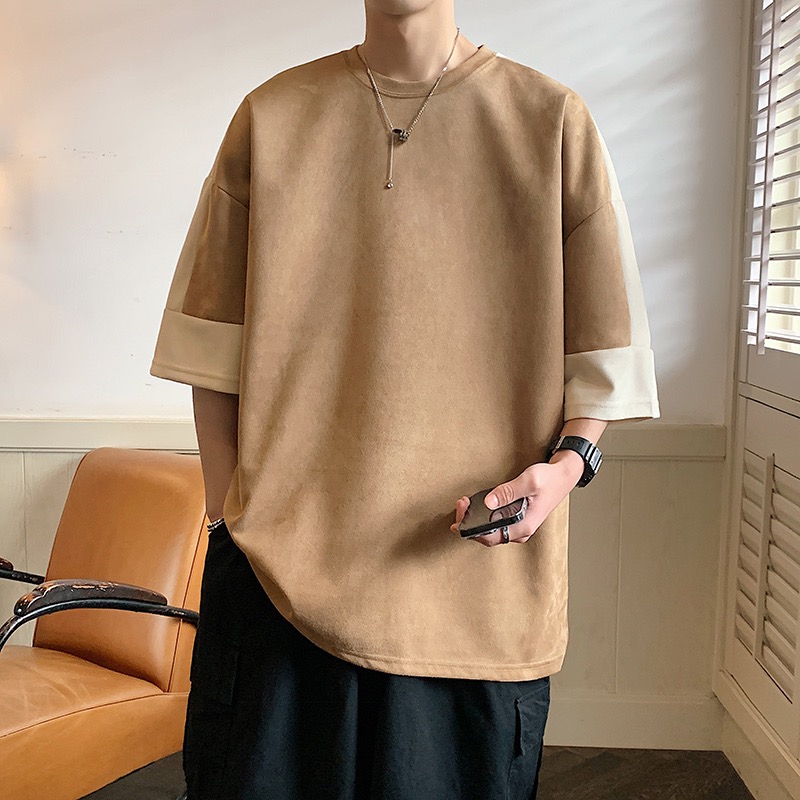
3 coordinated controls—color, sizing, names, and numbers—are central for clubs, schools, and teams. Polyester-rich performance builds add moisture-management priorities, so artwork files and size rosters must be locked early.
Wholesale Replenishment
4 repeat-order inputs—approved sample, color reference, measurement chart, and decoration placement—make wholesale replenishment more predictable. This model suits distributors and established labels that value consistency over fresh development.
4. Cotton-Poly Fabrics, Ratios, and GSM
50/50 cotton-poly balances cotton hand with polyester stability for everyday programs. A cotton polyester t shirt manufacturer should approve blend, yarn, knit, and GSM together before sampling.
| Blend | Typical GSM | Hand And Performance | Best Use |
|---|---|---|---|
| 50/50 cotton-poly | 160–190 | Balanced, stable | Uniforms, promo |
| CVC cotton-forward | 170–210 | Softer, breathable | Retail basics |
| Polyester-forward | 140–180 | Quick-dry, durable | Training tees |
Blend Ratio Changes Behavior
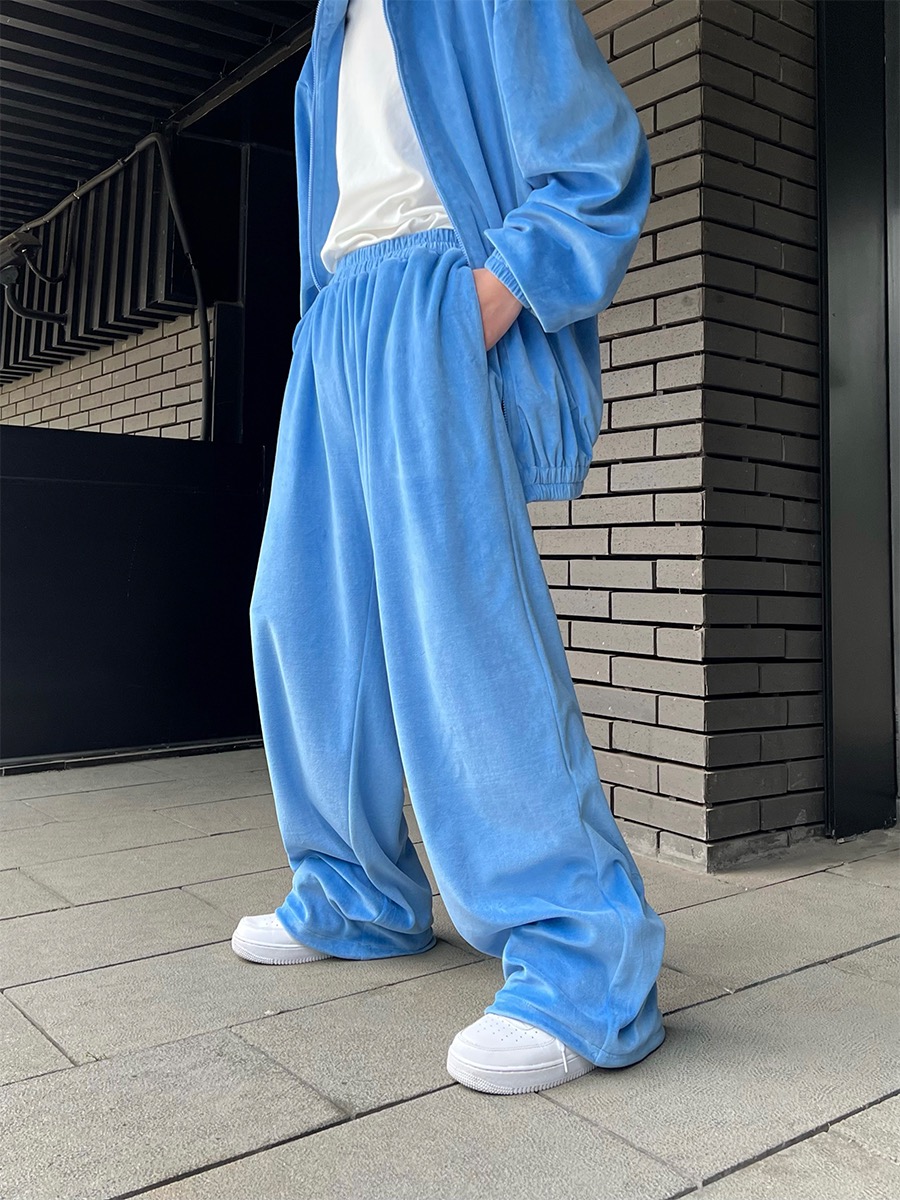
50/50 jerseys offer balanced comfort, moderate shrinkage, and dependable opacity. Cotton-forward CVC feels softer and breathes better, while polyester-forward blends dry faster but can pill more readily.
Yarn And Knit Matter
Ring-spun yarn gives a smoother, softer face than open-end yarn. Single jersey is the standard T-shirt knit; combed cotton and tighter knitting improve hand feel and print clarity.
Specify Weight By End Use
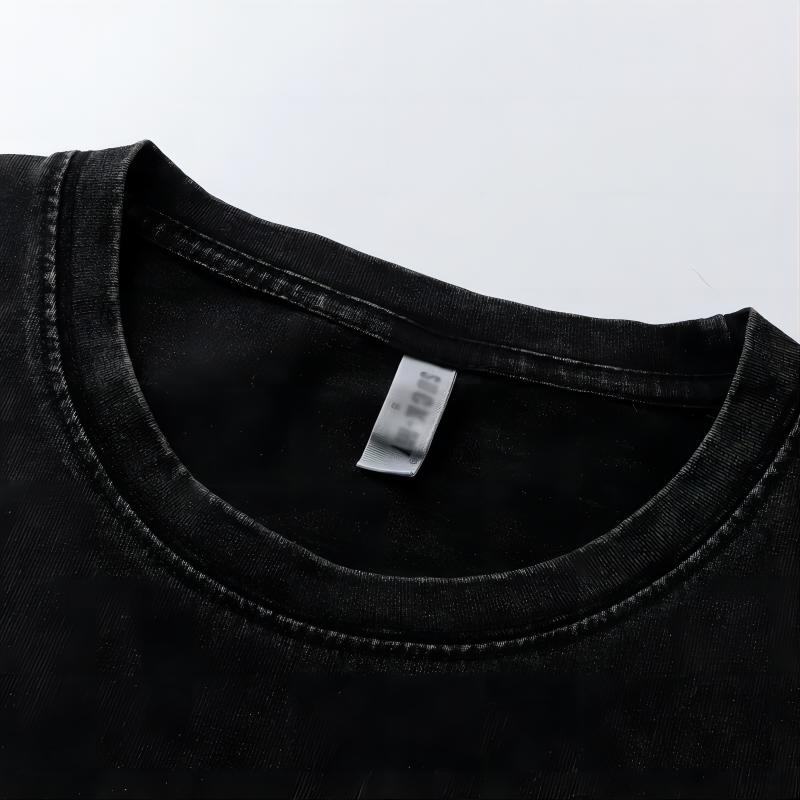
150–180 GSM suits promotional and active tees, but light colors may need opacity testing. 180–220 GSM supports retail basics and streetwear; confirm wash shrinkage, pilling, and recovery on the approved sample.
5. Customization and Decoration Options
Two approvals—artwork and production sample—should lock decoration, placement, and hand feel before bulk cutting. A cotton polyester t shirt manufacturer should match the method to blend, run size, and expected wear.
| Method | Best Use | Watchpoint |
|---|---|---|
| Screen print | Volume graphics | Color separations |
| DTG | Detailed small runs | Fabric pretreatment |
| Embroidery | Logos | Weight and puckering |
| Sublimation | Polyester performance tees | Not cotton-rich blends |
Print Method Selection
50/50 blends suit screen print and transfers; dye migration testing matters on polyester-rich colors. DTG favors detailed, short runs, while sublimation requires predominantly polyester, light-colored fabric.
Durability And Artwork Limits
1–6 spot colors make screen printing economical at volume; fine lines, large solid areas, and stretch zones need test prints. Heat transfers can carry full color but may change hand feel and crack if poorly specified.
Private Label Finishing
3 branding points—neck print or label, hangtag, and packaging—create a coherent retail handoff. Embroidery, washes, woven labels, drawcords, and other trims require approved placement, color, and pull-test standards.
6. Construction Quality That Buyers Should Inspect
Two approved references—the sealed sample and written specification—give a cotton polyester t shirt manufacturer a repeatable bulk standard. Buyers should inspect construction against both before production and at final packing.
Fit And Seam Control
Three checkpoints are critical: measurement chart, seam construction, and stitch density. Specify shoulder width, body length, chest, sleeve opening, side-seam type, and allowable size tolerances; record stitches per inch where the construction requires it.
- Check shoulder reinforcement or tape.
- Confirm hem width and clean coverstitch.
- Measure graded sizes against tolerance.
Fabric And Color Consistency
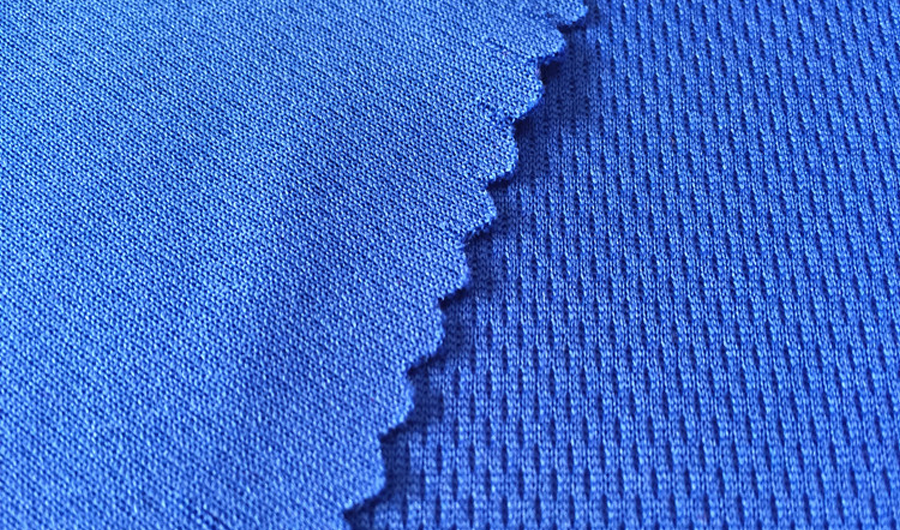
One approved fabric swatch should define weight, handfeel, color, and shade expectations. Compare bulk rolls for GSM consistency and color matching under agreed lighting, especially when cotton-poly blends are dyed across separate lots.
Decoration And Final Inspection
Every print needs documented artwork size and placement measurements from fixed garment points. Final inspection should verify print quality, labels, stitching, measurements, stains, and packing against the approved sample; written tolerances prevent subjective bulk decisions.
7. How to Choose a cotton polyester t shirt manufacturer
A cotton polyester t shirt manufacturer should be qualified through evidence, not a catalog. EDVORIN can translate approved materials, fit, artwork, labels, and packing into one production standard.
Verify Relevant Production Experience

Three recent comparable samples reveal more than generic sales claims. Ask for the blend ratio, GSM, construction, decoration, measurement chart, and bulk-order references for similar tees.
Audit Development And Control
One approved sample must become a controlled bulk reference. Ask who approves fabric, records revisions, performs in-line and final checks, and reports measurement, shade, print, and packing defects.
Confirm Commercial Readiness
EDVORIN’s MOQ starts at 200 pieces per style. 200-piece MOQ programs need clear assumptions by color, size run, and decoration. Request a written timeline from sample approval through production, final inspection, carton markings, shipping documents, and dispatch readiness.
8. Common Cotton-Poly Sourcing Mistakes
Eight recurring errors create most avoidable cotton-poly program failures. A cotton polyester t shirt manufacturer should convert every approved choice into a measurable bulk-production standard.
Specify Beyond Blend Ratio
50/50 alone does not define handfeel, opacity, GSM, or fit. Prevent surprises with a fabric specification, graded measurement chart, and approved size sample.
Lock Artwork And Decoration
1 placement note is insufficient for repeatable prints. Prevent variation by approving Pantone references, artwork size, placement points, ink method, and a decorated sample.
2 fabrics with similar ratios can print differently. Confirm screen print, transfer, embroidery, or sublimation compatibility before bulk.
Test Wash And Tolerances
3 wash cycles can expose shrinkage, twisting, color bleed, or print failure. Prevent claims with pre-production wash testing and written measurement tolerances.
Compare Complete Specifications

200-piece quotes are not comparable when fabric, GSM, trims, decoration, packing, and inspection differ. Prevent false savings with one shared specification sheet.
1 reorder needs retained approvals and material references. EDVORIN records approved standards so repeat programs have a controlled starting point.
9. Steps to Launch Your T-Shirt Program
Step 1 starts with the end user: retail fit for fashion labels, roster needs for clubs and schools, or pack ratios for wholesalers and corporate buyers. Set launch date, quantity, target cost, and required sizes before requesting development.
Build The Production Brief
Week 1: submit a tech pack or reference garment with measurements, color targets, labels, packaging, and delivery market.
Step 2: select cotton-poly ratio, GSM, fit block, and grading; record Pantone references and artwork dimensions.
Approve Samples And Standards
Sample 1 tests fit, handfeel, shrinkage, and print compatibility before bulk commitment.
Revision 2 should consolidate all comments into one approved specification; confirm a pre-production sample, size set, placement, and trim details.
Control Delivery And Reorders
Bulk production begins only after pre-production approval, with in-line checks for measurements, sewing, color, and decoration.
Freight planning should lock carton markings, destination documents, and ship date; retain approved samples, measurement tolerances, artwork files, and inspection records for repeat orders.
10. Cotton-Poly T-Shirt Pricing and Cost Drivers
200-piece is a practical OEM starting point, but unit cost falls only when fabric, colors, and decoration are standardized. Compare quotes on the same Incoterm and include sampling, labels, packaging, inspection, duties, and freight in landed cost.
3–5 weeks is a reasonable planning range after approval; custom dyeing, heavier GSM, multiple placements, and complex cut-and-sew extend it. A cotton polyester t shirt manufacturer should separate one-time development charges from repeatable per-unit costs.
| Illustrative tier | Cost components to compare | Planning lead time |
|---|---|---|
| 200–499 units | Fabric blend/GSM, cut-and-sew, one decoration | 3–5 weeks |
| 500–999 units | Lower fabric and line-change allocation; labels and packing | 3–5 weeks |
| 1,000+ units | Best efficiency when colorways and artwork are consolidated | 4–6 weeks |
| Any tier | Sample, screen/setup, freight, duties, and Incoterm | Quote separately |
Start Your Cotton Polyester T Shirt Manufacturing Program
EDVORIN’s MOQ starts at 200 pieces per style. Send your tech pack, reference garment, or collection concept for an OEM quotation built around approved specifications and a 200-piece MOQ.