
DTG T Shirt Manufacturer for Private Labels
EDVORIN’s MOQ starts at 200 pieces per style. Develop custom DTG T-shirts with OEM/ODM support, coordinated materials and decoration, and a 200-piece starting MOQ.
Featured DTG T-Shirt Development & Production
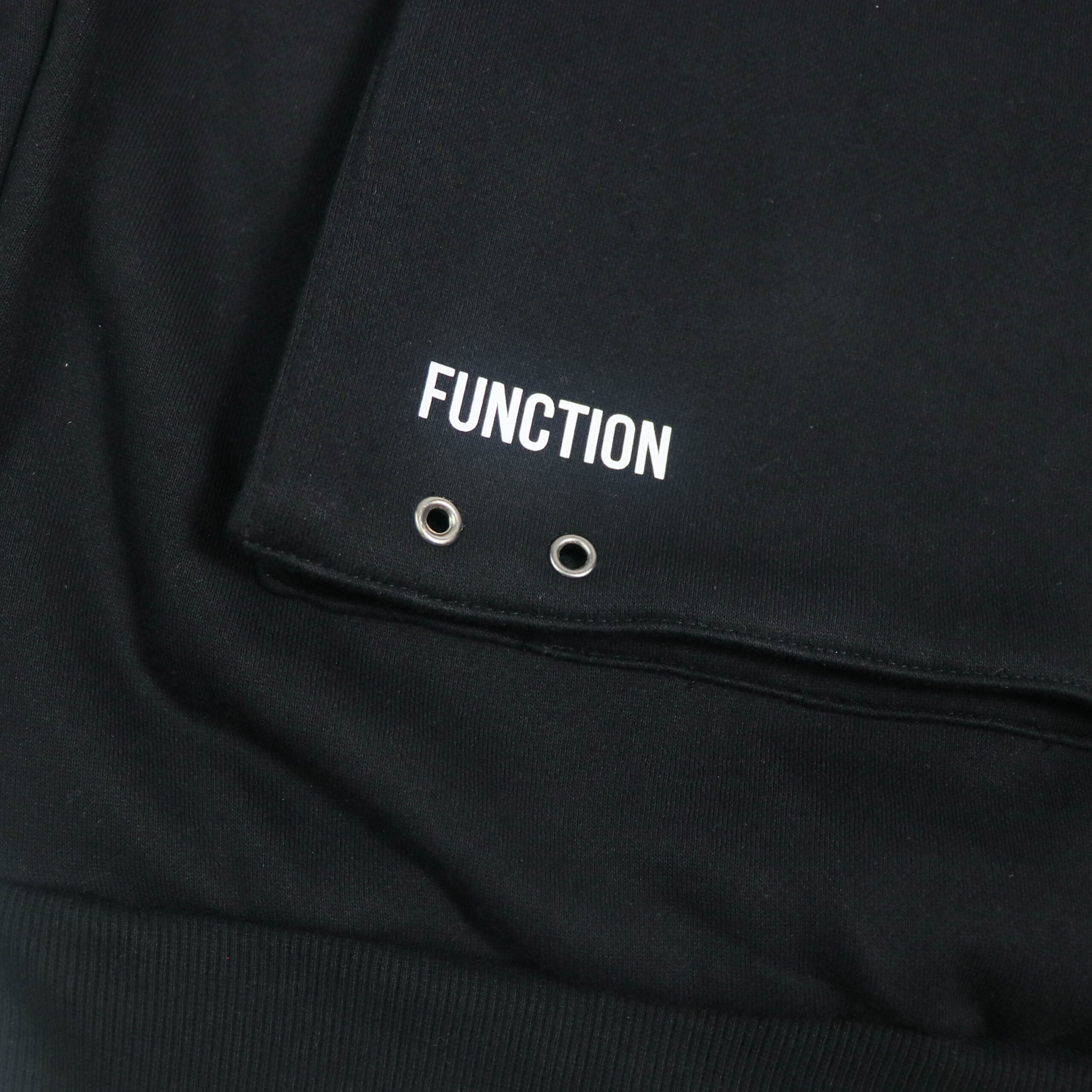
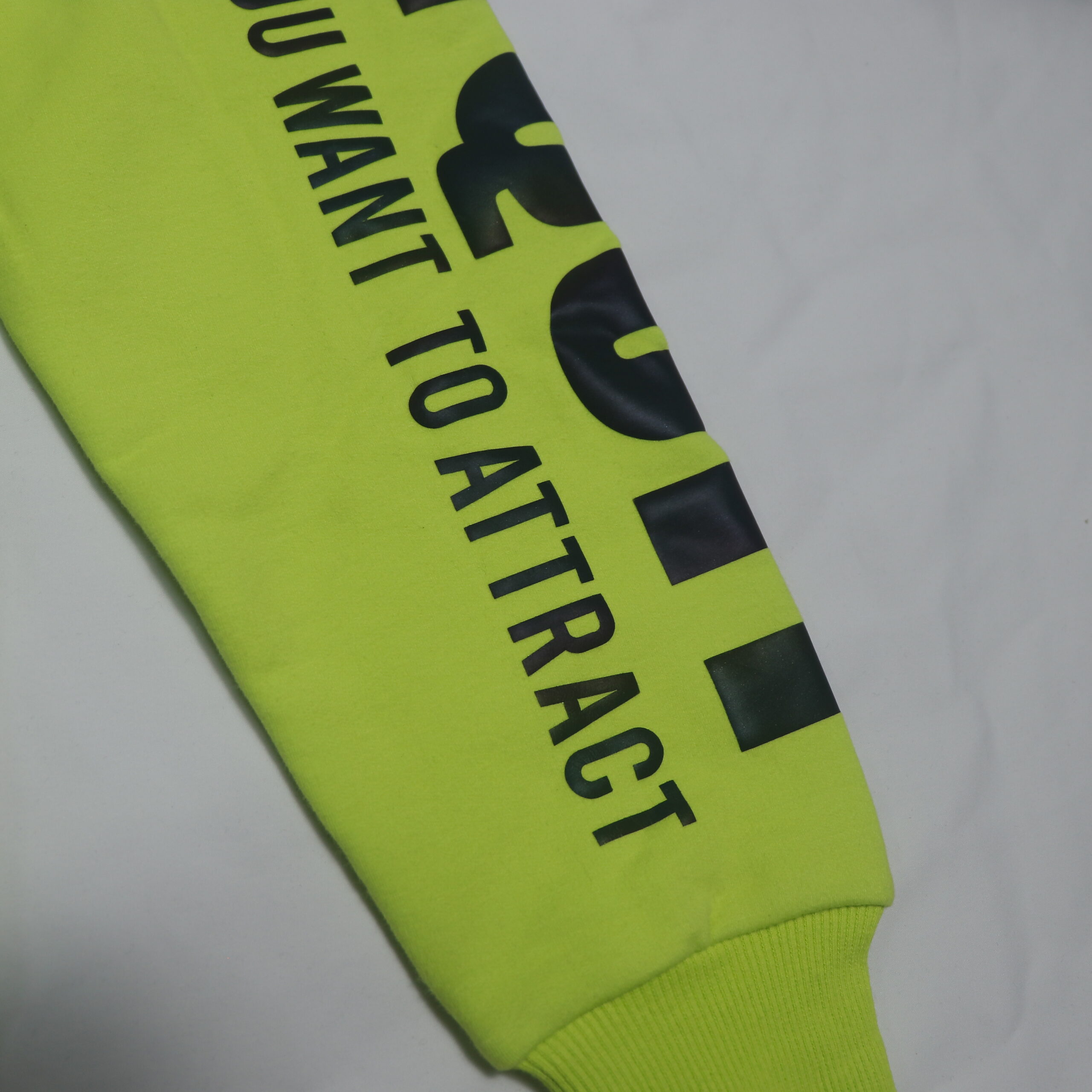
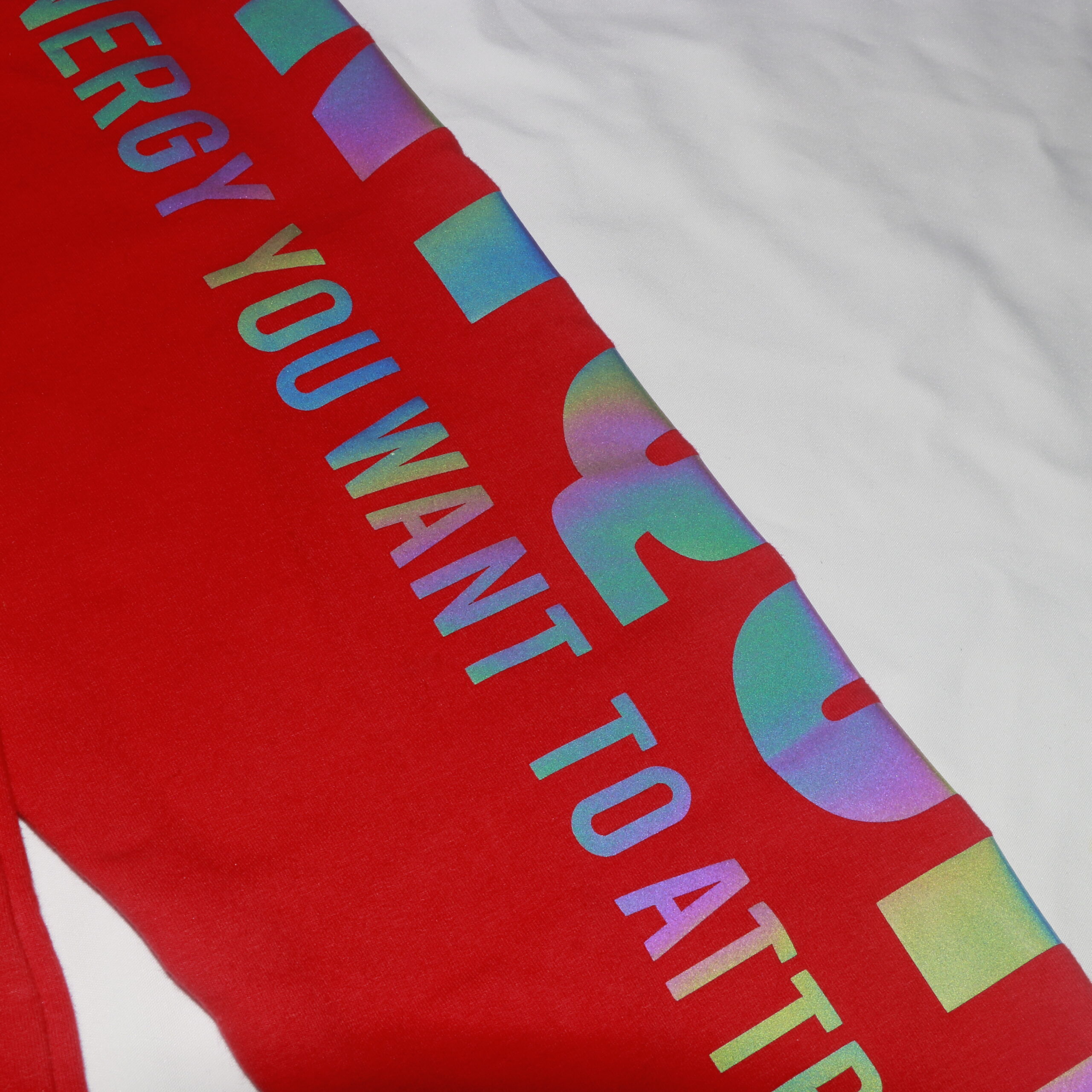
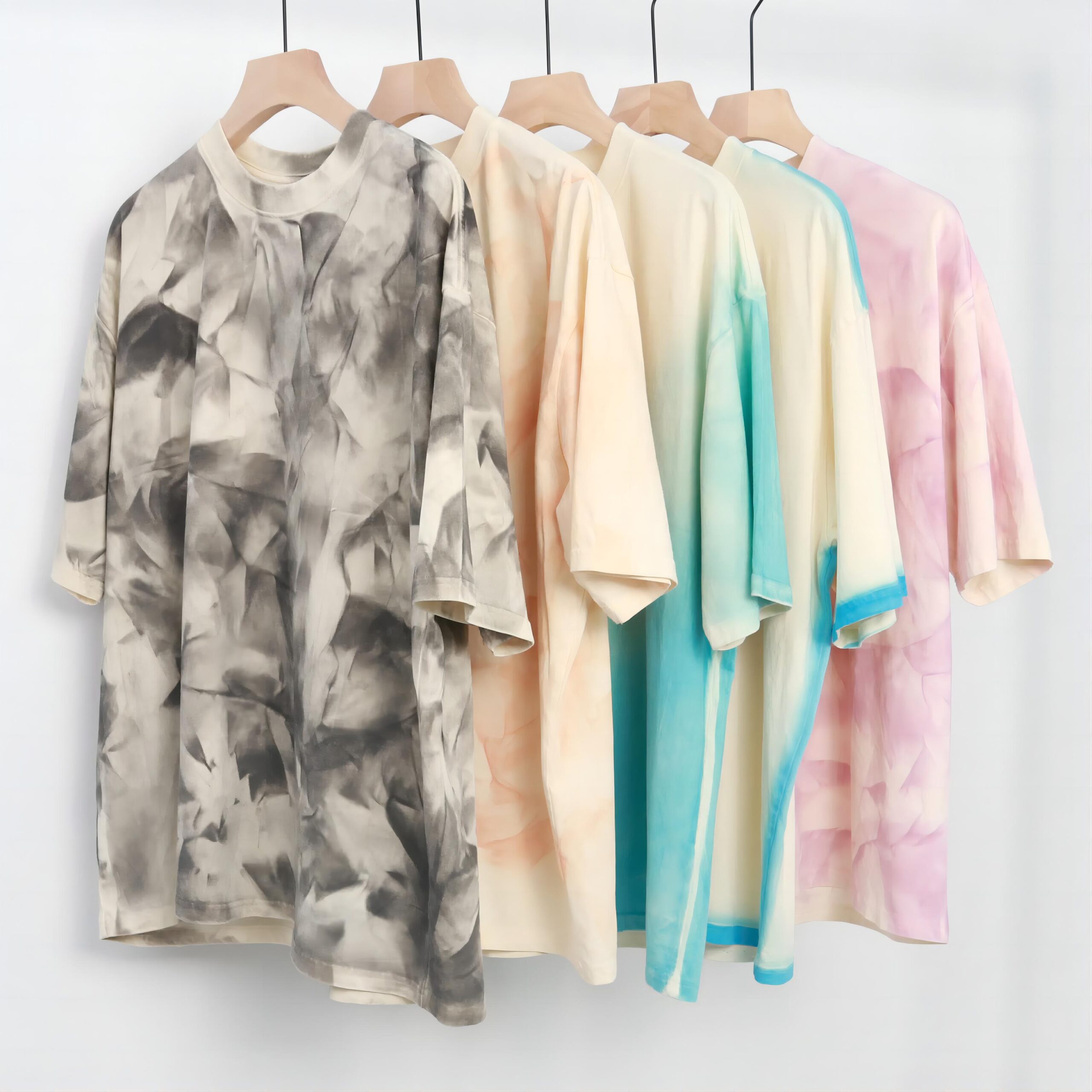
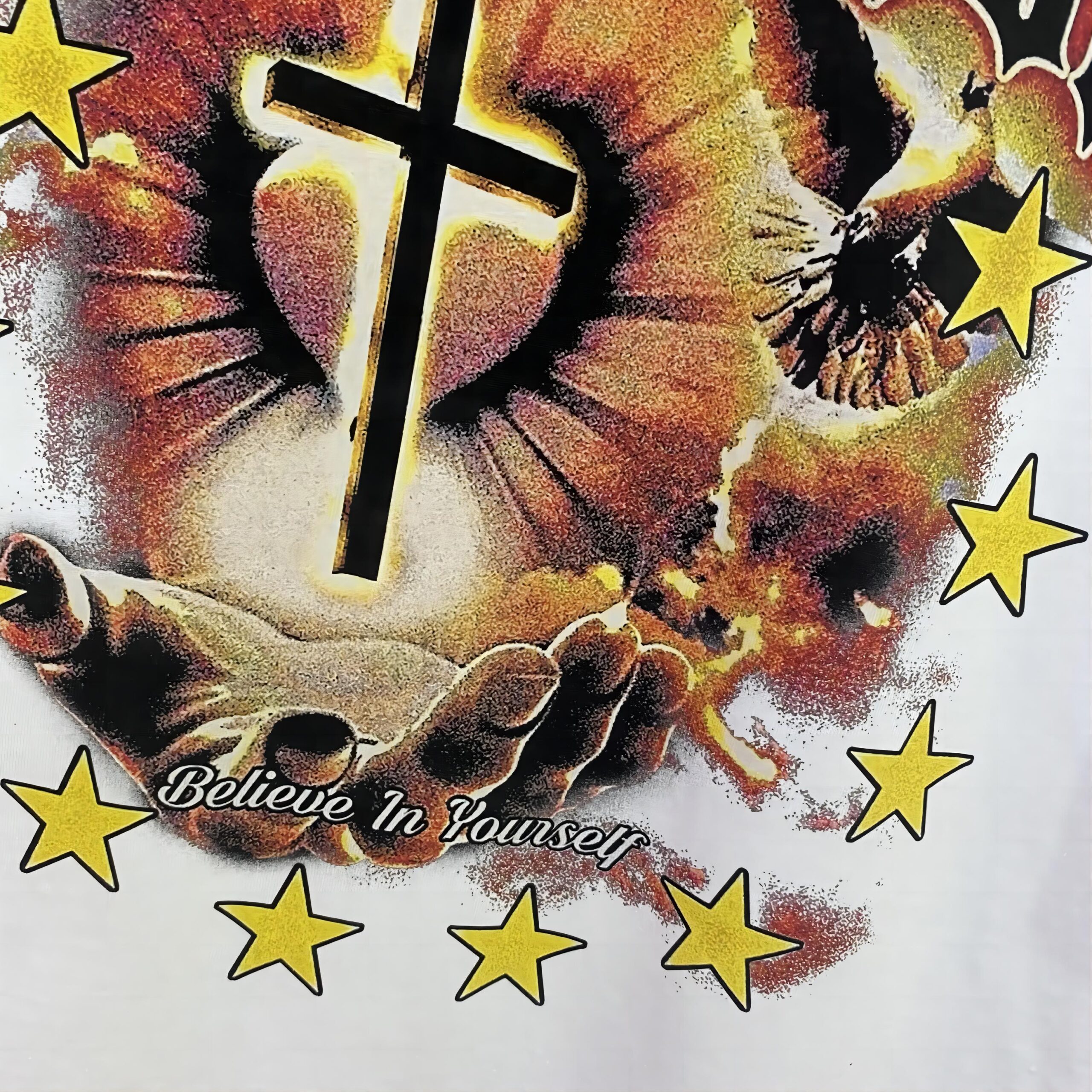




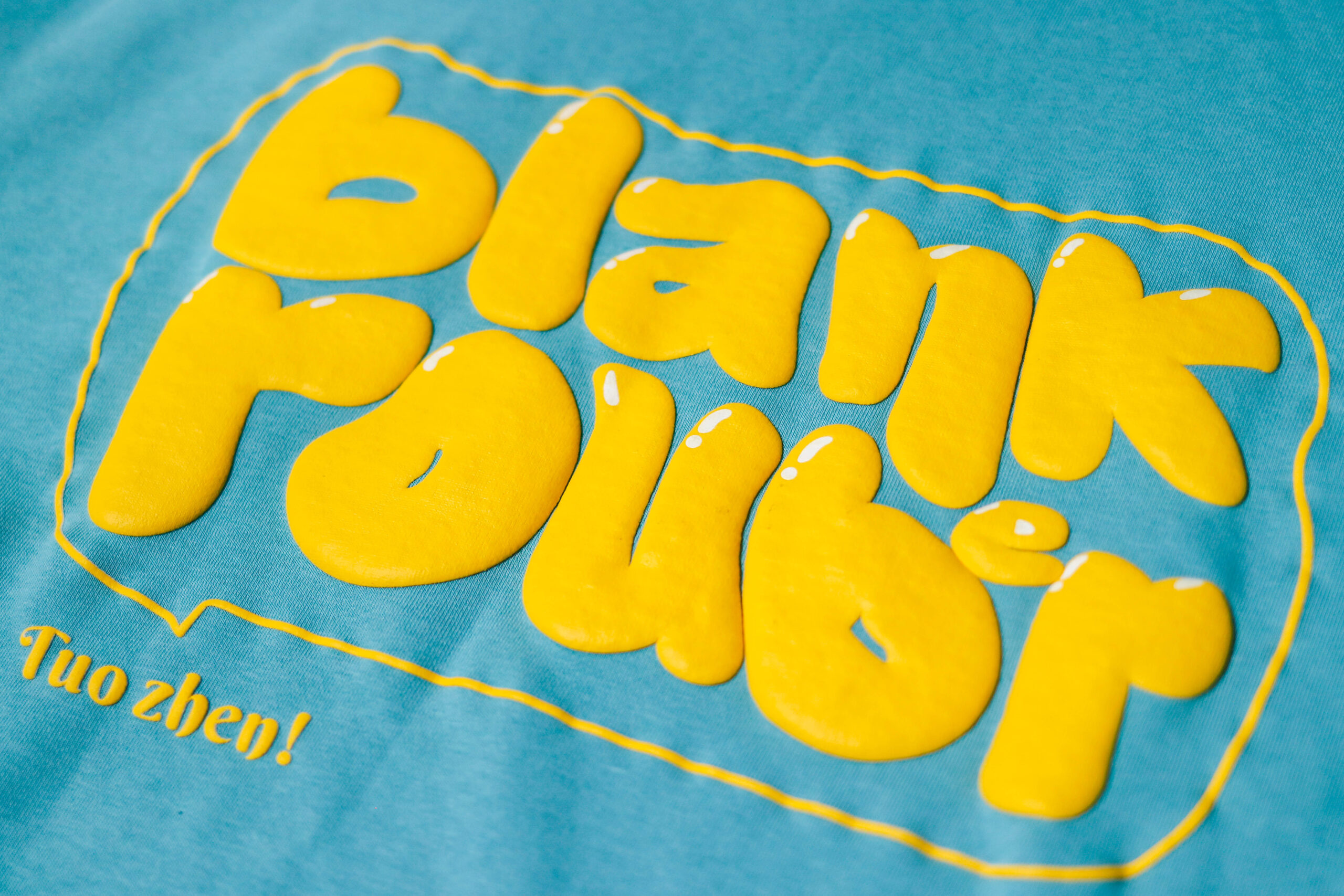
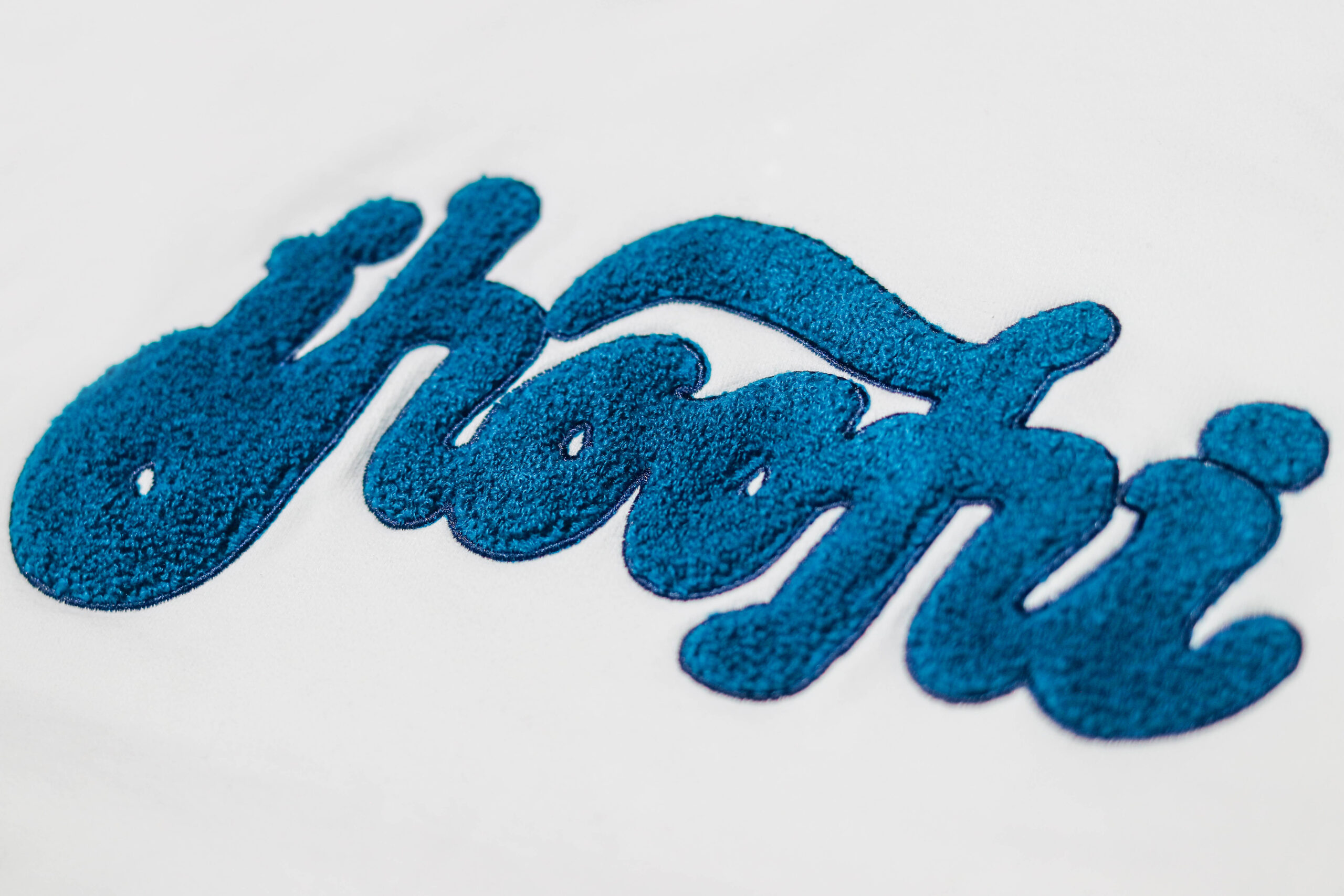
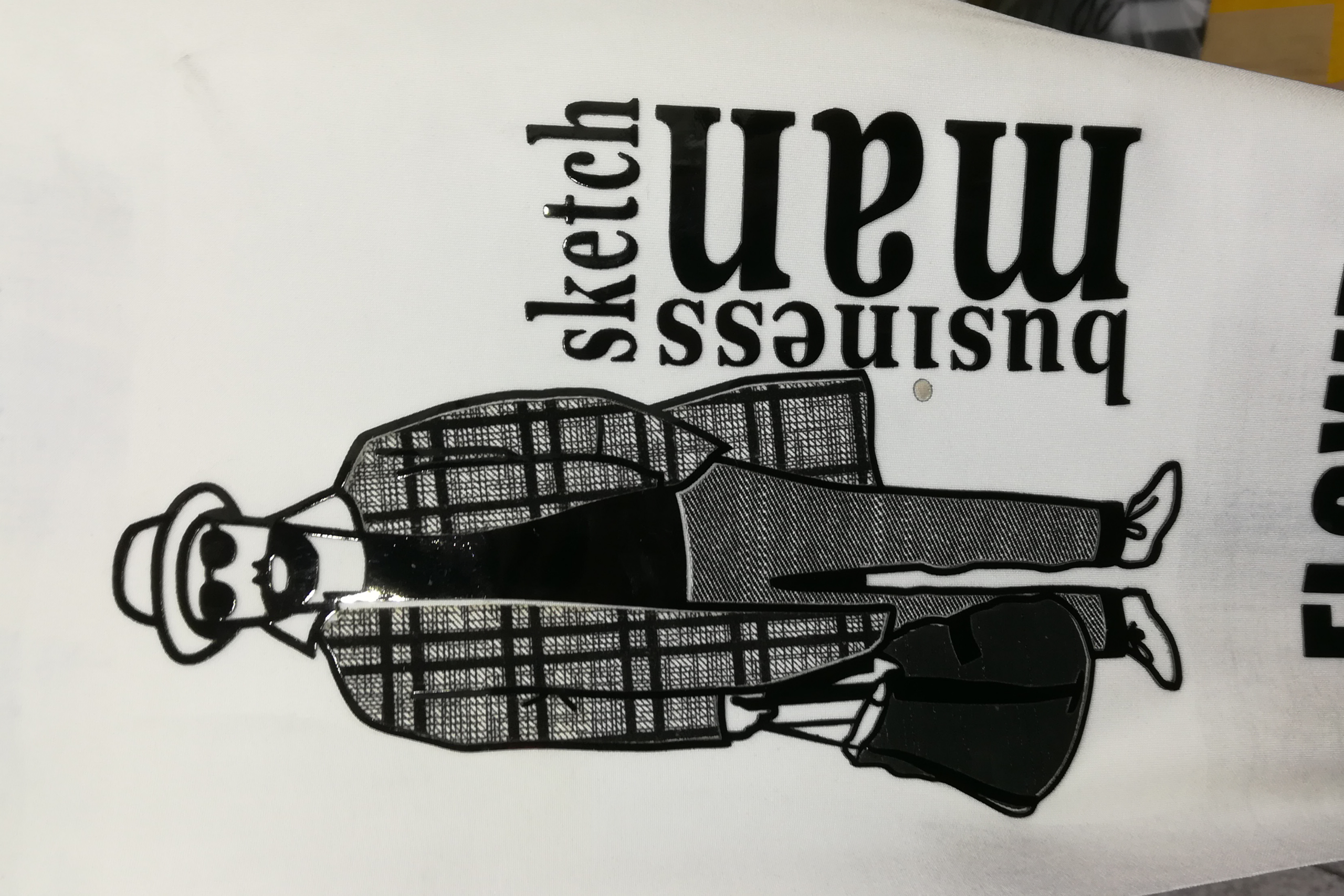
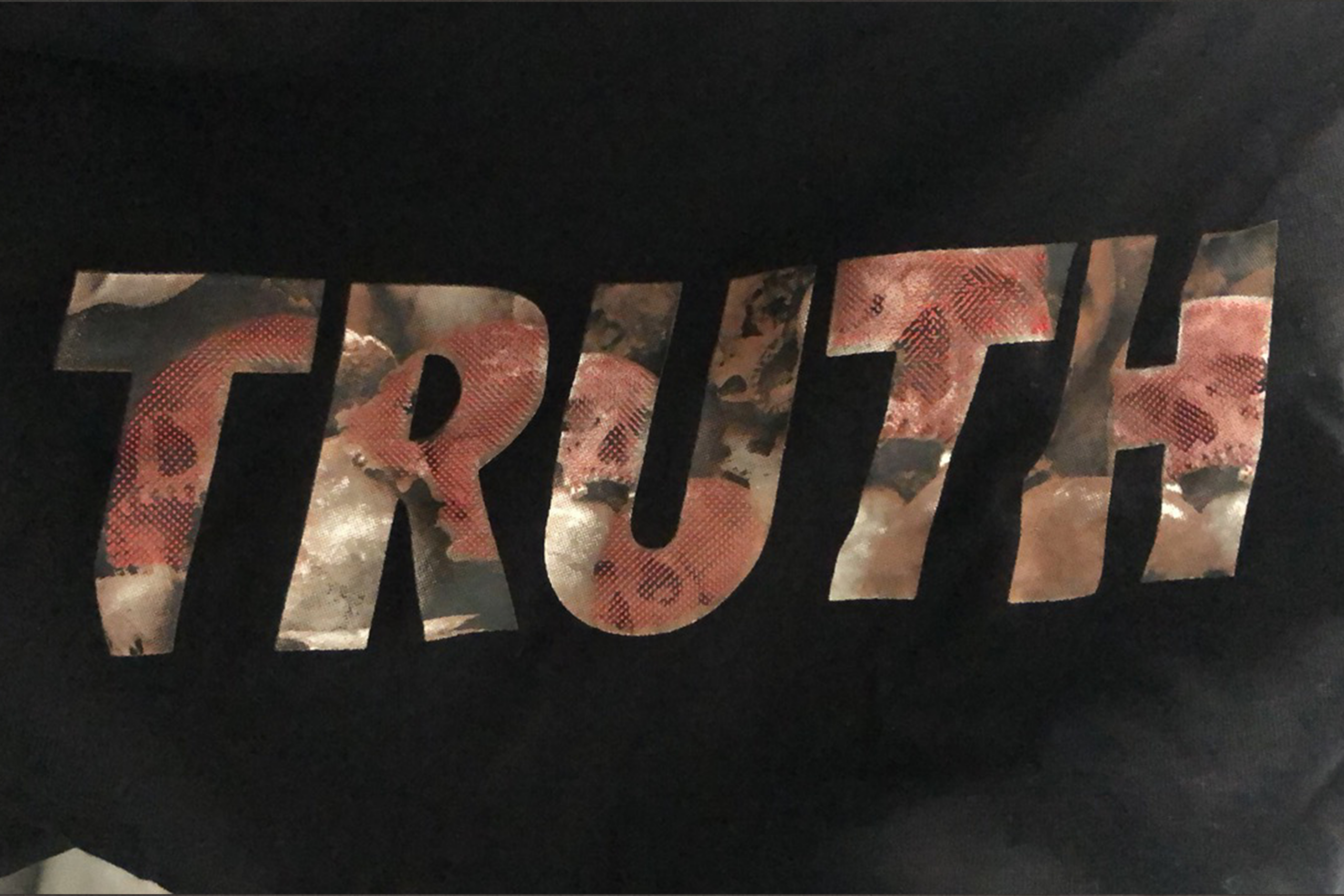
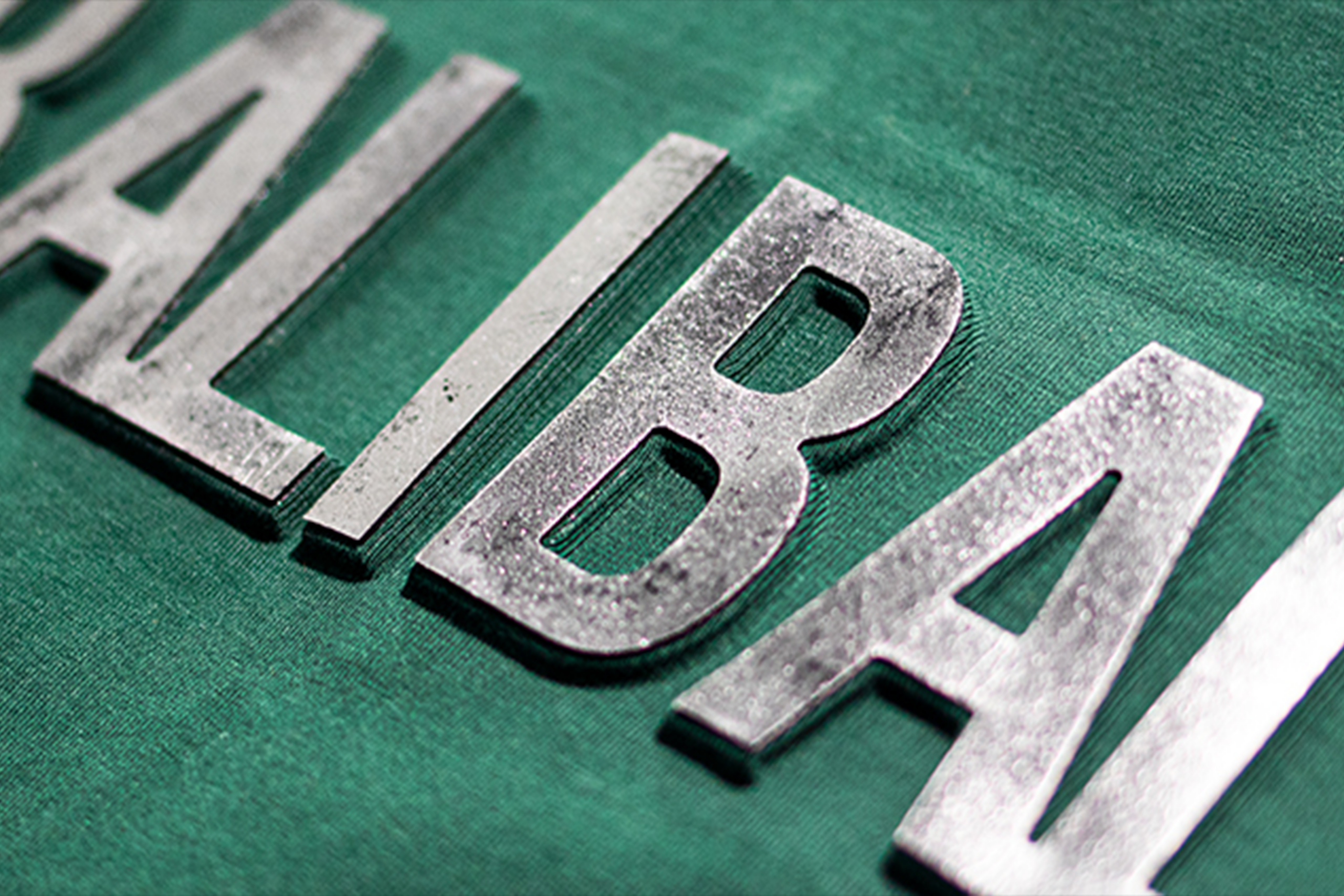
DTG T Shirt Manufacturer Built to Repeat
From first concept to packed bulk order, EDVORIN connects development, decoration, and quality control into one accountable production path.
Concept-to-Bulk Coordination
Coordinate fabric, fit, artwork placement, trims, samples, production, labeling, and packaging through one connected team for fewer handoff gaps.
Flexible OEM and ODM
Bring a complete tech pack or an early concept; EDVORIN develops clear, production-ready specifications for private-label T-shirt programs.
Approved-Standard Quality Control
Approved samples, measurement details, color references, and print placement standards guide in-line checks and final inspection before packing.
Decoration Matched to Product
Plan DTG graphics alongside the selected fabric, garment construction, wash treatment, and intended wear so decoration supports the finished product.
200-Piece Style MOQ
Start custom DTG T-shirt production from 200 pieces per style, with practical support for emerging labels, wholesale programs, and established buyers.
Apparel Manufacturing for Brands, Teams & Wholesale
Production-ready apparel programs developed around fit, materials, decoration and repeatable bulk standards for fashion, teamwear, corporate and private-label buyers.
Custom Hoodies
Custom hoodies developed with specified fleece weight, rib recovery, hood construction, drawcords, labels and DTG-compatible print areas. As a custom hoodie manufacturer, EDVORIN translates reference pieces or tech packs into approved standards for repeat bulk orders.
Get a Quote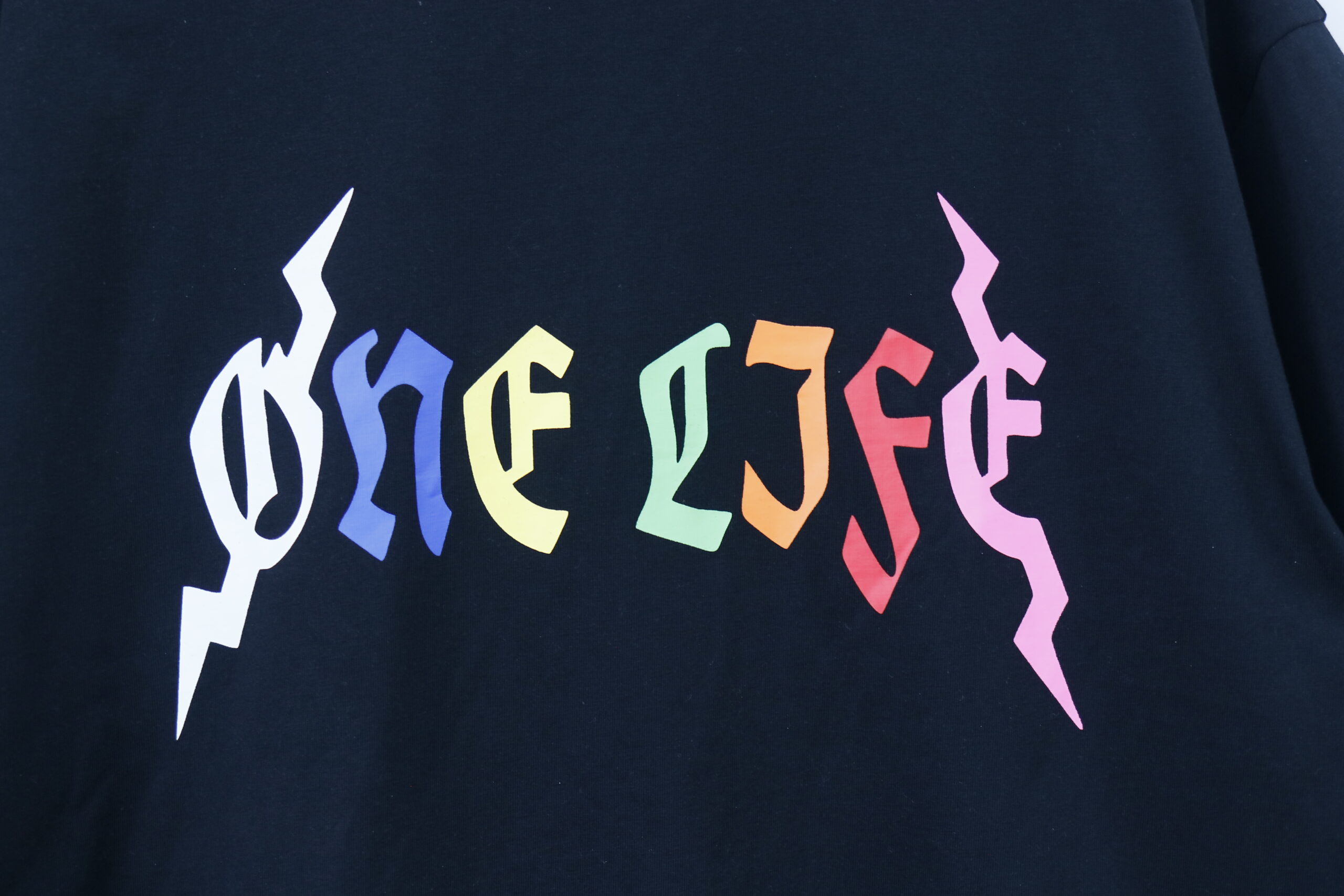
Pullover Sweatshirts
Pullover sweatshirts built around neckline shape, fabric weight, cuff and hem construction, fit blocks and artwork placement. EDVORIN supports fashion labels, school programs and wholesale buyers with samples that document the details needed for consistent production.
Get a Quote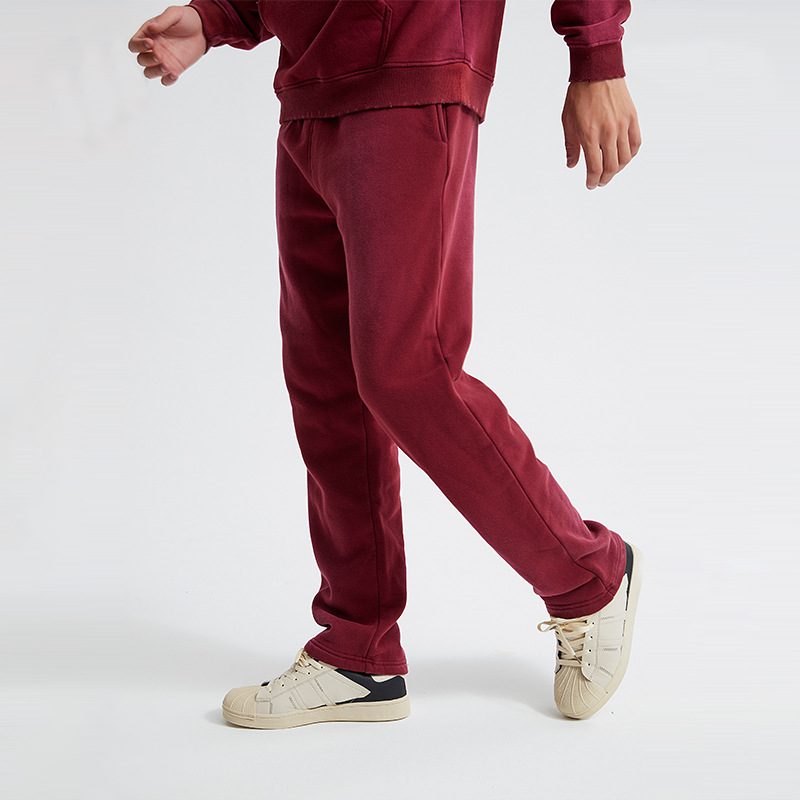
Sweatpants & Joggers
Sweatpants and joggers developed with coordinated fabric, waistband, drawcord, pocket, cuff and grading specifications. As a sweatpants manufacturer, EDVORIN can match them to hoodies or sweatshirts for complete men’s and women’s fleece programs.
Get a Quote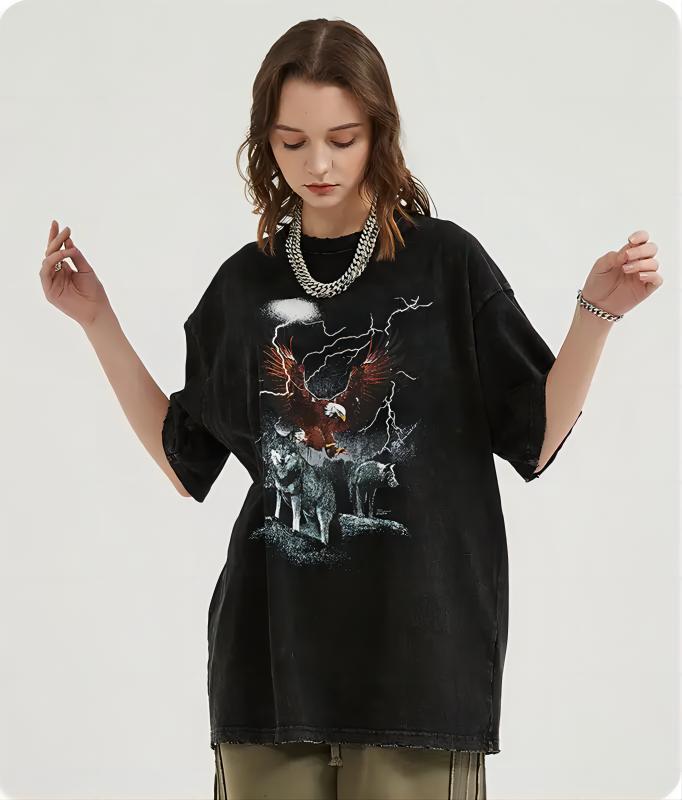
Custom Shorts
Custom shorts produced for casualwear, streetwear, sports and promotional programs, with options for fleece, jersey or woven constructions. Inseam, pocket layout, waistband, mesh lining, decoration placement and size grading are set before bulk production.
Get a Quote
Varsity & Baseball Jackets
Varsity and baseball jackets require coordinated body and sleeve materials, rib, snaps, lining, patches and embroidery. EDVORIN develops each component against the approved sample so the jacket’s proportions and decoration remain controlled across production.
Get a Quote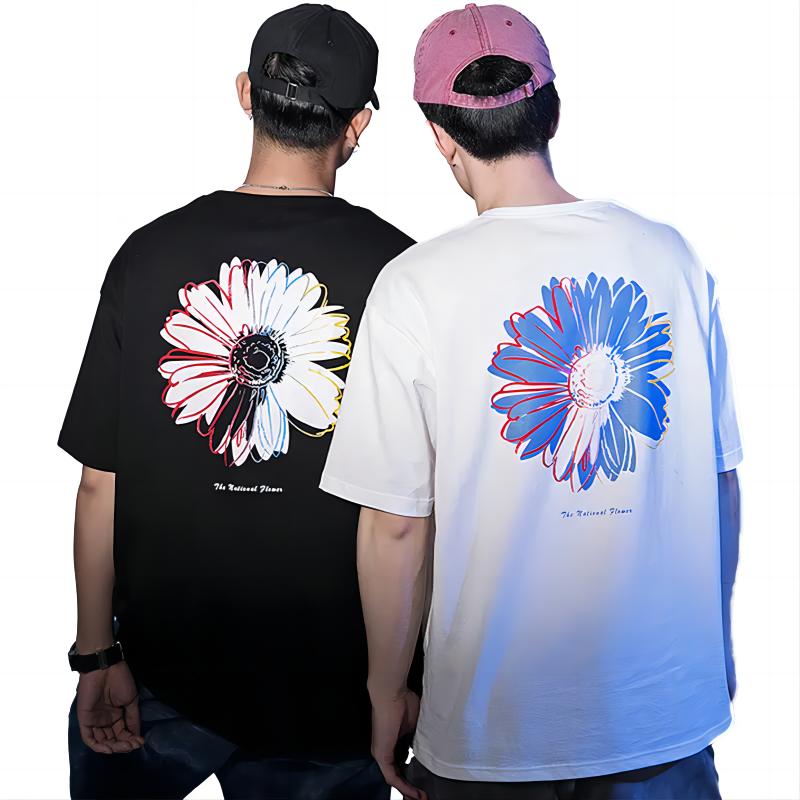
Custom T-Shirts
Custom T-shirts for fashion drops, staff uniforms, school programs, event merchandise and wholesale assortments. Fabric weight, fit, collar construction, DTG artwork placement, labels and packing are specified to give buyers a repeatable production standard.
Get a Quote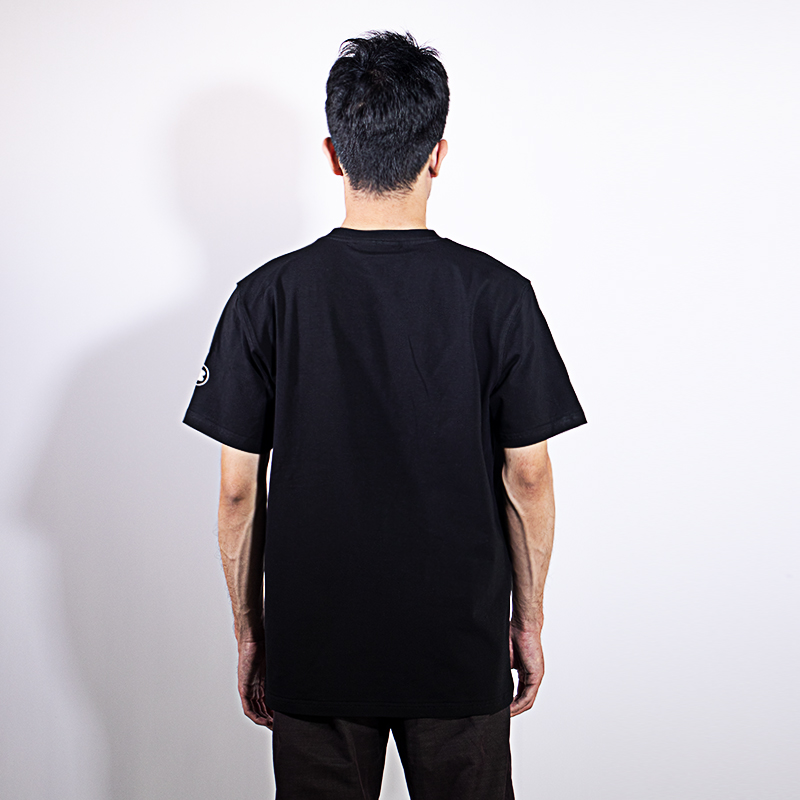
Custom Polo Shirts
Custom polo shirts developed for corporate uniforms, golf programs, schools and private-label collections. Buyers can define piqué or jersey fabric, collar and placket construction, embroidery placement, color matching, fit and size ranges before production.
Get a Quote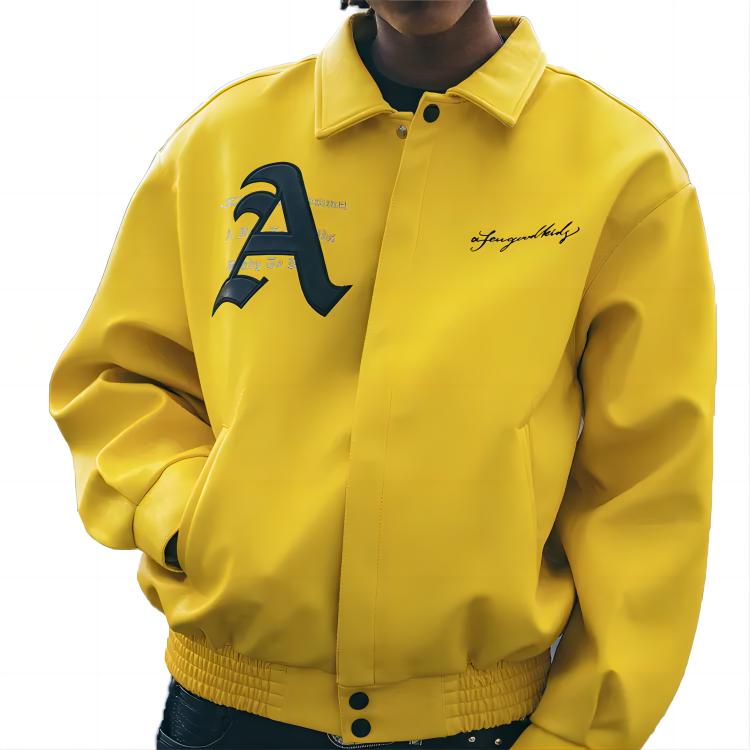
Windbreaker Jackets
Windbreaker jackets developed with shell fabric, lining or mesh, zip specifications, pocket construction, hood details and print or embroidery placement. EDVORIN aligns water resistance, breathability and garment construction with the intended activity and market.
Get a Quote
Quilted Jackets
Quilted jackets coordinated across shell fabric, insulation, lining, quilting pattern, hardware and labels. Sampling confirms warmth, bulk distribution, stitch lines and fit before production, helping outerwear buyers avoid variation between approved samples and finished units.
Get a Quote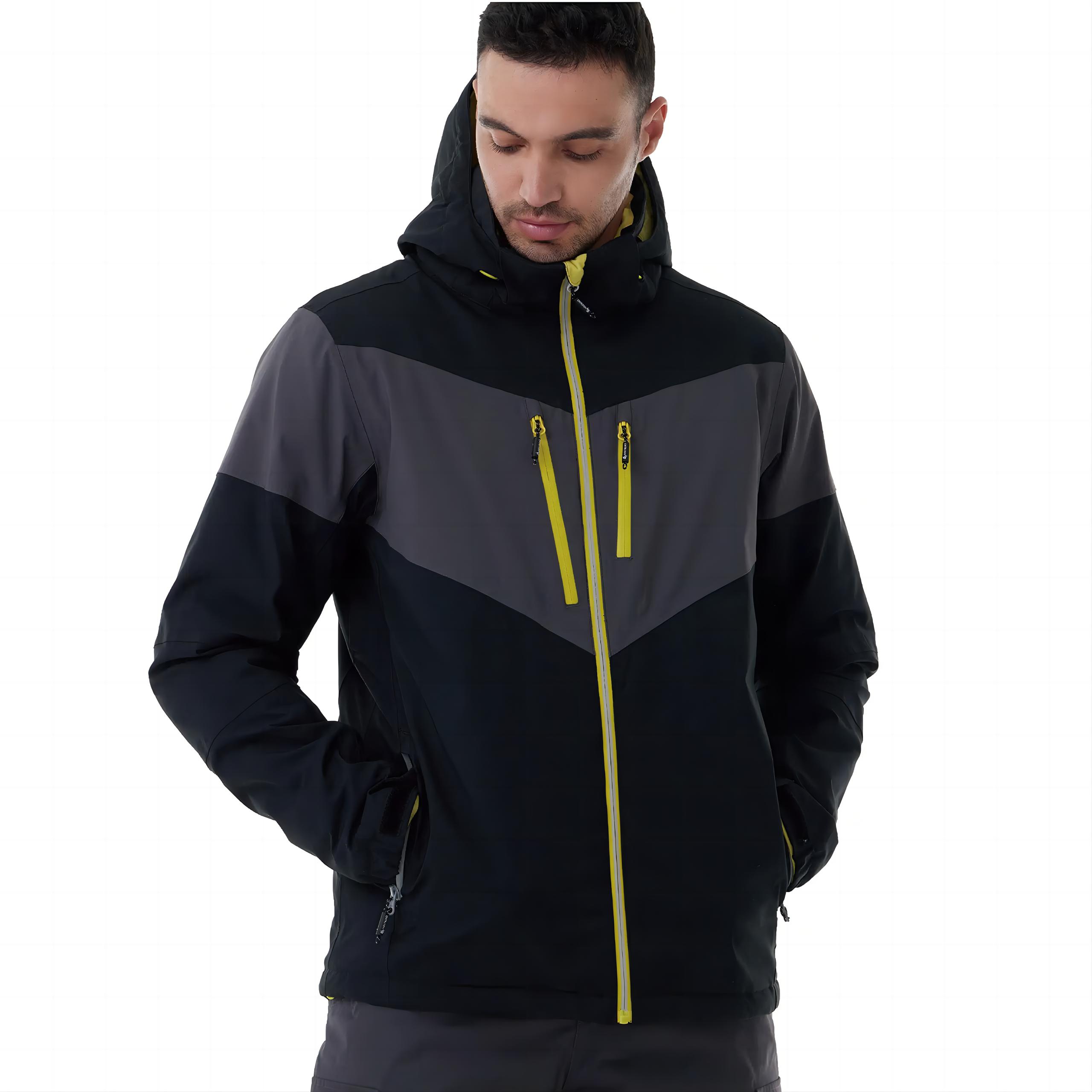
Bomber Jackets
Bomber jackets developed with shell and lining choices, rib trims, zipper or snap hardware, pocket construction and decoration requirements. EDVORIN records the approved material, measurements and finishing details to support dependable repeat production.
Get a Quote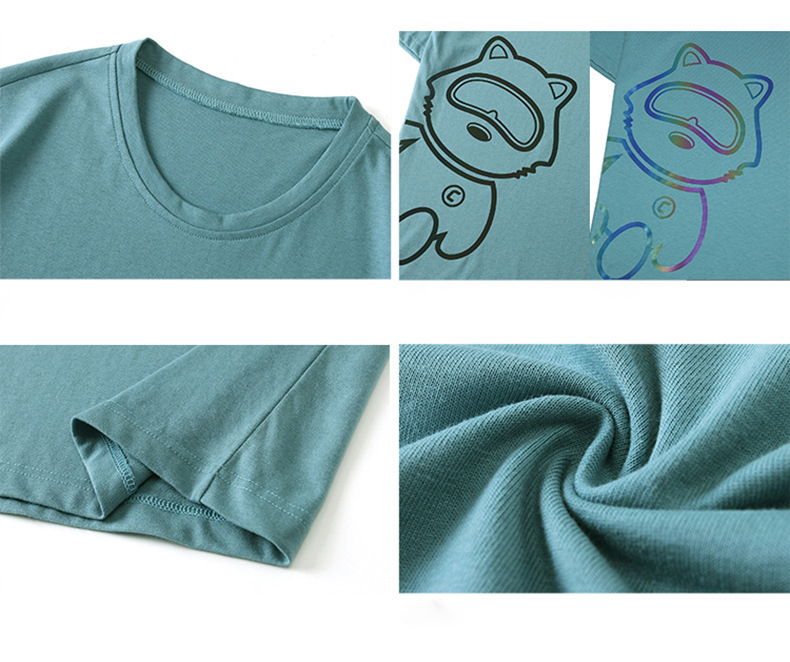
Custom Shirts
Custom woven shirts for uniform, resort, corporate and private-label programs, developed around fabric, collar, placket, cuff, pocket, button and fit specifications. Men’s and women’s blocks can be adjusted separately to match the intended wearer and market.
Get a Quote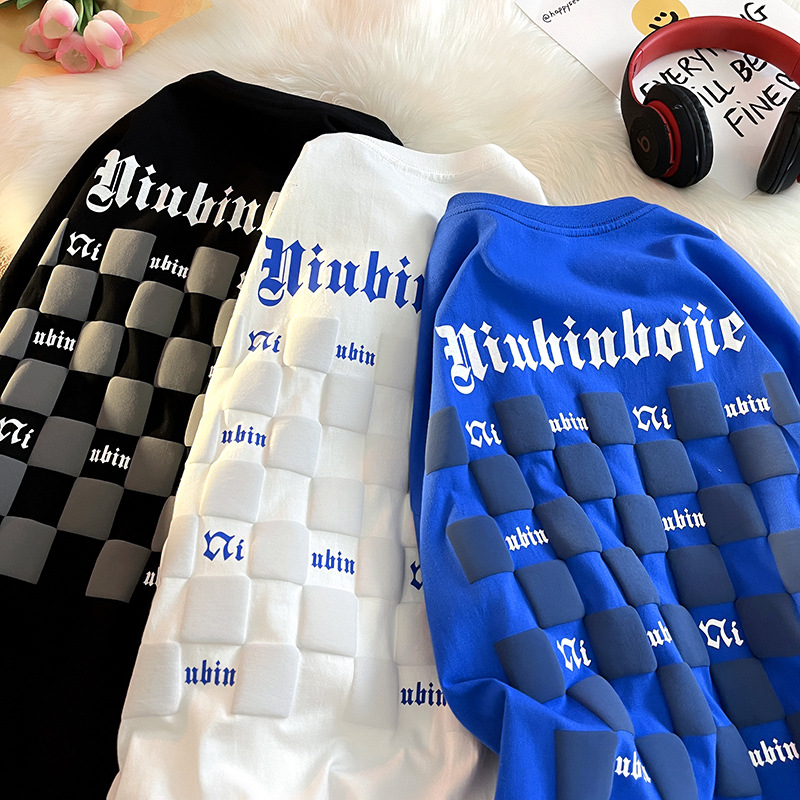
Custom Jerseys
Custom jerseys produced with sport-appropriate fabrics, team colors, player names, numbers, logos and size-set requirements. EDVORIN organizes artwork, placement references and grading before bulk production to help clubs, schools and distributors maintain consistency.
Get a Quote
Tank Tops
Tank tops developed for training, basketball, casualwear and promotional programs using jersey, mesh or performance fabrics. Armhole shape, neckline, binding, fit, print placement and size grading are reviewed during sampling for men’s and women’s ranges.
Get a Quote
Soccer Uniforms
Soccer uniforms developed as coordinated jerseys, shorts and optional socks, with breathable fabric, color matching, crests, sponsor graphics, names and number control. EDVORIN establishes approved artwork and size standards before producing team sets at scale.
Get a Quote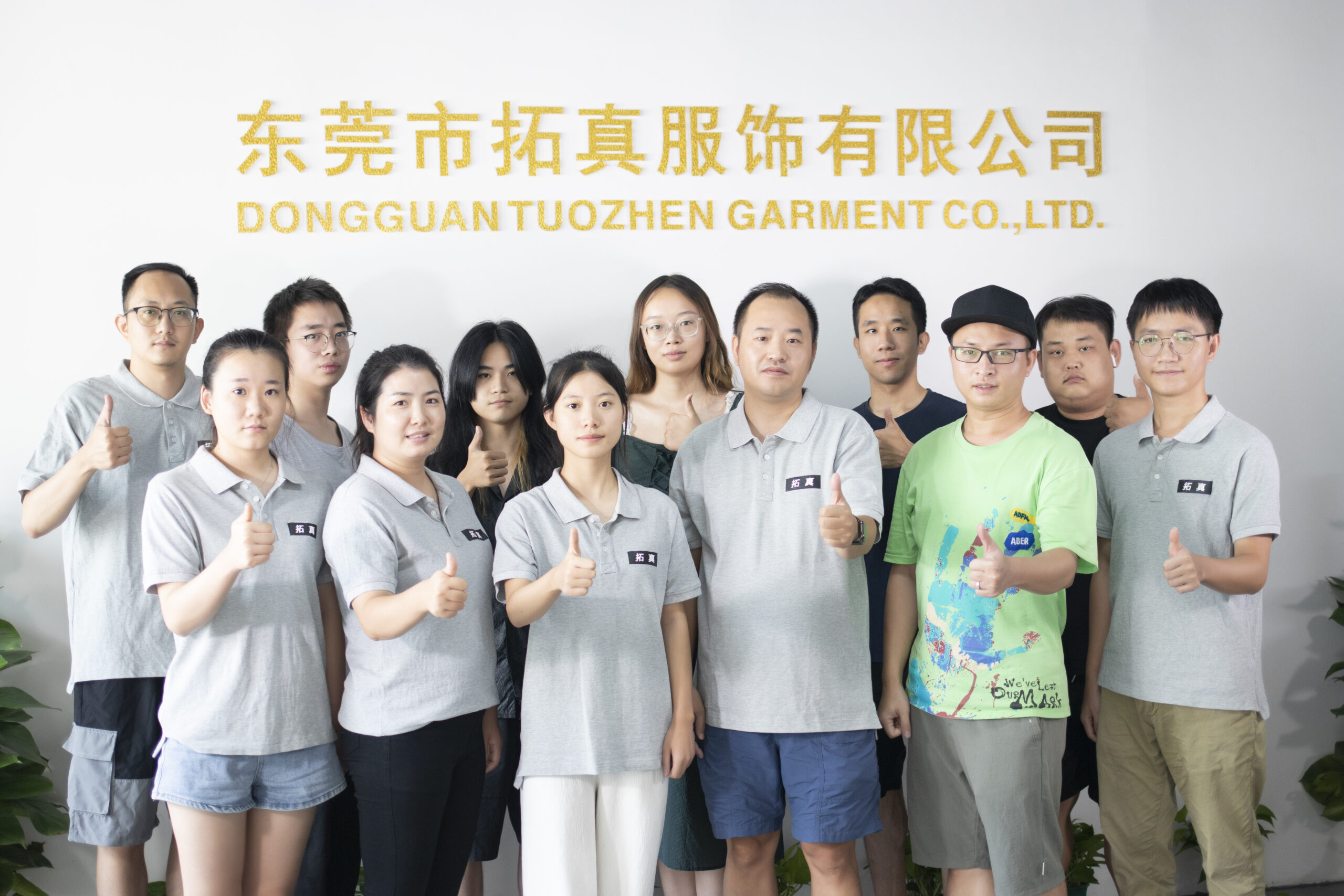
Basketball Uniforms
Basketball uniforms developed with performance mesh or knit fabrics, coordinated jerseys and shorts, player numbering, logo placement and movement-focused fit. Samples confirm color, decoration and grading so team, school and distributor orders can be repeated accurately.
Get a Quote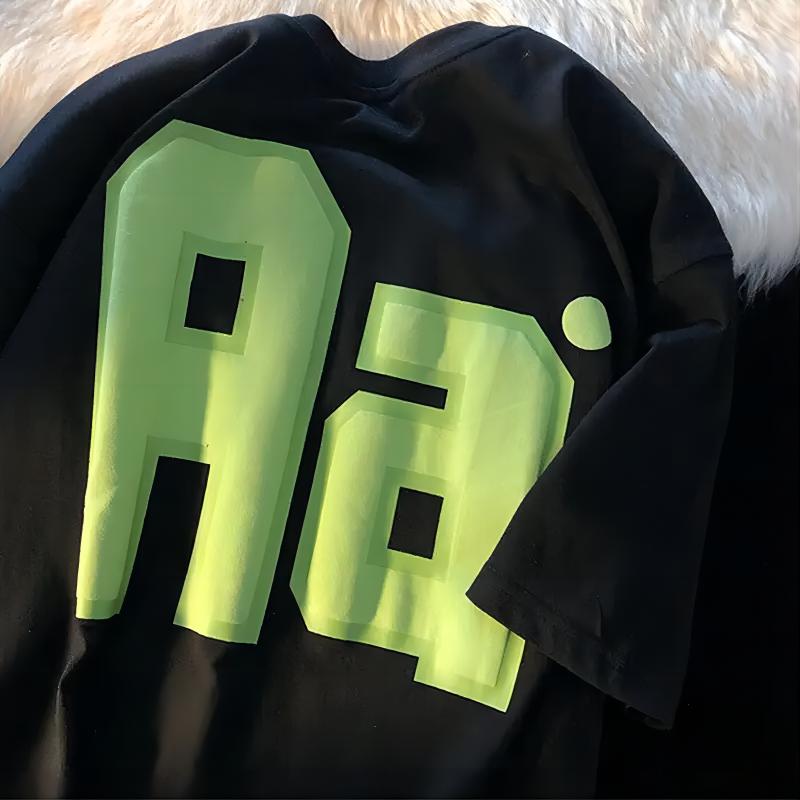
Streetwear Collections
Streetwear collections developed as connected product programs across tees, hoodies, fleece, shorts, jackets and woven pieces. EDVORIN coordinates fit blocks, fabrics, washes, trims, labels, DTG printing, embroidery and packaging from development through bulk quality control.
Get a QuoteT-Shirt Fabrics Selected for DTG Print Performance
Combed Cotton Jersey
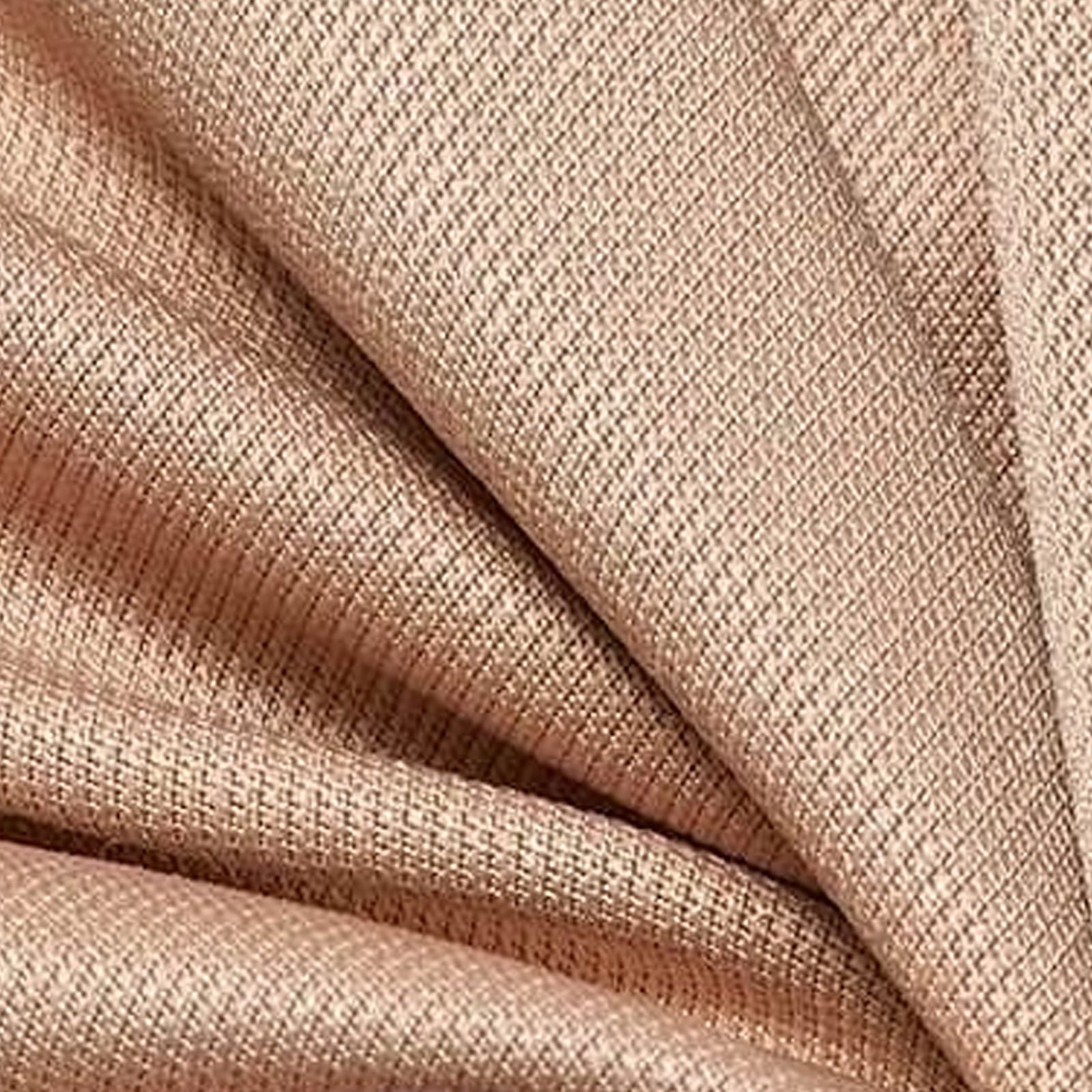
A smooth, breathable everyday jersey for retail graphics, promotional programs, and classic tees. Its clean face supports detailed DTG artwork, while cotton-rich construction delivers a familiar soft hand-feel.
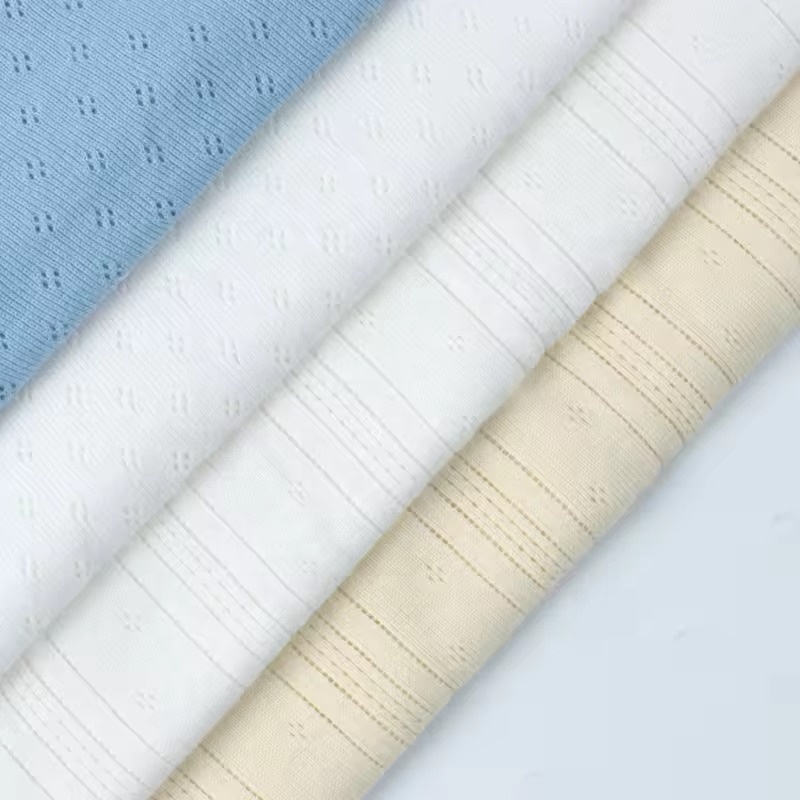
Ring-Spun Cotton
A softer, finer cotton option for premium fashion and private-label T-shirts. The refined yarn surface helps graphics read cleanly, with a comfortable hand-feel suited to lightweight and midweight silhouettes.
Heavyweight Cotton Jersey
A substantial cotton base for oversized streetwear, boxy fits, and statement graphic tees. Developed in heavier weights, it creates structure and drape while providing a stable surface for bold DTG placements.
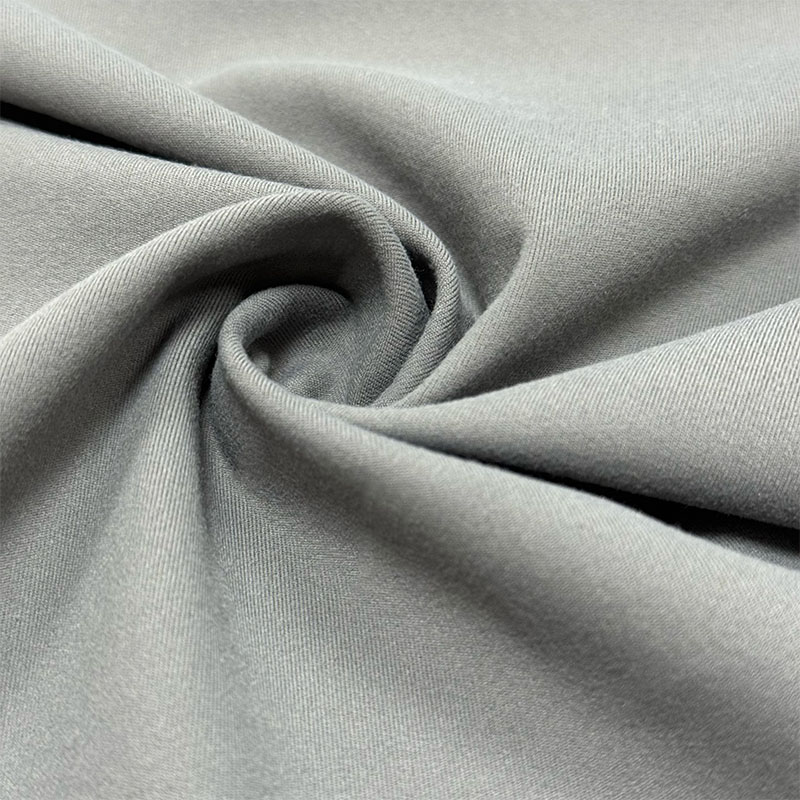
Cotton Polyester Blend
A balanced fabric choice for teamwear, staff apparel, and easy-care branded programs. Cotton contributes comfort while polyester adds resilience; blend ratio and fabric face are reviewed during sampling for print results.
Recycled Fiber Blend
A material option for collections seeking recycled-content programs without losing practical wearability. EDVORIN can review hand-feel, weight, composition, and print testing during development to confirm the approved production standard.
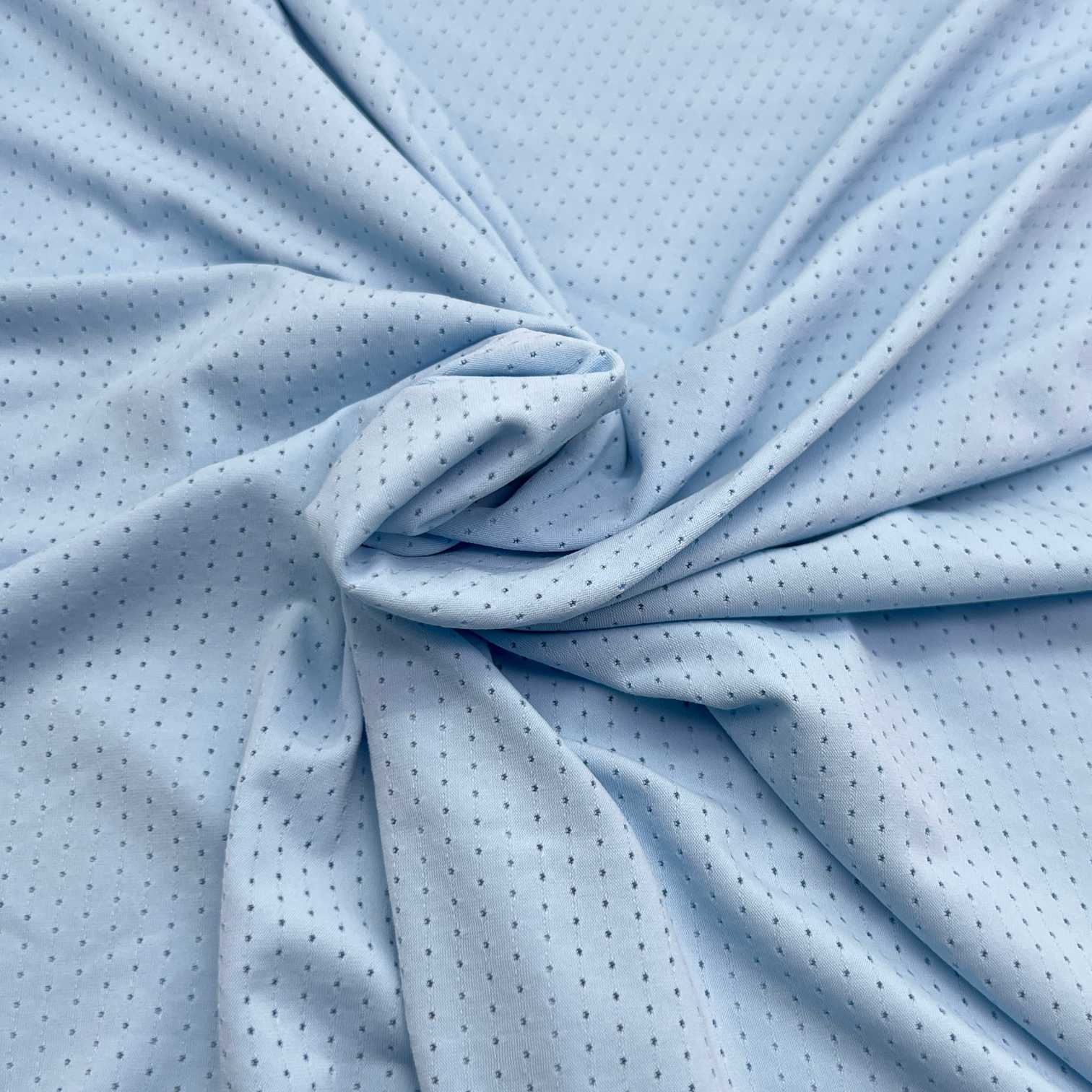
Performance Knit Jersey
A lightweight, moisture-conscious knit for active teams, academies, and sports-focused graphics. Stretch, recovery, and surface texture are specified for the intended activity, then tested with decoration before bulk approval.
DTG T-Shirt Manufacturer Decoration Methods
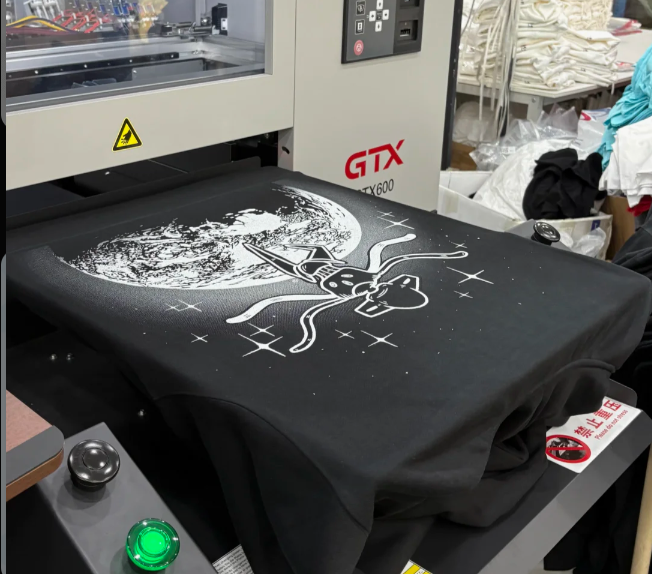
DTG Printing
Direct-to-garment printing is suited to detailed, full-color artwork and short-run graphic programs. EDVORIN aligns fabric selection, pretreatment and sample approval to achieve a soft-hand print with clear tonal detail.
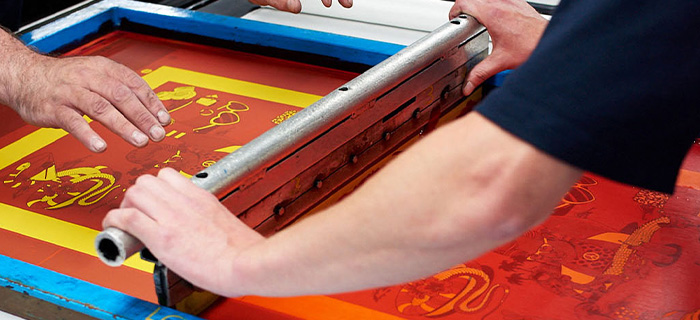
Screen Printing
Screen printing supports bold graphics, solid color areas and repeat wholesale orders. We specify ink, mesh and placement during sampling so the finished print delivers strong coverage, consistent color and dependable wear.
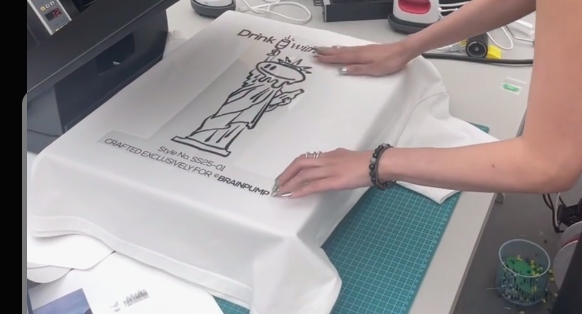
DTF Transfers
DTF transfers work well for detailed logos, multicolor artwork and flexible placement across compatible T-shirt constructions. EDVORIN tests the transfer with the selected fabric to confirm adhesion, stretch and the intended visual finish.
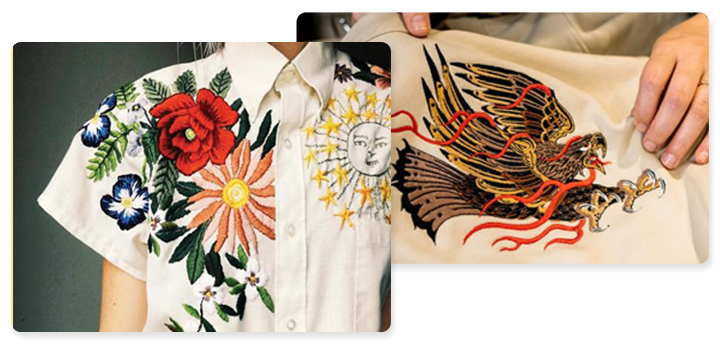
Embroidery Details
Embroidery adds dimensional texture to chest logos, sleeve marks and limited graphic accents. We coordinate stitch density, backing, thread color and placement so decoration remains clean, balanced and suitable for the garment weight.
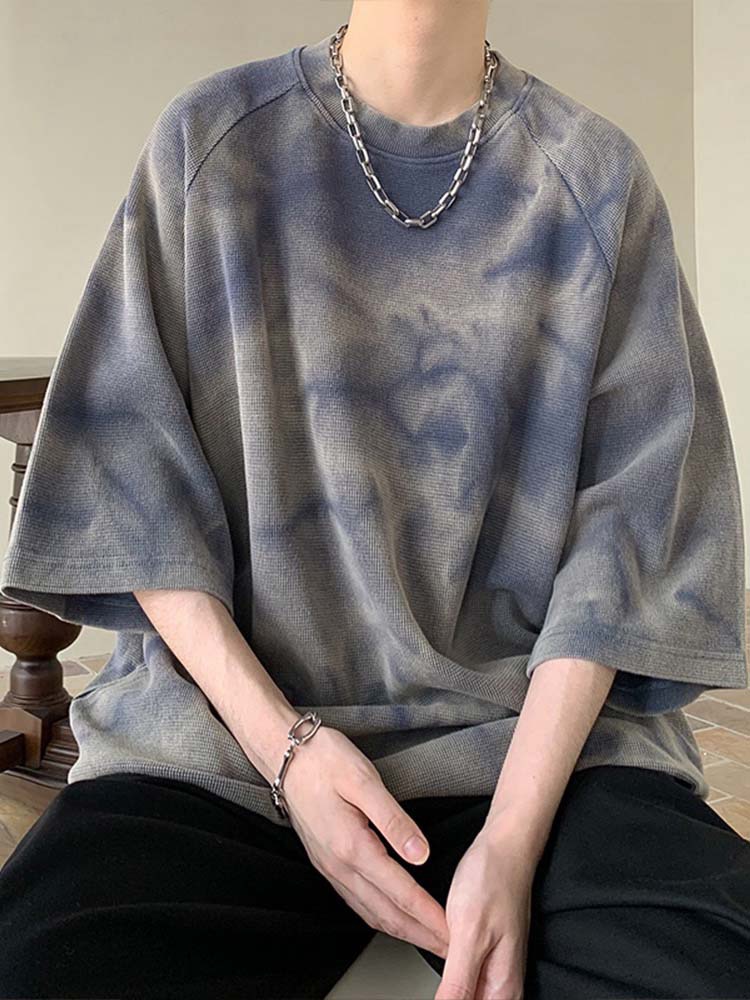
Wash Finishing
Wash and finishing effects can give graphic T-shirts a worn, faded or more individual character. EDVORIN develops the wash alongside the decoration plan, checking how color, print appearance and garment hand feel perform together.
Private-Label Trims & Finishing Details
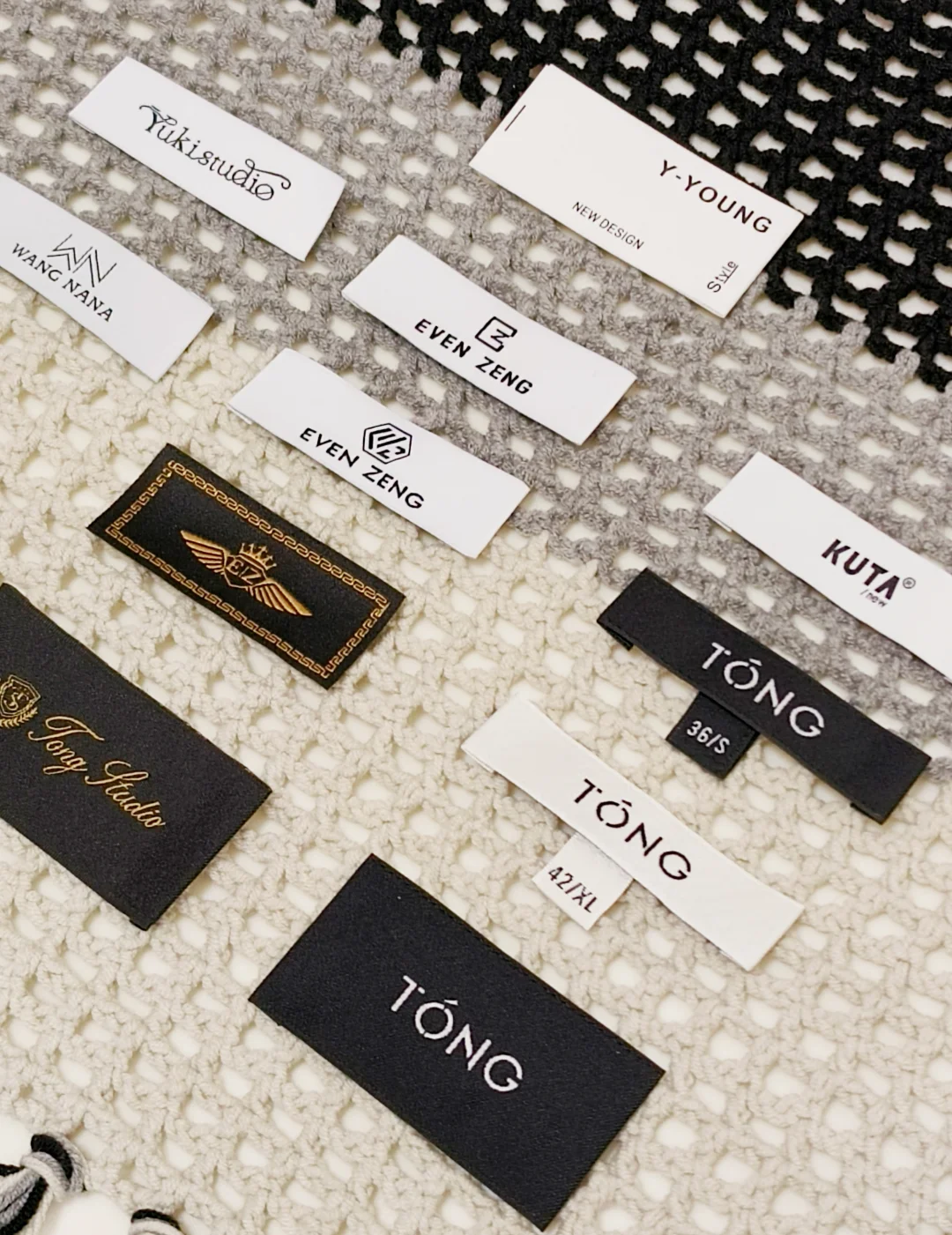
Woven Neck Labels
Custom woven labels carry your brand identity at the neckline while supporting clear size, care and origin information. They are specified during development to align with your T-shirt fabric, fit and finishing.
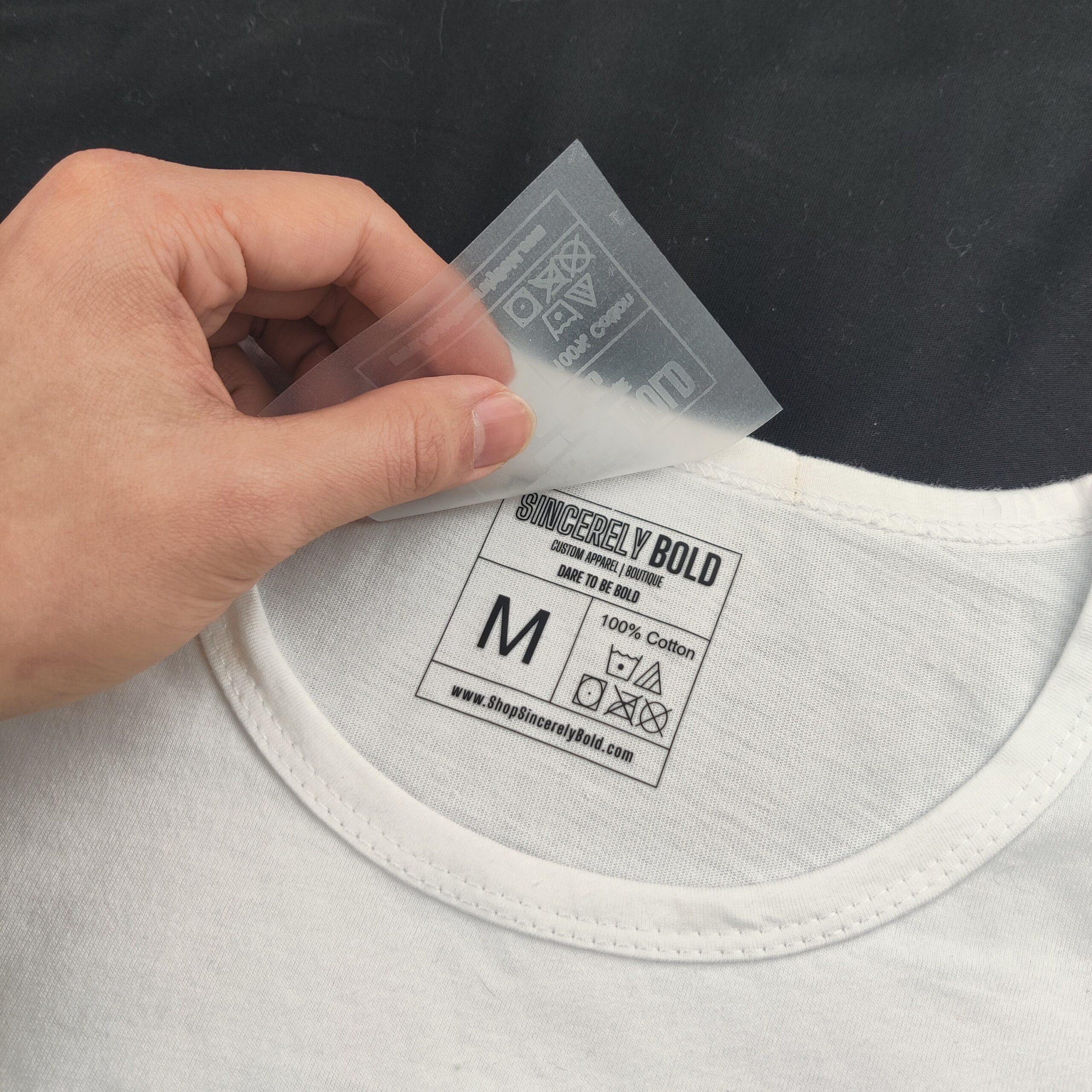
Printed Neck Labels
Soft printed neck labels provide a low-bulk alternative for graphic tees, teamwear and everyday basics. Artwork, placement and color references are approved with the sample so branding remains consistent across production.
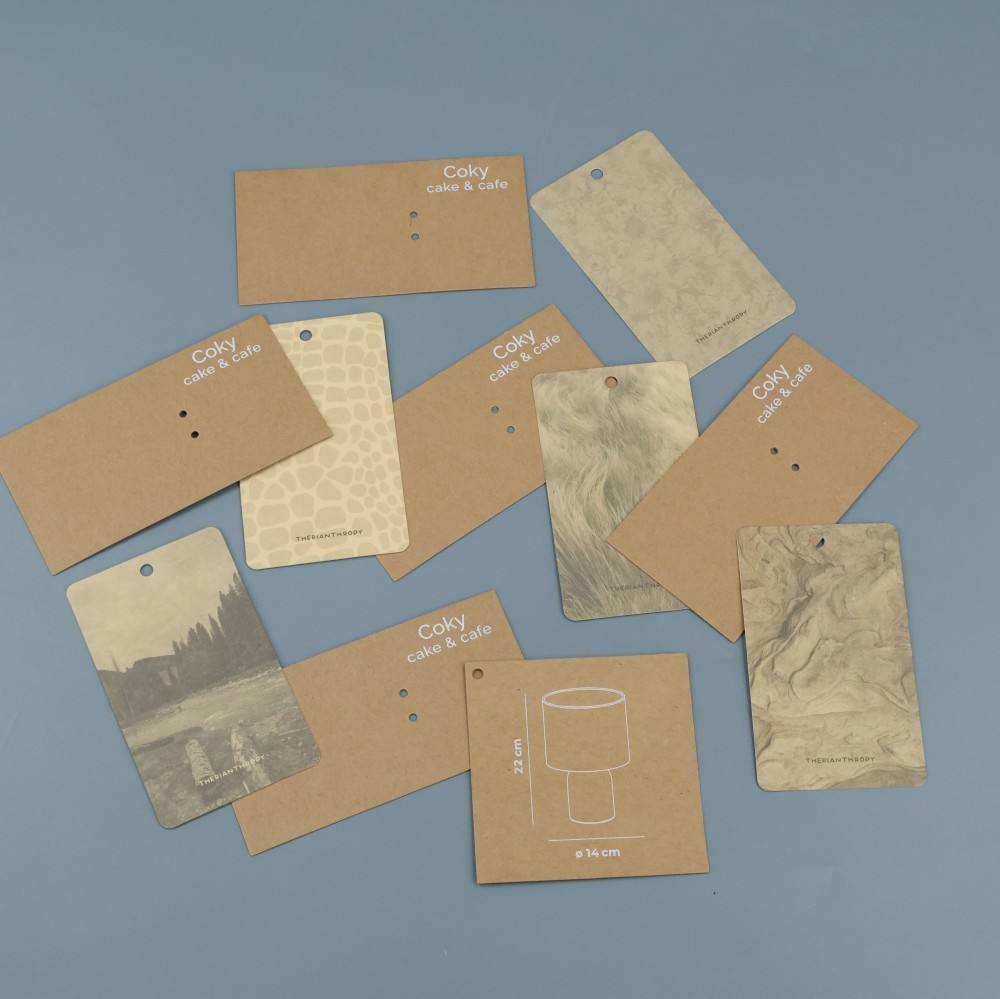
Branded Hangtags
Custom hangtags add a retail-ready presentation for fashion, streetwear and wholesale programs. Choose the information, material direction, attachment method and branding details that support your collection launch and sales channel.
Hem Labels
Hem labels create a subtle brand signature at the side seam or lower hem of a DTG T-shirt. EDVORIN coordinates placement and construction details so the label supports the garment without distracting from the graphic.
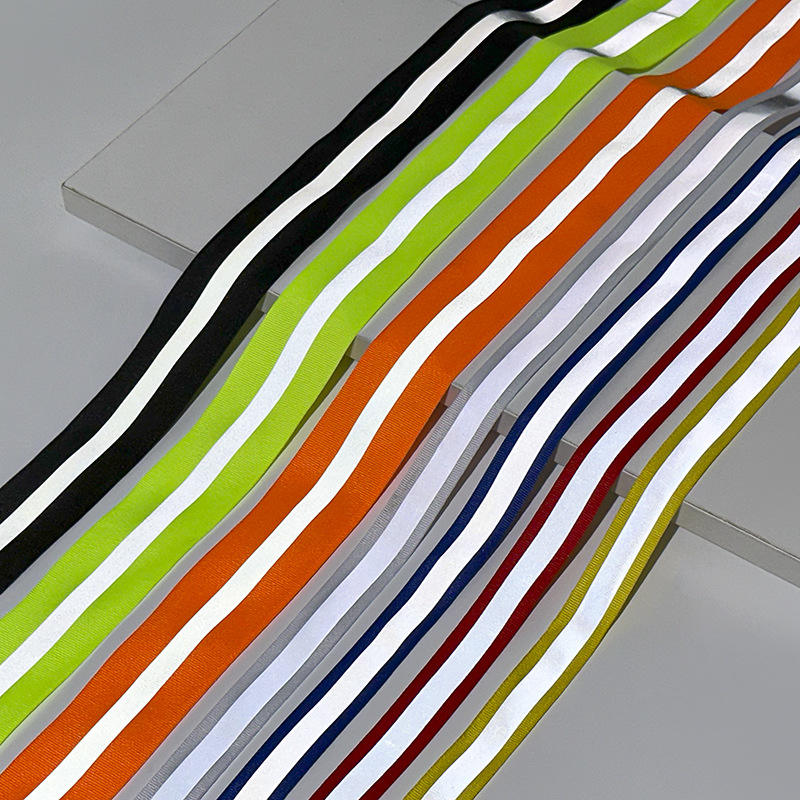
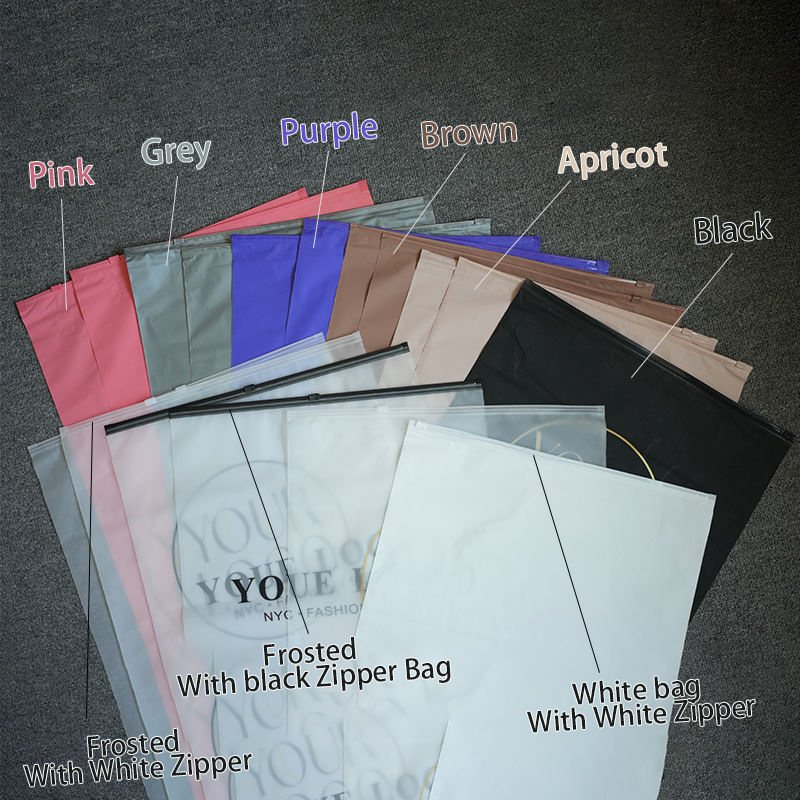
Custom Packaging
Custom bags, size stickers, folding instructions and carton markings help move approved DTG T-shirts from production to retail or distribution. Packaging requirements are organized with labeling details before final inspection and packing.
Your DTG T Shirt Manufacturer Since 2000
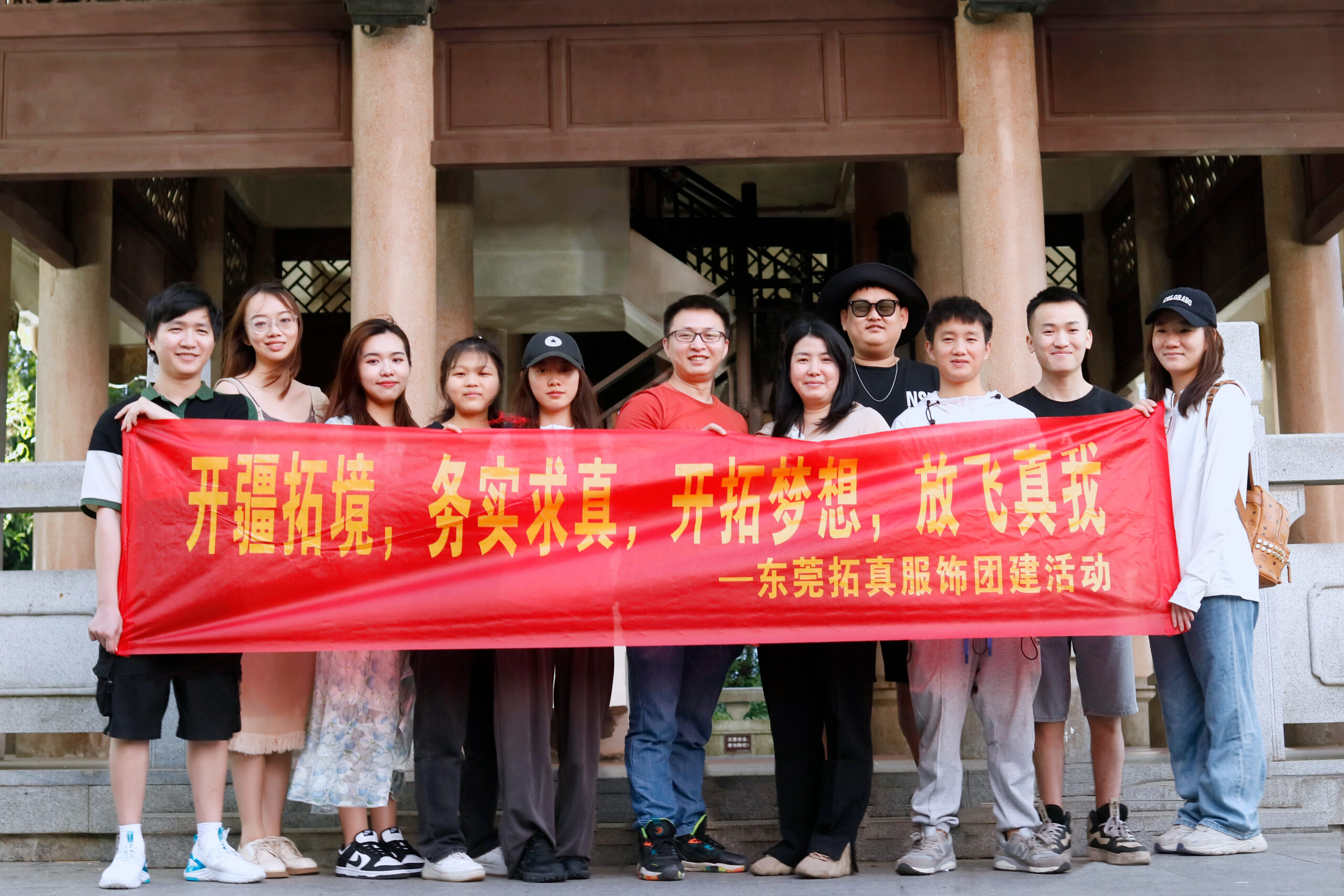
Founded by Edvorin Zeng, EDVORIN helps fashion brands, streetwear labels, teams, and private-label buyers turn apparel ideas into standards that can be produced again with confidence. We begin wherever your program stands, from a detailed tech pack to a sketch or reference garment.
EDVORIN coordinates product development, fabric and trim sourcing, patterns, samples, decoration, washing, bulk production, labeling, and packaging under one accountable production path. Men’s and women’s T-shirt programs are developed around the intended fit, fabric, artwork, and market.
What sets EDVORIN apart is the discipline after sample approval. We record measurements, material specifications, artwork placement, trims, and finishing details so in-line checks and final inspection can protect the approved standard throughout bulk production. MOQ starts at 200 pieces per style.
DTG T Shirt Manufacturer: From Approved Sample to Repeatable Bulk
Technical Development First
EDVORIN translates sketches, reference garments, or complete tech packs into production-ready T-shirt specifications. Fit, grading, fabric weight, collar construction, seams, labels, and artwork placement are aligned before sampling, giving men’s and women’s programs a clear standard for repeat production.
- Pattern and measurement development
- Men’s and women’s fit adjustments
- Construction and trim specifications
- Artwork placement measurements
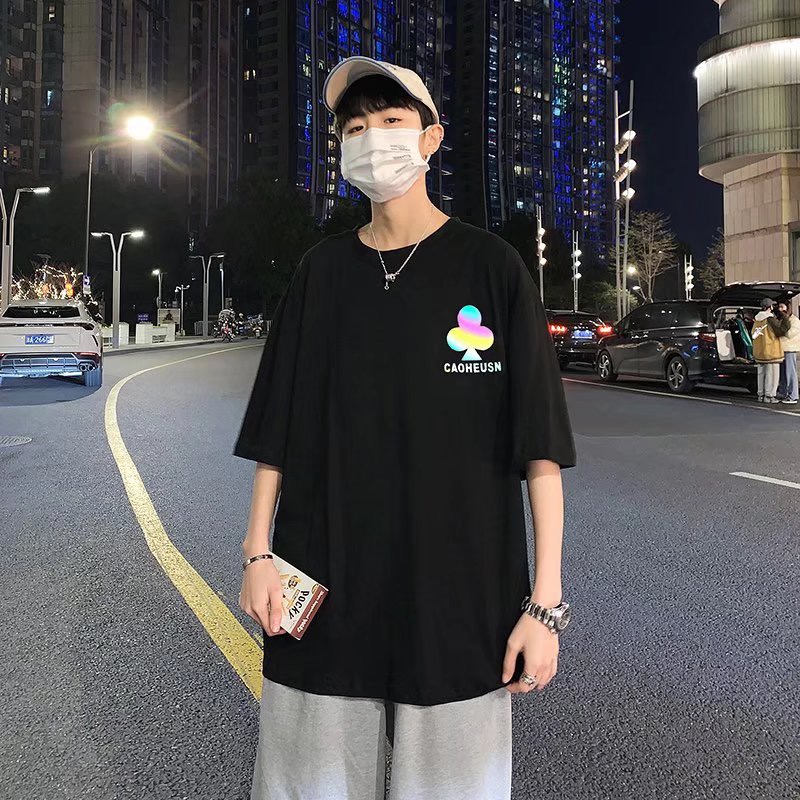
Fabric and Print Compatibility
EDVORIN coordinates fabric selection with the intended graphic, hand-feel, and wash direction. The team reviews base material, color, print method, and finishing together so decoration choices support the product concept rather than becoming a late-stage compromise.
- Fabric weight and surface review
- DTG artwork and color planning
- Wash and hand-feel alignment
- Print placement coordination
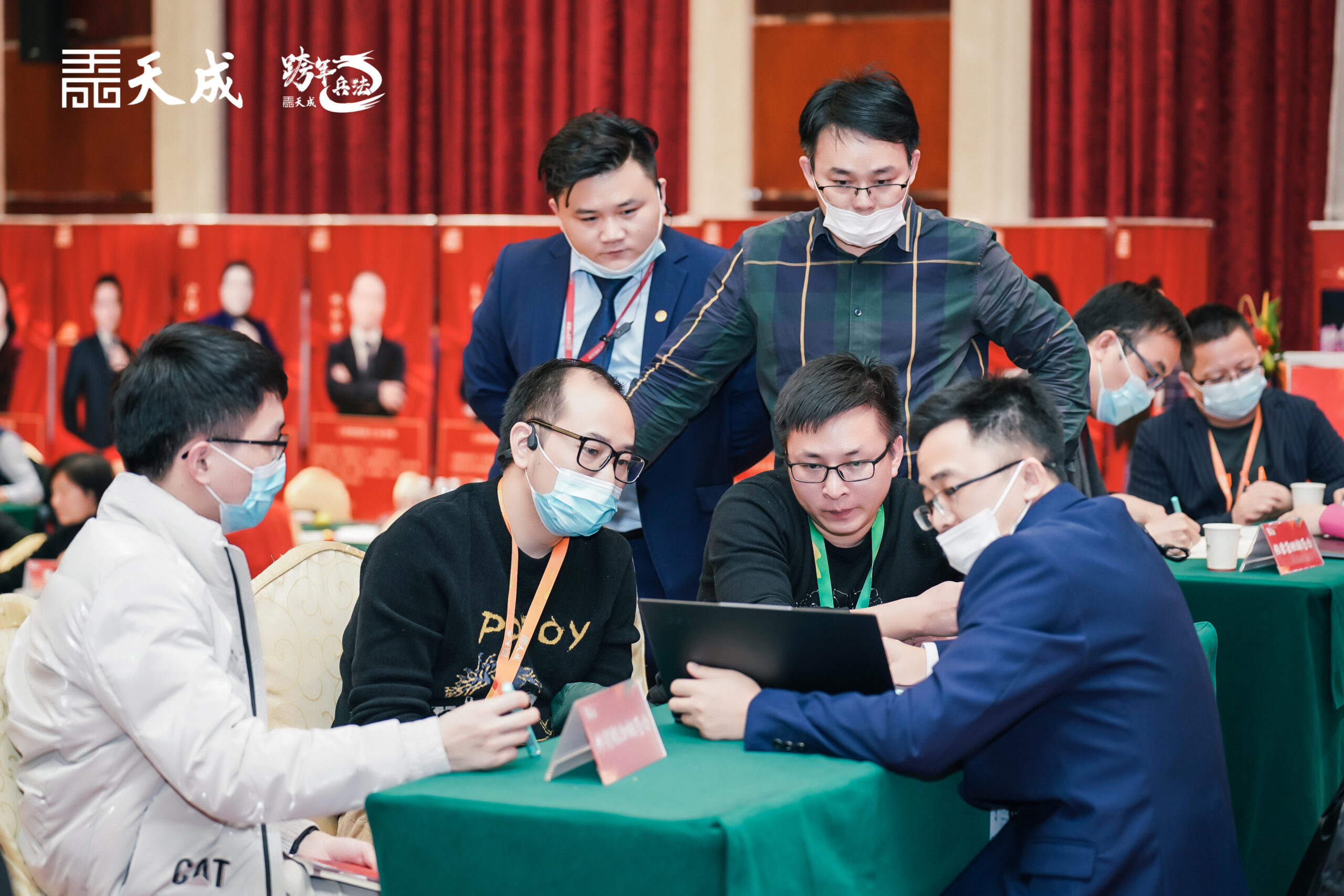
Approvals Become Standards
An approved sample is documented as the working reference for bulk production. EDVORIN records measurements, fabric and trim selections, artwork placement, labeling, and packaging requirements, reducing interpretation gaps between development, production, and final packing for private-label and wholesale programs.
- Approved sample as bulk reference
- Measurement and tolerance records
- Label and packaging specifications
- Revision control before production
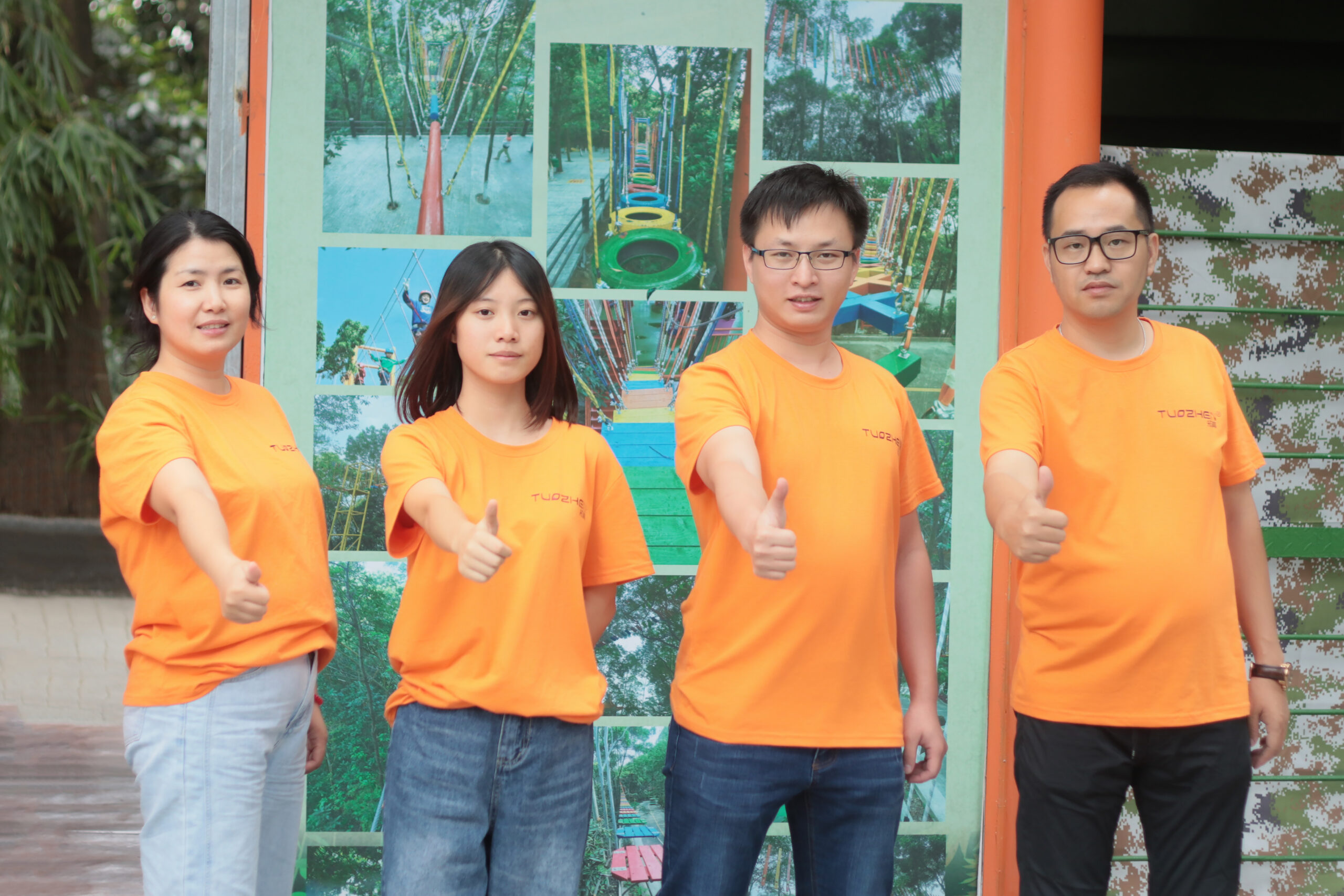
Quality Checks Through Packing
Quality control continues beyond sample approval. EDVORIN uses in-line checks to identify variation during production, then verifies finished garments against approved standards before packing. This connected approach helps protect fit, construction, decoration, and presentation across repeat orders starting at 200 pieces per style.
- In-line production inspections
- Measurement and construction checks
- Decoration and placement review
- Final inspection before packing

Why Choose EDVORIN for DTG T-Shirt Manufacturing
A connected production path for custom DTG T-shirts, from specification and sampling through repeat bulk orders.
← Swipe left or right to view →
Our DTG T-Shirt Production Process
A controlled production path that turns approved artwork, fit, and material decisions into repeatable private-label DTG T-shirt orders.
Review Specs and Artwork
We review your tech pack, reference garment, fit requirements, artwork, placement, labels, quantities, and delivery needs to establish a clear production standard.
Source Materials and Trims
Our team coordinates fabric, rib, labels, packaging, and compatible decoration requirements, aligning the selected components with your approved T-shirt concept.
Develop and Approve Samples
Patterns, measurements, print placement, and construction details are tested in sampling so revisions can be documented before bulk manufacturing begins.
Cut, Print, and Sew
After approval, production teams cut panels, apply DTG decoration to the specified areas, sew garments, and follow recorded construction and artwork instructions.
Inspect, Pack, and Ship
In-line and final checks compare bulk garments with approved standards before labeling, packing, carton preparation, and shipment coordination for your order.
Work with a DTG T Shirt Manufacturer Built for Repeat Orders
Move from concept to packed product through one accountable development and production path.
Share Your Brief
Send a tech pack, approved artwork, measurements, or an early concept. Our team reviews fit, fabric, decoration, labels, and packaging requirements before development begins.
Align Quote and Sampling
Confirm quantities, target specifications, and development priorities, then review a clear quotation and sampling plan. MOQ starts at 200 pieces per style for production-ready programs.
Approve Production Standards
Review the developed sample, fit, artwork placement, colors, trims, and finishing details. Approved specifications become the reference standard for consistent bulk production.
Launch Bulk Production
EDVORIN coordinates materials, cutting, sewing, DTG decoration, finishing, and in-line quality checks against your approved sample and documented production requirements.
Arrange Final Delivery
After final inspection, we complete labeling and packaging to your requirements, then coordinate shipment details so your order arrives ready for distribution or retail.
Certified Standards for Responsible Apparel Production




Customer Results with a DTG T Shirt Manufacturer
EDVORIN helped us finalize our heavyweight graphic tee sample in 18 days. The approved print placement and wash reference gave us a clear production standard, and our first 600-piece run arrived consistent across every size.
For our academy merchandise program, EDVORIN coordinated three DTG T-shirt designs, neck labels, and individual packaging in one order. We moved from sample approval to a 1,200-piece delivery without the artwork variations we had faced before.
Our second order matched the approved sample closely, including the fabric handfeel, print color, and oversized fit. That repeatability let us reorder 800 units with confidence and keep our seasonal streetwear launch on schedule.
DTG T-Shirt Manufacturer FAQ
Clear answers on minimums, sampling, artwork, production, shipping and brand protection for custom T-shirt programs.
What is your minimum order quantity for DTG T-shirts?
Can you make a sample before bulk production?
How long does DTG T-shirt production take?
What artwork files should I send for a DTG T-shirt order?
Is DTG printing right for my custom T-shirt design?
Can EDVORIN handle private labels, packaging and finishing?
What payment and shipping options are available for DTG T-shirt orders?
Which certification programs can EDVORIN support?
Complete Buyer’s Guide to DTG T-Shirt Manufacturing
Use this decision framework to compare DTG supplier capabilities, fabrics, quality controls, customization routes, lead times, and total costs—while avoiding sourcing mistakes that can compromise print results, fit, and margins.
1. What Is a DTG T-Shirt Manufacturer?
200-piece programs are a practical fit for a dtg t shirt manufacturer: one production partner develops the garment, selects print-compatible fabric, approves samples, applies pretreatment, prints, finishes, labels, packs, and fulfills bulk units.
4.5 oz ring-spun cotton is one common DTG-ready benchmark, but a manufacturer can instead build the required fit, weight, neck rib, color, and branded packaging. A blank supplier sells an existing garment; a print-on-demand seller usually fulfills individual orders; a contract screen printer decorates buyer-supplied blanks.
1 integrated workflow is most useful for launch collections, multi-SKU streetwear drops, team or school programs, and private-label replenishment where artwork, fit, decoration, and packed presentation must repeat consistently. It is less suited to a one-off gift or an urgent single-unit order.
2. How DTG T-Shirt Production Evolved
2000 marked EDVORIN’s start in garment manufacturing, while direct-to-garment printing was still an emerging digital process. Early DTG made short-run, full-color garment graphics more practical, but output depended heavily on fabric consistency, pretreatment, artwork preparation, and operator control.
By the 2010s, improved pigment inks, more dependable white-ink circulation, and better pretreatment processes expanded DTG’s use on dark garments and detailed artwork. Print files also became a production input: transparent backgrounds, controlled color values, resolution, placement dimensions, and approved proofs reduced avoidable variation.
Today, a dtg t shirt manufacturer should treat printing as one stage within a documented apparel workflow. Buyers should review the approved garment, fabric color, print-size specification, artwork version, pretreatment method, and wash-test standard before bulk production—especially when launching small branded drops or repeatable private-label programs.
3. Types of dtg t shirt manufacturer
Five sourcing models change who owns the garment specification, trims, and print-ready art. Select by repeatability needs: a launch, club order, or wholesale replenishment demands different control.
| Model | Design and Trims | Best Fit | Tradeoff |
|---|---|---|---|
| Full-package OEM/ODM | Buyer brief; custom options | Brand launch | More development time |
| Cut-and-sew private label | Buyer-owned specification | Streetwear | Higher minimums |
| Blank-plus-print | Stock blank | Club order | Limited garment control |
| On-demand | Digital artwork | Market test | Lowest control |
| Wholesale factory | Standardized SKU | Distributor | Less customization |
Full-Package OEM Or ODM
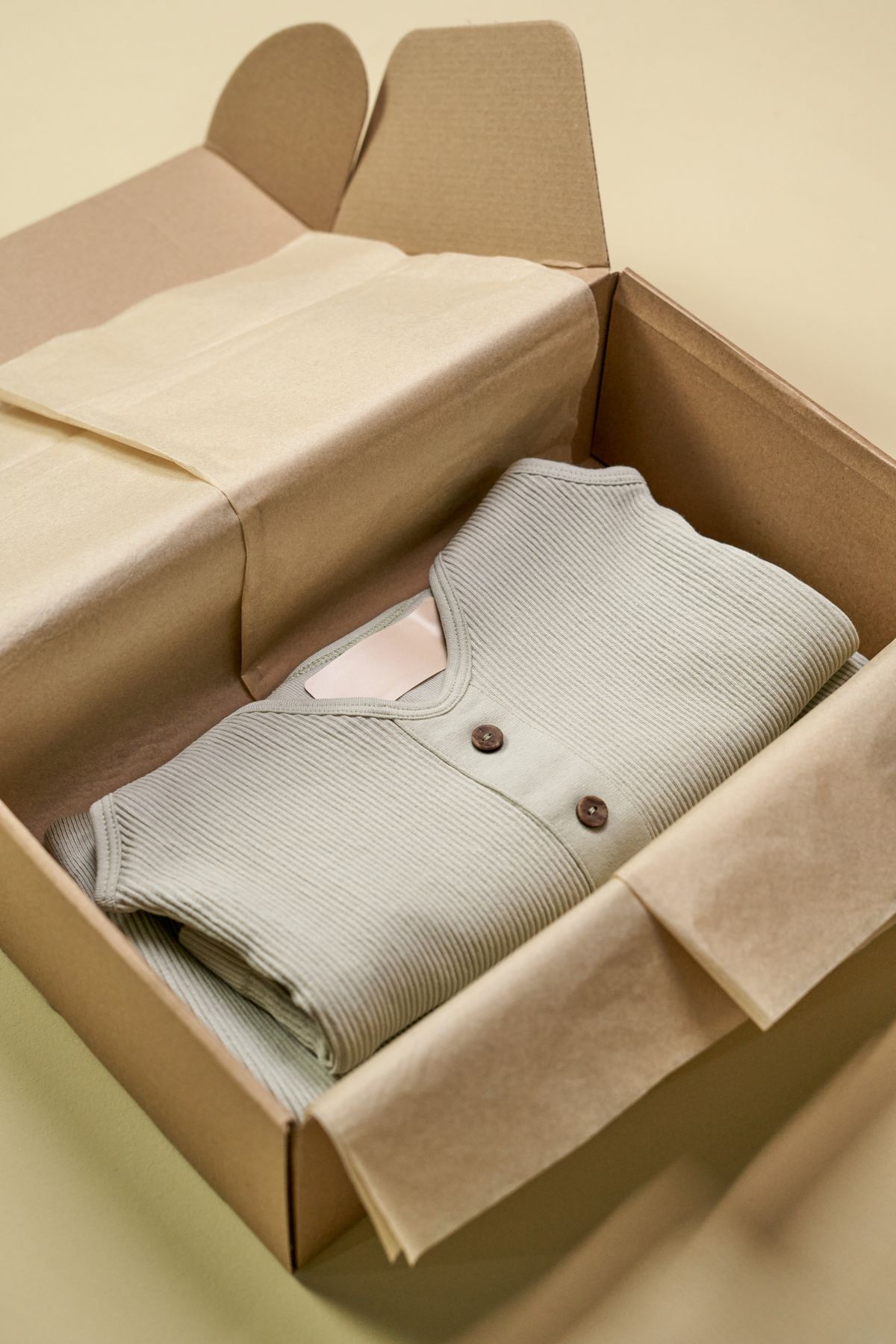
200-piece programs suit brands needing development, sourcing, patterns, labels, and bulk coordination under one accountable production path.
Blanks And On-Demand
1-piece fulfillment prioritizes speed and testing, but limits fit, fabric, trim, and inventory control.
Private Label And Wholesale
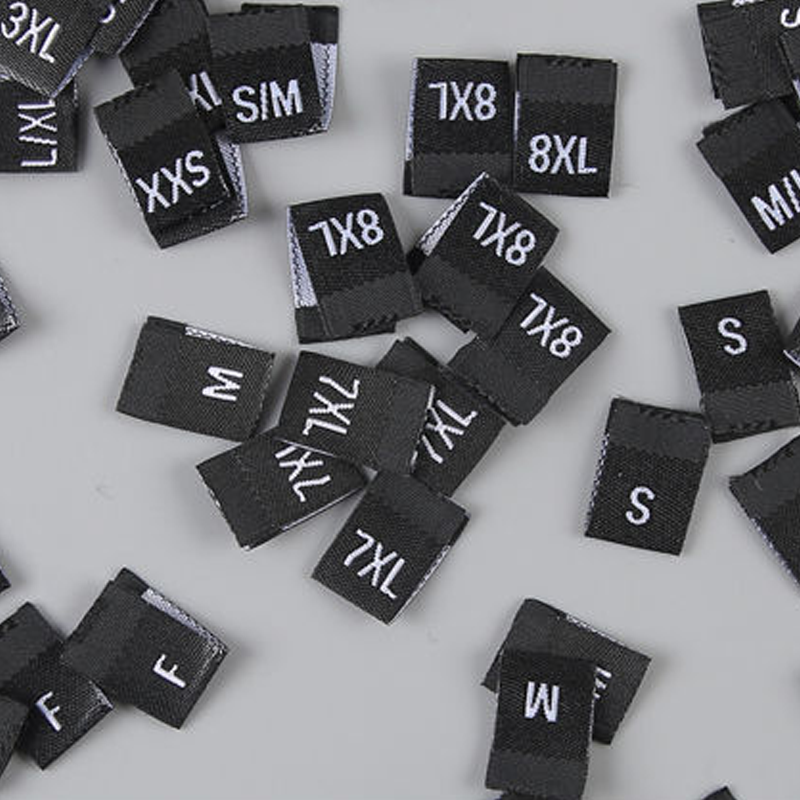
500-piece repeat programs justify custom cut-and-sew details; wholesale factories favor standardized SKUs and replenishment discipline.
4. Fabrics for dtg t shirt manufacturer Projects
Fabric selection determines whether a DTG image feels integrated or sits heavy on the shirt. A dtg t shirt manufacturer should lock fiber, jersey face, color, and finish before approving artwork.
| Fabric | Typical GSM | DTG Readiness | Best Use |
|---|---|---|---|
| Combed or ring-spun cotton | 160–200 | Smooth, soft, vivid | Retail basics |
| Cotton-rich blend | 180–220 | Sample for opacity | Casual programs |
| Heavyweight cotton jersey | 220–260 | Premium print base | Streetwear |
| Performance blend | 140–180 | Test ink compatibility | Teamwear |
Fiber And Knit Surface
100% combed or ring-spun cotton offers a smooth, soft print face and strong color clarity. Cotton-rich blends can work, but polyester content may reduce opacity and alter hand feel.
Weight Sets Positioning
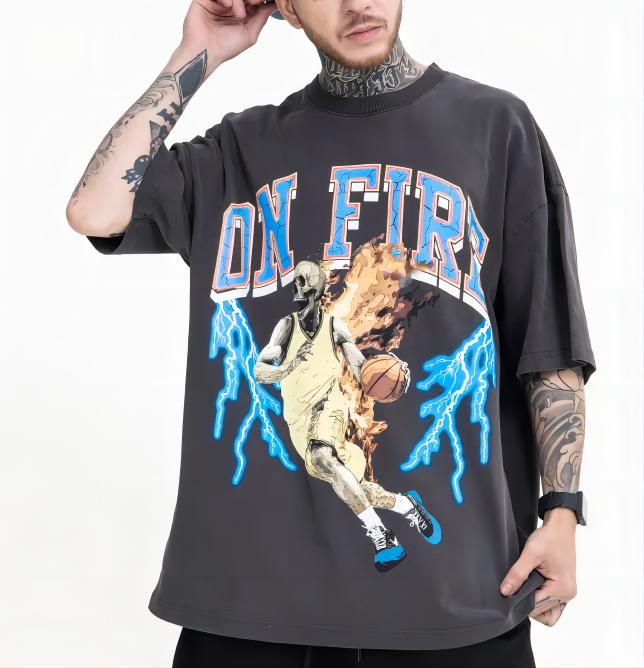
160–180 GSM jerseys suit promotional and everyday programs; 220–260 GSM supports premium, boxy streetwear. Dark garments need pretreatment and physical opacity review, while washed or silicone-softened finishes must be sampled after printing.
Approve Physical Samples
1 approved sample should match the intended fabric lot, garment color, finish, and print file. Validate color, wash durability, white-ink coverage, stretch behavior, and print hand before bulk production.
5. DTG Customization and Branding Options
300 dpi, transparent-background artwork and measured placement files prevent last-minute interpretation. A dtg t shirt manufacturer can reproduce full-color artwork efficiently when the approved graphic, garment color, and print location are fixed.
| Method | Best Use | Production Consideration |
|---|---|---|
| DTG | Full-color artwork | White ink on dark garments |
| Screen Print | Repeat graphics | Best for volume |
| Transfers | Names and numbers | Useful for variable data |
| Embroidery | Textured logos | Adds thickness |
Artwork And Print Placement
1 approved print file should specify dimensions, Pantone references where relevant, front or back placement, and distance from the neck seam. Dark garments require a white-ink underbase, so test samples should confirm color, hand feel, and wash performance.
2 print locations—such as left chest and full back—usually create more distinction than adding many decoration methods. Keep the same placement rules across colorways to simplify production.
Branding Without Complexity
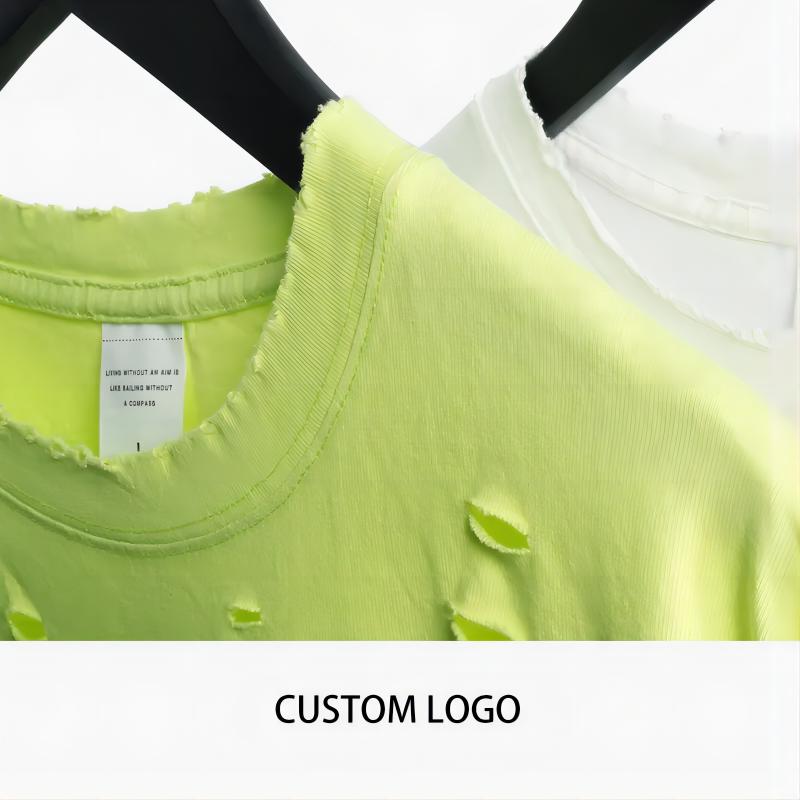
1 coordinated identity system can combine a neck print, woven hem or neck label, hangtag, size label, and specified folding or polybag packaging. Fit can remain distinctive through an approved boxy, regular, or oversized block and a defined wash, rather than creating a new pattern per color.
3 decoration routes serve different jobs: DTG suits detailed full-color graphics; screen printing suits repeat artwork at volume; transfers suit names, numbers, or small runs; embroidery suits textured logos. Limit each style to one primary decoration and one branding package.
6. Construction Checks for DTG T-Shirts
100% of sample approvals should examine the blank garment before judging the graphic. A dtg t shirt manufacturer must control construction, preparation, and repeatable measurements as one standard.
Neck And Seam Stability
2-way collar-rib recovery, neck tape, and shoulder seams should return flat after stretch. Inspect even stitch density, secure side seams, and a hem with no twisting or skipped stitches.
Measurement And Shrinkage

±1 cm size tolerances should be agreed by measurement point and size. Request pre- and post-wash measurements, with the wash method recorded, to confirm shrinkage does not distort fit or print placement.
Print-Ready Sample Approval
1 approved sample should document pretreatment uniformity, artwork placement coordinates, print registration, and wash-test results. A vivid graphic cannot compensate for an inconsistent collar, skewed body, or unstable garment foundation.
7. Choosing a dtg t shirt manufacturer
EDVORIN’s MOQ starts at 200 pieces per style. A 200-piece MOQ is only useful when the supplier can document how your approved sample becomes repeatable bulk production. Evaluate evidence, not a polished capability list.
Request Comparable Samples
Three samples reveal more than a catalog: request a DTG tee matching your fabric weight, print coverage, wash finish, and fit. Ask for measurement records and post-wash print photos.
- Fashion brands: assess hand feel and artwork detail.
- Schools and teams: verify size-set consistency.
- Distributors: compare repeat-order specifications.
Verify Production Controls
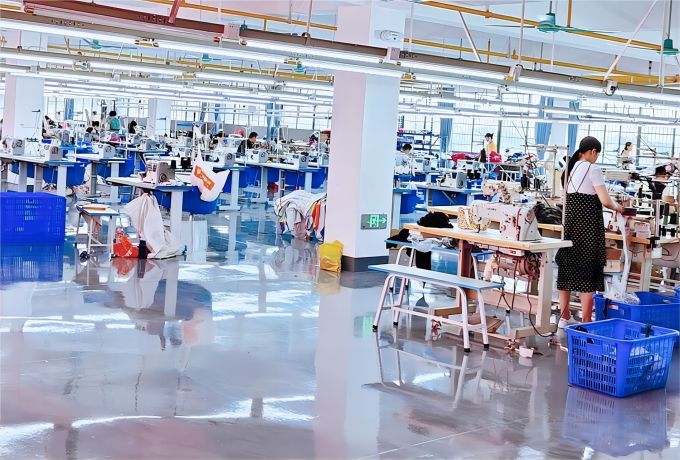
One pre-production sample should be tied to a measurement chart, approved artwork file, Pantone references, and inspection checkpoints. Ask who owns fabric sourcing, capacity planning, defect escalation, and corrective action.
Confirm Commercial Readiness
EDVORIN’s MOQ starts at 200 pieces per style. Two written dates matter before a deposit: sample approval deadline and bulk shipment window. Confirm MOQ by color and size, export documents, carton markings, individual packaging, response time, and the remedy for shortages or print defects.
8. Common DTG Sourcing Mistakes
A 200-piece order magnifies small approval errors across every size and color. A capable dtg t shirt manufacturer should convert each risk into a documented approval that protects the launch.
Approve Physical Samples
One digital mockup cannot show hand feel, opacity, or placement on a finished garment. Approve a decorated size sample before bulk; this protects print consistency and customer satisfaction.
Two approved references—artwork file and physical sample—reduce interpretation between development and production. Record placement measurements and the approved colorway to protect delivery.
Specify Material And Artwork
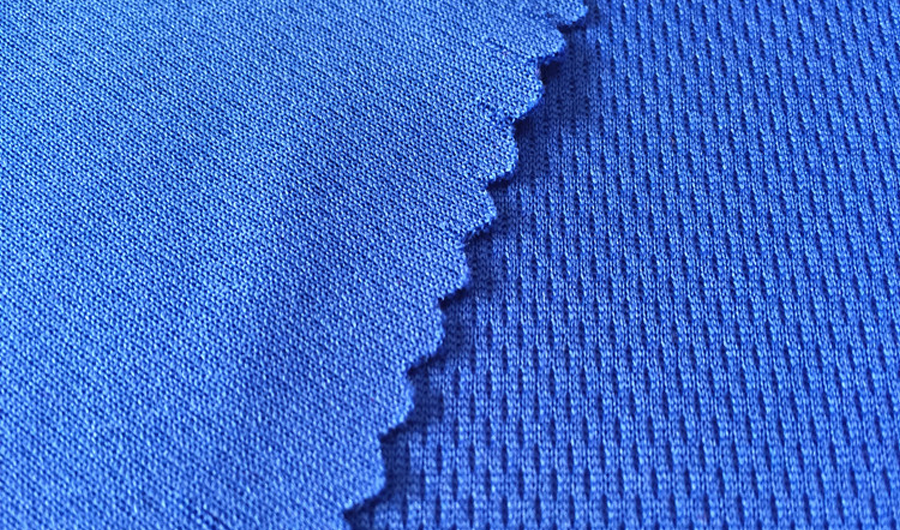
150 GSM price-led blanks may not deliver the same surface, opacity, or recovery as a chosen production fabric. Specify fiber content, weight, and finish; this protects margin from reprints.
300 DPI artwork at final print size avoids soft edges and visible pixelation. Supply transparent PNG or production-ready TIFF files; this protects print consistency.
Test Colors, Fit, And Quotes
One dark-garment sample requires pretreatment and white underbase review before approval. Test every intended garment color, including heather shades; this protects customer satisfaction.
Three wash cycles and a graded size set expose fading, cracking, and fit drift before production. Compare quotes line by line for blank, pretreatment, print, labels, packing, and freight; this protects margin and delivery.
9. Launching a DTG T-Shirt Collection
A first drop should turn one audience, one fit direction, and a tightly controlled graphic brief into an approved production standard. A dtg t shirt manufacturer needs decisions early enough to protect the launch date.
Build the First Run
Three to five SKUs usually give a new label enough market signal without multiplying fit, color, and inventory risk. Private-label programs should lock the target wearer, size range, retail channel, and decoration locations before development.
- Use one core fit block
- Limit colors per graphic
- Set a size-ratio plan
Approve Before Bulk
One tech pack should record measurements, fabric, Pantone references, print size, placement points, labels, and packaging. Review a physical sample after washing, then document every correction before issuing bulk approval.
- Confirm artwork at actual print size
- Check pre-treatment and print opacity
- Approve neck label and polybag details
Schedule the Launch
Six to eight weeks is a practical planning window after sample approval, subject to fabric availability, revisions, production capacity, inspection, and freight. Track milestones weekly and set reorder triggers from sell-through, size gaps, and approved repeat specifications.
- Reserve production capacity
- Allow inspection and packing time
- Plan freight before launch date
10. DTG T-Shirt Pricing and Costs
200 pieces is a practical starting tier: unit cost falls as fixed pattern, setup, and sampling costs spread across more garments. Treat every number below as an illustrative quote component, not EDVORIN pricing.
40% is a workable target gross-margin floor for many branded programs: target retail price equals landed cost divided by 1 minus target margin. Compare like-for-like quotes with the same fabric GSM, fit, print area, colorway count, labels, packaging, inspection level, Incoterm, and freight method before approving a purchase order.
| Cost driver | Illustrative effect on landed cost |
|---|---|
| 200 vs. 500+ pieces | Lower fixed cost per unit at higher volume |
| 160 vs. 240 GSM ring-spun cotton | Heavier fabric raises garment cost |
| Small chest vs. full-front DTG | Coverage and white ink increase print cost |
| 1 vs. 3 colorways | More colorways add setup and allocation risk |
| Labels, polybags, cartons | Branding and packing add per-piece cost |
| Sample and freight | One-time development plus shipping/duty |
Ready to Develop Your Custom DTG T-Shirt Collection?
Send your tech pack, reference garment, or collection concept to EDVORIN for a quote on repeatable production from 200 pieces per style.