
Sustainable Polo Shirt Manufacturer for Repeatable Private-Label Programs
EDVORIN is a sustainable polo shirt manufacturer offering OEM/ODM development, material coordination, and controlled bulk production from 200 pieces per style.
Polo Development and Manufacturing Work
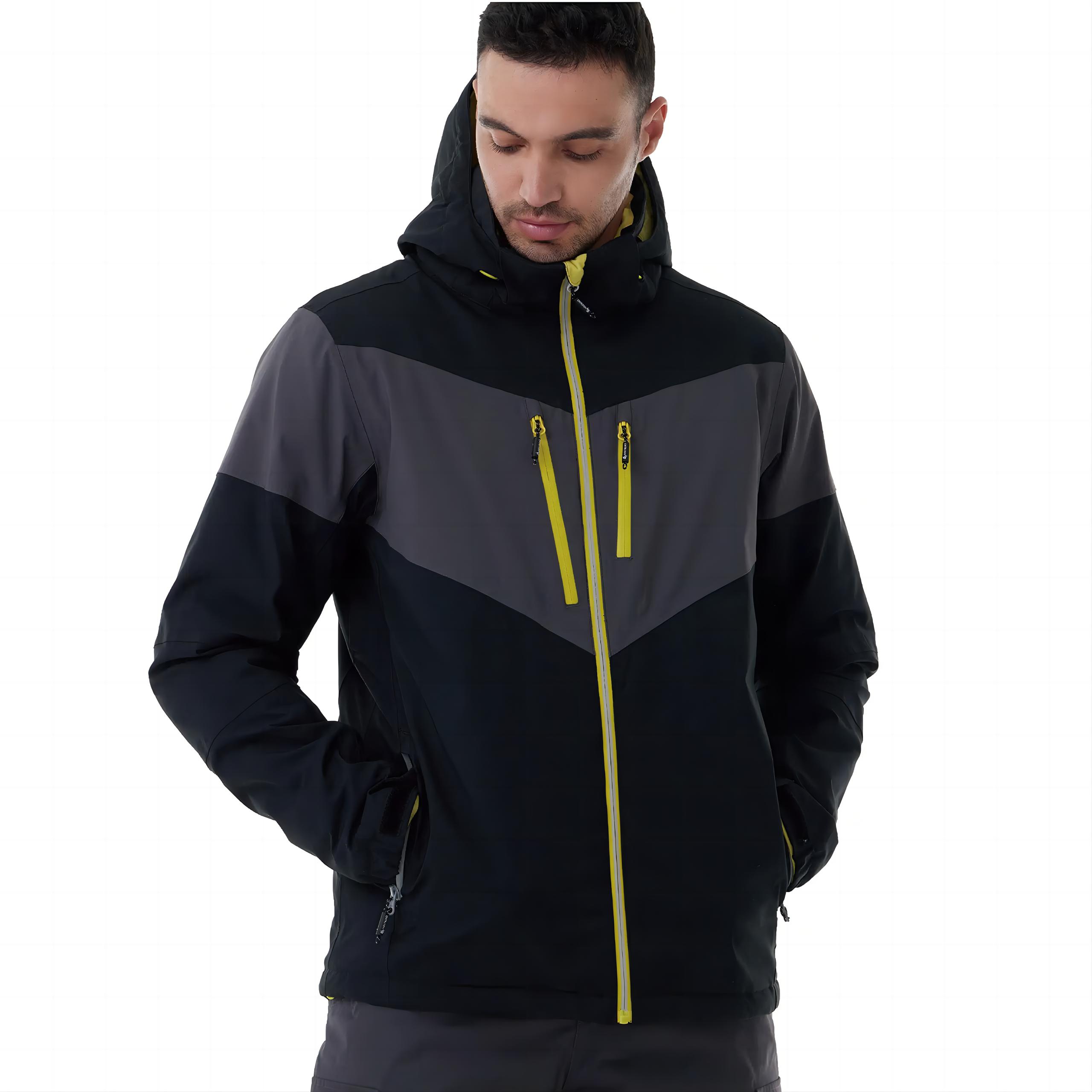
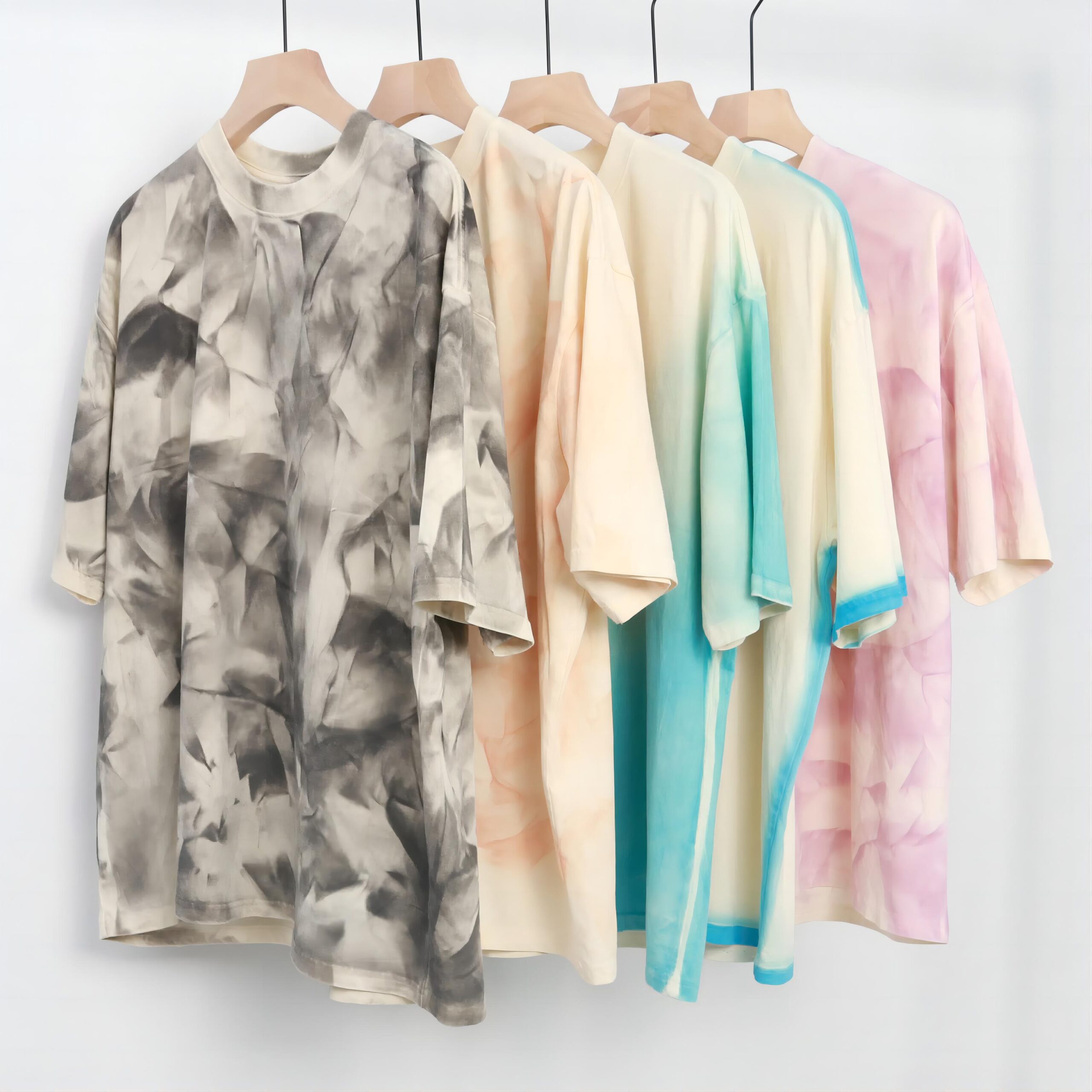
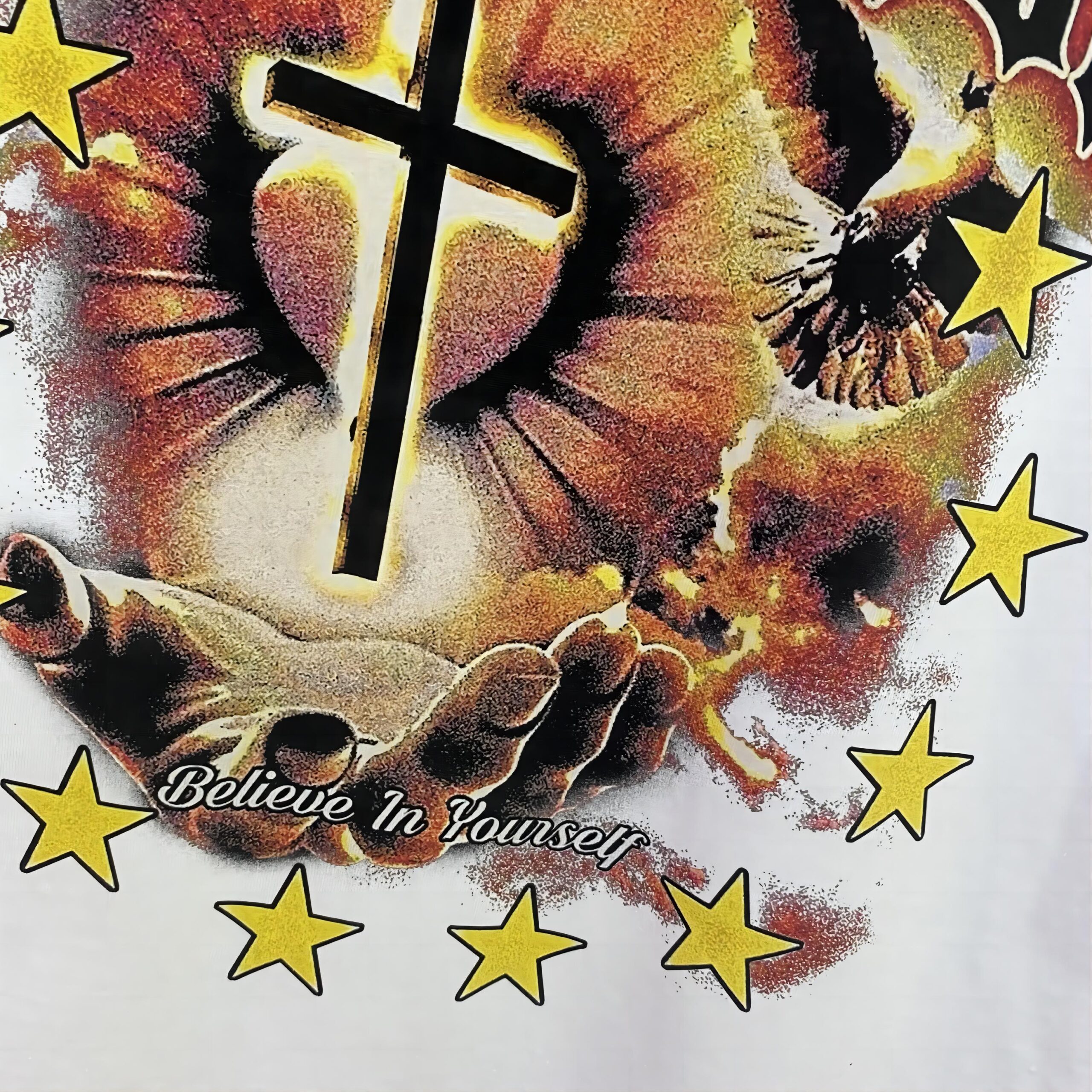





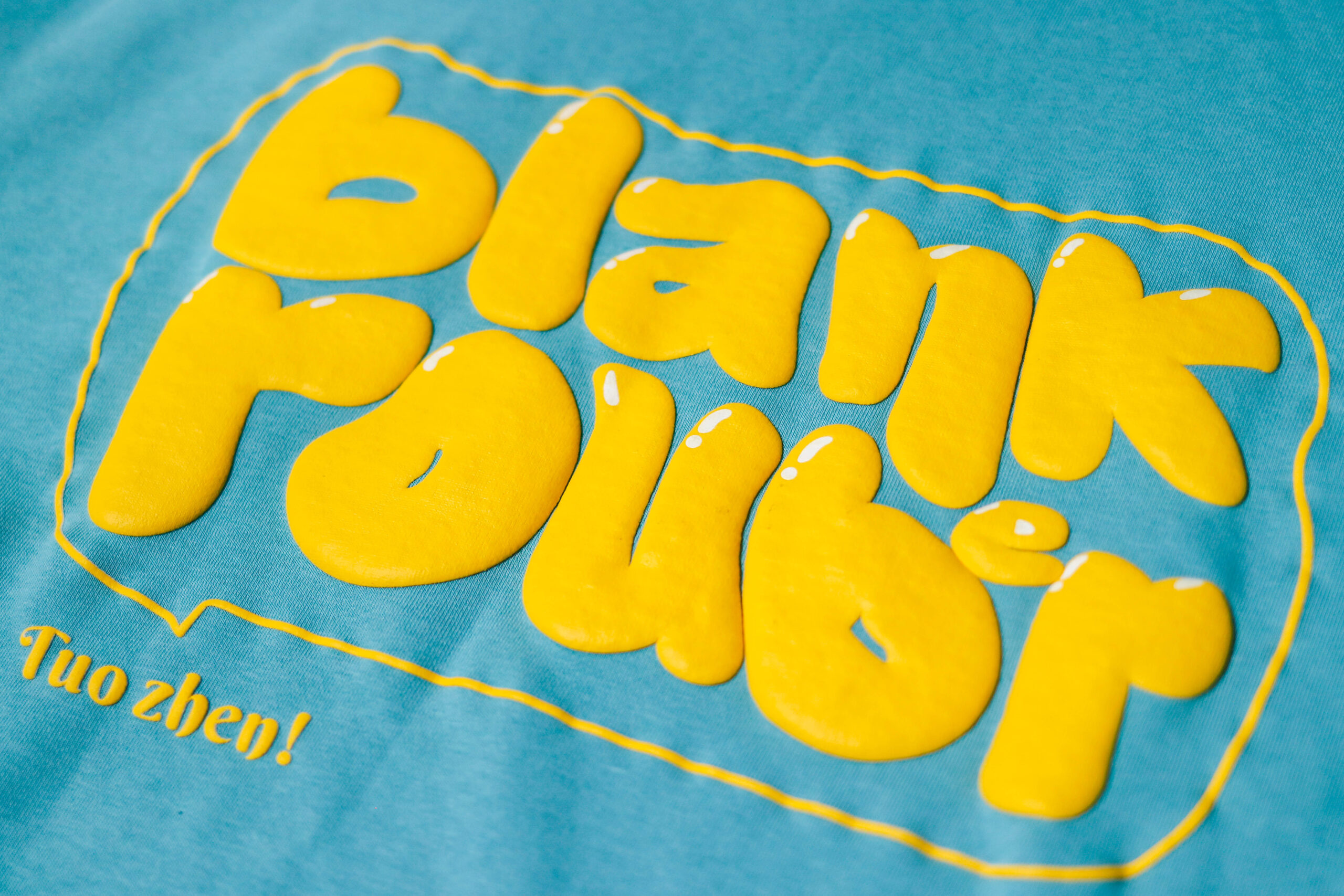
One Polo Production System, From Development to Bulk
EDVORIN connects development, sourcing, decoration and quality control into one accountable path for private-label polo collections.
Flexible OEM and ODM
Bring a finished tech pack or an early concept; our team helps turn either into a clear, production-ready polo specification.
Coordinated Material Sourcing
Align fabric, collars, buttons, labels and packaging around your program requirements, with responsible material options considered from development onward.
Polo-Specific Decoration
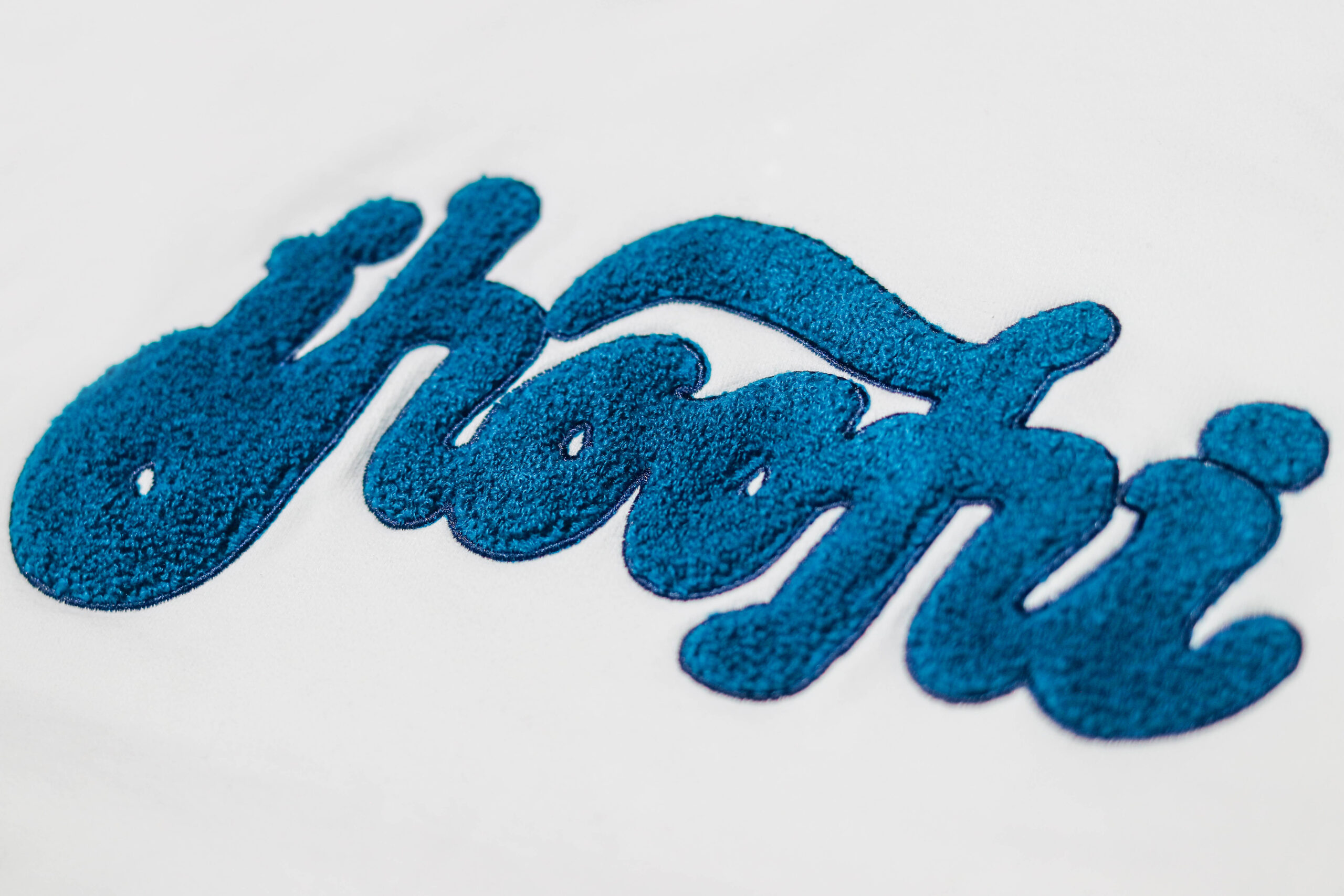
Match embroidery, printing and placement details to piqué or performance fabrics, protecting both your visual identity and garment performance.
Men’s and Women’s Fits
Develop men’s and women’s polo programs with fit blocks, grading, proportions and details adjusted for the intended wearer.
Controlled Sample to Bulk
Approved samples become the production reference, guiding measurements, materials, artwork placement and inspections through packing for repeatable results.
Production Capabilities Across Every Buyer Channel
From individual essentials to coordinated collections, EDVORIN develops men’s and women’s apparel programs with documented specifications for repeat production.
Custom Hoodies
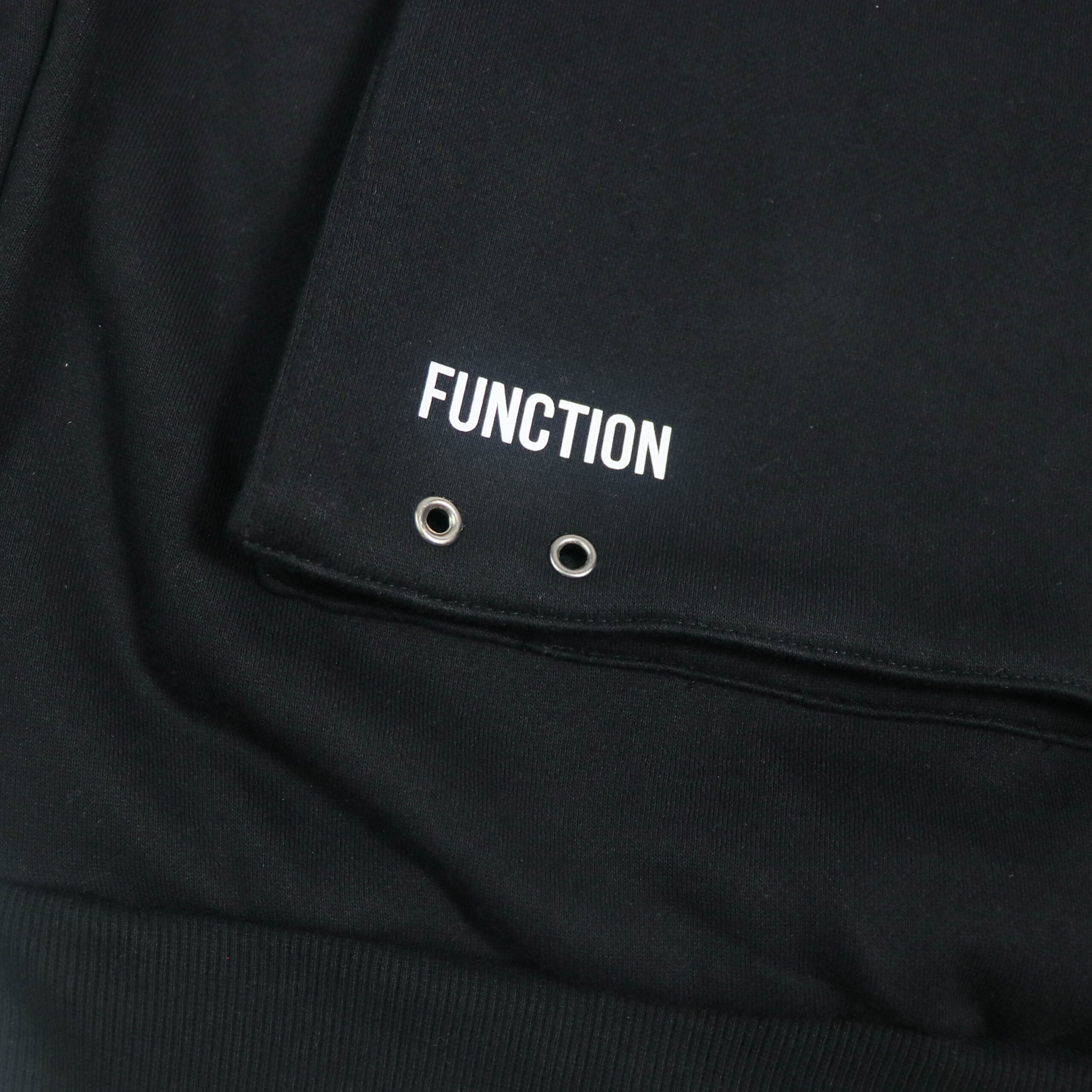
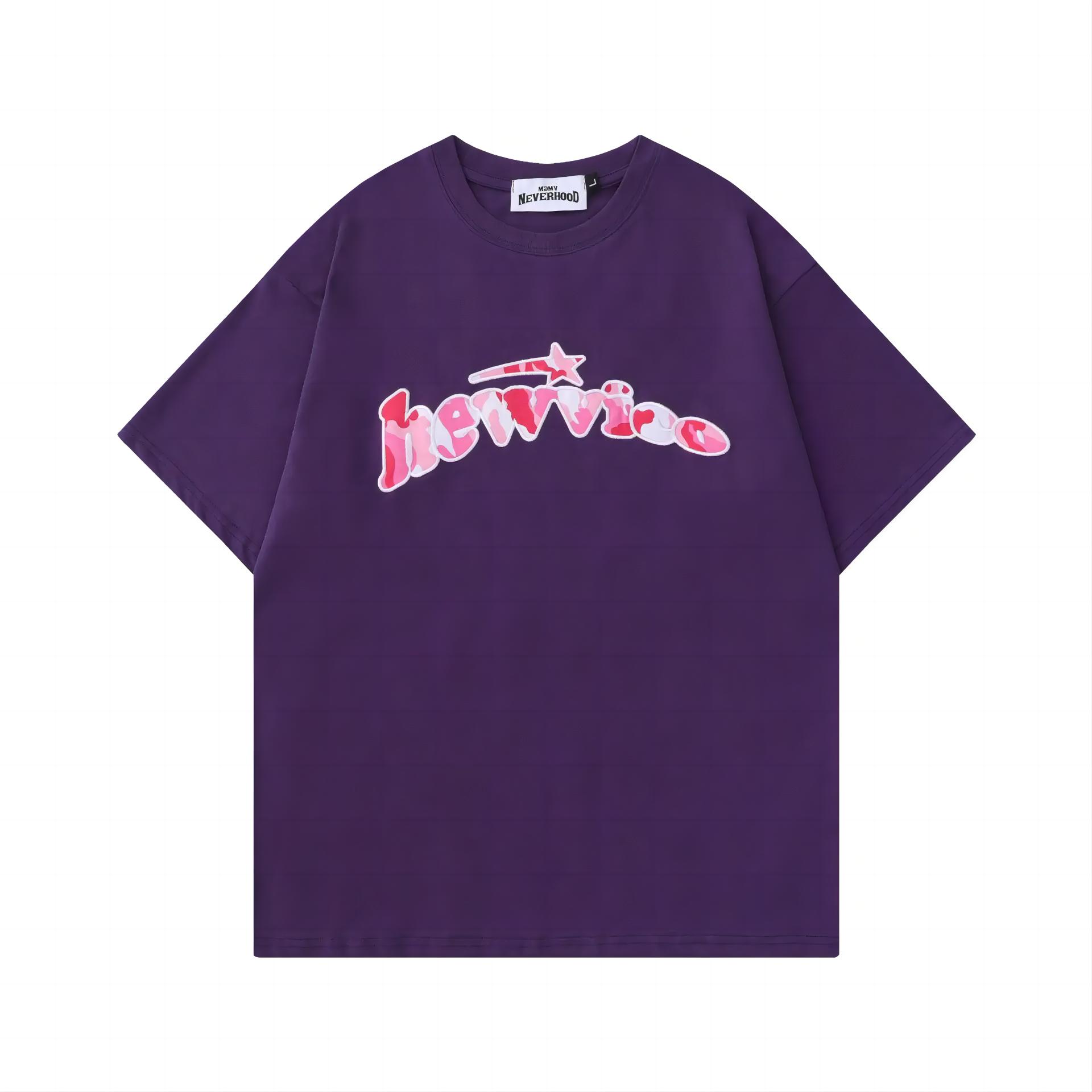
Custom hoodie manufacturing covers fit development, fleece selection, rib construction, hoods, pockets, drawcords, labels, printing, embroidery, washing, and packaging. EDVORIN supports fashion, streetwear, corporate, and private-label hoodie programs from sample approval through bulk production.
Get a Quote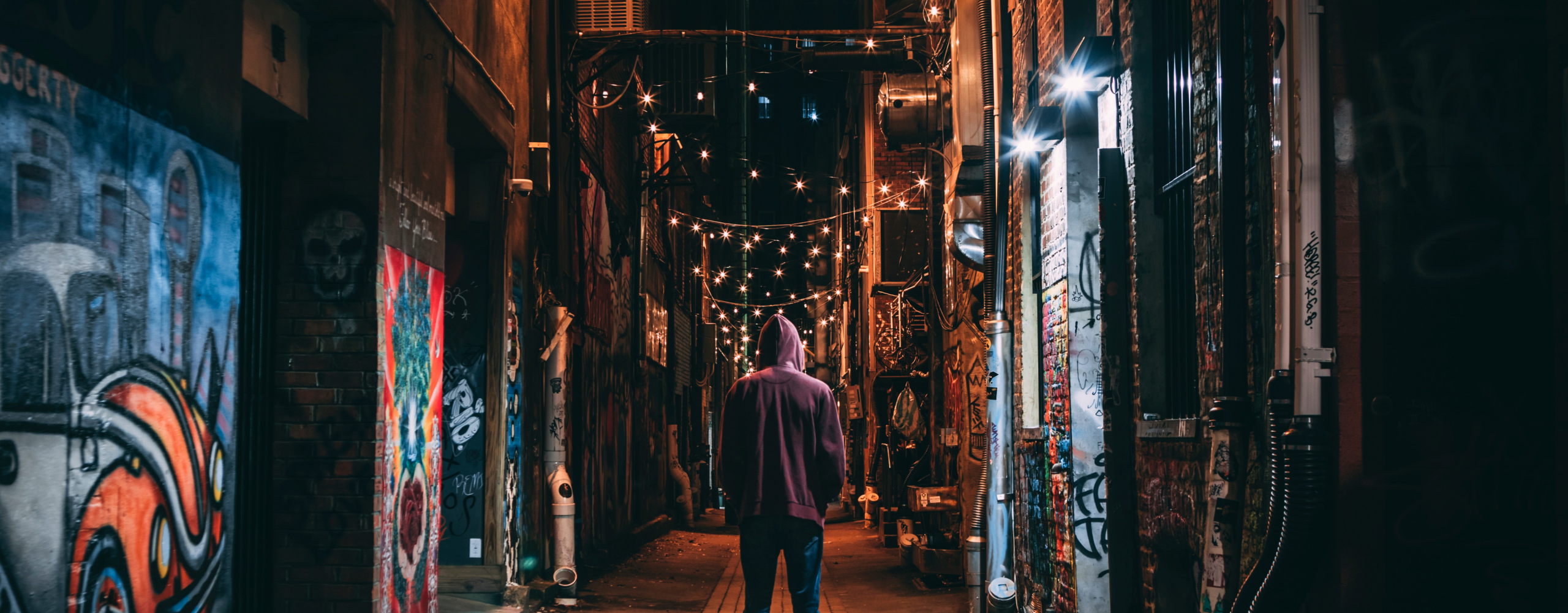
Pullover Sweatshirts
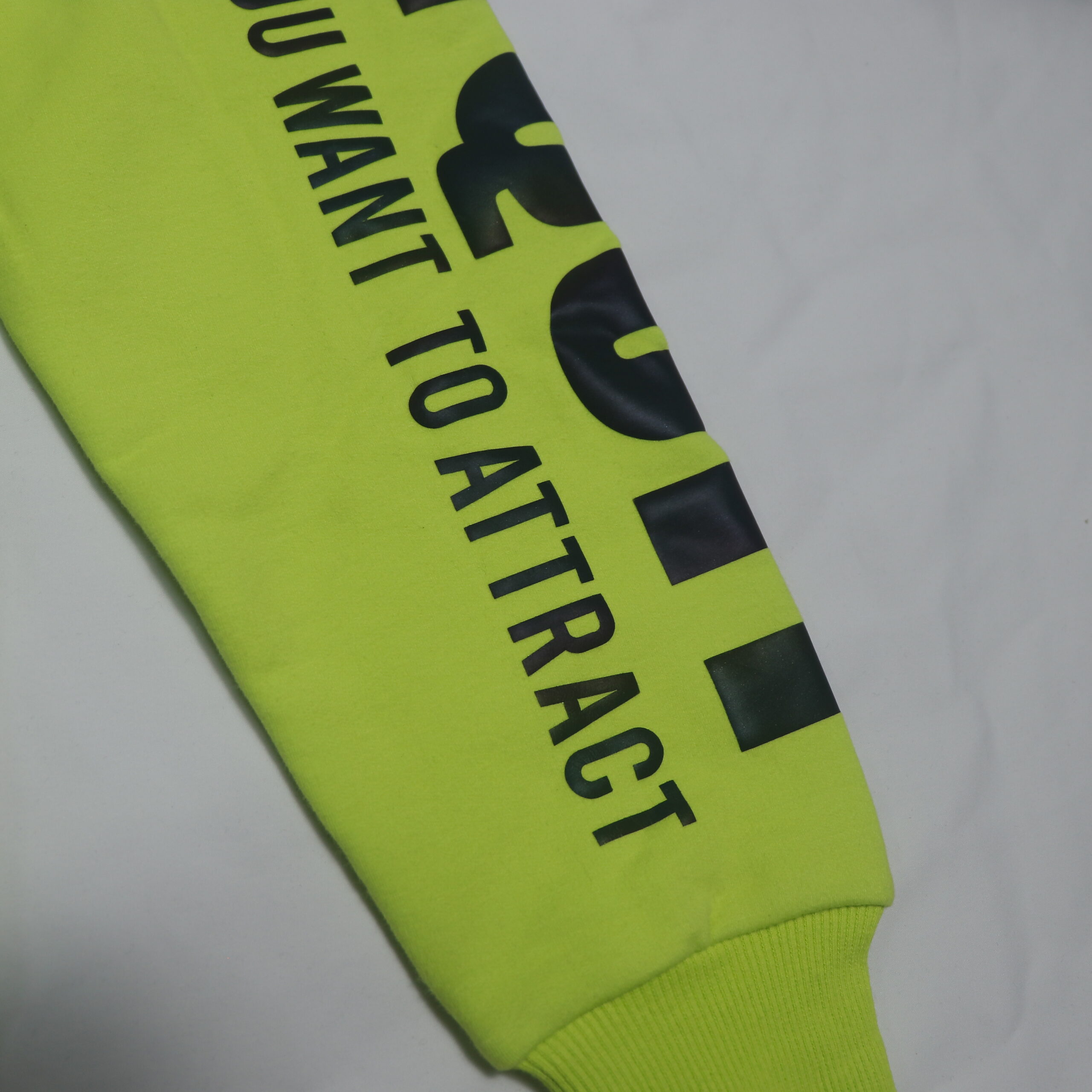
Pullover sweatshirt programs can be developed in crewneck, oversized, cropped, relaxed, or performance-oriented fits. As a sweatshirt manufacturer, EDVORIN coordinates fabric weight, neck rib, cuffs, hems, garment wash, decoration placement, grading, and production controls for men’s and women’s ranges.
Get a Quote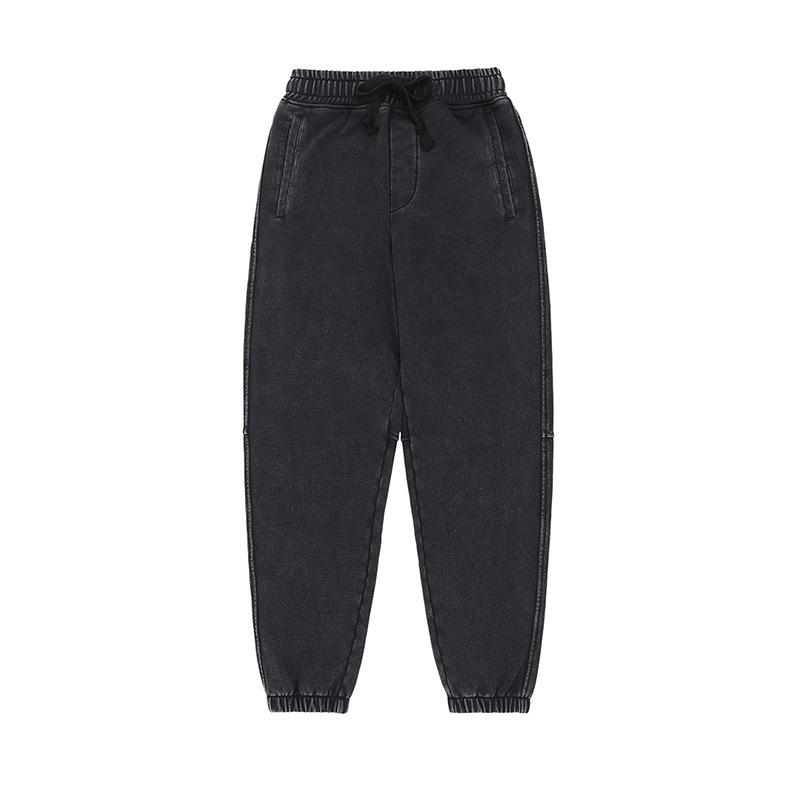
Sweatpants & Joggers
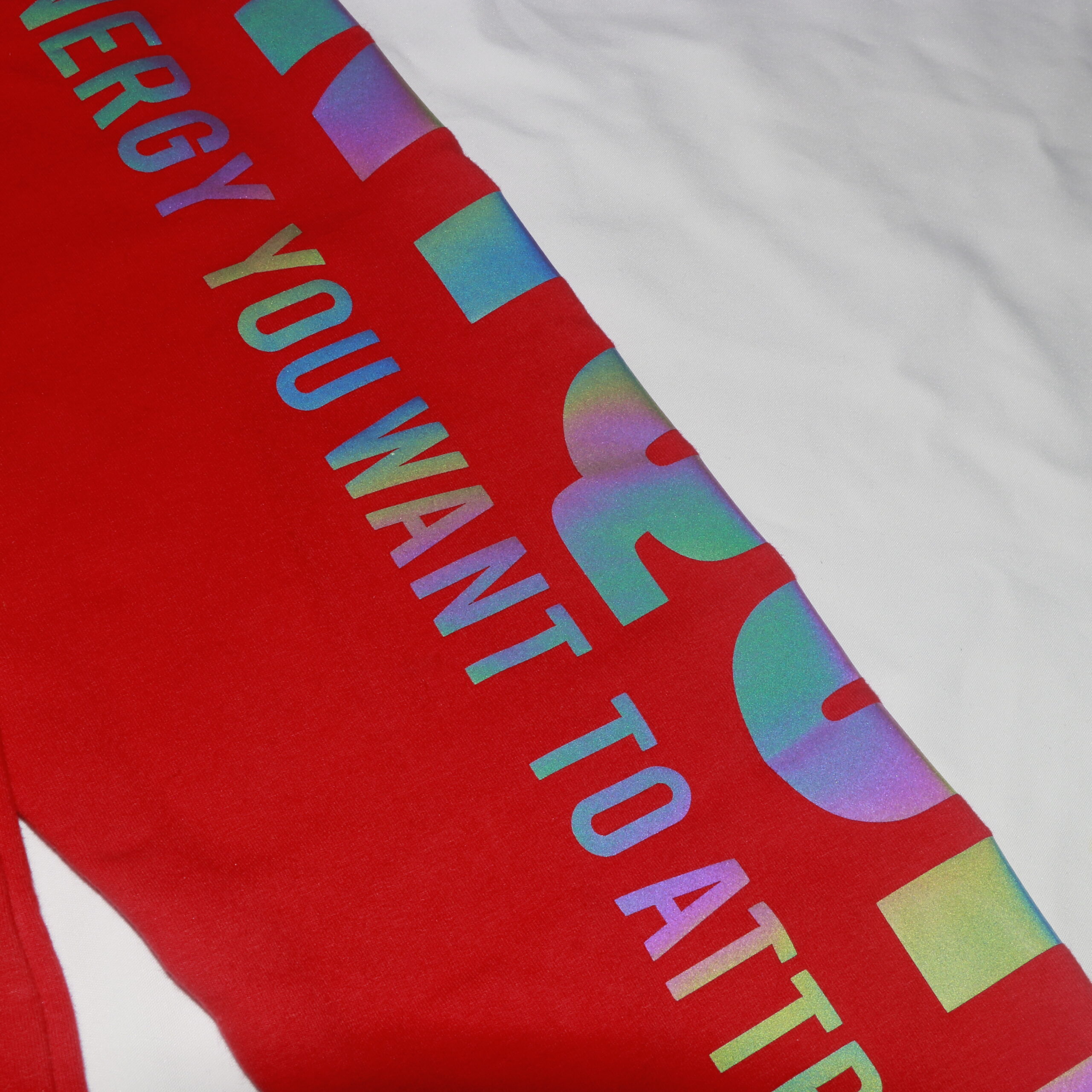
Sweatpants and joggers are developed around silhouette, rise, leg shape, waistband construction, pocket layout, cuffs, and fabric recovery. EDVORIN supports fleece, French terry, interlock, and performance fabric options, with embroidery, prints, labels, and matched set production available.
Get a Quote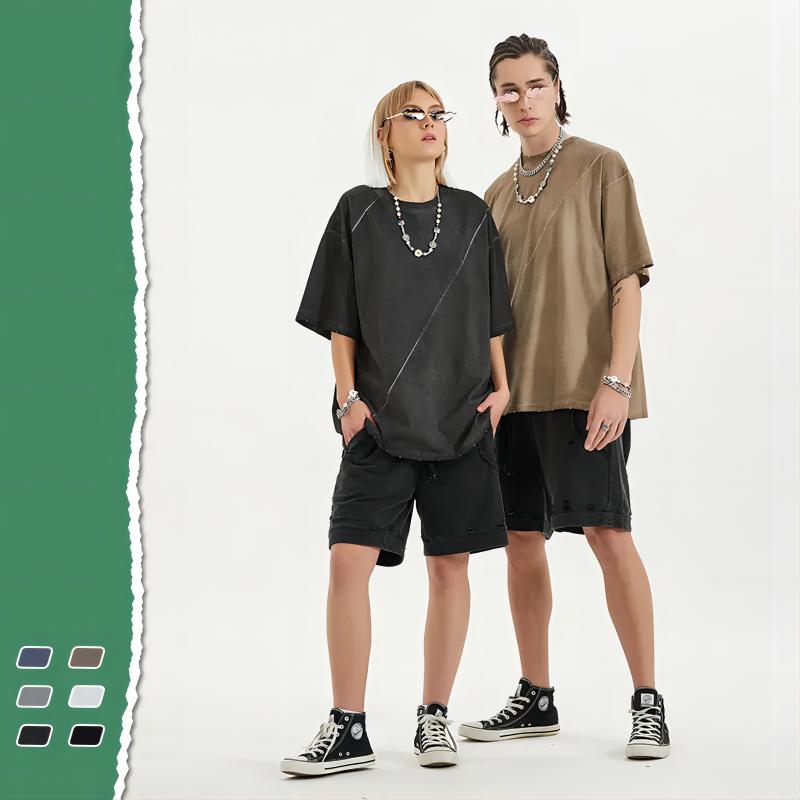
Custom Shorts
Custom shorts manufacturing includes casual, fleece, training, mesh, woven, and uniform short programs. Specifications can cover inseam, waistband, pocket construction, lining, stretch, decoration, color matching, and size grading to suit retail, teamwear, school, or corporate requirements.
Get a Quote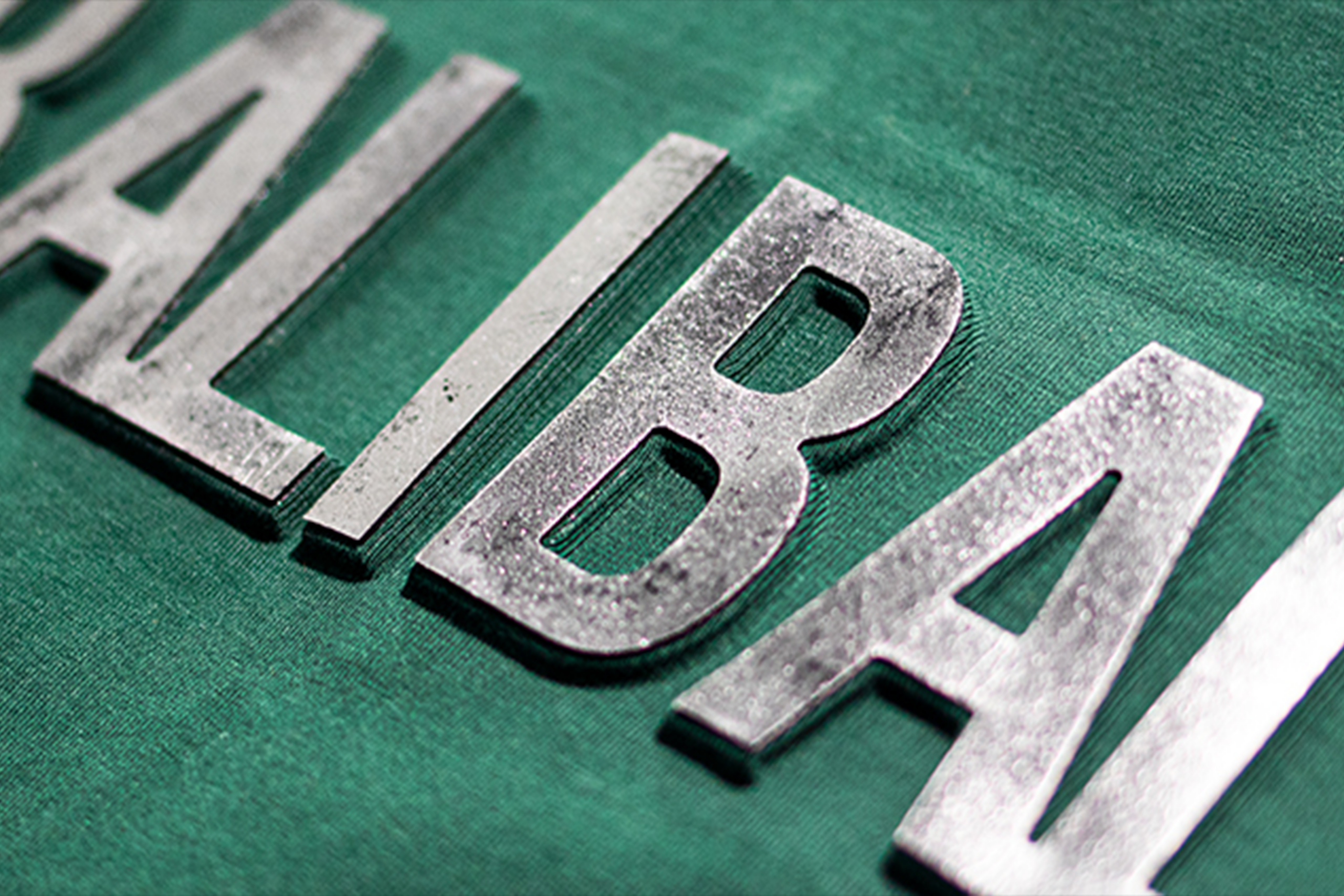
Varsity & Baseball Jackets
Varsity and baseball jacket development coordinates body fabrics, sleeves, rib trims, snap closures, linings, patches, chenille, embroidery, and appliqué. EDVORIN documents these construction details during sampling so the approved jacket standard can be carried into repeat bulk orders.
Get a Quote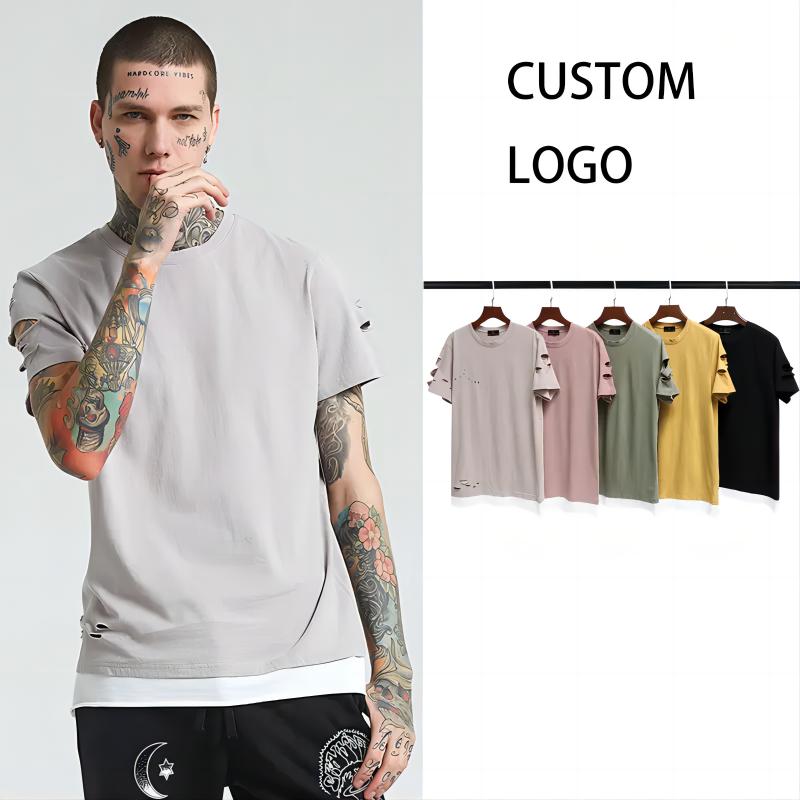
Custom T-Shirts
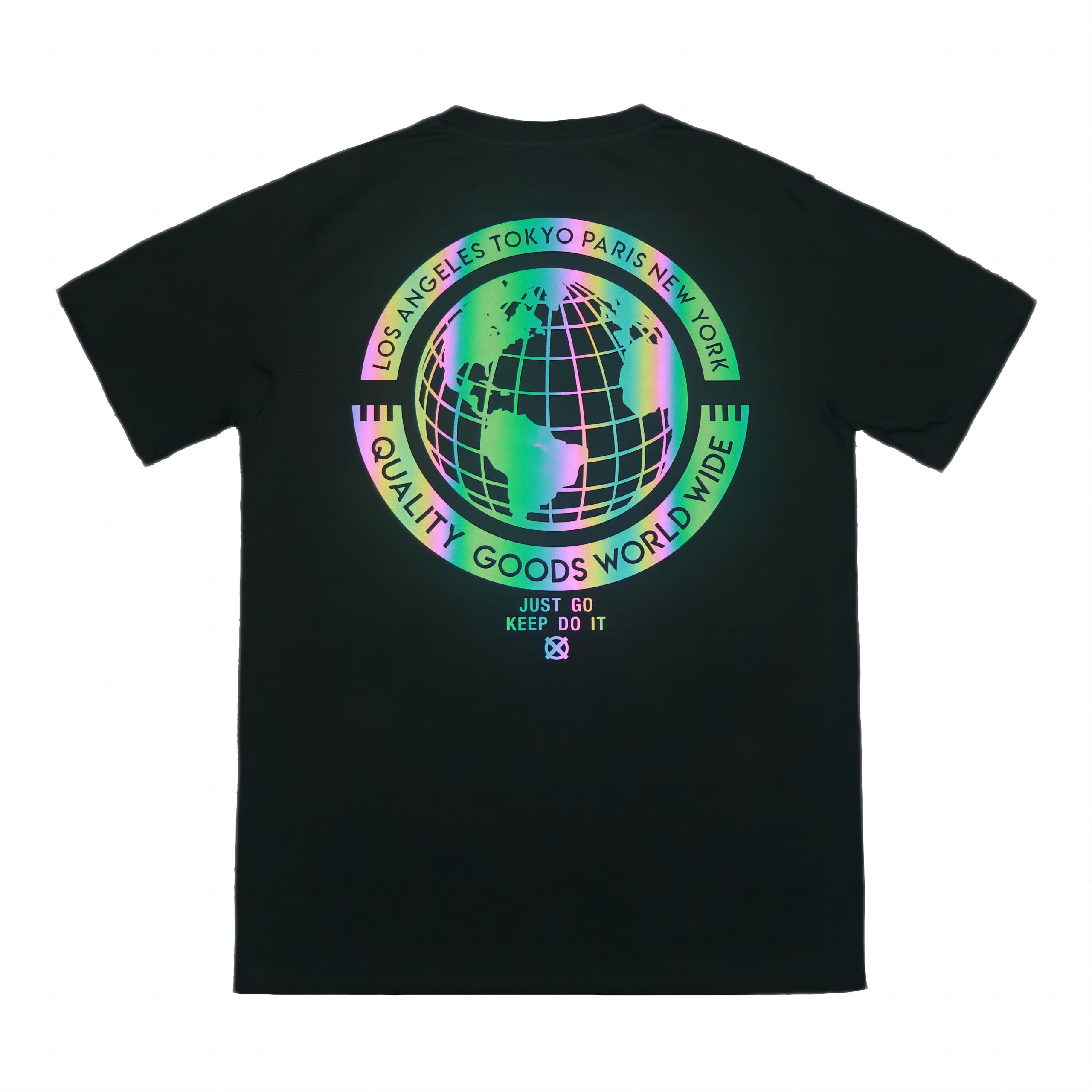
Custom T-shirt programs include jersey, heavyweight cotton, blends, oversized fits, fitted styles, and promotional basics. EDVORIN manages fabric selection, neckline construction, print compatibility, embroidery, washes, labels, and size specifications for fashion labels, wholesale programs, and private-label buyers.
Get a Quote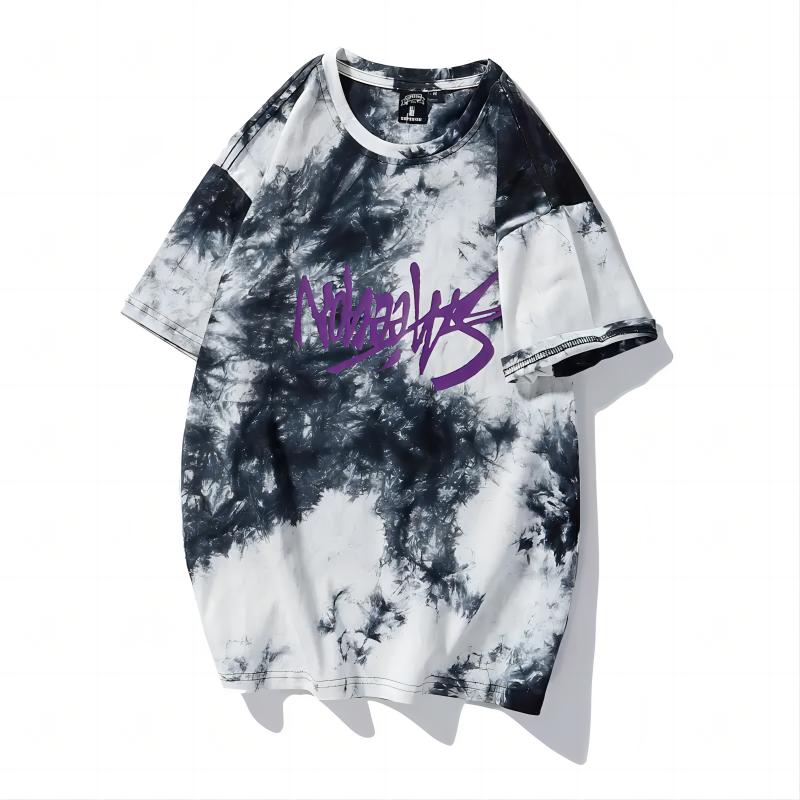
Custom Polo Shirts
Custom polo shirt manufacturing supports piqué, jersey, performance, cotton, and blended fabric programs for uniforms, corporatewear, schools, clubs, and retail collections. Collar construction, plackets, buttons, tipping, embroidery, color matching, and men’s and women’s fit blocks are developed to buyer specifications.
Get a Quote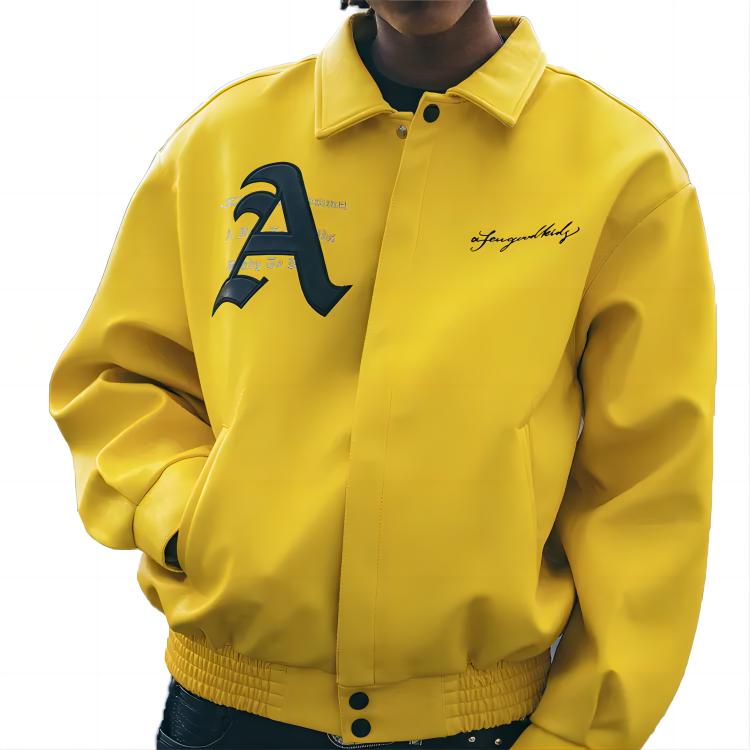
Windbreaker Jackets
Windbreaker jacket programs can include lightweight shells, mesh or taffeta linings, water-resistant finishes, adjustable hoods, zip pockets, elastic details, and reflective elements. EDVORIN coordinates material performance, print or embroidery methods, and packable or outerwear-focused construction requirements.
Get a Quote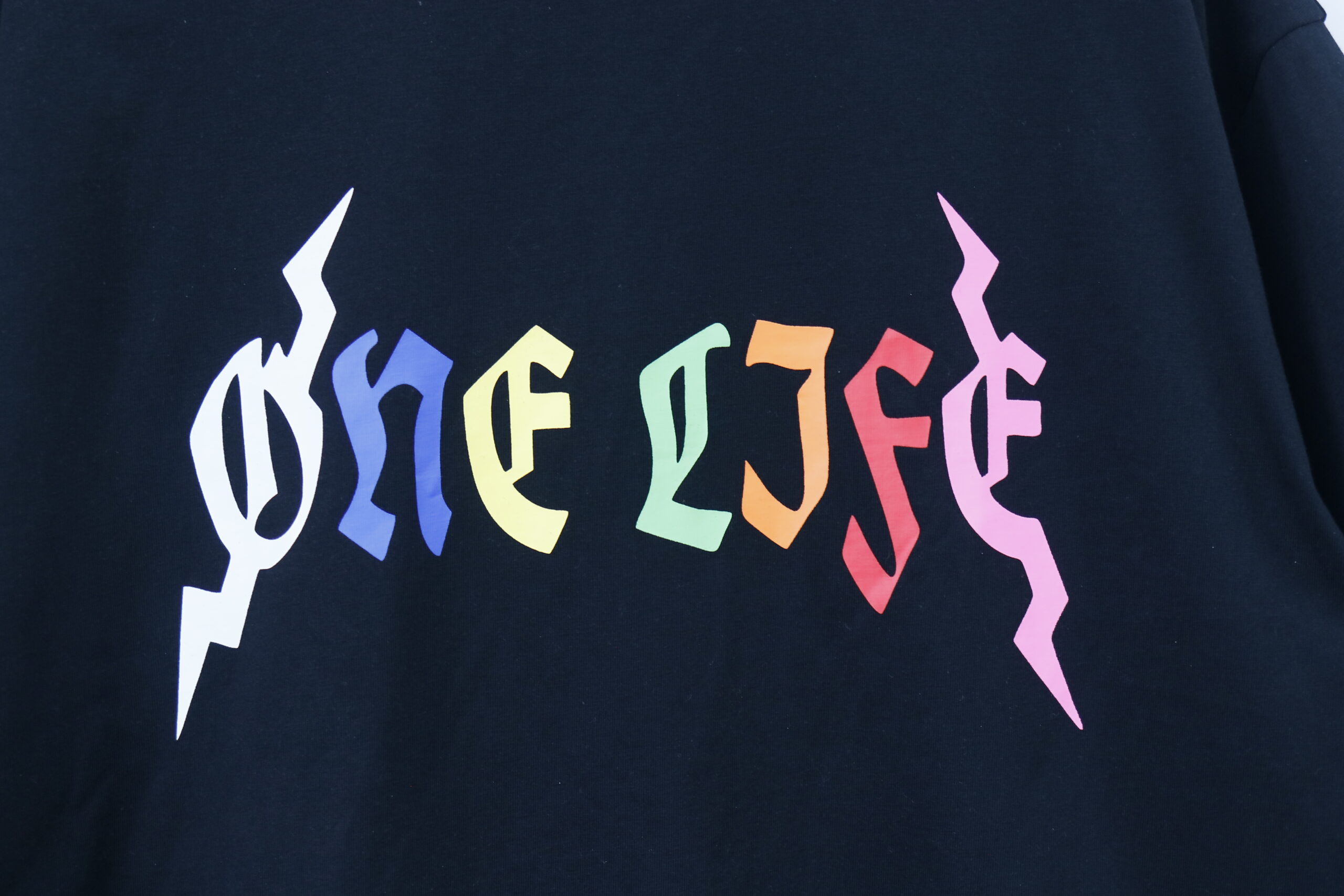
Quilted Jackets
Quilted jacket development covers shell fabric, fill type and weight, lining, quilting pattern, binding, zippers, snaps, pockets, and insulation distribution. EDVORIN builds samples to confirm warmth, construction, and decoration feasibility before moving approved specifications into bulk production.
Get a Quote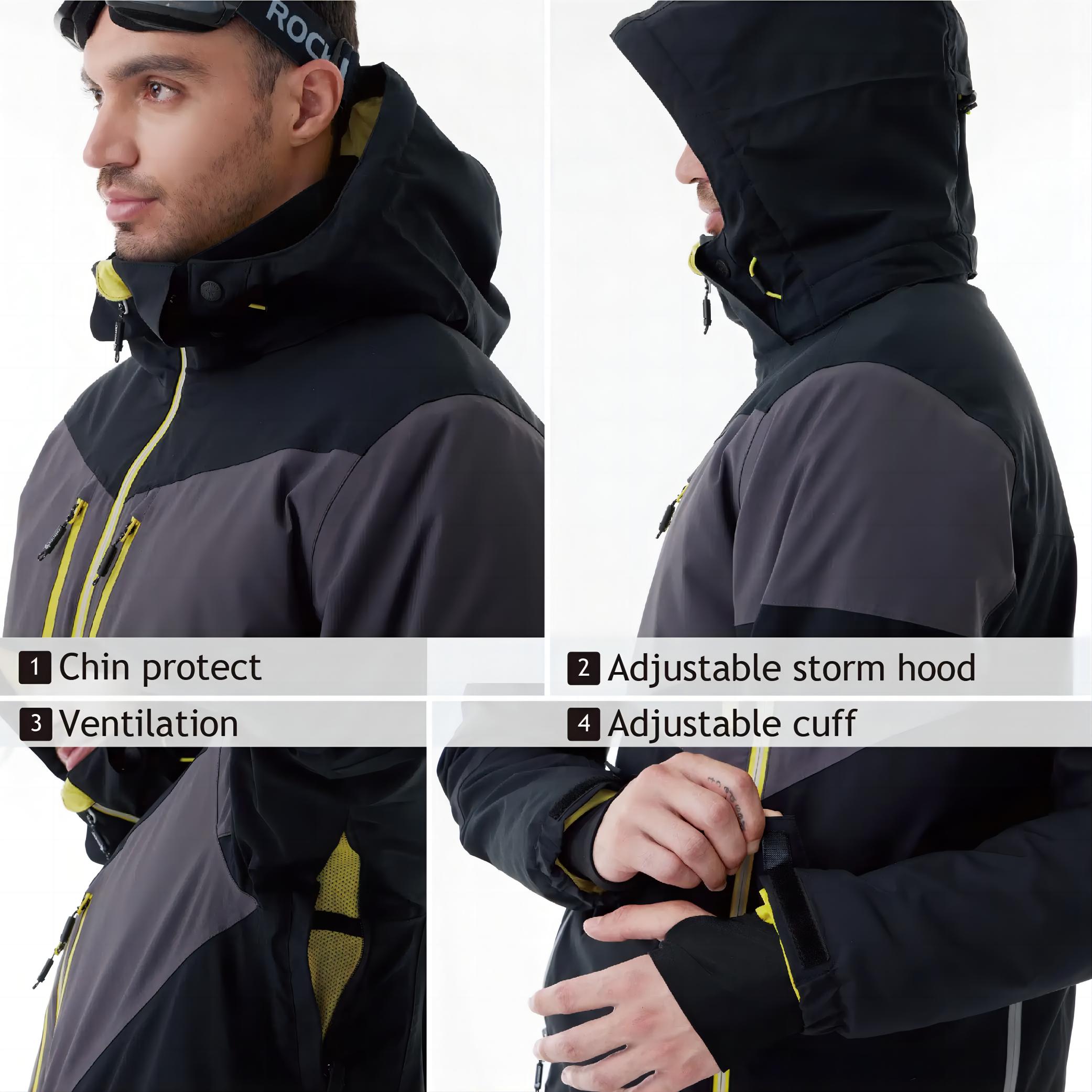
Bomber Jackets
Bomber jacket manufacturing includes MA-1-inspired, varsity-bomber, lightweight, padded, and fashion outerwear constructions. Shell, lining, fill, rib, zipper, pocket, patch, embroidery, and wash decisions are coordinated as one production specification for consistent repeat orders.
Get a Quote
Custom Shirts
Custom woven shirt programs include button-downs, overshirts, work shirts, resort shirts, and uniform styles. EDVORIN develops collars, cuffs, plackets, pocket details, fabric weight, print alignment, embroidery, labels, and fit grading for men’s and women’s apparel lines.
Get a Quote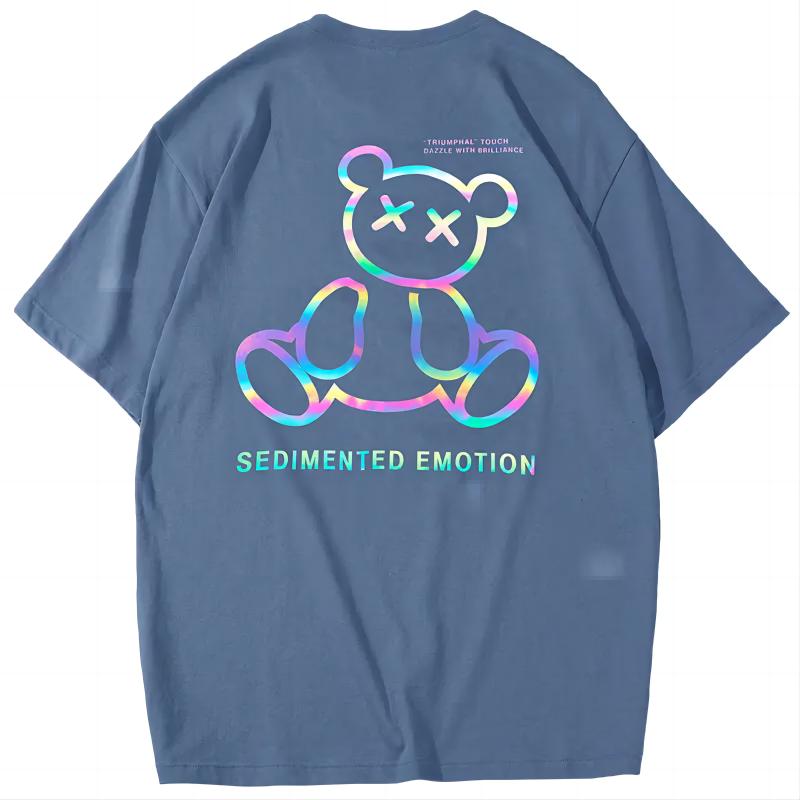
Custom Jerseys
Custom jersey manufacturing supports team, fanwear, training, and promotional programs using breathable knits, mesh panels, sublimation, screen printing, embroidery, names, and numbers. EDVORIN controls color references, artwork placement, sizing, and repeat-order specifications across complete team sets.
Get a Quote
Tank Tops
Tank top development includes cotton jersey, rib, athletic mesh, performance knit, and fashion-layering styles. EDVORIN can specify armhole and neckline finishes, fit proportions, fabric weight, decoration methods, color, labels, and grading for men’s and women’s collections.
Get a Quote
Soccer Uniforms
Soccer uniform programs combine jerseys, shorts, and optional training layers with breathable fabrics, team colors, crest applications, sponsor graphics, names, numbers, and size-set management. EDVORIN records artwork and material standards to support organized club, school, academy, and wholesale reorders.
Get a Quote
Basketball Uniforms
Basketball uniform manufacturing covers jerseys and shorts with breathable mesh or performance knits, reversible options, side panels, piping, sublimation, names, numbers, and team branding. Development includes movement-focused fit, color control, grade rules, and coordinated production across roster sizes.
Get a Quote
Streetwear Collections
Streetwear collection development connects hoodies, T-shirts, sweats, outerwear, jerseys, and woven pieces under a single manufacturing plan. EDVORIN coordinates fit blocks, fabrics, trims, graphics, embroidery, washes, labels, packaging, and sample-to-bulk quality standards for scalable private-label programs.
Get a QuotePolo Fabrics for Responsible Programs
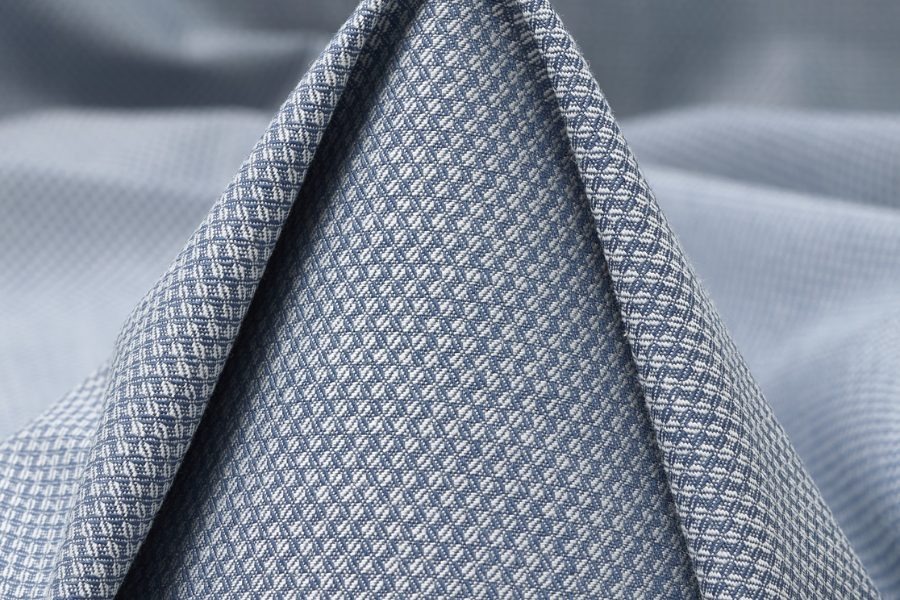
Organic Cotton Piqué
A breathable, textured knit with a classic polo surface and structured hand-feel. Well suited to premium casualwear, schools and hospitality uniforms, with weight and collar stability tailored during development.
Recycled Polyester Piqué
A durable, quick-drying knit for teamwear, event uniforms and active polos. Its resilient surface supports repeat wear, while yarn selection and fabric weight can be aligned with the intended performance level.
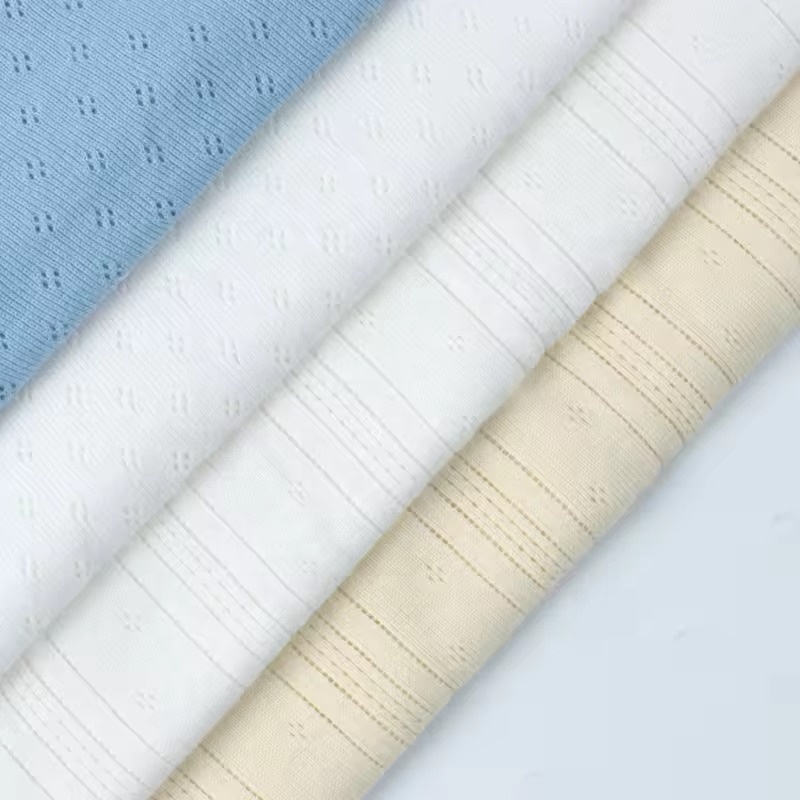
Cotton Recycled Blends
A balanced option combining cotton comfort with recycled-fiber content for everyday branded polos. The blend can be developed in piqué or jersey constructions, with hand-feel, recovery and weight matched to the program.
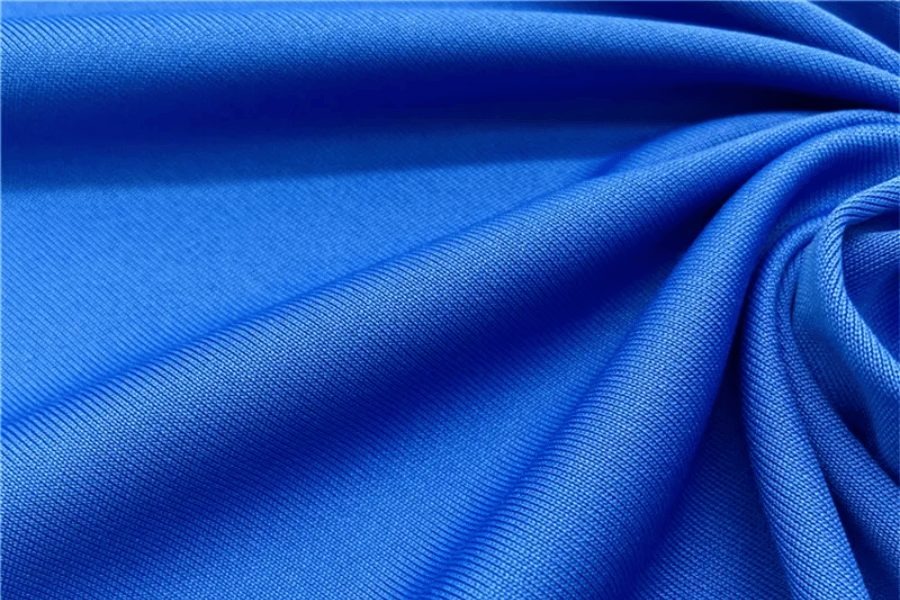
Performance Interlock Knit
A smooth, stable knit designed for sport, training and staff uniforms requiring a cleaner surface. Moisture-management specifications, stretch level and fabric weight can be reviewed against your activity and decoration needs.
Stretch Cotton Piqué
A flexible piqué option for fitted fashion polos, golf-inspired styles and active corporate wear. Elastane content adds controlled stretch and recovery while preserving the familiar textured appearance of a classic polo.
Decoration Processes for Branded Polos
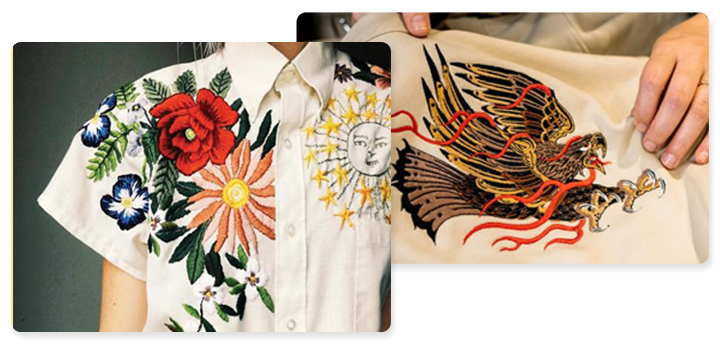
Logo Embroidery
Stitched logos add a tactile, premium finish for corporate uniforms, clubs, and retail polos. EDVORIN coordinates stitch density, backing, placement, and thread colors to support clean detail and durable wear.
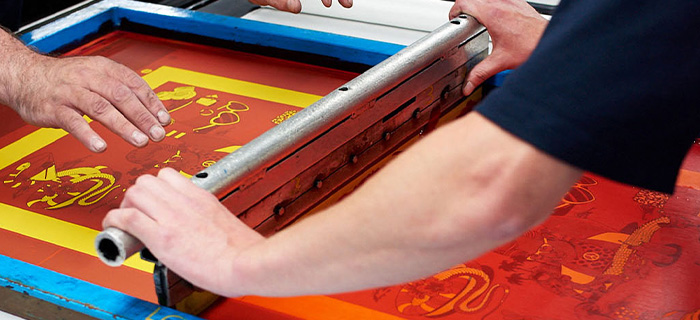
Screen Printing
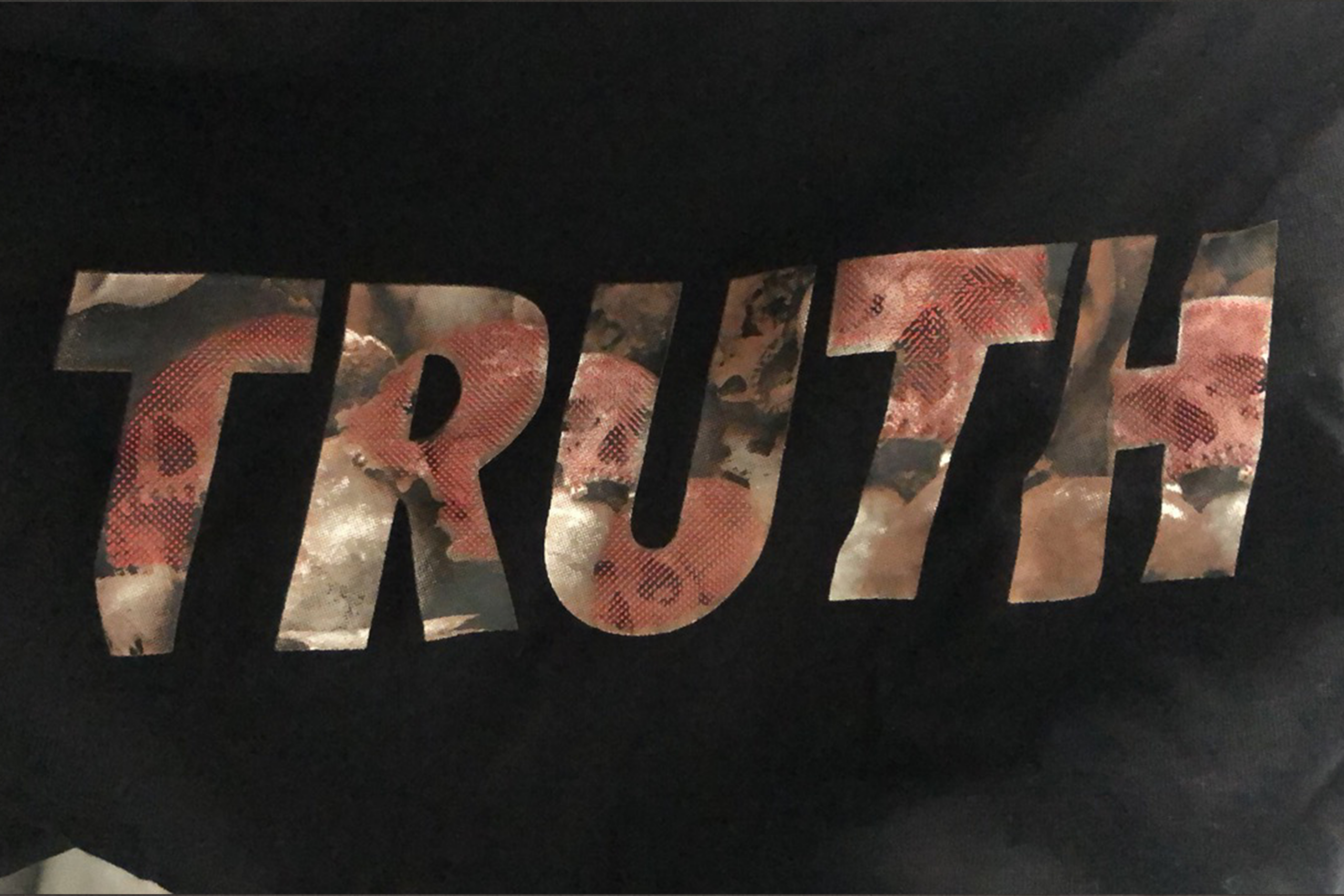
Screen printing suits bold artwork, large graphics, and repeat color programs on compatible polo fabrics. Ink selection and artwork placement are reviewed against the fabric to help maintain crisp visual impact through regular use.
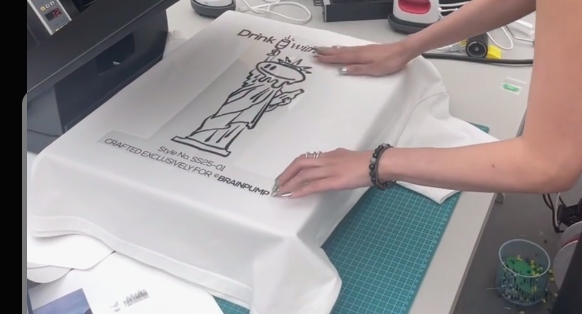
Heat Transfer
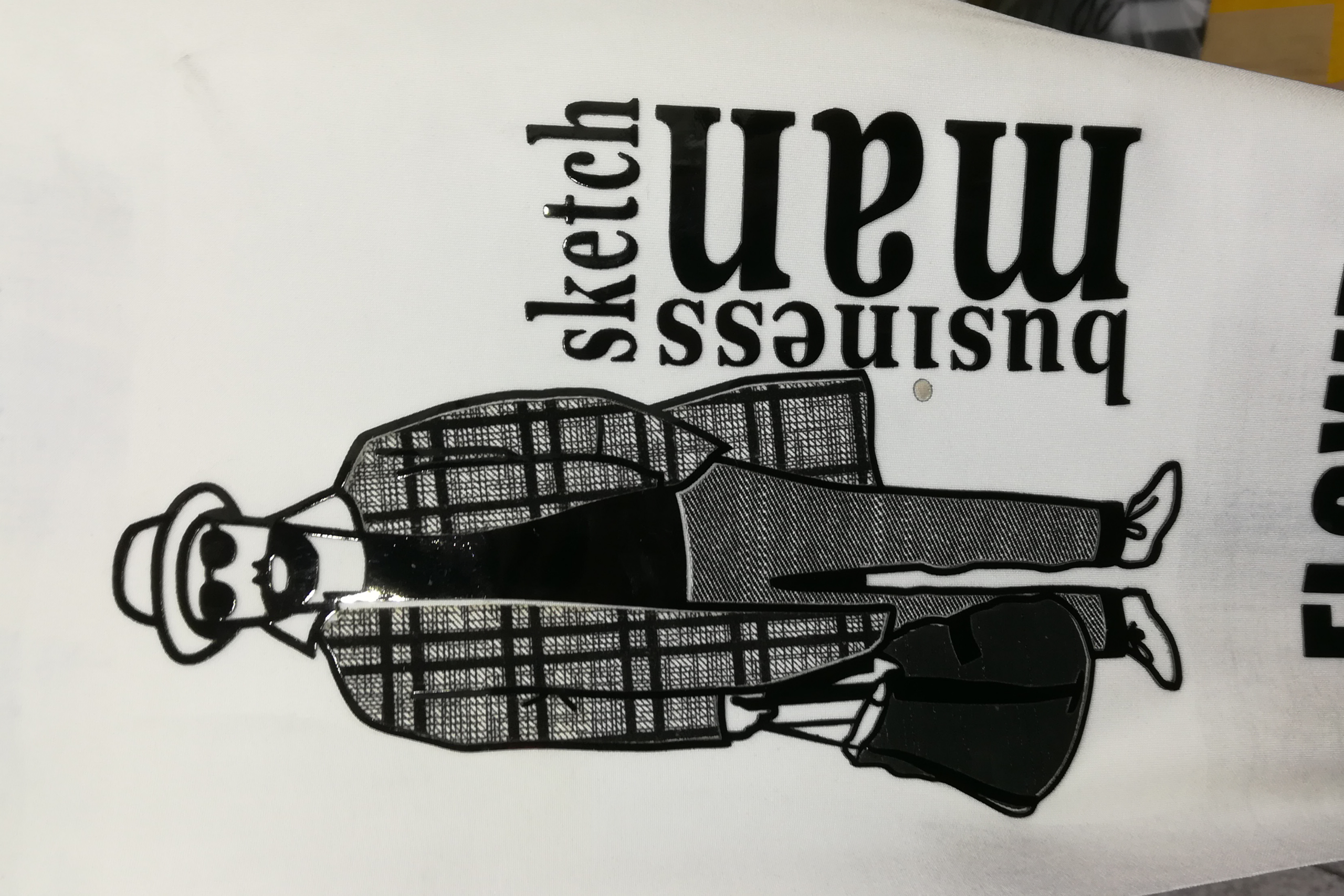
Heat transfer enables precise logos, names, numbers, and detailed multicolor graphics, especially for team and event polos. The process is matched to the garment fabric and placement requirements for a smooth, controlled application.
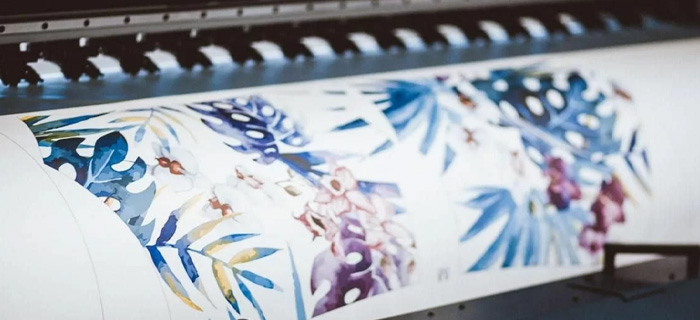
Sublimation Printing
For suitable polyester polo constructions, sublimation integrates all-over color and artwork into the fabric. It supports lightweight teamwear and performance programs with vivid graphics that will not add a surface layer.
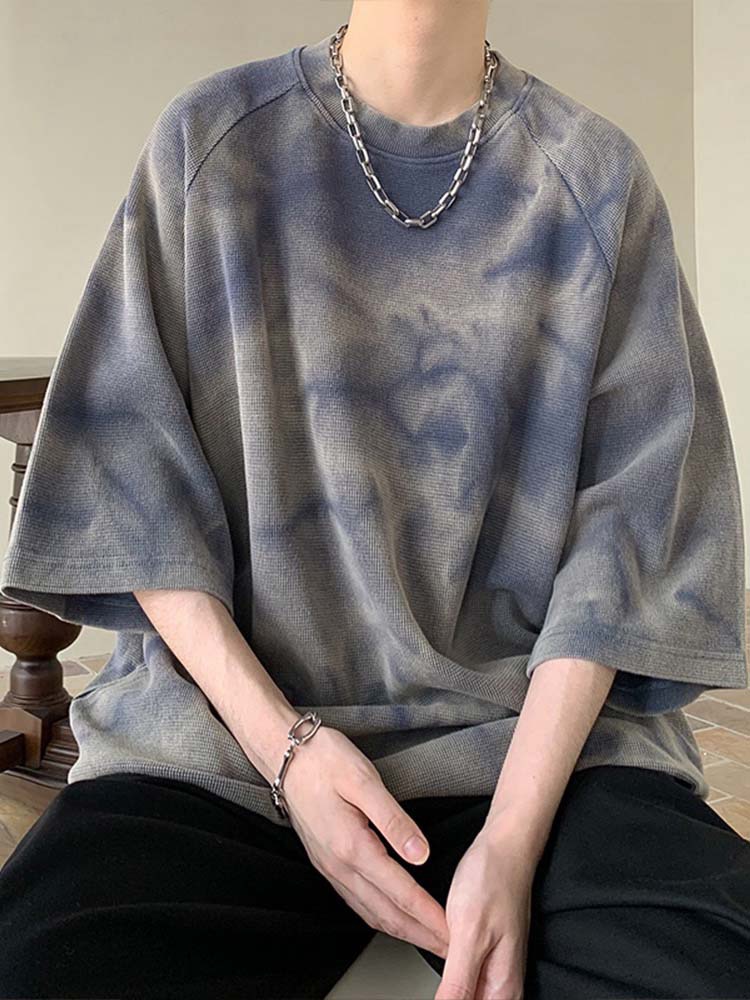
Wash Finishing
Wash and finishing coordination helps define the final hand feel, color character, and presentation of a polo program. Approved samples establish the reference so bulk garments are checked against the intended finished standard.
Polo Trims and Private-Label Details
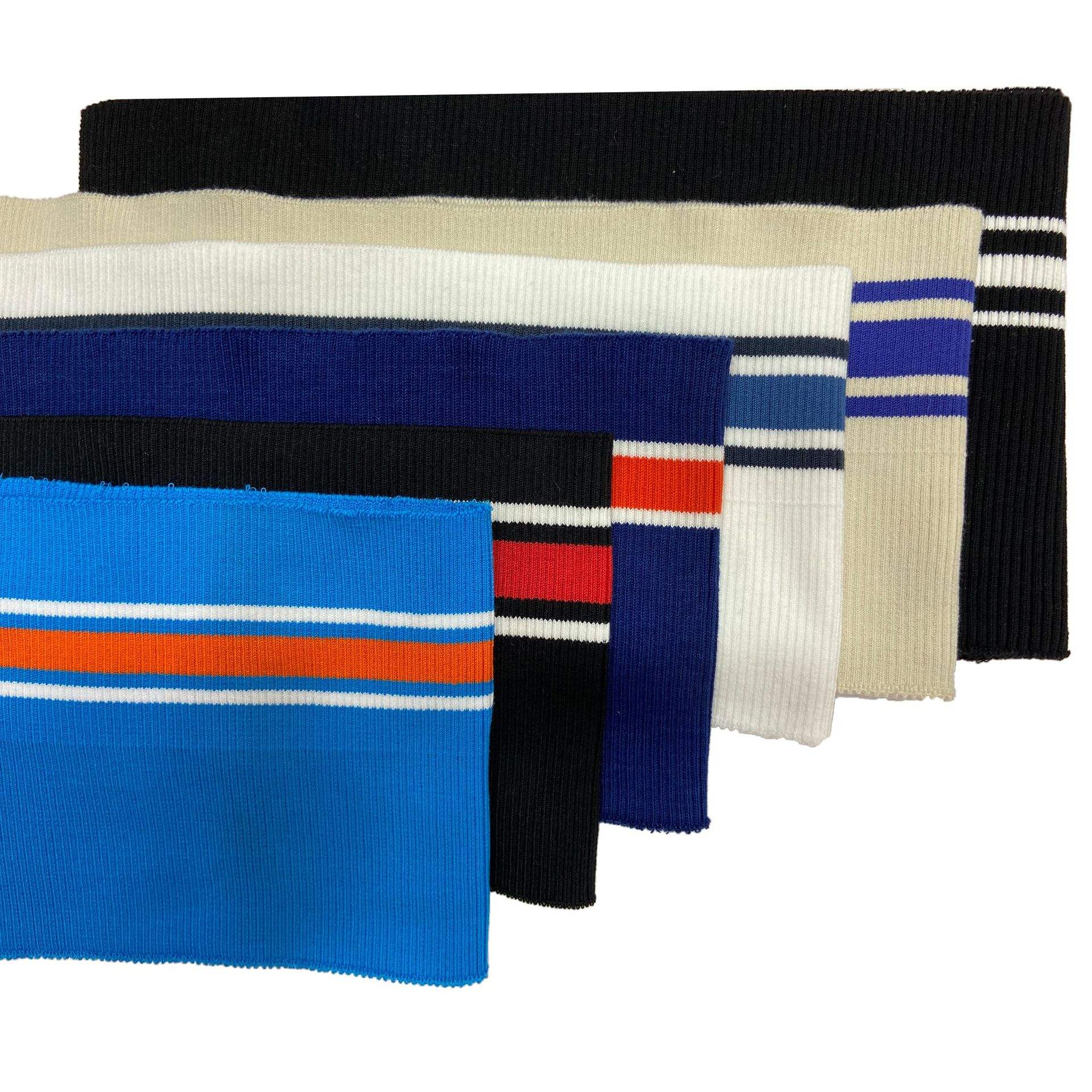
Engineered Rib Collars
Develop knit collars and cuffs with selected yarn blends, stripe tipping, contrast colors and recovery requirements to support a polished fit across fashion, teamwear and corporate polos.
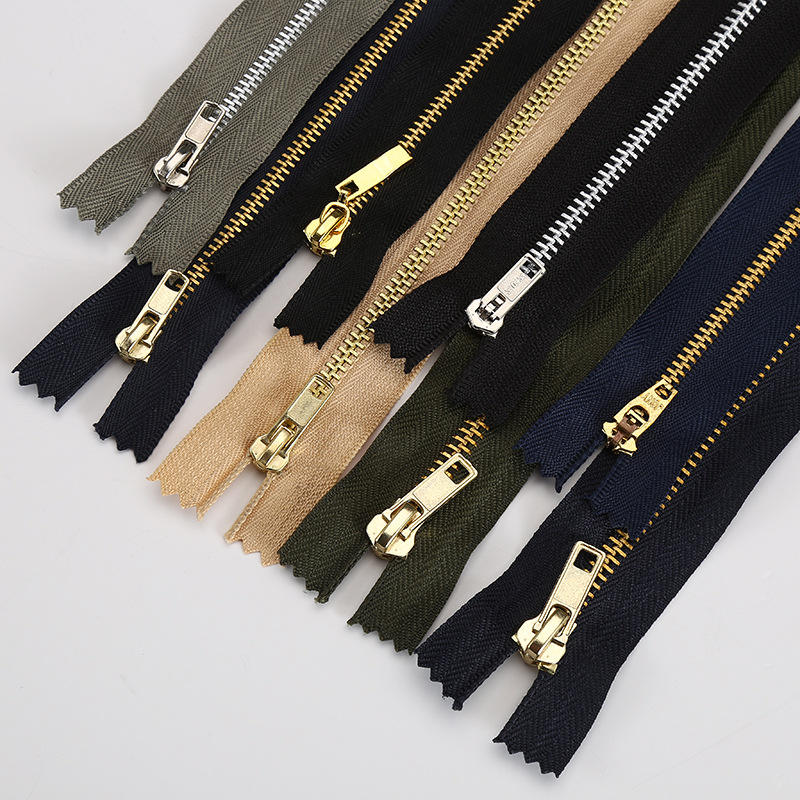
Half-Zip Closures
Add zipper options for performance or contemporary polo styles, coordinating puller shape, tape color, zipper length and reinforcement details with the garment’s fabric and intended use.
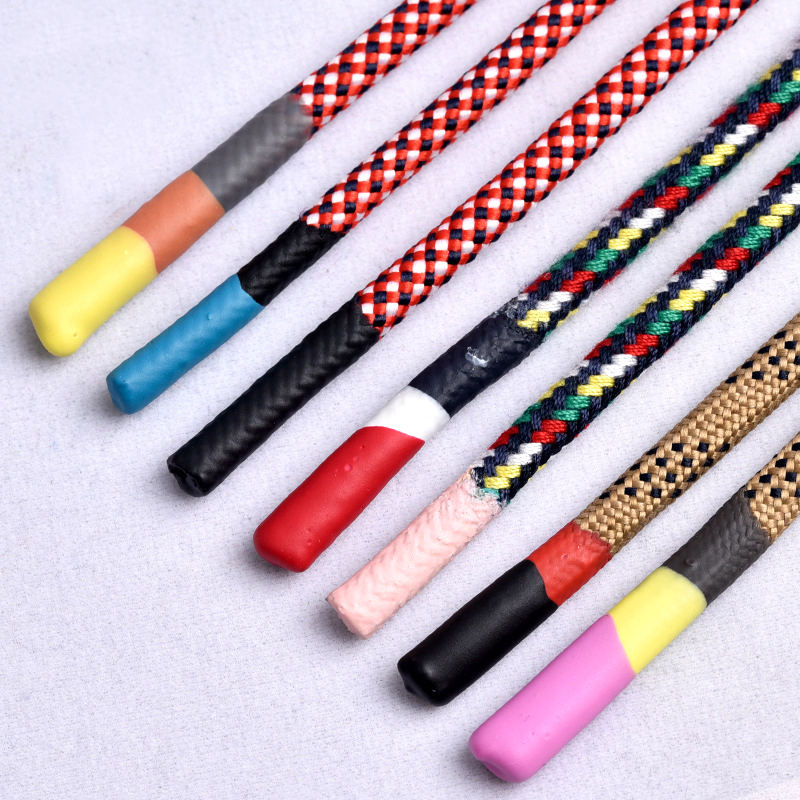
Drawcord Details
For hooded or hybrid polo designs, select drawcord material, tips, color and exit finishing that align with the garment specification while supporting consistent assembly in bulk production.
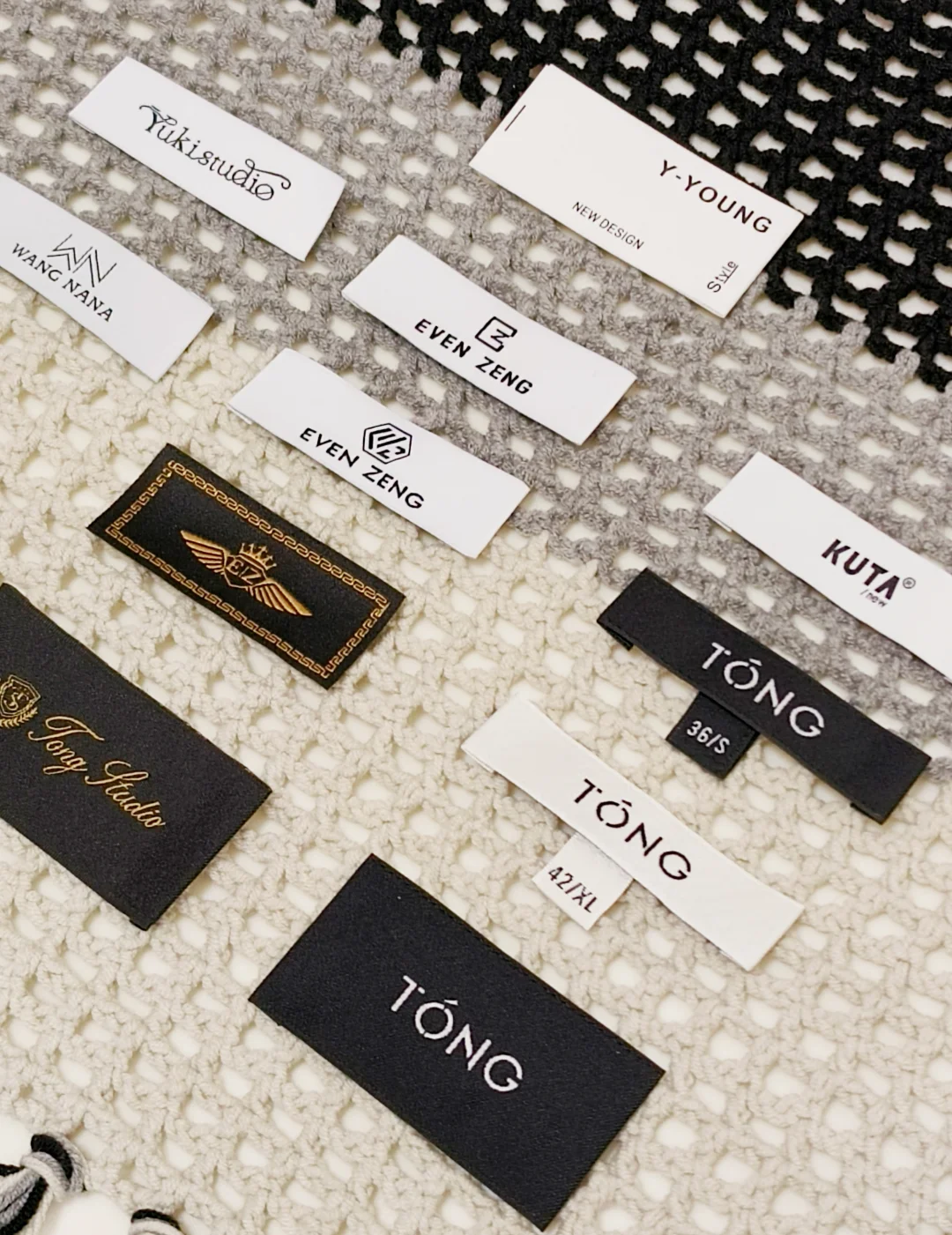
Woven Brand Labels
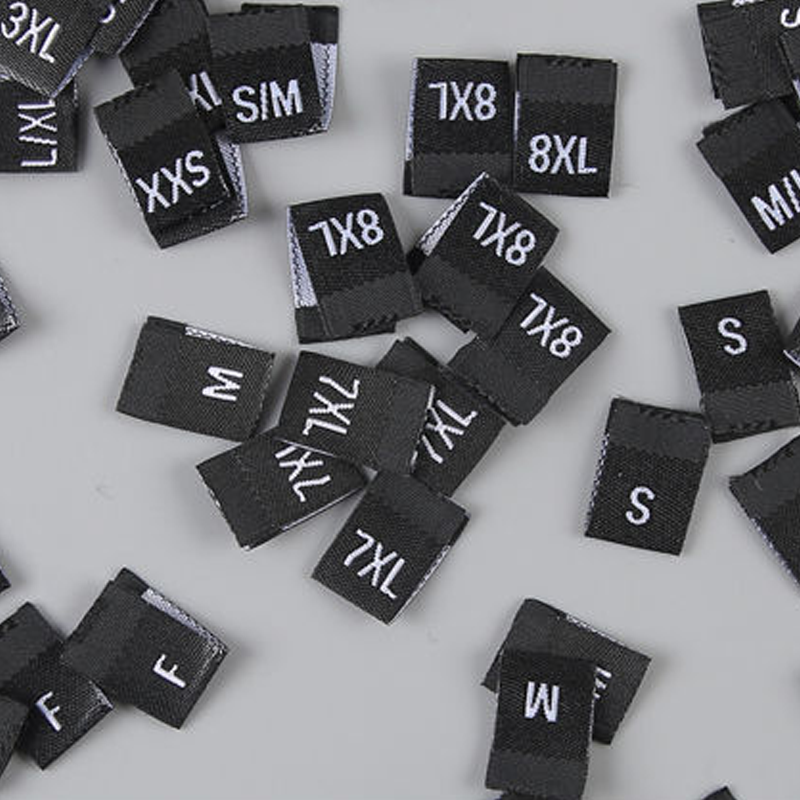
Create neck labels, hem flags and size labels with approved artwork, yarn colors and fold formats, giving private-label polos a clear brand identity and repeatable placement reference.
Packaging and Hangtags
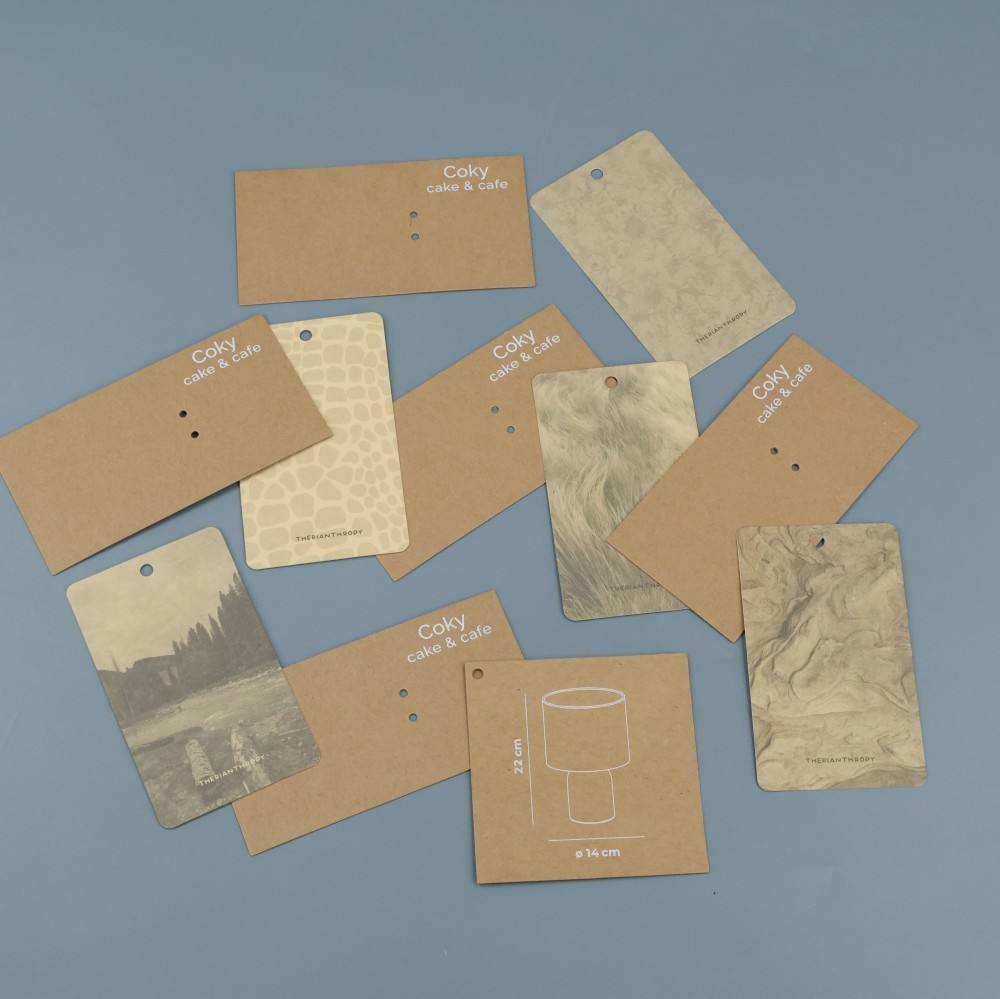
Coordinate custom hangtags, care labels, polybags, barcode stickers and carton marking so finished polo orders arrive prepared for retail, wholesale distribution or organized team issue.
Founder-Led Polo Manufacturing Since 2000
Founded by Edvorin Zeng in 2000, EDVORIN helps brands turn polo concepts into clear, production-ready standards. As a sustainable polo shirt manufacturer, we connect material sourcing, fit development, pattern work and sampling so each decision can be reviewed before bulk production begins.
Our OEM, ODM and private-label capabilities support men’s and women’s polo programs for fashion labels, sports teams, schools, wholesalers and corporate buyers. From fabric and trims to embroidery, printing, labels and packaging, EDVORIN coordinates the details that give every program a consistent identity.
What makes EDVORIN different is the discipline after sample approval. We document approved materials, measurements, artwork placement and construction details, then use in-line and final quality checks to protect the standard through bulk production. This connected workflow helps buyers build repeatable polo collections with confidence.

Polo Production Control From Sample to Bulk
Technical Development That Holds
EDVORIN turns sketches, reference garments and finished tech packs into clear polo specifications. Fit, grading, collar construction, placket details and measurements are reviewed during development so the approved sample becomes a practical standard for repeatable bulk production.
- Men’s and women’s fit blocks tailored to the intended market
- Pattern, measurement and construction details documented for approval
- Sample revisions resolved before bulk specifications are released
Materials and Trims Coordinated
As a sustainable polo shirt manufacturer, EDVORIN coordinates fabric, rib, buttons, labels and packaging as one product system. Material choices are assessed alongside hand feel, weight, recovery, color direction and the finished look required for your brand or team program.
- Fabric and rib selections aligned with the desired silhouette
- Buttons, neck labels, care labels and hangtags specified together
- Private-label packaging prepared around approved requirements

Decoration Matched to Fabric
A polo’s decoration must work with its knit structure, stretch and intended use. EDVORIN plans embroidery, printing and other branded details around the selected base material, then records placement and execution requirements before production begins.
- Decoration methods considered alongside fabric behavior
- Artwork placement measured against approved garment references
- Branding details coordinated for retail, corporate and teamwear programs
Checks Built Around Approval
EDVORIN keeps the approved sample visible throughout production, using in-line checks to catch variation before it spreads and final inspection before packing. This controlled path helps protect measurement, construction, decoration and presentation across repeat orders.
- In-line inspections compare production against approved standards
- Measurement, workmanship and decoration receive structured review
- Final checks confirm packed goods reflect the approved program

A More Controlled Way to Produce Polos
EDVORIN connects development, documented approvals, decoration coordination and bulk quality control in one accountable production path.
← Swipe left or right to view →
From Brief to Shipment
A documented production path that turns approved polo specifications into repeatable bulk orders.
Define the Polo Brief
We review your tech pack, reference garment or concept, confirming fit, target market, decoration needs, labeling and production requirements before development begins.
Source Materials and Trims
Select suitable fabrics, collars, buttons, labels and packaging based on your approved direction, performance expectations and responsible material program requirements.
Develop Patterns and Samples
Our team prepares patterns and samples, records revisions, and uses your approval to establish clear construction, measurement and appearance standards for bulk production.
Cut and Decorate Components
Approved materials are checked, cut and prepared for embroidery, printing or other selected decoration methods, with artwork placement coordinated before assembly.
Sew and Control Quality
Polo components move through sewing and in-line inspections, with measurements, construction, decoration and finishing reviewed against the approved sample standard.
Pack and Prepare Shipment
Final checks confirm garments, labels and packaging align with your order requirements before packed goods are organized for shipment and repeat-order reference.
Start Your Polo Program
Move from concept to a documented, production-ready polo program with a clear approval path at every stage.
Share Your Concept
Send a tech pack, sketch, reference garment, or collection brief. We review fit, fabric, decoration, trims, labeling, packaging, and target order requirements.
Confirm Your Quote
Align on materials, construction, customization, quantities, and timing. EDVORIN prepares a clear production scope, with MOQ starting at 200 pieces per style.
Approve Your Sample
Review the developed sample against your specifications. Confirm measurements, fabric hand feel, color, artwork placement, trims, and finishing before bulk production.
Launch Bulk Production
We coordinate sourced materials, cutting, sewing, decoration, quality checks, labeling, and packing against the approved standard to support repeatable polo production.
Arrange Final Delivery
After final inspection, confirm packing details and delivery arrangements. Your finished polos are prepared for retail, teamwear, wholesale, or private-label distribution.
Certified Standards for Responsible Apparel Production



Client References
Fashion and private-label buyer references may be available on request, subject to client approval.
Teamwear and corporate polo buyer references may be available on request, subject to client approval.
Wholesale polo buyer references may be available on request, subject to client approval.
Sustainable Polo Shirt Manufacturer FAQ
Clear answers for private-label, teamwear, and wholesale polo programs.
What is the minimum order quantity for custom polos?
Can a sustainable polo shirt manufacturer develop a polo from my sketch or reference sample?
How do you handle sustainable material and certification requests for polo shirts?
How long does custom polo shirt sampling and bulk production take?
How is pricing calculated for a custom sustainable polo order?
Can you add custom embroidery, printing, labels, and packaging?
How does a sustainable polo shirt manufacturer protect my designs and private-label details?
Can EDVORIN ship polo shirts internationally and support repeat orders?
Sustainable Polo Shirt Manufacturer: A Complete Buyer’s Guide
Use this practical framework to compare sustainable polo shirt manufacturers, assess materials and production standards, select customization options, control costs, and avoid sourcing mistakes before placing a private-label order.
1. What Is a Sustainable Polo Shirt Manufacturer?
Five buyer-verifiable controls define a sustainable polo shirt manufacturer: documented fiber sourcing, traceability from mill through packing, durable construction, restricted-substance and waste controls, and credible labor or environmental records. A 180–220 GSM pique polo is not sustainable merely because it is labeled eco-friendly; its yarn origin, dyehouse controls, seam durability, buttons, labels, and expected wear life must be specified.
Three evidence requests separate substantiated sourcing from marketing: transaction-level material certificates where applicable, a production and inspection trail, and current third-party documentation such as GOTS, OEKO-TEX, WRAP, or BSCI when claimed. EDVORIN can translate approved materials, measurements, decoration placement, trims, and packaging into a repeatable production standard, while buyers should verify each certification’s scope, validity, and facility coverage.
2. The Evolution of Sustainable Polo Manufacturing
1920s polo shirts were built around cotton piqué: breathable, textured knitwear suited to sport and later adopted for uniforms and casual retail. Traditional sourcing decisions centered on collar appearance, color, handfeel, and unit cost.
2000s fiber development expanded the brief to organic cotton, recycled polyester, regenerated cellulosics, and moisture-managing blends. A sustainable polo shirt manufacturer now needs to balance fiber claims with knit weight, pilling resistance, collar recovery, colorfastness, and decoration compatibility.
3 production questions increasingly shape buying decisions: whether material origin is traceable, whether worker conditions are independently assessed, and whether the garment can be repaired, reused, or more readily separated at end of life. For EDVORIN buyers, the practical standard is an approved material and construction specification that can be documented and repeated through bulk production.
3. Types of Sustainable Polo Shirt Manufacturer
Five supplier models trade speed, control, and minimums differently. A sustainable polo shirt manufacturer should be selected around the program’s fit, decoration, replenishment, and evidence requirements.
Full-Package Private Label
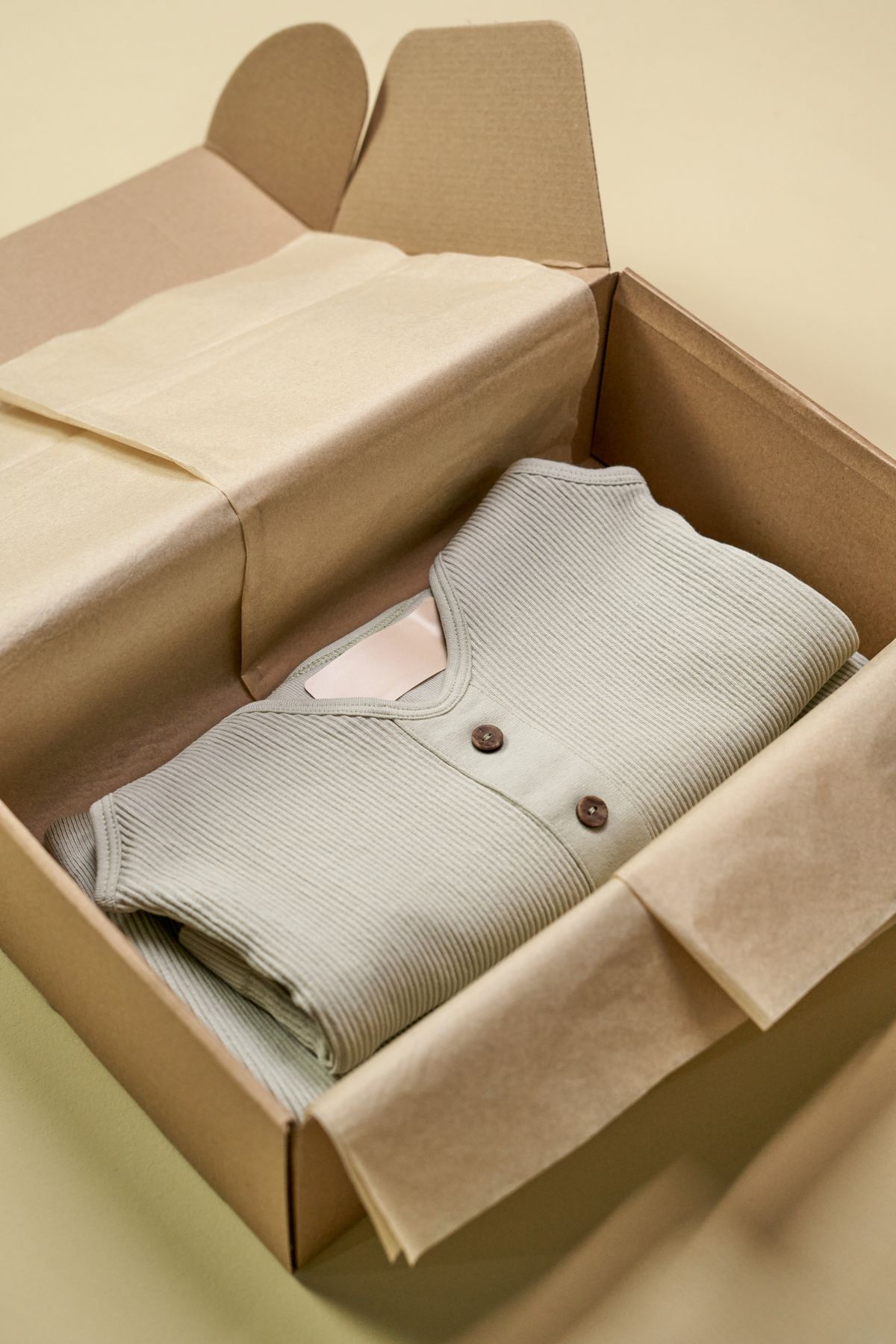
200-piece programs can combine development, sourcing, labels, and packing; best for brands needing one accountable production path.
Cut-And-Sew Specialists
300-piece custom runs allow proprietary patterns and collars, but require approved specifications; suited to fashion labels with distinct silhouettes.
Blank And Decoration Suppliers
24-piece blank orders shorten delivery and suit schools or corporate programs, yet restrict fabric, fit, and color control.
Performance Polo Producers
150–250 GSM technical polos prioritize moisture transfer and stretch; clubs benefit when activity requirements outweigh fashion-led customization.
Regional Or Integrated Partners
2 supply-chain models offer different trade-offs: regional partners reduce transit, while integrated mills improve fabric traceability at larger volumes.
4. Sustainable Polo Shirt Manufacturer Materials
A sustainable polo shirt manufacturer should specify fiber content, knit structure, and finish together. For EDVORIN programs, the correct choice follows wear conditions, decoration, and required recovery—not a generic ‘eco’ label.
| Material | Typical Performance | Best Use | Verification Question |
|---|---|---|---|
| Organic cotton piqué | Breathable, structured hand | Retail and uniforms | Is organic scope documented? |
| Recycled polyester | Fast drying, moisture management | Teams and outdoor work | What is recycled content? |
| Recycled cotton blend | Soft, lower-impact hand | Casual programs | How is shade consistency controlled? |
| Lyocell blend | Smooth, breathable hand | Premium polos | Which fiber certification applies? |
Piqué Or Jersey
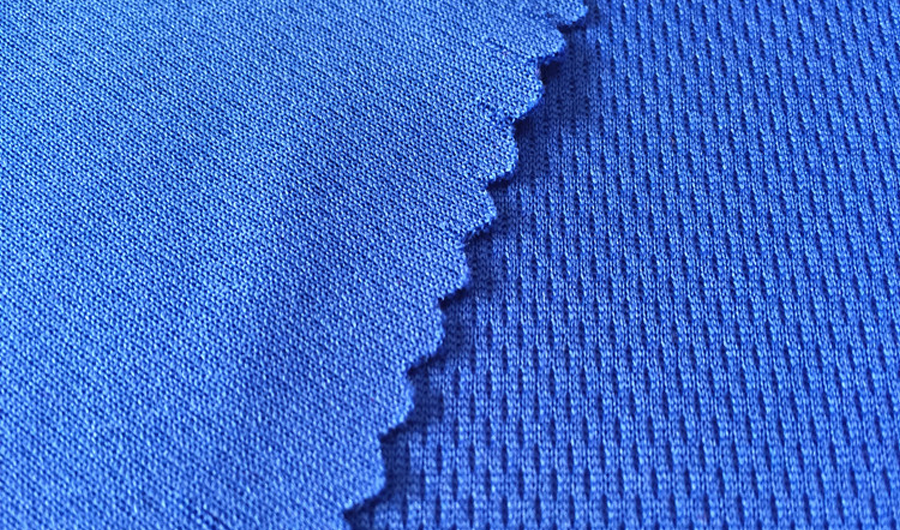
180–240 GSM piqué uses a textured knit that improves airflow and collar-ready structure; jersey feels smoother and drapes more softly.
200 GSM is a practical starting point for uniform polos, while lighter jersey suits fashion layering.
Stretch Fiber Choices
2–5% elastane improves placket and cuff recovery. Prefer recycled or bio-based elastane where available; verify content, source documentation, and recovery after washing.
Verify Before Approval
1 approved fabric swatch should confirm weight, hand feel, shrinkage, colorfastness, and moisture-management claims before bulk cutting.
5. Customization and Decoration Options
Two fit blocks—men’s and women’s—should use separate measurements and grading. Approve collar shape, placket length, button count, yarn-dyed stripes, contrast tipping, labels, and pack-out on the sample before bulk.
| Method | Best Artwork | Durability | Volume/Fabric Fit |
|---|---|---|---|
| Embroidery | Small logos | High | Best on stable pique; setup favors repeat runs |
| Screen print | Bold spot colors | High when cured correctly | Efficient for larger runs; test stretch |
| Heat transfer | Detailed multicolor art | Varies by film and wash | Useful for small runs; test heat-sensitive fabrics |
Fit And Trim Control
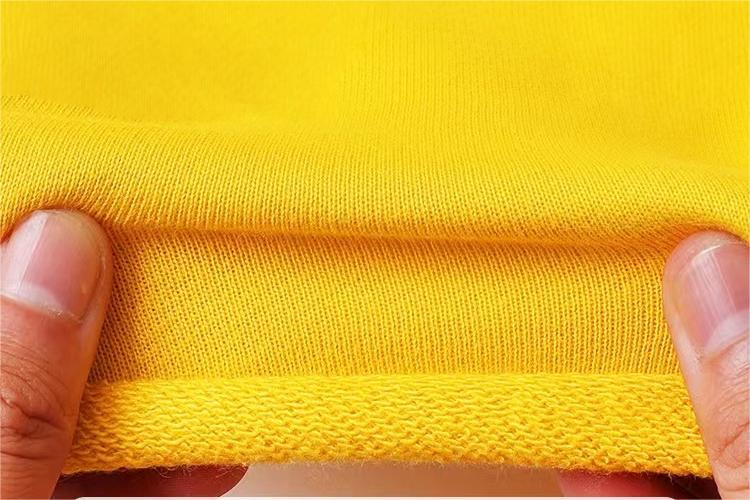
2–3 mm placement tolerances for contrast collar, cuff tipping, and chest logos should be recorded in the tech pack.
One approved size set prevents avoidable remakes caused by grading or trim mismatch.
- Use woven main, size, and care labels.
- Specify recycled-content claims only with supplier documentation.
Logo Method Selection
3 common methods suit different artwork and fabrics. Test wash performance on the final pique or jersey, not a substitute swatch.
Small left-chest marks generally minimize ink, backing, and rejection risk.
Waste-Aware Packout
1 consolidated artwork approval and exact carton assortment reduce last-minute label changes and excess packaging.
Reusable placement templates help repeat orders match the approved sample without overstating environmental benefits.
6. Construction Quality That Determines Wear Life
Wear life is decided at the collar, placket, and seams—not by a sustainability claim. A sustainable polo shirt manufacturer should turn approved construction details into measurable bulk-production standards.
Collar And Placket
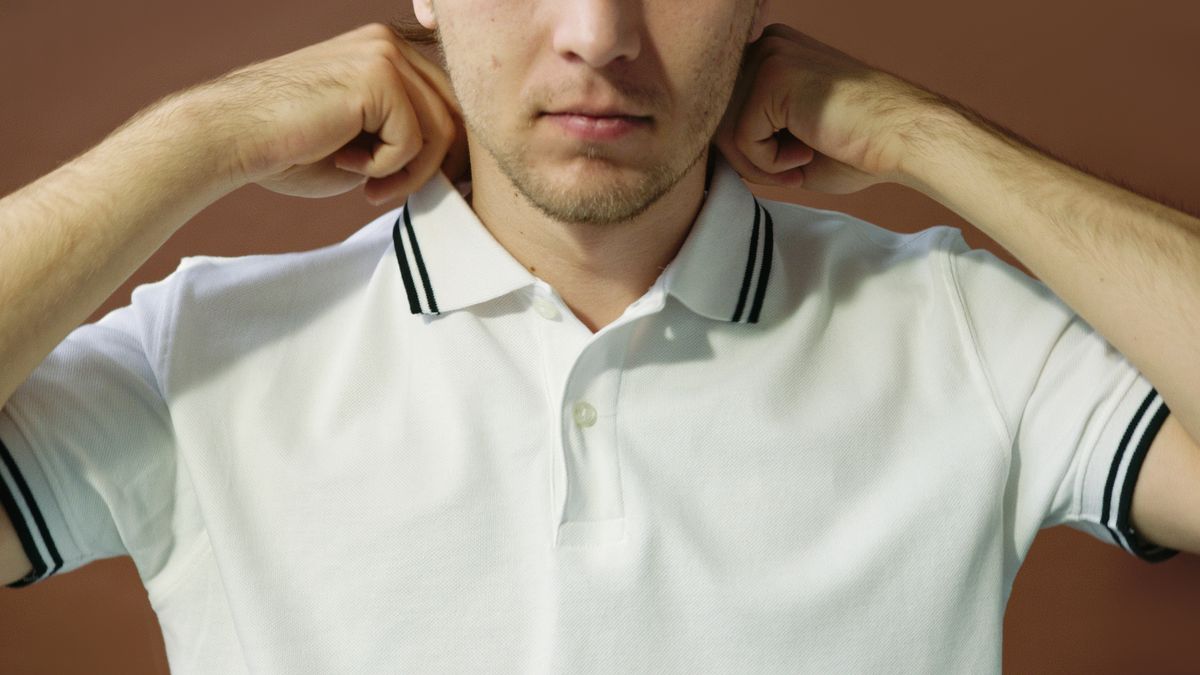
2×1 rib collars should recover after repeated stretch without permanent waviness. Check collar symmetry and neckline seam smoothness.
2- or 3-button plackets need clean topstitching and reinforcement at the base. Confirm buttons are securely sewn and matched to the approved specification.
Seams, Vents, And Hem
8–10 stitches per inch is a common starting benchmark for knit seams, subject to fabric and seam type. Inspect shoulder tape, balanced overlock seams, and secure thread ends.
2–4 cm side vents require reinforced bar tacks. Verify the hem stays flat after wash testing.
Sample Review Checklist
3 wash cycles can expose shrinkage, twisting, color bleed, and collar distortion before bulk approval. Record findings against the approved sample and measurement chart.
Longer service life reduces replacement demand, making a responsible purchase more credible in practice.
- Check shrinkage and colorfastness after washing
- Measure chest, length, sleeve, and collar against tolerance
- Pull-test buttons and inspect placket reinforcement
- Compare all production details with the sealed sample
7. Choosing a Sustainable Polo Shirt Manufacturer
A sustainable polo shirt manufacturer should be assessed through documents and production controls, not a recycled-fiber claim alone. Start vetting before sampling, while assumptions are easy to surface.
Verify Documentation Scope
Each material lot needs fiber composition, mill records, color, and purchase documentation. Request current certificates and their scope references.
Certification can apply to a fiber, mill, facility, or process—not every finished polo. Confirm which style, material, and step evidence covers.
Test Factory Readiness
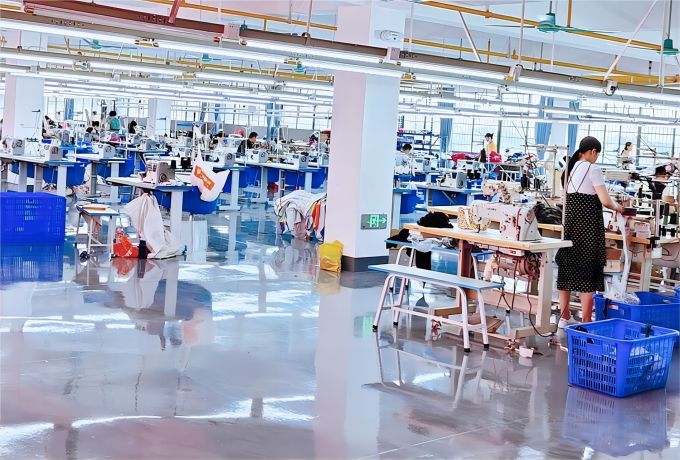
EDVORIN’s MOQ starts at 200 pieces per style. 200-piece MOQ works only when colors, sizes, fabric availability, and decoration are defined. Ask for sample stages, approval gates, capacity, and calendar lead times.
Factory transparency means named production locations, in-line measurement checks, final inspection agreement, and escalation contacts. Confirm Incoterms, freight handoff, packing, and weekly status reporting.
Write An Auditable RFQ
One auditable RFQ should attach the tech pack, BOM, tolerances, Pantone references, artwork placement, size ratio, and quantity. State required documents, inspection level, sample deadline, and delivery destination.
30 days after receipt is a practical period to define claims, evidence, corrective action, replacement, or credit. Record response times and responsibility before issuing a purchase order.
8. Common Sustainable Polo Sourcing Mistakes
Seven recurring sourcing errors usually surface after the purchase order, when changes cost more and production options narrow. A sustainable polo shirt manufacturer should be evaluated through documented specifications, not a single eco claim.
Verify The Full Claim
One recycled-fiber claim does not verify the shell, sewing thread, buttons, labels, or packaging. Request material certificates, fiber percentages, and a component list before approving the bill of materials.
Test Fabric And Decoration
Two end uses can demand different results: 180 GSM piqué for corporate wear and performance polyester for active teams. Test wash shrinkage, colorfastness, pilling, embroidery distortion, and print adhesion on the actual fabric.
Control Sample To Bulk
Three approval controls prevent avoidable disputes: a graded size chart, a scoped quote, and a dated production plan. Confirm measurements and tolerances, inclusions from labels through packing, pre-production sample, in-line inspection, final quality check, and shipment date before placing the order.
9. Launching With a Sustainable Polo Shirt Manufacturer
A 200-piece launch needs a controlled handoff from commercial intent to bulk standards. A sustainable polo shirt manufacturer should turn each approval into a record production can repeat.
Define The Private-Label Brief
1 brief should identify target wearer, use case, fit block, colorways, 200-unit quantity, target retail date, labels, packaging, and required fiber evidence.
2 artwork files should specify Pantone references, logo dimensions, placement from landmarks, and decoration method.
Approve Before Bulk
1 prototype tests fabric hand, collar recovery, placket construction, and decoration compatibility before size grading is finalized.
1 fit sample and 1 pre-production sample should be signed against measurements, workmanship, colors, trims, and packing details.
Plan Demand And Delivery
200 units should be split by validated size demand and color priorities, not evenly by assumption; reserve capacity only after material and sample approvals.
3 records—approved tech pack, inspection report, and material or care documentation—support accurate post-launch product claims and repeat orders.
10. Sustainable Polo Shirt Manufacturer Pricing
200 pieces is a practical starting tier for custom polo development, but unit cost is driven more by the approved specification than by a single sustainability claim. A sustainable polo shirt manufacturer should quote fabric composition, GSM, color count, fit, trims, decoration, labels, packaging, sampling, and required delivery date together.
3 quantity tiers illustrate the trade-off: larger runs can spread pattern, sampling, and setup costs, while organic or certified inputs, complex construction, and urgent freight can increase the total. Compare like-for-like specifications, then request a written quote that separates development, unit, decoration, packaging, testing, and freight assumptions.
| Quantity tier | Typical cost pressure | Specification variables |
|---|---|---|
| 200–499 | Higher setup per unit | Sample revisions; custom labels; small color runs |
| 500–999 | Balanced development spread | Piqué GSM; embroidery stitch count; polybags |
| 1,000+ | Lower setup per unit | Fabric yield; Pantone matching; inspection and lead time |
Build Your Sustainable Polo Shirt Manufacturer Program
Send your tech pack, sketch, or reference garment to EDVORIN for an OEM or private-label quote built for repeatable production.