
Lightweight Windbreaker Manufacturer for Repeatable OEM Programs
EDVORIN is a lightweight windbreaker manufacturer for OEM, ODM and private-label programs, starting at 200 pieces per style.
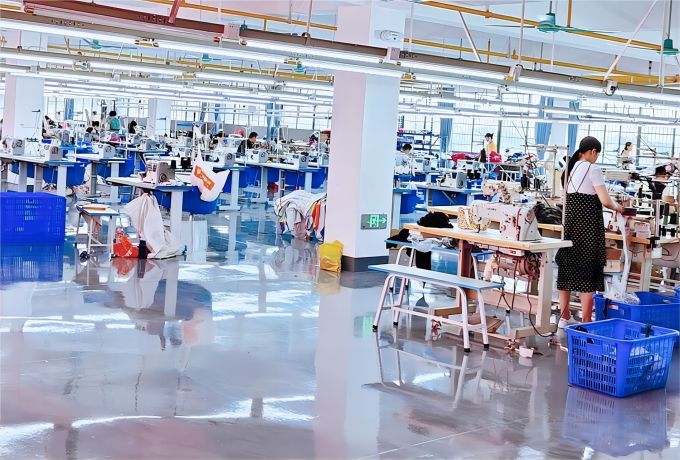
Selected EDVORIN Apparel Manufacturing Capabilities
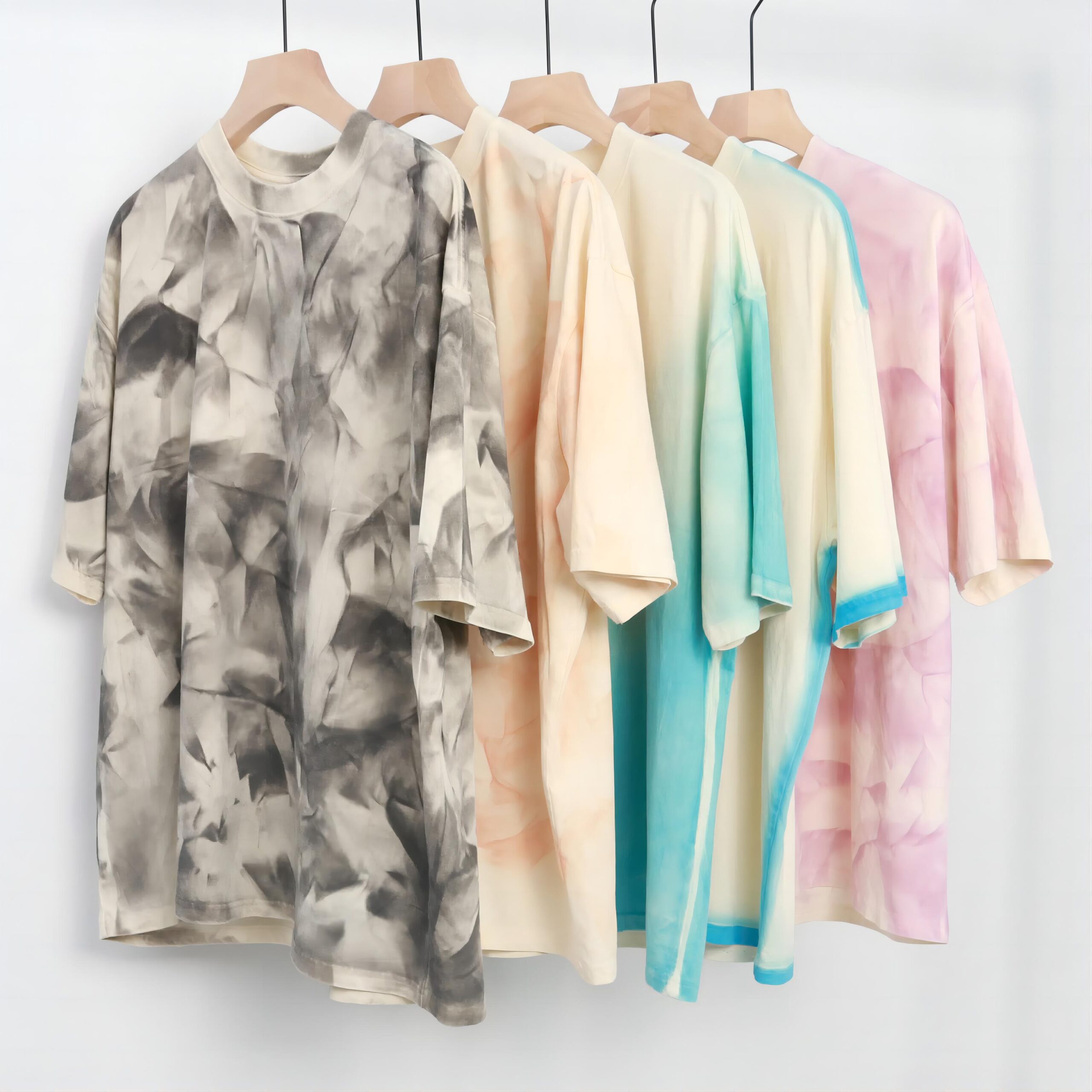
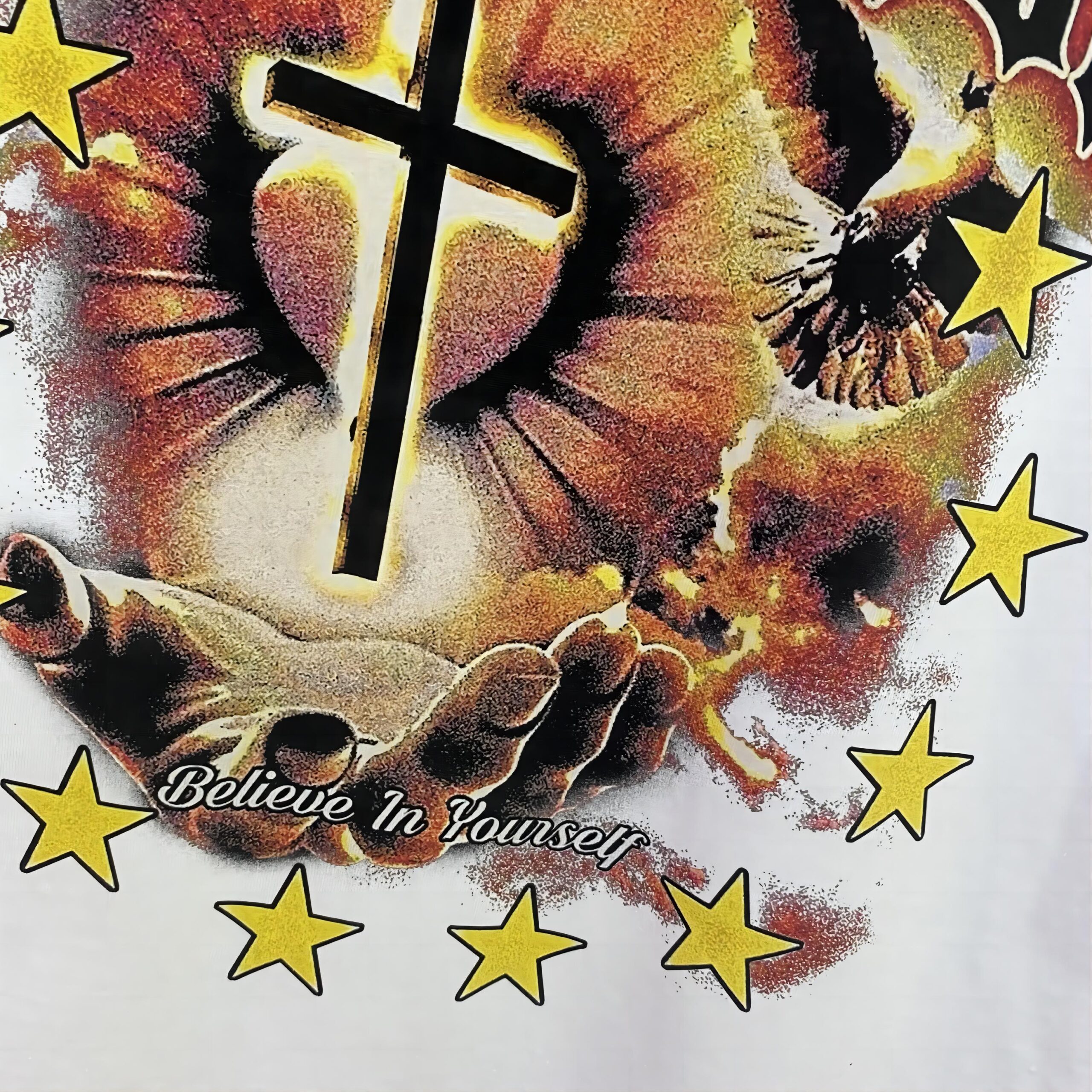



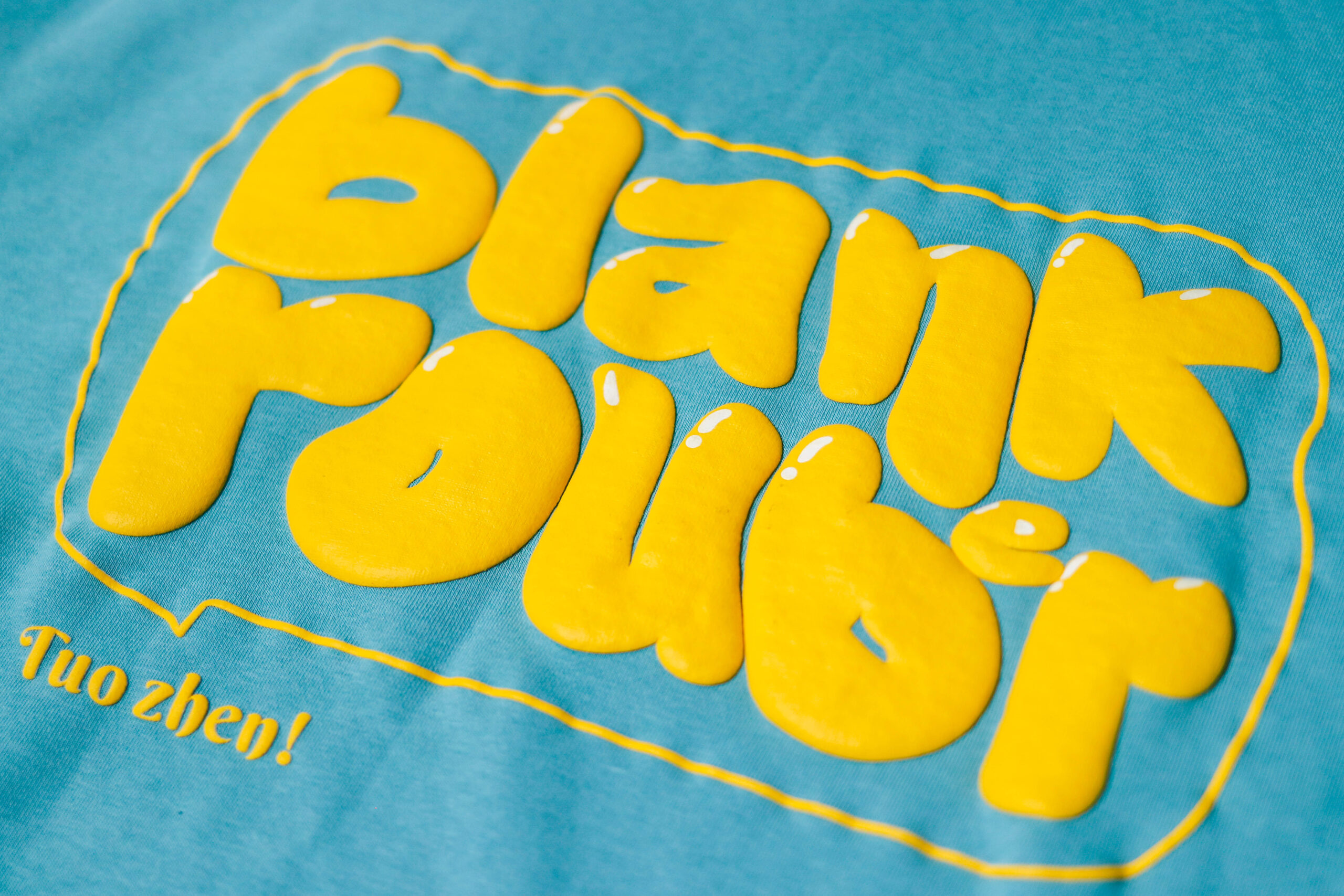
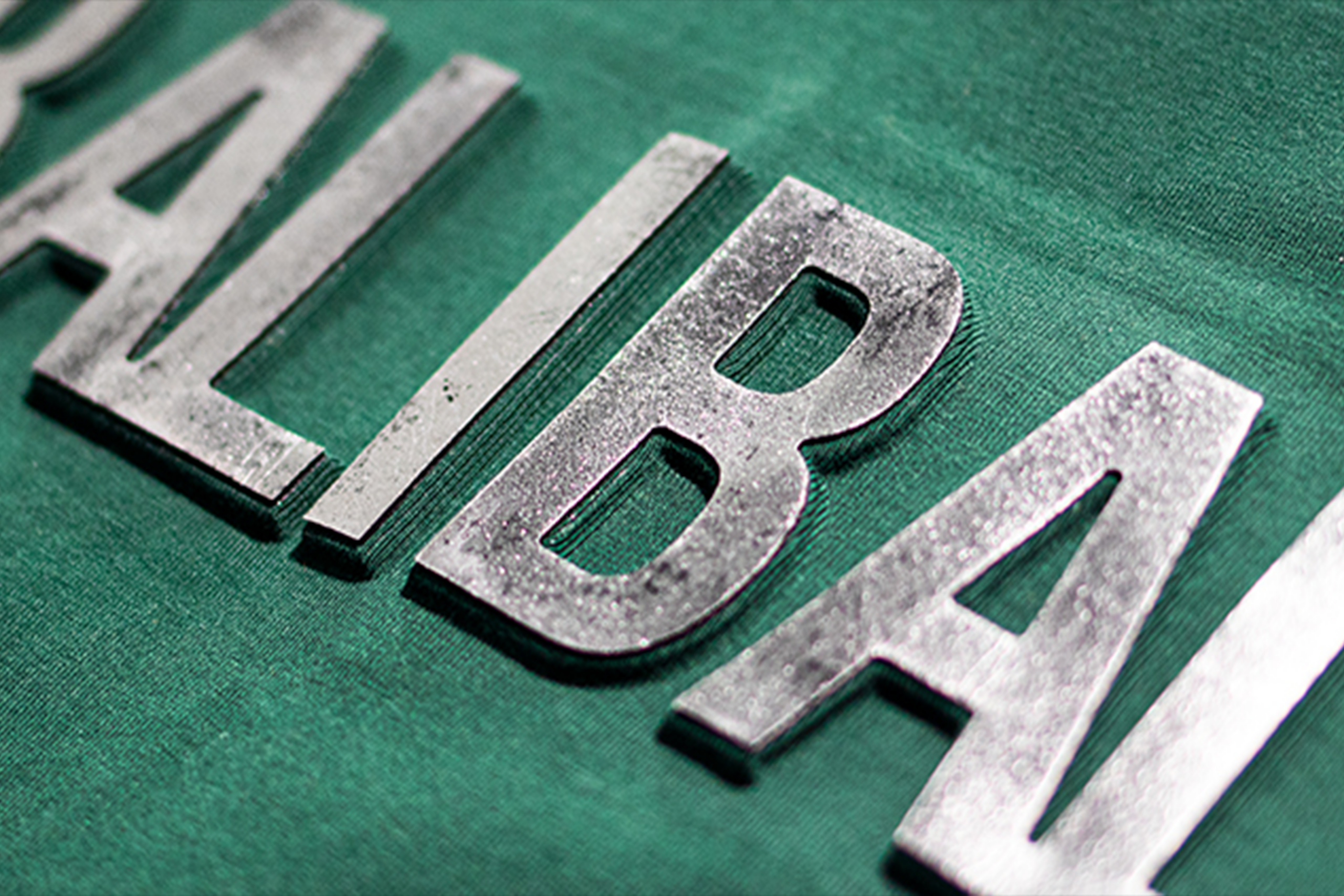
Why Choose a Lightweight Windbreaker Manufacturer Built to Repeat
Founder-led development and controlled production turn approved outerwear concepts into dependable private-label programs.
Founder-Led Since 2000
Work with a manufacturing partner shaped by garment-floor experience, clear accountability, and long-term production responsibility.
Outerwear-Specific Development
Develop lightweight windbreakers around shell performance, fit, construction, hood details, ventilation, and intended end use.
Coordinated Materials and Trims
Align shell fabrics, linings, zippers, drawcords, labels, and packaging within one documented production path.
Flexible OEM and ODM
Bring a complete tech pack or begin with a concept, sketch, or reference garment for development support.
Sample-to-Bulk Controls
Use approved samples, recorded measurements, placement specifications, in-line checks, and final inspection to protect consistency.
Windbreaker and Apparel Manufacturing by Program
Production support for fashion, streetwear, teamwear, school, corporate and private-label apparel—from development and sampling through controlled bulk delivery.
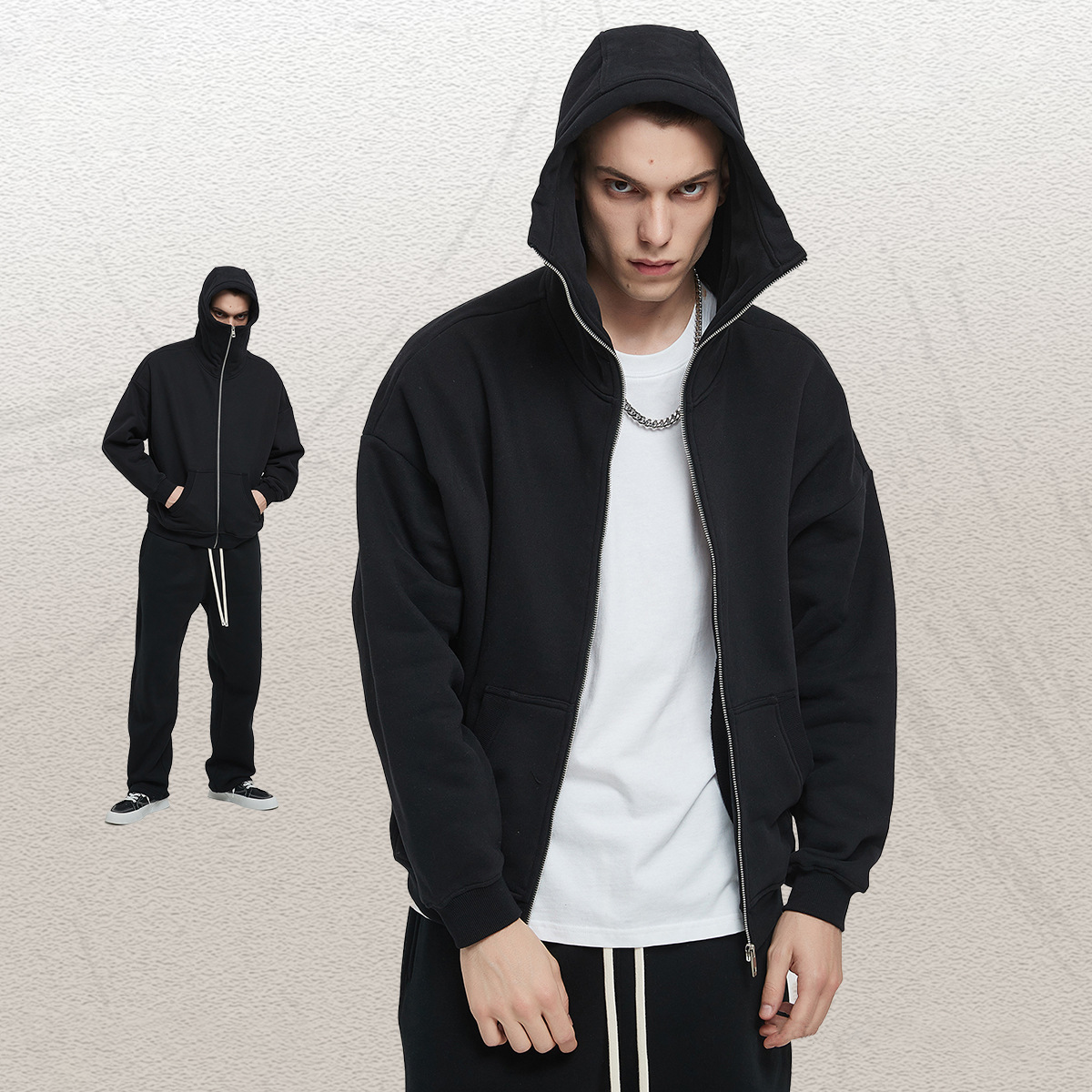
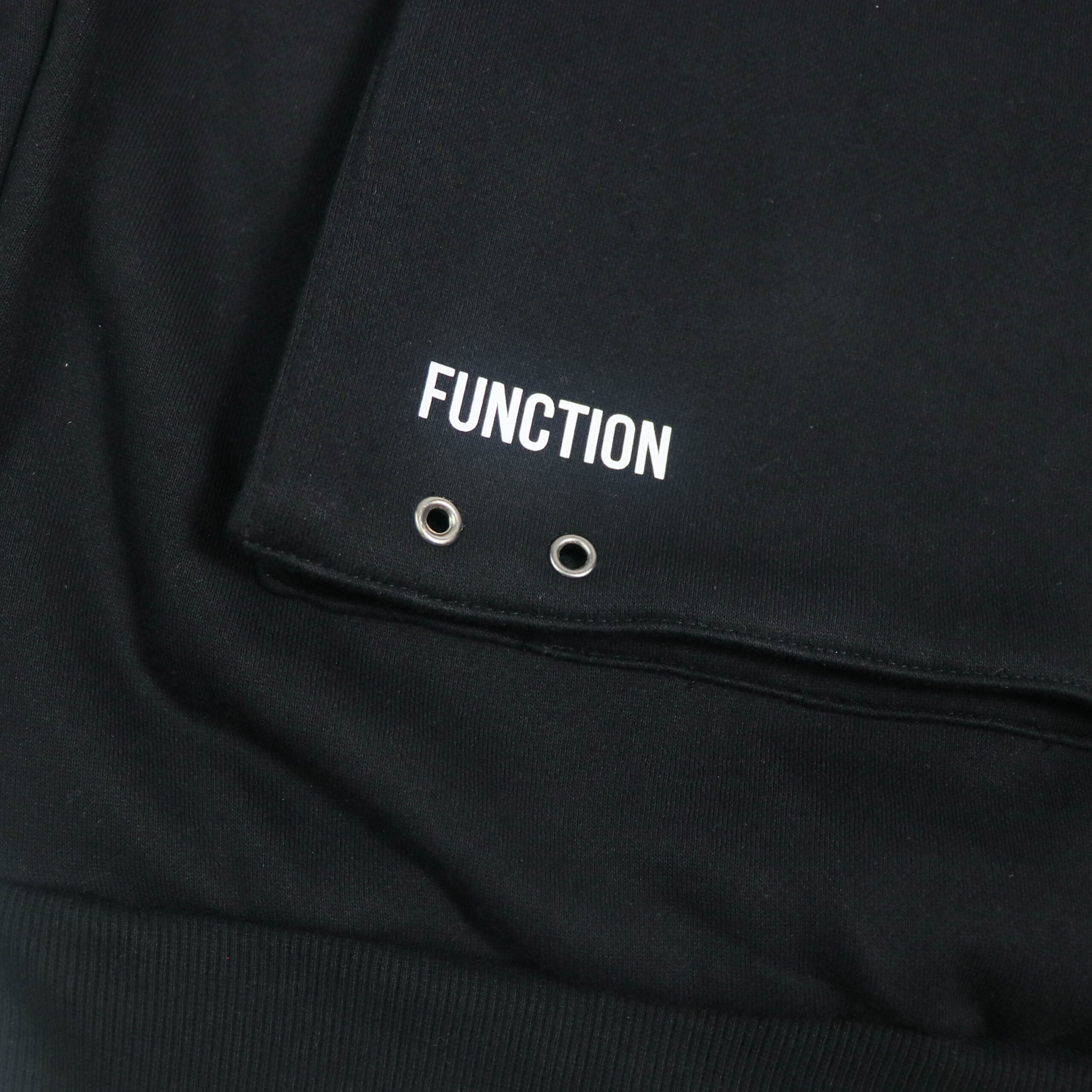
Custom Hoodies
Custom hoodie manufacturing with fleece selection, fit blocks, rib specifications, drawcord construction, prints, embroidery, washes, labels and packaging coordinated against an approved sample for repeatable men’s and women’s programs.
Get a Quote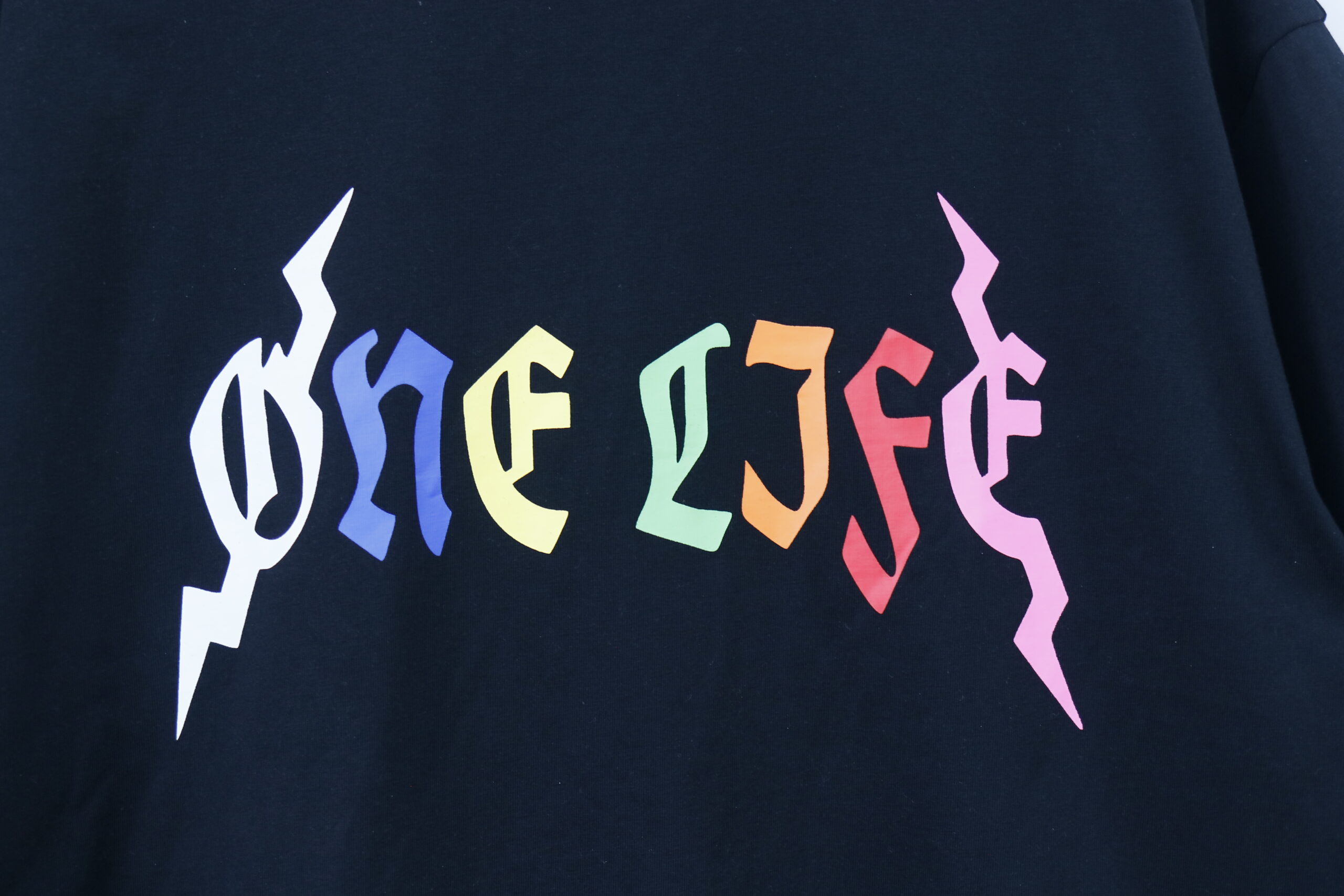
Pullover Sweatshirts
Pullover sweatshirts developed around fabric weight, neckline, rib recovery, shoulder construction and decoration requirements. EDVORIN supports OEM, ODM and private-label buyers with samples, measurement control and bulk production standards.
Get a Quote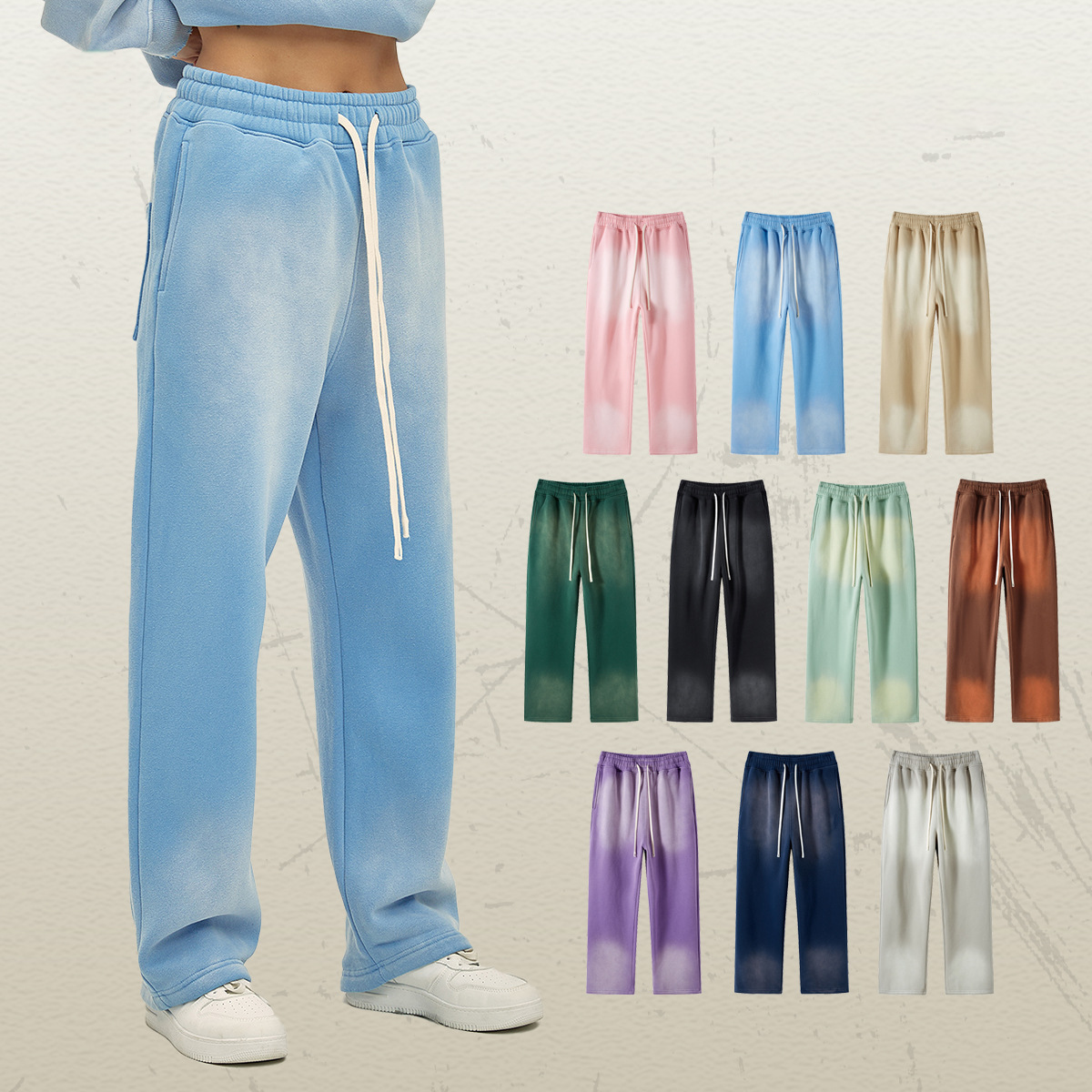
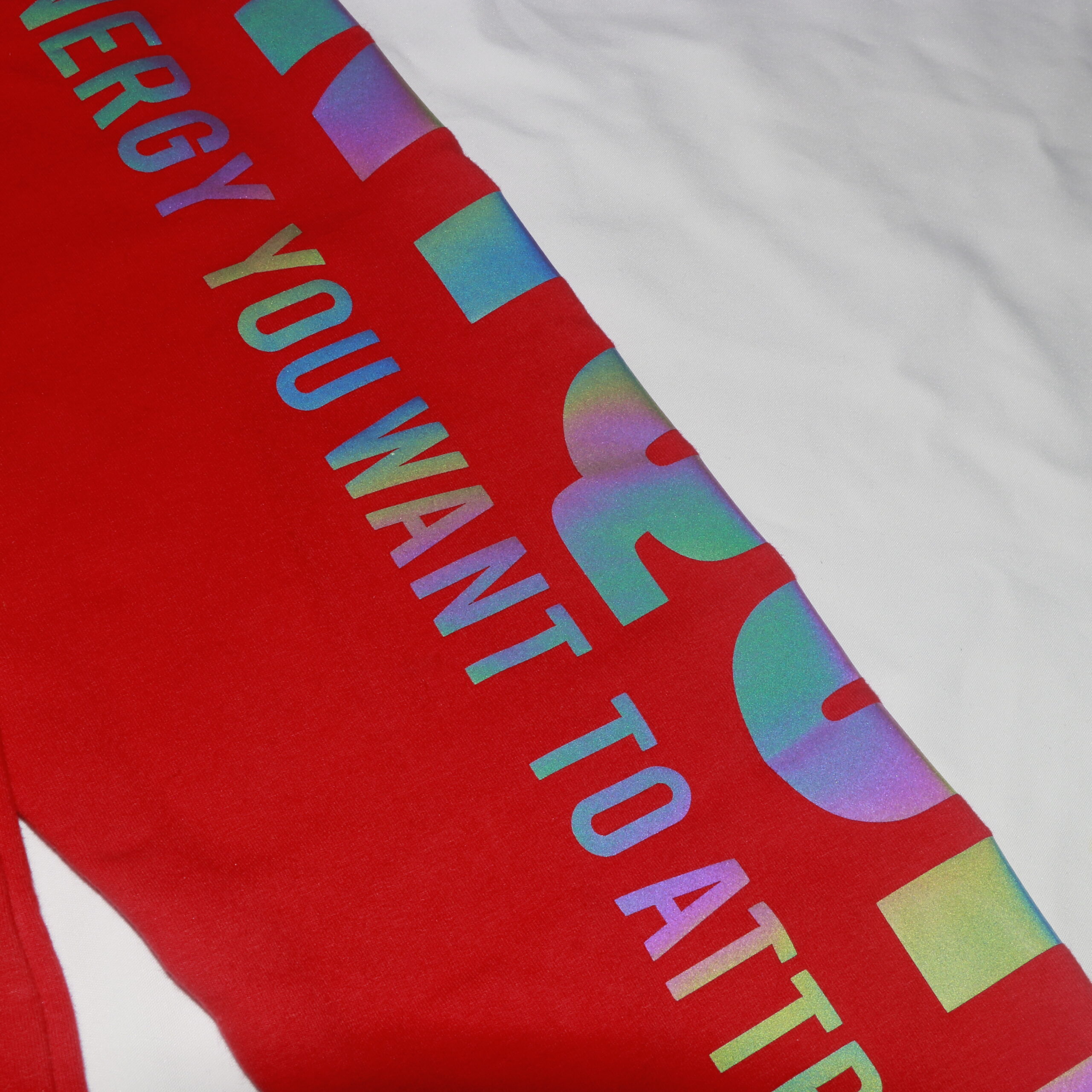
Sweatpants & Joggers
Sweatpants and joggers produced with coordinated fit, grading, waistband, pocket, cuff and fleece specifications. Suitable for casualwear, streetwear, school and wholesale programs requiring matching sets and consistent repeat orders.
Get a Quote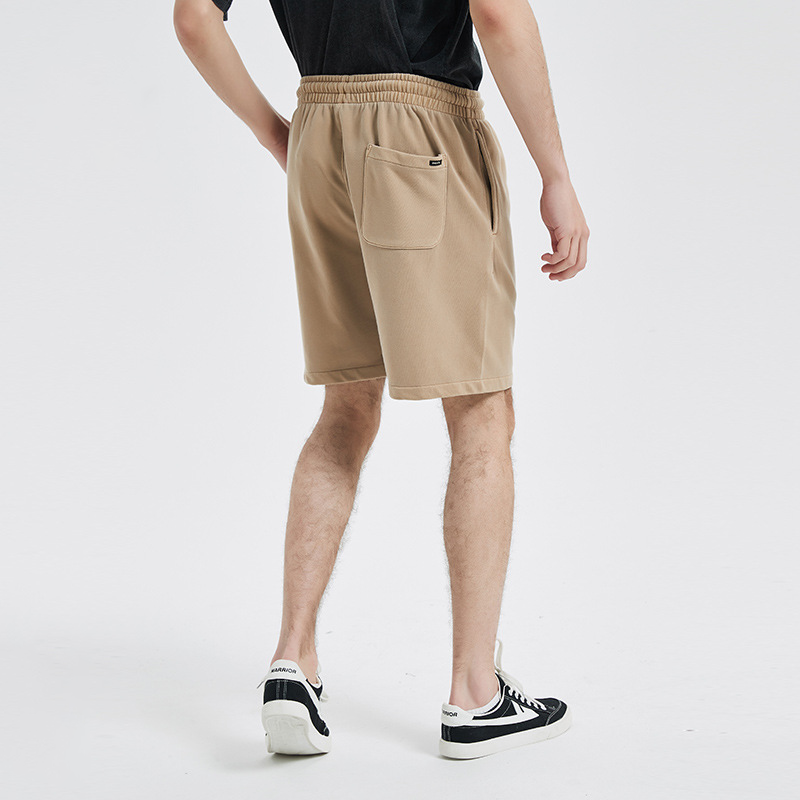
Custom Shorts
Custom shorts programs for fleece, jersey, woven and performance constructions. Buyers can define inseam, waistband, pockets, lining, prints, embroidery, labels and packaging to match fashion, teamwear or private-label requirements.
Get a Quote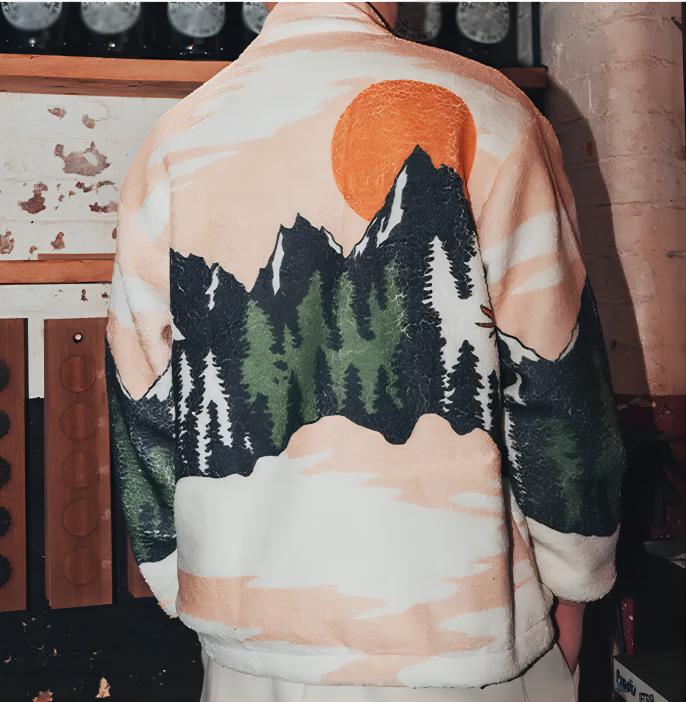
Varsity & Baseball Jackets
Varsity and baseball jackets developed with balanced body and sleeve materials, rib, snaps, patches, embroidery and lining. Construction details are documented during sampling to protect the approved look across bulk production.
Get a Quote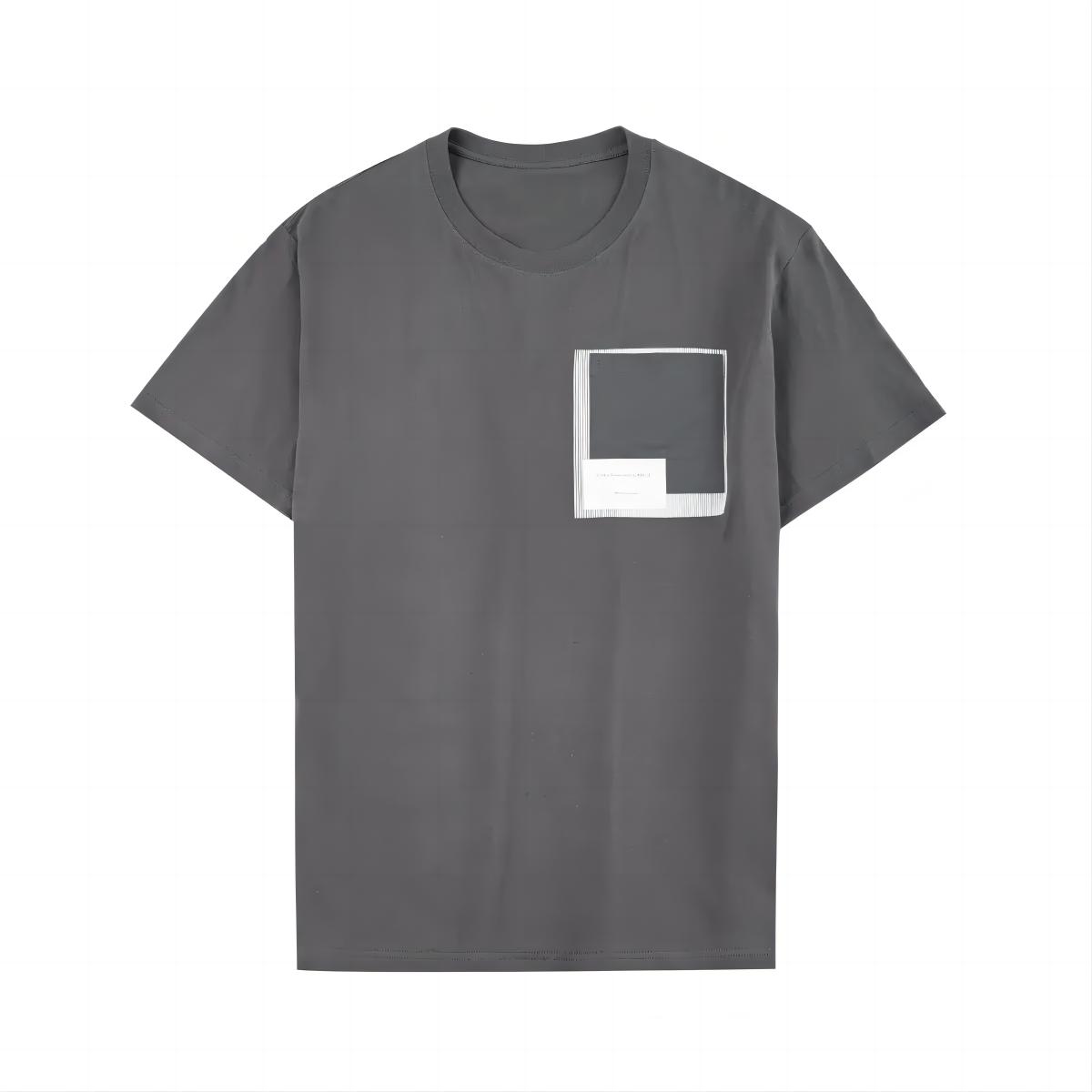
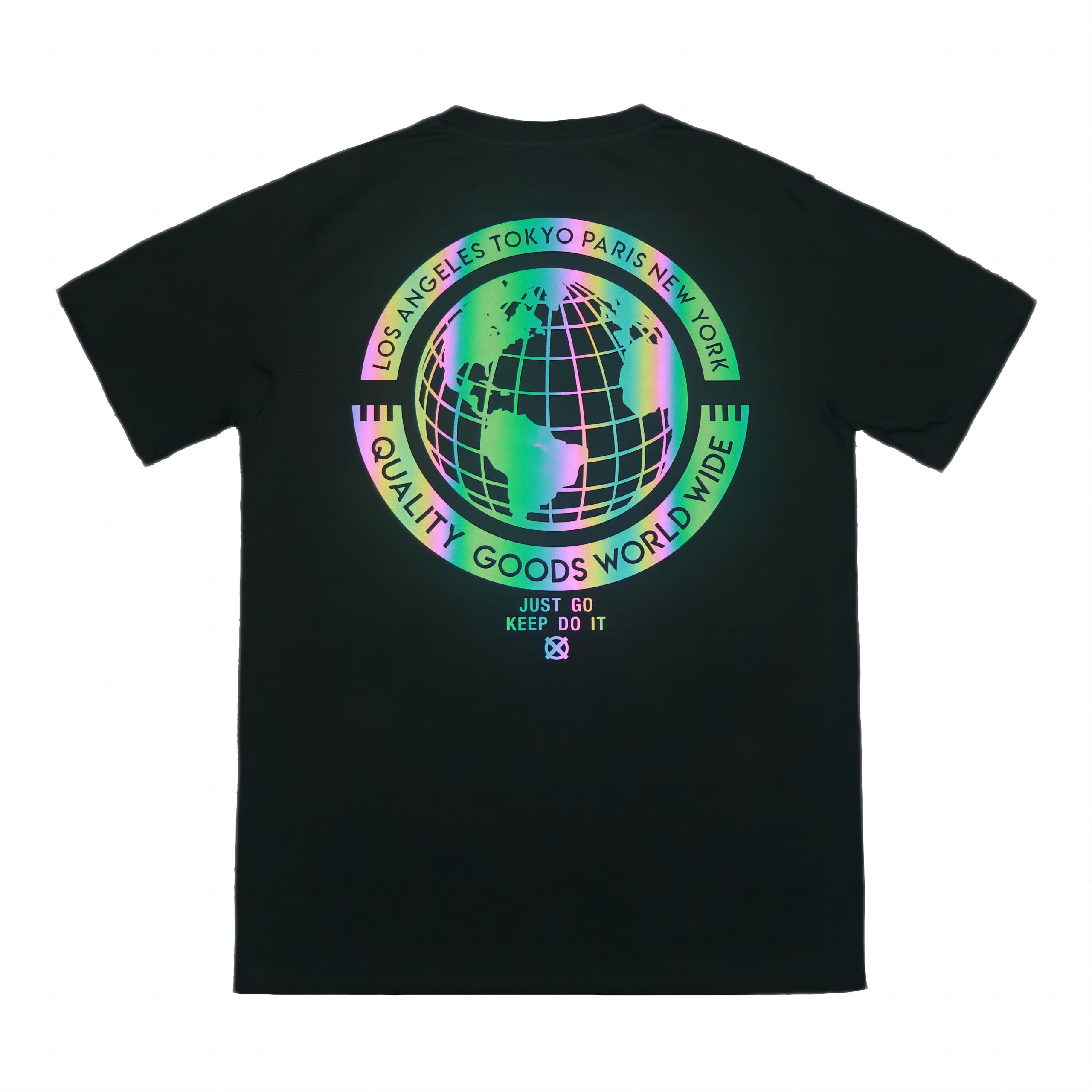
Custom T-Shirts
Custom T-shirts produced in selected jersey weights and fits, with controlled neck rib, stitching, print placement, embroidery, wash effects, labels and packaging. Available for men’s and women’s fashion, promotional and wholesale programs.
Get a Quote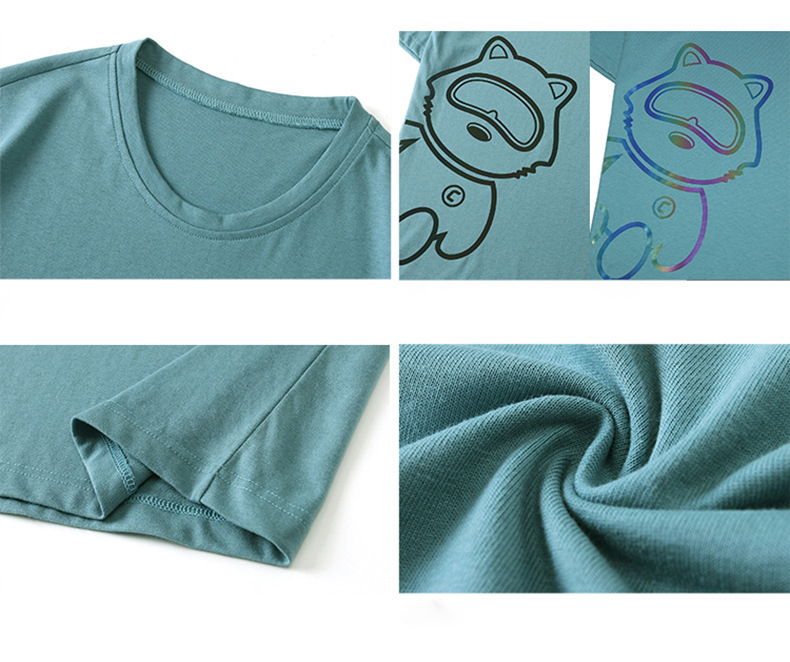
Custom Polo Shirts
Polo shirt manufacturing for corporate uniforms, schools, clubs and private-label collections. Define fabric performance, collar construction, placket, buttons, embroidery placement, color matching and size grading before bulk approval.
Get a Quote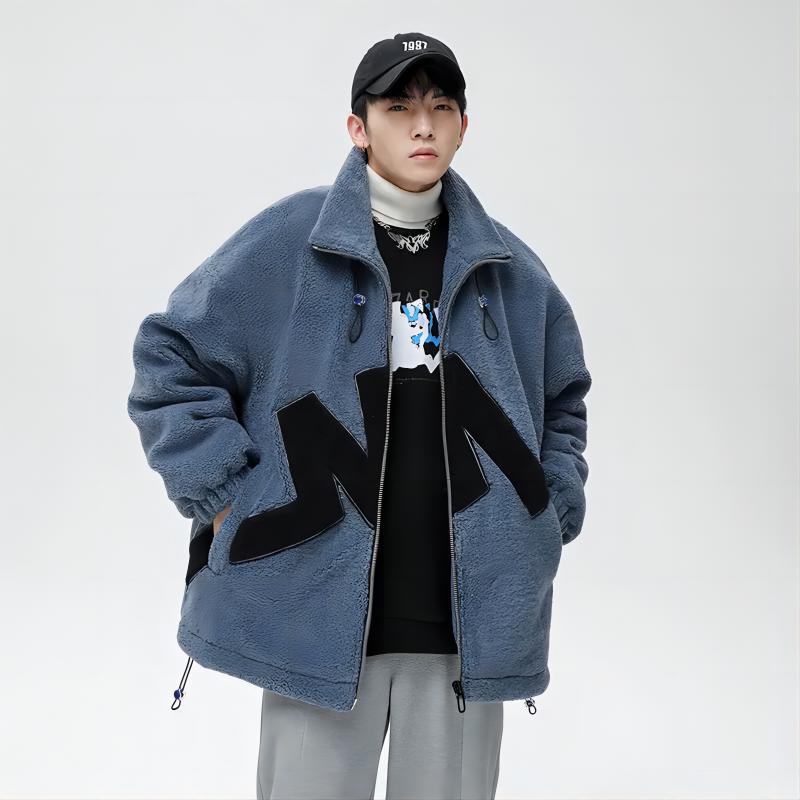
Windbreaker Jackets
Windbreaker jackets developed for lightweight fashion outerwear, streetwear shells, school apparel, team jackets and corporate uniforms. Shell fabric, lining, hood, zipper, pockets, reflective details, prints and embroidery are specified for production consistency.
Get a Quote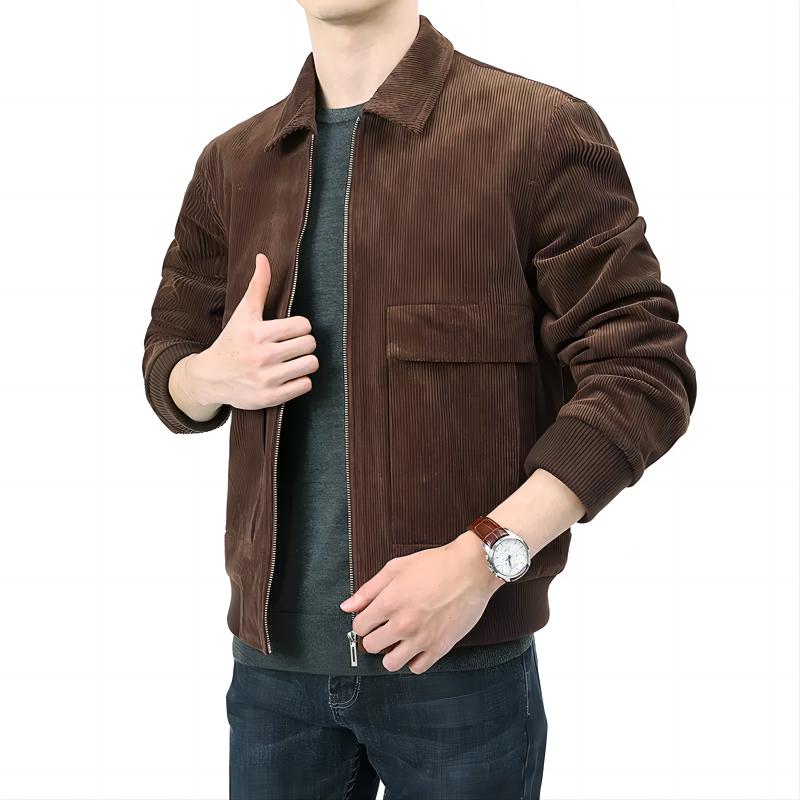
Quilted Jackets
Quilted jackets coordinated from shell, lining and insulation selection through quilting layout, hardware, pockets and finishing. EDVORIN develops samples to confirm warmth, appearance and construction before bulk production.
Get a Quote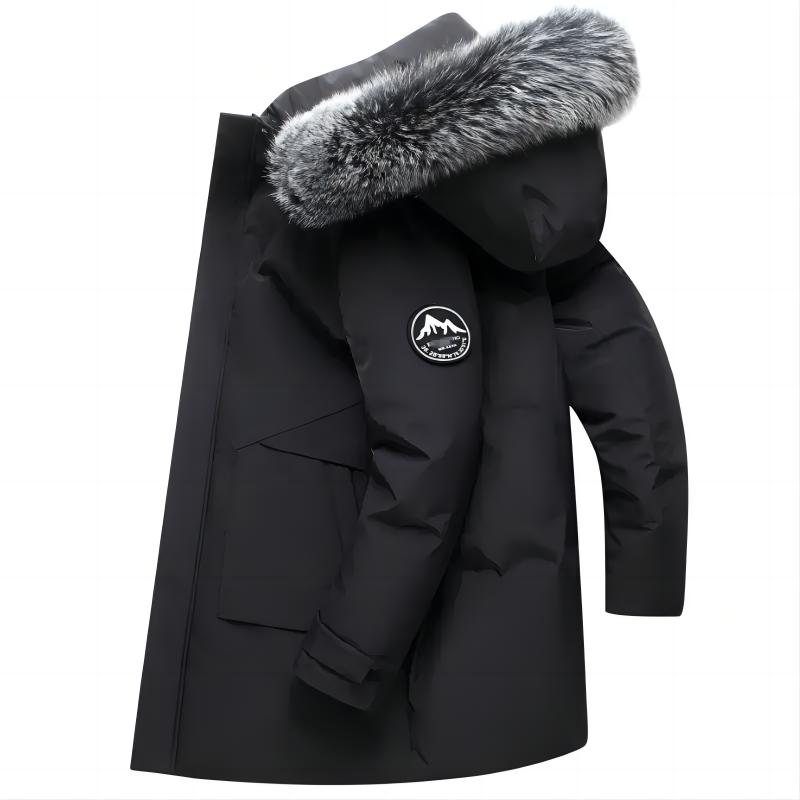
Bomber Jackets
Bomber jackets produced with defined shell fabric, lining, rib, zipper, pocket and decoration specifications. Suitable for fashion brands, streetwear labels and private-label outerwear programs needing stable construction and repeatable fit.
Get a Quote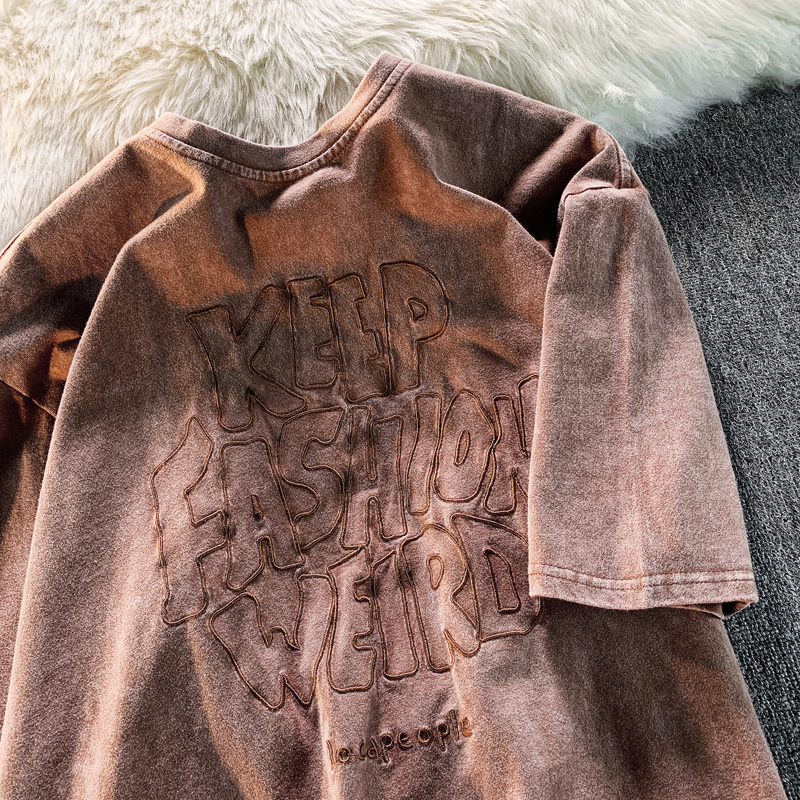
Custom Shirts
Custom woven shirts developed around fabric, collar, placket, cuff, pocket, seam and fit requirements. Men’s and women’s blocks can be adjusted for fashion, uniform, resort or private-label product lines.
Get a Quote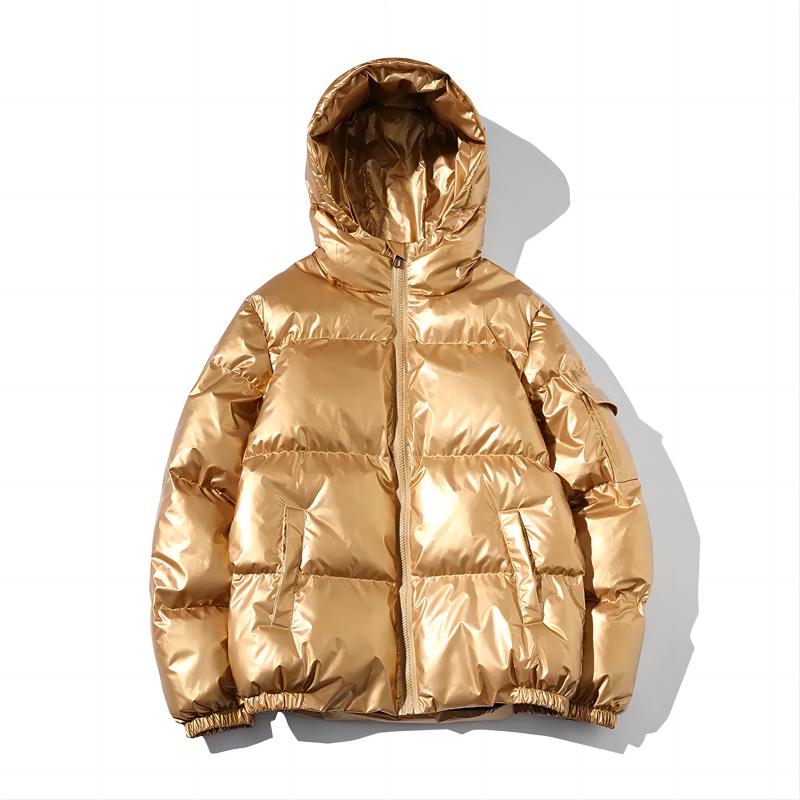
Custom Jerseys
Custom jerseys for clubs, schools, teams and branded collections, with breathable fabric options, color control, names, numbers, crests and sponsor decoration managed through approved artwork and size sets.
Get a Quote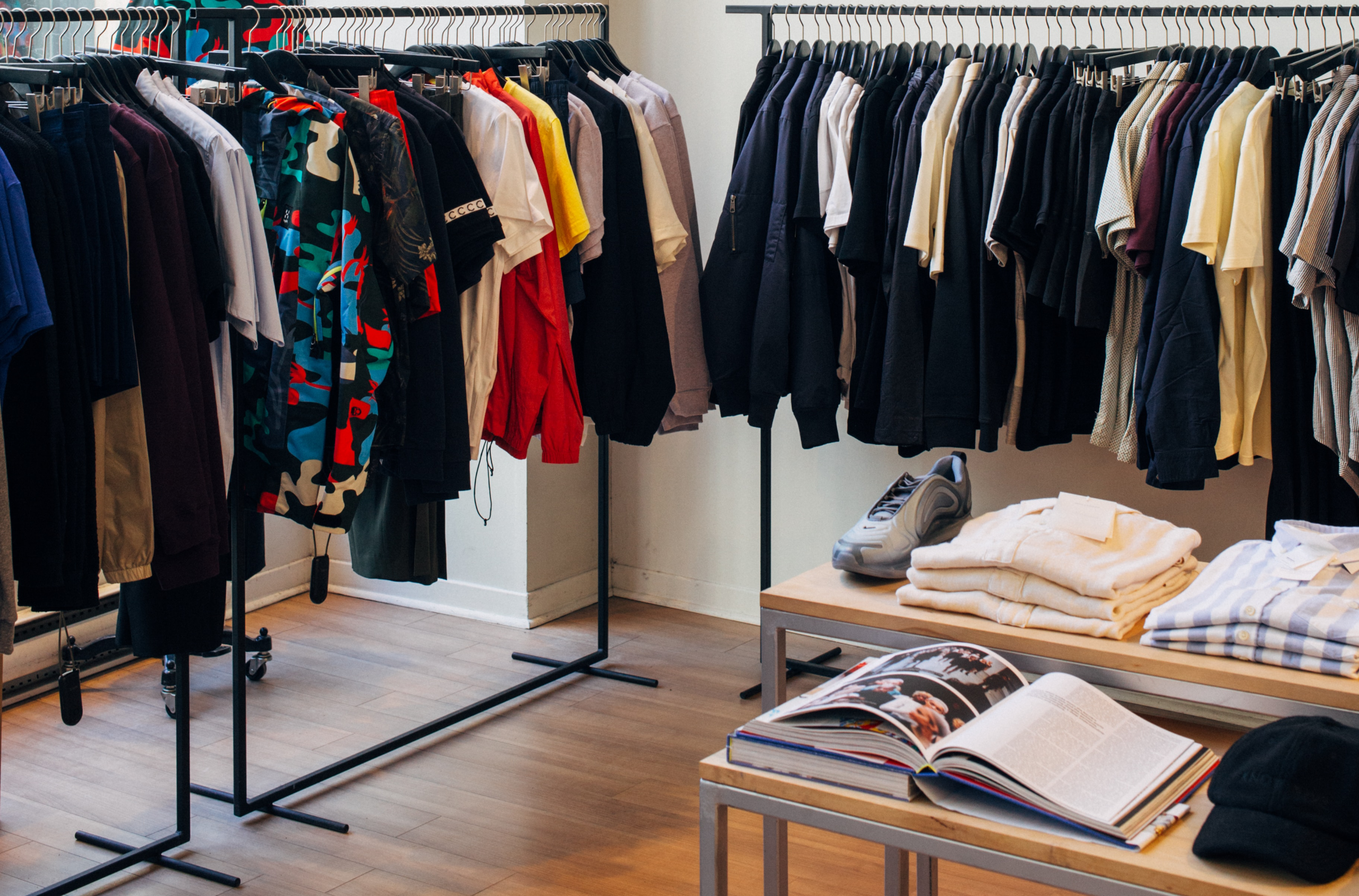
Tank Tops
Tank tops made in jersey, mesh or performance fabrics with selected neckline, armhole, binding, fit and decoration specifications. Available for activewear, teamwear, streetwear and seasonal private-label programs.
Get a Quote
Soccer Uniforms
Soccer uniforms produced as coordinated jersey, short and optional sock programs. EDVORIN manages lightweight performance materials, club colors, crests, names, numbers, sponsor graphics and organized player size sets.
Get a Quote
Basketball Uniforms
Basketball uniforms developed with breathable jersey fabrics, coordinated shorts, color blocking, piping, team graphics, names and numbers. Samples establish fit, artwork placement and durable decoration standards before team or wholesale production.
Get a Quote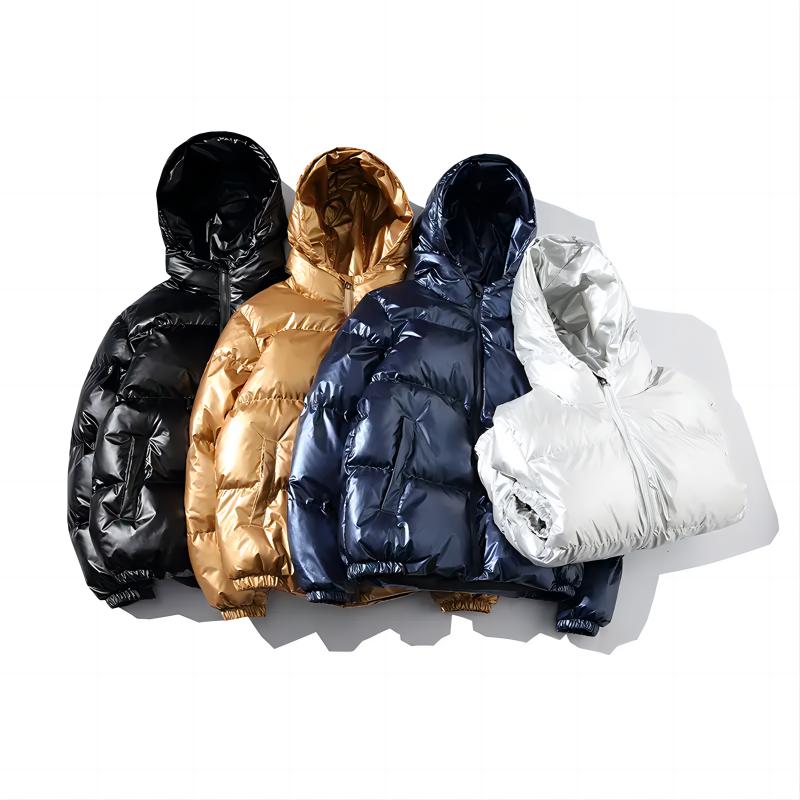
Streetwear Collections
Streetwear collections built as connected apparel programs across hoodies, tees, sweatpants, shorts and outerwear. EDVORIN coordinates materials, fit blocks, washes, decoration, trims and packaging so each style follows a documented production standard.
Get a QuoteShell Materials for Lightweight Windbreakers
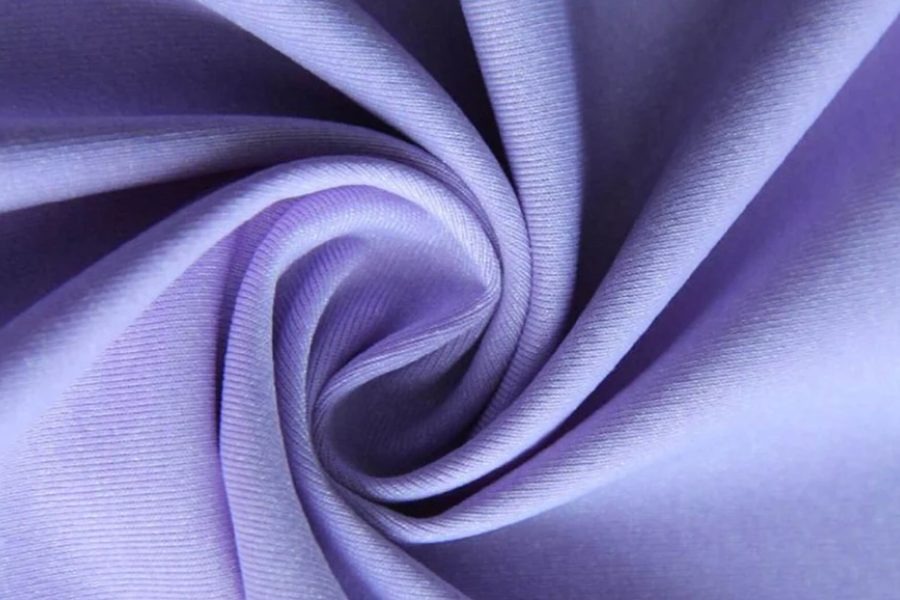
Polyester Woven
A smooth, lightweight shell with a clean hand-feel for everyday outerwear, teamwear, and promotional programs. Available in varied weights, polyester woven fabric supports dependable color application and can be developed with water-resistant finishes.
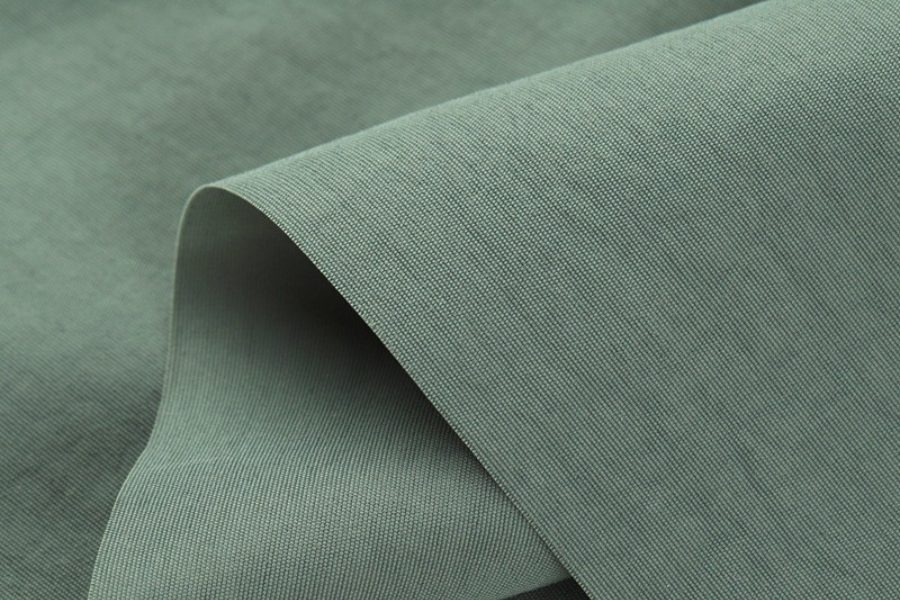
Nylon Taslan
Nylon Taslan has a soft, cotton-like touch while retaining the crisp structure of a woven shell. It suits fashion-led windbreakers and streetwear layers, offering a durable surface with a slightly textured hand-feel.
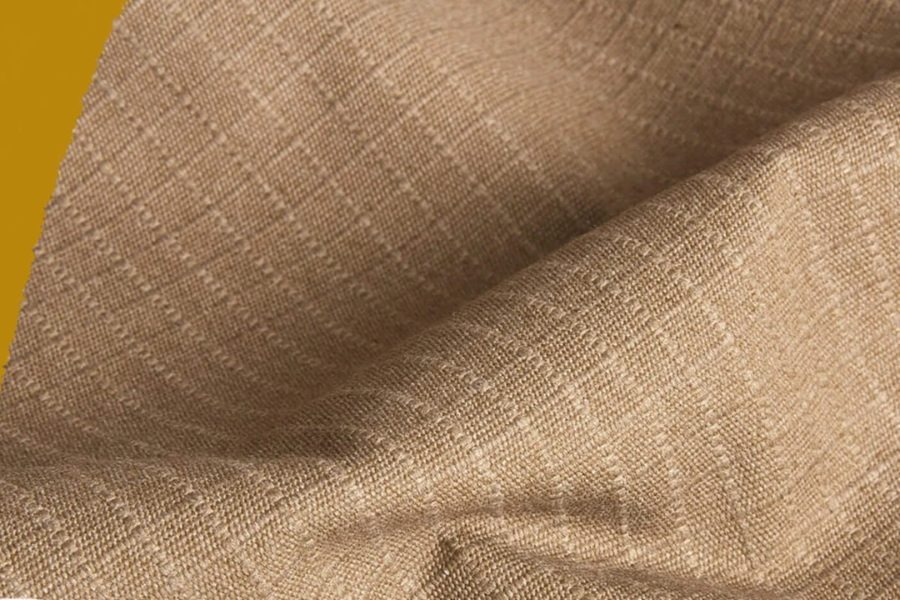
Ripstop Nylon
Ripstop nylon uses a reinforced grid structure that helps limit tear propagation without adding substantial bulk. Its light, technical feel makes it well suited to packable shells, outdoor-inspired collections, and active team outerwear.
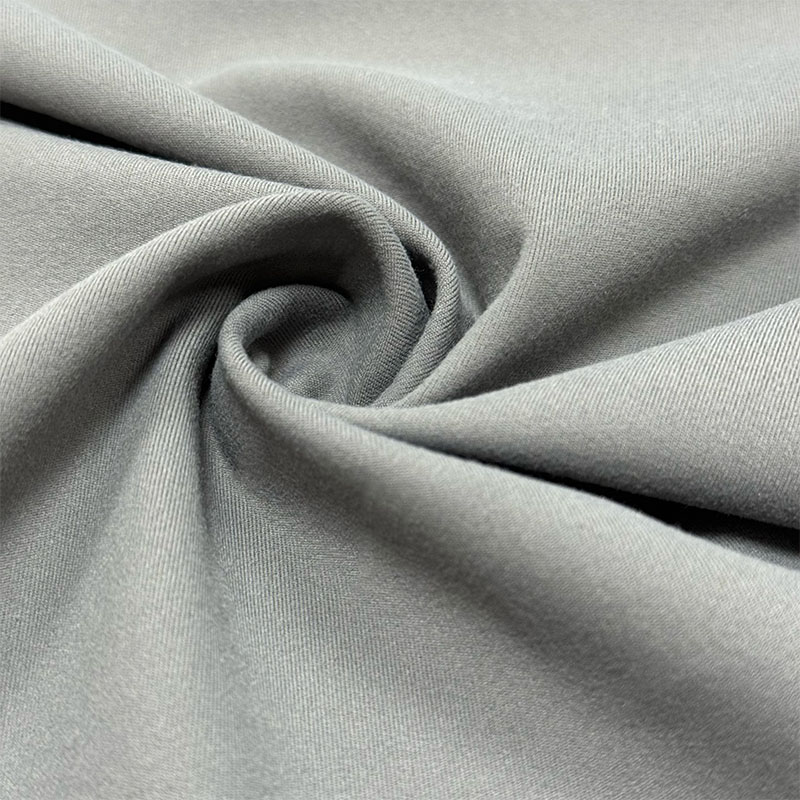
Recycled Polyester
Recycled polyester provides a practical option for buyers building lower-impact outerwear programs. The fabric can be specified in lightweight woven constructions for windbreakers, with a smooth hand-feel and performance finishes matched to the design brief.
Stretch Woven
Stretch woven shells combine a flexible feel with a streamlined appearance for training jackets, travel layers, and modern teamwear. Mechanical or elastane stretch can be specified to improve movement while maintaining a lightweight construction.
Lightweight Windbreaker Manufacturer: Decoration & Construction
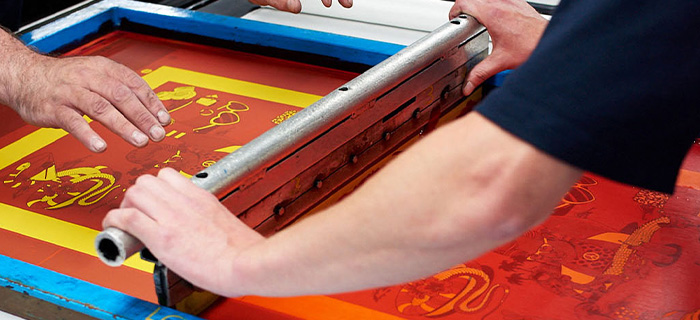
Screen Printing
Screen printing delivers crisp logos and bold graphics on compatible shell panels. We review artwork size, placement and ink compatibility during sampling to create a clean visual result suited to repeat production.
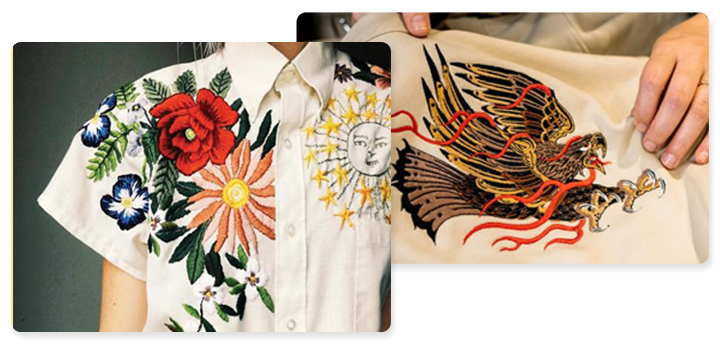
Embroidery Application
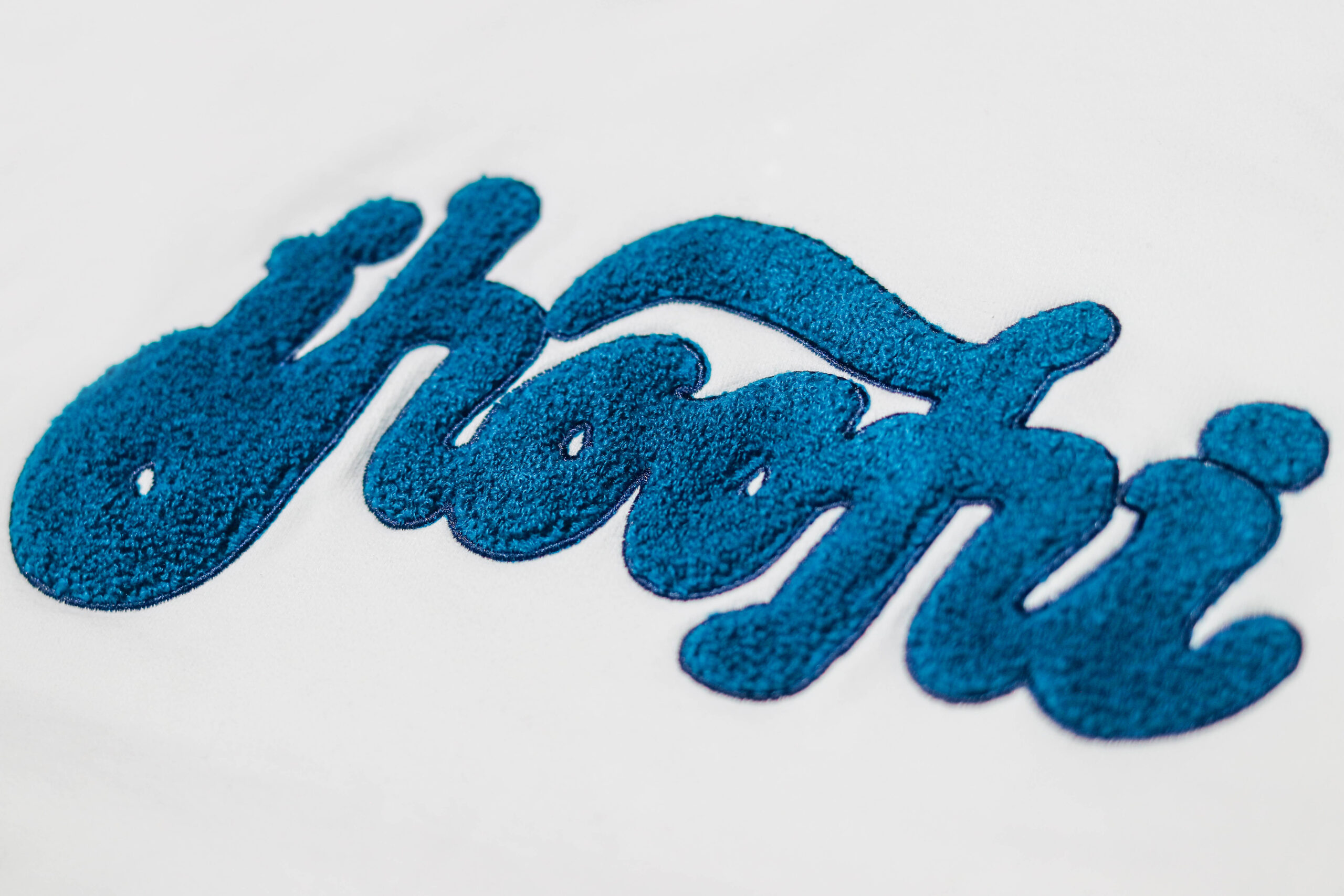
Embroidery adds dimensional branding for chest marks, sleeve logos and badge-style details. We assess fabric weight, backing and stitch density to help preserve the shell’s appearance while creating a durable, defined finish.
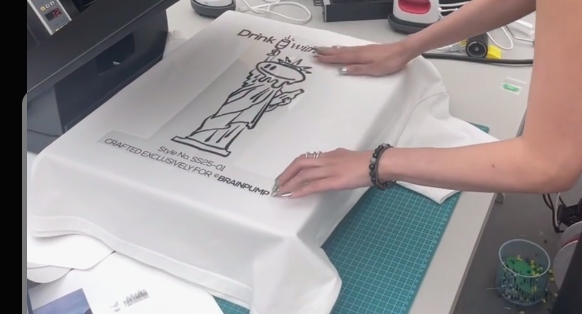
Heat Transfer
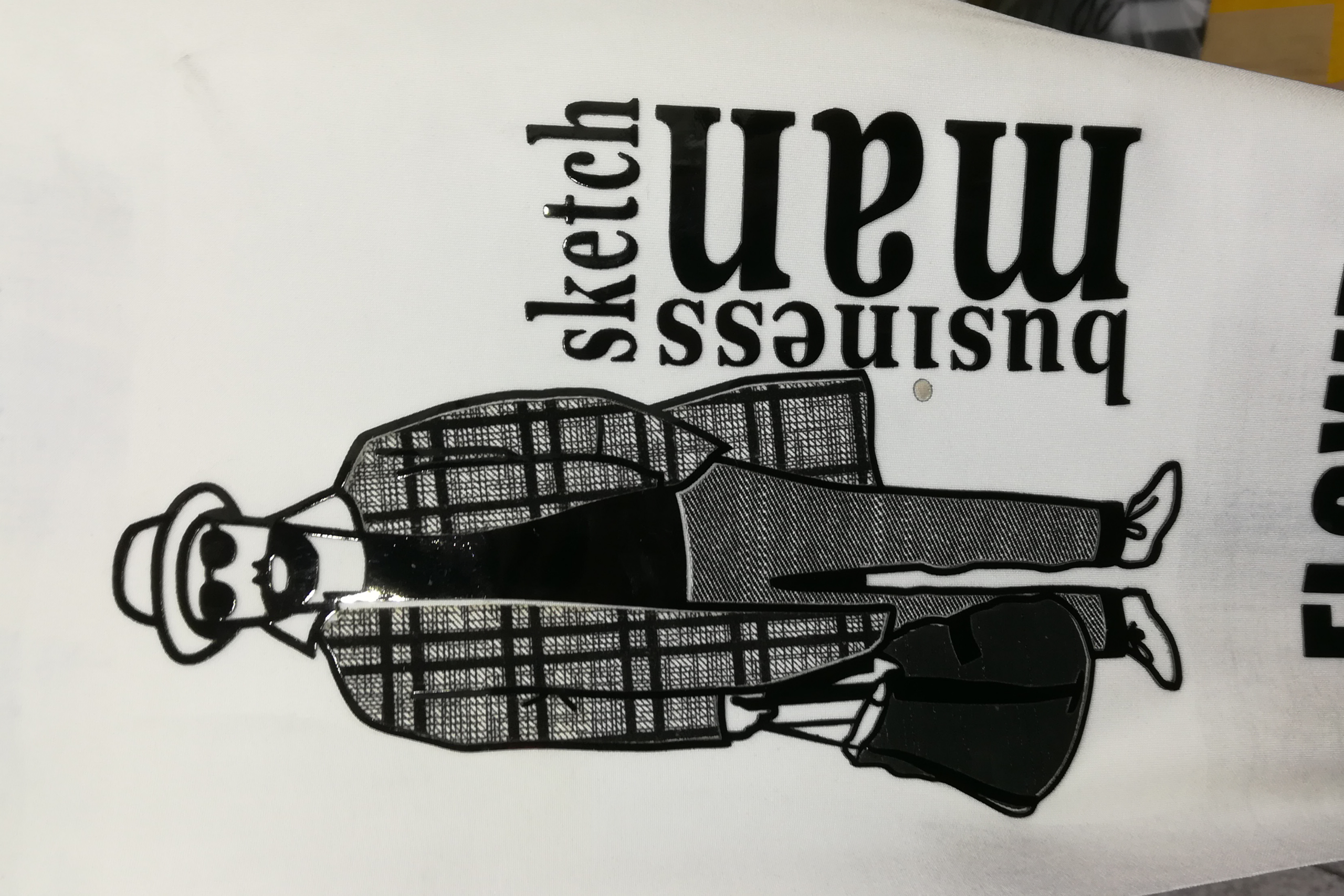
Heat transfer supports detailed logos, names, numbers and small-run personalization where the design calls for precise color and edges. Material and placement are tested against the selected shell before bulk approval.
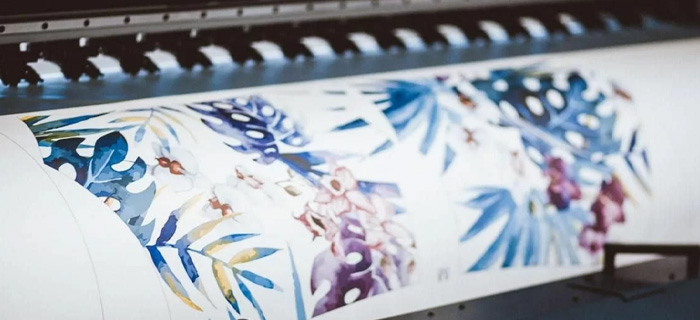
Sublimation Printing
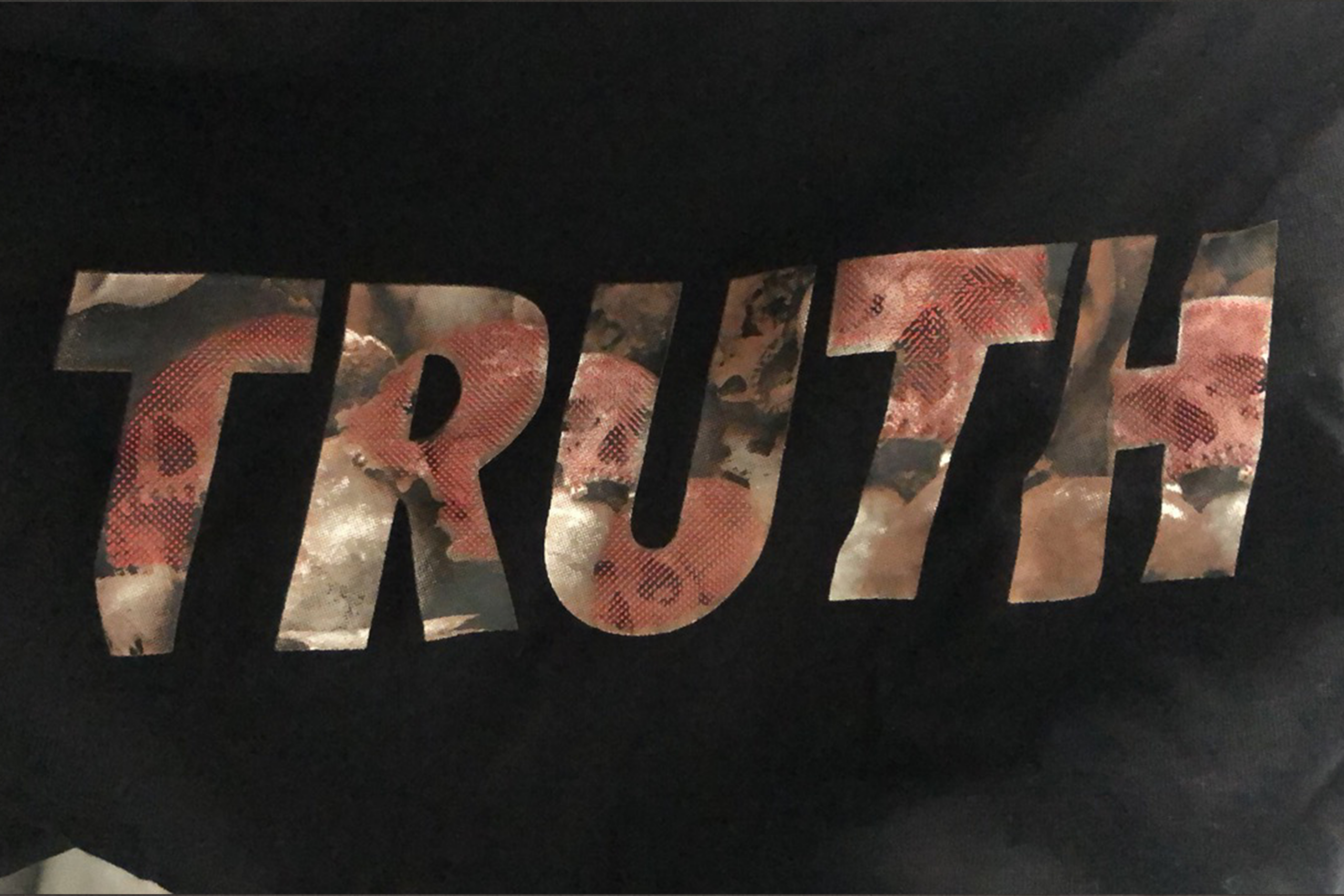
Sublimation is suitable for polyester-based panels and all-over graphics specified for the program. The process integrates color into compatible fabric, supporting vivid coverage without adding a separate printed surface.
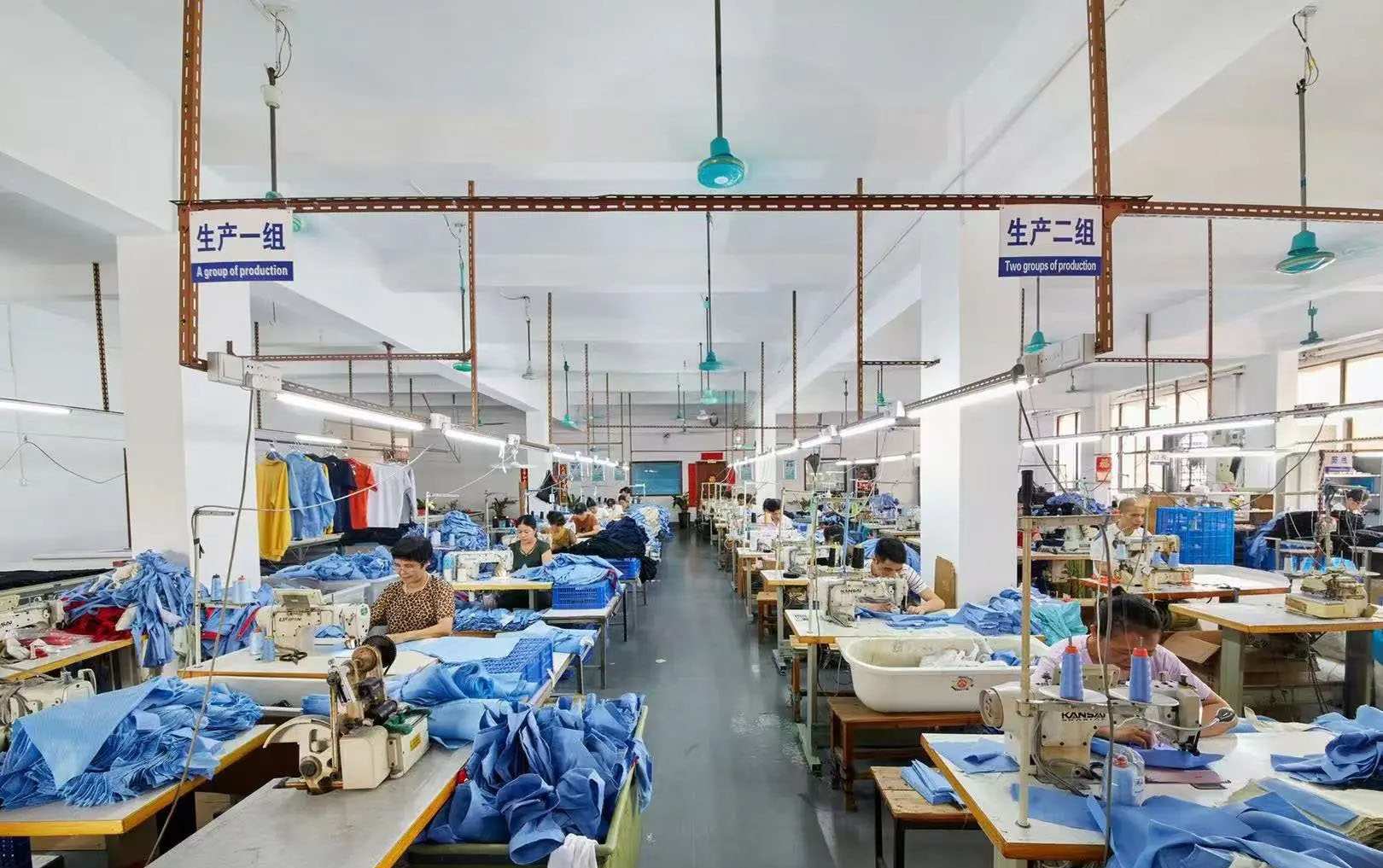
Seam Construction
Seam construction is developed around the windbreaker’s intended fit, movement and weather-use requirements. EDVORIN aligns panel shaping, stitch choices, pocket construction and reinforcement details with the approved sample standard.
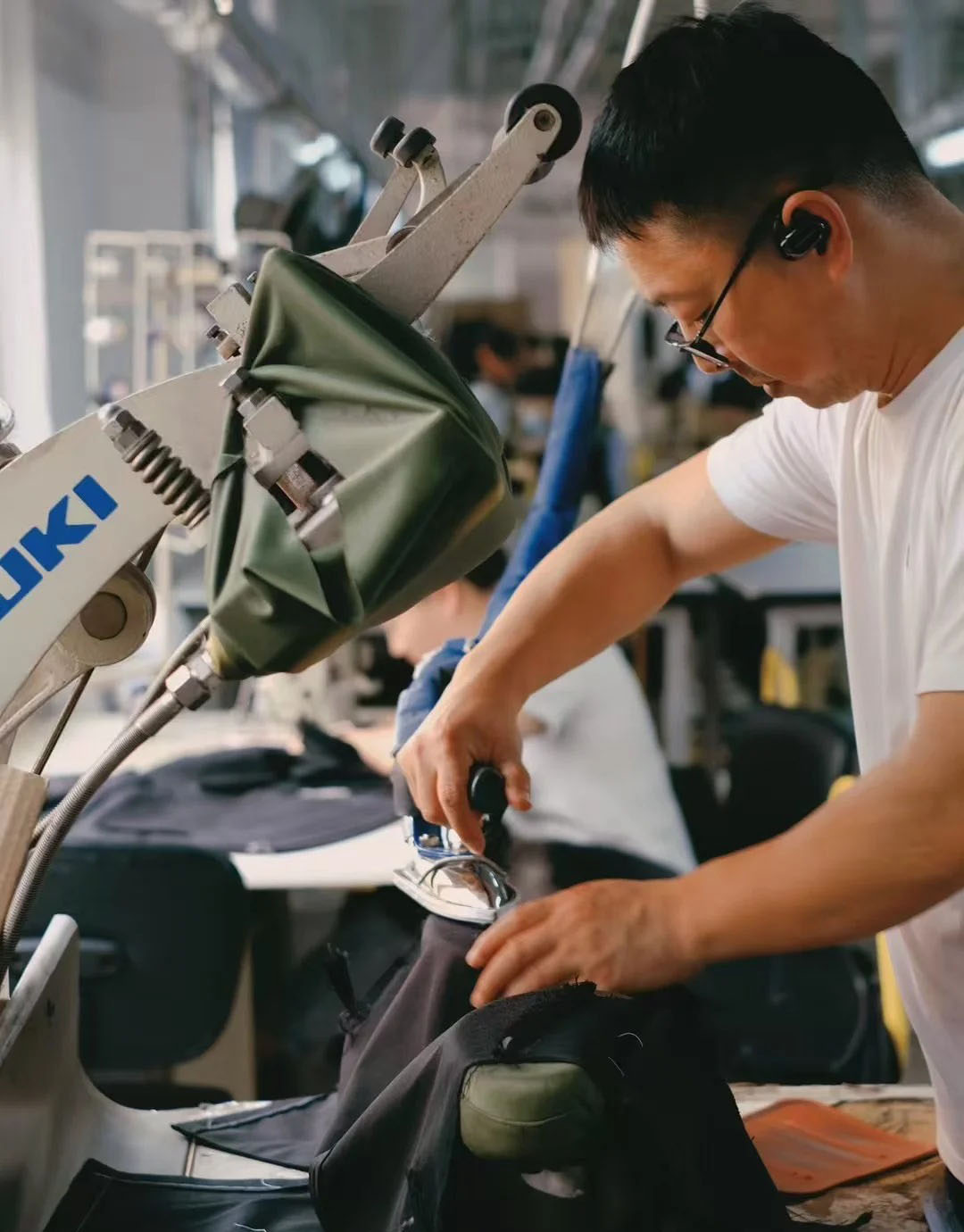
Final Finishing
Final finishing brings together labels, zipper pulls, drawcords, elastic details, folding, and packaging. Each element is checked against approved references so windbreaker orders arrive presentation-ready and repeatable.
Windbreaker Trims & Private-Label Accessories
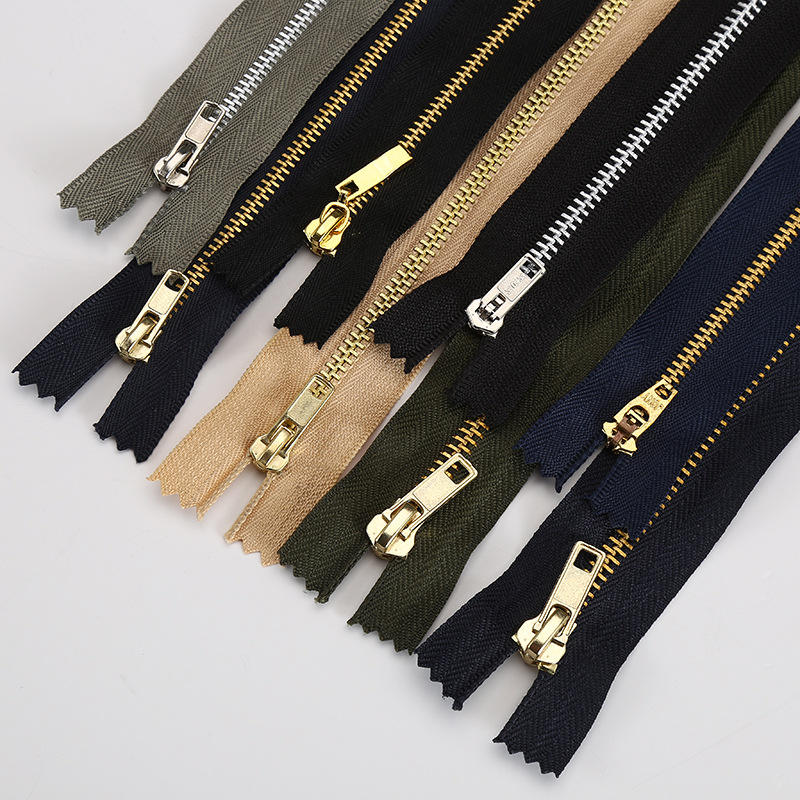
YKK Zippers
Select front, pocket, or concealed zippers to suit the garment’s weight, finish, and intended use. Zipper type, puller style, tape color, and placement are documented against the approved sample for repeatable bulk production.
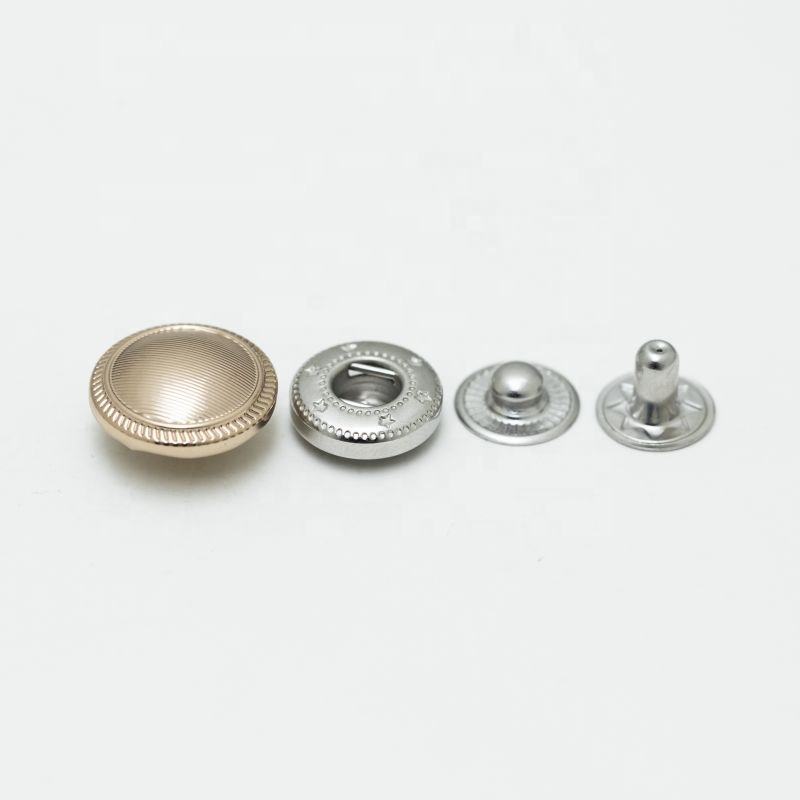
Snap Button Closures
Custom snap buttons add secure closure options to plackets, pockets, packable hoods, and adjustable sleeves. EDVORIN coordinates finish, color, size, and placement so the hardware supports both the windbreaker’s function and visual direction.
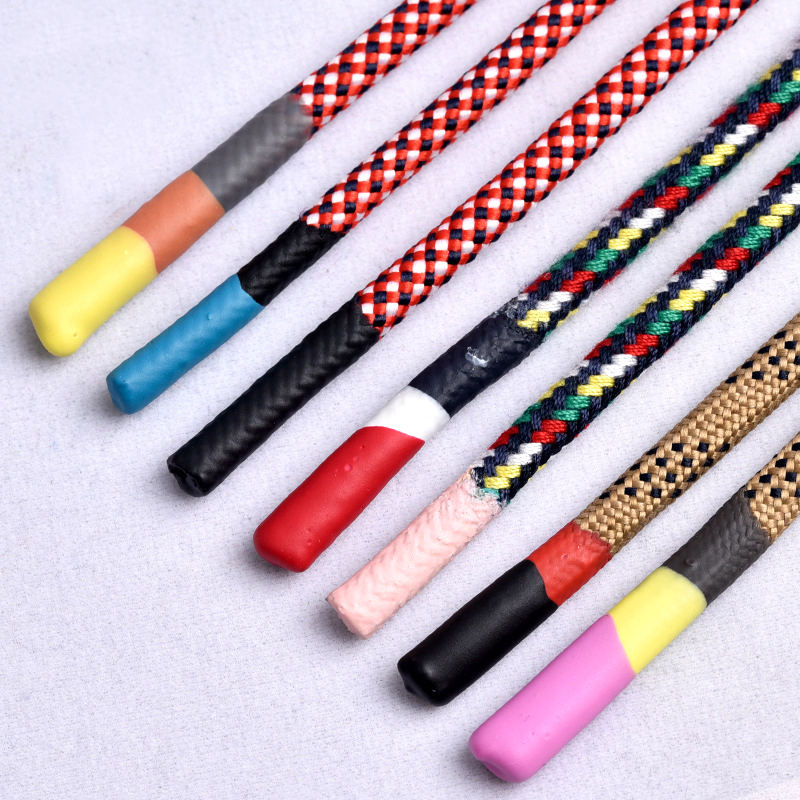
Drawcords And Tipping
Hem, hood, and waist drawcords help create adjustable protection and a defined silhouette. Choose cord thickness, end tipping, color, and stopper details that align with your streetwear, teamwear, or performance outerwear specification.
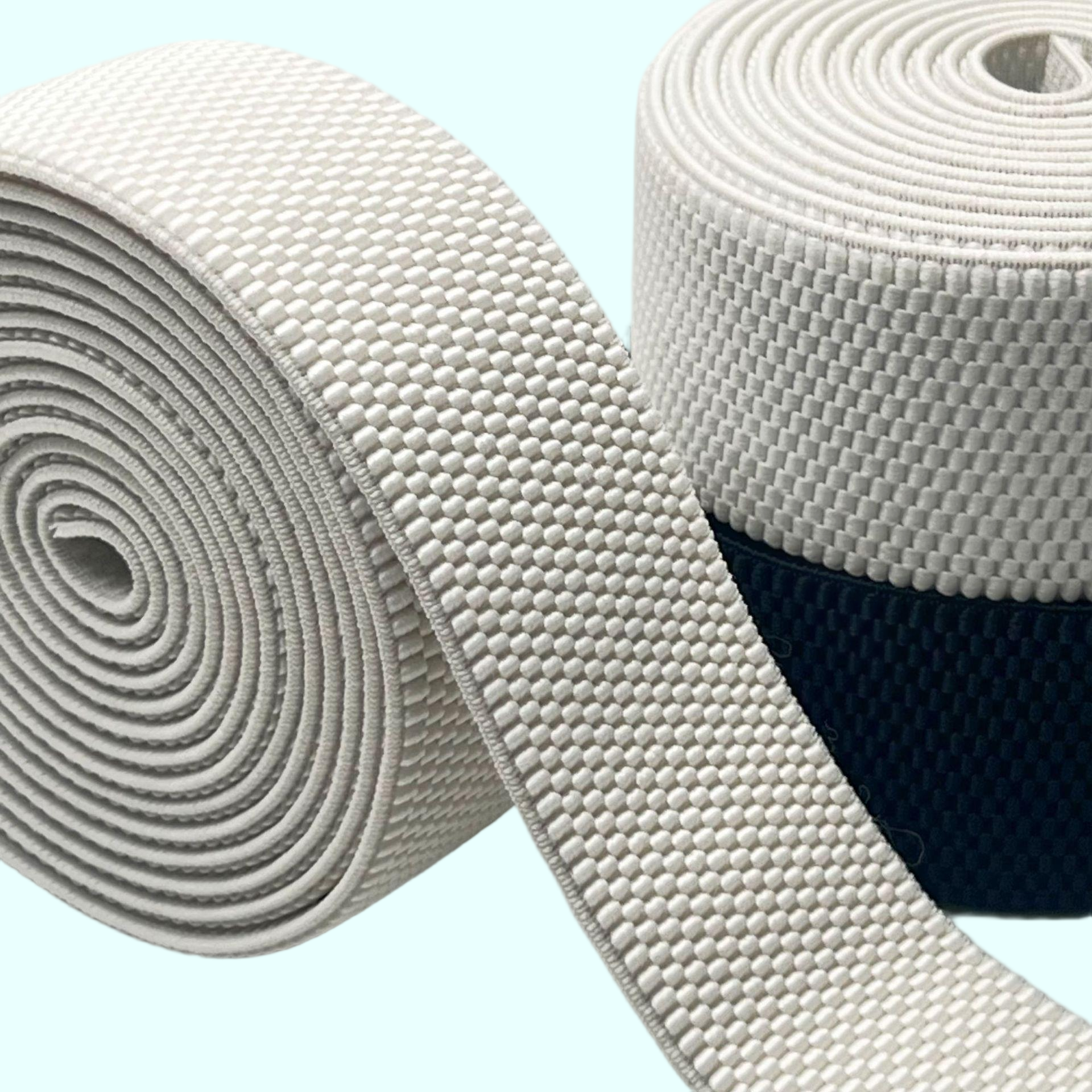
Elastic Cuff Details
Elasticated cuffs can improve wind protection while maintaining a clean, lightweight finish. We develop the elastic width, recovery, sewing method, and cuff construction around the shell fabric, fit block, and wearer requirements.
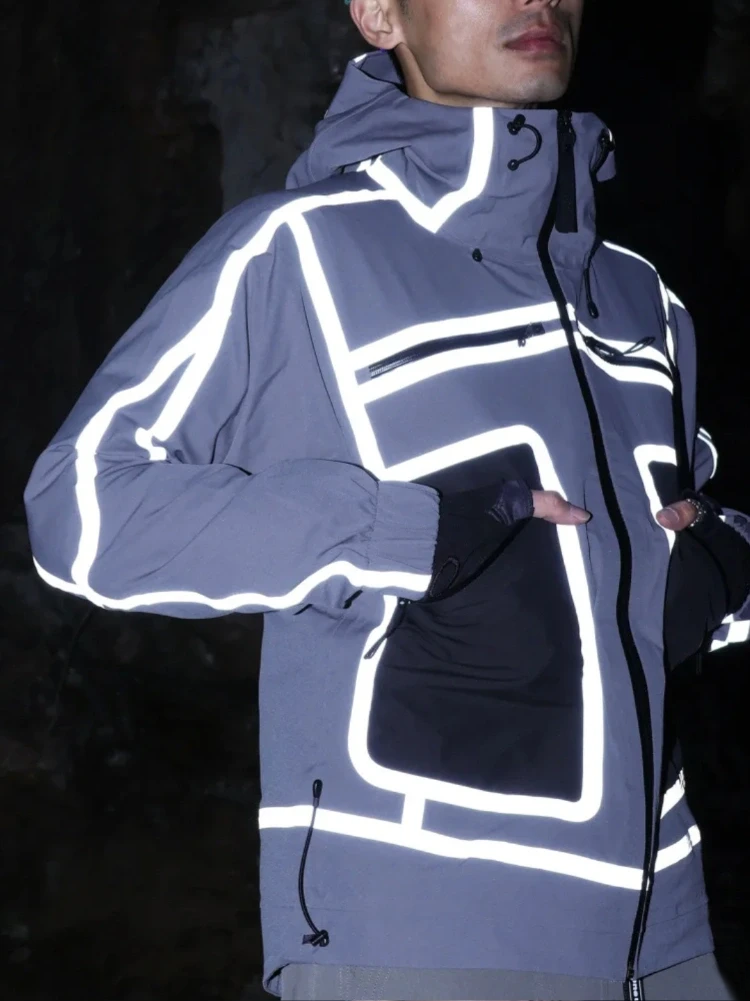
Reflective Brand Details
Reflective piping, transfers, prints, and logos can add visibility-focused accents to training and team windbreakers. EDVORIN reviews the decoration method and placement alongside the shell material to support a controlled finished result.
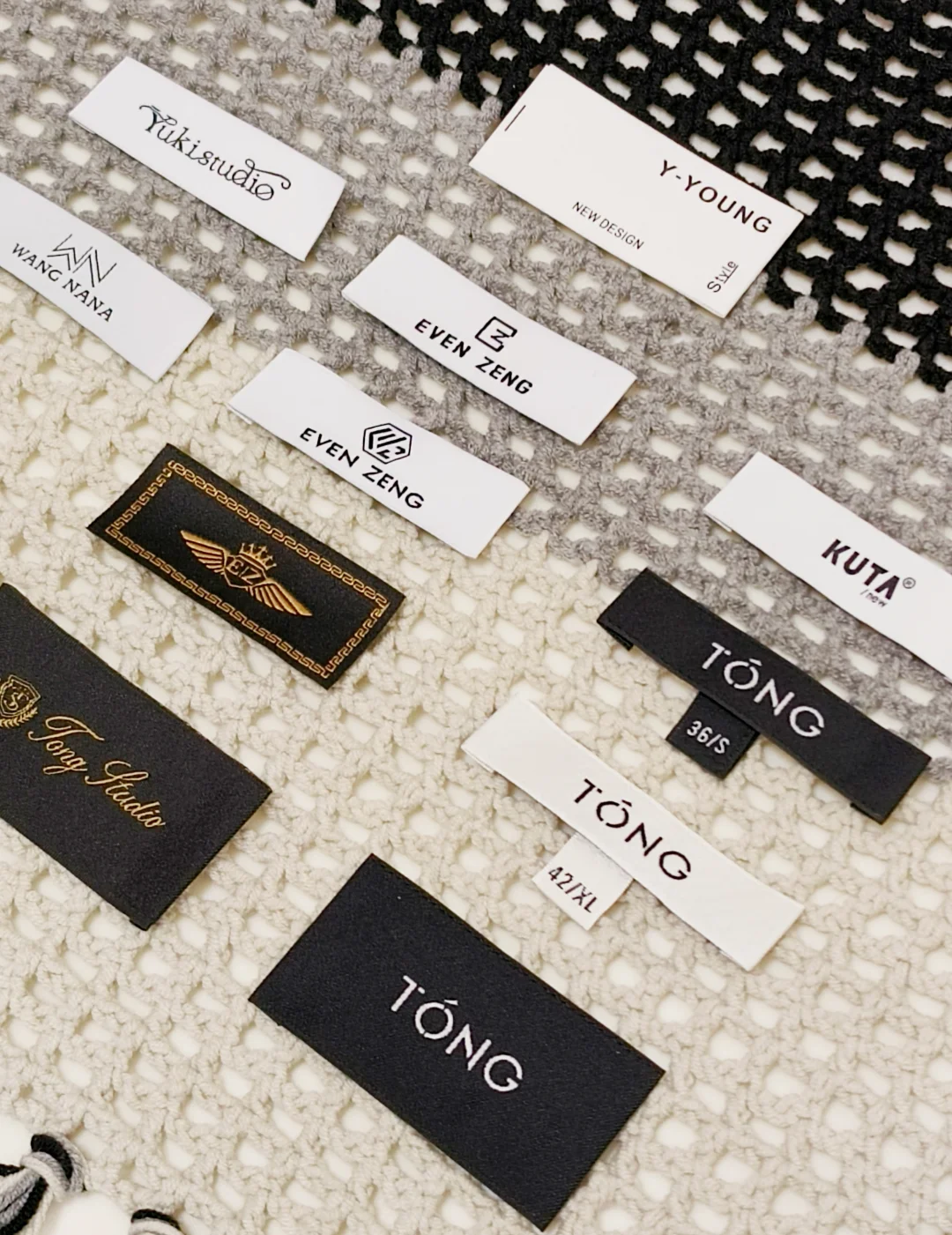
Labels And Packaging
Woven labels, size labels, hangtags, polybags, and carton marking complete your private-label specification. These elements are coordinated with artwork, placement, folding, and packing instructions so every order reaches buyers ready for retail or distribution.
About EDVORIN, Your Lightweight Windbreaker Manufacturer
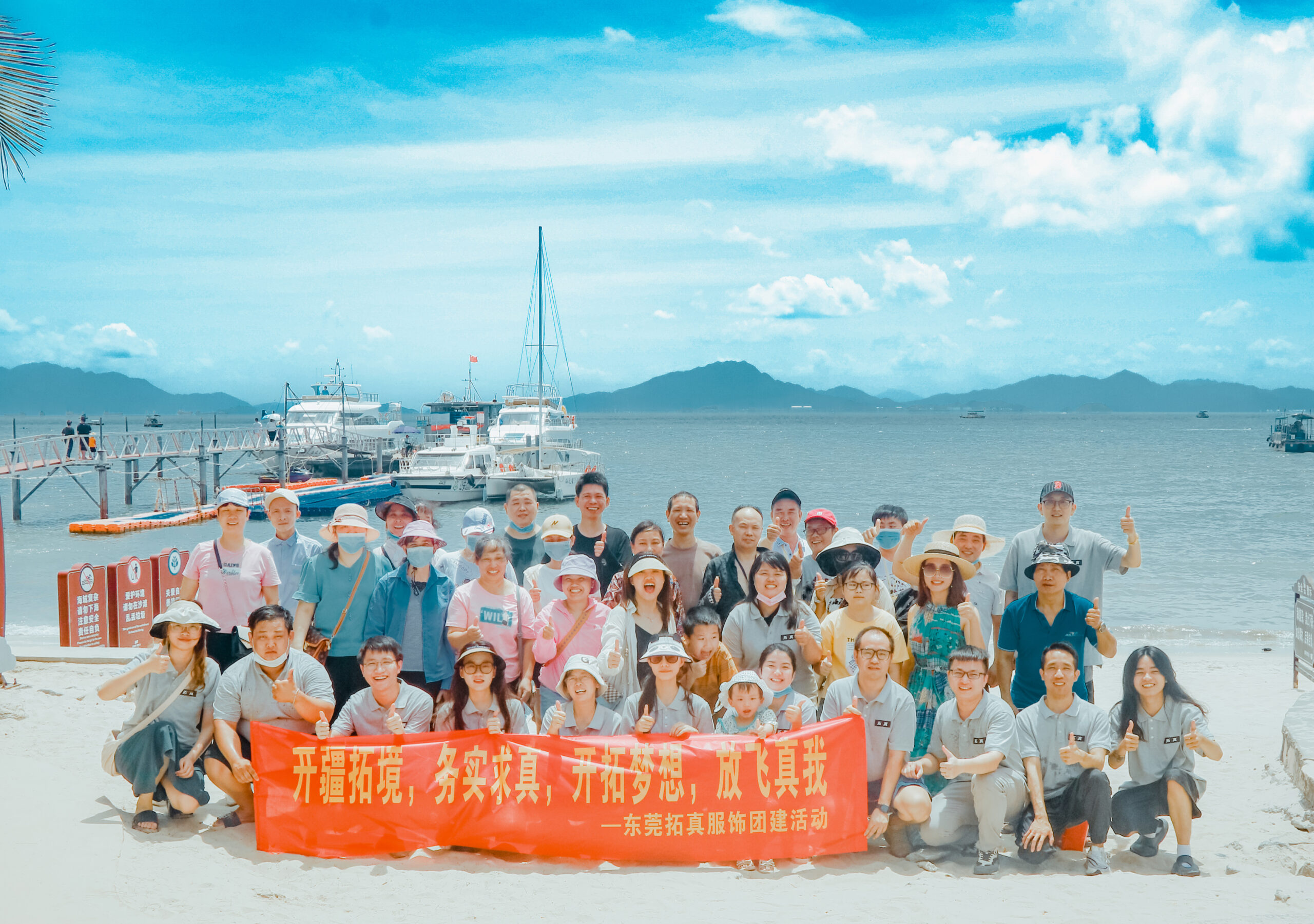
EDVORIN is a founder-led lightweight windbreaker manufacturer built on a simple belief: an apparel concept only succeeds when it can be produced consistently. Since 2000, we have helped fashion, streetwear, teamwear and private-label buyers turn sketches, references and tech packs into clear, production-ready standards.
Our connected workflow brings together fabric and trim sourcing, pattern development, sampling, printing, embroidery, construction, quality control, labeling and packing. For men’s and women’s programs, each decision is documented against the approved sample so the details that define a lightweight windbreaker remain controlled from first prototype through bulk delivery.
What makes EDVORIN different is accountability across the full production path. We identify uncertainty during development, clarify it before bulk production and keep approved requirements visible at every stage. With OEM, ODM and private-label support starting at 200 pieces per style, buyers can build outerwear programs designed to repeat and grow.
Lightweight Windbreaker Manufacturer: From Concept to Production-Ready Outerwear
Technical Development That Resolves Details
As a lightweight windbreaker manufacturer, EDVORIN translates sketches, reference garments, or complete tech packs into workable specifications before production begins. Pattern, fit, panel construction, pocket layout, hood shape, closures, and grading are reviewed as one connected outerwear system.
- Men’s and women’s fit blocks developed for the intended market
- Construction details clarified before sampling and bulk production
- OEM, ODM, and private-label support from concept onward
Materials and Decoration Aligned
A windbreaker performs through the relationship between its shell, lining, trims, and decoration. EDVORIN coordinates material selection with print, embroidery, reflective details, hardware, and wash requirements so the selected finish supports the garment rather than compromising its function or appearance.
- Shell, lining, mesh, zipper, and trim options coordinated together
- Decoration methods matched to fabric behavior and placement
- Color, artwork, labels, and packaging managed across the program
Approved Samples Become Standards
An approved sample should guide every stage after development, not remain a one-off result. EDVORIN records measurements, construction details, material references, trim specifications, and artwork placement to create a clear standard that production teams can follow consistently across the order.
- Measurement and grading references documented for production
- Artwork placement and decoration details recorded precisely
- Sample revisions converted into clear bulk-order instructions

Control From Line to Pack
EDVORIN builds sample-to-bulk quality control around the approved standard. In-line checks help identify variation during production, while final inspection verifies construction, measurements, decoration, labeling, and packing before shipment. This gives buyers a more accountable path to repeat orders.
- In-line inspection addresses issues before they affect the full order
- Final checks compare finished garments with approved requirements
- MOQ starts at 200 pieces per style for flexible program development
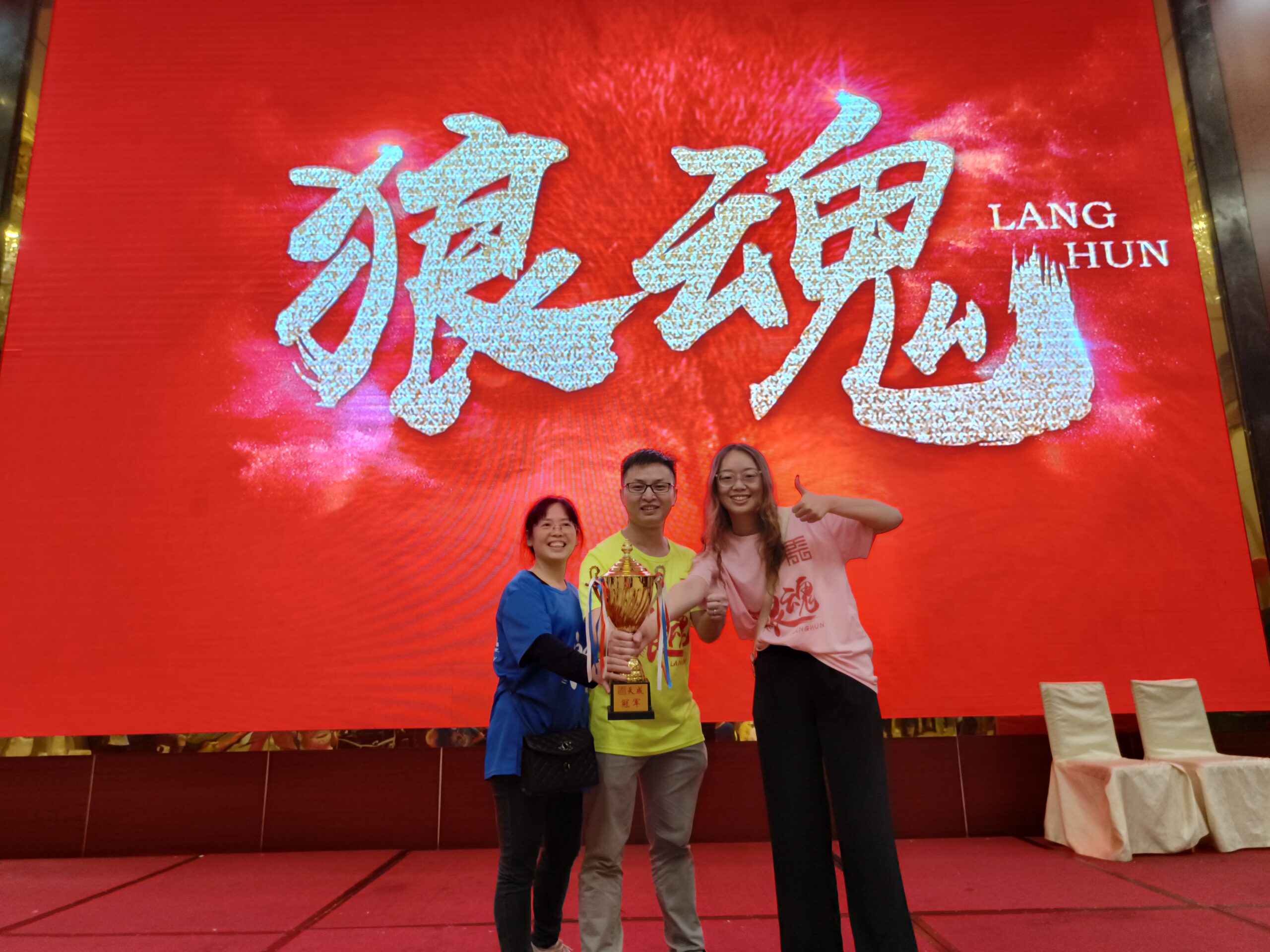
Why Choose EDVORIN as Your Lightweight Windbreaker Manufacturer
A connected development-to-bulk workflow built to make approved windbreaker standards repeatable.
← Swipe left or right to view →
Our Lightweight Windbreaker Manufacturer Production Process
EDVORIN organizes each production decision into a documented path, helping brands move from technical review to repeatable bulk delivery with clear accountability.
Technical Review and Planning
We review your tech pack, reference garment, measurements, fit requirements, artwork, construction details, target quantities, and private-label needs before development begins.
Material and Trim Sourcing
Shell fabric, lining, mesh, zippers, elastic, cords, labels, and packaging components are selected against your intended weight, hand feel, function, and visual direction.
Sample Development and Approval
Patterns and samples translate specifications into a wearable standard. Revisions are documented so approved fit, materials, placement, and construction can guide bulk production.
Cutting and Decoration Setup
After approval, materials are prepared for cutting while print, embroidery, patches, and other decoration details are checked against recorded artwork and placement standards.
Bulk Sewing and Control
Production teams assemble the windbreakers using approved specifications, with in-line checks focused on measurements, seam quality, hardware, decoration accuracy, and overall consistency.
Final Inspection and Packing
Finished pieces are reviewed before labeling, folding, packing, and shipping preparation, helping ensure the packed order reflects the approved sample and buyer requirements.
Launch Your Lightweight Windbreaker Program
Move from a complete tech pack or early concept to a documented, production-ready outerwear standard with EDVORIN.
Submit Your Requirements
Share your tech pack, reference garment, sketch, size chart, target quantity, and branding requirements. Our team reviews construction, materials, decoration, and production priorities.
Align Quote and Sample
EDVORIN’s MOQ starts at 200 pieces per style. Confirm the proposed specifications, MOQ, pricing direction, and sample plan. EDVORIN coordinates shell fabric, trims, patterns, printing or embroidery, and labeling details.
Approve Production Standards
Review the developed sample and document approved measurements, fit, color references, artwork placement, materials, and finishing requirements before releasing the style for bulk production.
Launch Controlled Bulk Production
EDVORIN follows the approved standard through material checks, in-line inspection, final quality control, labeling, packaging, and shipment preparation for repeatable future orders.
Certified Standards for Responsible Apparel Production



Lightweight Windbreaker Manufacturer Buyer Results
EDVORIN helped us turn an early windbreaker concept into an approved production standard. The documented material, trim, and artwork decisions made our 300-piece first order much easier to review and organize.
Our sample revisions moved faster because each fit and placement change was recorded clearly. When we reordered 500 jackets, the team had an approved reference instead of asking us to rebuild the specification.
For our academy program, EDVORIN coordinated shell fabric, embroidery, names, and packaging in one production path. We received 240 windbreakers with the size breakdown and branding details aligned to our approved sample.
The Complete Guide to Choosing a Lightweight Windbreaker Manufacturer
Clear answers for brands, teams, and private-label buyers planning a repeatable outerwear program with EDVORIN.
What is your MOQ for custom lightweight windbreakers?
Can a lightweight windbreaker manufacturer make a sample before bulk production?
How long does lightweight windbreaker production take?
Can EDVORIN help if I only have a sketch or reference jacket?
What materials can a lightweight windbreaker manufacturer recommend?
Can I add custom logos, labels, and packaging to windbreakers?
How does a lightweight windbreaker manufacturer protect my tech pack and design specifications?
Do you ship custom windbreakers internationally and what payment terms apply?
The Complete Guide to lightweight windbreaker manufacturer Selection
Use this decision framework to compare product specifications, supplier capabilities, sampling controls, and commercial terms—so you can source a lightweight windbreaker with confidence while avoiding costly quality, fit, and delivery mistakes.
1. What Is a lightweight windbreaker manufacturer?
Since 2000, EDVORIN has helped private-label brands, teams, wholesalers, and outerwear buyers turn concepts or tech packs into repeatable windbreaker specifications, samples, and bulk standards. A lightweight windbreaker manufacturer coordinates shell selection, pattern, trims, decoration, grading, inspection, labels, and packing.
2 shell categories should not be confused: a windbreaker prioritizes wind resistance and often light rain protection, while a waterproof rain jacket relies on a membrane or coating plus sealed seams. A durable water-repellent finish can shed brief moisture, but it does not make an unsealed windbreaker fully waterproof.
70–120 GSM shell fabrics are a practical lightweight starting range for packable running, travel, training, and casual layers. Lower weight improves carry size and airflow, but buyers must balance wind blocking, abrasion resistance, noise, and breathability against the intended activity.
2. The Evolution of Lightweight Windbreakers
1930s wind shells were typically simple, lightweight layers intended to reduce wind exposure without the bulk of insulated outerwear. The spread of nylon and polyester gave product developers stronger, faster-drying shell options and made lightweight packable jackets more practical.
1960s ripstop weaves introduced a reinforcing grid that helps limit tear spread, while coated finishes expanded resistance to light precipitation. Product development then added mesh linings, back yokes, underarm vents, adjustable hoods, and self-packing pockets to balance protection, airflow, and carrying convenience.
2020s buyers often combine those technical foundations with fashion-led color blocking, relaxed fits, reflective details, and logo placement. A lightweight windbreaker manufacturer now needs to translate that mix into clear specifications for streetwear drops, club travel layers, promotional outerwear, and repeatable private-label programs.
3. Types From a lightweight windbreaker manufacturer
Six core silhouettes cover most lightweight windbreaker briefs. A lightweight windbreaker manufacturer should match the style to wear cycle, decoration plan, and required weather protection before sampling.
| Type | Best Use | Key Features | Sourcing Focus |
|---|---|---|---|
| Pullover | Fashion drops | Half placket | Front-pocket construction |
| Full-Zip Hooded | Resale programs | Hood, zipper | Hardware consistency |
| Packable | Events, travel | Self-stow pocket | Pack test |
| Running Shell | Sports teams | Vent panels | Reflective placement |
| Coach Jacket | Schools | Snap front | Lining choice |
| Lined Windbreaker | Cooler weather | Mesh or tricot | Bulk and warmth balance |
Fashion And Resale
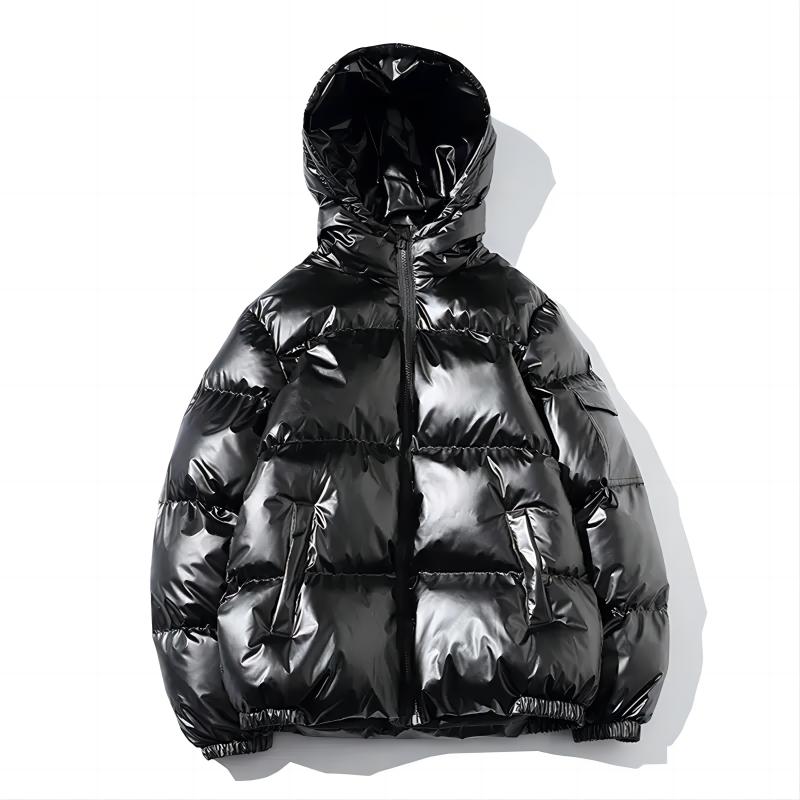
Two fashion-led options prioritize silhouette: pullover shells create a clean front panel, while full-zips add layering flexibility.
200-unit programs should confirm zipper specification, pocket shape, and graded fit before approving samples.
Team And Event Programs
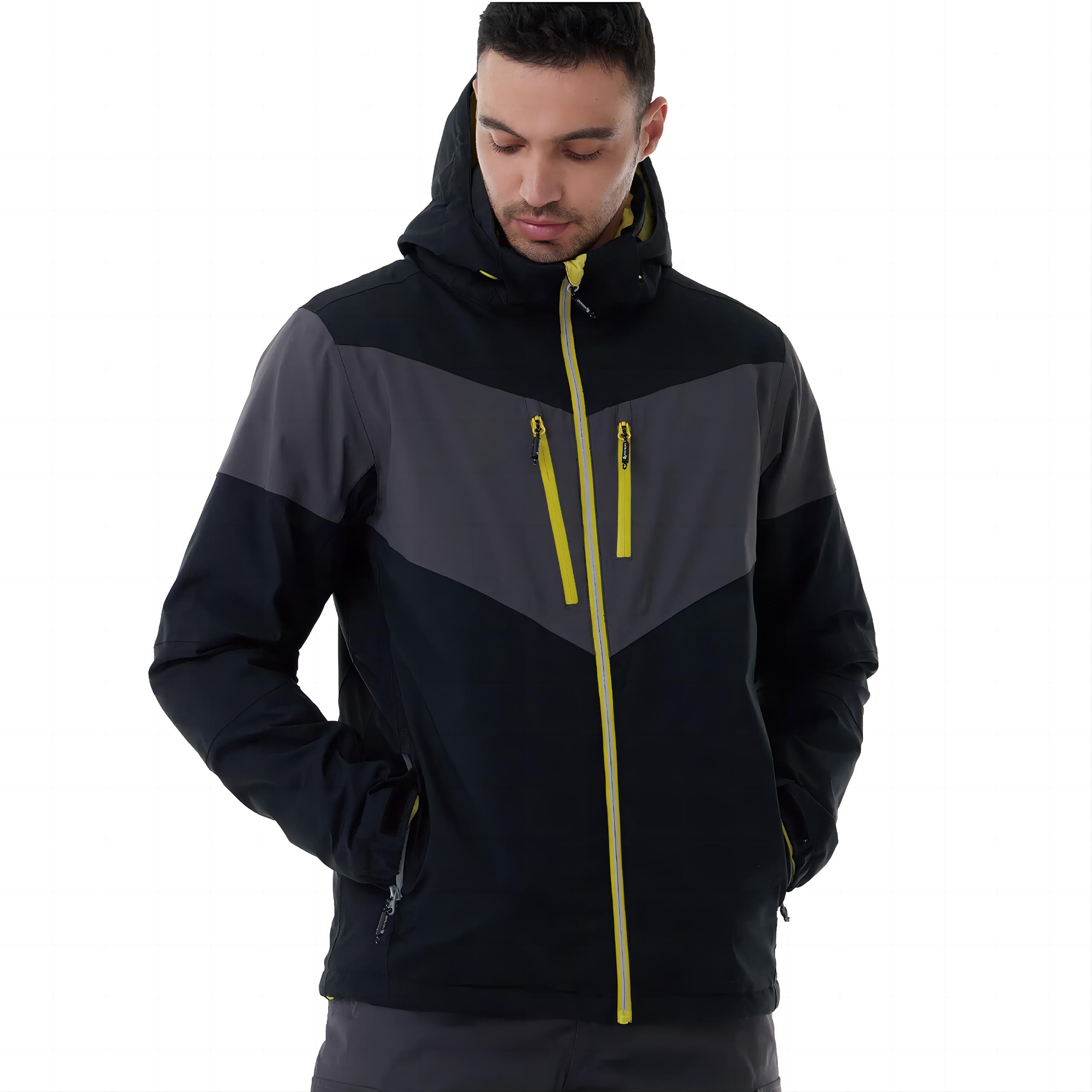
Two group-order options favor easy identification: coach jackets suit schools and events, while lined windbreakers extend cooler-weather use.
1 approved placement map prevents logo and back-number variation across size runs.
Performance And Travel
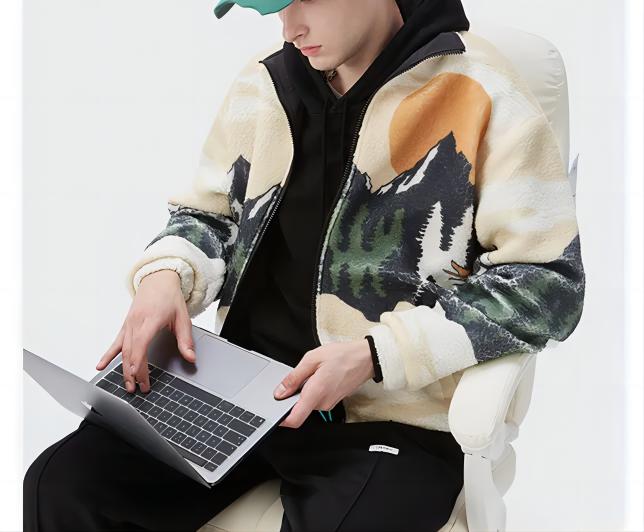
Two utility options address movement and storage: running shells need low-bulk ventilation, while packable styles require a reliable self-stow construction.
10D to 40D fabric choices should be tested for hand feel, opacity, and decoration compatibility.
4. lightweight windbreaker manufacturer Materials and Fabrics
50–110 GSM shells keep weight low, but yarn, weave, coating, and lining determine real performance. A lightweight windbreaker manufacturer should approve fabric swatches before sampling.
| Material | GSM | Key Traits | Best Use |
|---|---|---|---|
| Polyester | 60–80 | Soft; printable; wind resistant | Urban, teamwear |
| Ripstop nylon | 70–110 | Crisp; tear resistant; packable | Travel, outdoor |
| Stretch woven | 90–130 | Mobile; breathable; water repellent | Running |
| Recycled synthetic | 60–110 | Comparable options; verify content | Brand-led programs |
Shell Fabric Selection
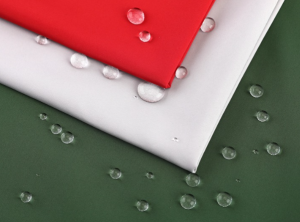
60–80 GSM polyester is economical, smooth, and dependable for urban, teamwear, and all-over sublimation programs.
70–110 GSM nylon feels crisper, packs smaller, and generally offers stronger abrasion and tear performance for travel or outdoor shells.
Performance Trade-Offs
20D–40D ripstop limits tear spread; specify it where abrasion and packability matter.
5–12% elastane stretch woven improves running mobility, while a durable water-repellent finish sheds light moisture rather than making a jacket waterproof.
Lining And Recycled Options
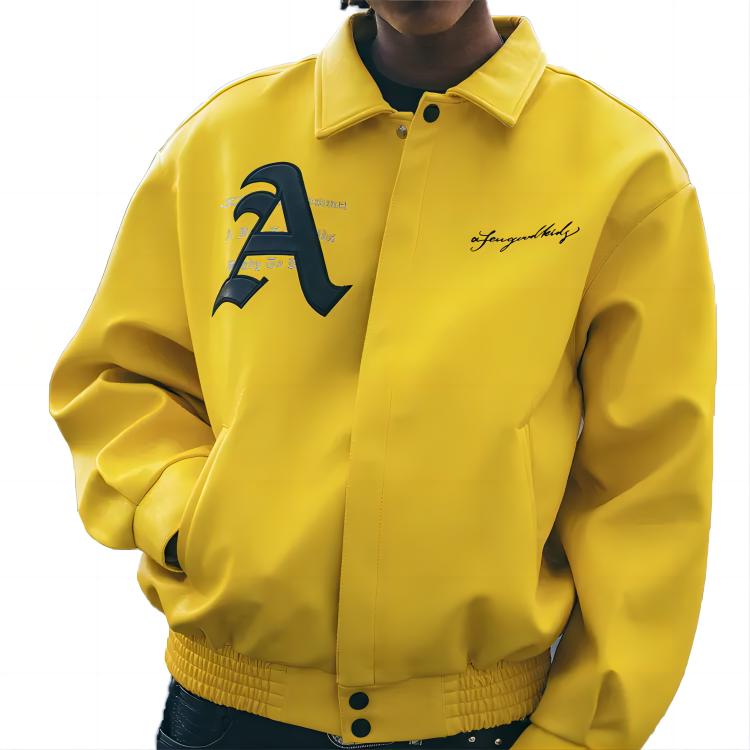
40–75 GSM mesh lining improves air circulation and reduces shell cling during active use.
50–70 GSM lightweight tricot provides a cleaner hand for teamwear; recycled polyester or nylon requires documented fiber content.
5. Customization and Decoration Options
For a 200-piece windbreaker program, EDVORIN converts approved color, artwork, trim, and packing choices into production specifications. Decoration should be selected with the shell fabric, intended wear, and placement tolerance in view.
| Method | Best Use | Watchpoint |
|---|---|---|
| Sublimation | Polyester panels | Artwork follows pattern pieces |
| Screen print | Simple logos | Test coating adhesion |
| Embroidery | Small chest marks | Avoid thin-shell distortion |
| Heat transfer | Names and numbers | Confirm wash durability |
Color And Panel Planning
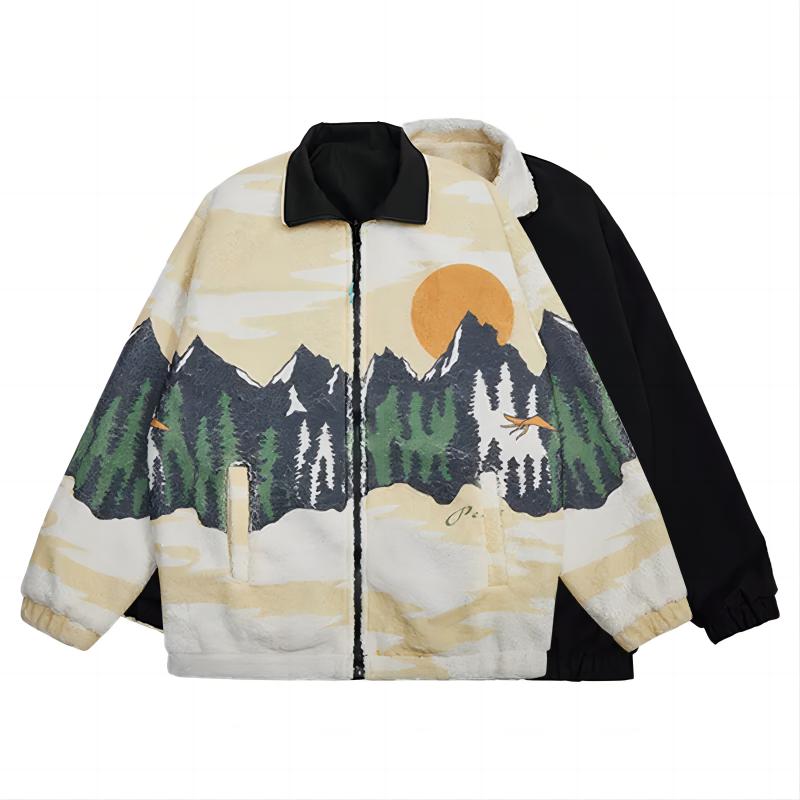
Pantone references and approved fabric swatches are more reliable than screen-only color calls. Contrast panels, piping, reflective trims, and custom zipper pulls need placement measurements and a signed sample standard.
Decoration By Shell Type
Polyester shells suit all-over sublimation when the design is built into the fabric before cutting. Screen print, heat transfer, and embroidery each require test samples because lightweight coatings, ripstop texture, and needle holes affect adhesion or appearance.
Branding And Functional Features
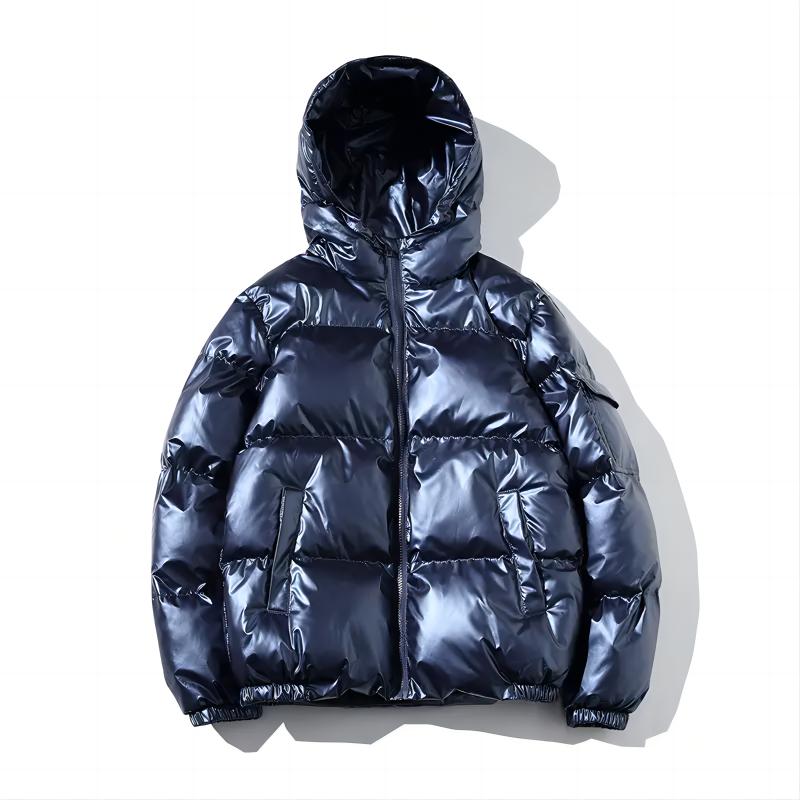
Woven labels, printed neck labels, hangtags, and individual packaging complete private-label presentation. Vents, adjustable hems, and pocket configurations are performance choices, not decoration; specify their location, closure, and intended use separately.
6. Key Lightweight Windbreaker Construction Quality
A lightweight windbreaker manufacturer should lock construction details before the approved sample becomes the bulk standard. EDVORIN records measurable decisions so fit, function, and branding remain repeatable.
Seams And Stress Points
3–4 mm stitch density should remain even through curved seams, pockets, and armholes. Inspect bar tacks at pocket ends, zipper bases, and drawcord exits for skipped stitches or puckering.
Closures And Weather Edges
YKK or an approved equivalent zipper must run smoothly, sit flat, and include a zipper garage where specified. Check hood shaping, cuff elastic or adjusters, hem finish, pocket bags, lining attachment, and secured trim pulls.
Sample Inspection Points
100% of pre-production measurements should match the approved tolerance chart before release. On bulk samples, compare chest, length, sleeve, workmanship, logo placement, and logo alignment against the sealed reference.
7. Choosing a lightweight windbreaker manufacturer
A lightweight windbreaker manufacturer should be validated through its working process, not a sales promise. Before bulk commitment, ask for the records that connect development, production, inspection, and export.
Verify Relevant Experience
3 recent comparable styles can reveal more than a catalog: request construction photos, approved samples, and references for shells, mesh linings, zippers, and decoration. Confirm the supplier can support separate men’s and women’s fit blocks.
Test Development Control
1 complete tech-pack review should identify missing measurements, Pantone references, seam details, artwork placement, and tolerance limits before sampling. Ask how patterns, grading, fabric specifications, and sample revisions are recorded for bulk use.
Confirm Bulk Readiness
EDVORIN’s MOQ starts at 200 pieces per style. 200-piece MOQ discussions should define color-size breakdowns, material minimums, capacity, sample and production lead times, in-line and final QC checkpoints, and packing requirements. Request shipping documents, carton marks, commercial invoice, packing list, and destination-specific compliance needs in writing.
8. Common Lightweight Windbreaker Buying Mistakes
Eight preventable gaps can turn an approved concept into a costly bulk-order correction. A lightweight windbreaker manufacturer needs performance, appearance, and delivery requirements recorded before production starts.
Specify Fabric Performance
Two swatches that look identical can differ in air permeability, tear strength, coating, and hand feel. Add fiber content, GSM, weave, and required test method to the brief.
One water-resistant finish is not a waterproof claim. State the intended rain exposure, seam-sealing requirement, and wash durability; wear-test the sample during movement and light rain.
Lock Down Production Standards
±1 cm is a common starting tolerance, but every key point of measure needs its own tolerance in the tech pack. Include graded size charts, zipper length, hood opening, and hem specification.
Three decoration variables—fabric, artwork, and placement—must be approved together. Submit print or embroidery strike-offs, Pantone references, and placement measurements before bulk cutting.
Protect The Purchase Order
One ignored packaging detail can create retail-ready delays. Specify folding method, polybag warnings, barcode location, carton assortment, and carton dimensions in the purchase order.
Six production stages—material approval, sampling, revisions, bulk booking, production, and inspection—need dated milestones. Build revision time into the timeline instead of treating sample approval as immediate.
9. Steps to Launch Your Windbreaker Program
EDVORIN’s MOQ starts at 200 pieces per style. A 200-piece MOQ is easier to control when the buyer locks the wearer, climate, channel, and delivery date before sampling. EDVORIN can translate that brief into a documented production path.
Define The Brief
One target wearer and use case should govern fit, pocket layout, weather protection, and decoration.
Two references—front/back images plus a marked sketch—reduce interpretation before pattern work.
- Target customer and sales channel
- Men’s or women’s fit block
- Required launch and delivery date
Build The Specification

A complete tech pack records measurements, Pantone colors, artwork size, placement, labels, zipper, and packaging.
Two approved options for shell, lining, and trim let the quotation reflect the intended construction.
- Measurement chart with tolerances
- Bill of materials
- Artwork files and placement map
Approve Before Bulk
One prototype should be reviewed for fit, construction, color, and decoration; revisions require written confirmation.
A full size run and pre-production sample become the bulk standard before cutting, inspection, packing, and delivery booking.
- Signed sample comments
- Approved size set
- Carton marks and shipping plan
10. Lightweight Windbreaker Pricing and Cost
200 units is a useful planning tier, but not a price promise: shell fabric, mesh or unlined construction, seam count, zipper specification, decoration, trims, labels, and packaging all change the unit cost.
30–45 days is a typical bulk-production planning range after sample approval and material confirmation. A detailed tech pack, colorways, size breakdown, artwork, packaging requirements, destination, and Incoterm are required for an accurate quote and landed-cost comparison.
| Quantity tier | Illustrative cost position | Typical planning lead time |
|---|---|---|
| 200–499 units | Highest unit cost; sampling and custom-trim costs spread across fewer pieces | 35–50 days |
| 500–999 units | Better material and cutting efficiency | 30–45 days |
| 1,000+ units | Lowest unit-cost position when specifications remain stable | 30–45 days |
| Landed-cost check | Add sample, freight, duty, insurance, and destination handling | Varies by route |
Ready to Partner with a Lightweight Windbreaker Manufacturer?
Send your tech pack, reference garment, or concept to EDVORIN and build a production-ready windbreaker program from 200 pieces per style.