
Hooded Windbreaker Manufacturer for Brands Built to Grow
EDVORIN develops custom hooded windbreaker programs from tech pack to bulk production, with OEM, private-label support and MOQs from 200 pieces per style.
Hooded Windbreaker Development References
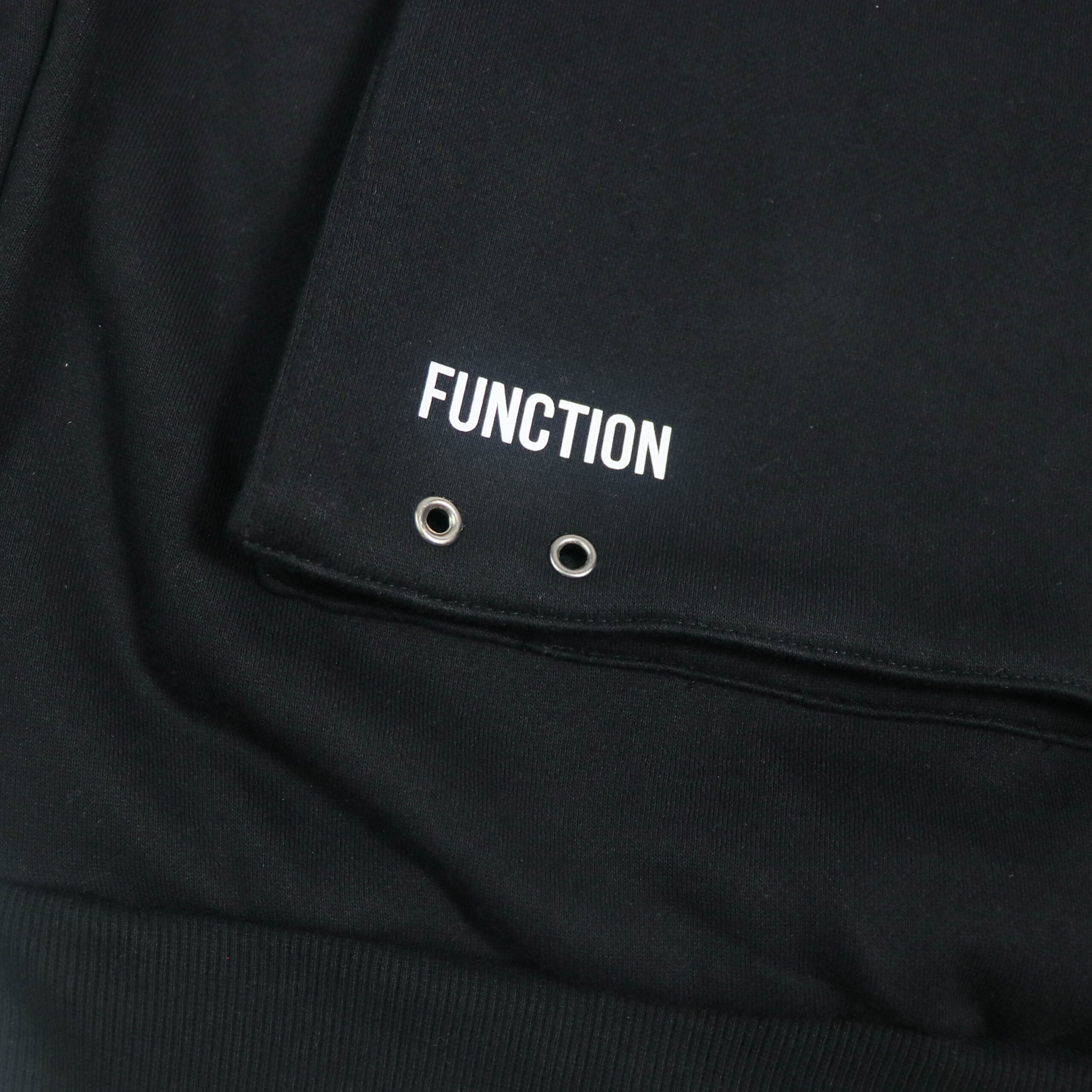
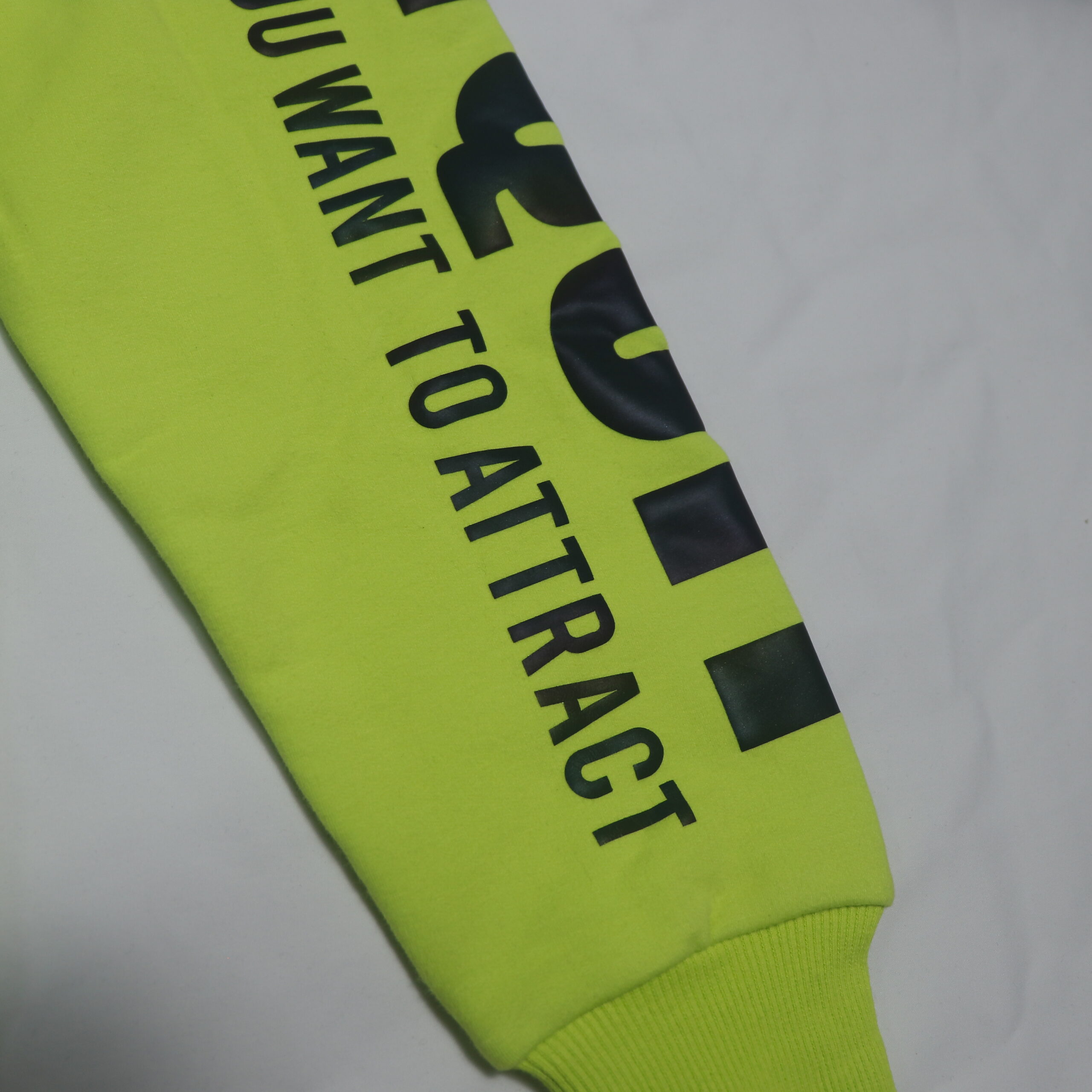
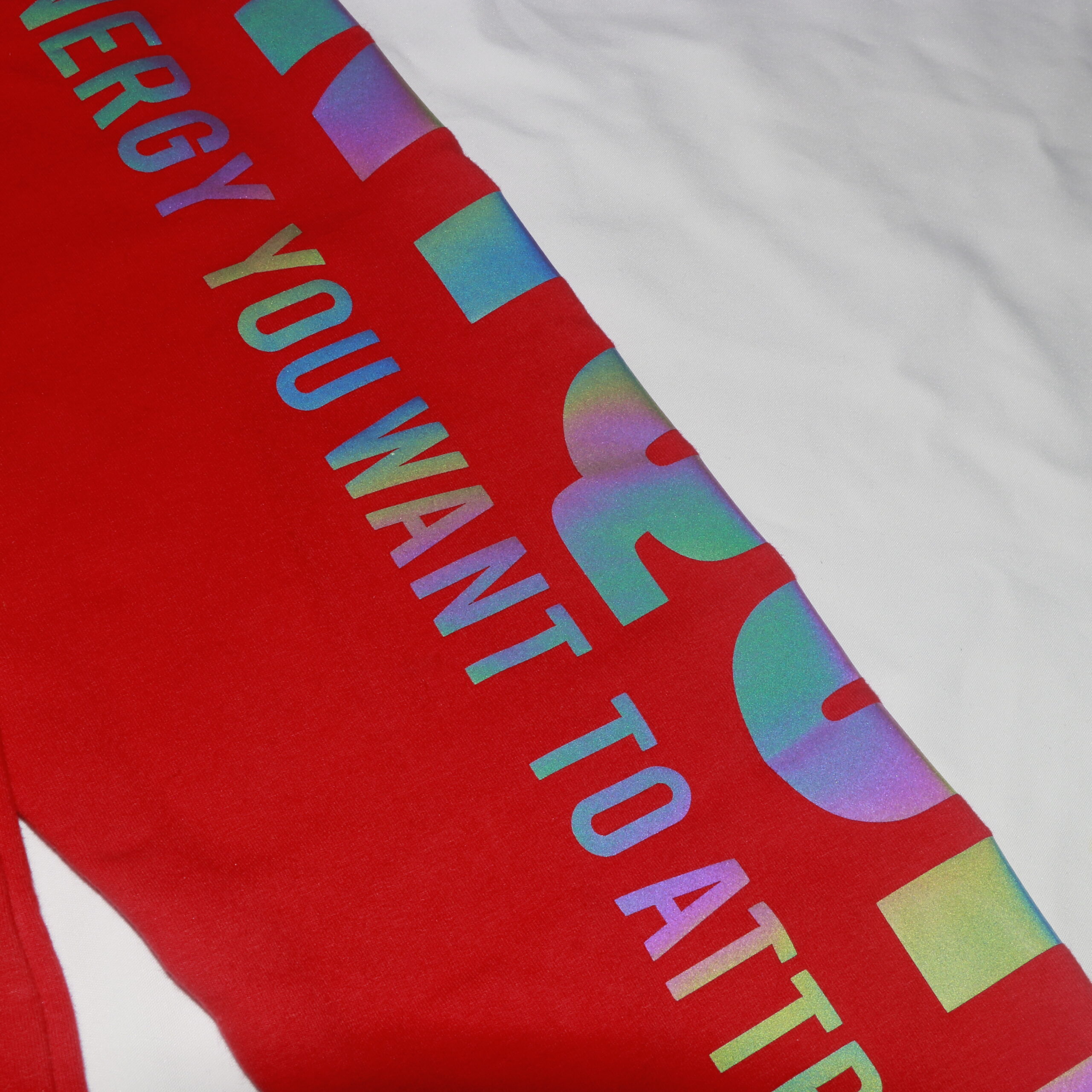
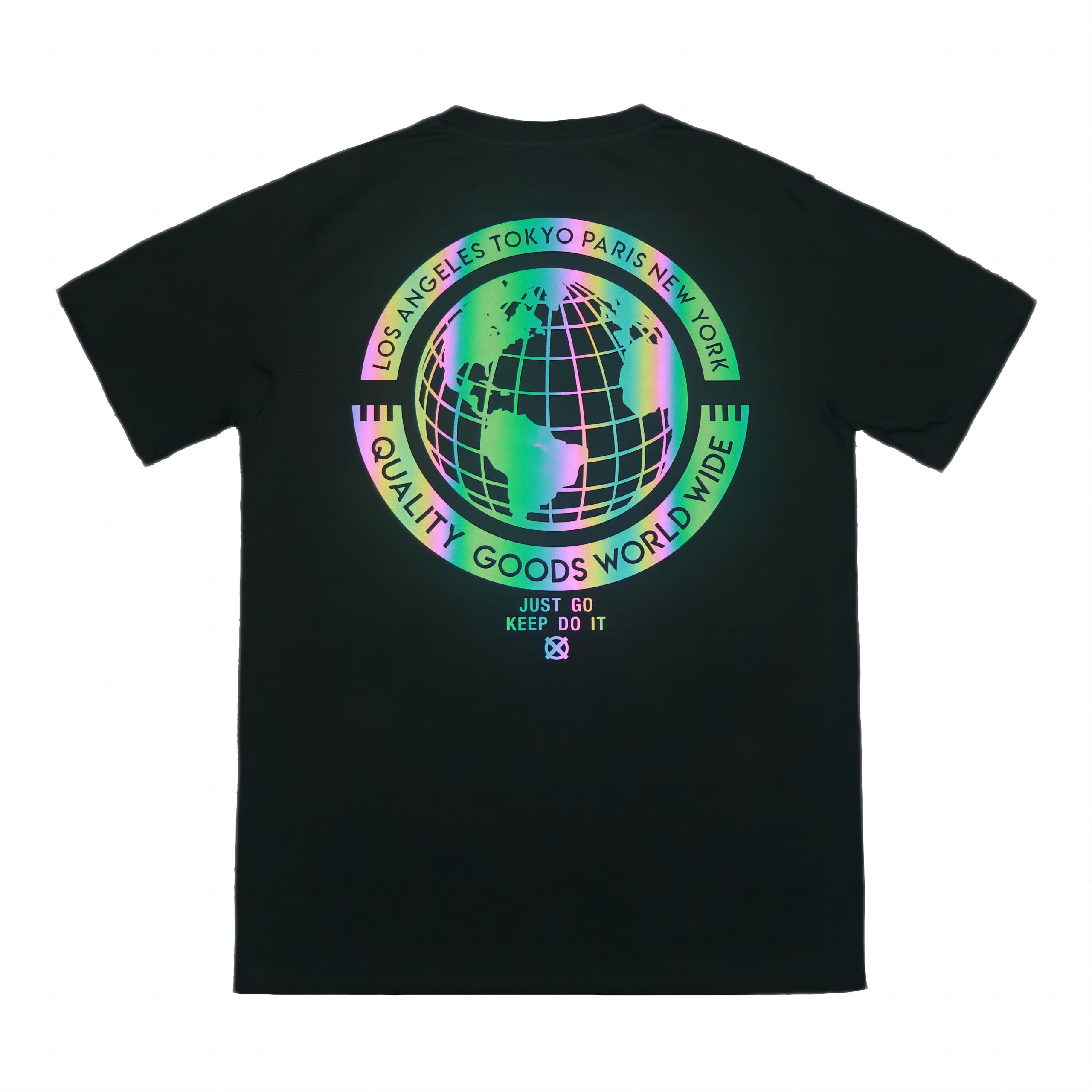
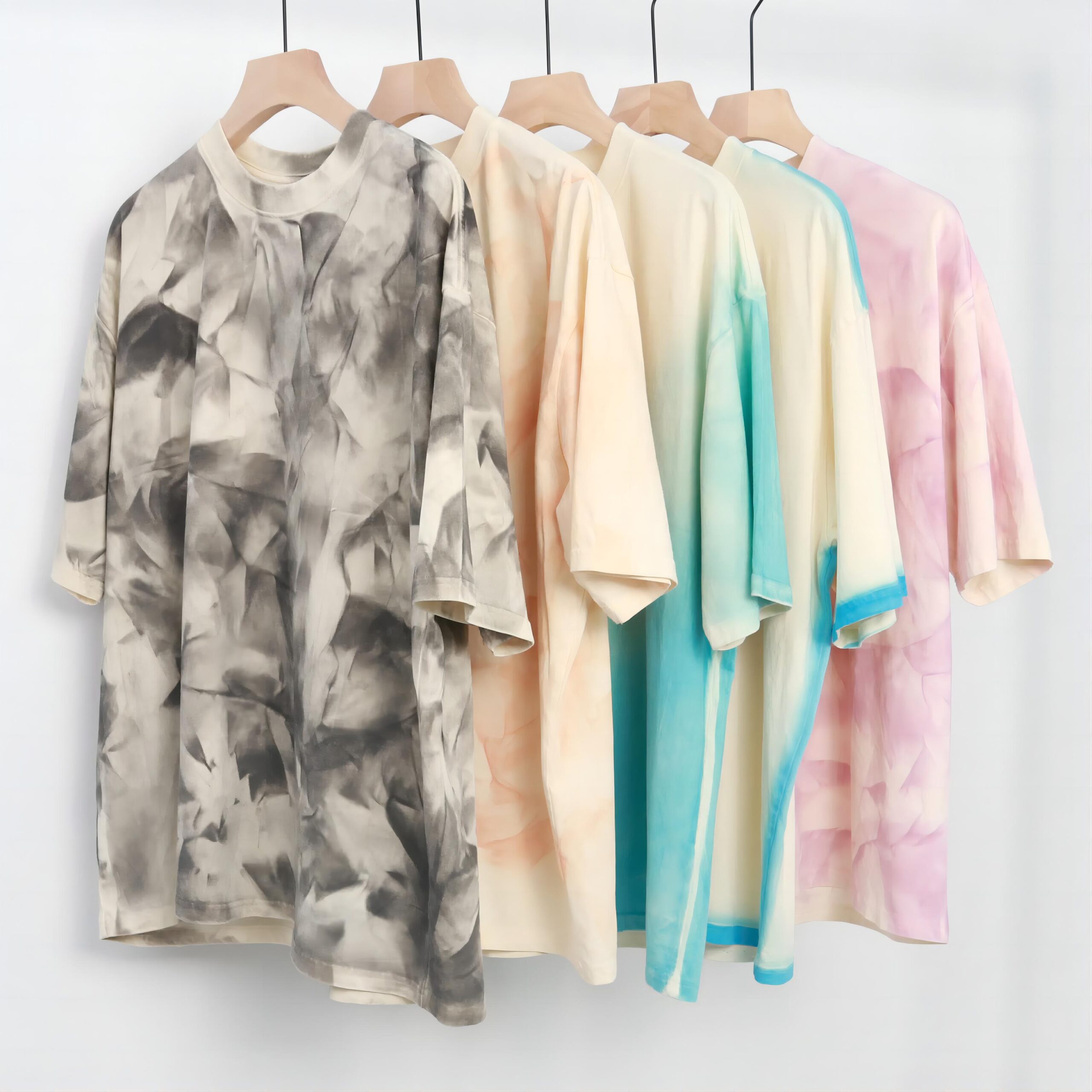
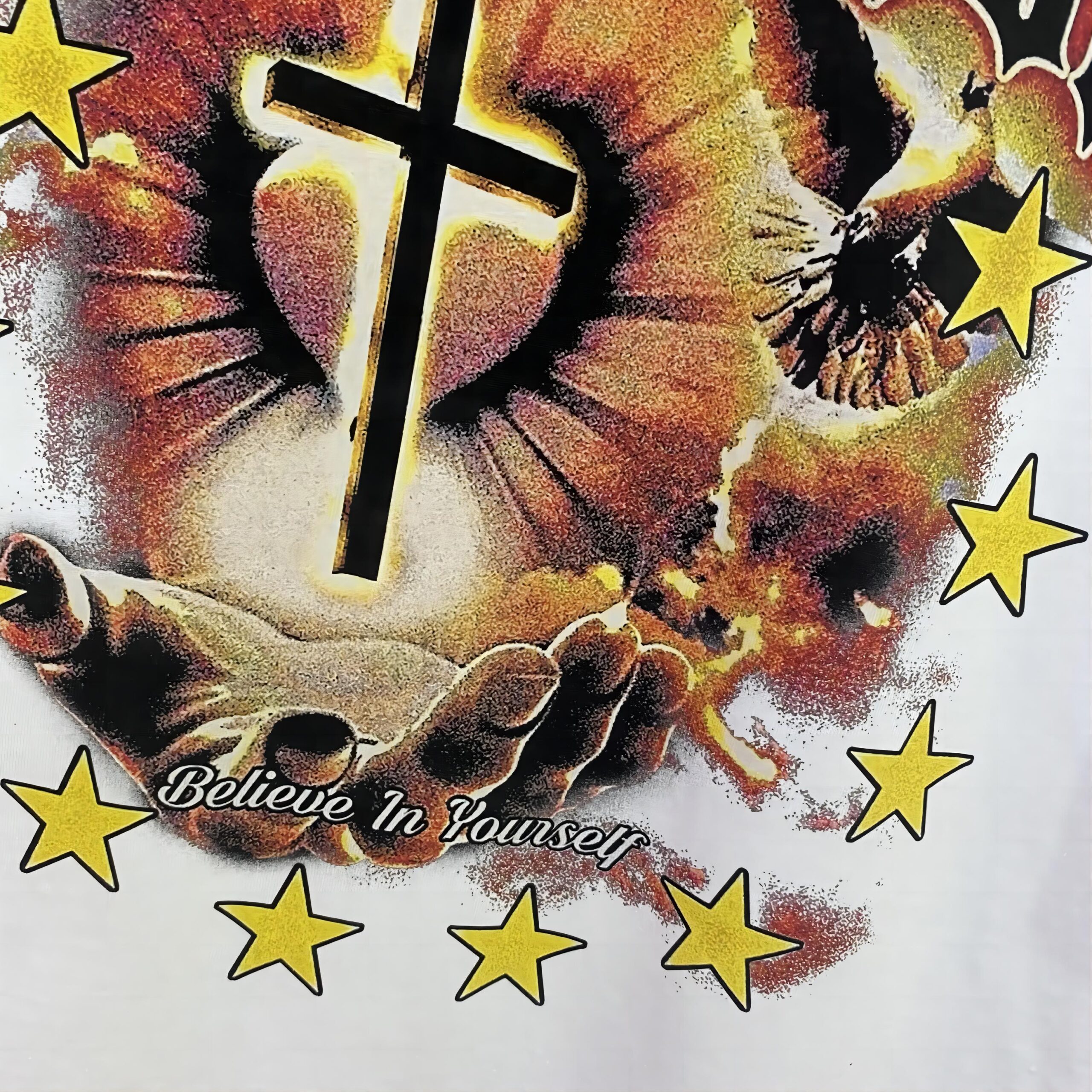
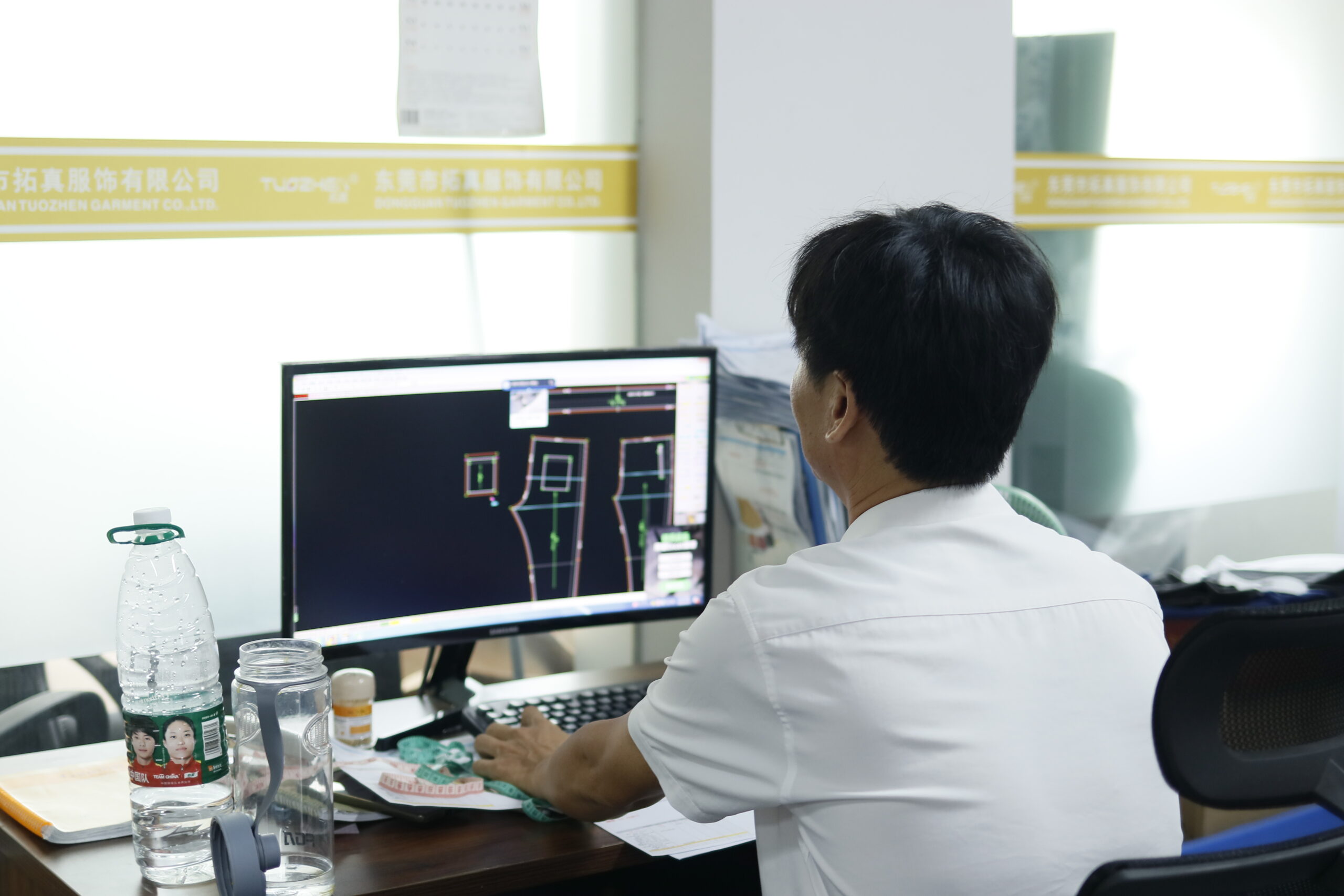
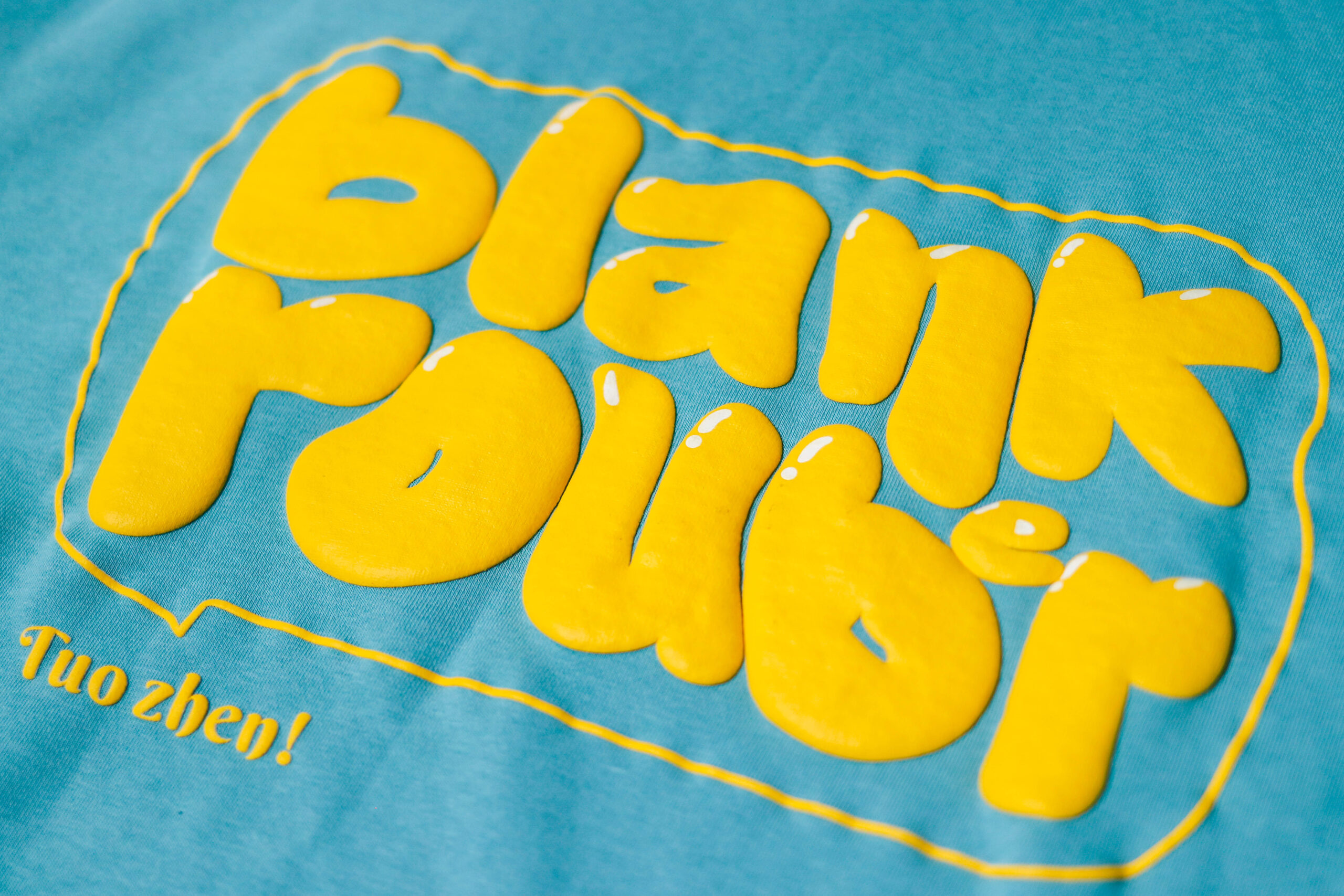
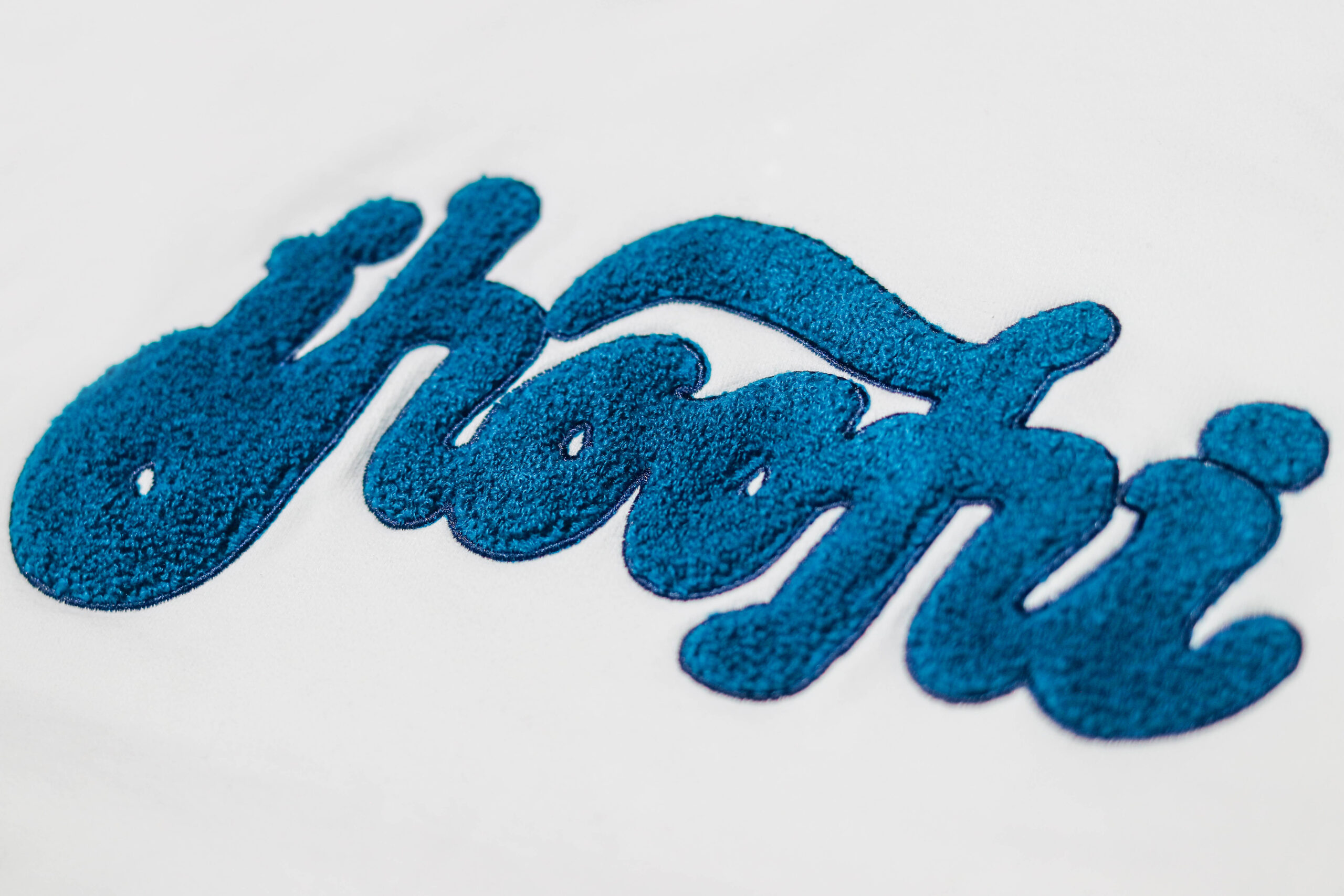
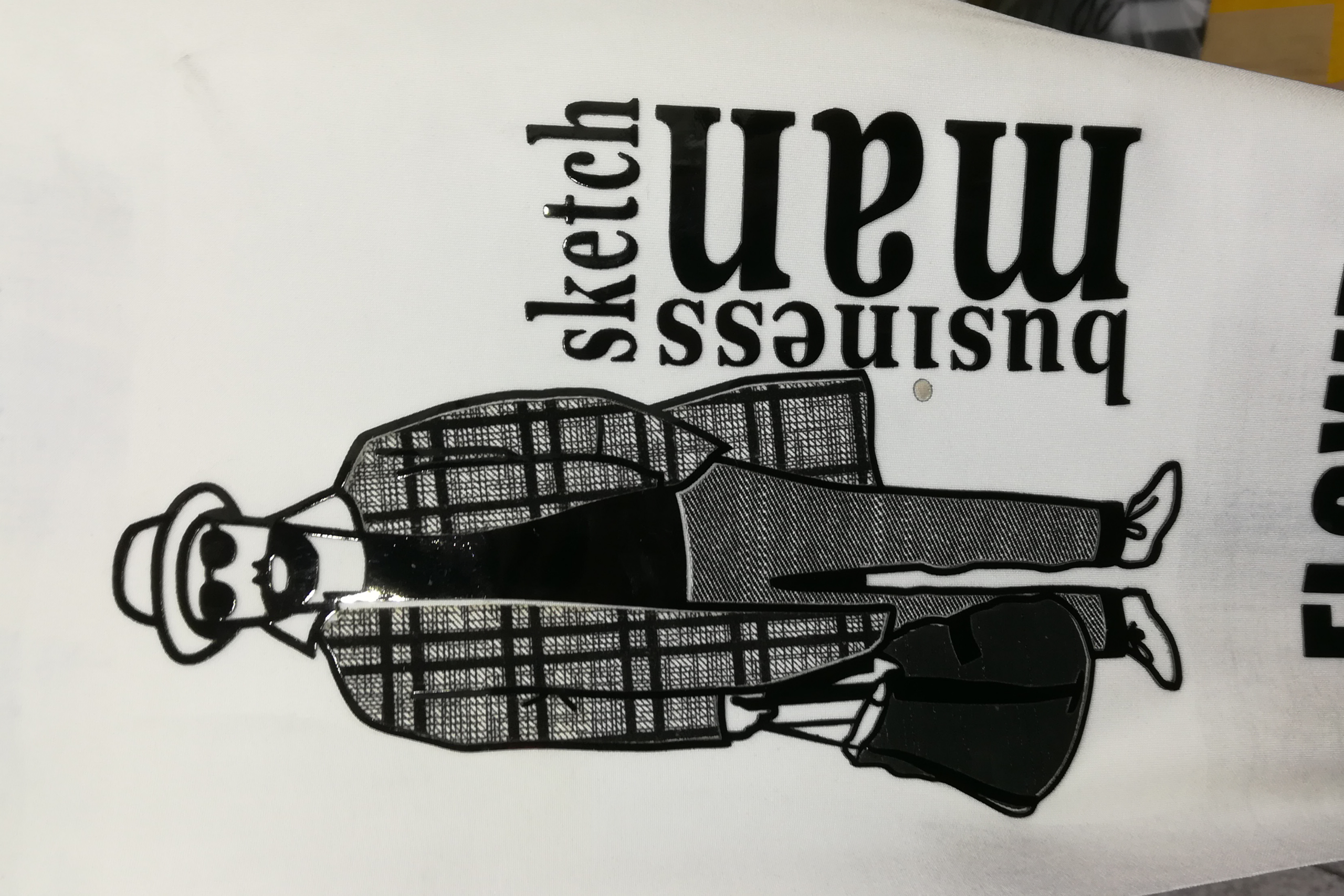
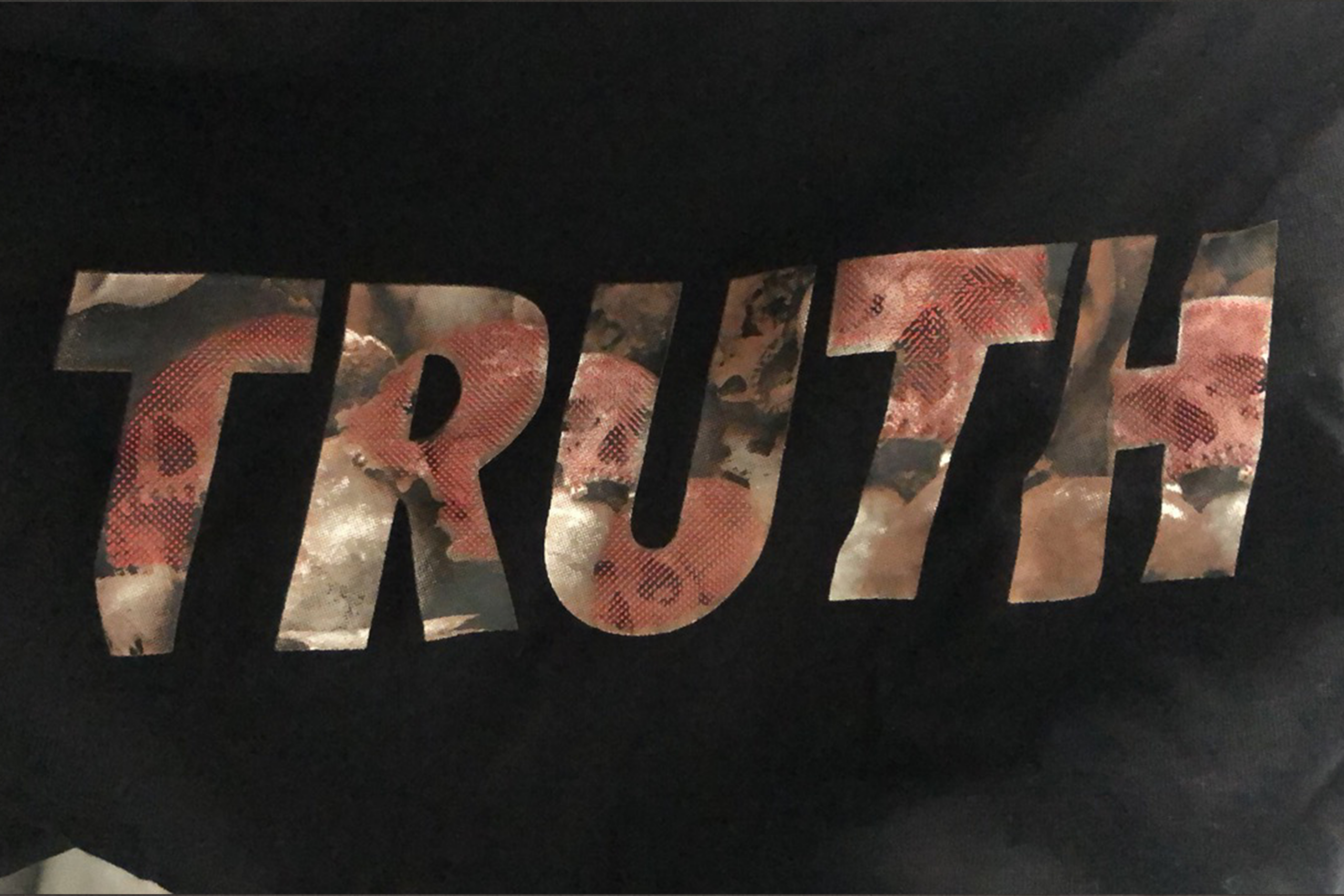
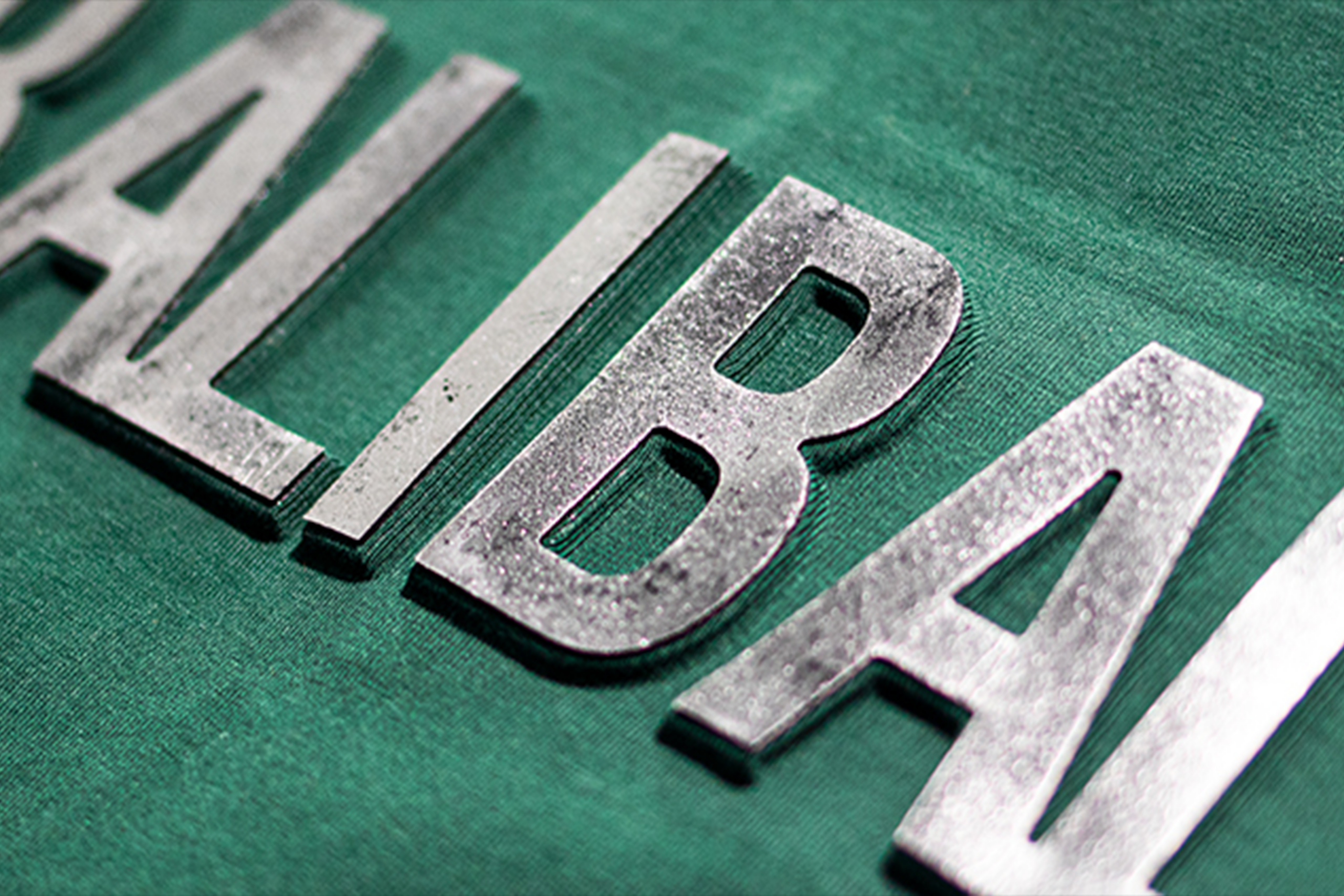
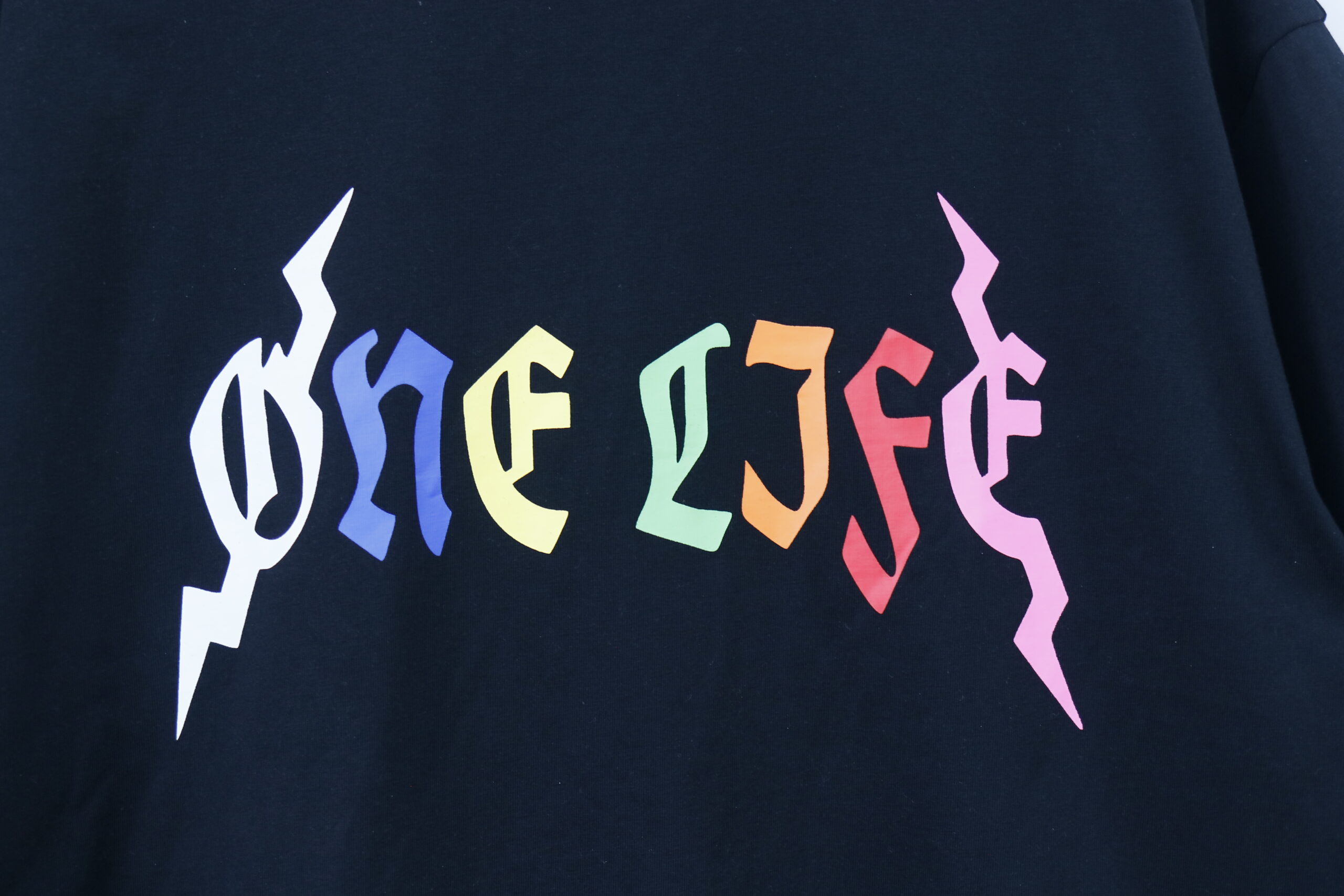
A Hooded Windbreaker Manufacturer Built to Repeat
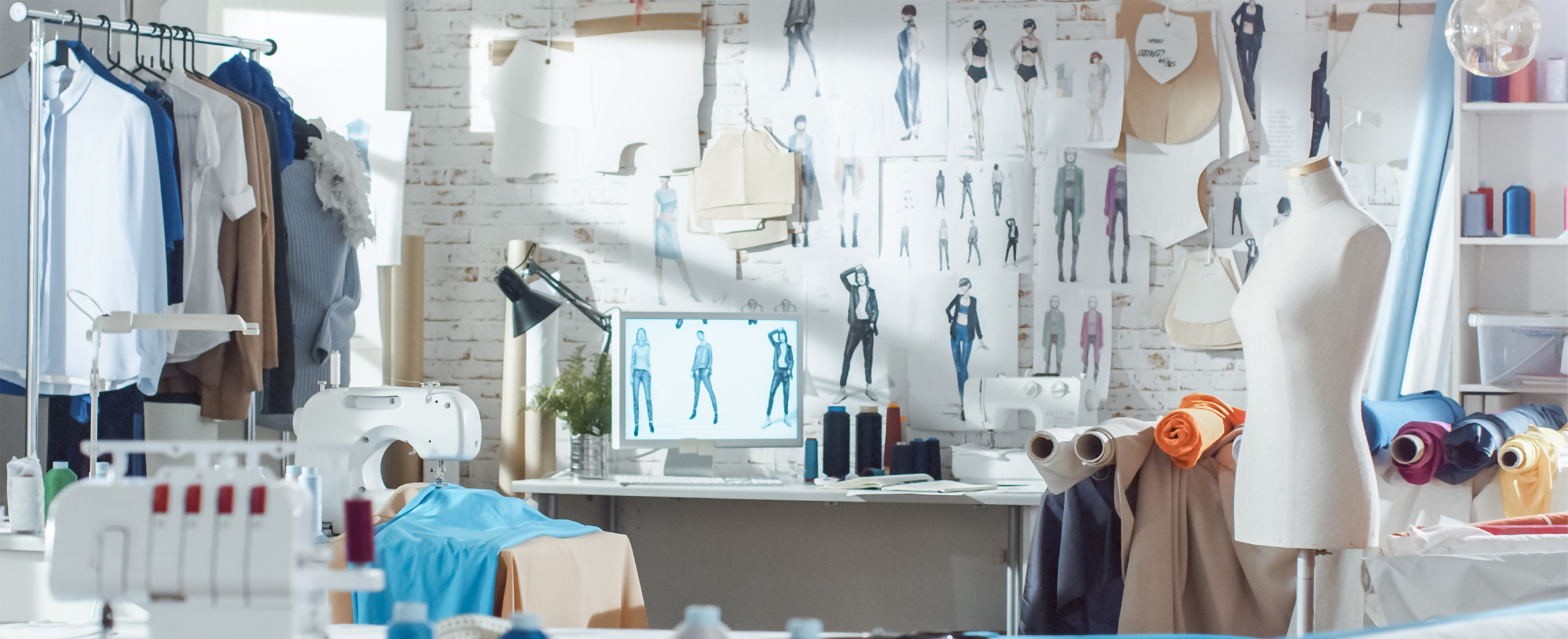
EDVORIN connects development, sourcing, decoration and quality control into one accountable path for private-label outerwear programs.
Development-Led Construction
Turn sketches, references or complete tech packs into clear patterns, measurements and construction standards ready for sampling and bulk production.
Coordinated Material Sourcing
Align shell fabrics, linings, mesh, zippers, drawcords and labels around the intended fit, function and visual direction of your windbreaker.
Decoration Matched to Fabric
Coordinate printing, embroidery, patches and finishing with the selected base material so artwork and garment construction work together.
Approved Standards, Controlled
Document approved samples, measurements, placements and trims to guide in-line checks and final inspection throughout every production run.
Flexible Program Support
Support emerging labels, wholesale programs and established buyers with OEM, ODM and private-label development from 200 pieces per style.
Custom Apparel Programs for Every Market
From individual styles to coordinated collections, EDVORIN develops production-ready apparel for brands, teams, schools, wholesale, and private-label buyers.
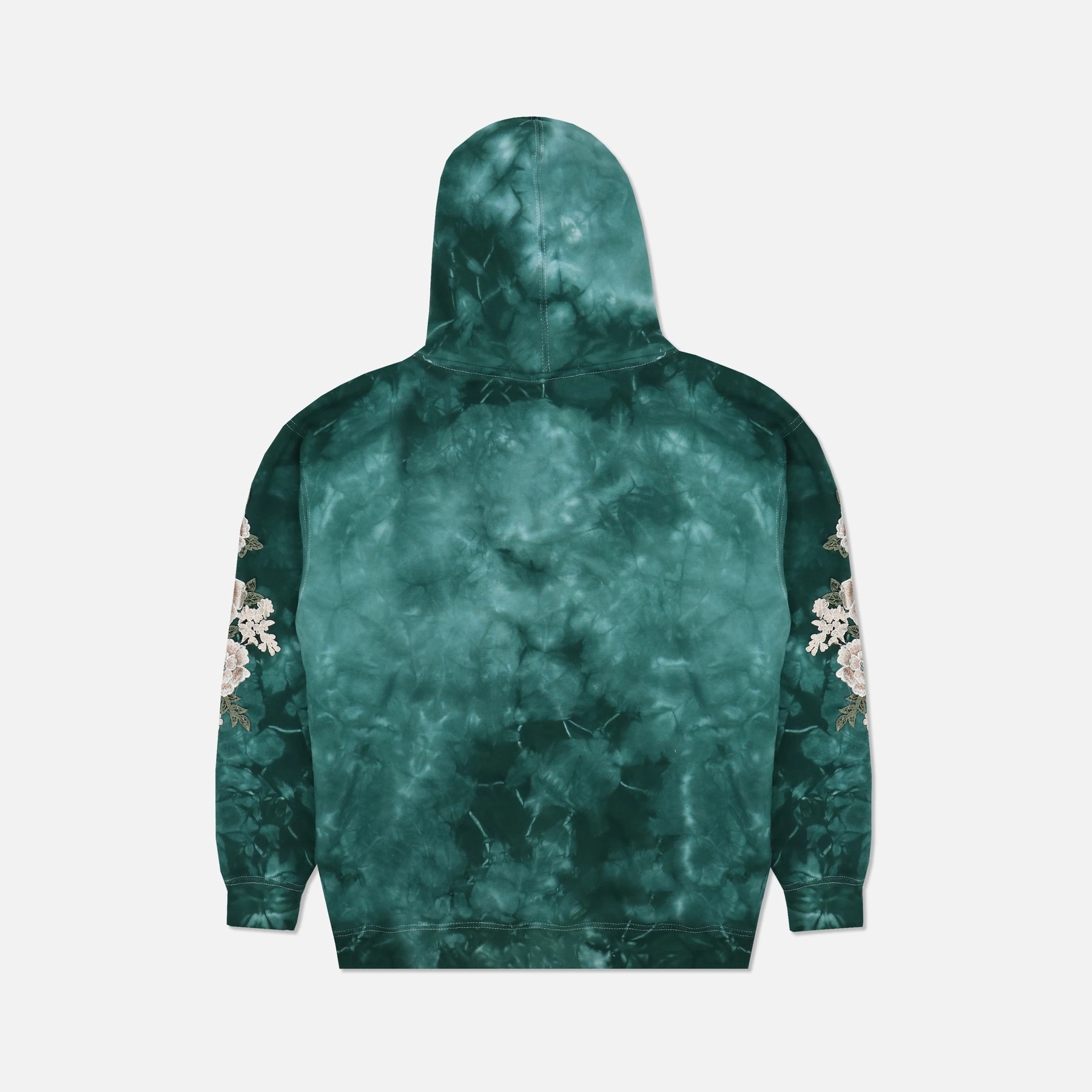
Custom Hoodies
Custom hoodie manufacturing covers fleece selection, fit blocks, rib specifications, hoods, drawcords, pockets, prints, embroidery, labels, and packaging. EDVORIN develops men’s and women’s hoodie programs from tech packs, references, or early concepts through approved bulk standards.
Get a Quote
Pullover Sweatshirts
Pullover sweatshirt programs are developed around fabric weight, neckline, shoulder construction, rib recovery, fit, and decoration placement. EDVORIN supports crewneck and quarter-zip styles for fashion labels, schools, wholesale programs, and private-label buyers with sample-to-bulk controls.
Get a Quote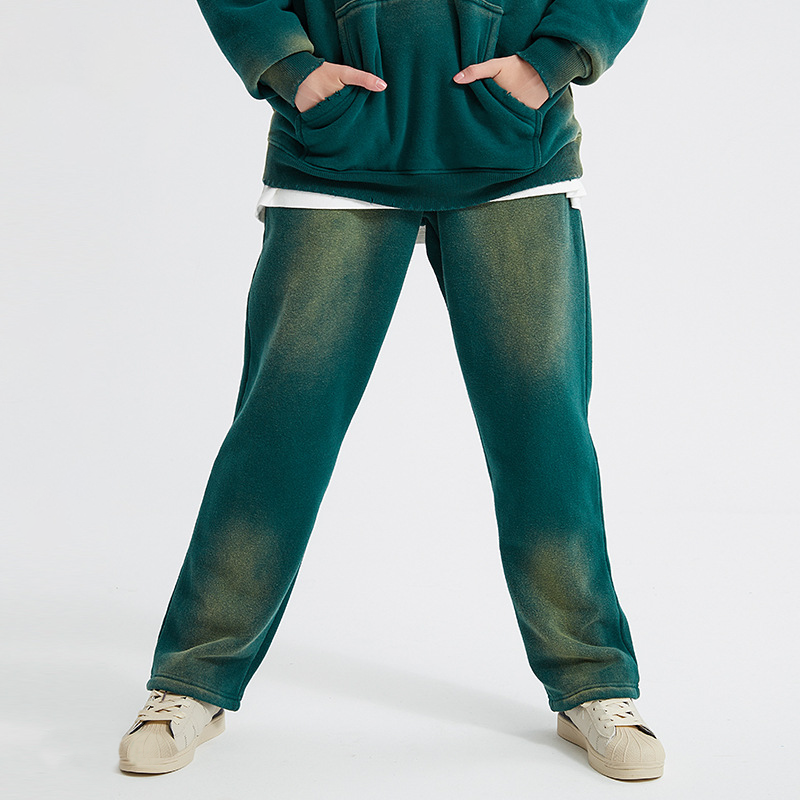
Sweatpants & Joggers
Sweatpants and joggers are specified for silhouette, waistband construction, elastic, drawcords, pockets, cuffs, fabric weight, and wash effects. EDVORIN helps buyers build coordinated men’s and women’s bottoms that match hoodie, sweatshirt, teamwear, or streetwear programs.
Get a Quote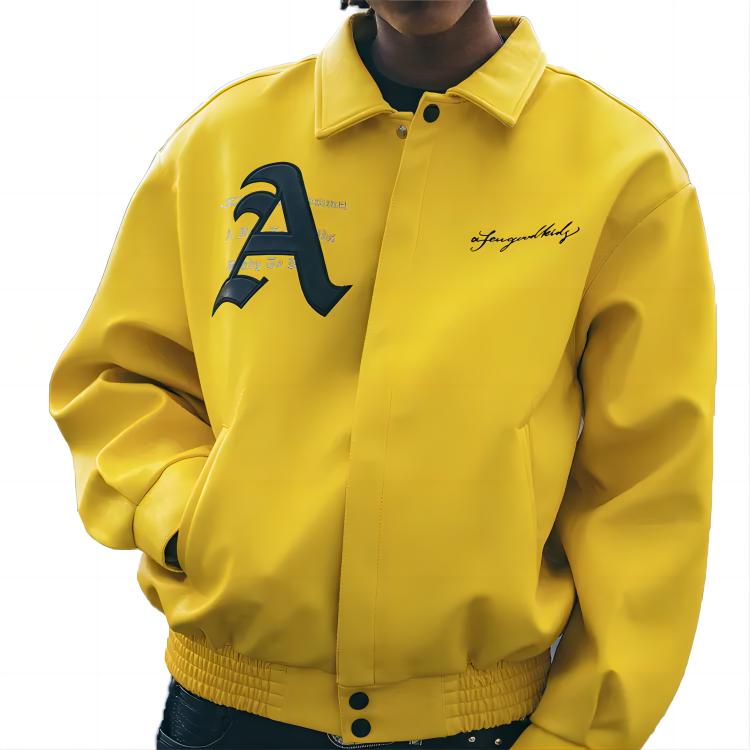
Custom Shorts
Custom shorts can be developed for casualwear, streetwear, training, school, and promotional programs. Production details include inseam, rise, waistband, pocket construction, liners, mesh, fabric performance, printing, embroidery, labels, and size grading for repeat ordering.
Get a Quote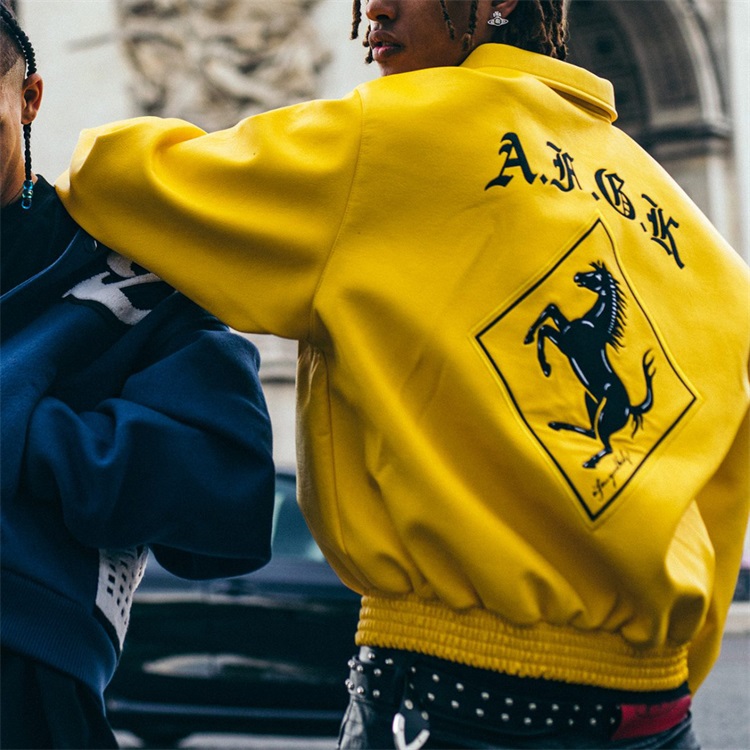
Varsity & Baseball Jackets
Varsity and baseball jacket development coordinates body and sleeve materials, lining, rib, snaps, patches, embroidery, appliqué, and fit. EDVORIN documents each component against the approved sample to support consistent school, team, fashion, and private-label production.
Get a Quote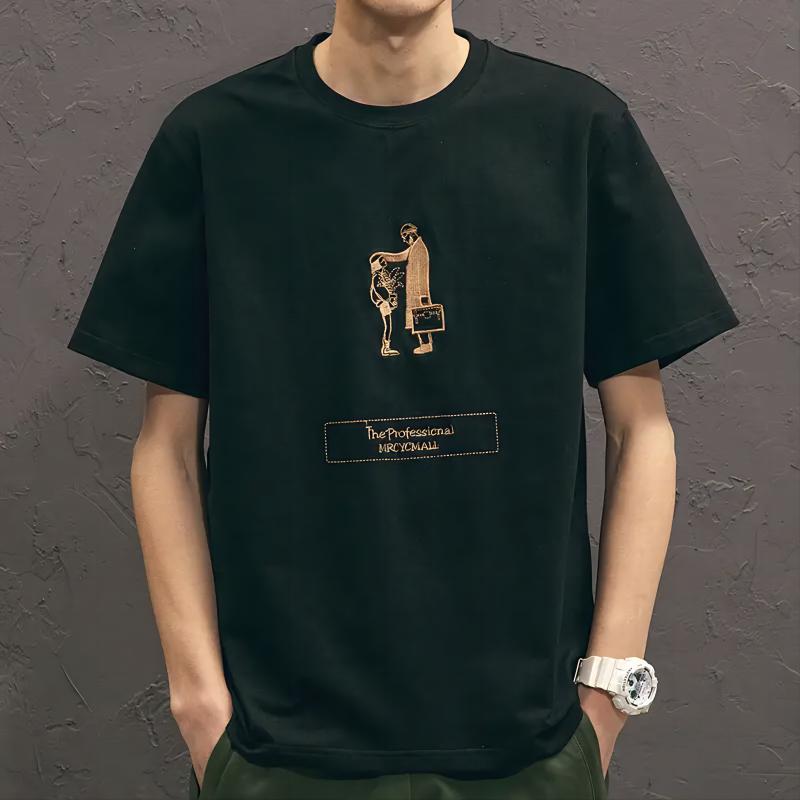
Custom T-Shirts
Custom T-shirt programs cover jersey weight, fiber composition, collar construction, fit, sleeve proportions, printing, embroidery, wash treatments, labels, and packaging. EDVORIN develops men’s and women’s styles for brand launches, wholesale assortments, uniforms, and promotional orders.
Get a Quote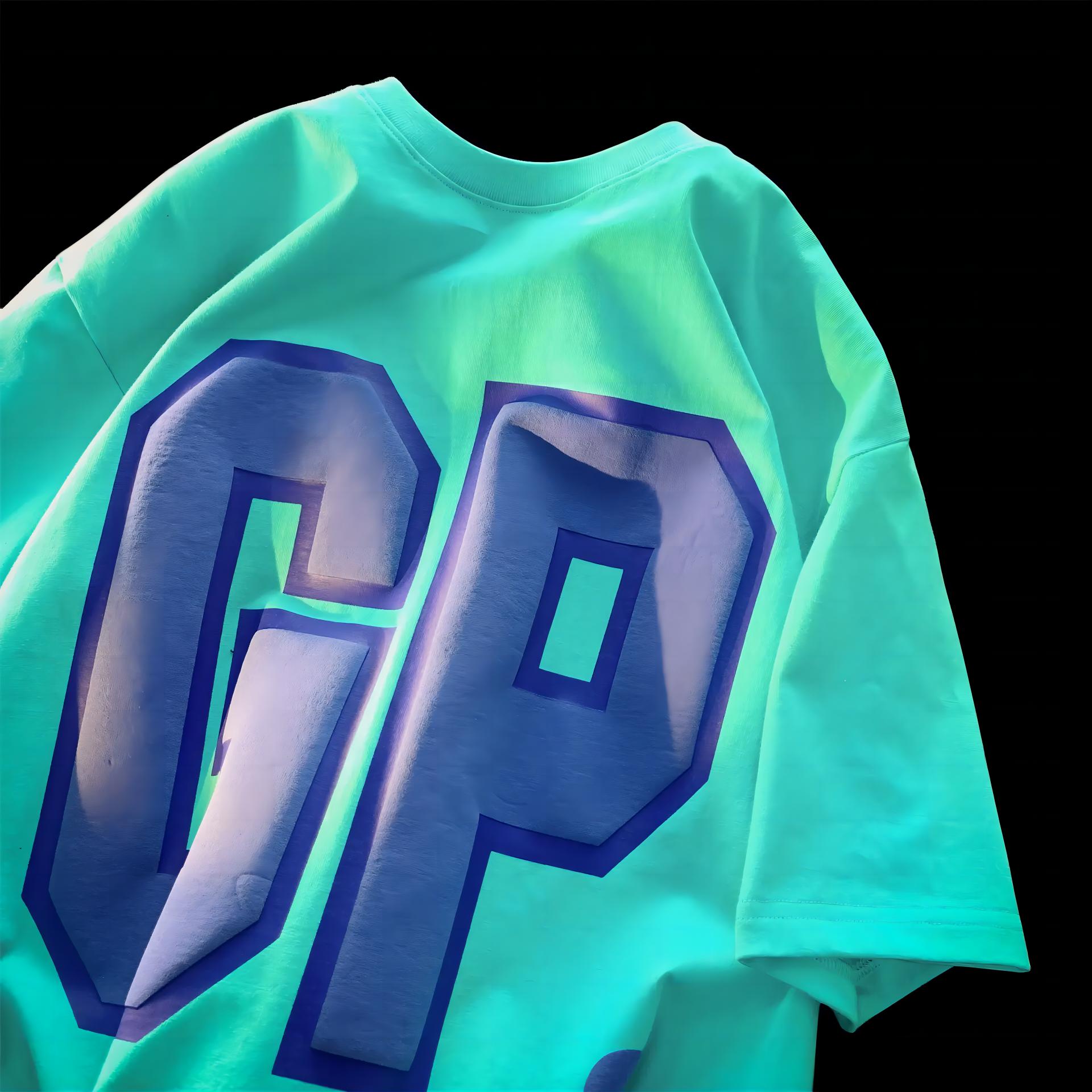
Custom Polo Shirts
Custom polo shirt manufacturing addresses pique or jersey selection, collar and placket construction, buttons, sleeve finishes, fit, embroidery placement, and color control. Programs can be developed for corporate uniforms, schools, clubs, retail collections, and private-label buyers.
Get a Quote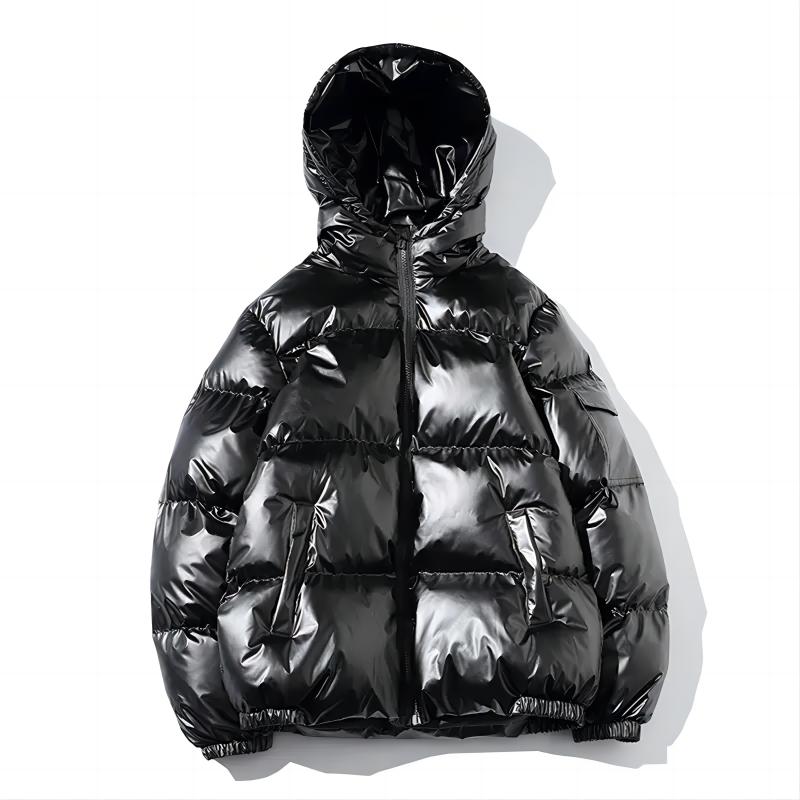
Windbreaker Jackets
Windbreaker jacket programs combine lightweight shell fabrics with lining, mesh, water-resistant finishes, zipper systems, hoods, pockets, cuffs, and printed or embroidered branding. EDVORIN develops functional outerwear specifications for teams, schools, streetwear labels, and corporate buyers.
Get a Quote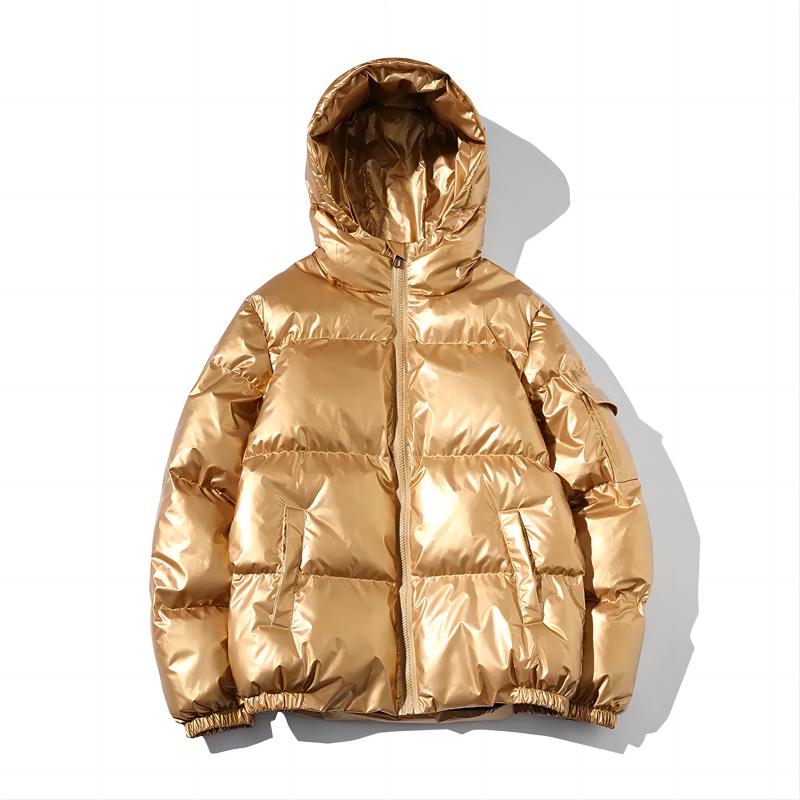
Quilted Jackets
Quilted jacket production coordinates shell fabric, lining, insulation, quilting pattern, stitch density, hardware, pockets, and finishing. EDVORIN samples warmth, bulk, silhouette, and decoration compatibility before setting the approved construction standard for repeat production.
Get a Quote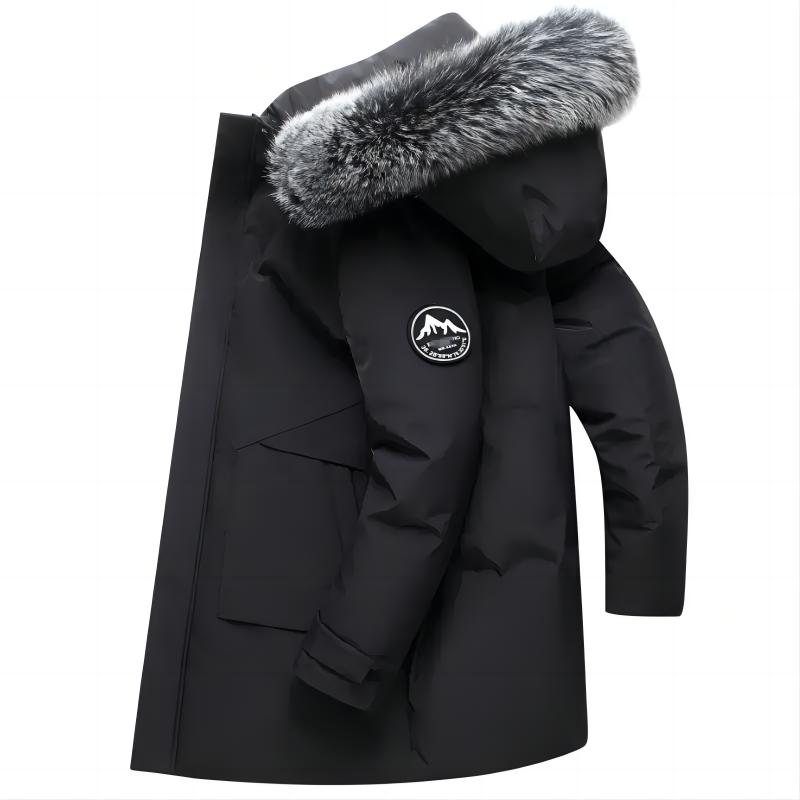
Bomber Jackets
Bomber jacket programs are developed around shell weight, lining, rib, zipper or snap hardware, pocket construction, insulation, patches, embroidery, and fit. EDVORIN supports fashion, streetwear, uniform, and private-label buyers with documented sample approvals and bulk checks.
Get a Quote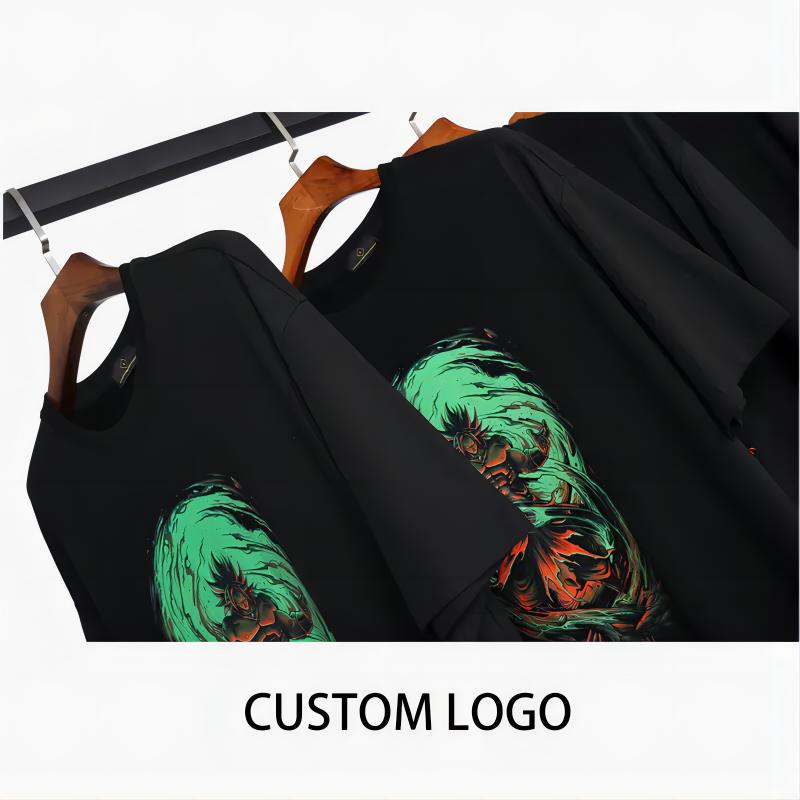
Custom Shirts
Custom woven shirt manufacturing covers fabric sourcing, collar and cuff construction, plackets, buttons, pocket details, seams, fit, and branding. EDVORIN develops men’s and women’s shirt programs for fashion collections, workwear, corporate uniforms, and wholesale assortments.
Get a Quote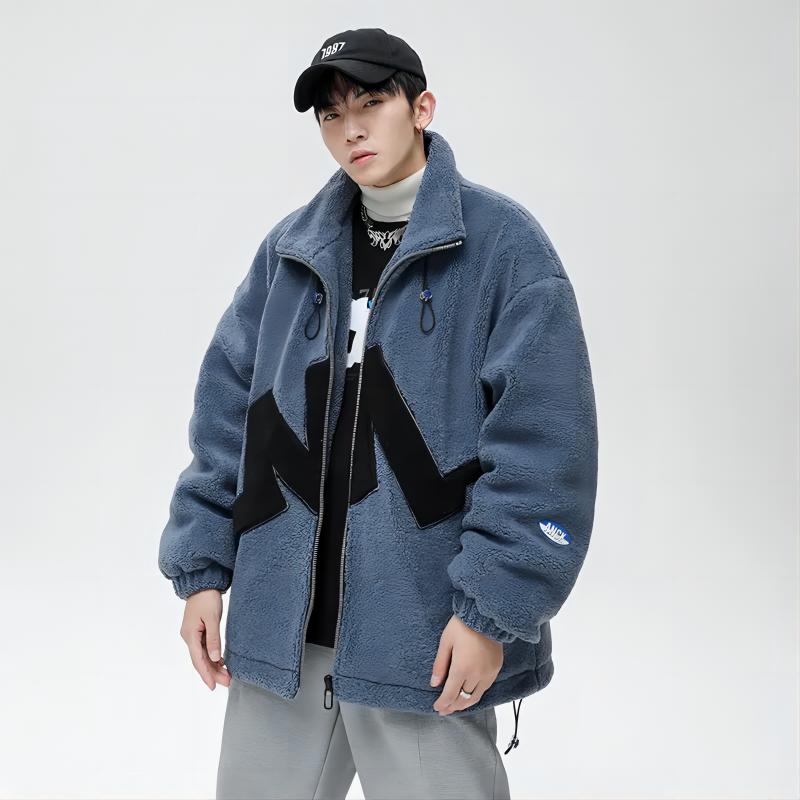
Custom Jerseys
Custom jerseys are built around fabric breathability, stretch, panel construction, color matching, sublimation or print methods, names, numbers, logos, and size sets. EDVORIN organizes specifications for clubs, schools, teams, events, and branded athletic programs.
Get a Quote
Tank Tops
Tank top development includes fabric weight, armhole and neckline finishing, fit, length, binding, print placement, embroidery, and size grading. EDVORIN supports men’s and women’s tanks for sportswear, streetwear, summer retail collections, training programs, and private-label ranges.
Get a Quote
Soccer Uniforms
Soccer uniform programs coordinate jerseys, shorts, socks, breathable fabrics, color blocking, crest applications, player names, numbers, and size allocation. EDVORIN establishes placement and color references from the approved sample for organized club, school, academy, and team reorders.
Get a Quote
Basketball Uniforms
Basketball uniform manufacturing covers lightweight performance fabrics, reversible or single-layer construction, neckline and armhole binding, side panels, sublimation, player numbering, and coordinated shorts. EDVORIN supports consistent color, sizing, and decoration control for team, school, academy, and league programs.
Get a Quote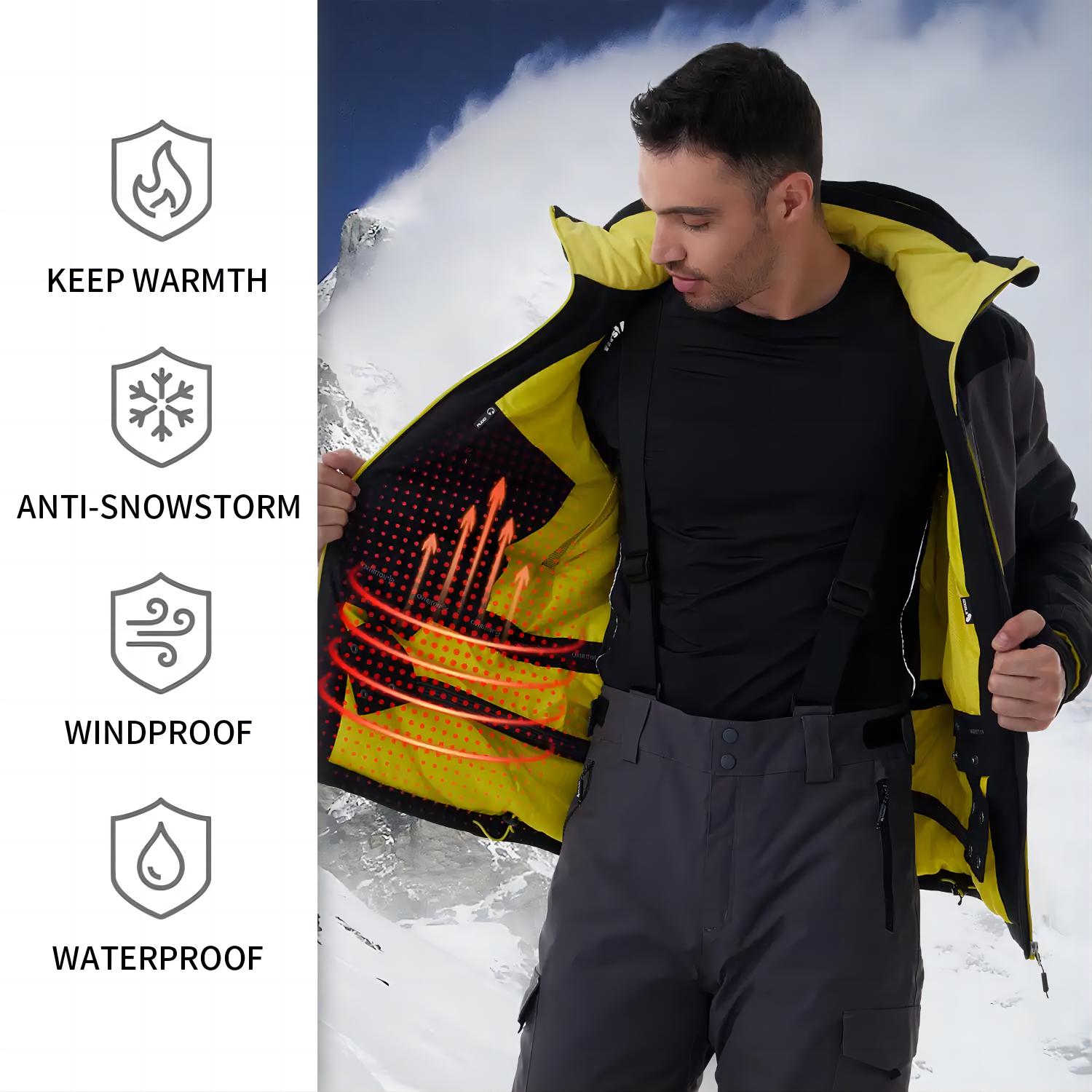
Streetwear Collections
Streetwear collections bring hoodies, tees, sweatpants, jackets, woven shirts, and shorts into one coordinated production path. EDVORIN aligns fabrics, trims, fit blocks, washes, decoration, labels, packaging, and bulk quality standards across each seasonal assortment.
Get a QuoteHooded Windbreaker Manufacturer Materials
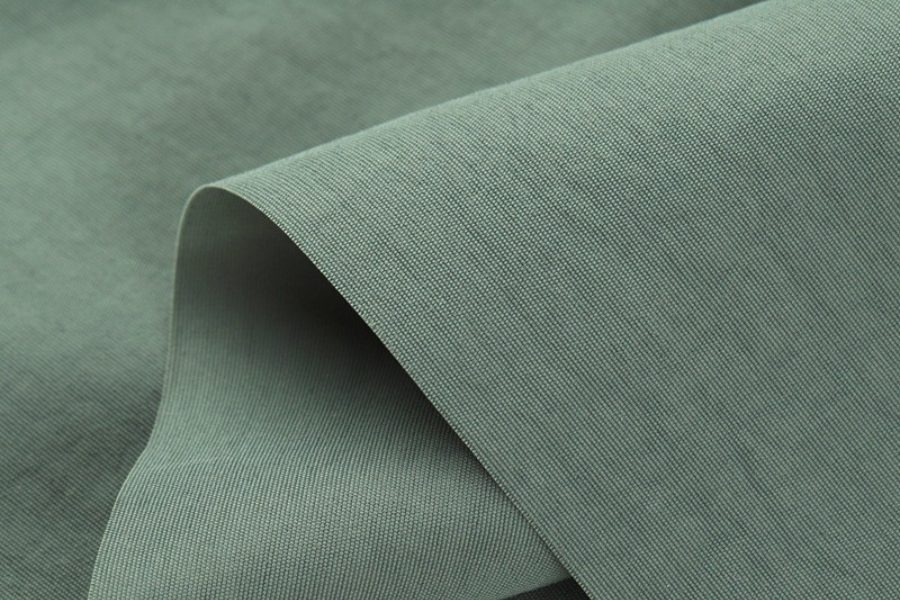
Nylon Taslan
A soft, cotton-like nylon shell suited to elevated streetwear and everyday outerwear. Its textured hand reduces the slick feel of conventional nylon while offering durable, lightweight wind protection and strong resistance to daily wear.
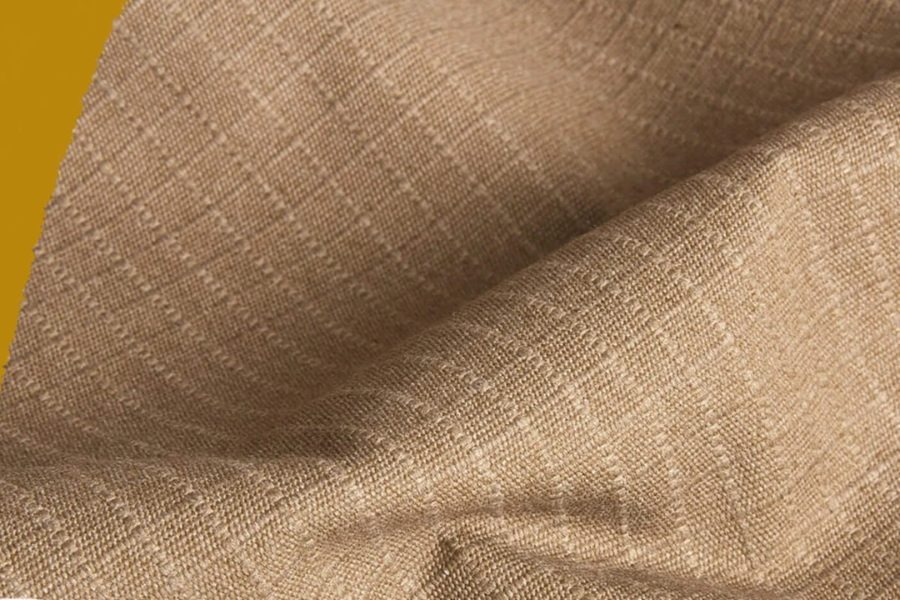
Nylon Ripstop
Lightweight woven nylon with a reinforced grid structure for packable jackets, travel pieces, and active teamwear. The crisp hand keeps silhouettes clean, while the ripstop construction helps limit tear spread during regular use.
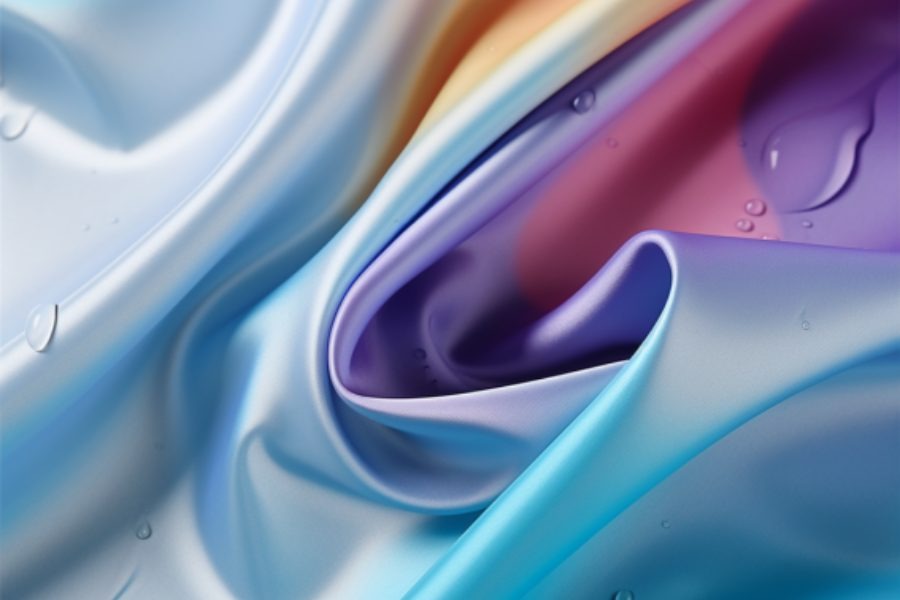
Polyester Pongee
A smooth, lightweight polyester shell for promotional windbreakers, training layers, and color-focused collections. It has a clean, slightly crisp hand and accepts dye well, supporting dependable color presentation across repeat production runs.
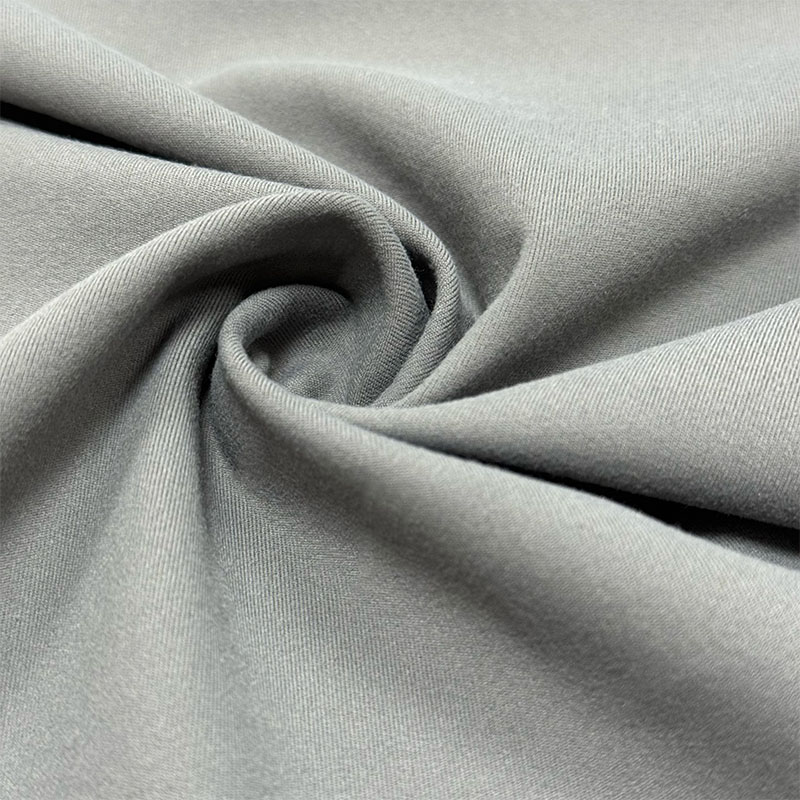
Mechanical Stretch Polyester
A flexible polyester shell developed for movement-oriented windbreakers without relying on high elastane content. Its subtle stretch improves comfort through the shoulders and sleeves while maintaining a light, resilient outerwear hand feel.
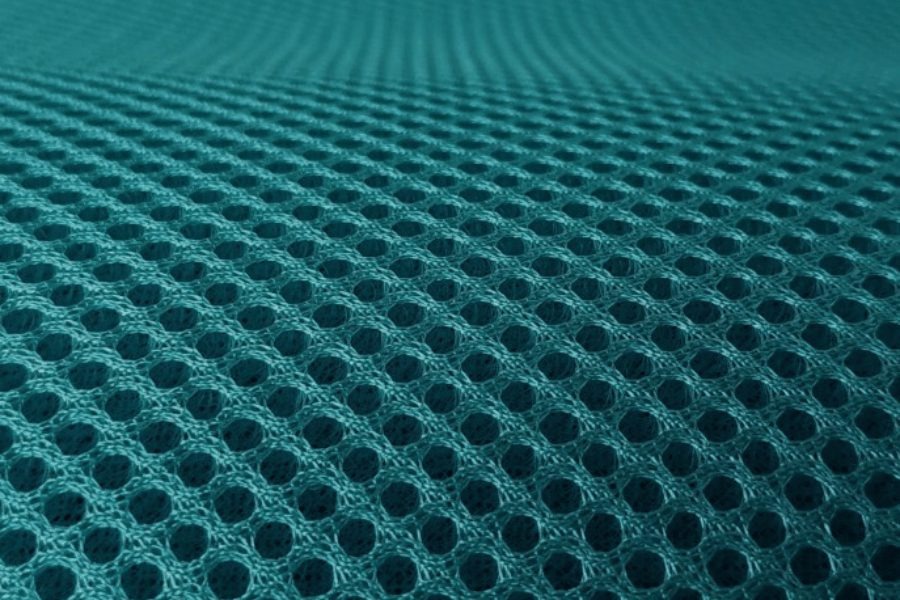
Mesh Lining
Breathable polyester mesh used inside active, training, and transitional-weather windbreakers. The open construction promotes airflow and reduces cling against the body, making it a practical lining choice for lightweight performance-focused layers.
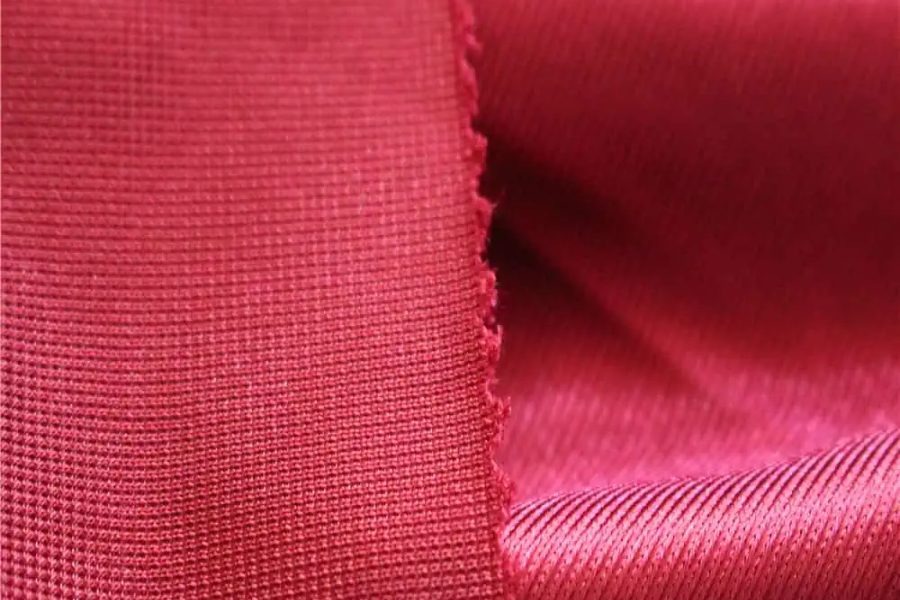
Tricot Lining
A smooth knit polyester lining suited to cleaner fashion, corporate, and teamwear windbreaker programs. Its soft hand makes layering easier, while the stable construction supports comfortable wear and a neat interior finish.
Hooded Windbreaker Manufacturer Decoration and Finishing Options
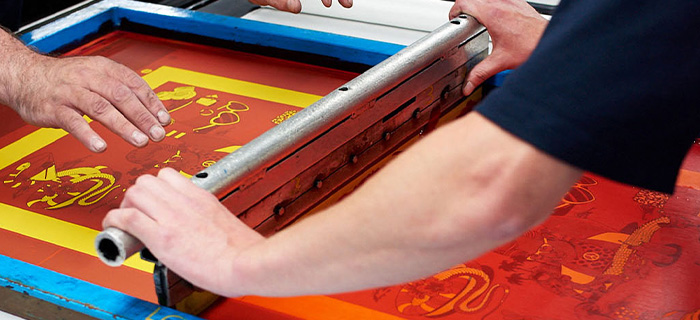
Screen Printing
Screen printing applies clear, high-impact artwork to selected windbreaker panels. EDVORIN coordinates ink, placement, and curing around the shell fabric so logos and graphics retain their intended color, coverage, and wear performance.
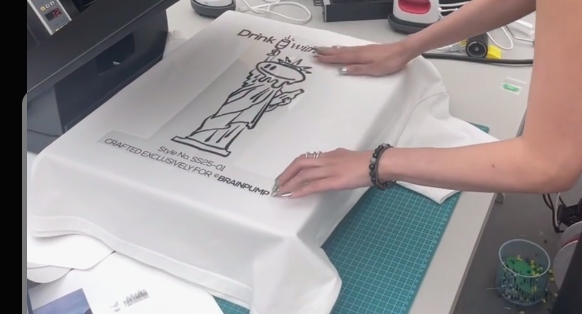
Heat Transfer
Heat transfer is suited to detailed logos, names, numbers, and multicolor artwork. Placement dimensions are confirmed during sampling, helping teams, clubs, and branded outerwear programs achieve clean, consistent application across the full size range.
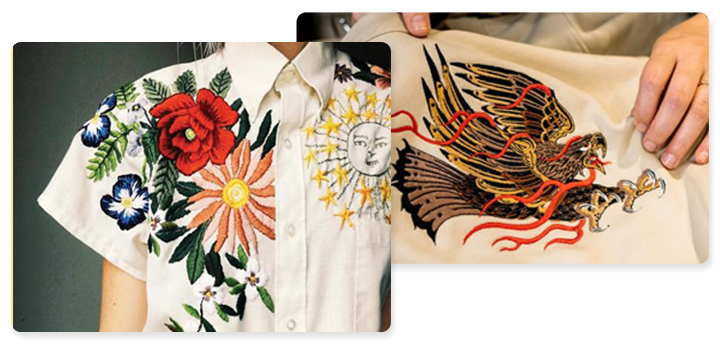
Embroidery Details
Embroidery adds dimensional identity for chest logos, sleeve marks, and small branded details. Stitch density, backing, placement, and thread color are reviewed against the windbreaker material to protect the garment’s appearance and construction.
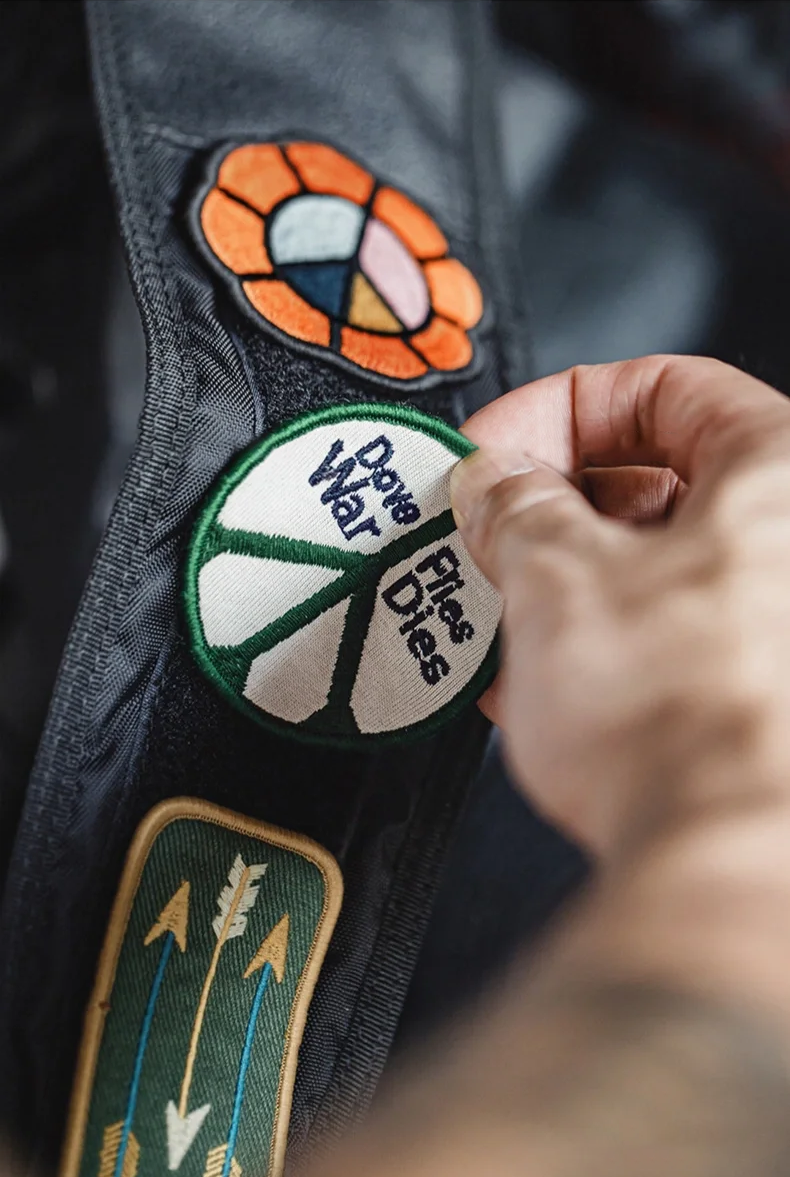
Patch Application
Woven, embroidered, rubber, or appliqué patches create a distinct branded finish for streetwear, teamwear, and private-label collections. EDVORIN coordinates patch specifications and attachment methods to produce a secure, production-ready result.
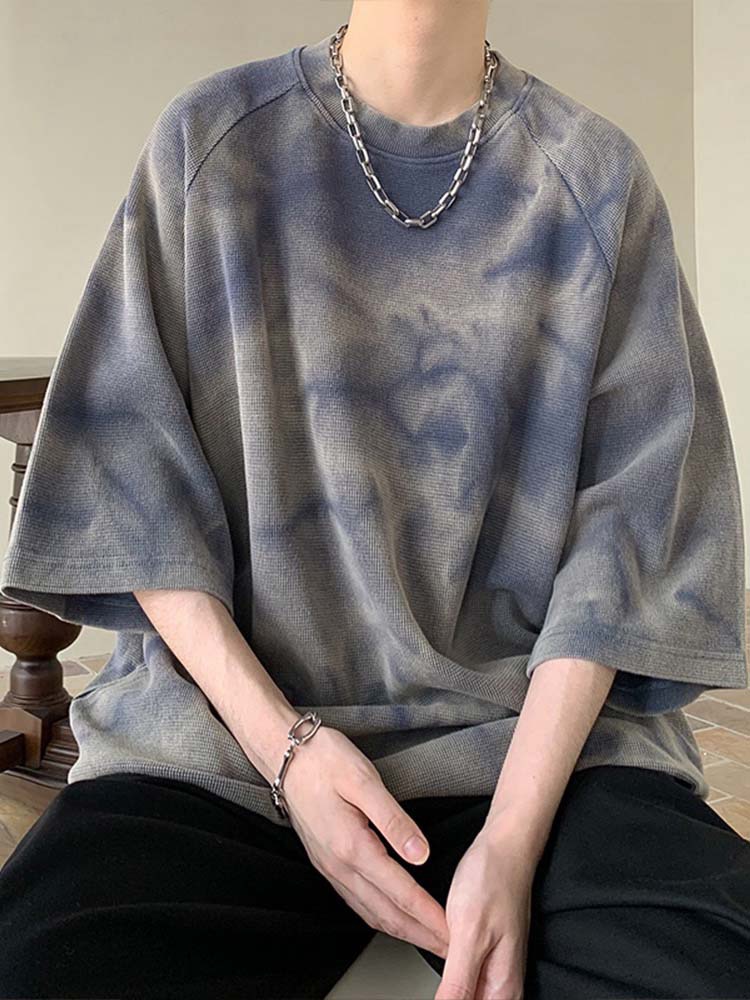
Wash Finishing
Wash and finishing options can refine the hand feel and visual character of selected windbreaker programs. Development testing helps align the chosen finish with shell fabric, trims, color expectations, and the approved sample before bulk production.
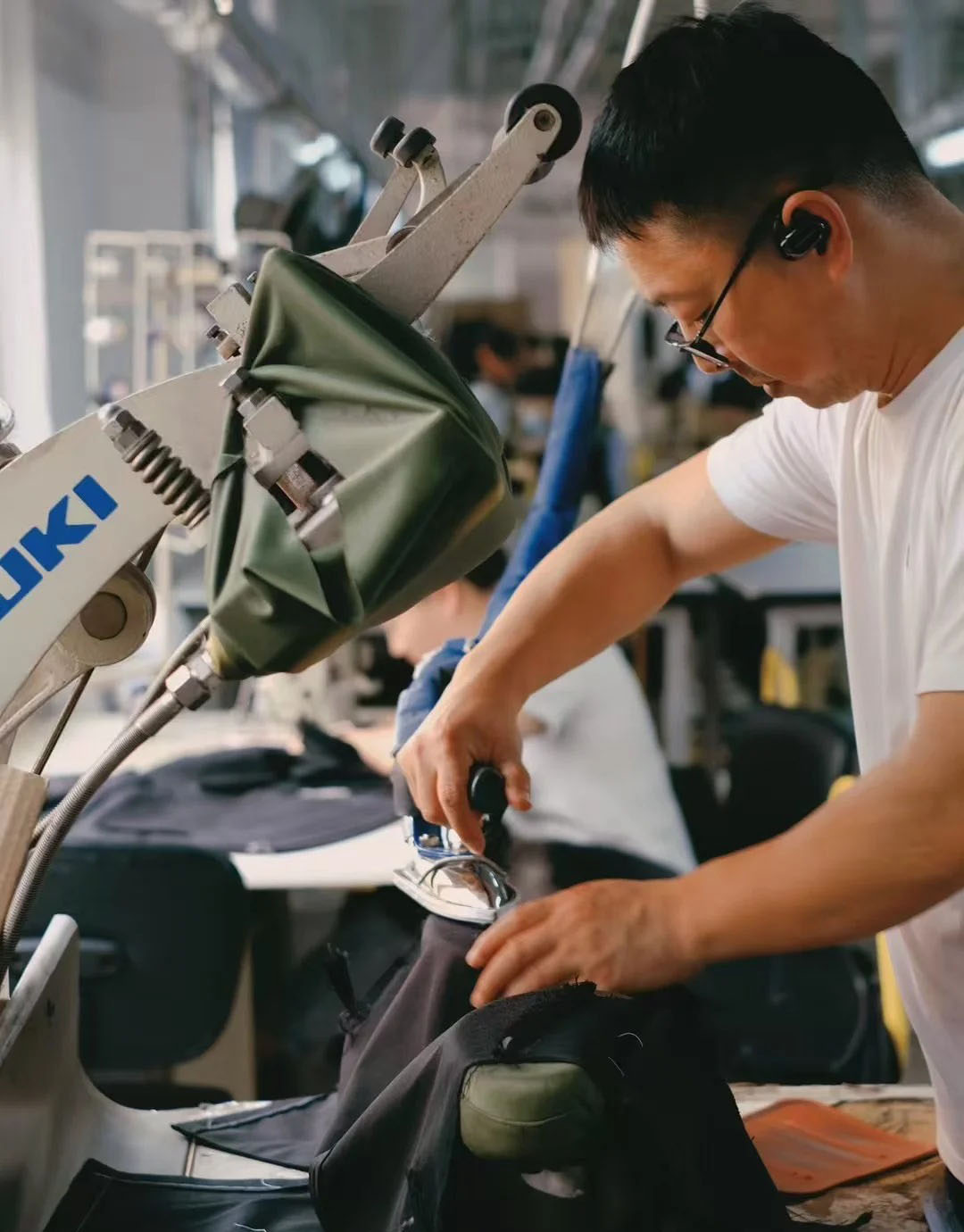
Performance Finishes
Category-appropriate finishes can support the intended outerwear use while preserving the collection’s design direction. EDVORIN coordinates material and finishing choices during development, documenting approved results for more consistent repeat production.
Trims That Complete the Hooded Windbreaker Spec
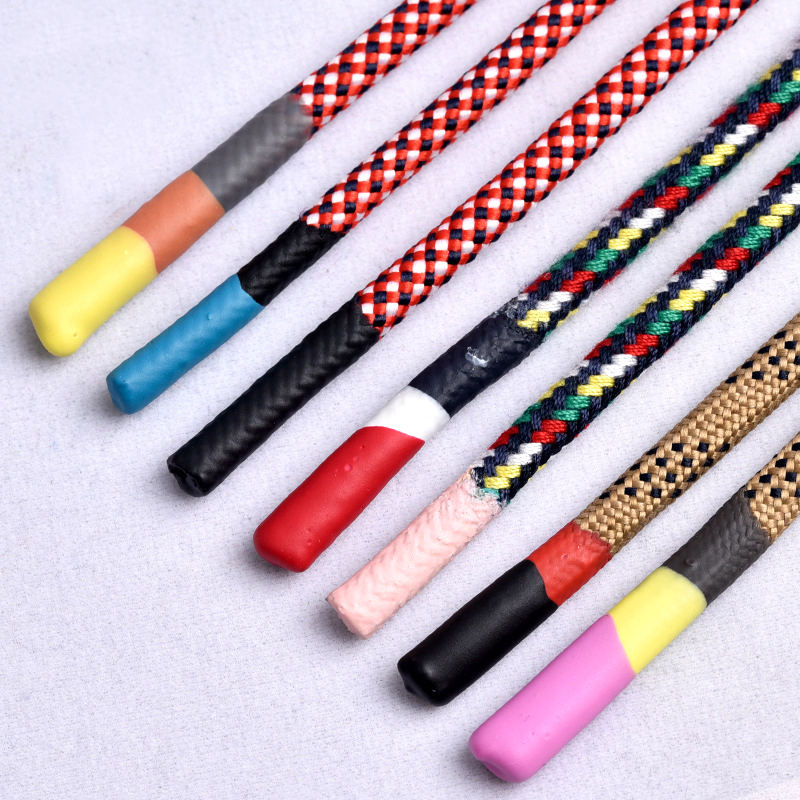
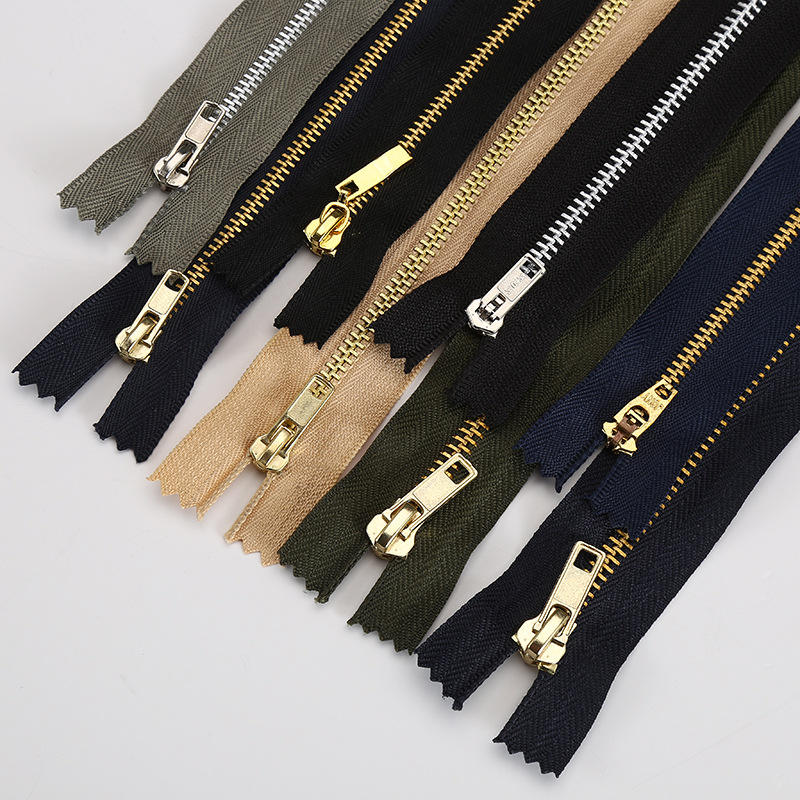
Zipper Systems
Select front, pocket or vent zippers to suit the garment’s construction and use. Zipper tape color, puller style, length and placement are documented during development to support reliable bulk assembly.
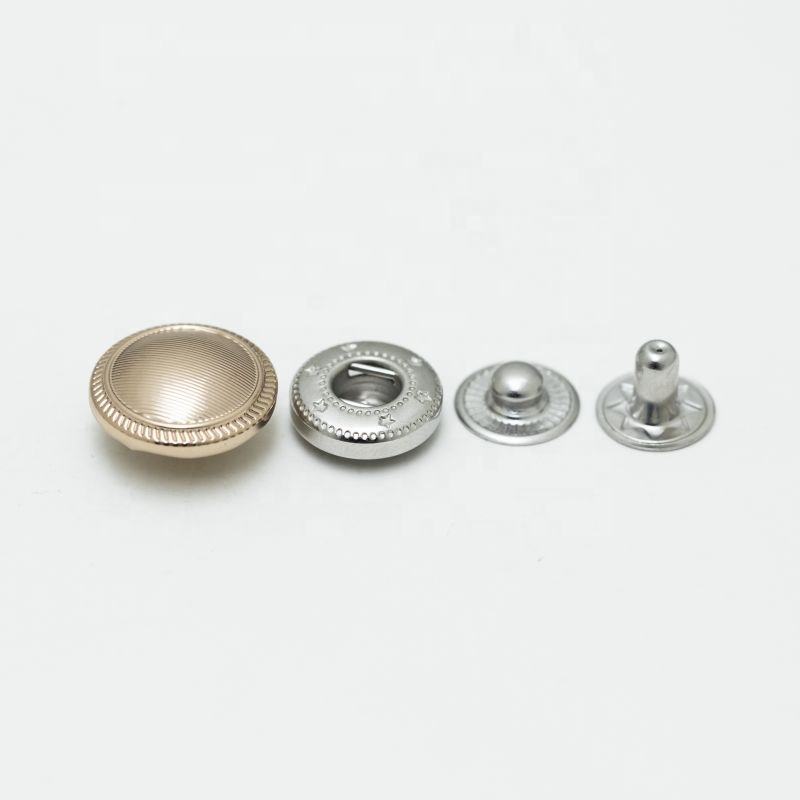
Snap Buttons
Add snap closures at plackets, pockets, cuffs or detachable components where the design calls for fast access and a defined finish. Finish color, cap style and placement can be matched to your windbreaker specification.
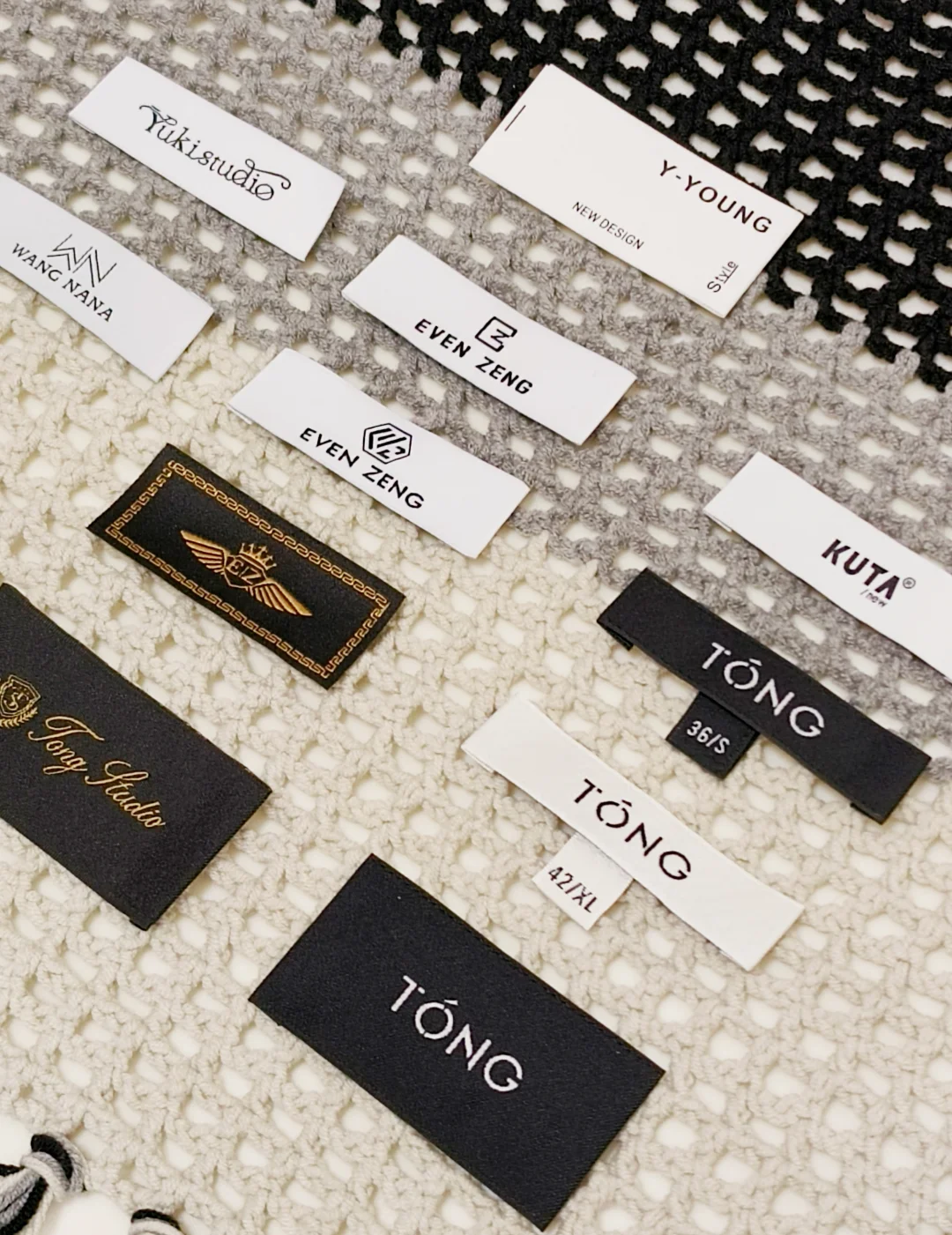
Woven Labels
Bring private-label identity into neck labels, side tabs and care labels with woven branding and required garment information. Label dimensions, fold type, color and sewing position are approved alongside the production sample.
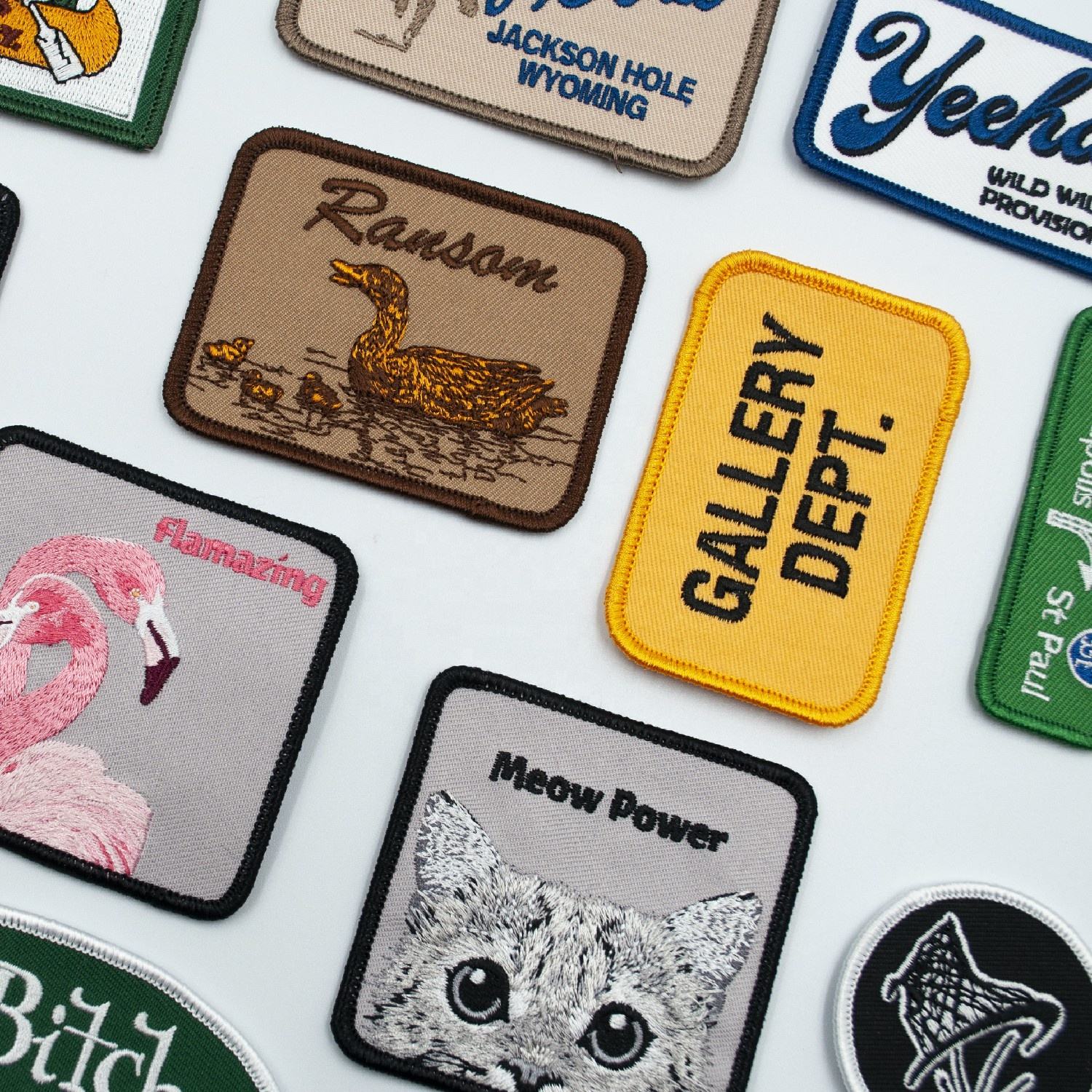
Custom Patches
Use embroidered, woven or appliqué patches to create team, streetwear or branded outerwear details. EDVORIN helps align patch construction and attachment method with the shell material, placement and overall garment durability.
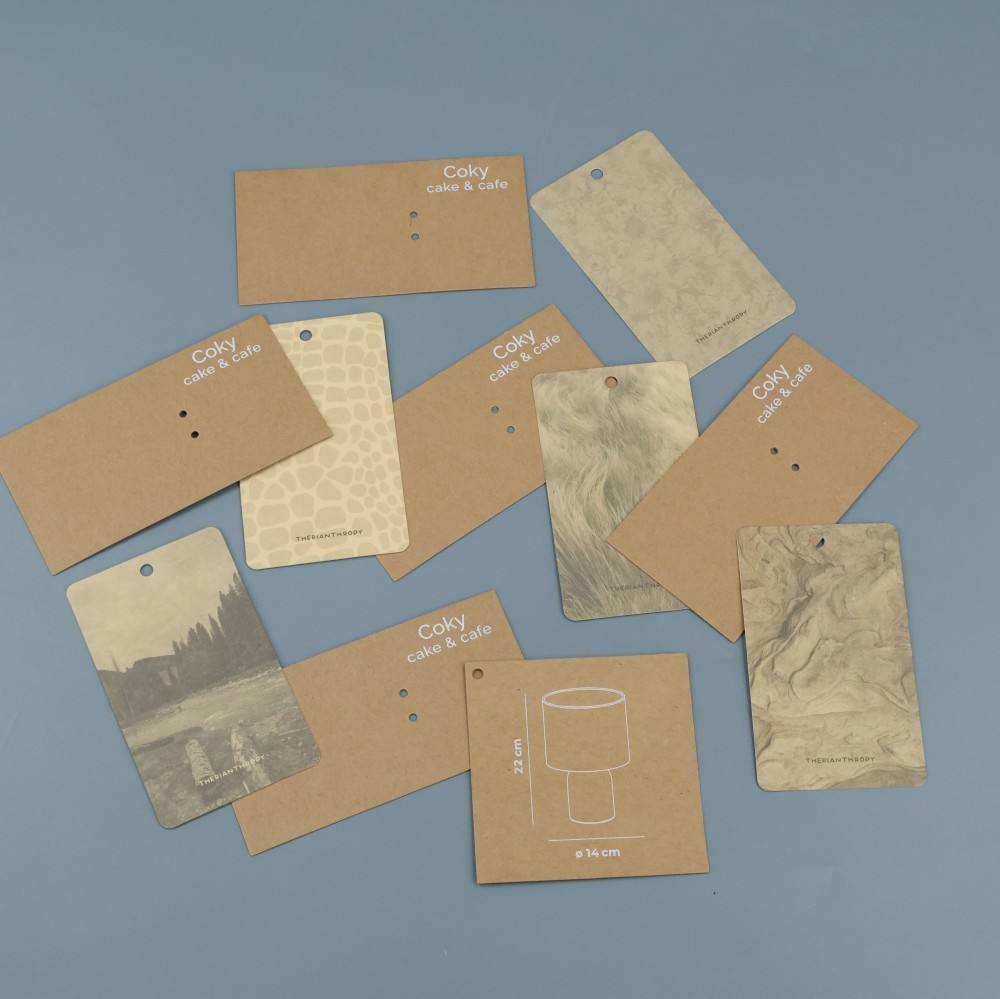
Hangtags Packaging
Complete the delivery-ready product with custom hangtags, polybags, size stickers and carton marking. Packaging details are coordinated to protect the hooded windbreaker, present your brand clearly and support organized fulfillment.
About EDVORIN, Hooded Windbreaker Manufacturer
Founded by Edvorin Zeng in 2000, EDVORIN helps fashion brands, streetwear labels, teams and private-label buyers turn outerwear concepts into repeatable production standards. As a hooded windbreaker manufacturer, we bring practical garment construction knowledge to every stage, from early ideas and technical development to approved samples.
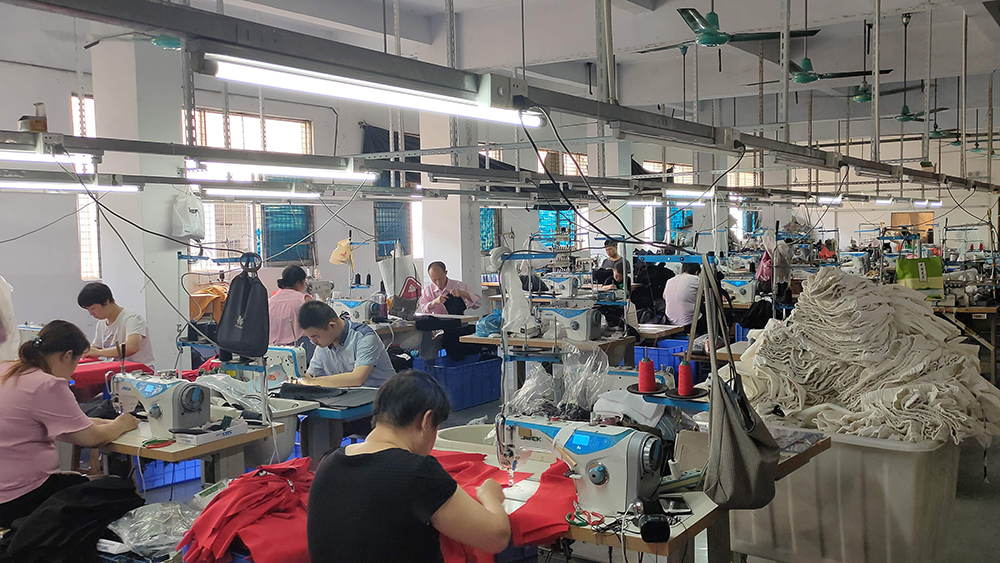
Our connected workflow coordinates shell fabrics, linings, trims, patterns, decoration, labeling, packaging and bulk quality control in one accountable production path. Men’s and women’s hooded windbreaker programs are developed around their intended fit, proportions, styling details and performance requirements rather than a one-size-fits-all specification.
What distinguishes EDVORIN is the discipline after sample approval. We document materials, measurements, artwork placement and construction details so bulk production follows a visible standard. With OEM, ODM and private-label support starting at 200 pieces per style, we help growing and established buyers build collections made to repeat.
Your Hooded Windbreaker Manufacturer for Repeatable Production
Develop Clear Specifications
Whether you start with a sketch, reference garment, or complete tech pack, EDVORIN translates the concept into measurable construction details, fit requirements, artwork placements, and component standards that production teams can follow consistently.
- Men’s and women’s fit blocks and grading
- Construction, pocket, hood, and closure details
- Measurement charts and revision records
- Private-label labeling and packaging specifications
Coordinate Fabrics and Trims
As a hooded windbreaker manufacturer, EDVORIN coordinates shell materials, linings, zippers, drawcords, elastic, labels, and decoration with the intended use, visual direction, and cost target before the program moves into bulk production.
- Shell and lining options matched to the design
- Zippers, pulls, cords, and elastic specified together
- Printing, embroidery, patches, and wash coordination
- Material and trim decisions documented for approval

Approve Samples, Control Bulk
An approved sample becomes the physical and documented standard for the order. EDVORIN carries that standard into bulk production through material checks, in-line inspection, measurement control, and final review before garments are packed.
- Sample feedback converted into production revisions
- In-line checks identify variation early
- Measurements and artwork placement reviewed
- Final inspection before labeling and packing

Why Buyers Choose EDVORIN as Their Hooded Windbreaker Manufacturer
A documented production path helps protect approved specifications from development through repeat bulk orders.
← Swipe left or right to view →
Our Hooded Windbreaker Manufacturer Process
A documented path from approved specifications to packed orders, designed to keep outerwear details consistent from sample through bulk production.
Review the Product Brief
We review your tech pack, reference garment or concept, confirming fit, construction, decoration, quantities and delivery requirements before development begins.
Source Materials and Trims
Shell fabrics, linings, zippers, cords, labels and other trims are coordinated against the approved specification, intended wear and brand direction.
Approve Sample Standards
Patterns, measurements, artwork placement and construction details are tested in sampling, then recorded as the working standard for bulk production.
Cut, Decorate and Sew
Approved materials move through cutting, printing or embroidery, and sewing, with each operation aligned to the confirmed windbreaker construction requirements.
Inspect, Pack and Ship
In-line and final checks compare completed garments with approved standards before labeling, packaging and shipment are organized for your order.
Start With a Hooded Windbreaker Manufacturer Built for Repeat Orders
Move from an initial concept or complete tech pack to an approved standard and controlled bulk production with one accountable OEM workflow.
Share Your Product Direction
Send a tech pack, sketch, reference garment, measurement chart, target quantity, and delivery needs. EDVORIN reviews construction, materials, decoration, and production requirements.
Confirm Your Development Plan
EDVORIN’s MOQ starts at 200 pieces per style. Align on quotation, MOQ, fabric and trim options, fit details, artwork placement, labeling, packaging, and sample scope before development begins.
Approve the Production Standard
Review the sample, confirm revisions, and approve measurements, materials, colors, decoration, and finishing details. The approved result becomes the reference for bulk production.
Launch Controlled Bulk Production
EDVORIN coordinates materials, cutting, sewing, decoration, in-line checks, final inspection, and packing against approved standards, keeping your windbreaker program organized through delivery.
Certified Standards for Responsible Apparel Production



What B2B Buyers Say About EDVORIN as Their Hooded Windbreaker Manufacturer
EDVORIN turned our reference jacket into a clear production package in two sampling rounds. The approved measurement, zipper, and logo-placement standards carried through all 480 units, which made our launch far easier to manage.
For our club order, the team kept colors, player names, and sizing organized across 36 SKUs. We received a consistent 720-piece windbreaker run and reordered the same specification the following season without rebuilding the program.
We came in with sketches and fabric references rather than a finished tech pack. EDVORIN helped define the hood construction, lining, and trims, then delivered a 300-piece private-label order that matched the approved sample closely.
Hooded Windbreaker Manufacturer FAQ
Clear answers for brands, teams and private-label buyers planning a custom outerwear program with EDVORIN.
EDVORIN’s MOQ starts at 200 pieces per style. What is EDVORIN’s minimum order quantity for custom hooded windbreakers?
Can EDVORIN develop my design from a sketch or reference garment?
How does windbreaker sampling work?
What lead time should I expect for custom hooded windbreakers?
What information do you need to prepare a quote?
Can EDVORIN make men’s and women’s hooded windbreakers?
How are payment and shipping handled for a custom windbreaker order?
How does EDVORIN protect my design and control bulk quality?
Complete Hooded Windbreaker Manufacturer Buyer’s Guide
Use this practical framework to compare product options, supplier capabilities, quality controls, customization routes, and total costs—so you can select a reliable partner, prepare a stronger brief, and avoid expensive sourcing mistakes.
1. What Is a Hooded Windbreaker Manufacturer?
200-piece programs commonly start with a sourcing brief, then move through material selection, pattern development, sampling, bulk cutting, sewing, decoration, quality control, labeling, packing, and delivery coordination. A hooded windbreaker manufacturer converts those decisions into a repeatable production standard.
OEM means the buyer supplies the design and specifications; ODM begins with manufacturer-developed styles that the buyer adapts. Private-label production adds the buyer’s branding, labels, and packaging, while wholesale usually supplies ready-made styles with limited changes.
5 inputs shape an accurate quotation and production plan: a tech pack or reference garment, artwork and Pantone colors, the full size range, order quantity by color, and the required delivery date. EDVORIN can help turn incomplete concepts into production-ready specifications, but approvals must document the exact standard before bulk manufacturing begins.
2. Hooded Windbreaker Evolution and Market Uses
1970s lightweight wind shells became popular as an easy outer layer for running, travel, and changeable weather. Adding an adjustable hood, elasticated cuffs, and a water-resistant finish made the basic shell more useful without turning it into insulated outerwear.
1 packable construction changed the windbreaker from a weather backup into a practical carry-on garment; self-stuff pockets and compact pouches remain relevant for event and travel programs. Mesh or lightweight tricot linings later added comfort and easier layering while preserving a low-bulk profile.
3 current buying uses now overlap: streetwear labels use color blocking and oversized proportions; sports teams need sideline layers; schools and corporate programs need visible identity; wholesalers and private-label collections need adaptable core styles. A hooded windbreaker manufacturer therefore supports fashion, uniform, promotional, and repeat-order applications within one versatile category.
3. Types From a Hooded Windbreaker Manufacturer
Six silhouette families cover most brand and uniform briefs. A hooded windbreaker manufacturer should match opening style, warmth, decoration area, and packability before sampling.
Full-Zip And Anorak
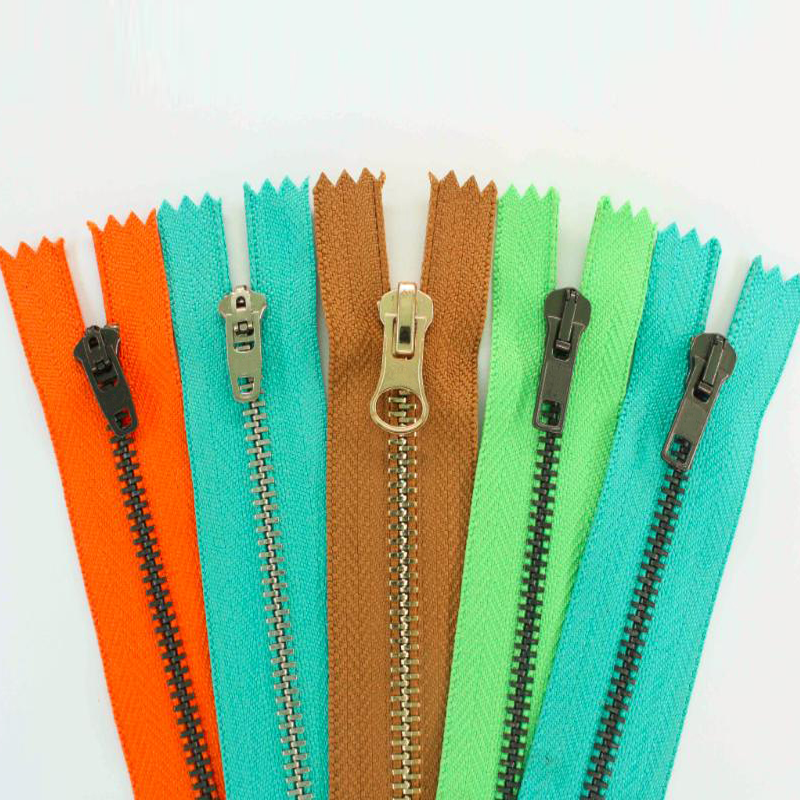
One full-zip shell suits teams and commuters needing fast layering; its chest panels and back offer clear logo placement. A pullover anorak favors streetwear, with a kangaroo pocket and fewer zipper components, but slower on-off.
Packable And Color-Block
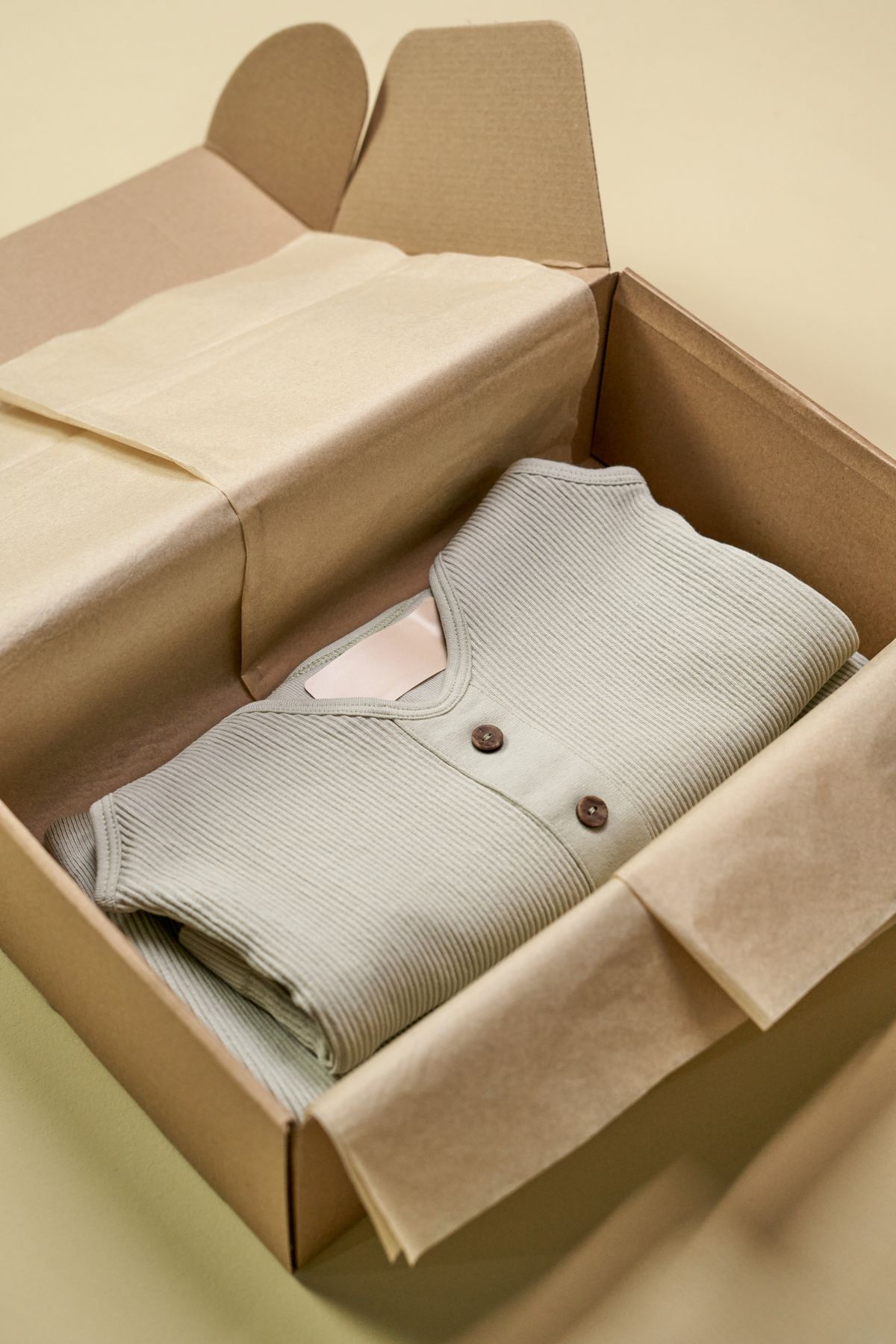
One packable style targets travel and event giveaways, usually folding into a pouch or pocket; lightweight fabric limits heavy embroidery. Two- or three-color blocking creates visible identity, yet each extra panel raises cutting, sewing, and color-matching control.
Lined And Insulated
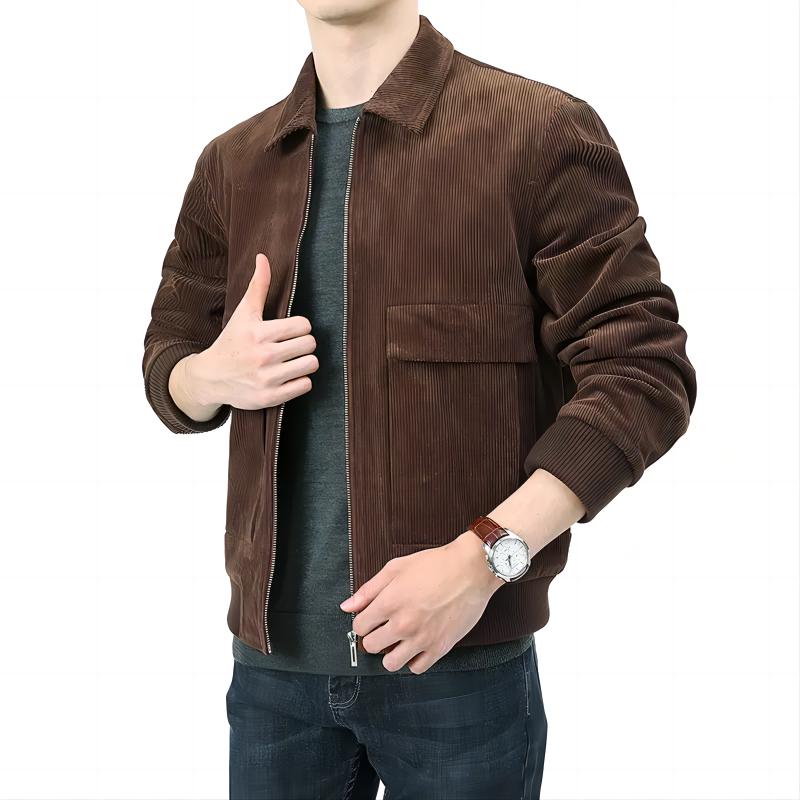
One mesh-lined jacket improves airflow and reduces shell cling for training or school uniforms; the added lining increases material and assembly cost. Lightweight insulated variants suit cool, dry conditions, but require insulation distribution checks and less compact packing.
4. Materials for Hooded Windbreaker Manufacturing
70–120 gsm shells suit packable layers; 120–160 gsm constructions add body and abrasion tolerance. A hooded windbreaker manufacturer should match weave, finish, and lining to the garment’s actual exposure and hand-feel target.
| Material | Best Application | Buyer Priority |
|---|---|---|
| 70–90 gsm polyester | Promotional or team shell | Value, color range |
| 30D nylon ripstop | Packable streetwear | Low weight, abrasion |
| Recycled polyester | Brand programs | Recycled-content option |
| Mesh lining | Training jacket | Airflow |
| Tricot lining | Everyday outerwear | Smooth hand, coverage |
Shell Construction Trade-Offs
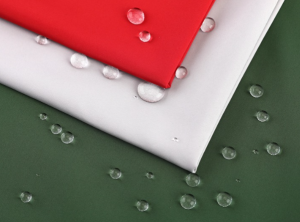
20D–50D nylon typically offers a crisp, lighter hand and strong abrasion performance, but can create more fabric noise. Polyester is usually more economical and color-stable; recycled polyester needs the same yarn, weave, and finish review as virgin material.
Plain-weave microfibers block wind well, while ripstop adds tear-control structure. A DWR finish sheds light moisture; a membrane raises weather protection but requires breathability and seam-construction decisions.
Lining Selection
50–75 gsm mesh improves air circulation for training shells. Tricot gives a smoother sleeve-entry feel and modest warmth, while an unlined lightweight woven construction is best for compact travel styles.
5. Customization and Decoration Options
Pantone references, approved strike-offs, and mapped panel seams prevent color drift between shells, linings, and trims. A hooded windbreaker manufacturer should lock artwork size and placement from the approved sample before bulk cutting.
| Technique | Best Use | Watchpoint |
|---|---|---|
| Screen print | Large logos | Color setup adds cost |
| Embroidery | Crests | Dense stitches stiffen shells |
| Heat transfer | Names and numbers | Test coated fabric adhesion |
Print And Embroidery
Screen print suits broad, opaque graphics on smooth polyester; heat transfers suit names, numbers, and small athletic runs. Fine lines, tiny type, and coated shells need test panels because adhesion and edge clarity vary.
- Embroidery: durable corporate or school crest
- All-over print: streetwear panel artwork
- Heat transfer: team numbering and personalization
Branding Components
Woven labels, neck labels, patches, custom zipper pulls, size labels, and packaging should be specified by material, color, position, and attachment method. Raised patches or pullers add unit cost and can extend sourcing time.
Match Technique To Use
Athletic programs favor heat transfers for variable names; streetwear can use panel layouts and all-over prints. Schools and corporate buyers typically prioritize readable embroidery or screen prints over detail-heavy artwork.
6. Key Hooded Windbreaker Quality Elements
One approved sample should become the measurable reference for every bulk unit. A capable hooded windbreaker manufacturer records the construction points that affect fit, function, and repeatability.
Seams And Stress Points
3–4 mm stitch lengths should remain even across panels, pocket corners, and sleeve joins. Check bar tacks or reinforcement at pocket ends, zipper bases, and hood joins; pull these points firmly by hand.
Closures, Hood, And Pockets
10 open-close cycles should run smoothly without zipper waviness, snagging, or a sharp chin edge. Wear the hood over a cap, adjust the drawcord safely, and confirm pockets lie flat, retain contents, and do not distort the front.
Fit And Finishing Checks
2–3 size samples reveal whether grading preserves sleeve length, chest ease, and hood proportion. Flex arms, sit, and layer over the intended garment; inspect cuff recovery, hem adjustment, and lining attachment for twisting or seam show-through.
7. Choosing a Hooded Windbreaker Manufacturer
Select a hooded windbreaker manufacturer on demonstrated outerwear control, not a catalog image. Use one fixed brief for every candidate so differences in development, risk, and cost remain visible.
Verify Relevant Experience
Two recent windbreaker samples should show the supplier’s handling of shell, hood, zipper, seam, and lining construction. Ask for comparable product references and a pre-production sample with recorded measurements, Pantone references, and artwork positions.
Test Production Readiness
EDVORIN’s MOQ starts at 200 pieces per style. A 200-piece MOQ may suit a launch, but confirm color and size-break rules separately. Review capacity, development support, in-line and final QC checkpoints, compliance documents, export paperwork, and realistic sample-to-bulk lead times.
Compare Like For Like
One identical tech pack, quantity, Incoterm, packing requirement, and delivery date should go to each supplier. Compare fabric, trims, decoration, sampling charges, freight assumptions, payment terms, and exclusions before choosing; the lowest unit price can omit essential controls.
8. Common Hooded Windbreaker Buying Mistakes
Eight preventable specification gaps can turn an approved windbreaker into an inconsistent bulk order. A hooded windbreaker manufacturer needs measurable standards before cutting begins, not corrections after delivery.
Lock the Technical Standard
One incomplete tech pack leaves factories to interpret fabric, seams, pockets, and hood construction differently. Prevent this with a revision-controlled pack, measurement chart, bill of materials, and approved reference sample.
One missing Pantone reference can create shade variation between shell, lining, and rib. Specify Pantone codes, color approvals, and a defined water-resistance test requirement rather than relying on ‘water-resistant’ wording.
Control Fit and Trims
Three size points are not enough to validate a graded size range; poor grading produces distorted proportions and returns. Approve fit samples on the intended wearer and sign off grading rules for every size.
One low-grade zipper, cord lock, or elastic can undermine an otherwise sound shell. Name trim material, finish, puller shape, and supplier standard in the BOM.
Document Artwork and Delivery
One visual mockup rarely records placement accurately, causing crooked prints or inconsistent embroidery. Provide artwork files, print size, placement measurements, color callouts, and decoration approval.
Three unclear shipping terms—Incoterms, delivery date, and destination—can create cost disputes or missed launches. Confirm responsibility for freight, duties, packing, inspection, and handover before the purchase order.
9. Steps to Launch Your Windbreaker Line
A 200-piece program moves faster when commercial, design, and approval decisions are locked in sequence. Treat each approval as a gate: do not release the next step with unresolved fit, color, artwork, or delivery assumptions.
Set The Commercial Brief
1 customer profile and target retail price determine the silhouette, feature set, and cost ceiling. Gate: confirm quantity by color and size before requesting a quote from a hooded windbreaker manufacturer.
- Define wearer and sales channel
- Set target retail and landed cost
- Confirm delivery date and destination
Build The Production Standard
1 tech pack should specify shell, lining, measurements, construction, trims, Pantone colors, artwork placement, labels, and packing. Gate: approve the development sample and graded size chart before bulk materials are committed.
- Select full-zip, anorak, or packable silhouette
- Approve fabric handfeel and performance target
- Record artwork dimensions and placement
Release And Control Bulk
2 checkpoints—pre-production review and final inspection—protect the approved standard during bulk production. Gate: release purchase order only after colors, artwork, size breakdown, payment terms, and inbound freight plan are confirmed.
- Inspect measurements, seams, zippers, and decoration
- Confirm carton marks and packing quantities
- Book freight around ex-factory readiness
10. Hooded Windbreaker Manufacturer Pricing and Costs
200 pieces is a practical first pricing tier: a hooded windbreaker manufacturer should quote it separately from 500 and 1,000 pieces. Shell fiber/weight, mesh or taffeta lining, seam and pocket complexity, decoration, custom zippers, labels, and packaging can each change unit cost.
7–21 days is a reasonable development allowance after artwork, measurements, Pantone references, and trim specifications are complete. Sampling, revisions, and testing should sit outside the bulk unit price unless the quotation explicitly includes them.
3 quote elements protect comparability: one tech pack, one quantity-and-color breakdown, and the same Incoterm. Budget landed cost as ex-factory price plus samples, freight, insurance, duty, brokerage, and destination handling; confirm whether pricing is EXW, FOB, or DDP.
| Illustrative order tier | Unit-cost pressure | Typical bulk lead time |
|---|---|---|
| 200–499 pieces | Highest setup allocation | 30–45 days |
| 500–999 pieces | Moderate allocation | 30–50 days |
| 1,000+ pieces | Lower setup allocation | 40–60 days |
Partner With a Hooded Windbreaker Manufacturer Built to Repeat
Send your tech pack or concept to EDVORIN for OEM development, private-label details, and a quote for programs starting at 200 pieces per style.