
Reflective Windbreaker Manufacturer for Private-Label Programs
EDVORIN’s MOQ starts at 200 pieces per style. EDVORIN develops reflective windbreakers for fashion, streetwear and teamwear buyers, with OEM support and a 200-piece-per-style starting MOQ.
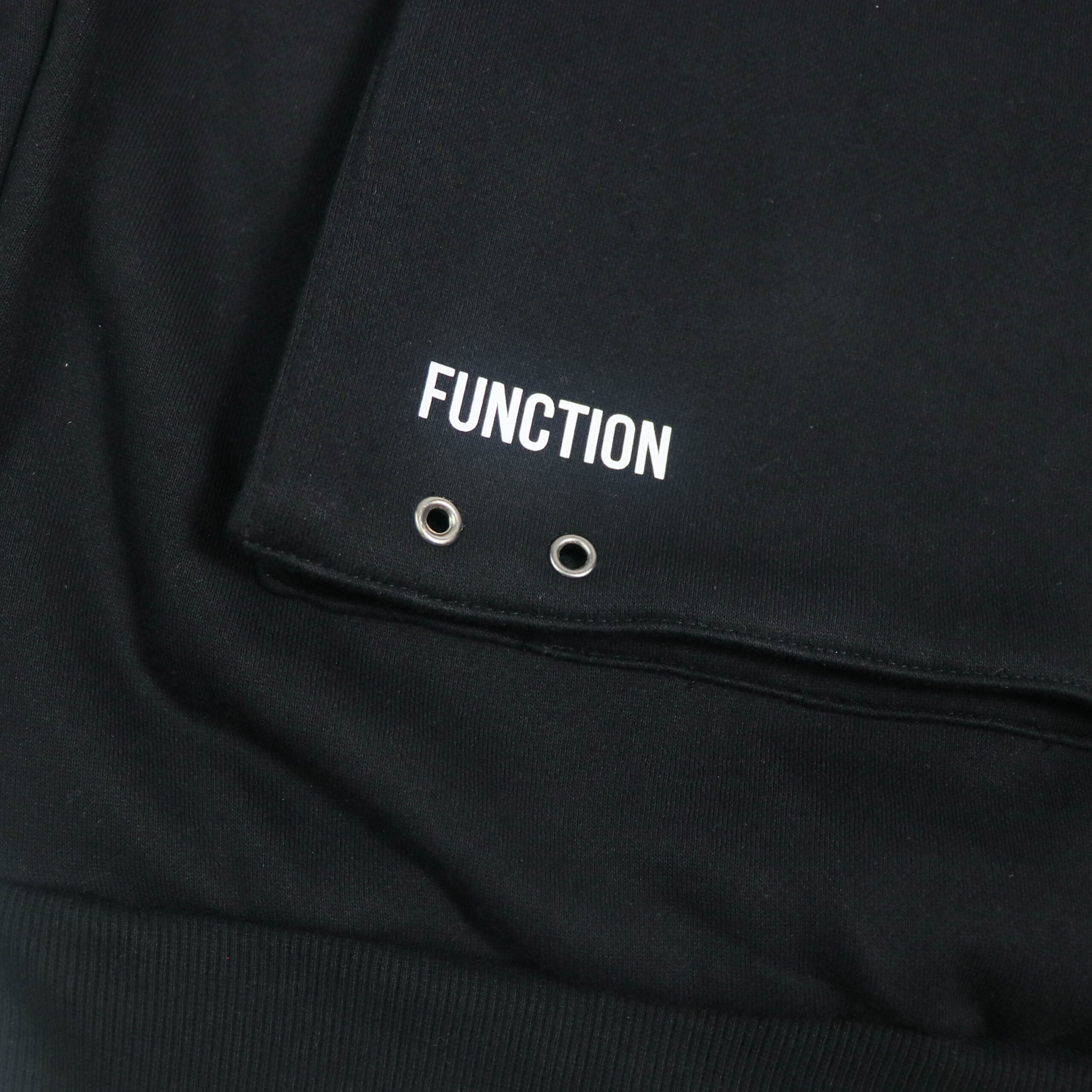
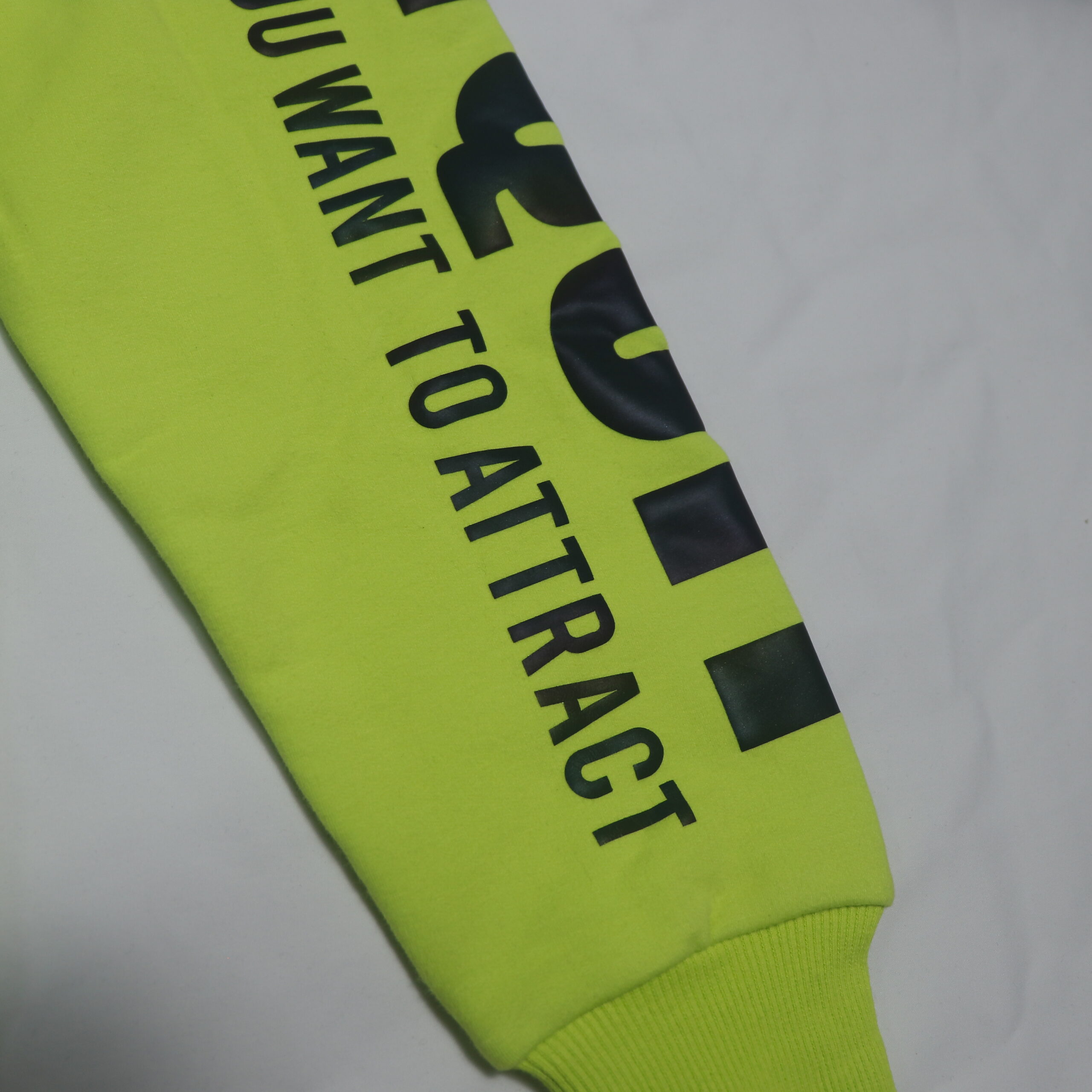
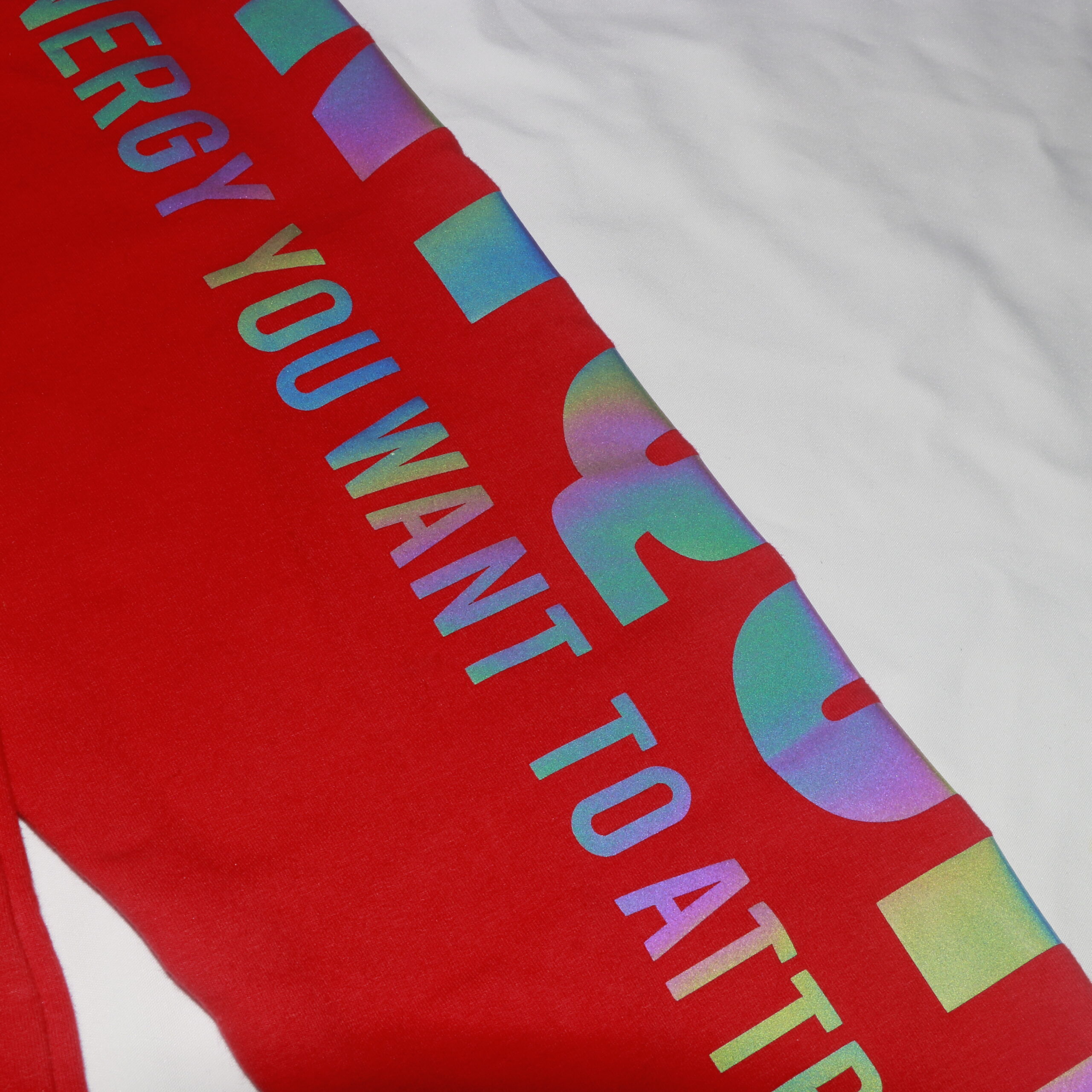
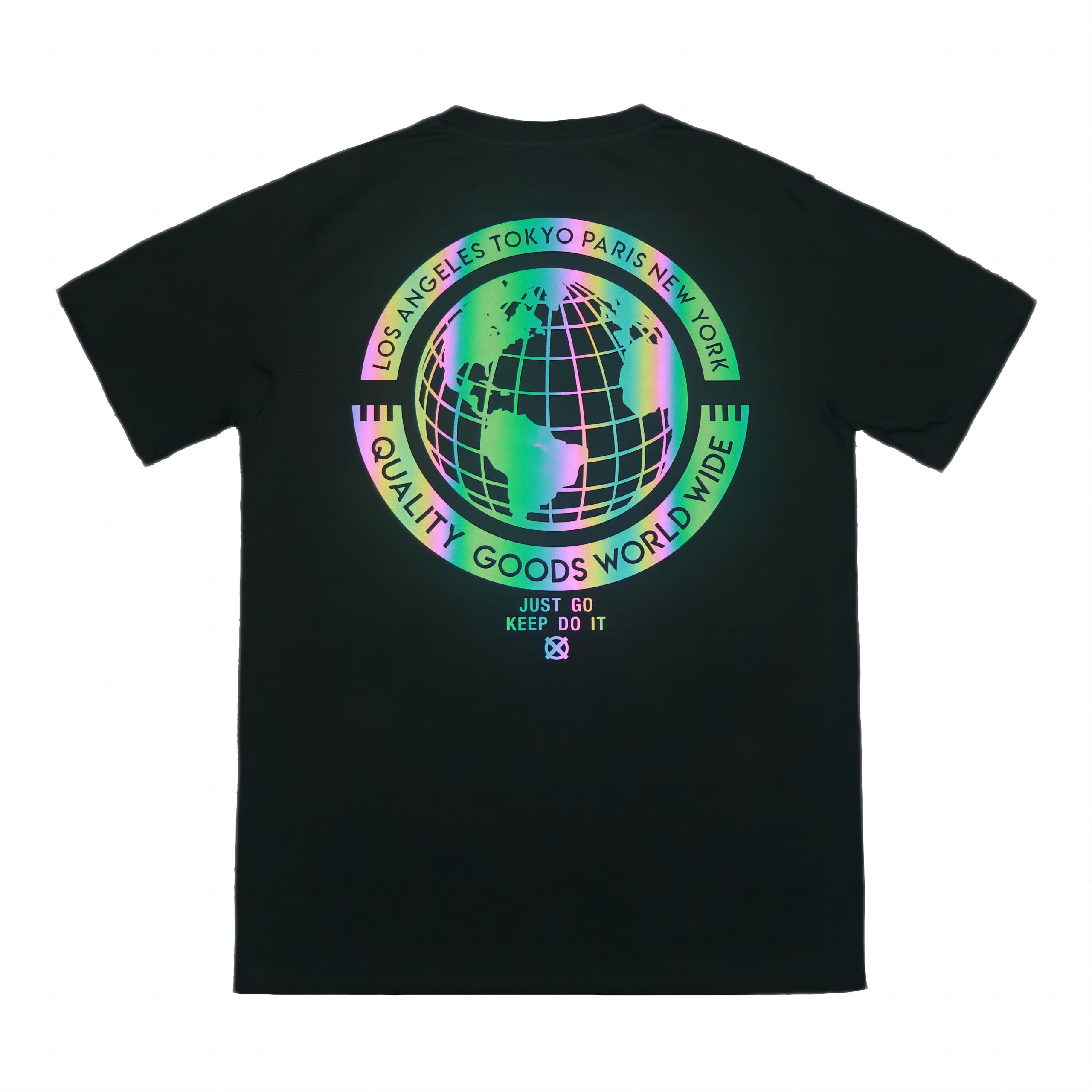
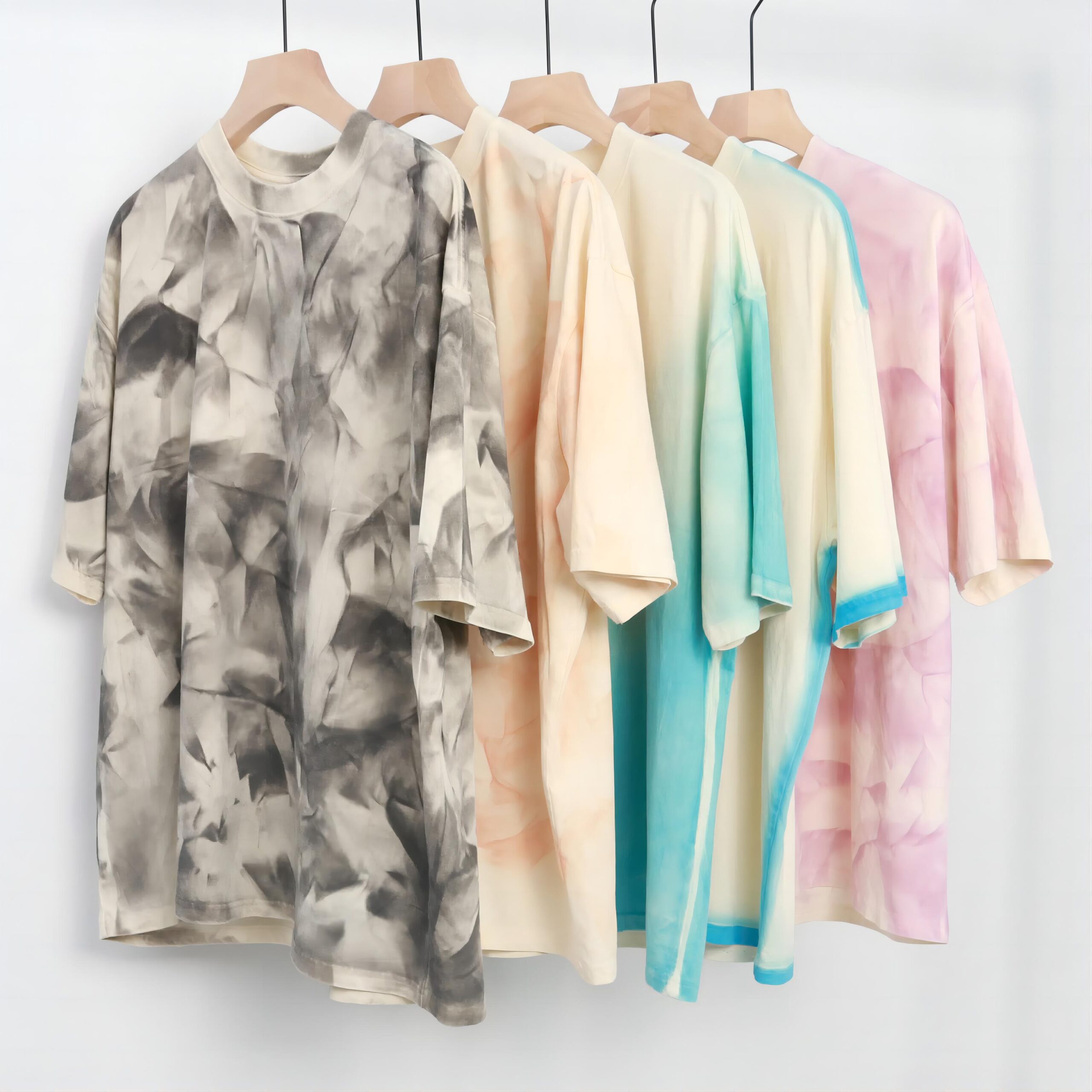
Featured Products for Reflective Windbreaker Development





Built to Repeat: Reflective Windbreaker Production
EDVORIN coordinates development, sourcing, decoration and quality control so approved windbreaker designs can move confidently into repeatable bulk production.
Outerwear-Focused Development
Translate sketches, references or tech packs into windbreaker specifications with practical attention to construction, fit, shell, lining and functional details.
Flexible OEM and ODM
Support complete buyer specifications or early-stage concepts with development guidance tailored to fashion, streetwear, teamwear and private-label programs.
Coordinated Material Sourcing
Align shell fabrics, linings, reflective components, zippers, labels and packaging within one accountable production path for clearer approvals.
Category-Specific Decoration
Plan printing, embroidery and reflective placement around the windbreaker base material, garment construction and intended visual performance.
Approved Sample Control
Document approved measurements, materials, trims and artwork placement to guide in-line checks and final inspection during bulk production.
200-Piece Starting MOQ
Begin a reflective windbreaker program from 200 pieces per style, with flexible support for emerging labels, wholesale buyers and established brands.
Reflective Windbreaker Manufacturing for Every Program
From single-category launches to coordinated collections, EDVORIN develops repeatable apparel programs with construction, decoration, and quality standards aligned to each buyer’s use case.
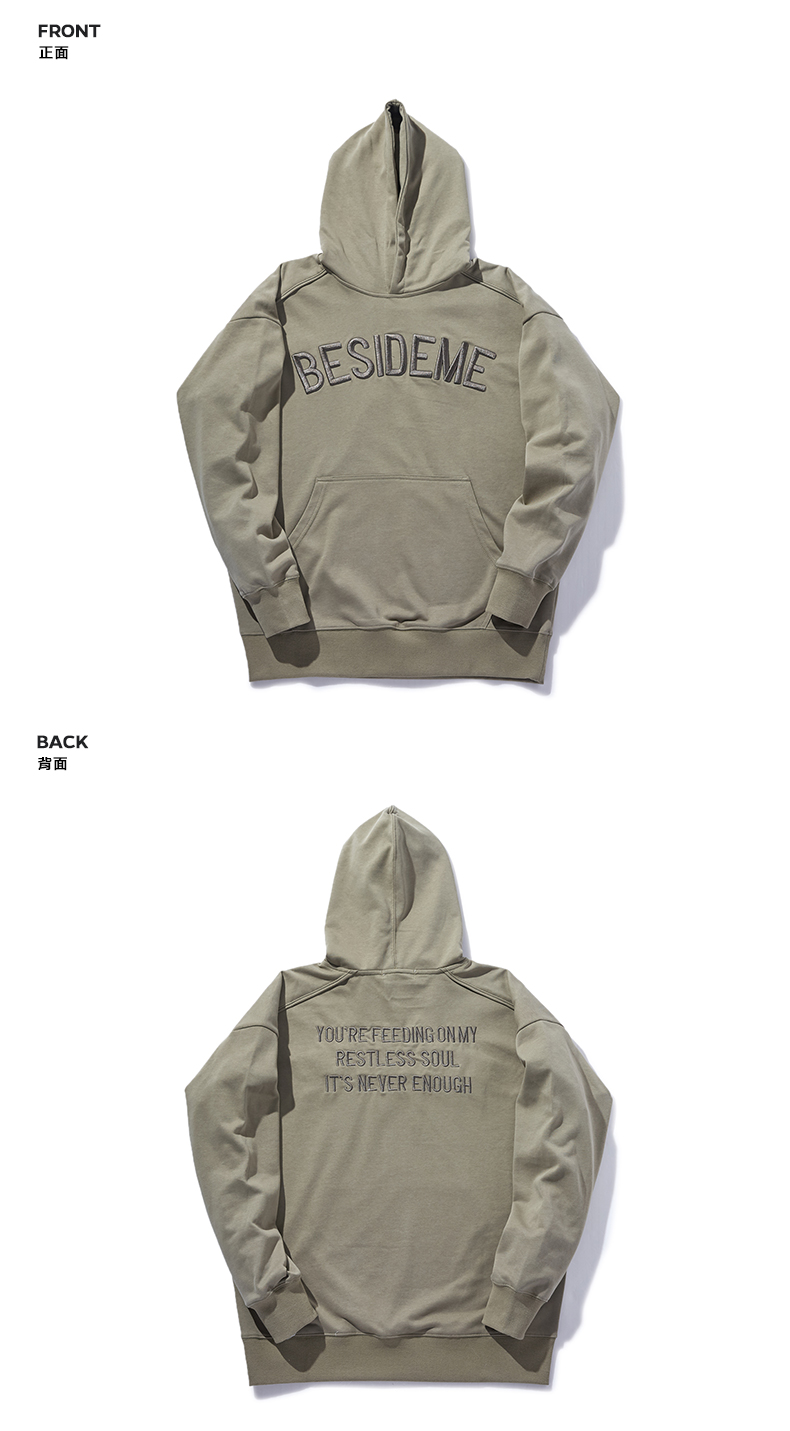
Custom Hoodies
EDVORIN develops custom hoodies with fleece selection, fit blocks, rib specifications, drawcords, pockets, labels, and print or embroidery placements documented for sample approval and repeat bulk production.
Get a Quote
Pullover Sweatshirts
Pullover sweatshirts are developed around fabric weight, neckline construction, rib recovery, grading, and decoration requirements. Programs can be adapted for men’s or women’s assortments, wholesale ranges, school merchandise, and private-label collections.
Get a Quote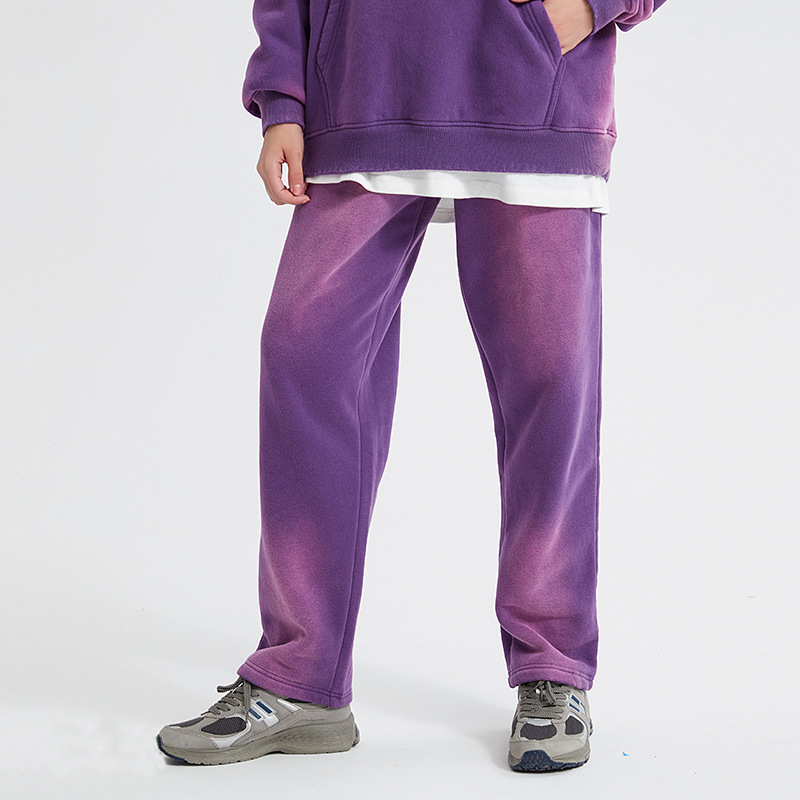
Sweatpants & Joggers
Custom sweatpants and joggers are built with defined fits, elastic or rib cuffs, waistband construction, pockets, drawcords, and coordinated fleece options. Approved measurements and trims provide a consistent standard for repeat orders.
Get a Quote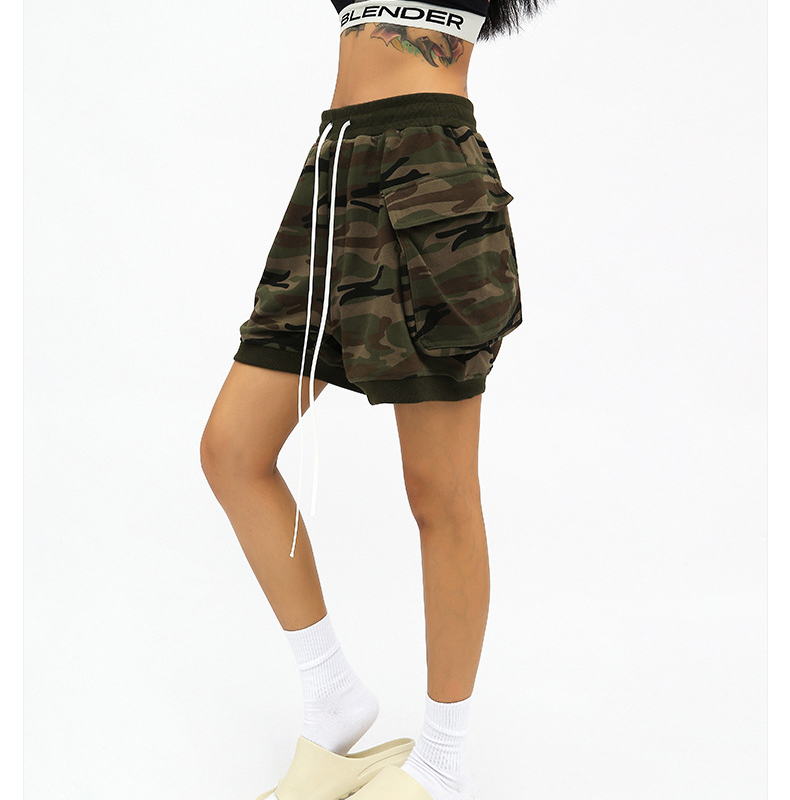
Custom Shorts
Custom shorts programs can include fleece, jersey, woven, or performance fabrics, with specified inseams, waistbands, pockets, liners, and decoration placement. EDVORIN supports branded casualwear, sports, school, and promotional requirements.
Get a Quote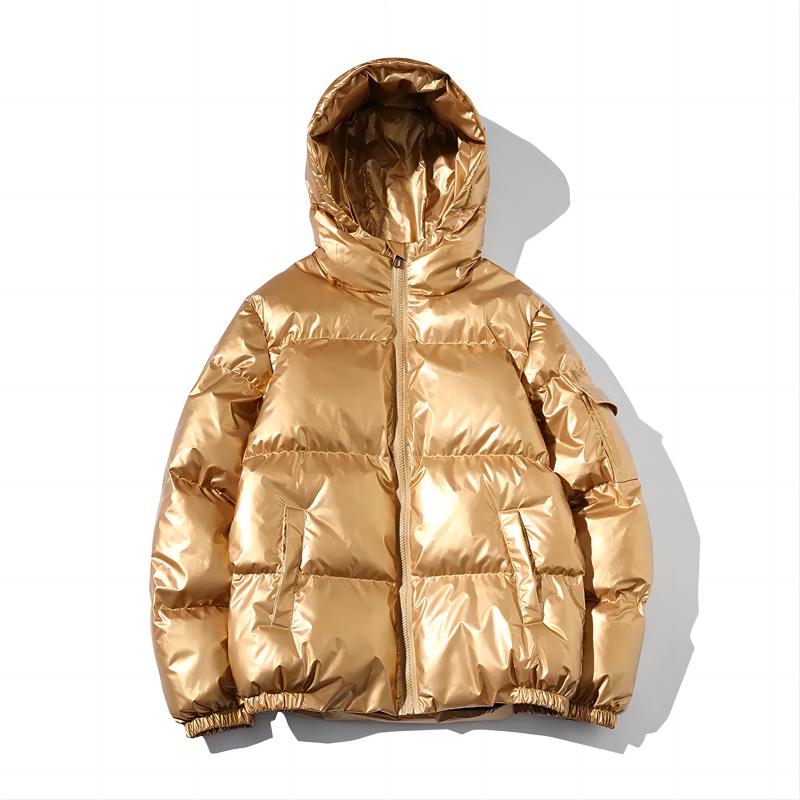
Varsity & Baseball Jackets
Varsity and baseball jackets require coordination of body fabric, sleeves, rib, snaps, lining, patches, embroidery, and color blocking. EDVORIN documents these components to protect the intended look from sample through bulk production.
Get a Quote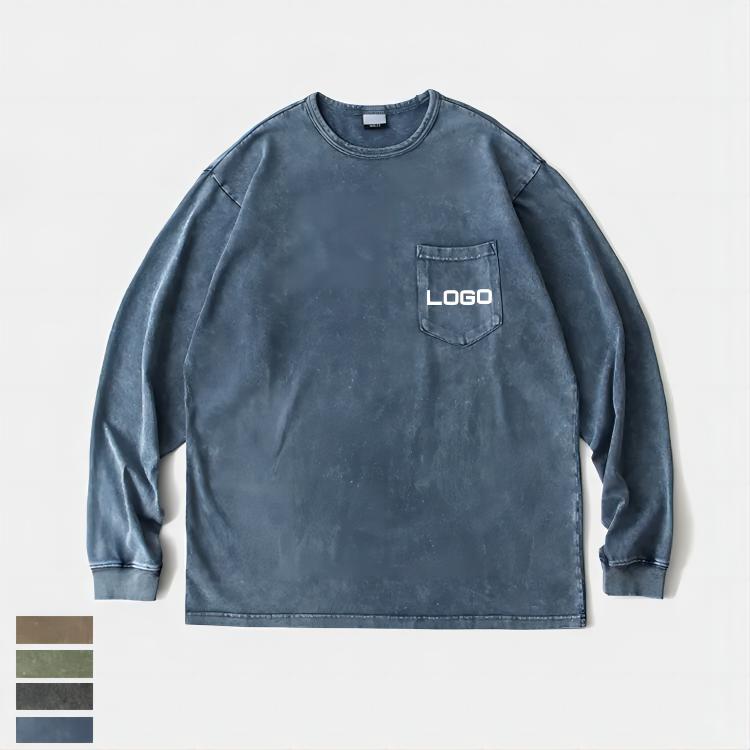
Custom T-Shirts
Custom T-shirts are developed with selected jersey weight, fit, collar construction, print method, wash treatment, labels, and packaging. They can support merchandise drops, wholesale basics, corporate programs, and private-label assortments.
Get a Quote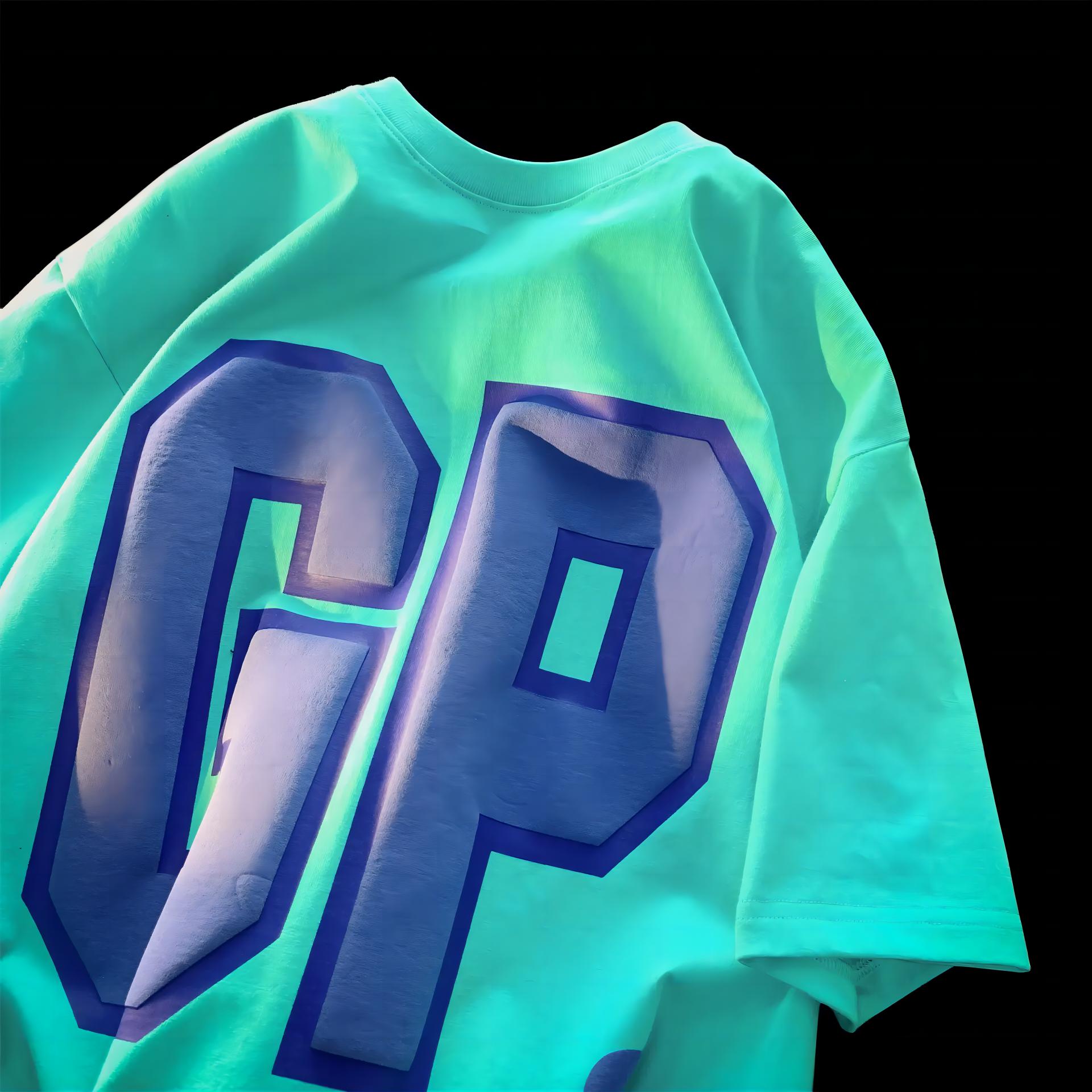
Custom Polo Shirts
Custom polo shirts can be specified with pique or performance fabric, collar and placket construction, buttons, contrast details, embroidery, and grading. They suit uniforms, corporate apparel, school programs, and branded retail collections.
Get a Quote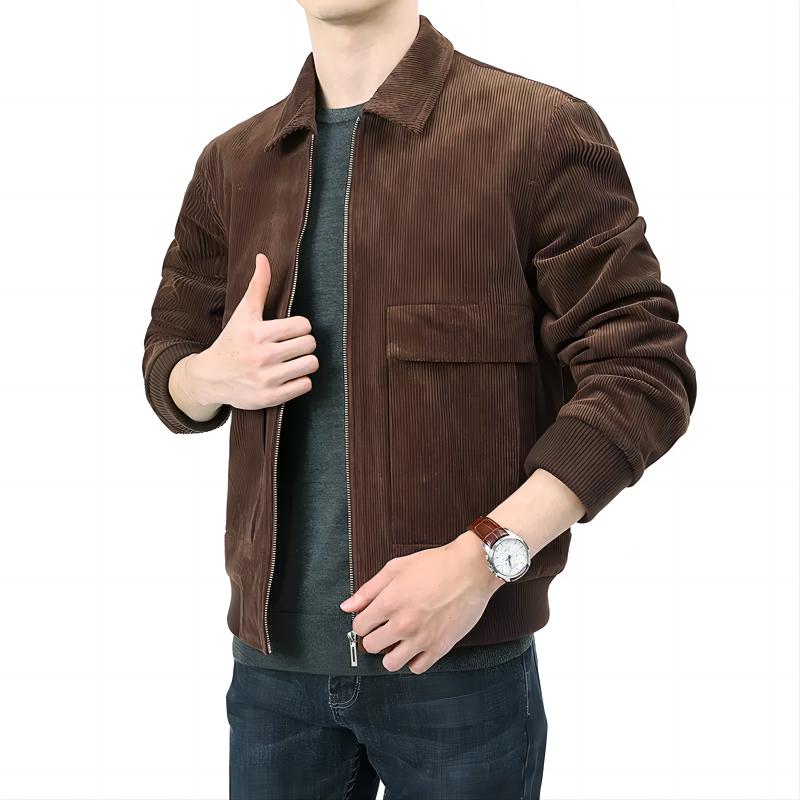
Windbreaker Jackets
Windbreaker jackets are developed with shell fabric, lining or mesh, reflective panels or trims, zipper specifications, hoods, pockets, ventilation, and print or embroidery placement. The program can be adapted for streetwear, teamwear, schools, and corporate outerwear.
Get a Quote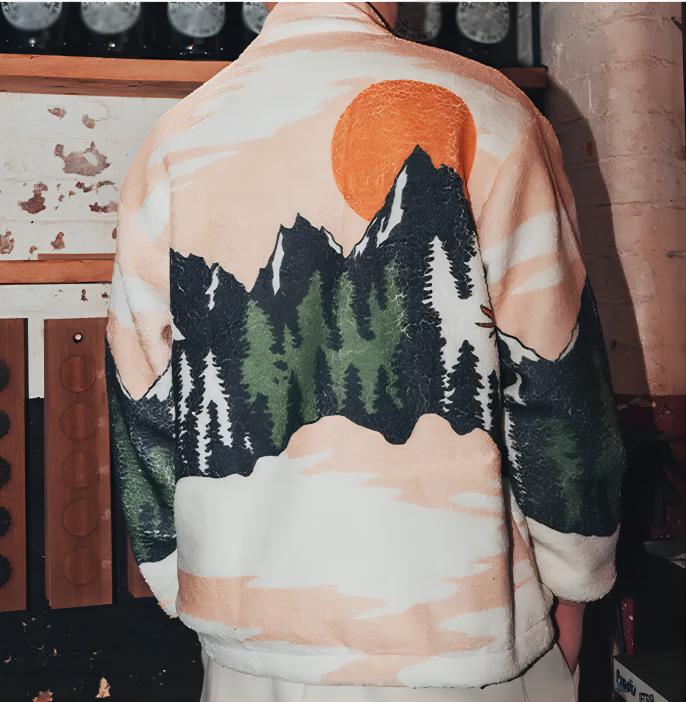
Quilted Jackets
Quilted jackets coordinate shell fabric, insulation, lining, quilting pattern, hardware, pockets, and branding details. EDVORIN develops the construction and sample standard needed for seasonal outerwear programs and repeat private-label production.
Get a Quote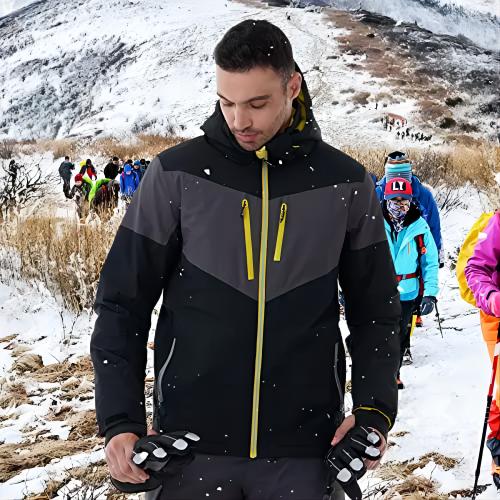
Bomber Jackets
Bomber jackets are built around shell and lining selection, rib quality, zipper or snap construction, pocket details, embroidery, patches, and wash requirements. Each component is reviewed to maintain balance between fit, durability, and brand identity.
Get a Quote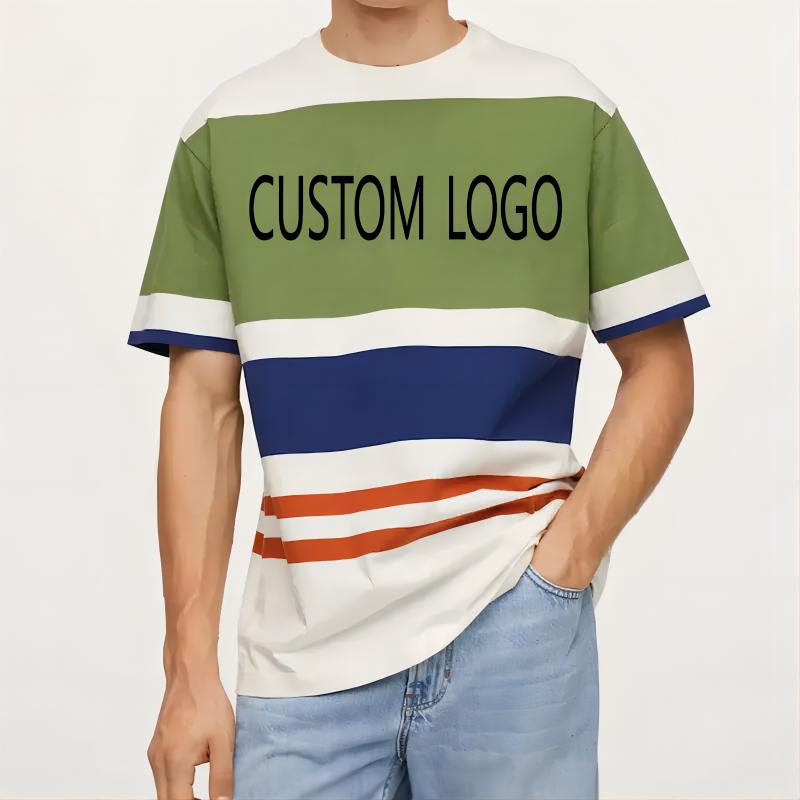
Custom Shirts
Custom woven shirts can be developed in poplin, oxford, twill, or other selected fabrics, with defined collars, plackets, cuffs, pockets, buttons, and branding. Men’s and women’s proportions are developed separately where required.
Get a Quote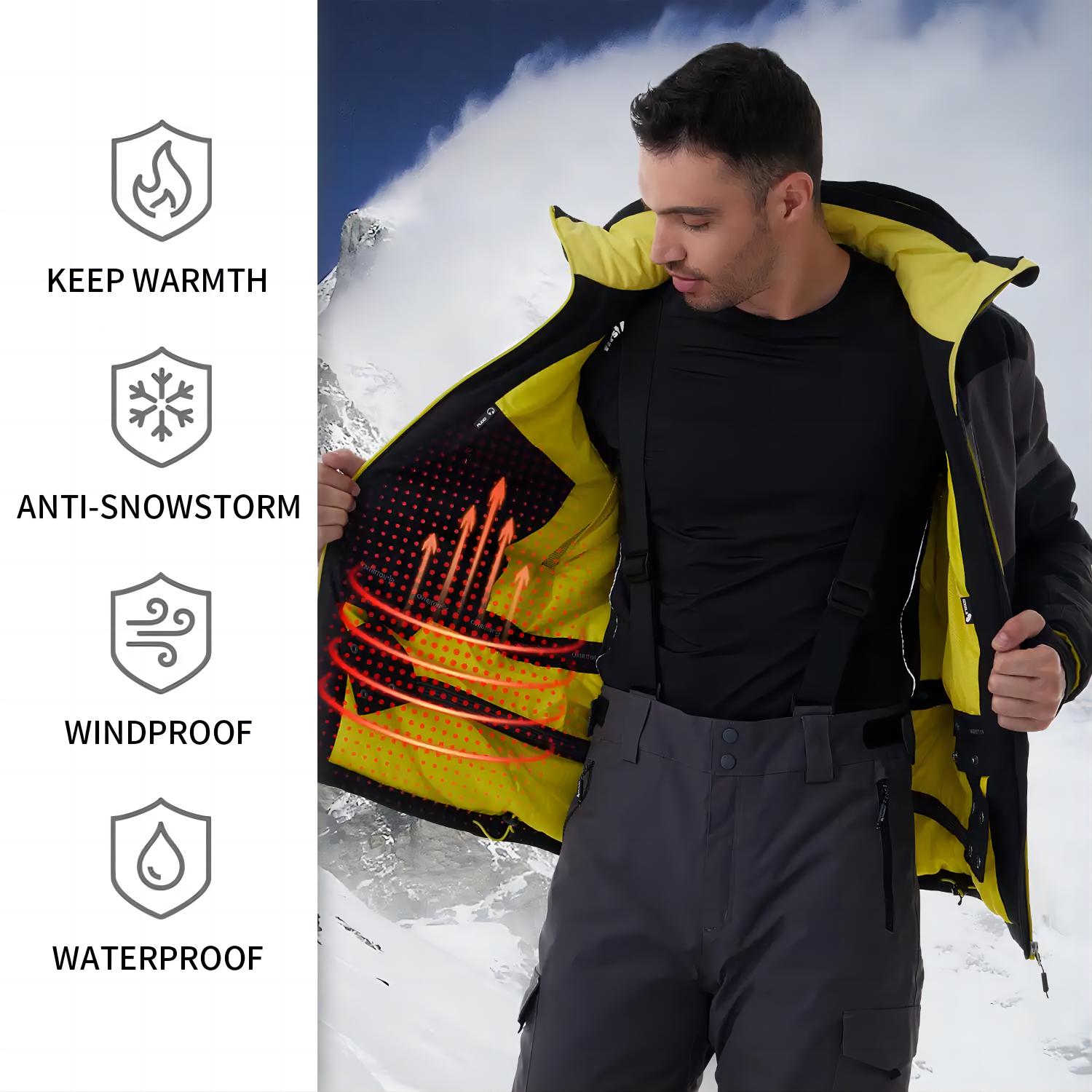
Custom Jerseys
Custom jerseys combine performance fabric selection with controlled color, team graphics, names, numbers, trims, and size grading. EDVORIN supports organized sample approval and repeat production for clubs, schools, leagues, and branded programs.
Get a Quote
Tank Tops
Tank tops can be developed in cotton jersey, mesh, rib, or technical fabrics with specified armholes, neck bindings, fit, decoration, and labeling. Options support training apparel, team merchandise, summer collections, and streetwear capsules.
Get a Quote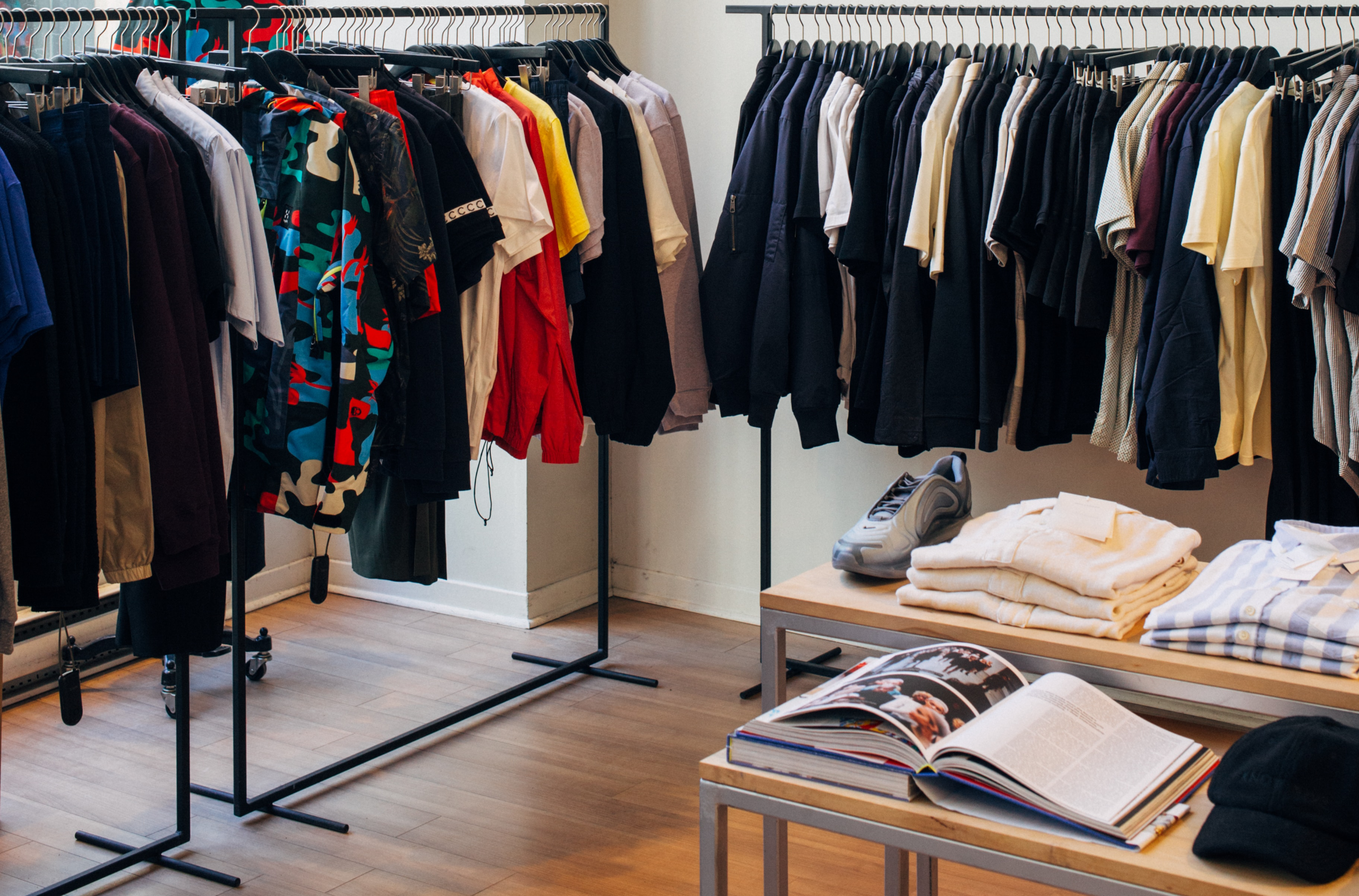
Soccer Uniforms
Soccer uniforms are developed as coordinated jersey, short, and sock programs with breathable materials, color control, crests, sponsor graphics, player names, numbers, and size sets. Production standards support team orders and replenishment needs.
Get a Quote
Basketball Uniforms
Basketball uniforms are developed with appropriate mesh or performance fabrics, jersey and short proportions, side panels, bindings, team graphics, names, numbers, and color control. EDVORIN organizes specifications for schools, clubs, leagues, and repeat team orders.
Get a Quote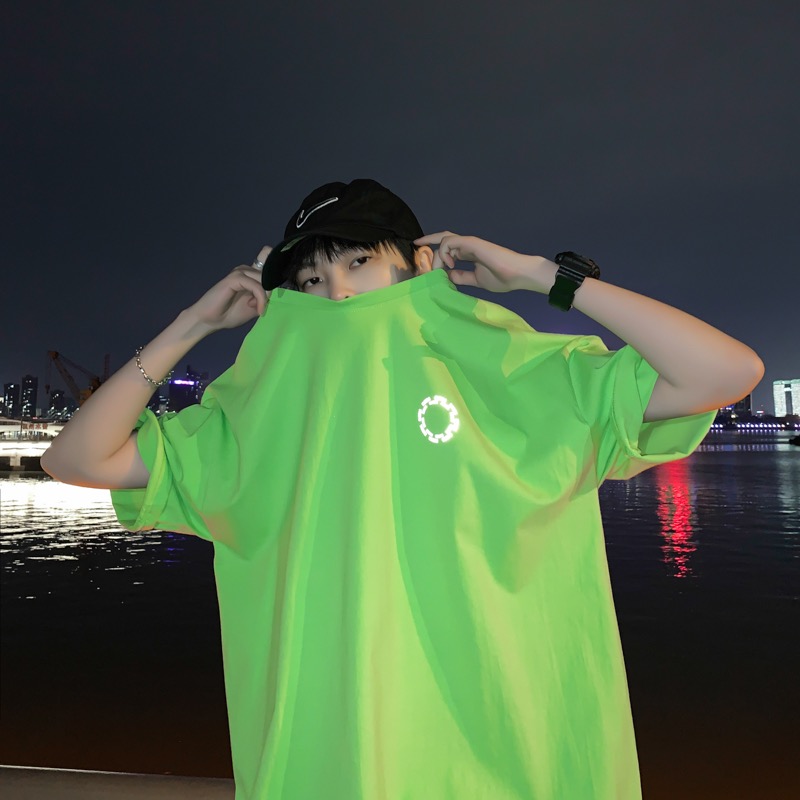
Streetwear Collections
Streetwear collections bring hoodies, tees, pants, shorts, jackets, and accessories into one production path. EDVORIN coordinates fabrics, washes, trims, decoration, labeling, packaging, and approved standards across the collection for scalable release planning.
Get a QuoteMaterials for Reflective Windbreaker Manufacturing
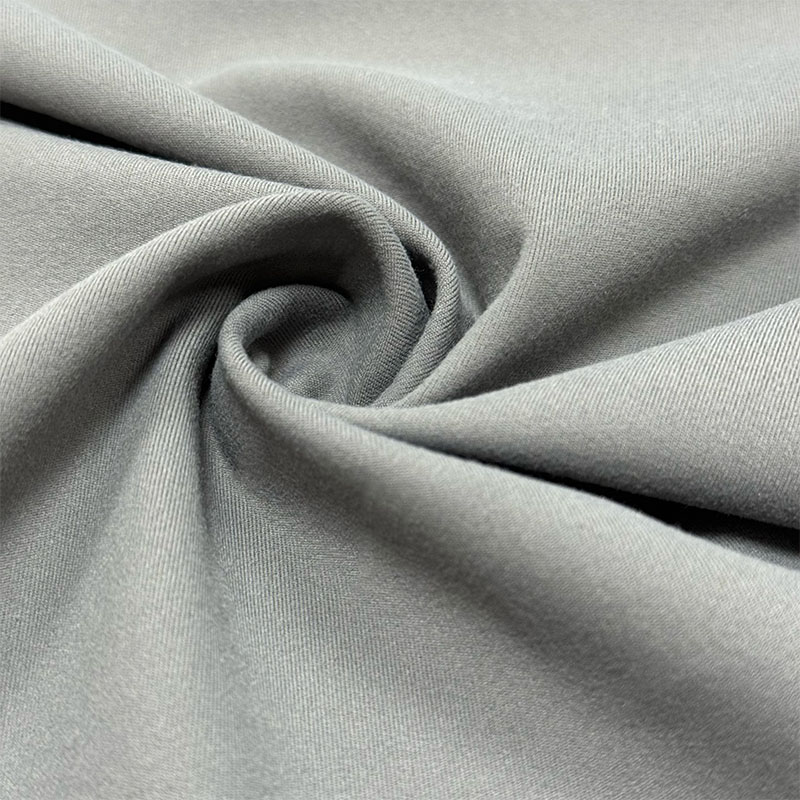
Lightweight Polyester
A smooth, lightweight shell option for packable teamwear and promotional windbreakers. Its durable woven surface supports custom color development, printing and reflective panel applications while keeping the garment easy to layer.
Nylon Taslan
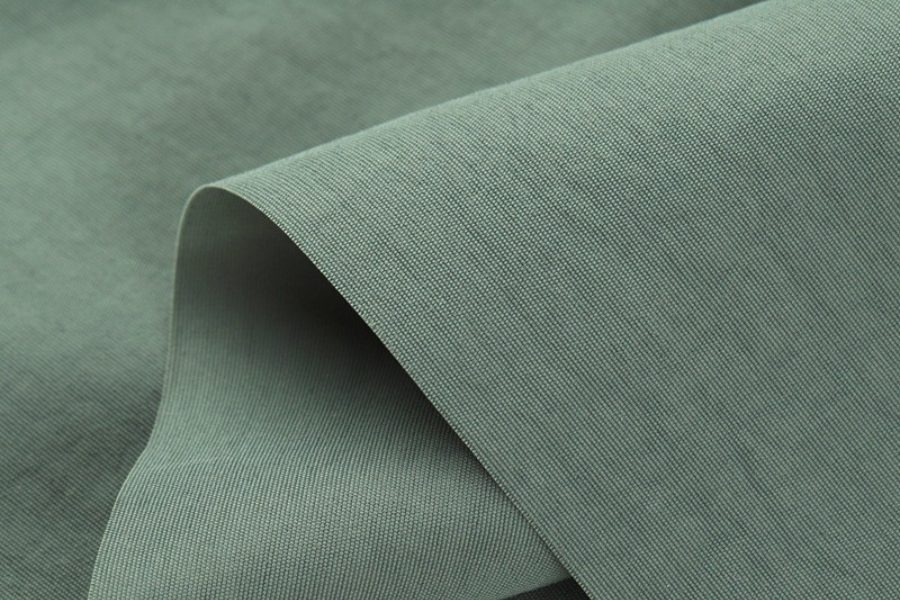
A textured nylon shell with a soft, cotton-like hand-feel for elevated streetwear and outdoor-inspired windbreakers. It offers strong abrasion resistance and a fuller appearance than standard lightweight woven polyester.
Mechanical Stretch Woven
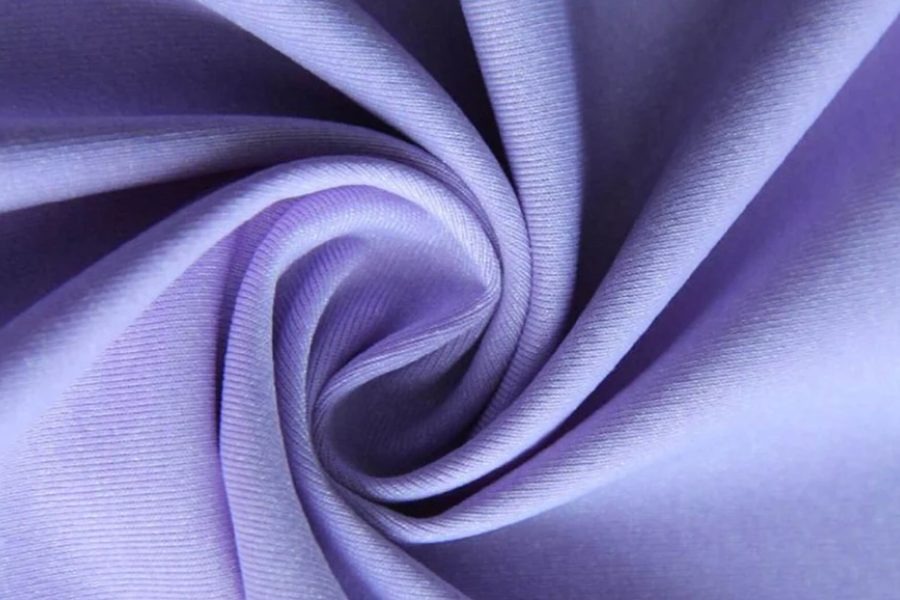
A flexible woven shell designed for active teamwear and movement-focused outerwear. Mechanical stretch improves mobility without relying on elastane, while the fabric can be developed for lightweight wind resistance and reflective detailing.

Polyester Mesh Lining
A breathable, lightweight lining for windbreakers intended for training, commuting or layered wear. Its open construction encourages airflow and helps reduce cling, with color and weight selected to suit the shell design.
Reflective Transfer Film
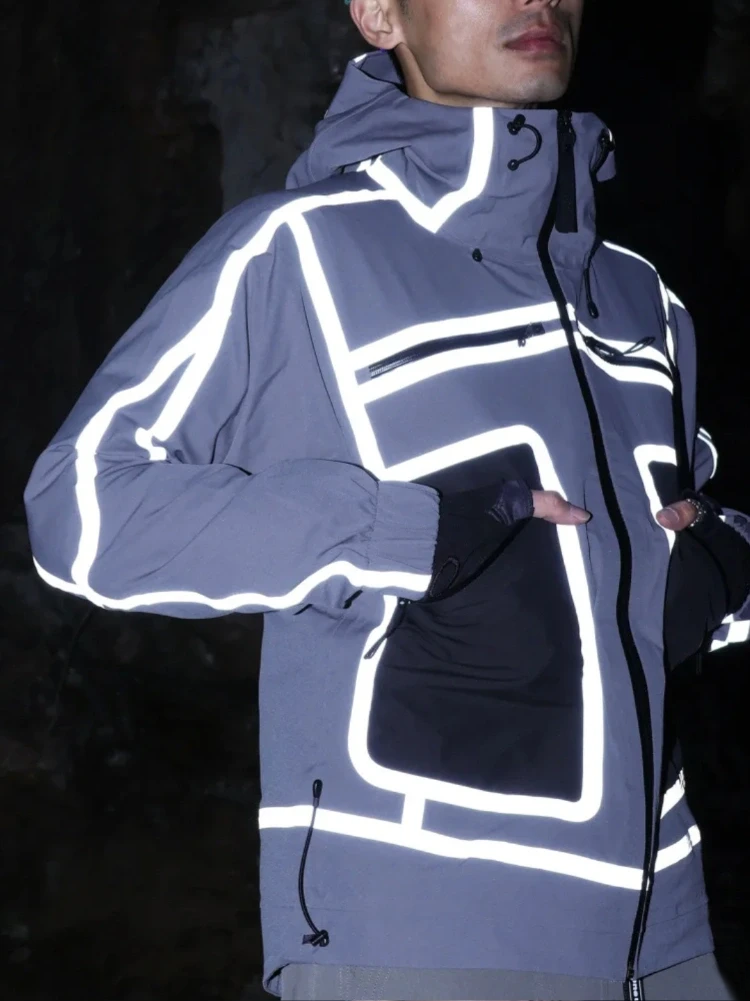
A heat-applied reflective material suited to logos, graphics and controlled placement details on compatible shell fabrics. It creates a clean, low-profile finish and can be sampled to confirm adhesion, appearance and wash performance.
Retroreflective Woven Tape
A reflective trim option for sleeve, chest, back and panel placements where visibility is part of the design language. Width, backing and application method can be specified around the garment construction and intended use.
Reflective Windbreaker Manufacturer: Decoration & Finishing Options
Screen Printing
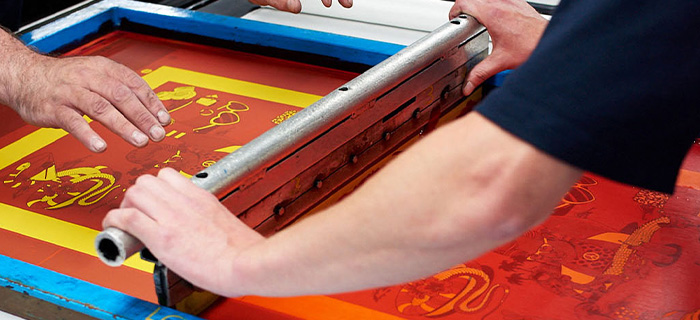
Screen printing applies bold logos, graphics and color blocks to compatible shell panels. EDVORIN reviews artwork placement, ink approach and panel construction so the finished design remains clear and consistent across bulk production.
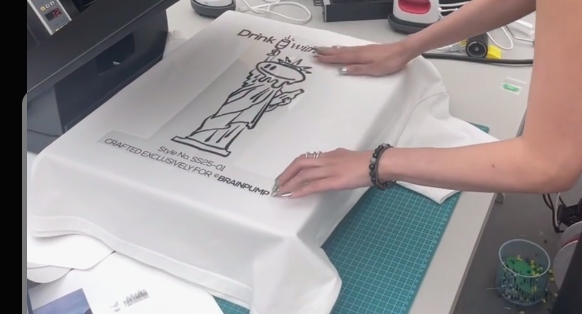
Heat Transfer
Heat transfer is suited to detailed logos, names, numbers and compact graphic placements. The process creates a clean, precise surface result while allowing decoration plans to be aligned with windbreaker fabric, seams and intended wear.
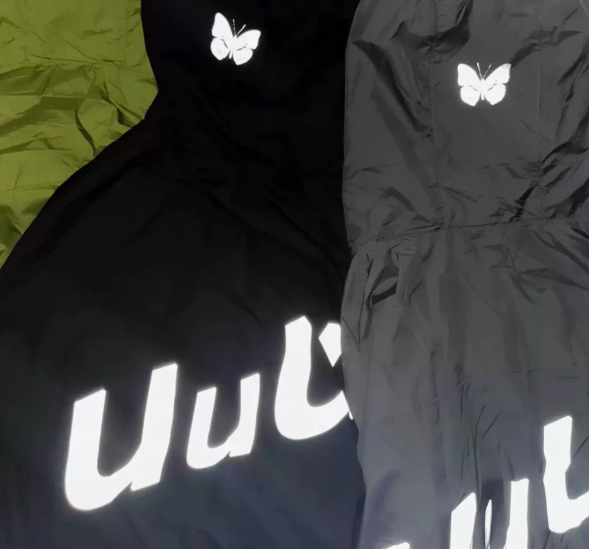
Reflective Applications
Reflective tapes, heat-applied details and panel accents can be specified to support the garment’s visibility-focused design. Placement, width and construction are documented against the approved sample to protect a consistent visual result.
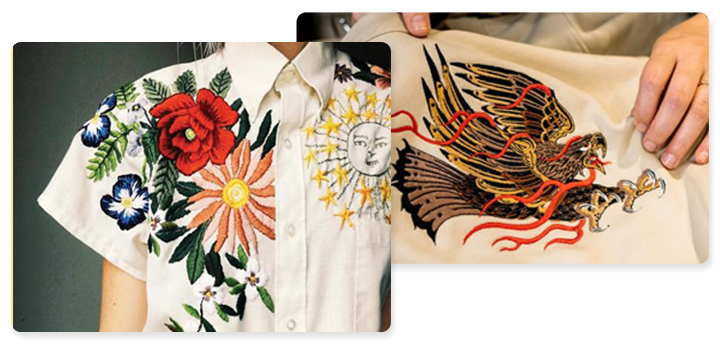
Embroidery Details
Embroidery adds dimensional branding to selected windbreaker areas, including chest, sleeve and back placements. EDVORIN coordinates stitch files, backing considerations and placement measurements to create a durable, controlled branded finish.
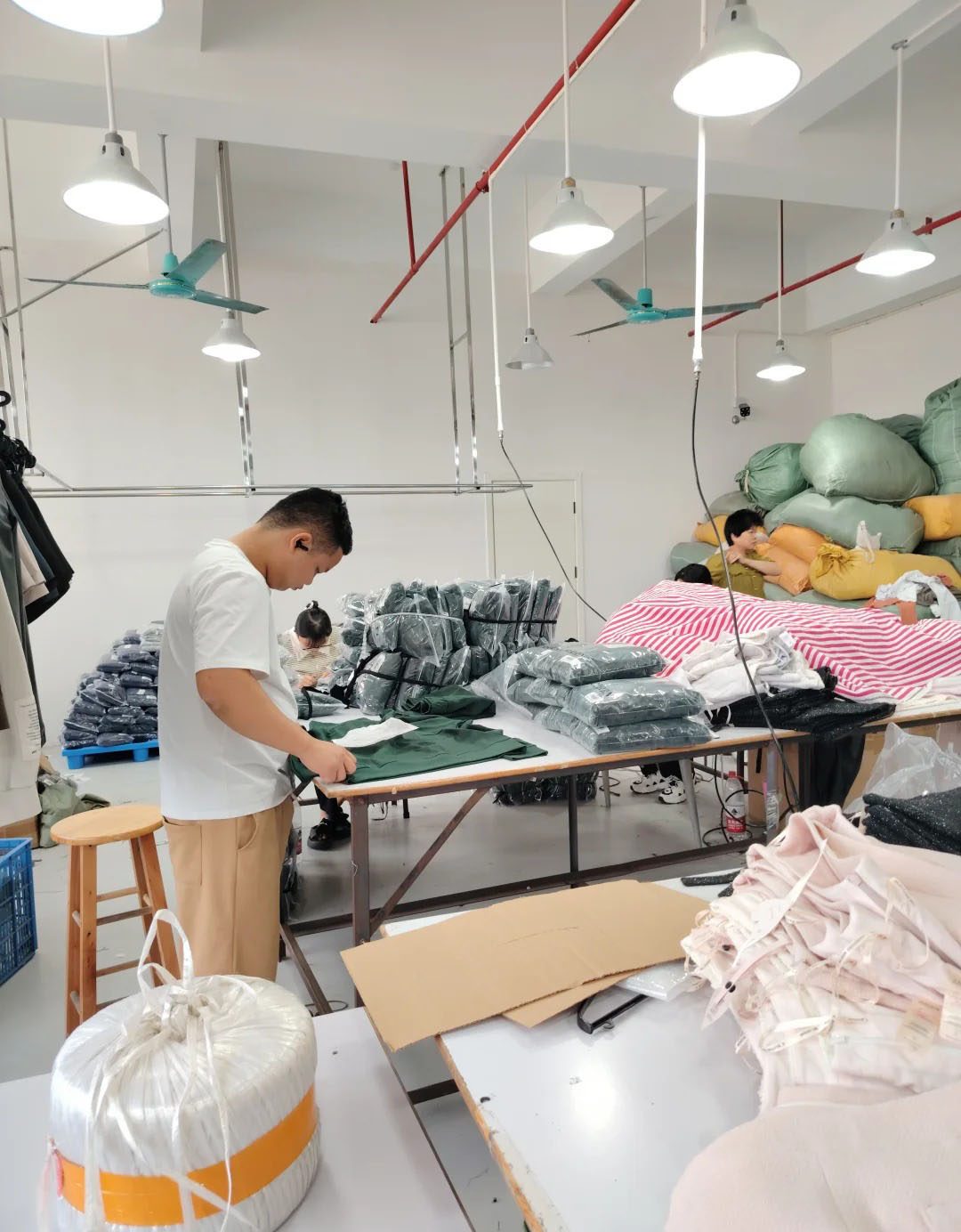
Finishing Control
Finishing options are coordinated around the approved windbreaker standard, from clean thread trimming and pressing to labels and packaging. Final checks help confirm decoration placement, garment appearance and packing presentation before shipment.
Trims That Complete Your Windbreaker Design
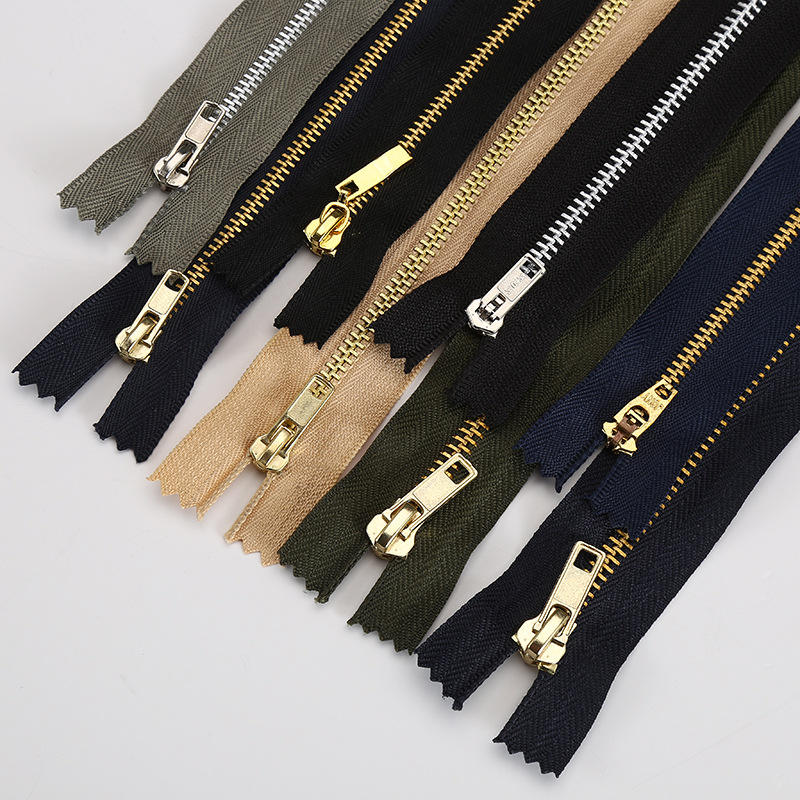
YKK Zippers
Specify front, pocket or concealed zippers with selected finishes, pullers and color coordination. Zipper choices are matched to shell weight, garment function and the clean technical look of your windbreaker design.
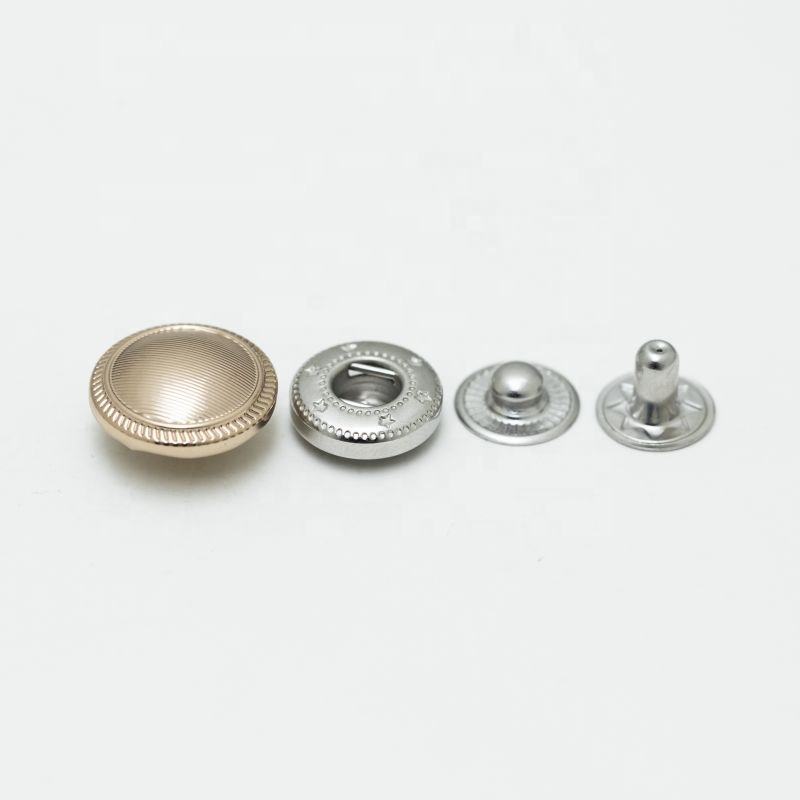
Snap Buttons
Add custom snap buttons at pockets, cuffs or storm flaps for secure closure and branded detailing. Finish, color, size and placement can be developed around the garment’s construction and intended wear.
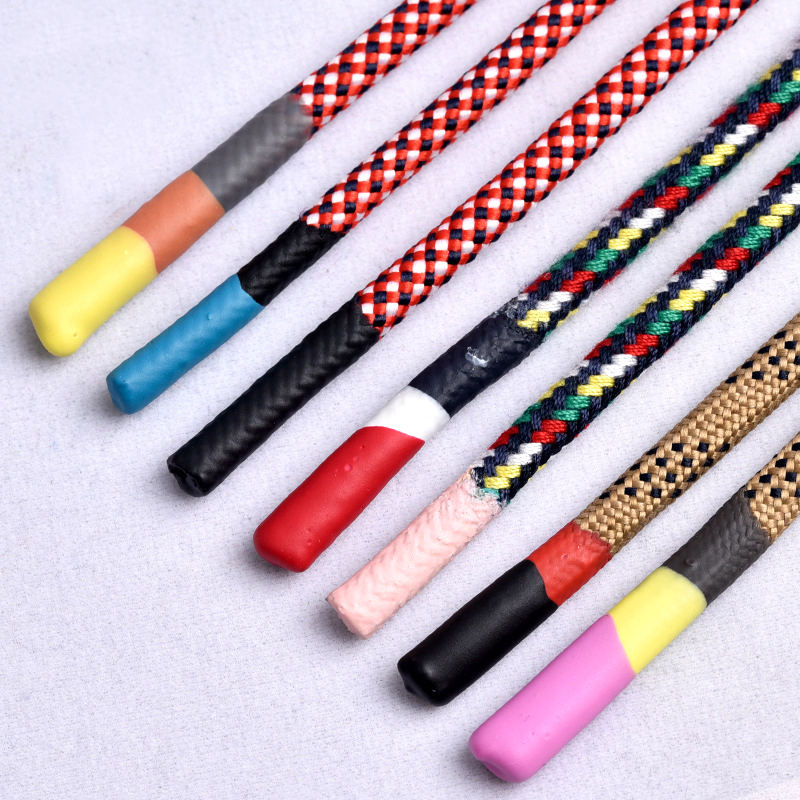
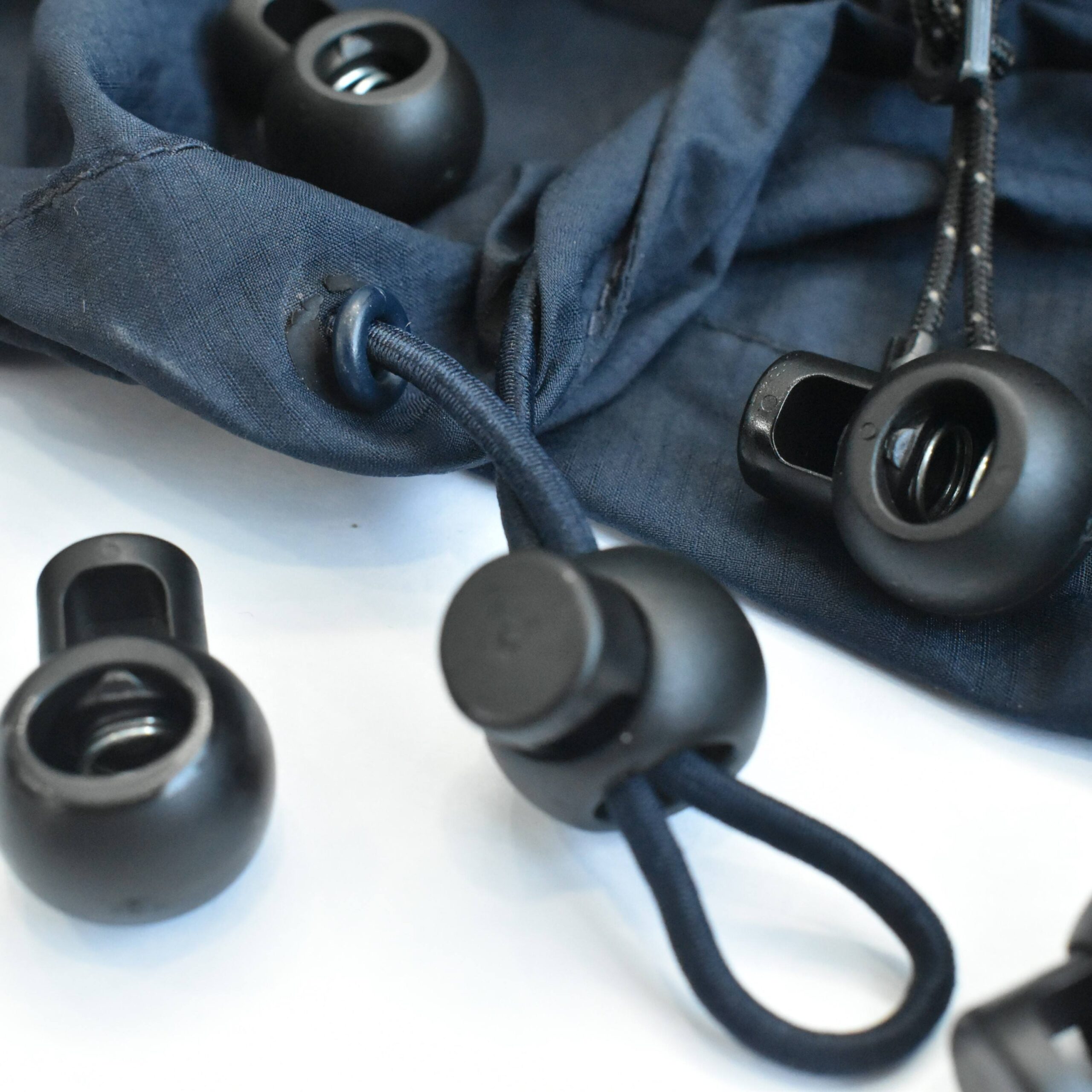
Drawcords & Tipping
Use drawcords at hoods or hems to adjust fit and reinforce your brand’s visual direction. Choose cord material, thickness, aglets, contrast tipping and color combinations during product development.
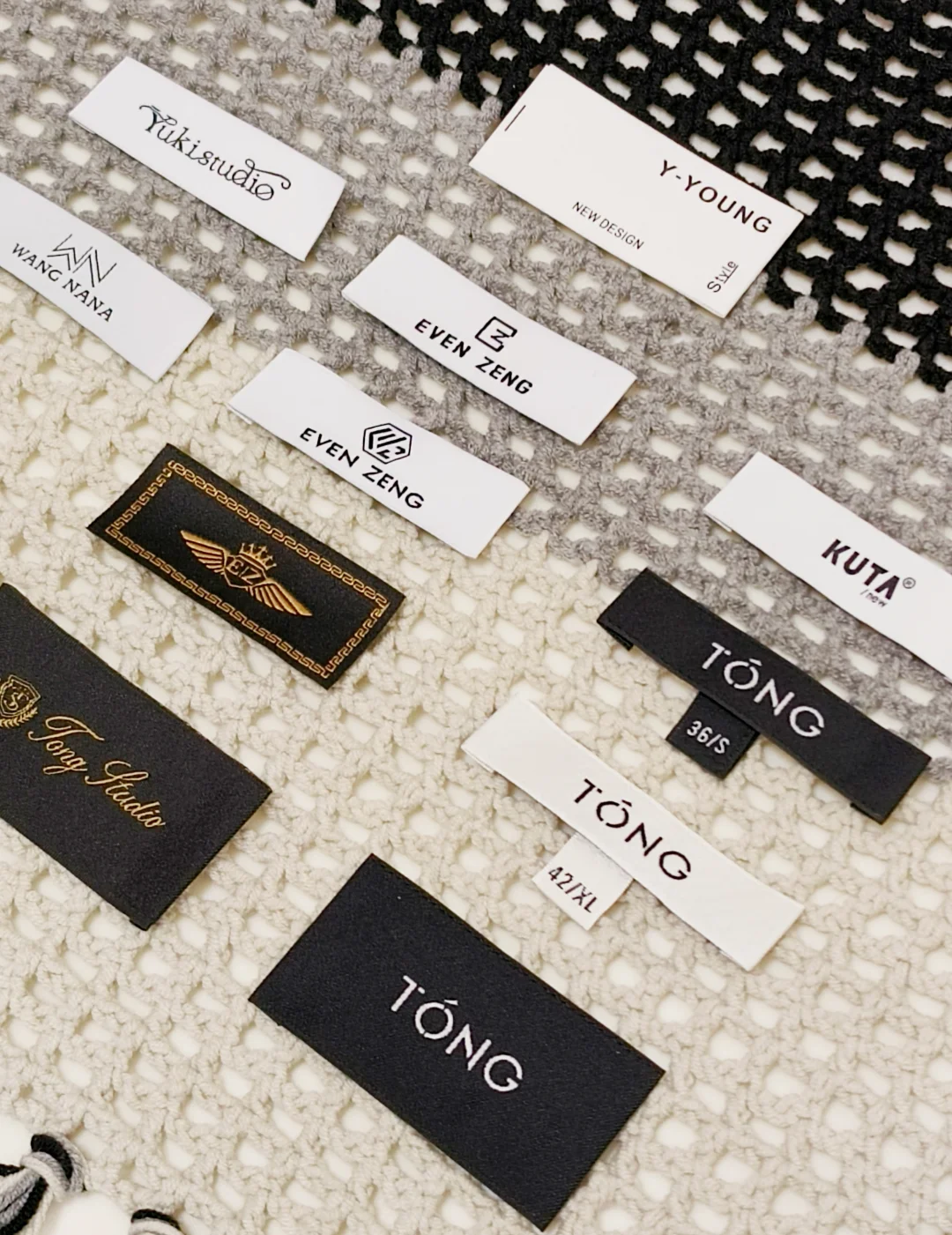
Woven Labels
Develop main labels, size labels and care labels with clear brand information and consistent placement. Woven label specifications are documented alongside the approved sample to support repeatable bulk production.
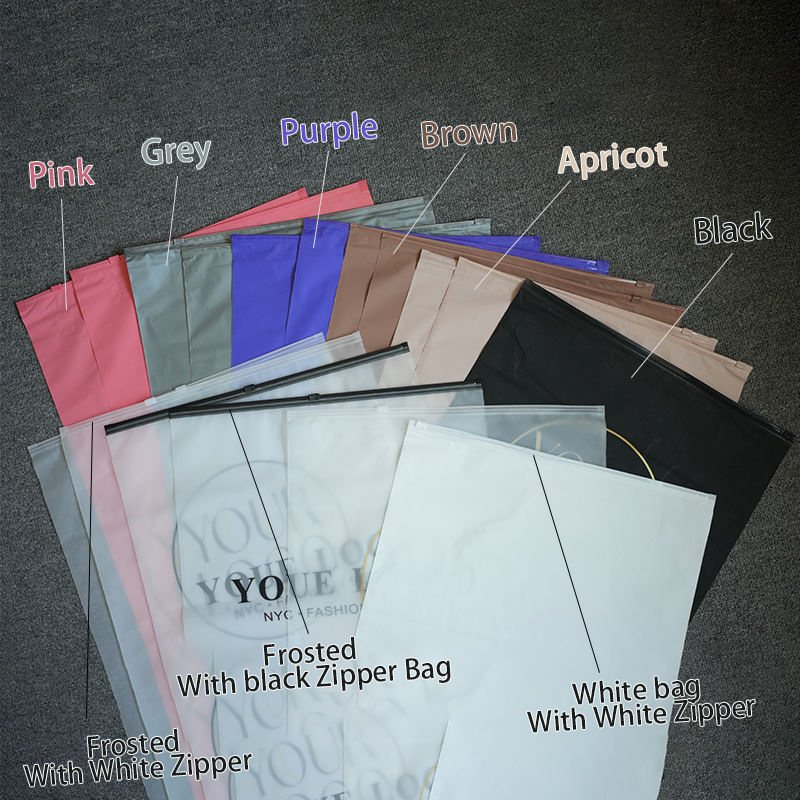
Branded Packaging
Complete the order with coordinated hangtags, polybags, barcode stickers and carton markings. Packaging components can be organized around retail presentation, wholesale handling and private-label requirements before final packing.
About EDVORIN
Founded in 2000 by Edvorin Zeng, EDVORIN helps fashion brands, streetwear labels, teams and private-label buyers turn outerwear concepts into production-ready programs. As a reflective windbreaker manufacturer, we connect product development with the practical decisions that protect a design through sampling, approval and bulk production.
Our workflow brings together fabric and trim sourcing, pattern development, samples, reflective detailing, printing, embroidery, labeling, packaging and quality control. Men’s and women’s windbreaker programs are developed around the intended fit, construction and performance requirements, from an early sketch or reference garment to a packed order.
What makes EDVORIN different is accountability after the sample is approved. We document materials, measurements, artwork placement and trims so the approved result becomes a repeatable production standard. With OEM, ODM and private-label support starting at 200 pieces per style, buyers can build collections with a clear path to the next order.

Reflective Windbreaker Production Capabilities
Technical Development First
EDVORIN converts sketches, reference garments, or finished tech packs into production-ready reflective windbreakers. Pattern decisions, fit blocks, panel construction, seam details, and grading are clarified during sampling so the approved design can move into bulk with fewer open assumptions.
- Men’s and women’s fit development
- Pattern, measurement, and grading review
- Construction details documented for production
- MOQ starts at 200 pieces per style
Coordinated Material Systems
A windbreaker’s performance and appearance depend on how its shell, lining, reflective components, closures, and finishing work together. EDVORIN coordinates these choices across sourcing and sampling, helping buyers assess hand feel, garment weight, durability, and visual balance before committing to bulk production.
- Shell and lining material coordination
- Reflective panel and trim placement planning
- Zippers, drawcords, labels, and packaging specified
- Material choices reviewed against intended use
Decoration Planned for Outerwear
Print, embroidery, and reflective details need to suit the selected fabric and the garment’s construction. EDVORIN plans artwork placement alongside panels, seams, pockets, and trims, then records the approved treatment so branded outerwear retains a consistent presentation across repeat orders.
- Artwork placement measured and approved
- Printing and embroidery matched to fabric
- Reflective details integrated with construction
- Private-label branding coordinated across garments
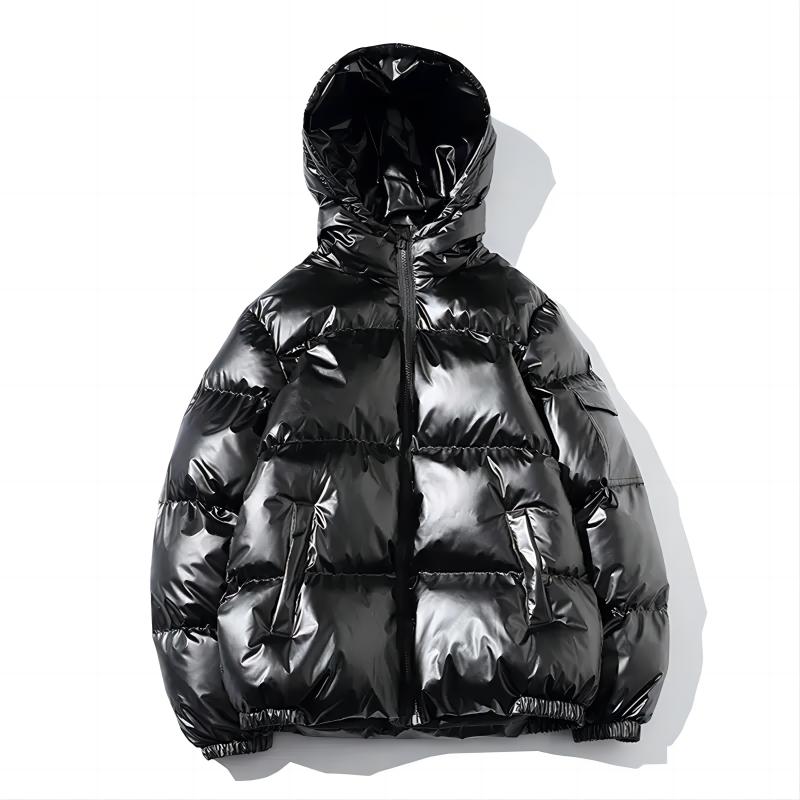
Approved Standards Control Bulk
For every reflective windbreaker program, EDVORIN uses the approved sample and documented specifications as the working production standard. In-line checks and final inspection help verify measurements, construction, decoration, trims, labeling, and packing before the finished order is released.
- Approved samples guide bulk production
- In-line checks catch variation earlier
- Final inspection before packing
- Clear standards support repeat ordering

Why Choose EDVORIN for Reflective Windbreaker Production
From development through final packing, EDVORIN organizes the approvals and production details that help private-label windbreaker programs stay consistent.
← Swipe left or right to view →
Our Reflective Windbreaker Production Process
EDVORIN converts approved outerwear concepts into documented, repeatable production standards for OEM, private-label and teamwear programs.
Review Brief and Specifications
We review your tech pack, reference garment or concept, confirming fit, reflective placement, color direction, target quantities and commercial requirements before development begins.
Source Materials and Trims
Shell fabrics, linings, reflective components, zippers, drawcords, labels and packaging are coordinated against the approved design, intended wear and required performance priorities.
Pattern and Sample Development
Our team develops patterns and samples, recording measurements, construction details and artwork positions so revisions can be evaluated before the style moves into bulk production.
Cut Decorate and Assemble
Approved materials are cut, decorated and sewn according to documented specifications, with printing, embroidery and reflective applications coordinated for the selected windbreaker construction.
Conduct In-Line Quality Checks
In-line inspections monitor measurements, stitching, material consistency, decoration placement and trim application, helping identify variation while corrections can still protect the approved standard.
Inspect Pack and Prepare
Finished windbreakers receive final inspection before labels, folding, packing and shipment preparation are completed according to the buyer’s approved presentation and order requirements.
From Concept to Reflective Windbreaker Production
Move from an initial concept to a documented, repeatable windbreaker program with clear approvals at every production stage.
Share Your Concept
Send your tech pack, sketch, or reference garment. We review construction, fit, fabric direction, reflective placement, decoration, trims, and target quantities before defining development requirements.
Confirm Cost and Sample
Align on specifications, quotation, and sampling scope with your reflective windbreaker manufacturer. EDVORIN develops the sample, coordinates materials, and records revisions for review.
Approve Production Standards
Review the finished sample against your requirements. Once approved, we document measurements, materials, artwork placement, trims, labels, packaging, and quality expectations for bulk production.
Launch Bulk Production
After approval, EDVORIN coordinates sourcing, cutting, sewing, decoration, inspections, and packing. In-line and final checks keep the order aligned with the approved standard.
Certified Standards for Responsible Apparel Production



What Apparel Buyers Say About Working With EDVORIN
EDVORIN helped us turn two reference jackets into production-ready styles. We approved samples after three focused revision rounds, and our 600-piece repeat order matched the original fit, reflective panel placement, and trim specifications.
Our club needed coordinated windbreakers across 14 sizes and three colorways. The team kept names, logo placement, and packaging organized, so all 480 units arrived ready for distribution without the sorting problems we had experienced before.
For our private-label launch, EDVORIN coordinated shell fabric, lining, reflective details, embroidery, and labels in one workflow. The 250-piece first run gave us a clear approved standard, making our second order much faster to confirm.
Reflective Windbreaker Manufacturer FAQs
Clear answers for private-label, teamwear and wholesale buyers planning a production-ready reflective windbreaker program.
What is the MOQ from a reflective windbreaker manufacturer?
Can a reflective windbreaker manufacturer develop my design from a sketch?
How long do custom reflective windbreaker samples and bulk orders take?
Which decoration methods work on reflective windbreakers?
How do you keep bulk reflective windbreakers consistent with the approved sample?
Can I protect my windbreaker design and logo when working with a manufacturer?
Which certification programs can support my reflective windbreaker order?
Can EDVORIN arrange shipping and export packaging for my order?
The Complete Reflective Windbreaker Manufacturer Buyer’s Guide
Use this decision framework to compare reflective windbreaker manufacturers, evaluate materials and construction, define customization requirements, estimate sourcing costs, and avoid the production mistakes that delay launches or weaken your brand.
1. What Is a Reflective Windbreaker Manufacturer?
EDVORIN, founded in 2000, operates as a reflective windbreaker manufacturer when it converts a buyer’s design into repeatable private-label garments: development, sourcing, patterning, samples, decoration, production, inspection, labels, and packing.
Four roles are often confused. A reflective-material supplier sells tape, film, or fabric; a decorator applies prints or transfers; a trading company coordinates vendors; a garment factory owns the construction standard and manages how reflective components perform within the finished windbreaker.
Five buyer groups commonly use these programs: streetwear labels, sports teams, schools, corporate programs, and wholesalers. Before quoting, the factory needs quantity and size run, target market, shell and lining direction, reflective placement, artwork, color references, required labels and packaging, sample deadline, and any compliance requirement.
2. Evolution of Reflective Windbreaker Manufacturing
1930s utility windbreakers were built chiefly to block wind, while high-visibility workwear later added fluorescent backgrounds and retroreflective material for low-light recognition. That split still matters: fashion reflectivity is a visual feature, but safety claims require the garment, trim area, placement, and end use to be specified against the applicable standard.
1960s–1980s synthetic development made lighter polyester and nylon shells practical, expanding windbreakers beyond heavy utility layers. Today, a reflective windbreaker manufacturer can balance shell weight, coating, breathability, packability, and reflective tape or piping without treating every jacket as protective workwear.
2000s private-label sourcing and more controlled screen printing, heat transfer, embroidery, and seam-sealing workflows widened design options. Buyers should lock approved reflective-trim samples, Pantone references, artwork placement, wash testing, and labeling requirements before bulk production—especially when a logo or garment description could imply compliance.
3. Types of Reflective Windbreaker Manufacturer Products
Six product directions give buyers a practical starting point with a reflective windbreaker manufacturer. Select by wearer, silhouette, weather exposure, and whether reflection is a design accent or a visibility requirement.
Packable And Running Shells
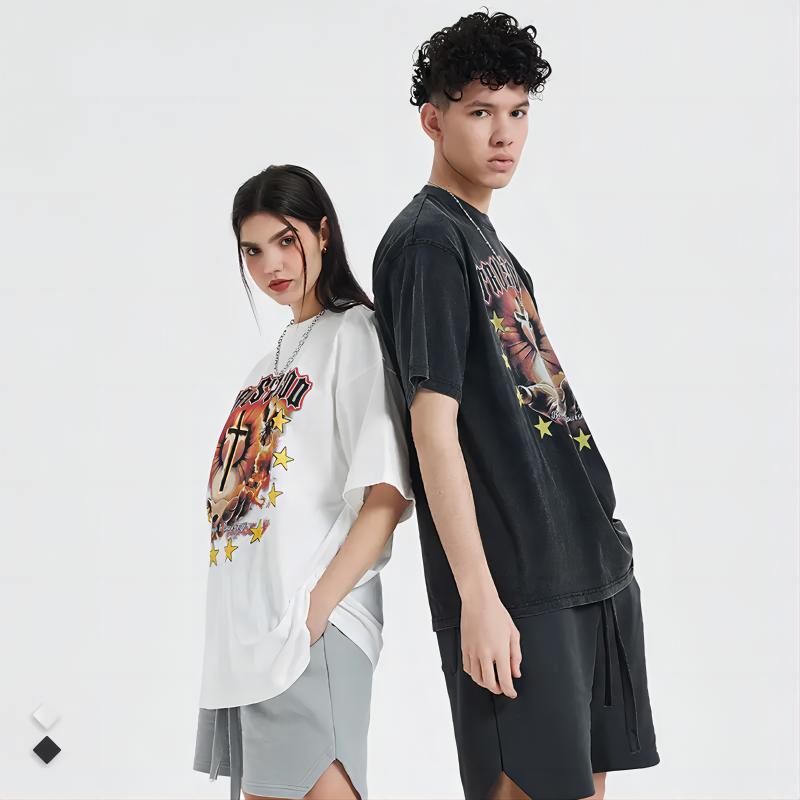
70–100 GSM packable shells suit commuters and travel programs; use a relaxed fit, hood, zip pockets, and reflective logo or piping.
90–120 GSM running windbreakers suit athletes; use a close athletic silhouette, venting, and reflective heat-transfer details at motion points.
Streetwear And Team Jackets
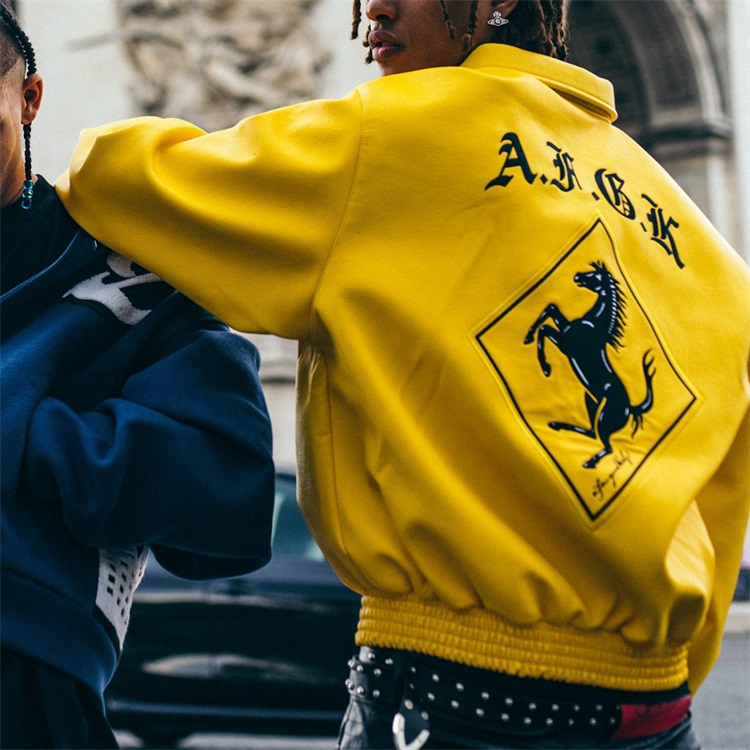
Oversized anoraks suit streetwear labels; specify a half zip, kangaroo pocket, adjustable hem, and broad reflective panel or graphic.
Standard team jackets suit clubs and academies; use an easy layering fit, full zip, name placement, and reflective piping for coordinated visibility.
Safety And Lined Variants
ANSI-oriented styles suit roadside or site programs; fluorescent ground fabric and correctly specified retroreflective tape require compliance review before production.
120–180 GSM lined windbreakers suit cold sidelines and delivery teams; choose a roomy silhouette, insulation or mesh lining, and reflective trims that remain visible over seams.
4. Reflective Windbreaker Manufacturer Fabric Options
A reflective windbreaker manufacturer should match shell construction to the wearer’s conditions, not a generic spec. EDVORIN develops fabric packages around protection, packability, decoration, and the intended price position.
| Fabric | Strength | Trade-Off | Best Use |
|---|---|---|---|
| Polyester woven | Light; print-friendly | Lower abrasion resistance | Teams; promotion |
| Nylon ripstop | Abrasion-resistant | Crisper, noisier hand | Outdoor streetwear |
| Coated shell | Wind and water resistance | Less breathable | Wet-weather layer |
| Mesh and stretch | Airflow and mobility | Not a standalone shell | Active panels |
Shell Material Trade-Offs
75–100 GSM polyester is light, stable for printing, and suitable for promotional or team shells. Nylon adds a crisper hand and stronger abrasion resistance for streetwear and active use.
Performance Layers And Comfort
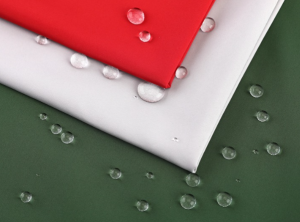
2-layer coated shells improve wind and water resistance, but coatings can reduce breathability and create more fabric noise. Mesh lining improves airflow; stretch panels improve mobility where needed.
Specify Beyond GSM
70 GSM alone does not define quality: yarn, weave density, coating, finish, and seam design change real performance. Recycled polyester supports sustainability-led positioning when its hand feel and print tests meet approval.
5. Reflective Windbreaker Manufacturer Customization Options
Two colorways can share one base pattern while contrast panels, reflective piping or tape, and heat-transfer graphics create distinct looks. A reflective windbreaker manufacturer should document every option in the supplier brief.
| Option | Visual Impact | Durability | MOQ Implication | Artwork Limit |
|---|---|---|---|---|
| Reflective tape | High | High | Trim minimums apply | Fixed widths |
| Heat-transfer graphic | High | Moderate | Per-artwork setup | Fine detail limited |
| Printed logo | Medium | Moderate | Color-count dependent | Gradients need testing |
| Embroidery | Textured | High | Digitizing required | Small text limited |
Color And Graphic Direction
Pantone references should define shell, lining, and panel colors before sampling. Request a placement mockup for printed logos, reflective graphics, and embroidery; small text or fine gradients may lose definition.
Trims, Labels, And Sizing
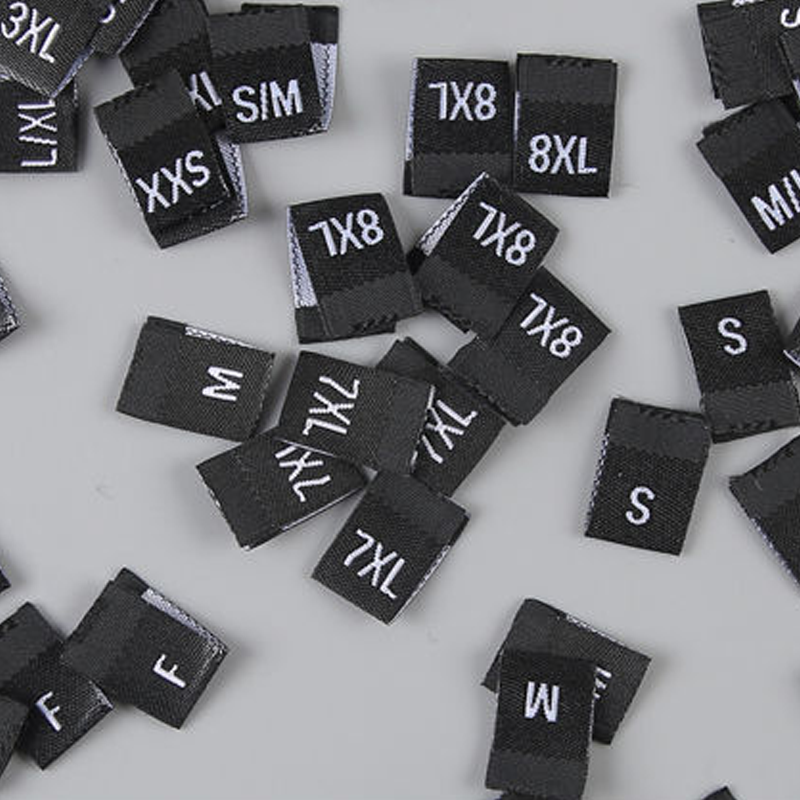
2XS–4XL size ranges, woven labels, custom zipper pulls, and packaging need separate specifications. Record grading, label positions, puller artwork, carton assortment, and polybag requirements before a pre-production sample.
Approval Before Bulk
One strike-off per reflective graphic or print confirms color, edge clarity, and adhesion. Approve tape width, piping placement, and seam intersections on the pre-production sample before bulk cutting.
6. Key Windbreaker Construction Quality Elements
Two sample checks reveal more than a finished photograph: inspect construction under tension, during movement, and with every closure operated. A reflective windbreaker manufacturer should record approved details before bulk cutting.
Seams And Stitching
8–10 stitches per inch is a useful visual benchmark for even seam appearance; inspect consistent seam allowance, secure back-tacks, and no skipped stitches. Flat-felled or bound seams can improve durability and interior comfort where appropriate.
Closures And Weather Edges
100% of zippers on the sample should run smoothly, lock cleanly, and avoid catching the shell or lining. Check storm-flap coverage, collar shape, hood adjustment, cuff elastic or tabs, and drawcord exits for comfort and wind control.
Pockets, Lining, And Trim
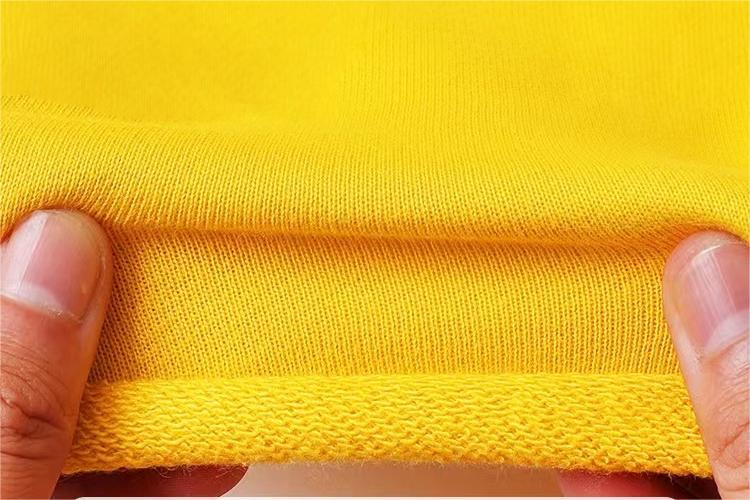
2 pocket corners and every lining attachment point deserve a pull test for reinforcement and puckering. Review pocket depth, lining mobility, and reflective trim edges for straight application, clean joins, and edges that do not lift after flexing.
7. How to Choose a Reflective Windbreaker Manufacturer
A 200-piece minimum can be workable only when the supplier can document how fabric, reflective components, grading, and decoration change across sizes. Treat the RFQ as a technical review, not merely a price request.
Test Product Development
1 approved pre-production sample should match the bulk specification before release. Ask for windbreaker examples, revision control, measurement tolerances, and a dated critical-path schedule.
- Request shell and reflective-material specifications
- Confirm sample rounds and approval owners
- Ask how artwork placement is recorded
Compare Like For Like
3 quotes are useful only when each includes the same fabric weight, reflective application, trims, packing, Incoterm, and quantity. Separate development support from unit price when a concept still lacks a finished tech pack.
- Compare MOQ by color and size
- Confirm capacity and stated lead time
- Identify excluded testing or freight costs
Verify Production Controls
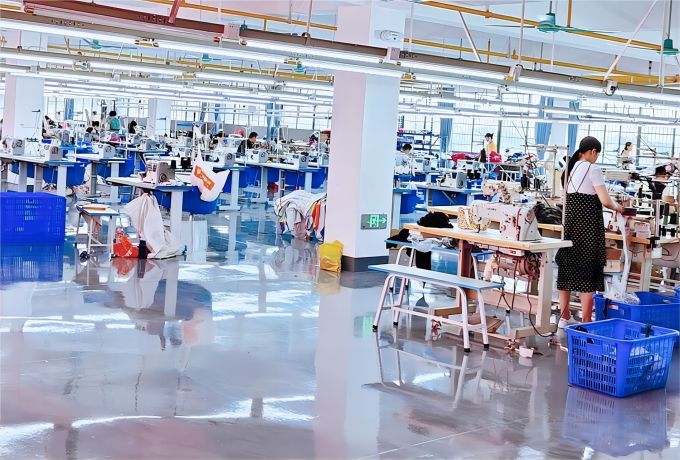
100% final inspection is not a substitute for in-line controls. Request material traceability, inspection records, export documents, factory references, and escalation procedures for defects or delivery changes.
- Check lot-level material records
- Review QC checkpoints and defect reporting
- Confirm labeling and export documentation
8. Common Reflective Windbreaker Sourcing Mistakes
Two approval gates prevent most avoidable rework: a complete pre-production specification and a signed sample standard. A reflective windbreaker manufacturer should price and produce against the same documented version.
Lock the Specification

One tech pack should state fabric, coating, reflective placement, artwork scale, Pantone references, measurements, tolerances, trims, and labels.
Two approved reference points—an annotated sample and measurement chart—stop vague instructions from becoming bulk assumptions.
Test Performance, Not Appearance
Three checks matter before bulk: reflective brightness after washing, abrasion resistance, and adhesion at seams or print edges.
One water-resistant finish is not waterproof performance; specify the intended rain exposure and request test criteria before approving fabric.
Compare Complete Landed Costs
Four quote fields must match: fabric specification, decoration method, order quantity, and packaging. Compare like-for-like quotations, not headline unit prices.
One final sample review should confirm fit, placement, packing method, carton dimensions, and freight assumptions before the production schedule is released.
9. Steps to Launch Your Windbreaker Brand
A 200-piece launch works best when every approval has an owner and a dated document. New labels, clubs, and wholesalers should lock the customer, use case, and delivery window before contacting a reflective windbreaker manufacturer.
Define The Brief
One product brief should state wearer, fit, colorways, reflective placement, target cost, size run, and channel. Attach reference photos, Pantone codes, logo files, and required delivery date.
Two decision gates matter: commercial feasibility and brand alignment. Clubs and schools should also confirm roster quantities and sponsor artwork.
Develop And Test
EDVORIN’s MOQ starts at 200 pieces per style. One tech pack converts the brief into measurements, construction, artwork placement, labels, and packaging. Request quotations from a shortlist using the same pack, MOQ, Incoterm, and sample deadline.
Two sample rounds are common when fit, material, or decoration changes. Wear-test the approved sample for movement, rain exposure, zipper use, and reflective visibility before production approval.
Release And Launch
One production approval file should include sealed sample photos, final size chart, color standard, artwork proof, packing ratio, and carton marks. Confirm inspection timing, freight booking, and customs documents before bulk completion.
Four weeks before arrival, prepare product photography, SKU data, launch inventory allocation, and customer communications. Established wholesalers should reserve replenishment capacity if repeat demand is expected.
10. Reflective Windbreaker Manufacturer Pricing and Cost
200 pieces is EDVORIN’s stated MOQ for this page; pricing should be quoted against the approved specification, not treated as a fixed catalog promise. Shell fabric weight, reflective coverage, print or embroidery, zippers, lining, labels, packaging, and sample revisions all change landed cost.
2 quote inputs matter most: a tech pack or reference garment, plus quantity by color and size. Include target delivery market, Incoterms, Pantone references, artwork dimensions, reflective-material requirement, and packaging standard so EDVORIN can price development, production, and freight assumptions accurately.
| Quantity tier | Unit-cost position | Likely production lead time | Setup-cost category |
|---|---|---|---|
| 200–499 pieces | Highest; fixed development spread across fewer units | After sample approval: confirm at quote | Pattern, sample, artwork screens or embroidery files |
| 500–999 pieces | Lower; improved material and line efficiency | After sample approval: confirm at quote | Color matching, reflective cut files, trim sourcing |
| 1,000+ pieces | Lowest potential; depends on colorways and specification | After sample approval: confirm at quote | Packaging tooling, special labels, testing if required |
Choose EDVORIN, Your Reflective Windbreaker Manufacturer
Send your tech pack, reference garment, or concept for a tailored OEM or private-label quotation, with production starting at 200 pieces per style.