
Baseball Jersey Manufacturer for Repeatable OEM and Private-Label Programs
EDVORIN is a baseball jersey manufacturer for brands, teams and buyers needing development, decoration and reliable bulk production from 200 pieces per style.
Featured Products for Baseball Jersey Development




Baseball Jersey Manufacturer Advantages for Repeat Orders
EDVORIN connects development, decoration, quality control and bulk production into one accountable path for reliable teamwear programs.
Concept-to-Bulk Coordination
Align fabrics, patterns, trims, artwork, labeling and packaging from early development through packed orders under one production workflow.
Flexible OEM and ODM
Start with a detailed tech pack, reference jersey or collection idea, then refine specifications for your market and program.
Category-Specific Decoration
Coordinate printing, embroidery, numbers and names around jersey fabric, placement requirements and the intended team identity.
Approved-Standard Quality Control
Use approved samples, measurement specifications and documented artwork placement to guide in-line checks and final inspection.
Built for Repeatability
Turn confirmed construction and decoration decisions into clear production standards that support consistent reorders as programs grow.
Accessible Production Starting Point
Plan baseball jersey programs from 200 pieces per style, with flexible support for emerging labels, teams and wholesale buyers.
Baseball, Teamwear and Apparel Programs
Develop custom apparel from approved specifications through repeatable bulk production, with materials, decoration, labeling and packaging coordinated in one workflow.
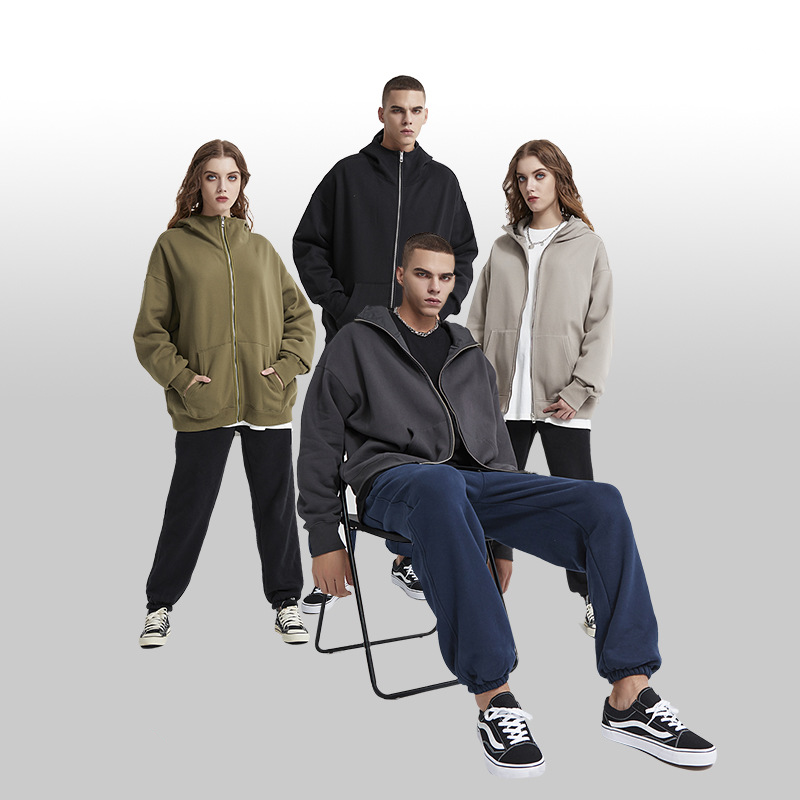
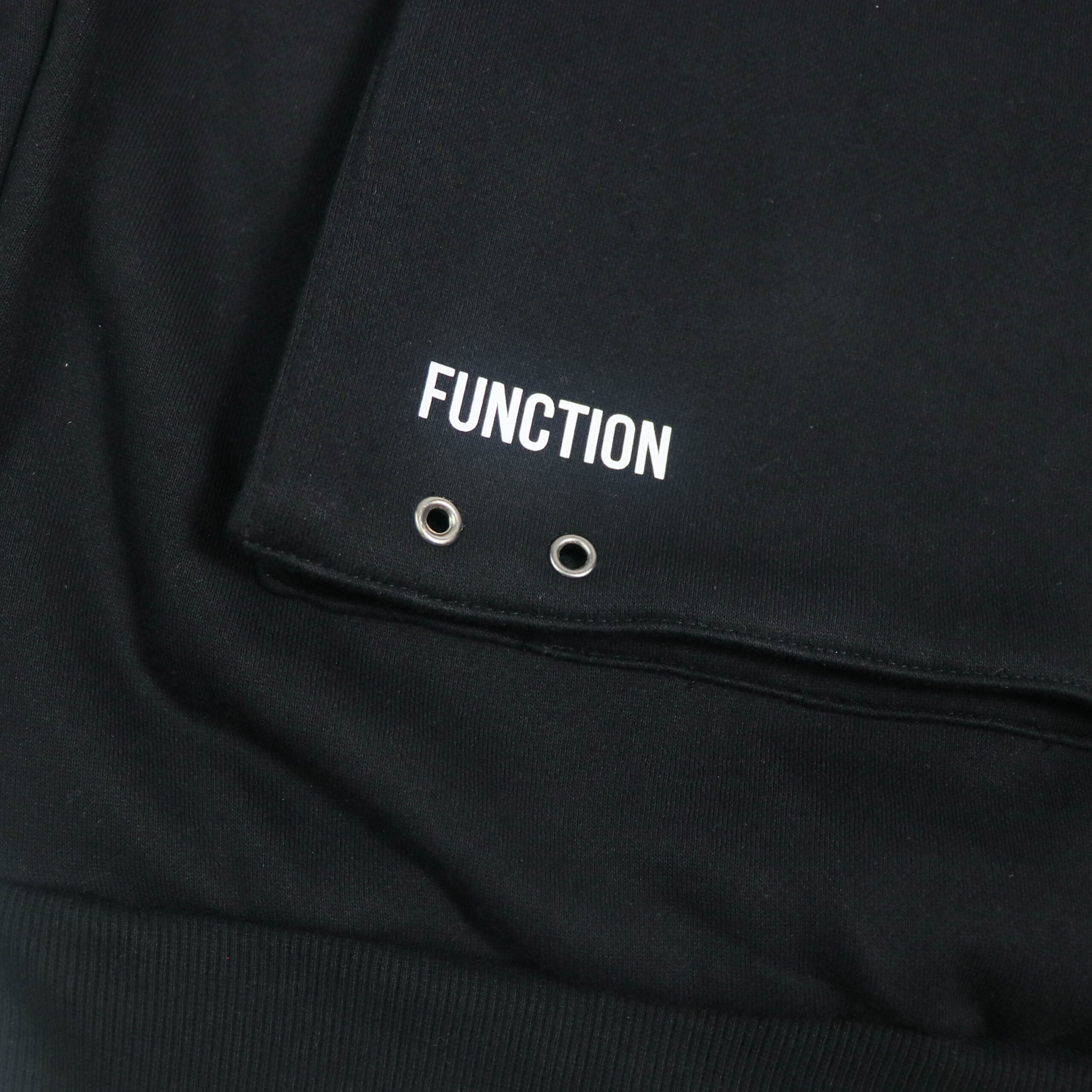
Custom Hoodies
Custom hoodies developed for team travel, fan merchandise and private-label programs. As a custom hoodie manufacturer, EDVORIN coordinates fleece weight, fit, rib construction, drawcords, screen printing, embroidery and labels against an approved sample.
Get a Quote
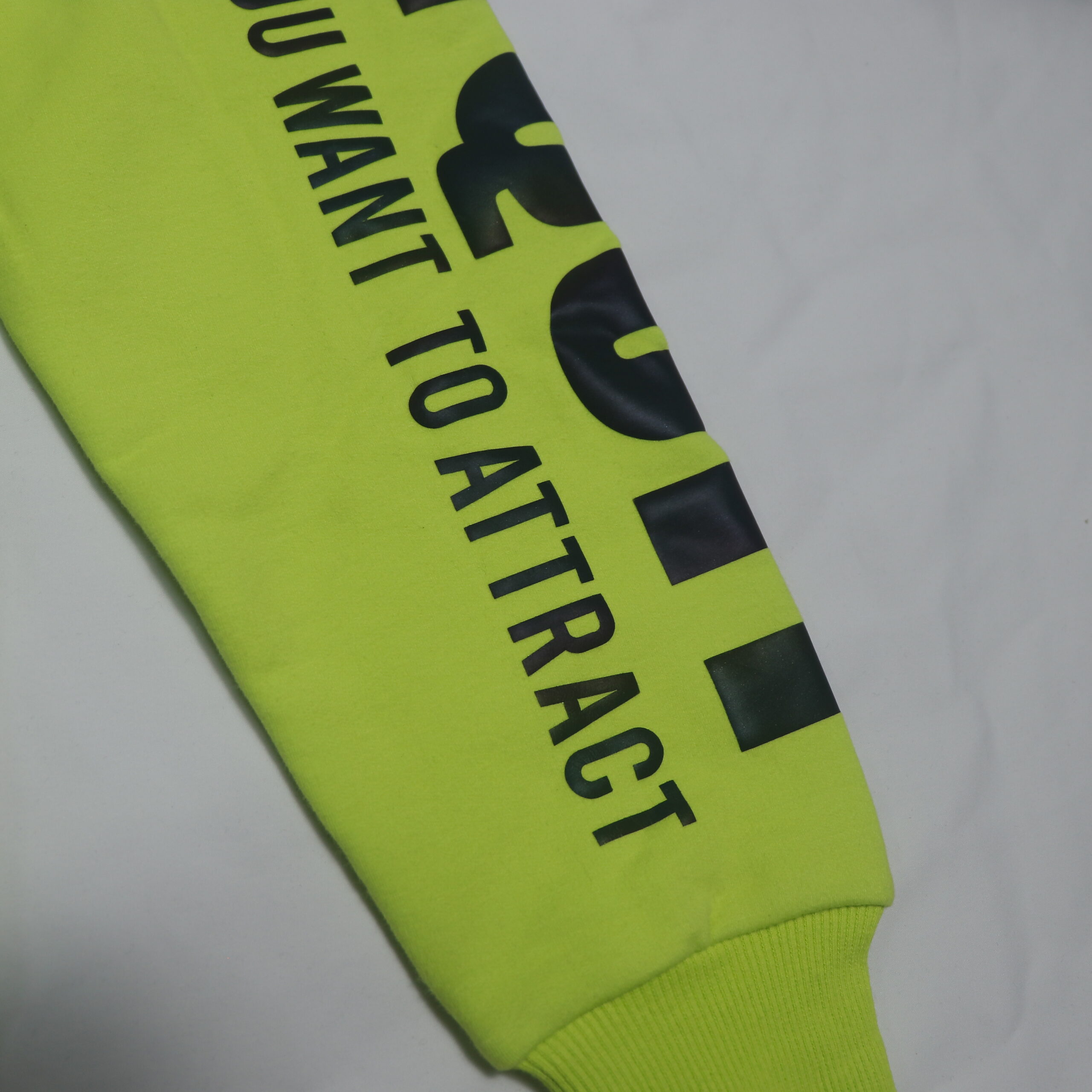
Pullover Sweatshirts
Pullover sweatshirts for training layers, clubhouse assortments and branded retail programs. EDVORIN develops fabric weight, neckline, cuffs, grading and decoration placement so the approved sweatshirt standard can be maintained from sample through bulk production.
Get a Quote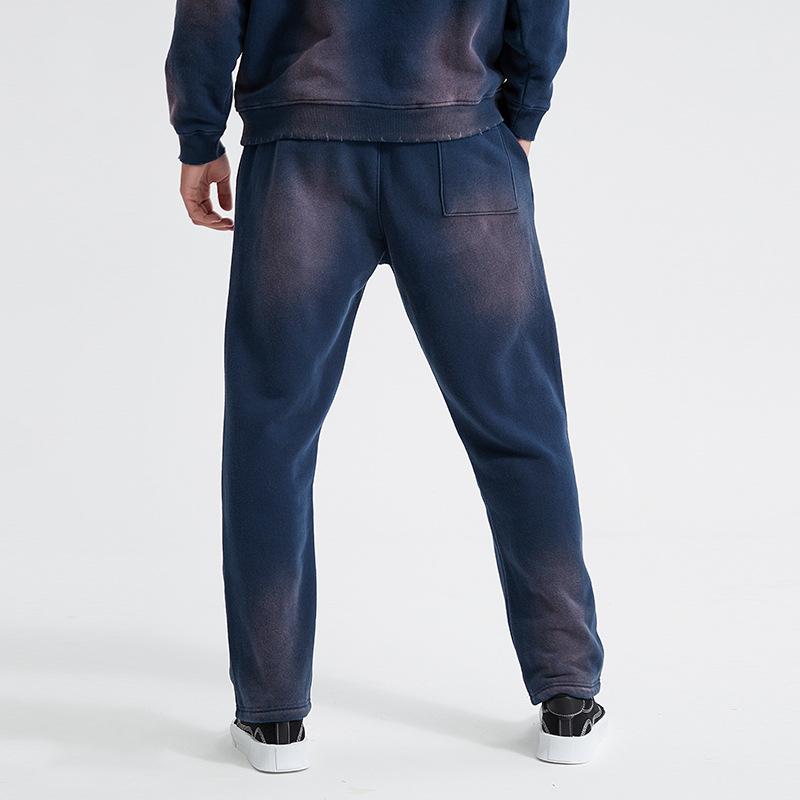
Sweatpants & Joggers
Sweatpants and joggers developed as coordinated training, travel or retail bottoms. Fabric recovery, waistband construction, pocket details, cuff options, fit blocks and decoration placement are specified for consistent repeat orders across men’s and women’s programs.
Get a Quote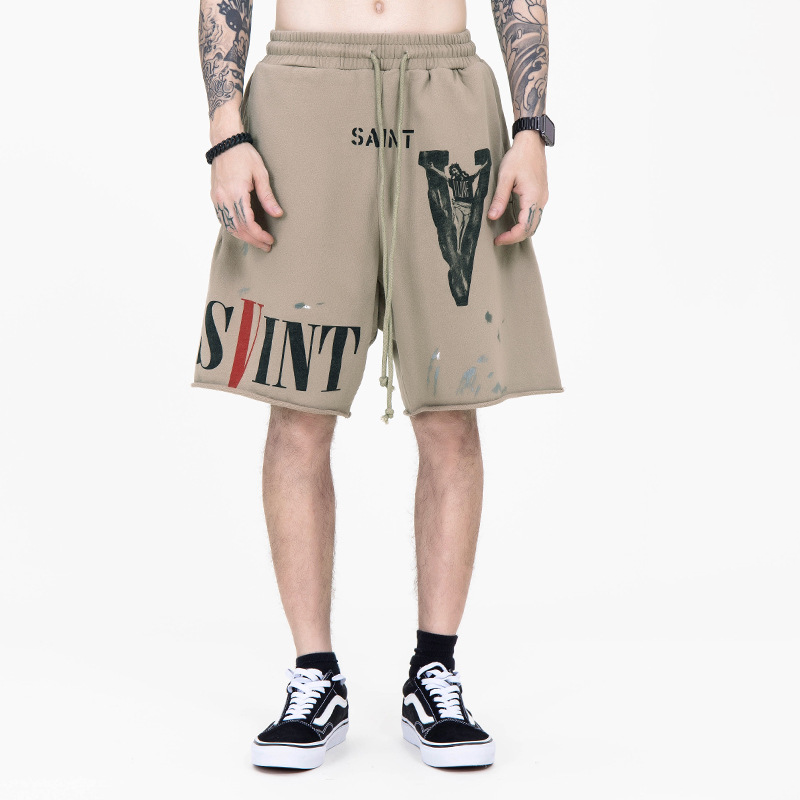
Custom Shorts
Custom shorts for practice, travel, fanwear and seasonal collections. EDVORIN supports material selection, inseam and rise development, elastic or drawcord waist construction, pockets, lining, printing and embroidery, with MOQ starting at 200 pieces per style.
Get a Quote
Varsity & Baseball Jackets
Varsity and baseball jackets developed around body fabric, sleeves, rib, snaps, patches, embroidery and lining requirements. EDVORIN records construction and decoration details during sampling to help preserve the jacket’s proportions and identity in bulk production.
Get a Quote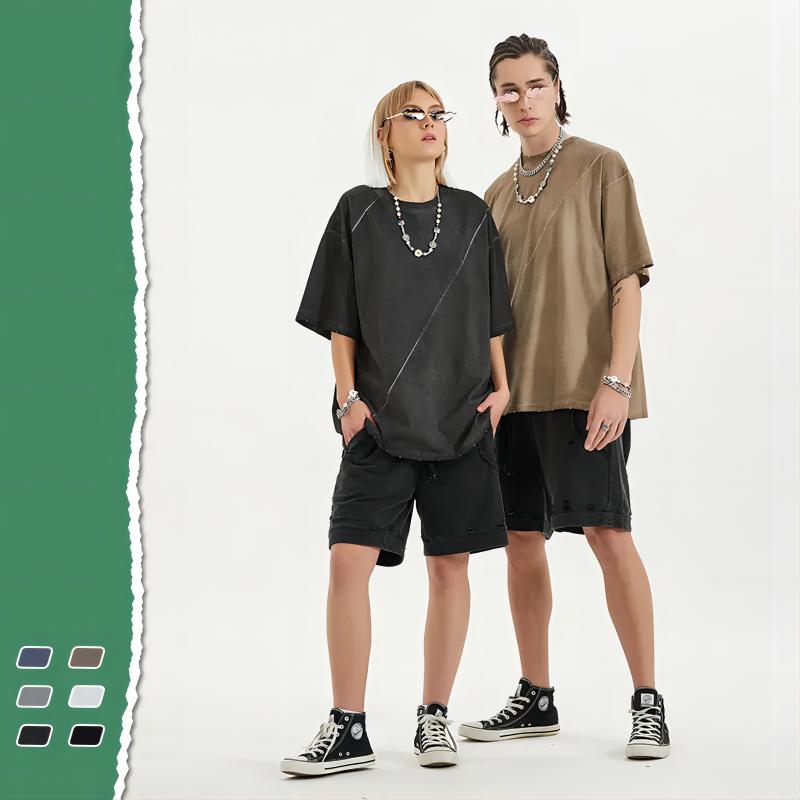
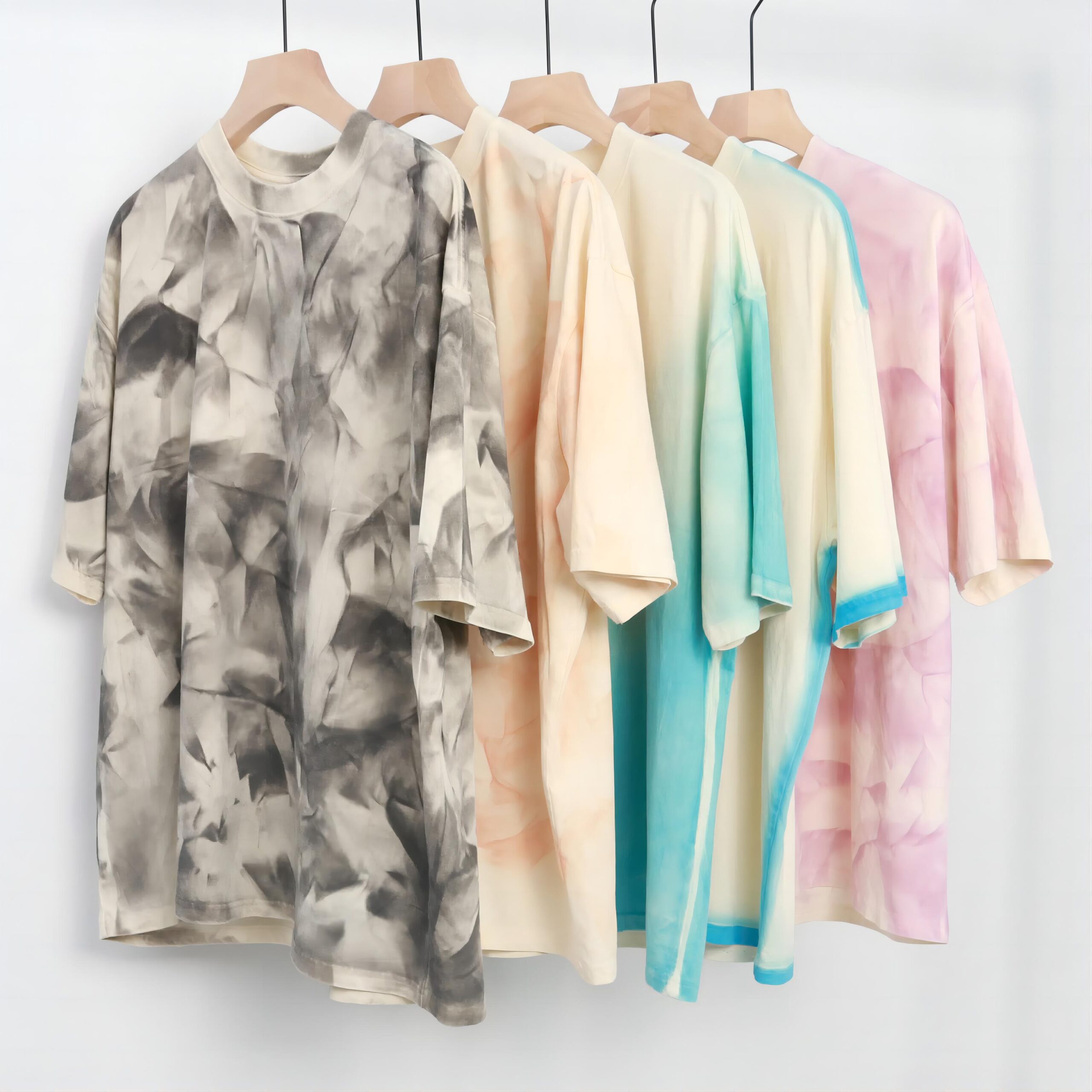
Custom T-Shirts
Custom T-shirts for team merchandise, event programs, uniforms and private-label collections. EDVORIN develops jersey weight, fit, neck rib, print method, artwork placement and labels to match the intended wearer, price point and reorder requirements.
Get a Quote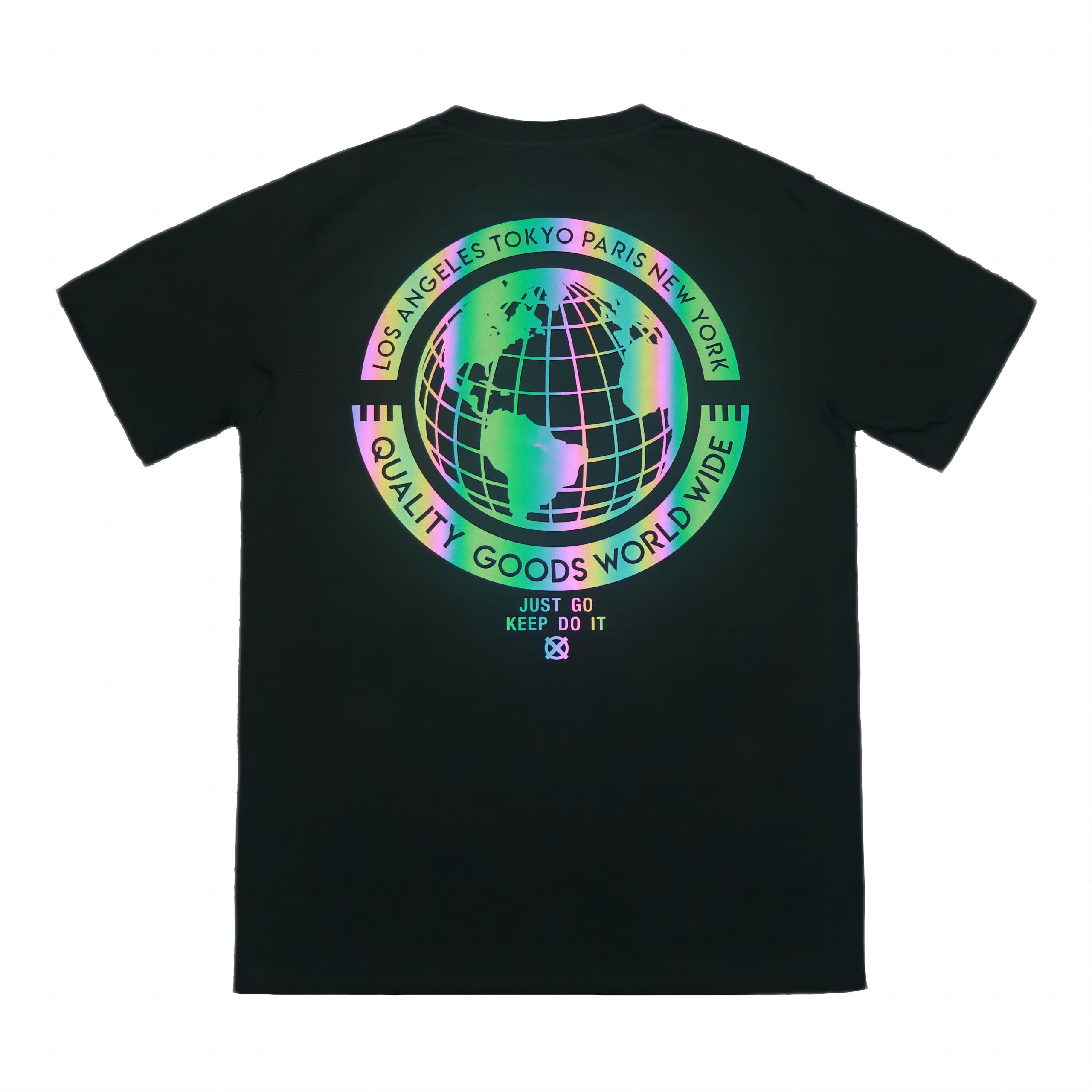
Custom Polo Shirts
Custom polo shirts for staff uniforms, academy programs, golf-inspired collections and corporate apparel. Pique selection, collar and placket construction, trims, embroidery placement and size grading are developed into a clear production specification.
Get a Quote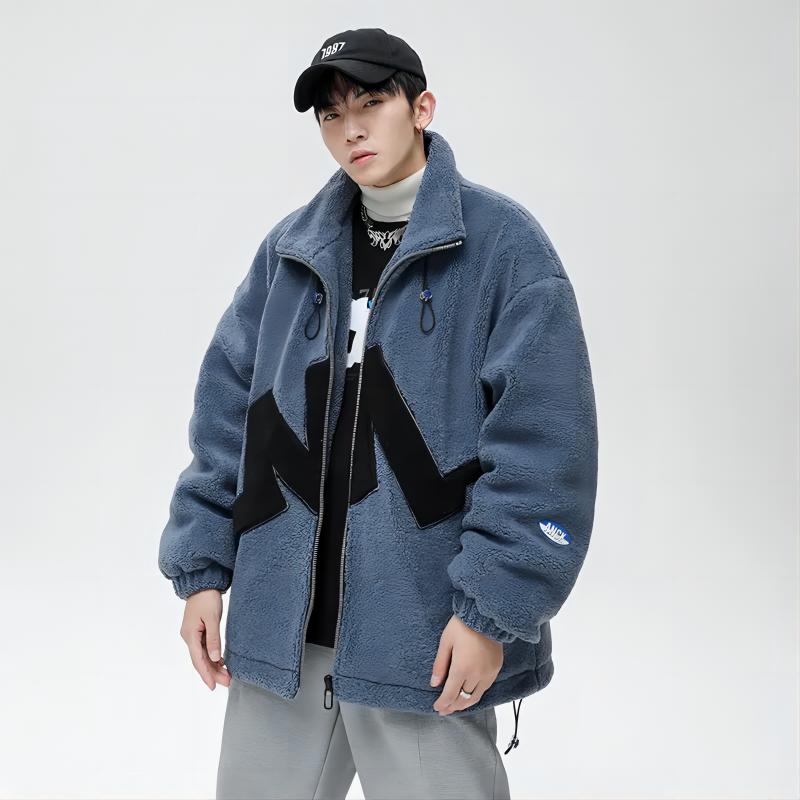
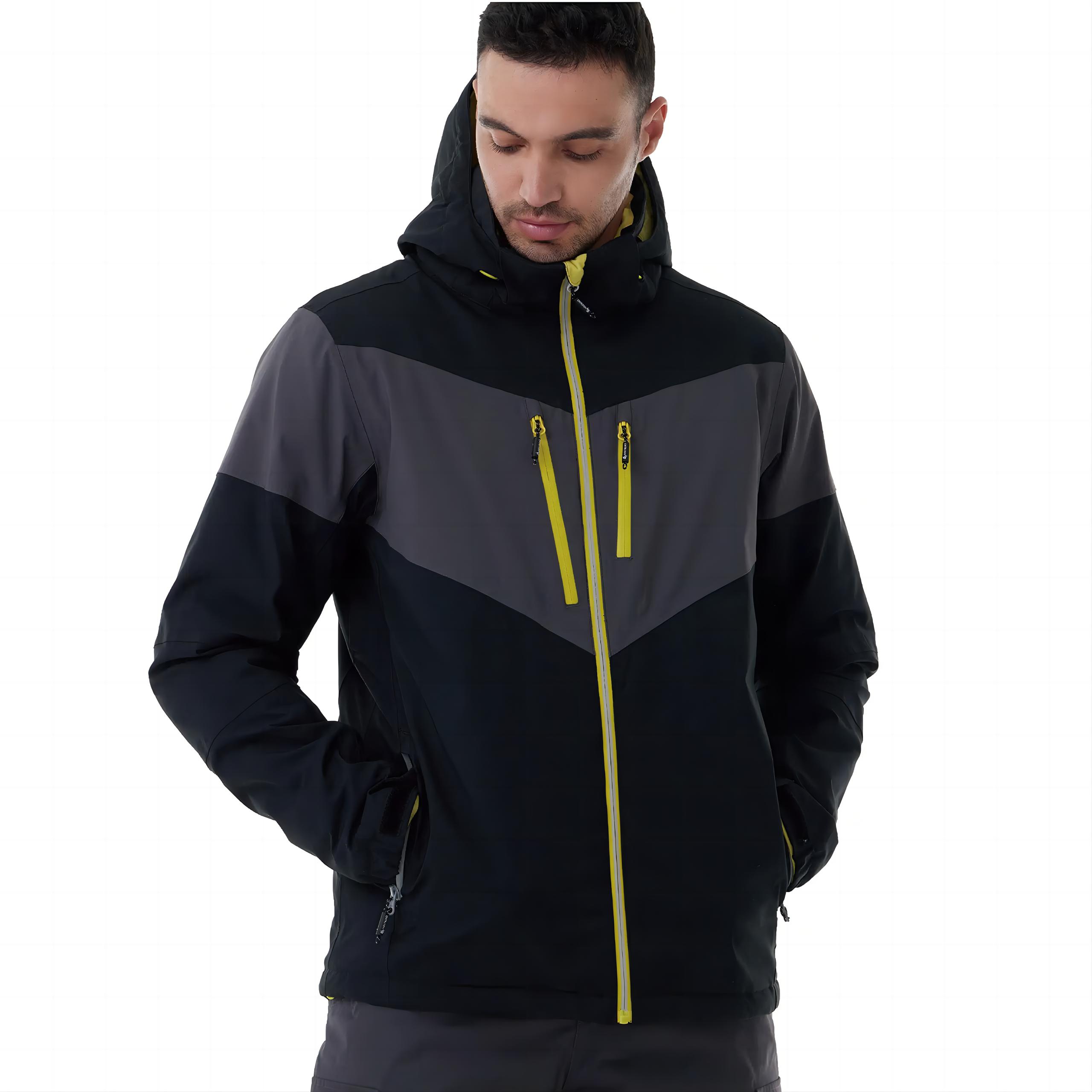
Windbreaker Jackets
Windbreaker jackets for travel, sideline use and transitional-weather programs. EDVORIN coordinates shell fabric, lining or mesh, zipper selection, hood construction, ventilation, reflective details and decoration methods suited to the fabric and intended performance.
Get a Quote
Quilted Jackets
Quilted jackets developed for outerwear collections, team travel and cold-weather uniform programs. Shell, insulation, lining, quilting layout, pocket construction, hardware and branding are reviewed together before bulk production begins.
Get a Quote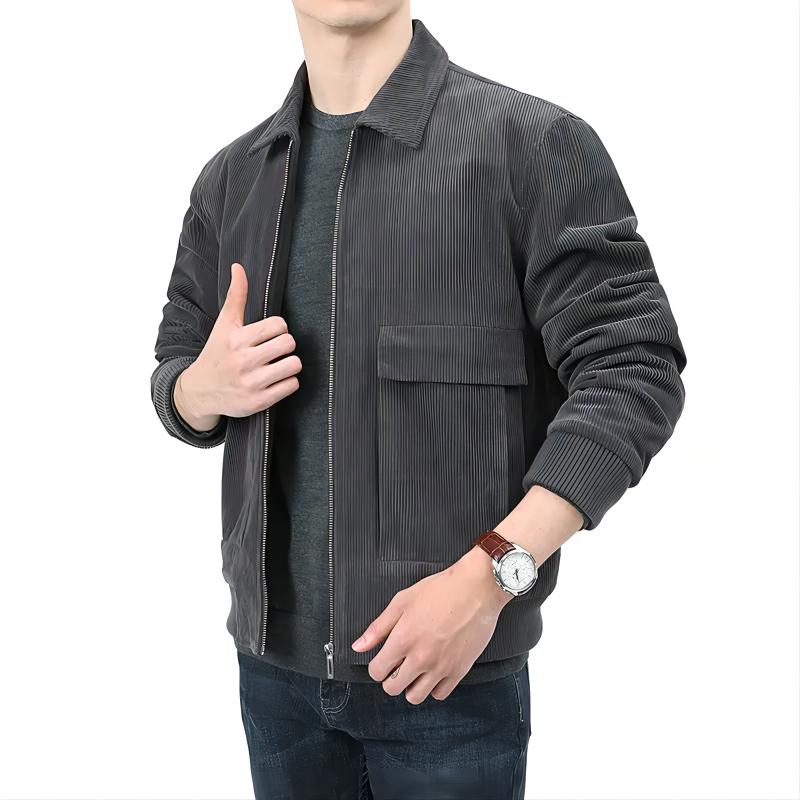
Bomber Jackets
Bomber jackets for branded outerwear, fan merchandise and private-label assortments. EDVORIN develops shell fabric, lining, rib, zipper or snap details, pockets, patches and embroidery while controlling fit and construction against the approved sample.
Get a Quote
Custom Shirts
Custom woven shirts for uniforms, resort-inspired ranges and branded retail programs. EDVORIN develops fabric, collar, placket, cuff, pocket, button, grading and embroidery specifications for men’s and women’s product programs.
Get a Quote
Custom Jerseys
Custom jerseys for baseball teams, clubs, schools and merchandise programs. EDVORIN coordinates fabric performance, color matching, player names, numbers, badges, piping, fit blocks and size sets to support organized delivery and repeat ordering.
Get a Quote
Tank Tops
Tank tops for training apparel, warm-weather merchandise and coordinated teamwear. Fabric weight, armhole shape, neckline binding, length, print or embroidery placement and grading are developed according to the intended sport, fit and retail position.
Get a Quote
Soccer Uniforms
Soccer uniforms developed as coordinated jerseys, shorts and optional training layers. EDVORIN manages breathable fabric options, color panels, crests, names, numbers, sponsor artwork, size runs and decoration placement against approved references.
Get a Quote
Basketball Uniforms
Basketball uniforms developed for teams, academies and club programs requiring coordinated jerseys and shorts. EDVORIN specifies lightweight fabrics, mesh options, neck and armhole binding, player numbering, logo placement, color control and size grading.
Get a Quote
Streetwear Collections
Streetwear collections developed from concept, references or complete tech packs. EDVORIN connects silhouettes, fabrics, trims, printing, embroidery, washes, labels and packaging across multi-style programs, creating production standards that support seasonal launches and reorders.
Get a QuoteBaseball Jersey Manufacturer Material Options
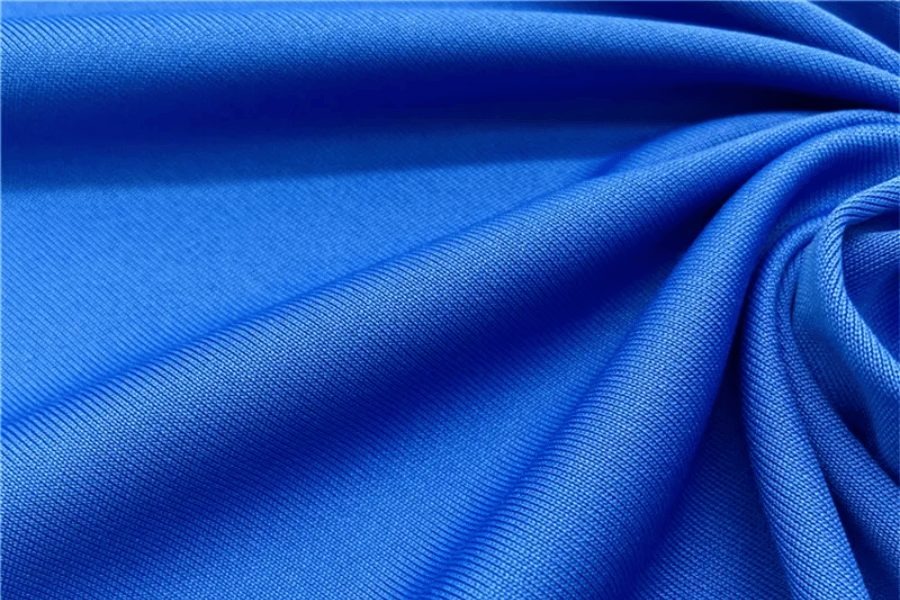
Polyester Interlock
Smooth, lightweight and dependable for full team sets, polyester interlock offers a clean face for decoration and a comfortable athletic hand. Its stable knit construction supports breathable, easy-care baseball jerseys for repeated wear.
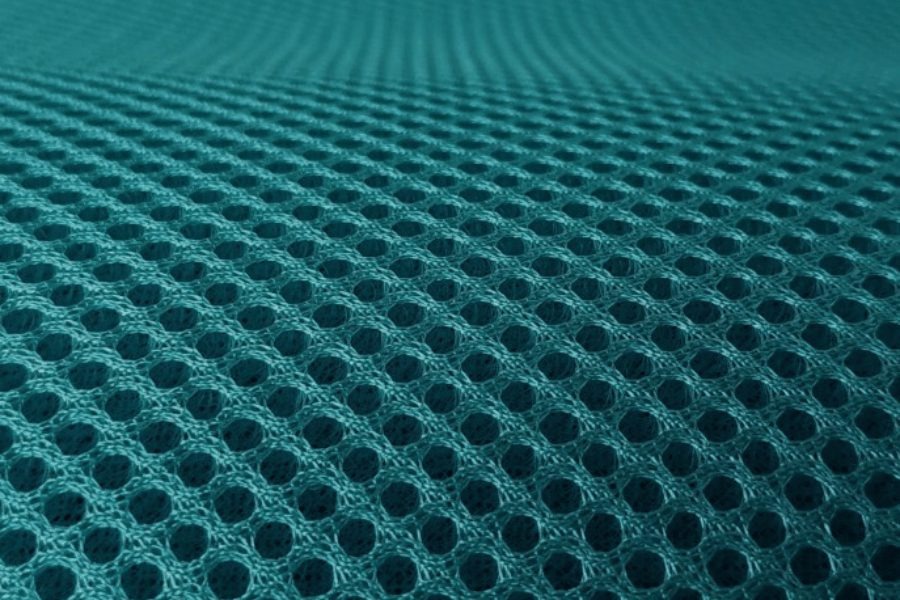
Birdseye Mesh
Light and airy with a subtle textured surface, birdseye mesh suits warm-weather games and active training jerseys. Its open knit encourages airflow while retaining enough structure for names, numbers and coordinated team graphics.
Micro Mesh
Soft, breathable and slightly more refined in appearance, micro mesh works well for performance-focused jerseys and fashion-led teamwear. The fine perforated knit supports ventilation, lightweight comfort and a flexible feel during movement.
Double Knit Polyester
A denser, more substantial polyester option with a smooth hand and durable body, double knit is suited to traditional baseball styling. Its stable construction supports structured silhouettes, dependable wear and detailed decoration placement.
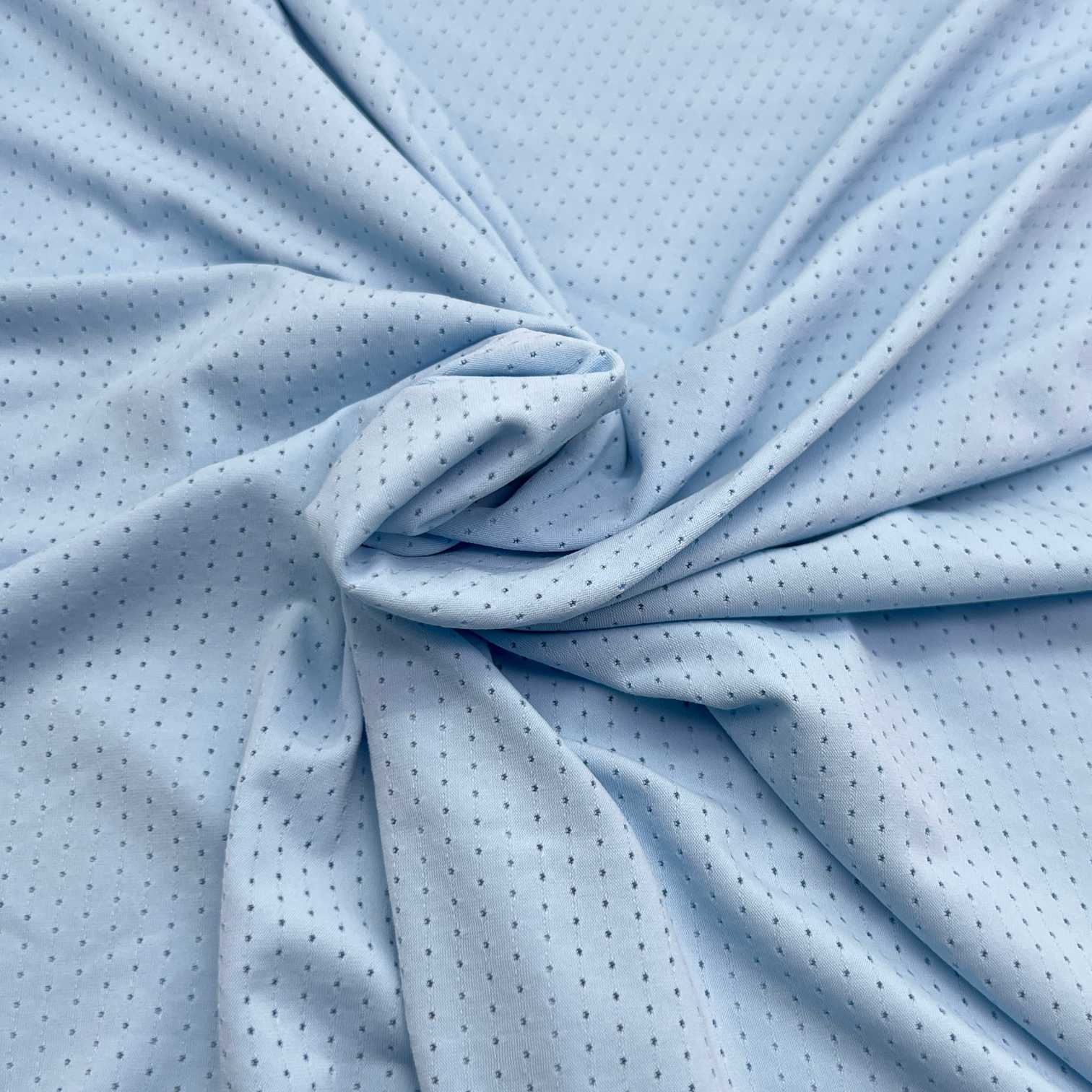
Poly Spandex Knit
Stretchy, smooth and close-fitting, poly spandex knit is developed for athletic cuts that need freedom of movement. Its elastic recovery helps jerseys keep their shape through active play, while its clean surface supports modern team graphics.
Baseball Jersey Manufacturer Decoration Methods for Team Identity
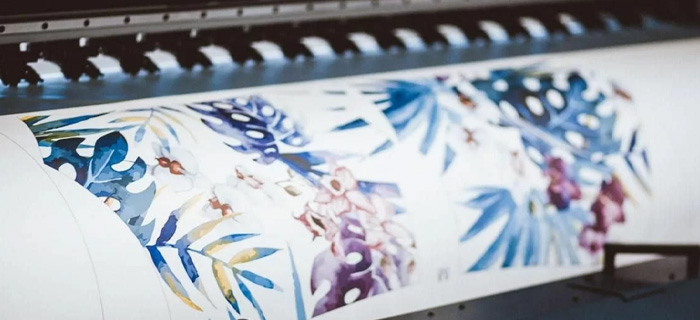
Dye Sublimation
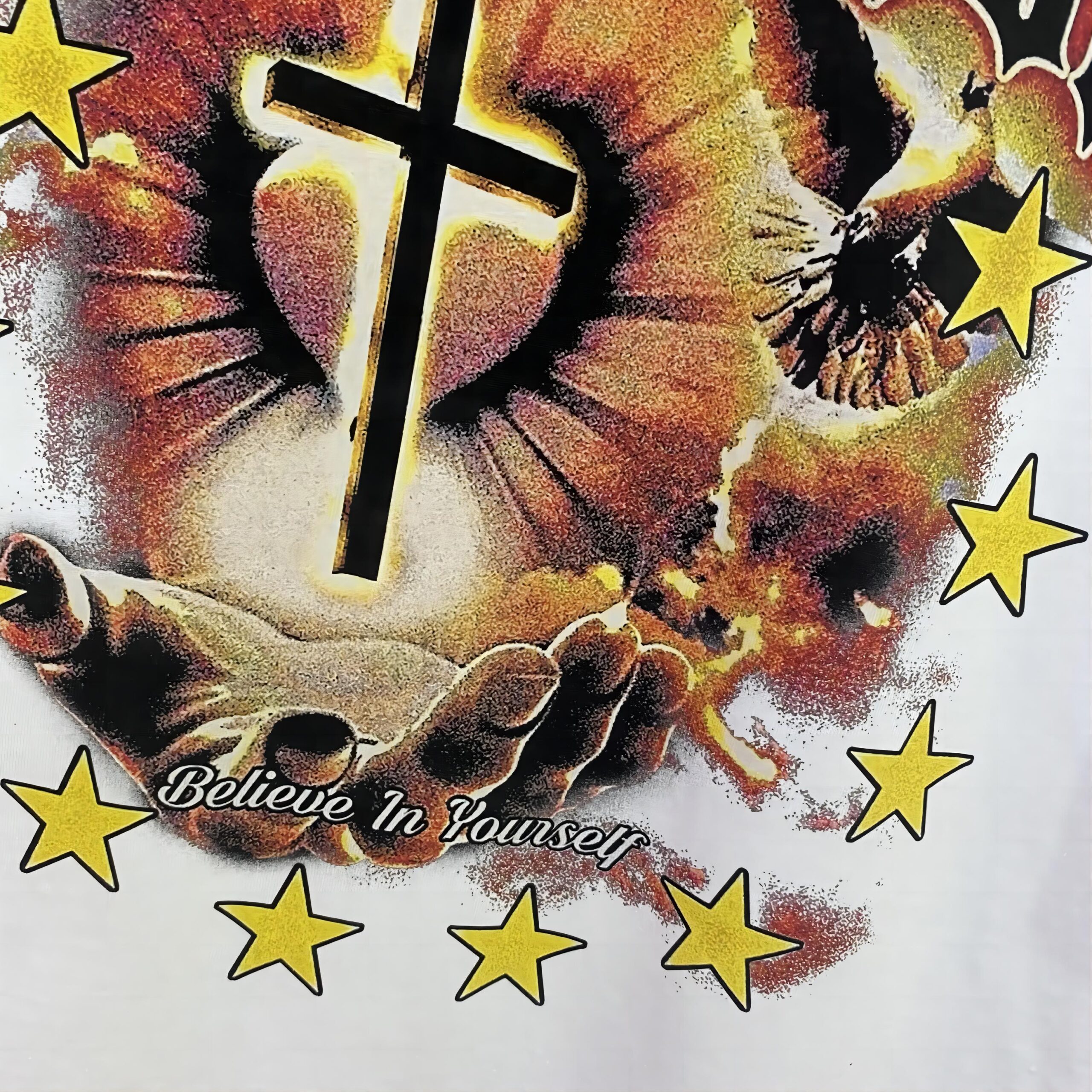
Artwork, color panels, names, and numbers are developed as part of the jersey graphic before production. This method supports detailed, all-over team visuals while keeping the garment surface smooth and suitable for performance-focused constructions.
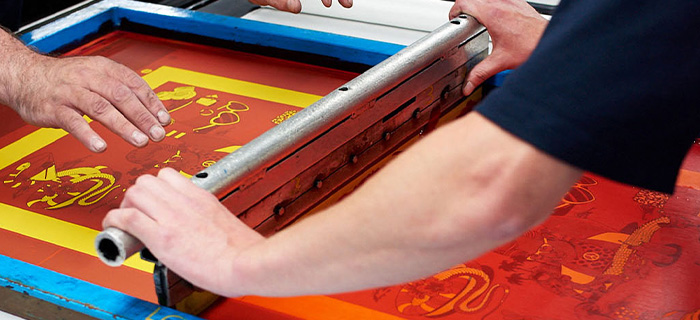
Screen Printing
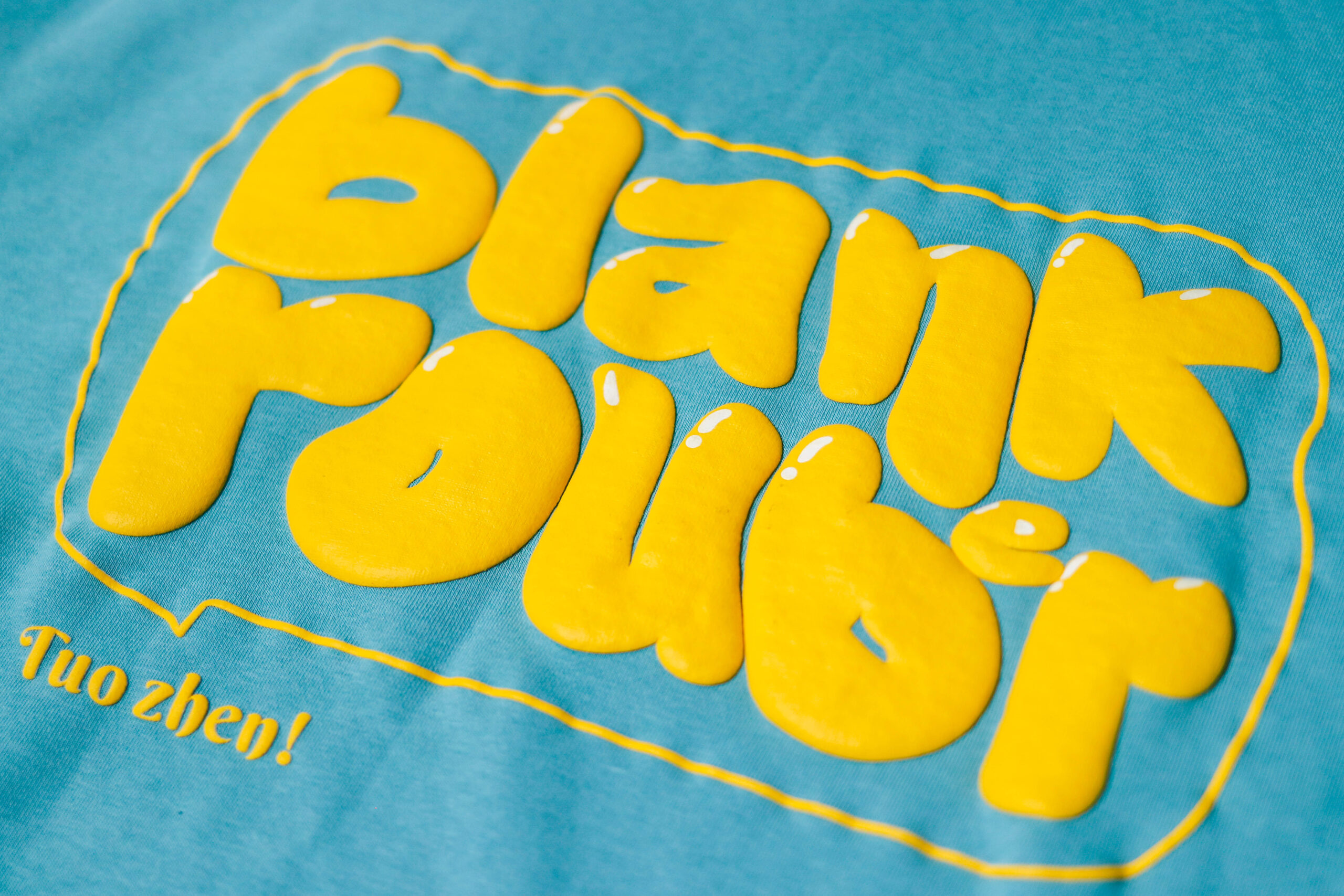
Screen printing applies defined logo and graphic areas to the jersey after fabric selection and artwork review. EDVORIN documents placement, scale, and color references to help maintain a consistent visual standard across bulk orders.
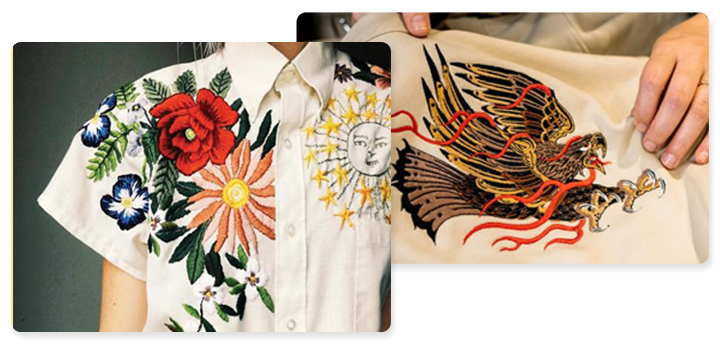
Logo Embroidery
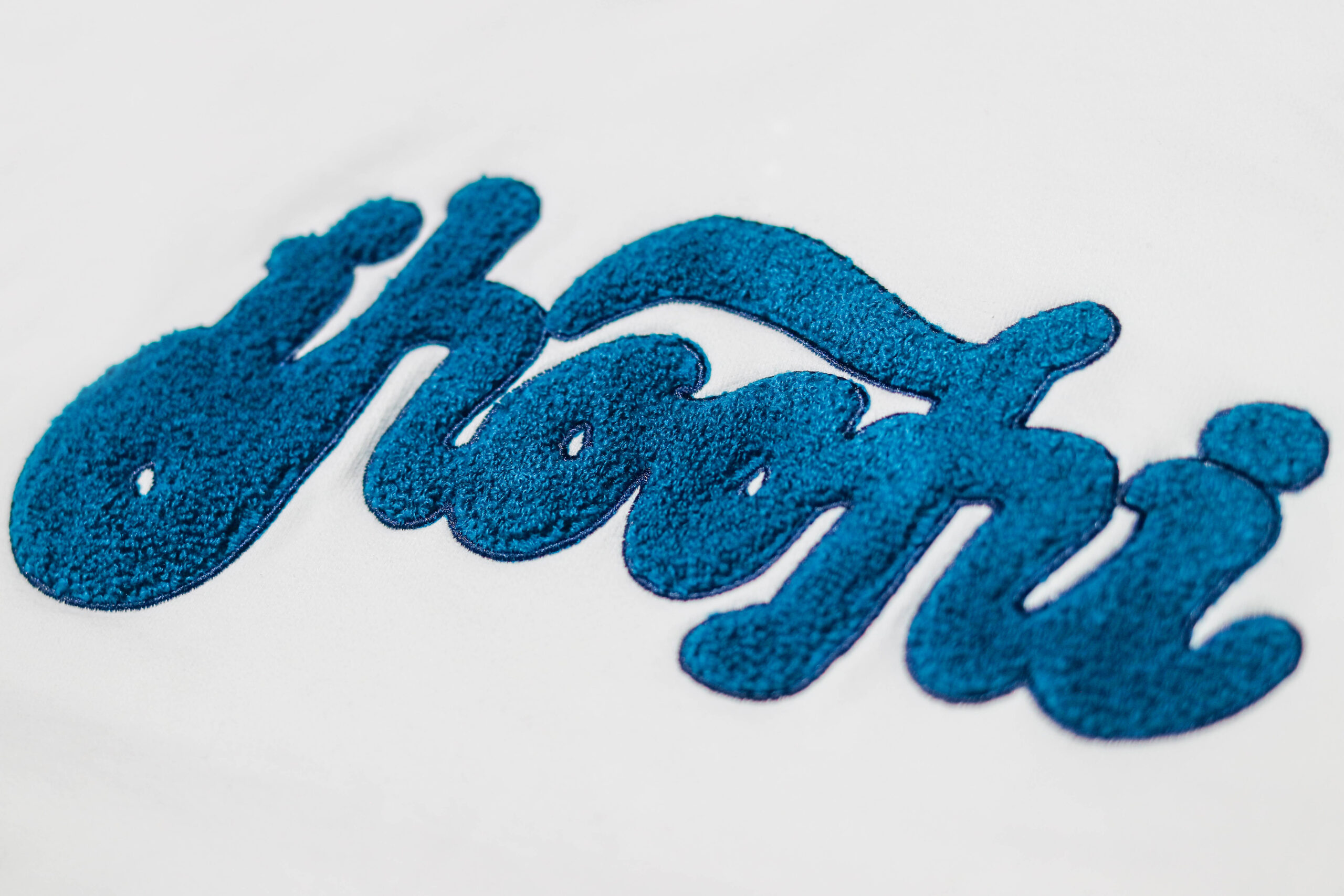
Embroidery adds dimensional stitched detail for selected team crests, brand marks, and accent graphics. Stitch density, backing, placement, and base fabric are reviewed during sampling so the finished decoration supports the intended jersey construction.
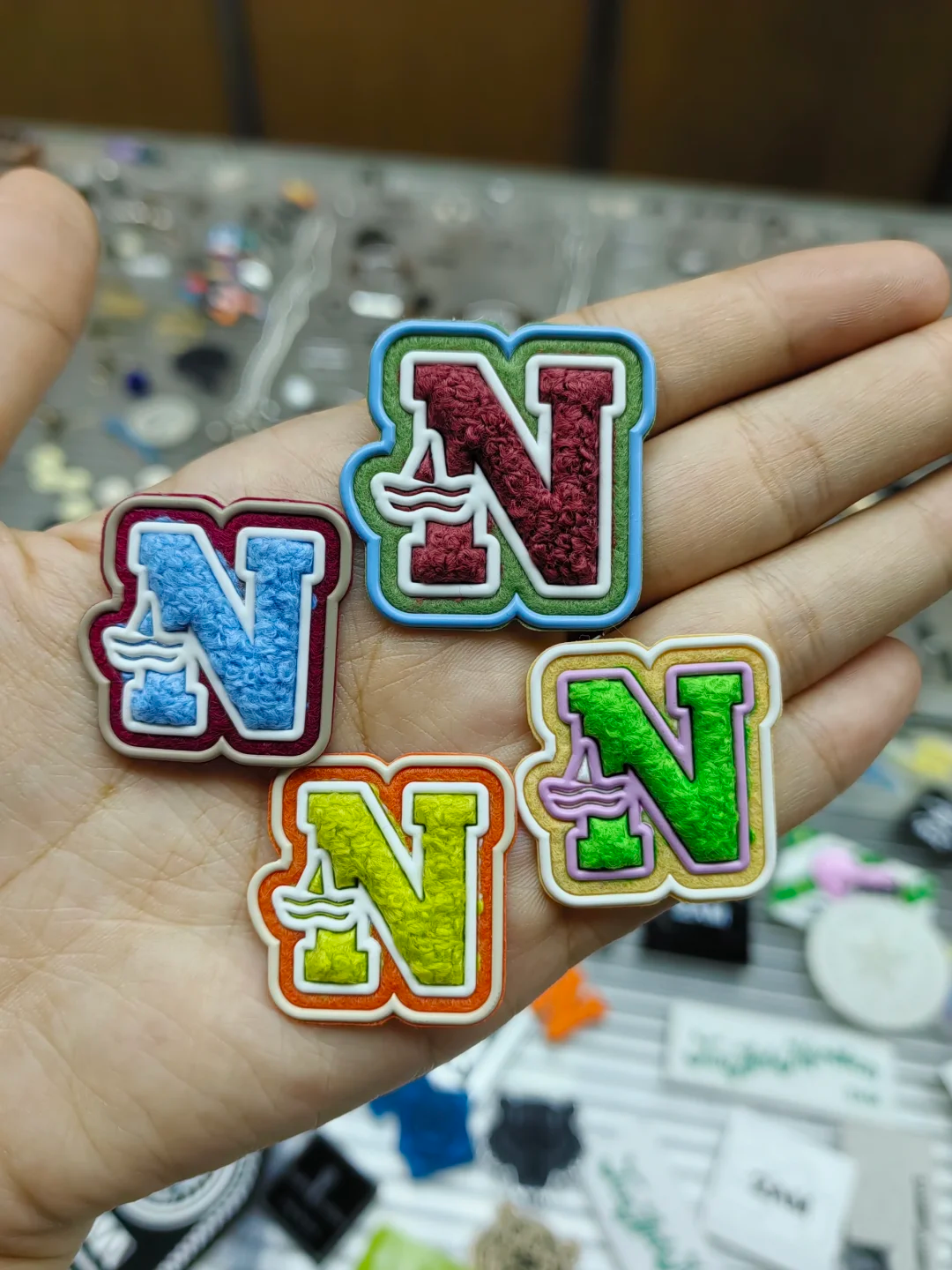
Tackle Twill
Tackle twill uses cut fabric letters or numbers secured to the jersey for a traditional athletic appearance. EDVORIN develops the shape, color contrast, edge finish, and placement against the approved sample before bulk production.
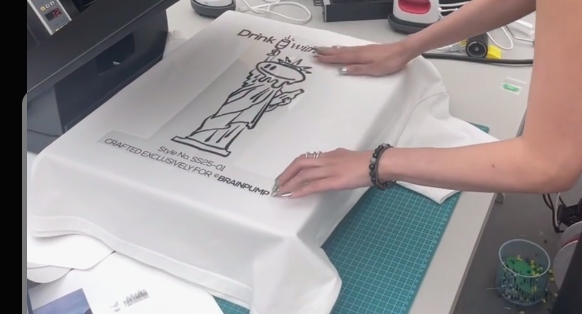
Heat Applied Details
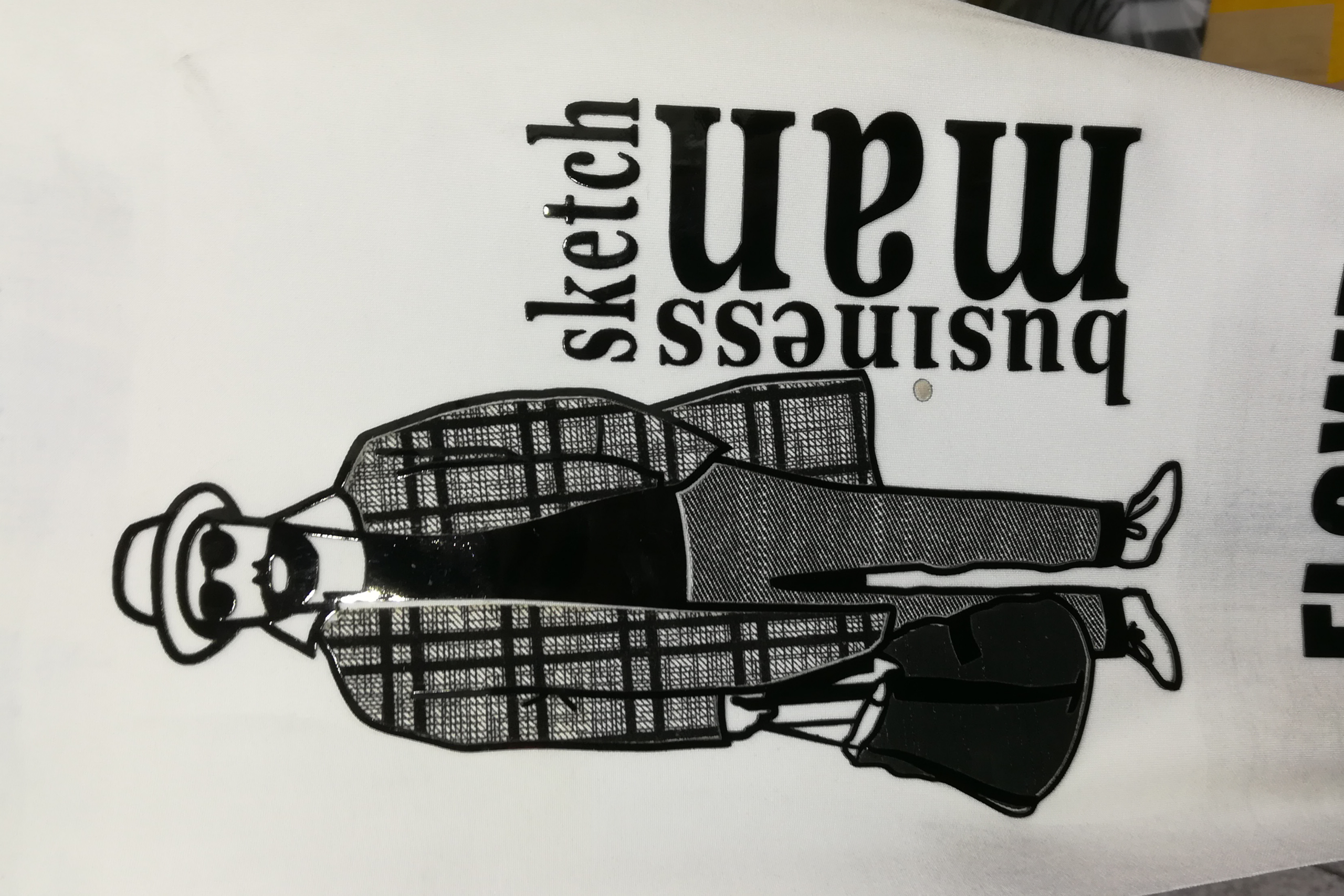
Heat-applied names, numbers, and selected graphics provide a controlled option for player-specific personalization. Artwork sizing and placement are recorded alongside the approved jersey standard, helping organized team sets retain a consistent finished look.
Baseball Jersey Manufacturer Trims and Finishing Details
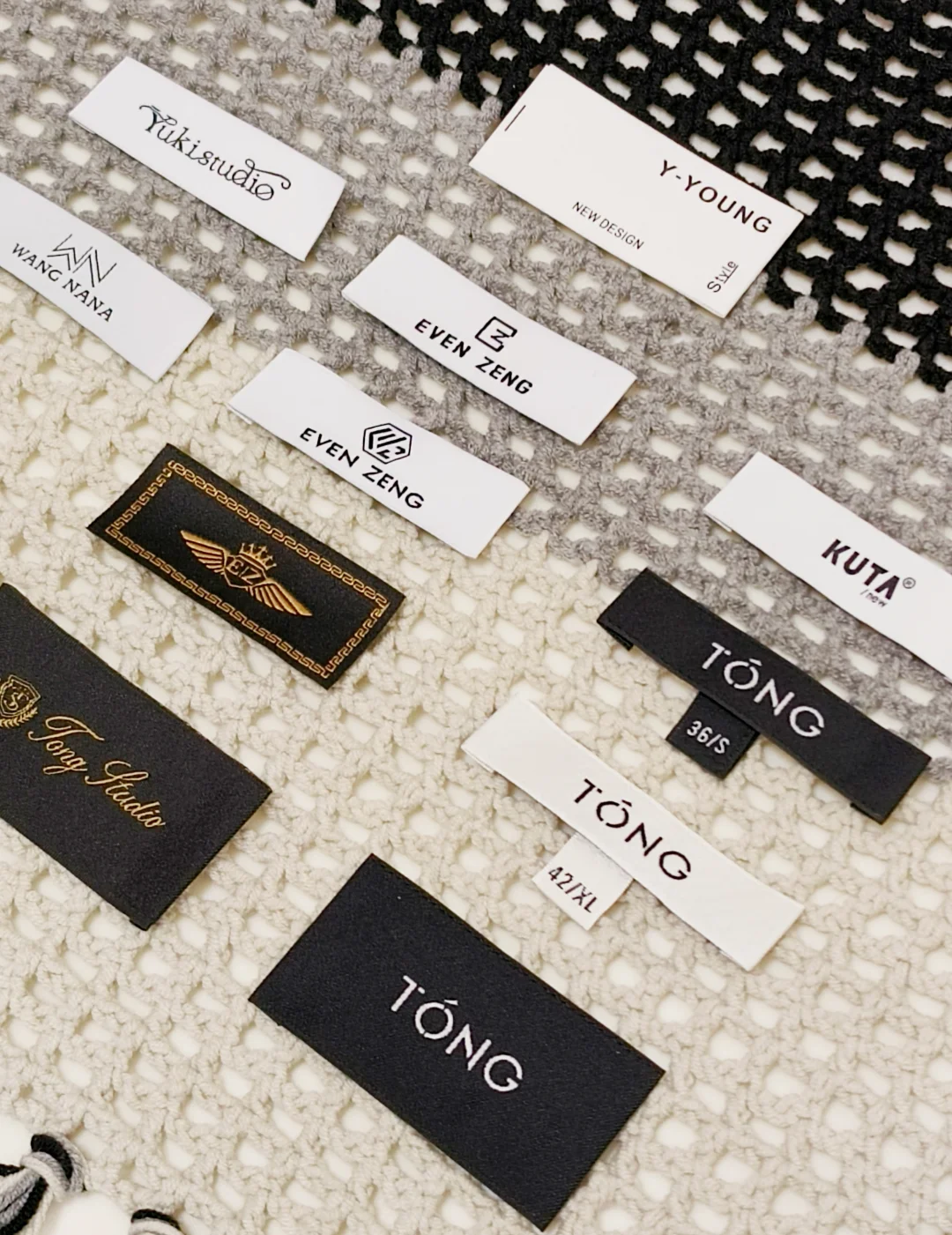
Neck Labels
Custom main labels and size labels provide clear brand identification and fit information inside each jersey. We coordinate label material, fold style, placement, and attachment details with the approved construction standard.
Woven Brand Labels
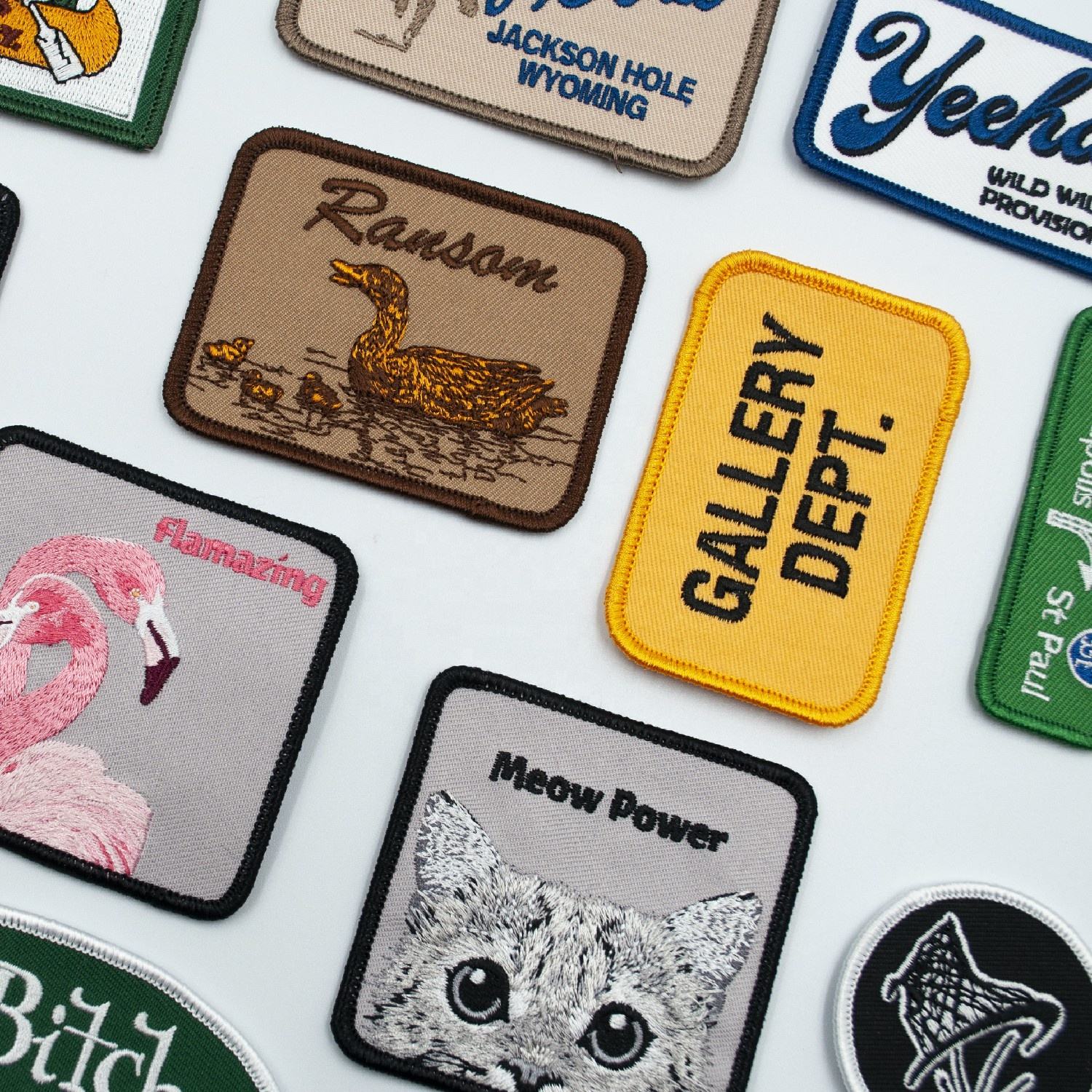
Woven labels add a durable private-label signature at the hem, sleeve, or side seam. They are useful for fashion-forward baseball jerseys and teamwear programs needing consistent branding across coordinated collections.
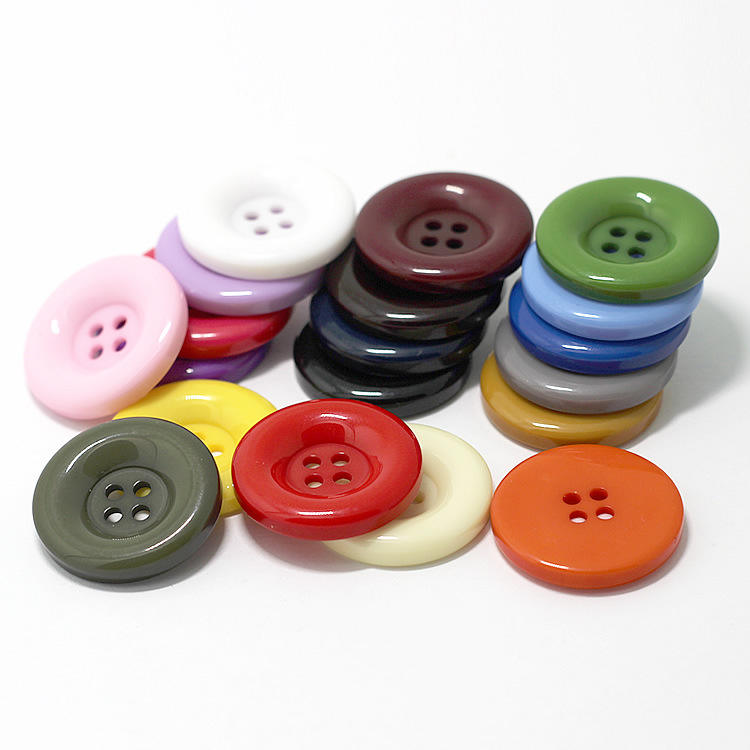
Button Closures
Select button types, colors, finishes, and spacing for full-button or partial-button jersey constructions. Closure specifications are documented alongside the placket build so the approved look can be repeated through bulk production.
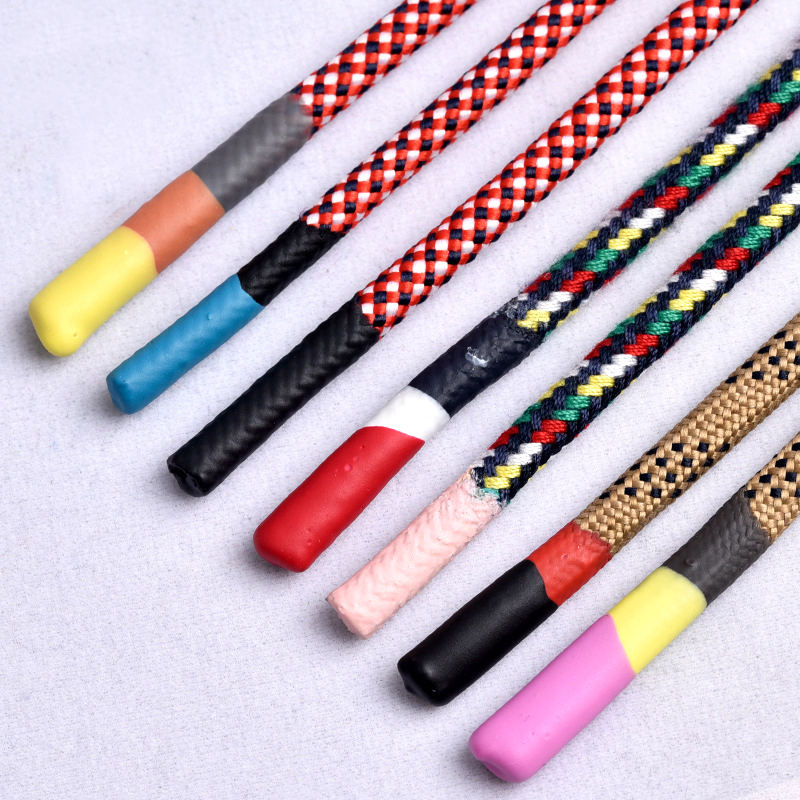
Drawcord Details
For jersey-inspired warm-ups, hooded layers, or coordinated team apparel, custom drawcords and tips create a finished branded detail. We align cord color, material, length, and hardware with the garment’s intended performance and style.
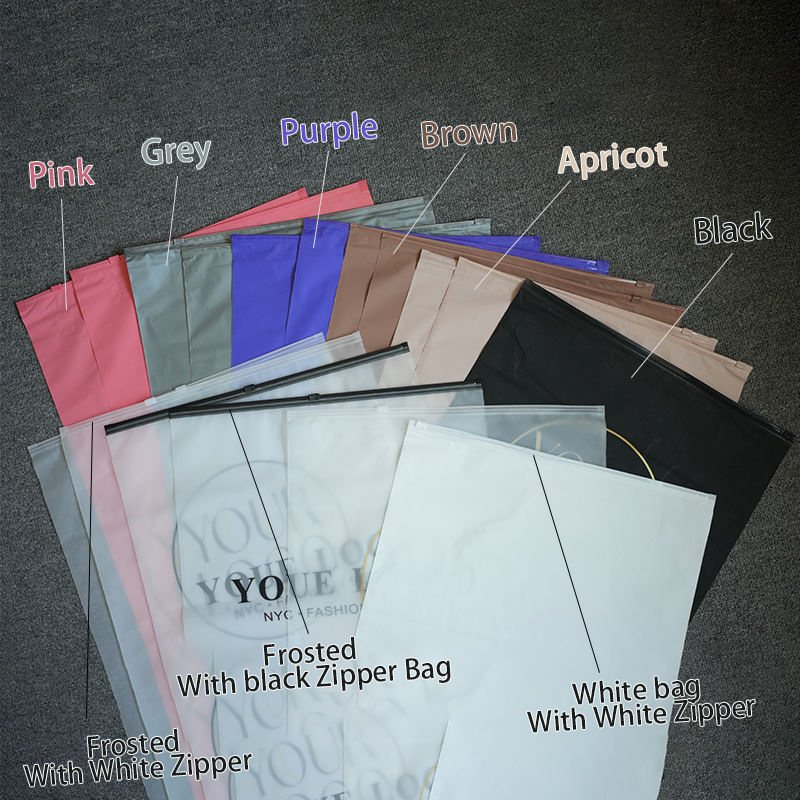
Retail Packaging
Complete the program with hangtags, polybags, barcode stickers, size markers, and carton packing instructions. Packaging details help wholesalers, clubs, and private-label buyers receive organized products ready for distribution or retail.
About EDVORIN, Your Baseball Jersey Manufacturer
Founded in 2000 by Edvorin Zeng, EDVORIN is a founder-led baseball jersey manufacturer built around one responsibility: translating an apparel idea into a standard that can be made accurately again and again. We support OEM, ODM and private-label programs from early development through approved bulk production.
Our connected workflow brings material sourcing, patterns, sampling, decoration, labels, packaging and quality control together for baseball, teamwear and coordinated streetwear programs. Whether you arrive with a complete tech pack or an initial concept, we help define the construction, fit, artwork placement and production details needed for repeatable results.
What sets EDVORIN apart is discipline after the sample. Approved materials, measurements, colors, trims and decoration references are carried into production, with in-line and final checks protecting the agreed standard. With MOQs starting at 200 pieces per style, we serve growing labels, teams, wholesalers and established private-label buyers.
How EDVORIN Makes Baseball Jersey Concepts Production-Ready
Technical Development First
EDVORIN translates sketches, reference garments, or complete tech packs into clear baseball jersey specifications. Pattern details, fit, grading, construction, and labeling are reviewed early so the approved concept has a practical standard for repeatable production.
- Men’s and women’s fit development
- Pattern, measurement, and grading review
- Construction details documented before sampling
- OEM, ODM, and private-label support
Materials and Decoration Aligned
A baseball jersey manufacturer must coordinate the base fabric with the intended decoration, not treat them as separate choices. EDVORIN aligns material selection, color direction, artwork placement, names, numbers, trims, and finishing requirements within one product-development path.
- Fabric selection for intended wear and look
- Print and embroidery compatibility review
- Placement measurements recorded for artwork
- Trims, labels, and packaging coordinated
Samples Become Working Standards
EDVORIN uses sampling to resolve production questions before bulk manufacturing begins. Once a jersey is approved, its measurements, materials, colors, decoration details, and revisions are organized into a reference that guides the production team and protects buyer expectations.
- Sample revisions tracked and clarified
- Approved measurements become production references
- Color and artwork details retained
- Physical approval supports consistent reorders
Quality Control Through Bulk
The approved sample is carried into material checks, in-line inspection, and final review before packing. EDVORIN’s sample-to-bulk controls focus on maintaining the confirmed standard across an order, helping buyers manage consistency from the first units through delivery.
- Material and trim checks before production
- In-line inspection during manufacturing
- Final measurement and appearance review
- Packed orders checked against approval standards

Why EDVORIN Is the Baseball Jersey Manufacturer for Controlled Production
One accountable path from development through approved bulk production.
← Swipe left or right to view →
Our Baseball Jersey Manufacturer Production Process
A controlled path that turns approved jersey concepts into repeatable, production-ready orders.
Review Specifications and Source
We review your tech pack, artwork, size range, target use, fabric requirements, trims, labels, and packaging before confirming a practical production specification.
Develop Patterns and Samples
Our team prepares patterns, fit details, and a development sample so construction, material behavior, colors, and decoration placement can be reviewed before bulk production.
Approve Standards for Bulk
Approved samples, measurement charts, color references, artwork files, and trim details become the documented standard used to guide your baseball jersey manufacturer production order.
Cut, Sew, and Decorate
Materials are prepared for cutting, sewing, and selected decoration processes, with names, numbers, logos, and private-label details coordinated against the approved production standard.
Inspect, Pack, and Prepare
In-line and final checks verify measurements, workmanship, decoration, labeling, and packing before cartons are prepared for shipment according to your order requirements.
How to Work With Your Baseball Jersey Manufacturer
Move from concept to packed goods through a defined OEM process built around clear approvals and repeatable standards.
Submit Your Concept
Send a tech pack, measurement chart, artwork, reference garment, or initial idea. EDVORIN reviews construction, fit, decoration, and program requirements.
Align Materials and Quote
Confirm performance fabric, trims, colors, decoration method, labeling, packaging, quantities, and target specifications. We then prepare a clear quotation for your 200-piece-plus style.
Approve Your Sample
Review the developed sample against fit, measurements, materials, artwork placement, and finishing. Record approved revisions so the sample becomes the bulk production standard.
Confirm Bulk Production
Finalize size breakdowns, purchase details, and approved specifications. EDVORIN coordinates cutting, sewing, decoration, in-line checks, and final inspection through one accountable production path.
Receive Packed Goods
Finished baseball jerseys are labeled, packed, and checked against approved requirements before shipment, helping your teamwear or private-label program arrive ready for distribution.
Certified Standards for Responsible Apparel Production



What Baseball Jersey Manufacturer Buyers Say
Our first 240-piece run moved from a rough concept to an approved sample with placement measurements and trim details documented clearly. The production reference made our follow-up order much easier to manage.
EDVORIN helped us turn three baseball jersey colorways into a repeatable private-label program. Across two 300-piece orders, names, numbers, labels, and packing requirements stayed organized from sample approval through delivery.
We needed a supplier that could handle teamwear details without treating our women’s and men’s fits as the same garment. The revised grading reduced our sample rounds from three to two and gave our academy a clearer reorder standard.
Baseball Jersey Manufacturer FAQs
Clear answers for OEM, private-label, teamwear, and wholesale buyers planning a repeatable jersey program.
What is the MOQ for a baseball jersey manufacturer?
Can a baseball jersey manufacturer develop samples from my sketch or reference garment?
How long does custom baseball jersey sampling and bulk production take?
What customization options does EDVORIN offer for baseball jerseys?
Can you make baseball jerseys for men’s and women’s programs?
How does EDVORIN document approved design files and artwork for production?
Can I reorder the same custom baseball jersey later?
What payment and shipping details should I confirm before placing an order?
Complete Baseball Jersey Manufacturer Buyer’s Guide
Use this practical framework to compare supplier models, fabrics, customization, quality controls, and pricing—so you can select a baseball jersey manufacturer confidently while avoiding costly sampling, specification, and production mistakes.
1. What Is a Baseball Jersey Manufacturer?
Since 2000, EDVORIN has operated as a baseball jersey manufacturer that converts an OEM, private-label, teamwear, or wholesale brief into controlled specifications, samples, bulk production, labeling, and packed goods. The job extends beyond sewing: it connects patterns, materials, decoration files, measurement standards, and quality checks.
Four supplier models solve different problems. A factory manages production capability and repeatability; a trading company coordinates outside factories; a decorator applies graphics to supplied blanks; and a ready-stock supplier sells predesigned inventory with limited changes.
A 200-piece order is therefore not judged only by the sample or unit quote. Buyers should confirm that the supplier can document approved Pantone colors, name-and-number data, size grading, trim details, inspection criteria, and required compliance records so each jersey remains consistent across the run and on reorders.
2. Evolution of Baseball Jersey Production
1849 marked the introduction of the New York Knickerbockers’ wool uniform, a model built for durability but prone to retaining heat and moisture. Sewn-on lettering, twill appliqué, and embroidery created a traditional, premium visual language that still suits heritage, fanwear, and varsity-led programs.
1970s synthetic athletic knits shifted jersey development toward lighter polyester constructions that dry faster and better support repeated laundering. For a baseball jersey manufacturer, that shift makes fabric weight, snag resistance, seam strength, and moisture management core sourcing decisions rather than secondary upgrades.
2026 digital artwork workflows let buyers revise Pantone colors, names, numbers, and placement files before sampling, while sublimation can carry complex all-over graphics without a separate decorated layer. EDVORIN records approved materials, artwork placements, and construction details so personalization remains reproducible from sample through bulk production and reorders.
3. Types of Baseball Jersey Manufacturer
Five production models serve different buying jobs. Match the baseball jersey manufacturer to whether the priority is a branded launch, a fast team order, or repeatable replenishment.
| Model | Best For | Flexibility | Speed/Scale |
|---|---|---|---|
| Full-package OEM | Brand launches | High | Planned bulk |
| Cut-and-sew private label | Distinct product | Highest | Development-led |
| Sublimation specialist | Team uniforms | Graphic-led | Variable rosters |
| Stock-blank decorator | Quick events | Low | Short runs |
| Domestic or offshore | Replenishment or volume | Varies | Nearness or scale |
Brand Launches
Full-package OEM combines development, sourcing, sampling, and bulk production. It suits brands needing one accountable path, but approval cycles take longer.
Cut-and-sew private label changes patterns, fit blocks, trims, and labels. It gives the strongest identity, usually with higher development commitment.
Team And Reorder Needs
Sublimation specialists suit teams requiring names, numbers, and complex all-over graphics. They offer fast artwork variation, while fabric and silhouette options may be narrower.
Stock-blank decorators add prints, embroidery, or heat transfers to existing jerseys. They are quickest for short runs, but provide limited garment differentiation.
Location Tradeoffs
Domestic partners simplify communication and urgent replenishment. Offshore partners can suit planned volume, but require earlier approvals and freight planning.
4. Fabrics for Baseball Jersey Manufacturing
Fabric selection sets comfort, visual weight, and decoration compatibility before a baseball jersey manufacturer cuts the first panel. Specify performance needs alongside the intended retail look.
| Fabric | Hand And Performance | Best Use |
|---|---|---|
| Interlock | Smooth, breathable, midweight | Sublimated uniforms |
| Mesh | Airy, light, less opaque | Hot climates |
| Double-knit | Dense, opaque, durable | Structured jerseys |
| Stretch blend | Flexible, resilient | Fitted styles |
Performance Fabric Choices
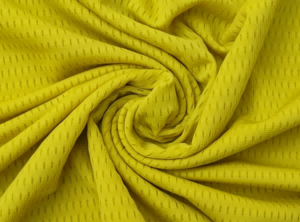
120–150 GSM polyester interlock feels smooth, prints cleanly, and suits sublimated teamwear. Open-hole mesh breathes more but is less opaque; double-knit is denser, more durable, and better for structured game jerseys.
Stretch And Recycled Options
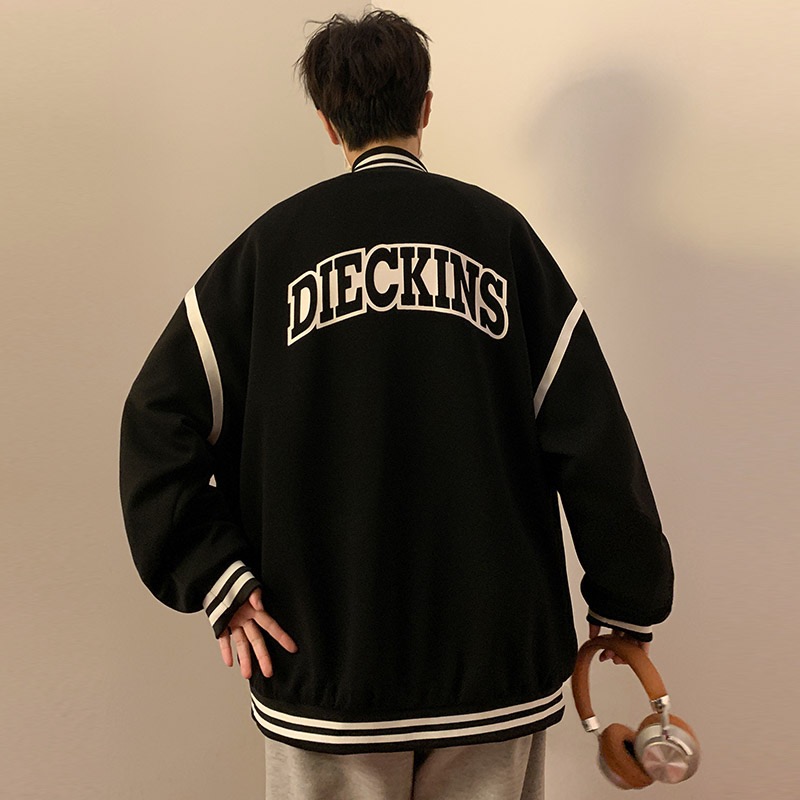
4–8% elastane improves recovery and movement, but can complicate heat-sensitive decoration. Recycled performance polyester can support a lower-impact material brief when its yarn source, weight, and test requirements are documented.
Specify Beyond GSM
140 GSM is a weight reference, not a quality grade: yarn type, knit density, opacity, moisture handling, and colorfastness change the result. Choose lighter mesh for hot-field use; choose substantial double-knit or stretch interlock for premium streetwear positioning.
5. Customization and Decoration Options
A baseball jersey manufacturer should match decoration to fabric, artwork complexity, wear demands, and reorder needs. Decoration specifications must travel with the approved production sample.
| Method | Visual Effect | Durability | Limitations | Cost Drivers |
|---|---|---|---|---|
| Sublimation | Full-panel color | High | Polyester required | Coverage, panels |
| Screen print | Opaque graphic | High | Color layers | Colors, print locations |
| Heat transfer | Sharp detail | Moderate | Film hand-feel | Names, numbers |
| Tackle twill | Raised applique | High | Limited fine detail | Layers, stitching |
| Embroidery | Textured crest | High | Can pucker knits | Stitch count |
Decoration Selection
All-over sublimation suits polyester panels and unlimited-color graphics; screen print and heat transfer suit simpler localized art.
Tackle twill creates a raised athletic look, while embroidery adds texture to crests. Woven and neck labels support private-label identification.
Artwork Control
Pantone references, vector artwork, and a placement map stating dimensions from seams prevent color and position drift.
One approval sample should confirm logo scale, player names, numbers, label copy, and decoration hand before bulk release.
6. Baseball Jersey Construction Quality Checks
A buyer approval should convert the approved jersey into measurable checkpoints. EDVORIN records construction, measurements, decoration placement, and test results before bulk cutting begins.
Pattern And Fit

A size-set sample should confirm panel balance, sleeve pitch, armhole comfort, and hem sweep across every graded size. Compare chest, body length, and shoulder measurements against the approved chart with stated tolerances.
Seams And Components
A prototype should show consistent stitch density, clean overlock or flatlock seams, reinforced button-placket ends, stable collar recovery, and securely finished hems. Inspect thread for skipped stitches, seam puckering, loose ends, and color mismatch.
Sample Test Checklist
A pre-production sample should pass agreed wash, stretch, abrasion, and color checks before release. Check print registration against placement measurements, inspect after laundering, and retain the signed sample as the bulk-production reference.
- Wash for shrinkage, dye transfer, and distortion
- Stretch seams at shoulders, placket, and collar
- Rub decorated areas for cracking or misregistration
7. How to Choose a Baseball Jersey Manufacturer
A 200-piece OEM program should be awarded only after the supplier proves comparable jersey experience and a controlled development path. Ask a baseball jersey manufacturer for written specifications before committing to bulk.
| Check | Evidence Requested | Decision Signal |
|---|---|---|
| Material traceability | Fabric specification | Repeatable sourcing |
| Sampling | Approved sample and revisions | Fit validated |
| Reorders | Saved production records | Consistent repeatability |
Compare Relevant Programs
2 comparable samples reveal more than a catalog: inspect button plackets, collar recovery, decoration edges, and grading. Request samples close to your fabric, fit, and intended use.
Lock The Production Standard
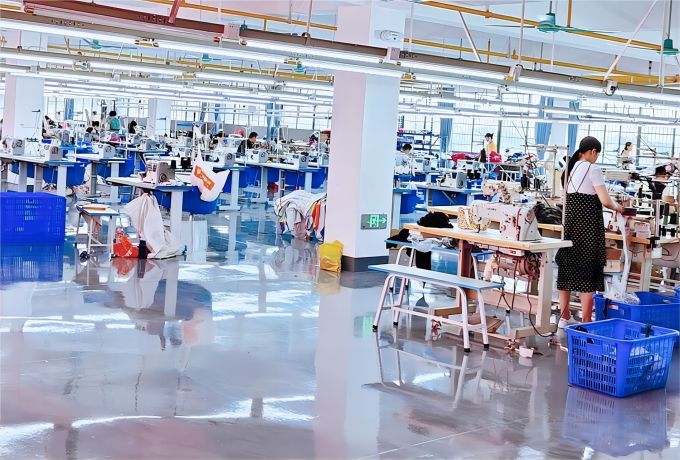
1 approved sample must be supported by a tech pack listing measurements, Pantone references, fabric composition, trims, artwork placement, labels, and packaging. EDVORIN can translate a sketch or reference garment into that reviewable standard.
Test Reliability Before Scaling
EDVORIN’s MOQ starts at 200 pieces per style. 2 checkpoints—pre-production approval and in-line inspection—help validate fit, communication, and quality control before a larger commitment. Confirm MOQ, capacity, production calendar, shipping terms, and reorder records in writing.
8. Common Baseball Jersey Buying Mistakes
Seven preventable decisions can turn a competitive quote into delayed, inconsistent inventory. Before bulk production, make the baseball jersey manufacturer document every approved variable instead of relying on email memory.
Price Without Scope
One low unit price can exclude labels, polybags, freight, or artwork revisions, creating an unplanned landed-cost increase. Compare like-for-like quotations with decoration, packaging, duty responsibility, and shipping terms listed.
Artwork And Fit Gaps
Two missing files—vector logo art and a placement map—can cause blurred decoration or shifted graphics. Supply AI, EPS, or PDF artwork, Pantone references, and measured placement approvals.
One skipped size-set review can produce poor grading across the order. Check garment measurements and fit on intended wearers before production.
Approval And Reorder Control
One approved sample without a production spec pack leaves fabric, stitch, trim, and revision details open to interpretation. Freeze the approved sample alongside measurements, BOM, artwork, and QC tolerances.
One decoration choice may not suit the fabric or small details. Confirm print, embroidery, or tackle-twill limits, then retain approved files, color references, and reorder specifications.
9. Launching a Private-Label Jersey Line
A private-label launch becomes easier when the buyer assigns one owner for product decisions and one for purchase approval. EDVORIN can turn that handoff into documented development, sampling, and repeat-order standards.
Define The Program
One customer profile should specify whether the jersey serves game wear, retail streetwear, school identity, or corporate promotion. One buyer should own fit, target price, size curve, and delivery date.
Build The Technical Brief
One technical brief should include front and back artwork, Pantone references, measurement chart, construction notes, labels, and pack ratio. One approval log prevents revisions from being lost between a reference garment and bulk production.
Approve Materials And Samples
Two material decisions—performance polyester for play or a fashion-led fabric direction for retail—should precede decoration approval. One sealed sample should record placement, color, trims, measurements, and wash expectations before production release.
Prepare Repeat Orders
Three replenishment records should be retained: approved tech pack, graded size data, and artwork files. One packaging specification should define folding, polybags, carton marks, barcode needs, and individual-name handling for efficient reorders.
10. Baseball Jersey Manufacturing Pricing
Three cost layers determine a credible landed-cost comparison: ex-factory jersey, freight, and import-related charges. For a baseball jersey manufacturer quote, specify currency, Incoterm, destination, and whether sampling is credited.
Two similar-looking jerseys can price differently when fabric weight, pattern complexity, decoration method, labels, and packaging differ. Compare approved specifications, not only a per-piece figure.
At 200 pieces, unit cost typically falls as fixed pattern, artwork, and setup work is spread across more garments. Sampling, split shipments, expedited production, and logistics can raise the final landed cost.
| Illustrative order tier | Cost profile | Indicative production lead time |
|---|---|---|
| 50–99 pieces | Higher setup cost per jersey | 3–6 weeks after approval |
| 100–299 pieces | Balanced development and unit cost | 4–7 weeks after approval |
| 300+ pieces | Lower setup cost per jersey | 5–8 weeks after approval |
Ready to Develop Your Baseball Jersey Collection?
Send your tech pack, sketch, reference garment, or collection brief to EDVORIN for a production-focused quote and clear next steps.