
Interlock Jersey Manufacturer for Repeatable OEM Programs
EDVORIN is an interlock jersey manufacturer supporting 200-piece-per-style OEM and private-label production from development through bulk quality control.
Production Capabilities for Interlock Jersey Development




Why Choose EDVORIN as Your Interlock Jersey Manufacturer
Founder-led development, coordinated production, and controlled bulk execution for apparel programs built to repeat.
Founder-Led Development
Work with a manufacturing partner shaped by production-floor experience, turning concepts, references, and tech packs into clear, repeatable garment standards.
Flexible OEM and ODM
Launch private-label interlock jersey programs from an existing specification or develop fit, materials, details, and branding support from an early concept.
Category-Specific Decoration
Coordinate custom apparel printing, custom apparel embroidery, names, numbers, and artwork placement around jersey construction, intended wearer, and performance requirements.
Sourcing Under One System
Align fabric, trims, labels, packaging, and finishing decisions through one accountable production path, reducing gaps between approved details and bulk execution.
Sample-to-Bulk Control
Use approved samples, recorded measurements, placement references, in-line checks, and final inspection to help protect consistency across every production run.
Apparel Programs Built for Every Market
From fashion basics and streetwear to outerwear and team uniforms, EDVORIN develops production-ready apparel programs with clear specifications for repeat bulk orders.
Custom Hoodies
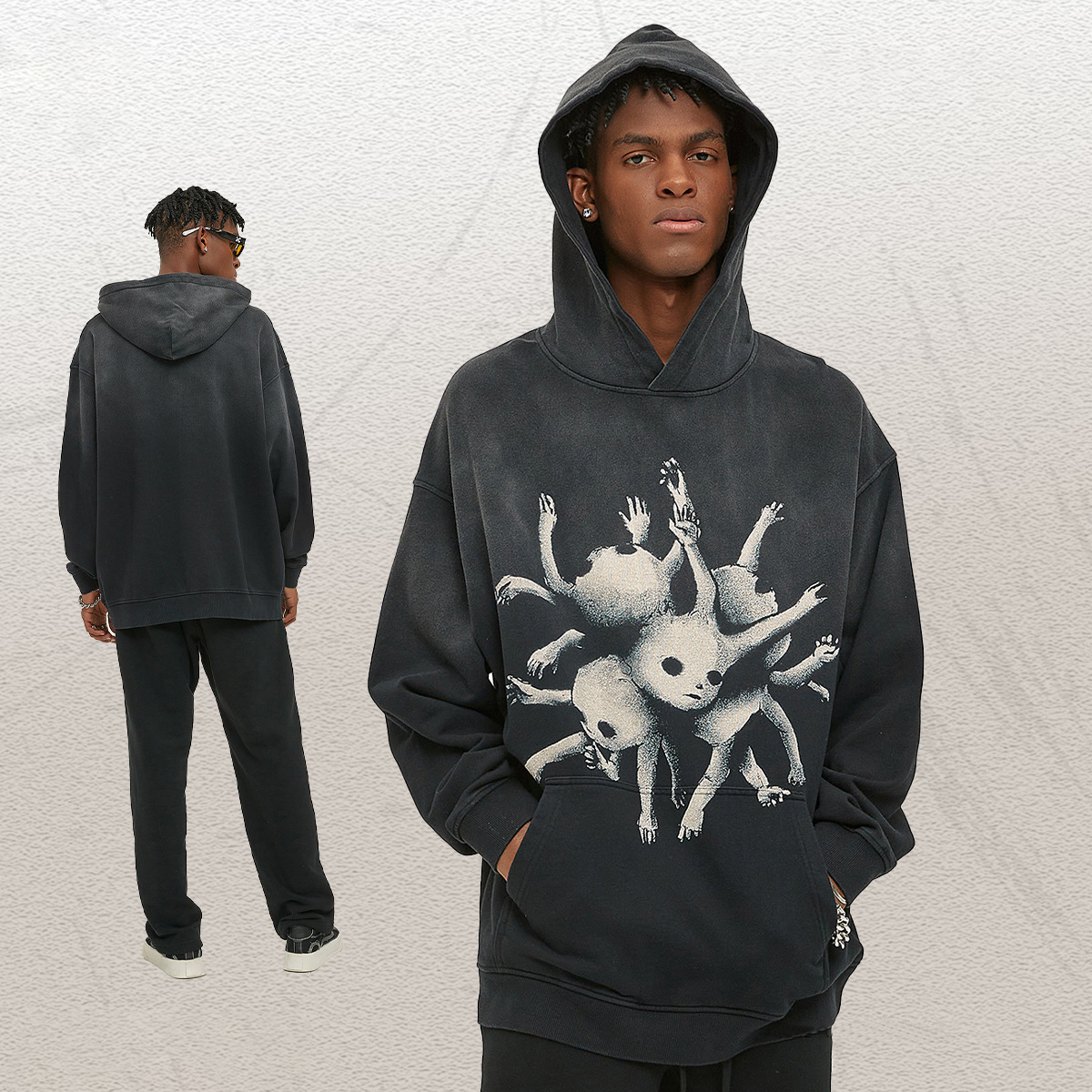
EDVORIN develops custom hoodies with selected fleece weights, fit blocks, rib specifications, drawcords, pockets, labels and decoration methods. Approved samples establish the standard for repeatable bulk production across men’s and women’s programs.
Get a Quote
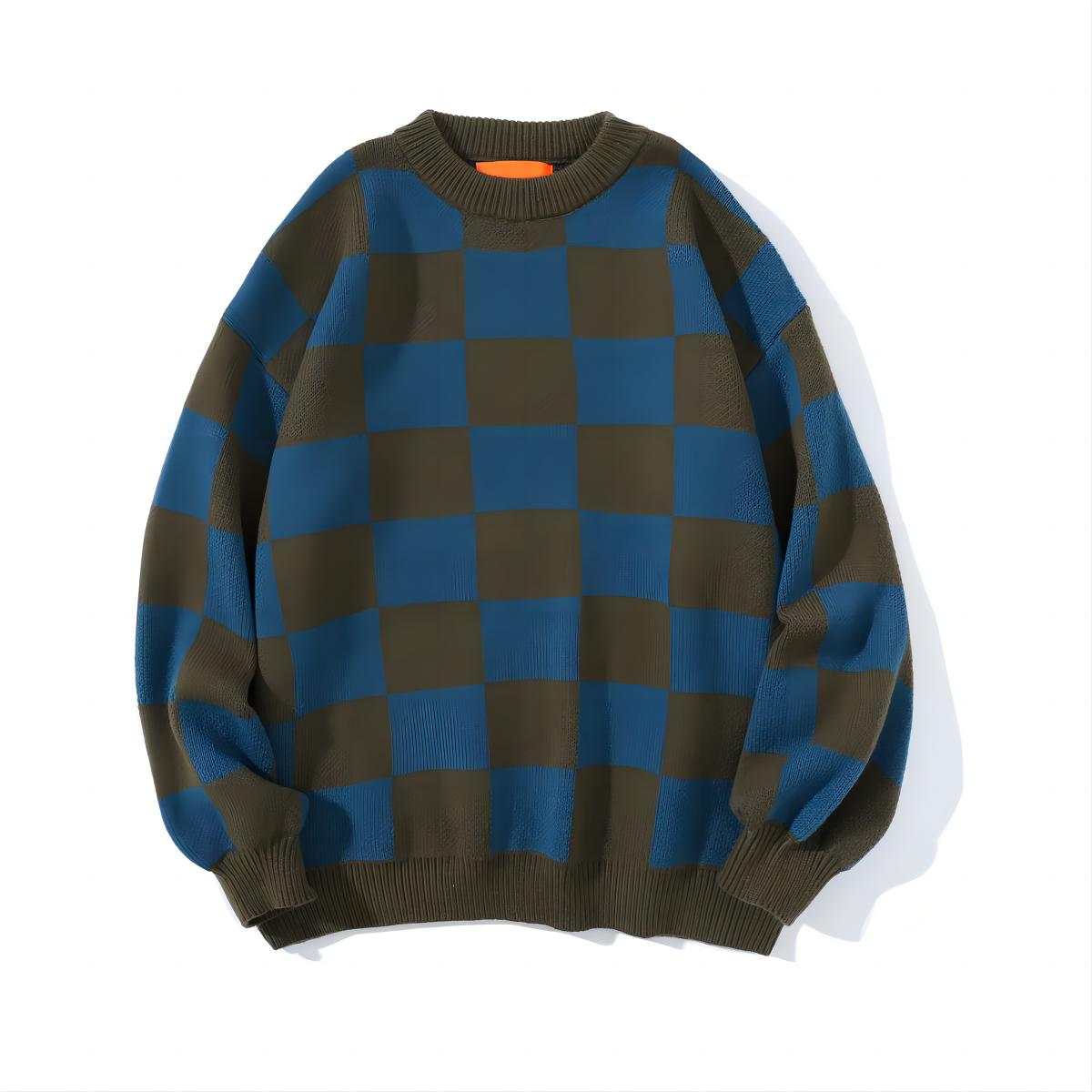
Pullover Sweatshirts
As a sweatshirt manufacturer, EDVORIN supports pullover styles with tailored fabric weight, neckline, rib recovery, seams, washes and print or embroidery placement. Development documentation helps preserve fit and construction from sample approval through production.
Get a Quote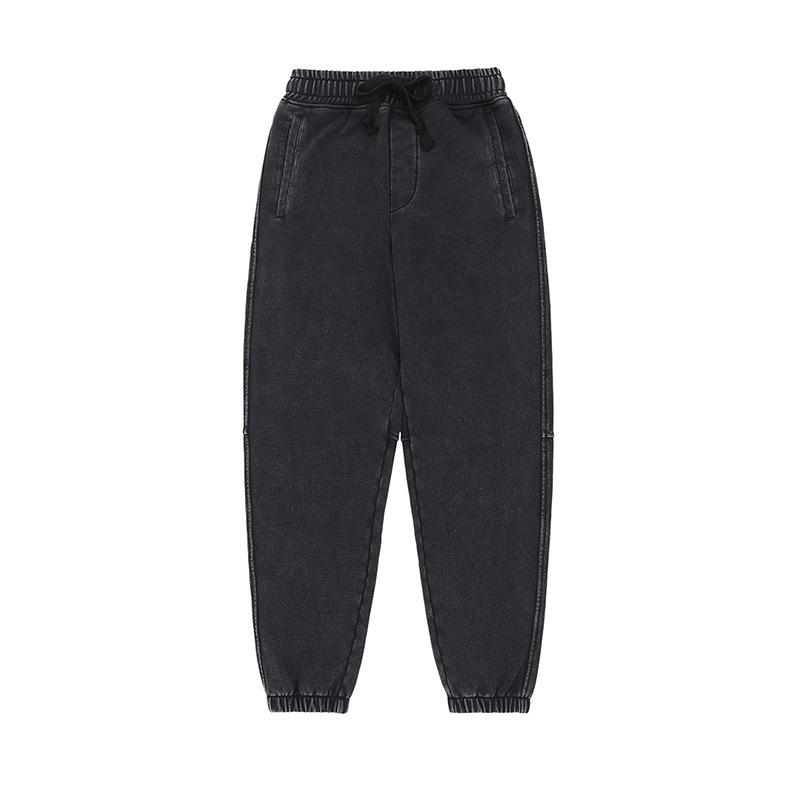
Sweatpants & Joggers
Custom sweatpants and joggers are developed around fabric weight, waistband construction, elastic, drawcords, pocket layouts, cuff treatments and grading. EDVORIN coordinates matching tops and bottoms for branded casualwear, teamwear and wholesale programs.
Get a Quote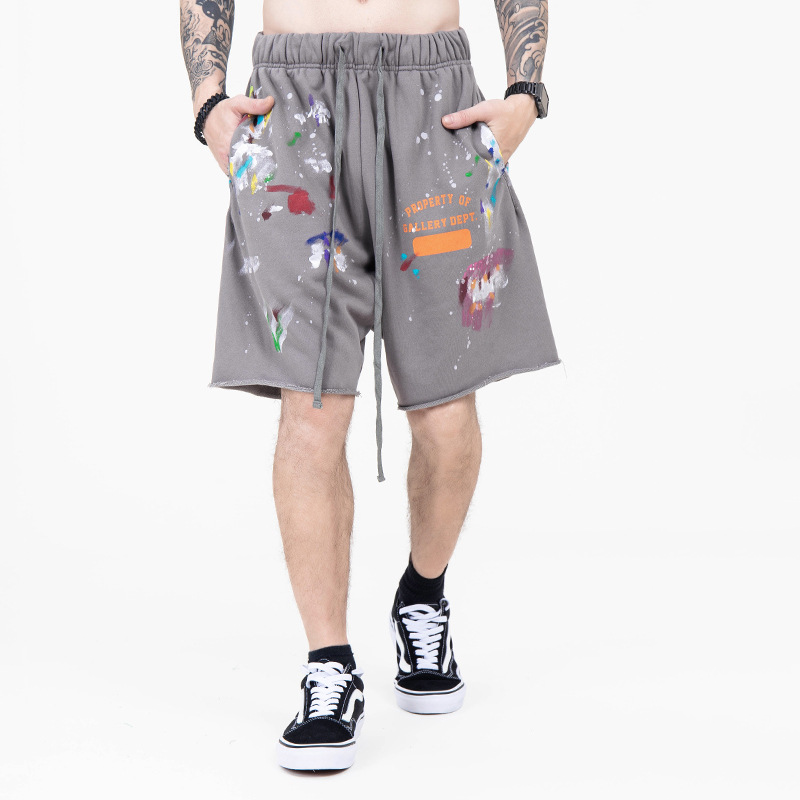
Custom Shorts
EDVORIN produces custom shorts for casualwear, training, streetwear and coordinated sets. Fabric, inseam, waistband, pockets, lining, mesh panels, decoration and finishing are specified to suit the intended activity and market.
Get a Quote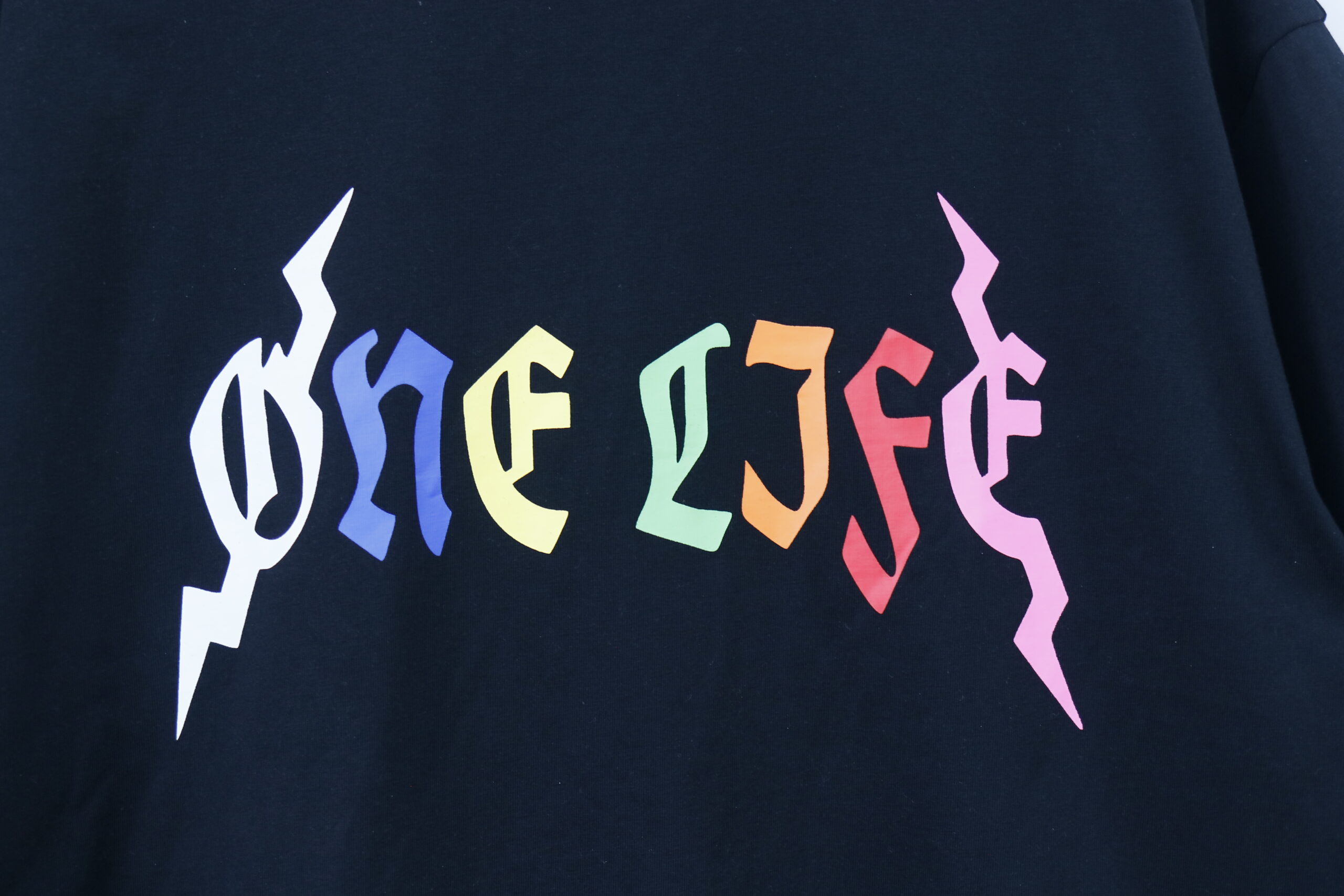
Varsity & Baseball Jackets
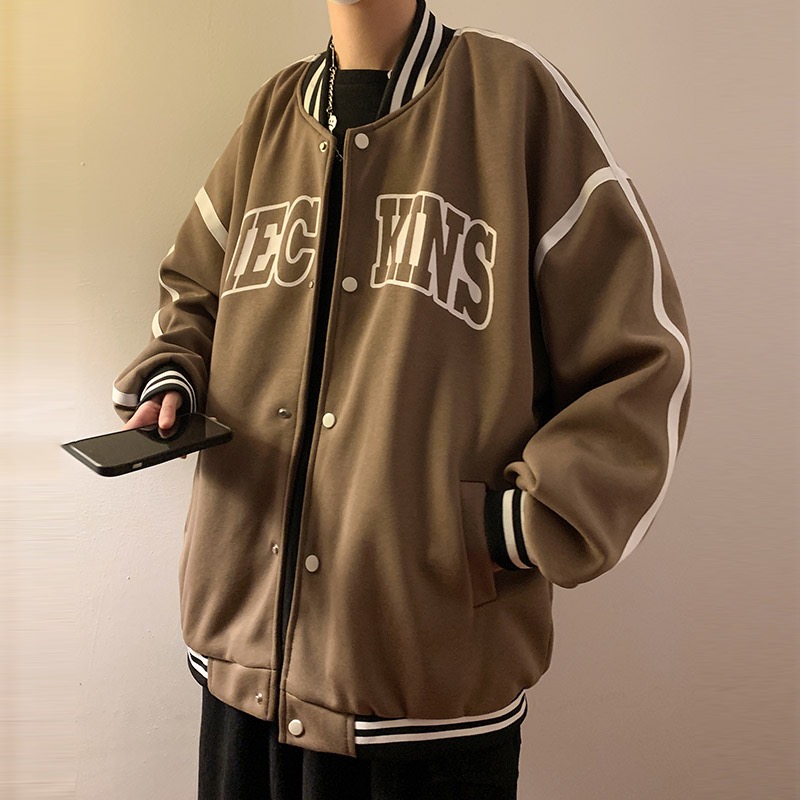
Varsity and baseball jackets require coordinated body fabrics, sleeves, ribbing, snaps, linings, patches and embroidery. EDVORIN develops these components as one production standard, helping brands maintain the jacket’s intended balance and character in bulk.
Get a Quote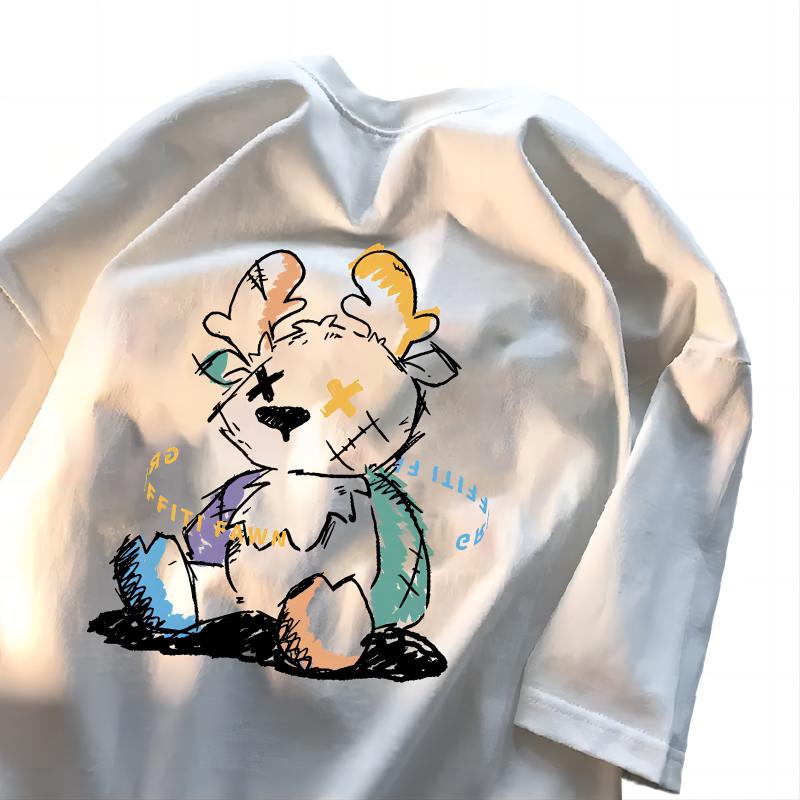
Custom T-Shirts
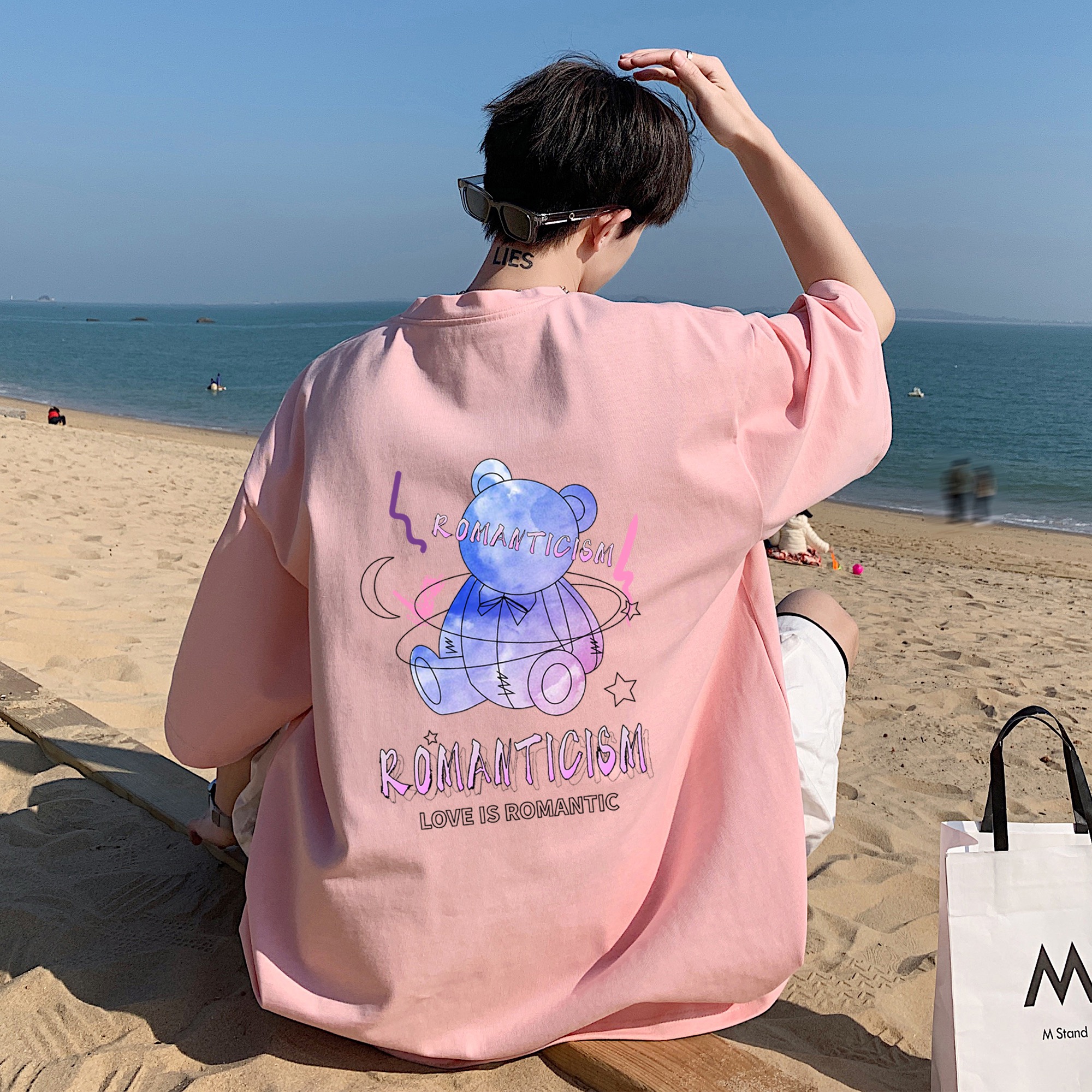
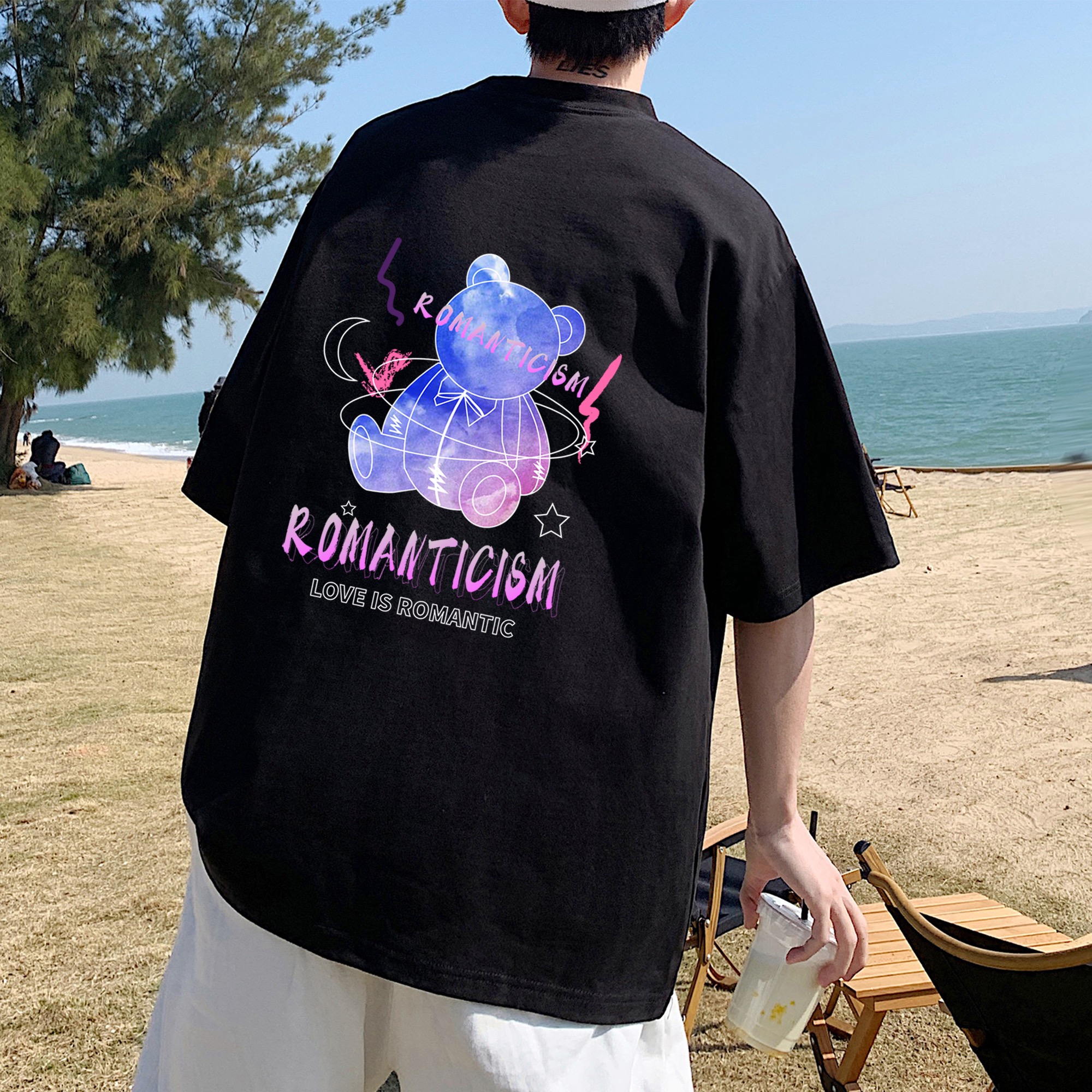
Custom T-shirt programs can be developed with jersey weight, collar construction, fit, sleeves, washes, labels and print or embroidery methods matched to the collection. Men’s and women’s specifications are adjusted independently for the intended wearer.
Get a Quote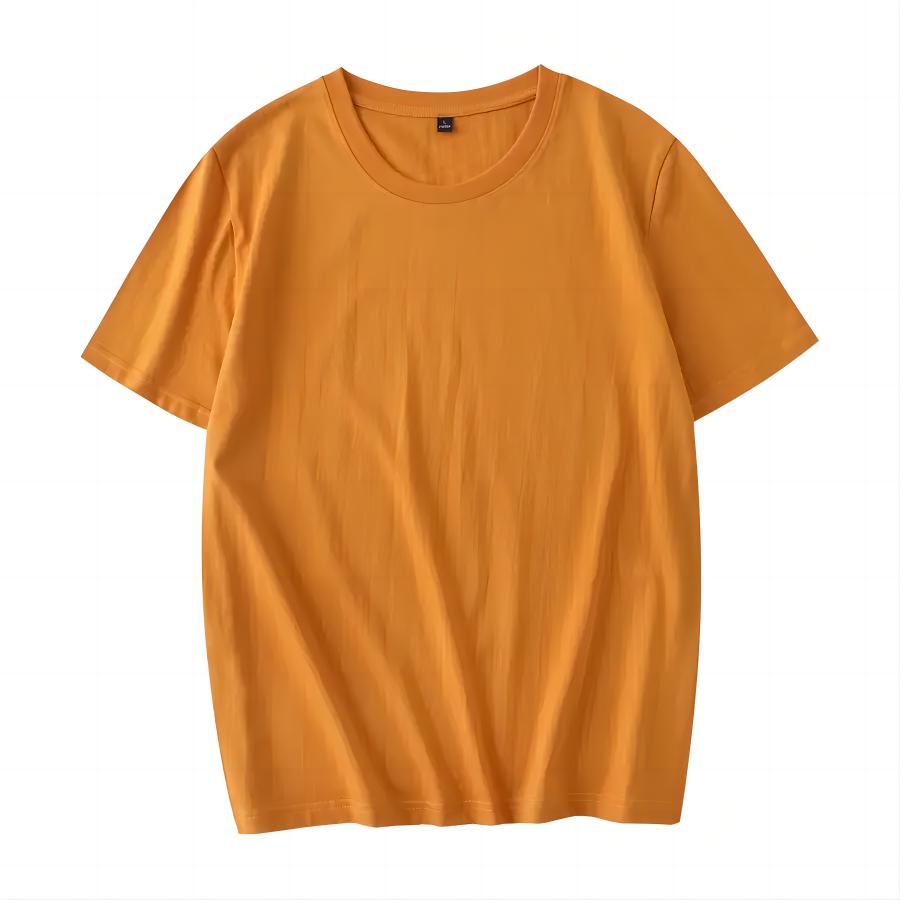
Custom Polo Shirts
EDVORIN develops custom polo shirts for corporate, school, team and private-label programs. Fabric performance, collar and placket construction, rib details, embroidery placement, color control and size grading are documented before bulk production.
Get a Quote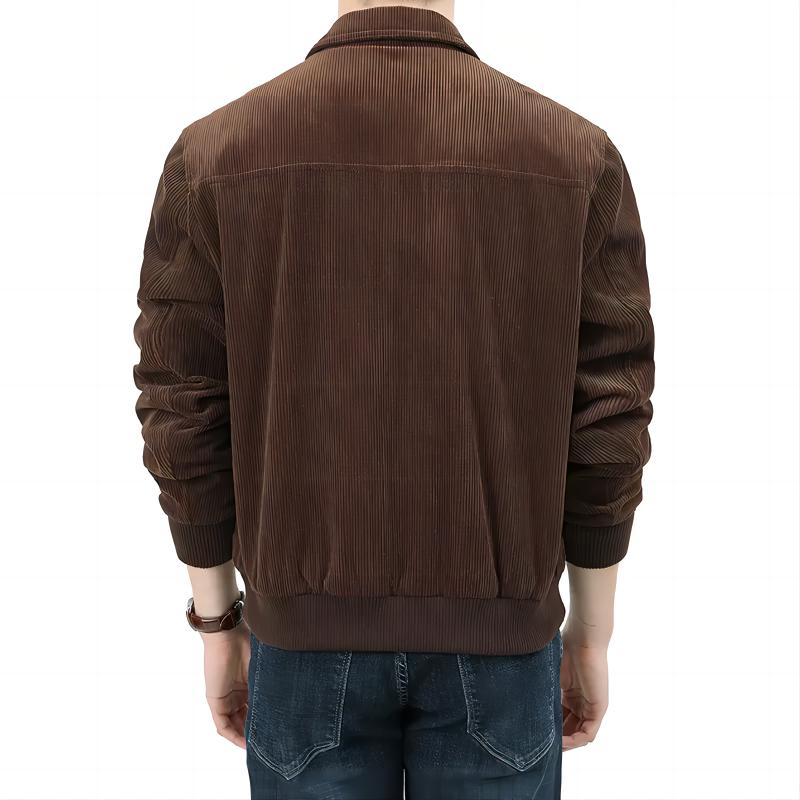
Windbreaker Jackets
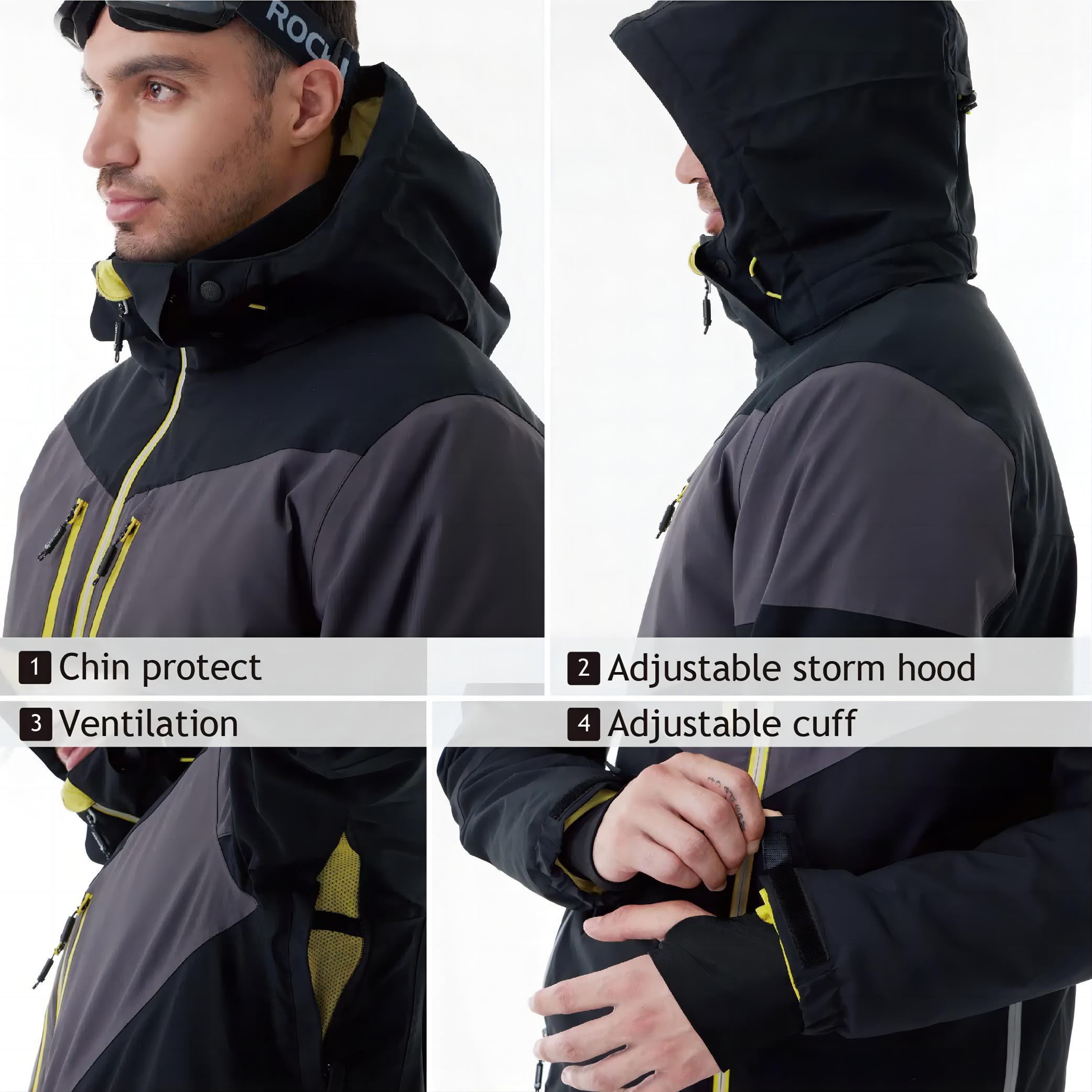
Windbreaker jackets are developed with shell fabric, lining or mesh, zipper and pocket construction, hood details, elastic or cuff finishes, ventilation and decoration requirements. EDVORIN coordinates these elements for functional outerwear programs.
Get a Quote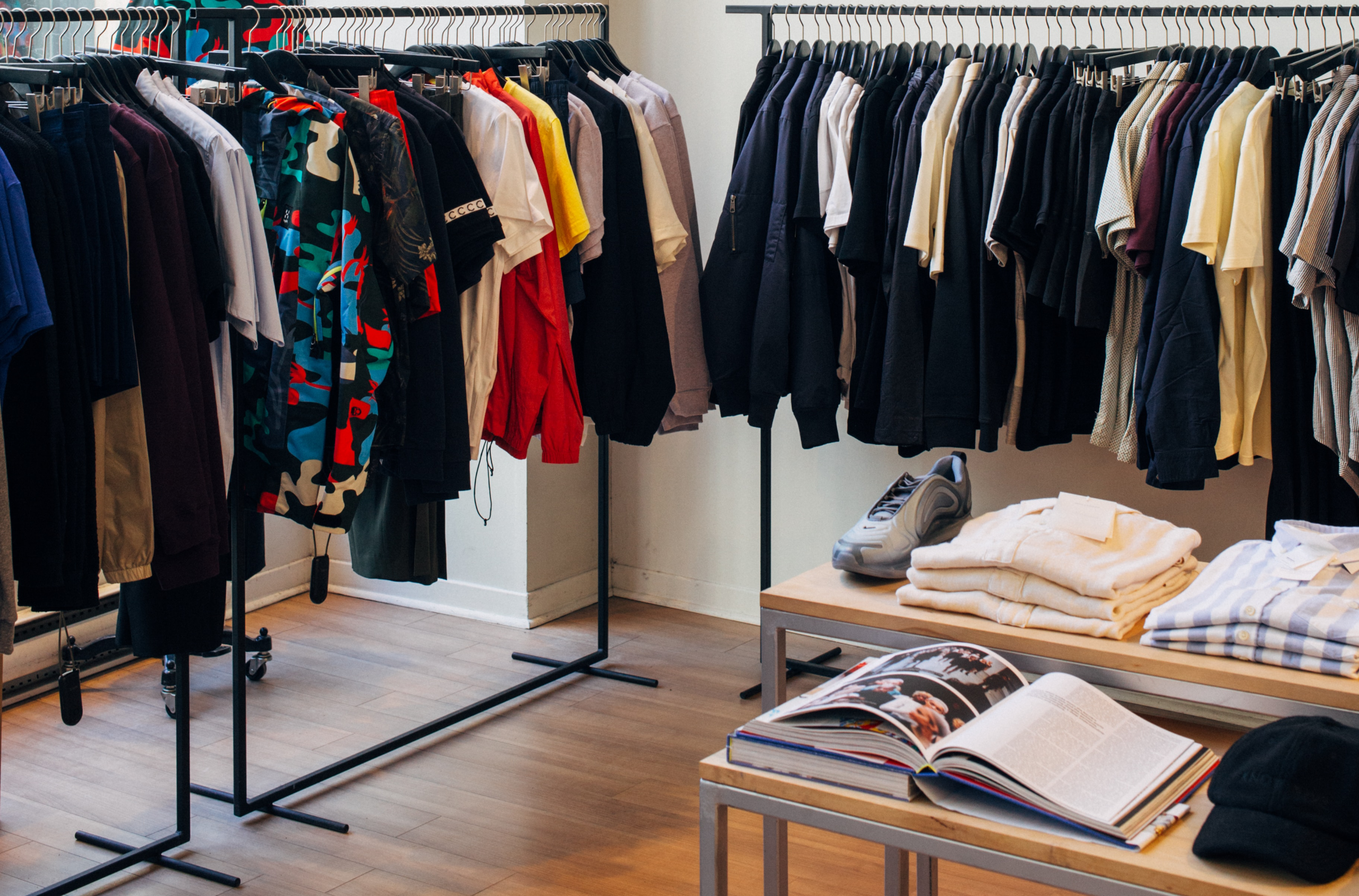
Quilted Jackets
Quilted jacket development includes shell and lining selection, insulation, quilting pattern, stitch control, hardware, pockets, collar construction and labeling. Samples are reviewed for warmth, bulk, movement and appearance before production is released.
Get a Quote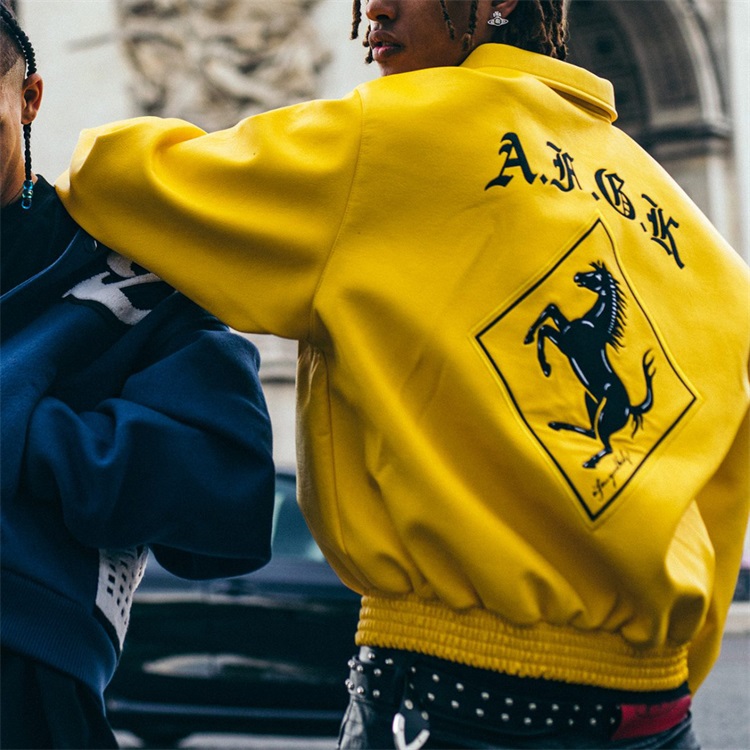
Bomber Jackets
EDVORIN manufactures bomber jackets with coordinated shell fabrics, linings, ribbing, zippers, pockets, insulation and decoration. Construction and material decisions are tested during sampling to create a reliable standard for repeat orders.
Get a Quote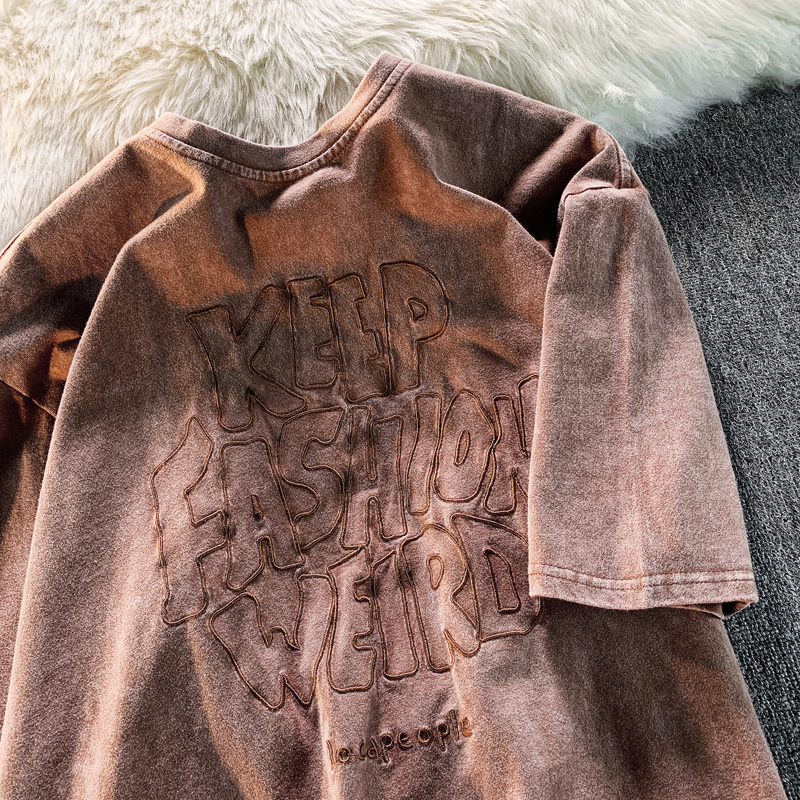
Custom Shirts
Custom woven shirts are developed with fabric selection, collar shape, placket, cuffs, buttons, pocket details, fit and grading suited to fashion, corporate and private-label needs. Production follows approved measurements and finishing requirements.
Get a Quote
Custom Jerseys
EDVORIN produces custom jerseys with fabric performance, color matching, panel construction, player names, numbers, logos and size sets organized for consistent team or retail programs. Decoration and placement standards are confirmed before bulk production.
Get a Quote
Tank Tops
Custom tank tops can be developed for sports, casualwear, streetwear and promotional programs with appropriate fabric weight, armhole shape, neckline, binding, fit and decoration. Men’s and women’s versions are built from category-specific specifications.
Get a Quote
Soccer Uniforms
Soccer uniform programs combine breathable fabrics, jersey and short construction, club colors, crest application, sponsor artwork, player names and numbers. EDVORIN manages size sets and decoration controls for organized team, academy and wholesale orders.
Get a Quote
Basketball Uniforms
Basketball uniforms are developed with suitable performance fabric, jersey and short proportions, armhole and neckline construction, color blocking, logos, names and numbers. EDVORIN records approved specifications to support consistent squad and repeat-order production.
Get a Quote
Streetwear Collections
EDVORIN develops streetwear collections across hoodies, tees, sweatpants, shorts, jackets and woven pieces under one production system. Fabric, fit, trims, washes, labeling, packaging and decoration are coordinated from concept through bulk production.
Get a QuoteInterlock Fabrics for Jersey Programs
Cotton Interlock
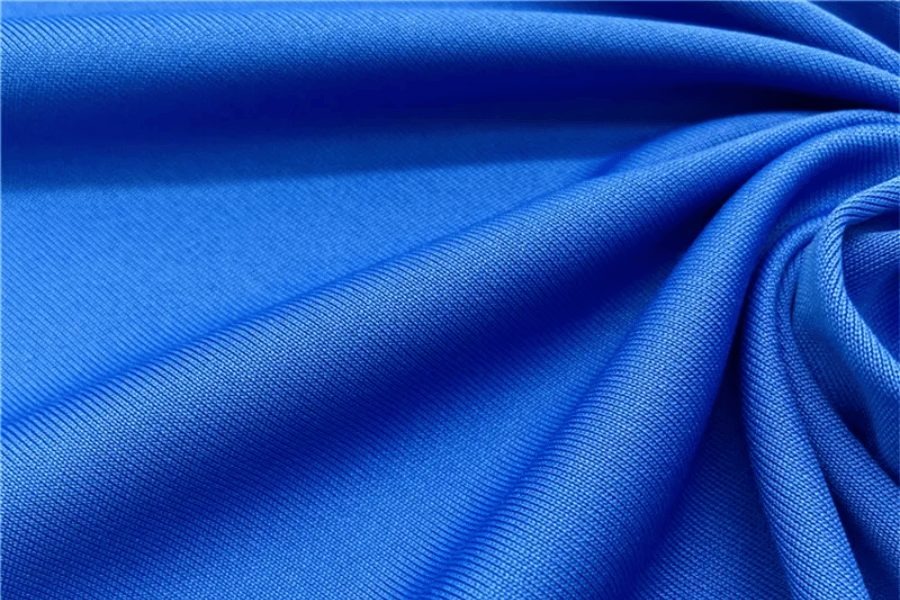
Soft, breathable cotton interlock gives T-shirts, lifestyle jerseys and youth programs a clean hand-feel. Its double-knit construction creates a smooth face and stable medium-weight body for dependable everyday wear.
Polyester Interlock
Lightweight polyester interlock suits training jerseys, team uniforms and high-volume sportswear. The smooth knit surface supports crisp decoration, while its durable construction helps garments retain shape through regular use and laundering.
Recycled Polyester Blend
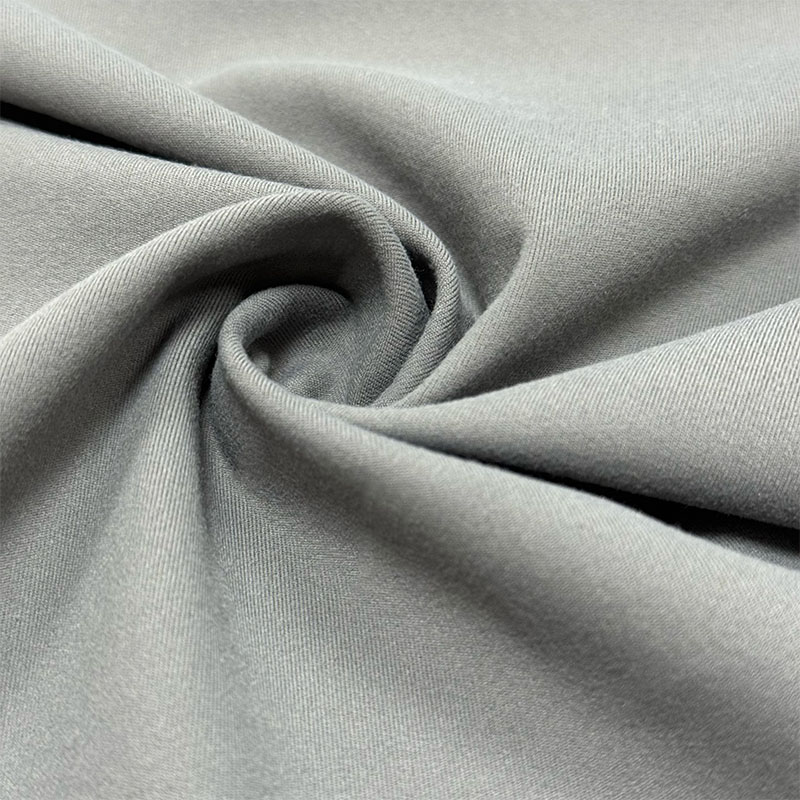
Recycled polyester blends bring a practical performance feel to private-label jerseys and club collections. Selected yarn content and fabric weight can balance durability, color clarity and a smoother hand for repeatable bulk production.
Cotton Stretch Interlock
Cotton stretch interlock combines a softer natural touch with added recovery for fitted tops, women’s programs and fashion jerseys. Controlled elastane content improves ease of movement while helping the garment return to shape.
Moisture Management Interlock
Moisture-management interlock is developed for training, match-day and academy apparel where a lighter, drier feel matters. Performance finishing and fiber selection can support faster moisture transfer while maintaining a smooth printable surface.
Jersey Decoration Methods
Screen Printing
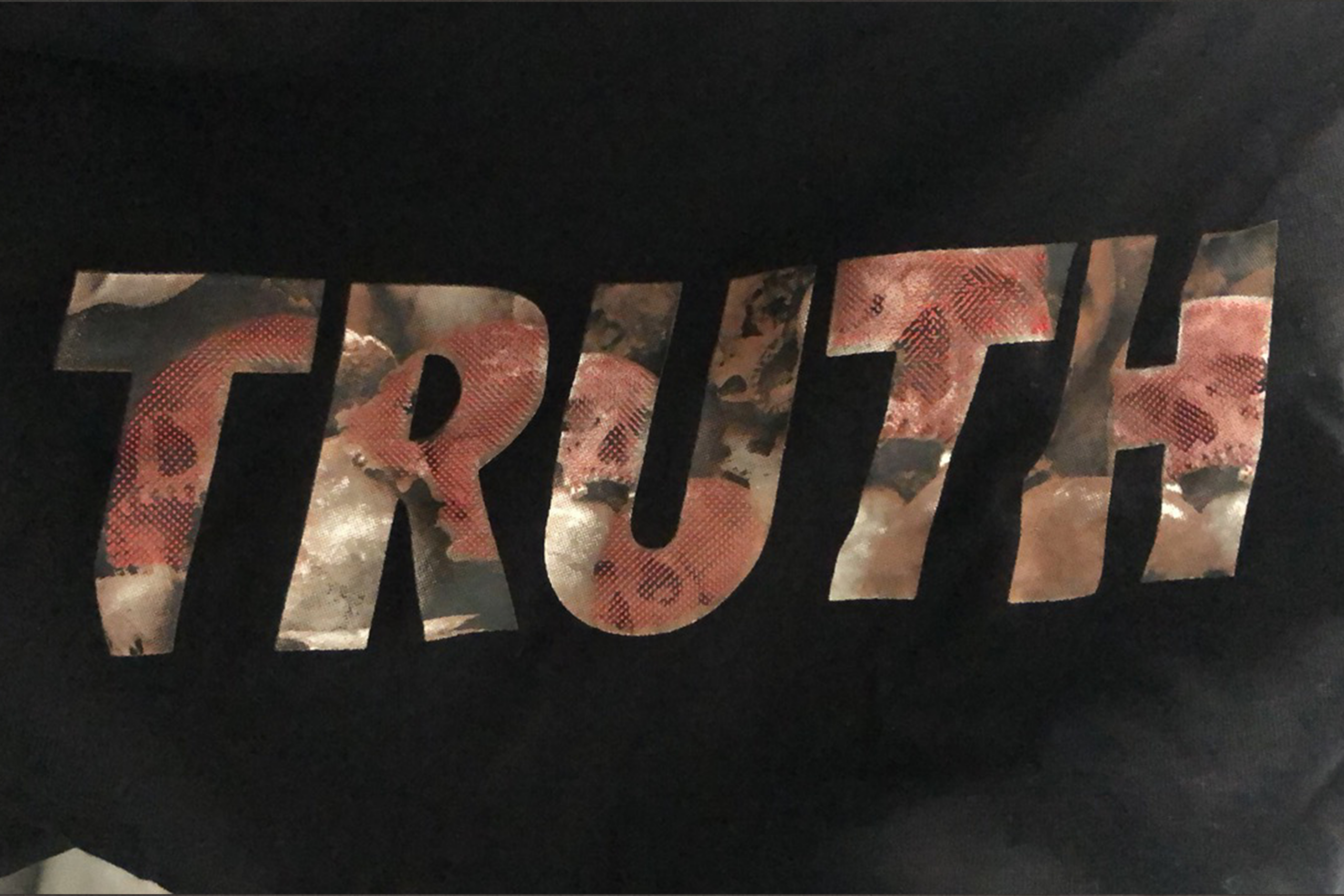
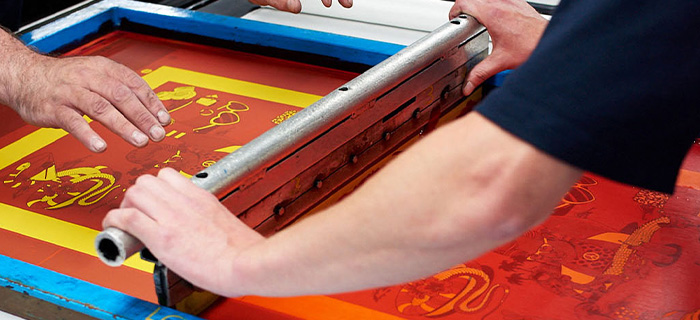
Screen printing delivers bold, opaque graphics for club crests, streetwear artwork and promotional jerseys. EDVORIN tests ink, color and placement against the selected interlock fabric to support a clean visual result through repeat orders.
Sublimation Printing
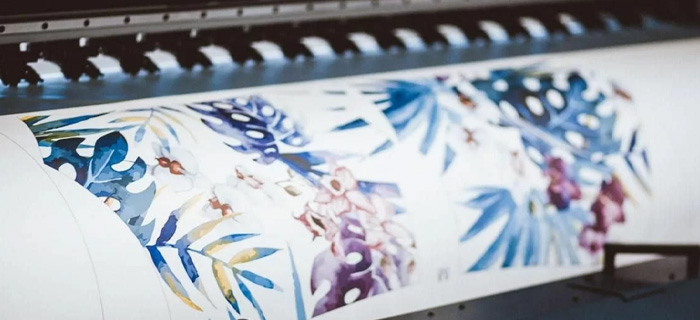
Sublimation integrates all-over color, patterns and sponsor graphics into suitable polyester teamwear before garment assembly. It supports lightweight, unrestricted designs while keeping names, numbers and panel artwork consistent across coordinated size runs.
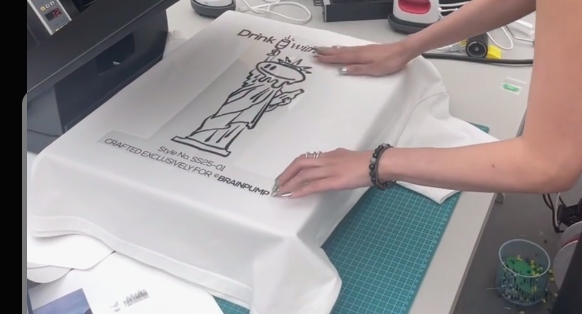
Heat Transfer
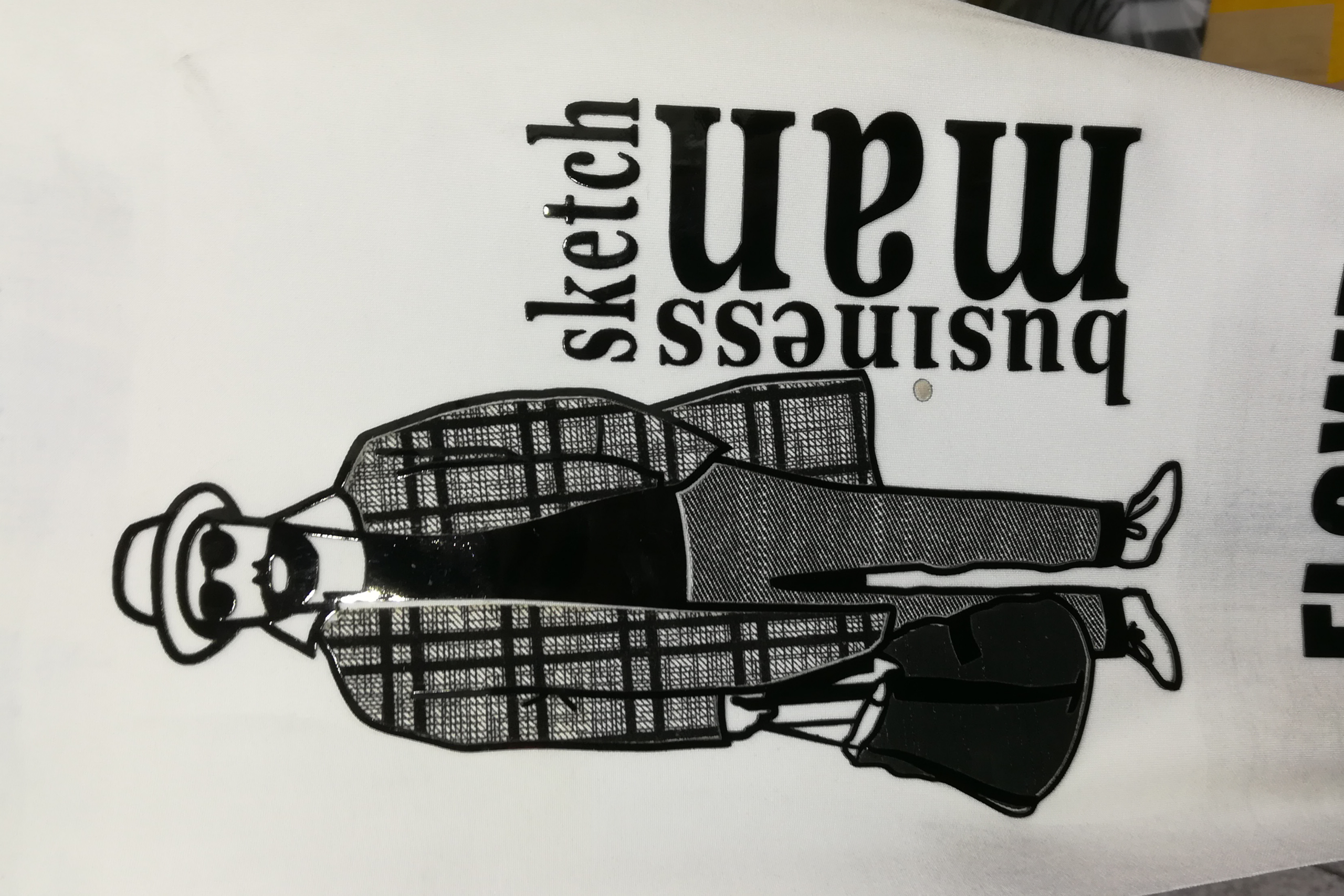
Heat transfer is suited to precise names, numbers, small logos and variable data on jersey programs. Artwork is positioned to approved measurements, helping teams and private-label buyers maintain clear identification and a polished finished appearance.
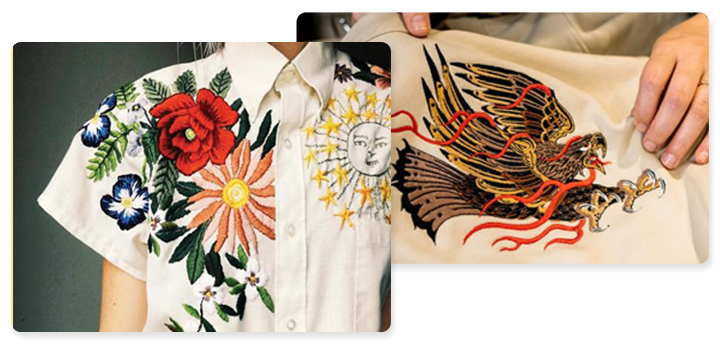
Embroidery Details
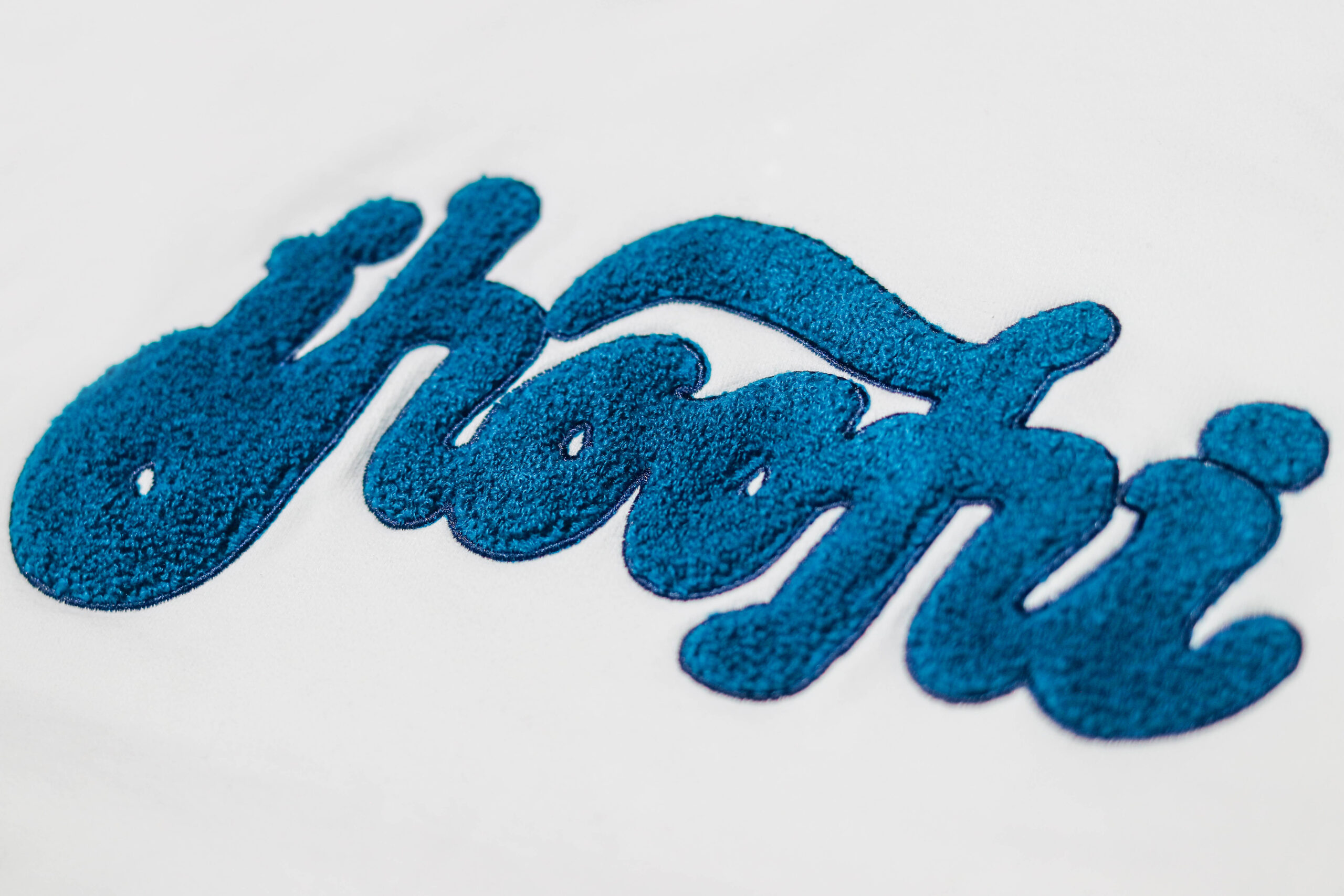
Embroidery adds dimensional texture to chest logos, badges and selected branding areas. Stitch density, backing and placement are reviewed during sampling so the decoration complements the jersey fabric and maintains a considered, durable presentation.
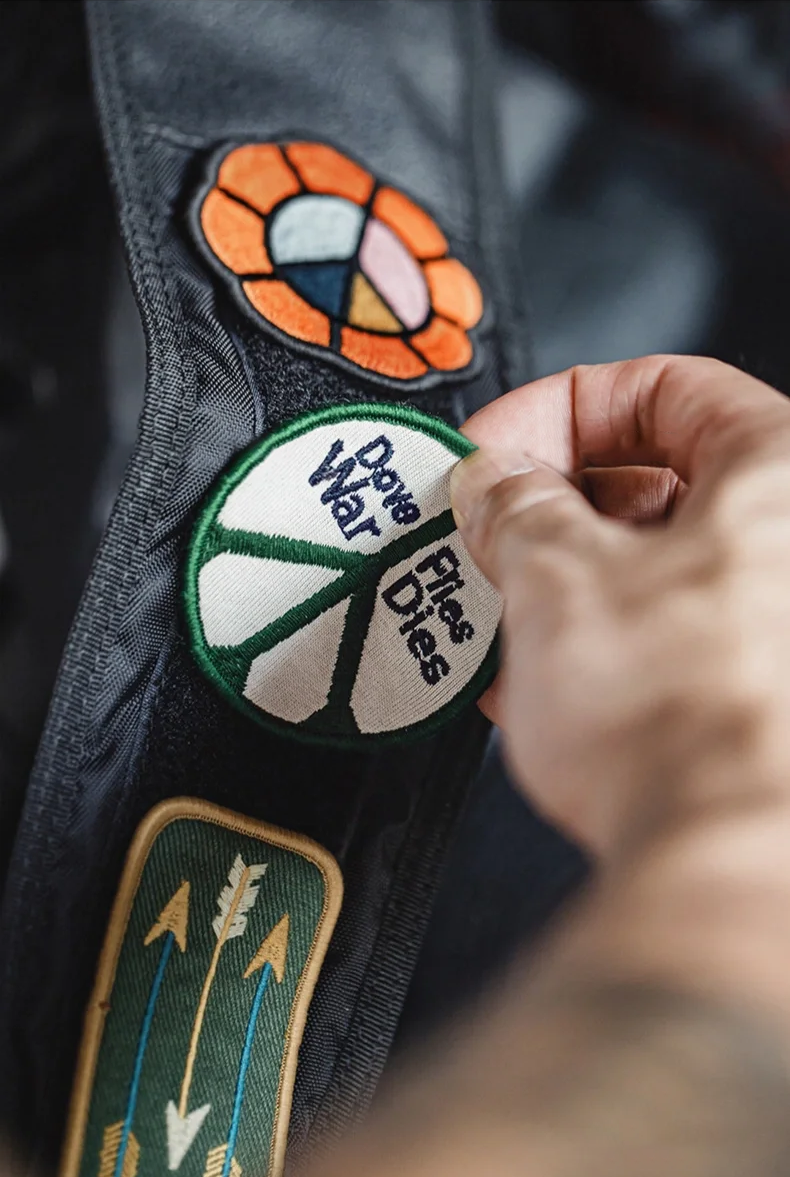
Appliqué Application
Appliqué combines cut fabric layers with stitching or other attachment methods for varsity-inspired lettering, numbers and statement graphics. This process creates visible depth and material contrast while allowing approved construction details to guide bulk production.
Trims, Labels and Finishing Details
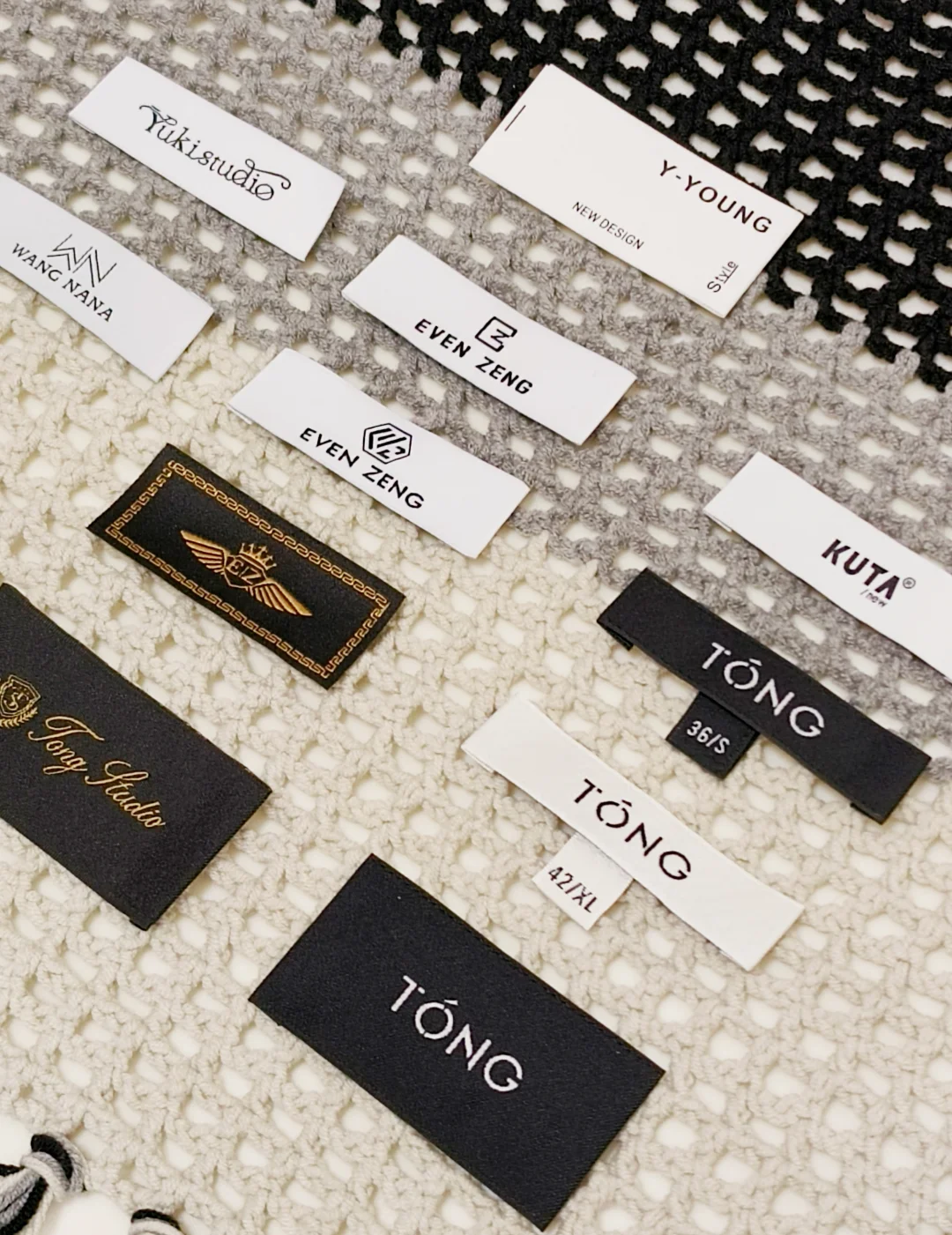
Neck Labels
Custom neck labels carry your brand identity, size information and care details in a clean, comfortable finish. EDVORIN coordinates label placement and attachment specifications with the approved jersey construction.
Woven Labels
Woven hem, side-seam or cuff labels add a durable signature to fashion, streetwear and teamwear jerseys. Artwork, fold style, dimensions and placement are documented before bulk production begins.
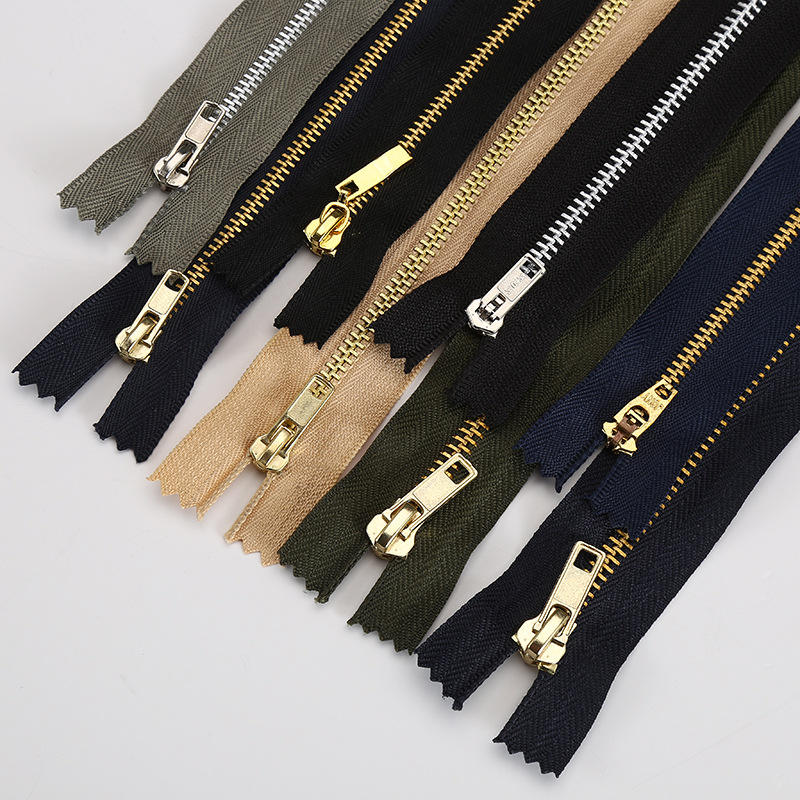
YKK Zippers
YKK zipper options support quarter-zip, full-zip and pocketed interlock jersey styles where dependable operation matters. Select tape color, puller style and placement to match the garment design.
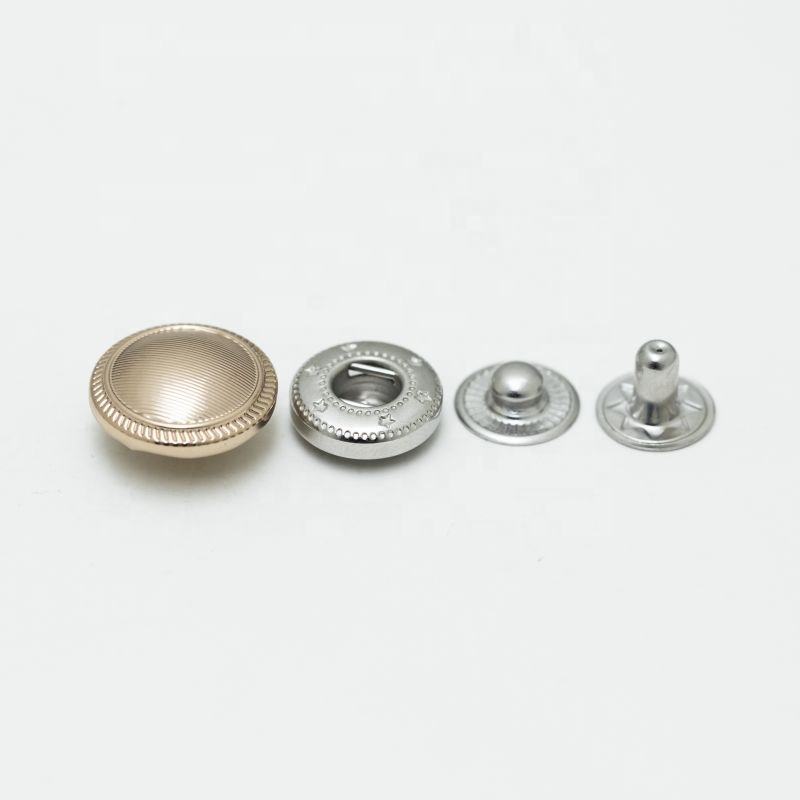
Snap Buttons
Custom snap buttons create secure, branded closures for jersey plackets, warm-up layers and hybrid teamwear styles. Finish, color, logo treatment and reinforcement are reviewed alongside the garment sample.
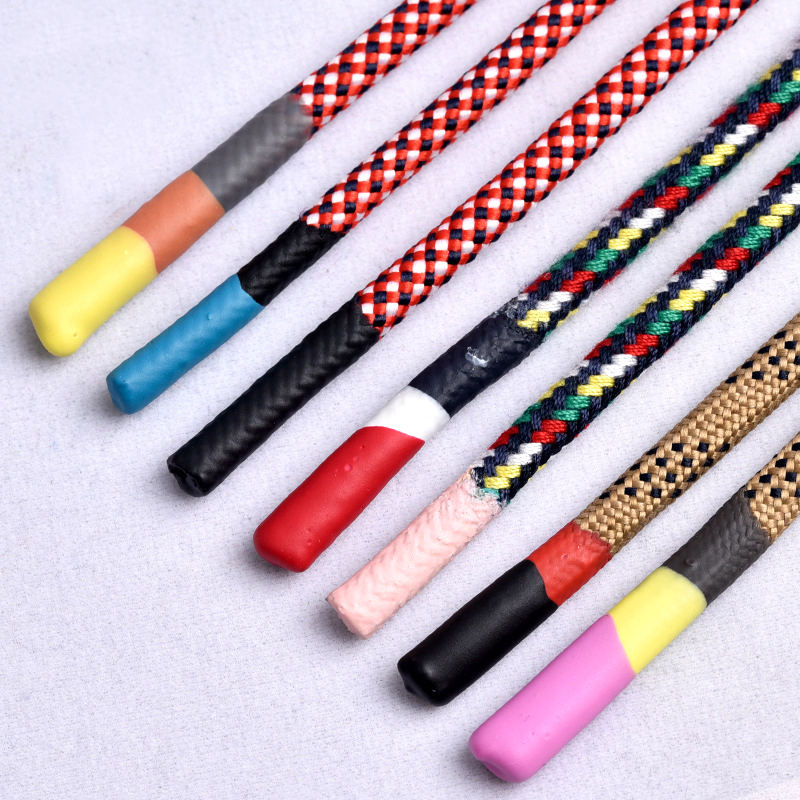
Drawcord Tipping
Drawcords with custom tipping give hooded jersey and training styles a finished, brand-specific detail. Choose cord material, color, length and end treatment to suit your fit block and intended use.
About EDVORIN, Interlock Jersey Manufacturer
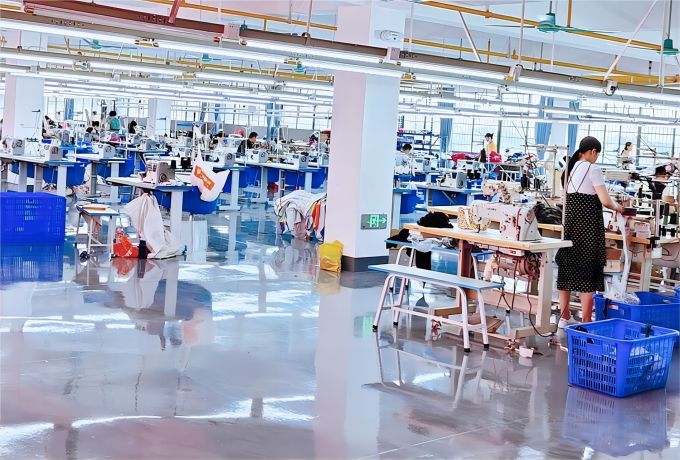
Founded by Edvorin Zeng, EDVORIN helps apparel ideas become clear, repeatable manufacturing standards. As an interlock jersey manufacturer, we support OEM, ODM and private-label buyers from early concepts, sketches or tech packs through development, sampling and production planning.
Our connected workflow brings material sourcing, patterns, samples, custom apparel printing, custom apparel embroidery, garment wash services, and custom clothing labels and packaging under one accountable production path. We develop men’s and women’s casualwear, streetwear, outerwear and teamwear with category-specific construction, fit and decoration requirements.
What makes EDVORIN different is the discipline after sample approval. We document measurements, artwork placement, trims and approved references, then use in-line and final checks to protect consistency from bulk production to packed order. It is founder-led manufacturing built to repeat and made to grow.

From Approved Sample to Repeatable Bulk Production
Technical Standards That Travel
EDVORIN translates approved interlock jersey samples into clear production standards, covering measurements, construction, fit, grading and revision records. This gives fashion labels, teams and private-label buyers a dependable reference as their order moves from development to bulk manufacturing.
- Tech-pack support from sketches or reference garments
- Men’s and women’s fit blocks adjusted by program
- Measurement points and construction details documented
- Approved revisions carried into bulk specifications
Materials and Trims Aligned
Fabric weight, stretch, recovery, color, neck rib, labels and packaging are coordinated as one product system. As an interlock jersey manufacturer, EDVORIN helps buyers evaluate these connected decisions during development, before they become avoidable bulk-production variables.
- Material options reviewed against intended wear and feel
- Rib, binding and trim specifications matched to construction
- Labels, hangtags and packaging planned with the garment
- Sourcing decisions recorded alongside sample approvals
Decoration Tested for Compatibility
A branded jersey needs decoration that works with its base fabric and intended use. EDVORIN coordinates printing and embroidery with garment construction, artwork placement and sample review, helping protect the visual standard before full production begins.
- Artwork placement measured and recorded
- Print and embroidery considered with fabric behavior
- Names, numbers and logos organized for teamwear
- Sample review confirms decoration before bulk release
Quality Checks Built Around Approval
EDVORIN uses the approved sample as the practical benchmark for in-line and final quality control. Materials, measurements, decoration, finishing and packing are checked against documented requirements, helping keep each shipment aligned with the standard the buyer signed off.
- In-line checks identify variation during production
- Measurements verified against approved specifications
- Decoration and finishing reviewed before packing
- Final inspection supports consistent packed orders
Why EDVORIN Delivers Repeatable Jersey Production
Compare a connected OEM and private-label workflow with the handoffs common among fragmented apparel suppliers.
← Swipe left or right to view →
Our Interlock Jersey Manufacturer Production Process
A controlled path that turns approved jersey specifications into repeatable bulk production.
Define Product Requirements
We review your tech pack, reference garment or concept, then confirm fit, material, color, artwork, sizing, labels, packaging and target order requirements.
Source Materials and Trims
Our team coordinates interlock fabric, performance options, color references, neck tapes, labels, hangtags and other trims against the approved product direction.
Develop Patterns and Samples
Patterns, grading and construction details are developed for the intended wearer. Samples verify fit, fabric behavior, decoration placement and finishing before bulk approval.
Cut, Decorate and Sew
After approval, production coordinates cutting, printing or embroidery, sewing and finishing through documented specifications, keeping each operation aligned with the approved sample.
Inspect, Pack and Ship
In-line and final checks review measurements, workmanship, artwork and packing. Approved jerseys are labeled, packed to your requirements and prepared for shipment.
How to Work With an Interlock Jersey Manufacturer
Move from an initial concept to a documented bulk standard with one accountable development and production path.
Share Your Product Direction
Send a tech pack, sketch, reference garment, artwork, size range, or target market. EDVORIN reviews construction, material, decoration, and private-label requirements.
Align Quote and Sample
Confirm specifications, quantities, pricing, and development priorities before sampling. MOQ starts at 200 pieces per style, supporting focused launches and growing programs.
Approve Production Standards
Review the sample, fit, measurements, materials, colors, artwork placement, trims, labels, and packaging. Approved details become the reference for repeatable bulk production.
Launch Controlled Bulk Production
EDVORIN coordinates sourcing, cutting, sewing, decoration, quality checks, and final packing against approved standards, keeping your interlock jersey program organized through delivery.
Certified Standards for Responsible Apparel Production



What Buyers Say About EDVORIN, an Interlock Jersey Manufacturer
Verified buyer feedback on development clarity, approved samples, and repeat-order results will be added here after customer approval. We do not publish unverified testimonials or attribute production outcomes without the buyer’s documented consent.
This space is reserved for a verified case study covering an OEM interlock jersey program, including sample revisions, production specifications, and measurable order outcomes. Buyer identity and results will be published only with written authorization.
A verified customer testimonial will be placed here once EDVORIN has permission to share the buyer’s experience with material selection, decoration control, and repeat production. Specific quantities and outcomes will be confirmed before publication.
Interlock Jersey Manufacturer FAQ
Clear answers for buyers planning custom OEM, ODM and private-label jersey programs with EDVORIN.
EDVORIN’s MOQ starts at 200 pieces per style. What is the minimum order quantity for a custom interlock jersey order?
Can an interlock jersey manufacturer make a sample before bulk production?
How long does custom interlock jersey production take?
What payment terms does EDVORIN offer for OEM jersey orders?
Can an interlock jersey manufacturer customize fabric, colors, names and numbers?
How does EDVORIN protect our jersey design and artwork?
Does EDVORIN arrange shipping for interlock jersey orders?
How does your interlock jersey manufacturer control bulk quality after sample approval?
Ready to Develop Your Interlock Jersey Program?
Use this decision framework to compare interlock jersey suppliers, evaluate fabric and construction choices, plan customization, control costs, and avoid sourcing mistakes before placing your production order.
1. What Is an Interlock Jersey Manufacturer?
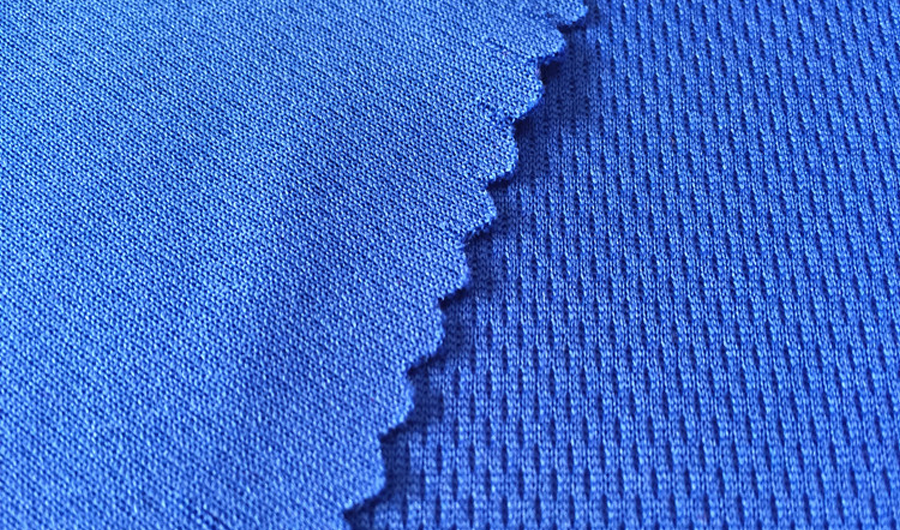
Two needle sets create interlock, a double-knit structure whose two smooth faces differ from single jersey’s distinct face and back; fiber, GSM, elastane and finishing determine the final hand and recovery. Source: https://runtangtex.com/interlock-knit-fabric
Four supplier models serve different jobs. A fabric mill develops and sells yardage; a cut-and-sew factory turns buyer-supplied fabric and specifications into garments; a trading company coordinates third parties; and a full-package supplier connects development, sourcing, patterns, samples, decoration, bulk production, QC, labels and packing.
EDVORIN is the appropriate full-package route when an OEM, private-label or teamwear buyer needs a sketch or reference converted into a reproducible jersey standard. A buyer with approved fabric, patterns and production-ready specifications may instead use a capable cut-and-sew factory, while a mill fits fabric-only development.
2. Evolution of Interlock Jersey Production
Two needle sets on a circular machine create interlock’s double-face structure, a durable alternative to single-jersey basics. That construction helped move the fabric into uniforms and sportswear, where a smoother face and reduced edge curl improve cutting and presentation (https://runtangtex.com/interlock-knit-fabric).
150–350 GSM is a practical interlock range, but yarn type, elastane percentage, machine setting, and finishing determine whether the result feels soft, firm, cool, or compressive. Polyester and blended performance versions expanded its use for team kits, while cotton-rich qualities remain relevant for branded essentials and streetwear.
Digital artwork, sublimation, and controlled finishing now let an interlock jersey manufacturer reproduce graphics and handfeel more consistently across runs. Buyers should still approve the actual knit, color standard, wash result, and decoration test: these choices govern dimensional stability, surface quality, and repeatability in bulk.
3. Types Offered by an Interlock Jersey Manufacturer
Six product families let buyers turn a customer segment into a usable brief. An interlock jersey manufacturer should align fit, performance target, fabric weight, and repeat-order purpose before sampling.
Sports Jerseys And Training Tops
150–180 GSM polyester interlock suits team jerseys needing a regular athletic fit, moisture management, and name-number decoration. 170–220 GSM training tops suit closer fits, stretch, and frequent-wash club or gym programs.
School And Promotional Apparel
180–220 GSM interlock supports durable school uniform tees with relaxed or regular fits and stable color across size runs. 160–190 GSM promotional styles prioritize economical event orders, straightforward logos, and broad unisex sizing.
Fashion, Reversible, And Panel Styles
180–240 GSM interlock gives fashion tees a cleaner, more structured hand for retail capsules and streetwear collections. 160–220 GSM reversible or panel-built jerseys require compatible face fabrics, matched shrinkage, and clear seam-placement specifications.
4. Materials an Interlock Jersey Manufacturer Can Source
150–300 GSM is the practical interlock range for most jersey programs. An interlock jersey manufacturer should match fiber, yarn, and finish to wear conditions, not select by composition alone.
| Material | Typical GSM | Best Use | Key Watchpoint |
|---|---|---|---|
| Polyester | 140–180 | Team jerseys | Hand, odor |
| Cotton | 180–240 | Lifestyle jerseys | Drying, shrinkage |
| Recycled polyester | 140–190 | Sustainability lines | Shade consistency |
| Polyester-spandex | 170–240 | Training fits | Opacity, recovery |
| Cotton-polyester | 180–260 | Schoolwear | Pilling, color |
| Performance blend | 150–220 | Activewear | Verify wicking tests |
Fiber Trade-Offs
100% polyester dries quickly, retains color, and resists wrinkles, but can feel slick and retain odor. Cotton feels softer and more breathable, yet dries slowly and may pill or fade sooner.
Stretch And Coverage
3–8% spandex improves recovery for fitted training jerseys; higher stretch does not automatically mean better opacity. Cotton-polyester balances hand feel and durability, while recycled polyester needs swatch approval for shade and hand consistency.
Specify Performance Evidence
ISO or AATCC test requirements should state pilling, colorfastness, dimensional change, and moisture-management targets before sampling. Request washed swatches and test reports; breathability and wicking depend on knit density, yarn, and finish.
5. Customization and Decoration Options
At sampling, lock each decoration to an approved fabric swatch and placement measurement. An interlock jersey manufacturer should record color references, artwork revision, player-number data, and branding requirements before bulk release.
| Method | Design Freedom | Best Fabric | Durability | Setup | Order Fit |
|---|---|---|---|---|---|
| Sublimation | Full coverage | Polyester | Permanent | Artwork setup | Teams and repeats |
| Screen print | Spot colors | Cotton blends | High when cured | Screens by color | Mid to large runs |
| Heat transfer | Detailed small runs | Polyester blends | Test wash adhesion | Digital artwork | Names and numbers |
| Embroidery | Textured logos | Stable interlock areas | High | Digitizing | Chest badges |
Choose the Decoration Method
Polyester interlock supports sublimation for all-over graphics; screen print, heat transfer, and embroidery require compatibility testing for hand feel, stretch, and adhesion.
Specify Brand Components
1 branding pack should define woven labels, neck prints, hangtags, custom trims, individual numbering, folding, polybags, and carton marks. Submit vector artwork, Pantone references, placement dimensions, and packaging copy with the sample request.
6. Key Interlock Jersey Construction Quality Checks
A bulk approval should convert visual expectations into pass/fail criteria. An interlock jersey manufacturer should tie the tech pack, approved sample, measurement chart, and inspection checkpoints to one production standard.
| Checkpoint | Measurable Requirement | Approval Record |
|---|---|---|
| Measurements | Point-of-measure tolerances | Signed measurement chart |
| Color and print | Approved shade and placement | Sealed approval sample |
| Bulk inspection | Defined in-line and final checks | Inspection report |
Construction And Alignment
8–12 stitches per inch is a useful starting specification, subject to fabric weight and seam construction. Check overlock or flatlock seams for balanced tension, clean panel alignment, and no skipped stitches.
Fit And Finishing
±1 cm is a common buyer-defined tolerance for many body measurements, but each point of measure needs its own limit. Test collar recovery after stretch, then inspect hem and sleeve finishing for twisting, puckering, and uneven coverstitch.
Fabric, Color, And Wash
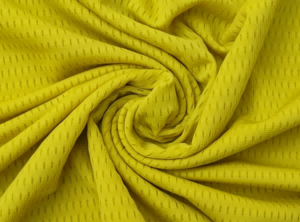
100% of sampled panels should be checked under agreed lighting for shade variation, holes, oil marks, barre, and print-registration drift. Run the approved wash method to confirm shrinkage, color change, print adhesion, and garment shape before bulk release.
7. How to Choose an Interlock Jersey Manufacturer
EDVORIN’s MOQ starts at 200 pieces per style. A 200-piece MOQ is only useful when the supplier can reproduce approved fit, color, and decoration at bulk scale. Evaluate an interlock jersey manufacturer against documented controls, not the lowest unit quote.
Verify Relevant Experience
3 portfolio examples should show comparable jerseys, including seam construction, number application, and graded sizes. Ask which work was made for teamwear, fashion, or activewear, because their performance requirements differ.
Request Production Evidence
EDVORIN’s MOQ starts at 200 pieces per style. 6 documents reveal more than a sales presentation: fabric composition and GSM, color standard, sample timeline, testing options, capacity plan, and written quotation terms. Confirm MOQ by color and style, plus the production schedule from approvals through shipment.
Compare Execution Risk
2 checkpoints matter before a deposit: technical questions should receive specific answers, and the sample should match its measurement chart. Review material traceability, in-line and final inspection steps, packing specifications, and export documents alongside price.
1 quotation should state fabric, trims, decoration, quantities, Incoterms, payment terms, lead time, and tolerance assumptions. EDVORIN can organize these decisions into an accountable production path after the buyer approves the standard.
8. Common Interlock Jersey Manufacturer Sourcing Mistakes
One approved screen rendering cannot confirm handfeel, opacity, drape, or decoration behavior. An interlock jersey manufacturer can prevent expensive rework only when the RFQ and approval records define physical standards.
Approve Physical Standards
One development sample should be reviewed before bulk approval, not just a digital mockup. Test the selected GSM on-body for drape, recovery, opacity, and post-wash change.
- Request a cut swatch and finished sample.
- Record wash method and acceptable shrinkage.
- Attach Pantone references to the tech pack.
Lock Production Specifications

A ±1 cm tolerance and a graded measurement chart reduce size disputes across the run. Confirm print, embroidery, heat-transfer, or sublimation limits against the actual interlock surface before signing off.
- Specify point-of-measure tolerances.
- Review every size in the grade rule.
- Approve artwork placement with measurements.
Compare Complete Commitments
Two quotations are not comparable when one excludes sampling, labels, packaging, testing, freight, or duties. Freeze artwork before purchase-order release and work backward from the required delivery date.
- Ask for an itemized quote and Incoterm.
- State revision cutoffs in the PO.
- Reserve time for production and shipping.
9. Steps to Launch Your Interlock Jersey Line
A launch brief should identify wearer, channel, target retail date, size range, colorways, and order quantity before sampling begins. An interlock jersey manufacturer can then convert decisions into controlled production documents.
Define The Product Brief
One brief should state fit, gender program, sport or lifestyle use, target GSM, color references, and decoration locations.
Two buyer paths matter: brands plan seasonal drops; clubs and schools confirm rosters; wholesalers and private-label programs reserve repeatable core colors.
Approve Materials And Prototype
One fabric card should record composition, GSM, Pantone reference, stretch, recovery, and wash test requirement before cutting.
One tech pack should lock measurements, grading, seam construction, artwork files, label copy, and packaging. Approve a prototype, record revisions, then sign a pre-production sample.
Control Bulk Through Delivery
Three checkpoints—pre-production, in-line, and final inspection—compare bulk goods with the approved sample. Confirm measurement tolerances, print placement, shade consistency, labels, polybags, carton marks, and delivery documents before dispatch.
10. Interlock Jersey Manufacturer Pricing and Lead Times
200-piece programs often carry higher unit costs because development, setup, and freight are spread across fewer jerseys. A 500–1,000-piece run can improve unit economics, but fabric weight, fiber blend, Pantone matching, decoration, labels, and individual packaging still change the quote.
5 production stages should be quoted separately: sampling, material preparation, production, final inspection, and shipping. Ask an interlock jersey manufacturer for a line-item quotation and confirm inclusions—tests, cartons, taxes, and destination freight—before comparing proposals.
| Quantity tier | Cost driver | Customization | Typical timing |
|---|---|---|---|
| 200 pieces | Setup spread | 1–2 color print | Sample 7–14 days; materials 10–20; production/QC 15–30; shipping extra |
| 500 pieces | Better material efficiency | 2–4 colors | Confirm capacity and shipping route |
| 1,000+ pieces | Scale can reduce unit cost | Names, numbers, multi-panel artwork | Allow added artwork-control time |
Ready to Develop Your Interlock Jersey Collection?
Send your tech pack, sketch, or reference garment to EDVORIN for a production-ready OEM or ODM quote built around your requirements.