
Embroidered Jersey Manufacturer for Production-Ready Programs
EDVORIN is an embroidered jersey manufacturer helping brands, teams, schools and wholesalers develop repeatable custom programs from sample through bulk production.
Jersey Manufacturing and Decoration Capabilities
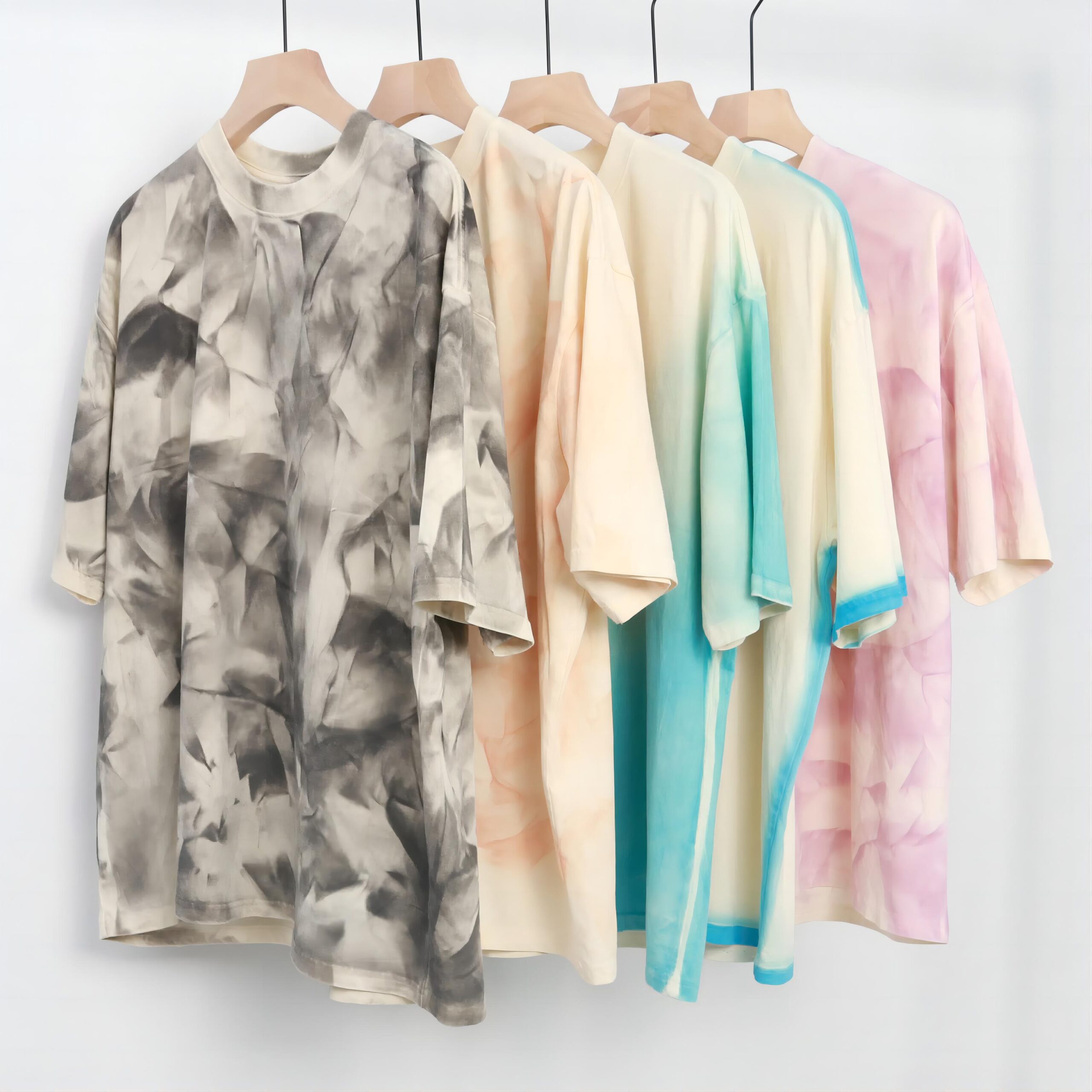


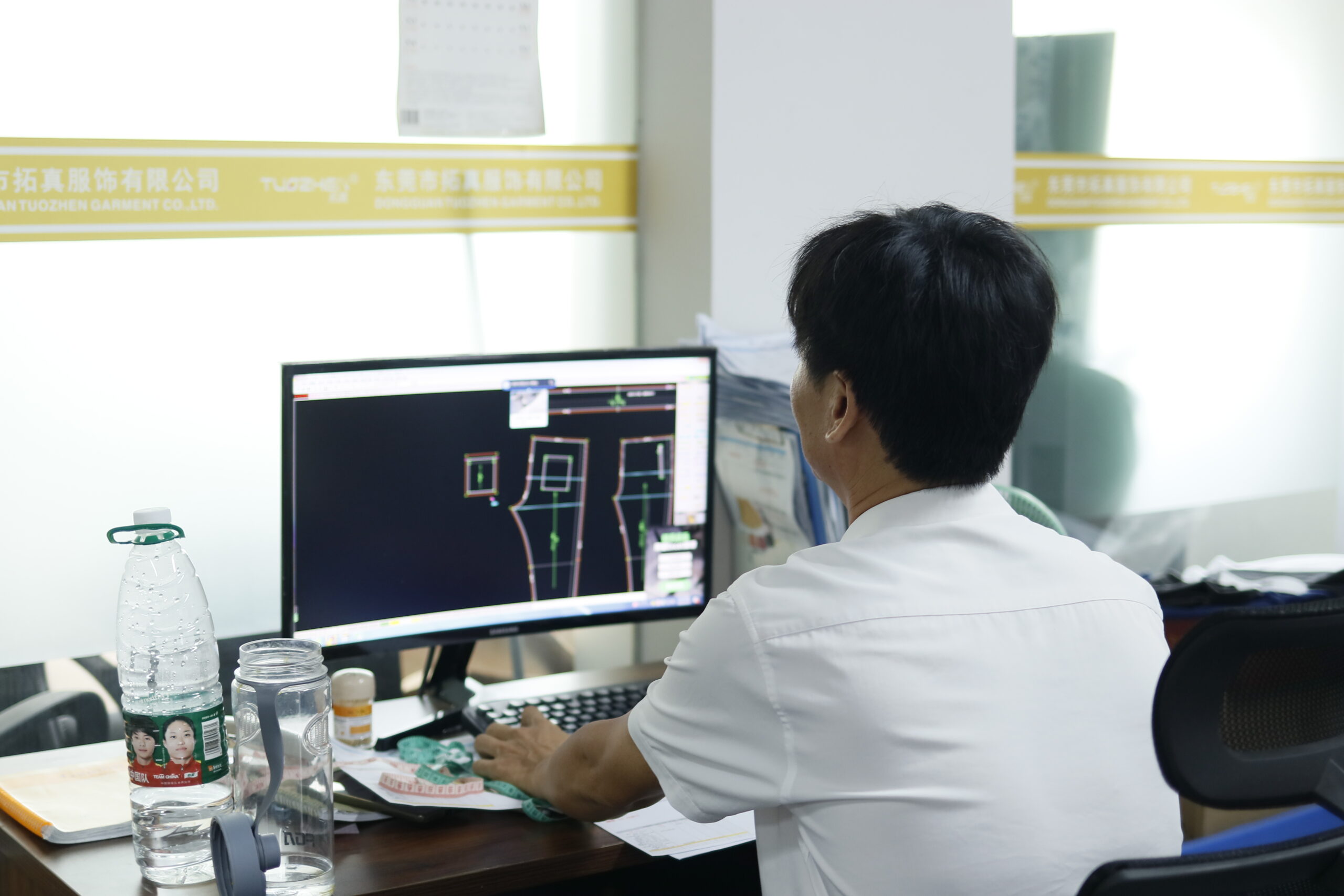

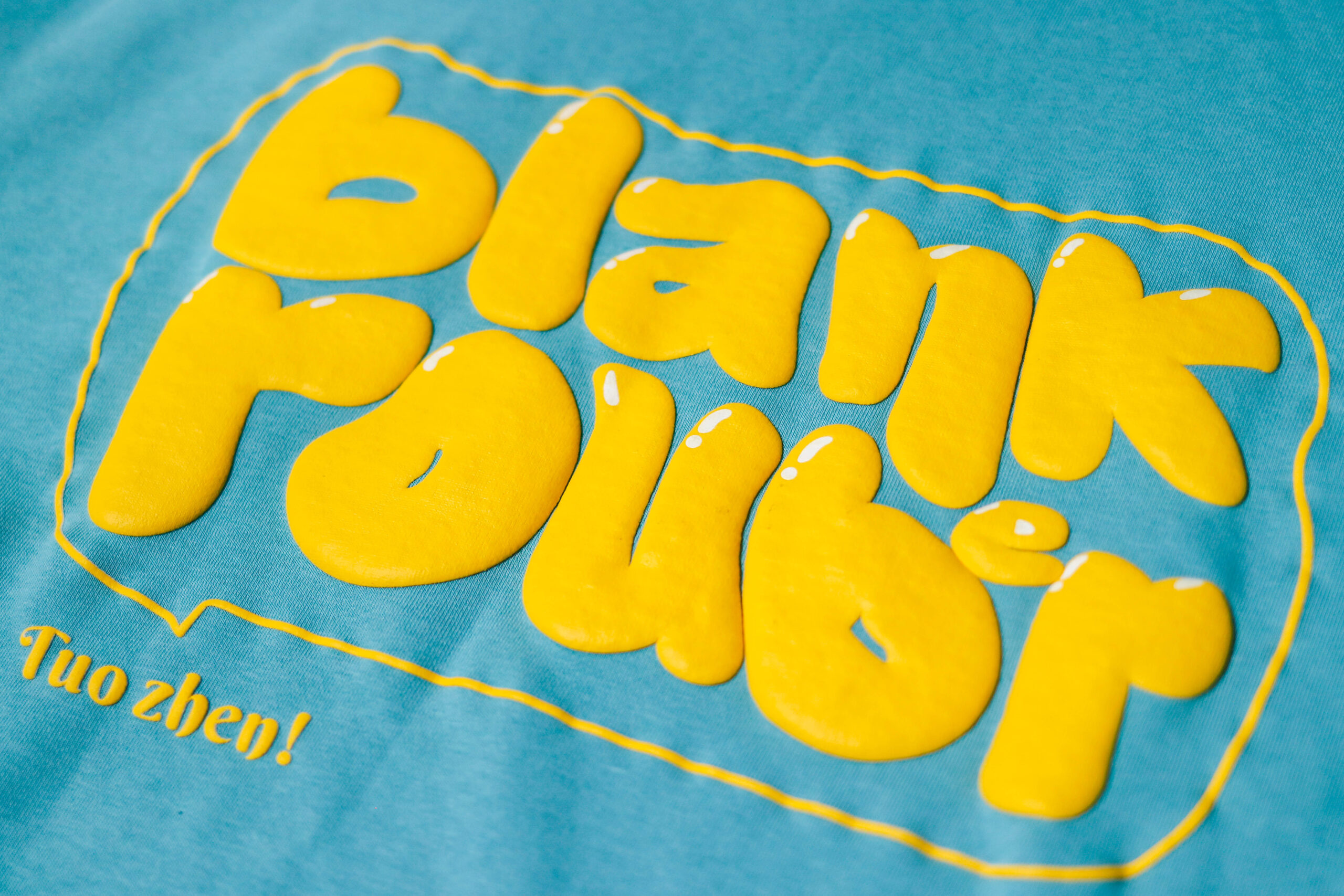
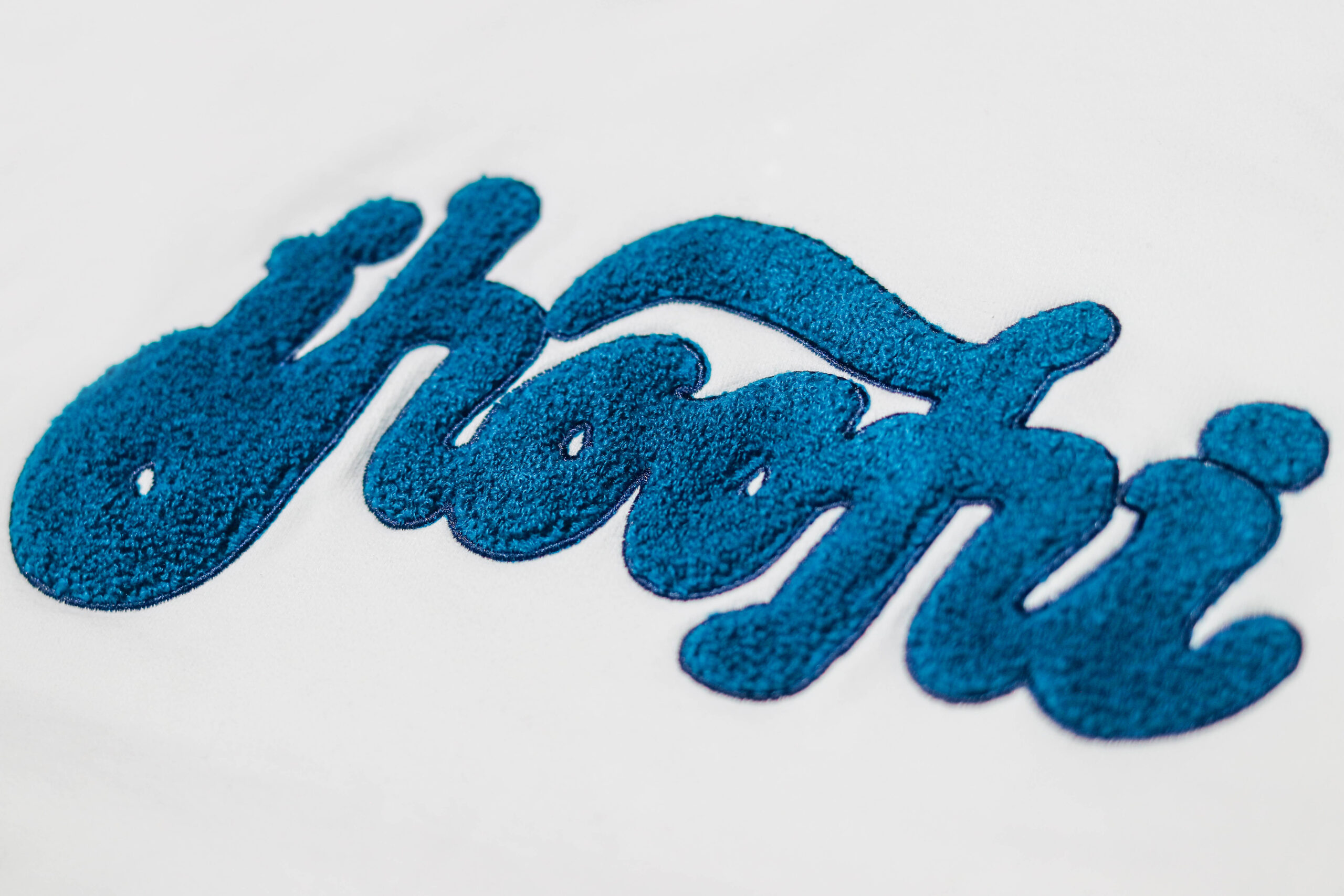
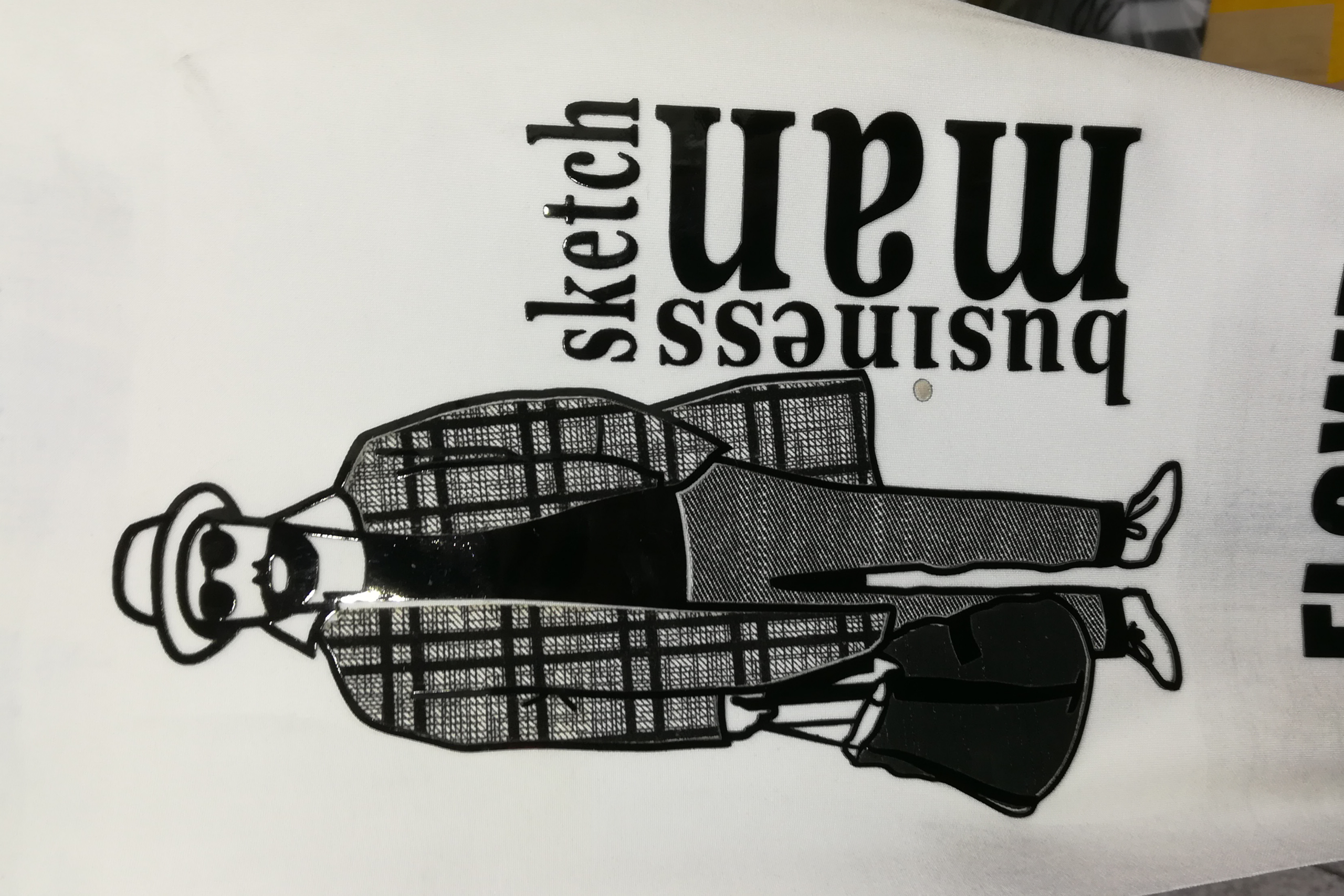
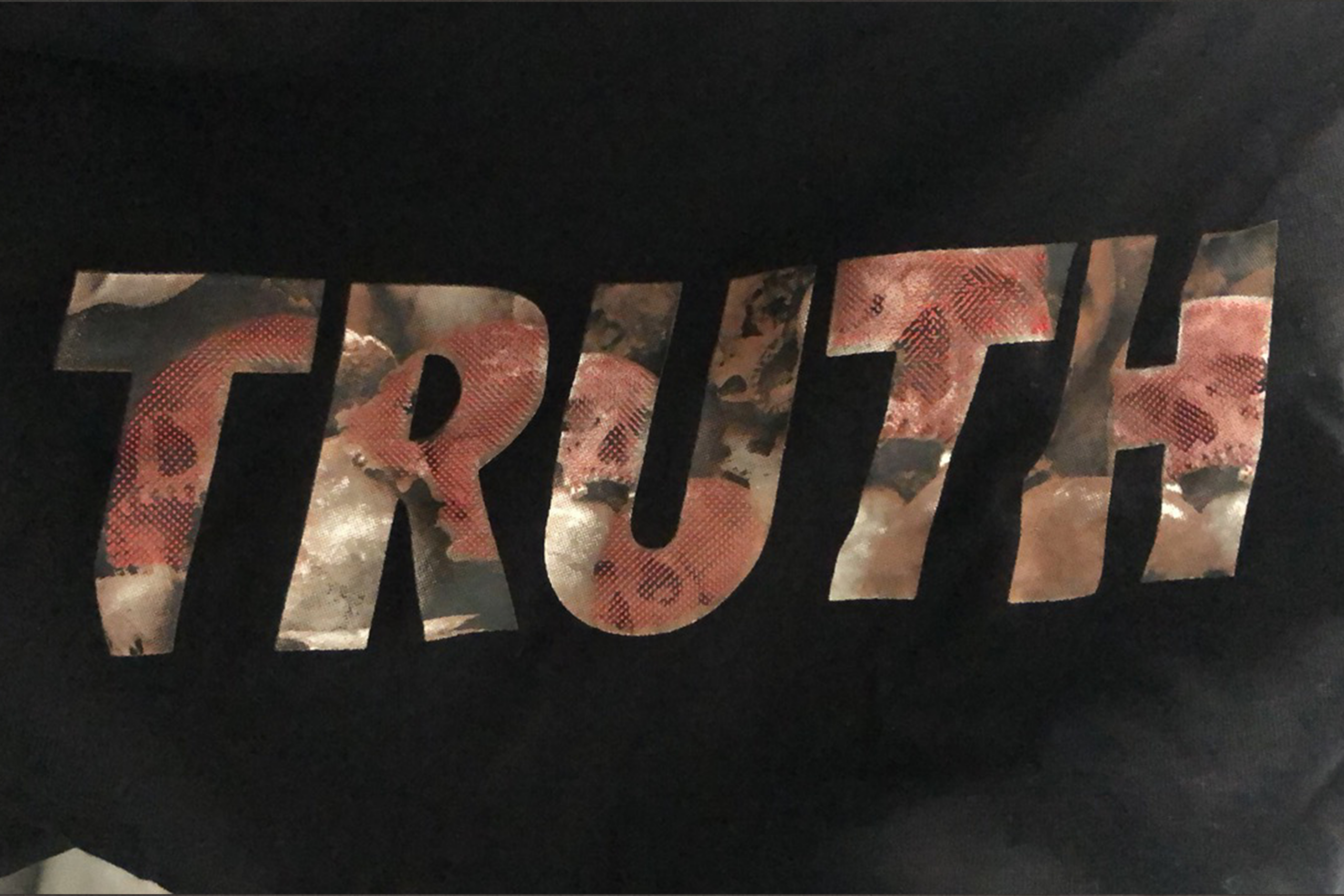
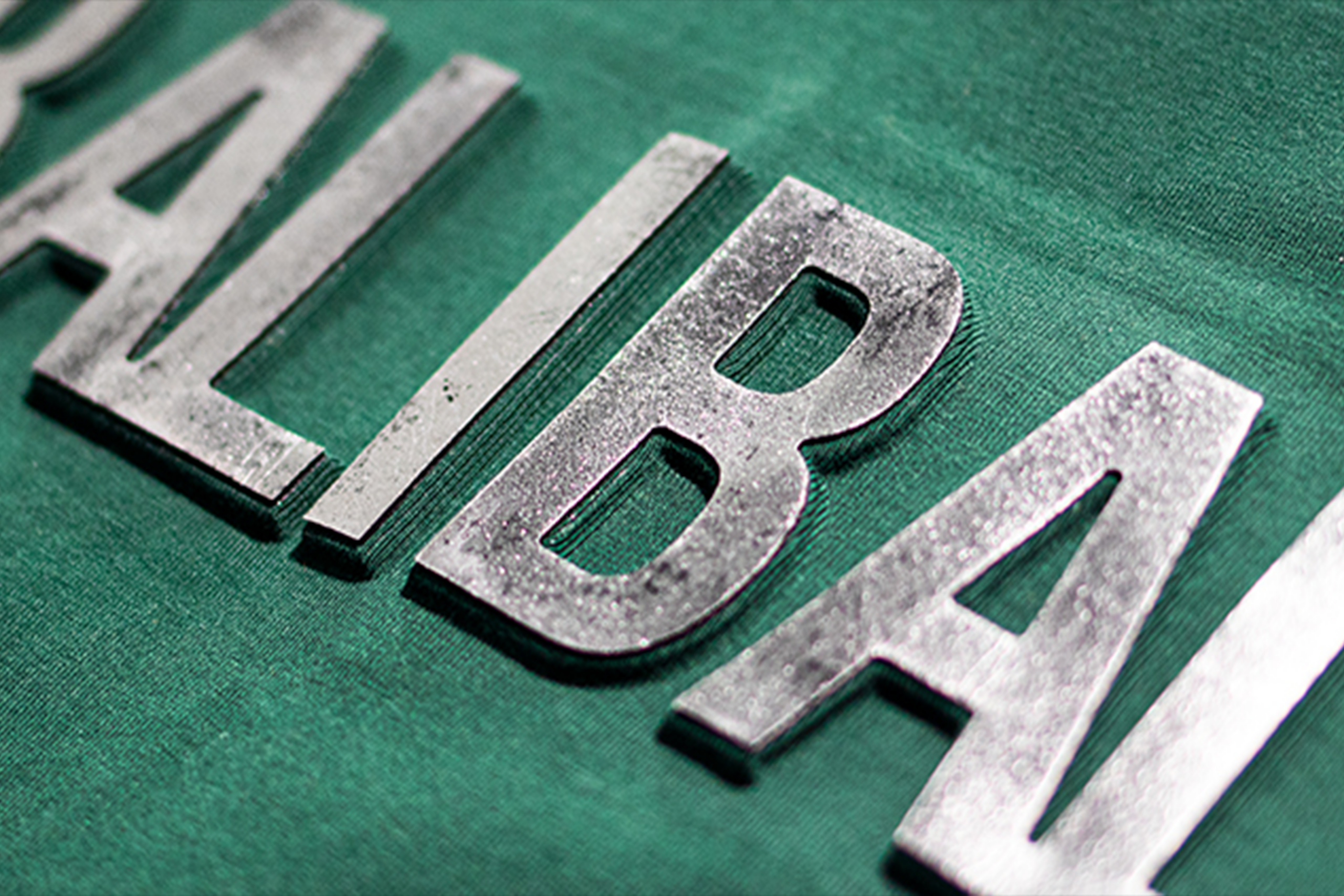
Repeatable Jersey Production, From Development to Bulk
EDVORIN connects development, decoration and bulk control into one accountable path for private-label jersey programs.
Development-Ready Specs
Turn sketches, reference garments or complete tech packs into clear jersey specifications for reliable sampling and repeatable production.
Flexible OEM and ODM
Build private-label jersey programs with support tailored to emerging labels, established teams, wholesale buyers and evolving collection requirements.
Decoration by Category
Match embroidery, printing and finishing to jersey fabric, construction and intended use, protecting appearance, comfort and production consistency.
Approved-Sample Control
Use approved samples, placement measurements and documented trims as production standards for more consistent bulk jersey orders.
200-Piece Style MOQ
Start embroidered jersey production from 200 pieces per style while keeping room for focused launches, team programs and private-label assortments.
Jersey and Apparel Programs, Built to Repeat
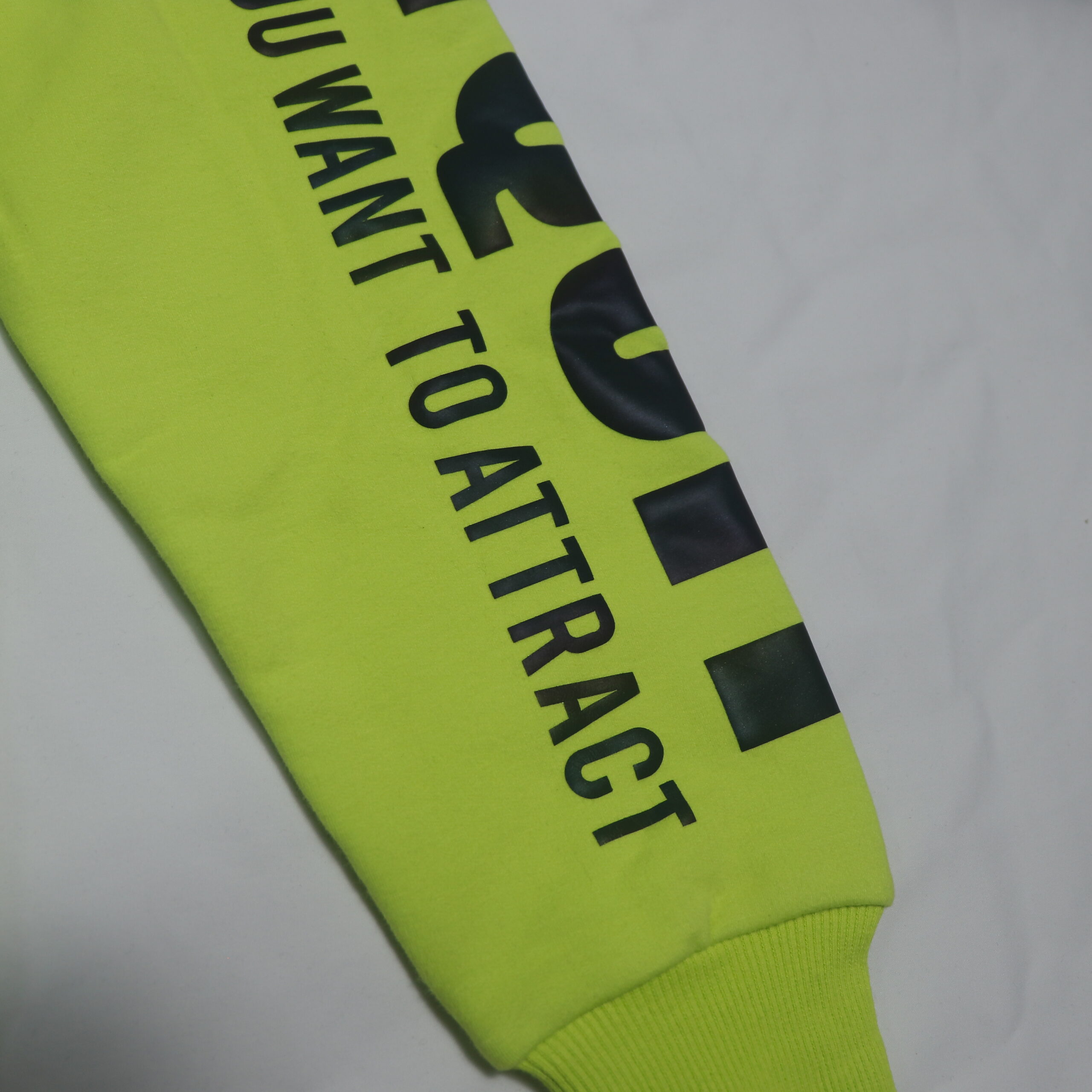
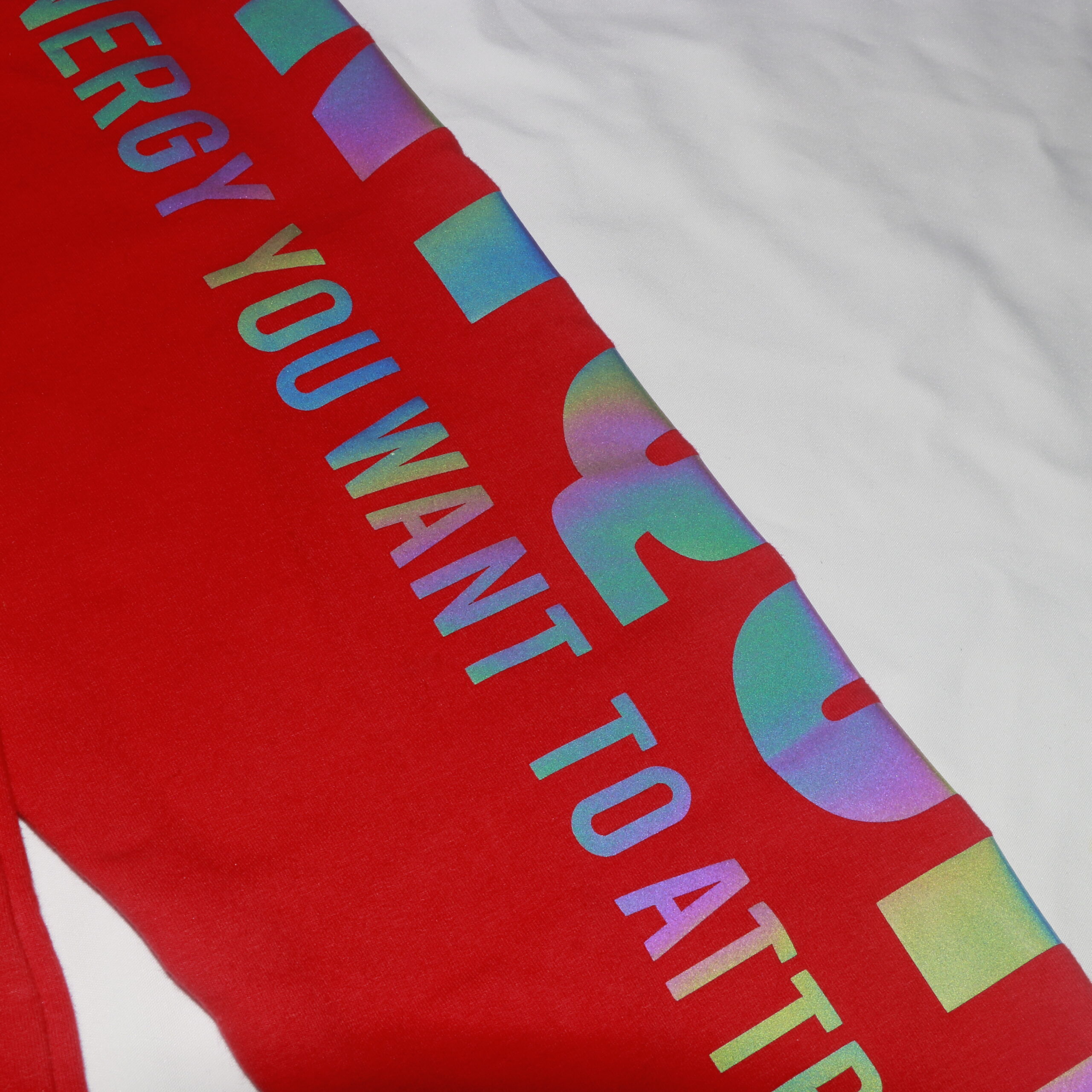
From individual team jerseys to coordinated brand collections, EDVORIN develops specifications, decoration, fit, and production controls for repeatable apparel programs.
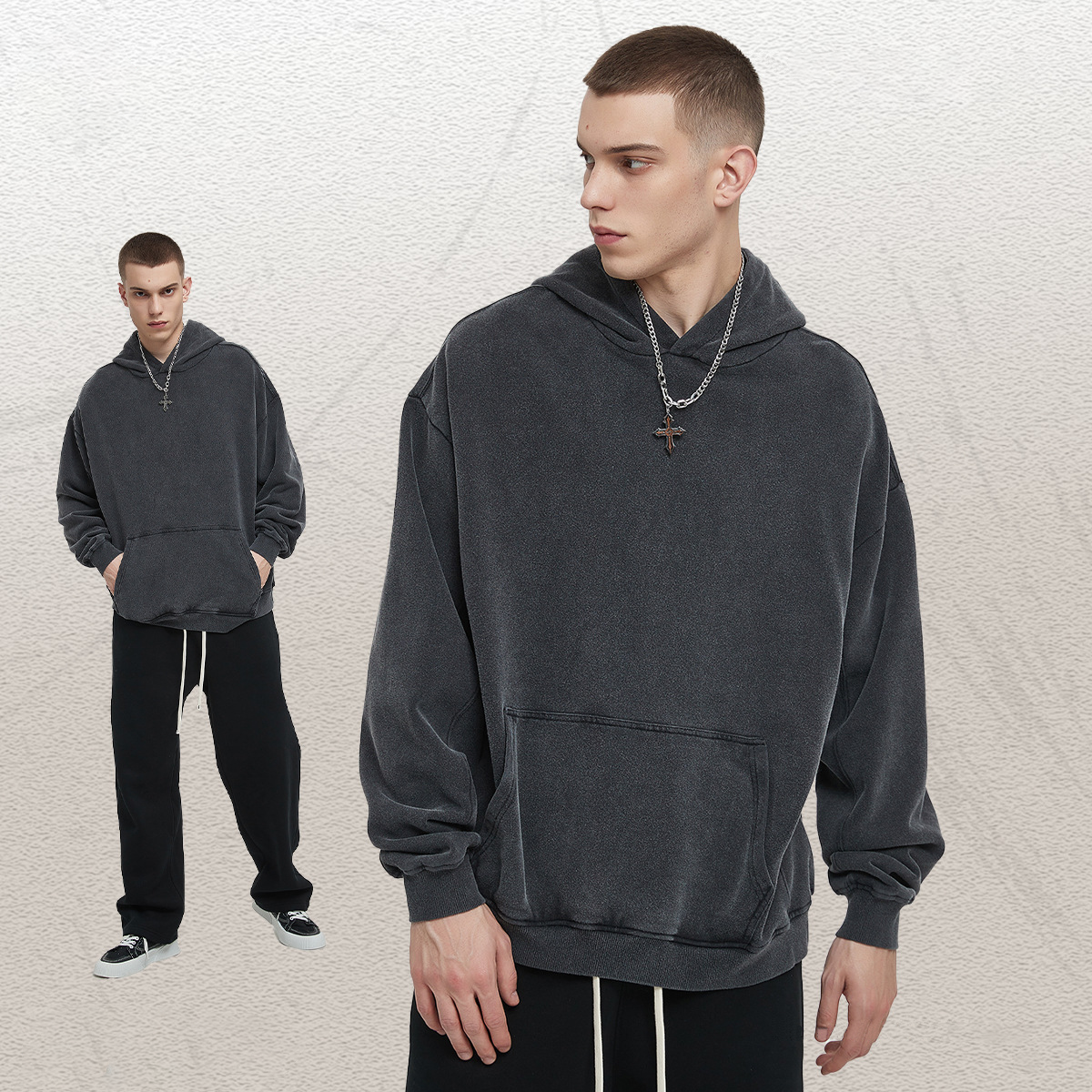
Custom Hoodies
As a custom hoodie manufacturer, EDVORIN develops fleece weight, hood construction, rib recovery, drawcords, pockets, labels, and print or embroidery placements into an approved standard for men’s and women’s programs.
Get a Quote
Pullover Sweatshirts
EDVORIN builds pullover sweatshirts around fit blocks, neckline and rib specifications, fabric weight, seam construction, washing, and decoration requirements. Samples establish a clear production reference before bulk manufacturing begins.
Get a Quote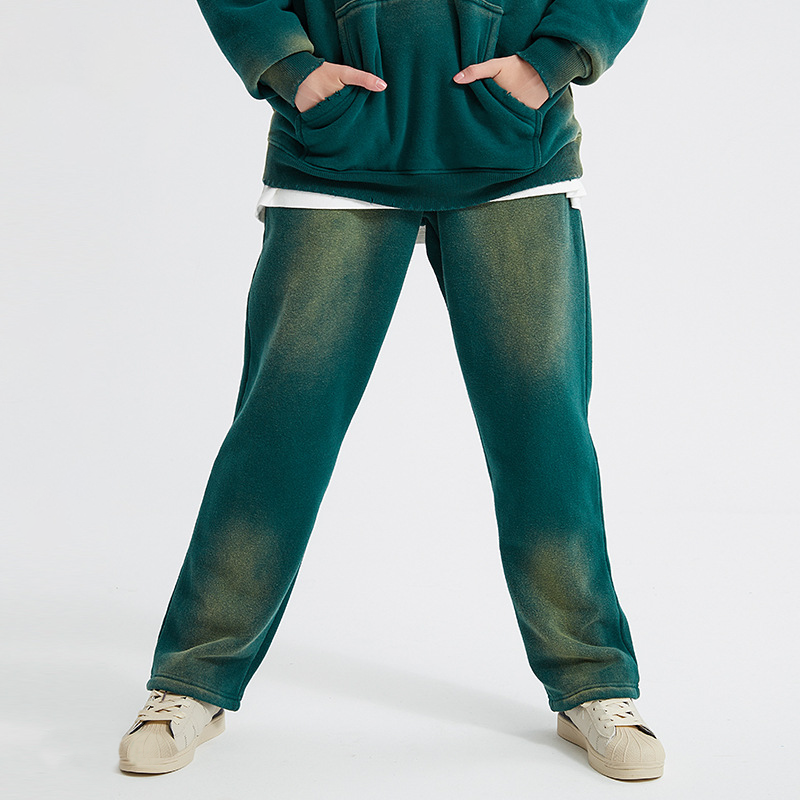
Sweatpants & Joggers
For sweatpants and joggers, EDVORIN coordinates fabric stretch, waistband construction, cuff options, pocket placement, drawcords, grading, and wash effects. The approved sample provides a repeatable standard across size runs.
Get a Quote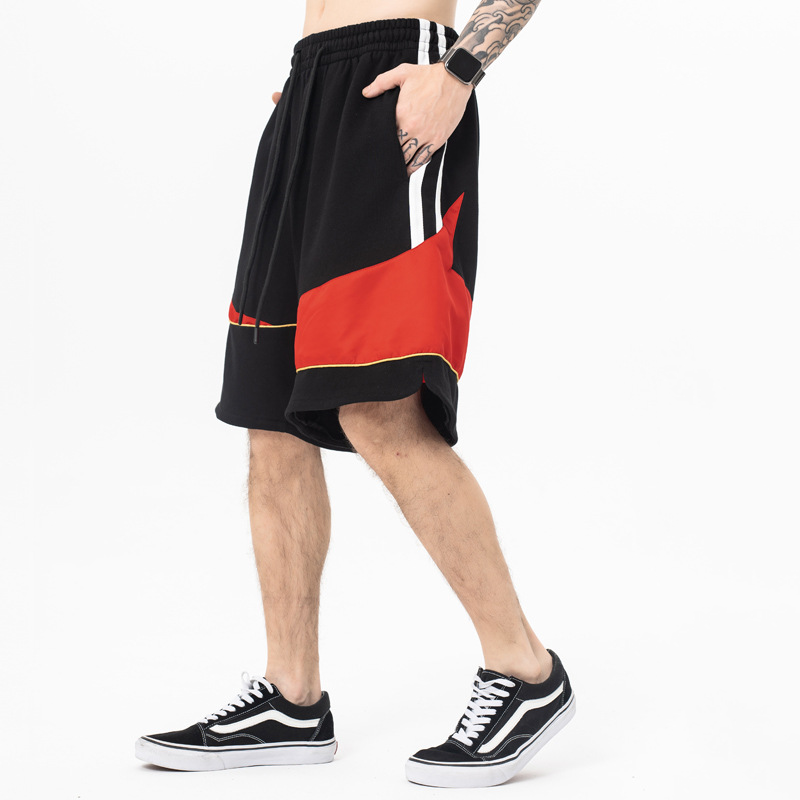
Custom Shorts
Custom shorts programs can be developed for casualwear, training, streetwear, or team use. EDVORIN specifies inseam, waistband, pockets, lining, fabric performance, decoration placement, and packaging to support consistent bulk production.
Get a Quote
Varsity & Baseball Jackets
As a varsity jacket manufacturer, EDVORIN coordinates body and sleeve materials, ribbing, snaps, lining, patches, embroidery, and color blocking. Construction details are documented so the jacket’s character holds through repeat orders.
Get a Quote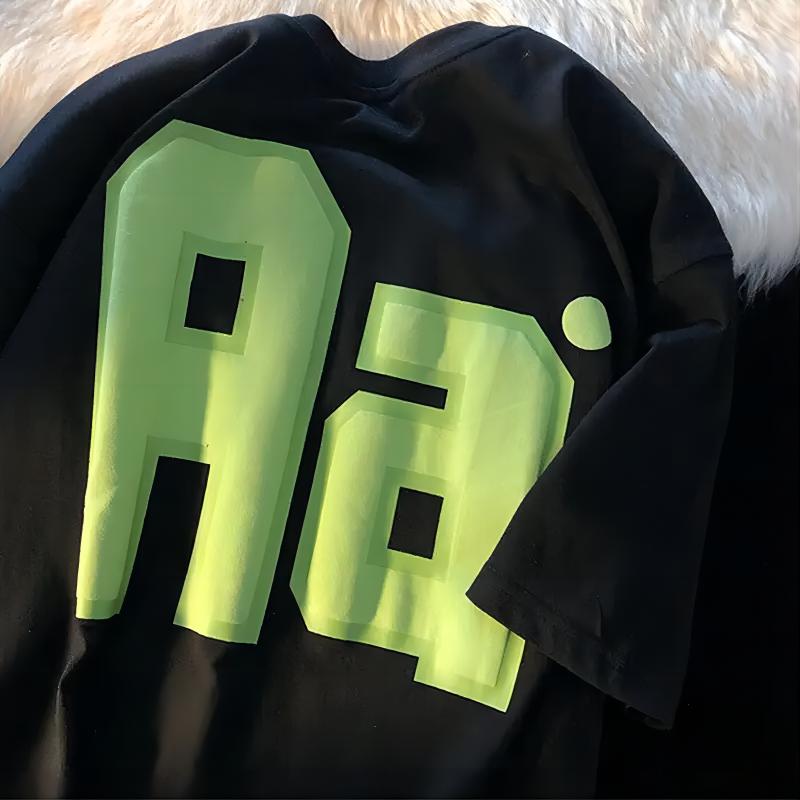
Custom T-Shirts
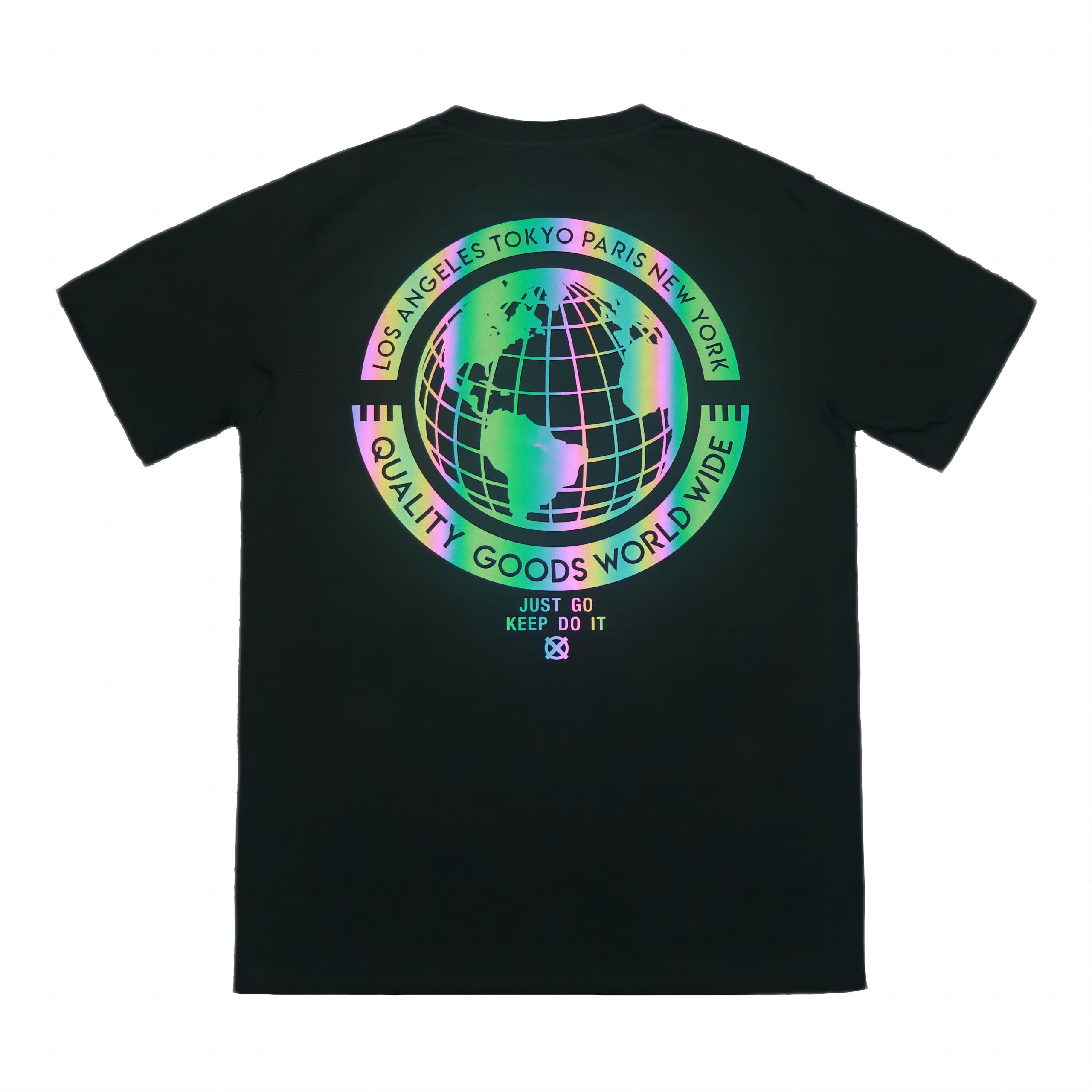
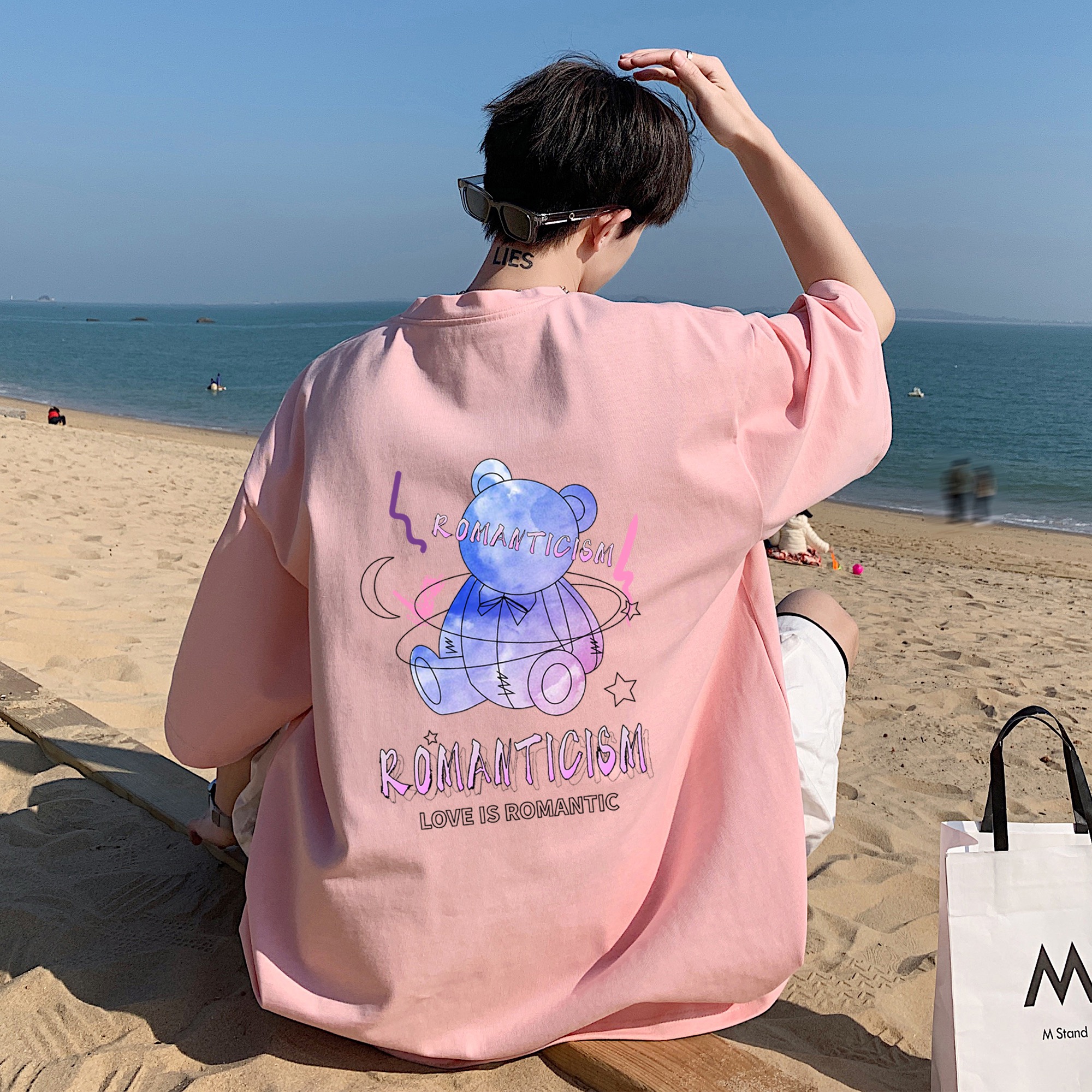
EDVORIN develops custom T-shirts with specified fabric composition, weight, neck rib, fit, grading, print method, wash treatment, labels, and packing. Men’s and women’s proportions can be developed separately for the intended market.
Get a Quote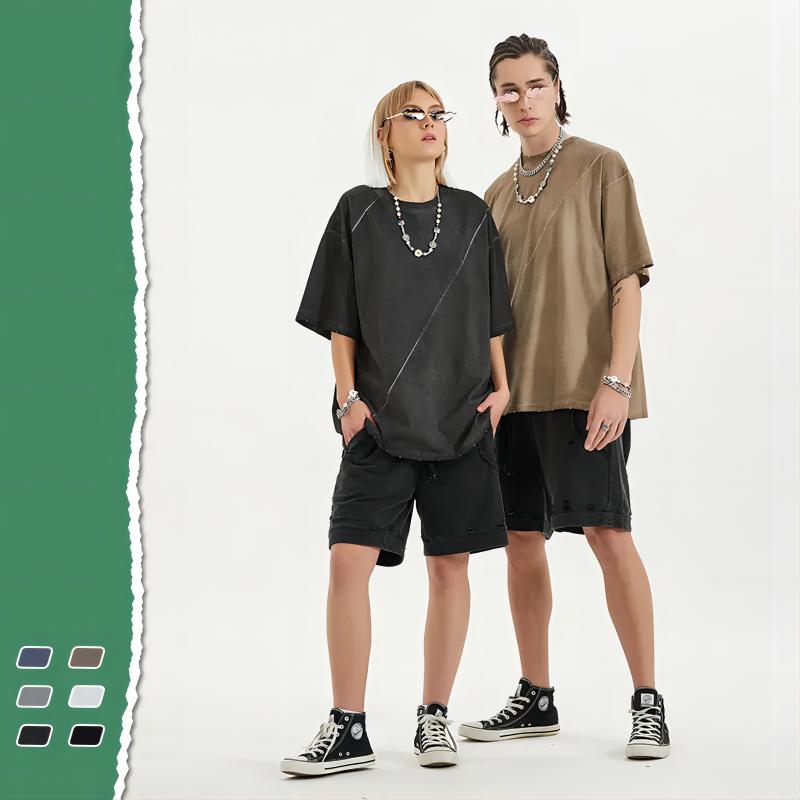
Custom Polo Shirts
Polo shirt development includes piqué or jersey selection, collar and placket construction, button specifications, sleeve finish, embroidery placement, and color control. EDVORIN supports corporate, school, sports, and private-label programs from sample through bulk.
Get a Quote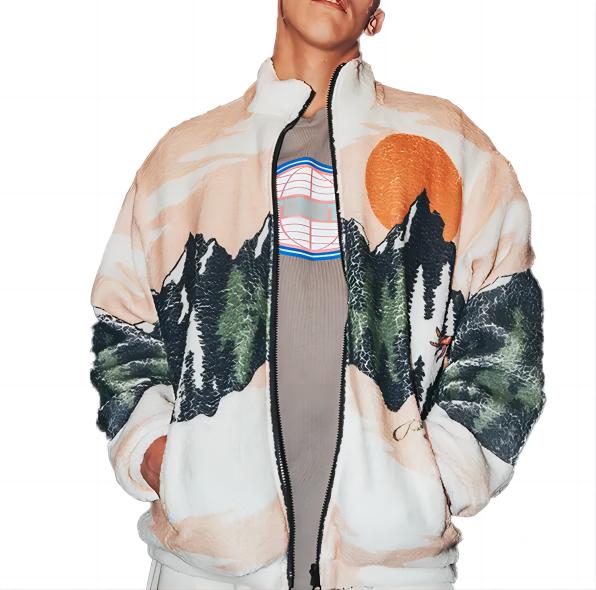
Windbreaker Jackets
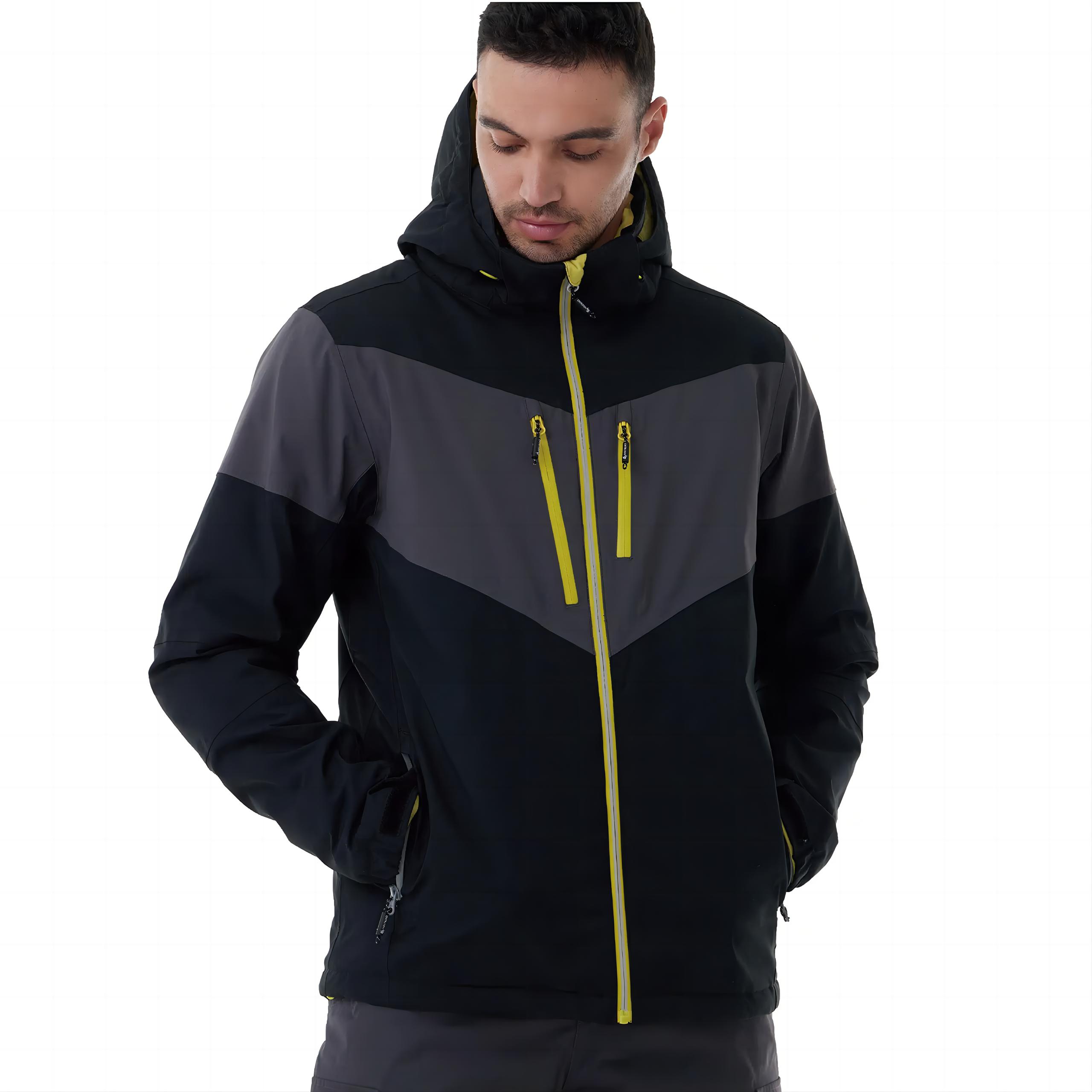
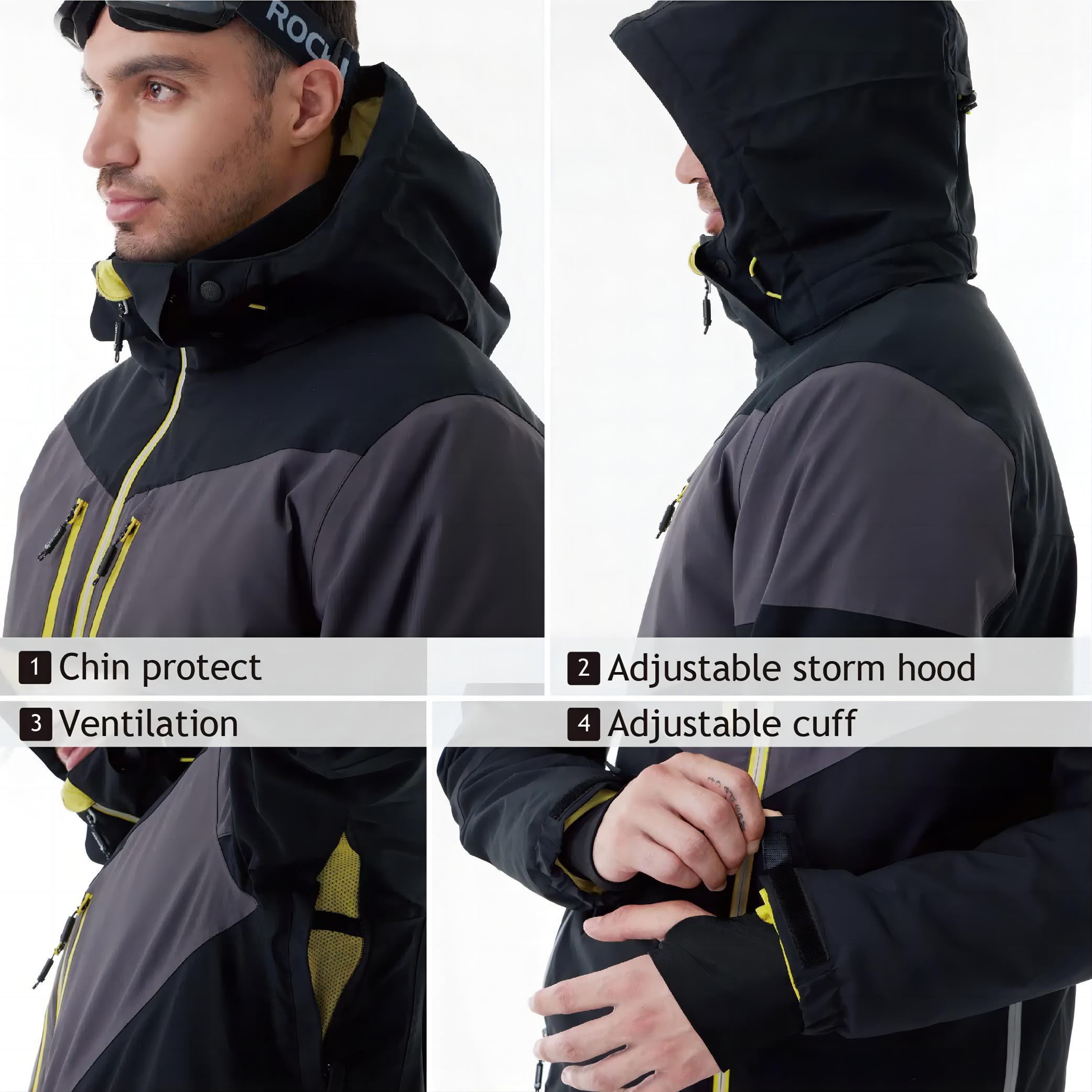
As a windbreaker manufacturer, EDVORIN manages shell fabric, lining or mesh, zipper and pocket construction, hood options, elastic details, color blocking, and print or embroidery compatibility. Performance requirements are set before bulk production.
Get a Quote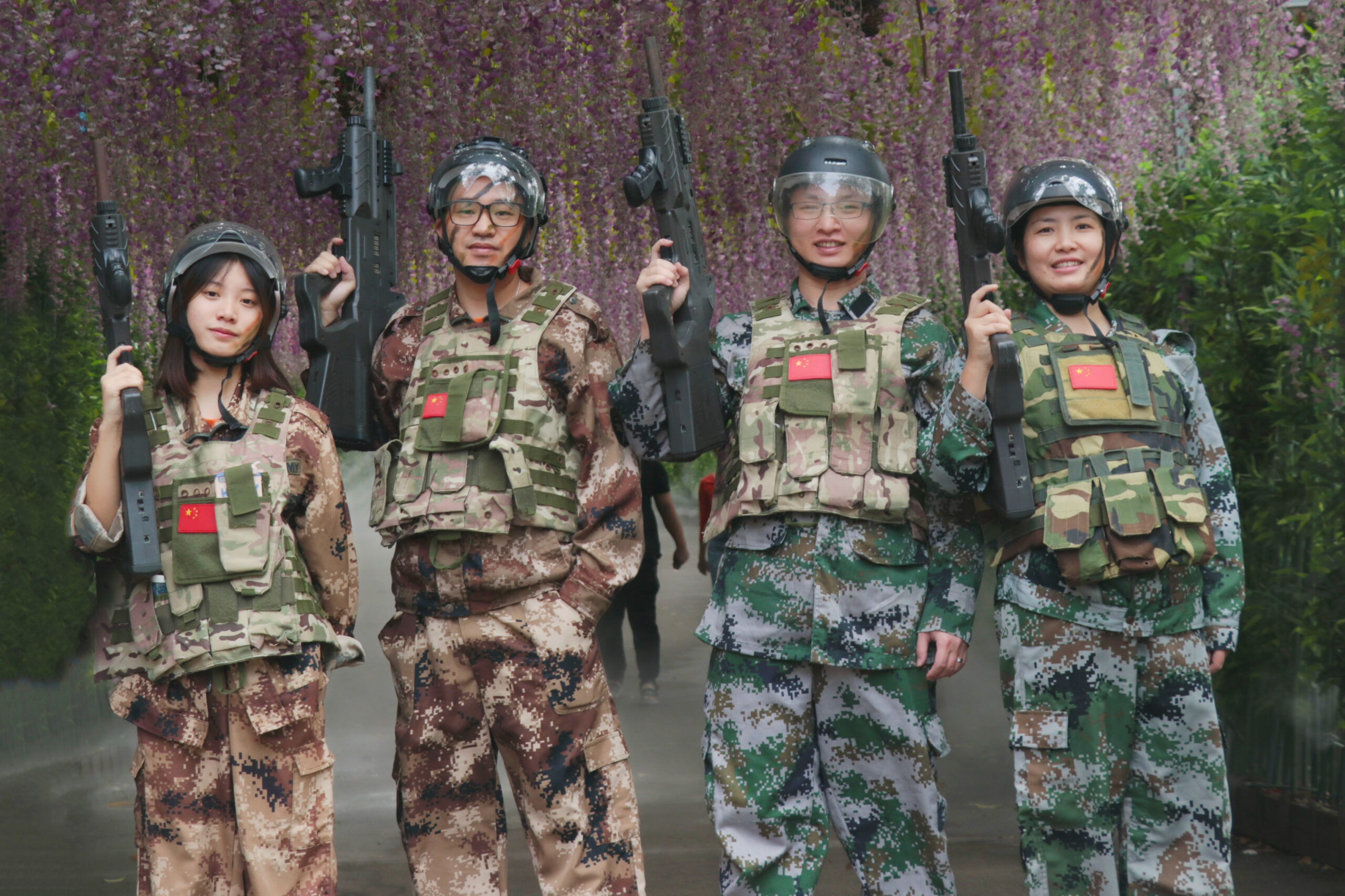
Quilted Jackets
Quilted jacket programs require coordination between shell fabric, lining, insulation, quilting pattern, seam construction, closures, and trim details. EDVORIN develops these components into an approved sample and controlled production specification.
Get a Quote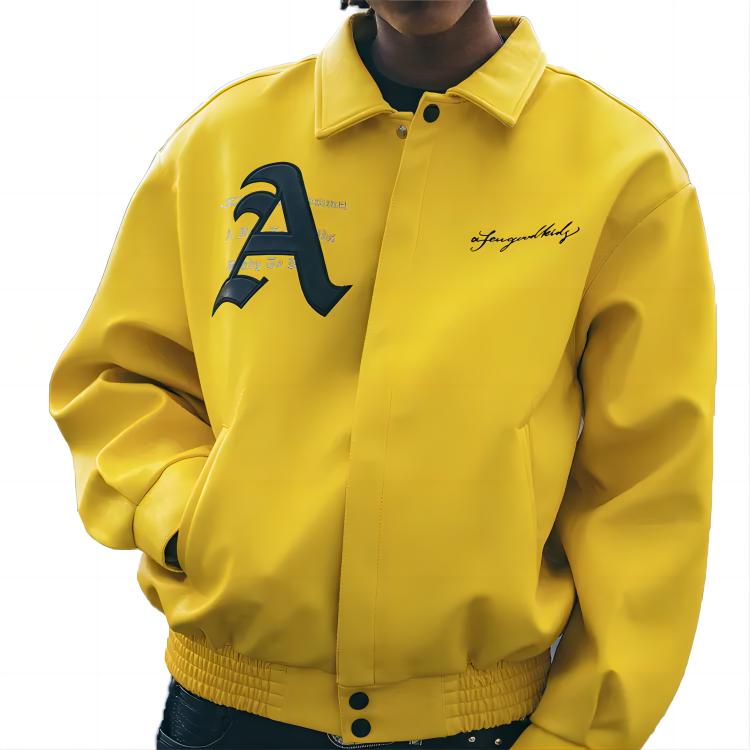
Bomber Jackets
EDVORIN manufactures bomber jackets with defined shell and lining materials, rib trims, zipper or snap hardware, pocket construction, padding, embroidery, and patches. Each component is aligned to the required fit and intended wear.
Get a Quote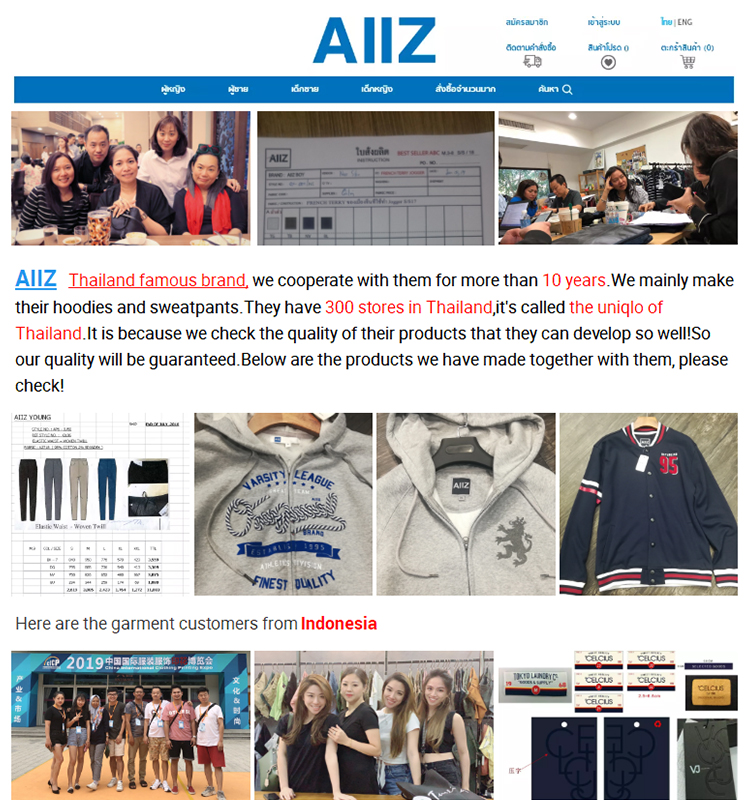
Custom Shirts
Custom woven shirts are developed around fabric handfeel, collar shape, placket construction, cuffs, seam finish, fit, grading, buttons, labels, and branding details. EDVORIN supports men’s and women’s specifications for wholesale and private-label programs.
Get a Quote
Custom Jerseys
As a custom jersey manufacturer, EDVORIN coordinates breathable fabrics, color matching, panel construction, sublimation or print, embroidery, names, numbers, and size sets. Approved artwork and measurements guide repeatable team and retail production.
Get a Quote
Tank Tops
Tank top development covers fabric weight, armhole and neckline binding, fit, grading, panel construction, print placement, and labeling. EDVORIN can adjust specifications for men’s, women’s, athletic, casual, or streetwear programs.
Get a Quote
Soccer Uniforms
Soccer uniform production combines jerseys, shorts, and optional socks with coordinated color, fabric performance, player names, numbers, badges, and size sets. EDVORIN records decoration and construction standards to support organized repeat orders.
Get a Quote
Basketball Uniforms
Basketball uniform programs are developed with breathable materials, jersey and short proportions, contrast panels, neckline and armhole finishes, player identification, and color control. Size grading and placement references help maintain consistency across the full roster.
Get a Quote
Streetwear Collections
As a streetwear clothing manufacturer, EDVORIN connects hoodies, tees, bottoms, jackets, and accessories through coordinated fabric, fit, decoration, washes, trims, labels, and packaging. Product development creates production-ready standards for collection-level repeatability.
Get a QuoteMaterials for Embroidered Jersey Performance
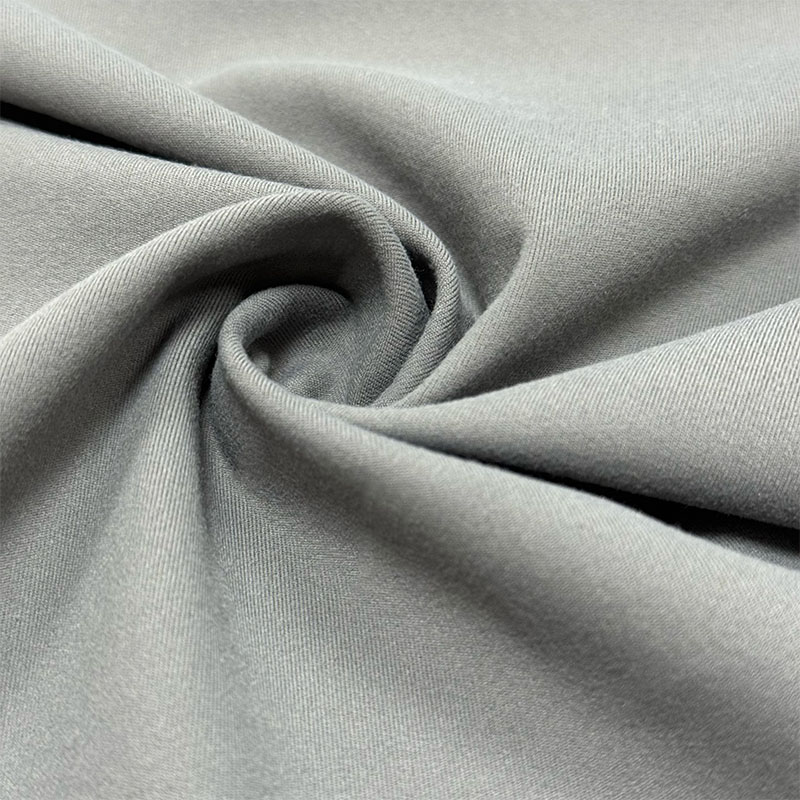
Performance Polyester
Smooth, lightweight performance polyester suits soccer, basketball and training jerseys. Its moisture-managing feel and dependable color retention support active use, while a stable surface provides a clean base for embroidered logos and patches.
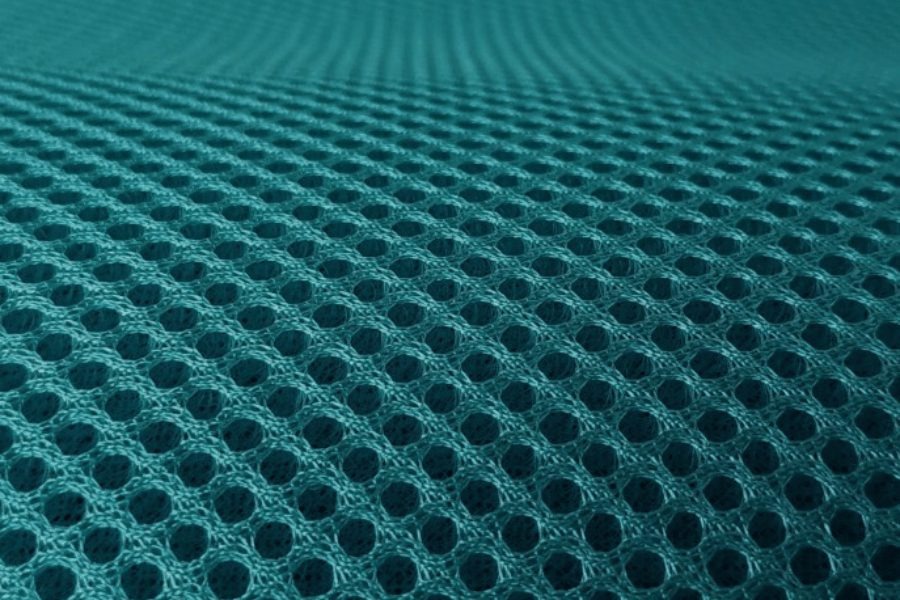
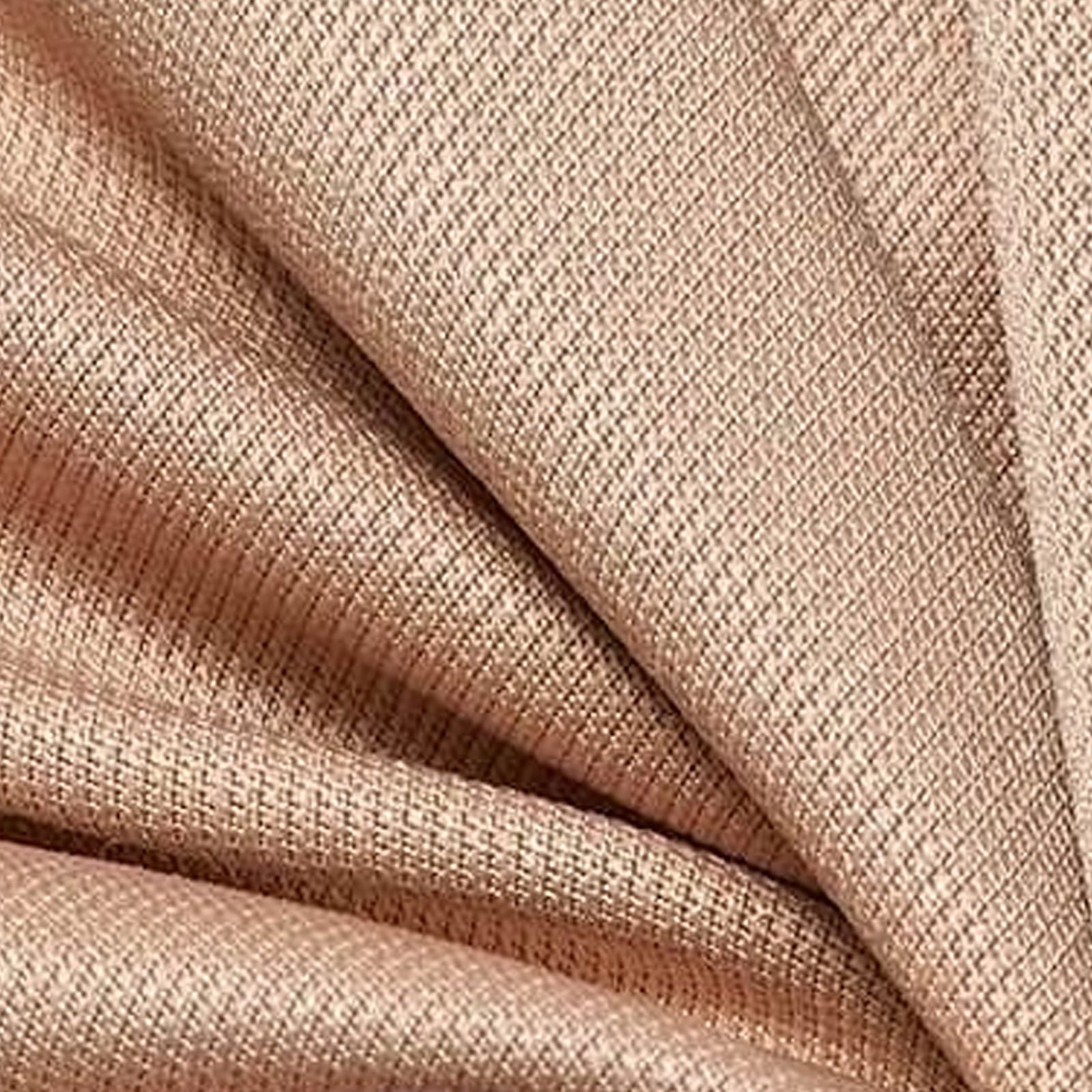
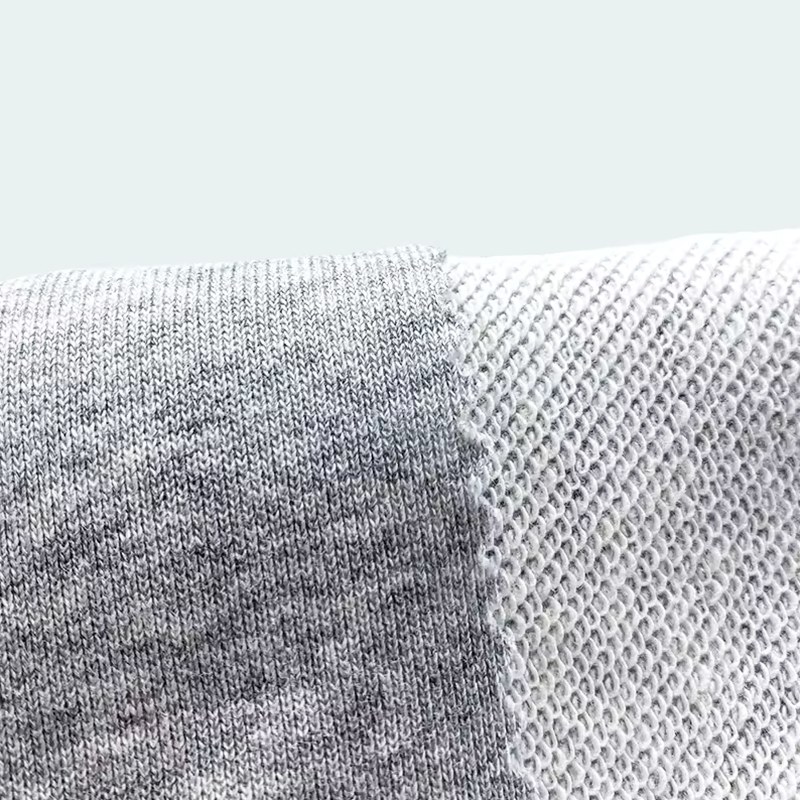
French Terry Fleece
French terry and fleece add warmth and body for embroidered warm-up tops, varsity-inspired pieces and off-field collections. Their loopback or brushed interior creates a substantial hand-feel, with fabric weight matched to the intended season.
Recycled Polyester
Recycled polyester supports performance jersey programs seeking recycled-content material options. It can be developed in smooth or mesh constructions for lightweight, durable teamwear, with decoration choices reviewed against the final fabric surface.
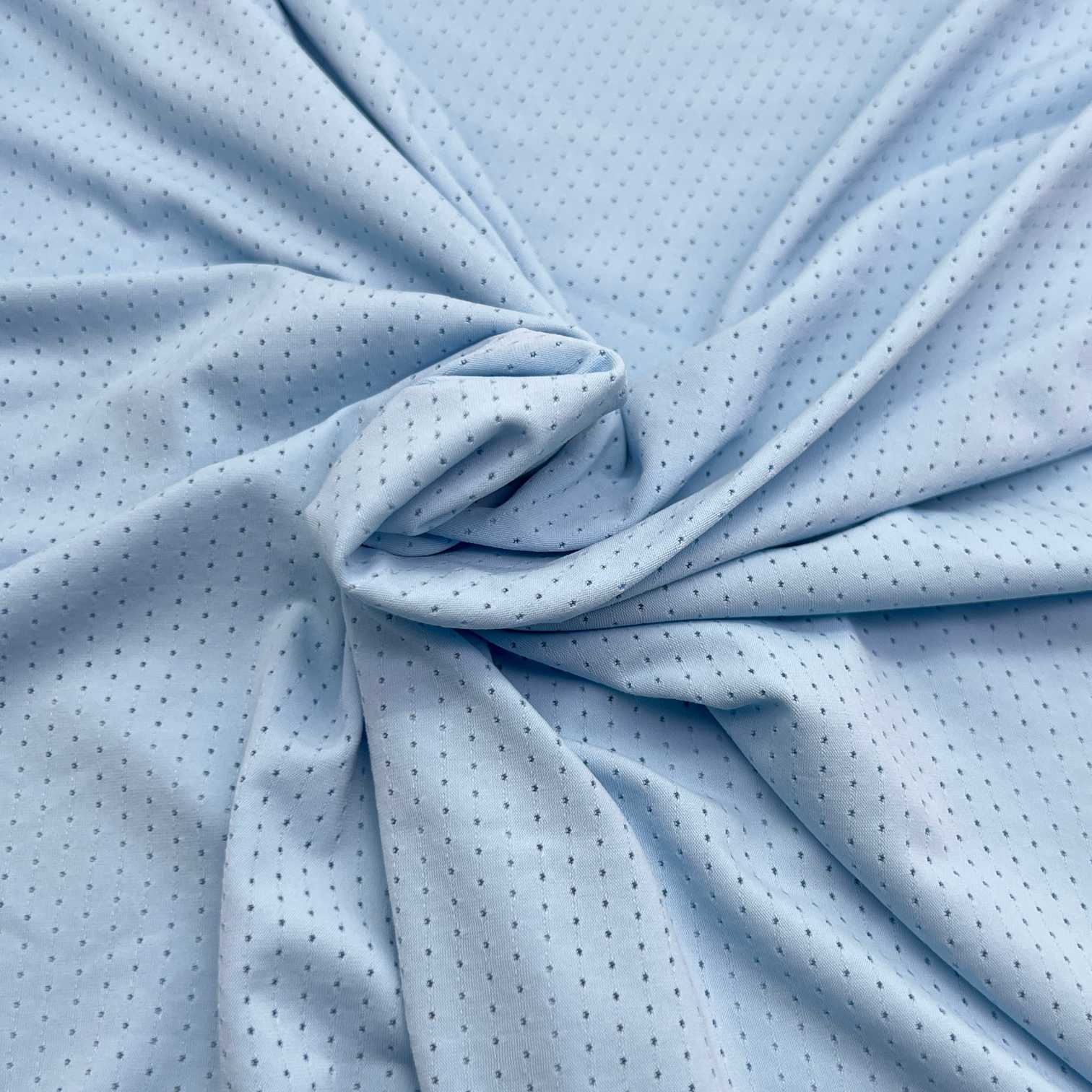
Stretch Performance Knit
Stretch performance knits combine polyester with elastic fiber for closer-fitting jerseys, training tops and mobility-focused panels. Controlled stretch helps movement and recovery, while embroidery placement is assessed to protect comfort and fabric behavior.
Decoration Options for Embroidered Jerseys
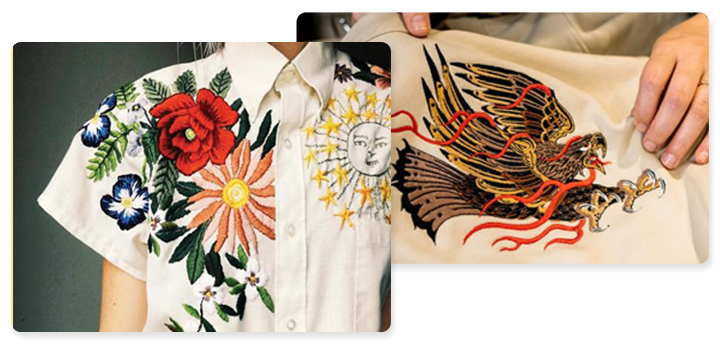
Logo Embroidery
Stitched logos add dimension and a premium tactile finish to jersey crests, chest marks and sponsor details. EDVORIN coordinates backing, thread colors and placement specifications so the approved look can guide repeat production.
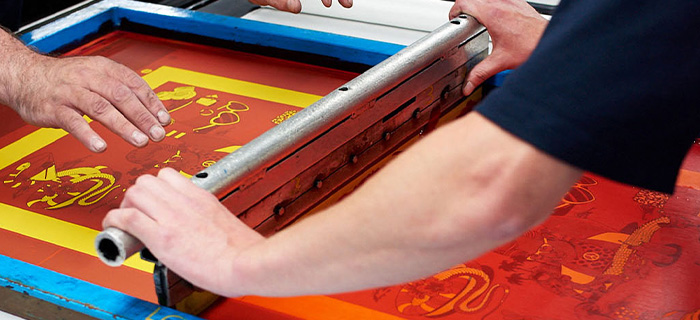
Screen Printing
Screen printing applies clean, opaque graphics suited to bold logos, lettering and limited-color artwork. It offers strong visual impact across selected jersey fabrics, with print testing used to confirm coverage, hand feel and placement.
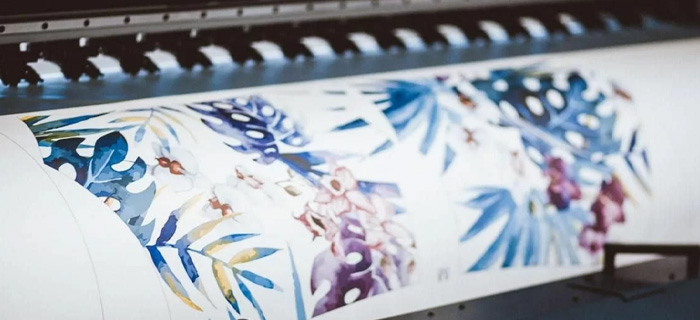
Sublimation Printing
Sublimation integrates full-color artwork into compatible polyester fabric, making it well suited to all-over graphics, gradients and detailed team designs. The result remains lightweight because the artwork becomes part of the fabric surface.
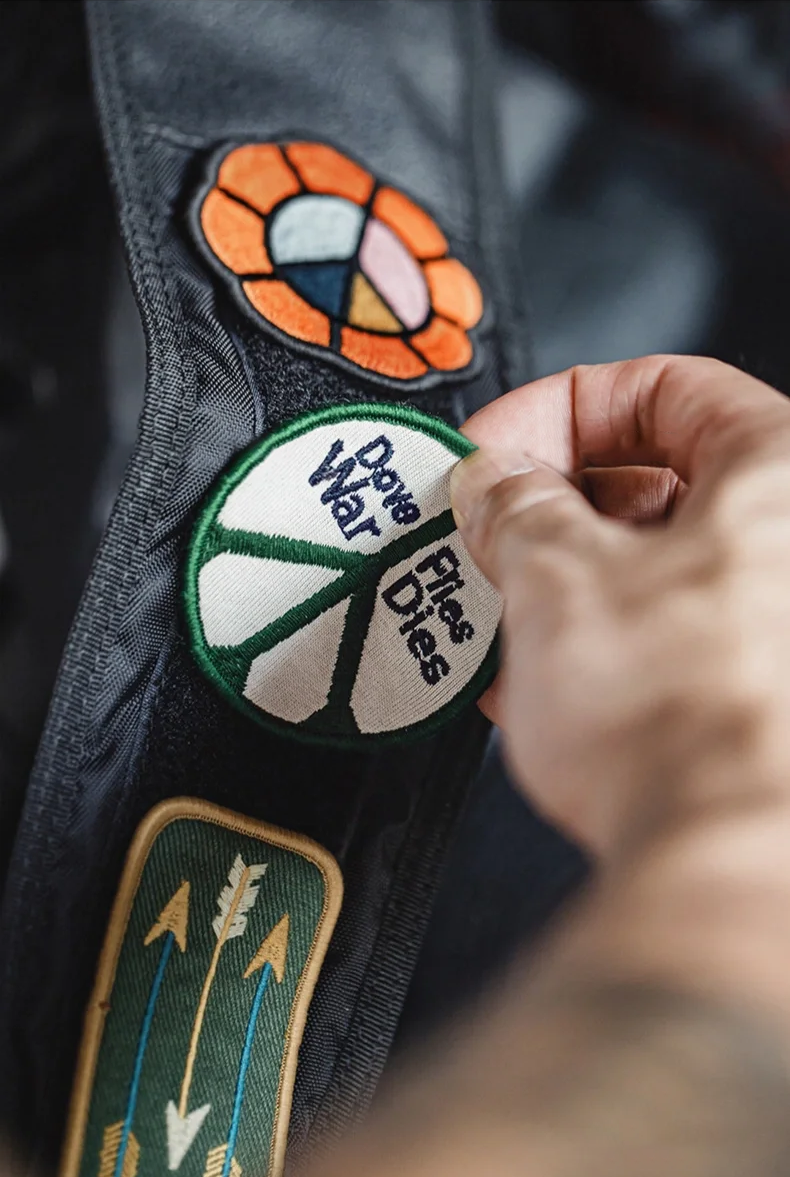
Appliqué Application
Appliqué combines layered fabric shapes with stitched edges to create raised numbers, letters, crests or heritage-inspired details. Material choice, edge finish and stitch placement are developed to complement the jersey construction and intended use.
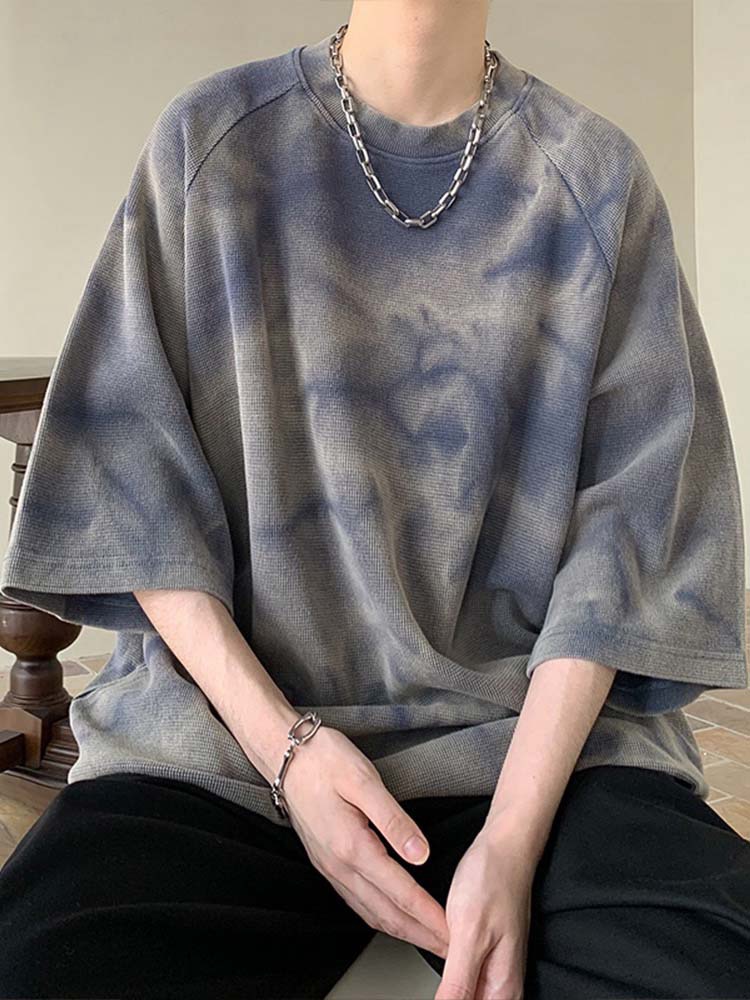
Wash Finishing
Wash finishing can soften the garment, introduce a worn-in character or support a streetwear-led jersey direction. EDVORIN evaluates the effect alongside fabric, decoration and trims so the final appearance remains aligned with the approved sample.
Trims and Details That Complete the Program
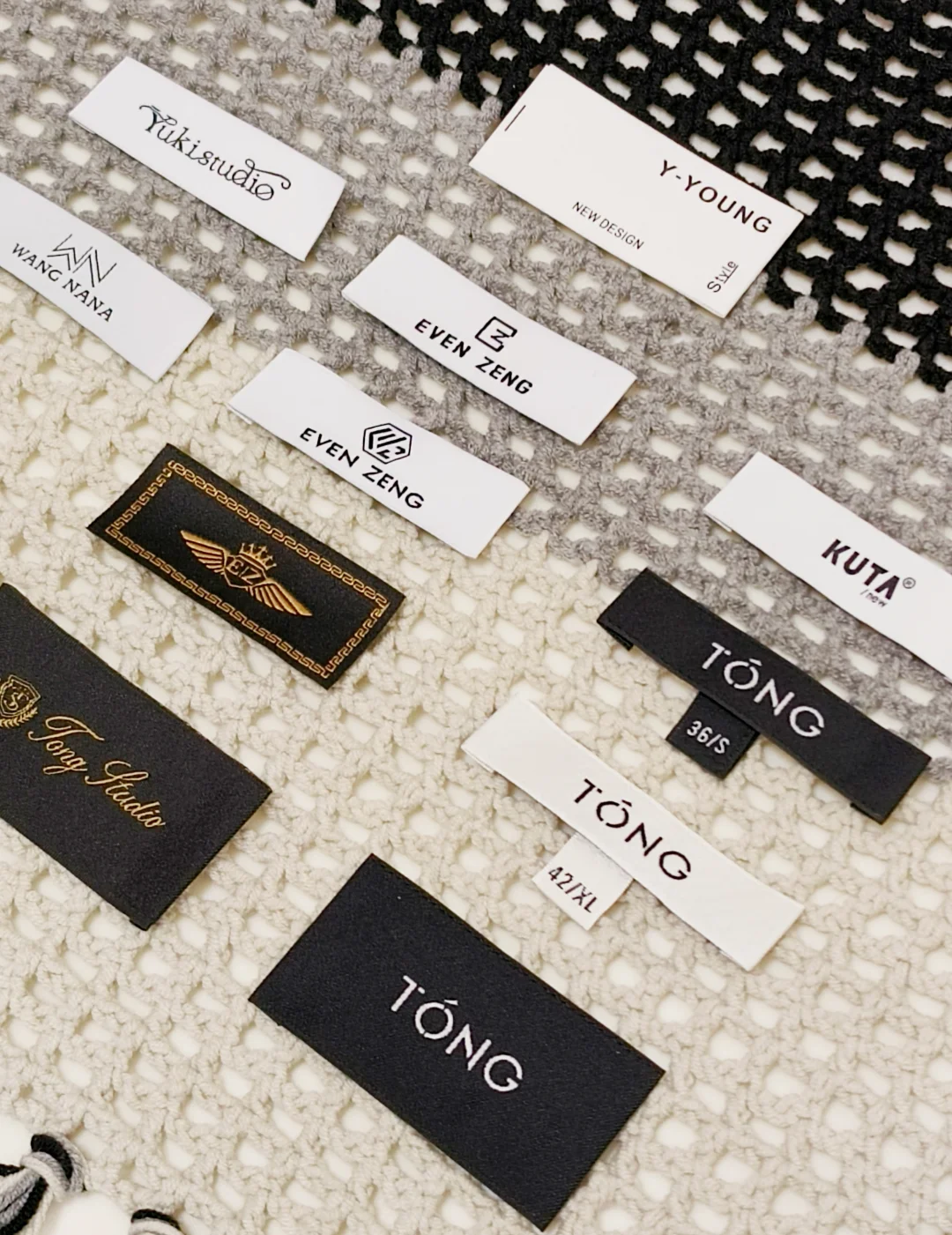
Woven Neck Labels
Custom woven neck labels identify the brand while supporting clear size, care, and origin information. They can be coordinated with jersey fabric, collar construction, and approved placement specifications for repeatable bulk production.
Embroidered Team Patches
Embroidered patches add dimensional club crests, commemorative marks, or streetwear graphics to jerseys. EDVORIN records patch size, thread colors, backing, and placement so the approved detail remains consistent across the order.
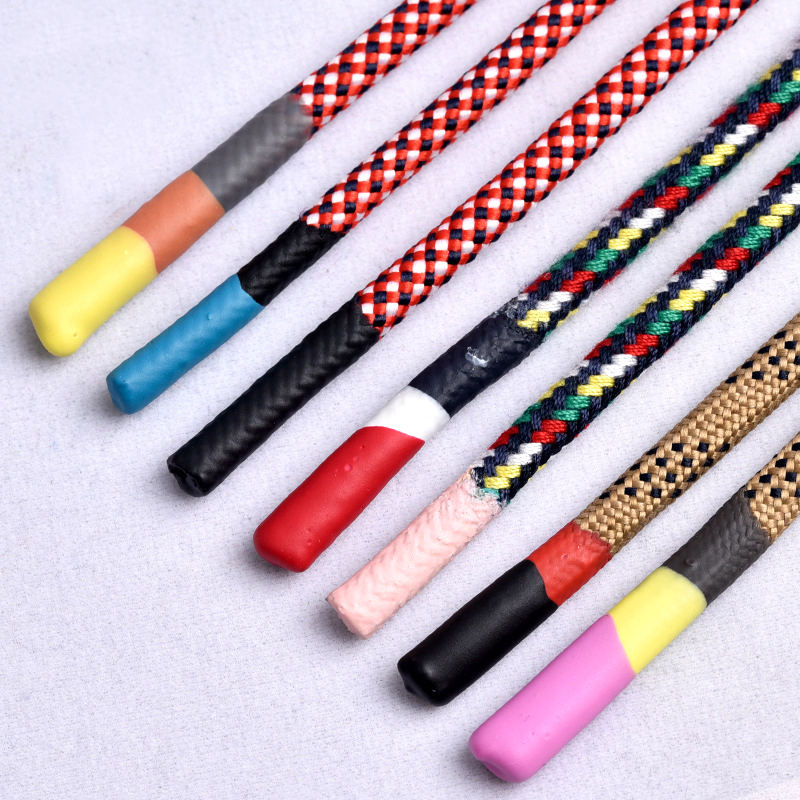
Custom Drawcord Tipping
Drawcords with custom colors, tips, and lengths bring a finished private-label touch to hooded warm-up jerseys and coordinated teamwear. Specifications can be matched to eyelets, fabric weight, and the intended silhouette.
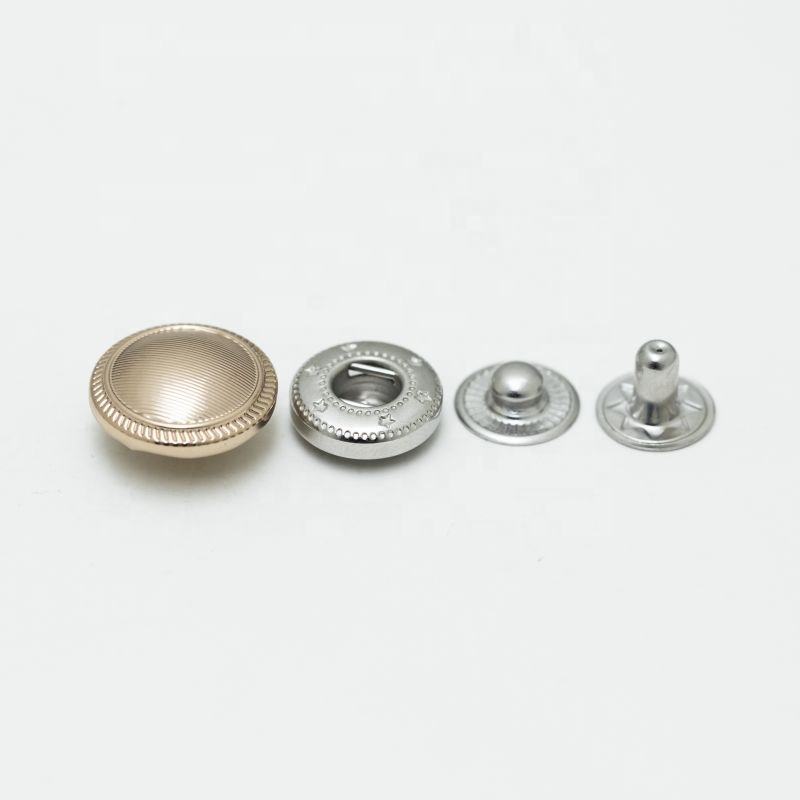
Snap Button Closures
Snap buttons suit jersey-inspired jackets, baseball styles, and layered teamwear pieces where fast closure matters. Finish, color, logo treatment, and reinforcement can be defined during development to support dependable production.
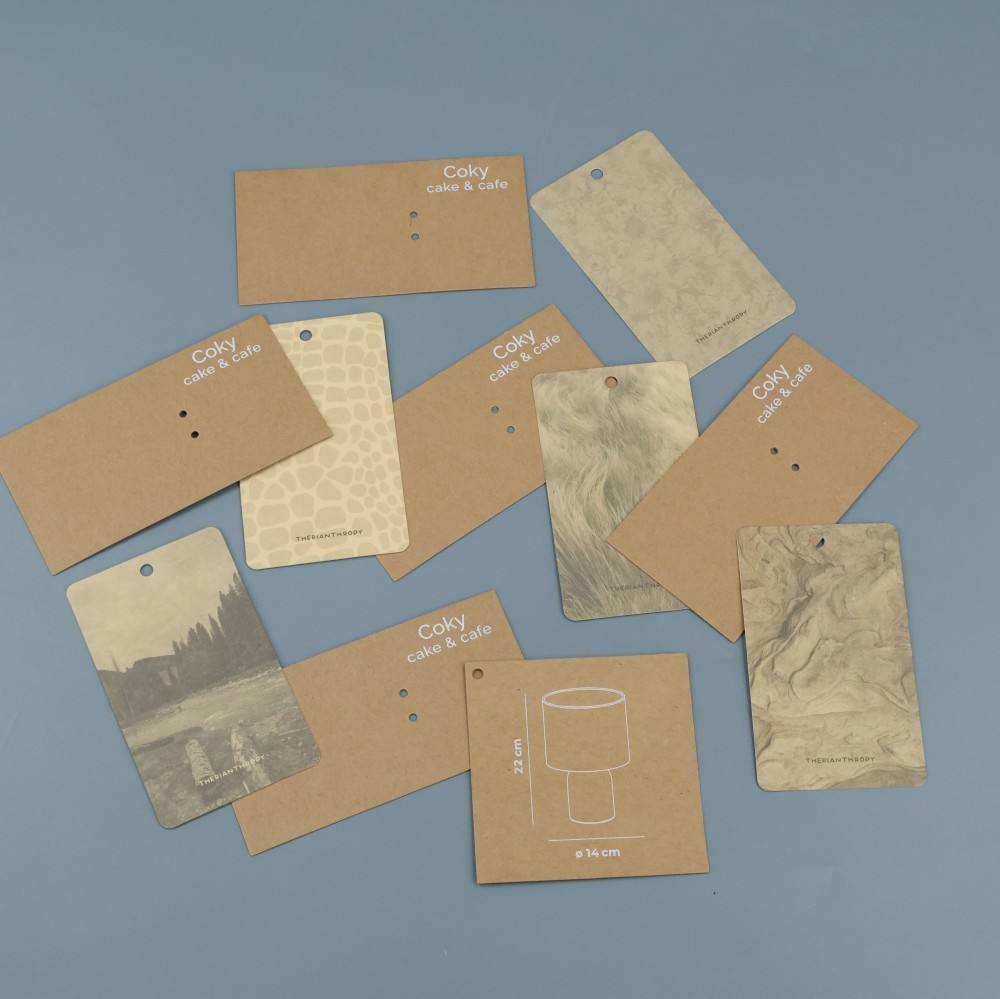
Branded Hangtags
Custom hangtags give wholesale and retail jersey programs a clear point of brand presentation before wear. EDVORIN can coordinate tag stock, string, artwork, pricing fields, and attachment method with labeling and packing requirements.
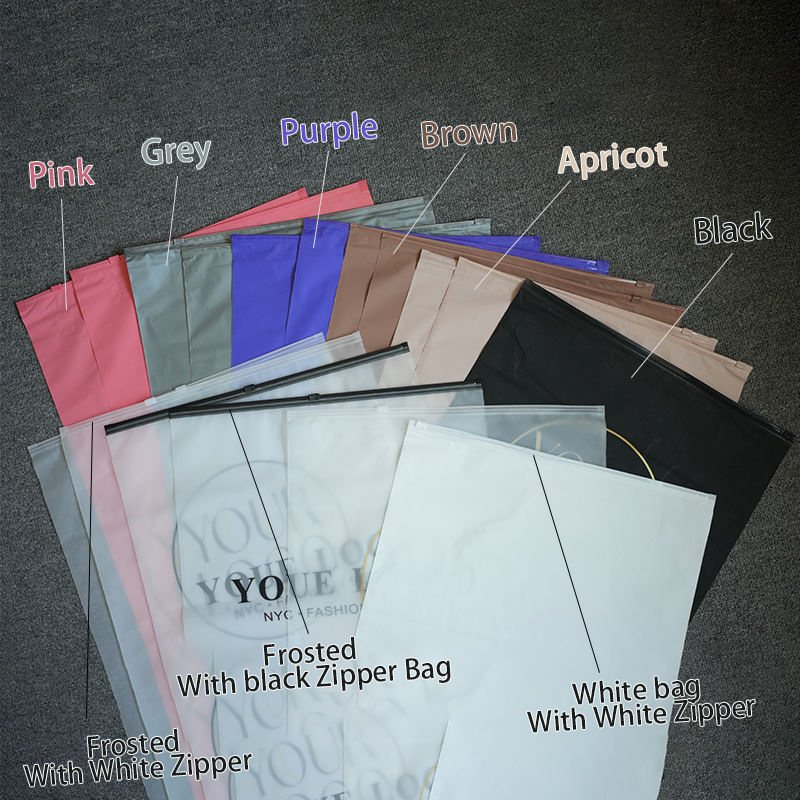
Custom Packing Details
Polybags, size stickers, folding instructions, and carton markings help keep each jersey organized from final inspection through delivery. Packing details are documented alongside the approved product standard for smoother receiving and distribution.
About EDVORIN
Founded in 2000 by Edvorin Zeng, EDVORIN helps brands turn jersey concepts into production-ready programs. As an embroidered jersey manufacturer, we bring product development, material sourcing, pattern work and sampling into one accountable path, whether you begin with a complete tech pack or an early design reference.
Our connected workflow coordinates jersey fabrics, trims, embroidery, printing, washes, labels and packaging before bulk production begins. Men’s and women’s fit requirements, decoration placement, color references and size grading are documented around the approved sample so the standard remains clear from first sample through repeat orders.
What makes EDVORIN different is the discipline after approval. We translate approved details into repeatable production controls, support in-line and final quality checks, and keep responsibility connected from development to packed goods. With OEM, ODM and private-label support, programs can start from 200 pieces per style.
From Approved Sample to Controlled Bulk Production
Technical Development That Holds
EDVORIN translates sketches, reference garments, or completed tech packs into production-ready jersey specifications. Pattern decisions, fit blocks, grading, construction details, and artwork placement are clarified before approval so the sample can become a dependable bulk standard.
- Men’s and women’s fit development
- Patterns, measurements, and grading aligned
- Construction details recorded before production
- OEM, ODM, and private-label support
Fabric and Embroidery in Balance
As an embroidered jersey manufacturer, EDVORIN coordinates base fabric, backing, thread, placement, and garment construction as one system. This helps protect comfort, stitch appearance, and durability while ensuring decoration choices suit the intended teamwear, sportswear, or streetwear application.
- Fabric selected around performance needs
- Embroidery placement reviewed with construction
- Threads, backing, and trims coordinated
- Decoration tested during sample development
Specifications Made Visible
An approved sample is supported by documented requirements, not memory. EDVORIN records measurements, color references, artwork positions, trims, labels, and packaging details to give production and quality teams a clear, reviewable standard for every jersey order.
- Approved sample used as production reference
- Placement and color requirements documented
- Labels, trims, and packaging specified
- Clear standards for repeat orders
In-Line Checks Before Packing
EDVORIN monitors bulk jersey production against approved standards through in-line inspection and final checks. By reviewing construction, measurements, decoration, and finishing during the production path, the team can identify variation earlier and protect consistency across the packed order.
- In-line inspection during production
- Measurements checked against approvals
- Embroidery and finishing reviewed
- Final inspection before packing
Why Buyers Choose EDVORIN for Embroidered Jersey Production
A sample-led production path built to make specifications visible, repeatable, and accountable.
← Swipe left or right to view →
Our Embroidered Jersey Manufacturing Process
A documented path from concept review to packed order, designed to protect fit, decoration, and repeatability across your program.
Review Concept and Specs
We assess your tech pack, artwork, fit requirements, size range, quantities, and intended use, then define the development path for your jersey program.
Source Materials and Trims
Our team coordinates suitable fabrics, rib, labels, thread, patches, and other trims around performance needs, decoration compatibility, and your approved design direction.
Build Patterns and Samples
Patterns, grading, construction details, and artwork placement are developed into a reviewable sample, giving you a physical standard before bulk production begins.
Cut Sew and Decorate
After sample approval, we control cutting, sewing, embroidery, printing, and finishing against documented measurements, color references, placement specifications, and construction requirements.
Inspect Pack and Ship
In-line and final checks verify workmanship, measurements, decoration, labels, and packing before finished jerseys are organized for shipment according to your order requirements.
How to Start Your OEM Jersey Program
Move from concept to a repeatable production standard with a clear, accountable workflow.
Send Your Design Brief
Send a tech pack, sketch, or reference garment. Our embroidered jersey manufacturer team reviews construction, fit, decoration, materials, sizing, labels, packaging, and program requirements.
Review Your Development Plan
Review a clear quotation and development plan covering approved specifications, decoration approach, sample scope, and the details needed to build a production-ready jersey.
Approve the Sample Standard
Assess the developed sample for fit, fabric feel, color, embroidery placement, measurements, trims, and finishing. Confirm revisions so the approved sample becomes the bulk standard.
Launch Bulk Production
Move into bulk production with materials, artwork, measurements, and inspections aligned to the approved standard. MOQ starts at 200 pieces per style.
Certified Standards for Responsible Apparel Production



What B2B Buyers Say About Working With EDVORIN
EDVORIN turned our initial jersey sketches into an approved production standard in two sample rounds. Their embroidery placement records made our 1,200-piece club order consistent across every size.
For our streetwear drop, the team coordinated fabric, appliqué embroidery, labels and packing in one workflow. We launched 850 jerseys on schedule and reordered the same style without rebuilding the specifications.
The sample-to-bulk communication was notably clear. EDVORIN documented number placement and thread colors, helping us deliver 600 academy jerseys with fewer approval questions from our coaches and parents.
Embroidered Jersey Manufacturer FAQ
Send your tech pack, reference garment, or collection concept to begin sampling with a manufacturer built for repeat production.
What is the MOQ for an embroidered jersey manufacturer?
Can an embroidered jersey manufacturer make a sample before bulk production?
What information does an embroidered jersey manufacturer need to quote my order?
How long does custom embroidered jersey production take?
How do you control embroidery placement and quality in bulk orders?
What payment terms are available for OEM jersey orders?
Can you arrange shipping for embroidered jersey orders?
How does EDVORIN protect my designs and repeat orders?
Complete Guide to an Embroidered Jersey Manufacturer
Use this decision framework to compare embroidery-ready jersey suppliers, evaluate fabrics and construction, control OEM costs, and avoid sampling, branding, quality-control, and lead-time mistakes before placing a production order.
1. What Is an Embroidered Jersey Manufacturer?
200-piece OEM programs typically require more than adding a crest to a stock shirt: an embroidered jersey manufacturer develops the garment, sources materials, makes samples, and controls stitched logos, names, patches, or appliqué through bulk production. The approved sample becomes the reference for repeatable fit, placement, color, labeling, and packing.
Four supplier models serve different roles. A manufacturer builds the jersey to specification; a decorator applies embroidery to buyer-supplied or blank garments; a trading company coordinates third-party factories; and a blank-apparel supplier sells pre-made, undecorated stock.
OEM and private-label production suits fashion labels, streetwear brands, clubs, schools, wholesalers, and corporate buyers that need their own fit, trim, labels, or retail presentation. The sourcing brief should state whether priority is athletic performance, brand presentation, or a balance of both—because that decision affects fabric, construction, decoration, and cost.
2. Evolution of Embroidered Jerseys
By the late 19th century, stitched crests and lettering helped teams create durable, recognizable uniform identifiers. That heritage still shapes buyer expectations: a crest should feel dimensional and permanent, but its stitch density and backing must not make a lightweight jersey stiff or uncomfortable.
Since the 1980s, computerized multi-head embroidery has made repeatable logos, names, and color changes practical across larger runs. Streetwear, fanwear, school apparel, and private-label collections now use the same visual cues, often positioning a compact chest crest where it remains readable without distorting the garment.
In 2026, hybrid decoration is often the practical choice: embroidery for a crest or small lettering, with screen print, appliqué, or sublimation for larger graphics. An embroidered jersey manufacturer should digitize artwork early, approve a sew-out on the actual fabric, and plan decoration before finalizing garment weight, placement, and production sequencing.
3. Types of Embroidered Jersey Manufacturer Projects
An embroidered jersey manufacturer should build the specification around the wearer and the program’s repeat needs. Team, retail, and promotional orders use similar decoration but demand different fit control, branding, and production planning.
Sports Team Uniforms
Sports teams commonly use embroidered crests on the chest, with names and numbers handled separately. Athletic fit, mobility, roster-size accuracy, and color continuity drive production.
Varsity And Baseball Styles
Varsity and baseball projects often use chenille, tackle twill, or direct embroidery for letters and patches. Relaxed silhouettes need stable rib, button-placket alignment, and placement standards.
Soccer And Football Jerseys
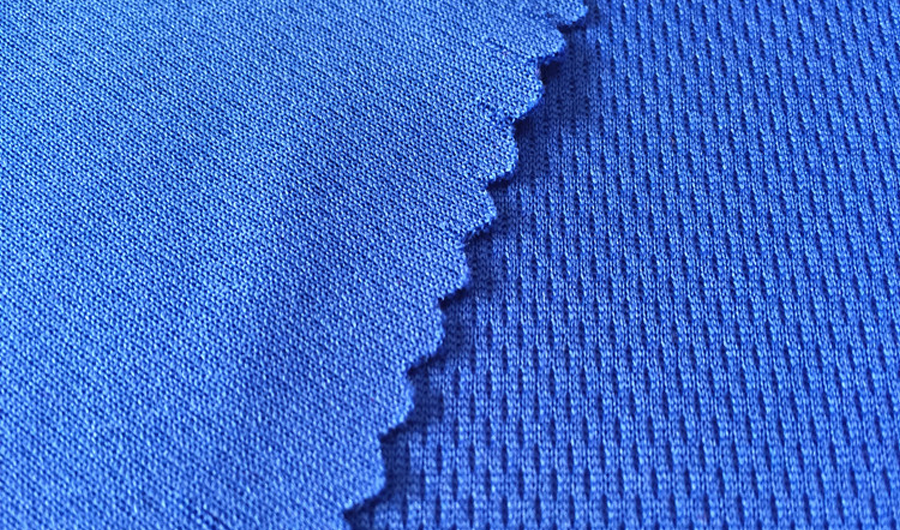
Soccer and football jerseys typically combine an embroidered badge with lightweight performance construction. Club identity requires approved crest artwork, Pantone references, and consistent sponsor positioning.
Fashion And Streetwear Pieces
Fashion jerseys use embroidery as a dimensional logo or limited-drop graphic detail. Oversized grading, fabric weight, wash effects, and neck-rib recovery matter more than match performance.
School And Academy Apparel
Schools and academies usually prioritize durable emblems and clear age-range grading. House colors, repeat ordering, student-name control, and practical care requirements should be documented.
Corporate Promotional Jerseys
Corporate jerseys favor visible logos and dependable sizing for events or staff use. Approval should cover logo scale, placement, garment color, and individually packed distribution lists.
4. Fabrics an Embroidered Jersey Manufacturer Should Offer
150–220 GSM performance polyester manages sweat well but needs support under dense stitches. An embroidered jersey manufacturer should match fabric recovery, opacity, and stitch load before sampling.
| Fabric | Weight Or Construction | Best Use | Embroidery | Tradeoff |
|---|---|---|---|---|
| Performance polyester | 150–220 GSM | Teamwear | Good with backing | Less natural hand |
| Mesh | Open-hole knit | Vent panels | Limited; stabilize | Low opacity |
| Interlock | Double-knit face | Soccer jerseys | Very good | Warmer than mesh |
| Heavyweight knit | 280–340 GSM | Streetwear | Excellent | Higher cost |
| Cotton blend | Jersey knit | Lifestyle jerseys | Good | Retains moisture |
| Stretch blend | Spandex blend | Fitted jerseys | Use cutaway | Can pucker |
Match Fabric To Use
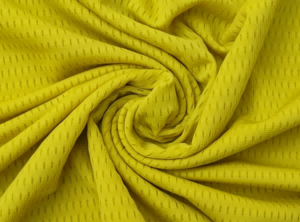
150–220 GSM polyester suits active uniforms; interlock gives a smoother, more opaque face.
280–340 GSM heavyweight knit and cotton blends suit heritage or streetwear jerseys, with a higher material cost.
Control Stitch Distortion
3D mesh and stretch blends need cutaway backing or a compatible stabilizer beneath logos.
1 sample should confirm puckering, show-through, stretch recovery, and backing removal before bulk approval.
5. Customization From an Embroidered Jersey Manufacturer
An embroidered jersey manufacturer should translate every visual choice into measurable production instructions. Specify decoration, branding, color references, and an approval sample before bulk work begins.
| Method | Best Use | Specification Focus |
|---|---|---|
| Direct embroidery | Small logos and crests | Thread colors, size, placement |
| Woven patch | Detailed badges | Border, backing, attachment |
| Sublimation or screen print | Large graphics | Artwork scale, color reference |
Choose Decoration Methods
One crest may use direct embroidery, woven patches, appliqué, chenille, or tackle twill. Match stitch density and backing to fabric weight.
Two decoration methods often work better together: embroider a compact crest, then use sublimation or screen print for large artwork.
Control Names And Numbers
One player set needs a unique name, number, size, and placement record. Use a numbered roster file and approved typeface artwork.
Two placement dimensions—center position and finished height—prevent inconsistent results across sizes.
Document Brand Components
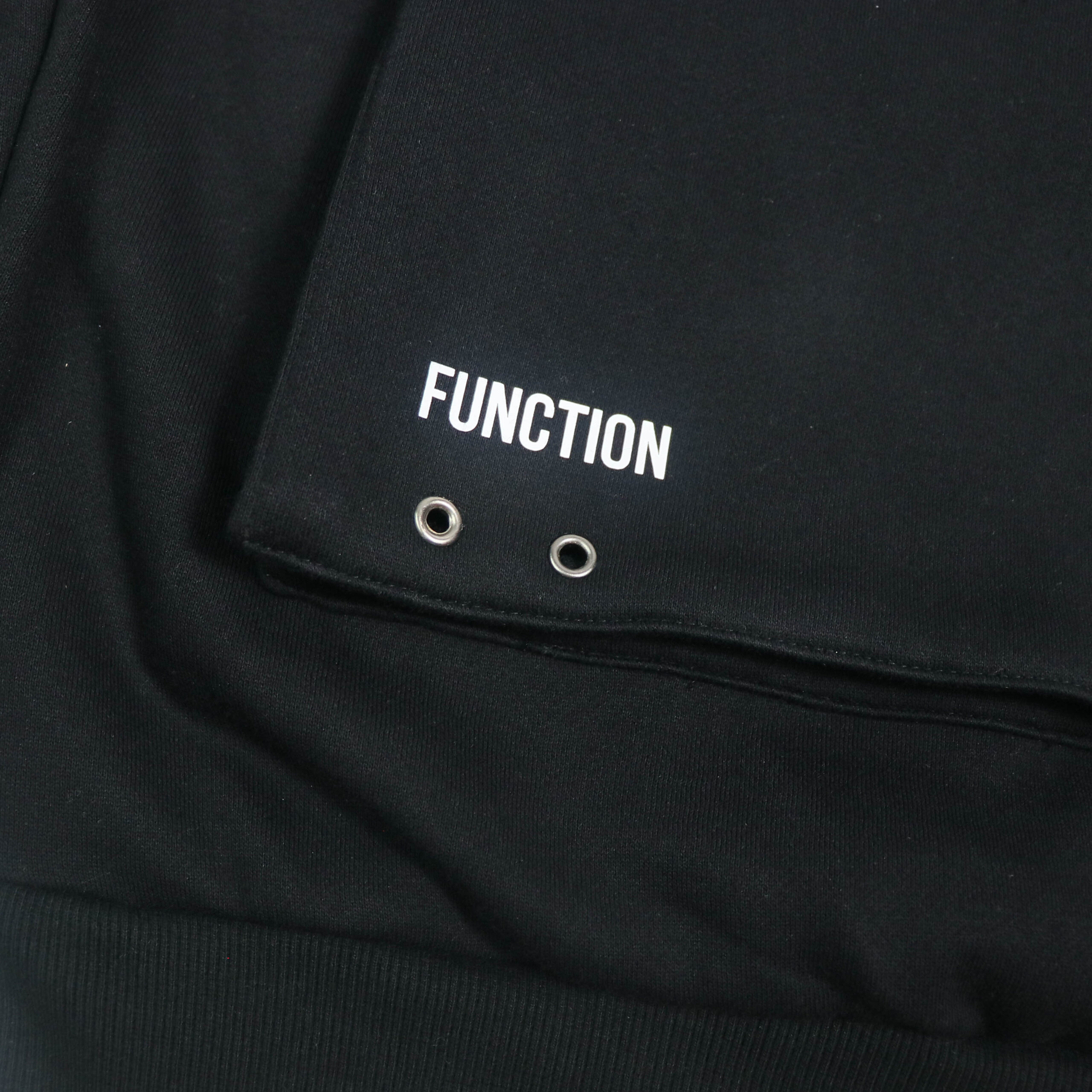
One tech pack should identify main labels, neck tape, hangtags, folding, and packaging. Attach Pantone references for fabric, print, and thread colors.
Two approvals matter: digital artwork confirmation and a physical decorated sample.
6. Construction Details That Determine Quality
Two sample stages—fit and pre-production—should test construction, not just logo appearance. A capable embroidered jersey manufacturer records approved measurements, placement points, and sewing standards before bulk cutting.
Seams And Reinforcement
Three seam areas merit close inspection: armholes, side seams, and stress points around plackets or pockets. Check stitch density for even spacing, no skipped stitches, and bar-tack reinforcement where pulling forces concentrate.
One stretch test should let a seam extend and recover without popped threads, puckering, or distorted panels. Flatlock or coverstitch seams can reduce abrasion where the end use requires it.
Collars, Panels, And Fit
Four alignment checks reveal production control: matched stripes, centered neck labels, symmetrical sleeves, and consistent panel joins. Compare graded sizes against the approved measurement chart rather than accepting a single size sample.
Two collar checks matter after handling: rib recovery and neckline shape retention. Confirm cuffs and collar return smoothly after stretching.
Embroidery And Wash Tests
Five wash cycles on an approved sample can expose thread breakage, backing irritation, color migration, and embroidery puckering. Inspect both face and inside: backing should support the design without excessive stiffness.
One tension check is simple: stitches should lie flat without loose loops or fabric tunneling. Photograph the sample before and after laundering for a repeatable approval record.
7. How to Choose an Embroidered Jersey Manufacturer
EDVORIN’s MOQ starts at 200 pieces per style. At a 200-piece OEM MOQ, supplier fit matters more than a polished portfolio. Choose an embroidered jersey manufacturer by comparing documented controls for the construction, decoration, and delivery program you plan to repeat.
Request Production Evidence
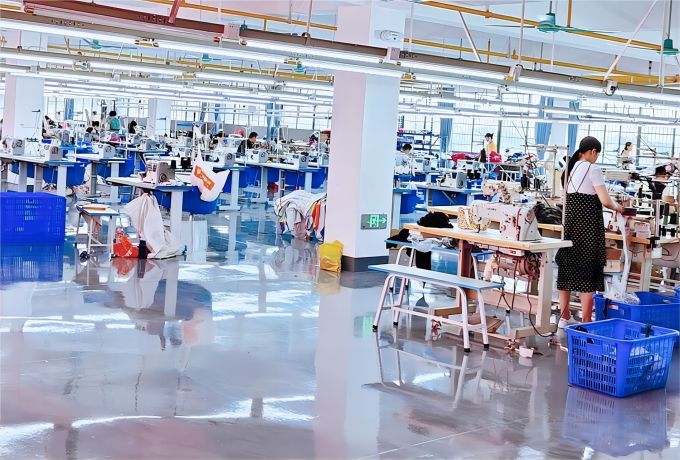
Three proof items should accompany a credible quote: dated sample photos, a graded measurement chart, and embroidery placement proof.
One written production timeline and inspection procedure are stronger evidence than a ‘premium quality’ claim.
Confirm Program Fit
EDVORIN’s MOQ starts at 200 pieces per style. Two preproduction checkpoints—fit approval and artwork approval—reduce bulk ambiguity.
200-piece orders should confirm MOQ by colorway and size run, capacity, Pantone references, material-lot traceability, labels, carton marks, and a named contact.
Compare Quotes Consistently
Three suppliers are enough for a disciplined shortlist. Normalize every quote against one tech pack, delivery term, and inspection standard.
- Sample and revision cost
- Embroidery setup and placement
- Labeling and packaging inclusions
- Lead time and shipping terms
8. Common Embroidered Jersey Sourcing Mistakes
Eight recurring errors can turn an approved jersey into expensive rework. An embroidered jersey manufacturer needs a tested specification, not only a digital design, before bulk cutting begins.
Test Fabric Before Artwork
First, stitch the intended logo on the actual knit; stretch, weight, and texture affect distortion. Preventive action: approve a fabric-and-embroidery strike-off. Ask: Has this exact fabric passed the stitch test?
Supply Complete Artwork
One missing thread color, size, or placement dimension invites interpretation. Preventive action: send vector art, Pantone references, stitch dimensions, and placement measurements. Ask: What details remain assumed on this artwork?
Control Sampling And Fit
Two issues—insufficient backing and rushed approval—cause puckering or unstable results. Preventive action: review backing, stabilizer removal, wash appearance, and graded size samples. Ask: Have all sizes and post-wash panels been checked?
Compare Like-For-Like Quotes
Three quote gaps commonly hide different fabrics, stitch counts, labels, packing, or freight terms. Preventive action: compare one written specification and delivery term. Ask: What is included, excluded, and due before shipment?
9. Steps to Launch a Jersey Collection
A launch calendar should begin with the end date: retail drops, tournament handover, or wholesale booking windows. An embroidered jersey manufacturer needs signed decisions at each gate before bulk materials are committed.
Define The Product Brief
Week 1: identify the wearer, channel, target price, size range, forecast, and replenishment quantity.
Gate 1: approve the silhouette, construction, labeling, and delivery date in a technical pack.
Approve Materials And Artwork
Week 2: select fabric, color standard, embroidery location, thread colors, and backing appropriate to the jersey weight.
Gate 2: release vector artwork, Pantone references, placement measurements, and an embroidery sample before sampling.
Control Sampling And Bulk
Weeks 3–6: review the prototype for fit, grading, stitch quality, and embroidery distortion; record every correction.
Gate 3: sign the pre-production sample, then inspect bulk against that approved standard before branded packing and delivery.
10. Embroidered Jersey Manufacturer Pricing and Cost
200 pieces is a practical OEM MOQ for consolidating development and production; unit cost usually falls as fixed pattern, sampling, and setup work is spread across more units. Quote-dependent timing must also allow for sample approval, embroidery capacity, and freight booking.
1 specification sheet should accompany every comparable quote: fabric composition and weight, pattern details, Pantone references, embroidery stitch count and placements, labels, packaging, size breakdown, destination, and delivery terms. Sampling, freight, and any artwork or pattern revisions should be itemized separately.
| Quantity tier | Unit-cost direction | Planning lead time |
|---|---|---|
| 200–499 pieces | Highest relative unit cost | Quote-dependent; sample plus bulk |
| 500–999 pieces | Setup spread across more units | Quote-dependent; confirm capacity |
| 1,000+ pieces | Typically stronger scale efficiency | Quote-dependent; confirm freight window |
| Any tier | Fabric, pattern complexity, labels, packaging, stitch count, and placements change cost | Freight varies by destination and method |
Ready to Develop Your Embroidered Jersey Collection?
Send your tech pack, reference garment, or collection concept to begin sampling with an embroidered jersey manufacturer built for repeat production.