
Recycled Polyester Soccer Jersey Manufacturer for OEM Teamwear
EDVORIN is a recycled polyester soccer jersey manufacturer for OEM, private-label, and custom teamwear programs starting at 200 pieces per style.
Manufacturing Capabilities for Recycled Polyester Soccer Jerseys
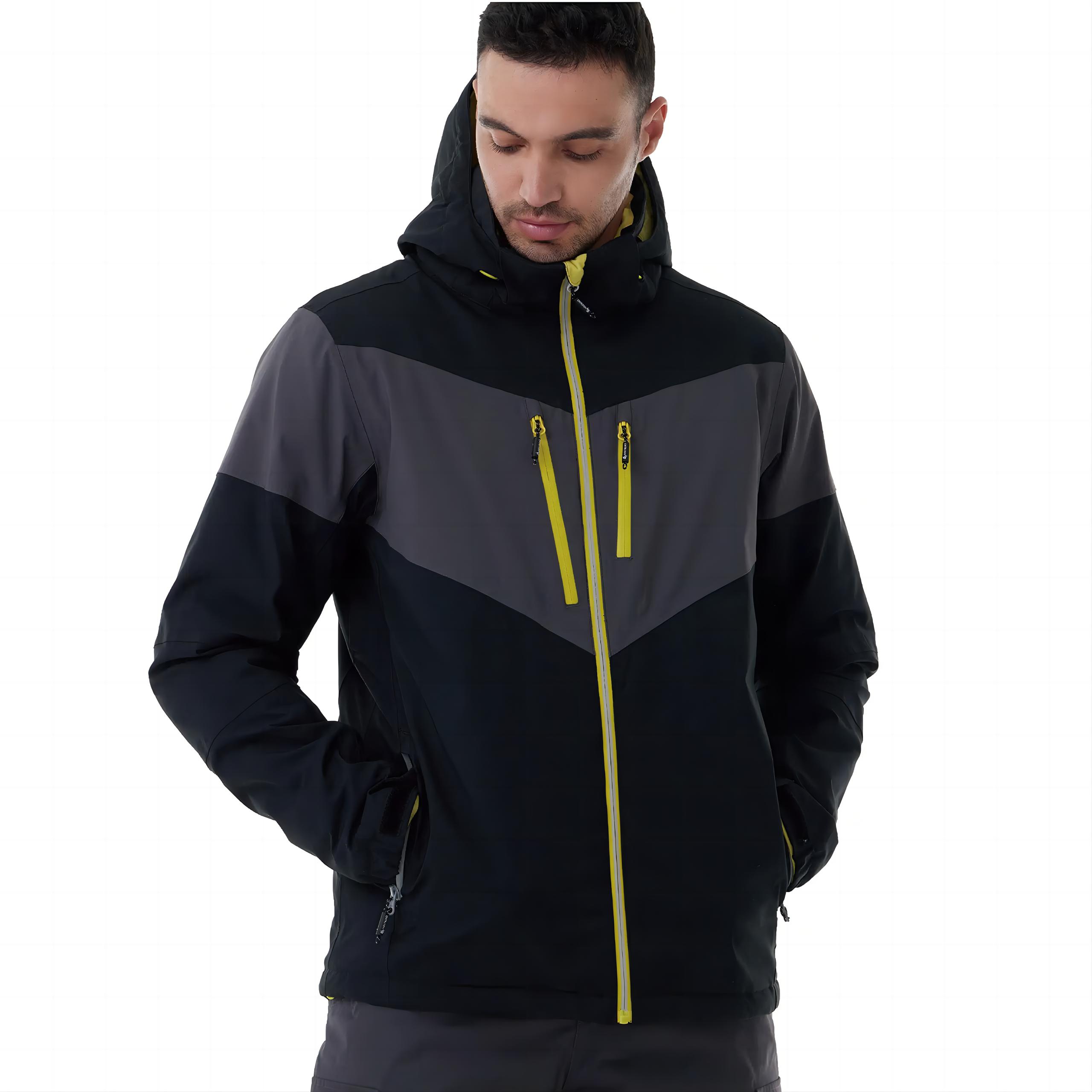
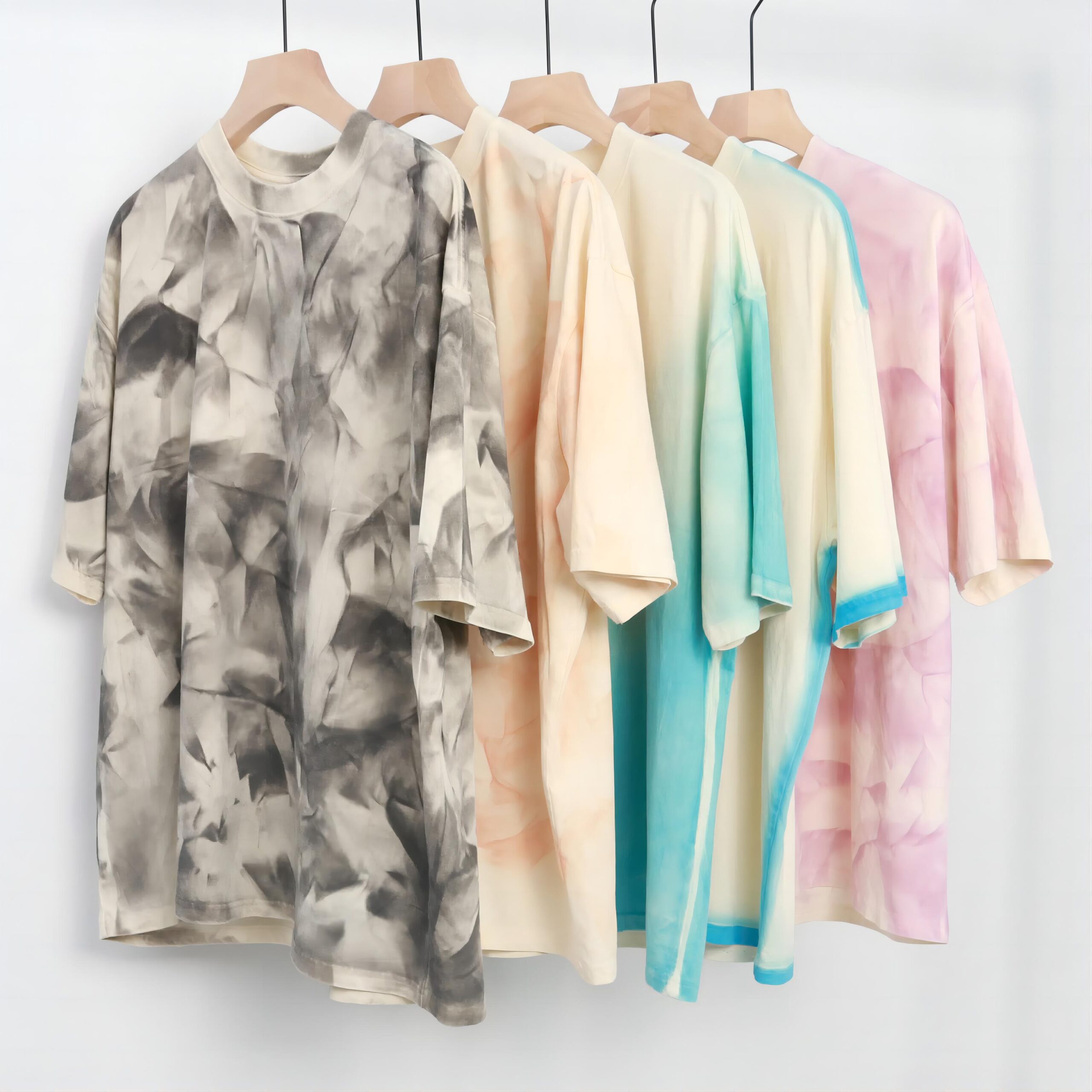



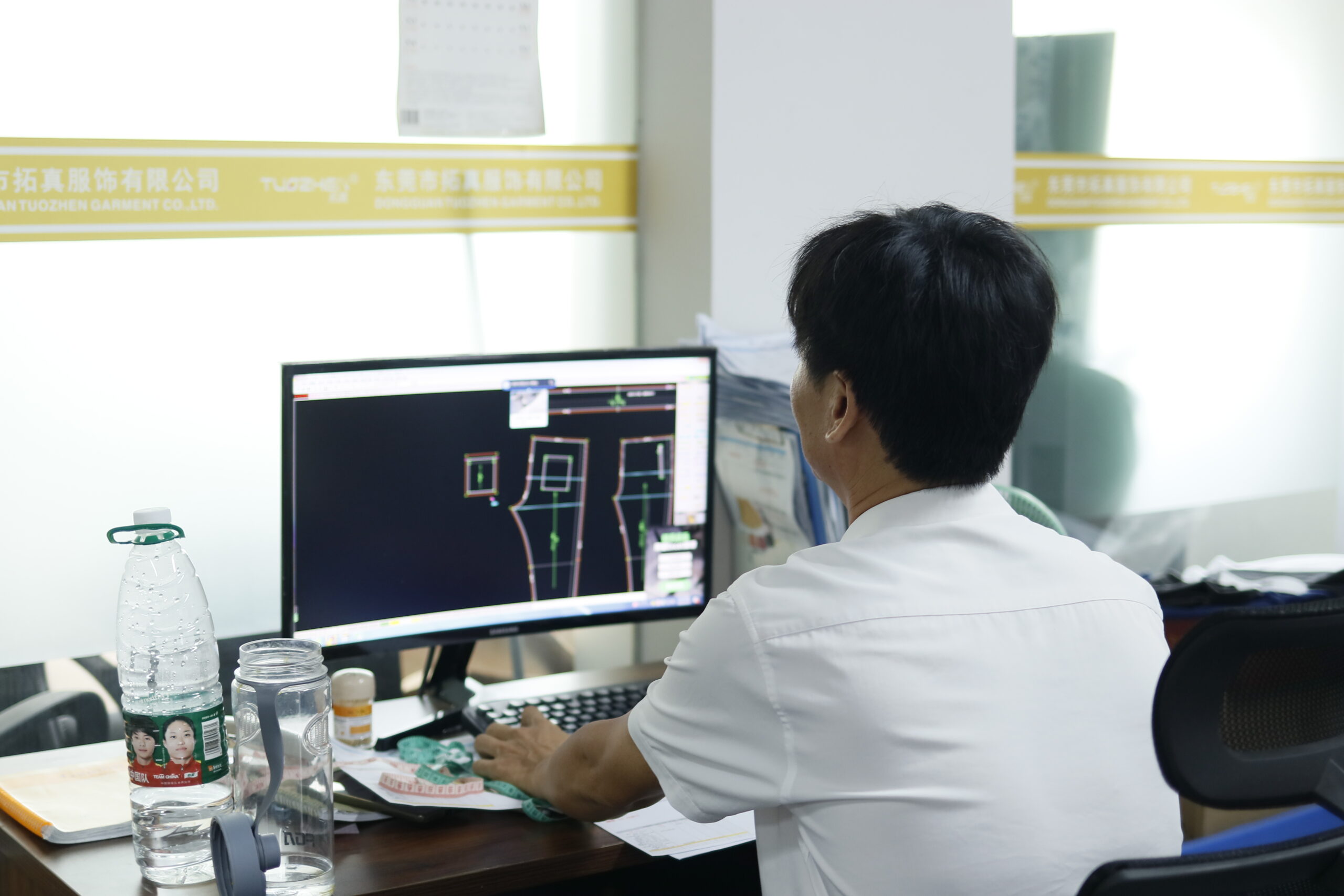

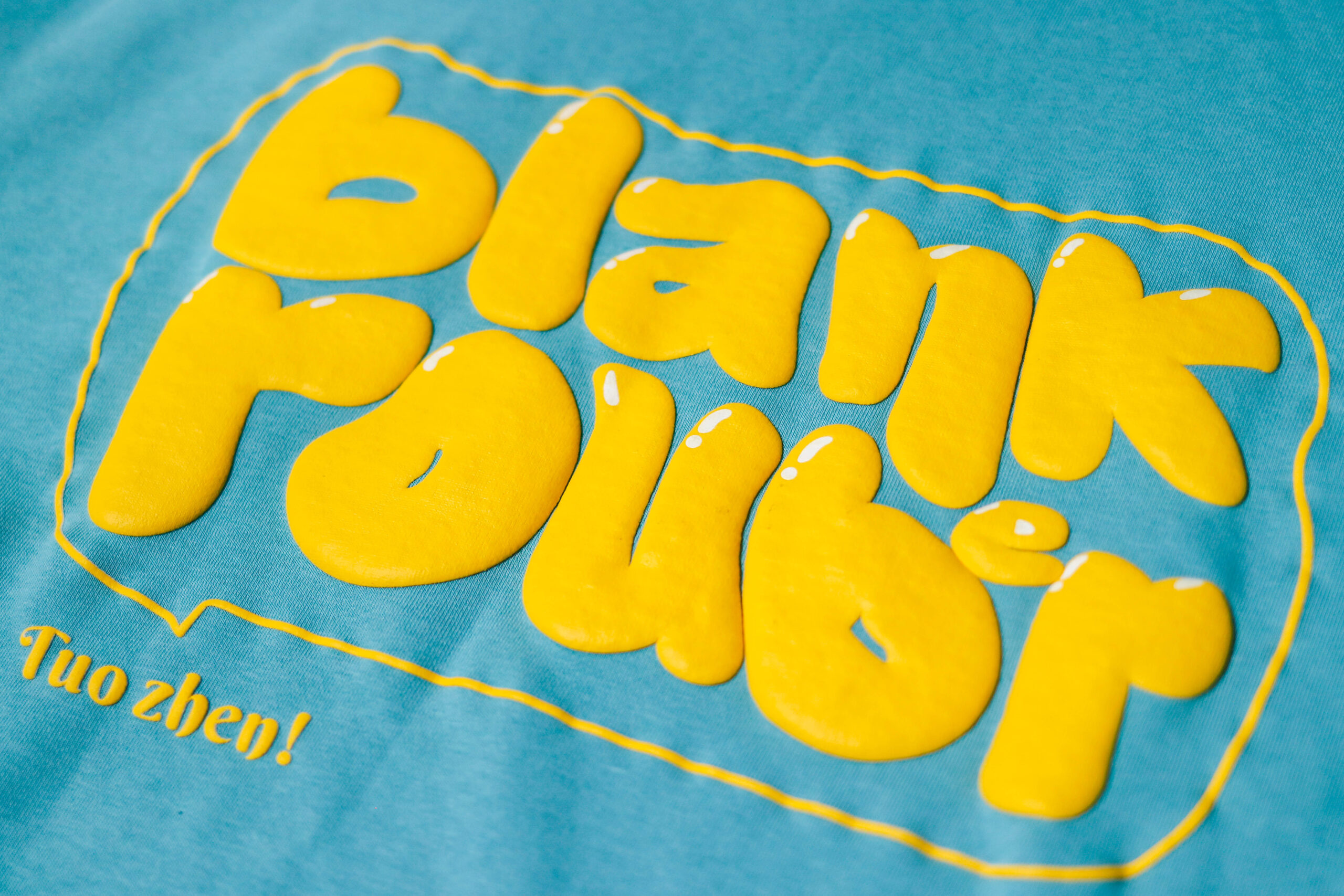

Why Choose EDVORIN for Recycled Polyester Soccer Jerseys
As a recycled polyester soccer jersey manufacturer, EDVORIN coordinates each decision from development through repeatable bulk production.
Connected Development
Turn sketches, references, or tech packs into production-ready jersey specifications, coordinating fabric, patterns, trims, samples, and packaging through one accountable workflow.
Flexible 200-Piece MOQ
Start focused teamwear programs at 200 pieces per style, with scalable support for emerging labels, schools, clubs, wholesalers, and private-label buyers.
Jersey-Specific Decoration
Match sublimation, printing, embroidery, numbers, names, and patches to the jersey fabric and artwork, then document placement for consistent bulk execution.
Men’s and Women’s Fits
Develop separate men’s and women’s fit blocks, grading, proportions, and performance details so each program aligns with its intended players and market.
Approved-Standard Quality Control
Use approved samples, measurement standards, color references, and in-line inspections to control variation before final checking, labeling, and packing.
Apparel Programs Built for Repeat Orders
From private-label basics to coordinated teamwear, each program is developed around clear specifications, approved samples and reliable bulk production.
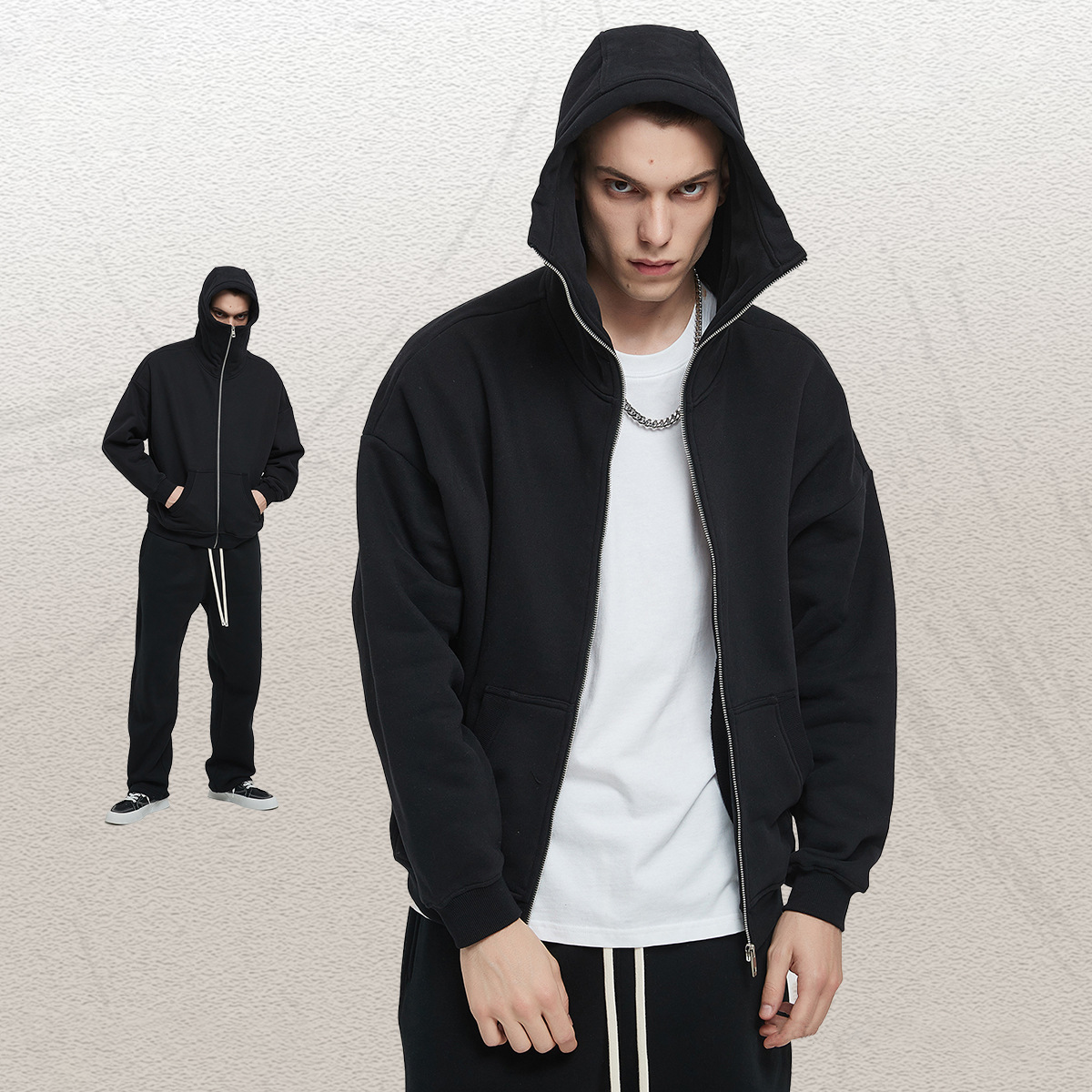
Custom Hoodies
Custom hoodie manufacturer support includes fleece selection, fit blocks, rib specifications, hoods, drawcords, pockets, labels and decoration. EDVORIN develops men’s and women’s hoodie programs from concept or tech pack, then records approved details for repeatable production.
Get a Quote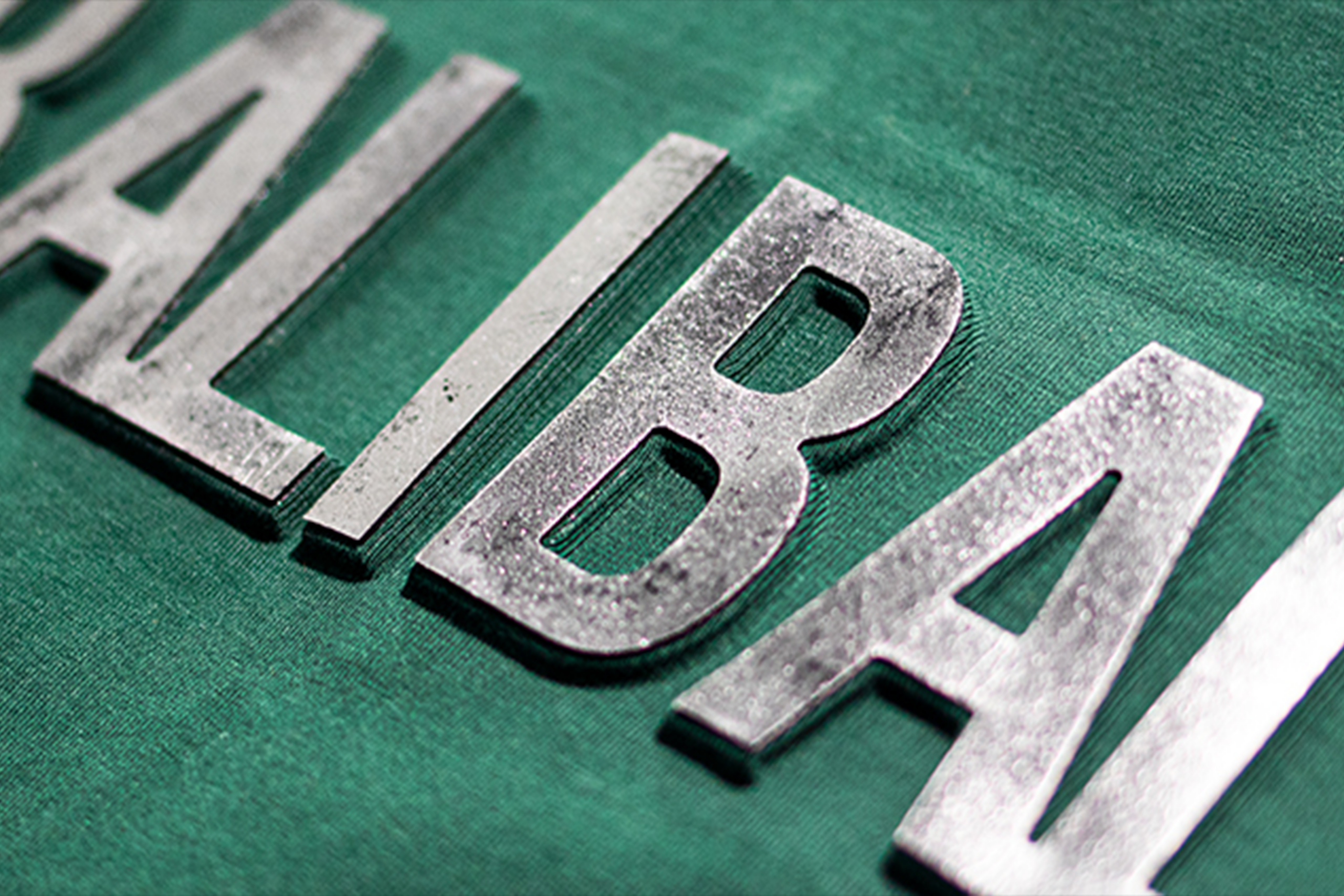
Pullover Sweatshirts
As a sweatshirt manufacturer, EDVORIN develops pullover styles with defined fabric weight, neckline, rib recovery, seams, fit and decoration placement. Samples establish the production standard before bulk orders for private-label, wholesale or corporate programs move forward.
Get a Quote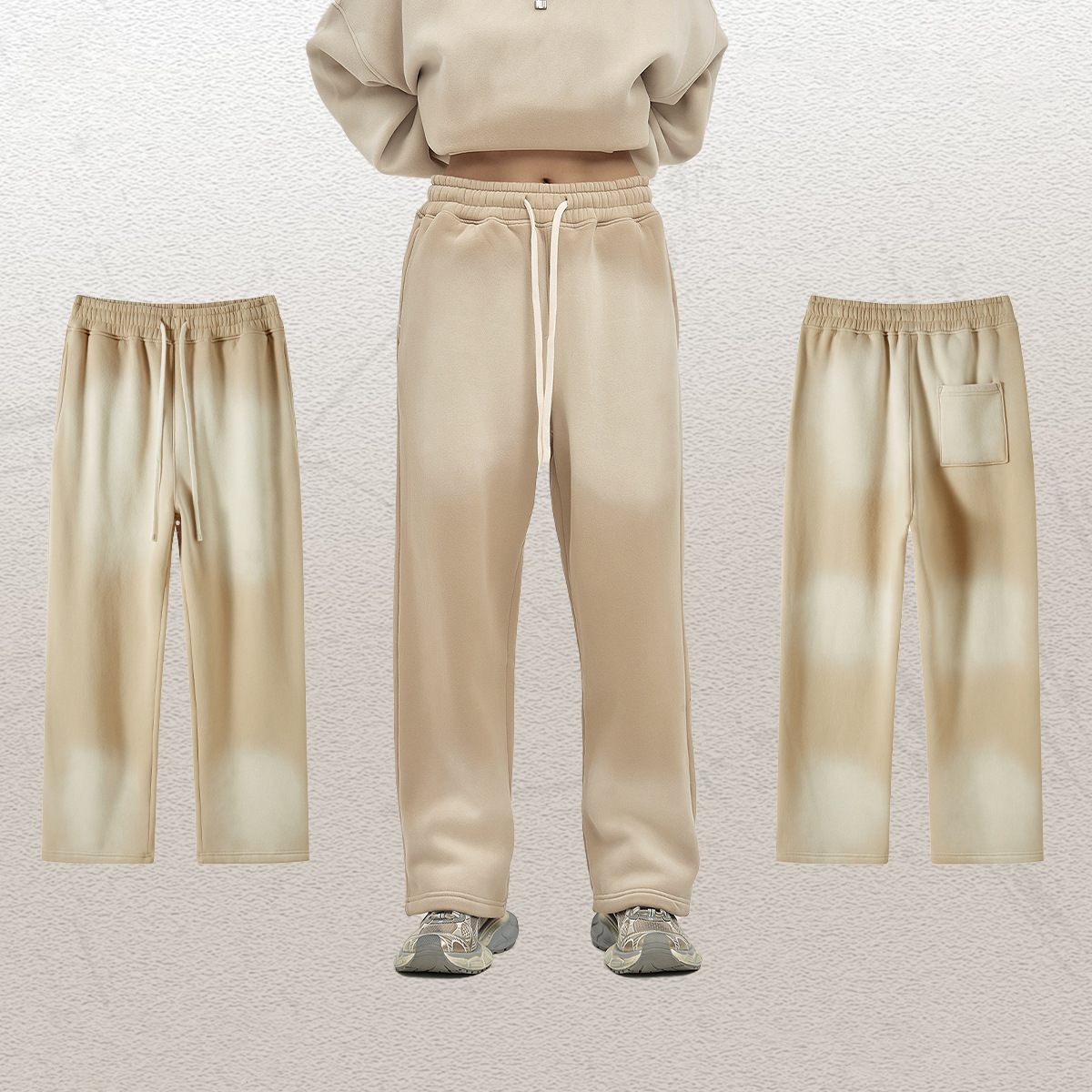
Sweatpants & Joggers
EDVORIN develops sweatpants and joggers with coordinated fabric, waistband, drawcord, pocket, cuff and grading specifications. As a sweatpants manufacturer, we support matching sets, standalone bottoms and men’s or women’s programs from sampling through packed bulk orders.
Get a Quote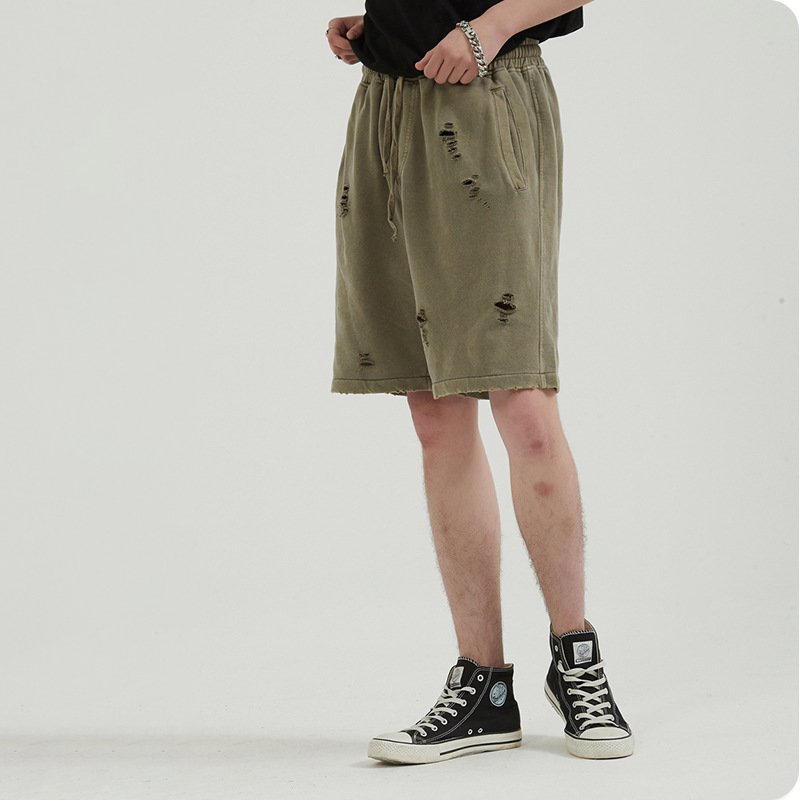
Custom Shorts
Custom shorts manufacturer services cover fleece, jersey, woven and performance short programs. Inseam, rise, pocket construction, waistband, lining, decoration and size grading are specified to suit casualwear, teamwear, school, corporate and private-label requirements.
Get a Quote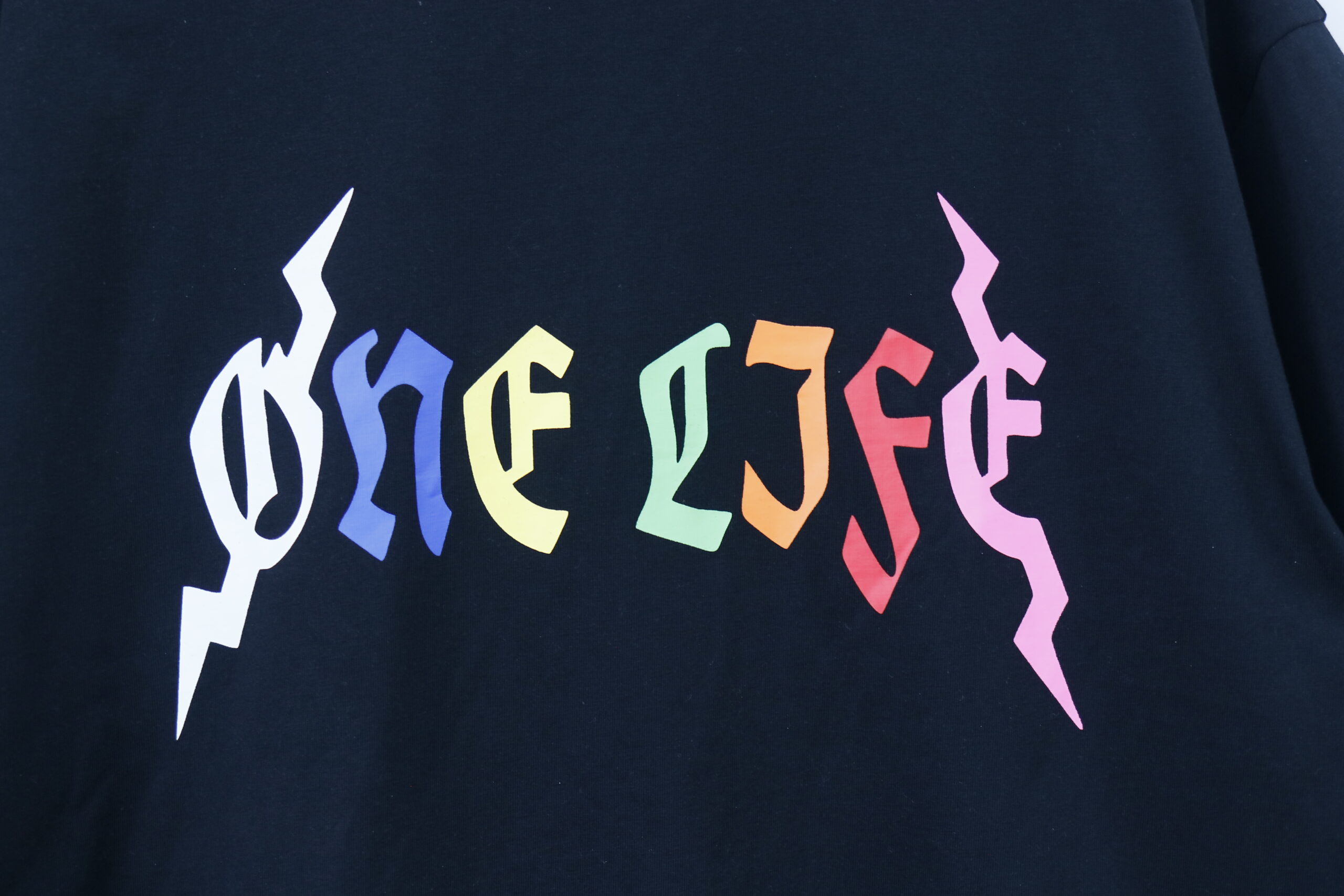
Varsity & Baseball Jackets
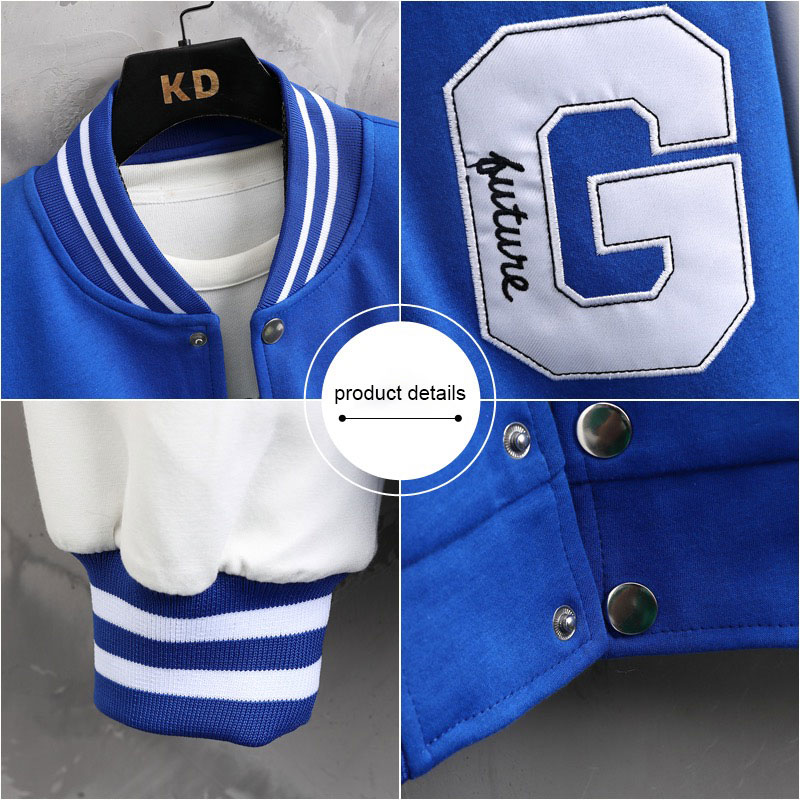
As a varsity jacket manufacturer, EDVORIN coordinates body and sleeve materials, rib, snaps, lining, patches, embroidery and fit. Baseball and varsity styles are sampled as complete construction systems, giving brands and institutions a documented reference for bulk production.
Get a Quote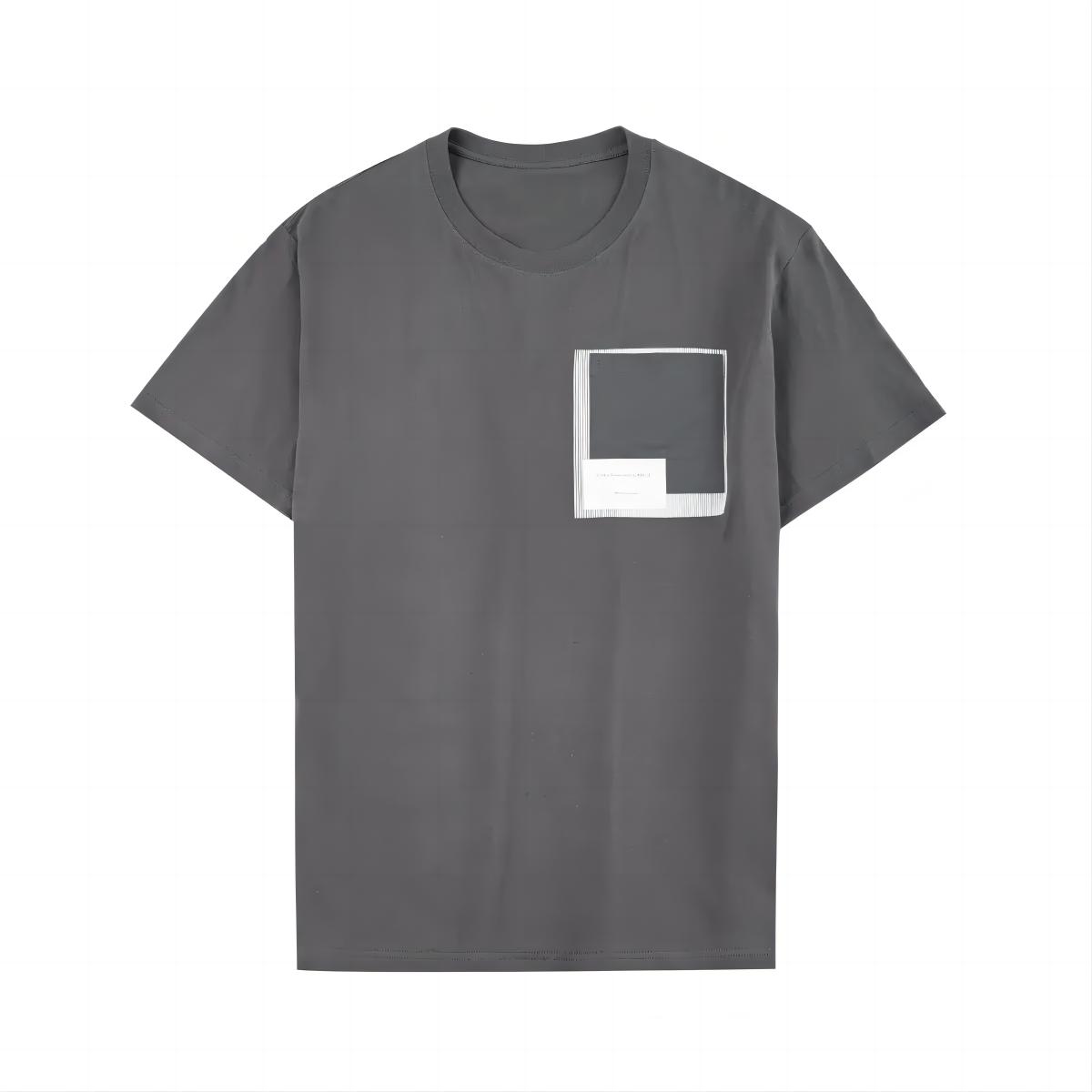
Custom T-Shirts
Custom T-shirt manufacturer programs begin with fabric weight, composition, fit, collar construction, stitch details and print or embroidery requirements. EDVORIN supports men’s and women’s tees for brand collections, promotional programs, uniforms and wholesale assortments.
Get a Quote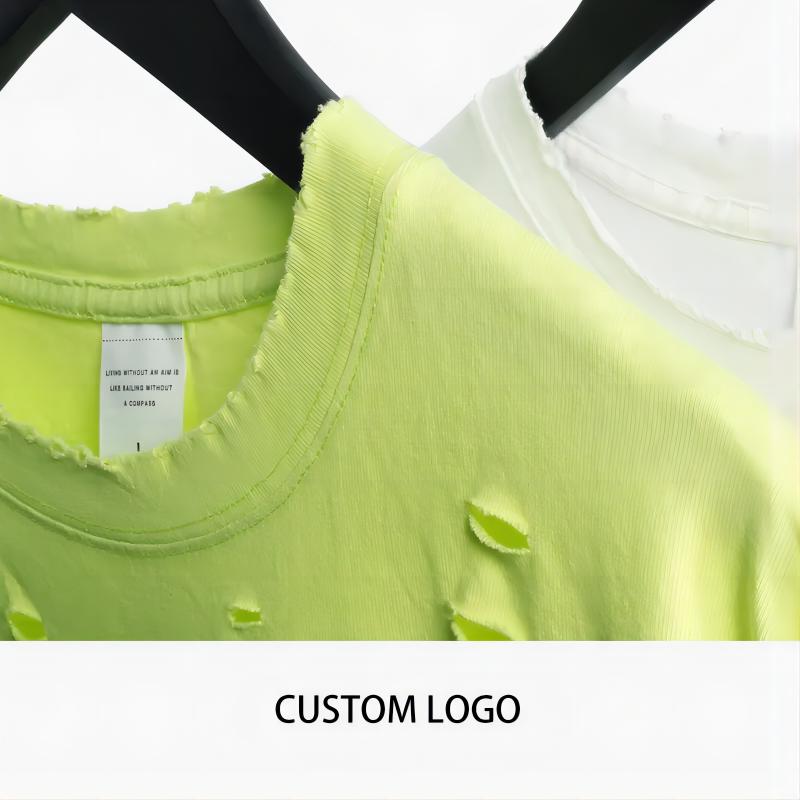
Custom Polo Shirts
As a polo shirt manufacturer, EDVORIN develops knit quality, collar and placket construction, button selection, sleeve finish, fit and logo placement. Programs can be built for corporate uniforms, schools, clubs, retail labels and private-label buyers.
Get a Quote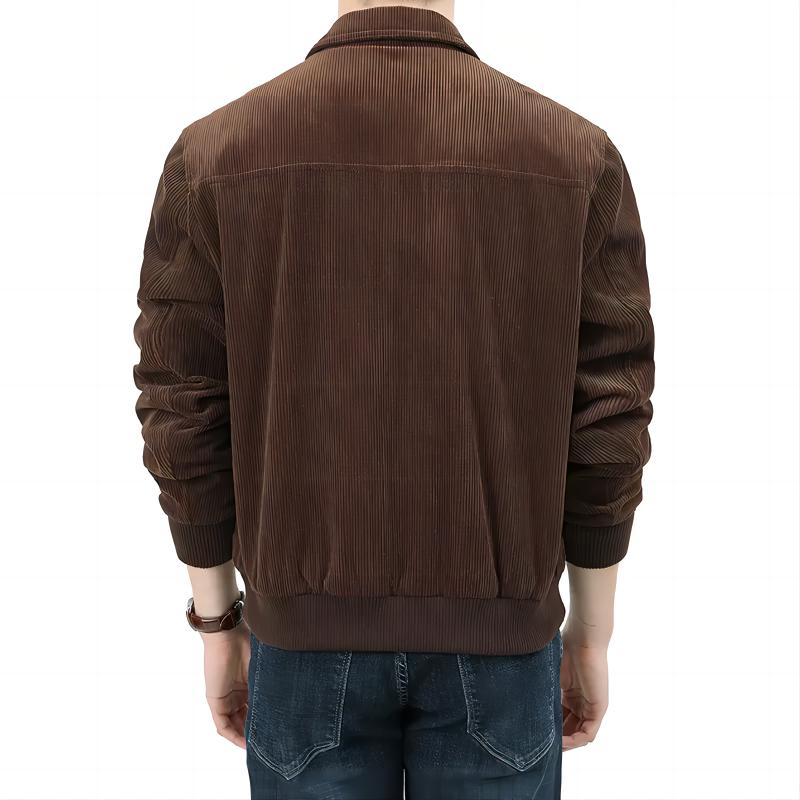
Windbreaker Jackets
Windbreaker manufacturer support includes shell fabric, lining or mesh, hood construction, zippers, elastic or cuff finishes, pockets and decoration methods. EDVORIN develops lightweight outerwear for branded collections, schools, clubs and corporate programs with clear performance requirements.
Get a Quote
Quilted Jackets
As a quilted jacket manufacturer, EDVORIN coordinates shell, lining, insulation, quilting layout, closures, pockets and labels into an approved construction standard. The process supports private-label outerwear programs requiring consistent warmth, appearance and repeat production.
Get a Quote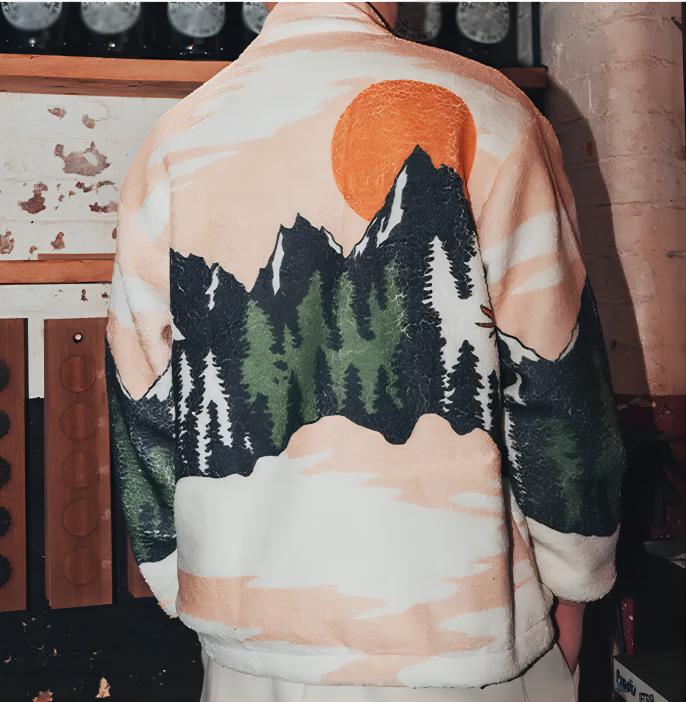
Bomber Jackets
Bomber jacket manufacturer programs are developed around shell and lining selection, insulation, rib, zippers, pockets, fit and decoration. EDVORIN helps buyers translate fashion references into production-ready specifications for men’s and women’s outerwear assortments.
Get a Quote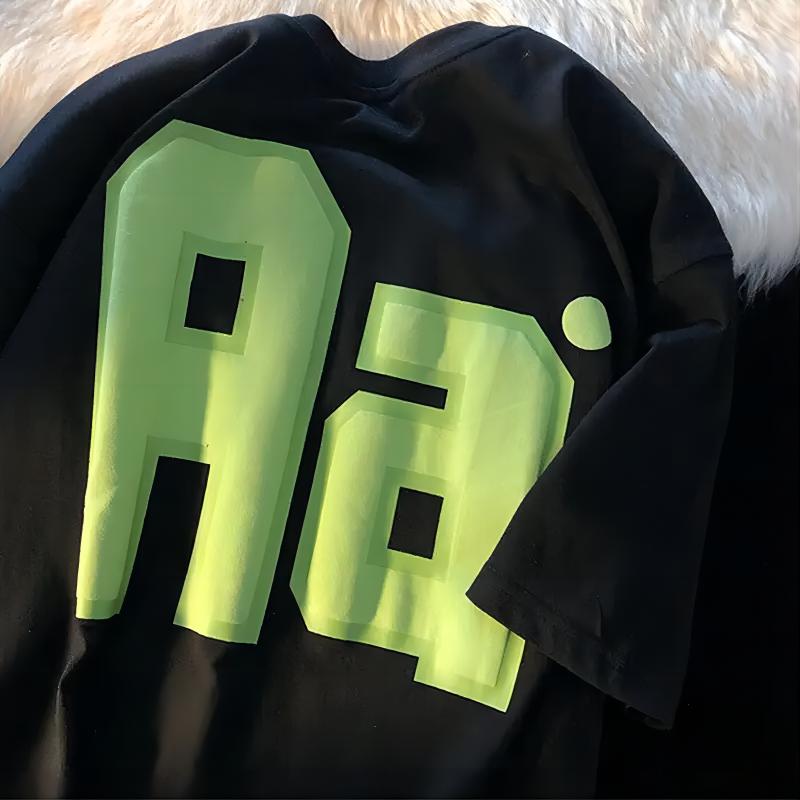
Custom Shirts
Custom woven shirt manufacturer services cover fabric selection, collar, placket, cuffs, pockets, seams, fit and branding details. EDVORIN develops shirts for retail collections, uniforms and corporate programs, using approved samples to guide repeatable bulk production.
Get a Quote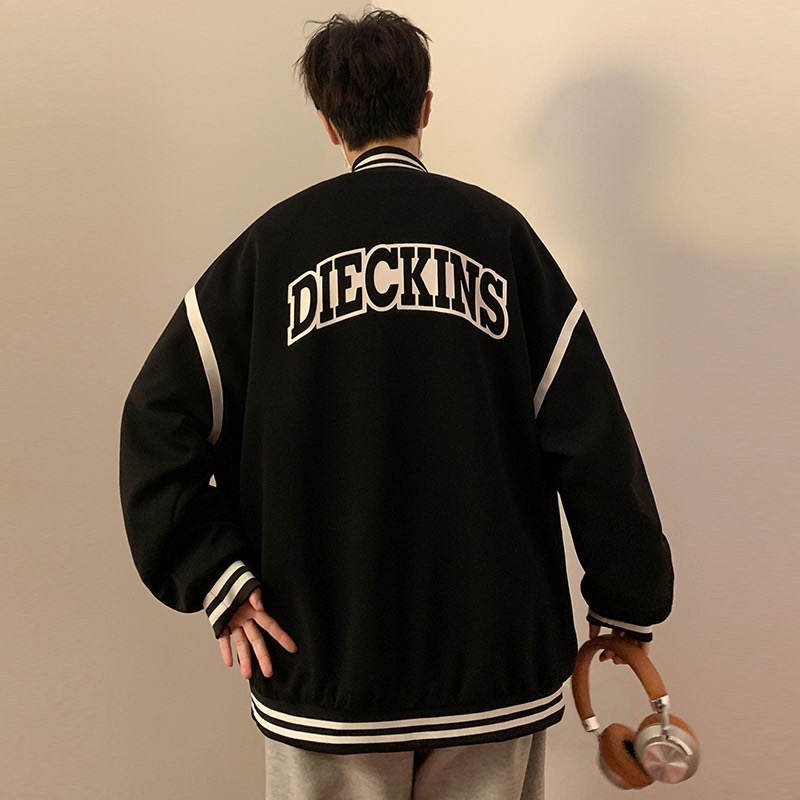
Custom Jerseys
Custom jersey manufacturer programs combine fabric performance, color control, fit, panels, printing, embroidery and individual personalization. EDVORIN supports club, school, academy, promotional and retail jersey orders with organized artwork, names, numbers and size-set requirements.
Get a Quote
Tank Tops
As a custom tank top manufacturer, EDVORIN develops jersey, performance and casual styles with defined fabric, armhole, neckline, fit, binding and decoration details. Men’s and women’s programs can be aligned with training, teamwear, streetwear or retail requirements.
Get a Quote
Soccer Uniforms
Soccer uniform manufacturer programs coordinate jerseys, shorts and optional socks around club colors, breathable materials, crest application, sponsor artwork, player names and numbers. EDVORIN establishes approved color, placement and sizing standards for academy, school and team repeat orders.
Get a Quote
Basketball Uniforms
Basketball uniform manufacturer support covers jerseys and shorts with appropriate performance fabrics, panel construction, trim, color blocking, names, numbers and logos. EDVORIN organizes size sets and decoration specifications for clubs, schools, academies and teamwear distributors.
Get a Quote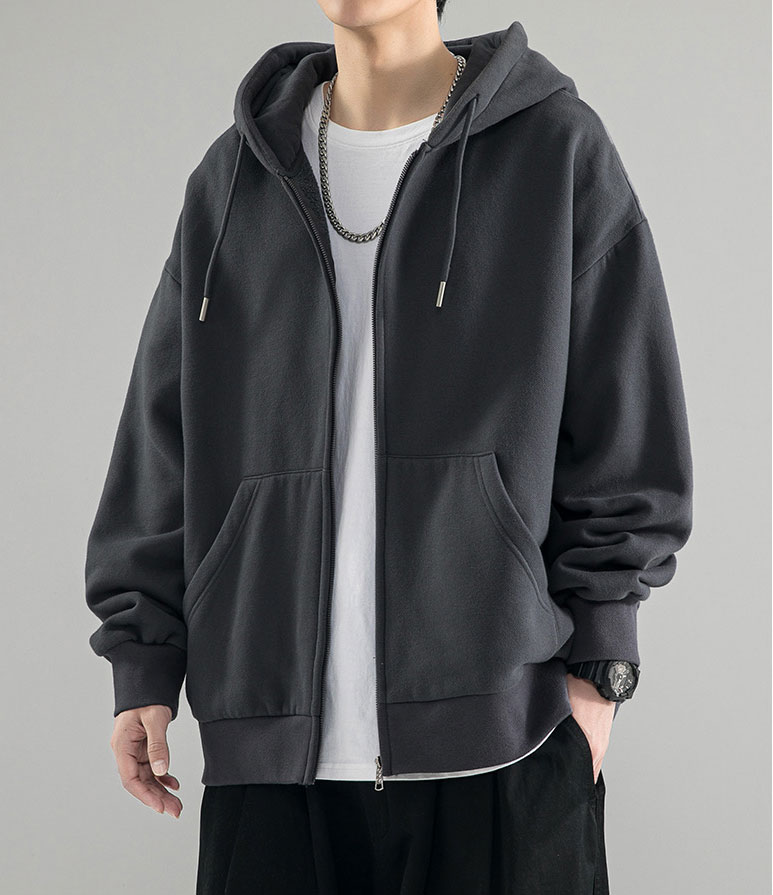
Streetwear Collections
As a streetwear clothing manufacturer, EDVORIN develops coordinated hoodies, tees, bottoms, jackets and woven pieces under one production system. Fabric, trims, washes, prints, embroidery, labels and packaging are aligned from development through bulk production, starting at 200 pieces per style.
Get a QuoteRecycled Performance Fabrics for Soccer Jerseys
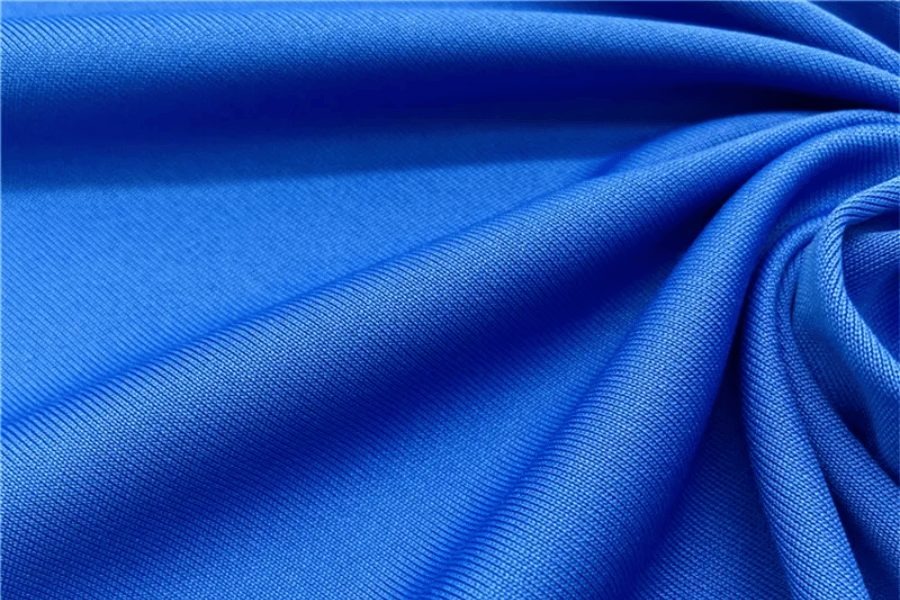
Recycled Interlock Knit
A smooth, lightweight recycled polyester knit for match jerseys and complete uniform sets. Its stable face supports crisp sublimated graphics, while the soft hand feel and balanced 140–160 GSM weight suit repeated teamwear use.

Recycled Birdseye Mesh
A textured recycled polyester mesh with a light, airy hand feel for training jerseys and ventilated body panels. The small knit openings improve airflow, and its approximately 140–150 GSM construction remains suitable for sublimation.
Recycled Micro Mesh
A finer recycled mesh developed for underarm, side-panel, and back ventilation zones. It feels light against the skin, offers practical breathability, and can be color-matched with the main jersey fabric for coordinated teamwear programs.
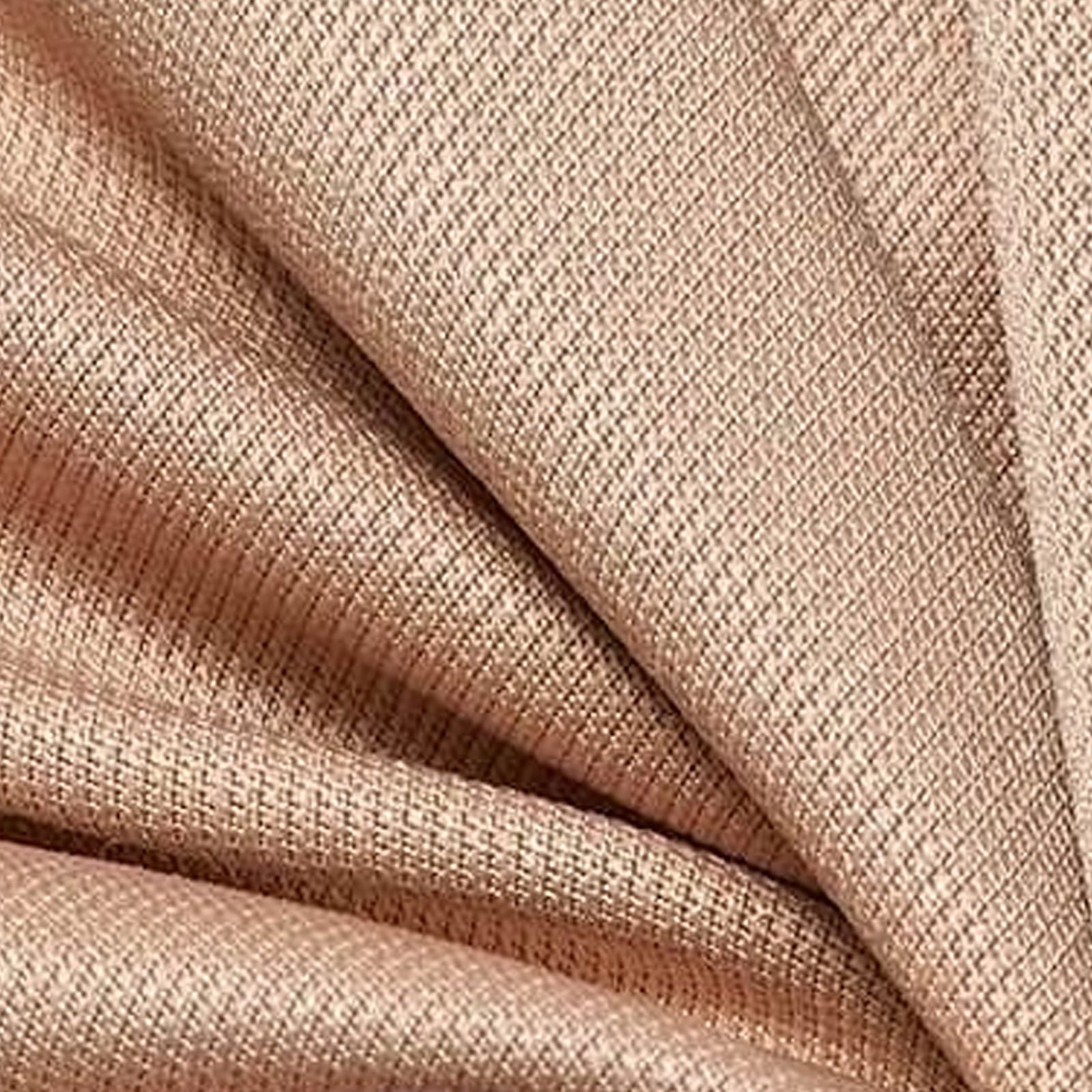
Recycled Stretch Knit
A recycled polyester blend with added elastane for fitted jerseys, goalkeeper layers, and modern athletic silhouettes. The fabric provides responsive stretch and recovery, with a smooth surface that can support carefully tested decoration applications.
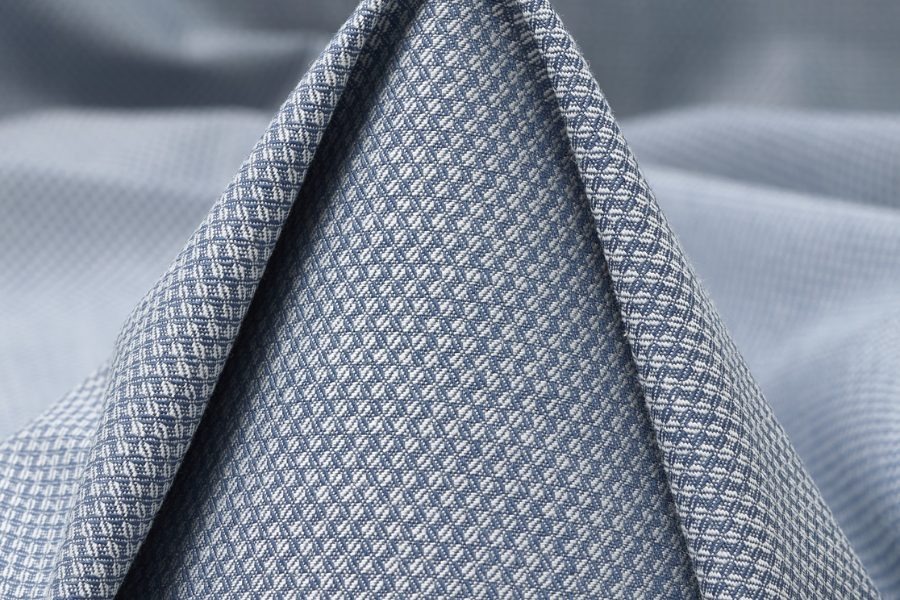
Recycled Pique Knit
A recycled polyester pique with a subtly textured face and more structured hand feel. It works well for soccer polos, travel tops, and presentation pieces, while its breathable knit construction supports durable everyday teamwear.
Decoration Processes from a Recycled Polyester Soccer Jersey Manufacturer
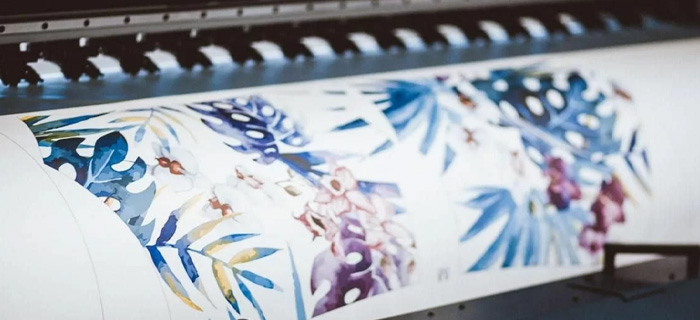
Full Sublimation
Artwork is transferred into compatible polyester fabric before cutting, allowing all-over color, gradients, sponsor graphics, names and numbers without adding surface weight. It is suited to detailed match jerseys and coordinated teamwear programs.
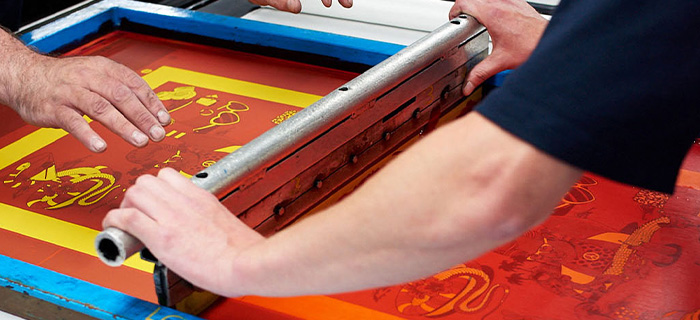
Screen Printing
Screen printing applies formulated ink through prepared screens for bold logos, limited-color graphics and durable placement prints. EDVORIN reviews fabric, artwork scale and print location during sampling so the result aligns with jersey movement and construction.
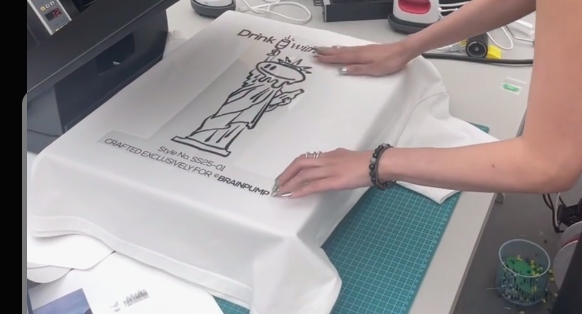
Heat Transfer
Heat-applied transfers provide precise player names, numbers, crests and smaller graphic details. This route supports clean edges and organized personalization, with placement references documented against the approved sample before bulk production begins.
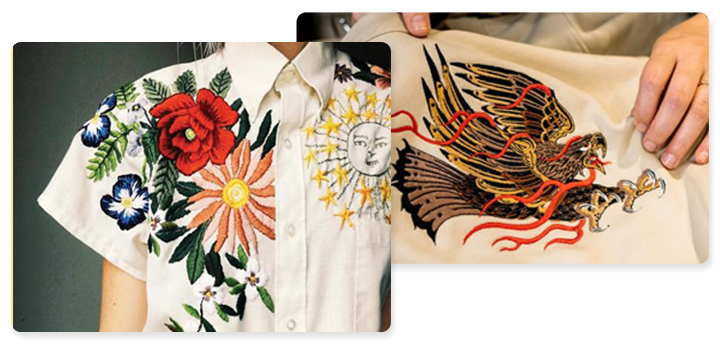
Embroidery Details
Embroidery builds dimensional club crests, brand marks and recognition details with stitched texture. EDVORIN evaluates backing, stitch density and placement against recycled jersey fabric to balance a refined appearance with garment comfort and stability.
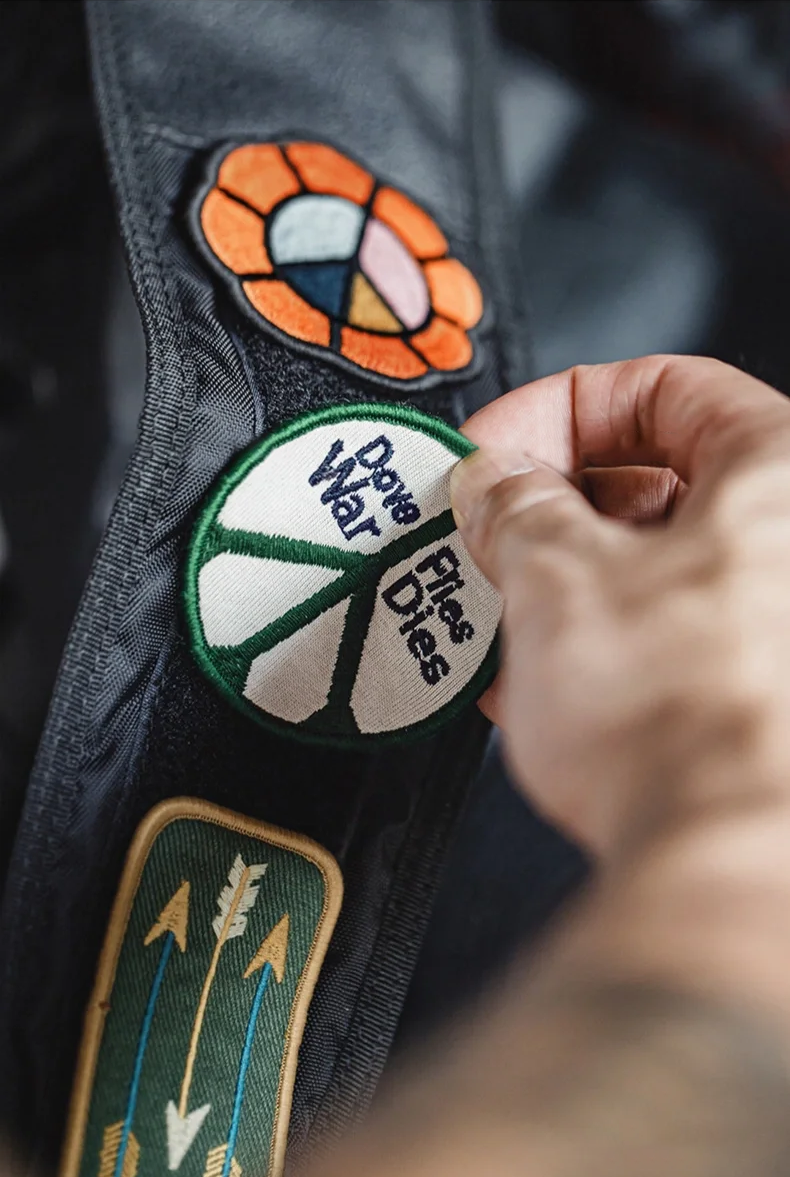
Patch Application
Woven, embroidered or silicone-style patches add a distinct tactile layer for badges, league marks and private-label branding. Patch type, attachment method and positioning are confirmed in development to protect consistency across repeat teamwear orders.
Trims and Finishing Details for Branded Teamwear
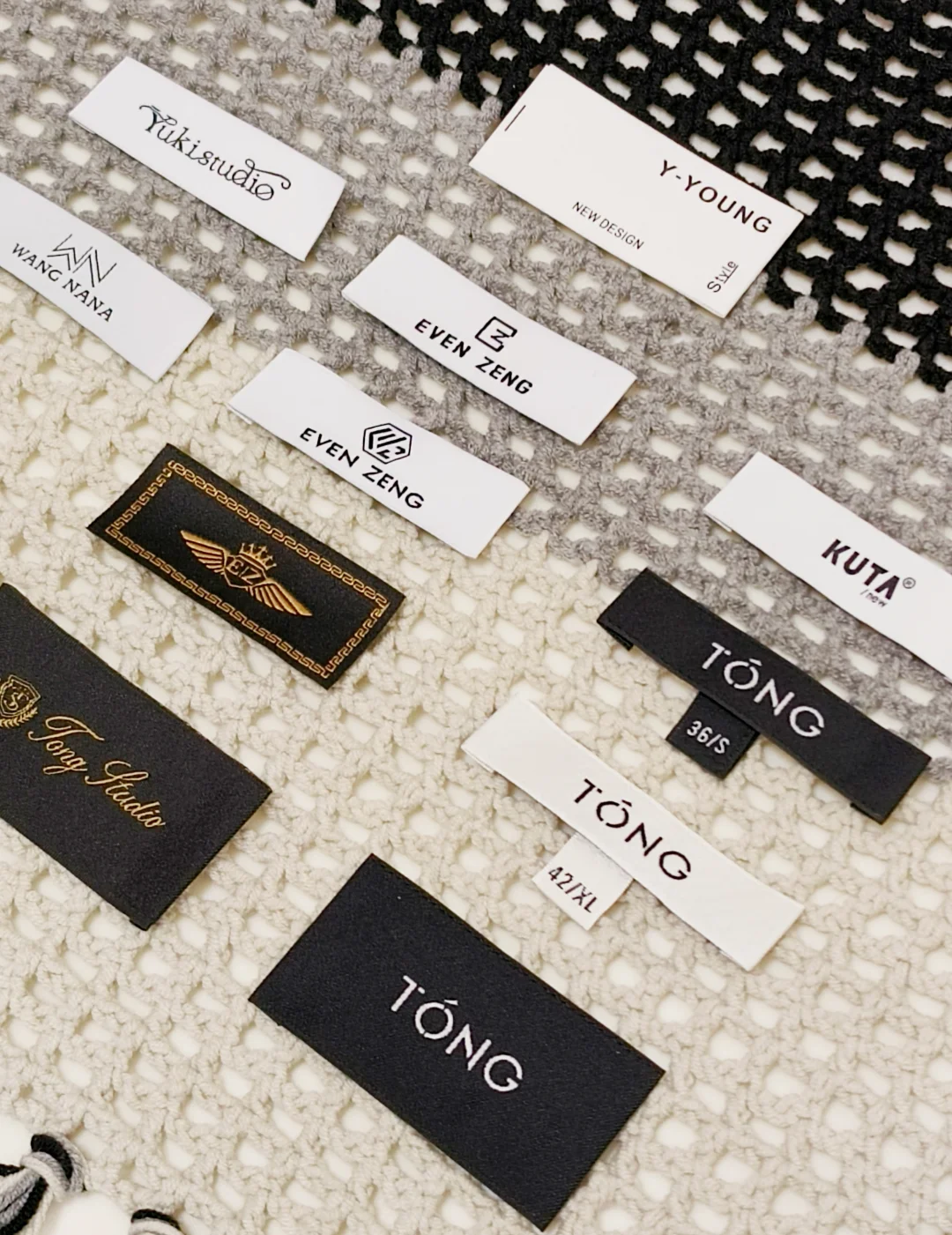
Woven Neck Labels
Custom woven main labels, size tabs and care labels help establish a consistent private-label presentation. We coordinate placement, artwork, material selection and attachment method to suit your jersey construction and intended market.
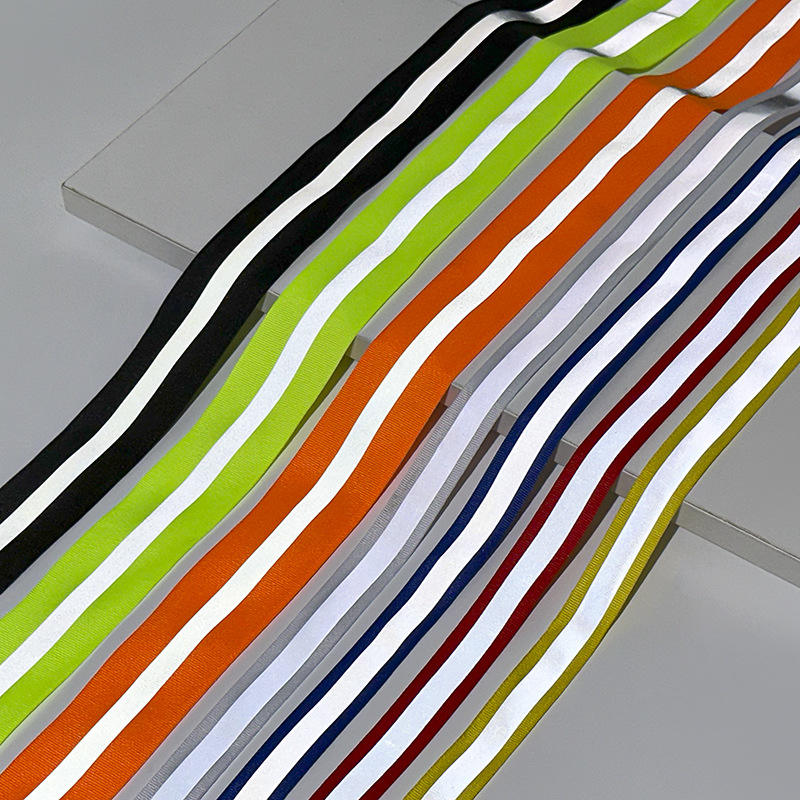
Printed Neck Tapes
Branded neck tape can reinforce the collar seam while adding a subtle signature detail inside the jersey. We can develop repeat patterns, wordmarks or color-matched tape aligned with your approved teamwear specification.
Club Crest Badges
Choose embroidered, woven, heat-applied or other suitable crest applications based on artwork, base fabric and wear expectations. Placement dimensions and application standards are documented to keep every jersey consistent across the order.
Player Name Applications
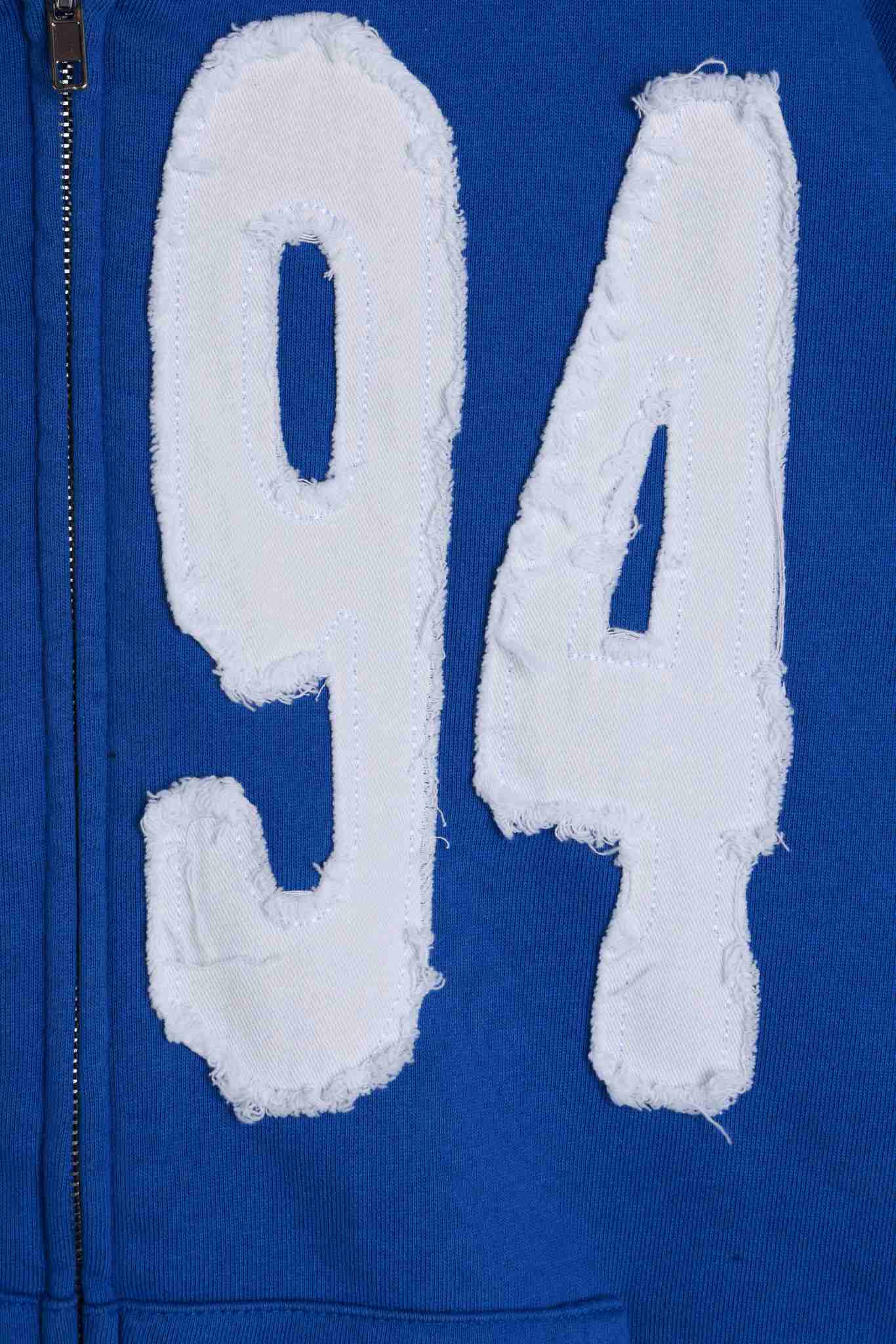
Player names and numbers can be coordinated with the selected decoration approach for clear team identification. We record fonts, colors, sizing and placement references during development to support accurate repeat orders and roster updates.
Retail Ready Packaging
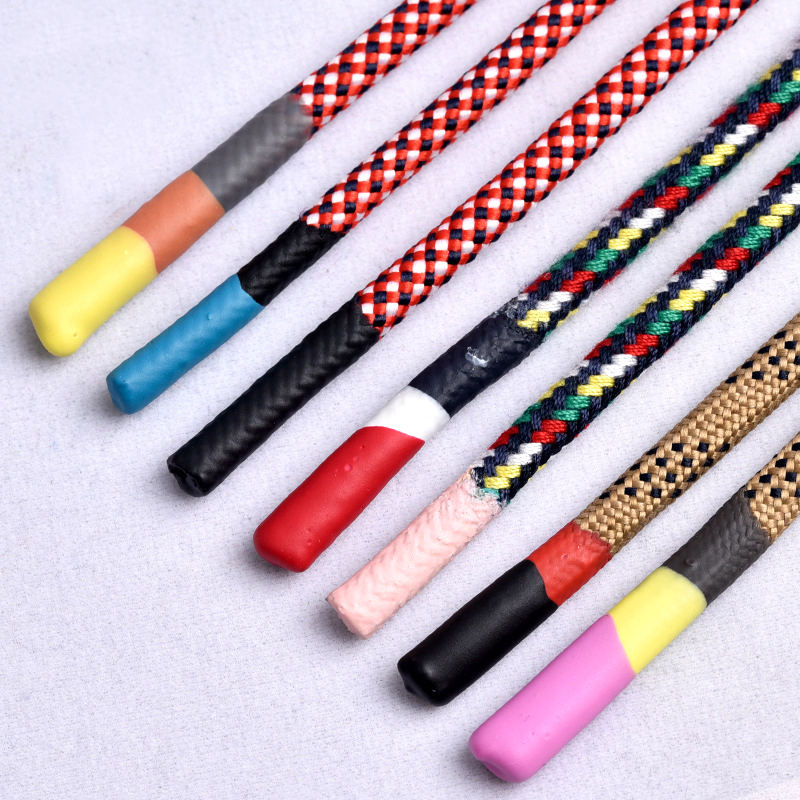
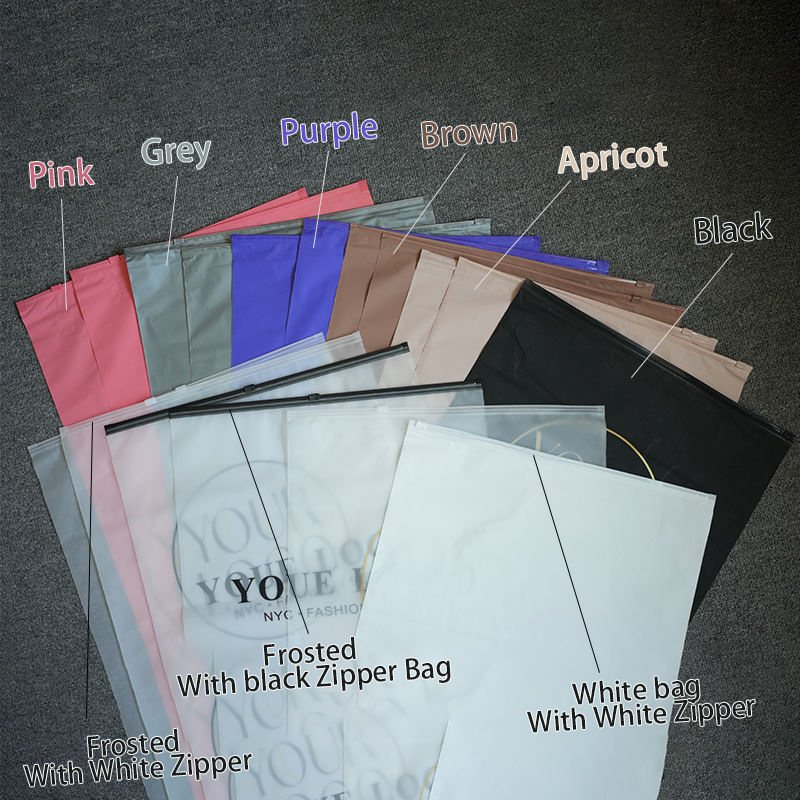
Hangtags, polybags, barcode stickers, folding instructions and carton markings can be coordinated as one packing standard. This helps clubs, wholesalers and private-label buyers receive jerseys prepared for organized distribution or retail presentation.
About EDVORIN: Recycled Soccer Jersey Manufacturing
Founded by Edvorin Zeng in 2000, EDVORIN was built around one responsibility: helping apparel ideas survive production. As a recycled polyester soccer jersey manufacturer, we translate teamwear concepts into documented standards that can be sampled, approved, and reproduced with confidence.
Our connected OEM, ODM, and private-label workflow brings material sourcing, pattern development, sampling, sublimation, embroidery, labels, packaging, bulk production, and quality control into one accountable path. We support men’s and women’s soccer jersey programs for brands, clubs, schools, wholesalers, and growing private-label buyers.
What sets EDVORIN apart is the discipline after sample approval. We record fabric, fit, artwork placement, trims, measurements, and finishing requirements so production teams have a clear reference at every stage. With MOQs starting at 200 pieces per style, buyers can build repeatable teamwear programs without losing control of the original design.
Recycled Polyester Soccer Jersey Manufacturer Standards, From Sample to Bulk
Technical Development That Holds
EDVORIN translates sketches, reference garments, or complete tech packs into production-ready jersey specifications. Pattern decisions, fit blocks, grading, seam construction, and performance requirements are aligned before sampling so the approved design can guide a consistent men’s or women’s teamwear program.
- Pattern and measurement development
- Men’s and women’s fit adjustments
- Construction details recorded for production
Material and Decoration Aligned
A recycled polyester soccer jersey manufacturer must coordinate the base fabric with the intended decoration. EDVORIN reviews fabric weight, stretch, hand feel, color direction, sublimation artwork, embroidery, patches, and trims together, helping prevent avoidable conflicts between the approved look and bulk execution.
- Recycled fabric options reviewed by use
- Sublimation, embroidery, and patch coordination
- Color, trim, and placement specifications
Approval Standards Made Visible
An approved sample becomes more useful when its decisions are documented. EDVORIN organizes measurement charts, artwork placement, color references, trim details, labeling, and packaging requirements into clear production standards, giving buyers a practical reference point for reorders and collection expansion.
- Approved sample used as the benchmark
- Placement and color references documented
- Labels and packaging specified early

Quality Checks Through Packing
EDVORIN follows the approved standard from in-line production checks through final inspection before packing. Measurements, construction, decoration, and order presentation are reviewed against the agreed requirements, supporting dependable bulk delivery for clubs, private-label collections, wholesale programs, and repeat teamwear orders.
- In-line checks during bulk production
- Final review before packing
- Repeat-order standards maintained
Why Buyers Choose EDVORIN Over Fragmented Suppliers
As a recycled polyester soccer jersey manufacturer, EDVORIN connects development, decoration and bulk control in one accountable workflow.
← Swipe left or right to view →
Recycled Polyester Soccer Jersey Manufacturer Production Process
EDVORIN turns approved teamwear specifications into controlled, repeatable bulk production through one connected workflow.
Review Technical Requirements
We review your tech pack, artwork, size range, fit requirements, decoration plan, labels, packaging, target quantity, and delivery priorities before development begins.
Source Materials and Trims
Our team coordinates recycled polyester fabric options, mesh panels, collars, thread, care labels, hangtags, and other trims against the approved garment specification.
Develop Patterns and Samples
Patterns, grading, construction details, and decoration placements are developed into a sample for review, revision, and approval before the bulk standard is locked.
Cut and Apply Decoration
After material confirmation, panels are cut and artwork is applied through the specified decoration process, with placement references maintained for production consistency.
Sew and Inspect Bulk
Sewing follows approved construction standards while in-line checks monitor measurements, workmanship, color coordination, and decoration quality throughout the production run.
Pack and Prepare Shipping
Final inspection confirms the packed order reflects approval standards, then garments are labeled, packed to your requirements, and prepared for shipment coordination.
Start With a Recycled Polyester Soccer Jersey Manufacturer
Move from concept to controlled bulk production with one accountable development path.
Submit Your Concept
Share a tech pack, artwork, reference garment, or initial brief. EDVORIN reviews fit, recycled fabric requirements, decoration, sizing, labels, and packaging needs.
Align Specifications and Quote
Confirm materials, construction, decoration method, quantities, target delivery, and pricing. MOQ starts at 200 pieces per style for flexible teamwear and private-label programs.
Approve the Production Sample
Review the developed sample against your approved details, including measurements, color references, artwork placement, trims, and finish, before authorizing bulk production.
Control Bulk Production
EDVORIN coordinates sourcing, cutting, sewing, decoration, inspections, labeling, and packing against approved standards, creating a repeatable order specification for future reorders.
Certified Standards for Responsible Apparel Production



What Teamwear Buyers Say About EDVORIN as a Recycled Polyester Soccer Jersey Manufacturer
EDVORIN helped us convert our initial artwork into a 12-style club program with clear placement standards. The approved sample gave our distributor confidence to place a 1,800-piece order across youth and adult sizing.
Our second order matched the first program’s colors, names and number positions across 2,400 jerseys. Having the approved sample and production details documented made repeat-order planning far more straightforward for our academy network.
EDVORIN’s MOQ starts at 200 pieces per style. We launched a private-label recycled jersey capsule with 8 colorways and a 200-piece MOQ per style. EDVORIN coordinated fabric, sublimation, labels and packing so our team had one accountable production contact.
Recycled Polyester Soccer Jersey Manufacturer FAQ
Clear answers for brands, clubs and private-label buyers planning a 200-piece-or-more teamwear program.
EDVORIN’s MOQ starts at 200 pieces per style. What is the minimum order quantity for custom recycled polyester soccer jerseys?
Can I approve a sample before bulk production?
How do I provide a tech pack to a recycled polyester soccer jersey manufacturer?
What recycled material options are available for custom soccer jerseys?
Can you handle sublimation, names, numbers and sponsor graphics?
What lead time should I expect for samples and bulk soccer jerseys?
How are payment terms handled for an OEM soccer jersey order?
Can EDVORIN arrange shipping and protect our artwork or private-label design?
Recycled Polyester Soccer Jersey Manufacturer: Complete Buyer’s Guide
Use this decision framework to compare recycled fabric options, customization methods, manufacturing standards, supplier qualifications, minimums, costs, and the sourcing mistakes that can delay a successful teamwear or private-label launch.
1. What Is a Recycled Polyester Soccer Jersey Manufacturer?
200 pieces is a practical test of whether a recycled polyester soccer jersey manufacturer can turn rPET yarn and a buyer’s artwork into a controlled, repeatable teamwear program. The role spans material specification, knit selection, pattern development, sampling, cutting, sewing, decoration, final inspection, labeling, packing, and delivery coordination.
4 supplier models serve different scopes: a fabric supplier provides roll goods; a garment factory mainly executes approved specifications; a trading company coordinates third parties; and a full-service teamwear partner owns the production path from development through bulk control. Recycled content, fabric weight, color references, size grading, crest method, and player-name data must be recorded before production.
1 approved sample should become the bulk standard for a 200-MOQ order. A capable partner should manage fit confirmation, artwork placement, sublimation or patch compatibility, measurement tolerances, in-line checks, roster accuracy, and pack-out requirements rather than leaving those handoffs to the buyer.
2. Evolution of Recycled Soccer Jersey Production
1990s-era team uniforms established polyester as the practical standard: light weight, colorfast dyeing, and quick drying made it suitable for repeated training and match use. The sourcing brief typically focused on fabric weight, color, fit, and decoration durability.
2020s buyer briefs increasingly add recycled-content performance fabric and digital artwork control to that baseline. A recycled polyester soccer jersey manufacturer should identify the claimed recycled percentage, fiber source, certification or transaction-document requirements, knit construction, GSM, and test expectations before sampling.
200-piece programs can now carry individualized names, numbers, gradients, and club graphics through controlled digital files and sublimation workflows. Buyers should request Pantone references, placement measurements, approved strike-offs, and a material traceability record; lower-impact claims must match the actual fabric composition, not merely the finished jersey’s marketing copy.
3. Types of Recycled Polyester Soccer Jersey Manufacturer
Five production models differ mainly in who owns the specification and who manages decisions. EDVORIN can support buyers from early development through repeatable bulk standards.
| Type | Design Ownership | Customization | Best Fit |
|---|---|---|---|
| OEM factory | Buyer | Deep | Established brands |
| ODM supplier | Shared | Moderate | Fast launches |
| Private-label partner | Supplier-led | Moderate | Retail programs |
| Teamwear specialist | Buyer or shared | Deep | Clubs and schools |
| Sourcing intermediary | Buyer | Varies | Buyers needing coordination |
OEM Factories
OEM: the buyer supplies the design, measurements, and approved artwork. It suits brands with a finished tech pack.
ODM Suppliers
ODM: the supplier adapts existing blocks or styles. It helps faster launches when original development capacity is limited.
Teamwear Specialists
Teamwear: roster, size-set, name, and number control drive the workflow. Clubs and schools benefit from coordinated ordering.
4. Recycled Polyester Soccer Jersey Manufacturer Fabric Options
140–160 GSM is the usual starting range for a recycled polyester soccer jersey manufacturer specifying match shirts. Confirm recycled-content percentage and traceable yarn-origin documents before approving performance claims.
| Fabric | GSM | Best Use | Key Character |
|---|---|---|---|
| Jersey knit | 140–160 | Training, match play | Smooth, light |
| Interlock | 150–180 | Match play | Opaque, stable |
| Mesh | 110–140 | Ventilation panels | High airflow |
| Pique | 160–190 | Supporter apparel | Textured hand |
| rPET/elastane | 150–180 | Fitted match shirts | Stretch recovery |
Fabric Selection
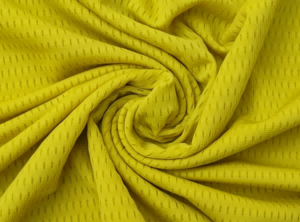
140–160 GSM jersey knit feels smooth, offers moderate stretch, and suits training or match play. Interlock at 150–180 GSM is denser, more opaque, and better for premium match shirts.
110–140 GSM mesh increases airflow for side panels and hot-weather training. Pique at 160–190 GSM has a textured hand and suits supporter polos or lifestyle apparel.
Stretch And Documentation
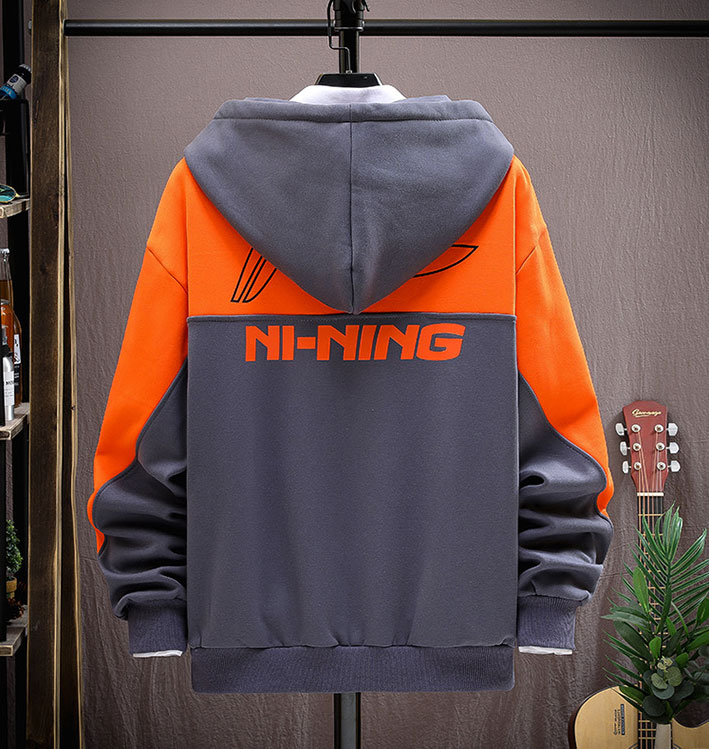
5–10% elastane creates greater recovery and four-way stretch for fitted player silhouettes. Specify whether elastane is recycled, plus the finished composition by weight.
100% documented yarn traceability should identify feedstock, spinner, recycled-content percentage, and applicable transaction records. Ask suppliers to state whether the percentage applies to fabric or the complete garment.
Swatch Approval
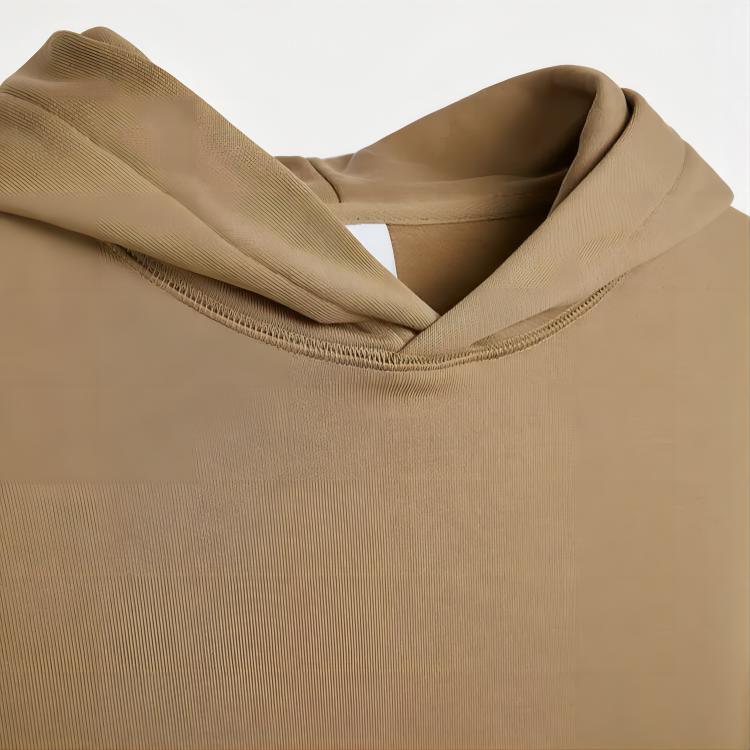
3–5 swatches per candidate fabric should include the target color, print test, and wash-tested sample. Review opacity under light, hand feel, stretch recovery, and color consistency before bulk sign-off.
5. Customization and Decoration Options
EDVORIN’s MOQ starts at 200 pieces per style. At a 200-piece MOQ, decoration choices should be locked before sampling because each process changes artwork setup, placement tolerances, and production routing. A recycled polyester soccer jersey manufacturer should match the technique to fabric, wear conditions, and identity requirements.
| Method | Design Freedom | Durability | Limits | rPET Fit |
|---|---|---|---|---|
| Sublimation | Full color | Excellent | Before sewing | Best |
| Screen print | Spot colors | High | Flat areas | Suitable |
| Heat transfer | Names, numbers | High | Heat-sensitive placement | Suitable |
Print And Transfer Choices
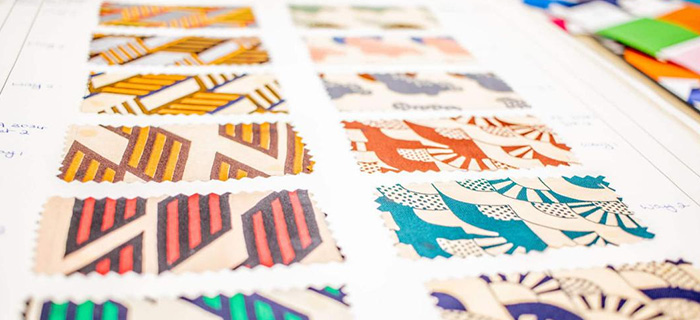
Full-coverage sublimation delivers unrestricted color, gradients, and repeat graphics because dye enters polyester fibers; confirm artwork before cutting. Screen printing suits bold spot-color logos, while heat transfers handle player names and numbers but require controlled press settings.
Applied Branding Details
Embroidery provides dimensional crests but can stiffen lightweight jersey areas, so chest placement needs backing review. Woven labels, silicone badges, and custom neck labels add brand identity; approve their size, edge finish, color, and attachment location.
Sampling Approval Package
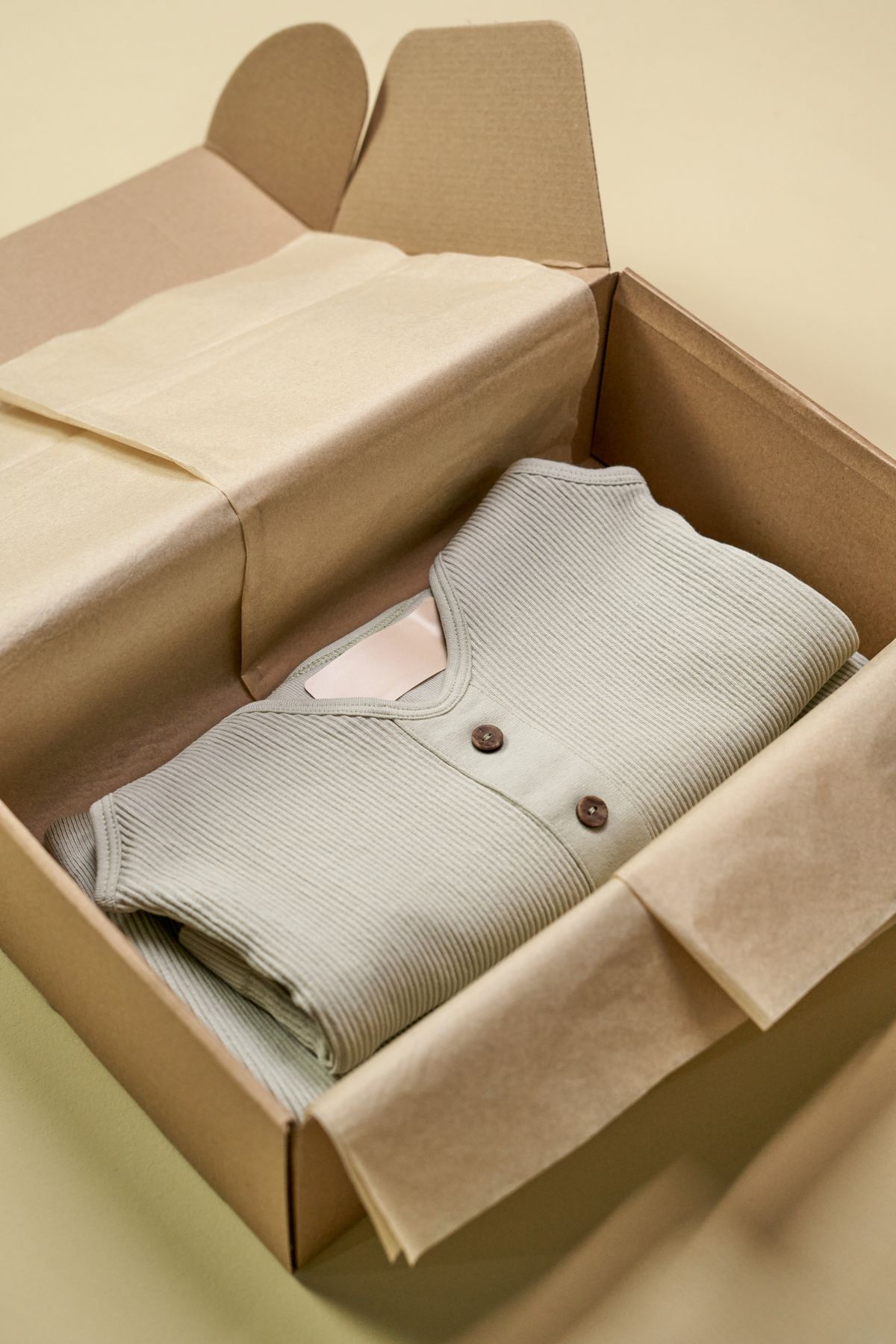
Three files reduce preventable revisions: editable AI or PDF artwork, Pantone color references, and a size-graded name-and-number roster. Two checkpoints matter before bulk: approve a digital placement proof, then inspect a physical sample for color, adhesion, and placement.
6. Construction Details That Determine Jersey Quality
A jersey’s quality is decided at stress points, not only by recycled polyester weight. Buyers should convert appearance, comfort, and repeat-order expectations into measurable construction and inspection standards.
Collars And Seams
A 1×1 rib collar should recover evenly after stretching, with neck tape covering the back-neck seam. Reinforced shoulder and armhole seams reduce distortion where players pull and move.
A specified stitch density, seam allowance, and thread color prevent factories from interpreting a sample differently.
Panels, Hem, And Labels
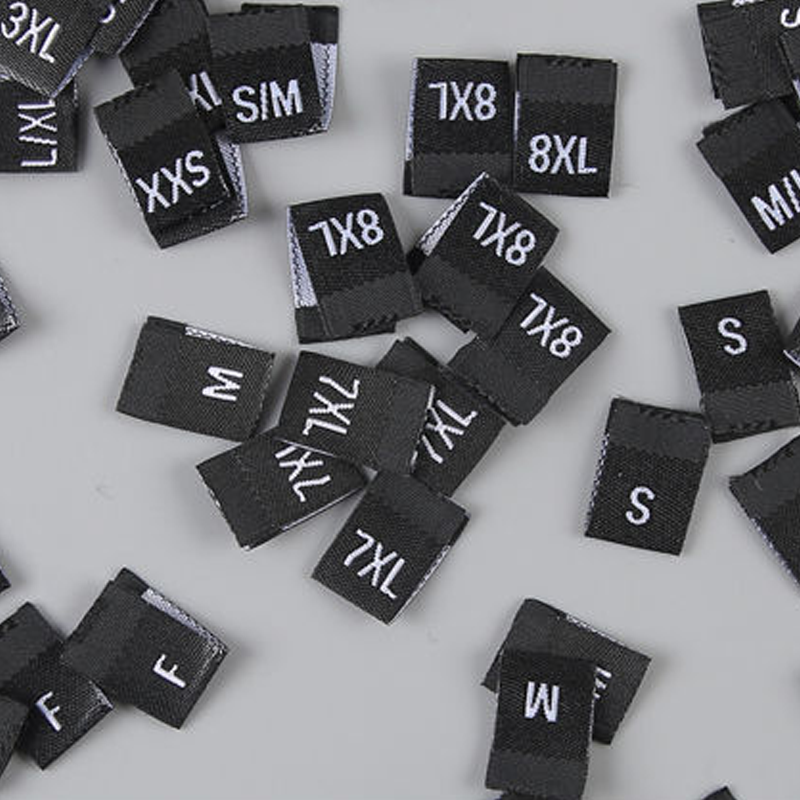
Side mesh panels must align at both underarms and hem points; mismatched panel lengths twist the body. A clean coverstitch or twin-needle hem should remain flat after laundering.
A heat-transfer neck label or soft printed label avoids abrasive edges against skin.
Production Standards
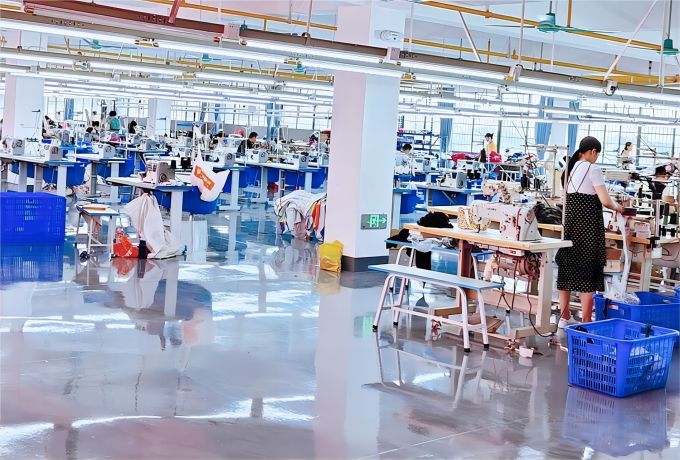
A graded size chart defines chest, body length, sleeve opening, and allowable tolerances for every size. The pre-production sample should confirm collar shape, panel matching, placement, and wash performance before bulk cutting.
A written inspection checklist makes fit consistency, loose threads, skipped stitches, and measurement deviations auditable at final inspection.
7. How to Choose a Recycled Polyester Soccer Jersey Manufacturer
A 200-piece order can expose weak planning quickly. Choose a recycled polyester soccer jersey manufacturer by verifying its teamwear workflow, evidence trail, and ability to turn an approved sample into repeatable bulk production.
| Check | Evidence | Commercial Impact |
|---|---|---|
| Teamwear experience | Comparable sample and workflow | Lower approval risk |
| Traceability | Lot-linked material records | Defensible product claims |
| Quote scope | Included and excluded costs | Accurate landed-cost comparison |
Verify Material Evidence
100% recycled-content claims require documents, not labels alone. Ask for supplier declarations, transaction records where available, fiber composition, lot identification, and applicable test reports.
2 questions matter: what recycled-content basis is stated, and can the mill-to-garment chain be matched to your order? Confirm fabric weight, colorfastness, shrinkage, and sublimation testing.
Test Production Readiness
1 approved pre-production sample should lock measurements, artwork placement, construction, trims, and packing. Review revision control, in-line inspection points, final AQL approach, and escalation contacts.
4 dates should be quoted separately: material booking, sample approval, bulk completion, and dispatch. Ask how capacity is reserved and which export documents or freight support are included.
Compare Total Value
EDVORIN’s MOQ starts at 200 pieces per style. 3 quotations may share a unit price yet exclude different work. Normalize fabric specification, recycled-content evidence, decoration, labels, packaging, testing, sampling, freight terms, duties, and defect handling before comparison.
1 clear quotation identifies MOQ by color and size, payment milestones, tolerances, and change-order costs. EDVORIN’s connected development-to-inspection workflow is useful when buyers need accountable handoffs.
8. Common Buyer Mistakes to Avoid
Three approval gaps create most avoidable rework: unverified recycled-content claims, incomplete specifications, and rushed samples. A recycled polyester soccer jersey manufacturer should receive measurable requirements before bulk booking.
Verify Recycled Claims
100% recycled is not a sufficient claim: request fiber composition, recycled-content percentage, transaction documents, and the applicable certification scope.
1 supplier statement should identify whether fabric, thread, labels, and trims are included; do not extend a fabric claim to the whole garment.
Specify Performance And Artwork
140–160 GSM is commonly used for match jerseys, but climate, mesh zones, stretch and intended use determine the right construction. Record the approved fabric swatch and test decoration on it. Consult relevant fabric guidance when setting performance requirements.
Two placement measurements from the collar, center front and side seam help prevent shifted crests, names and numbers. Confirm sublimation, heat transfer or embroidery against the knit and expected wash use.
Control Fit And Revisions
1 measurement chart without tolerances invites disputes; define point-of-measure methods and acceptable variance. Grade every size from an approved base size rather than scaling artwork and body lengths proportionally.
2 sample rounds are often safer than one: reserve time for fit, color, placement, and wash-feedback revisions before releasing bulk production.
9. Steps to Launch a Custom Jersey Program
A 200-piece program starts with a written brief: wearer, channel, delivery date, target landed price, and size curve. EDVORIN converts those decisions into one reviewable production standard.
Define The Commercial Brief
One brand owner approves retail positioning, private-label trims, and target margin; a club or school confirms roster, colors, and delivery event. Wholesale buyers should also lock pack ratios and replenishment quantities before costing.
Develop Fabric And Files
140–160 GSM recycled polyester is a practical starting range for match jerseys, subject to approved hand feel and performance requirements. The designer supplies vector logos, Pantone references, front/back artwork, and number rules; EDVORIN records measurements, construction, labels, and decoration in the tech pack.
Approve And Release Production
One pre-production sample should confirm fit, artwork placement, color, decoration, and packing before bulk release. EDVORIN then coordinates material checks, in-line measurement and decoration inspections, final packing review, carton marks, and shipping documents against the approved standard.
10. Recycled Soccer Jersey Pricing and Cost Drivers
200 units is a practical starting tier for custom recycled-polyester jersey development; unit pricing usually falls as fabric and setup costs spread across more garments. Request the same 140–160 GSM fabric, recycled-content specification, size ratio, and artwork files from every supplier.
3 cost buckets must remain separate: ex-factory garment price, one-time development costs, and landed costs. Ex-factory should state whether fabric, sublimation, names/numbers, labels, polybags, carton packing, and inspection are included; freight, insurance, duties, and local taxes normally require separate confirmation.
7–14 days is a typical sampling window to quote separately from bulk lead time. Compare only like-for-like quotations, including collar construction, trims, packaging, sample revisions, and approved delivery terms.
| Quantity tier | Cost effect | Quote inclusions to confirm | Lead-time effect |
|---|---|---|---|
| 200–499 | Highest unit cost | Fabric GSM; full sublimation; basic polybag | Sampling and material booking drive timing |
| 500–999 | Lower setup cost per unit | Names/numbers; woven labels; collar and side panels | Confirm bulk calendar after approval |
| 1,000+ | Best scale efficiency | Premium trims; retail packaging; carton specification | Confirm production capacity and shipment date |
Start Your Recycled Polyester Soccer Jersey Program
Send your tech pack or collection brief to discuss private-label development, sampling, and 200-piece minimum production.