
Custom Clothing Manufacturer for Repeatable Collections
EDVORIN connects development, sourcing, decoration and quality control to turn fashion, streetwear and teamwear concepts into approved, production-ready collections.
Featured Apparel Manufacturing Capabilities
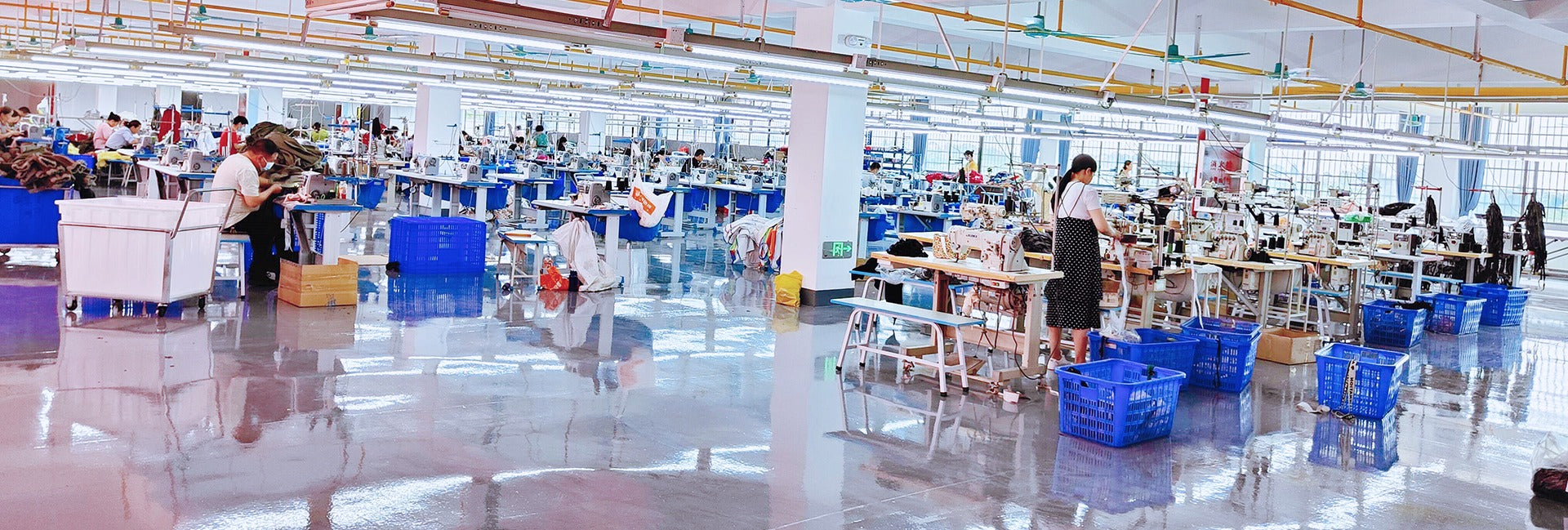

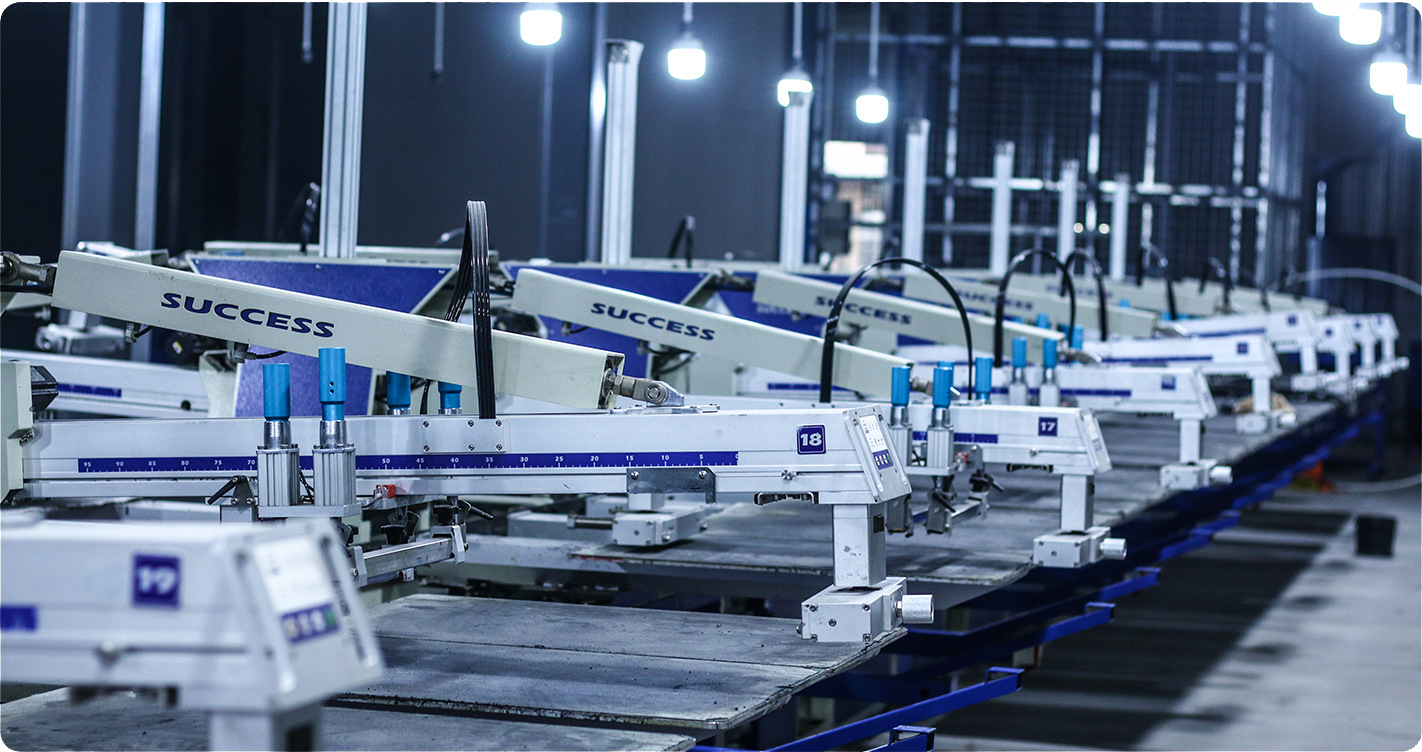

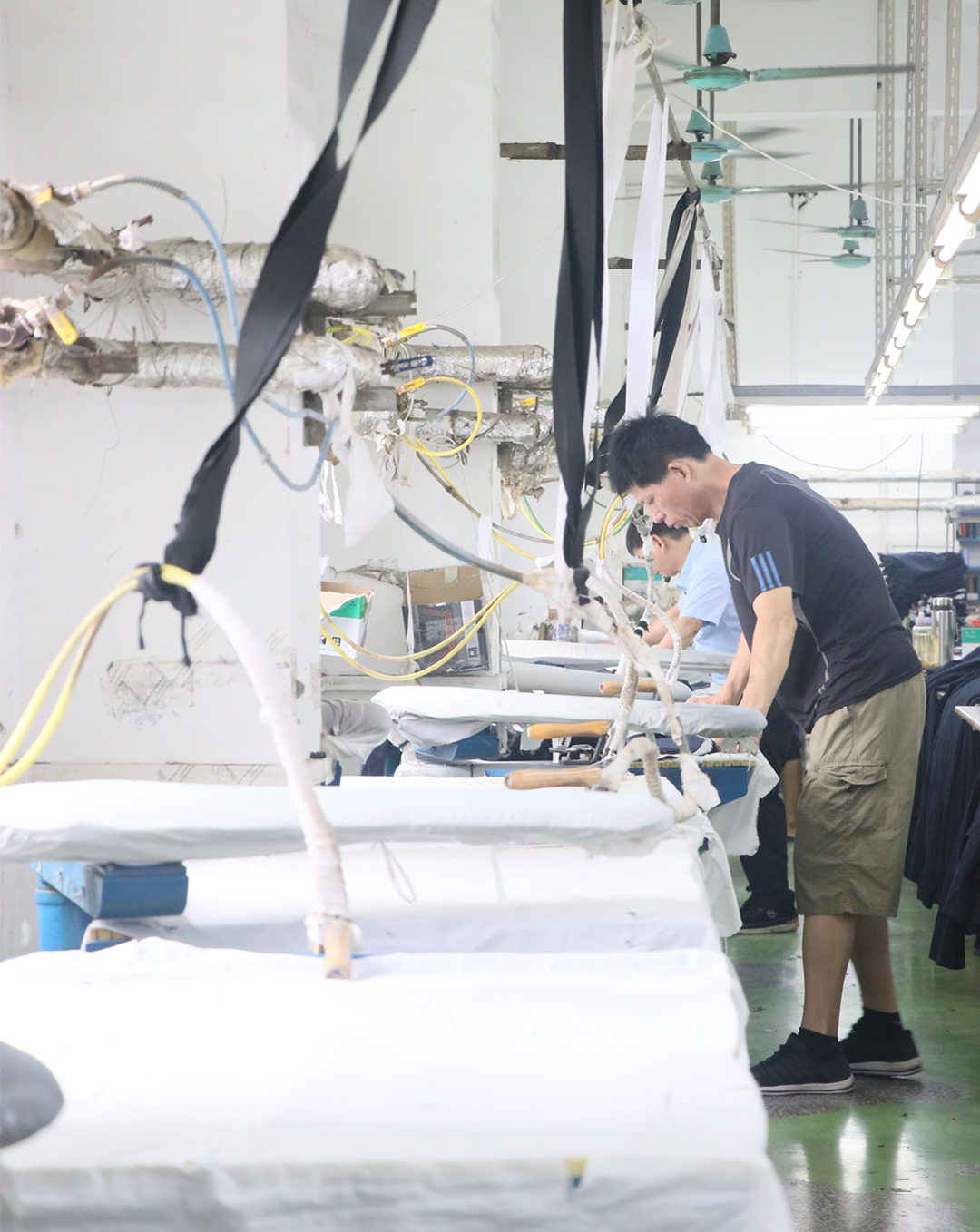
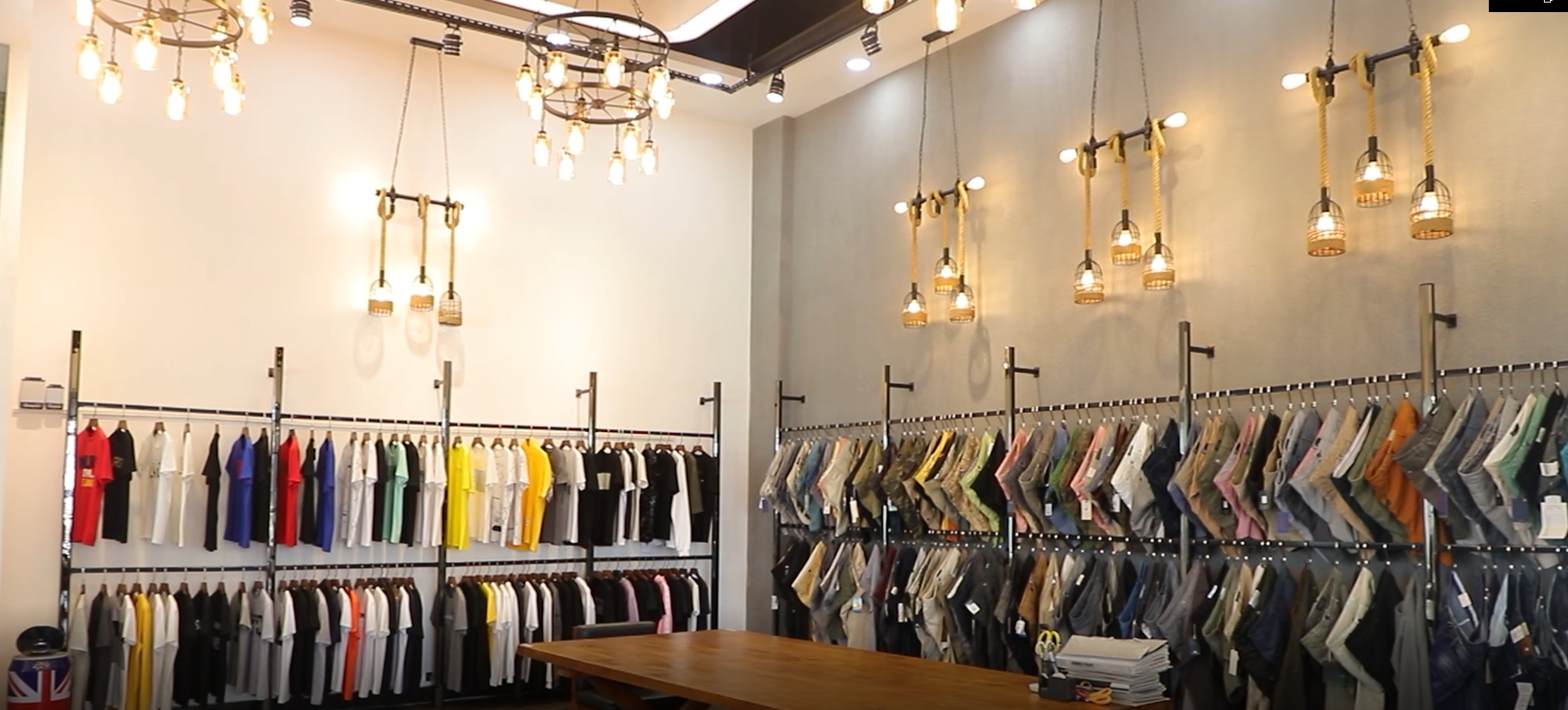
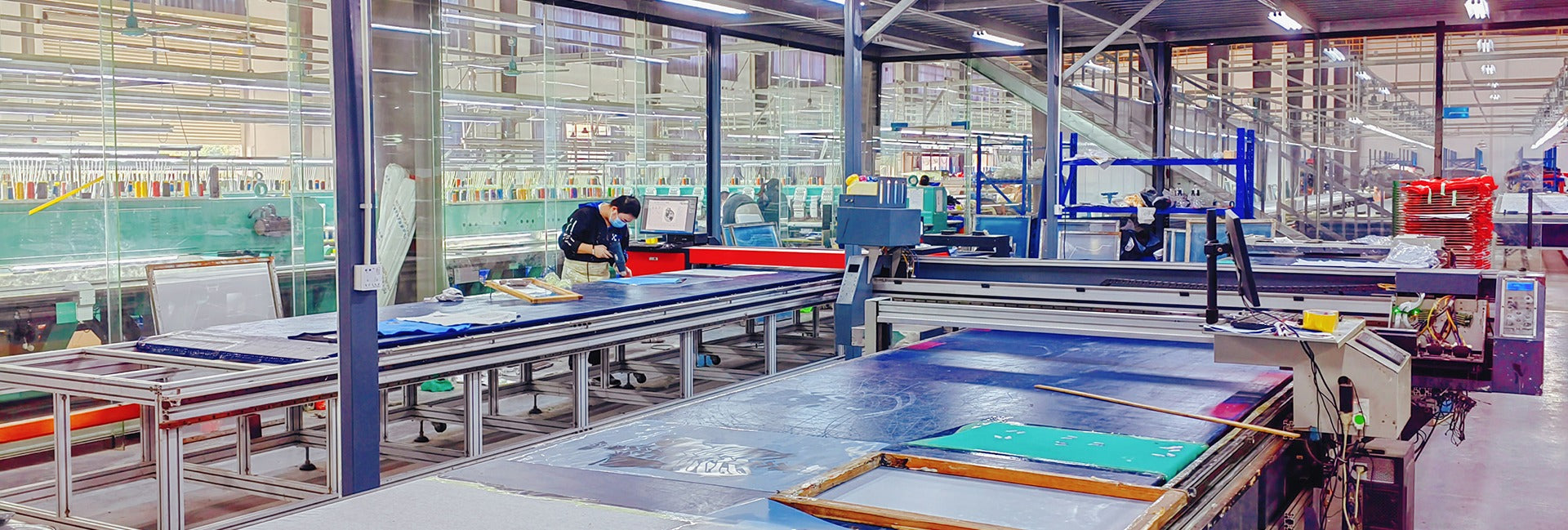
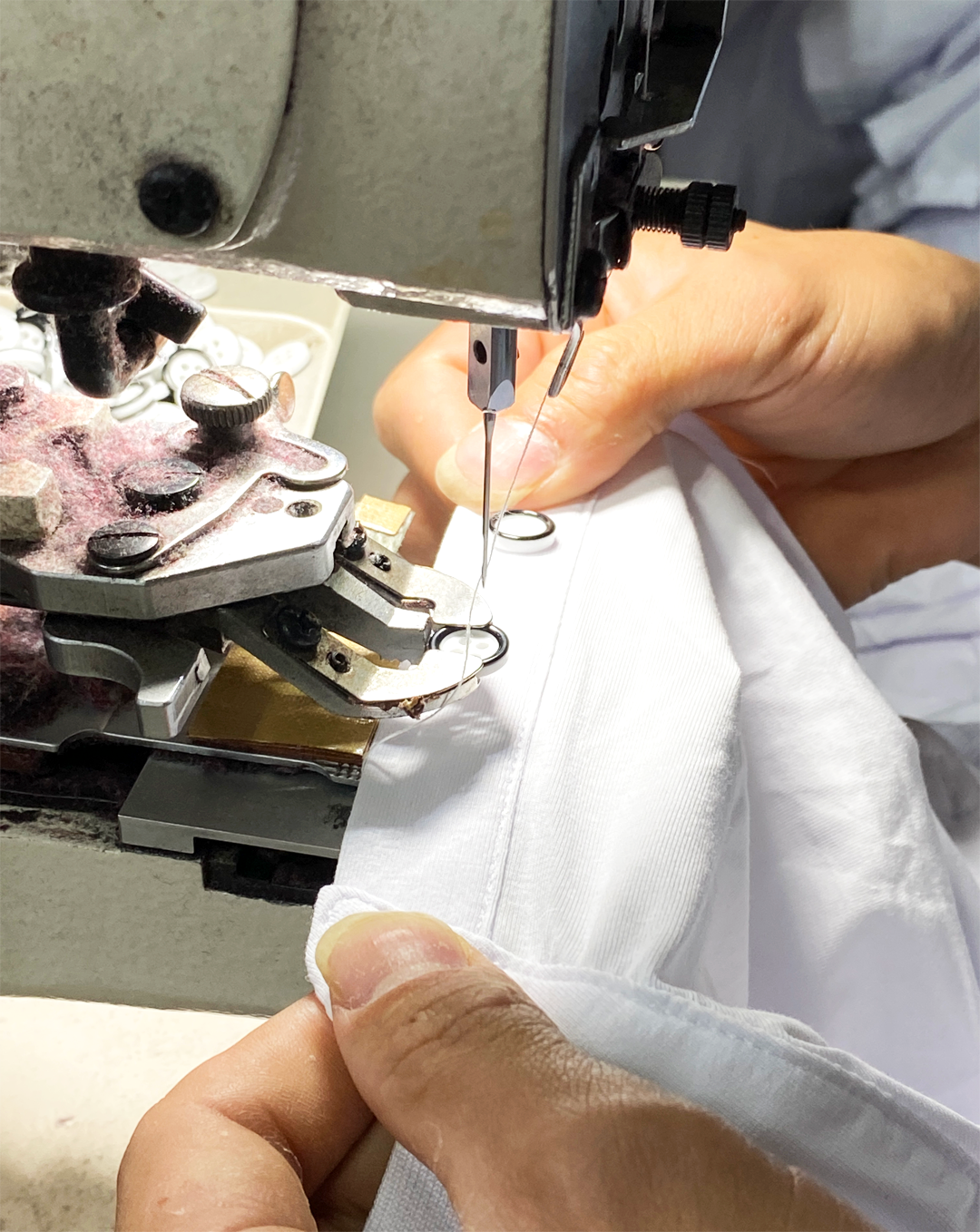
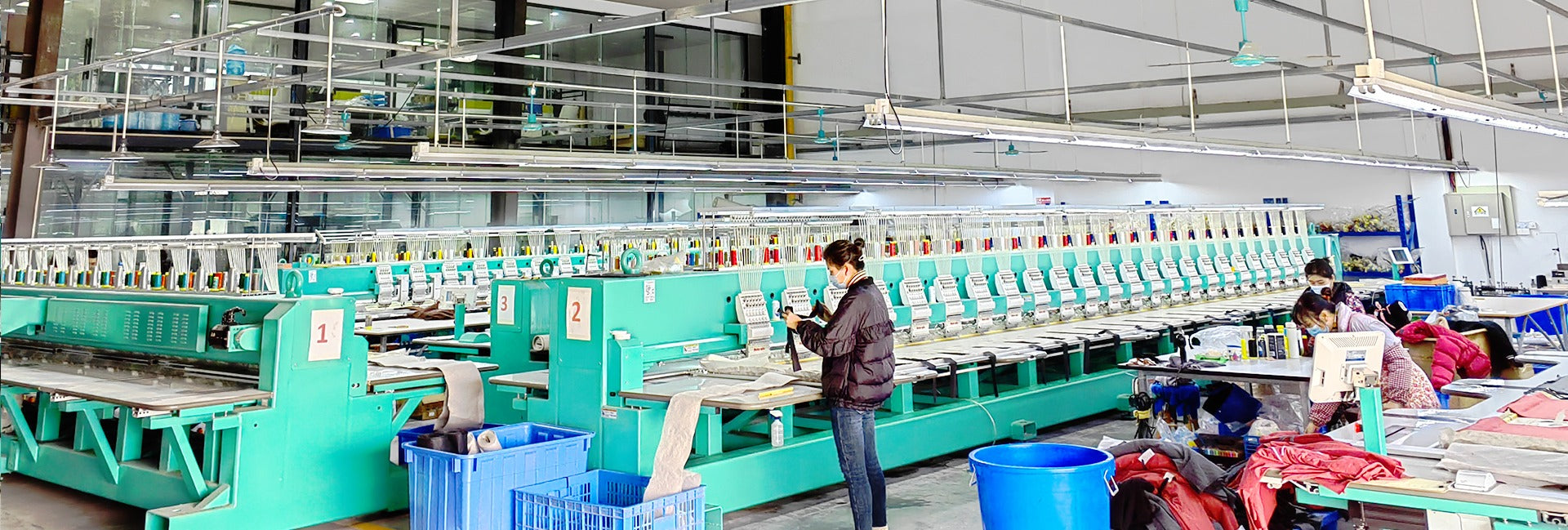



Integrated Capabilities That Reduce Handoffs
EDVORIN coordinates the decisions that turn approved apparel into repeatable bulk production for fashion, streetwear, outerwear and teamwear programs.
Development to Bulk
Patterns, fit revisions, measurement standards and approved samples move through one accountable workflow before production begins.
Coordinated Material Sourcing
Fabric, rib, lining, trims and labels are specified together to support the intended construction, feel and performance.
Category-Specific Decoration
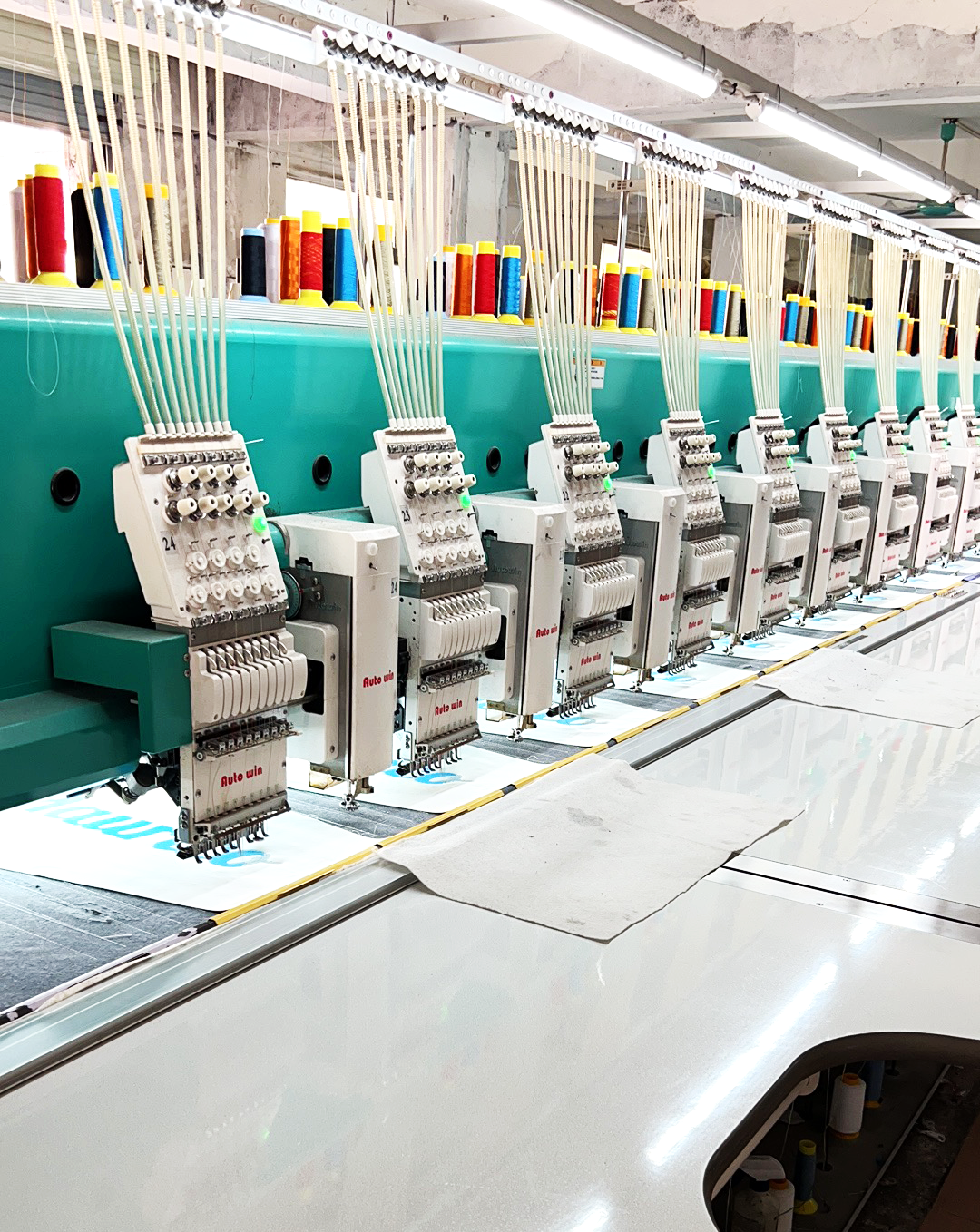
Printing, embroidery, patches and washes are matched to the garment base, artwork requirements and collection character.
Documented Production Standards
Approved materials, measurements, placements and trims are recorded clearly so production teams work from the same reference.
In-Line Quality Control
Checks during production help identify variation early, protecting fit, construction, decoration and finishing before final packing.
Built for Repeat Orders
A connected clothing manufacturing network helps preserve approved standards when your program returns for future production runs.
Explore Apparel Manufacturing by Category
Choose the product page that best matches your collection, decoration needs, construction requirements and stage of development.
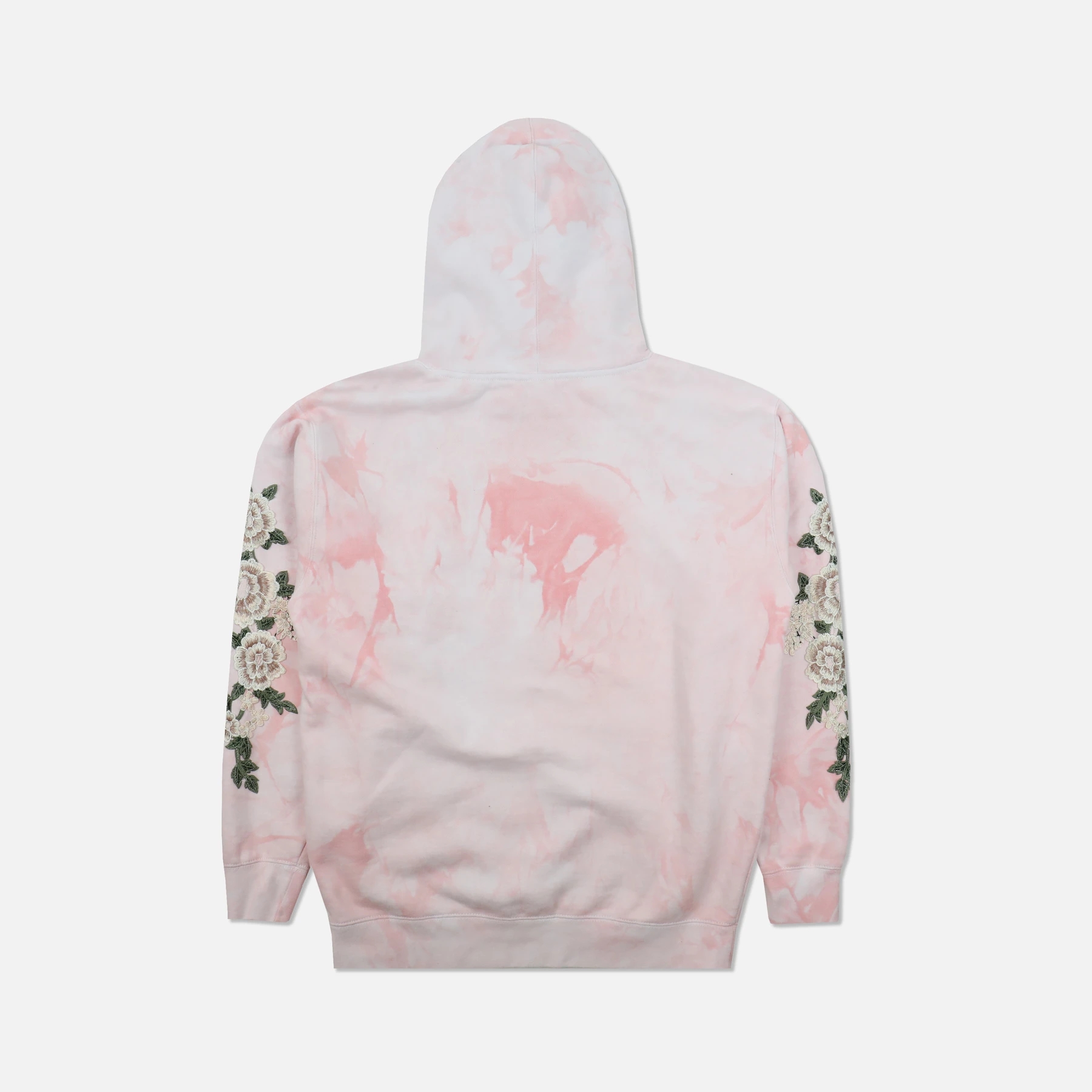
Custom Hoodies
Choose Custom Hoodies when you need a custom hoodie manufacturer to develop fleece weight, fit, rib construction, hoods, drawcords, labels and decoration into an approved standard for repeat bulk production.
Get a Quote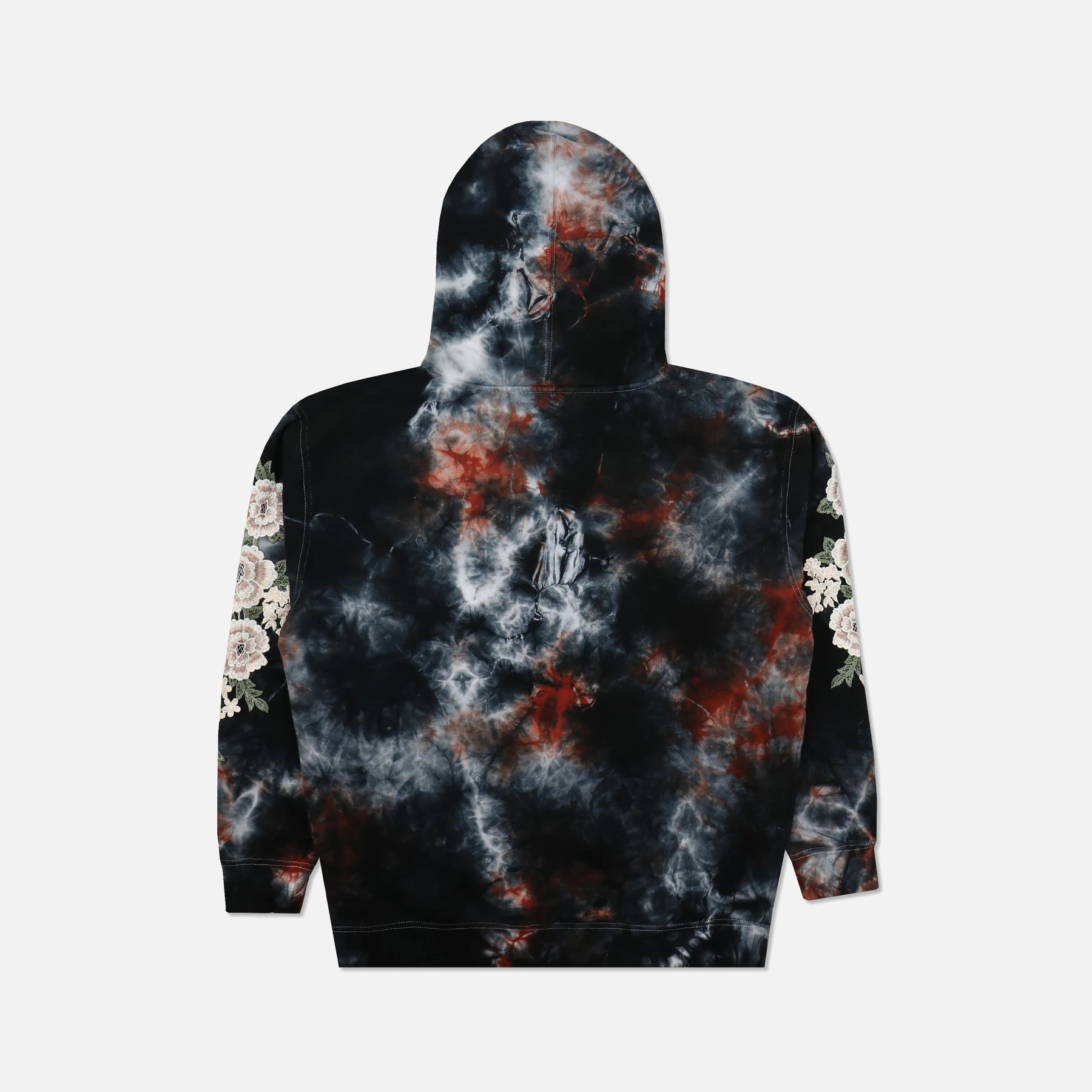
Pullover Sweatshirts
Visit Pullover Sweatshirts for sweatshirt manufacturer support on crewneck and pullover programs, including fabric selection, neckline and rib specifications, fit development, screen printing, embroidery and private-label finishing.
Get a Quote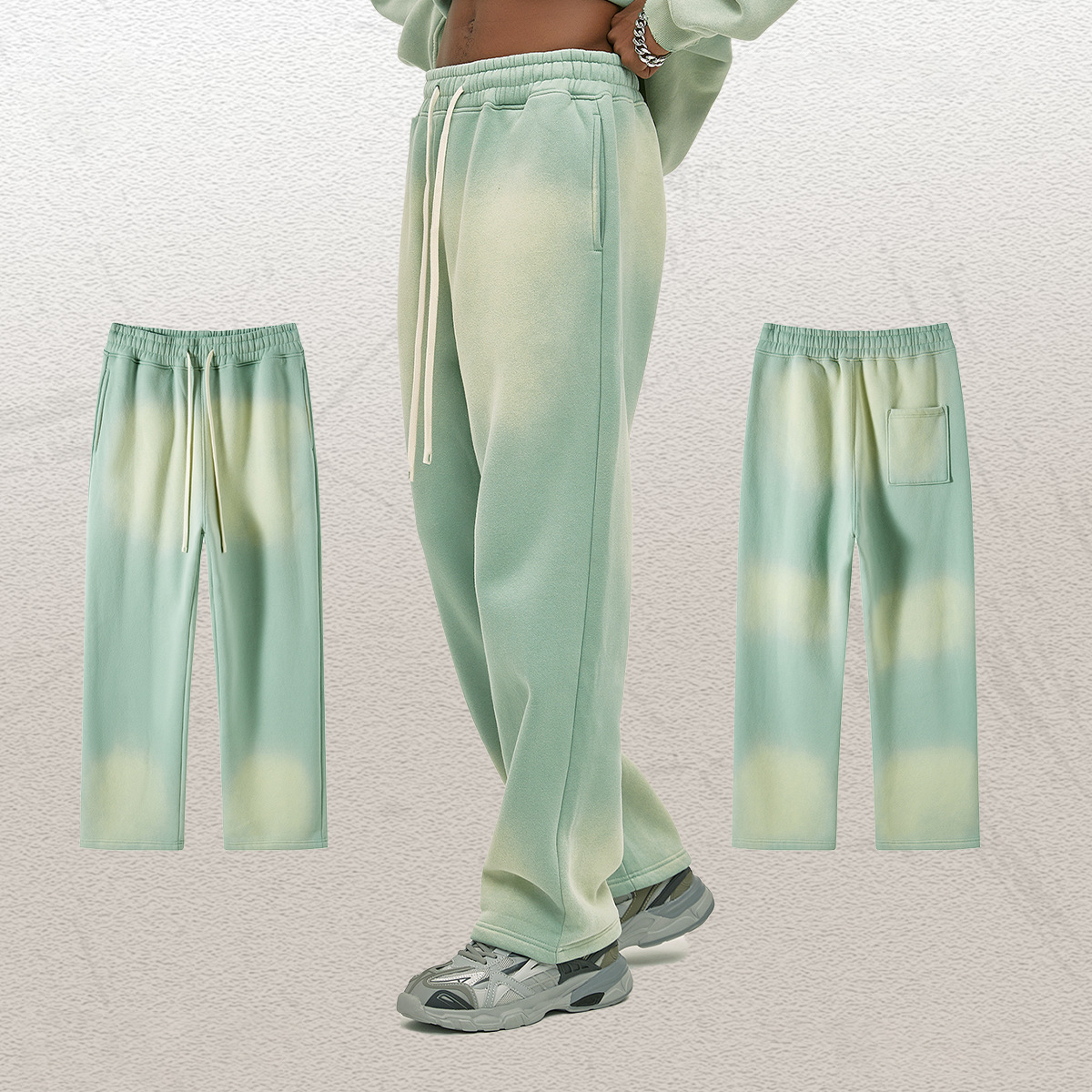
Sweatpants & Joggers
Explore Sweatpants & Joggers when your program requires a sweatpants manufacturer to coordinate fit blocks, waistband and cuff construction, pocket details, fleece or jersey materials, washes and matching sets.
Get a Quote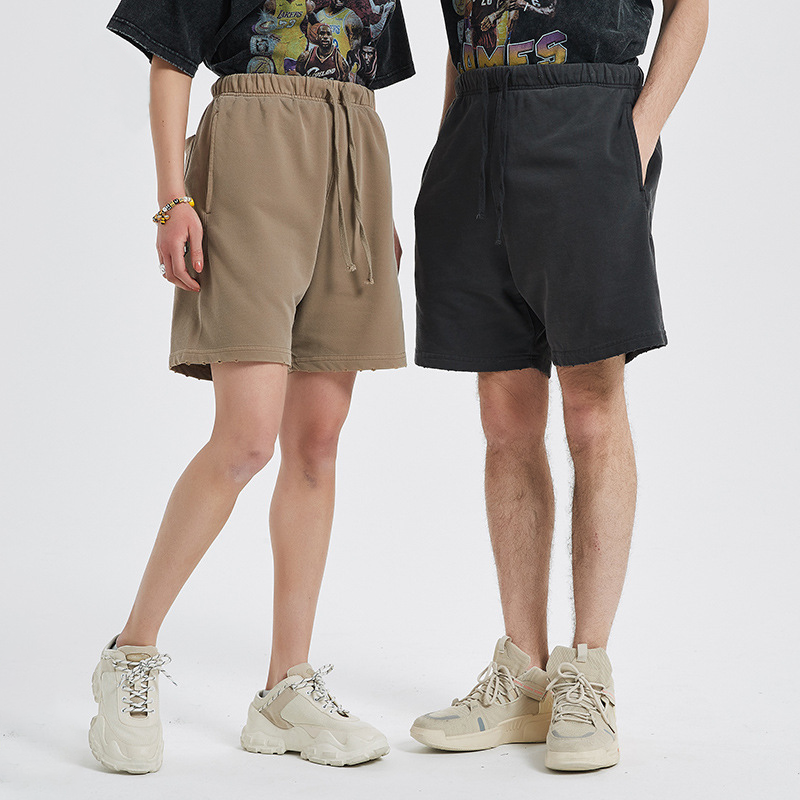
Custom Shorts
Choose Custom Shorts for custom shorts manufacturer support across fleece, jersey, woven and performance styles, with development for inseams, pockets, waistbands, linings, prints, embroidery and coordinated apparel programs.
Get a Quote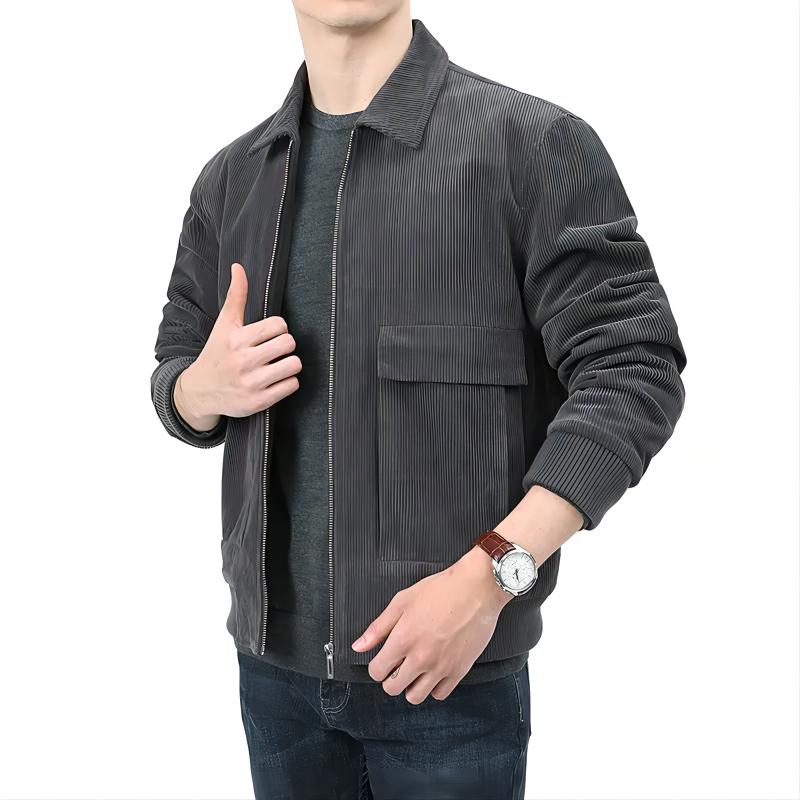
Varsity & Baseball Jackets
See Varsity & Baseball Jackets when you need a varsity jacket manufacturer to balance body and sleeve materials, ribbing, snaps, lining, patches, embroidery and decoration for fashion, school or team programs.
Get a Quote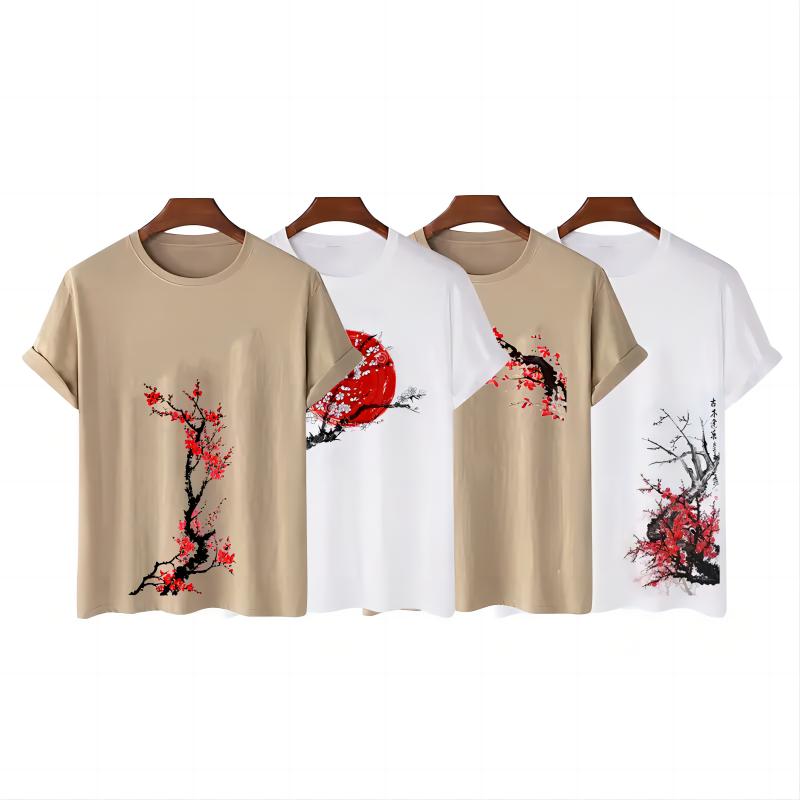
Custom T-Shirts
Visit Custom T-Shirts for custom t shirt manufacturer capabilities covering fabric weight, fit, collars, seams, printing, embroidery, washes, labels and packaging for branded basics or collection merchandise.
Get a Quote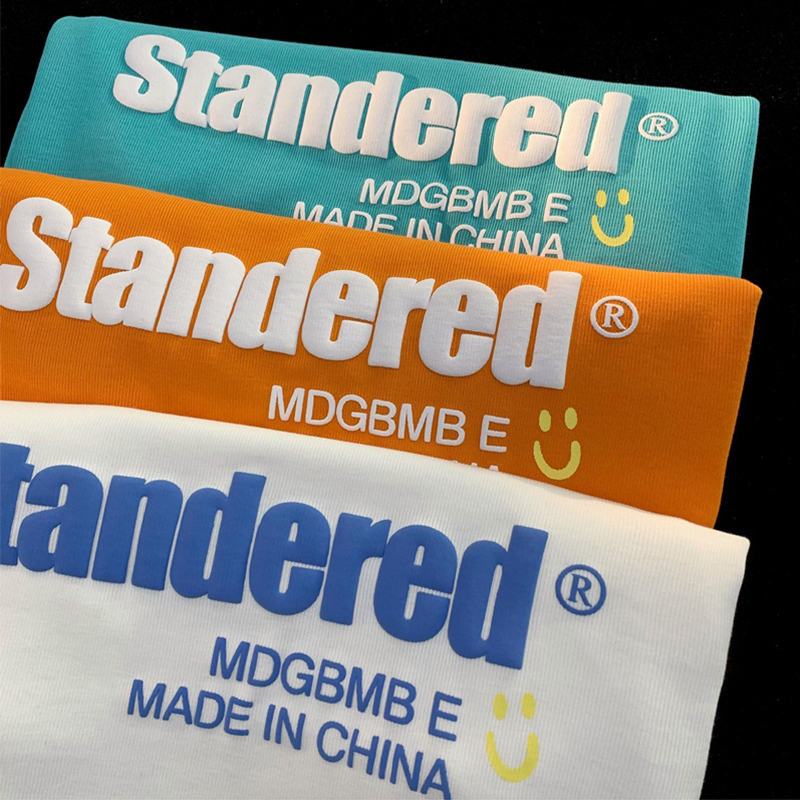
Custom Polo Shirts
Explore Custom Polo Shirts when a polo shirt manufacturer is needed for pique or performance fabrics, collar construction, plackets, color blocking, embroidery, sizing and private-label presentation.
Get a Quote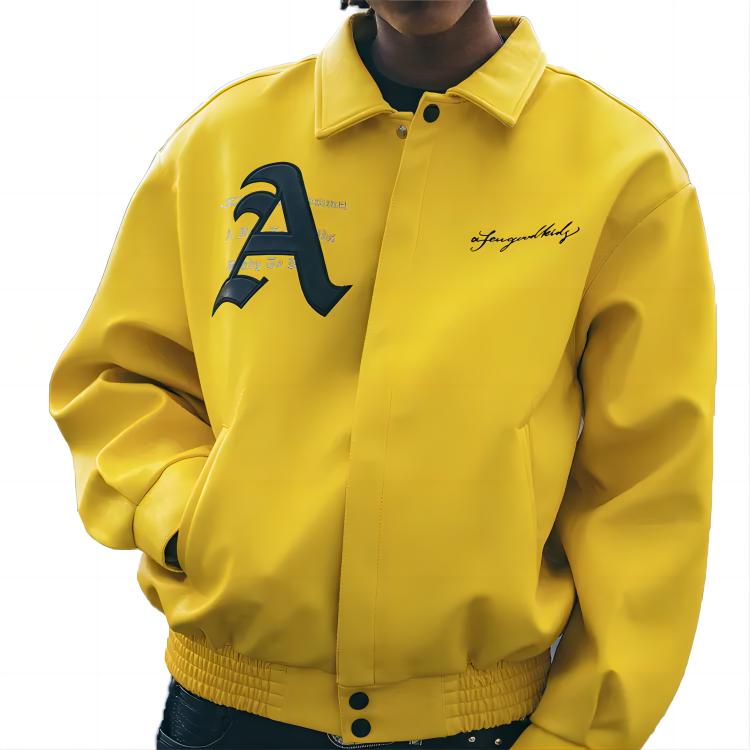
Windbreaker Jackets
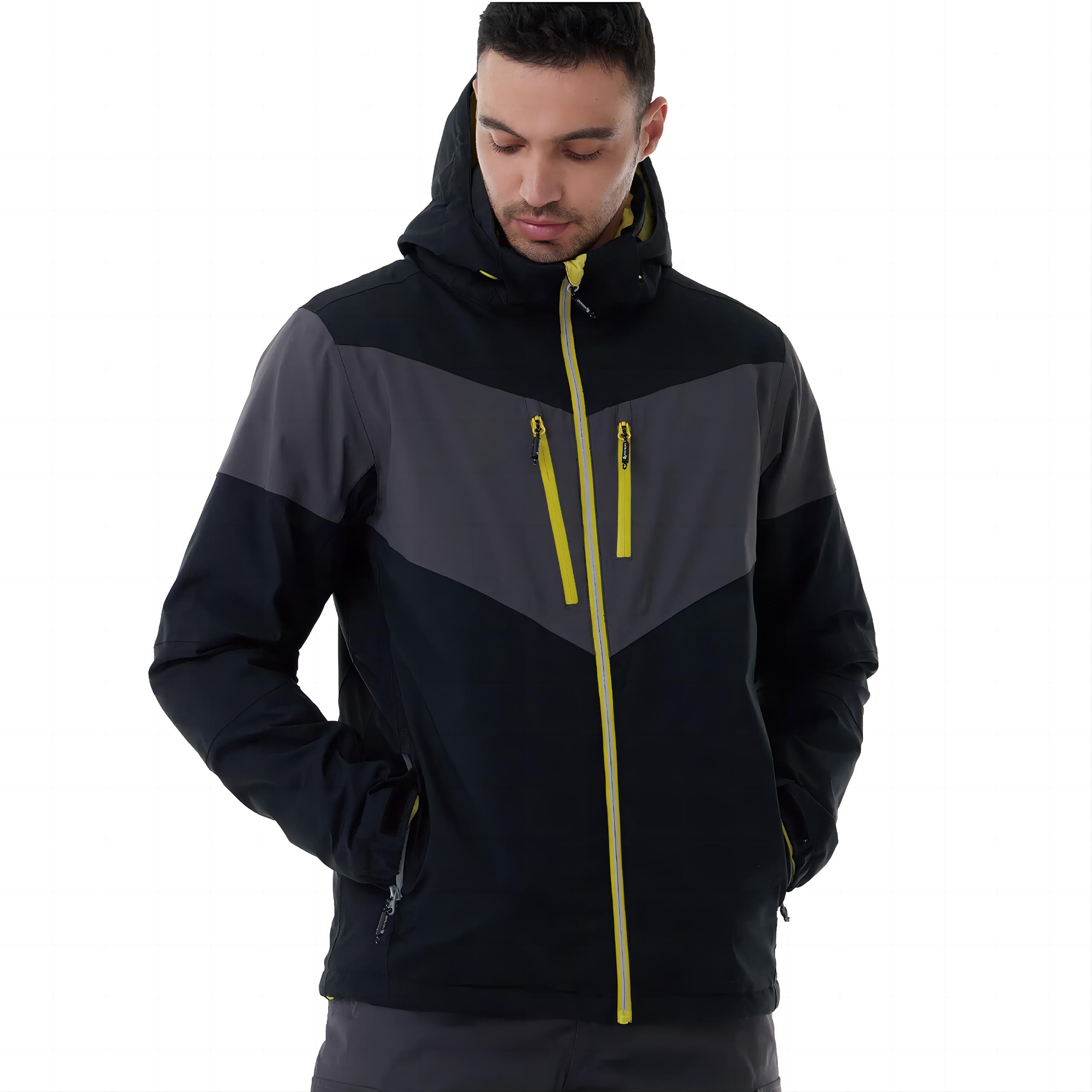
Choose Windbreaker Jackets for windbreaker manufacturer support with lightweight shells, linings, mesh panels, zippers, hoods, elastic details, water-resistant finishes and logo decoration suited to active or outerwear programs.
Get a Quote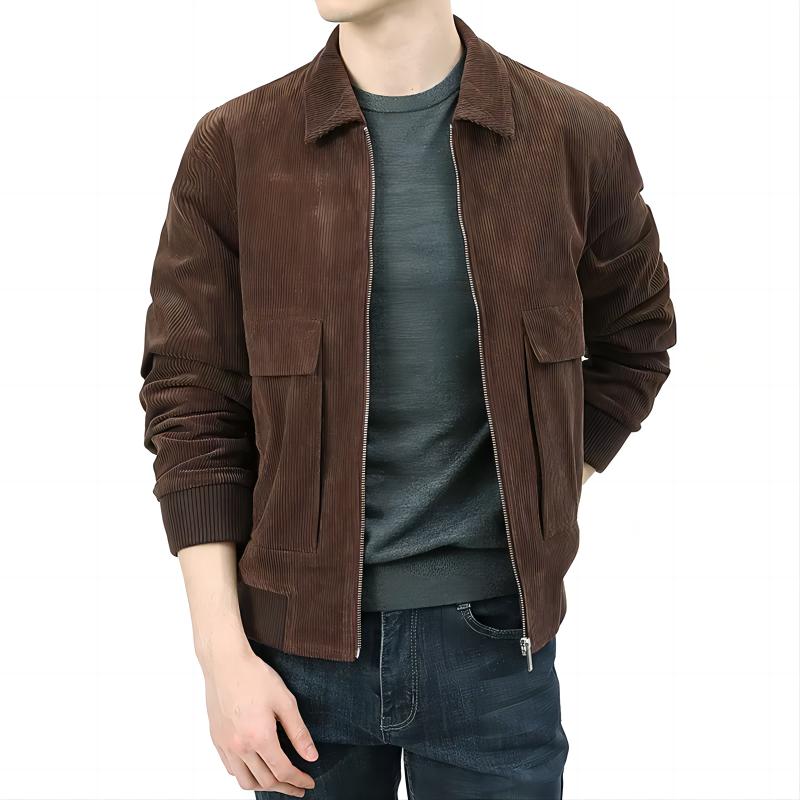
Quilted Jackets
See Quilted Jackets for quilted jacket manufacturer development involving shell fabrics, lining, insulation, quilting patterns, pocket construction, closures, labels and quality controls for consistent warmth and appearance.
Get a Quote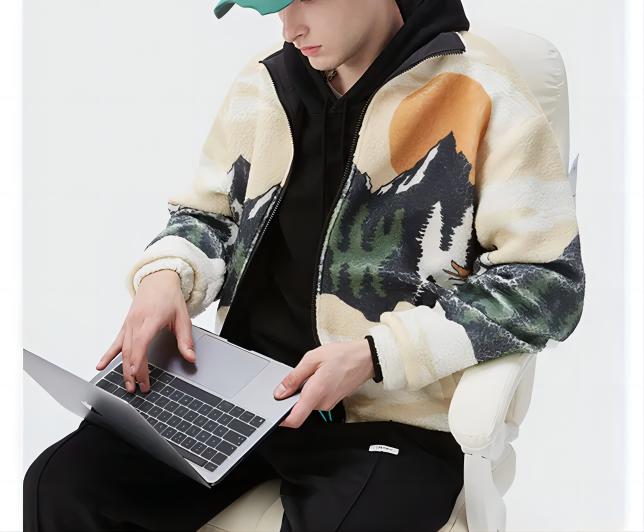
Bomber Jackets
Visit Bomber Jackets when a bomber jacket manufacturer is the right fit for shell selection, lining, rib trims, zipper and pocket details, patches, embroidery, washes and repeatable outerwear construction.
Get a Quote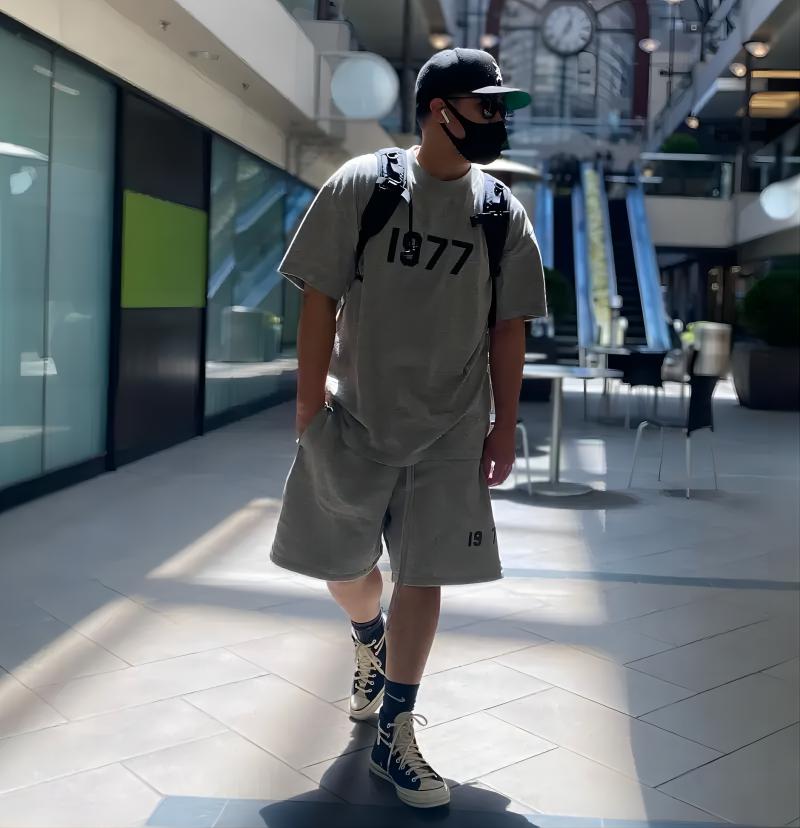
Custom Shirts
Explore Custom Shirts for custom woven shirt manufacturer support on fabric sourcing, collars, plackets, cuffs, pocket details, grading, prints, embroidery and private-label finishing for men’s and women’s programs.
Get a Quote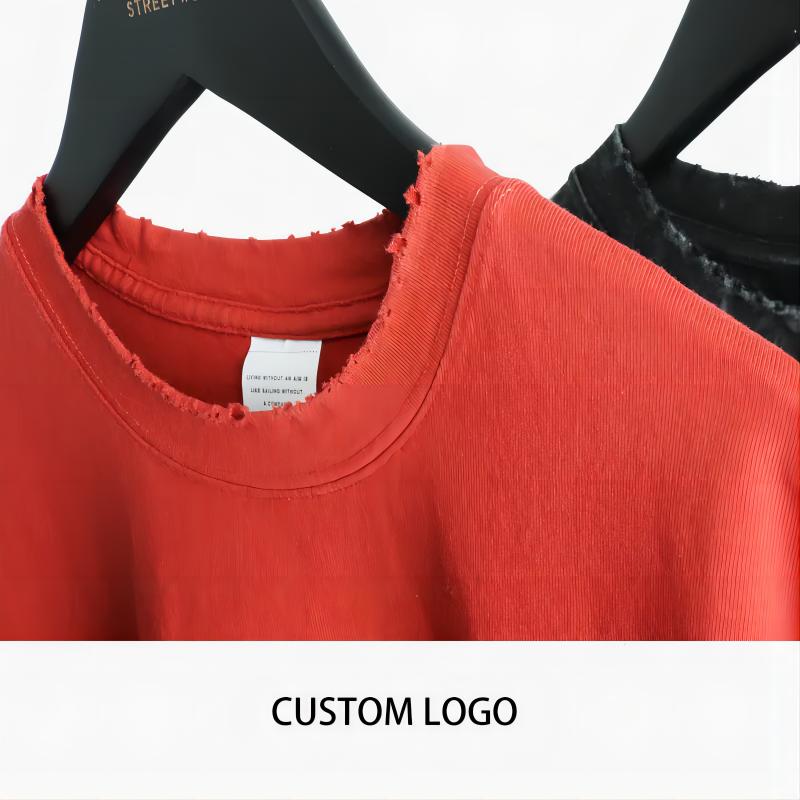
Custom Jerseys
Choose Custom Jerseys when you need a custom jersey manufacturer to coordinate breathable fabrics, color panels, sublimation or print methods, team names, numbers, fit grading and organized size sets.
Get a Quote
Tank Tops
See Tank Tops for custom tank top manufacturer capabilities across cotton, jersey and performance fabrics, with attention to armhole shape, neckline binding, fit, decoration and coordinated sportswear or casualwear collections.
Get a Quote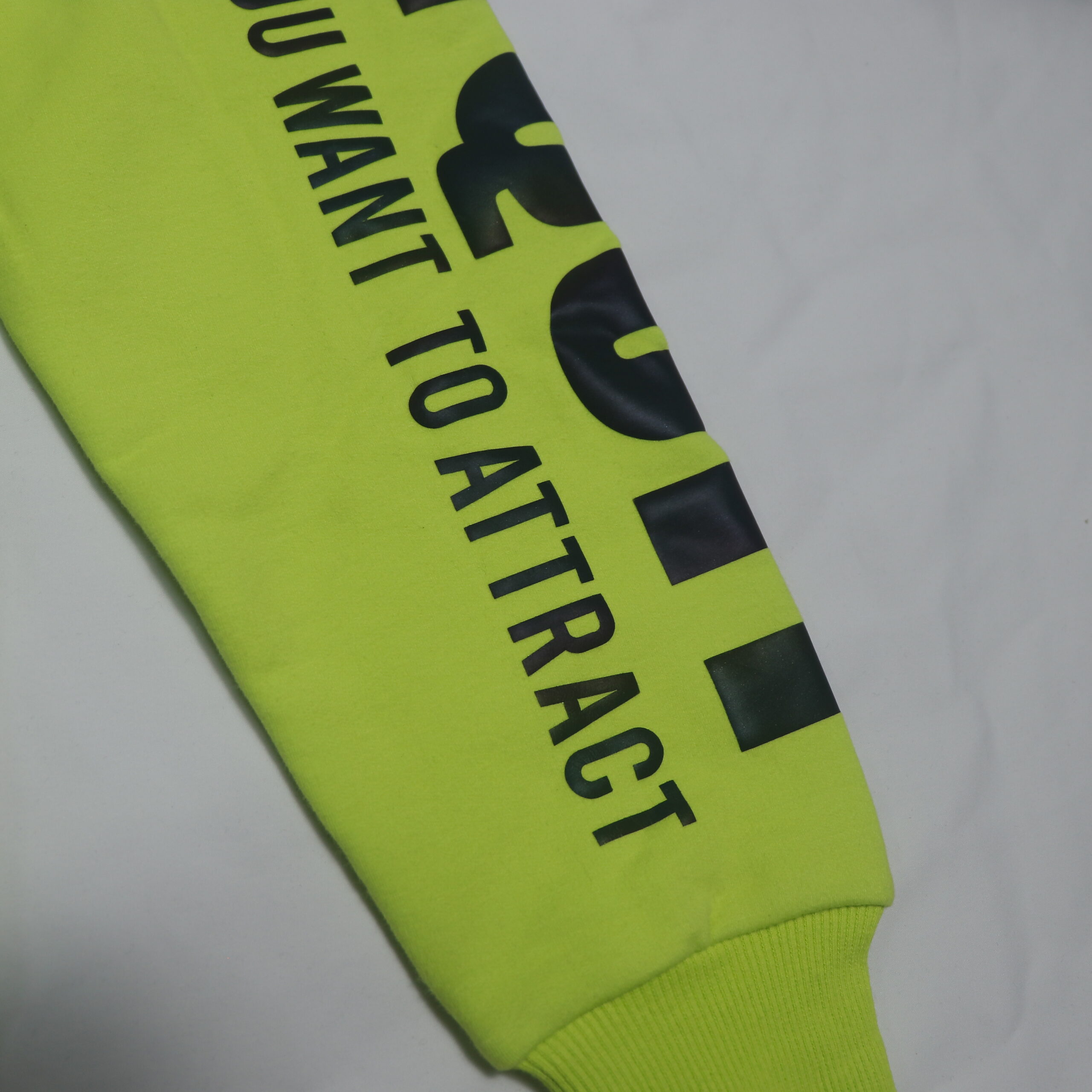
Soccer Uniforms
Visit Soccer Uniforms for soccer uniform manufacturer support on performance fabrics, club colors, sublimated graphics, crests, player names and numbers, shorts coordination and repeat ordering for teams or academies.
Get a Quote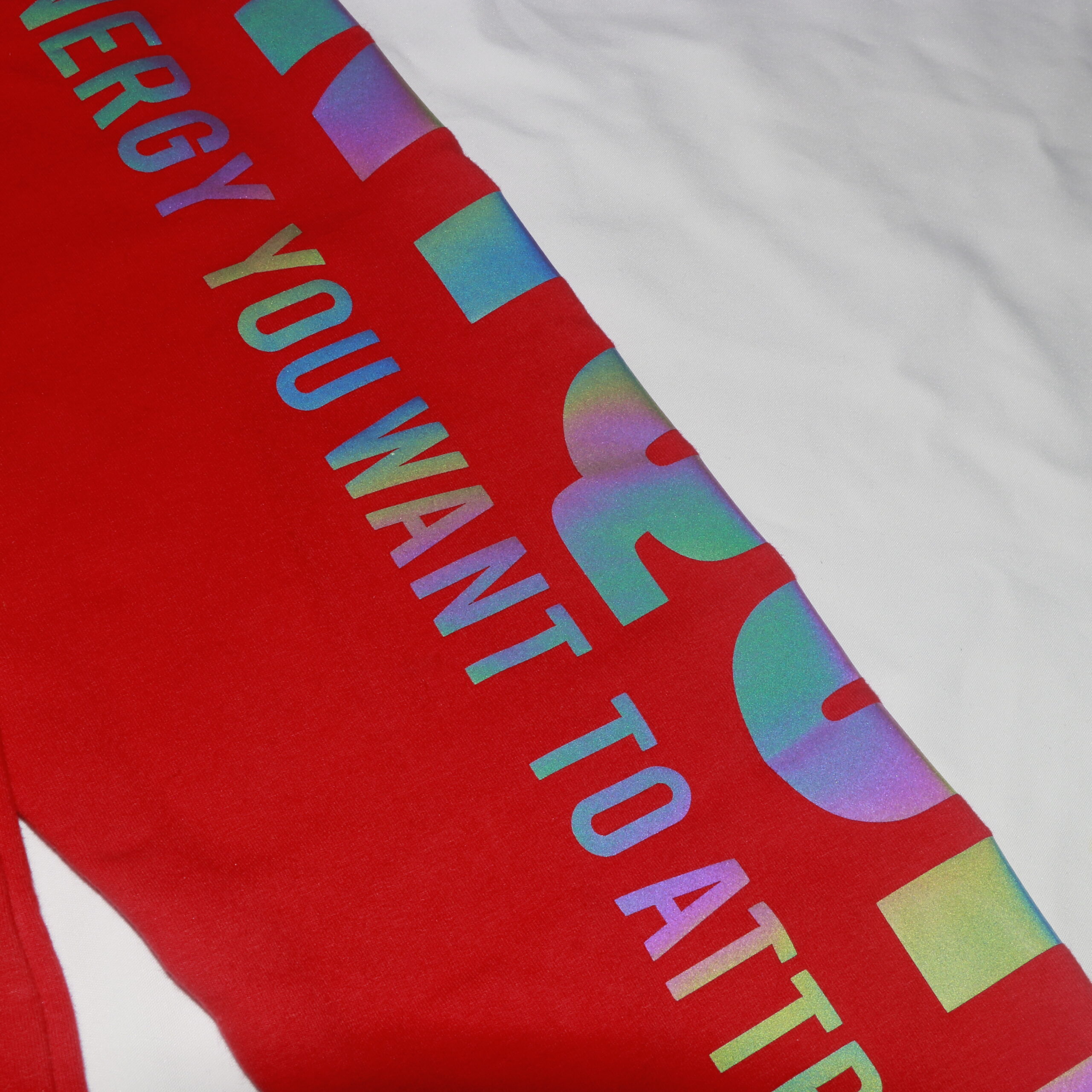
Basketball Uniforms
Explore Basketball Uniforms when you need a basketball uniform manufacturer to develop breathable jerseys and shorts, color blocking, mesh or performance fabrics, player identification, logo placement and dependable team size runs.
Get a Quote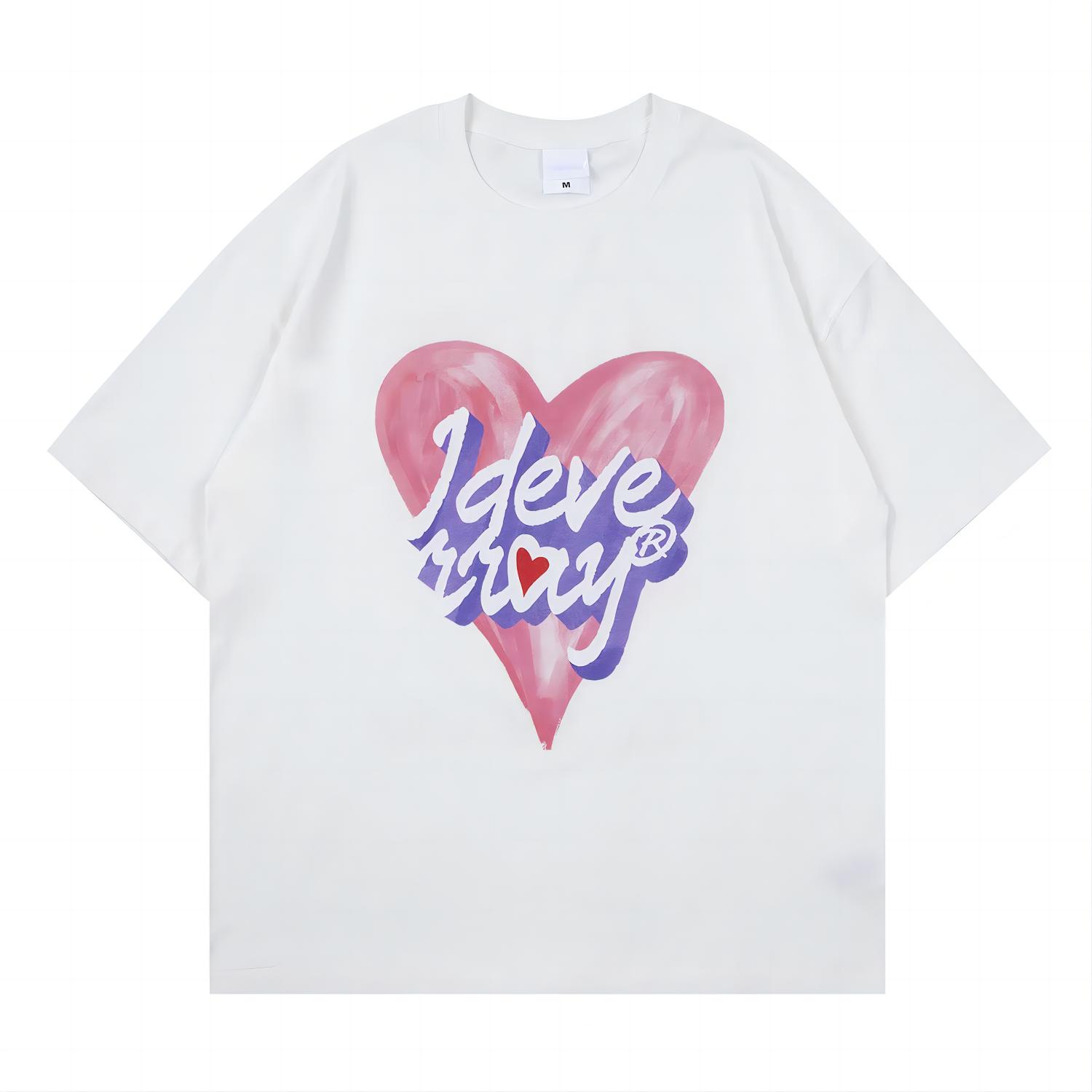
Streetwear Collections
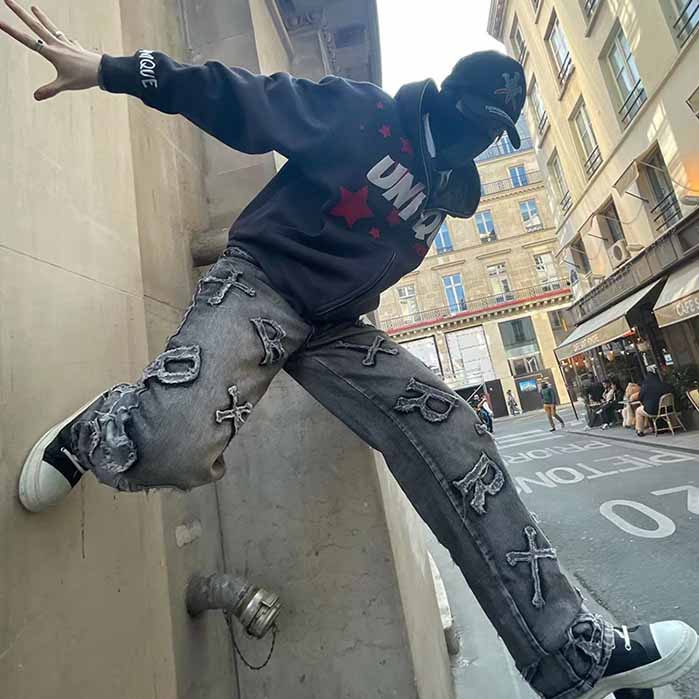
Choose Streetwear Collections for streetwear clothing manufacturer support when multiple silhouettes must work as one program, coordinating fabrics, fits, washes, graphics, embroidery, trims, labels and production standards from sample to bulk.
Get a QuoteFounder-Led Apparel Manufacturing Built to Repeat
Founded by Edvorin Zeng in 2000, EDVORIN was built around the point where an apparel idea becomes a repeatable manufacturing standard. We help fashion, streetwear and teamwear buyers turn concepts, sketches or complete tech packs into production-ready collections with clear decisions documented from the start.
Our integrated production path connects product development, material sourcing, patterns, sampling, printing, embroidery, washing, bulk production, custom clothing labels and packaging. Men’s and women’s programs are developed around the appropriate fit, construction and performance requirements, rather than a one-size-fits-all specification.
What makes EDVORIN different is control after sample approval. We coordinate materials, measurements, trim details and artwork placement against approved standards, then use in-line and final checks to protect consistency through bulk production. As a private-label clothing manufacturer, EDVORIN supports OEM and ODM programs starting at 200 pieces per style.
Bulk Controls That Protect Consistency
Tech Packs That Hold the Standard
EDVORIN turns sketches, reference garments, or complete specifications into a reviewable production standard. Measurements, construction details, fit notes, grading, and revisions are aligned before bulk work begins, so the approved sample becomes a usable instruction rather than a memory.
- Pattern, measurement, and grading alignment
- Construction details recorded for production
- Sample revisions documented before approval
- Men’s and women’s fit requirements considered
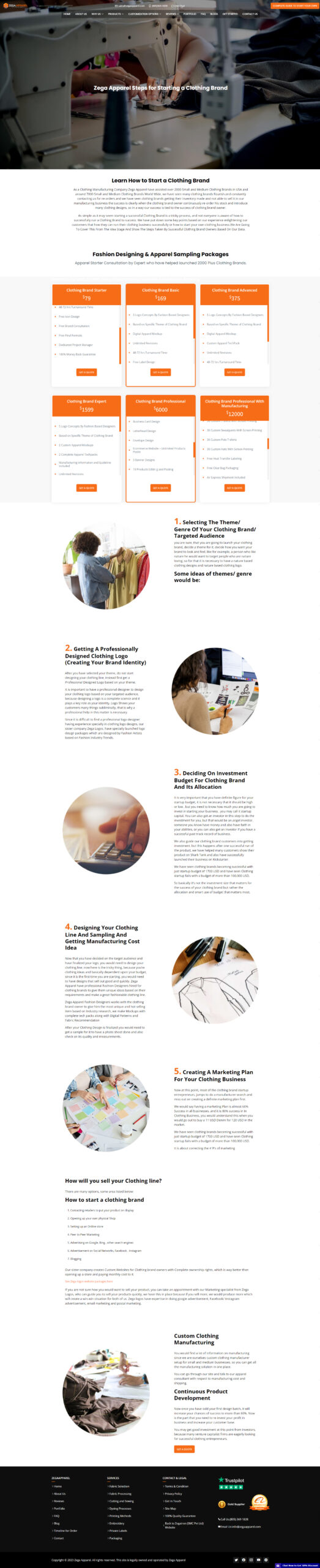
Materials and Trims Coordinated Together
Fabric weight, rib recovery, drawcords, labels, hardware, lining, and packaging are coordinated as one garment system. This reduces the risk that an individually acceptable component changes the fit, hand feel, durability, or visual character established in the approved sample.
- Fabric and trim compatibility reviewed
- Category-specific material requirements considered
- Labels and packaging specified with the order
- Decoration and wash matched to the base fabric
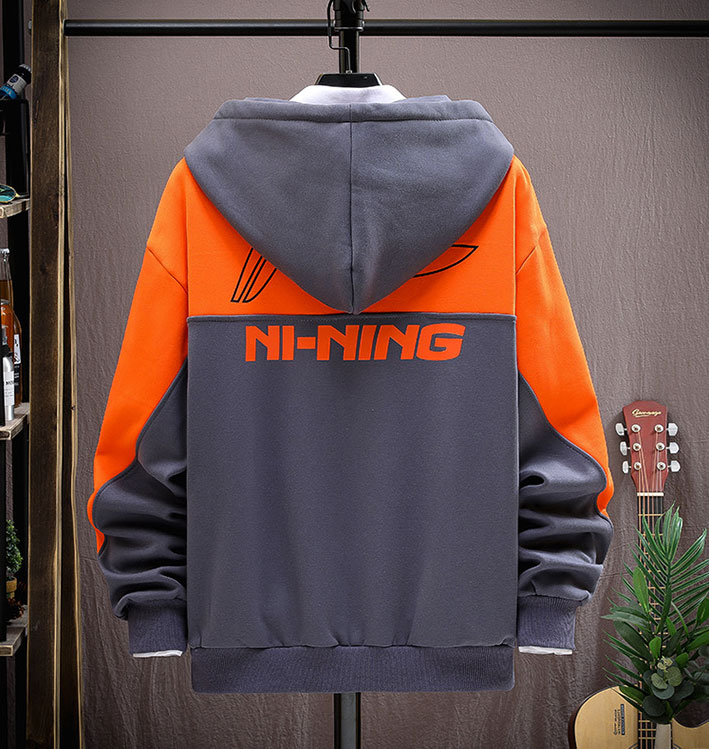
Artwork Placement Made Repeatable
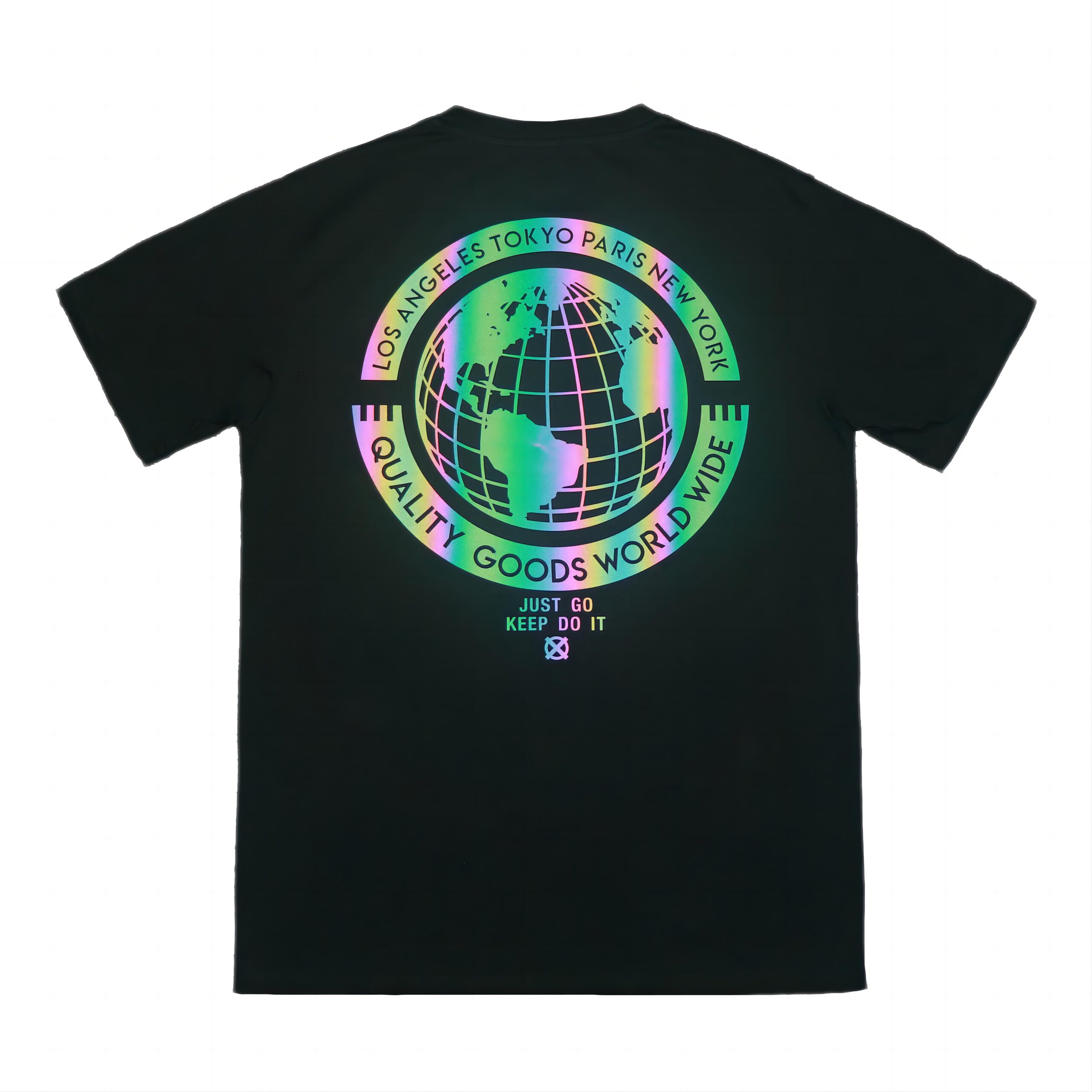
For streetwear graphics, embroidery, patches, names and team numbers, EDVORIN records placement references and production details before scaling. Custom apparel printing, custom apparel embroidery and garment wash services remain connected to the garment specification, helping protect proportion, legibility and placement across sizes and repeat orders.
- Placement measurements tied to garment panels
- Print and embroidery methods matched to materials
- Team names and numbers organized by size set
- Approved artwork references carried into bulk
In-Line Checks Before Final Packing
Quality control is built around the approved standard throughout production, not reserved for the finished carton. In-line checks help identify variation while correction remains practical; final inspection then confirms measurements, construction, decoration, labeling, and packing before the order is released.
- In-line checks address variation early
- Approved sample guides inspection decisions
- Final review covers finished-garment details
- Packing checked against buyer requirements
One Coordinated Production Partner vs. Disconnected Factory Sourcing
Compare a coordinated OEM/ODM program with managing separate suppliers and single-step production partners.
← Swipe left or right to view →
From Concept to Packed Apparel
EDVORIN connects technical development, sourcing, sampling, decoration, bulk controls and packing into one documented path built for repeat orders.
Define the Production Standard
We review your tech pack, sketch or reference garment, then align fit, measurements, materials, construction, decoration and target order requirements before development begins.
Develop Patterns and Samples
Patterns, grading and samples turn the approved direction into a physical benchmark, with revisions recorded so construction and fit decisions remain visible.
Approve Materials and Details
Fabric, trims, labels, print or embroidery methods, wash effects and packaging details are confirmed against the sample before bulk purchasing and production scheduling.
Control Bulk Production
Cutting, sewing, decoration and finishing follow the approved standard, while in-line checks monitor measurements, workmanship, artwork placement and material consistency across the order.
Inspect, Pack and Repeat
Final inspection verifies finished garments against approved requirements before labeling and packing, leaving a documented production reference for confident replenishment or future collections.
Start Your Apparel Production Program
Move from a concept or complete tech pack to an approved, repeatable bulk standard with one coordinated EDVORIN production path.
Share Your Product Direction
Send a tech pack, sketch, reference garment, measurement chart, fabric target, artwork, labeling requirements, or collection brief for men’s or women’s development.
Align the Production Specification
Review construction, materials, fit, grading, trims, decoration, wash, packaging, target quantity, and delivery needs with EDVORIN before sampling begins.
Approve the Development Sample
Assess the sample against your intended fit, hand feel, construction, artwork placement, and finishing. Record revisions so the approved result becomes the production standard.
Confirm Bulk Production Details
Finalize approved materials, size breakdowns, colorways, labels, packing instructions, and order quantities. MOQ starts at 200 pieces per style for qualified programs.
Receive Production-Ready Apparel
EDVORIN coordinates bulk production and quality checks against approved standards, then completes labeling and packaging so your order is ready for its next destination.
Clothing Manufacturing Network FAQs for B2B Buyers
Practical answers for brands, teams, wholesalers and private-label buyers planning an apparel program with EDVORIN.
What does EDVORIN’s clothing manufacturing network include?
Can a clothing manufacturing network support both OEM and ODM apparel projects?
Which products can you develop through your clothing manufacturing network?
Do you develop men’s and women’s apparel separately?
What is the minimum order quantity for custom apparel?
Can I combine printing, embroidery, patches and washing on one garment?
What do I need to provide for a sample or quotation?
How do you protect consistency on repeat orders?
Can you support compliance and certified material programs?
Complete Guide to Clothing Manufacturing Network
Use a practical decision framework to evaluate clothing manufacturing network options, compare supplier criteria, control quality and costs, and avoid sourcing mistakes before launching or scaling custom apparel.
1. What Is a Clothing Manufacturing Network?
2000 marks EDVORIN’s founding as a B2B apparel manufacturing partner that connects product development, material sourcing, sampling, decoration, bulk production, quality control, labeling, and packaging. A clothing manufacturing network is that coordinated ecosystem of specialists and production resources working to one approved garment standard.
1 standalone factory may cut and sew well, but the buyer often manages fabric mills, trim vendors, print or embroidery suppliers, inspection, freight, and fulfillment separately. A coordinated sourcing approach assigns responsibility for handoffs, so the tech pack, Pantone references, measurements, artwork placement, and packing requirements remain connected.
6 buyer groups commonly benefit: fashion brands, streetwear labels, sports teams, schools, wholesalers, and private-label programs. The practical question it answers is which production responsibilities one accountable partner can coordinate from concept through packed order.
2. How Clothing Manufacturing Networks Evolved
Before the 1980s, many apparel programs were handled by local workshops or vertically integrated mills and factories, keeping spinning, cutting, sewing, and finishing geographically close.
By the 1990s, global sourcing separated those stages among fabric mills, pattern rooms, trim suppliers, decorators, and contract factories. This specialist model lets buyers match a product’s needs—such as fleece weight, embroidery, or flatlock construction—to the appropriate partner, but creates more handoffs to control.
Since the 2010s, cloud-based PLM, ERP, digital tech packs, and shared inspection records have made distributed coordination more practical. A modern clothing manufacturing network needs current bills of materials, approved color and placement standards, traceable supplier records, and backup capacity so smaller replenishment runs and customized programs do not depend on a single unverified handoff. https://craftybase.com/blog/garment-manufacturing
3. Types of Clothing Manufacturing Network Models
Six common models shift responsibility for sourcing, approvals, and logistics. Match the clothing manufacturing network to product complexity, order volume, and the speed of replenishment required.
| Model | Sourcing Owner | Best Fit | Trade-Off |
|---|---|---|---|
| Direct factory | Buyer | Experienced brands | High control; more coordination |
| Full package | Manufacturing partner | New or growing labels | Simpler path; less supplier choice |
| Agent network | Intermediary | Buyers needing local support | Added layer and cost |
| Domestic or nearshore | Factory or buyer | Fast replenishment | Shorter transit; higher unit cost |
| Overseas | Factory or buyer | Scaled, planned programs | Lower cost; longer logistics |
| Hybrid multi-region | Shared | Complex assortments | Flexible; highest management load |
Direct Factory Sourcing
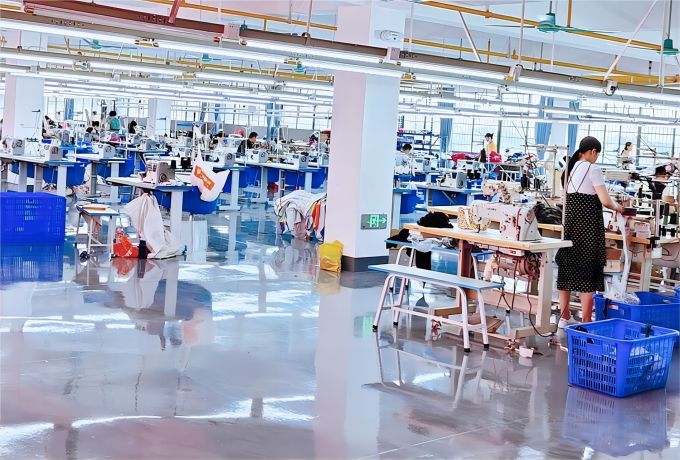
One factory receives the tech pack and buyer-specified materials. Control is high, but the buyer manages supplier communication and production detail.
Full-Package Production
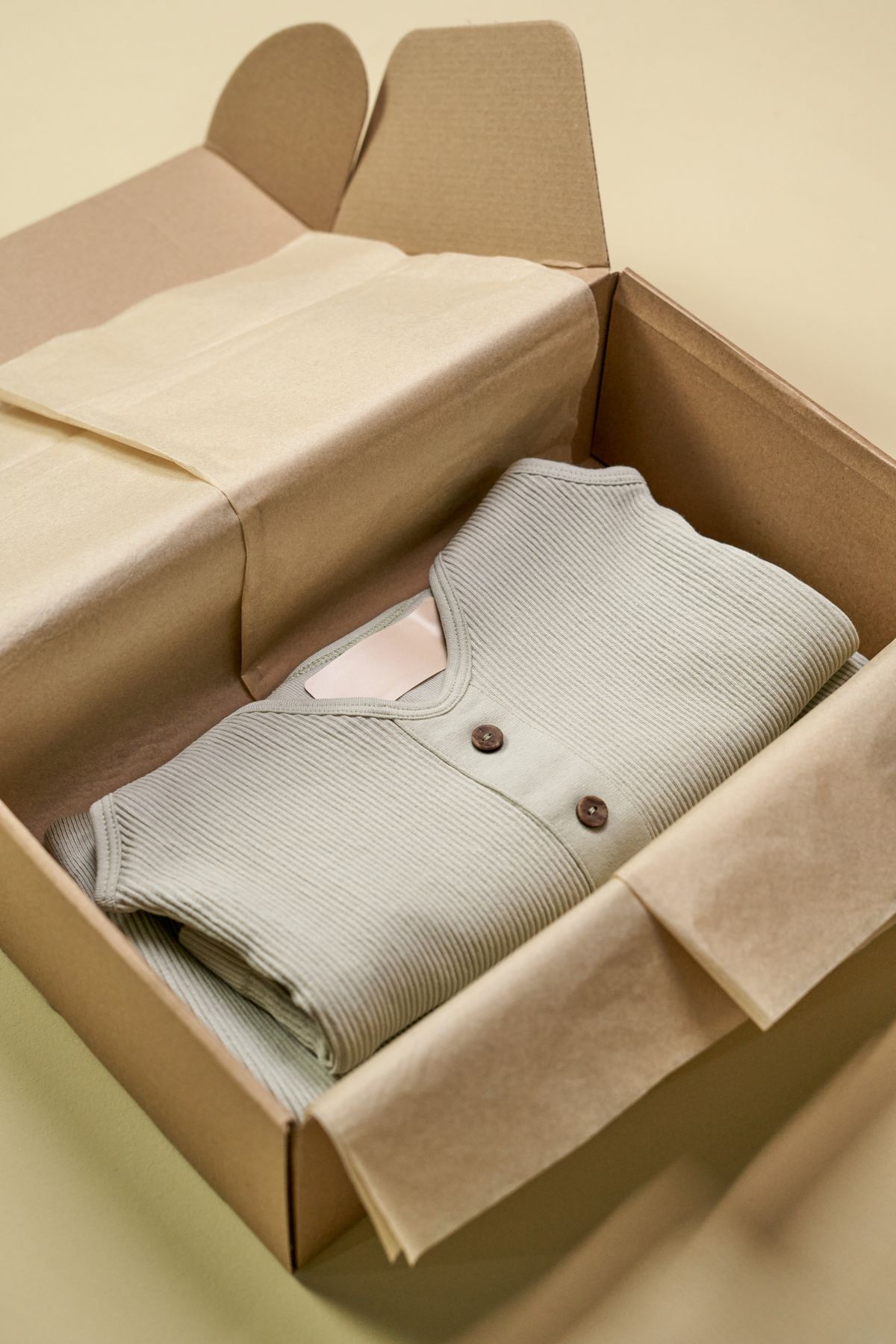
One accountable partner coordinates development, sourcing, sampling, production, and packing. It suits buyers needing a 200-piece OEM launch without managing separate vendors.
Regional And Hybrid Networks
Two or more regions can divide quick-response replenishment from cost-sensitive bulk. This improves flexibility but requires aligned specifications, approvals, and quality standards.
4. Clothing Manufacturing Network Materials and Fabrics
Fabric is the earliest cost and performance decision in a clothing manufacturing network. Fiber content, construction, GSM, finish, color availability, and test standards should be locked before bulk booking.
| Fabric | Typical GSM | Suitable Products | Strengths | Watch-Outs |
|---|---|---|---|---|
| Cotton jersey | 160–240 | T-shirts, polos | Soft, breathable | Shrinkage; print testing |
| Polyester knit | 140–220 | Jerseys, uniforms | Wicking, durable | Dye migration |
| Cotton-poly blend | 280–360 | Hoodies, joggers | Balanced cost, recovery | Composition affects feel |
| French terry/fleece | 280–450 | Sweats, outer layers | Warm, premium weight | Bulkier lead-time sourcing |
| Performance or recycled knit | 150–260 | Activewear, teamwear | Function or material story | Verify tests and availability |
Specify Beyond Fiber
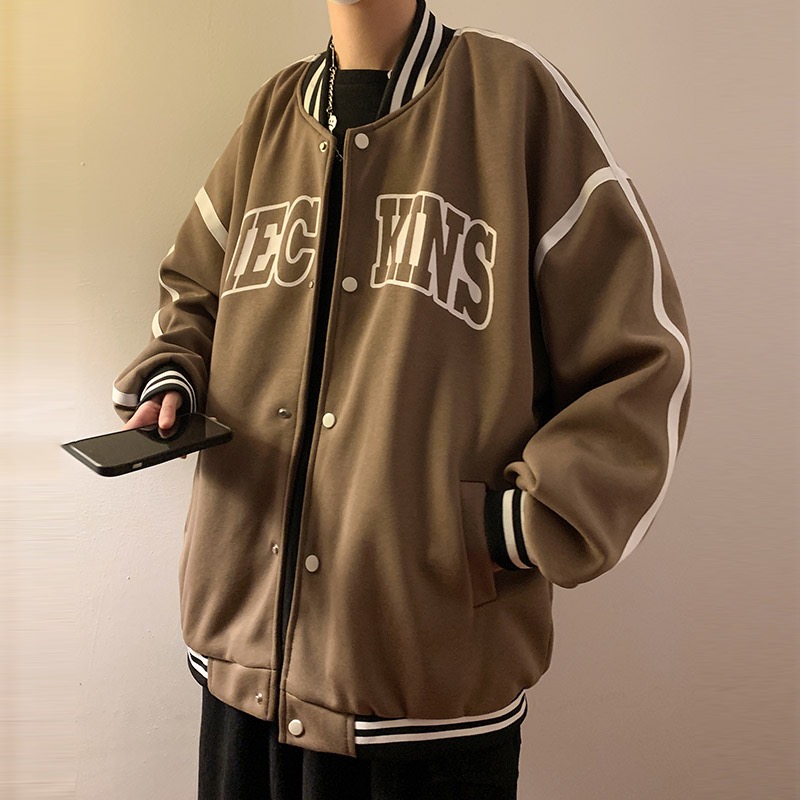
A 100% cotton claim does not define jersey versus French terry, 180 GSM versus 360 GSM, or enzyme wash versus unwashed fabric. Each changes handfeel, shrinkage, yield, price, and customer perception.
Match Fabric To Decoration
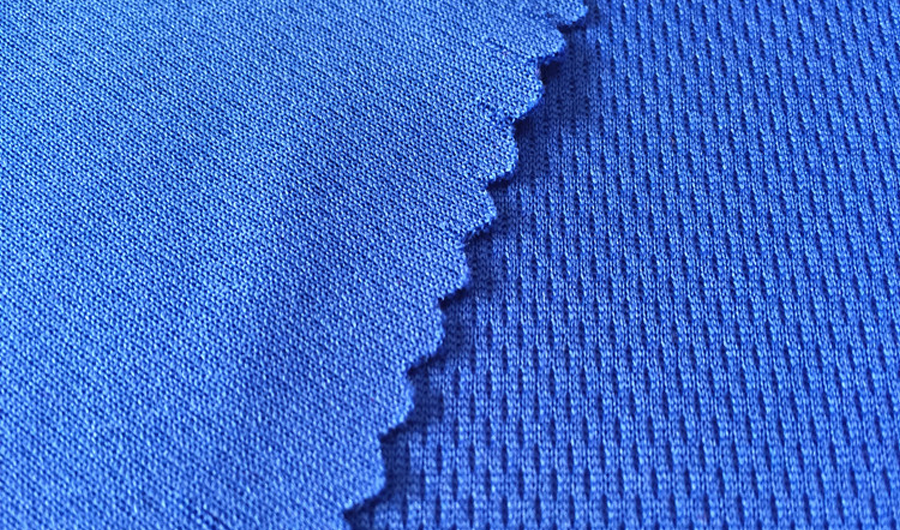
A 5–10% elastane performance knit needs stretch-compatible decoration, while brushed fleece can support embroidery but requires backing control. Recycled and specialty fabrics may add sourcing constraints, so confirm lot continuity, wash testing, colorfastness, pilling, and dimensional stability before approval.
5. Customization and Decoration Options
A 200-piece program can carry brand-specific labels, neck prints, hangtags, and packaging. EDVORIN records each decoration with the garment specification so approved details are repeatable in bulk.
| Method | Best Use | Color Limit | Durability | Setup And Quantity |
|---|---|---|---|---|
| Screen print | Bold graphics | Spot colors | High | Screens favor repeat runs |
| DTG | Detailed art | Full color | Moderate | Low setup; suitable for smaller runs |
| Embroidery | Logos | Thread palette | High | Digitizing required |
| Heat transfer | Names and numbers | Full color | Moderate | Fast personalization |
| Sublimation | All-over polyester art | Full color | High | Requires polyester base |
Select Decoration By Artwork
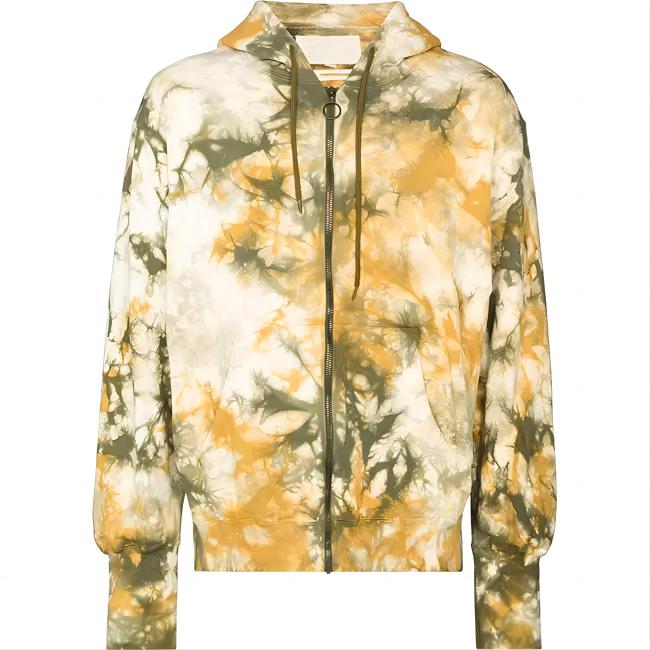
Screen printing suits bold spot-color graphics; embroidery, appliqué, and patches add texture. DTG suits detailed artwork, while sublimation requires polyester-compatible garments.
Compare Production Trade-Offs
One approval sample should confirm the selected method on the actual fabric and colorway. Setup, color limits, and order quantity affect the practical choice.
Lock The Production Standard
100% production-ready artwork should include vector files for screen prints, embroidery, and cut patches. Placement measurements, print size, thread colors, label fold, and packaging layout require written approval before bulk cutting.
6. Construction Quality in Every Garment
Two garments can share the same fabric yet perform very differently after repeated wear and washing. In a clothing manufacturing network, construction specifications turn an approved look into a measurable production standard.
Patterns And Grading

Each size should use a defined base pattern, grade rules, and measurement tolerances rather than visual scaling. A tech pack should identify points of measure, seam allowances, construction sketches, and approved sample revisions.
Seams And Reinforcement
Stress points such as pocket corners, crotch joins, plackets, and zipper ends need specified reinforcement. Flatlock, overlock, coverstitch, bartacks, stitch density, and trim attachment methods should match the garment’s use.
Wash And Final Inspection
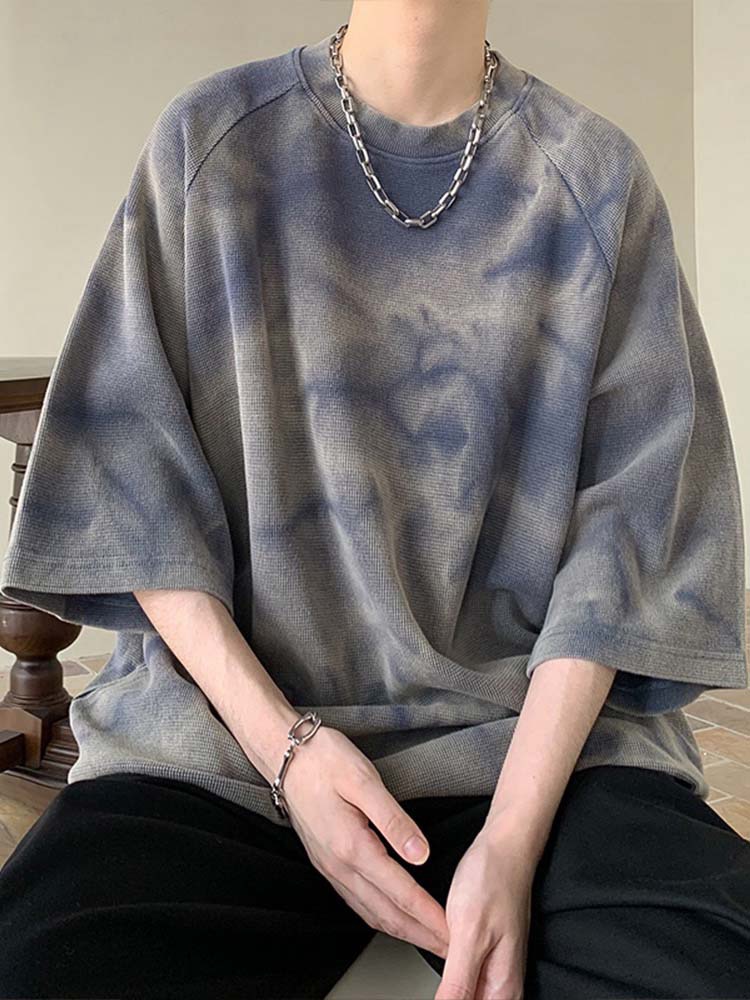
Before bulk approval, test samples can reveal shrinkage, colorfastness, rib recovery, collar shape, and print or embroidery durability. Final inspection criteria should cover measurements, loose threads, seam appearance, labeling, packaging, and defects against the approved sample.
7. Choosing a Clothing Manufacturing Network Partner
A clothing manufacturing network partner should match the product, order size, and operating risk—not merely quote the lowest unit price. Require written proof before releasing a deposit.
Match Product And MOQ
EDVORIN’s MOQ starts at 200 pieces per style. 200-piece programs need a supplier that can show comparable hoodies, jerseys, outerwear, or private-label orders. Request MOQ by style, color, size run, fabric, and decoration method.
Test Development Communication
1 approved sample is not enough without a dated tech pack, measurement chart, bill of materials, and revision log. Ask who owns pattern corrections, how quickly comments are answered, and whether pre-production samples match bulk standards.
Verify Delivery Controls
3 checkpoints—material approval, in-line inspection, and final inspection—should be documented with photos or reports. Confirm monthly capacity, backup fabric options, shipping Incoterms, payment milestones, and applicable WRAP, BSCI, GOTS, or OEKO-TEX documentation before production.
8. Common Clothing Manufacturing Network Mistakes
A clothing manufacturing network fails buyers most often before cutting begins. The preventable errors are vague approvals, incomplete commercial terms, and schedules built without revision or freight time.
Price Before Specifications
1 quoted unit price cannot replace a complete tech pack, BOM, measurement tolerances, and decoration callouts.
Before deposit, compare like-for-like quotes and record fabric, trims, packaging, and agreed change costs.
Sample And Color Control
1 approved sample is the physical production standard; skipping it leaves fit, construction, and artwork open to interpretation.
Before bulk approval, sign off against a size set, Pantone reference, placement measurements, and wash result.
Terms Before Bulk
EDVORIN’s MOQ starts at 200 pieces per style. 200-piece MOQ programs can still face fabric minimums, color surcharges, revision cycles, and transit delays.
Before production, define IP ownership, inspection standard, defect remedy, delivery terms, and the party funding rework.
9. Launching Apparel Through Your Network
EDVORIN aligns development, sourcing, sampling, decoration, and packing around approvals that prevent assumptions from reaching bulk. A clear clothing manufacturing network launch assigns each decision to a buyer or production owner.
Brief And Technical Approval
EDVORIN starts with the customer, target wearer, assortment, price target, sketches, and reference garments. Before sourcing, the buyer approves a tech pack: measurements, graded sizes, bill of materials, Pantone references, artwork placement, labels, packaging, and sample comments.
Prototype To Production Gate
One prototype tests fit, fabric behavior, construction, and decoration; the buyer owns approval, while EDVORIN records revisions. One pre-production sample then locks the bulk standard, including color, trims, print or embroidery, wash, measurements, and packing instructions before production booking.
Receive And Reorder
During bulk, EDVORIN tracks material readiness, in-line workmanship, measurements, and final packing; the buyer confirms freight terms and receiving plan. After receipt, sales by size, color, and style should drive reorder quantities; emerging labels often learn faster from a focused assortment than an oversized debut.
10. Clothing Manufacturing Network Pricing and Cost
200 pieces is a practical MOQ reference, but it is not a price list. Fabric weight, custom dyeing, YKK hardware, labels, washing, pattern work, samples, print screens, embroidery stitches, packaging, inspection, freight, duties, and destination all change landed cost.
3 quote checks prevent comparison errors: define what is included, what is excluded, the currency, and the Incoterm. Separate development and decoration setup from recurring unit cost, then model freight and import charges against the delivery location.
| Quantity tier | Unit-cost direction | Lead-time consideration | Buyer trade-off |
|---|---|---|---|
| 200–499 | Highest | Development has less volume to absorb | Tests a program; limited scale economy |
| 500–999 | Lower | Material booking becomes more efficient | Balances cash exposure and cost |
| 1,000–2,999 | Lower again | Bulk planning needs earlier approvals | Supports color and size depth |
| 3,000+ | Lowest potential | Longer commitments may apply | Best for proven repeat demand |
Build With an Accountable Clothing Manufacturing Network
Send a tech pack, sketch, or reference garment for a production review and quote—from development through packed delivery.