
Clothing Pattern Making Service for Repeatable Apparel
Turn a sketch, concept, or reference garment into approved patterns and production standards for fashion, streetwear, teamwear, and private-label programs.
Featured Products for Pattern Development

What a Clothing Pattern Making Service Must Control
EDVORIN turns fit, construction, materials, and specifications into approved standards that support dependable sampling and repeat bulk production.
Fit Accuracy
Develop fit blocks and measurements around the intended wearer, garment category, and silhouette before production assumptions become costly.
Size Grading
Build a coherent size range with grading rules that preserve proportions, balance, and intended ease across men’s and women’s programs.
Construction Clarity
Define seams, panels, pockets, ribs, closures, and internal details so sample makers and production teams work from one standard.
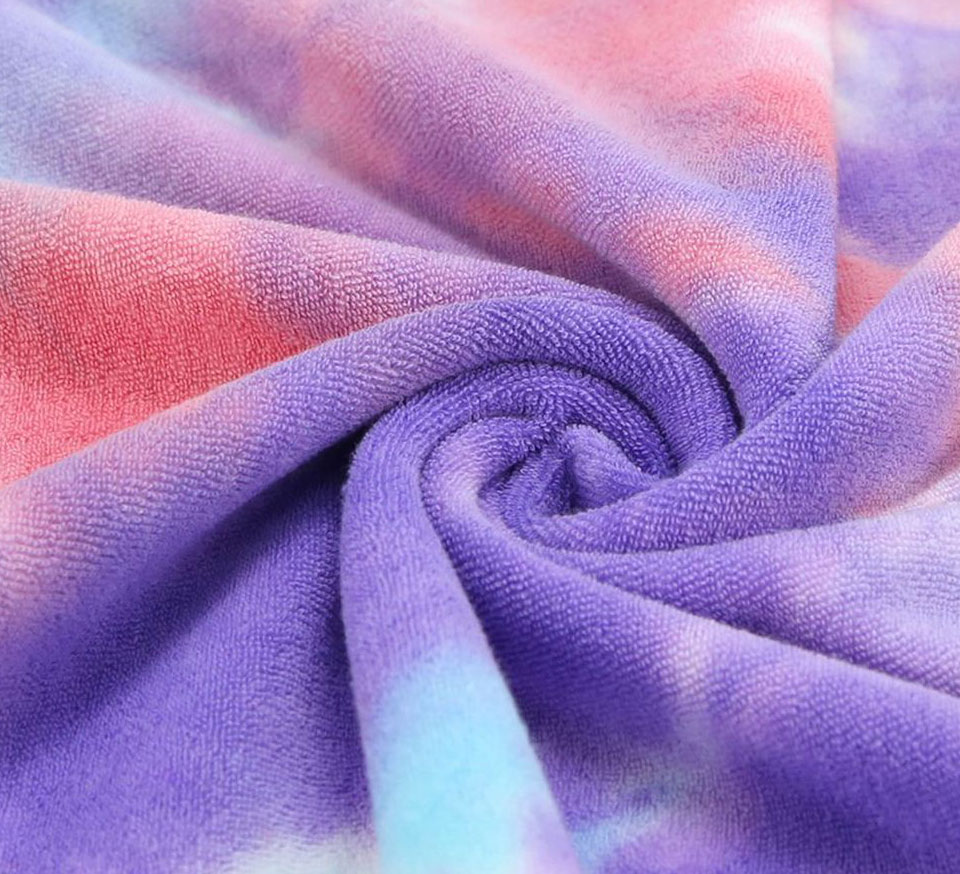
Fabric Behavior
Account for weight, stretch, shrinkage, drape, and recovery so the pattern supports the selected material rather than fighting it.
Repeatable Standards
A clothing pattern making service should translate approved fit and construction into a dependable reference for future production runs.
Production Documentation
Connect pattern revisions with measurement charts, material notes, artwork placement, trims, and sample approvals for clear bulk execution.
Related Apparel Development Services
Explore category-specific development, sampling and bulk manufacturing support for programs that need coordinated specifications, materials, decoration and repeatable production standards.
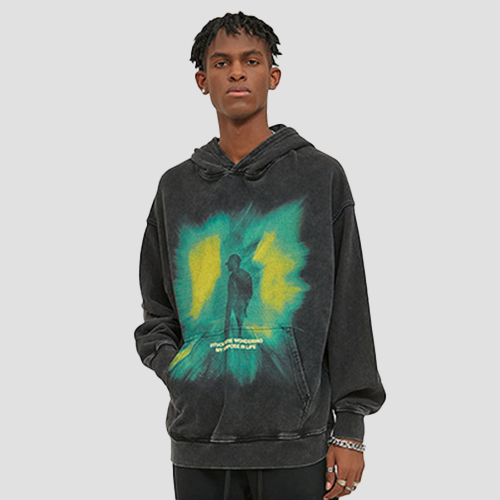
Custom Hoodies
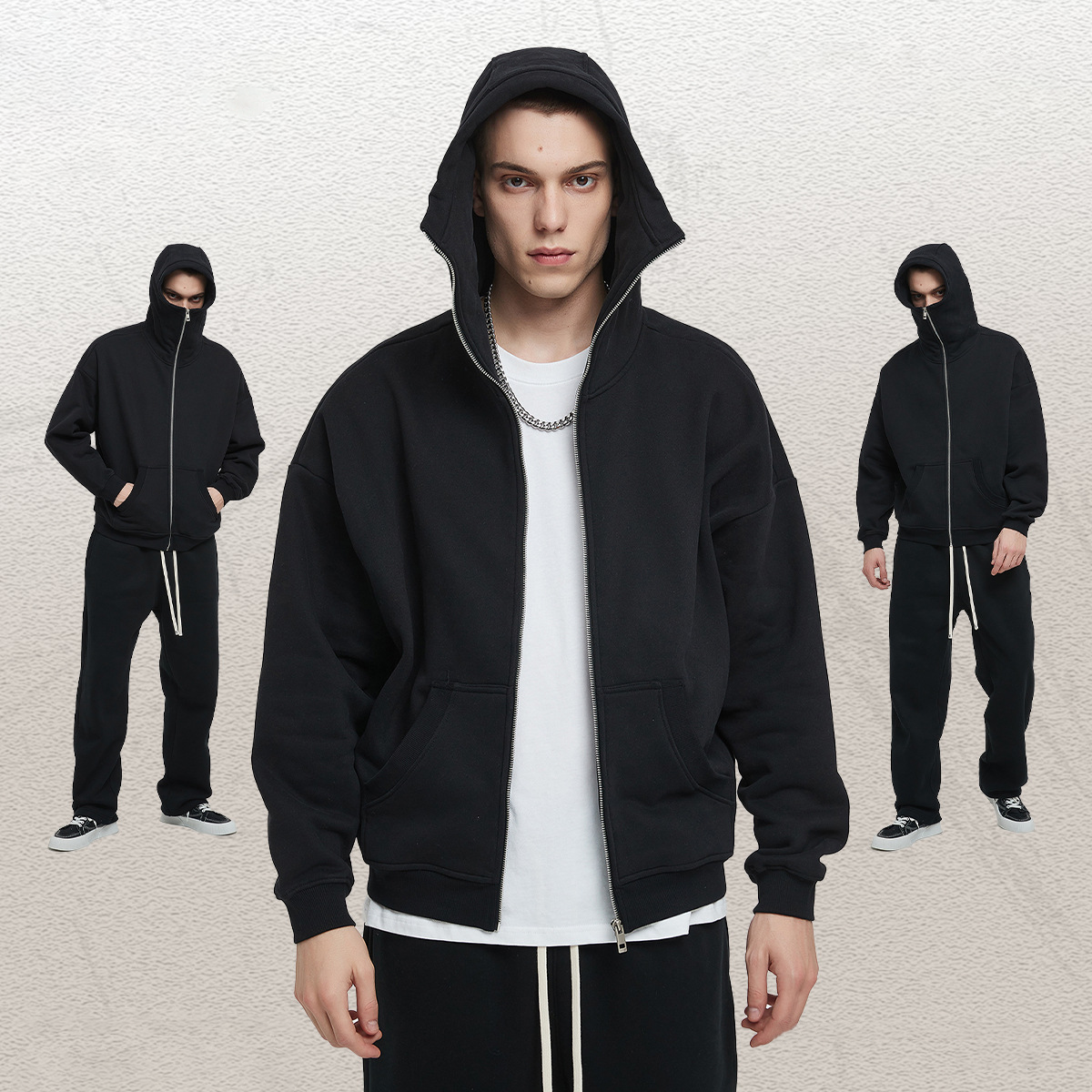
Work with a custom hoodie manufacturer to develop fleece weight, fit blocks, rib construction, hoods, drawcords, pockets, labels and decoration. EDVORIN supports men’s and women’s hoodie programs from tech-pack refinement and sampling through controlled bulk production.
Get a Quote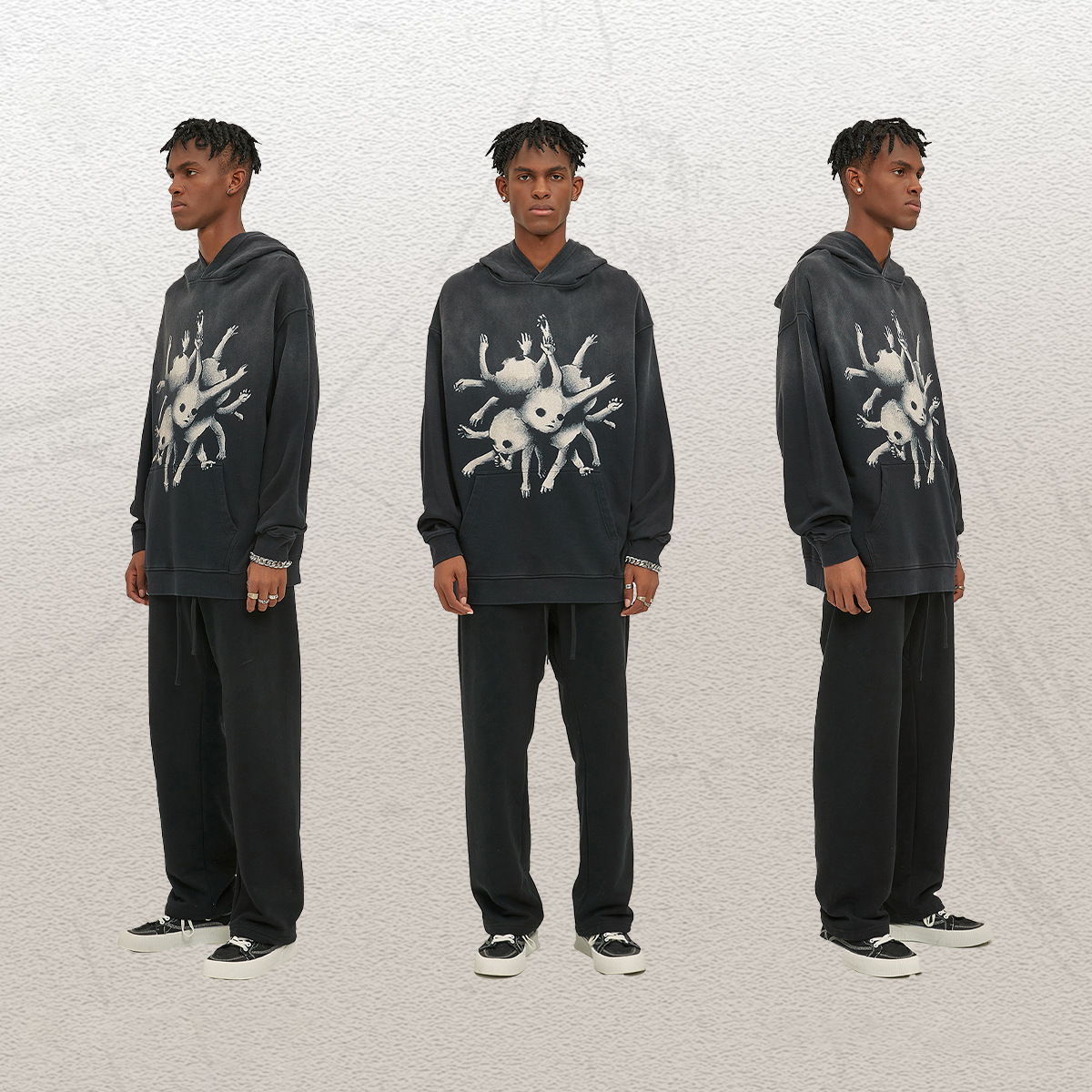
Pullover Sweatshirts
Develop crewnecks and other pullover styles with a sweatshirt manufacturer that coordinates fabric weight, neckline rib, cuffs, hem recovery, grading, prints, embroidery and wash effects. Approved samples provide the production reference for repeat wholesale, private-label or brand orders.
Get a Quote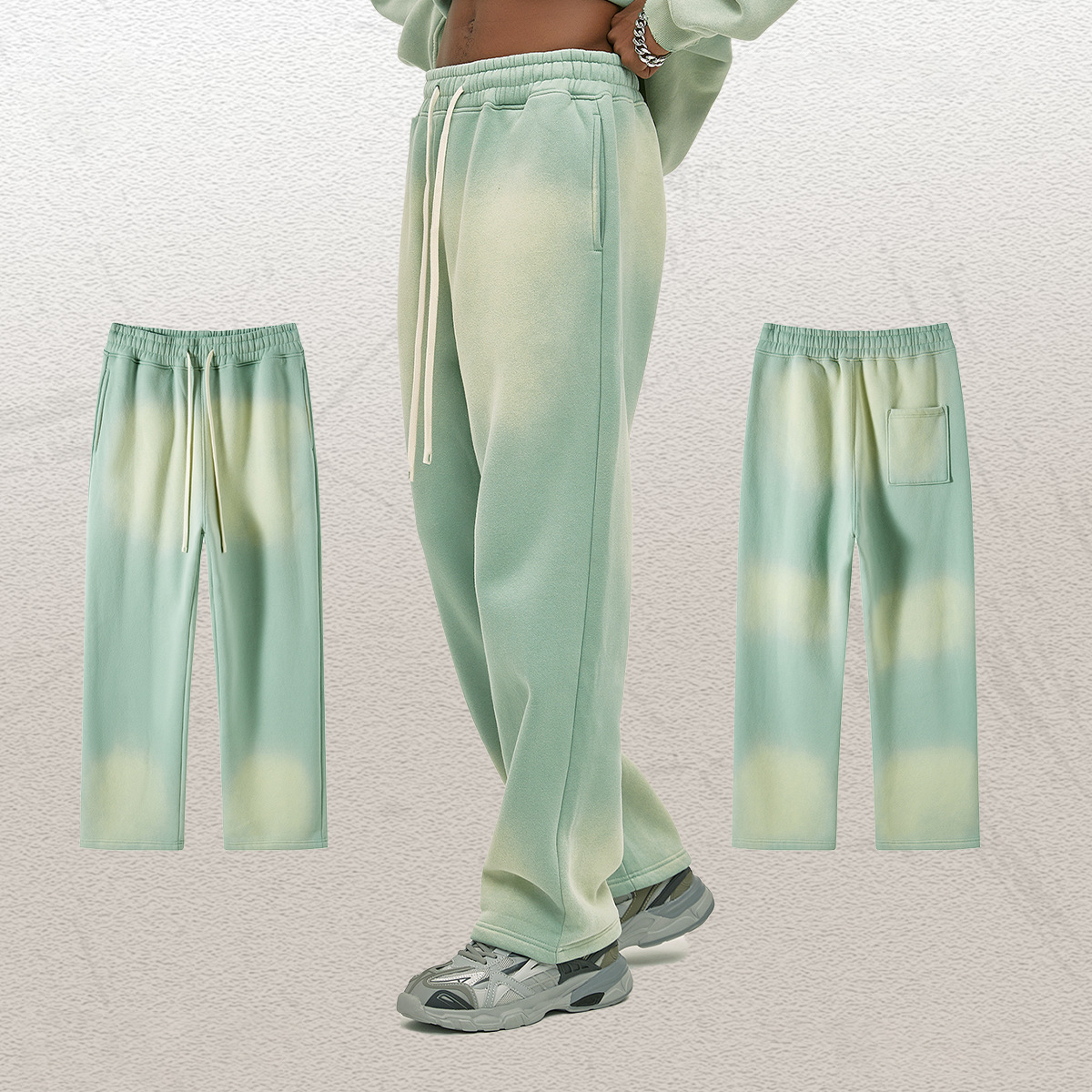
Sweatpants & Joggers
As a sweatpants manufacturer, EDVORIN develops joggers and relaxed bottoms around fabric, rise, leg shape, waistband, cuffs, pockets and drawcord details. Men’s and women’s fits can be graded separately, with samples documented before bulk cutting and sewing.
Get a Quote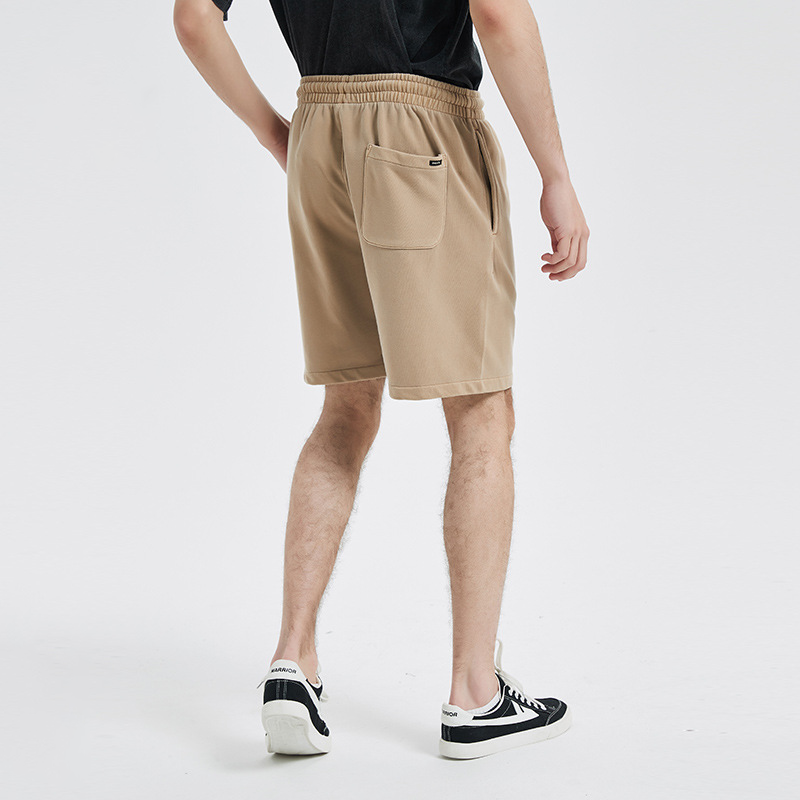
Custom Shorts
A custom shorts manufacturer can help translate casual, athletic or coordinated-set concepts into clear specifications. Development covers inseam, rise, waistband, pocket construction, lining where needed, fabric selection, decoration and size grading for men’s and women’s programs.
Get a Quote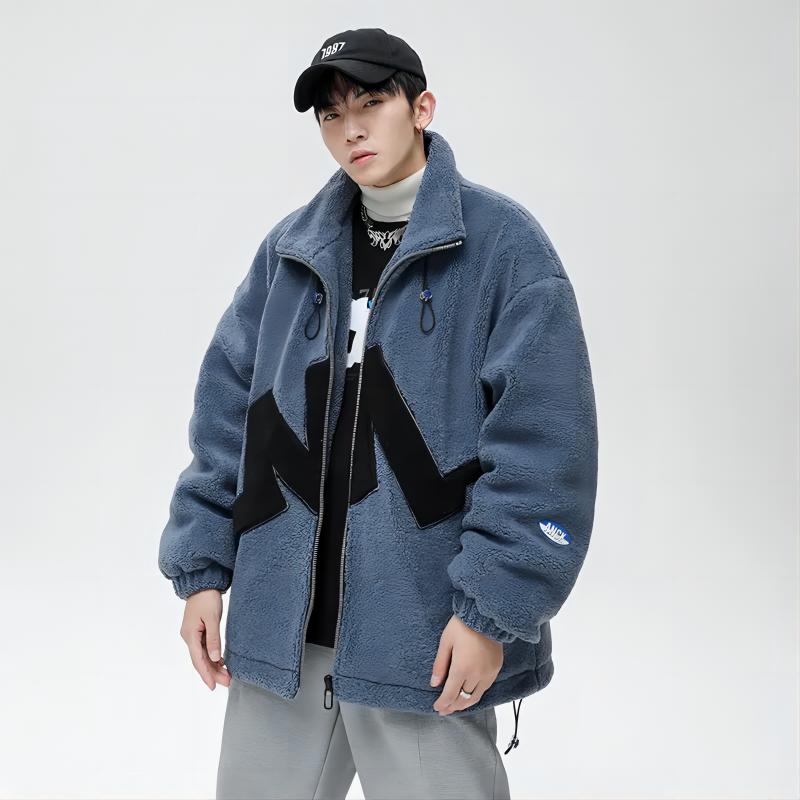
Varsity & Baseball Jackets
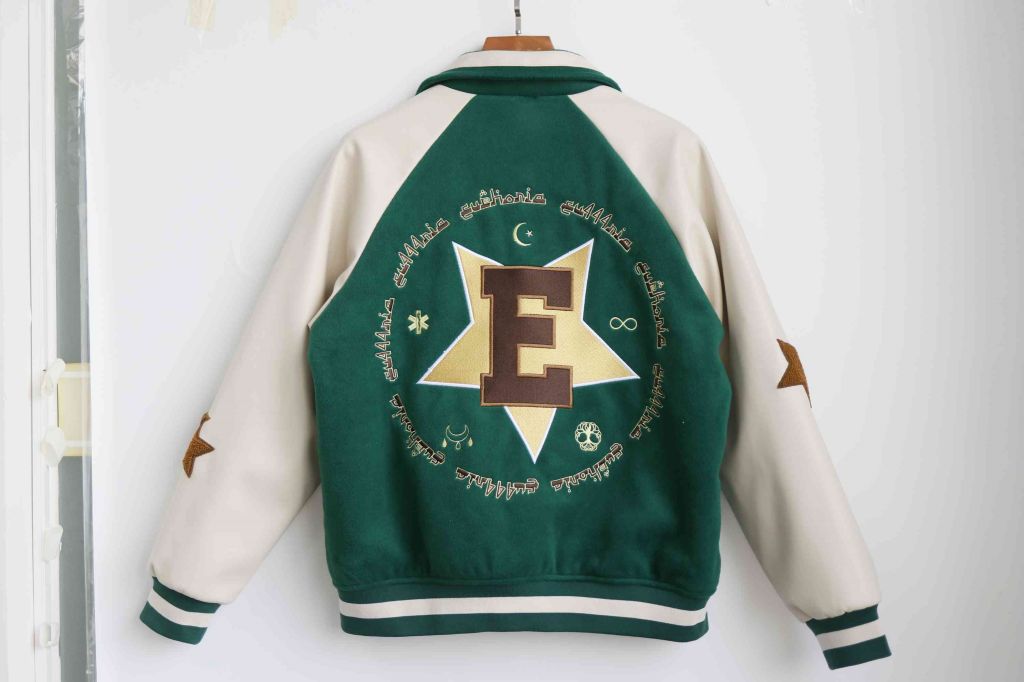
Develop letterman, baseball and varsity styles with a varsity jacket manufacturer that coordinates body fabric, sleeves, lining, rib, snaps, appliqué, embroidery and patches. Sampling confirms the balance of materials and decoration before bulk production begins.
Get a Quote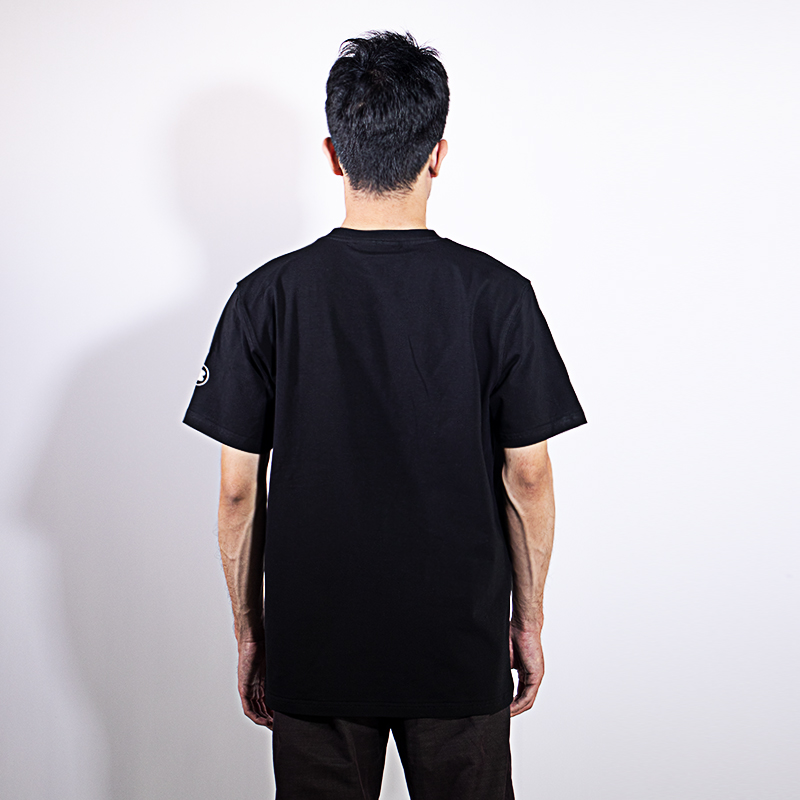
Custom T-Shirts
Work with a custom T-shirt manufacturer on jersey weight, fit, collar construction, sleeve proportions, printing, embroidery, wash treatments, labels and packaging. EDVORIN develops men’s and women’s T-shirts for fashion, streetwear, promotional and private-label programs.
Get a Quote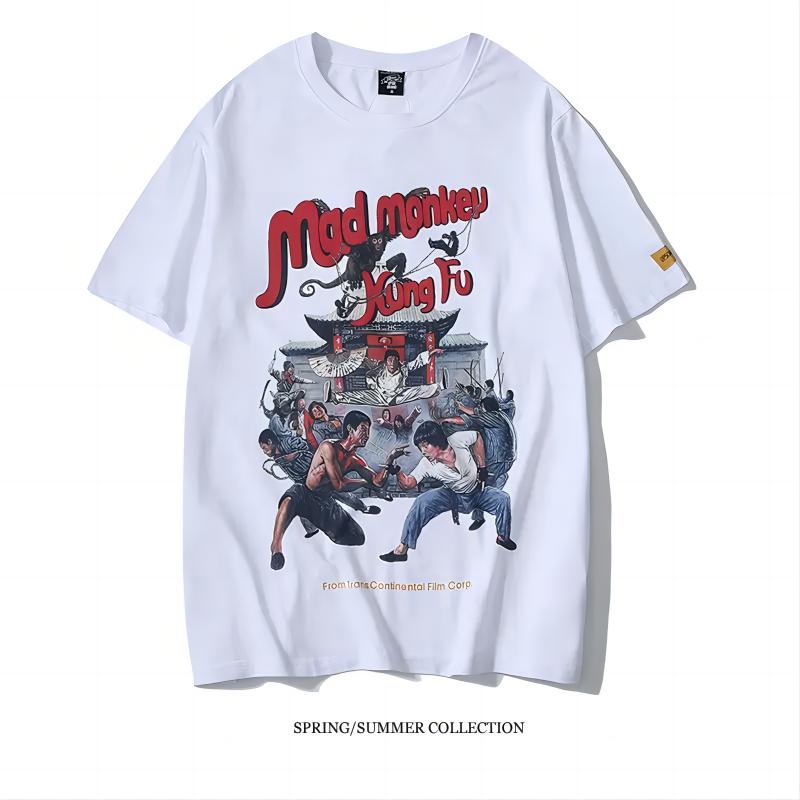
Custom Polo Shirts
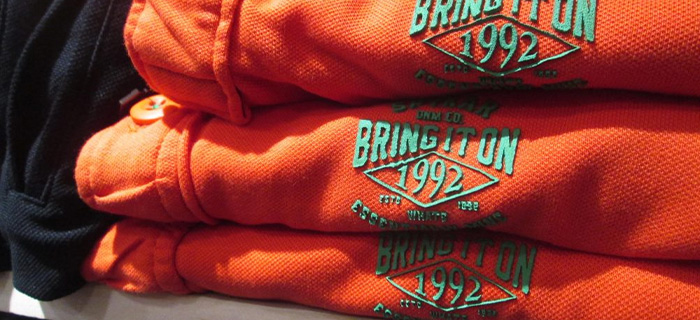
As a polo shirt manufacturer, EDVORIN coordinates piqué or jersey fabrics, collar and cuff ribs, plackets, buttons, embroidery, contrast details and grading. Samples establish the required fit and construction standard before a bulk order is released.
Get a Quote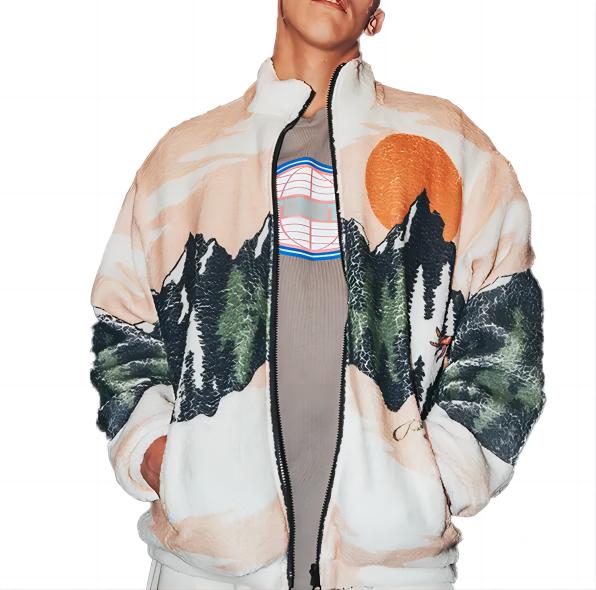
Windbreaker Jackets
Develop lightweight outerwear with a windbreaker manufacturer that manages shell fabric, lining or mesh, zipper selection, hoods, pockets, elastic details, prints and embroidery. Construction and performance requirements are reviewed during sampling before production.
Get a Quote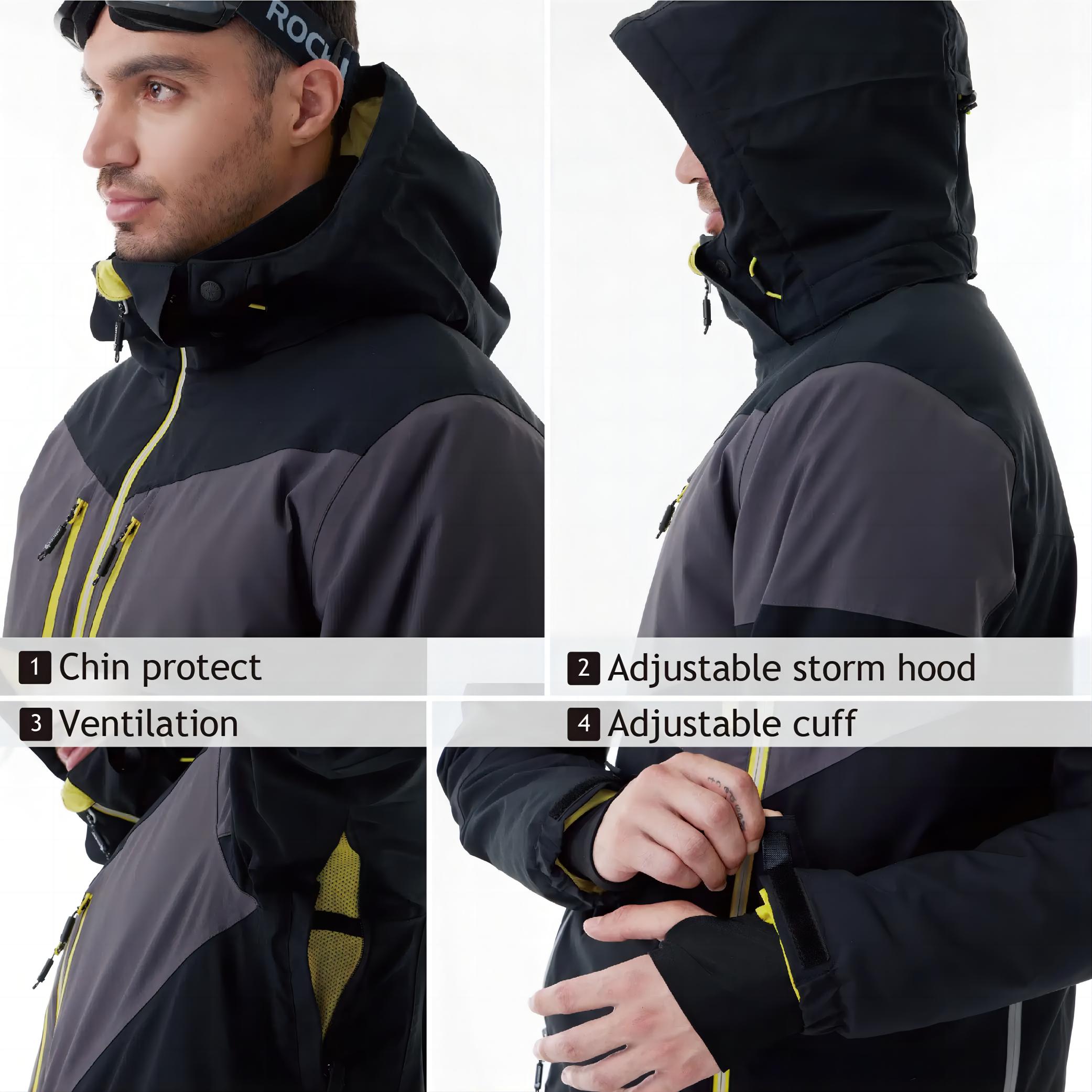
Quilted Jackets
A quilted jacket manufacturer coordinates shell and lining fabrics, insulation, quilting layout, stitch control, zippers, snaps, pockets and branding details. Samples are used to confirm warmth, bulk, proportions and finishing before bulk outerwear production.
Get a Quote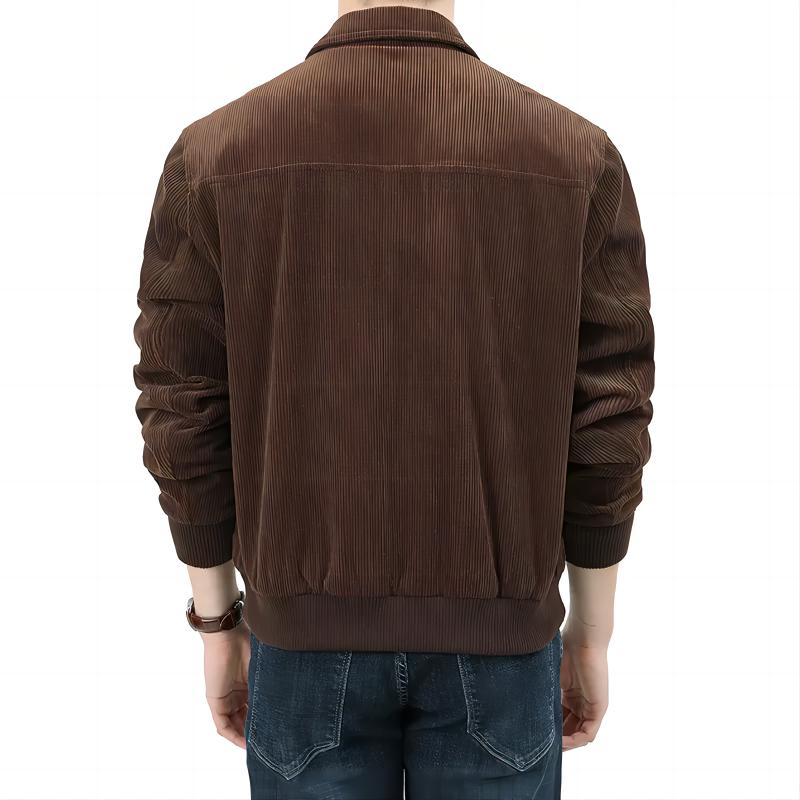
Bomber Jackets
Work with a bomber jacket manufacturer to specify shell fabric, lining, rib, closures, pocket construction, embroidery, patches and wash or coating requirements. EDVORIN documents approved materials and details for consistent repeat production across sizes.
Get a Quote
Custom Shirts
A custom woven shirt manufacturer supports button-front, overshirt and structured shirt programs with fabric sourcing, collars, plackets, cuffs, pocket details, grading and labels. Development can start from a tech pack, reference garment or initial design direction.
Get a Quote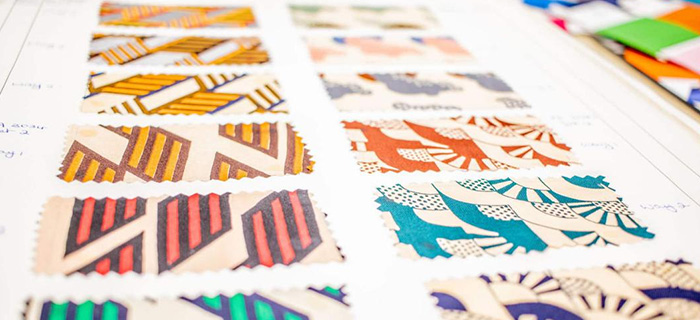
Custom Jerseys
Develop custom jerseys with coordinated fabric, color, fit, trim, name and number specifications. As a custom jersey manufacturer, EDVORIN supports sublimation, printing and embroidery options, with size sets and approved samples used to guide bulk consistency.
Get a Quote
Tank Tops
A custom tank top manufacturer develops sleeveless styles around jersey or performance fabric, armhole shape, neckline binding, fit, length, print placement and grading. Men’s and women’s proportions are adjusted to the intended wearer rather than applied from one block.
Get a Quote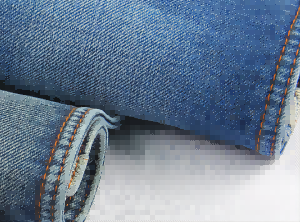
Soccer Uniforms
As a soccer uniform manufacturer, EDVORIN coordinates breathable fabrics, shirt and short construction, team colors, crests, sponsor artwork, player names and numbers. Sampling and placement records help maintain consistency across team size runs and repeat orders.
Get a Quote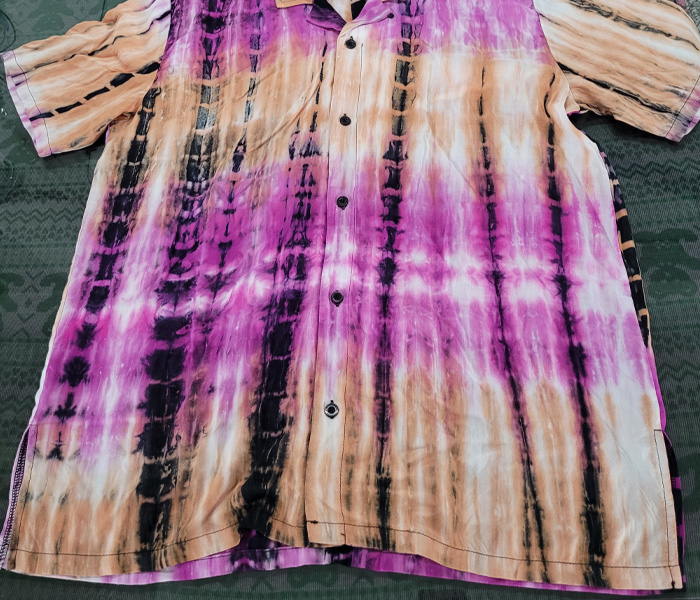
Basketball Uniforms
Develop basketball uniforms with a basketball uniform manufacturer that manages breathable mesh or performance fabrics, jersey and short proportions, piping, color blocking, logos, player personalization and size grading. Approved samples set the standard for coordinated team production.
Get a Quote
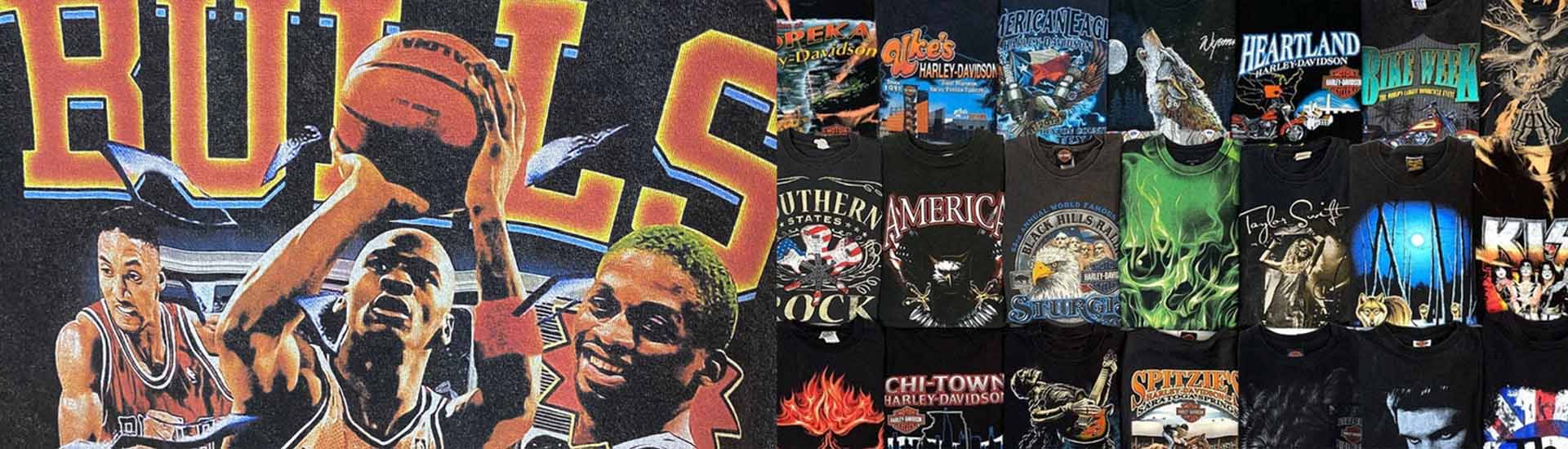
Streetwear Collections
As a streetwear clothing manufacturer, EDVORIN connects product development across hoodies, tees, bottoms, outerwear and coordinated sets. Fabric, trims, graphics, embroidery, washes, labels and packaging are managed through one sample-to-bulk production process.
Get a QuoteClothing Pattern Making Service Since 2000
Founded by Edvorin Zeng in 2000, EDVORIN was built around the practical work of turning apparel ideas into garments that can be made accurately again and again. Our clothing pattern making service helps fashion, streetwear, teamwear and private-label buyers translate sketches, references or tech packs into clear production standards.
Pattern decisions are coordinated with fabric behavior, trims, construction, fit, grading and sample revisions—not handled in isolation. From hoodies and varsity jackets to jerseys and outerwear, EDVORIN develops men’s and women’s programs with the category-specific details needed for reliable manufacturing.
What sets us apart is one accountable path from approved pattern to packed order. We coordinate fabric, trims, custom apparel printing, custom apparel embroidery, garment wash services, custom clothing labels and packaging, and quality control around the agreed standard. As an OEM clothing manufacturer, ODM apparel manufacturer and private label clothing manufacturer, EDVORIN supports product development with MOQ starting at 200 pieces per style.
Clothing Pattern Making Service Controls, Explained
Fit Blocks Built for Wearers
EDVORIN develops fit blocks around the intended wearer, category, and market—not a universal template. For men’s and women’s apparel, proportions, ease, balance, and construction details are reviewed before the pattern becomes the basis for sampling or repeat production.
- Men’s and women’s fit development
- Category-specific ease and proportions
- Measurement points defined for review
- Construction details aligned to the silhouette
Grading With Clear Logic
A base size only becomes production-ready when its size range follows deliberate grading logic. Our clothing pattern making service organizes grade rules around the approved fit, so key lengths, widths, and proportions can be evaluated across the requested size set before bulk cutting.
- Base-size measurements documented
- Grade rules matched to the target range
- Key proportions reviewed across sizes
- Size-set feedback incorporated before approval
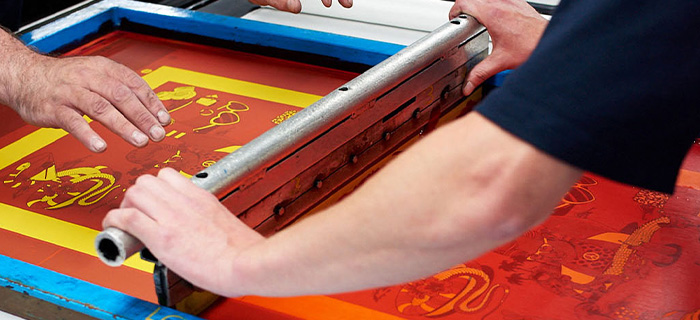
Materials Shape the Pattern
Fabric weight, stretch, recovery, drape, and shrinkage can change how a garment fits and sews. EDVORIN coordinates pattern decisions with selected materials, seam allowances, trims, and decoration requirements, helping the approved sample reflect the conditions planned for production.
- Fabric behavior considered during development
- Seam allowances suited to construction
- Trims checked against pattern requirements
- Decoration placement coordinated with panels
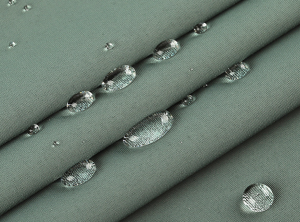
Revisions Become Production Standards
Sample feedback is translated into traceable pattern and specification updates rather than left as informal comments. Once the sample is approved, EDVORIN uses the confirmed measurements, construction, artwork placement, and material decisions to guide quality control from cutting through final packing.
- Sample revisions recorded before bulk
- Approved measurements guide inspection
- Artwork placement retained as a reference
- Production follows the approved standard
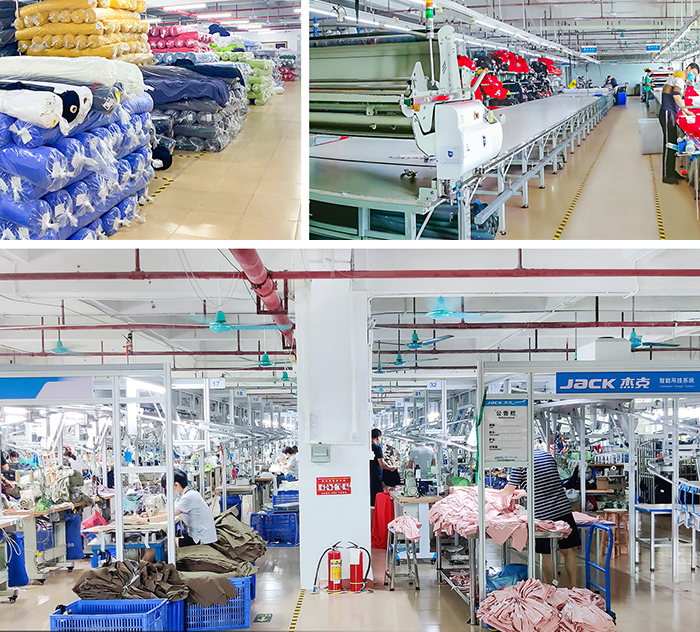
Clothing Pattern Making Service vs. Pattern Grading
Build the base garment first, then grade approved patterns for size runs. EDVORIN can coordinate both with sampling and production documentation.
← Swipe left or right to view →
Our Clothing Pattern Making Service Process
A controlled development path that turns your design into approved, repeatable production standards.
Review Design Requirements
We review your sketch, reference garment or tech pack, then align intended fit, construction details, size range, materials and decoration requirements.
Plan Measurements and Fit
Our team establishes measurement points, fit blocks and proportions for the intended wearer, with men’s and women’s development tailored to each category.
Create First Pattern
We draft the first pattern around the approved design direction, translating construction, seam allowances, components and measurements into a workable garment foundation.
Make and Fit Sample
A sample is cut and sewn to test silhouette, comfort, construction and material behavior, giving your team a physical basis for focused fit feedback.
Grade and Approve Revisions
After revisions are confirmed, we grade the approved base size across your required range and document changes so every size follows the intended standard.
Release for Bulk Production
The approved pattern, measurements, sample, materials and artwork specifications move into production control, supporting consistent cutting, sewing, inspection and repeat orders.
Begin Your Clothing Pattern Making Service
Bring the materials you have; EDVORIN turns them into a reviewed, production-ready standard before bulk manufacturing begins.
Share Your Starting Materials
Send a sketch, reference garment, tech pack, measurement chart, or collection brief, along with target category, fit direction, size range, and intended market.
Define Construction Requirements
Review fabrics, trims, seams, measurements, decoration, wash effects, labels, and packaging with our team so each design decision has a clear production direction.
Review Pattern and Sample
Assess the developed pattern and sample for fit, proportions, construction, and visual details. Record revisions until the approved version reflects your intended garment.
Approve Production Standards
Confirm the final sample, measurement specifications, materials, artwork placement, trims, and grading requirements. These approved details become the reference for controlled bulk production.
Clothing Pattern Making Service Results Buyers Can Measure
EDVORIN turned our oversized hoodie concept into a graded XS–XXL size run that held the intended shoulder drop and body length. We approved the second sample and moved into a 600-piece launch with far fewer fit questions from production.
For our academy uniform program, the pattern and measurement controls gave us consistent jersey fits across 8 youth and adult sizes. The approved sample became a clear reference for names, numbers, and repeat orders, which simplified our rollout considerably.
We brought EDVORIN a sketch and a reference jacket, then received a production-ready pattern and sample path we could review with confidence. After two focused revisions, our 1,200-piece private-label order matched the approved fit and construction details.
Clothing Pattern Making Service FAQs
Clear answers for brands moving from an apparel concept or approved reference to a repeatable production standard.
What does your clothing pattern making service include?
Which garment categories are suitable for your clothing pattern making service?
What files do I need to start a clothing pattern making service project?
Can you grade patterns for multiple sizes?
Can patterns be developed for printed, embroidered, washed, or patched garments?
EDVORIN’s MOQ starts at 200 pieces per style. What is the minimum order quantity, and do you support emerging brands?
How do sampling and revisions work before bulk production?
Can EDVORIN take an approved pattern into manufacturing and support certification requirements?
The Complete Clothing Pattern Making Service Buyer’s Guide
Use this decision framework to compare clothing pattern making service options, assess supplier capabilities, define production-ready requirements, control development costs, and avoid fit, grading, communication, and sourcing mistakes before placing a garment order.
1. What Is a Clothing Pattern Making Service?
One production-ready pattern converts a sketch, reference garment, or measurement specification into separate cut pieces that a factory can sew and check. It establishes the garment’s shape before fabric is cut, making the clothing pattern making service the technical bridge between design intent and a first sample.
Two file layers matter to buyers: the digital pattern and its production annotations. Each piece should identify size, grainline, seam allowance, notches, drill points, cut quantity, and construction references so cutting and sample sewing follow the same instructions.
A complete size range requires grading from an approved base size, plus a marker that arranges pieces for efficient fabric cutting. Before a 200-piece production order, these deliverables give EDVORIN and the buyer a controlled fit standard that can be reviewed, revised, and repeated in bulk.
2. How Clothing Pattern Making Evolved
1:1 paper patterns gave cutters a full-size physical template, but revisions meant redrawing pieces, storing rolls, and manually applying each size change. They remain useful for checking seam balance, handling, and an approved sample against the production standard.
2D CAD changed the buyer workflow by keeping master patterns, notches, seam allowances, and graded size rules in controlled digital files. A clothing pattern making service can revise one measurement, issue a new version to the factory, and reduce errors caused by copying paper patterns.
3D development adds a virtual check of silhouette, ease, and placement before another sample is cut, yet it cannot decide fit by itself. Technical judgment still tests fabric stretch, shrinkage, construction, and wearer proportions; consequently, capable suppliers may use digital files for control while retaining paper patterns for cutting-room reference and fit review.
3. Types of Clothing Pattern Making Service
One clothing pattern making service scope should match the starting point: a new sketch needs development, while an approved garment needs controlled replication. EDVORIN can connect the selected scope to sampling and bulk-ready specifications.
New Design Development
One flat-pattern draft converts flats, measurements, fabric details, and construction notes into a base-size pattern; it suits private-label tees, uniforms, and teamwear. Output includes labeled pieces and seam allowances; it cannot validate fit without a sample.
One draped development starts with a dress form, fabric, and style reference; it suits fashion labels building volume, asymmetric shapes, or soft outerwear. Output is a refined pattern; drape results can change with substitute fabric.
Existing Garment Replication
One reference-sample reverse-engineering job requires the physical garment, target measurements, and permitted changes. It produces a reconstruction pattern for repeat orders, but hidden shrinkage, construction, and fabric behavior still require sampling.
One CAD-digitization job requires clean paper patterns or digitizable pieces. It produces editable digital files, but it corrects neither fit nor missing annotations.
Production Readiness Services
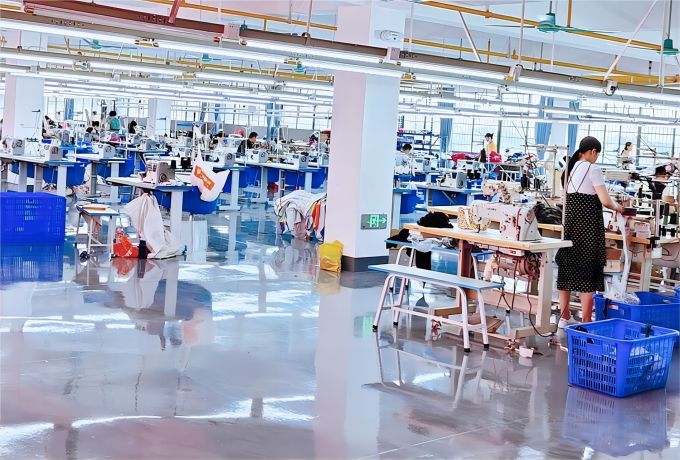
One correction service uses fit comments, revised measurements, and a sample to update a faulty base pattern. Output is a revised pattern; vague feedback creates another fitting round.
One grading and marker scope needs an approved base size, size range, fabric width, and lay plan. It produces size nests and cutting markers; grading cannot compensate for an unapproved base fit.
4. Clothing Pattern Making Service for Different Fabrics
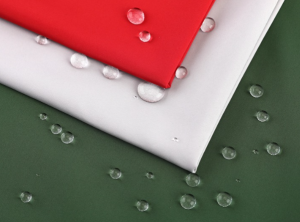
160–220 GSM jersey, 280–400 GSM fleece, and stretch performance knits each require different balances of ease and seam control. A clothing pattern making service must validate the actual fabric, not reuse a base block unchanged.
| Fabric Family | Pattern Consideration | Sample Test | Typical Use |
|---|---|---|---|
| Jersey | Drape and shrinkage allowance | Wash and twist check | T-shirts |
| Fleece | Thickness and rib recovery | Seam bulk check | Hoodies |
| Stretch knit | Negative ease | Extension recovery | Activewear, uniforms |
| Woven shell | Low give and lining ease | Mobility test | Shirts, outerwear |
Stretch And Recovery
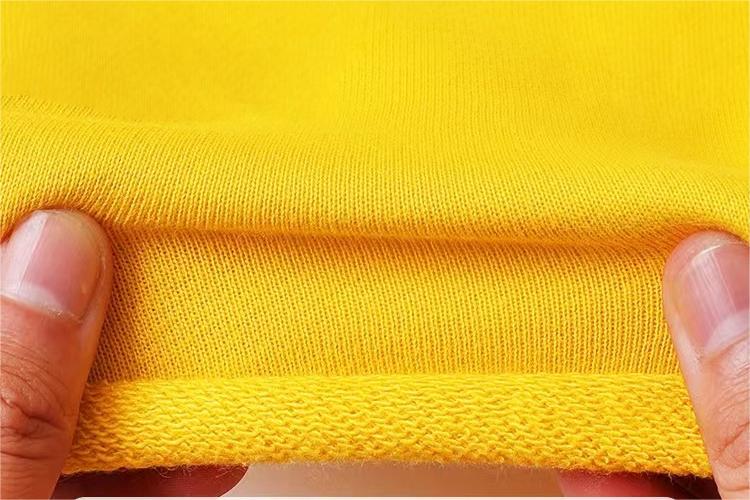
5–10% elastane can change negative ease, armhole shape, and neck binding length. Fit samples should be stretched, recovered, and measured after laundering.
Shrinkage And Surface
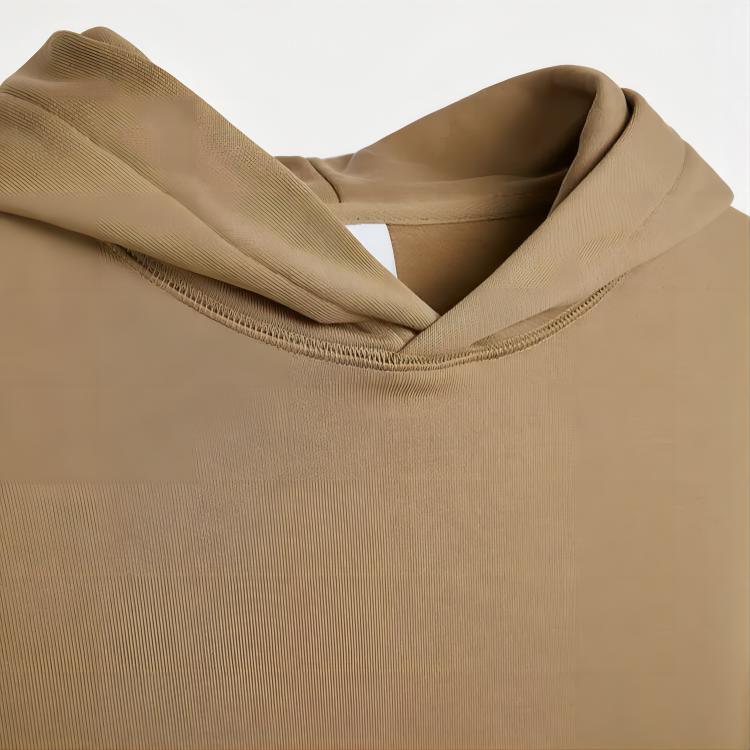
2–5% wash shrinkage can alter body length, sleeve pitch, and print placement. Brushed fleece, rib, coated shells, and slippery linings also change feeding, seam allowance, and bulk.
5. Customization and Branding Requirements
One approved pattern must carry every branding decision before sampling. EDVORIN records placement, dimensions, materials, and assembly sequence so customization remains reproducible in bulk.
| Customization | Pattern Requirement | Production Impact |
|---|---|---|
| Pockets and panels | Piece shape and seam location | Controls placement and assembly |
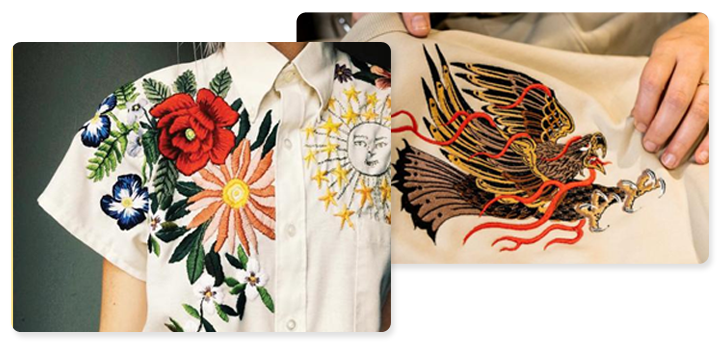
| Embroidery | Clearance and backing area | Protects fabric and stitching |
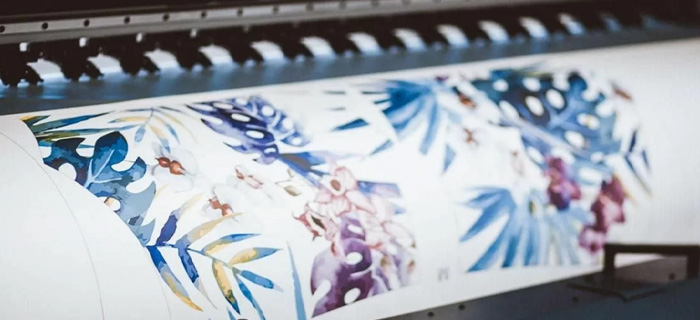
| All-over print | Artwork mapped before cutting | Aligns print across seams |
Build Details Into Pieces
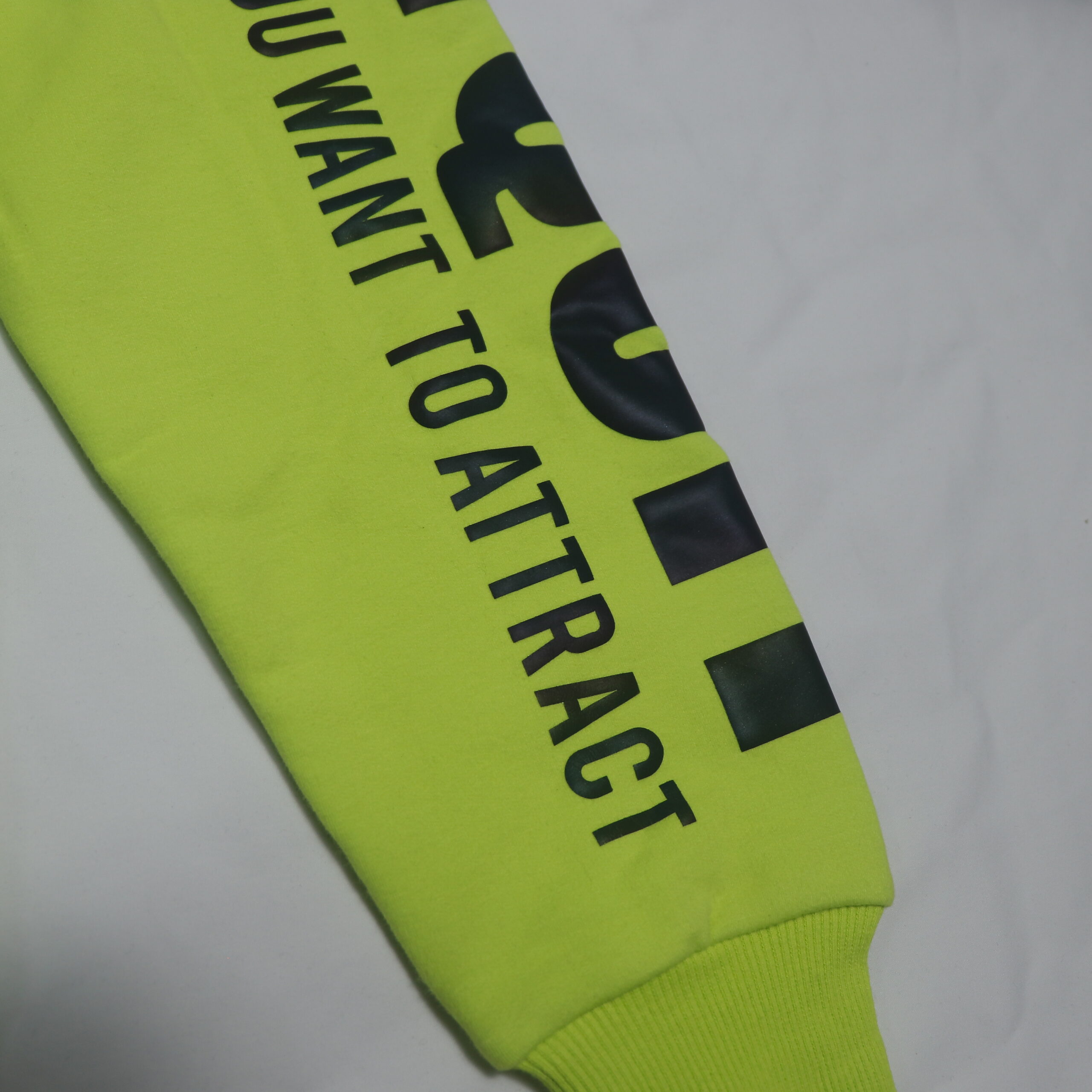
Each pocket, panel, hood, collar, contrast insert, and lining needs a defined pattern piece or seam. Placement points and seam allowances must be shown on the technical specification.
Match Decoration To Construction
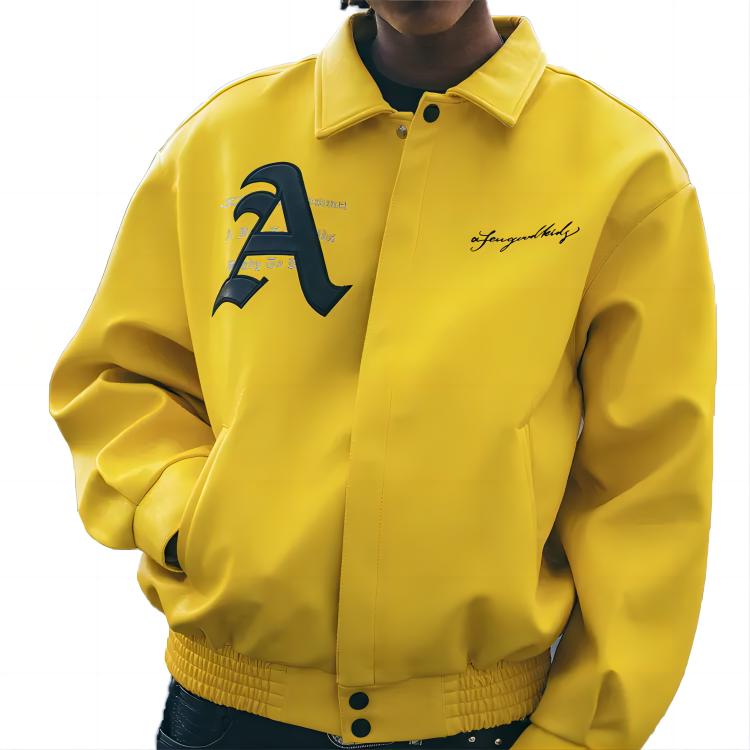
Screen print, heat transfer, embroidery, and all-over print each change construction constraints. Artwork near seams needs clearance; embroidery may require stabilization, while all-over print is normally applied before cut-and-sew assembly.
Lock Branding Before Approval
Before approval, lock logo artwork, Pantone references, print size, placement measurements, label type, label location, and care-label content. Also confirm fabric, tolerances, thread color, and decoration order against the approved sample.
6. Construction Details That Protect Fit
A bulk-ready pattern records more than silhouette: it fixes the cut, sewing sequence, and wash expectation. EDVORIN reviews these decisions against the approved sample so a repeat order has a usable factory standard.
Measurements And Ease

Each critical point of measure needs a method, target, and tolerance; chest, body length, rise, and opening widths should be measured consistently. Ease must support the intended movement rather than distort the fit block.
- Record garment, not body, measurements
- Confirm tolerances before grading
- Test movement in intended use
Seams And Pattern Control
A 1 cm seam allowance may suit many closed seams, but the allowance, stitch type, notches, grainline, facings, and reinforcement must match the construction. Flatlock, coverstitch, or reinforced stress points affect comfort, durability, and sewing repeatability.
- Match seam type to fabric stretch
- Place notches for accurate joining
- Specify reinforcement at stress points
Fit Approval And Revisions
At least one measured, washed fit sample should confirm shrinkage allowance and post-wash shape. Approve bulk only when every fit-session comment is resolved in a dated pattern revision, spec sheet, and sample record.
- Measure before and after washing
- Close every revision in writing
- Release one approved production version
7. Choosing a Clothing Pattern Making Service Partner
One supplier decision affects fit consistency, costing, and bulk readiness. For brands, clubs, schools, wholesalers, and private-label buyers, evaluate the clothing pattern making service against the exact product category and order scale.
Verify Category Evidence
Hoodies, jerseys, and varsity jackets require different construction knowledge. Request recent portfolio samples, measurement charts, and evidence of comparable fabrics, decoration, and size ranges.
- Which comparable styles reached bulk production?
- Can you show sample-to-bulk specifications?
- Which fabrics and decoration methods were used?
Test The Technical Process
CAD patterns must open in the factory’s production workflow. Confirm accepted file formats, tech-pack review steps, sample capability, grading rules, revision limits, and who approves each change.
- Which CAD formats can you receive and return?
- How are grade increments documented?
- How many fit revisions are included?
Secure Handoff And Control
EDVORIN’s MOQ starts at 200 pieces per style. 200-piece programs need MOQ, production timing, and quality controls aligned before development begins. Put pattern ownership, file handoff, tolerances, inspection points, labels, packaging, and production coordination in writing.
- Who owns approved patterns and graded files?
- What checks occur before cutting and packing?
- Can the team coordinate sourcing through bulk production?
8. Common Clothing Pattern Making Service Mistakes
Eight preventable decisions cause most pre-cutting risk in a clothing pattern making service. EDVORIN de-risks them by converting approvals into measurable, version-controlled production standards before bulk cutting.
Brief And Reference Gaps
1 vague sketch or unmeasured reference leaves ease, construction, and placement open to interpretation. Supply flats, a measurement chart, garment photos with dimensions, and a written fit target.
Fabric And Sample Shortcuts
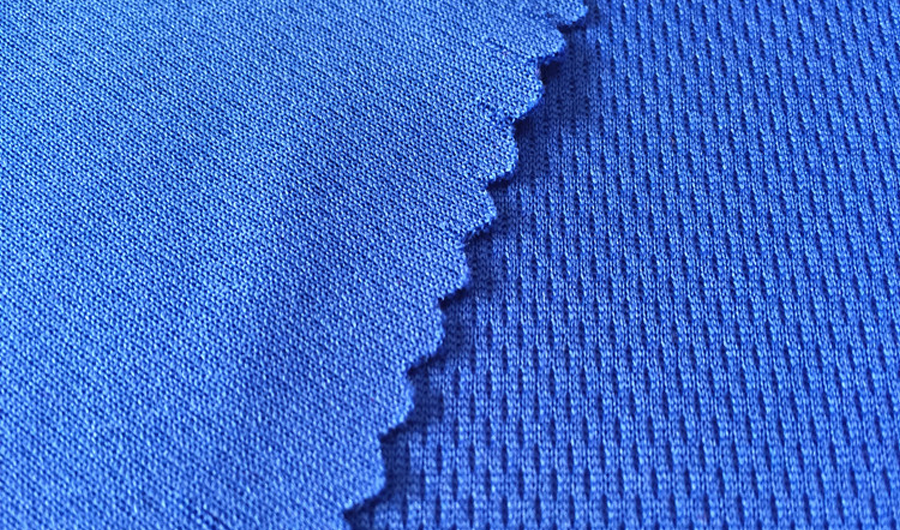
2 skipped wash, shrinkage, and stretch checks can make an approved silhouette change after finishing. Test the intended fabric, then approve a complete sample only after fit, movement, decoration, and wash review.
Grading And Trim Changes
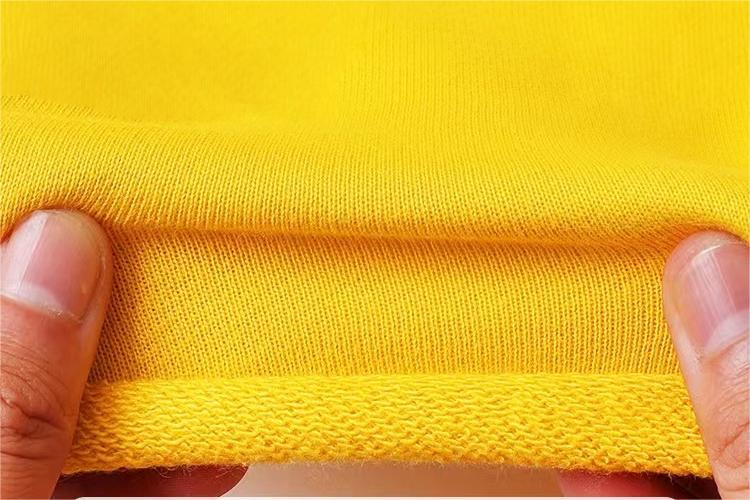
3 missing grade rules create inconsistent proportions between sizes, while late trim changes can alter construction and cost. Approve grade increments and freeze rib, zipper, drawcord, label, and hardware specifications before release.
Control And Ownership
4 unclear tolerances invite disputes when measurements vary, and unspecified file ownership limits future sourcing flexibility. Record point-of-measure tolerances, approved revision numbers, pattern formats, and ownership rights in writing.
9. Steps From Design Brief to Bulk Production
A controlled apparel launch begins with one approved brief: target wearer, size range, price target, calendar and quantity. EDVORIN keeps each clothing pattern making service handoff tied to a dated version and buyer sign-off.
Brief And Component Approval
1 brief gives the designer’s flats, measurements, construction notes and artwork to the pattern maker. The buyer approves fabric, Pantone references, trims, labels and decoration method before sampling.
Sample And Fit Loop
1 base pattern produces the first sample in the intended fabric whenever possible. The buyer records fit comments, measurement changes and placement corrections; the pattern maker revises, and the factory confirms sewing feasibility.
Production Release Control
1 approved fit sample triggers grading, then a pre-production sample using confirmed materials and trims. Buyer approval of the graded spec, marker yield, color standard and packing details releases bulk cutting.
10. Clothing Pattern Making Service Pricing and Costs
200 pieces is EDVORIN’s stated MOQ, but development costs should be quoted separately from bulk-unit pricing. A complete clothing pattern making service quote identifies what is included before the first sample.
2 sample rounds often expose whether revisions, fabric behavior, and construction changes are included or billed separately. Compare suppliers against the same technical brief, measurement chart, fabric specification, and size range—not the lowest headline figure.
1 approved base pattern can support repeat orders only when grading rules, marker files, and revision history are retained. Ask each supplier to state exclusions, ownership of files, and the lead-time impact of every added approval cycle.
| Scope | Cost driver | Buyer input | Lead-time effect |
|---|---|---|---|
| Base pattern | Complexity; pattern-piece count | Flats, measurements, reference sample | More pieces increase development time |
| Revisions and samples | Fit changes; sample rounds | Consolidated fitting comments | Each round extends approval timing |
| Grading and marker | Size range; fabric width | Grade rules; usable fabric width | More sizes require added setup |
| Testing and bulk | Fabric tests; order quantity | Fabric composition; forecast quantity | Testing and capacity planning add time |
Start Your Clothing Pattern Making Service Project
EDVORIN’s MOQ starts at 200 pieces per style. Send your sketch, artwork, reference garment, or tech pack for a production-ready quote built around your collection and 200-piece MOQ.