
Clothing Quality Control Service for Every Approved Detail
EDVORIN’s clothing quality control service keeps materials, measurements, decoration, labels, and packing aligned from approved sample through bulk production.
Apparel Programs Supported by Our Quality Control Service
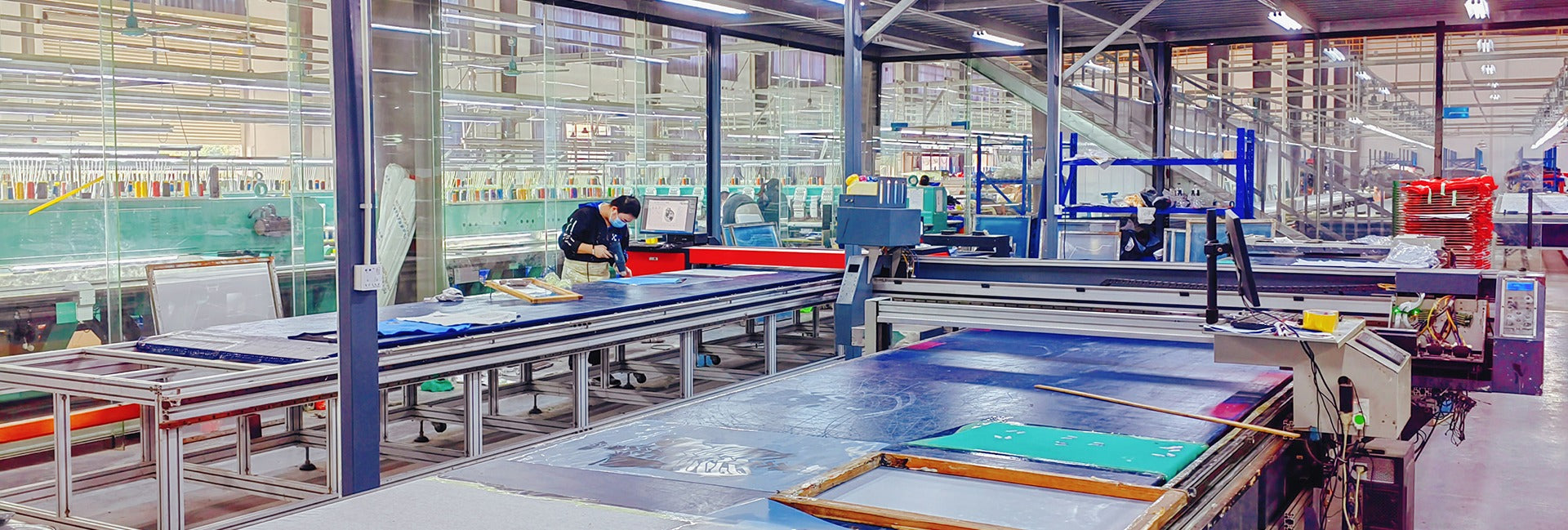
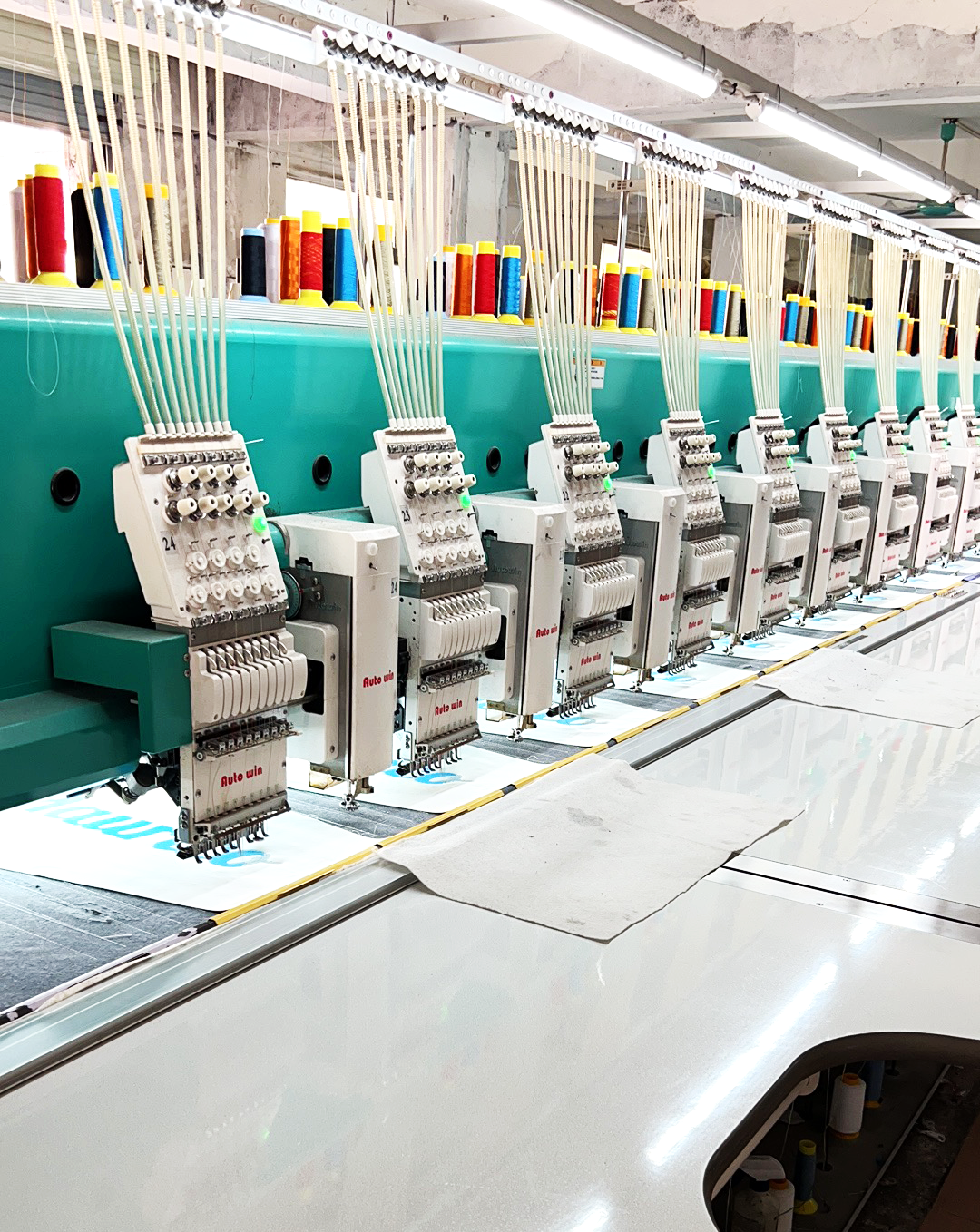
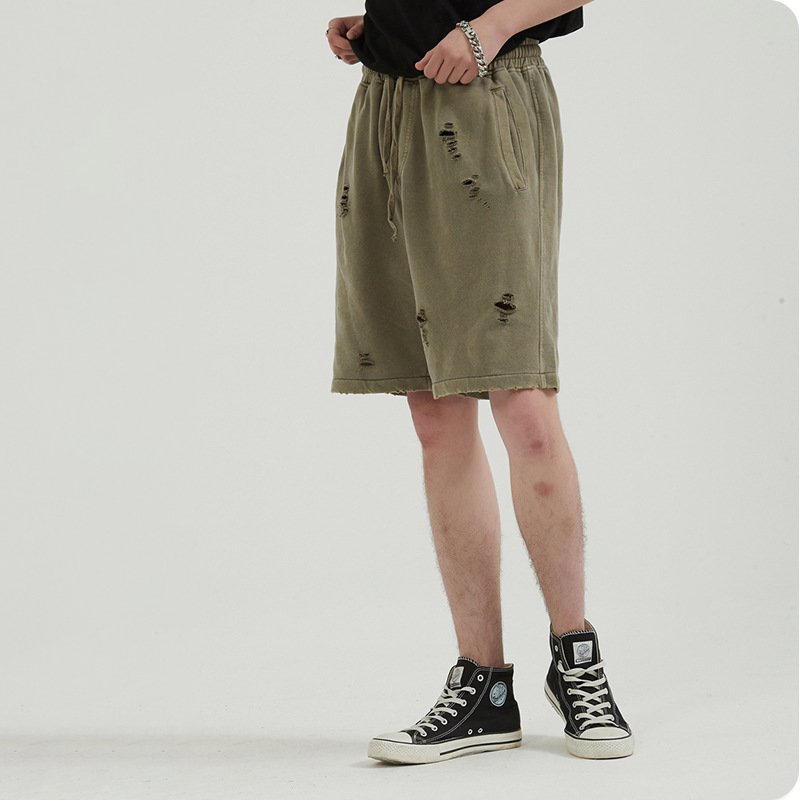
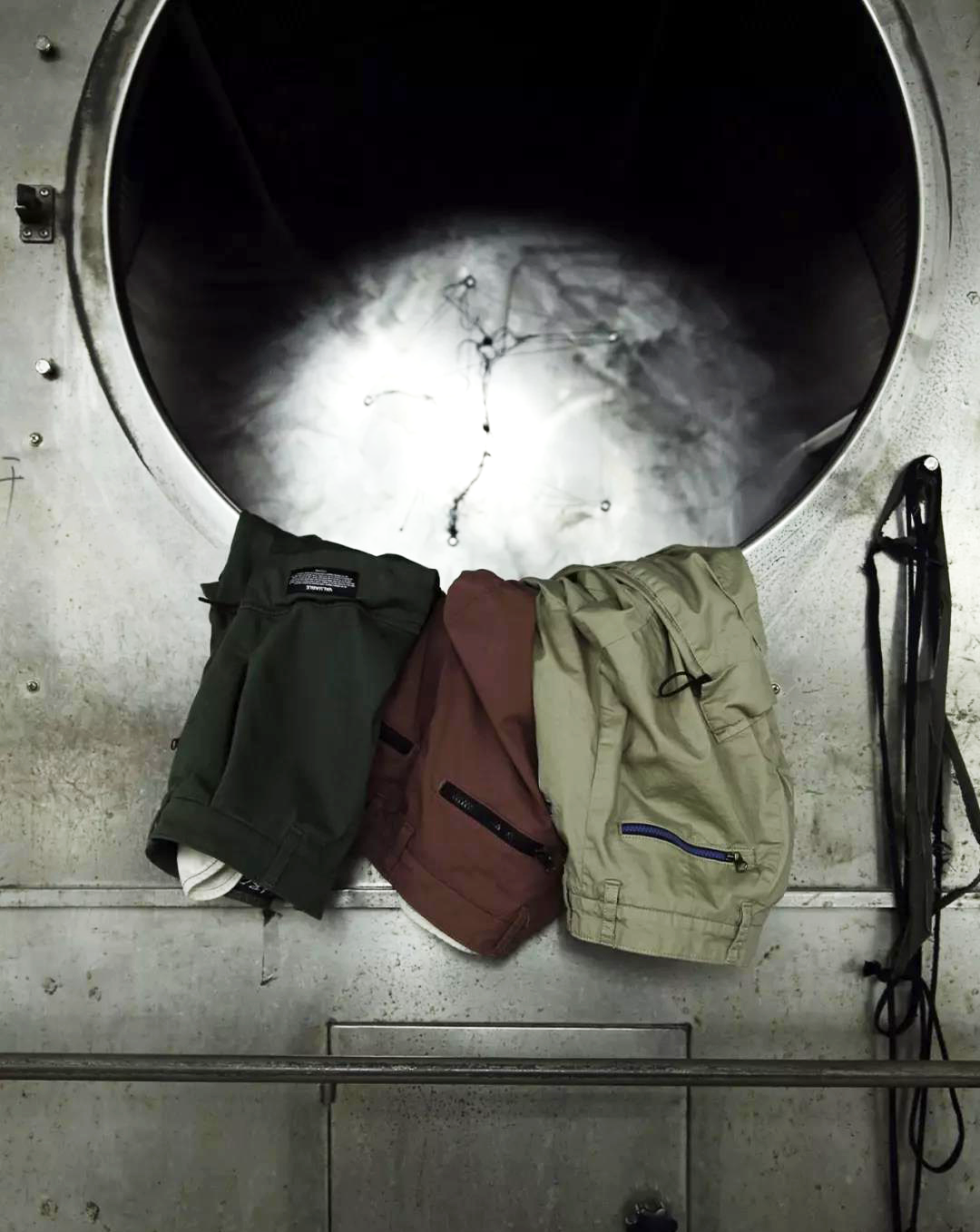





What Our Clothing Quality Control Service Covers
EDVORIN checks the approved standard across materials, construction, decoration and packing before your order moves forward.
Measurement Consistency
We compare key points of measurement and grading against approved size charts to help keep fits consistent across the production run.
Fabric and Trim Verification
Fabric, ribs, zippers, snaps, labels and other trims are checked against approved specifications before they affect finished garments.
Decoration Placement
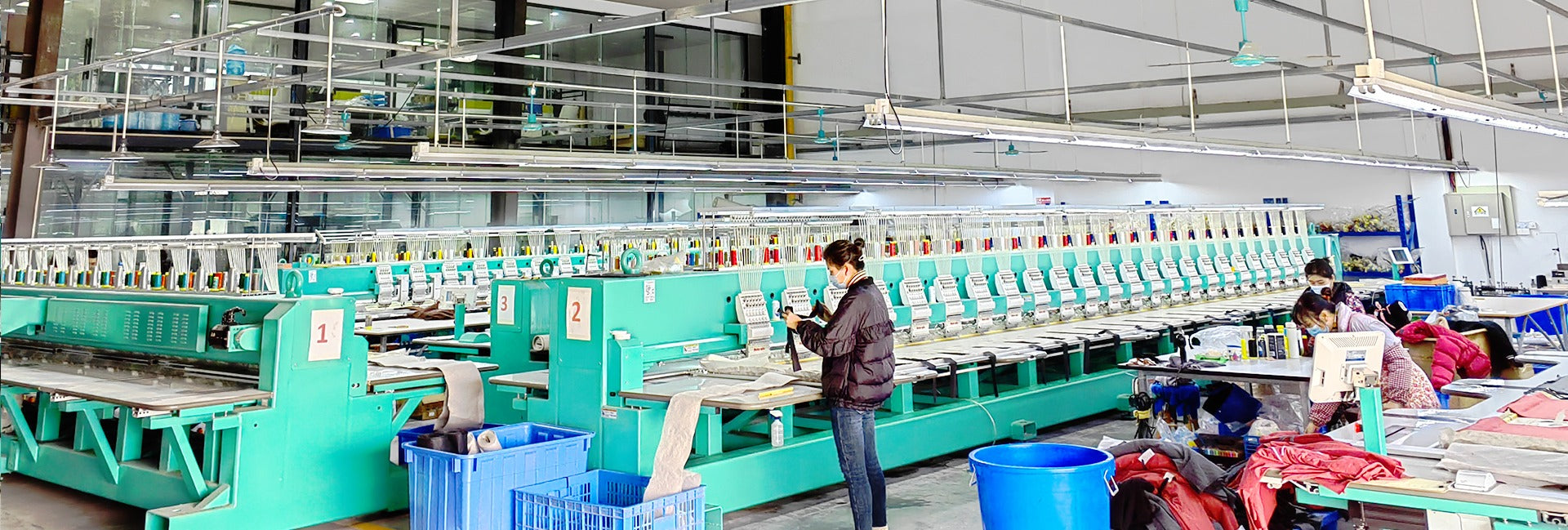
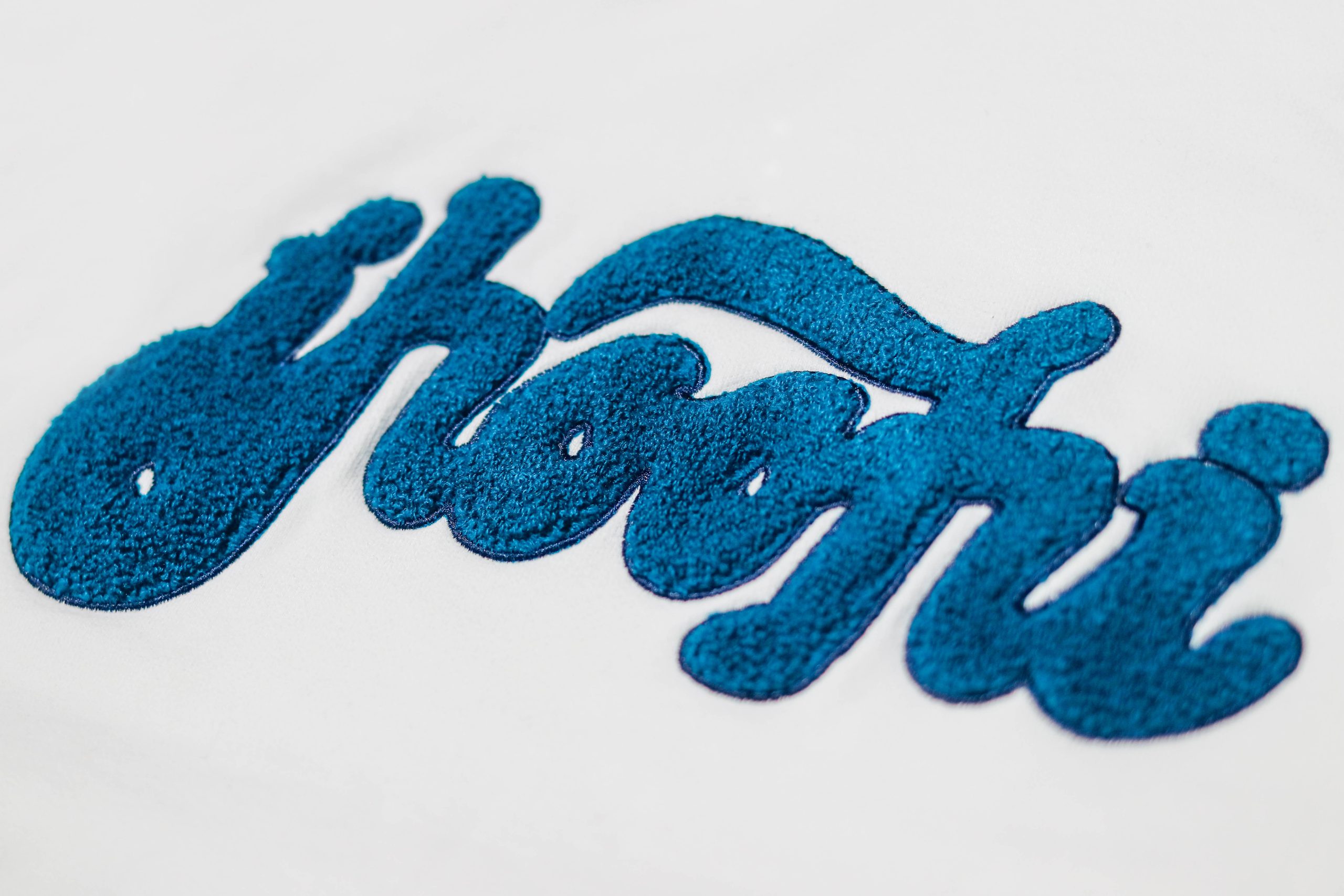
Prints, embroidery, patches and numbers are reviewed for placement, scale, color and execution against the approved sample.
Workmanship Control
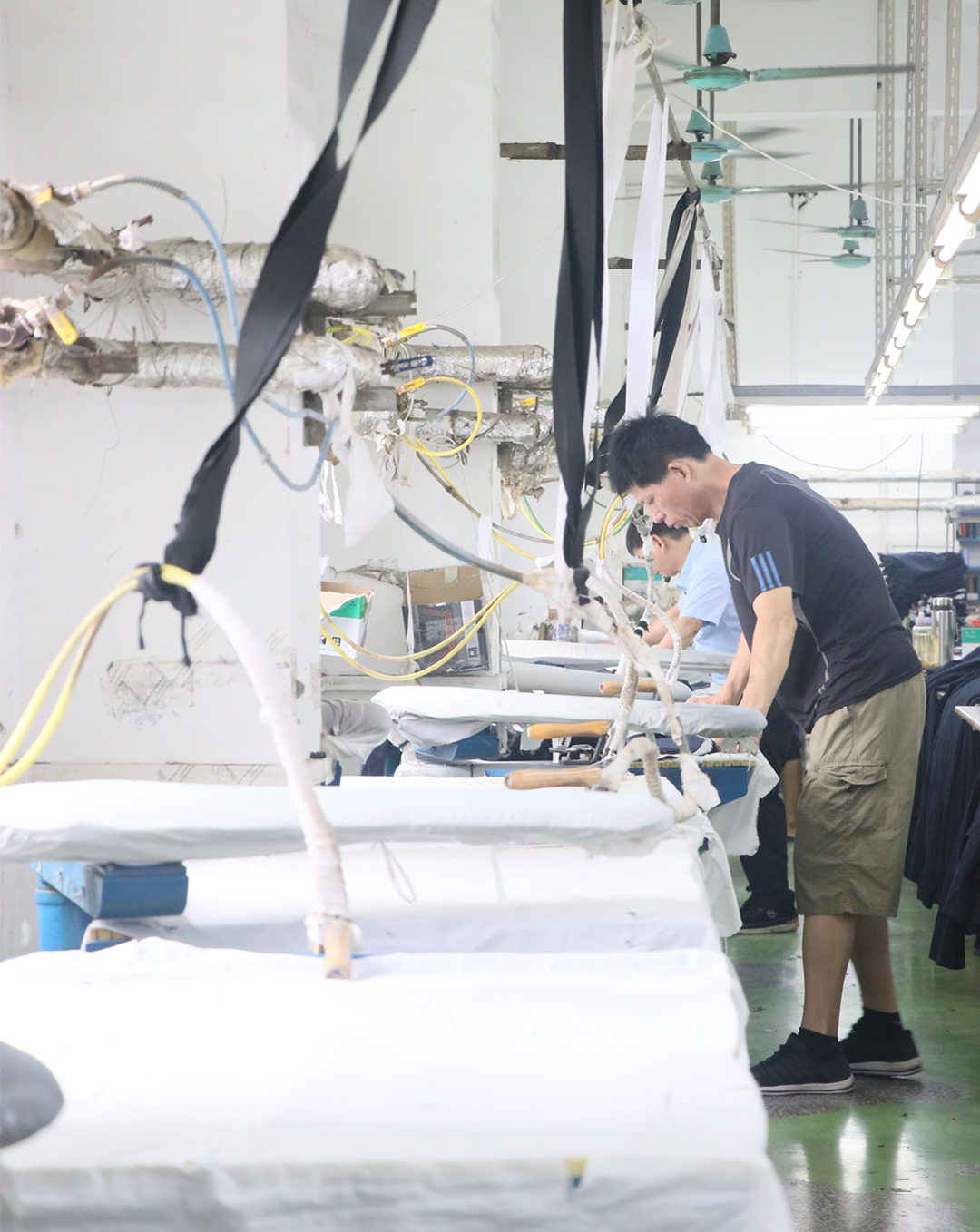
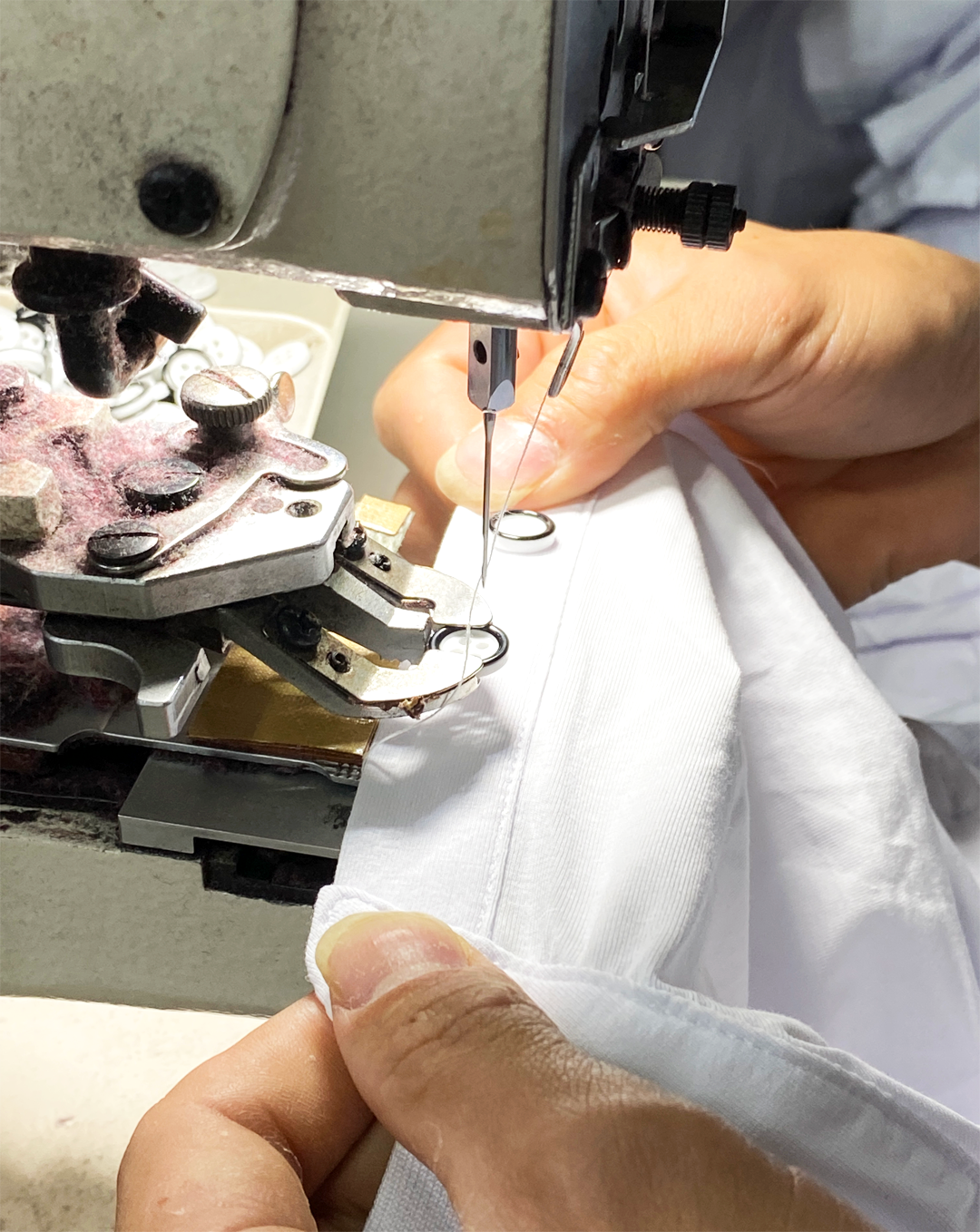
In-line checks review stitching, seams, finishing and visible defects so production issues can be addressed before they spread.
Packing Accuracy
Labels, folding, polybags, carton marks and packing requirements are verified to support accurate, buyer-ready delivery.
Sample-to-Bulk Standards
Your approved sample becomes the reference for repeatable checks, giving every production stage a clear standard to follow.
Related Production Capabilities
Explore the apparel categories, development services and decoration options that connect approved samples to controlled bulk production.
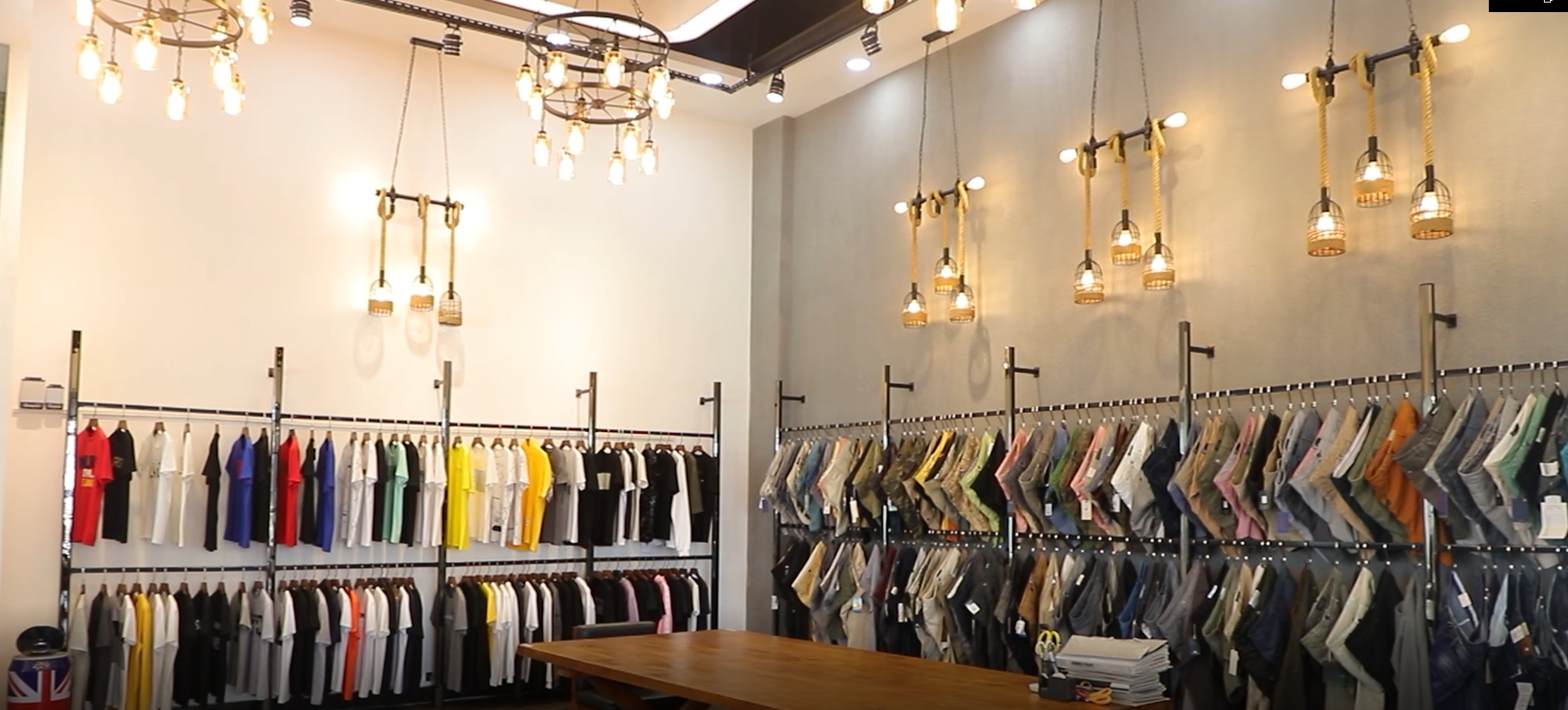
Custom Hoodies
Custom hoodies developed with defined fleece weight, rib specifications, hood construction, drawcords, print or embroidery placement, labels and packaging. Men’s and women’s fit blocks can be adjusted before approval guides repeat bulk production.
Get a Quote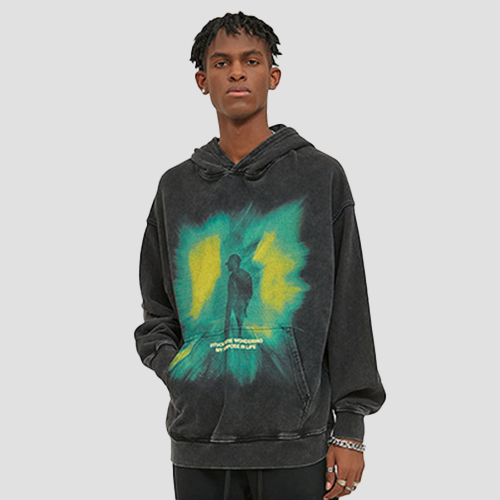
Pullover Sweatshirts
Pullover sweatshirts manufactured around fabric weight, neckline and rib recovery, shoulder construction, fit grading and decoration requirements. Samples establish the approved standard for material, measurements, artwork placement and finishing before bulk production begins.
Get a Quote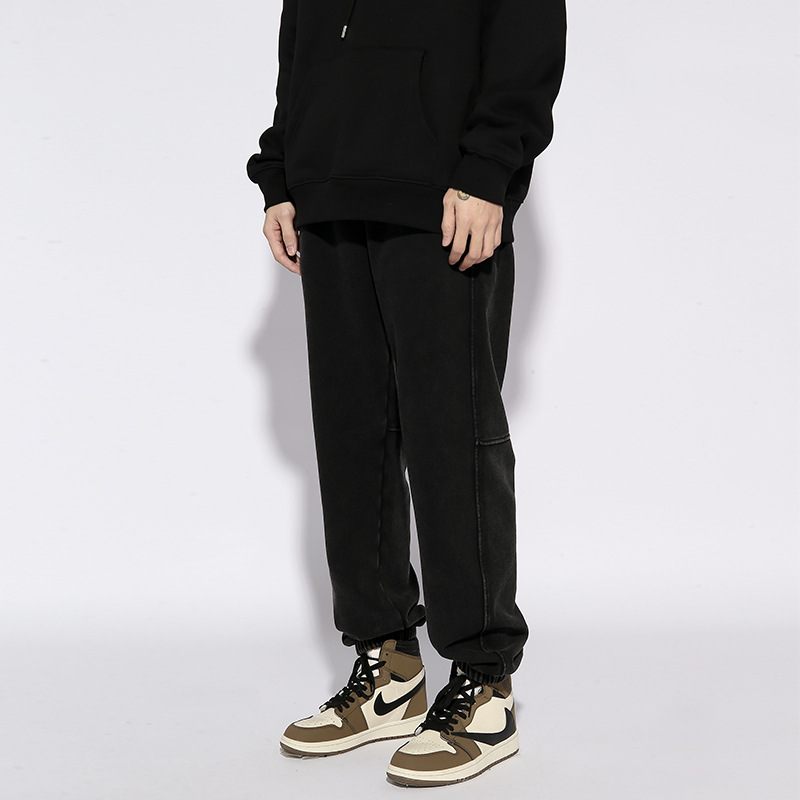
Sweatpants & Joggers
Sweatpants and joggers developed with coordinated fit blocks, waistband and cuff construction, pocket details, drawcords, fabric weight and wash requirements. EDVORIN records approved specifications to support consistent sizing and repeat production.
Get a Quote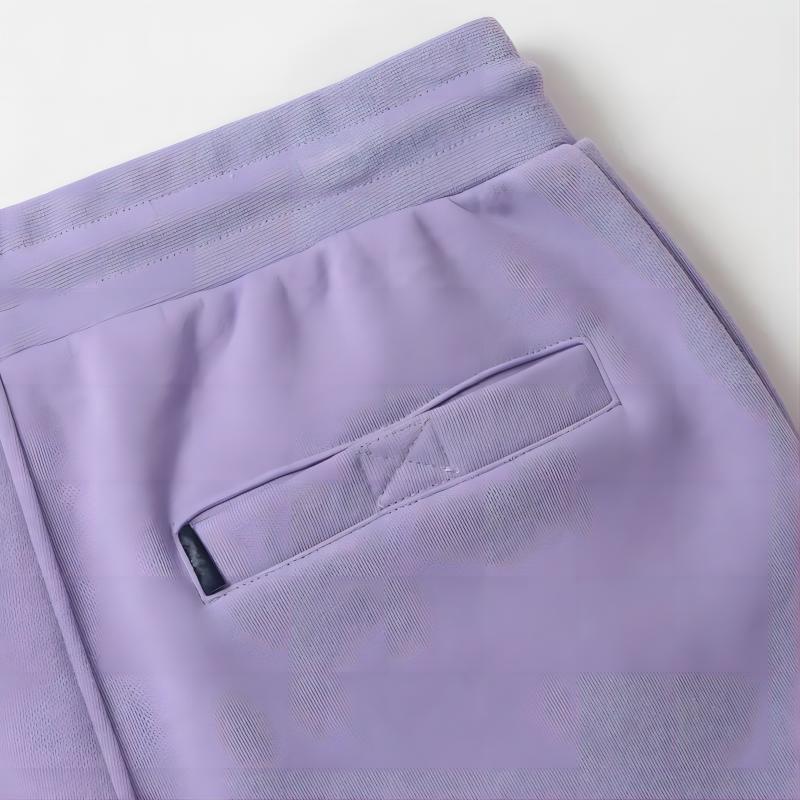
Custom Shorts
Custom shorts produced for casualwear, streetwear, training and private-label programs. Development covers inseam, rise, waistband, pocket construction, fabric selection, lining where required, decoration and size grading for men’s or women’s ranges.
Get a Quote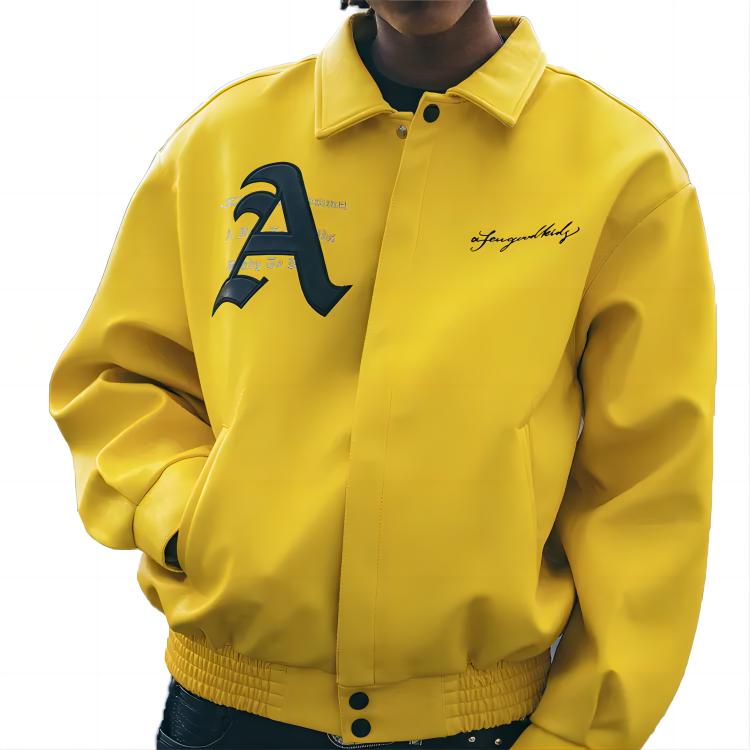
Varsity & Baseball Jackets
Varsity and baseball jackets coordinated across body fabric, sleeves, rib, lining, snaps, patches, embroidery and appliqué. Sampling verifies the balance of materials and details before specifications move into controlled bulk manufacturing.
Get a Quote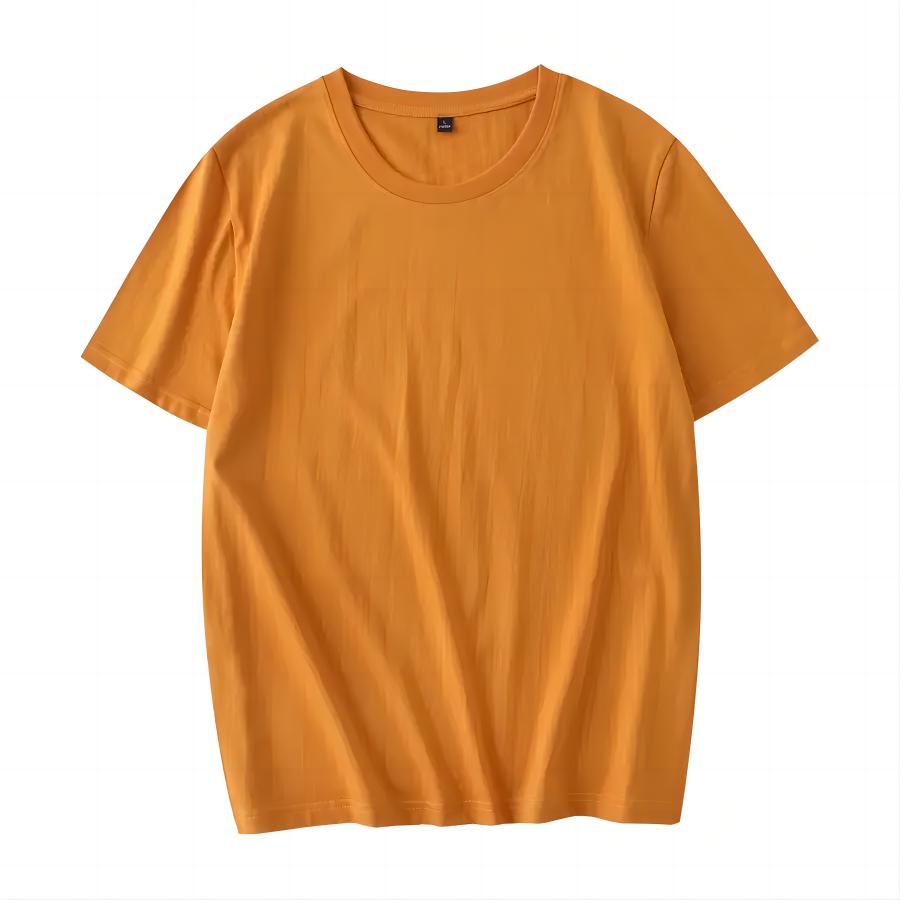
Custom T-Shirts
Custom T-shirts developed with selected jersey weight, collar construction, fit, stitching, printing, embroidery, wash effects, labels and packaging. Clear measurement and artwork standards help keep wholesale and branded programs consistent across sizes.
Get a Quote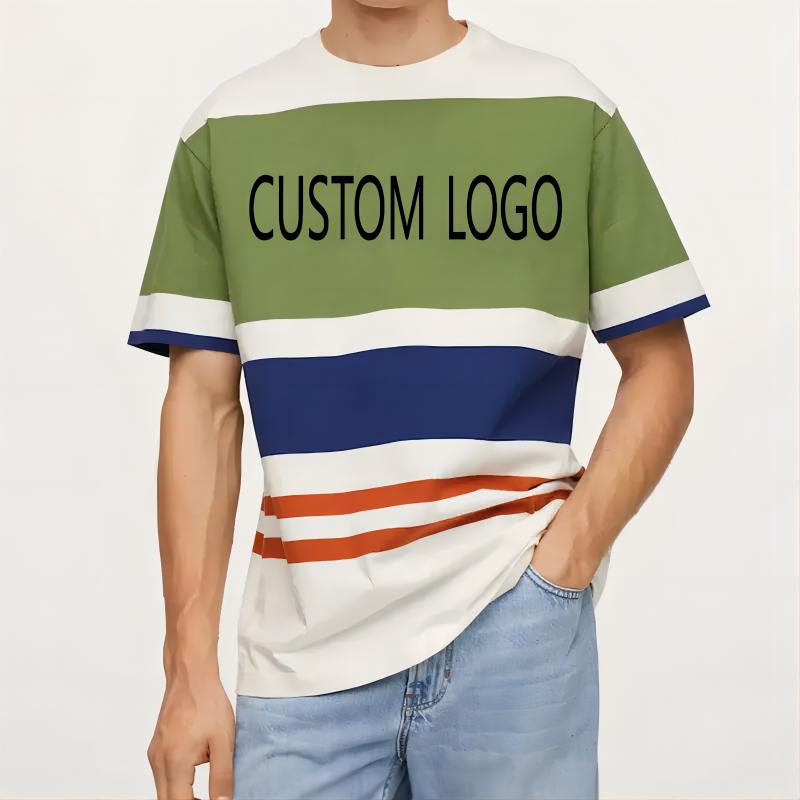
Custom Polo Shirts
Polo shirts manufactured with piqué or jersey fabric options, collar and placket construction, button selection, rib details, embroidery placement and fit grading. Suitable for corporate, school, team and private-label apparel programs.
Get a Quote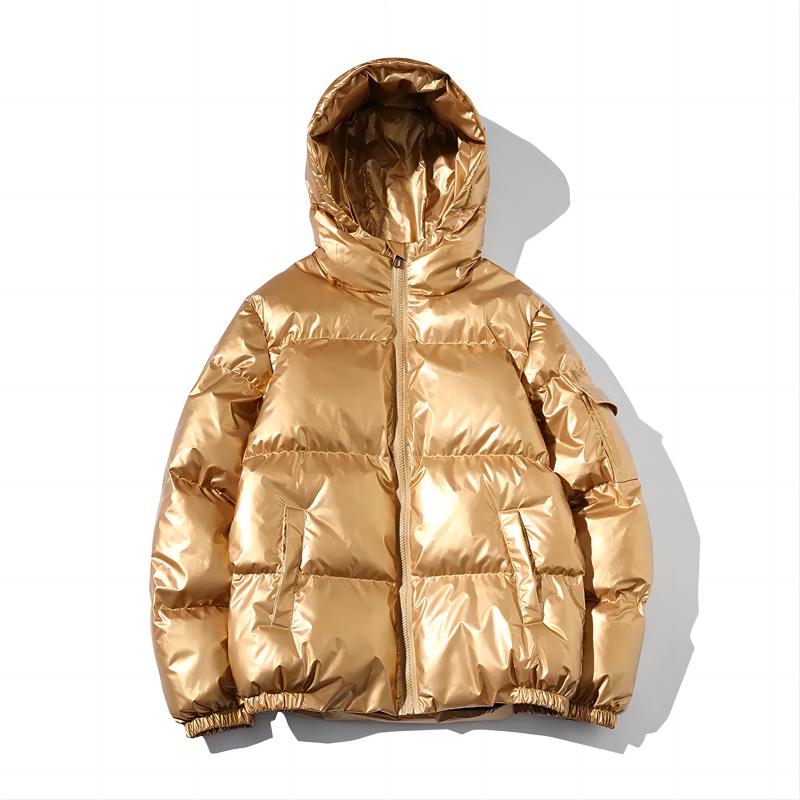
Windbreaker Jackets
Windbreakers developed around shell fabric, lining or mesh options, zipper and pocket construction, hood details, water-resistance needs, reflective elements and logo decoration. Samples confirm performance details and appearance before bulk production.
Get a Quote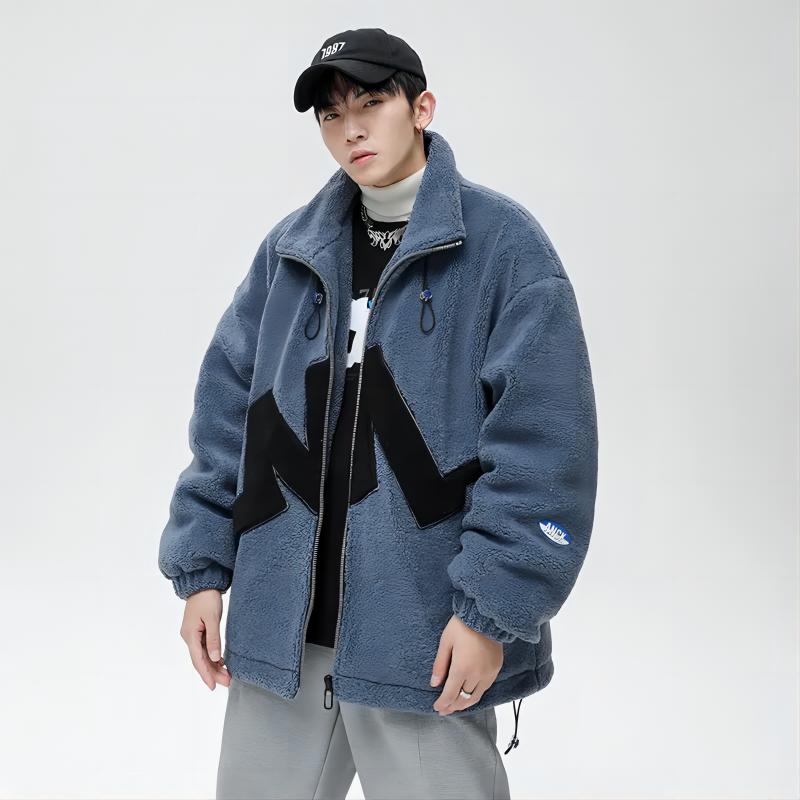
Quilted Jackets
Quilted jackets coordinated across shell fabric, lining, insulation, quilting pattern, zipper hardware, pockets, labels and packaging. EDVORIN develops construction details into documented standards for repeatable outerwear production.
Get a Quote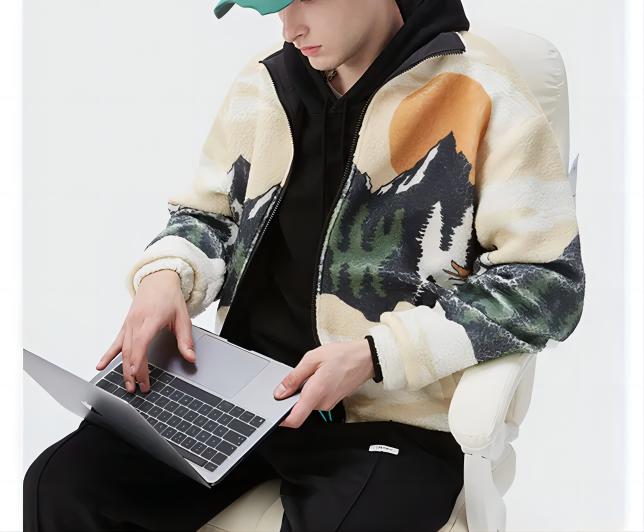
Bomber Jackets
Bomber jackets manufactured with defined shell, lining, rib, zipper, pocket and insulation specifications. Embroidery, patches, prints and washing are reviewed during sampling so the approved look can be maintained in bulk.
Get a Quote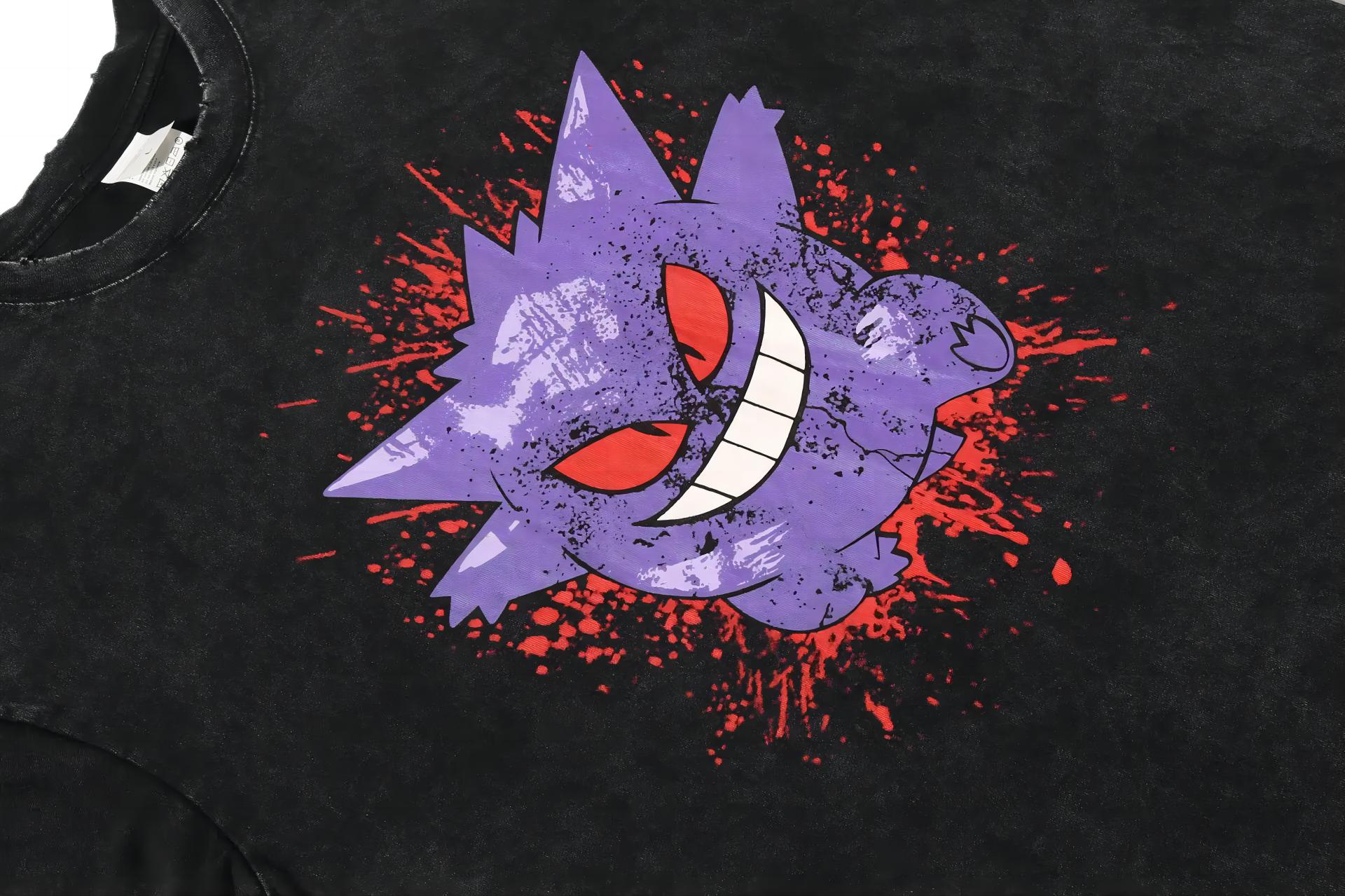
Custom Shirts
Custom woven shirts developed with fabric sourcing, collar and cuff construction, placket details, buttons, pocket options, fit blocks and grading. Men’s and women’s programs can be specified separately for reliable repeat orders.
Get a Quote
Custom Jerseys
Custom jerseys developed for teamwear and branded programs with breathable fabric options, color control, panel construction, names, numbers, logos and size-set coordination. Approved samples guide decoration placement and bulk consistency.
Get a Quote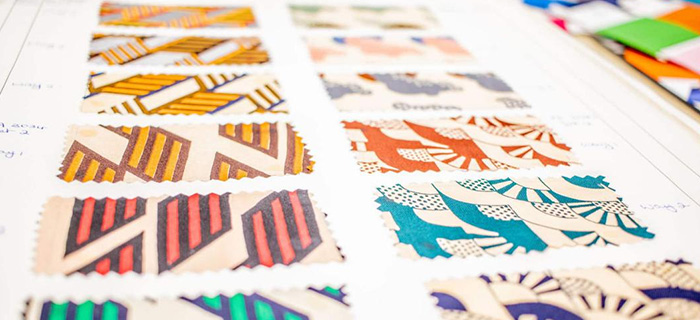
Tank Tops
Tank tops manufactured for fashion, streetwear, training and team programs with selected fabric weight, armhole shape, neckline construction, binding, fit grading and decoration requirements. Development can be tailored for men’s and women’s collections.
Get a Quote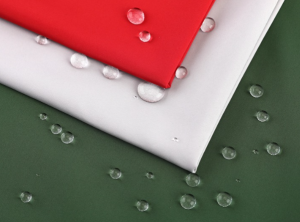
Soccer Uniforms
Soccer uniforms produced with performance fabrics, color-matched panels, sublimation or print, crest application, player names and numbers, shorts coordination and organized size sets. Production controls support consistent repeat team orders.
Get a Quote
Basketball Uniforms
Basketball uniforms developed with breathable fabrics, jersey and short coordination, contrast panels, piping, sublimation, numbers, names and logo placement. Samples confirm fit, color and decoration standards before team or club production.
Get a Quote
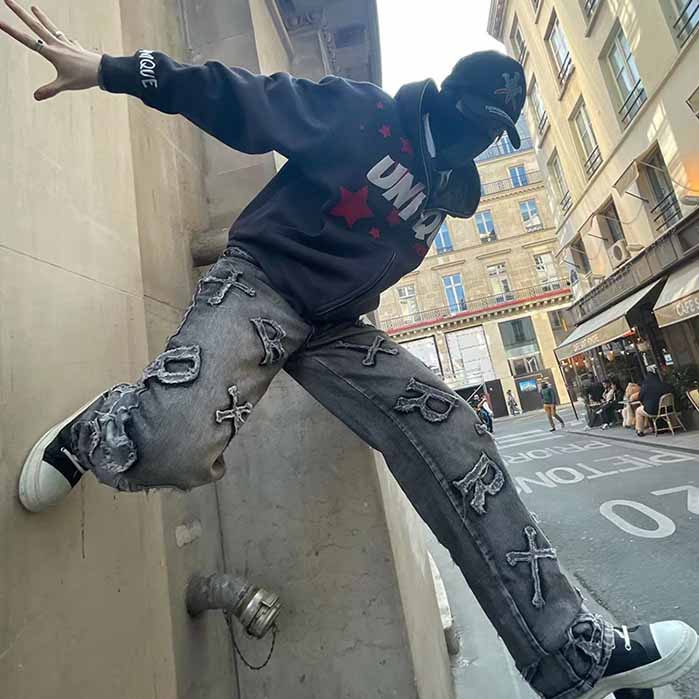
Streetwear Collections
Streetwear collections developed as coordinated apparel programs across hoodies, T-shirts, sweatpants, jackets, shorts and accessories. EDVORIN aligns fabrics, washes, trims, graphics, labels and packaging through one OEM, ODM or private-label production path.
Get a QuoteClothing Quality Control Service Built on Production Experience
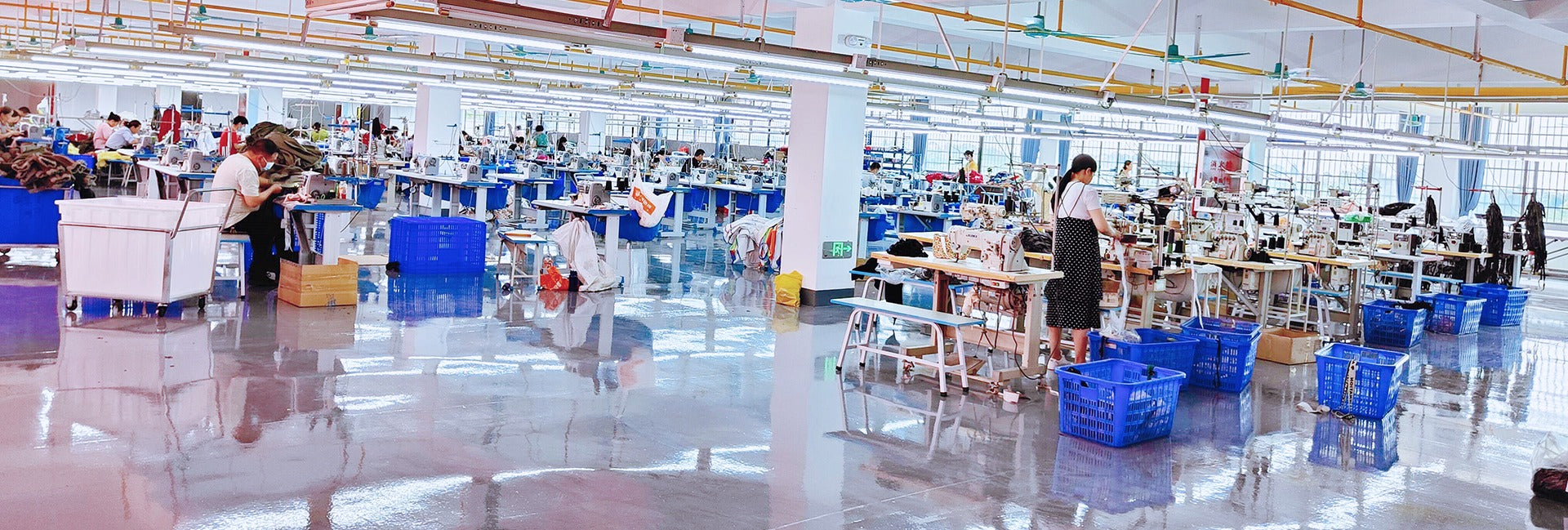
Founded by Edvorin Zeng in 2000, EDVORIN was built from the production floor outward. Our clothing quality control service begins with the practical decisions that protect an approved design: fabric behavior, pattern accuracy, construction, decoration compatibility, trims, labeling and packing requirements.
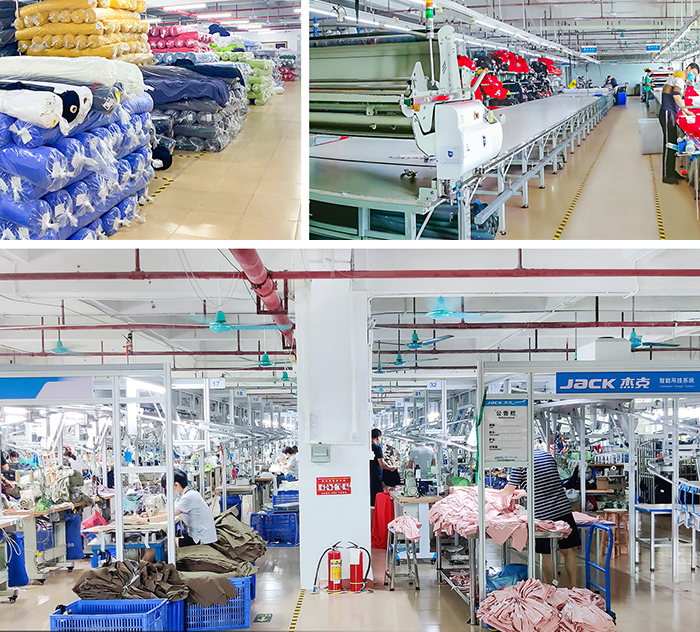
As a founder-led OEM, ODM and private-label manufacturing partner, we connect development, sourcing, sampling, printing, embroidery, washing, bulk production and final inspection in one accountable workflow. Certification programs include ISO 9001, BSCI, WRAP, SEDEX, OEKO-TEX Standard 100, GRS and GOTS. This helps fashion, streetwear, teamwear and wholesale buyers carry clear standards from the first sample through repeat orders.
What makes EDVORIN different is the focus on repeatability. We turn approved samples, measurement charts, artwork placements and material specifications into visible production references, then use in-line and final checks to identify variation before packed goods leave the factory.

Clothing Quality Control Service: Key Controls Explained
Approved Sample Matching
EDVORIN uses the approved sample as the working reference for bulk production, translating its fit, construction, color, trims, artwork placement and finishing into clear checkpoints. This protects the decisions made during development as production moves from one operation to the next.
- Approved sample reviewed before bulk release
- Construction and finishing compared to signed-off standards
- Artwork placement and decorative details checked against references
- Revisions documented for consistent repeat orders
Measurement Tolerance Control
A garment can look correct yet still miss the intended fit. Our clothing quality control service checks defined points of measure across applicable sizes against the approved measurement chart and tolerances, helping keep men’s and women’s programs consistent through grading and bulk production.
- Points of measure aligned with approved spec sheets
- Size grading reviewed across the intended range
- Tolerance issues identified before final packing
- Fit-critical details escalated for correction
Material and Decoration Checks
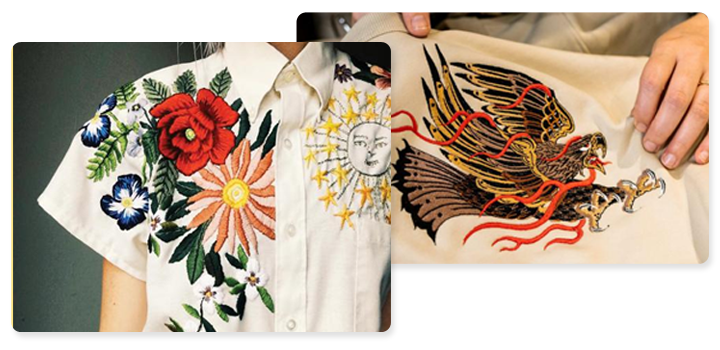
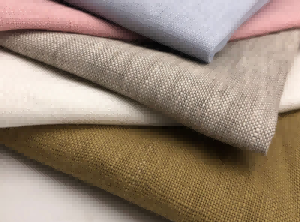
Fabric, trims and decoration must work together as one garment. EDVORIN reviews the details that affect appearance and performance, from material consistency and rib recovery to print clarity, embroidery execution, wash effect and hardware selection, according to the approved product standard.
- Fabric, color and trim consistency reviewed
- Print and embroidery checked for placement and execution
- Wash and finishing matched to approved expectations
- Category-specific details considered for streetwear and teamwear
Final Packed-Garment Review
Before shipment, EDVORIN conducts a final review of finished garments and packing presentation against the approved standard. The check connects product condition with labels, folding, polybags, size assortment and carton details, so the order arrives ready for your sales or distribution channel.
- Finished appearance and workmanship reviewed
- Labels, tags and packaging checked for accuracy
- Size assortments and packing details verified
- Issues recorded for corrective action before dispatch
Clothing Quality Control Service vs. Pre-Shipment Inspection
Compare continuous, sample-to-bulk control with a final-stage check for your apparel program.
← Swipe left or right to view →
Our Clothing Quality Control Service Process
A connected inspection path that keeps approved specifications visible from material receipt through final packing.
Lock Approved Specifications
We align the approved sample, measurement chart, fabric, trims, artwork placement, wash details, labels, and packaging requirements into a clear bulk-production standard.
Review Incoming Materials
Fabric, trims, color references, and decoration inputs are reviewed against approved requirements before cutting, helping prevent material variation from moving into production.
Check Production In Line
During sewing, decoration, washing, and finishing, our team checks construction, measurements, color consistency, placement, and workmanship while corrections remain practical.
Inspect Finished Garments
Finished units are compared with approved standards for fit, appearance, stitching, decoration, labels, and functional details before the order progresses to packing.
Verify Packing Accuracy
We confirm size assortments, labels, folding, polybags, carton markings, and packing instructions so the completed order is organized for delivery and repeat production.
Start Your Clothing Quality Control Service
Give EDVORIN the approved references needed to turn your collection into a controlled, repeatable bulk-production standard.
Share Your Production Brief
Send your tech pack, reference garment or collection concept, including target quantities, intended market, fit direction and required delivery details.
Approve the Development Sample
Review the sample for construction, fabric, trims, wash, decoration and fit before it becomes the physical benchmark for bulk production.
Confirm Every Key Reference
Provide measurement charts, tolerances, color references, artwork placements, label copy and packaging requirements so production teams work from one approved standard.
Set Inspection Expectations
Align on in-line and final inspection priorities, covering workmanship, measurements, color, decoration, labeling and packing before goods are released.
Review Bulk Production Results
Receive clear updates as your order moves through production, with deviations addressed against approved standards before final packing and shipment.
Clothing Quality Control Service Results From Bulk Production
Our hoodie size set stayed consistent across the full 1,200-piece run. EDVORIN checked measurements against the approved sample before packing, which helped us launch without the grading issues we had faced on an earlier supplier order.
The chest embroidery and sleeve print landed in the right position across 800 varsity jackets. Their team recorded the approved placements clearly, so the bulk order matched the sample our club had signed off on.
We needed three polo colorways for a 2,400-piece distributor program. EDVORIN caught trim and labeling differences during production, and the final cartons arrived organized by size and color exactly as our warehouse requested.
Clothing Quality Control Service FAQs
EDVORIN’s MOQ starts at 200 pieces per style. Clear answers on inspection scope, approved samples, MOQ, production files, and bulk-order coordination.
What does your clothing quality control service check?
Which apparel categories can your clothing quality control service support?
How does a clothing quality control service use the approved sample?
Can quality control cover printed, embroidered, washed, or patched garments?
EDVORIN’s MOQ starts at 200 pieces per style. What is the minimum order quantity for a quality-controlled apparel order?
What files do I need to begin production and quality control?
How are sample changes and bulk lead times coordinated?
Complete Buyer’s Guide to Clothing Quality Control Service
Use this decision framework to define inspection checkpoints, compare supplier quality systems, evaluate documentation and production controls, and avoid costly mistakes that lead to inconsistent garments, delays, returns, and brand-damaging defects.
1. What Is Clothing Quality Control Service?
A clothing quality control service is a documented system for comparing garments with the approved specification at each production stage, not simply checking cartons at the end. It gives brands, teams, schools, wholesalers, and private-label buyers a common release standard.
Two control references anchor the work: a signed spec sheet and an approved sample. They define points of measurement and tolerances, fabric and trim requirements, artwork placement, labels, size marks, folding, polybags, carton marks, and packing quantities.
Three defect classes—critical, major, and minor—help turn findings into a consistent decision. Prevention means identifying variation during materials, cutting, sewing, decoration, and finishing; final inspection confirms the finished lot meets the agreed acceptance plan before the buyer releases shipment.
2. How Apparel Quality Control Evolved
2000 marked an era when many apparel programs still relied chiefly on end-of-line visual checks, often after cutting, sewing, decoration, and packing decisions were already fixed. That approach could identify visible faults but gave buyers little time to contain fabric, fit, or color variation.
ISO 2859-1 formalized acceptance sampling, helping buyers define lot-based inspection plans instead of judging a shipment by a few convenient pieces. Modern clothing quality control service programs connect approved specifications, fabric and trim records, sample approvals, in-line findings, and pre-shipment results; https://tetrainspection.com/textile-garment-inspection
3 supply-chain pressures made this documentation essential: global sourcing distances buyers from factories, retailer receiving rules demand accurate labels and barcodes, and consumer returns expose inconsistency quickly. Traceable inspection records also support corrective action and evidence that colorfastness, restricted substances, care labeling, and packaging requirements were reviewed before release.
3. Types of Clothing Quality Control Service
A clothing quality control service works best as a sequence of gates, not a single end-of-line decision. Each stage compares production against the approved sample, specifications, and packing requirements.
Supplier And Pre-Production Review

Stage 1 occurs before cutting: assess factory capability, material controls, and records; then confirm the tech pack, size chart, artwork, and trims. It catches unclear standards early and benefits new suppliers or first-time styles.
Initial And During-Production Checks
Stage 2 starts with first-off pieces, while in-line inspection follows cutting, sewing, decoration, and finishing. These checks expose repeat defects, measurement drift, shade variation, or placement errors while rework remains practical.
Pre-Shipment And Dispatch Verification
Stage 3 occurs when goods are substantially complete: pre-shipment inspection reviews sampled garments, labels, cartons, and quantities; loading verification confirms the dispatched order. This matters most to importers, wholesalers, and teams with fixed delivery dates.
ISO 2859-1 AQL sampling is commonly used for final inspection, but it cannot recover defects built into an entire run. Combining all stages gives buyers earlier correction points. https://www.nbnqc.com/garment-apparel
4. Fabric Checks in Clothing Quality Control Service
Three fabric variables—composition, weight, and dimensional stability—shape fit before sewing begins. A clothing quality control service should compare approved swatches, roll records, and test results before cutting.
| Fabric | Key Checks | Likely Risks | Applications |
|---|---|---|---|
| Cotton jersey | GSM, shrinkage, pilling | Twist, fading | T-shirts, polos |
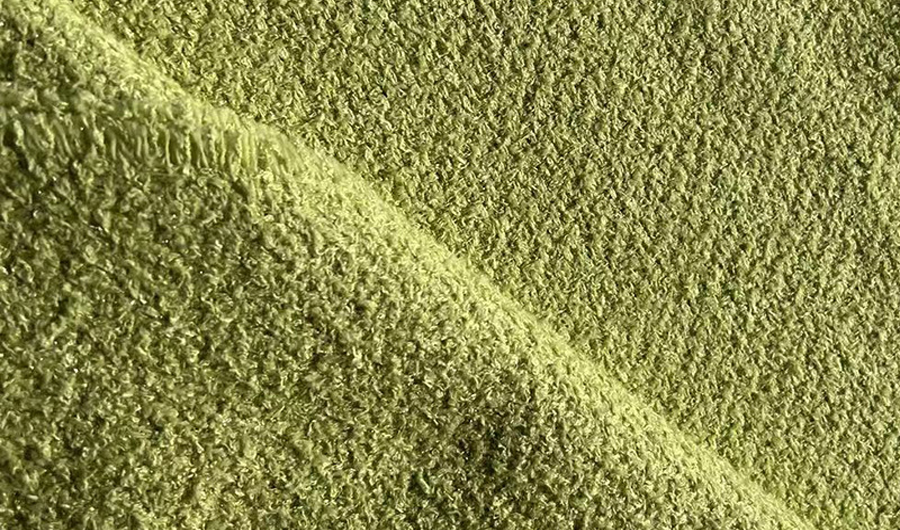
| French terry | Weight, recovery, shade | Growth, print distortion | Hoodies, joggers |
| Polyester knit | Colorfastness, snagging | Dye migration | Jerseys, teamwear |
| Woven shell | Width, coating, flaws | Seam skew, leakage | Windbreakers, outerwear |
Verify Performance Before Cutting
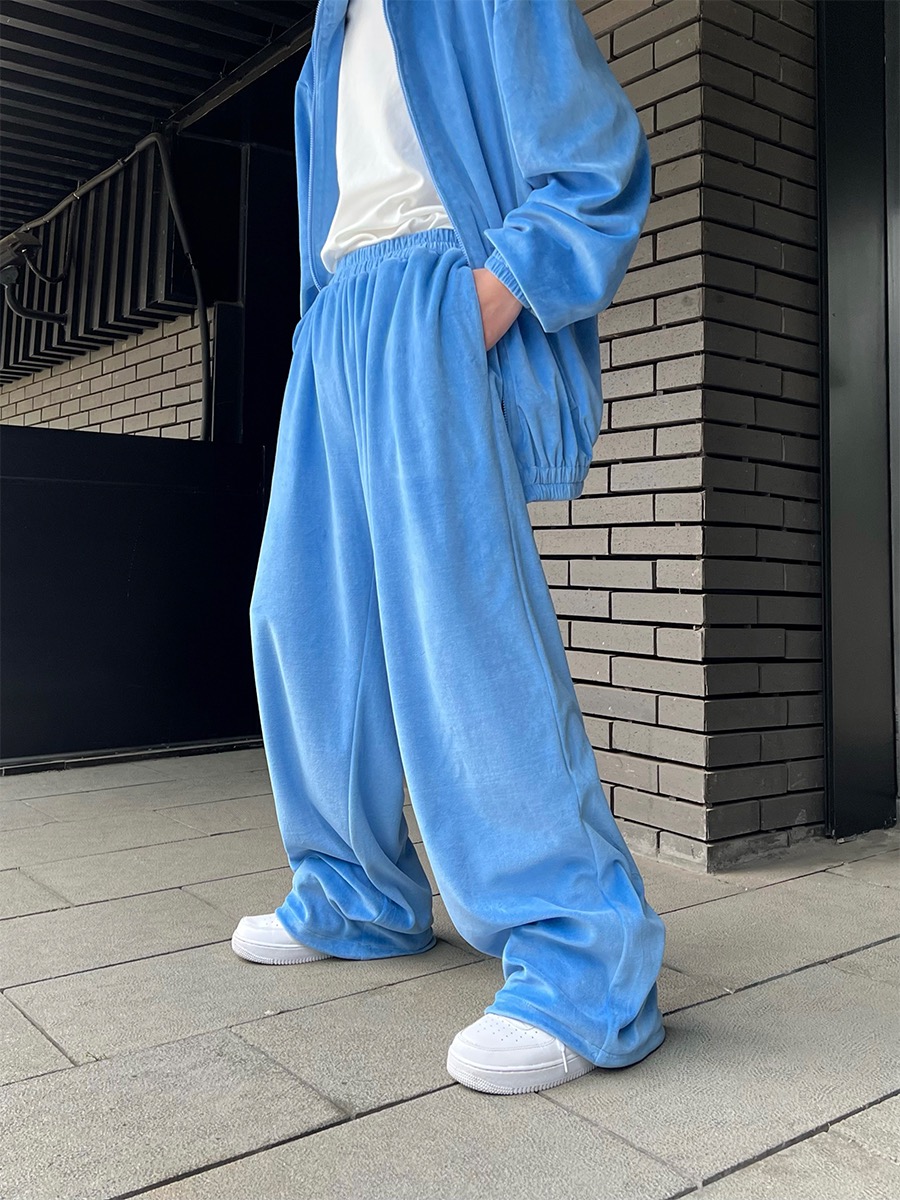
Fiber content must match the purchase specification; weight in GSM should be checked against the approved standard. Shrinkage, colorfastness, pilling, stretch, and recovery determine whether repeat washes change fit, appearance, or print performance.
Control Shade And Defects
Every roll should be checked for shade bands, holes, stains, barre, skew, and uneven width. Roll-to-roll variation can create mismatched panels, especially in color-blocked jerseys and large hoodies.
Fabric Check Matrix
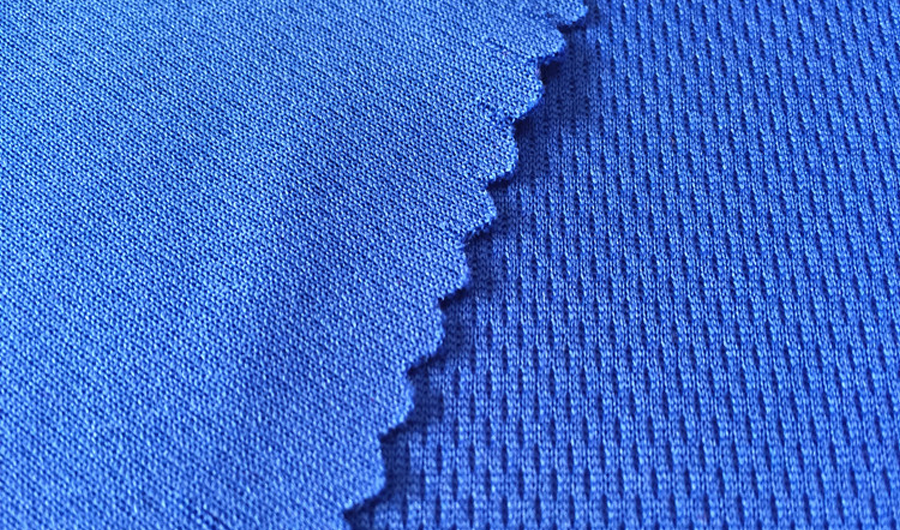
Four common fabric groups need different acceptance criteria before bulk cutting.
5. Decoration and Branding Quality Checks
Every decoration check compares bulk garments with the approved sample, artwork file, and placement measurements. A clothing quality control service should inspect branding before packing hides defects.
| Method | Primary Risk | Inspection Priority |
|---|---|---|
| Screen print | Color shift or cracking | Artwork, placement, wash durability |
| Heat transfer | Peeling or poor stretch | Adhesion, edge lift, recovery |
| Embroidery | Puckering or thread breaks | Tension, backing, stitch coverage |
| Patch | Crooked or loose attachment | Placement, edge security, finish |
Print And Transfer Checks
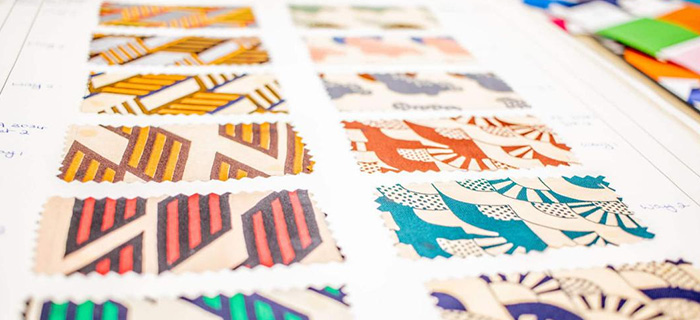
2 print methods need different checks: screen prints require accurate artwork, Pantone color, edge definition, and wash resistance; heat transfers require full adhesion, no lifting, and stable stretch recovery.
Embroidery And Patch Checks
3 embroidery risks are loose thread tension, missed stitches, and distorted backing. Patches need secure edge stitching, correct position, and a flat surface without puckering.
Labels, Codes, And Packing
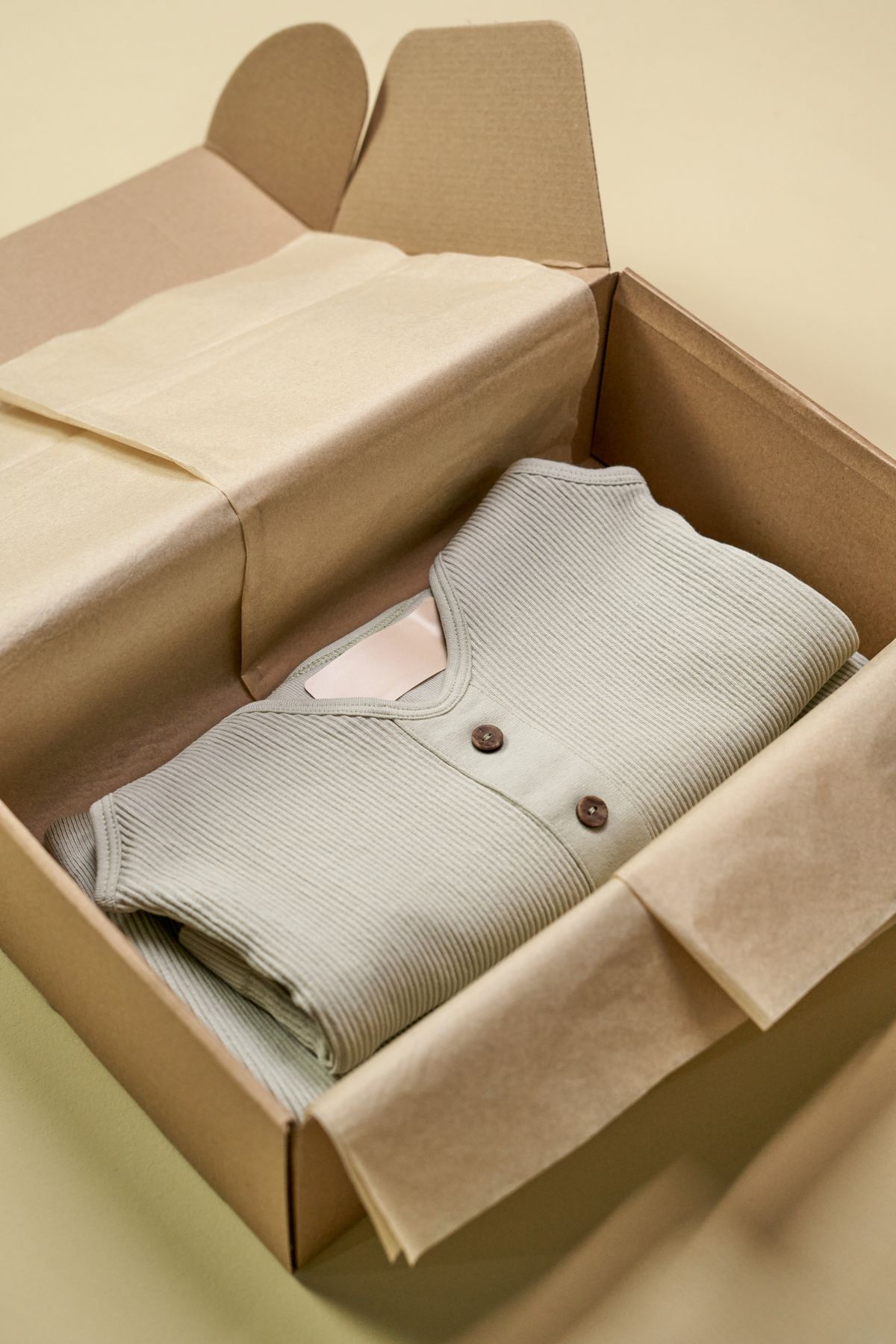
2 packaging checkpoints verify neck-print legibility, care-label content, hangtag attachment, barcode scanning, carton marks, and the correct size-color assortment. Each finished unit should still match the approved sample.
6. Essential Garment Construction Quality Elements
Before bulk cutting, turn the approved sample into pass/fail construction standards. A clothing quality control service can then judge repeatability instead of relying on visual preference.
Stitching And Seams
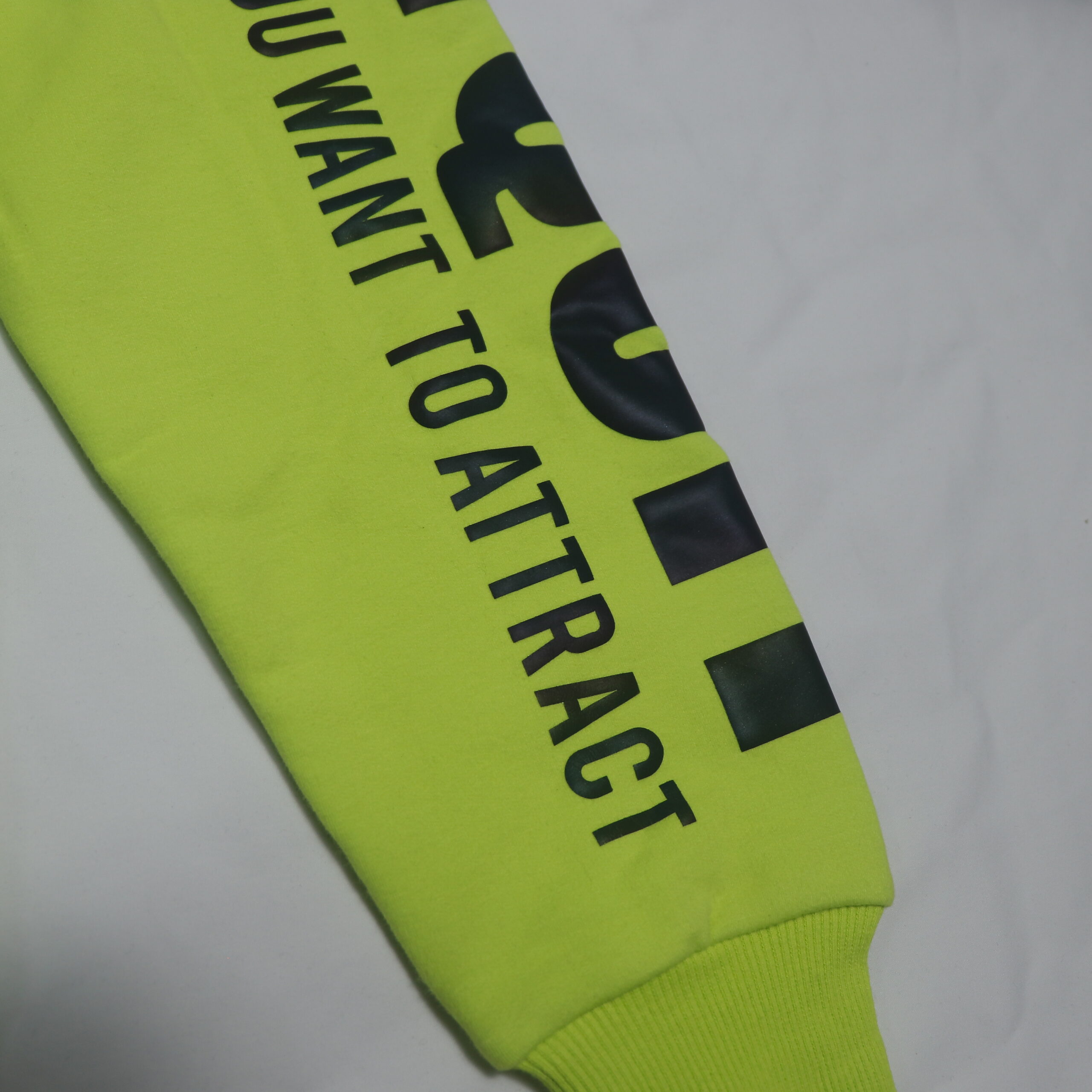
8–10 stitches per inch may suit many medium-weight knit seams; specify the required range by operation. Require even tension, no skipped stitches, puckering, seam grin, or unsecured thread ends.
2 high-stress points—pocket corners and crotch joins—should be named for bartacks or reinforcement. Define seam allowance, stitch type, and seam strength test requirements where performance matters.
Fit, Symmetry, And Hardware

±1 cm is a usable example tolerance only when the tech pack assigns it to each point of measurement. Check every size against the approved grading, then assess drape and balance on the intended fit form.
100% of zippers, snaps, drawcords, and buttons should operate smoothly during inspection. Require matched collar, placket, pocket, sleeve, and hem alignment; prohibit sharp edges, loose parts, and exposed needle fragments.
Defect Decision Rules
3 severity classes keep decisions consistent: critical, major, and minor. Define critical as a safety, legal, or functional risk; major as a noticeable failure affecting use or sale; minor as a limited cosmetic deviation.
0 unresolved critical defects should be acceptable. Record each defect with garment size, location, photo, count, and disposition so corrective action reaches the responsible operation.
7. Choosing a Clothing Quality Control Service Partner
Two comparable proposals reveal more than a single inspection quote: define the garment category, order size, approved sample, and release decision before evaluation. A clothing quality control service should make its scope and escalation path visible.
Match Category Experience
Three product details—fleece weight, print hand-feel, and size grading—can create different risks for hoodies, jerseys, and outerwear. Ask for the inspector’s relevant product experience and the exact checkpoints used for your category.
Verify Inspection Method
ISO 2859-1 AQL sampling should state the lot size, inspection level, defect definitions, and accept/reject rule; do not accept ‘random check’ alone. Request sample-size logic, measurement points, photo evidence, and report timing. https://www.nbnqc.com/garment-apparel
Compare Verification Roles
Two review layers can be useful: manufacturer internal QC controls production daily, while an independent inspector can verify the agreed standard before shipment. Confirm factory access, testing coordination, corrective-action ownership, and one named communication contact.
8. Common Clothing QC Mistakes Buyers Make
Eight recurring control gaps turn approved designs into avoidable claims. A clothing quality control service works best when buyers define the standard before cutting starts.
Lock The Production Standard
One vague tech pack leaves operators to interpret fabrics, placements, and trims. Issue revision-controlled specifications plus a signed golden sample before bulk.
Measure And Inspect Early
Every size needs points of measure and tolerances; otherwise fit disputes appear after sewing. Check initial output and in-line production, not only pre-shipment; measurement guidance: https://www.qima.com/blog/inspection/garment-quality-inspection-procedures
Close The Whole Order
One appearance-only review misses care labels, barcodes, carton marks, and undocumented rework. Record defects, corrective actions, and reinspection results so pass/fail becomes process improvement.
9. Launching a Quality-Controlled Apparel Line
One accountable launch file should connect the buyer’s brief, tech pack, Pantone references, measurement tolerances, artwork, labels, and carton marks before sourcing begins. Assign one buyer approver and one factory owner for each revision.
Lock Materials And Prototype
Day 1 starts with approved fabric, trim, and color submissions against signed references. Review the prototype for construction, branding placement, wash appearance, and fit; log every change with a date, owner, and target closure.
Approve Size Set And PPS
One size set per graded range verifies points of measurement and tolerances before bulk cutting. Approve a pre-production sample only after it matches the locked bill of materials, artwork, labels, packaging, and signed revision record.
Control Bulk Through Release
At cutting, mid-line, and final stages, record quantities checked, defects, photos, corrective actions, and recheck results. For private-label programs, approve packed cartons, barcode scans, shipping marks, and final inspection reporting before shipment release.
10. Clothing Quality Control Service Costs
1 inspection is rarely a fixed line item: order quantity, garment complexity, factory location, inspection stage, travel, laboratory testing, and urgency all change the scope. Compare quotes against the same approved sample, measurement tolerances, AQL plan, and report format.
3 control points—pre-production, during production, and pre-shipment—usually cost more upfront than one final visit, but they can contain defects before cutting, decoration, or packing multiplies exposure. ISO 2859-1 sampling is commonly used for lot-based acceptance decisions: https://www.iso.org/standard/79474.html
48 hours of schedule pressure can add expediting and reduce time for corrective action. EDVORIN should define reinspection responsibility, testing triggers, and shipment-release criteria before bulk production; early controls can reduce rework, returns, and delayed launches.
| Quantity tier | Unit-cost effect | QC priority |
|---|---|---|
| 200–499 | Higher per unit | Approve sample and materials |
| 500–2,999 | Moderate | Add in-line inspection |
| 3,000+ | Lower per unit | Stage checks plus final AQL |
Start Your Clothing Quality Control Service Review
Send your tech pack, approved sample or collection brief for a focused quality-control and manufacturing quote from EDVORIN.