
Clothing Tech Pack Development for Repeatable Apparel
EDVORIN turns fashion, streetwear, teamwear and private-label concepts into production-ready tech packs for consistent sampling and bulk production.
Tech Pack Development in Practice



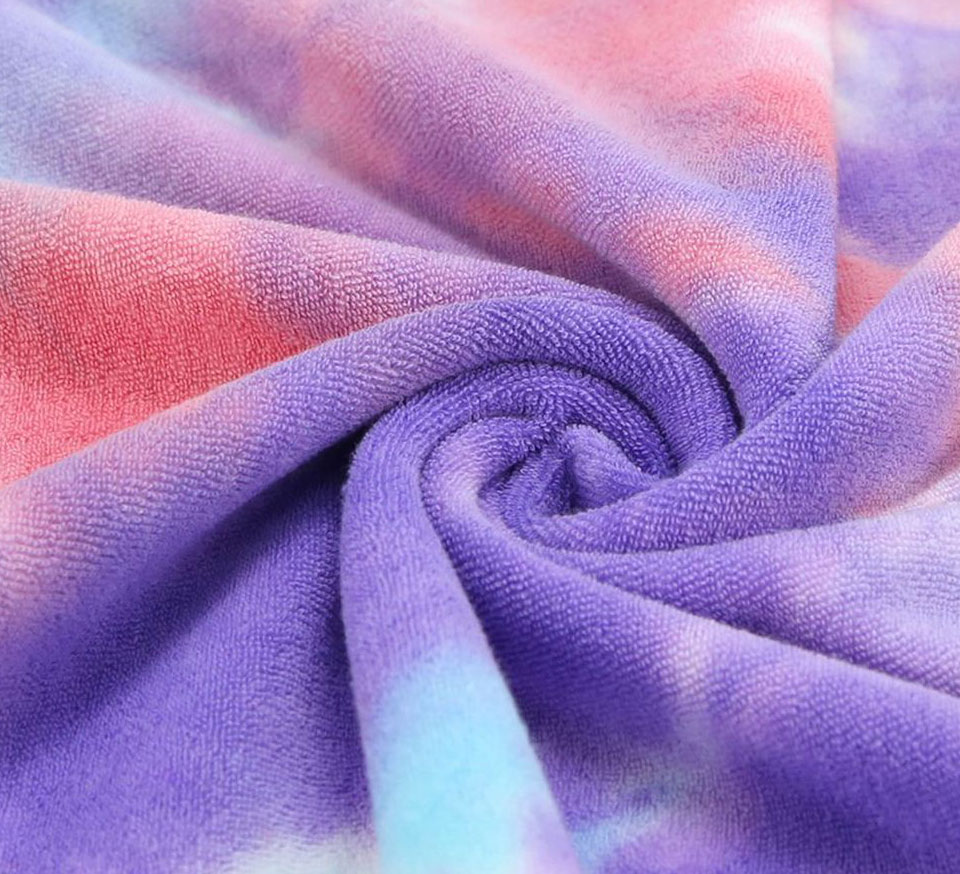
What Clothing Tech Pack Development Clarifies Before Sampling
EDVORIN converts apparel concepts into measurable specifications that give sampling and bulk production one clear, accountable standard.
Measurable Fit Standards
Measurement points, tolerances, fit notes, and size specifications define how each garment should fit before patterns and samples move forward.
Material and Trim Direction
Fabric composition, weight, color, rib, labels, hardware, and other trims are organized to support sourcing decisions and consistent garment construction.
Construction Made Clear
Seam details, stitching, reinforcement, finishes, and component assembly notes give production teams a practical reference for building the approved style.
Precise Artwork Placement
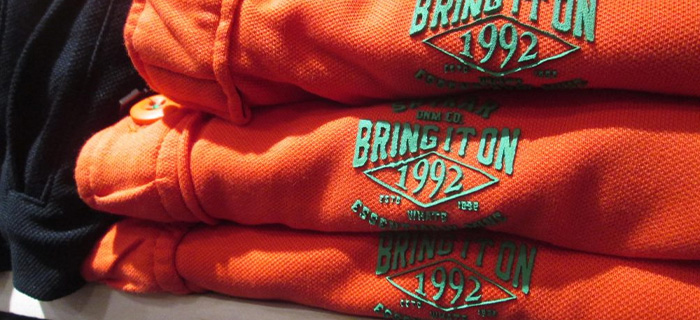
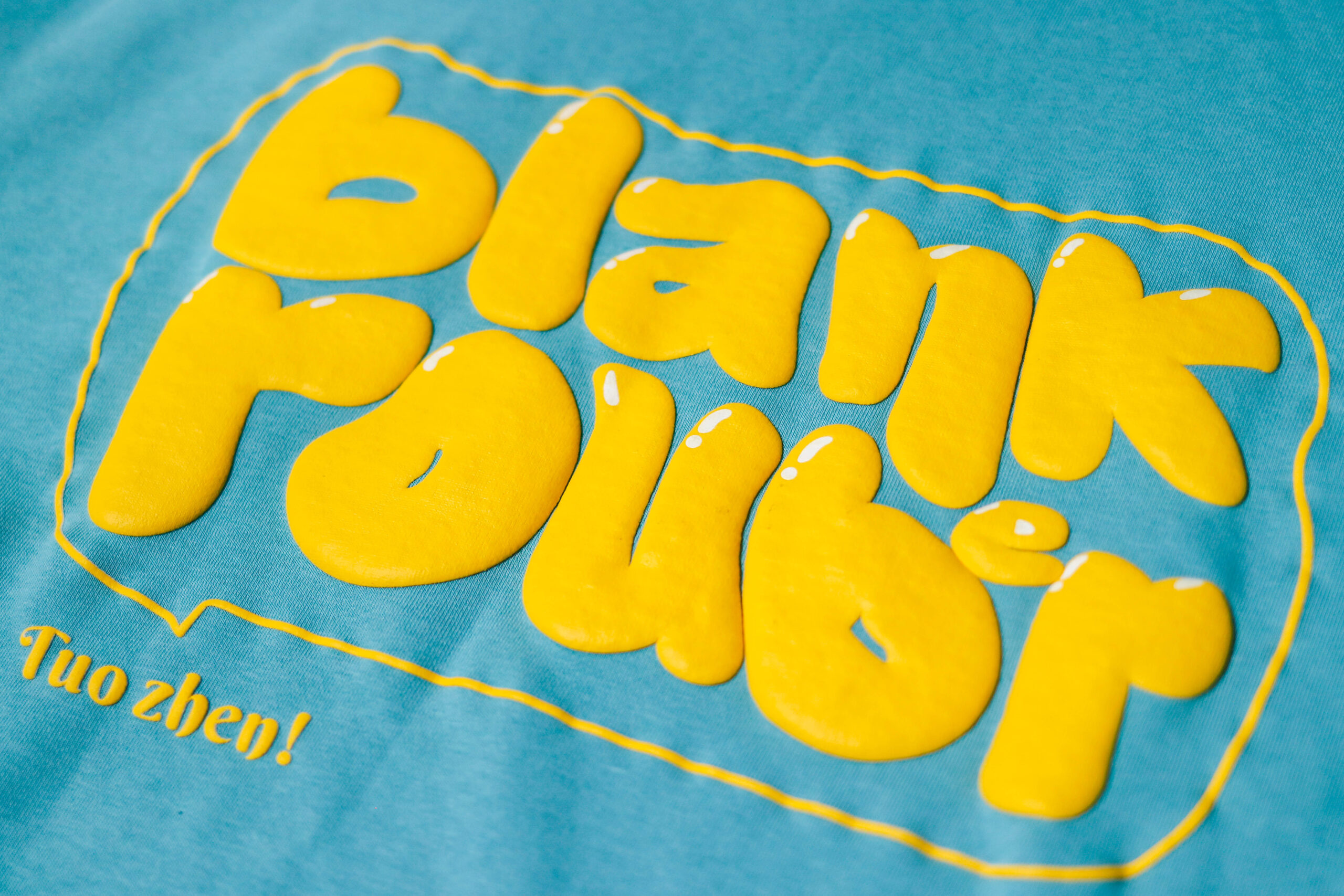
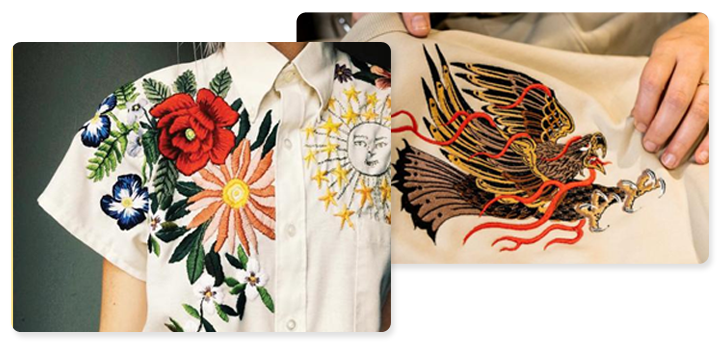
Print, embroidery, patch, and label instructions record approved dimensions, colors, methods, and placement references for dependable visual consistency.
Grading Ready for Production
Size ranges and grading requirements are documented for men’s or women’s programs, helping each size retain the intended proportion and fit.
Fewer Production Assumptions
A structured tech pack aligns design, sourcing, sampling, decoration and quality checks around the same approved specifications.
From Specification to Production
Explore category-specific development for apparel programs that require clear construction, material, decoration and repeatable bulk-production standards.
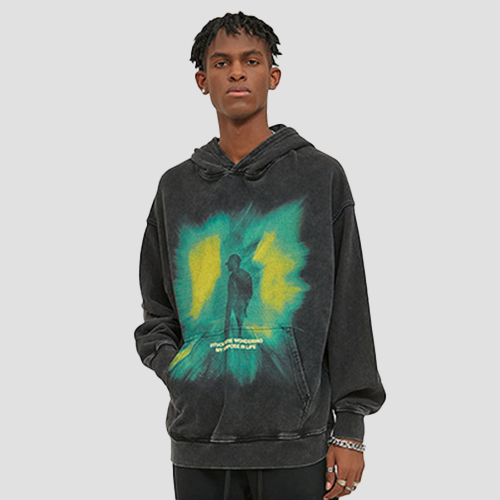
Custom Hoodies
Custom hoodie manufacturing with fleece selection, fit blocks, rib specifications, drawcord construction, labels and print or embroidery placement documented for sampling and bulk production.
Get a Quote
Pullover Sweatshirts
Pullover sweatshirt development covers fabric weight, brushed or loopback finishes, neckline construction, rib recovery, grading and decoration methods suited to your collection requirements.
Get a Quote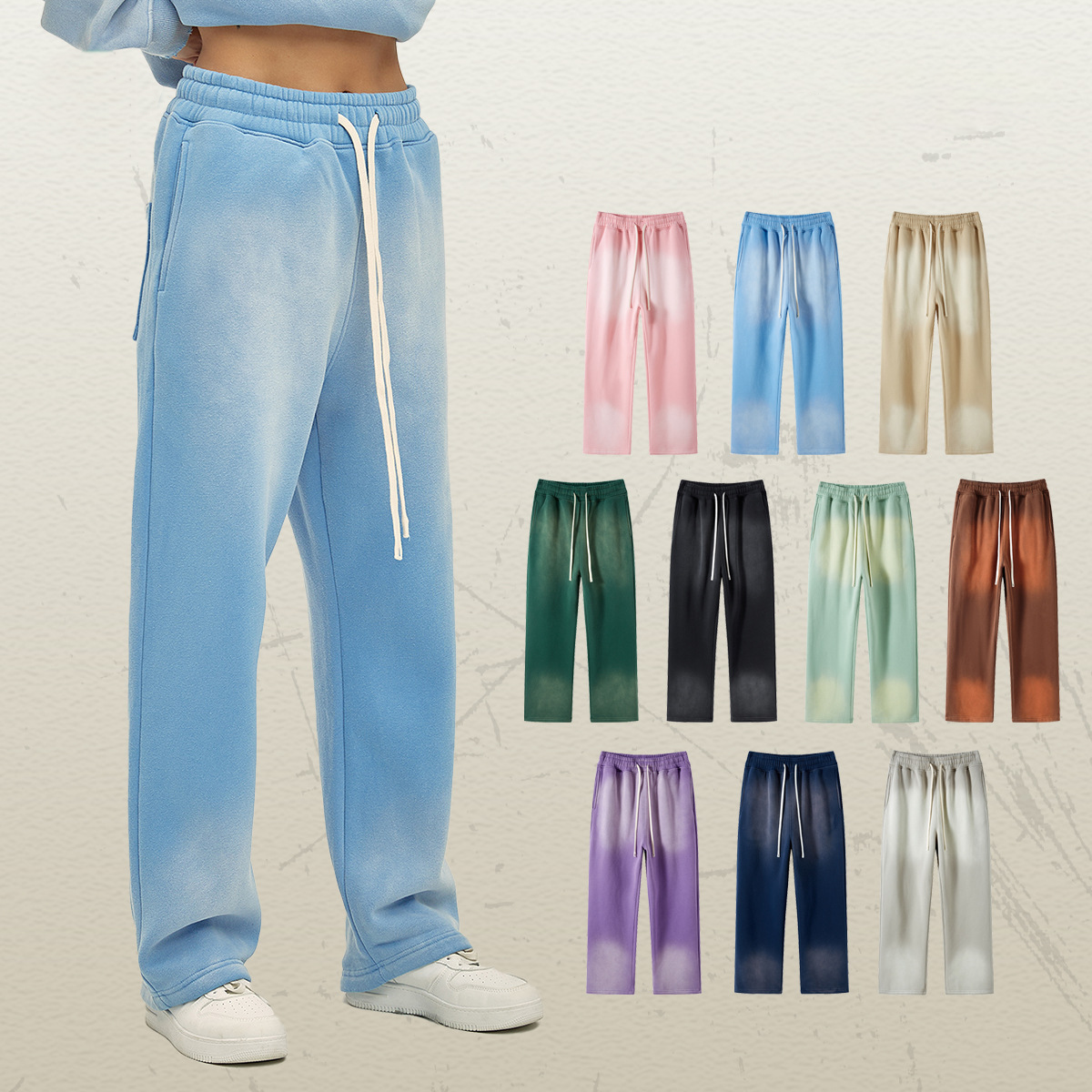
Sweatpants & Joggers
Sweatpants and joggers are developed around fabric weight, waistband and cuff construction, pocket details, drawcords, fit proportions and coordinated hoodie or sweatshirt programs.
Get a Quote
Custom Shorts
Custom shorts programs can include fleece, jersey, woven or performance fabrics, with inseam options, waistband construction, pockets, mesh lining, printing and embroidery requirements.
Get a Quote
Varsity & Baseball Jackets
Varsity and baseball jacket development coordinates body and sleeve materials, lining, rib, snaps, chenille patches, embroidery and placement details before production approval.
Get a Quote
Custom T-Shirts
Custom T-shirt manufacturing supports jersey selection, collar construction, fit development, size grading, screen printing, embroidery, wash treatments, labels and retail-ready packaging.
Get a Quote
Custom Polo Shirts
Polo shirt programs combine piqué or jersey fabric selection with collar and placket construction, cuff details, fit blocks, logo embroidery and consistent color control.
Get a Quote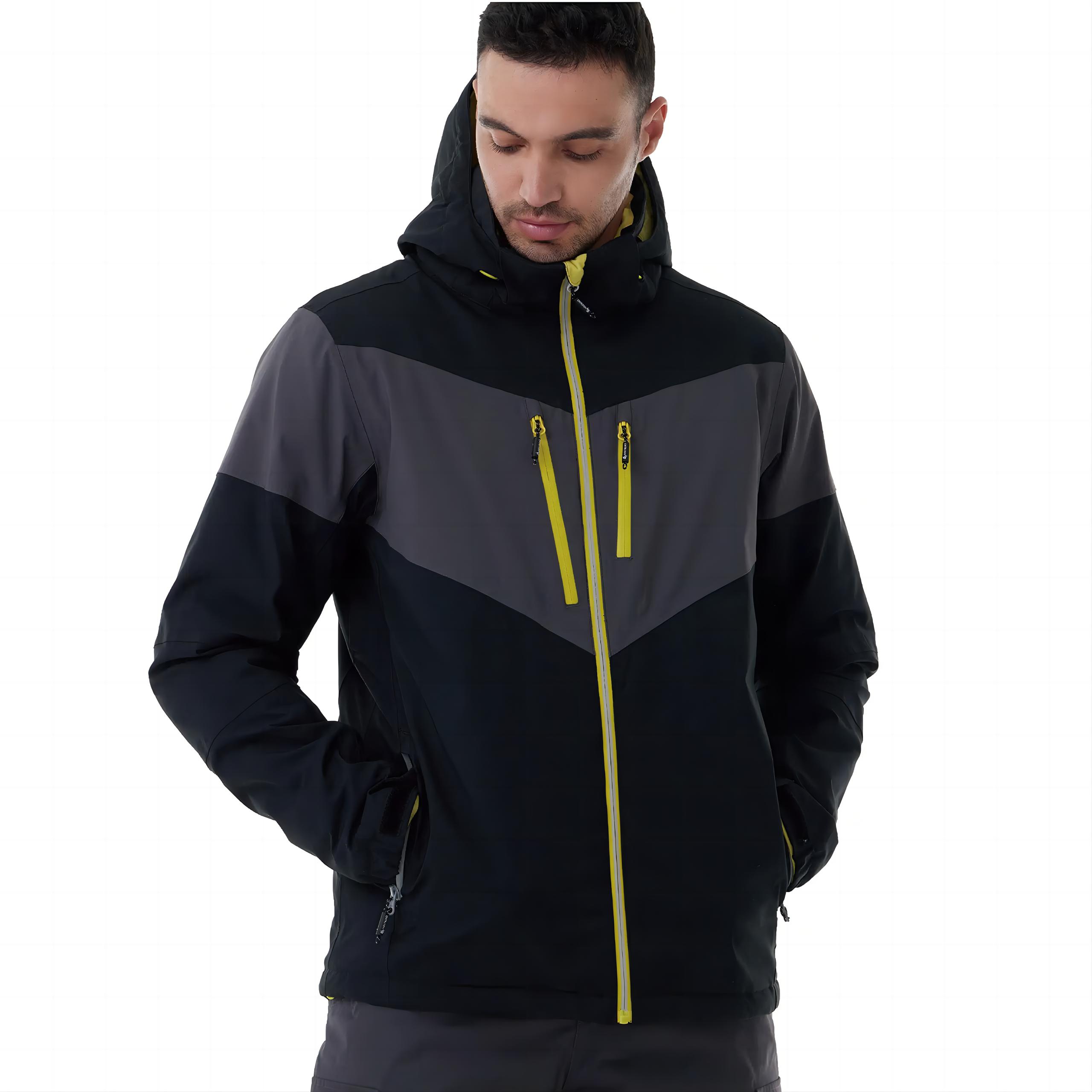
Windbreaker Jackets
Windbreaker development manages shell performance, lining or mesh options, zipper and pocket construction, hood details, seam finishing, printed graphics and packable design requirements.
Get a Quote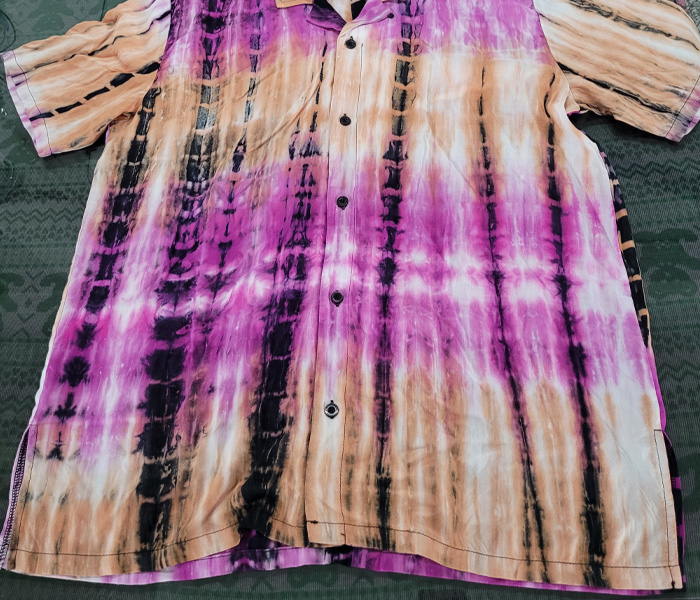
Quilted Jackets
Quilted jacket programs coordinate shell fabric, insulation, lining, quilting layout, zippers, pockets, binding and finishing for consistent warmth, structure and appearance.
Get a Quote
Bomber Jackets
Bomber jacket development covers shell and lining selection, insulation, rib components, zipper specifications, pocket construction, patches, embroidery and fit grading for men’s or women’s programs.
Get a Quote
Custom Shirts
Custom woven shirt manufacturing includes fabric sourcing, collar and cuff construction, placket details, pattern development, sizing, buttons, embroidery and garment finishing.
Get a Quote
Custom Jerseys
Custom jersey manufacturing supports breathable performance fabrics, color blocking, sublimation or print methods, name and number placement, team sizing and repeat-order consistency.
Get a Quote
Tank Tops
Tank top development includes jersey or performance fabric options, neckline and armhole finishing, fit proportions, color blocking, decoration placement and coordinated team or casualwear sizing.
Get a Quote
Soccer Uniforms
Soccer uniform manufacturing coordinates lightweight performance fabrics, club colors, sublimated graphics, crests, player names and numbers, shorts and socks specifications, and organized size sets.
Get a Quote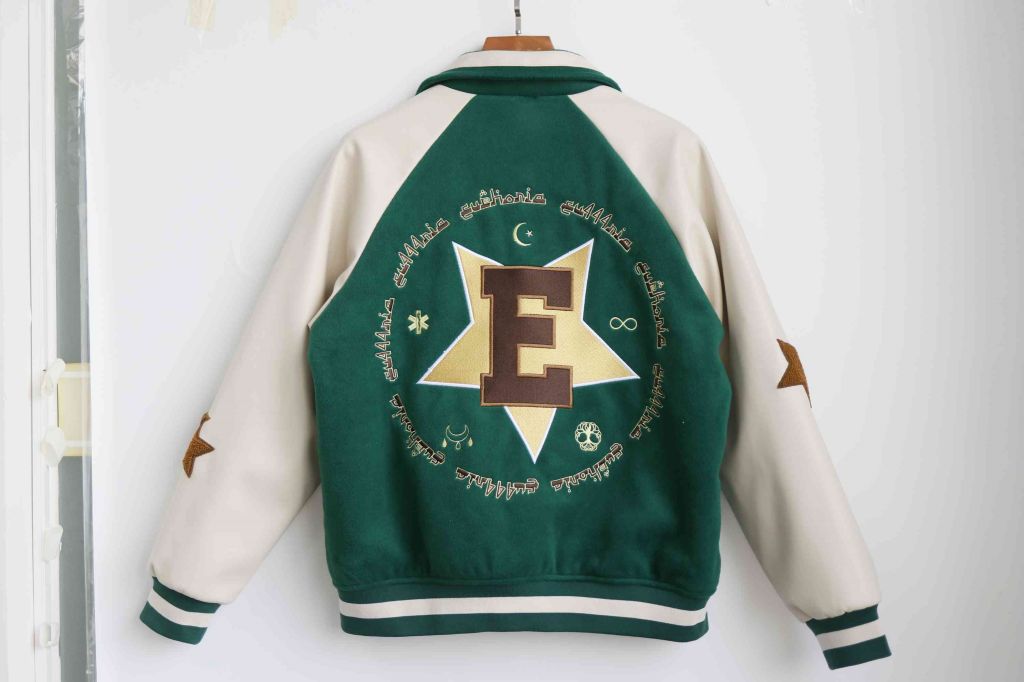
Basketball Uniforms
Basketball uniform programs include breathable mesh or knit fabrics, reversible or single-layer options, side-panel construction, sublimation, player numbering and matching shorts for team orders.
Get a Quote
Streetwear Collections
Streetwear collections bring hoodies, tees, sweatpants, jackets and woven pieces into one production system, coordinating fit, materials, washes, trims, decoration, labels and packaging across the range.
Get a QuoteClothing Tech Pack Development Since 2000
Founded by Edvorin Zeng in 2000, EDVORIN helps apparel buyers turn concepts into clear, repeatable manufacturing standards. Our clothing tech pack development is grounded in production-floor knowledge, so design intent is translated into practical decisions that teams can sample, review and reproduce with confidence.
We connect pattern development, fabric and trim sourcing, sampling, printing, embroidery, washing, labeling, packaging and bulk production in one accountable workflow. From fashion and streetwear to outerwear and teamwear, men’s and women’s programs are developed around the construction, fit and performance needs of each category.
What sets EDVORIN apart is the discipline after sample approval. We document measurements, materials, decoration placement and finishing details, then use approved standards to guide in-line checks and final quality control. The result is a production path designed to protect the original idea through repeat orders.

Clothing Tech Pack Development That Protects Every Specification
Measurements and Tolerances
EDVORIN records finished measurements, points of measure, grading and practical tolerances so fit expectations remain clear from the first sample through bulk production. The approved size standard becomes a working reference for development and quality control.
- Point-of-measure diagrams for consistent checking
- Base-size measurements and size-range grading
- Product-appropriate tolerance standards
- Fit revisions captured before bulk release
Materials and Trims
A complete bill of materials connects each garment component to an agreed requirement, from fabric composition and weight to rib, drawcords, zippers, labels and packaging. This gives sourcing and production teams one clear specification to follow.
- Fabric composition, weight and finish details
- Color references and material approvals
- Trims, labels and hardware specifications
- Packaging requirements organized by style
Construction That Repeats
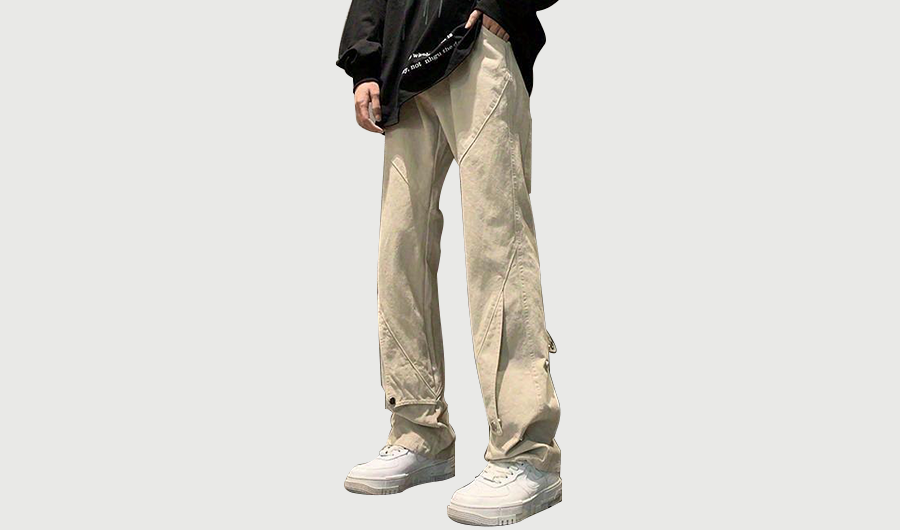
Construction notes translate the intended garment into measurable production decisions. EDVORIN documents key seams, reinforcement, pocket dimensions, hood details and finishing requirements so the sample is not the only place where product knowledge exists.
- Technical flats with detail callouts
- Seam, stitch and reinforcement requirements
- Functional details matched to the category
- Approved sample updates reflected in revisions
Decoration Placed Precisely
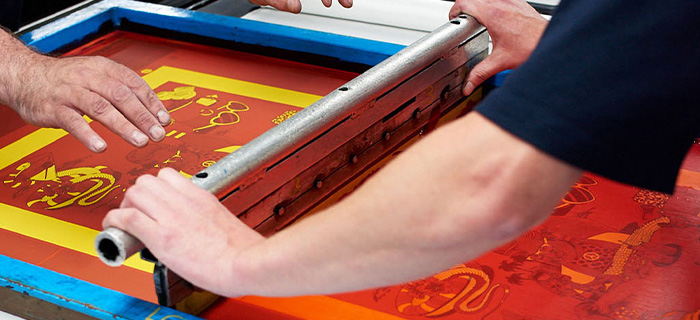
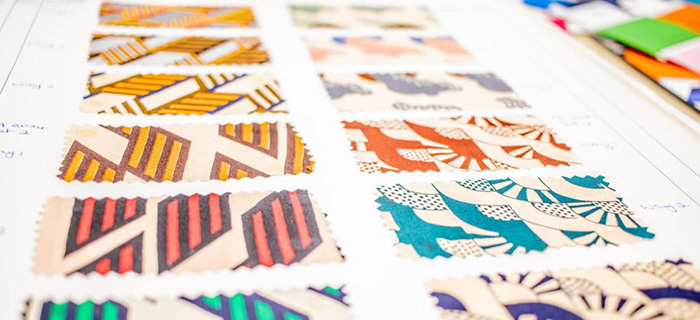
Prints, embroidery, patches, names and numbers need more than artwork files. EDVORIN defines decoration method, dimensions, placement measurements and garment relationships to help preserve the visual standard across streetwear, private-label and teamwear runs.
- Artwork size and placement measurements
- Print, embroidery and patch specifications
- Color and positioning references
- Decoration checks aligned with approved samples
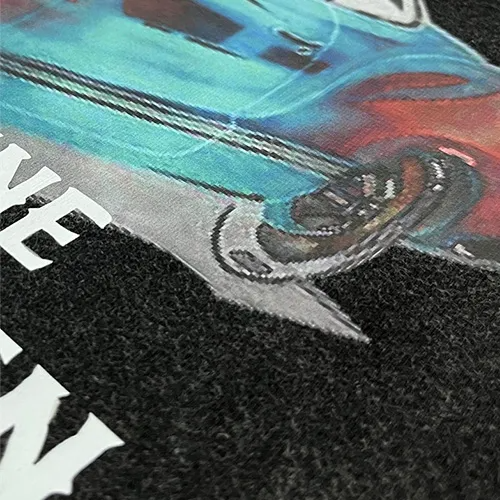
Clothing Tech Pack Development vs. Pattern Development
Use a tech pack to define the production standard, then add patterns, sampling and sourcing support as the product requires.
← Swipe left or right to view →
Our Clothing Tech Pack Development Workflow
A controlled path that turns apparel ideas into clear, reviewable specifications for sampling and repeat production.
Review the Concept
We assess your sketch, reference garment, target category, fit direction, branding needs and commercial requirements before defining the development scope.
Create Technical Flats
Front and back flats document silhouette, panels, seams, pockets, rib details, closures and decoration locations in a production-focused visual format.
Build Core Specifications
Measurements, grading, construction notes, fabric targets, trims, labels, color references, artwork placement and packaging requirements are organized into one working file.
Develop and Review Samples
Patterns and samples test the documented standard. Fit, material behavior, construction and decoration are reviewed against the intended product before approval.
Control Revisions and Release
Approved feedback is recorded in the latest tech pack revision, creating a clear production handoff for sourcing, bulk manufacturing, quality checks and packing.
How to Start Clothing Tech Pack Development
Bring a complete specification or an early concept. EDVORIN organizes the details needed to move your style toward sampling and repeatable production.
Share Your Product Direction
Send sketches, reference garments, photos, target customer, category, intended use, and desired style direction for men’s or women’s apparel development.
Define Fit and Materials
Provide your size range, measurements or fit references, fabric preferences, color direction, and performance needs so construction choices support the intended wearer.
Submit Branding Details
Share artwork files, decoration requirements, label content, packaging preferences, and placement references for prints, embroidery, washes, trims, and private-label details.
Confirm Quantity and Timeline
Tell us your estimated quantity, target delivery timing, and destination. MOQ starts at 200 pieces per style, allowing the project to be reviewed realistically.
Review the Development Path
EDVORIN identifies missing specifications, aligns technical details, and maps the next steps for pattern development, sampling, revisions, approval, and bulk production.
Client Results from Clothing Tech Pack Development
EDVORIN turned our hoodie sketches into a working specification with clear fabric, rib, print, and measurement details. We reduced sample revisions from four rounds to two and moved into bulk production with far fewer open questions.
For our academy kit program, the placement pages made a real difference. Names, numbers, crest positions, and size grading were documented clearly, and all 12 sizes in the approval set matched the fit standard we signed off on.
We came with reference garments instead of a complete technical file. EDVORIN organized the construction, trims, labels, and packaging into one production-ready pack, helping us launch our first 600-piece private-label jogger order on a repeatable standard.
Clothing Tech Pack Development FAQ
Practical answers for brands preparing apparel specifications, samples and repeatable bulk production.
What do I need to start clothing tech pack development?
Can EDVORIN help with clothing tech pack development if my concept is incomplete?
What should a production-ready tech pack include?
Can you create measurement charts and size grading for men’s and women’s styles?
What artwork files do you need for prints, embroidery or patches?
Can printing, embroidery, washing and labels be included in the tech pack?
How are sample revisions handled after the first prototype?
What is the minimum order quantity?
The Complete Buyer’s Guide to Clothing Tech Pack Development
Use this framework to define OEM-ready garment specifications, compare supplier capabilities, control sampling risk, and avoid the documentation gaps that cause inaccurate quotes, costly revisions, and inconsistent bulk production.
1. What Is Clothing Tech Pack Development?
One complete clothing tech pack development process converts a garment concept into a controlled manufacturing package: technical flats, bill of materials, measurement chart, construction notes, artwork placements, labels, and packaging requirements. It creates the reference that connects design intent to sampling, costing, quality checks, and repeatable bulk production.
Three documents serve different jobs. A fashion sketch communicates silhouette and mood; a spec sheet usually defines points of measure, graded sizes, and tolerances; a complete tech pack combines those items with materials, trims, colors, sewing, decoration, and finishing instructions.
Before requesting a quotation, buyers need this level of definition because fabric composition, GSM, print method, hardware, and sewing operations all change cost and lead time. EDVORIN uses the approved pack and sample together so each production department works from the same accountable standard.
2. How Clothing Tech Packs Evolved
Two physical references once carried much of a style’s intent: a paper pattern and a cut swatch. Handwritten factory notes could work within one sampling room, but were difficult to copy accurately between factories, product teams, and repeat seasons.
Four digital building blocks changed that workflow: vector flats, shared measurement spreadsheets, digital artwork files, and bill-of-materials records. PLM systems and revision-controlled files now give buyers one current version, making it easier to trace a changed Pantone callout, placement dimension, or fabric substitution before it reaches sampling or bulk production.
One technical reviewer is still essential. Software can organize fields and distribute updates, but it cannot judge whether a 320 GSM fleece supports the intended hood shape, whether a grade rule protects fit, or whether construction notes match the approved sample; experienced human review turns digital documentation into a manufacturable standard.
3. Types of Clothing Tech Pack Development
Clothing tech pack development should match the buyer’s starting point and the garment’s production risk. EDVORIN can turn a concept, an approved sample, or an existing private-label style into a defined manufacturing standard.
Concept And Startup Packs
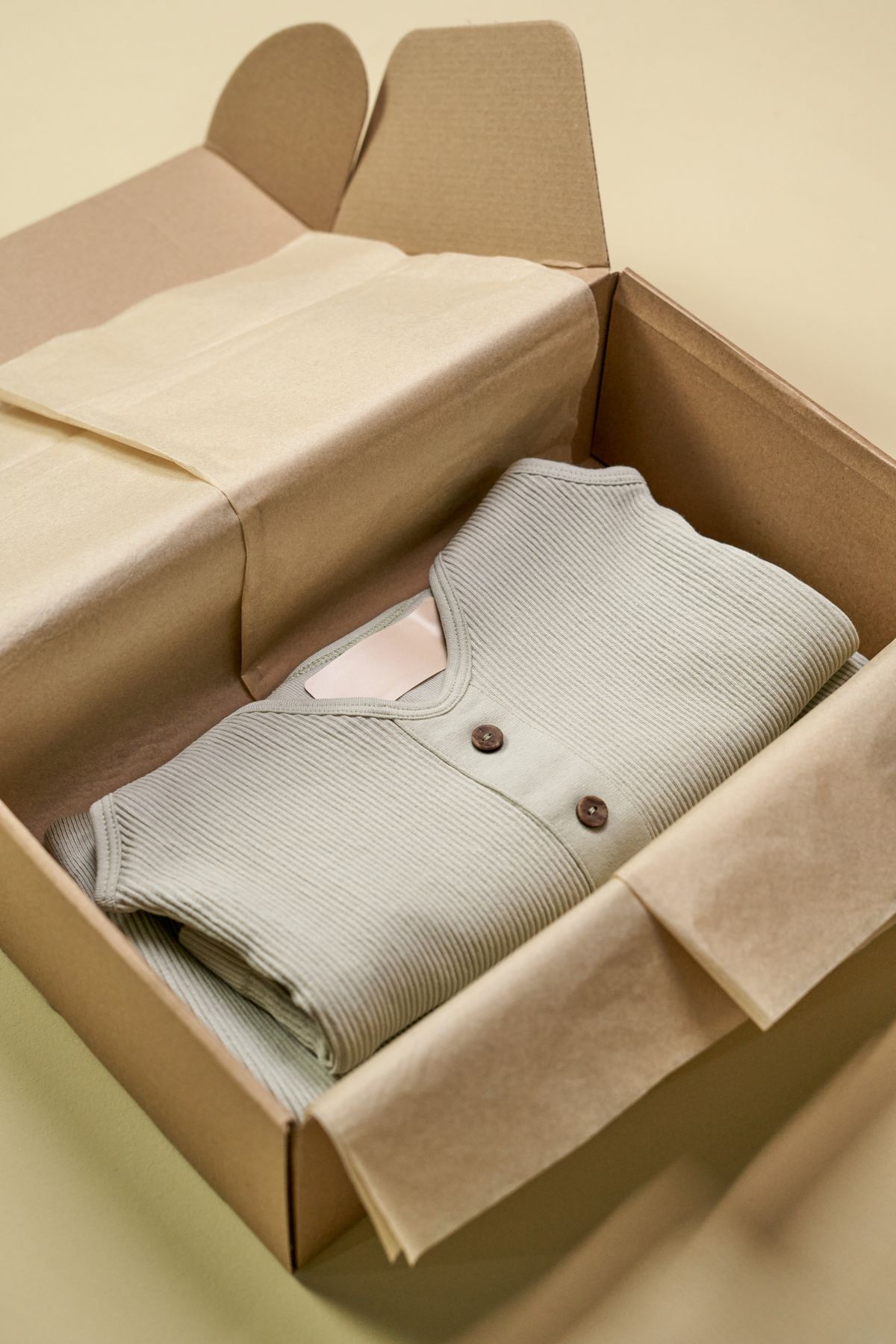
A concept pack suits a new label with a sketch, reference garment or mood board. It typically establishes flats, a preliminary BOM, fit intent and key construction notes before sampling.
Buyers should provide the target customer, category, reference images, logo files and expected quantity.
Production-Ready And Fit Packs
1 production-ready pack suits a buyer preparing factory sampling or repeat bulk orders. It records measurements, tolerances, materials, trims, decoration placements, and packaging.
Fit and grading packs add base-size POMs and size increments. Start with an approved fit sample, size range, and measurement method.
Adaptation And Category Packs
1 private-label adaptation pack updates an existing style with new branding, colors, labels, or packaging. Provide the original sample or specifications and revised artwork.
Category packs add product-specific controls: stretch and recovery for activewear, numbering for uniforms, insulation for outerwear, or gauge and yarn details for knitwear.
4. Materials in clothing tech pack development
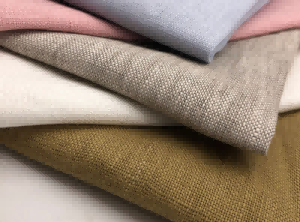
100% cotton is still incomplete: record knit or weave, yarn type, GSM, width, and finish. In clothing tech pack development, this makes a fabric request sourceable and costable.
| Attribute | Suitable Use | Buyer Decision |
|---|---|---|
| French terry, 280 GSM | Sweatshirts | Drape and cost |
| Fleece, 360 GSM | Heavy hoodies | Warmth and structure |
| Stretch jersey | Teamwear | Recovery and mobility |
Specify Base Fabrics
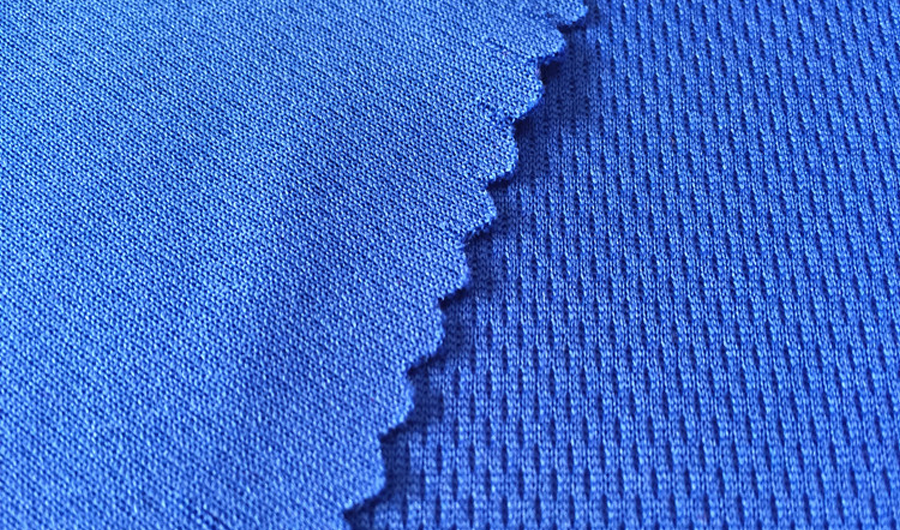
280–360 GSM brushed fleece suits structured hoodies; specify fiber composition, construction, weight tolerance, stretch percentage, recovery, and wash or enzyme finish.
95% cotton/5% elastane can behave differently by knit structure, so attach a swatch reference and state hand feel, shrinkage expectation, and testing requirements.
Control Colors And Components
Pantone TCX references or approved lab dips should identify every shell, lining, rib, thread, and contrast panel color.
YKK zipper size, rib composition and weight, lining type, drawcord, snaps, labels, and hangtags each need a BOM line with color, placement, and supplier-approved substitute rules.
Finish The Packed Standard
1 polybag specification should state bag size, warning text, barcode location, folding method, carton ratio, and carton markings.
OEKO-TEX or GOTS claims require applicable documentation; do not list a certification merely as a sourcing preference.
5. Branding and Decoration Specifications
Two files prevent avoidable interpretation: editable vector artwork and a placement page. Clothing tech pack development should tie every branded component to an approved color reference, dimensions, and application notes.
| Method | Visual Effect | Durability | Garment Fit |
|---|---|---|---|
| Screen print | Solid graphic | High | Cotton, fleece |
| DTG | Detailed color | Moderate | Smooth cotton |
| Embroidery | Raised texture | High | Caps, outerwear |
| Heat transfer | Sharp detail | Varies | Performance knits |
| Patch | Dimensional badge | High | Jackets, jerseys |
Artwork And Placement
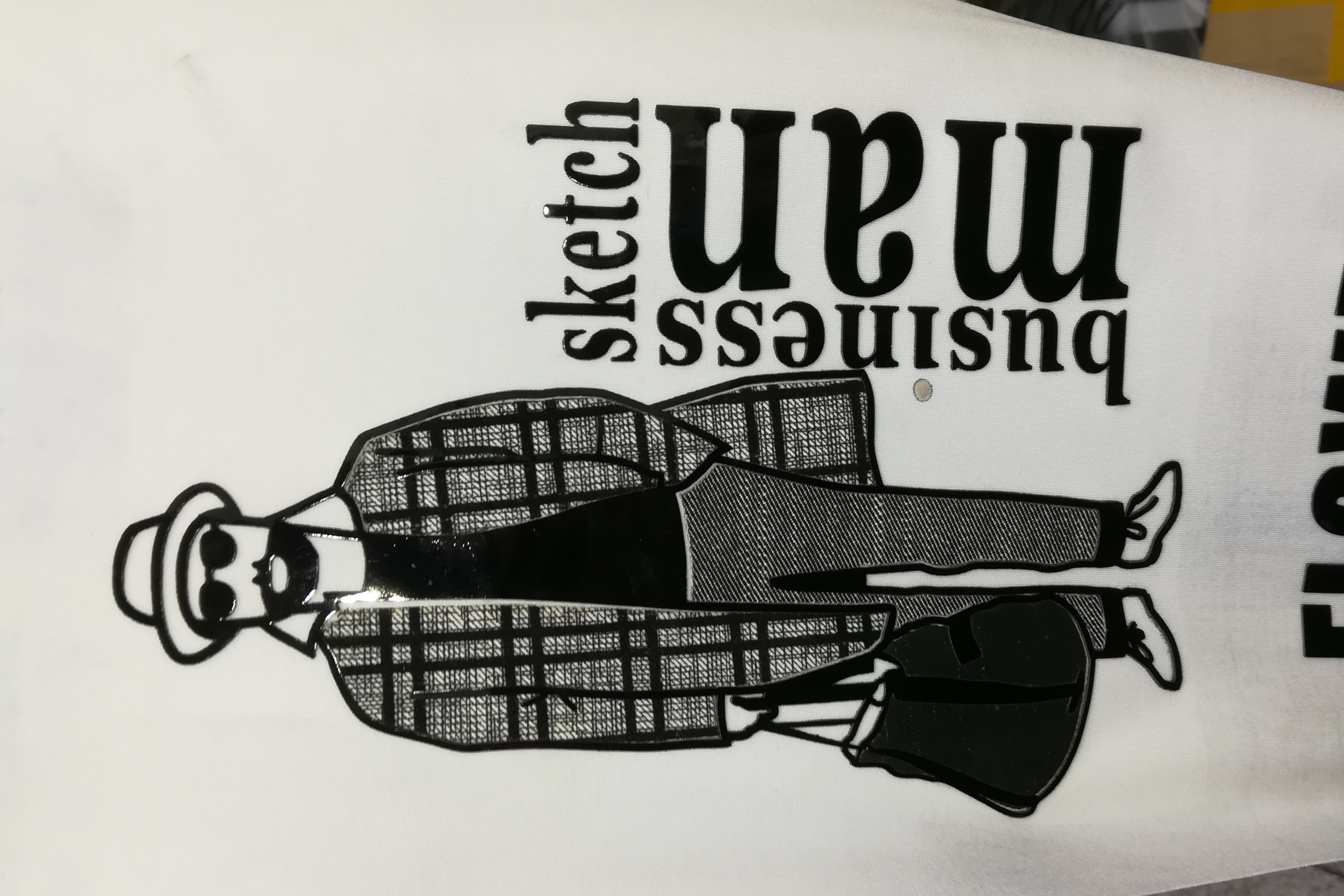
1:1 artwork should identify print width, height, front or back location, and reference points.
Pantone references and scalable AI, EPS, or PDF files avoid color and resolution guesswork.
Labels And Packing
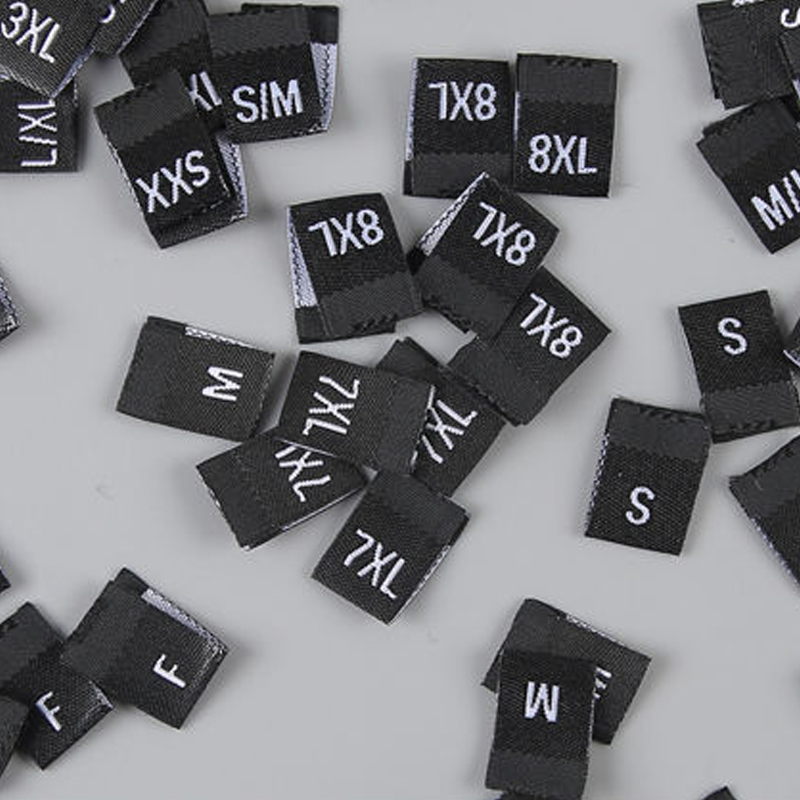
3 label details matter: woven label, neck label, and hangtag. Record fold type, stitch points, copy, barcode position, polybag warning, and carton mark.
Application Notes
2 approvals are useful: artwork proof and decorated sample. Note underbase, stitch density, transfer temperature, patch edge, and wash-testing requirement.
6. Construction Details That Protect Quality
Two-view technical flats convert a design into visible assembly instructions. In clothing tech pack development, each callout should identify a location, method, dimension, and approval standard that production and inspection can verify.
Seams, Panels, And Pockets
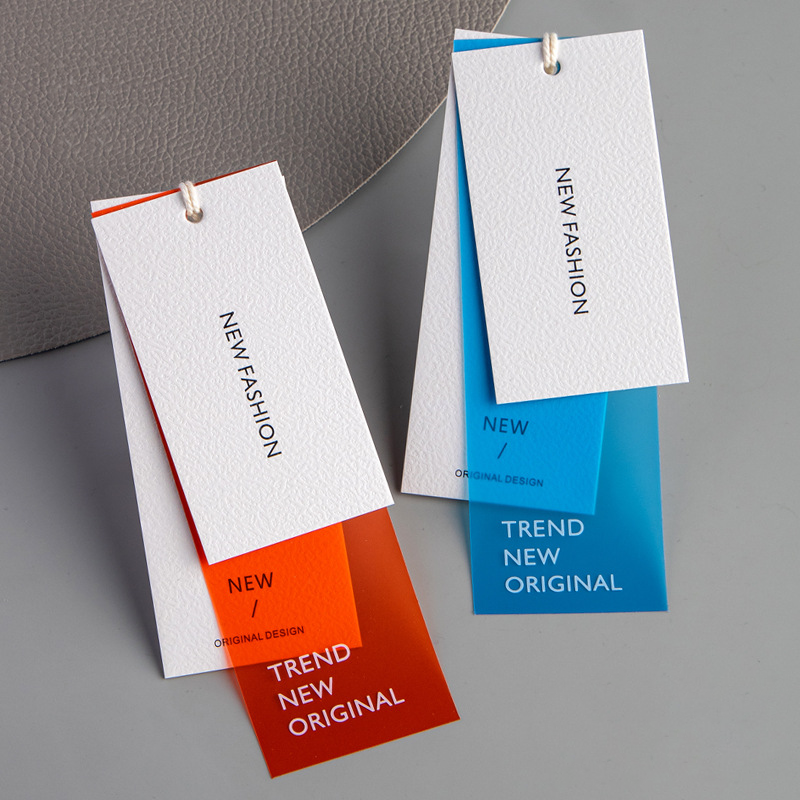
Front and back flats should show every panel edge, pocket opening, and internal construction view. Specify stitch type, seam allowance, topstitch spacing, bartack location, and reinforcement count rather than using ‘premium’ or ‘durable’.
Ribs, Zippers, And Trims
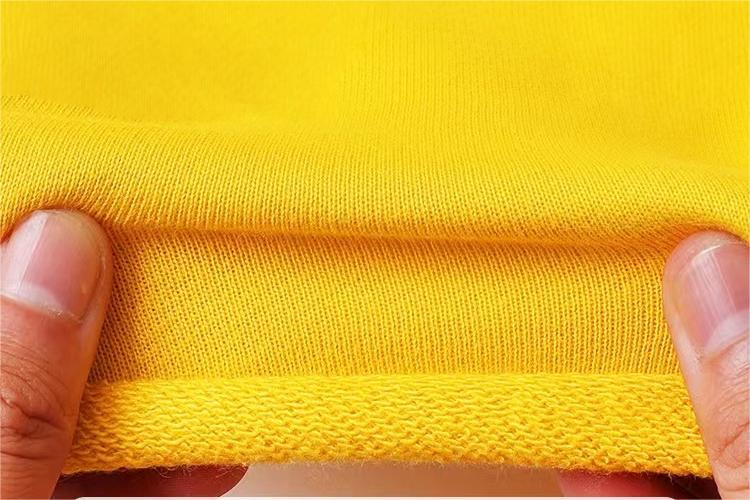
1×1 or 2×2 rib requires composition, finished height, weight, and recovery expectations. Zippers need length, gauge, puller, tape color, stop position, and attachment method; each becomes a bill-of-materials and inspection checkpoint.
Measurements And Finishing

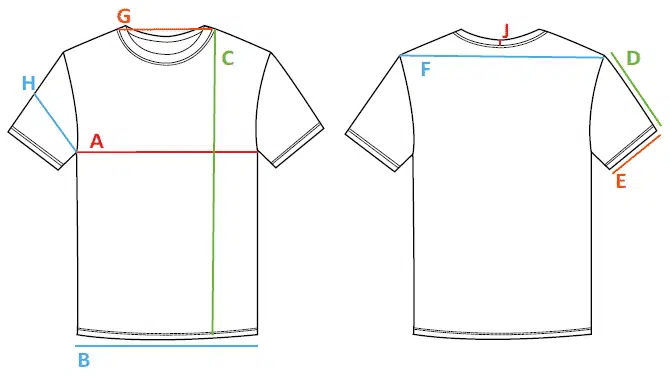
Each point of measure needs a diagram, base-size target, grading rule, measurement method, and tolerance. Wash, garment-dye, enzyme, or softener requirements must state the approved handfeel, appearance, and post-wash measurement standard before bulk production.
7. Choosing a clothing tech pack development partner
1 decision should be based on production evidence, not polished sketches. For clothing tech pack development, assess whether the partner can convert approvals into controlled specifications for the intended category.
Request Comparable Evidence
2 comparable styles are a useful minimum portfolio request: ask for redacted tech packs, flats, BOMs, POM charts, graded size ranges, and sample-review records. A hoodie, jersey, and varsity jacket demand different patterns, fabrics, and decoration controls.
Test The Working Process
1 shared revision log should identify style code, version, date, owner, and changed specification. Confirm who approves patterns, manages sourcing substitutions, issues sample comments, and communicates realistic material, sampling, and bulk lead times.
Protect The Production Standard
3 pre-order documents should include material and trim options, supplier test or certification evidence when required, inspection checkpoints, artwork-placement records, and packing specifications. Obtain written IP confidentiality, file ownership, and retention terms before sending final artwork.
8. Common clothing tech pack development mistakes
Most sampling delays begin before the first pattern is cut. In clothing tech pack development, preventable ambiguity forces factories to estimate, re-cost, or remake details that buyers could lock before handoff.
Make Visuals Measurable
One fashion sketch is not a technical flat: provide front, back, interior, and close-up views for pockets, seams, and closures. Add artwork width, height, placement from fixed POMs, print method, and approved Pantone reference.
Each measurement chart needs a named POM method, base size, grade rules, and tolerance. State fit intent—regular, oversized, compression, or cropped—rather than copying dimensions from an unrelated style.
Complete The Bill Of Materials
One incomplete BOM can distort costing when fabric composition, GSM, rib, trims, labels, and decoration are left open. List supplier or approved substitute rules, color, quantity per garment, and finish for every component.
Two color references prevent avoidable interpretation: attach approved Pantone codes or physical swatches and identify which controls bulk. Do not use screen color as final approval.
Control Changes And Packing
One sample approval should trigger a dated revision log, with changed pages highlighted and one current file issued to every stakeholder. Retire superseded files so production does not follow conflicting instructions.
Each style also needs packaging details before costing: fold method, polybag, barcode location, carton ratio, and warnings. EDVORIN can convert approved decisions into a production-ready standard, but buyers should approve the final revision before bulk release.
9. From Idea to Bulk Production
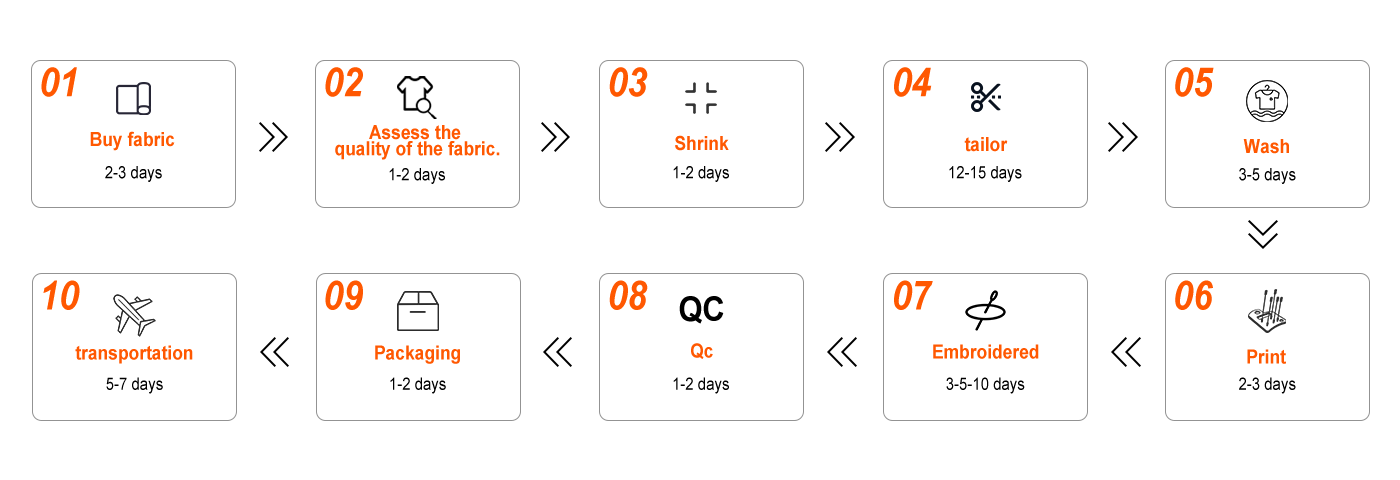
A 10-step launch moves a concept into an accountable bulk standard. For EDVORIN buyers, each decision gate should update the same controlled specification file.
Brief And Technical File
Gate 1 defines style, wearer, target quantity, price position and delivery need. Gather reference garments, artwork and fit intent.
Gate 2 converts references into front-and-back flats, a BOM, POM chart, grading, tolerances and packaging requirements.
Materials, Costing And Sample
Gate 3 approves fabric composition, GSM, color reference, trims and decoration method before costing. Update the BOM with supplier-approved selections.
Gate 4 releases the quote and sample request only after quantities and construction are confirmed. Record every sample correction against the relevant flat, measurement or BOM line.
Production Release And Inspection
Gate 5 approves the pre-production sample as the physical bulk reference. Freeze revision number, size breakdown, labels, carton instructions and purchase order.
Gate 6 compares in-line and final inspections with the approved sample and current tech pack. Log defects, measurement results and corrective actions before packed goods are released.
10. Clothing Tech Pack Development Pricing
Pricing for clothing tech pack development is not universal: a basic T-shirt and a multi-panel varsity jacket require different technical inputs. EDVORIN scopes development before quoting so the documentation matches the production route.
Two approval points usually matter most: the first technical review and the post-sample update. Final pricing depends on style count, material options, grading, artwork, sample iterations, order volume, and whether EDVORIN also manages sourcing and bulk production.
| Complexity tier | Development scope | Typical cost drivers | Revision and lead-time factors |
|---|---|---|---|
| Basic | One silhouette; flats, BOM, measurements | Fabric, labels, single decoration | Fewer revisions; inputs already approved |
| Moderate | Multiple panels, trims, or size grades | Artwork placements, custom hardware, grading | Sample feedback can add revisions |
| Complex | Outerwear, uniforms, or coordinated styles | Lining, insulation, colorways, performance details | Material testing and multi-style approval extend timing |
Start Your Clothing Tech Pack Development Project
Share your concept, reference garment or existing specifications, and EDVORIN will scope a production-ready tech pack and quote.