
Lightweight Quilted Jacket Manufacturer for Repeatable OEM/ODM Programs
EDVORIN is your lightweight quilted jacket manufacturer, supporting product development, sampling and bulk production from 200 pieces per style.
Outerwear Development & Production Capabilities
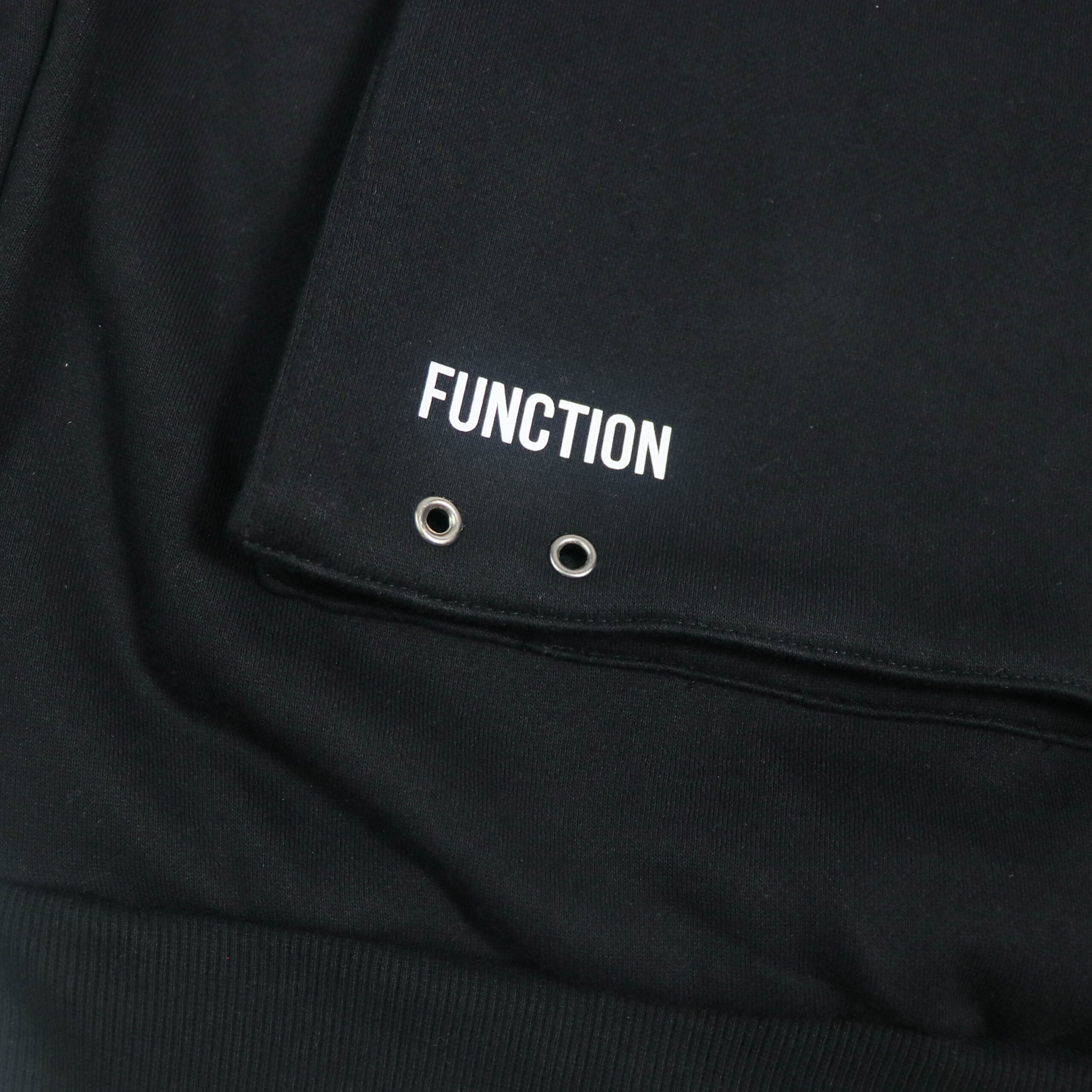
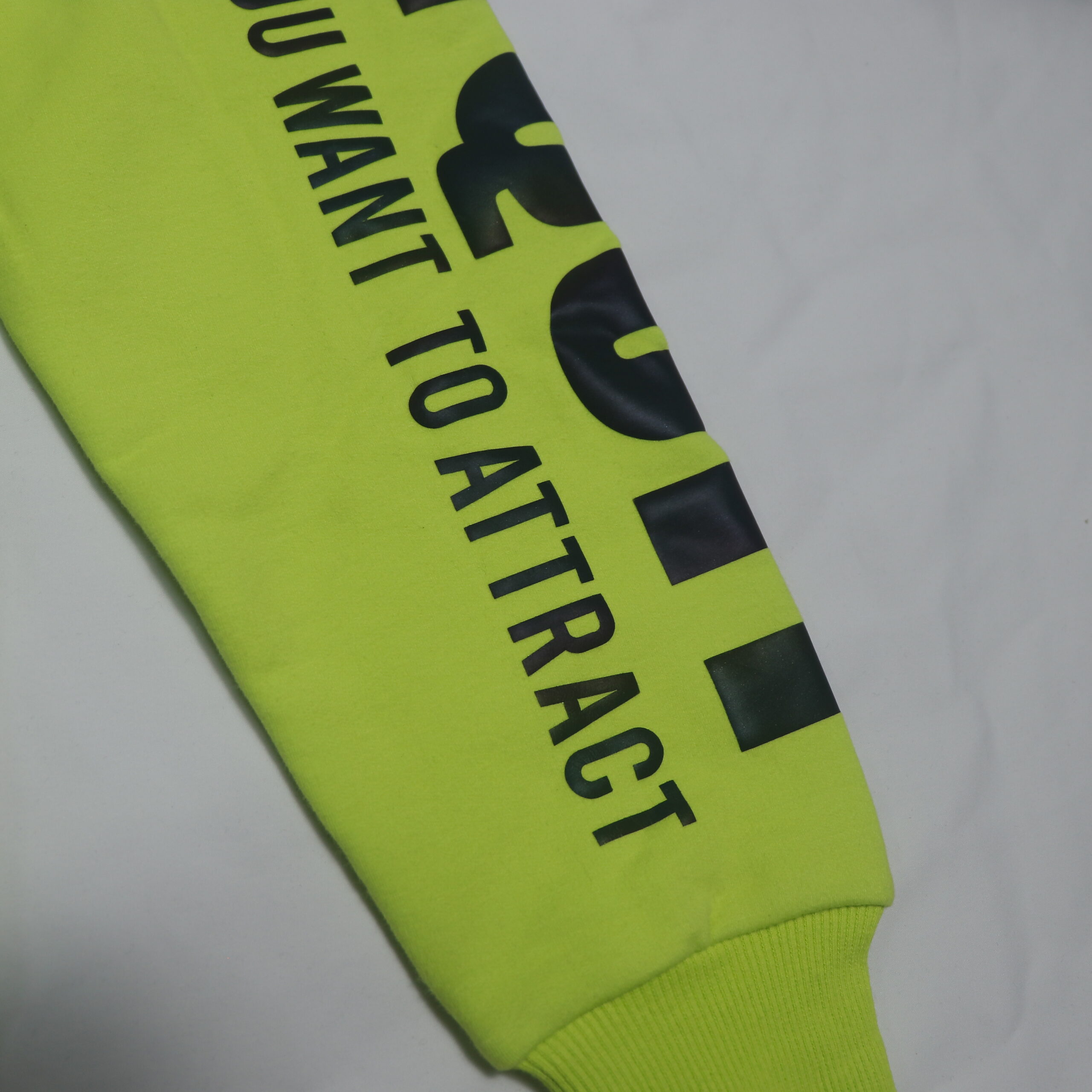
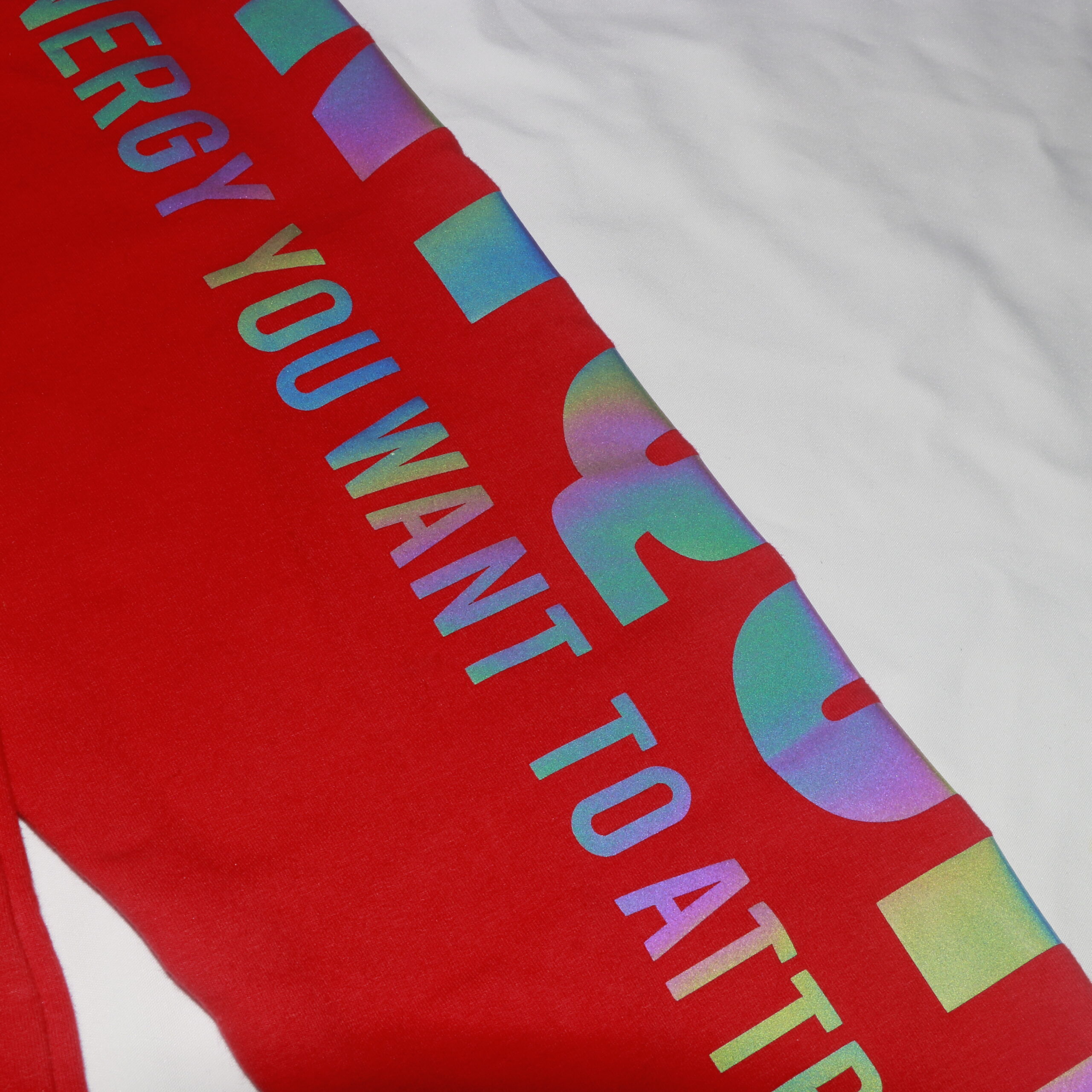
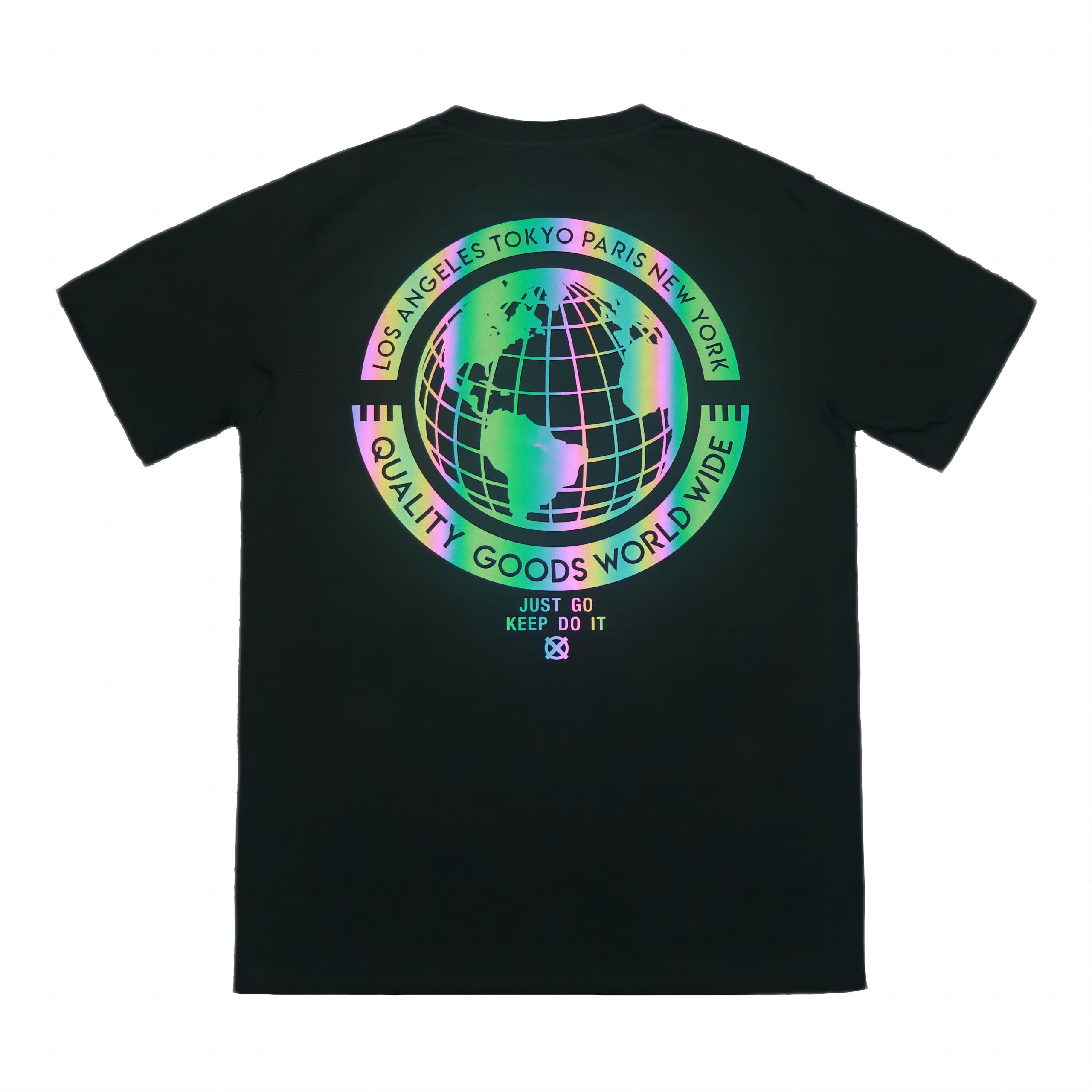



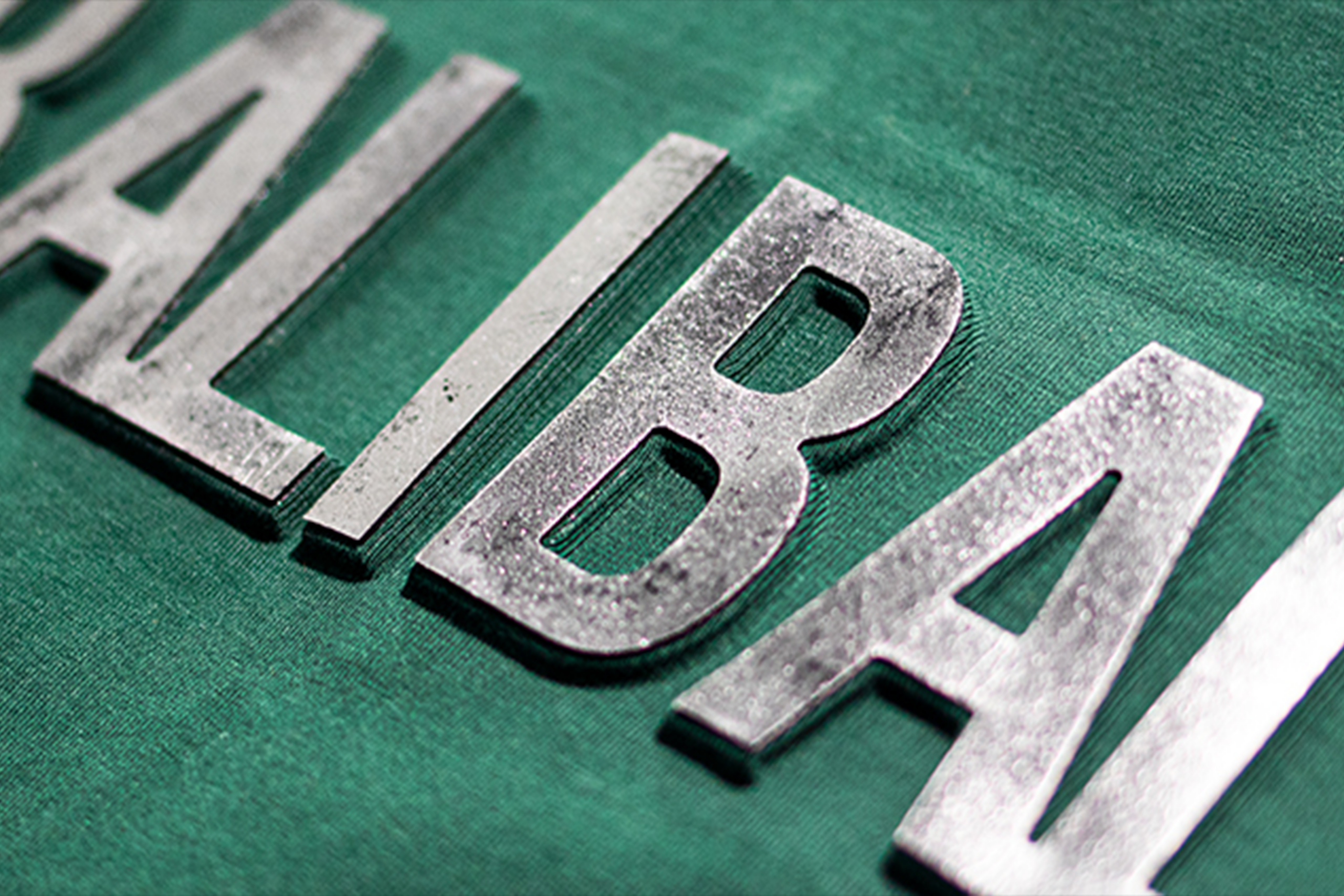
Lightweight Quilted Jacket Manufacturer Built for Repeatable Production
EDVORIN connects development, sourcing, decoration and quality control into one accountable path from approved sample to bulk order.
Outerwear Product Development
Turn a tech pack, reference garment or concept into production-ready patterns, measurements and construction details for men’s and women’s lightweight quilted jackets.
Coordinated Material Sourcing
Align shell fabrics, linings, insulation, quilting and trims around the intended weight, hand feel, performance needs and target market.
Integrated Decoration Planning
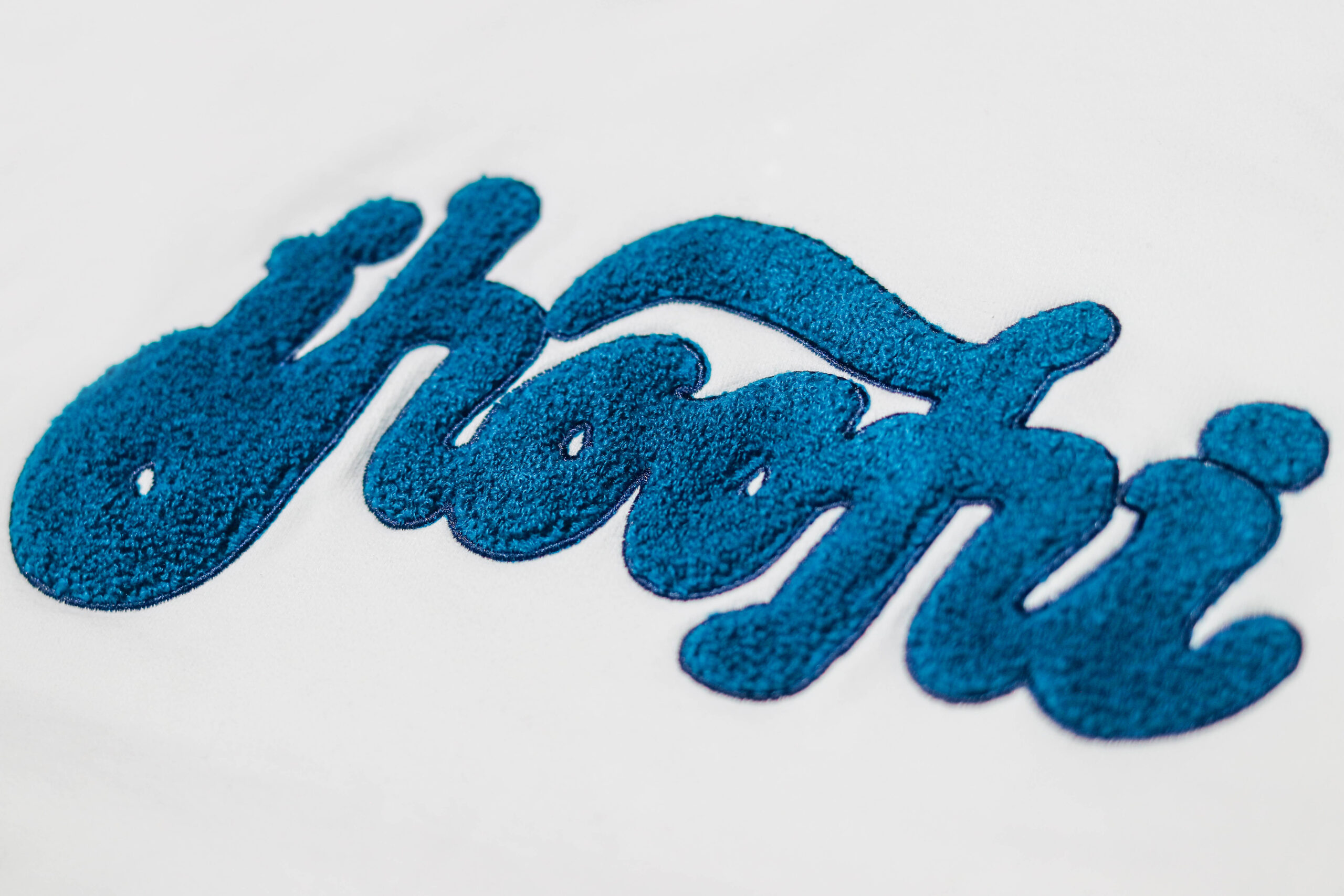
Coordinate embroidery, printing, labels, patches and packaging with jacket materials so branded details are specified before bulk production begins.
Approved-Standard Quality Control
Use approved samples, documented measurements and placement references to guide in-line checks and final inspection before packing.
Flexible OEM and ODM
Support emerging labels, wholesale programs and established buyers with OEM, ODM and private-label development, starting at 200 pieces per style.
Apparel Categories We Develop
From single styles to coordinated programs, EDVORIN develops category-specific specifications for sampling, decoration, bulk production, and repeat orders.
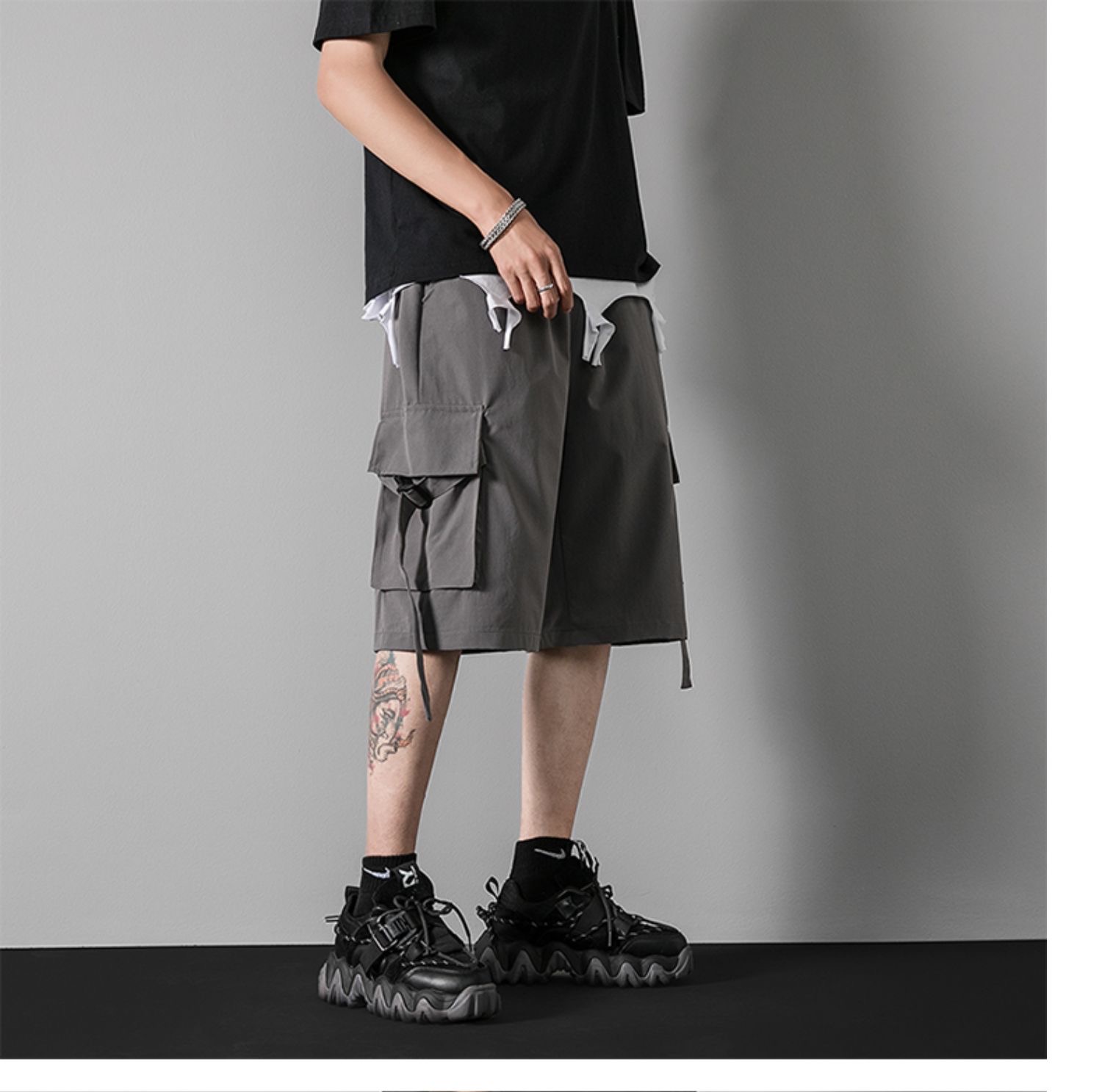
Custom Hoodies
Custom hoodie development covers fleece selection, hood shape, rib specifications, pocket construction, drawcords, labels, prints, embroidery, washing, and fit blocks for men’s or women’s programs. Approved samples become documented standards for bulk production from 200 pieces per style.
Get a Quote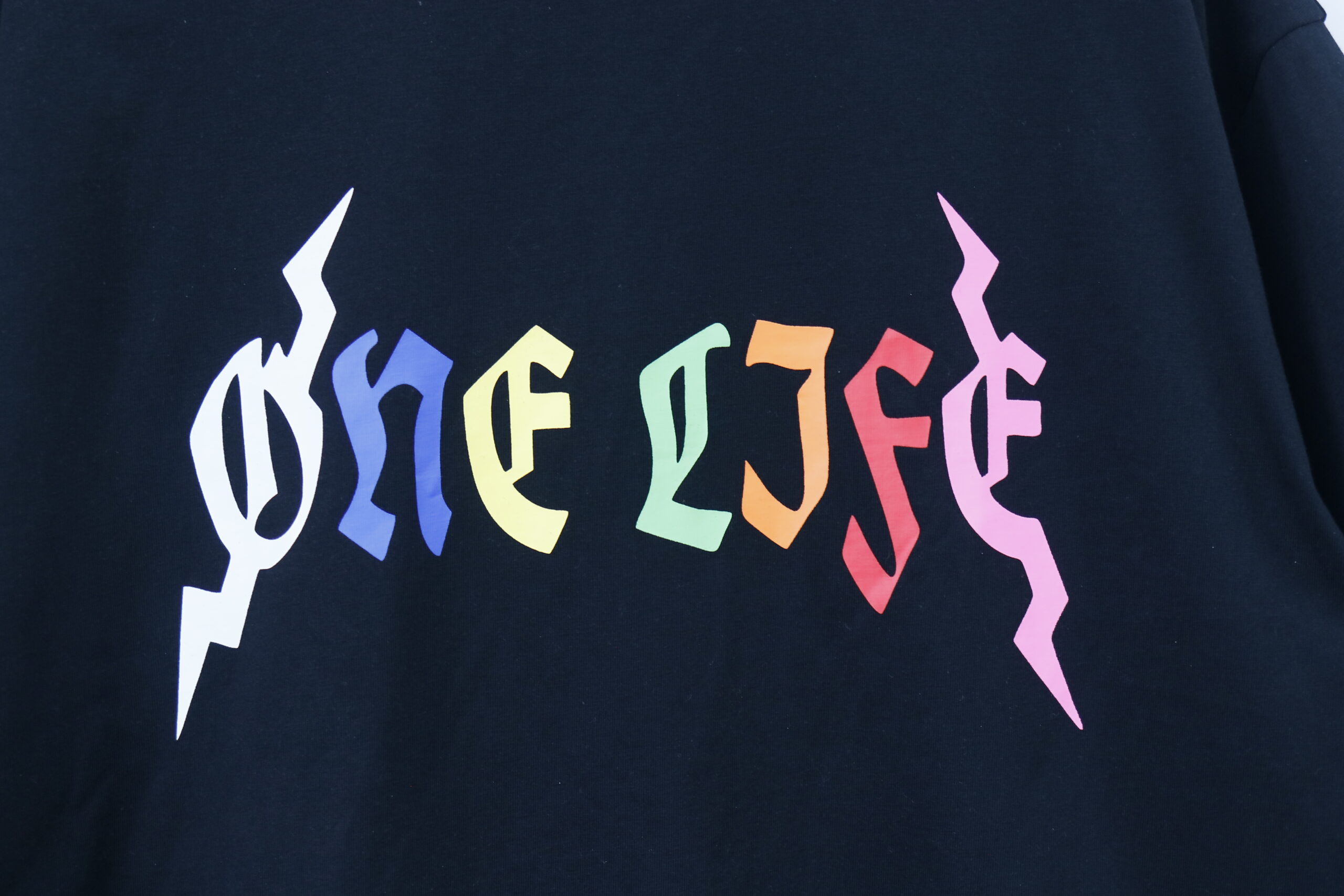
Pullover Sweatshirts
As a sweatshirt manufacturer, EDVORIN develops crewneck and pullover styles around fabric weight, neckline recovery, rib balance, panel construction, decoration methods, and wash effects. Measurements, artwork placement, and trims are confirmed before the style moves from sample approval into bulk production.
Get a Quote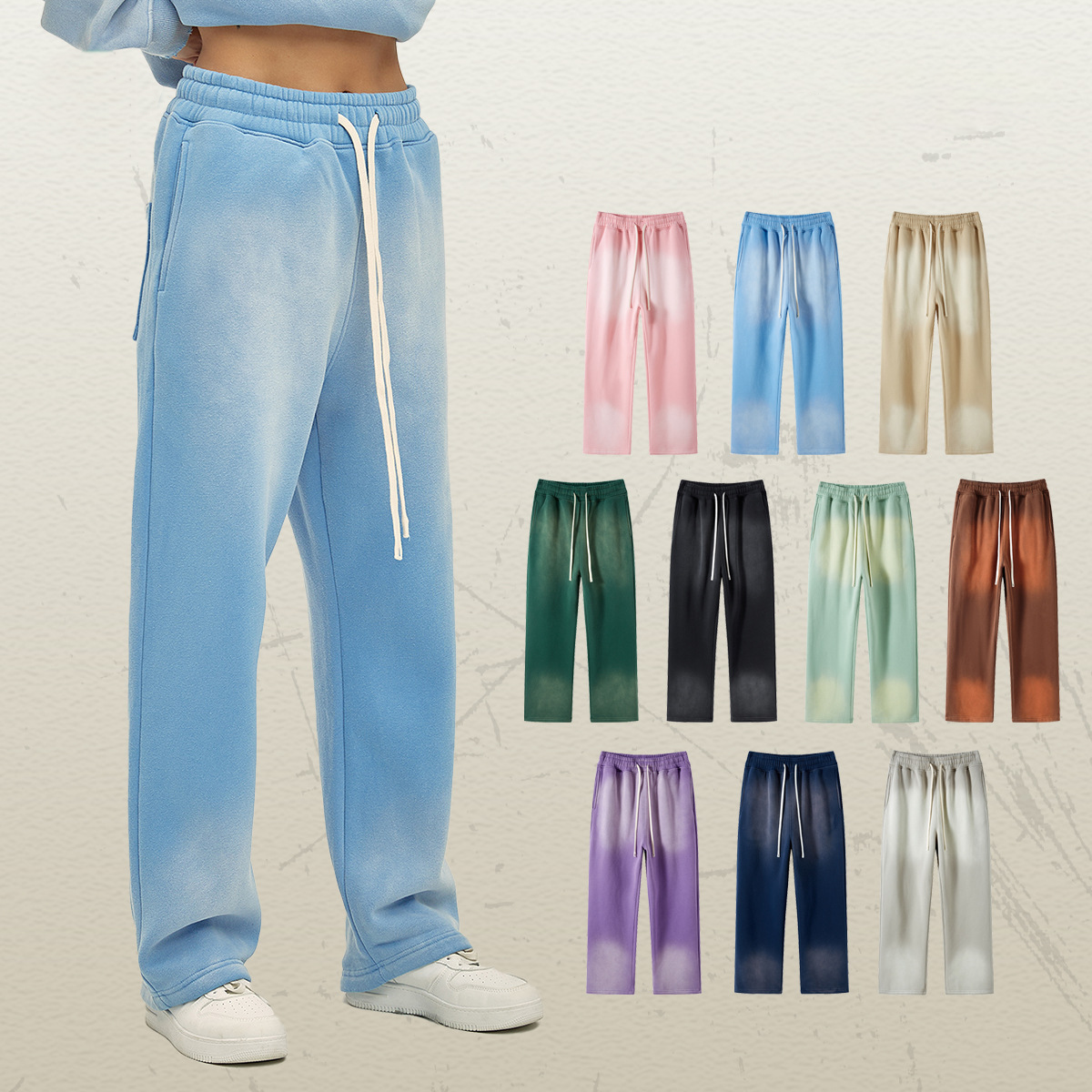
Sweatpants & Joggers
Sweatpants and joggers are developed with attention to fabric weight, rise, leg shape, waistband construction, cuff treatment, pocket layout, drawcords, and grading. EDVORIN coordinates matching fleece programs, print or embroidery placement, labels, and packing requirements for repeatable production.
Get a Quote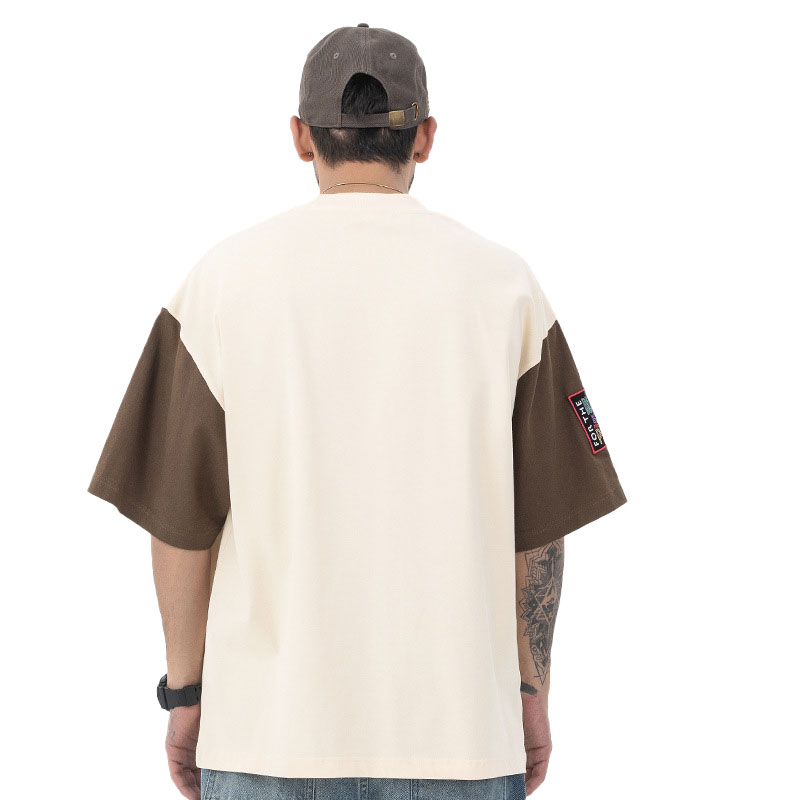
Custom Shorts
Custom shorts programs can include fleece, jersey, woven, mesh, or performance constructions. EDVORIN defines inseam, waistband, pocket details, liners, trims, decoration, and size grading according to the intended market, then controls those specifications through sampling and bulk production.
Get a Quote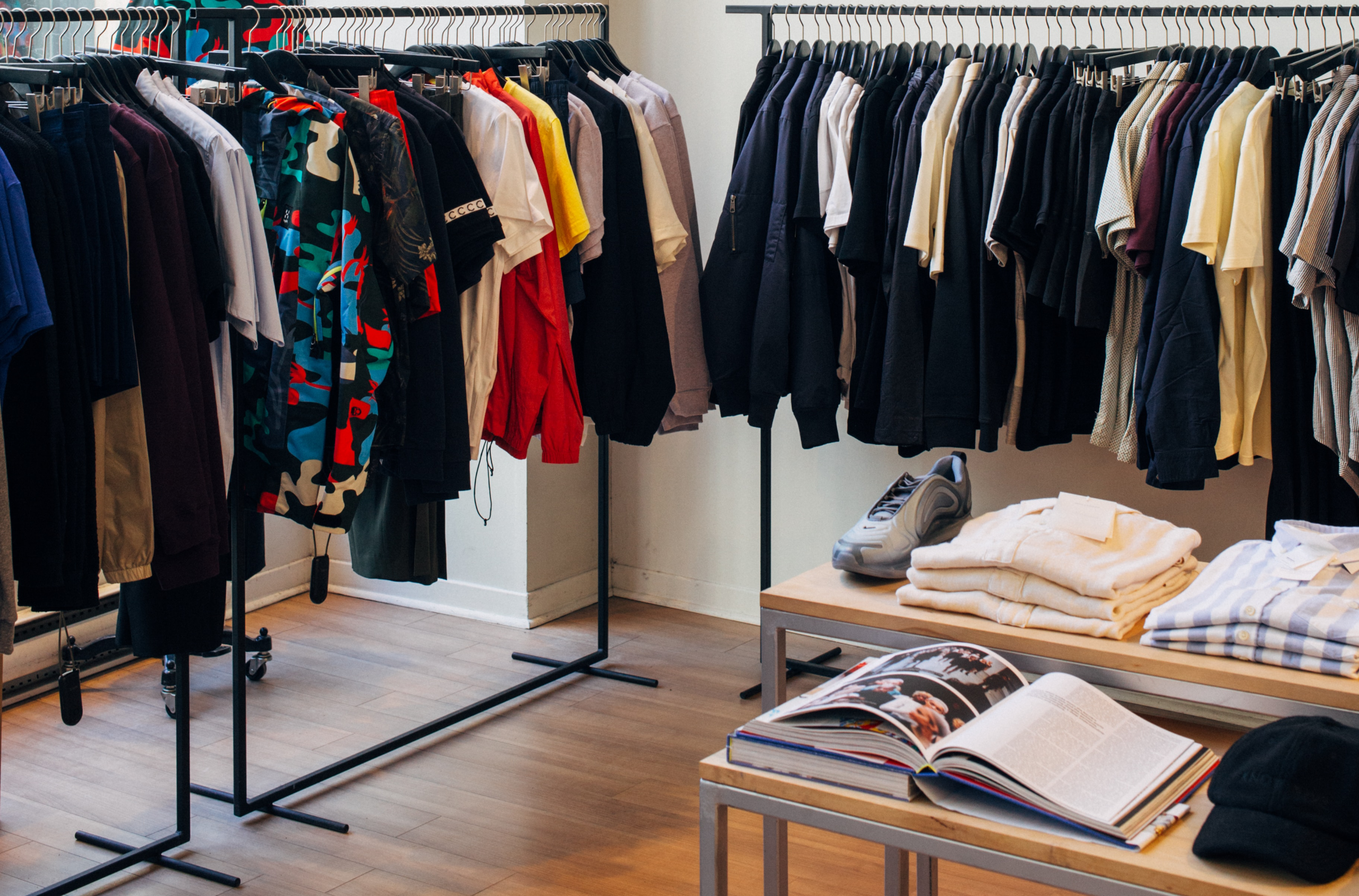
Varsity & Baseball Jackets
Varsity and baseball jackets require coordinated body fabrics, sleeves, linings, rib, snaps, patches, embroidery, and appliqué. EDVORIN develops each construction as a complete specification, balancing material weight, fit, decoration placement, and finishing for fashion, school, or team programs.
Get a Quote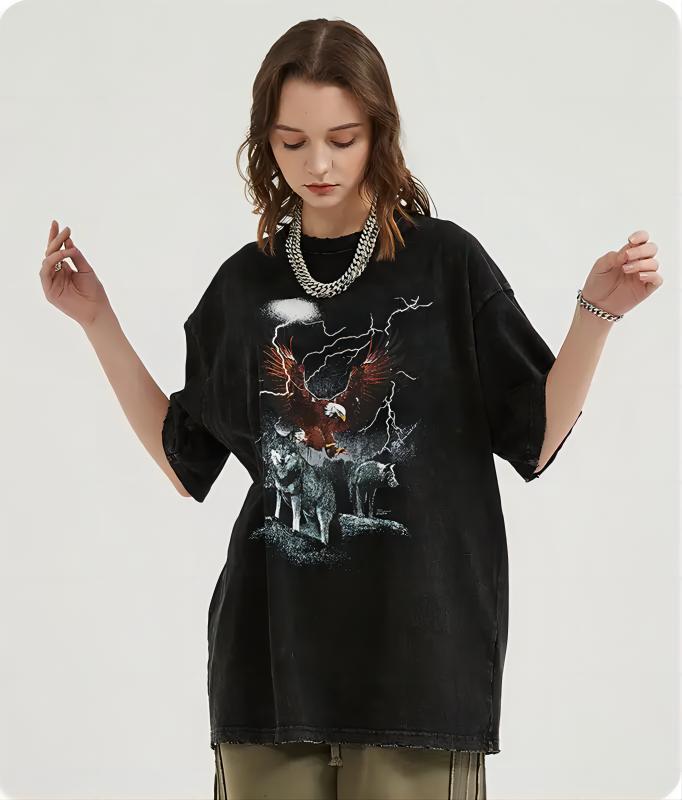
Custom T-Shirts
Custom T-shirt development includes jersey selection, garment weight, collar construction, shoulder treatment, fit, wash effects, print compatibility, embroidery, labels, and packaging. Men’s and women’s blocks can be developed separately, with approved measurements and artwork references carried into bulk production.
Get a Quote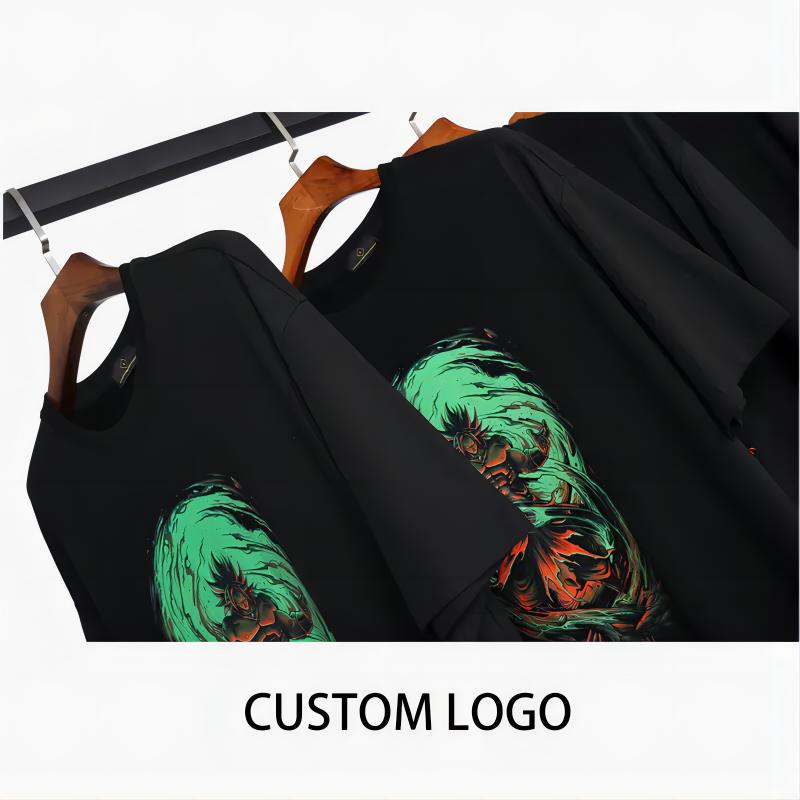
Custom Polo Shirts
Polo shirt programs are developed around piqué or jersey fabric, collar and placket construction, cuff finish, button selection, fit, embroidery placement, and color control. EDVORIN supports branded uniforms, retail collections, and private-label programs with documented sample-to-bulk standards.
Get a Quote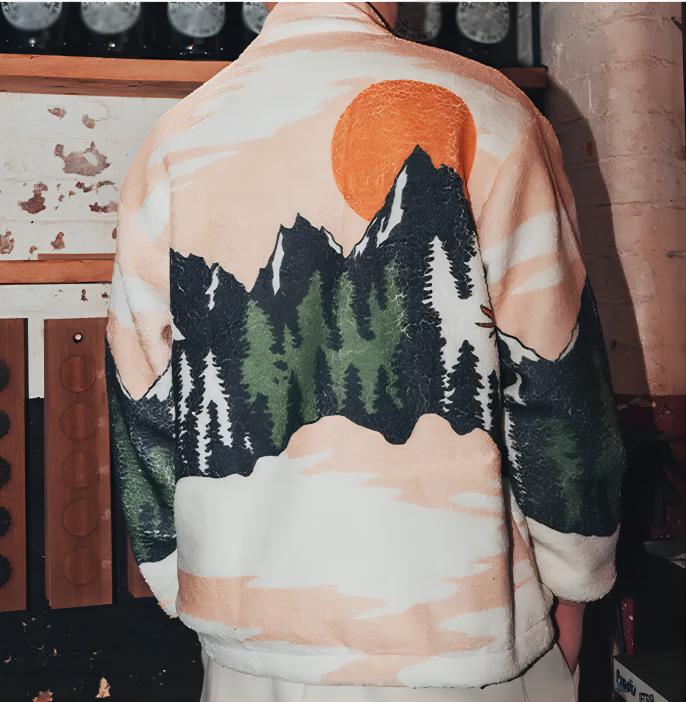
Windbreaker Jackets
Windbreaker development combines shell fabric, lining or mesh, zipper selection, hood construction, pocket design, elastic or adjustable hems, and weather-oriented finishing. EDVORIN records panel colors, prints, embroidery, and measurements so lightweight outerwear can be reproduced across orders.
Get a Quote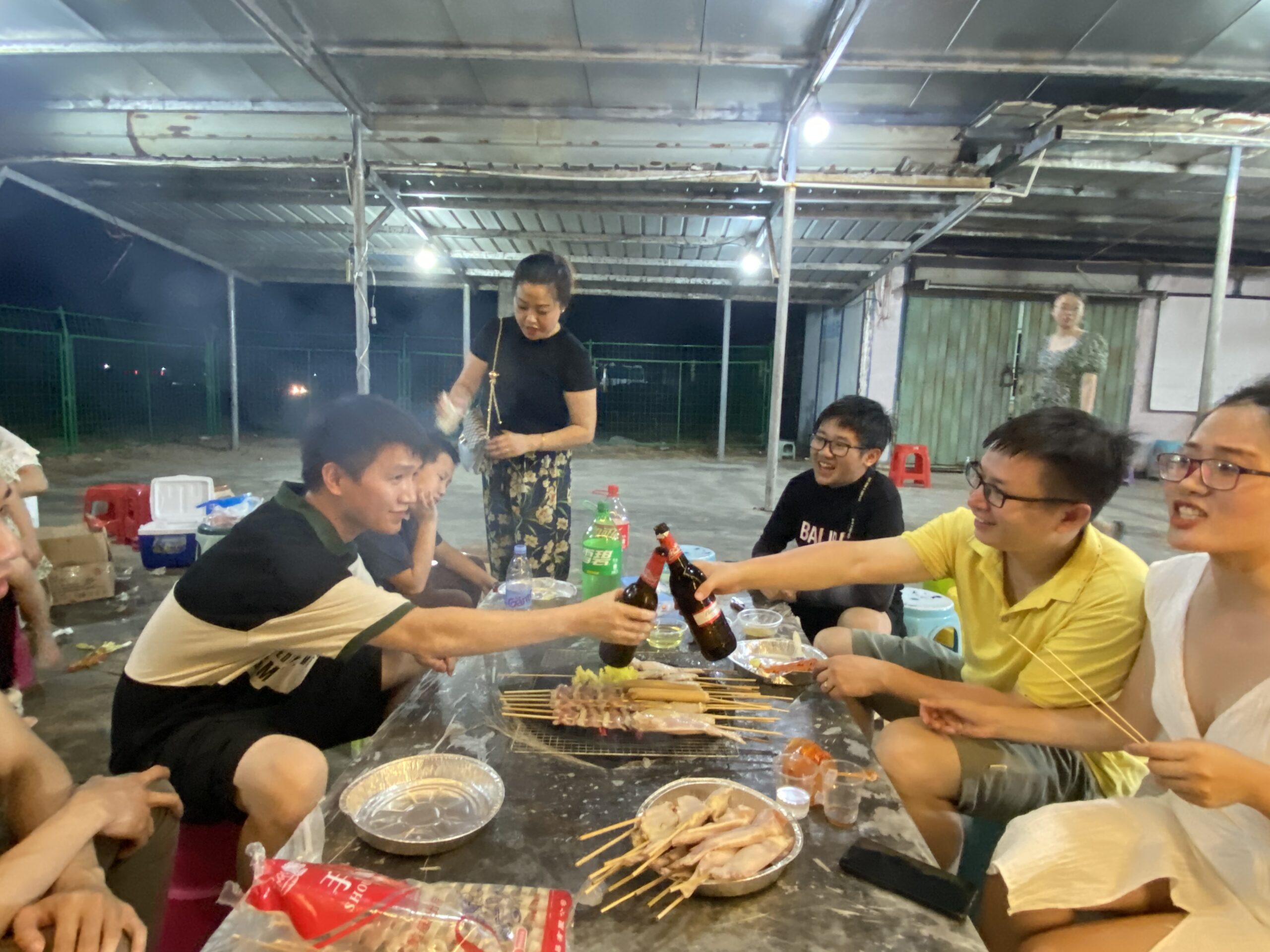
Quilted Jackets
Quilted jackets are developed with shell fabric, lining, insulation, quilting pattern, seam construction, closures, pockets, and binding details considered together. EDVORIN samples warmth, weight, silhouette, and decoration placement before confirming production specifications for lightweight or layered outerwear programs.
Get a Quote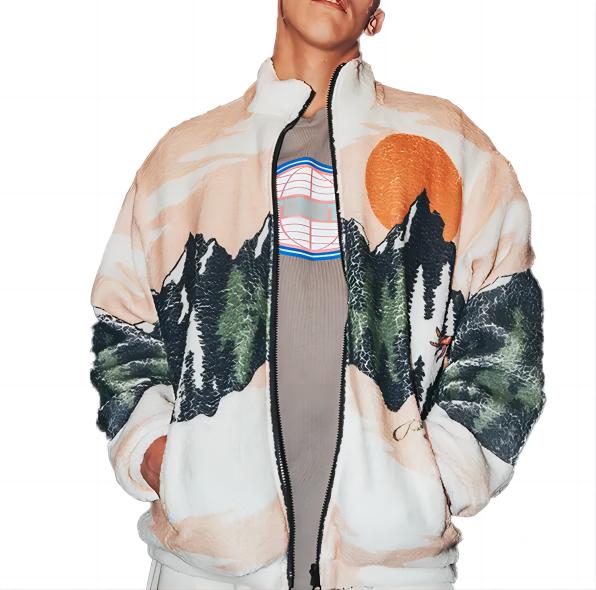
Bomber Jackets
Bomber jacket manufacturing coordinates shell fabric, lining, rib, zipper or snap hardware, pocket construction, insulation, patches, embroidery, and wash effects. EDVORIN develops fit and grading for the target wearer, then uses approved samples to guide material and production control.
Get a Quote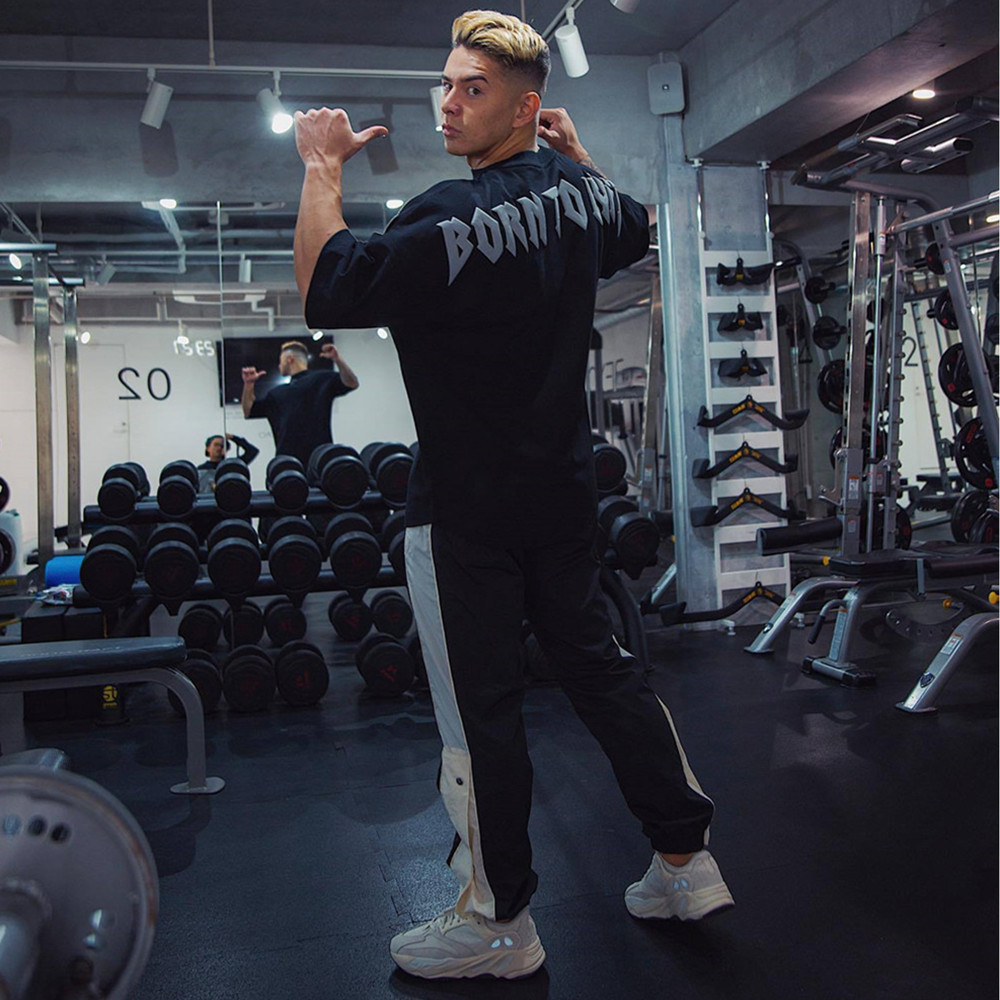
Custom Shirts
Custom woven shirts can be developed in poplin, twill, oxford, flannel, or other suitable fabrics. Collar shape, placket, cuffs, pocket details, seams, buttons, fit, labels, and embroidery are specified during sampling for consistent private-label or uniform production.
Get a Quote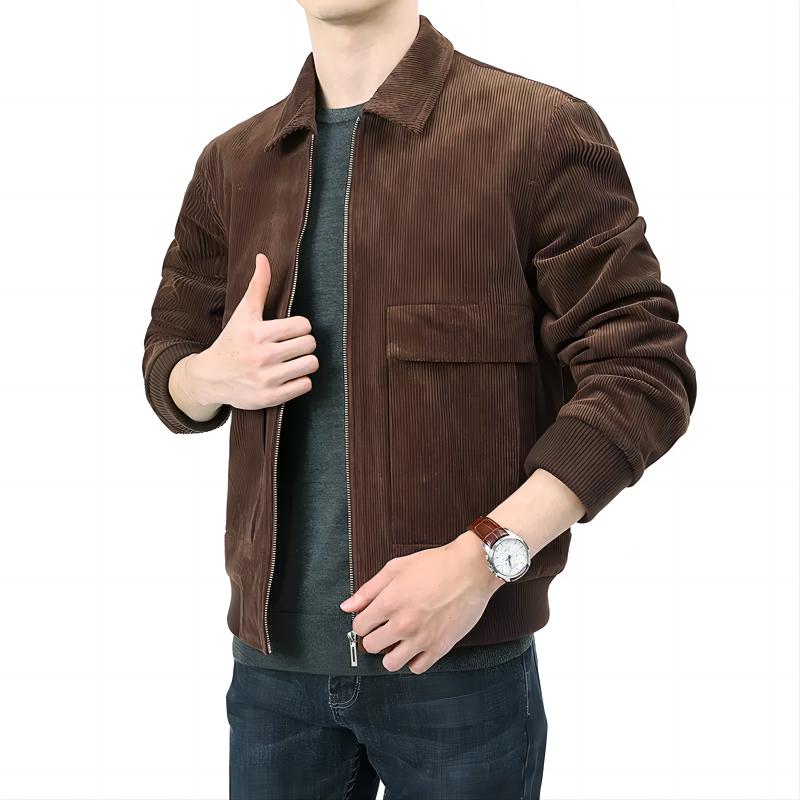
Custom Jerseys
Custom jersey development considers fabric performance, panel construction, collar and armhole finish, color blocking, numbers, names, crests, sponsor artwork, and size grading. EDVORIN coordinates sublimation, printing, embroidery, and labeling requirements for teamwear and branded athletic programs.
Get a Quote
Tank Tops
Tank tops are developed in cotton jersey, performance knits, mesh, or blended fabrics based on intended use. EDVORIN specifies neckline, armhole finish, side seams, fit, length, decoration method, labels, and grading for men’s or women’s collections.
Get a Quote
Soccer Uniforms
Soccer uniform programs include jerseys, shorts, and optional training pieces developed around breathable fabrics, team colors, sublimation or print artwork, crests, names, numbers, and size sets. EDVORIN establishes placement references and production controls for organized team orders and repeat seasons.
Get a Quote
Basketball Uniforms
Basketball uniforms are developed with performance mesh or knit fabrics, jersey and short proportions, armhole construction, waistband details, side panels, player names, numbers, and team graphics. EDVORIN manages color matching, decoration files, size runs, labels, and packing by player or set.
Get a Quote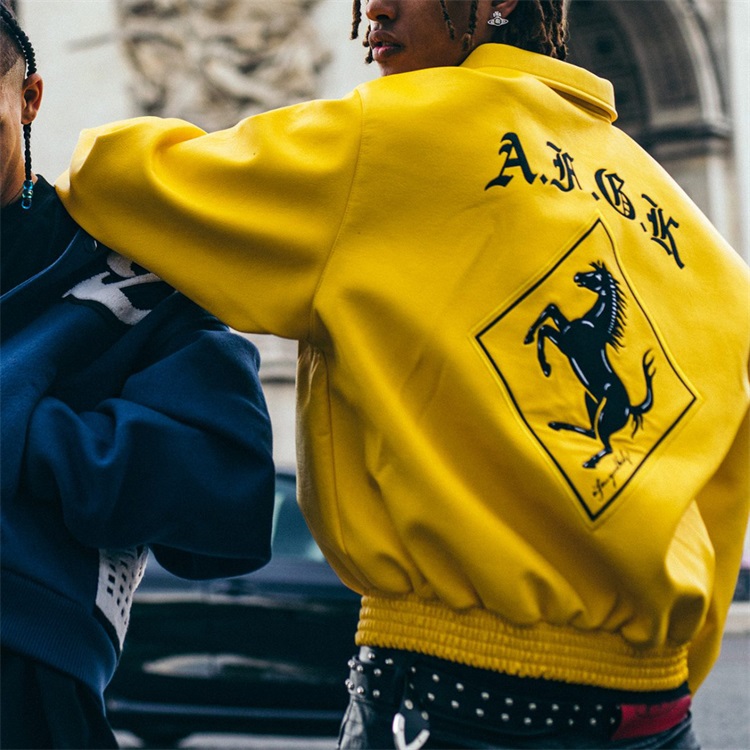
Streetwear Collections
Streetwear collections bring together coordinated hoodies, T-shirts, sweatpants, jackets, woven styles, and accessories under one production plan. EDVORIN supports product development, fabric and trim sourcing, washes, prints, embroidery, labeling, packaging, and quality control across each approved style.
Get a QuoteShell, Lining & Insulation Materials
Matte Nylon Shell
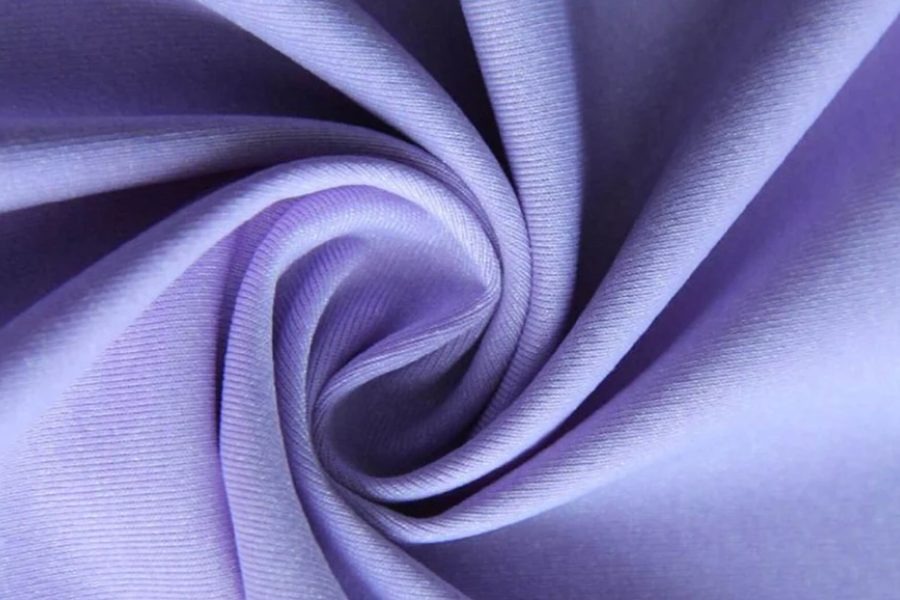
A smooth, lightweight woven shell with a clean, technical hand feel for packable layers and modern outerwear. Available in varied deniers, it provides low bulk while supporting crisp quilting lines.
Recycled Polyester Shell
A versatile shell option with a soft-to-crisp hand feel for fashion, teamwear and private-label jackets. Recycled polyester can be specified in lightweight constructions and paired with suitable certification programs.
Polyester Taffeta Lining
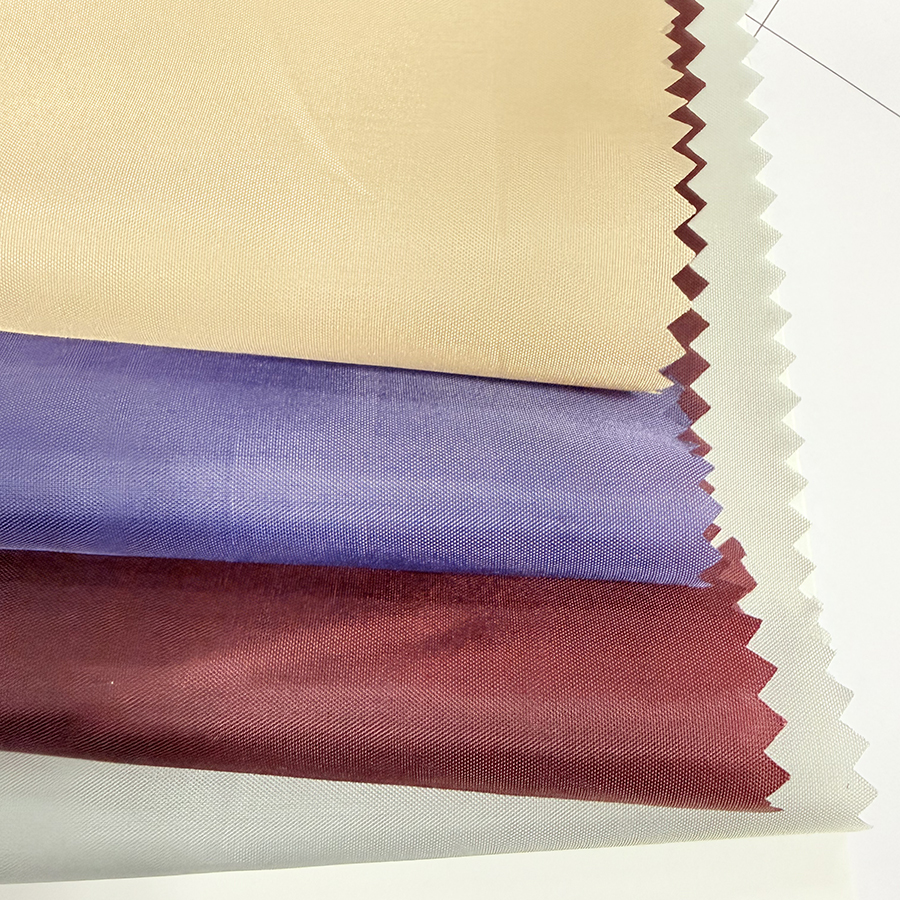
A smooth, easy-on lining commonly used inside lightweight quilted jackets and vests. Its low-friction surface helps garments layer comfortably, while its stable woven construction supports clean internal finishing.
Synthetic Fiber Fill
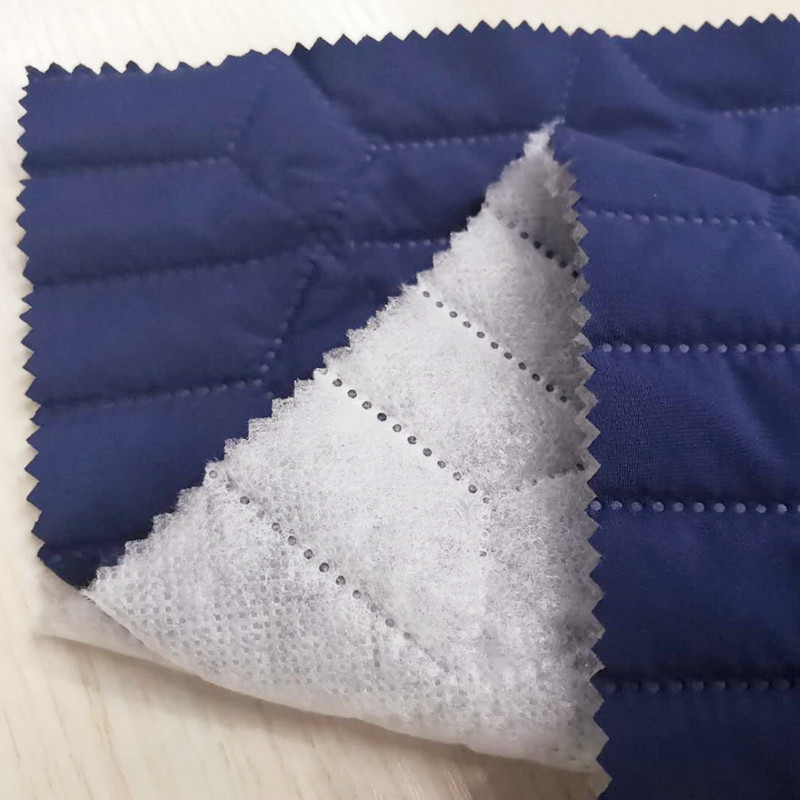
Lightweight synthetic insulation creates dependable loft without excessive bulk for transitional-weather jackets. Fill weight can be adjusted by style and market, while quilt channels help hold insulation evenly across the garment.
Cotton Blend Shell
A softer, more natural-looking woven shell suited to casualwear and streetwear-inspired quilted layers. Cotton-blend constructions offer a warmer hand feel and can be developed with varied weights for structure.
Lightweight Quilted Jacket Manufacturer: Quilting, Decoration & Finishing
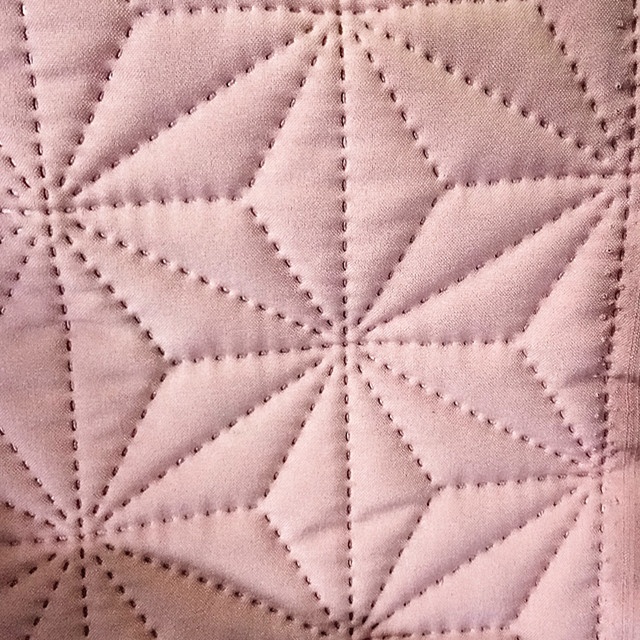
Diamond Quilting
Diamond stitching secures shell, insulation and lining in a classic grid, creating controlled padding distribution and a refined outerwear surface. Stitch spacing and thread color can be matched to your approved jacket specification.
Channel Quilting
Horizontal, vertical or custom channels create a cleaner, more directional jacket appearance. EDVORIN coordinates channel width, insulation placement and seam construction so the intended lightweight profile is maintained through repeat production.
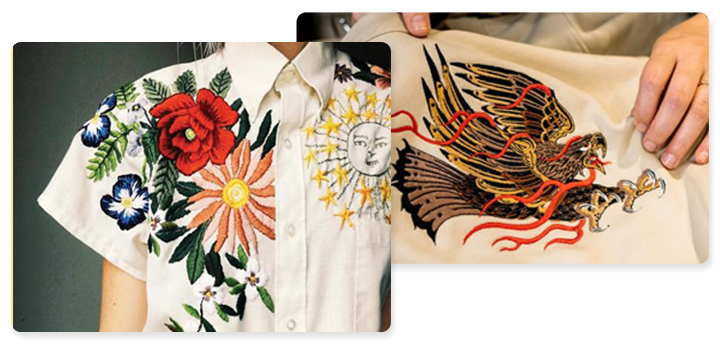
Logo Embroidery
Embroidery adds dimensional branding to chest panels, sleeves, backs or patches. We review artwork, stitch coverage and placement against the jacket materials to achieve a defined logo with a durable, production-ready finish.
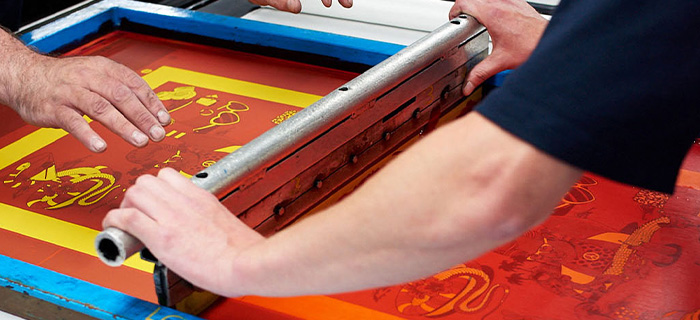
Screen Printing
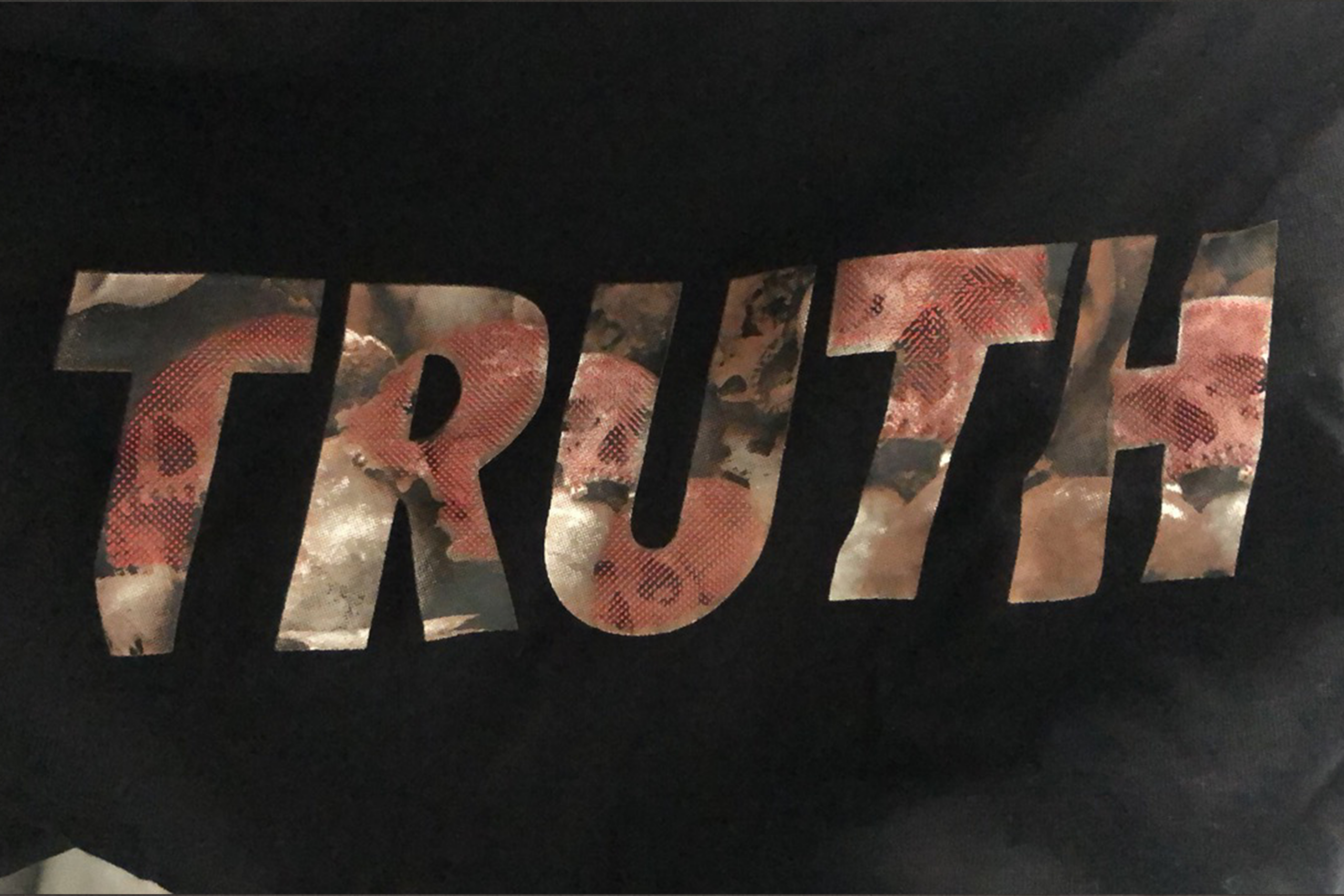
Screen printing applies bold graphics and color treatments to selected jacket panels. Artwork placement, ink compatibility and print size are documented during sampling, helping preserve the intended visual impact across the bulk order.
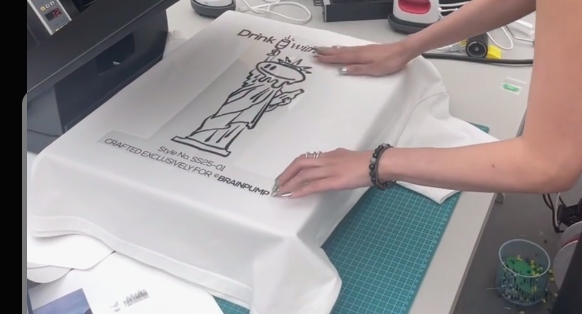
Heat Transfer
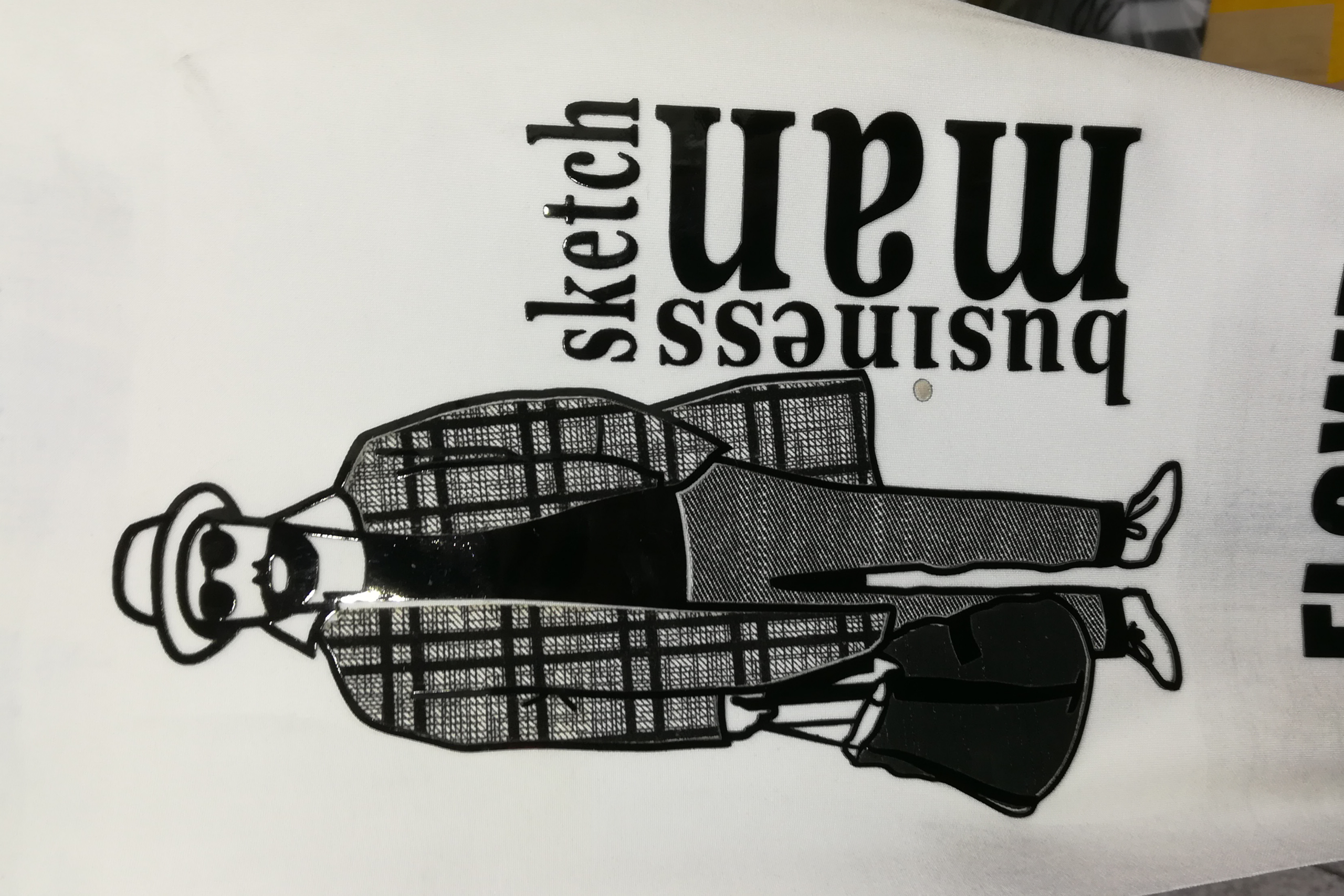
Heat transfer logos provide precise detail for small marks, names, numbers and multicolor artwork. EDVORIN evaluates transfer placement and base-fabric compatibility during development so branding supports both the garment design and repeatable application.
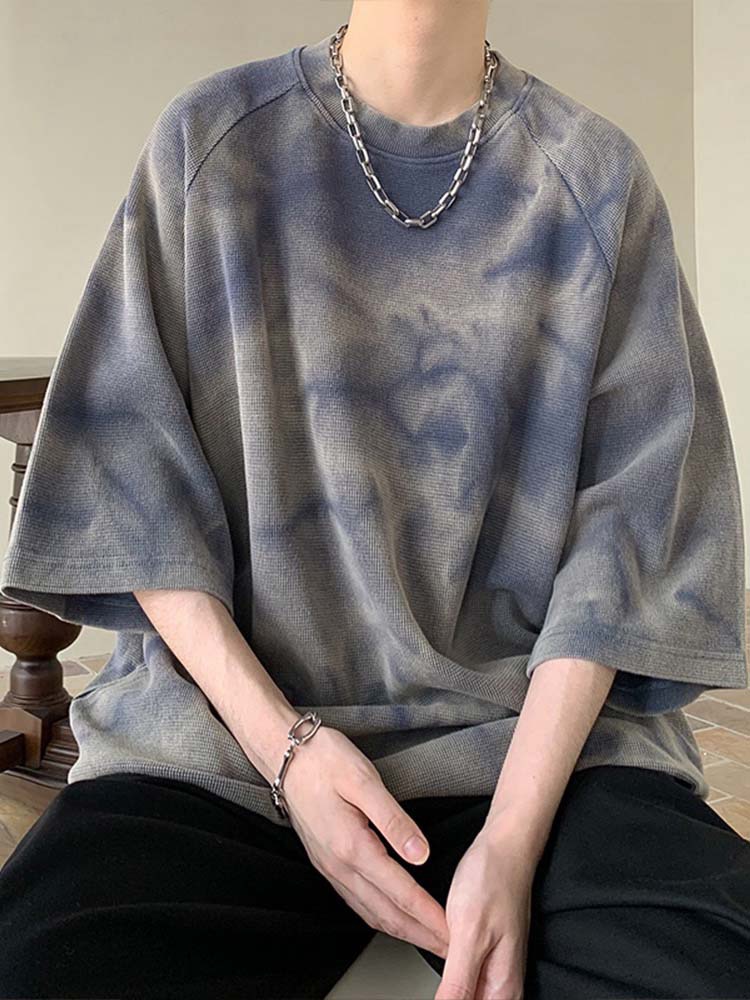
Garment Washing
Garment washing can soften hand feel, reduce a new-fabric appearance or create a more lived-in finish. Wash trials are reviewed with the approved sample to confirm the intended color, texture and overall jacket character.
Trims That Complete the Jacket Specification
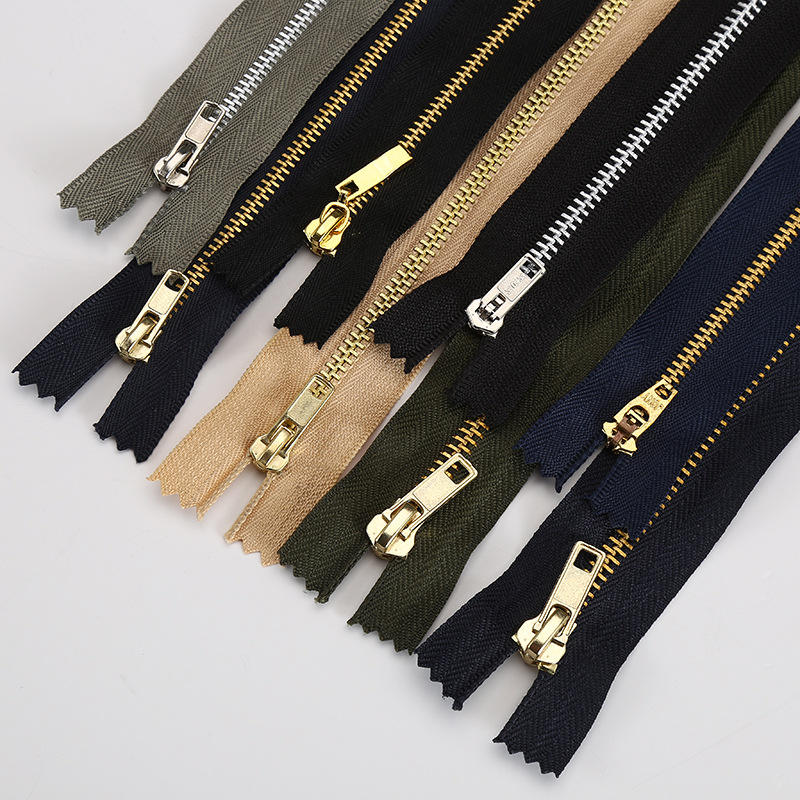
YKK Zippers
Specify front, pocket, or concealed zippers by finish, tape color, puller shape, and placement. EDVORIN records the approved hardware choice so jacket function and visual balance remain consistent in bulk production.
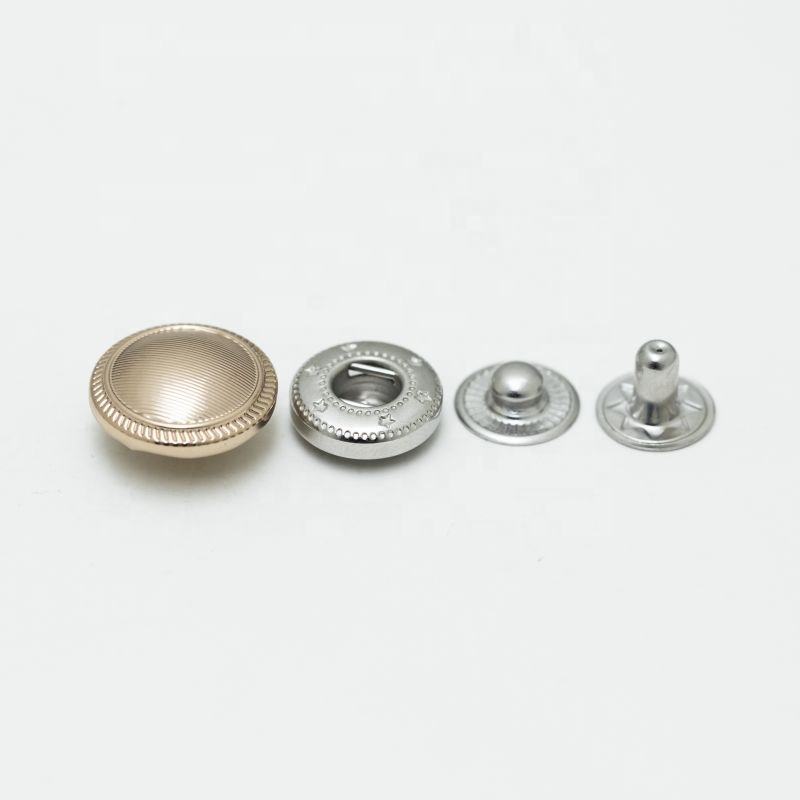
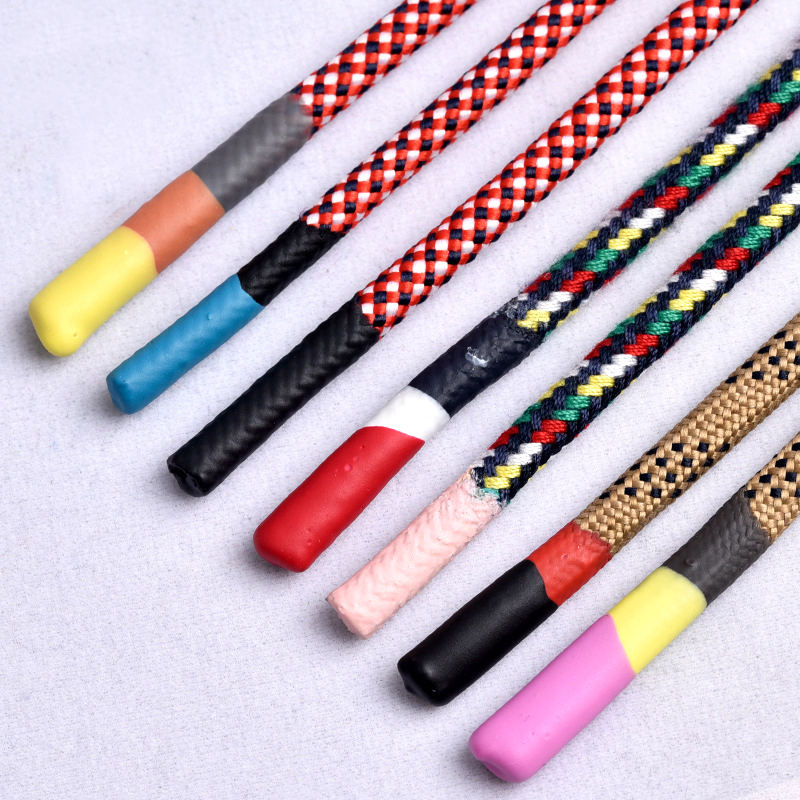
Drawcord Tipping
Use drawcords and custom tips for adjustable hoods or hems on lightweight quilted jacket designs. Material, color, length, stopper style, and end finish are aligned with the fit, intended use, and overall brand direction.
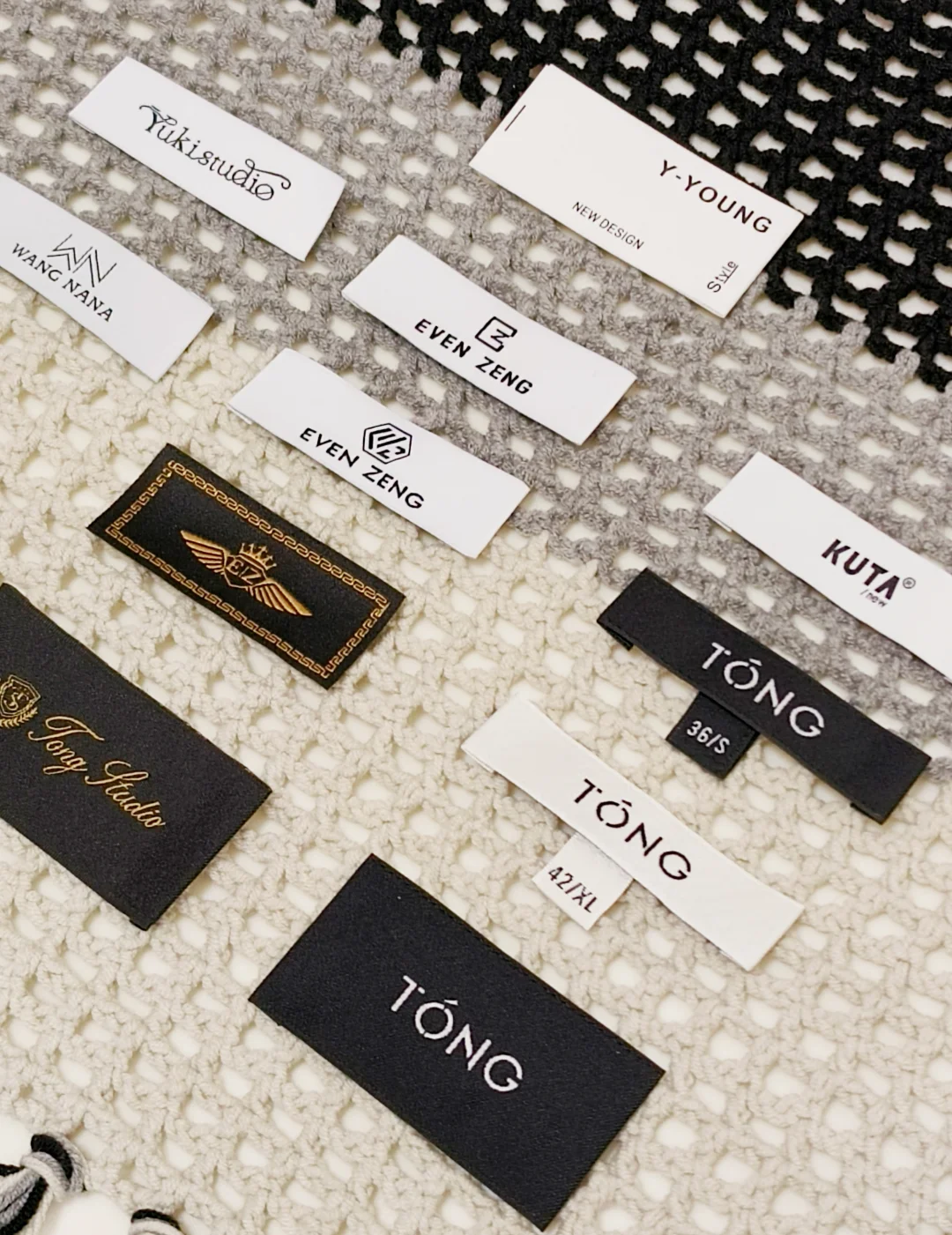
Woven Labels
Main labels, size labels, and care labels establish a clear private-label identity inside the jacket. EDVORIN coordinates artwork, label material, fold type, placement, and attachment method as part of the approved production specification.
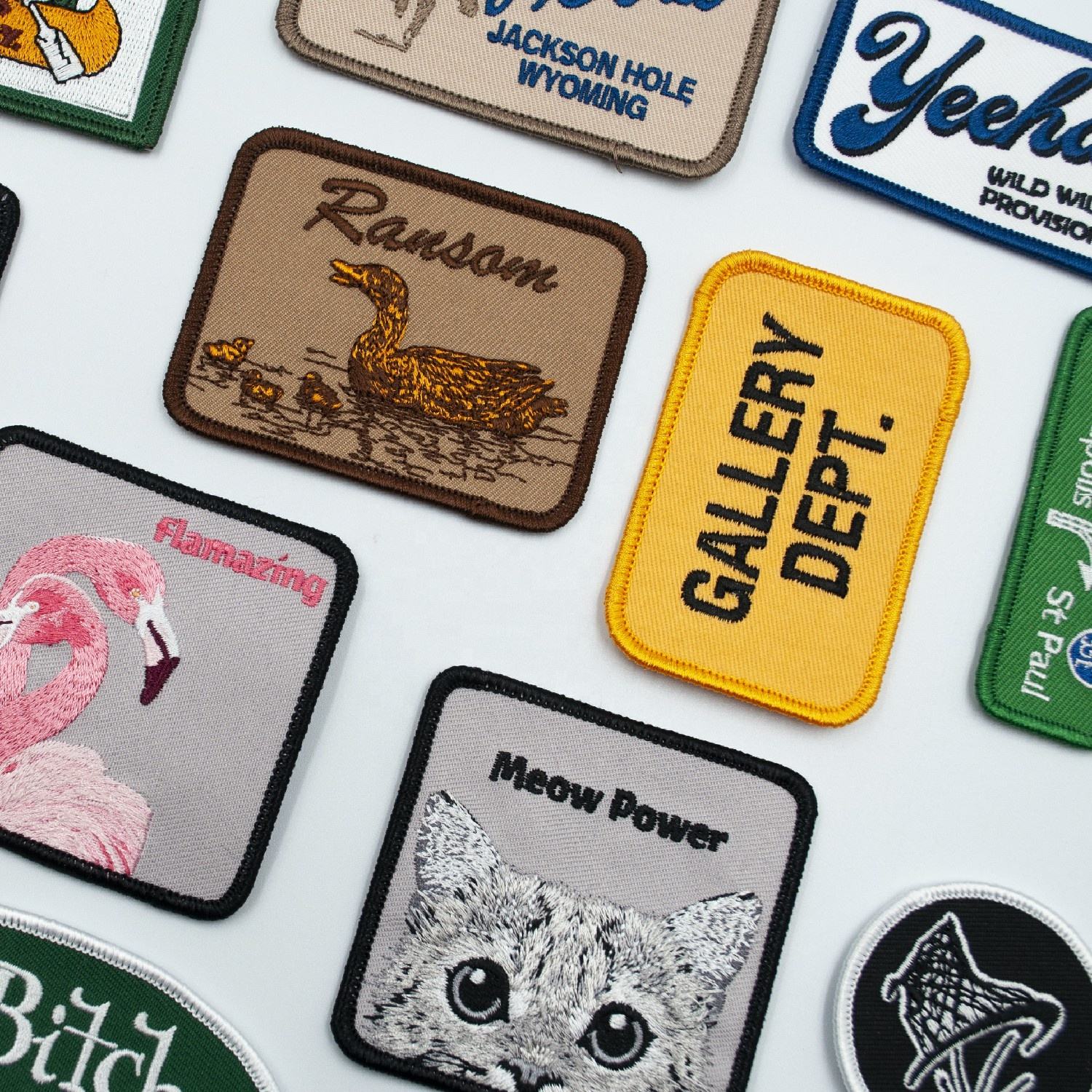
Custom Patches
Embroidered, woven, rubber, or printed patches can add team, streetwear, or corporate branding to the chest, sleeve, or hem. Patch construction and placement are reviewed during sampling to protect the shell fabric and quilting lines.
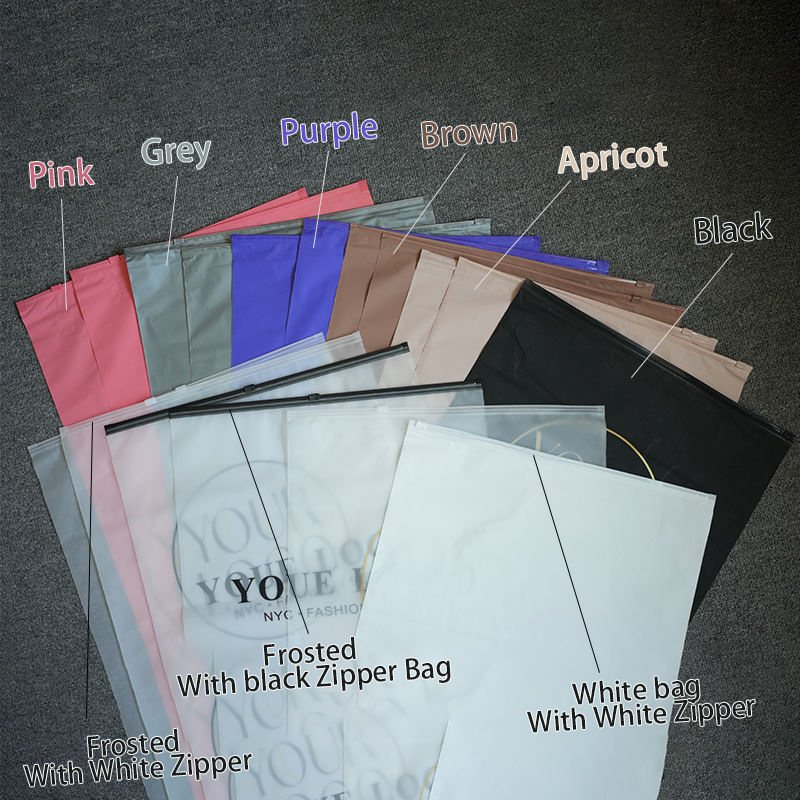
Retail Packaging
Complete each order with branded hangtags, polybags, barcode labels, stickers, and carton marks matched to your sales channel. Packaging details are documented alongside the garment so the finished program arrives organized and ready to distribute.
Your Lightweight Quilted Jacket Manufacturer
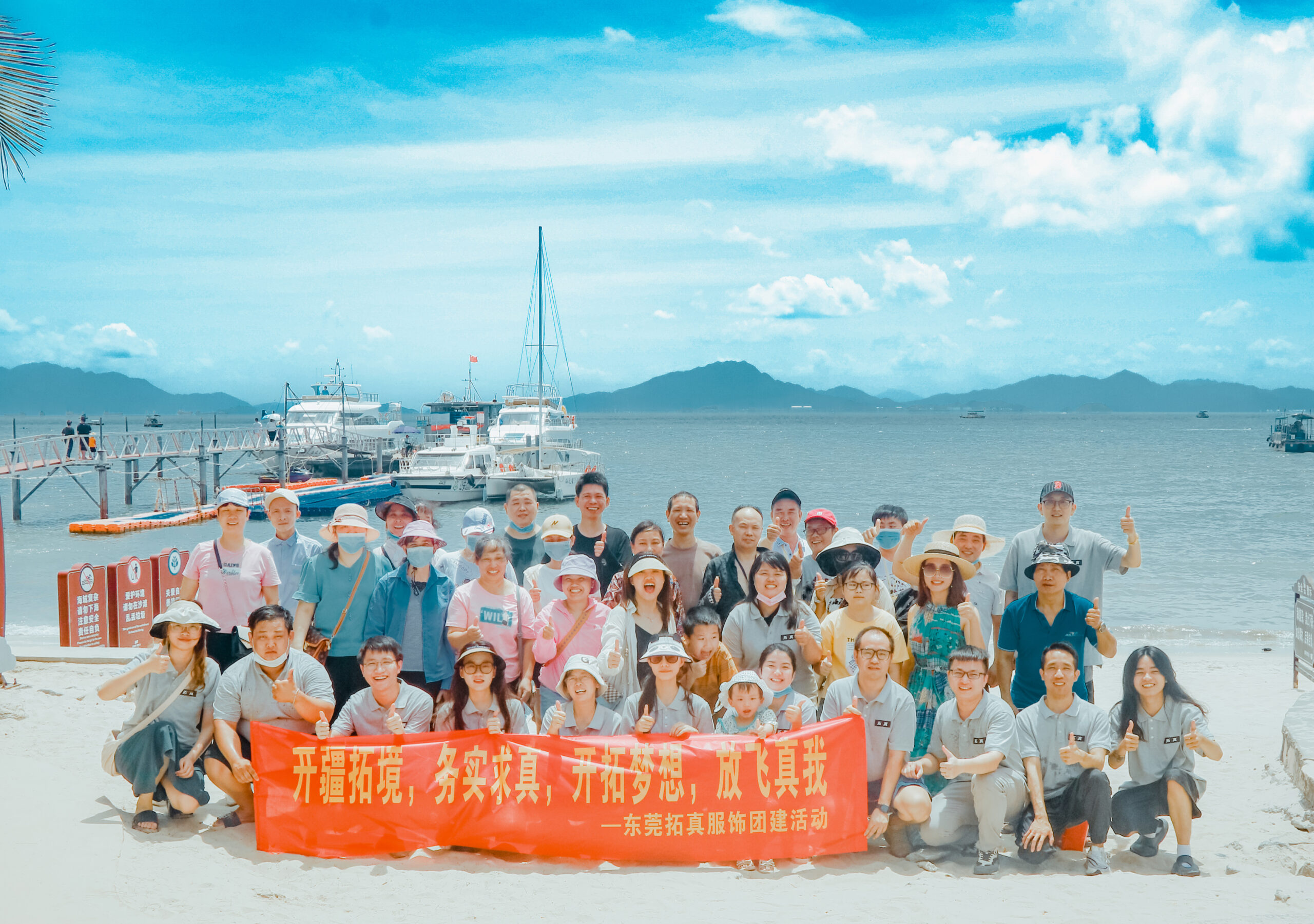
Founded in 2000 by Edvorin Zeng, EDVORIN was built from the production floor outward. We help fashion brands, streetwear labels, teams and private-label buyers turn apparel concepts into clear, repeatable standards, from an early sketch or tech pack through a production-ready lightweight quilted jacket specification.
As a lightweight quilted jacket manufacturer, we coordinate shell fabrics, linings, insulation, quilting, patterns, trims, decoration, labels and packaging under one workflow. Our OEM, ODM and private-label support also connects outerwear programs with casualwear, streetwear and teamwear development for men’s and women’s collections.
What makes EDVORIN different is the discipline after sample approval. Measurements, materials, artwork placement and finishing details are recorded against the approved standard, then monitored through bulk production and final inspection. With MOQ starting at 200 pieces per style, buyers can build with practical flexibility and confidence.

Lightweight Quilted Jacket Manufacturer Capabilities
Technical Development First
EDVORIN converts a tech pack, sketch, or reference garment into a production-ready lightweight quilted jacket specification. Pattern, fit, quilting layout, pocket construction, seam allowances, and measurement standards are reviewed before sampling so bulk decisions are built on a clear, repeatable baseline.
- Men’s and women’s fit development
- Pattern and measurement chart review
- Quilting layout and construction details
- Revision records for sample approval

Coordinated Material Systems
A lightweight jacket performs as a system, not a single fabric choice. EDVORIN coordinates shell, lining, insulation, binding, zippers, snaps, labels, and packaging around the intended weight, hand feel, silhouette, and price position of your collection.
- Shell, lining, and insulation matching
- Trim specifications for construction
- Color and hand-feel review
- Private-label packaging coordination
Decoration Built Into Design
Logo treatment is considered alongside quilting and garment construction rather than added at the end. EDVORIN helps plan print, embroidery, patches, and labels around panel placement, fabric behavior, insulation thickness, and the visual balance of the finished jacket.
- Artwork placement measurements
- Print and embroidery compatibility
- Patch and label integration
- Decoration approval before bulk production
Approved Standards, Controlled Bulk
As a lightweight quilted jacket manufacturer, EDVORIN uses the approved sample as the working production standard. Material checks, in-line inspections, measurement control, decoration verification, and final packing checks help protect the agreed jacket specification from first unit through shipment.
- Approved sample referenced in production
- In-line construction and measurement checks
- Quilting and decoration verification
- Final inspection before packing
Why Choose EDVORIN as Your Lightweight Quilted Jacket Manufacturer
An accountable production path from development through packing helps protect approved standards at bulk scale.
← Swipe left or right to view →
Lightweight Quilted Jacket Manufacturer Production Process
A documented path that turns approved outerwear details into consistent bulk production for OEM, ODM and private-label programs.
Confirm Product Specifications
We review tech packs, reference garments or concepts, then align fit, quilting layout, insulation weight, shell, lining, trims, labels and packaging requirements.
Source Materials and Trims
Shell fabrics, linings, insulation, zippers, snaps and branded components are coordinated against approved color, hand feel, performance and construction targets.
Develop Patterns and Samples
Patterns, grading and prototype samples translate the specification into a reviewable jacket, allowing fit, balance, quilting placement and finishing details to be confirmed.
Cut, Quilt and Assemble
After approval, production coordinates fabric cutting, quilting, insulation placement, sewing and decoration using recorded standards for the selected lightweight quilted jacket.
Inspect Against Approved Standards
In-line and final checks review measurements, stitch quality, quilting consistency, padding distribution, hardware function, artwork placement and overall garment appearance before packing.
Pack and Prepare Shipment
Finished jackets are labeled, folded and packed to the confirmed requirements, with final order checks supporting an organized handoff for your shipping arrangement.
Start Your Lightweight Quilted Jacket Program
Move from an initial concept to a documented, repeatable outerwear order with founder-led OEM/ODM support from EDVORIN.
Share Your Jacket Brief
Send a tech pack, sketch, reference garment, or collection idea. We review fit, quilting, materials, insulation, decoration, labels, packaging, and target order requirements.
Confirm Specifications and Quote
Align on construction details, shell and lining options, trims, quantities, and production needs. EDVORIN then prepares a clear quotation for your proposed program.
Approve the Production Sample
Review the developed sample for fit, hand feel, quilting pattern, measurements, and brand details. Approved revisions become the working standard for bulk manufacturing.
Launch Controlled Bulk Production
After approval, we coordinate materials, cutting, sewing, decoration, inspection, labeling, and packing. In-line checks keep the order aligned with documented sample standards.
Receive Your Finished Order
Final inspection verifies measurements, appearance, trims, and packaging before delivery. MOQ starts at 200 pieces per style, supporting launches, replenishments, and growing collections.
Certified Standards for Responsible Apparel Production



Buyer Feedback From EDVORIN Production Programs
Customer testimonial available upon approval.
Customer testimonial available upon approval.
Customer testimonial available upon approval.
Lightweight Quilted Jacket Manufacturer FAQ
Clear answers for brands planning a custom OEM, ODM or private-label outerwear program with EDVORIN.
EDVORIN’s MOQ starts at 200 pieces per style. What is the minimum order quantity for custom lightweight quilted jackets?
Can EDVORIN develop my design from a sketch or reference garment?
How long do samples and bulk orders take for custom lightweight quilted jackets?
What details should I prepare before requesting a quote from a lightweight quilted jacket manufacturer?
Can EDVORIN help with fabric, insulation, quilting patterns and custom trims?
How do you control quality from the approved sample through bulk production?
Can you support private-label branding, payment planning and international shipping?
How does EDVORIN protect my jacket design and production information?
The Complete Lightweight Quilted Jacket Manufacturer Buyer’s Guide
Use this practical framework to select the right supplier, compare materials and construction, plan customization, understand cost drivers, and avoid common sourcing mistakes before placing a lightweight quilted jacket order.
1. What Is a Lightweight Quilted Jacket Manufacturer?
1. A lightweight quilted jacket typically uses a shell, lining, and low-bulk insulation secured in stitched or bonded channels, diamonds, or custom artwork. A lightweight quilted jacket manufacturer translates those choices into approved patterns, samples, material specifications, and reproducible bulk standards.
2. Quilting describes the construction that holds layers together; it does not identify the fill. Synthetic polyester or recycled-fiber insulation can create a lightly insulated layer, while a puffer usually signals more visible loft and a down jacket specifically uses down fill.
3. OEM support suits buyers with finished tech packs, ODM helps brands adapt a production-ready base, and private-label programs serve wholesalers, schools, clubs, and corporate buyers needing branded goods. EDVORIN coordinates sourcing, fit and grading, quilting layout, trims, decoration, labels, packaging, in-line checks, and final inspection.
2. Evolution of Lightweight Quilted Jackets
1920s quilted liners and military layering helped establish quilting as a way to stabilize insulation without the bulk of a heavy coat. The construction later moved into fieldwear, workwear and uniform programs because it combined coverage, abrasion-conscious shells and relatively unrestricted movement.
1970s through 1990s fashion adoption expanded diamond quilting, cropped bombers, longline layers and team-oriented color blocking. As synthetic fills improved, buyers could specify lighter insulation for commuting, sideline use and transitional weather instead of treating every quilted garment as winter outerwear.
40–100 g/m² synthetic insulation is a useful lightweight starting range, but shell density, lining friction, quilting spacing and intended layering determine the finished warmth and mobility. A lightweight quilted jacket manufacturer should now assess recycled-fiber documentation, wind-resistant technical shells, compressibility and recovery together, then lock the approved balance in the sample and bulk specification.
3. Lightweight Quilted Jacket Manufacturer Style Types
Seven core formats let a lightweight quilted jacket manufacturer match warmth, layering, and visual identity to a collection brief. Specify silhouette first, then document length, ease, quilt pattern, closure, and pocket geometry for sampling.
Layering And Workwear
Liner and overshirt styles suit commuters and workwear-influenced labels in spring or fall. Use snap fronts, bound seams, patch pockets, and enough chest ease for a sweatshirt; liners position as modular layers, overshirts as standalone utility pieces.
Sport And Streetwear
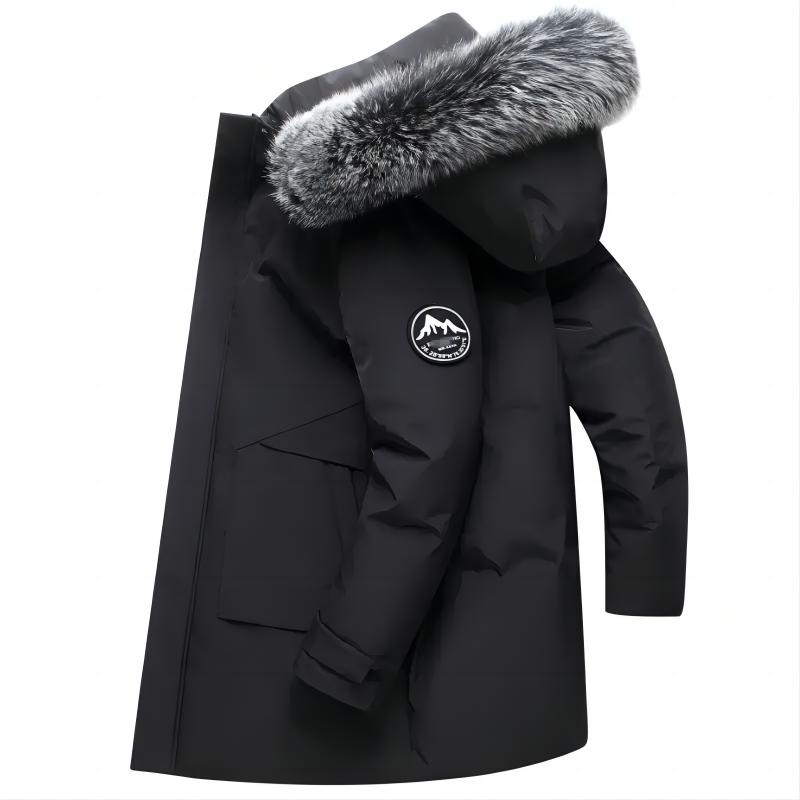
Bomber and hooded styles target teams, streetwear buyers, and casual programs for cool transitional weather. Specify rib recovery, collar or hood volume, zipper gauge, and cuff finish; bombers read athletic, while hoods add functional coverage.
Fashion Proportion Choices
Cropped, longline, and vest formats serve fashion-led women’s, men’s, and unisex assortments across mild seasons. Record back length, hem shape, armhole binding, and side-slit construction; cropped styles create proportion contrast, longlines elevate coverage, and vests support active layering.
4. Lightweight Quilted Jacket Manufacturer Materials
40–70 gsm shell fabrics, smooth linings, and low-loft fill must be specified together. A lightweight quilted jacket manufacturer should sample the complete stack before approving quilting density.
| Material | Hand Feel | Durability | Weather Resistance | Printability | Best Use |
|---|---|---|---|---|---|
| Polyester shell | Smooth | Good | Good with WR finish | Excellent | Uniforms |
| Nylon shell | Crisp | High | High with WR finish | Good | Activewear |
| Cotton blend | Matte, soft | Moderate | Low | Good | Fashion |
| Recycled polyester | Varies | Good | Good with WR finish | Excellent | Fashion or uniforms |
| 60–100 gsm synthetic fill | Low loft | Stable | Warm when layered | Not applicable | Active or uniform |
Shell Fabric Choices
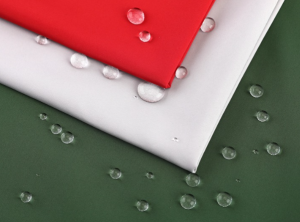
50–75D polyester prints cleanly and suits uniforms. 40–70D nylon feels crisper and resists abrasion better.
60/40 cotton blends add a matte fashion hand but absorb more moisture.
Lining And Fill
50–80 gsm polyester lining reduces friction over layers. Recycled polyester fill offers a similar synthetic option when documentation is available.
60–100 gsm synthetic fill fits transitional jackets; higher weights change drape and packing bulk.
Quilting Interaction
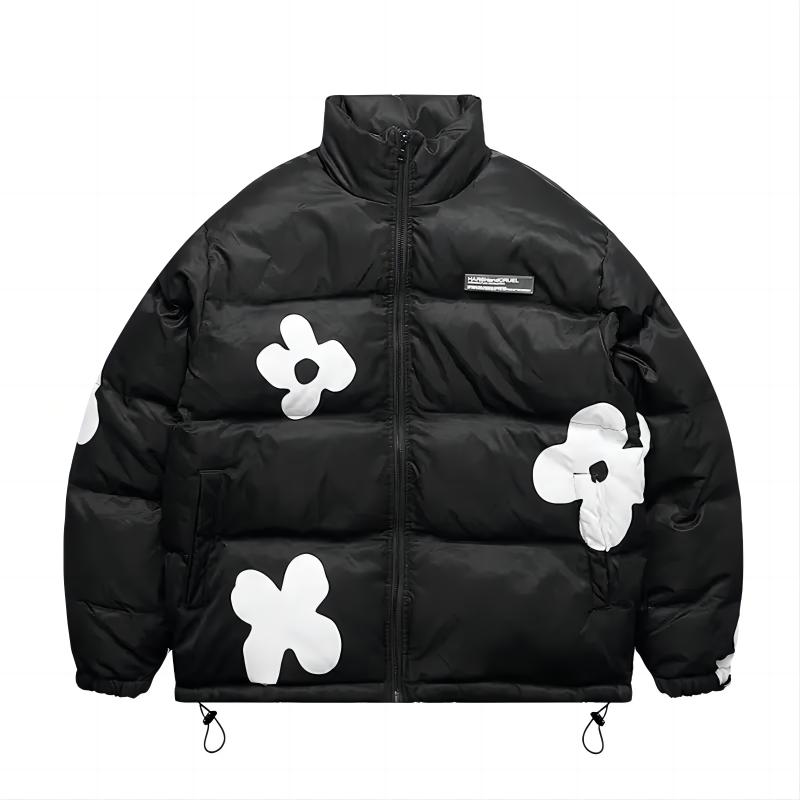
2–4 inch channels hold lightweight fill with less stitch density. Diamond quilting gives a flatter, heritage appearance.
1 sample should confirm needle marks, fill migration, and whether seam lines distort printed artwork.
5. Customization and Branding Options
A lightweight quilted jacket manufacturer needs a written specification before sampling. Define quilting, Pantone colorway, fit, pockets, closures, hood or collar, cuffs, labels, pullers, patches, and packaging.
| Method | Best Use | Durability Consideration |
|---|---|---|
| Embroidery | Small chest or sleeve marks | Avoid dense stitches on lightweight shells |
| Screen printing | Large flat artwork | Test ink adhesion and crack resistance |
| Heat transfer | Detailed multicolor graphics | Confirm wash and heat performance |
| Woven label | Neck or side-seam identity | Specify fold and seam allowance |
| Silicone patch | Raised logo application | Match backing to shell fabric |
Lock The Visual Specification

1 approved artwork file should show logo size, placement from seams, Pantone references, stitch map, and zipper-puller artwork. Record pocket dimensions, closure type, hood attachment, collar height, cuff finish, and quilting repeat on the tech pack.
Match Decoration To Use
3 logo methods suit different surfaces and wear expectations. Confirm strike-offs on the actual shell before bulk approval.
Protect Brand Details
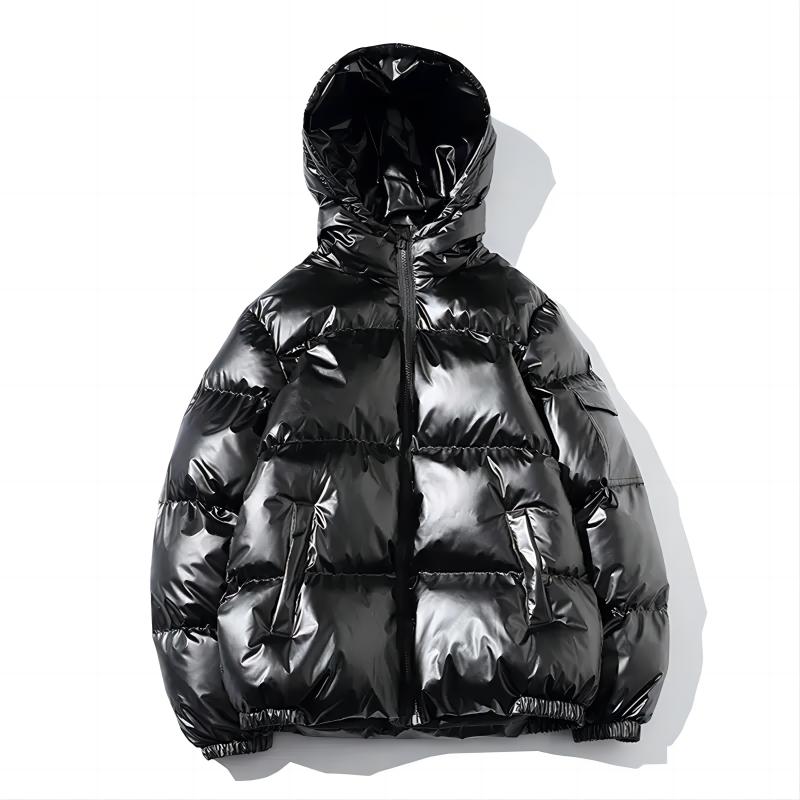
2 label locations—neck and side seam—must include fold, stitch allowance, and orientation. Specify patch backing, packaging count, barcode position, and trim finish before the sample is cut.
6. Key Construction Quality Elements
A lightweight quilted jacket manufacturer should treat the approved sample as a measurable production standard, not a visual reference. Construction details determine warmth, durability, and whether bulk units retain a clean silhouette.
Quilting And Fill Control
Each quilted channel should show even insulation distribution and consistent loft. Check that stitch lines follow the intended registration; shifting channels, thin spots, or fill caught in seams are avoidable bulk-production defects.
Seams And Component Function
Two pocket corners carry repeated hand-entry stress and need reinforcement appropriate to the construction. Test zipper travel, seam alignment, clean binding, and lining finish; puckering, exposed seam allowances, or a zipper that snags signal incomplete control.
Sample Approval Checks
One development sample confirms fit, quilting layout, and construction choices before revisions are frozen. One pre-production sample should match approved measurements across the size set, with grading, pocket placement, and sleeve lengths checked against the final specification.
7. Choosing a Lightweight Quilted Jacket Manufacturer
Two comparable suppliers can quote different prices because their development controls differ. Evaluate a lightweight quilted jacket manufacturer against an approved sample and written specification, not a catalog or lowest quote.
Verify Outerwear Development
200-piece programs still need an outerwear-capable pattern and sample process. Ask for fit comments, revised measurements, quilting maps, and a pre-production sample; compare each revision against your reference.
Trace Materials And Controls
3 documents reveal more than broad quality claims: shell and lining specifications, insulation details, and trim approvals. Ask how lot changes, color standards, stitch defects, and final measurements are recorded and escalated.
Plan Capacity And Handover
EDVORIN’s MOQ starts at 200 pieces per style. 1 production calendar should state sample milestones, material booking, bulk start, inspection, and ship window. Confirm MOQ by color and size, available capacity, communication owner, and the tech pack, grading, artwork, labels, and packing records retained for repeats.
8. Common Buyer Mistakes to Avoid
Eight preventable gaps can turn an approved concept into delayed, inconsistent bulk outerwear. Before bulk authorization, a lightweight quilted jacket manufacturer needs one controlled specification set.
Tech Pack And Fit
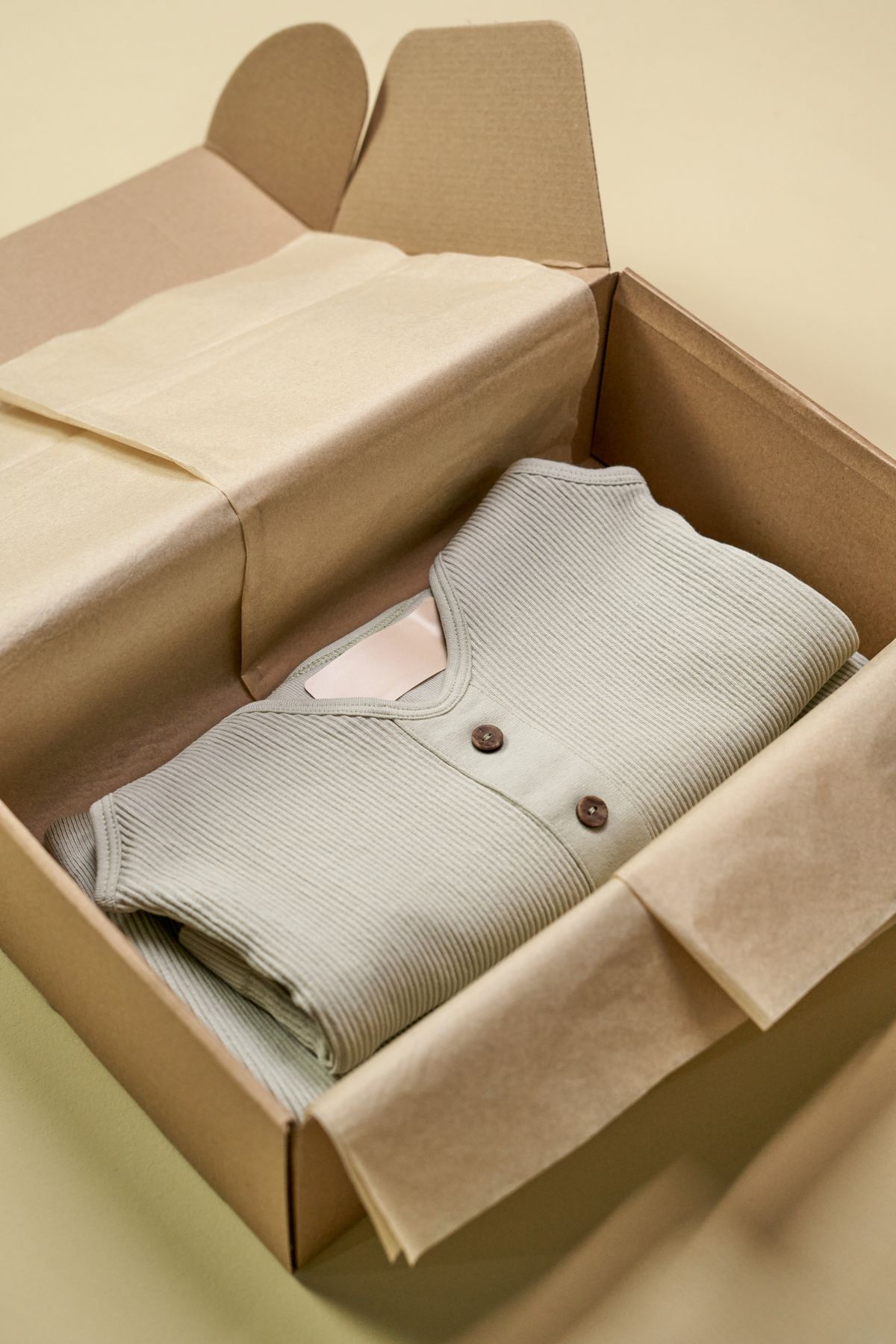
100% of construction points should be documented: quilting layout, shell, fill, lining, measurements, and allowable tolerances.
1 fit sample must be tried on the intended wearer and signed off before grading; do not approve from flat measurements alone.
Materials, Trims, And Quotes
2 late material changes can alter stitch tension, fill appearance, cost, and delivery timing. Lock approved fabric, insulation, color standard, and substitute rules before purchase.
3 trim checks should confirm zipper, snaps, labels, and custom puller lead times. Compare quotations by specification, inspection scope, and defect handling—not unit price alone.
Artwork And Inspection
1 production-ready artwork file should state Pantone references, placement from garment points, dimensions, and decoration method. Incomplete files invite avoidable print or embroidery revisions.
2 inspection stages—inline and final—should use the approved sample, measurement tolerance sheet, and packaging standard. Name who approves corrective action before cutting begins.
9. Launching Your Quilted Jacket Collection
One documented launch path prevents a promising quilted jacket sample from becoming an inconsistent bulk order. A lightweight quilted jacket manufacturer should convert each approval into a production reference before cutting begins.
Brief And Technical Development
First, lock the customer, season, target retail price, size range, fit direction, and reference images. EDVORIN can translate a sketch or reference garment into a tech pack with measurements, quilt layout, construction callouts, and a bill of materials.
Second, approve shell, lining, insulation weight, color standard, and trim alternatives before prototype cutting. Record Pantone references, fabric composition, GSM, zipper specification, and placement measurements in the revision-controlled pack.
Sample And Branding Approval
One prototype should test silhouette, balance, pocket access, quilting alignment, and warmth without committing bulk materials. Submit fit comments by measurement point and photo, then approve the revised fit sample in writing.
Before production, approve woven labels, care-label content, hangtags, logo artwork, packaging, and decoration strike-offs. Keep dated artwork files and a signed sample approval as the bulk standard.
Production Through Delivery
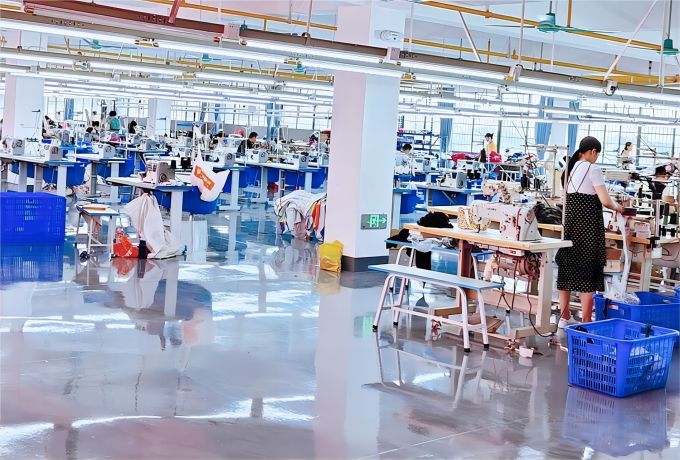
A pre-production sample should match approved materials, labeling, measurements, and workmanship before the sewing line starts. Confirm order quantities by color and size, carton marks, inspection criteria, and shipping destination at this gate.
During bulk manufacturing, review in-line findings against the approved sample and measurement tolerances. Final inspection, packing verification, and delivery documents close the first private-label launch with a usable repeat-order record.
10. Lightweight Quilted Jacket Pricing and Costs
200 pieces is a practical opening tier for a lightweight quilted jacket manufacturer, but these figures are illustrative—not a quote. Actual pricing changes with shell fabric, insulation weight, quilting complexity, trims, branding, packaging, freight, and the color-size order mix.
3 cost controls protect the product: standardize one shell and lining across colors, limit custom hardware, and approve a production-ready sample before bulk. Do not reduce stitch security, insulation consistency, zipper performance, or measurement control simply to reach a target cost.
| Order quantity | Illustrative unit price | Estimated bulk lead time |
|---|---|---|
| 200–499 pieces | US$18–32 | 45–60 days |
| 500–999 pieces | US$15–28 | 40–55 days |
| 1,000+ pieces | US$13–25 | 35–50 days |
Ready to Develop Your Lightweight Quilted Jacket?
Send your tech pack, reference garment, or collection idea for a tailored lightweight quilted jacket manufacturer quote from EDVORIN.