
Clothing Compliance Checklist: 9 Steps Before Bulk Production
Use a clothing compliance checklist to align materials, labels, testing and quality controls before your apparel order moves into bulk production.
What a Clothing Compliance Checklist Should Cover
Verify every production detail—from materials and labels to testing, measurements, decoration and packaging—before your approved standard moves into bulk production.
Materials And Trims
Confirm fabric composition, weight, performance, trims and approved suppliers so every garment begins with controlled, documented inputs.
Labels And Documentation
Review fiber content, care instructions, size information, origin details and production records for accurate labeling and traceability.
Testing And Measurements
Compare finished garments with approved specifications, fit blocks and tolerances while coordinating relevant performance and safety testing.
Decoration Accuracy
Document artwork, placement, color references, print methods and embroidery details so decoration remains consistent across repeat orders.
Packaging And Final Checks
Verify folding, tags, packaging, quantities and final inspection requirements before products are packed and released for shipment.
Apparel Manufacturing by Product Category
From emerging labels to teamwear programs, EDVORIN develops category-specific products with coordinated sourcing, decoration, sampling and repeatable bulk production.
Custom Hoodies
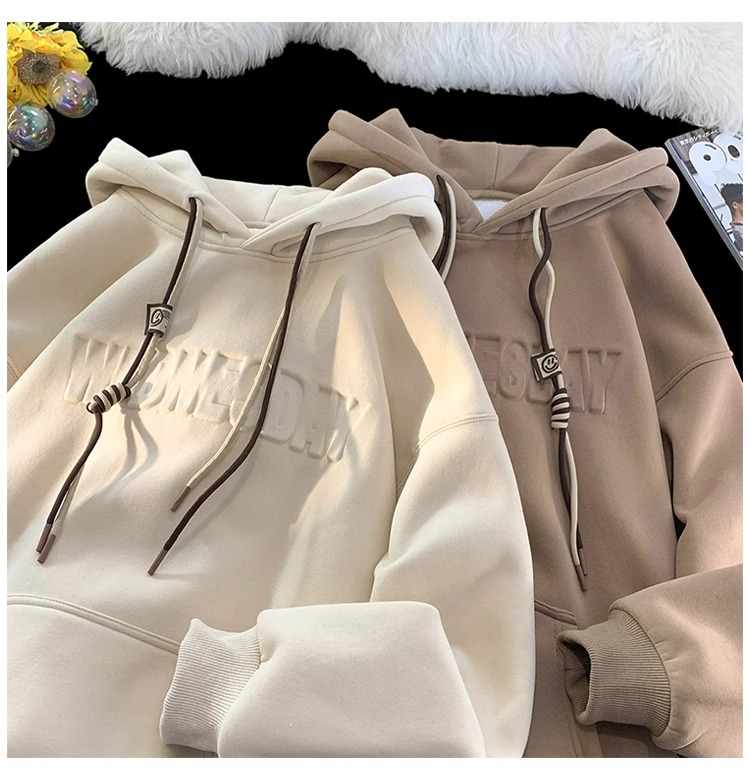
As a custom hoodie manufacturer, EDVORIN develops fleece weight, fit blocks, rib specifications, drawcords, artwork placement and labeling for streetwear labels, schools, clubs and private-label buyers. Approved samples establish the construction and decoration standards used for consistent repeat orders.
Get a Quote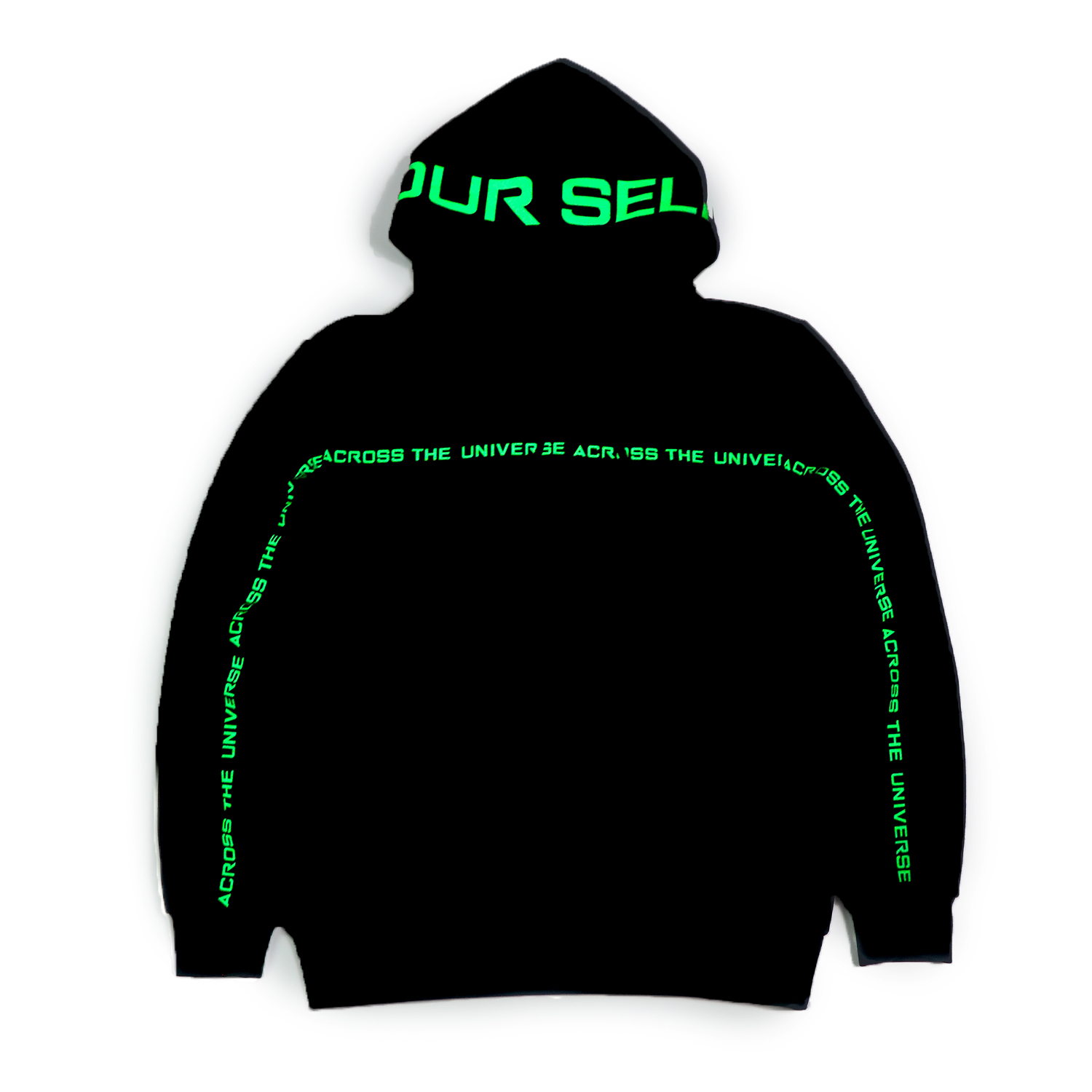
Pullover Sweatshirts
EDVORIN supports sweatshirt programs with fabric selection, brushed or unbrushed fleece options, fit development, rib construction, print placement and finishing. Each approved pullover becomes a documented production reference for fashion brands, wholesale programs and organizations ordering coordinated apparel.
Get a Quote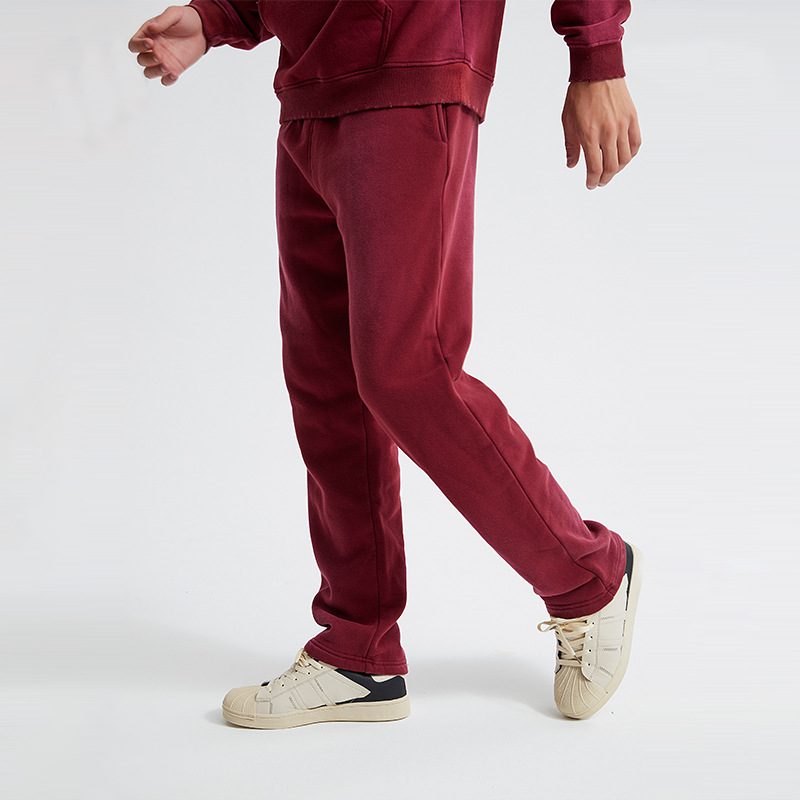
Sweatpants & Joggers
As a sweatpants manufacturer, EDVORIN develops joggers and sweatpants around fabric weight, fit, waistband construction, drawcords, pocket details, cuffs and decoration. Men’s and women’s blocks can be adjusted for streetwear collections, uniforms, private labels and repeat wholesale production.
Get a Quote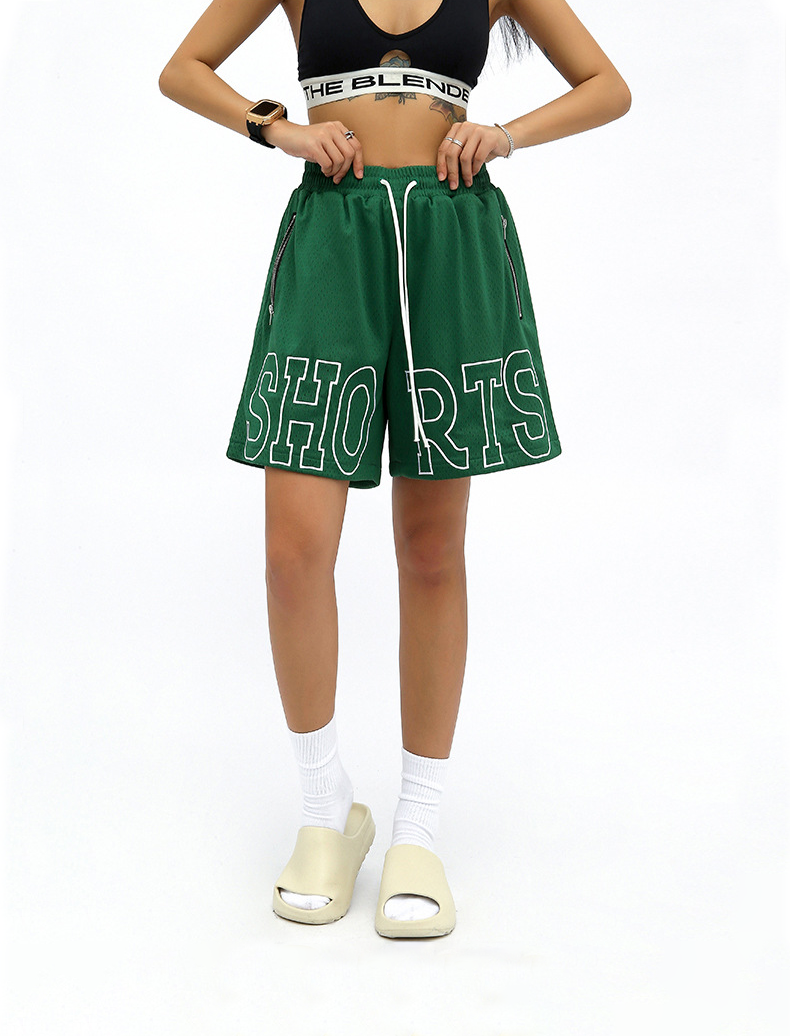
Custom Shorts
As a custom shorts manufacturer, EDVORIN develops custom shorts for casualwear, streetwear, sports and team programs, coordinating fabric, inseam, waistband, pocket construction, lining, trim and decoration. Measurement charts and approved samples help buyers maintain consistent fit and appearance across sizes and repeat orders.
Get a Quote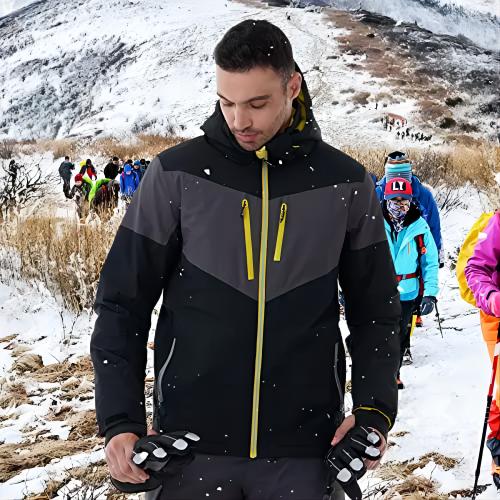
Varsity & Baseball Jackets
As a varsity jacket manufacturer, EDVORIN coordinates body and sleeve materials, lining, insulation, rib, snaps, patches, embroidery and appliqué. Construction is developed around the intended style, whether for streetwear labels, schools, sports clubs, promotional programs or private-label collections.
Get a Quote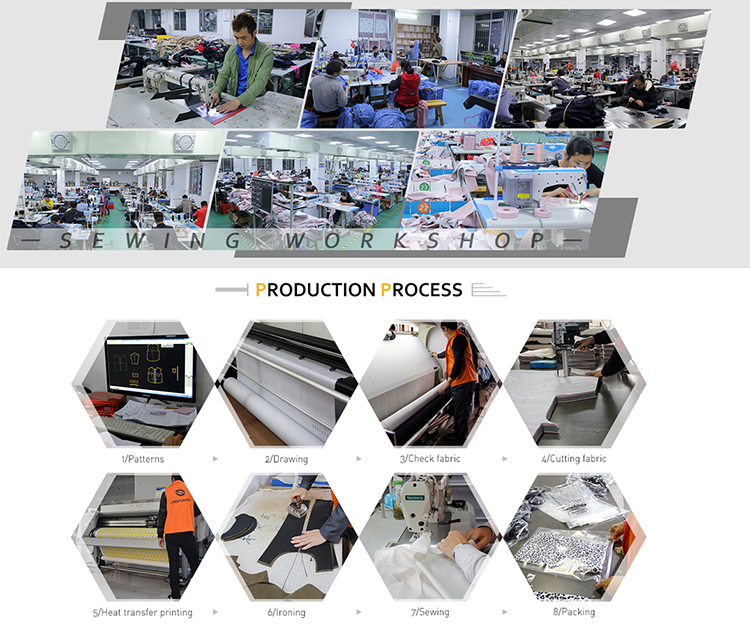
Custom T-Shirts
As a custom t shirt manufacturer, EDVORIN develops custom T-shirts with options for cotton, blends, performance fabrics, weight, neckline, fit, garment washing and decoration. Print, embroidery, labeling and packaging requirements are documented for fashion brands, schools, teams, wholesalers and private-label buyers.
Get a Quote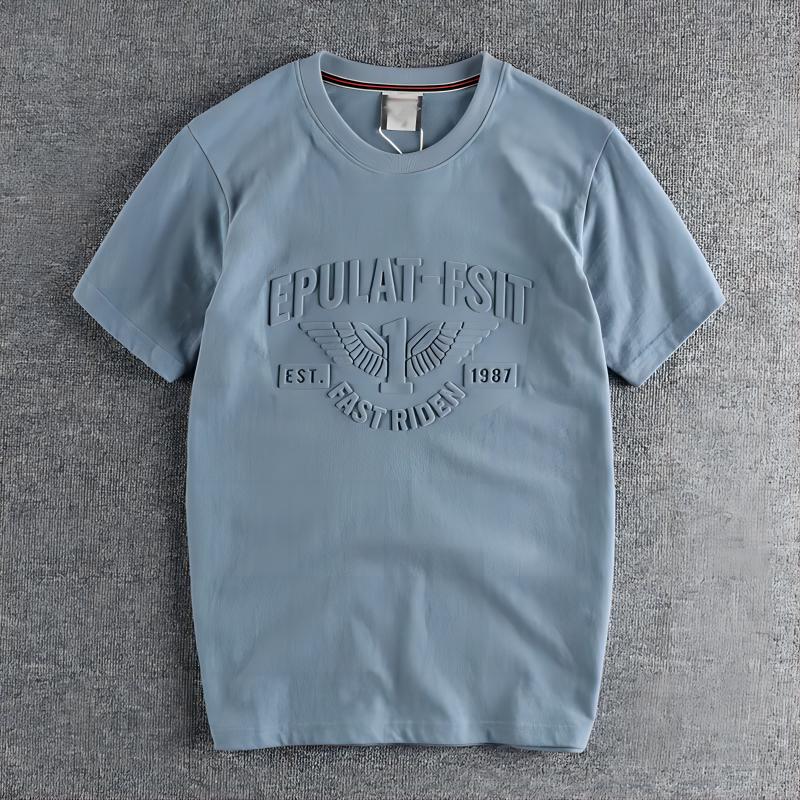
Custom Polo Shirts
As a polo shirt manufacturer, EDVORIN coordinates fabric performance, collar and cuff construction, placket details, fit, buttons, embroidery and labeling. Programs can be developed for corporate apparel, schools, sports organizations, hospitality buyers, wholesale ranges and branded private-label collections.
Get a Quote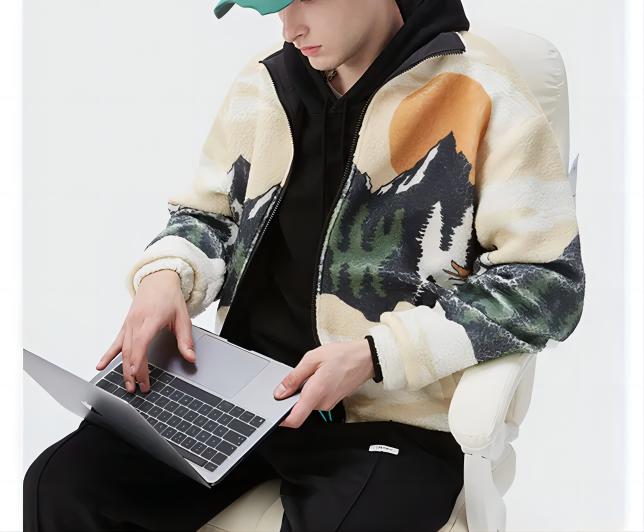
Windbreaker Jackets
As a windbreaker manufacturer, EDVORIN develops windbreaker jackets around shell fabric, water resistance, lining, hood construction, zippers, pockets, elastic details and packability. Decoration and labeling are coordinated with the garment’s surface and end use for streetwear, teamwear, school programs and private-label outerwear.
Get a Quote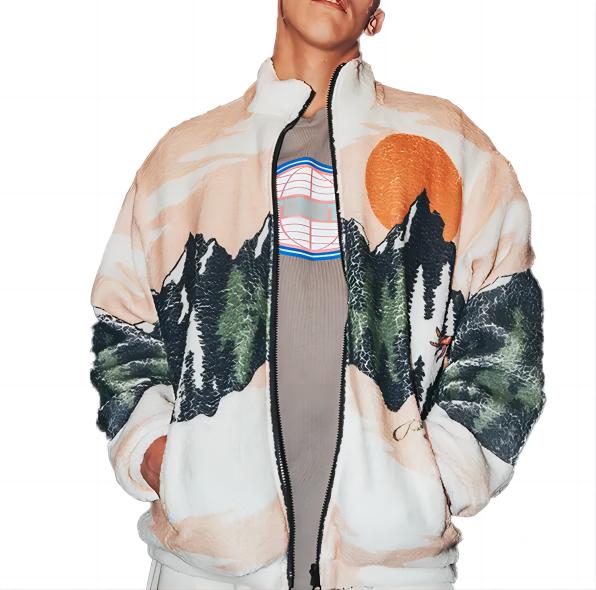
Quilted Jackets
As a quilted jacket manufacturer, EDVORIN manages shell fabric, quilting pattern, insulation, lining, binding, closures and pocket construction. Development can address seasonal fashion collections, branded outerwear programs and wholesale requirements, with approved samples guiding measurements, materials and bulk quality control.
Get a Quote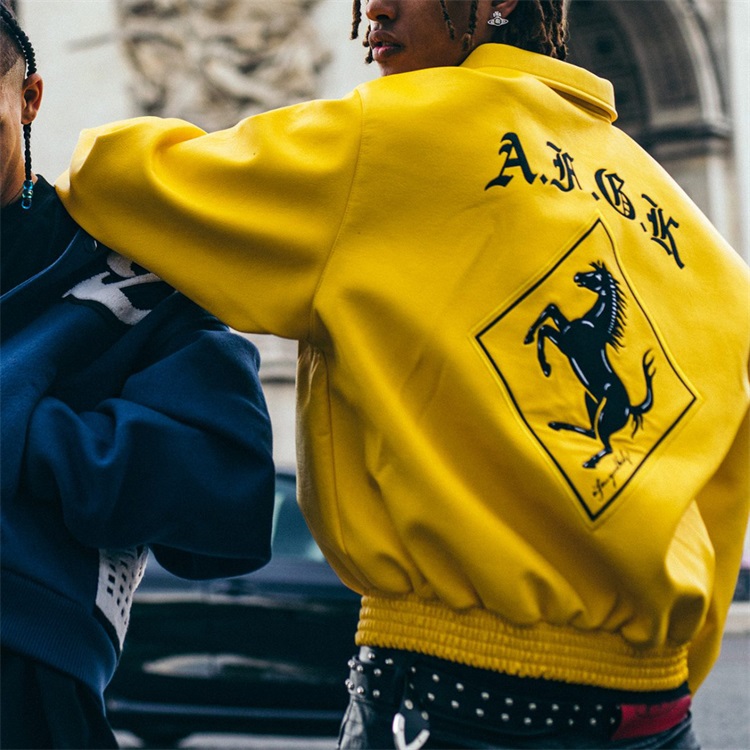
Bomber Jackets
EDVORIN develops bomber jackets with coordinated shell, lining, insulation, rib, zipper, pocket and trim specifications. Decoration methods are selected for the material and design, supporting fashion brands, streetwear labels, schools, teams, wholesalers and private-label buyers across men’s and women’s programs.
Get a Quote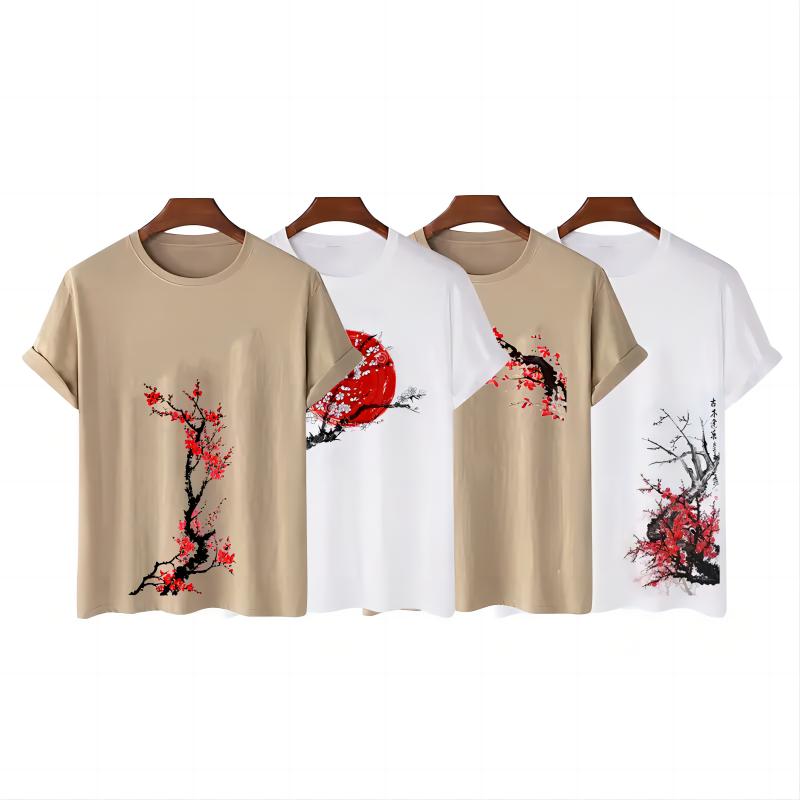
Custom Shirts
As a custom woven shirt manufacturer, EDVORIN develops woven fabrics, collars, cuffs, plackets, buttons, seams, proportions and finishing details. Buyers can refine fit and styling for fashion collections, uniforms, wholesale programs and private labels, with sampling and specifications aligned before bulk production.
Get a Quote
Custom Jerseys
EDVORIN develops custom jerseys for sports clubs, teams, academies and branded programs, coordinating breathable fabrics, panel construction, color references, numbers, names, badges and size grading. Artwork placement and approved samples create a repeatable standard for organized team orders and replenishment.
Get a Quote
Tank Tops
As a custom jersey manufacturer, EDVORIN develops custom jerseys for sports clubs, teams, academies and branded programs, coordinating breathable fabrics, panel construction, color references, numbers, names, badges and size grading. Artwork placement and approved samples create a repeatable standard for organized team orders and replenishment.
Get a Quote
Soccer Uniforms
As a soccer uniform manufacturer, EDVORIN develops soccer uniforms around performance fabrics, breathable construction, team colors, badges, sponsor artwork, names, numbers and coordinated size sets. Sample approval and documented placement standards help clubs, schools, academies and sports organizations manage repeat orders with consistent appearance.
Get a Quote
Basketball Uniforms
As a basketball uniform manufacturer, EDVORIN coordinates lightweight performance fabrics, breathable panels, sleeveless construction, trims, team colors, numbers, names and badges. Size grading, artwork placement and approved samples support reliable production for clubs, schools, academies, leagues and organized teamwear programs.
Get a Quote
Streetwear Collections
EDVORIN develops streetwear collections as connected product programs rather than isolated styles, coordinating hoodies, T-shirts, sweatpants, jackets, woven shirts and decoration. Fabric, fit, trims, washes, artwork, labeling and packaging are aligned across the range for emerging labels, established brands and wholesale buyers.
Get a QuoteTurn a Clothing Compliance Checklist Into Approval
EDVORIN connects specifications, sampling and inspection so your approved apparel standard can move confidently from concept to repeatable bulk production.
Define Production Requirements
Document materials, measurements, construction, trims, decoration, labeling and packaging requirements for each style, adapting specifications to the intended market and wearer.
Develop and Review Samples
EDVORIN coordinates patterns, fabrics, trims and decoration to create samples that reveal fit, function, appearance and compliance details before bulk approval.
Approve the Production Standard
Confirm the final sample, measurement tolerances, color references, artwork placement and component details, creating one clear standard for production teams to follow.
Verify Bulk Consistency
Apply in-line and final inspections to compare garments against approved standards, checking construction, measurements, decoration, labeling and packaging before shipment.
Clothing Compliance Checklist: The Complete Buyer’s Guide
Use this decision framework to evaluate materials, labels, testing, documentation, quality controls, and suppliers—while avoiding costly compliance mistakes before your apparel reaches customers, teams, retailers, or distributors.
1. What Is a Clothing Compliance Checklist?
2000 marks the start of EDVORIN’s production experience, but a clothing compliance checklist is a buyer-controlled release system, not a company profile or factory promise. It records the approved material composition, restricted-substance evidence, labels, testing requirements, production documents, packaging instructions and final sign-off criteria. 7 checkpoints commonly sit across the workflow: product development, material approval, pre-production sample, bulk manufacturing, in-line verification, final inspection and shipment release. Fashion brands, sports clubs, schools, wholesalers and private-label buyers should apply the checklist before ordering, at sample approval, during production and before goods leave the factory; the manufacturer supplies evidence, while the buyer controls acceptance. 1 key distinction separates compliance from ordinary quality control: a QC checklist mainly checks whether garments match workmanship and measurement standards, while compliance also verifies legal, safety, traceability and labeling obligations.
2. The Evolution of Clothing Compliance Standards
Three checks once dominated apparel control: finished-garment workmanship, measurement accuracy, and legally required fiber, care, and country-of-origin labels. That model treated compliance mainly as a product-and-label review completed near shipment. Four risk areas now commonly sit beside quality: chemical safety, supply-chain traceability, ethical production, and documented testing evidence. Buyers may need records such as material declarations, laboratory reports, lot references, factory-audit findings, and corrective-action logs; frameworks and programs including OEKO-TEX, GOTS, WRAP, and BSCI address different parts of that evidence chain. One purchase order can cross several markets, and rules differ by destination, product type, fiber, decoration, and customer age group.
3. Types of Clothing Compliance Checklist
Five checklist types divide apparel compliance by decision owner and evidence.
Materials And Chemicals
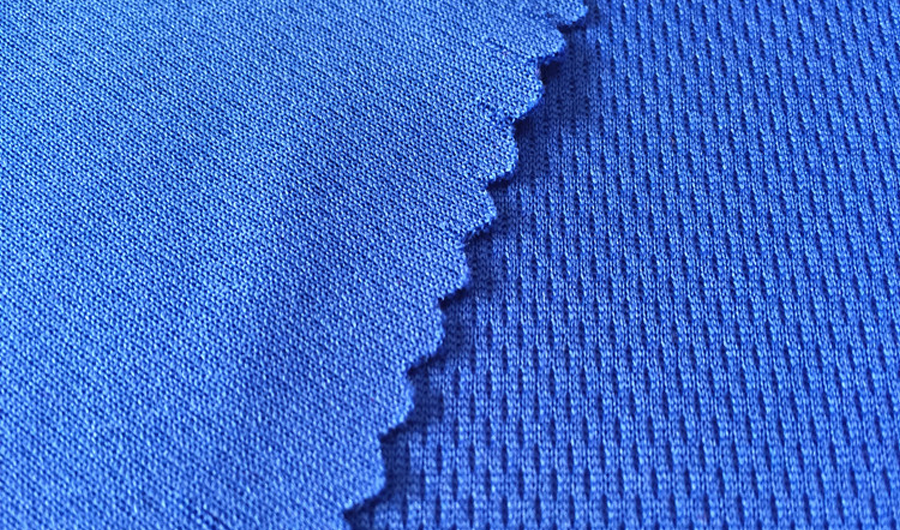
OEKO-TEX, GOTS, or laboratory reports verify fiber content and restricted-substance controls.
Labels And Packaging
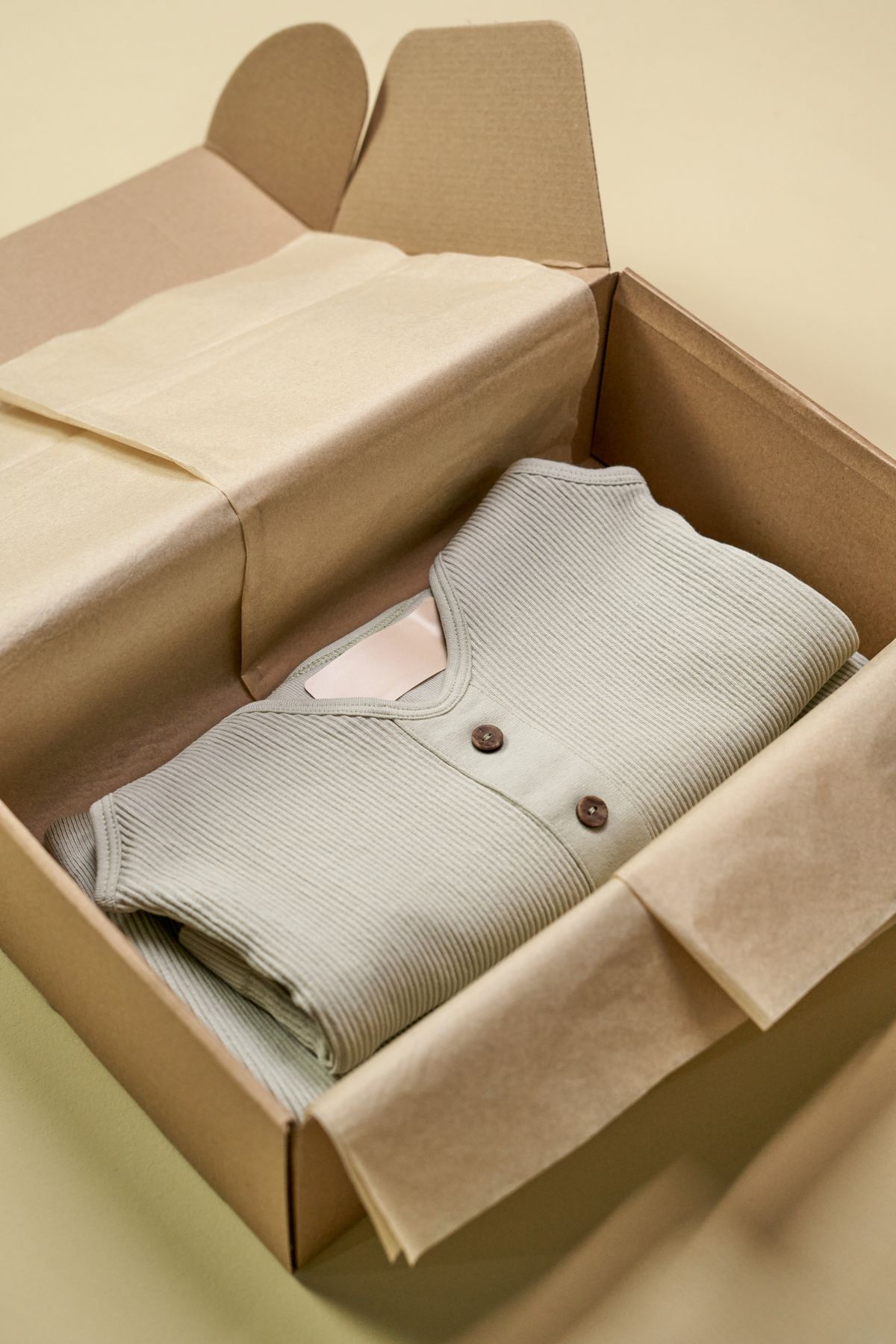
Fiber content, care instructions, size, country of origin, and packaging artwork must match the approved specification.
Safety And Performance
Test reports cover colorfastness, seam strength, dimensional stability, flammability, or hardware performance as applicable.
Factory And Social Compliance

WRAP, BSCI, or buyer audit records document workplace, safety, and process controls.
Quality And Export Release
AQL inspection records, measurement checks, packing lists, invoices, and origin documents support final release.
4. Clothing Compliance Checklist for Materials and Fabrics
A four-part material review verifies what the garment is made from, how it performs, whether it contains restricted substances, and whether records support the claim.
| Fabric type | Relevant checks | Performance considerations | Buyer use case |
|---|---|---|---|
| French terry | GSM, loop construction, shrinkage | Breathability and moderate warmth | Streetwear hoodies and joggers |
| Polyester jersey | Colorfastness, wicking, stretch | Moisture movement and recovery | Sportswear and teamwear |
| Cotton twill | Fiber content, abrasion, shade | Structure and durability | Uniforms and schoolwear |
| Fleece | GSM, pilling, shrinkage | Warmth and surface stability | Heavyweight streetwear |
| Single jersey | Opacity, spirality, shrinkage | Soft hand and dimensional stability | Private-label basics |
Verify Fiber And Fabric Data
1. Fiber content should match the laboratory result, purchase specification, and proposed care information; ring-spun cotton, polyester, blends, and recycled fibers require distinct verification. 2. Record GSM, width, knit or woven construction, yarn type, finish, and tolerance.
Test Performance Before Approval
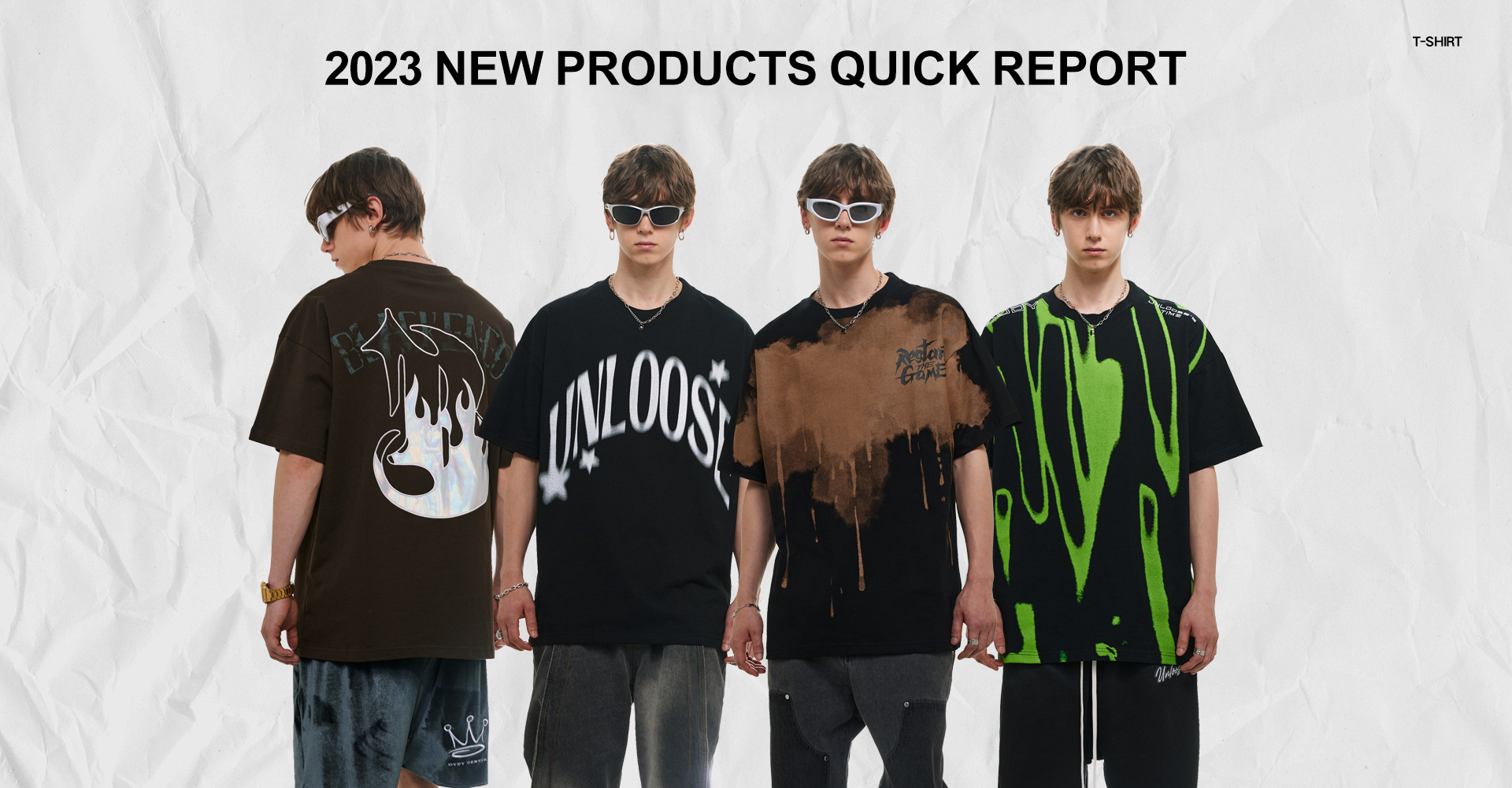
3. Colorfastness should be checked for washing, rubbing, perspiration, and light exposure, especially on dark jerseys and contrast panels. Shrinkage testing should cover length, width, spirality, and post-wash appearance. 4.
- Compare fabric results with the approved sample and tolerance.
- Confirm restricted-substance requirements for the destination market.
- Test trims, elastics, snaps, zippers, and hook-and-loop function.
Document Trims And Suppliers
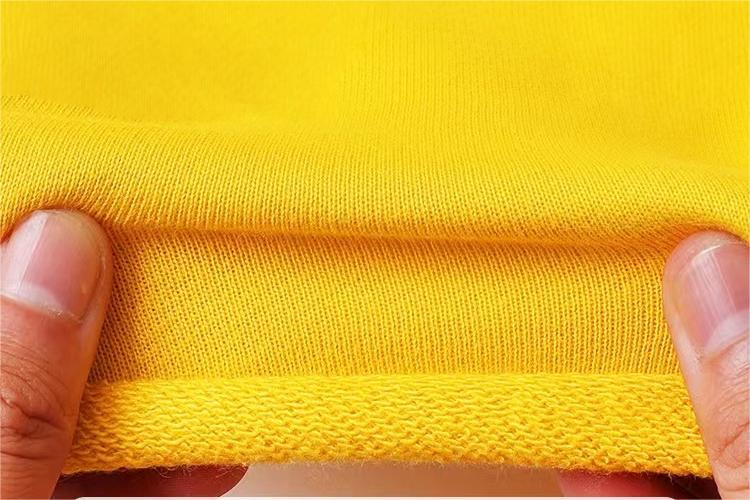
5. Supplier files should include fiber declarations, test reports, color standards such as Pantone references, and applicable OEKO-TEX or GOTS documentation. WRAP and BSCI relate to social compliance, not fiber performance. 6. List elastic recovery, hardware composition, plating, sharp-edge risk, and pull strength.
5. Customization, Decoration, and Labeling Compliance
Decoration and labeling decisions affect both legal information and garment performance.
| Method | Best Suited For | Testing Focus | Common Failure |
|---|---|---|---|
| Screen print | Cotton graphics | Wash and crocking | Cracking or fading |
| Embroidery | Caps, jackets, logos | Pulling and abrasion | Puckering or thread damage |
| Heat transfer | Names and small runs | Adhesion and wash | Peeling or lifting |
| Sublimation | Polyester teamwear | Colorfastness | Ghosting or color shift |
Decoration Method And Durability
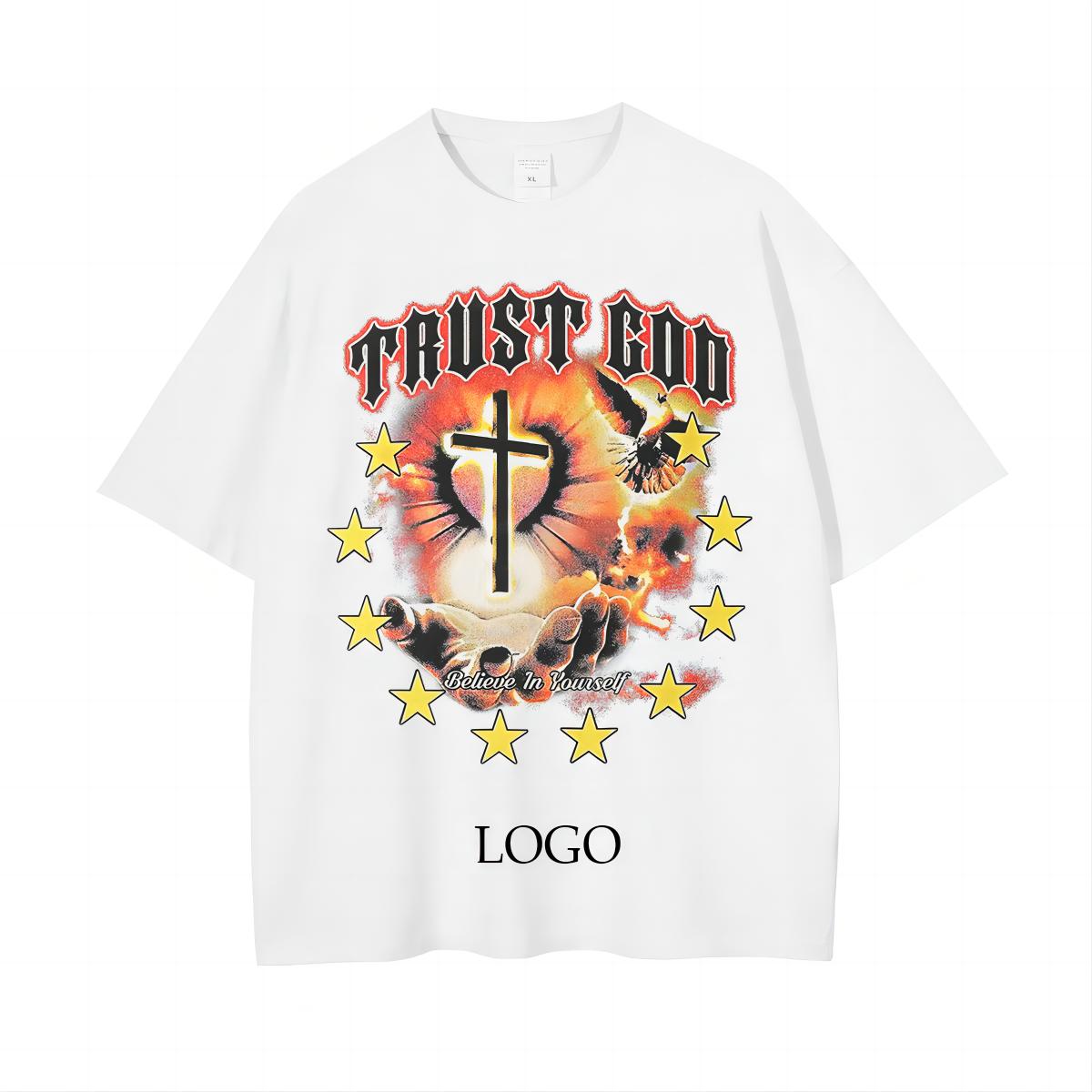
Screen printing suits bold graphics; embroidery suits structured logos; heat transfer suits names and variable artwork; sublimation suits polyester performance garments; patches suit dimensional branding. Each method has different abrasion, wash, cracking, peeling, colorfastness, and adhesion risks. Approve artwork separately from the decorated production sample.
Wash Treatments And Testing
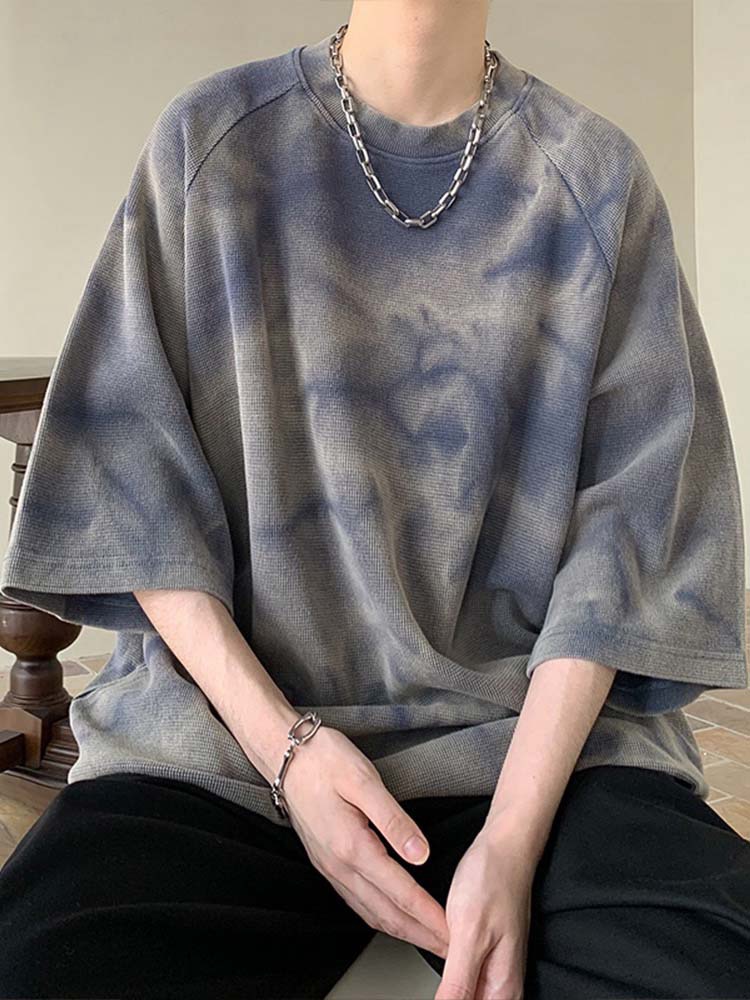
Enzyme, stone, acid, and garment-dye treatments can alter shade, hand feel, dimensions, print adhesion, and embroidery appearance. Record the approved wash recipe, tolerance, and post-wash measurement standard before production. Test decorated panels and finished garments, not only blank fabric.
Labels, Origin, And Packaging
Woven labels, care labels, fiber-content labels, size labels, and country-of-origin statements must match the approved specification and destination-market rules. com/blog/apparel-compliance-checklist. Packaging also matters: verify barcode, carton marks, polybag warnings, folding, and assortment before shipment. Final production approval must confirm label placement and packed goods, not just artwork files.
6. Key Construction and Quality-Control Elements
A finished-garment clothing compliance checklist should convert the approved sample into measurable release criteria.
Measurements And Construction

1 approved spec sheet should govern chest, length, sleeve, rise, inseam, seam allowance, and grading checks; record each result against the stated tolerance. Review seam strength, stitch density, skipped stitches, puckering, symmetry, and visible defects across representative sizes. 2 hardware checks should confirm smooth zipper operation, secure buttons and snaps, and elastic recovery after extension.
Appearance And Wash Performance
Enzyme, stone, acid, and garment-dye treatments can alter shade, hand feel, dimensions, print adhesion, and embroidery appearance. EDVORIN can coordinate garment wash services and record the approved wash recipe, tolerance, and post-wash measurement standard before production. Test decorated panels and finished garments, not only blank fabric.
Final Inspection And Release
4 packaging checks should confirm folded presentation, size identification, care and origin labeling, assortment, carton marks, and protection from moisture or abrasion. AQL-based sampling is commonly used for final inspection, but the buyer should define the lot size, sample level, and defect limits in advance.
7. How to Choose a Compliant Clothing Manufacturer
A compliant supplier should make requirements verifiable before production begins.
Verify Relevant Experience
2000 is EDVORIN’s founding year, but the useful question is category relevance: ask for comparable hoodies, jerseys, outerwear, or private-label programs and the construction details they managed.
- Which products match our fabric, fit, and decoration requirements?
- Can you show comparable development documents?
- Who owns technical revisions?
Check Testing And Traceability
One production file should connect the approved sample, fabric lot, trims, test reports, labels, and shipment inspection. Ask how materials are identified from purchase order through cutting, sewing, finishing, and packing. Require a written testing workflow stating test method, laboratory, sample stage, pass criteria, and failure response.
- How are lots and revisions recorded?
- Which tests apply to this product and market?
- What happens after a failed result?
Audit Factory Controls
Three points deserve direct evidence: production capacity, subcontracting, and inspection access. Ask whether printing, embroidery, washing, or sewing is performed in-house, named subcontracted, or changed by order.
- What operations are subcontracted?
- Can buyers or third parties inspect?
- What are normal and peak lead times?
Compare Commercial Fit
EDVORIN’s MOQ starts at 200 pieces per style. A written corrective-action process should identify the defect, owner, deadline, containment step, and verification method. Ask for an example with confidential details removed. Compare MOQ, payment terms, sample charges, capacity allocation, communication cadence, and escalation contacts in one matrix.
- Who approves samples and bulk release?
- How are corrective actions closed?
- Which terms fit our forecast and budget?
8. Common Clothing Compliance Checklist Mistakes
One certificate rarely proves every material, market, or finished-garment requirement.
Misreading Certificates And Claims
One OEKO-TEX, GOTS, WRAP, or BSCI document does not automatically prove every product attribute or legal requirement. Buyers should match each claim to the exact facility, material, scope, and validity period.
- Does this certificate cover this product, facility, material, and production date?
- Can the supplier provide test reports or transaction records supporting every material claim?
Leaving Labels And Markets Late
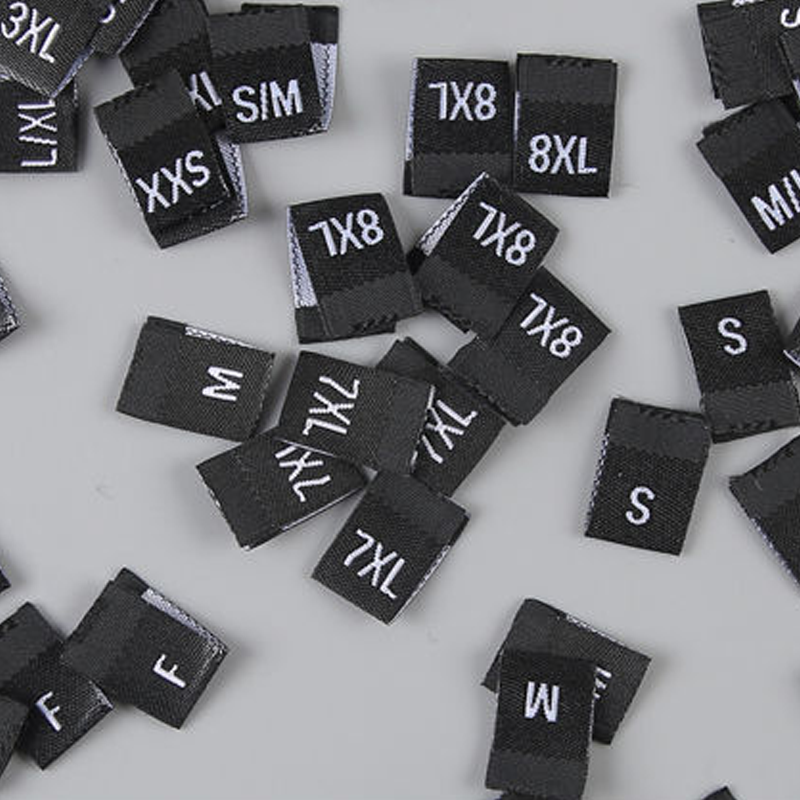
Woven labels, care labels, fiber-content labels, size labels, and country-of-origin statements must match the approved specification and destination-market rules. Custom clothing labels and packaging should also be checked for barcode, carton marks, polybag warnings, folding, and assortment before shipment. Final production approval must confirm label placement and packed goods, not just artwork files.
- Which market-specific labeling and safety rules apply to every destination?
- Has the final label set been checked against the approved tech pack before cutting?
Testing Only The Base Garment
A decorated garment is not identical to an undecorated sample. Screen printing, embroidery, heat transfer, patches, washing, zippers, snaps, and elastic can change durability, colorfastness, appearance, or safety performance.
- Was the finished decoration and wash process tested on the production fabric?
- Did every post-approval change trigger documented re-review or retesting?
Ignoring Production And Final Checks
One approved factory does not automatically control every subcontractor, printing unit, laundry, or packaging site involved in the order. Unmapped production steps can break traceability and alter the approved standard.
- Are all subcontractors, processes, and responsibilities identified and approved?
- Has final inspection confirmed measurements, decoration, labels, quantities, and packaging before shipment?
9. Steps to Launch a Clothing Brand With Compliance Controls
Before sampling, lock the destination markets, wearer groups, product specifications, and applicable safety or labeling rules.
Define Market And Product Scope
1 target market determines required fiber disclosures, care language, country-of-origin marking, and testing scope. Record style codes, intended users, size range, fit block, materials, trims, decoration, packaging, and acceptance tolerances.
Screen Suppliers And Sample Inputs
EDVORIN’s MOQ starts at 200 pieces per style. 3 evidence groups should be reviewed: supplier capability, material documentation, and production controls. Check relevant audit records, test-report validity, traceability, MOQ, lead time, and the factory’s ability to reproduce approved standards. 4 sampling rounds should cover fabric, color, shrinkage, decoration, hardware, fit, and wash response.
Review Labels And Test Products
5 label checks should confirm fiber content, care symbols, size, origin, importer or responsible-party details where required, and language by destination. Match label artwork to the approved style and packaging files.
Approve, Inspect, Release, Review
7 production approval requires signed specifications, approved samples, test evidence, and a defined defect standard. Use in-line checks for materials, measurements, decoration, construction, and labeling; complete final inspection before packing. 8 file purchase orders, approvals, reports, inspection records, packing data, and shipment-release evidence in one compliance folder.
10. Clothing Compliance Checklist Pricing and Cost Planning
2026 planning ranges should separate one-time compliance costs from unit economics. Sampling, pattern revisions, laboratory testing, artwork setup, labels and packaging can materially raise the first-order budget before bulk sewing begins. US$150–600 is a practical early planning allowance for a prototype package, while chemical or performance testing may add US$100–500 per test family. OEKO-TEX, GOTS or buyer-specific documentation should be budgeted separately because requirements vary by destination and product. AQL inspection, rework and delayed approvals are the main cost risks after sampling.
| Quantity Tier | Indicative Cost Categories | Planning Range / Impact |
|---|---|---|
| 1–3 prototypes | Pattern, sample, decoration setup | US$150–600 total; revisions may add cost |
| 50–200 units | Testing, labels, packaging, inspection | Higher unit cost; testing often spread across few units |
| 300–999 units | Bulk materials, setup, AQL inspection | Moderate unit cost; reserve 2–5% for rework risk |
| 1,000+ units | Production controls, documentation, final inspection | Lower unit cost; allow 2–4 weeks for testing and approvals |
Clothing Compliance Checklist FAQs
Clear answers for brands preparing materials, labels, testing, decoration and bulk production with EDVORIN.
What should a clothing compliance checklist include?
Who is responsible for completing a clothing compliance checklist?
Does a clothing compliance checklist include laboratory testing?
What labels should be checked before bulk apparel production?
Does the clothing compliance checklist change for children’s apparel?
What changes for sportswear, uniforms or performance garments?
Can EDVORIN help if I only have a sketch or reference garment?
How do I know an apparel order is ready for bulk production?
Ready to Turn Your Clothing Compliance Checklist Into Production?
Share your requirements with EDVORIN and align materials, labels, decoration, sampling and quality control before your next apparel order.