
Clothing Packaging Checklist for Production-Ready Apparel Programs
Use this clothing packaging checklist to align materials, labels, decoration, packing standards, and quality checks before repeatable bulk production.
Six Clothing Packaging Decisions to Confirm Before Bulk Production
Coordinate packaging formats, identification, protection, decoration, packing instructions and shipping readiness before apparel moves into bulk production.
Choose Packaging Formats
Confirm bags, boxes, tissue, poly mailers or coordinated packaging formats based on garment category, sales channel and brand presentation.
Define Labels And Tags
Specify woven labels, care labels, hangtags, size stickers and carton marks so every product remains identifiable through fulfillment.
Protect Finished Garments
Select folding methods, tissue, inserts and protective materials that reduce shifting, creasing, moisture exposure and decoration damage.
Coordinate Brand Decoration
Record logo artwork, print or embroidery placement, finishes, color references and approval standards for consistent branded packaging details.
Set Packing Specifications
Document folding dimensions, pack ratios, size sequencing, carton quantities and assortment rules for accurate, repeatable order preparation.
Confirm Shipping Readiness
Review carton dimensions, weight limits, shipping marks, inspection requirements and final packing checks before goods leave production.
Packaging Priorities by Apparel Program
Apply the right labeling, folding, protection and carton standards to each product category, buyer requirement and repeat-order workflow.
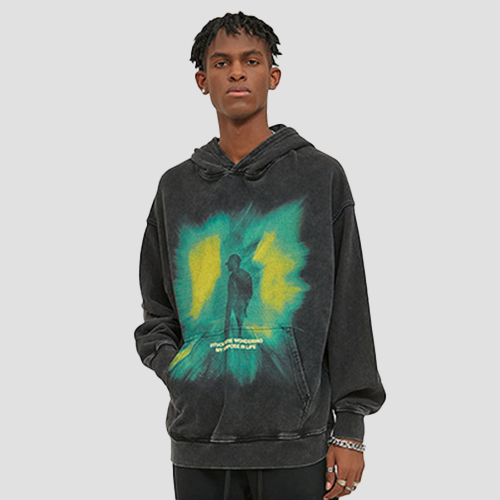
Custom Hoodies
Custom hoodies require packaging that protects fleece, print placement, embroidery and drawcord details. EDVORIN can coordinate size stickers, care labels, hangtags, individual polybags or recycled alternatives, folded presentation and carton packing for fashion brands, streetwear labels, wholesalers and private-label programs.
Get a Quote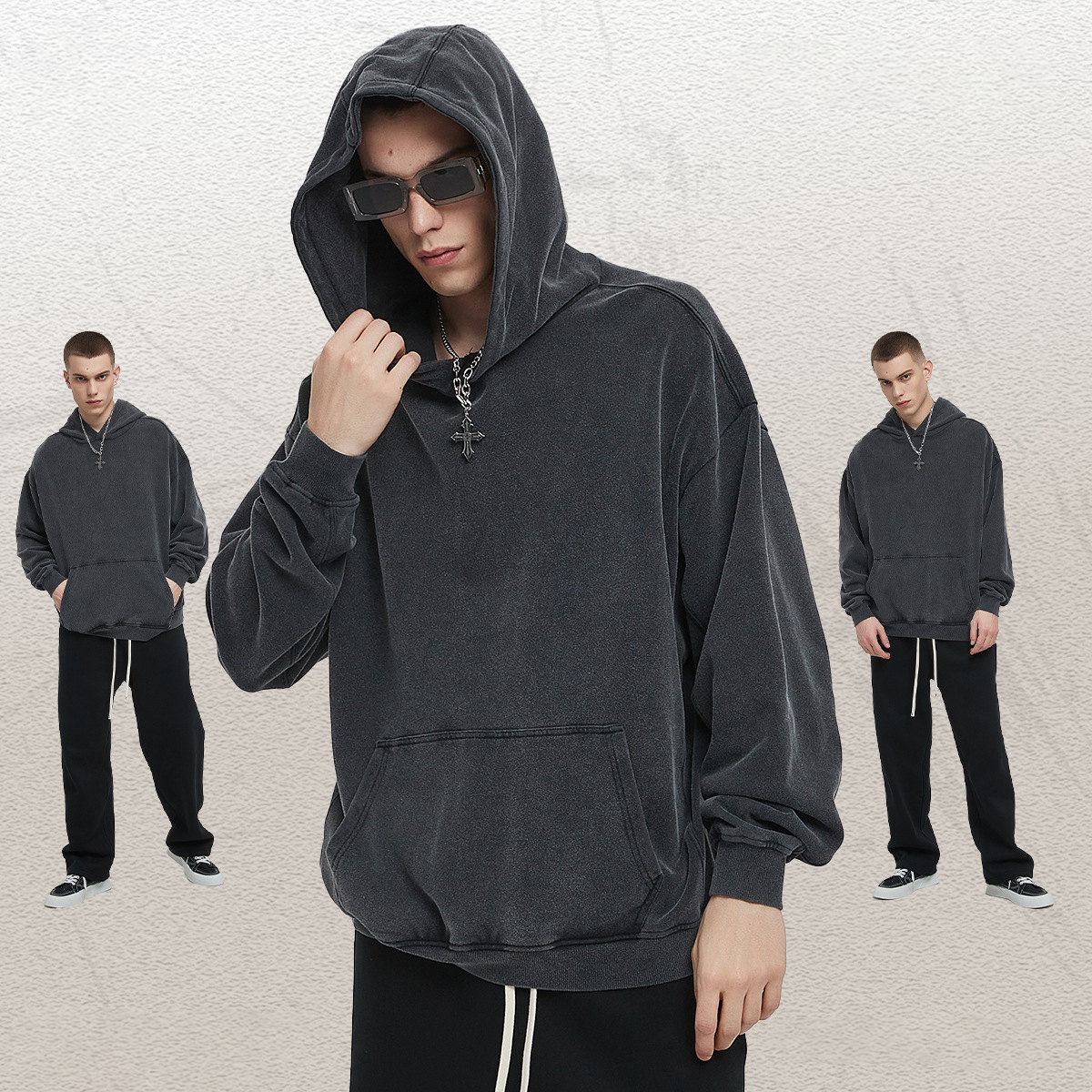
Pullover Sweatshirts
Pullover sweatshirts need consistent folding and protection for fleece weight, rib cuffs, neck labels and printed or embroidered artwork. Packaging specifications can include individual labeling, size identification, carton assortment and repeatable packing standards for wholesale, retail and private-label orders.
Get a Quote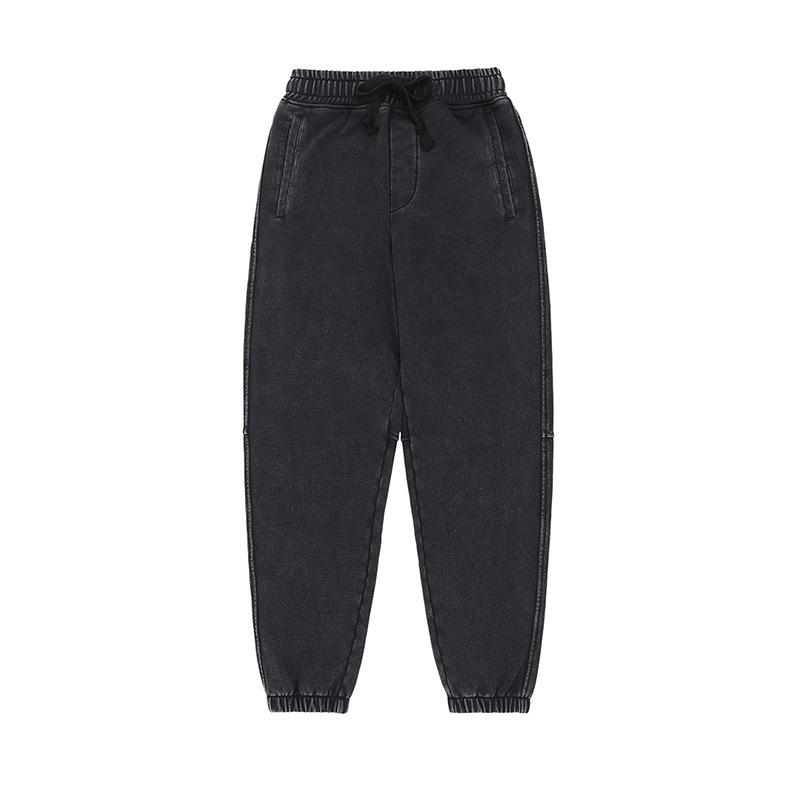
Sweatpants & Joggers
Sweatpants and joggers require packaging that keeps leg shape, waistband construction, drawcords, pockets and decoration organized during handling. EDVORIN coordinates care labels, size stickers, hangtags, folding methods and carton ratios for casualwear collections, team programs and repeat wholesale orders.
Get a Quote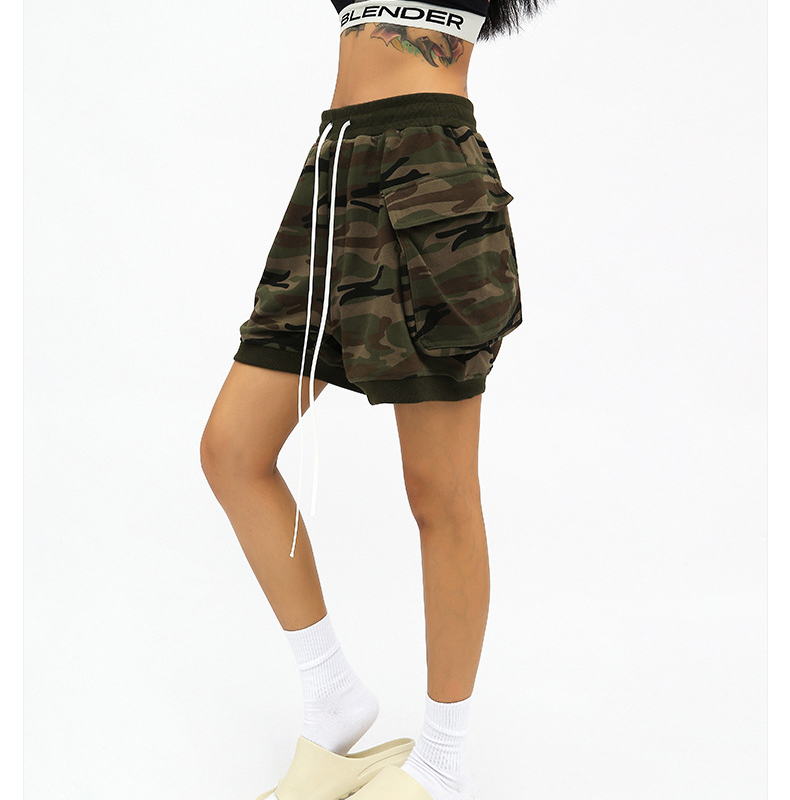
Custom Shorts
Custom shorts may combine lightweight woven or knit fabrics, elastic waistbands, drawcords, liners and applied decoration. Packaging should preserve shape, identify sizes clearly and separate colorways accurately, with coordinated labels, polybags, hangtags and carton packing for retail, teamwear or private-label distribution.
Get a Quote
Varsity & Baseball Jackets
Varsity and baseball jackets need packaging that protects heavier bodies, rib panels, snaps, patches, embroidery, sleeves and contrast materials. EDVORIN can define folding, protective packing, label placement, size identification and carton handling requirements so finished jackets arrive ready for wholesale, retail or team distribution.
Get a Quote
Custom T-Shirts
Custom T-shirts require efficient packaging that protects screen prints, embroidery, neck labels and lightweight fabric without unnecessary bulk. Buyers can specify folding, individual bags, size stickers, hangtags, carton assortment and labeling standards suited to fashion drops, promotional programs, wholesale orders or private-label collections.
Get a Quote
Custom Polo Shirts
Custom polo shirts need packaging that maintains collar shape, placket alignment, buttons and embroidery during storage and transport. EDVORIN supports polo shirt manufacturer programs with folding boards, care labels, size identification, hangtags and carton packing for corporate apparel, schools, clubs, wholesalers and private-label buyers.
Get a Quote
Windbreaker Jackets
Windbreaker jackets require packaging that protects lightweight shells, zippers, elastic details, reflective elements and printed artwork from creasing or abrasion. Packaging plans can cover folding, individual protection, labeling, color and size separation, carton ratios and presentation requirements for sports, streetwear and outerwear programs.
Get a Quote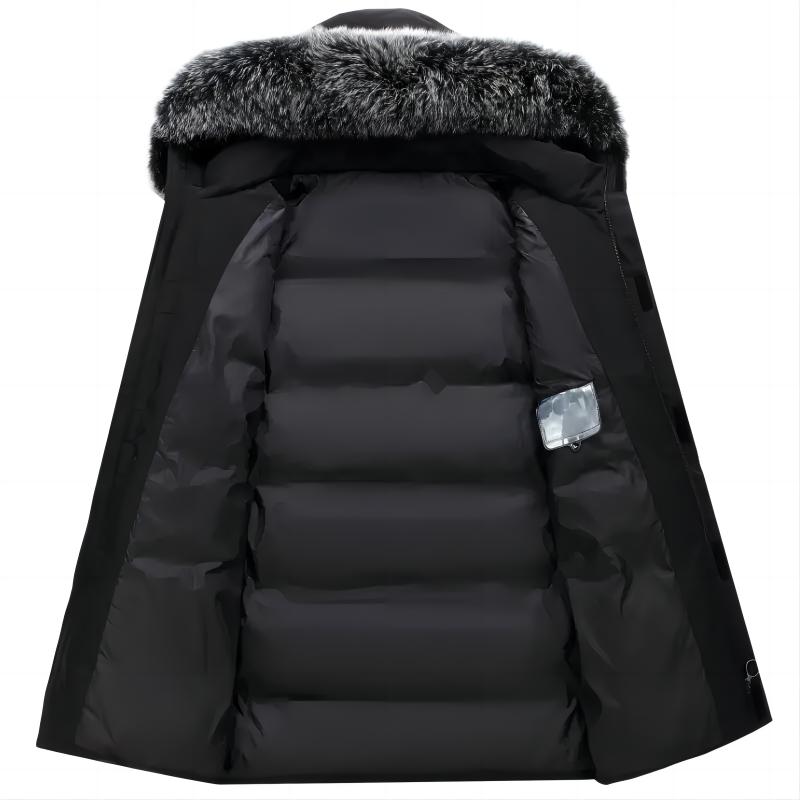
Quilted Jackets
Quilted jackets need careful packing to protect insulation loft, quilting lines, shell fabric, trims and hardware. EDVORIN can establish compression limits, folding or hanging requirements, protective materials, labels, size identification and carton specifications for fashion brands, wholesale programs and private-label outerwear orders.
Get a Quote
Bomber Jackets
Bomber jackets require packaging that protects shell fabric, rib cuffs, zippers, lining, patches and embroidery while preserving the intended silhouette. Buyers can define individual protection, folding method, hangtags, care labels, size stickers and carton assortment for streetwear, fashion, team or private-label programs.
Get a Quote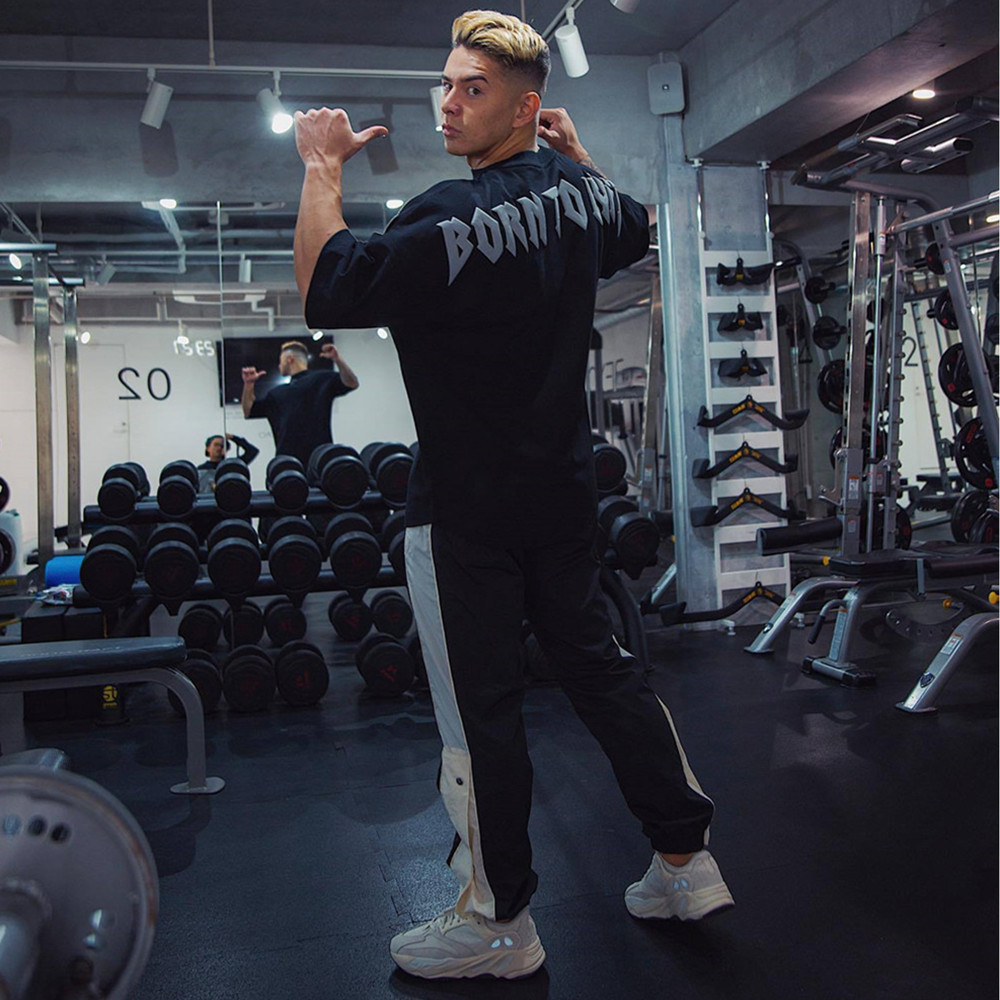
Custom Shirts
Custom woven shirts require packaging that protects collars, plackets, buttons, cuffs, labels and woven fabrics from creasing. EDVORIN can coordinate folding, collar support, individual packaging, size identification, hangtags and carton packing for fashion collections, uniforms, wholesale programs and private-label retail distribution.
Get a Quote
Custom Jerseys
Custom jerseys need packaging that protects breathable performance fabric, sublimation, heat transfers, names, numbers, badges and sponsor artwork. Clear size and player identification, colorway separation, individual packing and carton organization help sports clubs, schools, distributors and teamwear buyers manage organized delivery and repeat orders.
Get a Quote
Tank Tops
Tank tops require lightweight packaging that keeps armholes, necklines, hems and printed or embroidered artwork presentable. EDVORIN can specify folding, labels, size stickers, hangtags, individual protection and carton ratios for training apparel, casualwear, fashion collections, team programs and private-label orders.
Get a Quote
Soccer Uniforms
Soccer uniforms require organized packaging for jerseys, shorts, socks and coordinated size sets, with accurate separation of teams, colorways and player personalization. EDVORIN can define labels, individual or set packing, name and number identification, carton assortments and delivery controls for clubs, schools, academies and distributors.
Get a Quote
Basketball Uniforms
Basketball uniforms need packaging that keeps jerseys and shorts grouped by team, size, colorway and player customization. Packaging specifications can cover breathable fabric protection, number and name identification, labels, individual or set bags, carton organization and repeatable packing standards for schools, clubs, academies and wholesalers.
Get a Quote
Streetwear Collections
Streetwear collections often combine hoodies, T-shirts, sweatpants, jackets and varied decoration methods, so packaging must protect each product while preserving collection consistency. EDVORIN coordinates labels, hangtags, folding, individual protection, SKU identification and carton plans across a repeatable OEM, ODM or private-label production program.
Get a QuoteClothing Packaging Checklist: 10 Sections for Brands
Use this decision framework to match packaging formats, materials, branding, labeling, and quality controls to your apparel operation while evaluating supplier capabilities, preparing bulk orders, and avoiding costly packaging mistakes.
1. What Is a Clothing Packaging Checklist?
8 checkpoints define a clothing packaging checklist: format, finished dimensions, materials, branding, labels, product protection, sustainability requirements, and order logistics. It converts packaging from a late packing decision into a documented specification that suppliers can price, sample, and reproduce. 5 buyer groups should use it before contacting a manufacturer: fashion brands and streetwear labels, sports teams, schools and academies, wholesalers, and private-label buyers. The checklist should reflect the product program, whether it covers a folded T-shirt, bulky fleece hoodie, jersey set, outerwear piece, or mixed-size shipment. 1 approved packaging brief should confirm the packaging format, internal and external measurements, material or recycled-content expectations, artwork and color references, label information, closure method, protection during storage and transit, pack quantities, carton requirements, and destination rules.
2. The Evolution of Clothing Packaging
1. Basic wrapping and unbranded retail bags once handled the essential jobs: covering garments, grouping sizes and carrying purchases. The priority was functional containment, with limited attention to presentation beyond a logo or printed label. 2. Branded mailers and corrugated boxes shifted packaging toward deliberate unboxing and transit protection, especially as apparel sales moved online. com/blog/15-apparel-and-fashion-packaging-ideas-to-inspire-you). 3. Reusable totes and ecommerce-ready systems now connect retail, wholesale, returns and direct-to-consumer fulfillment. Buyers increasingly assess sustainability, dimensional efficiency, seal security, barcode handling and damage resistance together, so a clothing packaging checklist must match the package to each sales channel rather than force one format across every order.
3. Clothing Packaging Checklist: Types to Consider
A complete clothing packaging checklist matches each format to product risk, sales channel, and presentation target.
| Format | Best use and channel | Protection | Storage and presentation |
|---|---|---|---|
| Poly mailer | DTC shipping | Basic | Compact; functional |
| Paper mailer | DTC, eco-led orders | Basic | Compact; tactile |
| Folding carton | E-commerce, wholesale | Moderate | Stackable; polished |
| Rigid apparel box | Premium retail, gifting | High | Bulky; premium |
| Shopping bag | Stores, pop-ups | Low | Flat-packed; visible |
| Tissue paper | Retail, gifting | Low | Compact; elevated |
| Garment cover | Outerwear, uniforms, samples | Dust protection | Hanging storage; professional |
| Hangtag | Retail and wholesale | None | Compact; informative |
| Sticker or insert | Seals, care, campaigns | None | Compact; flexible |
Transit Protection Formats
1–3 garments usually fit poly mailers or paper mailers for direct-to-consumer fulfillment; protection is basic, storage is efficient, and presentation is limited.
Retail Presentation Formats
1 shopping bag supports store pickup, pop-ups, and wholesale handoff; tissue paper improves presentation with minimal protection and low storage impact. Garment covers protect jackets, suits, uniforms, and showroom samples from dust.
Branding And Information
1 hangtag can carry price, fiber content, sizing, and care references; stickers support seals, size coding, carton identification, or low-cost branding. Inserts handle wash guidance, campaign messages, warranty details, or team-order instructions.
4. Clothing Packaging Checklist: Materials and Fabrics
Material choice affects protection, presentation, storage density, and disposal.
| Material | Protection and Feel | End-of-Life |
|---|---|---|
| Kraft paper | Dry-use; natural; printable | Widely recyclable |
| Coated paperboard | Smoother; moisture-resistant | Coating may hinder recycling |
| Corrugated board | Transit strength; lightweight | Recyclable if clean and dry |
| Rigid board | Premium; rigid; heavier | Recyclable; high storage volume |
| Recycled plastics | Moisture-proof; compact | Film recycling varies |
| Compostable film | Light; moisture-resistant | Usually industrial composting |
| Cotton | Soft; reusable | Textile recycling varies |
| Canvas | Strong; premium reusable | Long life; textile route varies |
| Nonwoven fabric | Light; economical | Often difficult to recycle |
Paper-Based Packaging
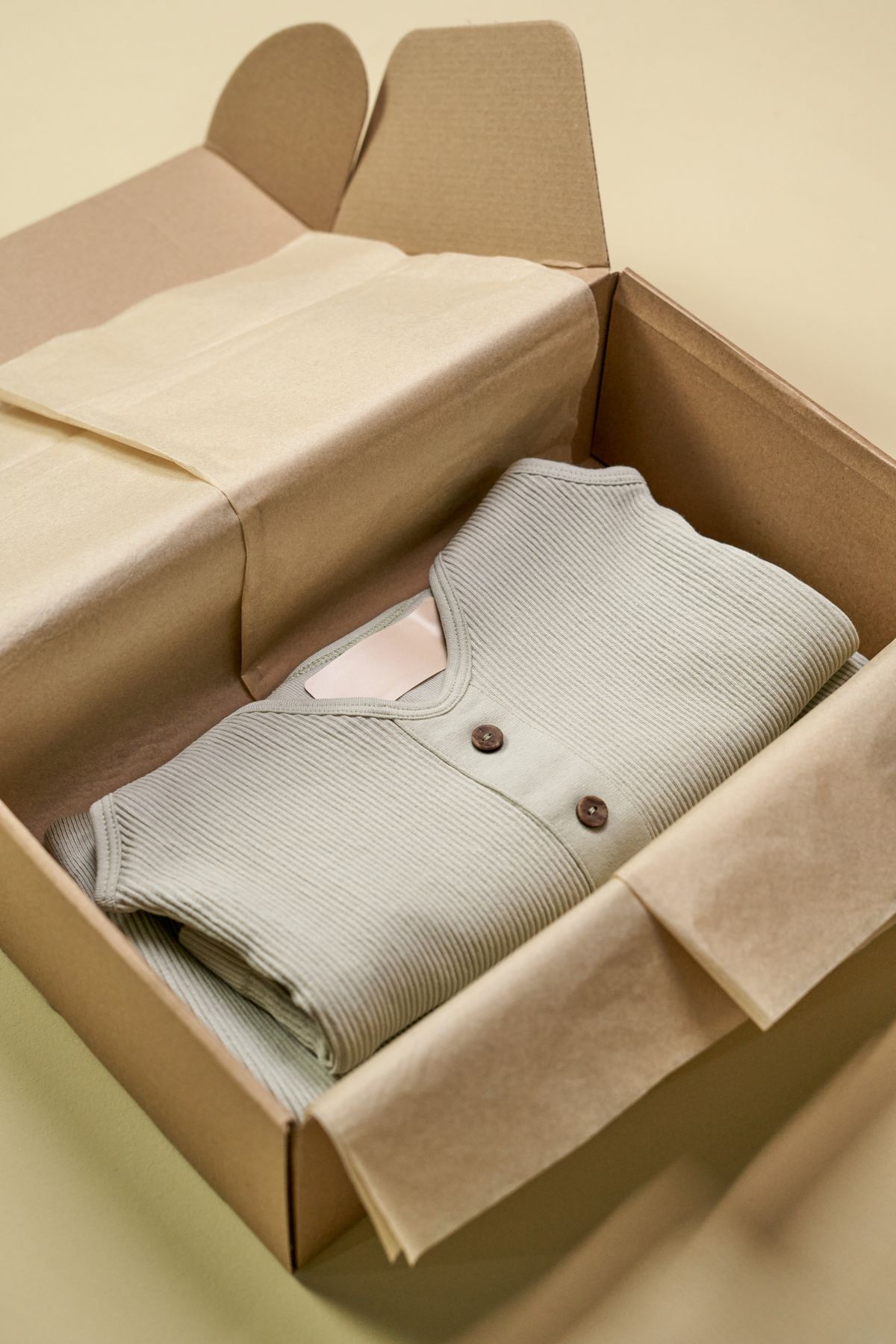
Kraft paper suits lightweight apparel and retail bags: recyclable, printable, tactile, and economical, but vulnerable to rain. Coated paperboard improves moisture resistance and color reproduction, while corrugated board protects parcels during transit. Rigid board delivers the strongest premium feel but adds weight, storage volume, and freight cost.
Flexible Plastic Alternatives
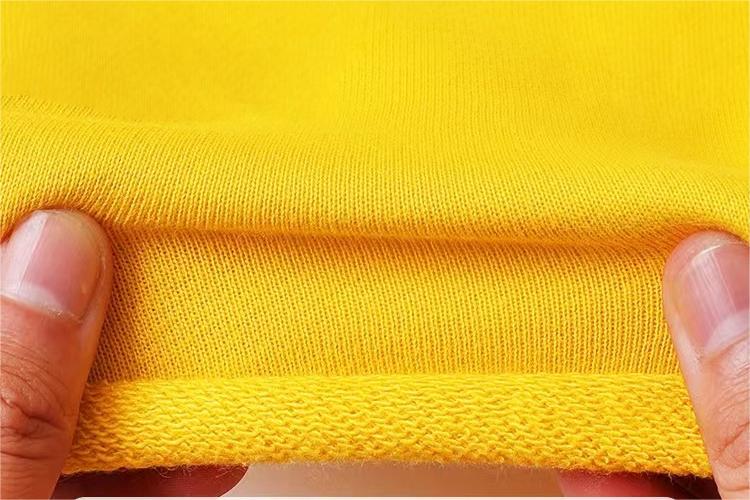
Recycled polyethylene mailers resist moisture and compress efficiently, making them practical for hoodies, jerseys, and long-distance fulfillment. Their end-of-life route depends on resin identification and access to film collection. Compostable films require verified industrial-composting compatibility; they should not be described as universally recyclable.
Reusable Fabric Options

Cotton and canvas bags support premium, reusable, or event-led programs, with canvas offering greater abrasion resistance and structure. Nonwoven fabric is lighter and lower-cost, but usually feels less substantial. Specify fiber content, handle construction, print method, and folding requirements.
5. Customization and Decoration Options
Logo placement, Pantone matching and decoration method should be approved against the actual packaging substrate, not artwork alone.
| Method | Impact | MOQ / Repeatability | Main Cost Driver |
|---|---|---|---|
| Screen / flexographic | Bold, consistent | Higher MOQ; strong repeatability | Screens, plates, ink coverage |
| Digital / full coverage | Detailed, flexible | Lower MOQ; artwork-dependent | Coverage, color count, setup |
| Foil / emboss / deboss | Premium, tactile | Tooling required; repeatable after approval | Dies, pressure, registration |
Placement And Color Control

Front, back, side and interior logo positions create different visual priorities; record edge distances and orientation in millimeters. Pantone references improve color matching, while substrate, coating and lighting can still shift appearance. Full-coverage printing maximizes recognition but increases ink coverage and registration risk.
Premium Surface Effects

Foil stamping creates reflective contrast, while embossing raises and debossing recesses the artwork; each depends on substrate thickness and tooling. Spot finishes isolate gloss, matte or tactile effects to control visual impact. Premium programs usually accept higher tooling and setup costs for a distinctive unboxing result.
Trims By Program
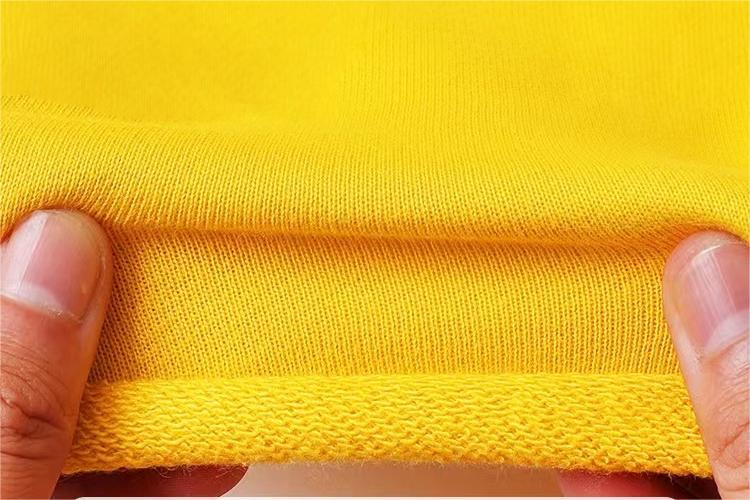
Woven labels add a durable textile identity; stickers, ribbons and custom inserts add flexibility but introduce separate artwork, packing and inventory controls. Teamwear, school and wholesale programs generally favor repeatable labels and simple print; streetwear favors bold placement and tactile effects.
6. Key Clothing Packaging Quality Elements
Three approval gates protect both presentation and delivery: specification, physical sample, and packed-carton testing.
Physical Construction Checks
Dimensions should match the approved tolerance, while board or fabric weight is verified against the specification. Check seams, handles, gussets, edges, and closure strength by opening, carrying, and lightly loading representative units. A practical clothing packaging checklist should also record odor, surface scuffs, moisture exposure, crushed corners, loose threads, and adhesive failure.
- Confirm length, width, depth, and tolerances.
- Verify board or fabric weight.
- Test handles, seams, closures, and load response.
- Inspect odor, moisture, scuffs, and loose threads.
Print And Identification Control
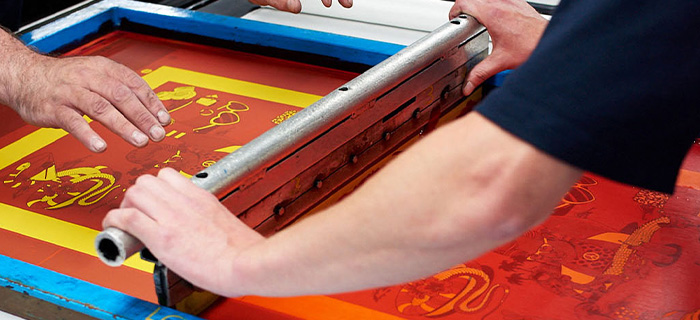
Pantone references, print registration, logo position, and color consistency should be checked against the signed sample under consistent lighting. Compare multiple units to detect drift between production batches. Barcodes must scan at receiving distance and match the purchase-order data, SKU, size, color, and carton markings.
- Check artwork registration and placement.
- Compare colors with the approved reference.
- Scan every barcode format.
- Match labels, SKUs, sizes, and carton marks.
Sample And Pre-Shipment Signoff
Before bulk approval, suppliers should submit a complete packed sample showing the actual garment, inserts, labels, closure, and outer carton. Buyers should sign the sample only after dimensions, appearance, identification, and protection checks pass.
- Approve a complete packed sample.
- Repeat barcode and appearance checks.
- Test packed-carton protection.
- Record results before shipment release.
7. How to Choose a Clothing Packaging Manufacturer
A reliable clothing packaging checklist should evaluate the supplier’s process, evidence and fit for your order—not just its catalog.
Relevant Experience
2000 marks EDVORIN’s founding year and its apparel manufacturing focus. Ask whether the supplier has handled your garment categories, decoration methods, buyer markets and repeat-order requirements. Request comparable references, production photos or anonymized samples where available.
Samples And Customization
1 approved pre-production sample should establish dimensions, materials, artwork placement, closures, labels and finishing. Confirm whether revisions are documented and whether artwork files receive a technical review before sampling. Ask which packaging formats, print methods, finishes, inserts and hardware can be developed.
Materials And Quality Evidence
OEKO-TEX, GOTS, WRAP and BSCI are different forms of documentation; request the exact certificate, scope, issuer and expiry date rather than accepting a logo alone. Confirm material composition, recycled content and test requirements. Ask how incoming materials, decoration, dimensions, color and final packing are checked.
Capacity, Timing And Logistics
EDVORIN’s MOQ starts at 200 pieces per style. Lead time should be split into sampling, approvals, production, inspection and transit. Ask for MOQ, monthly capacity, peak-season constraints, reorder timing, shipping terms, carton details and export documents.
8. Common Clothing Packaging Checklist Mistakes
Nine recurring errors can turn a sound packaging brief into avoidable cost, damage, or rework.
Fit And Freight Assumptions
1 sample garment should be measured folded before selecting a mailer, bag, or box. Confirm finished length, width, thickness, and any hood, drawcord, patch, or hardware projection. Dimensional weight can exceed actual weight when cartons are bulky.
- Prevent it: test-pack the largest size and calculate carrier dimensional weight.
- Resolve: Will freight cost change at my normal order volume?
Weak Moisture And Finish Choices

2 protection layers are not automatically better. Unsuitable plastic, poorly sealed cartons, or insufficient desiccant can expose garments to humidity; excessive gloss, foil, or lamination can add cost and complicate recycling.
- Prevent it: review transit climate, storage duration, and material compatibility.
- Resolve: Is the packaging protection proportionate to the product risk?
Color, Labels, And Storage Gaps
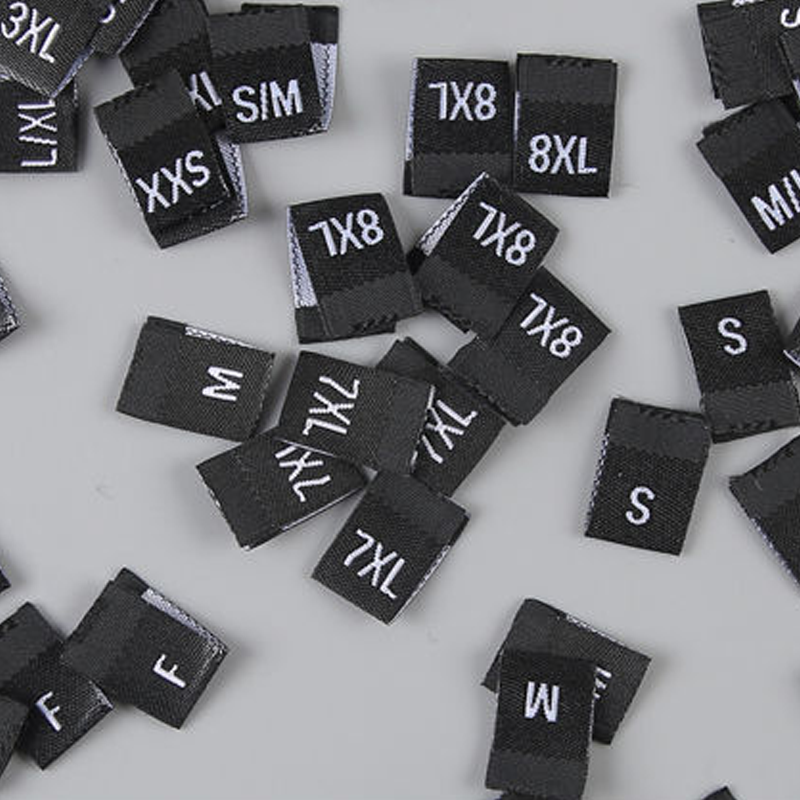
Pantone references and physical proofs matter because screens vary by device and brightness. Confirm logo color, barcode readability, care information, country-of-origin wording, size marks, carton labels, and SKU identification before approval.
- Prevent it: approve a physical color sample and a complete label artwork proof.
- Resolve: Can staff identify, store, and dispatch every variant accurately?
No Spares Or Pilot Run
3–5% replacement stock is often worth budgeting for labels, bags, cartons, or damaged units, especially across multiple sizes and decoration variants. Define the spare quantity and replenishment trigger in writing. A pilot run exposes folding, fit, sealing, color, and packing-speed problems before full production.
- Prevent it: approve a pilot pack, inspect it in transit, and record acceptance criteria.
- Resolve: What happens when packaging is short, damaged, or inconsistent?
9. Steps to Launch Your Clothing Packaging Program
A seven-stage launch turns packaging decisions into a repeatable operating standard.
Audit Products And Channels
1. Audit each garment category, from hoodies to jerseys, alongside its channel: ecommerce, retail, team distribution, school issue, or wholesale. Record folded dimensions, size ranges, bundle rules, and likely order volumes. 2. Map the packaging format and protection level required for each product and channel.
Define And Specify Requirements
3. Set brand requirements for format, material, dimensions, colors, labeling, barcode placement, and unboxing sequence. Specify whether packaging must support individual units, size sets, or mixed wholesale cartons. 4. Prepare artwork and a packaging specification sheet with dielines, Pantone references, print files, copy, tolerances, approved finishes, and packing instructions.
Sample, Test, And Approve
5. Request physical samples before bulk production and check fit, closure strength, print registration, garment folding, label visibility, and carton utilization. Test packed units through representative storage and shipping conditions. 6. Approve the final packed sample and record the acceptance criteria for bulk production.
Order And Replenish Systematically
7. Place the first order with confirmed quantities, size or style ratios, launch date, carton plan, and inspection schedule. Seasonal drops should reserve packaging against forecast demand; team and school programs should lock roster quantities and names early.
10. Clothing Packaging Checklist Pricing and Cost
1 quote should separate packaging format, finished dimensions, material, thickness or GSM, print coverage, decoration, tooling, packing method and delivery terms. For apparel, a mailer, polybag, tissue set, paper bag and rigid box can carry very different setup and freight costs even when the logo is identical.
| Quantity Tier | Indicative Unit Price | Setup / Tooling | Lead-Time Consideration | Cost Notes |
|---|---|---|---|---|
| 200–499 units | Supplier quote required | Artwork setup; die or plate if applicable | Prototype plus production scheduling | Higher unit cost; revisions and small-run packing have greater impact |
| 1,000–4,999 units | Supplier quote required | Shared setup where specifications remain unchanged | Allow material and print planning | Compare print coverage, thickness/GSM and carton utilization |
| 5,000–9,999 units | Supplier quote required | Tooling amortized across larger run | Confirm bulk capacity before approval | Usually improves unit economics; check storage and phased delivery |
| 10,000+ units | Supplier quote required | Confirm repeat-order tooling policy | Reserve production window early | Evaluate freight, duties, warehousing and destination handling in landed cost |
Clothing Packaging Checklist FAQs for B2B Buyers
Get practical answers about packaging specifications, minimums, samples, labeling and repeat-order control for EDVORIN apparel programs.
What should a clothing packaging checklist include before requesting a quote?
Can EDVORIN support a clothing packaging checklist for custom private-label apparel?
EDVORIN’s MOQ starts at 200 pieces per style. What MOQ should I plan for on a clothing packaging checklist?
How do samples fit into a clothing packaging checklist?
Can EDVORIN coordinate labels and packaging with the finished garments?
How does EDVORIN maintain consistency on repeat apparel orders?
Does EDVORIN offer certification and compliance support for apparel programs?
Ready to Finalize Your Clothing Packaging Checklist?
Turn approved packaging decisions into a repeatable apparel program with EDVORIN’s OEM, ODM and private-label production support.