
Chenille vs Embroidery: Choose the Right Decoration for Your Apparel
EDVORIN turns the chenille vs embroidery decision into production-ready decoration for fashion, teamwear, school and private-label collections.
Chenille vs Embroidery: Compare Texture, Detail and Durability
Evaluate decoration by design scale, garment construction, visual impact and repeatability before approving your apparel program.
Choose Your Texture
Chenille creates a soft, raised surface with varsity character; embroidery stays flatter and sharper. Match texture to your brand’s visual language.
Match Design Detail
Use chenille for bold letters and large shapes; choose embroidery when logos, names or fine artwork require cleaner definition.
Consider Garment Suitability
Review jacket weight, sweatshirt construction and placement area before approval. EDVORIN tests decoration against the garment, not as an isolated graphic.
Plan Visual Impact
Chenille adds dimension from a distance, while embroidery supports refined detail across patches, crests, uniforms and branded apparel.
Build Repeatability
Combine methods when useful: textured primary elements with embroidered outlines or small details, documented in an approved sample for repeatable bulk production.
Chenille vs Embroidery: Side-by-Side Comparison
Compare finish, detail and production support before selecting the right decoration for your apparel collection.
← Swipe left or right to view →
Custom Clothing Manufacturer for Streetwear, Teamwear and Private Label
Develop men’s and women’s apparel programs with category-specific materials, decoration, fit and quality controls for repeatable production across diverse buyer needs.
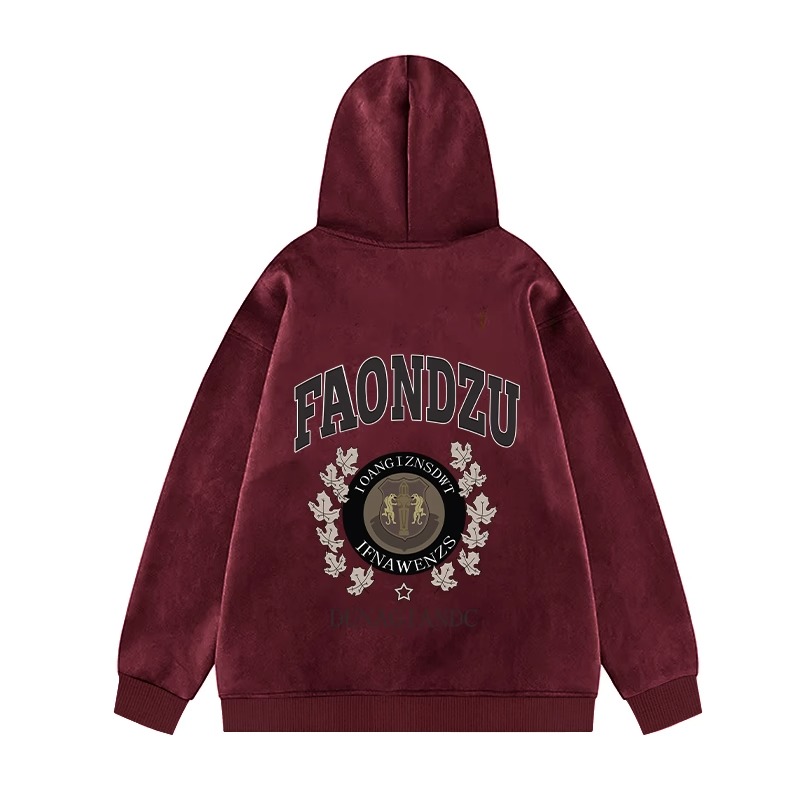
Custom Hoodies
EDVORIN develops custom hoodies for streetwear labels, schools, teams and private-label buyers. Fleece weight, fit blocks, rib construction, drawcords and decoration are coordinated for screen printing, embroidery, chenille patches or other approved artwork before bulk production begins.
Get a Quote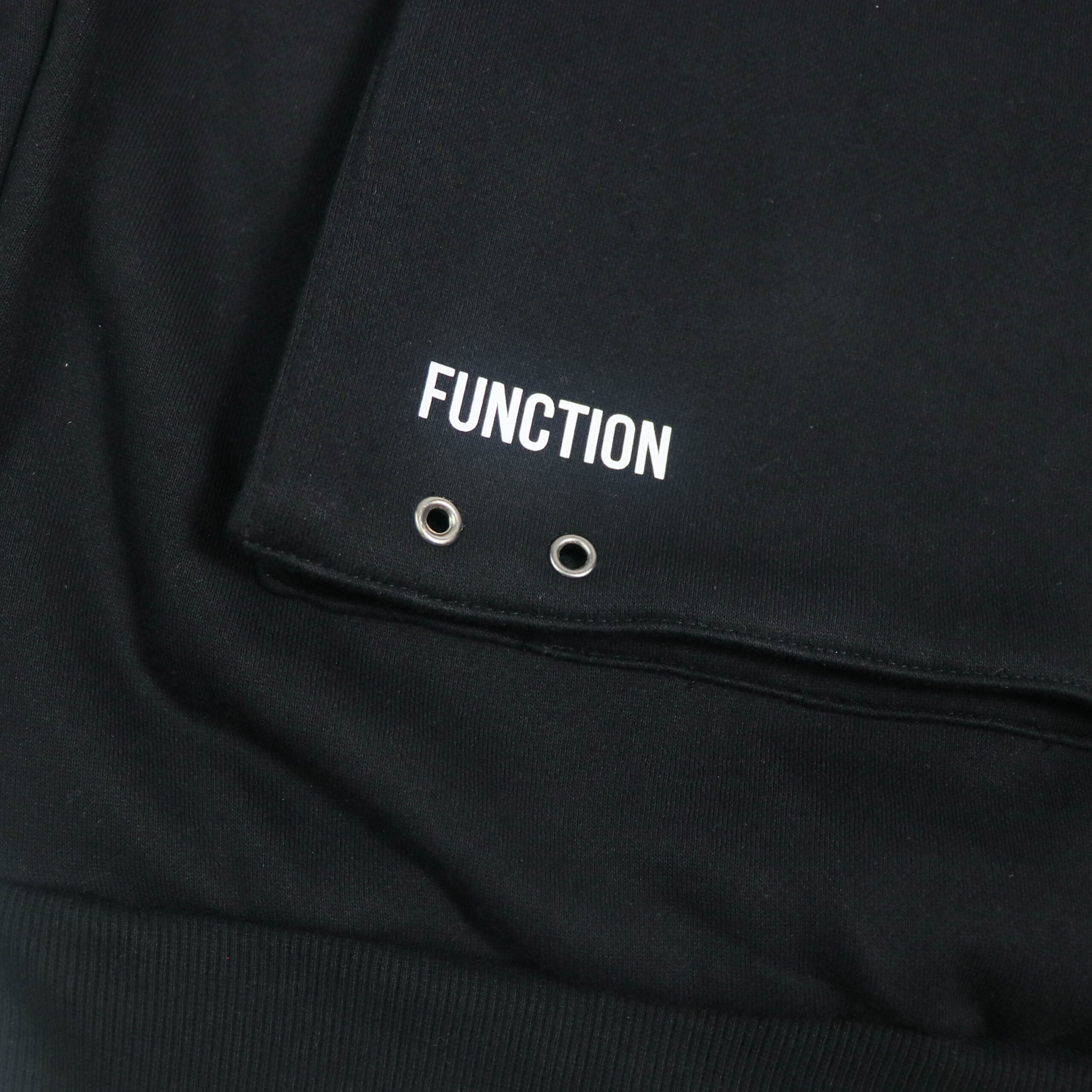
Pullover Sweatshirts
Pullover sweatshirts are developed around fleece selection, silhouette, rib recovery and decoration requirements. EDVORIN supports sweatshirt manufacturers and buyers with sampling, material coordination, artwork placement, embroidery, printing, labeling and production controls for wholesale, school, corporate and private-label programs.
Get a Quote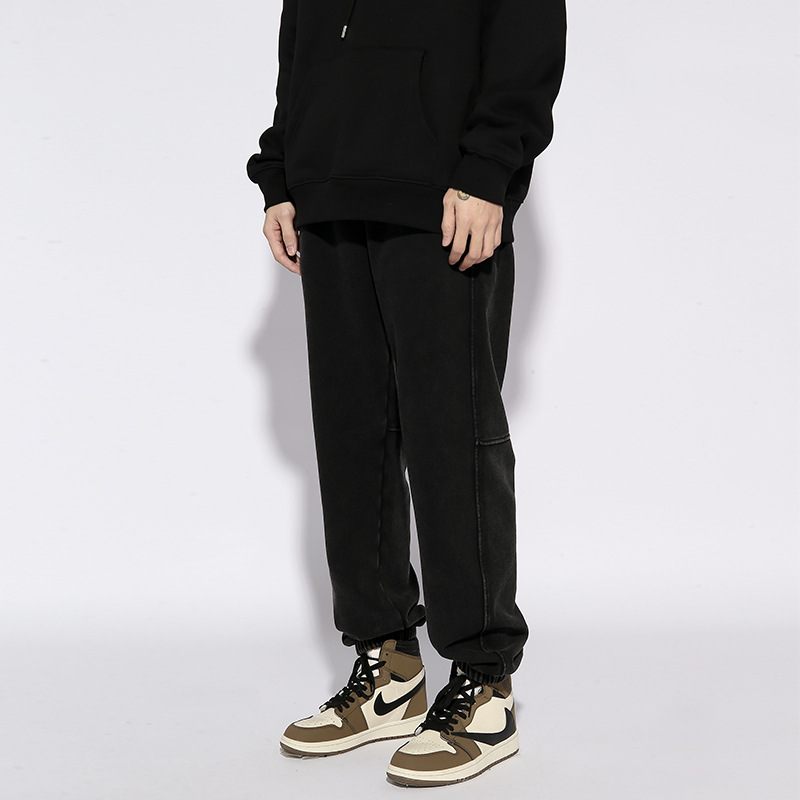
Sweatpants & Joggers
EDVORIN develops sweatpants and joggers with attention to fleece or jersey weight, waistband recovery, pocket construction, cuffs, drawcords and grading. Embroidery, screen printing, patches and coordinated branding can be documented for streetwear collections, team programs, wholesale orders and private-label repeat production.
Get a Quote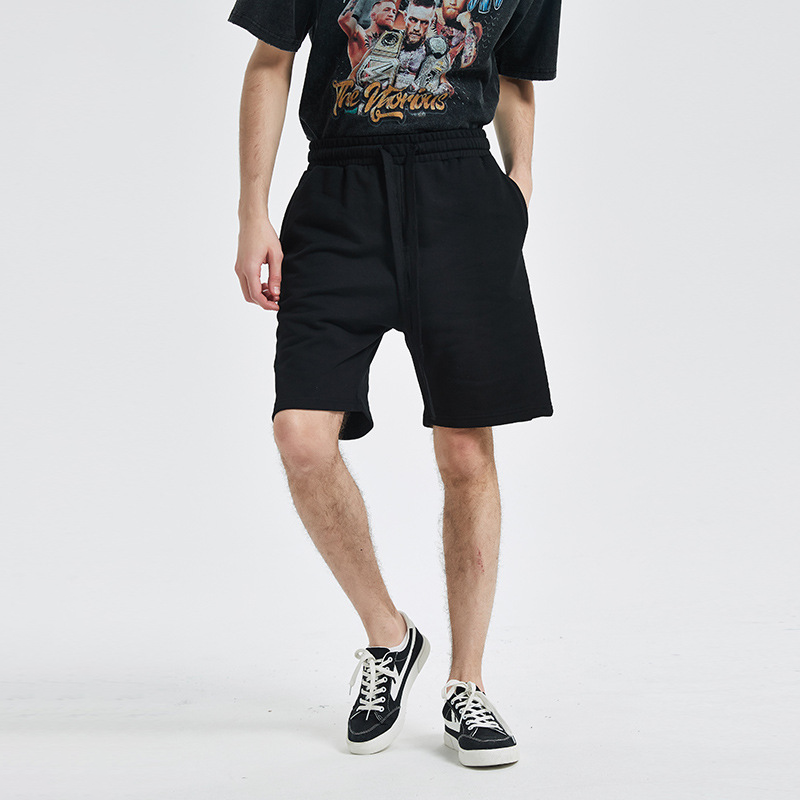
Custom Shorts
Custom shorts require the right balance of fabric weight, fit, mobility and finishing. EDVORIN coordinates woven or knit materials, elastic waistbands, pockets, trims and decoration for sports clubs, schools, streetwear labels, wholesalers and private-label buyers, with approved standards carried from sample through bulk.
Get a Quote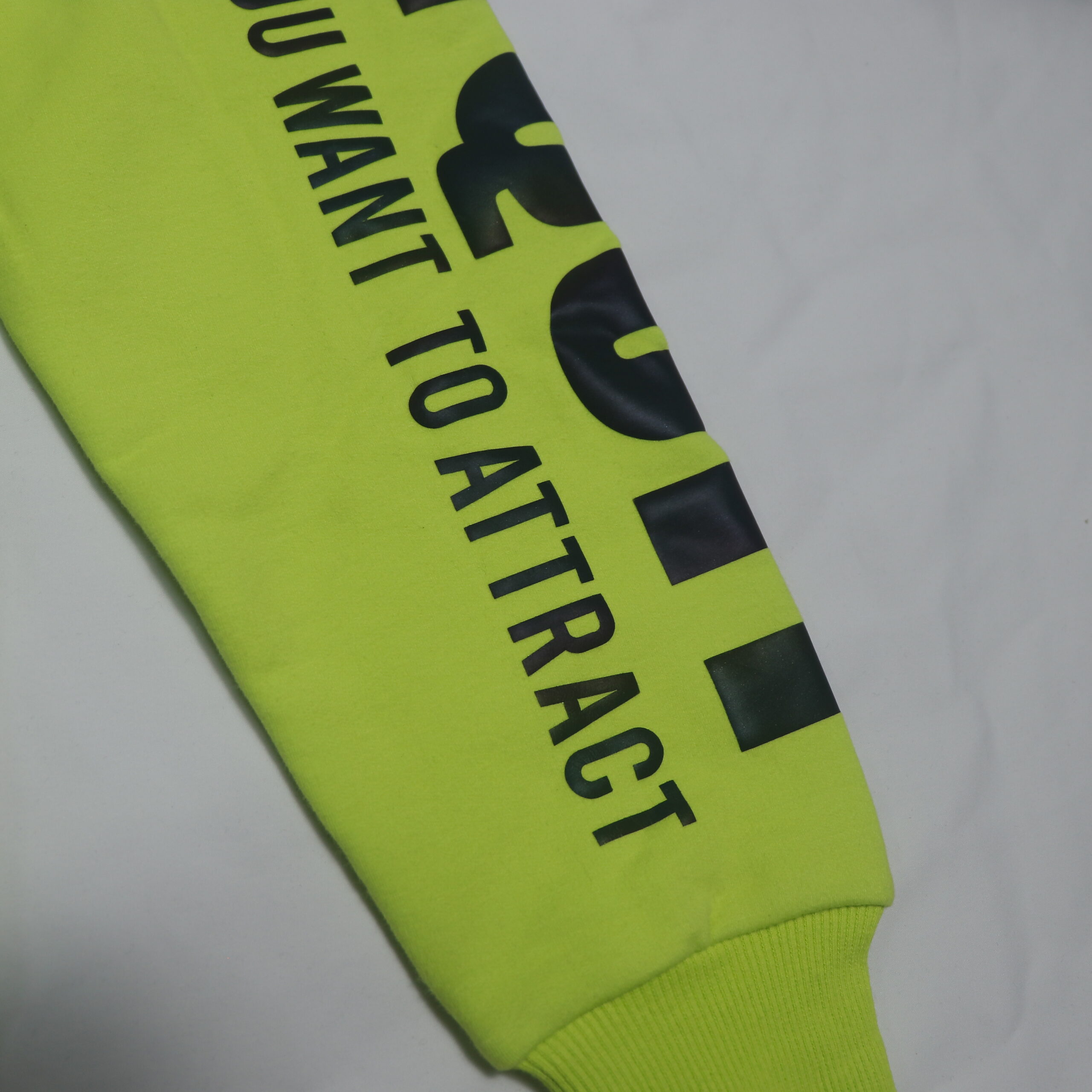
Varsity & Baseball Jackets
Varsity and baseball jackets are developed through coordinated decisions on body fabric, sleeves, lining, rib, snaps, patches and embroidery. EDVORIN supports chenille lettering, appliqué and embroidered details for schools, sports teams, streetwear brands and private-label programs, with construction and placement recorded for repeat orders.
Get a Quote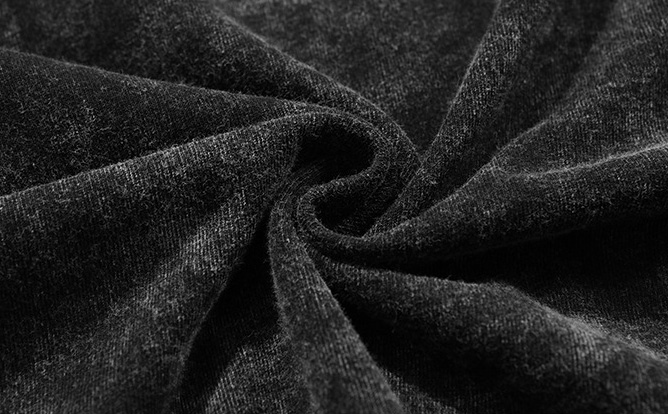
Custom T-Shirts
Custom T-shirts are developed for fashion, streetwear, corporate, school and event programs. EDVORIN coordinates cotton or performance fabrics, fit, neck construction, grading and decoration methods including screen printing, digital printing, embroidery and labels, then checks the approved sample against bulk production.
Get a Quote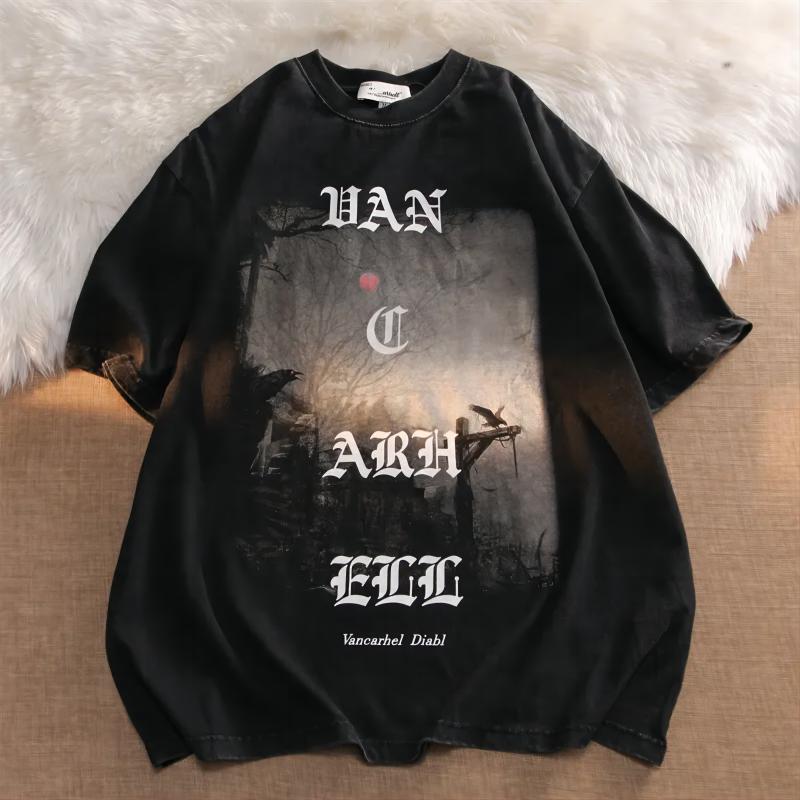
Custom Polo Shirts
Custom polo shirts combine fit, collar construction, placket details, fabric performance and branding requirements. EDVORIN develops polos for corporate programs, schools, clubs, wholesalers and private labels, coordinating embroidery, printing, woven labels, buttons and packaging around the approved construction standard.
Get a Quote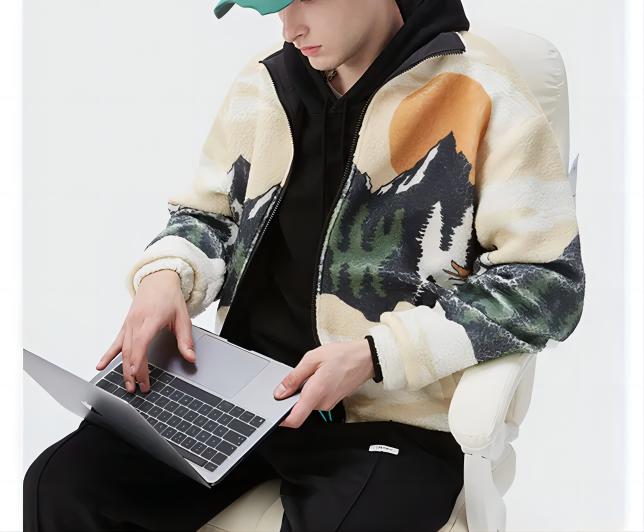
Windbreaker Jackets
Windbreaker jackets are developed with attention to shell fabric, water resistance requirements, lining, hood construction, zippers, elastic details and packability. EDVORIN coordinates printing, embroidery, reflective elements, labels and sizing for teamwear, streetwear, corporate apparel and private-label outerwear programs.
Get a Quote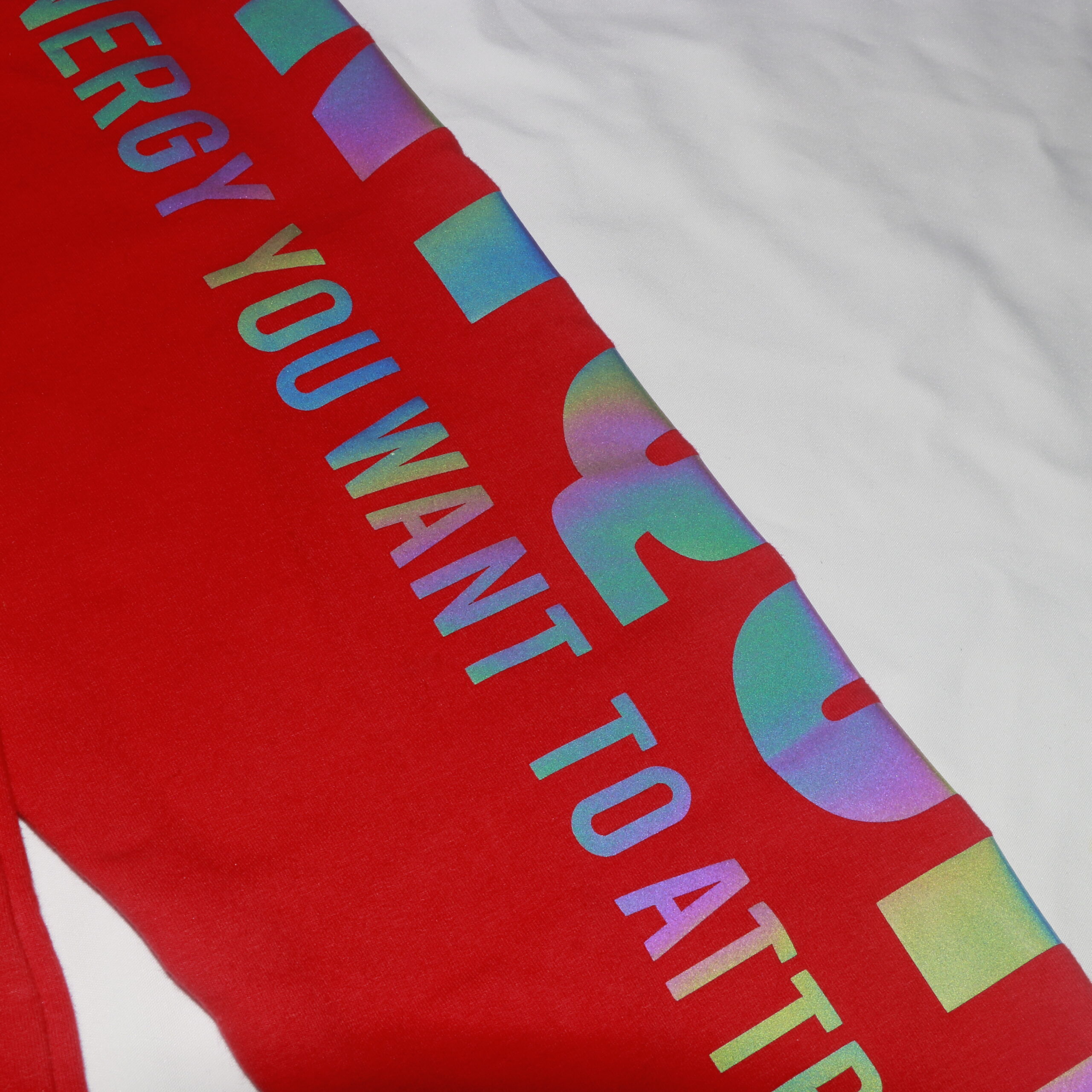
Quilted Jackets
Quilted jackets require coordinated shell, lining, insulation, quilting pattern, hardware and finishing decisions. EDVORIN develops lightweight or insulated programs for private-label and fashion buyers, documenting fabric specifications, embroidery or patch placement, measurements and inspection standards before bulk production.
Get a Quote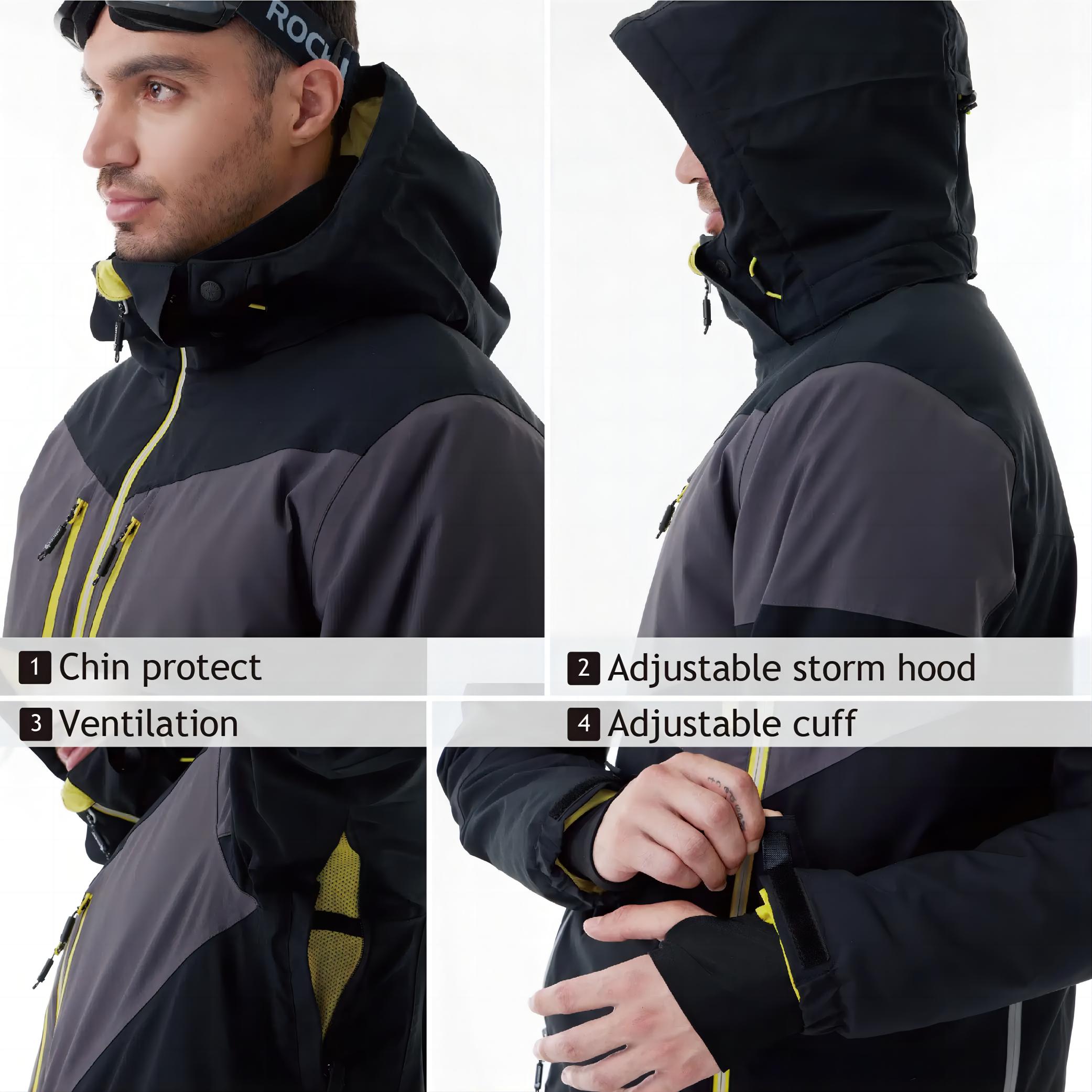
Bomber Jackets
Bomber jackets are developed around shell material, lining, insulation, rib proportions, zipper quality and pocket construction. EDVORIN supports streetwear, fashion, corporate and private-label buyers with embroidery, patches, printing, labels and packaging coordinated through sampling and approved bulk standards.
Get a Quote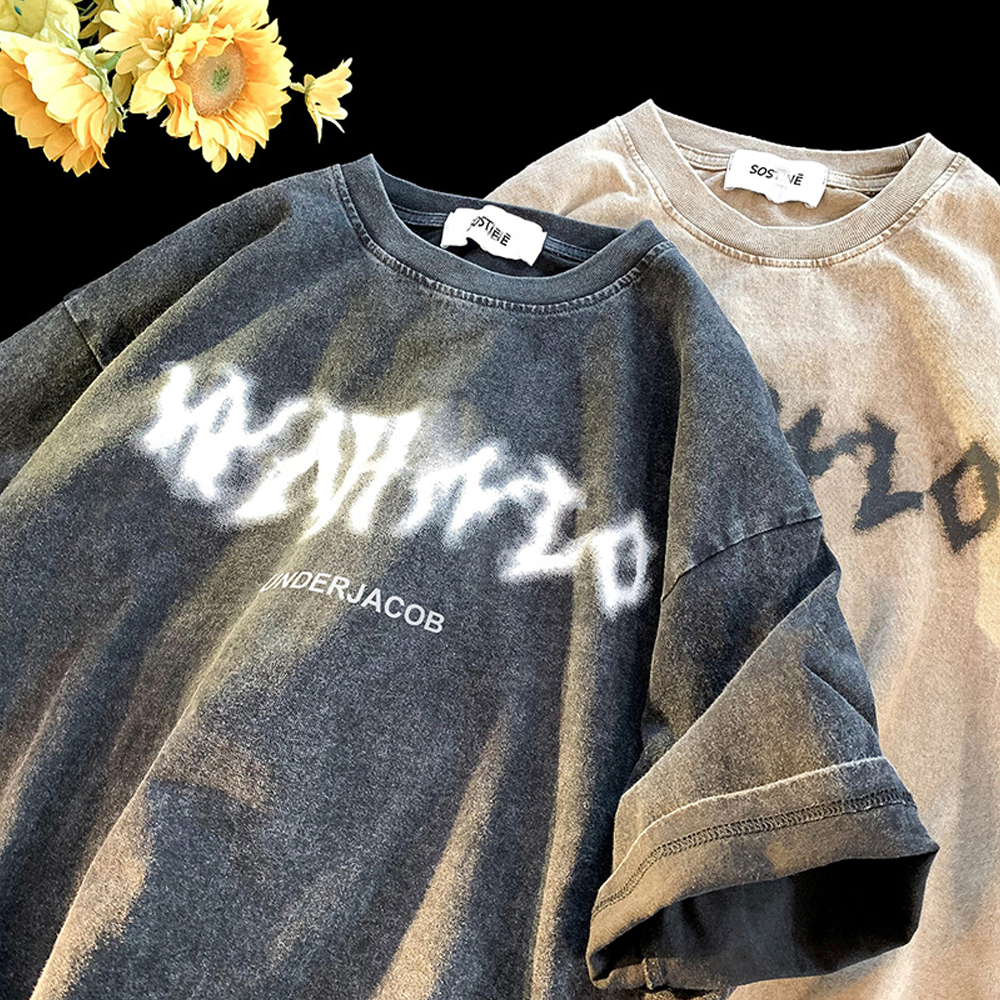
Custom Shirts
Custom woven shirts are developed with attention to fabric hand, collar shape, plackets, cuffs, buttons, fit and grading. EDVORIN supports fashion brands, wholesalers, corporate buyers and private labels with woven labels, embroidery, printing, washing and packaging requirements documented for repeatable production.
Get a Quote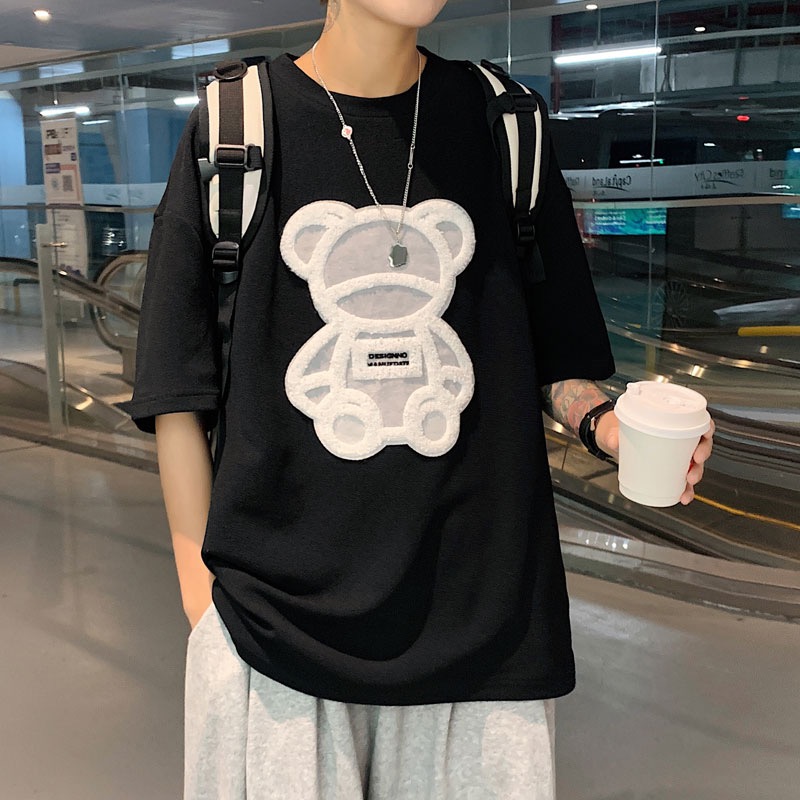
Custom Jerseys
Custom jerseys are developed for clubs, schools, sports organizations and branded teamwear programs. EDVORIN coordinates breathable performance fabrics, panels, color standards, name and number application, badges, embroidery, printing, size grading and organized packaging for accurate team orders and repeat production.
Get a Quote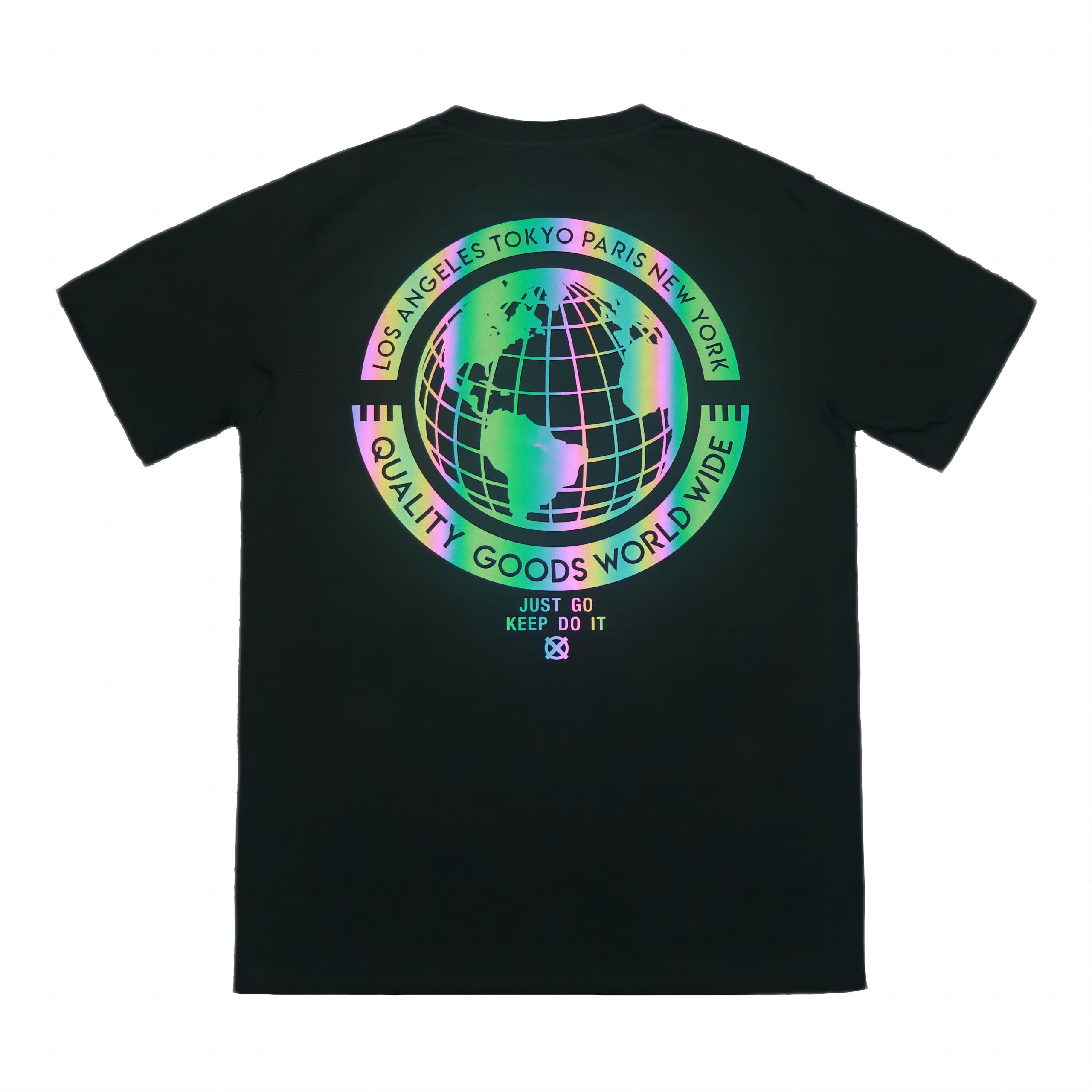
Tank Tops
Tank tops are developed for streetwear, activewear, schools, teams and private-label collections. EDVORIN coordinates knit or performance fabrics, armhole and neckline finishing, fit, grading and decoration methods such as screen printing, embroidery, labels and heat applications according to the approved product standard.
Get a Quote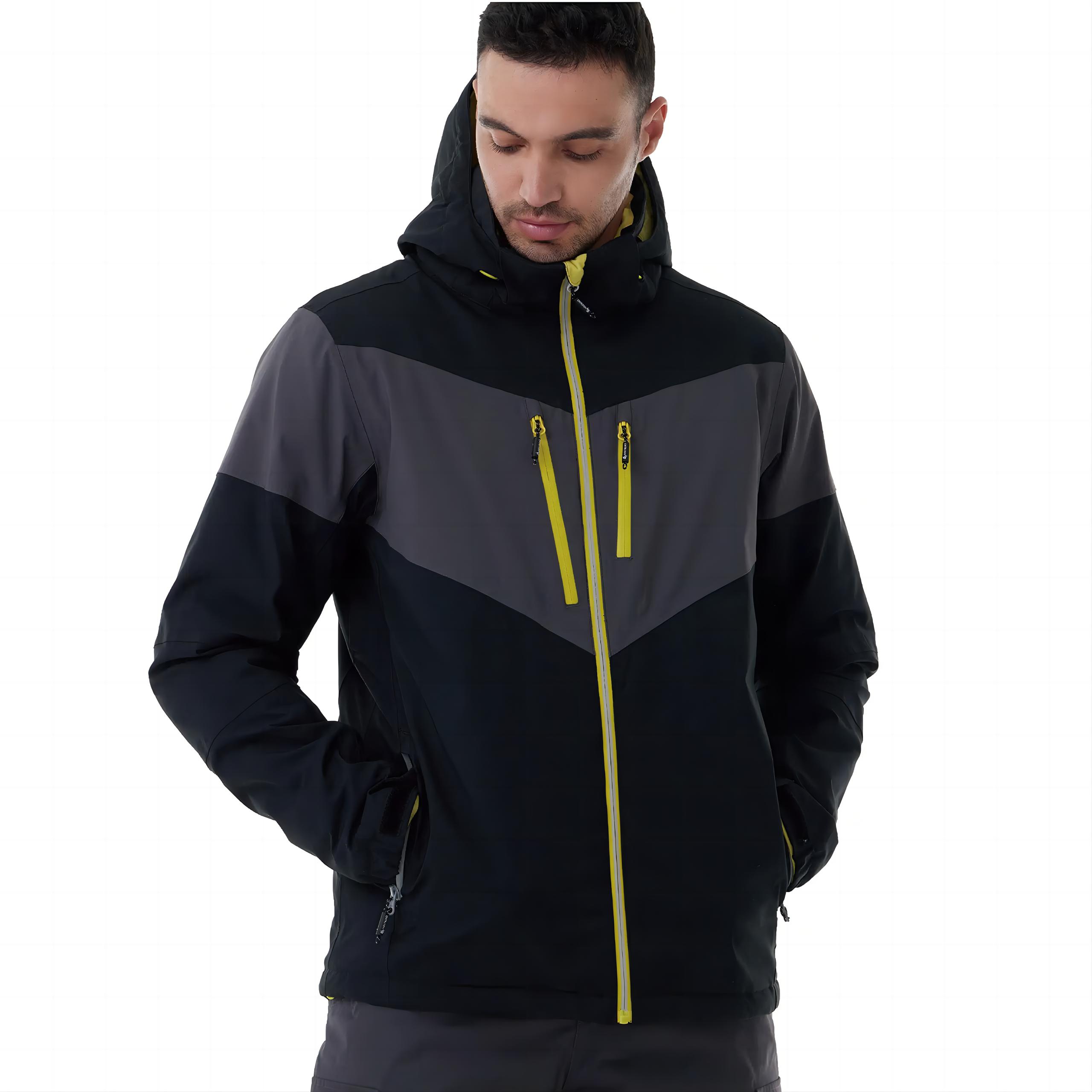
Soccer Uniforms
Soccer uniforms require consistent fabric performance, color, numbering, lettering and size grading across coordinated sets. EDVORIN develops jerseys, shorts and related components for clubs, schools and distributors, managing sublimation or other decoration, badges, name sets, sampling, inspection and organized packaging.
Get a Quote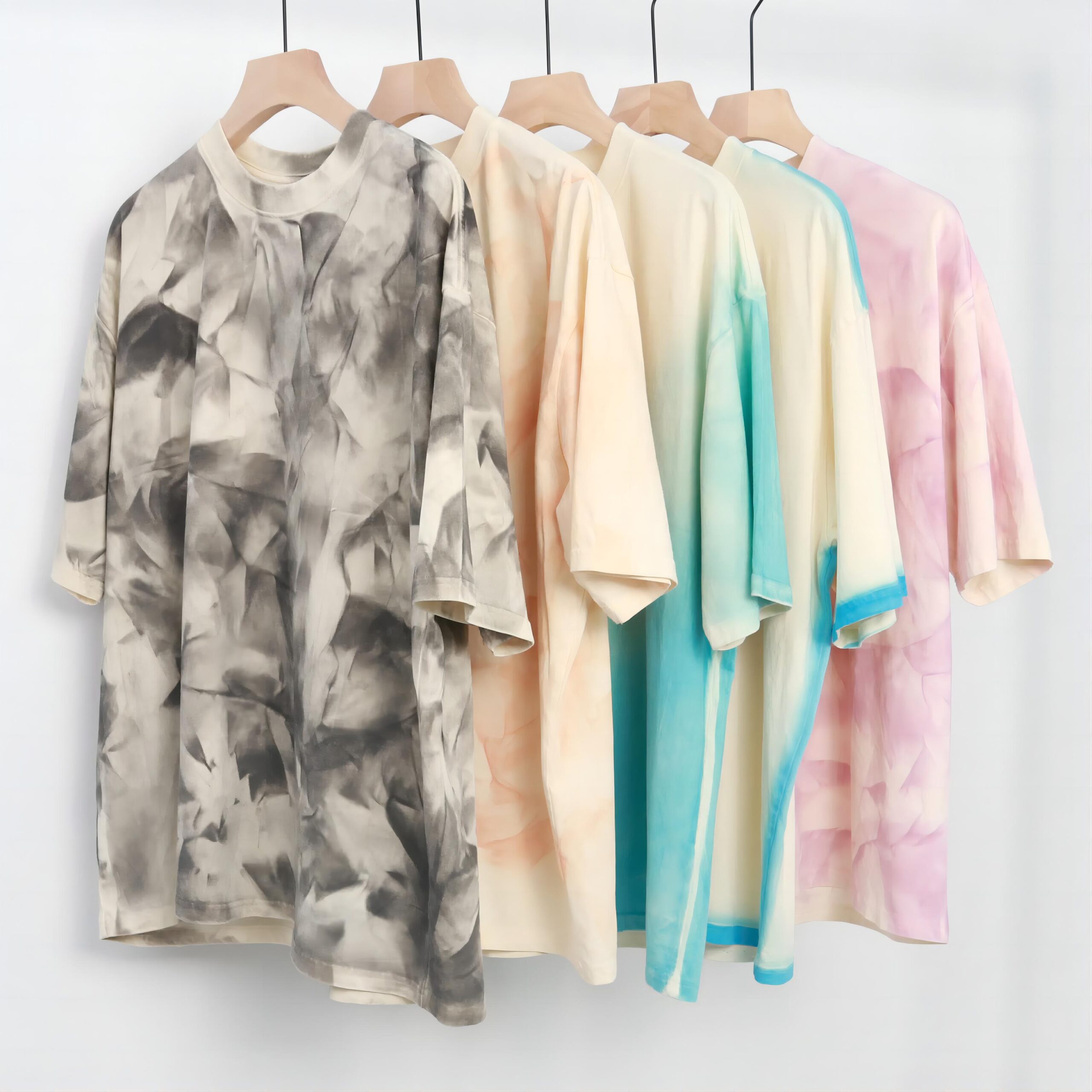
Basketball Uniforms
Basketball uniforms are developed for movement, breathability and reliable team identification. EDVORIN coordinates mesh or performance fabrics, jersey and short construction, color blocking, numbering, lettering, logos, badges, size sets and packaging for schools, clubs, wholesalers and repeat teamwear programs.
Get a Quote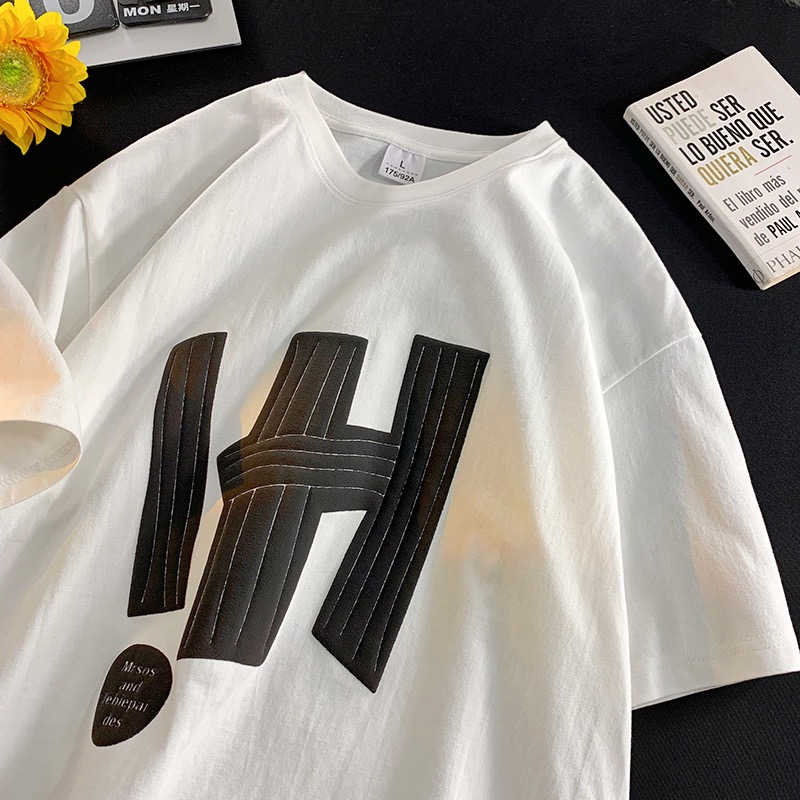
Streetwear Collections
EDVORIN develops streetwear collections across hoodies, sweatshirts, T-shirts, pants, jackets and coordinated accessories. Product development, fabric sourcing, patterns, sampling, chenille, embroidery, printing, washing, labeling and packaging are managed within one production system for emerging labels, established brands and wholesale programs.
Get a QuoteWhat Are Chenille and Embroidery?
Use a practical decision framework to match texture, detail, fabric, volume, and application with the right patch method—while evaluating suppliers, controlling costs, and avoiding specification, sampling, and production mistakes.
1. What Is Chenille vs Embroidery?
2 decoration systems define this comparison: chenille forms raised yarn loops on a backing, creating a soft, plush surface with strong visual depth. Flat embroidery uses tightly stitched thread that sits close to the fabric, producing cleaner edges, sharper lettering, and finer artwork detail. 1 practical rule guides selection: choose chenille when a varsity jacket, hoodie, or team program needs a bold, textured identity that reads clearly from a distance. Choose flat embroidery for precise logos, small text, sleeve crests, names, numbers, and intricate marks where line definition matters more than pile. 7 buyer checks should be settled before sampling: visual effect, artwork detail, base-fabric compatibility, wash and wear demands, order quantity, placement, and budget.
2. Chenille vs Embroidery: Evolution and History
Embroidery has a long history as a practical form of identity, distinction and durable decoration across uniforms, badges, club apparel and branded workwear. Chenille developed a distinct visual identity through 20th-century varsity apparel, using raised yarn, bold lettering and a soft tactile surface associated with collegiate jackets, school achievements and heritage sportswear. Today, both methods are used for streetwear, private-label collections, sports programs and school apparel. The right choice depends on artwork detail, garment construction, desired texture and repeatability—not on tradition alone.
3. Types of Chenille vs Embroidery
Chenille and embroidery solve different visual problems: one emphasizes raised texture, while the other preserves line detail.
Chenille-Only Patches
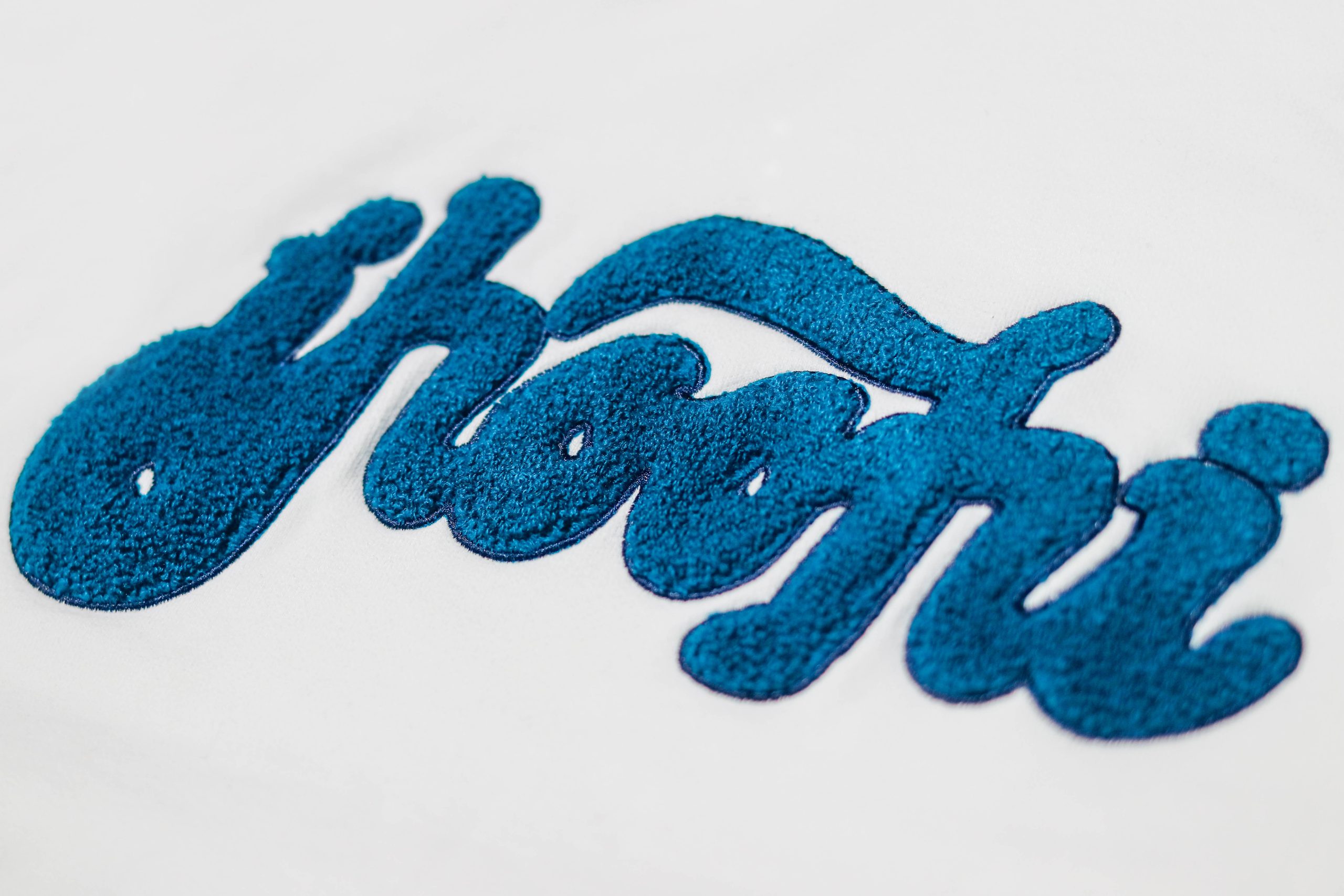
Large varsity letters, block numerals, and simple symbols suit chenille-only patches because looped yarn creates a soft, raised, fuzzy surface.
Flat Embroidered Patches
Flat embroidery uses tightly stitched thread for a smooth surface, sharper edges, and finer artwork than chenille. It matches sleeve crests, sponsor marks, names, badges, and detailed logos on jackets, polos, jerseys, and workwear.
Felt-Backed Combinations
A felt backing gives the patch a defined silhouette, while chenille supplies the main volume and flat embroidery adds outlines, facial features, or secondary text. This construction suits mascot emblems, school seals, and layered varsity designs.
Appliqué And Direct Embroidery
Appliqué combines cut fabric shapes with stitched borders, making it effective for oversized numerals, tonal streetwear graphics, and athletic lettering where fabric contrast is part of the design.
4. Chenille vs Embroidery Materials and Fabrics
GSM, stretch, pile height, and knit structure determine whether chenille or embroidery remains stable on the garment.
Yarn And Thread Selection
Thick acrylic or cotton yarn creates chenille’s raised pile; polyester or rayon embroidery thread produces flatter, finer detail. Yarn favors bold varsity letters, while thread suits logos, names, and small marks. Felt or twill backing stabilizes the decoration and defines its edge.
Fabric And Stabilizer Matrix
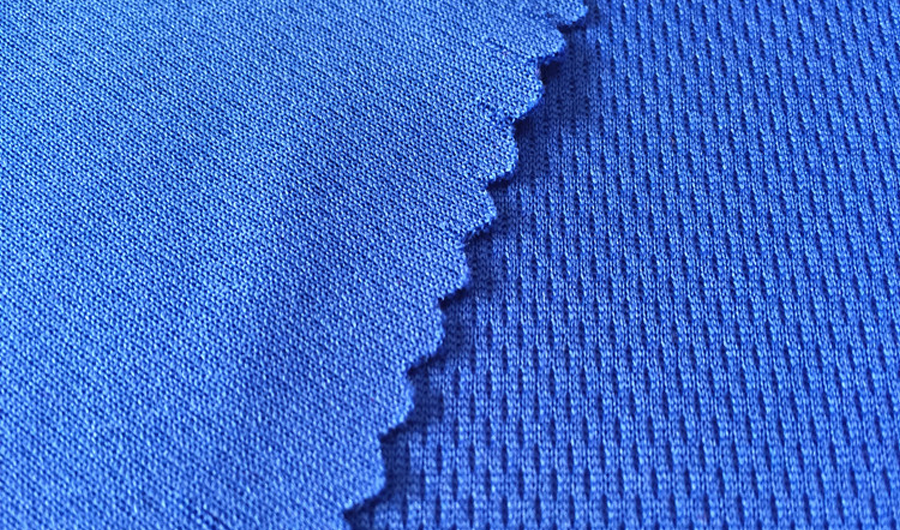
280–500 GSM fleece and sturdy woven jackets generally support chenille; lighter knits need lighter embroidery and controlled stabilizers. Stretch, loops, and pile can cause puckering or shifting.
| Material or Fabric | Method | Recommended Use | Risk | Approval Check |
|---|---|---|---|---|
| Heavy fleece | Chenille | Varsity letters | Excess weight | Check drape |
| Light jersey | Embroidery | Chest logos | Puckering | Stretch test |
| Felt backing | Chenille or embroidery | Mascots and badges | Edge lift | Inspect cut edge |
| Twill backing | Embroidery | Names and detail | Thread distortion | Review stitch density |
Attachment And Care
Hook-and-loop supports removable team or club identifiers; sew-on attachment gives durable security for jackets and uniforms. Heat-seal is clean and fast, but requires compatible heat, pressure, and dwell settings.
- Use sew-on for heavy, frequently handled patches.
- Use hook-and-loop when identifiers must change.
- Use heat-seal only after fabric compatibility testing.
5. Chenille vs Embroidery Customization Options
A production-ready concept defines size, border, lettering, colors, artwork limits, placement, and attachment before sampling.
| Option | Best Customization | Production Limitation |
|---|---|---|
| Chenille | Large letters, bold shapes, raised texture | Needs simple artwork and larger details |
| Flat embroidery | Small text, fine outlines, complex logos | Less tactile and visually lighter |
| Hybrid | Dominant chenille with precise embroidered details | Requires documented layers and alignment |
Define The Decoration Specification
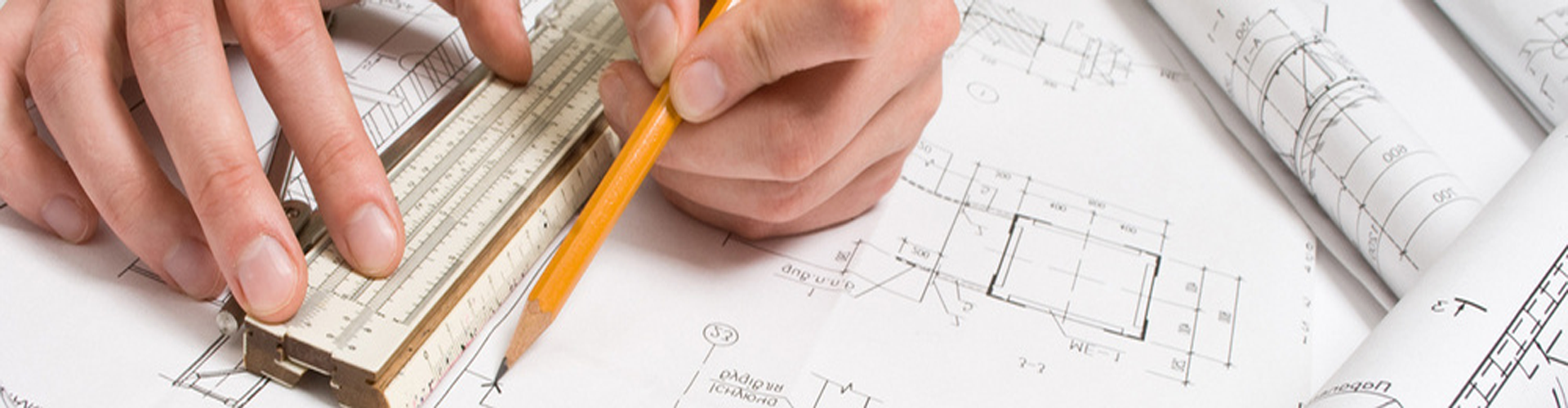
A 2-inch minimum letter height is a practical starting point for bold chenille lettering; smaller text usually belongs in flat embroidery. Specify finished width and height, border width, backing shape, stitch or yarn colors, placement measurements, and sew-on or heat-attach construction. Three color references should be supplied when possible: artwork code, approved physical sample, and Pantone target.
Design For Distance And Personalization
Twenty feet is a useful visual check for teamwear, varsity jackets, and retail back graphics: the primary letter or symbol must read before secondary detail. Use high-contrast borders and limit chenille shapes to broad curves, solid fills, and recognizable silhouettes.
Use Hybrid Decoration Strategically
One hybrid patch can assign each process a clear job: chenille for the dominant letter, numeral, or mascot body, and flat embroidery for outlines, facial features, sponsor marks, or small wording. This is most useful when a concept needs both tactile impact and legibility.
6. Key Construction Quality Elements
A six-point sample checklist makes chenille and embroidery decisions reproducible across bulk production.
Surface And Shape Control
1. Clean edges should show no loose fibers, skipped stitches, exposed backing, or uneven trimming. Photograph the front and reverse at close range, including corners, curves, lettering, and the complete motif. 2.
Backing And Attachment Security
3. Stable backing should lie flat without puckering, curling, delamination, or migration through the garment. Specify backing type, edge finish, stitch coverage, and any adhesive or felt layer in the tech pack. 4. Border integrity and attachment strength require a pull check at corners and along long edges.
Color And Performance Approval
5. Color consistency should be checked against the approved swatch or Pantone reference under consistent lighting. Document yarn or thread codes, border color, backing color, and acceptable batch variation. 6.
7. How to Choose a Chenille or Embroidery Manufacturer
Three checks separate a dependable supplier from a persuasive quotation: documented capability, controlled sampling, and repeatable bulk standards.
Verify Technical Capability
Ask which chenille and embroidery machines are used, who digitizes artwork, and whether the supplier can show comparable production samples. Confirm decoration expertise across felt, fleece, French terry, jackets, jerseys, and small lettering.
- Which machines and operators handle this decoration?
- Can you sample our artwork at final size?
- Which materials and backing options do you source?
Test Process And Quality
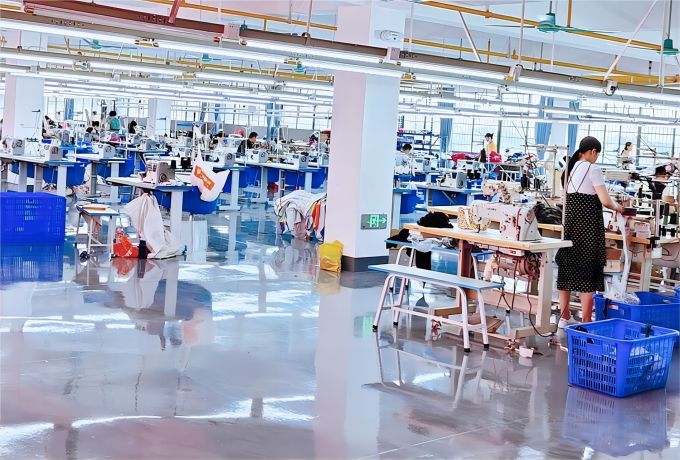
EDVORIN’s MOQ starts at 200 pieces per style. One approved sample should define dimensions, color references, attachment method, wash expectations, packaging, and acceptable variation. Ask for in-line inspection points, final inspection records, and a correction process. Require written capacity, MOQ tiers, lead-time assumptions, and production-change notification.
- What changes trigger reapproval?
- What inspection records accompany shipment?
- Which compliance documents apply to this order?
Compare Commercial Terms
A quotation is comparable only when artwork digitization, sampling, materials, attachments, labels, packaging, freight terms, and revisions are itemized. Separate one-time development charges from repeat-order pricing.
- Is the price based on confirmed quantities and specifications?
- What is excluded from the quoted unit cost?
- Who manages replacement or correction claims?
8. Common Chenille vs Embroidery Buying Mistakes
Four recurring errors can turn a sound chenille and embroidery concept into a costly production revision.
Approve From Physical Evidence
One screen-only mockup cannot show pile height, thread sheen, edge definition, or scale. Request a physical sample or material strike-off on the intended garment before approving the decoration method; this protects the final appearance decision. A 5 mm embroidered letter may remain legible, while chenille generally needs much larger lettering.
Respect Artwork And Fabric
Two or three dominant shapes usually reproduce more reliably than crowded artwork with thin outlines, gradients, and tiny internal details. Separate bold chenille elements from fine embroidered details where appropriate; this protects the intended visual hierarchy. A stretch jersey, fleece, French terry, and wool-blend varsity body respond differently to decoration and washing.
Compare Complete Production Scope
A quotation omitting digitizing, backing, attachment, sampling, packaging, or freight is not a comparable quotation. Request one written scope with quantities, dimensions, materials, color references, inspection terms, and every charge; this protects the true cost decision.
Define Attachment And Approval Controls
Sewn, heat-applied, adhesive, and hook-and-loop attachment suit different garments, washing conditions, and replacement needs. Specify the attachment method and test it on the finished fabric; this protects durability and care performance.
9. Steps to Launch Your Brand Program
A seven-step launch workflow turns chenille and embroidery decisions into a repeatable apparel program.
Define The Production Brief
1 brief should specify garment style, fabric, artwork, placement, dimensions, decoration method, target quantities, SKU logic, and delivery window. Separate core designs from variable elements such as names, numbers, roles, and graduation years.
- Assign one SKU per style-color-decoration combination.
- Create a roster file for names, numbers, and titles.
- Specify folded, polybagged, labeled, and carton-packed requirements.
Shortlist And Quote Suppliers
3 qualified suppliers should receive identical artwork, measurements, quantities, and packaging instructions. Ask each to confirm chenille, flat embroidery, or combination suitability for the fabric and smallest important detail. 4 quotation reviews should separate sampling, digitizing, setup, decoration, garment, packaging, freight, and revision costs.
- Compare lead time, MOQ, sample charges, and reorder terms.
- Request stitch or yarn color references before approval.
- Confirm personalization data cutoffs and file formats.
Prototype And Approve
5 prototype review should check placement, scale, edge coverage, backing, texture, and readability at normal viewing distance. Test the actual garment construction, not only a loose patch, especially on fleece, French terry, jackets, or stretch jerseys.
- Mark approved revisions with dates and version numbers.
- Retain a physical standard for future comparisons.
Pilot, Bulk, And Reorder
7 pilot orders should validate the SKU matrix, size ratios, roster accuracy, labels, polybags, carton marks, and inspection checklist before full production. Use in-line and final checks to compare decoration placement, color, measurements, and personalization against the approved standard.
- Release bulk production only after pilot sign-off.
- Keep unchanged artwork clearly marked as carryover.
- Log every substitution, correction, and approval date.
10. Chenille vs Embroidery Pricing and Cost
2 cost layers should be quoted separately: one-time artwork or digitization and production setup. The recurring price then reflects materials, finished size, stitch or yarn coverage, border complexity, attachment method, sampling, packaging, freight, quantity, and rush timing. 3 variables usually move the unit price most: coverage, backing or yarn selection, and order volume. Embroidery may require dense stitch counts and digitized files; chenille may require more yarn, larger artwork, specialized handling, or a separate sewn attachment.
| Quantity Tier | Estimated Unit-Price Range | Setup Cost | Lead Time | Assumptions |
|---|---|---|---|---|
| Below 200 pieces | Quote required | $50–$150 | 10–15 business days | EDVORIN’s MOQ starts at 200 pieces per style. Below EDVORIN’s standard MOQ; availability and pricing require confirmation |
| Below 200 pieces | Quote required | $75–$200 | 12–20 business days | EDVORIN’s MOQ starts at 200 pieces per style. Below EDVORIN’s standard MOQ; availability and pricing require confirmation |
| 200–499 pieces | $3–$8 embroidery; $5–$12 chenille | $100–$300 | 15–25 business days | Bulk efficiency; standard attachment; consolidated packaging |
| 500+ pieces | $2–$6 embroidery; $4–$10 chenille | $150–$400 | 20–30 business days | Higher volume; repeatable specification; freight quoted separately |
Chenille vs Embroidery: Common Buyer Questions
Clear answers for brands planning artwork, sampling, production and repeat orders with EDVORIN.
What is the main difference between chenille and embroidery?
Is chenille vs embroidery better for detailed logos?
Can chenille and embroidery be used on the same garment?
Which garments work best for chenille decoration?
How durable are chenille and embroidered decorations?
Can EDVORIN provide a sample before bulk production?
What is EDVORIN’s MOQ for chenille or embroidery apparel?
How does EDVORIN keep repeat orders consistent?
Ready to Turn Chenille vs Embroidery Into Production?
Share your artwork, product brief, or collection concept with EDVORIN for development, sampling, OEM/ODM manufacturing, and repeatable bulk production.